
Business RadioX ®

  • Home
  • Business RadioX ® Communities
    • Southeast
      • Alabama
        • Birmingham
      • Florida
        • Orlando
        • Pensacola
        • South Florida
        • Tampa
        • Tallahassee
      • Georgia
        • Atlanta
        • Cherokee
        • Forsyth
        • Greater Perimeter
        • Gwinnett
        • North Fulton
        • North Georgia
        • Northeast Georgia
        • Rome
        • Savannah
      • Louisiana
        • New Orleans
      • North Carolina
        • Charlotte
        • Raleigh
      • Tennessee
        • Chattanooga
        • Nashville
      • Virginia
        • Richmond
    • South Central
      • Arkansas
        • Northwest Arkansas
    • Midwest
      • Illinois
        • Chicago
      • Michigan
        • Detroit
      • Minnesota
        • Minneapolis St. Paul
      • Missouri
        • St. Louis
      • Ohio
        • Cleveland
        • Columbus
        • Dayton
    • Southwest
      • Arizona
        • Phoenix
        • Tucson
        • Valley
      • Texas
        • Austin
        • Dallas
        • Houston
    • West
      • California
        • Bay Area
        • LA
        • Pasadena
      • Colorado
        • Denver
      • Hawaii
        • Oahu
  • FAQs
  • About Us
    • Our Mission
    • Our Audience
    • Why It Works
    • What People Are Saying
    • BRX in the News
  • Resources
    • BRX Pro Tips
    • B2B Marketing: The 4Rs
    • High Velocity Selling Habits
    • Why Most B2B Media Strategies Fail
    • 9 Reasons To Sponsor A Business RadioX ® Show
  • Partner With Us
  • Veteran Business RadioX ®

Decision Vision Episode 46: Does My Corporate Culture Need More Humor? – Karyn Buxman, The HumorLab

January 9, 2020 by John Ray

Does My Corporate Culture Need More Humor?
Decision Vision
Decision Vision Episode 46: Does My Corporate Culture Need More Humor? - Karyn Buxman, The HumorLab
Loading
00:00 /
RSS Feed
Share
Link
Embed

Download file

Decision Vision Episode 46:  Does My Corporate Culture Need More Humor? – Karyn Buxman, The HumorLab

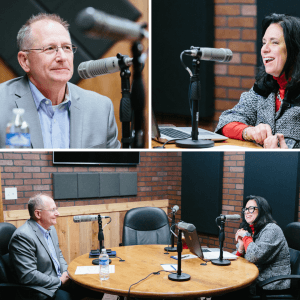
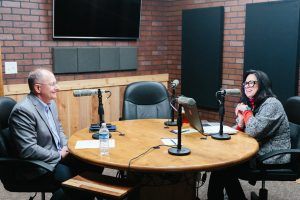
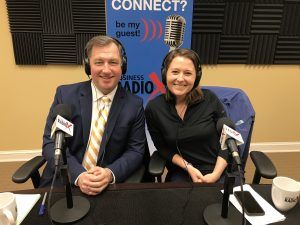
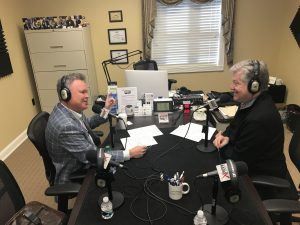
Does my corporate culture need more humor? What are the benefits of humor in the workplace? What’s the best way to inject humor while avoiding the risks? Answers to these questions and much more come from neurohumorist Karyn Buxman on this edition of “Decision Vision.” Mike Blake is the host of “Decision Vision,” presented by Brady Ware & Company.

Karyn Buxman, The HumorLab

Karyn Buxman

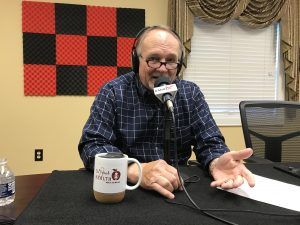
Karyn Buxman is Founder and President of The HumorLab. The HumorLab is dedicated to serving high performers who have gone from good to great and now want to go from great to world class through the use of strategic humor.

Karyn Buxman is a research-based thought leader on applied humor, whose latest undertakings are her TEDx talk—“How Humor Saved the World”—and her upcoming Forbes book, Funny Means Money. Strategic Humor for Influence & World Domination. As a neurohumorist Karyn’s career resides at the intersection of humor and the brain. She is as masterfully funny, but her passion and calling are sharing the practical benefits of humor.

Karyn is one of 194 professionals (and one of only 43 women) in the world to be inducted into the Speaker Hall of Fame. Karyn speaks internationally to organizations that grasp the important role humor plays in business, health and life. Among her 800+ clients over 25 years are Genentech, State Farm, USDA, Cigna and the Million Dollar Roundtable.

For more information, go to Karyn’s website or You can also download a copy of Karyn’s new book, Funny Means Money, at humorforme.com.

Michael Blake, Brady Ware & Company

Mike Blake, Host of “Decision Vision”

Michael Blake is Host of the “Decision Vision” podcast series and a Director of Brady Ware & Company. Mike specializes in the valuation of intellectual property-driven firms, such as software firms, aerospace firms and professional services firms, most frequently in the capacity as a transaction advisor, helping clients obtain great outcomes from complex transaction opportunities. He is also a specialist in the appraisal of intellectual properties as stand-alone assets, such as software, trade secrets, and patents.

Mike has been a full-time business appraiser for 13 years with public accounting firms, boutique business appraisal firms, and an owner of his own firm. Prior to that, he spent 8 years in venture capital and investment banking, including transactions in the U.S., Israel, Russia, Ukraine, and Belarus.

Brady Ware & Company

Brady Ware & Company is a regional full-service accounting and advisory firm which helps businesses and entrepreneurs make visions a reality. Brady Ware services clients nationally from its offices in Alpharetta, GA; Columbus and Dayton, OH; and Richmond, IN. The firm is growth minded, committed to the regions in which they operate, and most importantly, they make significant investments in their people and service offerings to meet the changing financial needs of those they are privileged to serve. The firm is dedicated to providing results that make a difference for its clients.

Decision Vision Podcast Series

“Decision Vision” is a podcast covering topics and issues facing small business owners and connecting them with solutions from leading experts. This series is presented by Brady Ware & Company. If you are a decision maker for a small business, we’d love to hear from you. Contact us at decisionvision@bradyware.com and make sure to listen to every Thursday to the “Decision Vision” podcast. Past episodes of “Decision Vision” can be found here. “Decision Vision” is produced and broadcast by the North Fulton studio of Business RadioX®.

Visit Brady Ware & Company on social media:

LinkedIn:  https://www.linkedin.com/company/brady-ware/

Facebook: https://www.facebook.com/bradywareCPAs/

Twitter: https://twitter.com/BradyWare

Instagram: https://www.instagram.com/bradywarecompany/

Show Transcript

Intro: [00:00:02] Welcome to Decision Vision, a podcast series focusing on critical business decisions brought to you by Brady Ware & Company. Brady Ware is a regional full-service accounting and advisory that helps businesses and entrepreneurs make visions a reality.

Mike Blake: [00:00:20] And welcome back to Decision Vision, a podcast giving you, the listener, clear vision to make great decisions. In each episode, we discuss the process of decision making on a different topic from the business owners or executives’ perspective. We aren’t necessarily telling you what decision to make, but we can put you in a position to make an informed decision on your own and understand when you might need help along the way.

Mike Blake: [00:00:41] My name is Mike Blake and I’m your host for today’s program. I’m a director at Brady Ware & Company, a full-service accounting firm based in Dayton, Ohio, with offices in Dayton, Columbus, Ohio, Richmond, Indiana, and Alpharetta, Georgia, which is where we’re recording today. Brady Ware is sponsoring this podcast. If you like this podcast, please subscribe on your favorite podcast aggregator and please consider leaving a review of the podcast as well.

Mike Blake: [00:01:05] So, today, we’re going to discuss humor in the workplace and injecting humor into a workplace culture. And I’m sure everybody who is listening to this podcast is thinking, “Well, you work for a CPA firm. That’s a perfect place to start talking about humor in the workplace”, because obviously, we sort of yak it up all day long. We’re just known for that. Although in our defense, I will point out that probably—certainly, the top three comedians, Bob Newhart actually started his career as a CPA.

Mike Blake: [00:01:38] Obviously, the entertainment gig did very well by him, but accountants do produce funny people at least once in a generation, so it can happen. But, you know, I think this topic is so important and so interesting. We’re learning more about the state of mental health in the workplace and we’re learning more about—and this is related to so-called work-life balance and we’re learning about the pressure that we’re under, as we’re always under increasing pressure to kind of do more with less.

Mike Blake: [00:02:15] And, you know, we’re hearing more about people, frankly, kind of struggle to adapt to that. And we struggle to adapt to that. Whether you’re a line worker, whether you’re a cashier, whether you’re middle management, whether you’re executive management, whether you are the owner of the business, there is always something out there that is going to challenge you mentally. And most of us, myself included, feel like there’s something out there, every hour, to challenge us mentally.

Mike Blake: [00:02:46] And it can lead to places, you know, that are humorless places to work. And places that are humorless places to work, as our guest is going to discuss, are neither pleasant nor very effective workplaces. And there’s a fine line, and maybe not so fine line, we’re going to find out that, you know, just because you have a sense of humor and there’s a sense of humor and humoring in the business culture, that does not mean that you don’t take your job seriously.

Mike Blake: [00:03:21] You know, for example, Southwest Airlines is known for encouraging their employees, you go in a Southwest flight, right? Some of those flight attendants could easily be stand-up comedians and maybe they are when they’re not actually on a flight. But I’m also confident that they take flight safety very seriously because they all want to make it home. But I think there’s a misperception. And in my industry, I think particularly if you’re old school, you want to create this image of being sort of the buttoned down, very serious person, because you’re talking about finance, you’re talking about money, you’re talking about financial stability and solvency.

Mike Blake: [00:04:01] And, you know, for some clients, maybe that’s right. For others, maybe it’s not. So, I think we’re going to have a lot of fun. I think there’s a lot to learn from this topic today. And joining us today is an expert on this topic from beautiful San Diego. So, in contrast to Atlanta, where it’s currently 38 and raining and overcast, about three layers of clouds, let me just take a guess, well, it’s 9:00 a.m. there, so it’s probably about 72 and sunny there?

Karyn Buxman: [00:04:34] Well, it’s not quite that warm. I mean, it’s chilly here, it’s probably 64.

Mike Blake: [00:04:39] Oh, okay. Well, hopefully you can throw a sweater on, you’ll be able to pull through it. So, Karyn is founder of the Humor Lab. And the Humor Lab is dedicated to serving high performers who have gone from good to great and now want to go from great to world class with the use of strategic humor. Karyn Buxman is a research-based thought leader in applied humor whose latest undertakings are her TEDx talk, How Humor Saved the World and her upcoming ForbesBook, Funny Makes Money, Strategic Humor for Influence and World Domination.

Mike Blake: [00:05:10] As a neurohumorist, Karyn’s career resides at the intersection of humor and the brain. She is as masterfully funny, but her passion and calling are sharing the practical benefits of humor. Karyn is one of 194 professionals and one of only 43 women in the world to be inducted into the Speaker Hall of Fame. Karyn speaks internationally to organizations that grasp the important role that humor plays in business, health, and life. Among her over 800 clients over 25 years are Genentech, State Farm, now an Atlanta-based company, the US Department of Agriculture, Cigna, and the Million Dollar Roundtable. Karyn, thanks so much for coming on the program.

Karyn Buxman: [00:05:52] Mike, I’m so excited to be here with you.

Mike Blake: [00:05:55] So, Karyn, I’ve got to ask one question right off the bat. I’m tearing up the script, but I know you can handle it. What are the speeches like at the International Speaker Hall of Fame? When somebody gives an induction speech at the Speaker Hall of Fame, what are they like?

Karyn Buxman: [00:06:10] You know, I have to say, it’s really kind of a weird situation because let me put it this way, how many speakers does it take to change a light bulb? Yeah, 100. One can change a light bulb and 99 to sit in the audience going, “That should be me up there on the stage.” And that’s kind of how it is, you know, with the Hall of Fame. But it’s wonderful. I think that’s one of the accomplishments that I most treasure because, you know, it’s one thing when your mom or your spouse says, “Oh, my God, you’re the best thing since Velcro.” But when your peers say that, that’s very, very rewarding. So, I feel very honored to have received that award, that I can have-

Mike Blake: [00:07:01] Yeah. I can imagine.

Karyn Buxman: [00:07:01] … that recognition.

Mike Blake: [00:07:02] Where are they located?

Karyn Buxman: [00:07:06] The National Speakers Association is actually a global organization and their headquarters are located in Tempe, part of Phoenix, in Arizona.

Mike Blake: [00:07:19] Okay. Very good. Because the next time I go to Phoenix, I can visit and see your plaque and your induction speech and all that, I guess.

Karyn Buxman: [00:07:26] Yeah, you know. And I have this little statue, it’s kind of like the Oscars.

Mike Blake: [00:07:30] Sweet.

Karyn Buxman: [00:07:31] And so, that’s sitting on one of my shelves. And so, yeah. But not to take it too seriously, like don’t tell the headquarters I did this because they would probably be agog. But I found online these little outfits that you could get for wine bottles to dress them up, you know, kind of like, I guess, there was one for weddings and there was one for various kinds of holidays, a Santa outfit or a 4th of July outfit that you could put on a wine bottle to gift it. And it fits my statue perfectly. So, periodically, we dress it up.

Mike Blake: [00:08:10] Well, good. And we both know how hard it can be to find something that sits off the rack so that works out well.

Karyn Buxman: [00:08:16] Exactly.

Mike Blake: [00:08:19] So, you categorize yourself as a neurohumorist. What is that?

Karyn Buxman: [00:08:25] Yes. A neurohumorist is one who lives at the intersection of humor and the brain. I have been researching the field of humor within the field of psychoneuroimmunology and positive psychology for thirty years. And over the last decade, I’ve really delved deep into humor and the effects on the brain and vice versa. And it’s just amazing. It really was. It was like the missing piece. And so much of what I have discovered in the last couple of years is what I think makes this so pertinent for you and for your listeners. Because really, so much of the interactions with your listeners and your executive, these are the things that our brain-based.

Karyn Buxman: [00:09:22] And it really helps us get a better understanding of why we behave like we do and why others respond to us like they do and how can we influence that. And so, the brain piece is something that people, you know, up until now had not really looked at. What is the relationship between humor and the brain? But this is the sweet spot. This is really the sweet spot. And so, the people who are listening to us today, both of them, they’re going to be-

Mike Blake: [00:09:56] We had a spike.

Karyn Buxman: [00:09:57] … drawing information that is very cutting edge. This gives them a competitive edge even.

Mike Blake: [00:10:04] So, are you teaching leaders of the Genentechs and State Farms of the world then, you know, how to how to be funny? I don’t know who their CEOs are, but, you know, are they now qualified to do stand-up or what does that look like?

Karyn Buxman: [00:10:23] I’m so happy you asked that because this is the biggest misconception that when I’m teaching people or encouraging people to leverage the power of humor, that what I’m really talking about is entertainment. How do you get other people to laugh? And that is not the case. What I’ve identified are three purposes of humor. And the first purpose of humor is entertainment. And that’s the one that everybody knows and is familiar with.

Karyn Buxman: [00:11:03] And when our purpose is entertainment, we measure our success by laughter. But there’s two other purposes. One of the purposes is influence and the other is well-being. And just in your intro, when you were talking, I thought, “Oh, man. Boom, boom. Both of those are relevant to our listeners today.” And so, with influence, we don’t measure the success of humor and influence by laughter, we measure it by the quality of the relationships that we have.

Karyn Buxman: [00:11:41] And with well-being, we measure the success of applied humor by the levels of health and wellness within areas that are physical, psychological, social, and even spiritual. So, it’s this power of humor when you apply it. And when you apply humor to business, you can create success. When you apply it in profitability, when you apply to education, you can create more knowledge. When you apply it to health, we can create well-being. When you apply humor to an individual situation, we can create even intimacy. And when we apply it to a group, we can create community.

Karyn Buxman: [00:12:28] And so, it goes so far beyond being funny, which is great. Because when I’m talking to high performers, one of the top three push-backs I get is, “What if I’m not funny?” And I say, “Great because you don’t have to be funny”, which I know a bunch of accountants are going, “Oh, my God, thank God, you’re so right on.” I mean, oh, my gosh, Bob Newhart, he just makes me laugh so hard, I cry. And if there is anyone listening who has not ever listened to the piece on Bob Newhart as the psychologist, he’s trying to help a woman stop her OCD habits and phobias, it’s fall down, hysterical.

Karyn Buxman: [00:13:15] So, you know, here we go, we’re not trying to be funny, we’re trying to see funny. We’re trying to raise our awareness, raise our appreciation of humor so that we can experience it more. And in so doing, now, we recognize and can leverage opportunities of humor so that we can use those in our efforts to be more persuasive, be more informative, be more relatable, all of those kinds of things. And so, for everyone listening today, here’s a big takeaway, you don’t have to be the humor initiator, you can be the humor appreciator and you can still gain the benefit of humor in furthering your success.

Mike Blake: [00:14:10] Well, okay. And even if you think about entertainment, right? I mean, Dean Martin and Ed McMahon did pretty well being the straight guys, right?

Karyn Buxman: [00:14:18] Yes. Yes. And when you recognize the power of humor and to leverage humor, you can leverage other people’s humor. You don’t have to be the funny person. You can leverage your client’s humor. You can leverage humor that has to do with your environment. You can leverage humor that’s going on in the news. There’s all different ways that you can use that without ever having to say something funny yourself. Although I will say, if you practice appreciating humor on a regular basis, most people will get funnier. I mean, you can’t help it.

Karyn Buxman: [00:15:05] Here’s a quick little story, because I do entertain audiences, I mean, from 10 to 10,000-plus around the planet and I do make people laugh and I had a gentleman come up to me after one of my presentations and he said, “Oh, my gosh, were you always this funny?” And nobody has ever asked me that before. And I thought, “Yeah, I guess so.” But a couple of months later, I went back home. I met with my mom and I said, “Hey, mom, by the way, was I always funny?” And she looked at me and kind of kept her head thoughtfully and then, she said, “No.” And my mouth dropped up. And she said, “You were always the one with the sunny disposition.”

Karyn Buxman: [00:15:48] And at first, I was a little taken aback. But then, I got excited because what I realized was that because of my research and because I was so excited about the benefits, I was willing to practice more humor. I was willing to take a few more risks because the benefits outweighed the risks. And I became funnier in the process. And so, I think that others can also go down this path of appreciating humor, studying humor, experiencing humor. And eventually, they could be funny, too, if they desire. Not everybody wants to be funny.

Mike Blake: [00:16:30] So, let me share with you an experience we had in our firm. So, when I joined Brady Ware, because I’m a geek and I worked in the really quant jock area of our firm, I decided that we would celebrate Pi Day, which is, of course, March 14th. And we celebrate it promptly at 1:59 p.m. and 27 seconds, right?

Karyn Buxman: [00:16:52] I love it.

Mike Blake: [00:16:53] And so, the first thing we did, I ran out and I bought a bunch of pies. I had a bunch of pies and I was fine. This year, you know, I was told we have a fun committee. Okay. So, nothing says more fun than a committee. But anyway, I went to the committee and I said, “Hey, regarding this Pi Day, do you want to do anything different?” And they said, “You know, what we really like to do is we would like to throw pies at the partners.” And I said, “Okay, well, if you can convince the other partners and partners are in, I’m in.” And to the partners’ credit, they all readily said, “Yeah, I’m in.” Now, none of them, I think, are people that necessarily—I mean, some of them can crack a joke, others are more not the joke crackers. But, you know, everybody stood up there and took their pie lumps for about 15 minutes or so.

Karyn Buxman: [00:17:45] Oh, my God.

Mike Blake: [00:17:46] And I think you can predict what the morale impact on the company was on that exercise. We didn’t say a joke, we didn’t do anything that was funny, but we let ourselves be part of a gag. We let ourselves be the target of a gag.

Karyn Buxman: [00:18:03] Oh, my God, you’ve just opened the—number one, that is awesome. That is an incredible story. And two, let’s break this down. Can we unpack this for a minute?

Mike Blake: [00:18:16] That’s why I brought it up. We’re just going to tear out the script. This may be a three-parter.

Karyn Buxman: [00:18:20] Yes. So, here’s something, let’s unpack this a little bit, because one, you know, I think as we also celebrate Pi Day and then, there was Ultimate Pi Day, which was 3.14.15. And that was like, we’re kind of geeky around that as well. But in allowing your people to be the recipients of the humor, you allowed them to be the recipients of the humor, and in so doing, now, they have shown a little bit of vulnerability.

Karyn Buxman: [00:18:59] And in that vulnerability, this is where we create trust equity. Trust equity. Because earlier, we were talking about brains. And with brains, we have a state when we are leaning toward an individual, when we are connecting with an individual, when our brain chemicals are in a toward state of connection. This is something that facilitates relationship rapport, bonding. But when our brains are in an away state, when your epinephrine is going up and when our cortisol is going up and when our dopamine is going down and serotonin is going down and all these other connecting hormones and proteins, this is when we call this an away state.

Karyn Buxman: [00:19:57] And when we’re in an away state, it can be a low level stress, it can be a fear. The purpose of our brains are to protect us. And so, it’s always looking for threat. And you guys may not want to hear this, but, you know, as somebody who is in the field of managing people’s money, you automatically put someone’s brain in a threat state. I would say anybody who handles someone’s money or somebody’s body, you are working with a clientele whose brain is in an away state, a threat state.

Karyn Buxman: [00:20:37] How do you reverse that? Because if the brain is in an away state and the person’s amygdala is hijacked, you know, you’re not going to be able to inform them. You’re not going to be able to help them. You’re not going to be able to persuade them to the degree that you could if they were in a toward state. And humor creates that toward state. And so, what you did in so doing this exercise was the people who allowed someone to throw pies at them, they’re showing, in a humorous way, some vulnerability. And other people look at that and say, “Wow, that person is a little bit vulnerable. And that means I am safer.” And so, this isn’t even at a conscious level.

Karyn Buxman: [00:21:33] But anybody who would learn about this as a client or as a potential client or customer, that helps create that toward state. And in so doing, even among the team, now, we’ve created a toward state so that people are connecting more, the morale improves, the connectedness improves. And for so many reasons, you facilitated that and you probably didn’t even intentionally know that that was going to be the outcome. But here’s the great thing, now, you do. And with great power comes great responsibility, Mike. So, now, you want to look for other opportunities to create that toward state intentionally, because that’s what strategic humor is about. It’s humor by choice, not by chance.

Mike Blake: [00:22:30] Yeah. So-

Karyn Buxman: [00:22:32] Kudos to you.

Mike Blake: [00:22:32] Well, thank you. You know, it’s actually not that hard to have a pie thrown on your face, so if I can put that on my LinkedIn as a skill, I will. So, let me ask. So, the second part to this then is there is debate as to whether or not we’re going to post the pictures and videos on social media. We decided to do that. Did we do the right thing or wrong thing there?

Karyn Buxman: [00:22:59] It depends. I would say yes. I would say it’s the right thing to do. And I will say that there have been other professions who have posted similar kinds of situations. And occasionally, they get some push-back. But here’s what I would say, I’ve identified seven building blocks that are fundamental to successful humor in terms of influence. And those seven are bond, environments, authenticity, safety, distance and that’s both temporal and geographical content and delivery.

Karyn Buxman: [00:23:44] But the very first one, bond, is one that is so important and one that people often misunderstand. And what you’re asking actually has to do with the first one, bond, and the second one, environment. So, let’s look at this. In terms of bond, the question is, did this move trust equity forward with the people that you were sharing it with? And my guess is, yes, with your target audience, with your avatar, with the people that you know and that know you.

Karyn Buxman: [00:24:23] The biggest mistake that people make when they share humor is to not understand the relationship between themselves and the person they’re sharing the humor with. And our brains are designed as such that at times, we misunderstand or we misperceive how alike we really are. Like, “Oh, well, you know, I’m in Atlanta, he’s in Atlanta, we both like the same sports team, so we probably vote for the same person.” Well, that’s not a good assumption.

Karyn Buxman: [00:25:00] And, you know, we probably like the same kind of humor. Same kind of thing, not necessarily safe to assume. But the more you know your audience and kind of the longer period of time, the more trust equity you’ve built up, the riskier humor can be. But I’m going to stay on bond, I’m going to say yes, with your avatar, that would be totally appropriate. In terms of environment, the question is, has your humor been shared with anybody who is outside of your circle, outside of your group of trust?

Karyn Buxman: [00:25:40] And with social media, that’s harder to control. Because not only can you share it with your group, but they can share it to others outside your group. I’m going to say still, this is benign enough because if we go to the building block of safety, could anybody have been physically or emotionally hurt? You know, there’s a small chance that somebody could have been hurt with a pie in the face. You know, it’s like, well, what if, you know, they left the aluminum part of it on and that hit somebody-

Mike Blake: [00:26:15] Right.

Karyn Buxman: [00:26:15] … on their skin or in their eyeball?

Mike Blake: [00:26:17] Somebody hit you a frozen chicken pot pie, that would not turn out as well.

Karyn Buxman: [00:26:20] Yeah. Yeah. But, you know, could anybody feel bullied or embarrassed? You know, well, there’s a there’s a possibility, but it still feels pretty low if they voluntarily stepped up, pardon the pun to the pie plate. So, with all of those things, I’m going to say that the benefits would outweigh the risks. You know, if somebody is offended, why would they be offended? Because, you know, there’s some kind of a secret organization that is anti pie in the face? I mean, I can’t really even think of it.

Karyn Buxman: [00:26:57] You know, there’s going to be some, they’re like, “Oh, my gosh, is that really professional?” And again, those people have the misunderstanding, somewhere along the way, we confuse professionalism with solemnness. I’m not sure where that happened because we have leaders who are tremendously influential, who are incredibly professional, who are looked upon in the highest regard. You look at, you know, Churchill, you look at Gandhi, you look at President Kennedy and Reagan, I mean, there’s Lincoln, all these people were recognized as influential leaders and professional and yet they had an amazing sense of humor. So, I think that what you did was awesome.

Mike Blake: [00:27:51] So, where is that line or is there a line between, you know, humor and crossing that line to undermining your credibility? Is there some meter or some scale where, you know, you’re trying to be too yak yak and therefore, it’s going to make a little bit—you know, as you’re being wheeled in for brain surgery, do you necessarily want a knock knock joke out of the people in the operating room or, you know,I mean, maybe you do because it’ll take some of the tension out before they drill in your head, I’m not sure. But can you go too far with it?

Karyn Buxman: [00:28:33] This is such a great question and this is why I’m guaranteed, you know, enough work for my lifetime. There is a line, but it’s not a stationary line. That line is moving and it is moving based on those seven building blocks. And I actually have devised a tool where when I’m working with groups or when I’m consulting with someone, we take these situations and we actually break them down. We quantify each of these seven steps so that people can begin to get a feel for, where is that line?

Karyn Buxman: [00:29:17] Because sometimes, we intuitively know it. Sometimes, we misjudge it. And when you do cross that line or fall over that line, you want to pick yourself back up and then, you want to examine what happens. If someone was offended, you want to address that with them. And then, you want to learn from it and do it again. You want to adjust. It’s a scientific process. You know, you create your hypothesis. You put into place an action. And then, you observe, you assess what was the result of that action. And then, you adjust and you repeat.

Karyn Buxman: [00:30:01] And so, these are the kinds of things in terms of that moving line. But I mean, we all know the person who recognized that, “Oh, humor is a good thing, so we’re going to use more humor.” And then, they just become obnoxious because they try to be humorous or funny all the time. You know, I had mentioned earlier that one of the push-backs I get is, “What if I’m not funny?” A second concern that I hear is, “Well, what if everybody’s goofing off? We’ll never get anything done around here.”.

Karyn Buxman: [00:30:33] And here’s the key to this, the key to this is you need to have intentionally your goal, your desired outcome, your standards. And then, you also set the tone for humor. And here’s why, because you pair the two. Because if you only set the tone for high performance and hard work and high aspirations and that’s all that you do, eventually, people assume that the philosophy at work is the firings will continue until morale improves. If you only set the tone for humor without having a high benchmark for performance, then it becomes Animal House. And if anybody here is listening to this and doesn’t know the reference to Animal House and John Belushi, go look that up on YouTube.

Karyn Buxman: [00:31:35] But when you pair the two, now, you have high expectations per performance and you have set the tone for humor. And now, people have a better guideline of where to go. But for leaders to actually mentor their followers, their colleagues, their co-workers, their clients, their students, their family, to mentor others on the appropriate use of humor so that you leverage it and get the most benefits from it, I think, is really to be in a sweet spot.

Mike Blake: [00:32:12] So, let’s dig into this. You know, we’ve talked around this a little bit, but I want to make sure that we hit this hard, because it really is the heart of the topic, which is, you know, what benefits can I expect by creating a—is it fair to call it a humor-centric, if you will, business culture? And I think that’s important, because one of the things about humor is that there is risk. There is risk to humor-

Karyn Buxman: [00:32:41] Yes. Yes.

Mike Blake: [00:32:41] … which is one of the things we admire people who do it well. And if there’s risk, there’s got to be some return on the other end. So, you know, for companies that you’ve helped or have tried to help, you know, what is the carrot that makes it worth the risk of adopting or integrating humor into the culture?

Karyn Buxman: [00:33:00] God, that’s a great question. And I have identified 10 habits of high-performance humor. And one of those habits is risk management. And quite frankly, most of the listeners are in some form of risk management. And, you know, you want to look at, particularly, the seven building blocks that I spoke of and understand how to really embrace those and practice those so that you lower your risk. I think that if you really understand those seven building blocks, you embrace them, you practice them. I think you reduce your risk down to as low as 1 percent.

Karyn Buxman: [00:33:44] You know, there’s always going to be the oddball who comes in with their own agenda and their own backpack filled with all of their complaints and concerns. And it doesn’t matter how carefully you tiptoe, it doesn’t matter even if you’re not using humor, they’re going to find something to be offended about. So, the risks, I think, are worthy of noting and you really do need to include risk management. But in terms of benefits, it’s physiological, psychological, social, all of these things.

Karyn Buxman: [00:34:20] In terms of executives who are listening, I think one of the most exciting benefits that we’ve identified now is the cognitive capacity. The fact is that cognitive capacity, which is more or less a snapshot of your cognitive ability at any given time, we can increase cognitive capacity. And here’s how that works, humor is the connecting of two ideas that are not alike, that are disconnected. And when we connect those two disconnected dots, we create neuroplasticity.

Karyn Buxman: [00:35:06] We’re creating new pathways in our brain. And this creates a cascade effect. Because when we connect the disconnected dots and we create this neuroplasticity, which creates a higher level of cognitive ability, this, in turn, results in a higher level of problem-solving, which, in effect, allows an executive, particularly, your CEO level. They’re the visionaries. They’re the ones that need to have that cognitive capacity that is so high that they can forecast into the future.

Karyn Buxman: [00:35:44] When we did brain studies on people who were experiencing humor, one of the things that my colleague, Dr. Lee Berk, who is a leading researcher up in Loma Linda, discovered was that the brain pattern that we see is inclusive of gamma waves and the gamma wave pattern, which we’ve only been able to measure with digital technology, which has been created in the last decade or so. This is the same gamma wave pattern that we see in people who practice deep meditation and deep mindfulness. And people may say, “Well, so what?” Well, you know, who here couldn’t use more focus? Who couldn’t use a little more productivity? Who couldn’t use a little more creativity? Now, I know for people in accounting, you don’t want to get too wild and crazy for the creativity.

Mike Blake: [00:36:45] We could use more, believe me.

Karyn Buxman: [00:36:49] But these are the benefits cognitively. One of the things that you mentioned in the intro was this can be wearing and tearing on somebody, this field that you’re in. In terms of the financial world, whether it’s in accounting or financial management or whatever area that someone may be in, if they experience any kind of stress, what we have found is that short-term humor is an amazing coping ability. It’s a healthy coping mechanism.

Karyn Buxman: [00:37:22] And when practiced consistently and over time, we find that we can build resilience. And so, who in this field wouldn’t want to benefit from that? Socially, we benefit from bonding, whether that’s with our customer and our client or whether it’s our colleagues, our families, our friends. We find that it also is raising levels of emotion so that for people who are experiencing depression, we can move them up the emotional scale so that eventually they could achieve happiness, you know, at least for periods of time. Well, I think that’s very exciting. Who wouldn’t like a little more happiness? And then, of course, there’s all of the financial benefits that we can recognize.

Karyn Buxman: [00:38:11] Because in a sales process, you know, when we get people in a toward brain state, people make their purchases based on emotions. Logic tells that emotion sells. You can give them all sorts of data. But unless there is some kind of an emotional hook, they’re probably going to continue to shop around and get more information until they find that emotional hook to buy. And so, I would ask who’s in sales and maybe one or two people raise their hands. No, we’re all in sales. Whether you’re trying to sell an idea or sell a concept, sell your services, you know, negotiate a bedtime with a five-year old. Oh, my gosh. Five-year olds are like the most intense negotiators on the planet.

Mike Blake: [00:39:02] I think negotiating the Vietnam peace accord was easier than negotiating the typical bedtime with a five-year old.

Karyn Buxman: [00:39:08] Isn’t that the truth?

Mike Blake: [00:39:09] Henry Kissinger probably had a very hard time getting his kids to bed and that literally prepared him for Vietnam.

Karyn Buxman: [00:39:17] Isn’t that so? Isn’t that so? So, we’re all in sales, which is most people don’t realize it. And so, humor helps with that. You know, it helps with that. For those in positions of leadership, you know, when you read Cialdini’s book on influence and persuasion, you know, the number one influencer that he enlisted is likability. All things being equal, people would rather do business with someone that they find fun, that they find likable, that they find enjoyable. And so, these are some of the few reasons that people would want to start incorporating more humor into their work environment, into their corporate culture, because they’re going to find so many of these benefits come their way when they practice it intentionally and consistently. Those are two key factors that are really, really important to get the benefits.

Mike Blake: [00:40:23] So, good. So, let’s then drill down to the next step. I’m listening to this podcast and I decide that my company would benefit from having more humor integrated into its culture. At a high level, what are the steps to that look like?

Karyn Buxman: [00:40:44] I would encourage people first just to really assess where they are on the scale of both humor appreciation and humor application. I developed an assessment called the Humor Quotient, or HQ. We’ve heard of IQ, EQ, this is HQ. And I’ll give you the thumbnail version of this. And then, for people who would like to learn more about it, there is a download we can tell them about at the end of this conversation that we’re having.

Karyn Buxman: [00:41:22] And the humor quotient measures, again, your appreciation on a scale of one to 10, how easily can you find amusement that results in a smile, a laugh, or feelings of enjoyment. And then, on a scale of one to 10, how readily and how frequently do you apply humor toward a desired outcome intentionally and consistently over time? And we have, you know, a questionnaire that goes into a little more detail than that.

Karyn Buxman: [00:42:07] But first, just get a picture where you are and understand a little bit about that and where there are areas for improvement. I have found that one of the most important steps is the appreciation, because what I started out doing in this process was teaching people how to apply humor, realizing that they didn’t have an appreciation of humor enough to even understand and recognize where those opportunities were for the application.

Karyn Buxman: [00:42:42] And so, you know, I have a process that I take people through. But first of all, I would say manipulate your mindset. Ask yourself, you know, are you finding and experiencing the humor that surrounds you? Now, I’ll tell you, some people are thinking to themselves, “Well, she doesn’t understand. There’s nothing funny. In my life, there’s nothing funny about my work. You know, my family’s not funny, my coworkers aren’t funny. There’s nothing funny.”.

Karyn Buxman: [00:43:13] And I will tell you right now, if that is your belief, that is your reality. Because I’m going to tell you, there’s humor abundant around you the majority of the time. And again, this goes back to our brain process of recognizing it, because there’s a brain formation that’s about the size of your finger and it’s called the reticular activating system. And when you tell your brain that you want to be aware of something, this part of your brain is activated and it will start showing you more of that.

Karyn Buxman: [00:43:50] It’s like, you know, I bought a yellow car and then, you start looking out on the highway and all of a sudden, you see all these yellow cars and you think, “Oh, my gosh, where did these come from? I’ve never seen a yellow car out on the highway before.” But you’re your brain now is raising your awareness to be able to see those. So, start looking for the humor around you and you’re going to find it on a more regular basis. Manipulate your mindset.

Karyn Buxman: [00:44:15] Manipulate your environment is the second thing I would encourage people to do. And that is how can you increase the likelihood of experiencing more humor? What can you do to put in your environment so that you can have it readily available? Do you have humorous books or cues, that’s C-U-E-S, cues, which are a reminder of lightening up. My husband and I love Comic-Con. And anybody who’s ever watched Big Bang Theory would have heard of Comic-Con.

Karyn Buxman: [00:44:53] It’s this huge nerdy conference. 140,000 people over four days here in San Diego. And, you know, cosplay and all that other stuff. But we love that. It makes us smile. It makes us laugh. It makes us feel good. And so, around our house, we have little things from Comic-Con that when we see them, we feel better. How can you do that? You never have to be further than your phone to have humor at your disposal now, there’s apps, there’s websites, there’s social media.

Karyn Buxman: [00:45:24] I keep funny audio books. I bookmark funny videos. And as a last resort, here’s a humor hack. If you’re in a bad mood, you Google laughing babies. It’s like go to YouTube, laughing babies. If you can’t smile when you are watching laughing babies or at least internally have that feeling of amusement, then you need to call me. It’s like we need to work on this. This is an emergency situation. Because anybody with a healthy brain, because of your mirror neurons, you’re going to find some amusement in that and you’re going to feel better.

Karyn Buxman: [00:46:10] But manipulating your mindset and manipulating your environment, finding an accountability partner. I have a partner and every day, we have made a commitment to one another that we’re going to send something to one another. And here was the benefit that I didn’t anticipate, but now, I’m fully enjoying. Every morning, I spend 15 to 20 minutes looking for something that I know she will enjoy and that is appropriate for her.

Karyn Buxman: [00:46:40] But now, what I’m doing is I am starting my day framing it by looking for humor. Do you know how much that positively affects my mood and my outlook for the next part of my day? It’s been a wonderful benefit for me and I thought I was doing it for her. I still get the dopamine hit because I’m doing an act of kindness and paying it forward. But it’s really a double-benefit, I get to do something for her and for myself.

Karyn Buxman: [00:47:18] And I think the last thing that I would tell people, and there’s so much more but because of our time, I would tell them, become a student of humor. That’s another one of the humor habits, is become a student of humor. This is a new field. It’s an exploding field. Compared to other fields, it’s really still very young in its existence. And there are magazines. There are books. There are organizations.

Karyn Buxman: [00:47:46] There’s a nonprofit organization, I have no financial ties to this organization, but the organization is called the Association for Applied and Therapeutic Humor, aath.org. They have all different kinds of articles and resources on their website. I have lots of articles and resources and books and things that I would love to share with people. But find a resource that works for you and study this and then, practice it on a consistent basis. How does that sound? Does that resonate with you?

Mike Blake: [00:48:21] Yeah. And I love the part about, you know, becoming a student of humor. I think if you observe and surround yourself with humor, that’s how you can get good at it. And if you don’t have humor in your life, you don’t know what it looks like. And so, that makes perfect sense.

Karyn Buxman: [00:48:42] Exactly.

Mike Blake: [00:48:42] So, I want to be respectful of your time because you’re just starting your day out there in beautiful San Diego. If somebody wants to learn more about neurohumor and how to integrate it into their business strategically, how can they contact you?

Karyn Buxman: [00:48:58] I love connecting with people on social media, reach out to me on LinkedIn. I think that in the show notes, you may be including some of this. I love connecting with professionals and high performers on LinkedIn and the other areas of social media. My website is karynbuxman.com. But for those who would like to see a sample, this is like, again, a sneak peek of the book that will be coming out with ForbesBooks Fall 2020, the book, Funny Means Money, Strategic Humor for Influence and World Domination.

Karyn Buxman: [00:49:33] We have a download of that available. And that also includes a further description of the humor quotient, along with a lot of the other tools and things that we slightly touched on or didn’t even begin to touch on. And that can be found at the web domain, humorforme, the word humor, H-U-M-O-R-F-O-R-M-E, humorforme.com. And I would love for them to download that sample book, get more information and then, take it from there.

Mike Blake: [00:50:07] Well, good. Thank you so much. That’s going to wrap it up for today’s program. I’d like to thank Karyn Buxman so much for joining us and sharing her expertise with us today. We’ll be exploring a new topic each week. So, please tune in so that when you’re faced with your next executive decision, you have clear vision when making it. If you enjoy these podcasts, please consider leaving a review with your favorite podcast aggregator. It helps people find us so that we can help them. Once again, this is Mike Blake. Our sponsor is Brady Ware & Company. And this has been the Decision Vision podcast.

Tagged With: CPa, CPA firm, credibility, Dayton accounting, Dayton business advisory, Dayton CPA, Dayton CPA firm, Decision Vision, distance, humor, humor in business, humor quotient, humor-centric business culture, Karyn Buxman, laughing babies, laughter, Michael Blake, Mike Blake, neurohumor, neurohumorist, neuroplasticity, the power of laughter at work

Keith Daniel, CPA, Nichols, Cauley and Associates

January 7, 2020 by John Ray

Keith Daniel
North Fulton Business Radio
Keith Daniel, CPA, Nichols, Cauley and Associates
Loading
00:00 /
RSS Feed
Share
Link
Embed

Download file

Keith Daniel
Keith Daniel, Nichols Cauley & Associates

North Fulton Business Radio, Episode 187:   Keith Daniel, Nichols, Cauley and Associates

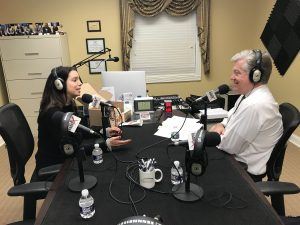
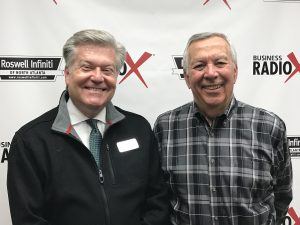
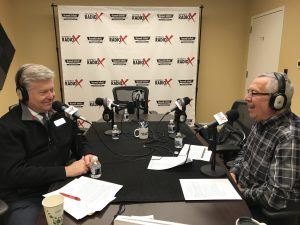
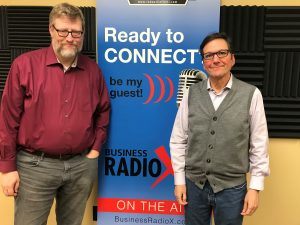
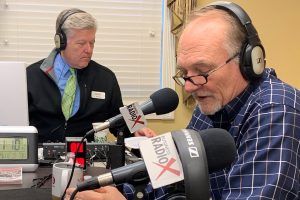
Keith Daniel, CPA, a Shareholder with Nichols, Cauley & Associates, joins “North Fulton Business Radio” to share how he serves as a trusted advisor to clients, how business owners should prepare for an eventual sale, his role in a client’s reality TV show, and much more. “North Fulton Business Radio” is hosted by John Ray and is broadcast from the North Fulton Business RadioX® studio inside Renasant Bank in Alpharetta.

Keith Daniel, Nichols, Cauley & Associates

Keith Daniel
Keith Daniel

Keith A. Daniel, CPA is a Shareholder in the Atlanta office of Nichols, Cauley & Associates, LLC where he performs Audit, Tax and Management Consulting Services for closely held, middle market businesses.  While he has worked with businesses in many industries, Keith is primarily focused on companies with both domestic and international operations involved in manufacturing, distribution, construction,  and healthcare. Keith is a husband and father of twin girls, enjoys golfing, water and snow skiing, and is actively involved in charities supporting children from all walks of life.


Nichols Cauley & Associates

Devoted to the financial success of their clients, Nichols, Cauley and Associates offers a diverse range of financial services. The firm was honored to be named one of Atlanta’s fastest-growing accounting firms in 2018 by the Atlanta Business Chronicle.

Nichols, Cauley, & Associates is a public accounting firm with office locations in Calhoun, Canton, Dalton, Dublin, Kennesaw, Peachtree Corners, Rome and Warner Robins, Georgia and Wildwood, Florida. Although they operate out of several office locations, they work as a team, utilizing the professionals best qualified to perform services for our clients.

This team approach the firm uses in their client relationships is evident in all they do. By utilizing the team approach they become partners with our clients and develop long-term relationships that foster a “win-win”​ environment for all parties.

There is more to accounting than numbers and compliance. Accounting is the language of business. It is the communication between business people who may desire different goals and outcomes. By becoming a useful participant on a client’s team, Nichols Cauley is able to identify what clients desire for their life or their business. They then help develop a plan of action which helps clients communicate and achieve their goals, and measure their performance against those goals.

For more information, go to the Nichols Cauley website or call 800-823-0117.


North Fulton Business Radio” is broadcast from the North Fulton studio of Business RadioX®, located inside Renasant Bank in Alpharetta. Renasant Bank has humble roots, starting in 1904 as a $100,000 bank in a Lee County, Mississippi, bakery. Since then, Renasant has grown to become one of the Southeast’s strongest financial institutions with approximately $12.9 billion in assets and more than 190 banking, lending, wealth management and financial services offices in Mississippi, Alabama, Tennessee, Georgia and Florida. All of Renasant’s success stems from each of their banker’s commitment to investing in their communities as a way of better understanding the people they serve. At Renasant Bank, they understand you because they work and live alongside you every day.

Tagged With: CPa, CPA firm, keith daniel, Nichols Cauley, Nichols Cauley & Associates, North Fulton Business Radio, selling a business

Decision Vision Episode 45: Should I Increase My Prices? – An Interview with John Ray, Ray Business Advisors, LLC

January 2, 2020 by John Ray

should I increase my prices
Decision Vision
Decision Vision Episode 45: Should I Increase My Prices? - An Interview with John Ray, Ray Business Advisors, LLC
Loading
00:00 /
RSS Feed
Share
Link
Embed

Download file

Should I Increase My Prices
Mike Blake and John Ray

Decision Vision Episode 45:  Should I Increase My Prices? – An Interview with John Ray, Ray Business Advisors, LLC

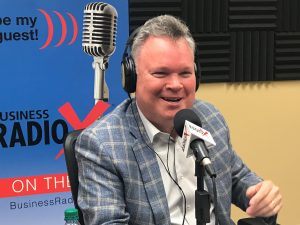
“Should I increase my prices?” If this question makes you pause, then this “Decision Vision” episode is for you. Price and value authority John Ray speaks with host Mike Blake on the importance of pricing in a business, how to negotiate prices, why hourly billing is the wrong way to price, and dealing with the “it’s too expensive” objection. “Decision Vision” is presented by Brady Ware & Company.

John Ray, Ray Business Advisors, LLC

should I increase my prices
John Ray, Ray Business Advisors, LLC

Because pricing is the fastest way to change the profitability of a business, John Ray advises business owners on the “should I increase my prices” question, how to change their pricing, and moving to a value pricing model. His clients include attorneys, CPAs, consultants, other professional services firms, and technology companies. His blog, “Pricing for Profit,” regularly features examples and stories which help business owners in their own pricing journey. John is also a speaker on pricing and value at numerous chambers, business events and seminars. John also helps small to mid-sized companies achieve their profit and growth goals as an outside CFO.

John also owns and operates the North Fulton studio of Business RadioX®. John is the host of “North Fulton Business Radio” and “Alpharetta Tech Talk.” He also plans, produces, and promotes radio show/podcasts for businesses and entrepreneurs.

John is extremely active in the North Fulton community. He is on the board of the Greater North Fulton Chamber of Commerce (GNFCC), and serves in a variety of capacities there, including Chairman’s Circle, member of the Finance Committee, and Chair of the Awards Committee. John was named the 2018 Harry Rucker Jr. Volunteer of the Year by GNFCC.

For more information on John and his firm, find John’s LinkedIn profile here, go to raybusinessadvisors.com, or call John directly at (404) 287-2627.

Michael Blake, Brady Ware & Company

Mike Blake, Host of “Decision Vision”

Michael Blake is Host of the “Decision Vision” podcast series and a Director of Brady Ware & Company. Mike specializes in the valuation of intellectual property-driven firms, such as software firms, aerospace firms and professional services firms, most frequently in the capacity as a transaction advisor, helping clients obtain great outcomes from complex transaction opportunities. He is also a specialist in the appraisal of intellectual properties as stand-alone assets, such as software, trade secrets, and patents.

Mike has been a full-time business appraiser for 13 years with public accounting firms, boutique business appraisal firms, and an owner of his own firm. Prior to that, he spent 8 years in venture capital and investment banking, including transactions in the U.S., Israel, Russia, Ukraine, and Belarus.

Brady Ware & Company

Brady Ware & Company is a regional full-service accounting and advisory firm which helps businesses and entrepreneurs make visions a reality. Brady Ware services clients nationally from its offices in Alpharetta, GA; Columbus and Dayton, OH; and Richmond, IN. The firm is growth minded, committed to the regions in which they operate, and most importantly, they make significant investments in their people and service offerings to meet the changing financial needs of those they are privileged to serve. The firm is dedicated to providing results that make a difference for its clients.

Decision Vision Podcast Series

“Decision Vision” is a podcast covering topics and issues facing small business owners and connecting them with solutions from leading experts. This series is presented by Brady Ware & Company. If you are a decision maker for a small business, we’d love to hear from you. Contact us at decisionvision@bradyware.com and make sure to listen to every Thursday to the “Decision Vision” podcast. Past episodes of “Decision Vision” can be found here. “Decision Vision” is produced and broadcast by the North Fulton studio of Business RadioX®.

Visit Brady Ware & Company on social media:

LinkedIn:  https://www.linkedin.com/company/brady-ware/

Facebook: https://www.facebook.com/bradywareCPAs/

Twitter: https://twitter.com/BradyWare

Instagram: https://www.instagram.com/bradywarecompany/

Show Transcript

Intro: [00:00:01] Welcome to Decision Vision, a podcast series focusing on critical business decisions, brought to you by Brady Ware & Company. Brady Ware is a regional full-service accounting and advisory firm that helps businesses and entrepreneurs make visions a reality.

Mike Blake: [00:00:19] And welcome to Decision Vision, a podcast giving you, the listener, clear vision to make great decisions. In each episode, we discuss the process of decision making on a different topic from the business owners or executives’ perspective. We aren’t necessarily telling you what to do, but we can put you in a position to make an informed decision on your own and understand when you might need help along the way.

Mike Blake: [00:00:39] My name is Mike Blake and I’m your host for today’s program. I’m a director at Brady Ware & Company, a full-service accounting firm based in Dayton, Ohio, with offices in Dayton, Columbus, Ohio, Richmond, Indiana, and Alpharetta, Georgia, which is where we are recording today. Brady Ware is sponsoring this podcast. If you like this podcast, please subscribe on your favorite podcast aggregator and please consider leaving a review of the podcast as well.

Mike Blake: [00:01:03] So, today, we’re going to talk about adjusting your prices. And this show is going to be published shortly after the secular New Year. So, for those of you who celebrate Christmas, I wish you a merry Christmas after the fact. And those of you who celebrate the Catholic Protestant New Year, Happy New Year to you. If you are a Kwanzaa celebrant, I will wish you a happy Kwanzaa and readers as well. And happy Hanukkah. This will probably come out, I guess, a few days after the last evening of Hanukkah. And if you’re an atheist and don’t believe in any of this, I’ll just wish that you have a nice day.

Mike Blake: [00:01:49] But anyway, we wanted to make sure that this particular program started off the new year because it’s a topic that I think most business people are thinking about revisiting. And if you’re not, you probably should. And that is the topic of pricing. Pricing, I think, is one of the hardest things to get right, particularly, but not limited to professional services. Figuring out the price that you need to charge your clients, your customers is a challenge.

Mike Blake: [00:02:26] And it’s a challenge as much as anything because the market is not very transparent. Our competitors, at least in professional services, we don’t know exactly what they are charging except on rare occasions. And even if you do, you’re not exactly sure necessarily how to equate the value propositions. You may or may not be sure how your client equates those value propositions. And because pricing is so difficult, it is important, I think, to revisit that on a regular basis at least every year. Because that way, if you’re getting it wrong, you only have to live with the mistake for about a year or so.

Mike Blake: [00:03:07] And on the other hand, if you’re getting it right, great, you revisit it, you think about it for five minutes, “I’m good”, and you move on. And pricing has some interesting psychology to it as well, because we are making a statement to the market that we believe our product and service is worth X. And when somebody decides not to buy, whether it is a product or service, they are telling us that they don’t agree that it’s worth X. And that requires some mental toughness in order to kind of sustain yourself through that.

Mike Blake: [00:03:44] So, it’s an important topic and we’re going to get into it today. I was thinking about relaying an anecdote, actually, of a pricing challenge, an event that I just have. Now, I’m going to wait until we do the interview, because I think it will flow better. So, let’s jump into it. Joining us today is John Ray, who is the owner of Ray Business Advisors. John helps small to mid-sized companies, including law firms and CPA firms achieve their profit and growth goals, and God knows we need help.

Mike Blake: [00:04:16] John’s clients come to him to reduce the stress and anxiety, which often comes with day-to-day management of a business. John works with businesses to enhance their pricing strategies and make more money. John also relieves the burden of accounting and bookkeeping and improves business processes. John holds a Bachelor of Arts from Vanderbilt University, a school with a terrific baseball program, an okay basketball program, and a football program that’s lousy and that’s to see what probably is good in almost any other conference.

John Ray: [00:04:46] The longest bear market in history.

Mike Blake: [00:04:47] The longest bear market in history. Although Tennessee maybe giving them a run for their money now, interestingly enough. With honors in English and economics, John is also a studio partner for Business RadioX, voice of the Fortune 500,000 and produces this Decision Vision podcast. He helps business owners plan, produce, and promote their own radio shows and podcasts. And I can tell you that we’ve been very happy with John’s service and the impact that we’ve had and have the opportunity to make in the marketplace and sharing our knowledge.

Mike Blake: [00:05:18] So, you know, as an aside, maybe we’ll probably do a show on this. Should I do a podcast? I can tell you that for us, it’s been a successful activity and one that’s been well worth doing, we’re going to continue doing it for a while. So, if you’re hoping we would go away, sorry. John is very active in the North Fulton community. He sits on the board of the Greater North Fulton Chamber of Commerce and serves in a variety of capacities, including the chairman circle, member of the finance committee, and co-chair of the awards committee. John was named the 2018 Harry Rucker Junior Volunteer of the Year by the Greater North Fulton Chamber of Commerce. John, welcome to the program.

John Ray: [00:05:55] Great to be here. Great to be on the other side of the mic.

Mike Blake: [00:05:58] Yeah. So, I know you’ve been chomping at the bit to sort of jump in here, but I have to ask you, do you know who Harry Rucker Junior is and why the award is named for him?

John Ray: [00:06:08] I have no clue.

Mike Blake: [00:06:09] Okay.

John Ray: [00:06:10] I Googled him, but I couldn’t find him.

Mike Blake: [00:06:12] That’s an honest man right there. So, I guess he was so generous, he wanted all of his volunteer activities to go anonymously. So, there you have it.

John Ray: [00:06:22] Yeah.

Mike Blake: [00:06:22] So, let’s jump into this. I mean, why are we talking about this? You make a living off of helping companies figure out their pricing and correct their pricing, why is it so hard?

John Ray: [00:06:33] Well, first of all, it’s hard, I think, a couple of things. Well, first of all, I don’t know that folks get much training, if any, in pricing. And that’s really odd because of what an impact pricing has on the bottom line. So, studies from folks like McKinsey show that pricing has the biggest variable impact on the bottom line of the business. This is an accounting fact. So, it’s more than cutting expenses, it’s more than let’s do a better job with marketing or converting leads or what have you. So, pricing’s got the biggest impact whatsoever.

John Ray: [00:07:12] Yet, business schools, the last that I saw shows that only less than 10 percent of business schools out there actually have a course, just one course on pricing. So, we put entrepreneurs out there into the marketplace, get them going, and they’re good at customer discovery and they’re good at a lot of things that have to do with the business and if they’re not, they can go easily get those skills outsourced to receive those skills, but pricing is always a problem, because of this lack of training and education that they have once they start a company.

Mike Blake: [00:07:55] Yeah. It’s interesting. You know, going back to my own MBA experience, which was a very long time ago, my diploma is on a cave painting in France someplace. But we learned almost nothing about price. And the only time I remember it ever really coming up in a rigorous way was we did a marketing simulation and we had to do pricing and that was fine as far as it went, right?

John Ray: [00:08:17] Sure.

Mike Blake: [00:08:18] But there’s a limit to that. And I mean, I think you’re so right. In one respect, price is the easiest thing to change about your business, right? You can just decide to do it.

John Ray: [00:08:29] Sure.

Mike Blake: [00:08:30] Now, you may not do it correctly, but you can’t do it almost instantaneously, right? Whether it’s just changing the number you put on your engagement letters or going off the price gun-

John Ray: [00:08:39] Right.

Mike Blake: [00:08:39] … it’s fairly easy to change. In your experience, when people or businesses mispriced their offerings, do they tend to overprice or underprice them?

John Ray: [00:08:50] Underprice. And I’m an example of this, I have to say. I mean, I got passionate about this because-

Mike Blake: [00:08:56] You’re gonna testify, aren’t you?

John Ray: [00:08:57] Yes, I am. I’m going to confess right here. If anybody’s listening, I’m confessing. So, no, I mean, it’s, you underprice what you do, particularly, as you said in the intro, in professional services. Because in professional services, we price our sales and there’s these voices that speak to us that sit on our shoulder and whisper in our ear that says, “Oh, that person’s not going to pay that much. You know, that company is talking to other people”, or what have you. And, you know, you need to knock a little bit off of that. That’s not going to work. And we talk ourselves out of the way we should price.

John Ray: [00:09:42] I think there’s a misconception also that if you lower your price, you’ll get more business. And actually, the opposite is sometimes true because price is an indication of quality. And I could relay a lot of anecdotes about how increasing prices actually increase sales, because suddenly, that the customer base, that product or service was aimed at, saw a lot more quality in what they were being presented than they had previously. So, price is a signal, and it’s actually a marketing signal.

Mike Blake: [00:10:23] There’s a great episode on Frasier, where Frasier and Niles were talking about, I think it was some sort of massage therapist or something. And they’re bragging, basically bragged in terms of the hourly rate, right?

John Ray: [00:10:42] Right.

Mike Blake: [00:10:43] So Niles was saying, you know, “My massage therapist is $500.” Frasier comes in and says, “Mine is a $1,000-an-hour.” And Niles goes, “She sounds fantastic.”

John Ray: [00:10:52] That’s right. Yeah.

Mike Blake: [00:10:54] And, you know, I remember, earlier in my career, you know, one of the services we provide is something called a fairness opinion, which is an appraisal of a business where we have some fiduciary responsibility attached to it. So, there’s liability, so we tend to charge more. First one I ever did or maybe the second one I ever did but for a very friendly client. And I want to make sure I got the business, I underpriced it.

Mike Blake: [00:11:20] I got the business, but my client told me after the fact, he said, “Look, I appreciate the price, but I got to tell you, you almost didn’t get the work because your bid was so much lower than everybody else’s. We were concerned or the board was concerned that you actually knew what you were doing and you could put the requisite time and effort into this exercise. And I had to go to bat for you and say, ‘No. He knows what he’s doing in valuation, he just don’t know anything about pricing.'” I said, “Thanks.”

John Ray: [00:11:49] Right.

Mike Blake: [00:11:49] Right?

John Ray: [00:11:49] Yeah.

Mike Blake: [00:11:50] But, you know, we rarely get insight into that process. But I can tell you that, you know, A, I left about $35,000 on the table, no doubt, a minimum. And B, I nearly got nothing because I was so good at negotiating with myself-

John Ray: [00:12:05] Right.

Mike Blake: [00:12:05] … that I almost negotiated myself right out of that business.

John Ray: [00:12:09] And we’ve all looked at something and said, “That’s too good to be true”, in terms of the price. There’s something wrong. But we rarely take that sentiment and turn it around on our own product or service, right?

Mike Blake: [00:12:23] Right.

John Ray: [00:12:23] So, I think that’s what you’re getting at and it makes tons of sense. And I have never seen anybody. And if you’re out there, please write in and let us know and we’ll stand corrected. But I’ve never seen a business start out by overpricing.

Mike Blake: [00:12:44] We have no e-mail free to write in, by the way. We’re trying to fix that, but write in sort of metaphorically.

John Ray: [00:12:50] That’s right.

Mike Blake: [00:12:52] Or John will give you his e-mail at the end of this podcast, so you can write into there, I guess.

John Ray: [00:12:55] Yeah, there you go.

Mike Blake: [00:12:57] So, we’re over-thinking it, should pricing just be simple as, “Here’s what it costs me to deliver this product or service, here’s the amount of profit I want to make off of it”?

John Ray: [00:13:11] Well, certainly, your revenues have to exceed your costs. So, let’s just start with that. So let’s make the accountants happy and we’re going to agree to that. What I find, particularly in professional services, is that when a professional services provider focuses on pricing relative to the value that they deliver and just getting a piece of the value they deliver and that’s their equation, then they make a lot more money and they really don’t have to worry about their cost because they deliver so much value, generally.

John Ray: [00:13:54] So, sure, it’s important to have a profitable business, but that’s not really what we’re talking about here in getting our pricing right for professional services providers, it’s really about getting a piece of the value that you provide such that you can have a more focused business working with the best clients and not be so stressed, really running a business where you’ve got a bunch of clients where you really don’t want to service a bunch of them, right?

Mike Blake: [00:14:25] Yeah.

John Ray: [00:14:26] 20% or 30% of them, you really don’t want, but you’ve got them simply because you’re getting the revenue out of them. But they’re very low margin clients.

Mike Blake: [00:14:34] And that’s where you get back in the podcast number two, how should I fire my client?

John Ray: [00:14:38] That’s right. My favorite of the series, so far.

Mike Blake: [00:14:42] So, can different clients have different prices for roughly the same product or deliverable? And is that okay?

John Ray: [00:14:50] Absolutely. So, different clients have different values. And it’s okay to price based on those values. And it’s okay to offer options that clients can select, the options based on service levels, speed of delivery of the service, et cetera. In fact, I highly, highly recommend, in fact, demand of my clients that they offer options because that really helps ferret out what you’re getting at. So, I think the biggest mistake a lot of folks make is here’s my price, it’s kind of a fill or kill adversarial situation, right? Either you accept or you don’t. That’s the way the client looks at it, right? I think, Mike, what folks need to understand is that clients love options. They like to select. They like to see what your panoply of services are and come out with what they want.

Mike Blake: [00:15:59] And, you know, I think, perhaps, the best example, and I do this more and more, I offer choices as well, because I find that it enables clients to then choose what they want to do, right?

John Ray: [00:16:12] Right.

Mike Blake: [00:16:12] And when you’re with our clients, you make the relationship less adversarial. But, you know, that rule of three has been embraced for a long time by who I think is the king of price in the airline industry.

John Ray: [00:16:23] Yes.

Mike Blake: [00:16:24] Right? I don’t think there’s an industry anywhere that is more sophisticated about pricing than the airline industry.

John Ray: [00:16:30] Right.

Mike Blake: [00:16:31] And what do they offer on most of their flights? Business class, first class-

John Ray: [00:16:36] Coach.

Mike Blake: [00:16:36] … economy/surf class-

John Ray: [00:16:40] Right.

Mike Blake: [00:16:40] … or steerage. And, you know, they let you choose, right? If you want to have the first class experience and the glass of champagne before the flight even leaves a gate, you pay that. And, you know, if you don’t mind taking an elbow to the back of your head every once in a while on a five-hour flight to the West Coast, you can do that, too, right? And so, you know, the funny thing is, in my experience—and I’m just going to say this sort of on the down low, because nobody’s listening except for the two of us, right?

John Ray: [00:17:11] That’s right.

Mike Blake: [00:17:12] Most often, the most profitable service I offer is the lowest priced one.

John Ray: [00:17:18] And that means you’ve got it correctly priced, right? It’s important to understand that different clients have different values and will value things differently across the spectrum. So, here’s an example outside of professional services, coffee. So, I’m a cheapskate on coffee. I mean, I may buy the dollar cup at racetrack, I’d prefer to wait until I get wherever I am and hope they’ll give me a cup of coffee for free, right?

John Ray: [00:17:46] Then, there’s my daughter at college who’s racking up $5 charges at Starbucks seemingly every half-hour on the half-hour, right? And then, the most expensive cup of coffee sold in the United States the last time I looked was $75 a cup. And it comes from some “exclusive farm in Panama, where they get one crop a year and they have a big party and a tasting at this coffee place in California that serves this coffee and they sell out”. So, I think that’s crazy. But there’s some people that look at coffee as fine wine. So-

Mike Blake: [00:18:28] Yeah.

John Ray: [00:18:28] Right? And that’s cool. That’s their value system. They may have other things that they look at and they’re cheapskates about, but we all have a panoply of values that we ascribe to a lot of different products and services. And so, as professional services providers offering our services, we have to recognize that and price accordingly.

Mike Blake: [00:18:51] So, everyone saw an article pops up, it’s probably click bait, but I’ll probably take that click bait, which is on why hourly pricing is the wrong price for professional services. Do you agree with that and why?

John Ray: [00:19:08] Absolutely. So, hourly pricing, well, it’s wrong on a number of levels. One is that it’s not really the end price. It’s not what a client pays. Clients are interested in what they’re getting in to pay. So, when you deliver an engagement letter and it says, “We’re gonna charge you, the partner time is to $250 or $300-an-hour and the associate time is $125”, or whatever, fill in the blanks, that’s not a price, that’s just half the equation.

John Ray: [00:19:44] It doesn’t tell me how many hours each of them were gonna put into that. It doesn’t tell me what happens when the project blows up and it takes longer than what we thought it was gonna take, which is almost inevitable because things never go the way they are supposed to go, right? So, it’s wrong from that point of view. It is a relic of the industrial age when industrial companies were trying to price get their professional services providers to deliver pricing that they could equate with their inputs, basically.

John Ray: [00:20:20] I mean, I could go in the whole history of it, but the point of it all is that it’s from another age and another time. And what clients are really paying for is not how much time you spend on a project, they’re paying for the grey matter between your ears and your experience and all the things that you’ve seen with other clients. That’s what they’re paying for. I mean, I had this experience with one of your colleagues where I brought a client in. And this was just an exploratory meeting on whether this client ought to sign up to be a Brady Ware client, right?

John Ray: [00:20:56] And in 15 minutes, they gave tremendous help and advice that I think pushed that engagement over in terms of getting that client to sign up. But the point is, is if that were a paying client at that time and that client had been paying by the hour, then the value-to-price ratio would be ridiculous. That client would have gotten much, much, much more value relative to the price they paid than they should have if you’re billing in 15-minute increments.

Mike Blake: [00:21:30] Yeah. And, you know, one of the fallacies then also is that you’re punished for being more efficient-

John Ray: [00:21:36] Right.

Mike Blake: [00:21:36] … which is not the way economics are supposed to work. And, you know, use the accounting example, you know, I don’t think any of our clients are paying for our time or they should not be.

John Ray: [00:21:48] Right.

Mike Blake: [00:21:49] Right? On our tax side, they’re paying for one of two things. One, I’m bulletproof against an IRS audit, right? Or two, I’m exercising my civil obligation to minimize what I pay to Uncle Sam as much as I possibly can.

John Ray: [00:22:12] Sure.

Mike Blake: [00:22:12] Right?

John Ray: [00:22:13] Sure.

Mike Blake: [00:22:13] When you’re a tax client, the client’s are one of those two things, right? They either are terrified of Uncle Sam, they want nothing to do with them or they want to go into combat with Uncle Sam.

John Ray: [00:22:23] Right.

Mike Blake: [00:22:24] Right? And man, if your client would like to go into combat with Uncle Sam, please call us, because, boy, we make a lot of money there.

John Ray: [00:22:31] Sure.

Mike Blake: [00:22:33] And, you know, whether that takes one hour or fifteen hours, it’s the outcome you’re buying.

John Ray: [00:22:37] Right.

Mike Blake: [00:22:37] Right. Not the inputs.

John Ray: [00:22:41] Not the inputs.

Mike Blake: [00:22:41] Who cares? And also, it has to sort of go both ways, right?

John Ray: [00:22:49] Yes.

Mike Blake: [00:22:51] The client’s not going to let you suddenly charge more if something that was supposed to take you 10 hours, you know, takes you 100.

John Ray: [00:22:58] Right.

Mike Blake: [00:22:58] First of all, well, that’s not my problem if you couldn’t get your act together, right?

John Ray: [00:23:01] Right. Exactly.

Mike Blake: [00:23:02] So, by definition, you know, for the most part, some industries are not like this, but many industries, that hourly notion is a one-way street.

John Ray: [00:23:14] Yeah. And, you know, I think technology is such, artificial intelligence is such that I saw one study that this study said was, “In five years, 99% of all bookkeeper jobs would be eliminated.” Then, I think it was the same percentage for tax-prepared jobs. Well, I don’t know that that’s true, but directionally, it’s probably correct because of technology.

Mike Blake: [00:23:39] Absolutely.

John Ray: [00:23:40] Right.

Mike Blake: [00:23:40] I mean, we don’t have people cranking out tax returns by hand and-

John Ray: [00:23:44] Right.

Mike Blake: [00:23:44] … with slide rules and so forth.

John Ray: [00:23:47] Yeah. And so, as technology and particularly, artificial intelligence, links between institutions get more robust, I could foresee a time when tax returns are real time. You can see your tax return in real time as the year goes on, right?

Mike Blake: [00:24:02] Yeah.

John Ray: [00:24:02] And so, the value of a tax preparer, let’s say, comes from the advice they give around that return, not for the preparation of the return. And so, as you say, if you’re pricing by the hour and based solely on preparation of return, your business is headed straight down over the next few years.

Mike Blake: [00:24:25] Yeah.

John Ray: [00:24:25] Period. The pig is in the python, shall we say.

Mike Blake: [00:24:30] Yeah. So, how do you help your clients respond when they have their own customer, client or prospect that pushes back on price? You know, you’re charging me too much, I don’t want to pay that. What are some of the approaches that you advocate to engage in that conversation?

John Ray: [00:24:50] What I tell folks is that if you get that response to a proposal, typically, you’ve not had a great value conversation, because the client’s comparing that price or those prices relative to something other than the value that you’re providing. So, you’ve not done a really good job at marketing your value to that client or getting that client to understand that value. And you don’t have a good sense of where their values are.

John Ray: [00:25:23] And again, you know, it’s kind of interesting. I’ll give you an example of this. I had a client who I was having an exploratory meeting with and, you know, it was going well and he was almost downplaying what he really needed until his wife came in the room. And she was talking about how screwed up he was and how they needed to get their financial act together and their books were a mess and she was sick of it.

John Ray: [00:25:52] And it occurred to me at that point that this man’s value was getting his wife off his back. That had nothing to do with the services that I may have been providing, really, in terms of the way he looked at value. So, the point is, if I had never had an in-depth discovery session with him, I wouldn’t have understood that value and I might have priced my services a lot differently and he might have given me the “it’s too expensive” response, right?

John Ray: [00:26:27] So, you know, I think it’s really important to understand client value. And then, the other thing I tell folks is when a client says it’s too expensive, I say, you know, “Too expensive relative to what? Relative to doing nothing?” Meaning is, what’s the cost of doing nothing for this problem that you were sitting here talking about? Is it too expensive relative to you doing it yourself? See, when you ask those kind of questions back, then you get to the root of where the value really is in that client’s head.

Mike Blake: [00:27:03] So, you know, a lot of it, it sounds like is doing your homework upfront and then, if you get that push back, it means you have more homework that you have to do.

John Ray: [00:27:10] Absolutely.

Mike Blake: [00:27:12] And, you know, that makes sense to me. And, you know, in every case, this goes back to the right client provider match, right? And in some cases, you know, it’s also about letting clients sort of select themselves out, right?

John Ray: [00:27:29] Right.

Mike Blake: [00:27:32] You know, I know you and I have a slightly different viewpoint on this, so I’m going to raise it because I think it will provoke an interesting sidebar here, you know, when a client calls me and they say, “Hey, you know, I’ve got this valuation project, you know, here are the basic parameters, what do you think it will cost?” I will tell them because I want them to then self-select, right?

John Ray: [00:27:57] Sure.

Mike Blake: [00:27:57] In my view, if they have a heart attack over that price, right? Then, there’s no amount of value exploring I can do that’s likely going to bridge that gap, right? And it just saves both of our time. I know you take a different view on that. So, why don’t you explain your view, how you respond to that discussion or what?

John Ray: [00:28:19] I do take a different view on that. And here’s the issue, I’ll look at it and I say to a client, “Look, I’m not sure we’re a great fit, because what I’m sensing here is that you’re looking for a transaction because that’s your first question is what the price is. And I’m interested in relationships, I mean, you know, the way my practice is based. So, we’re probably not a good fit. Let me recommend some folks that might be better fits for you that you ought to have a conversation with.”.

John Ray: [00:28:55] And usually, what happens is, first of all, people are taken aback. Sometimes, they’re insulted. And I tell them I don’t mean to insult them. It’s just, you know, we have different ways of looking at a potential engagement. And I’m not offended when they start with that question. As a matter of fact, I’m happy because they’ve told me that they’re very price-sensitive and it’s probably a client I don’t want.

Mike Blake: [00:29:21] Yeah, absolutely.

John Ray: [00:29:21] Right? So, they’ve done me a favor. So, that’s the way I typically respond. Now, what I would say to you is if you’re going to respond to a price, I think the first price you should name is the absolute highest price you can come up with. So, I don’t know what your engagements cost, but let’s just make this up, okay? So, let’s say the biggest engagement you could ever imagine having is, you know, $150,000. What the way I would respond is, you know, “Hey, our engagements could range from $300,000 to $500,000.” Do you see what I just did?

Mike Blake: [00:30:04] Right.

John Ray: [00:30:04] Right? “On down. So, tell me what what we’re talking about and then, I can quote you a more accurate figure.” And so, then it adjust that conversation back around to where it needs to be.

Mike Blake: [00:30:19] So, let’s talk a little bit then about negotiating price. How do you do that, right? You can’t do business without some sort of negotiation. And, you know, people will haggle over. We’ll haggle over prices for, you know, where they can for things like cars and professional services. What are some tips you can offer to people that maybe aren’t all that comfortable haggling over price?

John Ray: [00:30:49] So, a couple things, I really think it’s important, this is where options come in. If you offer folks options, the good, better, best model, then it really gets into negotiating around service levels, or it should, not price. So, that’s what I highly recommend, is take your services and break them down into a good, better, best, and price around that. And then, the negotiation is about how we’re going to engage. It’s not, first of all, yes or no. And it should not be around price. The levels of negotiation should be what services we’re going to include or take out, depending on which option, either good, better, or best you’re interested in.

Mike Blake: [00:31:48] Well, actually, let me touch on one thing here, because one implicit assumption we’ve had about this entire discussion is that you, as a provider or as a producer, don’t want to compete on price.

John Ray: [00:32:05] Right.

Mike Blake: [00:32:05] But there are some businesses in which the thesis of competing on price is exactly your value proposition, right? And there’s nothing wrong with that as long as that’s sort of the strategy that you’re embarking on and you drive your business in that direction, right?

John Ray: [00:32:21] Sure.

Mike Blake: [00:32:22] You know, just as you mentioned, you’ll tell a prospect that leads off with price that, you know, here, maybe providers that are a better fit because price is sort of the start of their value proposition. I have those in my world as well.

John Ray: [00:32:34] Sure.

Mike Blake: [00:32:37] So, there’s nothing wrong with that, where you can run askew from that as if you don’t want price to be the lead of your value proposition. And then, you get sucked into the trap of the next thing you know, you’re negotiating on price and not on value.

John Ray: [00:32:51] Yes.

Mike Blake: [00:32:53] So, I just had this happen. I posted this on my LinkedIn profile last week and actually gets a post that got me the most engaged in the whole year. So, people felt my pain. And I basically said, “I’m never going to do this again”, which means I’ll probably screw it up in a couple of months. But-

John Ray: [00:33:11] You’re going to tell the story, right?

Mike Blake: [00:33:12] And I’m going to tell the story.

John Ray: [00:33:13] Okay. Good. Good.

Mike Blake: [00:33:13] And the story is that I was asked to bid on a project where I had a relationship with the company, but not the executives, they had some turnover. But we’ve done some work with them before. So, what we were going to do was effectively an update, not a de novo valuation exercise. And they submit a competitive bid, which is fine again, because I didn’t have a relationship with the people, just the company. So, it’s weird. There is institutional relationship, but not personal relationships.

John Ray: [00:33:43] And, you know, they came back to me and they said, “Look, you know, love to work with you, but, you know, this other provider came in a little bit lower, will you match that? You know, if you’ll match that, we’ll work with you.” And I wrestled with that. I slept on it overnight. I’d tell myself, “Don’t do it, don’t do it, don’t do it.” I’m like, “Oh, but the work is going to be fairly easy to do and I hate to lose a client”, right?

John Ray: [00:34:10] Sure.

Mike Blake: [00:34:10] Different from a new client because to me, losing a client is more painful than not getting when you could have.

John Ray: [00:34:16] Yes.

Mike Blake: [00:34:17] I think for me, psychologically, that was part of it.

John Ray: [00:34:20] Right.

Mike Blake: [00:34:22] The word is ego. And against my better judgment, I said, “You know what, yeah, I’ll do that.” But I did one thing right, which is I made them give me back something for the price. I didn’t just match it because I think when somebody says, “Can you do better?” and you just match and don’t give up anything, you’re telegraphing to the world that you’re trying to rip them off, basically, right?

John Ray: [00:34:42] Yeah. Yeah. I couldn’t agree more.

Mike Blake: [00:34:43] Right?

John Ray: [00:34:43] Yeah.

Mike Blake: [00:34:45] But if I can get something back from them, right? Then, it’s a more empowered discussion. I said, you know, “As long as we can do something where I get paid more if the work gets more complicated and you’ll agree to a multi-year contract with us, then I’ll go ahead and do it.” And two days later, they came back to me by email and said, you know, “Another provider came in, they matched your price and they’re not going to charge more even if the work gets more complex.” And for a second, I was a little upset because I did what they said and they didn’t. But after I took a deep breath, I wrote them an email message, “You know what, I think you found the right match for you. All the best.”

John Ray: [00:35:29] Right.

Mike Blake: [00:35:30] And, you know, as I thought about that, it occurred to me that they did me an enormous favor.

John Ray: [00:35:37] Yes.

Mike Blake: [00:35:37] Because that was not going to be the last time that happened between me and them.

John Ray: [00:35:42] Right.

Mike Blake: [00:35:43] And they were going to find some small thing, a spelling error inside of a footnote some place that to them was going to constitute a material error and find a way to break the contract anyway.

John Ray: [00:35:56] Right. Right.

Mike Blake: [00:35:57] And, you know, what they also told me is that their time was not viable. Because of the fact we’ve done work with them before, they’ve been working out to tell us about how their business worked and we had models built, they’re going to have to do that with a new provider. And it is frightening to work with a client whose time is not viable to them.

John Ray: [00:36:18] Oh, yeah.

Mike Blake: [00:36:18] Because they’re going to think my time is not viable.

John Ray: [00:36:21] Oh, exactly.

Mike Blake: [00:36:21] So, I posted it on my LinkedIn that I didn’t get burnt, I got singed because I dropped a few more hours into the proposal process than I should have. But it was actually a good ending, in that, I didn’t get the work and one of my competitors did.

John Ray: [00:36:37] And that time you put into it was tuition.

Mike Blake: [00:36:41] That’s right.

John Ray: [00:36:42] Right?

Mike Blake: [00:36:42] That’s exactly right.

John Ray: [00:36:42] That will help you next time.

Mike Blake: [00:36:44] That’s exactly right.

John Ray: [00:36:45] But what happened there is if you hadn’t had that conversation, right? If you hadn’t had that back and forth, then that client would not have revealed themselves. And it’s really important to get clients to reveal themselves to you.

Mike Blake: [00:36:59] Right.

John Ray: [00:36:59] Right? So that you understand what you’re dealing with. And if you’re okay having, you know, a business where, you know, you’re dealing with misers, because that’s what I call those folks—and by the way, just as an aside, statistically, for goods and services, studies show there’s about 25% to 30% of buyers are misers that they don’t want to pay. And so, it’s really important to understand them. So, because you had that interaction with them, because you had that back and forth, you got a real good picture on a client you really didn’t want at the end of the day. And all you really had to do was deal with, with your own psychology of saying, “Hey, it’s okay to let that one go. I’m better off.”

Mike Blake: [00:37:46] Yeah, that’s exactly right.

John Ray: [00:37:47] Yeah.

Mike Blake: [00:37:48] And I made it public for two reasons, number one, because I thought it was instructive. And number two, I was inviting mockery and the trolls of the internet so that I would be emotionally battered and bruised so much that I’d never, ever, ever do it again.

John Ray: [00:38:05] So, the bad memory of that would keep you from doing that ever again.

Mike Blake: [00:38:09] It was-

John Ray: [00:38:11] Yeah.

Mike Blake: [00:38:11] … intentional PTSD.

John Ray: [00:38:13] I love it.

Mike Blake: [00:38:13] Because I think in that case, it serves a process. So-

John Ray: [00:38:16] And you got all this love from people that have this problem, right? See, that’s what’s so revealing.

Mike Blake: [00:38:21] That’s right.

John Ray: [00:38:22] Yeah. I mean, that’s what’s so revealing to me about that story. One of the things about that story is people come back and say, “Hey, I’ve got that same problem.”

Mike Blake: [00:38:30] Yeah. That’s right. And you and I are both business advisors and, you know, one of the things, I think, a good business adviser does is understand that they make mistakes, too.

John Ray: [00:38:41] Yes.

Mike Blake: [00:38:41] And that they don’t know everything.

John Ray: [00:38:43] Right.

Mike Blake: [00:38:44] Because really, who wants to be around a know-it-all all the time, right?

John Ray: [00:38:49] Right. Particularly, when you know they don’t know it all, right?

Mike Blake: [00:38:51] Yeah, that’s right. It’s one thing if you can back it up.

John Ray: [00:38:54] Yeah.

Mike Blake: [00:38:55] John, we’re running out of time here, but thanks so much for coming on, especially, we’re recording this Christmas Eve here. John, how can people reach out to you if they want to learn more about pricing and get some advice on pricing in the new year?

John Ray: [00:39:08] yourpriceistoolow.com. How about that?

Mike Blake: [00:39:12] I love that.

John Ray: [00:39:13] I’d just put it out there.

Mike Blake: [00:39:15] Okay.

John Ray: [00:39:15] And if you want to go the old-fashioned way, raybusinessadvisors.com will get you to the same place and/or you can call me, 404-287-2627, or I put that challenge out there about folks that feel like they’ve priced adequately from the very beginning, so if you want to email me, let me know about you, we’ll do a podcast with you, maybe.

Mike Blake: [00:39:39] Absolutely. We’ll read your story online as you gloat to the rest of the internet.

John Ray: [00:39:43] That’s right. But jray@raybusinessadvisors.com.

Mike Blake: [00:39:47] So, that’s going to wrap it up for today’s program. I’d like to thank John Ray so much for joining us and sharing his expertise with us. We’ll be exploring a new topic each week. So, please tune in so that when you’re faced with your next executive decision, you have clear vision when making it. If you enjoy these podcasts, please consider leaving a review with your favorite podcasts aggregator. It helps people find us so that we can help them. Once again, this is Mike Blake. Our sponsor is Brady Ware & Company. And this has been the Decision Vision podcast.

Tagged With: CPa, CPA firm, Dayton accounting, Dayton business advisory, Dayton CPA, Dayton CPA firm, Decision Vision, increasing prices, Michael Blake, Mike Blake, price increase, pricing, product pricing, professional services, ray business advisors, service pricing, value, value pricing, value to client

Steve Wigmore, YourPatentExpert.com

December 20, 2019 by John Ray

Steve Wigmore
North Fulton Business Radio
Steve Wigmore, YourPatentExpert.com
Loading
00:00 /
RSS Feed
Share
Link
Embed

Download file

Steve Wigmore
John Ray and Steve Wigmore

North Fulton Business Radio, Episode 186:  Steve Wigmore, YourPatentExpert.com

Steve Wigmore, YourPatentExpert.com, shares his journey into intellectual property law, how his time working as a U.S. Patent Office examiner helps him better serve his clients, and much more. “North Fulton Business Radio” is hosted by John Ray and is broadcast from the North Fulton Business RadioX® studio inside Renasant Bank in Alpharetta.

Steve Wigmore, YourPatentExpert.com

Steve Wigmore
Steve Wigmore

Steve Wigmore designed and developed YourPatentExpert.com. This is a website geared for Start-Up companies and Inventors / Entrepreneurs. This website describes the patenting process in simple terms which should be easy to understand. Steve discovered that many existing websites do not provide good information about the patenting process and which are easy to understand.

In his law practice, Steve supports a wide range of patent clients: from entrepreneurs to large Fortune 100 Companies. Steve counsels start-up companies as well as individual inventors on how to build their intellectual property portfolios. He also advises clients on how to maintain and enforce mature portfolios. Steve serves both American and International (non-U.S.) clients seeking to protect their innovations and ideas in the United States.

Steve’s prior experience as a former USPTO Utility Patent Examiner has given him unique insights on how to secure patents very efficiently from the USPTO as well as other patent offices throughout the world. Steve finds it interesting that the patent process has not changed that much over time compared to when he was a Utility Patent Examiner over two decades ago.

Steve helps companies and individual inventors secure patents from the U.S. Patent & Trademark Office and other Patent Offices throughout the World. He has successfully represented clients in appeals of their patent cases to the Board of Patent Appeals and Interferences (BPAI). Steve has also prosecuted several trademark applications successfully to registration.

His experience has also included preparing and negotiating license agreements for patents, trademarks, and copyrights. Steve has also supported many corporate transactions by conducting due diligence projects to assess large intellectual property portfolios and performing background work needed for intellectual property related opinions. He has prepared patent invalidity, patent non-infringement, and freedom to operate opinions as well as public protests against patent applications in connection with his due diligence support and other matters.

More on Steve at his LinkedIn profile or at YourPatentExpert.com. You can call him direct at (678) 775-8788.

North Fulton Business Radio” is broadcast from the North Fulton studio of Business RadioX®, located inside Renasant Bank in Alpharetta. Renasant Bank has humble roots, starting in 1904 as a $100,000 bank in a Lee County, Mississippi, bakery. Since then, Renasant has grown to become one of the Southeast’s strongest financial institutions with approximately $12.9 billion in assets and more than 190 banking, lending, wealth management and financial services offices in Mississippi, Alabama, Tennessee, Georgia and Florida. All of Renasant’s success stems from each of their banker’s commitment to investing in their communities as a way of better understanding the people they serve. At Renasant Bank, they understand you because they work and live alongside you every day.
Tagged With: copyrights, intellectual property, intellectual property protection, inventors, North Fulton Business Radio, patent application, patent attorney, patent protection, patent search, patented invention, Patents, startups, Steve Wigmore, trademark registration, trademarks

The GNFCC 400 Insider: The Greater North Fulton Chamber Year in Review: An Interview with outgoing Chairman Bill Bland, and Chairman-Elect Alan Najjar

December 20, 2019 by John Ray

Greater North Fulton Chamber
North Fulton Studio
The GNFCC 400 Insider: The Greater North Fulton Chamber Year in Review: An Interview with outgoing Chairman Bill Bland, and Chairman-Elect Alan Najjar
Loading
00:00 /
RSS Feed
Share
Link
Embed

Download file

Alan Najjar and Bill Bland
Alan Najjar, Kali Boatright, and Bill Bland

“The GNFCC 400 Insider,” Episode 31, The North Fulton Chamber 2019 Year in Review: An Interview with Chairman Bill Bland and Chairman-Elect Alan Najjar

2019 was a record-breaking year for the Greater North Fulton Chamber of Commerce, and 2020 promises to be a year of continued growth and activity. On this edition of “GNFCC 400 Insider,” host Kali Boatright speaks with outgoing GNFCC Chairman Bill Bland and Chairman-Elect Alan Najjar. “GNFCC 400 Insider” is presented by the Greater North Fulton Chamber of Commerce.

Bill Bland, 2019 Chairman, Greater North Fulton Chamber of Commerce

Bill Bland
Bill Bland

Bill Bland is Senior Vice President with Choate Construction. Bill’s primary responsibility for Choate is to originate and implement a marketing and sales strategy; focusing on procuring projects which fit the company’s experience and qualifications. On select projects, he works with the preconstruction team to review plans, and offer input into the program and schedule. Bill has been with Choate for 25 years where he was a project manager before joining the executive management of the company.

Prior to joining Choate, Bill was a principal and project manager for Wood, Morris & Bland where he was involved in the design and construction of numerous healthcare-related projects across the country. Bill earned a Bachelor of Science from Georgia Southern University and he is also a graduate of Georgia College and State University, where he received his Masters in Business Administration.

In addition to his professional accomplishments, Bill is active in several civic and professional associations. He has served as past President of CoreNet Global and Real Estate Group of Atlanta (REGA), and he is an active member of the National Association of Industrial and Office Properties (NAIOP), and the Urban Land Institute (ULI). He is also an executive board member of the Greater North Fulton Chamber of Commerce where he serves as chair for the annual golf tournament and the 2019 Chairman of The Board.

Alan Najjar, Chairman-Elect, Greater North Fulton Chamber of Commerce

Alan Najjar
Alan Najjar

Alan Najjar is the 2020 Chairman for the Greater North Fulton Chamber of Commerce. Alan has overseen the business development efforts of Smith & Howard since 2011.

A veteran of the Atlanta banking and business community, Alan has held executive level leadership positions at SunTrust Bank and other Georgia financial institutions. Prior to joining Smith & Howard, he was the EVP and Chief Operating Officer of an Atlanta-based financial services company.

Alan is a graduate of the University of Georgia and the Stonier Graduate School of Banking at Rutgers University. He is a veteran who served in the U.S. Marine Corps.

Alan serves on the Board of Directors for The Greater North Fulton Chamber of Commerce and is a trustee emeritus for Georgia Gwinnett College Foundation and Community Foundation for Northeast Georgia. He is active in numerous civic, social and academic organizations. Alan and his wife, Donna, are long-time residents of Gwinnett County and when away from the office, Alan most enjoys sunrises on the lake and time with his family.

Alan Najjar and Bill Bland

About GNFCC and “The GNFCC 400 Insider”

“The GNFCC 400 Insider” (formerly “North Atlanta’s Bizlink”) is presented by the Greater North Fulton Chamber of Commerce (GNFCC) and is hosted by Kali Boatright, President and CEO of GNFCC. The Greater North Fulton Chamber of Commerce is a private, non-profit, member-driven organization comprised of over 1400 business enterprises, civic organizations, educational institutions and individuals.  Their service area includes Alpharetta, Johns Creek, Milton, Mountain Park, Roswell and Sandy Springs. GNFCC is the leading voice on economic development, business growth and quality of life issues in North Fulton County.

The GNFCC promotes the interests of our members by assuming a leadership role in making North Fulton an excellent place to work, live, play and stay. They provide one voice for all local businesses to influence decision makers, recommend legislation, and protect the valuable resources that make North Fulton a popular place to live.

For more information on GNFCC and its North Fulton County service area, follow this link or call (770) 993-8806.

For the complete show archive of “The GNFCC 400 Insider,” go to GNFCC400Insider.com. “The GNFCC 400 Insider is produced by the North Fulton studio of Business RadioX®.

Tagged With: Fortune 500 companies, GNFCC, GNFCC 400 Insider, GNFCC Chairman's Circle, gnfcc podcast, gnfcc radio, GNFCC term limits, greater north fulton chamber, Greater North Fulton Chamber of Commerce, Kali Boatright, North Fulton Studio, Smith and Howard

Alpharetta Tech Talk: Rachel Stuve, Golden Seeds

December 20, 2019 by John Ray

Rachel Stuve
Alpharetta Tech Talk
Alpharetta Tech Talk: Rachel Stuve, Golden Seeds
Loading
00:00 /
RSS Feed
Share
Link
Embed

Download file

Rachel Stuve
Rachel Stuve

“Alpharetta Tech Talk,” Episode 5: Rachel Stuve, Golden Seeds

Data analytics leader Rachel Stuve was recently voted one of LinkedIn’s top voices in 2019 for Data Science and Analytics. She joins “Alpharetta Tech Talk” to discuss a variety of topics, including her career in data analytics, data and the customer experience, how a data analytics program drives a company’s value, and her role with Golden Seeds, and more. “Alpharetta Tech Talk” is hosted by John Ray and broadcast from the North Fulton Business RadioX® studio inside Renasant Bank in Alpharetta.

Rachel Stuve, Golden Seeds

Rachel Stuve
Rachel Stuve

Rachel Stuve is Director of Analytics with Golden Seeds, an early-stage investment firm with a focus on female leaders. Golden Seeds is dedicated to pursuing investment returns through the empowerment of women entrepreneurs and the people who invest in them. The group was founded in 2005 and is headquartered in New York City, with active chapters in Atlanta, Boston, Dallas, Houston, and Silicon Valley. Golden Seeds’ angel network has become one of the largest in the country, with over 275 members nationwide.

Rachel is a founding member of the Atlanta Golden Seeds chapter. In addition to her work in the angel investment community, Rachel has over 15 years experience in healthcare, manufacturing, government, retail, and IT services as a seasoned analytics professional. Through Golden Seeds, she mentors women entrepreneurs in collecting and monetizing data, customer experience, data security and more.

For more information, you can contact Rachel through LinkedIn. To learn more on Golden Seeds, you can find their website here.

Rachel Stuve

“Alpharetta Tech Talk” is broadcast from the North Fulton studio of Business RadioX®, located inside Renasant Bank in Alpharetta. Renasant Bank has humble roots, starting in 1904 as a $100,000 bank in a Lee County, Mississippi, bakery. Since then, Renasant has grown to become one of the Southeast’s strongest financial institutions with approximately $12.9 billion in assets and more than 190 banking, lending, wealth management and financial services offices in Mississippi, Alabama, Tennessee, Georgia and Florida. All of Renasant’s success stems from each of their banker’s commitment to investing in their communities as a way of better understanding the people they serve. At Renasant Bank, they understand you because they work and live alongside you.

Tagged With: data analytics, data collection, data security, GA 400 technology, Golden Seeds, mentoring female entreprenuers, mentoring women, monetizing data, North Fulton Business Radio, North Fulton Studio, North Fulton technology, Rachel Stuve, Tech Alpharetta, Tech in Alpharetta, tech talk, technology GA 400, technology in Alpharetta, technology in Johns Creek, technology in North Fulton, women entrepreneurs

Decision Vision Episode 44: Should I Run for Political Office? – An Interview with Rep. Dar’shun Kendrick, Georgia House of Representatives, and Councilman Colin Ake, City of Woodstock

December 19, 2019 by John Ray

should I run for political office
Decision Vision
Decision Vision Episode 44: Should I Run for Political Office? - An Interview with Rep. Dar'shun Kendrick, Georgia House of Representatives, and Councilman Colin Ake, City of Woodstock
Loading
00:00 /
RSS Feed
Share
Link
Embed

Download file

should I run for political office

Decision Vision Episode 44: Should I Run for Political Office? – An Interview with Rep. Dar’shun Kendrick, Georgia House of Representatives, and Councilman Colin Ake, City of Woodstock

More business owners than ever are running for political office. What should I consider in making this decision? How will holding political office affect my business? On this edition of “Decision Vision,” host Mike Blake speaks with business Rep. Dar’shun Kendrick, Georgia House of Representatives, and Councilman Colin Ake, City of Woodstock on these questions and much more. “Decision Vision” is presented by Brady Ware & Company.

Rep. Dar’shun Kendrick, Georgia House of Representatives

should I run for political office
Georgia Rep. Dar’shun Kendrick

Dar’shun Kendrick was born and raised in Decatur, Georgia. She has a dual degree in political science and communications from Oglethorpe University, a law degree from the University of Georgia and a Master in Business Administration from Kennesaw State. Both of her parents are entrepreneurs so she grew up understanding the unique challenges of business owners, particularly business owners of color.

That’s why since 2010, Dar’shun has dedicated her capital compliance law firm to making sure everyone has access to legal services and tools to raise capital for their business in a way that makes sense for every size business and every investor. Her passion and focus have specifically been on making sure that minorities and women have access to the tools and resources they need to reach their capital raising goals. To date, she has helped companies raise over half a billion ($500MM) in investment funds. In 2019, she became a Series 65 license holder (investment adviser representative) with the ability to provide strategic investment advice to her corporate clients as a part of her services.

Dar’shun is also an innovator and community activist. She was featured in the Huffington Post as 1 of 25 people positioned to Scale Atlanta’s Growing Inclusive Technology Start Up Ecosystem for Black Americans and Beyond. In 2017, she was elected to the Technology Association of Georgia’s (TAG) Corporate Development Board and in 2018 elected to the TAG Diversity Board. She is also a past contributor to Black Enterprise Magazine focusing on economic justice issues. In 2017, she founded Georgia’s 1st ever Georgia Blacks in Tech Policy Conference & Follow Up “Day of Action” with the focus on advocating for inclusive tech policy throughout the state. This event continues on today as the “Tech for All” Policy Conference.

Dar’shun’s service extends beyond her capital compliance firm. Since the age of 27, she has also served as a member of the Georgia House of Representatives. She represents over 54,000 Georgians in DeKalb and Gwinnett counties. She also founded Georgia’s first Technology, Innovation & Entrepreneurship Caucus which is a bipartisan caucus of Georgia legislators and stakeholders committed to the mission of supporting entrepreneurs within the state. She currently serves as the Chief Deputy Whip of the House Democratic Caucus and a ranking member of the Small Business & Jobs Creation committee.

Awards (last 3 awards awarded)- She was awarded the Urban League of Greater Atlanta Young Leader Award (2019) and named as an awardee for the Atlanta Business Chronicle’s “40 under 40” awards (2019) and nominated for 2 NAACP awards for criminal justice reform and her business (2017 and 2019).

Dar’shun is a community activist, public speaker & teacher, elected official, private securities attorney, and a proud member of Alpha Kappa Alpha Sorority, Inc. She currently resides in Lithonia, Georgia.

Councilman Colin Ake, City of Woodstock

should I run for political office
Councilman Colin Ake, City of Woodstock

Colin Ake was elected to Woodstock City Council in 2017. Prior to announcing his run for City Council, Colin served as the Mayor’s appointee on the Woodstock Planning and Zoning Commission for a year and a half. While on the Planning Commission, he was elected Vice-Chair by his peers. Colin served as the Chair of the Greenprints Alliance Board of Directors in 2016 and 2017, and as the Vice-Chair in 2015. He was invited to represent Greenprints Alliance on the Woodstock Police Department’s Body-Worn-Camera Working Group. Colin has provided significant input to the Cherokee Office of Economic Development and Woodstock Office of Economic Development on Fresh Start Cherokee and The Circuit as they work to incorporate startups into their economic development plans.

Professionally, Colin is employed by Georgia Tech’s VentureLab, where he works with commercialization projects. He teaches entrepreneurship to commercialization teams through the NSF I-Corps Program, where he is a Regional Lead Instructor. He leads programs across the southeast and assists in the administration of the I-Corps South grant at Georgia Tech. Colin has taught at Georgia Tech’s Scheller College of Business and is a member of the Georgia Tech Faculty Senate. He also represented Georgia Tech on the State Senate’s Camden County Spaceport Study Committee, where he studied the opportunities and challenges facing the potential spaceport on the Georgia coast.

Prior to joining Georgia Tech, Colin spent four years rebuilding an aerospace company focused on reusable launch operations and lunar/planetary lander technology development. He previously worked at the Georgia Tech Research Institute and at an early-stage technology startup for two years. Colin holds a Bachelor of Science in Management and a MBA from Georgia Tech.

Colin grew up a mile from Woodstock and moved back to the city with his wife Nikki to start their family. Colin, Nikki, and children (Owen & Lealynn) are members at Sojourn Community Church in Woodstock, where Nikki is an active member of the finance committee, and Colin plays drums and works on long-term planning projects.

Michael Blake, Brady Ware & Company

Mike Blake, Host of “Decision Vision”

Michael Blake is Host of the “Decision Vision” podcast series and a Director of Brady Ware & Company. Mike specializes in the valuation of intellectual property-driven firms, such as software firms, aerospace firms and professional services firms, most frequently in the capacity as a transaction advisor, helping clients obtain great outcomes from complex transaction opportunities. He is also a specialist in the appraisal of intellectual properties as stand-alone assets, such as software, trade secrets, and patents.

Mike has been a full-time business appraiser for 13 years with public accounting firms, boutique business appraisal firms, and an owner of his own firm. Prior to that, he spent 8 years in venture capital and investment banking, including transactions in the U.S., Israel, Russia, Ukraine, and Belarus.

Brady Ware & Company

Brady Ware & Company is a regional full-service accounting and advisory firm which helps businesses and entrepreneurs make visions a reality. Brady Ware services clients nationally from its offices in Alpharetta, GA; Columbus and Dayton, OH; and Richmond, IN. The firm is growth minded, committed to the regions in which they operate, and most importantly, they make significant investments in their people and service offerings to meet the changing financial needs of those they are privileged to serve. The firm is dedicated to providing results that make a difference for its clients.

Decision Vision Podcast Series

should my business buy real estate?“Decision Vision” is a podcast covering topics and issues facing small business owners and connecting them with solutions from leading experts. This series is presented by Brady Ware & Company. If you are a decision maker for a small business, we’d love to hear from you. Contact us at decisionvision@bradyware.com and make sure to listen to every Thursday to the “Decision Vision” podcast. Past episodes of “Decision Vision” can be found here. “Decision Vision” is produced and broadcast by the North Fulton studio of Business RadioX®.

Visit Brady Ware & Company on social media:

LinkedIn:  https://www.linkedin.com/company/brady-ware/

Facebook: https://www.facebook.com/bradywareCPAs/

Twitter: https://twitter.com/BradyWare

Instagram: https://www.instagram.com/bradywarecompany/

Show Transcript

Intro: [00:00:09] Welcome to Decision Vision, a podcast series focusing on critical business decisions brought to you by Brady Ware & Company. Brady Ware is a regional full-service accounting and advisory firm that helps businesses and entrepreneurs make visions a reality.

Mike Blake: [00:00:28] And welcome to Decision Vision, a podcast giving you, the listener, clear vision to make great decisions. In each episode, we discuss the process of decision making on a different topic from the business owners or executives perspective. We aren’t necessarily telling you what to do, but we can put you in a position to make an informed decision on your own and understand where you might need help along the way.

Mike Blake: [00:00:48] My name is Mike Blake, and I’m your host for today’s program. I’m a director at Brady Ware & Company, a full-service accounting firm based in Dayton, Ohio, with offices in Dayton; Columbus, Ohio; Richmond, Indiana; and Alpharetta, Georgia, which is where we’re recording today. Brady Ware is sponsoring this podcast. If you like this podcast, please subscribe in your favorite podcast aggregator and please consider leaving a review of the podcast as well.

Mike Blake: [00:01:11] So, today, we’re going to talk about whether you as a business owner executive should run for political office. And regardless, I think, of where you are in the political spectrum, if you are at any place, I’m not sure where I am anymore, I think that’s an increasingly important topic. I think we’re seeing more people with a business background seeking office at all levels. And indeed, like them or love them, love them or not like them, the current President of the United States does come from a business background. And indeed, he ran on his business background as a reason why that is the case he made that he would be a good president of the United States. And that’s something that he invokes fairly regularly.

Mike Blake: [00:02:02] And it’s not just he that’s doing that. Mike Bloomberg has recently jumped into the race. There’s discussion now about, you know, whether billionaires can buy their way to the presidency. And again, we’re not going to talk about that particular topic, but I think there’s an increasingly blurred line now between politics and business. And maybe there’s always been a blurred line and depending, again, where you sit, maybe it’s an uncomfortably blurred line. But the fact of the matter is, I think, that the people who did not think that they had the stuff or the wherewithal, even the desire to run for political office and just sort of put themselves in the seat of being a business person, now, are thinking of themselves potentially in a dual role or maybe it’s even something they do with either a subsequent or intervening chapter in their lives.

Mike Blake: [00:02:56] And, you know, the recent statistics on this podcast still are flooring to me. We’re pushing about three-and-a-half million downloads, I understand, since February. Chances are good at least one of you has thought about running for political office. So, at least, this could be interesting to one of you out there. But I think it will be interesting to more on that. And we actually have a director at Brady Ware & Company that was elected mayor for one of the towns, I believe, outlying Dayton. He took over as mayor when the previous mayor resigned. And then, ran and was elected in his own right. So, we’re even seeing that inside our own company.

Mike Blake: [00:03:35] So, as you know, when you listen to this podcast, we’re bringing in people who actually know what they’re talking about, because I certainly don’t. And coming in to talk about this topic today are two people who are balancing public service and their own careers. And so, joining us today is Dar’shun Kendrick, a five-term member of the 93rd and/or 94th Districts of Georgia in the Georgia House of Representatives as the chief deputy whip. And I say the 93rd/94th, because I think it was a 94th District for her first term. And then, thanks to redistricting, I think it then became the 93rd. But for those who aren’t in Georgia, our assembly is made up of 180 members, a fairly large body, partially because we just have, I think, more counties than anybody in the country.

Mike Blake: [00:04:25] We’re not serving her constituents in this capacity. Dar’shun is a capitol compliance lawyer dedicated to guiding Black and female founders in the capitol, raising investing process. She provides these services through her company, the Kendrick Advisory, an advocacy group. She’s an arbitrator of the Financial Industry Regulatory Authority or FINRA. I did not know that before I was researching this podcast and she holds a bachelor of arts from Oglethorpe University, I live about a-mile-and-a-half from there, holds an MBA from Kennesaw State University and a law degree from the University of Georgia.

Mike Blake: [00:04:56] And she’s joining us by phone today. So, you may hear some noise in the background. With those of you who are not from Georgia, we have a unique driving environment here. And one of the unique features of the driving environment is that rain, particularly cold rain, will turn the streets of the greater Atlanta metropolitan area into an episode of Ice Road Truckers, basically. So, Dar’shun, please drive carefully as you’re on the podcast. Thanks for joining us.



Dar’Shun Kendrick: [00:05:25] Yeah. Thanks so much. And I’m sorry I couldn’t be in the office or in the studio today. But as you know, we are getting ready for session. So, we’re trying to make do with the 24 hours we get.

Mike Blake: [00:05:37] Yeah. Well, if you guys can vote a 26-hour day, I’d really appreciate that.

Dar’Shun Kendrick: [00:05:42] Yeah. So would I. I’ll work on that.

Mike Blake: [00:05:45] Also, joining us today is Colin Ake. Colin was elected city councilman in 2018 for the City of Woodstock, Georgia, a municipality of southern Cherokee County, the population of just over 30,000. And Woodstock is, oh, I’m going to say about 20 miles north and west of downtown city of Atlanta, maybe a little bit farther than that. Prior to serving in that role, Colin was a—or give me some help here, was it a or the planning and zoning commissioner for the City of Woodstock.

Colin Ake: [00:06:13] I was one of seven.

Mike Blake: [00:06:15] Okay. One of seven. So, a planning and zoning commissioner. When not serving his constituents, Colin is a principal at Georgia Tech VentureLab, where he serves as an instructor on innovation and entrepreneurship. Colin actively works with entrepreneurs and researchers to commercialize research, identify, and secure grant funding, mentor startups, and modify and implement Georgia Tech’s evidence-based entrepreneurship curricula. This includes training and evaluating other instructors in the customer development methodology employed by the I-Corp program and across Georgia Tech.

Colin Ake: [00:06:44] At some point, I’d have you back to talk about because that’s an interesting program. It’s one that I think is unique. Colin holds his bachelor degree in management and his MBA from Georgia Tech. So, regardless of any kind of political discussion here, we have somebody from the University of Georgia and somebody from Georgia Tech, and that’s probably going to create more tension on this program than anything. And if you are from Alabama or Auburn or Florida, Florida State, you know exactly what I’m talking about. Colin, welcome to the program.

Colin Ake: [00:07:10] Thanks, Mike. Thanks for having me.

Mike Blake: [00:07:12] And interestingly, you’re wearing a shirt today that’s yellow with black stitching on that. Is that something that you arranged or?

Colin Ake: [00:07:20] Not specifically because of where Dar’shun went to get her law degree, but I did pick it out.

Mike Blake: [00:07:29] All right. So, let’s jump into it, because we got a ton to cover here. So, Dar’shun, let me let you go first. Ten years ago, you began to serve in your capacity in the Georgia legislature. What motivated you to do that?

Dar’Shun Kendrick: [00:07:49] Well, here, I have a very unique and interesting story. So, I essentially was at the right place at the right time or the right place at the wrong time, depending on which day of the week it is. I was a 27-year old who had just started practicing law for small business litigation firm downtown. And the law firm imploded one summer. And so, they let everybody go. And so, I had started my MBA program. And I had to start my own law firm.

Dar’Shun Kendrick: [00:08:28] So, I actually happened to be down as the capitol because two hours before I got down there to meet with our rep on some sort of marketing for my new firm, the person in my seat decided to run for governor. And so, they were looking for people. And I just so happened to be at the capitol meeting on an unrelated matter. I didn’t even know they would qualify me. And so, the person I was meeting with, I had known since I was a teenager because I worked at the capitol and they asked me what district I was in.

Dar’Shun Kendrick: [00:09:04] And I said, House District 94, which is 94 at the time. And he said, “Well, we need you to run for office.” And of course, I thought he was crazy because I was starting the MBA program and a new law firm. But the long story short is I ended up qualifying 30 minutes before the qualifying ended. So, I actually went from a private citizen to a full-blown candidate unexpectedly overnight. So, I wish I had a better inspirational story about how I worked hard enough and I planned to be in this position, but that is the true story of how it happened.

Dar’Shun Kendrick: [00:09:43] But I ultimately decided to say yes because I knew I eventually wanted to work on state house. I just thought it would be kind of be, you know, sort of when I had a more stable career, when I was older, maybe with a family. But I decided to say yes, because, you know, I grew up in DeKalb County and I represent Dekalb County. I knew that I was more qualified than the people that were running. I already had tremendous support before I even signed the qualification document, so I knew that I could do it. And even though it came unexpectedly and it came fast, I have had a pleasure of serving 54,000 Georgians ever since.

Mike Blake: [00:10:29] Okay. And I have a feeling there are probably other stories that are kind of like that. But Colin, how about you? What’s your story? Did you also sort of fall into public service that way or is that the more of a longer term ambition of yours?

Colin Ake: [00:10:44] No, I kind of fell into it. I grew up in Woodstock. And Woodstock has changed a lot. It has grown massively in the last couple of decades and really become a place that is much different than where I grew up. My wife and I moved back to Woodstock in 2013. And I got involved in a local nonprofit focused on building a trail system just because I want to be able to raise a family somewhere over there. It was a good outdoor recreation opportunity. And from there, I got asked one day to serve on the Planning and Zoning Commission, which was not on my radar, not something I’d been to, not something I was involved in.

Mike Blake: [00:11:26] Did you know anything about planning and zoning?

Colin Ake: [00:11:27] I did not know anything about planning and zoning. But I love learning new things. And so, I dove in and had a lot of fun over the course of about a-year-and-a-half. Planning and zoning in the State of Georgia, most bodies are recommending bodies. In other words, they’re appointed by mayor and city council, but they recommend decisions. And then, the mayor and city council make the final decision. And after about a-year-and-a-half of seeing recommendations go one way or the other and the city council listened to some of them and not listened to others, I decided, well, it might be time to make this vote count if I’m spending the time on it.

Mike Blake: [00:12:05] Like the Christmas song goes, if you’re so smart, you rig up the lights, right?

Colin Ake: [00:12:09] Something like that.

Mike Blake: [00:12:10] So, let’s go into that then. Your first election, talk about running in your first election was like.  You, yeah.

Colin Ake: [00:12:21] Yeah.

Mike Blake: [00:12:22] Colin.

Colin Ake: [00:12:22] So, my first election was an experience. So, I ran against an incumbent that was first elected and hadn’t been in office continuously, but was first elected in the year 1990.

Mike Blake: [00:12:35] Wow.

Colin Ake: [00:12:36] So, 2017, I’m running against a guy who has been in office in and out a couple of times, but for for a while. Nice guy. But I wanted a shot. So, I qualified and started running. Somebody else also qualified. So, I had a three-way race and that was quite the experience. It’s a lot of door-knock and it’s a lot of talking to people. It’s a lot of time. It is a great experience. You know, I teach this entrepreneurship stuff at Georgia Tech, right? We teach researchers to go talk to customers and actually understand the people. I mean, knocking on doors is all that, right?

Mike Blake: [00:13:12] Yeah.

Colin Ake: [00:13:12] It is essentially sitting there and that-

Mike Blake: [00:13:13] I hadn’t thought about that. That’s right.

Colin Ake: [00:13:15] … you are learning about your constituents or potential constituents at this point. And what do they care about? Why do they care about those things? And it’s a lot of fun, but it’s a lot of work. You wear through some shoes and it was a good time. I was fortunate enough to avoid a runoff. I won outright. I was a little surprised. You know, I know a lot of people do these victory parties, I didn’t do any of that. I was ready to find out who I was going to be against in the runoff. And I had about four people at my house. And it turned out okay.

Mike Blake: [00:13:51] Well, knowing you, that sounds about right though. You’re kind of a low-key guy, so I don’t see you as a victory lap guy. Dar’shun, how about you? I mean, I know you, sort of, were an overnight qualification story, but what was that first election like? Were you opposed?

Dar’Shun Kendrick: [00:14:09] I was. So, I had four other people was—and my district is largely democratic. So, obviously—general. But I did have four other people in the primary. It is somebody who is very active in the Democratic Party. Somebody who had ran for this three times before. And there’s somebody who was very, very active that have supporters in Rockdale. But I’m just—so, I was the youngest. And so, every time the media printed something, they just ask it without at least letting you know for whatever reason.

Dar’Shun Kendrick: [00:14:53] But I, you know, knocked on doors. I have been involved in politics since I was 18. So, we have to like run a campaign. And so, I had a number of primary voters who were at least three times. And that’s when the primary—fly. It wasn’t in vain like it is now. So, it was a long, hot summer, a very long, hot summer. And I, you know, didn’t quite know how I was able to—start a law firm while knocking on doors. That still felt quite interesting in how I did it—business.

Mike Blake: [00:15:38] Well, let’s, in fact, talk about that, because, you know, one of the things that draws me to this conversation is, you know, where does running for office intersect with business, right? And both of you, in your case, you have a business and Colin has, you know, a career and neither of your post, they’re not designed to have you be a career politician in that respect. But I’m curious, as you are knocking on doors, do you think that that actually helped you kind of understand your market better, Dar’shun?

Dar’Shun Kendrick: [00:16:20] You know, I think it helped me not only to understand my market better, but just to broaden my understanding of just opinions and the issues facing Georgia in general. When I first ran for office, I was—at Rockdale County. And Rockdale County is that county who have very, very active supporters of commerce. And so, you know, on the campaign, so obviously, I was engaged with those two views. But it helped me that I did have a business background to sort of, I think, connect with people on the campaign trail at these retail or business centers.

Dar’Shun Kendrick: [00:17:06] And I am accused more than I would like about being one of the more full-business Democrats. But I think it served me well, because I am able to understand sort of the base of my calling, which is labor and balancing with the people that I represent, which are obviously founders of this. So, I definitely learned a lot about that market, but around Georgia issues as well. It was a really great opportunity to just meet people and hear different views. I really enjoyed the campaign. I know it’s hard, but I learned a lot of their stories.

Mike Blake: [00:17:47] So, Colin, my next questions for you is, you know, as you are preparing to run, have you had professional mentors or advisors in your life that maybe, you know, have helped you along the way to get to where you’ve been professionally? Did you also rely on them as you contemplated this political step? And if so, were they helpful? If not, then where did you kind of find that expertise?

Colin Ake: [00:18:11] Yeah, it’s a great question. So, you know, I tend to be the student of, you know, whatever world I’m going into. I worked with a bunch of different entrepreneurs from a bunch of different backgrounds and bunch different industries, right? And so, that’s taught me to take advice from the people who have experienced something before and go find people that can share something with me that, you know, is based off that experience. I certainly had conversations with business mentors or people that I worked with previously. I’m about running for office. I got encouragement to do so.

Colin Ake: [00:18:45] But of course, you know, if you’ve not run a campaign, you generally go well. But I’ve never run a campaign and that’s kind of, you know, where that stops. I had some help from some friends that had experienced parsing data and find someone that they can parse data well. And go grab some voter data and, you know, data’s data. You got to know what you’re looking for, but once you know what you’re looking for, it’s fairly easy to pull together a strategy.

Mike Blake: [00:19:13] Indeed, I’ve heard that superior command of data was a big factor in enabling the president to win in 2016, right? It wasn’t whether he’s a better candidate or not, but this was a lot of analysis. And I think there’s some truth to this that he and his team just paid more attention and just did better with parsing data.

Colin Ake: [00:19:36] My experience has been that the data certainly gives you an edge. And it helps inform whatever strategy you’re developing as a team. Dramatically different to run for president than it is to run for city council for the City of Woodstock.

Mike Blake: [00:19:49] Sure.

Colin Ake: [00:19:51] For the small business owners that are out there that are thinking about getting involved in local government, at either the local or the county or the state level, it’s really easy to not even be—you know, you don’t have to be a presidential level data parser to make a difference in a small race.

Mike Blake: [00:20:12] Yeah. And in fact, interestingly enough, there is one of these rare cases where a meaningful office was won by one vote, a Boston city council office, after their fourth recount was just decided by one vote with over 70,000 thousand votes involved. So-

Colin Ake: [00:20:30] That’s fairly narrow.

Mike Blake: [00:20:31] There’s probably going to be a lawsuit, too. One vote, you know, you got to believe that’s gonna be challenged, I would think. But still-

Colin Ake: [00:20:39] Hanging chad somewhere.

Mike Blake: [00:20:40] Yes. So, it does happen. So, Dar’shun, how about you? I suspect, but you tell me. I don’t want to put words in your mouth. What about your mentors and advisors? Have they been the same for you along the way in business as in politics or have you found that they’ve been different?

Dar’Shun Kendrick: [00:21:01] So, my sort of mentors in business have always been my parents. So, I grew up in an entrepreneurial household. So, I love business owners, but typically, minority female founders and Black-owned founders share sort of the challenges that they went through. So, my parents have kind of taught me a lot about business. And, you know, I have people that I sort of look up to. I wouldn’t say that I have a formal mentorship with anyone. And that’s probably because, believe it or not, I’m—about it. So, you know, I just had not gotten opportunity to ask somebody to do that mentorship. But I am because one of the things that I added to my success and firm is I just recently got a series of job life investment-

Dar’Shun Kendrick: [00:22:05] So, I am intentional about how people have been successful in the state for a very, very long time with that aspect of it. But political-wise, you know, as a politician, I value amongst anything else—good and anything like that is people who are persistent in their belief and that is true. So, one of the reasons that one of my best friends is a partner is because we are very, very truthful with one another. And because above all else, we are very persistent in our belief. So, for me, you know, I will look up to or admire anybody in the political world that is consistent in their belief and persistent about it.

Mike Blake: [00:22:59] So, you’ve been in public service now for a decade. Really remarkable. And which means you’ve won five elections. Again, remarkable. How have you found that’s impacted your legal practice and your consulting practice?

Dar’Shun Kendrick: [00:23:20] So, obviously, in the beginning, since I was an overnight candidate, from a law firm perspective, I wasn’t prepared to be a full-blown candidate. So, I think that was the hardest time because I didn’t have the preparation. I literally went from a private citizen to a full-blown candidate overnight. So, those early years are very, very rare. I’ve done a very good job, indeed, of managing it.

Dar’Shun Kendrick: [00:23:54] And so, one of the things that I do, particularly during this upcoming legislative session, is I’m very, very good about saying no. Obviously, I have about 31,000 followers on this and everybody, you know, wants to pick my brain or hear a story or just advice about this. And I just say, “Hey, listen, I’m very good about saying no.” But the other thing is I try to focus on policies that I have an expertise into it, which is capital label, security work, investment, strategies, and things like that.

Dar’Shun Kendrick: [00:24:32] So, it makes the work a little, not only more fun or more engaging, but a little easier to just pass the learning curve as you’re not spending as much time on it, you’re just focused on things that you really couldn’t deal with. So, over the years, I’ve been able to really find that balance. And I think that it served not only me will, but the State of Georgia will to have somebody focusing on policies that is also a part of their day job.

Mike Blake: [00:25:06] And Colin, how about you? You haven’t been in service quite as long, but it looks certainly long enough to have an impact. How have you found that’s impacted your career?

Colin Ake: [00:25:13] Yeah. It’s got a time impact for sure. You know, juggling multiple responsibilities is a challenge. You have to be very good about saying no.

Mike Blake: [00:25:25] And you’re moonlighting. Both of you are basically moonlighting when it comes down to it.

Colin Ake: [00:25:28] And, you know, there’s beauty and there’s challenge in citizen legislature and in citizen governance, but there’s balance that comes from having those multiple perspectives and experience. You have to find things that are important to you and prioritize them. You have to say no to a lot of things. People ask me what my hobbies are. My hobby is serving the citizens. You know, there are no other hobbies.

Colin Ake: [00:25:53] I’ve got a family, I’ve got a real job, and I’ve got an elected office. And that’s the majority of my time. So, you know, it changes things because it gives you different perspectives on life. You know, we don’t manage a budget anywhere near the size that Dar’shun deals with. This is, you know, at the city level, it’s a much smaller world. You know, our form of government, we have a city manager that’s full-time, essentially the CEO.

Colin Ake: [00:26:25] And we act as, you know, kind of a part-time board. But there are infinite subjects at any point time you can go learn a lot about, right? There are people who have built their careers off of public safety response, out of public works, out of community development. And to be a student of each of those games, enough where you’re informed, but not enough where you’re unable to focus on other things as, you know, you just have to juggle it.

Mike Blake: [00:26:50] So, the question I want to ask both of you, I’ll give Colin first crack at this, is there’s what I would call a romantic notion out there. And I used to have this. I’ve moved away from this view myself. But there’s a romantic notion that if you could just run government the way you’d run a private business, everything would just be hunky dory. And I’m not sure that our attempts to do that have worked out well, but I’m willing to be educated otherwise. Colin, in your experience, is that a realistic expectation? Is it partially realistic? Where do you kind of come down on that?

Colin Ake: [00:27:30] I’m going to say and I am making up an answer on the spot here. I think it depends on the level of government. Local government, small municipality is dramatically different from large municipality, it’s dramatically different from county government, and dramatically different from state government, which none of that, you know, is nearly as complex as the federal government. When you’re in a small municipality or, you know, we’re just over 30,000 people, it’s growing fast, there are elements that certainly translate.

Colin Ake: [00:28:05] You have HR challenges, you have budget challenges. So, there’s elements that translate. I don’t think it’s necessarily the same, right? Because you’re dealing with a lot of things like social contracts between neighbors and zoning issues that are really personal for people and really come down to, you know, interpretation of and belief in basic rights and principles. And so, there’s elements that translate, there’s elements that don’t translate even at the local level. But I don’t know if at the local level there’s more of it or less of it. What’s your your thought, Dar’shun?

Mike Blake: [00:28:43] Dar’shun, where do you come down on this?

Dar’Shun Kendrick: [00:28:46] Yeah. So, it’s interesting. I just had finished going to a retreat with the technology advancements in Georgia. And my colleague, Joe, does a lot of technology work. He said, when he first got elected, which was last year, he said, “I have the misconception that government is—like a business. And boy, did I get a big surprise?” And I think if that is right and that—the problem with running government like a business is that their end goal is different, right?

Dar’Shun Kendrick: [00:29:20] So, for businesses, this is representing corporations like I do, their first responsibility is a job upholder, which is to make profits, right? That is the end goal. There is the fiduciary duty that’s involved there. With government, obviously, it’s very, very different. The end goal is uphold constitution, improving for the public safety and welfare of their citizens. So, I think, the common point, you are going to have some-

Dar’Shun Kendrick: [00:29:53] You know, sometimes, when it works well, like under Georgia, we have a 26-billion dollar budget and we are not allowed to print money or borrow money like the federal government is. So, every year, we have to balance our budget like I effectively—but at the same time, you know, we were making those various techs and things that the priorities are going to be very, very different. Because it is a government entity, I suppose they have really different budgeting.

Mike Blake: [00:30:23] You know, that’s an interesting point. I want to kind of underscore something that in terms of that capacity to borrow. And in fact, most private businesses can borrow at some point, right? Even if you’re a sole practitioner, you could put a $20000 Mac Pro on your credit card if you wanted to. I’m not sure what you’d do with it, but you could certainly do that. Whereas, you know, as you said, if you’re not in the federal government, generally speaking, there is no borrowing capacity. You balance the budget, end of discussion or you just run out of money.

Dar’Shun Kendrick: [00:31:03] Yeah. And, you know, that’s one of the things that obviously, the—this upcoming legislative session. And those conversation is just going to be different than if I was having a conversation with a board that I represented in the business.

Mike Blake: [00:31:22] So, has there been at some point, Dar’shun, where you’re concerned about there being a negative impact in your business? I mean, you know, we’re taught that we should be not discussing politics and business and generally speaking from the except of some very close business associates, I don’t entertain that discussion. You can’t avoid that because you’re out there and you got bumper stickers and you got signs on people’s house corners and so forth. You know, have there been points in which, you know, maybe that’s negatively impacted your business? Because there are people who look at you as a Democrat and say, “You know what, I’m just not going to do business with a Democrat, end of discussion.”

Dar’Shun Kendrick: [00:32:06] Yeah. That’s very possible. You know, I don’t have any empirical data that somebody has done that. But two things to your point. So, the first thing is I am an oddball and that I am not one of those people that think that we shouldn’t discuss policy. I think that’s the reason. Otherwise, because you don’t have those horrible sessions, that dinner on the table, so I am free and open—probably to my social media rather than dinner table.

Dar’Shun Kendrick: [00:32:39] So, I am probably an anomaly and that I think it will never be obviously the factors of—it had taught me to be more tolerant of other people’s opinions. And so, I just think holding it up doesn’t serve anybody. So, I’m definite in my belief in that respect. But the second thing is, as I mentioned before, I tend to be one that criticized on both sides. But particularly, for Democrats, because I do understand and relate to business owners and founders, what they might do for the underlying labor movement.

Dar’Shun Kendrick: [00:33:16] And that’s not to say that, you know, I’m against labor or anything like that. It’s just that I bring a different perspective. And so, I think knowing that and because of the things that I do as far as policy and collaborations and things like that, people might know that I’m a Democrat. But when it comes to business, particularly when it comes to technology, really, the people are more willing to—to me because of my support of businesses on the side.

Mike Blake: [00:33:55] So, let me switch gears here, because I think there’s an important question. And somebody out there is thinking about this question, I guarantee it. And that question is this. Colin, let me put it to you first. Somebody is thinking, “Wow. If I could just run for office, that would really help raise my profile.” What a great resume build or what a great thing to put on LinkedIn. And maybe it even gives you some other opportunities as well. And we’ll talk about conflicts of interest in a minute. But just generally speaking, you know, in your mind, is it worth running for office to help your career?

Colin Ake: [00:34:37] To me, no. There’s different opinions on this, obviously.

Mike Blake: [00:34:41] Right.

Colin Ake: [00:34:41] I think it’s worth running for office if you want to invest yourself in something and you want to learn a different perspective. Sure. I am sure there are examples of people who’ve gone into politics and their career has blossomed as a result. But at the local level, right? To me, I want counterparts on council, I want counterparts on the county commission that are dedicated to making the place that we live a better place, right?

Colin Ake: [00:35:12] And they come with a desire to invest their time and their resources and their energy in making those decisions that are never easy. And that’s a much better motivator to me than someone who’s there for them. It’s about a group. It’s about, you know, building consensus amongst people that don’t necessarily always see eye-to-eye and understanding nuances of issues and finding ways to come to agreements. Like that’s what it’s about. It’s not about, you know, personal gain.

Mike Blake: [00:35:50] Dar’shun, how about you? If somebody is thinking about running for office because they think it would help them personally or from a business perspective, is it worthwhile to have that thought process?

Dar’Shun Kendrick: [00:36:08] I think that is probably the biggest myth besides—that I have heard with respect to public office. Well, because you want to prove and just have the heart to prove it. That I will tell you personally, one of the biggest, most helpful things that people just adviced that I got before I entered the legislature or that before I entered the legislature, it came from my predecessor, who was a lawyer, a legislator.

Dar’Shun Kendrick: [00:36:40] And for those that don’t know, lawyer legislators are a dying breed. When I first got into office, we were about almost 25% of the general assembly and now, we’re down to about 17%. So, you might think that’s not bad, but it is what it is. So, that is—in the general assembly. But historically, we had less than that number. So, this lawyer legislator said it and put it ever so distinctly and it has been every bit of truth, is that it’s not a matter of if we will lose revenue and income in this position, it’s a matter of how much.

Mike Blake: [00:37:26] Okay.

Dar’Shun Kendrick: [00:37:27] And every time a lawyer legislator is thinking about running for office, even if they have zero motives, I always give them the same advice. Your revenue and you income will go down. It’s not a matter of if it is going to go down, the question is how much. And a lot of that had to do with the fact that, you know, we especially engage in policy making for the first few months of the year, right? But then, there’s also, you know, possible conflict of interest, particularly if you work with bigger firms that might come about.

Dar’Shun Kendrick: [00:38:04] People think we just work for four months out of the year. But I can tell you that I work no less than about three hours outside of session a week on legislature side. So, you know, you can be one of those legislators that just shows up and doesn’t advice anything and never say anything and just for like a check. I mean, that is, you know, “Why don’t you show up and vote for the budget?” Constitutionally, you’ve done what it is that you’re required to do on this constitution.

Dar’Shun Kendrick: [00:38:32] But most people, you know, don’t want to do that and they wanted to be re-elected, so it does become a full-time desk job during the session and then, the other part is the time we’re out, it’s more of a part-time job. So, I would caution anybody who thinks that this is better, it’s going to raise your brand, for sure, but if you think that is going to translate to dollars, I would just be cautious about this and that it’s going to have a correlation.

Mike Blake: [00:39:00] So, Dar’shun, you brought something up that I want to jump on, because I think it makes sense to talk about here. And it’s another critical question we got to cover, which is I have to imagine there are many opportunities, particularly in your position, for conflict of interest to arise. How do you manage that?

Dar’Shun Kendrick: [00:39:22] So, it actually is not as much of a conflict as you would think. So, because there are citizen legislators, right? Everybody knows we have a full-time job and we have to work. So, if I work for a bigger firm and I had a client of the firm that was advocated for a deal, that would be, of course, sort of conflict of interest right there. But because I’m a solo and because I am an attorney, you know, constitutionally, nobody can prevent me from practicing law, because just by law—right.

Dar’Shun Kendrick: [00:40:06] So, you know, I consult on reviews that we have and things like that because that’s literally my job as a lawyer. But there are sometimes that the legislature will specifically set the legislation that we can’t engage in particular firms, particularly AJC—which was cannabis bill that we passed for the—growing the cannabis. I have never in my mind used to being down there seeing legislation that specifically sits in what I call a poison pill.

Dar’Shun Kendrick: [00:40:47] And that it specifically prohibits legislators, former and current legislators, from investing in the cannabis business past 5% of an investment. And that was put in there for a long, drawn out reason that I know about. But anyway, it does prohibit. So, for example, I started an investment group that is going to participate in investing in the supply chain for cannabis. Well, I started the group, but I only serve as general counsel.

Dar’Shun Kendrick: [00:41:23] I’m not investing into it. I’m not putting any money into it. I’m not, you know, having input on the pitch process, in the investment process. Just because there is that specific proposition in there and I don’t want to be on the front page of AJC. So, there are times when the conflict is written into either the law or they probably prohibit us from engaging in it. But because, you know, it’s literally my profession, I’m generally allowed to sort of practice law and give advice, even though I might vote on this bill.

Mike Blake: [00:42:05] So, Colin, I’ll ask you a different question as we head to the end here. You know, how does sort of having a job and doing what you do alongside being a city councilman inform how you vote and how you propose and pursue policy?

Colin Ake: [00:42:29] It’s a good question. So, how does having a job help inform policy? So, I’m an entrepreneur turned academic, right? My day job is down at Georgia Tech. As such, I get access to a ton of people who are really smart in any given field. You know, we’re very fortunate to have a school of city and regional planning that is really good at pumping out good planners. There’s people down there that I can learn from on a technical topic. There’s a balance there, right? There’s obviously people with deep expertise that we can learn from and turn that into knowledge that informs policy.

Colin Ake: [00:43:18] There’s also a balance of, you know, when I’m at Georgia Tech, my Georgia Tech hat is on. And when I go off the clock there and go to City of Woodstock, my City of Woodstock hat has to be on. So, it’s a great question. For local policy, it’s different, I think, because local policy is often about things like sign code or zoning regulations or, you know, it gets into the minutiae really fast. And it’s not necessarily, you know, directly the same thing that I do with it at Georgia Tech. So, you know, I’ve got all sorts of ideas on an entrepreneurship policy or policy that could impact that world, the professional world that I deal with, but it’s not the same scale of policy that we deal with at the city level.

Mike Blake: [00:44:08] So, if I’m understanding correctly, in reality, you’re kind of in two parallel worlds that don’t necessarily meet a whole lot.

Colin Ake: [00:44:15] They don’t meet a whole lot.

Mike Blake: [00:44:18] Okay. We are running out of time here. And I want to thank you both so much for joining us. We could talk a lot longer about this, but we have to let you get back to serving your constituents. Dar’shun, how can people contact you if they may have an interest in running for office and want to learn more about it and why to do it and maybe why not to do it?

Dar’Shun Kendrick: [00:44:41] Yeah, sure. Anybody can follow me on social media. Beware, though, I am very vocal. So, just like yourself. But it’s just Dar’shun and Kendrick, D-A-R-S-H-U-N, Kendrick, K-E-N-D-R-I-C-K on Instagram and LinkedIn and Facebook and Twitter. So, people can, you know, invite me on there. I’m a millennial and I will give out my cellphone number, but that might be a little dangerous. So, if you can contact me on social media or either email me, just dkendrick@kendrickfor, F-O-R, georgia, Georgia—.com, then I will try my best to get back with you if we can if I’m not very, very busy. And short messages and questions.

Mike Blake: [00:45:33] Very good. And Colin, how about you?.

Colin Ake: [00:45:37] Email me at cake@woodstockga.gov, C-A-K-E, @woodstockga.gov. More than happy to lend some thoughts. My encouragement would be find a way to get involved in your local community and invest your time and energy somewhere near you. It doesn’t have to be an elected office, but we need people that are engaged, that are giving back, and that are trying to make the world a better place.

Mike Blake: [00:46:05] Okay, that’s gonna wrap it up for today’s program. I’d like to thank Dar’shun Kendrick and Colin Ake so much for joining us and sharing their expertise with us. We’ll be exploring a new topic each week, so please tune in so that when you’re faced with your next executive decision, you have clear vision when making it. If you enjoy these podcasts, please consider leaving a review with your favorite podcast aggregator. It helps people find us so that we can help them. Once again, this is Mike Blake, our sponsor is Brady Ware & Company. And this has been the Decision Vision podcast.

Tagged With: CPa, CPA firm, customer discovery, Dar'Shun Kendrick, data analytics, Dayton accounting, Dayton business advisory, Dayton CPA, Dayton CPA firm, Decision Vision, Georgia Tech, Mentors, Michael Blake, Mike Blake, political campaigns, political consulting, politics, running for political office

To Your Health With Dr. Jim Morrow: Episode 23, Childhood Asthma

December 18, 2019 by John Ray

childhood asthma Dr. Jim Morrow
North Fulton Studio
To Your Health With Dr. Jim Morrow: Episode 23, Childhood Asthma
Loading
00:00 /
RSS Feed
Share
Link
Embed

Download file

childhood asthma Dr. Jim Morrow
Dr. Jim Morrow

To Your Health With Dr. Jim Morrow:  Episode 23, Childhood Asthma

On this edition of “To Your Health with Dr. Jim Morrow,” Dr. Morrow childhood asthma: the symptoms to look for, the testing necessary for diagnosis, and prevention of environmental allergies which can cause this ailment. “To Your Health” is brought to you by Morrow Family Medicine, which brings the CARE  back to healthcare.

About Morrow Family Medicine and Dr. Jim Morrow

Morrow Family Medicine is an award-winning, state-of-the-art family practice with offices in Cumming and Milton, Georgia. The practice combines healthcare information technology with old-fashioned care to provide the type of care that many are in search of today. Two physicians, three physician assistants and two nurse practitioners are supported by a knowledgeable and friendly staff to make your visit to Morrow Family Medicine one that will remind you of the way healthcare should be.  At Morrow Family Medicine, we like to say we are “bringing the care back to healthcare!”  Morrow Family Medicine has been named the “Best of Forsyth” in Family Medicine in all five years of the award, is a three-time consecutive winner of the “Best of North Atlanta” by readers of Appen Media, and the 2019 winner of “Best of Life” in North Fulton County.

Dr. Jim Morrow, Morrow Family Medicine, and Host of “To Your Health With Dr. Jim Morrow”

childhood asthma Dr. Jim MorrowDr. Jim Morrow is the founder and CEO of Morrow Family Medicine. He has been a trailblazer and evangelist in the area of healthcare information technology, was named Physician IT Leader of the Year by HIMSS, a HIMSS Davies Award Winner, the Cumming-Forsyth Chamber of Commerce Steve Bloom Award Winner as Entrepreneur of the Year and he received a Phoenix Award as Community Leader of the Year from the Metro Atlanta Chamber of Commerce.  He is married to Peggie Morrow and together they founded the Forsyth BYOT Benefit, a charity in Forsyth County to support students in need of technology and devices. They have two Goldendoodles, a gaggle of grandchildren and enjoy life on and around Lake Lanier.

Facebook: https://www.facebook.com/MorrowFamMed/

LinkedIn: https://www.linkedin.com/company/7788088/admin/

Twitter: https://twitter.com/toyourhealthMD

The complete show archive of “To Your Health with Dr. Jim Morrow” addresses a wide range of health and wellness topics, and can be found at www.toyourhealthradio.com.

Dr. Morrow’s Show Notes

What is Childhood Asthma?

  • Asthma is a chronic disease that affects your airways.
    • Your airways are tubes that carry air in and out of your lungs. If you have asthma, the inside walls of your airways become sore and swollen.
    • In the United States, about 20 million people have asthma.
      • Nearly 9 million of them are children.
      • Children have smaller airways than adults, which makes asthma especially serious for them.
      • Children with asthma may experience wheezing, coughing, chest tightness, and trouble breathing, especially early in the morning or at night.
      • Many things can cause asthma, including
        • Allergens – mold, pollen, animals
        • Irritants – cigarette smoke, air pollution
        • Weather – cold air, changes in weather
        • Exercise
        • Infections – flu, common cold
      • When asthma symptoms become worse than usual, it is called an asthma attack.
      • Asthma is treated with two kinds of medicines:
        • quick-relief medicines to stop asthma symptoms and
        • long-term control medicines to prevent symptoms.

Symptoms of Childhood Asthma

  • Diagnosing asthma in children can be difficult.
    • Many children will go symptom-free for long periods of time before having an asthma attack.
    • The symptoms of asthma can be confused with those of other respiratory diseases.
    • And depending on your child’s age, it may be difficult for him or her to explain his or her symptoms.
  • Children with asthma may show the same symptoms as adults with asthma,
    • coughing,
    • wheezing and shortness of breath.
    • In some children, chronic cough may be the only symptom.
  • If your child has one or more of these common symptoms, make an appointment with an allergist / immunologist:
    • Coughing that is constant or made worse by viral infections, happens while your child is asleep or is triggered by exercise or cold air
    • Wheezing or whistling sound when your child exhales
    • Shortness of breath or rapid breathing, which may be associated with exercise
    • Chest tightness (a young child may say that his chest “hurts” or “feels funny”)
    • Fatigue (your child slows down or stops playing)
    • Problems feeding or grunting during feeding (infants)
    • Avoiding sports or social activities
    • Problems sleeping due to coughing or difficulty breathing
  • Asthma symptoms or flare-ups are most commonly caused by allergies.
    • Exposure to dust mites,
    • dander from dogs or cats,
    • pollen and other environmental allergens can trigger an asthma attack.
    • In some children, asthma can be caused by non-allergic triggers such as
      • cold air,
      • pollution or
    • Patterns in asthma symptoms are important and can help your doctor make a diagnosis.
      • Pay attention to when symptoms occur:
        • At night or early morning
        • During or after exercise
        • During certain seasons
        • After laughing or crying
        • When exposed to common asthma triggers

Diagnosing Asthma

  • It is often difficult, especially in young children, to be entirely certain that asthma is the diagnosis. After a careful physical examination, your pediatrician will need to ask you specific questions about your child’s health.
    • The information you give your pediatrician will help determine if your child has asthma.
    • Your pediatrician will need information about
      • Your child’s symptoms, such as wheezing, coughing, and shortness of breath
      • What triggers the symptoms or when the symptoms get worse
      • Medications that were tried and if they helped
      • Any family history of allergies or asthma
    • It is very important that your pediatrician test your child’s airway function.
      • Spirometry is the most common lung function test done.
      • It measures how much air is moved in and out of the lungs and how fast the air moves.
      • To get the best results, your child will be asked to follow very specific instructions.
      • Most children can do spirometry by age 6, though some preschoolers are able to perform the test at a younger age.
      • Your child will be asked to wear a nose clip to keep him or her from breathing through his or her nose during the test.
        • Your child will then be asked to take in a deep breath and to blow the air out into a mouthpiece that is connected to a computer.
        • The computer measures how much and how fast the air is blown out.
        • Your child will repeat the test at least two times to get their best, most consistent result.
        • This test can take up to 30 minutes to complete.
      • One of the tests measured during spirometry is your child’s peak flow.
        • The peak flow requires your child to blow out as hard and as fast as they can.
        • Sometimes it takes several visits to the office or lab to practice the test before your child can complete the test.
          • Coughing during the test is to be expected.
          • Tell your child that they may rest between blowing into the machine, in order to catch his or her breath.
          • Sometimes this test is repeated after your child inhales medication.
          • This test is called a post- bronchodilator or bronchodilator response test.
        • How can I help to make the breathing test less stressful for my child and me?
          • Be patient with your child during the test.
          • Explain to your child that the test does not hurt.
          • Explain to your child that the breathing test is being done to find out how to make their breathing better.
          • Schedule the test at a time of day that your child is usually not tired or hungry.
          • The staff will explain the test to you and your child. If you or your child does not understand, ask the staff to repeat the instructions.
          • If your child has a cold, sinus infection, or other reason that makes them unable to take the test, let your provider and the office or lab know as soon as possible. They can decide whether the test should be performed or rescheduled.
        • Some children do not find relief from their symptoms even after using medications.
          • If that is your child, your pediatrician may want to test your child for other conditions that can make asthma worse.
          • These conditions include
            • allergic rhinitis (hayfever),
            • sinusitis (sinus infection), and
            • gastroesophageal reflux disease (the process that causes heartburn).
          • It is important to remember that asthma is a complicated disease to diagnose, and the results of airway function testing may be normal even if your child has asthma.
            • Also keep in mind that not all children with repeated episodes of wheezing have asthma.
            • Some children are born with small lungs, and their air passages may get blocked by infections.
            • As their lungs grow they no longer wheeze after an infection. This type of wheezing usually occurs in children without a family history of asthma and in children whose mothers smoked during pregnancy.

Preventing Environmental Allergies and Asthma

  • Dust Mites
    • Since some airborne substances may trigger allergy or asthma symptoms, reducing contact with these substances early in life may delay or prevent allergy or asthma symptoms.
    • Research for this is clearest with dust mites.
    • If your child is at high risk of developing allergies, there are steps you can take to control dust mites.
      • Use zippered, “allergen-impermeable” covers on pillows and mattresses and wash bedding in hot water weekly.
      • Indoor humidity should be kept below 50%.
        • Mold in homes is often due to excessive moisture indoors, which can result from water damage due to flooding, leaky roofs, leaking pipes, or excessive humidity.
        • Repair any sources of water leakage.
        • Control indoor humidity by using exhaust fans in the bathrooms and kitchen, and adding a dehumidifier in areas with naturally high humidity.
        • Clean existing mold contamination with detergent and water.
        • Sometimes porous materials such as wallboards with mold contamination have to be replaced.
      • If possible, carpets and upholstered furniture should be removed from your infant’s bedroom.
    • Pets and Other Animals
      • The relationship between early life exposure to animals and the development of allergies and asthma is somewhat confusing and there are many factors to consider.
      • Previous evidence suggested that children exposed to animals early in life are more likely to develop allergies and asthma.
        • More recent research seems to show that early exposure to animals (cats and dogs in particular) may actually protect children from developing these diseases.
        • Newer research also suggests children raised on farms develop fewer allergies and asthma.
      • Tobacco Smoke
        • It is very important not to expose your children to tobacco smoke before or after birth.
        • Smoking during pregnancy increases the chance of your child wheezing during infancy.
        • Exposing children to secondhand smoke has also been shown to increase the development of asthma and other chronic respiratory illnesses.

When is Asthma an Emergency?

  • As a parent of a child with asthma, you want to avoid the emergency room (ER) as much as possible.
    • But it’s also important to know when going to the ER is the right choice.
  • Sometimes, kids with asthma need medical care very quickly.
    • If any of these symptoms happen, see your doctor immediately, go to the ER, or call an ambulance:
      • Your child has constant wheezing.
      • Your child uses quick-relief medicines (also called rescue or fast-acting medicines) repeatedly for severe flare-up symptoms that don’t go away after 15–20 minutes or return again quickly.
      • Your child has a lasting cough that doesn’t respond to inhaled quick-relief medicine.
      • There are changes in your child’s color, like bluish or gray lips and fingernails.
      • Your child has trouble talking and can’t speak in full sentences.
      • The areas below the ribs, between the ribs, and in the neck visibly pull in during inhalation (called retractions).

In Summary

  • Asthma is a chronic illness, but it doesn’t have to be a progressively debilitating disease.
  • An accurate diagnosis and an asthma action plan could mean the difference between your child sitting on the sidelines or fully participating in activities with family and friends. You, your child and your allergist / immunologist can work together to ensure that asthma doesn’t take control of your child’s quality of life.

Source:  familydoctor.org


Tagged With: Cumming doctor, Cumming family care, Cumming family doctor, Cumming family medicine, Cumming family physician, Cumming family practice, Cumming md, Cumming physician, Dr. Jim Morrow, environmental allergies, environmental allergy testing, Milton doctor, Milton family care, Milton family doctor, Milton family medicine, Milton family physician, Milton family practice, Milton md, Milton physician, Morrow Family Medicine, respiratory disease, respiratory illness

Frazier & Deeter’s Business Beat: James Dawson, Frazier & Deeter

December 18, 2019 by John Ray

Jim Dawson Frazier & Deeter
Business Beat
Frazier & Deeter's Business Beat: James Dawson, Frazier & Deeter
Loading
00:00 /
RSS Feed
Share
Link
Embed

Download file

Jim Dawson, Frazier & Deeter
Roger Lusby and Jim Dawson

Show Summary

James Dawson, Frazier & Deeter international tax partner, joins host Roger Lusby, CPA to address how middle market businesses will be affected by Brexit, the U.S.-China trade war, and changing global supply chain patterns. “Business Beat” is brought to you by Alpharetta CPA firm Frazier & Deeter.

James Dawson, Frazier & Deeter

James Dawson, Frazier & Deeter
Jim Dawson

James Dawson is an experienced international business and tax advisor in growing global enterprises. His focus is on both U.S. and foreign tax planning, structuring of international operations, cross border transactions, project management and coordination of services in foreign jurisdictions. James provides a full range of international tax and accounting services for both private and public companies. His experience includes tax efficient global supply chain management, international reorganization planning, due diligence, efficient planning for movement of both intellectual property and cash, acquisition planning, tax efficient inbound planning, maximization of export incentives, transfer pricing consultation and addressing both U.S. and local country controversy matters.

To find out more, go to the Frazier & Deeter website here, email James, or call 404-573-4136.

Frazier & Deeter

The Alpharetta office of Frazier & Deeter is home to a thriving CPA tax practice, a growing advisory practice and an Employee Benefit Plan Services group. CPAs and advisors in the Frazier & Deeter Alpharetta office serve clients across North Georgia and around the country with services such as personal tax planning, estate planning, business tax planning, business tax compliance, state and local tax planning, financial statement reviews, financial statement audits, employee benefit plan audits, internal audit outsourcing, cyber security, data privacy, SOX and other regulatory compliance, mergers and acquisitions and more. Alpharetta CPAs serve clients ranging from business owners and executives to large corporations.

Roger Lusby, Partner in Charge of Alpharetta office, Frazier & Deeter

Roger Lusby, host of Frazier & Deeter’s “Business Beat,” is an Alpharetta CPA and Alpharetta Office Managing Partner for Frazier & Deeter. He is also a member of the Tax Department in charge of coordinating tax and accounting services for our clientele. His responsibilities include a review of a variety of tax returns with an emphasis in the individual, estate, and corporate areas. Client assistance is also provided in the areas of financial planning, executive compensation and stock option planning, estate and succession planning, international planning (FBAR, SFOP), health care, real estate, manufacturing, technology and service companies.

You can find Frazier & Deeter on social media:

LinkedIn: https://www.linkedin.com/company/frazier-&-deeter-llc/
Facebook: https://www.facebook.com/FrazierDeeter
Twitter: https://twitter.com/frazierdeeter

An episode archive of Frazier & Deeter’s “Business Beat” can be found here.

Tagged With: CPA tax practice, Frazier Deeter, global minimum tax, global supply chain, international business tax advisor, International taxes, international trade, middle markets, new tax act, North Fulton Business Radio, North Fulton Studio, Supply Chain, tax penalties, trade tarrifs, u.s. trade war

  • « Previous Page
  • 1
  • …
  • 249
  • 250
  • 251
  • 252
  • 253
  • …
  • 276
  • Next Page »

Business RadioX ® Network


Our Most Recent Episode

CONNECT WITH US

  • Email
  • Facebook
  • LinkedIn
  • Twitter
  • YouTube

Our Mission

We help local business leaders get the word out about the important work they’re doing to serve their market, their community, and their profession.

We support and celebrate business by sharing positive business stories that traditional media ignores. Some media leans left. Some media leans right. We lean business.

Sponsor a Show

Build Relationships and Grow Your Business. Click here for more details.

Partner With Us

Discover More Here

Terms and Conditions
Privacy Policy

Connect with us

Want to keep up with the latest in pro-business news across the network? Follow us on social media for the latest stories!
  • Email
  • Facebook
  • Google+
  • LinkedIn
  • Twitter
  • YouTube

Business RadioX® Headquarters
1000 Abernathy Rd. NE
Building 400, Suite L-10
Sandy Springs, GA 30328

© 2025 Business RadioX ® · Rainmaker Platform

BRXStudioCoversLA

Wait! Don’t Miss an Episode of LA Business Radio

BRXStudioCoversDENVER

Wait! Don’t Miss an Episode of Denver Business Radio

BRXStudioCoversPENSACOLA

Wait! Don’t Miss an Episode of Pensacola Business Radio

BRXStudioCoversBIRMINGHAM

Wait! Don’t Miss an Episode of Birmingham Business Radio

BRXStudioCoversTALLAHASSEE

Wait! Don’t Miss an Episode of Tallahassee Business Radio

BRXStudioCoversRALEIGH

Wait! Don’t Miss an Episode of Raleigh Business Radio

BRXStudioCoversRICHMONDNoWhite

Wait! Don’t Miss an Episode of Richmond Business Radio

BRXStudioCoversNASHVILLENoWhite

Wait! Don’t Miss an Episode of Nashville Business Radio

BRXStudioCoversDETROIT

Wait! Don’t Miss an Episode of Detroit Business Radio

BRXStudioCoversSTLOUIS

Wait! Don’t Miss an Episode of St. Louis Business Radio

BRXStudioCoversCOLUMBUS-small

Wait! Don’t Miss an Episode of Columbus Business Radio

Coachthecoach-08-08

Wait! Don’t Miss an Episode of Coach the Coach

BRXStudioCoversBAYAREA

Wait! Don’t Miss an Episode of Bay Area Business Radio

BRXStudioCoversCHICAGO

Wait! Don’t Miss an Episode of Chicago Business Radio

Wait! Don’t Miss an Episode of Atlanta Business Radio