
Business RadioX ®

  • Home
  • Business RadioX ® Communities
    • Southeast
      • Alabama
        • Birmingham
      • Florida
        • Orlando
        • Pensacola
        • South Florida
        • Tampa
        • Tallahassee
      • Georgia
        • Atlanta
        • Cherokee
        • Forsyth
        • Greater Perimeter
        • Gwinnett
        • North Fulton
        • North Georgia
        • Northeast Georgia
        • Rome
        • Savannah
      • Louisiana
        • New Orleans
      • North Carolina
        • Charlotte
        • Raleigh
      • Tennessee
        • Chattanooga
        • Nashville
      • Virginia
        • Richmond
    • South Central
      • Arkansas
        • Northwest Arkansas
    • Midwest
      • Illinois
        • Chicago
      • Michigan
        • Detroit
      • Minnesota
        • Minneapolis St. Paul
      • Missouri
        • St. Louis
      • Ohio
        • Cleveland
        • Columbus
        • Dayton
    • Southwest
      • Arizona
        • Phoenix
        • Tucson
        • Valley
      • Texas
        • Austin
        • Dallas
        • Houston
    • West
      • California
        • Bay Area
        • LA
        • Pasadena
      • Colorado
        • Denver
      • Hawaii
        • Oahu
  • FAQs
  • About Us
    • Our Mission
    • Our Audience
    • Why It Works
    • What People Are Saying
    • BRX in the News
  • Resources
    • BRX Pro Tips
    • B2B Marketing: The 4Rs
    • High Velocity Selling Habits
    • Why Most B2B Media Strategies Fail
    • 9 Reasons To Sponsor A Business RadioX ® Show
  • Partner With Us
  • Veteran Business RadioX ®

Employer-Related Compliance Trends in 2023

February 24, 2023 by John Ray

Employer-Related Compliance Trends in 2023
Advisory Insights Podcast
Employer-Related Compliance Trends in 2023
Loading
00:00 /
RSS Feed
Share
Link
Embed

Download file

Employer-Related Compliance Trends in 2023

Employer-Related Compliance Trends in 2023 (Advisory Insights Podcast, Episode 32)

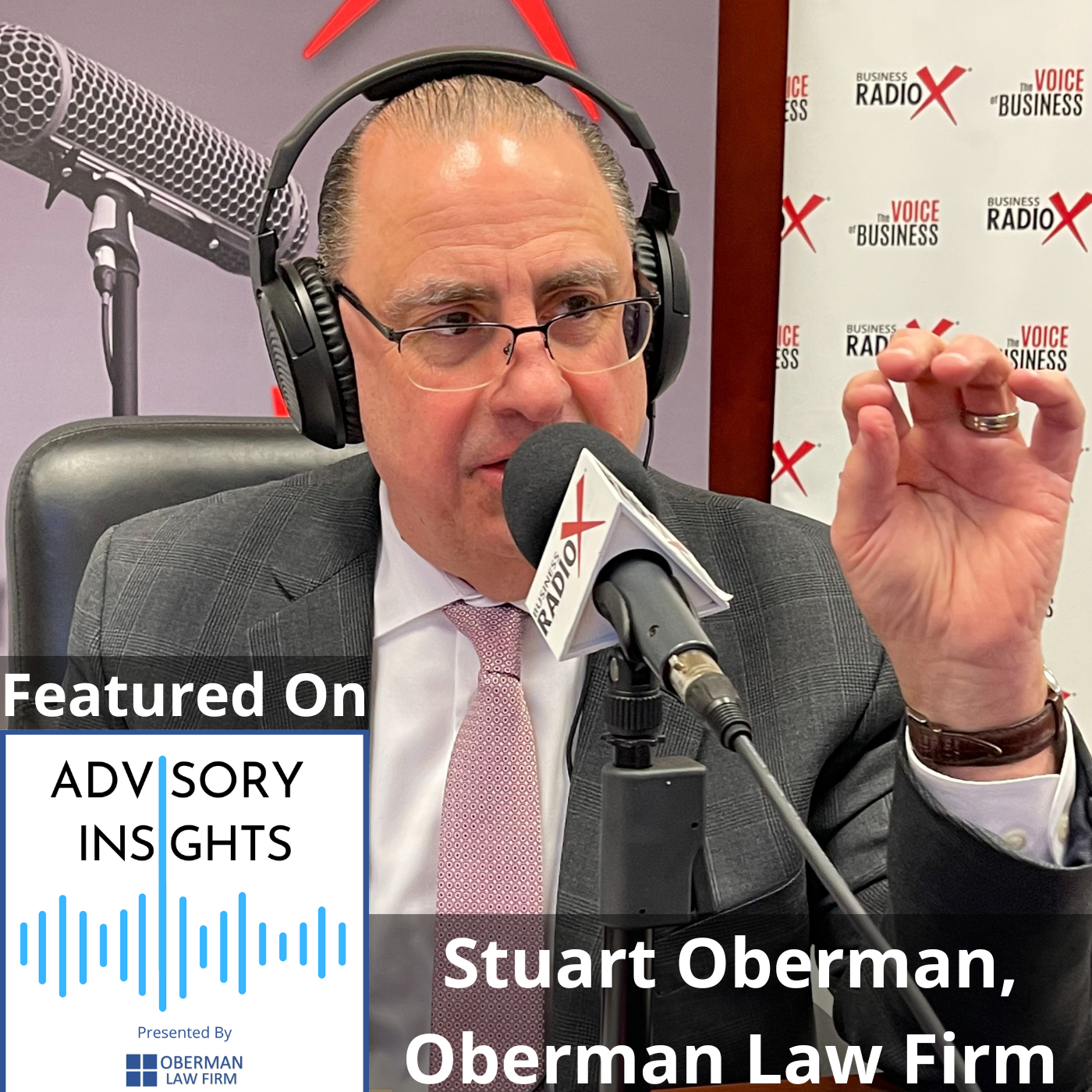
On this episode of Advisory Insights, Stuart Oberman of Oberman Law Firm discussed employer-related compliance trends in 2023. Stuart talked about pay transparency laws requiring employers to include salary range information in job postings, employee privacy laws governing how data is used in employment relationships, and more.

Advisory Insights is presented by Oberman Law Firm and produced by the North Fulton studio of Business RadioX®. The series can be found on all the major podcast apps. You can find the complete show archive here.

TRANSCRIPT

Intro: [00:00:01] Broadcasting from the Studios of Business RadioX, it’s time for Advisory Insights. Brought to you by Oberman Law Firm, serving clients nationwide with tailored service and exceptional results. Now, here’s your host.

Stuart Oberman: [00:00:19] And welcome everyone to Advisory Insights. Stuart Oberman here, your host. All right. Folks, we’re going to talk about employer related compliance trends in 2023. Yes, yes, yes, 2023, off and running. There is a lot of things going on in 2023 that our employers must, must know.

Stuart Oberman: [00:00:42] And there’s not necessarily any order of priority here, but there is a great, great trends regarding pay transparency laws that are going to be even more expansive in the future. So, the laws generally require – this is overly broad here – employers to include salary range information in job postings. Now, this is cropped up in California, of course, Washington, and New York. But I will tell you, there’s a lot of other legislation that is pending or being discussed in multiple states.

Stuart Oberman: [00:01:23] So, I think what has to happen is if you’re an employer and you’ve got employees in those states and you’re posting jobs in those states, you’ve got to understand what the ramifications are of the pay transparency laws. I would suggest that you have a broad policy on this because it is not really a matter of if it comes to your state, it’s when. So, obviously, California, Washington, and New York are more of the liberal states. Again, I’m not getting into politics, but I see a trend here that’s already from west to east. And, again, it’s going to go north and it’s going south, so it’s just a matter of time.

Stuart Oberman: [00:02:05] A next big topic, which, of course, originates in some more of these states, is employee privacy. What we’re seeing is that California is really at the forefront of this. But Illinois even became first on this issue. So, recently, the California Privacy Act – excuse me – California Privacy Rights Act has really brought, in my opinion, employee privacy to the forefront in the U.S. So, the law came in effect on January 1st.

Stuart Oberman: [00:02:43] Now, the interesting part, you’ve got to go back in history a little bit – and I don’t want to bore you guys – this particular law actually follows the Illinois Biometric Information Privacy Act, which was enacted in 2008 in Illinois. Now, you’ve got to understand where all this is coming from.

Stuart Oberman: [00:03:07] So, under the California law – again, here we go. We’re in California, Washington. Now, we’re hitting Midwest. We got New York City going here. Again, this is going to be propping up in multiple states, in my opinion – the California law mandates – not says may or not says, you know, we really want it to. It mandates. It governs – how the aspect of an employment relationship on how data is used in this context.

Stuart Oberman: [00:03:43] Now, what does that mean? So, it actually outlines what employers in artificial intelligence can and cannot utilize that information on, privacy, background checks, those kind of things. So, I think you need to really have a plan as a whole. It doesn’t matter whether you’re in Illinois, California, Washington, I don’t really care. You’ve got to figure out what your policy is and procedures on how to handle this data and whether or not your policies and procedures fit within those four or five states that, you know, is very broad.

Stuart Oberman: [00:04:23] And especially if you have employees in those multiple states and you’re a multinational employer, if your main office is in Charlotte, how do you deal with an employee and you run background checks for employees in Washington or New York? How do you deal with that? You’ve got to have policy in place with that.

Stuart Oberman: [00:04:42] The next one really is a very, very aggressive legislative change, and we’re seeing more and more of this. And I think it’s just a matter of time before the states have a version of this, which was, employee leave. I think we’re going to see, not necessarily on a federal level, but we’re going to see employers, we’re going to continue to see, I think, some broad movement on paid leave on a state and local level.

Stuart Oberman: [00:05:15] So, again, I want to go back to Illinois because they seem to be the most recent here on what we’re looking at. So, they passed the Paid Leave Act For All Employers – all workers – excuse me – the official name, Paid Leave For All Workers Act on January 10th. Now, once the law takes effect – and there’s a question whether that takes effect. From all indication, it’s going to take effect next year – employers – get this – must annually provide covering employees up to 40 hours of paid leave, which they can use for any purpose.

Stuart Oberman: [00:05:55] Folks, you’ve got to understand the ramifications of that, again, if you’re a multinational employer. Now, what we’re going to see is we’re going to see, I believe, different versions of this trickle down in certain water down states where it may not be as aggressive. Or in some areas, depending on the legislation, you’re going to see more aggressive leave. So, I think you need to start looking now what your policies are and procedures.

Stuart Oberman: [00:06:25] We have had some cases that our employers have actually acquired companies. And deep in their particular H.R. matters, they did not realize that their companies that they acquired had no limitation on leave. Folks, do you understand that? You just purchased a $50 million business, 5 million, 10 million, I don’t really care. And all of a sudden, their policy that you inherited and you’ve got to deal with, it says that their leave of absence is unlimited. How do you deal with that? First of all, how do you miss that? A lot of things go into that scenario.

Stuart Oberman: [00:07:16] Next, we’ve talked about this one on our two previous podcasts, non-competes. So, I don’t want to belabor this. Again, I think it’s a trend. The FTC has issued a proposed ban – which is under a lot of review – for non-competes. So, if that occurs, that will fundamentally change the relationship of current employees and future employees as far as what you can and cannot enforce.

Stuart Oberman: [00:07:48] Folks, that is just about four or so topics that are really the hot topics right now going in 2023. And I’m telling you, I’m sure there’s going to be offshoots, extensions, reductions of these various policies and procedures under state, federal, and even national level. So, keep track of what’s going on. Keep listening to our podcast.

Stuart Oberman: [00:08:13] Folks, thanks for joining us today on Advisory Insights. Stuart Oberman, your host. If you have any questions, please feel free to give us a call, 770-886-2400 or stuart@obermanlaw.com. Have a fantastic day.

Outro: [00:08:28] Thank you for joining us on Advisory Insights. This show is brought to you by Oberman Law Firm, a business-centric law firm representing local, regional, and national clients in a wide range of practice areas, including health care, mergers and acquisitions, corporate transactions, and regulatory compliance.

About Advisory Insights Podcast

Presented by Oberman Law Firm, Advisory Insights Podcast covers legal, business, HR, and other topics of vital concern to healthcare practices and other business owners. This show series can be found here as well as on all the major podcast apps.

Stuart Oberman, Oberman Law Firm

Oberman Law Firm

Stuart Oberman is the founder and President of Oberman Law Firm. Mr. Oberman graduated from Urbana University and received his law degree from John Marshall Law School. Mr. Oberman has been practicing law for over 25 years, and before going into private practice, Mr. Oberman was in-house counsel for a Fortune 500 Company. Mr. Oberman is widely regarded as the go-to attorney in the area of Dental Law, which includes DSO formation, corporate business structures, mergers and acquisitions, regulatory compliance, advertising regulations, HIPAA, Compliance, and employment law regulations that affect dental practices.

In addition, Mr. Oberman’s expertise in the healthcare industry includes advising clients in the complex regulatory landscape as it relates to telehealth and telemedicine, including compliance of corporate structures, third-party reimbursement, contract negotiations, technology, health care fraud, and abuse law (Anti-Kickback Statute and the State Law), professional liability risk management, federal and state regulations.

As the long-term care industry evolves, Mr. Oberman has the knowledge and experience to guide clients in the long-term care sector with respect to corporate and regulatory matters, assisted living facilities, continuing care retirement communities (CCRCs). In addition, Mr. Oberman’s practice also focuses on health care facility acquisitions and other changes of ownership, as well as related licensure and Medicare/Medicaid certification matters, CCRC registrations, long-term care/skilled nursing facility management, operating agreements, assisted living licensure matters, and health care joint ventures.

In addition to his expertise in the health care industry, Mr. Oberman has a nationwide practice that focuses on all facets of contractual disputes, including corporate governance, fiduciary duty, trade secrets, unfair competition, covenants not to compete, trademark and copyright infringement, fraud, and deceptive trade practices, and other business-related matters. Mr. Oberman also represents clients throughout the United States in a wide range of practice areas, including mergers & acquisitions, partnership agreements, commercial real estate, entity formation, employment law, commercial leasing, intellectual property, and HIPAA/OSHA compliance.

Mr. Oberman is a national lecturer and has published articles in the U.S. and Canada.

LinkedIn

Oberman Law Firm

Oberman Law Firm has a long history of civic service, noted national, regional, and local clients, and stands among the Southeast’s eminent and fast-growing full-service law firms. Oberman Law Firm’s areas of practice include Business Planning, Commercial & Technology Transactions, Corporate, Employment & Labor, Estate Planning, Health Care, Intellectual Property, Litigation, Privacy & Data Security, and Real Estate.

By meeting their client’s goals and becoming a trusted partner and advocate for our clients, their attorneys are recognized as legal go-getters who provide value-added service. Their attorneys understand that in a rapidly changing legal market, clients have new expectations, constantly evolving choices, and operate in an environment of heightened reputational and commercial risk.

Oberman Law Firm’s strength is its ability to solve complex legal problems by collaborating across borders and practice areas.

Connect with Oberman Law Firm:

Company website | LinkedIn | Twitter

Tagged With: Advisory Insights, Advisory Insights Podcast, Compliance, employment law, employment trends, Oberman Law, Oberman Law Firm, Stuart Oberman

GNFCC Leadership North Fulton

February 23, 2023 by John Ray

Leadership North Fulton
North Fulton Studio
GNFCC Leadership North Fulton
Loading
00:00 /
RSS Feed
Share
Link
Embed

Download file

Leadership North Fulton

GNFCC Leadership North Fulton (GNFCC 400 Insider, Episode 83)

Three graduates of Leadership North Fulton, Margaret Shiver, GNFCC Leadership Programs Coordinator, Lalitha Alladi, Senior Associate with JMG Law Firm, and Ben Huard, Managing Partner at GO Agency, joined host Carisa Turner, GNFCC Sr. Director of External Affairs and Economic Development, to share their experience, highlights, and what benefits they’ve seen from the program. They also talked about what the future of LNF might look like as the community grows. They concluded with advice for others who might be interested in the program as well as where to apply.

The GNFCC 400 Insider is presented by the Greater North Fulton Chamber of Commerce and produced by the North Fulton studio of Business RadioX®.

Lalitha Alladi, Senior Associate with JMG Law Firm

Lalitha Alladi, Senior Associate with JMG Law Firm

Lalitha Alladi is an immigration attorney whose practice areas include family based and employment-based cases. Prior to joining JMG Law Firm, where Lalitha provides more personal attention to her clients, Lalitha practiced at a nationally renowned immigration firm and at international Fortune 500 corporations. In addition to focusing on bringing families together, she provides businesses with solutions to bring employees to the United States and maintain short-term and long-term work authorization.

Lalitha received her Bachelor of Science from the University of Florida in 2002 and her Juris Doctorate from Stetson University College of Law in 2005. She is licensed in both Florida and Georgia. Lalitha is the current President of the South Asian Bar Association of Georgia and Past President of the Florida Chapter.

Her involvement in these organizations has allowed her to serve as a Co-Chair during the Annual Naturalization Drives as well as lobby for policy change in Washington D.C. on issues such as H-4 dependent Employment Authorization. Additionally, she serves on the board of the non-profit, Shakthi US, which assists South Asian women who are survivors of domestic violence and empowers future generations of women and children. Lalitha is also an active member of the American Immigration Lawyers Association and National Asian Pacific American Bar Association.

LinkedIn

Ben Huard, Managing Director of GO Agency

Ben Huard, Managing Director of GO

With over 15 years of creative experience in the Atlanta market, Ben brings leadership, communication and a wide network to GO Agency. He is a highly motivated and accomplished creative professional. His vast experience includes over-delivery in CPG, startups and overseeing projects while successfully collaborating with clients & partners. He is proud to say that he believes in heart count, not head count.

Ben graduated from Keene State College with a BS in Graphic Design with a dual minor in Visual Communication and Art History. Ben believes that in order to do good work, a great attitude is crucial.

LinkedIn

Margaret Shiver, Leadership Programs Coordinator with GNFCC

Margaret Shiver, Leadership Programs Coordinator with GNFCC

Margaret Shiver joined the Greater North Fulton Chamber as the Leadership Programs Coordinator in 2022. In this role, she oversees the organization’s leadership programming, including Leadership North Fulton, Emerging Leaders Program, LNF Alumni Association, and Mentor Match.

Before joining the Chamber, she spent 15 years in the education and mental health field, including working as a high school counselor at The Cottage School, building her own private counseling practice, and working with kids in DFCS, foster care, and various hospitals in Metro Atlanta.

She is a graduate of the Leadership North Fulton Class of 2018 and has held various leadership roles in the community, including serving on the Young Professionals Advisory Council at The Drake House and leading volunteer groups with local churches and nonprofits. In addition, Margaret has spoken at many workshops for parents and local church leaders, using her counseling experience to help people build upon their personal and professional growth.

Margaret earned her B.A. in Psychology from Georgia College & State University, her M.S. in
Rehabilitation Counseling from Georgia State University, and is a Licensed Professional Counselor in the
state of Georgia. She was born and raised in Lawrenceville, and currently lives in Alpharetta.

LinkedIn


About GNFCC and The GNFCC 400 Insider

Kali Boatright, President and CEO of GNFCC

The GNFCC 400 Insider is presented by the Greater North Fulton Chamber of Commerce (GNFCC) and is hosted by Kali Boatright, President and CEO of GNFCC. The Greater North Fulton Chamber of Commerce is a private, non-profit, member-driven organization comprised of over 1400 business enterprises, civic organizations, educational institutions, and individuals.  Their service area includes Alpharetta, Johns Creek, Milton, Mountain Park, Roswell and Sandy Springs. GNFCC is the leading voice on economic development, business growth and quality of life issues in North Fulton County.

The GNFCC promotes the interests of our members by assuming a leadership role in making North Fulton an excellent place to work, live, play and stay. They provide one voice for all local businesses to influence decision-makers, recommend legislation, and protect the valuable resources that make North Fulton a popular place to live.

For more information on GNFCC and its North Fulton County service area, follow this link or call (770) 993-8806. For more information on other GNFCC events such as this North Fulton Mayors Appreciation Lunch, follow this link.

For the complete show archive of GNFCC 400 Insider, go to GNFCC400Insider.com. The GNFCC 400 Insider is produced by John Ray and the North Fulton studio of Business RadioX®.

Tagged With: Ben Huard, Carisa Turner, chamber of commerce, GNFCC Leadership North Fulton, GO, JMG Law Firm, Leadership North Fulton, Margaret Shiver, Milton, North Fulton, The GNFCC 400 Insider

Thriving After Trauma: An Interview with Karen Nowicki, Phoenix Business RadioX® and Deep Impact Leadership Coaching & Consulting

February 23, 2023 by John Ray

Karen Nowicki
North Fulton Studio
Thriving After Trauma: An Interview with Karen Nowicki, Phoenix Business RadioX® and Deep Impact Leadership Coaching & Consulting
Loading
00:00 /
RSS Feed
Share
Link
Embed

Download file

Karen Nowicki

Thriving After Trauma: An Interview with Karen Nowicki, Phoenix Business RadioX® and Deep Impact Leadership Coaching & Consulting

What do you do when trauma hits you without warning? How do you recover personally? How do you hold it together for the clients you work for in your services practice? How do you get to a point where you can thrive again? Karen Nowicki, Phoenix Business RadioX® and Deep Impact Leadership Coaching & Consulting, joined host John Ray to discuss the trauma of her husband’s suicide attempt, what she did to cope with her own mental health challenges that followed, her decision to share her journey in detail, how she managed her two businesses through those difficult times, and much more.

The Price and Value Journey is presented by John Ray and produced by the North Fulton studio of Business RadioX®.

Phoenix Business RadioX®

Since 2017, Phoenix Business RadioX® has successfully launched, promoted, and produced over 1500 podcast episodes covering topics from BioScience Careers to High Tech Lending …and just about everything in between.

Website | LinkedIn | Facebook | Instagram

Karen Nowicki, Owner, iNudge LLC, Phoenix Business RadioX® and Deep Impact Leadership Coaching & Consulting

Karen Nowicki, Owner, iNudge LLC, Phoenix Business RadioX® and Deep Impact Leadership Coaching & Consulting

Karen Nowicki is the Owner of iNudge LLC, the parent company to Phoenix Business RadioX and Deep Impact Leadership Coaching & Consulting.

Executive Leaders and Business Owners hire Karen to accelerate their intrapersonal / interpersonal relationships and harness the power of a growth mindset.

Karen has spent over 30 years in corporate, small business and educational leadership roles and for the past 10 years has held an impressive private client list that includes c-suite leaders in a variety of industries, including: technology, medical, higher education, hospitality, and finance.

Karen is an impeccably trained Integration Coach with certifications in communications, facilitative leadership, mindfulness, trauma integration, tao healing, talent management, and strategic planning.

LinkedIn

TRANSCRIPT

John Ray: [00:00:04] And hello, everyone. I’m John Ray on The Price and Value Journey. And I am delighted to welcome Karen Nowicki. Karen is with Phoenix Business RadioX and Deep Impact Leadership Coaching and Consulting. And just a way of introducing Karen, what do you do if, not only in your professional services practice but in your life, trauma comes right out of the blue and drops right in your lap? And how do you hold it together and recover? And that’s what we’re going to be talking with Karen about today.

John Ray: [00:00:40] Karen is a successful author, speaker. She has her own coaching practice, as I mentioned. The name of that practice is Deep Impact Leadership Coaching and Consulting. Karen’s been an expert guest on regional television and radio shows. She’s a regular contributor to many print and online magazines, blogs for both business and education. And where I intersect with her proudly is that she and I are colleagues in the Business RadioX Network, and Karen’s the much smarter studio partner than I am, but she runs the Phoenix Business RadioX Studio. And Karen Nowicki, it’s just a pleasure to have this time to chat.

Karen Nowicki: [00:01:29] I’m excited to spend time with you, John. It’s usually a quick text or a phone call, how are you doing this, what’s going on here, between either one of us. And we have yet to ever meet in-person, but we’ve got to change that in 2023.

John Ray: [00:01:42] I look forward to that. Yeah. I want to correct that. So, let’s put that on our list for 2023. I like that.

Karen Nowicki: [00:01:52] Did I say ’23, too, I think? I meant 2023. If I said ’22, I can’t keep up.

John Ray: [00:01:58] Well, let’s get each other the right year. I’m not sure I said the right one. But I gave a little bit of an overview of you and your work. But like me, you have two different professional services businesses, so give everyone a little bit of an overview of that work.

Karen Nowicki: [00:02:16] Sure. Again, thank you for having me be with you and your listeners today or viewers. I have been referred to, for years, as the ultimate problem solver and solution finder. For the past 24 years, I’ve acquired advanced training and certifications in executive leadership, trauma integration, Tao Healing, and then organizational and personal development.

Karen Nowicki: [00:02:40] And it just made sense that while I was running my coaching practice – which you’ve mentioned a little bit – almost six years ago to open Phoenix Business RadioX and run that alongside it. And I’ll talk about why that was so important in a moment.

Karen Nowicki: [00:02:54] My greatest strength is the ability to help people understand what they need, what they want, and how to have that come together on a consistent and daily basis. Most of the time, it’s telling people and showing them how to get out of their own way. And I know the business of business as well as the business of people. And so, let’s face it, in any business, we’re always dealing with people.

Karen Nowicki: [00:03:19] And so, it just made sense, Business RadioX was a wreath on my door and an opportunity for me to kind of elevate my exposure as a leader when it comes to personal and professional development. And I haven’t ever looked back and regretted the decision. It’s been hard to run both businesses at times, especially these last couple of years. But I’m doing it and I’ve got the right team to help me now.

John Ray: [00:03:45] Yeah. That’s terrific. I’m curious for you – and we’ve talked a little bit about this, but for our listeners – why later on Business RadioX specifically, and that work among all the other things you could have done next to your coaching practice?

Karen Nowicki: [00:04:03] It’s a great question. I think it’s an important one for you and I when we encourage people to take on podcasting or B2B radio in their businesses, because not everybody understands why at Business RadioX we do the things that we do it or the way we do it.

Karen Nowicki: [00:04:18] So, six years ago I had sold a business, and it gave me the leverage to hire a coach and think about how do I want the next layer of my career to be. And, also at the same time, gave me the leverage to open an auto mechanic shop for my then husband. So, I went to my coach and I said I continue to work with professionals. These were attorneys, doctors, successful entrepreneurs and business owners, typically highly visible in their industries and was coaching them at a very soulful, personal, and professional level. And yet they weren’t referring me like other people were, the general laypeople.

Karen Nowicki: [00:04:58] And I knew that I was making a huge difference in their lives because I was always the one they were texting saying, “Thank you. I finally solved that problem at work. I finally hired the right teammate. My husband or my wife and I are getting along better. I had you sit on my shoulder when I had those conversations.” Like, all that acknowledgement told me that they were stepping into their life and leadership in an incredible way and I got to be the catalyst and the help to kind of either nudge or shove them into that depending on what they needed. And yet they weren’t referring to me.

Karen Nowicki: [00:05:32] And so, my coach said, “Well, go ask them. These are people that you’ve gotten to know and they really care about you. And clearly, you’re making a difference.” Their feedback to me, John, was, “Well, why would I tell anybody you’re my best kept secret. Like, you’re my secret weapon.” And they weren’t interested in telling me.

Karen Nowicki: [00:05:47] And that was difficult for me to hear because at that time my coaching practice was referral only, which is a mistake, but it’s how I built it. I didn’t understand marketing and advertising nor did I want to do it. And I really have never liked the sales part of things.

Karen Nowicki: [00:06:06] And so, my coach challenged me to maybe consider a podcast. And at first I thought that was an awful idea. I quickly, within two hours of research, came across Business RadioX. And I could just tell that they were or we are doing things differently. It’s about the story and shine the spotlight on someone else. So, I thought, I can do that.

Karen Nowicki: [00:06:28] And within a week, was in Atlanta visiting with Stone and Lee, following them around and paying attention to what they’re doing. And by the time I flew home about four days later, I had made the decision to open Phoenix Business RadioX so that I could show up among our leaders in the Metro Phoenix area, have conversations about what’s important to them, their industries, their verticals, their decisions, their initiatives. And in exchange, have an opportunity to get to know them at a really deep level. And then, in turn, be able to say, “Here’s what I do outside of Business RadioX. If you know anybody who’s struggling with personal growth or professional development or leadership or finances, whatever it is, have them have a conversation with me.”

John Ray: [00:07:13] You know, it’s amazing what you can do with a mic, isn’t it? I mean, that’s terrific. Well, I want to get right into your story, Karen, or the reason we’re doing this show in terms of the trauma that hit you and your now former husband, Mike. I want you to share whatever piece of that you want to share and how you want to share that story.

Karen Nowicki: [00:07:38] Yeah. It’s not an easy conversation to share and it’s also not very easy for people to listen to. Back in 2019, my then husband attempted suicide and survived gunshot wound through his head. It was a total surprise to me. We closed his auto shop and we unraveled the mystery of how did this all happened while he was lying in the trauma intensive care unit for the first month of his recovery. I came to see that there was addiction and gambling and just really a lot of mental health challenges that weren’t as evident as they were. We had been together for 15 years, the love of my life.

Karen Nowicki: [00:08:27] And I struggled to get up everyday. I struggled to help our then 12 year old kind of make his way through it. I have two older kids as well who very much loved and cared for Mike and they were trying to make sense out of it. They were living out of the house, already adults.

Karen Nowicki: [00:08:45] And being so visible in our community already because I have had Business RadioX up and running for then almost two-and-a-half years, and the way in which I show up in social media even before this, is kind of I’m visible, here are the situations, the struggles, the challenges that I go through, I decided that I was going to tell the story while it was happening.

Karen Nowicki: [00:09:10] That was, I’ll say, a divine download. I woke up one morning and what was on my heart and in my head was you will tell this story as it’s happening. And I thought, “Oh. You can’t ask me to do that.” I was in trauma. I was in crisis. I wanted to just pull the sheets over my head and just disappear. And yet the next thought that I heard was, “I’ve prepared you your whole life for this.” And I thought, “Well, that’s a crappy way. Why would that ever be part of my story?” Because I pride myself on knowing people so well, and helping people, and getting really clear about soulful self-reliance and deep impact leadership, how could I end up with a partner who went to bed with me every night, that was the love of my life, end up wanting to take his own life?

Karen Nowicki: [00:09:59] So, long story short, Mike and I are no longer together. He wasn’t willing to or wasn’t capable of, I think is more more appropriate to say, to do the work it required to be a healthy whole unit between he and I and then, of course, our son. And it just made more sense safety-wise, mentally, physically, emotionally for Ivan and I to be on our own. I do know that he is now with his family in a different state. They’ve chosen not to have anything to do with us, which is heartbreaking. And at the same time, I continue to recover from that, all the while keeping both businesses open and being very vocal about my own mental health journey throughout this chaos and trauma and that of my sons.

John Ray: [00:10:46] Wow. A lot there. Let’s talk about the processing, the idea that all this was going on with your life partner and you had no idea. I mean, in terms of just the mental health struggles and then the financial issues and other issues that you talked about that were going on, how did you process just getting hit by this out of the blue?

Karen Nowicki: [00:11:16] I would like to say people will tell me that I processed it really well. And my first reaction is, “No. No. I didn’t.” When we fall into trauma or chaos, we go into the fight, flight, or freeze, or fawn mode and we’re now using a different part of our brain just for survival. So, a lot of it really, John, is a blur. Even though I was writing daily on our CaringBridge page and then, of course, on social media, it was really a therapeutic opportunity for me to try to make sense out of everything.

Karen Nowicki: [00:11:47] Mike and I were both building our businesses at the same time. Phoenix Business RadioX was brand new, so is his auto shop. And one business alone for a family is difficult in those early startup days, you and I both know that, let alone two. So, while I felt like we were grounded and corrected – excuse me – grounded and connected, he had his set of challenges and expenses and I had mine. And so, I knew he wasn’t feeling well physically. I was oblivious to – because he wasn’t willing to share it – what was going on mentally.

Karen Nowicki: [00:12:21] And I think that’s the most important call out here for our listeners and our viewers. Not everybody, one, knows when they’re struggling mental health-wise. And even if they do, there’s so much stigma and so much fear about saying to somebody I am not well, I am not doing well and I need help. Like, for Suicide Prevention Month and even just mental health awareness, we always say I’m there for you, be on the lookout for clues and that sort of stuff.

Karen Nowicki: [00:12:53] And I will tell you, I think we are very good at hiding that stuff, which is part of why I’ve told my story so vocally and so visibly, because my story is no longer Mike’s story, nor was it even when it was happening. I had to deal with my own mental health. And so, I just got really good about asking for help and being very candid, “I feel like crap right now” or “I don’t even know which way is up.”

Karen Nowicki: [00:13:20] And always continue to have faith. I said to you earlier today before we got on the interview that the universe always has my back. And I believe that for all of us. If we can hold on to hope, we can get through anything. And I always knew that at some point beyond that threshold of chaos and craziness and be, fortunately, where I am today, even though the fog has just finally lifted the last couple of months.

John Ray: [00:13:44] Well, I want to dive into that a little more, the universe has my back. What are the beliefs that underlie that statement that you have?

Karen Nowicki: [00:13:55] For me, it’s faith-based. I don’t attend a church any longer. I grew up Catholic and have always been a very soulful, spiritual person, very led by a belief in a higher power. And even though life has proven to give me challenge after challenge, business and career, and marriages, and even challenges with kids, and health, and all that stuff, I continue to give that over to a higher power. And when I say the universe has got my back, I don’t know that it matters what faith we have or if we have any faith as long as we believe that there is something better on the other side of a challenge.

Karen Nowicki: [00:14:37] And so, every time I have a challenge, small, medium, or large, I just know where’s the growth, where can I learn more about me, learn more about me and how I show up in the world that I can take into this next iteration of where I’m going after, this stuff is behind me.

John Ray: [00:14:56] So, when all this happened with Mike, you decided pretty quickly that your response needed to be journaling, sharing what you had. And we’re not talking about private journaling. I mean, we’re talking, really, about online journaling. You can explain more about what I mean by that. But what was the genesis of that decision for you?

Karen Nowicki: [00:15:21] Again, I will tell you that it wasn’t my decision. I know that might sound crazy. But in my meditation practice and the way in which I just am very soulfully self-reliant, I listen very deeply to what my soul needs and how I’m supposed to show up in the world. So, I know that gets a little bit woo, but there you go. So, very early on within three or four days, again, I woke up and I just knew that I was being called from a higher place to journal and share publicly what was going on for me. And it was a survival mode.

Karen Nowicki: [00:16:04] My son said it recently that it was a way for me to survive and thrive versus a way for me to story tell and get attention. It doesn’t fit with everybody’s narrative. You know, there’s a handful of people, my family included, thinks I did it for attention and did it just to further my career. If that were that, I literally would have kept the sheet over my head, put a padlock on the door, and said, “I’m done. I’m out.”

Karen Nowicki: [00:16:30] And so, I asked three friends to read every entry that I wrote for CaringBridge – that, again, was repeated on social media – so that they could look at it through three layers. One, am I taking care of myself in this? Are you reading it to where you can hear that this really is me trying to find my way through the chaos and make understanding of what’s happening to the degree that I can?

Karen Nowicki: [00:16:53] Two, is it being respectful of Mike and his family and his journey? Because at the time, while I wanted us to be together forever, that was the plan, I never would have guessed that it would not have turned out that way. And yet I knew that at some point he would likely be in a position to be aware that I told the story as it was happening. So, was I respectful to him and his family and his journey? And then, the third piece was, if there could be a nugget for other people who are watching and listening and reading, is that opportunity there for someone to have a takeaway?

Karen Nowicki: [00:17:21] So, all, but I think one journal over the course of probably nine months journal entries, was there ever a sentence that came back? And my very best friend, Julie, came back and said, “This is the only sentence that I’m not sure where you’re coming from on this. It sounds more like ego than anything else. Can you reword it or pull it out?” And with that, I did. That was the only time. The rest of the time it was, “Oh, my gosh. Karen, this is what I’m getting from it and I know this is going to make a difference. And I can hear you getting better and healing as you go through this.”

Karen Nowicki: [00:17:49] So, less of a decision, John, and more of a calling. Which, I think, again, our viewers and our listeners for this particular show, if they’re entrepreneurs and business owners, even solopreneurs, we don’t come into our businesses lightly. We come into it, I think, oftentimes, because we have a calling to do something that’s bigger than us.

John Ray: [00:18:12] Right. Yeah, for sure. Now, this is the part of the story that I’m not sure that I’ve heard before, that you had three trusted friends that knew you quite well, that they sound checked it, I guess maybe is the word, right? They sound checked to make sure that the Karen they knew was speaking.

Karen Nowicki: [00:18:37] Yeah. And this was well before any of the immediate family started attacking and wanting to manage what I was saying and would rather have me be quiet. I just knew that I was fairly visible in our community anyway already. I’d already talked about post-partum depression when my kids were younger, and changing careers, and what is it like to be fairly visible and that sort of stuff, getting older, those kinds of things, even body image and those choices, and how I can grow to love myself more.

Karen Nowicki: [00:19:18] So, knowing that I had already been through all that and sharing in that way, I knew I needed to have people, not fact check, but just sound check and make sure that I was doing it from a place of, first, caring for myself; second, being respectful of Mike and his journey, wherever that would take him; and third, can people hear it from a place of what’s in it for me.

Karen Nowicki: [00:19:39] And it’s proven to be one of the most amazing things I’ve ever done. I hear, still, from people three years later how much I’ve changed their life or the lives of their loved ones. I would say, and I think only firefighters and medical professionals get to say this, I know there are at least eight people whose lives I’ve helped save because they either read or someone read to them the accounting of what I was going through as a dear casualty of somebody who wanted to leave this earth before their time.

John Ray: [00:20:15] I would love it, Karen, if you would share one of those as an example. You know, obviously, we’re not going to mention names or anything like that, any identifiers. But if you could just share an example of one of those stories.

Karen Nowicki: [00:20:30] I can. So, we’re here in Arizona. I had a high school friend reach out through Facebook and mentioned that she was going to be in town – this has been, oh, probably a-year-and-a-half ago – and would I be open to coffee. And we don’t know each other well. We see each other at reunions and, of course, on social media, thumbs up, or a little like this, like that. And I said, I’d love that. And so, I waited at the coffee shop for her to arrive maybe three or four minutes early. And as she’s walking from the parking lot, we smiled at each other.

Karen Nowicki: [00:21:00] And as she’s getting closer, I watch her face change and she starts to get teary eyed. And I was not prepared for that. We gave each other a big hug and she said, “I’m so grateful that you’re sitting down and meeting with me. I need to tell you how much you’ve impacted my life and the life of my fiancé.”

Karen Nowicki: [00:21:18] Now, we’re not spring chickens. We’re celebrating our 40th high school reunion this year, so we’re in our late 50s. And so, this is somebody that I knew as a young girl and have seen at reunions. And she’s in a relationship now. I believe they’re engaged, maybe even married now, a couple of years after we met over coffee.

Karen Nowicki: [00:21:39] And she said that her then partner was struggling with mental health, depression, suicidal ideation. And as she read what I was sharing, being his beloved partner, it was ripping her apart that that could be her and she didn’t know how to handle it. He was unwilling at the time to get professional help. And so, she started reading these entries to him aloud. And I don’t know how soon, but I think within four or five entries, he ended up agreeing to go get professional help by himself and also couples counseling for the two of them.

Karen Nowicki: [00:22:16] And she said I just knew that the anguish and the difficulty that I was sitting in, not having a clue what happened, not having known how to help, and having a partner who refused to get help until it was too late, and even now not getting the help, she just knew that she had to share that. So, I hope that’s kind of the example that you’re looking for.

John Ray: [00:22:43] Wow. That’s tremendous. And there’s no telling what has happened without you even knowing about it. And this is just what you know about in terms of the people that you have impacted by sharing your story so truly authentically.

Karen Nowicki: [00:23:03] Yes. There was no other choice. And now it’s interesting, again, I’m beyond it. We have not been married for over a-year-and-a-half now. And I want to continue to be a beacon of light for people, and it has to be authentic. So, I’m just kind of looking for what’s happening in my life that I can continue sharing.

Karen Nowicki: [00:23:26] You alluded to this, there was catastrophic financial loss that I was not even aware of had already taken place. And so, even though I’m 58 years old, it’s like I’m 23 years old, starting over again and keeping both businesses afloat. I’m so grateful for the community providing some financial support when we were in the midst of the chaos. I have a very dear friend who recently invested in my business so that I could get to the next level with teammates and that sort of thing.

Karen Nowicki: [00:23:55] And, yeah, I feel very grateful that I’ve been willing to get out of my own way and also share that part of the story to help other business owners and individuals who, again, sometimes we think that we’re the only person. I always say, people think that they’re terminally unique. And we’re not. We’re all looking for validation that we’re okay, and that we’re enough, and that we can contribute in some way. We’re all designed fairly similarly, whether we’re an introvert or an extrovert or anywhere in between, we just want to know that we’re here for a reason.

John Ray: [00:24:31] Since you brought up introvert and extrovert, we were talking about this before we came on, you know, the typical listener of this series is a solo and small professional services practitioner, most of whom are introverts as a general proposition. And I can hear the introverts saying, “I can’t believe that Karen shared what she shared.” What do you say to somebody that is thinking that and thinking I’m a private person and there’s no way I could do what you’ve done, Karen?

Karen Nowicki: [00:25:12] Well, stay private. I realized that that is one of my unique – I don’t know what it is – call it a curse or a blessing. One of the unique gifts that I bring to this world is the ability to tell people how I’m feeling as it’s happening. And not everybody can do that publicly.

Karen Nowicki: [00:25:32] However, it’s important to share your story with someone. And when people are fortunate to be in relationships, marriages, or long term friendships where they can really show up authentically as who they are and let someone know when they’re struggling and challenged and they’ve got the right support structure, that’s great.

John Ray: [00:26:16] And I don’t want to make this into something that’s a little crass like personal brand, but I think people hear that and they hear authenticity and showing up. But there’s showing up as – I’ll call it – the made up you. They’re showing up as the Real you. And I mean the capital R, Real you. That’s what you did.

Karen Nowicki: [00:26:58] Yeah. And there’s a way to do that, no matter who you are. This is not about airing your dirty laundry, just to do that, right? Just speaking authentically from a place of some of the challenges, whether it be business, or raising children, or moving to a new location, or the next level in your business, whether you’re introvert or extrovert, I don’t think that matters. As leaders, we’re called to show up authentically and everyone has their own pace and cadence for that.

Karen Nowicki: [00:27:30] That’s one of the neatest things that you and I can offer with Business RadioX, our story matters. And people want to hear what we’ve been through, what challenges do we have, what hurdles did we have to overcome, when did you think you’re going to quit and give up, and what got you through that to to be where you are today, what’s the next challenge that you’re faced with right now going into 2023. Those answers can be from the cuff and they can be from the heart.

Karen Nowicki: [00:27:57] And I think that’s one of the greatest things that Business RadioX has to offer people and with the work that you do, John, with your clients. People need to get out of their own way, myself included. So, I have coaches and guides. When it comes to sales, when it comes to marketing and advertising – I mentioned that early on – those are areas that I’m not well-equipped at and good at. And yet I show up because I’m listening and I’m learning and I’m paying attention to the people who do it better than I can. And they’re helping me learn how to do it for me in a way that it feels real and authentic to me.

John Ray: [00:28:33] So, let’s talk briefly, if we can, just the whole idea of you obviously had to hold yourself together, your relationships together, your children as they navigated this trauma that came out of the blue for them as well. But let’s talk about your businesses and just how you held it together. Because you’ve got to show up for clients and you’re a coach and you’ve got to bring something for that client that’s sitting in front of you with their own issues that may have nothing to do with what you’re dealing with. How did you do that?

Karen Nowicki: [00:29:23] I’m grateful that I had a couple different income streams. So, I think that’s important when we look at it from that perspective of we’re relying only on one avenue of income and it’s solely dependent on us, we’re in trouble. I was fortunate that I could very quickly hire someone to run the studio for me. And with very little direction, she took it over for me. So, that part of my business was handled.

Karen Nowicki: [00:29:49] I did step away from the intimate coaching for a little bit of time because I was no good for anybody, so being able to admit when I needed to step away. And, again, grateful that I had this other business running so that there was still the income.

Karen Nowicki: [00:30:07] As far as working with clients, both here at Business RadioX and in my coaching practice, I had already built enough strong enough relationships just in caring for people deeply and giving them permission to care for me back. That when I was ready to come back into the field full force, I could simply make those calls and send an email and say, “Hey, listen, I’m ready. Here’s the kind of clients that I enjoy working with. If you’re ready to come back and work with me, I’d love that. If not, if you’ll be a referral source for me.”

Karen Nowicki: [00:30:36] So, I think the theme for both of my businesses is when we care deeply for people and we allow people to care deeply for us, the universe works on our behalf. Things will come our way when we know that we are really a force for good.

John Ray: [00:30:53] You know, it strikes me as I’m listening to you talk, Karen, and again, I’m getting back to just what you decided to share. I mean, you did that as your own personal source of healing. It strikes me how generous that is, because you could have kept all that to yourself. You could have written what you wrote, pass it along to your three close friends, let them look at it, and just deep sixed it and kept it private. But there was a mission to what you were doing, and it was an act of pure generosity, it seems like to me, because you were willing to take whatever came your way in terms of the consequences of doing that, which, for you, were severe.

Karen Nowicki: [00:31:49] That’s very sweet of you to say. I don’t think I’ve ever heard anybody refer to it as generous, so thank you. It makes me a little overwhelmed.

Karen Nowicki: [00:32:00] It was a survival mechanism. It’s not something I wanted to do. I wanted to be like the rest of the world on social media and who’s visible and just the highlight reel. And, unfortunately, I didn’t get to share that. So, it was a survival technique. It was the only one that I had available to me. And I just listened.

Karen Nowicki: [00:32:26] And I think when we’re being called to do anything in our life, business or personally, and we have that – I’ll call it – nagging voice in the back of our head – mine sometimes sounds like a nag, a nag or a nudge – I’ve just learned in my life that it’s that voice and that nudge or that nag that’s constantly humming in the background that I’ve got to pay attention to. And, again, I have to just trust that I’m going to find my way through why it is that we do the things that we’re called to do.

Karen Nowicki: [00:32:57] And I love that you’ve shared that it felt generous. It makes me feel very hopeful and appreciative that you’re paying attention.

John Ray: [00:33:06] Well, thank you. Well, see, there’s a difference, to me, between help and trying to help people. Because sometimes help has strengths, right? I mean, it can come back in ways that maybe we don’t acknowledge, but it comes back in ways to benefit us. But when you’re doing what you were doing, knowing that you likely would suffer in some way from it, and you did, then that really gets beyond help into generosity, and that’s why I say that.

Karen Nowicki: [00:33:39] And my Business RadioX family or our Business RadioX family was there for me every step of the way, all of you. And we were fairly new in relationship. I’d only had the studio, I want to say, for – what? – a-year-and-a-half, maybe two years, and, again, at a great distance. I’m way over here in the Southwest and you guys are all in the Atlanta area. We’ve grown a lot since then as a team. And I never felt like there was a time that I couldn’t pick up the phone or text or email and say I need some help. And I didn’t have to rely on that very often. But when I did, everybody rose to the occasion.

Karen Nowicki: [00:34:16] Which, again, for our listeners, for this particular group of people who might be interested in a conversation like this, even though you are a solopreneur and you are at the helm, bring people in your life, invite people in your life, the coach, the guide, the mentor, possibly a partner, certainly your clients and your customers – find the win-win-win for everybody – all the stakeholders. So that, again, it’s a richer and more viable experience and it will have legs.

John Ray: [00:34:48] Yeah, for sure. And, really, one aspect of what you’re talking about is digging the well before you’re thirsty. I mean, you had that support structure before this happened. And when it happened, you were ready, you had prepared.

Karen Nowicki: [00:35:06] I have a friend who just had a 20 pound tumor removed from her stomach. We’re hoping that it’s not cancer. It doesn’t look like it’s going to be. And I just went and visited her on Sunday. Also, a business owner, a longtime solopreneur. And now she has a team of 20 people on her team, which is amazing. And she said just that, John, “I had no idea how the community and people in my life would respond when I needed help and I was laid up. And I’m so grateful that I built a business that didn’t rely just on me. That I got smart a couple of years ago and started building it so that more stakeholders could benefit in profit and we could help more people.”

Karen Nowicki: [00:35:46] And very different situation for me, but she said the exact same thing, “I am so overwhelmed by the amount of love and support and outpouring for people just being a champion of me. I can’t help but wonder why.” And we both laughed at each other and said, “Well, it’s because you show up that way for other people and that’s truly who you are.” So, yes, I love the way that you put that.

John Ray: [00:36:08] Yeah. Yeah. Wow. Shoutout to her and her healing, for sure. So, one of the things that has stood out to me recently, speaking of things we post on social media, is you’ve been using this hashtag I want to know about, so it’s #traumainformedworkplace. Now, what do you mean by that? What does that term mean? And is that looking ahead toward trauma that might occur? Is it looking backward? What are we talking about there, Karen?

Karen Nowicki: [00:36:43] So, it’s not my term. I didn’t make it up. A lot of people use it, especially now that COVID has been something that’s really knocked us all off of our A-game. And I come at trauma informed workplaces a little bit different. A lot of folks will go into companies, enterprises, medium size, small businesses, public education, wherever, and they will have hour long talks, sometimes half-day seminars, even three or four days, certification programs around how to be aware of where trauma might be impacting the way we show up in our life and businesses. That’s all well and fine. I would say that’s layer one. Let’s be aware that trauma is part of what’s happening in the background all the time.

Karen Nowicki: [00:37:34] So, the angry executive or the pissed off client or the employee who doesn’t show up for work day after day or they’re there but they’re not really high functioning, it’s likely that something traumatic has happened either recently or from the past that they haven’t dealt with. And in the work that I do with clients, I help people get the shock out of their body in a variety of different ways. But the body keeps score, and if we don’t clear the shock out of our body, it will inform our decisions. And we’re still in fight, flight, or freeze, or fawn mode. And fawn is maybe a new word for a lot of people. Fawn is an over caregiver and I’m taking care of everything but myself – that would be fawning – and kind of grappling for the attention and needing the visibility.

Karen Nowicki: [00:38:23] So, layer one is let’s just be aware of what trauma is, how it impacts our brain, and how it shows up in conflict. And let’s make sure that as a trauma informed workplace, we have a way to handle that and deal with that culture-wise and team-wise. That’s all well and fine.

Karen Nowicki: [00:38:39] And then, this next layer that I work with, with individuals and business owners that come to my practice and work with me, it’s let’s have you heal your trauma and re-integrate it so that your decisions, the way you show up in your marriage, your friendships, your business, your leadership, the way in which you work with your stakeholders, you’re standing in the present moment with all your faculties about you. You’re aware that you have a past, some of it may have been kind of sucky, some of it may have been great. But the decisions you’re making today are in alignment with who you are today. And you’re not having to look over your shoulder out of reaction or response.

Karen Nowicki: [00:39:16] Now, it’s a long winded answer, but there’s a lot to trauma, and I think we’re finally starting to have conversations about it so that we can be there at a higher level for each other, and most importantly for ourselves.

John Ray: [00:39:30] Yeah. And that shows up differently, as you said, for each of us. And the question is having conversation and being open about that and creating an environment where people can be open.

Karen Nowicki: [00:39:43] Safe, right? And we’re talking about trials. There’s personal trauma. There’s also historical trauma. There’s legacy trauma, familial, family trauma. And we all carry a little bit of that with us without even knowing it. So, we’ve got to come to better understand how does that come and show up in our communication or our lack of communication, and how can we have compassion, respect, and autonomy with each other.

John Ray: [00:40:11] So, Karen, you’ve been really generous with your time, and you’re busy, you got a lot going on.

Karen Nowicki: [00:40:18] My producer just walked by the window and was going to come in and get ready for our show, and he’s like, “Whoops. I can’t go in there yet.”

John Ray: [00:40:24] He’s like, “Hey, we got other things to do here.” But before we let you go, though, I would love it if maybe you could share one final takeaway. You know, as listeners absorb your story, what should they hold on to from your story that could help them in their personal lives and in their business lives?

Karen Nowicki: [00:40:49] So, we heard a couple of times that phrase, a couple of times, and you just said it to me as you’re kind of handing this for my final word, everybody’s story matters. Therefore, your story — like you’re lacking or you deficit, those are just stories that you tell yourself that you can change your story. Our stories and our past matter, and they don’t have to fully define us. So, take care of yourself, mental health, physical health, self-care, all of that is not underrated.

Karen Nowicki: [00:41:22] And it’s not just going to a spa once a month or getting your manicure, pedicure, or going to see your chiropractor, once a year checkup. It is daily practices that help you become the best version of you, so that when you look in the mirror everyday, you like the person that you see looking back at you. And that filters into every aspect of your life, most particularly those of us who are solopreneurs and entrepreneurs and business owners, we’ve got to get that together or we’re going to find ourselves struggling when it comes to financial wellbeing and the success of our businesses.

John Ray: [00:41:57] And, folks, if you need help with that, I know a coach that can help you. So, that gets us to the most important question, maybe, which is how folks can get in touch with you, Karen, that would like to know more maybe about your coaching practice, but just maybe they’ve got to download their own trauma around suicide.

Karen Nowicki: [00:42:20] Absolutely. I would love to help even if just a conversation. If we’re not a right fit for each other, I can refer you to other people. I do see people here in-person in the Metro Phoenix area. And I also have just as many clients – actually, maybe even more – that we do FaceTime or Zoom from the comfort of their office or their home. So, happy to be of support.

Karen Nowicki: [00:42:39] I am on LinkedIn, Karen Nowicki or Phoenix Business RadioX. I am just now finally working on a website for Deep Impact Leadership. So, the best way to reach out to me right now is through LinkedIn. Or my email address is karennowicki2007@gmail.com if you want to reach out personally. Or reach out to John and he’ll direct you to me, and we’ll have a conversation, just a discovery and see where I can best support you if I am the right person for that.

John Ray: [00:43:08] Terrific. Karen Nowicki, wow, I’m just honored to have you as a friend. And thank you so much for your great work and how you are helping people in such a generous way. Thank you.

Karen Nowicki: [00:43:23] You’re welcome, John. Thank you for letting me share this time with you.

John Ray: [00:43:26] Absolutely. Hey, folks, just a quick reminder as we wrap up here, pricevaluejourney.com is where you can find out more on this series, you can find the link to the show archive. And you can also sign up to get more information on my upcoming book coming out this summer called The Price and Value Journey – ironically enough – Raising Your Confidence, Your Value, and Your Pricing Using The Generosity Mindset Method. So, if you want to know more about that, you can sign up for updates on when that’s coming. And with that, thanks again to Karen Nowicki for joining us. I’m John Ray on The Price and Value Journey.


About The Price and Value Journey

The title of this show describes the journey all professional services providers are on:  building a services practice by seeking to convince the world of the value we offer, helping clients achieve the outcomes they desire, and trying to do all that at pricing which reflects the value we deliver.

If you feel like you’re working too hard for too little money in your solo or small firm practice, this show is for you. Even if you’re reasonably happy with your practice, you’ll hear ways to improve both your bottom line as well as the mindset you bring to your business.

The show is produced by the North Fulton studio of Business RadioX® and can be found on all the major podcast apps. The complete show archive is here.

John Ray, Host of The Price and Value Journey

John Ray The Price and Value Journey
John Ray, Host of “The Price and Value Journey”

John Ray is the host of The Price and Value Journey.

John owns Ray Business Advisors, a business advisory practice. John’s services include advising solopreneur and small professional services firms on their pricing. John is passionate about the power of pricing for business owners, as changing pricing is the fastest way to change the profitability of a business. His clients are professionals who are selling their “grey matter,” such as attorneys, CPAs, accountants and bookkeepers, consultants, marketing professionals, and other professional services practitioners.

In his other business, John is a Studio Owner, Producer, and Show Host with Business RadioX®, and works with business owners who want to do their own podcast. As a veteran B2B services provider, John’s special sauce is coaching B2B professionals to use a podcast to build relationships in a non-salesy way which translate into revenue.

John is the host of North Fulton Business Radio, Minneapolis-St. Paul Business Radio, Alpharetta Tech Talk, and Business Leaders Radio. house shows which feature a wide range of business leaders and companies. John has hosted and/or produced over 1,700 podcast episodes.

Coming in 2023:  A New Book!

John’s working on a book that will be released in 2023:  The Price and Value Journey: Raise Your Confidence, Your Value, and Your Prices Using The Generosity Mindset. The book covers topics like value and adopting a mindset of value, pricing your services more effectively, proposals, and essential elements of growing your business. For more information or to sign up to receive updates on the book release, go to pricevaluejourney.com.

Connect with John Ray:

Website | LinkedIn | Twitter

Business RadioX®:  LinkedIn | Twitter | Facebook | Instagram

Tagged With: coach, Deep Impact Leadership Coaching & Consulting, executive coach, iNudge LLC, John Ray, Karen Nowicki, Phoenix Business RadioX, Price and Value Journey, pricing, professional services, professional services providers, solopreneurs, Suicide, suicide awareness, surviving trauma, thriving after trauma, trauma, value, value pricing

Tara Heaton, En Pointe Communications

February 21, 2023 by John Ray

Tara Heaton, En Pointe Communications
North Fulton Business Radio
Tara Heaton, En Pointe Communications
Loading
00:00 /
RSS Feed
Share
Link
Embed

Download file

Tara Heaton, En Pointe Communications

Tara Heaton, En Pointe Communications (North Fulton Business Radio, Episode 610)

On this edition of North Fulton Business Radio, Tara Heaton, Founder of En Pointe Communications, joined host John Ray to discuss how her daughter’s traumatic brain injury led to her current work. Tara discussed how neuroscience can guide us in more effective communication, the power of stories and telling better stories, how to engage listeners in the stories we tell, success stories from her work, and much more.

North Fulton Business Radio is broadcast from the North Fulton studio of Business RadioX® inside Renasant Bank in Alpharetta.
TRANSCRIPT

Intro: [00:00:04] Live from the Business RadioX Studio inside Renasant Bank, the bank that specializes in understanding you, it’s time for North Fulton Business Radio.

John Ray: [00:00:19] And hello again, everyone. Welcome to another edition of North Fulton Business Radio. I’m John Ray. And we are broadcasting from inside Renasant Bank in beautiful Alpharetta.

John Ray: [00:00:30] And if you are looking for a bank that is so highly rated by their customers that they have won multiple awards from national organizations, like Time Magazine’s money.com and Forbes, well, I’m sitting in that bank, Renasant Bank. They’ve won Best Bank in Georgia, Best Bank in the Southeast, Best Bank in the United States, actually even, in the surveys. And so, if you want to know why they’ve made such a difference in the lives of their customers – I’ve certainly found it out myself – go to renasantbank.com and find one of their local offices and give them a call. And I think you’ll be glad you did. Renasant Bank. Understanding you. Member FDIC.

John Ray: [00:01:17] And now, I want to welcome Tara Heaton. Tara is with En Pointe Communication. Tara, welcome.

Tara Heaton: [00:01:22] Thanks so much for having me, John.

John Ray: [00:01:23] It’s great to have you. So, let’s talk about you and how you’re serving folks out there. How are you serving folks at En Pointe Communication?

Tara Heaton: [00:01:31] Well, it’s just exactly as it sounds, En Pointe Communication helps people to communicate more effectively. And I have a platform called Talk to the Brain, and everything that I teach and coach is founded in neuroscience, which I’ve been studying now for over 18 years. So, I share a little bit of the science and then we go deep into story. So, I’m helping speakers, leaders, sales people, teens to communicate more authentically and to understand how to communicate so that their message lands more compelling, more memorable, and helps them to get the results they desire.

John Ray: [00:02:08] Wow. So, what is it that we’re missing in? I know this is a big question and we could go on a long time on your answer. But what are we missing with communication that neuroscience helps us solve, that knowledge of neuroscience helps us solve?

Tara Heaton: [00:02:29] Oh, wow. That’s a great question. And there’s, I think, several components to that. But I think I will switch it around and think how I’m helping people and why the science proves that. And I’ll start with stories. Because everybody knows that there’s so much power, and most people know, that stories, there’s scientific proof about why they help us to remember and how they touch us.

Tara Heaton: [00:02:53] People don’t see that a story is a moment in time. It’s a transformational moment in time. It is different than a journey. So, you and I, John, our life is decorated with hundreds of stories. And when we learn to tell those in a compelling way, it shoots up dopamine in the minds of the listeners. And, today, we are more addicted to dopamine than ever before. When we learn to tell a compelling story, it shoots up that dopamine which pleasures the brain.

Tara Heaton: [00:03:23] Also, when we use a vulnerable story that shares a relatable emotion, it fires up our serotonin and oxytocin in the mind of the listener that builds trust, that builds connection. And when people learn this and they experience examples of it, it automatically improves their confidence and their ability to communicate more effectively.

John Ray: [00:03:46] Oh, wow. There’s a lot to that I want to get to. But before we dive deeper there, let’s talk about your journey. Because you’ve got some specific aspects to your journey that led you into this interest in neuroscience and how it affects communications.

Tara Heaton: [00:04:05] Absolutely. And I would be remiss if I didn’t share this part of my story because I forever will. I’ve always been an analytical minded person. I’ll sit out, I will analyze our conversation – I can assure you – and ask myself how I could have done better, what went right, what could have been improved. And I’ve always been that way.

Tara Heaton: [00:04:26] I was a sales leader. I was running a sales team. I had a very successful business. I’d had built success really from pretty much nothing, and, so to speak, three healthy children, a beautiful marriage. As they say, living the dream.

Tara Heaton: [00:04:40] And my middle daughter was 12 at the time that everything changed for us. She contracted a virus that is still documented, interestingly, as a virus of unknown etiology. The virus traveled to her brain, caused her to have something called encephalitis, which is simply inflammation of the brain. She went into a coma. And when she came out of the coma, she couldn’t hold a hairbrush, she didn’t know who we were, she couldn’t walk. But interesting, I mean, it was considered a traumatic brain injury, she could talk.

Tara Heaton: [00:05:13] So, through much, much, much therapy, she’d relearn to do pretty much everything and most of her memory came back. And we thought the worst is behind us. You know, our prayers have been answered and Caroline’s going to be okay.

Tara Heaton: [00:05:27] But the encephalitis left her with epilepsy. And so, I became, as you might imagine, as any mother would, her warrior. And I started searching for ways to stop these seizures. Most people with epilepsy, their seizures are controlled with medication. But the medication has terrible side effects.

Tara Heaton: [00:05:45] So, about a year into this journey, I sat with her neurologist and I was at Emory Clinic – I’ll never forget this – and I said, “Dr. Weissman, look at my little girl.” And she looked over at Caroline and she was looking down, shoulders slumped, looking down at her untied little converse tennis shoe. And I said, “She was energetic, she was social, she was athletic. This is our Caroline today. Can we please just take her off these drugs and try to manage the seizures?” And Dr. Weissman said, “No. Because Caroline’s seizures travel right through her hippocampus, and with every seizure, her brain is being damaged.”

Tara Heaton: [00:06:22] And that day, John, sent me on a journey of just being obsessed with understanding the brain, what was going on with her mind, how I could help her. And I continued to, literally, travel the country over looking for answers. And I’m sorry to say that the seizures have never, ever stopped. And today, Caroline is very, very cognitively challenged due to just years and years of seizures.

Tara Heaton: [00:06:48] But the study just started to inform my work. And as I was running across the country, learning, investigating, trying any type of therapy, natural or not, I continued to learn about specifically neurotransmitters, how we remember, what sparks our attention, our imagination. And it started to inform my work as a sales leader and as a speaker and as someone who provided a lot of workshops.

John Ray: [00:07:15] Yeah. Wow. So, you really took what you learned there and applied it in a sales context because that was your legacy, business, right?

Tara Heaton: [00:07:29] That’s right. That’s right.

John Ray: [00:07:29] But you’ve really expanded it beyond just its application to sales teams.

Tara Heaton: [00:07:36] Oh, yes. Absolutely. As a matter of fact, I do help and coach sales people, but the work is so very much focused on building an authentic voice. And what that means is I help people to make better connections, and that might be from a stage as a speaker. But it really helps teams to better connect and better tell stories that relate to their specific business. They get to experience the thrill of sharing vulnerable stories, how to do that, and how it builds trust and connection, which helps teams.

John Ray: [00:08:12] Yeah, for sure. Tara Heaton is with us, folks. She is with En Pointe Communication, her own firm. Tara, you mentioned storytelling. You mentioned that that’s pretty well-known, the power of stories, and I couldn’t agree more. So, maybe we can walk past that to some of the other principles that really became solid beliefs for you in terms of what you take to your clients today out of all this study that you did.

Tara Heaton: [00:08:49] Well, I will say, the reason I continue to focus on stories is because that seems to be the most popular of the workshops. People continue to come to me and say, “You know, I want to teach my team to tell better stories.” And these aren’t sales teams. These are folks who are in negotiations. These are folks who just simply are communicating with customers, customer service, on the phone. We overthink story. And so, that’s why it’s become such, I think, a really popular workshop. But I also help speakers —

John Ray: [00:09:20] Well, let’s stop there just a second, if you don’t mind, because that’s very interesting what you just said, we overthink story. Say more on that.

Tara Heaton: [00:09:27] Oh, yes.

John Ray: [00:09:27] Okay.

Tara Heaton: [00:09:28] Yes. Thank you.

John Ray: [00:09:31] Okay. See, I was going to walk right past storytelling, but now you’ve made me want to dig into it, so let’s do that.

Tara Heaton: [00:09:36] Absolutely. So, I’ll tell you a story to explain it.

John Ray: [00:09:39] Okay. Appropriately enough.

Tara Heaton: [00:09:41] Absolutely. I had a client who came to me and she was looking for a new job. And she’s quite successful and really, really strong in her field. But she said, “I hear you’re a great storyteller, and I understand that telling powerful stories in an interview could really help me.” And here’s what so many people say to me, she said, “I don’t think I really have any stories.”

Tara Heaton: [00:10:10] And after about an hour long – what I’ll call – a discovery session with her, we uncovered unbelievable beauty that decorated her life, some challenges, some trials, some successes, some wins. And each one of those are little, small individual stories that make a point that cause people to remember the point that we’re trying to make.

Tara Heaton: [00:10:34] So, people tend to think my personal story, what I’ve been through with my children and my family is quite tragic. And when people hear it, they think, “Wow. I don’t have a story.” We all have stories. And as natural storytellers, we start to become very sensitive to the fact that we are creating new stories everyday through every experience. And so, when we can share our experiences, things that we’ve been through or things that we’ve witnessed, so that it matters to the listener, so that it makes the listener the hero of that story and not ourselves, it helps us to get better results.

John Ray: [00:11:11] Yeah. I’m glad you mentioned that right there at the end, because sometimes we hear stories that seem like they’re more about – I’ll call them – therapy in public, where people are really kind of working out their own issue as opposed to telling a story for the purpose of reaching other people. Does that make sense?

Tara Heaton: [00:11:34] Oh, yes. So much. As a matter of fact, somebody asked me recently when I was referencing, I said, “Who is the hero of your story?” And she said, “Well, I am.” And I said, “If you’re telling it to anyone, they are the hero. They relate to what you’re sharing. You share relatable emotions that people can relate to that inspires them through your vulnerable story.” So, if we just share a winning moment in our lives without sharing the strife and the struggle and the insecurity that we faced, it will not be nearly as memorable as if we share the vulnerable side of it, because that’s where people relate and they think, “Wow. If he or she could overcome that, I too can do the same.”

John Ray: [00:12:18] Wow. So, how do we tell stories and get out of our own way, I guess this might be the way to put it. How do we know that we’re really putting the listener in the middle? Because this is a human thing, right? We’re all self-absorbed. We all operate from our own perspectives. And so, how do we communicate in such a way that brings the listener into the story we tell?

Tara Heaton: [00:12:52] Well, a lot of the answer to that is timing. So, when is it appropriate to tell a story? And what exactly defines a story? So, I have a framework for stories that I share with my clients we go through. And a lot of times that’s better applied when you’re really preparing for a speech or a very important sales presentation. But to become a natural storyteller, I’ll give you a recent example of just sharing stories when the timing is right, and that’s when the last thing I would want people to do is to have practiced and scripted a story.

Tara Heaton: [00:13:28] I had a gentleman that works closely with me. He came to me recently and he said, “I’m supposed to be at this conference on Monday. I think I need to go to leadership and tell them I can’t go.” And I said, “Why is that?” And he said, “I’ve been gone all week. You know, we have three children. My wife’s pulling her hair out. I mean, dad hadn’t been here. And I want to go to them and just say can you send somebody else to this conference, but I’m really stressed about it. What do you think? What do you think I ought to do?”

Tara Heaton: [00:13:59] And I said, “Mark, may I share something with you?” And he said, “Absolutely.” And I said, “Years ago, I remember coming home late one evening and going upstairs to kiss my daughter, Caroline, goodnight.” She was about seven years old. I walked up the stairs, kissed her goodnight, and she sat up in her bed. She was a dainty little girl and sat up in her little pink pajamas, and she said, “Oh, mom, tomorrow night I want you to help me fix my hair and I want you to help me with my costume because Friday’s the play.”

Tara Heaton: [00:14:31] And I said, “Oh, Caroline, I’m not going to be here tomorrow night. I have to work again.” And I was working for a company at the time called Herff Jones. And she sat up and she pulled her little tiny fist back and she punched her pillow. And she said, “I hate Herff Jones. I hate it.” And she punched her pillow again. And every time I think about that story, I feel a punch in my gut.

Tara Heaton: [00:14:56] I didn’t give Mark any advice. I didn’t tell him what I thought he ought to do. I just shared something painful from my past, something that I regret. And he had his answer. That’s the power of story. We also built some trust that day, as you might imagine.

John Ray: [00:15:11] Oh, yeah. Yeah. Wow. So, you teach in your workshops. You mentioned the kind of story you tell. But when you tell a story, talk about the timing angle there.

Tara Heaton: [00:15:33] Well, one of my favorite examples of when to share a story is when someone asks you for advice. It’s so easy to say, “Here’s what I think you should do.” But if you share with them a time when you faced a similar struggle, it’s unforgettable. The power of that is so, so, so very different.

Tara Heaton: [00:15:52] Also, many times I’m helping people with stories when they’re in negotiations or small presentations within a company, like our team has to share their idea. And it’s so easy to get bogged down in the data. And we need data. We need statistics. But we need a story that brings that to life. So, that’s helping people to imagine not a journey, not a long this happened and then this happened, not that. There was a transformational moment in time, kind of that tipping point that helps to bring our data to life. I call it story with stats. So, there’s a way to gain the results that you’re after by using data and bringing it to life with story.

John Ray: [00:16:36] Wow. Great words from Tara Heaton, folks, with En Pointe Communication. So, Tara, you mentioned storytelling, we’ve talked about that. What are some of the other aspects of communication that this journey through neuroscience has led you to?

Tara Heaton: [00:16:56] Well, wow, I don’t even know where to begin. But, you know, I mentioned dopamine. And our society today is more addicted to dopamine than ever before. So, I’ll give a quick tip on dopamine. Because we know that our listeners are addicted to dopamine, what that means is people are going to become more distracted than they used to be. People can’t follow us. So, we’ve got to lead our conversations, our speeches with something that’s highly unpredictable and unusual because that grabs people.

Tara Heaton: [00:17:29] The other thing a lot of people don’t really know about dopamine is it’s not pure just pleasure. Dopamine is that feeling of anticipation. It’s like it’s why we’re addicted to video games and social media and things that make us want more and more. So, if we know that our listeners are searching for something, they’re in anticipation at the beginning of a speech, what we need to do is kind of dangle a carrot. Tell folks, “At the end I’m going to share –” boom, this big gold nugget that keeps people attentive.

Tara Heaton: [00:18:00] I’ll give one other neuroscience tip, and then I won’t continue on with all of them. But I’ll give another fun one that it really helps people in their communication, and it is the understanding of serotonin. And serotonin is the feeling we get when we feel confident and proud, and we feel seen, and we feel validated. So, this especially applies in speaking to audiences and in sales presentations. We need to make sure that our audience feels understood and seen.

Tara Heaton: [00:18:29] Well, how do we do that? In a conversation, we can certainly ask those questions. But there are also always assumed objections. And people tend to hide from assumed objections. Whereas, I say, we need to uncover them and say to people, “I know how you might feel.” You must be thinking that and then fill in the blank. And that always, always helps me. I can visually see an audience lean in when I tell them I find a way to say to them I understand.

Tara Heaton: [00:19:00] And someone asked me once, they said, “Well, if we’re in a sales setting, why would I want to agree with what someone is thinking if I’m trying to sell them something?” And I believe, John, in being always honest and authentic. And the answer to that is this, we may not agree. Agreeing and validating someone’s perspective are two completely different things. We need to seek to understand people with a curious mind, look for wonder, understand why they think the way that they do.

Tara Heaton: [00:19:33] If we could take this into our political conversations in this country, can you imagine how much softer and safer and what might come out of those if we weren’t looking to be right. We were looking to understand the other person. That builds serotonin, which builds connection and makes people want more of us.

John Ray: [00:19:50] Yeah. Absolutely. Because we tend to flatten people out and take that three or four dimensional person, I’ll say that, and turn them into one dimension. They’re a cartoon character.

Tara Heaton: [00:20:09] So true.

John Ray: [00:20:09] Yeah. That then, therefore, we can project our own feelings onto that caricature we’ve drawn.

Tara Heaton: [00:20:19] Absolutely.

John Ray: [00:20:20] So, Tara, I love that point. It makes a lot of sense. But, you know, when you bring in the political, I’m thinking everybody gets that. But we tend to do that to people that are close to us, I mean, in our lives, and in the business world, in our families, that kind of thing. And that may be the unrecognized part of what we often do, right?

Tara Heaton: [00:20:50] Yes, very much so. And I talk about this a lot on the Daily Huddle where I’m a Wednesday host. We talk a lot about relationships and how much we want to strive to be right, and to be heard, and to get our way. And for me, when I find myself communicating in that manner, I know what’s driving it. It’s ego, which causes us to lead with – no. It’s insecurity which causes us to lead with ego.

Tara Heaton: [00:21:18] When someone touches a nerve, we find ourselves in a space where we might feel insecure about any number of topics. We all have insecurities. And when we allow ourselves to lean into those and go into that imposter syndrome state, that’s when we forget to listen, to remain in a sense of wonder, and all, and curiosity. And we want people to hear us.

John Ray: [00:21:41] Yeah. For sure. So, I want to switch gears and talk about how you work with people now. So, you talked about your previous work with sales teams, you still do some of that work. But you just mentioned relationships, that’s an entirely different matter. So, talk about some of the types of clients that you work with. Do you work with groups, one-on-one?

Tara Heaton: [00:22:12] So, I provide workshops where I have people from different industries to come. But, really, probably my sweet spot right now is working with small to medium-sized businesses who are growing fast and they want to nurture their team. They want to help them to grow their confidence and their ability to find their voice, tell their own stories, and really build on an authentic voice that makes them feel empowered and comfortable. So, that helps culture, which is relationships, right? What defines culture in any company? It’s the relationships. It is the environment. So, I work with small teams to elevate that.

Tara Heaton: [00:22:49] And then, I love still working with speakers. Most recently, I helped a pretty well-known speaker with a talk she was giving. And we worked so hard on her stories. We crafted every word. She rehearsed it and rehearsed it. And as a matter of fact, she said, “You know what? I think I might read this. I just don’t want to miss a word.” And she she knew it quite well, so she wasn’t staring down, but she chose to read the speech. And she called me and she said, “First standing ovation of my life.” So, that’s great joy for me to help speakers.

John Ray: [00:23:27] Oh, wow. Yeah.

Tara Heaton: [00:23:27] So, I do speakers and sales people, small teams, the woman I just mentioned, anyone who’s trying to communicate more effectively. But teamwork, building relationships, helping folks to tell better stories, and find a confident voice, that’s the sweet spot right now.

John Ray: [00:23:46] I’m just curious about the bottom line of all this. Let’s talk about the value that comes out of doing the work that you lead people through and what they get out of that, that maybe they don’t recognize when they hear you talk about what you’re able to do.

Tara Heaton: [00:24:09] Thank you for asking that. It actually makes me light up. Because you could take neuroscience, John, and all that I’ve learned about the brain, and you could use it to manipulate in a sales setting. And the purpose of my work is the opposite of that. The purpose of my work is so that if I understand your mind, that gives me the ability to honor you, to get to know you, to connect with you. And when we make deeper connections with people, for me, I think that’s the greatest gift that we have at our disposal.

Tara Heaton: [00:24:44] So, the bottom line, the truest value of my work is that it helps people to grow their confidence in building relationships. Absolutely, that applies to business. But it goes home, it goes into friendships, it goes into family. So, when we feel more confident in being able to articulate our heart and our experiences, that’s the bottom line value of my work.

John Ray: [00:25:08] Yeah. That’s terrific. So, Tara, you’ve talked about how this journey that you’ve been on with your daughter, all the research you’ve done, all the reading and insights that you’ve had over time, the clients you’ve worked with has really saved your spirit.

Tara Heaton: [00:25:34] Yes. And I didn’t realize it probably until maybe just several years into the work. It was always focused on communication. But, you know, my family went through a lot of trauma. It started with Caroline’s illness, but it absolutely did not stop there. I have three children who have all suffered as a result of a family just living in what felt like constant trauma, watching someone’s brain deteriorate, watching her be bullied, watch her to continue to crash down, her mom falling apart in tears. It was not a safe space, our home, for a long, long time.

Tara Heaton: [00:26:14] And I look back and I’ve learned more than just using what I’ve studied to apply to communication. It applies to our habits and our self-talk. And when I understand why my body might be low on serotonin or dopamine or need oxytocin, I know what to do about it. I know that I don’t have to go to find some sort of addictive habit that’s not healthy to help me. And so, I’ve really taken the science and I’ve applied it to life habits, and to how I spend my time, how I communicate with people, which truly, truly has saved my soul.

Tara Heaton: [00:26:54] Because here’s what I know, the way our brain functions and all of the things that it is able to synthesize, a lot of it’s starting, interestingly, from our gut, all of that is energy. And that energy, we have the ability to repurpose and take it out into the world in any way that we want to.

Tara Heaton: [00:27:16] The last two days before I came here with you today, I’ve been sitting in the hospital with two people in my family who are ill. And maybe without my study, I would have called you and said, “I don’t have it in me today.” But I tell you what I know, that I could take all of that struggle, all the pain that I’ve faced over the past two days, and I can repurpose that into love and I can share it out in such a way that touches other people. And I’ve continued to do that over and over again throughout my life. And that’s because of my study and my sweet Caroline.

John Ray: [00:27:53] Wow. What a beautiful story. Thank you for all that. Thank you for sharing that. What great work. Tara Heaton with En Pointe Communication.

John Ray: [00:28:05] Tara, I’d be remiss, I think, at this point if I didn’t ask, you’ve talked about your own story, your own journey, but maybe you could share a success story of someone you’ve worked with. You mentioned a couple around storytelling, but maybe share one more. Someone who’s had real transformation in their lives, in their work because of your intervention.

Tara Heaton: [00:28:29] Well, let’s see. One comes to mind. A very simple one is that I helped someone to craft a TED Talk proposal, and it was accepted. So, that was very exciting.

John Ray: [00:28:39] That’s a good one.

Tara Heaton: [00:28:39] Several speaker stories, I mean, that’s beautiful work. I also write for people. I write for some artists and help people to tell their story on their About page. And that is just so rewarding that people realize that we all have beautiful stories to tell.

Tara Heaton: [00:28:58] And then, I worked with a small business recently. And as a matter of fact, I just heard from their manager recently and she’s like, “You cannot believe how my team is transformed.” And that’s so touching. She said, “I knew that we needed to build trust and connection and I was trying to force it. Now, they’re going after it and I just sit back and I’m a part of it.” And you know what that says to me, John? That people are enjoying their work more because of my work and nothing can make me more happy.

John Ray: [00:29:29] That’s wonderful. So, Tara, I know you also do – I want to get this in – some public speaking keynotes. Talk about the kind of groups that would benefit from having you in to speak.

Tara Heaton: [00:29:43] Oh, thank you. Yes. As a matter of fact, I’m really trying to elevate this aspect of my work because each time I provide a keynote, I’ll have people to call me weeks and months later and tell me that they’re still referencing the talk. So, I just have finally said to myself, “You know what, Tara, you better get out there and do more of this.”

Tara Heaton: [00:30:03] So, I really have two tracks when it comes to speaking. And one is very inspirational. One is, I go a lot deeper into the story of our family, which does not stop with just Caroline. It also goes into my son who was highly addicted to dopamine and adrenaline, and what that has caused in his life, and how he’s come out of it. So, there’s certainly an inspirational talk that I give. And that is to any team or any organization that says we want to hear a story about suffering and triumph. And I’m pretty raw and open about it.

Tara Heaton: [00:30:36] And then, also, I give mini-talk to the brain talks. And those are to help people to communicate more clearly with better strategy and absolutely more authentically helping them to get better results within relationships, within sales, and within speaking.

John Ray: [00:30:52] Wow. Terrific work. Tara Heaton, folks, with En Pointe Communication. This has been terrific, Tara. I wish we could keep going, but we got to let you get back to your work and what you do for others. But before we let you go, let’s give directions on how folks can find you.

Tara Heaton: [00:31:12] Oh, thank you very much. I’m kind of weak on social media, I will say. But the best place to find me is just to go to my website. And the easiest way to do that is to go to talktothebrain.net, and that will roll over into En Pointe Global. So, again, I’m on Facebook, Tara Caldwell Heaton. I’m certainly on LinkedIn, Tara Heaton. But easiest way talktothebrain.net, and a little pop up box will come and we can be in touch.

John Ray: [00:31:39] That’s terrific. Tara Heaton, folks, with En Pointe Communication. Tara, thank you so much for coming in.

Tara Heaton: [00:31:45] It’s been a joy, John. Thank you.

John Ray: [00:31:46] Thank you so much.

John Ray: [00:31:49] Hey, folks, just a quick thought for you. If you’ve got an administrative task or bookkeeping or other marketing issues, maybe presentations that need to be done that are weighing you down and you’re not able to spend time with your clients and with your prospective clients, I’ve got a suggestion for you. Office Angels. Essie Escobedo has a whole team of angels that do fantastic work. I know this myself because I use their services. They fly in, get the job done, and then they fly out. And they do it on an ongoing or as needed basis, depending on your project and your need.

John Ray: [00:32:30] So, give Essie a call, 770-442-9246. Tell her I sent you. Or go to officeangels.us to learn more. But I think you’ll be glad you did. And Essie has been around since 2000 with this business, so she’s well-established and does great work. And, again, I use her services. So, you’ll be glad that you entrusted your business to her.

John Ray: [00:32:59] And, folks, just a quick reminder, North Fulton Business Radio, we’re coming up on our seventh year anniversary. We’ve been around for seven years and we’re excited about that. And we’ve gotten over 600 shows. And the reason we’ve been around this long is because of your support. We are grateful for you because what you have done is continue to share the show with others that you think might be interested in particular guests. I can’t imagine you haven’t heard some reason to share this show with someone else who needs to hear the message that Tara has given. But you’ve done that on all our shows and we’re excited about that. And we are excited about your support and you make us keep going as the voice of business in North Fulton. So, thank you. Thank you, thank you for that support. We are grateful.

John Ray: [00:33:53] So, for my guest, Tara Heaton, I’m John Ray. Join us next time here on North Fulton Business Radio.

En Pointe Communications

En Pointe Communications collaborates with you to build custom strategies, employing unique assets and abilities. Whether your audience is a single prospect or a thousand fans, we focus on your core purpose to ignite momentum, empowering you to grow your business and impact lives.

Website | Facebook

Tara Heaton, Founder, En Pointe Communications

Tara Heaton, Founder, En Pointe Communications

Tara helps leaders, speakers, and salespeople craft and deliver messages that move people. She empowers businesses to define their distinction and turn networking and prospecting into revenue.

With years of neuroscience research and success in competitive sales as a foundation, En Pointe Communications has discovered how to employ science, art and sport to close sales, open minds and generate action.

They work with individuals in a remote coaching setting that delivers results!

LinkedIn


North Fulton Business Radio is hosted by John Ray and broadcast and produced from the North Fulton studio of Business RadioX® inside Renasant Bank in Alpharetta. You can find the full archive of shows by following this link. The show is available on all the major podcast apps, including Apple Podcasts, Spotify, Google, Amazon, iHeart Radio, Stitcher, TuneIn, and others.

RenasantBank


Renasant Bank has humble roots, starting in 1904 as a $100,000 bank in a Lee County, Mississippi, bakery. Since then, Renasant has grown to become one of the Southeast’s strongest financial institutions with over $13 billion in assets and more than 190 banking, lending, wealth management and financial services offices in Mississippi, Alabama, Tennessee, Georgia and Florida. All of Renasant’s success stems from each of their banker’s commitment to investing in their communities as a way of better understanding the people they serve. At Renasant Bank, they understand you because they work and live alongside you every day.

Since 2000, Office Angels® has been restoring joy to the life of small business owners, enabling them to focus on what they do best. At the same time, we honor and support at-home experts who wish to continue working on an as-needed basis. Not a temp firm or a placement service, Office Angels matches a business owner’s support needs with Angels who have the talent and experience necessary to handle work that is essential to creating and maintaining a successful small business. Need help with administrative tasks, bookkeeping, marketing, presentations, workshops, speaking engagements, and more? Visit us at https://officeangels.us/.
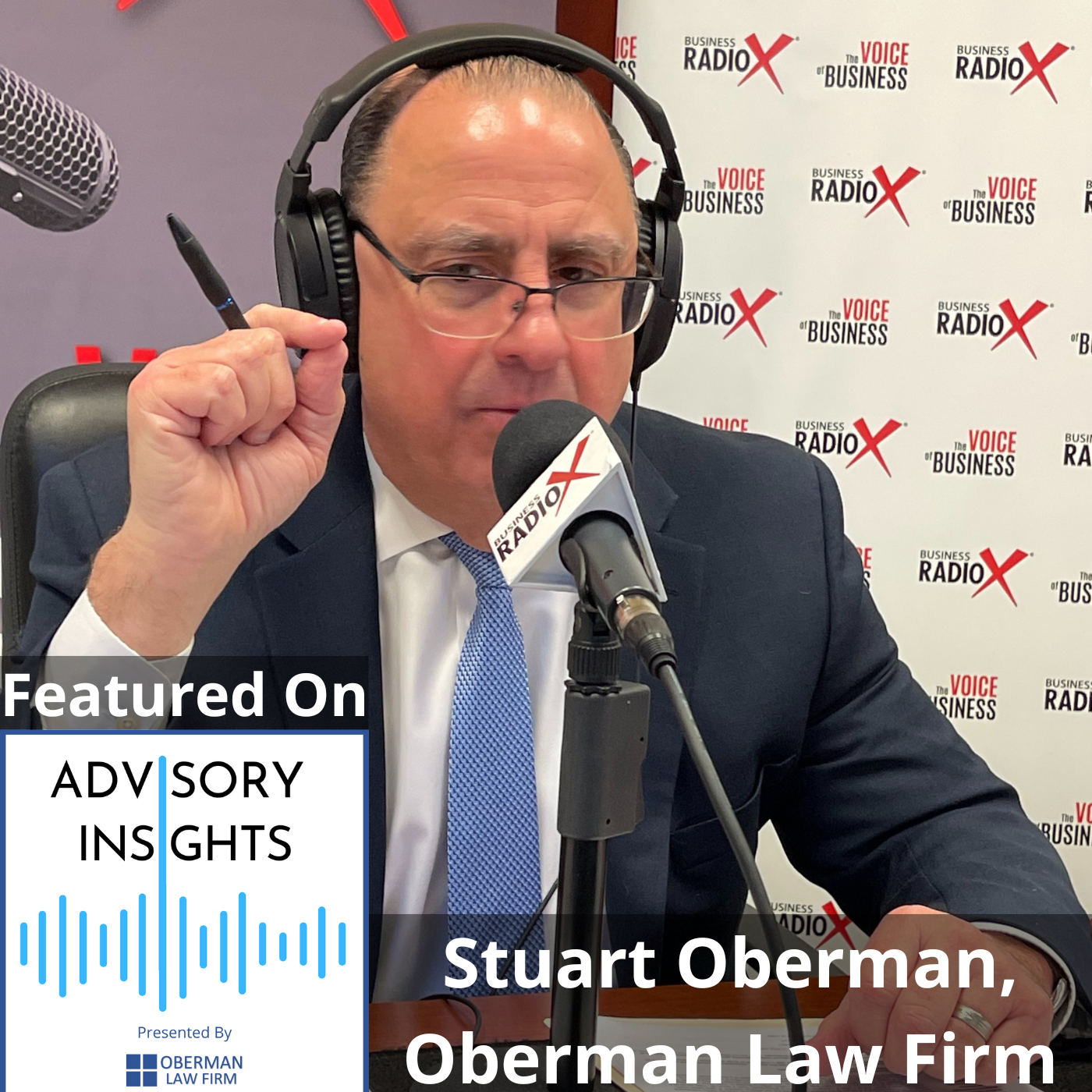
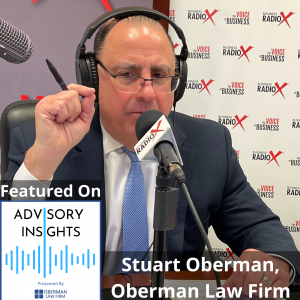
 

Tagged With: communications, En Point Communications, John Ray, neuroscience, North Fulton Business Radio X, Office Angels, renasant bank, stories, story, story-telling, Tara Heaton, trauma

Jesse Morton, Stout

February 21, 2023 by John Ray

Jesse Morton, Stout
North Fulton Business Radio
Jesse Morton, Stout
Loading
00:00 /
RSS Feed
Share
Link
Embed

Download file

Jesse Morton, Stout

Jesse Morton, Stout (North Fulton Business Radio, Episode 609)

On this episode of North Fulton Business Radio, Jesse Morton, Managing Director & Atlanta Office Leader of Stout, joined host John Ray to discuss the Employee Retention Tax Credit. Jesse shared what small business should consider when exploring the Employee Retention Tax Credit, misinformation related to the ERC, what a proper claim for ERC contains, and much more.

North Fulton Business Radio is broadcast from the North Fulton studio of Business RadioX® inside Renasant Bank in Alpharetta.

Stout

Stout is a global investment bank and advisory firm specializing in corporate finance, transaction advisory, valuation, financial disputes, claims, and investigations. We serve a range of clients, from public corporations to privately held companies in numerous industries. Our clients and their advisors rely on our premier expertise, deep industry knowledge, and unparalleled responsiveness on complex matters.

Website | LinkedIn | Twitter

Jesse Morton, Managing Director & Atlanta Office Leader, Stout

Jesse Morton, Managing Director & Atlanta Office Leader, Stout

Jesse Morton is a Managing Director and Stout’s Atlanta & Miami Offices Leader. He has professional experience as a consultant, lawyer, accountant, investigator, and auditor since 2002.

Jesse specializes in working with businesses of all types and sizes on government program-related economic assistance including the CARES Act and other pandemic-related relief including, but not limited to, the Paycheck Protection Program (PPP) and Employee Retention Tax Credits (ERCs).

Specifically, he works directly with businesses and their advisors (i.e., CPAs, attorneys, bankers, etc.) with compliance and fraud prevention, detection, response, and remediation related services, including litigation support and expert witness services.

LinkedIn


Questions and Topics in this Interview:

  • What is the Employee Retention Tax Credit, and why is it something that small businesses should learn more about and explore?
  • What should small businesses consider when exploring the Employee Retention Tax Credit?
  • Can you explain some of the ERC related misinformation that’s out there, and how it relates to the recent IRS news release?
  • What does a proper claim for ERCs consider and contain?
  • What are some red flags of an improper ERC claim?
  • What can companies that have already claimed the credit do if they’re concerned about filing an improper claim?
  • Is there anything else that you want to mention related to ERCs that small businesses should consider?

North Fulton Business Radio is hosted by John Ray and broadcast and produced from the North Fulton studio of Business RadioX® inside Renasant Bank in Alpharetta. You can find the full archive of shows by following this link. The show is available on all the major podcast apps, including Apple Podcasts, Spotify, Google, Amazon, iHeart Radio, Stitcher, TuneIn, and others.

RenasantBank


Renasant Bank has humble roots, starting in 1904 as a $100,000 bank in a Lee County, Mississippi, bakery. Since then, Renasant has grown to become one of the Southeast’s strongest financial institutions with over $13 billion in assets and more than 190 banking, lending, wealth management and financial services offices in Mississippi, Alabama, Tennessee, Georgia and Florida. All of Renasant’s success stems from each of their banker’s commitment to investing in their communities as a way of better understanding the people they serve. At Renasant Bank, they understand you because they work and live alongside you every day.

Since 2000, Office Angels® has been restoring joy to the life of small business owners, enabling them to focus on what they do best. At the same time, we honor and support at-home experts who wish to continue working on an as-needed basis. Not a temp firm or a placement service, Office Angels matches a business owner’s support needs with Angels who have the talent and experience necessary to handle work that is essential to creating and maintaining a successful small business. Need help with administrative tasks, bookkeeping, marketing, presentations, workshops, speaking engagements, and more? Visit us at https://officeangels.us/.

Tagged With: advisory firm, banking, Employee Retention Credit, ERTC, ERTC Credit, global investment bank, investments, Jesse Morton, John Ray, North Fulton Business Radio X, Office Angels, renasant bank, Stout

Tuff Yen, Seraph Group

February 21, 2023 by John Ray

Tuff Yen
Business Beat
Tuff Yen, Seraph Group
Loading
00:00 /
RSS Feed
Share
Link
Embed

Download file

Tuff Yen

Frazier & Deeter’s Business Beat: Tuff Yen, Seraph Group

Tuff Yen, Founder and Managing Partner of Seraph Group, joined this edition of Business Beat to discuss his venture capital investment firm and their work. In a discussion with Frazier & Deeter’s Roger Lusby and Matt Foster, Tuff talked about Seraph Group and its mission, his move to Milton from the Bay Area, how Seraph is investing locally, trends he’s seeing, what Seraph is looking for in investments, how investors can get involved, and much more.

Business Beat is presented by Alpharetta CPA firm Frazier & Deeter and is produced by the North Fulton studio of Business RadioX®

Seraph Group

Unlike a traditional venture fund, Structured Angel Fund offers a 20+ portfolio of seed and pre-seed stage investment into high-risk/high return technology startups. Investors not only gain a diversified portfolio, but also have the opportunity to co-invest on a deal by deal basis above his managed portfolio. This two-prong approach provided investors with a managed fund by the General Partner and a self-directed investment portfolio by investors.

SAF is popular with C-level executives and entrepreneurs. For the busy individuals whose time is limited, the managed portfolio is not only a low-cost way of investing in startup, but a more efficient acquisition of diversification. For individuals who have strong domain knowledge and operating experience, SAF offers investors the opportunity to work with startups first-hand.

Seraph Group’s approach to angel investment addresses and solves many challenges experienced by localized angel organizations. Their national reach for deal flow, 400+ domain experts, professionally managed process and 19 years history of success established the company as the premier professional organization in the United States.

Seraph Research Foundation was founded to help the local community build a successful capital source for startups based on almost two decades of learnings from personally invested in 130+ companies. As technology continues to play a significant role in the economy, and many accelerators and incubators graduate companies, the growth of risk capital has not caught up with the demand.

Few communities or organizations have experience in organizing angel investment groups. Seraph Research Foundation will assist local communities in a public private partnership to help educate, train, organize and manage an angel investment group, a vital component of keeping promising companies local, translating into economic growth, job creation and tax revenues.

Seraph Research Foundation has established local angel investment groups in Austin Texas and Lubbock Texas.

Company website | LinkedIn | Twitter

Tuff Yen, Founder and Managing Partner, Seraph Group

Tuff Yen, Founder and Managing Partner, Seraph Group

Tuff Yen is the founder Seraph Research Foundation, a non-profit dedicated to the education and training of angel investors and working with the local community to establish angel/seed investment organization to help the public and private effort on growing the economy. He is also the founder of Seraph Milton, a north Fulton Georgia based angel investment group.

Mr. Yen is also the founder of Seraph Group, an investment firm that brings together successful individuals to create wealth through ownership of private enterprises. Seraph Group was founded in 2004 and is now the largest, and only global angel investment fund group that specializes in backing high-tech startups.

Mr. Yen started his career in the biotechnology industry with a degree in Microbiology and Immunology from the University of California Berkeley. He worked at Genentech and Amgen, two leading biotechnology companies in northern and southern California. After graduating from the Yale School of Management in New Haven Connecticut, Mr. Yen began his venture capital career at Chemical Venture Partner, the private equity and venture capital arm of Chemical Bank, then managing $8 Billion in New York City. Chemical Bank later merged with Chase Manhattan Bank and then JPMorgan Bank, and the group became JPMorgan Partners which then managed close to $20 Billion. Mr. Yen subsequently joined a Hambrecht & Quist’s affiliated $1.6billion fund in San Francisco.

With an extensive venture capital background on both coasts, Mr. Yen saw an opportunity to deliver a new investment platform for accredited investors and launched Seraph Group in 2004. He introduced Structured Angel Fund™, a venture capital fund designed specifically for angel investors and family offices to gain access to a diversified portfolio of seed stage startups and with the right to co-invest on a deal-by-deal basis. This GP-managed and LP-curated fund attracted close to 400 investors from 120+ cities in north America, Europe and Asia, many of them Fortune 500 C-level executives, entrepreneurs, technologists, innovators, investment and operating professionals.

Mr. Yen led Seraph Group and invested north of $120 million into 130+ companies. He reviewed between 300 and 400 investment proposals each year and was responsible for all aspects of an investment, from sourcing, investigating, conducting due diligence, and structuring. Mr. Yen has gained experience in investing in a wide variety of industries, including manufacturing, distribution, entertainment, publishing, information technology, Internet, enterprise software, cybersecurity, aerospace, medical and life sciences.

LinkedIn | Twitter

Frazier & Deeter

The Alpharetta office of Frazier & Deeter is home to a thriving CPA tax practice, a growing advisory practice and an Employee Benefit Plan Services group. CPAs and advisors in the Frazier & Deeter Alpharetta office serve clients across North Georgia and around the country with services such as personal tax planning, estate planning, business tax planning, business tax compliance, state and local tax planning, financial statement reviews, financial statement audits, employee benefit plan audits, internal audit outsourcing, cyber security, data privacy, SOX and other regulatory compliance, mergers, and acquisitions and more. Alpharetta CPAs serve clients ranging from business owners and executives to large corporations.

Roger Lusby, Partner in Charge of Alpharetta office, Frazier & Deeter
Roger Lusby, Partner in Charge of the Alpharetta office of Frazier & Deeter

Roger Lusby, host of Frazier & Deeter’s Business Beat, is an Alpharetta CPA and Alpharetta Office Managing Partner for Frazier & Deeter. He is also a member of the Tax Department in charge of coordinating tax and accounting services for our clientele. His responsibilities include a review of a variety of tax returns with an emphasis in the individual, estate, and corporate areas. Client assistance is also provided in the areas of financial planning, executive compensation and stock option planning, estate and succession planning, international planning (FBAR, SFOP), health care, real estate, manufacturing, technology, and service companies.

You can find Frazier & Deeter on social media:

LinkedIn | Facebook | Twitter

An episode archive of Frazier & Deeter’s Business Beat can be found here.


Tagged With: accountants, angel investment group, Angel Investors, CPA firm, estate planning, financial planning, Frazier & Deeter's Business Beat, Frazier and Deeter, Roger Lusby, Roger Lusby CPA, Seraph Foundation, Seraph Georgia, Seraph Group, Seraph Milton, Tuff Yen

Sylvia Reisman, Purity Patient Advocates, Leroy Hite, Cutting Edge Firewood, Steven Lustig, Loh Medical, and Todd Souto, Sutter, McLellan & Gilbreath

February 21, 2023 by John Ray

Sylvia Reisman, Purity Patient Advocates, Leroy Hite, Cutting Edge Firewood, Steven Lustig, Loh Medical, and Todd Souto, Sutter, McLellan & Gilbreath
Family Business Radio
Sylvia Reisman, Purity Patient Advocates, Leroy Hite, Cutting Edge Firewood, Steven Lustig, Loh Medical, and Todd Souto, Sutter, McLellan & Gilbreath
Loading
00:00 /
RSS Feed
Share
Link
Embed

Download file

Sylvia Reisman, Purity Patient Advocates, Leroy Hite, Cutting Edge Firewood, Steven Lustig, Loh Medical, and Todd Souto, Sutter, McLellan & Gilbreath

Sylvia Reisman, Purity Patient Advocates, Leroy Hite, Cutting Edge Firewood, Steven Lustig, Loh Medical, and Todd Souto, Sutter, McLellan & Gilbreath (Family Business Radio, Episode 41)

On this episode of Family Business Radio, Anthony welcomed business leaders Sylvia Reisman, Leroy Hite, Steven Lustig, and Todd Souto. Sylvia Reisman talked about her health journey, the services she provides to clients and the difference between a hospital patient advocate vs an independent advocate like herself, and health insurance coverage for her services. Leroy Hite discussed why he started Cutting Edge Firewood, their mission, the biggest growth challenges he’s seen, what makes his company innovative, and much more. Steven Lustig discussed the benefits of an independent board of directors and what they can provide to family-owned businesses and why corporate governance is important for family-owned businesses. Todd Souto talked about the commercial insurance market, getting quotes from different brokers, cyber coverage, and much more. Anthony closed the show with a commentary on advice for entrepreneurs and business owners.

Family Business Radio is underwritten and brought to you by Anthony Chen with Lighthouse Financial Network.

Purity Patient Advocates

Purity Patient Advocates’ comprehensive assessment method and the “Plan of Action” that it produces are designed to identify areas that many physicians and medical practitioners overlook (or miss) due to patient appointment time constraints and lack of training on complex illness. Their goal is to help clients who are suffering unnecessarily find a correct diagnosis and treatment plan with an integrative or functional medicine physician who aims to get to the root cause of their symptoms.

Website | Facebook | Instagram

Sylvia Reisman, Founder & Chief Patient Advocate, Purity Patient Advocates

Sylvia Reisman, Founder & Chief Patient Advocate, Purity Patient Advocates

Our current healthcare system is fragmented and failing millions of people suffering from complex illness. The conventional American medicine model is not designed to effectively evaluate and correctly diagnose a complex patient. It is only designed to treat symptoms and not get to the root cause.

This has created the perfect storm: Millions of invisibly ill people suffering unnecessarily, and in particular women, are left chronically ill and lacking a correct diagnosis as they run from doctor to doctor in search of answers. Many are gaslighted, dismissed or told “It’s all in your Head or it’s just anxiety or stress.”

Sylvia’s company’s mission is to help complex clients obtain a correct diagnosis and improve their quality of life. Sylvia has always served as an advocate for her clients. Her professional career gravitated towards building lasting relationships with internal and external customers, serving as a trusted advisor and educator. She is passionate about building trust with her clients and going the extra mile to find effective solutions for them.

Her past career positions were in marketing and sales, including stints as an Account Manager with Reebok Southern Division, Member & Board Services Director of the Georgia Association of REALTORS, Development Officer for a children’s hospital in Savannah and National Account Manager with Concentra Occupational Health. ​

In 2006, She became mysteriously ill with unusual symptoms and ran from doctor to doctor in Florida and Georgia with no concrete diagnosis. She found herself suffering physically, emotionally and financially as a result. Desperate for answers, she became an avid researcher and discovered functional medicine, a treatment approach that goes outside traditional boundaries to identify root causes of a medical condition. After experiencing the benefits of functional medicine, she felt a sense of obligation to help people with complex medical conditions, many of whom had been misdiagnosed.

This led her to develop a comprehensive assessment, which she utilizes with her complex clients. A customized “Plan of Action” is developed and executed from the assessment results. Sylvia decided to start Purity Patient Advocates LLC, a patient advocacy service that replicates closely the navigation process she learned from personal experience. To validate and find improvements for her service delivery process, she joined the Alliance of Professional Health Advocates which provides peer-based and structured training events.

As a result, Sylvia believes her clients can be confident that an empathetic and professional health advocate is available to them through her company.

Just a bit more on the personal side… Sylvia is an Air Force Brat, grew up in Savannah and enjoys hiking and cycling.

LinkedIn

Cutting Edge Firewood

Cutting Edge Firewood is an ultra-premium firewood and cooking wood company. At Cutting Edge, they are passionate about great fires and exceptional customer service. They hand-select our hardwood species and put it through the most rigorous drying process in the industry so each piece burns clean, ignites easily, burns hotter and longer, creates less smoke and smells great. The unmatched quality of their firewood combined with unparalleled delivery service creates an unequaled fire experience.

Website | Facebook | Twitter | LinkedIn | Instagram 

Leroy Hite, Founder and CEO, Cutting Edge Firewood

Leroy Hite, Founder and CEO, Cutting Edge Firewood

Leroy Hite is Founder and CEO of Cutting Edge Firewood. He is on a mission to make every fire the perfect fire because he knows that some of life’s best memories are made in the warmth of a fire’s glow.

He founded Cutting Edge in 2013 with a goal to provide unmatched quality wood and unparalleled customer service nationwide.

LinkedIn


Loh Medical

At Loh Medical their mission is to promote mobility & independence by helping people with physical disabilities through the application of appropriate Assistive Technology.

Medical technology has progressed rapidly in recent years. Today, we have wonderful technology-assisted solutions for people with mobility impairments. It is up to Loh, as professionals, to integrate this technology into their practices and use them to achieve their life goals.

Website | Facebook | LinkedIn | Instagram 

Steven Lustig, Board Director, Loh Medical

Steven Lustig, Board Director, Loh Medical

Steven Lustig has a 25+ year track record of successfully leading and advising in International Operations, Supply Chain, Logistics, Quality, Project Management, Manufacturing, and New Product Introduction.

Steven’s insights have been featured in publications including the Atlanta Business Chronicle and Industry Week, and have been shared on panels hosted by various organizations, including the Metro Atlanta Chamber of Commerce and the World Trade Center Atlanta.

He is a member of the Board of Directors of family-owned Loh Medical. He has assisted the company by providing oversight, asking questions, and offering suggestions related to strategy, prioritization, risk mitigation, governance, finance, and succession planning.

At the request of the CEO, he also mentors the company’s Supply Chain Director. Steven serves on the Board of Directors for the angel investing organization Atlanta Technology Angels and for NCEF, a non-profit organization that raises funds in the US to provide scholarships to underprivileged students in Nepal. Steven holds a Certificate in Private Company Guidance from the Private Directors Association.

He is the Vice President of Global Supply Chain at East West Manufacturing and formerly was Vice President of Engineering. As an active member of the Executive Committee, he provides guidance on a wide range of strategies and operational issues. He played a key role in organic growth as well as the acquisition and integration of 7 companies.

He has also addressed risk and initiated the company’s first Sustainability Team Steven holds a BSME degree from MIT, plus MSME and MBA degrees from Georgia Tech.

LinkedIn

Sutter, McLellan & Gilbreath

Sutter, McLellan & Gilbreath is a family-owned held insurance agency serving the northside of Atlanta since 1953. As an independent agency, they have the freedom to do what’s best for the client. They work with dozens of insurance companies to find the best fit. Two claims specialists work for the agency assisting clients every time they have a claim.

Website | Facebook | LinkedIn

Todd Souto, Account Executive, Sutter, McLellan & Gilbreath

Todd Souto, Account Executive, Sutter, McLellan & Gilbreath

Todd has been a commercial insurance agent for twenty years and specializes in construction. More specifically, he’s an expert at working with electrical contractors and stone cutters and installers. He has a proven process that makes shopping for commercial policies transparent and easy while yielding the best pricing.

In addition to commercial property and casualty insurance, Todd helps many of his clients with personal insurance and benefits. If you’ve got an insurance problem, Todd has a solution. His specialty is getting people the liability protection they need and carefully considering all risks before making recommendations.

LinkedIn

Anthony Chen, Host of Family Business Radio

Anthony Chen, Lighthouse Financial, and Host of “Family Business Radio”

This show is sponsored and brought to you by Anthony Chen with Lighthouse Financial Network. Securities and advisory services offered through Royal Alliance Associates, Inc. (RAA), member FINRA/SIPC. RAA is separately owned and other entities and/or marketing names, products or services referenced here are independent of RAA. The main office address is 575 Broadhollow Rd. Melville, NY 11747. You can reach Anthony at 631-465-9090 ext 5075 or by email at anthonychen@lfnllc.com.

Anthony Chen started his career in financial services with MetLife in Buffalo, NY in 2008. Born and raised in Elmhurst, Queens, he considers himself a full-blooded New Yorker while now enjoying his Atlanta, GA home. Specializing in family businesses and their owners, Anthony works to protect what is most important to them. From preserving to creating wealth, Anthony partners with CPAs and attorneys to help address all the concerns and help clients achieve their goals. By using a combination of financial products ranging from life, disability, and long-term care insurance to many investment options through Royal Alliance. Anthony looks to be the eyes and ears for his client’s financial foundation. In his spare time, Anthony is an avid long-distance runner.

The complete show archive of “Family Business Radio” can be found at familybusinessradioshow.com.

Tagged With: Anthony Chen, Assistive Technology, Board Director, commercial insurance, Cutting Edge Firewood, Family Business, family business advisors, Family Business Radio, financial advisor, Firewood, insurance agent, Leroy Hite, Lighthouse Financial, Lighthouse Financial Network, Loh Medical, patient advocate, physical disabilities, promote mobility, Purity Patient Advocates, Steven Lustig, sutter mclellan & gilbreath, Sylvia Reisman, todd souto

Cash Flow and The Power of One, with Bill McDermott, Host of ProfitSense

February 21, 2023 by John Ray

Cash Flow and The Power of One, with Bill McDermott, Host of ProfitSense
North Fulton Studio
Cash Flow and The Power of One, with Bill McDermott, Host of ProfitSense
Loading
00:00 /
RSS Feed
Share
Link
Embed

Download file

Cash Flow and The Power of One, with Bill McDermott, Host of ProfitSense

Cash Flow and The Power of One, with Bill McDermott, Host of ProfitSense

In this commentary from a recent episode of ProfitSense, Bill talks about cash flow and the power of one. He urges business owners to make incremental changes that over time will improve your cashflow.

ProfitSense with Bill McDermott is produced and broadcast by the North Fulton Studio of Business RadioX® in Alpharetta.

Bill’s commentary was taken from this episode of ProfitSense.

About ProfitSense and Your Host, Bill McDermott

Bill McDermott
Bill McDermott

ProfitSense with Bill McDermott dives into the stories behind some of Atlanta’s successful businesses and owners and the professionals that advise them. This show helps local business leaders get the word out about the important work they’re doing to serve their market, their community, and their profession. The show is presented by McDermott Financial Solutions. McDermott Financial helps business owners improve cash flow and profitability, find financing, break through barriers to expansion and financially prepare to exit their business. The show archive can be found at profitsenseradio.com.

Bill McDermott is the Founder and CEO of McDermott Financial Solutions. When business owners want to increase their profitability, they don’t have the expertise to know where to start or what to do. Bill leverages his knowledge and relationships from 32 years as a banker to identify the hurdles getting in the way and create a plan to deliver profitability they never thought possible.

Bill currently serves as Treasurer for the Atlanta Executive Forum and has held previous positions as a board member for the Kennesaw State University Entrepreneurship Center and Gwinnett Habitat for Humanity and Treasurer for CEO NetWeavers. Bill is a graduate of Wake Forest University and he and his wife, Martha have called Atlanta home for over 40 years. Outside of work, Bill enjoys golf, traveling, and gardening.

Connect with Bill on LinkedIn and Twitter and follow McDermott Financial Solutions on LinkedIn.

Tagged With: Bill McDermott, Cash Flow, incremental changes, power of one, profitability, Profitability Coach Bill McDermott, ProfitSense, ProfitSense with Bill McDermott

How to Ensure a Deal is Compliant, with Scott Oliver, Lewis Kappes

February 21, 2023 by John Ray

Scott Oliver
How to Sell a Business
How to Ensure a Deal is Compliant, with Scott Oliver, Lewis Kappes
Loading
00:00 /
RSS Feed
Share
Link
Embed

Download file

Scott Oliver

How to Ensure a Deal is Compliant, with Scott Oliver, Lewis Kappes  (How To Sell a Business Podcast, Episode 12)

On this episode of How To Sell a Business Podcast, Scott Oliver, Director at Lewis Kappes, joined host Ed Mysogland to talk about how to make sure a deal is compliant. They covered the process of reviewing proposed deals and preparing them for SBA compliance, the importance of using a seasoned SBA legal counsel, factors that can create problems, how to best work with SBA counsel, standby notes, and more.

How To Sell a Business Podcast is produced and broadcast by the North Fulton Studio of Business RadioX® in Atlanta.

Lewis Kappes

Headquartered in downtown Indianapolis, Lewis Kappes offers the depth and experience you would expect from a large law firm, with the responsiveness and attention you would receive from a small firm.

They take a team approach to help you achieve your goals. This allows them to adapt to developments and react quickly and efficiently to pressing matters, while placing the diverse experience and expertise of the entire firm at your disposal.

Lewis Kappes is a proud member of the Law Firm Alliance (LFA).

Website | LinkedIn | Facebook | Twitter

Scott Oliver, Director, Lewis Kappes

Scott Oliver, Director, Lewis Kappes

Scott Oliver practices in the areas of commercial finance, real estate, and corporate transactions. He represents state and national banks involved in commercial financing, as well as clients involved in business/real estate transactions, including: real estate acquisitions/sales, business acquisitions/sales, leases, entity formation and governance, commercial issues, contract preparation, contract negotiations, and compliance.

As a closing attorney, Scott represents banks and non-bank lenders involved in SBA and conventional financing. He works in all stages of the lending process, including credit review, compliance, eligibility, lien perfection, title review/negotiations, preparation of security instruments/loan documents, subordination/intercreditor agreements, workouts, collections, foreclosure, and bankruptcy. Over the course of his career, Scott has closed hundreds of SBA 7(a) loans, SBA 504 loans, SBA CAPLine loans, and a wide range of conventional facilities. While stationed in the heart of Indianapolis, his team has closed transactions throughout the country in all 50 states.

Through his corporate practice, Scott represents a variety of businesses, from closely held corporations to multi-million dollar entities. He advises clients in transactions involving real estate matters, acquisitions, sales, partner buyouts, and general commercial contracts and disputes. His representation also involves guiding new and emerging companies through entity selection, formation, growth, and governance.

Outside of his traditional practice areas, Scott is an Adjunct Professor at the Indiana University Robert H. McKinney School of Law, teaching Legal Communication and Analysis. He is an active member of the Indianapolis Bar Association where he holds various leadership positions and manages small and large-scale events for the local community.

Scott earned his B.A. from Purdue University, where he graduated with highest distinction and served as the graduation commencement speaker. He earned his J.D., cum laude, from the Indiana University Robert H. McKinney School of Law. During law school, Scott was the President of the Student Bar Association, a member of the Moot Court Executive Board, Vice Magister of Phi Delta Phi, a legal research and writing tutor, and a student teacher at Shortridge High School in Indianapolis, Indiana.

LinkedIn

Ed Mysogland, Host of How To Sell a Business Podcast

Ed Mysogland, Host of “How To Sell a Business”

The How To Sell a Business Podcast combines 30 years of exit planning, valuation, and exit execution working with business owners. Ed Mysogland has a mission and vision to help business owners understand the value of their business and what makes it salable. Most of the small business owner’s net worth is locked in the company; to unlock it, a business owner has to sell it. Unfortunately, the odds are against business owners that they won’t be able to sell their companies because they don’t know what creates a saleable asset.

Ed interviews battle-tested experts who help business owners prepare, build, preserve, and one-day transfer value with the sale of the business for maximum value.

How To Sell a Business Podcast is produced virtually from the North Fulton studio of Business RadioX® in Alpharetta.  The show can be found on all the major podcast apps and a full archive can be found here.

Ed is the Managing Partner of Indiana Business Advisors. He guides the development of the organization, its knowledge strategy, and the IBA initiative, which is to continue to be Indiana’s premier business brokerage by bringing investment-banker-caliber of transactional advisory services to small and mid-sized businesses. Over the last 29 years, Ed has been appraising and providing pre-sale consulting services for small and medium-size privately-held businesses as part of the brokerage process. He has worked with entrepreneurs of every pedigree and offers a unique insight into consulting with them toward a successful outcome.

Connect with Ed: LinkedIn | Twitter | Facebook

TRANSCRIPT

Intro: [00:00:00] Business owners likely will have only one shot to sell a business. Most don’t understand what drives value and how buyers look at a business. Until now. Welcome to the How to Sell a Business podcast where every week we talk to the subject matter experts, advisors and those around the deal table about how to sell at maximum value. Every business will go to sell one day. It’s only a matter of when. We’re glad you’re here. The podcast starts now.

Ed Mysogland: [00:00:36] On today’s podcast, I had the opportunity to visit with Scott Oliver. And if you’ve ever wondered who is in the deal beyond buy side, sell side, who’s the bank’s counsel? This is that guy. So any SBA loan has a attorney that’s looking out for the bank’s interest. And I thought it would be prudent for buyers and sellers to understand somebody that deals with how to make sure that your deal is compliant.

And Scott Oliver, he is everywhere. If you’re on LinkedIn, he writes all the time on it. He is a partner at Lewis Kappes and just one of those generous guys of information. And I can tell you that having met him now and talking about deals, he is the real deal as it relates to this segment of the SBA process. So I hope you enjoy my conversation with Scott Oliver.

I’m your host, Ed Mysogland. On this podcast, I interview buyers, sellers, advisors and all kinds of other people about what creates value in a business and how they take that information and make that business more valuable and ultimately be able to sell for a premium value. On today’s show, I’ve been looking forward to this interview for a couple of months now. It’s Scott Oliver of Lewis Kappes. So welcome, Scott.

Scott Oliver: [00:02:18] Hey. Thanks for having me on. I’m looking forward to it.

Ed Mysogland: [00:02:20] So in my introduction, I kind of gave a little bit of an overview of you, but and I guess like we were talking in the pre-show, I wanted you to talk about all the things that go on behind the scenes that most sellers and buyers don’t understand. So can you talk a little bit about your practice and how you’re doing that?

Scott Oliver: [00:02:44] Yeah, So I’ve been in SBA for about a decade. As you said, I work at Lewis Kappes. I’m a partner here now, and we really like to call it a lean, mean, oiled machine of getting deals done. So we have a good bench of attorneys and dedicated paralegals who are solely closing deals for SBA lenders in all 50 states. So all across the country. And while we’re doing that, there’s really systems in place to get those deals done. Some of the clients are having us interact directly with the buyers and sellers, while others have specific tasks that they want us to do that doesn’t involve any communication with the buyer or seller.

Ed Mysogland: [00:03:23] So what do you think your practice is made up between represented deals? My understanding is that there’s about a I don’t know, 10 percent come from represented deals like meaning from deal guys, M&A brokers, so on and so forth. I mean what is that what you see or no?

Scott Oliver: [00:03:43] Yeah, that’s pretty common. Normally, if there’s a broker involved, sometimes the brokers are fantastic. Other times, they can be a bit of a pain to deal with. But the big one that we see differences in are deals that are either representative of people who have counsel for the buyer or counsel for the borrower. And honestly, I’d say it’s probably 60-40. Sixty percent will have counsel, forty percent won’t. And depending on which attorney is involved, those deals can be walks in the park. As long as everybody’s communicating and being a real deal team with the same goals in mind of getting the deal done quickly organized, and also in compliance with the SBA regs, which is what I’m really looking at on my client side.

Ed Mysogland: [00:04:29] So how did you find — out all the different services that an attorney can provide, how did you find SBA work? I mean, yeah, I guess that’s what I’m asking is just how did you — I mean, because it is really a niche. There’s not a whole lot of people doing it right or am I wrong?

Scott Oliver: [00:04:47] There’s not a ton. I mean, there’s only a handful of law firms in the United States that have a fully dedicated team that closes SBA deals. Some people will dabble in it, and those people are more or less successful in that. But from my front, I initially went to law school thinking that I wanted to be a litigator. I like to talk. Everybody says that I like to argue and things like that. But I realized very, very quickly that that really wasn’t first off, what I was good at or to what filled my cup, what I was interested in.

So I started exploring options where I could put my knowledge of business, finance, communication skills and things like that to the test. In a way that’s the happy side of law, helping people get something done. So my second year of law school, I ended up getting one of those coveted summer associate positions at Lewis Kappes. I’ve been here my entire career. And during that time, I met with a couple of the partners who said, hey, I see what you’re interested in. Do you like business? You’re good at this sort of thing. Why don’t you try SBA?

And at that time, I said, like Student Bar Association. Oh, I’m in the Student Bar Association. Yeah, I’m good at that. And they said, no, no, no, Small Business Administration. Right? And so, they handed me files that were closed and said, look at these. Take a look, see what you think, read about the credit memos and then come back and talk with us and see if this is something you’re interested in doing. So I did that. And honestly, it sounds super cliche, I fell in love with the practice area, mainly because you were seeing deal after deal after deal of these entrepreneurs that have these goals and you’re figuring out how the deal structures are put together and what these entrepreneurs are doing to either start or scale their business. Fascinating.

Ed Mysogland: [00:06:32] Yeah. Well, and you just gave me about four other questions I didn’t think about, but can you start with your process? So a deal comes, it’s an SBA candidate. The SBA lender, I’m assuming, makes their pitch. Here is the letter, the credit letter, basically their letter of intent. And then I’m assuming that’s when you get involved or do you get involved prior to that? So can you take me from start to finish.

Scott Oliver: [00:07:09] Yeah. So most of our clients are institutional clients. So we’re basically the partner in their pocket where they can bounce ideas off of us at any sort of point. But a deal comes into our office when there is a signed commitment letter and a signed credit memorandum. So we’ll usually get a deal from one of the banks and we’ll look at it and we’ll say, okay, here are the basic terms. And then in that credit memo, that’s usually 50 plus pages, that is the deal. And the nice little packet is what we start with.

I personally prepare what we actually dubbed here at the office as a DLP. It stands for Digital Legal Pad. We can go down that rabbit hole if you’d like, but it was during COVID. I put together this basically a smart form checklist of any deal type that you could possibly imagine. And when we get those two documents in, we take that master version, and we’ll chop it down. And it will literally tell you everything that your buyer needs or the borrower in this instance needs to do in order to comply with the SBA standard operating procedure. So SOP 5010 sticks. And then it tracks communications with that bank with that closer throughout the life of the deal. So we can cut out some of the gut of the email correspondence and say, here’s what we’ve done, here’s what we need to do and here’s where we’re at when we’re getting ready to sit down at the closing table and close this thing out.

Ed Mysogland: [00:08:28] So, okay. So the smart pad, I mean what was the vehicle that — I’ve never heard of the smart pad. I mean, was it a Google doc? What does that mean?

Scott Oliver: [00:08:42] The way you’re putting it makes it sound more impressive than it is. So it’s a document that I put together actually when COVID hit, because we still have a big physical presence in Indianapolis in One American. Whenever a deal would come in, we’d have these big, they call them bankers files, tab documents where we print every single document, every operating agreement, franchise agreement and all that. And we put them in there and then we have this big box basically for every single deal.

COVID happened. And it’s almost comical, like lugging in like briefcases and backpacks, all these things, saying two weeks to flatten the curve, I’m going to have all my stuff at home. We’re going to take care of this. Well, two weeks, as you guys know, did not turn into two weeks. And at that point, I couldn’t do the physical paper anymore. It was getting so cumbersome, and deals were starting to pile up. And I was saying, this doesn’t work. So I got a Microsoft Word template out and essentially plug and play every single requirement and made a master version that takes, you know, if I had 100 deals on my desk, it condenses that so that I can send this document to any of my associates, any of my paralegals, they can look at it and know exactly what needs to be done for the client, electronically.

Ed Mysogland: [00:09:55] Nice. I mean, and similarly, in our shop, I mean same thing. I mean, the COVID hit, and we needed a means to effectively communicate on how we were going to continue to do deals. So that’s yeah, that’s fascinating. So what what version of SOPs are we on? We’re on G?

Scott Oliver: [00:10:23] SOP 50 10 6.

Ed Mysogland: [00:10:25] And they’re like an A, B, C, D, E, F?

Scott Oliver: [00:10:31] H, I, J, K, L, M, N, O, P. Let me see. I can’t recall what number it is, but it’s the one that came out in a couple of years back. And they’re saying that another version will be coming out, supposed to be in November, but it’s still anticipated in Q1 of this year.

Ed Mysogland: [00:10:44] So it’s funny that like in USPAP. So Uniform Standards of Professional Appraisal Practice, I know you know what that means, but for our listeners, in their documentation, they have guidance, different types of situations where this is how you should handle that. And I’m just wondering, with all the deals, I mean do they defer to you for interpretation of the SOP or is there someone that has authored the SOP that can give you guidance when you’re stuck?

Scott Oliver: [00:11:18] Most of the time, they’re deferring to legal counsel if they have legal counsel to interpret the SOP. That’s why it’s so important for when you hire counsel to hire counsel that doesn’t just dabble in it. If you haven’t seen multiple, multiple, multiple deals over a period of time, been in the space over a period of time, you don’t know how the SBA has interpreted things in the past. You haven’t seen how deals shake out in the event of default and all of that. So legal counsel, we’re usually asked, hey, what does the SOP say about this or how do we handle this?

But the SOP, at least 50 10 6, is going to be your eligibility guideline. So it’s almost like that baseline of what lenders must follow. Throughout that document, you’ll see prudent used a lot because the SOP provides these regs. But at the end of the day, the lender also has to be prudent, and the prudent lending standard is gray. Lawyers like gray because it requires to interpret but then the bank has to make these decisions, which are sometimes business decisions. And we’ll see a lot of banks get caught up and they’ll say, oh, well, we have this firm. And they said, no, we can’t do this no matter what. Draw a line in the sand where in many instances, depending on the deal, that’s not the answer. It’s here’s what the SOP says. You have to have an eligible deal. Of course. Here’s what the borrower is asking. Here’s the type of deal. Here’s the collateral. Here are your risks. Now, Bank, how do you want to proceed given this information?

Ed Mysogland: [00:12:50] When you say the bank, who at the bank is making that decision?

Scott Oliver: [00:12:56] So when we’re working with people, it’s usually a closer that’s on the other side. Most banks have closers. They’re the ones that are kind of on the ground level working with counsel. But if it comes to a business decision like that, that really requires additional input, you’re looking at the senior credit underwriter, you’re looking at bank management and depending on their, I guess, hierarchical structure, who is actually making a business/risk assessment based on counsel’s recommendation.

Ed Mysogland: [00:13:22] When the package gets to you, so they’ve already — has due diligence concluded or is it in process or where are they at in the spectrum of the deal?

Scott Oliver: [00:13:38] Usually, it has the due diligence, legal due diligence. Is that what you’re referring to?

Ed Mysogland: [00:13:42] Yep.

Scott Oliver: [00:13:42] Usually, they don’t have that in.

Ed Mysogland: [00:13:44] Legal — I’m sorry, accounting, regular accounting due diligence.

Scott Oliver: [00:13:49] Your underwriting is usually complete. So they have a credit memorandum. They’ve taken a look and said, okay, this collateral is available, here’s what we have to take. Here’s what we might take, depending on the specifics of the deal. All of that is usually taken care of. Unless there’s a trailing requirement. And as you know, through your work, deals change, circumstances change. Maybe I get a document in, and I say this is ineligible. We can’t do this. That requires a restructure of the deal. That can happen. And if it does, they’ll document their file with a change memo or they’ll have to get an update signed commitment letter from the client, what have you. So it’s an everevolving process throughout.

Ed Mysogland: [00:14:29] I get it. So does the — we keep on seeing all this stuff about like quality of earnings and things like that. So when credit — and again, I guess it is a business decision, but does your work, is it ever influenced by the, I suppose, the comprehensiveness or like let’s just say, you know, a credit — this comes from you get a deal and it has a quality of earnings report. It has all of maybe audited financial statements. I get that it is a business decision, but does that necessarily influence you at all based on the risk associated with the deal? Or is it just total — you know, this I’m doing compliance work and if you guys like the quality of earnings because it makes you happy, then have at it. Is that it?

Scott Oliver: [00:15:20] Yeah, that’s usually separated. And so what I like to tell my associates that are coming up through SBA too is we always have to remember which hat we’re wearing. That’s to protect and to benefit our firm, of course, but it’s also to protect the bank. We can’t be getting involved in the bank’s policies and procedures and underwriting credit box, things like that. If we get a deal in and credit says that it is good, we’re not looking at financials, we’re not looking at things like that. But if we get something across our desk and it violates the SOP, we’re required to point that out or we see an issue in a purchase agreement or resolutions, title work, searches. All of the different things that we do through our scope of services, we’re partnering with the bank and pointing those types of things out.

Ed Mysogland: [00:16:06] I got it. So but at the same time, if you see a structure that doesn’t comply and I’m trying to think of a situation where it doesn’t comply, and you just flag it. And now, it becomes either you have to change the deal in order for compliance purposes. And you’ve got an example of a situation where here’s the deal structure and yeah, this isn’t going to work. And by the way, I guess the bigger question is why wouldn’t the lender know the rule, you know?

Scott Oliver: [00:16:43] And most of the time, we’re not going to get a deal in where there is a glaring issue, especially if we’re working with some of our more experienced lenders in that space. They have goalposts. They have certain aspects within their underwriting process where they’re going to catch most of that. But at the same time, you might get a deal and the deal is approved with one borrower, let’s say. And the borrower isn’t formed yet. It’s an entity to be formed. I call that an ETBF on my DLP. There’s a lot of acronyms, right?

So let’s say that it’s approved in that manner. The borrower then gets an attorney, and the attorney is a brilliant tax attorney/corporate attorney. And they say, well, for such and such reasons, we actually want you to form a real estate holding company to buy the real estate, and we want you to form an operating company to run the business. And the borrower says, all right, lawyer, you said this, I trust you. I want to proceed in this fashion.

Well, that’s not what was approved with the bank. That doesn’t kill the deal, but they have to go to the bank and say, look, my lawyer said I need to have two entities, one for the real estate and one for the operating company. At that point, I would be getting involved because what that’s called is an EPC/OC transaction, eligible passive company/operating company transaction. That triggers some very, very strict requirements from the SBA. So we’d have to structure it that way.

And I’d be talking with the underwriter saying, look, we have to have this eligible passive company. This eligible passive company has to lease 100 percent of the real estate that it purchases to the eligible operating company. We have to have requirements in the SOP with the lease, the rent payments and things like that. And we need to make sure that when we get to the closing table, that eligible passive company is not receiving the working capital because you’d have a guarantee, at least a repair, probably a denial in that situation.

Ed Mysogland: [00:18:41] I get it. So I was wondering, because I had never heard of the term eligible passive company rule. And we’ve done lots, lots of SBA deals where there’s an operating entity and a real estate entity. So I’ll be a lot more eloquent these days on that. So are there other provisions that you see that are so underutilized that you just kind of shake your head on, if you only knew about this, you would run toward it and say, yeah, this really works pretty well.

Scott Oliver: [00:19:21] From a buyer perspective?

Ed Mysogland: [00:19:22] Yeah. Buyer or seller. Yeah, let’s go buyer.

Scott Oliver: [00:19:26] So I think most of the time that what we see with buyers or buyers counsel is not that they structure it in a way that’s not advantageous to the buyer, it’s that they are drafting documents and they don’t have an understanding of what is required by the SBA. And if they were to either have that understanding initially or consult with somebody who does know the SBA, whether that’s the lender or another attorney, they could draft documents that are compliant at the outset or at least have an understanding of what those need to look like so that they can start talking with, let’s say, the seller. Or another good example is talking with the landlord, right? Talking with the landlord early and saying this is the type of business we have. Here are the lenders requirements. Here’s what the SOP says. And by the way, we need this landlord waiver signed and doing that early. I see so many deals where counsel is involved for a month and then they just start talking about the purchase agreement and the landlord waiver a week before they want to close. Doesn’t work.

Ed Mysogland: [00:20:26] No. And again, it’s a reflection. I know in situations where where we’ve dragged our feet, it’s, all right, this deal is teetering. And it’s funny, it’s either it happens to either be at the quarter where financials are going to come out or it’s going to be at the year, and everybody wants to see that. So I get it. So I wanted to ask about do you guys ever make concessions? Do you see banks ever make concessions on risk? Because I’m sitting here going, all right, most banks, so they’re going to get 75 percent guarantee. They have, I don’t want to say little exposure, but certainly they don’t want it to default. But at the same time, they want that loan. But do they ever make any kind of concessions or it’s like, yeah, you know what, we’ll wait for the next one?

Scott Oliver: [00:21:27] Yeah, I don’t deal in absolute. So I could never say no, they will never make a concession, right. And that’s not my place to say for those banks in those instances. But at the same time, a bank is not going to waive something that jeopardizes its guarantee. So there are aspects of any sort of deal where the SOP or the SBA has came in and said, if you do this or if you do not do this, you are either looking at a repair or you’re flat out denied for your SBA guarantee. Those types of things, I mean, I personally never seen a bank give in on that, but there are other things that also from our perspective, recommendation wise, they shouldn’t give in to, but they might make some concessions just depending on the specifics of the deal.

So you and I were talking a little bit offline, just kind of shooting the breeze about different deal structures. But one example that I’ve seen before is when you have a situation with, let’s say there’s a borrower and they just have a little satellite office, right? So homebased businesses are becoming more common. And let’s say everything about the deal is approved, but we find out, hey, they rent space two days a week out of One American. Complete example. And they go there and there is a computer. They sit down and they just want to get away. And we look at it and the requirement is that you need to have a lease for the term of the loan.

Ed Mysogland: [00:22:49] I get it.

Scott Oliver: [00:22:50] And if that happens, the borrower might say, well, that’s not working. We have a we work agreement and I can’t get that. The lender will tell them it should be, the lease should be the term of the loan. But they might make a business decision and say, okay, given the circumstances, the fact that there’s no collateral other than a 1997 LG computer screen right on a desk that they don’t own, we’re okay making this concession here and we’ll close the deal without requiring you to have a ten-year lease.

Ed Mysogland: [00:23:19] Yeah, I can see that one. So I guess where I wanted to head next is where are the, or better yet, who are the biggest hassles that you face? Because I mean certainly, well, yeah, who are the who? We’ll start there. Who gives you the greatest amount of heartburn and deals?

Scott Oliver: [00:23:47] Normally, you’re going to see landlords are hard to deal with, but I think the the more direct answer to that is if we have buyer or sellers counsel who is operating outside of their wheelhouse. And I’m not putting down any attorneys, but if we get a deal in and it is a let’s say a $4.5 million business acquisition, so it’s an M&A transaction and buyer either hires a criminal law attorney or a family law attorney that’s never seen an M&A transaction in his or her life, that will be very difficult to have a smooth transaction there because they just haven’t experienced. It’d be like asking me to represent somebody in a DUI case. You would never do that because that doesn’t make sense for me. That’s one side of that coin.

The other side is actually probably what you wouldn’t think. It’s when we get a deal and they have insert law firm’s name where the law firm and the attorneys are used to doing $100 million, $200 million, $1 billion deals and maybe it’s your buddy. And they said, we’ll take this case, and we’ll not charge you $1500 an hour. We’ll take it, but we’re really, really experienced, sophisticated attorneys. And the reason those deals will sometimes have more headaches is because they treat it like a billion-dollar transaction when it’s a $4.5 million transaction.

At that point, you’re arguing for the sake of arguing, they’re not understanding how SMB, small to medium sized business, transactions operate. And those can end up being really, really difficult. Mixing the egos with some of those folks that can be very, very hard. So you have to hire somebody who is right for the job, somebody who knows lower to middle market types of deals and preferably somebody who knows those deals and also knows SBA lending. If you have that, I mean that’s a walk in the park. And we’ll close those deals all day every day.

Ed Mysogland: [00:25:43] Well, I’ll tell you, and we face that same hurdle. I mean, we had a deal and it was half that. And at the end of this thing, they had $100,000 plus legal fee, and they’re total sticker shock. And it was like how in the world did you not think that this was going to happen? You saw the marquee, you’ve been to the office, you knew what you were getting into. But anyway, it is what it is.

So along the hassle factor, I was curious to know from the preferred lenders versus the homegrown banks, I mean is there any difference? Or I suppose volume probably helps, but I’m just curious to know whether or not, I know from our standpoint, when we’re battling somebody, like you said that doesn’t do a whole lot of SBA work, it really elongates the process. It becomes substantially more complicated than it necessarily needs to be. So do you find the same or no?

Scott Oliver: [00:26:53] Well, we deal with both, PLP lenders, preferred lenders, and then also GP lenders. Both of them, you will find quality banks and non-bank lenders on both sides. All that means is that when you have a PLP lender, they have a lot more flexibility in decisions that they can make on their own without having to ask the SBA or get approval from the SBA. So that does result usually in a much quicker closing timeline. It will sometimes result in better certainty to close, which is usually a big, big, big want from borrowers.

And generally, those are the ones that have met certain guideposts throughout the process. They’ve closed a certain number of deals. They’ve done certain things. They’ve met quality standards. So that’s usually what you see with PLP lenders. But GP lenders are usually in the plight to obtain their PLP license. So I’ve seen, in my opinion, some of the best banks have started as GP. They’ve worked their way through it, they’ve obtained their license and then it’s game on and they’re crushing it. So I wouldn’t look to that necessarily from a borrower’s perspective but it’s a factor to consider.

Ed Mysogland: [00:28:06] You know, one of the things about SBA lending and you used to hear a lot of the default rates, I don’t think that there’s nearly the level of SBA default. Is that an accurate statement or do you guys not track that or ever hear of it?

Scott Oliver: [00:28:22] I don’t look at the default rates as often because I’m more of a closer on the closing side. Our litigation team for creditors rights would probably have those types of statistics, and I’d be interested to know that as well.

Ed Mysogland: [00:28:32] Yeah, because to me, I think the whole system is a lot better at using the SBA as a tool to finance as opposed to the Wild West. So I was just curious. So I know we were talking about the SBA coming out with whatever next version is supposedly in November. But I mean, to me, I look at that document and I mean, it’s pretty comprehensive. And you just wonder, what else can you throw in? And I’m not asking you to provide commentary. I guess that is a living document.

And where I’m heading with it is who do you turn to for guidance on it? And I know I touched on it a little earlier, but prudent is one thing, but it’s a whole nother thing that it’s a big document for people that don’t know. I mean, there’s a ton in there. So I guess that was kind of my question is, even the best practitioner has to defer to somebody. Who would that be for you?

Scott Oliver: [00:29:51] Yeah. So we study that document, of course, and it’s a document in and of itself. But then you also have CFRs and various links throughout it that will really give you even deeper detail into what you look at. So if we’re going outside of that document, right, we’re usually looking to being plugged in with trade associations such as NAGGL, some of the other local associations, the SBA directly, other law firms, other lenders and things like that to keep up on the types of trends that are going on and to get clarifications when things come out.

I mean, I mentioned names, but if something comes up and I’m really scratching my head here and I’m thinking, what does the SBA think? Well, I’ll call somebody and say, hey, have you seen this before? What do you take away from this? So that’s part of it, just developing a knowledge base outside of the document and making sure you’re up to date with procedural notices, too. Have you read the procedural notices that come out from time to time, too?

Ed Mysogland: [00:30:50] Yep. Well, I’ll tell you, one guy and granted, you’re a nationwide guy, but here in Indiana, Eric Armacost. I don’t know if you’d know what a great resource. He has helped us immensely on so many different occasions and he is just, as far as the SBA goes, they are really fortunate to have a guy like him because he is so generous with time as well as the information he’s providing. So brokers differ widely. I mean, I know we talked about the seller’s counsel and landlords being probably the ones that give you the greatest heartburn. But in our profession, how can we better work with folks like you?

Scott Oliver: [00:31:45] With brokers specifically?

Ed Mysogland: [00:31:46] Yeah. I mean, from the standpoint of how can — from a brokerage standpoint, I mean we put — hopefully, we’ll put together a sound deal. We’ll have all the information. All the forms are going together. But from the time you get all the underwriting, your underwriting package and now we’re heading toward closing, is there anything, any tripwires that we can be aware of that you know what, if you were just smart enough to listen to me, this is what will make your deal go a lot smoother. Anything come to mind?

Scott Oliver: [00:32:23] Yeah. So in those situations, if I’m directly dealing with a broker, it’s usually because there’s not another lawyer involved, right? So it’s somebody who — buyer doesn’t have counsel, seller doesn’t have counsel, we’ve got a broker and we’re dealing with them. The best thing that they can do is to communicate effectively with our office. Many times, broker forms, not putting them down, but sometimes broker forms can have some glaring issues that will cause repairs and denials for the banks.

If something like that comes up, and I as counsel reach out to the broker and say, hey, we can’t have this or we need this, this way, and we’re met with absolutely not, we’ve seen this before and we’re never going to do this, that is not the way to approach it. And I will get that sometimes. They’ll say, I’ve closed a thousand transactions and I’ve never had counsel ask me for this. Well, you’re being asked now, and I don’t know which transactions you closed for who, but you probably closed them incorrectly and the bank took a risk. My client needs it this way. And if we can get on the phone or even on email and just walk through it, talk through what it needs to look like, usually it’s done within a matter of five minutes. And snappy, buyer’s happy and the broker looks great and usually I’ll use that broker in the future as well.

Ed Mysogland: [00:33:36] You know, the tough part is and again, there is — and I preach that to our younger guys. I mean, there’s a certain role that you play, and everybody wants to get the deal across the finish line. Everybody. There’s no one that’s sitting here trying to dump on your deal. But at the same time, you have to understand that all these people that are loaning you millions of dollars, they have to understand the risk that they’re taking. And it’s not a reflection of you professionally to come back and say, look, we have to do it this way. And again, and if your client doesn’t like it, then he doesn’t like it, and he has options. He can pull the deal and start over. But, oh, by the way, knowing what I know about you, we’re probably going to bump into you again. And the bank is probably going to be in the same position for the same client. So why not just address it now. Go ahead.

Scott Oliver: [00:34:43] Most banks have a similar approach. I mean, there are differences in lenders and you can figure those out on your own. But at the end of the day, if I’m asking a broker or whoever it is for a very specific revision, there’s a reason. And sometimes they’ll get upset and say, well, we’ll pull the deal, we’ll go somewhere else. Well, you go somewhere else, you’re going to have the same issue. Assuming that the lender understands the SOP and understands the transaction.

So we’re never trying to step on anyone’s toes. Like you said, we’re all kind of super cheesy, but we’re in this together and we want to get this done in a way that protects all parties. I’m obviously looking out for the bank, but at the same time, I’m also looking out for a buyer in a way, because that buyer, if something goes wrong, that buyer is not going to be able to repay its note. And then I have a client who has a defaulted loan. I don’t want that. The bank doesn’t want it either.

Ed Mysogland: [00:35:37] Sure. And you would think that that would be self-evident. And yeah, we bump into that periodically where the seller has dug their heels in, and this is the way I want it kind of like a kid. I’m not going to change. Well, okay, well, but at the same time, you’re not going to get a deal. It doesn’t work that way. And I know that you think that you have all the leverage. And this is what — you know, we’ve been counseling this for years. The closer you are to completing the deal, the less leverage you have over everybody. And you just need to understand that this is just part of the process. It’s not a reflection of your business. It’s just the way it is, especially when, oh, by the way, somebody is loaning your buyer 80, 90 percent of your purchase price. And you would think that it would resonate. But boy, sometimes it is a real, real challenge. Speaking of 80 or 90 percent, standby notes, that seems to be the vehicle of choice these days to get deals across the line, the seller standby notes.

So I guess what is your opinion — I mean granted this is back to risk. I understand that the bank has to make that decision. But some of the provisions that you have seen, like for example, standby note is great to bridge that equity gap. Totally get it. But where I was heading with it is not only that, but now earnout used to be a lot of the deals we had, especially service businesses. And now they’re in favor of self-canceling notes. I mean, are you — I guess what I’m asking is, are you familiar or have you seen any deal structures where service-related businesses are able to mitigate their risk through some sort of, yeah, I mean, you got the self-canceling notes, you can’t do earnout, but any other vehicles that you’ve seen or no?

Scott Oliver: [00:37:55] I’ve seen some of those unique vehicles in non-full standby seller notes. And usually when there is a seller note that’s not on full standby, meaning it’s not being used as equity injection. The ball is a lot more in the lender’s court because they’re looking at it and they’re saying, okay, how is this going to impact my borrower? What does the bottom line look like here? What types of provisions in here are either compliant or are there any concerns about eligibility in here? There’s more flexibility when it’s not being used in injection.

But the opposite side of that is when it’s being used as injection, there is very little to no wiggle room there. And that is what — you see people talk about this a lot on the Internet and other places, but the full standby note is what it is. If your seller is going to be taking back a note for any amount of money and it’s being used as a full standby seller note, there are no payments. There are no payments of principal and interest during the term of the loan. And there’s a bunch of other provisions in there as well, such as not being able to act on any of the collateral that the seller might be taking that’s securing the note. It is just that a full standby note, no deviation, because then you have equity injection that’s out of whack. And equity injection is a big hot topic with the SBA that cannot be violated in any instance.

Ed Mysogland: [00:39:16] Well, one of the things that I guess is a myth is that you can petition the SBA to release principal or interest or both on those standby notes. I have never seen it happen ever, ever, ever. But I think it’s somewhere in the SOP that that you can do that, but I’ve never seen anyone get any kind of payment. You? I saw you shake your head. Yeah.

Scott Oliver: [00:39:47] I have not seen that either because when you have a deal that’s structured and they say, hey, Ed, you’re going to have to inject $500,000 into this deal. And you say, I can’t. Can I take at least $100,000 of my equity from a seller note? And the bank says yes. Well, in that instance, yeah, you’re getting credit for that $100,000 seller note, but that seller is not getting paid until the SBA is paid in full. And that is the whole purpose of that note, that vehicle, because they are strictly subordinate to the SBA. It’s a very bright line approach that they take. So short answer no, I have not seen that on those types of deals.

Ed Mysogland: [00:40:24] I get it. All right. So my last question, I ask of all of my guests, but unfortunately, you’re going to get the three-part one. So the question is, if you had one piece of advice to give our listeners, what would in your case be most valuable in getting a deal done? And so the three parts are what would you tell a buyer, what would you tell a seller, and what would you tell an attorney representing either of them?

Scott Oliver: [00:40:54] I’m going to take the easy way out here and give you one answer for all three.

Ed Mysogland: [00:40:57] All right.

Scott Oliver: [00:40:58] And it is make sure that your deal team is in order or whatever you want to call it. Some people will call it their board of directors. Some people call it their deal team. And what I mean by that is when you are heading into the LOI stage or really any stage in your search, make sure that you’re thinking about who is going to be my counsel on this transaction, who is going to be my lender, who is going to be my broker if there is one, who is going to be my accountant, who is going to be my emotional support, right?

Ed Mysogland: [00:41:29] Sure.

Scott Oliver: [00:41:29] Whether it’s a spouse, a friend or somebody else who’s going to be my mentor, all of this sort of things, if you have those solidified going into it, you will have such an easier time getting that deal to close. And I preach this a lot when I’m talking to buy side counsel or if I’m by side counsel, I’m saying who has experience in what? How is this going to be organized? And how are we getting to the closing table? If you have that in order, you’re sitting pretty on that deal and much more likely to close and much more likely to close without copious amounts of Advil.

Ed Mysogland: [00:42:06] I got it. All right. Well, what’s the best way we can connect with you?

Scott Oliver: [00:42:10] Yeah, so I’m really active actually on LinkedIn, which is something that people on Twitter don’t like to hear. But you can find Scott Oliver on LinkedIn. You can find me on Twitter, @SAOliver_Atty or send me an email. My firm is Lewis Kappes and my email address is SOliver@LewisKappes.com. I’m always open to chat, whether it’s SBA, M&A or any of the topics we’ve discussed today. I’m a bit of a nerd, if I must say so.

Ed Mysogland: [00:42:39] I don’t think you’re a nerd. I think you’re right in the sandbox I like. So I totally appreciate you and what you do. Everything that we’ve talked about is going to be in the show notes, including where to find you and where. So, Scott, thanks so much for hanging out with me this morning.

Scott Oliver: [00:42:57] Thank you so much, Ed. I appreciate it.

Outro: [00:43:00] Thank you for joining us today on How To Sell Your Business podcast. If you want more episodes packed with strategies to help sell your business for the maximum value, visit howtosellabusinesspodcast.com for tips and best practices to make your exit life changing. Better yet, subscribe now so you never miss future episodes. This program is copyrighted by Myso Inc. All rights reserved.


Tagged With: attorney, business brokerage, Business Owners, business value, commercial finance, corporate transactions, Ed Mysogland, How to Sell a Business, How to Sell a Business Podcast, how to sell your business, Lewis Kappes, Scott Oliver, valuations

  • « Previous Page
  • 1
  • …
  • 84
  • 85
  • 86
  • 87
  • 88
  • …
  • 276
  • Next Page »

Business RadioX ® Network


Our Most Recent Episode

CONNECT WITH US

  • Email
  • Facebook
  • LinkedIn
  • Twitter
  • YouTube

Our Mission

We help local business leaders get the word out about the important work they’re doing to serve their market, their community, and their profession.

We support and celebrate business by sharing positive business stories that traditional media ignores. Some media leans left. Some media leans right. We lean business.

Sponsor a Show

Build Relationships and Grow Your Business. Click here for more details.

Partner With Us

Discover More Here

Terms and Conditions
Privacy Policy

Connect with us

Want to keep up with the latest in pro-business news across the network? Follow us on social media for the latest stories!
  • Email
  • Facebook
  • Google+
  • LinkedIn
  • Twitter
  • YouTube

Business RadioX® Headquarters
1000 Abernathy Rd. NE
Building 400, Suite L-10
Sandy Springs, GA 30328

© 2025 Business RadioX ® · Rainmaker Platform

BRXStudioCoversLA

Wait! Don’t Miss an Episode of LA Business Radio

BRXStudioCoversDENVER

Wait! Don’t Miss an Episode of Denver Business Radio

BRXStudioCoversPENSACOLA

Wait! Don’t Miss an Episode of Pensacola Business Radio

BRXStudioCoversBIRMINGHAM

Wait! Don’t Miss an Episode of Birmingham Business Radio

BRXStudioCoversTALLAHASSEE

Wait! Don’t Miss an Episode of Tallahassee Business Radio

BRXStudioCoversRALEIGH

Wait! Don’t Miss an Episode of Raleigh Business Radio

BRXStudioCoversRICHMONDNoWhite

Wait! Don’t Miss an Episode of Richmond Business Radio

BRXStudioCoversNASHVILLENoWhite

Wait! Don’t Miss an Episode of Nashville Business Radio

BRXStudioCoversDETROIT

Wait! Don’t Miss an Episode of Detroit Business Radio

BRXStudioCoversSTLOUIS

Wait! Don’t Miss an Episode of St. Louis Business Radio

BRXStudioCoversCOLUMBUS-small

Wait! Don’t Miss an Episode of Columbus Business Radio

Coachthecoach-08-08

Wait! Don’t Miss an Episode of Coach the Coach

BRXStudioCoversBAYAREA

Wait! Don’t Miss an Episode of Bay Area Business Radio

BRXStudioCoversCHICAGO

Wait! Don’t Miss an Episode of Chicago Business Radio

Wait! Don’t Miss an Episode of Atlanta Business Radio