Business RadioX ®

  • Home
  • Business RadioX ® Communities
    • Southeast
      • Alabama
        • Birmingham
      • Florida
        • Orlando
        • Pensacola
        • South Florida
        • Tampa
        • Tallahassee
      • Georgia
        • Atlanta
        • Cherokee
        • Forsyth
        • Greater Perimeter
        • Gwinnett
        • North Fulton
        • North Georgia
        • Northeast Georgia
        • Rome
        • Savannah
      • Louisiana
        • New Orleans
      • North Carolina
        • Charlotte
        • Raleigh
      • Tennessee
        • Chattanooga
        • Nashville
      • Virginia
        • Richmond
    • South Central
      • Arkansas
        • Northwest Arkansas
    • Midwest
      • Illinois
        • Chicago
      • Michigan
        • Detroit
      • Minnesota
        • Minneapolis St. Paul
      • Missouri
        • St. Louis
      • Ohio
        • Cleveland
        • Columbus
        • Dayton
    • Southwest
      • Arizona
        • Phoenix
        • Tucson
        • Valley
      • Texas
        • Austin
        • Dallas
        • Houston
    • West
      • California
        • Bay Area
        • LA
        • Pasadena
      • Colorado
        • Denver
      • Hawaii
        • Oahu
  • FAQs
  • About Us
    • Our Mission
    • Our Audience
    • Why It Works
    • What People Are Saying
    • BRX in the News
  • Resources
    • BRX Pro Tips
    • B2B Marketing: The 4Rs
    • High Velocity Selling Habits
    • Why Most B2B Media Strategies Fail
    • 9 Reasons To Sponsor A Business RadioX ® Show
  • Partner With Us
  • Veteran Business RadioX ®

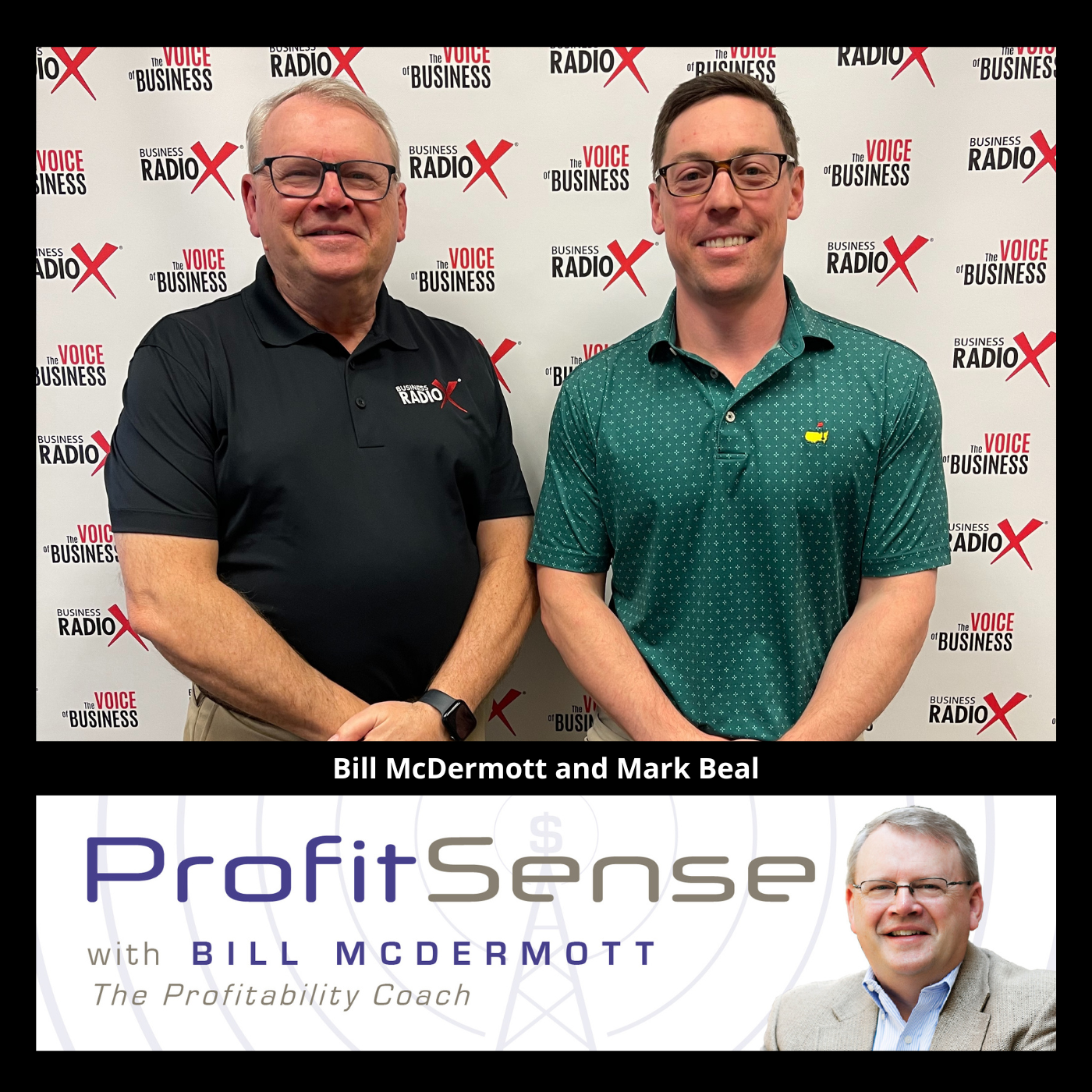
Nancy McGill, Cartridge World Lawrenceville, Neeli Shah, The Law Offices of Neeli Shah, and Karl Barham, Transworld Business Advisors of Atlanta Peachtree

February 9, 2023 by John Ray

Nancy McGill, Cartridge World Lawrenceville, Neeli Shah, The Law Offices of Neeli Shah, and Karl Barham, Transworld Business Advisors of Atlanta Peachtree
North Fulton Studio
Nancy McGill, Cartridge World Lawrenceville, Neeli Shah, The Law Offices of Neeli Shah, and Karl Barham, Transworld Business Advisors of Atlanta Peachtree
Loading
00:00 /
RSS Feed
Share
Link
Embed

Download file

Nancy McGill, Cartridge World Lawrenceville, Neeli Shah, The Law Offices of Neeli Shah, and Karl Barham, Transworld Business Advisors of Atlanta Peachtree

Nancy McGill, Cartridge World Lawrenceville, Neeli Shah, The Law Offices of Neeli Shah, and Karl Barham, Transworld Business Advisors of Atlanta Peachtree (ProfitSense with Bill McDermott, Episode 42)

On this episode of Profit Sense, host Bill McDermott welcomed three accomplished business leaders. Nancy McGill, Cartridge World Lawrenceville, discussed Nancy’s 2022 Gwinnett Chamber business award, the upcoming 20th anniversary of her business, what differentiates Cartridge World from its competitors, and more. Neeli Shah discussed what probate is and why it can be quite onerous, how business owners can avoid their business growing through probate upon their death, and more. Finally, Karl Barham, Transworld Business Advisors of Atlanta Peachtree, shared the biggest mistake small business owners make, myths and faces about small business valuation, the impact of baby boomer retirement, and more. Bill ended the show talking about cashflow. 

ProfitSense with Bill McDermott is produced and broadcast by the North Fulton Studio of Business RadioX® in Alpharetta.

Cartridge World Lawrenceville

Cartridge World Lawrenceville was the first Cartridge World to open in Gwinnett in 2004. As a locally owned and operated franchise, their mission is to help each customer with their printing needs with quality products, education, expert printing advice, and great customer service. They want every customer to have a great experience when they shop with them, saving both time and money.

They are your local source for all your printer needs. They sell high quality replacement ink and toner cartridges for printers, copiers and postage meters at an affordable price. They provide printer repair, secure shredding, recycling, mobile printing, computer upgrades and repairs, copy and scan services.  They have all major brands HP, Canon, Brother, Samsung and more. They have a retail location for individuals and free delivery for businesses.

As home and office printing experts, they answer printing questions and simplify the entire printing experience with advice and cost-effective supplies. Cartridge World Lawrenceville is your one stop shop for printers and supplies.

Website | Facebook | LinkedIn | Twitter

Nancy McGill, Owner/President, Cartridge World Lawrenceville

Nancy McGill, Cartridge World Lawrenceville, Neeli Shah, The Law Offices of Neeli Shah, and Karl Barham, Transworld Business Advisors of Atlanta Peachtree
Nancy McGill, Owner/President, Cartridge World Lawrenceville

Nancy McGill grew up in Stillwater Oklahoma and graduated from Oklahoma State University with B.S. in Business Administration. She moved to Lawrenceville, Georgia in 1990.

Nancy has been in sales and management most of her career. She worked in corporate America for a temp to perm company and selling yellow page advertising. She was a stay-at-home mom for a few years and then a substitute teacher for Gwinnett County Public Schools.

In 1999 Nancy became a business owner and bought 2 locations in an existing ladies fitness franchise, which ultimately wasn’t a good fit, so she sold it. She then looked for another opportunity with less employees and a smaller retail space.

She read an article in the Wall Street Journal about Cartridge World and decided to buy a franchise in 2004, and almost two decades later, she’s still going strong!

LinkedIn

The Law Offices of Neeli Shah

At the Law Offices of Neeli Shah they believe that planning for your future should be purposeful and practical. Their team works with and/or helps you to develop a collaborative team of advisers committed to navigating the planned and unplanned transitions of life.

They strive to empower and enrich the financial lives of those they serve as a source of education, information, and solutions by integrating the personal family dynamics and relationships with the financial and tax planning processes.

Website | LinkedIn | Facebook | Instagram

Neeli Shah, Attorney, The Law Offices of Neeli Shah

Nancy McGill, Cartridge World Lawrenceville, Neeli Shah, The Law Offices of Neeli Shah, and Karl Barham, Transworld Business Advisors of Atlanta Peachtree
Neeli Shah, Attorney, The Law Offices of Neeli Shah

Neeli G. Shah believes that for any well-drafted estate plan to work in practice, it must also work within the family dynamics of each unique family structure. That is why she works hard to create a confidential environment where her clients feel comfortable sharing their family’s unique goals and challenges.

Neeli was born in India and moved to Hartselle, Alabama when she was 13 years old. She has personally experienced many of life’s uncertainties and brings that experience into her practice. Her personal background gives her a unique and compassionate perspective on Estate Planning and Estate Administration.

As a mother of two little boys, she is mindful of the fact that your family is your most valuable asset. She has the big law pedigree with the heart and soul of the small practice. She leads with gratitude and looks to add value wherever possible.

With over 11 years of experience in the Tax and Trusts and Estates industry, she has represented many individuals, families, closely-held businesses and non-profits build a legacy.

LinkedIn

Transworld Business Advisors of Atlanta Peachtree

Transworld Business Advisors is the world leader in the marketing and sales of businesses, franchises and commercial real estate. Whether you represent an acquisition-minded corporation, or are personally interested in owning your own company, Transworld offers professional services that successfully bring buyers and sellers together.

In today’s economy, there are more people looking to buy and sell businesses than ever before. When a company owner needs to sell their business, they can’t just stick a for sale sign in the window. They need the assistance of a business broker to locate and vet potential buyers. On the other side, buyers rely on the broker to help facilitate the process of evaluating potential businesses and franchises for sale. A Transworld Business Advisor is the solution for both scenarios.

Website | Facebook | LinkedIn | Twitter

Karl Barham, President, Transworld Business Advisors of Atlanta Peachtree

Nancy McGill, Cartridge World Lawrenceville, Neeli Shah, The Law Offices of Neeli Shah, and Karl Barham, Transworld Business Advisors of Atlanta Peachtree
Karl Barham, President, Transworld Business Advisors of Atlanta Peachtree

Karl Barham is a co-owner and President of Transworld Business Advisors of Atlanta Peachtree, a global leader in business brokerage and Mergers & Acquisitions. Karl is a recognized expert in business sales, valuations, and business coaching. Karl is a licensed Georgia Real Estate agent and 2022 Million Dollar Club member of the Georgia Association of Business Broker’s (GABB). Karl’s 25+ years of expert knowledge in business is now used to help business owners with valuations, business exit planning, M&A, and Business Sales transactions. He speaks the language of small business to help small business owners start/acquire, grow, and then successfully sell and exit businesses.

When Karl is not helping clients, he can be found volunteering and supporting a number of great organizations in the Metro Atlanta area including Atlanta Black Chambers of Commerce, StartMe:Atlanta, and Junior Achievement. He serves on several nonprofit boards including Southwest Gwinnett Chamber of Commerce, Cornerstone Christian Academy, and Global Growers Network.

Karl resides in Peachtree Corners, GA with his wife and two daughters.

LinkedIn

About ProfitSense and Your Host, Bill McDermott

Bill McDermott
Bill McDermott

ProfitSense with Bill McDermott dives into the stories behind some of Atlanta’s successful businesses and business owners and the professionals that advise them. This show helps local business leaders get the word out about the important work they’re doing to serve their market, their community, and their profession. The show is presented by McDermott Financial Solutions. McDermott Financial helps business owners improve cash flow and profitability, find financing, break through barriers to expansion, and financially prepare to exit their business. The show archive can be found at profitsenseradio.com.

Bill McDermott is the Founder and CEO of McDermott Financial Solutions. When business owners want to increase their profitability, they don’t have the expertise to know where to start or what to do. Bill leverages his knowledge and relationships from 32 years as a banker to identify the hurdles getting in the way and create a plan to deliver profitability they never thought possible.

Bill currently serves as Treasurer for the Atlanta Executive Forum and has held previous positions as a board member for the Kennesaw State University Entrepreneurship Center and Gwinnett Habitat for Humanity and Treasurer for CEO NetWeavers. Bill is a graduate of Wake Forest University and he and his wife, Martha have called Atlanta home for over 40 years. Outside of work, Bill enjoys golf, traveling, and gardening.

Connect with Bill on LinkedIn and Twitter and follow McDermott Financial Solutions on LinkedIn.

Tagged With: Bill McDermott, business advisor, cartridge world lawrenceville, Karl Barham, Nancy McGill, Neeli Shah, Printer, Profit Sense, Profitability Coach Bill McDermott, ProfitSense with Bill McDermott, The Law Offices of Neeli Shah, toner, Transworld Business Advisors of Atlanta Peachtree

Maria Fundora, Casa Nuova Italian Restaurant

February 9, 2023 by John Ray

Maria Fundora, Casa Nuova Italian Restaurant
North Fulton Business Radio
Maria Fundora, Casa Nuova Italian Restaurant
Loading
00:00 /
RSS Feed
Share
Link
Embed

Download file

Maria Fundora, Casa Nuova Italian Restaurant

Maria Fundora, Casa Nuova Italian Restaurant (North Fulton Business Radio, Episode 607)

This month Casa Nuova Italian Restaurant is celebrating 25 years in business, and owner Maria Fundora joined North Fulton Business Radio host John Ray to commemorate this noteworthy milestone. Maria shared the restaurant’s early beginnings, how they treat their employees and dining clients as part of the family, their philosophy of customer service, giving back to the community, celebratory specials they are offering throughout this year, and much more.

North Fulton Business Radio is broadcast from the North Fulton studio of Business RadioX® inside Renasant Bank in Alpharetta.

Casa Nuova Italian Restaurant

Casa Nuova is a family-owned gourmet Italian restaurant, owned by the Fundora family. Casa Nuova opened in 1998 and it has become a local favorite in the Alpharetta/Cumming and metro Atlanta community. Prior to Casa Nuova, they owned and operated other restaurants in Atlanta including Alfredo’s, Avanti’s, Toni’s Casa Napoli, Antonio’s Bakery and Tony’s Farmer’s Market.

Casa Nuova is known for its astounding number of menu items. It has become an Atlanta staple with intimate seating, semi-formal service and a finely-tuned take on Italian classics.

Website| Facebook | Instagram | LinkedIn

 Maria Fundora, Owner and General Manager, Casa Nuova Italian Restaurant

Maria Fundora, General Manager, Casa Nuova Italian Restaurant

Maria Fundora is the owner and general manager of Casa Nuova Italian Restaurant in Alpharetta and founder of nonprofit Purple Pansies.

She opened Casa Nuova in 1998 (now celebrating 25 years) with her late husband Antonio, master chef and founder, and owned five restaurants in Atlanta prior. Their first restaurant was Alfredo’s followed by three Avanti’s restaurants in downtown Atlanta. Avanti’s Pescivino opened in 1988 and was the first open kitchen concept with seating by a kitchen. They also opened one of the first bakeries in Atlanta in 1980 called Antonio’s Bakery. Additionally, the family owned and operated the first ethnic open market in Atlanta proper called Tony’s Farmer’s Market in 1993.

Maria founded nonprofit Purple Pansies in 2008 following her own mother’s death from pancreatic cancer. She felt called to raise awareness and crucial research dollars for this chronically underfunded but deadly cancer.

Her presence in the metro Atlanta area reaches the hearts and lives of hundreds of regular patrons as she infuses inspiration and a welcoming environment to all those who their frequent the restaurant and she gives back to her community through many fundraising efforts.

Questions and Topics in this Interview:

  • Celebrating the 25th anniversary of Casa Nuova
  • Early history
  • Challenges presented by the pandemic
  • Opening Cork & Glass
  • Giving back to the community
  • What’s ahead

North Fulton Business Radio is hosted by John Ray and broadcast and produced from the North Fulton studio of Business RadioX® inside Renasant Bank in Alpharetta. You can find the full archive of shows by following this link. The show is available on all the major podcast apps, including Apple Podcasts, Spotify, Google, Amazon, iHeart Radio, Stitcher, TuneIn, and others.
RenasantBank


Renasant Bank has humble roots, starting in 1904 as a $100,000 bank in a Lee County, Mississippi, bakery. Since then, Renasant has grown to become one of the Southeast’s strongest financial institutions with over $13 billion in assets and more than 190 banking, lending, wealth management and financial services offices in Mississippi, Alabama, Tennessee, Georgia and Florida. All of Renasant’s success stems from each of their banker’s commitment to investing in their communities as a way of better understanding the people they serve. At Renasant Bank, they understand you because they work and live alongside you every day.

Since 2000, Office Angels® has been restoring joy to the life of small business owners, enabling them to focus on what they do best. At the same time, we honor and support at-home experts who wish to continue working on an as-needed basis. Not a temp firm or a placement service, Office Angels matches a business owner’s support needs with Angels who have the talent and experience necessary to handle work that is essential to creating and maintaining a successful small business. Need help with administrative tasks, bookkeeping, marketing, presentations, workshops, speaking engagements, and more? Visit us at https://officeangels.us/.
Tagged With: Casa Nuova Italian Restaurant, Cork & Glass, Family Owned, italian restaurant, John Ray, Maria Fundora, North Fulton Business Radio X, Office Angels, renasant bank

How Clear Processes Add Value, with Marie Mills, Clear Solutions, LLC

February 7, 2023 by John Ray

Clear Solutions
How to Sell a Business
How Clear Processes Add Value, with Marie Mills, Clear Solutions, LLC
Loading
00:00 /
RSS Feed
Share
Link
Embed

Download file

Clear Solutions

How Clear Processes Add Value, with Marie Mills, Clear Solutions, LLC (How To Sell a Business Podcast, Episode 10)

Marie Mills, Owner of Clear Solutions, LLC, is an experienced business process analyst, and she joined host Ed Mysogland to talk about the value of documenting processes for a business. Marie discussed the importance of clear and efficient processes regardless of the industry or size of business. They also covered how to get started, why two weeks isn’t enough time to create documentation, who should do it, the return on the investment, the impact on the sale of the business, and much more.

How To Sell a Business Podcast is produced and broadcast by the North Fulton Studio of Business RadioX® in Atlanta.

Clear Solutions, LLC

Whether you’re ready to scale, preparing to sell, or simply tired of putting out fires, clarifying your processes is key to success.

Clear Solutions works with you and your team to capture the knowledge and expertise that is key to running your business well. They show you how to shift from running your business out of your head to running it from clear and user-friendly instructions and information, written at the right level of detail.

Marie’s method takes a structured approach to ensure your documentation and processes support you as your business grows and shifts. Most documentation efforts fail because they don’t include the framework to effectively build, manage, and maintain the work. Clear content is key and the framework will keep it going.

The process: Clear Solutions uses any existing documentation as the foundation. They focus on your top priority processes. They provide templates that will make the documents easy to find, easy to use, and easy to build upon. They transform your detailed knowledge and vision of how you want your business to run into clear instructions for everyone on your team.

As you work together, you can take on as much or little of the work as you want. They track the work and keep it moving forward.

Company website | LinkedIn | Facebook

Marie Mills, Owner, Clear Solutions, LLC

Marie Mills, Owner, Clear Solutions, LLC

Marie Mills has over 15 years of experience helping organizations capture and clarify their processes to create a shared understanding and improve efficiencies.

She has a passion for understanding the nuts and bolts of business operations. Launching two small businesses prior to starting Clear Solutions provided her with first-hand experience running a business and all the challenges that go with it.

As a business process analyst, Marie learned how to ask the right questions to understand the work at a detailed level. She worked with employees in a variety of roles, in small, medium, and large businesses, across different industries. She developed a practical approach to capturing the process details, in plain language, that worked every time.

Clear Solutions helps business owners succeed by freeing up their time for what they do best – running their business.

LinkedIn

Ed Mysogland, Host of How To Sell a Business Podcast

Ed Mysogland, Host of “How To Sell a Business”

The How To Sell a Business Podcast combines 30 years of exit planning, valuation, and exit execution working with business owners. Ed Mysogland has a mission and vision to help business owners understand the value of their business and what makes it salable. Most of the small business owner’s net worth is locked in the company; to unlock it, a business owner has to sell it. Unfortunately, the odds are against business owners that they won’t be able to sell their companies because they don’t know what creates a saleable asset.

Ed interviews battle-tested experts who help business owners prepare, build, preserve, and one-day transfer value with the sale of the business for maximum value.

How To Sell a Business Podcast is produced virtually from the North Fulton studio of Business RadioX® in Alpharetta.  The show can be found on all the major podcast apps and a full archive can be found here.

Ed is the Managing Partner of Indiana Business Advisors. He guides the development of the organization, its knowledge strategy, and the IBA initiative, which is to continue to be Indiana’s premier business brokerage by bringing investment-banker-caliber of transactional advisory services to small and mid-sized businesses. Over the last 29 years, Ed has been appraising and providing pre-sale consulting services for small and medium-size privately-held businesses as part of the brokerage process. He has worked with entrepreneurs of every pedigree and offers a unique insight into consulting with them toward a successful outcome.

Connect with Ed: LinkedIn | Twitter | Facebook

TRANSCRIPT

Intro: [00:00:00] Business owners likely will have only one shot to sell a business. Most don’t understand what drives value and how buyers look at a business. Until now. Welcome to the How to Sell a Business podcast, where, every week, we talk to the subject matter experts, advisors, and those around the deal table about how to sell at maximum value. Every business will go to sell one day. It’s only a matter of when. We’re glad you’re here. The podcast starts now.

Ed Mysogland : [00:00:36] On today’s episode, I had the opportunity to interview Mary Mills. And great timing, you know, we’re having some turnover, and it’s one of those things of – oh, my gosh – as far as what I don’t know about the role that I’m trying to fill. And it was just awesome and so fortuitous for me to talk to Mary Mills of Clear Solutions. That’s what she does. She is all about documenting procedures and processes.

Ed Mysogland : [00:01:13] And from a business value standpoint, one of the things I really believe is that a business that has documented processes and you can hand those to a buyer is a more valuable business. And Marie, she hit it out of the park as far as how this process works, why perhaps you shouldn’t do it yourself, how your employees might react if you started down that path of documentation, and a whole host of other things. Out of all of the niche businesses, I think she’s got a great one. And I hope that you’ll – in fact, I shouldn’t say I hope. I know that you’ll enjoy this conversation I had with Mary Mills of Clear Solutions.

Ed Mysogland : [00:02:01] I’m your host, Ed Mysogland. I interview buyers, sellers, dealmakers, and other professional advisors about what creates value in a business and how that business is effectively sold at a premium value. On today’s show, you have no idea how excited I am to have Marie Mills of Clear Solutions.

Ed Mysogland : [00:02:22] So, like I said in the introduction, Marie helps businesses clarify, and prove, and document processes in plain language so the business can run consistently and efficiently. She’s been doing this for over 15 years, and has provided this service through her own business, Clear Solutions, for the past six years. So, Marie, welcome to the show. It’s great to have you.

Marie Mills: [00:02:47] Thank you. Great to be here, Ed.

Ed Mysogland : [00:02:51] So, I’m in this now with a situation where we have a team member that is leaving and, you know, I’m stuck. I know how to do her job. I have done her job. And I’m the guy. And here I am, how fortuitous that you and I are talking. You know, you have quite a niche, but can you tell a little bit more about Clear Solutions and just the organization, how you work, and where you’re working.

Marie Mills: [00:03:33] Yeah. You bet. So, I work with a number of different companies, big, small, different industries, what industry they work in is really not that important. They could be making about 200,000 a year. They could be making over 20 million. All of those have been my clients. They might have zero employees and they might have over 150 employees. So, what they all have in common is they have some issues, they have some challenges running their business that has to do with process, that has to do with the lack of clear and efficient process. And that’s where I come in and that’s where I help them.

Ed Mysogland : [00:04:19] Well, like I was saying, in my situation, I don’t want to say I’m stuck, but as a practitioner, I’m sitting here going, “All right. You know, this is not that big of a deal.” But whether it be preparing for this podcast or all the other things that I have to do today, I’m now focused on, “All right. I got to think about this onboarding or hiring and then onboarding this person.” And, boy, wouldn’t it be great if I had, you know, here’s kind of the playbook on your position. And I’ve been doing it for 30 years. So, I guess that’s kind of where I want to start, is, am I alone?

Marie Mills: [00:05:00] You’re definitely not alone. I mean, I have got a few panicked calls from businesses like, “Hey. My key person is leaving. They’ve been here 5 years, 10 years, 15 years, and they just gave two weeks notice. And they’ve always kept things running smoothly and now they’re leaving. And believe it or not, I don’t actually know what they do.” And that’s in addition to the I have to hire, I have to onboard, I have to do all those things. And if you don’t have a clear process, now you know, it’s a lot. Now, you have to think of the process as you need it.

Ed Mysogland : [00:05:39] Yeah. And the funny thing is, you know, you don’t think of the process complexity until you start being empathetic to the next person. And you take for granted all of the experience, all of the reps that you’ve had, either doing it or overseeing it or whatever role you’re playing. Now, all of a sudden, it’s a different animal, where someone coming is in cold. They have a working knowledge of the industry, but they have no idea how to work in your environment.

Ed Mysogland : [00:06:21] So, I know there wasn’t a question there. I’m crying on your shoulder, really. So, one of the things that we talked about or we wanted to talk about is the difference between process and procedure. So, what’s the difference?

Marie Mills: [00:06:37] Yeah. Great question, there’s a lot of confusion around that. And I like to keep things simple whenever possible to avoid confusion. I think, technically, if you talk to people who are really into process, they’ll say, “Well, a process is more general. It’s higher level. And in a big company, it will cross multiple departments. And a procedure is more of the step by step instructions.”

Marie Mills: [00:07:02] So, with the work I do, I think keeping it simple is really the best approach. So, I use the terms interchangeably. I’ll say process, procedure. And people talk about their SOPs or their standard operating procedures. I’m like, “Yeah. It’s all the same thing.” Define it. What is it? It’s like you’re following a series of steps to achieve a desired outcome. So, if you weren’t following a process or you didn’t have a process, you would be working randomly and just kind of doing it however every single time. So, the whole point is to have a series of steps to that desired outcome.

Ed Mysogland : [00:07:42] So, I was forced to think about how I am going to do this. I have options. I could I could dump it into the other staff members, kind of divide the roles. But you can’t grow doing that. And we’re always constantly trying to grow our business. And by saying, “Okay. We have a hole here, we’ll just kind of divide roles because it’s the easy way and they have an understanding of the process.”

Ed Mysogland : [00:08:24] So, where I’m heading with this is from a development standpoint, like I said earlier, if I could just hand somebody, “This is the playbook.” So, how do I do that? Because I was thinking about, “All right. Here’s what I’ll do. I’m going to strap on my dictation machine and I’m just going to talk through this. And then, I’m going to memorialize it, this is how you do it.” But I suspect that’s probably not the way this whole thing goes.

Marie Mills: [00:09:00] Well, it’s not a bad idea of how it goes. I mean, so you start with finding out who understands how the job works, like whatever the individual tasks that’s involved. And then, for each task, each process, what are you trying to do and how do you do it. And then, you need to write it down because it’s not enough just to have it in your head. That doesn’t work very well. It’s too easy to have misunderstandings. So, you write it down.

Marie Mills: [00:09:29] So, you could get your dictation machine on and you could speak into it, and then you could have somebody just dictate it word for word. And that would be a good start. And that’s what I would call the brain dump. That’s your initial brain dump. So, first you’ve identified what it is you’re going to document. And then, you go to each piece and you do the initial brain dump of how it works.

Marie Mills: [00:09:51] Now, the difference between how it’s going to come out of your mouth and how easy it is for somebody else to read that and understand it – that’s the next step – you’ve got to organize it. You have to organize it so that you could hand that document to somebody, and with relatively little explanation from you, you want to provide some basic context, but relatively little explanation. Now, they can read that and understand what is it they’re trying to do and how do they do it, and how do they know that they’ve done it correctly in the end.

Marie Mills: [00:10:24] And so, when I work with companies, that’s basically what I’m doing. I’m sitting down and I’m saying, “What are the issues you’re facing? Okay. So, these processes aren’t clear. Let’s start talking about each process individually, and then let’s get really clear on that until it’s done.”

Ed Mysogland : [00:10:45] Okay. So, your role is one of scrutinizing the clarity of the process. Is that a fair statement or no?

Marie Mills: [00:10:54] Yes, it is. And it’s also capturing it. It’s capturing it. Because many, many businesses, they don’t really have the processes written down. Somebody comes in, they’re trained. There might be a few notes here and there. It’s what I call the oral tradition. You’re just passing it down through oral tradition. And it’s from my head, now it’s in your head. And maybe you understood what I said, maybe you didn’t, maybe you remembered everything I told you, maybe you didn’t, probably you didn’t.

Marie Mills: [00:11:26] And so then, I’m helping them really capture all the details. And then, as we do it, as we’re capturing all the details, that initial brain dump, it’s like, “Okay. Let’s go through and organize this and see where’s the sequence, where are the handoffs, who else is involved in this, and how do you go from the beginning to the end, and what’s the end and all that.” So, it’s the capturing and the clarifying and the organizing.

Ed Mysogland : [00:11:56] I get it. So, who does this? You know, is it the business owner that documents it and oversees it? Or do you say, “You know what? Valued employee, I need your help here. Just in case you get run over by a bus, we need to figure out how to keep going.” Is it fair to ask them to help at this initial stage?

Marie Mills: [00:12:27] Yeah. Absolutely. Because they are like the keepers of the knowledge. They’re the ones that know how this works. So, they’re the subject matter experts. So, now, you’ve identified which processes you need to write down and who’s the subject matter expert. And then, you go talk to them and you could start. It’s a great thing to ask your people to write down what they do. And that is, again, a great start.

Marie Mills: [00:12:54] It will only take you so far, because usually the people who are really good at doing the work aren’t necessarily really good at writing down what they do. So, not everybody is a great writer. Not everybody is great at organizing information.

Marie Mills: [00:13:09] And the other thing is it’s kind of counterintuitive. But the more you know, the more likely you are to leave a detail out. Because all these assumptions, you know, we’re so used to doing this, “Oh, yeah. I forgot you wouldn’t know that. Oh, yeah. I forgot not everybody would know that.”

Marie Mills: [00:13:28] So then, the subject matter expert – absolutely – they could start by writing it down. And then, you want somebody who’s more objective, who’s not actually the expert to come in and read it, and then start saying, “Well, wait a minute. What did you mean by this? And what does this acronym mean?” And then, that’s how you refine it. Sometimes that’s the owner and sometimes it’s the person doing it. It’s whoever’s doing the most familiar.

Ed Mysogland : [00:13:58] I wonder whether the employee feels threatened, like, “Here. Write the playbook for how you do your job. Just in case.”

Marie Mills: [00:14:15] “Just in case. And get it done within two weeks, if you don’t mind.” This comes up a lot. And so, when I work with a company, usually there’s one main point person. It could be the owner or it could be somebody else who’s in charge of a division. And I work with them, so they’re my primary liaison between me and all the people I’ll talk to. And I first want to make sure that everybody understands why we’re doing this. And it’s not because we’re going to then replace you or take away your job. And then, when I work with them directly, I let them know that.

Marie Mills: [00:14:54] And it’s not just saying we’re doing this because we want to run more efficiently. It’s really showing the advantages of doing it. It’s like, This should make your job easier. This will make it easier for somebody to fill in if you want to go on vacation. This is going to make it easier for you to go on vacation because somebody else is going to know how to fill in for you when they need to.

Ed Mysogland : [00:15:17] Sure. No, that’s a great point.

Marie Mills: [00:15:20] And, also, oftentimes when you get these employees and they’ve been around for a long time, it’s not so much – I won’t to say taken for granted, but people, they’re used to that person really handling all this work. And then, when you write it down, I’ve had managers and owners just go, “Oh, my gosh. I had no idea how valuable this employee is and how much they did.” And the employee will say the same thing, “I didn’t realize I did so much.” So, really, it’s like a way of recognizing all their hard work.

Ed Mysogland : [00:15:58] Yeah. Let’s visit at my next review about just how valuable I am.

Marie Mills: [00:16:03] Exactly. Right?

Ed Mysogland : [00:16:04] Oh, my goodness. Right.

Marie Mills: [00:16:05] Yeah. Exactly.

Ed Mysogland : [00:16:07] So, how do you prioritize? I mean, where do you start? I mean, I’m sitting here, for me, I’m going to say, “All right. I started the money and work backwards. Whatever gets me closest to being able to pay the bills is where I probably should start.” Is that right or no?

Marie Mills: [00:16:25] Okay. So, oftentimes, there’s many, many processes that need to be documented and improved, so you can start by looking at what is a priority for the business right now. Now, if you have an employee who just gave two weeks notice and they’re a key employee and there’s a lot that employee knows that maybe somebody else doesn’t know, that’s a priority right there, that person’s job.

Marie Mills: [00:16:54] And then, within that job, to be perfectly honest, two weeks is not enough time to document what somebody knows. So, you’re not going to be able to even capture everything that they know. So then, you’re going to say, What are those things that, if you walked away tomorrow, and nobody else knew that could really cripple a business or at least cost a lot churn and scrambling to reinvent the wheel? Those are the kinds of things. And so, I start by trying to get an outline of what are the tasks that you do and what are the most important ones.

Marie Mills: [00:17:32] And if you’re not used to documenting processes, I also recommend don’t pick the easiest and don’t pick the hardest. Pick something in between and start warming up to what this is going to take.

Ed Mysogland : [00:17:49] Well, I know a lot of business owners that we’re bumping into these days are using Loom, and this is a video. And to me, I don’t think it’s any different than the dictation illustration I used earlier. I mean, you can show me but somebody’s got to document it. You know, what I thought was super easy as far as procedural, it may not be for the next person. You can watch that video over and over and over again and kind of get the gist. But the finer points, I’m with you. I don’t think that’s the best way to say it. I like Loom. It may be great for here’s kind of an example at a high level of how this works. But as a replacement for my SOP, probably not. Do you agree?

Marie Mills: [00:18:55] I agree. I think video has its place. Like things that are highly visual, like if you’re going through a complicated software procedure, trying to write that line by line, that’s not easy to follow. But if you have a little video about that, that’s good. But, yeah, I mean, having context and having the outline of what you’re doing is most helpful in most cases.

Ed Mysogland : [00:19:22] I get it. Well, earlier, you had talked about capturing and clarifying the process. Can you talk a little bit about why that works so well?

Marie Mills: [00:19:36] Why it’s so important to capture and clarify it?

Ed Mysogland : [00:19:39] Yeah. So, the best approach was capturing and clarifying a process is an iterative approach. And I’m just wondering what makes that approach work so well? Because I’m assuming, this is a living document that, once you get it down, you’re constantly tweaking it and updating it, right?

Marie Mills: [00:20:08] Yes. Right. Yes. That’s a really good point. So, it’s not a one and done. Your process documentation is living documentation that needs to be updated as your business changes. And capturing it, initially, I found that an iterative process is really the most efficient way to go, because there’s usually more to it than you think. When you go into it, you say, “Oh. I’m going to document this. This is so easy. It’s going to take me an hour. And then, we’ll do a review and then it’ll be done.”

Marie Mills: [00:20:42] And the reality is, again, going back to kind of the curse of excellency or whatever, where somebody knows it so well, they write it down, they say I think this is everything. And then, somebody else reads it and go, “Wait a minute. I don’t quite understand this or this.”

Marie Mills: [00:21:00] And so, the iterative approach is where you start with a brain dump and then you have somebody else review it and organize it. And then, you go back and let’s review the draft. Now, here’s our questions. Now, expand on it again. And you just keep doing that. And the key point is that you walk away from it for a while. Because you’re going to come back to it with fresh eyes and that’s where the things that don’t quite make sense and aren’t completely explained, that’s where you’re going to catch that.

Ed Mysogland : [00:21:33] That’s a great point. I guess this is a long term process. And for someone like me that is scrambling now trying to document a 40 year old business and all the processes that we have implemented over the years, that’s a big ask. And for people that are looking at selling their business, something is better than nothing. But at the same time, I don’t think that you’re going to see the value benefit by just throwing together a Google Doc and thinking that this is my SOP, and, oh, by the way, we wrote it a month ago.

Ed Mysogland : [00:22:30] And that’s kind of my next question, is, from a value standpoint – I know this is kind of a loaded question – I know from where I sit that a business is more valuable that has documentable processes. You read it in Michael Gerber’s E-Myth, the whole franchise world, they’re about that. Let the system be the expert, not the people.

Ed Mysogland : [00:23:09] I mean, I want to ask you about value, but I’m not really certain how to ask the question, other than you’ve been to different businesses, you’ve seen it, can you tell the difference pre and post implementation of this process? You know what I mean? Because I’m certain you worked with them on a long term basis. And I know that was the longest question that you’ve ever heard, but you know where I’m going with it, right?

Marie Mills: [00:23:42] Yeah. It’s an investment for sure. It’s an investment. And then, how does it pay off? How soon can you get the payoff? Obviously, it depends on the situation, but I almost always see a payoff right away. Because one of the biggest benefits to doing this, is that, yes, you have clear documented processes, but you’ve also had the discussion.

Marie Mills: [00:24:09] It generates a discussion that is so valuable. Because people come in and they just do the work and why did they do that. “Well, I’ve always done it this way.” And then, when you sit down and say, “Hey, I really want to make this clear and write this down,” it generates a discussion about why do we do it that way, why do we do it that way.

Marie Mills: [00:24:28] And I’ll tell you a story, a true story. So, I was working with a company and I was documenting the receiving processes. And the guy is telling me, “This packet comes in, we check it off, blah, blah, blah. We take the packing list and then we walk over to accounting and we put it in their inbox.” “What does accounting do with it?” “Oh, I have no idea. That’s just what I was told.”

Ed Mysogland : [00:24:52] So, later, I go down to accounting and I said, “Hey, you know, that packing list that receiving gives you, what do you do with it?” And they go, “Oh, yeah. I put it in the recycle bin.” And I said, “Why do you think they give it to you?” “Well, I don’t know. They always did so I just let them do it.” And so, I said, “Well, we should talk.” And we all got in the room and kind of talked it out and we all had a really good laugh.

Marie Mills: [00:25:14] But it’s that kind of thing, you know, that’s a small thing, but you take that and then you multiply it by all your different processes, now you’ve got time wasted, energy wasted.

Ed Mysogland : [00:25:29] A hundred percent. That’s a great example. Because the same kind of thing, I mean, if you came in our business, you would see the same thing. It was like, “Well, that’s how we do it. What do you mean?” Ignore the efficiency. This is just how we do it.

Marie Mills: [00:25:53] This is just the way it is.

Ed Mysogland : [00:25:55] And the funny thing is – and I know I’m asking you some questions that we didn’t really talk about – for the older folks, the older sellers, let’s take 60 and up, I’m trying to figure out whether this is an easy process to sell them or not. You know what I mean?

Ed Mysogland : [00:26:28] Because we talk to a lot of business owners that are getting ready to sell and they’re saying, “Hey. What can I do in order to prepare and maximize value?” And, certainly, this is on the list. But at the same time, I’m not certain they buy into it. Maybe I’m wrong. But I mean, the people you work with based on age – and sorry, I’m kind of in that camp – how do you work through that?

Marie Mills: [00:27:02] Yeah. So, I don’t know if it’s so much about age or if it’s just about kind of mindset about how the business runs. But I think one thing I see – I’ve seen this several times – is that the owner manager says, “Yeah. Yeah. This is what my people do.” Well, guess what? That’s not what their people do. Their people do something else, and they don’t know that until it’s written down.

Marie Mills: [00:27:33] And so, if you’re preparing to sell your business, what comes to mind is a couple of things. You want to be informed. You don’t want to show up to sell your business and say, “Oh, by the way, I had no idea that’s what we did.” That’s not going to look good. You want to know how your business is currently running.

Marie Mills: [00:27:57] And my understanding when you sell a business, isn’t there some kind of transition period from the old owner to the new owner and training. So, what are you going to do? Just fill, like, 100 million phone calls from the new owner or you could have your processes.

Ed Mysogland : [00:28:14] You know what? That’s a great example. And to be honest with you, one of the things why a business owner would want to do this is that it lessens the amount of time they have to work with the buyer post-sale. Because that could be a one to three year process. I mean, it takes time to transition the business. So, having all of this knowledge out of people’s heads onto paper, and then it becomes clarifying, like you said, clarifying the process, do you understand how we operate then, then it’s a matter of getting out. So, if I’m a business owner, I’m like, “Man, if I could reduce the amount of transition time, this is a really good investment.” That’s a great point. Go ahead.

Marie Mills: [00:29:11] And I was also going to say that you might meet a business buyer who buys the business, and then they’re saying, “Hey. How does this work?” And you say, “Well, this is how we do it.” And they’re like, “Why do you do it that way? That doesn’t seem to make much sense.” And I don’t know if you ever get into some debate about that, but if you have a written process, there’s a credibility there. You have taken the time to write this down, and to vet it, and to make sure this is a good way of doing the work. Then, you have more credibility when you’re in that transition phase and less debate.

Ed Mysogland : [00:29:46] Well, it’s funny you say that, because there’s some guys that are buying up foundries and that’s their thing, that they are way into process and efficiency and retooling, for lack of a better word, an antiquated industry. I mean, they’re just killing it just because of that. I mean, there is just an antiquated way of doing things. And you start documenting that one work in one particular business, and you take that playbook and you put it on the next acquisition, you’re miles ahead and your ROI is happening so much quicker.

Ed Mysogland : [00:30:34] One of the things I would love to know, and I have no way of quantifying it, is the increase in value. In valuation, it’s more about earnings and risk. And so, when you look at a franchise, all things being equal, you’re buying a process. I have to believe that by doing something like this, you are buying the business owner’s process and that lowers the risk and that increases your value. Wouldn’t you agree? I think so.

Marie Mills: [00:31:22] Absolutely. Yeah, absolutely. And, again, let me talk a little bit more about the explicit benefits of doing this. And so, there are a lot of benefits. So, I was trying to narrow it down and make it easy to understand. So, the first thing is, when you document your processes, when you clarify them, you are creating a shared understanding in the business.

Marie Mills: [00:31:49] So, you don’t have opposing points of view of what you’re doing and how it’s supposed to get done. You get everybody on the same page and you create that transparency. So, like I had said before, the employees are more aware of what they’re doing, the managers are more aware of what the employees are doing. So, you have this shared understanding.

Marie Mills: [00:32:14] And so, I had this experience working with the business, and their business had to do with event planning. They had a long term employee, the salesperson, and she was great. Sales were coming in. There was no reason to question the process. But they wanted this documented because she was leaving the company.

Marie Mills: [00:32:37] And so, I went to talk to her and document it. It turns out, from the time they got the initial inquiry from a potential customer to when the deal was closed was about three months. And so, I wrote this down and got it all organized, reviewed it with the owners, and their jaws just dropped. “Three months? Three months to close a sale? We want that sale closed in three weeks.”

Marie Mills: [00:33:06] So, there you go. Now, you have a shared understanding when it’s written down. There’s not, like, an assumption of how it’s happening. You have the guidelines written up. This is how we want it to happen. So, that’s one main benefit.

Marie Mills: [00:33:22] The other we’ve talked about a little bit, what you’re kind of experiencing, the dependence or being overly dependent on a single employee. And that employee has knowledge that nobody else in the business knows. And this is a real risk. And sometimes you can figure out what they know pretty easily and sometimes you cannot. It depends on how complex. And that is a problem.

Marie Mills: [00:33:51] And my story there is about a company that did a lot of shipping. And then, somebody retires. And a few weeks later, the postage machine runs out of postage. And now you got three guys standing around the postage machine staring at it trying to figure it out. Because nobody knows how to refill the postage machine. Something really simple, right?

Marie Mills: [00:34:16] Often, it’s much more complicated than that. I mean, you probably can find that on the internet, but a lot of stuff you can’t. Either way, it’s a waste of time. It’s not a good deal.

Ed Mysogland : [00:34:31] A hundred percent. And it’s like you’re in our shop, because just a couple of days ago, I was trying to figure out how to print out the year-end postage by person who spent what. And I’m like, “Good, God. How do you do this?” And you’re right, I can’t tell you how much time I spent monkeying with that silly thing.

Marie Mills: [00:34:59] Because it’s rocket science, right? It’s just rocket science. And the thing is, people think, “Well, it’s so simple. I don’t have time to write it down.” But, actually, if you don’t know it, you don’t know it. It takes time to figure it out.

Ed Mysogland : [00:35:13] Yeah. And at the same time, you’re talking about employees, I’m looking at business owners too, what do you do. And we probably shouldn’t minimize their role because a lot of reasons the businesses don’t sell is because they believe that the business is the owner. So, if you can document the owner’s role, this is what I do every single day, there are certain duties that a business owner has on a regular basis, that, to me, will lessen the potential value penalty that the business owner may incur.

Marie Mills: [00:36:03] So, the funny thing, and I can hear the people talking, is, if these processes are so important to the business, why don’t I do this myself? I mean, why don’t I take the time? I mean, I know that they’re important. So, what advice do you have for those business owners that are listening to this going, “You know what? They actually have a point.” And they want to dip their toe into this world.

Marie Mills: [00:36:44] Yeah. Yeah. So, it is challenging for businesses to do this completely on their own. First of all, I hear this from pretty much every client I’ve ever had. They show up and they’re embarrassed, “I should have been able to do this myself. I should have been able to do it myself.” It’s very straightforward, but it’s not as easy as it looks.

Marie Mills: [00:37:07] And so, we’ve talked about not everybody is process-oriented, not everybody is really good at writing or organizing information. It takes time. People do not like doing it. Number one reason, “I hate writing processes.” I love writing processes that’s why I’m in this business. But most people don’t. And you don’t know where to start. You don’t know where to put it. So, guess what? You write a process. You put it out there. You can’t find it. You rewrite it. Now, you’ve got multiple versions. Now, what are you going to do?

Marie Mills: [00:37:44] So, it’s not just the documentation, it’s also there has to be a system for managing it. There has to be a system for managing it. It’s like a lot of things. It’s so beneficial when you do it, but it doesn’t make it any easier to do it.

Ed Mysogland : [00:38:03] Yeah. Go ahead. I’m sorry.

Marie Mills: [00:38:08] So, I was going to say, but I forgot the advice part. So, what’s the advice? The thing is, like we talked about, it’s not a one and done. It really needs to be a habit. And it needs to be a habit that’s integrated into doing your everyday work. And so, if you schedule, if you have each one of your people schedule some time out every single week, and all you get to do during that time is you work on your processes, even if you don’t make really fast headway, you’re now creating this habit. And it gets people thinking about, not just doing the work, but thinking about the work and starting to write it down.

Ed Mysogland : [00:38:53] Yeah. That part is really good. And from the standpoint, if I’m a business owner, I’m sitting here going, “When do I call Marie? Am I supposed to do this at myself and start here and then call her?” Do you start and you coach the whole process? How do you work?

Marie Mills: [00:39:27] Yeah. No, that’s great. So, I would say, if you have any questions, like, don’t hesitate to call. So, we’ll jump on a discovery call first. And the first thing I want to do is I want to make sure that the problem that you’re having really is process related. I actually have had somebody who wanted to hire me, and they’re like, “Yeah. This person is not doing the process.” And it’s like, “Well, do you have a process?” “Yes.” “Did you train them on it?” “Yes.” “They just don’t want to do it?” “Yes.” Okay. That’s not a process problem. That’s a performance problem.

Marie Mills: [00:39:59] So, now let’s clarify that the problem really is that you don’t have clear processes. And not that you have them, but people just aren’t using them. So, when I work with people, I can do all the writing. I can do some of the writing. I can coach you to do the writing. I can coach you through the whole process of writing your processes. So, every engagement is customized and it’s individual to your budget, and to what you need, and how willing and ready and interested you are in doing some of the work yourself.

Marie Mills: [00:40:34] And it can vary. It doesn’t have to be we decide that at the very beginning. We’ll decide like, let’s just jump in, document something together. Now, you get a sense. You want to write more, perfect. You don’t want to write more, perfect. I can work with any of that.

Ed Mysogland : [00:40:49] I got it. So, one of the questions we were talking about is how to overcome resistance when someone doesn’t want to adopt the new process. Because this is the way we’ve always done it. And aside from just the sheer embarrassment in doing this podcast and telling you all the things that are going wrong in my life, I could hear our staff going, “Well, this is the way we’ve always done it.” So, how do we overcome that?

Marie Mills: [00:41:25] Yeah. So, when there’s resistance, the first thing I always say is find out why. Because people always do things for a reason, even if they don’t think they do. They do it for a reason. Find out why they are resistant, what is behind it. If it is, in fact, it’s just we’ve always done it this way and I kind of am a lazy person and I don’t really want to change or whatever, that’s one thing. And a way to deal with that is, really, you got to get people thinking like this is best for the business. And if it’s good for the business, it’s going to be good for you ultimately.

Marie Mills: [00:42:00] So, we never want to ask you to do something just to do it a certain way just because or because that’s what I told you to do. There should be a good reason for why the process is being done a certain way. So, try to get them onboard by showing them that this is in their own benefit. This is in their own interests to work efficiently.

Marie Mills: [00:42:23] Now, let’s say that’s not the reason, but there’s some resistance. There’s some reason they’re not following the process – and I’ve had this happen. Again, you find out why. So, I had a fellow and he was working in H.R. and he was responsible for offboarding and terminating employees when they left the company, you know, terminating their access. And so, we had this process to make sure that the access was shut down, and it wasn’t happening.

Marie Mills: [00:42:52] And I went back to this guy and I said, “Are you following the process?” And he said, “Yeah.” I said, “Well, can I watch you?” “Okay.” And then, I watched him and I watched him skip a key step. So, he was shy to admit that he wasn’t following it. So, I got to find out what’s that about. And it turned out the way the process was written, he was sending an email to a manager and saying, “I need you to tell me what the termination date and time is.” Well, the manager and the manager’s worldview has better things to do with this time. So, he wasn’t replying.

Marie Mills: [00:43:33] And this is a cultural issue. This is like an internal cultural issue that you have to deal with. You’re not going to solve it with the process. So, I informed the right people and they can deal with that in their own way. But what I ended up doing is we rewrote the process so that he sends the email to the manager and he says, “If I do not hear from you by such and such date, I will assume the termination date and time is this and this.” Now, the responsibility is on the manager. And that worked much better with that particular dynamic in that particular culture. So, always find out first why they’re resistant to it.

Ed Mysogland : [00:44:15] Well, to be honest with you, I would foresee that or I would assume that there is a certain level of being threatened. Threatened that someone’s going to find out that there’s greater throughput, I could be doing more.

Marie Mills: [00:44:36] Yeah, yeah, yeah.

Ed Mysogland : [00:44:37] I could see that.

Marie Mills: [00:44:42] That’s more of a performance issue. And I mean, it is threatening. Even when there’s nothing bad to discover, it is a little bit unsettling to your employees when someone comes in. It takes a really confident employee for somebody to come in from the outside and say, “Hey, tell me everything you do. I’m going to write it down.” And then, we’ll all know that you said it and this is the way you work. And I think you just have to be very gentle with people and very supportive and make sure that everybody understands this is for the sake of efficiency and clarity.

Ed Mysogland : [00:45:17] Yeah. And I think that as a business, you have to probably have the communication and culture dynamics down. Because I was trying to formulate one of my last questions of, you know, from a timing standpoint, throwing this on somebody, I think, puts them in a defensive position. But if you work on the culture and communication and what are some of the problems, here’s a solution that, collectively, will benefit all of us if we can document our work. Because if someone leaves, “Oh, by the way, Joe, you’re the guy that’s going to backfill all of the responsibilities that the outgoing employee has.” Don’t you think?

Marie Mills: [00:46:14] Yeah. Right, it can happen. I mean, I think that you just have to be very transparent as to the reasons of why you’re doing this, and to really help the employee know. And I had a brilliant thought there, it flew away out of my head. And maybe it’ll come back, but maybe not. Okay. I know what I was going to say.

Marie Mills: [00:46:40] So, it does help. It does help. This is another reason why you might want to bring in somebody from the outside. I have worked with dynamics where the manager employee dynamic is not good. And you know what the manager will say? “I need to know what this person does and I don’t want to ask. It’s not going to go well if I ask.” They may not even tell me the whole thing. I want you to ask.

Marie Mills: [00:47:01] Now, the employee knows that I’ve been hired by the manager or by the owner. But if I approach it neutrally, which I’m always going to, because my job is to show up and to understand, it’s not to judge. That’s not going to happen when I’m working there. Now, employees are much more willing and able to open up and talk to me because I am a neutral person, and I am an interested person, and I’m not going to judge them.

Ed Mysogland : [00:47:30] I get it. Well, I appreciate you going a little over talking to me. And at the end of every episode, I always ask, what’s the one piece of advice that you could give listeners that would have the greatest impact on their business. For you, what would that be?

Marie Mills: [00:47:48] Well, I would say, don’t wait for your employees to give two weeks notice. Start now. Start next week. Don’t wait. Don’t wait.

Ed Mysogland : [00:47:56] You had to jam that to me, didn’t you?

Marie Mills: [00:47:58] I know you don’t want to hear it. That is the thing, though, don’t wait.

Ed Mysogland : [00:48:05] Okay. So, where can we find you? And you do work all across the country, right?

Marie Mills: [00:48:12] I work all across the country. I don’t know if I mentioned earlier, I do all my work on Zoom. I do not need to be onsite. I have a process that works virtually.

Ed Mysogland : [00:48:25] So, what’s the best way we can connect with you?

Marie Mills: [00:48:27] So, I have a website, clearsolutionsbymarie.com. I’m on LinkedIn. I would love to LinkedIn with anybody who wants to LinkedIn.

Ed Mysogland : [00:48:37] Well, we will have every way that someone can possibly get in touch with you on in the show notes, on the website, and on your favorite podcast player. So, Marie, there’s different businesses that you see that are niched, and I got to tell you, you have one fascinating business. And to be honest with you, how I wish I would have known you so much sooner than now. So, I appreciate your time. I thoroughly enjoyed our conversation.

Marie Mills: [00:49:16] Yeah. Me, too. Thank you so much for having me on your show.

Outro: [00:49:21] Thank you for joining us today on the How to Sell your Business Podcast. If you want more episodes packed with strategies to help sell your business for the maximum value, visit howtosellabusinesspodcast.com for tips and best practices to make your exit life changing. Better yet, subscribe now so you never miss future episodes. This program is copyrighted by Myso, Inc. All rights reserved.


Tagged With: Business Owners, business sale, Clear Solutions LLC, documentation, Ed Mysogland, Entrepreneurs, How to Sell a Business Podcast, Marie Mills, Operations, process documentation, processes, salable, valuation

Joseph Avena, “Insurance Guy Joe”

February 6, 2023 by John Ray

Joseph Avena, "Insurance Guy Joe"
North Fulton Business Radio
Joseph Avena, "Insurance Guy Joe"
Loading
00:00 /
RSS Feed
Share
Link
Embed

Download file

Joseph Avena, "Insurance Guy Joe"

Joseph Avena, “Insurance Guy Joe” (North Fulton Business Radio, Episode 606)

Joseph Avena, “Insurance Guy Joe” with USHAdvisors, joined host John Ray on this episode of North Fulton Business Radio to discuss what drew him into health insurance, the differences between HMO and PPO insurance plans, applying outside of “Open Enrollment,” how coverage differs, why his services are free to his clients, and much more.

North Fulton Business Radio is produced and broadcast by the North Fulton studio of Business RadioX® inside Renasant Bank in Alpharetta.

USHAdvisors

USHEALTH Group, Inc. is a fully integrated insurance holding company based in Fort Worth, Texas, and is a UnitedHealthcare company. Its licensed insurance company subsidiaries Freedom Life Insurance Company of America, National Foundation Life Insurance Company, and Enterprise Life Insurance Company are dedicated to providing innovative Life, Specified Disease/Sickness, Accident and Disability Insurance solutions for self-employed individuals, families, small business owners and their employees. Through its insurance companies, USHEALTH Group has served more than 15 million customers with individually tailored plans for more than 50 collective years.

Website | LinkedIn | Facebook | Twitter | Instagram

Joseph Avena, Field Sales Leader, USHAdvisors

Joseph Avena, Field Sales Leader, USHAdvisors

Joe was born and raised in Chicago, IL. His family was relocated to Alpharetta, GA in 1985 and he has lived there ever since. He and his wife have been married for 22.5 years.

Joes has been helping other people every day find affordable health coverage solutions for themselves, their families, and their employees for the last 5.5 years.

He is an active member of the Greater North Fulton Chamber of Commerce for the last 3 years.

LinkedIn | Facebook


Questions and Topics in this Interview

  • Who are you able to help?
  • How do you help clients?
  • What are the differences between an HMO and PPO insurance plans?
  • Can someone apply for coverage outside of “Open Enrollment”?
  • Is all coverage the same?
  • How much does it cost for your services?

North Fulton Business Radio is hosted by John Ray and broadcast and produced from the North Fulton studio of Business RadioX® inside Renasant Bank in Alpharetta. You can find the full archive of shows by following this link. The show is available on all the major podcast apps, including Apple Podcasts, Spotify, Google, Amazon, iHeart Radio, Stitcher, TuneIn, and others.

RenasantBank

Renasant Bank has humble roots, starting in 1904 as a $100,000 bank in a Lee County, Mississippi, bakery. Since then, Renasant has grown to become one of the Southeast’s strongest financial institutions with over $13 billion in assets and more than 190 banking, lending, wealth management and financial services offices in Mississippi, Alabama, Tennessee, Georgia and Florida. All of Renasant’s success stems from each of their banker’s commitment to investing in their communities as a way of better understanding the people they serve. At Renasant Bank, they understand you because they work and live alongside you every day.

Since 2000, Office Angels® has been restoring joy to the life of small business owners, enabling them to focus on what they do best. At the same time, we honor and support at-home experts who wish to continue working on an as-needed basis. Not a temp firm or a placement service, Office Angels matches a business owner’s support needs with Angels who have the talent and experience necessary to handle work that is essential to creating and maintaining a successful small business. Need help with administrative tasks, bookkeeping, marketing, presentations, workshops, speaking engagements, and more? Visit us at https://officeangels.us/.

Tagged With: health insurance, insurance coverage, Insurance Guy Joe, John Ray, Joseph Avena, North Fulton Business Radio, North Fulton Business Radio X, Office Angels, renasant bank, USHAdvisors

Lauren Rock, Dynamic Escapes

February 6, 2023 by John Ray

Lauren Rock, Dynamic Escapes
North Fulton Business Radio
Lauren Rock, Dynamic Escapes
Loading
00:00 /
RSS Feed
Share
Link
Embed

Download file

Lauren Rock, Dynamic EscapesLauren Rock, Dynamic Escapes (North Fulton Business Radio, Episode 605)

Lauren Rock, Owner of Dynamic Escapes, joined host John Ray on this episode of North Fulton Business Radio to discuss Dynamic Escapes, her travel planning business. She also discussed why she started the business, how she defines a happy client, the difference between a travel planner and a travel agent, destinations you should consider, and much more.

North Fulton Business Radio is produced and broadcast by the North Fulton studio of Business RadioX® inside Renasant Bank in Alpharetta.

Lauren Rock, Owner, Dynamic Escapes LLC

Lauren Rock, Owner, Dynamic Escapes LLC

After 20+ years working as a cultural trainer and relocation counselor, Lauren Rock decided she wanted a change and to focus on her love of travel. Lauren spent a year researching and learning about the professional travel industry, taking classes and earning accreditations, before formally leaving the corporate world behind to launch Dynamic Escapes in 2016.

Her clients have included couples, families, “girlfriend” groups, grandparent/grandchild trips, church groups, school groups, multi-generational family trips, and folks looking for solo time away. They have traveled to places across the US and around the world.

As an independent agent Lauren works for her clients, not the travel industry. Through meticulous research and obsessive planning, she ensures that her clients have a wonderful, memorable trip without having to do the work of arranging it all!

Some of her favorite places to experience are Tanzania, Australia, Costa Rica, Spain, and the National Parks of the western United States and Canada.

Lauren and her husband have two children: one who loves cities, and one who loves nature. Needless to say, she is accustomed to balancing the desires of multiple people into a single trip!

She has two rescue dogs who will happily travel wherever the family can take them!

Website | LinkedIn | Facebook |Instagram | Lauren’s LinkedIn


Questions and Topics in this Interview

  • Why did you start Dynamic Escapes?
  • How do you define a happy client?
  • What is a travel planner and how are your services different from a travel agent?
  • What makes you and Dynamic Escapes unique?
  • What is the travel market like now?

North Fulton Business Radio is hosted by John Ray and broadcast and produced from the North Fulton studio of Business RadioX® inside Renasant Bank in Alpharetta. You can find the full archive of shows by following this link. The show is available on all the major podcast apps, including Apple Podcasts, Spotify, Google, Amazon, iHeart Radio, Stitcher, TuneIn, and others.

RenasantBank

Renasant Bank has humble roots, starting in 1904 as a $100,000 bank in a Lee County, Mississippi, bakery. Since then, Renasant has grown to become one of the Southeast’s strongest financial institutions with over $13 billion in assets and more than 190 banking, lending, wealth management and financial services offices in Mississippi, Alabama, Tennessee, Georgia and Florida. All of Renasant’s success stems from each of their banker’s commitment to investing in their communities as a way of better understanding the people they serve. At Renasant Bank, they understand you because they work and live alongside you every day.

Since 2000, Office Angels® has been restoring joy to the life of small business owners, enabling them to focus on what they do best. At the same time, we honor and support at-home experts who wish to continue working on an as-needed basis. Not a temp firm or a placement service, Office Angels matches a business owner’s support needs with Angels who have the talent and experience necessary to handle work that is essential to creating and maintaining a successful small business. Need help with administrative tasks, bookkeeping, marketing, presentations, workshops, speaking engagements, and more? Visit us at https://officeangels.us/.

Tagged With: destinations, Dynamic Escapes, John Ray, Lauren Rock, North Fulton Business Radio, North Fulton Business Radio X, Office Angels, renasant bank, travel, Travel Planner, travel planning

Kassia Fiedor, Chef, Infused Holistic Kitchen and Author of Cocina Holistica

February 6, 2023 by John Ray

Kassia Fiedor
North Fulton Studio
Kassia Fiedor, Chef, Infused Holistic Kitchen and Author of Cocina Holistica
Loading
00:00 /
RSS Feed
Share
Link
Embed

Download file

Kassia Fiedor

Kassia Fiedor, Chef, Infused Holistic Kitchen and Author of Cocina Holistica (Time Well Spent with Julie Hullett, Episode 11)

Kassia Fiedor, Chef, Infused Holistic Kitchen and Author of Cocina Holistica, joined host Julie Hullett for a conversation about her work as a chef, author, and nutritionist.  Kassia shared her experience growing up and learning to eat holistically, her approach of eating in harmony with the body and land, her cookbook and maybe future cookbooks, how she nourishes herself with down time, and much more.

After the interview, Julie shared a Quick Tip about what to do when you’re considering taking on a home renovation yourself.

Time Well Spent with Julie Hullett is presented by Julie Hullett Concierge, LLC and produced by the North Fulton studio of Business RadioX®.

Infused Holistic Kitchen

For 10 years Kassia was a private chef, combining her knowledge of holistic nutrition and healthy culinary techniques to cook healing meals for people with dietary restrictions, food allergies, or living with an illness.

The last few years, she has moved into curating healing menus for spiritual retreats and private gatherings, and teaching private healthy cooking classes in her client’s homes. Her classes always have an educational component and a focus on cooking food in ways that boosts nutrient value.

Company website | Facebook | Instagram

Kassia Fiedor, Chef, Infused Holistic Kitchen, and Author of Cocina Holistica

Kassia Fiedor, Chef, Infused Holistic Kitchen, and Author of Cocina Holistica

Kassia Fiedor from Infused Holistic Kitchen is a Holistic Nutritionist, Herbalist, & Wellness Chef from California. Passionate about using plants, herbs, & vegetables as medicine, she encourages people to cultivate the connection between food & their health, and feel empowered to make healthy choices. Her food is infused with nutrient-dense, organic ingredients, usually from local farms. Her creations truly serve as medicine for the body & soul.

Kassia lived in Guatemala for 5 years where she shared her healing food through classes and cooking weekly meals for those with an appreciation for nourishing food. Amazed by the abundance of native superfoods, she fostered intimate connections with small organic farmers and artisans producing high-quality products.

In her debut cookbook Cocina Holistica, Kassia infuses ancestral ingredients into healing plant-based dishes. Drawing upon the magnificent beauty of Guatemala, she hopes to inspire renewed respect for indigenous plants in creative, modern recipes. Cocina Holistica is more than a cookbook – it is a memoir that reflects her deep love for nature, travel, and true healing through food. When Kassia travels, her passion is to infuse the plants from those areas into her dishes, creating a sense of place and connection. While this book celebrates ancestral superfoods in Guatemala, her hope is to inspire creative use of indigenous foods wherever you are in the world! Many vegetables will be familiar to you, but you’ll also learn about new nutritious and sustainable foods, most of which can be sourced anywhere or easily substituted. All recipes are gluten-free, dairy-free, and sugar free, with a focus on nutrient-density. Find it on Amazon, or directly from Kassia.

Instagram

About Time Well Spent

Time Well Spent with Julie Hullett features stories from busy professionals who have created more time to do what they love. Every other week, your host and personal concierge Julie Hullett speaks with entrepreneurs, community leaders, and influencers to answer the question: What would you do if you had more time?

The show is produced by the North Fulton studio of Business RadioX® and can be found on all the major podcast apps. The complete show archive is here.

Julie Hullett, Host of Time Well Spent with Julie Hullett

Julie Hullet, Host of Time Well Spent with Julie Hullett

Julie Hullett is the host of Time Well Spent with Julie Hullett.

Julie Hullett is a personal concierge and entrepreneur in Nashville, TN. She founded Julie Hullett Concierge, LLC in 2011 to give people their time back so they can do more of what they love. No stranger to big ideas and pursuing passions, Julie left corporate America to create her business. She capitalized on her skills—multi-tasking, attention to detail, and time management, to name a few—to build a successful business that gives back. Her clients enjoy ample free time. They’ve traveled more, spent more time with those they love, and have even created their own businesses.

Connect with Julie:

Website| LinkedIn | Instagram. Sign up to receive her newsletter.

Tagged With: chef, Cocina Holistica, concierge services, cookbook, Guatemala, healthy food, herbalist, Infused Holistic Kitchen, Julie Hullett Concierge LLC, Kassia Fiedor, nutritionist, organic food, personal concierge, Time Well Spent with Julie Hullett

Selfie

February 6, 2023 by John Ray

Selfie
North Fulton Studio
Selfie
Loading
00:00 /
RSS Feed
Share
Link
Embed

Download file

Selfie

Selfie

Complaining about getting “what you’re worth” is the pricing version of taking a selfie. When you focus on creating value for clients, and you value price your services relative to that value, you’ll get paid “what you’re worth.”

The Price and Value Journey is presented by John Ray and produced by the North Fulton studio of Business RadioX®.

TRANSCRIPT

John Ray: [00:00:00] Hello. I’m John Ray on The Price and Value Journey. James Clear, who’s the author of Atomic Habits, said, “The more time you spend complaining about what you deserve, the less time you have to focus on what you can create. Focus on what you can control.”

John Ray: [00:00:21] Well, I ran across this quote in Clear’s newsletter – which I highly recommend, by the way – and it made me think of a Price and Value version of the same quote. Try this on for size, “The more time you spend complaining about not getting paid what you’re worth, the less time you have to focus on the value you can create for others. Focus on the value you can create for your prospects and your clients.”

John Ray: [00:00:51] When someone tells me they want to get paid what they’re worth, it’s the pricing version of a selfie. They often miss the key point. It’s not about them and what they think they’re worth. Clients perceive their value on their own. Sure, you can influence client’s perception of the value that you offer, but clients alone have the ultimate decision on whether the value they perceive that they’re receiving exceeds the price you are asking. If so, they buy. If not, they don’t.

John Ray: [00:01:27] So, focus on what you can control. Identifying ways to deliver value and then dishing it out. Now, if you maintain that perspective, here’s the delicious irony I’ve found that you’ll get, if delivering value is your constant focus, you’ll have a lot less to worry about when it comes to getting paid what you think you’re worth.

John Ray: [00:01:54] I’m John Ray on The Price and Value Journey. If you go to pricevaluejourney.com, you can find a link to the show archive of this podcast series. You can also find this series on your favorite podcast app, and I’d be honored if you’d subscribe to the show, if you haven’t yet already done so.

John Ray: [00:02:14] You can also receive updates on my upcoming book. It’s called The Price and Value Journey: Raising Your Confidence, Your Value, and Your Prices Using the Generosity Mindset. The release date is September 2023. I’m looking forward to getting that out. You can again sign up for updates there at pricevaluejourney.com. You can also email me directly, john@johnray.co. Thank you for joining me.


About The Price and Value Journey

The title of this show describes the journey all professional services providers are on:  building a services practice by seeking to convince the world of the value we offer, helping clients achieve the outcomes they desire, and trying to do all that at pricing which reflects the value we deliver.

If you feel like you’re working too hard for too little money in your solo or small firm practice, this show is for you. Even if you’re reasonably happy with your practice, you’ll hear ways to improve both your bottom line as well as the mindset you bring to your business.

The show is produced by the North Fulton studio of Business RadioX® and can be found on all the major podcast apps. The complete show archive is here.

John Ray, Host of The Price and Value Journey

John Ray The Price and Value Journey
John Ray, Host of “The Price and Value Journey”

John Ray is the host of The Price and Value Journey.

John owns Ray Business Advisors, a business advisory practice. John’s services include advising solopreneur and small professional services firms on their pricing. John is passionate about the power of pricing for business owners, as changing pricing is the fastest way to change the profitability of a business. His clients are professionals who are selling their “grey matter,” such as attorneys, CPAs, accountants and bookkeepers, consultants, marketing professionals, and other professional services practitioners.

In his other business, John is a Studio Owner, Producer, and Show Host with Business RadioX®, and works with business owners who want to do their own podcast. As a veteran B2B services provider, John’s special sauce is coaching B2B professionals to use a podcast to build relationships in a non-salesy way which translates into revenue.

John is the host of North Fulton Business Radio, Minneapolis-St. Paul Business Radio, Alpharetta Tech Talk, and Business Leaders Radio. house shows which feature a wide range of business leaders and companies. John has hosted and/or produced over 1,700 podcast episodes.

Coming in 2023:  A New Book!

John’s working on a book that will be released in 2023:  The Price and Value Journey: Raise Your Confidence, Your Value, and Your Prices Using The Generosity Mindset. The book covers topics like value and adopting a mindset of value, pricing your services more effectively, proposals, and essential elements of growing your business. For more information or to sign up to receive updates on the book release, go to pricevaluejourney.com.

Connect with John Ray:

Website | LinkedIn | Twitter

Business RadioX®:  LinkedIn | Twitter | Facebook | Instagram

Tagged With: create value, John Ray, Price and Value Journey, pricing, professional services, professional services providers, selfie, solopreneurs, value, value pricing, what you're worth

A Simple Three Question Test on Whether Your Business Needs a Podcast

February 3, 2023 by John Ray

A Simple Three Question Test on Whether Your Business Needs a Podcast
North Fulton Studio
A Simple Three Question Test on Whether Your Business Needs a Podcast
Loading
00:00 /
RSS Feed
Share
Link
Embed

Download file

A Simple Three Question Test on Whether Your Business Needs a Podcast

A Simple Three Question Test on Whether Your Business Needs a Podcast

Does your professional services business need a podcast? In most cases, after you take this simple three question test, the answer will be “yes.”

The Price and Value Journey is presented by John Ray and produced by the North Fulton studio of Business RadioX®.

TRANSCRIPT

John Ray: [00:00:01] Hello. I’m John Ray on The Price and Value Journey. There’s a lot involved in not just starting, but maintaining a successful podcast. Before you take the leap, it’s important, as with any other marketing tactic, to do your homework and not make an impulsive decision.

John Ray: [00:00:20] Here are three questions to use as a guide. If you answer yes to all three of these questions, you probably need a podcast for your business. Question one, Do you answer yes to the question of your business being a high ticket B2B professional services practice?

John Ray: [00:00:41] The primary way of a high ticket B2B professional services provider builds their business is through relationships. There’s a direct correlation between the growth and high quality relationships that a solo or small professional services firm experiences in the overall growth in the business itself.

John Ray: [00:01:02] Properly executed, a podcast can deepen existing connections and open the door for brand new relationships in a low key and elegant manner. There’s a profound difference between using interruption marketing or social media to sell your service versus shining the light on someone else, allowing them to talk about themselves and their business, and giving them a piece of content they can point to with pride and use in their own marketing.

John Ray: [00:01:34] Question number two, Do you answer yes to the question of whether clients for your business or your vertical do a lot of research before they buy?

John Ray: [00:01:45] The more complex and higher priced the service or product, the more likely it is that a prospective client will do a lot of research to understand the source and depth of their issues, and develop an understanding of what to look for in the ideal services provider to solve those problems.

John Ray: [00:02:05] For example, a business owner with a complicated business or personal tax return who is also looking for business advisory services is highly likely to do extensive research on a services provider even if that professional has been referred by a trusted third party. A podcast builds authority and allows someone to get to know you in a way that a blog or a website simply cannot match.

John Ray: [00:02:35] Question three, Do you answer yes to the question of is your perceived authority an important aspect of your marketing?

John Ray: [00:02:46] A high quality, consistent podcast allows you to showcase your expertise in a direct and engaging way. The consistency of a podcast over time builds trust as well. Trust, which only deepens as the library of back episodes grows. Further, as a former local broadcast news anchor once said to me, Whoever is behind the mic in the middle of a city, in his case, or a particular group or industry is viewed as a figure of authority in that city or in that group or industry. If you own the mic, he said, then you’re at the center of it all.

John Ray: [00:03:31] So, if the answer to all three of these questions is yes, then I think you should give serious and thoughtful consideration to launching your own podcast.

John Ray: [00:03:44] I’m John Ray on the Price and Value Journey. If you go to pricevaluejourney.com, you can find a link to get updates on my upcoming book to be released in the summer of 2023. The name of the book is The Price and Value Journey: Raising Your Confidence, Your Value, and Your Prices Using The Generosity Mindset Method.

John Ray: [00:04:08] If you have not subscribed to the show on your favorite podcast app, I’d be honored if you would do so. And, obviously, you can find the show by searching Price Value Journey on your favorite podcast app. And you can find the show archives there as well. If you’d like to connect with me directly, feel free, john@johnray.co. Thank you for joining me.


About The Price and Value Journey

The title of this show describes the journey all professional services providers are on:  building a services practice by seeking to convince the world of the value we offer, helping clients achieve the outcomes they desire, and trying to do all that at pricing which reflects the value we deliver.

If you feel like you’re working too hard for too little money in your solo or small firm practice, this show is for you. Even if you’re reasonably happy with your practice, you’ll hear ways to improve both your bottom line as well as the mindset you bring to your business.

The show is produced by the North Fulton studio of Business RadioX® and can be found on all the major podcast apps. The complete show archive is here.

John Ray, Host of The Price and Value Journey

John Ray The Price and Value Journey
John Ray, Host of “The Price and Value Journey”

John Ray is the host of The Price and Value Journey.

John owns Ray Business Advisors, a business advisory practice. John’s services include advising solopreneur and small professional services firms on their pricing. John is passionate about the power of pricing for business owners, as changing pricing is the fastest way to change the profitability of a business. His clients are professionals who are selling their “grey matter,” such as attorneys, CPAs, accountants and bookkeepers, consultants, marketing professionals, and other professional services practitioners.

In his other business, John is a Studio Owner, Producer, and Show Host with Business RadioX®, and works with business owners who want to do their own podcast. As a veteran B2B services provider, John’s special sauce is coaching B2B professionals to use a podcast to build relationships in a non-salesy way which translates into revenue.

John is the host of North Fulton Business Radio, Minneapolis-St. Paul Business Radio, Alpharetta Tech Talk, and Business Leaders Radio. house shows which feature a wide range of business leaders and companies. John has hosted and/or produced over 1,700 podcast episodes.

Coming in 2023:  A New Book!

John’s working on a book that will be released in 2023:  The Price and Value Journey: Raise Your Confidence, Your Value, and Your Prices Using The Generosity Mindset. The book covers topics like value and adopting a mindset of value, pricing your services more effectively, proposals, and essential elements of growing your business. For more information or to sign up to receive updates on the book release, go to pricevaluejourney.com.

Connect with John Ray:

Website | LinkedIn | Twitter

Business RadioX®:  LinkedIn | Twitter | Facebook | Instagram

Tagged With: attorney podcast, b2b podcasting, John Ray, podcast, podcasting, podcasting for professional services, Price and Value Journey, pricing, professional services, professional services providers, solopreneurs, value, value pricing

Five Sections in Your Employee Manual Which Should Be Overhauled

February 3, 2023 by John Ray

Five Sections in Your Employee Manual Which Should Be Overhauled
Advisory Insights Podcast
Five Sections in Your Employee Manual Which Should Be Overhauled
Loading
00:00 /
RSS Feed
Share
Link
Embed

Download file

Five Sections in Your Employee Manual Which Should Be Overhauled

Five Sections in Your Employee Manual Which Should Be Overhauled (Advisory Insights Podcast, Episode 29)

On this episode of Advisory Insights, Stuart Oberman of Oberman Law Firm discussed the five sections of your employee manual that should be overhauled to comply with changing laws. He covered topics such as regulating employee appearance, work arrangements, and communication.

Advisory Insights is presented by Oberman Law Firm and produced by the North Fulton studio of Business RadioX®. The series can be found on all the major podcast apps. You can find the complete show archive here.

TRANSCRIPT

Intro: [00:00:01] Broadcasting from the studios of Business RadioX, it’s time for Advisory Insights. Brought to you by Oberman Law Firm, serving clients nationwide with tailored service and exceptional results. Now, here’s your host.

Stuart Oberman: [00:00:20] Hello and welcome to Advisory Insights Podcast. Stuart Oberman here, your host. Well, I want to talk about H.R. I know that’s a topic I talk a lot about, but until I stop getting calls regarding H.R. compliance matters, I’m going to keep harping on this.

Stuart Oberman: [00:00:37] Today’s topic, five sections that should be overhauled in your employee manual. First and foremost, do you have an employee manual to start with? So, for those that do not have an employee manual, I want you to write this down on each sections we’re going to look at.

Stuart Oberman: [00:00:55] Get an employee manual. If you have an employee manual that is 15 pages, shred it and get another one. If you have an employee manual that is probably less than 40 pages, I’m going to recommend you really have someone take a look at that manual and make sure it’s good because the law is changing constantly.

Stuart Oberman: [00:01:12] Let’s take a look at our sections. First and foremost, I’m going to say that you need to regulate appearance. Now, what each employer does with appearance and what they allow is not for me to comment. But what’s happening is, is that you must have, got to have written policies regarding appearance to take into account.

Stuart Oberman: [00:01:37] And why do I say this? Because what’s happening is we’re seeing legislation all over the country regulating appearance. We have legislation – and I’ve said this before but I want to stress this again – regulating hair. What is professional hair? So, for those that don’t really follow H.R. items, I want to bring into account where a particular state brought in the Crown Act.

Stuart Oberman: [00:02:05] For example, what is the Crown Act? It essentially bans race-based hair discrimination in the workplace. So, the Crown Act or similar legislation has been enacted in 19 states. Folks, I’ll repeat that, has been enacted in 19 states. How many people listening to this podcast have any idea whether or not their state even is included in that kind of legislation or has a bill pending for that legislation at the Federal level, which sits at the Senate right now? So, again, number one appearance. Again, I can’t make up this legislation.

Stuart Oberman: [00:02:50] Work arrangements. I will tell you, folks, depending on your region, people aren’t going back to the offices. Now, we see that in different regions, different mobilities. We’re talking to a law firm the other day that had 200 people. None of them are back to the office. I don’t know what that rent is, but it’s got to be expensive. So, I want to make sure you know this, that your organization, I don’t care what you do, you have to have expectations around communication.

Stuart Oberman: [00:03:23] First off, do you even have a policy in place that regulates a hybrid? Do you have a policy in place that outlines what is strategically your employer’s information, when they’re coming in, when they’re speaking to members of the office, when they’re supposed to answer the phones, when they report deadlines? Again, I want you to make sure that you are regulating work arrangements. And, also, I want to make sure that you have a policy that goes into a place and regulates remote conduct and what should or should not be taking place.

Stuart Oberman: [00:04:02] So, again, technology is at the forefront of all this. Things change. I know we constantly look at software improvements, where this technology is going. Everything today is outdated in six months, it seems like. So, I want to make sure, number three, technology. That you have policies in place in your handbook that regulate and mention remote work and hybrid.

Stuart Oberman: [00:04:33] Are you using multifactor authentication? Are employees using their own devices? How do you regulate that? Is there a standard? What happens if that cell phone is lost? Other shutdown mechanisms? Are you allowing employees to purchase their own technology on your technology? What happens if you have a computer that is specifically for you and your employee, and, all of a sudden, you have an employee downloading stuff on your software, on your hard drive, or a laptop? Do you have stuff that regulates that? What does that look like?

Stuart Oberman: [00:05:08] So, you’ve got to decide what’s regulated, what’s work related, who pays for these expenses? What does it look like in the employee manual, if you even have an employee manual? I would encourage you to do these. Again, write down these items.

Stuart Oberman: [00:05:23] Number four, sick leave. So, what happened is, before the pandemic many states and localities lacked sick leave laws. But now what we’re seeing, we’re seeing an active, a very, very active legislative agenda for states that are manipulating and approving certain leave acts that go way beyond what the employers indicate for that state.

Stuart Oberman: [00:05:55] So, I want you to make sure you know what you’re sick leave is. How many employees do you have? Do you have reasonable accommodations? What happens if you don’t have reasonable accommodations? You know, again, I want to make sure that under the sick leave, you have the Family Medical Leave Act in place, all those things.

Stuart Oberman: [00:06:16] You know, I keep going back to this topic because it’s just a crazy topic. Number five, marijuana usage and testing. I can’t stress this enough. I know I talked a lot about this in 2022. We’re going to talk about this in 2023. A couple of states come to mind, New York and California.

Stuart Oberman: [00:06:43] So, first and foremost, I don’t want to rehash what we did on a previous podcast or what we’re going to do coming forward. But don’t forget Federal Law, still, marijuana is illegal. But many states protect workers. You’ve got to make sure you know what states protect you as an employer or your workers. Now, we’ve got to worry about other things that are coming into play regarding – I’ll use the term – magic mushrooms. We’re going back to the ’60s. Here we go, folks. Again, with the prevalence of states enacting laws regarding this, this has got to be at the forefront of issues.

Stuart Oberman: [00:07:20] So, employers, you need to be out in the forefront of the trend. You’ve got to make a decision on what you’re doing. You can’t put your head in the sand on these issues because every one of these five issues are going to come up at some point in your workplace. It’s not a question of if. It is a question of when. And you’ve got to be prepared. It’s got to be in writing. And your employees have got to know what their outlines are. You’ve got to know what your outlines are. You’ve got to know what your deadlines are, and what you’re going to accept and not accept.

Stuart Oberman: [00:07:53] Folks, the top five, you got to know it. You got to know it. Employee manual, top five sections you’ve got to overhaul. Again, I’m going to run through this real quick, real quick. Appearance, work arrangements-remote/hybrid, technology-remote/hybrid, sick leave, and last but not least – the favorite topic that I like talking about – marijuana usage and testing.

Stuart Oberman: [00:08:21] Folks, it’s been a pleasure. Thanks for joining us on Advisory Insights Podcast. If you have any questions, please feel free to give us a call, 770-886-2400, or email, stuart, S-T-U-A-R-T, @obermanlaw.com. Folks, have a fantastic day and thanks for listening to Advisory Insights Podcast.

Outro: [00:08:45] Thank you for joining us on Advisory Insights. This show is brought to you by Oberman Law Firm, a business-centric law firm representing local, regional, and national clients in a wide range of practice areas, including healthcare, mergers and acquisitions, corporate transactions, and regulatory compliance.

About Advisory Insights Podcast

Presented by Oberman Law Firm, Advisory Insights Podcast covers legal, business, HR, and other topics of vital concern to healthcare practices and other business owners. This show series can be found here as well as on all the major podcast apps.

Stuart Oberman, Oberman Law Firm

Oberman Law Firm

Stuart Oberman is the founder and President of Oberman Law Firm. Mr. Oberman graduated from Urbana University and received his law degree from John Marshall Law School. Mr. Oberman has been practicing law for over 25 years, and before going into private practice, Mr. Oberman was in-house counsel for a Fortune 500 Company. Mr. Oberman is widely regarded as the go-to attorney in the area of Dental Law, which includes DSO formation, corporate business structures, mergers and acquisitions, regulatory compliance, advertising regulations, HIPAA, Compliance, and employment law regulations that affect dental practices.

In addition, Mr. Oberman’s expertise in the healthcare industry includes advising clients in the complex regulatory landscape as it relates to telehealth and telemedicine, including compliance of corporate structures, third-party reimbursement, contract negotiations, technology, health care fraud, and abuse law (Anti-Kickback Statute and the State Law), professional liability risk management, federal and state regulations.

As the long-term care industry evolves, Mr. Oberman has the knowledge and experience to guide clients in the long-term care sector with respect to corporate and regulatory matters, assisted living facilities, continuing care retirement communities (CCRCs). In addition, Mr. Oberman’s practice also focuses on health care facility acquisitions and other changes of ownership, as well as related licensure and Medicare/Medicaid certification matters, CCRC registrations, long-term care/skilled nursing facility management, operating agreements, assisted living licensure matters, and health care joint ventures.

In addition to his expertise in the health care industry, Mr. Oberman has a nationwide practice that focuses on all facets of contractual disputes, including corporate governance, fiduciary duty, trade secrets, unfair competition, covenants not to compete, trademark and copyright infringement, fraud, and deceptive trade practices, and other business-related matters. Mr. Oberman also represents clients throughout the United States in a wide range of practice areas, including mergers & acquisitions, partnership agreements, commercial real estate, entity formation, employment law, commercial leasing, intellectual property, and HIPAA/OSHA compliance.

Mr. Oberman is a national lecturer and has published articles in the U.S. and Canada.

LinkedIn

Oberman Law Firm

Oberman Law Firm has a long history of civic service, noted national, regional, and local clients, and stands among the Southeast’s eminent and fast-growing full-service law firms. Oberman Law Firm’s areas of practice include Business Planning, Commercial & Technology Transactions, Corporate, Employment & Labor, Estate Planning, Health Care, Intellectual Property, Litigation, Privacy & Data Security, and Real Estate.

By meeting their client’s goals and becoming a trusted partner and advocate for our clients, their attorneys are recognized as legal go-getters who provide value-added service. Their attorneys understand that in a rapidly changing legal market, clients have new expectations, constantly evolving choices, and operate in an environment of heightened reputational and commercial risk.

Oberman Law Firm’s strength is its ability to solve complex legal problems by collaborating across borders and practice areas.

Connect with Oberman Law Firm:

Company website | LinkedIn | Twitter

Tagged With: Advisory Insights, Advisory Insights Podcast, employee handbook, employee law, Employee Manual, employment law, Oberman Law, Oberman Law Firm, Stuart Oberman

  • « Previous Page
  • 1
  • …
  • 86
  • 87
  • 88
  • 89
  • 90
  • …
  • 276
  • Next Page »

Business RadioX ® Network


Our Most Recent Episode

CONNECT WITH US

  • Email
  • Facebook
  • LinkedIn
  • Twitter
  • YouTube

Our Mission

We help local business leaders get the word out about the important work they’re doing to serve their market, their community, and their profession.

We support and celebrate business by sharing positive business stories that traditional media ignores. Some media leans left. Some media leans right. We lean business.

Sponsor a Show

Build Relationships and Grow Your Business. Click here for more details.

Partner With Us

Discover More Here

Terms and Conditions
Privacy Policy

Connect with us

Want to keep up with the latest in pro-business news across the network? Follow us on social media for the latest stories!
  • Email
  • Facebook
  • Google+
  • LinkedIn
  • Twitter
  • YouTube

Business RadioX® Headquarters
1000 Abernathy Rd. NE
Building 400, Suite L-10
Sandy Springs, GA 30328

© 2025 Business RadioX ® · Rainmaker Platform

BRXStudioCoversLA

Wait! Don’t Miss an Episode of LA Business Radio

BRXStudioCoversDENVER

Wait! Don’t Miss an Episode of Denver Business Radio

BRXStudioCoversPENSACOLA

Wait! Don’t Miss an Episode of Pensacola Business Radio

BRXStudioCoversBIRMINGHAM

Wait! Don’t Miss an Episode of Birmingham Business Radio

BRXStudioCoversTALLAHASSEE

Wait! Don’t Miss an Episode of Tallahassee Business Radio

BRXStudioCoversRALEIGH

Wait! Don’t Miss an Episode of Raleigh Business Radio

BRXStudioCoversRICHMONDNoWhite

Wait! Don’t Miss an Episode of Richmond Business Radio

BRXStudioCoversNASHVILLENoWhite

Wait! Don’t Miss an Episode of Nashville Business Radio

BRXStudioCoversDETROIT

Wait! Don’t Miss an Episode of Detroit Business Radio

BRXStudioCoversSTLOUIS

Wait! Don’t Miss an Episode of St. Louis Business Radio

BRXStudioCoversCOLUMBUS-small

Wait! Don’t Miss an Episode of Columbus Business Radio

Coachthecoach-08-08

Wait! Don’t Miss an Episode of Coach the Coach

BRXStudioCoversBAYAREA

Wait! Don’t Miss an Episode of Bay Area Business Radio

BRXStudioCoversCHICAGO

Wait! Don’t Miss an Episode of Chicago Business Radio

Wait! Don’t Miss an Episode of Atlanta Business Radio