Growing Beyond Atlanta: Building Stronger Community Connections Across Georgia

High Velocity Radio
High Velocity Radio
Growing Beyond Atlanta: Building Stronger Community Connections Across Georgia
Loading
/

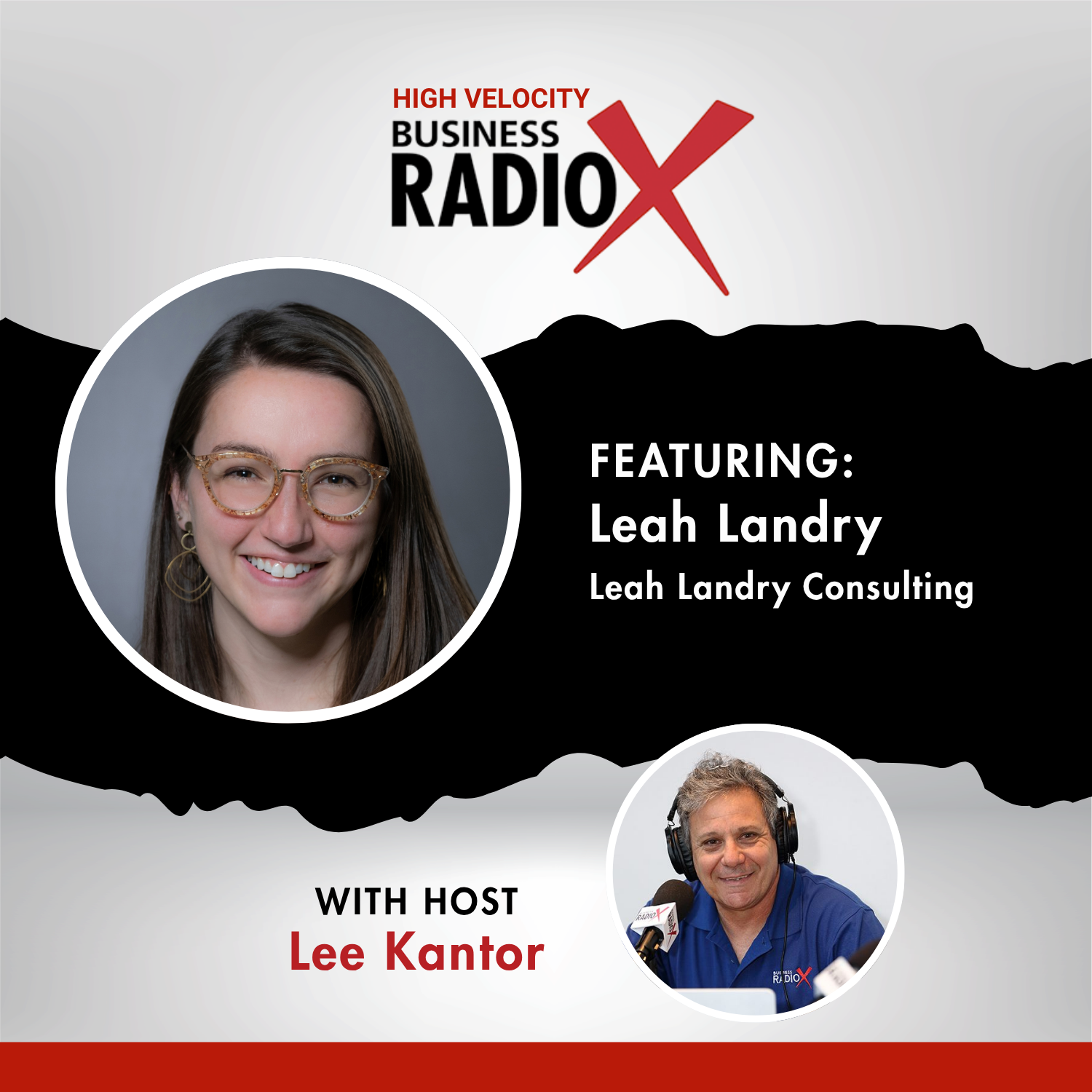
In this episode of High Velocity Radio, Lee Kantor interviews Seth Bader of Bader Law about the firm’s expansion into Columbus and Augusta, Georgia. Seth shares how population growth, client demand, and opportunities in personal injury and workers’ compensation law influenced the firm’s expansion strategy. He also discusses the importance of establishing a physical presence, building relationships with medical providers and referral partners, and staying connected to the communities they serve while continuing to focus on Georgia.

Seth Bader is the founder of Bader Law, a Georgia-based personal injury and workers’ compensation law firm serving clients across the state.

Under his leadership, Bader Law has grown from its Atlanta roots into a firm with more than 150 employees, serving tens of thousands of clients and securing more than $250 million in results.

As the firm has expanded, he  has focused on building the systems, leadership structure, and culture needed to scale without losing sight of the client experience. His approach to growth centers on making legal representation more accessible while maintaining consistency across teams and locations.

He is especially passionate about building strong teams, creating repeatable processes, and positioning Bader Law for long-term growth throughout Georgia.

Connect with Seth on LinkedIn and Facebook.

What You’ll Learn In This Episode

  • Identifying growth opportunities through population trends and existing client demand.
  • Expanding a professional services business while maintaining a strong local presence.
  • Building trust through in-person client interactions and community relationships.
  • Developing strategic referral partnerships with medical providers and other law firms.
  • Balancing business expansion with a focused geographic market strategy.
  • Strengthening brand awareness through networking, marketing, and community involvement.

Transcript-iconThis transcript is machine transcribed by Sonix.


TRANSCRIPT

Intro: Broadcasting live from the Business RadioX Studios in Atlanta, Georgia. It’s time for High Velocity Radio.

Lee Kantor: Lee Kantor here for another episode of High Velocity Radio. And this is going to be a good one. But before we get started, it’s important to recognize our sponsor, Business RadioX. If you’re a coach or consultant who is tired of selling and ready to lead by serving, set up a call with Stone Payton at bookstonephone.com to learn how to give local leaders a voice and become a recognized authority in your market. Today on the show, we have a return guest, one of our favorite attorneys, Seth Bader. Welcome.

Seth Bader: Hey, thanks so much for having me back on the show.

Lee Kantor: Well said. I heard there’s big news. I heard you’re not only in Atlanta, but you’re taking over all of Georgia. What’s going on there?

Seth Bader: Well, you know, I don’t know about taking over, but we are expanding our footprint and we are making ourselves more available in person in different parts of the state. We already have some other satellite offices, but recently we opened an office in Columbus as well as Augusta. So really excited about those two new offices and just being able to be on the ground in person to, to connect with the people in those communities that we’ve been representing, many of them, literally thousands of clients from the Columbus and Augusta areas for for years. But now we actually will have a home base where we can represent them and connect with them in person, where they don’t have to drive to Atlanta to meet with us.

Lee Kantor: Now, talk a little bit. I’d like to share with our listeners. A lot of folks have businesses that are in one market, like you were in Atlanta, based in Atlanta, you know, boots on the ground in Atlanta. How do you go about kind of an expansion plan like you did? Is it something that you have to now hire somebody there to physically be there. That’s a better law kind of person. Are you looking for a partner that maybe has a firm already that you can collaborate with? Like, how did you kind of attack? Okay, I’m going to expand and I want to have a physical presence in a variety of cities around the state.

Seth Bader: And I think you can there’s a variety of approaches. And at some point we probably will expand through acquisition or partnership. But for now, we were just looking at markets where we have there’s a there’s a demand and growing markets and markets where not only are the markets themselves growing, but our inventory of our clients is growing. And so we wanted to be sure that we had, you know, presence on the ground. And so we’ll have team members that are available to meet with clients in person. And whether it’s a client meeting, whether it’s a deposition or a mediation, we’ll be able to meet with our clients in person at our offices.

Lee Kantor: So are those attorneys?

Seth Bader: I’ve not hired a new attorney to work in those offices, but we will have staff members, paralegals or otherwise, and then our attorneys will be able to meet physically with our clients. Our clients don’t always come to the office. So for the attorneys to be there, you know, full time is not necessarily a, you know, a necessity, particularly in a world where so many people are working from home. But we now have a physical presence so we can meet with our clients in person, lawyers and non-lawyers.

Lee Kantor: So your physical presence in a given market. So their role is to kind of just, um, just become part of the community, right? And get to know the community and be available for them if they have any questions or needs.

Seth Bader: I think, I think the idea is I think, look, this is a professional service business and we represent people that are injured. And I think the ability to, you know, even though so much work today in our industry and others, um, is done, including this podcast is done Remotely. Um, the human connection is really, really important. So to be able to meet physically at an office that’s our own, um, where clients don’t have to drive as far to me is a really, really important thing to do. And then again, being part of the community, um, is also very important as well. Building relationships, boots on the ground, um, with, with our, you know, partners and medical providers. Um, and, you know, other other folks that we would work with. I think it’s really important.

Lee Kantor: Now, um, is that help you differentiate from the other, um, firms doing a similar activity as you?

Seth Bader: Um, I mean, I think it does differentiate, I mean, there’s a lot of firms that exist already and have a physical presence in a Columbus in Augusta. Um, I think, I think it differentiates us from where we were before. I think where, where we’ve been is we’ve had a sort of a marketing presence, but not necessarily a physical presence. And so I think this is this is a better version of us, but I wouldn’t so much get into like, whether this is better than other firms because again, I have friends, colleagues that are in Columbus that are in, um, that are in Augusta, that have offices that do a great job. But I think for our clients, we want to make sure that we’re there and present for them.

Lee Kantor: So when you noticed that your client base is in certain areas and you say, okay, this might be an area that’s worth exploring for expansion, did you do kind of an experiment and pick a market and see how that went before you kind of rolled out to these additional markets?

Seth Bader: Um, not necessarily. I think we just kind of had an opportunity to look at the markets themselves, to look at the growth in those markets. Uh, and also both, you know, just, just statistically unrelated to our practice just in terms of population growth. Um, but then also within our inventory and in our our system, we can see, you know, where, where we’ve seen growth. And those are two areas in particular where we really wanted to focus. And, you know, they’re not they’re, they’re not that far from Atlanta, but they’re far enough that they require, I think, boots on the ground.

Lee Kantor: Now, is there like, what is kind of your profile of a good market? Like, do they have certain types of industries? Is there a certain demographic? Like how did you choose those out of, you know, other ones?

Seth Bader: Yeah, I mean, look, I think that we do, we do, um, personal injury and workers compensation. Um, both of those markets, particularly Columbus have, um, a pretty significant, uh, industry, um, and opportunity to, to support and represent people that are hurt on the job. Um, but they’re just growing markets. I mean, personal injury. Um, I mean, it’s, it’s really, there’s, there was kind of a correlation between the number of people, um, in a market and the number of cases and opportunities. And we feel like what we do is we look at, um, you know, again, the population growth and the number of people there. Uh, we also see where we feel that there’s maybe an not an adequate number of attorneys that can serve that community. And those are two of the markets where we found that opportunity.

Lee Kantor: Now, have you, um, do you have the offices open now or are you planning to have them open? Like what status are they at right now?

Seth Bader: Um, I mean, they’re open. I mean, they’re still like, we’re still furnishing them and everything, but they are, we’ve signed leases. Um, and, um, you know, there’s still some work to do, but we are active in those markets now.

Lee Kantor: So what is a person in Augusta or Columbus or Macon? What is their kind of a day to day job that you’ve kind of, um, put them on in order to immerse themselves in the market and to let everyone know that beta law is here now.

Seth Bader: Yeah. I mean, I think their job is, is Very similar to the job that they would do in, in Atlanta. Um, it’s to, you know, to be available. Um, obviously, again, a lot of our work is done via telephone and computers, but, uh, it’s not, it’s not anything particularly unique to the market. It’s what’s unique is that it’s now, um, there so that if a client wants to come to our Columbus office right there on ninth Street, they can come, they can meet with us in person. Um, and the same is true for our Augusta office.

Lee Kantor: So you don’t have them going to chamber meetings or kind of joining the rotary or doing some of the just kind of letting everybody in the community know that beta law is physically here. You’re just, it’ll just happen.

Seth Bader: No, no, I think, I mean, I think when you sorry, you were asking me about my particular like employees that are there on the ground. I mean, I think.

Lee Kantor: Yeah, I’m just trying to get an idea of how if, if a company wants to deploy people out into the market. I want to know. Okay, first of all, I understand the why part. Just. Okay, now what are they doing? They’re just sitting by the phone and waiting for the phone to ring. They might as well have been in Atlanta.

Seth Bader: Well, I think, I think that the opportunity to build the relationships and be there in person, I think I will, you know, as the firm’s primary brand ambassador, we’ll be investing a lot more time. I was just in Columbus. I was just in Augusta. Um, and, and I will, I personally will be much more involved, uh, in, along with, uh, some other individuals in the firm to be there connected, meeting people, building those relationships, boots on the ground. But the individuals that actually in the firm, um, today physically will be individuals that are supporting clients and supporting the operation. So, um, it’s not, I think, I think maybe you’re under the impression that the idea is that we’re expanding and having, you know, an entire fleet of people on day one. I think it takes time to really build up that presence. And so at least to start. It starts small, but you know, I will be actively involved, um, and building relationships with folks in the community.

Lee Kantor: And then when you want to find those kind of local partners who are, who are the ones you want to meet?

Seth Bader: Um, do you mean like.

Lee Kantor: Like in Columbus? Do you want to meet chiropractors? You want to meet? Yeah. So, um.

Seth Bader: Yeah, so, so, so I think, I think across the medical spectrum, um, we would want a medical provider, I think is probably the main focus, but other law firms as well, um, where we can build a referral partnerships. Um, I think those are the two key, but also like folks in the industry, I don’t know, you know, if there’s, if there’s folks that are, you know, connected to unions, I know that unions are not big in the South, but, you know, finding folks that have access to, um, potential clients where we can serve and support them and let them know that we’re there. And, um, you know, I think that’s where the focus would be.

Lee Kantor: And then as you expand, are there other kind of cities on your roadmap, or are you going to just kind of hold from here, learn some stuff, and then use that information to kind of maybe expand it to other areas?

Seth Bader: So we already have a presence in Carrollton and in Norcross. Um, we don’t have any other, uh, you know, like in 2026, there’s no other specific locations that we’re looking to expand to. Um, I think we want to get settled in again in Columbus and Augusta and are really excited about the expansion in those markets. But I imagine in 2027, we’ll look at other markets making this one. Gainesville is one. Dalton. I mean, I think, um, I think it’s really again, it’s really, really important to have a physical presence, um, where you can, um, because this, this is such a people focused relationship, um, centered business.

Lee Kantor: Now is your work exclusively in Georgia, or do you also serve the outlying states? You know, Alabama, Tennessee, Carolina.

Seth Bader: Today, we’re exclusively in Georgia, and we don’t have any plans to expand. We do get calls from folks in other states, and we do have referral partners that we can refer out to. But our work is exclusive to Georgia.

Lee Kantor: And is that like, what was the thinking there to just kind of, okay, we’re going to just hang out here for a minute.

Seth Bader: Um, I mean, we are, we are licensed to practice in Georgia. This is the area of law we know even though laws are similar. Um, our, our, I guess our area of expertise and our niche is, is personal injury and workers comp in the state of Georgia. That’s what my attorneys know. That’s what we’re built to support and that’s what we want to focus on. I think that, um, there’s enough business in Georgia that I think it’s, I mean, look, I’m excited. I always get excited about growing. But I think that right now the focus is growing within the state of Georgia and being able to support injured Georgians, whether it’s personal injury or worker’s comp.

Lee Kantor: And then you feel there’s enough business here to hold you for a while.

Seth Bader: Yeah. And I mean, I think that’s our focus. I think there’s a lot of firms that are multi-state and, um, I think it’s inspiring, you know, how fast they’ve grown and what they can do. But I think for us, um, you know, we really are dedicated, um, to Georgia. That’s really our focus. Um, that’s where we reside, that’s where our clients reside and work and getting in and that’s where, that’s where we want to focus.

Lee Kantor: So what do you need more of? How can we help you?

Seth Bader: Um, how can you help me? I think, you know, we need I don’t say we need more clients, but I think, you know, getting, getting exposure to and connections to different folks in different markets, particularly again now in Columbus and Augusta. If there’s a, you know, anyone that has a need to work with a personal injury or worker’s comp attorney, if there’s a referral opportunities for us to refer, you know, we get a lot of calls, um, for other areas of law, whether it’s criminal bankruptcy, um, immigration. So we’re always looking for referral partners to send cases to. And if there’s, um, attorneys that are looking for, you know, um, referral partners in the personal injury and workers comp space, we are excited and, uh, you know, about the opportunity to, to support them and their clients. And the same is true on the medical side. And, um, I think those are the two main areas. But if there’s other, um, if there’s anybody else that is interested in learning more about my practice, would love to, um, to meet with them and see what we can do, um, To help and to, you know, to support the, the communities that we’re expanding into, again, whether it’s Columbus or Augusta. We, we try to get into doing a lot of community stuff. Historically, we’ve done a lot with schools. Uh, and maybe there’s opportunities to connect with different folks, uh, in the community and find ways that we can give back, not just support in terms of representing people, but also just giving back to the communities.

Lee Kantor: Now, uh, is a big percentage of your business through like a direct inquiry, or do they come through the referrals that you mentioned via another law firm that may not specialize in what you do or a medical practice, that client might have a need.

Seth Bader: We get cases in a variety of ways. So, I mean, a lot of it is by way of, you know, word of mouth through clients and former clients. A lot of it is through professional referrals, and a lot of it is through, um, advertising and marketing that we, that we, um, create to, um, you know, create awareness for the brand, uh, and make ourselves available to folks that are maybe not sure who to hire, but, but are searching. And so, um, we, we get cases in, in clients in a variety of ways.

Lee Kantor: So if somebody wants to learn more, whether they, um, need your services or would like to explore partnering with you, what’s the website? What’s the best way to connect?

Seth Bader: Sure. The best way to connect is baderlaw.com, baderlaw.com. And we also have presence on all the social media channels as well.

Lee Kantor: Well, Seth, thank you so much for sharing your story today. You’re doing such important work and we appreciate you.

Seth Bader: Thanks so much. I appreciate you having me on.

Lee Kantor: All right. This is Lee Kantor. We’ll see you all next time on High Velocity Radio.

Service Beyond the Uniform: Creating Career Opportunities for Veterans

Veteran Business Radio
Service Beyond the Uniform: Creating Career Opportunities for Veterans
Loading
/

In this episode of Veterans Business Radio, Lee Kantor interviews Rocco Cironi, Senior Manager of Operations at ServiceMaster Restore. Rocco discusses the company’s restoration and mitigation services, its partnership with Hire Heroes USA, and its commitment to helping veterans and their spouses transition into civilian careers. He highlights how veterans’ leadership, teamwork, adaptability, and decision-making skills translate into valuable opportunities in restoration, operations, marketing, and franchise ownership. Rocco also shares how ServiceMaster Restore supports veteran employment while raising funds for Hire Heroes USA to help veterans find meaningful careers after military service.

Rocco Cironi, Senior Manager of Operations at ServiceMaster Restore.

Each year, approximately 300,000 service members are discharged from the military. 80% of these veterans lack job prospects upon their return home. Additionally, military spouses face an unemployment rate 4x higher than the national average.

That’s why in 2023, ServiceMaster Restore and ServiceMaster Clean teamed up with Hire Heroes USA—a nonprofit dedicated to helping US veterans and their spouses find the next step in their careers.

ServiceMaster Restore and Clean’s commitment is to host an annual fundraising golf tournament where franchisees, leadership, vendor partners and clients will rally on the greens.

Since 2023 we have raised over $1M! We hope we can count on your support at our 2027 Golf Tournament at TPC Scottsdale on April 6th.

Follow ServiceMaster Restore on LinkedIn, Facebook, and X.

Episode Highlights

  • How ServiceMaster Restore delivers residential and commercial restoration services following water damage, fires, and major disasters.
  • The role of the partnership between ServiceMaster Restore and Hire Heroes USA in supporting veterans transitioning into civilian careers.
  • How military leadership, teamwork, adaptability, and decision-making skills translate into valuable business and operational roles.
  • The career opportunities available to veterans and their spouses, from technical and management positions to franchise ownership.
  • How networking and community partnerships can create meaningful employment opportunities for military families.
  • The impact of fundraising initiatives, including charity golf tournaments, in supporting veteran career development.
  • Practical ways veterans, their families, and community members can connect with employment opportunities and support veteran-focused initiatives.

Transcript-iconThis transcript is machine transcribed by Sonix.


TRANSCRIPT

Intro: Broadcasting live from the Business RadioX Studios in Atlanta, Georgia. It’s time for Veterans Business Radio, brought to you by ATL Vets, providing the tools and support that help veteran owned businesses thrive. For more information, go to atlvets.org. Now here’s your host.

Lee Kantor: Lee Kantor. Hear another episode of Veterans Business Radio. And this is going to be a good one. But before we get started, it’s important to recognize our sponsor, ATL Vets. Inspiring veterans to build their foundation of success and empowering them to become the backbone of society after the uniform. For more information, go to atlvets.org. Today on the show, we have the Senior Manager of Operations with ServiceMaster Restore, Rocco Cironi. Welcome.

Rocco Cironi: Hi, Lee. Good to be here.

Lee Kantor: Well, I am so excited to learn what you’re up to. Tell us about ServiceMaster Restore. How are you serving, folks?

Rocco Cironi: Yeah. So we’re one of the larger restoration and mitigation franchise organizations in the United States. And I guess our main responsibility is meeting our customers in their local areas. That could be residential or commercial. And if they have, let’s say, a water loss or a fire damage, our teams are going in and bringing our equipment and helping those clients out and to restore their property like, like it was prior. So a lot of our business focuses on that, obviously. Hurricane Ike was was big for us coming up. It’s been the first one in a couple years. So as I’m sure the coastal communities weren’t excited about it, we were provided some opportunities for us there. But it’s those large loss scenarios is where we thrive as a business.

Lee Kantor: Now, can you talk about the history of the Organization. What was the genesis of the idea? How did this thing come about?

Rocco Cironi: So ServiceMaster was started. God, we’re almost at our 100th year anniversary here in a couple of years in 2029. But it was started almost 100 years ago now by Moroni Wade again, as a as more of a service driven company helping clients out, um, with, with those restoration mitigation needs. And it’s just continued to thrive and grow over the years. And now we’re one of the larger organizations in the country, Canada and internationally as well.

Lee Kantor: So at what point did they turn into a franchise or was it always was franchise even around 100 years ago?

Rocco Cironi: No, that’s a great question. I am actually not sure how long ago we started franchising the business. I can say probably maybe 50, 60 years ago, but that’s a a guess on my end. But we’ve been that we’ve been a franchise organization for some time now, have a lot of great owner operators out there in in the different communities across the country. Some of them are actually veterans themselves, which has been great in the Higher Heroes partnership that we’re going to talk about here shortly. But just, you know, local grown businesses who want to serve their local communities and they thrive on that. So.

Lee Kantor: So let’s, uh, you brought it up. Let’s talk about it. The Higher Heroes USA partnership, uh, talk about how that came about.

Rocco Cironi: Yeah. So, uh, a few years ago, we, we really wanted to get more into the philanthropic efforts and, and help, you know, some type of organization, bring more awareness to their business, help them fundraise for their cause. Um, we, we vetted a few different organizations and landed on higher heroes USA. And obviously veterans are, are very important to us and, and really to everybody because of the sacrifice they make for our country and communities. But we landed on Higher Heroes back in 23 and started the partnership with them then, uh, and have continued to grow that over the years. Actually, this May, this past May, we had our fourth annual, uh, charity golf outing for them, uh, which, uh, eclipsed $1 million in total funds raised from our efforts to the higher heroes organization. And that goes back to them. And they can use that however they need to. And, and helping those veterans who are transitioning from active duty service back into, you know, the, uh, public or private sector, they’re trying to find their new job. You know, maybe they haven’t had a resume before. They don’t understand, uh, you know, different questions they might get in an interview. So hire heroes kind of helps them through that process, gets them set up and helps them find that next career, um, for them to, to, to fall into after they’re done serving.

Lee Kantor: Now, does ServiceMaster also have kind of a veterans program for if they’re interested in becoming franchisees?

Rocco Cironi: Yeah. So, so, uh, there’s, there’s two parts of that question I want to answer. So one part of the partnership with us and higher heroes is we’ve really leaned on them to help us, uh, expose more of our open jobs across the country so that the open jobs that we have in local communities at the franchise level are really good fits for veterans and their spouses. I don’t want the spouses to get lost in this. And we constantly talk about them because they’re, they’re part of, of the efforts as well, um, that the sacrifices that they make. But one, we wanted to bring more awareness to some of the open jobs because they’re good fits for, for veterans and their skill set. And that comes down to their leadership capabilities or working in a team making tough, tough decisions, uh, adapting to change quickly. Um, so we’ve worked with them to post more of our jobs on their career career page, uh, list more information about service master restore and ServiceMaster clean on their career page. Um, but trying to bring awareness to the opportunities that service master can provide to, to veterans in their different communities. We also have our franchise development team who, um, to, to go back to your question, has opportunities for veterans who are interested in, uh, franchise ownership. And so that process goes through them. They have different incentives that veterans are able to take advantage of if they’re interested in that. And that’s a different process that that they’ll go through with those veterans. But like I said, many veteran owners in the network, and it all goes back to the success that they can have because of the, the, the transferable skills that they bring from the military into the business life.

Lee Kantor: So it’s, uh, so not only is there an opportunity if they want to pursue a franchise, but there’s also just if they want to work in their area, there’s opportunities for a career within the, um, service master kind of framework that exists already.

Rocco Cironi: 100%. Yeah. From anywhere from, you know, our, our technician level, uh, sales project managers, which, which are those, you know, which I think is, is the most glaring, uh, opportunity for a veteran because of the skill sets needed in that role. You’re out in the community working with clients or our insurance partners trying to, to solve, uh, an issue of some type an event that just happened at a business or a residential property and then working with the teams to get that cleaned up. But there’s general managers, operations managers, all, all those type of positions that are posted that hire heroes is helping us bring awareness to.

Lee Kantor: And I would imagine in those situations, like a hurricane or, um, one of these things where it’s very chaotic and it’s happening quickly and you got to make decisions quickly and you have to kind of assess situations that their skill set is just a hand in glove fit.

Rocco Cironi: Yeah. Listen, it’s obviously it’s, it’s a devastating scenario when something like that happens, a major storm or hurricane, it brings disruption to a lot of local communities. But it’s, it’s somewhat poetic to see the way our ServiceMaster team is able to organize, uh, and mobilize into that area, um, and provide support to, you know, residential or commercial properties and, and clients within the area. And a lot of our teams from across the country. I mean, when, when there’s a, um, an event, let’s say in Florida that just happened. I mean, we have franchises in Texas and California and all across the country, Ohio, New York, that mobilized their teams and come down to those those areas for weeks at a time to help with the cleanup and the restoration of, of whatever property that they’re working in. So a lot of that experience translates to what those veterans might have done during their active duty service. Right. You can you can correlate a lot of that experience back and forth. And that’s why when we partnered with our heroes, we had the conversation with them like, yes, we want to help you in your efforts to fundraise and bring awareness to your cause. But it’s such a, it’s such an easy skill set for us to, to, to help a veteran to transition in because of the different skills that they would have already brought with them.

Lee Kantor: Now, uh, do you have any stories you can share about, uh, don’t name the person, but maybe share the them coming to you getting an opportunity within service masters and then, you know, building a career or maybe even taking over a franchise.

Rocco Cironi: Yeah. So I can, I can bring up an example right off the top of my head. So we have, um, a young lady who we met back in 2023 at our very first event. We were in Carlsbad, California. Um, and we held our first, um, one of our first, uh, golf tournaments there, uh, charity golf tournaments to fundraise. And obviously that’s, um, a lot of our franchises come with their teams and they bring insurance partners. So we had about 100, 150 people there that day. Um, and I remember, uh, a veteran, a local veteran had come because he was connected to the higher heroes organization and he brought his wife, um, and through networking and, and, and meeting with them and getting to know the different veterans. Um, we met one of these veterans wives and hit it off. And based on her experience, We felt she would be a good fit within our marketing team, and so we hired her straight, straight from that event. We talked to her, and I think we hired her a couple weeks later and she worked, um, in our marketing team for a few years. And she actually now reports to me and she and I manage our Hire Heroes partnership and she oversees, uh, all of the local, uh, hire heroes, um, activations that are, are, um, are events that are franchise networks do in their local communities. And she helps, uh, a lot of our franchises with posting jobs or hiring veterans to, to their franchises. So she’s been a great asset to have, but that was like, we just started the partnership. We went, we met a veteran, met, met his spouse, thought she’d be a good fit, hired her immediately. And she’s been with us for what, going on 4 or 5 years now. And, um, she’s been great to have on the team and somebody that helps us continue to grow that Higher Heroes partnership.

Lee Kantor: Now, is there a certain qualities or skills that a veteran has to have in order to make this work? Or is there training by service master like, like how, uh, how complete do they have to be when they come to you?

Rocco Cironi: Yeah. Not, I think what they would bring with within their military experience and background is enough for us to build on. Obviously, there’s, there’s different certifications and qualifications that they have. Uh, with some of the equipment they’d use or some of the different situations that they would find themselves in, in working here. And those are all things that they would go through training on. And we provide all that training to them. So nothing that they would have to worry about, there would just be, hey, having having an open mind, willing to learn, willing to grow and obviously tackling those, those issues that would not nearly be as as significant as, as what they’ve probably gone through in, within their military service. Um, but being able to adapt to change and work in a team environment, which we feel like they would have no issue issue doing so. And that’s why, like I keep saying, it’s such a good fit and something that we’ve continued to work on higher heroes doing, uh, with higher heroes through because, uh, those transferable skills fit so well into a lot of the positions that we have posted across the country.

Lee Kantor: Now, are there certain regions that, uh, you need more kind of help with right now? Or is this something that it’s, you know, nationwide and there’s always opportunity no matter where you know, what town you’re in.

Rocco Cironi: Yeah, that’s a great listen. It’s, it’s, it’s nationwide. And, and like any business, we’re continuing to grow and, and open new franchises across the country. I mean, if you went to our careers page, you, you, you would be able to find multiple opportunities within 20 to 25 miles of your location. I mean, we have franchises all over the place. I think we’re around 700 locations right now. Um, obviously very, very heavy on the East Coast, very heavy on the West Coast and central United States. But, um, there are different positions all over that veterans and their spouses would, would be a good fit with.

Lee Kantor: So, um, for the public out there, what, how can they kind of participate in this? Is this something that they should be recommending their family members or friends about hire heroes USA? Um, like what, what do you need? How can we help you?

Rocco Cironi: Yeah. So obviously if you’re a veteran or a spouse, hire heroes would be a great resource for them to reach out to and, and their team can connect them with us and we can explore different opportunities within their local area. Um, or they could hop on our careers page. Um, and look at the different opportunities around them as well. So either of those are great avenues. Um, we have our, I have to plug our, our fifth annual, uh, golf tournament coming up in April, uh, April 6th at TPC Scottsdale. So we try and have them at different bucket list courses across the country each year. So in May we were at TPC Sawgrass, which was amazing. And April, we’re going to be at TPC Scottsdale. So we, we obviously want people to come and play and, and enjoy the day of golf and, and live music. And we have great food and, and auction items there to continue to help raise money for higher heroes. Um, so that’s another opportunity for, uh, your listeners or local community members to get involved in that event. But really just if you’re a veteran, I think higher heroes is probably your, your first avenue to get connected with. And then if service Mastery Store is something that they’re interested in, obviously let them know or they can reach out directly to us, and we’re more than happy to help them find that next opportunity to build a career in.

Lee Kantor: Now, if somebody is interested in participating in the golf tournament, is that something that you’re looking for? Sponsors? Like how does somebody get involved if they want to kind of, you know, be there and experience it?

Rocco Cironi: Yeah. So 100% and I can share this with you as well. Our sponsorship guide or more information about that event. If you have listeners that are interested, um, I can also share a registration link with you if you’re able to post that as well. Um, but there’s opportunities there for the public to get involved in this event. If you’re an avid golfer and want to come play a great course. Um, uh, Scottsdale is an amazing, amazing area for, for those, uh, for those avid golfers to come and play. Um, but I can share all that information with you or, or if you want to share my information, they can reach directly out to me and I’d be happy to talk with them about the opportunity of getting involved in our event.

Lee Kantor: Yeah. Let’s start with the Some Coordinates website for ServiceMaster Restore and or Hire Heroes USA. Maybe let’s start there. And then if there’s other ways for folks to connect with you, you know, share what you’re comfortable with.

Rocco Cironi: Yeah, yeah, that’d be great. I can, I can share all those with you and, and we can, I’m sure you have a way for your listeners to find that information as well.

Lee Kantor: So yeah, so the website is servicemasterrestore.com. Is that kind of a place to go for people to, if they want to at least kind of learn about your situation and your, your wants and needs and services and, and from there, can they find the hire hero stuff?

Rocco Cironi: They can. So we’ve on our ServiceMaster Restore page, we have, um, uh, our careers drop down where there’s a veteran option. And, and, and there is, we have our, our, we serve veterans kind of initiative where it talks about a little bit more about what we do with the higher heroes network and, and, and the veteran community and, and lift some of our events and how much we’ve raised, obviously with them in the past as well. So they can find all that information on our service master restore website.

Lee Kantor: Good stuff. Well, Rocco, thank you so much for sharing your story today. You’re doing such important work and we appreciate you.

Rocco Cironi: Thank you. Lee. Listen, I again, I want to emphasize this. Can’t thank our veteran community enough for the sacrifices that they make, uh, that their families make in protecting our, our country and our communities. And, uh, we are happy, um, to, to be able to provide any opportunities we can for them, um, moving forward. So thank you for your time. I appreciate it being here.

Lee Kantor: All right. This is Lee Kantor. We’ll see you all next time on Veterans Business Radio.

Lyn Wineman: When Your Brand Becomes a Leadership Problem

HVBR-Lyn-Wineman-Feature
Houston Business Radio
Lyn Wineman: When Your Brand Becomes a Leadership Problem
Loading
/

KGRefreshedLogoTagRGB-LynWineman

LyninBlue2024-LynWinemanLyn Wineman is a passionate branding expert, award-winning strategist, and founder of KidGlov, a purpose-driven marketing agency known for putting a megaphone in front of changemakers.

With over 30 years of experience, Lyn has helped national brands, nonprofits, and health initiatives clarify their message and amplify their impact. She leads a talented team at KidGlov, a Certified B Corp proving that marketing can be both powerful and principled.

Lyn is the driving force behind the proprietary Brand Advancement process and author of Untangling Spaghetti: A Branding Fable, which blends storytelling with practical insights to help purpose-led leaders align their brand with their mission.

She’s also the engaging host of the Agency for Change podcast and a recipient of numerous honors, including the AMA Hall of Fame and AAF Silver Medal.

LinkedIn: https://www.linkedin.com/in/lynwineman/
Website: http://kidglov.com

Transcript-iconThis transcript is machine transcribed by Sonix.


TRANSCRIPT

Intro: Broadcasting live from the Business RadioX Studios in Houston, Texas. It’s time for Houston Business Radio. Now, here’s your host.

Trisha Stetzel: Hello, Houston. Trisha Stetzel here bringing you another episode of Houston Business Radio. It is my pleasure to introduce you to my guest today, Lyn Wineman, president and chief strategist of KidGlov, a purpose driven marketing agency, and certified B Corp that helps changemakers clarify their message and amplify their impact. Lyn is an award winning brand strategist with more than 30 years of experience, creator of the brand advancement process and author of Untangling Spaghetti, a Branding fable. She also Hosts the agency for change podcast and has been recognized with honors, including the AMA Hall of Fame and a Silver Medal. Lyn, welcome to the show.

Lyn Wineman: Hello, Trisha. I’ve been so looking forward to talking with you and your audience. Thank you.

Trisha Stetzel: I’m so glad that you’re here with me. Okay. So all of that amazing. All of your amazing accomplishments there. What else do we need to know about Lyn?

Lyn Wineman: Oh, okay. So here is something I usually like to say because it’s unusual and you will remember me by this. I live on a historic farm and raise a small flock of peacocks. How about that? Wow. That’s amazing.

Trisha Stetzel: I love that every time I think about peacocks, I think of my great grandmother. She had peacocks on her land and always had peacock feathers in a vase in her house.

Lyn Wineman: When they would lose.

Trisha Stetzel: Their feathers.

Lyn Wineman: I have so many feathers right now. So because it’s just that time of year when all the males drop their feathers, I have so many feathers. So I’m going to give out my LinkedIn connection later. If anybody needs feathers, hit me up in my LinkedIn messages.

Trisha Stetzel: I love that, Lyn. Absolutely. Okay. I want to start with the hardest question of all.

Lyn Wineman: Okay, I’m on the hot seat.

Trisha Stetzel: Trisha, you are on the hot seat. So I want to start with something that sounds very simple but probably isn’t. So when you use the word brand, what are we actually talking about?

Lyn Wineman: I’m so glad that you asked that, because I actually think that the field of branding has a branding problem because so many people think of different things. And so a lot of times when I talk about branding, people will say, oh, we have a name and we’ll never change it. Or we love our logo. And really, when when we think about branding, I use a graphic of a branding pyramid. And at the top of the pyramid is of course your name and then your logo, but then it goes into what’s your tagline that pairs with that? And what’s your messaging that you use consistently? And what are the visual identity elements that you use? And then it goes into how do you express yourself in marketing and advertising? And then even what kind of experiences do you provide to your audience? So all of those things come together to make up your brand.

Trisha Stetzel: That is a lot.

Lyn Wineman: It is a lot. It is a lot to think about. And that’s also why it’s not just a simple process, right? I mean, a, a strong brand is going to be clear it’s going to differentiate you from others in that same consideration set, and it’s going to resonate with your target audience. So, you know, in order to untangle your spaghetti and create a great brand, you’ve got to really get clear on your vision. You have to understand how you fit in the marketplace, and you have to understand what your audience is looking for and how you can translate your uniqueness to them in a meaningful way.

Trisha Stetzel: Yeah, absolutely. So you said something that makes me very curious around. They are, they love their brand or they love the name of their business, and they’re so married to it that they may be missing something. And I know that you work with organizations that have been successful for years in many cases. So what are the warning signs that their brand is just no longer helping them grow and may actually be holding them back.

Lyn Wineman: Yeah. I’m so glad that you asked me this because this is something I really like to speak to. And the signs of a weak brand or brand confusion may be different than you think. Because often the signs are slow growth, audience disengagement, low morale. And if you have slow growth, audience disengagement, and low morale, you’re going to have leadership frustration because those are the things that make leaders frustrated. On the flip side, if you have a strong brand, you are going to benefit from the ability to ward off competitive threats, to command a higher price and to set the stage for a strong internal culture, because your team can really get behind and understand the brand.

Trisha Stetzel: Wow. So I think what I heard, Lyn, is that you said that a strong brand actually bleeds into good leadership. Did I get that right?

Lyn Wineman: Yes. It really, really does. Because, you know, brand and vision go hand in hand. And so in order to build a strong brand, you have to have that clear vision. And the clear vision comes from leadership, right? And so, you know, I love, I love to read business books. And one of my favorite authors is Patrick Lencioni. And in his book, The Four Traits of an Exceptional Leader, he speaks to the fact that it is the leader’s job to speak to the vision over and over and over and over again. And that’s what your brand does for you. Your brand goes out ahead of you, whether it’s in a personal brand or an organizational brand. Your brand goes out ahead of you and tells people what to expect. So if your brand is outdated, it’s going to tell people you’re behind the times. If your brand is sloppy or disorganized, it’s going to tell people that you don’t pay attention to detail. If your brand looks like everyone else in your universe, it’s going to tell people that what you do is the same as everybody else. So then you become a commodity and commodities cannot command higher price.

Trisha Stetzel: Yeah. Yes, yes and yes, all of those things. I heard you make a distinction between personal brand and then you didn’t say corporate brand, but the business brand. So can you talk a little bit about that and the difference between the two.

Lyn Wineman: Absolutely. And, um, I mean, a personal brand really speaks to and a lot of leaders now do focus on thought leadership and personal branding. Your personal brand is about what you want people to believe and know about you, the corporate or I like to say organizational because KidGlov works with a lot of nonprofits that have a different corporate status. Your corporate brand is going to be what you want them to believe about your organization. And as the leader of an organization, there should be some similarities between the two. But unless you’re a solopreneur, there also should be some differences between the two.

Trisha Stetzel: Yeah, absolutely. Okay. I heard you say nonprofit. Let’s dig in. You and I had a conversation Of several weeks back. And I know that you also have an affinity for the veteran space. And so I want to talk a little bit about who your clients are, who you serve that nonprofit space, and also pepper in a little bit for my veteran, uh, nonprofit leaders out there to be listening in. So let’s talk about that.

Lyn Wineman: Yeah. So KidGlov, our name, KidGlov, our brand is very intentional because what we want people to know about us is that we treat people and brands with great care. We treat them with KidGlovs, right? And so it’s a different name. And a lot of times I will get that question. Uh, you know, why? Why is that your name? And every time anyone asks me that question, they are giving me an invitation to speak about what makes us special. So before we became KidGlov, we were Weinman Communications Group, which explains exactly what we did. Nobody ever asked me that. So we intentionally serve organizations that make the world a better place. So that includes nonprofits. It includes veteran organizations. It includes healthcare organizations. It includes public health movements like suicide prevention and the promotion of mental health. We also serve a number of community banks and credit unions because they also are helping people and helping organizations achieve their dreams. So, you know, we’re very intentional in going after those specific organizations because we’ve got a lot of expertise that makes us differentiated in those spaces.

Trisha Stetzel: I love that. So Lyn, what personally draws you to these nonprofit organizations?

Lyn Wineman: Oh, you know, we had a morning meeting three times a week. We have a morning meeting where everybody on our team gets on, on teams together. And we talk about what we have ahead of us for the day and we prioritize workloads. And last week, there was a meeting where we were talking about all of the different projects we had in the house. And at the end of the meeting, I said to my team, do you realize what we’re doing? The work that we’re doing today is going to help senior citizens find more options for their health and betterment. We’re going to help more foster kids find parents and homes. We’re going to help people find options for mental health. We’re going to help dissuade young people from starting to vape. You know, all of those things. It’s like, this is a pretty great gig to be able to know that the things that we are working on are making the world a better place.

Trisha Stetzel: Yeah, really coming back to that purpose driven organizations, and I love that. Thank you so much for being in that space and caring enough to be a part of these organizations and really help them catapult their brand out there. So they’re creating awareness about all of the work that these organizations are doing. All right. I know people already want to connect with you, Lyn, and I want to make sure that everyone, if they’re looking for KidGlov, one word, K, I’d g, LOV is the name of the name is the name of the organization. And Lyn, where can people reach out to find out more or connect with you directly?

Lyn Wineman: Yeah, absolutely. Well, KidGlov.com is a great place to start. And for what it’s worth, we’re KidGlov without an E, because when we came up with that name, we did want to make it unique to us. But KidGlov.com with an E was already taken by a lovely transportation company in Indiana. So if you need transportation, check out KidGlov with an E. If you need marketing and branding, check out KidGlov without an E. And then I love and spend a lot of time on LinkedIn. I love sharing ideas, connecting with people there. So I believe I am the only Lyn Weinmann on LinkedIn and that’s Lyn, Lyn and Weinmann just like it sounds WINEMA. And I love that connection. And let me know that you heard it on this show so we could talk about this show too.

Trisha Stetzel: I love that. Thank you so much. Okay. I want to dig into this proprietary brand advancement process. Walk us through how you approach building a brand strategy. Where should a leader begin before they start changing things? Tell me more.

Lyn Wineman: Yes. So we have an eight step process, and we have employed this process nearly 200 times over the 16 years of our existence. And we know that if you follow this process, you will not only have what you need to create a great brand, you will have what you need to make confident decisions about that brand, because branding is a very visionary process. And you’ve got to be able to look into the future and say, ah, this brand is going to, you know, represent us in this way. So the first step is to really extract the vision of the leadership team. And it’s hard when you’re on the inside of an organization to see the forest from the trees. So we’ve got a great discovery process to really help us solidify that vision. From there, we like to go to a research process where we survey or do focus groups with your best audiences, the people who know you and love you most. We want to find out what they love and believe about you, and then transfer that to new audiences. From there, we do a peer review where we take a look at all of your competitors. What do they look like? What do they sound like, and where is your position in that universe? Then everybody’s favorite part is next, we define your brand archetype profile. It’s like a personality test for your brand. And we build a three archetype profile, because what we have learned is most healthcare organizations will have a caregiver brand archetype as part of their profile.

Lyn Wineman: But if we so if we stop at one, all of our healthcare clients will sound exactly the same. So we like to go to that three archetype profile so that we can say, hey, this organization is a caregiver, everyman hero, and each of those archetypes means something different and helps us really express consistently and emotionally who they are in a way that will resonate. From there, we lock in the brand strategy. So out of eight steps, the first five happen before we even start any creative work, right? And I think one huge mistake that we see, Trisha, is that people go straight in to trying to develop the name, right? The messaging design, the logo. And really, when you have all of those steps put together, that just clarifies and streamlines the creative process. So in the sixth step is messaging. We like to do name there. We like to do a tagline. So the two work together really well, elevator statements and then foundational messaging in the visual visual identity stage. We design the logo, the color palette, the fonts, the design elements, and then the last step is the most frequently missed step. And that’s the brand launch. Because once you’ve put everything together, if you really want to leverage it, you have to be thoughtful about the launch.

Trisha Stetzel: Oh, meaning it needs to be visible. People need to know that it’s out there. Oh my goodness.

Lyn Wineman: Yes, yes.

Trisha Stetzel: Yeah. Okay. So what’s what’s bubbling up for me, Lyn is fast forward diagnosing the health of that brand. So they’ve done all of the work. They have this beautiful brand and all of the work that they’ve done and many years down the road. Yes. Diagnosing the actual health. How do we how do we actually know whether it’s branding or marketing or maybe even a business problem?

Lyn Wineman: Well, you know, I love that you’ve asked that because we, we deal with that a lot. And so we’ve put together what we call a brand compass. And once again, if anybody reaches out to me on LinkedIn, I’d be more than happy to send you our brand compass tool. It’s also outlined in detail in chapter three of our book. Um, but it is a set of questions that in five minutes or less will help you diagnose, at least create a hypothesis of where you are because you know, you’ll either need a complete rebrand, you’ll need a brand refresh, or you’ll go, hey, our brand is actually fine. We just need to get it out there more. So the brand compass tool will quickly help you, um, put this information together and build a hypothesis. It is a tool that you can use on your own. It’s also a great tool to take into a leadership team, a marketing team, a board. Um, if you’ve got a group that’s like, I don’t know if we need to spend money on branding right now. It’s a great tool to take a group of people through and get them all on the same page.

Trisha Stetzel: Wow. That’s amazing. And by the way, if you ask Lyn for that tool, you better say that you heard it right here on the radio. I’m just saying. Okay, Lyn, uh, you mentioned it, I mentioned it. I want to talk a little bit about untangling spaghetti, a branding fable. Tell us about the book.

Lyn Wineman: Absolutely. So we wrote the book, launched the book in April of 2025. It’s a best selling marketing book. Um, it really, I know, thank you. It documents our whole process. And when we first wrote the book, we just wrote it as a straight how to book. And I went back and read it and I said, this is really boring. And we know we know the science behind storytelling. We know that if you communicate through story, it’s going to be more engaging, more memorable, more relatable. So we backed out the book and we actually turned it into a fable. And the fable is about a leader who’s experiencing some of those problems that we talked about at the top of this conversation. Slow growth, confusion, disengagement, low morale, and not really understanding what was behind it. And the leader goes through our actual brand compass and it helps her understand. She then takes her board through the brand compass. It helps them understand. And then they work through the eight steps of our process together. What I love about the book is the people in the book are kind of a composite of the 200 clients we’ve worked with over the years.

Lyn Wineman: So we’re in the book asking the same questions that we get asked. We’re giving you a sneak peek into what happens back at the agency. Like, what kinds of conversations are the. Is the agency having. We even, in some cases, go into. What are people’s fears around the process, right? Because branding is a process that does bring up some fears because you’re trying something different and people aren’t always comfortable with being different. And so it does all of those things. But the name untangling Spaghetti came kind of at the end of the process. I thought the name was going to be something different, and I turned it over to my wonderful creative team and said, read the book. Look at all the other books that talk about this topic, and let’s talk about what the names are. And they came back to me with several different names. And when we saw Untangling Spaghetti, we all said, that is the one because it is unexpected, it is disruptive, it does stand out, but it also really speaks to what the process feels like. Yeah.

Trisha Stetzel: Yeah, absolutely. And, and what the business feels like sometimes, right?

Lyn Wineman: Yes.

Trisha Stetzel: Process. Like untangling the spaghetti in my head.

Lyn Wineman: Yes, absolutely.

Trisha Stetzel: So, Lyn, where’s the best place? If people would love to purchase this resource, where’s the best place for them to get it?

Lyn Wineman: Uh, two places it’s on. It’s on Amazon. So if you go to Amazon and, uh, and search for untangling spaghetti, a branding fable, you will find it. Or if you come to KidGlov.com, if you would like to request a signed copy, I’d be happy to sign one for you. And because I’m a branding person, the cover of the book is teal. I think I own the world’s largest collection of teal gel pens. I always sign it in teal, so I’d be happy to sign it and send it to you. And then Trisha, the other exciting thing that we have that goes with it is we just created an online program that goes along with the book. So if you want like a little extra teaching if you want some video interaction. If you want an online community and group coaching, we have that available now too.

Trisha Stetzel: Wow. That’s amazing. Lyn. That’s exciting. Okay. Well, I can’t wait to dig into that. And we don’t have time today. Darn it.

Lyn Wineman: I know, I know, I know, but I’m watching my clock. Trisha, I know we’re on the countdown.

Trisha Stetzel: I know you are. Um, but we do have time for a minute to talk about agency for change. I know you have a podcast out there, so let’s talk a little bit about that. Tell me more.

Lyn Wineman: Trisha. We started this podcast during the height of the pandemic. It was our ten year anniversary. We were going to have a big party and do all the things you do when your business becomes ten years. But we couldn’t. So I was like, well, let’s start a podcast. And so we’ve been going now for nearly six years. Actually, at this point, we might have just hit the six years. Next week I will record the 300th episode. I know and just have had the opportunity to talk with some of the most fascinating and interesting people, and I love podcast as a way to make friends who with people I might not have met otherwise, which you have to feel from this amazing radio show, right?

Trisha Stetzel: Yes. Agreed. I selfishly use this show to network and meet people that I wouldn’t otherwise have the opportunity to meet, just like what you said. And thank you. Shout out to Joshua Berry for introducing the two of us. Yeah.

Lyn Wineman: Josh was a great guy. So anybody listening, if you haven’t heard his episode of Houston Business Radio, you should definitely take a listen.

Trisha Stetzel: Yes. Thank you Lyn. Okay. As we wrap up today, the hardest question of them all because you might have to pick one thing. Just one thing, Lyn. What would you want if you could only pick one thing from our conversation today? What would you want our listeners to leave with today?

Lyn Wineman: Absolutely. A strong brand will help you ward off competitive threats, command a higher price, and set the stage for a stronger internal culture. It makes everything you do easier and more effective.

Trisha Stetzel: Oh, and it’s tied right back to leadership. And I think that that’s so important. Lyn. This has been absolutely amazing. Tell people one more time the best way to connect with you and find more information.

Lyn Wineman: Absolutely. That’s KidGlov.com. K I’d glov.com or hit me up on LinkedIn.

Trisha Stetzel: I love it, LIN you guys, LYNOIN1N.

Lyn Wineman: Yes.

Trisha Stetzel: I love that. And by the way, those of you who are listening, if you’re working on your graphic right now, your logo, and you haven’t done any of the other work that Lyn talked about, you need to go talk to Lyn. Just stop it because you really need to do the foundation work first.

Lyn Wineman: It makes me sad when I hear that doesn’t happen. So yes.

Trisha Stetzel: And and it does because that’s what people want to do. It’s so fun. Lyn. It’s so fun to design.

Lyn Wineman: Just as expensive to launch a brand that’s bad as it is to launch a brand that has a great strategy behind it. So that’s a great strategy.

Trisha Stetzel: Absolutely. And you have so many resources. You guys reach out to Lyn. She’s got online resources. She has a book, she has a podcast, and she is absolutely willing to have a conversation over LinkedIn and check out her content. It’s really, really good. Lyn, thank you so much for spending your time with me today. This has been so much fun.

Lyn Wineman: Trisha. Thank you. What a delight. And thank you to your listeners and all the hard work that you’re doing.

Trisha Stetzel: Thank you. You guys, that’s all the time we have for today. If you found value in this conversation that Lyn and I had, please, for gosh sakes, share it with a fellow entrepreneur, a veteran, or a Houston leader ready to grow, especially that person, you know, that is out there creating their brand logo before they do anything else. Colon be sure to follow, rate and review the show. It helps us reach more bold business minds just like yours and your leadership, your legacy are built one intentional step at a time. So stay inspired, stay focused, and keep building the business and the life you deserve.

BRX Pro Tip: Why You Should Lean Into the Suck

BRXmic99
BRX Pro Tips
BRX Pro Tip: Why You Should Lean Into the Suck
Loading
/

BRX-Banner

BRX Pro Tip: Why You Should Lean Into the Suck

Stone Payton: And we are back with Business RadioX Pro Tips, Lee Kantor and Stone Payton here with you. Lee, let’s talk a little bit about the discipline, leaning into the suck.

Lee Kantor: Yeah. We just recently were broadcasting from the Tillman Run here in Roswell, Georgia, and we were around a lot of military folks, and leaning into the suck is a military kind of phrase that comes from military training. And it’s a mindset and strategy for confronting difficult, uncomfortable situations head on rather than avoiding them. And that’s how it is in life. You know, you have to accept and embrace challenges. You have to be able to transform adversity into opportunities for growth and resilience and self-improvement.

Lee Kantor: And obviously, anytime you start something new or you’re going out into an adventure you’ve never done before, you’re going to suck. It is going to suck because you’re learning. These are new things. You’re doing things for the first time, so you can’t be great at it at go.

Lee Kantor: When you start something new, you just got to just kind of power through, lean into kind of the suck, as they say, and then just focusing on improvement. And if you just start doing the work and you keep grinding, you’re going to get better. You’re going to suck less and less over time.

Lee Kantor: You cannot escape the suck. You can only make the choice to lean into it and get better. If you can really buy into this and kind of lean into this, this mindset can transform challenges into opportunities. It’s going to make you more resilient. Your awareness is going to be higher and you’re going to achieve more. By embracing the suck, you not only endure the hardships, but you thrive through them. You’re going to emerge stronger and more capable and ready for whatever it is that happens next.

Step Into Your Potential: The Power of Self-Leadership

High Velocity Radio
High Velocity Radio
Step Into Your Potential: The Power of Self-Leadership
Loading
/

In this episode of High Velocity Radio, Lee Kantor interviews Jane Bishop, leadership coach and “positive interrupter” with Take The Next Step, about empowering leaders to recognize their potential, build confidence, and lead authentically. Jane shares how coaching helps individuals move beyond feeling stuck or overwhelmed, develop greater self-awareness, and take purposeful action. She also introduces her five practices of self-leadership—block out, pivot, boundaries, rebound, and practice and play—and explains how positive interruptions can help leaders pause, reset, and navigate an ever-changing business environment.

Jane Bishop is an entrepreneur, speaker, positive interrupter, and coach who is passionate about helping people take their next step—personally and professionally.

As the founder of Take The Next Step, she partners with entrepreneurs, business leaders, and individuals who are ready to pause, reflect, and move forward with clarity and intention.

With a background that spans academia, collegiate athletics, corporate environments, nonprofit work, and business ownership, Jane brings both depth and relatability to her work. She believes growth isn’t one-size-fits-all—so instead of prescribing solutions, she meets people where they are, helping them reframe perspectives, strengthen self-leadership, and create meaningful, sustainable progress.

Known for her genuine focus on others, Jane is often described as “unexpected” and “refreshing.” She creates space for honest conversations that spark insight and action—whether she’s working one-on-one, leading a group, or speaking to a room full of leaders.

A lifelong learner, Jane continues to invest in her own growth, holding degrees from three institutions and multiple certifications. Her work is guided by a belief she lives out daily: “You were born an original. Don’t die a copy.”

For Jane, this isn’t just a quote—it’s an invitation for every person she works with to lead from who they truly are.

Connect with Jane on LinkedIn and Facebook.

What You’ll Learn In This Episode

  • ecognizing and unlocking the potential within yourself
  • Building confidence by understanding and staying aligned with your core
  • Developing stronger self-awareness and identifying personal blind spots
  • Using self-leadership as the foundation for effectively leading others
  • Protecting time, focus, and energy through intentional boundaries
  • Practicing flexibility and adaptability while staying grounded in your values
  • Building resilience by learning how to rebound from setbacks and mistakes
  • Using “positive interruptions” to pause, reset, and create better responses
  • Navigating rapid change, AI disruption, and uncertainty with greater poise
  • Breaking unhelpful patterns and creating new habits through intentional action
  • Turning coaching insights into practical plans and accountability
  • Taking ownership of personal growth and becoming an active participant in your own development

Transcript-iconThis transcript is machine transcribed by Sonix.


TRANSCRIPT

Intro: Broadcasting live from the Business RadioX Studios in Atlanta, Georgia. It’s time for High Velocity Radio.

Lee Kantor: Lee Kantor here another episode of High Velocity Radio. But before we get started, it’s important to recognize our sponsor, Business RadioX. If you were a coach or a consultant who is tired of selling and ready to lead by serving, set up a call with Stone Payton at bookstonephone.com to learn how to give local leaders a voice and become the premier connector in your market. Today on High Velocity Radio, we have Jane Bishop, who is a leadership coach positive interrupter with Take The Next Step. Welcome, Jane.

Jane Bishop: Healy. It’s good to be here today.

Lee Kantor: Well, I’m excited to learn about your practice. Tell us about take the next step. How you serving folks?

Jane Bishop: Well, Billy, the short answer is I am helping people be empowered to really step into who they are, stand on their story, and lead with confidence.

Lee Kantor: So what’s your backstory? How did you get involved in coaching?

Jane Bishop: Oh, well, I don’t think we have enough time for that. So but I will give you the short version of it. How about that?

Lee Kantor: Sounds good.

Jane Bishop: Great. I have always been interested as long as I can remember, about helping others be the potential within them and to release it. I was an athletic coach for several years, a coach in another organization, and then had the opportunity to start my own business, take the next step. So it was a series of events in different contexts that I’ve consistently used my coaching skills and interests and passions, and it has evolved through the years and I’m very grateful.

Lee Kantor: So what’s the difference between coaching athletes and coaching business people?

Jane Bishop: That is a great question. Athletes are there out of assignment or they have been. They have been selected to join. Perhaps if it’s in an academic setting where they get scholarships, that sort of thing. So there are different approaches to connect with them. However, the coaching principles are the same. It’s helping to bring out what is within them. They don’t know it. There’s a little bit more guidance, directive, guidance and coaching athletes than coaching business leaders. You do provide the guidance in business leaders, but that is kind of a secondary result of the coaching. You want to help them create an awareness within themselves and understand that they have that potential within them. Perhaps they haven’t recognized it or they haven’t been encouraged to use it. So I would say the essentials are similar, but the approaches can be different.

Lee Kantor: Now, what are some signs that maybe you don’t realize the potential you have? Maybe you’re selling yourself short. Are there some signs that a person could maybe recognize in themselves once you bring it to their attention?

Jane Bishop: Yes. In coaching business leaders or coaching non-athletes, let me put it like that. Even athletes, there are little nuances. If you are being present with people, sometimes it’s small word choices when they introduce themselves, for example, and they say, I’m just a and give whatever their title is. Their body language communicates a lack of confidence sometimes where they are not feeling empowered or don’t feel like that they fit somewhere, how they carry themselves, how they interact in group meetings. Are they hesitant? But yet you can see on their face they have something to add. So those are kind of the the nuances to look for. I think also in conversation with them. You just pay attention. You listen and you learn and you observe.

Lee Kantor: Now, what is kind of the challenge your clients are having right before they contact you? Is something happening in their lives where, um, contacting Jane is the right first move for them?

Jane Bishop: Yes. It could be a variety of dynamics that are happening in their life. Lee there generally is a common thread regardless of what the topic is. That is, they are stuck. They are feeling overwhelmed or they have a desire to expand and do more. They don’t know how. Those are the three common. They’re not the only commonalities, but those are the three most common that I have experienced with clients that are there. And then we focus on the topic and kind of nurture and tend to what’s underneath so that they can release what is within them and have a plan.

Lee Kantor: Now, when you’re working with your clients, is it something where they’re going to you, um, to help kind of unlock this challenge they’re going through or maybe uplevel a little bit or get through a plateau and they are relying on you kind of to hold their hand throughout the process. Or is it something that you’re coaching them on how to kind of be their own coach so they can take on the ability to kind of self coach down the road?

Jane Bishop: Is both both happen sometimes. The second one happens naturally as part of what they’ve come to me first. But in terms of the accountability piece, in fact, I had a client earlier today and part of working with this client is he has. He wanted to work with the coach to begin with for an accountability factor. So every session we check in with what his field work was, the session before we get an update on that, holding accountable and then focus on his topic. And at the end of the session, he decides what he wants to be held accountable to for the next session.

Lee Kantor: And, and how would you describe your ideal client? Are they, um, are they in a certain industry? Are they at a certain stage in their career? Like, like what’s going on in the ideal clients world that you’re able to help them in?

Jane Bishop: In my particular client base that I deal with, it can cross any industry. So it’s not industry specific. And the common denominator there, the ideal client is someone who realizes they have a gap and they’re not satisfied with that, and they want to close the gap and shift and be empowered to do more.

Lee Kantor: Now, do you have any advice for those emerging leaders? Are there some do’s and don’ts on how to be a great leader today?

Jane Bishop: Yes, and that that is another great topic. Lee, to to focus on. I would I would offer a couple of things. I mean, obviously there are several, but one for emerging leaders understand the core of who you are. Identify the core. You know that your character, your operating system, your relationships and your emotional intelligence, how does that show up in you? And then a second encouragement I would give emerging leaders is stay aligned to that core. Often emerging leaders will want to waver and be more fluid than they need to be, to think that that’s what is best to fit in, and that is not what’s best if it compromises who they are.

Lee Kantor: So if you are maybe incongruent with your true north and then your behavior. Are there ways to tell that you’re kind of a little off track? Or is it something that it takes kind of outside eyes to, to kind of remind you, hey, you’re saying this, but you’re doing that.

Jane Bishop: Depends on how self-aware the person is. Li if it’s somebody who innately has learned and developed and practices self-awareness, commonly they can pick up most of it. However, I think all of us benefit from outside eyes benefit from outside observations. It’s just like driving a car. Every car has a blind spot and as effective as leaders are, we still have our blind spots.

Lee Kantor: And then that’s just part of being a human. Is that.

Jane Bishop: Yes, exactly. You know, there are different there are different techniques that any leader can learn, develop, you know, what works with them. I, I will often, I have, uh, I discipline the EYE, you know, five best practices of self-leadership. And I think self leadership is where effective leaders focus on to begin with, because how well we lead others flows directly out of how well we lead ourselves.

Lee Kantor: So do you mind sharing some of those?

Jane Bishop: Oh, I don’t, I don’t mind at all. Uh, I there’s five that I generally, you know, share with people. And being a former basketball coach, I’ve used the, the athletic world to transfer to the to the business world. But just very quickly, one is block out in a basketball court. You block out if you’re a defender so that the offensive player can’t get the rebound, should the ball not go in. But when we block out we are protecting our space. We are giving ourselves permission to allow time for meetings, allow time for conversations, relationships and it helps us protect our space from distractions. Another one is pivot. You know, just like in basketball, it’s a technique. We plant the foot. We can offer reflex with adjust. But pivot in the business world for me is about poise, perspective, position, and being planted with a purpose. So we want to pivot and be flexible. But we just as in basketball, where one foot has to stay planted to the floor, we want again stay aligned with who who we are. Another key component of I discipline is boundaries. You know, structure binds anxiety. Just like a basketball court. If the ball goes across the line, it’s out of bounds. So how do leaders, how do we as leaders create boundaries for ourself and honor those boundaries? And then rebound is another one. Blocking out helps helps position us just like basketball, but leading inside out. We have to be able to to rebound and handle disappointment or any failure or any mistakes because as you said, we’re human, so we’re not going to be perfect. And then whatever anybody comes up with for their own discipline. Uh, the fifth in my five that I generally offer to people is practice and play. You know, what works for you. Practice it, implement it, let it become innately part of your routine and play with it, you know, have some fun with it along the way. So those are five best practices of Self-leadership just as a quick bullet point.

Lee Kantor: Now. How do you coach your clients that are charged with managing some of the. It seems pretty chaotic and dramatic transitions that are happening in the business world, like, for example, AI and, and how that’s such a disruptive technology and how it’s impacting so many people in terms of just the speed at which change is occurring and changes is a challenging, um, issue for a lot of people. So how do you, how do you help them kind of manage this kind of, it seems like every day there’s a new change in the business world.

Jane Bishop: Oh, you know, it’s phenomenal. The, the, as quickly as our technology has advanced, we can’t keep up with the pacing of it. To your point, you know, the AI, the, the quick, how quickly things shift. Generally, I work with clients and help them see. We want to identify the context, sometimes with the doll, the distractions and all that’s going on. They they haven’t blocked out and they haven’t protected their space to, to identify the context that they’re in. And that kind of serves also as a way to take a step back, take a look and charge, but then navigating that, once you identify the context it is, you are positioned to identify, then what steps and actions are best appropriate to take or not take. We don’t always have to act going forward. Sometimes we act by standing still that what is needed in the context that we’re in to lead successfully. So it really is understanding your context and and navigating the landscape, to use a familiar phrase.

Lee Kantor: And isn’t it a challenge, though, as fast as things are changing, like one of your disciplines or play and practice that when you’re practicing and playing something now, something new has occurred. So just by the time you figure it out, the thing it could be a week in today’s the speed of today. You know, it seemed like, you know, yesterday was a good day to learn about a certain AI skill. And then today it seems like that skill is almost obsolete.

Jane Bishop: Oh, absolutely. It’s really focusing on developing skills about pacing and flexibility and adaptability in an understanding. Again, going back to your to the self leadership, how do I function best? How do you function best? Lee. What is the pacing of your day on a on a consistent basis and then being flexible and adaptable to, to accelerate that pacing when it’s called for or D accelerated when we need to back off and just take a moment and stop and breathe. And along with that is giving ourselves permission. And this is I work with leaders a lot in this, in my coaching, working with how they can give themselves permission to understand. They don’t have to keep up with everything going on just to understand again, their context and be able to pull resources to help them be effective in that context. And that permission granted is a real challenge for some clients because of the pressure they feel and the expectations that is the perception that they believe has been put on them. So we work through that and kind of, um, shatter some of that for them so they can go forward and lead more effectively.

Lee Kantor: Now, one of the ways you describe yourself is a positive interrupter. Can you talk about what that means and how you do it.

Jane Bishop: Yes. Positive interrupter for me is a mindset. It’s a perspective of life. It is not to imply that everything is in life is positive because it is not. And it’s an approach to being able to create those moments that allow you to stop, pause, and think. So when I self, as I describe myself as a positive interrupter, I practice that myself by taking a moment, stepping back, changing rooms, changing gears, changing focus, whatever the situation calls for, to allow my brain to stop, pause, and think. But then the benefit of that with neuroscience of our brain, it gives our brain just a moment where there’s five seconds, 30s or three minutes or longer to just pause and breathe. And then that’s we then we can step back into the chaos, if that’s what we’re in, or we can change directions or we can change decisions. I believe as humans, we don’t have enough of that. So I not only practice that with myself, but I practice it and be a positive interrupter to other people. It’s encounters how to do that. What’s a win for you today? So, Lee, if you and I were having a heavy work conversation, I would say, Lee, what’s a win for you today? Or what can I celebrate with you today? Or what’s the highlight of your day when I’m in line at a store? Just those little caveats to disrupt the brain for a moment.

Lee Kantor: So, um, can you talk about kind of the science behind, um, putting one of those, uh, interruptions into play? Like how does that change kind of the, maybe the pattern that you’ve been on and how does that change it for the good?

Jane Bishop: Okay. Sure. Short answer to that for for clarity and the context that you and I are in today, we all have neural pathways or habits that we have created in our brain. So the brain reacts. Whatever we have created, a positive interruption disrupts that pathway in our brains. Oh, here’s new information. I didn’t know that. So it has to stop because it hasn’t experienced that either before, or the brain has not experienced that in some time, and it doesn’t momentarily know what to do with that. So it just has to back off and rest for a moment. And that allows kind of the there’s no there are there are scientific terms that allows all that’s going on in our brain to regroup.

Lee Kantor: Now, is there something that has to be done by another person to me in order to kind of have that pattern being disrupted, or is this something I can do myself? Maybe put a reminder on my phone that pops up with some message like, or is this something that I it requires a coach to really do?

Jane Bishop: No, no, no, you can do it on your own. You. It’s easy to put a reminder on your phone. There was a case study done years ago that it kind of started this whole concept, not not the positive interrupter, but a different. And he was trying to free himself of being, for lack of a better word, addicted to his emails. He couldn’t get anything done because he was always going back and forth to emails. So how he began to disrupt his brain and give himself a positive interruption or brain break. He put reminders on his phone and when that reminder went off, then he stopped focusing on the on the emails and went something else. It. So all a person needs to do is be self aware, have the awareness. Mm. I need to create some positive interruptions in in my life or in my day. So what works for me now?

Lee Kantor: Is there a story you can share that maybe illustrates what it’s like to work with you? Um, don’t name the individual or the company, but maybe share the challenge they came to you with and how you were able to help them get to a new level.

Jane Bishop: Sure. Um, I will because it’s recent again, another client earlier this week came to me several months ago because the awareness had been made that. She, she was not allowing herself to be the full potential within herself that she could. And she didn’t like that. Basically, the words to me, and I can say this without common name, I don’t like myself very much and I want to. I want to change. So that was in April. Fast forward to earlier this week and through our sessions together, we have created awareness. We have created a plan each session for her to focus on, to break that pattern and those neural pathways that created what she didn’t like. We created steps that created new pathways for her to step in to the person that she knew she wanted to be. And now, several months later, she not only has stepped into that, but continuing to make progress and identifying other areas now to, to take the same steps with when people work with me. We work hard. Lee. But we have fun along the way, so there’s lots of laughter in some of our my sessions with clients depending on the subject. But she has. She said earlier this week she was so grateful that she had recognized that months ago, and that she decided that she deserved working with a coach. And she reached out to me by referral.

Lee Kantor: And it’s one of those things where this doesn’t take years to see a result. The impact can happen pretty quickly.

Jane Bishop: Exactly. Coaching. Coaching is about coaching is about helping people see, as I said, the potential within them that’s maybe covered up and they hadn’t thought about for a while. But coaching is very practical and applicable in the moment and going forward. If the Coachee chooses to act on it. Coaching is not something that I am responsible for making sure the client does. I am responsible for creating the context and the environment for that awareness to happen within the client. And then together we collaborate a plan and then they act on it. If they choose. You asked me earlier an ideal client. It’s the one who’s teachable and coachable.

Lee Kantor: And it takes action.

Jane Bishop: It takes action. I can’t do that. If you decide to do something, that’s great. I’ll hold you accountable. I’ll be your cheerleader. I will help you create a plan. But ultimately, it’s up to you to take the action.

Lee Kantor: Now, if somebody wants to learn more, have a more substantive conversation with you. Um, what is the best way to connect?

Jane Bishop: They can, they can go to my website, uh, janebishop.live. They can call me happy to give my phone number if that’s permissible over the air. I know this is a this lives on in perpetuity, as they say when we.

Lee Kantor: That’s your call there. I mean.

Jane Bishop: Uh, the the they can contact me by messenger on Facebook. The easiest thing, I think, for people nowadays is to simply go to my website, jane.live. Complete the contact form and I’ll be in touch.

Lee Kantor: Now what is the ways you deliver your coaching? Is it one on ones? Is it group? Do you do workshops and training? Um, how do you deliver the coaching?

Jane Bishop: Check check check check check. All of the above. I do, I do training with groups. In fact I did one yesterday. We did an overview of the disc assessment to understand have a better understanding of self awareness for those listeners that may not be familiar with that. Highly recommend that as an assessment tool. I do training and there are I do a coach approach in any training that I do. So the coaching skills is there. I do one on one, I do groups and I do teams.

Lee Kantor: Good stuff. Well, Jane, thank you so much for sharing your story today, doing such important work. And we appreciate you.

Jane Bishop: Well, thank you for having me, Lee. I think everybody deserves a coach and everybody deserves to to be themselves. In fact, if I may, one of my favorite quotes is by John Mason. You were born an original don’t die a copy. And that’s what I’m about. I help people not be a copy.

Lee Kantor: Good stuff. Well, thank you again. All right, this is Lee Kantor. We’ll see you all next time on High Velocity Radio.

The Power of Presence: Leading with Mind, Body & Confidence

High Velocity Radio
High Velocity Radio
The Power of Presence: Leading with Mind, Body & Confidence
Loading
/

In this episode of High Velocity Radio, Lee Kantor interviews Leah Landry, facilitator and Somatic Coach with Leah Landry Consulting, about the power of reconnecting the mind and body to improve personal and professional performance. Leah explains how somatic practices can help people become more present, manage stress and overwhelm, build confidence, navigate uncertainty, and show up more effectively as leaders. She also shares how body awareness transformed her own career and leadership journey and how these practices can create a positive ripple effect throughout teams and organizations.

Leah Landry is a somatic coach, facilitator, and consultant who helps mission-driven leaders and teams navigate pressure, build sustainable ways of working, and lead with greater awareness.

Drawing on more than a decade of experience in nonprofit leadership, racial equity, organizational culture, and social justice work, she brings a body-based perspective to questions of leadership, burnout, boundaries, and decision-making.

Her work explores what becomes possible when we pay attention not only to what we think, but also to what’s happening in our bodies.

Connect with Leah on LinkedIn.

What You’ll Learn In This Episode

  • Understanding the connection between the brain, body, emotions, and behavior
  • Developing greater awareness of physical sensations and emotional responses
  • Using somatic practices to become more present and grounded
  • Moving beyond overthinking and reconnecting with the body
  • Building confidence and courage through greater body awareness
  • Managing stress, anxiety, overwhelm, and decision fatigue
  • Using movement, breathing, and humming to support nervous-system regulation
  • Strengthening leadership presence during times of change and uncertainty
  • Setting healthier boundaries to become a more effective leader
  • Creating a positive ripple effect by becoming more centered as a leader
  • Embracing both positive and difficult emotions instead of selectively numbing them
  • Recognizing when somatic coaching is appropriate and when therapeutic support may be more suitable

Transcript-iconThis transcript is machine transcribed by Sonix.


TRANSCRIPT

Intro: Broadcasting live from the Business RadioX Studios in Atlanta, Georgia. It’s time for High Velocity Radio.

Lee Kantor: Lee Kantor here another episode of High Velocity Radio and this is going to be a good one. But before we get started, it’s important to recognize our sponsor, Business RadioX. If you’re a coach or consultant who is tired of selling and ready to lead by serving, set up a call with Stone Payton at bookstonephone.com to learn how to give local leaders a voice and become the premier connector in your market. Today on the show, we have facilitator and Somatic Coach with Leah Landry Consulting, Leah Landry, welcome.

Leah Landry: Thanks, Leah. I’m excited to be here.

Lee Kantor: Well, I am excited to be here as well and learn about what you got going on. First, before we get too far into things, define some terms. What is a somatic coach? I’m unfamiliar.

Leah Landry: Great question and I think many people are. So somatics is a methodology of integrating our brains and bodies and listening to all the messages our bodies have to tell us. I don’t know if this has happened to you, but I know for me, there have been many moments where I’ve responded to situations in ways that I was not anticipating or didn’t want to be responding that way. And the more in touch we can get with what our bodies are telling us, the more in choice we can be about how we respond.

Lee Kantor: So how did you kind of discover this type of coaching?

Leah Landry: Yeah, I was working at a, I got a new job actually working at a nonprofit in D.C. I was doing racial equity work as a white person, and I was extremely anxious in this new role. I was very awkward. I was reliving every conversation, and it was pretty ineffective for me and for my team. So one of my friends told me about a somatics course through embodying racial justice. And I started the course was like eight weeks long. And in the first class, I was so shocked to realize that I had a body. I don’t know how I had missed that for so long. Um, but it felt like a whole new world for me. It really shifted how I was able to show up at work in my personal life. I relaxed, I was able to take more initiative, take more risk, and I felt like, okay, if I have been missing this part of social justice work, of trying to build a better world, I imagine many others have been missing the body based practices too.

Lee Kantor: So the somatic coaching in your case was connected to your work, but it’s kind of a standalone thing, right? It doesn’t require you to be involved in, in the work you were doing to understand somatic coaching, right?

Leah Landry: No, not at all. I think really, almost anyone can benefit from trying to reconnect with their bodies or connecting more deeply. Um, but mostly the folks that I work with are in nonprofit spaces, social justice entrepreneurs, community organizers. So yeah, that’s just the community that I’m mostly a part of.

Lee Kantor: Now, when you went through this coaching, what was kind of what happened that gave you that aha? Did something physically happen? Like, did the, the coach kind of unlock something for you that you had never felt or seen before?

Leah Landry: Hmm. That’s a good question. The first thing that really struck me was how the people, the other people in the course were talking about their own sensations and emotions. There was a lot of demos with one on, you know, the coach was or the facilitator was leading one person through different practices. And I was shocked by how much access they had to what was happening in their bodies. Like the coach would ask, where do you feel that sadness? And the person would describe specifically where it was in their body and what the sensation was like and what color it was, and kind of this really in depth answer. And I remember feeling like I, I, I can’t even feel anything below my neck. Like, how Is this person able to access so much? I think that was my first sign that, oh, okay, I’m missing something here.

Lee Kantor: So then when you hear somebody being, um, kind of explaining it so viscerally and you were like, I, I don’t feel green. Like something’s like, is there something wrong with me? Like, how do I get to feel green? Like, like, how did you learn the process to, um, open yourself up, I guess to, um, feeling your body more and connecting your feelings with what is happening around you.

Leah Landry: Yeah. So that this class was every week. And so the practices we would do, there’s this centering practice that I still do every single day. And, and I think the first place I started to notice it was, okay, I can feel when I’m completely in my head, when I’m just spinning in my head and have no access to what’s happening below. And now and then I can also notice, okay, can I feel my feet on the ground? Can I feel my hands? Can I feel my breath in my belly? And that shift from feeling just like I’m spinning in my head to being able to feel the rest of my body? Um, took a few weeks, but I remember it being so impactful. Like, oh, if I could feel my body more often, I would really be able to absorb what’s happening around me easier. I’d be able to connect with people better. I wouldn’t be so anxious all the time, you know? So that was maybe the first, um, the first practice that really helped me was the centering. And then the first sign that I was getting it was, okay, I can feel my feet on the floor.

Lee Kantor: So then, uh, then after you started learning about it, then there was a situation, you were feeling anxious or stressful, and then you were like, it’s not only in my head now I can feel that I’m in this room and my feet are on the floor and there’s a clock and there’s a table. Like you started to become more kind of self-aware about different sensations and not just kind of these thoughts kind of spiraling.

Leah Landry: Yeah. Yeah, exactly. And I remember at one point, really early in the job, I was on this retreat with the rest of the team, and I, I kept feeling my brain go blank. I could not think of anything to say to anyone. Um, during the retreat and then after doing these practices for a while, I was in a similar situation. The entire leadership team was there and I was disagreeing with the CEO in front of the rest of the team, and my brain didn’t go blank. I was able to feel my feet on the, on the ground. I was able to kind of feel that whole, um, my presence more, more acutely. And it gave me the confidence and the courage to be able to speak up in that situation. So not only was the sensation change, but I really started to notice the behavior change in how I was showing up in the role.

Lee Kantor: So why do you think there’s a connection between, you know, kind of feeling the feelings, um, and then being, I guess more either confident or, or just less inhibited to speak up.

Leah Landry: Yeah. So our bodies are communicating with each other all the time, right? We’re picking up on each other’s body language, whether we know it or not. And I think the more we’re able to access our body language, the easier it is for ourselves to pick up on it. So there’s, I think there’s this, you know, research around the power poses. If you take on like a really big pose, you maybe start to feel more confident. And I think that there’s a lot of truth in that if we can, um, be in choice about how our bodies are positioned, if I can really feel my whole length, if I sit up straight, if I take a deep breath. Oh, I’m even noticing it now. I’m starting to speak faster, but if I can notice, okay, I’m taking a breath. I’m responding to Li. I’m here right now. My answers change. My presence change. Um, and then yeah, the confidence kind of comes with that.

Lee Kantor: So these are just kind of human, uh, traits that we have been ignoring, I guess, over time in just the way that we’re going about living our life that we’ve, we’ve become less attuned to some of these signals our bodies are sending us, but we’re just ignoring them or we’re just not seeing them.

Leah Landry: Yeah, exactly. If you’ve spent any time with little kids, they are so in their bodies, you know, they’re feeling anxious. They start to move and wiggle. If they’re feeling sad, they cry and they let it out. I think a lot of this is trained out of us to be aware of what our bodies are telling us. And, you know, because if we can’t be in touch with what our bodies are telling us, we can’t feel satisfied and we’ll consume more, we’ll buy more. We’ll continue to not be able to feel maybe the effects of the harm we’re perpetuating or causing or, or complicit in. So I think there’s a lot of benefit to those in power for us to not be able to feel the rest of our bodies and, and so it takes intentional practice to kind of come back to this. I think it’s a really traditional teaching. There’s a lot of indigenous practices that invite us back into our bodies. And, um, yeah, it’s something we have to relearn.

Lee Kantor: And it’s one of those things, like you said, a child or especially a toddler is not they’re not kind of overanalyzing a situation. They’re just reacting to how they’re feeling in that situation. And you think that just over time, um, whether on purpose or just because people didn’t know, they’ve just been training the individual to ignore the body and focus more on the mind.

Leah Landry: Yeah, yeah. I mean, kids are in school for what, eight hours a day sitting in desks, moving so little. You know, I think our bodies want to be moving. We want to be connecting to them. But we’ve been kind of trained to override all of those sensations.

Lee Kantor: And then we’ve elevated the thinking part of our being to a higher point than the, the moving or feeling part of our body.

Leah Landry: Yeah, yeah. And, you know, our brain is part of our body thinking is not a bad thing. Um, I just think there’s so much more we could be doing if we were listening to more than just the thoughts, the thought messages that our bodies are telling us.

Lee Kantor: So now in your coaching practice, do you find that an individual’s first move is to think rather than to feel?

Leah Landry: It depends on the person. But I would say that probably most of the people that I coach, maybe because it’s my shape, is that, you know, it’s my, um, orientation or was my orientation. They tend to be overthinkers. Um, and often I’ll ask someone, okay, how are you feeling? And they’ll share a thought about the experience. And I have to be like, no, okay, what are, what’s the emotion you’re noticing right now? And then after they share the emotion, okay, where do you feel that in your body and what does it feel like? And really slowing it down to help us get in touch with these other messages.

Lee Kantor: So what are some symptoms or signs that you might be an overthinker?

Leah Landry: Mhm, mhm.

Leah Landry: Um, if you can’t let go of a conversation, if it keeps replaying in your head over and over again, if you notice yourself very, um, like your perspective. Your vision is kind of focused and narrowed, and you can’t take in what’s happening around you. Those are both pretty clear signs. Uh, often there’s a lot of physical signs too, like, oh, my neck is really tight. Oh, I have stomach and gut issues. There’s often a physical consequence of being really stuck in our heads.

Lee Kantor: So if you’re feeling one of those physical consequences, um, is there any advice you can give to maybe giving kind of this somatic, uh, exercises a try in order to maybe alleviate some of that discomfort? Is there some, some easy somatic exercises we all can take part in like right now? Is there something we could be doing and taking action?

Leah Landry: Yeah.

Leah Landry: So I mean, I never want to overpromise. I don’t think we’re going to fix gut issues.

Lee Kantor: We’re gonna fix them. All right. Now Leah there. Yeah. No, this is all this is. This is what the world has been waiting for this moment.

Leah Landry: Yes, exactly. And we can we can change everything right now. But there’s so many practices that I will do in a moment if I’m feeling stressed or often right before a, you know, a meeting or something that I know is going to be a little bit more stressful. And one practice that I really love that we could do right now. If you’re up for it, Lee I’m up is is to hum. So we’ll take in a deep breath and then you release it on a hum. You can pick any note. You don’t have to match my tone or anything. And, uh, we’ll do it three times.

Lee Kantor: All right. Deep breath first, like a full deep breath all the way. Yeah. Not a shallow breath like normal humans do. We want the the professional deep breath.

Leah Landry: Yeah. The professional deep breath. I mean, you don’t have to overdo it, but yeah, let’s start by just taking a moment to feel our feet on the ground, and then we’ll take a deep breath in and release on a hum.

Lee Kantor: All the way until the whole thing’s released.

Leah Landry: Keep going. Keep going. Yeah. And then we’ll do it again.

Lee Kantor: Well, I think one’s good because the listeners, I don’t know how many, uh, they’re going to handle, but that that’s the premise is the, the deep breath and then do the humming for until you release the whole thing. You do that several times.

Leah Landry: Yeah. And even even once can do a lot, but I typically will do it three times just to really feel it in my body.

Lee Kantor: And then so is that, um, is breathing at the heart of a lot of these tools that you learned in the somatic coaching practice.

Leah Landry: Breath is a part of it. But I would say that actually for that practice, the humming is the, uh, maybe the more important part. It’s the vibration that can help regulate your nervous system. And a lot of the practices we do are more movement based. Some of them feel more like a guided meditation, but for the majority, there’s a movement involved in it, and breathing is a part of that, but not the whole thing.

Lee Kantor: So breathing is an element, but the movement or vibration or the feeling of something is an important component.

Leah Landry: Mhm, mhm. Yeah. And there’s a whole lineage of breathwork that I think is helpful and very aligned with somatics, but not necessarily the same methodology.

Lee Kantor: Now, is this a good tool for people who are feeling anxious, stressed, burnout? Like, is there kind of, um, a certain problem this is good to address using somatic coaching or is it kind of a, this is good for everybody to know about?

Leah Landry: I mean, it’s good for everyone to know about. But I think especially if you’re feeling overwhelmed or stressed, it can be a really useful one to access. The other place I’ve seen it be very helpful is in leadership development. How do you take on more, um, how do you become the leader that you really can be?

Lee Kantor: So how does it kind of unlock that potential in a person? Um, how have you seen it work in that area.

Leah Landry: For, for leadership.

Lee Kantor: Right? Like say that I’m now promoted as a leader. Is it something that maybe I’m feeling is, is the, is the heart of it? I’m maybe feeling some imposter syndrome or I don’t know, I’m overwhelmed. It’s the first time in this role. Um, and then these kind of skills just help me feel more physically able to execute. Like what is the, how does it solve that problem?

Leah Landry: Yeah, exactly what you’re saying. There’s a lot of confidence building that goes into leadership. Um, and then there’s also being able to hold more responsibility. I think you have to take on, um, you have to be able to do things differently when you’re taking on a bigger leadership role. And often we’re really stuck in the ways we’re used to doing things. So Somatics can help you make that shift a little bit more comfortably, maybe a little bit more intentionally. And and there’s a lot of practices we do about how do you navigate change and uncertainty. And as a leader, if you’re the one leading that charge, um, other people are, people are regulating towards you. So if you’re really uncentered and stressed about it, your team is going to be if you can be centered in it, even if you’re feeling scared or overwhelmed, um, other people are going to notice that and it’s really going to affect the rest of your team.

Lee Kantor: So it’s one of those things that if you coach a person, um, with this type of methodology, they tend to share it and there’s kind of a ripple effect.

Leah Landry: It’s not even an intentional sharing. People will notice it in your demeanor and the shifting in your own person. So you don’t even have to teach it to other people, which is kind of cool. If you shift as a leader, the people around you will shift as well.

Lee Kantor: And then how have you seen that play out in some of your work?

Leah Landry: Yeah, I think that one, uh, let me see if I can think of a specific example. Um. So I had one.

Lee Kantor: No. Go ahead. I’m sorry.

Leah Landry: Um, I had one leader that was feeling so stressed at work. She was, um, shutting people down really quickly. And, you know, she was like, every people know that if they ask me when I’m stressed, I’m gonna say no. And so after doing these somatic practices, she was able to realize, okay, I have not set clear boundaries for myself and I am not showing up well for my team. So by setting more boundaries for herself, putting more guardrails around her time, she was able to show up for her team without shutting down their ideas. And that helped them be more creative, be able to take on these projects and really address the the work they were doing more effectively.

Lee Kantor: And then is this something that once you learn these practices that you’re. Is it like, oh, I, this is how I start my day? Or is this something that I do throughout the day?

Leah Landry: I both and I start my day with them. But then again, it’s something I try to do throughout the day, especially before something that I know is going to be more stressful, and I can really feel the difference when I enter a meeting if I haven’t done my practices or if I have. And I think the people on the other end can see that too.

Lee Kantor: So now, um, what are the type of clients that are the best fit clients for you? You mentioned some work in nonprofits and, um, kind of social justice and that kind of area. Is that still the sweet spot for your work?

Leah Landry: Yeah. I also work a lot with students with, um, universities and, uh, also open to, you know, mission driven businesses. I’m excited about trying to build a better world in whatever way, shape or form that comes in.

Lee Kantor: So now when you’re working with, um, more entrepreneurial people, are there types of problems they’re dealing with or it’s the same type of problem they’re dealing with in the nonprofits?

Leah Landry: Um good question. I think similar problems. One of the problems I see for entrepreneurs in particular is the overwhelm, the decision fatigue and trying to figure out where to prioritize your time when you’re in charge of your business. And there’s so many avenues you can go, and there’s a couple of practices we’ll do for that that help you really feel for what is aligned with your values and where you want to be moving, as opposed to maybe all the shoulds and all of the outside noise that can get in the way of some of them deciding that.

Lee Kantor: Now, when you made the transition from working with organizations to being your own boss and starting your own consulting firm, did you kind of have coaching to help you get through that, or was this something that you took all that you learned and was able to kind of just hit the ground running?

Leah Landry: No. Luckily, I had a somatic coach through that transition, at least for the first six months. And then I have kind of ongoing supervision, um, once a month for it. And it’s been hugely helpful. I never imagined running my own business. I don’t think I would have been able to do it without all of these body based practices. And, um, yeah, building up my confidence in a way I didn’t even imagine was possible.

Lee Kantor: And then how do you deliver your coaching? Is it one on ones? Is it group? Are you doing trainings and workshops with organizations? Like how does somebody kind of get the benefits of all that you’ve learned?

Leah Landry: Yeah, I do one on one and small group coaching, usually about 6 to 8 people. And then I do some intro sessions for bigger groups. And I also once a month have a free virtual somatic drop in for 30 minutes. So if anyone is kind of like, okay, this sounds interesting, but I still don’t understand what you’re saying. I find that that’s the most helpful way to test it out is actually come and do a practice.

Lee Kantor: So in that 30 minutes, is it the same thing that happens every time you do it? Or is it different each time?

Leah Landry: We do a handful of different practices depending on who shows up and depending on what they’re looking for. Often we’ll do the centering practice, but we have a few others that I like to do with a group of strangers that works pretty well.

Lee Kantor: Is the humming is that a go to or is that just one in a, in a big tool belt that you have?

Leah Landry: Yeah, yeah, humming is my quickest one, so that’s the one I do on the shortest notice. But in the in the 30 minute sessions, we usually do a bit longer practices like 5 to 10 minute ones.

Lee Kantor: So it sounds like this really had a dramatic impact in your life learning this.

Leah Landry: Yeah, yeah. Both in my personal life, my professional life. I’m so grateful that I found it early on in my career.

Lee Kantor: And how did how does it impact your personal life?

Leah Landry: Um, I think the anxiety that I was feeling at work was also seeping into my personal life. And I had just been a very anxious person personally as well. And it made me stop overthinking things as much. You know, in my day to day life, um, I’m also able, I think it kind of sounds cliche, but I really am more present. I’m able to enjoy the day to day of it more than just kind of worrying about what’s next. And, um, yeah, the whole point of somatics is really for us to feel more, feel more of all the kinds of emotions. And I, um, I think there’s something to learn from each of the emotions that I’ve been able to feel more of in my personal life as well.

Lee Kantor: So when you’re feeling kind of the, all the emotions, so that means there’s, you know, the positive, happy joy, emotions, but the, there’s also the sad, you know, I’m traumatized emotions you have to feel in order to do this. You’re accepting all of them, right? Like you can’t just pick the, the joy ones.

Leah Landry: Yeah, yeah. I got trained through the Strozzi Institute and one of the teachers there will often say, we can’t selectively numb our feelings, right? So we can’t just, you know, if we want to feel more joy, more love, more excitement, um, we have to be able to hold more sadness, more grief, more fear. And, and, and I think when we’re centered in those emotions that are less fun to feel, it’s surprising what we’re able to do as opposed to when we try to push them down or not feel them.

Lee Kantor: And when you’re feeling those emotions, those strong emotions, is it something like, does it last for minutes, hours, days? Like how, how do you kind of modulate that? Or do you?

Leah Landry: Yeah, well, there’s actually some practices we do to kind of help that like, oh, this is actually too much. How do I turn it down? Um, it really depends. There’s, I think most often I’m feeling a mixture of a lot of emotions at the same time. So I’m feeling content or excited and sad. You know, they don’t necessarily come on their own. Um, there have been moments in my, my journey where the sadness was really strong for probably a couple of weeks at a time. And I did a session with one of my coaches during that time. And afterwards I felt so much better. I was shocked by how much better I could feel after one hour with her.

Lee Kantor: So it’s one of those things that if, if, if, if it’s lasting a A longer period of time than maybe you thought it would. It might be a good idea to kind of insert somebody in there to help you manage it.

Leah Landry: Yeah, yeah. And I’m trained as a somatic coach, but there’s also somatic therapists. So if someone is really trying to process a trauma or is going through a moment like a season of depression, I would often refer them to a therapist to help them more explicitly with that. But for most folks who maybe just aren’t feeling as fulfilled as they want to be or feeling really stuck, I think somatic coaching can be a really good resource for that.

Lee Kantor: Right. And so that’s interesting that there are kind of levels of this kind of training depending on what it is that you’re dealing with.

Leah Landry: Mhm. Yeah, definitely.

Lee Kantor: And your work tends to be around kind of workplace and, and, uh, that those type of issues.

Leah Landry: Yes. Issues. And I think often coaching is more future oriented, whereas therapy is, is for a particular emotional injury you’re working through is maybe more past oriented. So that’s also how I try to decide if it’s a right fit for me or if it’s really someone that needs to work with a therapist.

Lee Kantor: And then if somebody wants to learn more, is there a website? What’s the best way to connect with you, to learn more and to see if it is a right fit for someone?

Leah Landry: Yeah. My website is leahlandryconsulting.com. It’s Leah, LEAH. And, uh, yeah, there’s the sign up for my drop in is on there. My email is on there. I would love to talk more with folks whenever they’re ready.

Lee Kantor: Well, Leah, thank you so much for sharing your story today. You’re doing such important work and we appreciate you.

Leah Landry: Thanks, Lee. Appreciate you holding the space for it.

Lee Kantor: All right. This is Lee Kantor. We’ll see you all next time on High Velocity Radio.
css.php