Business RadioX ®

  • Home
  • Business RadioX ® Communities
    • Southeast
      • Alabama
        • Birmingham
      • Florida
        • Orlando
        • Pensacola
        • South Florida
        • Tampa
        • Tallahassee
      • Georgia
        • Atlanta
        • Cherokee
        • Forsyth
        • Greater Perimeter
        • Gwinnett
        • North Fulton
        • North Georgia
        • Northeast Georgia
        • Rome
        • Savannah
      • Louisiana
        • New Orleans
      • North Carolina
        • Charlotte
        • Raleigh
      • Tennessee
        • Chattanooga
        • Nashville
      • Virginia
        • Richmond
    • South Central
      • Arkansas
        • Northwest Arkansas
    • Midwest
      • Illinois
        • Chicago
      • Michigan
        • Detroit
      • Minnesota
        • Minneapolis St. Paul
      • Missouri
        • St. Louis
      • Ohio
        • Cleveland
        • Columbus
        • Dayton
    • Southwest
      • Arizona
        • Phoenix
        • Tucson
        • Valley
      • Texas
        • Austin
        • Dallas
        • Houston
    • West
      • California
        • Bay Area
        • LA
        • Pasadena
      • Colorado
        • Denver
      • Hawaii
        • Oahu
  • FAQs
  • About Us
    • Our Mission
    • Our Audience
    • Why It Works
    • What People Are Saying
    • BRX in the News
  • Resources
    • BRX Pro Tips
    • B2B Marketing: The 4Rs
    • High Velocity Selling Habits
    • Why Most B2B Media Strategies Fail
    • 9 Reasons To Sponsor A Business RadioX ® Show
  • Partner With Us
  • Veteran Business RadioX ®

Search Results for: kids care

Simple Strategies for Business Success: Insights from Data Experts and Authentic Leaders

June 5, 2025 by angishields

CRBX-Maggie-Todd-Feature
Cherokee Business Radio
Simple Strategies for Business Success: Insights from Data Experts and Authentic Leaders
Loading
00:00 /
RSS Feed
Share
Link
Embed

Download file

CBRX-Maggie-Todd-Banner

Brought to you by Diesel David and Main Street Warriors

CherokeeSponsorImageDieselDavidMSW

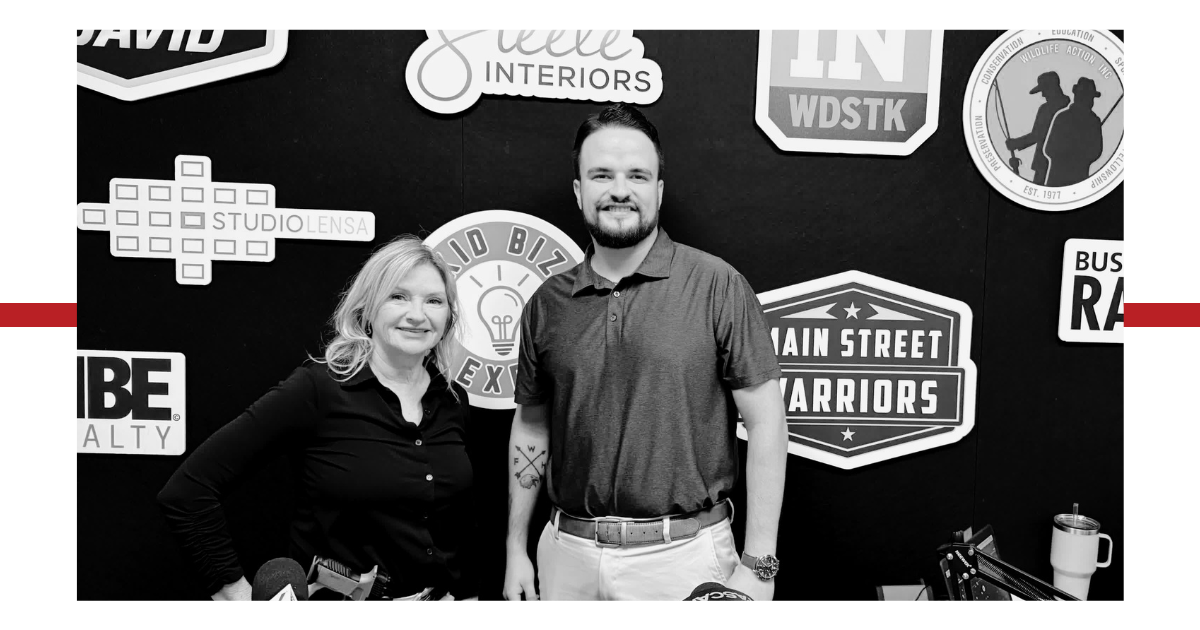
In this episode of Cherokee Business Radio, host Joshua Kornitsky interviews Todd Lessom Founder of Diakonos Management Solutions and The Data Miners Team, about using data-driven strategies to solve business challenges and improve marketing and customer retention. Later, author and coach Maggie Michaels DeCan joins to discuss her book “Humbled on Purpose,” sharing insights on authentic, vulnerability-based leadership and her transition from corporate executive to nonprofit leader. The episode offers practical advice on leveraging data, building strong customer relationships, and embracing authenticity for personal and professional growth.

Diakonos-Management-Solutions-logo

Todd-Lessem-bwTodd Lessem is the owner and president of Diakonos Management Solutions and The Data Miners Team, LLC.

In a prior life, he was a marketing executive during his 20 year career at Comcast. He loves numbers. He loves to coach. He loves to see the improvement. He loves growth. That is why Todd launched Diakonos Management Solutions.

On a personal level, Todd coaches recreational soccer (over 10 seasons now). He loves watching the beginning to end of season growth he sees both individually and as a team. And while opportunities exist to coach more competitively, he’s passionate about “igniting” a love of the game of soccer and teaching kids how to play the game “the right way”.

Todd brings the Fortune 50 experience to the local business owner that is ready and willing to grow. His team submerges themselves into your business, walk along side both you and your teams, and build actionable strategies. Each Diakonos solutions is personalized to your unique business needs. And each is built leveraging the Fortune 50 secrets that made Todd, his team, and Comcast successful.

When Todd isn’t not helping business owners make smarter, faster business decisions with data and equipping them to grow, he’s a husband to his beautiful wife, and a father to his three children. And when he has a few spare minutes, you will find “Coach Todd” chasing trout in a river fly-fishing.

Connect with Todd on LinkedIn.

Maggie-Michaels-DeCan-bwMaggie Michaels DeCan is the author of Humbled on Purpose, an Amazon bestselling, and Good Business award-winning book, about her journey through childhood trauma to corporate America and then nonprofit leadership. She explores how dealing with the implications of her scars from childhood ultimately led her to become a more authentic leader.

Maggie is also a certified executive coach, speaker, consultant and loves pouring into the next generation through volunteer work with her national fraternity; Chi Omega, and alma mater, the University of Michigan. She serves on the board of the Community Foundation of NE Georgia and is active in her church, St. David’s Episcopal. Humbled-on-Purpose

Maggie recently left Roswell’s nonprofit Children’s Development Academy (CDA) where she served as CEO for nearly 8 years. Prior to the CDA, she served as President, COO and CHRO at HoneyBaked Ham for 14 years. She also served in human resources and operations for well-known retailers Circuit City, Belk and Macy’s.

She has been married for 38 years to her high school sweetheart, Bob who was a long-time tennis coach and econ teacher at Etowah High School. They have two grown sons, Brady and Riley (married to Emily) and two dogs.

When not in their Woodstock home, they enjoy time in the Georgia mountains on Lake Nottely.

Connect with Maggie on LinkedIn and Facebook.

Transcript-iconThis transcript is machine transcribed by Sonix.


TRANSCRIPT

Intro: Broadcasting live from the Business RadioX studios in Woodstock, Georgia. It’s time for Cherokee Business Radio. Now, here’s your host.

Joshua Kornitsky: Welcome back to Cherokee Business Radio. This is Joshua Kornitsky professional EOS implementer and your host this morning with my guest in the studio, Todd Lessem, the owner of Diakonos Management Solutions and the Data Miners. Good morning. Todd. How are you?

Todd Lessem: I’m doing great. How are you doing, Joshua?

Joshua Kornitsky: Doing fantastic. So happy to have you in. Uh, I appreciate you taking the time to come in and talk with us. So what can you tell me about what the Data Miners is?

Todd Lessem: Ah, the Data Miners. Well, I think the easiest way to to put it into words is I really help larger companies solve business problems. Um, but through it all, I use a data driven approach. I’m a numbers junkie, but, uh, when I say that it’s trying to make sense of the numbers, trying to draw insights out of the numbers, and make them digestible for business leaders so that they can take action and make smarter, faster business decisions.

Joshua Kornitsky: Okay, so what type of businesses do you work with?

Todd Lessem: Wow. Uh, quite a few. I mean, my background is really with either subscription based businesses and the broadband telecom space. Uh, I’ve worked with other SaaS companies, software as a service. Uh, but I’m actually working for a local government, uh, agency right now, and that’s a lot of fun. And I’m while data is at the core of it, I’m doing a lot of process improvement.

Joshua Kornitsky: Okay. So process improvement. What type of stuff are you doing?

Todd Lessem: You know, honestly, uh, Joshua, it just boils down to some of the basics, um, open and honest communication, making sure that people, the right people, are in the room, communicating with one another and making sure that, um, there’s the right structures in place, uh, whether it’s meetings, whether it’s having technology, like a project management tool, just making sure people are using technology and communication in smart, effective ways and not living and dying via email all day long where things get lost very, very quickly.

Joshua Kornitsky: Okay. So when you talk about the types of data that you work with and the types of organizations that you work with, you said you’re working with a government organization now, what do you do? What type of insight are you helping them gain?

Todd Lessem: Yeah, no, that’s a great question. You know, I think there’s a real fear of data in the business world. And that’s not only in the larger businesses, but also for the local businesses as well. So what I really try to do is to teach business fluency and taking the fear away from data. Trying to make it easy to understand and digestible, um, trying to help people understand the power of data. And this is not to talk about very complex, uh, analytics. This is like this number ties to this driver in your growth of your business, or this can help you save money or make more money. And and really trying to help business leaders understand the value of data, not to be afraid of it and and try to use it in smart, equitable ways.

Joshua Kornitsky: So it’s interesting you had shared with me previously that you had been, uh, an executive retention pioneer at Comcast for 20 odd years. Yep. Right. So that’s a really, really long time to spend in a space. How did you get from there to here?

Todd Lessem: Yeah. So being a pioneer, um, I was a startup guy. So over and over again, I had to prove my value and my team’s value to executives all day long. So every month, and because I was in the startup space, bridging out and embarking on new endeavors, new products, new strategies, um, the best way to justify your existence and your team’s existence is having data and being able to storytell what is happening within the business and the relationship between data and the qualitative activities, the behaviors that occur. And with that, I didn’t have full blown analytics teams. So I had to I had to be scrappy. I had to build it from the ground up.

Joshua Kornitsky: Homegrown.

Todd Lessem: Homegrown. Absolutely. So I was, you know, so because I was at the forefront so often, um, I won, I learned I have a love of numbers. They just jump off the page for me. Uh, and I have a God given gift where I can synthesize really complex concepts and strategies using data in very simple manners so that anyone from an executive to a frontline employee could understand it and execute against it and make decisions.

Joshua Kornitsky: So you speak simple, and I mean that in a complimentary sense. Not not in a, in a negative regard.

Todd Lessem: I do, but I think my wife would disagree with that. But I try I try on during my day job.

Joshua Kornitsky: So I’ll just simply say we all hear things through our own ears. They may not align with what our mouths think they’re saying, but I. But I would never speak ill of any other. Okay. So. But there’s another part to your life. And and that part is, is the marketing side. And, and, you know, it’s easy for everybody to say, oh, yeah, of course it’s data. Data leads to marketing. But I really don’t think that in in it’s obvious from what you’ve shared with us. It’s not obvious. And there’s a lot of people that understand they need data. They don’t understand why they need data. You help them, you bridge that gap and you help, um, act as a Rosetta Stone, as a translator from the complex to the simple for them. But how do you then help them take that into action?

Todd Lessem: Yeah. So during my 20 years at Comcast, I had very robust experience. So for much of my career I was focused on the startup side of the house. But then as we grew and the company became a behemoth, now it’s a fortune 30 company. I became the Fixit guy. So I started getting taking those startup principles and those data driven principles and and moving into unhealthy teams. And one of my last ventures was actually within a marketing communications team here in Atlanta. It’s what actually what brought me to Atlanta. So I was able to come in. And basically, if you saw anything that was on TV, radio, print, billboards, digital direct mail, it came across my desk. That was my team here in Atlanta, all the way from Miami up to Detroit. Wow. So how does it tie to marketing? Well, Specifically, um, as we think about this, uh, the creative teams, the teams that are creating all the content that are creating the advertisements, they were struggling to connect their value that they provided back to the business.

Joshua Kornitsky: Okay.

Todd Lessem: So in addition to building a team from the ground up, rebuilding a team from the ground up, putting in all the processes, the structures, all the boring stuff to make a team work.

Joshua Kornitsky: Um, some of us don’t find at that point.

Todd Lessem: I know, but for most people.

Joshua Kornitsky: Sure. You know, the infrastructure side is, is the less, uh, flashy side. How about that?

Todd Lessem: But it works, as you and I both know. Um, but I was able to bring in a data driven discipline to actually tie in. You know, these are the activities. This is the call volume. These are this is the website visits. These are all the visits that were occurring because of the team and the work that was happening, all the fancy stuff. Sure. Um, and it’s really connecting the dots. I was able to connect the dots and actually we helped improve employee churn because people started, they were able to connect what they were doing on a day by day basis to to actual tangible results. And they and it also increased their business fluency and they got excited about it. So tying it back to how does it tie back to marketing? It’s just, you know, I work with large companies, but I also work with some some smaller mom and pop shops here locally. It’s trying to help them understand don’t just throw money out the window at marketing tactics. Build a strategy, make it data driven, but also track your results and.

Joshua Kornitsky: Track your results. You say.

Todd Lessem: Yes, a novel concept.

Joshua Kornitsky: We just throw pennies in the wind. Yes. Um, so I’m curious because you you made this comment about the impact, right, of of drawing the connection. So what are some of the biggest mistakes that you see on the local level? Let’s let’s step away from the comcasts of the world. Because while I’m sure the board of directors is sitting around listening right now, I hope not. We we also touch a lot of local businesses and let’s help them. So what are some of the mistakes that you see there?

Todd Lessem: Yeah, absolutely. Um, one is and I’m a I’m a local business owner as well. So when I’m speaking about what I’m seeing, I’m also kind of giving myself some therapy and a big slice of humble pie actually, in the process. Um, so we act based off of emotion too often. And we are constantly, as a local business owner, looking to drive growth as quickly as possible without making sure we have that infrastructure in place to make sure we can handle that growth. Um, but the biggest mistakes I see are really trying. It’s really the local business owners that don’t understand marketing, but they, they, they, they believe marketing is just tactics. But it’s so much.

Joshua Kornitsky: More strategy, all tactic, all execution. No planning.

Todd Lessem: Exactly. Exactly. And, um. And, hey, I’m guilty of this, too. But it’s amazing of just what a little bit of strategy will do for your business. Um, from a local perspective.

Joshua Kornitsky: So you and I had talked previously and you had mentioned things about, uh, some, some basic non-negotiables. Yeah. Uh, what are some of those things that a business just needs to have on their radar?

Todd Lessem: Yeah, absolutely. These are the three non-negotiables that every local business owner should have. Just hands down. Number one, a website. Um, why? Because if I’m scrolling through and I’m searching for a business, if I have a problem and I’m going to Google and we’ll get to Google in a second. When I look at the different options that are up on Google, if there’s not a website where I can click through and learn more, I bypass them.

Joshua Kornitsky: Immediately. And is that normal? Asking from a marketing lens, is that typical consumer behavior?

Todd Lessem: It is. It is. And it’s it’s just it’s been established to this point, and it’s a credibility proof point at the end of the day. Um, now, that doesn’t mean you need to go out and spend $12,000 on a new website. There’s a lot of DIY options out there, but it has to be informational about you, your business, and also the products and services you offer. That’s number one. Number two is having an SEO strategy. So what is an SEO strategy? Search engine optimization to simplify it. Do you show up on Google? Yes or no. As simple as possible.

Joshua Kornitsky: So Google’s not just going to list me because I’m in business and I’m selling widgets.

Todd Lessem: Nope. They’re not. And in fact they want to make more money off of you, and they’re going to make it more challenging for you to be found on Google so that they can profit off of you. Because remember, they’re in the data business and they’re also one of the leading advertisers. They they’re they’re battling Washington right now on that front. I won’t go down that pathway. Sure, sure. Um, so number one, have a website. Number two, be found, be findable. Found on Google, found on Bing. I know Bing or Edge whatever it’s changing into. Be searchable.

Joshua Kornitsky: Microsoft’s thing.

Todd Lessem: Yeah. There. Yeah. Microsoft uh and then finally, you know, have a social media presence and I’m going to be the first one to say I hate social media. However, as a business leader, as a marketer, I would challenge every listener to think about social media as the television of the 70s, 80s and 90s. But think about it differently. Think about this. You have an opportunity to have free commercials.

Joshua Kornitsky: Right.

Todd Lessem: On over-the-air TV. It now just translate it to a smartphone device, on Facebook, on Instagram, on LinkedIn, whatever your your wherever your target audience is, that is the that’s the magic sauce out there. And trust me, the amount of time people waste on social media is is mind boggling. It increases more and more and more. If you’re not in the social media space, you’re missing out. You’re missing out on opportunity.

Joshua Kornitsky: Well, so. So would you say they’re leaving money on the table?

Todd Lessem: Absolutely.

Joshua Kornitsky: Okay, so so this leads to the the most obvious question, right. How can you help them?

Todd Lessem: Yeah, absolutely. So these are all the areas where those are the non-negotiables. Um, I’m actually the retention guy. So I really help business leaders think through and understand and execute tactics to nurture and drive growth from their existing customers. So one of the biggest things I see is as a new as a as a local business owner, they’re always chasing new customers. They’re chasing after the shiny object and they’re constantly chasing new, new, new. However, and I’m a part of several networking groups, we’ve shared this in the past. Fast. I’m in a room full of about business leaders that I’m in business for five, ten, 15 years. And I asked them, so what focus do you put on your your existing clients, your former clients? How do you increase purchases from them? And I get a blank stare.

Joshua Kornitsky: No strategy at all.

Todd Lessem: No strategy, no execution, no tactics. And that’s kind of my wheelhouse. I was a pioneer at Comcast. This is what I built. Um, so where I really try to come in and I try to help business leaders, local business leaders, think differently about their marketing approach. I help them build the strategy of, uh, an ecosystem of sorts of existing customer tactics, typically in social media. So I do actually do social media tactics and email communications, but I also tie into, in addition to that, the sales, the sales conversations. I work with their teams to make sure that they are actually talking about products and services. The other biggest mistake I see local business owners make. They spend a bunch of money on marketing and then they don’t answer the phone. They don’t respond to emails. They’re leaving money on the table.

Joshua Kornitsky: One of the things that I work with some of my clients on is simply understanding the the value of the consistency of language. Right. That everybody’s got to call a widget a widget. Everybody’s got to call a lead a lead, or it’s got to be a prospect, but use that same language across the board. And it sounds like you’re echoing that right here. Yeah, that that having everybody singing from the same songbook, so to say, makes a big difference.

Todd Lessem: Absolutely, absolutely.

Joshua Kornitsky: Would you would you share with us something from from your past, maybe a piece of advice or something you’ve received that, uh, that might help people better understand?

Todd Lessem: Yeah. Um, it’s the kiss method. Keep it simple, stupid. I think, uh, and I just wrote about this today. I think sometimes Business leaders, business owners. They go chasing the shiny object and they make they make business. They make growth hard when it doesn’t need to be. And sometimes it’s just the simple interactions, uh, smiling when you’re speaking to a customer over the phone, greeting someone who walks into your office and just acknowledging them. Um, that can be a game changer for a lot of people. And this is not some sophisticated marketing strategy that I’ve developed in the past. These are the blocking and tackling that you can do day in and day out that can help move the needle. And, you know, I think we’ve talked about momentum, right. But, um, you know, it’s just these, you know, everyone, every business leader I’ve talked to you. What’s the silver bullet? Todd. There’s no silver bullet. It’s a culmination of lots of little things, behaviors, tactics that then get momentum. And the next thing you know, It’s a waterfall of growth. Um, but you got to keep you got to keep it simple, stupid, and continue to do the little things well.

Joshua Kornitsky: You mean there’s no shortcut?

Todd Lessem: No. I wish so.

Joshua Kornitsky: Because I keep seeing these ads online.

Todd Lessem: Well, absolutely. You know, and I, you know, we’re in the room here and we’re all above, I would say 40. I’ll make that assessment here. Um, you know, and I and look, there’s scrolling behavior on all the social media platforms and taking business advice from someone who’s maybe 19, 20, 21, um, maybe is not the smartest move for you. Just saying.

Joshua Kornitsky: Maybe there, there there are phenoms out there, but tried and true and consistent tends to bear fruit over and over again.

Todd Lessem: Yeah. And and trust me, I, uh, I know that, but if you’re thinking about long term growth, business continuity, slow and steady wins the race.

Joshua Kornitsky: That’s the rabbit and the hare. The. The hare and the tortoise. Sorry. The rabbit and the hare is a boring race to watch. Um. Well. Thank you. Todd Lessem, owner of Diakonos Management Solutions and the data Miners. What’s the best way, Todd, for people to get in touch with you?

Todd Lessem: Yeah. Um, just shoot me an email. Uh, and I can share it with you. Over.

Joshua Kornitsky: We’ll have all of your info posted on our website so people know how to get to you. Yeah. Uh, your socials will be on there. Everything. Every way that anyone can get to you. But, um, if you have the time, we sure would appreciate it if you’d stay with us during the conversation with our second guest. So joining us in the studio now is Maggie Michaels DeCan, author, coach and consultant of the Amazon number one, uh, release for women in Business. Uh, Humble on Purpose. Maggie, thank you so much for being here with us. I appreciate you taking the time.

Maggie Michaels DeCan: Thanks, Josh. I’m excited to be here today. Nice to meet you, Todd.

Todd Lessem: Nice to meet you. Nice to meet you as well.

Joshua Kornitsky: So I really appreciate you making the drive down. And, um, you know, there’s so much to talk about. I’ve started your book. I brought my copy with me.

Maggie Michaels DeCan: Awesome. I have a copy for both of you.

Joshua Kornitsky: Thank you. Thank you very much, I very much.

Maggie Michaels DeCan: I’ll sign it for them before I.

Joshua Kornitsky: Thank you. So, what made you want to write a book? Tell us. Well, let me back up.

Maggie Michaels DeCan: Okay.

Joshua Kornitsky: Who are you?

Maggie Michaels DeCan: Well, I’m Maggie DeCan. I put my maiden name in there. Just kind of out of deference for who I was growing up, but I was, so I, uh, graduated from the University of Michigan, started in retail, and, uh, rose up through kind of a hard work ethic and some, maybe some negative things that I talk about in the book as well. And was, uh, in 2016, I was the president and chief operating officer at the Honeybaked Ham Company. And um was playing on five tennis teams one summer and pretty close to retiring. Thought I had reached the pinnacle of what I wanted to do, and I wanted. I went to the Canyon Ranch. Um. Oh, no, that’s not right. Let me step back. And then I decided I needed to do something with a little more purpose in my life. So I. I got quit from honeybaked, which is a euphemism. My friend Joanne. Harold, uh, says makes it sound better than being fired. But anyway, I got quit, and I knew that I wanted to do something more purpose filled. And so I actually had to work really hard to find a nonprofit that, um, found my skills transferable, ironically. So I went to be the CEO and executive director of the Children’s Development Academy, and I was planning on doing that for a few years. A few years became eight. Okay. And then I was planning on I was on my five tennis teams one summer, ready to retire, taking a walk in the desert with Joanne Harold, who is like my biggest influencer mentor, and she was had just written a book, was, um, coaching people and doing really fun things that sounded better than working on her back end. And I asked her about it and she said, oh, I’ll just connect you with Andrew Vogel at Ripple’s media. And, um, it’s really not that hard. And I was like, oh, good, okay, easy.

Joshua Kornitsky: And it’s the shortcut to success.

Maggie Michaels DeCan: So I met with Ripple’s media and talked about my book, which was going to just be kind of a leadership memoir about going from the C-suite in corporate America to a nonprofit world. And then I wrote chapter two, which was about losing my mother to suicide early and my father to a heart attack on at 17 on Christmas Eve. And so the book also became about overcoming trauma and perfectionism and lots of things that I at one point I kind of suffered imposter syndrome, and I was like, nobody needs to hear this. Andrew, let’s take out chapter two.

Joshua Kornitsky: A lot of people need to hear that.

Maggie Michaels DeCan: Well, now you sound like Andrew. So he made me really think about it, and we kept it in the book. And I’m glad I did, because a lot of people have said, you know what, if you can overcome all of that and do what you’ve done, I can tell my kids that they can overcome, you know, mean girls, that’s middle school, etc.. So anyway.

Joshua Kornitsky: Sure. And to, to just put it out there, you know, Maggie, one of the things that I think people who are, as Todd was mentioning earlier, joking about 19, 20 year old people that are trying to direct marketing campaigns for multi-millions of dollars, right? It. I have two daughters, 17 and 22. Um, I believe they are brilliant and insightful, but like everyone else, they can fall victim to seeing the curated versions of people’s lives, thinking that every moment is champagne and race cars and airplanes. Maybe not race cars, but you know that one’s for sure. And and in reality, it’s it’s just not that way. So thank you for being vulnerable. And it gives me the opportunity to ask you about a term that I know from your book, which is this scar based leadership, because leadership is something Todd and I both share a great passion for. Obviously, you’ve lived to a much greater extent than the theoretical universe that either of you have been through, or even the practical universe taught or I have been through. But tell us about scar based leadership.

Maggie Michaels DeCan: Sure. So losing my mom, discovering how my mom died at 13, which was not the ideal time to learn about it by reading her obituary. In my basement and then losing my dad, I really became kind of a control the universe perfectionist, and I was going to do everything I could to make sure that nothing bad ever happened to me again by controlling everything. So when I went through the Macy’s executive training program and read the book on management, I decided to just follow it, which made me a very.

Joshua Kornitsky: By the book.

Maggie Michaels DeCan: Non-empathetic by the book manager. So when people called and I write about this in the book with great, um, cringe factor, you know, people would call and say, you know, my child is sick. And I would say, you need to have better backup child care with a straight face, like, seriously? And you know, my my truck isn’t working. Well, you don’t have better backup childcare. Backup transportation. This is before Uber even, like, come on, I and my worst one was I was in Charlotte working for Belk, and, um, the hurricane was headed towards, uh, the Charleston. And we’re in Charlotte, you know, and I’m from the Midwest. And so the people start calling out, and I’m the executive on duty. And so I was like, I’ll just go run the switchboard. And the cosmetics associates are known to be the worst divas in the store. And so they start calling out, and I was like, ladies, we’re four hours from the shore. I’ll see you in the morning. Right? And they’re like, But Maggie and I was like, I’ll see you in the morning. And so at 4 a.m. when I’m in my townhome, shaking in the bathtub, praying I don’t get sucked out through the roof, I’m pretty sure that four hours from the shore is going to be on my tombstone. Sure. And the next morning, seriously, the National Guard is out there with, um, machine guns. It looks like it snowed. Greenery. I didn’t have power for a week. Like, um. Yeah, it was, uh, I and I really didn’t learn until I had my own child how to be a more empathetic leader. But when I was, um, I went into HR in my mid 20s, and I stayed there until my boss at Honeybaked. Uh, Chuck Bengochea said, I really need you to take over the stores. You’re a natural retailer. And so I did that. But. But the stores really thought that kind of friendly, nurturing Maggie was going to run the stores. And I started ranking people and having store visits and leave behinds.

Joshua Kornitsky: Accountability.

Maggie Michaels DeCan: Yes. And and that caused some disconnect. So we had a meeting at Oconee, and I got up on stage and I told them who I was and why they already knew I was a perfectionist. I didn’t need to share that, but I told them why I was a perfectionist. I told them about my mom, and I told them about my dad, and I told them I was going to work harder, to be more empathetic, but that I cared about them too much to walk by mediocrity. And, um, and it really broke down walls. Josh, it, um, my ability to be vulnerable. I mean, when I told them that I found my mother’s obituary and it said that it was written in 1963. So the journalistic standards of the time didn’t say she died in her, you know, of natural causes or it didn’t leave it blank. It said she was found hanging from a gas pipe. And so, like, there was a gasp in the audience and people were like, you know, they they got me for the first time. So I call that scar based leadership. And rather than, Then, you know, leading by trying to tell people how perfect you are and trying to be this version of the perfect Jack Welch CEO. I try and let people know I’m screwed up as quickly as I can in any conversation, because it lets people be themselves also, and you can get to the heart of the matter. And I think women especially need to just open up and be themselves and be authentic and let themselves, you know, if they’re nurturing, be nurturing. Stop trying to wear the man’s suit. Sure. And just so scar based leadership is a big principle that I believe in. It’s about authenticity and vulnerability, and I try to talk about it a good deal.

Joshua Kornitsky: Well, so that opens the door for me to ask you, because it certainly sounds like you’ve gone, uh, on a journey from, let’s say, buy the book to to authentic. Right? You are now your true self. Uh, and I should tell you, though, I’m not a woman, it does resonate with me because I, uh, I too, followed the by the book methodology and the very different path. I was raised in the car business and in the car business. Uh, there was black, there was white, and there was no place in between. And I don’t regret my time there. But I will tell you that it made me unnecessarily harsh for the early part of my career. And and, um, while it’s nice to have thick skin, it turns out that that it’s true about honey and vinegar, right? That you get a lot further being kind than you can be in a jerk.

Maggie Michaels DeCan: And at the end of the day, well, that’s what’s important.

Joshua Kornitsky: Well, and so that that leads me to the question. Right. So we’ve talked about author. We didn’t talk about coach and consultant.

Maggie Michaels DeCan: Right.

Joshua Kornitsky: So how do you take that that scar based leadership forward and help others.

Maggie Michaels DeCan: So that is really what’s bringing me a lot of joy right now. I’m really launching coach Maggie Dixon, not doctor, but, um. So I have. It’s funny. God put some, um, clients in my lap while I was still getting my certification. Almost like to show me this is what I really want you to do now. So. And then I got some paid clients while I was still finishing my certification. And I am also doing a lot of volunteer work that is bringing me great joy. Um, but all of it is about coaching people and leading people and listening to people like learning to listen came kind of late in my career. Um, if anybody that is working for me ever listens to this, they will laugh along with me. But, um, when I talk to people who were coaches, they said, you know, Maggie, you’ve been a you’ve been a CEO, you’ve been a CEO. You don’t need to get coaching certification. I was like, really? Boy, I would have been a bad coach. I would have been a good mentor, but a bad coach. Because coaching is all about listening and the neuroscience of getting people to have it be their idea. So I’m excited to say I love working with young emerging leaders. I’m I’m pretty qualified to work with the C-suite, too. And I like that. But it’s really fun to work with the new generation, because to your point earlier, they really think they know everything from TikTok. But there’s a lot they could still learn, and they really are excited when they’re like, oh, that’s how that works. So it’s, uh, and it’s also good to be able to say, okay, I’m going to take out of my step out of my coaching box and be a mentor to you now. And I’m going to tell you how this worked in my life. So I’m excited to do more coaching. And, um, I’ve had some consulting gigs that are really fun. I’m proud to say the first two they tried to hire me, which.

Joshua Kornitsky: Was.

Maggie Michaels DeCan: Awesome. And, uh, it’s it’s probably, though, because I forget I’m a consultant. And I was like, we have to do this. Oh, wait, you should consider maybe, perhaps trying this strategy. So I’m probably not the world’s best consultant, but I love it.

Joshua Kornitsky: Well, it’s funny, I I’m going to butcher it because I don’t remember the quote exactly, but something like a smart person learns from their mistakes. A wise person learns from other’s mistakes. Right? So, but you have to get to a certain point where you’re willing to be able to learn from someone else’s mistake. Uh, it is it is a common theme that seems to repeat throughout all of our lives that we know better, but we do it anyway. Yes, stick your finger in the light socket type of thing.

Speaker5: That’s so true, Josh.

Joshua Kornitsky: But we do eventually learn. Yes, we do eventually learn.

Speaker5: Oh, if.

Maggie Michaels DeCan: Only I could learn in my 30s, like I learned now.

Joshua Kornitsky: Well, I just always wanted the time machine to go back. But even. But I say that knowing full well that younger me wouldn’t listen to a thing. For all I know, I already did it, and and I just ignored all the guidance.

Speaker5: Anyway, if I could go.

Maggie Michaels DeCan: Back knowing what I know now.

Joshua Kornitsky: That’d be. That’d be a whole different thing. So tell us just a little bit about Humboldt on purpose. Your your number one release for women in business. Uh, indie reader approved and good business award winner. Number one. Uh, in number one in vacation.

Speaker5: Yes.

Maggie Michaels DeCan: I’m really proud of it. It took me about ten months to go from idea to getting it to market. And, um, I have 37, five star reviews on Amazon. I need 13 more to hit this magic algorithm. So, uh, if anybody out there is listening and that they’ve read it, please go on Amazon and review it. I’ll even take a four star just to get another one out there. But, um, it it’s really a work of. Of love to go out there. My family really appreciates having it. Kind of put out there that this is mom’s story. It’s it’s really a leadership memoir. And it’s got a lot of life lessons in it. And people will tell me, oh my gosh, I’ve already laughed and cried three times, and I’m on chapter three on the airplane. Or, um, they’re they’ll tell me this was my favorite part and it will be something I forgot I put in it. Right. And so there’s there’s literally something for everybody in there. Um, big lessons, little lessons, you know, don’t do this, do do this, or I learned a lot like my two favorite bosses, Mark Arensmeyer and Chuck Bengochea. When Mark Arensmeyer told me that just because something is true, Maggie doesn’t mean you have to say it. It was like a light bulb went off.

Joshua Kornitsky: Sorry. That’s very funny. Thank you.

Maggie Michaels DeCan: Um, honest to God, I was like.

Speaker6: But it’s true.

Maggie Michaels DeCan: And I was like, oh, well, Chuck told me. Obviously it didn’t quite sink in because Chuck used to say that could have remained a private thought. And I was like, oh my gosh. So I’m trying. At the ripe old age of 62 to now really embrace that. And I do filter things, but, you know, uh, honest to God, when he said that it was really, really a novel idea to me that if something was true, it shouldn’t be said.

Joshua Kornitsky: It doesn’t have to be said.

Maggie Michaels DeCan: It doesn’t have to be said.

Joshua Kornitsky: I’m going to have this painted like an Instagram sign to hang in my house is what I think I’m gonna do.

Maggie Michaels DeCan: Honest to God, it was such a new idea to me. So anyway, and people coming from the Midwest, I could have had a t shirt that said abrupt because I needed to add words to all my sentences. I spent so much time not bless your heart because that’s just, you know, that’s too that’s too southern. But if you might, would you please consider perhaps because abrupt was my middle name and now I go back to Michigan. I’ve been here since 86, and I do find people just a tiny bit short in their senses. But anyway.

Joshua Kornitsky: That’s very funny. So you said there was something else that your other boss had said.

Speaker6: Oh, that was Chuck.

Maggie Michaels DeCan: And that could have remained a private thought. Same theme. Okay.

Joshua Kornitsky: Well, it certainly sounds, uh, as I said, I started the book and I’m getting on a plane later today, so I brought it with me. Uh, and I’ll be reading it in flight. Um. It’s such a joy to have you share this with me. Thank you. With all of us. Um. May you. What’s the best way for people to reach you? And again, we will have everything on our website.

Maggie Michaels DeCan: Maggie. Com is my website, and I would love to talk to people about coaching, speaking at your rotary meeting, meaning doing your book club. Really, I just am in that time of my life when I’m looking to pour into others. So there’s really just nothing I wouldn’t love to talk to somebody about.

Joshua Kornitsky: That’s just fantastic. Well, I want to thank both my guests. Thank you again. Uh, Todd Lessem from the owner of Diakonos Management Solutions in the data miner. Sorry, I had to find my piece of paper because I always want to say the names. Right? And if anyone’s heard my other shows, I screw up names all the time, so I’m trying very hard not to. And then I got lost. And Maggie Michaels, deacon, author, coach, consultant, thank you both for being here. This has been, uh, Cherokee Business Radio. I am your host, professional EOS implementer Joshua Kornitsky. Thank you. We look forward to you joining us again next time.


Wendy Nguyen with NCTP CPAS

June 4, 2025 by angishields

HBR-NCTP-CPAS-Feature
Houston Business Radio
Wendy Nguyen with NCTP CPAS
Loading
00:00 /
RSS Feed
Share
Link
Embed

Download file

WNClogo-WendyNguyenCPA

Hawaii Fluid Art Branding PhotosWendy Nguyen is a powerhouse CPA, business coach, and creative entrepreneur who helps individuals transform their passions into profitable, purpose-driven ventures. As the founder of NCTP CPAs, Hawaii Fluid Art Houston Heights, and the American Business Academy, Wendy blends financial expertise with a heart-centered coaching style rooted in her signature 3P Formula: Passion, Profit, Purpose. Her mission: inspire over a million people to get paid doing what they love.

A Houston-based leader recognized as 2023 Women Who Mean Business by the Houston Business Journal and 2024 CPA of the Year, Wendy integrates art therapy, wellness, and entrepreneurial strategy to help clients overcome limiting beliefs and unlock their full potential. She is the author of How to Get Paid Doing What You Love and an investor in wellness brands like JuiceWell and Leven Bakery.

In her conversation with Trisha Stetzel, Wendy shared her journey from international student to multi-business owner, explaining her passion for helping others align their interests with income. She outlined her three-step growth process and the importance of distinguishing between sponsors, mentors, and coaches for career success. Wendy also discussed her contribution to 6 Figure Chicks: The Houston Edition, emphasizing the role of mentorship, collaboration, and mindset in building a thriving business and fulfilling

Connect with Wendy on LinkedIn.

Transcript-iconThis transcript is machine transcribed by Sonix.


TRANSCRIPT

Intro: Broadcasting live from the Business RadioX studios in Houston, Texas. It’s time for Houston Business Radio. Now, here’s your host.

Trisha Stetzel: Hello, Houston. Trisha Stetzel here bringing you another episode of Houston Business Radio. It is my pleasure to introduce you to my next sister guest. Yes. You guys know what the sisterhood means. And we’ll be talking about that at the end of our show today. So I want to introduce you to Wendy Nguyen, who is a highly effective art therapy and business coach dedicated to transforming your passion into profitable success as a certified public accountant, author, speaker, entrepreneur, investor, and coach, Wendy combines deep expertise with a heartfelt commitment to helping others unlock their full potential. She is based here in Houston, Texas, and her journey reflects resilience, purpose and a drive to inspire over a million people to get paid for doing what they love. Wendy, welcome to the show.

Wendy Nguyen: Well, thank you very much for the opportunity to be with the Houston Business Radio Show. And thank you very much for your time.

Trisha Stetzel: Thank you. I’m so excited that you’re here. So we won’t get to get into all of your businesses because you shared with me you have ten businesses, Wendy, you are such a superstar. And, uh, I know there are so many women listening today that would love to learn more about you and all of those ten businesses. But today we’re going to focus in on coaching. And I know one of the the bigger topics is around coaching versus mentoring versus sponsorship. So before we get into that topic, Wendy, I would love to know. Let’s tell the listeners a little bit more about you. And your your business structure, or at least some of your businesses. We may not be able to tackle all ten of them today, but just tell us a little bit more about you, Wendy.

Wendy Nguyen: Yes. So about me, I came to the US in 1997 as an international student. I was 17, so yes, you can know my age. That’s no problem. I have, uh, three children and my oldest one is in college, uh, right now with a fine art degree and then one in high school and one in middle school handful. But it’s a lot of fun. So, um, and for me, it’s my trade. I started out going to college, you know, like everybody else with a degree in accounting and then end up with being an auditor for many years for, you know, baby, back in the.com day in the Silicon Valley, uh, Southern California as well. And, um, That was like 2001. So with that, I get to get into the business of over 300 different companies and understand their operation and their financials. And because of that, then I have, you know, a great, great love for anything have to do with business, not for profit. I know so many different industries from healthcare, oil and gas, manufacturing, constructions, um, and um service industry as well. And, and because of that and I’m always I talk to like 3 to 5 people a week at least at the minimum.

Wendy Nguyen: Being an auditor, I always interview people. And my, my always question was some people are really, you know, happy at their job. And some people were like, wow, you know, I like to do gardening, but then I have to really do my corporate jobs or being here. So I’m always, always asking, how do we connect the dots between love what you do and get paid for it. So that’s my biggest curiosity all the time and try to find the answer for it. And because of that, then I, you know, decide to start my own business. Uh, after being an auditor for a long time and what my, my own business is still doing accounting, which is, you know, a lot of finance and numbers related while leading to that. Then I just like, well, you know what? I can do something even better. And and because I learned so much during the years with having different many people into my life and talk to many people and I’m like, who are coaches who are like mentors? What is, you know, sponsorships. And that has been a very kind of very confusing for me. And, uh, but now I think I find the formula.

Trisha Stetzel: I love that, and I want to hear all about your thoughts around what that formula looks like. And I also want to share a couple of things that you might not share about yourself. Self. Uh, to the listeners, you guys. Wendy was recognized in 2023 by Women Who Mean business in the Houston, the Houston Business Journal, and in 2024 was CPA of the year. So Wendy knows what she’s talking about. And I’m so excited to have you on today. Let’s talk then about how do we decipher between a coach and a mentor and a sponsor, and sometimes even how do we navigate using one or all of those people who might be assigned to us when we’re in the corporate space? Or we might hire one or engage with one as an entrepreneur?

Wendy Nguyen: Yes. Yeah. And, uh, so also my latest award for 2025, I’ve been recognized as the Inspirational Women Entrepreneur Women, uh, by the 14 World Leaders Forum. I will receive my award in the UK at the end of August.

Trisha Stetzel: Oh, Wendy. Congratulations. That’s beautiful. I love that. Thank you for sharing.

Wendy Nguyen: Yeah, because I’m not only doing business here in the US or Houston, Texas, I’m also expanding and exploring many opportunities in Southeast Asia and UK and Australia as well. So. Um, yeah, it has been a very, uh, like an epiphany moment for me to, uh, one of the things that people know about me is would be like, I like to take something very, very complicated and make it very simple. Um, so I, you know, because I like math, I like numbers, but at the same time, I have this kind of like creativity side on the art side. And sometimes it’s very chaotic when it comes to art. So how do I, you know, connect the art side with the math side. And because of that, then I come up with what I call a three step process to a fulfilling life. And the three step process, I’m like, well, you know, first you need to remove your limiting belief. Second is setting goals. And the third is learning how to achieve goals. Okay. So looking back I’m like, oh you know what. Children as children and growing up we go to school. Most of the time the school is teaching us how to achieve the goals. It’s not so much about setting the goals.

Wendy Nguyen: Our goal is maybe more like handle to like given to us by our parents or our teachers. So really, the people, the first people in our life that are the sponsor, the coach and the mentors are our parents. And now, you know, if parents are being smart about this, then they can say, you know what? Because I’m already kind of a one that’s doing many things for you. Too many roles. But why don’t I’m going to go ahead and stay in the sponsorship space. You know that. I’m going to show you the way how to achieve the goals. So as you know, as you know, when you go to a corporation to work or just over the time people are like, oh, you know what, you should get this person mentoring you. You should get the other person mentoring you. Uh, in a corporate setting, a lot of times when you talk about mentoring, is maybe you coming in as a staff and being mentored by a manager, right. Or by a senior. And so which means mentorship to me is that oh, you know what? Because this is my career path. And five years from now I want to be manager. So now that manager can be the mentors. So that can help me setting the goals and the bus kind of stuff there because I’m like, I’m projecting that into that person in my career path.

Wendy Nguyen: But now if I say going into, um, you know, having a, uh, sometime also that maybe you you more you want your life to be more than that, you know, more than just being an, like a manager in your company. Then what else can you do? And now, just like, wait, wait, you know, I probably need, you know, for me, like, ten years, 15 years into my corporate career, then I’ve been sent to get executive coaching. And so as part of the coaching process, what I learned is that the coach is actually the one that help you to remove the limiting belief that you have help you to pointing out your superpower. And and at the same time, though, it’s like it’s depending on the coach, right? Because you may have like an executive coach. But then what if you want to have a um, a better in communications and then you may need to have a relationship coach. So it’s just like, you know, if you want to be really, really good at basketball, you’re not going to go and get a football coach.

Trisha Stetzel: Right?

Wendy Nguyen: And at the same time, those, you know, your coach doesn’t have to be the best in whatever that that the field that they are doing, you know, like that you don’t need the, the the football coach to be like a number one football player because then it’s more of the coach is actually somebody that intimately and kind of know you and hold you accountable. And that’s the same with the Olympian, right? The coach doesn’t necessarily mean that they want a lot of like gold medals. So more of the people who want the gold medals more be be more like a mentor to you instead of being like a coach to you. So and one of the failures in the past that I have is I usually when you build relationships with people and then suddenly you’re going to put the person into carrying on three rows for you without knowing it. So I have a really, really good. Um, two companies that I work for a long time. Like, well, for me, I try changing jobs pretty often so I can learn. And what I found is whenever I find a manager or a partner that I not only supporting them, help them to finish the project, then I ultimately put them into a position of being my coach, being my mentor, and being my sponsors. And that’s really limiting the growth. So, you know, looking back, I would say, you know, that manager who’s going to be sitting at the table to help me with the promotion or helping me with getting the salary, then that person is more like a sponsor, okay, because they don’t want to show me how to, um, you know, supporting me, right? I talked about me to get to the goals that I want to get to.

Wendy Nguyen: So I should have just positioned that person as a sponsors. And then I should go and looking for a different mentor who, you know, that I can be in that organization or another organization, but it’s like a really good like audit partner and say, can you mentor me how to become a partner? Right. And and then again, it’s like another mistake is like when I decide to start my own CPA practice, I talked to audit partners and, um, other CPA firm. But then what I didn’t know is that wait a minute, they are really good at auditing, but they may not be good at business. So I should have been asked and looking for a business coach. So so you know, I make so many like, little, um, setbacks, but it’s like, you know, expectations. I think it’s more like expectation that you’re looking for from the person. And, and I think that now looking back, I say, you know what? A person like, even if you when you have a young kid, you should already using this model to really have your kids to build a network because people always say that you know, the leveraging relationship. If you don’t have money but you have, it’s not about what you know but who you know, then you can also ask a lot of questions because knowledge is also currency.

Trisha Stetzel: Mhm. Mhm. Oh my gosh. I love where you’re going with this. So can we dig around a little bit at the limiting beliefs. Because I know that’s something a space that you work uh in with your clients. So how do we how do we get there. I know some of us know that there’s something in our way. We might see that critical constraint that we’ve got this roadblock that’s in the way, and we got to get around it. But oftentimes, we don’t know. We have to dig a little bit deeper to figure out why that constraint is anchored in front of us. So what kind of work do you do with your clients in that limiting belief space?

Wendy Nguyen: Yeah. So, uh, with the space of limiting Belief is, um, one of the sessions that I do a lot with my customers is that I help them to build a personal vision board. And instead of just jump right in and say, you know, dream about what is your dream life look like? I was a lot of times I would say, you know, write out things that you need to forgive and forget, okay. And, and I have four areas of our life that we need to forgive and forget for ourselves is first is all about our health. And it’s mental health, physical health, you know, our relationships, um, our wisdom and then our success. So, you know, something that you need to forgive and forget is sometimes we have this self-doubt and talk to ourselves that, you know what? I’m not looking good enough. I’m not tall enough. I’m not, you know, skinny enough. I’m not pretty enough. Um. You know, my hair is this color. My eyes. Is this. So, um, that’s just more of the, you know, on the physical side, right? So then first you need to forgive and forget yourself. And. And what is that you feel like you regret, and you’ve been kind of like, just hammering on it or like, on a mindset side, like on a on a mental wellness side. Say, you know what? I don’t think I ever learned meditation.

Wendy Nguyen: I would never get to there. Um, or, you know, I’m not I’m not tough enough. I, I’m not that strong. I’m not that resilient. So those are the things that you talk to yourself on a daily basis, not unconsciously, not knowing that. Um, and a lot of times people will say I’m not good enough. And what they forgot to think, what is good enough? Right. Or all the success side people cannot say, well, you know what I’ve been wanting to have, you know, debt free or. I always want to own a house like five years after college. And so that’s something that on the success side, we feel like we’re not getting there. And also like we self-talk that as well. Then we need to write it down. You know, to say that we first we need to forgive and forget. So just like you want to have a really nice home, what do you do? The first thing you need to decluttering okay. Yeah. And so when when my client, they would sit down, they would share with me that in each of the areas that they have this kind of things that they need to let go, forgive and forget, then that’s when I know that that’s where their limiting beliefs are coming from.

Trisha Stetzel: Hmm. I think this rolls right into your this area of how to get paid doing what you love. So how do you how do you take someone from they love gardening, but there in this other space working, they have a job, W2 job, or maybe even a different business. How do you get them from being over there to actually getting paid to do what they love? And I know it’s probably a very long journey, but where do you begin with that?

Wendy Nguyen: Yeah. So I love to talk about this because with this one I come up with the £0.03 formula. So everything with me is sitting at number three. So make it simple right. So it’s A3P formula. It’s called passion profit and purpose. So I would really sit down and dissecting the passion side. Somebody say you know what I really love gardening. Then on the passion side I would have you know there’s three things that I would break it down for people on the Passion. When you say that you’re passionate about something, which means are you already the best in whatever you do cycle is the core competencies. Okay. And then the second thing is I have is the core values. And you know somebody who loves gardening, which means that they love to, um, get out there and be in with the nature. And that is they can be to me that can be a very honest person. Right. So that’s going to be the core values that they are into it, because they want to be part of the nature, they want surrounding with the green. And they have the love for nature. And so, um, you know, knowing your core value. And then, um, the third thing is your visions, right? You know, like I said, yeah, I love gardening, but what is the vision that you want in that gardening? Like, do you sit down and say, you know what I want to every single house that look like a, you know, a beautiful garden and like, one house at a time, then this is the vision because that’s your passion and you want to go to people home and have their front yard look gorgeous.

Wendy Nguyen: Then now you have a vision, then you can get into the business. But if you just like, you know, I love gardening, but you know, as long as I can grow some plants and vegetables and flowers in the back of my garden and I’m happy about it, then. And if you don’t have the desire to do something for somebody else, then how are you going to get paid for what you love to do? I love that. So just have to be the desire. So I really dig into their passions because sometimes it’s just more like, it’s like this is a hobby and this is not something that is they felt like compelling. So to solve a problem that is in the world or, you know, in people’s daily life.

Trisha Stetzel: Yeah, absolutely. I, I love the, the way you make things so simple. When do you take the very complex and break it down? And in a lot of cases, just three parts. Right. For each of these areas and I love that. Thank you for sharing so much. Great information. Uh, if people are already, um, excited about connecting with Wendy, I’d like to send you to her website, which is Wendy Nguyen coaching.com w e d y n g u I e coaching c o a com. So Wendy Nguyen coaching and you can find all of the information that you need in order to get in touch with Wendy on her website. So, Wendy, um, why do you believe everyone needs a mentor and a coach?

Wendy Nguyen: Yes. So I because the the coach will help you to see your strengths and your weakness and hold you accountable for the goals that you want to set right. And so it’s and then in our lives we always have uh the blind spot. Mhm. And you know like I say it’s maybe something you never think about of like just by every day telling yourself you’re not good enough then actually hindering everything that you want to achieve in your life because you speak it to become the reality. So, um, that’s why it’s it’s the coach. It’s important. And because when you also when you grow up in a family, right, your parents are your first coach and, you know, some family, they can, you know, you can hear about they broken out of poverty or that the first one go to college or some family that, you know, the kids are very successful. That’s because, you know, the parents are already successful in the society so they can give their advice. So we can only go as high as our parents if we only we’re not seeking for more. Right.

Wendy Nguyen: And so the coach is also going to help you to seek for more. And one thing those, you know, selecting a coach is also very important because if let’s say, you know, going back like if a for a business, if I say I want to grow my business international, then I do want to have a coach who some way somehow know about the global perspective. Um, and uh, versus, you know, having a more, um, I’m more comfortable with working within my community then. Yeah. You know, you’re finding a coach that working within your community. Uh, so I and it’s to me, it’s really because in order for you to set any goals You really have to get out of your limiting belief. And you know, I’m sure this is something that also a very good that you will talk about gardening, somebody love gardening. And um, when I asked my mentee this question, she thought that I was tricked. I tricked her because she loved gardening. And I said, so when you love gardening, will you, uh, pulling out the weed first or you watering the seed first?

Trisha Stetzel: Hmm hmm. Okay. Very good question. Yeah, it is a very good question. That’s why she thought you were trying to trick her.

Wendy Nguyen: Yeah. So the answer is that you would want to pulling out the weed first. Because the weed. What? Representing the weed for me are the limiting belief, the self doubt.

Trisha Stetzel: Okay.

Wendy Nguyen: Then you would do the watering and then you would do the fertilizers, because what you mentioned is that, you know, we have kind of like planted a seed and then start putting fertilizers and putting the water. And now the weed is also there. So the weeds also grow together. Very true. The goal is to have and also as big as your self-doubt that you may have every day.

Trisha Stetzel: Wow. What a great question. And again, bringing it down to something so simple that’s easy to understand. Right on why you would want to pull the weeds out first, which is a limiting belief. Thank you for sharing that. That’s wonderful. Okay. Would it be all right as we get to the back end of our conversation here today to celebrate this thing we call six figure chicks, I’m really excited to be collaborating on this book with you, Wendy. I can’t wait to read your story. So it’s six figure chicks. The the first Houston edition. The book will be available on June 16th on Amazon. And each of us there are 17 of us authors have told our story in this book. So I hope all of you will go out and get your preordered copy of the book. Of course, it’s available after the 14th. That’s just our launch day. So, Wendy, why did you want to be a part of the collaboration for six Figure Chicks?

Wendy Nguyen: Yeah, that’s a great question. So I as you mentioned at the beginning, I’m already an author and also one of my book, actually a well-known, um, I was co so the first two books that I published was in 2023 and um, uh, the first was How to Get Paid Doing What You love, uh, book. And there’s also a series. So I interviewed, you know, multiple people about their, their journey. And then immediately, uh, right after that at the same time, February. March of 2023 I coauthored with my very famous global author, Marie Diamond. And so the books have been it’s called Global Conscious Entrepreneurs. And as has been publicized, you know, over like translate into 16 different languages. And, um, and because I always want to continue to have the second book from the, um, first book get paid for your passions book, uh, I want to continue to have that book and interview more people. The first one, I interviewed nine different entrepreneurs. And so beginning of this year, 2025, I’m like, you know what? I’m going to go on to my second book sequel. And I’m already start talking to different authors about it. Um, then all of a sudden, you know, mail cards, she is the one that’s helping us publishing the book, right? She started talking about six figure check book. And of course, the ambition, like I did. Like, why not seven figure? Salary, $5 million. You know, businesses. And I’m like, why not seven figures. And. And she was like, well, you know as we talk about is the six figure is by the end of the day wherever we take home. Right. And how how much money actually you need to have a comfortable life. So six figure should be enough, right. So I say yeah, that’s very interesting.

Wendy Nguyen: And so I, I was very excited to coauthoring the books with um and Mel want to, you know, collaborate with multiple women. And then in this case um, like as earlier Trisha said that I have many businesses and the only reason that I can have so many businesses is because every single business, I have business partners and I’m a big believer into collaborations. And so, you know, with this book and I get to meet many more amazing women than that is like in alignment with my kind of business core value, actually, because I don’t do business alone. Right. So if you’re kind of like a self-employed, you know, one person shop, to me that’s not a business. Yeah. A business have to be a collective of a group of people. And so like this book, collaboration with many other women and listen to their story. I’m very excited. You know, the chapter that I actually share and talk about, uh, which the other books I don’t talk about much is actually how to, um, find a business partners, you know, how to collaborate. And, and I will say I’m almost a really good person to write this book because, I mean, my chapter because I fail so many times in business partnership. At the same time, I also have a lot of wins. So I can take, you know, take the setback. And what do I learn from the setback? And I can, you know, pick out the the point right away. Then you know what can be a success. Because one thing that I find is women who are so versatile, we are so multitasker, right? If you can be a mother and take care and raise a human being, then you can totally, you know, starting and raising a business, right?

Trisha Stetzel: Yeah.

Wendy Nguyen: You can manage because you have to manage, you know, the little one who have no skill or don’t know how to write, don’t know how to read. Yes, exactly. Yeah. So I, I so because of a long time, you know, a lot of time women is because we’re so multitasker that we become loner. We don’t know how to collaborate. And I want to for this one, I want to give people the courage to collaborate. Because as much as I failed and I lost a lot of money, you know, through business partnership. I still encourage it’s worth it. Tried it. Because the only way that you can grow so big and make a bigger impact is about collaborations.

Trisha Stetzel: That’s beautiful. Wendy, thank you so much for being with me today. I suspect you’re going to have to come back on the show because we have so much more to talk about.

Wendy Nguyen: Yeah, because. Because everything we touch on.

Trisha Stetzel: Yes, exactly. Okay, if you guys are ready to connect with Wendy, then you can find all of the information that you need either in the show notes, or you can go directly to her website at Wendy w e d n g u y e a c h I n g. Wendy Nguyen coaching Wendy, it’s been such a pleasure to have you on today. Uh, looking forward to our next conversation.

Wendy Nguyen: Well, thank you very much, Tricia. And, uh, thank you for a lot of great questions. And now, because not only business coaching, but I incorporate art into business. So that’s going to remove more limiting beliefs.

Trisha Stetzel: Yeah I love that. And that’s what we need to talk about the next time you come back. Because I’m very curious about how you’re implementing this art piece into this holistic approach that you take. Thank you again, Wendy.

Wendy Nguyen: Bye bye. Tricia.

Trisha Stetzel: That’s all the time we have for today. If you found value in this conversation, please share it with a fellow entrepreneur or veteran or Houston leader ready to grow. Be sure to follow, rate and review this show. It helps us reach more bold business minds just like yours and your business. Your leadership and your legacy are built one intentional step at a time. So stay tuned, stay inspired, stay focused, and keep building the business and the life you deserve.


Tagged With: NCTP CPAS

Elisabeth Constantin With Abreo Executive Services

June 3, 2025 by Jacob Lapera

High Velocity Radio
High Velocity Radio
Elisabeth Constantin With Abreo Executive Services
Loading
00:00 /
RSS Feed
Share
Link
Embed

Download file

Based in Nashville, TN, ABREO is an outplacement and executive transition services firm born out of the Executive Education communities at Harvard, Wharton, and Stanford. We support CHROs and CLOs when it matters the most: in high-risk exit scenarios at the C-Suite, President, and Director levels.

Elisabeth Constantin, M.A., M.Ed., began her professional journey in Europe in Marketing, Communications, and B2B Commerce. After moving to the United States, she built a career in global HR Service Delivery, Total Compensation, and Expatriate Consulting. She founded ABREO after a decade of supporting Fortune executives’ career transitions across the global manufacturing, IT consulting, bio-engineering, and raw materials industries in North and Latin America, Europe, and the Middle East.

As a public speaker focused on executive and C-Level career ROI, Elisabeth Constantin has been invited by Ivy League Clubs across the U.S., the Harvard Business School National Women’s Association, and leading industry organizations, including Finance Executives International (FEI), the Association for Corporate Growth (ACG), Dell, and EuroFinance (Economist Group).

Constantin serves as a board member for the Center for Global Citizenship at Belmont University in Nashville. She was educated in Germany and furthered her studies at Harvard Business School in Cambridge, MA.

Connect with Elisabeth on LinkedIn.

What You’ll Learn In This Episode

  • What does ABREO do.
  • Why do companies offer this service. What’s in it for them.
  • What sets her business apart from other players in this field.

Transcript-iconThis transcript is machine transcribed by Sonix.


TRANSCRIPT

Intro: Broadcasting live from the Business RadioX studios in Atlanta, Georgia. It’s time for High Velocity Radio.

Lee Kantor: Lee Kantor here. Another episode of High Velocity Radio, and this is going to be a good one. Today on the show we have Elisabeth Constantin, who is with a ABREO Executive Services. Welcome.

Elisabeth Constantin: Yeah. Thank you so much for having me, Lee. It’s a pleasure to be here.

Lee Kantor: Well, I’m so excited to learn what you’re up to. Tell us about a brio. How you serving folks?

Elisabeth Constantin: Yeah. So we are an executive, outplacement and transition provider based in Nashville serving C-suites nationwide. So that’s probably a little bit obscure, if you will. But like what we do essentially is the best way to describe it is when large publicly traded companies and large private companies led top level people go. So CEOs, C level leaders and a couple layers down. We get brought in to help those transitioning executives find their next opportunity. And in the US, that demographic like C-suite vice president directors, is approximately 2.5% of the workforce. So you could say essentially that it’s job search support for the top 3%. And it’s needed because the job search at those top levels is very different than what it is for middle management or vocational demographics, and it takes a lot longer. So companies will often provide this support as part of the executive severance package when they’re letting senior leaders go.

Lee Kantor: So when a company is contacting you, that means that changes already happened or it’s on the way.

Elisabeth Constantin: Yeah, it can be either. So, you know, I don’t terminate top executives myself. Like, sometimes I’m in the room, but most of the time we get brought in in the aftermath to move the leader forward towards their market reentry. So it’s not necessarily the sexy or the glamorous work, but it’s deeply impactful and important work. And we’re not meant to be seen. We serve quietly behind the scenes, and when we do come on site, sometimes it’s very interesting, like we get brought in under a different name, get rushed past security because it’s all very hush hush at that level. And a lot of people understand that world and companies don’t want to start rumor, but it’s typically, yeah, top level shakeups. New CEO comes in, wants to clean house or an opportunity. Simply didn’t work out with the leader where it’s not a where it’s not a fit. Or it could be large scale change from like M&A or other activities. It’s very case to case.

Lee Kantor: And then so is the board the one that kind of contacts you or is it, like you said, a new leader comes in and they’re like, okay, I want my own crew in here. So we are going to transition.

Elisabeth Constantin: It really depends. So we are a business that has grown over the past four years entirely by word of mouth. So oftentimes it’s the chief human resources officer or the corporate general counsel who reaches out. Sometimes CEOs know us and pass us down. Sometimes board directors that we are connected with bring us into their organizations. It truly always depends. It’s always different.

Lee Kantor: So that movie with George Clooney up in the air, is that kind of about kind of what you do? It seems a little different, though, than what the way you described it.

Elisabeth Constantin: Yeah, it’s it’s it’s relatable. So I would say, you know, I’m a I’m definitely not as like good looking as Ryan Bingham in the movie. I would like to say we’re a little more qualified because the Bingham approach in the movie with this whole like, sorry, you’re fired. Here’s a brochure for your path towards greatness. That sort of approach doesn’t exactly cut it for top level terminations, but, um, you know, it is similar in the sense that, you know, we we catch the departing leader with empathy when they are getting let go. We then get them ready for market. We write the resumes for them, their LinkedIn profile. They get a lot of consulting from us on how to navigate the hidden job market, because it’s different at a certain level. So, you know, the the, the up in the air approach isn’t quite how it works at the top. Um, but it is it is a good reference.

Lee Kantor: But don’t, um, anybody at the C-suite level, they know that this typically isn’t a job for life, that they are on a clock. And there is kind of certain expectations. And, I mean, I would imagine that some of them kind of see the writing on the wall. They know that at some point this is going to happen.

Elisabeth Constantin: Yes. You would think so. But, uh, a lot of, you know, leaders at that level still need the support, because if you think about how people get to those levels, oftentimes it’s not by job hopping from company to company, like they get to the executive ranks through internal promotions, and they don’t necessarily know how the game is played in the market and the hidden job market, how those jobs are found sourced, how relationships need to be cultivated with a large executive search firm. So, um, there’s absolutely a need for support. And also, um, if you think about it, just from from what this means, from a change in life perspective, this is a very high stress situation for leaders at that level, even though change should be expected. And you’re absolutely right that roles at that level often have a shelf life. It still catches a lot of people by surprise, because a lot of people tend to think that it only ever happens to other people. And when when folks are in a situation where they are often pulling kids out of private school or they’re selling assets like vacation homes because liquidity is at stake, you know, that’s a that’s a tough time. And that’s when companies often provide support for different reasons. And we can dig deeper into that. But yeah.

Lee Kantor: Right. But I would imagine that your service, I mean, is, uh, comforting in a way to these people that, like you said, they just I guess got, you know, punched in the face here with a, you know, a change of life that’s about to happen and there’s nothing more for them to do. They’re not going to be able to talk their way out of it. So they need help now to get, you know, resituated in a, in somewhere else. And then at that level, I would imagine that that often means moving out of the city they’re in. I mean, so it’s very turbulent and it’s very stressful. So to have somebody like you and your team on board to help them kind of land gently somewhere else, I would think it’s much appreciated and very rewarding on your part.

Elisabeth Constantin: Yeah. Yeah, it’s definitely, you know, it’s meaningful, deep work that happens behind the scenes. I mean, the reason why companies offer this service varies. It’s circumstantial. Um, often there’s an element of risk reduction to it. So oftentimes companies provide the service because they legitimately want to do the right thing and help a good employee find their next opportunity. But oftentimes an executive exits. These situations are deeply political, highly volatile, and often very unpleasant for everyone involved. And, um, more so there’s often substantial legal risk for the company. So good outplacement support, if it’s done right, is an effective way to smooth things over and sort of reduce risk by incentivizing the employee to sign the exit paperwork. So it’s a good tool for companies to manage the not so pleasant reality of corporate life, which is that sometimes things don’t work out for a variety of reasons, and people are being asked to move on. And obviously, like you said, like to the leader who is impacted by this, if they get good support, um, it is, uh, life changing and it can reduce the runway in the market to, to find their next opportunity.

Lee Kantor: Now, um, I’m sure you’ve done or seen a lot of research when it comes to this stuff, but in the C-suite, like, what is the shelf life of a typical kind of a CEO or CFO or COO? Like, I would imagine it’s under five years. I mean, on average. Yeah.

Elisabeth Constantin: Yeah. 3 to 5. In typical corporate and private equity. Sometimes it can be a little shorter. But, you know, 3 to 5 years these days is a pretty good.

Lee Kantor: That’s a good run. Pretty good.

Elisabeth Constantin: Pretty good run. Yeah. But but you have to factor in that there is often an expiration date and there’s downside. Right. Like the executive job search uh, at that level can easily take six, nine, 12 months. So if you factor if you’re kind of forced to factor that in and then you do the math, you know, it’s, uh, you, I mean, you I think you know what I’m getting at, right? Like you have it’s it’s not as glamorous as it looks. And there’s a lot of risk. And you have to take that risk into your overall financial situation.

Lee Kantor: So, um, when they’re working with you, what does that engagement look like? Are you kind of working as a consultant in the terms of your giving them tools for them to implement? Or are you kind of like an agent where you’re kind of helping connect them to possible next opportunities?

Elisabeth Constantin: It’s a little bit of both. So, um, there are a few areas where we operate different from other companies, um, and where our service scope, you know, tends to surprise. And, um, if I can say so, like also impress HR and legal departments. The biggest one is so we get hired by the company for those kind of executive odd placement situations. And then we work with the individual in like a 1 to 3 month engagement, depending on how much service the company wants to provide. Um, where we are different is in how concierge and hands on we are with the departing leader. So as an example, we completely take the resume writing and LinkedIn writing process from the leaders plate so other companies they may provide feedback or provide like self-study tutorials, but that doesn’t really cut it at the executive level. And that’s why this space has a historically not so great reputation, high decline rates among top level executives because most people can’t write a financials based resume on a good day that meets the strict demands of the executive search space. And then they certainly can’t do it under substantial stress after losing their job.

Elisabeth Constantin: So that’s where we take the heavy lifting off of the plate to get them ready for market. And then they also get a lot of consulting from us. On how do you navigate the agency world? How and why should you negotiate your severance on the way in, in the next opportunity to protect your downside? How do you weave legal into an already pretty high stress, multi swimlane negotiation process? So that’s where departing leaders we really get them ready so that their next entry is more financially rewarding for them. They protect their downside, and they will also speak more favorably about their past employer. Because while no one will ever be happy that they lost their job, the ideal situation is that, you know, they land pretty quickly and then a few months later they’ll say, you know, I’m still not happy that my job with, you know, ABC Fun Corporation ended. But I do respect them for the fact that they gave me good support to help me find my next opportunity. And that is a lot more than a lot of companies will will get now.

Lee Kantor: Um, so when you’re working with them, you’re helping craft the resume. You’re helping, you know, polish their LinkedIn. Um, and are you actively kind of looking for opportunities for them, or is it something that you recommend like, okay, these are target companies you should think about. Like, like, um, where I’m trying to get the edges of where your work begins and ends.

Elisabeth Constantin: Yeah, exactly. So we will connect them to headhunting firms where we have connections.

Lee Kantor: So you’re not a headhunting firm.

Elisabeth Constantin: Correct? Yeah, we are purely outplacement. We don’t play in the search space. We’re not a Korn Ferry or hydrogen struggles or an ego. And Zander, we do purely market readiness prep. Um, the reason why we don’t do that, you know, legwork for them of finding opportunities for them is because 80% of positions at that level are found through executives networks, which means that, you know, the agent, um, approach in in what I’ve seen in like eight years of doing this work, um, doesn’t really work at that level. So if we do the heavy lifting and get the person ready for market, they have to walk the talk and connect, uh, reach out to their network, connect with with headhunting firms, contact target companies, and we advise them how to do that, but at the end of the day, they need to get active, and that’s also part of taking them off the job loss, shock, paralysis and then getting them to move forward and start, you know, hitting the road.

Lee Kantor: And how it sounds like it’s part therapist too, because when they’re dealing with this kind of a blow, I would imagine their first move is not to, okay, I have to go out and look for another job. A lot of times it’s just like what just happened to me. You know, I just got hit by a truck. Um, so, you know, I’m going to mourn this loss for a period of time. And I’m sure you’re trying to get them to start being proactive as quickly as possible.

Elisabeth Constantin: Yeah, very much so, because time is money, right? And, um, also, you know, yes, there’s a big empathy and, you know, confidence rebuilding component as part of the work. There’s obviously, you know, high skilled, high touch transition work that needs to be done to get the resume ready. The LinkedIn, the consulting piece. But a lot of the work we do is really to get them emotionally and mentally ready, because they will need a lot of resilience when they reenter the market. It’s I like to compare it to kind of like a football player who may not have had such a great season when they when top level executives lose their jobs. One thing that always hits them the hardest, hardest is that their market value is down. Their leverage is down. The phone isn’t necessarily ringing with opportunities, and they really have to get over that and put themselves out there. And um, oftentimes leaders say, you know, I’ve been working for 20, 25 years. I just want to take a sabbatical and do nothing for six months because I have like 12 months or 18 months of severance. And that is the least optimal thing that anyone in that position can do, because the longer you’re out of work, the worse it looks on paper. So our job is to get them ready so they can start spinning wheels and contacting their network. And if they want to do the rest of their job search from the from the Bahamas or wherever, like that’s great. But it’s important to get out there quickly and to also catch them with empathy, because it is a very substantial cut on someone’s confidence.

Lee Kantor: Now, you mentioned that 80% of the their next jobs are going to come from probably somebody they know or their network rather than the recruiter or, you know, somebody, you know, finding, you know, choosing them and saying, hey, you’re the perfect fit for this next thing. Um, any advice or tips to kind of manage your network, to let people know in an elegant manner that you’re available and like, how do you go about, um, you know, targeting the, the right people in the right places in order to let them know that you’re available now. Without sounding desperate.

Elisabeth Constantin: Yeah. The key to not sounding desperate at that level, because everyone understands that, you know, executive terminations because of the shelf life should be expected, right? Some people skate through their careers and they never let get let go. But downsides in careers, they do happen, right? And, um, because of that, one of the biggest or most important areas of advice that I can give is if you are an executive director level or higher, people cannot afford to let quality connections lapse, right? Because if something happens, you don’t want to be the person who hasn’t checked in in five years. And now you call and you say, hey, uh, I haven’t talked to you in five years, but I just got let go. Can you help me by keeping your ears open? And you’re asking for a favor, right? That’s all. No one wants to be the person who only gets called when someone needs something. So it’s really important for top level leaders to like, curate, grow, and also maintain their network to like, stay in touch with people when they are on the sunny side of life, if you will. You know, check in, um, even if there’s kind of like a transactional component to relationships, make it personal, stay in touch about the family and what matters to people. And then when you are in a position that you need help, you’re not coming from a place of neediness, but you have, you know, a trusted relationship. And that’s when people will be, um, empathetic and willing to to help and go beyond, right, open their networks, make further introductions and things like that. So I think that’s the piece that’s really important to to stay in touch with quality connections, whether that’s former bosses, CEOs, board directors in your network, like people who often hear about open positions before even the headhunting firms get involved. Like, um, relationship building at that level is everything.

Lee Kantor: And that’s a good lesson for folks that are right now seemingly secure in their, uh, in whatever they’re doing today. They should be thinking about tomorrow and kind of planting the seeds that might help them later on. Right. Like this should be in your calendar that you touch base with X number of people a week or a month, just because you might need them down the road. So it’s it’s probably worth investing the time and doing that type of, you know, kind of casual networking.

Elisabeth Constantin: Absolutely. Yeah. I mean, relationship equity and change. Change readiness doesn’t happen or shouldn’t happen when the change happens, right? It should happen long before. And it also gives an opportunity to maybe help someone. Someone in the in the network. If you reach out and you come from a place of care and wanting to stay in touch, there might be an opportunity to help them with something, an introduction or doing something for them. And then you have elegantly activated what I like to call the reciprocity reflex. And then you’re really not going to feel bad if like two years later something happens and you call and you have you have to make the phone call and you are asking, you know, look, you know, something happened here. If you hear something, would you mind keeping your ears open? For me, it’s a lot more elegant than the other way around.

Lee Kantor: Yeah, absolutely. Now, you recently published a book, Like a Boss How Top Executives Elevate status, Grow wealth, and Protect their Downside are tips like this inside the book? Like, what’s the book about?

Elisabeth Constantin: Yeah. So the book was a fun departure from, uh, from the from the day job, if you will. And it does incorporate a lot of those lessons and a lot of the topics that we consult on with senior leaders in transitions, especially those lesser known areas around navigating your servants on the way in incorporating legal breaking into paid board service sooner so that you can open up other runways for revenues like pass the pass the corporate career. Um, so all those areas where leaders have blind spots, um, and so they can better protect their downside. That’s kind of what the book is about. And clients had asked me for it, you know, for a long time that I should make this information available to a broader audience. And I suppose at some point you have to give the people what they want. So here we are. But, um, you know, I’m pretty excited about it because it’s this kind of book where readers send me private messages and they say, you know, Elizabeth, I can’t say anything publicly, but I’m telling all my friends about it at the country club, and I’m giving it to my kids who are in senior management right now because they need to know how to play the corporate game. And, you know, in my mind that’s that’s perfect because the wind in the markets is getting rougher out there. Um, so I don’t care how we raise the tide of all boats as long as we do raise it, because at the end of the day, you know, careers are not charity and people are not a commodity.

Lee Kantor: So now, um, is there a story you can share? Don’t name the name of the person, but maybe, uh, share what happened when they got let go and how you were able to help them transition into a new opportunity.

Elisabeth Constantin: Yeah. I mean, we obviously see a lot of different transition stories and circumstances. Um, I would say, you know, irrespective of what happened, I have always believed that, you know, good things always happen to good people and preparedness is everything, and then it’s really a matter of putting yourself out there once you’re ready. So with us, we are often able to reduce the the time to market by a good bit. So you heard me say earlier, like executive search can often take six, 9 or 12 months or even longer, depending on how picky they are. Um, we have had over the course of the past two years, you know, several leaders, CEOs, CFOs who, um, where we took the heavy lifting off the plate, we, you know, aggressively wrote, rewrote their resume with financials and metrics and KPIs that the next CEO would want to see. We advised them on how to go about their search, the multi-pronged approach they should take when it comes to networking. And we’ve had several leaders who found their next opportunity in under three months, which is unheard of at that level. Um, and that’s obviously really great for them, especially if they negotiated a 12 month, um, you know, severance agreement because then they get to double dip for like nine months, which is, uh, that really moves the needle financially at that level for people. So, um, that’s I would say that is how we drive value, not just for the departing leader, but also for the companies who bring us in, because they also want to see good value for for the service they’re paying for. And that’s fair.

Lee Kantor: Now, do you just exclusively work for these large enterprises that are going through transition, or do executives sometimes that are struggling to find their next opportunity contact you, as well as a way to kind of relaunch their job search?

Elisabeth Constantin: Yeah. So we started as a private client business. So, um, corporate outplacement work came later. I originally started the business four years ago as a resume writing business for senior executives, um, mostly out of the executive ed At communities of like Harvard, Wharton, Stanford where executives just spent $100,000 on like an executive education program. And now they want to level up. That’s how it started, and we’re still doing that. But we are doing more and more corporate work because the leaders who know us, trust us, refer us, work with us privately. They then bring us into their corporations when they, um, have to make difficult decisions in their next opportunity or make cuts. And, um, again, this this space doesn’t historically always have a high utilization rate by senior executives because very few companies go the extra mile in terms of actually writing the documents, etc.. So that’s how we’ve always grown as a as a word of mouth business that operates pretty under the radar, if you will. So yes, we still do. We still do both. But, um, growing more and more into the corporate work side.

Lee Kantor: So, um, if somebody wants to learn more, have a more substantive conversation with you or somebody on the team, uh, what is the website? What’s the best way to connect or get Ahold of your book? Um, any and all.

Elisabeth Constantin: Yeah. Yeah, certainly. So they can contact us on LinkedIn and maybe we can put the information into the into the show notes. Um, our website is, uh, the farm. Com and those would be the best ways to reach out. And then our book is available on Amazon and all the major book retailers like a boss.

Lee Kantor: All right. Well Elizabeth, thank you so much for sharing your story today. You’re doing such important work and we appreciate you.

Elisabeth Constantin: Yeah. Thank you so much for having me. It’s been a pleasure.

Lee Kantor: All right. This is Lee Kantor. We’ll see you all next time on High Velocity Radio.

Tagged With: Abreo Executive Services, Elisabeth Constantin

Sarah Ziese with The Legacy Wealth Network

June 3, 2025 by angishields

HBR-Legacy-Wealth-Network-Feature
Houston Business Radio
Sarah Ziese with The Legacy Wealth Network
Loading
00:00 /
RSS Feed
Share
Link
Embed

Download file

BBR50508SFCH-SarahZieseOriginally from San Antonio and a proud Texas A&M alum, Sarah Ziese began her career in education before discovering her passion for financial services. Now the founder of The Legacy Wealth Network, Sarah helps entrepreneurial-minded individuals—especially women—create clear, values-aligned financial plans that support lasting wealth and legacy. She believes financial education isn’t optional—it’s essential.

With a math-first mindset and heart-centered coaching approach, Sarah empowers women to take control of their financial futures. She also owns The Tidy Patrol, a residential and commercial cleaning company, and serves on the boards of Bel Inizio and 100 Women Who Care – Cy-Fair.

In her conversation with Trisha Stetzel, Sarah—known as “Sarah ZZ”—shared her journey from teacher to entrepreneur and her commitment to building community through mentorship and sisterhood. She opened up about her daily routines, finding mental clarity through running and writing, and debunked common financial myths. The interview wrapped with encouragement for women to chase their goals boldly, while lifting each other up along the way.

Connect with Sarah on LinkedIn and Facebook.

Transcript-iconThis transcript is machine transcribed by Sonix.


TRANSCRIPT

Intro: Broadcasting live from the Business RadioX studios in Houston, Texas. It’s time for Houston Business Radio. Now, here’s your host.

Trisha Stetzel: Hello, Houston. Trisha Stetzel here bringing you another episode of Houston Business Radio. It is my pleasure to introduce you to my next guest. Yes, you guessed it. We do have something in common, and we’re going to talk about that later. Sarah, who is a financial advisor, Bossbabe and CEO of the Legacy Wealth Network, is on the show with me today, and I’m going to give her a proper introduction before I let her tell more about herself. So she’s originally from San Antonio and is a proud graduate of Texas A&M. Um, whose professional journey began in elementary education before she found her calling in financial services. Driven by a deep belief that knowledge is power. Sarah is passionate about equipping successful women with the financial education and confidence they’ve often been denied. Sarah, welcome to the show.

Sarah Ziese: Thank you so much, Trisha. It’s so, so fun to be here. So I really appreciate you having me on.

Trisha Stetzel: Absolutely. And I do have some A&M fans and people in my family. I’m just saying we are a divided family. So for those of you who are listening.

Sarah Ziese: Well and in most recent months, it hasn’t been very easy to be an Aggie fan. A little bit of heartbreak, but that’s all right, I’ll still believe. Yeah.

Trisha Stetzel: They always come back. They do. It’s going to be okay, right? We just got to believe. Okay, so, Sarah, let’s start at the beginning. Tell us a little bit more about you, and then I’d love to, um, spend a little time talking about how you juggle everything that you’re juggling. And then we might have to talk about this.

Sarah Ziese: Yes, absolutely.

Trisha Stetzel: Yes.

Sarah Ziese: All right. Um, yeah. Where to start? So, yes, I’m originally from San Antonio, went to A&M, wanted to get out of my comfort zone and landed a job here in Houston, right out of college. Um, I’ve lived here since then. I am mom to two very beautiful kids. They are my absolute pride and joy. And so if I am not working or hanging out with my my six figure Chix sisters, um, I am chasing, uh, chasing the little guy, or we are following Presley around on the softball field. So that’s that’s what keeps me going for sure.

Trisha Stetzel: Fantastic. Okay, so you do a lot of things, Sarah. Uh, I think you own, um, more than one business, and you’re doing it all. So talk to me about the business life part of Sarah and what you’ve what you’ve got your hands in, in the businesses that you’re running today.

Sarah Ziese: Yeah. So kind of like my passion is financial advising. Um, especially women legacy Wealth Network, uh, is a vision that is coming to fruition. A community of entrepreneurial women who can find some resources. Um, because that is my passion, trying to get the professionals needed collectively together. Um, and so that there’s a comfortable place for those entrepreneurial women to go. Um, so that is its own Sarah brainchild that is, is on the map now. Um, I also own and operate a local cleaning company. That was an opportunity that fell in my lap. And I have a full time assistant who works, runs that business full time. And that way I can spend my time with my clients who are really my passion and the favorite part of the day for sure.

Trisha Stetzel: I love that the Legacy Wealth Network, so we will have to talk about that in a few minutes as well. Tell me about balancing all of this, balancing life and business and even writing a book right now. Sarah.

Sarah Ziese: Um, I actually, Trisha I don’t think there’s there’s ever a moment in my life where I’ve had true balance because something has always gained the attention. You know, something has pulled one direction or another. Um, but it’s about recognizing. And it’s taken some time. This has been a journey. This was not an overnight realization, but I made the transition into financial services when my daughter was very young. She’s nine now. And so, um, when you are starting in a new career and in a new business, you are having to pour Time, effort, energy into getting it up off the ground. And with her being very young, that was a strain in a lot of areas. Um, and then trying to pull back from that when I started to realize, hey, there’s more to life than just working 7 to 7. Um, and so the, the I am definitely a perfectionist. I’m definitely an overachiever. I want to do things very, very well and to the max. And it’s taken a lot of growth and learning and recognizing that the business is not going to lose the wheels if I cut it short today, or if that phone call has to be a 24 hour return time frame, like we’re not. No, nobody is losing anything. Like it is totally okay. And so it has been a learning process to be able to juggle both. But I do believe that now, um, there is a little bit more, um, I’m going to call it flexibility in my life because of it. And so I think that flexibility, having the ability to be mom and to be advisor, owner, CEO, friend, daughter, all of those things, um, and recognizing when it’s important to step up and do do each part is really kind of the growth journey that I feel like I’ve been on.

Trisha Stetzel: So you’re not alone, girl. You’re not alone, and I, I agree with you. I don’t think there is such a thing as balance. You could call it integration, you could call it a wish. But when we own businesses, it becomes part of our life. Right. So how do you take care of Sarah?

Sarah Ziese: Um, I run.

Trisha Stetzel: Actually.

Sarah Ziese: Yeah. Yeah.

Trisha Stetzel: Nice.

Sarah Ziese: So I, I am a runner. And that is. I read this book. I’m gonna have to remember it before we’re done today. But, um, and it talked about we, in our current day and age, never have the opportunity to just kind of sit in blank space. We constantly have our phone. Our mind is going 100 miles a minute. All of the noise is coming in and out. And the author or podcast, I cannot remember. It’s been some years, but this is stuck with me. Was talking about if we could just sit and stare at a white wall, no noise, just let our thoughts kind of do their thing, that that would be really beneficial and open us up to a lot of creativity and a lot of processing. Well, I don’t stare at blank walls. I just go run for miles and miles and miles and that’s my blank space. That’s how that I think that’s the best way to decompress. But also really, you know, I mean, I enjoy I enjoy spending time with my friends. Um, I’m super lucky that I have a great group of girlfriends. I’m super lucky that my kid has a great group of girlfriends who I also happen to love that group as well, you know? And so getting to to do those things is really fulfilling for the soul, um, and helps to recharge when I can. And I also I also like to read books, you know. So yeah.

Trisha Stetzel: Read books and write books.

Sarah Ziese: Yeah, yeah, yeah.

Speaker4: Read books and write books. The writing books is a new phenomenon, but absolutely.

Sarah Ziese: I’m here for it 100%.

Trisha Stetzel: I love that, and I love that you found a way, an outlet, right. Or that blank space for you to go and run and and you’re right. We don’t leave that space open. We just we’re going 900 miles an hour or a minute. I heard you say, uh, which I’m going to adopt. And we don’t take time to just sit with ourselves and see what happens next, right? This need to be we feel we feel like we just need to be busy all the time. Okay.

Sarah Ziese: Yes, absolutely.

Trisha Stetzel: Yeah. For sure. So I want to circle back around to the Legacy Wealth Network and your passion for helping women. So I think there’s lots of stories in there and things that we can talk about. Um, let’s start with what does legacy mean to you?

Sarah Ziese: So legacy to me is what am I going to be remembered by or how will I be remembered? And then obviously, as an advisor, I would need to also address, I want to make sure I’m leaving monetary, something monetary for my children, assets for my children, so that they have something to carry forward as well. Um, but I think a lot of women really are passionate about what their mark will be on this earth, and especially what their mark will be on their kids. And I want to help them leave that mark.

Trisha Stetzel: I love that. So tell me about your passion for working with women.

Sarah Ziese: So the.

Speaker4: The.

Sarah Ziese: Passion for working with women comes from a number of places. When I first started out in the industry, I was I still am, but my very first experience in the industry, there were 89 to 95% men. And when women were looking for advice, they’re having to go to a male counterpart who doesn’t relate to them in the same fashion. I have heard from lots of women that they are afraid to ask the questions because they don’t want to appear, that they don’t know, or that they’re not knowledgeable. And so there’s a real need. And we as women are just such a collective force. And our voices oftentimes were either too afraid to to put ourselves out there or were too afraid to ask the question. And quite frankly, we need to band together, give each other the power, stand behind one another. And I heard this this morning or yesterday, and I sent it to a group of girlfriends. But be the vision when our own vision is blurry, you know. And that way we can can support each other and then really connect and understand where we’re trying to go. And as an advisor, specifically wanting to really serve these women, I want to be able to relate to them. And there’s a real need for it.

Trisha Stetzel: So yeah.

Speaker4: Yeah.

Trisha Stetzel: Okay. So if, um, listeners are already interested in connecting with you, what is the best way for them to find you? Sarah.

Sarah Ziese: They can find me on social media at the Legacy Wealth Network. And I also website launching soon Legacy wealth Chnetwork.org. Um, so yes, please connect. I’d love it.

Trisha Stetzel: Awesome. And Sarah is spelled s a r a h, and z is z I e s e. Yes, it’s like z z top, but it’s not spelled that way. That is correct.

Sarah Ziese: Looks like XYZ or XYZ or something crazy. But yeah, ZZ top without the top.

Trisha Stetzel: I love that. Um, okay, so let’s dive back into and maybe, um, just let’s give some information here. What’s one financial myth you wish more women would just stop believing.

Sarah Ziese: That they are not capable? That they’re not capable of? I’ll elaborate on that. That they are not capable of managing their funds, that they are not capable of making good financial decisions, that there is doubt in the way. Um, I think some of it is stereotypical. I think some of it is just how society kind of views women in partnerships or women in relationships. But I wish women would stop believing that because we do know math. We do have the ability to make good financial decisions, and a lot of times, because we are so emotionally connected to things, it makes it that much more powerful.

Trisha Stetzel: Yeah, not only do we know math, we’re good at it and.

Sarah Ziese: Really good at it.

Trisha Stetzel: Better than men.

Sarah Ziese: We are really good at it.

Trisha Stetzel: Girl power. Yeah, as you were saying that, I was thinking about, you know, what’s what’s the word? And I, I feel like one word to describe that as being judged. We don’t want to be judged for asking the wrong question. And when you talked earlier about the women need to band together and support each other. Yes, and we need to provide that grace as well. It’s okay to not know everything. It’s okay to ask questions because you know what? You’re not the only one in the room that has that question, right? That’s just the bottom line. Uh, yeah. Okay, I love that. I love that we’re talking about these powerful women because we all think we all act like superwomen like we can do everything on the planet at one time, right? We do all of this multitasking and picking up the kids and supporting the kids and our parents and doing everything. But when it comes to this finances and the financial responsibility, we second guess ourselves, right? Why is that so banding together, being here to support each other and providing each other with grace and just ask the darn question, would you.

Sarah Ziese: Please ask the question.

Trisha Stetzel: Please? Please ask.

Sarah Ziese: The question. Ready to answer it or at least get you, you know, pointed down a direction?

Trisha Stetzel: Absolutely. All right, so what’s one decision, Sarah, that you’ve made in business or in business life balance that felt like a risk at the time, but turned out to be actually pivotal in your life.

Sarah Ziese: Um. That there’s probably multiple of those, but I will say and this will allude a little bit to the book, um, my story in the book, because the whole reason that I’m sitting here today doing what I’m doing is truly based on it wasn’t necessarily a decision. It was just a moment that changed me. Um, my dad passed away in 2018, And that, I think, just altered my chemical makeup. And I made the decision at that point. I need to be doing something different with my life. Um, which led me down this path. And that was such a risk. Remember, I came from elementary education. You show up, you do your job, you teach your cute little kids, you go home, you get a steady paycheck. And I jumped in with two feet into an industry that does not function that way. So I would say that that is definitely, um, a decision that altered the absolute trajectory of my life.

Trisha Stetzel: What would you say to women who are on the edge of taking a risk or making a decision, or listening to that inner voice and doing something that seems wild and crazy, but deep down they know it’s the right thing to do. What what what would you tell them?

Sarah Ziese: Bet on your damn self, man. I mean, we you brought it up earlier. We just second guess so many things. And the reality is, we should be trusting our gut more. And if you know, deep down, it’s the place you’re supposed to be, do it. Like, what’s the. What are you gonna. You’re worried about what could happen if it fails. But, like, what could happen if you get to the other side and it’s more than what you imagined? You know, um, I think I think that’s what I would tell. Not I think I know that’s what I would tell them. Bet on your damn self.

Trisha Stetzel: I love that. Yeah. What are the possibilities if you just said yes.

Speaker5: You know.

Trisha Stetzel: Right. Unless you say yes. All right.

Sarah Ziese: You’re going to need to give me that advice later. Because I’m sure at some point in our friendship. Trisha, you’re going to have to go. Uh, remember when you said bet on your damn self? If you could just do that right now, that’d be great. Yeah.

Trisha Stetzel: Just get out of your own way right now. Get out of your own way. Right. It’s. It’s okay. Yes. It probably needs to be a calculated risk, but you got to get out of your own way, right? And especially those that are, I’ll call them recovering perfectionists because we want to do everything perfectly. Sometimes we have to say 80% is good enough. Now just get on with it. Because if we don’t get feedback from the people we’re going to put it in front of, we’ll never know. We’ll never know. And that’s how we get better is getting out there right, and getting in front of people. Which brings me to getting out there and telling your story. So you guys. Yes. When I said I’ve got one of my sisters on, she is one of the collaborators and the six figure chicks. Houston volume one, which is very exciting. Our book launch date is on June 4th, which is when we’re going to ask everybody to go out and buy By the darn book. It’s going to be really reasonable. So, Sarah, tell me why you felt compelled to join the group and tell your story in six figure checks. Houston.

Sarah Ziese: Oh, gosh, that is an incredibly loaded question. Um, because I think I have a good friend and fellow six figure chick that is that was already on board. She already had made the decision to jump in, tell the story. She had told me about it. And finally she said, Sarah, I think you need to do this. And then, um, it took a minute for me to go. Do I actually have a story to tell? And this is this is the moment where you need the friends that say, can see the vision when your vision is blurry. Uh, because she was definitely in my corner going. Yes, absolutely you do. You should dive in. And I think the fact that I, uh, dove in kind of last minute, um, really helped my cause because I didn’t have time to overthink it. The recovering perfectionist in me was like, okay, you just gotta put it out there and go. And done might not be perfect, but it is done and it is out there. And, you know, I am so excited, but also very nervous about it going out there. But that is the, the, the lessons that I’ve learned and the stories that I’ve just heard from all of the other chicks is we all have a story to tell, and we’ve all learned something. And if we can share that with other people, we’re going to make an impact on someone. We might not make an impact on every person, but we will make an impact on someone. And my message, I hope, is, uh, something that somebody needs to hear in the moment that they pick up the book. So that’s what.

Trisha Stetzel: Yeah. And that’s why it’s out there, because you will impact somebody. And here we are second guessing ourselves. Do I really have a story to tell? I don’t know, do I really have? Yes, everyone has a story to tell, and I love what Mel C’s doing with the collaboration of Women. It’s not just writing a book in a chapter. It’s about building this sisterhood and these friendships that are going to be lifelong. For each of us who have contributed a chapter to the book, which I think is amazing.

Speaker5: Me too.

Trisha Stetzel: Okay, so can we talk a little bit about the mentorship around six figure chicks? Because I think that is a really big part and a draw for the reason why we want people to be engaged and involved and buy the book and read the stories is because there’s mentorship involved. So what does that mentorship mean to you?

Sarah Ziese: You know, I’m so glad you brought that up, actually, because when I was on that first call with Mel and she shared it with me that the and she put it in such fantastic words. She said, think about where you’d be today. Had you had somebody that you could see that looked like you, that was a female in your industry and kind of helped guide the path. And I 100% feel that my life would look different had I had female versions of that, you know, that were entrepreneurial or were, you know, doing all those things. I had lots and lots of role models in my life, lots of very strong women in my life. But it’s different when they have that close relationship and they’re family or very, very close friends or something. When it’s somebody outside that you look up to and respect and kind of want to emulate in some capacity, I think that just is so powerful. It’s like a coach in a sport. You want to please them, you want to do what they’re asking you to do, and there’s just another level or an extra layer of trust there. And I think that’s just phenomenal.

Trisha Stetzel: Yeah. And one of the things I’d like to highlight is Mel actually gets all of us together to have a mentor day, where we invite young women into a space with all of us that collaborated as, um, writing a chapter. And we get to talk to these young ladies, uh, for the day, and they get to ask us questions and have us sign books. And how cool is that? Like I would as a young person, I would have loved to gone to a room filled with these amazing women who contributed their story to this book.

Sarah Ziese: Yeah, I think it’s it’s I think it’s just incredible. Like, it is not just about the book. The book is just a piece of the puzzle. It’s getting us out of our comfort zone and forcing us to do something that we probably wouldn’t have done otherwise. But it’s really helpful to have this, like, collective sisterhood together. But then we get to continue to do phenomenal work for the next generation of female entrepreneurs. And then we get to continue to build relationships with one another that it. I mean, we have been doing something very impactful together. That bond doesn’t get broken very easily. So, um, yeah, I it’s just phenomenal. I feel like I keep saying that it’s phenomenal, but it is. Yeah.

Trisha Stetzel: I’m going to put that all in the show notes. Sarah said it’s phenomenal.

Sarah Ziese: Phenomenal. Yeah.

Trisha Stetzel: And I the connections that we’re making were made possible by this book collab. Right. Uh, some of us may have never met like Sarah. You and I may have never crossed paths. We may have, but we may not have, uh, because we don’t run in the same circles. And now we do. Right. And we’re going to bring those circles even closer and bring more women to make more impact. Okay, I have one last question for you before we close up today. What inspires you?

Sarah Ziese: Um, so many things inspire me. But my kids, I mean, like watching them process and see the world through their eyes. When I stop and go, okay, this is the reason that I do what I do because I want them to just thrive, you know, so that that inspires me for sure.

Trisha Stetzel: Yeah. The big why. Right? The big why? Why I do what I do. It’s so important for us to know that. And most of the time, it’s so personal that we don’t tell other people. But when we do, it’s impactful. It’s impactful to know why you’re in the business that you’re in, or why you do the thing that you do.

Sarah Ziese: Um.

Trisha Stetzel: It connects you with human beings so much better, right? Absolutely. You have kids, you love your kids. You love to see your kids thrive and that is what attracts people to you, right? As an entrepreneur or as a business leader? Oh my goodness, this was so much fun. I can’t believe the time has flown by so fast. I told you before we started, I was like, oh, we’re gonna get to the 25 minute mark and we’re going to be like, no, we have to talk. This was so much fun. I appreciate your time today. Um, you guys who are listening, if you want to connect with Sarah, you can find her website at Legacy Wealth. You can also find her on social media. Sarah s a r a z I s s like z z I e s e. Sarah. Thank you. If you could leave the audience who’s listening right now with one thing, what would it be?

Sarah Ziese: Believe in yourself and chase your dreams.

Speaker6: Chase your dreams.

Sarah Ziese: Yeah.

Speaker6: Yeah.

Trisha Stetzel: And bring somebody with you. Or surround yourself with people who are going to support you.

Sarah Ziese: Absolutely.

Trisha Stetzel: It’s beautiful. Thank you so much for being with me today, Sarah.

Sarah Ziese: Thank you so much, Trisha. I really appreciate it.

Trisha Stetzel: It was fun. All right. That’s all the time we have for today. If you found value in this conversation that I had with Sarah today, share it with a fellow entrepreneur, a veteran or a Houston leader ready to grow. Be sure to rate and review the show, of course, because it helps us reach more bold business minds like yours. Your business, your leadership, and your legacy wink wink are built one intentional step at a time. So stay inspired, stay focused, and keep building the business and the life you deserve.


Tagged With: The Legacy Wealth Network

Ryan Van Ornum with Cynergists

June 2, 2025 by angishields

BTU-Cynergists-Feature
Beyond the Uniform
Ryan Van Ornum with Cynergists
Loading
00:00 /
RSS Feed
Share
Link
Embed

Download file

Cynergists-RyanVanOrnum

Ryan-Van-OrnumRyan Van Ornum is the founder and CEO of Cynergists, a company that delivers global talent and AI-powered customer service solutions to small businesses, with a focus on the trades and professional sports sectors.

With a diverse background in technology, education, real estate, and business, Ryan is known for his innovative mindset, leadership, and unwavering commitment to excellence. His ability to lead teams, solve complex problems, and drive growth makes him a dynamic force across industries.

In his conversation with Trisha Stetzel, Ryan shared his journey from military service to entrepreneurship, highlighting how his role as a single father fuels his drive to build a lasting legacy.

He discussed how Cynergists sets itself apart with a team-based model and elite specialists, helping small business owners streamline operations through automation and customized support.

Ryan also reflected on his approach to balancing a demanding business life with family and personal growth, offering insight into how purpose and efficiency can go hand in hand.

Connect with Ryan on LinkedIn.

Transcript-iconThis transcript is machine transcribed by Sonix.


TRANSCRIPT

Intro: Broadcasting live from the Business RadioX studios in Houston, Texas. It’s time for Houston Business Radio. Now, here’s your host.

Trisha Stetzel: Hello, Houston. Trisha Stetzel here bringing you another episode of Houston Business Radio. And this is Beyond the Uniform series. I’m thrilled to have Ryan Van Ornum on the show today. He is the CEO for Cynergists. And by the way, he does a whole lot of other things that we may get into today or we may not. So you may have to connect to him. Connect with him one on one. Ryan, welcome to the show.

Ryan Van Ornum : Uh, thank you for having me. Really appreciate your. I really appreciate the time. Thanks.

Trisha Stetzel: Yeah, absolutely. And I can’t remember exactly how we got connected, but we’re both veterans, so we found each other somehow, right?

Ryan Van Ornum : Absolutely. Yeah, that’s the way it went.

Trisha Stetzel: All right, so, Ryan, tell me more about who you are, and then let’s dive into Cynergists.

Ryan Van Ornum : Sure. First and foremost, I’m a single father with full custody of all three of my kids, and, uh, I, I will do anything to take care of them. Uh, I’m building them a legacy. That’s my goal, is to take care of them at the best possible way I can. And we build that out with synergies and my other businesses because of those factors, like, um, I grew up, I didn’t have a lot of money growing up with single mother. So like, I, I it just hits me in my heart that like, I’m gonna, I’m going to leave that legacy for my kids, that they have the ability to do what they choose to do, follow their dreams because of what the hard work and determination that I put in for them.

Trisha Stetzel: Yeah, absolutely. Dad, dad, I love that father. First. I think that’s fantastic. So you have multiple businesses. We were talking a little bit about one that I didn’t know about before we started recording, and maybe we’ll go there, but let’s focus on Synergists. So tell me more about that business and how you’re serving your clients.

Ryan Van Ornum : Yeah, Synergist is a scalable operations company. We run like in like three different verticals. You can look at it through like, uh, like global talent, uh, workforce, you know, being able to help people at a exponentially, uh, lower rate than you would in typical American type of hiring. Uh, we also have, uh, artificial intelligence platforms that we can utilize. So, you know, inbound outbound calls, texting, uh, web chat, uh, it’s all machine learning. It’s really phenomenal stuff that we’re able to build out on, um, each of our clients platforms for that stuff. And then on top of that, we do like the digital marketing aspect of it. So, uh, we have about 80 different services, all on an e-commerce site, so it’s fully transparent. All of them are between 20 and 45% of, uh, typically what you would expect to pay, uh, here in, in, in, uh, stateside. So it’s, it’s, uh, what we what we’re able to do is help people take their business from, uh, you know, instead of hiring one admin person at 50, 60, $70,000 a year, uh, that they get a whole team of people, uh, 10 to 15 people working for them all in that they have all of their standard, standard operating procedures, and everything is done to a T, and it’s a plug and play type of business.

Trisha Stetzel: Yeah. That’s fantastic. So, Ryan, tell me who your best clients are.

Ryan Van Ornum : Uh, our best clients are are, honestly, they’re people, business owners that are, like, between 2 and 20, uh, employees that are looking to grow, that are, uh, you know, open to the next evolution of what, uh, work looks like, uh, the automation side, uh, being able to, uh, you know, take those operational tasks and really streamline their business. That’s the people that we’re looking for. Uh, it would be probably anywhere from 300,000 a year, uh, up to, you know, 25 million. Okay. Those those are the that’s the level of, uh, clientele that we service. The best.

Trisha Stetzel: Fantastic. Any particular industry that you see bubbling up more as clients or other?

Ryan Van Ornum : Yeah, we we see a lot in the trades. Uh, that’s where we see a lot. Um, we’re actually getting we have 3 or 4 professional athletes as well. Uh, just because their schedules are so busy, uh, that we’re able to help facilitate, uh, in those those, uh, realms as well.

Trisha Stetzel: Okay. Wow, that’s fun and interesting. I’d have to. You may have to come back on the show and talk about. I’m just kidding.

Ryan Van Ornum : We’re always open.

Trisha Stetzel: Yeah. So I mentioned earlier that you’re a veteran. Um, thank you for your service. I’m glad to have you on the show. So my question for you around that particular, um, asset is how did being in the military or your military service prepare you for the work that you do now as a serial entrepreneur?

Ryan Van Ornum : First of all, I want to tell you, thank you for your service as well, because you served as well, correct?

Trisha Stetzel: I did.

Ryan Van Ornum : Yeah. Yeah, absolutely. We could not, uh, live in a society that we live in right now without you doing everything you did to serve our country. And it’s not just not just what I did. I was an honor and a privilege to serve. And, uh, I’m. I’m very appreciative of that time. I’ve served in the Air Force. Um, I was combat communications, and the biggest thing that it taught me was like my number one skill set. I’ll tell people this til the day I die. Like, I, I, I played college volleyball, I, I went in, I was in the military. I did really well on the PT testing, but like there was always someone faster. There was always someone stronger. There was like, I got a 93 on my Asvab. I’m a smart guy, but there’s always someone smarter, like, I don’t want to be the smartest person I want to. I, I want to circle myself in the with the best people possible. But the thing that military taught me, and I take it to this day, is you cannot have more resilience than me. I can get my tail kicked and I will tie up my bootstraps, and I will come back at you ten times harder every single time. You can’t stop me. And when you have somebody that has that type of resiliency, there’s, there’s there’s nowhere up but up. Your trajectory may go down a step, but you’re going to bounce back three times faster. And you learn. You learn from those failures instead of like, you know, like if you if you’ve never had a setback, you you really are going to plateau faster. So that’s what that determination and resiliency. You I can’t be stopped.

Trisha Stetzel: Yeah. Can’t replace that. And you probably make your bed every day. I’m just saying. Yep.

Ryan Van Ornum : Yep.

Trisha Stetzel: Right. Uh I accomplished that.

Ryan Van Ornum : So that’s good.

Trisha Stetzel: Uh, all right. So you did communications in the military. Do you feel like that’s what led you to the work that you’re doing or the business, um, that you have with Synergists?

Ryan Van Ornum : It’s funny because, uh, when I was in the military, I did computers, satellites, phone, internet, all of that stuff. And at that time, like, I could have gotten out of the military and, you know, stepped into a job at Microsoft making $150,000 in 2005. Like that job’s is probably a quarter million now, but I just didn’t have the passion for it. When I stepped away like I was, I was kind of burned out of that situation. And then what I’ve what I’ve came to kind of come to realization is I came full circle back to understanding like that technology is is an always improving asset that, you know, you’re you’re always wanting to, uh, streamline and, and, and take next steps in your business. And I had to embrace that. And I’ve always I’ve always enjoyed it. But now I have that passion, uh, for, for helping people through the use of technology, which is really cool.

Trisha Stetzel: Yeah. That’s fantastic. So just for those who didn’t catch what Synergist is all about, because you guys do so many different things, it’s like a virtual assistant service, only better because you have so many tools and things that you’re pouring into that business. What would you say, um, helps you stand apart from all of the other VA services that are out there?

Ryan Van Ornum : Well, and that’s one thing that I love about what we do, because we’re a team and that comes from the military too. Like I when we I, we can offer hourly virtual assistant services, global talent. We can offer that. But what I’ve found is, I mean, you serve too. So you know this like the when when you’re part of a team and everybody has their role that you can’t be beat. So like when you’re trying to be let’s just be honest. If you’re trying to hire somebody cheap to do everything at a certain price point, you’re going to get what you pay for. So, um, what we have found is everybody has a role. You’re still gonna you’re still going to be far, far less expensive with synergist, uh, than it than any other place. But you’re going to have elite level talent across the whole spectrum of your operational business. Like we have somebody that does nothing but website design, nothing but sales funnels, nothing but automations, nothing but the, um, client care piece of it for you like nothing but bookkeeping. Like, why would you try to have somebody try to do all of those roles for a certain amount of money and then just get crap service, and then it’s never the business owner’s fault. It’s it’s always everybody else’s fault. Right? So like, that’s that’s what we found is like, okay, we’ll just build a team for you and then let’s just let us go kick tail for you. Let’s go. You know, let let us handle everything and we’ll we’ll get after it and we’ll get, get it done at a fraction of the cost and a fraction of the time. Like, one of the aspects I can tell you is we had a customer, they were quoted, I think 12,000 or $15,000 for an eight eight page website. And they were they were quoted three months. Uh, we got it done in two and a half weeks, uh, for like $2,700.

Trisha Stetzel: Wow.

Ryan Van Ornum : So and that’s because we have a team working on every aspect of it. When you don’t have one person trying to do all the SEO or all the all the website design or all the automations, it makes it so much faster and smoother that we can handle it all.

Trisha Stetzel: That’s fantastic. So you get access to 15 plus experts in their space for the price of one full time person, right? Correct. Correct. Yeah. I think that’s that’s just fantastic, Ryan. Um, so can we talk a little bit about beyond Synergists? Would that be okay?

Ryan Van Ornum : Because I know you’re doing it on other things.

Trisha Stetzel: Uh, I just I want to show how diverse you are and why I called you a serial entrepreneur in the first place. So tell me about the other things that you’re doing beyond synergists.

Ryan Van Ornum : Yeah. So I have a real estate team in Colorado. I’ve, um. I’ve been in real estate for nine years. It’s Wolf Pack property group, and that’s actually what stimulated me to build Synergist was, uh, I have I have, uh, six agents right now, and then I have my team of synergist working on the back side for all the operations because as as a realtor, you your goal is to get out and talk to more people and open more doors and close more deals. The best way to do that is to help facilitate the operational side, which most realtors suck at anyway. So I want to make sure that I take care of my my, my team as best as possible. So that that’s one endeavor that I have. Um, another endeavor that I have is, uh, above the Net volleyball club in Sacramento, California. Uh, we have, um, we have four teams, uh, of Junior Olympics, uh, female volleyball players. Uh, I actually coached in college and, uh, and played in college with some of my best friends, uh, and, uh, one of the, one of the aspects of building that club out the last couple of years was, um, my best friend Kalani told me, hey, uh, when he. His dad died. He’s the closest thing that I had to a father at the time. He said, hey, pops. Pops is passing away. You know, we we need you to come. Let’s. Let’s build this club together. I said I got your back. So I built out all the operations, all the budgets, all of the, you know, the LLC, everything like that on the backside to make sure that it was operational and set up for his success. And then I’m just so, so proud of what we’ve built out there on the volleyball side of stuff.

Trisha Stetzel: That’s fantastic. I love your passion for everything that you pour yourself into. And did I hear you correctly that your synergist business supports your real estate business? So you’re you’re. I like to say my husband always says eat your own dog food. So you’re totally doing that. Only it’s not dog food.

Ryan Van Ornum : Oh, the The volleyball club is supported by synergies too.

Trisha Stetzel: That’s amazing. Yeah. Is that okay? So if folks want to get in touch with you and have a more in-depth conversation, they’re really curious about the services that you offer through synergies. How can they find you?

Ryan Van Ornum : You can go on our website w-w-w. So it’s c e r s.com.

Trisha Stetzel: Fantastic. I’m going to have that in the show notes as well. So for those of you at your computer listening or watching us today, you can just point and click and it will take you directly where you want to go. I think I found Ryan through LinkedIn, so I know he’s got a profile out there as well. And it’s Ryan Van v a n space m o r n u m is how you can find him on LinkedIn. Good. Okay. So all the business, all the things, all the things that you’re doing. Ryan, how is it that you can pull all of this off and still be such an amazing father to your kiddos?

Ryan Van Ornum : Uh, it’s leverage when when you’re able to leverage your time. I’m not working 80 hours a week. Um, I, I specifically set up my calendar, and, uh, I don’t want to have to show you my calendar, but it’s color coordinated. Um, and everything I do, my kids come first, so their schedule comes. Yesterday, I was at my my ten year old daughter’s play, a midsummer Night’s Dream at 1:00 in the afternoon. I was going to be there no matter what. I set up my schedule to take care of my kids first. Uh, if they have football games, if they have activities, uh, and then secondly, everything is leveraged, uh, with, with people that are better than me because I suck at certain aspects of my business, and I would be an overpaid assistant and I would be horrible at those things. So that’s that’s what I do. I make sure that I run my calendar if I’m as productive as I possibly can. It’s down to the half an hour on my calendar every single day. That’s that’s my biggest thing. And then what that allows me to do is be more present with my kids.

Trisha Stetzel: Yeah, that sounds like a really great piece of advice and why you would even want to think about having a virtual assistant, right? So that as the business owner, you can go and do the things you’re amazing at, and you can allow others who are amazing at the other things that you don’t want to do to do their things. Right.

Ryan Van Ornum : Right. Most, most weeks, because, uh, I, I have to drop off my kids to school at 830. I pick them up at 230. I have six hours a day. Uh, there’s there’s times that I’m working a little bit more in the evenings when, when I have time. But mostly, uh, I work between 30 and 35 hours a week, and I have three businesses to be able to handle it. So that’s that’s how you do it. You just got to be very productive with your time and leverage out the the, the stuff that you’re not good at to people that are better than you at.

Trisha Stetzel: Yeah, absolutely. So from I know a lot of business owners who are they think about you know gosh could I use a VA. It sounds like a really good idea, but I’m worried one about letting go of the control. And two, I don’t know if I have enough work for them. What would you say to those business owners?

Ryan Van Ornum : Watch what happens when you when you do let go. Because when you rewrite your job description and you get better at what you actually focus on, it’s what you what you focus on. What um, what you focus on expands. Okay, so that little quote has resonated with me a lot. If I’m, if I, I put it on my vision board, I want to have like a new if I wanted a new boat, a new house, you know, I wanted a vacation or whatever it is, I’m gonna put it on that vision board and I’m going to see it every damn day. I’m gonna I’m gonna focus on that, and it’s going to happen. But if if you focus on the fear because that’s what you’re focusing on is the fear of the negativity side of it. You’re you’re always going to stay like complacent. And complacency is the destroyer of most businesses.

Trisha Stetzel: Yeah, absolutely. And, you know, allowing ourselves to do what we’re really good at, I think is really the key. And, you know, if you’re if you want to pay someone to change the trash liner in your office for $500 an hour, that doesn’t sound like a very good idea, right? Uh, and so from a virtual perspective, what what kinds of things can a VA take over from you that you’re overpaying your that you would be overpaying yourself to do. Right? Uh, or someone else for that matter? Um, what is the number one thing that your clients come to you with? Like, what is the what is the problem? The number one problem that you solve for most of your business owners.

Ryan Van Ornum : Most most of the people that we we put together a package and we have several different packages, but it usually starts with like our their website is either non-existent or it doesn’t have any call to action. It doesn’t produce them any money. They don’t know how to do it organically. They try to pay for leads and it doesn’t work because, um, they, they may not have any automations behind the scenes. So then, uh, there’s if their CRM is not working for them, if it’s not sending out, you know, emails for them, it’s not checking in with their customers for them. All of those things like, if you’re not, if your business is not working for you while you sleep, that’s what we we do. We solve that problem. We we automate. We take care of those pieces behind the scenes that most business owners don’t really have the, the, the capabilities because there’s go do what you’re good at. If you’re a plumber, go, go plumb. Go plumb the the lines. If you’re an electrician, you know, go run those run those electricity, you know those those lines to make sure that, you know, those houses are getting the the right polarities. You know, like don’t worry about the, the website and the automations and your texting and all of that stuff. Handle handle what you can do because you’re going to make $300 an hour doing that stuff. Why are you why are you causing yourself even more frustrations? You know, if you’re a massage therapist and you have 85 sticky notes all on your desk because you can’t keep anything straight? Look at that. So that’s that’s the kind of stuff that we really focus on. We streamline people’s businesses.

Trisha Stetzel: Yeah, I love that. Okay. So if you’re a business owner listening to this and you have no idea what Ryan was talking about when he said CRMs and SEOs and all of the other acronyms, then you need to talk to Ryan, because that is what runs your business. That is how you’re going to get the prospects in the door and start to fill the funnel. And Ryan’s team can help you with that. So if you’re not nurturing the people that you’ve been meeting over the last year or six months, maybe even three years, you have a stack of business cards like a mile high. You need to go nurture those because you spent the time to build those relationships and have those conversations. Ryan and Ryan’s team can help you get caught up with all of that, and set the automation so that you’re nurturing those prospects all the time while you sleep. That’s what I.

Ryan Van Ornum : Heard. Exactly, exactly. Better yet, if you have, who doesn’t have an Alexa or Siri or a Google in their house anymore, uh, that that you can talk to that that is not SEO anymore. Uh, ChatGPT is taking over the search engine side from Google and Microsoft. So a lot of it’s called Geo now. Uh, it’s Generative optimization. So generative engine optimization. So when you get start showing up like who’s the best plumber in Houston. Who is who is the best solar company in Houston. And we have the ability to get you onto those platforms that you are now making that connection for people on on your on your home devices.

Trisha Stetzel: Wow, GE, I learned something new today, Ryan. That’s very exciting. I had no idea. I suspected, uh, because everyone’s using chat tools way more often than they are just search engines, right? Um, right. To find information or to get information because it seems so much more robust when we’re doing it, uh, tool like that. Okay. We’re getting to the back end of our conversation. I know time flies, but I would love for you to share your favorite story. Something either about yourself or one of your clients.

Ryan Van Ornum : Favorite story that I got is, um, that we we have a we have a retired NFL player. That’s one of our clients that’s, uh, a business coach. And he came to me, uh, he’s like, man, I, I see what you guys are doing, and I and I’m just not sure about how we’re how we’re going to implement. So he’s like, I’ll give it a shot. And then what we found was we had certain marketing pieces, certain automation pieces, and then it’s like just we just chunked it down. Okay. We took little pieces every week. We just started building up, building up, building up. And, uh, it’s it’s it’s he sent me a video because I was like, hey, hey, bro, can you just send me a testimonial? And he sent me like the like it almost brought tears to my eyes, like, and you don’t know how much you impact somebody’s business until they tell you. Because all like when we’re, we’re, we’re in the trenches trying to take care of our people. That’s the kind of stuff that’s so rewarding is when you have that that gratitude coming back to you and, uh, gosh darn it, it’s it’s just so rewarding when you get those type of testimonials and, and, you know, like the, the people, you run through a wall for your people and they, they reciprocate. I, I can’t, I can’t, um, measure how how gratifying that is.

Trisha Stetzel: Yeah. That’s awesome. For those of you who are just listening and not watching, I could see Ryan’s body language shift when he talked about the testimonial that this gentleman sent over. So it was so meaningful. Right. It makes us feel really good that we’re able to give time back to these people who were struggling in the first place. So congratulations. That’s fantastic.

Ryan Van Ornum : Well, and he’s a single dad too, so it means a lot to me to be able that he can go out and like watch his his daughter play softball like that means that means the world to me. He’s traveling all over the country and the world doing professional speaking and business coaching and stuff like that, and just that, that we’re able to help him get his time back. Gosh darn it. That’s that’s that hits me right in the feels.

Trisha Stetzel: Wow. That’s fantastic. I thank you for being on with me today. This has been such a great conversation. I love who you are as a human being. You’re running some amazing businesses and doing some really cool stuff in the background and changing people’s lives. So thank you for being with me today.

Ryan Van Ornum : No, thank you for the time. It’s been an honor and privilege to be on the show. Thank you so much.

Trisha Stetzel: Thank you Ryan. That’s all the time we have for today’s show. Join us next time for another amazing episode of Houston Business Radio. Until then, stay tuned, stay inspired, and keep thriving in the Houston business community.


Tagged With: Cynergists

Shannon Earle With Coach with Shannon

May 27, 2025 by Jacob Lapera

Shannon-EArle
High Velocity Radio
Shannon Earle With Coach with Shannon
Loading
00:00 /
RSS Feed
Share
Link
Embed

Download file

Coach-with-Shannon

Shannon Earle, Life Coach at Coach with Shannon.

With a Masters in Communication and Leadership, she have worked with individuals for over 18 years. Before coaching, she worked in therapeutic boarding schools for young adults, assisting them in finding themselves and helping the family to learn to work together.

She then incorporated neuroscience, and everything changed! She coached individuals, school staff, and students on shifting how they experience and relate in their lives. The tools that she teach have impacted her clients lives in such an amazing way, it is a gift for her to be their coach.

Working with CEO’s and School administrators allows her to utilize her skills in leadership to inspire new ways of approaching their teams. When we understand the basics of what the brain is doing it is a lot easier to understand that our employees also have fast brains and with slight shifts we can create cultures of growth.

She have two amazing daughters who inspire her every day! She was a Division one swimmer and one of the most amazing jobs she have is to bring mental performance skills to Fresno state swimmers. She love people and I she love what she does.

Connect with Shannon on LinkedIn and Facebook.

What You’ll Learn In This Episode

  • If you want to create change you will need to pay attention to what the brain is doing
  • When you are in charge of your reactions and shift to making choices we are truly free
  • Fast thinking/Slow thinking
  • Our internal emotions are up to us
  • Thoughts create our perceptions so if we want to have a different experience we will need to change the thoughts we are thinking

Transcript-iconThis transcript is machine transcribed by Sonix.


TRANSCRIPT

Intro: Broadcasting live from the Business RadioX studios in Atlanta, Georgia. It’s time for High Velocity Radio.

Lee Kantor: Lee Kantor here. Another episode of High Velocity Radio, and this is going to be a good one. Today on the show we have Shannon Earle, who is a life coach with Coach with Shannon. Welcome.

Shannon Earle: Thank you. Thanks for having me.

Lee Kantor: Well, I’m so excited to learn about your practice. Tell us about coach with Shannon. How you serving folks?

Shannon Earle: Um, well, I have been working with clients for the past, um, 18 years and a whole bunch of different capacities. Um, I started out working with young adults who were meeting some assistance and kind of finding their confidence. And then I worked with their parents, and then eventually I moved into creating my own kind of coaching practice. And now I work with anyone who is ready to shift maybe their mindset so that they can start to move in the direction that they want to. So I have athletes, I have parents, I have CEOs, I have, you know, really anyone who’s really ready for a change.

Lee Kantor: So what are some symptoms that a person might, uh, be ready for a change or might consider getting some coaching?

Shannon Earle: Yeah. Good question. Um, I think that a lot of the times what I see with clients is that they come to this place where they feel like there’s no hope. You know, like the brain has kind of created these limiting belief systems, um, throughout their lives to the point that they can’t see outside of that, the possibilities have kind of dimmed. Um, and they’re just they’re at this place where it’s like, okay, this is not how I want to be living my life. Um, I would like something different, but I’m not really sure how to get there. And so when they then show up like that, it’s just amazing to help them understand what the brain is doing to keep them in that state, and how they can start to kind of work around what’s happening until the brain starts to understand that they would actually like to live a different life. Um, so yeah, usually it’s like for me, I think in my 40s, it was like I felt like I was in a tunnel and I was just like, is this it? Like, is this what life’s gonna be like? Um, for young adults? I think it’s a little different for them, and it’s more of probably self-doubt. They’re just like, I’m not really sure what I’m doing. Um, and helping them gain some control over what it is they’re thinking so that they start to gain that confidence. So it’s a little different depending on the age of the client.

Lee Kantor: Something you said that struck me was you said the brain is doing this. So how does that come about? Like, is this just kind of a result of a bunch of habits? Or you’re kind of like, I picturing kind of a record where it’s just a needle in a groove, just going over, kind of creating a pathway that maybe isn’t serving you.

Shannon Earle: Yeah. So it’s not a bad, um, description of you get into these grooves. It’s, you know, what neuroscience is saying is that we have these neural wiring systems in our heads, and they get created based on what’s happened in our lives. So one of the statistics that neuroscience figured out was that we take in 11 million bits of information in a second, but the brain and its beauty will edit it to 40. So you’re only receiving 40 bits of information out of 11 million. 11 million that actually happened, was said it was around you, but your own. Your brain’s editing it because you can’t actually handle all of that information. The problem is, is that those 40 bits are based in maybe when you were five, right? Like whatever happened, the brain was laying down the wiring to get you to where you are now, making quick work. It’s always wanting to make quick work of what’s happening. So when something happens, the brain’s going, oh, well, this is just like when you were 13. So this is what’s happening. It’s just it’s not always accurate. It’s just old. And so if we’re wanting to approach life a little bit differently, we actually have to start to create new neural nets in our head for the brain to follow.

Shannon Earle: And the way to do that is through our thoughts, right, is to think in a new way, which isn’t easy because the brain’s like, let’s not do that. Let’s do it tomorrow, right? I don’t really feel like it. It doesn’t really like new the brain. It prefers to stick with what we know, even if it’s miserable. It’s easier for the brain. Doesn’t have to use as much energy. And so my job as a coach is to help. I’m outside of that neural system. Right. And I get I can see it a lot easier than, say, the client, because it’s hard when it’s yours, because it feels real. Um, then I can start to help create that new neural wiring. Right? And then with practice, the brain eventually will just kick in. It’ll be its new automatic. But the beginning part is more challenging because we have to bring our awareness up and we need to be able to understand that what we’re thinking, because the brain’s always thinking, it’s always having some sort of thought process. We’re just not always consciously aware of what it’s thinking. But those thoughts are creating our perception of what’s happening in front of us, which then we respond to the world in a certain way.

Lee Kantor: So how did you develop this methodology that kind of gets people out of this rut and opens their mind to, you know, this new pathway or doing things a different way in order to get a different outcome?

Shannon Earle: Yeah. Um, well, I have to say I have to give a lot of thanks to the young adults I worked with because they were not, um, coming on purpose. They were very resistant. And so I honed my skills in having to kind of show up differently all the time. And then I’ve just I’ve studied and didn’t really read a lot about neuroscience. Um, I had an amazing teacher who helped me kind of uncover some of the tools. It’s there’s there’s so much information out there. It’s just sometimes putting it all together and being creative enough to say, okay, well, that didn’t work, so let’s try this. Um, but I’d say it’s I’ve, I have worked, you know, one on one with people for so long that I think I’ve just got a, I’ve created a huge tool bag to be able to help, um, people kind of work around the resistance that the brain’s going to bring and, and also teach really clear tools of, okay, look, this is what’s happening. So if you want to do it differently, you’re going to need to pay attention and start choosing. Um, but I think mostly I really do think the young adults and their parents. Right. Like, the parents, um, really helped me hone my skills of being able to just meet people where they are and with no judgment. I mean, I’ve heard I’ve heard some of the most horrific stories of people’s lives and watch them overcome them. Um, that really nothing surprises me. Uh, and so I think that that’s a gift that I have of just like, okay, you want something else? And let’s get there. And there’s no judgment on who you are or where you are. Let’s just start to practice what you do want.

Lee Kantor: Can you share a little bit about maybe some of the behind the scenes so a listener can visualize what happens when they’re when you’re speaking with one of your clients, like they’ll come to you. And you mentioned some of the reasons they come to you. Are you, um, kind of prescribing a hey, try this exercise. Um, are you just listening to them or do you give them homework? Like what? What are some of the actions you recommend them taking and what how do they come back to you with kind of the result of that? And then how do you kind of make whatever tweaks necessary in order to keep them on track or keep them at least trying to create these new pathways.

Shannon Earle: Yeah. Um, so a little bit of all of that. Uh, in the beginning, when I first have a new client, there’s a little bit more on my side of teaching because I want them to have an understanding of some of the basics of what the brain is doing.

Lee Kantor: So they have to buy that, right? They have to buy into that premise. Right? That the brain there’s neuroplasticity, that it’s not a permanent thing. That what was yesterday isn’t necessarily what’s going to be tomorrow. They have to intellectually believe that in order for any of this to work. Right.

Shannon Earle: Sure, absolutely. Um, and it’s interesting because, you know, we all have our, our belief systems. And so some people are going to lean in a little bit faster and some are going to lean in a little bit slower. But yes, without a doubt, like they need to have a a want. And even if they have to suspend disbelief, like, just like I don’t really I’m not really sure that what you’re saying is true. That’s okay. As long as they’re willing to lean in a little bit and try it out. Usually at that point that it’s going to work right. Things are going to start to change. Like, I’m not really sure what’s going on here, but this feels different. Um, if they can get to at least that, then it starts to make sense. Because if you think about it, so what I’m bringing is so new, a lot of the times, not as much, because it’s so out there in the world right now about how the brain’s plasticity is malleable. Um, but it’s new and the brain’s going to resist it. So if we can just work our way through to where we’re creating just slight new neural net to where the brain’s like, oh, I understand what you’re saying, because in the beginning, it doesn’t make a ton of sense.

Shannon Earle: Sometimes it seems too easy, even though it’s not. Um, so it’s absolutely the client needs to want to. And the clients that show up and they’re just ready. It’s unbelievable what they can do in such a short period of time. Because some of the things like just to give you an example, that can be kind of challenging is, you know, we have our current reality and it feels so real. We have all the emotions that go with that reality. We have the thoughts that go with that reality. We’re in this particular space. And my job, a lot of the time, is to then allow and help them create the possibility. Right. Where are you going? Well, that’s not real, right? So the brain’s going to resist that because that’s scary, right? To create a new reality where you’re happy or you have more joy, or you’re in the career that you want. Um, the brain just keeps going. Yeah, but that’s not true. And so it’s my job is to keep this possibility, which is in between, in this unknown uncertainty which we do not like. Um, we can get better at it until that new possibility becomes the new reality.

Shannon Earle: And that’s quite challenging for the brain, because the brain wants to know what’s happening, even if the knowing is going to keep them where they are. And so to suspend that needing to know in order to move towards this new possibility takes practice, and that’s where my job as a coach is to just help, help keep their brains focused on where they do want to go, because the brain’s automatic is what’s wrong or what’s about to be. And if we stay focused on what’s wrong and what’s about to be, we’re going to create more of it, because that’s where the focus is. So the energy goes there and it’s helping them learn how to acknowledge that’s what’s happening because it’s going to. We can’t stop that. It’s biological and keep moving it back to. Yes. But it’s also possible that I can move over here. And I’m going to start looking for things that are moving me in this direction. Right. And so it’s this constant bouncing back and forth until the brain understands this is where we’re going. Right? I’m in charge of what it is that you think. And we’re going to think and move in this direction.

Lee Kantor: Now is it in order to get the, um, complete buy in. And not just the lean in is do you have to come up with ways to get some, like quick early wins? Like something that demonstrates, hey, this is going to work. You know, I know I asked you to suspend your disbelief for a minute, but there we’re on a path that is going to get the outcome you desire. Do you have to? Is there a way to demonstrate kind of, um, evidence? That’s not just I want that I hope that I wish that, but something like, oh, yesterday it was this, and today it’s this, and then tomorrow it’ll be this other thing. Is there ways or exercises you can do or the listener can do right now that can show them evidence of the possibilities?

Shannon Earle: Um, yeah. Uh, you know what I when clients come to me, I, I have them, you know, sign up for a certain amount of, uh, calls because I know the bounciness that’s going to happen for the brain and resistance, so that I have that in my favor and that, you know, within, you know, six calls, things should be moving. Um, but just for the listeners today, the one thing that I would say is, um, the brain’s going to give you an automatic answer to whatever it is it’s happening. It’s just going to tell you, here’s what’s happening. And what I’d say is maybe, you know, that might be the accurate answer. But if you can start to practice just within things that don’t just anything in your life actually. So you’re driving along and someone cuts you off, you have an automatic response to that. And instead of just going with the automatic response and following the neural net that that takes you down, stopping for a minute and saying, okay, how else could I respond to that? Right. And find 3 or 4 other ways, not right ways. You’re not trying to, um, fix the situation. You can’t. The person already cut you off. You’re just trying to come up with some creative ways to approach whatever just happened, and it could be in any area.

Shannon Earle: Say you have kids and your kid does something, spills something all over important paper, you’re going to have an automatic response. So you could then say, okay, I’m going to look for other responses that I could have had. You could be like, oh my gosh, that was brilliant. It’s like a monet. Like, did you see how it spilled all over that right now? That’s not automatic because the paper was important. It’s chosen. And so it’s looking for different ways to respond to different situations in your life on purpose. And the only way that you can really do that is if there’s the first fast thought that comes which you can’t stop, that it’s going to come automatically, not the one based in your past. But if you can find three other ways to look for, look at a situation and how you could think about it, actual thoughts you could have. Now you have four choices. Choose the one that feels best to you, Not right. It just feels better. So if if my kid spills stuff all over something that’s really important, I’m going to have a wave of just, like, anger, frustration, whatever happens to me. And if I can slow down and say, okay, I could respond in a way that like, oh my gosh, that’s like a monet or oh my gosh, you know what? I didn’t really want this job anyway.

Shannon Earle: Um, which is just crazy, right? And or you know what? I really like the color purple. If it was soup. Now those aren’t. I’m not trying to fix anything here. I’m just trying to get my brain to understand that are options. There’s not just the automatic frustration and anger. I could choose these other things. Right? And once I’ve interrupted what the brain’s doing, now I have a shot at deciding, okay, what am I going to do here? But if you can’t interrupt that automatic response, you actually are not in choice. So I it’s called I call it shopping, but and it’s like looking for 3 or 4 other ways that you could see or perceive or approach whatever it is that’s happening. What else could be happening here? Right? The guy cut you off in traffic because his wife is pregnant, and he’s trying to get her to the hospital. Um, you know, he just, like, was on his phone. Um, I don’t know. Aliens took him over. It doesn’t really matter. It’s that you want to start utilizing your frontal lobe to think differently. And when you start getting good at thinking differently pretty soon now you can start to open up your horizons for the possibilities that exist. So, yeah.

Lee Kantor: Now that’s a fantastic example. Thank you for sharing that. And I think a key element of that is you do this preemptively. You you look at a scenario maybe that’s triggered you in the past, like someone cuts you off and I get angry. And then when there’s no emotion or no stake, then you come up with these multiple other, um, responses that you shop for so that hopefully next time when this happens, your brain already has other choices. It’s not going to that default, you know, just instinctively.

Shannon Earle: Hundred percent because and this is one and this is for all your listeners. The amazing part about the brain is that and I love how you just put that together because it’s so true. Like, we can take scenarios that have happened in the past that really got us and then rewrite them right. Look for 3 or 4 other ways we could have handled it. And the brain, because you’re thinking it, you’re doing it in your head. It thinks it’s happening, which this is a brilliant tool for parents, because if you can get your kids to walk through how they would have responded differently on multiple ways with no energy of that, there’s a right way. That’s the hardest part for parents. Um, now the kid is walking through their head, right? And even us, all these different scenarios, which is what you’re right when. Then something happens again that is high stakes. And you’ve been practicing. Looking for other possibilities in these lower stakes things that the brain’s not really worried about. You’ve got a shot at actually going, whoa, wait a minute. I think I could actually choose how to respond here because I’ve been practicing on the day to day. Right? Like at the grocery store or whatever, when the brain, it’s not resisting you because it doesn’t care if you choose an orange, an apricot or a peach. Right? It’s not making. It just doesn’t mind about that. But you can still practice in all these areas, and you’re building the neural wiring for choice, right? So that you can do it when it’s when it really does matter.

Lee Kantor: Yeah. I think that this and I think this is one of the benefits of working with the coaches. You can play out scenarios in a safe space so that when there is kind of more, at least perceived stakes or the there is more emotion in a given situation and you happen not to be there. Your clients have now choices and it’s not. They don’t always have to just pick the default that they’ve always picked. Now they see that, oh, there’s five other things I could be doing here. And I’m going to pick this one. This is going to make me feel better at the end of the day.

Shannon Earle: Absolutely. And you know when we can move into choice I have a client that it’s amazing what she’s done. Like, so her husband said to her one day, I want a divorce. And she did not want a divorce, right? And so then, knowing that I had a period of time to work with her, I. We decided she’s like, okay, so you’re not tell him I’m not thinking about that or talking about that until July. So she had some space and time, right, to start to shift who she was being and how she was being without putting all her energy into my life is over. I’m getting a divorce, right? Because once we shift our thinking towards this is terrible, which I’m not saying that it’s not. Nobody wants to hear that, right? But if we focus then on that, we’re going to we’re moving in that direction. We’re moving towards divorce. And she didn’t want to. And so for the last, you know, I don’t know the period of time that we worked with each other, she started focusing on. Nope, I want to stay married. What do I need to do for that to happen and start shifting who she’s being and how she’s thinking and paying attention and being aware of her life. And she transformed a lot of the things she wanted to transform anyway.

Shannon Earle: And the husband is not really sure what’s happening. Right? He wasn’t sure like, what the heck’s happening and whether or not they’ll stay married or not, I don’t know, but there’s a lot better shot at them staying married with her, deciding and putting all my energy into the thing I do want. Even though throughout our time together, her brain kept moving back towards, oh my God, this is a catastrophe, right? This is terrible. And and with her saying, you know what? Take time to catastrophize. It’s okay. Just don’t let it go all day long because that’s not your goal. Your goal is not getting divorced. Your goal is staying married. So I don’t know if that makes sense, but that’s the kind of stuff that I’ll do with a client is really helping. If you have a goal, it’s helping keeping that brain focused over there, even though the brain’s going to constantly want to attend to what could go wrong. Um, but you just don’t want to stay there. You can stay there for a little while. There’s nothing wrong with catastrophizing. There’s nothing wrong with feeling sad or any of that. Just do it on purpose and give it a time frame so that 90% of your day is on purpose, focusing towards what you do want.

Lee Kantor: Right? Like, you can feel it, but you don’t have to live it every second of your life. Like there’s a difference there is.

Shannon Earle: It’s like you’re you’re feeling the sadness on purpose for, you know, 20 minutes and then the brain’s like, yeah, remember, you’re kind of sad. Yeah. No, I’m going to give you 20 more minutes tomorrow. Um, and you do actually take the time to feel all those feelings on purpose so that you can then be free to create the rest of your day, right?

Lee Kantor: It’s like you like to have dessert, but you don’t want every meal to be dessert.

Shannon Earle: Exactly. Really great analogy. Yes.

Lee Kantor: So now, um, let’s talk a second about the the business of coaching. You mentioned you serve so many different groups of people. Like what is it? How do you get a client in any given. Like, how do people know to to choose Shannon. Like, how do you, um, you know, get the the calls you need in order to get the clients you need in your marketing?

Shannon Earle: Yeah. Um, you know, it’s been amazing. I actually feel really blessed that, um, I most of my, almost all my clients are word of mouth. Like, it just people talk about what’s happened for them, or people are watching people’s lives transform and change. And so then they reach out to me. I’ve, you know, I have my website, which is wrong on the little thing. Um, coach Shannon. Um, but really it’s word of mouth, which, you know, I think with coaching, it’s kind of like you want somebody, you know, uh, somebody used and it’s been effective because it’s it’s so personal. Um, I also I work with, um, Fresno State swim team. Um, so that’s the athlete piece. Is that actually coach the team? The women’s team, um, uh, every week during their season, um, which is I was a swimmer in college. I swam at ASU, and, um, so that’s how I get the athletes is people start spreading that that mental performance side. Um, but yeah, mostly it’s word of mouth. Um, I do have Instagram for parents, uh, where I focus because I’ve, I’ve worked a lot with parents of young adults. That’s been the 13 years I was working at a program. Um, but yeah, mostly it’s been word of mouth, which has been amazing. Uh, and, uh, you know, I just I’m always honored that somebody would say, hey, you should work with Shannon now.

Lee Kantor: We didn’t even, uh, maybe we can get this in a future episode. But just the mental toughness element of sports is. Must be just a really interesting, uh, part of your job as well, having come up through the ranks as an athlete.

Shannon Earle: Yeah, absolutely. I.

Shannon Earle: You know, I went off to college at 18 to go, and I was at this, you know, I didn’t even really understand what I’d gotten myself into. But, you know, a D1 school, Pac ten at the time, and I was not mentally prepared for just just catching up to the fact that I’d made it on a team like that, um, which I think is pretty prevalent among athletes in college in the beginning especially, is that, you know, imposter syndrome. So really helping them with that. But, um, just helping them choose like, okay, so how are you going to show up? I mean, athletes are just like a rare breed in that they they hyper focus in on this one sport and they have so many skills that the thing that I hope I can do with some of the athletes is help them translate those skills that they do in the water, or in water polo or soccer or softball, whatever it is they’re doing over into their life. Um, because that’s the piece that I got into was that when I left swimming, I’d been a swimmer since I don’t even remember when I learned to swim, I think I swam before I walked, um, but when I left college swimming, I was at a loss. I wasn’t sure who I was. And, um. So I help them when they’re in the swimming, you know, in the pool and trying to help them get to the goals that they want. But I also try to help them in that transition into life, which can be quite rough, uh, to, um, shift into, on purpose, the life that you want and take the tools that you learned in swimming with you because or whatever college sport. And I think that the higher level athletes go, the harder the transition can be into life.

Lee Kantor: Right? Because like you said, you started this, you know, at birth almost, and it becomes your identity. And if you don’t have that, then then who are you? It’s a very difficult transition.

Shannon Earle: Absolutely. Yeah. For sure.

Lee Kantor: Well, Shannon, it has been a joy chatting with you. Uh, one more time, if people want to connect, what’s the website? What’s the best way to connect?

Shannon Earle: Yeah. Coach Shannon. Com is the website, and I think you have my email on the on your radio. Uh, yeah. And that’s a good way. Yeah. So.

Lee Kantor: Well.

Shannon Earle: Thank you. Thank you so much for having me.

Lee Kantor: Well, thank you so much for sharing your story. You’re doing such important work, and we appreciate you.

Shannon Earle: Thank you.

Lee Kantor: All right. This is Lee Kantor. We’ll see you all next time on High Velocity Radio.

Tagged With: Coach with Shannon, Shannon Earle

Judy Hoberman with Judy Hoberman and Associates

May 23, 2025 by angishields

HBR-Judy-Hoberman-Feature
Houston Business Radio
Judy Hoberman with Judy Hoberman and Associates
Loading
00:00 /
RSS Feed
Share
Link
Embed

Download file

JHandAssociatesLogoUpdated-JudyHoberman

judyinstudio-JudyHobermanJudy Hoberman is President of Judy Hoberman and Associates, a renowned executive coach, TEDx speaker, best-selling author, and leading authority on women in leadership and sales.

With over 30 years of experience in sales and business leadership, Judy empowers professional women through coaching, masterminds, and speaking engagements. She is the author of Selling in a Skirt and Walking on the Glass Floor, and host of The Trailblazer Chronicles podcast.

Judy’s mission is simple yet powerful: “To help one woman a day,” guided by her philosophy that Women want to be treated equally, not identically®.

In her conversation with Trisha Stetzel, Judy shared her passion for supporting women in business, emphasizing the vital role of mindset—especially the shift from negative self-talk to growth-oriented thinking.

They discussed strategies for overcoming self-doubt, creating work-life harmony, and the need for male champions in the workplace. Judy offered practical insights from her personal and professional journey and encouraged listeners to connect with her for coaching, support, and continued empowerment.

Connect with Judy on LinkedIn.

Transcript-iconThis transcript is machine transcribed by Sonix.


TRANSCRIPT

Intro: Broadcasting live from the Business RadioX studios in Houston, Texas. It’s time for Houston Business Radio. Now, here’s your host.

Trisha Stetzel: Hello, Houston. Trisha Stetzel here bringing you another episode of Houston Business Radio. It is my pleasure to have this amazing guest on with me today. Judy Hoberman, executive leadership coach and mastermind facilitator, whose mission is really surrounding women, which is why I wanted to have her on the show, and we connected immediately before I asked her to come on and have this conversation with me. Judy, welcome to the show.

Judy Hoberman: Thank you so much. I’ve been waiting for this day to happen. Trisha.

Trisha Stetzel: I know it’s been a while, at least over a month, right? We’ve been trying to get on the calendar. I’ve had things Everything’s going on. But here we are. And I’m so excited about having this conversation with you today. So, Judy, uh, tell us a little bit more about you, and then let’s dive into the work that you’re doing with your clients.

Judy Hoberman: So, as you said, I am an executive coach. Coach, I am a facilitator for masterminds for women. Um, I do high performance work. And what that means is I bring out some of the things that you stop with your potential. You’re okay over here. And I want to make sure that we get the rest of it. And I’ll explain that as we go into some of our stories together. But the truth of the matter is, I’ve been working with women for a long time. When I started my company in 2009, um, I wasn’t sure what I was going to do, but I knew it had to be about women because I was usually the only or one of the only women, and I had to create my own playbook. So I took what I needed, and I brought it out, and I became the woman that I wish I would have had, and that that’s truly what I do. I support women, I advocate for women. And I do want to say I don’t leave men out of the equation because we need to have men that that are champions and sponsors and advocates for us as well. Um, so the men that raise their hand and say, I’m a champion, I am all in there for you.

Trisha Stetzel: I love that, that’s fantastic. And that is really where you and I connected, right, is in this support of women who are out there, but also of the men who are supporting the women who are out there. Uh, just just a funny little thing. My husband, he tells everyone, and he aspires to carry my bags. I’m just saying he’s he’s.

Judy Hoberman: I love that, I love that he’s a keeper. He’s a keeper.

Trisha Stetzel: He’s a keeper. Judy, um, I’d like to steer our conversation today around mindset. I know you’re a big proponent of growth mindset, and that’s a lot of what you do. And I also do that in my business with my clients right now. I’m having lots of conversations around this uncertainty, Certainty things that are going on in the world, in the business place, you name it. People are just uncertain of what’s around the corner. And I’m having conversations with people, particularly women who have gone below the line, meaning their attitude has shifted from positive growth mindset to something not so positive. What are your I know you do a lot of work in that. So number one, talk to me about growth mindset. What does it mean in case people don’t know what that means and kind of what what you’re finding right now with the people that you’re working with or interfacing with.

Judy Hoberman: Well, you know, it’s this is a big topic. Mindset is everything. It is mindset is everything. It shapes your possibility, your decisions, your confidence, your ability to bounce back. And with what’s going on in the world. You know, a lot of people have taken on the scarcity mindset because they’re afraid of what’s going to happen. If the truth of the matter is that there’s research done that says that we have at least 50,000 thoughts and decisions in our brain every single day, and 85% of them are negative and 90% of them are repetitive. So if you’re thinking bad things or negative things, you’re doing this every day. So the truth is for me is I learned how to reframe. I eliminate certain words like I never use the word try because to me try, just that little tiny word is a very detrimental word to your vocabulary. Because I think I’ll try that. No, no. How about if you say something that, you know I’m working towards, that I had to learn from an early age how to reframe my the words that are in my brain because I was fed lots of negative things. So it may not have been the environment of the world, but it was my world. And so I’m very careful about what I say. I it’s not like I have a script in front of me and saying, don’t say this, don’t say that. But I catch myself now, I don’t, I don’t use the words that would make me smaller instead of being who I truly am.

Judy Hoberman: Authentic. And one of the things that I know for a fact is that we compare ourselves to everybody else. Well, why? Why is she so lucky? Why is she making money? Why is this not affecting her? Here’s what I know. You have to stop comparing your chapter one to someone else’s. Chapter 20. You’re not behind. You’re building. And that’s a that is the growth mindset. You are building. And there are days where you think nothing is going right. Why am I doing this? So here’s my secret. I have a folder on my computer and you can call it love folder or Feel Good folder, whatever you want to call it. I just call it my folder. And in that folder I have videos, audios, emails, letters that people have written, you know, created for me in this little folder. And all I have to do when I’m feeling like this mindset is not working for me today, I open up the folder and I click on something. Either I watch, I listen, or I read, and all of a sudden my mindset is like where it’s supposed to be. This is where I should be, not where I’m, you know, a woe is me. If you go back to the pandemic, which we all know what that was like, the first thing that I did other than, you know, going to my blankets for 20 minutes because my whole entire business was crashed.

Judy Hoberman: Everything crashed other than coaching, which was always virtual, but everything else was gone off my calendar. So after I gave myself permission to go wallow in it, I did for 20 minutes and then I popped up and said, okay, what am I doing? I created a panel of exceptional women. I called on four women that I knew that I that I said were not woe is me ING here. We’re going to talk about change and and how valuable change can be and how positive. And all we did was throw it out on social media. And we had about 150 women that showed up, and all we did was talk about change. We didn’t talk about anything else. And then that was it. So I thought because right after it was over, I got emails and texts and everything else saying, okay, who’s on the panel next? And can I be on the panel? So 14 weeks later, we had four different women every single week from different industries talking about mindset, growth, mindset, not anything else. All these things that we were all experiencing. And guess what? We had thousands of women that showed up and we helped support what we were going through at that time. Now, today, it’s not the pandemic, it’s different, but it’s still something that’s affecting us. So, you know, you have to do something that gets you out of your own way.

Trisha Stetzel: Yeah, I love that, Judy. So if I think there’s a difference. So the negative language, I love that we could spend our entire time talking about negative language and trying to cut it out. Right. Um, and how you do that and what those tools and tips and tricks are. And by the way, we’ll give your contact information so that people can talk to you about that specific thing, because I think it’s really important to remove those things from our head. And I also know that we can’t have a negative and a positive thought at the same time.

Judy Hoberman: Impossible.

Trisha Stetzel: Replace it. Right. So I, I love that and I’m curious then. So that’s about us being alone and the mindset and the ways that we can shift it. And then you talked about this amazing group of women that came together. So what’s your thought around the people that you surround yourself with when it comes to mindset?

Judy Hoberman: So I have three words that I always use. Know your people. I don’t care what position you’re in. I don’t care if you’re an entrepreneur, if you’re C-suite, if you work for. It doesn’t matter. Know your people. Know the people you surround yourself with, because those are the people that are going to lift you up as opposed to holding you down. And those people that are not your people can be your family as well. You know, when you decide to start your own business and they’re thinking, why are you crazy? Or that little person that is knocking in your head all the time? I have evicted my imposter syndrome so many times, and for some reason they have that loophole where they come back in. So I really do talk to myself. You know, honestly, if you ever watch my TEDx talk, you will know exactly why I say all these things. I don’t want to tell you everything, but I told the worst story that happened to me on a TEDx talk that I’ve never told before in my life. I told it on a TEDx talk. I mean, that’s craziness to begin with. But the truth was, I needed to say it out loud and to have people hear it so I could say, that’s not my story anymore.

Judy Hoberman: That was my story, but not my story. So, you know, when we did this, um, this these panels, it created community. Community is what women are looking for. They’re not looking for somebody to say, oh, you’re awesome, you’re amazing. You’ll get that in community, but you’re looking for people that are going to support you. And that’s the beauty of, you know, of of creating who’s surrounding you. I am very selective with the people that are the closest to me and my immediate family, my children, my grandchildren. Those are the people that I just feel so good around. But then I have my colleagues. I don’t invite everybody in because I’m not for everybody I know it. Even my LinkedIn profile will say to you that I’m not for everybody. In the first two minutes that you meet me, you will know whether I attract or repel you. And it’s good either way, because I know my people and that’s what it is. You need to know your people. That’s that’s a that’s the I mean, that’s one of the rules that I live by.

Trisha Stetzel: Yeah, absolutely. And you can’t let that negativity seep in right to where you are, especially if you’re already struggling. So don’t hang around with the people who are woe is me and continue to pull you down. Right?

Judy Hoberman: Because that’s their that’s their job. Their job is to pull you down. And do you know that your brain is creating a survival mode? So if it knows that you’re going to this place that you shouldn’t be, it’s going to remind you, don’t you know you don’t belong? This is where you belong right here. And if you continue to go over there, all of a sudden it’s going to say, okay, well, maybe that is your space. It isn’t. It isn’t. When you don’t feel comfortable, it’s time for you to find the people that make you comfortable. And that’s that’s what I do. And I’m a I’m a huge introvert, so I know how uncomfortable you can be.

Trisha Stetzel: Okay. Thank you for bringing that out, because I think so many people, um, have this mindset that introverted people can’t go out and do the things that you’re doing. Judy. Uh, so I’d like to roll back. You said something about imposter syndrome, which struck a chord with me because I hear it a lot, particularly from women. So not only do we have to shift our mindset to be positive, but we also have to believe that we’re capable. And I think that imposter syndrome really pulls us in the opposite direction. So what advice or even maybe just some tools do you use around this imposter syndrome when it starts to seep up? And I heard you say you evicted it.

Judy Hoberman: I have many times, and for some reason there’s that little creepy, you know, that hole and it keeps coming back in. I heard somebody said they gave it a name and they said, Hal, sit down, Hal, you know I’m not interested. And that’s funny, but I mean, you that’s mindset. What I do is different, though. I, I’m aware, I become aware and that’s the first step that you need to do. You have to be aware of when that happens. There’s something that that brings it in. Is it when you’re doing something stressful, is it when you’re looking for a new position? Is it when you know you put out a proposal and you’re waiting? Whatever it is, be aware of it, because once you’re aware of it, you can almost, you know, stop it. You can’t all the time, but you can almost stop it. But you become aware of it. Once you do that, then your next step is is this real or is it something that I’ve been so creative I’ve made up in my mind? You know, we make up those scenarios that are so real that you’re living this and it never happens. So is it real or is it made up? And that’s your second step. If it’s real third step is now you have to face that.

Judy Hoberman: Okay. So and I’ll give you an example in a second. But if it’s real you have to face it. If it isn’t real you have to decide like why? Why do I do this? What is what is causing that? Do I feel like I’m not qualified enough? Do I feel like I’m not enough? You know? Do am I not tall enough? Whatever it is, that’s. That’s the exercise. So you become aware. You decide if it’s real or not, and then you reframe it. So for me and this happened, I think about a year ago, just about a year ago, I was invited to somebody’s live stream. I immediately said yes because I think she’s amazing. So I said yes. And then I went home and I looked to see who was on the agenda. And right then and there, I knew I shouldn’t be there. I was way out of my league. Like, totally out of my league. So I call I always have two coaches. I have a female coach because I’m female and I have a male coach because I need a male perspective. So I call my female coach. I said, here’s what happened. And she said, oh, you know, you’re amazing. You know, that you’ve got a great message, blah, blah, blah, blah, blah.

Judy Hoberman: It wasn’t what I needed, truly, not what I needed because I knew that I called him. This was his question. Did you ask her to be on the live stream or did she ask you? I said, she asked me. She said he said, so why are we having this conversation? Really? Why are we having it? She asked you, you, you know, you’ve got a message. You know, you’re amazing. So why are we why are we even discussing this? She asked you and I thought, oh, okay. Like he gave me that little kick that I needed. And so I did it and it was fantastic. And the person that I was most afraid of, I made laugh. And it was Mr. Wonderful from Shark Tank. Okay, so and I have a picture of him laughing. But you know, the point is that I could have easily backed out. Yeah, I could have easily backed out, but I talked to myself out of that by having a conversation with one of my people, and he really gave me what I needed. I didn’t need that. Oh, you’re so wonderful and we love you. And you know that, wasn’t it? Totally not it. Right.

Trisha Stetzel: Just one question.

Judy Hoberman: Right? Yeah.

Trisha Stetzel: Yeah. That’s it I love that. Okay, so, Judy, if folks are already interested in connecting with you, want to learn more? Want to hear more about your tips that you’ve been giving here on the show? How can they find you?

Judy Hoberman: I would say my the best way to get me is on LinkedIn. It’s under Judy Hoberman. Um, because I’m on LinkedIn a lot. And you’ll also see lots of things that I do and I offer and I give away, you know, all these things. The other thing is you can email me at askart.com because I am the only one that touches my email. No one else touches it. So it’s always me that responds to you. And that’s the easiest way.

Trisha Stetzel: That’s amazing. So for those of you who are not watching this on video, maybe you’re just hearing the audio. Judy has this amazing quote just above her head on this beautiful banner. And I want to share it with the audience. Judy, if it’s okay if I say what.

Judy Hoberman: It.

Trisha Stetzel: Is. Yeah. Expand on it. So the quote is women want to be treated equally, not identically. So, Judy, tell me more about where this comes from.

Judy Hoberman: If you think about it, Trisha, that a lot of times through the decades, women have had the the opportunity, I’ll say, to become more successful in what they’re doing. With that came a challenge, because there weren’t many women that were doing this or this or this back, you know, a few decades ago. And so women became they dress like men. They acted like men. They they had their language like men. And that was very confusing to everybody, including the female. But but including the men. It was very confusing. My point is, we don’t have to be exactly like anybody else. We need to be ourselves. We just want the opportunity to have the same, uh, the same opportunities as men do. So if you say to me, okay, there’s a position that I that you would qualify for, and I think you should go after it. Well, now you’re giving me the opportunity to either have the, you know, have an interview with somebody or not my choice. But you’re treating me equally. You’re not treating me just like a man. You wouldn’t say, hey, bro, you should go do this. That’s not what I’m talking about. I’m talking about having somebody that might open doors for you. Somebody that might recommend you even when you’re not in the room. Somebody that talks well about you when you’re not in the room. And so treat us the same way as far as give us the same equal opportunity, but don’t make, you know, make sure that you, you say, well, you don’t have you I don’t care if you act like a man or dress like a man. That’s not that’s not what we’re talking about. You should have the same opportunity. And it really is a very tiny little sentence, but it’s very powerful if you think about it.

Trisha Stetzel: It is. Absolutely. And going back to choosing the people that you’re putting in your room, right. The people that you want to hang around with. And do they share the same values right as you, as wanting to be treated equally, but not identically? Right. I think that’s that’s it.

Judy Hoberman: Those are the people you want to hang around with because they know it. And, you know, if I said today, I don’t want to do this anymore, I’m tired. I’m cranky, whatever. My network is big enough, male and female, that I could call somebody and say, okay, you know, what do you got? Tell me. And then one by one, they’d be calling different people and saying, you should talk to her. You should talk to her. She’s amazing. You know, that’s what it is.

Trisha Stetzel: So. And you get to choose, right? That’s the bottom line. You get to choose. You get to choose your mindset. You get to choose whether you allow that imposter syndrome to seep in. You get to choose who you spend time with. Right? And I think all of that is so important. So we’ve talked a lot about business, Judy, but there’s this whole idea of and I’m going to use the phrase work life balance. And I know that you’ve got a different phrase for that. So I’d really like to dive into where, especially women who are successful, I think a lot of us get into this mindset where it’s got to be 125% business, and then I will squeeze everything else in the margins. Maybe. Yeah, maybe you think about it sometimes and it doesn’t happen always, right? So what’s your what’s your ideal on work life balance?

Judy Hoberman: So my entire business has been based on the belief that the myth is work life balance. There’s no such thing as work life balance. There isn’t. And if you keep on trying to find this balance, you’re going to be disappointed. Balance isn’t about doing it all. It’s about not losing yourself while doing what really matters to you. And that’s why I stopped chasing balance. And that’s why I started doing work life harmony. Because to me, if you think about it, balance is very rigid. It implies that everything gets equal weight. That’s not true. It’s not realistic. And if you try to achieve things, what’s going to happen is it’s going to lead to burnout. It’s going to lead to feeling guilty all the time, or resentment because that little piece of time that you have, you realize it’s probably not even worth it. It’s not even going to do that. When you think about harmony, I don’t know about you, but I think about like movement, like harmony is movement. It’s about being intentional. It’s the choices that you’re making and all your choices align with your values. It’s also realizing that sometimes it’s going to take more energy than you know.

Judy Hoberman: Today I’m looking for a new job, so my energy today might be more on that, but my energy here might be more on family, and it’s going to change. And that’s okay, because when you think about balance, it’s like they pit work and life against each other. So it’s like a, you know, a tug of war all the time, but harmony like invites everything together. Working together to support you. And harmony really means that wherever you are, you’re fully there. So when I say when you’re working, you’re you’re in harmony because you’re there. When you’re home with your family, be in harmony because you’re there. And I always say that presence is the new power move. Because if you think about it, everything is is making us move away from what we want the most and who we love the most. But women who lead with harmony and give themselves permission to be present where they are, instead of trying to be everything else to everyone else. That’s when they can actually take the breath and go, okay, I’m good. So that’s to me, that’s the most important thing, is being in harmony.

Trisha Stetzel: What what advice would you give to women out there who are still in this mindset of, I need to be everything to everyone, and my business is so important that I don’t have time to take care of myself.

Judy Hoberman: First and foremost, let go of the idea that doing more is the same as being better. Because that’s not true. That’s what. That’s where you’re going to have burnout. You have to find out. You have to ask yourself what really matters most to me right now. What am I doing out of guilt or obligation instead of doing out of choice and intention? And where can I delegate or simply say, no, thank you, I’m busy. I mean, how many times have you said, okay? Yeah, sure. I’d love to come to that. Whatever. And the day of you’re like, oh my God, I can’t even believe I’m going. But here’s what, here’s what you have to do. You have to put yourself on your own calendar. You wouldn’t cancel your meeting with a doctor or your CEO or whomever. Why do we cancel everything for ourselves? I used to think personally this is true. I used to think that the more my calendar was booked up, the more important I must be, and a full calendar meant that I was doing something right. But really, all it meant was I was scheduling everyone else’s priorities except my own. And when I ask women, well, tell me, like, what do you struggle with the most? They never say work. They say my calendar because I have no space to think or to renew or anything. And my question always is when your calendar fills up, who’s deciding on what goes on it? You? Or is it everything and everyone else? Because you don’t have to do it all to have it all.

Trisha Stetzel: Mm. I love that. So, Judy, I have this this renewed need to go and find some space on my calendar. It used to be really good at it and then it filled up. And I think you get into this mindset right where my calendar is full, it’s just always going to be full. But it doesn’t have to be. Right. And there are so many tools out there, and the use of AI and ways that we can throttle that back to find time for ourselves and put it on our calendar.

Judy Hoberman: Well, you know, it’s so funny because I have a good friend of mine was a huge top executive for, I don’t know, 14, 15 years. And I asked her this question because I always talk about the lonely leader, because the further you go up, the lonelier it is because just for so many reasons. But I asked her this question. I said, what do you do? How do you carve out time for yourselves? And this is exactly what she told me. She said, on Fridays I, I block out two hours of time every Friday for 14 years. I had these two hours blocked off every Friday. For 14 years. Everybody knew there were two hours. They didn’t know what she did with her two hours. So I said, well, what did you do? She said, well, sometimes it was just for me. Sometimes it was meeting a friend for lunch. Sometimes it was, you know, going to get my hair cut, whatever. But two hours every Friday for 14 years. That’s when you’re strict with your calendar and people will say, well, you know, I can’t do that. People overbook me. No, no, you lock it, lock it. If somebody has access to your calendar, if you have a, you know, an associate an a a an admin. Lock it. Nobody can touch those two hours. There’s nothing in those two hours that somebody has to get to you. And if it’s that important, they know how to call you. So two hours every Friday for 14 years. That’s what you did. I mean, I always say be strict with your calendar.

Trisha Stetzel: Yes. We have to be ferocious with our time, right? We just have to own it. Judy, I know it’s we’re at the back end of our conversation. It went by so fast, but I do. I would love for you to share one of your favorite stories. And oh, by the way, it doesn’t have to be your Ted talk. Everybody’s going to go watch your Ted talk after this because we’re all curious. Uh, but tell us one of your favorite stories, Judy.

Judy Hoberman: So when I first started in financial services, I was the only female. I checked a box when there there was no boxes to check. Okay. That’s. So this is in 1990. There were no boxes, but I checked the box because I was female. Nobody wanted me there. I was just divorced. I had two children. It was 100% commission, no guaranteed income, nothing. All I had was a little bit of moxie. Nobody wanted to train me. Nobody wanted to do anything. And I had to get licensed. And you can’t sell anything until you’re licensed. So I would beg. I would beg agents to take me out and let me see what they were doing so that I would know. Right. And so, um, the only way they would let me do that is if I booked an appointment for them. Not that it was their appointment. So anyway, long story short, that’s what happened when I was ready, when I was licensed and everything else, um, I had to go out, but I knew what I would do and I knew what I wouldn’t do. But here’s the kicker I hated what I was doing. The reason I hated it is because I didn’t know what I was walking into. I didn’t sell on the phone. The only thing I sold on the phone was an appointment so I could walk in and somebody wouldn’t qualify anyway. But every day I would say, I hate what I’m doing, I hate what I’m doing. I have to drive here. I have to go there. One morning I looked at my kids. I had two kids, and they were, you know, they were young. And I said to myself, these are the two most amazing humans in the entire world, and my only job is to protect them. And all of a sudden, it was like the cartoon with the light bulb above your head. It was like.

Trisha Stetzel: Yeah. And I thought.

Judy Hoberman: If I could protect them, I could protect everybody. So from that moment on, my mindset changed from I have to to I have the privilege of. And I said to myself that morning, I have the privilege of protecting other families. From that moment on, Trisha, that exact moment my career took off, it took off. I went from, you know, trying to figure this out by myself to not caring if nobody was going to help me because I knew the right way to do things, building relationships and communication. And all of a sudden everybody wanted to work with me, and all these people that didn’t have time for me were like, well, how did you sell that? And why are they staying on the books? And so I became not only, you know, salesperson for me, but I became the field trainer. I became the coach. I became the mentor. All of that because I changed my mindset. And that was the exact moment when I knew if I could protect my kids, I can protect everybody else. And that was it.

Trisha Stetzel: Wow. And now we see the rest of the story. Judy, it is so exciting. I’m so. I feel so blessed to have met you. I’m so excited that you came on to have this conversation with me. Me too. For everyone who’s listening or watching, please know we didn’t even talk about this. That Judy is a best selling author. You need to go check out her Ted talk. And Judy, if people want to connect with you directly, can you remind them how to do that.

Judy Hoberman: Either on LinkedIn and it’s Judy Huberman, and you’ll see me once you click it on, you’ll know it’s me, because there’s a whole bunch of stuff there. And if you want to talk directly to me and me only, email me Judy at askart.com. And again, no one touches my email but me. Seriously, nobody answers it. It’s only me. So if you want to tell me something that you don’t want anybody else to know, I’m a really good listener and my vault is locked.

Trisha Stetzel: And vault is locked. Judy, thank you so much for your time today. I look forward to the next time we get to have a conversation like this. It was absolutely beautiful. Thank you.

Judy Hoberman: Thank you so much for the opportunity I appreciate it.

Trisha Stetzel: Welcome. And that’s all the time we have for today’s show. Join us next time for another amazing episode of Houston Business Radio. Until then, stay tuned, stay inspired, and keep thriving in the Houston business community.


Comcast RISE: A Lifeline for Small Businesses in Nashville’s Underserved Communities

May 22, 2025 by angishields

NBR-Comcast-RISE-Feature
Nashville Business Radio
Comcast RISE: A Lifeline for Small Businesses in Nashville's Underserved Communities
Loading
00:00 /
RSS Feed
Share
Link
Embed

Download file

In this episode of Nashville Business Radio, Lee Kantor speaks with Mike McArdle, Regional Senior Vice President of Comcast, about the Comcast RISE program. This initiative supports small businesses, particularly in underserved communities, by providing technology upgrades, educational resources, and monetary grants. McArdle discusses the program’s origins during the COVID-19 pandemic, eligibility criteria, and the comprehensive support offered to winners. He shares success stories, emphasizing the program’s positive impact on Nashville’s small businesses and community. The episode concludes with a call to action for eligible businesses to apply before the May 31st deadline.

Mike-McArdleMike McArdle is the Regional Vice President of Comcast’s South Region, which includes Alabama, Georgia, Arkansas, Louisiana, Mississippi, South Carolina and Tennessee, Business Alabama reports.

In this role, McArdle leads a multifunctional team of more than 3,500 members, including operations, customer experience, business strategy and development, sales, marketing, finance, human resources, government relations and community investment. Comcast-Rise-logo

McArdle started his career at Comcast in 1996 as a customer account executive and progressed into roles including senior VP of national customer care for customer experience strategy and operations and senior VP of customer care and customer experience for Comcast’s central division.

Follow Comcast on Facebook and Instagram.

Episode Highlights

  • Overview of the Comcast RISE program and its objectives
  • Importance of small businesses in local communities
  • Origins of the program in response to COVID-19 challenges
  • Eligibility criteria for businesses to apply for the program
  • Support offered to winners, including technology makeovers and educational resources
  • Success stories of previous program winners and their community impact
  • Role of small businesses in fostering vibrant neighborhoods
  • Comcast’s commitment to community investment and engagement
  • Additional initiatives by Comcast to support digital access and resources
  • Call to action for eligible businesses to apply before the deadline

Transcript-iconThis transcript is machine transcribed by Sonix


TRANSCRIPT

Intro: Broadcasting live from the Business RadioX studios in Nashville, Tennessee. It’s time for Nashville Business Radio. Now, here’s your host.

Lee Kantor: Lee Kantor here, another episode of Nashville Business Radio. And this is going to be a good one. Today on the show, we have Mike McArdle, who is the regional senior vice president with Comcast. Welcome!

Mike McArdle: Hey, Lee. Thanks for having me.

Lee Kantor: Well, I’m so excited to be talking to you about this great program Comcast is doing called Comcast RISE. Do you mind sharing a little bit about it.

Mike McArdle: Yeah definitely. And thanks for giving us the opportunity to get the word out. Um, we’re really proud of this program. And it’s part of a whole package of things we do to be invested in the communities we serve, like Nashville. Um, we’re bringing Comcast rise to the Nashville community specifically to support small businesses, because we know how important it is to have thriving small businesses. They are the foundation of the communities we serve and where we live and work and play. And this is all about supporting small businesses. And Nashville was one of five markets across the country that we serve, um, picked to do this program. Um, so we’re really excited about it and had an amazing kickoff a few weeks ago. And, uh, want to get the word out.

Lee Kantor: So what was the genesis of the idea, uh, to serve the community in this manner?

Mike McArdle: Yeah, it really, um, culminated at the height of Covid. Um, I think we can all agree probably the most impacted parts of our communities were small businesses in Covid when we had to shut down and, uh, shelter and, uh, deal with the, the pandemic. And that was really the genesis of, uh, Project Rise in 2020 to support small businesses in our communities, and we’ve continued to advance the program and deploy the program every year since. Um, across the country. And it’s really a comprehensive package to help small businesses thrive. And what I’ve learned, and having been involved in this program for a few years, uh, there’s tons of great entrepreneurs out there, great ideas, great innovations, and just a ton of hard working people that want to change their life. Um, and they just need a little bit of help. And that’s what we’re doing. And we have a number of facets of, uh, of the program that are directly geared to supporting small businesses.

Lee Kantor: So let’s kind of get into the weeds a little bit about the program. Like, um, who is open to participating and what kind of qualifications make a person kind of go through the process and be successful?

Mike McArdle: Yeah, great. Great question. Um, so we will be selecting, um, from all of the applicants. And again the application process is open until May 31st. So the clock is ticking. So for any of your listeners that are interested, get into our portal at Comcast Rise Comm and begin the application process. Um, this is targeted at small businesses, um, independently owned and operated small businesses with less than 100 employees, um, in the eligible zip codes in and around Nashville. Um, and they need to be in business for at least two years. So a couple of very targeted small business, um, criteria. But I can tell you, for those that are selected, um, it’s a comprehensive package of support that include, uh, a technology makeover, uh, support with, um, production and media and actually running a um, ad spot for 90 days. Excuse me, 180 days. Um, and then educational resources. So getting them connected with business consultation, training, um, as well as a monetary grant and coaching sessions. So really a comprehensive support to these businesses, and we’re really excited to bring it to Nashville.

Lee Kantor: Now, is this something that they have to be already a Comcast customer, or is this just if they meet the criteria then they can apply.

Mike McArdle: Yeah, they have to meet the criteria. We love for every one of them to be a Comcast business customer. And um, they’ll have opportunities to get our services through the program. Um, but it’s not limited to that. And it’s really about being in the eligible areas. And, and in this year, being in Nashville, um, because it’s such an important market to us.

Lee Kantor: Now, you mentioned that this has been around for a while. Has it been in Nashville for a while?

Mike McArdle: Um, it has not been in Nashville specifically, but, um, during our kickoff, um, we used to run this nationwide and select from across the country, and we actually had some prior rise winners that are in Nashville. Um, that, uh, came and spoke. Um, this program, the way we’ve modified it over the years is we’ve added, uh, that list of things that the winners get. We’ve added to that list every single year. Um, and we’ve started to target 100 applicants and winner, 100 winners from specific cities like Nashville. Um, so it’s, uh, it’s pretty exciting that we continue to grow the program and continue to provide more availability in specific cities like Nashville. And, uh, the stories we hear from prior winners are just transformative. Um, in fact, um, we had, uh, Tremaine Crook, who runs a business, uh, punches and bunches, um, at one of our recent events promoting, uh, the application and Project Rise in Nashville and really talked about he was a former winner when we did it across the country in total. And, uh, he talked about the impact that it had with the technology makeover, how he’s using that technology, um, and even how it opened up a whole new revenue stream of virtual training and, um, supporting students before, Or, um, the training program actually doing their homework, um, and kind of building a blend of, um, continuous education after school program and bringing them in, um, to his business. So it was really, really impressive story. Um, and we even had slim and huskies. You may be familiar with.

Lee Kantor: The, the pizza chain.

Mike McArdle: Huskies. They’re they’re a former winner as well. And they helped us kick off the whole program a few weeks ago.

Lee Kantor: And so there’ll be a hundred winners in Nashville.

Mike McArdle: That’s correct, that’s correct. So, um, we select 100 winners from each of the cities, each of the five cities across the country. So, um, most important thing is, uh, get your application in. The clock is ticking. You know, we got ten days to go. Um, we want to make sure we hear from all of the small businesses that are looking for for help. And we’ll be awarding 100 winners in the city of Nashville.

Lee Kantor: Now, how did you kind of determine the, uh, like you mentioned, it’s for select zip codes. How did you determine the the geographic areas that were going to be eligible for this.

Mike McArdle: Yeah. We, um so every year it’s a it’s a it’s a fun process across the country. As you know Comcast we we serve all over the United States, um, and tons of major metropolitan areas. Um, I’m responsible for, um, essentially all of the southeast and um, areas like Atlanta, Charleston, South Carolina, little Rock, Arkansas, obviously Nashville, Knoxville. Um, and we we go to our leadership and tell our story about why each of these communities are important to us and why we want to invest there, uh, invest with this program. And Nashville was, um, the area that we submitted because of the growth in that area, because of our relationship with the city and with the mayor. Um, and, um, candidly, we have our own employees that live and work there and serve our customers. So it’s a it’s a thriving area, as you know. Um, and that’s why we made the case to bring it to Nashville. And we’re really proud to, uh, to be able to do that and invest locally.

Lee Kantor: And then you’re, uh, there’s an emphasis on these kind of underserved communities.

Mike McArdle: Yeah. I think it’s, um, it really is about building up communities. And we know one of the best ways to build up communities, excuse me, is to support small businesses. Um, if small businesses are thriving, that means the local restaurants thriving. Uh, the local gym, uh, the local art store, the retail store. That just makes for a really vibrant community. And, you know, that’s a big part of what we’re looking to do here is support, um, you know, help our communities become what they want to be. And that’s a growing areas and that’s that’s good for business. Um, but it’s also, for me, one of the reasons why I’ve been part of Comcast for almost 30 years, um, I think we bring a unique approach to, um, this public private partnership and the partnership with our communities doing programs like Rise. Um, we also have a comprehensive set of programs to invest in the community. We call it Project Up. And that includes our Internet Essentials program. That includes investing in what we call lift zones, actually enabling high speed Wi-Fi and community partners. So think, um, community centers, continuous education training, um, locations. So so we do a whole host of programs. Project rise is just one facet of that.

Lee Kantor: And like you said, the impact is real. Um, if you can help one of these entrepreneurs get to a new level, it not only impacts their business, their employees, but they could impact their family and their community as well. So it’s really a multiplier effect.

Mike McArdle: Absolutely. From the jobs they create from the upward mobility of their own families, expanding businesses. Um, you know, the slim and husky story was incredible. They, um, they were a rise winner and actually built a moving company. Um, but then made the decision to pivot their business plan. Sold that business and began doing, uh, the slim and huskies, um, pizza chain. Um, and they’ve actually been expanded into Atlanta, so they’ve grown to multiple locations. And that means they’re employing more people. They’re supporting more people. They’re, um, leasing space and, uh, you know, filling up commercial real estate and in the communities that they’re serving. So, yeah, it definitely is a multiplier effect. And we’re we’re just proud to play a small part in that.

Lee Kantor: Now, you mentioned being part of Comcast for a long time, the culture to want to serve the community like that. Has this been around since the time you’ve been there? Is this a new emphasis?

Mike McArdle: No, I started in 1996 as a as a frontline agent in our call centers and our retail stores. Um, and I can tell you, one of the things that really hooked me about the culture of Comcast is this this focus on community investment. And for a long time, for, for decades, we had a program called Comcast Cares Day where the entire company would come together in our local communities and invest in, you know, fixing up a park or, um, painting a school, um, all around the country. That has evolved and become even more robust with our Project Up program that now includes volunteerism programs like, um, the ones I mentioned, but is also extended to our, um, lift zone investment with um, partners in the community and certainly Comcast rise. So it’s become it’s only become bigger over the, the 29 years that I’ve been here and which I love because I think it, it really underscores, um, how we’re a unique, um, partner and service provider in the communities we serve. It’s clearly about fast, high speed, reliable internet, which is critical. Um, and that’s our that’s our core product. Um, but I think we’re really unique in that we try to take it one step further and invest in the communities that we serve, beyond just the fiber in the ground and the connections in the home and businesses. It’s programs like this that, um, makes me really proud to be part of this company for so long.

Lee Kantor: Now, when you’re executing the, uh, what the winners get in those grant packages are the business consultation and the education. Are those all coming from, um, Comcast, or is that coming from the partners that are part of the the whole program?

Mike McArdle: Yeah. So it’s a combination. So you know, obviously the monetary grants and and the help with the production, um, we play a direct role in but we also work with such a wide range of partners, um, to, um, connect the businesses to. So, you know, when you think about educational resources and supporting the digital makeovers, um, it’s both, um, our experts in the company, um, as well as our investment, um, but also the partnerships. I mean, one of the the cool things about being a big organization is you work with a lot of different business partners that bring a lot of unique expertise. So that’s another benefit of the winners is they’re going to get exposure not just to us, but also to these other partners that we have, um, that work on educational resources, creative production, distribution, certainly the tech makeover. Um, and we consult with the winners on what is their need based on their business and then, um, kind of tailor that to their needs.

Lee Kantor: Now, you mentioned a couple of the, uh, the national winners. Has there been any story, uh, that you heard of maybe in Nashville or maybe not in Nashville? That really kind of, uh, was maybe most rewarding where you saw that? Wow. This program really is personally impacting a lot of folks that this is just worth doing just for the human interest story that that comes about the impact we’re making for these individuals. Has anything stood out for you?

Mike McArdle: Well, you know, there’s so many and, um, I think the two, most recently and specifically in Nashville, are the two that I mentioned. One is to have, um, the owners of Slim and Huskies at our kickoff and hear their story about taking one business, reinvesting that, having the courage to sell it and and build a new business. You know, and largely, um, connected to their initial rise. Participation is one. And then, um, and then for Tremaine Crook, who was at a recent event, um, owner of Punches and Bunches. His story, um, and I heard from the team and kind of saw his his clip for the, the, uh, program we had just, just this week, uh, his story of not only building his business and creating new revenue streams because of the partnership with Comcast. Rise. Um, but also giving back, you know, running an after school program, um, for kids and making sure they’re getting their homework done and have the connections to do that and then going off and doing, you know, the physical activity and training and exercise. You know, for me that that that’s right there in Nashville, those are two incredible examples, right, in Nashville, two businesses that, um, you know, are really, um, growing and kind of that force multiplier, you kind of kind of alluded to. And, uh, like I said, we’re just we’re just proud to play a small role in that of helping jumpstart both of their ideas and businesses that have led to growth and led to more locations and other revenue streams. And, you know, and also giving back to the community from those small businesses as well.

Lee Kantor: So what do you need more of? How can we help you?

Mike McArdle: Well, the most important thing we need is, um, getting the word out and just reminding everyone if you if you even think there’s there’s a small need for you and you qualify, go to ww.com. Get all the information about how to apply. Who’s eligible. Um and most importantly put in your application before May 31st. The cutoff is May 31st. From that point forward, um, we are then reviewing all the applications. We have an independent organization that refused that within the company. Um, and they’ll be making those selections, and then we’ll be announcing those winners, um, in the August time frame and then start engaging those winners, um, with all of the facets of, of the award. Um, so most important thing is get the word out, go to Comcast. Com and apply today. That’s the most important thing to tell your listeners.

Lee Kantor: Well Mike, thank you so much for sharing your story today. You’re doing such important work and we appreciate you.

Mike McArdle: Thanks, Lee I appreciate the time.

Lee Kantor: All right. This is Lee Kantor. We’ll see you all next time on Nashville Business Radio.


Tagged With: comcast, Comcast RISE Program

Lessons in Resilience: How Personal Experiences Shape Business Success and Community Impact

May 22, 2025 by angishields

CBRX-052025-Feature
Cherokee Business Radio
Lessons in Resilience: How Personal Experiences Shape Business Success and Community Impact
Loading
00:00 /
RSS Feed
Share
Link
Embed

Download file

CBRX-052025-banner

Brought to you by Diesel David and Main Street Warriors

CherokeeSponsorImageDieselDavidMSW

In this episode of Cherokee Business Radio, Joshua Kornitsky is joined by Jesslyn Rollins, Tom and Joanne Curtin, and Josh Monroe. Jesslyn, CEO of BIOLYTE, shares how her mother’s battle with breast cancer inspired the creation of a medical-strength sports drink. She emphasizes customer connection and the company’s growth. Tom and Joanne discuss their journey in real estate, transitioning from teaching, and the importance of coaching. They highlight their charitable organization, The Curtin Team Cares, which supports local educators. Josh shares insights on community involvement and personal development. The episode underscores the significance of community engagement and leveraging personal experiences for business success.

Jesslyn-Rollins-bwJesslyn Rollins has a track record of bringing ideas to life. When her father, a board-certified Anesthesiologist and Pain Specialist, asked her to head up sales for his new hydration solution, BIOLYTE®, the IV in a bottle®, she hit the streets and sold it out of her Toyota Highlander.

Seven years later, Jesslyn has worked her way up from Director of Sales to now the company’s CEO. Under her leadership, BIOLYTE has grown into a multi-million dollar business whose products are available in 20,000+ retail locations. Jesslyn’s leadership style is understanding, creative, and a tidal-wave of energy.

Honored as one of Atlanta Business Chronicle’s “Most Admired CEOs” in 2023 and one of Atlanta Business Chronicle “40 Under 40” in 2022, her main role is to ensure all aspects of the company are executing on BIOLYTE’s central vision – being a LYTE when our neighbors need us most. BioLyte-logo

BIOLYTE is committed to being a LYTE in our local community by supporting our neighbors. Working with hundreds of local charities, health centers, and schools, the BIOLYTE Family wants to make sure that everyone, especially the underdog, has a fighting chance. Since its beginning in 2017, BIOLYTE has donated over $1M bottles and over $100k to Cancer Charities in Georgia.

Jesslyn grew up and lives in Atlanta, Georgia. She graduated Magna Cum Laude from the University of Georgia and majored in Theatre and Communications with a minor in Human Development. Jesslyn teaches high school Sunday School at her church, Northside United Methodist, and is an active donor to her alma mater’s theater programs: The Lovett School, The College of Charleston, and UGA.

She loves animals (especially her corgis: Cornbread and Pork Chop), handcrafted cocktails, and stand-up comedy.

Follow BIOLYTE on LinkedIn, X and Facebook.

Curtin-Team-logo

Tom-Joanne-CurtinTom Curtin co-founded the Curtin Team in 2001, helping grow it into a top-producing group with over 2,000 home sales in sales.

A real estate investor and mentor, he’s passionate about financial freedom and work-life balance.

Tom lives in Milton with his wife Joanne and their two children.

Joanne Curtin, founder of the Curtin Team, has led the business to over 2,000 home sales since 2001.

She’s also President of Curtin Team Cares, the nonprofit she co-founded in 2018 to serve the local community.

Joanne lives in Milton with her husband Tom and their two children.

Follow The Curtin Team on LinkedIn and Facebook.

Corient-logo

Josh-Monroe-bwJosh Monroe is an Associate Partner and Wealth Advisor at Corient, a Registered Investment Advisor. Before joining Corient in 2019, Josh spent 8 years at a leading insurance and investment firm in a variety of roles including compliance and supervision.

Josh is passionate about helping his clients and making complex financial concepts easy to understand. Josh is a CERTIFIED FINANCIAL PLANNER™ practitioner and holds the Certified Investment Management Analyst® certification, administered by Investments & Wealth Institute and taught in conjunction with the Yale School of Management. He also holds the Chartered Financial Consultant designation and graduated cum laude from Georgia State University.

As a Chartered Special Needs Consultant designee, Josh works with families with special needs and understands the unique planning challenges they face. Through deep dialogue and thoughtful planning, Josh helps families develop a financial strategy tailored to the unique needs of their loved ones. Josh is a member of the fee-only National Association of Personal Financial Advisors (NAPFA). He has been a contributing author to Kiplinger.com and CNBC.com.

Josh and his wife, Danielle, live in Kennesaw with their daughter, Emma and son, Tyler. As a foster and adoptive family, they have welcomed more than 10 children into their home. They are active members at Woodstock City Church engaged as community group leaders.

Josh enjoys exercising, being outdoors, and playing music and games with his family.

Connect with Josh on LinkedIn.

Transcript-iconThis transcript is machine transcribed by Sonix.


TRANSCRIPT

Automatically Transcribed With Podsqueeze

Intro 00:00:07 Broadcasting live from the Business RadioX Studios in Woodstock, Georgia. It’s time for Cherokee Business Radio. Now, here’s your host.

Joshua Kornitsky 00:00:24 Good morning, and welcome back to Cherokee Business Radio. This is Joshua Kornitsky, professional iOS implementer and host of Cherokee Business Radio. We’ve got a wonderful group of guests here today. I want to start by welcoming them in and saying good morning to Jesslyn Rollins, the CEO of BIOLYTE. Good morning, Jesslyn. How are you?

Jesslyn Rollins 00:00:45 Good morning. I am so thrilled to be here. Thank you so much for having me.

Joshua Kornitsky 00:00:49 Thank you so much for being here. you know, you and I had the opportunity to meet at a couple of other networking events. And when you spoke at the Marietta Business association. And I was really, really struck by your story in the story of BIOLYTE. Would you mind sharing that with folks?

Jesslyn Rollins 00:01:05 Yeah, I’d be honored. So what? BIOLYTE is my family’s company. So a few years ago, my mom was diagnosed with breast cancer, and when she was going through her chemo treatments, she was very sick and very dehydrated to the point where she couldn’t keep up with chemo without getting IVs.

Jesslyn Rollins 00:01:23 So my dad is a board certified anesthesiologist and pain specialist. Oh, wow. He’s got years of experience tailoring his patients IV bags with nutritional supplementation to help them feel better. So when sports drinks, children’s rehydration products, electrolyte powders were not working, my dad used his experience to combine the science of an IV bag with the convenience of a sports drink. And today we’ve got BIOLYTE, the first medical strength sports drink on the market.

Joshua Kornitsky 00:01:56 That’s just incredible. And a tier local in Georgia.

Jesslyn Rollins 00:01:59 Oh, yeah. It’s literally down the road in Marietta.

Joshua Kornitsky 00:02:02 That’s fantastic. Most important question how is your mom?

Jesslyn Rollins 00:02:06 Phenomenal question. Mom is doing. Amazing. And she gets to have the best job in the world, which is being a grandmother to all of her four grandchildren and one on the way.

Joshua Kornitsky 00:02:19 That’s fantastic. Congratulations to your family. And I’m most important, congratulations to your mom. So over the course of that journey, I mean, are you someone that has always been focused on business and driven to to get the strongest, best products out there? How did how did your journey with Violet happen?

Jesslyn Rollins 00:02:39 So if you would have caught me in a business class in at UGA or the College of Charleston where I went, it was because I was interested in one of the boys in that class.

Jesslyn Rollins 00:02:49 It had absolutely nothing to do with or my background has nothing to do with business, So I’m actually a theater major.

Joshua Kornitsky 00:02:58 Well that’s great.

Jesslyn Rollins 00:02:59 And so I majored in theater from UGA. And I had a string of different careers. I was a professional actress. I worked at the Laughing Skull Comedy Lounge selling tickets. I was a recruiter. And obviously, throughout this entire experience, I was early 20s, living at home. Thank you to mom and dad. And my dad had kept Violet a secret in our family. And so he approached me and said, hey, Jess, I know the comedy thing really isn’t working out, so could you help me grow this business? And first you had to explain what the product was and that it was showing up. we had over 5000 bottles showing up at my parents home in Atlanta. Wow. And so I actually put those improv skills, those theater skills to, to use And started selling door to door to high school football teams. And now we’re in over 20,000 locations across the country.

Joshua Kornitsky 00:04:01 That’s absolutely incredible. And I follow you on LinkedIn, and I happen to see a few weeks back when when you shared from some time back, just an email from Publix, and I was wondering if you would share that kind of strange story.

Jesslyn Rollins 00:04:14 Yes. Okay, so this is freaking wild. It was. It is not normal in our industry whatsoever. Typically what has to happen is you have to bang down doors to get these retailers to take your email, take your phone call. And back in 2019, I got an email from our director of logistics, Kelli O’Hara. And Kelly drove trucks for 25 years. And so email was not his strong suit. But in the top of the email it said, hey Jessalyn, Publix is interested in bio light. And I was like, dang it, Kelly, what are you talking about? I thought he was getting my hopes up. Sure. And it was actually an email in my inbox from Publix corporate saying, hey, we’ve seen your performance in Atlanta, we’ve seen your performance in Kroger, and we want to bring Violet in to all Publix.

Jesslyn Rollins 00:05:04 And that’s been a relationship that’s been going on ever since.

Joshua Kornitsky 00:05:07 That’s fantastic. What a what a crazy way for them to reach out to a little non-traditional wild.

Jesslyn Rollins 00:05:12 I mean, that email came in at 235 on a Tuesday, and I called the buyer at 235 on a Tuesday.

Joshua Kornitsky 00:05:21 So as, as the Violet story has, has, been building over, I think, about eight years now. Yes, eight years. What are some of the things that you’ve learned along that journey?

Jesslyn Rollins 00:05:34 Oh, gosh. I mean, where do you want me to begin? but since I don’t, I can’t take up everybody’s morning. Sure. probably the number one thing that stands out is, and this is, it’s it’s going to be something that you hear over and over and over again. But I really want everybody to turn their ears on when I say this, because it truly there’s a reason why people say it over and over again, which is you have to stay connected to your customer. So in those early days, from the formulation to the label to our marketing pitch, everything was built from personal interactions with customers when I was sampling in Publix and in Kroger.

Jesslyn Rollins 00:06:23 So everything that you see today is built off of those interactions where buyer light has ever got off track. It was we it was because we did not keep that open line of communication with our customers. We got insulated. We got, you know, we got a big fancy headquarters and we thought we were making all the right decisions, just like for people making those decisions. And that’s really when we got off the mark, was when we were not truly engaged and truly listening to our customers. And so Violet has since bought because it’s medical strength, hydration. We’ve bought an ambulance and we have trademarked it the third, the Thirst responder.

Joshua Kornitsky 00:07:11 So so I had that to ask you about because I think that’s just fantastic. So the first responder and I think you told me you’re going on tour.

Jesslyn Rollins 00:07:20 That’s exactly right. So the first responder responds to the thirst. You’re talking about high school football games. You’re talking about run clubs anywhere where people are thirsty. We are there to, quench the thirst. And we’re really, really excited about that.

Jesslyn Rollins 00:07:37 And just having personal interactions with our customers in a fun and engaging way.

Joshua Kornitsky 00:07:41 That’s fantastic. And going back to that, right. The connection to your customers. How do your how do your customers usually reach to you? through what medium is the best way?

Jesslyn Rollins 00:07:52 So if you were to call by customer service line, you’re going to get a real person.

Joshua Kornitsky 00:07:56 Really?

Jesslyn Rollins 00:07:57 I I’m not that old, but I’m pretty old fashioned when it comes. And southern, I’m pretty old fashioned and southern when it comes to good old fashioned customer service. And so it it brings me so much joy. We’ve got this individual on our team, Dylan, who is just such a light. and when you call in, Dylan’s going to pick up the phone and answer questions for you. And so and if you look at the studies, like having somebody pick up, even if it’s on like the fifth ring, if somebody picks up whatever strife or issue that a customer is dealing with immensely gets lowered by just having somebody on the phone.

Jesslyn Rollins 00:08:39 And so I’m I’m happy about that.

Joshua Kornitsky 00:08:41 I’m I’m convinced on that one based on my own life experience, but that’s fantastic to hear that you’ve got someone dedicated to just listening to the customer, and when that feedback comes in, that’s something that’ll that’ll make its way to your ears.

Jesslyn Rollins 00:08:54 100%. I was just on the phone with Dylan, actually, before this, before my time with you. And so I’m really, really excited and constantly interested in what our customers are saying.

Joshua Kornitsky 00:09:07 So you also had shared with me that that there’s a rebranding coming for Violet.

Jesslyn Rollins 00:09:13 Yes. Okay.

Joshua Kornitsky 00:09:14 So was that driven by customers?

Jesslyn Rollins 00:09:16 Oh, dude. So. So here, here’s the deal. Violet has had. This is going to be Violet 3.0. So we rolled out with Violet. And how I like to describe our first packaging is it looks like if scrubs was a sports Drake, like it was super medical, not very inviting. And then through those customer interactions, we reiterated it to say the IV in a bottle right front and center because that’s what grabbed customer’s attention.

Jesslyn Rollins 00:09:46 So we got on the phone with our buyer at Qty. So we’re in QuikTrip. And what he was saying was was that I love your product. I think it’s phenomenal. I think it’s the best thing on the market for dehydration relief. And I personally use it, but I do not think that your product commands your premium price point with your packaging. You have got to update your packaging. And I took that and met with I got a cold email from this group called ultra. I think they’re up in Minnesota and they are. I mean, they have done Hershey’s, they have done Reese’s, they have done nature’s way in regards to packaging. And I knew that it couldn’t be just me in a spreadsheet anymore. It had to get elevated. So the new packaging really premium premium ises our product and that That nod to the ivy in a bottle. My favorite thing about the new packaging is the line that runs through right front and center of the bottle, because it’s that nod. It’s that, you know, visualization of that ivy in a bottle.

Jesslyn Rollins 00:10:57 And then on the back, it talks about very briefly and very succinctly, that Violet combines the science of an ivy bag with the convenience of a sports drink to create a medical strength hydration solution.

Joshua Kornitsky 00:11:10 That’s fantastic. And it.

Jesslyn Rollins 00:11:11 Looks So good.

Joshua Kornitsky 00:11:13 And is it in market now or is it coming shortly? When? When? So, should we look?

Jesslyn Rollins 00:11:17 Right now we’re in first and first out because we we wanted to prioritize sustainability and not just tossing a bunch of bottles. And so we’re working that through the market. And so the first product that you’re going to see on the shelf is more than likely going to be the mixed berry flavor. And it’ll be mixed and in with the old bottles. And really It’s the way that ultra and I have described it is. It’s not a revolution, it’s an evolution. So you’re not going to be confused on what is what. You’re going to know that it’s a natural evolution of our brand.

Joshua Kornitsky 00:11:50 That’s fantastic. So it’s it’s already starting to arrive in the market.

Jesslyn Rollins 00:11:54 That’s exactly right. I was packing boxes yesterday and, you know, some, some of the boxes that we were doing had a mix of the old product and the new product, and we were like, hey, it’s still a great product. It’s still the same thing, but it’s going to be a mix for now.

Joshua Kornitsky 00:12:10 That’s awesome. And you’re obviously a very hands on CEO, right? You’re in there packing boxes.

Jesslyn Rollins 00:12:14 Oh, absolutely. Yeah. That’s that’s how we got started. And that’s how that’s how we’re going to grow.

Joshua Kornitsky 00:12:19 So where can people find going back to the first responder. Because I just love the name where where can people is is there a way to follow it on on social? How will I know where it will be? Or is it just sort of a pop up surprise right now?

Jesslyn Rollins 00:12:33 So that is a great question. And that is something that we probably need to do a better job of, because right now it’s very much like the first responder went here and then it was there and then it was there.

Jesslyn Rollins 00:12:44 It’s very like past tense where we probably need to bring it for front and center and focus on the future of, like, where would you like to see it? and so let me get back to you on that answer.

Joshua Kornitsky 00:12:56 Well, and we will, on our side for Cherokee Business Radio, we’ll have your, social links and ways to reach Violet and yourself. Yeah. So by all means, if you’ll let us know when when you decide, we’ll update the page. We’ll even bring you back on just so you can share the adventures. You should probably document those so that we can turn that into a fun video later.

Jesslyn Rollins 00:13:18 That’s a great idea.

Joshua Kornitsky 00:13:19 I can’t wait to see where that goes. I think it’s such a clever concept and such a wonderful idea.

Jesslyn Rollins 00:13:25 And if if I could say one more thing. If anybody has an event, a tournament, a run, clubs, just a birthday party, something where you want to see the first responder. We are building the schedule as we go, so please keep us in mind if you would like.

Joshua Kornitsky 00:13:41 What about a charitable organization that maybe is doing stuff helping people with houses, things like that?

Jesslyn Rollins 00:13:46 Oh, I hear it’s a very sweaty job when people.

Joshua Kornitsky 00:13:49 So we’ll we’ll get to that in a minute. But I, I got an inside track I think. so I do want to turn just a little bit more serious for just a moment because this is something that that matters a great deal to both of us, I think. And we had talked about, as you were evolving with Violet, and as Violet itself was evolving, we talked about, sort of your approach with getting advice. Yes. And, and if you would share a I really liked your outlook around how you take advice or how you solicit advice.

Jesslyn Rollins 00:14:24 Yeah. So as you can tell, I’m the type of person that I love talking to people. I love different experience and different backgrounds. But when it comes to advice. a lot of times that’s tripped me up because I have asked so many people for advice and really, even if they’re a great person, they’re not qualified to be giving me that advice.

Jesslyn Rollins 00:14:47 And there’s a quote that I want to turn to of, like, never ask a person for directions if they’ve never left their house. And so I’m getting I’m getting very selective on like if it is a, if it is a specific marketing piece of advice I’m looking for or, a growth strategy that I’m looking for. Not every person is going to be suited to give the best advice. So focus. So highlight who that person is and then go and ask them.

Joshua Kornitsky 00:15:18 I think that’s great. Great guidance. The the I jokingly offer advice to new parents that I also advice offer advice to some of my clients, which is simply don’t take anyone else’s advice because no one else runs your company. You can see guidance. You can seek inspiration. But at the end of the day, you’re the one that’s going to make the decision, that’s going to steer the organization or the child or the destination ultimately is up to you. So as as captain of your ship, you’ve got to get that informed perspective and then decide for yourself.

Joshua Kornitsky 00:15:51 Yeah. Because nobody else runs your place. Well, I can’t thank you enough for sharing your story and the story of of bio life. And I’ll try not to laugh when I say first responder, but I love it so dang much. That’s great. I can’t wait to follow and see where it goes and where it’s going to be. And, you know. Jesselyn Rollins CEO Bilott. Thank you so much for being here with us. I hope you’re able to hang out. We’ve got some very, very interesting guests that are coming up next. Do you mind?

Jesslyn Rollins 00:16:17 Yeah. Duh. I’m here to learn. I’m gonna go get my notebook, actually.

Joshua Kornitsky 00:16:20 And one last thing. Shout out to all the theater kids. There absolutely is a bright, shining future down the way. You just have to be creative.

Jesslyn Rollins 00:16:29 And break.

Joshua Kornitsky 00:16:29 A leg and break a leg. There you go. Well, thank you. Jesslyn Rollins, CEO of BIOLYTE. Next in the studio is, I can honestly say, two people that have changed my life.

Joshua Kornitsky 00:16:41 I have in studio with me, Tom Curtin, CEO of the Curtin Team, and Joanne Curtin, the founder of the Curtin Team and also the president and co-founder of the Curtin Team Cares, charitable organization. So good morning and welcome to Cherokee Business Radio.

Tom Curtin 00:16:57 Good morning.

Joanne Curtin 00:16:57 Thank you so much, Joshua. This is exciting. I’m very impressed.

Joshua Kornitsky 00:17:01 Well, thank you guys for being here. And the reason I can say they changed my life is many, many years ago, when my wife and I had our first home. this. I don’t even remember the year. We. It sat and sat and sat and sat and I went to this place called Google and said, who’s the best realtor in Cobb County? And a month later, my house was gone. Which leads me to Tom and Joanne. So, Tom, Joanne, tell me, what is the curtain team?

Joanne Curtin 00:17:27 Well, the curtain team is a an evolution of, just me starting the real estate business and honing it into a life that I wanted to live.

Joanne Curtin 00:17:43 You know, a life worth living. real estate can eat you up. And you learn this as you’re in the business. but I got into real estate, in 2001 because I just was five years into teaching. I have a master’s in early childhood. Ed, and, I taught school for five years. Tom had me do all the QuickBooks and pay all the bills, and I was like, wow, we don’t have much left. After, you know, a year. having a master’s degree of teaching. And we were on the wedding circuit one after the other, every weekend was a wedding And everyone was telling me I should get into the business of real estate. And one of the people I really looked up to growing up was in real estate, and I just loved her life, loved her kids, and decided I would get into real estate and asked around. Got advice. People said have thick skin, have much reserves and always be closing. so anyway, got into real estate. I told my principal I wasn’t coming back and he was like, next time I see you, I’m sure you’ll be driving a Lexus.

Joanne Curtin 00:18:59 And I was like, whatever. That’s a pipe dream. but got into real estate in 2001, and started with a coach, and, just needed to know the skills because I’d never been trained how to be an effective realtor. so it started out with a coach, and then I just became very coachable and, and then grab Tom about a year and a half in and said, I really need help. And that’s when Tom jumped in. And I think 2002, you got your license. Tom. And Tom and I interrupt each other’s sentences constantly, and I know he’s ready to jump in.

Joshua Kornitsky 00:19:42 So, Tom, tell us, tell us. So Joanne brought us brought us up.

Tom Curtin 00:19:46 To.

Joshua Kornitsky 00:19:47 Joanne, brought us up to here making making the big elementary school teacher money and and from there, all all jokes aside, because Lord knows we’d all be up the creek without the elementary school teachers. But I do want to ask if if that early childhood education helped you in the real estate business.

Joanne Curtin 00:20:05 Well, yeah, I mean, it was, it’s definitely a, I mean, I, I love teaching.

Joanne Curtin 00:20:10 I mean, I’m very, I, I love to teach and I know what instruction should look like, and I have influence, and I don’t care what anybody tells you, but the best teachers out there have influence. How else can you get kids to learn during a school day unless you have influence? So influences is really, I think, what teachers have.

Joshua Kornitsky 00:20:32 So that’s great. So I’m sorry, Tom, I cut you off, not Joe. That’s all right. I wanted to hear your side of this story.

Tom Curtin 00:20:38 So, the. Well, the funny thing I always joke about is I was telling Joanne to get into real estate, but she had to hear it from somebody else. Of course, that’s how it works, right? With husband and wife. So, anyway, I was in the corporate world, and, worked for a large corporation that was getting acquired. And part of that acquisition was they laid off a lot of folks in the regional offices, which I was in Atlanta regional office.

Tom Curtin 00:21:06 my intent, because at that time, Joanne had not yet even had a closing. Right? I mean, she was brand new in the business, right. was to just go back into the corporate world, and keep that, you know, quote, steady Income. Secure income. Well, about a week after that layoff happened was when nine over 11 happened. and so all of the interviews, everything I had lined up, went, went out the window and I started to look around and say, well, I need to figure something else out. Like temporarily was always the the idea. So I did, briefly do mortgages. Had an acquaintance that had. So we thought that would work well together. Sure. and then in the background, I was starting to help Joanne, like, on the business side. Like. Oh, let me just do that. Let me do that. You know, I could do that marketing thing. I could do this, that. And I was taking on a lot of pieces.

Tom Curtin 00:21:58 to where one day we looked up and I was like, you know, I feel like we’d make a lot more money if I just went all in on this, with you. And that’s kind of how it started. So we always had that sort of division of labor, right? Where I was like the back end guy.

Joshua Kornitsky 00:22:13 And clear accountability. We call that clear accountability.

Tom Curtin 00:22:15 So it was like, you go keep doing what you’re doing and I’ll clean up all these messes on the back side, right. Was how we started.

Joshua Kornitsky 00:22:23 So one and the team’s been successful. It’s it’s grown and grown and and and that leads me to the question is, is it? It grew beyond Tom and Joanne. And you actually did start a team. Why why did you start a team.

Joanne Curtin 00:22:37 Well, we so I mentioned the coach earlier and I’m I’m a coachable person. I think that’s why I’ve loved education so much. And every coach I ever had, and I’m a maximizer like that’s my strength finder. If anybody does strength finding, that’s one of my high ones activators another.

Joanne Curtin 00:22:54 So I like to create the chaos. That’s why Tom, you know, cleans it up. But the the coaches have always helped me find where I can maximize time, money, talent. And I would just write all those down on a piece of paper. And then on the other side was everything I was terrible at. Right. Or that wasn’t working. And I would pull the paper off. Rip the paper in half and create a new job with that piece of paper. And that that first rip was Tom’s role when he came on board. Because I didn’t know what all of these things were in inspections. And so Tom did all of my inspections. And in the real estate world, everybody was like, I need a Tom. Like, because we have to deal with inspections. Nobody likes that. Sure. so that was kind of the first rip. And then we created a lot of momentum with just that one, leverage piece. And then every year the team was created because now Tom had to maximize.

Joanne Curtin 00:23:52 Now we’re both in coaching and the papers keep getting ripped. And then the the team has to grow to actually service clients. Well or else you’re just not doing you’re not even maximizing what you could be doing for your clients 100%.

Joshua Kornitsky 00:24:07 And Tom, you and I had talked previously to to some level, and I know how important the leadership aspect of it is to you and that coaching in that shaping of your team. So can you speak a little bit about that and how you work the internal mechanism to keep it running?

Tom Curtin 00:24:24 Yeah. so I mean, a couple of things I’ll say. I think, like Joanne said, we’ve always tried to fulfill our strengths, right? And work on our strength. and we have different skill sets. So I’m. I’m a achiever on the strength finders, Joanne. Number one is, activator. So those two work well together. Yeah. as you know.

Joanne Curtin 00:24:45 There’s a book called Rocket Fuel.

Joshua Kornitsky 00:24:46 I read that.

Joanne Curtin 00:24:48 That’s that’s actually our marriage.

Joshua Kornitsky 00:24:50 Okay.

Joanne Curtin 00:24:50 Yeah. Or that was building our business.

Tom Curtin 00:24:53 So, you know, with that, I there’s certain things that I can do that I have more patience or tolerance for. So the one on one kind of coaching of agents. And Joanne loves to teach, but to a certain extent. Right. Like, she’s going to she’s going to teach, but not necessarily do the one on one coaching. Right? So that was something that I stepped into. I think also from a, from a leadership standpoint, just the hiring. Right. And kind of the systems and creating creating the job roles that we’ve created over time. really the like the business building side of it has always been like my side of it. Right. Joanne’s super, great at sales, high energy. You know, people love to follow her, including myself. Right.

Joanne Curtin 00:25:48 And I love I love challenges. So I would kind of run towards a challenge. but Tom, naturally, is like a supporter like that. Supportive patience.

Tom Curtin 00:25:58 Right. So I don’t think it was always like in the beginning it was to be successful.

Tom Curtin 00:26:03 Right? And like, let me help her do that. And then at some point, she didn’t want to be the one going out on and doing the sales side of it. And we had to figure that out. And that was, you know, part of what I had to figure out was like, okay, how do we keep the business going when Joanne’s not the one sitting at the kitchen table anymore?

Joshua Kornitsky 00:26:20 Well, and that leads to a great question, which is, you know, what happens. How do you prepare for a future where Tom and Joanne maybe aren’t at every kitchen table? Well, because I think we’re probably there already.

Joanne Curtin 00:26:33 Well, you can’t shortchange it because I tried. I tried a.

Joshua Kornitsky 00:26:37 Lot. There’s no shortcuts to what you’re saying.

Joanne Curtin 00:26:39 I had babies. I mean, I had I don’t know how we did it, Tom. We did it, but. Wow. you just can’t shortchange it. And and I did try. So at the end of the day, you cannot expect a client to trust someone that you do not trust.

Joanne Curtin 00:26:58 And you have to genuinely say, this person in your home with me right now is better than I am at this. I know because I’ve trained them and they’ve done more of this than I actually have. So until you really believe that that person is going to be better at whatever it is that you are, then you don’t have the right to be to be leveraging them. and, you know, like I said, I, I tried that, but then it always came back and then I had to finish it up. It always came back to me. So I got my job back. And the minute you get your job back. You’ve taken their resignation. I mean, they have to go because they can’t. They just don’t have the trust.

Joshua Kornitsky 00:27:40 Tom.

Tom Curtin 00:27:41 yeah, I mean, I, I think to just with that growth, I mean, it’s been painful in some cases because we do lose people, right? There’s turnover. It’s natural. You have to deal with that. and you have to be willing to, you know, go through it multiple times.

Tom Curtin 00:27:58 And in our case, you know, it took, probably going through that 2 or 3 times to find kind of the right mix of having Joanne being able to step out confidently and not get pulled back in. I feel like we’re there now. but, you know, it took a little bit.

Joshua Kornitsky 00:28:15 Well, it it makes sense. You’ve got to kind of iterate till you get there. But but, you know, earlier Jessalyn said something that I happen to know is a hot spot for both of you and in a very positive way. Just. And you had mentioned how important it is to be connected to your customers. And I know as a former curtain team customer, I am I am reached to consistently, but not annoyingly. And I want to say that in front of you guys because it’s not too much. It’s really, I think, a well-honed just enough. Right. So I know that if I have a need, there’s someone there. And if I think I have a need, there’s somebody there.

Joshua Kornitsky 00:28:56 But it’s not like, hey, how are you today? So can you talk to what what brought you guys to that level of customer focus?

Joanne Curtin 00:29:05 Oh, gosh. I feel like, I mean, I’m, I the reason I didn’t love teaching so much is because you would teach the children, and then they would leave, and then you’d have to start again, start from zero, teach them how to read again. But with clients like there’s relationships and you have those for so long. And I’m just like, I had a pencil box when I was like in third grade and it said third grade to college. Like, I believe in loyalty, like, and just staying the course and never giving up. So I expect like all these relationships, to stay there and I want to be able to help them. So I took it personally and I feel like taking your business personally. Some people think that’s a negative. I think everything should be taken personally.

Joshua Kornitsky 00:29:56 It’s hard not to.

Joanne Curtin 00:29:57 Yeah, because they’re people.

Joanne Curtin 00:29:59 So I want to know, like what can we do to help? That’s basically what we do. What can we do to help? Hope that we did care calls after Covid. That was just one of the most humbling, you know, experiences to call and just listen. So anything you want to add to that, Tom?

Joshua Kornitsky 00:30:18 Oh, well, so so from there, right about that caring, we, we arrive at curtain team cares. So so would you tell us what curtain team cares is about and who it helps?

Tom Curtin 00:30:31 so we started Curtain Team Cares in 2018. And prior to that, you know, we were always leaning into the community and doing different things, but it was sort of a shotgun approach, like, you know, we were wherever somebody raised their hand, we were kind of all over the place. And Joanne and I had talked about it and decided, you know, maybe we should form our own nonprofit and try to really figure out a course. and so over since 2018, we’ve, we’ve developed what we feel like is our niche, right, with what we do.

Tom Curtin 00:31:05 so we definitely focus on local, right? It’s very localized. And what we started last year, and do every year, I’ll let Joanne dive into a little bit more, but it’s called our home refresh project. and it does tie together her background in education because we do focus on giving back, to local educators. but also then ties into real estate. So.

Joanne Curtin 00:31:30 Yeah. Well, and when I look back, you know, 2018 was a dark time in real estate. I mean, it was just it was just apparently it was, a great reset when you look back. But at the time, it just felt very hard. And there was a lot of change going on. And the that’s when the nonprofit started. And I feel like that was the natural place for like a helper to go, when sometimes you were helping in your business, but nobody appreciated it. Everybody was beating you down. And this nonprofit was a way to just love what we were doing. And I think it was, you know, it was a healing time, in a way, for when I only when I look back on it, I didn’t quite know what was happening at the time.

Joshua Kornitsky 00:32:18 It’s always clear when you’re in the rear view.

Joanne Curtin 00:32:20 Right. And that was the time that I reached out to just local schools, and I was a mentor to just an individual student. I felt like I needed to help somebody because I needed to feel better. And that was just a natural. I was doing it just with one student. And then we found out our business was trying to create this within multiple, ways to help teachers. So the Home Refresh project, we were, really inspired by, an agent in Boise, Idaho that does this in her home town. And we did a zoom call with her with our team, with our board know, with our team, actually, and then shared it with our board. But, the home refresh is it’s tied into, for us local educators and staff members in our Roswell Area School district. Okay. And anyone can nominate themselves. they can nominate a coworker, a fellow teacher. It can be anonymous. You can put your name on it.

Joanne Curtin 00:33:24 We get both. And, we interview them once we’ve chosen the winner, which has to have a few criteria with it. kind of location’s a big one because this home refresh project is completely donation based. There’s no money that, is needed from the recipient. the vendors give their time, tools, and their labor at no cost. And we take donations to provide furniture, what have you that the the winner ends up needing. And so the refresh is really to interview the winner and ask, what do you feel like you need in your home right now? And it’s not up to us. We see homes every day and I could I could guess what I think you need, but I would never because it’s not what they need. They need something completely different. or they may ask us, you know, some, some advice, but mainly it’s very clear what would improve their property. And, last year it was more of a home office place to actually have some respite, you know, come and, be surrounded by family photos of family members.

Joanne Curtin 00:34:38 And, it was it was so moving to know how we helped them. And one of the, participants and volunteers knew, knew the backstory of, the family and how to specifically help in ways that we never did. So if someone is, has a relationship to the recipient, that really brings some Intel to level up the experience that we provide.

Joshua Kornitsky 00:35:08 And if, if, if an existing. So you would share, Tom, that you leverage your existing vendors that that you work with now.

Tom Curtin 00:35:15 Yeah. So they, you know we we lean into what depending on what they need in this last one, you know, was a lot of painting, interior or exterior, needed some things fixed. We had to put in a new sidewalk.

Joanne Curtin 00:35:29 and they did it in the rain, in the freezing cold. And I have videos, I tell you what. And they weren’t that thirsty at the time, but we will. I mean.

Joshua Kornitsky 00:35:38 But when they were done, they.

Joanne Curtin 00:35:39 Were. Yeah, this is in November when we do it.

Joanne Curtin 00:35:41 So we do it really kind of home for the holidays. I mean, everyone’s in a very giving spirit. And that was just a, a little aside of.

Joshua Kornitsky 00:35:50 So when do you open your nomination?

Tom Curtin 00:35:52 It’s open now. so yeah, we’re we’re receiving nominations now with our goal is August 1st to August 1st. We’ll choose, you know.

Joanne Curtin 00:36:01 The project and the way that the way that the word gets out. I go to peer bar, and my peer bar always ends the workout with, you know, reminding everyone to make nominations or donate if they choose. And, but that’s only because one of our board members asked them to to put out the QR codes for donation. But the way it’s run is the we have liaisons on the board, and someone is a liaison for each school, and they communicate directly with the principal. And we do throughout the year, whether we need to fund a field trip or a sleepover. You know, of a slumber sleepover field trip that the fifth grade has just recently done.

Joanne Curtin 00:36:41 But then they, they put it in their newsletter and put out in their, teachers. I call it the tornado room. And, you know, they’re the ones that share the message. And then we take donations directly. They email us directly with their nomination form.

Joshua Kornitsky 00:36:57 Well, and that brings up a great point, right. If if someone does want to donate or if someone is is in the contractor space and wants to offer their time, what’s the best way for them to get Ahold of you to to reach out if they want to send money or donate time?

Tom Curtin 00:37:11 Yeah. I mean, we’ve got all the details there in the forms on our website. team cares.org. Okay, perfect. The website.

Joshua Kornitsky 00:37:20 So that’s just fantastic what you’re doing with certain teams care. And as we wind down, there was one other thing that I had really wanted to ask about, and I want to tie it into a question and simply say, you know, what’s next for the curtain team? And I know that you talked about Tom, investing in real estate.

Joshua Kornitsky 00:37:41 I wanted to give you a chance to share what you’re doing there.

Tom Curtin 00:37:43 Yeah. I mean, that’s that’s really was kind of the start of it. Joanne read the book. Rich dad, poor dad. when she was still teaching. And that led her to say I, you know this. Something’s got to change. we have to build. Well, when we originally got into real estate, we’ve always looked at it through the lens of investing. and over the years, as, as we’ve done our own personal investing, we have taught clients, we teach, have taught classes on this, we’ve helped a lot of clients take that first step into investing in real estate. I think everybody should own at least one investment property. and so, you know, for us, we personally built a real estate portfolio that, really will will allow us to step back, you know, from the real estate sales if, if and when we choose to tour.

Joshua Kornitsky 00:38:36 And I gather that that even now, regardless of the economic times, real estate, sort of one of those things that doesn’t go away.

Tom Curtin 00:38:43 No.

Joanne Curtin 00:38:43 Oh, even more, I mean, the I mean, this market, if anything, should have showed people why they should have invested in what was inflating. Hello. It’s all about the property I need.

Joshua Kornitsky 00:38:53 I need a time machine.

Joanne Curtin 00:38:55 Yeah, and.

Joshua Kornitsky 00:38:56 It’ll make a big.

Joanne Curtin 00:38:57 Difference. It’s not going backwards. It’s not going.

Joshua Kornitsky 00:38:59 Back. Yeah. No, it rarely does. Well, Tom, Joanne, thank you guys so much from the curtain team for for sharing your insight. And as mentioned earlier, we’ll have all of the appropriate contact information for the curtain team for curtain time cares with phone numbers and emails on our site. But if you’ll go ahead and give us your website so that we can get people to you.

Tom Curtin 00:39:21 Yeah, it’s just curtin team.com. So c u r t i n t e a m.

Joshua Kornitsky 00:39:28 That’s fantastic. And I see I misspelled it here on the paper but nobody sees that. Put me.

Tom Curtin 00:39:32 Right.

Joshua Kornitsky 00:39:32 Well, I apologize for the misspelling. I found out a few weeks ago I had a guest on who I’d known for two years, and I’d been saying his last name wrong the entire time.

Joshua Kornitsky 00:39:40 So we all live and learn. But thank you for your graciousness. Thank you guys for sharing your incredible story. I really appreciate it. Thank you. And if you’re able to, please stay. We have one more guest, and I’m so excited to have him. So. Josh Monroe. Josh Monroe is is a financial advisor that works with the loved ones of special needs folks, from the organization Corriente. And I have to before I even say anything. The first day that I began my new life as as an iOS implementer, I had to get out of my comfort zone and walk into, 3 or 4 networking meetings the first day, the very first human being I met on the very first day at the Kennesaw Business Association was Josh Monroe. Josh, tell us about yourself.

Josh Monroe 00:40:30 Yeah, well thank you, Joshua. I’m so excited to be here and just such wonderful stories that that we’ve heard this morning. yeah. So I, I’ve been in the financial planning business for about 15 years now.

Josh Monroe 00:40:43 And a few years ago really, Lee, started honing my focus on serving families that have loved ones with special needs, most often children. typically middle school and high school years is when parents reach out to me and we start that planning. so I have done planning for years for families normally focused on retirement or helping send kids to school and, now get to help families prepare their children with special needs for a lifetime of support and, just stability.

Joshua Kornitsky 00:41:20 It’s it’s incredible work that you do. If I can ask you to, to help those of us who don’t live in that universe to understand what are some of the unique financial needs and the planning needs for for these families?

Josh Monroe 00:41:34 Absolutely. So I mentioned retirement and, you know, education planning, those priorities still exist for families that have a child with special needs. But very often there’s a reality that that child may never be financially independent. So that adds a huge additional responsibility for mom and dad. They’d like to be able to retire, but now they’ve also got to make sure their child can be supported for their whole life.

Josh Monroe 00:42:00 And what we’re seeing with a lot of advanced treatment and medical care, a lot of these kids are living full life expectancy.

Joshua Kornitsky 00:42:08 Which is wonderful.

Josh Monroe 00:42:09 Absolutely wonderful. But that means there could be a time when Mom and dad aren’t here anymore, but they want to make sure that there’s still resources and someone watching out for their child. so we also move into government benefits. There’s some great government benefits. A lot of them are outdated and grossly in need of some updating for inflation. but a lot of people don’t even know what’s available or what their child might qualify for, so there’s some education around that. And then very importantly, how assets are left for an individual with special needs. Special needs trusts are really important for several reasons. One, it can protect the child from being taken advantage of by someone else. Sure, maybe the child doesn’t really have the ability to manage their money on their own. So it’s placing a, you know, conservator or somebody in that role to oversee the money. And also a lot of these government benefits have very low asset caps.

Josh Monroe 00:43:12 So for example SSI, which is supplemental Social Security income, if you have more than $2,000 of cash, you now have too much money to qualify for that. Pretty modest benefit.

Joshua Kornitsky 00:43:27 Absurd.

Josh Monroe 00:43:28 So a special needs trust can be a way that grandparents can leave money for a child, or mom and dad can leave money for a child and it not end up hurting them by now, kicking them off of a government benefit that’s really vital for their daily life.

Joshua Kornitsky 00:43:41 Sure, that that makes perfect sense. So, Josh, how did you get into this? What? What brought you here?

Josh Monroe 00:43:46 Yeah, it’s a good question. There are really two things, that happened around the same time in my life. in 2017, my wife Danielle and I became foster parents. And over the course of the years that we’ve, had kids in our home, several of them have had some level of special needs. So we saw firsthand just the, demand of juggling multiple therapy appointments and additional doctor’s appointments. And it’s a lot when, you know, when children in foster care, the state is paying for those, but it’s still just a lot emotionally to manage.

Joshua Kornitsky 00:44:24 Absolutely.

Josh Monroe 00:44:25 Much less when you have the financial responsibility as well. And around the same time, in my financial practice, I got introduced to, a couple that had a 17 year old son with special needs. And when we started talking, all of their questions were around what was going to happen for him next and what would happen to him if Mom and Dad weren’t here. And I really wanted to be able to help them, and I didn’t have all the answers. So I reached out to some some other people that work in this space, did a lot of research, and as we solved some of those big problems together, I saw a emotional weight lifted from those parents shoulders that had never seen before. Yes, planning for retirement can be impactful, but the mom told me for 17 years I’ve been lying awake at night worried about what’s going to happen to our son, and now we have some of those answers. And that’s when I knew. This is the type of work I want to do if I can make that difference for more families.

Josh Monroe 00:45:28 So I went and found a designation program, Chartered Special Needs Consultant, and it builds on the Certified Financial Planner program. So you’ve got tax planning, insurance planning, retirement planning. But it starts to get into understanding special needs trusts and the importance of them. I don’t draft these legal documents, but I need to be able to help my clients understand how important they are and the the purpose that they’re going to serve. And then it also educated me on a lot of these government benefit programs like SSI that I mentioned, some other Medicaid and other waiver programs, and that has helped me educate my clients on a lot of what’s out there. And it even opened a lot of, conversations on the emotional side of how to advise parents when they’re carrying this very heavy.

Joshua Kornitsky 00:46:24 I can’t imagine what an emotional dialogue it’s going to be.

Josh Monroe 00:46:27 So, so it’s been about four years now that I’ve really focused on this is where I want to grow my business. This is where I want to have an impact.

Joshua Kornitsky 00:46:35 So a lot of thoughts come to mind.

Joshua Kornitsky 00:46:39 The first one is, is is just because this is, for many people, an understood but abstract concept. The need for a chartered special needs consultant. Right. Can can you without obviously tying to anybody’s specific personal case, can you share with us where where in your experience doing this where this type of planning made a made a difference?

Josh Monroe 00:47:03 Yeah, I’ll share a story. I’ve worked with a family whose child was late in high school. special needs. Probably not going to be financially independent. Very good chance that there will be some work income for their child. But we had to have the conversation around guardianship. And when this child turns 18, if mom and dad don’t take any steps, otherwise this individual is viewed by the state of Georgia as a full fledged adult with all the responsibilities and decision making. So an important question that I ask families once their child is 15, 16, 17 is, you know, are you comfortable? Do you feel like they have the mental capacity, the emotional capacity to make these decisions? Or should we engage with a, you know, a special needs attorney to really investigate the need for guardianship and guardianship just means that mom and dad or another, you know, named loved one can continue to be that primary decision maker.

Josh Monroe 00:48:12 And that can be really important for for medical treatment for this child.

Joshua Kornitsky 00:48:16 All kinds of.

Josh Monroe 00:48:17 Decisions. You’ve got financial decisions, medical treatment. You know, once you turn 18, if you say, I don’t want to go to that doctor’s appointment anymore.

Joshua Kornitsky 00:48:24 You don’t have.

Josh Monroe 00:48:24 To. You don’t have to. You don’t have to take your meds. So, so just walking through that decision and that can be a really tough conversation. you know, so often these parents have focused on the positive milestones, the things that their children have overcome and achieved. And for a few moments, they you need them to stop and focus on the things that their child may not be able to do for themselves.

Joshua Kornitsky 00:48:51 Which is a hard discussion.

Josh Monroe 00:48:52 It’s a really hard discussion, but it’s so important. so this particular family, we decided we we did need to pursue guardianship. And then, you know, you go through the conversations of who should that be? Who should the successors be? And a very common, conversation we have is the desire to name a sibling as a contingent or a backup successor.

Josh Monroe 00:49:17 And that can be the right fit for a lot of families. But if this sibling is 22 or 20.

Joshua Kornitsky 00:49:24 They’re not any better equipped to handle.

Josh Monroe 00:49:25 Right. So also just helping families think through that. And you know, there are, you know, professional trustees that that can step into those roles. And there’s a lot of, different solutions there. But I think it’s just helping families think a few steps ahead of where they may not have thought before, and then trying to help them make the right decision for their child. with all planning, we want to have flexibility because our hope is that their child can be as independent as possible. So we don’t want to put so many guardrails in that, well, now they can go get a job, but we’re going to choose not to know. We always are looking for more restrictions. We can take off the plan and support their independence. So, this family now, they’ve found a college program that is working for their child. And, you know, we’re just excited to see what the future holds.

Josh Monroe 00:50:20 But we’ve walked through some of these big decisions. Yeah. Big milestones.

Joshua Kornitsky 00:50:24 Thank you. That I think that puts it in context to help people sort of digest and understand it. So. So it leads me to to my last two questions. And the first one, may sound crass, but it’s just reality, right? So do I have to be a millionaire in order to make this work? Because it seems like there must be a lot of, financial challenge.

Josh Monroe 00:50:44 Yeah, that’s a great question. And no, you don’t have to have $1 million or more to to have a conversation with me or even to do a lot of this planning. there are a lot of government resources that can actually be easier to qualify for when you have less assets. That’s great. but there’s still so much red tape. And just navigating that, that’s really important. and I’ve had the conversation with some families that more money doesn’t always solve all the problems. One of the interesting things about Medicaid is they have some unique access to certain therapies or certain day camps that you can’t get to on private pay, and that can be a humbling conversation for a mom and dad that have worked really hard to build up a lot of money, thinking that’s going to solve all of their at least financial trouble, and they still need to find ways to qualify their child for Medicaid.

Josh Monroe 00:51:37 so I’m always happy to have a conversation with anybody. I, really believe that when you help others, good things are going to happen, and I agree. I’m just so passionate about helping this, this population that if there’s anything I can share that opens a new avenue or a new benefit that that could help them, I’d always love to have that conversation.

Joshua Kornitsky 00:52:00 So that brings me to the last logical question for you, which is what is the best time for a parent or a loved one connected to someone with special needs? When should they reach out? Should they wait till they’re 1516 years old?

Josh Monroe 00:52:14 In general, the earlier the better. But the reality is, I’ve noticed the trend is in those early years, there’s so much just Understanding what the diagnosis is and getting all of those therapy appointments and the IEPs at school, that that’s really overwhelming. So I’ve found that middle school and early high school is most often when parents have the just the mental bandwidth, the emotional bandwidth to start planning long term and get a little bit more perspective than just making it day to day.

Josh Monroe 00:52:46 so as as their children start to reach those early teen years, middle school, I think that’s a great time to engage. But like I said, the earlier the better. You can always do more planning.

Joshua Kornitsky 00:52:56 Sure. Well, Josh Monroe, certified financial planner, but chartered special needs consultant with Orient. I can’t thank you enough. How how should people get in touch with you if they. And again, we’ll have it on our website. But if you would share.

Josh Monroe 00:53:10 Yeah, absolutely. You can reach out to me directly. My phone number is 400 485-7109 eight. Or you can email me at Josh Centcom.

Joshua Kornitsky 00:53:23 And Monroe is Monroe. That’s right. Showing that I can spell some names correctly. And as my last name is Quincy, I think I’d pay more attention. My apologies to all. Josh. I can’t thank you enough. So, we’re we’re going to wrap up for today, but I want to thank all of my guests today. Jessalyn Rollins, CEO of firelight, Tom Curtin, Joanne Curtin of the Curtin team.

Joshua Kornitsky 00:53:47 Thank you both. And Josh Monroe, certified financial planner and chartered special needs consultant. I, I am humbled by what you’ve shared, but, feel really, really positive to know that there’s help out there for folks. So this has been another episode of Cherokee Business Radio. I can’t thank you enough for tuning in, and I look forward to seeing you next time.

Tagged With: BIOLYTE, Corient, THe Curtin Team

  • « Previous Page
  • 1
  • …
  • 24
  • 25
  • 26
  • 27
  • 28
  • …
  • 162
  • Next Page »

Business RadioX ® Network


Our Most Recent Episode

CONNECT WITH US

  • Email
  • Facebook
  • LinkedIn
  • Twitter
  • YouTube

Our Mission

We help local business leaders get the word out about the important work they’re doing to serve their market, their community, and their profession.

We support and celebrate business by sharing positive business stories that traditional media ignores. Some media leans left. Some media leans right. We lean business.

Sponsor a Show

Build Relationships and Grow Your Business. Click here for more details.

Partner With Us

Discover More Here

Terms and Conditions
Privacy Policy

Connect with us

Want to keep up with the latest in pro-business news across the network? Follow us on social media for the latest stories!
  • Email
  • Facebook
  • Google+
  • LinkedIn
  • Twitter
  • YouTube

Business RadioX® Headquarters
1000 Abernathy Rd. NE
Building 400, Suite L-10
Sandy Springs, GA 30328

© 2026 Business RadioX ® · Rainmaker Platform

BRXStudioCoversLA

Wait! Don’t Miss an Episode of LA Business Radio

BRXStudioCoversDENVER

Wait! Don’t Miss an Episode of Denver Business Radio

BRXStudioCoversPENSACOLA

Wait! Don’t Miss an Episode of Pensacola Business Radio

BRXStudioCoversBIRMINGHAM

Wait! Don’t Miss an Episode of Birmingham Business Radio

BRXStudioCoversTALLAHASSEE

Wait! Don’t Miss an Episode of Tallahassee Business Radio

BRXStudioCoversRALEIGH

Wait! Don’t Miss an Episode of Raleigh Business Radio

BRXStudioCoversRICHMONDNoWhite

Wait! Don’t Miss an Episode of Richmond Business Radio

BRXStudioCoversNASHVILLENoWhite

Wait! Don’t Miss an Episode of Nashville Business Radio

BRXStudioCoversDETROIT

Wait! Don’t Miss an Episode of Detroit Business Radio

BRXStudioCoversSTLOUIS

Wait! Don’t Miss an Episode of St. Louis Business Radio

BRXStudioCoversCOLUMBUS-small

Wait! Don’t Miss an Episode of Columbus Business Radio

Coachthecoach-08-08

Wait! Don’t Miss an Episode of Coach the Coach

BRXStudioCoversBAYAREA

Wait! Don’t Miss an Episode of Bay Area Business Radio

BRXStudioCoversCHICAGO

Wait! Don’t Miss an Episode of Chicago Business Radio

Wait! Don’t Miss an Episode of Atlanta Business Radio