Business RadioX ®

  • Home
  • Business RadioX ® Communities
    • Southeast
      • Alabama
        • Birmingham
      • Florida
        • Orlando
        • Pensacola
        • South Florida
        • Tampa
        • Tallahassee
      • Georgia
        • Atlanta
        • Cherokee
        • Forsyth
        • Greater Perimeter
        • Gwinnett
        • North Fulton
        • North Georgia
        • Northeast Georgia
        • Rome
        • Savannah
      • Louisiana
        • New Orleans
      • North Carolina
        • Charlotte
        • Raleigh
      • Tennessee
        • Chattanooga
        • Nashville
      • Virginia
        • Richmond
    • South Central
      • Arkansas
        • Northwest Arkansas
    • Midwest
      • Illinois
        • Chicago
      • Michigan
        • Detroit
      • Minnesota
        • Minneapolis St. Paul
      • Missouri
        • St. Louis
      • Ohio
        • Cleveland
        • Columbus
        • Dayton
    • Southwest
      • Arizona
        • Phoenix
        • Tucson
        • Valley
      • Texas
        • Austin
        • Dallas
        • Houston
    • West
      • California
        • Bay Area
        • LA
        • Pasadena
      • Colorado
        • Denver
      • Hawaii
        • Oahu
  • FAQs
  • About Us
    • Our Mission
    • Our Audience
    • Why It Works
    • What People Are Saying
    • BRX in the News
  • Resources
    • BRX Pro Tips
    • B2B Marketing: The 4Rs
    • High Velocity Selling Habits
    • Why Most B2B Media Strategies Fail
    • 9 Reasons To Sponsor A Business RadioX ® Show
  • Partner With Us
  • Veteran Business RadioX ®

Search Results for: marketing matters

Navigating IRS and State Tax Resolution Issues, with Jason Wiggam, Wiggam Law

April 8, 2024 by John Ray

North Fulton Business Radio
Navigating IRS and State Tax Resolution Issues, with Jason Wiggam, Wiggam Law
Loading
00:00 /
RSS Feed
Share
Link
Embed

Download file

Jason Wiggam, Wiggam Law

Navigating IRS and State Tax Resolution Issues, with Jason Wiggam, Wiggam Law (North Fulton Business Radio, Episode 758)

On this episode of North Fulton Business Radio, host John Ray interviews Jason Wiggam, a partner at Wiggam Law, a boutique law firm in Atlanta specializing in tax problem resolution. They discuss the unique services offered by Wiggam Law, focusing on resolving issues with the IRS and state agencies, such as unfiled returns, unpaid taxes, and audits. Jason shares his journey into tax law, the importance of specialized knowledge in dealing with tax problems, and the value of hiring an experienced attorney for tax resolution. The conversation also delves into common tax issues faced by clients, the psychological impact of tax problems, and success stories demonstrating the positive outcomes achieved by Wiggam Law. Jason provides practical advice for individuals facing tax issues and highlights the benefits of professional legal representation in navigating complex tax disputes.

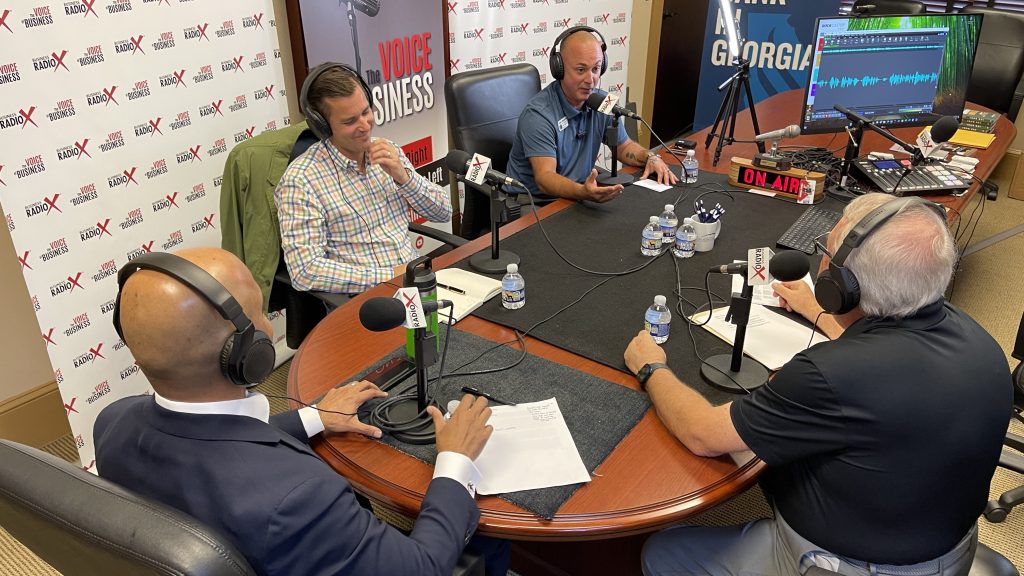
John Ray is the host of North Fulton Business Radio. The show is recorded and produced from the North Fulton studio of Business RadioX® inside Renasant Bank in Alpharetta.

Jason Wiggam, Wiggam Law

Jason Wiggam, Wiggam Law

Jason Wiggam is a founding partner of Wiggam Law in Atlanta, Georgia. His practice focuses on representing individuals, businesses, officers, directors, shareholders, and partners in matters concerning the Internal Revenue Service (IRS), the Georgia Department of Revenue, and other state tax departments. He has successfully represented clients in the IRS’s recent crackdowns on syndicated conservation easements and micro-captive insurance disputes.

Jason also has significant experience handling IRS tax settlements, tax compliance, appeals representation, offshore foreign bank reporting compliance, audit representation from responding to IRS audit letters through to IRS audit reconsiderations if necessary, innocent spouse relief, IRS levy and IRS garnishment releases, penalty waivers/abatements, and lien releases/withdrawal. Jason has always had a passion for helping others, including those less fortunate.

While in law school, Jason worked for a year and a half at the Philip C. Cook Low-Income Taxpayer Clinic of the Georgia State University College of Law. Jason helped taxpayers who could not afford legal representation with their federal tax controversy and collection issues, including responding to IRS audit letters and CP2000 notices, working to settle IRS debt, and releasing an IRS levy or IRS wage garnishments. His work at the clinic earned him the Highest Pro Bono Distinction at graduation, which was awarded for working more than 150 extra pro bono hours above the normal course requirements of the clinic. Jason continues to serve the Philip C. Cook Low-Income Taxpayer Clinic as a current Advisory Board member and by funding the Jason and Allyson Wiggam Fellowship for current clinic students.

Jason earned his Juris Doctor (J.D.) degree, magna cum laude, from Georgia State University College of Law. While attending Georgia State, he was the recipient of the Outstanding Tax Student Award given by the State Bar of Georgia, Taxation Law Section. Jason also obtained an LL.M. degree in Taxation from New York University School of Law. He was named one of Georgia’s Legal Elite by Georgia Trend Magazine in 2015–2022, and a Super Lawyers Rising Star in 2018–2023. Additionally, Jason is also a Georgia State Alumni’s 40 Under 40 Class of 2020 honoree.

Website | LinkedIn | Instagram | Facebook | Twitter | Jason’s LinkedIn

Topics Discussed in this Episode

00:00 Welcome to North Fulton Business Radio
00:29 Discovering Renaissance Bank: A Personal Banking Experience
01:12 Meet Jason Wiggam: The Tax Resolution Expert
02:03 The Journey to Tax Law: From Law School to Tax Clinic
03:59 Why Choose a Lawyer Over a CPA for Tax Issues?
07:01 Understanding the Client’s Mindset: Fear and Shame
10:00 Common Tax Problems and Solutions
13:12 The Initial Consultation: Setting Expectations
15:57 Debunking Myths About Hiring an Attorney for Tax Issues
22:59 Success Stories and the Impact of Tax Resolution
28:42 Closing Thoughts and Contact Information
29:13 A Final Note on the Generosity Mindset and Listener Appreciation

About North Fulton Business Radio and host John Ray

With over 750 shows and having featured over 1,200 guests, North Fulton Business Radio is the longest-running podcast in the North Fulton area, covering business in our community like no one else. We are the undisputed “Voice of Business” in North Fulton!

The show welcomes a wide variety of business, non-profit, and community leaders to get the word out about the important work they’re doing to serve their market, their community, and their profession. There’s no discrimination based on company size, and there’s never any “pay to play.” North Fulton Business Radio supports and celebrates business by sharing positive business stories that traditional media ignore. Some media leans left. Some media leans right. We lean business.

John Ray, Business RadioX - North Fulton, and Owner, Ray Business Advisors
John Ray, Business RadioX – North Fulton, and Owner, Ray Business Advisors

John Ray is the host of North Fulton Business Radio. The show is recorded and produced from the North Fulton studio of Business RadioX® inside Renasant Bank in Alpharetta. You can find the full archive of shows by following this link. The show is available on all the major podcast apps, including Apple Podcasts, Spotify, Google, Amazon, iHeart Radio, and many others.

The studio address is 275 South Main Street, Alpharetta, GA 30009.
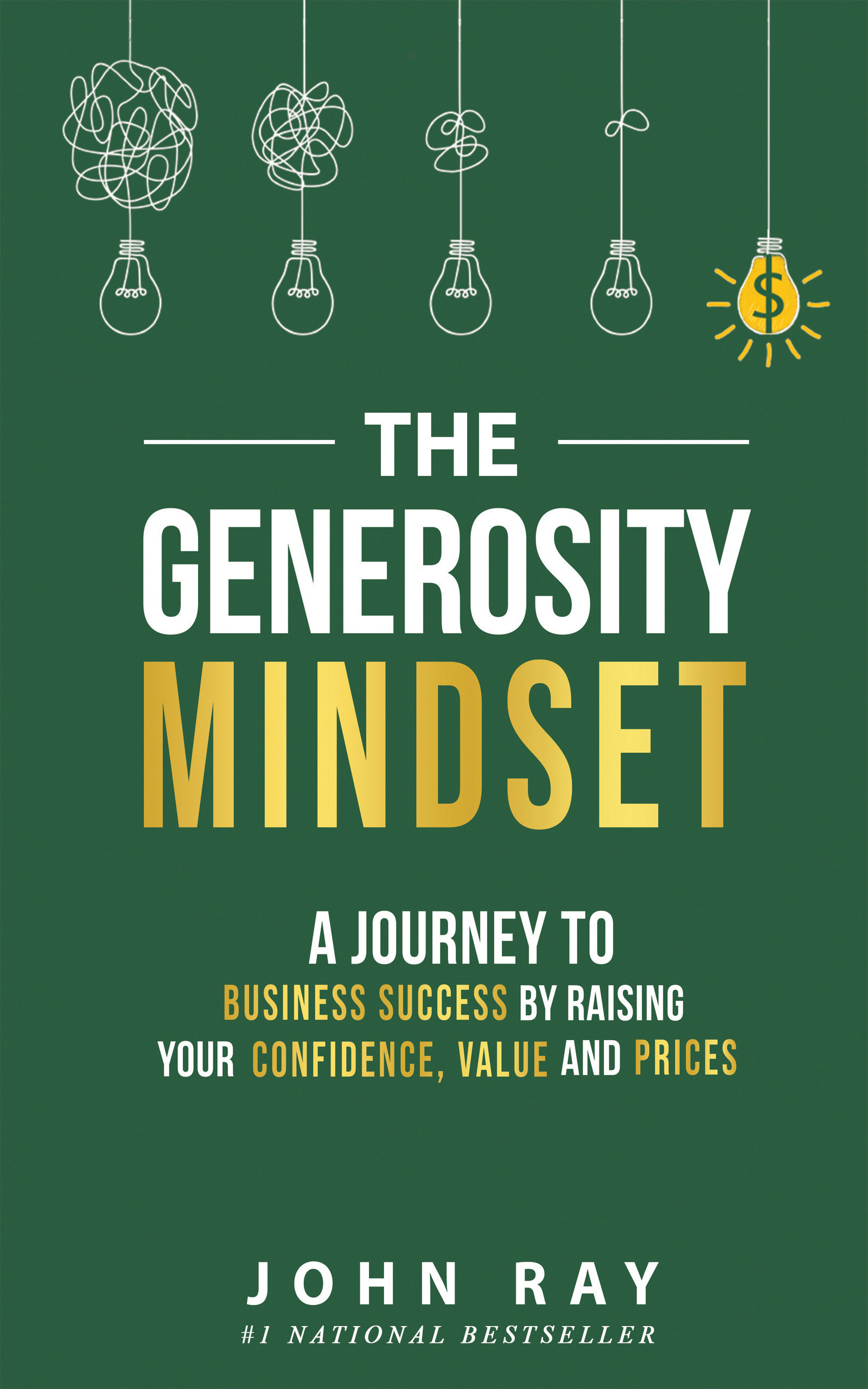
John Ray, The Generosity MindsetJohn Ray also operates his own business advisory practice. John’s services include advising solopreneurs and small professional services firms on their value, their positioning and business development, and their pricing. His clients are professionals who are selling their expertise, such as consultants, coaches, attorneys, CPAs, accountants and bookkeepers, marketing professionals, and other professional services practitioners.

John is the national bestselling author of The Generosity Mindset: A Journey to Business Success by Raising Your Confidence, Value, and Prices.

 

Renasant BankRenasant Bank has humble roots, starting in 1904 as a $100,000 bank in a Lee County, Mississippi, bakery. Since then, Renasant has become one of the Southeast’s strongest financial institutions, with over $13 billion in assets and more than 190 banking, lending, wealth management, and financial services offices in Mississippi, Alabama, Tennessee, Georgia, and Florida. All of Renasant’s success stems from each of their banker’s commitment to investing in their communities as a way of better understanding the people they serve. At Renasant Bank, they understand you because they work and live alongside you every day.

Tagged With: Jason Wiggam, tax resolution, Wiggam Law

The Workshop: Where Crafting Meets Purpose

March 14, 2024 by angishields

CBRX-The-Workshop-title
Cherokee Business Radio
The Workshop: Where Crafting Meets Purpose
Loading
00:00 /
RSS Feed
Share
Link
Embed

Download file

The Workshop: Where Crafting Meets Purpose

Brought to you by Diesel David and Main Street Warriors

CherokeeSponsorImageDieselDavidMSW

In this episode of Cherokee Business Radio, Stone Payton is joined by Kimberly Mauriello, owner of The Workshop, a multifaceted boutique and workshop space. The Workshop serves as a creative hub where the public can engage in crafting activities, learn new skills, and purchase unique handmade items crafted with care by local and global artisans. Many of the products sold support various non-profit missions, such as aiding survivors of trafficking and domestic violence.

The Workshop also directly supports A Firm Foot Forward, a non-profit helping young women in difficult circumstances by providing job skills and opportunities for entrepreneurship. Kimberly shares her journey from a corporate job to establishing The Workshop, driven by a desire to make a meaningful impact and support her community. The-Workshop-logo

The Workshop is a place for community, collaboration, and creativity for artisan makers. They are a social enterprise workshop designing and making unique, limited quantity, handcrafted goods.

Kimberly-Mauriello-headshotKimberly Mauriello started The Workshop and A Firm Foot Forward a year ago after deciding she wanted more than just putting time into a job for someone else.

With a BS degree in management from the University of MN, and over 30 years of business experience in various roles from sales, training, marketing, operations, and accounting, Kimberly felt it was time to make a difference with the skills and knowledge she had.

Kimberly is married and has been living in Towne Lake for over 12 years. They have four children; one is still a junior at Etowah HS.

Connect with Kimberly on Instagram and follow The Workshop on Facebook.

Transcript-iconThis transcript is machine transcribed by Sonix


TRANSCRIPT

Intro: [00:00:07] Broadcasting live from the Business RadioX studios in Woodstock, Georgia. It’s time for Cherokee Business Radio. Now, here’s your host.

Stone Payton: [00:00:24] Welcome to another exciting and informative edition of Cherokee Business Radio. Stone Payton here with you this morning, and today’s episode is brought to you in part by our Community Partner program, the Business RadioX Main Street Warriors Defending Capitalism, promoting small business, and supporting our local community. For more information, go to Main Street warriors.org and a special note of thanks to our title sponsor for the Cherokee chapter of Main Street Warriors, Diesel David Inc. Please go check them out at diesel. David.com. You guys are in for a real treat this morning. Please join me in welcoming to the broadcast with the workshop. Ms. Kimberly Mauriello, how are you?

Kimberly Mauriello: [00:01:11] I’m good. Thank you for having me. Stone.

Stone Payton: [00:01:14] Oh, it’s a delight to have you in studio. We have a mutual friend, Myrna. How do you pronounce her last name? Myrna. Caesar.

Kimberly Mauriello: [00:01:21] Caesar, Caesar, I believe.

Stone Payton: [00:01:23] All right. I just call her Myrna.

Kimberly Mauriello: [00:01:24] I know, I could just call her Myrna.

Stone Payton: [00:01:26] Uh, so special thanks and shout out to to Myrna for putting us together. But I’ve really been looking forward to this conversation. I got a ton of questions. Uh, I’m sure we won’t get to them all, but maybe a great place to start would be if you could describe for me in our listeners mission. Purpose. What are you and your team really out there trying to do for folks?

Kimberly Mauriello: [00:01:47] The workshop is kind of a hodgepodge of of things. Um, if anybody walks into the workshop, which I mean, a lot of people say, okay, the workshop, what is it? Um, people come in and say, okay, am I doing crafts? Am I building things? Am I doing, uh, you know, secretarial work, you know, what is it? Um, we do all different kinds of things. We are a workshop. We are a functioning.

Stone Payton: [00:02:18] This is a physical place.

Kimberly Mauriello: [00:02:19] It is a physical place. You can walk in. And we have a window there in our back office. You can actually sit and watch us. So if you want to, we have, um, industrial sewing machines. We have embroidery machines. We have workspaces where we are actually working and crafting. Um, and so we are selling what we are crafting into the boutique that we have out front. We also invite the public into, um, public workshops that we offer. So we do workshops and classes in the evenings, on, on Saturdays where people can learn a new craft, they can learn a new skill, they can come in and have a girls night, they can have a date night. They can come in and have some fun and do make candles, learn leather working, do chunky blankets. They can come in and do whatever we have on the calendar. So we are a functioning workshop. Um, the other facet of it is we are a boutique, so you can come in and shop. Oh, wow. So not only are we making things, but I bring in, um, things from local artisans, but also global artisans. Everything that we have, somebody has carefully made with their hands and their heart. Um, so somebody has put their blood, sweat and tears into making something with their craft, with their heart and their art.

Kimberly Mauriello: [00:03:43] And I sell that in the workshop boutique so you can come in and find unique, wonderful handmade gifts and items to give to, um, your friends and your relatives and your loved ones with knowing that somebody made something very special and so you can give something very special. Um, what’s near and dear to my heart is not only are those things made special, so they’re all a little bit unique. You’re not going to find just two alike. Yeah, because they are made by hand. But almost everything in there is made with a purpose. So you will find just about everything in there is made by a nonprofit. Zero. Most everything in there is made supporting a nonprofit, supporting a purpose of supporting a mission, whether it be rescuing young young women and girls out of trafficking, um, whether it be supporting, um, women, uh, leaving domestic violence, whether it be supporting artisans, just trying to put food on the table and building their communities and keeping their families together, whether it be supporting, um, orphanages, you know, whatever it is, the cause a lot of most of the products I have are all supporting those missions, those purposes. So not only are you buying wonderful, beautiful products, you are also supporting not only the artisans, their communities, their families, but also the greater missions that they’re supporting.

Stone Payton: [00:05:29] Wow, I love that I have a very artsy person in my life, my my wife Holly. Many of our listeners know Holly because she teaches a watercolor class over at the Reeves house. She was in murder on the Orient Express. She was more recently in Steel Magnolias. And I. While I have zero skill, I have a tremendous appreciation for art. And I have a sister in law in town who quilts and she won’t. She quilts them and then she she makes these beautiful quilts, and then she’ll give them to organizations like Circle of Friends or Enduring Hearts or somebody like, and then they auction them off and make money. So you’re very much in my world. So we’re going to come see you. Uh, and this place is, uh, easy to get to, right and close by.

Kimberly Mauriello: [00:06:09] Yes, we are on highway 92 just before, if you’re coming westbound out of the city of Woodstock on 92, right before you get to 575. If you know where the Woodstock post office is, you will drive right by our building. You’re right behind the Starbucks. Um, right there by the goodwill, um, that I give those two landmarks. Um, and everybody knows where we are. Sure. Um, but, yeah, we, um, we’re kind of. Everybody calls us the hidden little gem when they find us. Um, they said how, you know, how did I not know you were here? And I’m like, well, we’re here. Yeah. And I raised my hand and I said, we’re here. Um, I’ve had no one come into the store and said, we hate your store. Um, everybody that I, you know. Has come in, said, I love your shop and it feels so warm, so cozy, so welcoming. I said, well, because unfortunately or fortunately, this is my home away from home. I spend a lot of time here and I’m going to be comfortable here if I’m going to stay here all day. I want this to be my home. And this is right. Right. Yeah. And I want people to come here and feel comfortable. And the other reason behind that is we also support a nonprofit.

Stone Payton: [00:07:24] I directly you guys directly us.

Kimberly Mauriello: [00:07:27] Wow. Um, we support a firm foot forward, and I tell people everything in the workshop is the window dressing. Mhm. The real meat and potatoes behind the workshop is a firm foot forward. Is the nonprofit everything. Not only are you supporting the artisans that made the beautiful products and their missions, but everything in that place supports the nonprofit that we support. And that is the hope is to build relationships with organizations that are serving young women. Coming out of difficult circumstances. So young women that have come out of trafficking, coming out of domestic violence, coming out of addiction, coming out of homelessness, whatever their circumstances have been, they are transitioning out of those programs. They are survivors, they are recovering. They are winners, but they are not quite ready to just, you know, full steam ahead. Yeah, they are tiptoeing forward in many cases. Um, but they get lost in that middle ground and we’re hopefully the place where they can come in a safe, secure, comfortable environment where if they don’t have the job skills, they’ve never had a job. Um, we can give them those life lessons, those job skills, that opportunity to get that first income, to get that first job under their belt, to understand what it is to come to work every day, to understand what it is, to have a job, to have somebody stand up for them and says, yes, this person is reliable, this person is worthy.

Kimberly Mauriello: [00:09:19] This person is, you know, give them a shot, give them a chance and give them the confidence and the moral boost to say, yes, you can do this. You can take a firm step forward and and go ahead with your life. Leave that old one behind. You can move forward. And so hopefully that’s the place that we become. And so that was part of building that comfortable, warm place is that is the place that they can come and be safe and work until they’re comfortable moving forward. Um, I’m hoping it becomes a place where they can become entrepreneurs and they can make their own products and they can sell their own products. That’s, you know, that’s the dream of a firm foot forward is they can be they, you know, they can make their own candle line. They can make their own jewelry line. They can make their own leather, you know, they whatever they want to be creative and make they can make and sell and support. Us and themselves. And again, they have then the whole, you know, enterprise to, um, to support them. You know, moving forward. So that is the whole dream of the workshop and a firm foot forward. Like I said, it’s kind of a hodgepodge of all different things, but that’s why they all work cohesively together. Um, yeah. That is.

Stone Payton: [00:10:42] How did it all start for you? What got you going down this path?

Kimberly Mauriello: [00:10:46] Um, I guess maybe you can say it was a little bit of a midlife crisis or realization that, um, after. I will admit, I’m over 50. Um, my my kids are all growing. I’ve got one left at Etowah High School. Um, everyone else, um, is is growing, is is finding their niches and their paths forward. And it was finally time to say, okay, I’m no longer so and so’s mom and and just tired of being. I guess if I was going to put that many hours and blood, sweat and tears into something and work so many how to hard hours. Um, I’m not one to put just a little bit of effort into anything I.

Stone Payton: [00:11:35] Can tell I’ve known. I’ve known you for 15 minutes, and I can already say that about you. Um.

Kimberly Mauriello: [00:11:40] I’m. I’m both feet in, and I’m, you know, head over, you know, um, or water over my head into everything. And, um, it’s like, if I’m going to do that, I want to make a difference, and I’m going to do something that matters. And so it’s like, okay. And years and years ago, I had the opportunity to kind of do a little bit of something and. Yeah, the Lord just says no, now is not the time. Not yet. And he yanked that away from me, and but he put me in a place where I learned just about every skill set that I needed to do what I’m doing now. He put me in a lot of different roles and a lot of different opportunities and. Fast forward, you know, ten, 12 years and paths crossed again with a few people. And it’s like, you know, I think now is the time. And I said, okay, I’m leaving my corporate job. And I said, I’m taking a chance. And the Lord put on my heart. It’s like, okay, I think this is the time and you’re going to do this. And I’m like.

Stone Payton: [00:12:51] Wow, what was that like when like you came home and you said, okay, honey, things are going to be a little different around, like, what was that?

Kimberly Mauriello: [00:12:58] My husband is still reeling after that. He still thinks I’m kind of nuts after that. I mean, he’s bless him. He’s still he’s incredibly supportive, um, through this, because I can’t say it’s not been without its bumps and bruises and its hardships, and, um, but it’s it’s been scary. Um, it’s been very scary, but, um. But it has been so. So rewarding emotionally and spiritually.

Stone Payton: [00:13:30] And just what’s the most fun about it for you now that you’ve been at it a little while? You think?

Kimberly Mauriello: [00:13:35] I had the people that I meet. It’s amazing and I can’t explain it other than. Divine intervention. I just I can’t explain it any other way other than. And Myrna is one of those people. I mean, the people that just walk into my place, into the workshop and just start talking and tell me their stories and share with me their experiences and, and open. I mean, there’s not necessarily, um, there are people that, you know, share with me that, you know, I’m a recovering alcoholic or I was in a shelter once, you know, thank you for what you’re doing. And in that.

Stone Payton: [00:14:12] Environment, they open up pretty quickly, it sounds like.

Kimberly Mauriello: [00:14:15] Exactly. And so it’s like I’m like, okay, I’m in the right place. I’m doing the right thing. Even though some there’s some days it’s like, oh my gosh, what did I do? I’m like, I’ve got to be crazy. I’m like, okay, pull out the wand or pull out the employment ads and want ads because I’m applying for jobs again, I’m, you know, I can’t do this. Another I can’t do this another minute. And then somebody walks in and shares a story with me and it’s like, no, okay, no, I’m doing the right thing. I’m here, I’m doing it. And I’m just I’m so lucky. And that is the best part of my job. That is the best part of doing what I did, man.

Stone Payton: [00:14:55] So how does the whole sales and marketing thing work for a physical retail kind of environment? I’ve never I’ve been in business for myself for 30 plus years, but I’ve never had a retail operation. What’s the sales and marketing thing like for something like, I mean, do you have to go out and shake the trees a little bit? Or if you build it, they’ll come or a little bit of both.

Kimberly Mauriello: [00:15:16] If you can figure it out, tell me. Oh, okay. I mean, I will say. And I have a degree in marketing. That was that was my degree way, way eons ago. Go, gophers! Um. I’m sorry, I’m not sec. I’m big ten. So which is now what, like the big 22 or something like that?

Stone Payton: [00:15:38] Yeah. They got they’re merging and just like corporations now, right?

Kimberly Mauriello: [00:15:41] Um, but, uh, it is so hard as a small business. And that’s what I love about Main Street Warriors. I mean, you go after and you help the little guy, we sure try. Um, because it is so true. I mean, and you hear everything about, you know, Google has changed its algorithms and, you know, Facebook has changed its algorithms. And so you, you know, trying to do Instagram and Facebook and this, but that and yeah, but you can’t say no, I’m not going to do it. Because on the off chance that it may work well, you need to still do it. So you’re pulling out your hair trying to do social media and keep up with it. And then it’s like, well, do you do Google Ads? Do you, do you know this and that? And um, then it’s like, okay, well, does print still work? And it’s like, now you talk to my miRNA and it’s like, yes, of course it still does work. You need to do that. Right? Right. Um, so I do do a little bit of print. Um, and yeah, you try to do as much publicity as you can. Um, it’s, it’s.

Stone Payton: [00:16:49] Noisy out there though, right?

Kimberly Mauriello: [00:16:50] It is not, it’s, it’s still really who you know, and it’s still, um, I tell people share, share, tell everybody, you know, because it still comes down to the old fashioned spreading the word. Um, just tell. Tell your friend, tell your neighbor. Tell. You know, tell everybody you know, if you know, if you liked your experience, if you liked what you bought, you know, share it. Tell somebody. Um, because that still is, especially for small, um, small stores, small, um, especially brick and mortars. Um, that is how we grow is by people telling people about us.

Stone Payton: [00:17:29] Right? Right. So when you made this leap, did did you have the benefit of one or more mentors to help you kind of navigate this whole new landscape of running a business, or did you have to pretty much teach it to yourself?

Kimberly Mauriello: [00:17:43] I pretty much taught it to myself. Um, I have a wonderful friend, Sheila, um, who is my mentor in what I say is the the crazy world of pulling kind of the nonprofit and working with a lot of the, um, the people that I know in the nonprofit world that started me on this. Um. And she still is my kind of my right hand. Um, she helped me, you know, set the shop. She helped me organize. She, you know, she. I still call her my my chief juicer. So a lot of times, if you see, all of a sudden somebody will come in and say, well, the store didn’t look like this last month. I said, no, because Sheila was in. So Sheila comes in and she’ll totally change everything.

Stone Payton: [00:18:37] And we should all have a Sheila in our lives, right?

Kimberly Mauriello: [00:18:40] Exactly. So, um, so she still is very much a big part of, uh, of the shop and, um. But other than running the store and running the business and getting things off the ground, I pretty much did it on my own. Um, like I said, thankfully I had enough years business experience working with people and working in roles. That I had enough, I felt. To. It’s kind of figure things out that I wasn’t totally going in blind.

Stone Payton: [00:19:18] Yeah. So a lot of our listeners, as you might imagine, are either entrepreneurs running a small to medium sized business. Sometimes they are. They have to practice their craft, right, like they’re a business lawyer or they’re a CPA, but they may or may not have much actual business experience. I wonder if maybe as an entrepreneur, this kind of made it over that first hump anyway. And still, you know, out there fighting the good, good fight, uh, any kind of disciplines you’ve picked up or if you do’s or don’ts or words of encouragement or counsel, you might offer that, uh, that, that entrepreneur or even maybe the aspiring entrepreneur that.

Kimberly Mauriello: [00:19:57] Um. I guess the biggest thing is stay organized as much as you can. And and that’s hard. And, um, I’ll say my experience right now is, um, working through getting ready for taxes. Oh, yeah. Yeah, yeah. As much as I thought I was organized and, you know, all together, I’m realizing, well, I wasn’t as organized as I thought for last year. So I’m scrambling, pulling everything together and and buttoning everything up. Um, so even though you think you’re everything’s together, you’re probably not as together as you think you are. Um, so that is probably one of the biggest things is you may not think it’s as important as the accounting, um, and, you know, making sure that you have everything documented. Um, you may not think that at the time that that’s important, that that’s critical. Right? It will be it will come back and bite you. Um, it will um, unfortunately, that’s just the life of the world that we live in. Um, somebody’s going to come back and ask you for that information, and it’s better to have it at your fingertips, or at least know where it is. Then try to scramble at the last minute and try to, you know, find it.

Stone Payton: [00:21:17] Um, Amen. And timely advice, uh, going into tax season here. Yes.

Speaker4: [00:21:21] Yeah.

Kimberly Mauriello: [00:21:21] Yeah. Um, thankfully as an I, my last role was a director of accounting. So at least I had some of that discipline in me already. So I was pretty meticulous about that. Um, just as one of me and not having a multiple clones, trying to do marketing and sales and purchasing and selling and marketing or and accounting and doing everything and trying to flip all the hats at one time. You know, it is hard, um, to somebody that wants to try and do it. You can do it. Um, it is it is doable. Um, be ready for a lot of long nights. Um, be ready for working, you know, 24 seven, if you know, not quite 24, seven. But, um, it’s.

Stone Payton: [00:22:17] Hard, though, to turn it off, even if you are in some, like, family time at the beach. On the boat. For me, anyway, I’m still sometimes thinking about that one client.

Speaker4: [00:22:27] Right. You are.

Kimberly Mauriello: [00:22:28] You’re always. And all of a sudden something will pop up. And that’s. I mean, I pretty much always have a paper and a pen around, right? Um, just because something is always popping into my head and I’ve learned, just at least write it down because I’m sorry. At my 53, almost 54 year old brain, it doesn’t remember much anymore, at least very long. So I do have to write it down. And at least that way you can say, okay, I wrote it down, now I can remember, and now I can go back on to whatever I was doing. I can go back on to that watching that movie or back into, you know, that conversation or back to enjoying the beach or whatever I was doing. But I haven’t lost that thought and I haven’t, you know, um, given up that because you’re right, if you are in business for yourself, you’re always your brain is always going. And it has to you can’t turn it off. Really. Um, but it is also true that though there are times when you really do need to try your best to turn it off. Um, so.

Speaker4: [00:23:36] What, uh, give.

Kimberly Mauriello: [00:23:37] Yourself a chance to refresh.

Stone Payton: [00:23:40] Yeah, you need that space, right? So I am interested to know, uh, most of of our listeners know that I like to hunt, fish and travel. Uh, how about you? I don’t know when you find the time, but it sounds like you do commit to finding the time. Uh, hobbies, interests that you pursue outside the scope of your work that allows you to create that little bit of space and refresh opportunity. What do you kind of nerd out about anything?

Kimberly Mauriello: [00:24:02] Um, one of my favorite things to do, uh, we have we rescue collies. Um. Oh, my. We have three right now. Um, and they are, um, full, full collies. Um, so we have three big, huge, you know, 70 plus pound dogs in our house, but we love them. Um, they are truly our, our fur babies. And, um, but we love taking them out in the woods and walking with them. And that is, that is one of my biggest escapes, um, is to take them out and walk with them. Um, I would love to travel. Um. That was one of my husband’s and I favorite things to do was travel and just hop in the car and take road trips. Um, that’s been harder and harder now. Maybe as empty nesters, that’ll become easier again now that the kids are kind of flown the coop and gone. Um, but now with a business to run again, that’s harder, but, um.

Stone Payton: [00:25:05] Well, and you may find as you continue to, to grow, that you can delegate more and more of that.

Kimberly Mauriello: [00:25:09] Well, that’s the hope too, is that as we’re, as I’m able to bring in young women, um, to the business, that they are able to take on some of those roles.

Speaker4: [00:25:21] There you go. Yeah.

Kimberly Mauriello: [00:25:22] I would love to find somebody that has an aptitude for social media, for running a website or doing, you know, photography. And I was blessed last year to have somebody that did want to go into photography and did a photo shoot for me. Um, so those are the things that hopefully will be able to come about through this. Um, so those are the types of roles that hopefully be able to be taken on by the young women that were able to serve as those things will be able to, and that they can explore to say, okay, I like this. Um, and then have the chance to explore that and say, yeah, I really do like this, you know, what can I do with this? And then say, well, hey, you can do anything with learning, you know, social media and writing and doing, you know, ad writing. And, you know, you can do it as, as a career, as a job, as, you know.

Speaker4: [00:26:19] Oh, I like that. So yeah.

Kimberly Mauriello: [00:26:21] You know.

Stone Payton: [00:26:22] Everybody will win from that. All right.

Kimberly Mauriello: [00:26:23] I’m hoping so. Yeah.

Stone Payton: [00:26:24] We’ll continue to follow this story okay. So the workshop I can go in right now this afternoon. Enjoy it as a patron. Yes. Uh, so so there’s that. But talk to me a little bit more about, uh, how someone like a Holly or an aunt Sandy. Sandy’s my sister in law. That does the quilting. Holly’s the one that’s, you know, neck deep in the arts and will be more so when we when we get her retired. Yep. Uh, how might somebody like Holly tap into to what you’re what you’re doing?

Kimberly Mauriello: [00:26:52] Um, there’s a there’s several different ways. Um, if if Holly if she wants, she retires. And if she has any inclination in teaching, I would love to have her or anybody else that wants to teach a class.

Speaker4: [00:27:08] Uh, if, um.

Kimberly Mauriello: [00:27:11] I don’t want to be the one teaching classes, you know, all the time. Yeah. For instance, we have wine, wine, glass, painting. Um, if somebody has an aptitude to teach, um, painting, I would love to have them teach the classes. If somebody wants to teach sewing, if somebody wants to teach, you know, whatever gift that they have, if they want to teach those classes, they are, I would love to have them come in and teach. So that is an opportunity for people to come in and get involved. Um, you can shop online. We have the website, the workshop dot site s I t e you can shop us online so you can be a patron online. You don’t have to live here in Woodstock. Um, and.

Stone Payton: [00:27:53] Know that you’re not just supporting a local entrepreneur, which for me is enough. I mean, our whole mission around here is to support and celebrate local businesses. But you’re not just supporting a local entrepreneur, you’re actually helping folks in these organizations that you were describing. What was the the firm foot forward? Did I get that foot forward?

Speaker4: [00:28:11] Yes.

Stone Payton: [00:28:12] Yeah. I mean, you’re actually you’re helping them. You’re helping these these young ladies who are coming from some really tough circumstances and starting to to get their get their footing. And they don’t they all they, they just need a little a little a little little help. Right. A little.

Speaker4: [00:28:27] Help. Little help. Yep.

Stone Payton: [00:28:28] Wow, man, what marvelous work you’re doing.

Speaker4: [00:28:31] Thank you.

Stone Payton: [00:28:32] I am so glad you came in to visit.

Speaker4: [00:28:34] Me, too.

Stone Payton: [00:28:35] And I hope you’ll keep it up. I have every confidence that you will. And the other thing I’d love to do, if you’re up for it, I think it might be fun to do, like a a special episode with you. Maybe some of the folks who are creating this art, maybe some of the the folks who are benefiting from the program and just dive into how you’re working together and how everybody really is, uh, benefiting from this collaborative effort. I think that would be a fun set of stories to to share.

Speaker4: [00:29:01] Yeah, I would love to. Yes.

Stone Payton: [00:29:03] All right, so before we wrap, let’s make sure that we have appropriate points of contact. Make it easy for folks to talk to you, get to the workshop, tap into these organizations. So whatever you’re comfortable with let’s leave them with some coordinates. Okay.

Kimberly Mauriello: [00:29:16] Um, again, the workshop physically, um, is located on highway 92 9539, uh, highway 92, in Woodstock, just before 575, right behind, um, the Starbucks, right across from the goodwill. Um, our website is the workshop. Dot site site. You can email me at info at the workshop dot site.

Stone Payton: [00:29:45] Fantastic. Well, Kimberly, it has been an absolute delight having you in the studio this morning. I’m quite sincere about us getting back together and doing some version of this again before too long, but keep up the good work. What you’re doing is having such an impact, probably beyond even you what you recognize. But it’s important work and we we sure appreciate you.

Kimberly Mauriello: [00:30:09] Thank you. Stone, I’m glad I came in.

Stone Payton: [00:30:11] My pleasure. All right, until next time. This is Stone Payton for our guest today, Kimberly Mauriello with the workshop and everyone here at the Business RadioX family saying, we’ll see you again on Cherokee Business Radio.


Tagged With: The Workshop

Embracing the Power of Words for Business Improvement, with Bruce Pulver, Author of Above the Chatter, Our Words Matter

March 13, 2024 by John Ray

Bruce Pulver
North Fulton Business Radio
Embracing the Power of Words for Business Improvement, with Bruce Pulver, Author of Above the Chatter, Our Words Matter
Loading
00:00 /
RSS Feed
Share
Link
Embed

Download file

Bruce PulverEmbracing the Power of Words for Business Improvement, with Bruce Pulver, Author of Above the Chatter, Our Words Matter (North Fulton Business Radio, Episode 752)

On this edition of North Fulton Business Radio, host John Ray welcomed Bruce Pulver, author of Above the Chatter, Our Words Matter. Bruce shared his journey from a corporate career to founding Pulver Performance Solutions, through which he guides companies and teams to realize incremental improvement through the power of words and communication. Bruce offered personal experiences of resilience and growth, leading to his mission of helping individuals and organizations unlock their potential. He detailed his approach to addressing organizational challenges simply but effectively, promoting consistency and accountability within teams. Bruce also discussed his book, emphasizing the transformative power of words in personal development and corporate culture.

John Ray is the host of North Fulton Business Radio. The show is recorded and produced from the North Fulton studio of Business RadioX® inside Renasant Bank in Alpharetta.

Bruce Pulver, Pulver Performance Services, and Author of Above the Chatter, Our Words Matter

Bruce Pulver is a catalyst for change, working with large and small companies as well as individuals and teams.

As “the WORD guy,” Bruce challenges audiences to take a transformative journey, demonstrating the incredible power that words hold in shaping our destinies. In the realm where language meets life, Bruce guides individuals to unlock their true potential through the deliberate use of words for individual and organizational growth.

Bruce’s Keynote and “WORDshop” messages resonate, leaving a lasting imprint on the hearts and minds of those who heed his call to harness the extraordinary power of their words using exercises, role play and case studies. Prepare to be inspired, motivated, and transformed as Bruce leads you on a journey where every word matters.

With every speaking engagement, Bruce makes time to visit and share his message in person or by donating his book to organizations serving others. To date, over 3,500 books and countless hours have been donated to hospitals, homeless shelters, veteran organizations, schools, and recovery centers of all kinds.

Website | LinkedIn | Instagram

Topics Discussed in this Episode

00:00 Welcome to North Fulton Business Radio
01:21 Introducing Bruce Pulver: A Journey of Words and Empowerment
01:31 The Power of Words: Transforming Thoughts into Action
02:04 Bruce Pulver’s Personal Journey: From Layoff to Leadership
02:56 The Impact of Words on Minds
04:09 Applying Words to Drive Organizational Change
08:34 Simplifying Complex Challenges with a Single Word
17:27 The CIA Method: Commit, Incrementalism, Accountability
23:56 Success Stories and How to Connect with Bruce Pulver
27:54 Closing Remarks

About North Fulton Business Radio and host John Ray

With over 750 shows and having featured over 1,200 guests, North Fulton Business Radio is the longest-running podcast in the North Fulton area, covering business in our community like no one else. We are the undisputed “Voice of Business” in North Fulton!

The show welcomes a wide variety of business, non-profit, and community leaders to get the word out about the important work they’re doing to serve their market, their community, and their profession. There’s no discrimination based on company size, and there’s never any “pay to play.” North Fulton Business Radio supports and celebrates business by sharing positive business stories that traditional media ignore. Some media leans left. Some media leans right. We lean business.

John Ray is the host of North Fulton Business Radio. The show is recorded and produced from the North Fulton studio of Business RadioX® inside Renasant Bank in Alpharetta. You can find the full archive of shows by following this link. The show is available on all the major podcast apps, including Apple Podcasts, Spotify, Google, Amazon, iHeart Radio, and many others.

The studio address is 275 South Main Street, Alpharetta, GA 30009.

John Ray
John Ray, Business RadioX – North Fulton, and Owner, Ray Business Advisors

John Ray also operates his own business advisory practice. John’s services include advising solopreneurs and small professional services firms on their value, their positioning and business development, and their pricing. His clients are professionals who are selling their expertise, such as consultants, coaches, attorneys, CPAs, accountants and bookkeepers, marketing professionals, and other professional services practitioners.

John is the bestselling author of The Generosity Mindset: A Journey to Business Success by Raising Your Confidence, Value, and Prices.

 

Renasant BankRenasant Bank has humble roots, starting in 1904 as a $100,000 bank in a Lee County, Mississippi, bakery. Since then, Renasant has become one of the Southeast’s strongest financial institutions, with over $13 billion in assets and more than 190 banking, lending, wealth management, and financial services offices in Mississippi, Alabama, Tennessee, Georgia, and Florida. All of Renasant’s success stems from each of their banker’s commitment to investing in their communities as a way of better understanding the people they serve. At Renasant Bank, they understand you because they work and live alongside you every day.

Tagged With: Bruce Pulver, John Ray, keynote speaker, North Fulton Business Radio

BRX Pro Tip: The Metrics That Matter for Branded Content

March 4, 2024 by angishields

BRXmic99
BRX Pro Tips
BRX Pro Tip: The Metrics That Matter for Branded Content
Loading
00:00 /
RSS Feed
Share
Link
Embed

Download file

BRX-Banner

BRX Pro Tip: The Metrics That Matter for Branded Content

Stone Payton: [00:00:00] Welcome back to Business RadioX Pro Tips. Lee Kantor Stone and Payton here with you. Lee, what are your thoughts on measuring the effectiveness of branded content?

Lee Kantor: [00:00:11] I think it’s super important. Metrics are important in every business. But you have to understand what the metrics that matter are for your clients.

Lee Kantor: [00:00:21] So for example, if you have an enterprise-size client, the metrics that matter to them might be reach and engagement. So for them, you might be better off helping them get their content in front of as many people as possible and hope that a good number of those people are liking and sharing that content and engaging with it. Because clients at the enterprise level are doing so many different marketing initiatives, they’re going to have a hard time connecting any type of any individual effort into an actual sale. So the things that they’re going to focus in are on things that are easier to measure, like reach and engagement, even though they can’t connect any of that to a sale. But you have to understand that going in.

Lee Kantor: [00:01:04] If your clients are more entrepreneurial or solopreneurs or small firms, the metric that matters to them on branded content is going to be conversions. They need more sales because they only work with a handful of clients, and each one is super important to them. So they care less about reach and engagement as long as they’re converting some of the leads that you’re helping them generate into actual sales.

Lee Kantor: [00:01:28] So, you have to understand who you’re dealing with and what the metrics that matter to each of them because they’re going to have different metrics that matter because they have different objectives. And you can’t just force fit the same objective into the client because they’re not – that’s not what they’re asking for. So be clear upfront the metric that matters and then help them achieve those goals.

Kimberly Civins, Office Managing Partner with Harrison LLP

March 1, 2024 by Mike

Celebrating Powerhouse Women
Kimberly Civins, Office Managing Partner with Harrison LLP
Loading
00:00 /
RSS Feed
Share
Link
Embed

Download file

Amanda Pearch Marmolejo and Kimberly Civins

Celebrating Powerhouse Women salutes and recognizes women who are making an impact, whether it’s in business, philanthropy, public service, or elsewhere.

Kimberly Civins/Harrison LLP

Kimberly Civins has worked with wealthy individuals, families, executors, and trustees for over 20 years. She uses her extensive experience to help clients accomplish their wealth structuring and transfer goals. Kim concentrates her practice in estate planning, estate administration, trusts, charitable giving, and business succession planning matters. She frequently advises clients on transfer tax issues, including federal estate, gift, and generation skipping transfer taxes, and IRS transfer tax audits. Additionally, Kim advises tax-exempt entities, public charities, and private foundations. She also works with trust companies and bank trust departments regarding trusts and estates matters and federal and state regulatory compliance. In collaboration with litigation colleagues, she also represents clients involved in estate and trust litigation and dispute resolution.

Kim is a frequent speaker at professional education events for attorneys and accountants. In 2016, Kim received the honor of being elected by her peers as a Fellow of the American College of Trust and Estate Counsel (ACTEC).

Before joining Harrison LLP, Kim was a trusts and estates partner at one of the world’s largest international law firms. She began her career in sports marketing before attending law school, primarily working in the professional tennis and beach volleyball worlds. She serves on the Board of Directors and is President of the Atlanta Estate Planning Council. She is also a board member of Neighborhood Cooperative Ministries.

Celebrating Powerhouse Women is presented by

Tagged With: amanda pearch, Amanda Pearch Marmolejo, atlanta law firm, Celebrating Powerhouse Women, harrison llp, kimberly civins, powerhouse women, private wealth law firm, women executives, Women in Business

Anita R. Henderson, Author of Becoming the Minimalist Entrepreneur: Lessons from My Journey to Work Less, Earn More, and Play More

March 1, 2024 by John Ray

Anita R. Henderson
North Fulton Business Radio
Anita R. Henderson, Author of Becoming the Minimalist Entrepreneur: Lessons from My Journey to Work Less, Earn More, and Play More
Loading
00:00 /
RSS Feed
Share
Link
Embed

Download file

Anita R. Henderson

Anita R. Henderson, Author of Becoming the Minimalist Entrepreneur: Lessons from My Journey to Work Less, Earn More, and Play More (North Fulton Business Radio, Episode 747)

Host John Ray welcomed Anita Henderson, an author coach and bestseller author in her own right, to discuss her newly released book, Becoming the Minimalist Entrepreneur. The book focuses on Anita’s journey through entrepreneurship and provides lessons on working less, earning more, and enjoying life more. Besides sharing her experiences, Anita also shed light on her business and discussed the evolving publishing industry. Additionally, Anita emphasized the importance of defining measures of success, understanding your “why” in business, and the power of choice. Finally, she discussed her preference for working with clients that align with her values and enjoying what she does as an entrepreneur.

John Ray is the host of North Fulton Business Radio. The show is recorded and produced from the North Fulton studio of Business RadioX® inside Renasant Bank in Alpharetta.

Becoming the Minimalist Entrepreneur: Lessons from My Journey to Work Less, Earn More, and Play More

Every solopreneur has a story worth sharing, you included.

Becoming the Minimalist Entrepreneur: Lessons from My Journey to Work Less, Earn More, and Play MoreThis is not a how-to book. Instead, it is one solopreneur’s journey presented as a model for the flexibility and individuality of twenty-first-century entrepreneurship.

Becoming the minimalist entrepreneur is a journey to escape the burdens of what “they” say is the right way to be in business, and to boldly accept the freedom and audacity to define it for yourself and not feel like you’re doing it wrong.

There are innumerable lessons from the minimalist entrepreneur journey. You have to figure it out with every step you take. Each lesson along the way makes up your journey and makes you better, if you allow it to. Those lessons create your story. And your story matters.

So what does it mean to become the minimalist entrepreneur? It’s not what you think. Read Anita’s story to find out.

For more on the book and to order, follow this link.

Anita R. Henderson, Author and Author Coach

Anita R. Henderson, Author and Author Coach

Anita Henderson, the founder and CEO of The Write Image Consulting, LLC and the creator of the Write Your Life Author Coaching Program, is popularly known as The Author’s Midwife.

She is a bestselling and award-winning author and ghostwriter, copy editor, and book publishing strategist. As an author coach for professionals and entrepreneurs, Anita has transformed dozens of her clients into proud published authors. Her strategic support and guidance with authors has resulted in multiple award-winning and bestselling titles, helping her clients grow their media and online visibility, speaker platforms, and industry credibility.

A successful freelance writer with published articles in more than twenty-five trade publications in the U.S. and Canada, Anita is a writer at heart. She helps authors create compelling prose, weave engaging stories, and explain their processes and insights in a way that serves readers and draws them to want to work more closely with the author. As Anita says, “It’s bigger than the book!” Leverage is the key to success.

With two decades in corporate America as a marketing communications and public relations professional, Anita knows the ins and outs of marketing brands, people, companies, and causes. She brings that insight to her work with authors to help them use book publishing as a marketing strategy that gets results.

An eight-times published author, Anita shares her knowledge about using book publishing as a marketing strategy as a speaker at conferences, workshops, and association events both in person and virtually.

Website | LinkedIn | Instagram

Topics Discussed in this Episode

00:00 Introduction and Welcome
01:22 Meet Anita Henderson: The Minimalist Entrepreneur
02:09 The Journey of Writing a Memoir
04:18 The Evolution of Anita’s Business
05:45 The Birth of Write Your Life
10:20 The Struggles and Triumphs of Entrepreneurship
13:36 The Art of Self-Promotion
26:03 Redefining Success in Business
29:04 The Power of Choice in Business
32:04 Conclusion and Final Thoughts


About North Fulton Business Radio and host John Ray

With over 740 shows and having featured over 1,100 guests, North Fulton Business Radio is the longest-running podcast in the North Fulton area, covering business in our community like no one else. We are the undisputed “Voice of Business” in North Fulton!

The show welcomes a wide variety of business, non-profit, and community leaders to get the word out about the important work they’re doing to serve their market, their community, and their profession. There’s no discrimination based on company size, and there’s never any “pay to play.” North Fulton Business Radio supports and celebrates business by sharing positive business stories that traditional media ignore. Some media leans left. Some media leans right. We lean business.

John Ray is the host of North Fulton Business Radio. The show is recorded and produced from the North Fulton studio of Business RadioX® inside Renasant Bank in Alpharetta. You can find the full archive of shows by following this link. The show is available on all the major podcast apps, including Apple Podcasts, Spotify, Google, Amazon, iHeart Radio, and many others.

The studio address is 275 South Main Street, Alpharetta, GA 30009.

John Ray
John Ray, Business RadioX – North Fulton, and Owner, Ray Business Advisors

John Ray also operates his own business advisory practice. John’s services include advising solopreneurs and small professional services firms on their value, their positioning and business development, and their pricing. His clients are professionals who are selling their expertise, such as consultants, coaches, attorneys, CPAs, accountants and bookkeepers, marketing professionals, and other professional services practitioners.

John is the bestselling author of The Generosity Mindset: A Journey to Business Success by Raising Your Confidence, Value, and Prices.


Renasant BankRenasant Bank has humble roots, starting in 1904 as a $100,000 bank in a Lee County, Mississippi, bakery. Since then, Renasant has become one of the Southeast’s strongest financial institutions, with over $13 billion in assets and more than 190 banking, lending, wealth management, and financial services offices in Mississippi, Alabama, Tennessee, Georgia, and Florida. All of Renasant’s success stems from each of their banker’s commitment to investing in their communities as a way of better understanding the people they serve. At Renasant Bank, they understand you because they work and live alongside you every day.


Tagged With: Anita Henderson, Author, author coach, Author Coaching, John Ray, Minimalist Entrepreneur, North Fulton Business Radio

Jeremy Shapiro With Bay Area Mastermind

February 29, 2024 by Jacob Lapera

Bay Area Business Radio
Jeremy Shapiro With Bay Area Mastermind
Loading
00:00 /
RSS Feed
Share
Link
Embed

Download file

Leah-Davis-Ambassador-logo1In his role as a mentor and coach to entrepreneurs at Bay Area Mastermind, serial-entrepreneur Jeremy B. Shapiro helps small business owners make the transition from “solopreneur” to “business owner” – an important distinction that many entrepreneurs can easily miss when working “in” their business instead of “on” their business.

Since 1998, through structured masterminding, one-on-one coaching, and consulting work, he has been helping entrepreneurs discover the core strengths in themselves and their business, and realize their true potential combining passion and expertise to grow their businesses and attain the freedom they deserve.

Connect with Jeremy on LinkedIn and follow Bay Area Mastermind on Facebook.

What You’ll Learn in This Episode

  • Self employed vs. a true business owner
  • Most common mistakes founders make when trying to scale their business
  • How entrepreneurs can prevent the all too common “burn out”
  • The difference between working IN your business and working ON your business

Transcript-iconThis transcript is machine transcribed by Sonix
 

TRANSCRIPT

Intro: [00:00:06] Broadcasting live from the Business RadioX studios in the Bay area. It’s time for Bay Area Business Radio. Now here’s your host.

Lee Kantor: [00:00:18] Lee Kantor. Here, another episode of Bay Area Business Radio, and this is going to be a good one. Today on the show we have Jeremy Shapiro with Bay Area Mastermind. Welcome.

Jeremy Shapiro: [00:00:29] Thanks so much for having me. This is great.

Lee Kantor: [00:00:31] I am so excited to learn what you’re up to. Tell us about Bay Area Mastermind. How you serving folks?

Jeremy Shapiro: [00:00:36] Yeah, what we’re doing is we’re helping out our local Bay area entrepreneurs, business owners and founders really connect and get together for a full day of working on their business, as opposed to the day to day work in their business. And that lets our members connect, scale and really grow together.

Lee Kantor: [00:00:51] So what’s the genesis of the idea? How did this come about?

Jeremy Shapiro: [00:00:55] Well, I’ve been part of mastermind groups myself for decades. Some groups are remote. You hop on a plane and fly somewhere exotic for a few days, you know, a few times a year, other times more casual, sort of weekly, like accountability calls or get togethers. And those haven’t really served the needs that I was looking for in my businesses and the structure we put together for the Bay Area Mastermind of meeting once a month for a full day right here in downtown San Jose, lets us get into what’s really going on in our own businesses and uncover the blind spots for each other, and provide that expertise and peer advisory that comes from hanging around with like minded, growth focused, lifelong learners.

Lee Kantor: [00:01:31] Now, for folks who aren’t familiar with the concept of mastermind, do you mind sharing a little bit of a primer on what it is and how it kind of came about?

Jeremy Shapiro: [00:01:41] Yeah, the topic or the idea of a mastermind really came from author Napoleon Hill when he published this Think and Grow Rich book back in 1938. One of the titles he had there, chapter ten, is called The Power of the Mastermind, The Driving Force, and this really is where he exposes this idea of titans of industry getting together and helping each other out. And this structure lets individuals uncover the blind spots for each other and provide that real peer advisory. As an entrepreneur can get lonely at the top, you don’t really have that kind of honest, candid feedback you need from customers, from vendors, from family, friends and so on. So when you’re with other folks who are also in that same boat on that same journey, you can get that unbiased, real feedback. People who don’t mind asking the tough questions and don’t mind lending their superpowers and deep areas of expertise to help you get unblocked and move forward in life and in business.

Lee Kantor: [00:02:37] Now, it sounds like you’ve been kind of experiencing several different iterations or variations of a mastermind. Tell me about how you were able to kind of pick your favorite parts, or maybe the most effective that you found, and then build this into kind of your unique spin on a mastermind, like for the person who doesn’t understand or really maybe of experienced the variety, you know, like you mentioned, there are some that are kind of leads clubs. Some are just about, you know, support and accountability. Some are really, you know, noncompetitive people trying to grow their business. There’s there’s a lot of flavors to this. And talk about how you were able to kind of cherry pick your favorite parts or best parts that you find most effective into your the one that you’re doing.

Jeremy Shapiro: [00:03:23] Business owners have long had groups available to them, just like the ones you’re describing. From leads, groups and networking groups to referral groups to just networking groups and social events and everything in between. A mastermind is really special and different from that, and when we look at what the best parts are from the sort of various formats and styles of mastermind groups out there, what I’ve found really matters is one that you’ve got the right people in the room with you, right? You don’t want to be the biggest fish in the pond, as it were, and so far ahead of everyone else that you can’t get much value from the group and the experience they have to share. And on the flip side, you don’t want to be the smallest guy in the room where you don’t have much to contribute or share with the group. So you’re looking for that like minded group of folks at a similar stage of business as to where you’re at, and we are really intentional about how we curate that and how we attract the right kinds of members to our group. Second, it’s important to us that within those members we have, like I shared, lifelong learners and people who are focused on self improvement, business improvement, and want to grow and scale and be the best version of themselves with the best version of their business that they can have. So within that, when we look at sort of the weekly cadence that typically is too frequent and those meetings are usually too short to really get a chance to deep dive into the heart of what’s going on in an individual’s business. On the flip side, the larger destination groups where you’re getting away for, you know, a week, once or twice a year, maybe three times the entire business can change.

Jeremy Shapiro: [00:04:47] So by the time you show up, people have sold their business, launched a new business. Things are drastically different over the course of, say, six months. So one of the best practices we found was that meeting cadence of once a month for a full day that gives us time to implement and execute on our accountability items, where we hold each other accountable. And it lets you actually make real change in the business, much more that you can make in a one week period and less than you do in a six month period. So that cadence, I found, is one of the best practices for how often to meet. And lastly, when you look at like the free groups or coffee accountability groups that maybe meet for 30 up to at the most 90 minutes once a week. Those typically have a higher turnover because they’re usually free to very low cost. And as a busy business owner, if you’ve got something recurring on the calendar showing up to talk to a few friends that you do every single week, sometimes the fires of the day become more important and so members don’t really show up. There’s not much skin in the game. It’s a very low barrier to entry. So by having an actual financial investment as well as the time investment, you’re able to find folks who find value in the group and each other and are willing to invest the time, as well as the money in being part of the right kind of group of folks just like them, who also want to grow and scale.

Lee Kantor: [00:06:02] So how many groups are you running?

Jeremy Shapiro: [00:06:06] Um, so it depends how we look at that. We have, um, we have our core groups that are for our scaling business owners. Um, this past year, we actually just kicked off a founders group as well for a much earlier stage businesses. And we also have folks we work with virtually, as well as folks that we, you know, we coach and consult in terms of an actual group size. What we found is you can’t let a group get too big. That’s the point where we actually want to split off and have a new group that’s not just an oversubscribed group like you’d find in sort of one of those destination groups, like we were talking about before, those you can have more members in.

Lee Kantor: [00:06:40] So now when you’re building the group or curating the group, what are some of the at least red flags for you? Like, you know, I’m sure you don’t want people that are transactional, that are, you know, kind of jerks, like you’re trying to create a group of similarly valued people that appreciate this experience and not, you know, one to dominate it.

Jeremy Shapiro: [00:07:06] Yeah, that’s spot on. Qualifying for the right people is really important. Everyone has their industry or trade groups they can go to to find more people who are just like themselves doing the same thing the same way. By consciously curating a diverse group, we get what I call the cross pollination of ideas, and this is where you get members sharing best practices in their industry with other individuals in a different industry, where they can really pivot and do something different than everybody else. So I’ll share an example I love in this space, you have an e-commerce company who’s selling purely online. They then hear about an offline retail business who’s doing direct mail. Right now you have one business who’s doing one style of marketing and a different business doing an almost opposite style of marketing. The two of them are then able to see what the other one is doing, ask questions about that, get access to resources, best practices, do’s, don’ts, and so on. So we’re looking for that range of businesses and range of superpowers and areas of expertise. In terms of characteristics, we want to make sure that our members are well read. They enjoy reading. They’re actively reading. We’re all lifelong learners. We’re all voracious readers, right? We are individuals who invest in ourselves, who go to conferences, who take courses, who are always learning and trying to be that better version.

Jeremy Shapiro: [00:08:20] So we screen for that. We’re also looking for folks who won’t just get value from the group, but who are able to contribute value as well. So part of our screening process we have for our test drives is we’re looking for what are those areas of genius, or what are those areas where a business owner is seeing success that they be able to lend some expertise in the group? It’s not just about there being, you know, a linear one person is ahead of somebody else overall and able to help others up. It’s a matter that everyone has different areas of expertise and superpowers. So when it comes to marketing, you’ll have some members who have deep expertise. Others have deep expertise in sales, others in hiring and retention, and others in finance and so on. So depending on what a member needs, we’re looking for that range of skill sets and that range of superpowers that can really help to have that that lively peer advisory. And we want folks who are open to being lovingly and respectfully challenged around their blind spots and are open to seeing the opportunities others see within themselves and within their businesses.

Lee Kantor: [00:09:19] So walk me through. Um. Say, I raised my hand and I’m like, Jeremy, I’m curious. Um, how do I get involved with this mastermind group? How do I, you know, throw my hat into the ring? What do I have to do?

Jeremy Shapiro: [00:09:32] What we found experientially. And this goes back to one of your questions earlier about best practices, is it doesn’t make sense for someone to join a group blind they’ve never been part of before, or had a chance to experience. On that same note, it’s unfair to a group to just tell them, hey, here’s somebody new who’s just in the group. So what we put together is our test drive process. So when someone heads over to Bay Area mastermind.com, you can start an application. And that application, even the questions that we asked during that, those questions themselves can be eye opening and can help you see some opportunities in your business for where you are and where you’re going. Once that application is in, we hop on the phone, we go over that application and better understand what you’re looking for in a mastermind group and see if there’s an opportunity to serve or to point you in a direction where someone can help you out. And if it looks like there’s there’s a good fit, we invite you to our test drive. So for a reduced fee, it lets you join us one time for a full day and really experience what it’s like to have a hot seat to to feel that joy and thrill that comes from providing insight and advisory to others and really experience that full day with us. And at the conclusion of that, if we feel that you’d be a good fit for the group, and if the group feels the same and you feel the group would be a good fit for you, then we extend the offer to join us and become a member with us longer.

Lee Kantor: [00:10:47] Tum now what is that day agenda typically, uh, how does it flow?

Jeremy Shapiro: [00:10:54] The biggest thing we do throughout the day, and where most of our time is focused, is on our member hot seats. Within each hot seat, there are four main things that everyone’s going to be covering for you. If it’s your first time test driving with us, it’ll be a little bit about who you are, what you do, and all that. For the rest of our members who are returning, they’ll be going over accountability items and what’s been accomplished over the past month. And then what everyone’s really sharing, and it’s in varying formats, but there’s three major points beyond that. One is what’s working, two is what’s not, and three is where you need help. So this is where, you know, we’ve had members share, for example, challenges that they’ve had with a marketing campaign that didn’t go the way they wanted it to, and they would love some feedback on why. Or they’ll share the lessons learned from that. You might find someone else who is sharing about a new hiring process they put into place that’s working really well, and walk the group through what that looks like. And what I think is really interesting is everyone who comes into the room usually has some big question, some big ask, some big block, and they’re looking for insight on that. And they go in with the idea of success is getting an answer to that question. But where I see the biggest aha moments, I see the pens scribbling the most. I see people’s eyes go wide and the smile creep across their face. That always happens during everybody else’s hot seat. It’s when other members are sharing what’s going on in their business, what’s working, where they need help and so on that you see those sparks really ignite, and entrepreneurs take note and ask those questions of digging a little deeper. See, these hot seats aren’t just a one way presentation. They’re facilitated conversations. And so it’s a chance for members to ask questions and get that guidance they need in their own business based on the experience of others who’ve been there and done that.

Lee Kantor: [00:12:31] Now, when you started this concept, how did you get kind of that initial group together? Was it just your peers or people you’ve just met over the years? How did you kind of build this from scratch?

Jeremy Shapiro: [00:12:43] Yeah, we were sort of in like the shadows for quite a while. It was people we know, people we connected with who shared this is really what they were looking for. And they’ve been they’ve been looking for a mastermind group to help them out. Generally, people who found us or knew about this had already read Napoleon Hill’s books, knew this idea of looking for a mastermind, or they heard about that concept somewhere else, and they then wanted to find a local to the Bay area mastermind group that they could join. And the Bay Area Mastermind is exactly that. So we filled a pretty unique gap that’s in the marketplace. There’s plenty of networking groups and founders groups and things like that to meet other people. But again, the focus there is usually networking. It’s not so much on the true mastermind concept of sharing what’s really going on in your business, both the wins and the failures. As an entrepreneur, it’s lonely at the top. There’s not a lot of folks you can celebrate your big successes and wins with. And the flip side, there’s not a lot of people you can share your real challenges and blocks with, and the mastermind group provides that safe environment to be vulnerable and share what’s really going on and have people celebrate your successes and help you out with your challenges.

Lee Kantor: [00:13:48] Now, having been involved with these type of entrepreneurs over the years, have you kind of learned some maybe do’s and don’ts for an entrepreneur to maybe prevent them from making some mistakes when they’re beginning to scale their business? Have you gotten any advice for those entrepreneurs?

Jeremy Shapiro: [00:14:08] A lot of entrepreneurs get started because they were a technician doing something at a different business, and they decide they want to go do it on their own. Right. This could be you’re a chef at a restaurant and decide you want to open your own restaurant. You could be a plumber and decide you want to open your own plumbing company. You could be an SEO expert working at an agency and decide to open your own company and so on. Right? That’s a common path that entrepreneurs take of hanging their own shingle. What they don’t realize, though, is that at some point you think you have a business, but you’re actually self-employed, and if you step away from the business, it would fall apart and the business is too dependent on you. So one of the first areas of growth that we focus on with folks, with their earlier stage, is this idea of moving beyond just a few team members they have and actually scaling up the systems and the people so that as the founder, as the entrepreneur, as the business owner, you can really step back from the business and have it continue to grow.

Jeremy Shapiro: [00:14:58] This lets you work on the bigger picture, bigger picture, vision, leadership, and the areas of life that you want to spend your time that the business should support. So to your question about some of the common, uh, things that come up, it’s often entrepreneurs being their own block, thinking nobody can do it better than they can, and not wanting to hire people to do the jobs they’re doing in the business. Um, and the second is not having the right systems in place to scale. And then the third big piece, I would say, is not having that peer advisory and that feedback to provide shortcuts and uncover those blind spots when you’re in a great peer group of other business owners, founders and entrepreneurs who’ve been there and done that, they can show you those pathways to get to where you want to get to sooner, because they found ten ways that don’t work and can share with you the one way that does. And you don’t have to go through all that yourself. You can really learn and leverage the knowledge of others.

Lee Kantor: [00:15:52] Um, do you find that people who don’t have mastermind groups or boards of advisors or anything like that, what’s the kind of the fear that’s holding them back in that area? Or are they just do they have some imposter syndrome? Do they think that they don’t have anything to share? Like, what is kind of the psychological rationale for not participating in something like the Bay Area Mastermind?

Jeremy Shapiro: [00:16:16] It’s fascinating to me how many entrepreneurs truly suffer from imposter syndrome. You know, the classic example is everyone sees the duck floating effortlessly across the surface of the water, not realizing all the turbulent craziness going on underneath the water, with the feet paddling in the water swirling and everything going on, they just see the duck effortlessly floating across the water. It’s the same thing often with Entrepreneurships. The outside view from the world is that a business owner is successful and doing well, and they’re living on Easy Street, and they have no idea what’s really going on behind the scenes and just how challenging it can be to be a founder and entrepreneur. And for many founders and entrepreneurs, they know just how difficult it is, and they lose sleep over the decisions they have made or need to make and the challenges that come from running your own business. But the outside world doesn’t see that. So there is an element for sure, of imposter syndrome and thinking there’s nothing to contribute yet when we actually look at a business and look at all that a business owner has done right, there’s usually a lot of deep expertise that an entrepreneur has that they have blinders on to. As entrepreneurs, we see the mountain in front of us, of all the things we need to do and all the things we need to get done, and it’s easy to lose sight of all that’s actually been accomplished. And so in a mastermind setting, we celebrate those accomplishments, and we start each meeting off by going over one really big win from this past month.

Jeremy Shapiro: [00:17:40] And when we take a look in the rear view, we can see just how much has been done. So in terms of what stops folk, stops folks from seeking out or joining a group, yes, for sure there’s a bit of imposter syndrome. And to that I’d say complete an application. Let’s talk about your business. I know there’s some wins there and some really important lessons learned, even in big challenges. And trust me, as an entrepreneur, you have a wealth of knowledge to share if you’ve made it. As far as calling yourself an entrepreneur, that’s really big. On the flip side of that, there can also sometimes be a bit of, um, believing you know it all and can do it all yourself. And this is usually the founder who thinks they can’t find the right people, who can do the job as well as they can, let alone better. And trust me, you always want to be hiring people who are smarter than you and better at you in each area of your business, and so if you think you know it all, then that generally means you’re not as open to hearing feedback from others. It also means you’re not generally open to asking the vulnerable questions about what can really help you out and getting unblocked, and that can prove challenging. So those kinds of folks don’t typically seek out that kind of peer advisory input. And they generally, if they do, um, can dominate in providing feedback and not being open to receiving any of it. And so again, that’s kind of what we screened for in that application process.

Lee Kantor: [00:18:58] Now, is there a story you can share of maybe somebody who came to the group as a skeptic or just said, oh, I’ll just try it. And but we’re not really 100%. It sold and then was able to get maybe some achievement or got to a new level, you know, as I don’t want to say a surprise, but maybe it it kind of did surprise them on the power of this kind of a group.

Jeremy Shapiro: [00:19:22] Yet thematically, I find these surprises always people are coming in looking to get unblocked in one area, and the delightful surprise is that they found their their their business family. They found others like themselves they didn’t even realize were out there. And they got insight into areas they didn’t know were even challenges within the business. We all have an idea of the things that we know. We sometimes think we know. Some of the spots where we could improve in areas of things we don’t know. But the biggest opportunities I’ve found time and time again are in the areas that we didn’t know, we didn’t know anything about. And that’s really where that period advisory can help out. So yeah, to your question about like individual stories, I can think back to one of our members who joined us and, you know, was on that fence of like, hey, let’s see what this mastermind group is all about. You know, they looked at, for example, coaching, they talked to coaches, they talked to consultants. They’d, uh, talk to some online communities. And they were curious sort of where a mastermind group fit within that. And their question sort of came down to afterwards of like really seeing the difference between group coaching and a mastermind group. But the value they found was not just in the facilitation, but in the openness and willingness of other members to to challenge some of those basic mindsets. So sometimes we’ll come up. The biggest limiting factor is an individual’s mindset in terms of how much they charge or what they’re worth, or what the value is of their customers. See, so we had we had one member who joined us who had his his billable rates relatively low, but thought for himself. He was pretty high. And that sort of he priced himself mentally based on what he thought he was worth.

Jeremy Shapiro: [00:21:06] And so the group lovingly challenged that and said, your prices should actually be quite a bit higher. And the response to that was along the lines of, well, when I get to X number of customers, then that will justify raising the price. And we said, well, that’ll justify it to you, but to your prospects, they don’t need you to have a certain number of customers. That’s just you getting comfortable with the idea. And so we were able to help as a group unblock that mental. Uh, limit and limitation of what his time was worth until he was able to go out there and raise the prices and like, right off the bat, that increases profitability in the business and not just top line revenue, just simply that little change we provided, you know, um, product feedback to businesses that are looking to launch a new product line. We had a member in our group who, uh, you know, when he came in, had one business model, which was successful. It was also kind of dated. And so as a group, we were lovingly prodding this, bringing the business model into a modern style, SAS, a software as a service platform, as opposed to the business model that was there before. Um, and that idea was met with some resistance. But when that member came around to the idea, a whole new business was launched. That business went on to double revenue every single year, and that became that next big business in the older business was suddenly the side business. And that’s just one of many, many stories we have of wins folks get from, you know, being part of the group and being open to the feedback and advisory from others.

Lee Kantor: [00:22:36] So if somebody wants to learn more, have a more substantive conversation with you or somebody on the team or get Ahold of that application, what’s the website? What’s the coordinates?

Jeremy Shapiro: [00:22:45] Yeah. Head over to Bay Area mastermind.com. You can find out more about our group, what the meetings are like, upcoming events. You can submit that test drive application. And even if you’re not sure if the group is a fit for you, the application process itself will be eye opening in terms of the questions we ask, and that’ll give you an idea of what we’re looking for. And then from there, we hop on a call and go over that. And if there’s an opportunity that, you know, looks like it’s a fit for you, we’d welcome you to join us for a test drive. And if not, that’s great. We’ve got a ton of great resources that we can share with you to help you on that journey of entrepreneurship. We’ve been there before. We’ve been running the groups for quite a long time. We’re not going anywhere anytime soon. And you’re not alone on the journey. We’re here with you.

Lee Kantor: [00:23:24] Well, thank you so much for sharing your story today. You’re doing such important work and we appreciate you.

Jeremy Shapiro: [00:23:29] Thank you so much. I appreciate it.

Lee Kantor: [00:23:30] All right. This is Lee Kantor. We’ll see you all next time on Bay Area Business Radio.

Tagged With: Bay Area Mastermind, Jeremy Shapiro

Chuck Burge with Airaoke

February 17, 2024 by angishields

Fearless-Formula-Airaoke-feature
Cherokee Business Radio
Chuck Burge with Airaoke
Loading
00:00 /
RSS Feed
Share
Link
Embed

Download file

Fearless-Formula-Airaoke-banner

aChuck Burge has been in the marketing industry for over 30 years. He became one of the hosts/emcees for the Diet Pepsi “You Got The Right One, Baby” Uh-Huh Girls…. transitioned into a corporate DJ.

He was invited back into the marketing world to create marketing campaigns for Fortune 500 companies…GM, Dunkin Donuts, Pepsi and many others. After the downfall in economy in ’08, he started doing everything locally that he was doing nationally… helping companies with branding and sales.

Today, he still creates events for non-profits selling sponsorship for and producing them. Airaoke.org is the website for his biggest event. He hosts two sports podcasts to raise money for a cancer support group and NIL money for the 2nd largest college in GA, Kennesaw State University.

He is very involved in his community through Chamber of Commerce, business associations and volunteering for MUST Ministries.

Connect with Chuck on LinkedIn and follow Airaoke on Facebook

This transcript is machine transcribed by Sonix
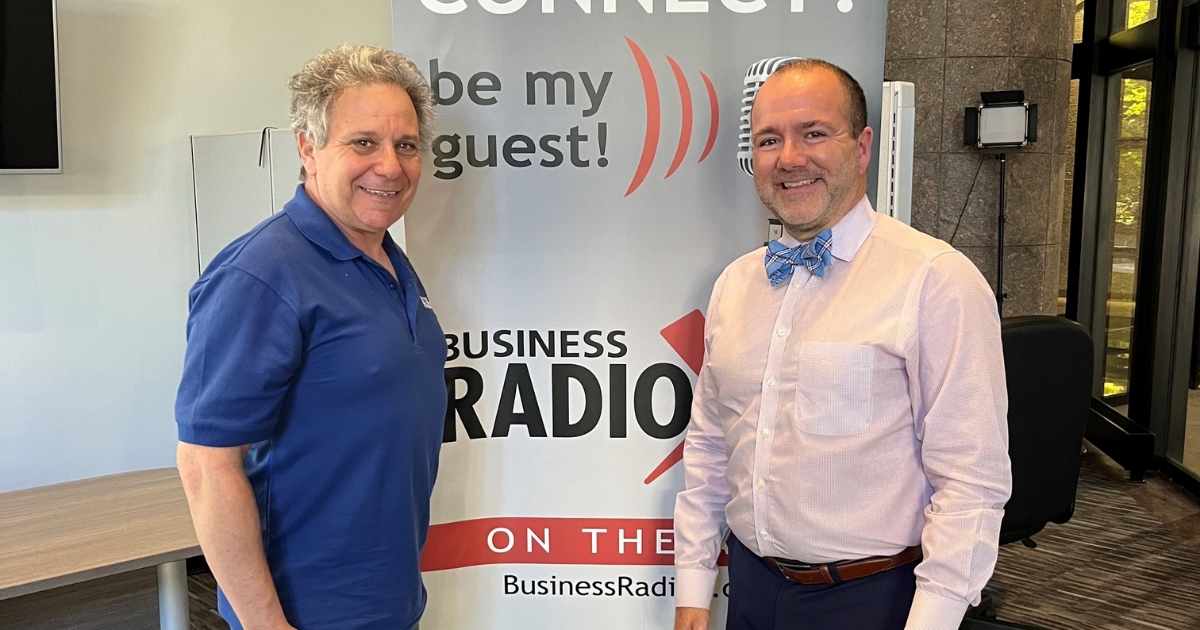
TRANSCRIPT

Intro: [00:00:05] Coming to you live from the Business RadioX Studio in Woodstock, Georgia. This is fearless formula with Sharon Cline.

Sharon Cline: [00:00:19] Welcome to Fearless Formula on Business RadioX, where we talk about the ups and downs of the business world and offer words of wisdom for business success. I’m your host, Sharon Cline. And today in the studio, I have a gentleman who has spent over 30 years in the entertainment and marketing business. He has been a host and emcee for the Diet Pepsi Uh.huh girls, which has been a minute since they’ve been around, but still amazing credit. And he’s created grassroot fortune 500 companies like GM, Dunkin Donuts and Pepsi. His. Today he creates events for nonprofits and his biggest nonprofit is airaoke.org/, which is why he is in the studio today. We’re going to talk about that today. So please welcome Chuck Burge. Hello.

Chuck Burge: [00:01:00] Hey, Sharon. How are you? Good. How are you? Good to see you. Good to be out with you.

Sharon Cline: [00:01:05] Thank you. On a nice, somewhat warm Thursday afternoon, which is so crazy. Crazy.

Chuck Burge: [00:01:10] It’s beautiful, I love it.

Sharon Cline: [00:01:11] I know, me too. Thank you so much for coming in today. Oh, you bet. We, um, had previously spoken. At some point we would talk about the Airaoke competition that happened in October and September, September 30th. And then life gets in the way.

Chuck Burge: [00:01:27] And then my life, not yours.

Sharon Cline: [00:01:29] Yeah, no, but I appreciate you reaching out and reminding me that we were going to do this. So thank you. I’m very happy to, um, to go over the the other side of getting ready or talking about what you’ve done in terms of success with Arioch, because we talk about getting ready and getting sponsors and, and trying to promote this event, but it’s not often I get to talk to someone about the after afterwards and how you felt about it and how successful you felt. It was not just for sponsors, but like for the the nine over 11 Fallen Heroes project, which is who benefits from the karaoke competition?

Chuck Burge: [00:02:06] That is correct. Uh, Susan and Mike. Course, Mike is, uh, was actually spent three months at ground zero after nine over 11 recovering bodies and stuff. And Mike and his wife Susan run the nine over 11 Fallen Hero project here in Atlanta. And Mike is actually contracted cancer from being on site at nine over 11. So he’s the first person to contract it from being on site. They’re just fabulous. Guy. I can’t speak as well as he used to, but he used to be a very good speaker around town and used to do, uh, keynote speaking. And now he leads to talking to others and he just comes to the event, which is great. Uh, Susan and I now have a four year partnership. We had our first meeting of the year last Friday. Went very well. Uh, we’re going to make some changes, which is kind of interesting. Um, yeah. So, uh, yeah. So looking forward to getting keyed up about, uh, September 28th this year of 2024. Yeah.

Sharon Cline: [00:02:59] So this will be the fourth karaoke. That’s correct. That you’ve had. So I know you’ve spoken about Arioch on other shows, but I’m wondering if you could give the listeners an idea of what Arioch really is.

Chuck Burge: [00:03:10] Arioch is just a fundraiser for the 9/11 Fallen Hero Project. Uh, all all nonprofits do golf tournaments and five K’s. And I wanted to do something different. Um, and having been a karaoke host, probably one of the first 10 or 20 karaoke hosts in the country when it came here in the early 90s, I’ve always had a passion for karaoke, even though I hadn’t sang karaoke since 2000 until about three weeks ago. I did it at a birthday party.

Sharon Cline: [00:03:38] Oh, what did you sing?

Chuck Burge: [00:03:39] Uh, me and, uh, Sandra Glenn sang. Uh, I got you, babe. Oh, I got down on my knees so she would be taller than me. So we’d be like Sonny and Cher. And it was a blast.

Sharon Cline: [00:03:48] Oh, it’s fun right?

Chuck Burge: [00:03:49] A lot of memories rushed back. It was fun. It was a long time since I’ve been on a mic to sing, but, uh, we had a good time, and that’s all that matters. That’s anything I do. If I have fun, I’ll assume everybody else is having a good time.

Sharon Cline: [00:04:01] That’s awesome. So you had created Arioch is a combination of, like, an airport and karaoke. So let’s talk about how you came up with that. Yeah, the whole concept.

Chuck Burge: [00:04:10] I was on the board for the Marietta Aviation Museum for a while, and they had this big C-130 out at the Aviation Museum, and I was just standing there one day in the parking lot. And it’s a very unique place to have an event, and it’s kind of slopes down towards the plane. And I said, well, great for viewing and all that stuff. And I said, how cool would it be to wrap a stage around the nose of that C-130 and have people sing karaoke in front of the plane? And everybody loved the idea. But the more we looked at it, there was a railroad track across the street and, uh, 72 trains a day come through there and you never know when it’s going to happen. So we just decided that that wasn’t the place. And I went to Jim Cook that owns, uh oh. I can’t even think of the name of his company. I’ll think of it here before we leave. Uh, he owns a hangar up at, uh, Cobb International or McCallum airport, and we decided to have have it in there. And he had a smaller plane than the C-130, but we still wrapped a stage around the nose of the plane and karaoke, and the view was beautiful. You could see Kennesaw Mountain behind the planes and planes were taking off and landing behind the stage. And it was really an awesome venue. Uh, it was so good that we. We almost doubled our capacity or doubled our crowd size in the second year, and we ran out of room. So there’s just not enough parking at the airport. Um, it became a nightmare for the airport people. The elevations restaurant, I think, who I love, Diane Bowman and Mike Bowen, so no issues with them, but, uh, we took over all their parking spaces, so they were a little concerned. So we moved it to the Strand Theater on the square in Marietta, and we’re even considering changing it to Square Aoki since we’re on the square.

Sharon Cline: [00:05:49] Oh, gosh.

Chuck Burge: [00:05:49] We don’t know. But we’re thinking about it. But we don’t want to lose the branding. Um, so. And we obviously did not want to lose the karaoke portion of it. So we had to do something with air, and as you well know, because you sang in it and you came in third place, um, we made the stage look like a runway, so it looked like the performers were coming out on a runway and singing like they were the airplane. So we still had the karaoke tie in. Uh, the one thing that we lacked, we we could have used a bigger crowd. And the reason being, when we did it at the airport, we had, uh, we had over 25 sponsors, and each sponsor brought ten people, and we had table rounds of ten for them. There’s no place for rounds of ten at the strand. So we did a little, uh, adjusting this year. So we’re going to give the sponsors more tickets so they can come, and we’re going to do a couple of other things differently. Uh, but that’s how I came up with Arioch just. When you get as old as me, you lay in bed and you think and you think and you think. And just one night karaoke, maybe kind of fun.

Sharon Cline: [00:06:49] Divine inspiration is what we’re going to call that.

Chuck Burge: [00:06:51] You never know.

Sharon Cline: [00:06:52] Yeah.

Chuck Burge: [00:06:52] How did definitely up in the air. Oh, yeah.

Sharon Cline: [00:06:56] Another dad joke that happens in this. We have dads in here all the time, so I’m sure dads who are listening are like, oh, cute. Uh, all right. So how did you get associated with the nine over 11 Fallen Heroes Project?

Chuck Burge: [00:07:06] I called, uh, Randy Kreider, who at the time was the fire marshal and then became Cobb County Public Safety director, and I had known him since he was 4 or 5 years old from church and McEachern High School. And I said I really wanted to do something because nine over 11 meant a lot to me. Two of my best friends were supposed to be in the towers that day, and through God’s grace, neither one of them wound up there. And, um, and when it happened, I ran off to a church and sit there and prayed, and I knew the 20th anniversary was coming up, and somebody said, you know, everybody’s starting to forget. And I said, well, let’s do something about that. And I called Randy and didn’t want to do a. Didn’t want to, uh, couldn’t give it straight to the firefighters. So he directed me to this organization to talk to them directly. And that’s how we had to give to the firefighters through there. And now it’s to all first responders, not just firefighters.

Sharon Cline: [00:08:00] Well, there were so many, right? So many different ways that people were being rescued and helped during that time.

Chuck Burge: [00:08:06] Just look at what happened in Kansas City yesterday and 800 900 firefighters and policemen there. It’s crazy. Crazy stuff. Yeah.

Sharon Cline: [00:08:14] Have you been to New York since this has happened?

Chuck Burge: [00:08:16] Have you? No, I don’t think I have. I think I think I flew by there like a couple of days after, actually. I flew out of Boston on nine, nine. Oh, wow. Two days before. And I, you know, I may have been up there, I can’t remember, but. And I remember seeing the hole where the tower was, but I, I’ve never visited the site.

Sharon Cline: [00:08:34] I’d love to I haven’t either. I would love to as well, I’ve heard. All right, let’s go. Yeah. I’ve heard it’s really sacred, you know. Road trip. Yeah. And they have the museum there as well, which I’ve wanted to see. I mean, I don’t know, there’s just something, um, so solemn and sacred about what happened, you know, in these people’s lives. And when you think about the fact that your friends could have been part of that, it just hits closer to home, you know, than someone. Like where? I didn’t know.

Chuck Burge: [00:08:58] Anyone. Like I said, one of them called, um, she had had her fiance died like, the week before, and his funeral was the day before, uh, 911. And she called that morning and said, I just need one more day. And everybody in her firm was killed except for her that day, two hours later. And then my best friend was supposed to be at a meeting there, and he missed his flight the night before in Atlanta. So that stuff just gets to you. It’s personal. Yeah. And it became very personal to me because of those two people. And of course, the more I learned about Mike and everything he did, I mean, he just tears my heart up when I talk to him, so. Susan two I mean, it’s an amazing thing what they did.

Sharon Cline: [00:09:40] I think it’s a wonderful thing to. To turn something that’s tragic and, you know, horrible and beyond what we can really even comprehend to make something positive out of it. And I think that’s one of the challenges that I find for my life, is the things that I can blame as negative and difficult. You know, if I reframe it, it can be something that is beneficial to my spirit or someone else’s spirit or journey. Um, and I can get down about things. So it’s it’s not easy, but I love the notion of being able to say, here’s something awful that happened, here’s how we can make it better.

Chuck Burge: [00:10:14] And absolutely, I.

Sharon Cline: [00:10:15] Know what is it? I want to say? It was Mister Rogers who said, always look for the helpers. Have you ever heard that?

Chuck Burge: [00:10:24] You know, I don’t think I ever watched Mister Rogers, other than seeing the farce gets done by Johnny Carson on his show, but. Well, I know it’s a beautiful day in the neighborhood, and that’s about it.

Sharon Cline: [00:10:35] That’s funny. That’s good. Um, I think he was the one who said that, you know, children would sometimes say, how do I or actually, no. He went to his mother and said, when bad things happen, what do we do? How do we look? How how do we think positively about the world when you see bad things happen? And his mother told him, look for the helpers, look for the people that help. Um, and then that gives you hope, I guess. So it’s like choosing to look at the positive, which is what you’re doing.

Chuck Burge: [00:10:59] I try. I try, yeah, it’s a great event. It’s a fun event. Uh, the last two years we have had, uh, one of our clients, American Signature Family Furniture, uh, had WSB come out and cover it. So that was great that we’ve got two years of exposure on WSB on their people to people show the week after. It shows on Sundays at noon. And if you go to karaoke Org, you can watch those videos of past events. They were very good. I think you’re in one of them. I think I called you and said, hey, do you see yourself on TV?

Sharon Cline: [00:11:30] Yeah, I was really surprised. Yeah. Uh Sharon.

Chuck Burge: [00:11:34] Cline. Seeing people.

Sharon Cline: [00:11:35] She nothing like the woman who won Hillary McDermott. My goodness, I just my mouth was just open the whole time. I’m like, why is she not have a record deal and is like on videos and, you know, the most famous person.

Chuck Burge: [00:11:47] Any of any of the three of you were just as good.

Sharon Cline: [00:11:49] Oh that’s awesome.

Chuck Burge: [00:11:50] Well, I can’t even remember who the second place girl was. I know she was blond, I can’t remember her name.

Sharon Cline: [00:11:54] And I can’t think of her name off the top of my head either.

Chuck Burge: [00:11:56] We had a hard time getting her, uh, jukebox into her car after the event, I remember that.

Sharon Cline: [00:12:01] So what’s so cool is you get these gifts to give to some of the finalists, and it’s just, you know, what a what an honor to feel like. I’ve got this company that’s helping me to honor the people that have done.

Chuck Burge: [00:12:13] And that’s American signature family furniture that gives us the gifts every year.

Sharon Cline: [00:12:16] Yeah. I mean, how special is that? And is it is it any challenge at all to find sponsors? I mean, what is that like for you? Well, there’s.

Chuck Burge: [00:12:22] Always a challenge when you’re looking for sponsors and it’s a sales game no matter who it is. There are so many good charities out there. I mean, most ministries out there, there’s tons of good charities, people that help with, uh, homeless kids and, and, you know, hungry kids and just police. And every company has their own passion and somebody’s gonna say, nah, I support other charities and that’s and that’s fine, but you just have to talk to enough that first responders mean a lot to them. And to me, 911 was the deal clincher, you know, and for some people that we talk to it is you know, that’s I want to give to these people, um, Uncle Andy for plumbing. Now, uh, talk to him about returning this year. But he was on board last year, and he sat and talked with Mike Kors for about a half hour at the event so much I didn’t even get to meet him. We’ve talked some on Facebook and stuff, but I didn’t even get to meet him while he was at the event. But, you know, it meant something to him, and it meant a lot to Mike for Randy to sit there and talk to him. So, um, sponsorships range from 250 to 5000. If you want to go look at archive.org, that’s a I r a o k e.org, and you can see all the sponsorships available on there.

Sharon Cline: [00:13:33] So you’ve also got some postcards that you’ll hand out occasionally over time to help people to understand that they have an opportunity potentially, if they want to be part of it. This is where you go and what you do. So I’m glad that you brought some today. I’ll be back. Yeah.

Chuck Burge: [00:13:47] Let me show it here on the radio. Yeah.

Sharon Cline: [00:13:49] I hope you can see it. But they’re not on right now, which is the way I like it. No.

Chuck Burge: [00:13:54] So, yeah, we’ll leave these with Sharon. We’ve got her some, uh, basically to save the date. September 28th, 2024, the only date the strand had available that month. Oh, wow. So we have to work around their schedule and getting to that. And I’ll talk a little bit about some of the changes we’ve made. Uh. It’s it’s very difficult to find a place to do this. The benefits of being at the strand are number one, the acoustics, number two, the acoustics, and number three, the acoustics. I mean, it sounded so much better in the strand than it does in a hollow airport with all this ambient noise going on. But it was, from a technical perspective how long it lasted. It lasted right at three hours, which is what we were shooting for. The first singer came on at seven and we announced the finalists at like 945, and then they performed and and then left. Now we’re going to do something a little bit different this year. Uh, I know we had 25 singers and then three finalists, and I don’t know if you noticed it or not, but when the three finalists were announced, everybody else left.

Chuck Burge: [00:14:54] So we’re not going to have finalists this year. We’re just going to have 25 singers, and then we’re going to do a raffle instead of silent auction. So if you’ve got a raffle item, please contact me at Chuck karaoke org. And and then we’re just going to announce the raffle winners and then we’ll name the three winners and then it will be over. So so that way we’ll hope to keep the crowd there longer. And we also are going to do a better effort of trying to get schools involved. We are dropping the age participation down to high school. Excellent. So any high school that wants to participate, they can have a student there. And our thinking behind that is that will bring people. So if you have a daughter that’s in the course, everybody in the course will come. If you have a son that’s sings, all his friends and stuff will come. So that’s kind of our thinking behind that. But it’s still karaoke. It’s still the coolest nonprofit event going in town because it’s not like anything else you’ve seen.

Sharon Cline: [00:15:47] It’s not. It’s the most unique, for sure. But what I love that you’re having for you’re having younger people, um, there’s so many talented people out there who just haven’t had a chance to really shine. So it’s wonderful that you’re giving them this opportunity.

Chuck Burge: [00:16:02] Yeah. And Hillary is scheduled to be a judge, so I hope she’s still going to be a judge. Um, the previous winner always becomes a judge because we’re not going to let the same person win two years in a row. Gotcha. Uh, which I think is a good marketing idea because we want everybody to have a chance to win as long as we have the event. So, uh, and then, uh, Madeline Montgomery, who was one of the judges last year, instead of just getting community leaders, we’re going to get four other people that know music and they know what they’re looking for because, like, I had a friend, I wanted to name his name John Keller, but, uh, but he was just I don’t know what I’m voting for. I’m just voting because I think they sound good. So. So we’re going to get people that know what they’re doing. So I guess in a way we’re going to step up the judging a little bit. So Madison’s going to take over that. And again, that’s one little thing off my plate. And I got a lot of good committee that everybody does a little. And I like to say, you know if everybody does a little nobody has to do a lot.

Sharon Cline: [00:16:57] Perfect. Yeah.

Chuck Burge: [00:16:57] Right.

Sharon Cline: [00:16:58] So so what other, uh, how was it at the end of karaoke? Did you feel like the money that you raised felt significant? Did it feel worth it? Um, I guess I have no idea what that side is like for you.

Chuck Burge: [00:17:11] Yeah. Um, as long as Susan’s happy, I’m happy. And, you know, we have a great relationship, and, uh, she keeps coming back, so she must not be unhappy with what we’re doing.

Sharon Cline: [00:17:21] That’s amazing. Perfect.

Chuck Burge: [00:17:23] Yeah. And, you know, we’ve raised we we grew, uh, we doubled in size from year one to year two. Uh, year two to year three. It wasn’t quite that, but we did have an increase in the money that we gave to Susan. So, uh, you know, it’s not it’s not that hard if you’re going out trying to sell sponsorships, as long as you tell enough people. I’ve been in the sales business long enough to know that if you tell your story to enough people, you won’t fail. And that’s my bottom line. I will tell everybody I know until I get where I want to be. So that’s kind of my mantra, I guess.

Sharon Cline: [00:17:58] Have you always had a heart for nonprofit?

Chuck Burge: [00:18:01] You know, uh, for 17 years I refereed and coached basketball at the upward organization at my church. And, um. Sometimes I was trying, but I did it for 17 years, every Saturday. You know, during basketball season, I did it. And I also volunteer at Gobbledok every year for Mus ministries. Um, and also, I don’t know if you want to mention this, but I also do two sports podcasts.

Sharon Cline: [00:18:30] I did want to ask you.

Chuck Burge: [00:18:30] About them, so I do one called Three Guys Who Love Sports. Uh, at 5:00 at Wednesday’s at Miller’s Ale House on Chastain Road in Kennesaw. So, uh.

Sharon Cline: [00:18:39] Across the street from Kennesaw State University.

Chuck Burge: [00:18:40] Across the street from KSU. So we do that because I’ve been playing poker once a month for close to 40 years with a bunch of guys, and two years ago, one of them contracted prostate cancer, and me and one of my other friends took him out to dinner one night. And all they wanted to do was talk about prostate cancer. And I said, Steve, you got you got to stop, buddy. You’re going to kill yourself worried about it. And so we got him talking about when he played baseball at Murray State and when he and I used to play church basketball against each other, and his whole demeanor changed, his face lit up. It’s he started smiling and laughing again. And I said, you know what? We’re going to start a sports podcast show just for you. I said, we’re going to do it once a week, and it might only be an hour, but, you know, I’ve helped somebody an hour, and somebody else helps somebody for an hour. This world will be a better place. So we started that and two weeks ago we had our 100th show. Oh, congratulations. Two year anniversary. Yeah. So it was awesome. And about six months into that I had a friend of mine, Carrick Martin Carrick is the co-owner of Dogwood Golf Club out in West Cobb, and I knew he was a sponsor and donor in the Hall of Fame of Kennesaw State sports, and I wanted to have him on the show to see what was going on at KSU, because I went to Kennesaw Junior College when there were five buildings on campus, and so I had Carrick on the show and he pulled me and Robert.

Chuck Burge: [00:19:52] I said, you guys are great. This is a lot of fun. He said, would you be interested in coming out and broadcasting at, uh, Dogwood Golf Club next week for the US open? I think it was in June. And we said, yeah, we’ll come out there and do a road trip. So we did. And again, he pulled us all aside and said, you guys are just fantastic. Would you be interested in doing a show all about Kennesaw State sports? And Robert had looked at and said, well, we don’t know anything about them now, but we’ll learn. And so now we’ve been doing that show 18 months. So at Miller’s Ale House on Chasteen Road, Kennesaw, we right across from Kennesaw State University. We do, uh, three guys who love sports. At 5:00, we always have a guest on and we mail them agenda a couple of days ahead of time and so they’ll know what they’re going to be talking about. And then at 7:00, well, Miller’s feeds us at six, which is a terrific thing because their food is delicious. And then at 7:00 we do the owls who live sports all about Kennesaw State sports, and we have fans and guests and coaches and players and on it’s a lot, a lot of fun. And like I said, we’ve been doing that show since August 17th of 2022. So about 18 months now.

Sharon Cline: [00:20:54] Can you even believe it?

Chuck Burge: [00:20:55] No.

Sharon Cline: [00:20:56] Like, who would have thought you would be doing a show about Kennesaw State University? You know, every Wednesday and it’s just the way life unfolds sometimes just cracks me.

Chuck Burge: [00:21:03] It’s just crazy. I mean, uh, and in my opinion, it’s God’s hand and he’ll he’ll lead you where you need to be. And we just we have so much fun. We have so much fun. Um, we had a little trouble yesterday because it was Valentine’s Day. We had a couple that was supposed to be on, and they begged out because she was sick. So. So they said. And, uh, we didn’t have a guest yesterday for the first time. So we brought Larry the engineer on, and he was the third guy who loved sports. But that’s the first time we’ve had to do that. But, uh, we’re back on schedule next week, and I think it’s called it’s not Valentine’s Day, and everybody wants to come back on and be on. So it was tough. But, uh, yeah, two years. We just got a new sponsor, uh, Brain Train. Do you know them? I don’t, um, yeah, train, brain train incorporated. So they look at your mind and tell you what’s going on in your brain. Oh, boy. Very cool people. Melissa Hergert and Meg Thompson. Hey, if you’re listening, that’s awesome.

Sharon Cline: [00:21:54] I can only imagine what they would find in mine. Yeah.

Chuck Burge: [00:21:57] They could look in mine and look in one ear and see through the other one, so that’s okay.

Sharon Cline: [00:22:02] No, they’d be like, would you just relax? I’d be like, what do you mean?

Chuck Burge: [00:22:05] So they’re going to be a sponsor starting March 1st. But now we have like Kennesaw Express lube, uh, American Accents with Dan Fisher, uh, Brian Bristow on the Kennesaw Express lube. And then Alvin Jameson has his own mortgage company. And so they’ve been sponsors for 7 or 8 months now. So, yeah, it’s funny.

Sharon Cline: [00:22:23] You’re talking about Kennesaw Junior College, and now it’s the second largest university in the state.

Chuck Burge: [00:22:28] 13th in the country.

Sharon Cline: [00:22:29] 13th in the country. I did not know that.

Chuck Burge: [00:22:31] Yeah, 40 over 43,000 students.

Sharon Cline: [00:22:34] Wow. Yeah, amazing I know, but, you know, I was thinking how wonderful it is that you’ve got these friendships that you’ve had for 40 years or however long it was. But how nice is it to be able to draw from some of the people that you’ve gone through life with, to be able to help promote things that you’re passionate about now?

Chuck Burge: [00:22:53] Oh, yeah. I mean, that’s, uh, I’ll tell you a little. I’ve never used an ATM. I’ve never used a debit card. I go in the bank and I build a relationship with somebody, so if I have a problem, I can go in and say, hey, something’s here. Can you fix it for me? And that? Works. I mean, I try to impart that to my kid. I’ve never ordered one thing on Amazon in my life. I want to touch it. I want to feel it. I want to see what it looks like before I buy it. And I know that’s not today’s world, but that’s my world. It’s so funny. Robert and I, Robert Kinney, my co-host on the On the Owl Show, and the three guys who love sports. We got in the biggest argument yesterday on the show. The first time we ever been in an argument I think about, he told me that I told him that I had never heard a Taylor Swift song. He said, oh yes you have. I said, no, I’m telling you right now, I cannot name one. I have not heard one. He said on the radio. I said, don’t listen to the radio. I listen to my CDs. He said in the store, I said, I think I know it. I know a song that I didn’t know if I heard it, but everything I hear in Publix, I know I sing along with it. So. And then we went to commercial. We came back, I said, you know what, Robert? We’re doing this two years and the only time we’ve ever had a disagreement about whether or not I heard a Taylor Swift film. So that was fun. Yeah. And and people even texted in that exchange was hilarious.

Speaker3: [00:24:09] I know. Yeah.

Sharon Cline: [00:24:11] Taylor Swift I know has been causing a little bit of a stir, a little bit of a stir. Yes. In the sports world these days. Did you watch the Super Bowl?

Speaker3: [00:24:18] Oh yeah. Yeah.

Chuck Burge: [00:24:20] Gotcha. We got to talk about it. So we, uh, of course you’re right.

Sharon Cline: [00:24:23] Sports related. I don’t know why I even asked that. That makes sense. Yeah.

Chuck Burge: [00:24:27] Yeah, but I it was a good football game.

Sharon Cline: [00:24:30] Is there anything that you’ve learned that surprised you about Kennesaw or the sports program there?

Chuck Burge: [00:24:35] Uh. The best thing that I’ve learned is there are some really loyal fans, and there are some that aren’t because there are. They’ve got 43,000 students and they can’t fill up a 10,000 seat stadium. And that has got to change. They’re moving to conference USA July 1st, which means they’re stepping up in grade and in everything, the schedule. We’re looking at the schedule last night and they go to San Jose State. They go to Sam Houston. They go to uh, UTEp in western Texas, and they make some long trips now to where it used to be, Jacksonville State and Furman and Jacksonville, Florida and all that. But now they’re they’re stepping up. But the purpose of our show there is to help raise the Nil money to keep the athletes there. Uh, one little girl, Kylie, uh, she probably hates me calling her a little girl. Carly Turza is, uh, she’s the hammer thrower at KSU, one of the hammer throwers, and sets a record every time she throws the hammer for KSU. She fabulous. She got an nil deal with WWE. So now when she graduated from KSU, she’s going to WWE. And she has just. About five, four five, five. Beautiful as can be and, uh, and hard as a rock. She has. She has, like 250,000 followers on TikTok or Instagram or something. And when she was on the show the first time, she took our intern and put him on her shoulders and did squats.

Speaker3: [00:25:58] Oh my God.

Chuck Burge: [00:25:58] And that’s that’s what she does online. She’s hilarious. So, uh, yeah. And it’s funny, you know, that, uh, the people you meet, I’ve made so many good friends now from, uh, from them now coming to the show, you know, almost every week to spend time with us and listen to what we have to say about KSU sports and coaches. And the track team has been great. Uh, basketball team’s been good. We had a couple of coaches on and the players and stuff. It’s been really, really cool, uh, to get involved and, you know, that’s me. I want to be involved with what I’m doing. So, you know, we’re hoping to raise money for, uh, prostate cancer awareness for the first show. And I owe money for the KSU athletes in the second show. But karaoke is still my biggest passion. Just because what it meant to me and, uh, and we, uh, we want sponsors, we want singers, and we want people to donate, uh, raffle items. And we want we want people there.

Sharon Cline: [00:26:50] So what’s been the most satisfying part of being part of karaoke, of creating karaoke and being part of what’s been the most satisfying part of it?

Chuck Burge: [00:27:01] The relationships I built with Susan and Mike. And, uh, all my committee members that have given so much, you know, of course, to me, uh, that’s what I’ve done for 30 years now, is create stuff. And when you create something and then you run it to, it’s a lot different than creating it and handing it off to General Motors or Dunkin Donuts or whatever. But, uh, when it’s your baby, um, I get pretty passionate about it. So I love just the fact that. I’ve kind of left a legacy. If we keep doing it, you know, it’s something that I created and that my sons can look back and say, hey, dad, that was pretty cool, you know?

Sharon Cline: [00:27:40] Maybe he’ll run. Run it.

Speaker3: [00:27:41] Someday.

Chuck Burge: [00:27:42] Um, I doubt that.

Speaker3: [00:27:44] I doubt they’ll.

Chuck Burge: [00:27:45] Live here, but, uh. But I’m already in the search for somebody to kind of take it over when I’m ready to hand it off. The plus side of that is, I believe it’s. It’s worthy of sticking around for a while. So as long as we can get doesn’t take that much to put on this event, I won’t. I don’t want to give you the amount, but it’s not a huge number. It’s the beginning of the strand and the prize money, and that’s basically about it. And, uh, we can do a lot of great things for the 9/11 Fallen Hero Project. If we can get more people to come out and participate, I think we’ll I don’t think we’ll have an issue this year filling out the 530 at the strand.

Sharon Cline: [00:28:21] I was thinking about how as as you were speaking, about how what you’ve done has so much heart to it in so many different ways. Um, not just Arioch, but with the the KSU show and the fact that you have this. Passion for helping and creating an event that has in its own merit is worthy to watch. But then the benefit of it being for something good as well. It always feels like there’s such a positive momentum and positive result that goes when your heart is involved in something that you know is for something good.

Chuck Burge: [00:28:57] Yeah, I mean, it’s great if we raise 5000 for them, it would be just as great as we 50,000 for them, you know. It’s it’s the process and doing it and being consistent. I made a promise to the committee last Friday. I said every day, every day between now and then, I’ll ask somebody to sponsor karaoke. Except on Sundays. Sundays I take off. But, uh, but every day I will send an email. I will talk to somebody about being a sponsor of karaoke, and I hope you will, too. And if we all do a little, like I said, if we all do a little, nobody has to do a lot.

Sharon Cline: [00:29:32] So what’s the best way that I could help you or anyone that’s listening can help you?

Chuck Burge: [00:29:39] You’re talking about personally or with.

Speaker3: [00:29:40] This.

Chuck Burge: [00:29:42] God? Personally, I need a lot of help.

Speaker3: [00:29:47] No.

Chuck Burge: [00:29:48] You know, it’s funny, I tell the committee members because some of them are very hard workers and they love to be at the event and they love to do the event, but they’re not salespeople. And I said, all you have to do is say, hey, can Chuck come talk to you? Can Chuck come talk to you? And I’m there. I mean, that’s all it takes. Phone number and an email and I’ll talk to anybody about Oryoki. So that’s that’s how Sharon Cline can help me from a professional standpoint.

Sharon Cline: [00:30:13] I can help get people to know that you have this opportunity for them. Yeah, I don’t know what it is, but I’m not a sales person either. Yeah. So I find.

Chuck Burge: [00:30:22] I find that hard.

Speaker3: [00:30:22] To believe.

Sharon Cline: [00:30:23] No, I can talk about things, but I’d like to ask someone to do something for me. That’s a challenge. So. But I love the idea of being able to have a postcard that I could give to someone and say, hey, this is coming up in the fall. You may want to consider and get in touch with you. Who is this natural sales person? So you’d be able to tell the story way better than I could, I’m sure.

Chuck Burge: [00:30:41] And believe it or not, that’s what salespeople do. And salespeople, uh, when I used to sell life insurance and health insurance for mass mutual insurance company back in the early 90s, I always told people, I said salespeople aren’t the best talkers. They’re the best listeners. If you don’t listen and know what somebody wants to buy, you can’t sell them anything. So sit there, ask a question and sit and listen. And if this is their passion, then tell them the story. If not, say, hey, I suppose, well, you know, that’d be great. Let me tell you a little bit about this event and then move on. But if that’s their passion, they’ll become a part of it. People buy from people they like, and that’s something that I’ve learned over the years, that people like you, they’ll buy from you as long as you’ve got something they they want or need. And if you don’t. There’s no reason why you can’t still be friends. And you know that’s. Don’t burn your bridges. I’ve done that once, but don’t burn your bridges. And, uh. And everybody will be just fine. Just get along with everybody. Um, and that’s that’s kind of my story. I like I like helping these guys. I love helping Susan and Mike. Uh, great people, Wes, their family and Ren and all of them, uh, they do so much for the community, just like the firefighters do, and just like the first responders do. And those are the people that I support. Every time I see one of them on the street, I thank them for what they do, and that means a lot to them. Um, I’m sure some other people do it, but I wouldn’t say the majority of people do it.

Speaker3: [00:32:08] That’s true.

Sharon Cline: [00:32:09] I would imagine that’s true. Yeah.

Chuck Burge: [00:32:11] So take care of these first responders. They’re they’re here for a reason, and they’re and they’re here for you. And that’s why they’re here. Because they care about you.

Sharon Cline: [00:32:21] You almost hope that you don’t need them.

Speaker3: [00:32:22] Absolutely. You know, unless.

Chuck Burge: [00:32:24] You have a flat tire or something, that.

Speaker3: [00:32:25] Would be good.

Sharon Cline: [00:32:27] Well, I mean, I hope, I hope I don’t, but if I ever do, you know, I’m grateful that they’re there. Um, not just for me, but obviously sometimes I’ll see fire trucks going on, you know, the road, and I just. Where are they going? Where are they going? You know, I’m usually frustrated being stuck in traffic. But the truth is, I’m grateful I’m not the one that’s needing the help that created the issue with the traffic.

Chuck Burge: [00:32:47] So that’s why great people like you care. Because a lot of people don’t.

Sharon Cline: [00:32:51] Oh that’s nice. Well thank you. No.

Speaker3: [00:32:53] Thank you.

Sharon Cline: [00:32:54] Well, I wanted to ask you briefly about marketing. When you watched the Super Bowl commercials, were there any that just stood out to you as you thought they were just amazing, given that you were in the industry for for many years?

Speaker3: [00:33:04] You know.

Chuck Burge: [00:33:05] I got up in eight during most of the commercials. I didn’t watch a lot. I don’t watch the halftime show because that’s just not me. I did watch some of the dunking commercial was okay. I watched it because their former client, um, uh uh, all the people that were washing feet, I didn’t know what that was about till the end of it, but that was pretty cool.

Speaker3: [00:33:22] Um.

Chuck Burge: [00:33:23] There were some that were okay, but nothing that really stuck out to me. Great. Of course, I’ve been watching these for 30, 40 years, however long they’ve been paying $7 million to be on the Super Bowl. Yeah, my favorite commercial. And I’ll tell you this, it wasn’t Super Bowl, but over the holidays, John Travolta being Santa Claus, that was the coolest commercial I’d seen in.

Speaker3: [00:33:44] 30 or 40 years. Walking.

Sharon Cline: [00:33:45] Yeah, on the street.

Speaker3: [00:33:46] And he’s dancing.

Chuck Burge: [00:33:47] On the Saturday Night Fever floor. And the girl that’s actually behind the counter was actually in Saturday Night Fever two.

Speaker3: [00:33:52] So did that crack you up? To me.

Chuck Burge: [00:33:54] That was the most clever commercial I’ve seen in a long, long time. So more John Travolta, more ties into the 70s and I’m happy. Camper.

Sharon Cline: [00:34:03] Well, Chuck, I can’t thank you enough for coming in and talking to me about Arioch. I know we were talking about this for a while, and I appreciate your reminding me because life just happens. I mean, it’s already almost March, April, May, June. It just comes and goes. So thank you for reaching out and, um, and for being having such a generous heart and a caring heart for people in the community. And your friendships obviously matter to you as well. So having like a relationships like you’re building and knowing that you are giving people an opportunity to benefit not just in an entertainment way, but in a way that supports what’s important to them, it’s invaluable. So thank you.

Chuck Burge: [00:34:41] Well, what you put into a relationship is the best thing in life, because if you put something into it, you’ll get something back. That’s why I look at it. And I think you’re saying that just because you came in third, but I don’t know.

Sharon Cline: [00:34:51] I didn’t think I’d come in anything.

Speaker3: [00:34:54] If you haven’t heard Sharon saying, find her and make.

Chuck Burge: [00:34:57] Her sing to you.

Sharon Cline: [00:34:57] That’s that’s very generous of you. But I would say you need to go to visit Hillary McDermott and her band, alibi, which apparently is amazing. I’ve been wanting to see them live, but, uh, yeah, I really appreciate that you gave me a shout out, but I’m telling you that these there’s there are some amazingly talented people right here in our community, and I can’t wait to see more of them. And we’ll find.

Chuck Burge: [00:35:16] Them between now and September.

Speaker3: [00:35:18] Heck, yeah. Thank you Sharon.

Sharon Cline: [00:35:19] Thank you Chuck, and thank you all for listening to Fearless Formula on Business RadioX. And again, this is Sharon Cline reminding you that with knowledge and understanding, we can all have our own fearless formula. Have a great day.


Devika Rao with 23 East Group

January 11, 2024 by angishields

Devika-Rao-Sandy-Springs-Feature
Sandy Springs Business Radio
Devika Rao with 23 East Group
Loading
00:00 /
RSS Feed
Share
Link
Embed

Download file

Devika-Rao-Sandy-Springs-Business-Radio-v2

Devika-RaoDevika Rao is the President and CEO of 23 East Group, a purpose driven mar/comm agency that is focused on telling a brand’s whole story.

Connect with Devika on LinkedIn.

This transcript is machine transcribed by Sonix
TRANSCRIPT

Intro: [00:00:07] Broadcasting live from the Business RadioX studios in Sandy Springs, Georgia. It’s time for Sandy Springs Business Radio. Now, here’s your host.

Lee Kantor: [00:00:24] Lee Kantor here with Rachel Simon. Another episode of Sandy Springs Business Radio, and this is going to be a good one. But before we get started, it’s important to recognize our sponsor, Connect the Dots. So this episode is brought to you by Connect the Dots Digital. When you’re ready to leverage LinkedIn to meet your business goals, go to Connect the Dots dot digital. Rachel, Happy New year. Welcome back.

Rachel Simon: [00:00:48] Happy new year. Can you believe it’s 2024?

Lee Kantor: [00:00:51] Man the years just keep ticking by.

Rachel Simon: [00:00:53] Unreal.

Lee Kantor: [00:00:55] Um, well I’m so excited about this show. Who do you got today?

Rachel Simon: [00:00:58] We have a great guest today, Devika Rao of 23 East Group. Very excited to have you. Welcome to the show.

Devika Rao: [00:01:07] Thank you for having me.

Rachel Simon: [00:01:08] And happy New Year.

Devika Rao: [00:01:09] Happy new year.

Rachel Simon: [00:01:10] Holidays.

Devika Rao: [00:01:11] Yes. Uh, nice and quiet and calm, but with good family and friends. How about you?

Rachel Simon: [00:01:16] It was the same. Kind of quiet, but, um. And I think this is like the first week. The real first week back. Yeah. That everybody’s like, I think.

Devika Rao: [00:01:23] We’re out of the back.

Rachel Simon: [00:01:26] It’s time to get back to work, everybody. Um, well, we’re really excited to welcome you to the show. So why don’t you tell us a little bit about who you are and what you do?

Devika Rao: [00:01:36] Sure. Um, that’s a very loaded question. I would probably say go. Um, right. So I’m Devika. I’ve been in Atlanta since 1993. My family and I moved here. Um, so been, I guess, how local, if you will, if that counts. And just been working here in the marketing field. And I used to kind of have a hodgepodge of experience, but I started working at an agency about ten years ago, and, um, the agency wound up, I wound up buying the agency from the previous owners as they were wanting to exit, and so was born 23 East Group. And so actually, today is actually our one year birthday, if you will. Happy birthday. Thank you. But, um, yeah. So it’s been a cool journey. And, uh, so I joined the old agency about, like I said, ten years ago and started working with them, learning from them. And then when the opportunity arose to exit and they wanted to, you know, hand over the reins, I decided to take that jump. And I said, why not? What could be? What’s so difficult about this? But it’s lovely and it’s fun, so, well, that’s exciting.

Rachel Simon: [00:02:42] And, um, it’s extra exciting to be able to kind of have you on, on your, your company’s birthday. So happy anniversary. It’s a great milestone. You have a great story around the name of the company. Why don’t you tell us a little bit about that?

Devika Rao: [00:02:55] Oh thank you. The name is very special. 23 East is the name is the address of the home I grew up in when I when we used to live in India. So it is a nod to our roots. And I do feel that marketing has to have really good roots. You kind of have to know who you are. You kind of have to know where you come from, what you stand for as you try to tell your story. And so 23 East signifies kind of part of that address. And as any good storyteller would start kind of going into the weeds. So East, I kind of associated it with, you know, sunrise, you kind of start your day with the sun rising in the east, fresh ideas, fresh new energy, new beginnings. And then group was really important to me because I don’t think we do it alone. I think we are a collective. And so it takes a lot of people and a lot of colleagues and partners and friends to kind of make a vision come along. And whether it’s a client or whether it’s just your personal vision. So 23 East Group kind of has that personal touch to it.

Rachel Simon: [00:03:56] That’s great. And I love that there’s such a like distinct story to the name of the company, because I think sometimes there’s some company names out there and you’re like, what exactly does that mean? Um, so that’s a great story. Thank you. On that topic, you know, storytelling is a core component of what you do. So why is storytelling so powerful when it comes to marketing?

Devika Rao: [00:04:21] Sure. Um, I think it kind of goes down to the roots of storytelling. I think as humans, we like to tell stories. That’s how we communicate. That’s how information used to be passed around. Um, it was never just bullet points. And so I think it kind of goes back to the original way of what actually sells. So how you got convinced by some traditions or you got convinced by what you were supposed to do was because there was always some kind of anecdote, some kind of personal touch to it. So I think storytelling excitingly is coming back, um, into marketing. I mean, it is back, but it’s coming back a little bit more, tenfold. And so I think when it comes to connecting to an audience, when it comes to telling people why your brand is important or why your message is important, or why your mission is important, um, it goes back to, um, well, my my favorite thing is the why I think everything has to have a why. You have to know why you’re doing something, but it’s also about making it. Personal and making it important to them. So it’s not always about us. It’s not always about, um, what we want to do or we want to say. It’s about what will matter to that person that we want, um, who we want them to, what we want them to do and what we have to make it relevant to them. So I think stories are the way to do it. Um, because people innately want to know why it matters to them.

Rachel Simon: [00:05:47] Do you think storytelling kind of went away for a while in marketing, and now it’s coming back?

Devika Rao: [00:05:53] Um, like, I think it got, um, I don’t think it went away. I think it kind of got lost a little bit. Um, just because I think we got. So, um, and again, this is my personal opinion, but, um, this I think we got so enamored by digital, and I think we got so enamored by behavior changes by digital. You know, we are now quick to do things. We are, um, instantaneous as opposed to more thought process. Um, you know, you click a button, something shows up at your door. And so I think we met the moment in that, you know, marketing kind of met that space like, oh, people want quick information. We hear it all the time, right. Attention spans are shorter. Attention spans are you got to get it across in 30s 10s eight seconds. Um, but I think somehow people are also starting to figure out like, well, why am I doing this again? Or why do I like this brand? Because we hear it all the time, is that there’s just so much out there, right? We’ve. You talk about, you know, TV shows with your friends. They’re like, well, there’s just so much TV. I spend more time scrolling than I do actually watching. Um, that’s just an example. So I think it goes back to I think it’s going back to that old roots of, well, what matters to me and how. And then now in a crowded space as a marketing and marketing and branding, how do we make it matter? So you kind of rise up to the top. And I think that happens through stories. I think you have to start connecting back to people using these same mediums. But how do you use them in a creative, more approachable way?

Rachel Simon: [00:07:29] I completely agree. I definitely see a lot of successful and I’m going to use in my world, you know, on LinkedIn content creators that are utilizing storytelling techniques in their content as opposed to being like, here’s my service, buy it, blah blah, blah. Like it’s the why. It’s like, what is the value? What is my, uh, what’s a personal story that I can connect in to give a lesson, teach a lesson, do x, y, z. So I think that storytelling, I hope now will merge with those digital tools and tactics that will be successful overall.

Lee Kantor: [00:08:04] Yeah. Now, do you have any advice for that business owner that’s listening that enable them to incorporate maybe storytelling into their marketing right now? Like are there some easy things that people can do either to their website, maybe to LinkedIn posts or anything, um, that you advise your clients?

Devika Rao: [00:08:23] Yeah, I think low hanging fruit is always what’s working. Right. So if you you’re a business, you have clients or however your business model is. The story is in those success stories. So try to find the success stories that if you um, I’ll of course, I’m a marketing agency, so I’ll use a marketing, uh, success story. So if we have a client and we, uh, were able to do something creative and get to their goal, um, it’s not necessarily about the client in that moment, but how we got there. And their goal was used to got there by through through telling stories. And it’s not about that kind of direct focus. It’s more about, well, you know, who we can use as a testimonial who. And we have those words like great testimonial case studies, kind of, uh, very sales style kind of words, but they’re really just stories. And so I think for any business owner, any, any marketing professional who is trying to make a, you know, a way through into their brand, it’s really what’s sitting in front of you. I think we’re always looking for something a little bit bigger. Um, but if you’re like I said, if you’re in marketing or you’re a business owner, like, you know, who’s your advocate, who is who’s already with you in your services, ask them stories as why did you you know, what has been a great success for you to work with us? Um, what was, um, why did you decide to do something? So try to make it relatable. But the people, the stories are right in front of you. Um, I’m a big fan of data. Data tells gorgeous stories. If you take the time to read it. It’s not just numbers. Um, and you can kind of create stories out of that. So if something worked, why did it work? What resonated? Let’s go find that moment and let’s humanize it. So I think a lot of people are just really after the human stories now. And I think that’s kind of a great place to be.

Lee Kantor: [00:10:20] And then a lot of times people, like you said, are looking outside of themselves first, like for some magic solution, when a lot, a lot of times you should just be paying attention to what’s in front of you and, and kind of dig deep and, and just ask your clients, you know? Yeah. What was the pain you had? Why did you choose us? How were we able to help? And, you know, you document a few of those and then that’s great content and that’s a great story.

Devika Rao: [00:10:43] And you can go deeper, you know, you can go if the client’s open to it or the person who’s you’ve been supporting is open to it, you know, what did that work help them achieve. So beyond them is, you know, get the story of their success.

Lee Kantor: [00:10:58] So one client’s client, the client’s.

Devika Rao: [00:11:00] Client and and, you know, I’m I’m big on making sure that we treat our client’s client as our client. Because if that extra step, that extra relationship is built and that extra form of trust is built for our client, it’s inherently going to become yours too. And so I think it’s not just that you can definitely just go right there, but even go a little deeper and say, like, you know, tell that story of how did whatever you were working on help your client’s client and inherently does tie back to good storytelling and, um, being relevant? And I think that’s a big the big word is relevant always.

Rachel Simon: [00:11:41] Yeah, it seems like a couple of thoughts that came up. One is I think sometimes there’s a fear factor that goes along with it of, um, you know, it’s safe. It’s comfortable. Maybe to do a case study in a white paper. It might be a little intimidating to take that same kind of content and results and, and make it a little bit more of a personable, human story, but it’s so effective. Um, and the other piece is that it it does require patience.

Devika Rao: [00:12:11] Yes. The big P, yes.

Rachel Simon: [00:12:14] Which sometimes in marketing people don’t have so much patience, they want quick, instant results. And most good things in life require investment and patience.

Devika Rao: [00:12:23] Oh, that’s, uh, that’s definitely a quote of the day for sure. Yeah. And I think and I agree with you there, that one. I think it’s personally because of the world we like live in right now. We were just talking about instantaneous, you know, we want instant results or we send a post, we want instant likes. And those don’t happen all the time. And um, and you have to figure out what resonates and what doesn’t. Um, but it is a lot of, uh, it’s a long game. And I think if we kind of remind ourselves long game with short tum goals, then it sort of becomes achievable and it becomes more tangible. Because I do think in where we live in marketing now or even communications, um, we are overwhelmed. And I think any brand or any company that wants to start marketing, they kind of, um, they kind of look at everything and they think they have to do everything to be successful. And um, hopefully this it kind of they can scale back and say, what do we do? What do we need to do right now? And usually that tempers down that anxious, that anxiety because it is a it is very like, okay, we need social we need this, we need that.

Devika Rao: [00:13:36] You’re like and if you know, you have good advisors around you, you’re like, you don’t need all of that right now. You need to just start the engine and it’s just start on the consistent and frequent basis and then grow into that. So going sort of answering both is um, going back to your question, like what can business owners do right away? It’s just kind of think about what can be achieved at the moment. Um, because it is kind of overwhelming. And many conversations we’ve had or I’ve had with, uh, brands, you know, they kind of the whole thing is available. Like, you don’t really need to do all of that right now. And I think that helps when they kind of scale, sit back, scale back, and they’re like, oh, and like just start here, let’s just start building. And I think that’s also missed sometimes in marketing that it’s a building process. It’s not a.

Lee Kantor: [00:14:25] It’s not a flip, a switch. And then you’re not on ten platforms posting, you know, six times a day, like because that’s where it gets overwhelming. They see other people doing certain things and they’re like, well, I should be doing this. I’m falling behind. And then it creates a lot of pressure.

Devika Rao: [00:14:41] Yeah, it does. And just like Rachel said, it’s a patient process. And, um, it it’s not a fun process. It’s sometimes sit as a marketer being like, yes, we have to be patient, but it pays off. But you’re right. Like when you see either your competition or your colleagues or, you know, people in the same space as you doing way more, you’re just going, I need to do all of that. But I think that’s a gut check for yourself. You’re like, do I need to do all of that? Um, reminding yourself, is that even relevant for my business? Because it might not be. So it’s very easy to sort of kind of feel like, you know, kid not invited to the cool table sometimes, but, um, having that little gut check for yourself also saying, you know, that might not be something that’s right for my business. So not going to engage, maybe later, maybe not now, but it’s more about just kind of having that, um, filter for yourself to.

Rachel Simon: [00:15:34] Or maybe not ever. Maybe not.

Devika Rao: [00:15:36] Ever. Yeah, right.

Rachel Simon: [00:15:37] For sure. It’s that question of where is your audience. Right. So it’s like that, you know, what is it that, you know, shiny new toy. Oh new platform. I better go there. I there’s a story I love to share. Somebody had um, it’s like a business coach I had was listening to a podcast or some masterclass she was doing, and she shared how she, um, she had felt pressure to get really active on TikTok. Um, so she invested a lot of money, like 15, $20,000 on a whole TikTok strategy. She got, you know, she was putting all these videos out. She was getting good engagement because you get good engagement. It it converted to zero business. And she was like, why am I doing this? And she left it behind. So, you know, so many lessons. There is your audience there. Is it the right platform based on what you’re talking about? Is it worth the investment?

Devika Rao: [00:16:32] You know, and I think it’s also why are you doing it on that platform. So if she’s there for brand awareness and she’s getting engagement, that might have worked right. But if. That’s the place you’re going for business. Um, like you said, there was zero kind of lead generation or whatever. So I think it’s also about goal setting, like, why are you going on this platform? Is it just because it’s new or is your, like you said, is your audience there? And I think that’s also kind of a big point in when you’re looking at what platforms work best for you. And um, and what do you want out of them? Because I think that drives that storytelling also because if we’re trying to get lead generation or if you’re just trying to do some brand awareness or you’re just trying to, um, kind of, you know, just showcase what your skills are. Just sometimes it’s a portfolio. It’s a portfolio in of itself. Um, that drives your outreach strategy, that drives what you are planning to do on these platforms because, um, you work in mostly in LinkedIn. Um, a LinkedIn strategy is totally different than an Instagram strategy, totally different than an email strategy. And so it is not one size fits all. And, um, the end goals are not one size fits all. And I think that has to be again, going back to the why, um, that has to be clear. Um, and that helps you filter out your story to know.

Lee Kantor: [00:17:54] I’d imagine that when you’re having these conversations with your clients or prospective clients, that is critical, right? To get clarity around what outcome they desire, because a lot of times they’re like, hey, this person’s on TikTok, so should I like it’s like, well, what do you want out of this? What what? You know, how do you want? When we look back at the results in a year, what’s going to be the thing that we’re high fiving? Not the thing. That’s what. Why do we do that? You know, because you might go up, uh, you know, down a path that may not be relevant to what you’re really trying to, uh, achieve.

Devika Rao: [00:18:25] Yeah. And I think that’s a super important question. Um, whether you do it in discovery, whether you do it in prospecting, um, you know, it’s really helping the person either if they’re a client or prospective client, really have that conversation and say, well, what do you want? Like and my favorite question really is to ask, like, I come to you in one year and I say, you know, I’d love for you to resign. What do you want to make sure I tell you that we have achieved. Right. And that because I think there’s power in working backwards, I think there is power like, well, what do we want? Okay. We want, um, 20 leads. I know that’s a very low number, but it depends on who you are as a client. But we want 20 XYZ. Um, then okay, how are we going to get there? And I think that is a really it’s a fun process actually, to watch people kind of figure that out, make it more granular because usually everybody is like, well, I just want brand awareness. I want everybody to know about me. I want everybody like, but why and where and who. And that goes to kind of my favorite formula, which is the five W’s and the how. And just those are the core things to drive home any, um, clarity that you might need to what you want to accomplish.

Lee Kantor: [00:19:42] Right. And you want to get layers deep because on the surface they can come to you and go, oh, I want a PR strategy. And it’s like, oh, you do like, why do you want that? You got to ask them that five times, you know, to get to the really what they’re trying to accomplish, not because they had a friend that had a PR strategy that was successful, you know, which could be the reason they called initially, which might not be really what they need or want.

Devika Rao: [00:20:06] Exactly. And again, it goes back to is it for you? And it could be and but it might not be the same as your friend or the brand next to you. It might be the same industry, same brand or competitive brand, but totally different goals. So, um, yeah, I think that getting deeper with our clients and even prospective clients, um, is the core strategy there is just and helping them. I think for me, I get very excited when I see the light bulbs kind of start, you know, flickering and coming on. And, um, they know their business. They know what they want. It’s just, um, helping them kind of figure out that kind of path and saying, like, you could be a lot more creative. We don’t have to be very, um, straightforward about it. You can do this. You can do that. So helping them dig through this intellectual property that they come with, um, is, I would say, probably one of my favorite things to do with, uh, clients and prospective clients is like, tell me more. Even though I’ve been with them for years, it’s like, tell me more like what’s going on and what’s driving that? Like how, you know, and sometimes you have as a marketer, you should be asking like, well, why are why is this goal suddenly important? Because they and and hopefully there is that relationship of trust where they can tell you why they suddenly need a huge PR strategy or they need a huge, um, you know, online presence all of a sudden or something like that, or we need to do we need to pivot.

Devika Rao: [00:21:34] So hopefully there is that great, um, symbiotic relationship that can happen with a good marketing. A good marketing team and the client or the business to say, well, why is this suddenly and what do you want out of it? And not just from a business sales point of view, but more of a what is the company goal here? Because then the more you can explain, the more you can explain internally to your marketing team, the more we can accomplish. It’s, um, it’s a lot harder to go backwards than, um, you know, than just start from the front end and just hit all those goals.

Lee Kantor: [00:22:11] Is there a niche that your agency, um, kind of a sweet spot for you?

Devika Rao: [00:22:15] Yeah, we have three good sweet spots, and I think we, we really shine there. Um, one, we’ve we’ve really found a great place to live with, um, organizations and state agencies that work with people with developmental disabilities. So with that, we’ve been working with a few different state agencies, nonprofits and other organizations that kind of work on, um, whether it’s, um, advocacy or just information, education and information on things that matter to the developmental disability community. And, um, we’ve just really found our little space. We, we have using modern ways to communicate. But how do we use those spaces like podcasts, like videos, etc.? Lots of storytelling, um, around those individuals, um, going back to or around that community, really, and um, going the next one is, uh, nonprofits as well. We just, um, you know, nonprofits are a type of business. So I love to make sure that nonprofits know that they are actually a business and they treat themselves like one. And, um, so supporting them in, uh, capacity of full marketing. And then we really found our good spot of being like a fractional marketing department for companies that are in that growth stage, um, who are kind of ready for a marketing person. So whether it’s a director or whether it’s a vice president, um, usually can come in and say, like, you know, for that growth stage, we can come in as your full marketing department, because even if you hire one person, you’re going to need the rest of the team. So you’re going to need a graphic designer, you’re going to need a writer, etc.. Um, so the team outfits as a kind of a fractional marketing department and can help companies grow to a stage and then, um, you know, get their strategies right.

Rachel Simon: [00:24:09] Are you working mostly here locally in Atlanta or nationally?

Devika Rao: [00:24:14] Nationally. So we have clients here in Atlanta, and then we have a few national clients, and we just keep hoping to grow that footprint out. And as you know, as long as they kind of fit our mold and we fit theirs, we’re love. We have a home for them in in our in 23 group.

Rachel Simon: [00:24:29] Awesome. Yeah. And you know, there’s so much I come from my old in my old world I worked in nonprofit. So there’s just you know, I do believe nonprofits get the storytelling more inherently than maybe some corporate, uh, organizations only because that’s the way you build that connection with your stakeholders. Um, but and there’s so much opportunity for storytelling there. I mean, yeah, it’s it’s great, great, great content overall because generally it’s heartwarming and people can find a point of connection. But those same strategies, it’s so easy to adapt them to multiple different kinds of companies, right.

Devika Rao: [00:25:11] Multiple different companies. And again, goal setting. Right. So nonprofit goals are similar to corporate goals. I think they’re just like I said that, um, at the brass tacks of it sometimes is just the way they approach sales, if you will, is just a little different. And but stories sell and um, because people kind of want to know what’s happening with whatever you’re investing in. And so, yeah, like nonprofits, I think the stories do write themselves because there are a lot human centered space, but so is corporate, private and public. And it’s just about finding those human interest stories. And you write the nonprofits kind of have it sort of packaged in that way. But how do we how do we kind of, um, capitalize on it and make sure that we are, you know, letting people there’s so many wonderful nonprofits out here and good companies that, you know, sometimes I’ll meet them and I’m like, you’re doing all this and no one knows about this. And, um, you know, so the inner story, inner journalist in me, I’m just like, oh my God. Like, we just want to dig right in and hopefully they’ll like, just call me, okay? Like.

Rachel Simon: [00:26:21] It’s so often a bandwidth challenge.

Devika Rao: [00:26:23] Oh yeah. Bandwidth is real. Yeah for.

Rachel Simon: [00:26:25] Sure. So we’ve talked about this I think with every guest we’ve had since it’s such a hot topic. But where do you see you know with I where is how is I going to impact storytelling.

Devika Rao: [00:26:36] Oh that’s a good story. That’s a good question. Um, it’s a good question. I wish I could tell you I have an expert answer on that. Um, I think I is interesting. I won’t say it’s finished. I think we’re just scratching the surface. Um, the the thing with storytelling is that, um, you still need humans. You still need, um, no matter how much artificial intelligence can be programed and trained into telling, you know, that that’s the thing about it. You have to teach it to speak in your brand voice, and you kind of have to train it. Um, I think that it will probably be a support. Again, I don’t know too much about it in the sense of where it’s going to go in and from a technology space. Um, where, like I said, we’re just scratching the surface and how it’s coming into marketing at least, um, where it is. And there are people who are using it in a much more advanced manner. Um, so I do think it’ll probably become the norm much faster than it’s already is, but I do hope that it becomes more of a. I hope the human touch, I think, will still be needed because, um, I just feel that people still want to have that human connection. We are wired for human connection. Um, and that’s my hope and dream. I will just say that is my absolute naivety and, uh, love for community.

Devika Rao: [00:28:07] But I hope that it stays. I hope it becomes more of a I don’t know the right word here, but, um, I guess I would help me find the right word on this one. But amuse. Amuse or a support or a pill, I don’t know, but, um, you know, just kind of being like, okay, I’m stuck on something and help me write a paragraph. But if we don’t have the people behind it to make it human centric because it is just going to it has its limitations. Obviously it won’t after a while, but I think it’s as long as we know how to temper it. Um, and like I said, I say that with complete, um, no knowledge on the actual building of I, I don’t know anything about it technology wise from how it’s built, how it’s done. But from what I’m seeing, from how we’ve been trying to play with it, um, you know, it’s you kind of have to lean into it a little bit. But also don’t forget to it’s I just don’t want it to be like, don’t. That’s not the only thing we’re going to be using. I think marketing is still going to need people. And um, like I said, human connection is back. People have been missing that. And I think we connect better. Um, so hopefully it just becomes sort of a tool to use. I say that with a lot of hope.

Rachel Simon: [00:29:22] I agree, I have a feeling we’re going to see, uh, well, I think it’s the old, you know, adage the cream rises to the top. I think we’re going to see the good, the good storytelling, the good content will always be very easy to to spot. And the really bad eye content is, yeah, pretty obvious too.

Devika Rao: [00:29:42] Yeah, I think so. I think, um, anything, anything in extreme can kind of, um, you know, like, I think that’s kind of where we were talking about earlier in the conversation, like when digital sort of became sort of creeping into marketing with everything. We all sort of flocked to it, and we kind of got really excited about it. And now we’re sort of seeing a pullback a little bit on how to use it better, how to make it work with what we actually need it to work with, as opposed to just relying on it solely. So, um, it’s my hope. I like I said, I say with a lot of hope without a lot of, uh, like fun facts behind it. But it’s just my personal experience.

Lee Kantor: [00:30:20] Now, if somebody wants to learn more and connect with you or somebody on the team, what’s the best way to do that?

Devika Rao: [00:30:26] Oh, you can totally find us. Um, our website is still, uh, we’re wrapping it up. That’s probably what you can find us a little bit. Um, but so the. And then you can always reach out to us. Hello. At 23 East Co. Um, not.com. Um, but yeah. Reach out to us. You can reach out to me personally. It’s Devika at 23 East Co dev ica um at two three east.co. And we’d love to connect. And if there’s any way I can help or just chat we’d love to do that. But, um, yeah, I think it’s going to be a fun year for marketing and stories and and anything else that comes along the way, I think.

Lee Kantor: [00:31:05] Well, thank you so much for sharing your story. You’re doing such important work and we appreciate you.

Devika Rao: [00:31:10] Oh, thank you. Thank you for having me. This was so much fun to have a conversation and, uh, wish you all the best this year. It’s going to be fun.

Lee Kantor: [00:31:17] All right. This is Lee Kantor for Rachel Simon. We will see you all next time on Sandy Springs Business Radio.


About Your Host

Rachel-SimonRachel Simon is the CEO & Founder of Connect the Dots Digital. She helps companies ensure that LinkedIn is working for them as an asset, not a liability.

Rachel works with teams and individuals to position their brand narrative on LinkedIn so they can connect organically with ideal clients, attract the best talent, and stand out as a leader in their industry.

Rachel co-hosted LinkedIn Local Atlanta this week along with Phil Davis & Adam Marx – a networking event focused on bringing your online connections into the real world.Connect-the-Dots-Digital-logov2

Connect with Rachel on LinkedIn.

  • « Previous Page
  • 1
  • …
  • 20
  • 21
  • 22
  • 23
  • 24
  • …
  • 65
  • Next Page »

Business RadioX ® Network


Our Most Recent Episode

CONNECT WITH US

  • Email
  • Facebook
  • LinkedIn
  • Twitter
  • YouTube

Our Mission

We help local business leaders get the word out about the important work they’re doing to serve their market, their community, and their profession.

We support and celebrate business by sharing positive business stories that traditional media ignores. Some media leans left. Some media leans right. We lean business.

Sponsor a Show

Build Relationships and Grow Your Business. Click here for more details.

Partner With Us

Discover More Here

Terms and Conditions
Privacy Policy

Connect with us

Want to keep up with the latest in pro-business news across the network? Follow us on social media for the latest stories!
  • Email
  • Facebook
  • Google+
  • LinkedIn
  • Twitter
  • YouTube

Business RadioX® Headquarters
1000 Abernathy Rd. NE
Building 400, Suite L-10
Sandy Springs, GA 30328

© 2025 Business RadioX ® · Rainmaker Platform

BRXStudioCoversLA

Wait! Don’t Miss an Episode of LA Business Radio

BRXStudioCoversDENVER

Wait! Don’t Miss an Episode of Denver Business Radio

BRXStudioCoversPENSACOLA

Wait! Don’t Miss an Episode of Pensacola Business Radio

BRXStudioCoversBIRMINGHAM

Wait! Don’t Miss an Episode of Birmingham Business Radio

BRXStudioCoversTALLAHASSEE

Wait! Don’t Miss an Episode of Tallahassee Business Radio

BRXStudioCoversRALEIGH

Wait! Don’t Miss an Episode of Raleigh Business Radio

BRXStudioCoversRICHMONDNoWhite

Wait! Don’t Miss an Episode of Richmond Business Radio

BRXStudioCoversNASHVILLENoWhite

Wait! Don’t Miss an Episode of Nashville Business Radio

BRXStudioCoversDETROIT

Wait! Don’t Miss an Episode of Detroit Business Radio

BRXStudioCoversSTLOUIS

Wait! Don’t Miss an Episode of St. Louis Business Radio

BRXStudioCoversCOLUMBUS-small

Wait! Don’t Miss an Episode of Columbus Business Radio

Coachthecoach-08-08

Wait! Don’t Miss an Episode of Coach the Coach

BRXStudioCoversBAYAREA

Wait! Don’t Miss an Episode of Bay Area Business Radio

BRXStudioCoversCHICAGO

Wait! Don’t Miss an Episode of Chicago Business Radio

Wait! Don’t Miss an Episode of Atlanta Business Radio