Business RadioX ®

  • Home
  • Business RadioX ® Communities
    • Southeast
      • Alabama
        • Birmingham
      • Florida
        • Orlando
        • Pensacola
        • South Florida
        • Tampa
        • Tallahassee
      • Georgia
        • Atlanta
        • Cherokee
        • Forsyth
        • Greater Perimeter
        • Gwinnett
        • North Fulton
        • North Georgia
        • Northeast Georgia
        • Rome
        • Savannah
      • Louisiana
        • New Orleans
      • North Carolina
        • Charlotte
        • Raleigh
      • Tennessee
        • Chattanooga
        • Nashville
      • Virginia
        • Richmond
    • South Central
      • Arkansas
        • Northwest Arkansas
    • Midwest
      • Illinois
        • Chicago
      • Michigan
        • Detroit
      • Minnesota
        • Minneapolis St. Paul
      • Missouri
        • St. Louis
      • Ohio
        • Cleveland
        • Columbus
        • Dayton
    • Southwest
      • Arizona
        • Phoenix
        • Tucson
        • Valley
      • Texas
        • Austin
        • Dallas
        • Houston
    • West
      • California
        • Bay Area
        • LA
        • Pasadena
      • Colorado
        • Denver
      • Hawaii
        • Oahu
  • FAQs
  • About Us
    • Our Mission
    • Our Audience
    • Why It Works
    • What People Are Saying
    • BRX in the News
  • Resources
    • BRX Pro Tips
    • B2B Marketing: The 4Rs
    • High Velocity Selling Habits
    • Why Most B2B Media Strategies Fail
    • 9 Reasons To Sponsor A Business RadioX ® Show
  • Partner With Us
  • Veteran Business RadioX ®

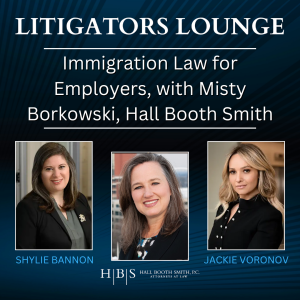
Immigration Law for Employers, with Misty Wilson Borkowski, Hall Booth Smith, P.C.

April 16, 2024 by John Ray

immigration law
Hall Booth Smith Podcast Network
Immigration Law for Employers, with Misty Wilson Borkowski, Hall Booth Smith, P.C.
Loading
00:00 /
RSS Feed
Share
Link
Embed

Download file

immigration law

Immigration Law for Employers, with Misty Wilson Borkowski, Hall Booth Smith, P.C. (Litigators Lounge, Episode 9)

On this episode of Litigators Lounge, hosts Jackie Voronov and Shylie Bannon welcome immigration law attorney Misty Borkowski to demystify the complex arena of employment law focusing on immigration. The discussion navigates through the intricacies of immigration law, visa categories, employer sponsorship, and how foreign nationals can navigate working in the United States. Special emphasis is placed on the H-1B visa process, including the lottery system, sponsorship requirements, and adjustments to permanent residency. The episode also addresses how the landscape of remote work and recent instances of fraud have impacted the process. This conversation aims to enlighten listeners on the critical aspects of immigration law and its significance in the workplace.

Litigators Lounge is underwritten and presented by Hall Booth Smith. The show is produced by John Ray and the North Fulton studio of Business RadioX®.

Misty Wilson Borkowski, Partner, Hall Booth Smith, P.C.

Misty Borkowski is a Partner in the Little Rock office of Hall Booth Smith, P.C. Her practice focuses on immigration matters, assisting both employers and individuals.

Prior to joining HBS, Misty, who is also fluent in Spanish, was a director at a local law firm, where she served as the designated attorney to aid in PALE (Program of Legal Assistance to Mexican Nationals through External Legal Advice in the United States of America) alongside the Mexican Consulate in Little Rock. She also functioned as the Liaison to Changchun, Little Rock’s Sister City in China.

The Arkansas Supreme Court chose Misty to be a member of the Criminal Justice Act Panel with the U.S. District Court for the Eastern District of Arkansas and appointed her to the Criminal Practice Committee. She is also an Adjunct Professor at the University of Arkansas at Little Rock, Bowen School of Law where she teaches a course on Immigration Law.

Misty earned her Juris Doctor at the University of Arkansas Little Rock, Bowen School of Law, and her Bachelor of Arts in International Studies at the University of Arkansas Little Rock.

Firm Website Profile | LinkedIn

Topics Discussed in this Episode

00:00 Welcome to Litigators Lounge: Your Guide to Workplace Dynamics and Legal Issues
01:08 Introducing the Focus on Immigration Law
02:15 Expert Insights: Misty Borkowski on Navigating Immigration Law
08:27 Understanding the H-1B Visa Process: From Student Visas to Employment
33:15 The Impact of COVID-19 on Remote Work and H-1B Visa Amendments
37:09 Closing Thoughts and Upcoming Topics

About Litigators Lounge

Jackie Voronov and Shylie Bannon, attorneys at Hall Booth Smith who specialize in labor and employment law, are the hosts of the engaging podcast Litigators Lounge. Listen as they delve into the intricate world of workplace legal issues as they explore real-life examples, unpack legal scenarios, and offer expert insights to help organizations and employees navigate the ever-changing legal landscape. With engaging discussions, diverse viewpoints from expert guests, and an ample touch of humor, Litigators Lounge is the go-to source for in-depth analysis and expert advice on law and the workplace.

Litigators Lounge is underwritten by Hall Booth Smith and is broadcast from the North Fulton studio of Business RadioX® inside Renasant Bank in Alpharetta.

If you have questions or feedback for Jackie and Shylie, feel free to follow this link and email them.

Jackie Voronov, Partner, Hall Booth Smith

Jackie Voronov, Partner, Hall Booth Smith

Jackie Voronov is a Partner in Hall Booth Smith’s office in Paramus, New Jersey, and she represents management in a wide variety of employment matters and litigates employment claims before administrative agencies and state and federal courts. Her clients include major hotels, retailers, shipping companies, assisted living facilities and nursing homes, manufacturers, and national fast-food franchisees.

Jackie’s litigation experience includes the defense of employers in single and multi-plaintiff actions on claims of wrongful discharge, sexual harassment, race, national origin, gender, disability and age discrimination, breach of contract, family medical leave, failure to accommodate, retaliation, wage/hour laws, and related tort claims.  Jackie also works with her clients to prepare various employment agreements (including non-compete, confidentiality, independent contractor, and separation agreements). She has extensive experience before various administrative tribunals, including the Equal Employment Opportunity Commission (EEOC), the State Division of Human Rights (SDHR), the Division of Civil Rights (DCR), and other state, federal, and local agencies.

In addition, Jackie frequently conducts management training for employers on a wide variety of employment law topics, such as:

  • EEO/anti-harassment
  • employee recruiting and hiring practices
  • family and medical leave
  • reasonable accommodations for disabilities and religion
  • preventing and investigating harassment, discrimination, and whistleblower claims
  • wage and hour compliance
  • discipline and termination of employees
  • privacy in the workplace

Jackie is regularly invited to speak nationally on best practices and other employment-related issues. Before joining Hall Booth Smith, she worked for one of the country’s largest law firms, where she defended employers in a wide range of labor and employment matters, including wage and hour class actions under the Fair Labor Standards Act (FLSA), claims related to the New York State Human Rights Law (NSHRL), the New Jersey Law Against Discrimination (LAD), the Americans With Disabilities Act (ADA), the New Jersey Conscientious Employee Protection Act (CEPA), and Title VII.

Jackie was selected for inclusion as a New Jersey Rising Star by Super Lawyers® for six consecutive years (2010-2016), which honors the top 2.5% of young lawyers in New Jersey.

LinkedIn

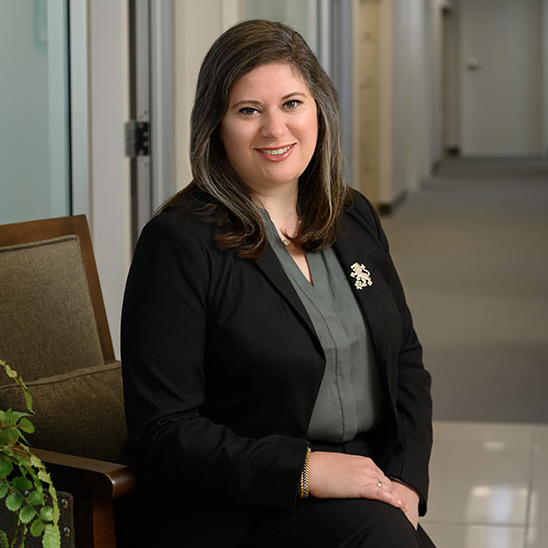
Shylie Bannon, Partner, Hall Booth Smith
Shylie Bannon, Partner, Hall Booth Smith

Shylie Bannon is a Partner in Hall Booth Smith’s Jacksonville, Florida, office. She also serves as Hiring Partner for the region of Florida, where she oversees associate attorney hiring endeavors. Prior to joining Hall Booth Smith, Shylie was a partner in both a multi-state, multi-specialty firm and a boutique practice.

At Hall Booth Smith, Shylie continues to represent physicians, mid-level providers, and health care providers in high-exposure medical negligence claims and in administrative proceedings before the Florida Department of Health. She also represents national retailers in high-exposure premises liability, negligent security, and transportation litigation with our National Trial Counsel team.

In addition to litigating matters involving personal injury and negligence, Shylie also represents management in all aspects of employment-related litigation arising from allegations of sex, disability, race, and pregnancy discrimination; whistleblower actions; and alleged violations of the National Labor Relations Act and Fair Labor Standards. She does so in administrative proceedings before both the Florida Commission on Human Relations and the US Equal Employment Opportunity Commission, as well as in all of the state and federal courts in Florida. She also provides employment-related counsel to clients, helping them avoid employment-related litigation through the implementation of best employment, investigation, and risk management practices.

Shylie earned a Juris Doctor from the University of Florida Levin College of Law, cum laude, and graduated magna cum laude from Tulane University with a Bachelor of Arts in Political Science and History.

Shylie volunteers with the Guardian Ad Litem program and supports child welfare advocacy efforts in Northeast Florida. She is also a Member of the Board for the Jewish Federation & Foundation of Northeast Florida.

LinkedIn

About Hall Booth Smith, P.C.

Established in 1989, Hall Booth Smith, P.C. (HBS) is a full-service law firm headquartered in Atlanta, Georgia, with regional offices strategically located throughout Georgia and the United States. Experienced across a wide range of legal disciplines, HBS prides itself on providing knowledgeable, proactive, client-specific counsel to individuals, domestic and international corporations, state and federal agencies, and nonprofit organizations.

HBS possesses the legal knowledge, skill, and experience to meet their clients’ needs wherever they do business. HBS maintains the highest commitment to ethically and professionally serve their clients by providing the highest quality legal representation.

They deliver quality legal services in a variety of service areas. Experience across legal disciplines combined with a focus on the unique business or personal requirements of the client is the hallmark of the firm. Their clients receive the attention, expertise, and cost-effectiveness of a smaller law firm with the full-service and strong regional presence typical of a larger one.

Company website | LinkedIn | Facebook | Instagram

Disclaimer

Litigators Lounge is a production brought to you by Hall Booth Smith, PC. This podcast is published for the purposes of providing general information and education on topics which include those related to the law and legal issues, but the contents of the podcast do not constitute legal advice. Listening to this podcast or utilizing the information contained in it in any way does not constitute nor does it create an attorney-client relationship between you and Hall Booth Smith or its lawyers. The contents of this podcast should not be used as a substitute for competent legal advice from a professional attorney licensed in your jurisdiction.

Tagged With: business immigration law, corporate immigration attorney, employment based immigration, employment law, H-1B, H-1B Visa Process, Hall Booth Smith P.C., immigration attorney, immigration law, Jackie Voronov, Litigators Lounge, remote work, Shylie Bannon, student visas

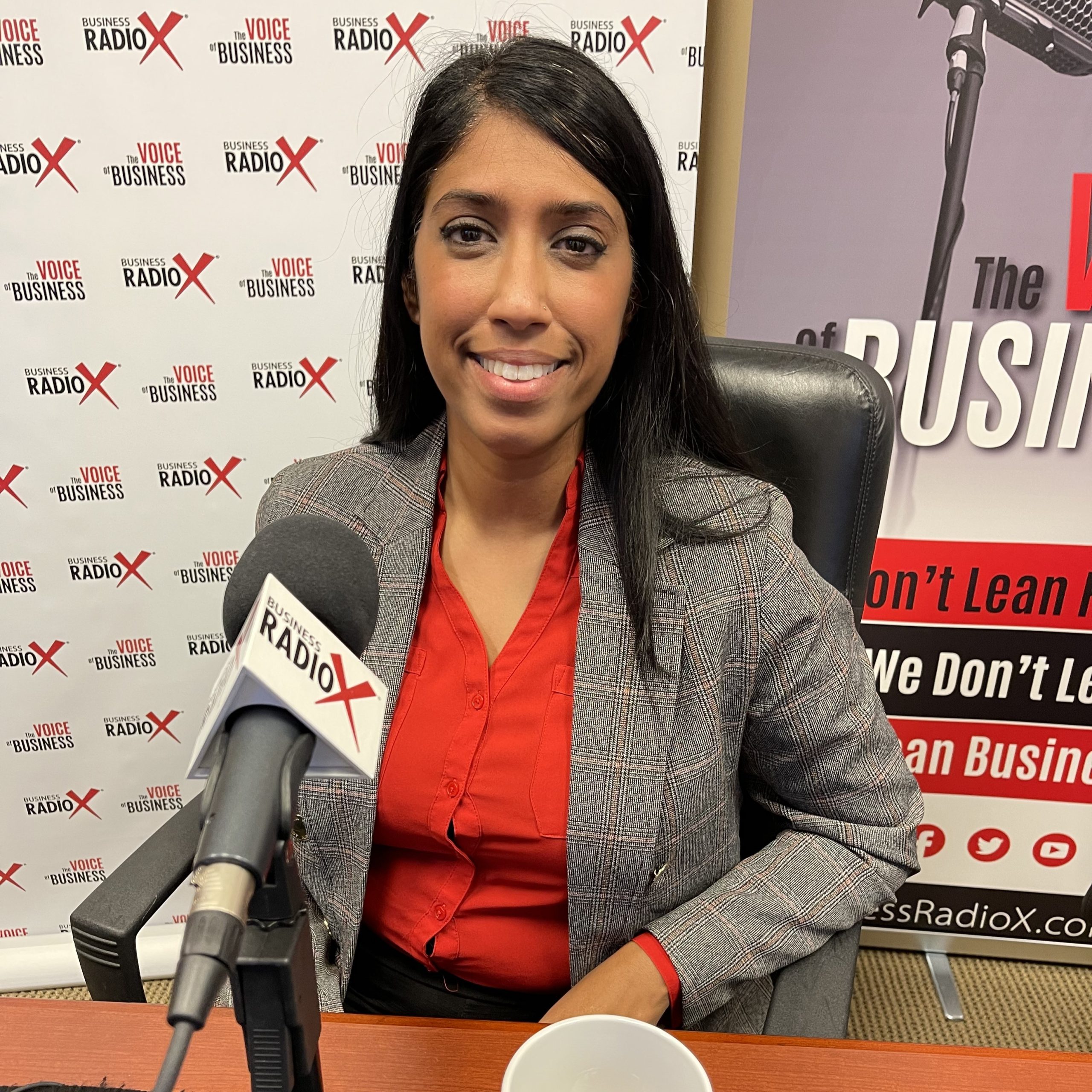
Elizabeth Ji, The Ji Law Firm, and Dr. Remmya Nair, Our Family Doc

December 14, 2023 by John Ray

Dr. Remmya Nair, Elizabeth Ji
Family Business Radio
Elizabeth Ji, The Ji Law Firm, and Dr. Remmya Nair, Our Family Doc
Loading
00:00 /
RSS Feed
Share
Link
Embed

Download file

Dr. Remmya Nair, Elizabeth JiElizabeth Ji, The Ji Law Firm, and Dr. Remmya Nair, Our Family Doc (Family Business Radio, Episode 51)

On this episode of Family Business Radio, host Anthony Chen welcomed professional services firm owners, attorney Elizabeth Ji, and primary care physician Dr. Remmya Nair. Elizabeth shared her journey into law, the challenges and opportunities of being a corporate immigration attorney, and the importance of understanding the myriad roles within this field. Dr. Nair discussed her inspiration to enter medicine, the concept of direct primary care, and the flexibility provided by this healthcare model. Both guests highlighted their dedication to their clients and patients, as well as the personal fulfillment gained from their individual entrepreneurial journeys.

Host Anthony Chen closed the show with thoughts on thinking outside the box when it comes to planning retirement.

Family Business Radio is underwritten and brought to you by Anthony Chen with Lighthouse Financial Network.

Elizabeth Ji, CEO and Managing Attorney, The Ji Law Firm

Elizabeth Ji, The Ji Law Firm

Elizabeth Ji is the founding attorney of The Ji Law Firm, headquartered in Atlanta, Georgia. The focus of the firm is corporate and family immigration. Elizabeth earned her Juris Doctorate from Atlanta’s John Marshall Law School while working full-time at a US subsidiary of a foreign company.

Elizabeth has extensive experience and knowledge in the field of immigration law and has been recognized as a 2023 Georgia Super Lawyer, Rising Star. Prior to practicing law, Elizabeth earned her Bachelor of Arts with dual majors in Political Science and International Studies from The Ohio State University in Columbus, Ohio. Because of her tenacity, commitment to excellence, and hard work, she was the recipient of several prestigious academic scholarships.

Her passion is focused on providing corporations, individuals, and families with well-planned and well-executed immigration plans because they deserve it. Having navigated the immigration system by designing hundreds of immigration strategies, Elizabeth understands how to approach each case with a keen eye for the most direct route to the client’s desired outcome. The team at The Ji Law Firm serves clients across the United States with professionalism and compassion.

LinkedIn

The Ji Law Firm

The Ji Law Firm specializes in business immigration law because they believe that employers deserve access to the highest quality talent, and sometimes that talent is outside of the US. Business immigration law is their business.

Their team is passionate about helping business owners, investors, entrepreneurs, human resources professionals, individuals, and families with immigration law matters. They serve clients in the United States and beyond.

Access the world’s highest-quality talent. With their professional guidance and support, companies can draw from a global pool of skilled professionals to create a vibrant workforce that transcends boundaries. No matter where they come from, individuals with remarkable skill sets are empowered to take their talents into virtually any business environment, thanks in part to The Ji Law Firm’s immigration services.

Unlock your business’s potential for success by discovering how you, too, can benefit from hiring talented workers across borders—and maybe even oceans—with their experienced business immigration team.

Website | LinkedIn | Facebook | Instagram

Dr. Remmya Nair, Founder, Our Family Doc

Dr. Remmya Nair, Our Family Doc

Dr. Remmya Nair is a board-certified family physician who has been practicing since 2015.

Throughout my years in private practice and in large hospital systems, it became evident that patients, just like physicians, felt frustrated with the crippled healthcare system and the arduous management of insurance companies. Personalized care took a backseat, and patients began to feel like numbers instead of individuals. Additionally, Dr. Nair was discouraged that she was not able to spend enough time with my patients and that she was being required to complete countless administrative tasks in an effort to keep the insurance companies happy rather than my patients.

Her disappointment led her to explore alternative options to provide better care. The obstacles her patients had to face, along with her drive as to why she became a physician in the first place, motivated her to open Our Family Doc.

By offering a membership model, she can devote more time to her patients and their families, gaining a greater understanding of them as individuals. This means she is no longer forced to fit patients into limited time slots, and surprise billings and insurance paperwork is no longer an issue. Think of it as bringing back old-fashioned medicine with a modern touch.

As a physician, she values the relationship she develops with her patients and the time they spend together. Dr. Nair believes a strong relationship with the patient is fundamental to providing exceptional care.

Dr. Nair’s philosophy of taking care of her patients has always been the same as the way she would want to be taken care of for herself and her family. She looks forward to building a practice that puts her patients and their health as top priority. With everyday life getting more stressful and busy, taking care of our health should be stress free.

LinkedIn

Our Family Doc

Our Family Doc’s goal is to provide compassionate, personalized care that has been a hallmark of general practice since the beginning of time, while integrating the newest medical technology available today.

Website | Instagram | Facebook

Anthony Chen, Host of Family Business Radio

Anthony Chen, Lighthouse Financial, and Host of “Family Business Radio”

This show is sponsored and brought to you by Anthony Chen with Lighthouse Financial Network. Securities and advisory services are offered through Royal Alliance Associates, Inc. (RAA), member FINRA/SIPC. RAA is separately owned, and other entities and/or marketing names, products, or services referenced here are independent of RAA. The main office address is 575 Broadhollow Rd. Melville, NY 11747. You can reach Anthony at 631-465-9090, ext. 5075, or by email at anthonychen@lfnllc.com.

Anthony Chen started his career in financial services with MetLife in Buffalo, NY, in 2008. Born and raised in Elmhurst, Queens, he considers himself a full-blooded New Yorker while now enjoying his Atlanta, GA, home. Specializing in family businesses and their owners, Anthony works to protect what is most important to them. From preserving to creating wealth, Anthony partners with CPAs and attorneys to help address all of the concerns and help clients achieve their goals. By using a combination of financial products ranging from life, disability, and long-term care insurance to many investment options through Royal Alliance, Anthony looks to be the eyes and ears for his client’s financial foundation. In his spare time, Anthony is an avid long-distance runner.

The complete show archive of Family Business Radio can be found at familybusinessradioshow.com.

Tagged With: Anthony Chen, business immigration law, corporate immigration attorney, direct primary care, Dr. Remmya Nair, Elizabeth Ji, employment based immigration, Family Business Radio, family doctor, immigration attorney, Our Family Doc, primary care physician, The Ji Law Firm

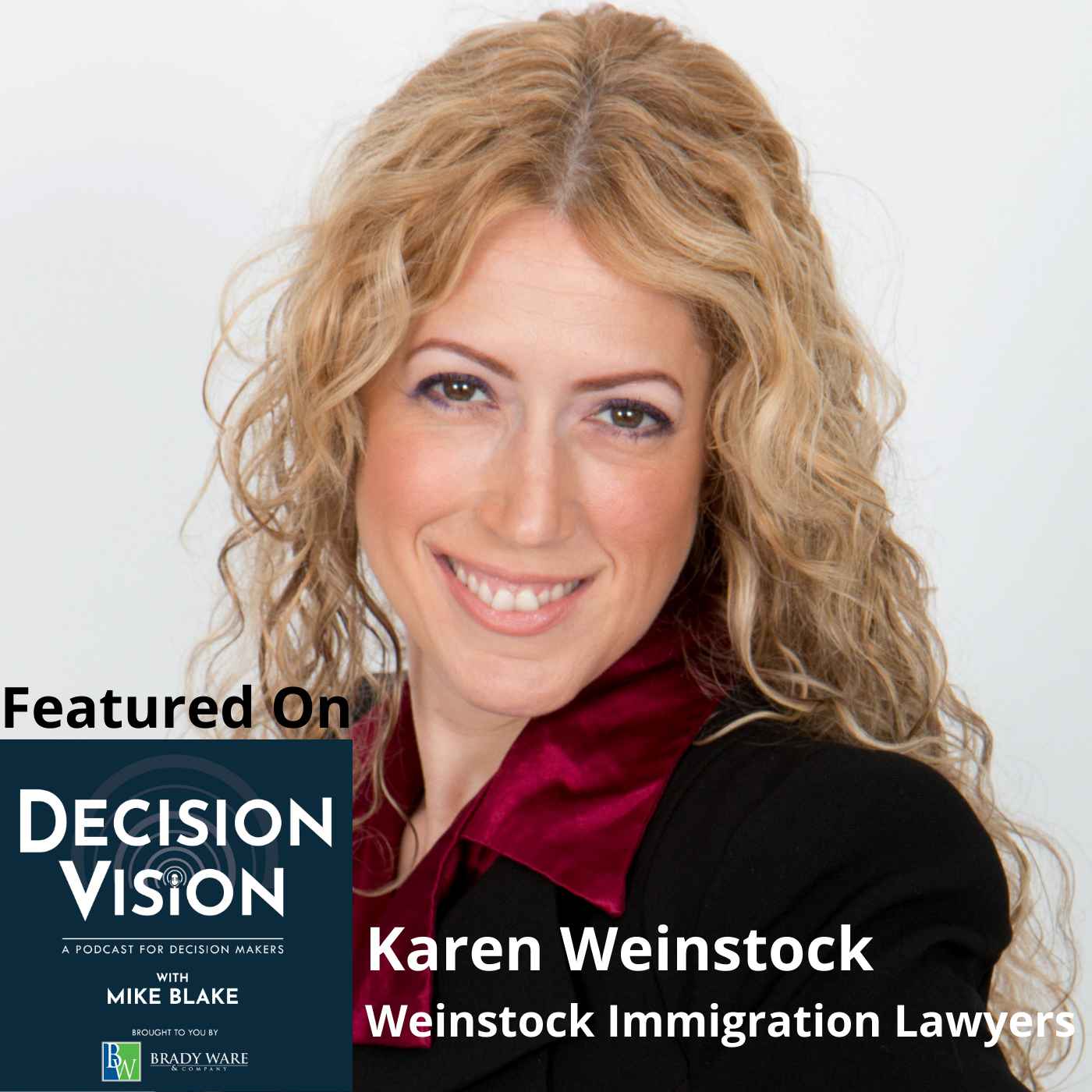
Decision Vision Episode 129: Should I Sponsor a Foreign Employee for a Work Visa? – An Interview with Karen Weinstock, Weinstock Immigration Lawyers

August 12, 2021 by John Ray

Weinstock Immigration Lawyers
Decision Vision
Decision Vision Episode 129: Should I Sponsor a Foreign Employee for a Work Visa? - An Interview with Karen Weinstock, Weinstock Immigration Lawyers
Loading
00:00 /
RSS Feed
Share
Link
Embed

Download file

Weinstock Immigration Lawyers

Decision Vision Episode 129: Should I Sponsor a Foreign Employee for a Work Visa? – An Interview with Karen Weinstock, Weinstock Immigration Lawyers

When a business has an opportunity and need to hire a foreign employee and sponsor them for a work visa, what issues and obligations does that decision raise?  Having immigrated from Israel over twenty years ago herself, Karen Weinstock of Weinstock Immigration Lawyers not only has personal experience with this question, but over two decades of experience assisting companies with the complexities of sponsoring and hiring an employee from outside the U.S. Decision Vision is presented by Brady Ware & Company.

Weinstock Immigration Lawyers

Weinstock Immigration Lawyers is a premier immigration law firm, helping immigrants achieve their American dream by securing work visas and green cards to the USA.Weinstock Immigration Lawyers Weinstock Immigration Lawyers offer legal services to companies and individuals to obtain all their immigration needs to the USA, including all work and family visas, green cards, citizenship, and defense from deportation.

Company website | LinkedIn | Facebook | Twitter

Karen Weinstock, Managing Attorney, Weinstock Immigration Lawyers

Weinstock Immigration Lawyers
Karen Weinstock, Managing Attorney, Weinstock Immigration Lawyers

Karen Weinstock is the Managing Attorney of Weinstock Immigration Lawyers, one of the best immigration law firms in Atlanta, Georgia. With over two decades of experience, she has substantial expertise representing U.S. and international companies to secure global talent and ensure a successful transition for foreign employees and their families. Karen has represented Fortune 500 and publicly traded companies in both the U.S. and abroad. Indeed, she has helped many European, Asian, and Latin American enterprises and international investors achieve their American Dream. As such, she is also a sought-after speaker on immigration law in forums, conferences, and the media.

Born and raised in Israel, Karen immigrated to the United States in 2000. Her passion for immigration law is a direct result of her personal experience. Karen’s compassion for clients and commitment to excellence distinguishes her as one of the best immigration attorneys in the nation. Karen is trusted not only by her clients. Atlanta’s largest corporate law firms and other immigration attorneys consult her for advice in complex immigration matters on a regular basis. Legal and business communities across the country regard Karen as a true leader in immigration and a role model among women entrepreneurs.

LinkedIn

Mike Blake, Brady Ware & Company

Mike Blake, Host of the “Decision Vision” podcast series

Michael Blake is the host of the Decision Vision podcast series and a Director of Brady Ware & Company. Mike specializes in the valuation of intellectual property-driven firms, such as software firms, aerospace firms, and professional services firms, most frequently in the capacity as a transaction advisor, helping clients obtain great outcomes from complex transaction opportunities. He is also a specialist in the appraisal of intellectual properties as stand-alone assets, such as software, trade secrets, and patents.

Mike has been a full-time business appraiser for 13 years with public accounting firms, boutique business appraisal firms, and an owner of his own firm. Prior to that, he spent 8 years in venture capital and investment banking, including transactions in the U.S., Israel, Russia, Ukraine, and Belarus.

LinkedIn | Facebook | Twitter | Instagram

Brady Ware & Company

Brady Ware & Company is a regional full-service accounting and advisory firm which helps businesses and entrepreneurs make visions a reality. Brady Ware services clients nationally from its offices in Alpharetta, GA; Columbus and Dayton, OH; and Richmond, IN. The firm is growth-minded, committed to the regions in which they operate, and most importantly, they make significant investments in their people and service offerings to meet the changing financial needs of those they are privileged to serve. The firm is dedicated to providing results that make a difference for its clients.

Decision Vision Podcast Series

Decision Vision is a podcast covering topics and issues facing small business owners and connecting them with solutions from leading experts. This series is presented by Brady Ware & Company. If you are a decision-maker for a small business, we’d love to hear from you. Contact us at decisionvision@bradyware.com and make sure to listen to every Thursday to the Decision Vision podcast.

Past episodes of Decision Vision can be found at decisionvisionpodcast.com. Decision Vision is produced and broadcast by the North Fulton studio of Business RadioX®.

Connect with Brady Ware & Company:

Website | LinkedIn | Facebook | Twitter | Instagram

TRANSCRIPT

Intro: [00:00:01] Welcome to Decision Vision, a podcast series focusing on critical business decisions. Brought to you by Brady Ware & Company. Brady Ware is a regional full service accounting and advisory firm that helps businesses and entrepreneurs make visions a reality.

Mike Blake: [00:00:21] Welcome to Decision Vision, a podcast giving you, the listener, clear vision to make great decisions. In each episode, we discuss the process of decision making on a different topic from the business owners’ or executives’ perspective. We aren’t necessarily telling you what to do, but we can put you in a position to make an informed decision on your own and understand when you might need help along the way.

Mike Blake: [00:00:40] My name is Mike Blake, and I’m your host for today’s program. I’m a director at Brady Ware & Company, a full service accounting firm based in Dayton, Ohio, with offices in Dayton; Columbus, Ohio; Richmond, Indiana; and Alpharetta, Georgia. Brady Ware is sponsoring this podcast, which is being recorded in Atlanta per social distancing protocols. If you would like to engage with me on social media with my Chart of the Day and other content, I’m on LinkedIn as myself and @unblakeable on Facebook, Twitter, Clubhouse, and Instagram. If you like this podcast, please subscribe on your favorite podcast aggregator and please consider leaving a review of the podcast as well.

Mike Blake: [00:01:17] Today’s topic is, Should I sponsor a foreign employee for a work visa? And in the last few months, we’ve had a couple of topics on alternative sources to employees. We’ve had a conversation about using or hiring people with criminal records. We’ve had a conversation about hiring the handicapped and disabled. And another source now might be employees that do not currently have authorization to work in the United States.

Mike Blake: [00:01:52] And just as before, when we covered these topics a couple of months ago, we remain in an unprecedented economic scenario in the United States, at least in my lifetime because I was born in 1970 so I go back as far as the gas shortages. And, you know, I think the same concept applies that, you know, as we need workers, frankly, we can’t afford to leave any stone unturned in the search for talent. And I understand that immigration is a very politically and ideologically charged topic. I’m not going to engage in that discussion today.

Mike Blake: [00:02:39] All we’re going to do is address the situation, or the question, the decision, of when one has an opportunity or a need to hire a foreign employee for a work visa. What goes into the decision to actually moving forward with that? Because I’ve only seen it from afar. I don’t get the sense that it’s easy. Of course, every government prefers that we hire or that employers hire their own citizens and permanent residents first, because they’re taxpayers, they are, at least from a citizens perspective, voters, and that’s their obligation.

Mike Blake: [00:03:32] But America has been in a place for a long time where we have, in many cases, relied on foreign workers in one form or another to get jobs done. And one thing I don’t see talked about a lot – which is kind of interesting – with all the discussion of shortages of labor, for example, in the hospitality industry, is that, many of those jobs have historically been filled by people who have come from abroad. And now that we have been more vigilant in our enforcement of immigration policy, I think it’s hard to argue that that hasn’t reduced the supply of available labor in that particular sector.

Mike Blake: [00:04:14] And, of course, now that we’re seeing employment extended or enhanced employment benefits start to expire, it remains to be seen what impact that’s going to have on the labor market. And as I counsel people a lot or frequently, economics is a slow science. You cannot just take a couple of weeks or a couple of months of economic data and draw meaningfully intellectually driven conclusion. It takes six months or a year for that to happen. But I can say this, that, one data point as of recording this podcast on August 9th, 2021, we had on historic jobs report last year – I’m sorry – last week where roughly 915,000 jobs were filled in the United States.

Mike Blake: [00:04:59] So, there’s job availability and labor is coming back. But, again, it’s one data point. I’m just not going to draw a conclusion. But even in good times, we have needs and desires to hire foreign workers, not just because there’s a broad labor shortage, because there is a mismatch of skillsets in the available labor pool versus skillsets in the labor demand.

Mike Blake: [00:05:29] And coming on to speak with us is my friend, Karen Weinstock, who is managing attorney of Weinstock Immigration Lawyers. With over two decades of experience, Karen has substantial expertise representing the U.S. and international companies to secure global talent and ensure a successful transition for foreign employees and their families. Karen has represented Fortune 500 and publicly traded companies both in the United States and abroad. Indeed, she has helped many European, Asian, and Latin American enterprises, and international investors achieve their American dream. As such, she is a sought after speaker in immigration law in forums, conferences, and the media.

Mike Blake: [00:06:05] Born and raised in Israel, Karen immigrated to the United States in 2000. Her passion for immigration law is a direct result of her personal experience. Karen’s compassion for clients, a commitment to excellence, distinguishes her as one of the best immigration attorneys in the nation. Karen is trusted, not only by her clients, but the largest corporate law firms and other immigration attorneys consult her for advice and complex immigration matters on a regular basis.

Mike Blake: [00:06:31] Weinstock Immigration Lawyers is the premier immigration law firm helping immigrants achieve their American dream by securing work visas and green cards to the United States. Karen Weinstock is also the author of Matched: From Dating Disasters to Dream Relationships. So, if you’re looking, go buy that book on Amazon, or maybe there’s an audible version as well. Karen Weinstock, welcome to the program.

Karen Weinstock: [00:06:52] Thank you, Mike. It’s a pleasure to be here.

Mike Blake: [00:06:56] So, Karen, you’ve been doing this a long time. You’ve been in the situation of immigrating here, which I think gives you a unique perspective, even among your cohort. Why do companies sponsor workers for a work visa? And is that even the right term?

Karen Weinstock: [00:07:16] Yes, it is the right term. Because it does require sponsorship from a company to sponsor an individual for a work visa. So, you can’t just come and say, “Hey. My name is Mike. I really want to work here,” and just come in. It doesn’t happen like that in the most part. Unless you are somebody of extraordinary ability in the arts or the sciences or the business, then you can self-sponsor. So, if you are a Russell Crowe, for example, and you’re this world famous actor, you can say, “Hey, I’ve been nominated, or I won the Academy Award, or I’m so renowned and I can just self-sponsor for a green card.” That can happen. But for the most part, you do need a sponsorship to come in and either get a temporary work visa to the United States or to get a green card or permanent residency here.

Mike Blake: [00:08:13] So, you know, we’ll get into the nuts and bolts, but my impression is that, it’s not easy to sponsor somebody for a work visa. Why do companies do it? In your experience, why do they go through the hassle?

Karen Weinstock: [00:08:29] So, there are mainly two reasons why they do that. The first reason is that, really, there is a labor shortage and they can’t find talent in the United States for that. And the most common ones are I.T., technology workers in the past 20 years. In other, engineering, math, sciences, there’s just not enough U.S. graduates in these programs to cover the labor that is needed from various companies and various projects in various industries. So, they, basically, sponsor visas for immigrants.

Karen Weinstock: [00:09:15] The second reason is, a lot of people, a lot of foreign nationals, come and study in U.S. universities for bachelor degrees, masters, PhD programs. So, when those people graduate, they get a one year work card in the United States to basically work in their field of study and get the practical training based on their education. So, a lot of times they’ll enter a company with that work card. And then, a year later, they have all the skills, all the knowledge that the company is giving them and trained them on, and they want to sponsor them because they want them to stay. They’re good employees, and they have all the knowledge, and skills and they want to stay here, and the company wants them to stay. So, that’s usually one of the two main reasons.

Mike Blake: [00:10:13] So, I think it’s important to make, at least, I think was a distinction – you’ll correct me if I’m wrong, of course. And that is the distinction between a residency permit and a work permit. For example, just because somebody is here, even if they’re here legally, does not mean they’re necessarily legally allowed to work here and vice versa, I think. So, is that right? And if so, what are the differences between the two?

Karen Weinstock: [00:10:43] Yes. Correct. So, basically, if you are anybody else except a U.S. citizen or a permanent resident or called a green card holder, in both of these cases, you are basically free to work for whomever you want. Everybody else who is a foreign national needs a special permission, either a work authorization, a visa, or some type of document allowing them to work in the United States.

Mike Blake: [00:11:11] So, for example, somebody can’t come from, you know – I don’t know -Netherlands, they can’t come in and do sightseeing and then say, “Hey, I like to work in the United States, I think I’ll walk in to some place and grab a job.” It doesn’t work like that, right?

Karen Weinstock: [00:11:25] No. No. And that’s a very common misconception that people have and businesses have. Well, why can’t these people work here? Because they don’t have a work authorization. They don’t have a work visa.

Mike Blake: [00:11:38] So, let’s dive into it. I was with a firm that sponsored somebody who worked on my group for a work visa – and I’m glad we did. She was a fantastic employee. I’d love to get her back at some point. But, anyway, what’s involved in sponsoring somebody for a work visa? What are the steps?

Karen Weinstock: [00:12:01] So, most commonly the businesses will sponsor professionals in an H-1B work visa scenario. So, they would basically have to prove that the position itself is professional and requires at least a bachelor degree or higher, of course. And then, after that, they would have to prove that the company has the need for that employee. So, obviously, accounting, auditing, a lot of other occupations, like I mentioned before, I.T. and doctors. So then, you also have to prove that the individual has the qualifications. And if a license is necessary, they would have to have a license. And then, you file an immigration petition with the U.S. Citizenship and Immigration Services in the United States. And assuming everything is well, the person qualifies, the company qualifies, et cetera, then you can get the work visa.

Mike Blake: [00:13:11] So, my understanding is that, at least at one point, part of that process was that, an employer had to demonstrate they could not find that talent domestically. Is that still true?

Karen Weinstock: [00:13:25] So, that’s another misconception. And so, there’s a difference between sponsoring somebody for a work visa, which is temporary. That is not required to prove that they’ve recruited and tried to find U.S. citizens or U.S. workers. That is not required for a temporary sponsorship for a work visa. However, for a permanent sponsorship for a green card or permanent residency, yes, the company would have to do recruiting in a bona fide way, try to recruit U.S. workers for that job. And if they don’t find a U.S. worker, then they can go ahead and sponsor the person that’s immigrating.

Mike Blake: [00:14:06] Oh, that’s really interesting. So, candidly, I did not know that. So, I’m learning something right alongside the listeners. And that is, a company can also sponsor somebody for a green card.

Karen Weinstock: [00:14:18] Yes, that’s true. Absolutely.

Mike Blake: [00:14:20] So, I’m going to tear up the script here because I think this is really interesting. In your mind, in what case would a company want to sponsor somebody just for a work permit? And in what case would a company want to sponsor somebody for residency?

Karen Weinstock: [00:14:40] Well, in most cases, the company would actually prefer to sponsor somebody for a work visa because it’s a less expensive process, it’s a less involved process because they don’t have to run advertisements in the newspapers, and recruit U.S. workers, and all of that, because the green card process, obviously, requires a lot more. But the difference is that, if you sponsor somebody permanently, you have them permanently.

Karen Weinstock: [00:15:10] And the other challenge that companies have been having, a lot of companies basically have had this challenge for a long time, is the H-1B visa cap. So, Congress capped, 30 years ago, the H-1B numbers to 65,000 for the entire U.S. per year. And it’s really a drop in the bucket compared to how many professionals the U.S. really needs on an annual basis. I’m not even talking about right now where the economy is robust, and it’s bursting at the seams, and there’s really a lot of occupations that are in shortage, and it’s really an employee market that they can shop around different offers and get higher pay when they get higher than companies are really struggling to find talent.

Karen Weinstock: [00:16:00] But even in a situation where the economy is not doing so great, maybe earlier in 2020 with COVID, still, there were really not enough positions for U.S. workers to fulfill, for example, in a lot of technology companies or a lot of health care occupations that were needed. So, in those situations, obviously, companies would sponsor because they have the need and they can’t serve their customers or clients if they don’t have employees to do the job.

Mike Blake: [00:16:37] So, in that regard, let me ask you a question. This is a little bit of a tricky question to ask and even answer, but I think it has to be asked. And that is, you know, under the Donald Trump Administration, he and his supporters, his voters, clearly had a view to restricting immigration. Whether you think that’s right or wrong, how they do it is right or wrong, I think that that is inarguable. I don’t think that they would argue that. How did that policy or how did that overarching approach to immigration impact the opportunity or the capacity for companies to sponsor either workers or permanent residents? And those changes that were made during the prior administration, are they starting to be undone during the current administration?

Karen Weinstock: [00:17:44] So, the Trump Administration made it a lot more difficult for companies to hire or bring over foreign national employees. There’s no question about it. They really had an anti-immigration agenda. And a lot of it was basically focused towards the legal immigration. Ironically, people with H-1B visas, permanent residents that were waiting in line for years to get their permanent residency legally, and also L-1 visas.

Karen Weinstock: [00:18:25] So, if you are an international company, for example, Apple. And you have, basically, offices throughout the world, and you wanted to bring an executive or manager or a highly technical person, let’s say, from your subsidiary in France over to the United States. You have this L-1 visa option that if you prove all those requirements and the relationship between the companies, you can get somebody in here fairly quickly.

Karen Weinstock: [00:19:00] And the administration, basically, significantly hindered the abilities of these companies to bring employees by just basically interpreting the regulations very harshly and denying a higher percentage of cases, delays. Then, the travel bans started. If you were in a specific country or coming from a specific country, there was a travel ban that you couldn’t get in, period.

Karen Weinstock: [00:19:29] And so, now, with a Biden Administration, they started to undo some of those travel bans, and some of those restrictions, and things of that nature. But, still, there are COVID related travel bans that are in effect that do not make sense in a lot of ways. For example, if somebody, let’s say, is in Germany right now. And, let’s say, Germany is part of the area that has a travel ban. But if you are a vaccinated person with a visa from Germany, why should you still be subject to the travel ban? That’s the question and it’s unanswered.

Mike Blake: [00:20:14] Right. And I think, immigration is just not a problem that we can solve. Congress not being able to solve it for 30 years. But you’re right, I mean, I wonder if that confusion around the perceived or actual complexity and, even sometimes arbitrariness or capriciousness, around immigration decisions discourages companies from even making the attempt.

Karen Weinstock: [00:20:49] I think mostly it’s a misconception that companies have. Like the one that you had, “I’m to advertise position and I need to interview U.S. workers to sponsor somebody temporarily,” that’s incorrect. And for the temporary sponsorship, it’s not required. But a lot of companies actually would sponsor somebody for permanent residence if they can’t find a U.S. worker for the position. So, you have a lot of companies that are willing to do that. And sometimes they will even sponsor somebody for a green card or permanent residence because they can’t get a temporary work visa.

Karen Weinstock: [00:21:25] In some situations, for example, if somebody doesn’t have a degree or the position doesn’t require a degree, for example, a nurse. Then, a lot of hospitals would sponsor nurses for permanent residency because nurses now only need an ASN or associate’s degree, and not a bachelor. So, there’s a lot of occupations that are definitely in shortage, but don’t qualify for a temporary work visa. So, companies would sponsor them for permanent residency. And sometimes because of the cap of the H-1B caps, sometimes it’s actually faster just to sponsor somebody for permanent residency than it is for a temporary visa. So, the permanent is faster than waiting 18 months to be sponsored for a temporary visa if the visas run out.

Mike Blake: [00:22:17] So, that’s really interesting. It brings to mind sort of the law of unintended consequences. I’m sure you’re aware that many companies now are reconfiguring their own job descriptions and job requirements so that fewer of them require an advanced college degree or higher. And at least on the surface, they say that they’re doing that because they’re starting to realize that one college degree aren’t the be all and end all. And number two, that they’re realizing some of their positions that not only require a college degree, really don’t. But in the process, if they want to bring in foreign workers, they’re making it harder on themselves because they’re designating some of their own positions as no longer having that college degree requirement.

Karen Weinstock: [00:23:11] Yes. It’s actually very true. But on the flip side, for permanent residents or for a green card sponsorship, you don’t necessarily need a college degree. That’s one route to go. And the other route is just straight work experience. So, if somebody has that specialized work experience of two years, they could still qualify to get a green card instead of a temporary visa.

Mike Blake: [00:23:35] So, I’m curious, is the work permit, is it akin to something we hear about in Europe? The Europeans have something called guest worker programs. Germany has been doing it for years. In particular, people from Turkey have been filling a lot of jobs that the Germans said they don’t want. Scandinavia has been bringing people in from the Middle East, most notably Syria and Iraq and Jordan on guest worker programs. I remember during the first George Bush, Jr. Administration, he talked about having a guest worker program mainly for agricultural purposes. I think that ultimately didn’t go anywhere. But is the work visa effectively our guest worker program? Is that kind of the intent?

Karen Weinstock: [00:24:24] No. And that’s a big hole in the U.S. Immigration system that remains unfulfilled to this day. There is a seasonal worker program that was established decades ago with caps that are, again, a drop in the bucket, 66,000 a year for the entire U.S. Just the State of Florida with Disney and all the parks and the hotels and all of those, they need half-a-million people a year on this guest worker program. Just imagine, so for the entire U.S. you have 66,000. So, it’s not really utilized other than the very large companies. And, still, you have to advertise for U.S. jobs, you have to file things with Department of Labor. If you are the average, let’s say, landscaping company, small construction company, you do have a seasonal need, for example. Good luck finding these workers and getting them sponsored because it’s almost literally impossible.

Karen Weinstock: [00:25:33] So, the guest worker program is something that has been pushed for years, politically, and it hasn’t happened. And if political forces at this juncture can actually push for it, it’s going to be a great, great way to bring, legally, people from Mexico, Latin America, other countries where a lot of people are happy for any job, including jobs that Americans don’t want to do, agriculture and a lot of construction jobs, and hotel cleaning, and things like that, that are really necessary. And we really don’t have the U.S. workers to do them because they don’t want to do them.

Mike Blake: [00:26:22] So, if I’m a company or I work for a company that’s considering sponsoring somebody for either a work permit or a residency permit, how long, approximately, does the process for each one take? You know, assuming a fairly clean fact pattern. You’re not having to work through, you know, getting somebody’s birth certificate from South Sudan or something like that. What kind of timeframe are we looking at?

Karen Weinstock: [00:26:51] So, basically, the temporary visa really depends on the cap, because with the H-1B visa, you have to figure out when to apply for the cap. So, usually the application period is between January and March. And then, the start date is October. So, you have to remember those dates.

Karen Weinstock: [00:27:13] But with all the other work visas, it can take anywhere from three to six months to apply. And in case of urgency, then the company can pay the Immigration Service another $2,500 – it’s called the premium processing fee – and they’ll adjudicate the petition in two weeks. So, a lot of the L-visas, visas for investors, visa for essential workers, those could be expedited. And so, you can get an employee here fairly quickly outside of the cap part with the temporary visas.

Karen Weinstock: [00:27:51] For the green card sponsorship, it’s a longer process. It’s between a year, in some cases, to two years, and even multiple years, depending on the situations. Because there are backlogs for immigrant visas for Chinese and Indian nationals specifically, and those can take years.

Mike Blake: [00:28:10] And it’s interesting, you mentioned a couple of nationalities, so are there different lines for people from different parts of the world? Is there a faster line for somebody, say, from Belgium than it is for somebody from India or are they all on the same line?

Karen Weinstock: [00:28:27] So, for the most part, it’s all the same line. So, on the temporary visas, it’s everybody’s the same line. For the permanent visas, for the green cards, there is a provision in the law that basically says that you need to have diversity and one country cannot hog all of the immigrant visas. So, there’s a limit of up to seven percent of the worldwide numbers per country. And then, if there’s over numbers, then that country can get the over numbers.

Karen Weinstock: [00:28:59] But just imagine countries like India and China with over a billion people in each and a lot of highly educated professionals coming from India and China to work in the United States. So, obviously, the line for them would be much, much longer than somebody coming from Belgium, for example. And we don’t have that many immigrants from Belgium and the country itself doesn’t have that many people. So, the lines are just because of the number of applicants that we have from both of those countries and the sheer number of people from India and China.

Mike Blake: [00:29:38] Okay. So, now, we have a handle on the timeframe. Now, what about the cost? If a company is to sponsor somebody – and talk about all end costs, not just the application fee, but hiring somebody like you, and assembling any other documentation that’s required – how much can a company expect to pay to sponsor somebody for a work visa? How much can a company expect to pay to sponsor someone for a green card?

Karen Weinstock: [00:30:04] So, it really depends on the type of position and the type of work visa that is involved because there’s more work in others. But as a general rule, it’s several thousand dollars for attorney fees. And then, there’s immigration fees that also differ depending on the type of positions that you sponsor for. And so, several thousand dollars at the minimum.

Karen Weinstock: [00:30:34] For the permanent residency, it’s a much more complicated process because you have three different steps and three different applications. So, it’s probably north of $10,000 for green card sponsorship. And so, obviously, it’s a higher cost and it’s a lengthier process. But for those businesses that need those people, they’re happy to pay it, especially for highly paid individuals like I.T. workers, physicians, for example. There’s just not enough here. So, even if you pay the attorney fees for that, it’s actually less than you would pay a recruiter to find somebody in that position.

Mike Blake: [00:31:18] And I’ve noticed that several countries, specifically, make it easier for people from certain sectors to immigrate. I know, for example, my understanding in Europe, if you’re a health care practitioner, very easy to immigrate. If you’re if you’re an I.T., particularly if you’re a software engineer, very easy to immigrate. If you’re a block head account, like me, not so much. Does America also have preferential sectors like that?

Karen Weinstock: [00:31:50] Unfortunately not.

Mike Blake: [00:31:52] Okay. So, you just stay in the line.

Karen Weinstock: [00:31:54] You’re just in the line. So, the line for, let’s say, a nurse or a physician that may save lives is the same as somebody who graduated with an art history degree and going to work in a museum, for example. It’s just one line.

Mike Blake: [00:32:13] So, I think you’d agree with me, but if you don’t, please speak up and I know you will, sponsoring somebody for a work visa or a green card is not something you should take lightly. To me, it sounds like a pretty significant financial commitment by a company, particularly on the permanent residency side just because of the time involved.

Mike Blake: [00:32:38] Now, as somebody myself, as a business owner or at least a partial business owner, I think it’s reasonable to at least ask the question, how do I protect that investment? Once somebody has their work authorization, now, I’ve basically plowed the way for them to go work for somebody else, even potentially competitor. Are there ways, as the employer, that I can protect that investment? Can I, for example, make sponsorship for a visa contingent upon signing some sort of restrictive covenant that you’re going to agree to work here for three years or at least not compete, something like that? Is that legal? Is that an ethical gray line? How do you react to that?

Karen Weinstock: [00:33:27] So, generally, restrictive covenants are okay depending on the state of employment. So, for example, if you’re in California, California generally does not permit restrictive covenants. If you’re in Georgia, probably, yes. So, it just depends on the type of occupation and also on the state where you’re actually hiring the person. For example, as a lawyer, you can’t have a restrictive covenant on a lawyer because that’s my job. So, I can go work for another law firm even if I’m competing with you. So, there’s just different occupations and different requirements for them.

Karen Weinstock: [00:34:11] The good thing about temporary visa sponsorship is that, a lot of companies are still wary of sponsoring somebody for a work visa. So, even if they have a sponsor and, let’s say, they get a work visa, to go from one company to a second company, the second company will have to take over the sponsorship and apply for the work visa for them also, because the work visa is restricted to the same employer and the same job. So, once they move, they would need a new visa sponsorship. So, the new employer would be more wary to sponsor them for a work visa.

Karen Weinstock: [00:34:49] So, generally – not all the time, but generally – you would get somebody who would stay with you at least for the three years or the duration of the visa, because it’s not going to be easy for them to find another employer to take in the sponsorship.

Mike Blake: [00:35:08] So, it sounds like in terms of restrictive covenants, it has nothing to do with immigration. It simply has to do with the legal framework of the state in which the employee is being hired.

Karen Weinstock: [00:35:18] Yes, that is correct.

Mike Blake: [00:35:21] Okay. So, what are the risks? I mean, other than sort of the cash and time outlay, when I hear the term sponsor somebody for a visa, that implies some level of responsibility. Like, I’m sponsoring somebody for a membership. And that may or may not be true, which is why I want to ask the question. And that question ultimately is, as an employer, am I taking a risk? Am I assuming any implied responsibility or liability for that person’s conduct as a resident in some form of the United States, because I’ve sponsored them for that visa? Or is it limited entirely to their job relationship?

Karen Weinstock: [00:36:14] So, the sponsorship really is limited to the job relationship. And the main thing for the sponsorship is that you, as the employer, has to treat them like any other U.S. workers that you may have. So, you cannot discriminate, you cannot pay them less. You just have to give them the same working conditions and terms as you would any other U.S. worker that you have.

Karen Weinstock: [00:36:40] And then, also, you cannot furlough. So, specifically on the H-1B visa, you cannot furlough. So, if you don’t have any work for them anymore, then you would have to basically just terminate and notify the immigration agency that the employment has been terminated. And for the H-1B specifically, you are responsible to pay a return plane ticket home upon termination if the employee wishes to go home. In the majority of cases, the employee wants to stay here and they usually find another employment, another sponsor, who will employ them and take over the sponsorship in that situation.

Mike Blake: [00:37:29] So, you know, what happens to someone’s work visa status if they’re terminated from that job? Do they have to walk out of the office then head back to their country that day? Do they have a certain amount of time to try to find another job? I imagine for permanent residence, once you’re here, you’re here. But on a work visa, what happens in that case?

Karen Weinstock: [00:37:56] So, there is a 60 day grace period that the government will give you to find another employment or to leave upon termination. And it’s not in a regulatory language, but it’s really a grace period that the immigration agency will give you. So, if you find another sponsor or another employment within that time frame, then they are most likely to approve you for that transfer, that change of employer.

Mike Blake: [00:38:34] We’re talking with Karen Weinstock. And the topic is, Should I sponsor a foreign employee for a work visa? Does it make any difference if you’re attempting to sponsor somebody for a work visa, if that person is already in-country versus applying from abroad? Does the immigration process care?

Karen Weinstock: [00:38:56] It depends on the circumstance. But, usually, it’s faster to do it from the United States because you don’t have to go through the consulate or the embassy abroad to get a visa stamp to get into the country. And so, in normal days, getting a visa from abroad, it’s not a huge deal. But, now, with COVID, a lot of the consulates and embassies are closed, either completely shut down or minimal operations. And they just don’t issue visas or they only issue them in emergency cases. So, it’s much, much longer now to apply for somebody from abroad. But in normal cases, normal days outside of COVID, they’re just that one additional step to go to the embassy and apply for the visa to get into the country because the visa is your admission ticket into the country.

Mike Blake: [00:39:52] And that’s interesting to me, because, as I understand immigration rules and many European countries, not all of them, but I think many of them, if you’re going to apply for a work visa, you actually have to do it outside of the country. So, my understanding is that if you’re in-country, say, on an existing visa, it could be a tourist visa, they don’t even want you interviewing for jobs. They want you to be doing that entire thing from overseas or from across the border. It sounds like at least in that regard, the United States is a little bit more forgiving.

Karen Weinstock: [00:40:27] Yes. And, really, the majority of people who will apply for work visas are here already as students. So, they have student visas to a college or university, and they’re just completing the process from here, most of the time, not always.

Mike Blake: [00:40:46] So, in your experience, work visas, permanent residences, are they often rejected or are they most often accepted, maybe with various delays in that acceptance process? I guess if you go through that process, what is the risk of rejection?

Karen Weinstock: [00:41:08] Well, it really depends on the position and it also depends on who you hire to represent you.

Mike Blake: [00:41:15] Okay. Clear it up.

Karen Weinstock: [00:41:15] So, I mean, we have close to 100 percent approval rate on permanent residency applications.

Mike Blake: [00:41:22] Okay. I’ll let you plug that, that’s fine. So, let’s say, it doesn’t happen to you because you’re batting nearly a thousand. But for somebody else who made the mistake of hiring a different immigration attorney because I haven’t met you yet, if there’s a rejection, is there any kind of appeal process?

Karen Weinstock: [00:41:46] Yes. You have an option to appeal in certain circumstances. If you are applying in the United States with a U.S. agency, yes, you have a chance to appeal. If you are applying for a visa at a consulate or embassy, unfortunately, there is no appeal option there because of Department of State and diplomatic relations and all of that. Basically, they’re immune from most civil lawsuits and most of the appeal options.

Mike Blake: [00:42:18] Oh, that’s interesting.

Karen Weinstock: [00:42:19] Yeah. Yeah. It’s called consular nonreviewability. It’s a great little thing that they hang their hat on, especially when they make bad decisions.

Mike Blake: [00:42:31] Now, we’re running out of time, but there are a couple of questions I want to make sure that I get to. And, again. This is off script. But I imagine this happens, so I’m going to ask you. And that is, what if I, as an employer – and I’ll be very clear about this, I have not encountered this. But somebody, I’m sure, has. I don’t think our firm has ever encountered this – if I encounter somebody who is not in the country legally, maybe their student visas expired, for example, or they’re on a expired tourist visa, and they’ve decided that they would like to work for me and I would like to have them work for me. Is there a path by which we can kind of get them legal or by virtue of overstaying their welcome, so to speak, does that mean that that’s off the table?

Karen Weinstock: [00:43:26] In most situations, yes. So, in most situations, if somebody overstays their visa or their stay by more than 180 days, they are barred from changing their status again in the United States. And if they overstay by more than a year, they usually are subject to a ten year reentry bar. So, if they leave, they cannot come back for ten years. There are very significant re-entry bars and penalties for overstaying somebody’s visa.

Karen Weinstock: [00:44:02] So, for employment sponsorship, usually that’s not going to be approvable. With a small exception of people who are students and exchange visitors, they come in for a duration of status type of situation and they don’t have a set expiration date on their visa. So, with that exception, you won’t be able to help them,

Mike Blake: [00:44:32] So, I infer from what you said that if they’ve overstayed by less than 180 days, there may be something that you could do for them.

Karen Weinstock: [00:44:39] Yes. Correct.

Mike Blake: [00:44:40] Okay. So, the timing matters. So, if they’ve overstayed their visa by 30 days, there may still be an opportunity for them to, for lack of a better term, basically come clean and go legit.

Karen Weinstock: [00:44:54] Right. Right. And remember the 60 day grace period also. So, if somebody is terminated, they usually have 60 days to apply for another job. So, that’s also allowed.

Mike Blake: [00:45:05] Okay. Karen, this has been a great conversation. We’ve covered a ton of ground, probably the equivalent of $10,000 of free consulting. So, I really appreciate you sharing that with our audience. I’m sure there are questions we either haven’t covered or ones we did but didn’t go into as much depth that somebody would have liked. If that’s the case, can somebody contact you for more information? And if so, what’s the best way to do that?

Karen Weinstock: [00:45:27] Yeah. Absolutely. The best way is to email me or go to the website and get additional information. The website is visa-pros, visa like a visa card-dash-pros like professionals, .com. And we’ll be happy to hear from people feedback or any questions. We have a great team that’s eager to help other people.

Mike Blake: [00:45:56] That’s going to wrap it up for today’s program. I’d like to thank Karen Weinstock and her 100 percent batting average so much for sharing her expertise with us today.

Mike Blake: [00:46:04] We’ll be exploring a new topic each week. So, please tune in so that when you’re faced with your next business decision, you have clear vision when making it. If you enjoy these podcasts, please consider leaving a review with your favorite podcast aggregator. It helps people find us that we can help them. If you like to engage with me on social media with my Chart of the Day and other content, I’m on LinkedIn as myself and @unblakeable on Facebook, Twitter, Clubhouse, and Instagram. Once again, this is Mike Blake. Our sponsor is Brady Ware & Company. And this has been the Decision Vision podcast.


Tagged With: Brady Ware & Company, citizenship, Decision Vision, employment based immigration, green cards, immigration, Karen Weinstock, Mike Blake, Visa Pros, Weinstock Immigration Lawyers, work visas

ATDC Radio: Danielle Claffey with Kuck Baxter Immigration and Danielle Major with Smart Convos

August 22, 2019 by angishields

ATDC-Ep-2-Feature
ATDC Radio
ATDC Radio: Danielle Claffey with Kuck Baxter Immigration and Danielle Major with Smart Convos
Loading
00:00 /
RSS Feed
Share
Link
Embed

Download file

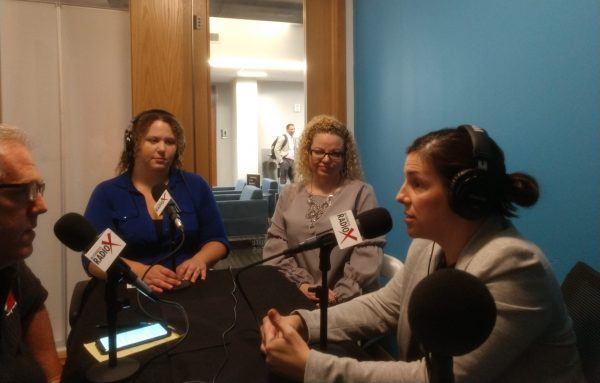
ATDC-Ep-2-Group

Danielle Claffey is a Partner with Kuck Baxter Immigration LLC and practices in all areas of U.S. immigration and nationality law. She has more than 12 years of experience in business immigration matters including employment-based visa petitions, investor petitions, family based immigration, affirmative asylum, nonimmigrant visas, consular processing and federal court litigation.

Ms. Claffey is also highly experienced in deportation, cancellation of removal and asylum proceedings before the immigration courts and the U.S. Court of Appeals.

Danielle Major, CEO of Conversational Marketing Startup company Smart Convos, is a creative tech-loving executive with a desire to break communications barriers between businesses and consumers through new technology. She enjoys using her strong communication skills , creative chaos, and ingenuity to help build innovative ideas and relationships with others.

Danielle has a background in web design and marketing. She has a deep passion for helping others succeed, is always positive and loves meeting new people for great conversation.

Follow Smart Convos on LinkedIn, Twitter and Facebook.

Tagged With: E-2, employment based immigration, green card, green cards, H-1B Petitions, immigration, investment options, national interest waiver, visa petitions, Visa sponsorship

Business RadioX ® Network


Our Most Recent Episode

CONNECT WITH US

  • Email
  • Facebook
  • LinkedIn
  • Twitter
  • YouTube

Our Mission

We help local business leaders get the word out about the important work they’re doing to serve their market, their community, and their profession.

We support and celebrate business by sharing positive business stories that traditional media ignores. Some media leans left. Some media leans right. We lean business.

Sponsor a Show

Build Relationships and Grow Your Business. Click here for more details.

Partner With Us

Discover More Here

Terms and Conditions
Privacy Policy

Connect with us

Want to keep up with the latest in pro-business news across the network? Follow us on social media for the latest stories!
  • Email
  • Facebook
  • Google+
  • LinkedIn
  • Twitter
  • YouTube

Business RadioX® Headquarters
1000 Abernathy Rd. NE
Building 400, Suite L-10
Sandy Springs, GA 30328

© 2025 Business RadioX ® · Rainmaker Platform

BRXStudioCoversLA

Wait! Don’t Miss an Episode of LA Business Radio

BRXStudioCoversDENVER

Wait! Don’t Miss an Episode of Denver Business Radio

BRXStudioCoversPENSACOLA

Wait! Don’t Miss an Episode of Pensacola Business Radio

BRXStudioCoversBIRMINGHAM

Wait! Don’t Miss an Episode of Birmingham Business Radio

BRXStudioCoversTALLAHASSEE

Wait! Don’t Miss an Episode of Tallahassee Business Radio

BRXStudioCoversRALEIGH

Wait! Don’t Miss an Episode of Raleigh Business Radio

BRXStudioCoversRICHMONDNoWhite

Wait! Don’t Miss an Episode of Richmond Business Radio

BRXStudioCoversNASHVILLENoWhite

Wait! Don’t Miss an Episode of Nashville Business Radio

BRXStudioCoversDETROIT

Wait! Don’t Miss an Episode of Detroit Business Radio

BRXStudioCoversSTLOUIS

Wait! Don’t Miss an Episode of St. Louis Business Radio

BRXStudioCoversCOLUMBUS-small

Wait! Don’t Miss an Episode of Columbus Business Radio

Coachthecoach-08-08

Wait! Don’t Miss an Episode of Coach the Coach

BRXStudioCoversBAYAREA

Wait! Don’t Miss an Episode of Bay Area Business Radio

BRXStudioCoversCHICAGO

Wait! Don’t Miss an Episode of Chicago Business Radio

Wait! Don’t Miss an Episode of Atlanta Business Radio