Business RadioX ®

  • Home
  • Business RadioX ® Communities
    • Southeast
      • Alabama
        • Birmingham
      • Florida
        • Orlando
        • Pensacola
        • South Florida
        • Tampa
        • Tallahassee
      • Georgia
        • Atlanta
        • Cherokee
        • Forsyth
        • Greater Perimeter
        • Gwinnett
        • North Fulton
        • North Georgia
        • Northeast Georgia
        • Rome
        • Savannah
      • Louisiana
        • New Orleans
      • North Carolina
        • Charlotte
        • Raleigh
      • Tennessee
        • Chattanooga
        • Nashville
      • Virginia
        • Richmond
    • South Central
      • Arkansas
        • Northwest Arkansas
    • Midwest
      • Illinois
        • Chicago
      • Michigan
        • Detroit
      • Minnesota
        • Minneapolis St. Paul
      • Missouri
        • St. Louis
      • Ohio
        • Cleveland
        • Columbus
        • Dayton
    • Southwest
      • Arizona
        • Phoenix
        • Tucson
        • Valley
      • Texas
        • Austin
        • Dallas
        • Houston
    • West
      • California
        • Bay Area
        • LA
        • Pasadena
      • Colorado
        • Denver
      • Hawaii
        • Oahu
  • FAQs
  • About Us
    • Our Mission
    • Our Audience
    • Why It Works
    • What People Are Saying
    • BRX in the News
  • Resources
    • BRX Pro Tips
    • B2B Marketing: The 4Rs
    • High Velocity Selling Habits
    • Why Most B2B Media Strategies Fail
    • 9 Reasons To Sponsor A Business RadioX ® Show
  • Partner With Us
  • Veteran Business RadioX ®

Allergies

May 12, 2022 by John Ray

allergies
North Fulton Studio
Allergies
Loading
00:00 /
RSS Feed
Share
Link
Embed

Download file

allergies

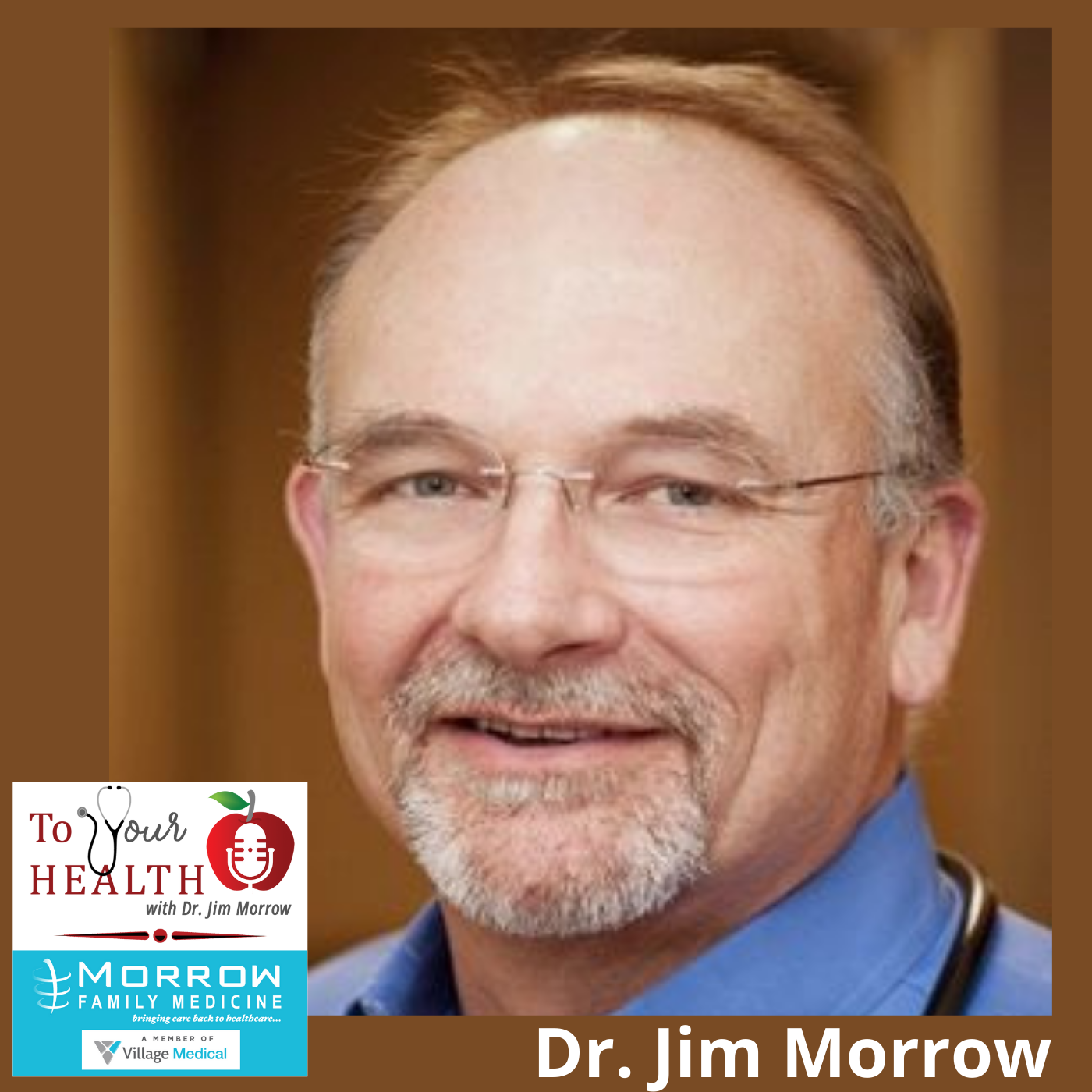
Allergies (Episode 75, To Your Health with Dr. Jim Morrow)

On this episode of To Your Health, Dr. Jim Morrow discussed allergies, which can affect a lot of people in the Southeast U.S. He covered the symptoms, why you would not want to get an x-ray, the best treatments for allergic rhinitis, diagnosing food allergies, the use of an EpiPen and much more.

To Your Health is brought to you by Village Medical (formerly Morrow Family Medicine), which brings the care back to healthcare.

About Village Medical (formerly Morrow Family Medicine)

Village Medical, formerly Morrow Family Medicine, is an award-winning, state-of-the-art family practice with offices in Cumming and Milton, Georgia. The practice combines healthcare information technology with old-fashioned care to provide the type of care that many are in search of today. Two physicians, three physician assistants and two nurse practitioners are supported by a knowledgeable and friendly staff to make your visit to Village Medical one that will remind you of the way healthcare should be.  At Village Medical, we like to say we are “bringing the care back to healthcare!”  The practice has been named the “Best of Forsyth” in Family Medicine in all five years of the award, is a three-time consecutive winner of the “Best of North Atlanta” by readers of Appen Media, and the 2019 winner of “Best of Life” in North Fulton County.

Village Medical offers a comprehensive suite of primary care services including preventative care, treatment for illness and injury, and management of chronic conditions such as diabetes, congestive heart failure, chronic obstructive pulmonary disease (COPD) and kidney disease. Atlanta-area patients can learn more about the practice here.

Dr. Jim Morrow, Village Medical, and Host of To Your Health with Dr. Jim Morrow

Covid-19 misconceptionsDr. Jim Morrow is the founder of Morrow Family Medicine. He has been a trailblazer and evangelist in healthcare information technology, was named Physician IT Leader of the Year by HIMSS, a HIMSS Davies Award Winner, the Cumming-Forsyth Chamber of Commerce Steve Bloom Award Winner as Entrepreneur of the Year and he received a Phoenix Award as Community Leader of the Year from the Metro Atlanta Chamber of Commerce.  He is married to Peggie Morrow and together they founded the Forsyth BYOT Benefit, a charity in Forsyth County to support students in need of technology and devices. They have two Goldendoodles, a gaggle of grandchildren and enjoy life on and around Lake Lanier.

Facebook | LinkedIn | Twitter

The complete show archive of To Your Health with Dr. Jim Morrow addresses a wide range of health and wellness topics.

Dr. Morrow’s Show Notes

Allergies

  • When you hear someone talk about having allergies, usually they mean rhinitis or upper respiratory symptoms (runny nose, watery eyes, itching eyes and ears and nose, sneezing).
  • Allergies also can be due to food, medications, animal dander or plants.

Allergic Rhinitis

  • The diagnosis of allergic rhinitis should be made when history and physical findings are consistent with an allergic cause
    • g., clear rhinorrhea,
    • pale discoloration of nasal mucosa,
    • red and watery eyes
    • and one or more of the following symptoms:
      • nasal congestion,
      • runny nose,
      • itchy nose,
      • or sneezing.
    • Individuals with allergic rhinitis should be assessed for the presence of associated conditions such as
      • asthma,
      • atopic dermatitis,
      • sleep-disordered breathing,
      • conjunctivitis,
      • rhinosinusitis,
      • and otitis media.
    • Specific testing (blood or skin) should be performed for patients with a clinical diagnosis of allergic rhinitis
    • who do not respond to empiric treatment,
    • or when diagnosis is uncertain,
    • or when determination of specific target allergen is needed.
  • Sinus imaging should not routinely be performed in patients presenting with symptoms consistent with allergic rhinitis.
  • Intranasal steroids should be prescribed for patients with allergic rhinitis whose symptoms affect quality of life.
  • Oral second-generation/less sedating antihistamines should be suggested for patients with allergic rhinitis and primary complaints of sneezing and itching.
  • Intranasal antihistamines may be prescribed for patients with
    • seasonal,
    • perennial,
    • or episodic allergic rhinitis.
  • Oral leukotriene receptor antagonists should not be prescribed as initial therapy for patients with AR.
  • Combination pharmacologic therapy may be prescribed for patients with allergic rhinitis who have inadequate response to monotherapy.
    • The most effective combination therapy is
      • an intranasal steroid
      • and an intranasal antihistamine.
    • Immunotherapy should be prescribed for patients with allergic rhinitis who have inadequate response to pharmacologic therapy.
    • Avoidance of known allergens or environmental control may be considered in patients with allergic rhinitis who have identified allergens that correlate with their clinical symptoms.

Allergy Testing

  • There are many types of allergies:
    • environmental,
    • foods,
    • drug,
  • An estimated 10% to 30% of the global population has an allergic disease.
  • Clinical presentations of allergic diseases, respiratory infections, and autoimmune conditions have similar features.
  • Allergy and immunologic testing can help clarify the diagnosis and guide treatment.
  • The allergens suspected in an allergy are identified through
    • antibody
    • or skin testing.
  • For patients with an inhalant allergy, skin testing is preferred.
  • In patients with food allergies, eliminating the suspected allergenic food from the diet is the initial treatment.
  • If this is ineffective, antibody or skin testing can exclude allergens.
  • Patients with an anaphylactic reaction to an insect sting should undergo specific antibody or skin testing.
  • Skin testing for penicillin can help when penicillin administration is indicated
    • and there are limited alternatives.
    • Testing for other drug allergies has less well-determined sensitivity and specificity,
      • but can guide the diagnosis.
    • Patch testing can help identify the allergen responsible for contact dermatitis.

Food Allergies

  • Patients with suspected food allergies are commonly seen in clinical practice.
  • Although up to 15 percent of parents believe their children have food allergies,
    • these allergies have been confirmed in only 1 to 3 percent of all Americans.
  • Family physicians must be able to separate true food allergies from
    • food intolerance,
    • food dislikes,
    • and other conditions that mimic food allergy.
  • The most common foods that produce allergic symptoms are
    • milk,
    • eggs,
    • seafood,
    • peanuts,
    • and tree nuts.
  • Although skin testing and blood assays may help in the evaluation of suspected food allergies,
    • they should not be performed unless the clinical history suggests a specific food allergen to which testing can be targeted.
  • Furthermore, these tests do not confirm food allergy.
    • Confirmation requires a positive food challenge
      • or a clear history of an allergic reaction to a food
      • and resolution of symptoms after eliminating that food from the diet.
    • More than 70 percent of children will outgrow milk and egg allergies by early adolescence,
      • whereas peanut allergies usually remain throughout life.
    • The most serious allergic response to food allergy is anaphylaxis.
      • It requires emergency care that should be initiated by the patient or family using an epinephrine auto-injector,
        • which should be carried by anyone with a diagnosed food allergy.
  • There are no recommended medications to prevent allergic reactions to food.
    • Allergen-specific immunotherapy or immunotherapy with cross-reacting allergens
      • is not recommended to treat food allergy.
    • Some environmental allergens cross-react with foods, such as:


ENVIRONMENTAL ALLERGEN                  CROSS-REACTIVE FOODS
Birch pollenCarrots, celery, fresh fruit (e.g., apples, cherries, nectarines, peaches, pears), hazelnuts, parsnips, potatoes
Grass pollenKiwi, tomatoes
Ragweed pollenBananas, melons (e.g., cantaloupe, honeydew, watermelon)


Nonallergic Rhinitis

  • Chronic nonallergic rhinitis encompasses a group of rhinitis subtypes
    • without allergic or infectious etiologies.
  • Although chronic nonallergic rhinitis represents about one-fourth of rhinitis cases and impacts 20 to 30 million patients in the United States,
    • its pathophysiology is unclear
    • and diagnostic testing is not available.
  • Characteristics such as no evidence of allergy or defined triggers help define clinical subtypes.
  • There are several subtypes with overlapping presentations, including:
    • nonallergic runny nose,
    • senile or geriatric rhinitis,
    • gustatory rhinitis,
    • drug-induced rhinitis,
    • hormonal rhinitis, and
    • occupational rhinitis.
  • Treatment is symptom-driven and similar to that of allergic rhinitis.
    • Patients should avoid known triggers when possible.
  • First-line therapies include
    • intranasal corticosteroids,
    • intranasal antihistamines,
    • and intranasal ipratropium (a drying agent).
  • Combination therapy with decongestants and first-generation antihistamines can be considered
    • if monotherapy does not adequately control symptoms.
  • Nasal irrigation and intranasal capsaicin may be helpful but need further investigation.
Tagged With: allergic rhinitis, allergies, asthma, congestion, Dr. Jim Morrow, epipen, Food allergies, To Your Health, Village Medical

BEST OF HEALTH CertiStar Founder Shandee Chernow

August 29, 2019 by Karen

BEST-OF-HEALTH-CertiStar-Founder-Shandee-Chernow
Best Of Health
BEST OF HEALTH CertiStar Founder Shandee Chernow
Loading
00:00 /
RSS Feed
Share
Link
Embed

Download file

BEST-OF-HEALTH-CertiStar-Founder-Shandee-Chernow1
Best of Health Host Barb Regis, Brian Becker with Chompie’s Restaurants, CertiStar Founder Shandee Chernow and Ron Skehan with Oscar’s Pier 83

BEST OF HEALTH CertiStar Founder Shandee Chernow

As a result of discovering her own personal severe food allergies in her late 20s, Phoenix-based, Shandee Chernow, founded CertiStar in 2017 to help the millions of people around the world who suffer from food allergies to have a more safe and easier dining experience.

CertiStar™, Inc. is on a mission to protect and improve the safety and dining experiences of men, women or children vulnerable to food allergies and intolerances. Our patent-pending MenuStar™ restaurant software allows you to identify food allergy threats for your customers with just one 3-second search. All your recipes and food allergy information in one place.

Our MenuStar™ restaurant software allows you to create and upload recipes, educate and empower your staff and store your allergen and nutritional information in one, easy to use platform. That’s menu innovation that saves lives.

Shandee-Chernow-on-Phoenix-Business-RadioXShandee Chernow studied Computer Science and Mathematics at Vanderbilt University where she graduated Magna Cum Laude. After joining MicroStrategy, she was instrumental in the design of several key products in the business intelligence product line.

She worked at MicroStrategy in sales both on the technical and account management sides, being awarded President’s Club status eight consecutive years. Continuing her career in data, business intelligence and data science, she went on to assist Hortonworks and Tableau in building out their Desert region territories before founding CertiStar™.

A mom of two boys, Shandee suffers from food allergies and saw a problem in the marketplace that wasn’t being solved well or being addressed properly by the industry. She created CertiStar™, a user-friendly technology platform that provides enjoyable dining out experiences for men, women and children vulnerable to food allergens.

Shandee’s passion, besides keeping food allergy sufferers’ safe in restaurants and in schools (for now), is flexing her creativity further through her love of painting. Her work is represented in several art galleries throughout her current hometown of Phoenix, Arizona, where Shandee runs CertiStar™.

Follow CertiStar™ on LinkedIn, Facebook and Instagram.

WHY BEST OF HEALTH?

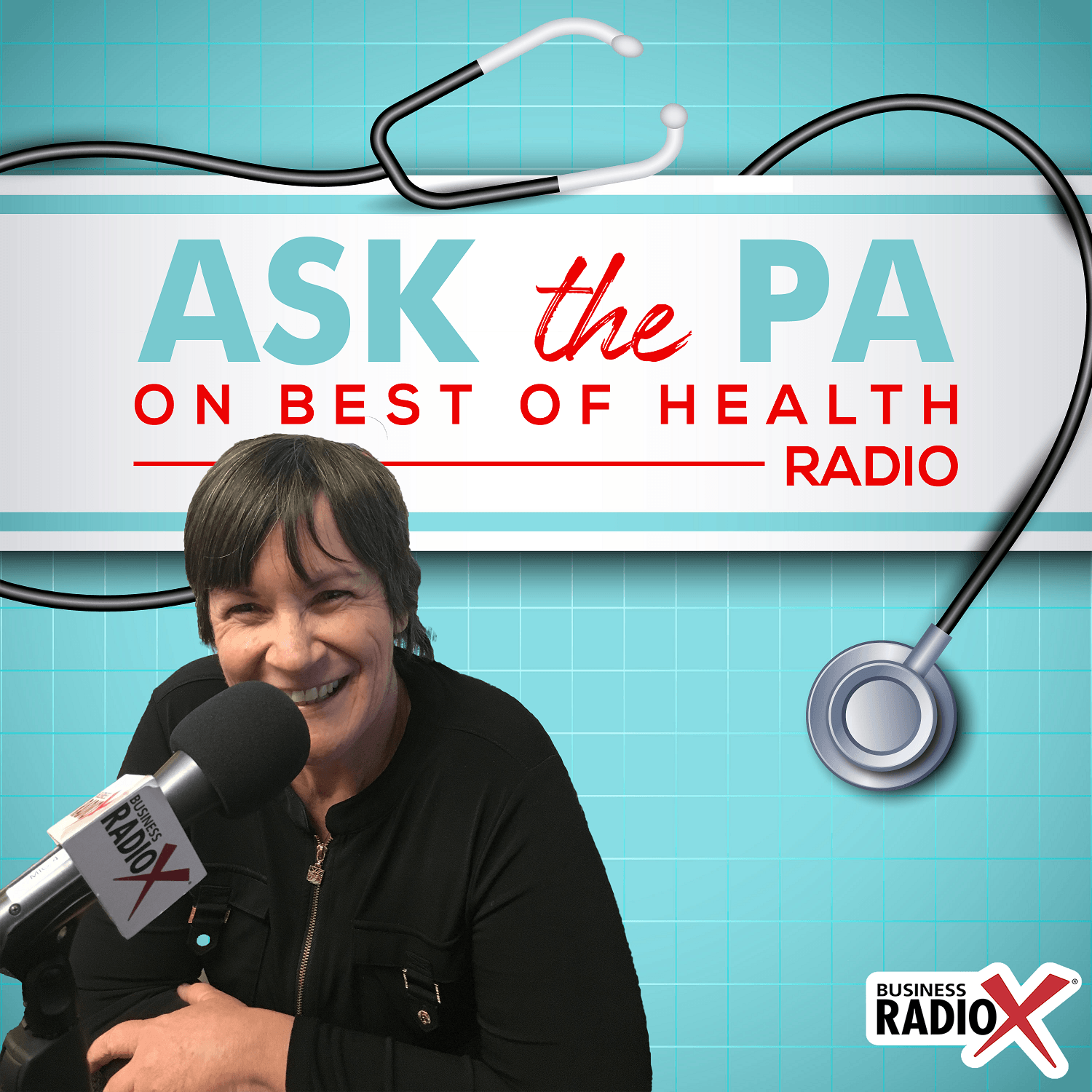
I am a Physician Assistant who has been caring for patients for over 20 years and Family Practice (cradle to grave) is my specialty.

Following the footsteps of three generations of family practice physicians (my father, grandfather and great grandfather) this was a natural and genetic calling that I do not regret.

Given this, I have a unique perspective and it’s time to share that perspective through Ask the PA. As a health care provider, teacher, business owner, patient, and advocate for my family and friends throughout the years, it has been painfully apparent there are disconnects within the current state of health care in the US and throughout the world. It can be confusing and frankly very scary.

It is my goal though this series, Best of Health, to bring people together that are passionate about their roles in the business of health care… and yes, whether or not you want to hear that it’s a business, it is — and that’s the fact. I will introduce to you great, dedicated practitioners and people with a passion for getting the word out about their personal journeys and causes. I will provide information about navigating through a confusing system, asking the right questions and share ways for saving money and time along the way.

It’s time to create change by partnering, empowering, and focusing on the patient, their families and their providers of care. It’s time for you to take the driver’s seat rather than leave your health care solely in the hands of entities such as insurance companies and the pharmaceutical industry.

Stay tuned. Here’s to your Best of Health.

~ Barb 

ABOUT BARB

Barb is a Physician Assistant (PA) and a primary care provider with a passion for education and advocacy. Prior to becoming a Physician Assistant (PA), Barb was an accomplished musician and teacher.  In 1992, Barb made the conscious decision to leave teaching and her musical career in pursuit of a career in medicine. She graduated from AT Still University’s first PA class in 1997 with a Masters of Science in Physician Assistant Studies.

Barb has spent several years working in clinics and family practices. Currently, Barb works for Premise Health at Insight Enterprises in Tempe, AZ as a solo practitioner providing primary care to employees and families on campus. She was also a partner in Renaissance Medical Group and Renaissance Medical Properties in Chandler and Maricopa, AZ and had a dual role of Chief Operations Officer and practicing PA for 14 years.

Along with being a PA, Barb is the author of the book Surviving the “Business” of Healthcare, Knowledge is Power! She is a certified Medical Professional Legal Consultant and Patient Advocate, speaker and influencer for change in healthcare for the patient, provider and family members. Barb is also certified by the National Commission of Certification of Physician Assistants and is an active member of the American Academy of Physician Assistants.

In her spare time, she loves to travel, maintaining an active lifestyle that includes running, biking, swimming. She loves to spend time outdoors with her family and friends, whether it’s walking on the beach or hiking in the desert.

For more information about Ask the PA and to connect with Barb:

Askthepa.com
Facebook: Ask the PA
LinkedIn: Barb Regis, M.S.,PA-C

Tagged With: epipen, Food allergies, Food Allergy Education, Food Allergy Safety in Restaurants and Hospitality, Shandee Chernow

To Your Health With Dr. Jim Morrow: Episode 7, Allergies

April 24, 2019 by John Ray

North Fulton Studio
North Fulton Studio
To Your Health With Dr. Jim Morrow: Episode 7, Allergies
Loading
00:00 /
RSS Feed
Share
Link
Embed

Download file

Dr. Jim Morrow, Host of “To Your Health With Dr. Jim Morrow”

Episode 7, Allergies

Allergies affect almost 50 million people in the United States alone. On this episode of “To Your Heath,” Dr. Jim Morrow, an allergy sufferer himself, takes them all on:  food, plants, drug, environmental, and contact allergies. Dr. Morrow also talks about Forsyth BYOT, a non-profit established by Dr. Jim and Peggie Morrow to support technology initiatives in Forsyth County Schools.

Dr. Morrow’s Show Notes on Allergies

Allergies

  • When you hear someone talk about having allergies, usually they mean rhinitis or upper respiratory symptoms (runny nose, watery eyes, itching eyes and ears and nose, sneezing).
  • Allergies also can be due to food, medications, animal dander or plants.

Allergic Rhinitis

  • The diagnosis of allergic rhinitis (AR) should be made when history and physical findings are consistent with an allergic cause (e.g., clear rhinorrhea, pale discoloration of nasal mucosa, and red and watery eyes) and one or more of the following symptoms: nasal congestion, runny nose, itchy nose, or sneezing.
  • Individuals with allergic rhinitis should be assessed for the presence of associated conditions such as asthma, atopic dermatitis, sleep-disordered breathing, conjunctivitis, rhinosinusitis, and otitis media.
  • Specific testing (blood or skin) should be performed for patients with a clinical diagnosis of allergic rhinitis who do not respond to empiric treatment, or when diagnosis is uncertain, or when determination of specific target allergen is needed.
  • Sinus imaging should not routinely be performed in patients presenting with symptoms consistent with allergic rhinitis.
  • Intranasal steroids should be prescribed for patients with allergic rhinitis whose symptoms affect quality of life.
  • Oral second-generation/less sedating antihistamines should be prescribed for patients with allergic rhinitis and primary complaints of sneezing and itching.
  • Intranasal antihistamines may be prescribed for patients with seasonal, perennial, or episodic AR.
  • Oral leukotriene receptor antagonists should not be prescribed as primary therapy for patients with AR.
  • Combination pharmacologic therapy may be prescribed for patients with allergic rhinitis who have inadequate response to monotherapy. The most effective combination therapy is an intranasal steroid and an intranasal antihistamine.
  • Immunotherapy should be prescribed for patients with allergic rhinitis who have inadequate response to pharmacologic therapy
  • Avoidance of known allergens or environmental control may be considered in patients with allergic rhinitis who have identified allergens that correlate with their clinical symptoms.
  • Inferior turbinate reduction may be considered for patients with allergic rhinitis with nasal airway obstruction and enlarged inferior turbinates who have failed medical management.

Allergy Testing

  • Many types of allergies: environmental, foods, drug, contact.
  • An estimated 10% to 30% of the global population has an allergic disease.
  • Clinical presentations of allergic diseases, respiratory infections, and autoimmune conditions have similar features.
  • Allergy and immunologic testing can help clarify the diagnosis and guide treatment. Immediate immunoglobulin E (IgE) and delayed T cell–mediated reactions are the main types of allergic responses.
  • The allergens suspected in an immediate IgE-mediated response are identified through serum IgE-specific antibody or skin testing.
  • For patients with an inhalant allergy, skin or IgE-specific antibody testing is preferred.
  • In patients with food allergies, eliminating the suspected allergenic food from the diet is the initial treatment.
  • If this is ineffective, IgE-specific antibody or skin testing can exclude allergens.
  • An oral food challenge should be performed to confirm the diagnosis. Results of laboratory testing for food-specific IgE are generally poor, even less helpful than those for percutaneous skin testing.
  • Patients with an anaphylactic reaction to an insect sting should undergo specific antibody or skin testing.
  • Skin testing for penicillin has a high negative predictive value and can help when penicillin administration is indicated and there are limited alternatives. Testing for other drug allergies has less well-determined sensitivity and specificity, but can guide the diagnosis.
  • Patch testing can help identify the allergen responsible for contact dermatitis.

Food Allergies

  • Patients with suspected food allergies are commonly seen in clinical practice.
  • Although up to 15 percent of parents believe their children have food allergies, these allergies have been confirmed in only 1 to 3 percent of all Americans.
  • Family physicians must be able to separate true food allergies from food intolerance, food dislikes, and other conditions that mimic food allergy.
  • The most common foods that produce allergic symptoms are milk, eggs, seafood, peanuts, and tree nuts.
  • Although skin testing and in vitro serum immunoglobulin E assays may help in the evaluation of suspected food allergies, they should not be performed unless the clinical history suggests a specific food allergen to which testing can be targeted.
  • Furthermore, these tests do not confirm food allergy. Confirmation requires a positive food challenge or a clear history of an allergic reaction to a food and resolution of symptoms after eliminating that food from the diet.
  • More than 70 percent of children will outgrow milk and egg allergies by early adolescence, whereas peanut allergies usually remain throughout life.
  • The most serious allergic response to food allergy is anaphylaxis. It requires emergency care that should be initiated by the patient or family using an epinephrine auto-injector, which should be carried by anyone with a diagnosed food allergy.
  • There are no recommended medications to prevent IgE- or non–IgE-mediated allergic reactions to food. Allergen-specific immunotherapy or immunotherapy with cross-reacting allergens is not recommended to treat food allergy.
  • Some environmental allergens cross-react with foods, such as:
    • Birch pollen:  Carrots, celery, fresh fruit (e.g., apples, cherries, nectarines, peaches, pears), hazelnuts, parsnips, potatoes
    • Grass pollen:  Kiwi, tomatoes
    • Ragweed pollen:  Bananas, melons (e.g., cantaloupe, honeydew, watermelon)

Nonallergic Rhinitis

  • Chronic nonallergic rhinitis encompasses a group of rhinitis subtypes without allergic or infectious etiologies.
  • Although chronic nonallergic rhinitis represents about one-fourth of rhinitis cases and impacts 20 to 30 million patients in the United States, its pathophysiology is unclear and diagnostic testing is not available.
  • Characteristics such as no evidence of allergy or defined triggers help define clinical subtypes.
  • There are several subtypes with overlapping presentations, including:
    • nonallergic rhinopathy,
    • nonallergic rhinitis with nasal eosinophilia syndrome,
    • atrophic rhinitis,
    • senile or geriatric rhinitis,
    • gustatory rhinitis,
    • drug-induced rhinitis,
    • hormonal rhinitis, and
    • occupational rhinitis.
  • Treatment is symptom-driven and similar to that of allergic rhinitis. Patients should avoid known triggers when possible.
  • First-line therapies include intranasal corticosteroids, intranasal antihistamines, and intranasal ipratropium.
  • Combination therapy with decongestants and first-generation antihistamines can be considered if monotherapy does not adequately control symptoms.
  • Nasal irrigation and intranasal capsaicin may be helpful but need further investigation.

Hives (Urticaria)

  • Hives are typically large, raised areas on the skin that can itch and spread and coalesce into huge areas of swelling
  • They can be caused by many things, including:
    • Colds
    • Bladder infections or other types of infection
    • Allergies to food, particles in the air, or things that touch your skin
    • Insect stings or bites
    • Medicines
    • Heat, cold, or pressure
    • Exercise
    • A serious disease, but this is uncommon In many cases, no specific cause is found.

About Morrow Family Medicine and Dr. Jim Morrow

Morrow Family Medicine is an award-winning, state-of-the-art family practice with offices in Cumming and Milton, Georgia. The practice combines healthcare information technology with old-fashioned care to provide the type of care that many are in search of today. Two physicians, three physician assistants and two nurse practitioners are supported by a knowledgeable and friendly staff to make your visit to Morrow Family Medicine one that will remind you of the way healthcare should be.  At Morrow Family Medicine, we like to say we are “bringing the care back to healthcare!”  Morrow Family Medicine has been named the “Best of Forsyth” in Family Medicine in all five years of the award, is a three-time consecutive winner of the “Best of North Atlanta” by readers of Appen Media, and the 2019 winner of “Best of Life” in North Fulton County.

Dr. Jim Morrow, Morrow Family Medicine

Dr. Jim Morrow is the founder and CEO of Morrow Family Medicine. He has been a trailblazer and evangelist in the area of healthcare information technology, was named Physician IT Leader of the Year by HIMSS, a HIMSS Davies Award Winner, the Cumming-Forsyth Chamber of Commerce Steve Bloom Award Winner as Entrepreneur of the Year and he received a Phoenix Award as Community Leader of the Year from the Metro Atlanta Chamber of Commerce.  He is married to Peggie Morrow and together they founded the Forsyth BYOT Benefit, a charity in Forsyth County to support students in need of technology and devices. They have two Goldendoodles, a gaggle of grandchildren and enjoy life on and around Lake Lanier.

Facebook: https://www.facebook.com/MorrowFamMed/

LinkedIn: https://www.linkedin.com/company/7788088/admin/

Twitter: https://twitter.com/toyourhealthMD

Forsyth BYOT

In 2013, Dr. Jim and Peggie Morrow found that hundreds of students in Forsyth County did not have the technology necessary to succeed in the highly technical environment that school is today. The county relies on online work a great deal and so many students were having to go to the library or a Starbucks to access assignments because they did not have internet in their homes.  Additionally, many did not and do not have internet capable devices that make this work possible either.

So, the Morrows made it their mission to bridge this gap and help these students try to break the cycle of generational poverty that so many of them are born to.

In the last five years, over $300,000 has been raised and donated by Forsyth BYOT to the Forsyth County Schools for this purpose. Forsyth BYOT seeks to raise awareness of the problem and find sponsors to donate or raise money outright through two yearly fundraisers, the BYOT Golf Tournament in May and the iRUN for BYOT 5K & FunRun in October.  Donated funds are given to the school district, which has staff in place to first determine which students are in need and then to purchase and distribute internet hotspots or devices to that family.

Tagged With: Cumming family doctor, Cumming family practice, Cumming md, Cumming physician, Dr. Jim Morrow, drug allergies, drug allergy, egg allergy, environmental allergies, environmental allergy testing, epinephrine auto-injector, epipen, Food allergies, food allergy, Forsyth BYOT, inhaled allergies, Milton family doctor, Milton family practice, Milton md, Milton physician, Morrow Community Foundation, Morrow Family Medicine, peanut allergy, penicillin, pine pollen, poison ivy, pollen, pollen allergy, ragweed, rash, rhinitis, skin rash, skin rashes, skin testing, tree nut allergy, urticaria

Pediatric Food Allergies

October 17, 2013 by angishields

The Doctors Roundtable
Pediatric Food Allergies
Loading
00:00 /
RSS Feed
Share
Link
Embed

Download file

Approximately 15 million people have food allergies and about 6 million of them are children. Food allergy occurs when the body’s immune system identifies a specific food as a foreign substance and produces an allergy antibody (IgE) to respond to the substance. Compounding this response is the fact that the most common foods people are allergic to, such as peanut, wheat, soy, eggs are frequently in our diet! Food allergies can be mild to severe and in rare cases, life threatening if they stimulate an anaphylactic reaction.

There are two types of food allergies: fixed (immediate response) and cyclic (delayed). Signs and symptoms of food allergies include: itching in mouth, swelling, GI symptoms (vomiting and diarrhea), hives, tightness in the throat and difficulty breathing. Food allergies should be distinguished from intolerances and sensitivities to food (non immune reactions). Diagnosis may involve: extensive history, nutrition evaluation, lab testing, food challenges, elimination diets and skin testing. Food allergies can also be connected to other allergies. There is no known curative treatment for food allergies at present but treatment involves: strict elimination, education (food labels, meal prep, high risk situation avoidance), emergency planning and availability of emergency medications. There is promising new research in this field- sublingual immunotherapy.

In this segment, Dr. Lakshmi Reddy, a local Atlanta physician that is board certified in adult and pediatric allergy, immunology and asthma will discuss the basics of pediatric food allergy signs/symptoms, diagnosis and treatment. Listeners can visit: www.reddyallergy.com and www.aaaai.org for more information.

Dr. Lakshmi Reddy

  • Medical School at Meharry Medical College
  • Residency completed at Washington University in St. Louis
  • Fellowship in Allergy and Immunology at Medical College of GA
  • Board certified in allergy, immunology and asthma
  • In private practice in Johns Creek, GA


lakshmi-reddy-header

Tagged With: Diet history, eczema, Elimination diet, epipen, Food allergies, food allergies and eczema, Food avoidance, food challenge, Food intolerance, food sensitivities, Graded food challenge, Health, IgC, IgE, Immune mediated allergic reaction, Lactose intolerance, medical, oral immunotherapy, pediatric food allergies, RAST blood test, Skin patch testing, sports injuries, The Doctors Roundtable

Business RadioX ® Network


Our Most Recent Episode

CONNECT WITH US

  • Email
  • Facebook
  • LinkedIn
  • Twitter
  • YouTube

Our Mission

We help local business leaders get the word out about the important work they’re doing to serve their market, their community, and their profession.

We support and celebrate business by sharing positive business stories that traditional media ignores. Some media leans left. Some media leans right. We lean business.

Sponsor a Show

Build Relationships and Grow Your Business. Click here for more details.

Partner With Us

Discover More Here

Terms and Conditions
Privacy Policy

Connect with us

Want to keep up with the latest in pro-business news across the network? Follow us on social media for the latest stories!
  • Email
  • Facebook
  • Google+
  • LinkedIn
  • Twitter
  • YouTube

Business RadioX® Headquarters
1000 Abernathy Rd. NE
Building 400, Suite L-10
Sandy Springs, GA 30328

© 2025 Business RadioX ® · Rainmaker Platform

BRXStudioCoversLA

Wait! Don’t Miss an Episode of LA Business Radio

BRXStudioCoversDENVER

Wait! Don’t Miss an Episode of Denver Business Radio

BRXStudioCoversPENSACOLA

Wait! Don’t Miss an Episode of Pensacola Business Radio

BRXStudioCoversBIRMINGHAM

Wait! Don’t Miss an Episode of Birmingham Business Radio

BRXStudioCoversTALLAHASSEE

Wait! Don’t Miss an Episode of Tallahassee Business Radio

BRXStudioCoversRALEIGH

Wait! Don’t Miss an Episode of Raleigh Business Radio

BRXStudioCoversRICHMONDNoWhite

Wait! Don’t Miss an Episode of Richmond Business Radio

BRXStudioCoversNASHVILLENoWhite

Wait! Don’t Miss an Episode of Nashville Business Radio

BRXStudioCoversDETROIT

Wait! Don’t Miss an Episode of Detroit Business Radio

BRXStudioCoversSTLOUIS

Wait! Don’t Miss an Episode of St. Louis Business Radio

BRXStudioCoversCOLUMBUS-small

Wait! Don’t Miss an Episode of Columbus Business Radio

Coachthecoach-08-08

Wait! Don’t Miss an Episode of Coach the Coach

BRXStudioCoversBAYAREA

Wait! Don’t Miss an Episode of Bay Area Business Radio

BRXStudioCoversCHICAGO

Wait! Don’t Miss an Episode of Chicago Business Radio

Wait! Don’t Miss an Episode of Atlanta Business Radio