Business RadioX ®

  • Home
  • Business RadioX ® Communities
    • Southeast
      • Alabama
        • Birmingham
      • Florida
        • Orlando
        • Pensacola
        • South Florida
        • Tampa
        • Tallahassee
      • Georgia
        • Atlanta
        • Cherokee
        • Forsyth
        • Greater Perimeter
        • Gwinnett
        • North Fulton
        • North Georgia
        • Northeast Georgia
        • Rome
        • Savannah
      • Louisiana
        • New Orleans
      • North Carolina
        • Charlotte
        • Raleigh
      • Tennessee
        • Chattanooga
        • Nashville
      • Virginia
        • Richmond
    • South Central
      • Arkansas
        • Northwest Arkansas
    • Midwest
      • Illinois
        • Chicago
      • Michigan
        • Detroit
      • Minnesota
        • Minneapolis St. Paul
      • Missouri
        • St. Louis
      • Ohio
        • Cleveland
        • Columbus
        • Dayton
    • Southwest
      • Arizona
        • Phoenix
        • Tucson
        • Valley
      • Texas
        • Austin
        • Dallas
        • Houston
    • West
      • California
        • Bay Area
        • LA
        • Pasadena
      • Colorado
        • Denver
      • Hawaii
        • Oahu
  • FAQs
  • About Us
    • Our Mission
    • Our Audience
    • Why It Works
    • What People Are Saying
    • BRX in the News
  • Resources
    • BRX Pro Tips
    • B2B Marketing: The 4Rs
    • High Velocity Selling Habits
    • Why Most B2B Media Strategies Fail
    • 9 Reasons To Sponsor A Business RadioX ® Show
  • Partner With Us
  • Veteran Business RadioX ®

When Medicines Fight Back: Allergies and Anaphylaxis

March 10, 2022 by John Ray

Allergies
North Fulton Studio
When Medicines Fight Back: Allergies and Anaphylaxis
Loading
00:00 /
RSS Feed
Share
Link
Embed

Download file

Allergies

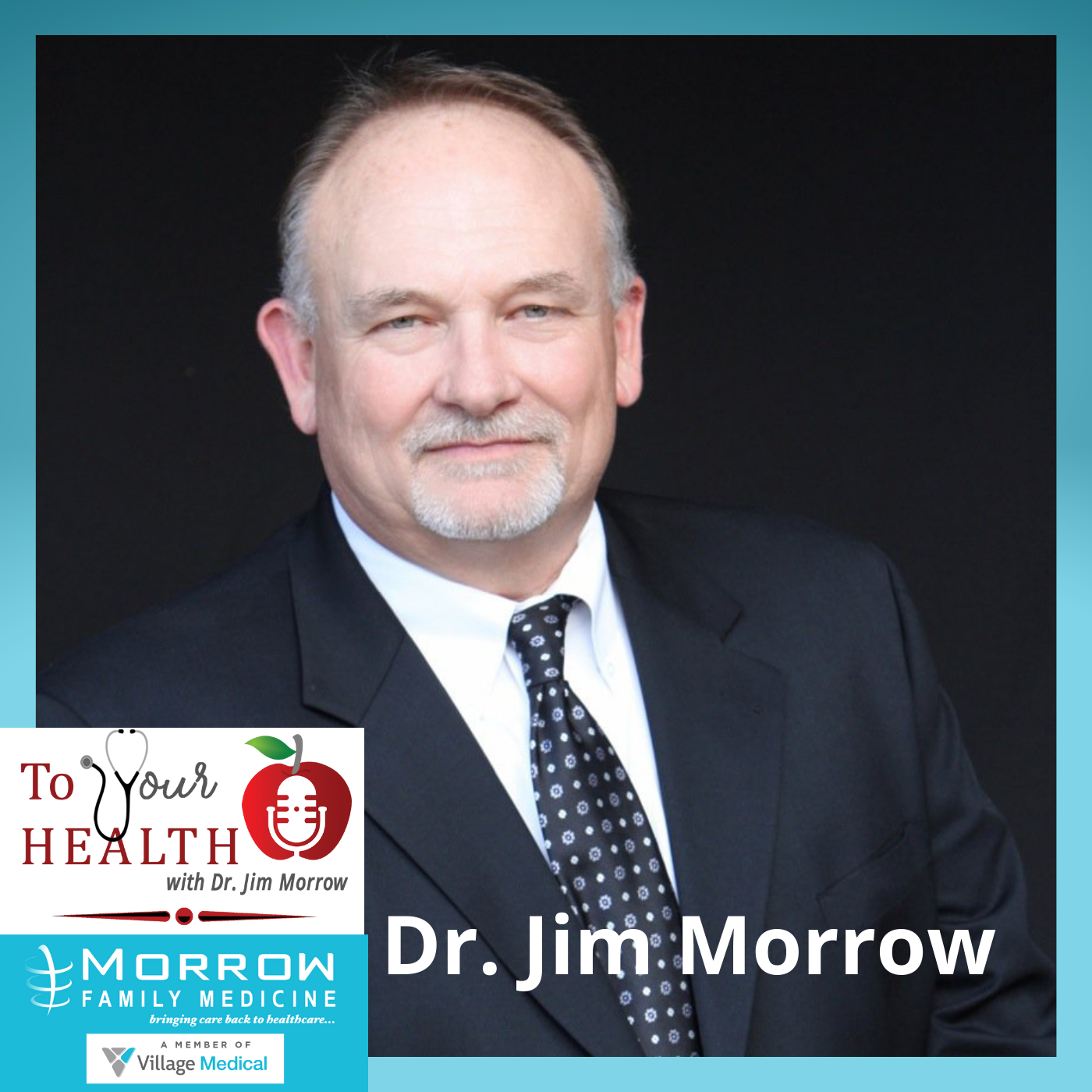
When Medicines Fight Back:  Allergies and Anaphylaxis (Episode 71, To Your Health with Dr. Jim Morrow)

On this episode of To Your Health, Dr. Jim Morrow, speaking from his own personal experience, covered allergies and anaphylaxis–a severe allergic reaction–caused by a reaction to medication. Dr. Morrow talked about the antibodies that create a response, not to take a “wait and see” approach, carrying epi-pens, substances that cause allergic reactions, asthma, how to prevent anaphylaxis, and much more. He and producer John Ray also announced that there is now a phone line listeners can use to call in questions for Dr. Morrow. The number is 404-530-9691. Leave your name and question, and Dr. Morrow will address it on the show. You can also leave ideas for show topics. To Your Health is brought to you by Morrow Family Medicine, a Member of Village Medical, which brings the care back to healthcare.

About Morrow Family Medicine, A Member of Village Medical

Morrow Family Medicine, a Member of Village Medical, is an award-winning, state-of-the-art family practice with offices in Cumming and Milton, Georgia. The practice combines healthcare information technology with old-fashioned care to provide the type of care that many are in search of today. Two physicians, three physician assistants and two nurse practitioners are supported by a knowledgeable and friendly staff to make your visit to Morrow Family Medicine, A Member of Village Medical one that will remind you of the way healthcare should be.  At Morrow Family Medicine, a Member of Village Medical, we like to say we are “bringing the care back to healthcare!”  The practice has been named the “Best of Forsyth” in Family Medicine in all five years of the award, is a three-time consecutive winner of the “Best of North Atlanta” by readers of Appen Media, and the 2019 winner of “Best of Life” in North Fulton County.

Village Medical offers a comprehensive suite of primary care services including preventative care, treatment for illness and injury, and management of chronic conditions such as diabetes, congestive heart failure, chronic obstructive pulmonary disease (COPD) and kidney disease. Atlanta-area patients can learn more about the practice here.

Dr. Jim Morrow, Morrow Family Medicine, and Host of To Your Health with Dr. Jim Morrow

Covid-19 misconceptionsDr. Jim Morrow is the founder and CEO of Morrow Family Medicine. He has been a trailblazer and evangelist in healthcare information technology, was named Physician IT Leader of the Year by HIMSS, a HIMSS Davies Award Winner, the Cumming-Forsyth Chamber of Commerce Steve Bloom Award Winner as Entrepreneur of the Year and he received a Phoenix Award as Community Leader of the Year from the Metro Atlanta Chamber of Commerce.  He is married to Peggie Morrow and together they founded the Forsyth BYOT Benefit, a charity in Forsyth County to support students in need of technology and devices. They have two Goldendoodles, a gaggle of grandchildren and enjoy life on and around Lake Lanier.

Facebook: https://www.facebook.com/MorrowFamMed/

LinkedIn: https://www.linkedin.com/company/7788088/admin/

Twitter: https://twitter.com/toyourhealthMD

The complete show archive of To Your Health with Dr. Jim Morrow addresses a wide range of health and wellness topics and can be found at www.toyourhealthradio.com.

Dr. Morrow’s Show Notes

Allergic Reactions

  • An allergy occurs when the body overreacts to an allergen or ‘trigger’ that is typically harmless to most people.
    • Examples of allergies include
      • hay fever,
      • asthma,
      • eczema,
      • hives
      • and food allergy.
      • Estimates suggest that about one person in four is allergic to something and roughly half of all allergy sufferers are children.
      • The symptoms of an allergy range from mild to severe.
      • The most severe type of allergic reaction is anaphylaxis, which may cause death without prompt medical attention.
      • In most cases, effective treatments are available to manage or treat allergy symptoms.

Symptoms of allergies

  • Symptoms depend on the allergy, but may include:
    • Swelling of lips, face, eyes.
    • Runny nose.
    • Red, watery and itchy eyes.
    • Wheeze or persistent cough.
    • Breathing problems.
    • Swelling tongue and tightness of throat.
    • Skin rash.
    • Stomach pains.
    • Vomiting and diarrhea.
  • Do not self-diagnose. The symptoms and signs of allergies are common to many other medical conditions. It is important to see your doctor for professional diagnosis and treatment.

Common allergens

  • A substance in the environment that can cause an allergic reaction in susceptible people is called an ‘allergen’.
    • There are many different allergens, but they all share one thing in common – protein.
    • Some allergens don’t contain protein to begin with, but bind with protein once inside the body to provoke the allergic reaction.
  • Common allergens include:
    • Food – such as crustaceans, eggs, fish, milk, peanuts, tree nuts (for example, almonds, cashews, pecans and walnuts), sesame and soy products.
    • Plants – pollen from grasses and plants.
    • Medicines – including prescription medications (such as penicillin), over-the-counter medicines (such as aspirin) and herbal preparations.
    • Insects – such as dust mites and the venom from bees, ticks, ants and wasps.
    • Molds – such as mushroom and mould spores.
    • Animal dander – such as the fur and skin flakes from domestic pets such as cats and dogs.
    • Chemicals – including industrial and household chemicals and chemical products such as latex rubber.

The immune system reaction

  • Allergy is the result of mistaken identity.
    • An allergen enters the body and is wrongly identified by the immune system as a dangerous substance.
    • In response, the immune system makes antibodies to attack the allergen. These are specific antibodies of the IgE (immunoglobulin E) class.
    • When an allergen is found, IgE antibodies trigger a cascade of immune system reactions,
      • including the release of chemicals known as mast cell chemicals.
      • These are substances that the body normally uses to destroy micro-organisms.
      • The most common of these is histamine.
        • In small amounts, histamine causes itching and reddening of the local area.
        • In large amounts, the nearby blood vessels become dilated and the area swells with accumulated fluid.
        • The immune system’s tendency to overreact to a harmless substance is thought to be genetic.
          • The term ‘atopy’ describes this genetic tendency.
          • Doctors describe a person who has an allergy as being ‘atopic’ – such people usually have raised levels of IgE in their blood.

What Is Anaphylaxis?

  • Anaphylaxis is a serious allergic reaction that is rapid in onset and may cause death.
  • Symptoms usually involve more than one organ system (part of the body), such as the skin or mouth, the lungs, the heart and the gut.
  • Some symptoms include:
  • Skin rashes, itching or hives
  • Swelling of the lips, tongue or throat
  • Shortness of breath, trouble breathing or wheezing (whistling sound during breathing)
  • Dizziness and/or fainting
  • Stomach pain, bloating, vomiting or diarrhea
  • Uterine cramps
  • Feeling like something awful is about to happen
  • Ask your doctor for a complete list of symptoms and an anaphylaxis action plan.
    • Anaphylaxis must be treated right away to provide the best chance for improvement and prevent serious, potentially life-threatening complications.

What Is the Treatment for Anaphylaxis?

  • Epinephrine is the most important treatment available.
    • Always carry two epinephrine auto-injectors so you can quickly treat a reaction wherever you are.
  • Promptly inject the medicine at the first sign of an anaphylactic reaction. 
    • Consider carrying your anaphylaxis action plan along with your auto-injectors.
  • Call 911 to go to a hospital by ambulance. You must seek medical care immediately– even if you feel better – because symptoms can recur.
  • You may need other treatments, in addition to epinephrine.

What Causes Anaphylaxis?

  • An allergy occurs when the body’s immune system sees something as harmful and reacts.
    • Your immune system tries to remove or isolate the trigger.
    • The result is symptoms such as vomiting or swelling.
    • The most common triggers of anaphylaxis are allergens.
    • Medicines, foods, insect stings and bites, and latex most often cause severe allergic reactions.
  • Medicines are the leading cause in adults
    Common culprits are penicillin and other antibiotics, aspirin and aspirin-related products and insulin.
  • Foods are the leading cause in children
    In the U.S., the most common food allergies are

    • peanuts,
    • tree nuts,
    • shellfish,
    • fish,
    • milk,
    • eggs,
    • soy
    • and wheat.
    • These are the “top 8 allergens.” In children, the most common food allergies are milk, eggs, peanuts, soy and wheat. In adults, the most common food allergies are shellfish, tree nuts and peanuts.
  • Insect stings and bites
    • Stinging insects such as bees, wasps, hornets, yellow jackets and fire ants can cause anaphylaxis.
    • Certain tick bites can cause a person to develop severe allergic reactions to meat.
  • Latex
    • Natural rubber latex may cause a mild skin irritation or it can trigger a severe allergic reaction.
      • Direct contact with latex items (latex gloves, condoms and balloons) can cause a reaction.
      • Inhaling small latex particles that have become airborne can trigger latex allergy.
      • Putting on and removing latex gloves can release small latex particles into the air.
    • Physical activity
      • Exercise-induced anaphylaxis is a rare allergic reaction that occurs after vigorous physical activity.
        • Temperature, seasonal changes, drugs, alcohol or eating certain foods before exercise may be co-factors.
        • In other words, both exercise and this other factor have to be present for a person to have the severe allergic reaction.
      • With proper evaluation, allergists identify most causes of anaphylaxis.
        • Some people have allergic reactions without any known exposure to common allergens.
          • If an allergist cannot identify a trigger, the condition is idiopathic anaphylaxis.

How Can I Tell the Difference Between

Anaphylaxis and Asthma?

  • People with asthma often have allergies as well.
    • This puts them at higher risk of developing anaphylaxis, which also can cause breathing problems.
    • For that reason, it is important to manage your asthma well.
    • Some of the symptoms of a severe allergic reaction or a severe asthma attack may seem similar.
    • A helpful clue to tell the these apart is that anaphylaxis may closely follow ingestion of a medication, eating a specific food, or getting stung or bitten by an insect.
  • If you are unsure if it is anaphylaxis or asthma:
  • Use your epinephrine auto-injector first (it treats both anaphylaxis and asthma).
  • Then use your asthma relief inhaler (e.g. albuterol).
  • Call 911 and go to the hospital by ambulance.

What Can I Do to Prevent Anaphylaxis?

  • Know your allergens.An accurate diagnosis is important. An allergist can help you create a plan to keep you safe.
  • Avoid your allergens.
    • If you have a drug allergy, be familiar with both the generic name and brand names of medicines that cause you to have a severe allergic reaction.
      • And be aware of ingredients in a combination product.
      • Become familiar with medicines that might cause a cross-reaction. Read drug information carefully.
    • If you have a food allergy, be careful about everything you eat.
      • Check ingredients on all food labels. Wash hands, and use clean surfaces and utensils to prepare food.
      • Ask restaurant staff how they prepare foods
    • If you react to insect stings or exercise, talk to your doctor about how to avoid these reactions.
  • Carry your epinephrine auto-injectors with you at all times.This is very important and can save your life or the life of a loved one.
  • Prepare with a plan.Have your doctor help you create an anaphylaxis action plan.
  • Talk to your doctor and caregivers.Make sure they know the names of any medications you are allergic to and what symptoms you had when you took them. Give them a list of every drug you take. Some common medicines, like beta-blockers, can worsen anaphylaxis.
  • Wear a medical ID bracelet or necklace.It lets others know of your allergy in an emergency. Also, keep a card in your wallet or purse that explains your allergy.

Who Is At Risk for Anaphylaxis? 

  • People who have experienced anaphylaxis before
  • People with allergies to foods, insect stings, medicine and other triggers

If you are at-risk:

  • Keep your epinephrine auto-injectors on-hand at all times and be ready to use them if an emergency occurs.
  • Talk with your doctor about your triggers and your symptoms. Your doctor may tell you to see an allergist. An allergist can help you identify your allergies and learn to manage your risk of severe reactions.
  • Ask your doctor for an anaphylaxis action plan. This will help you know what to do if you experience anaphylaxis.

Credit to www.aafp.org

Tagged With: allergens, allergic reactions, allergies, anaphylactic shock, anaphylaxis, Dr. Jim Morrow, immune system, To Your Health, Village Medical

The 4 R’s of Gut Health – Top Docs Radio

February 18, 2015 by angishields

Top Docs Radio
Top Docs Radio
The 4 R's of Gut Health - Top Docs Radio
Loading
00:00 /
RSS Feed
Share
Link
Embed

Download file

Ellie TDR

The 4 R’s of Gut Health

Did you know that as much as 80% of your body’s immune capacity comes from your gut?  Neither did we.  That’s why we’re glad Dr. Ellie Campbell of Campbell Family Medicine came by to blow our minds(again) with information (The 4 R’s of Gut Health) about ways we can dramatically improve our health.  She shared how she progressed from her traditional primary care practice to a Direct Pay model to get away from the pressure to see more patients, faster, in order to make a respectable physician’s income.  In her office she doesn’t work with insurance companies.  Instead, her patients simply pay a monthly membership fee to have access to her 24 hours a day, 7 days per week (sometimes even when on vacation!).  She also wanted to be able to provide care to her patients that is based on best practices and evidence rather than being simply limited to what an insurance company will or won’t pay for.

https://media.businessradiox.com/wp-content/uploads/2015/02/DR-AVAIL-24-7.mp3

We talked about the fact that, with limited time per patient, prescribing a medication and moving on to the next patient is often the way physicians must conduct their practice.  She shared how allergic responses to foods and other environmental sources are behind many of our illnesses (or mirror many illnesses).  We also talked about how important what we eat and drink is in our overall health.  Dr. Campbell described how food and beverages have such dramatic impacts on our hormone levels and cellular health that we need to look at what we consume much like drugs one can take in a pill.

Dr. Campbell discussed The 4 R’s of Gut Health, going over foods we should eliminate (or at a minimum significantly reduce) from our diets because they cause inflammatory responses in the gut and vascular system (and elsewhere).  Things like wheat and plants from the nightshade family such as tomatoes, peppers, potatoes, and eggplant can, for many, create allergic reactions.  The challenge is, many of these allergic responses don’t manifest in immediately-recognizable ways.  It could be a general feeling of malaise, skin problems, GI problems that can emulate reflux, and more.

The 4 R’s of Gut Health (Explained in greater detail in the interview):

  • Remove offending substances from the diet.
  • Replace digestive enzymes, bile salts, immunoglobulins, DAO, and stomach acid where necessary
  • Re-inoculate the bowel with pre- and probiotics
  • Repair gastroentestinal mucosa through proper nutritional support

4Rs

Special Guests:

Dr. Ellie Campbell, DO, Family Practice & Integrative Medicine at Campbell Family Medicine  twitter_logo_small  linkedin_small1  facebook_logo_small3

Campbell Family Medicine

  • Doctor of Osteopathic Medicine, Kirksville College of Osteopathic Medicine
  • Family Medicine Residency, Medical College of Georgia
  • Board Certified Family Medicine

Tagged With: CW Hall, digestive system, direct pay medicine, Dr. Ellie Campbell, Ellie Campbell, environmental allergies, gut health, Health Care Radio, health radio, Healthcare, healthcare radio, heart disease, immune system, integrative medicine, primary care, rash, skin disease, Top Docs Radio, TopDocsRADIO, vitamin B deficiency, vitamin D deficiency, vitamin deficiency

Osteoarthritis and Rheumatoid Arthritis: Overviews to Breakthroughs

June 6, 2013 by angishields

The Doctors Roundtable
Osteoarthritis and Rheumatoid Arthritis: Overviews to Breakthroughs
Loading
00:00 /
RSS Feed
Share
Link
Embed

Download file

On the heels of National Arthritis month in the U.S., this segment of  The Doctors Roundtable focuses on osteoarthritis and rheumatoid arthritis.  These two illnesses, out of the over 100 musculoskeletal disorders,  affect millions of Americans and their ability to maintain high quality physical movement throughout their lives.   In the U.S., arthritis is the leading cause of disability and it is not just a disease caused by aging.  Osteoarthritis and rheumatoid arthritis are chronic conditions with no clearly known causes.  These diseases are progressive and degenerative , leading to the breakdown of cartilage, bones, muscles and membranes surrounding the joints.  The effects of this breakdown include: inflammation, pain, fatigue, joint stiffness and at times joint deformity and disability.  Imagine standing, sitting, lying down or coughing and all causing pain.  Many patients report there is never a day they can forget they have arthritis.

The Arthritis Foundation is the nation’s largest private funder of research, public health programs and advocacy on behalf of the 50 million Americans living with this painful disease.  With the aging of Baby Boomers, it has been estimated  that by 2030,  67 million Americans will have some form of arthritis.  Here, the Arthritis Foundation will discuss an overview of these two diseases and how they are working to fund research, change policies and educate to help arthritis patients today and tomorrow.


John H. Klippel, M.D.

John H. Klippel, M.D. is president and CEO of the Arthritis Foundation, the largest voluntary health organization serving the 50 million Americans living with the nation’s number one cause of disability. Dr. Klippel has held the position since October 2003.

Prior to joining the Arthritis Foundation, Dr. Klippel served as Clinical Director of the National Institutes of Arthritis and Musculoskeletal and Skin Diseases (NIAMS). During his professional career at the National Institutes of Health, he authored or co-authored 190 peer-reviewed publications and textbook chapters related to arthritis.  He has served as editor of the Primer on the Rheumatic Diseases and the textbook Rheumatology.


Roberta Byrum

Roberta K. Byrum, CPA, is the chief operating officer of the Arthritis Foundation – the nation’s largest national, nonprofit health agency working on behalf of the 50 million Americans living with arthritis.

As COO, Ms. Byrum is accountable for all aspects of the daily operations of the Arthritis Foundation National Office, headquartered in Atlanta, Georgia. In addition to her operations leadership of the national office, Ms. Byrum works closely with the Foundation’s regional CEOs to ensure strategic alignment of nationwide operating activities.


Tagged With: fatigue, functional limitations, Health, immune system, medical, obesity, osteoarthritis, pain, pain control, personalized medicine, rheumatoid arthritis, rheumatoid factor, track and react

Alternatives in Healing: An Overview of Alternative Medicine

May 17, 2013 by angishields

The Doctors Roundtable
Alternatives in Healing: An Overview of Alternative Medicine
Loading
00:00 /
RSS Feed
Share
Link
Embed

Download file

Opinions may be heated about the efficacy of alternative medicine, but patients are using it and top American medical schools such as Georgetown, Duke, and the University of California are incorporating it into their programs.  Recent CDC data estimates that 38% of Americans use some form of alternative medicine. These patients, collectively are spending $34B per year, mostly out of pocket, on alternative medicine treatments. This accounts for $1 in every $10 spent out of pocket for Americans.  Pain is a common driver for patients seeking alternative medicine care.   Alternative medicine tenents include: 1) caring for the person as a whole vs. symptom and disease management 2) empowering patients to creative lifestyle conditions for optimal health 3) use of the body’s innate healing ability and 4) prevention of disease as a safeguard to future medical expenses.

Therapies and treatments used in alternative health span medication to meditation and often include: nutrition, herbology, spinal manipulation, energy treatments, acupuncture, homeopathy, massage, relaxation and stress management and biofeedback.  It is not all “touchy feely”. High tech is also included as this segment will explore breast thermography as an example.  This segment will provide an overview of alternative medicine from the perspective of principles, evaluation process, treatments, costs, and success stories.

Dr.  Billiot has been in private practice at Alternative Health Atlanta for many years. She completed her Doctor of Chiropractic program at Life University in 1993.  She is certified in CRA and nutrition response testing. She has special interests in treating women, children and in the areas of homeopathy, herbology and clinical nutrition.  Dr. Billiot has also created a unique, breakthrough program called EVETICS. She not only has one of the largest private alternative medicine practices in Atlanta, but she also trains other alternative practitioners across the nation.


Tagged With: complementary medicine, detoxification, EVETICS, Health, heart rate variability test, holistic medicine, hormone replacement therapy, HRT, immune system, infertility, integrative medicine, mammography, mineral deficiencies, nutrition, nutritional supplements, personalized medicine, post & pre menopausal, self healing, thyroid issues

Check Out These Good Steroids.

November 20, 2009 by angishields

Dr. Fitness & the Fat Guy
Check Out These Good Steroids.
Loading
00:00 /
RSS Feed
Share
Link
Embed

Download file

In today’s Wellness Minute Dr Fitness and the Fat Guy explains that their are some good steroids out there that might be able to help you with some serious health problems.  Prednisone is a corticosteroid that suppresses your immune system and decreases inflammation. while it won’t make you hit a baseball like Jose Canseco or pitch like Roger Clemens, it is prescribed for a variety of  autoimmune & inflammatory diseases like asthma, arthritis, even Crohn’s and Espstein-Barr. You don’t want to be taking these too long because their are side effects like excessive weight gain and depression. Listen right now to hear Dr Fitness’ tips. Dr Fitness and the Fat Guy’s Wellness Minutes improve your health in 3 minutes a day or less. iTunes Follow me on Twitter @FatGuy

Tags: arthritis, asthma, depression, immune system, inflammation, prednisone, steroids, Tips, Wellness Minute

Tagged With: Depression, immune system, inflammation, Wellness Minute

Probiotics 101

October 9, 2009 by angishields

Dr. Fitness & the Fat Guy
Probiotics 101
Loading
00:00 /
RSS Feed
Share
Link
Embed

Download file

In today’s Wellness Minute Dr Fitness and the Fat Guy explain probiotics. Probiotics help your immune system and digestive system. Yogurt is the most common way people are consuming probiotics.  Their is major disagreement about probiotics including which yogurt brands really have helpful probiotics and which don’t. So Dr Fitness says the jury is still out. Listen right now to hear Dr Fitness’ tips. Dr Fitness and the Fat Guy’s Wellness Minutes improve your health in 3 minutes a day or less. iTunes Follow me on Twitter @FatGuy

Tags: probiotics, Tips, Wellness Minute

Tagged With: digestive system, immune system, probiotics, Wellness Minute

Boost Your Immune System Naturally

September 25, 2009 by angishields

Dr. Fitness & the Fat Guy
Boost Your Immune System Naturally
Loading
00:00 /
RSS Feed
Share
Link
Embed

Download file

In today’s Wellness Minute Dr Fitness and the Fat Guy explain how to boost your immune system naturally. A great way to give your immune system a boost is to lower your stress levels. Exercise is a great natural activity that lowers stress and boosts immune system function. Eating more  foods that are protein rich can help as well. Also increasing your Vitamin C, A, D, Zinc and Magnesium intake can also help. Also get more rest – most people are sleep deprived and getting a good night’s sleep is critical for good health. Listen right now to hear Dr Fitness’ tips. Dr Fitness and the Fat Guy’s Wellness Minutes improve your health in 3 minutes a day or less. iTunes Follow me on Twitter @FatGuy

Tags: health, immune system, naturally, protein, stress, Tips, Wellness Minute

Tagged With: Health, immune system, protein, stress, Wellness Minute

Business RadioX ® Network


Our Most Recent Episode

CONNECT WITH US

  • Email
  • Facebook
  • LinkedIn
  • Twitter
  • YouTube

Our Mission

We help local business leaders get the word out about the important work they’re doing to serve their market, their community, and their profession.

We support and celebrate business by sharing positive business stories that traditional media ignores. Some media leans left. Some media leans right. We lean business.

Sponsor a Show

Build Relationships and Grow Your Business. Click here for more details.

Partner With Us

Discover More Here

Terms and Conditions
Privacy Policy

Connect with us

Want to keep up with the latest in pro-business news across the network? Follow us on social media for the latest stories!
  • Email
  • Facebook
  • Google+
  • LinkedIn
  • Twitter
  • YouTube

Business RadioX® Headquarters
1000 Abernathy Rd. NE
Building 400, Suite L-10
Sandy Springs, GA 30328

© 2025 Business RadioX ® · Rainmaker Platform

BRXStudioCoversLA

Wait! Don’t Miss an Episode of LA Business Radio

BRXStudioCoversDENVER

Wait! Don’t Miss an Episode of Denver Business Radio

BRXStudioCoversPENSACOLA

Wait! Don’t Miss an Episode of Pensacola Business Radio

BRXStudioCoversBIRMINGHAM

Wait! Don’t Miss an Episode of Birmingham Business Radio

BRXStudioCoversTALLAHASSEE

Wait! Don’t Miss an Episode of Tallahassee Business Radio

BRXStudioCoversRALEIGH

Wait! Don’t Miss an Episode of Raleigh Business Radio

BRXStudioCoversRICHMONDNoWhite

Wait! Don’t Miss an Episode of Richmond Business Radio

BRXStudioCoversNASHVILLENoWhite

Wait! Don’t Miss an Episode of Nashville Business Radio

BRXStudioCoversDETROIT

Wait! Don’t Miss an Episode of Detroit Business Radio

BRXStudioCoversSTLOUIS

Wait! Don’t Miss an Episode of St. Louis Business Radio

BRXStudioCoversCOLUMBUS-small

Wait! Don’t Miss an Episode of Columbus Business Radio

Coachthecoach-08-08

Wait! Don’t Miss an Episode of Coach the Coach

BRXStudioCoversBAYAREA

Wait! Don’t Miss an Episode of Bay Area Business Radio

BRXStudioCoversCHICAGO

Wait! Don’t Miss an Episode of Chicago Business Radio

Wait! Don’t Miss an Episode of Atlanta Business Radio














