Business RadioX ®

  • Home
  • Business RadioX ® Communities
    • Southeast
      • Alabama
        • Birmingham
      • Florida
        • Orlando
        • Pensacola
        • South Florida
        • Tampa
        • Tallahassee
      • Georgia
        • Atlanta
        • Cherokee
        • Forsyth
        • Greater Perimeter
        • Gwinnett
        • North Fulton
        • North Georgia
        • Northeast Georgia
        • Rome
        • Savannah
      • Louisiana
        • New Orleans
      • North Carolina
        • Charlotte
        • Raleigh
      • Tennessee
        • Chattanooga
        • Nashville
      • Virginia
        • Richmond
    • South Central
      • Arkansas
        • Northwest Arkansas
    • Midwest
      • Illinois
        • Chicago
      • Michigan
        • Detroit
      • Minnesota
        • Minneapolis St. Paul
      • Missouri
        • St. Louis
      • Ohio
        • Cleveland
        • Columbus
        • Dayton
    • Southwest
      • Arizona
        • Phoenix
        • Tucson
        • Valley
      • Texas
        • Austin
        • Dallas
        • Houston
    • West
      • California
        • Bay Area
        • LA
        • Pasadena
      • Colorado
        • Denver
      • Hawaii
        • Oahu
  • FAQs
  • About Us
    • Our Mission
    • Our Audience
    • Why It Works
    • What People Are Saying
    • BRX in the News
  • Resources
    • BRX Pro Tips
    • B2B Marketing: The 4Rs
    • High Velocity Selling Habits
    • Why Most B2B Media Strategies Fail
    • 9 Reasons To Sponsor A Business RadioX ® Show
  • Partner With Us
  • Veteran Business RadioX ®

Supreme Shakeup: What Overruling Chevron Means

August 6, 2024 by John Ray

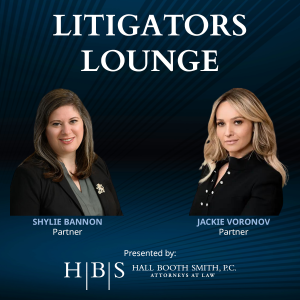
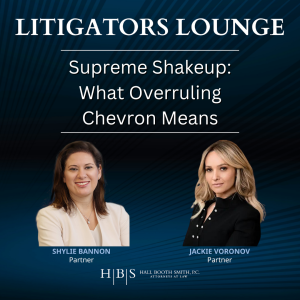
Supreme Shakeup What Overruling Chevron Means, the Litigators Lounge podcast with hosts Jackie Voronov and Shylie Bannon, Hall Booth Smith
Hall Booth Smith Podcast Network
Supreme Shakeup: What Overruling Chevron Means
Loading
00:00 /
RSS Feed
Share
Link
Embed

Download file

Supreme Shakeup What Overruling Chevron Means, the Litigators Lounge podcast with hosts Jackie Voronov and Shylie Bannon, Hall Booth Smith

Supreme Shakeup: What Overruling Chevron Means (Litigators Lounge, Episode 12)

Jackie Voronov and Shylie Bannon, the hosts of Litigators Lounge, delve into the recent Supreme Court decision to reject the Chevron doctrine, which had previously given federal agencies deference in interpreting ambiguities in statutes. Jackie and Shylie discuss the implications of this ruling through the case of Loper Bright Enterprises and how it affects compliance for employers, especially in the context of upcoming FTC rules on non-compete agreements. The episode also covers related Supreme Court rulings, such as the corner post ruling and SEC vs. Jarkesy, that challenge internal agency hearings and further limit agencies’ regulatory authority. The conversation highlights the shifts in judicial deference that may lead to significant changes across various sectors, including healthcare, environmental protection, and employment law.

Supreme Court decisions mentioned in this episode: Loper Bright Enterprises case (rejection of the Chevron doctrine); SEC vs. Jarkesy; Corner Post vs. Board of Governors of the Federal Reserve System.

Litigators Lounge is underwritten and presented by Hall Booth Smith. The show is produced by John Ray and the North Fulton studio of Business RadioX®.

Topics Discussed in this Episode

00:00 Welcome to Litigators Lounge
02:56 Supreme Court’s Chevron Ruling
04:55 Understanding the Chevron Rule
10:32 Implications of the Loper Bright Case
18:36 Impact on Federal Agencies and Future Litigation
28:57 Other Significant Supreme Court Rulings
33:48 Closing Remarks and Farewell

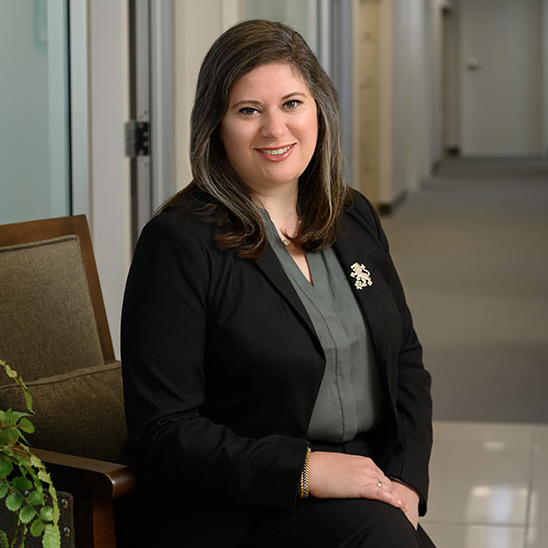
Jackie Voronov, Partner, Hall Booth Smith

Jackie Voronov, Partner, Hall Booth Smith

Jackie Voronov is a Partner in Hall Booth Smith’s office in Paramus, New Jersey, and she represents management in a wide variety of employment matters and litigates employment claims before administrative agencies and state and federal courts. Her clients include major hotels, retailers, shipping companies, assisted living facilities and nursing homes, manufacturers, and national fast-food franchisees.

Jackie’s litigation experience includes the defense of employers in single and multi-plaintiff actions on claims of wrongful discharge, sexual harassment, race, national origin, gender, disability and age discrimination, breach of contract, family medical leave, failure to accommodate, retaliation, wage/hour laws, and related tort claims.  Jackie also works with her clients to prepare various employment agreements (including non-compete, confidentiality, independent contractor, and separation agreements). She has extensive experience before various administrative tribunals, including the Equal Employment Opportunity Commission (EEOC), the State Division of Human Rights (SDHR), the Division of Civil Rights (DCR), and other state, federal, and local agencies.

In addition, Jackie frequently conducts management training for employers on a wide variety of employment law topics, such as:

  • EEO/anti-harassment
  • employee recruiting and hiring practices
  • family and medical leave
  • reasonable accommodations for disabilities and religion
  • preventing and investigating harassment, discrimination, and whistleblower claims
  • wage and hour compliance
  • discipline and termination of employees
  • privacy in the workplace

Jackie is regularly invited to speak nationally on best practices and other employment-related issues. Before joining Hall Booth Smith, she worked for one of the country’s largest law firms, where she defended employers in a wide range of labor and employment matters, including wage and hour class actions under the Fair Labor Standards Act (FLSA), claims related to the New York State Human Rights Law (NSHRL), the New Jersey Law Against Discrimination (LAD), the Americans With Disabilities Act (ADA), the New Jersey Conscientious Employee Protection Act (CEPA), and Title VII.

Jackie was selected for inclusion as a New Jersey Rising Star by Super Lawyers® for six consecutive years (2010-2016), which honors the top 2.5% of young lawyers in New Jersey.

LinkedIn

Shylie Bannon, Partner, Hall Booth Smith

Shylie Bannon, Partner, Hall Booth Smith

Shylie Bannon is a Partner in Hall Booth Smith’s Jacksonville, Florida, office. She also serves as Hiring Partner for the region of Florida, where she oversees associate attorney hiring endeavors. Prior to joining Hall Booth Smith, Shylie was a partner in both a multi-state, multi-specialty firm and a boutique practice.

At Hall Booth Smith, Shylie continues to represent physicians, mid-level providers, and health care providers in high-exposure medical negligence claims and in administrative proceedings before the Florida Department of Health. She also represents national retailers in high-exposure premises liability, negligent security, and transportation litigation with our National Trial Counsel team.

In addition to litigating matters involving personal injury and negligence, Shylie also represents management in all aspects of employment-related litigation arising from allegations of sex, disability, race, and pregnancy discrimination; whistleblower actions; and alleged violations of the National Labor Relations Act and Fair Labor Standards. She does so in administrative proceedings before both the Florida Commission on Human Relations and the US Equal Employment Opportunity Commission, as well as in all of the state and federal courts in Florida. She also provides employment-related counsel to clients, helping them avoid employment-related litigation through the implementation of best employment, investigation, and risk management practices.

Shylie earned a Juris Doctor from the University of Florida Levin College of Law, cum laude, and graduated magna cum laude from Tulane University with a Bachelor of Arts in Political Science and History.

Shylie volunteers with the Guardian Ad Litem program and supports child welfare advocacy efforts in Northeast Florida. She is also a Member of the Board for the Jewish Federation & Foundation of Northeast Florida.

LinkedIn

About Hall Booth Smith, P.C.

Established in 1989, Hall Booth Smith, P.C. (HBS) is a full-service law firm headquartered in Atlanta, Georgia, with regional offices strategically located throughout Georgia and the United States. Experienced across a wide range of legal disciplines, HBS prides itself on providing knowledgeable, proactive, client-specific counsel to individuals, domestic and international corporations, state and federal agencies, and nonprofit organizations.

HBS possesses the legal knowledge, skill, and experience to meet their clients’ needs wherever they do business. HBS maintains the highest commitment to ethically and professionally serve their clients by providing the highest quality legal representation.

They deliver quality legal services in a variety of service areas. Experience across legal disciplines combined with a focus on the unique business or personal requirements of the client is the hallmark of the firm. Their clients receive the attention, expertise, and cost-effectiveness of a smaller law firm with the full-service and strong regional presence typical of a larger one.

Company website | LinkedIn | Facebook | Instagram

Disclaimer

Litigators Lounge is a production brought to you by Hall Booth Smith, PC. This podcast is published for the purposes of providing general information and education on topics which include those related to the law and legal issues, but the contents of the podcast do not constitute legal advice. Listening to this podcast or utilizing the information contained in it in any way does not constitute nor does it create an attorney-client relationship between you and Hall Booth Smith or its lawyers. The contents of this podcast should not be used as a substitute for competent legal advice from a professional attorney licensed in your jurisdiction.

Tagged With: Chevron doctrine, Hall Booth Smith, Hall Booth Smith P.C., Jackie Voronov, litigation, Litigators Lounge, Shylie Bannon

Understanding The Importance of Regular Business Valuations, with David Hern, Sofer Advisors

January 3, 2024 by John Ray

David Hern, Sofer Advisors
North Fulton Business Radio
Understanding The Importance of Regular Business Valuations, with David Hern, Sofer Advisors
Loading
00:00 /
RSS Feed
Share
Link
Embed

Download file

David Hern, Sofer Advisors

Understanding The Importance of Regular Business Valuations, with David Hern, Sofer Advisors (North Fulton Business Radio, Episode 736)

On this episode of North Fulton Business Radio, host John Ray talked with David Hern, CEO at Sofer Advisors. David highlighted the importance of regular business valuations and shared why it’s a key metric that businesses should track. He also talked about how valuations are tied to both tangible and intangible assets, as well as the significant role valuations play in strategic decision-making. David shared anecdotes from his career and explained how company valuations help in disputes or potential mergers. He also discussed how his firm helps businesses understand and evaluate their own worth.

North Fulton Business Radio is broadcast from the North Fulton studio of Business RadioX® inside Renasant Bank in Alpharetta.

David Hern, CEO, Sofer Advisors

David Hern is the founder and chief executive officer of Sofer® Advisors, LLC, focusing on business advisory services related to litigation assistance, estate and tax planning, and business enterprise valuations for various privately held and public companies.

He is a qualified financial analyst with a proven ability to simply and clearly communicate analysis to boards of directors, presidents and CEOs, CFOs, controllers, and private equity portfolio managers.

Mr. Hern has been recognized for enabling organizations to determine their enterprise and equity value for a variety of situations, including strategic planning, sale or IPO, mergers and acquisitions, financial reporting (common stock, stock option grants, purchase price allocations, impairment analyses, etc.), and tax compliance (estate & gift, 409A, NUBIG). Industry experience includes, but is not limited to, professional services, business services, healthcare, information technology, financial services, and manufacturing and distribution.

LinkedIn

Sofer Advisors

Sofer® Advisors was created in 2019, but their experience with valuation goes back over a decade. Their CEO, David Hern, has worked in the business valuation field at both boutique advisory firms and large international financial services companies.

While at these firms, David recognized the need for a boutique financial advisory firm in the Atlanta area to serve the business valuation needs of small- and medium-sized businesses.

These businesses have unique needs that require an advisor who can both empathize and have the agility to deliver prompt insights. Sofer® Advisors was formed to fill this void while providing high-quality business valuations to the lower and middle markets.

Since its inception, Sofer® Advisors has quickly added associates to help with the growing business. The firm specializes in providing a neutral third-party valuation of closely held businesses. The valuation and its insights will give the business owner the confidence they need when contemplating a material but uncertain financial decision.

After determining a company’s value, they communicate that information to the relevant stakeholders, including company management, the board of directors, shareholders, and financial or legal advisors.

This process involves more than just providing accurate numerical valuations. They put numbers into proper perspective, giving you key insights when making critical business decisions.

Their “Heart of a Teacher” approach is designed to help you understand the data we provide and how to use these insights to immediately benefit your organization.

Valuation services are applicable in many situations where business value may be uncertain and critical. These situations include litigation assistance, estate and gift tax planning, financial and tax reporting, and other contexts for public and private companies.

Website | LinkedIn | YouTube

Topics in this Interview

00:04 Introduction
01:20 Welcoming Guest: David Hearn, CEO of Sofer Advisors
01:33 Understanding Sofer Advisors and Their Services
02:21 David’s Journey and Passion for Business Valuation
09:40 The Importance of Business Valuation in Different Contexts
20:09 The Role of Intangible Assets in Business Valuation
27:50 Success Stories and Impact of Regular Valuations
30:53 Connecting with Sofer Advisors
32:00 Closing Remarks and Show Wrap-up


North Fulton Business Radio is hosted by John Ray and broadcast and produced from the North Fulton studio of Business RadioX® inside Renasant Bank in Alpharetta. You can find the full archive of shows by following this link. The show is available on all the major podcast apps, including Apple Podcasts, Spotify, Google, Amazon, iHeart Radio, and many others.

RenasantBank


Renasant Bank has humble roots, starting in 1904 as a $100,000 bank in a Lee County, Mississippi, bakery. Since then, Renasant has become one of the Southeast’s strongest financial institutions, with over $13 billion in assets and more than 190 banking, lending, wealth management, and financial services offices in Mississippi, Alabama, Tennessee, Georgia, and Florida. All of Renasant’s success stems from each of their banker’s commitment to investing in their communities as a way of better understanding the people they serve. At Renasant Bank, they understand you because they work and live alongside you every day.


Tagged With: advisory firm, business valuation, business valuations, closely-held businesses, david hern, estate planning, John Ray, litigation, North Fulton Business Radio, Sofer Advisors, valuations

Introduction to Litigators Lounge, with Hosts Jackie Voronov and Shylie Bannon

December 12, 2023 by John Ray

Litigators Lounge
Hall Booth Smith Podcast Network
Introduction to Litigators Lounge, with Hosts Jackie Voronov and Shylie Bannon
Loading
00:00 /
RSS Feed
Share
Link
Embed

Download file

Introduction to Litigators Lounge, with Hosts Jackie Voronov and Shylie BannonIntroduction to Litigators Lounge, with Hosts Jackie Voronov and Shylie Bannon

Sponsored by Hall Booth Smith, Litigators Lounge is a podcast focusing on the complexities and intricacies of today’s changing world of workplace law. The hosts, attorneys Jackie Voronov and Shylie Bannon, guide listeners through real-life scenarios and cases, laying out what they mean for both organizations and employees, with the goal of shedding light on these issues. The show also covers contentious employment disputes, evolving laws, and occasionally features guest experts to provide diverse viewpoints. The show is recommended for HR and insurance professionals, business leaders, or anyone interested in the legal aspects of workplace issues. The show is carried by the Business RadioX® network and can be found on all the major podcast apps.

About Litigators Lounge

Jackie Voronov and Shylie Bannon, attorneys at Hall Booth Smith who specialize in labor and employment law, are the hosts of the engaging podcast Litigators Lounge. Listen as they delve into the intricate world of workplace legal issues as they explore real-life examples, unpack legal scenarios, and offer expert insights to help organizations and employees navigate the ever-changing legal landscape. With engaging discussions, diverse viewpoints from expert guests, and an ample touch of humor, Litigators Lounge is the go-to source for in-depth analysis and expert advice on law and the workplace.

Jackie and Shylie welcome your questions, feedback, and topic requests. Email them: litigatorslounge@hallboothsmith.com

Litigators Lounge is underwritten and presented by Hall Booth Smith. The show is produced by John Ray and the North Fulton studio of Business RadioX®.

Jackie Voronov, Partner, Hall Booth Smith

Jackie Voronov, Partner, Hall Booth Smith

Jackie Voronov is a Partner in Hall Booth Smith’s office in Paramus, New Jersey, and she represents management in a wide variety of employment matters and litigates employment claims before administrative agencies and state and federal courts. Her clients include major hotels, retailers, shipping companies, assisted living facilities and nursing homes, manufacturers, and national fast-food franchisees.

Jackie’s litigation experience includes the defense of employers in single and multi-plaintiff actions on claims of wrongful discharge, sexual harassment, race, national origin, gender, disability and age discrimination, breach of contract, family medical leave, failure to accommodate, retaliation, wage/hour laws, and related tort claims.  Jackie also works with her clients to prepare various employment agreements (including non-compete, confidentiality, independent contractor, and separation agreements). She has extensive experience before various administrative tribunals, including the Equal Employment Opportunity Commission (EEOC), the State Division of Human Rights (SDHR), the Division of Civil Rights (DCR), and other state, federal, and local agencies.

In addition, Jackie frequently conducts management training for employers on a wide variety of employment law topics, such as:

  • EEO/anti-harassment
  • employee recruiting and hiring practices
  • family and medical leave
  • reasonable accommodations for disabilities and religion
  • preventing and investigating harassment, discrimination, and whistleblower claims
  • wage and hour compliance
  • discipline and termination of employees
  • privacy in the workplace

Jackie is regularly invited to speak nationally on best practices and other employment-related issues. Before joining Hall Booth Smith, she worked for one of the country’s largest law firms, where she defended employers in a wide range of labor and employment matters, including wage and hour class actions under the Fair Labor Standards Act (FLSA), claims related to the New York State Human Rights Law (NSHRL), the New Jersey Law Against Discrimination (LAD), the Americans With Disabilities Act (ADA), the New Jersey Conscientious Employee Protection Act (CEPA), and Title VII.

Jackie was selected for inclusion as a New Jersey Rising Star by Super Lawyers® for six consecutive years (2010-2016), which honors the top 2.5% of young lawyers in New Jersey.

LinkedIn

Shylie Bannon, Partner, Hall Booth Smith

Shylie Bannon, Partner, Hall Booth Smith

Shylie Bannon is a Partner in Hall Booth Smith’s Jacksonville, Florida, office. She also serves as Hiring Partner for the region of Florida, where she oversees associate attorney hiring endeavors. Prior to joining Hall Booth Smith, Shylie was a partner in both a multi-state, multi-specialty firm and a boutique practice.

At Hall Booth Smith, Shylie continues to represent physicians, mid-level providers, and health care providers in high-exposure medical negligence claims and in administrative proceedings before the Florida Department of Health. She also represents national retailers in high-exposure premises liability, negligent security, and transportation litigation with our National Trial Counsel team.

In addition to litigating matters involving personal injury and negligence, Shylie also represents management in all aspects of employment-related litigation arising from allegations of sex, disability, race, and pregnancy discrimination; whistleblower actions; and alleged violations of the National Labor Relations Act and Fair Labor Standards. She does so in administrative proceedings before both the Florida Commission on Human Relations and the US Equal Employment Opportunity Commission, as well as in all of the state and federal courts in Florida. She also provides employment-related counsel to clients, helping them avoid employment-related litigation through the implementation of best employment, investigation, and risk management practices.

Shylie earned a Juris Doctor from the University of Florida Levin College of Law, cum laude, and graduated magna cum laude from Tulane University with a Bachelor of Arts in Political Science and History.

Shylie volunteers with the Guardian Ad Litem program and supports child welfare advocacy efforts in Northeast Florida. She is also a Member of the Board for the Jewish Federation & Foundation of Northeast Florida.

LinkedIn

About Hall Booth Smith, P.C.

Established in 1989, Hall Booth Smith, P.C. (HBS) is a full-service law firm headquartered in Atlanta, Georgia, with regional offices strategically located throughout Georgia and the United States. Experienced across a wide range of legal disciplines, HBS prides itself on providing knowledgeable, proactive, client-specific counsel to individuals, domestic and international corporations, state and federal agencies, and nonprofit organizations.

HBS possesses the legal knowledge, skill, and experience to meet their clients’ needs wherever they do business. HBS maintains the highest commitment to ethically and professionally serve their clients by providing the highest quality legal representation.

They deliver quality legal services in a variety of service areas. Experience across legal disciplines combined with a focus on the unique business or personal requirements of the client is the hallmark of the firm. Their clients receive the attention, expertise, and cost-effectiveness of a smaller law firm with the full-service and strong regional presence typical of a larger one.

Company website | LinkedIn | Facebook | Instagram

Disclaimer

Litigators Lounge is a production brought to you by Hall Booth Smith, PC. This podcast is published for the purposes of providing general information and education on topics which include those related to the law and legal issues, but the contents of the podcast do not constitute legal advice. Listening to this podcast or utilizing the information contained in it in any way does not constitute nor does it create an attorney-client relationship between you and Hall Booth Smith or its lawyers. The contents of this podcast should not be used as a substitute for competent legal advice from a professional attorney licensed in your jurisdiction.

Tagged With: employment law, employment law firm, employment matters, Hall Booth Smith, Hall Booth Smith P.C., Jackie Voronov, Labor Law, litigation, Litigators Lounge, Shylie Bannon, workplace law

HBS Legal Trends: Mark McGivern, Construction Consulting Associates, and Joseph F. Herbert III, Hall Booth Smith, P.C.

September 7, 2022 by John Ray

CCA, LLC
Hall Booth Smith Podcast Network
HBS Legal Trends: Mark McGivern, Construction Consulting Associates, and Joseph F. Herbert III, Hall Booth Smith, P.C.
Loading
00:00 /
RSS Feed
Share
Link
Embed

Download file

CCA, LLC

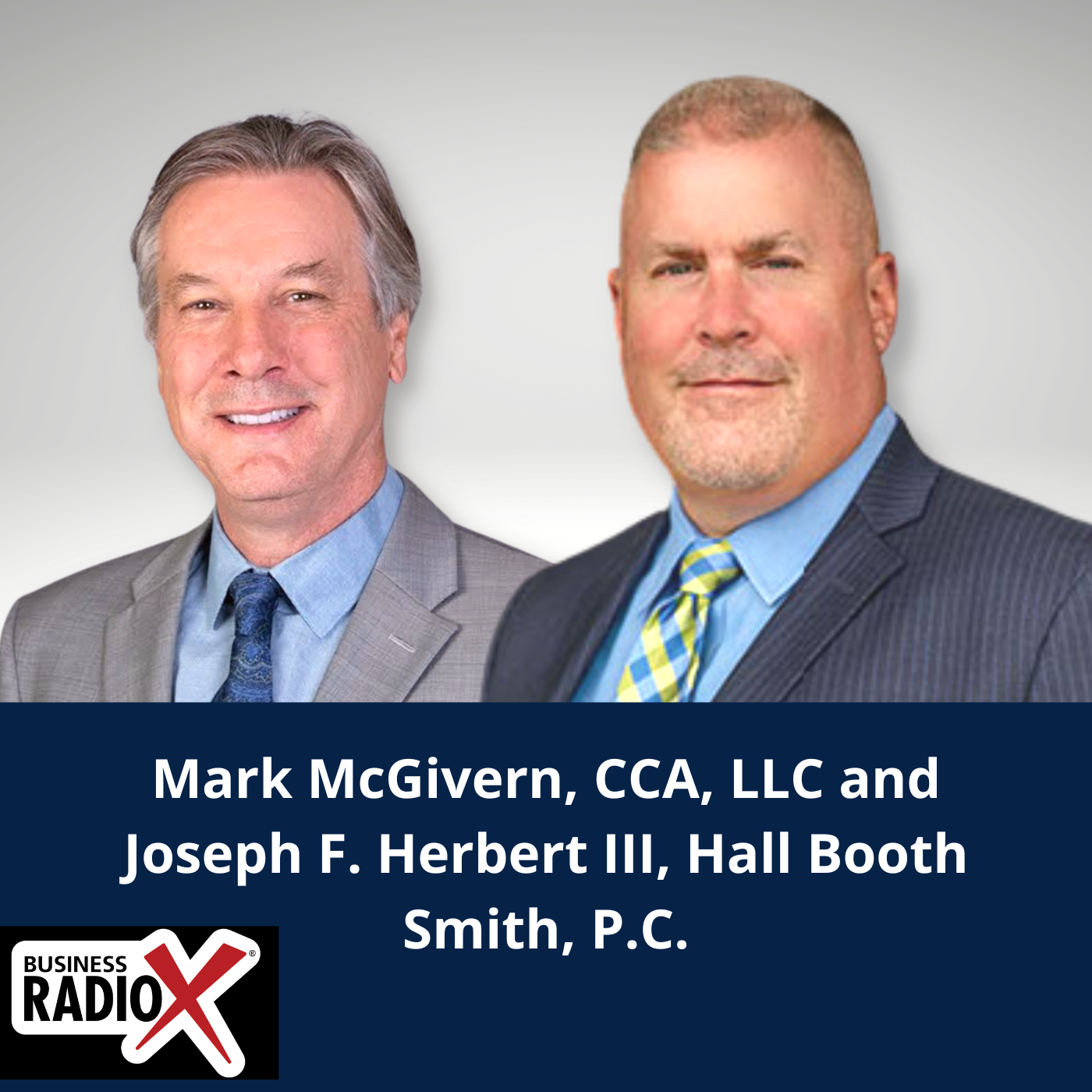
HBS Legal Trends: Mark McGivern, Construction Consulting Associates, and Joseph F. Herbert III, Hall Booth Smith, P.C.

When handling construction-related litigation, Joseph Herbert, Partner and Co-Chair of the Construction Practice Group at Hall Booth Smith, will often call in an independent third-party expert such as Mark McGivern, CEO of Construction Consulting Associates (CCA). On this edition of HBS Legal Trends, Joe and Mark discussed their own backgrounds and experience, how attorney and third-party experts work together on a case, why an investment in the services of an independent expert firm such as CCA lowers the overall cost of litigation, and much more.

HBS Legal Trends is sponsored by Hall, Booth, Smith, PC and is produced by the North Fulton studio of Business RadioX®.

Construction Consulting Associates, LLC (CCA)

Resolving complex problems for the built environment for legal, insurance, building owner/management, and construction industries.

At CCA, they have one goal: To become a trusted partner helping solve your architectural, engineering, construction, and health, safety, and environmental problems. Since its founding in 1990, CCA has worked tirelessly to bring comprehensive services to its clients. They identify problems and work diligently to solve them for clients, from developers, owners, and property managers who often need help when dealing with building, site, construction, and health, safety, and environmental issues; to lawyers and insurance companies who need experts to help resolve related disputes.

As a single-source provider, they bring to your problem decades of experience in every construction-related discipline including architecture, engineering, mechanical systems, construction management, project management, industrial hygiene, environmental health and safety, hazardous and materials. Their skilled experts are trustworthy and collaborative and will work with you to deliver elegant, high-quality solutions.

CCA has a 360-degree solution for the architectural, engineering, and construction industry. No matter how simple or complex the challenge, they are committed to you to get the best possible result for your problem.

Company Website |LinkedIn

Mark McGivern, CEO, Construction Consulting Associates, LLC (CCA)

Mark McGivern, CEO, Construction Consulting Associates, LLC

As a founding partner of CCA, Mark McGivern works tirelessly to give clients what they need: successful projects, expert opinion, and comprehensive investigations. He has the extraordinary ability to grasp an abundance of details while providing clients with simple solutions to some of the world’s most complex design and construction situations.

With more than 30 years of experience managing construction and design professionals, Mark is principally responsible for the planning and management of CCA’s technical investigations, particularly cases involving complex litigation. He is also CCA’s senior construction specifier for design projects and plays an active role in CCA’s architectural design process.

Mark has extensive practice and knowledge in the fields of design, construction, estimation, and analysis of building systems, and construction methods and practices. His project planning and management experience ranges from small- and large-scale residential, industrial, and commercial construction projects, to complex, in-depth investigations into the causes and origins of building failures—as well as cost estimation and analysis of appropriate methods of remediating such failures.

Mark has qualified as an expert in countless construction and design failure cases in courts and arbitration matters throughout the country – judges and arbitration panels have consistently held that his qualifications and testimony met all Daubert-type standards. In trials, mediations, and arbitrations, he has given expert testimony regarding building codes, construction methods, standard of care, industry standards and practices, cost estimation, and apportionment of responsibility.

Mark has given numerous lectures and presentations, with particular emphasis on comparative construction and performance analyses of various methods and products utilized in the field.

He holds affiliations with the Construction Specifications Institute (CSI), The National Fire Protection Association (NFPA), The Community Associations Institute (CAI), American Society of Civil Engineers (ASCE), and ASCE Construction Council.

LinkedIn

Hall Booth Smith, P.C.

Established in 1989, Hall Booth Smith, P.C. (HBS) is a full-service law firm with six regional offices strategically located throughout Georgia, as well as offices in Birmingham, AL; Little Rock and Rogers, AR; Denver, CO; Jacksonville, Miami, St. Petersburg, Tallahassee, Tampa, and West Palm Beach, FL; Missoula, MT; Asheville and Charlotte, NC; Saddle Brook, NJ; New York, NY; Oklahoma City, OK; Charleston, SC; and Memphis and Nashville, TN.

Experienced across a wide range of legal disciplines, HBS prides itself on providing knowledgeable, proactive, client-specific counsel to individuals, domestic and international corporations, state and federal agencies, and nonprofit organizations.

At HBS they possess the legal knowledge, skill, and experience to meet our clients’ needs wherever they do business. HBS maintains the highest commitment to serve clients ethically and professionally by providing the highest quality legal representation.

Company Website | LinkedIn | Facebook

Joseph F. Herbert III, Partner, Hall Booth Smith, P.C.

Joseph F. Herbert III, Partner, Hall Booth Smith, P.C.

Joseph F. Herbert III is a Partner in our Red Bank, New Jersey office and the Co-Chair of the Construction Practice Group. As a practicing litigator since the mid-90s, Joe has participated in and supervised all facets of a civil litigation caseload, as both defendant’s and plaintiff’s counsel, in both state and federal court.

He has extensive experience in high value, high profile cases, including multi-million dollar construction defect cases, wrongful death/murder, sexual molestation defense, premises security, fire, Dram Shop, catastrophic and high-value personal injury, property damage, contract, lease review and negotiation, and some medical malpractice cases through all phases of litigation including case evaluation, discovery, mediation, settlement, trials, and appeal.

He joins HBS after spending the last 8 years as a managing partner in a New Jersey law office where he prepared and implemented firm procedures and budgets and hired and oversaw attorneys and staff. Joe was included in the 2023 edition of The Best Lawyers in America® for construction litigation.

Joe earned his J.D. from New York Law and graduated with a B.S. in Communications Arts and Sciences with a Minor in Business Administration from St. John’s University.  During law school Joe served as an intern/clerk for the Honorable Harold Baer in the United States District Court, Southern District of New York.

Outside of practicing law, Joe’s interests include golf, sports, travel, and photography.

LinkedIn

Tagged With: architecture, cca, Construction, Construction Consulting Services, construction litigation, development, engineering, Hall Booth Smith, lawsuit, litigation, Mark McGivern

Jon Silverman, Wicker Smith

December 21, 2021 by John Ray

Wicker Smith
Business Beat
Jon Silverman, Wicker Smith
Loading
00:00 /
RSS Feed
Share
Link
Embed

Download file

Wicker Smith

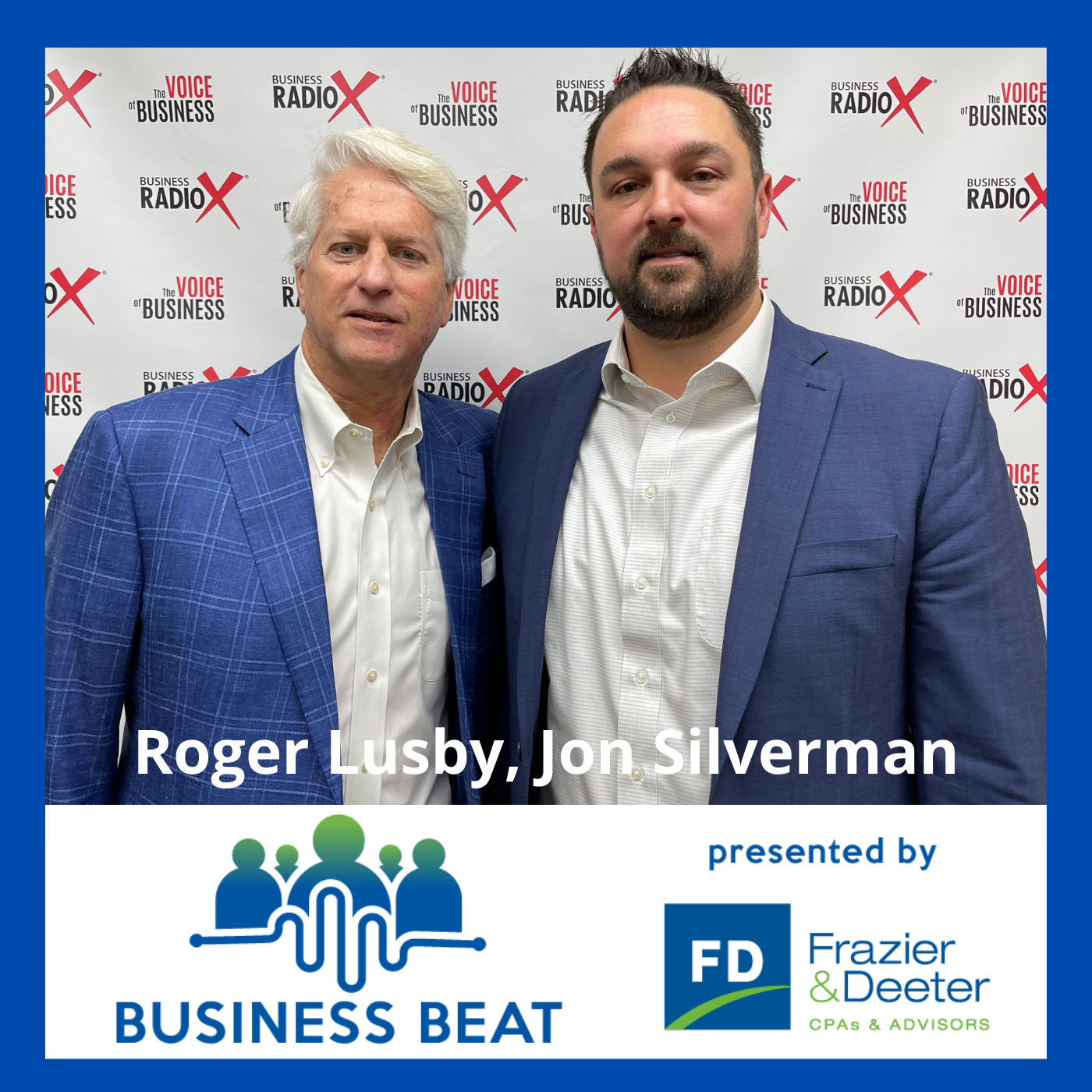
Frazier & Deeter’s Business Beat: Jon Silverman, Wicker Smith

Jon Silverman, civil litigation attorney for Wicker Smith O’Hara McCoy & Ford, P.A, joined Business Beat to discuss the work that he does and share the news that Wicker Smith now has an Atlanta office. Jon spoke with host Roger Lusby on his work in civil litigation and insurance defense, the impact of the pandemic on the courts and mediation, and much more. Business Beat is presented by Alpharetta CPA firm Frazier & Deeter.

Wicker Smith

Wicker Smith O’Hara McCoy & Ford, P.A. is a full-service litigation law firm with 16 offices across 4 states and over 260 attorneys.  It was established in 1952 and is a founding member of the prestigious USLAW NETWORK, an elite, international affiliation of more than 60 AV-rated, independent law firms.

Company website | LinkedIn

Jon Silverman, Attorney, Wicker Smith O’Hara McCoy & Ford

Jon Silverman, Attorney, Wicker Smith O’Hara McCoy & Ford

Jonathan Silverman is an associate in Wicker Smith’s Atlanta office, where he focuses his practice on civil litigation related to general negligence, premises liability, negligent security, medical malpractice, automobile negligence, and wrongful death defense.

Before returning to Wicker Smith in 2021, Mr. Silverman was a partner at a national defense firm in Atlanta, where he focused his practice on civil litigation and insurance defense.  Prior to that, he worked in Wicker Smith’s Naples, Florida office and focused his practice on civil litigation and insurance defense.  He began his legal career as an Assistant Public Defender at the Office of the Public Defender, 20th Judicial Circuit, in Fort Myers, Florida, where he handled a high volume of cases ranging from simple misdemeanors to punishable by life felonies, gaining invaluable jury trial experience along the way.

Mr. Silverman earned his Juris Doctor from Nova Southeastern University in Fort Lauderdale, Florida in 2011.  Prior to that, he attended the University of Miami in Coral Gables, Florida where he earned a Bachelor of Arts degree in History and Political Science in 2006 and a Master of Arts in Liberal Studies in 2007.  While in law school, he was a member of the Moot Court Society and Nova Trial Association, and he also completed two internships for the Miami-Dade Public Defender’s Office.

Mr. Silverman is admitted to practice in Georgia and Florida.

LinkedIn


Frazier & Deeter

The Alpharetta office of Frazier & Deeter is home to a thriving CPA tax practice, a growing advisory practice and an Employee Benefit Plan Services group. CPAs and advisors in the Frazier & Deeter Alpharetta office serve clients across North Georgia and around the country with services such as personal tax planning, estate planning, business tax planning, business tax compliance, state and local tax planning, financial statement reviews, financial statement audits, employee benefit plan audits, internal audit outsourcing, cyber security, data privacy, SOX and other regulatory compliance, mergers and acquisitions and more. Alpharetta CPAs serve clients ranging from business owners and executives to large corporations.

Roger Lusby, Partner in Charge of Alpharetta office, Frazier & Deeter
Roger Lusby, Partner in Charge of the Alpharetta office of Frazier & Deeter

Roger Lusby, host of Frazier & Deeter’s Business Beat, is an Alpharetta CPA and Alpharetta Office Managing Partner for Frazier & Deeter. He is also a member of the Tax Department in charge of coordinating tax and accounting services for our clientele. His responsibilities include a review of a variety of tax returns with an emphasis in the individual, estate, and corporate areas. Client assistance is also provided in the areas of financial planning, executive compensation and stock option planning, estate and succession planning, international planning (FBAR, SFOP), health care, real estate, manufacturing, technology, and service companies.

You can find Frazier & Deeter on social media:

LinkedIn | Facebook | Twitter

An episode archive of Frazier & Deeter’s Business Beat can be found here.


Tagged With: Business Beat, civil litigator, Frazier & Deeter's Business Beat, Frazier Deeter, insurance defense, Jon Silverman, litigation, Roger Lusby, Wicker Smith

Decision Vision Episode 29: Should I Cooperate with a Competitor? – An Interview with Tom Brooks, Windham Brannon

August 22, 2019 by John Ray

Decision Vision
Decision Vision
Decision Vision Episode 29: Should I Cooperate with a Competitor? – An Interview with Tom Brooks, Windham Brannon
Loading
00:00 /
RSS Feed
Share
Link
Embed

Download file

Mike Blake and Tom Brooks

Should I Cooperate with a Competitor?

Why would you collaborate with a competitor? How do you establish and maintain trust with a competitor you cooperate with?  Host Mike Blake, Head of the Valuation Practice at Brady Ware, discusses these questions and more with Tom Brooks, Director of the Valuation Practice at Windham Brannon. “Decision Vision” is presented by Brady Ware & Company.

Tom Brooks, Windham Brannon

Tom Brooks, Windham Brannon

Tom Brooks is a Principal and Director of the Valuation Practice at Windham Brannon. Tom has over 20 years of experience handling valuation and litigation support matters. He specializes in guiding clients with the valuation of their businesses, business interests, and intangible assets for mergers and acquisitions, gift and estate planning, financial and tax reporting, charitable giving, strategic planning, shareholder disputes, commercial litigation, and marital dissolution. Tom has worked with businesses of all sizes, including start-up companies to larger companies with over $1 billion in revenues. He is effective at communicating complex valuation issues and collaborating with his clients in building successful relationships.

Prior to joining Windham Brannon, he was a Senior Manager in the Valuation practice of a leading tax and advisory firm. As a licensed CPA in Georgia, Accredited in Business Valuation (ABV) and as an Accredited Senior Appraiser (ASA), Tom often speaks for organizations such as the Atlanta National Association of Certified Valuation Analysts (NACVA) chapter, the Georgia Society of Certified Public Accountants and Atlanta Alumni of Retired Revenue Agents. He has also presented for Georgia Tech and LaGrange College accounting students and at Merrill Lynch seminars.

Michael Blake, Brady Ware & Company

Mike Blake, Host of “Decision Vision”

Michael Blake is Host of the “Decision Vision” podcast series and a Director of Brady Ware & Company. Mike specializes in the valuation of intellectual property-driven firms, such as software firms, aerospace firms and professional services firms, most frequently in the capacity as a transaction advisor, helping clients obtain great outcomes from complex transaction opportunities. He is also a specialist in the appraisal of intellectual properties as stand-alone assets, such as software, trade secrets, and patents.

Mike has been a full-time business appraiser for 13 years with public accounting firms, boutique business appraisal firms, and an owner of his own firm. Prior to that, he spent 8 years in venture capital and investment banking, including transactions in the U.S., Israel, Russia, Ukraine, and Belarus.

Brady Ware & Company

Brady Ware & Company is a regional full-service accounting and advisory firm which helps businesses and entrepreneurs make visions a reality. Brady Ware services clients nationally from its offices in Alpharetta, GA; Columbus and Dayton, OH; and Richmond, IN. The firm is growth minded, committed to the regions in which they operate, and most importantly, they make significant investments in their people and service offerings to meet the changing financial needs of those they are privileged to serve. The firm is dedicated to providing results that make a difference for its clients.

Decision Vision Podcast Series

“Decision Vision” is a podcast covering topics and issues facing small business owners and connecting them with solutions from leading experts. This series is presented by Brady Ware & Company. If you are a decision maker for a small business, we’d love to hear from you. Contact us at decisionvision@bradyware.com and make sure to listen to every Thursday to the “Decision Vision” podcast. Past episodes of “Decision Vision” can be found here. “Decision Vision” is produced and broadcast by the North Fulton studio of Business RadioX®.

Visit Brady Ware & Company on social media:

LinkedIn:  https://www.linkedin.com/company/brady-ware/

Facebook: https://www.facebook.com/bradywareCPAs/

Twitter: https://twitter.com/BradyWare

Instagram: https://www.instagram.com/bradywarecompany/

Show Transcript

Intro: [00:00:01] Welcome to Decision Vision, a podcast series focusing on critical business decisions, brought to you by Brady Ware & Company. Brady Ware is a regional, full-service, accounting and advisory firm that helps businesses and entrepreneurs make vision a reality.

Michael Blake: [00:00:20] And welcome to Decision Vision, a podcast giving you, the listener, clear vision to make great decisions. In each episode, we discuss the process of decision making on a different topic. Rather than making recommendations because everyone’s circumstances are different, we talk to subject matter experts about how they would recommend thinking about that decision.

Michael Blake: [00:00:37] My name is Mike Blake, and I’m your host for today’s program. I’m a Director at Brady Ware & Company, a full-service accounting firm based in Dayton, Ohio, with offices in Dayton; Columbus, Ohio; Richmond, Indiana; and Alpharetta, Georgia, which is where we are recording today. Brady Ware is sponsoring this podcast. If you like this podcast, please subscribe on your favorite podcast aggregator. And please also consider leaving a review of the podcast as well.

Michael Blake: [00:01:01] So, our topic today is cooperating with competitors. And this is a a ticklish topic. We think of competitors in the marketplace, regardless of our industry, it could be public accounting, it could be advisory, it could be manufacturing cars, it could be airlines. Very few businesses are not in a competitive scenario in some case. And by the way, if you are in a business that isn’t in one, please write me. I’d like to know what that is, so I can then compete with you because that sounds great.

Michael Blake: [00:01:38] And what I’ve learned over the last 15 years or so that I’ve been in business is that some industries just can’t get along. Like years and years ago, I did a project for Coca-Cola Enterprises. And I was a contractor there doing some financial analysis. And at the time, you walk into their office, and everything is Coca-Cola red. They got polar bears all over the place, and bottles of Coke, and everything else. And it’s definitely rah-rah, sort of, company branding is at the forefront. And if—I did not do this, but somebody else I knew did, went off premises, and then came back with a bag full of Taco Bell, which at the time was owned by Pepsi Co. Now, Yum! Brands, I don’t know if Pepsi is owned by them or not, but that was a big no-no. Like even having food from the competing beverage was not a fireable offense, but boy, you’ve got the Coca-Cola stink eye, and then some when you did that.

Michael Blake: [00:02:39] I imagine there was a time when you had that kind of rivalry at Microsoft and Apple. I don’t think that’s the case today. And we think of of competition as something that, frankly, we have to destroy, that they are enemies, that they are opposing us, that they are taking food out of our mouths, and that they are something to be feared and disliked. But I think in modern business, that’s not necessarily always the case. And you see industries where, in certain cases, competitors do band together. The auto industry, as competitive as they are, they do band together in order to promote safety in their industry. They band together to make sure that regulations aren’t too constraining.

Michael Blake: [00:03:27] In the airline industry, I think the same thing. I think the same thing is true. You see partnerships all over the place where maybe companies are cross-selling each other’s services. And maybe, I’ll go back to airlines, they’re actually a really good example too because of your quote sharing. So, my family and I are going to take a trip to Scandinavia later this year, and our plane ticket says Delta. But at some point, we’re probably going to be put on an SAS plane, or a Norwegian airplane, or something. We don’t know that, but because those are competitors that are cooperating, right, that’s the kind of customer experience that we’re going to have. And because they cooperate, we don’t have to get out at Paris, and then walk the rest of the way to Copenhagen, which would be a real pain in the neck.

Michael Blake: [00:04:12] And so, I wanted to explore this because in my particular practice—and I don’t know if I’m exceptional in either direction or right about the average, but I can tell you in my practice in business valuation, about somewhere between 20% and 30% of my business actually comes from competing firms. And I don’t necessarily know that I’m exceptional, but on the off chance that is exceptional some way, that means that there’s a lesson to learn. I want to talk about what if your competitors aren’t your mortal enemies? What if you’re not just always locked in a life-and-death struggle with your competitors? And not in a way where you’re forming a cartel. I mean, our firm is not a big enough firm. I’m not going to cartel anything. But there’s a long—there’s a big gap between cartel and cutthroat, winner-take-all competition.

Michael Blake: [00:05:10] And so, that’s what I want to talk about today because if you’re not thinking about competitors in terms of if there’s a potential partnership and a potential cooperation and opportunity, you may be leaving money on the table. You may be leaving business value on the table. And maybe, also, you’re living a more stressful life than you have to. And so, I’ve brought in a guest today that, I think, this will be a little bit of a different conversation because I’m going to be more of an active participant rather than an interviewer.

Michael Blake: [00:05:38] But I brought in my friend Tom Brooks today, who is a competitor with whom that I cooperate quite a bit. Tom is a Director in the Valuation of Litigation Services Group of Windham Brannon PC, a midsized certified public accounting firm in Atlanta. I think about the same size as Brady Ware. I haven’t measured it, but I get the sense we’re about roughly the same size. Tom has over 20 years of experience handling valuation and litigation support matters. He specializes in guiding clients at the valuation of their businesses, business interests, and intangible assets for mergers and acquisitions, gift and estate planning, financial and tax reporting, charitable giving, strategic planning, shareholder disputes, commercial litigation, and marital dissolution. Tom has worked with businesses of all sizes, including startup companies to larger companies with over $1 billion in revenues. He is effective at communicating complex valuation issues, and collaborating with his clients, and building successful relationships.

Michael Blake: [00:06:35] Prior to joining Windham Brannon, he was a Senior Manager in the Valuation Practice of a leading tax advisory firm. As a licensed CPA in Georgia, accredited in business valuation, and as an accredited senior appraiser, Tom often speaks for organizations such as the Atlanta National Association for Certified Valuation Analysts or NACVA – that has got to be the weirdest, most awkward acronym in the history of mankind. And I’m a NACVA member, so I can speak to that internally – the Georgia Society of Certified Public Accountants and Atlanta Alumni of Retired Revenue Agents. He has also presented for Georgia Tech, and LaGrange College Accounting Students, and at Merrill Lynch seminars. And Tom and I used to work together. And he won’t admit this, but I actually worked for him technically, at least, 15 years ago. And we have tracked each other’s careers and have been good friends ever since. And it’s a terrific pleasure to have Tom Brooks in the program. Tom, thanks for coming on.

Tom Brooks: [00:07:32] It’s great to be on. Mike, I appreciate it. That’s quite an intro, and I think it makes me sound a little better than I really am. And yeah, you really didn’t work for me, Mike. That wasn’t really the case.

Michael Blake: [00:07:43] So, you see. I mean, he’s only saying that, so that if I do something bad, he doesn’t want the blame for it. So, talk to us a little bit about your practice in Windham Brannon. How big is that practice, generally speaking? I’m not looking for a number of terms or anything. And what do you focus on within that practice?

Tom Brooks: [00:08:01] Yeah. Our practice highlights a lot of what you highlighted in my bio, which is a mouthful, but traditional business valuation of privately held entities. A number of reasons that clients may perform those. You’ve probably talked about those a lot on your program and on the podcast here. But we do a lot of work around exit planning for our clients, management planning, which can be very broad, to keeping a scorecard.

Tom Brooks: [00:08:28] What’s my business worth? Why am I—the investments that I’m making, the growth that I’m achieving, why is that happening and how does it impact value? We do a lot of work as a firm in Windham Brannon. We’ve got a large high-net worth practice. So, we do a lot of work with our high-net worth clients that have their businesses. And they may be looking at transition planning. How do we transition the business to the next generation? If there’s no next generation, what’s the next—how do we exit? And then, financial reporting. And for accounting purposes, valuation for purchase price allocations, goodwill impairment, stock compensation. And then, finally, probably the last piece to our puzzle in terms of our jigsaw puzzle of our practice would be litigation support in terms of commercial litigation cases and where valuation comes into play in those.

Tom Brooks: [00:09:20] Our practice has been in existence now for 18 months. And we have within—we practice as a litigation and valuation group together. We’ve got two partners and a senior manager in that group. So, I will say that I’ve been announced as a new principal in the firm, Mike, so-

Michael Blake: [00:09:42] Oh, Congratulations! We heard it here first.

Tom Brooks: [00:09:46] So, it’s a great—it’s been a good—we’ve had a good, very successful start in the 18 months that I’ve been in Windham Brannon.

Michael Blake: [00:09:51] That is great. That is great to hear. I know that was kind of the plan when you joined, but I know you never take anything for granted. And that road to principle can be a bumpy one too. So, we’ll amend that bio. You’re a principal now at Windham Brannon. Your Excellency.

Tom Brooks: [00:10:08] Don’t go there, Mike.

Michael Blake: [00:10:12] So, you have chosen, I think, in your career, really, to be pretty open about cooperating with competing firm, not just ours, but others. We don’t need to be exclusive, so. But why is that? Why do you have that outlook and that philosophy?

Tom Brooks: [00:10:30] I think it all comes back to—and this may hit—this may be a recurring theme this afternoon. It comes back to trust. I mean, it’s not—I’m not an open book that no matter who I sit down with in terms of my competitors, but I’m not afraid to ask questions when you develop that level of trust with somebody to say, “Am I handling this client situation right?” And it’s not like we’re sitting here sharing our Rolodex or client names and revealing that. It’s talking more about issues that we may face as practitioners. And again, I’m sure these are topics that you’ve talked about. If we were to talk about technical topics and valuation, you and I could have two—there could be two very different approaches. And they may not be or they could be similar.

Tom Brooks: [00:11:13] So, so much of our—and in the career field of valuation, frequently, it said that it may be more science or more art than science, rather. And so, why wouldn’t you—in my case, I think it’s just kind of how I’m wired as well. Why wouldn’t you open yourself up and be trustworthy of some other folks potentially? Again, it’s not everybody but those, that over time, you developed a relationship like that with. You’ve just got to develop that high level of trust before you can get to where you’re going to kind of be a friendly, friendly competitor.

Michael Blake: [00:11:49] And I’ll interject to that. I think another ingredient to that is ego. I think in the valuation profession, more than most other areas of accounting, ego is more prominent and more pronounced, right? And we both know practitioners that what other faults they have, healthy self-esteem is not one of them.

Tom Brooks: [00:12:09] Right.

Michael Blake: [00:12:09] Right? And I do think that our profession, sometimes, encourages or discourages that. I think our profession, sometimes, a little bit more water coolery. Nobody is either sort of is good or maybe good in a certain area. But what we tend to put people in the bucket. They’re either a genius or an idiot, right? Not learning, not trending, whatever, right?

Tom Brooks: [00:12:35] Right.

Michael Blake: [00:12:36] And I think part of the willingness to cooperate is a willingness to be vulnerable, right?

Tom Brooks: [00:12:43] Right.

Michael Blake: [00:12:43] And say, “Look, I don’t know everything about this. I don’t.” We do some estate and gift tax work, but you do 10 times more work there. And that’s okay, I’m willing to say, “Look, I don’t think I need to necessarily give up the engagement, but I do need to sort of phone a friend,” right?

Tom Brooks: [00:13:02] And like you, I’ve got other—and you and I probably just talked about issues like that. And there have been issues that I’ve raised around technology that I’ve phoned you about. And I have other former co-workers and, now, competitors that, again, have very good relationships with. The same thing, you referenced the gift and estate. They’ll call and say, “Hey, I’m dealing with this issue. I don’t deal with it that often. Can you…”  Usually, most of the time even, you or somebody else are going to call and say, “Here’s the way I’m thinking about it.” They’re not asking you to solve their problem. They’re asking you to help them. And you may take them in a completely different direction. But that does speak yet of that vulnerability to be willing to listen, and ask somebody, and say, “Okay, there’s a better way to do it than the way I’m thinking about it. And I want to go find the right way,” because that’s the best answer for your client.

Michael Blake: [00:13:48] Yeah. And you’ll learn something, right?

Tom Brooks: [00:13:49] Right.

Michael Blake: [00:13:49] And one question you have to ask later. And you mentioned something I didn’t thought of. I think it’s a really important point. My father was in this industry too, but he had two jobs over the course of his career. I think I’m on number eight now, and I’ve got, at least, 17 or 18 years of work left in me, give or take health. So, will this be my last job? I don’t know. I think we all hope it is. That’s why I’m a director. But we’re, now, building networks of people that we worked with in our generation and subsequent generations much more rapidly than I think generations before us, aren’t we? And that probably contributes to this, doesn’t it?

Tom Brooks: [00:14:29] I think that’s the case. And again, this is not—there’s no, I guess, poll data to back it up. But I think you’re right. I think especially—and I can’t speak to any other platform other than accounting firms. That’s where I’ve spent most of my career. But you do, at times, get that hesitancy and sense. And maybe it is from some of the older partners or the generation before us. And it’s not to say all of them are that way, but there can be a very strong hesitancy. “Well, Tom, you want to refer our client that we can’t do work for to another accounting firm?” And that is one reason I would say our success has been great at Windham Brannon because my partners aren’t thinking that way. It’s just—but I’ve seen it throughout life in terms of my career, and I’ve seen it. Other practitioners will tell me the same thing that they experience some of those same roadblocks when you do want to have this healthy, friendly, competitive nature to your relationship.

Michael Blake: [00:15:32] Well, and we’ve had—you and I have had that because the firm I used to work for before Brady Ware was of that mind was that just referring stuff to another CPA firm, that was just not on the table.

Tom Brooks: [00:15:44] Right.

Michael Blake: [00:15:44] And it killed me that I had to basically tell you that because I didn’t want you to refer stuff thinking of those stuff coming back because it was not, and it did not. So, that was a very liberating thing about sort of planting my flag. And I think now, that other firm has sort of started to loosen up a little bit in terms of sharing. But that can be a real issue. And I’ll admit, maybe 10 years ago, I might have had—10-12 years ago, I might have had that same mindset. You’ve just got to hold on to every client like they’re the last life vest on the Titanic.

Tom Brooks: [00:16:15] Right.

Michael Blake: [00:16:17] Right? But then, with us, especially, we can get into something, what I call a valuation Vietnam, where you think you’re getting into something that’s going to turn out fine. And then, you get in, and you’re not, and it’s not. And maybe—and you look back, you think, “Boy, I’m not sure I should have taken that on.” But halfway through, you’re, kind of, committed. You just got to figure it out. And you learn that I don’t know that I even did myself a favor by taking every seat. If Tom were here doing this, he would have been done three weeks ago. And here I am, here I am tearing my hair out at 2:00 a.m. trying to figure out this problem. And I think there’s a maturity element to that.

Tom Brooks: [00:16:56] No, time teaches you a lot in any form no matter what your career choice is. I believe that especially when you listen to business owners and entrepreneurs. We’ve all failed probably in some capacity somewhere, and it’s how do you learn from that. And, again, it’s taking the ego out of it, and being willing to learn, and being open. It’s not—I think it’s along the same lines that when we’re told no, or we don’t win an assignment, probably when I first started, that would hurt me a lot more than it does now. You have to lose some engagements to figure some things out and to learn a little bit more about how people view you in the marketplace.

Tom Brooks: [00:17:38] And so, I think it just goes to some humility along the way too that you learn, and you make some mistakes, and being willing to learn from those. And so, again, as you age and mature in your business career, hopefully, you become more open to these types of concepts.

Michael Blake: [00:17:57] And I think it helps to have definition in terms of what you just know. You just know in your heart of hearts, you’re not very good at doing. I’ve been very open with you and anybody who’ll listen, I don’t do litigation. I’m not very good at it, and I’m not willing or interested to make the investment required to become even mediocre at it. So, being a mediocre expert witness, that’s a bad day, being deposed when you know you’re not that great.

Michael Blake: [00:18:29] And that is maturity, but I think it’s also liberating. And I think in a certain way to it, it actually helps your brand, right? I don’t get a lot of litigation referrals anymore, either now, because the market has known like, “Blake, he’s just not going to do it.” But I think that tends to lead to more projects that you are good at being sent your way. And I think the market respects you more when you’ll turn them down, right?

Tom Brooks: [00:18:58] I agree. I mean, what you and I do is professional services. This isn’t just about being a CPA. And for listeners out there, especially in professional services arena, this is really what it gets back to. It’s your firm’s reputation. And some people may have their own firm. So, the name may go—your individual name may go with the firm name. But at the end of the day, as a practicing valuation specialist at Windham Brannon, it’s both my reputation and the firm’s reputation every day that are on the line. And that’s a risk that I have to manage as a practice leader. And with firm leadership, when you have questions about engagements that you may or may not want to take on.

Tom Brooks: [00:19:36] But like you said, it’s kind of one of those, “Maybe I would have been better off.” But thinking ahead and as you encounter something that’s going to be considered maybe outside your comfort zone, it doesn’t mean that we don’t take all assignments outside our comfort zone because, sometimes, it relates to something we’ve done before, and you just got to stretch yourself and learn, like you said earlier in the podcast. And that’s what we—many times, that’s the way we take new tasks on or responsibilities is we learn. And some of it for us is on the job. And we don’t have all the answers, as you said, but, sometimes, it’s almost like phone a friend, right?


Michael Blake: [00:20:13] Yeah.

Tom Brooks: [00:20:13] I mean that’s what you just talked about. And sometimes, those things will help you kind of navigate those challenging situations. But, again, having those open relationships that you can do that, to use your word, it’s liberating to be able to know that in the event that I’m struggling with something, I’ve got a lifeline out there to help me make sure that I’m doing the right thing for my client.

Michael Blake: [00:20:36] So, I’d like to revisit the trust discussion because I think so much of that, ultimately, comes down to that. And there are two areas I want to explore. One is, what are some of those dimensions of trust? It’s obvious, part of it is going to be just, are you competent, right? I’ll give you the fine China, don’t drop it, please. But there are kind of other elements of trust that belong there too, right? So, talk a little bit about what those trust features look like.

Tom Brooks: [00:21:05] Yeah, I think that’s one of the things in thinking about what we’re going to talk about today as I went through in my head. It’s kind of, like you said, the opposite, potentially, of trust. Like you, you get to see a lot of work product come across your desk of your competitors, whether it’d be just one of your partners is asking you to review something because they had a valuation done by an outside firm, or maybe it’s the on the accounting side that our audit team needs something reviewed, and I’m looking at it. So, the first element is kind of that competency. It’s just kind of that, does the expert that we may send this out to, do they have the competency, and will they be taken care of? The way I think of it as well is, will my client or the firm’s client be taken care of as well as they would have been taken care of by me?

Tom Brooks: [00:22:03] So, it really does come down to that trust. Some of it is just years and years. In my case, it’s years. I mean we, I think, have trusted each other a lot longer probably than just the 10-15 years, and we departed the firm that we worked with together, but it’s also developed over time. And so, I think it’s time. So, there’s a time element to it because you got to get to know the person.

Tom Brooks: [00:22:25] I think you have to also understand – and I think maybe this is an element of trust is – are they motivated to do the right thing? Again, I think that’s something that you’ve got to gage. There’s a high level—in doing this, there’s nothing that we can grab at and grasp. There’s nothing tangible. All this is intangible, and there’s risk associated with that when you do that, when you’re putting yourself out there, and potentially handing another name off. So, I think it’s that, again, at the end of the day, these are all elements of trust. But really, that is the key element, at the end of the day, the kind of that you got to come back to.

Michael Blake: [00:23:05] And in the second point I want to ask about trust is, trust between the two direct participants, such as between you and me is great, but it’s not enough, right? We also have to have organizational trust. And unless you have another announcement to make, you’re not the managing partner of your firm.

Tom Brooks: [00:23:26] No.

Michael Blake: [00:23:26] And I’m not the managing partner of my firm. And there is no danger of that announcement ever being made. I can promise you that.

Tom Brooks: [00:23:32] This side as well.

Michael Blake: [00:23:32] So, in our case, in the case of many people, we also had to help build organizational trust, right?

Tom Brooks: [00:23:43] Absolutely. That was—when you and I first landed between Brady Ware and Windham Brannon, it was one of the first things that we did because our moves kind of coincided with each other.

Michael Blake: [00:23:51] We’re a month apart.

Tom Brooks: [00:23:52] Yeah. It was we got together for breakfast with our managing partners and some of our other key senior partners. And you just did begin to develop that rapport, and that openness, and, again, those lines of communication. Maybe this is the word I was looking for in the prior answer but transparency. And, again, it doesn’t mean that we’re coming with a client roster list and go, “And here’s ours. Where’s yours? Here’s yours.” And we’re just exchanging names like that.

Michael Blake: [00:24:17] Like lineup cards.

Tom Brooks: [00:24:18] Right. Client confidentiality still trumps all these and precedes all of these. So, that’s the utmost important thing that we have is to maintain. And again, in that confidence, that’s where your trust comes in. But it does take, in our case, where you’re with a larger firm organizationally, you’ve got to have that confidence because many times for you and I, it’s not just something that comes across my desk that comes through, say, a referral to me from one of my outside sources outside the firm. It’s something inside the firm. So, my partners have to trust that again and have that confidence that Mike Blake and Brady Ware are going to take care of them. And so, you’re right, organizational trust on top of the individual relational trust that exists is really critical as well.

Michael Blake: [00:25:05] And take care of them and not try to exploit the opportunity too, right?

Tom Brooks: [00:25:11] Yeah, right. That becomes an underlying element. And I think that goes back to when we talked about some of the distrust that occurs within many firms and across probably every professional service line there is that you would have in terms of thinking about sending a potential client out to a competitor is right. Are they going to poach them completely? Are they going to be looking to market other service lines in there? And you’ve got to have those conversations, and they’re just really open and direct. Those who are not, I would share when we had ours, those were not difficult conversations. It was just, “Well, here’s how we conduct ourselves.” And I guess it’s kind of like dating. I mean, it’s kind of like we were just figuring each other out, so to speak. And in our case, it’s worked really well that, again, between us and the relationship we already had and our partners, it’s just gone. We’re able to do that.

Michael Blake: [00:26:10] So, sometimes there can be speed bumps in a partnership, right? And these are—by definition, they’re sensitive relationships. No matter how long the trust is, there’s always going to be a speed bump. And to my mind, I’m always kind of worried that, “Oh, boy.”

Tom Brooks: [00:26:28] What did Tom do now?

Michael Blake: [00:26:29] Well, anybody, right?

Tom Brooks: [00:26:31] Right. No.

Michael Blake: [00:26:31] And I’ll tell you that I kind of tell our people, “This is a Windham Brannon referral. This has got to be red as red carpets on this one, because I don’t want to go back and tell—I don’t want to face him if it’s not great.” But there can be speed bumps. And how do you—what do you think is the best way to kind of handle those speed bumps, so that they don’t jeopardize the broader relationship?

Tom Brooks: [00:27:01] I think it goes back to what we kind of just articulated and spoke about in our last answer was that it’s got to be open lines of communication and transparency. You’re right. I mean, even if I had never handed that client off and, I could have done the work for whatever reason, clients are complex in terms of the issues that we face, and the demands that we face, the time, whether it’d be—the demands are just numerous. And it’s what we signed up for. We love serving our clients, but that hiccup could have occurred with anybody.

Tom Brooks: [00:27:39] So, I think it’s just important to know that, again, take the ego out of it. None of us are perfect. None of us has—again, these are intangible issues that we’re dealing with typically with clients. The technical issues, yes, but relational, this is all soft skills. These aren’t hard, tangible skills. So, I think, it’s, again, having that open line of communication and transparency.

Tom Brooks: [00:28:04] And if there was a hiccup, I think, first, come up with an action plan to solve the problem if you’re the firm that received kind of the referral. And then, obviously, if there was something that was significant enough, you need to reach back out across the aisle to the firm that referred the work to you, and say, “Hey, here’s what happened. Here’s what we did.” And if there is anything, potentially, they can help you with to get over that hump, then that’s it. I mean, the client has to come first, and their interests have to come first, and serving them, and making sure you get to the finish line. So, I think it’s just what has to happen to do that.

Michael Blake: [00:28:42] Now, one area that is most common that leads to competitor cooperation in our industry is a conflict, right?

Tom Brooks: [00:28:51] Right.

Michael Blake: [00:28:51] We can just get conflict. I tried to send you a piece of work, you got conflicted out of it. I know that was very painful, but you have to do the right thing for an existing client, right? But talk to our audience, what does a conflict look like? Is a conflict always black and white or the sort of shades of gray we have to make a judgment call? What is that conflict thought process look like?

Tom Brooks: [00:29:17] Yeah, I think there can be shades of gray. I mean, some are very obvious.  Let’s just—to use an example, litigation that if we were working for the plaintiff in some capacity, obviously, we’re probably hired by their legal counsel, and we’ve got an underlying client. But if we had been on—and then you look at the defendant, and go, “Oh, they’re an audit client of Windham Brannon. We’re not going to take that on. I mean, that’s just a conflict for us. It’s not something that where we would want to go. And I think there’s a direct conflict anyways.”

Tom Brooks: [00:29:50] Some of them can be a little more gray. I mean, this is more of an independence issue that we face as well. It’s not gray, but I’ll highlight it. So, for our auditors, our audit clients that have financial reporting issues that have valuation embedded in them, Windham Brannon can’t do that valuation work. So, we call it independence, but it’s really a conflict. We can’t produce a valuation, then, that one of my audit or that our audit teams goes and audits and signs off on it because we’re all under the same house of Windham Brannon. So, those are obvious.

Tom Brooks: [00:30:22] I think, sometimes, it can be—maybe it’s going back to the litigation scenario to paint just kind of a grey issue is you may not have a direct or a perceived direct conflict, but it may be that, in this case, again, let’s just say we were potentially representing the plaintiff. The defendant, somehow, isn’t a client of Windham Brannon, but they’re close to Windham Brannon. They have maybe referred some work to Windham Brannon. That’s just not a position. Potentially, again, it’s not that we couldn’t take the assignment, but you also may not take it because you’d say, “Well, that’s just not a position we want to put ourselves in with that defendant that the spigot may turn off or it may create, as you described before, one of those speed bumps. We really don’t want to have to navigate that speed bump.”

Michael Blake: [00:31:13] There are no speed bumps by accident. You don’t want to go making them on your own, right?

Tom Brooks: [00:31:16] Right, exactly. Well said, yeah.

Michael Blake: [00:31:17] So, another conflict I run to on occasion, which is not strictly one, but I get very uncomfortable with and, usually, we’ll try to try to sidestep it is maybe it’s not a litigation but a partner buyout, right? So, the client will come to us and say, “I want to buy out my partner,” or their service partner will come to me and say, “We have a client that want to buy the partner. Can we do an appraisal?” I said, “Well, we could do an appraisal.” And strictly speaking, there’s no conflict there, right? But let me ask you this question, if we come up with an answer that the client doesn’t like, right, is it going to make them mad at you?” They said yes. So, I don’t think we want to do this then, right?

Tom Brooks: [00:32:00] Right.

Michael Blake: [00:32:01] That’s not a conflict with a capital C.

Tom Brooks: [00:32:03] Right.

Michael Blake: [00:32:03] But it’s a conflict with a small C with a lot of underlines underneath it.

Tom Brooks: [00:32:07] Yeah. It’s kind of managing your firm risk at the end of the day. It comes back to, just like I said, just assessing, is that a place or a client relationship that we want to be in and take on? Sometimes, I laugh at it. You turn something away, or what you perceive is to do the right thing in some capacity, or you lose an engagement for whatever reason. Well, probably within, it may not be 24 hours, but within a week, there’s a better opportunity that turns around that you like better than the last one that had some hair on it, so.

Michael Blake: [00:32:43] Yeah, that’s called maturity. I like to think that in exchange for my gray hair and two arthritic ankles, I get some benefit out of that. In fact, to that point, I can think of a few assignments that I wish I had not taken. I can’t think of a single one that I turned down, and I wished I’d hung on to.

Tom Brooks: [00:33:04] Right.

Michael Blake: [00:33:04] Not a single one. Oh man, it never happened.

Tom Brooks: [00:33:06] Right.

Michael Blake: [00:33:08] So, talk about the sort of cooperation. In your mind, do you think you need to have sort of a written agreement? Does everything have to be kind of a papered over joint venture, or can these relationships be sustained on an informal basis?

Tom Brooks: [00:33:26] I think they can. I think it’s situational-dependent. So, we’ll go with it depends, which is always a good answer, right?

Michael Blake: [00:33:36] Jim would not like that one, right?

Tom Brooks: [00:33:38] That’s right, exactly. So, I think there’s—I can think back to 20 years ago at a prior firm where I had gone to work with. And I was a manager at that time, but was brought on to help kind of manage the valuation practice day to day that it wasn’t all the way up to a day-to-day practice. And before I got there, there were two tax partners. They had a retainer agreement with one of the more nationally known valuation experts. Then, it was the same thing like we talked about earlier, “Hey, I got this question,” or “Can you review this for us?” And that was padded with an agreement and a retainer that the experts, so to speak, just stayed out in front of.

Tom Brooks: [00:34:24] And I’ve had it as well where it’s not necessarily padded. You just, “Hey, I need another set of eyes to see this,” almost like a QC capacity, helping me review a project, and there’s no agreement in place, but a bill comes, and we pay it, and that is what it is. And then, there’s a larger—then, you may have a larger project maybe where it’s more of a subcontracting nature. Maybe you’re in a spot that you can’t produce all the volume of work, but at the same time, you certainly can manage it if you’re able to subcontract that. And that probably gets memorialized with an agreement with rates, and everything else, and protective language, “Yes, we’re not going to solicit your client,” those types of things.

Tom Brooks: [00:35:17] So, it may be a little bit of a long answer, but it depends. On each three of those scenarios or two of the three, you had an agreement. The other one, you don’t, I think some of it, then, comes back to that trust level as well. Again, we’ll keep harping on that as to the nature of that relationship that you have, whether you need to have it written or not. And then, it’s really up to both firms or individuals to figure out, how do we cement that?

Michael Blake: [00:35:47] So, one area that some of our listeners are probably thinking about is – boy, I’m not sure I like this one – when competitors start to cooperate, that sounds like they’re forming some kind of cartel, right. This is how it got started or whatnot. But in most cases, that really isn’t what happens. When we do this, we’re not price fixing or anything like that, are we?

Tom Brooks: [00:36:11] No, not at all. It’s, “Hey, here’s an opportunity.” Again, there’s no expected, “I’m going to get this back in return,” or no price fixing. It’s what’s best for our client. So, there’s just no, I’d say, illicit concepts in the background, lurking in the background that’s in either of our minds and what we’ve done. And I would never associate myself with somebody that would have that. To me, the world is too big, and there’s too many valuation assignments out there that even though, sometimes, you’re going, “Oh, man. I wish I had another one,” or whatever, but there’s plenty of opportunities for all of us to be efficient in the same pond. The pond is actually really big. And I actually think it’s really deep.

Tom Brooks: [00:36:57] So, many times, for the people even that I know and meet with as competitors, I can say that I’m very friendly with. It’s frequent that I don’t come up against them even in—whether it’s through RFP or there’s an opportunity, and somebody is reaching out to two or three valuation firms. Now, I don’t come across them. So, it’s just the concept, I think, of – again, I’ll repeat it – doing the right thing for your client, and who is that most trusted source, then, that you need to send him to for the situation you have?

Tom Brooks: [00:37:31] And I wouldn’t expect you to send me every assignment. You may say, “This isn’t right for Tom and Windham Brannon. It’s not something that—it doesn’t fit Tom’s bailiwick on what he does.” And I know that you’ve got other folks that you work with or that you spend time with in terms of opportunity. So, that’s not offensive to me.

Michael Blake: [00:37:50] Right. We’re seeing other people.

Tom Brooks: [00:37:51] Right. Yes.

Michael Blake: [00:37:52] And we know that. We don’t have each other’s varsity jacket, or a letter ring, or anything like that, right?

Tom Brooks: [00:37:57] You don’t have my class ring?

Michael Blake: [00:37:57] So, I want to draw this out. We’ve talked a lot about the valuation world, but I want to draw this out a little bit sort of higher level. So, one thing I’ve observed, and I’m curious about your experience, is that one way where competitors may cooperate is on an exit, right? If you’re a company that you’re getting to that point where you’re looking for a sale or for a strategic expansion either way, right, one of the most logical targets is going to be a competitor because they understand your business. They probably understand you.

Tom Brooks: [00:38:33] Right.

Michael Blake: [00:38:33] You may have some relationship with them. And down the road, that may be a very important value-building relationship. Have you seen something similar?

Tom Brooks: [00:38:45] I can’t say that I’ve necessarily seen it, but what I hear from the business owners I talk to, and I think you talked about it as well, and I’m not going to say that it’s generational, but I am amazed that when you do talk to clients and, again, business owners, entrepreneurs, how much they do know and how much time they do spend frequently with their competitors. And I don’t think it’s always just at a conference, like an industry conference. And maybe that is where a lot of these conversations occur, but I do get the impression that, again, it’s not sharing everything about whether it’d be their cost structure, if they’re a manufacturing client. “Well, we’ve got this technology now in place and this is setting us apart.” You’re not going to share that, but very much, many, I find, of my clients do know a lot about their competitors, or if they are looking at an exit, why certain competitors, they would prefer them to be a potential buyer versus others.

Michael Blake: [00:39:46] So, I want to be respectful of your time here. We’re going to wrap things up, but I do have a couple of other questions. If we can kind of sum up here ingredients that go into a good cooperative competitive relationship. We’ve talked about trust. That’s clearly one. Are there one or two other ingredients you can think of that help make relationships like that be mutually lucrative and sustainable?

Tom Brooks: [00:40:10] I think, I’ve used—the other word that I used is transparency and communication. It will probably be the other two words that I think if you summed it up. Again, transparency, to repeat, it isn’t just, “I’m going to tell you everything about my practice.” It’s, “Here’s a little bit about my practice. Here’s about our clients.” And obviously, when it comes to a specific referral, yes, you’re going to probably have a name at that point. But even when you’re meeting with people, whether it’d be over launch, or coffee, or a meeting at somebody’s office as a competitor, again, you’ve got to—if you want to, I’ll say, kind of be on the receiving end, probably, then you need to be, again, talking openly about your own business. So, that’s transparency.

Tom Brooks: [00:40:52] And then, that open line of communication is just be willing to—the other word, I guess, we’d say for it as vulnerable, as you talked about. And so, that’s just kind of just as a—I think you’ve got to get comfortable with that. And if you’re not, then you may struggle getting to that point. And the folks that you’re trying to be more friendly with may pick up on that.

Tom Brooks: [00:41:17] But the other thing that I’ve said frequently is that I’m willing to be the first one to extend the olive branch in a case because you don’t know how it’s going to go. Many times, probably—I don’t know if anybody else’s lunches are like mine, but sometimes it just becomes more of a social lunch. You have a great lunch, but you kind of go, “Well, that was great. And I really got to know somebody. And I think we could work together,” but does the phone ever ring for the work?

Michael Blake: [00:41:45] Right.

Tom Brooks: [00:41:45] So, I think that happens to all of us. But, now, now it becomes, how do you become more purposeful? And then, translating that to a relationship. So, it’s kind of that same thing. Be willing to be vulnerable and extend that olive branch to be the first one because, sometimes, it’s, “Well, are they in the boat with me or out? I have one foot in. Are we all in the boat?” So, that comfort level of knowing that I could extend it one time, and I may not ever get anything that comes back to me or an opportunity that I see come my way.

Michael Blake: [00:42:21] And alongside that notion of vulnerability, I think it’s also differentiation and defining yourself, right? I think if you’re in a business where you truly feel or think that it’s important that you handle every opportunity that comes through, no matter what, it’s much harder to find grounds for cooperating with a competitor.

Tom Brooks: [00:42:48] Right.

Michael Blake: [00:42:48] Right? And maybe that’s right, maybe that’s wrong for your practice. For mine, it’s not right. But on the other hand, if you tend towards more specialization, as I certainly believe. I’m a big fan of Rod Burkhardt. In this regard, he is a strong advocate of specialization and differentiating yourself that way. Then, the opportunities for cooperation, I think, become much more obvious-

Tom Brooks: [00:43:13] Right.

Michael Blake: [00:43:14] … and they become much more natural.

Tom Brooks: [00:43:16] Agree.

Michael Blake: [00:43:16] Right? This is in the wrong box. I know Tom’s got this box. So, we’re just going to do this. It really just sort of becomes a system.

Tom Brooks: [00:43:23] Right.

Michael Blake: [00:43:24] I don’t have to think about it.

Tom Brooks: [00:43:25] Right. No, absolutely. You got to know your own strengths and weaknesses. And again, maybe we’ll call that maturity. It does take some time to figure that out and as you’re building a practice. What do you want to be when you grow up? And we’re always refining that. But it just is that time teaches you a lot, and I still have a lot to learn.

Michael Blake: [00:43:50] And I will say this, a way that I benefit from cooperating with competitors is one of my marketing points that I use with prospects is that we get about 25% of our referrals from our competitors, right?

Tom Brooks: [00:44:08] That’s a good point. I mean, we’ve touched on it. I think it suggests that you know what you’re doing, and that you are qualified because in our world, Mike, as you know, and, again, maybe some of your listeners know in your podcast is that, you don’t have to have any credentials to sign a valuation report.

Michael Blake: [00:44:25] No.

Tom Brooks: [00:44:26] There’s nothing that you have to do. I mean, you could just hang a shingle and you could be mister, “Hey, I can appraise your business.” And it’s not all about the credentials behind your name. That’s part of it. So, that’s the first thing you potentially want to look at or consider when you’re thinking about looking at a friendly competitor, but then it becomes that reputation, and do they have the ability to do it? And so, yeah, if you can sit there and tell your prospect, “Yeah, 25%-30% of my work comes from my competitors,” that shines a pretty bright light on you. I think, it sets the bar pretty high for you as that specialist in that space.

Michael Blake: [00:44:59] I found that, I mean, especially since I don’t do litigation, they don’t even care about the letters after my name, right? I mean, they don’t know what they are.

Tom Brooks: [00:45:07] Right.

Michael Blake: [00:45:07] Sometimes, they ask and get bored about halfway through. But that part, because when your competitors are validating you, because ostensibly you know how to evaluate me much better than the prospect, well, that carries a lot of weight.

Tom Brooks: [00:45:21] Well, that’s right. And I’ve kind of figured out some math. And I don’t know if this is right, but I’ve probably reviewed several hundred appraisals of other firms, and I get to see their work. So, again, you begin to get to see-

Michael Blake: [00:45:35] That’s a lot.

Tom Brooks: [00:45:35] You get to see what your competitors and what their work product looks like. And so, you can begin to, in your mind, go, “Okay. Just even from a technical perspective, I can trust them,” or “I can’t trust them,” or they’re doing some things technically that you go, “I couldn’t agree with or sign off on. I don’t want our client to have to potentially get to a wrong answer because their provider is not doing the right thing technically for them.”

Michael Blake: [00:46:05] Right. So, we’re coming up to the end of our time here, but can people contact you if they have a question about a coopetition or cooperating with a competitor?

Tom Brooks: [00:46:15] Sure. Always be glad to chat with folks or email correspondence. Email is tbrooks@windhambrannon.com. And direct dial 678-510-2748 at the office.

Michael Blake: [00:46:40] All right. And there you have it. That’s going to wrap it up for today’s program on Cooperating with Competitors. I’d like to thank my pal, Tom Brooks, very much for joining us and sharing his expertise with us today. We’ll be exploring a new topic each week. So, please tune in, so that when you’re faced with your next business decision, you have clear vision when making it. If you enjoy this podcast, please consider leaving a review with your favorite podcast aggregator. It helps people find us, so that we can help them. Once again, this is Mike Blake. Our sponsor is Brady Ware & Company. And this has been the Decision Vision Podcast.

Tagged With: CPa, CPA firm, Dayton accounting, Dayton business advisory, Dayton CPA, Dayton CPA firm, Decision Vision, litigation, Michael Blake, Mike Blake, referral, referrals, referrals to competitors, Tom Brooks, Transparency, trust, valuations, Windham Brannon

Laura DaSilva, Big Fish Technology, and Michael Cross, Briskin, Cross & Sanford, LLC

May 8, 2019 by John Ray

North Fulton Business Radio
Laura DaSilva, Big Fish Technology, and Michael Cross, Briskin, Cross & Sanford, LLC
Loading
00:00 /
RSS Feed
Share
Link
Embed

Download file

John Ray, Laura DaSilva, and Michael Cross

Laura DaSilva, Big Fish Technology

Laura DaSilva, Big Fish Technology

Laura DaSilva is a Technical Sales Account Manager for Big Fish Technology. Big Fish Technology is a full-service technology support company that delivers high quality, timely technology services and solutions for small and medium sized businesses and organizations. Our clients range from small sole proprietors to capital management firms with international offices.

Big Fish Technology is a hands-on company. They use many of the same processes and technologies they recommend to their clients. Therefore, they know what works and what does not. Here is a partial list of what they can do for you:  CIO services; wired and wireless network design, implementation, and management; network security audits and tuning; Windows server and Windows server application design, implementation, and management, including MS Exchange, MS SQL, MS SharePoint, Citrix, and others; SQL application design, implementation, and management; remote and onsite Windows and Apple desktop support; data backup and business continuity services, managed services solutions for Windows servers and desktops; hosted applications such as MS Exchange email, MS Sharepoint, online/offisite backups, and others; phone system services (hosted, VoIP, on-premise); and internal low-voltage network and phone wiring and infrastructure.

For more information on Big Fish Technology, go to their website or call 678-528-7713.

Michael Cross, Briskin, Cross & Sanford, LLC

Michael Cross, Briskin, Cross & Sanford, LLC

Michael Cross is an attorney and partner with Briskin, Cross & Sanford, LLC. Michael’s practice focuses on matters involving business law, including general corporate transactions, mergers & acquisitions, partnership and LLC law, and franchise law; employment law, including executive employment agreements, employment manuals, sales, distributor, and independent contractor agreements, and employment litigation; commercial real estate, including commercial lease preparation and negotiation, sales, acquisitions, and construction; and non-profit organizations, including the formation of and application for tax-exempt status for charitable organizations, private foundations, and trade associations.

From negotiating business agreements to aggressive representation in commercial litigation, Briskin, Cross & Sanford provides comprehensive legal service to entrepreneurs, executives, and companies in Alpharetta, Roswell, Johns Creek, Sandy Springs, Cumming, Marietta, and other communities throughout the north Atlanta metropolitan area.

Their chief focus is providing counsel to technology firms and other businesses located in the developing Georgia 400 corridor. Two of their attorneys were founding members of the steering committee for the 400 Technology Connection, which fostered technology and commercial growth in the area prior to partnering with the Technology Association of Georgia (“TAG”).

For more information, go to their website or call (770) 410-1555.

Tagged With: contracts, downtown Alpharetta, help desk, IT managed services, it outsourcing, it services, IT Solutions, Laura DaSilva, litigation, machine monitoring, managed services, Managed Services Provider, Michael Cross, MSP, partnerships, remote IT monitoring, service agreements, single source IT management, small business legal protection, startups, Technology Services, vendor management

Ed Fortier with Strategic Stewardship, Kevin McDonough with Miles Hansford & Tallant, and Rand Cabus with Mojo Vinyl Records

February 6, 2018 by Mike

North Fulton Business Radio
Ed Fortier with Strategic Stewardship, Kevin McDonough with Miles Hansford & Tallant, and Rand Cabus with Mojo Vinyl Records
Loading
00:00 /
RSS Feed
Share
Link
Embed

Download file

John Ray, Kevin McDonough, Rand Cabus, Ed Fortier

Ed Fortier/Strategic Stewardship

Complexity and volatility in today’s financial and business environment dictate a collaborative planning approach. Strategic Stewardship integrates their knowledge with specialists in legal, accounting, banking, trusts, benefits, retirement, and related fields for their clients. Their national reach through PartnersFinancial, a national community of industry-leading, independent life insurance and financial professionals, and NFP gives them access to institutional resources without sacrificing responsive personal service. For more than 25 years, the organization has supported its members as they build insurance industry knowledge and expertise. In the process, PartnersFinancial members created a powerful culture of ideas sharing and collaboration – all for the benefit of their claims.

Kevin McDonough/Miles Hansford & Tallant

Attorney Kevin McDonough with Miles Hansford & Tallant has worked with businesses for the past 15 years. In this role, Kevin has been involved in all parts of a business life – from starting a company, to helping draft contracts, to protecting a company involved in litigation, to participating in the sale or wind down of a business. Across these issues, Kevin focuses on bringing strategic, practical concepts to solve legal and business problems. As a continuation of his business focused law practice, Kevin is civically involved working to help businesses as well. He is chairman elect of the Cumming Forsyth Chamber of Commerce.

Rand Cabus/Mojo Vinyl Records

Mojo Vinyl Records is an independent record store established in 2011 in historic Roswell, GA. The store buys and sells new and used records. They also sell Audio-Technica, Music Hall and Pioneer turntables, art and miscellaneous cool stuff. Mojo Vinyl Records celebrates Record Store Day every year since 2012. Their motto is “Listen Naked” since vinyl is the natural sound. Come by, hang out and listen to some good music. Buy something too.

Tagged With: contract drafting, Digital Ignition, Ed Fortier, Kevin McDonough, Legal, litigation, Mike Sammond, Miles Hansford & Tallant, Mojo Vinyl Records, North Fulton Business Radio, planning, Proactive Payroll, Rand Cabus, stewardship, Strategic Stewardship, trusts

So You Think Your Estate Plan is Done: Fixable Problems/Simple Cures?

July 27, 2016 by Mike

Gwinnett Studio
Gwinnett Studio
So You Think Your Estate Plan is Done: Fixable Problems/Simple Cures?
Loading
00:00 /
RSS Feed
Share
Link
Embed

Download file

Craig Frankel, Carly Howard, Rebecca Cummings, Adam Gaslowitz

So You Think Your Estate Plan is Done: Fixable Problems/Simple Cures? Adam Gaslowitz and Craig Frankel discuss this topic with their special guests, Carly Howard and Rebecca Cummings.

Carly Howard/Atlantic Trust

Carly Howard is a senior wealth strategist in Atlantic Trust’s Atlanta office, with more than 10 years of industry experience. In this role, she provides high net worth clients with integrated wealth management services, including comprehensive estate and financial planning solutions, multi-generational legacy planning, and fiduciary administration for trusts and probate estates. Prior to joining Atlantic Trust, Carly was a senior vice president and personal trust specialist with BB&T Wealth’s Professional and Executive Advisory Group, where she provided customized wealth management services for executives and business owners with a focus on fiduciary issues related to executive compensation. She previously served as a fiduciary specialist for BB&T Wealth in South Carolina and Wells Fargo Private Bank in North Carolina. Prior to joining the financial services industry, Carly was an adjunct professor at the Charleston School of Law and an attorney practicing estate planning and fiduciary litigation with major law firms in Miami and Charlotte. She holds Juris Doctor and Master of Laws degrees from the University of Miami and earned a Bachelor of Arts degree in communication from the College of Charleston. Carly currently chairs the board of directors for PhilanthroFest, a 501(c)(3) non-profit organization, and was included in the Community Building Initiative (CBI) Charlotte’s 2015 “Leaders Under 40” program. She has also served on the South Carolina Probate Code Revisions Committee, Charleston Tax Council, Florida Association for Women Lawyers and other trade groups. Carly has written articles for or been quoted in national and local publications, including The Wall Street Journal and Trusts & Estates magazine.

Rebecca Cummings/Rebecca Godbey Cummings, LLC

Rebecca Cummings is an expert in wills, trusts and estates. For nearly two decades, she has given clients the peace of mind that their estate planning is in perfect working order, and she has counseled families through the process of administering the estate of a loved one. Rebecca spent a decade as an entrepreneur and founder of a small law firm before becoming a partner in one of the most respected estate planning groups in Atlanta. In 2015 she established this law firm to make expert legal advice more affordable for middle class people, and in 2016 she began offering professional fiduciary services for Georgia estates and trusts. Previously a law professor, Rebecca is known for her exceptional ability to explain complex ideas and systems in simple terms; she has repeatedly been named one of the state’s “most effective” lawyers and one of the Top 100 lawyers in Georgia. Rebecca also serves as an expert witness in estate and trust disputes and is the author of “The Case Against Access to Decedents’ Email: Password Protection as an Exercise of the Right to Destroy.” Rebecca is also a dynamic speaker, facilitator, and business development coach. She is past president of the Georgia Association for Women Lawyers (GAWL) and she has given hundreds of workshops, presentations and keynote speeches to companies and organizations such as Coca Cola, the CDC, Emory, Commercial Real Estate Women (CREW) and the Fiduciary Law Section of the State Bar of Georgia, on topics as diverse as Georgia’s trust code, running effective meetings, and successful negotiation strategies. Rebecca returns year after year to facilitate strategic planning retreats for organizations that value her ability to create fun and productive multi-day planning sessions for their employees and volunteers. She is affiliated with Novateur Partners, an Atlanta-based consulting, training and coaching company. Rebecca earned her B.A. at Emory University and her J.D. at William & Mary Law School.

ABOUT GASLOWITZ FRANKEL, LLC:

Gaslowitz Frankel is an experienced trial practice firm specializing in all aspects of complex fiduciary litigation throughout Georgia and the Southeast. With a focus on representing individuals, companies, banks, and fiduciaries in dispute involving wills, estates, trusts, guardianships, businesses, and securities law, their experienced and highly qualified litigation attorneys have tremendous credentials and a proven history of success.

To watch the video of this show, CLICK HERE.

If you would like to watch past episodes of “Wealth Matters”, please visit their You Tube Channel.

Remember to tune in on the 4th Wednesday of every month at 8:30 AM to listen live to their show!

Facebook: https://www.facebook.com/EstateDispute

Twitter: https://twitter.com/EstateDispute

LinkedIn: https://www.linkedin.com/company/estatedispute

Tagged With: estate planning, estate wealth, estates, fiduciary lawyers, Gaslowitz Frankel, Law, Lawyers, litigation, rebecca cummings, rebecca godbey cummings, trusts, wealth, wealth management, wealth strategist, wills

  • 1
  • 2
  • Next Page »

Business RadioX ® Network


Our Most Recent Episode

CONNECT WITH US

  • Email
  • Facebook
  • LinkedIn
  • Twitter
  • YouTube

Our Mission

We help local business leaders get the word out about the important work they’re doing to serve their market, their community, and their profession.

We support and celebrate business by sharing positive business stories that traditional media ignores. Some media leans left. Some media leans right. We lean business.

Sponsor a Show

Build Relationships and Grow Your Business. Click here for more details.

Partner With Us

Discover More Here

Terms and Conditions
Privacy Policy

Connect with us

Want to keep up with the latest in pro-business news across the network? Follow us on social media for the latest stories!
  • Email
  • Facebook
  • Google+
  • LinkedIn
  • Twitter
  • YouTube

Business RadioX® Headquarters
1000 Abernathy Rd. NE
Building 400, Suite L-10
Sandy Springs, GA 30328

© 2025 Business RadioX ® · Rainmaker Platform

BRXStudioCoversLA

Wait! Don’t Miss an Episode of LA Business Radio

BRXStudioCoversDENVER

Wait! Don’t Miss an Episode of Denver Business Radio

BRXStudioCoversPENSACOLA

Wait! Don’t Miss an Episode of Pensacola Business Radio

BRXStudioCoversBIRMINGHAM

Wait! Don’t Miss an Episode of Birmingham Business Radio

BRXStudioCoversTALLAHASSEE

Wait! Don’t Miss an Episode of Tallahassee Business Radio

BRXStudioCoversRALEIGH

Wait! Don’t Miss an Episode of Raleigh Business Radio

BRXStudioCoversRICHMONDNoWhite

Wait! Don’t Miss an Episode of Richmond Business Radio

BRXStudioCoversNASHVILLENoWhite

Wait! Don’t Miss an Episode of Nashville Business Radio

BRXStudioCoversDETROIT

Wait! Don’t Miss an Episode of Detroit Business Radio

BRXStudioCoversSTLOUIS

Wait! Don’t Miss an Episode of St. Louis Business Radio

BRXStudioCoversCOLUMBUS-small

Wait! Don’t Miss an Episode of Columbus Business Radio

Coachthecoach-08-08

Wait! Don’t Miss an Episode of Coach the Coach

BRXStudioCoversBAYAREA

Wait! Don’t Miss an Episode of Bay Area Business Radio

BRXStudioCoversCHICAGO

Wait! Don’t Miss an Episode of Chicago Business Radio

Wait! Don’t Miss an Episode of Atlanta Business Radio