Business RadioX ®

  • Home
  • Business RadioX ® Communities
    • Southeast
      • Alabama
        • Birmingham
      • Florida
        • Orlando
        • Pensacola
        • South Florida
        • Tampa
        • Tallahassee
      • Georgia
        • Atlanta
        • Cherokee
        • Forsyth
        • Greater Perimeter
        • Gwinnett
        • North Fulton
        • North Georgia
        • Northeast Georgia
        • Rome
        • Savannah
      • Louisiana
        • New Orleans
      • North Carolina
        • Charlotte
        • Raleigh
      • Tennessee
        • Chattanooga
        • Nashville
      • Virginia
        • Richmond
    • South Central
      • Arkansas
        • Northwest Arkansas
    • Midwest
      • Illinois
        • Chicago
      • Michigan
        • Detroit
      • Minnesota
        • Minneapolis St. Paul
      • Missouri
        • St. Louis
      • Ohio
        • Cleveland
        • Columbus
        • Dayton
    • Southwest
      • Arizona
        • Phoenix
        • Tucson
        • Valley
      • Texas
        • Austin
        • Dallas
        • Houston
    • West
      • California
        • Bay Area
        • LA
        • Pasadena
      • Colorado
        • Denver
      • Hawaii
        • Oahu
  • FAQs
  • About Us
    • Our Mission
    • Our Audience
    • Why It Works
    • What People Are Saying
    • BRX in the News
  • Resources
    • BRX Pro Tips
    • B2B Marketing: The 4Rs
    • High Velocity Selling Habits
    • Why Most B2B Media Strategies Fail
    • 9 Reasons To Sponsor A Business RadioX ® Show
  • Partner With Us
  • Veteran Business RadioX ®

A Story of Hustle E133

December 1, 2022 by Karen

A-Story-of-Hustle-E133-feature
Phoenix Business Radio
A Story of Hustle E133
Loading
00:00 /
RSS Feed
Share
Link
Embed

Download file

A-Story-of-Hustle-E133

A Story of Hustle E133

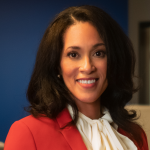
Tiffany Stovall started out as a consultant with Kansas Manufacturing Solutions in 2010. Now as President and CEO, Tiffany is a vocal advocate for Kansas manufacturers. She has an intimate knowledge of the manufacturing world and the struggles it has seen in recent years.

Tune in to hear about how Tiffany became a voice in the Kansas manufacturing community and how the current social environment is affecting manufacturing. 

KMS-Logo

Kansas Manufacturing Solutions helps Kansas manufacturers work smarter, compete, and prosper.
It’s why they exist. They do this by:

  • Delivering solutions to small and medium sized manufacturers in Kansas with value driven results
  • Connecting manufacturing enterprises with vetted and trusted resources
  • Advocating for critical local and global manufacturing issues that impact Kansas manufacturers.

Across the state of Kansas, there are approximately 2,700 manufacturers ranging in size from 1 employee to over 19,000, for a total of about 161,000 people working in the manufacturing sector.

And as the only federally supported Manufacturing Extension Partnership Program center in Kansas, Kansas Manufacturing Solutions is the ideal go-to-manufacturing partner to help manufacturing businesses compete and prosper.

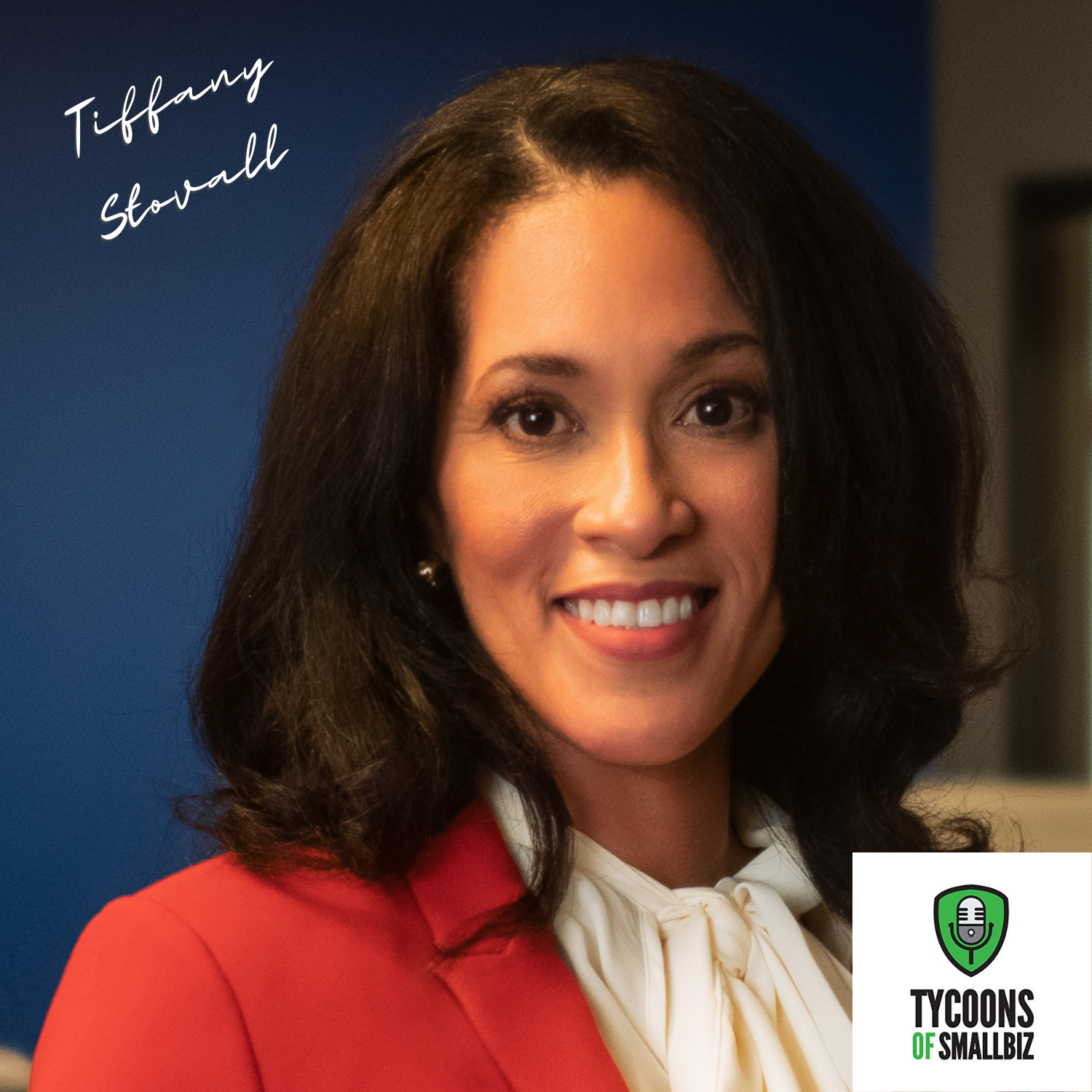
Tiffany-Stovall-Tycoons-of-Small-BizAs CEO, Tiffany Stovall leads a team of trusted advisors in their continued achievement of Kansas Manufacturing Solutions’s mission of creating measurable growth for Kansas manufacturers.

Tiffany is also looking to the future, ensuring that Kansas Manufacturing Solutions is focusing on the evolving needs of the Kansas manufacturing industry with additional concentration on workforce development, cybersecurity and continuous improvement to enhance domestic and global competitiveness.

Tiffany is a vocal advocate for Kansas manufacturers. She has developed partnership relationships with key local and state organizations with the goal of ensuring that manufacturers’ issues are heard at the level where decisions to support the industry can be made. She believes that Kansas manufacturers have a tremendous opportunity for growth.

Joining the Kansas Manufacturing Solutions team in 2010 as an energy management consultant, she helped companies drive growth and efficiency through energy efficiency and sustainability.

In her role as VP of Partnership Operations, Tiffany developed and strengthened partnerships with organizations across the state that have a shared interest in helping grow Kansas manufacturing and the ecosystem that supports these companies. Cu

Tiffany currently is on the Executive Committee of the Wyandotte Economic Development Board, is a member of the Kansas City Kansas Community College Workforce and Entrepreneurship Board, and is Treasurer of American Small Manufacturers Coalition.

A proud graduate of the University of Missouri, Tiffany still happily cheers for Kansas Colleges and Universities.

Connect with Tiffany on LinkedIn.

About the Show

Tycoons of Small Biz spotlights the true backbone of the American economy, the true tycoons of business in America… the owners, founders and CEO’s of small businesses. Join hosts,  Austin L Peterson, Landon Mance and the featured tycoons LIVE every Tuesday at 1 pm, right here on Business RadioX and your favorite podcast platform.

About Your Hosts

Autsin-Peterson-on-Phoenix-Business-RadioX

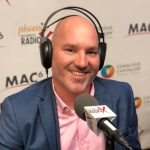
Austin Peterson is a Comprehensive Financial Planner and co-founder of Backbone Planning Partners in Scottsdale, AZ. Austin is a registered rep and investment advisor representative with Lincoln Financial Advisors. Prior to joining Lincoln Financial Advisors, Austin worked in a variety of roles in the financial services industry.

He began his career in financial services in the year 2000 as a personal financial advisor with Independent Capital Management in Santa Ana, CA. Austin then joined Pacific Life Insurance Company as an internal wholesaler for their variable annuity and mutual fund products. After Pacific Life, Austin formed his own financial planning company in Southern California that he built and ran for 6 years and eventually sold when he moved his family to Salt Lake City to pursue his MBA.

After he completed his MBA, Austin joined Crump Life Insurance where he filled a couple of different sales roles and eventually a management role throughout the five years he was with Crump. Most recently before joining Lincoln Financial Advisors in February 2015, Austin spent 2 years as a life insurance field wholesaler with Symetra Life Insurance Company. Austin is a Certified Financial Planner Professional and Chartered Life Underwriter. In 2021, Austin became a Certified Business Exit Consultant® (CBEC®) to help entrepreneurs plan to exit their businesses.

Austin and his wife of 23 years, Robin, have two children, AJ (21) and Ella (18) and they reside in Gilbert, Arizona. He is a graduate of California State University, Fullerton with a Bachelor of Arts in French and of Brigham Young University’s Marriott School of Management with a Master of Business Administration with an emphasis in sales and entrepreneurship.backbone-New-Logo

Connect with Austin on LinkedIn, Facebook, Twitter, and Instagram.

LandonHeadshot01

Landon Mance is a Financial Planner and co-founder of Backbone Planning Partners out of Las Vegas, Nevada. He rebranded his practice in 2020 to focus on serving small business owners after operating as Mance Wealth Management since 2015 when Landon broke off from a major bank and started his own “shop.”

Landon comes from a family of successful entrepreneurs and has a passion and excitement for serving the business community. This passion is what brought about the growth of Backbone Planning Partners to help business owners and their families. At Backbone Planning, we believe small business owners’ personal and business goals are intertwined, so we work with our clients to design a financial plan to support all aspects of their lives.

In 2019, Landon obtained the Certified Exit Planning Advisor (CEPA) designation through the Exit Planning Institute. With this certification, Backbone Planning Partners assists business owners through an ownership transition while focusing on a positive outcome for their employees and meeting the business owner’s goals. Landon is also a member of the Business Intelligence Institute (BII) which is a collaborative group that shares tools, resources and personnel, and offers advanced level training and technical support to specifically serve business owners. In 2021, Landon became a Certified Business Exit Consultant® (CBEC®) to help entrepreneurs plan to exit their businesses by counseling owners about exit options, estimating the value of the business, preparing the business for exit and tax considerations.

Landon enjoys spending time with his beautiful wife, stepson, and new baby twins. He grew up in sunny San Diego and loves visiting his family, playing a round of golf with friends, and many other outdoor activities. Landon tries to make a difference in the lives of children in Las Vegas as a part of the leadership team for a local non-profit. He regularly visits the children that we work with to remind himself of why it’s so important to, “be the change that you wish to see in the world.”

Landon received his B.S. from California State University Long Beach in business marketing and gets the rest of his education through the school of hard knocks via his business owner clients.

Connect with Landon on LinkedIn.
Tagged With: Kansas consulting, Kansas manufacturing, Kansas manufacturing support, Kansas MEP, Manufacturing

Forsyth Business Radio featuring Donna Drake of Solvay & Mark Hoffman of The United Way (Forsyth)

October 25, 2022 by Amanda Pearch

Forsyth Business Radio
Forsyth Business Radio featuring Donna Drake of Solvay & Mark Hoffman of The United Way (Forsyth)
Loading
00:00 /
RSS Feed
Share
Link
Embed

Download file

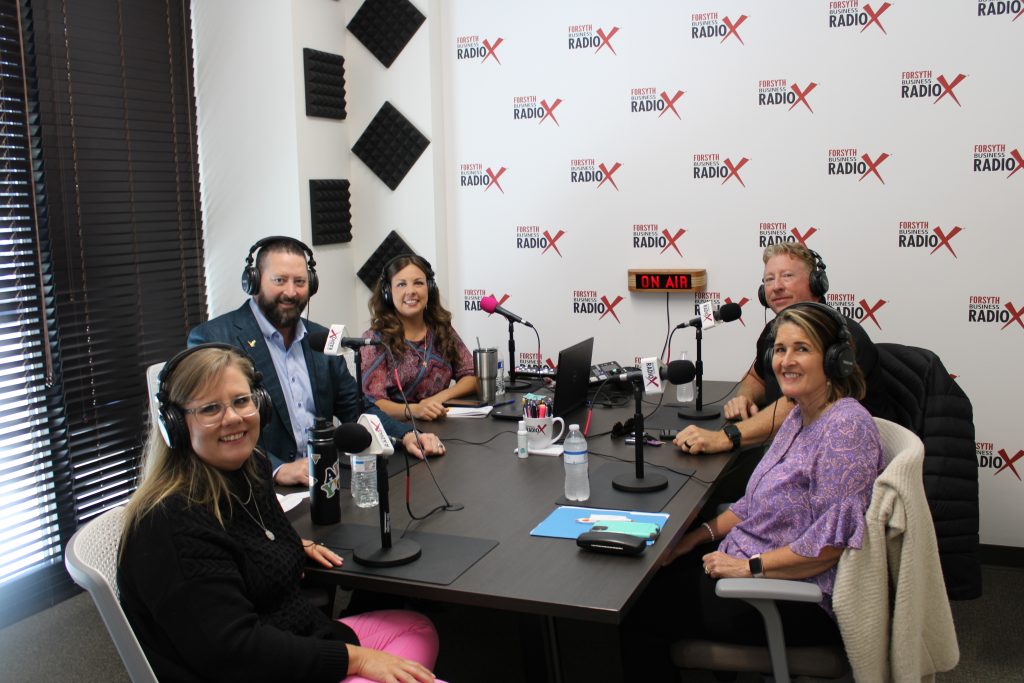
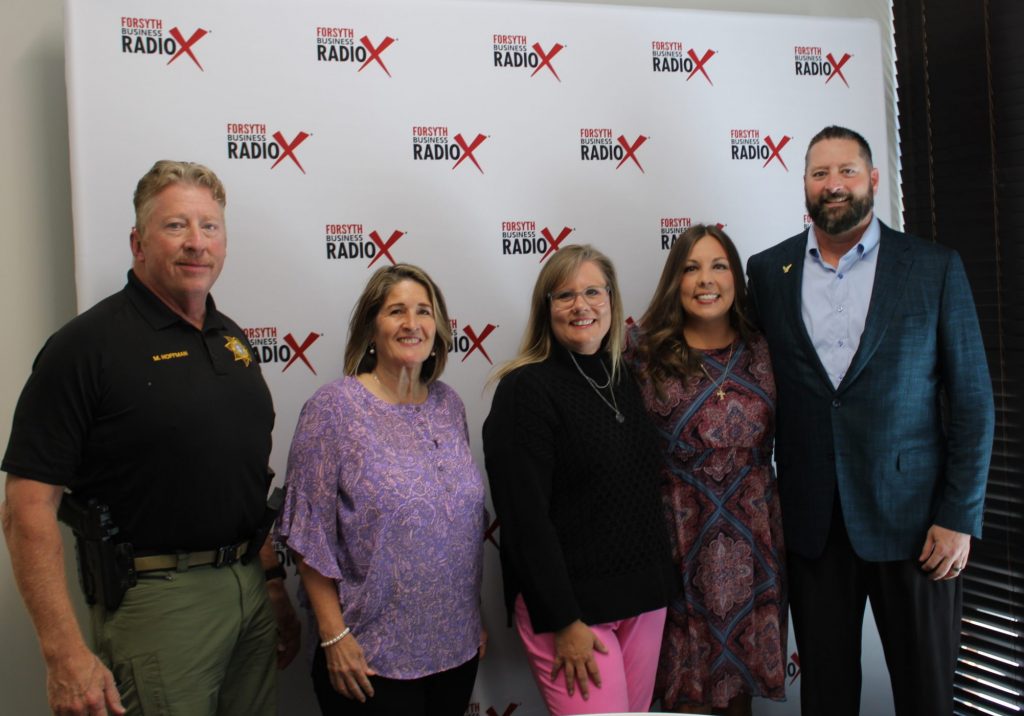
Hosts Steve Cooper & Amanda Pearch are joined by Donna Drake of Solvay, Mark Hoffman of The United Way Forsyth and Betsy McGriff of Cooper & Co.

This special episode of “Forsyth Business Radio” is brought to you by Cooper & Company General Contractors highlighting The United Way of Forsyth County & Solvay.


The United Way of Forsyth:

In collaboration with community partners and neighbors, they identify our community’s most pressing needs. Seeking to address the root causes of those problems through strategic investments and partnerships that achieve measurable, lasting results.

They believe the innovative way they’re rallying partners across government, business, philanthropy, faith communities, non-profits and the private sector will achieve lasting social change. It’s not enough to simply work together to tackle complex social issues. Each participant must focus intently on our common goals, aligning time, dollar, and staff resources, and holding each other accountable so they can make the greatest difference possible. This “collective” approach has shown to improve results and are being applied these concepts in the areas of education, homelessness, and other critical issues to ensure our community achieves greater and greater success.

Solvay:

Solvay is a science company whose technologies bring benefits to many aspects of daily life. Their purpose— bonding people, ideas and elements to reinvent progress—is a call to go beyond, to reinvent future forms of progress and create sustainable shared value for all through the power of science. In a world facing an ever-growing population and quest for resources, they aim to be the driving force triggering the next breakthroughs to enable humanity to advance while protecting the planet we all share.                                                                    Bonding with customers and partners to address today and tomorrow’s megatrends. As a global leader in Materials, Chemicals and Solutions, Solvay brings advancements in planes, cars, batteries, smart and medical devices, water and air treatment, to solve critical industrial, social and environmental challenges. You can count on our innovative solutions to contribute to safer, cleaner and more sustainable future.


SPECIAL THANKS to our Forsyth Business RadioX Studio #CommunityPertners at:


Broadcasted LIVE from the Forsyth Business RadioX Studio in Cumming, Georgia

Produced by Amanda Pearch

Tagged With: amanda pearch, Cooper & company General Contractors, Donna Drake, Forsyth County, Manufacturing, Mark Hoffman, Solvay, Steve Coper, United Way, United Way of Forsyth

Colleen Japuntich, President of NEMA Inc. & Cole Porter, President of Porter Steel Inc. Join Hosts Brad Beisbier (GA Area Executive at First Citizens Bank) & Amanda Pearch

September 29, 2022 by Amanda Pearch

Forsyth Business Radio
Colleen Japuntich, President of NEMA Inc. & Cole Porter, President of Porter Steel Inc. Join Hosts Brad Beisbier (GA Area Executive at First Citizens Bank) & Amanda Pearch
Loading
00:00 /
RSS Feed
Share
Link
Embed

Download file

Hosts Brad Beisbier & Amanda Pearch are joined in Studio by:

Colleen Japuntich President of NEMA Inc. & Cole Porter President of Porter Steel Inc.


Colleen Japuntich is currently serving as the President of NEMA, Inc., an asset-based Logistics Company located in Duluth, GA. Colleen has been with the company for 16 years and she began her career with NEMA as the Administrative Assistant to the Owner and Executive VP.  When the President announced her retirement, Colleen was honored to be named President and took over in June of 2019. Colleen has a degree in Accounting and is currently pursing a degree in Business Management with a Supply Chain/Logistics concentration to be able to bring even more of herself and her knowledge to her current role at NEMA. Colleen strives to be a servant leader and to always do what is best for the company she runs and the people who work there.

Cole Porter is the President of Porter Steel Inc.  For nearly 40 years, Porter Steel has been transforming the most widely used metal in the world into impressive creations for our clients. We’ve also built a reputation for doing the job right and conducting business with the utmost integrity and honesty. Family and Community are very important to Cole. Porter Steel is “Powered by Principle”. In business since 1983, Porter Steel is one of Atlanta’s premier providers of structural steel, miscellaneous metals, and architectural metals to General Contractors and other fabricators in the area. Additionally, they have a custom manufacturing division where they partner with other manufacturers in completing the steel portion of their product.


This episode is presented by our #CommunityPartners at:

Co-Host of this episode, Brad Beisbier is the GA Area Executive at First Citizens Bank

Brad serves a high performing team of bankers and branch-based employees across the northern metro Atlanta markets.

A note from Brad: “We are so grateful to our many clients who reward us with their relationships and testimonial referrals to their friends and family who are also business owners. Additionally, we thank our broad network of professional partners who trust us with referrals to their most important clients. It is truly an honor to represent First Citizens Bank in this capacity.”

Connect with us on Social Media @forsythbrx 

Listen to shows 24/7 on businessradiox.com/forsyth-studio and SUBSCRIBE wherever you get your #audio shows to “Forsyth Business Radio” to stay up to date with the latest episodes.


SPECIAL THANKS to our #ForsythBRX Studio Print Partner:

Broadcasted LIVE from the Forsyth Business RadioX Studio in Cumming, Georgia

 Produced by Amanda Pearch

Special Thanks to Mike Sammond for letting us record in the Gwinnett Business RadioX Studio

Tagged With: banking, Brad Beisbier, cole porter, Colleen Japuntich, community, Logistics, Manufacturing, NEMA Inc., Porter Steel Inc., steel

Made in AZ: The Rise of Arizona’s Manufacturing Sector E19

October 26, 2021 by Karen

Made-in-AZ-The-Rise-of-Arizonas-Manufacturing-Sector-feature
AZ TechCast
Made in AZ: The Rise of Arizona's Manufacturing Sector E19
Loading
00:00 /
RSS Feed
Share
Link
Embed

Download file

Made-in-AZ-The-Rise-of-Arizonas-Manufacturing-Sector

Made in AZ: The Rise of Arizona’s Manufacturing Sector E19

Made in Arizona. It’s a phrase that is becoming more familiar as the state’s manufacturing sector continues to grow and add a rapidly increasing number of manufacturing jobs. Between the development of technologies improving efficiency and reducing costs, automation of manufacturing processes and a business-friendly climate, Arizona’s manufacturing landscape is being recognized on a national stage.

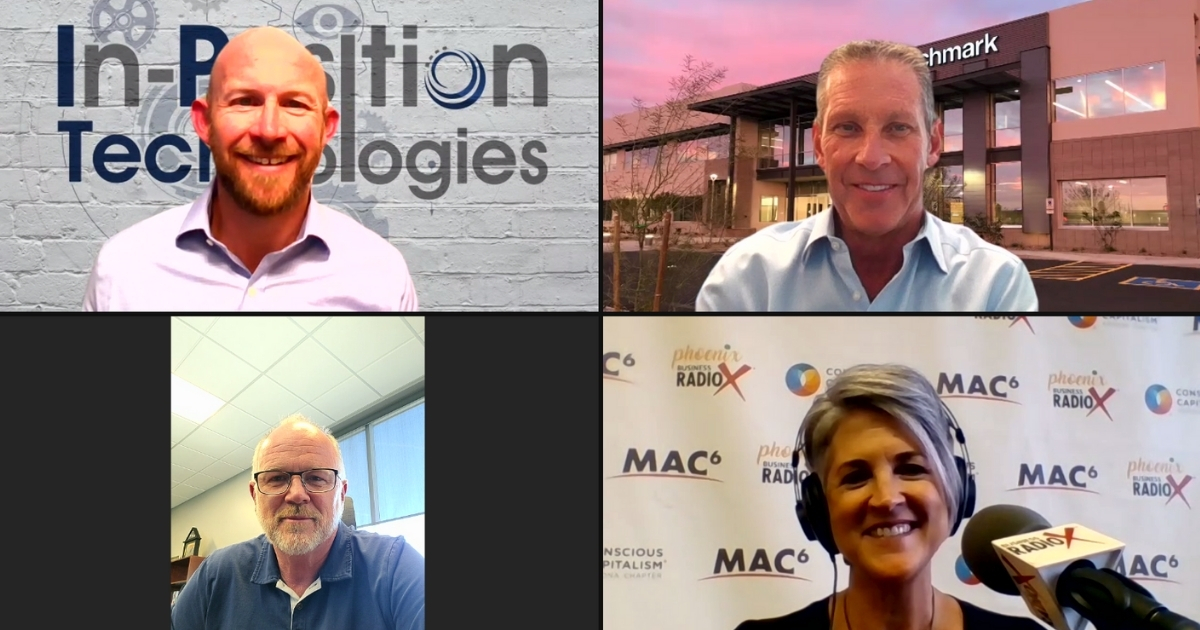
In the Arizona Technology Council’s October 2021 episode of AZTechCast, Mike Buseman, EVP and chief operating officer at Benchmark; Brett Dooley, technical sales engineer at In-Position Technologies; and Mike McCormack, president and CEO at CP North America joined Phoenix Business RadioX owner and president, Karen Nowicki, to discuss the rapid evolution and development of Arizona’s manufacturing sector.

Throughout this hour-long episode, this panel of experts explored the various factors that have contributed to Arizona’s rise in manufacturing over the past decade, the newest technologies manufacturers are utilizing to improve efficiency and reduce costs, the automation being implemented to compete with foreign sources and the largest manufacturing challenges they are facing in a post-COVID world, particularly around supply chain and talent acquisition and retention.

Benchmark-logo

Benchmark provides comprehensive solutions across the entire product life cycle; leading through its innovative technology and engineering design services; leveraging its optimized global supply chain; and delivering world-class manufacturing services in the following industries: commercial aerospace, defense, advanced computing, next-generation telecommunications, medical, complex industrials, and semiconductor capital equipment.

Benchmark’s global operations include facilities in seven countries and its common shares trade on the New York Stock Exchange under the symbol BHE.

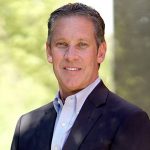
Mike-Buseman-AZ-TechCastMike Buseman serves as Benchmark’s Executive Vice President and Chief Operating Officer with responsibility for all worldwide manufacturing operations. Mike is an accomplished executive with broad experience in operations, quality and customer relationship management. He has an extensive background in EMS and related industries.

Mike served as Chief Global Logistics and Operations Officer of Avnet, Inc., a global electronics components company, and was Executive Vice President of Global Manufacturing Operations at Plexus Corp., having served as their Vice President of Global Technology, Quality and Facilities previously.

Additionally, Mike served as Vice President and General Manager of Operations of Celestica, Inc., as well as their Director of Operations, Engineering, and Technology. Mike began his career in 1983 with Unisys, Inc., holding positions of increasing responsibility, including Principal Process Engineer and Director of Advanced Design Manufacturing Services.

Mike holds a BS in Mechanical Engineering from South Dakota State University and an MBA from the University of St. Thomas, Minnesota.

Connect with Mike on LinkedIn and follow Benchmark on Facebook and Twitter.

In-Position Technologies is a robotic automation company who partners with both suppliers and customers to deliver automation. Their charter is to be a value-added partner in the automation process.

They do this by supplying products coupled with training, and integration resources coupled with know-how.

With offices located throughout the Western United States, In-Position Technologies has been helping both end users and original equipment manufacturers automate for more than 20 years.

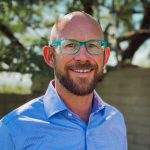
Brett-Dooley-AZ-TechCastBrett Dooley is a mechanical engineer with In-Position Technologies. He collaborates with business owners and engineers to develop targeted solutions for motion control and automation challenges.

He can assist in a broad range of applications, including autonomous mobile robotics and logistics, machine tending, vision, laser marking, laboratory automation, as well as OEM product development.

He uses his wide experience in business development, industrial repair, and a decade as an electronics tech in the US Navy submarine force to ensure delivery of an effective and robust automation system.

Connect with Brett on Instagram, Twittter and LinkedIn and follow In-Position Technologies on Facebook.

CP North America is an independently operated U.S.-based company, encompassing a family of brands including CP Technologies, CP Systems and CP Aeronautics.

CP Technologies is a U.S. designer and vertically integrated manufacturer of rugged and custom computing solutions for defense applications. CP-Tech-logo

CP Systems is a U.S. designer and vertically integrated manufacturer of custom and rugged, high-performance computing solutions serving the industrial, commercial, and agriculture markets.

Focused on cost-effective unmanned combat-proven ISR (Intelligence, Surveillance, and Reconnaissance) solutions, CP Aeronautics provides integrated turnkey systems and subsystems based on platforms, payloads, communications, and ground control stations for defense and civil applications.

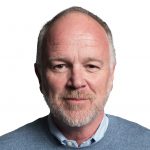
Mike-McCormack-AZ-TechCastMike McCormack is the President and CEO of CP North America. To this role, he brings Extensive general management and leadership experience, full profit and loss experience, and the management of Sales, Distribution, and Manufacturing organizations across North America, Europe, the Middle East, and Africa.

This has included an understanding of managing businesses across cultures and geographies that has led to double-digit growth in challenging environments. He attended the University of California, San Diego, and earned an MBA in International Business at The Open University.

Follow CP North America on LinkedIn.
About AZ TechCastAZTECHCASTLOGOBRX-4-23-2020

AZ TechCast is dedicated to covering innovation and technology in Arizona and beyond.

Through the art of connected conversation, AZ TechCast’s guests will share their expertise, success stories, news and analysis about the region’s leading startups, companies and emerging technologies, as well as the latest industry trends and critical issues propelling the state’s growing technology ecosystem.

About Your Hosts

Steven-ZylstraSteve Zylstra serves as president and CEO of the Arizona Technology Council, a role he assumed in 2007. He is responsible for strategy, operations, finance and policy development. Zylstra is a vocal spokesman for the value technology can provide in raising social and economic standards in Arizona.

Zylstra serves on numerous councils, committees and boards, was named “Leader of the Year, Technology,” by the Arizona Capitol Times, and “Most Admired Leader” by the Phoenix Business Journal. In addition, he was awarded an honorary doctorate of science in technology from the University of Advancing Technology in Tempe, Ariz.

Zylstra earned a bachelor’s degree in automotive engineering technology from Western Michigan University.

KarenNowickiv2Karen Nowicki is a successful author, speaker and the creator of Deep Impact Leadership™ and SoulMarks Coaching™. She is a two-time recipient of the prestigious national Choice Award® for her book and personal development retreat. Karen was crowned the first-ever “Mompreneur of the Year” Award in 2010 for the southwestern states. She was recognized for her leadership, business acumen, and work-life balance.

Karen has been an expert guest on regional TV and radio shows, including Fox Phoenix Morning Show, Sonoran Living, Good Morning Arizona, The Chat Room, and Mid-Day Arizona. She has been a regular contributor to many print and online magazines – publishing articles and blogs for business and education.

In addition to working with private coaching clients, Karen is also the Owner & President of Phoenix Business RadioX. The Business RadioX Network amplifies the voice of business – serving the Fortune 500,000, not just the Fortune 500. Phoenix Business RadioX helps local businesses and professional associations get the word out about the important work they’re doing to serve their market, profession, and community.

Of all the experiences Karen has had the privilege of participating in over her vast career, she shares that Phoenix Business RadioX is a pinnacle adventure!

Connect with Karen on LinkedIn and follow Phoenix Business RadioX on Facebook and Instagram.

About Our Sponsor

The Arizona Technology Council, Arizona’s only statewide organization serving the technology sector, fosters a climate of innovation to enhance technology in Arizona.

A trusted resource in strengthening Arizona’s technology industry, the Council proactively eliminates impediments that companies face, accelerates the entrepreneurial mindset in the state’s expanding innovation ecosystem, and works to create a destination for companies to be, thrive and stay.

Follow Arizona Technology Council on LinkedIn, Facebook, and Instagram.

AZTClogomainRGBPNG300DPI

Tagged With: Autonomous Mobile Robots, Collaborative Robots, custom computers, datalinks, design, engineering, Machine Automation, Manufacturing, Motion Control, rackmount computers, robotics, Rugged computer hardware, rugged servers, rugged storage arrays, systems integration, Technology, unmanned aerial vehicles

Workplace MVP LIVE from SHRM 2021: Jay Hollins, Labelmaster Products

September 30, 2021 by John Ray

Labelmaster Products
Minneapolis St. Paul Studio
Workplace MVP LIVE from SHRM 2021: Jay Hollins, Labelmaster Products
Loading
00:00 /
RSS Feed
Share
Link
Embed

Download file

Labelmaster Products

Workplace MVP LIVE from SHRM 2021: Jay Hollins, Labelmaster Products

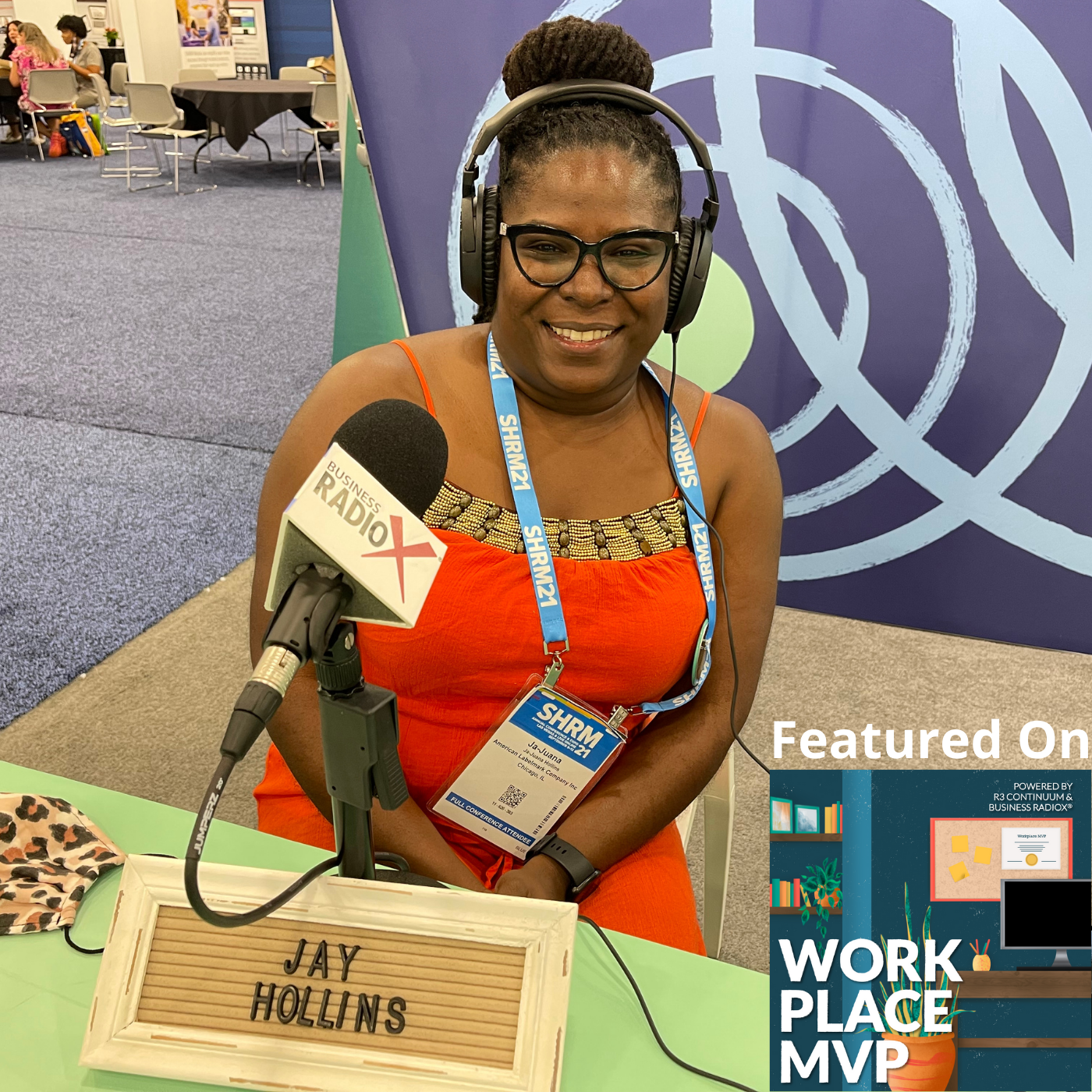
Treating all employees as family and treating everyone the way you want to be treated are the values Jay Hollins with Labelmaster Products says are important in her company. She spoke with host Jamie Gassmann about how she got into HR, how Labelmaster recruits, the resources they provide to employees, how they seek to treat the whole person, and much more. Workplace MVP is underwritten and presented by R3 Continuum and produced by the Minneapolis-St.Paul Studio of Business RadioX®.

This show was originally broadcast live from the 2021 SHRM Annual Conference held at the Las Vegas Convention Center in Las Vegas, Nevada.

Jay Hollins, People Manager, HR/HRIS Manager, Labelmaster Products

Jay Hollins, People Manager, HR/HRIS Manager, Labelmaster Products

Jay Hollins is People Manager for Labelmaster Products.  She is in charge of  Recruitment, Human Resource planning, organizational development, training & development, employee relations, safety, security, employee assistance, policy development & implementation, compensation & benefits and Human Resource information systems – to the advantage of the company and its employees.

Jay fell into Human Resources and recruiting and loved it, even though she considers herself shy.

Jay has been in HR since 2014 and joined Labelmaster Products in 2019.

LinkedIn

Labelmaster Products

At Labelmaster, they help businesses take the complexity out of hazmat transportation. In short, they help to make the world a safer place. They manufacture and distribute products, develop software, and provide consultative services that all kinds of businesses need to keep their stuff moving across the globe safely and compliantly.

Labelmaster has been around for 50 years and their customers include Fortune 500 manufacturing, healthcare, automotive, transportation and other businesses that need to move hazmat (or Dangerous Goods).

In the ever-shifting world of dangerous goods shipping, Labelmaster keeps your business ahead of regulations and compliant every step of the way. Whether you’re shipping hazardous materials by land, air, or sea, they provide always up-to-date expertise to ensure every shipment runs smoothly. With the most comprehensive assortment of software, products, and services available, every box is checked and nothing is left to chance. From hazmat labels and UN certified packaging to regulatory training, Labelmaster keeps you cool, and compliant, every day.

Company website

About Workplace MVP

Every day, around the world, organizations of all sizes face disruptive events and situations. Within those workplaces are everyday heroes in human resources, risk management, security, business continuity, and the C-suite. They don’t call themselves heroes though. On the contrary, they simply show up every day, laboring for the well-being of employees in their care, readying the workplace for and planning responses to disruption. This show, Workplace MVP, confers on these heroes the designation they deserve, Workplace MVP (Most Valuable Professionals), and gives them the forum to tell their story. As you hear their experiences, you will learn first-hand, real-life approaches to readying the workplace, responses to crisis situations, and overcoming challenges of disruption. Visit our show archive here.

Workplace MVP Host Jamie Gassmann

Jamie Gassmann, Host, “Workplace MVP”

In addition to serving as the host to the Workplace MVP podcast, Jamie Gassmann is the Director of Marketing at R3 Continuum (R3c). Collectively, she has more than fourteen years of marketing experience. Across her tenure, she has experience working in and with various industries including banking, real estate, retail, crisis management, insurance, business continuity, and more. She holds a Bachelor of Science Degree in Mass Communications with special interest in Advertising and Public Relations and a Master of Business Administration from Paseka School of Business, Minnesota State University.

R3 Continuum

R3 Continuum is a global leader in workplace behavioral health and security solutions. R3c helps ensure the psychological and physical safety of organizations and their people in today’s ever-changing and often unpredictable world. Through their continuum of tailored solutions, including evaluations, crisis response, executive optimization, protective services, and more, they help organizations maintain and cultivate a workplace of wellbeing so that their people can thrive. Learn more about R3c at www.r3c.com.

Company website | LinkedIn | Facebook | Twitter

TRANSCRIPT

Intro: [00:00:02] Broadcasting live from the SHRM 2021 Conference at the Las Vegas Convention Center, it’s time for Workplace MVP. Brought to you by R3 Continuum, a global leader in workplace behavioral health, crisis, and security solutions. Now, here’s your host.

Jamie Gassmann: [00:00:20] Hello, everyone. Jamie Gassmann, your host here with Workplace MVP, broadcasting from the SHRM 2021 Expo here in Las Vegas, Nevada. And with me, I have Jay Hollins. She’s People Manager at Labelmaster Products. Welcome to the show, Jay.

Jay Hollins: [00:00:37] Thank you. I’m so excited to be here.

Jamie Gassmann: [00:00:40] So, Jay, you were sharing with me that shyness is what brought you into your H.R. career. Can you tell us a little bit more about that?

Jay Hollins: [00:00:46] Yeah. So, I am, like, ridiculously shy, but you wouldn’t be able to tell. But I got into H.R. with recruiting by accident. The recruiter that we had she couldn’t make one of the job fairs, and my manager was like, “Hey, I need you to go.” And I’m like, “Oh.” He was like, “Just talk about the company and pass out applications.” And while I was there, he came and was like looking over me and he was like, “Oh, my God. This is you.”

Jay Hollins: [00:01:17] So, I went from the recruiting path all the way up to where I am now. So, my shyness, I use it as a way to, like, break out of my shell. So, it takes me a minute. But once I’m involved and I’m so passionate about H.R. that, you know, it just shines.

Jamie Gassmann: [00:01:33] That’s fascinating. So, you went from being behind the scenes to in front of the scenes and promoting your organization to other candidates.

Jay Hollins: [00:01:40] Yeah. Because, you know, one thing is to get them in the door. You can get them in the door sometimes. But to keep them there and to nurture them there, that’s where all the excitement is, you know to be able to mentor them and to go deep inside. That’s all about H.R. to me.

Jamie Gassmann: [00:01:58] Yeah. Awesome. So, tell me a little bit about that. Like, Are you – is that from when they’re, like, applying and you’re introducing the program, or not the program but the job itself, or when you actually get them into the organization and they’re hired. You know, what part are you referencing?

Jay Hollins: [00:02:14] It’s all of it.

Jamie Gassmann: [00:02:16] All of the above.

Jay Hollins: [00:02:16] Yeah. I’ve been told that when people interview with me, I make them feel like it’s not an interview. Like, we’re having a conversation. And, that nurture continues all the way through because once you get them in there, you have to keep them, right.

Jay Hollins: [00:02:30] So, I want to make sure that the first face you see is the same face you see 10 years from now, five years from now. I want you to know that we’re passionate about our employees. I’m passionate. I didn’t just do a sales gig to get you in the door. I want to get you in the door and I want to keep you there, and I want to make sure that you’re happy and make sure that you’re going to be able to succeed while you’re here.

Jamie Gassmann: [00:02:53] Yeah, absolutely. So, now looking at Labelmaster Products, so let’s talk a little bit about what does that company do and the type of people that you’re hiring, and kind of start there.

Jamie Gassmann: [00:03:03] Okay. So, we are a Dangerous Goods Compliance company. So, what that means is we help companies stay compliant with shipping any type of dangerous or hazardous material either by land, sea, or air. So, we do manufacturing, we do warehouse, we have professional, we have I.T., we have a whole variety of different positions that we hire for. And, no matter what background you have, we can find a spot for you. You can do entry-level, you can do mid-level, you can do professional to executive. And, we are a family-type company, where once you’re in, you’re in.

Jamie Gassmann: [00:03:46] Beautiful. So, you’re hiring all different types of skill levels.

Jay Hollins: [00:03:51] Correct.

Jamie Gassmann: [00:03:51] And so, when you’re looking – like, especially in today’s hiring market, you know, with manufacturing and some of the other jobs that you kind of mentioned, where are you seeking these candidates out? Like, what are the types of things that you’re doing to try to find them?

Jay Hollins: [00:04:02] So, now, that’s the tricky part, you know, because you want to be creative and you want to make sure that you’re not limiting yourself to get candidates that are all the same. So, we want to have a diverse crew. So, we do social media, we do job fairs, we do community fairs, we open our doors to do job fairs in the community. We do – we don’t really do a lot of print, but that’s something that we’re interested in, so social media, word of mouth. A lot of our sales teams when they’re going out into their conventions, they all say, “Hey, we’re looking for a few good people.” So, we’re pretty advocate about that.

Jamie Gassmann: [00:04:45] Yeah, in trying to, kind of, get creative it sounds like, and you leverage different channels to try to meet people in a different way. So, now being manufacturing, it’s probably very competitive, I got to imagine with some of the candidates out there. How do you stay, you know, I know that whole kind of engagement piece and, like, bring them in and, like, kind of, nurturing them through that. You know, I’ve heard the term throughout the show and a lot of my different interviews of that employee life lifecycle, if you will. But how do you engage with them and like, you know, show them that this is a really good opportunity? Because you’re competing with other employers out there. So, what are some of the tactics you use?

Jay Hollins: [00:05:22] So, there’s no tactic really. It’s just we’re intentional about what we’re doing with our employees. Once we bring you in, we love all you like no other. You know, we’re a very employee-friendly company. We let people know we may not be the box brand or the big-name manufacturing or warehouse company because we compete with that. You know, we compete with different big names. So, we want to – once the employees come in, they see that we are all about the employee, what services that we’re doing to make you feel, okay, not only while you’re working, but personal.

Jay Hollins: [00:06:04] So, we reach out to employees if they’re having any type of personal issues. We’re not just like, “Okay, call the EAP number.” No. We’re in there. We’re trying to figure out what can we do as a company as a whole to make you feel like you’re important.

Jay Hollins: [00:06:20] With our industry, it is ever-changing and it’s in and out. But I can say a lot, probably about 50% of our employees, have been with the company for over 30 years.

Jamie Gassmann: [00:06:30] That’s amazing.

Jay Hollins: [00:06:31] Yeah.

Jamie Gassmann: [00:06:31] That’s amazing.

Jay Hollins: [00:06:31] And, that’s in the warehouse manufacture department, as well as in the office. And, we’ve had a lot of employees that leave. But then they come back because they realize, you know, we’re passionate about our employees and we care about how our employees feel, even if it has nothing to do with the job.

Jamie Gassmann: [00:06:50] Yeah, which, you know, and really I – another kind of common term I hear is that whole person coming into the workplace and that’s not just the job that they’re there to do but it’s also that person outside of work because you really can’t leave that at the door. So, it’s interesting that you’ve built this culture wrapped around how do I take care of that employee, not just when they’re here at work but kind of all inclusively. And, you’re showing the benefits of that with that retention rate. That’s incredible.

Jay Hollins: [00:07:16] Yeah. Like, we have some employees that you know you’re not going to please everyone. But when people leave, they know that we cared about them as a whole and not because of what you were able to do or produce for the company. But we have people that no longer work with us but still call to get advice from us or still calls to get some type of help from us. And, we don’t shy them away like, “Oh, you don’t work here anymore and I can’t help you.” No. We’re all involved with whatever they need as a person. Because once you’re part of our family, then you’re part of the family. Like, any type of event that we have, we reach out to old employees and say, “Hey, we’re having an event. Are you coming?” So, once you’re part of our family, you’re part of the family.

Jamie Gassmann: [00:08:01] Yeah. And, now and obviously, I mean, you mentioned it’s a little bit smaller than some of your bigger box locations or bigger box locations you compete with. Does that start at the top? Is that like a culture that was established by maybe the founders or the owners or, you know, leadership of that organization?

Jay Hollins: [00:08:18] Absolutely, absolutely. The funny thing is, no matter if you are in the warehouse or the manufacturing or you’re one of the top executives, you’re going to interact with the president, you’re going to interact with the CFO. Like, the president knows everyone by name. He’s in the warehouse, walking around, interacting with individuals. All of the executives, they’re open doors. It’s not like the executives, you close the door. I can’t go in and talk to you. Any given moment, you’ll see one of the employees in the manufacturing department or in the warehouse over into the office side, and they’re talking to one of the executives because it’s no high me and little you. It’s we’re all in this together and it’s like, “Hey, we can all have” – you know, the biggest thing at our location is the Sox fans against the Cubs fans.” So, once we all get round up –

Jamie Gassmann: [00:09:08] Are you located in Chicago?

Jay Hollins: [00:09:11] I am.

Jamie Gassmann: [00:09:11] I know that. I’ve heard that team before.

Jay Hollins: [00:09:11] So, that’s the biggest thing that’ll get everybody talking, and you’ll see that’s the only dispute. The Sox fans against the Cubs fans. That’s the only one.

Jamie Gassmann: [00:09:22] I bet that gets really interesting when the season is going.

Jay Hollins: [00:09:25] Oh. So right now – because I’m a Sox fan, so right now we’re on cloud nine. So, all the Cubs fans are kind of quiet. So, it’s all about that camaraderie. And, you know, no matter what office, no matter what location, no matter what department you’re in, you can always find some type of common ground where we’re all in this together.

Jamie Gassmann: [00:09:46] Yeah. And, you know, from your perspective, what role does H.R. play in helping to fuel kind of that camaraderie and the programs that helped to drive some of that cultural success?

Jay Hollins: [00:09:57] So, we look at people as individuals. We look at people at how would I want to be treated and we’re looking to see what we can do to make you feel good in the inside and out. So, because if you’re not – if you’re having a bad day, it’s going to affect your work, you’re going to see it in your work.

Jay Hollins: [00:10:17] So, we want to be so in tune and so engaged with that employee that if they’re having an off day, instead of easily going to write them up, it’s like, “Hey, something’s off about this person. They don’t normally act like this,” or, you know, we don’t just pass the buck and was like, “Oh, that’s the manager thing.” We’re involved. We work with the managers to see, “Okay. Is there an issue with the employee? Let’s figure out what’s really going on. What’s the root cause?” And we work with them.

Jay Hollins: [00:10:44] So, I think the compassion that the whole team has, not just with the H.R. department, but even with our managers, we love the employees, and it’s not because we are here to do a job. It’s because we enjoy what we do.

Jamie Gassmann: [00:10:58] Yeah. That’s fascinating and great words of wisdom of just, you know, treating that employee as a person, keeping that holistic human approach to it. That’s [inaudible].

Jamie Gassmann: [00:11:07] So, if any of our guests wanted to contact you, reach out to you, how would they be able to go about doing that?

Jay Hollins: [00:11:12] So, you can either go on our website, it’s labelmaster.com, also known as American Label Mart, or you can research me, I mean, not research, don’t research me, please. Or, you can email me at jhollins@labelmaster.com.

Jamie Gassmann: [00:11:31] Wonderful. Well, thank you so much, Jay, for being on our show. You’ve been a pleasure to interview.

Jay Hollins: [00:11:35] Thank you.


Tagged With: Jamie Gassmann, Jay Hollins, Labelmaster Products, Manufacturing, R3 Continuum, workplace mental health, Workplace MVP

Dee Barnes, Evans Tool & Die, Inc. and Evans Metal Stamping, Inc.

August 18, 2021 by John Ray

Evans Tool & Dye
Business Beat
Dee Barnes, Evans Tool & Die, Inc. and Evans Metal Stamping, Inc.
Loading
00:00 /
RSS Feed
Share
Link
Embed

Download file

Evans Tool & Dye

Frazier & Deeter’s Business Beat: Dee Barnes, Evans Tool & Die, Inc. and Evans Metal Stamping, Inc.

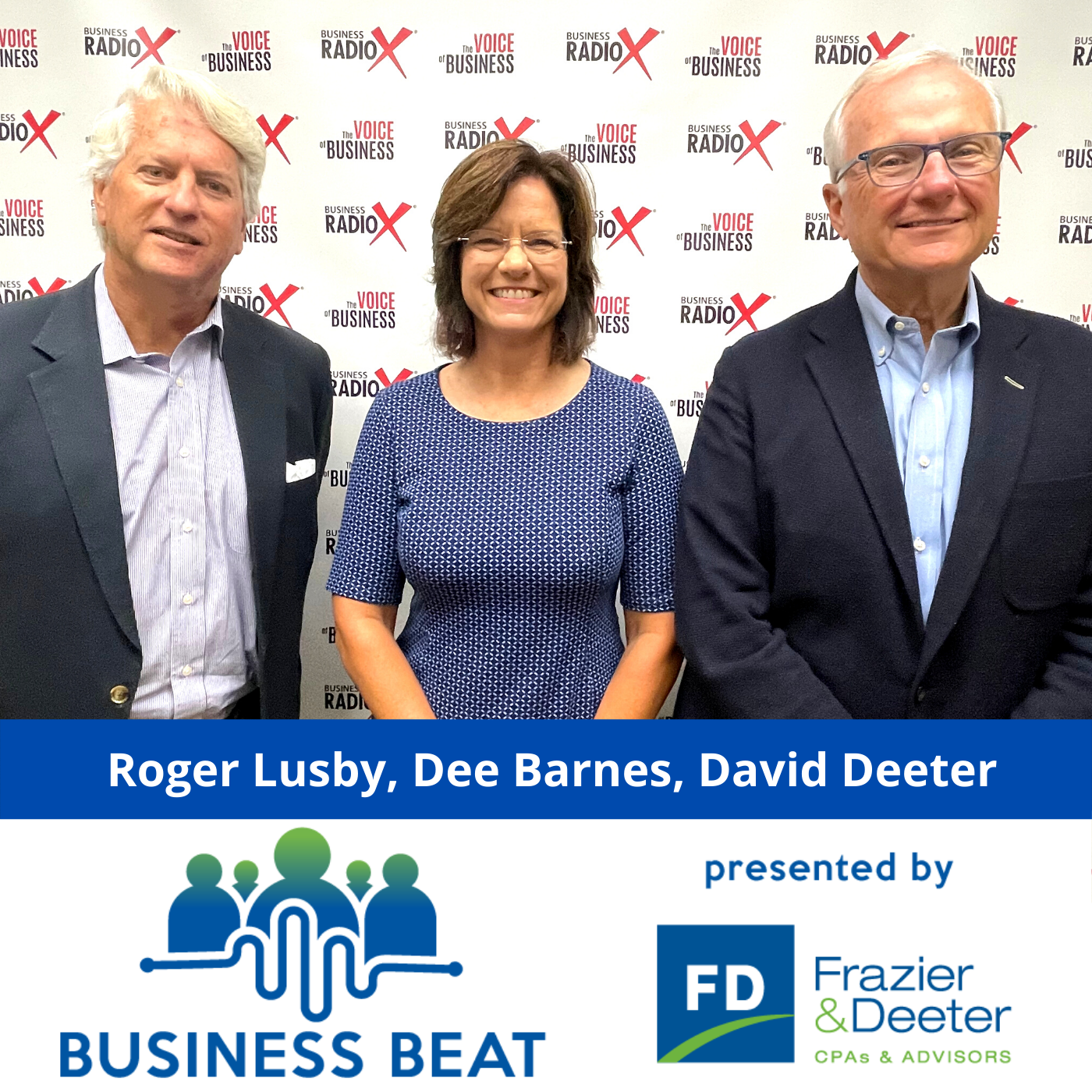
Dee Barnes, CEO of Evans Tool & Die, Inc. and Evans Metal Stamping, Inc., joined this edition of “Business Beat” with host Roger Lusby and special guest David Deeter, Frazier & Deeter Co-Founder. Dee discussed the evolution of the family-run business, the effective planning Frazier & Deeter advised on, recent shifts in production due to the pandemic, planning for the next generation, and much more. Business Beat is presented by Alpharetta CPA firm Frazier & Deeter.

Evans Tool & Die, Inc. and Evans Metal Stamping, Inc.

Evans is a one-stop metal manufacturer that reduces supply chain risk for OEMs.

Seventy years ago, in 1948, Leonard L. Evans, Jr. established Evans Tool & Die, Inc. in Decatur, Georgia. Leonard and his wife Mary Alice Evans had four children: Len III, Dale, Craig, and Fran. Leonard and Mary Alice were both tool & die makers who began their first shop in their daughter’s playhouse. As the business grew, with much hard work and dedication, it expanded to later incorporate Evans Metal Stamping, Inc.

The second generation of the Evans family that would lead to their success through the next years included Len III, Craig and son-in-law Ray Duensing. The company has expanded several times at its Conyers location which now boasts 200,000 square feet of manufacturing space with a full-service tool & die shop and over 67 punch presses. The company is now in its third generation of leadership with Dee Barnes, granddaughter of Leonard Evans, as President and CEO. Leonard and Mary Alice Evans, as well as Craig Evans, passed away in 2013, 2011, and 2010, respectively. The legacy that they began lives on. While Evans Tool & Die and Metal Stamping has grown in size and influence, our values, inspired by Leonard and Mary Alice Evans, remain the same – Integrity, Accountability, Excellence, and Generosity.

Company website | LinkedIn | Facebook

Dee Barnes, President/CEO, Evans Tool & Die, Inc./Evans Metal Stamping, Inc.

Evans Tool & Dye
Dee Barnes, President & CEO, Evans Tool & Die, Inc./Evans Metal Stamping, Inc

Deanne “Dee” Barnes has served as Chief Executive Officer and President of Evans Tool & Die/Evans Metal Stamping, Inc. since 2011. Dee is the granddaughter of company founder, Leonard Evans, Jr., and represents the company’s third generation of family leadership. A seasoned industry leader, she is the driving force behind Evan’s ongoing commitment to “Made in the USA” manufacturing and delivering the highest caliber of customer service.

After attending Georgia College and State University, Dee has contributed in every aspect of the company for more than 30 years. Now as CEO, she continues the family legacy as an example of prosperous domestic manufacturing since 1948.

LinkedIn

David Deeter, CPA, Founder & Tax Partner,  Frazier & Deeter

David Deeter, CPA, Founder & Tax Partner,  Frazier & Deeter

As a co-founder of Frazier & Deeter, David Deeter has a major role in facilitating the growth of the firm. From 2001-2009, during his term as Managing Partner, the firm experienced an average growth of 20% annually and became a Top 100 Firm in the U.S. In a recent survey conducted by Inside Public Accounting, David was recognized by his peers as one of the 5 most admired leaders in U.S. accounting firms.

Most of David’s work centers around income tax and financial planning. He is advisor to many of Atlanta’s leading families. He has extensive experience with companies in the real estate, entertainment, finance, manufacturing, services and non-profit industries.

LinkedIn

Frazier & Deeter

The Alpharetta office of Frazier & Deeter is home to a thriving CPA tax practice, a growing advisory practice and an Employee Benefit Plan Services group. CPAs and advisors in the Frazier & Deeter Alpharetta office serve clients across North Georgia and around the country with services such as personal tax planning, estate planning, business tax planning, business tax compliance, state and local tax planning, financial statement reviews, financial statement audits, employee benefit plan audits, internal audit outsourcing, cyber security, data privacy, SOX and other regulatory compliance, mergers and acquisitions and more. Alpharetta CPAs serve clients ranging from business owners and executives to large corporations.

Roger Lusby, Partner in Charge of Alpharetta office, Frazier & Deeter
Roger Lusby, Partner in Charge of the Alpharetta office of Frazier & Deeter

Roger Lusby, host of Frazier & Deeter’s Business Beat, is an Alpharetta CPA and Alpharetta Office Managing Partner for Frazier & Deeter. He is also a member of the Tax Department in charge of coordinating tax and accounting services for our clientele. His responsibilities include a review of a variety of tax returns with an emphasis in the individual, estate, and corporate areas. Client assistance is also provided in the areas of financial planning, executive compensation and stock option planning, estate and succession planning, international planning (FBAR, SFOP), health care, real estate, manufacturing, technology, and service companies.

You can find Frazier & Deeter on social media:

LinkedIn | Facebook | Twitter

An episode archive of Frazier & Deeter’s Business Beat can be found here.


Tagged With: Business Beat, David Deeter, Dee Barnes, Evans Metal Stamping, Evans Tool & Die, Frazier Deeter, Manufacturing, metal fabrication, Roger Lusby, tool & die maker

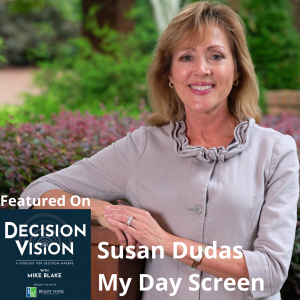
Decision Vision Episode 126: How Do I Choose a Manufacturer? – An Interview with Susan Dudas, My Day Screen

July 22, 2021 by John Ray

choose a manufacturer
Decision Vision
Decision Vision Episode 126: How Do I Choose a Manufacturer? - An Interview with Susan Dudas, My Day Screen
Loading
00:00 /
RSS Feed
Share
Link
Embed

Download file

My Day Screen

Decision Vision Episode 126: How Do I Choose a Manufacturer? – An Interview with Susan Dudas, My Day Screen

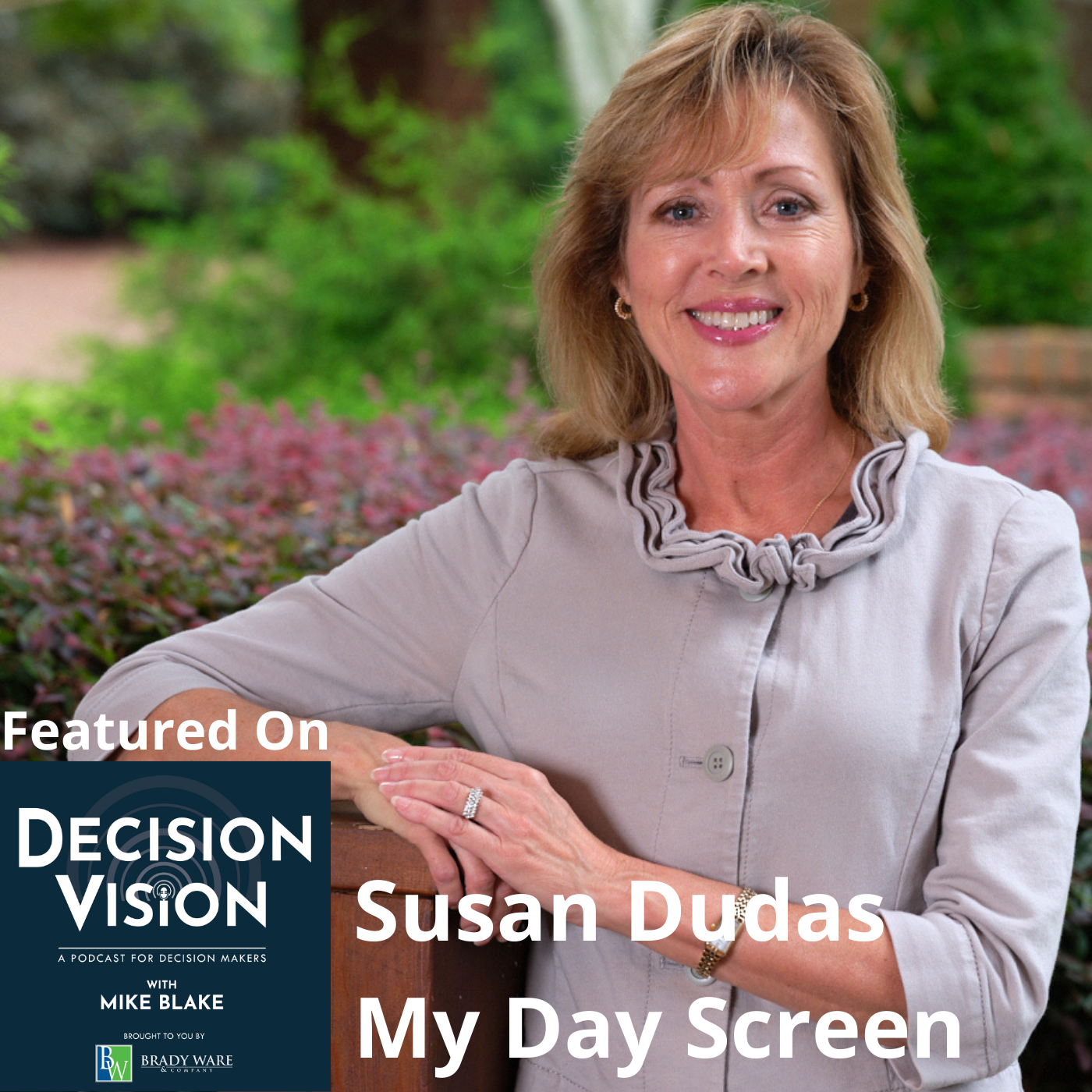
Inspired by her husband’s skin cancer diagnosis to create line of natural sunscreen products, Susan Dudas was confronted by the dilemma of how to choose a manufacturer for her products. Susan joined host Mike Blake to share what she’s learned from her experiences, including how to search for the right manufacturer, the types of questions to ask, managing the relationship, product liability, and much more. Decision Vision is presented by Brady Ware & Company.

Make2Give LLC dba My Day Screen

After her husband was diagnosed with skin cancer in 2018 and a search for natural, mineral sunscreen was unfulfilled, Founder Susan Dudas decided to create a mineral sunscreen brand that offers products she would want to wear daily. She launched the My Day Screen™ brand in October 2020.

My Day Screen™ offers natural, mineral sunscreen products that feel and look good on your skin. My Day Screen™ is defined by four pillars:
1. Plant-based, natural ingredients.
2. Holistic Light Protection – protection against UVA, UVB and Blue Light.
3. Eco-friendly packaging; and
4. Donation of $2 to nonprofits on every qualifying sale. My Day Screen™ products are sold online at www.mydayscreen.com and on Amazon.

Company website | Facebook | Twitter | Instagram

Susan Dudas, Founder, Make2Give, LLC

My Day Screen
Susan Dudas, Founder, Make2Give, LLC

For over 20 years, Susan Dudas has served as a business consultant to multinational companies in a variety of industries. Susan designed and facilitated organization effectiveness initiatives for her domestic and international clients. She’s also an entrepreneur, having co-founded and operated a mobility transportation company, co-founded two charter schools for low-income students, and founded the My Day Screen natural sunscreen brand.

Susan is also an avid volunteer and supporter of non-profit organizations that help foster care youth, homeless youth, and adoptive families. After her husband was diagnosed with skin cancer in 2018, and a search for natural mineral sunscreen was unfulfilled, Susan decided to create a mineral sunscreen brand that offers products she would want to wear daily. She launched the My Day Screen brand in October 2020. My Day Screen products are sold online at www.mydayscreen.com and on Amazon.

LinkedIn

Mike Blake, Brady Ware & Company

Mike Blake, Host of the “Decision Vision” podcast series

Michael Blake is the host of the Decision Vision podcast series and a Director of Brady Ware & Company. Mike specializes in the valuation of intellectual property-driven firms, such as software firms, aerospace firms, and professional services firms, most frequently in the capacity as a transaction advisor, helping clients obtain great outcomes from complex transaction opportunities. He is also a specialist in the appraisal of intellectual properties as stand-alone assets, such as software, trade secrets, and patents.

Mike has been a full-time business appraiser for 13 years with public accounting firms, boutique business appraisal firms, and an owner of his own firm. Prior to that, he spent 8 years in venture capital and investment banking, including transactions in the U.S., Israel, Russia, Ukraine, and Belarus.

LinkedIn | Facebook | Twitter | Instagram

Brady Ware & Company

Brady Ware & Company is a regional full-service accounting and advisory firm which helps businesses and entrepreneurs make visions a reality. Brady Ware services clients nationally from its offices in Alpharetta, GA; Columbus and Dayton, OH; and Richmond, IN. The firm is growth-minded, committed to the regions in which they operate, and most importantly, they make significant investments in their people and service offerings to meet the changing financial needs of those they are privileged to serve. The firm is dedicated to providing results that make a difference for its clients.

Decision Vision Podcast Series

Decision Vision is a podcast covering topics and issues facing small business owners and connecting them with solutions from leading experts. This series is presented by Brady Ware & Company. If you are a decision-maker for a small business, we’d love to hear from you. Contact us at decisionvision@bradyware.com and make sure to listen to every Thursday to the Decision Vision podcast.

Past episodes of Decision Vision can be found at decisionvisionpodcast.com. Decision Vision is produced and broadcast by the North Fulton studio of Business RadioX®.

Connect with Brady Ware & Company:

Website | LinkedIn | Facebook | Twitter | Instagram

TRANSCRIPT

Intro: [00:00:02] Welcome to Decision Vision, a podcast series focusing on critical business decisions. Brought to you by Brady Ware & Company. Brady Ware is a regional full service accounting and advisory firm that helps businesses and entrepreneurs make visions a reality.

Mike Blake: [00:00:22] Welcome to Decision Vision, a podcast giving you, the listener, clear vision to make great decisions. In each episode, we discuss the process of decision making on a different topic from the business owners’ or executives’ perspective. We aren’t necessarily telling you what to do, but we can put you in a position to make an informed decision on your own and understand when you might need help along the way.

Mike Blake: [00:00:42] My name is Mike Blake, and I’m your host for today’s program. I’m a director at Brady Ware & Company, a full service accounting firm based in Dayton, Ohio, with offices in Dayton; Columbus, Ohio; Richmond, Indiana; and Alpharetta, Georgia. Brady Ware is sponsoring this podcast, which is being recorded in Atlanta per social distancing protocols. If you like to engage with me on social media with my Chart of the Day and other content, I’m on LinkedIn as myself and @unblakeable on Facebook, Twitter, Clubhouse, and Instagram. If you like this podcast, please subscribe on your favorite podcast aggregator and please consider leaving a review of the podcast as well.

Mike Blake: [00:01:16] So, today’s topic is, How do I choose a manufacturer? And I’m particularly excited about this topic for two reasons. Number one, I’m not a manufacturing guy. I don’t know anything about it. I’m a professional services guy, and most of my clients are in the tech space. And so, I do a little bit of work with manufacturing clients, but I’m certainly not going to sit here and try to be any kind of expert in it.

Mike Blake: [00:01:43] I’m also excited because this is an experiment or, I think, more likely the start of an evolution of the program. Throughout the first 125 episodes or so, our decision content has been positioned as a binary question, should I do X? Should I fire my client? Should I sue my partner? Should I have a business partner? Should I raise angel capital? And so, forth.

Mike Blake: [00:02:14] And with this topic, we’re going in a different direction because there’s another kind of choice that we really haven’t addressed and, I think, will be helpful to the listeners that we do address that in various cases, which is not a choice to act or not act, but rather a choice that is borne out of selection. Many decisions that we have to make as business people or executives are of a nature where it’s not that we’re deciding whether to do something or not. But we’re deciding, maybe, on the right way to do something or the right path, the right advisor, the right resource, the right company, the right model. All kinds of decisions which, again, are not binary. They’re simply choices.

Mike Blake: [00:02:59] And so, today’s topic is, How do I choose a manufacturer? Which would be sort of the maiden voyage of this new kind of topic. And I hope you’ll like it as much as I think that we’re all going to find enjoyable. And joining us today is Susan Dudas, who is founder of Make2Give LLC, which does business as My Day Screen.

Mike Blake: [00:03:20] For over 20 years, Susan Dudas has served as a business consultant to multinational companies in a variety of industries. Susan designed and facilitated organization effectiveness initiatives for her domestic and international clients. She’s also an entrepreneur, having co-founded and operated a mobility transportation company, co-founded two charter schools for low income students, and founded the My Day Screen natural sunscreen brand. Susan is also an avid volunteer and supporter of non-profit organizations that help foster care youth, homeless youth, and adoptive families.

Mike Blake: [00:03:53] After her husband was diagnosed with skin cancer in 2018, and a search for natural mineral sunscreen was unfulfilled, Susan decided to create a mineral sunscreen brand that offers products she would want to wear daily. She launched the My Day Screen brand in October 2020. My Day Screen products are sold online at www.mydayscreen.com and on Amazon. Susan, welcome to the program.

Susan Dudas: [00:04:18] Great to be here, Mike. Thanks a lot for having me.

Mike Blake: [00:04:21] So, My Day Screen, was that the first time that you ever had to select a manufacturing company?

Susan Dudas: [00:04:32] Actually, it was. It was. I was in manufacturing prior to this. I’ve also been involved in education and consulting. But this was really my first venture into having to seriously select a manufacturer.

Mike Blake: [00:04:48] And how much did your background consulted with manufacturers? Did that help you a lot? Or do you find that there’s a big difference of advising on the choice, maybe advising how to work with them versus actually making the choice yourself?

Susan Dudas: [00:05:03] It really did help me in the preparation. Early on in my career, I was an H.R. Manager in a production plant. It was a clean plant, circuit board design and assembly. So, I was aware of quality. I was aware of a lot of the compliance. So, there were a lot of things that were top of mind as I was going through this process. But that was a very different process than formulating and manufacturing mineral sunscreen. So, I would say it helped in terms of framing the kinds of questions that I needed to have and what I need to be aware of. But it didn’t prepare me for the world that I was entering.

Mike Blake: [00:05:43] So, I’m always interested in kind of the language of business because every industry, I think, has, if not their own language, certainly their own dialect. If you’re somebody like me that’s used to communicating with people like accountants or attorneys, is that different? Is the way that you communicate different from communicating with, say, manufacturers?

Susan Dudas: [00:06:06] It’s same in many ways. I mean, you’re talking about deliverables with service providers, you’re talking about your goals, what you want to accomplish. You’re going to have a contract. You’re going to have service agreements. You’re going to talk about that. You’re going to talk about compliance. But it’s different in many ways because, most likely, you’re talking about a finished product. You’re talking about a tangible product. You also are able to negotiate your terms with manufacturers, which maybe not so much so with service providers, the fixed fees. So, yeah, you’re definitely having different conversations about quality, about shipping, about the product design, different conversations.

Mike Blake: [00:06:50] So, once you decided that you need to define a manufacturer for My Day Screen, what was the first step? How did you find or identify potential candidates to become your manufacturer?

Susan Dudas: [00:07:02] I love this question because it’s my natural nature to prepare, and that served me well. Because, absolutely, the first step in any advice I would give to someone, maybe on the doorstep of this process, is to prepare. Because the more that you know going into these conversations while you’re looking for manufactures, the better you’re going to be positioned. Because if you think about it, they’re going to ask you questions. So, why not have those questions prepared ahead of time? It gives you an advantage.

Susan Dudas: [00:07:35] And for instance, the very first question that I learned I had to ask myself was, do I have a design? And in my case, it was a formulation, so I didn’t have a formulation. So, if the answer is yes to that, you’re going to go down one path. If the answer is no to that, you’re going to go down maybe a couple of different paths. So, I can elaborate on that if you like me to.

Mike Blake: [00:08:00] I want to come back to that part. But what I what I like to sort of stand for the segment and clarify, you know, is finding a list of potential manufacturing candidates as simple as doing a Google search? Or are there specific places that you went to sort of look to give yourself a leg up on the search?

Susan Dudas: [00:08:22] Sure. Sure. Obviously, I did the Google search and I Thomasnet, and that got me nowhere. I mean, it gave me names. But in my particular case, mineral sunscreen is a subset of the sunscreen market. So, I was looking for specific manufacturers that manufactured mineral sunscreen, and a lot of them don’t. And a lot of beauty manufacturers don’t even get into sunscreens because it’s an over-the-counter drug.

Susan Dudas: [00:08:51] So, where I found that I got the most mileage was to look within the industry, our industry of indie beauty, within the beauty community, and there’s directories within that. I also talked to people. Now, within the beauty industry, sunscreen included, we don’t talk about who we use as manufacturers. We hold our kids close, but we hold our manufacturer’s names closer. So, we just don’t discuss this. However, you can get enough information from your peers in this peer group – and I did – that was able to open some doors and at least get me started. And along the way, I was much more fruitful to talk within the industry than to just do a general online search.

Mike Blake: [00:09:36] So, that’s interesting. I’m going to go off the script a little bit, but I think that’s a really interesting observation I would not have expected. Why do you suppose that people keep the identity of their manufacturer such a secret? For example, I wouldn’t keep my CPA a secret. I wouldn’t keep my lawyer a secret. But I guess manufacturing is a different animal. So, why do you think that that’s such important and sensitive information that people are reluctant to reveal it?

Susan Dudas: [00:10:07] Well, I can’t speak across industries. But within the beauty industry, you don’t see patented formulations. We are over-the-counter drug, FDA regulated, we have to put all of our ingredients out there. So, we publish our ingredients list and it’s required, which is a wonderful thing, that transparency is beautiful. So, that takes some of the mystique away of what’s in this. I guess, you don’t see a lot of patents within the beauty industry. They might patent a process or a function within a formulation, but you’re not going to see that. So, you don’t have those protections there around. “Oh, what are they using?” Because we publish that.

Susan Dudas: [00:10:51] So, there are protections then about who’s going to make it. Because you’re going to see a lot of similarities and formulations, so who is making it? That might change up your raw materials. That might do things a little bit different. Process might be a little different. So, that’s the way I look at it, is, we’re an open book in terms of our ingredients. So, we do protect our manufacturers because we don’t want some pirating. We don’t want someone to necessarily mimic our formulation.

Mike Blake: [00:11:24] Interesting. So, the fact that you’re in an FDA regulated sector and the fact that your value proposition is using all natural mineral products, do those two features make it more difficult for you to find a manufacturer?

Susan Dudas: [00:11:45] Absolutely. Absolutely. Yes. Because a lot of people don’t want to touch OTC, over-the-counter. There’s a variety of costs involved. There’s testing. The facilities we look for are FDA regulated. We want to get current good manufacturing process certifications with our manufacturers. So, there’s a lot of hoops to jump through for manufacturers that manufacture over-the-counter products, over-the-counter drugs, and some of the beauty products. If you’re making eyelashes, you necessarily want to go through the pain of having to get the FDA auditing and regulating you on a regular basis.

Mike Blake: [00:12:30] And, you know, the natural part is kind of intriguing, too, because in a way – I’m probably totally off on this – I almost wonder if it’s like kosher rules. I wonder if a manufacturer kind of has to have a certain outlook or a certain culture, if you will, to properly apply manufacturing processes with all natural products or inputs as opposed to another manufacturer that really just doesn’t care. “Just give me the formulation and I’ll do it.” Am I making more of that than it is? Or does it take a special kind of manufacturer, a special kind of owner, and a plant manager to do that effectively and kind of stay true to what you want to accomplish?

Susan Dudas: [00:13:16] Yes. No, I think you’re right on point, Mike. Especially when you talk about organics, because there is a certification process with organics. So, when you have naturals, you have the organics. Now, natural, there’s not a certification process for naturals, but you do want to find a manufacturer or I want to find a manufacturer that embraces that. They understand it. And maybe from the sourcing standpoint, you want that manufacturer to source those raw materials that are totally aligned with your brand and where you’re taking it, and they are natural. And I was very, very careful about that.

Mike Blake: [00:13:58] Of course, we hold the worst of the coronavirus pandemic. We’re in this trans-pandemic phase right now. I don’t know if you’re still active in maybe finding alternative manufacturers, but even if you’re not, I mean, how do you suppose that the coronavirus has changed the way we even search for manufacturers? Maybe the way the questions you ask, the due diligence. Of course, we’re all familiar with the supply chain disruptions that have been prevalent in every place, from semiconductors to porkchops, basically. Does that change, do you think, in any way the approach or at least tweak the approach in trying to find the right manufacturer?

Susan Dudas: [00:14:41] I would think that anyone that lived through COVID – in my case, I was trying to launch during COVID – I would think would have a very different perspective and more careful perspective on preparation when it comes to the manufacturing process, preparation in terms of, you mentioned, supply chains disruption. Initially when things were shutting down in March of 2020, everyone was trying to gobble up components, you know, their packaging components. It felt like almost a free for all of what can you get, when can you get it, and how can you secure it.

Susan Dudas: [00:15:24] Interestingly, we were not only competing against other beauty manufacturers, but we were competing against our own manufacturers who were completely changing their lines over to manufacture hand sanitizer, because that’s where the margins where. Everyone wanted hand sanitizer. So, obviously, not only impacted our lead times and our ability to get the attention of our manufacturer, but it also impacted the supply chain components. Trying to get bottles and pumps at a time when everyone was trying to fill bottles with hand sanitizer was a real challenge.

Susan Dudas: [00:16:06] So, you know, my take away from that is, I really can expect longer lead times. It is definitely impacting lead times. I need to be prepared. I need to keep track of my inventory. Especially in my business, because I can’t turn on the faucet tomorrow. There’s a lot of testing with over-the-counter drugs. It takes a good year – for me anyway – to bring a product to market because of all the testing involved. So, with a long lead times with the manufacturers that I think just will be there, I really sense will continue to be there post-COVID, that you have to really be more careful with your planning.

Mike Blake: [00:16:50] And I haven’t thought about what you just described, that all up and down the supply chain you’d be fighting not just for the resources for the manufactured product, but the packaging as well. In your case, the dispensing packaging. Did you have any recourse? I mean, do manufacturers make any commitment they’re going to allocate X amount of production with you? Or do they have more or less complete power in terms of where you are in the queue?

Susan Dudas: [00:17:19] I think it’s also where you fit in the food chain, right? As a small indie startup, they have MOQs, Minimum Order Quantities. And as a startup, my quantities are going to be small relative to their larger customers that can keep their lines going for a long time. So, it depends on where you are in, like I say, the food chain as to how much negotiating power you have. I realized that having heated conversations about lead times were getting me nowhere. Because I suspect that every time they picked up the phone, they were having those very similar conversations with their other customers.

Susan Dudas: [00:18:01] And manufacturers were at low capacity. At some point, they were below 50 percent in terms of their ability to operate. So, it wasn’t just their lines. They were cleaning all the time. In particular clean industries that are going to be shut down for cleaning. They have protocols they had to have in place. And to your earlier point, I think some of those protocols will continue on because of just good manufacturing practices. But, yeah, it was definitely more challenging, and I think those things will continue on. And I realized that as a small startup, I didn’t have a lot of leverage.

Mike Blake: [00:18:45] So, you and I were having a conversation yesterday in preparing for this one, in which I learned a lot just having a preliminary. And one of the things that came up that I’d love you to talk about a little bit is, the role of the manufacturer often is not, I guess, just, “Hey, make me some stuff.” They provide other services. Many of them, it sounds like, provide many other services to help move the product from idea into production. And can you talk about what some of those are and how you’ve availed yourself of some of those support services?

Susan Dudas: [00:19:25] Sure. The first question, I need to ask myself and anyone, again, about ready to embark upon this journey is, do you have a design? Now, that’s critical. So, that’s going to determine which direction you go. If you already have a design, then you’re going to look for a contract manufacturer. If you don’t have a design, then you have some questions to ask yourself. Do I want a custom design? Do I want my manufacturer to do some R&D, create my design, a custom design, and make it? Or is it so special that you need to find a specialist to create your design or formulation and then come back to manufacture and have them make it?

Susan Dudas: [00:20:06] Or are you such that you just want to get your product to market, you’ve got a phenomenal marketing distribution strategy and you’ll do private label? Meaning, I don’t need to own this design. I just need you to make it. Pull some stock design off the shelf, make it for me. I’ll put my fabulous label or packaging on it and away I go.

Susan Dudas: [00:20:33] So, upfront, the design question and the ownership, which is closely coupled to that, is really, really critical. It was critical for me. I wanted custom formulation and I went through that process. So, I found a great manufacturer that had a phenomenal R&D team and we worked together to create some great products.

Mike Blake: [00:21:03] Now, since you’re an Amazon seller and my wife is an Amazon seller. She’s been on the program before, I think it was episode 49. And one of the things that is always on your mind, especially with Amazon, I think, is product liability. And I understand from my conversations with Cordelia, anything that’s FDA regulated, Amazon, some justification watches like a hawk, and they have low to zero tolerance policies for mess ups. And, again, one of the things you and I were talking about that I haven’t thought about before was handling liability. If a product is bad and then gets released into the wild and then hurts the customer, it’s going to move back up the supply chain or somebody else has to take responsibility.

Mike Blake: [00:21:53] And the question I’d like to ask you is, if something goes wrong, is it going to be somebody like you that’s actually ultimately paying the manufacturer? Or does the manufacturer have responsibility, where if they do something wrong that they’re the ones that pay the price as opposed to you, or is it shared, or some entirely different kind of model?

Susan Dudas: [00:22:14] So, I do want to look for shared responsibility. And I have walked away from contracts. As we discussed yesterday and prepped for this show, I have walked away from manufacturers that were not willing to look at a shared responsibility. And those things that they control, I believe they should have responsibility for. If they use the wrong ingredients or they use the wrong processes, and they’re out of compliance, there needs to be some liability capability and a risk falls on that. If I take ownership of the product and I mishandle it, placed it in conditions that are going to affect its effectiveness, then I should have a liability.

Susan Dudas: [00:23:00] So, I look for shared responsibility and I’m willing to spend the money for attorneys to make sure that we get that right. And as I said, I walked away from very much one sided risk contracts, where the burden is on me and not on that manufacturer. It was so important, because something is going to happen. There’s going to be some type of claim. It’s going to happen. So, you really need to negotiate that upfront before you become a partner or married to a manufacturer.

Mike Blake: [00:23:40] So, at the start of our conversation, you emphasized pretty heavily the need to be prepared. What does that look like? How do you prepare for a conversation with a manufacturer, particularly for the first one?

Susan Dudas: [00:23:53] Right. Yeah. I think it’s easy as anticipating what you think they’re going to ask you. So, they’re going to ask you, do you have the design? I went over that. They’re going to ask you what capabilities does this design require? You need to know that. Do you need extruding? Do you need molding? Do you need clean manufacturing for printed circuit board design or if you’re manufacturing food. Is it stamping? Is it an assembly line? Is it batch? So, you need to know that, what those capabilities are that are required. And then, you need to know what else you want them to do for you.

Susan Dudas: [00:24:37] One of your questions before, they do an array. Many manufacturers can offer an array of functions, filling, labeling, packaging, testing if required. Some of them do fulfillment. Some will do a full turnkey. I mean, they’ll offer marketing services and design your packaging for you. I’m not sure I’d recommend that. You’re not their core business. So, knowing what you need from the manufacturer is really key.

Susan Dudas: [00:25:12] A couple of things that are really important, know what your costs are, what are your target costs. Go into that conversation knowing what’s your retail costs, what margins you need to get, and then you’re talking to them about that per unit target cost. That’s going to weed out some manufacturers right there. Quantities, your MOQs, that’s going to weed out some manufacturers. If you’re a startup and their MOQ is, maybe, 100,000 and you’re like, “No. I can’t order 100,000 for my initial order.” Well then, you need to walk somewhere else.

Susan Dudas: [00:25:45] And then, of course, you want to know about lead times. Given your particular design, your product, how long is it going to take, not only for that first order, but how long is it going to take for successive orders so that you can plan for your inventory so that you’re not out of stock at a very important critical time, maybe in the year, the selling cycle. And then, the contract, knowing what you need to have in a contract, is it ownership, is it liability? The compliance.

Mike Blake: [00:26:16] That’s good. So, let’s say we’ve identified some manufacturers. We’ve done our homework. Who do you contact? Is it a plant manager? Is it the owner? What’s the title of the job function? The person you need to talk to that can have that conversation and represent the manufacturer to you so that you don’t have to have the same conversation three or four times?

Susan Dudas: [00:26:43] I think it depends on the size of the manufacturer. My experience has been sales reps, account managers typically are your initial contact. That’s typically who you’re going to have that rapport with. Most manufacturers in the sides I’ve dealt with have had that function within the organization. So, you’re dealing with a sales organization, an account manager function. But I wouldn’t stop there as you move through. That’s going to be your initial.

Susan Dudas: [00:27:12] But as you move through the relationship, and you’re vetting, and you’re narrowing down your list, you really want to start having additional conversations up the hierarchy. And here’s why, as I mentioned before, you’re going to have problems. You’re going to run into problems, whether they’re external problems or internal manufacturing problems. And you really don’t want that first conversation that you’re having the escalated conversation. You don’t really want that first conversation with that director of engineering or director of operations to be a heated discussion. You want to have some relationship points in the bank so that if you’re negotiating with them, it’s not your first time discussion.

Mike Blake: [00:28:06] So, as you then move into that process, what are you looking for from, I guess, how the manufacturer’s present themselves? How are you vetting them then to make sure that they can do what they say that they can do?

Susan Dudas: [00:28:23] I use a spreadsheet, so I list my options along the left hand side and I list my criterion across the top and I just start keeping track, whether it’s a rating number or check mark – I’ve done both. But I keep my spreadsheet. And as I talk to manufacture and move through the process, I’m seeing how many checks I have or how their score is. That’s how I really vet and move through. And, obviously, you can prioritize those. If their costs are too high, off the list. Or if they’re quantities are the threshold, quantities are too high, off the list. So, I think it’s keeping that spreadsheet, continuing those conversations. As I said, the contract that was key for me. I actually vetted down to a few on a couple of occasions. And I was surprised and saddened that I had to remove them from the list.

Mike Blake: [00:29:28] Do you ever have an opportunity to talk to some of the manufacturers or other customers, get kind of a testimony or review?

Susan Dudas: [00:29:36] I have not. Not in my industry. We just don’t really talk about the manufacturers. Maybe I’m in the wrong circles. Maybe I got to get in better circles. But, no. In terms of references, I have. But that’s very, very, very few because they keep their customers very, very close. In fact, very rarely would they release a customer name. Maybe at a trade show or something, I might have a little bit of exposure to that. But, typically, it’s a good manufacturer that does not release their customers names. They’re very careful about that.

Mike Blake: [00:30:21] And in your process, did you make any site visits? Did you actually go there and walk the floor?

Susan Dudas: [00:30:26] Absolutely. Absolutely. That’s a key criterion for me. And I’ve done it twice. Typically two visits for the ones that I’m seriously considering. Two visits, because the first visit your eyes are wide open. It’s a good exchange. They’re on their best behavior. After that, you’re going to have a lot of questions. As you go back and you get those questions answered, you definitely see things differently, hopefully not too differently, but it’s a deeper dive that second time. I would clearly recommend that.

Mike Blake: [00:31:06] And when you walk the floor, I’m curious, what are some of the things that you’re looking for?

Susan Dudas: [00:31:11] Well, I’m looking for quality. I’m asking about maintenance of their equipment, asking about their testing procedures. I love seeing their testing room. Sometimes they leave you out of there if they have anything that’s proprietary going on. But, typically they don’t. Their customers names are not visible. But I love going into their labs and their testing facilities to see that I’m looking for safety. Safety, not only employee safety precautions, but product safety, people wearing nets, their shoes covered, what kind of environment does that look like. So, eyes wide open. And am I being introduced to different people in the different organizations, touch points that I would have if I was a customer of them.

Mike Blake: [00:32:08] Now, over the course of your selection process, did you find yourself developing a relationship with the manufacturers management? A chance to really talk with them and see how much they really seemed to care about you or your idea? Did that ever factor into your decision or no?

Susan Dudas: [00:32:30] Yes, it did. It was important for me to meet the R&D manager because we were looking at custom manufacturing. I wasn’t pulling a stock formulation off the shelf. I wanted something custom. I wanted to be right there. I wanted to show them samples of what I was looking for. And I wanted them to see it. I wanted them to try it. I want to touch it, put it on, tell them what I liked about it and didn’t. That was the R&D director – that was really important – because he was overseeing the customization, the formulation process. So, that was critical.

Susan Dudas: [00:33:07] I did not meet and I have a regret that I didn’t meet the sales executive, the sales director. Because we had had some conversations during COVID that were not always pleasant with lead times and such. And this is something I would recommend to your audience, as I mentioned before, you really don’t want that first conversation to be that heated conversation. So, the extent that on your visits or even post-visit that you can make contact with the head of sales or head of account management, other leaders, I would recommend that build some rapport, it could be helpful in your negotiations.

Mike Blake: [00:33:51] So, in your particular search, how long did it take you to find a manufacturer from the time you said, “Hey, I need to find a manufacturer,” to the time when you said, “Okay. I’ve got one, and they’re going to be my primary source.”

Susan Dudas: [00:34:05] About six months.

Mike Blake: [00:34:07] And do you think that’s typical? Do you think that it takes most people that amount of time in your experience?

Susan Dudas: [00:34:13] I think the question, it depends. I hate to say that, but it really does depend on the complexity of your product. It depends on the industry that you’re in. It depends on the amount of labor you put into the search. If you still got your day job and you can only do this at certain hours, it might prolong your search. But I think that’s probably a good standard. And, also, it depends if you’re going to private label, just pull a stock item off the shelf or design off the shelf and you’re going to label that yourself. That’s going to be a rather quick process. Most of that time is going to be around, you know, getting your packaging ready and making sure that your contract is in place.

Mike Blake: [00:35:01] And in your search, how many manufacturers did you talk to before finally settling on one?

Susan Dudas: [00:35:07] Oh, wow. At least 20.

Mike Blake: [00:35:10] Really, 20?

Susan Dudas: [00:35:11] Oh, my gosh, yes. At least 20.

Mike Blake: [00:35:14] Yes. And I assume just calling them up or emailing them and having your initial conversations. I’m sure you didn’t visit all 20. Your probably narrowed —

Susan Dudas: [00:35:23] No, I did not. That first call, because I knew what to ask, “Do you manufacture mineral sunscreen?” “Sorry. We don’t do over-the-counter drugs.” Or, “No. We don’t do mineral. We’ll do chemical,” which is very different. So, I was able to eliminate maybe 40 percent just with those first two questions. And then, after that, we get into the MOQs and locations and lead times. And in my industry, the demand is greater than the supply of manufactures. So, there’s long lead times.

Mike Blake: [00:36:08] We’re talking with Susan Dudas, founder of Make2Give LLC, which is also known as My Day Screen. And the topic is, How do I choose a manufacturer? So, I’m curious also, did you only consider domestic manufacturers or were you inclined to explore, perhaps, foreign manufacturing?

Susan Dudas: [00:36:28] Yeah. I love that question. I was only looking for domestic, not only the made in America, but just very practical. I mean, that was primarily why I wanted the products made in America. But, also, I think about the time zone, that was very much a consideration for me. As well as you think you take possession of product, you’ve got the whole shipping. Do they store it then? Or do they bring it back here then I have to find storage over here? It was actually something I didn’t put a lot of thought into international, but I’m aware that there would be a lot of considerations if you’re considering that. Fortunately, I was able to find a great manufacturer that we could arrive on a lot of the terms within the contract, and have had great success with them.

Mike Blake: [00:37:21] So, do you have or have you given thought to having backup manufacturers in case the first one, for whatever reason, isn’t able to fulfill an order, you get shoved to the back of the queue because you’re the small fry in the pile? Have you thought about or maybe do you even have a backup manufacturer? And if so, how many do you have? And what do those agreements look like?

Susan Dudas: [00:37:46] Right. I would say, just in general, that’s really wonderful. That’s where the spreadsheet helps out as you’re narrowing down your choices. You’re looking at those that meet most of your criteria that could be considered a backup. I think that’s critically important because you don’t want to be caught with not having inventory. Or if they have a problem, maybe they’ve got some compliance issues that come up. That wasn’t my case. But, you know, if they have some audit issues or something comes up, you need a backup. You really don’t want to keep your customers hanging or your employees hanging as well.

Susan Dudas: [00:38:28] So, in my case, in my situation, I am looking for another manufacturer for a very specific process and product, because my current manufacturer does not use that particular process. And I don’t have a good sense from the industry state on this, but you’re not going to find a manufacturer necessarily that’s going to be able to do all of your line, the current and future line. There might be some processes that they’re not able to do. So, that’s the situation and so I am looking for another manufacturer. And it is very, very challenging. Quite honestly, I think it’s because of the demand and supply. It’s hard to get their attention, hard to get them to reply back on the phone. So, it is a challenge.

Mike Blake: [00:39:21] And, you know, finding the first manufacturer is hard enough. I’m guessing the second manufacturer where you’re basically saying, “Hey, I basically just need you on standby, but I’m not necessarily sending you a lot of business right now.” Not as exciting a conversation from their perspective, if we’re honest about it.

Susan Dudas: [00:39:38] That’s very true. Very true. Or this other product that I want to manufacture, maybe, it’s not going to have the yield, the volume, that would be exciting. So, absolutely to your point, yes.

Mike Blake: [00:39:54] Susan, this has been a great conversation. I want to be respectful of your time and we’re running out of time. If there’s somebody in our audience that wants to ask you a question that we didn’t discuss, somebody who wants to go deeper into something that we did, would you be willing to kind of take their question? And if so, what’s the best way for them to contact you?

Susan Dudas: [00:40:16] Oh, I’d absolutely love to help. Anybody that’s been through this journey knows it’s not an easy one. So, I’d like to make it easier for someone else. I can be reached at dudas, D-U-D-A-S, @mydayscreen, S-C-R-E-E-N, .com. That’s dudas@mydayscreen.com.

Mike Blake: [00:40:38] Well, thank you, Susan.

Susan Dudas: [00:40:39] Thank you, Mike.

Mike Blake: [00:40:39] That’s going to wrap it up for this program. I’d like to thank Susan Dudas so much for sharing her expertise with us.

Mike Blake: [00:40:45] We’ll be exploring a new topic each week, so please tune in so that when you’re faced with your next business decision, you have clear vision when making it. If you enjoy these podcasts, please consider leaving a review with your favorite podcast aggregator. It helps people find us that we can help them. If you like to engage with me on social media with my Chart of the Day and other content, I’m on LinkedIn as myself and @unblakeable on Facebook, Twitter, Clubhouse, and Instagram. Once again, this is Mike Blake. Our sponsor is Brady Ware & Company. And this has been the Decision Vision podcast.


Tagged With: Brady Ware & Company, choose a manufacturer, contract manufacturing, Decision Vision podcast, Make2Give, Manufacturing, Mike Blake, My Day Screen, outsourced manufacturing, Susan Dudas

Allison K Giddens, Win-Tech, Inc.

March 23, 2021 by John Ray

Win-Tech
North Fulton Business Radio
Allison K Giddens, Win-Tech, Inc.
Loading
00:00 /
RSS Feed
Share
Link
Embed

Download file

Win-Tech

Allison K Giddens, Win-Tech, Inc. (North Fulton Business Radio, Episode 342)

The multitalented Allison Giddens, President of Win-Tech, joins John Ray to discuss how her firm serves the aerospace industry, the shortage of machinists and solutions to that problem, women in manufacturing, why adequate cybersecurity is so vital for manufacturers, and much more. “North Fulton Business Radio” is produced virtually from the North Fulton studio of Business RadioX® in Alpharetta.

Win-Tech, Inc.

Win-Tech is an AS9100-Certified Aerospace Machine Shop located in Kennesaw, Georgia, making parts per customer specification. Win-Tech serves to provide special tooling and precision machining for a wide range of industries and applications. In pursuit of this goal, they subscribe to the following principles:

• Meet or exceed our customers’ expectations and all other relevant requirements;
• Achieve continual improvement of our overall operations;
• Establish measurable objectives to facilitate and drive improvements

Whether producing single pieces or high volumes, they give each project their full attention. Their quality control process conforms to what many contractors and companies still refer to as MIL-I-45208A.

Close tolerance manufacturing is their specialty. Their precision measuring and gauging equipment includes a CMM, digital optical comparator and a wide range of height gauges, micrometers, thread plug and ring gauges, along with gauge blocks and standards, all independently calibrated on a periodic basis and traceable to the National Institute of Standards and Technology.

Company Website | LinkedIn

Allison K Giddens, President, Win-Tech, Inc.

Win-Tech
Allison K. Giddens, Win-Tech, Inc.

Allison Krache Giddens worked for small business manufacturer Win-Tech, an aerospace precision machine shop, for 14 years, before buying the company in 2020. She and her business partner, John Hudson now serve as Co-Presidents, and the company is now both veteran-owned and woman-owned.

She holds undergraduate degrees in psychology and criminal justice from the University of Georgia, a Masters in Conflict Management from Kennesaw State University, a Masters in Manufacturing from Georgia Institute of Technology, and a Certificate of Finance from the University of Georgia. She also holds certificates in Google Analytics and a Certificate of Cybersecurity Risk Management from Harvard online. Allison is actively involved in local workforce development and industry groups, including Chattahoochee Technical College Foundation Board, Georgia Department of Education’s CTAE Advisory Board, the Cobb Chamber of Commerce, and LiveSAFE Resources.

Allison founded the Georgia Chapter of Women in Manufacturing and currently serves as Vice-Chair. She is the recipient of the Georgia Manufacturing Alliance’s 2016 Frontline Leadership Award and the August 2016 Georgia Tech MEP Face of Manufacturing. She was recognized as a 2017 Woman of Excellence by Metalforming Magazine and a 2018 liveSAFE Resources Woman of Achievement and was chosen as a member of the 2019 UK Department of Trade delegation to “STEM the Gap” where she met several colleagues “across the pond” and continues to foster friendship and shared resources to encourage others to enter manufacturing.

Allison was honored by the Cobb Chamber of Commerce’s Cobb Executive Women as the 2019 Woman of Distinction and received the Chairs Award from the Leadership Cobb Class of 2019 for her volunteer work. She also led efforts that resulted in Win-Tech being named a 2020 Cobb Chamber Top 25 Small Business of the Year. In 2021, she serves as the volunteer Industry Credentials Chair for Georgia Department of Education CTAE (workforce development) initiative.

Most recently, Allison received the August 2020 “Another Level Blue Devil” recognition from Marietta High School for involving MHS students in an Advanced Manufacturing Virtual Internship (AMVI), created as a response to the pandemic and the inability to bring students on-site. In January 2021, she partnered with Parallel, Inc. and industry colleagues to bring AMVI to the neurodiverse community. Allison runs The Dave Krache Foundation, a non-profit that helps pay sports fees for local kids in need. She was honored as an MLB Atlanta Braves 2019 Community Hero.

Just for fun, she has performed stand-up comedy at the Atlanta Punchline. She lives in a suburb outside of Atlanta, Georgia with her ever-patient husband and their two energetic cats.

LinkedIn

Questions and Topics in this Interview:

  • Manufacturing as an industry in Georgia
  • Cybersecurity focus in the industry of manufacturing
  • Encouraging women to consider a career in the manufacturing industry
  • Workforce development
  • Virtual internship creation as a result of the pandemic

North Fulton Business Radio” is hosted by John Ray and produced virtually from the North Fulton studio of Business RadioX® in Alpharetta. You can find the full archive of shows by following this link. The show is available on all the major podcast apps, including Apple Podcasts, Spotify, Google, Amazon, iHeart Radio, Stitcher, TuneIn, and others.

Renasant Bank has humble roots, starting in 1904 as a $100,000 bank in a Lee County, Mississippi, bakery. Since then, Renasant has grown to become one of the Southeast’s strongest financial institutions with over $13 billion in assets and more than 190 banking, lending, wealth management and financial services offices in Mississippi, Alabama, Tennessee, Georgia and Florida. All of Renasant’s success stems from each of their banker’s commitment to investing in their communities as a way of better understanding the people they serve. At Renasant Bank, they understand you because they work and live alongside you every day.

Tagged With: aerospace industry, Aerospace Machine Shop, Allison K Giddens, cybersecurity in manufacturing, machinists, Manufacturing, MIL-I-45208A, precision machining, tooling, Win-Tech, women in manufacturing

ProfitSense with Bill McDermott, Episode 12: Deanne Barnes, Evans Tool & Die; David Sergile, STONE Resource Group; and Tom Vitale, Northwestern Mutual

August 14, 2020 by John Ray

Deanne Barnes
North Fulton Studio
ProfitSense with Bill McDermott, Episode 12: Deanne Barnes, Evans Tool & Die; David Sergile, STONE Resource Group; and Tom Vitale, Northwestern Mutual
Loading
00:00 /
RSS Feed
Share
Link
Embed

Download file

Deanne Barnes

ProfitSense with Bill McDermott, Episode 12: Deanne Barnes, Evans Tool & Die; David Sergile, STONE Resource Group; and Tom Vitale, Northwestern Mutual

Deanne Barnes with Evans Tool & Die joined host Bill McDermott to discuss her family tool & die and metal stamping business. In addition, David Sergile of STONE Resource Group joined the show to highlight his company’s staffing services, while Tom Vitale of Northwestern Mutual outlined his work in helping client with financial planning needs. “ProfitSense with Bill McDermott” is produced and broadcast by the North Fulton Studio of Business RadioX® in Alpharetta.

Deanne Barnes, President & CEO, Evans Tool & Die, Inc./Evans Metal Stamping, Inc.

Deanne Barnes, Evans Tool & Dye, Inc.

Evans is a one stop, Made in the USA, Preferred Provider of precision Tool & Die builds and progressive and hand transfer metal stamping products. They provide complete design and engineering processes, assembly, and packaging.  They provide risk management solutions to the overseas supply chain breakdowns for OEMs by localizing supply chains with high quality, seamless logistics and hands on supply chain control. Evans Tool & Die a 3rd generation, owned and operated, family business.

Deanne “Dee” Barnes has served as Chief Executive Officer and President of Evans Tool & Die/Evans Metal Stamping, Inc. since 2011. Dee is the granddaughter of company founder, Leonard Evans, Jr., and represents the company’s third generation of family leadership. A seasoned industry leader, she is the driving force behind Evan’s ongoing commitment to “Made in the USA” manufacturing and delivering the highest caliber of customer service. After attending Georgia College and State University, Dee has contributed in every aspect of the company for more than 30 years. Now as CEO, she continues the family legacy as an example of prosperous domestic manufacturing since 1948.

David Sergile, CEO, Stone Resource

David Sergile, Stone Resource Group

STONE Resource Group is a minority owned professional IT, Finance & Accounting, and Telecom staffing and services company. Founded in Atlanta, GA in 2010, STONE provides high quality services for contract, contract-to-hire and direct-hire opportunities throughout the state of Georgia and the continental United States. STONE has been recognized as an Inc. 5000 company 6 years in a row, one of the fastest growing, privately held companies in the United States. STONE’s diverse group of professionals are committed to hard work, accountability, customer service and above all, RESULTS.

STONE Resource Group, headquartered in Roswell, Georgia, was founded in April of 2010 on the principles of quality, integrity and service. On this foundation STONE has achieved exceptional growth. By 2016 STONE had expanded its Atlanta Headquarters 3 times and successfully launched new offices in Denver and Dallas. In 2019, they launched their newest offices in St. Louis and Los Angeles. They look forward to continued growth and geographical expansion while remaining steadfast in their commitment to their core values.

Today they continue as leaders in the design of senior, health care, studio, and hospitality design, surviving the 1993, 2008, and current impacts on the economy, creating designs of value for the development community.

Tom Vitale, Wealth Management Advisor, Northwestern Mutual

Tom Vitale, Northwestern Mutual

Tom Vitale, CFP, CLU, ChFC, CLTC is a Wealth Management Advisor representing Northwestern Mutual. He has been helping professionals and business owners for over 29 years. He and his team work diligently to build personalized Financial Plans to help clients achieve their most important financial goals.

As a wealth management advisor, the key to Tom Vitale’s success has always been putting his clients’ interests ahead of his own.  When Tom begins working with a new business or family, he takes the time to get to know their goals, fears, and risk tolerance, and he strives to treat everyone he works with the same way he’d treat his own family. His clients appreciate his steadfast follow-through and innovative approach, and they view him as a partner that they can rely on for straight-shooting advice and wise counsel on their financial affairs.

Everyone’s goals and priorities are different, and everyone has made a different amount of progress toward them, and that’s why Tom believes in highly-specialized planning, not cookie-cutter services. His expertise includes, but is not limited to, business succession planning, wealth management, estate planning, employee and executive benefits planning and life insurance planning. He has spent nearly thirty years in the financial industry, and holds four advanced designations: Certified Financial Planner (CFP®), Chartered Financial Consultant (ChFC®), Chartered Life Underwriter (CLU®), and Certified in Long-Term Care (CLTC®).

For more information on Tom and his services, please visit his website http://www.tom-vitale.com/
Northwestern Mutual is the marketing name for The Northwestern Mutual Life Insurance Company, Milwaukee, WI (NM) and its subsidiaries. Thomas Paul Vitale, is an Insurance Agent of NM. Thomas Paul Vitale is primarily licensed in Georgia and may be licensed in other states. Certified Financial Planner Board of Standards Inc. owns the certification marks CFP®, CERTIFIED FINANCIAL PLANNER™ CFP® (with plaque design) and CFP® (with flame design) in the U.S., which it awards to individuals who successfully complete CFP Board’s initial and ongoing certification requirements.

About “ProfitSense” and Your Host, Bill McDermott

Bill McDermott

“ProfitSense with Bill McDermott” dives in to the stories behind some of Atlanta’s successful businesses and business owners and the professionals that advise them. This show helps local business leaders get the word out about the important work they’re doing to serve their market, their community and their profession. The Show is presented by McDermott Financial Solutions. McDermott Financial helps business owners improve cash flow and profitability, find financing, break through barriers to expansion and financially prepare to exit their business. The show archive can be found at profitsenseradio.com.

Bill McDermott is Founder and CEO of McDermott Financial Solutions. After over three decades working for both national and community banks, Bill uses his expert knowledge to assist closely held companies with improving profitability, growing their business and finding financing. Bill is passionate about educating business owners about pertinent topics in the banking and finance arena.

He currently serves as Treasurer for the Atlanta Executive Forum and has held previous positions as board member for the Kennesaw State University Entrepreneurship Center and Gwinnett Habitat for Humanity and Treasurer for CEO NetWeavers. Bill is a graduate of Wake Forest University and he and his wife, Martha have called Atlanta home for over 40 years. Outside of work, Bill enjoys golf, traveling and gardening.

Connect with Bill on LinkedIn and Twitter and follow McDermott Financial Solutions on LinkedIn.

Tagged With: Bill McDermott, David Sergile, Deanne Barnes, Dee Barnes, Evans Metal Stamping, Evans Tool & Die, Manufacturing, Northwestern Mutual, ProfitSense, ProfitSense with Bill McDermott, Stone Resource Group, Tom Vitale

  • « Previous Page
  • 1
  • 2
  • 3
  • 4
  • 5
  • Next Page »

Business RadioX ® Network


Our Most Recent Episode

CONNECT WITH US

  • Email
  • Facebook
  • LinkedIn
  • Twitter
  • YouTube

Our Mission

We help local business leaders get the word out about the important work they’re doing to serve their market, their community, and their profession.

We support and celebrate business by sharing positive business stories that traditional media ignores. Some media leans left. Some media leans right. We lean business.

Sponsor a Show

Build Relationships and Grow Your Business. Click here for more details.

Partner With Us

Discover More Here

Terms and Conditions
Privacy Policy

Connect with us

Want to keep up with the latest in pro-business news across the network? Follow us on social media for the latest stories!
  • Email
  • Facebook
  • Google+
  • LinkedIn
  • Twitter
  • YouTube

Business RadioX® Headquarters
1000 Abernathy Rd. NE
Building 400, Suite L-10
Sandy Springs, GA 30328

© 2025 Business RadioX ® · Rainmaker Platform

BRXStudioCoversLA

Wait! Don’t Miss an Episode of LA Business Radio

BRXStudioCoversDENVER

Wait! Don’t Miss an Episode of Denver Business Radio

BRXStudioCoversPENSACOLA

Wait! Don’t Miss an Episode of Pensacola Business Radio

BRXStudioCoversBIRMINGHAM

Wait! Don’t Miss an Episode of Birmingham Business Radio

BRXStudioCoversTALLAHASSEE

Wait! Don’t Miss an Episode of Tallahassee Business Radio

BRXStudioCoversRALEIGH

Wait! Don’t Miss an Episode of Raleigh Business Radio

BRXStudioCoversRICHMONDNoWhite

Wait! Don’t Miss an Episode of Richmond Business Radio

BRXStudioCoversNASHVILLENoWhite

Wait! Don’t Miss an Episode of Nashville Business Radio

BRXStudioCoversDETROIT

Wait! Don’t Miss an Episode of Detroit Business Radio

BRXStudioCoversSTLOUIS

Wait! Don’t Miss an Episode of St. Louis Business Radio

BRXStudioCoversCOLUMBUS-small

Wait! Don’t Miss an Episode of Columbus Business Radio

Coachthecoach-08-08

Wait! Don’t Miss an Episode of Coach the Coach

BRXStudioCoversBAYAREA

Wait! Don’t Miss an Episode of Bay Area Business Radio

BRXStudioCoversCHICAGO

Wait! Don’t Miss an Episode of Chicago Business Radio

Wait! Don’t Miss an Episode of Atlanta Business Radio