Business RadioX ®

  • Home
  • Business RadioX ® Communities
    • Southeast
      • Alabama
        • Birmingham
      • Florida
        • Orlando
        • Pensacola
        • South Florida
        • Tampa
        • Tallahassee
      • Georgia
        • Atlanta
        • Cherokee
        • Forsyth
        • Greater Perimeter
        • Gwinnett
        • North Fulton
        • North Georgia
        • Northeast Georgia
        • Rome
        • Savannah
      • Louisiana
        • New Orleans
      • North Carolina
        • Charlotte
        • Raleigh
      • Tennessee
        • Chattanooga
        • Nashville
      • Virginia
        • Richmond
    • South Central
      • Arkansas
        • Northwest Arkansas
    • Midwest
      • Illinois
        • Chicago
      • Michigan
        • Detroit
      • Minnesota
        • Minneapolis St. Paul
      • Missouri
        • St. Louis
      • Ohio
        • Cleveland
        • Columbus
        • Dayton
    • Southwest
      • Arizona
        • Phoenix
        • Tucson
        • Valley
      • Texas
        • Austin
        • Dallas
        • Houston
    • West
      • California
        • Bay Area
        • LA
        • Pasadena
      • Colorado
        • Denver
      • Hawaii
        • Oahu
  • FAQs
  • About Us
    • Our Mission
    • Our Audience
    • Why It Works
    • What People Are Saying
    • BRX in the News
  • Resources
    • BRX Pro Tips
    • B2B Marketing: The 4Rs
    • High Velocity Selling Habits
    • Why Most B2B Media Strategies Fail
    • 9 Reasons To Sponsor A Business RadioX ® Show
  • Partner With Us
  • Veteran Business RadioX ®

2024 North Fulton Economic Outlook, with Dr. Jerry Parrish, Chief Economist, Metro Atlanta Chamber of Commerce

February 6, 2024 by John Ray

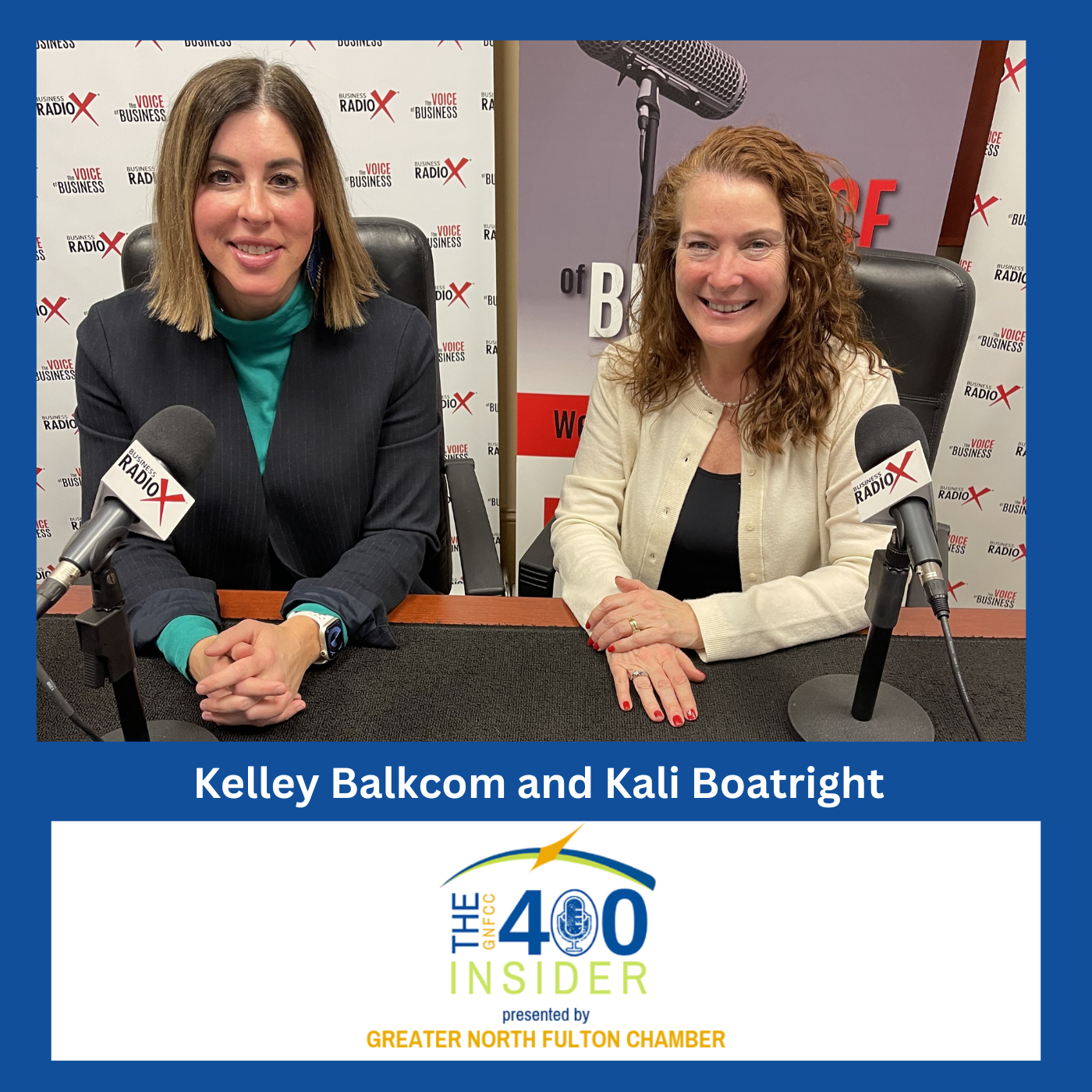
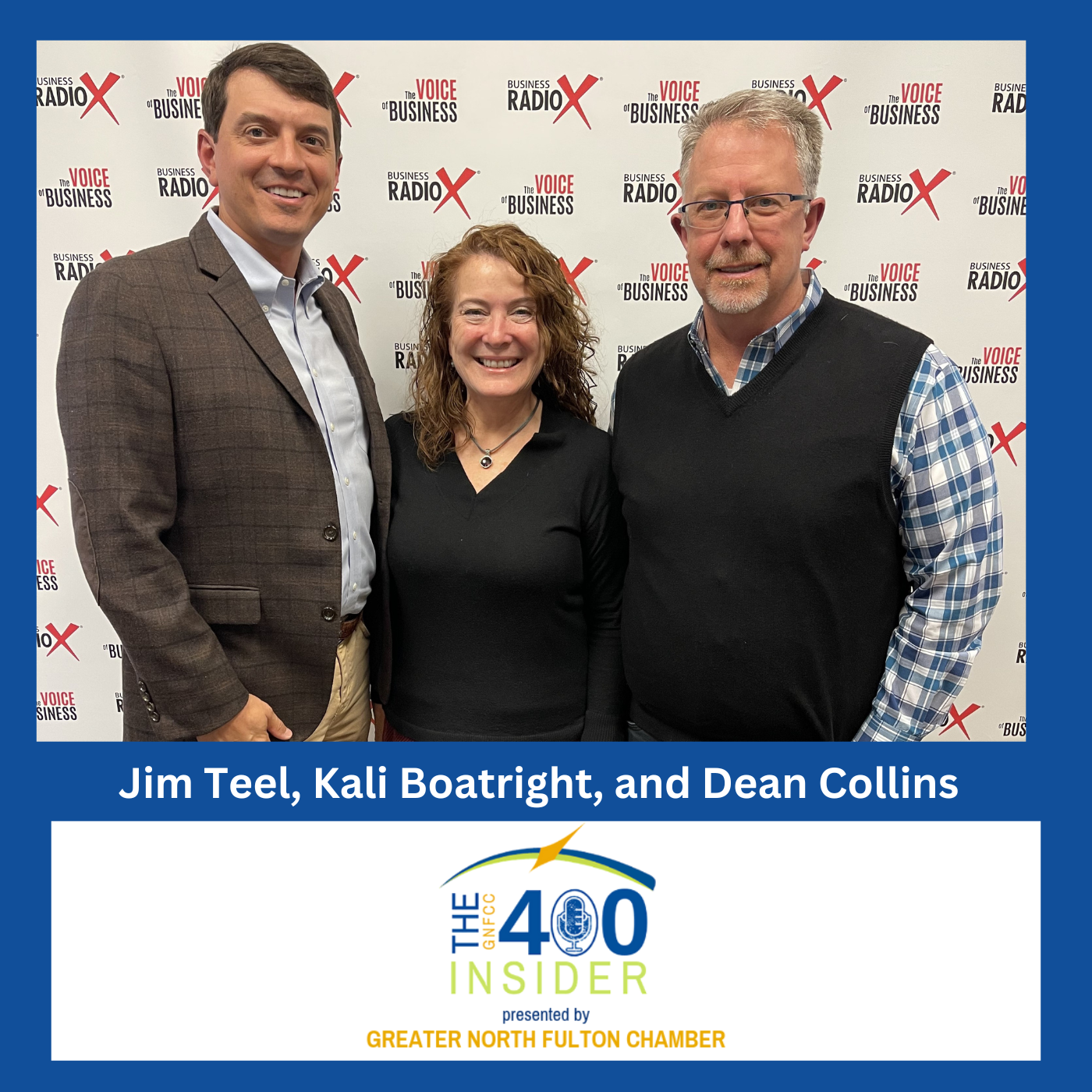
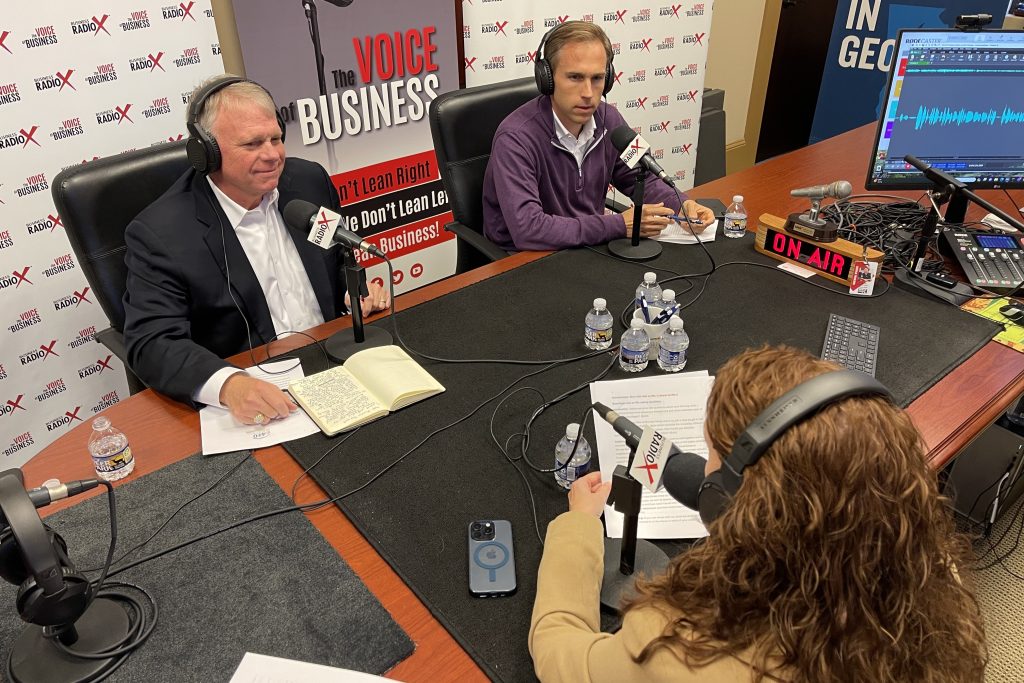
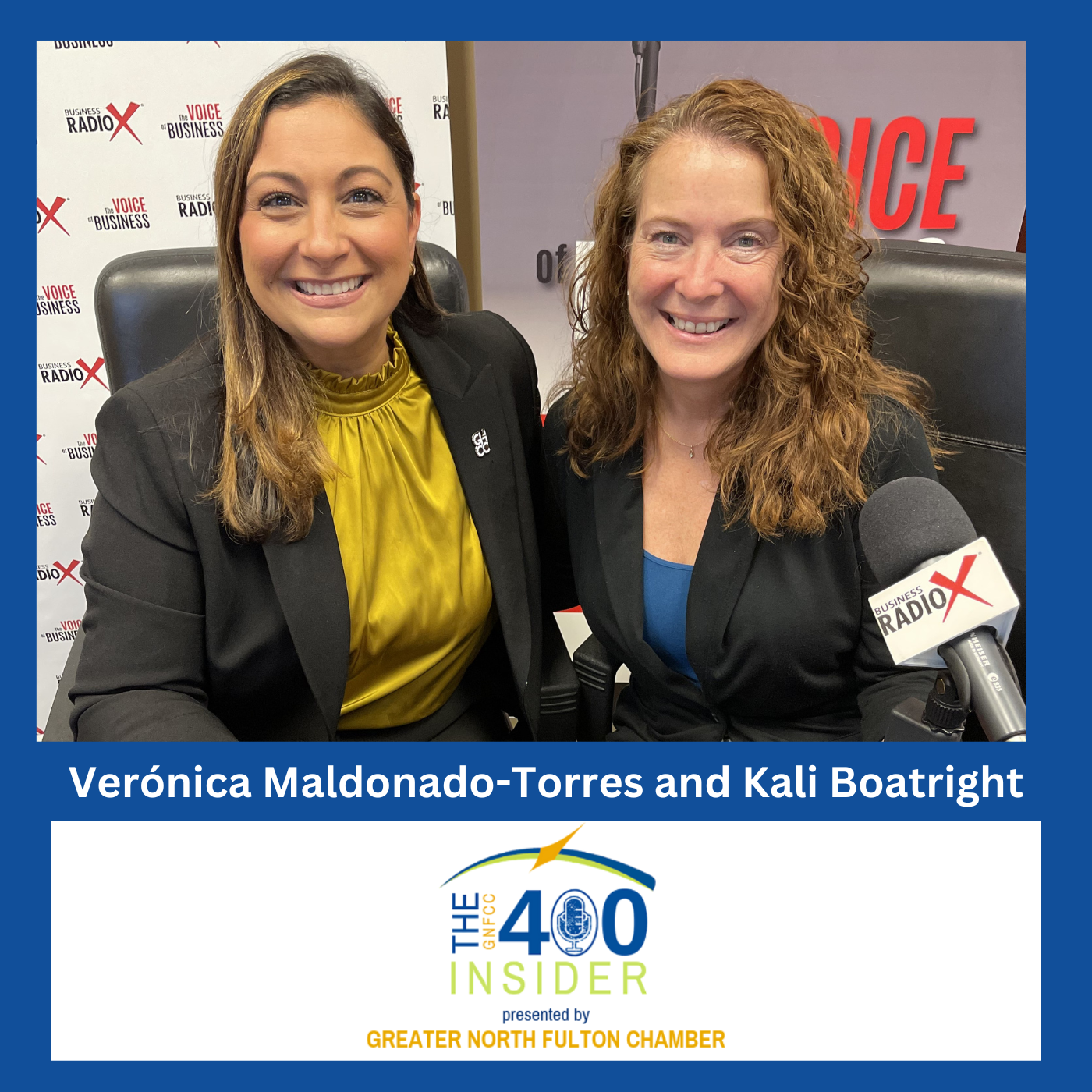
Dr. Jerry Parrish, Metro Atlanta Chamber of Commerce, and Kali Boatright
North Fulton Studio
2024 North Fulton Economic Outlook, with Dr. Jerry Parrish, Chief Economist, Metro Atlanta Chamber of Commerce
Loading
00:00 /
RSS Feed
Share
Link
Embed

Download file

Dr. Jerry Parrish, Metro Atlanta Chamber of Commerce, and Kali Boatright

2024 North Fulton Economic Outlook, with Dr. Jerry Parrish, Chief Economist, Metro Atlanta Chamber of Commerce (GNFCC 400 Insider, Episode 91)

On this episode of the GNFCC 400 Insider, Kali Boatright, President and CEO of the Greater North Fulton Chamber of Commerce, discusses the 2024 economic outlook for the North Fulton region with Dr. Jerry Parrish, Chief Economist at the Metro Atlanta Chamber. They talk about key global economic trends, the impact of the pandemic, inflation, and changes in work culture. They also delve into the labor market, the real estate market, the effects of AI on employment, and unique factors that might influence the 2024 economy. Dr. Parrish highlights Georgia’s growing and diversified economy, the role of the state’s transportation system, and the North Fulton area itself in attracting businesses and a skilled workforce. Finally, while Dr. Parrish expresses concerns around regional banks and offshore “black swan” events and situations, he sees the high office space vacancy as an economic development opportunity for the region.

The GNFCC 400 Insider is presented by the Greater North Fulton Chamber of Commerce and produced by John Ray and the North Fulton studio of Business RadioX®.

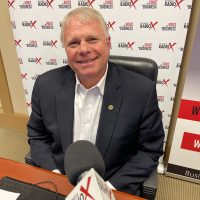
Dr. Jerry Parrish, Chief Economist, Metro Atlanta Chamber of Commerce

Dr. Jerry Parrish, Chief Economist, Metro Atlanta Chamber of Commerce

Jerry D. Parrish, Ph.D., is the Chief Economist at the Metro Atlanta Chamber.  Dr. Parrish was previously the Director of State and Local Policy Analysis at the Florida Institute of Government at Florida State University.  Dr. Parrish was also on the faculty in the Masters of Applied Economics Program at Florida State University for the past 12 years.

Jerry was previously the Chief Economist and Director of Research for the Florida Chamber Foundation.  Prior to that position, Dr. Parrish was the Chief Economist and Director of the Center for Competitive Florida at Florida TaxWatch.  Prior to that position, he served as the Associate Director of the Center for Economic Forecasting & Analysis (CEFA) at Florida State University. He has many years of experience in the private sector in management roles at international manufacturing companies.

Jerry earned a B.S. in Agricultural Business and Economics from Auburn University, an M.B.A. from Bellarmine University, an M.S. in Economics from the University of North Carolina at Charlotte, and a Ph.D. in Economics from Auburn University.

LinkedIn

Topics Discussed in this Interview

00:01 Introduction and Welcome
00:30 Meet Dr. Jerry Parrish: Chief Economist at the Metro Atlanta Chamber
02:19 Economic Forecast: Global Trends and Recovery from the Pandemic
04:23 Impact of Remote Work on the Economy
11:07 The Future of the Labor Market
18:49 The Housing Market in 2024
21:14 North Fulton: An Economically Sound Area
24:14 Outliers and Significant Factors in 2024
26:33 Conclusion and Contact Information

About GNFCC and The GNFCC 400 Insider

Kali Boatright, President and CEO of GNFCC

The GNFCC 400 Insider is sponsored by the Greater North Fulton Chamber of Commerce (GNFCC), and the host of the show is Kali Boatright, President and CEO of GNFCC.

The Greater North Fulton Chamber of Commerce is a private, non-profit, member-driven organization comprised of over 1,400 business enterprises, civic organizations, educational institutions, and individuals.  Their service area includes Alpharetta, Johns Creek, Milton, Mountain Park, Roswell, and Sandy Springs. GNFCC is the leading voice on economic development, business growth, and quality of life issues in North Fulton County.
As a five-star accredited chamber, GNFCC’s vision is to be the premier organization driving member and community success across the region, and they are dedicated to pursuing this vision based on the guiding principles of advocacy, inclusivity, and operational excellence.

GNFCC promotes the interests of their members by assuming a leadership role in making North Fulton an excellent place to work, live, play, and stay. They provide one voice for all local businesses to influence decision-makers, recommend legislation, and protect the valuable resources that make North Fulton a popular place to live.

For more information on GNFCC and its North Fulton County service area, follow this link or call (770) 993-8806. For more information on other GNFCC events, follow this link.

Tagged With: Chief Economist, Dr. Jerry Parrish, GNFCC, Greater North Fulton Chamber of Commerce, housing in North Fulton, Kali Boatright, Metro Atlanta Chamber, Metro Atlanta Chamber of Commerce, North Fulton, North Fulton economic outlook

LIVE from the GNFCC 2023 Women’s Leadership Summit: Rebekah Anderson, Greater North Fulton Chamber of Commerce

December 9, 2023 by John Ray

Rebekah Anderson, Greater North Fulton Chamber of Commerce
North Fulton Business Radio
LIVE from the GNFCC 2023 Women's Leadership Summit: Rebekah Anderson, Greater North Fulton Chamber of Commerce
Loading
00:00 /
RSS Feed
Share
Link
Embed

Download file

Rebekah Anderson, Greater North Fulton Chamber of CommerceLIVE from the GNFCC 2023 Women’s Leadership Summit: Rebekah Anderson, Greater North Fulton Chamber of Commerce (North Fulton Business Radio, Episode 729)

Rebekah Anderson of the Greater North Fulton Chamber of Commerce sat down to reflect on the 2023 GNFCC Women’s Leadership Summit with host John Ray. In a live interview from the Summit, Rebekah talked about how the event aimed to empower professional women in the North Fulton area. She shared that the Chamber adopted a new approach by featuring three keynotes instead of breakout groups with speakers, a change that resonated with attendees. Rebekah also discussed intentional networking, goal-setting for the coming year, and the importance of maintaining a diverse and committed participatory committee dedicated to female leadership and career growth.

This show was originally broadcast live from the 2023 GNFCC Women’s Leadership Summit held at The Commons at Phase in Alpharetta, Georgia.

North Fulton Business Radio is produced and broadcast by the North Fulton studio of Business RadioX® inside Renasant Bank in Alpharetta.

Rebekah Anderson, Vice President, Member Growth & Engagement, Greater North Fulton Chamber of Commerce

Rebekah Anderson is Vice President, Member Growth & Engagement, with the Greater North Fulton Chamber of Commerce

The Greater North Fulton Chamber of Commerce is a private, non-profit, member-driven organization comprised of over 1,400 business enterprises, civic organizations, educational institutions, and individuals.  Their service area includes Alpharetta, Johns Creek, Milton, Mountain Park, Roswell, and Sandy Springs. GNFCC is the leading voice on economic development, business growth, and quality of life issues in North Fulton County.

As a five-star accredited chamber, GNFCC’s vision is to be the premier organization driving member and community success across the region, and they are dedicated to pursuing this vision based on the guiding principles of advocacy, inclusivity, and operational excellence.

GNFCC promotes the interests of their members by assuming a leadership role in making North Fulton an excellent place to work, live, play, and stay. They provide one voice for all local businesses to influence decision-makers, recommend legislation, and protect the valuable resources that make North Fulton a popular place to live.

For more information on GNFCC and its North Fulton County service area, follow this link or call (770) 993-8806. For more information on other GNFCC events, follow this link.

Connect with Rebekah:  LinkedIn

Connect with GNFCC:  Website | LinkedIn | Facebook | Instagram

Questions and Topics in this Interview:

00:05 Introduction to the Women’s Leadership Summit
00:38 Discussion with Rebekah Anderson
01:15 Reflections on the Summit’s Keynotes and Keynote Speakers
04:17 The Importance of Intentional Networking
06:14 The Timing and Impact of the Summit
07:21 The Role of Women in the Greater North Fulton Chamber
08:42 Looking Forward to 2024
09:05 Invitation to Join the Committee
10:01 Closing Remarks and Appreciation


2023 GNFCC Women’s Leadership Summit, presented by the Women INfluencing Business Committee

The 2023 Women’s Leadership Summit, organized by the Women INfluencing Business Committee of the Greater North Fulton Chamber of Commerce, was held on November 28, 2023, at the Commons at Phase in Alpharetta, Georgia.

Powered by the Greater North Fulton Chamber of Commerce (GNFCC), the Women INfluencing Business Committee strives to engage female leaders and enhance the standing of professional women within the community. Its annual awards program recognizes women with exceptional vision who have implemented innovative ideas in both the workplace and community and who inspire others.

Website

North Fulton Business Radio is hosted by John Ray and broadcast and produced from the North Fulton studio of Business RadioX® inside Renasant Bank in Alpharetta. You can find the full archive of shows by following this link. The show is available on all the major podcast apps, including Apple Podcasts, Spotify, Google, Amazon, iHeart Radio, and many others.

RenasantBank


Renasant Bank has humble roots, starting in 1904 as a $100,000 bank in a Lee County, Mississippi, bakery. Since then, Renasant has grown to become one of the Southeast’s strongest financial institutions, with over $13 billion in assets and more than 190 banking, lending, wealth management, and financial services offices in Mississippi, Alabama, Tennessee, Georgia, and Florida. All of Renasant’s success stems from each of their banker’s commitment to investing in their communities as a way of better understanding the people they serve. At Renasant Bank, they understand you because they work and live alongside you every day.

Tagged With: 2023 GNFCC Women's Leadership Summit, GNFCC, Greater North Fulton Chamber of Commerce, North Fulton, professional women, Rebekah Anderson, women business owners, Women in Business, Women Influencing Business

What’s Going on with the Banking Industry?, with Christopher Marinac, Director of Research, Janney Montgomery Scott

March 15, 2023 by John Ray

Banking Industry Christopher Marinac
North Fulton Business Radio
What's Going on with the Banking Industry?, with Christopher Marinac, Director of Research, Janney Montgomery Scott
Loading
00:00 /
RSS Feed
Share
Link
Embed

Download file

Banking Industry Christopher Marinac

What’s Going on with the Banking Industry?, with Christopher Marinac, Director of Research, Janney Montgomery Scott (North Fulton Business Radio, Episode 622)

What’s going on in the banking industry? In the aftermath of the Silicon Valley Bank failure and media reports of problems at other banks, veteran analyst and banking industry observer Christopher Marinac joined North Fulton Business Radio host John Ray to offer his seasoned perspective. Chris talked about the circumstances which led to the failure of Silicon Valley Bank, why their failure does not portend critical issues with the regional and community banking sector, why he sees community banks as a safe haven for business owners, what business owners should do right now, and much more.

North Fulton Business Radio is broadcast from the North Fulton studio of Business RadioX® inside Renasant Bank in Alpharetta.

TRANSCRIPT

Intro: [00:00:04] Live from the Business RadioX Studio inside Renasant Bank, the bank that specializes in understanding you, it’s time for North Fulton Business Radio.

John Ray: [00:00:19] And hello again, everyone. Welcome to another edition of North Fulton Business Radio. I’m John Ray. And, folks, we’ve got a special edition today of North Fulton Business Radio. Given what’s going on in the banking industry, I reached out to an old friend of mine, Christopher Marinac. Chris is the Director of Research at Janney Montgomery Scott. Chris has been around for almost three decades covering banks and financial institutions, and he’s pretty much seen it all. So, I can’t think of a better source and a better authority to come in and tell us what’s going on in the banking industry. Chris, welcome.

Christopher Marinac: [00:00:59] Thanks, John. I’m glad to get connected with you today. And it’s fun to talk about all this mess and try to hopefully enlighten folks on trying to hang on and kind of see things for what they are.

John Ray: [00:01:12] Yeah. Well, let’s get right to it. So, seemingly the failure of Silicon Valley Bank started all this mess that we seem to be in. So, talk about what led up to that and what you see as the causes of that.

Christopher Marinac: [00:01:33] So, Silicon Valley Bank had been a special purpose bank for really 30 years in the business of lending and taking deposits with the venture capital community and, really, startup community in Silicon Valley. And over the last two decades, that spread to a practice in Boston, New York, the Southeast, particularly in the Raleigh-Durham Triangle Market, a little bit in Atlanta, but really kind of chasing where the venture capital entrepreneur space startup business is around the country, led by Silicon Valley.

Christopher Marinac: [00:02:06] And they built themselves a very big company. They were primarily a deposit taker of the excess funds and, really, the cash funds that venture capital firms have, equity firms have that are lending to startups. Startups are in business. They may not be making money, but they do have a cash account and they need a bank to work with them. So, this was their special purpose of being.

Christopher Marinac: [00:02:30] The bank did well for a while. And over the years they really had too many deposits and not enough loans, which is not a problem per se. It’s kind of the business model that they were running. But what they were attempting to do is make investments into treasuries the past couple of years with all these excess deposits. And they kind of, to some extent, went further out the yield curve than they necessarily should have and it caught them a little bit in trouble as you talk about mark to market accounting, which was a problem in the last financial crisis for credit reasons. Now, we’re having this for deposit and liquidity reasons.

Christopher Marinac: [00:03:07] So, you know, they have a couple interesting bells and whistles in their business. They bought a company. You remember from the past the Boston Private? That was not their best transaction, but they were trying to support their investment bank that also brought in the capability to manage wealth for their investment banking clients. And so, that was why Boston Private on the cheap in 2021 made sense strategically. That really wasn’t any issue with this. It was just a sidebar that you would know and just part of their growth.

Christopher Marinac: [00:03:37] They primarily had this surge of deposits in 2020, ’21, and early ’22 kind of, not only commensurate, but really twice as fast as the rest of the system. So, by way of background, the deposits in the country grew about 40 percent by the FDIC numbers because of the stimulus that went on in 2020. We had the pandemic. The Fed cut interest rates dramatically. They flooded the system with deposits. That was sort of the answer in addition to PPP loans to try to solve the problem of 2020 and the shutdown.

Christopher Marinac: [00:04:11] So, the deposit system in America was flush with cash, and every bank in the country went up in their DDA or Demand Deposit Accounts, those are zero cost deposits that banks hold. And what you had is that even greater growth. So, if the industry was growing at 40 percent for all banks, Silicon Valley grew anywhere from 80 to 90 to 100 percent, pick a number.

Christopher Marinac: [00:04:35] We’ll call it 100 for simplicity. They just grew at, at least twice, if not two-and-a-half times the industry. Some of that was because of venture capital. Venture capital did really well. You know, not only was the whole cryptocurrency market flying in ’20 and ’21, but you just had venture capital and all the IPOs and the cash that’s associated with that really take off in that era. So, that’s how they had all this excess funding.

Christopher Marinac: [00:05:01] To a layperson, you would think that they were doing an awesome job because they were not taking much credit risk. And generally that’s true. If you read their SEC filings or 10-K filed three weeks ago, you would think that, “Hey, this is a relatively clean bank. It doesn’t have many problem loans or past dues.” And now, in today’s world, we have banks disclosing their classified and criticized loans, which are kind of, you know, rated loans internally that might be a future problem. And even when you look at that bucket of credit risk, it was very low.

Christopher Marinac: [00:05:34] And I think the company was positioned fine on credit. The other side of the balance sheet was really set up to have a bunch of deposits that were structured primarily as DDAs, which, generally speaking, sounds like a great idea, except they were big honkin’ deposits where, in fact, the – sorry for my background noise.

John Ray: [00:05:56] No worries.

Christopher Marinac: [00:05:57] What happens in the DDA world is that, for these type of customers, they were big depositors. So, the statistic that I’ve kind of leaned on this week, which is a simple way of thinking about it, is you can take the FDIC disclosures that every single bank makes no matter how big or how small, and look at the number of accounts and the number of deposits. When you do that, it’s $1.2 million deposits per account at Silicon Valley.

Christopher Marinac: [00:06:26] So, Silicon Valley was 1.2 million. The number at Truist, just to give an example, here in the southeast is about 40,000 or 39 or it’s a very low number. Very granular deposit base at Truist, a retail bank. Sure, Truist does plenty of large commercial banking, but they also have a big commercial network from the old SunTrust, the old BB&T, and that absolutely increases the number of accounts and decreases the deposits per account statistic.

Christopher Marinac: [00:06:56] When you look at other commercial banks, Signature Bank, that also failed, they had $500,000 per account. So, it was a very commercial oriented account that had big deposits. And back to Silicon Valley, that 1.2 million really represented a lot of big firms who, when they start to pull their money, it hurt quickly and fast.

Christopher Marinac: [00:07:19] The old fashioned run on the bank that occurred last Thursday – which we can get into why that happened – it snowballed so fast that the company couldn’t react to it. And it was quickly apparent that they were going to be insolvent. I think the number that the California regulator stated the next day was $42 billion came out on Thursday, the 9th of March. That’s 24 percent of their deposit book.

Christopher Marinac: [00:07:44] So, if we kind of pause at that 24 percent that ran out that one day, this is why that’s relevant. Banks are a leveraged vehicle. They’re leveraged and permitted to be leveraged by the regulators, the FDIC, the Federal Reserve, our state regulators that we have, whether it’s here in Georgia or anywhere in the country. So, you have a dollar of capital typically into $12 of assets. That’s a typical bank set up, levered 12 to 1.

Christopher Marinac: [00:08:12] In the old days, we were levered 20 to 1. In the Bear Stearns days, they were levered 30 to 1. We don’t have that crazy leverage today, but we do have leverage. It’s not 1 to 1. You know, the whole fractional banking system is driven by having this leverage permitted and trying to done in a safe and sound manner. But we did get a ride because you only had so many dollars of capital backing those deposits that left. So, proximately $180 or $190 billion of which $42 million evaporates very quickly. The bank is upside down.

Christopher Marinac: [00:08:47] And to further complicate the matter, the company had 56 percent of its assets in securities. And that was because they had all these excess deposits and they didn’t have many loans, so to offset that, they bought securities.

Christopher Marinac: [00:09:03] And historically, John, banks will take a dollar of deposits and they’ll make some portion of loans, some portion of securities for liquidity purposes, and then cash. And the idea is that you have cash that you can access immediately, securities that have a portion that you can sell quickly, and then another portion that’s kind of more of an investment. And you try to do that within reason as you think through interest rates.

Christopher Marinac: [00:09:29] Nobody’s trying to make a direct bet on interest rates, but you are implied betting on rates as a bank because you’re working off the spread. You’re taking deposits at one level and trying to make loans and make investments at a higher level and make that spread.

Christopher Marinac: [00:09:42] So, what happened with Silicon Valley is they put a bunch of their securities into government bonds, which was perfectly fine from a credit perspective. But just as a reminder for everybody, you have interest rate risk and you have credit risk. So, the credit risk box was checked as doing a really pretty good job, and actually way better than average, in my opinion.

Christopher Marinac: [00:10:05] They did a horrible job on interest rate risk. Because what they basically did is they bought a lot of securities, even though it was government paper and mortgages. They bought things with five and six year durations. And then, some of those were mortgages. And as mortgage rates changed during a rate cycle, like we had last year, what happens is the duration of that extends. So, you have a mortgage pool that you thought was five years, poof, it became seven-and-a-half because interest rates changed.

Christopher Marinac: [00:10:34] And that’s just simple math, because you thought that you would have mortgages stick with you for five years at one rate environment. When rates went up as much as they did, you’re going to hold those mortgages for seven-and-a-half years. It’s not that complicated, but the value of the bond changes a lot. So, they were underwater on their bonds.

Christopher Marinac: [00:10:54] And, effectively, the way that the accounting works, which goes back to the great financial crisis, is, we don’t mark everything to market. We mark some things to market. Not everything. And in the banking world, the regulators sign off on all of this. So, the rules in the banking industry for years and years have been, you have a portfolio of securities that are marked available for sale. Those get treated every 90 days at what the market value is, up or down, in that quarter, at the end of March, end of June, et cetera. And if you have loans held to maturity, those do not get marked. They are not counted against your capital, your earnings, et cetera.

Christopher Marinac: [00:11:32] So, in 2022, most banks had the majority of their securities in available for sale. As it became obvious that rates were going through a very big tightening cycle, because the Fed was very public about it and doing interviews and constant press conferences every time, you knew that they were going to go way above just 50 or 100 basis points. It was going to go a lot. And it has. We went from zero to, you know, 450 or 460 now, and probably going to head to five plus. We’ll see. And we can talk about that, too.

Christopher Marinac: [00:12:05] But, effectively, what you had happen is that the interest or the the value of the bonds changed a lot and it hurt them. And the way that the accounting was, you didn’t have to count that loss. So, the way to go back and think this through is that the regulators knew that there was a big securities book here. They knew that there was a change in interest rates. Values have changed. You know, of the 56 percent of assets at Silicon Valley that were in securities, 44 or 80 percent of their exposure was in held to maturity. They moved everything over to this accounting bucket that did not have to get marked for market.

Christopher Marinac: [00:12:45] Now, it’s okay that that’s the case as long as you understand how much you’re in the hole. And the irony of this is it’s not as if Silicon Valley had lost 50 percent of the value. They lost less than 20. It was just leveraged. It was a lot. And when you had a need for deposits, they could not move fast enough. Even though they did have access to borrowings with the home loan banks, even though they did have some cash, it wasn’t enough.

Christopher Marinac: [00:13:13] It was one of those things where they were a special purpose bank with these big average deposits that are 1.2 million. They didn’t think through the what ifs. And that’s the immediate lesson learned. I think that the scare is the contagion that comes from this. It’s the Signature Bank failing. It’s the memories of the global financial crisis that we lived through in ’08 and ’09 and the mania that surfaced there.

Christopher Marinac: [00:13:40] A lot of which are not really comparable other than the human reaction of, “Oh, my god, my bank’s in trouble. I better pull my funds. I better sell my stock. I don’t know what’s going on. Sell, sell, sell.” And that definitely played out Thursday, Friday, Monday, Tuesday. As we sit here today, we’re still struggling.

Christopher Marinac: [00:14:00] And there’s now European issues that have been around for a decade and are still not dealt with. That’s Credit Suisse. I’m sure Deutsche Bank will come back next. So, you know, for our compliance disclosures, we don’t cover Credit First or Credit Suisse or Deutsche Bank, but they are bellwethers in the industry.

Christopher Marinac: [00:14:20] And as an analyst, you have to pay attention to what they’re doing and saying. And, obviously, there’s fears of those companies struggling and/or needing some type of rescue from the foreign central banks. And we’ll see how that plays out. I’m sure where there’s smoke, there’s fire. That typically is the case. But there’s a lot of misinformation out, too, and we should dig into that. So, I’ll pause there.

John Ray: [00:14:41] Yeah. And that’s one reason why we’re doing this interview, right? So, you can clear all this up for us. And I want to make sure that I sum this up here in terms of what you said. So, this is not an issue with Technology Holdings or anything like that. I mean, I think laypeople see that the big tech stocks have gotten killed over the last 12 months or whatever. And they see all the layoffs and maybe they connect all that. That’s not it.

John Ray: [00:15:14] The issue is simply, it sounds like something of a replay of the SNL crisis back in the ’80s that was really supercharged by this high average deposits. Because you didn’t even have that back in the SNL crisis but you’ve got that here. That’s what it sounds like, a big, big interest rate or duration mismatch.

Christopher Marinac: [00:15:39] Yeah. Exactly.

John Ray: [00:15:41] And then, it sounds like the other thing, too, here, Chris, is the 1.2 million may be a bit understated because if you’ve got all these companies that have deposits at Silicon Valley that have a common venture fund investor that is saying to them you need to get out of this bank, it makes the problem even worse. Right?

Christopher Marinac: [00:16:07] Of course. Absolutely. No question. No question. And I don’t know if we’ll ever know why that happened. To me, it seemed like they were getting stabbed in the back along the same time. Last week was so strange because the company had done investor meetings with several firms, including mine.

Christopher Marinac: [00:16:28] In the month of February, we had a regulator speak at our conference who was very helpful explaining kind of what was happening today from the FDIC’s perspective. That was the first week of February. And, effectively, what was said then and what happened a month or five weeks later was totally different. And that’s the frustrating part. But, unfortunately, that’s what happens sometimes. And, you know, we all have to have our eyes wide open is absolutely a takeaway.

Christopher Marinac: [00:16:57] Silicon Valley Bank said that they didn’t have to sell securities. They had plenty of liquidity. They were going to write it out because, after all, we have treasury bonds and government agency bonds that are money good. We are going to get those back at par. There’s no reason to be concerned about that. They just have a lot of them.

Christopher Marinac: [00:17:15] So, the challenge, I think, is it’s always a concentration issue and a growth rate issue. The deposits grew very quickly, as I mentioned earlier, and then they were concentrated. That’s a lesson learned. And not to get too far ahead of you, John, but I mean, one of the things that I think will happen is all these companies will have a much better information flow about their deposit concentration.

Christopher Marinac: [00:17:38] So, if we take a look at good companies in our backyard, Ameris, United Community, pick any other household, community bank and midsize bank names, they’re going to put a whole new presentation together about what their liquidity looks like in greater detail. But more importantly, what’s our deposits?

Christopher Marinac: [00:17:55] You know, the concept of loans to one borrower has been around in banking as long as I’ve been here 30 plus years. But the deposits to one depositor, no one’s ever heard of that before. And that is going to become a new part of the banking stats that we have to look at. And it’s not complicated. It’s actually pretty simple. How many big depositors do you have?

Christopher Marinac: [00:18:17] And, you know, it’s amazing to me that that granularity wasn’t explored by the regulators, who I do think have blood on their hands on this. I don’t really understand why that was such a foreign concept. We’ve done a lot of work on liquidity and feel really good about liquidity in terms of access in the system. The problem that I think we’ve all learned in real time is you can’t access it fast enough. The Home Loan Bank can give you liquidity relatively quick, but not necessarily in hours.

Christopher Marinac: [00:18:49] You know, my phone is here, being able to use your phone and move money, whether it’s through an app or just contacting your banker, it’s pretty easy to do. I was explaining to someone today, I did a wire a few months ago and I was like, “Wow. That was actually easy.” It was nice because I didn’t want to spend my Friday afternoon dealing with that. And I could do it through emails and a phone call and a couple verifications to make everybody happy from compliance, which was fine. But it really was easy to wire a meaningful sum of money from one account to the other. That’s all I was trying to do.

Christopher Marinac: [00:19:25] And I realized thinking that through, I’m like, “Wow. You could have done that Thursday morning if you were on top of it.” And all those accounts typically had a private banker or a personal contact, and just pick up a scenario, “Hello, Michelle. This is Chris. I’d like to wire $2 million from this to this.” And they do a two way authentication. And generally speaking, that’s probably happened ten times of that account because it’s a normal thing. No problem.

Christopher Marinac: [00:19:53] They just had hundreds of those requests. And as the day went on, the system broke mysteriously. So, some people were not able to get their wires out because the technology broke down that day, which I’m sure was not a coincidence.

John Ray: [00:20:07] Yeah. I’m shocked to hear that.

Christopher Marinac: [00:20:11] I know. I know.

John Ray: [00:20:14] Well, I want to get to the regulators in just a second and dive into that a little bit deeper. But let’s talk about that dark place on Wall Street that people don’t get to until they get to it. And they haven’t gotten to it yet on this one, which is the shorts and those that were short the stock. I know this comes as a shock to people, but some of those news reports you read are planted by those folks because they’re talking their book. That’s the industry term for it. So, talk about the role of the shorts in this failure. And while you’re at it, the Signature Bank failure, too.

Christopher Marinac: [00:21:00] Sure. So, if we go back – and I’m glad you’re asking this because a couple pieces of the story I skipped over are important, which is that, on Wednesday, the 8th, after 4:00 p.m. Eastern, Silicon Valley issued a press release where they said, We are going to raise capital. We are going to restructure our securities portfolio. And these are the terms and this is how it’s going to affect our earnings, et cetera, et cetera.

Christopher Marinac: [00:21:23] Well, investors called BS on that real quick, and what they effectively said was, We met with you in the last three weeks. You told us you weren’t going to do this and now you’re doing this. What did we miss? Did you lie to us? Did you change your mind? Was the heavy hand from Washington telling you to do this? And, of course, I don’t think people got answers. And so, the easiest decision was to sell the stock and say we’re not participating in this preferred and capital common equity race. We don’t care what private equity firm is backing you in the press release. We’re gone.

Christopher Marinac: [00:21:57] And so, you had people selling the stock Thursday night in after market trading, which isn’t always the most liquid market, but it spilled over into a lot of sell orders in the street on Thursday morning. And then, the race was on. The capital race wasn’t happening at any reasonable price. It was going to be materially lower. And then, it was clear that they couldn’t get it done at all. And then, meanwhile, the depositors were running. And that’s literally the implosion of the company.

Christopher Marinac: [00:22:25] So, I’ve never seen it happen that fast. But just like wrecking your car into a concrete wall, it absolutely can happen. I mean, it is a vehicle and you can drive it and do bad things. A bank is leveraged and you can do bad things with it. Even though credit wasn’t the big problem here, it was liquidity and sort of how they were set up.

Christopher Marinac: [00:22:48] And, ironically, we saw the same thing at the Silvergate Bank – again, not covered by Janney – it’s now in liquidation mode. But Silvergate was set up with securities after a parabolic jump in deposits the prior two years. And I didn’t understand that, primarily, because, to me, it would have been easier to park those deposits at the Fed. So, you have the deposits on one side of the balance sheet. On the other side, you either put them in cash or securities. And the best way for cash is to put it at the Fed with Fed funds.

Christopher Marinac: [00:23:21] And ironically, you would have been paid zero for the first couple months of ’22, but then you would have got 25 basis points, then another 50, and then another. And then, all of a sudden you would have been at 4 percent. You would have had a nice yield. And you don’t have to mark the Fed to market. So, you wouldn’t have had that mark to market issue. And if you had a liquidity run, you could call the Fed and get the money instantly.

Christopher Marinac: [00:23:42] It would have unwound that bank way better than it did. And to be honest with you, I haven’t seen banks do that in general. Banks were holding more money at the Fed during the pandemic, I think somewhat as a precaution, because the pandemic was so unusual. We hadn’t had one since 1918. And then, from a standpoint of crypto, I think in Signature Bank, to their credit, did this for a long time. They had money at the Fed as the deposits ballooned. So, as the crypto moneys ballooned, they got more deposits at the Fed. That made sense to me.

Christopher Marinac: [00:24:19] Signature didn’t have the same security issue. They had the fraud problem, and we’ll get into that in a second. But if we stick on Silicon Valley for a minute, the issue to me is really that there was a challenge for them to get the money out and then they bought bonds that probably should have been one and two year durations instead of buying things that were five year, including mortgages that extended. It was just bad decision making.

Christopher Marinac: [00:24:48] And, again, there’s nothing wrong with owning mid-range maturities. It’s just the degree that they did it, particularly given that they have all this extra cash and the setup that they have depositors who have big chunky accounts. And, again, the oversight on the company, I just don’t understand why that wasn’t looked at the way it was.

John Ray: [00:25:11] Folks, we’re here chatting with Chris Marinac. Chris is Director of Research at Janney Montgomery Scott. Been around quite a while, almost three decades looking at banks. And he’s helping us kind of sift through all this mess. You said it earlier that blood is on the regulator’s hands, so let’s talk about why that is in your view.

Christopher Marinac: [00:25:37] So, I feel that the regulators, while they are the referee – if you look at any sports match, the referee can sometimes guide you to what you have to do. Think about the NFL. You know, you have to have both feet in the bounds. You have to kick the field goal through the uprights. There’s certain behaviors that you have to do. If we don’t want you spiking the football or doing a dance or hugging the goalpost, we’re going to tell you because we’re going to give you a penalty and we may send you a fine. And all that stuff that goes on in sports.

Christopher Marinac: [00:26:06] I don’t know why the regulators didn’t really pivot with, “Okay. We have a unique environment. The Fed had to flood the system. We want to be careful and cautious with how you manage deposits through this environment because none of us know how quickly they’re going to leave. A lot of people thought that the deposits were going to exit the system quickly after COVID started to go in the rearview mirror last year. And it was very much a measured decline.

Christopher Marinac: [00:26:30] Deposits were only down about 4 or 5 percent as we entered March. And I thought that was actually a win. You grew 40 percent, you only lost five, that’s pretty good. It was definitely going in the system. The Fed wanted the liquidity to get out and eventually get lent to try to spur economic growth. It happened that way in 2008 and ’09 where deposits surged and then those deposits were put back into the system. And you really didn’t see deposits leave. They kind of stimulated growth. It took until 2011 and ’12 to really start getting things going after the crisis but it did stick around.

Christopher Marinac: [00:27:10] And so, I thought that would kind of be what happens. And I’m not sure that we have finished that story yet because I’m not sure deposits have gone anywhere other than just shift houses, and checking accounts, and names of bank branches not necessarily leaving the system. I don’t think money went under mattresses the past five or six days. I think it went to Bank of America. And I think it just unfortunately went to these big banks.

Christopher Marinac: [00:27:35] I mean, the hedge fund trade the last several days has been, move the money from regional banks and midsized smaller banks to the too big to fail banks. And that’s a goofy phrase that, again, serves their purpose because they’re owning those too big to fail banks. They own Bank of America, JP Morgan, Citi, Wells Fargo. They’re trying to kind of goose their own pocketbook. And that was loud and clear over the weekend, “Oh, these banks, we got multiple failures. It’s really bad.” And you know why, because they own stock in those big companies. That’s the unfortunate side.

Christopher Marinac: [00:28:11] I mean, if you’re on television, you’re supposed to disclose this is what I own, this is what I do. And I have to do that with the times I’ve done appearances. I don’t know what happens with these other folks who are constantly on T.V. Well, we’ll keep the names out of it, but you know who they are. And it’s frustrating. It’s unethical. But it’s what happens. And like I said at the beginning, we have to deal with where we are and what we see in front of us and not kid ourselves about that as a result.

John Ray: [00:28:43] Yeah. And that really gets around to just the main street business owner that sees all these headlines, sees this turmoil, sees “industry expert” that’s talking about this bank is going to fail or that sector is bad, what have you. And they’re alarmed. I mean, they’re alarmed about is their loan going to get called because of a bank’s liquidity problem? Are their deposits going to disappear? What counsel would you give the main street business owner?

Christopher Marinac: [00:29:20] Great question. So, first off, I think you want to understand the deposit account insurance rules. So, it’s 250,000 per account. So, if you had $1 million, you can have four accounts to spread around that risk. I think what may be happening – separate from your question, but just so I don’t forget to mention it – you’re going to see that more businesses have two and three deposit accounts. They probably won’t have ten because that’s a complete pain in the neck, but they probably will have two or three. They’re not just going to have one bank account.

Christopher Marinac: [00:29:51] And that’s not a problem per se. That actually could be a good thing. Because I don’t think Bank of America gets all that business. I mean, Bank of America – no disrespect to them – they’re not easy to work with. And it was not simple to deal with those big banks during the PPP saga of 2020 and ’21. And I think that it was very clumsy to deal with those big companies. If they knew you, great. But chances are they didn’t really know you.

Christopher Marinac: [00:30:17] And that’s why community banks exist. I think the community banks actually set up way better than folks understand because their deposits tend to be more small business oriented. They’re lower deposits per account. They have granularity. And, honestly, they’ll probably even have more granularity as a result of this.

Christopher Marinac: [00:30:36] The other thing that I think that businesses can do is, to some extent, understand how you move your money and how you can shift it around. Are you familiar with sending wires and what you can and can’t do? There’s permissions that you need to move money between banks. If you want to move money from Truist to Fifth Third, you can do it, but you have to have stuff pre-approved and set up. And so, you really should have that mapped out. And sometimes it’s just buttons on your app. It’s authority in making sure you have that clarity. But it’s worth the time to make sure you understand how that works.

Christopher Marinac: [00:31:13] I think having backup lines of credit are always useful for times like this that you can draw on. We think that sometimes this mania causes folks to draw their lines of credit, even if it’s just temporary. I think when the numbers come out for this quarter, we’ll see some of that in the numbers. I’m not sure it’ll be dramatic, but it will be incremental. But that’s a business using their line of credit to just have extra cash.

Christopher Marinac: [00:31:38] I mean, we saw that happen in March of 2020 when folks didn’t know what was going on with the pandemic and all the constant conferences that were happening with the health community and people just drew down funds just in case. Some of that’s probably happening.

Christopher Marinac: [00:31:55] But I think having an awareness of your bank and how healthy they are is always good. I think banks are going to continue to talk about that. I feel like this was a special purpose issue that Silicon Valley started. It created a contagion.

Christopher Marinac: [00:32:08] We didn’t talk about Signature, John, but that was one of the first banks really dealing in crypto. There were only three banks doing cryptocurrencies in a major way, the Bank of Philadelphia, Signature Bank, and then Silvergate that technically failed. I mean, they didn’t fail in the sense that Silicon Valley did, but they’re voluntarily changing or becoming a liquidating vehicle to return all the deposits. That was the best exit for them to try to save face.

Christopher Marinac: [00:32:38] But all of those banks, those three banks, really were kind of tied into taking deposits very quickly, trying to offer bank services in the crypto community. But at the end of the day, they invested, I think, kind of a little bit haphazardly with their securities book, particularly in the case of Silvergate that I thought should have had money at the Fed. That would have been an easier play.

John Ray: [00:33:04] So, I guess by definition, there’s just not a lot of special purpose banks around in the grand scheme of things. What you’re describing here is something that is not what is in the headlines, which is this is a corner of the banking industry that’s having particular issues that do not affect the rest of the industry.

Christopher Marinac: [00:33:29] That’s correct. Exactly. And I think a lot of the hullabaloo that we’ve seen on television and in print about moving to big banks, I don’t really buy that. It could be a short term phenomenon that for the next month or quarter that there is a surge of deposits at Bank of America.

Christopher Marinac: [00:33:47] But here’s the interesting thing, the analysis that we did that we’ve been talking about since last week, on Thursday and Friday, is, when you look at the other banks in the country who also have big securities portfolios, who have big held to maturity portfolios that aren’t marked to market, the next biggest violator is a small bank called Bank of America. Bank of America is the next biggest holder of just a big held of maturity securities. Now, they’ve got more capital than Silicon Valley. They have more liquidity, but they still have the same issue.

Christopher Marinac: [00:34:21] And so, that’s what’s so ironic of people on national television saying you have to go to too big to fail bank. Well, the next one out there has a problem, too. And, again, it’s the same deal, extra deposits, bought government securities, sitting on them and waiting for this to play itself out because those bonds will mature over time. So, it’s just a stink sandwich. And it has definitely hurt the perception of the banking industry. And I think it was unnecessary. But, nonetheless, we’re here. We have to deal with it.

Christopher Marinac: [00:34:54] And I think the best thing for banks to do is really clarify this is who we are, this is what we do. And I think you’re going to see a lot of that in the coming days and weeks (A) to try to get through this deposit air pocket on the worry that is out there, but also (B) to try to set the stage with investors that, “Hey. We’re still in business and running.”

Christopher Marinac: [00:35:15] I think credit will clearly become more constricted as a result of this and it will become most likely a recession before too long. We just have to work through that. I don’t think it has to be that deep. We just have to kind of work through the challenges. And I think to some extent, this is a recession caused by perception because the real world is still out there doing things. It still feels very busy out there. It’s just will probably not be as much loan growth for these banks as a result.

Christopher Marinac: [00:35:45] But time will tell. I’m not that bearish. I just think we have to work through the perception issues here the next couple of weeks. To me, everyday that goes by without another bank failure is a win. I feel like that can happen. The European mess that’s being in the headlines today, that’s to some extent years and years of sweeping under the carpet. A problem that wasn’t dealt with ten years ago, so it’s back. And that’s where the Deutsche Banks and the Credit Suisse have to be somehow dealt with.

Christopher Marinac: [00:36:15] And whether that’s an official rescue or some other lifeline, we’ll see. But that’s the least of our worries at the moment, I think. But it definitely weighs on markets in a short term nature from an equity and bond perspective.

John Ray: [00:36:28] And just so people know, I mean, the average layperson knows, those banks are the European equivalents of Bank of America and Chase in terms of too big to fail. They’re not going to let those banks simply fail.

Christopher Marinac: [00:36:45] That’s right. Exactly. Exactly.

John Ray: [00:36:49] So, talk about what bank stock owners should do right now.

Christopher Marinac: [00:36:56] So, I think bank stock owners should sit tight. I think if you have a chance to add to positions in community banks, I think it’s an excellent time. I view that the industry, because of this air pocket, banana peel, whatever the right phrase is, that you will most likely see banks having paid up more for deposits to keep people happy these last couple of weeks. That will be a little bit of an earnings drag, but not dramatic, but it’ll be a little bit of earnings drag. I think you’ll see less growth. But we were kind of thinking things were going to slow anyways. And to some extent you’re going to see a little bit more credit reserve building, which, again, there’s nothing wrong with that.

Christopher Marinac: [00:37:35] So, I see it as a modest or moderate change to earnings. I don’t feel it’s dramatic. It could be dramatic in a one off company where you really had to defend your deposits in a major way. There’s a couple next door neighbors of Silicon Valley that really have been fighting since Thursday. And so, that could get expensive for them. But I still think that’s a short, intermediate term thing. I don’t think that’s catastrophic for them. But companies are going to have to rethink how they manage that liquidity.

Christopher Marinac: [00:38:03] But your question is, should you have confidence in the community banks? I absolutely do. And I feel like the tenants of community banks as being small business supporters, if anything, this time kind of tests that mettle. Despite everything on T.V., I think a lot of people called their banker and made sure they were doing okay, checked in with what they needed to do, and went about their business.

Christopher Marinac: [00:38:25] And if they decided to add a second account or a third account just as a safety measure, hey, that’s okay. You know, all of us have done things since the pandemic just to be careful. You know, it could be silly things like keeping temperature gauges and extra stuff in the closet. Or it could be like, “Hey, I want to fundamentally be prepared better if something like this happens again.” And so, we could talk all day about that. But I mean, I think that’s how business folks portray.

Christopher Marinac: [00:38:53] You know, I would have told you last week before this happened, the three reasons that banks still exist is because everybody needs an accountant, an attorney, and a banker. They need their advisors to tell them the best course of action. And the smaller the business, the more the need for those advisors.

Christopher Marinac: [00:39:11] And I feel like community banks do a really good job of supporting those small businesses. And if anything, episodes like this really kind of make that even true, because they could pick up the phone and see somebody, they could go in the branch and walk through a problem they have.

Christopher Marinac: [00:39:27] Confidence is a very fleeting thing. If you go into a bank branch and have a question and someone answers your question, it helps you out, you’re going to feel better about your situation, about that relationship. And as that compounds, it really solidifies. This is a time that I think banks will step up and be able to really support and say, “No. We’re not Silicon Valley Bank. We’re totally different here at Bank XYZ. And this is where we can add value to you. What do you need help with?”

Christopher Marinac: [00:39:53] And that’s something that I think is still very much lost by our friendly financial media, the Twitter crowd, et cetera, et cetera. But that’s okay. We’ve had that happen before. It’s not really a surprise. We just have to deal with it and try to set the record straight with the facts, the right data. And that’s what kind of gets me out of bed every day.

John Ray: [00:40:14] Well, and that’s why we turn to guys like you to help sort through all this stuff. And to your point and you referenced the experience with PPP loans, I think that really makes a lot of sense here. It really puts a premium on those banks where a business owner can walk in and talk to somebody with some authority as opposed to the teller of the day and find out what’s going on. And that’s really what you’re referring to, right?

Christopher Marinac: [00:40:45] Absolutely. Absolutely. And one other point that you would appreciate is, we used to see banks giving 80 to 90 percent leverage on deals all the time. In the last 10, 15 years post-financial crisis, that really changed. A lot more 60 percent leverage instead of 80 material difference. Today, you may see people getting 40 percent and 50 percent leverage.

Christopher Marinac: [00:41:08] And so, one of the things that’s been in my mind the last few days is we may still see loans happen. We may have less of them. But they’re going to be really tightly wound loans where you’re borrowing just to help you get a little bit of leverage on your business, on your property not to get the max. If you want to get the max leverage, you can call an equity debt fund who will charge you 12 percent or 13 percent. But a bank is going to probably charge you six or seven in today’s world. And so, that is a material difference.

Christopher Marinac: [00:41:38] And they’re going to ask for a lot of collateral, and that’s going to be a really well underwritten loan. So, the system has better behavior than it once did from a lending perspective. We, obviously, have botched the behavior on the funding side and particularly on having big deposit accounts at Silicon Valley. But, again, I think to your point, which is accurate, it’s a one off situation. We’ve also seen banks kind of realize that maybe having CDs and maturity deposits is a good thing.

Christopher Marinac: [00:42:09] I meant to mention earlier, John, Silicon Valley had almost no CDs. They had no term structure in their funding base. So, if you look at banks over the last 30, 40 years, when you have too much of one thing, it creates an imbalance. And I think the investment community, myself included, are somewhat guilty of thinking that CDs were a four letter word, when really it’s all about balance.

Christopher Marinac: [00:42:31] You know, it’s like mom saying you should never have dessert. That’s probably not right. You just don’t have to have a lot of dessert and eat your vegetables first. And it’s all about balance on your plate.

Christopher Marinac: [00:42:42] So, that’s where I think the industry has definitely missed a beat here. But that can be fixed. That’s a solvable issue. And I still think that the system is in way better shape than we think. And what concerns me a lot is the regulators love to be in power and they’re absolutely flexing their muscles here. I didn’t understand why Signature had to get closed. I think there’s definitely politics there.

Christopher Marinac: [00:43:05] There is a fraud at FGX. It’s going to come out, I think, in the lawsuit that goes on with Sam Bankman-Fried. And I’ll be curious what he knew and why he knew it and who else knew about it. Because it awfully seems mysterious why we had to close Signature Bank. So, it’s probably stating the obvious, but it’s important to kind of put that into the context.

John Ray: [00:43:26] Yeah. Wow. That’s probably a whole nother conversation right there. Wow.

Christopher Marinac: [00:43:31] I’m sure.

John Ray: [00:43:33] But we’ve been talking to you with your phone ringing off the hook, so we probably ought to let you go. Chris Marinac with Janney Montgomery Scott. Chris, thank you so much for taking the time to visit with us and clear all this up for the average business owner out there. We appreciate you and the great work you do. So, thank you.

Christopher Marinac: [00:43:53] No problem, John. Have a great day. And I appreciate the opportunity.

John Ray: [00:43:56] Yeah. Thank you. And, folks, just a quick reminder, if you have administrative tasks, bookkeeping issues, other problems in your back office that are weighing down your business, I’ve got a solution for you. It involves picking up the phone and calling Chief Executive Angel Essie Escobedo at Office Angels. Her number is 770-442-9246 or go to officeangels.us.

John Ray: [00:44:26] And what you’ll find is that Office Angels has a team of angels. Yes, they’re angels. I know that personally because I use their services. They fly in and get the job done and they fly out. And they work on an ongoing or as needed basis. So, if you’re needing talent and experience that is necessary to apply to your back office to create and maintain your business, give Office Angels a call. And I think you’ll be glad you did and let them know that we sent you.

John Ray: [00:44:58] So, for my guest, Chris Marinac, I’m John Ray. Join us next time here on North Fulton Business Radio.

Janney Montgomery Scott

Janney Montgomery Scott LLC is a leading financial services firm dedicated to putting client needs first. They are committed to providing the best in financial and investment advice to help our clients toward their personal or business goals. They focus on building strong client relationships, supported by a foundation of trust and performance.

Janney provides advice to individual, corporate and institutional clients. Their expertise includes guidance about asset management, corporate and public finance, equity and fixed income investing, equity research, institutional equity and fixed income sales and trading, investment strategy, financial planning, mergers and acquisitions, public and private capital raising, portfolio management, retirement and income planning, and wealth management. Janney is an independently-operated subsidiary of The Penn Mutual Life Insurance Company and is a member of the Financial Industry Regulatory Authority (FINRA) and Securities Investor Protection Corporation (SIPC). Janney is dedicated to providing financial industry professionals the opportunity to achieve their personal best. They foster a professional, respectful, and team-oriented environment where employees can use their talents to thrive and grow with the firm. Our culture rewards both individual and team success and is the driving force behind our strong, long-lasting client relationships.

Website | LinkedIn | Facebook | Twitter

Christopher Marinac, Director of Research, Janney Montgomery Scott

Christopher Marinac, Director of Research, Janney Montgomery Scott

As Director of Research at Janney Montgomery Scott, Chris Marinac oversees the firm’s Equity Research team, which covers more than 225 companies within the Financials, Healthcare, Infrastructure, and Real Estate sectors. The team aims to provide first class research on companies and the industry at large—which means staying ahead of the curve, understanding investors, and considering how events today will affect the future.

Chris has more than 27 years of financial services and research analysis experience. Prior to joining Janney in 2019, he was Co-Founder and Director of Research at FIG Partners LLC, a premier investment banking and research firm specializing in community banks. At FIG, he established and managed an award-winning Equity Research team that covered more than 150 banks, thrifts, and REITs. Earlier in his career, he spent six years as Managing Director at SunTrust Robinson Humphrey and five years as a Research Analyst at Wachovia Corporation (formerly Interstate/Johnson Lane Inc.).

He has served as a financial expert and resource to global and national media outlets including American Banker, Bloomberg, CNBC, Financial Times, FOX Business, and the Wall Street Journal.

Chris graduated from Kent State University with a Bachelor of Science in Accounting and Finance. He is actively involved with Atlanta Ronald McDonald House Charities Inc., where he is serving his fourth, three-year term as a board member.

LinkedIn | Twitter

Questions and Topics

  • Why did Silicon Valley Bank fail?
  • Is what happened at SVB a preview of other serious issues in the banking industry?
  • To what degree was Silicon Valley Bank a victim of investors shorting the stock?
  • What is the role of regulators in this failure?
  • If I’m a business owner with various deposit accounts and loans outstanding, what should I do?


North Fulton Business Radio is hosted by John Ray and broadcast and produced from the North Fulton studio of Business RadioX® inside Renasant Bank in Alpharetta. You can find the full archive of shows by following this link. The show is available on all the major podcast apps, including Apple Podcasts, Spotify, Google, Amazon, iHeart Radio, Stitcher, TuneIn, and others.

Since 2000, Office Angels® has been restoring joy to the life of small business owners, enabling them to focus on what they do best. At the same time, we honor and support at-home experts who wish to continue working on an as-needed basis. Not a temp firm or a placement service, Office Angels matches a business owner’s support needs with Angels who have the talent and experience necessary to handle work that is essential to creating and maintaining a successful small business. Need help with administrative tasks, bookkeeping, marketing, presentations, workshops, speaking engagements, and more? Visit us at https://officeangels.us/.

Tagged With: banking industry, banking regulators, banks, Christopher Marinac, deposits, janney montgomery scott, John Ray, loans, North Fulton, Office Angels, Silicon Valley Bank

GNFCC Leadership North Fulton

February 23, 2023 by John Ray

Leadership North Fulton
North Fulton Studio
GNFCC Leadership North Fulton
Loading
00:00 /
RSS Feed
Share
Link
Embed

Download file

Leadership North Fulton

GNFCC Leadership North Fulton (GNFCC 400 Insider, Episode 83)

Three graduates of Leadership North Fulton, Margaret Shiver, GNFCC Leadership Programs Coordinator, Lalitha Alladi, Senior Associate with JMG Law Firm, and Ben Huard, Managing Partner at GO Agency, joined host Carisa Turner, GNFCC Sr. Director of External Affairs and Economic Development, to share their experience, highlights, and what benefits they’ve seen from the program. They also talked about what the future of LNF might look like as the community grows. They concluded with advice for others who might be interested in the program as well as where to apply.

The GNFCC 400 Insider is presented by the Greater North Fulton Chamber of Commerce and produced by the North Fulton studio of Business RadioX®.

Lalitha Alladi, Senior Associate with JMG Law Firm

Lalitha Alladi, Senior Associate with JMG Law Firm

Lalitha Alladi is an immigration attorney whose practice areas include family based and employment-based cases. Prior to joining JMG Law Firm, where Lalitha provides more personal attention to her clients, Lalitha practiced at a nationally renowned immigration firm and at international Fortune 500 corporations. In addition to focusing on bringing families together, she provides businesses with solutions to bring employees to the United States and maintain short-term and long-term work authorization.

Lalitha received her Bachelor of Science from the University of Florida in 2002 and her Juris Doctorate from Stetson University College of Law in 2005. She is licensed in both Florida and Georgia. Lalitha is the current President of the South Asian Bar Association of Georgia and Past President of the Florida Chapter.

Her involvement in these organizations has allowed her to serve as a Co-Chair during the Annual Naturalization Drives as well as lobby for policy change in Washington D.C. on issues such as H-4 dependent Employment Authorization. Additionally, she serves on the board of the non-profit, Shakthi US, which assists South Asian women who are survivors of domestic violence and empowers future generations of women and children. Lalitha is also an active member of the American Immigration Lawyers Association and National Asian Pacific American Bar Association.

LinkedIn

Ben Huard, Managing Director of GO Agency

Ben Huard, Managing Director of GO

With over 15 years of creative experience in the Atlanta market, Ben brings leadership, communication and a wide network to GO Agency. He is a highly motivated and accomplished creative professional. His vast experience includes over-delivery in CPG, startups and overseeing projects while successfully collaborating with clients & partners. He is proud to say that he believes in heart count, not head count.

Ben graduated from Keene State College with a BS in Graphic Design with a dual minor in Visual Communication and Art History. Ben believes that in order to do good work, a great attitude is crucial.

LinkedIn

Margaret Shiver, Leadership Programs Coordinator with GNFCC

Margaret Shiver, Leadership Programs Coordinator with GNFCC

Margaret Shiver joined the Greater North Fulton Chamber as the Leadership Programs Coordinator in 2022. In this role, she oversees the organization’s leadership programming, including Leadership North Fulton, Emerging Leaders Program, LNF Alumni Association, and Mentor Match.

Before joining the Chamber, she spent 15 years in the education and mental health field, including working as a high school counselor at The Cottage School, building her own private counseling practice, and working with kids in DFCS, foster care, and various hospitals in Metro Atlanta.

She is a graduate of the Leadership North Fulton Class of 2018 and has held various leadership roles in the community, including serving on the Young Professionals Advisory Council at The Drake House and leading volunteer groups with local churches and nonprofits. In addition, Margaret has spoken at many workshops for parents and local church leaders, using her counseling experience to help people build upon their personal and professional growth.

Margaret earned her B.A. in Psychology from Georgia College & State University, her M.S. in
Rehabilitation Counseling from Georgia State University, and is a Licensed Professional Counselor in the
state of Georgia. She was born and raised in Lawrenceville, and currently lives in Alpharetta.

LinkedIn


About GNFCC and The GNFCC 400 Insider

Kali Boatright, President and CEO of GNFCC

The GNFCC 400 Insider is presented by the Greater North Fulton Chamber of Commerce (GNFCC) and is hosted by Kali Boatright, President and CEO of GNFCC. The Greater North Fulton Chamber of Commerce is a private, non-profit, member-driven organization comprised of over 1400 business enterprises, civic organizations, educational institutions, and individuals.  Their service area includes Alpharetta, Johns Creek, Milton, Mountain Park, Roswell and Sandy Springs. GNFCC is the leading voice on economic development, business growth and quality of life issues in North Fulton County.

The GNFCC promotes the interests of our members by assuming a leadership role in making North Fulton an excellent place to work, live, play and stay. They provide one voice for all local businesses to influence decision-makers, recommend legislation, and protect the valuable resources that make North Fulton a popular place to live.

For more information on GNFCC and its North Fulton County service area, follow this link or call (770) 993-8806. For more information on other GNFCC events such as this North Fulton Mayors Appreciation Lunch, follow this link.

For the complete show archive of GNFCC 400 Insider, go to GNFCC400Insider.com. The GNFCC 400 Insider is produced by John Ray and the North Fulton studio of Business RadioX®.

Tagged With: Ben Huard, Carisa Turner, chamber of commerce, GNFCC Leadership North Fulton, GO, JMG Law Firm, Leadership North Fulton, Margaret Shiver, Milton, North Fulton, The GNFCC 400 Insider

GNFCC Year in Review and Leadership Transition:  An Interview with 2022 Chair James Holmes and 2023 Chair Danielle Cheung

January 25, 2023 by John Ray

Danielle Cheung
North Fulton Studio
GNFCC Year in Review and Leadership Transition:  An Interview with 2022 Chair James Holmes and 2023 Chair Danielle Cheung
Loading
00:00 /
RSS Feed
Share
Link
Embed

Download file

Danielle Cheung

GNFCC Year in Review and Leadership Transition:  An Interview with 2022 Chair James Holmes and 2023 Chair Danielle Cheung (GNFCC 400 Insider, Episode 82)

This episode of the GNFCC 400 Insider welcomed Danielle Cheung as the 2023 GNFCC Board Chair and offered gratitude to James Holmes for his service as the 2022 Chair. Along with host Kali Boatright, James and Danielle discussed the Chamber’s achievements for 2022, including the GACOC Award as Georgia Certified Chamber, 2023 goals established from strategic planning in 2022, the Chamber’s growth during the last year, and much more.

The GNFCC 400 Insider is presented by the Greater North Fulton Chamber of Commerce and produced by the North Fulton studio of Business RadioX®.

Danielle Cheung, 2023 GNFCC Chair, and Business Banking Atlanta Metro Market Executive, Bank of America

Danielle Cheung, 2023 GNFCC Chair and Business Banking Atlanta Metro Market Executive, Bank of America

Danielle Cheung is Senior Vice President and Market Executive for Atlanta Metro Business Banking at Bank of America, which focuses on delivering financial solutions to middle market companies. She is accountable for business strategy/execution, sales performance and revenue growth. Danielle was recognized as a national Pinnacle Club winner in 2019 for market sales performance.

Danielle joined Bank of America in 2016 with over two decades of experience in commercial banking at JPMorgan Chase Bank. After completing a formal management training program in credit, she spent sixteen years as a senior relationship manager focused on the non-profit healthcare industry. Danielle also managed new hire training and campus recruiting nationally for commercial banking, after which she relocated from New York to Atlanta to run middle market business development in Georgia and Alabama.

Danielle is a member of Bank of America’s Atlanta Market Leadership team, which focuses on setting business and community engagement strategies across Metro Atlanta. In that capacity, she co-leads efforts around cross line of business client acquisition strategies. Danielle is Executive Sponsor for LEAD for Women, a network dedicated to promoting professional women’s development and has maintained a leadership role in the Business Banking Diversity & Inclusion Council.

Giving back to her community is a priority for Danielle. She currently serves as the Chair of the board of directors of Atlanta Habitat for Humanity and sits on the Board of Directors of the Greater North Fulton Chamber of Commerce (Chair Elect, 2023). Danielle mentors transitioning veterans and their families through American Corporate Partners and assists unemployed parishioners at her church with job search techniques and resume assistance.

Danielle has been heard on local radio and in print discussing the challenges of entrepreneurs and the Bank’s Atlanta market priorities. She was named the 2019 March of Dimes Woman of Distinction for achievement in the financial services sector and received the 2019 and 2020 President’s Volunteer Service Award from Points of Light for her contribution to the community. Danielle is also part of the Leadership Atlanta Class of 2022.

Danielle holds a Bachelor of Business Administration degree in Management Science and Mathematics and a Master of Business Administration degree in Finance from Pace University in New York. She resides in Johns Creek, Georgia with her husband Kamond and their three children (Elizabeth, 20; Gregory, 16; and Zachary, 13)

Company website | LinkedIn

James Holmes, 2022 GNFCC Chair, and SVP & North Fulton Market President, Truist

James Holmes, 2022 GNFCC Chair and SVP & North Fulton Market President, Truist

James Holmes serves as the Market President for Northeast Atlanta encompassing Gwinnett, North Fulton & Forsyth Counties. James is responsible for overseeing the commercial banking team and integration of all other lines of business such as Wealth Management, Institutional Services, Insurance, Retail, & Capital Markets into the Northeast Atlanta Commercial Banking Group.

His focus is helping privately held corporations and non-profits with annual revenues of $5,000,000 – $75,000,000; by aiding them in areas of Capital Formation, Payment Solutions, and Risk Management. James is experienced in real estate transactions, asset-based lending, equipment financing, and leveraged financing transactions.

BB&T and SunTrust formed Truist with a shared purpose—to inspire and build better lives and communities. With our combined resources, collective passion, and commitment to innovation, we’re creating a better financial experience to help people and businesses achieve more. With 275 years of combined BB&T and SunTrust history,

Truist serves approximately 12 million households with leading market share in many high-growth markets in the country. The company offers a wide range of services including retail, small business and commercial banking; asset management; capital markets; commercial real estate; corporate and institutional banking; insurance; mortgage; payments; specialized lending; and wealth management.

Headquartered in Charlotte, North Carolina, Truist is the sixth-largest commercial bank in the U.S.

Company website | LinkedIn

Danielle Cheung

About GNFCC and The GNFCC 400 Insider

Kali Boatright, President and CEO of GNFCC

The GNFCC 400 Insider is presented by the Greater North Fulton Chamber of Commerce (GNFCC) and is hosted by Kali Boatright, President and CEO of GNFCC. The Greater North Fulton Chamber of Commerce is a private, non-profit, member-driven organization comprised of over 1400 business enterprises, civic organizations, educational institutions, and individuals.  Their service area includes Alpharetta, Johns Creek, Milton, Mountain Park, Roswell and Sandy Springs. GNFCC is the leading voice on economic development, business growth and quality of life issues in North Fulton County.

The GNFCC promotes the interests of our members by assuming a leadership role in making North Fulton an excellent place to work, live, play and stay. They provide one voice for all local businesses to influence decision-makers, recommend legislation, and protect the valuable resources that make North Fulton a popular place to live.

For more information on GNFCC and its North Fulton County service area, follow this link or call (770) 993-8806. For more information on other GNFCC events such as this North Fulton Mayors Appreciation Lunch, follow this link.
For the complete show archive of GNFCC 400 Insider, go to GNFCC400Insider.com. The GNFCC 400 Insider is produced by John Ray and the North Fulton studio of Business RadioX®.

Tagged With: 50th anniversary, Bank Of America, chamber of commerce, Danielle Cheung, GNFCC, Greater North Fulton Chamber of Commerce, James Holmes, Kali Boatright, leadership transition, North Fulton, strategic plan, truist bank

285-400 Interchange Update: Kyle Collins, Georgia Department of Transportation, and Ann Hanlon, Perimeter Community Improvement District

September 28, 2022 by John Ray

285-400 Interchange
North Fulton Studio
285-400 Interchange Update: Kyle Collins, Georgia Department of Transportation, and Ann Hanlon, Perimeter Community Improvement District
Loading
00:00 /
RSS Feed
Share
Link
Embed

Download file

GDOT

285-400 Interchange Update: Kyle Collins, Georgia Department of Transportation, and Ann Hanlon, Perimeter Community Improvement Districts (GNFCC 400 Insider, Episode 79)

Kyle Collins, Georgia DOT, and Ann Hanlon, Perimeter CID, joined host Kali Boatright on Georgia 400 Insider to share updates on the 285-400 interchange construction project. Kyle and Ann discussed the history of this multi-year project, completed exits and on-ramps which have eliminated dangerous merging of traffic around the interchange, coming lane reductions on 285 which will cause significant traffic delays, and much more.

The GNFCC 400 Insider is presented by the Greater North Fulton Chamber of Commerce and produced by the North Fulton studio of Business RadioX®.

Georgia Department of Transportation (GDOT)

The Georgia Department of Transportation plans, designs, constructs, maintains, and improves the state’s roads and bridges, and interstate highways; and provides planning and financial support for other modes of transportation including rail, transit, general aviation, and bicycle and pedestrian programs.

The department is also involved in waterways, including the Savannah and Brunswick ports and Intracoastal Waterway.

Website | Twitter | Facebook

Kyle Collins, Communications Program Manager, Georgia DOT

Kyle Collins, Communications Program Manager, Georgia DOT

Kyle is in his eighth year of state transportation agency communications work with a new dynamic role as Communications Program Manager.

His position manages and assists in directing the Department’s communications initiatives focused on public outreach/education around the $11 billion Major Mobility Investment Program, Georgia Express Lanes and other high-profile design-build projects, which are transforming Georgia’s transportation network – the nation’s tenth largest.

LinkedIn

Perimeter CIDs

The Perimeter Community Improvement Districts (PCIDs) are self-taxing districts that use additional property taxes to help accelerate needed transportation and infrastructure improvement projects.

The PCID is home to the largest retail mall in the state, dozens of dining locations, premier retailers, and multi- and single-family housing options, the Center is one of the Southeast’s leading live, work, and play communities.

Website | Facebook

Ann Hanlon, Executive Director, Perimeter Community Improvement Districts (PCIDs)

Ann Hanlon, Executive Director, Perimeter Community Improvement Districts (PCIDs)

As Executive Director for the Perimeter Community Improvement Districts (PCIDs), Ann Hanlon is in charge of the organization’s daily operations, as well as its investments in transportation infrastructure. The CIDs have an annual operating budget of over $8 million.

Previously, Ann was the Executive Director of the North Fulton CID for 13 years, beginning when it was a start-up. Prior to entering the CID space, Ann served as a Senior Program Specialist at the Atlanta Regional Commission. She began her career in the private sector, as a Research and Development Analyst with Press Ganey & Associates, a healthcare consulting firm in South Bend, Indiana.

A native of South Georgia, Ann received a Bachelor of Arts degree with a double major in Government and Computer Science from the University of Notre Dame and a Masters of Public Administration degree in Management and Finance from Georgia State University.

Ann was honored as the “Woman of the Year” by the Women’s Transportation Seminar Atlanta Chapter in November 2016. In April 2015 and again in 2017, Governor Nathan Deal appointed Ann to the Board of Directors for the Georgia Regional Transportation Authority where she serves on the Projects and Planning committees. Ann was named a “Notable Georgian” by Georgia Trend Magazine in 2017, one of the Atlanta Business Chronicle’s “Women Who Mean Business” in 2015 and as one of Georgia Trend Magazine’s “40 under 40” in 2012 and 2018.

In 2019, she served as Chairman of the Board of Directors for the Council for Quality Growth as the Council’s first female Chairman. Additionally, Ann serves on the Board of Directors for the Women’s Transportation Seminar, Atlanta Chapter, the Greater North Fulton Chamber of Commerce, the Sandy Springs and Dunwoody Perimeter Chambers of Commerce, and the DeKalb Chamber of Commerce.

In 2020, Ann was appointed by CEO Michael Thurmond to the DeKalb County COVID19 task force, and continues to serve in that capacity as a representative of large business interests in Perimeter during the pandemic. Ann is a graduate of the Regional Leadership Institute of the Atlanta Regional Commission (2010) and Leadership North Fulton (2006).

Personally, Ann is a volunteer with the Girl Scouts of Metro Atlanta, a member of All Saints Catholic Church, and a sustainer with the Junior League of Atlanta.

She lives in Dunwoody with her husband, Michael, and their two daughters.

LinkedIn

About GNFCC and The GNFCC 400 Insider

Kali Boatright, President and CEO of GNFCC

The GNFCC 400 Insider is presented by the Greater North Fulton Chamber of Commerce (GNFCC) and is hosted by Kali Boatright, President and CEO of GNFCC. The Greater North Fulton Chamber of Commerce is a private, non-profit, member-driven organization comprised of over 1400 business enterprises, civic organizations, educational institutions, and individuals.  Their service area includes Alpharetta, Johns Creek, Milton, Mountain Park, Roswell and Sandy Springs. GNFCC is the leading voice on economic development, business growth and quality of life issues in North Fulton County.

The GNFCC promotes the interests of our members by assuming a leadership role in making North Fulton an excellent place to work, live, play and stay. They provide one voice for all local businesses to influence decision-makers, recommend legislation, and protect the valuable resources that make North Fulton a popular place to live.

For more information on GNFCC and its North Fulton County service area, follow this link or call (770) 993-8806. For more information on other GNFCC events such as this North Fulton Mayors Appreciation Lunch, follow this link.
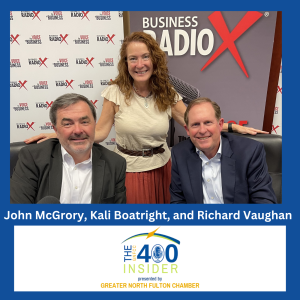
For the complete show archive of GNFCC 400 Insider, go to GNFCC400Insider.com. The GNFCC 400 Insider is produced by John Ray and the North Fulton studio of Business RadioX®.


Tagged With: 285, fulton county, GA 400, Georgia DOT, GNFCC, GNFCC 400 Insider, Kali Boatright, North Fulton, Perimeter CID, traffic, Transportation

LIVE from the GNFCC Grand Opening Celebration: Linda Coyle, LGE Community Credit Union

September 8, 2022 by John Ray

Linda Coyle
North Fulton Business Radio
LIVE from the GNFCC Grand Opening Celebration: Linda Coyle, LGE Community Credit Union
Loading
00:00 /
RSS Feed
Share
Link
Embed

Download file

Linda Coyle

LIVE from the GNFCC Grand Opening Celebration: Linda Coyle, LGE Community Credit Union (North Fulton Business Radio, Episode 515)

Linda Coyle stopped by to chat with host North Fulton Business Radio host John Ray during the live remote celebrating the new Greater North Fulton Chamber offices at Avalon. Linda discussed LGE’s continued growth, her deep involvement with GNFCC, the Milton Business Council, LGE’s sponsorships of Chamber events and activities, and much more.

This show was originally broadcast live from the Grand Opening celebration and ribbon cutting of the new offices of the Greater North Fulton Chamber of Commerce at the 10000 Building at Avalon in Alpharetta, Georgia, on August 18, 2022.

North Fulton Business Radio is produced and broadcast by the North Fulton studio of Business RadioX® inside Renasant Bank in Alpharetta.

Linda Coyle, Business Development Officer, LGE Community Credit Union

Linda Coyle, Business Development Officer, LGE Community Credit Union

Linda Coyle started as a teacher and moved from education to business development. She has been in that role with LGE Community Credit Union since 2016.

She is the 2022 Chair of the Milton Business Council and is on the board of GNFCC.

In 1951, seven Lockheed Georgia employees dreamed of a better way to bank, and LGE Community Credit Union was born. Today they serve communities in Northwest Georgia as a not-for-profit financial institution. Unlike a bank, whose profits go to its shareholders, their profits go to their members in the form of better rates and lower fees. They are guided by a strong commitment to provide a better financial future for our members.

Everyone who lives or works in Bartow, Cherokee, Cobb, Fulton, and Paulding counties is eligible to apply for membership, as are employees of many companies. Family members of existing members are also eligible.

Since 2010, LGE has invested over $1.45 million in the lives of those in the community including children, homeless, abuse victims, and those that fall on hard times. Not only is there a monetary contribution but LGE staff members volunteer over 2,600 hours in the community annually. Additionally, we partner with schools in the local communities through our Partners in Education platform. Continued efforts show why LGE Community Credit Union continues to be a fabric of the community.

Company website | LinkedIn

Questions and Topics in the Interview:

  • LGE Community Credit Union
  • GNFCC and business development
  • Milton Business Council

North Fulton Business Radio is hosted by John Ray and broadcast and produced from the North Fulton studio of Business RadioX® inside Renasant Bank in Alpharetta. You can find the full archive of shows by following this link. The show is available on all the major podcast apps, including Apple Podcasts, Spotify, Google, Amazon, iHeart Radio, Stitcher, TuneIn, and others.

RenasantBank


Renasant Bank has humble roots, starting in 1904 as a $100,000 bank in a Lee County, Mississippi, bakery. Since then, Renasant has grown to become one of the Southeast’s strongest financial institutions with over $13 billion in assets and more than 190 banking, lending, wealth management and financial services offices in Mississippi, Alabama, Tennessee, Georgia and Florida. All of Renasant’s success stems from each of their banker’s commitment to investing in their communities as a way of better understanding the people they serve. At Renasant Bank, they understand you because they work and live alongside you every day.


Special thanks to A&S Culinary Concepts for their support of this edition of North Fulton Business Radio. A&S Culinary Concepts, based in Johns Creek, is an award-winning culinary studio, celebrated for corporate catering, corporate team building, Big Green Egg Boot Camps, and private group events. They also provide oven-ready, cooked-from-scratch meals to go they call “Let Us Cook for You.” To see their menus and events, go to their website or call 678-336-9196.

Tagged With: Business Development, GNFCC, LGE Community Credit Union, Linda Coyle, Milton, North Fulton, North Fulton Business Radio, renasant bank

Taylor Cox, Koelbel and Company

August 16, 2022 by John Ray

Koelbel and Company
North Fulton Business Radio
Taylor Cox, Koelbel and Company
Loading
00:00 /
RSS Feed
Share
Link
Embed

Download file

Koelbel and Company

Taylor Cox, Koelbel and Company (North Fulton Business Radio, Episode 493)

Taylor Cox, Director of Acquisition for Denver-based Koelbel and Company, joined host John Ray to share the news of his firm’s first commercial property investment in the North Fulton market, Northridge Center. Taylor talked about his family-owned firm’s investment history, why Atlanta and the North Fulton market specifically offer compelling opportunities, where they see value in the office building segment, and much more.

North Fulton Business Radio is broadcast from the North Fulton studio of Business RadioX® inside Renasant Bank in Alpharetta.

Koelbel and Company

Nothing is stronger than family—especially when it comes to business.

The notion of creating a legacy that was built upon the right ideals forges a firm foundation that endures. A lasting dynamic that attracts business partners that care about more than the bottom line. And a relationship-driven entity that always puts community first.

In 1952, Walt Koelbel founded just such a family business holding up those exact aspirations. Every day since then, Koelbel and Company has been seeing the possibilities and realizing the potential for Colorado real estate. The vision to try new things. And the willingness to think differently. All in an effort to create developments that people are proud to call home.

Company Website | LinkedIn | Facebook  | Instagram

Taylor Cox, Director of Acquisition, Koelbel and Company

Taylor Cox, Director of Acquisition, Koelbel and Company

Taylor Cox is Director of Acquisition for Koelbel and Company. He is based here in North Fulton and spearheading Koebel’s expansion into the Atlanta market.

Throughout his career, Taylor Cox has developed a skilled approach to analyzing deals and finding value-add opportunities. He religiously tracks market conditions by staying educated on political, economic, and social trends.

He is well-aligned with Koelbel in his vision to venture into unknown territories and he possesses the measured discipline to quickly establish a network of key local contacts and build business from the ground up in any market.

Taylor’s success in assembling and leading fully integrated teams, persisting through unforeseen complications, and securing key partners and investors has enabled him to not only protect but enhance investor capital.

LinkedIn

Questions and Topics in this Interview:

  • Who is Koelbel and Company?
  • Why are they now investing in North Fulton?
  • What is Koebel’s acquisition strategy?
  •  What are the benefits of the commercial property you’ve purchased?

North Fulton Business Radio is hosted by John Ray and broadcast and produced from the North Fulton studio of Business RadioX® inside Renasant Bank in Alpharetta. You can find the full archive of shows by following this link. The show is available on all the major podcast apps, including Apple Podcasts, Spotify, Google, Amazon, iHeart Radio, Stitcher, TuneIn, and others.

RenasantBank


Renasant Bank has humble roots, starting in 1904 as a $100,000 bank in a Lee County, Mississippi, bakery. Since then, Renasant has grown to become one of the Southeast’s strongest financial institutions with over $13 billion in assets and more than 190 banking, lending, wealth management and financial services offices in Mississippi, Alabama, Tennessee, Georgia and Florida. All of Renasant’s success stems from each of their banker’s commitment to investing in their communities as a way of better understanding the people they serve. At Renasant Bank, they understand you because they work and live alongside you every day.


Special thanks to A&S Culinary Concepts for their support of this edition of North Fulton Business Radio. A&S Culinary Concepts, based in Johns Creek, is an award-winning culinary studio, celebrated for corporate catering, corporate team building, Big Green Egg Boot Camps, and private group events. They also provide oven-ready, cooked-from-scratch meals to go they call “Let Us Cook for You.” To see their menus and events, go to their website or call 678-336-9196.

Tagged With: A&S Culinary Concepts, Commercial Office Space, commercial property, commercial real estate, commercial real estate investing, Koelbel and Company, North Fulton, office space, renasant bank, Taylor Cox

Keith Parker, Goodwill of North Georgia

July 27, 2022 by John Ray

Keith Parker
North Fulton Studio
Keith Parker, Goodwill of North Georgia
Loading
00:00 /
RSS Feed
Share
Link
Embed

Download file

Keith Parker

Keith Parker, Goodwill of North Georgia (GNFCC 400 Insider, Episode 77)

Keith Parker, President and CEO of Goodwill of North Georgia, joined host Kali Boatright to share the tremendous work his organization performs for jobseekers securing employment. Keith shared Goodwill success stories, their specific work in North Fulton, his career journey, which includes a five year stint as CEO of MARTA, and much more.

The GNFCC 400 Insider is presented by the Greater North Fulton Chamber of Commerce and produced by the North Fulton studio of Business RadioX®.

Goodwill of North Georgia

At Goodwill of North Georgia, their mission is a simple one: they put people to work.

Every day, thousands of men and women face barriers that make it difficult for them to find work and earn a paycheck to support their families. Sometimes it’s lack of training or education, limited job skills, or a disability. But with the support of donors and shoppers like you, Goodwill overcomes those barriers.

At career centers throughout North Georgia, Goodwill offers job-search resources, helps with writing a professional résumé and cover letter, provides access to employment opportunities, delivers hands-on skill training, and so much more.

They provide access to important job search resources like computers, résumé writing tools, local job listings, telephones, and photocopiers. They also host regular recruiting events, employment seminars, and even offer software training. As an extension of their career center services,  they launched Career Connector powered by Goodwill of North Georgia, a site that allows you to register online and access job search resources from anywhere.

Their training programs prepare people for careers in a wide array of fields such as retail, financial services, floor technology, healthcare, traditional and green construction, forklift operations, and more.

Think about Goodwill and the good they do the next time you’re deciding what to do with your gently used goods, or even when you’re about to go treasure hunting for a bargain. If you’d like to help them improve our communities, strengthen families, and energize the economy, they welcome your donations and invite you to visit their stores.

Company website | LinkedIn | Facebook | Twitter | Instagram

Keith Parker, President and CEO, Goodwill of North Georgia

Keith Parker, President and CEO, Goodwill of North Georgia

Keith T. Parker is president and chief executive officer (CEO) of Goodwill of North Georgia. One of the largest nonprofit organizations in the southeast, Goodwill spans a 45-county territory, operating 60 stores, 58 donation centers, and 13 career centers. Goodwill employs nearly 3,000 people, each of whom plays a direct or supporting role in the organization’s donated goods retail operations and its career services. Annually, Goodwill collects upwards of 2.5 million donations and serves more than 7 million shoppers. Through the revenue generated in its stores, the organization is able to connect tens of thousands of North Georgians to jobs each year. Parker took the helm at Goodwill of North Georgia in October 2017. Prior to transitioning into his leadership role at Goodwill, Parker has served as CEO of the largest transit systems in several cities, including San Antonio, Charlotte and most recently, Atlanta.

Throughout his career, Parker has received numerous awards and accolades for his work as an organizational leader and transportation visionary. He won Texas CEO of the Year Awards in 2011 and 2012.  He was recognized as the nation’s Outstanding Public Transportation Manager by the American Public Transportation Association (APTA) in 2015. METRO Magazine named Parker as one of its 20 Most Influential People of the Decade. In 2016, Parker was appointed by President Barack Obama to serve on the National Infrastructure Advisory Council (NIAC). In November the same year, he was named one of eight Public Officials of the Year by Governing magazine. In August 2017, Parker was selected as one of Atlanta’s Most Admired CEOs by Atlanta Business Chronicle.

A native of Petersburg, Virginia, Parker was appointed to the Virginia Commonwealth University Board of Visitors by Governor Terry McAuliffe in 2016. Parker received VCU’s Alumni Star Award in 2015.

Parker served on the board of directors for Goodwill of San Antonio and Goodwill of North Georgia. He remains active and engaged in civic and charitable organizations, including service on various national and local boards of directors – such as Georgia Chamber of Commerce Board of Advisors, Metro Atlanta Chamber of Commerce Board of Directors, National Infrastructure Advisory Council, The Eno Center for Transportation, Park Over Georgia 400 Steering Committee, Virginia Commonwealth University Board of Visitors, Virginia Commonwealth University Health Systems Board of Directors, Grande West Board of Directors and Atlanta Convention and Visitors Bureau.

Parker holds an MBA from the University of Richmond, as well as a Master of Urban and Regional Planning and a BA in Political Science from Virginia Commonwealth University.

LinkedIn

About GNFCC and The GNFCC 400 Insider

Kali Boatright, President and CEO of GNFCC

The GNFCC 400 Insider is presented by the Greater North Fulton Chamber of Commerce (GNFCC) and is hosted by Kali Boatright, President and CEO of GNFCC. The Greater North Fulton Chamber of Commerce is a private, non-profit, member-driven organization comprised of over 1400 business enterprises, civic organizations, educational institutions, and individuals.  Their service area includes Alpharetta, Johns Creek, Milton, Mountain Park, Roswell and Sandy Springs. GNFCC is the leading voice on economic development, business growth and quality of life issues in North Fulton County.

The GNFCC promotes the interests of our members by assuming a leadership role in making North Fulton an excellent place to work, live, play and stay. They provide one voice for all local businesses to influence decision-makers, recommend legislation, and protect the valuable resources that make North Fulton a popular place to live.

For more information on GNFCC and its North Fulton County service area, follow this link or call (770) 993-8806. For more information on other GNFCC events such as this North Fulton Mayors Appreciation Lunch, follow this link.

For the complete show archive of GNFCC 400 Insider, go to GNFCC400Insider.com. The GNFCC 400 Insider is produced by John Ray and the North Fulton studio of Business RadioX®.
 

Tagged With: GNFCC, Goodwill of North Georgia, Greater North Fulton Chamber of Commerce, Kali Boatright, Keith Parker, Keith T. Parker, MARTA, marta transit, nonprofits, North Fulton, The GNFCC 400 Insider

  • « Previous Page
  • 1
  • 2
  • 3
  • 4
  • 5
  • 6
  • Next Page »

Business RadioX ® Network


Our Most Recent Episode

CONNECT WITH US

  • Email
  • Facebook
  • LinkedIn
  • Twitter
  • YouTube

Our Mission

We help local business leaders get the word out about the important work they’re doing to serve their market, their community, and their profession.

We support and celebrate business by sharing positive business stories that traditional media ignores. Some media leans left. Some media leans right. We lean business.

Sponsor a Show

Build Relationships and Grow Your Business. Click here for more details.

Partner With Us

Discover More Here

Terms and Conditions
Privacy Policy

Connect with us

Want to keep up with the latest in pro-business news across the network? Follow us on social media for the latest stories!
  • Email
  • Facebook
  • Google+
  • LinkedIn
  • Twitter
  • YouTube

Business RadioX® Headquarters
1000 Abernathy Rd. NE
Building 400, Suite L-10
Sandy Springs, GA 30328

© 2025 Business RadioX ® · Rainmaker Platform

BRXStudioCoversLA

Wait! Don’t Miss an Episode of LA Business Radio

BRXStudioCoversDENVER

Wait! Don’t Miss an Episode of Denver Business Radio

BRXStudioCoversPENSACOLA

Wait! Don’t Miss an Episode of Pensacola Business Radio

BRXStudioCoversBIRMINGHAM

Wait! Don’t Miss an Episode of Birmingham Business Radio

BRXStudioCoversTALLAHASSEE

Wait! Don’t Miss an Episode of Tallahassee Business Radio

BRXStudioCoversRALEIGH

Wait! Don’t Miss an Episode of Raleigh Business Radio

BRXStudioCoversRICHMONDNoWhite

Wait! Don’t Miss an Episode of Richmond Business Radio

BRXStudioCoversNASHVILLENoWhite

Wait! Don’t Miss an Episode of Nashville Business Radio

BRXStudioCoversDETROIT

Wait! Don’t Miss an Episode of Detroit Business Radio

BRXStudioCoversSTLOUIS

Wait! Don’t Miss an Episode of St. Louis Business Radio

BRXStudioCoversCOLUMBUS-small

Wait! Don’t Miss an Episode of Columbus Business Radio

Coachthecoach-08-08

Wait! Don’t Miss an Episode of Coach the Coach

BRXStudioCoversBAYAREA

Wait! Don’t Miss an Episode of Bay Area Business Radio

BRXStudioCoversCHICAGO

Wait! Don’t Miss an Episode of Chicago Business Radio

Wait! Don’t Miss an Episode of Atlanta Business Radio