Business RadioX ®

  • Home
  • Business RadioX ® Communities
    • Southeast
      • Alabama
        • Birmingham
      • Florida
        • Orlando
        • Pensacola
        • South Florida
        • Tampa
        • Tallahassee
      • Georgia
        • Atlanta
        • Cherokee
        • Forsyth
        • Greater Perimeter
        • Gwinnett
        • North Fulton
        • North Georgia
        • Northeast Georgia
        • Rome
        • Savannah
      • Louisiana
        • New Orleans
      • North Carolina
        • Charlotte
        • Raleigh
      • Tennessee
        • Chattanooga
        • Nashville
      • Virginia
        • Richmond
    • South Central
      • Arkansas
        • Northwest Arkansas
    • Midwest
      • Illinois
        • Chicago
      • Michigan
        • Detroit
      • Minnesota
        • Minneapolis St. Paul
      • Missouri
        • St. Louis
      • Ohio
        • Cleveland
        • Columbus
        • Dayton
    • Southwest
      • Arizona
        • Phoenix
        • Tucson
        • Valley
      • Texas
        • Austin
        • Dallas
        • Houston
    • West
      • California
        • Bay Area
        • LA
        • Pasadena
      • Colorado
        • Denver
      • Hawaii
        • Oahu
  • FAQs
  • About Us
    • Our Mission
    • Our Audience
    • Why It Works
    • What People Are Saying
    • BRX in the News
  • Resources
    • BRX Pro Tips
    • B2B Marketing: The 4Rs
    • High Velocity Selling Habits
    • Why Most B2B Media Strategies Fail
    • 9 Reasons To Sponsor A Business RadioX ® Show
  • Partner With Us
  • Veteran Business RadioX ®

The Challenges of Parenting Teenagers

September 19, 2024 by Mike

StatusLifewithLetaborder
Gwinnett Studio
The Challenges of Parenting Teenagers
Loading
00:00 /
RSS Feed
Share
Link
Embed

Download file

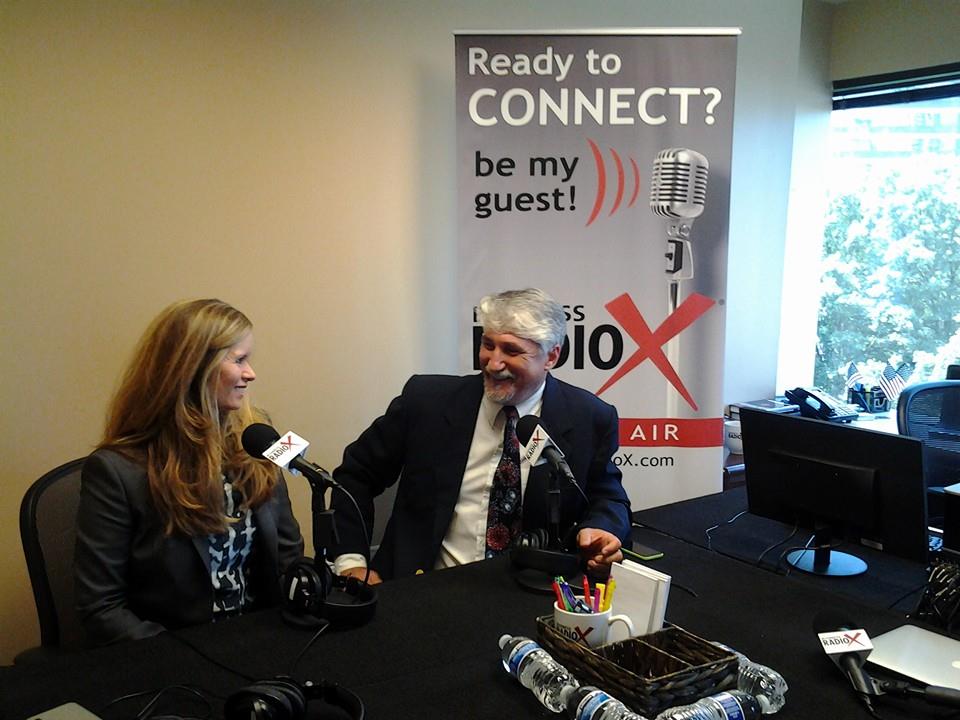
Derek Hays and Leta Brooks Hays

Hosts Leta Brooks Hays and Derek Hays discuss their current challenges of raising and parenting teenagers, and share some helpful tips.

“What’s the status of your life?” Ask yourself this question and dive into the “Status Life with Leta” podcast. Leta takes her millions of listeners on a journey to design their best life. No topic is off limits and she never shies away from using her own life as an example. Leta engages her audience with her honesty, captivating stories, and talent for teaching. “Never settle for the status quo. Life doesn’t have to be boring or mundane. Let’s work together to design your best life!” – Leta

“Status Life with Leta” is brought to you by Derek Hays Law. If you’ve been injured by someone else and you need an attorney to fight an insurance company for you, the only one to call is Derek Hays Law at 404-777-HURT. Let Derek put his 26 years of knowledge and experience in the personal injury field to work for you. When you hire Derek Hays Law, you get a team that specializes in personal injury claims and a one-on-one experience with your attorney unlike most law firms. We pride ourselves in a commitment to communicate with our clients in a way that creates a personal connection between you and your attorney. The most effective way for us to advocate for you is to develop trust, understanding, and confidence in all that we do for you. We look forward to speaking with you about your potential case.

Contact Leta at statuslifewithleta@gmail.com.

Follow Us On Social Media!

 Status Life with Leta on Instagram


Status Life with Leta on Facebook

Leta (Perry) Brooks-Hays | LinkedIn

Visit Leta’s Blog, Online Store, and more at www.statuslifewithleta.com

Tagged With: 5 strands, 5strands, Derek Hays, design your life, Law Office of Derek M. Hays, Leta Brooks, leta brooks-hays, Parenting, Status Home Design, status life, status life podcast, status life with leta, teenages

Joy Monroe with Single Parent Alliance & Resource Center

July 27, 2023 by Mike

Gwinnett Business Radio
Joy Monroe with Single Parent Alliance & Resource Center
Loading
00:00 /
RSS Feed
Share
Link
Embed

Download file

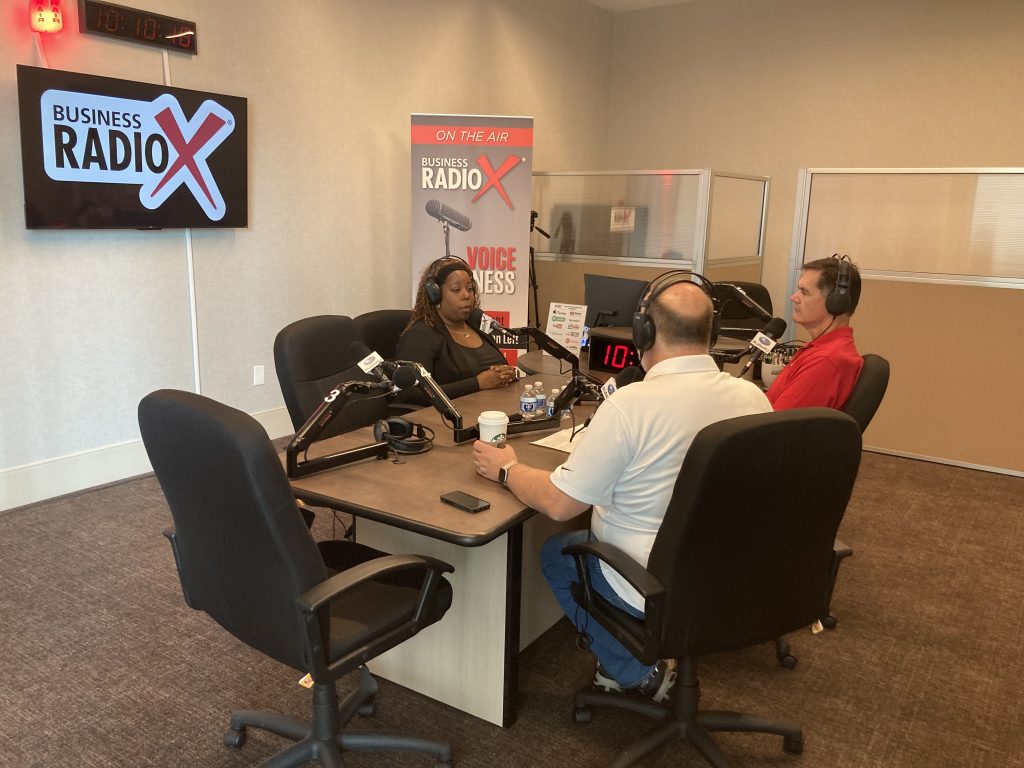
Steven Julian, Joy Monroe, and Harper Lebel

Joy Monroe/Single Parent Alliance & Resource Center

Joy Monroe is the Founder and CEO of Single Parent Alliance & Resource Center (SPARC). SPARC is a 501(c)(3) nonprofit organization located in Gwinnett County, Georgia. Their mission is to empower and equip single parents with the necessary tools, resources and support to enable them to create a healthy home environment and nurture their children into productive and successful adults. It is SPARC’s Vision that single parents will be empowered and equipped to take their place among society’s most successful families.

Gwinnett Business Radio is presented by

Tagged With: Gwinnett Business Radio, harper lebel, joy monroe, Parenting, single parent alliance & resource center, single parenting, single parents, SPARC, steven julian

Decision Vision Episode 39: Should I Write a Book? – An Interview with Bea Wray, Michael Levin Writing Company

November 7, 2019 by John Ray

Decision Vision
Decision Vision
Decision Vision Episode 39: Should I Write a Book? – An Interview with Bea Wray, Michael Levin Writing Company
Loading
00:00 /
RSS Feed
Share
Link
Embed

Download file

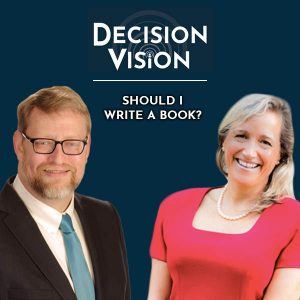
Mike Blake and Bea Wray

Decision Vision Episode 39:  Should I Write a Book? – An Interview with Bea Wray, Michael Levin Writing Company

Are books still relevant? How do I get a book out of my head and down on paper? Should I self-publish? The answers to these questions and much more come from this interview with Bea Wray, Michael Levin Writing Company, “Decision Vision” is hosted by Mike Blake and presented by Brady Ware & Company.

Bea Wray, Michael Levin Writing Company

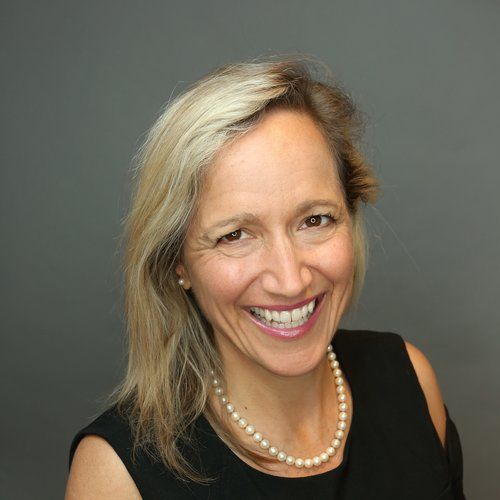
Bea Wray

An innovation expert, Bea Wray helps thought leaders share their stories, passions and knowledge as they invent, launch, and promote new products. As the former Chair of the Entrepreneurship Practice Group at Advantage Media Group, ForbesBooks, Bea further leveraged the wisdom and experience of these innovators through branding, visibility, and marketing efforts substantiated by the ForbesBooks brand name.

Bea is an innovator herself.  She successfully built and eventually sold SourceHarbor Inc.  Along the way, she expanded the company to serve thousands of clients internationally, and has consulted with hundreds of startups. Bea served as the Executive Director of The Creative Coast, a regional non-profit building the innovation economy in Savannah, Georgia where she hosted TEDxCreative Coast and the innovation conference known as GeekEnd. Her years of energy and effort are an immediate benefit to entrepreneurs across 26 countries and throughout the United States.

Bea’s upcoming book, titled What Harvard Taught Me, But My Kids Made Me Learn, is expected to arrive late in 2019. She is looking forward to sharing how her experiences as a mother of three taught her how to negotiate, communicate, and adapt in the business world.

Bea holds an MBA with Distinction from Harvard Business School, is a summa cum laude graduate of Emory University, and is one of South Carolina’s prestigious Liberty Fellows of the Aspen Global Leadership Network. She is a frequent keynote speaker on innovation, entrepreneurship and business growth, and an inspiring contributor to various publications, including Entrepreneur.com, The Grindstone, and The Savannah Morning News.

Michael Blake, Brady Ware & Company

Mike Blake, Host of “Decision Vision”

Michael Blake is Host of the “Decision Vision” podcast series and a Director of Brady Ware & Company. Mike specializes in the valuation of intellectual property-driven firms, such as software firms, aerospace firms and professional services firms, most frequently in the capacity as a transaction advisor, helping clients obtain great outcomes from complex transaction opportunities. He is also a specialist in the appraisal of intellectual properties as stand-alone assets, such as software, trade secrets, and patents.

Mike has been a full-time business appraiser for 13 years with public accounting firms, boutique business appraisal firms, and an owner of his own firm. Prior to that, he spent 8 years in venture capital and investment banking, including transactions in the U.S., Israel, Russia, Ukraine, and Belarus.

Brady Ware & Company

Brady Ware & Company is a regional full-service accounting and advisory firm which helps businesses and entrepreneurs make visions a reality. Brady Ware services clients nationally from its offices in Alpharetta, GA; Columbus and Dayton, OH; and Richmond, IN. The firm is growth minded, committed to the regions in which they operate, and most importantly, they make significant investments in their people and service offerings to meet the changing financial needs of those they are privileged to serve. The firm is dedicated to providing results that make a difference for its clients.

Decision Vision Podcast Series

“Decision Vision” is a podcast covering topics and issues facing small business owners and connecting them with solutions from leading experts. This series is presented by Brady Ware & Company. If you are a decision maker for a small business, we’d love to hear from you. Contact us at decisionvision@bradyware.com and make sure to listen to every Thursday to the “Decision Vision” podcast. Past episodes of “Decision Vision” can be found here. “Decision Vision” is produced and broadcast by the North Fulton studio of Business RadioX®.

Visit Brady Ware & Company on social media:

LinkedIn:  https://www.linkedin.com/company/brady-ware/

Facebook: https://www.facebook.com/bradywareCPAs/

Twitter: https://twitter.com/BradyWare

Instagram: https://www.instagram.com/bradywarecompany/

Show Transcript

Intro: [00:00:02] Welcome to Decision Vision, a podcast series focusing on critical business decisions, brought to you by Brady Ware & Company. Brady Ware is a regional, full-service accounting advisory that helps businesses and entrepreneurs make visions a reality.

Michael Blake: [00:00:20] And welcome to Decision Vision, a podcast giving you, the listener, clear vision to make great decisions. In each episode, we discuss the process of decision making on a different topic. Rather than making recommendations because everyone’s circumstances are different, we talk to subject matter experts about how they would recommend thinking about that decision.

Michael Blake: [00:00:38] My name is Mike Blake and I’m your host for today’s program. I’m a director at Brady Ware & Company, a full-service accounting firm based in Dayton, Ohio, with offices in Dayton; Columbus, Ohio; Richmond, Indiana; and Alpharetta, Georgia, which is where we’re recording today. Brady Ware is sponsoring this podcast. If you like this podcast, please subscribe in your favorite podcast aggregator. And please, also, consider leaving a review the of podcast as well.

Michael Blake: [00:01:02] Our topic today is, should I write a book? And this is a topic that is near and dear to my heart because books have become, in some respect, easier to write and circulate than ever before. And I do sort of have this secret desire to get about five or six books out, which surprises a lot of people because they’re a surprise and I learned I could read. But in point of fact, I think that there’s a voice in there that wants to put things down on either dead tree paper or virtual paper.

Michael Blake: [00:01:38] And I think a lot of people are thinking about that as well. And it may be people who are like me that are in the services area that wish to establish and reaffirm our reputations as subject matter experts to the market. It may be people that have an artistic bent and this is, you know, a book is in effect their canvas for self-expression. Or it could be somebody that simply feels like they have a story to tell or a lesson to teach. And a book is their way of of getting that lesson out to the world. That’s sort of their contribution to society. And we all know this proliferation of books out there under various names. They could be books, they could be e-books, they could be something else.

Michael Blake: [00:02:27] And, you know, I think that, you know, as we record today in 2019, this is a topic that really wouldn’t have even mattered 20 years ago. You know, the notion that somebody would just somehow write a book was a much larger undertaking because of the way the industry was structured, because of the way technology worked or didn’t work. And it’s just another one of those signs of the times that technology is enabling us all to put a voice out there in a way that, for good or bad, we simply were not able to.

Michael Blake: [00:03:06] And joining us today is my pal Bea Wray, who is with Michael Levin Writing Company with the awesome tag line, their books make their clients happy, famous, trusted and rich. You have a story to tell, a business case to make, a family history, to capture, your book as the ultimate leave behind on sales calls. And I agree with that. The best way to record the culture of the enterprise you’ve built and your legacy for your family.

Michael Blake: [00:03:31] Bea herself is an innovation expert. And she and I know each other from back in the days when Startup Lounge was active in Savannah, Georgia, and she was the director of—executive director of our partner organization Creative Coast there. And now she’s helping thought leaders share their stories, passions and knowledge as they invent, launch and promote new products. As the former chair of the Entrepreneurship Practice Group and Advantage Media Group, Forbes Books, Bea further leverage the wisdom and experience of those innovators through branding, visibility, marketing efforts substantiated by the Forbes Books brand name.

Michael Blake: [00:04:08] Bea is an innovator herself. She successfully built and eventually sold Source Harbor Incorporated. Along the way, she expanded that company to serve thousands of clients internationally and has consulted with hundreds of startups. She serves as the executive director of the Creative Coast, a regional nonprofit building the innovation community in Savannah, Georgia. By the way, one of those awesome cities anywhere. If you don’t—if you’ve never been there, go. If I can ever afford to retire there, that is where I’m going. She hosted TEDxCreative Coast and the Innovation Conference known as GeekEnd.

Michael Blake: [00:04:40] Her years of energy and effort are an immediate benefit to entrepreneurs across 26 countries and throughout the United States. She holds an MBA with Distinction from Harvard Business School and a summa cum laude graduate of Emory University and a bunch of other good things. And last but not least, I mean, we’ll get to this one. She has written her own book or is in the fit—in the process of putting her own finishing touches on that book. What Harvard taught me but my kids made me learn, which is expected to arrive in 2019. And I know she’s looking forward to sharing how her experiences as a mother of three taught her how to negotiate, communicate and adapt in the business world. And I think there’s a lot that I’m going to learn from that, too, as a father of two who I think already can negotiate better than I can. Bea Wray, thank you so much for being on the program.

Bea Wray: [00:05:30] I’m so happy to be here, Mike. This is wonderful.

Michael Blake: [00:05:33] So, let’s sort of get down to it. You know, normally I start these podcasts with a definition because we’re talking about a fairly technical topic. But I’m just going to go on a limb here and say everybody knows what a book is. So, why would I want to write a book? You know, I don’t have time to even read all the books that I would like to read. Why am I going to take that time and write one instead?

Bea Wray: [00:05:57] Well, the main reason is to—that people want to be known, loved, and trusted and businesses want to hire people that they know love and trust. And more and more businesses are deeper in whomever they’re working with. Whether it’s your accounting firm, your lawyer, even your orthodontist. You know, I helped an orthodontist write a book because he explains that the impact of straightening teeth on a child’s sleep and what was happening in sleep and the ability for that child to do better in school. So, I thought, orthodontia was all about just keeping your smile pretty. Well, it turns out that the fact that this doctor spends more time understanding the numerous impacts, he wrote a book about it.

Bea Wray: [00:06:53] And so, I guess what I’m trying to say is, you introduced the podcast, which was excellent by, you know, this was not something you could have done 20 years ago because technology was different and the distribution was different. That’s very true. I would argue that in addition, the knowledge base was different. And so, one of the reasons fewer and fewer people publish with a traditional publisher is because we are not all reading the same book. You just said yourself, there’s 10 or 12 books you would love to read. Those are probably not the 10 or 12 that are on my list.

Bea Wray: [00:07:35] It’s that we want more specific stories, more connected to our lives. I want to know not what is the most popular book in the country, but I want to relate to someone who’s more like me, who has insights about things that I need. And so, one of the reasons you might write a book is because you have a unique and special experience and perspective that can help some people, thousands of people, tens of thousands of people. Maybe not a few billion people. And yet helping thousands of people is actually a really great thing to do, and sharing your own thoughts in that way is a great endeavor.

Michael Blake: [00:08:23] So, you touched on something that I think I want to jump to, because if you’re—if you really haven’t looked at this and if you’re a people of a certain age such as myself, you think, oh, I need a book, I then need to, I guess, find a way for John Wiley and Sons or McGraw-Hill or, you know, somebody else that’s going to pick this thing up, is that necessarily the case anymore? Is that gateway or that barrier to entry still important?

Bea Wray: [00:08:55] It is not. And I’m a big fan of both of those companies. And working with a traditional publisher can be great and it might not work for you at all. And I have had the privilege of working with hundreds of authors. And what I find is that that industry continues to consolidate and to minimize in such a way that the services one would have gotten in the past, like marketing services are smaller and fewer. And so, it may not be a great experience if you, one, go down that route even if you’re successful. Then the distribution of the book may not be what you’re hoping for.

Bea Wray: [00:09:39] What also can happen is, you know, they’re in the business of selling books. Not in the business of selling you or your company or your idea, which can be great as long as your incentives are aligned with what you want with your book. And so, if they’re not aligned, what can happen is a very specific methodology that maybe it’s something you go over in your consulting practice. It’s a way you use as a business card. It’s what you start talking about and bringing people to your company. Make it watered down in the book that’s trying to be sold to a million people. And so, right off the get go, just the book you envision in your head, depending on what level of control you want, it may be better to self-publish or a hybrid publish than going the traditional route because you lose a lot of control. There’s a lot of talk about how you lose money. You get 40 cents on the book versus $10 on each book sold. But a big problem is, are you actually putting out there the book that is in your heart and mind and soul?

Michael Blake: [00:10:50] And you know, you touched on something there that I want to kind of break from the script a little bit and drill into because I think that’s an important point. You know, the business model of bookselling and the life model of the author may not very—may not be in alignment, right, to sell a book. If you’re going to really do it the way McGraw-Hill put on a bestseller list, that kind of becomes your job, doesn’t it? And maybe you don’t want that to become your job.

Bea Wray: [00:11:18] Absolutely. That’s exactly right. And you know, you mentioned me and my own book. And I’ll just use this as a very specific example. Is—I write not exclusively to women, but sometimes to women, because I’m a mom and I am a woman and I’m a business person. And what I have found is that, we as women, choose to belittle our own experiences in the home and outside of the corporate world, even though they’re very, very relevant to learning about how to deal with people and learning how to negotiate and all those things you said earlier. I never speak from a platform of corporations to conferences or in my book as a victim, or about those bad men who don’t treat me well enough, because that’s not something I think about.

Bea Wray: [00:12:14] However, there is a huge market for that. There is a lot—after the #MeTooMovement, there’s a lot of energy and there’s—I have actually been approached by traditional publishers, write the book in this way because there is a market for, if only men would pay a dollar and a dollar to men and women and the gender pay gap and all this whole language that—those are important factors and there are important things to fight for. But I’m going to fight it from the perspective I know which is I’m going to get better at raising my hand. I’m going to get better at taking risks. I’m going to be better at stepping forward. Not about saying I’m a victim.

Bea Wray: [00:12:55] And the point I’m trying to make here is I have personally been approached, hey, if you change your book to say something that wasn’t in your heart, mind and soul, we can sell it. That’s not been my personal choice. And I know 30 other people who’ve made a similar choice to me because what was more—if you’re going to go through the effort of writing a book, it is a long journey and it sticks with you a long time, my encouragement is make it a book you want it to be.

Michael Blake: [00:13:22] And you know, I would think the thing about a book even by today, it—still, if you compare it to other forms of communication, media, it—a book still has a permanency to it that even a blog doesn’t, a YouTube video, or a Facebook post, whatever, an Instagram, whatever it’s called, a gram, I don’t know. I’m not on histogram, you know, tweet, whatever. A book is still different in that regard, isn’t it, that once it’s out there, either on on dead tree paper or a virtual paper, at some point, I think most people would would have a need to be proud of that out there, because if you’re not, it ain’t going away.

Bea Wray: [00:14:08] Correct. And it is all about—I mean, I love that the word author is part of authority. It is all about establishing your authority. So, be clear on what authority you want to be establishing. Be clear on who you are on that paper because this is where you have your chance to shape it.

Michael Blake: [00:14:30] So, let’s do a close eye role play here. But what I’m really doing is I’m getting free consulting and other guys are giving you a podcast interview opportunity. But I’ve got a book and I’ve got several books in my head that I think I want to write. Do I just start writing? Do I do the Snoopy cartoon thing where I’m on my doghouse, the typewriter and say it was a dark and stormy night? Or how do you—what are the first steps toward that goal?

Bea Wray: [00:15:00] Well, that’s a great question. And you certainly can. Most people start to at least have an outline and a set. The kind of questions you’re thinking is, what is the book I want to write and for whom? And then why? I do recommend being I won’t say selfish but a little bit. Like know your purpose for writing the book because that will help you define your audience and your use. And it will certainly keep you motivated.

Bea Wray: [00:15:34] So, I’ve worked with people who are writing a book because they just hope that one of their grand kids will read it someday, that they don’t want to die without their story somewhere written down. And that’s what they’re going to do. Maybe it will get published in a place and all those people around the world will read it but it was really just about a legacy. That’s a great reason. I’ve helped people write books because their need is to drive business to their company. Now, those kinds of people may be selling $40 gene. Usually, they’re selling a complicated relational relationship kind of product. So, $150,000 on average. Way that leads to consulting, whether it’s for manufacturing or setting up of insurance captive or whatever, where their wisdom and knowledge and the sense to be trusted is so critical. You can’t have that across in a phone call. They want their ideas out and they want to be trusted. And that’s their way that they attract people to their company.

Bea Wray: [00:16:45] Some people want to launch a speaking career. Some people—so, understanding your why. I think it is really, really important before you go too far in writing your book. And then there’s the how. What I will say is I learned over time that the average entrepreneur take around three years to write his or her own book. And unfortunately, fewer than 40 percent of the entrepreneurs to start out on that personal endeavor finish. And that’s why people like the Michael Levin Writing Company exist, is people who are running their own company have—there’s so much at stake every two hours that they spend just writing, not working in the company. And so, it’s constantly the battle that’s most urgent thing and the book never gets done. And so, it becomes a very costly endeavor just an opportunity cost.

Michael Blake: [00:17:54] So, you know, you said another thing. You’re going to make us rip off the script, which is great, because I can do that with you because you’re smarter than I am, empirically. And that is that you say something that kind of runs against what a lot of us, I think almost everybody, is taught and as a hardwired way, which is cater to your audience, cater to your audience, cater to your audience. And while I think you’re acknowledging kind of the existence of the audience, at the end of the day, if you’re going to produce a book that you’re going to feel is worthwhile at the end, it’s really about what you want. It sounds like, correct me if I’m wrong, but what I’m hearing is that it’s really about what you want to put out there to the world. And then if people buy it, buy into and engage cause they’re great. But that’s just kind of the way that it’s got to go.

Bea Wray: [00:18:48] Yes. I mean, one of the first questions we ask people is who is this book for? And what are you going to do for them? And so, in why are they going to do what you want them to do? It may be that they—you want to motivate them to take better care of their health. Great. It may be that you want them to call you to take better care of their health. We don’t know. But one of the very first questions is who are you writing for? So, I do care about the audience.

Bea Wray: [00:19:21] But before that, you have an idea for the book. It really needs to be your idea that’s deep in your heart and your passion connected to the life that you are ready to lead as an author. And so, whether that’s a business person who has a book, whether that is a speaker who has a book, or whether that I’m a grandparent, I’m leaving a legacy that has a book. This book is becoming a part of who you are and you have to have a reason for wanting to write it. And that will help define your audience. And then you can start tailoring to that audience and you have to or otherwise it won’t be a good book. But I—what I don’t recommend is go out, survey the world, and see what book is missing.

Michael Blake: [00:20:12] Interesting, because I’ve actually heard exactly that advice given many times. So tell me more about that. Why? Why is that a bad idea?

Bea Wray: [00:20:23] Because we don’t live in—because, well, we’re going to think I’m an old fuddy duddy, but because we don’t want beaver cleaver on T.V. anymore is basically the reason. And let me explain that. So 40 years ago, you watch, you consume video television, the same—you and every other neighbor were watching the same thing as there were three channel. And we all watched the same thing. We consume information in a certain way. And my guess is you didn’t watch that last night. Am I right?

Michael Blake: [00:20:59] Yeah.

Bea Wray: [00:20:59] And you didn’t watch even the same thing as everyone on your street. And if you’re like most of America, you don’t even watch everything that was the same even if people in your home. So not only is it not consistent. Three options down the street. Most of us watching the same thing and talking about it. And as the water cooler the next day, we are self-selecting and sometimes is independently created content like YouTube videos, TedX Talk, and so on and so forth. So the way we consume information is so totally different than the way it was years ago. At that time, publishing of individual books had certain channels. We need so many mysteries, we need so many adventure stories, we need so many biographies. And we don’t have a recent biography of Abe Lincoln for 10-year-old. We needed to fill that.

Bea Wray: [00:21:56] That is not the way information is consumed today. It’s quite the opposite. We create whether video content or written content as a way of connecting with people. Who do we want to connect with? Is it based on our faith? Is it based on our geography? Is it based on our clients? And so, I want to write a book that helps me be who I want to be and connect with the people I want to connect with. I have a—I have an e-mail today from a friend who went to Harvard Business School who wrote a book about parenting and leveraging Harvard Business School, very, very similar in some ways as my book and not at all similar. And it will be used in the same way. But we became friends because our books were similar. But never did she think, oh, gosh, you’re writing on that topic, I can’t. Or did I think you’re writing on that topic, I can’t.

Michael Blake: [00:23:01] Yeah. And to some extent, right, it probably kind of reaffirms a factor you may be on to something.

Bea Wray: [00:23:07] Yes.

Michael Blake: [00:23:08] If one person, other person thinks it’s worth writing that book, that would tell me there’s 10,000 people that think it’s reading that book.

Bea Wray: [00:23:18] Exactly. But it wouldn’t be the case if there were only one spot on the network or only one spot in the McGraw-Hill sells for this type of book. But that’s not the way books are distributed, written especially today.

Michael Blake: [00:23:36] So—and this actually—this does circle back then to a question I actually had prepared to ask for today, which is, you know, given all of the media that bombards us and is available, you know, I mean, are books on their way out or are books still a real thing?

Bea Wray: [00:23:58] That’s so interesting because many times you also in this podcast talked about, you know, a paper book or an online book. And I believe that not only are books very much relevant today. Funny, I’m looking at a bookshelf right now suddenly filled with books. But I think paper books are still very relevant, even though I’m an audible fan. I listen to books often. And the reason is because they are a way of connecting with people.

Bea Wray: [00:24:30] So more and more people are writing books, more and more people are writing books to connect with their audience. It may not be a billion people. It may not even be 300,000 people. But writing a book—well, take the guy, for example, whose client is $150,000 every time he gets a client. This gentleman wrote a book, put it in the hands of fewer than a thousand people, and his business increased by $5 million in the first year because it didn’t take many people to learn, to know, love, and trust him. Does that make sense?

Michael Blake: [00:25:15] It does. And by the way, as an aside, I have stolen that phrase because I’m familiar with the phrase no like and trust. No love and trust is so much better. So kudos to you.

Bea Wray: [00:25:26] Well, thank you.

Michael Blake: [00:25:26] And if you hear lots of other people that are using that, it’s because I stole it from you and told everybody they can have it.

Bea Wray: [00:25:33] I appreciate that. I was told one time that, you know, the first time you borrow, you give credit. The second time, you know, oh, I was talking and so-and-so said. The next time you say, so and so taught me to say. The third time you forget about so-and-so altogether and you just know it.

Michael Blake: [00:25:52] That’s right. And by the fourth time, it just came to me one day. I don’t know where. But you’re welcome to borrow it if you want.

Bea Wray: [00:26:01] There you go.

Michael Blake: [00:26:01] Yeah. So I do think, you know, there is still some—there is still a mystique around a book. In spite of all the other media that, you know, compete for attention, I give books a lot because I recommend that people read a book and then to guilt them into reading and I’ll often buy it for them and send it to them. So they’ll at least lie to me the next time they see me and say they read it. But, you know, it is a very powerful calling card.

Michael Blake: [00:26:32] And I’ll share my own story. So years ago, I co-authored a book called Entrepreneurship Back to Basics, and it’s one long out of print. But I remember, I was applying for a job and they asked me for a writing sample. I say, okay, if I send you a copy of my book, right, just sort of hear a pin drop at the interview at that point. An extreme case, but still an anecdote of the impact that a book could make.

Bea Wray: [00:27:00] Totally fabulous. And you know, a lot of time it’s okay if someone doesn’t read the whole book. But one of the most powerful sales talk is to say, you know, hey, Michael, it was great to speak with you today. I really appreciated the questions you had on my marketing strategy. Please turn to page 26 in the book that I’ve enclosed.

Michael Blake: [00:27:23] Yeah. And of course, then there’s if you want the benefit of reading the book and I haven’t actually read it, you can just hire me.

Bea Wray: [00:27:31] Precisely.

Michael Blake: [00:27:34] So let’s say we’re well along the way to a book being written or maybe it’s even written. Is it as hard to get a book picked up by Amazon and distributed to Kindle or iBooks or something like that? Is it hard at all or can anybody just sort of do it? How, you know, what’s your assessment of that electronic distribution medium in terms of making it harder or easier to actually get a book out there?

Bea Wray: [00:28:01] Well, I think anybody can do it. Most people need help with how. So certainly making sure the book is a great quality. You know, you do want an excellent manuscript, well-written, but that’s not enough. You definitely have to have someone who’s helping you do the layout, make it look excellent. Pull out images and illustrations and even font type and book jackets. All of that matters.

Bea Wray: [00:28:30] And so, I’ve never met someone who can do all of that him or herself. You know, that usually takes a team who can get that done. And that’s where, you know, hybrid publisher and that’s where, you know, our company helps people find that right team at the Michael Levin Writing Company so that—because what people don’t want to do is finally get this book out of themselves. Finally have this manuscript and then say, now what, and still run into all of the hurdles that they were experiencing before, you know, they took the steps to get the book actually done. That said, you know, Amazon will put a book up, and so you don’t have to go to McGraw-Hill to have—to be a published author. And you still get—and you get to retain much more of the profits of the book, which is excellent.

Bea Wray: [00:29:27] But there’s still a science around how do you get it in the very category? How do you get the ISBN number? How do you make sure that it becomes an Amazon best-seller because Amazon does a great job of creating certain categories. And there’s a system around making sure enough people are voting for you at the time so that you can be a best-seller. And so, there—it’s not that hard. You just, you know—my husband will kill me for saying this. I don’t even change my oil in my car because I don’t know how to do that, right.

Michael Blake: [00:30:03] Right.

Bea Wray: [00:30:03] He does and he knows how to take the radiator out, too. And if he doesn’t, he’ll learn on YouTube. That’s not me. So my philosophy is get the people who are excellent at doing these things for you so that you can feel comfortable and go do the things that you’re excellent at.

Michael Blake: [00:30:25] So you mentioned in passing that assuming the book is finished at all, that it would take an entrepreneur roughly three years to complete a book. Is that reflective of best practices or is that reflective more of that? There have been a bunch of fits and starts and mistakes and restarts. And that’s not really an efficient path. And if you do it kind of the Bea Wray way that it doesn’t necessarily take a full presidential cycle to do that.

Bea Wray: [00:30:55] Now, I think the best practice is 90 to 120 days.

Michael Blake: [00:31:00] So good. Yeah. Because I’m not nearly that patient if I’m going to write my book. So, let’s walk through that. If you’re talking to somebody and they’re serious about writing a book, what—how does that time typically get allocated? Do somebody take 90 days off to write the book and they go to a, you know, a Nepalese monastery where they’re not going to be disturbed? Or do they take one or two days a week or they just sort of locked themselves in an office and do that? Or is it, you know, the method where somebody gets up at 4:00 in the morning and the first two and a half hours a day, they write? How does that typically work?

Bea Wray: [00:31:38] So, what I have experienced in the last few years, both with the Michael Levin Writing Company and the ghostwriting company and when I ran the Forbes book is that they realize they want to buy their—what they’re really doing as CEO of a company is buying his or her own time. They’re saying, I don’t want to delay fits and starts because there’s something about our brains that actually gets ourselves in the way of writing our own book because we want to be perfect. And writing is an imperfect endeavor. We have to get it out and then it needs to be edited and changed and moved around.

Bea Wray: [00:32:18] And so, most people who have not been trained as writers and have 10 years of history as a writer with things that are not emotionally connected to themselves, are not going to be the best at writing their own book. They’re going to be the best at speaking their own books. And so, what they typically do is say, I want to hire a partner to help me with this book. And then, the first thing that happens is there’s a 90-minute phone call where there’s a conversation about who’s the audience, why are you doing the book, and let’s work through what is the book, meaning the outline of the book in the book plan.

Bea Wray: [00:33:00] And then usually the writers will go back and take probably six to eight hours with that 90 minute, listening to it, just writing it, re-listening to it, reshaping it, understanding, doing some research and then deliver back. Sometimes a 10 to 12 fixed, detailed outline, sometimes with holes. This is the way I see the book. Here’s where I sit these stories. What do you think? And so, now we’re working off of a book plan. And from that book plan, sometimes weekly phone calls are scheduled, sometimes every other week, depending on the schedule of the book and whether there is sort of a launch of that. But we need this book to be done by X date. What are we aiming for in order to hopefully get the 90 to 120 days.

Bea Wray: [00:33:51] And oftentimes, the entire book is interviewed. And then the writer goes away and delivers factious the first three chapters, never the whole book. That’s too much to digest for the author. So, the ghostwriter will deliver back the first two or three chapters, are we—did I get the voice right? Are we on the right path? That’s the time to iterate and decide how to shape the next two-thirds of the book. And within 90 days, an excellent ghostwriter, ghostwriting team should be able to deliver to a CEO his or her book written in his or her voice about his or her story.

Michael Blake: [00:34:40] And so, you know, kind of working through that process. And it certainly makes sense to me if you’re retaining a ghostwriter. You know, you’re surely buying back that time. And by the way, I’ve got to assume being a ghostwriter is extremely hard because writing to capture someone else’s voice has—I know is excruciatingly difficult because I’ve tried to work with ghostwriters in just small articles. And it’s never worked very well. And I think it’s something that’s very hard to do. Meaning that if you find somebody like you guys that can do it, you know, that is a precious commodity.

Bea Wray: [00:35:23] I think so. I can’t not do it. So, let me be clear. But the Michael Levin Writing Company has written over 700 books in 25 years. And I’ve been tracking for the last five years, and what I find is there are people who can do it. And interestingly, I spent enough time with them that these actual ghostwriters will say it’s easier for me to write your books than my own because all of those emotional things like that are those blocks that get ourselves in the way, get in our, we put in our own way don’t happen.

Bea Wray: [00:36:07] But it is one reason why the calls are cheap recorded, is there’s a lot of time spent getting that voice correct. Getting even that like (inaudible) of stories correct.

Michael Blake: [00:36:22] So, you touched on something I think is an important definitional point and that is editing and proofreading. I don’t think those are necessarily the same thing. And if you agree with that, can you explain to our audience what the differences between those two steps?

Bea Wray: [00:36:39] Yeah. So, anything—you know, they’re closely related, but editing is this—is a little more thorough and has a little more power. So, there’s ghostwriting. There’s really an overseeing. So, Michael Levin actually does all the book planned and he does the overseeing as a whole company. But there’s dozens of ghostwriters who are very carefully, closely match specifically to the author, but they’re never going to do their editing themselves. And so, then, there’s an overall editor who’s paying attention to tying the written work back to the author,b Back to the transcripts, back to the plan.

Bea Wray: [00:37:24] And then the proofreading is more the very final, you know, fork it out the door.

Michael Blake: [00:37:35] Right. Make sure there are no glaring errors and so forth, as opposed to high level kind of structure elements, I’m guessing.

Bea Wray: [00:37:41] Exactly.

Michael Blake: [00:37:42] Okay.

Bea Wray: [00:37:42] Editing can be—proofreading is making sure what they’re perfect. Editing is making sure we have everything we need there and identifying what’s not there.

Michael Blake: [00:37:57] Yeah. Okay. So, we’ve touched on this next question a little bit, but I don’t want to skim over because I do think it’s important. What’s your opinion of e-books?

Bea Wray: [00:38:11] Well, I think a lot of people that have them need to have them. Personally as a parent driving me crazy that my kids almost only read e-books because they read them on their phone and then there goes the text message, it’s like an invitation for a distraction. So, I don’t think they’re going away but there is a lot lost. I also don’t think—I’m positive they’re not replacing paper books where you can highlight and send and give as a gift and wrap up in a way. That cannot be done as effectively in an e-book.

Michael Blake: [00:38:55] And in terms of impact on a reader, do you think there’s a difference? Do you think that maybe readers look at e-books—and I want to make a distinction. I don’t necessarily mean a formal analog book that also happens to have a Kindle variant, but I’m more referring to kind of the promotional e-books that you see out there and they’re often called an e-book and maybe they’re not even worthy of the name. They should be called something else. But, you know, maybe they’re 15, maybe they’re 50 or 80, 90 pages to be considered almost too short a book to publish in paper format. But you see kind of that genre of book that appears in a digital format. You know what I’m talking about?

Bea Wray: [00:39:36] Yeah, I know exactly what you’re talking about. And, you know, there are certain things that are seen to be shared and they are sort of too short that would never make it as a book that also has an electronic version. I hear what you’re saying. So, I tell people that some of those out, it’s definitely not my specialty and I don’t personally have a big desire, so I don’t know that I have enough experience to say, you know, to have an opinion about them. It makes sense to me that sometimes people have a shorter message to give and a 50 page e-book will get it done.

Michael Blake: [00:40:20] Okay. So, now, I’m curious on your view, and I think our listeners are curious, and it’s an off—it’s an awkward, almost insipid question, but I think it has to be asked and that is, you know, how easy or hard is it to actually produce a book that people are willing to pay for? And, you know, for most people, is that even a realistic or desirable goal?

Bea Wray: [00:40:55] Well, I think that the hardest part is digging deep in your heart. So, I’ve been involved with the publishing of hundreds of books and every one of them has met that bar. They are—some people are paying for them. What I’m not sure is that enough people are paying—the author is getting a million dollars. So, I am not a fan of published—I never say to someone go write a book, you’ll be a millionaire because it’s selling—making money, selling books is hard work. So, it depends. You know, you’re not going to get very far if your book is of bad quality and you can’t find some market who will pay for it.

Bea Wray: [00:41:48] Oftentimes, the way to get to that is you might give it away to other people, but it has to be excellent quality, has to have an excellent work, has to have a brief title, has to know the audience but that’s a big leap from, you know, I sold books at the back of a conference to I became a millionaire selling books. And I say a million dollars because it’s really not worth your time and effort. Probably you’re gonna get a $200,000 but there are easier ways to make a living.

Bea Wray: [00:42:22] And so, that is really hard. And I don’t think it’s about the quality of the book at that point. I think it’s about the quality and the dedication of your marketing and how many—did you run here to get on the radio station? And how many public speaking engagements are you doing and how did you work your way onto The Today Show?

Michael Blake: [00:42:45] So, it’s about the business of the book?

Bea Wray: [00:42:46] Most people don’t want to do all of that work because they don’t need to, that their book is making them a million dollars because it’s tied to a business that they’re doing or it’s tied to some other reason. So, they don’t go through the effort to get on The Today Show.

Michael Blake: [00:43:01] Right. And plus, I mean, it sounds like—I mean, that process, if you want your book itself to be that kind of income generator, the book itself becomes a business and it requires a substantial investment. You know, I don’t think you just sort of write at info@todayshownbc.com, whatever their domain is. Hey, can I come on. I’d really like you to interview me. You know that in itself is a huge financial investment.

Bea Wray: [00:43:27] I used to help software companies sell their software. And what we always said was no matter how great it is, you can’t just cut a hole in the side of the building and hope that people start driving up like Burger King.

Michael Blake: [00:43:40] Darn it.

Bea Wray: [00:43:42] It’s true with books.

Michael Blake: [00:43:44] So, we’re running out of time. Before we do, if it’s okay with you, I’d like to shift gears to your own upcoming book. It’s going to be released later this year. Are you self-publishing that or is that going for a formal publishing house?

Bea Wray: [00:43:57] I am actually self-publishing that and I’m really excited about it. We’re finally getting into the homestretch here.

Michael Blake: [00:44:05] And if it’s not a major state secret, what is the voice of that book and what is the idea that you just had to get out of yourself and into that book?

Bea Wray: [00:44:18] Thank you. So, I had the privilege. I called the company and I had the privilege of taking about six years off of corporate work to raise my children. And I actually did so on a (inaudible) island in South Carolina. Daufuskie Island. So basically it’s exactly next to heaven and it was a perfect experience. But when I went back to work, which was at the Creative Coast, which you’ve already mentioned, I’m terrified. Did I have any skills? What can I do? How could I help them? Could I even find a job? And it was even way worse when I did because then I thought of all the ways I would fail because I had been at home with my children for six years.

Bea Wray: [00:45:00] And what amazed me is I had floods of thank you note. Thank you for that introduction to the venture capitalist. Thank you for this great event that you put on. Thank you for the strategic consulting. And I kept wondering, what were we doing that was helping these people? And then I kept wondering specifically, where did I personally get this skill to help these 300 plus companies? And over and over and over, the answer to that last question was not that I got this skill because I had attended the Harvard Business School. It wasn’t that I got this skill because I had decades of experience as an entrepreneur. Over and over again, the ability that I had to connect people, make people feel comfortable at an event, set out a vision for where we were going I received because I was raising children. So I want to talk about it.

Michael Blake: [00:46:00] And what what is the—is there one lesson that stands out as to the most important or the most obvious that your children taught you?

Bea Wray: [00:46:16] There isn’t one. Well, there’s dozens of them. But I think the main—the overarching lesson is that business is done with people. So people skills matter. So a great way to get people feel—hone your people skills is to try to raise them in your home.

Michael Blake: [00:46:37] Very good.

Bea Wray: [00:46:38] The one to do I have that I hope people walk away with is we, both men and women, belittle on our LinkedIn profile anything to do with parenting. We treat it as like a black mark, especially people who have taken time off. We try to cover it up from our professional experience. And my invitation is to consider not feeling that. And if you consider saying, you know, here’s who I am as a whole person. It’s basically Sheryl Sandberg said, hey, your corporate—your career path is not a corporate ladder. It’s not linear. It’s a jungle gym. And what I’m trying to do with this book is to validate that parenting is a reasonable spot on that corporate jungle gym.

Michael Blake: [00:47:33] Well, I am going to hit you up for a signed copy of that book. I can certainly see where that would fit because you’re right, there’s not just people skills. I think, you know, modern parenting involves tremendous time management requirements. I think obviously there’s economics that are involved. There’s conflict resolution. There’s so many things that actually can take from that. I’ve never thought about that. But the more you talk about it, the more inherent sense it makes to me. So, like I said, I’m going to hit you up for an autographed copy of the book.

Bea Wray: [00:48:10] I can’t wait.

Michael Blake: [00:48:11] So we need to wrap up. I think this is the longest podcast we’ve actually done and this is number 37 or 38, something like that. So I’m not sure if congratulations are in order or not, but it is what it is. If people want to contact you about writing a book or or maybe just figuring out where, you know, what lessons their children should be teaching them, how can they best contact you?

Bea Wray: [00:48:36] So, my personal e-mail is bea, is my name. B like boy, @beawray.com.

Michael Blake: [00:48:47] Okay. And that’s gonna do it for today’s program. I’d like to thank Bea Wray so much for joining us and sharing her expertise with us. We’ll be exploring a new topic each week. So, please tune in, so that when you’re facing your next business decision, you have clear vision when making it. If you enjoy these podcasts, please consider leaving a review with your favorite podcast aggregator. It helps people find us, so that we can help them. Once again, this is Mike Blake. Our sponsor is Brady Ware & Company. And this has been the Decision Vision podcast.

Tagged With: connecting with an audience, CPa, CPA firm, Dayton accounting, Dayton business advisory, Dayton CPA, Dayton CPA firm, Decision Vision, Michael Blake, Mike Blake, Parenting, personal brand, personal branding

Daniel Adams with Heal The Past Light The Future and Author Tiffany Fletcher

August 14, 2019 by Karen

Phoenix Business Radio
Daniel Adams with Heal The Past Light The Future and Author Tiffany Fletcher
Loading
00:00 /
RSS Feed
Share
Link
Embed

Download file

LightTheFuture

Daniel Adams with Heal The Past Light The Future and Author Tiffany Fletcher

Heal The Past Light The Future is a conference to Strengthen Families by Strengthening Individuals in Sandy UT Sept 27-28. A wide range of experienced presenters will share applicable, practical information regarding addiction recovery, emotional well-being, functional movement for wellness, resiliency skills, communication skills, parenting helps, and self-care for parents.

Each participant receives a complimentary application follow-up session individually tailored to their families needs. Free prizes and gifts to support the family are also included in each ticket!

We are honored to feature:

Karen Nowicki – Speaker, Author, Integrative Coach
Daniel Adams – Relationship Coach, Music Medicine Facilitator
DrumBus – Hand drumming experiential
Lynn Shuck – Yoga & Movement Specialist
Heather Fillmore – Certified Life Coach
Michelle Scott – Energy Healer
Leisa Higbee – Brain-Gut Specialist
Dustin Bingham – Addiction Recovery Coach
Terri Graff – Faith Centered Emotional Wellness
Sarah Affleck – Emotions Consultant
Tiffany Fletcher – Resiliency Expert
Melanie Hanock – Humorist

It’s a power-packed line-up with decades of experiences to get you the results you are looking for! For more details and to register for the event, click here.

Facebook Page
Facebook Event / Community Page

Daniel-Adams-on-Phoenix-Business-RadioXDaniel Adams is a Coach, Speaker, and Event Facilitator who specializes in Strengthening Families & Awakening Creativity.

Having gone beyond his music therapist training, Daniel curates powerful frameworks from psychology, neuroscience, and various spiritual perspectives to see deep into people’s Souls and align them with the fullness of their creative potential.

Connect with Daniel on LinkedIn.

Tiffany-Fletcher-on-Phoenix-Business-RadioXTiffany Fletcher is the second oldest of six children born to a mother diagnosed with Multiple Personalities. Fourteen unique alters were identified in her mother’s mind, some mere children, one extremely violent.

It was Tiffany’s love of music, resiliency skills, and extraordinary faith that allowed her to find hope in her darkest hours.

Through sharing her story, Tiffany teaches that same hope to others who are seeking to find light in their own trying storms.

Connect with Tiffany on LinkedIn and Facebook.

Tagged With: divorce, Employee Mental Wellness Advocate, Family Therapy, inspirational speaker, Parenting, relationships, Resiliency Expert, Storyteller

MASK Matters Moms Making A Difference

April 2, 2018 by Karen

MichelleCardiniLaurenDanielsandMichelleMoore-FangeronPhoenixBusinessRadioX3
Phoenix Business Radio
MASK Matters Moms Making A Difference
Loading
00:00 /
RSS Feed
Share
Link
Embed

Download file

MichelleCardiniLaurenDanielsandMichelleMoore-FangeronPhoenixBusinessRadioX1

MASK Matters Moms Making A Difference

MASK (Mothers Awareness on School-age Kids) is a nonprofit 501 (c) (3) organization created in 2007 by a group of dedicated mothers who recognized the need to consistently educate families on rapidly changing issues. The MASK mission is to engage and educate parents, children and the community on issues facing youth and to empower children to make safe, healthy choices.

MASK fulfills its mission by engaging, educating and empowering families through the MASK E3 Institute, MASK The Magazine and an informative website. The MASK E3 Institute is a comprehensive year long multi-year prevention program that teaches kindergarten through college-age students invaluable life skills and provides tools on how to cope with a number of issues including responding to peer pressure, technology-related challenges, refusal skills, self-esteem and boundaries.

MASK The Magazine is a parenting manual offering solutions to the modern-day challenges families face. It is packed with advice and will prepare and equip parents and students with knowledge, resources and skills to help strengthen parent-child bonds. MASK aims to build healthy children, strengthen parent-child bonds and improve school climate.

MichelleCardiniwithMASKMattersonPhoenixBusinessRadioXMichelle Cardini is Co-Founder and Marketing Manager at MASK (Mothers Awareness on School-age Kids). MASK began in 2007 when Michelle and Founder Kimberly Cabral were talking about their children and the concern they had for their safety and well-being. The conversation sparked a desire to learn more about the challenges and problems kids face and share that knowledge with other parents. Today, MASK is a thriving non-profit organization that distributes important information to families, schools, and communities to engage, educate and empower children to make safe, healthy choices.

Through the MASK E3 Institute, MASK The Magazine, and maskmatters.org, this information is accessible to families all over the world. Since MASK’s inception, Michelle has been involved in the development of student and parent programs, MASK The Magazine and fundraising events. She takes pride in encouraging parents to have a healthy, open dialog with their children while offering parenting solutions for today’s families. Over the past ten years Michelle has presented MASK Parent University to audiences throughout the valley and is a frequent media guest on local news stations. Michelle has been married to her high school sweetheart Joe Cardini for 26 years, and loves nothing more than being the mother of her three children Amanda, Joseph and Cristina.

Joining Michelle Cardini for this segment are two past recipients of the “Moms Making A Difference” Award: Lauren Daniels, Founder of the Happily Ever After League and Michelle Moore-Fanger, Founder of Mother’s Grace.

Connect with Michelle on LinkedIn, or by email, and follow MASK on Facebook, Twitter and Instagram.

LaurenDanielswithHappilyEverAfterLeagueonPhoenixBusinessRadioXLauren Daniels created the Happily Ever After League (HEAL) just six months into her own cancer journey. HEAL supports moms recovering from cancer in the time of their most immediate need. A mom in active cancer treatment with at least one dependent child at home receives a one time grant to help with the very expensive price tag that cancer comes with.

The grant money can be used to help pay for medical co-payments, medications and diagnostic testing. Ongoing support is offered through Healing House programs with a monthly Food Pantry, Outreach for holiday gifts and back to school supplies and backpacks as well as social support and educational events that assist families and enhance the quality of life for them as they deal with the challenges of cancer.

Connect with Lauren on LinkedIn, and follow Happily Ever After on Facebook.

MichelleMoore-FangerwithMothersGraceonPhoenixBusinessRadioXMichelle Moore-Fanger is Founder of Mother’s Grace, a foundation that is dedicated to the support of mothers and children who have endured life tragedies. By providing financial support and guidance, Mother’s Grace empowers these women to reach their goals of making a difference in their communities by helping others inflicted with similar circumstances.

Connect with Michelle on LinkedIn, and follow Mother’s Grace on Facebook and Twitter.

MichelleCardiniLaurenDanielsandMichelleMoore-FangeronPhoenixBusinessRadioX2

Tagged With: mask the magazine, maskmatters, Parenting, Prevention, self esteem, substance abuse

A Father Asks to be in His Children’s Lives

June 29, 2015 by angishields

Pro Advocate Radio
Pro Advocate Radio
A Father Asks to be in His Children's Lives
Loading
00:00 /
RSS Feed
Share
Link
Embed

Download file

A Father Explains Family Court Pitfalls; Asks for A Chance to be Involved with Kids

More and more parents like this father, Jack, are speaking out to reveal for others the potential pitfalls of our Family Law system after being trapped in unnecessary litigation. As Jack is using his experience to help others more safely navigate the legal process around family conflict, he is also working to have a second chance for a life with his children. What is holding him back?

Legal Support is the number one issue for parents like Jack, and we now know there is a major shortfall in the area of Pro Bono support in Family Law. So this show has everything to do with asking our community to pitch in. Let’s make this needed support – intervention and second chances – possible!

10470869_1607230029536991_1227770481208801366_n (1)In Jack’s world, where his children were wrongfully removed from his life, nothing made sense until he realized he just didn’t have access to the right information and resources.

So now that Jack knows the landscape, and is still focused on what his children need from him (from both parents), he is asking for the opportunity to restore balance in their lives.

He just wants to be a part of their lives and for them to know him and receive all that he has to offer as a father. That is a major focus of the work being done by Pro Advocate Radio’s title sponsor, My Advocate Center, Inc. This mission is shared by other like-minded organizations such as The Fatherless Generation Foundation and The Fatherless Daughter Project. We all agree that children need their parents in their lives, and when a parent is available, motivated and has much to offer their child – whether mother or father – they should not be denied, and the children especially should not be denied.

There is no easy or nice way to put this, as the pitfalls Jack faced when going through the family court process were caused by certain professionals seeking to prolong the litigation, turn a divorce into an unnecessary custody fight, and to drain the family financially and emotionally. It is unfortunate that this goes on, that it happens often, and is driven simply by greed, enabled by a lack of transparency and oversight, and it damages children when one parent is punitive and uses the children to harm the other.

The children suffer the most, and parents realize too late that the legal process can be dangerous in regard to staying in the lives of your children; for some, there is little to no hope of being left in a position to give their children what they need.

Best of Both Parents_My Advocate Center 2014Children need for parents to be available for them, peacefully working together.

What they need and want is the best of BOTH parents.

My Advocate Center invites law schools to study this case and to help students understand what fiduciary duty failures look like in real family law cases, and what is possible in terms of solutions this coming generation of lawyers can offer.

Professionals and anyone interested in contributing or identifying resources for parents and children who deserve the chance to be together, please visit MyAdvocateCenter.com or email Deb@MyAdvocateCenter.com


James O’Brien/Pro Advocate Radio

Talk Show Host

10995441_1607116059548388_6575133212837416666_n (1)

www.ProAdvocateRadio.org | Twitter (PAR) | Twitter (James)


Deb Beacham/My Advocate Center

Founder, Executive Director

We are the Game-Changers in guiding improvements that affect the Family Law community, specifically high-conflict divorce, child custody disputes & family violence matters.

We believe that it is possible to better prepare individuals and families to resolve conflict before things take a turn for the worse, and to avoid leaving the family stripped of financial resources, valuable time and their health.

11701048_1607230216203639_1140508706385019817_n (1)Bold moves are being made to help parents understand how to better transition through & out of conflict, meaning we help reduce stress for children, and preserve family time & resources for their benefit.

Professionals who are like-minded are encouraged to connect and become a part of our Resource Directory. Please visit the Counsel for Change group page here on LinkedIn to learn more about our discussions. Our advisory panel reviews professionals to ensure certain standards are met. If you are focused on upholding ethics rules, professional duty, and are committed to helping children receive the best that both parents have to offer, let us know.

Our investigations, initiatives & strategies are also well suited to supporting government agencies in making necessary improvements to programs & services. It is important that these changes are made to better serve parents & children; but it is also possible to yield a positive economic return for each community & state.

MAC’s purpose in contributing to agencies & other organizations is to improve the divorce/child custody process in a way that leaves our communities stronger & better able to support the needs of children. We now have opportunities to lessen the impact of family violence, addiction & other dysfunction, while putting our financial resources to better use.

Connect | Inform | Empower

When it comes to guiding public policy to improve the process, and to helping parents navigate through high-conflict custody cases, no other collection of experts and resources is better positioned to give you clear and actionable insight.

MyAdvocateCenter.com | LinkedIn | Twitter | Facebook | Linkedin (Deb)


Tagged With: Coparenting, Deb Beacham, Divorce Cases, Family Court, Family Law Discussion, Family Law Insitute, Fatherhood, Fatherless Daughters, Fatherless Generation, Fathers Speak Out, Fiduciary Duty, Georgia Family Court, Law Schools, Motherhood, My Advocate Center, Needs of Children, Parenting, Parents Speak Out, Parents Want Better for Their Children, Pro Bono Legal

Nick Lulli Investigative Reporter on Augusta Family Court

February 16, 2015 by angishields

Pro Advocate Radio
Pro Advocate Radio
Nick Lulli Investigative Reporter on Augusta Family Court
Loading
00:00 /
RSS Feed
Share
Link
Embed

Download file

Nick Lulli

Investigative Reporter

Nick Lulli at Pro Advocate Radio on Business RadioX

WFXG News Reporter Nick Lulli joined Pro Advocate Radio to discuss the tribulations seen and heard in the Augusta Judicial District, specifically found in Superior Court cases involving family law matters.

Child Custody, Divorce and parenting conflict have caused a large public outcry over prolonged litigation and damages ranging from children being taken from good parents, children being left in unsafe environments with DFCS reports ignored, to property being wrongfully taken – even stolen – from parties, and including wrongful incarceration of parents who could have been exonerated should the court allow the evidence and testimony in. Augusta citizens are in dire straights, and reporter Nick Lulli did not pull punches in describing what he’s been observing and reporting on. In Nick’s reports we see clear evidence of misconduct by certain Guardians ad Litem (GALs), psychologists who function as court-appointed “Custody Evaluators” and therapists to children and parents who are trapped in the system and given no choice but to comply – and to pay high fees – or else.

Journalist Nick Lulli_Investigative Reporter on Family Court Troubles in Georgia


Ongoing litigation involves questions about the accuracy of transcripts and guardian ad litem billing records, so please follow Nick, Pro AdvocateRadio and My Advocate Center to stay up-to-date on these stories and on the outcome of reviewing and reporting on these cases.


Nick Lulli on Twitter | Facebook | LinkedIn


James O’Brien/Pro Advocate Radio

Talk Show Host

James


Pro Advocate Radio is designed to give a voice to advocates and families focused on serving the needs of children. The show will call attention to current issues and challenges facing families, advocates, educators, healthcare providers and law enforcement.

James, a native Georgian, and long time girls’ softball coach, is the proud father of three daughters and a grandson.


www.ProAdvocateRadio.org | Twitter (PAR) | Twitter (James)


Deb Beacham/My Advocate Center

Founder, Executive Director

We are the Game-Changers in guiding improvements that affect the Family Law community, specifically high-conflict divorce, child custody disputes & family violence matters.

Bold moves are being made to help parents understand how to better transition through & out of conflict, meaning we help reduce stress for children, and preserve family time & resources for their benefit.

Professionals who are like-minded are encouraged to connect and become a part of our Resource Directory. Please visit the Counsel for Change group page here on LinkedIn to learn more about our discussions. Our advisory panel reviews professionals to ensure certain standards are met. If you are focused on upholding ethics rules, professional duty, and are committed to helping children receive the best that both parents have to offer, let us know.

Our investigations, initiatives & strategies are also well suited to supporting government agencies in making necessary improvements to programs & services. It is important that these changes are made to better serve parents & children; but it is also possible to yield a positive economic return for each community & state.

MAC’s purpose in contributing to agencies & other organizations is to improve the divorce/child custody process in a way that leaves our communities stronger & better able to support the needs of children. We now have opportunities to lessen the impact of family violence, addiction & other dysfunction, while putting our financial resources to better use.

Connect | Inform | Empower

When it comes to guiding public policy to improve the process, and to helping parents navigate through high-conflict custody cases, no other collection of experts and resources is better positioned to give you clear and actionable insight.

MyAdvocateCenter.com | LinkedIn | Twitter | Facebook | Linkedin (Deb)

Tagged With: Courtroom Audio, Deb Beacham, DFCS, District Attorney, divorce, Divorce Attorneys, Divorce Cases, Family Court, Family Court Reform, Family Law, Family Law Discussion, Family Violence, Fox 54 Augusta News, Fraud Investigations, GAL misconduct, Georgia Family Law, Guardian ad litem, Guardian ad Litems, Investigative Reporter, Law Enforcement, Missing Children, My Advocate Center, Nick Lulli, Parenting, Police, Pro Advocate Radio Experts, Richmond County Georgia, Stolen Property, Suppressed Evidence, Transcripts, WFXG Fox 54

Business RadioX ® Network


Our Most Recent Episode

CONNECT WITH US

  • Email
  • Facebook
  • LinkedIn
  • Twitter
  • YouTube

Our Mission

We help local business leaders get the word out about the important work they’re doing to serve their market, their community, and their profession.

We support and celebrate business by sharing positive business stories that traditional media ignores. Some media leans left. Some media leans right. We lean business.

Sponsor a Show

Build Relationships and Grow Your Business. Click here for more details.

Partner With Us

Discover More Here

Terms and Conditions
Privacy Policy

Connect with us

Want to keep up with the latest in pro-business news across the network? Follow us on social media for the latest stories!
  • Email
  • Facebook
  • Google+
  • LinkedIn
  • Twitter
  • YouTube

Business RadioX® Headquarters
1000 Abernathy Rd. NE
Building 400, Suite L-10
Sandy Springs, GA 30328

© 2025 Business RadioX ® · Rainmaker Platform

BRXStudioCoversLA

Wait! Don’t Miss an Episode of LA Business Radio

BRXStudioCoversDENVER

Wait! Don’t Miss an Episode of Denver Business Radio

BRXStudioCoversPENSACOLA

Wait! Don’t Miss an Episode of Pensacola Business Radio

BRXStudioCoversBIRMINGHAM

Wait! Don’t Miss an Episode of Birmingham Business Radio

BRXStudioCoversTALLAHASSEE

Wait! Don’t Miss an Episode of Tallahassee Business Radio

BRXStudioCoversRALEIGH

Wait! Don’t Miss an Episode of Raleigh Business Radio

BRXStudioCoversRICHMONDNoWhite

Wait! Don’t Miss an Episode of Richmond Business Radio

BRXStudioCoversNASHVILLENoWhite

Wait! Don’t Miss an Episode of Nashville Business Radio

BRXStudioCoversDETROIT

Wait! Don’t Miss an Episode of Detroit Business Radio

BRXStudioCoversSTLOUIS

Wait! Don’t Miss an Episode of St. Louis Business Radio

BRXStudioCoversCOLUMBUS-small

Wait! Don’t Miss an Episode of Columbus Business Radio

Coachthecoach-08-08

Wait! Don’t Miss an Episode of Coach the Coach

BRXStudioCoversBAYAREA

Wait! Don’t Miss an Episode of Bay Area Business Radio

BRXStudioCoversCHICAGO

Wait! Don’t Miss an Episode of Chicago Business Radio

Wait! Don’t Miss an Episode of Atlanta Business Radio