Business RadioX ®

  • Home
  • Business RadioX ® Communities
    • Southeast
      • Alabama
        • Birmingham
      • Florida
        • Orlando
        • Pensacola
        • South Florida
        • Tampa
        • Tallahassee
      • Georgia
        • Atlanta
        • Cherokee
        • Forsyth
        • Greater Perimeter
        • Gwinnett
        • North Fulton
        • North Georgia
        • Northeast Georgia
        • Rome
        • Savannah
      • Louisiana
        • New Orleans
      • North Carolina
        • Charlotte
        • Raleigh
      • Tennessee
        • Chattanooga
        • Nashville
      • Virginia
        • Richmond
    • South Central
      • Arkansas
        • Northwest Arkansas
    • Midwest
      • Illinois
        • Chicago
      • Michigan
        • Detroit
      • Minnesota
        • Minneapolis St. Paul
      • Missouri
        • St. Louis
      • Ohio
        • Cleveland
        • Columbus
        • Dayton
    • Southwest
      • Arizona
        • Phoenix
        • Tucson
        • Valley
      • Texas
        • Austin
        • Dallas
        • Houston
    • West
      • California
        • Bay Area
        • LA
        • Pasadena
      • Colorado
        • Denver
      • Hawaii
        • Oahu
  • FAQs
  • About Us
    • Our Mission
    • Our Audience
    • Why It Works
    • What People Are Saying
    • BRX in the News
  • Resources
    • BRX Pro Tips
    • B2B Marketing: The 4Rs
    • High Velocity Selling Habits
    • Why Most B2B Media Strategies Fail
    • 9 Reasons To Sponsor A Business RadioX ® Show
  • Partner With Us
  • Veteran Business RadioX ®

Harassment in the Workplace

August 5, 2022 by John Ray

Harassment in the Workplace
Advisory Insights Podcast
Harassment in the Workplace
Loading
00:00 /
RSS Feed
Share
Link
Embed

Download file

Harassment in the WorkplaceHarassment in the Workplace (Advisory Insights Podcast, Episode 3)

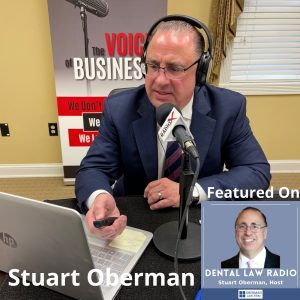
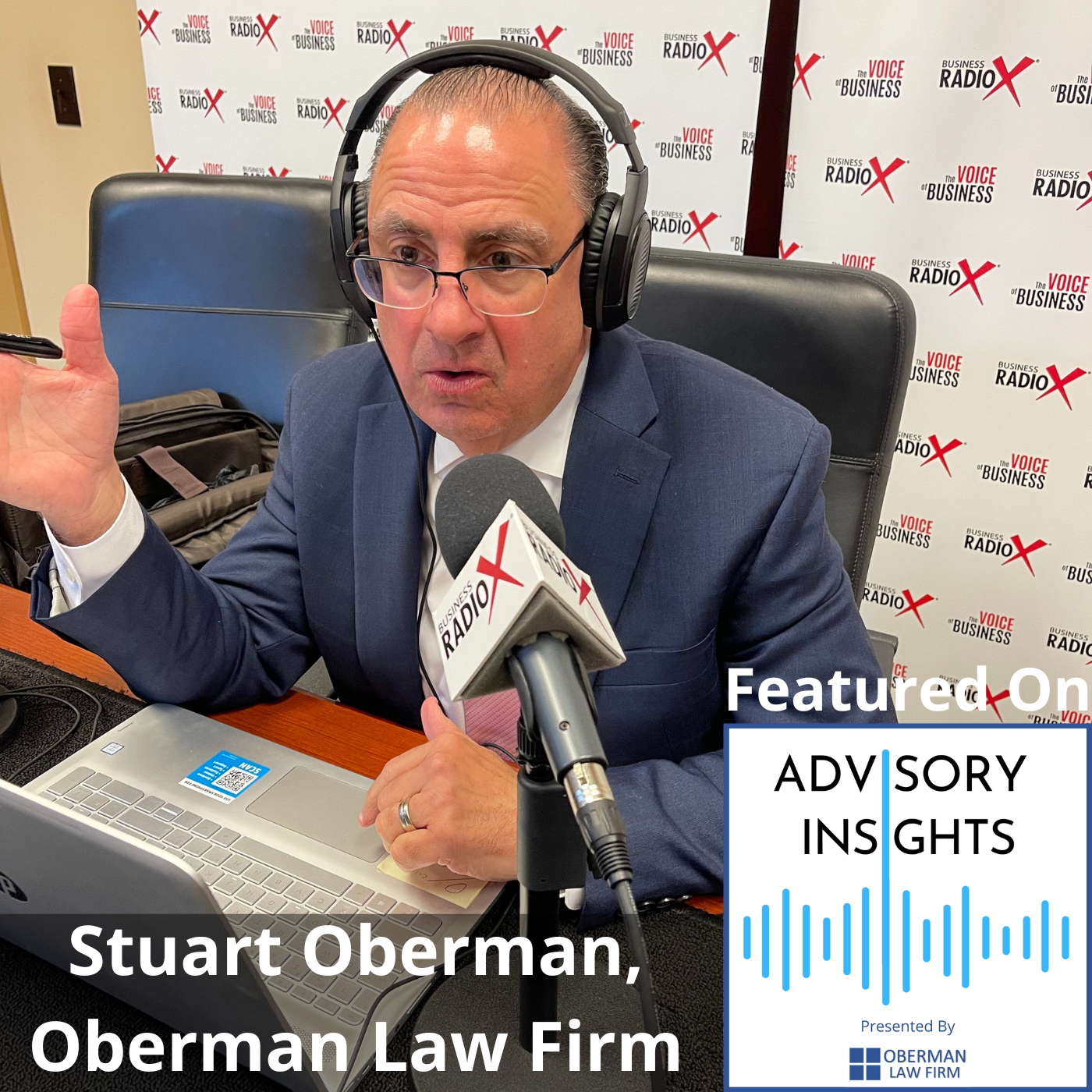
Harassment in the workplace, says Oberman Law Firm founder Stuart Oberman, is an enormous problem, from the largest to the smallest businesses. On this episode of Advisory Insights, Stuart discussed reporting of workplace harassment, prohibited conduct, romance in the workplace, and more.

Advisory Insights is presented by Oberman Law Firm and produced by the North Fulton studio of Business RadioX®. The series can be found on all the major podcast apps. You can find the complete show archive here.


About Advisory Insights Podcast

Presented by Oberman Law Firm, Advisory Insights Podcast covers legal, business, HR, and other topics of vital concern to healthcare practices and other business owners. This show series can be found here as well as on all the major podcast apps.

Stuart Oberman, Oberman Law Firm

Oberman Law Firm
Stuart Oberman, Founder, Oberman Law Firm

Stuart Oberman is the founder and President of Oberman Law Firm. Mr. Oberman graduated from Urbana University and received his law degree from John Marshall Law School. Mr. Oberman has been practicing law for over 25 years, and before going into private practice, Mr. Oberman was in-house counsel for a Fortune 500 Company. Mr. Oberman is widely regarded as the go-to attorney in the area of Dental Law, which includes DSO formation, corporate business structures, mergers and acquisitions, regulatory compliance, advertising regulations, HIPAA, Compliance, and employment law regulations that affect dental practices.

In addition, Mr. Oberman’s expertise in the healthcare industry includes advising clients in the complex regulatory landscape as it relates to telehealth and telemedicine, including compliance of corporate structures, third-party reimbursement, contract negotiations, technology, health care fraud, and abuse law (Anti-Kickback Statute and the State Law), professional liability risk management, federal and state regulations.

As the long-term care industry evolves, Mr. Oberman has the knowledge and experience to guide clients in the long-term care sector with respect to corporate and regulatory matters, assisted living facilities, continuing care retirement communities (CCRCs). In addition, Mr. Oberman’s practice also focuses on health care facility acquisitions and other changes of ownership, as well as related licensure and Medicare/Medicaid certification matters, CCRC registrations, long-term care/skilled nursing facility management, operating agreements, assisted living licensure matters, and health care joint ventures.

In addition to his expertise in the health care industry, Mr. Oberman has a nationwide practice that focuses on all facets of contractual disputes, including corporate governance, fiduciary duty, trade secrets, unfair competition, covenants not to compete, trademark and copyright infringement, fraud, and deceptive trade practices, and other business-related matters. Mr. Oberman also represents clients throughout the United States in a wide range of practice areas, including mergers & acquisitions, partnership agreements, commercial real estate, entity formation, employment law, commercial leasing, intellectual property, and HIPAA/OSHA compliance.

Mr. Oberman is a national lecturer and has published articles in the U.S. and Canada.

LinkedIn

Oberman Law Firm

Oberman Law Firm has a long history of civic service, noted national, regional, and local clients, and stands among the Southeast’s eminent and fast-growing full-service law firms. Oberman Law Firm’s areas of practice include Business Planning, Commercial & Technology Transactions, Corporate, Employment & Labor, Estate Planning, Health Care, Intellectual Property, Litigation, Privacy & Data Security, and Real Estate.

By meeting their client’s goals and becoming a trusted partner and advocate for our clients, their attorneys are recognized as legal go-getters who provide value-added service. Their attorneys understand that in a rapidly changing legal market, clients have new expectations, constantly evolving choices, and operate in an environment of heightened reputational and commercial risk.

Oberman Law Firm’s strength is its ability to solve complex legal problems by collaborating across borders and practice areas.

Connect with Oberman Law Firm:

Company website | LinkedIn | Twitter

Tagged With: harassment in the workplace, Oberman Law, Oberman Law Firm, prohibited conduct, sexual harassment, Stuart Oberman, workplace harassment

Anti-Harassment Complaint Procedures

July 16, 2021 by John Ray

Anti-HarassmentDLREpisode9DSOsAlbum
Dental Law Radio
Anti-Harassment Complaint Procedures
Loading
00:00 /
RSS Feed
Share
Link
Embed

Download file

Anti-HarassmentDLREpisode9DSOsAlbum

Anti-Harassment Complaint Procedures (Dental Law Radio, Episode 12)

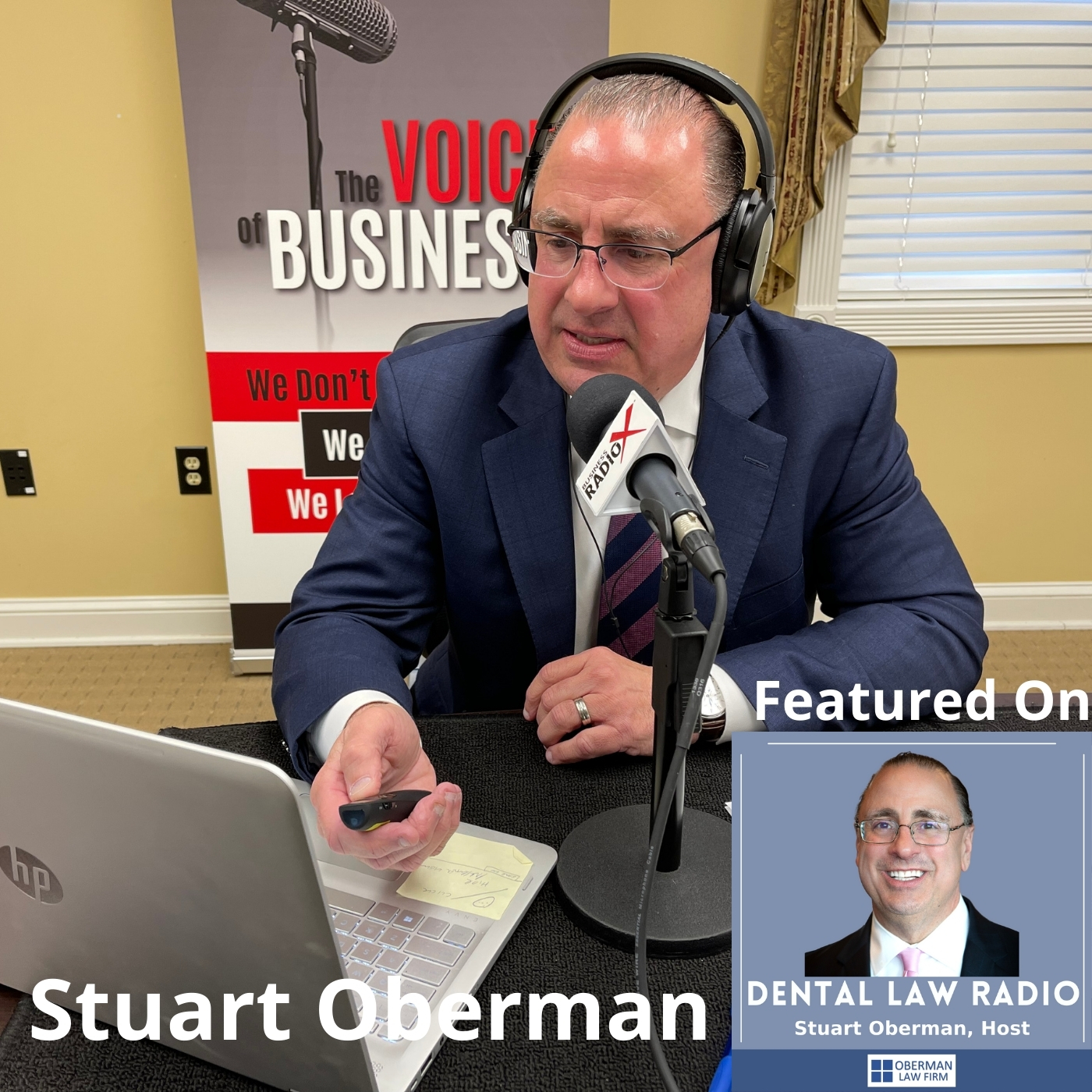
You’ve opened a certified letter from the EEOC or from an attorney representing an ex-employee who is alleging sexual harassment. Now what? You’ll be able to navigate this demanding situation much more effectively if you have written anti-harassment procedures. If not, as host Stuart Oberman explains, you may be in for an expensive and time-consuming quagmire. Dental Law Radio is underwritten and presented by Oberman Law Firm and produced by the North Fulton studio of Business RadioX®.

TRANSCRIPT

Intro: [00:00:01] Broadcasting from the Business RadioX Studios in Atlanta, it’s time for Dental Law Radio. Dental Law Radio is brought to you by Oberman Law Firm, a leading dental-centric law firm serving dental clients on a local, regional, and national basis. Now, here’s your host, Stuart Oberman.

Stuart Oberman: [00:00:26] Hello everyone, and welcome to Dental Law Radio. We’re going to talk a little H.R. today. Big, big growth in this area, lots of headaches, lots of problems that our doctors need to know about. So, the dental industry as a whole has sort of a reputation that is not good regarding harassment in the workplace. So, what we’re seeing is that more and more H.R problems are developing in this particular area, whether it’s EEOC, whether it is relationships.

Stuart Oberman: [00:01:09] So, what I want to do is, I want to talk a little bit anti-harassment complaint procedures. So, it does not matter to me from a legal standpoint whether you are a one-doctor practice or you have 12. In today’s H.R. world – we’re going to get into some scenarios – you have to have a written antiharassment complaint procedure. It could be part of your employee manual. It could be a separate policy and procedure. But you have to have an antiharassment complaint procedure.

Stuart Oberman: [00:01:52] So, what does that exactly mean? Does that mean that you have to have a complaint process? That means that if you get any complaint whatsoever, you must have established filing procedure internally how to handle that. Well, I get this question “Well, you know, Stuart, it’s not illegal.” It does not matter if it is illegal. Harassment is harassment. It doesn’t matter whether it is in a sexual nature or an annoyance nature. You have to address these complaints on an individual basis as a whole, legal and nonlegal matters.

Stuart Oberman: [00:02:39] So then, what do you do? The key is you have to appoint someone as a multiple point of contact. Now, what happens is, in the real world, a lot of our doctors have their spouses, their husbands, their wives, the hygienists, the assistants, the front desk, everyone’s a contact point. You have a complaint, go talk to the office manager, my spouse, no matter who it is, male or female. You have a complaint, go talk to the hygienist. She’s also our bookkeeper. She’s also our front desk. She runs our calendaring, our scheduling, she’s our H.R. person. She knows everything. Or go to talk to the commercial vendors, our payroll people that handle our H.R. No, they don’t. Half the time they have no clue what’s going on.

Stuart Oberman: [00:03:30] So, you need a direct contact point, not multiple sources, but who is that person going to. So then, you have to figure out before you even can get to that point, you have to have a written outline of absolutely prohibited conduct. Well, we’re not sure what that is. Then, you need to implement a procedure that fits the culture of your office, which has to be strict. You have to specifically outline and should outline in enormous detail the conduct that gives rise to the complaint.

Stuart Oberman: [00:04:16] And I don’t care if it is in the office or company-sponsored events. What happens when you take your staff out of the country? What happens when you take your staff to a ballgame? What happens when you take your staff to a holiday party? What happens when you take your staff to a great lunch? You need specific conduct protocols in the office and out of the office, social events. It does not matter. If they are required to be at a marketing event for your local fair and, all of a sudden, there is harassment within that booth at the local 4th of July parade, if you will, you have a problem.

Stuart Oberman: [00:05:09] I can’t raise this enough, there needs to be a specific policy in place for romantic relationships within the office. I’m talking about affairs. I’m talking about calls. I’m talking about text messages. I’m talking about obscene pictures being shown in [inaudible]. Ladies and gentlemen, you can’t believe what happens in these dental offices. I should write a book. I mean, the stories that I could tell are beyond comprehension. Yes, you need a protocol as to what the members of your staff can see on people’s cellphones. Yes, we are in that day and age.

Stuart Oberman: [00:06:02] What are you going to do if you have a worker – I’m talking male, female. I don’t really care – that’s harassing one another? What is the policy? What is the termination process? What’s the discipline? I assure you, if you let this go on, you’ll be getting a nice lawyer letter, an EEOC letter, and a wrongful termination if you complain and don’t address these particular issues.

Stuart Oberman: [00:06:34] In today’s world, it is amazing what is being demonstrated in dental offices. It doesn’t matter whether it’s one office or 40. It’s a culture that has to be curtailed. And, now, we’re talking about harassment also from customers, patients, vendors, and suppliers. We’re seeing outside resources that are harassing our staff members. Do you have a policy in place if your customers, patients, vendors, or suppliers are verbally harassing your staff?

Stuart Oberman: [00:07:20] Let me give an example, this is an honest to goodness case came out of our office. What are you going to do if you got a member of the Rotary Club, a good friend of yours, and then probably touches your hygienist? What are you going to do? And that’s your best friend at the Rotary Club. And your staff member complains to you. What are you going to do? Ignore it? Is there a policy in place for that? You better. Because if not, you’re going to get a nice little letter either from the government or lawyer. So, those are all the things that happen every day, every day. Are you prepared to discharge your patient in a chair the minute improper conduct occurs? And it does occur, I assure you.

Stuart Oberman: [00:08:16] So, in today’s social media world, harassment comes in a lot of forms. I’m talking Facebook, social media, online, Internet, emails, text messages, all within the range of conduct that has to be curtailed on a staff level, doctor level. I’m talking top down, guys. I’m talking top down. You’ve got to follow your own protocols. Is your procedure in place on what you can and can’t say or your employees can and can’t say on the Internet about your office, about your staff? Are improper pictures being shown on your server? How are text messages being relayed? Is there a text message policy as to what can be communicated internally?

Stuart Oberman: [00:09:08] Again, I’m not talking about illegal conduct, we all get that. But it’s the other conduct that is so closely, closely watched. So, the points of today are H.R., in today’s world, has got to be looked at in our dental offices. Again, I don’t care if it’s one office, 20 offices, 40 offices. It doesn’t matter. There’s got to be policy in place. One of the biggest complaints we’re having right now is harassment issues across the board, text messages, emails, pictures. There’s got to be policy in place. If not, you are opening yourselves up to a recipe for disaster. I can’t stress that enough.

Stuart Oberman: [00:09:49] Get your point person. Get your systems in place. Get everything in writing. Get your employees to sign it. Are your employees signing nondisclosure agreements? Are they telling everything on the world? What happens when they go home? It’s a risk. It’s a risk. H.R. is getting tougher in dental practices every single day, and we realize that, and we face this every day. So, I can’t stress that enough. Get your policies in place. Get everything in order. Avoid the problems. Avoid headaches.

Stuart Oberman: [00:10:20] If you got any questions, let us know. We do it every day. If you have any questions, please feel free to give us a call at 770-886-2400. My name is Stuart Oberman, you can reach me at stuart, S-T-U-A-R-T, @obermanlaw.com. Thank you very much. And we hope that this has been of some value. And we will see you in the next podcast. Have a great day.


About Dental Law Radio

Hosted by Stuart Oberman, a nationally recognized authority in dental law, Dental Law Radio covers legal, business, and other operating issues and topics of vital concern to dentists and dental practice owners. The show is produced by the North Fulton studio of Business RadioX® and can be found on all the major podcast apps. The complete show archive is here.

Stuart Oberman, Oberman Law Firm

Oberman Law Firm
Stuart Oberman, host of “Dental Law Radio”

Stuart Oberman is the founder and President of Oberman Law Firm. Mr. Oberman graduated from Urbana University and received his law degree from John Marshall Law School. Mr. Oberman has been practicing law for over 25 years, and before going into private practice, Mr. Oberman was in-house counsel for a Fortune 500 Company. Mr. Oberman is widely regarded as the go-to attorney in the area of Dental Law, which includes DSO formation, corporate business structures, mergers and acquisitions, regulatory compliance, advertising regulations, HIPAA, Compliance, and employment law regulations that affect dental practices.

In addition, Mr. Oberman’s expertise in the health care industry includes advising clients in the complex regulatory landscape as it relates to telehealth and telemedicine, including compliance of corporate structures, third-party reimbursement, contract negotiations, technology, health care fraud and abuse law (Anti-Kickback Statute and the State Law), professional liability risk management, federal and state regulations.

As the long-term care industry evolves, Mr. Oberman has the knowledge and experience to guide clients in the long-term care sector with respect to corporate and regulatory matters, assisted living facilities, continuing care retirement communities (CCRCs). In addition, Mr. Oberman’s practice also focuses on health care facility acquisitions and other changes of ownership, as well as related licensure and Medicare/Medicaid certification matters, CCRC registrations, long-term care/skilled nursing facility management, operating agreements, assisted living licensure matters, and health care joint ventures.

In addition to his expertise in the health care industry, Mr. Oberman has a nationwide practice that focuses on all facets of contractual disputes, including corporate governance, fiduciary duty, trade secrets, unfair competition, covenants not to compete, trademark and copyright infringement, fraud, and deceptive trade practices, and other business-related matters. Mr. Oberman also represents clients throughout the United States in a wide range of practice areas, including mergers & acquisitions, partnership agreements, commercial real estate, entity formation, employment law, commercial leasing, intellectual property, and HIPAA/OSHA compliance.

Mr. Oberman is a national lecturer and has published articles in the U.S. and Canada.

LinkedIn

Oberman Law Firm

Oberman Law Firm has a long history of civic service, noted national, regional, and local clients, and stands among the Southeast’s eminent and fast-growing full-service law firms. Oberman Law Firm’s areas of practice include Business Planning, Commercial & Technology Transactions, Corporate, Employment & Labor, Estate Planning, Health Care, Intellectual Property, Litigation, Privacy & Data Security, and Real Estate.

By meeting their client’s goals and becoming a trusted partner and advocate for our clients, their attorneys are recognized as legal go-getters who provide value-added service. Their attorneys understand that in a rapidly changing legal market, clients have new expectations, constantly evolving choices, and operate in an environment of heightened reputational and commercial risk.

Oberman Law Firm’s strength is its ability to solve complex legal problems by collaborating across borders and practice areas.

Connect with Oberman Law Firm:

Company website | LinkedIn | Twitter
Tagged With: Anti-Harassment Complaint Procedures, dental law, Dental Law Radio, sexual harassment

Decision Vision Episode 20: Am I Ready for Workplace Violence?, An Interview for Bruce Blythe, R3 Continuum

June 20, 2019 by John Ray

Decision Vision
Decision Vision
Decision Vision Episode 20: Am I Ready for Workplace Violence?, An Interview for Bruce Blythe, R3 Continuum
Loading
00:00 /
RSS Feed
Share
Link
Embed

Download file

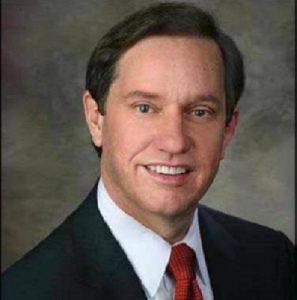
Bruce Blythe, Chairman R3 Continuum

Am I Ready for Workplace Violence?

Workplace violence is a much more common phenomenon than some believe. What are the personality characteristics of someone who might initiate a workplace violence incident? How should you mitigate the risk of these incidents? Michael Blake, Host of the “Decision Vision” podcast, addresses these questions and more with workplace violence expert Bruce Blythe of R3 Continuum.

Bruce Blythe, R3 Continuum

Bruce Blythe is the Owner and Executive Chairman of R3 Continuum. R3 Continuum provides employers with integrated crisis readiness, crisis response, and employee return-to-work services. They have assisted hundreds of companies worldwide with crisis, workplace violence, and business continuity planning, training, and exercising. They also provide consultations worldwide for diffusing serious disputes, hostilities, and workplace violence threats. R3 also works with insurers and large employers in accelerating employee return-to-work for workers comp disability and nonoccupational injury claims through North America and Australia.

Bruce Blythe is recognized internationally as an crisis management expert. He has been personally involved in resolutions of crises such as such as the 1993 World Trade Center bombing, the September 11th terror attacks, mass murders at the US Postal Service, and the Oklahoma City and Boston Marathon bombings. He serves as a consultant to numerous Fortune 500 executives and managers in strategic crisis leadership preparedness and response. Widely regarded as a thought leader in the crisis management and business continuity industries, Bruce is author of Blindsided: A Manager’s Guide to Crisis Leadership. Bruce has served in the military police of the US Marine Corps, is a certified clinical psychologist, has been a consultant to the FBI in workplace violence and terrorism, and has appeared on numerous national media outlets.

Michael Blake, Brady Ware & Company

Mike Blake, Host of “Decision Vision”

Michael Blake is Host of the “Decision Vision” podcast series and a Director of Brady Ware & Company. Mike specializes in the valuation of intellectual property-driven firms, such as software firms, aerospace firms and professional services firms, most frequently in the capacity as a transaction advisor, helping clients obtain great outcomes from complex transaction opportunities. He is also a specialist in the appraisal of intellectual properties as stand-alone assets, such as software, trade secrets, and patents.

Mike has been a full-time business appraiser for 13 years with public accounting firms, boutique business appraisal firms, and an owner of his own firm. Prior to that, he spent 8 years in venture capital and investment banking, including transactions in the U.S., Israel, Russia, Ukraine, and Belarus.

Brady Ware & Company

Brady Ware & Company is a regional full-service accounting and advisory firm which helps businesses and entrepreneurs make visions a reality. Brady Ware services clients nationally from its offices in Alpharetta, GA; Columbus and Dayton, OH; and Richmond, IN. The firm is growth minded, committed to the regions in which they operate, and most importantly, they make significant investments in their people and service offerings to meet the changing financial needs of those they are privileged to serve. The firm is dedicated to providing results that make a difference for its clients.

Decision Vision Podcast Series

“Decision Vision” is a podcast covering topics and issues facing small business owners and connecting them with solutions from leading experts. This series is presented by Brady Ware & Company. If you are a decision maker for a small business, we’d love to hear from you. Contact us at decisionvision@bradyware.com and make sure to listen to every Thursday to the “Decision Vision” podcast. Past episodes of “Decision Vision” can be found here. “Decision Vision” is produced and broadcast by Business RadioX®.

Visit Brady Ware & Company on social media:

LinkedIn:  https://www.linkedin.com/company/brady-ware/

Facebook: https://www.facebook.com/bradywareCPAs/

Twitter: https://twitter.com/BradyWare

Instagram: https://www.instagram.com/bradywarecompany/

Show Transcript

Intro: [00:00:04] Welcome to Decision Vision, a podcast series focusing on critical business decisions. Brought to you by Brady Ware & Company. Brady Ware is a regional, full-service accounting and advisory firm that helps businesses and entrepreneurs make vision a reality.

Michael Blake: [00:00:23] And welcome back to another episode of Decision Vision, a podcast giving you, the listener, clear vision to make great decisions. In each episode, we discuss the process of decision making on a different topic. Rather than making recommendations because everyone’s circumstances are different, we talk to subject matter experts about how they would recommend thinking about that decision.

Michael Blake: [00:00:42] My name is Mike Blake, and I am your host for today’s program. I am a Director at Brady Ware & Company, a full-service accounting firm based in Dayton Ohio, with offices in Dayton; Columbus, Ohio; Richmond, Indiana; and Alpharetta, Georgia, which is where we are recording today. Brady Ware is sponsoring this podcast. If you like this podcast, please subscribe on your favorite podcast aggregator, and please also consider leaving a review of the podcast as well.

Michael Blake: [00:01:07] Today’s topic is violence in the workplace. And in preparing for this program, I did a little bit of research, and I was surprised to learn the statistics. According to the National Safety Council, assaults are the fourth leading cause of workplace deaths in the United States. In 2017, assaults resulted in 18,400 and 458 fatalities. And to me, that was a stunning number. And anybody listening to this podcast, we’ve heard of the catastrophic workplace incidents. Often, a disgruntled or terminated employee that comes back to the workplace with a gun and ends in tragedy.

Michael Blake: [00:01:58] But what I’ve learned in doing background research for the show and, also, thanks to my long and dear relationship with our guest whom I’ll introduced in a minute, this is a much more common phenomenon than I think most people realize. And maybe that’s good. Maybe if we realized how dangerous it can be to actually go to work, we wouldn’t want to go to work anymore. So, maybe that’s a good thing.

Michael Blake: [00:02:26] But thankfully there are people like our guest today that help people both prepare for these incidents, mitigate the risk of them happening, and the damage occurs that when they do, and also inevitably when somebody kind of falls through the cracks, picking up the pieces when it happens.

Michael Blake: [00:02:48] And so, to that end, it is my immense pleasure to introduce, again, might my dear friend and longtime client, Bruce Blythe, who is an internationally acclaimed crisis management expert. He is the Owner and Executive Chairman of R3 Continuum, that provides employers with integrated crisis readiness, crisis response, and employee return-to-work services.

Michael Blake: [00:03:12] They have assisted hundreds of companies worldwide with crisis, workplace violence, and business continuity planning, training, and exercising. They also provide consultations worldwide for diffusing serious disputes, hostilities, and workplace violence threats. On average, they respond onsite to 1300 international workplace crises of all sorts per month. Finally, they work with insurers and large employers in accelerating employee return-to-work for workers comp disability and nonoccupational injury claims through North America and Australia.

Michael Blake: [00:03:48] Mr. Blythe has been personally involved in crises such as — and by personally involved, meaning resolving them, such as the 1993 World Trade Center bombing, the September 11th terror attacks, mass murders at the US Postal Service, and the Oklahoma City and Boston Marathon bombings, commercial air crashes, rescue of kidnap-and-ransom hostages in Colombia and Ecuador, hurricanes, earthquakes, fires, floods, and reputational crises.

Michael Blake: [00:04:16] He serves as a consultant to numerous Fortune 500 executives and managers in strategic crisis leadership preparedness and response. Widely regarded as a thought leader in the crisis management and business continuity industries, Bruce is author of Blindsided: A Manager’s Guide to Crisis Leadership. A book, which I’ve read by the way, and I firmly recommend. He has served in the military police of the US Marine Corps is a certified clinical psychologist and has been a consultant to the FBI in workplace violence and terrorism.

Michael Blake: [00:04:48] Bruce appeared on NBC Today’s Show, CNN, ABC’s 20/20, CBS’ 48 Hours. Pretty much, if they ever talk about this subject, Bruce is the guy that they call. And I can tell you that when he speaks, he commands a pretty high fee for doing that. So, I appreciate him giving us a slight discount for coming on the program. I could go on and on, but I think you get the point. Bruce knows what he’s talking about. Bruce Blythe, thanks so much for coming on the program.

Bruce Blythe: [00:05:16] Well, you just made me nervous, Mike.

Michael Blake: [00:05:19] I doubt that. I know you too well. I very much doubt that. You and I have known each other since R1. It’s been a while since it got to R3 Continuum. But let’s start with a little bit of a vocabulary lesson for the audience. When we hear about workplace violence, what forms does that take? As I mentioned in the intro, we all have heard about the gunman coming to the workplace and shooting lots of people. Is that the most prevalent form or what other forms of workplace violence do you encounter and try to help mitigate or resolve?

Bruce Blythe: [00:06:04] Sure. Well, the shootings are the least prevalent actually. The most prevalent forms of workplace violence are things like verbal and nonverbal threats, threat of violence, intimidation, bullying. Some of the sexual harassment, or sexual assault, or sexual violation kind of issues where people feel threatened. Stalking is certainly one of those things. And sometimes, it’s with a vengeance. And other times, it’s what they call a [radamania] where somebody has an unrelenting attraction to — usually, it’s a male toward a female, and won’t let go, and they just keep stalking or whatever. And that could be both physically, as well as on social media, or e-mails, or whatever. Fights certainly play into that. Hostilities of all sorts.

Bruce Blythe: [00:06:59] Those are the things that are most likely to occur in the workplace. And many of those things, then, are precursors to more serious levels of violence. The good news is that most people make threats. Most people who are hostile do not come in with a gun. So, that’s the good news. The bad news is we don’t know which one of those people are going to be the ones that end up shooting. We have a hard time. There is no psychological test, or list in the newspaper, or whatever that tells us who’s going to be the shooter, if you will, in the workplace.

Michael Blake: [00:07:33] And to your point, it’s so much more common than I realized. I actually was in Salt Lake City last week for a conference. And as it turned out, I had a layover. Actually, the first time in my life, I had a flight canceled on me. I had to be shipped off to a hotel. And I was in the bar having a beverage. I happened to sit next down next to a lady who has a a company in California. And we got to talking a little bit. And she was on her way where she had just fired somebody at one of their offices, and that person shoved her, tried to choke her, and, ultimately, of course, had to be separate and escorted out of the building.

Michael Blake: [00:08:19] And she told me that’s something that’s happened to her multiple times. And my jaw just dropped. In spite of the conversations you and I have had, it’s happened to her so many times that she had almost a nonchalance about it, and I was stunned. How common is that where maybe there are some workplaces where things like events like this can be so common that you almost get numb to it?

Bruce Blythe: [00:08:47] Well, I don’t know that you’re actually numb to it. I would be surprised if she’s numb to it. She can be nonchalant all she wants, but the fact of the matter is that she’s been lucky enough that she survived these things and not been hurt. So, I think that, sometimes, when you just dodge a bullet enough times, you think, “From that, I won’t get it.” The good news is that most of the time, even people that are hostile, that have triggers, like being fired, or feeling unfairly treated, or whatever it may be, that they’ve got a grievance about. Most people don’t actually act out violently in a very severe manner.

Bruce Blythe: [00:09:22] So, there’s certainly some warning signs there. I would recommend to her that she take a look at what can she do to address those kinds of things to be ready. So, many times, it’s kind of, “Well, I hope they don’t get violent.” Then, they do, and it’s like, “Oh my gosh.” And they get out of it by the skin of their teeth. But there’s some things that you could do to set up the room and set up the entire thing about who’s there, and maybe even have security or a police officer that may be not visible or may be visible. It depends on how you want to do it. But to actually plan out the contingencies, I think, is a really good idea. And we hope people do that. And so, many times, we know, they don’t think about it. You don’t like to think about things like that being worse than what you’ve experienced before.

Michael Blake: [00:10:09] And to a point, I kind of want to finish off the vocabulary part because I know another part of the business that, at least, you’ve dealt with, this scenario that you’ve dealt with in the past, has been violence that occurs due to crime, like a convenience store robbery, something of that nature. That’s sort of a different animal, isn’t it?

Bruce Blythe: [00:10:31] Oh sure. And it’s really hard to stop those kinds of things. Now, retail, customer service jobs, certainly taxi drivers. Less the Uber and Lyft type drivers because the people are identified who go in. A taxi driver, it takes somebody that’s anonymous, and they don’t know who they’re picking up. Police, certainly, they’re in the line of fire a lot. And interestingly, a real hotbed for violence is in medical arenas. So, hospitals, certainly emergency rooms, that sort of thing. A lot of violence in those situations.

Michael Blake: [00:11:09] I read something about that. That, in fact, with health care facilities and even nursing home facilities, the violence tends to be fairly prevalent. What are the kind of the scenarios that kind of set people off to that degree in your experience?

Bruce Blythe: [00:11:25] Well, when we talk about somebody just coming from the public that’s anonymous that may or may not have anything to do with the workplace, then, certainly, there’s nothing you can do about that. If a workplace has a high percentage of women in the workplace, there is an increased likelihood of domestic violence coming into the workplace. It happens a lot that. It could happen to men with a strange female spouse, or girlfriend, or whatever, but that’s less likely. But in those situations where you know that the person — you know them, or you’ve got a relationship with them, typically, it helps to understand the violent mind.

Bruce Blythe: [00:12:09] I think this is a big piece of what’s missing because so many times, the naive organizations, when they have a threat, they think about, “All right. There are temporary restraining order. Let’s call the police and have them arrested. And let’s get some guards with guns or without guns, either way. Maybe some cameras as well.” And if you stop and think about it, a restraining order didn’t stop anybody that would likely create violence. You think of some show, the kid that shot all the people at the Virginia Tech. I mean, they talked about having a restraining order on him because there was a young coed that was feeling intimidated by him, but that wouldn’t stop him. I mean, to violate a restraining order is no big deal when, actually, what you’re doing out there is shooting people. So, those kinds of things aren’t really what’s going to stop them.

Bruce Blythe: [00:12:59] To understand the violent mind, there’s basically three things that we see a common mental pattern. It’s interesting how again, and again, and again, as we deal with threatening individuals, the same mental algorithm and the same mental patterns are there. What is it that sets them off?

Bruce Blythe: [00:13:16] Number one, they get ego problems, okay. And what I mean by that is they have extremely or profoundly low self-esteem. I’m not talking about the kind of insecurities we all have. I’m too short, or I way too much, or don’t like my hair. We all have that, okay. I’m talking about people that have profoundly low self-esteem. And then, they don’t get into self-acceptance, or they don’t deal with it. Instead, what they do is they try to feel superior to other people.

Bruce Blythe: [00:13:43] And then, it becomes very important that they must win. They must stay ahead of other people. And they have to keep blowing up that leaky balloon, that is their ego. And if anybody challenges them – that happens in traffic, when somebody gets cut off. I mean, just like you’re not going to do something that’s going to cause me any inconvenience. So, the ego is one piece of it. That ego, low self-esteem. So, one thing you’re going to do, of course, is build them up.

Bruce Blythe: [00:14:10] The second thing is they would need to feel heard and understood. So many times, and like with this woman that you met in Salt Lake, the issue here is that so many times, they don’t feel heard and understood. And because they feel cut off, what happens is, then, they resort to whatever they can, to even the score. And too many times, it’s hostility or violence. So, you want to let them feel heard and understood because they almost always feel like they need to be heard and understood. Even some show, this kid in Virginia Tech, had a mutism disorder, whatever. People said they never heard the guy talk. He was just painfully shy, apparently. But even he left a manifesto on a videotape in his room because he wanted to be heard even from the grave because he knew what he’s going to do.

Bruce Blythe: [00:14:58] The third thing. So, it’s ego, it’s feel heard and understood. And then, the third thing is they tend to feel unfairly treated. We all have a strong sense of right and wrong, and they tend to feel unfairly treated. So, what can we do to come up with a win/win? It doesn’t mean we’re going to give the person a job back when they got fired, but it maybe we’re not going to challenge their unemployment compensation, those kinds of things. We’re going to give you a neutral reference if you have somebody call us for when you’re looking for another job. Those are the kinds of things that can help you understand where they’re coming from, and it can help reduce the likelihood that they’re going to take that next step.

Michael Blake: [00:15:40] So, we talked about health care facilities, a little bit about taxicabs. Are there other kind of industries and types of workplaces that tend to be more prone to violence? For example, I work for a CPA firm. Do I need to be afraid walking in one day and get popped in the mouth, or what other kind of high-risk industries out there?

Bruce Blythe: [00:16:02] Well, it’s a little bit like swimming in the ocean. You hear about the shark attacks and go, “Oh my gosh. I’m not going in the ocean.” A lot of people are afraid to do that. The fact of the matter is, statistically, the odds are very, very low that you’re going to get attacked by a shark if you swim in the ocean. The same thing about going to work. The overwhelming odds are that you’re not going to have to worry, Mike, when you go into work, or anybody else, that the odds are that nothing’s going to happen to you from a from a shooting standpoint. There may be some hostilities, there maybe some uncomfortable situations, but the serious kinds of workplace violence are very unlikely.

Bruce Blythe: [00:16:39] But I think back of, what are the kinds of organizations that are most prone? Back in the ’90s, I was involved in helping the US Postal Service with their mass shooting, some multiple mass shootings. So, they had one after another in different locations.

Michael Blake: [00:16:55] I remember that one.

Bruce Blythe: [00:16:56] And while I, certainly, wasn’t the only architect of helping them come up with this solution, it was a multifaceted, one of the things that was most important that, actually, once they set up a workplace violence program, including a policy, training for supervisors’ procedures of threat, a notification system, all those different kinds of things, the US Postal Service went for eight years without another shooting. That was with 750,000 employees at the time. Huge employer.

Bruce Blythe: [00:17:26] So, what is it that increases the likelihood for like the Postal Service and other organizations? Usually, and probably the thing that helped the Postal Service the most, was the fact that the supervisors were promoted from being a letter carrier to supervisor with no training whatsoever on how to manage people, how to let them feel fairly treated, how to give them — feel cared for, that sort of thing, give them positive regard. So, in those toxic environments where a supervisor or management is hostile toward employees or the employees feel unfairly treated, there’s that word again, they don’t feel heard and understood, they feel disempowered, those are the kinds of places where you’re more likely to have somebody to well up, and here they come. So, I guess, I would stop right there with that.

Michael Blake: [00:18:22] Yeah. And let me ask you this because I can think of other — I’ll even say with my own industry. A lot of what you’re describing is frequent in the accounting industry. We tend to promote people based on the fact they’re really good at auditing financial statements, and writing out 1040 forms, but we don’t necessarily do a great job of training them to be managers, especially if we’re not in the national firms. And we have our busy season. So, people putting in 60-70 hours a week. And thank God, I’m hitting my head, which is made of wood, that to my knowledge in the history of our firm, we’ve never had a workplace violence incident or anything like that.

Michael Blake: [00:19:03] I wonder if another element is that maybe you also kind of feel trapped in your job that if you work for the Postal Service, we know the benefits they have. The skills may or may not transfer easily to a private organization. Seniority is just sort of everything that you don’t even necessarily have that as an escape valve necessarily that you can just say, “Take this job and shove it. I’m going to find another one.” Do you think that’s a factor as well?

Bruce Blythe: [00:19:29] Absolutely sure. And, again, if, in fact, the job is such that you feel like, “I just can’t get another job with this kind of benefits, or with the seniority I’ve got, And I got to start all over again, or I can’t make the kind of money I’m making here, so I’m stuck with it. But I’m really, really frustrated with the way I feel like I’m being treated.” Again, it goes into the ego issues that, “I feel like a marginalized. I feel like I’m not heard and understood,” or “I can talk to them, and there’s no action. I feel unfairly treated.” Those are the kinds of things where some people are going to well up.

Bruce Blythe: [00:20:06] Interestingly, the people that don’t say anything that’s well up many times are the ones who are going to come up with the serious finals versus the people who are verbal about it, and maybe make threats, or loud and boisterous. It doesn’t mean those kinds of people aren’t going to be violent someday, but it’s that cold calculating person that doesn’t say anything many times are the ones that may be the problem. So, you need to kind of draw them out.

Bruce Blythe: [00:20:35] One of the ways that we diffuse threatening situations, and we don’t get the easy ones. Somebody who’s got the guns, they showed the co-worker in the car, and in the trunk of the car, and this is what I’m going to use. I’m the supervisor, and that kind of thing. They maybe got a history of violence. They don’t call us on the easy ones. We get called on the hard ones. One of the approaches we take and dealing with these things is — there’s no psychological test, there’s no way to really know for sure who’s going to be violent and who’s not. So, one thing to try to do is get inside their head.

Bruce Blythe: [00:21:11] And the way to do that is to make contact with them. Mike, if you were a person that is making threats, you felt unfairly treated at work, maybe you got ,fired whatever, if I were to contact you maybe by phone or face-to-face, however we’d like to do it, as a neutral third party and say something to the effect of, “My name is Bruce Blythe. I’m a neutral third party that’s being called in by X, Y, Z management. And basically, they understand you may feel unfairly treated or have a concern with whatever’s going on. And so, what I’d like to do, my job is to hear and understand your side of this situation, knowing there’s two sides to every story. And my job will be to report that back to management to make sure that this situation is handled fairly.” Let me ask you a question now, like you’ve been asking me, how would you respond if if you had somebody contact you like that?

Michael Blake: [00:22:07] Oh. I mean, I you would like to think positively. And look, I’m a repressed Irish Catholic, and I’ll be the first to admit it. So, I don’t own a gun. They terrify me. But I do kind of have that personality of internalizing and sort of have the long fuse. And my teenager will tell you that when the long fuse sort of hits zero, it’s not something he wants to be around. So, I do think that that — I think that engagement makes a big difference. You just got to have that safety valve.

Bruce Blythe: [00:22:51] Well, what happens in real life, because we’ve done this just hundreds and hundreds of times with individuals as you think, well, here’s this guy calling, I don’t know who he is, or contacting me, and I don’t know who he is. And so, I wouldn’t talk to them. In reality, we can hardly get all that out, my little scenario I just gave you there, before they start talking. Sometimes, I say, “I don’t want to talk to you, but…” And then, they’re still talking 30 minutes later. We know they want to feel heard and understood. We know they want to feel fairly treated. We know that if we build them up and find some good things about him. I do everything I can to like these people when I’m dealing with them. People don’t like the anti-social, hostile person.

Bruce Blythe: [00:23:33] And so, here, we’re in a situation where we can actually let this person feel heard and understood, fairly treated. And they’re not going to get the job back if that’s what they’re after, but what we can do is maybe come up with a compromise. We can better assess where they’re coming from or what their intentions are. We can talk to them about alternatives. We can serve as a conduit of communication, so they feel empowered when we pass the word on to management. Of course, management has more information on how better to handle this situation. So, it’s just we understand what the violent mind; and therefore, we know how to deal with it and how to help companies deal with that as well.

Michael Blake: [00:24:14] So, I’d like to go back to the of the Postal Service example. I didn’t realize — I knew you’d worked on it. I didn’t realize you had that kind of impact. And it’s worth kind of refreshing that that — I mean the Postal Services issues were so bad that the American lexicon adopted the term going postal to describe somebody that had just flown off the handle basically. So, should every organization have a plan like that, or do large organizations need more in-detail plans, or smaller have maybe more sketchy ones or more kind of outline-oriented ones set that way? If I’m a business owner, and I’m listening to this conversation, how do I think about whether or not I needed to retain you or somebody like you to put something like that in place?

Bruce Blythe: [00:25:06] Well, okay. So, the Postal Service had what? Was it something like 15 mass shootings in different locations around their system? And once they came up with a comprehensive workplace violence program, the key component there was to train supervisors on how to manage people and how to do it in a caring, fair manner, and not quite so autocratic.

Bruce Blythe: [00:25:32] So, they went for eight years with 750,000 employees, and the one employee that broke the eight-year record was somebody that hadn’t been with the company for three years. She was living in another city, went back to Southern California three years later. She was known for howling at the moon, talking to the moon, filling up her car with gasoline naked. I could go down the list. This is a crazy lady, okay. So, it wasn’t really their fault that an ex-employee came in and did the shooting even eight years later. They had a very effective program. The proof’s in the pudding.

Bruce Blythe: [00:26:09] So, if I’m an employer, it’s like, “All right. Well, wait a minute. I got workplace violence, you know. It’s like, you know. All right. So, Bruce here is saying that just having a temporary restraining order, which isn’t necessarily going to work.” If I were to shoot somebody, a restraining order is not going to stop it. It may stop some people from getting together, which is going to cause fights, which may lead into other kinds of violence. So, I’m not saying they’re not effective, but they’re not an end all be all. Call the police. If I get arrested because I made a threat or because I am threatening, first of all, I may not have done enough that I’m going to get arrested. And police don’t like to even deal with these things. If somebody hadn’t done anything yet, then they’d want to go deal with things where somebody had done something. So, that’s not necessarily going to work.

Bruce Blythe: [00:26:55] And, of course, having guards there, most places don’t want to have guns there. So, a guard with a walkie talkie is not going to stop anybody nor is a camera that it really has an intent. So, what do you need to have as a healthy company that wants to address this issue? Basically, four things, I would recommend. Number one, you want to have a policy that is well-publicized about workplace violence. There’s a lot of really good workplace violence policies out there. And it’s pretty much down to an art and science now what ought to be included there. It’s different in different organizations but, certainly, getting access to a policy is something to be pretty easy if you want to just do it on the cheap.

Bruce Blythe: [00:27:38] The second thing then is threat notification system. A threat notification system is one where employees understand that if there is a threatening situation, what they can do — and it’s a gut level feeling. Many times, that gut level feeling is what tells you more than anything else. Yeah, they may make a threat. Yeah, they may act in intimidating. Yes, they may have a history of violence, which are all indicators, okay, that they may be violent, but it’s that gut level feeling that says, “This is a person, I think, could really do it.”

Bruce Blythe: [00:28:08] So, if you have a threat notification system that people will use where they feel comfortable doing it. I don’t want to report somebody if they’re going to say, “Well, Reese said you were making threats.” Now, I’m on the hit list. I don’t want to do that. So, a good policy threat notification system.

Bruce Blythe: [00:28:25] And, now, if they get notified, you better have a threat management team that’s trained, that has standardized guidelines, which is the fourth thing. But I guess we clump that all together – a well-trained threat management team that has standardized checklists on how to handle this thing beyond the restraining order and calling the police, but some guidelines on how do you diffuse these situations. What are best practices? Those are the things that you need to have at a bare minimum, I would say. A policy threat notification system, and then the threat management team with standardized guidelines.

Michael Blake: [00:29:01] Okay, good. So, we’ve talked a little bit about restraining orders. That’s come up a couple of times. And I agree with you, they don’t seem to be that effective. And I think one of the reasons that they’re not that effective is that a shooter seems intent on not coming out alive from that incident themselves. It seems, more often than not, they take their own lives, or they wind up not being apprehended alive. I’m guessing that’s also another reason the restraining order is not all that effective. You can’t enforce it when they’re dead. Is that a common pathology for the workplace shooter that they’re just planning on doing as much destruction as they can on the way out?

Bruce Blythe: [00:29:44] 40% of the time, according to the government statistics, yes. 40% of the time, people commit suicide to do this kind of thing. Half the time, the others that are still alive, police officers may kill them. So, the fact of the matter is, certainly, it’s a risky business. If you want to live for long, you don’t want to be a workplace shooter. But with that said, the fact of the matter is that it doesn’t really matter if they’re going to act out violently, and then decide to kill themselves or not. In any case, the fact of the matter is that they feel unfairly treated, they want to commit a vengeance or whatever, or, sometimes, they just want to feel significant. I think so many of these school shootings, these kids, they feel like a nobody, that they’re an outcast or whatever. In their minds, they would rather feel significant in a negative way, and even die out of it than to feel like a nobody. And, again, it’s related to ego, it’s related to feeling unfairly treated, it’s feeling like they’re not heard and understood, and here they come.

Michael Blake: [00:31:00] We’re talking to Bruce Blythe, who is the Chairman of R3 Continuum, one of the world’s leading experts on workplace violence. I want to be respectful of your time. I just have a couple more questions if you can hang in there.

Bruce Blythe: [00:31:14] Sure.

Michael Blake: [00:31:15] One is, of course, even with the best of intentions, workplace violence happens. How can you and how can a company help kind of pick up the pieces after a workplace violence incident? Where do you kind of — if that happens in my office, where do I kind of go from there?

Bruce Blythe: [00:31:36] Well, we respond, you mentioned, 1300 times. I think it’s up to 1600 times per month now to crisis situations of all sorts. One of the common entry points for us and the one of the common calls we get is for crisis counseling. And so, there’s a social expectation, I guess, in the workplace that if, in fact, something traumatic like this happens, employers are expected to respond with a caring response. And so many times, they don’t know what that is. An employer that doesn’t have a preparedness ready for this kind of thing, they’re going to say, “Our hearts go out to the families, blah, blah, blah.” It rings hollow at this point. So, instead, caring is not a feeling. It’s behavioral. And so, employees must feel like they’re cared for. And, certainly, bringing in crisis counselors who are specialists in this kind of arena is helpful.

Bruce Blythe: [00:32:40] One of the things that I remember, I keep going back to Virginia Tech. I guess, I’m stuck on that today. But there were so many counselors who were saying, “I can help. I can help. Here I am.” The biggest issue was keeping counselors away. So, you certainly want to have people that know what they’re doing, that are skilled at this. You don’t want a plastic surgeon doing your heart surgery. And the same kind of thing. Just because you’re a mental health professional, it doesn’t mean you know how to handle these situations. So, one thing is to address the needs of those people who have been victimized. And it’s not just of the employees that work. It might be the families, it might be the people that are in the hospitals that have been injured. Who knows what else?

Bruce Blythe: [00:33:21] The second thing is that management must be doing the right things as well. And so, a big piece of what we do is helping companies understand, the company management understand how do you show caring, how do you do the right things, how soon do you bring employees back, what you need to do before you bring them back to work, how do you show caring over time, and how do you assess people who may have delayed responses, that sort of thing. So, it really comes from preparedness. But at a minimum, if you’re not prepared, then to get somebody in there that has been there before that can help out.

Bruce Blythe: [00:34:04] Just one quick other point about this, and that is at Syracuse University, several years ago, did a study about what leaders and organizations are the best crisis managers. And one of the correlates they came up with was that those managers who had an outside neutral third party who could help out, that was trusted, okay, and that was not emotionally involved in this thing, that had an idea of how to handle this thing. It was most helpful because when you’re inside the crisis’ bubble, it’s really hard to see outside that bubble, and what’s going on, and what their perspectives are, and what you should be saying, and how you’re being perceived, and how to address this thing. It’s a whirlwind, and it’s unexpected, and it’s high consequence, and people are watching, go on down the list. It’s very difficult if you don’t have somebody on the outside just kind of help steer the direction for you to, at least, assist. Not to take over but to assist in good management and what to do.

Michael Blake: [00:35:08] Bruce, as often as a case, I could talk to three hours of this, and we still wouldn’t run out of material. But I know you got things to do, and you have one of 1600 incidents to respond to this month.

Bruce Blythe: [00:35:21] Not all. I can’t do them all. Thank you. I’ve got a good network, but thank you.

Michael Blake: [00:35:26] But how can people contact you for more information if they want to learn more about this topic or more about the kind of services you guys provide?

Bruce Blythe: [00:35:36] Well, R3 Continuum, I mean, just look them up online. A lot of times, people don’t know how to spell continuum, which is two Us in it. So, our web addresses are r3c.com, probably the best way to do it. Just contact us that way. All of our contact information is there at r3c.com.

Michael Blake: [00:35:57] Bruce, thank you so much. And the next time you’re in Atlanta, I owe you dinner.

Bruce Blythe: [00:36:01] Hey, that sounds good to me. I’m coming soon.

Michael Blake: [00:36:05] There, excellent. So, that’s going to wrap it up for today’s program. I’d like to thank Bruce Blythe so much for joining us and sharing his expertise with us. We’ll be exploring a new topic each week, so please tune in, so that when you’re faced with your next business decision, you have clear vision when making it. If you enjoy this podcast, please consider leaving a review with your favorite podcast aggregator. It helps people find us, so that we can help them. Once again, this is Mike Blake. Our sponsor’s Brady Ware & Company. And this has been the Decision Vision Podcast.

Tagged With: corporate finance, Dayton accounting, Dayton business advisory, Dayton CPA, Dayton CPA firm, domestic violence, employer violence, going postal, mezzanine debt, Michael Blake, Mike Blake, preventing workplace violence, R3 Continuum, restraining order, sexual harassment, temporary restraining order, threat management team, threat mitigation, threat notification system, violence in the workplace

THE DR. DIONNE SHOW: Bias, Discrimination and the Law

January 13, 2017 by Mike

Gwinnett Studio
Gwinnett Studio
THE DR. DIONNE SHOW: Bias, Discrimination and the Law
Loading
00:00 /
RSS Feed
Share
Link
Embed

Download file

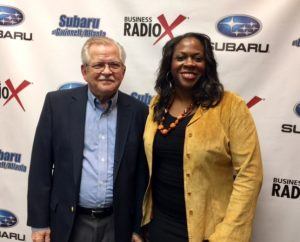
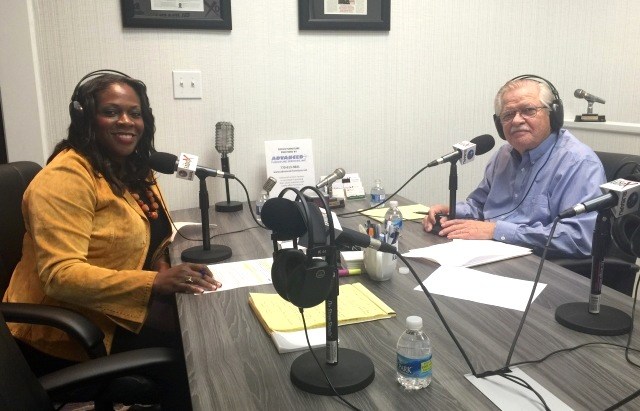
Robert McDonald and Dr. Dionne Poulton

This episode of “The Dr. Dionne Show” includes a candid conversation about bias and discrimination in the workplace, and how employers can protect themselves from lawsuits and discrimination claims.

Robert McDonald/The Law Offices of Robert C.D. McDonald

Robert McDonald with The Law Offices of Robert C.D. McDonald has been serving employment discrimination clients for over thirty years in Atlanta. Bob has successfully represented employees in sex discrimination and age discrimination cases. He has also negotiated many severance agreements with positive outcomes. His areas of practice include all forms of employment discrimination including age and sex discrimination, successfully representing both in-court and out-of-court negotiated settlements concerning all forms of discrimination. His emphasis is to avoid protracted litigation through negotiation, but he’s ready to fight hard in court if necessary.

Specific areas of practice include discrimination (age, race , disability, pregnancy, and national origin); sexual harassment and discrimination; whistle-blower; severance negotiations; non-compete agreements; employment contracts; and unpaid overtime.

The firm has two office locations: Sugarloaf Parkway in Duluth, GA and Peachtree Parkway in Cumming, GA. Contact information is (404) 314-6738 and rmcdonaldlaw@ceocenters.com.

HOST: Dr. Dionne Wright Poulton

Dionne Wright Poulton, Ph.D., is an HR and Leadership Consultant, Educator, Author, Speaker, and Owner of Poulton Consulting Group, LLC, an HR and leadership consulting business specializing in diversity and inclusion, equity, bias, intercultural communication, adult learning, adult behavior, and conflict mediation. Since its inception in 2004, Poulton Consulting Group has worked with a wide range of diverse clients in the U.S. and Canada including many in the San Francisco tech and digital marketing industry; K-12 schools and higher education; and many corporate and service industries. Poulton Consulting Group is also a government-approved business for local, state and federal level contracts.

Dr. Wright Poulton is author of the acclaimed book “It’s Not Always Racist…but Sometimes It Is” which is an extension of her PhD dissertation at the University of Georgia where she researched the racial biases and assumptions of teachers. She is also a certified K-12 teacher whose work is inspired by her 16 years of cumulative experiences as a high school teacher and university instructor in public and private institutions in Canada and the United States. Additionally, Dr. Wright Poulton has earned professional degrees from San Francisco State University (M.A.), the University of Toronto/OISE (B.Ed.), and from Rice University (B.A.) in Houston, TX where she was a former NCAA Division I track and field scholarship athlete.

In 2014, Profiles In Diversity Journal identified Dr. Wright Poulton as “a woman to watch.” She has presented social commentary in print media in the U.S. and the United Kingdom, as well as on numerous radio shows including CBS Radio stations in Atlanta, GA and on Tavis Smiley’s Radio Show. “The Dr Dionne Show” debuted in 2016 on Business RadioX with a focus on smart dialogue about diversity, leadership, and behavior in the workplace and beyond.

Dr. Wright Poulton is originally from Toronto, Canada and is a former member of Canada’s National Track and Field Team. She currently lives with her husband and two daughters in Snellville, GA.

To book Dr. Dionne Poulton as a speaker for your next event, or to facilitate one of her innovative professional development workshops based on her PhD research, you can reach her through:

Email: dionne@poultonconsultinggroup.com
Phone: 404-323-3842 or 1-877-263-2227 (internationally)
Facebook: The Dr. Dionne Show
LinkedIn: @Dr Dionne (Wright) Poulton
Twitter: @DrDionnePoulton

For more information, visit Dr. Poulton’s business website: www.poultonconsultinggroup.com


Tagged With: consulting, dionne poulton, discrimination, Dr Dionne Poulton, Law, Legal, Robert C.D. McDonald, Robert McDonald, sexual harassment, smart dialogue, the dr. dionne show, the law offices of robert c.d. mcdonald, whistleblower

Business RadioX ® Network


Our Most Recent Episode

CONNECT WITH US

  • Email
  • Facebook
  • LinkedIn
  • Twitter
  • YouTube

Our Mission

We help local business leaders get the word out about the important work they’re doing to serve their market, their community, and their profession.

We support and celebrate business by sharing positive business stories that traditional media ignores. Some media leans left. Some media leans right. We lean business.

Sponsor a Show

Build Relationships and Grow Your Business. Click here for more details.

Partner With Us

Discover More Here

Terms and Conditions
Privacy Policy

Connect with us

Want to keep up with the latest in pro-business news across the network? Follow us on social media for the latest stories!
  • Email
  • Facebook
  • Google+
  • LinkedIn
  • Twitter
  • YouTube

Business RadioX® Headquarters
1000 Abernathy Rd. NE
Building 400, Suite L-10
Sandy Springs, GA 30328

© 2025 Business RadioX ® · Rainmaker Platform

BRXStudioCoversLA

Wait! Don’t Miss an Episode of LA Business Radio

BRXStudioCoversDENVER

Wait! Don’t Miss an Episode of Denver Business Radio

BRXStudioCoversPENSACOLA

Wait! Don’t Miss an Episode of Pensacola Business Radio

BRXStudioCoversBIRMINGHAM

Wait! Don’t Miss an Episode of Birmingham Business Radio

BRXStudioCoversTALLAHASSEE

Wait! Don’t Miss an Episode of Tallahassee Business Radio

BRXStudioCoversRALEIGH

Wait! Don’t Miss an Episode of Raleigh Business Radio

BRXStudioCoversRICHMONDNoWhite

Wait! Don’t Miss an Episode of Richmond Business Radio

BRXStudioCoversNASHVILLENoWhite

Wait! Don’t Miss an Episode of Nashville Business Radio

BRXStudioCoversDETROIT

Wait! Don’t Miss an Episode of Detroit Business Radio

BRXStudioCoversSTLOUIS

Wait! Don’t Miss an Episode of St. Louis Business Radio

BRXStudioCoversCOLUMBUS-small

Wait! Don’t Miss an Episode of Columbus Business Radio

Coachthecoach-08-08

Wait! Don’t Miss an Episode of Coach the Coach

BRXStudioCoversBAYAREA

Wait! Don’t Miss an Episode of Bay Area Business Radio

BRXStudioCoversCHICAGO

Wait! Don’t Miss an Episode of Chicago Business Radio

Wait! Don’t Miss an Episode of Atlanta Business Radio