
This Episode was brought to you by



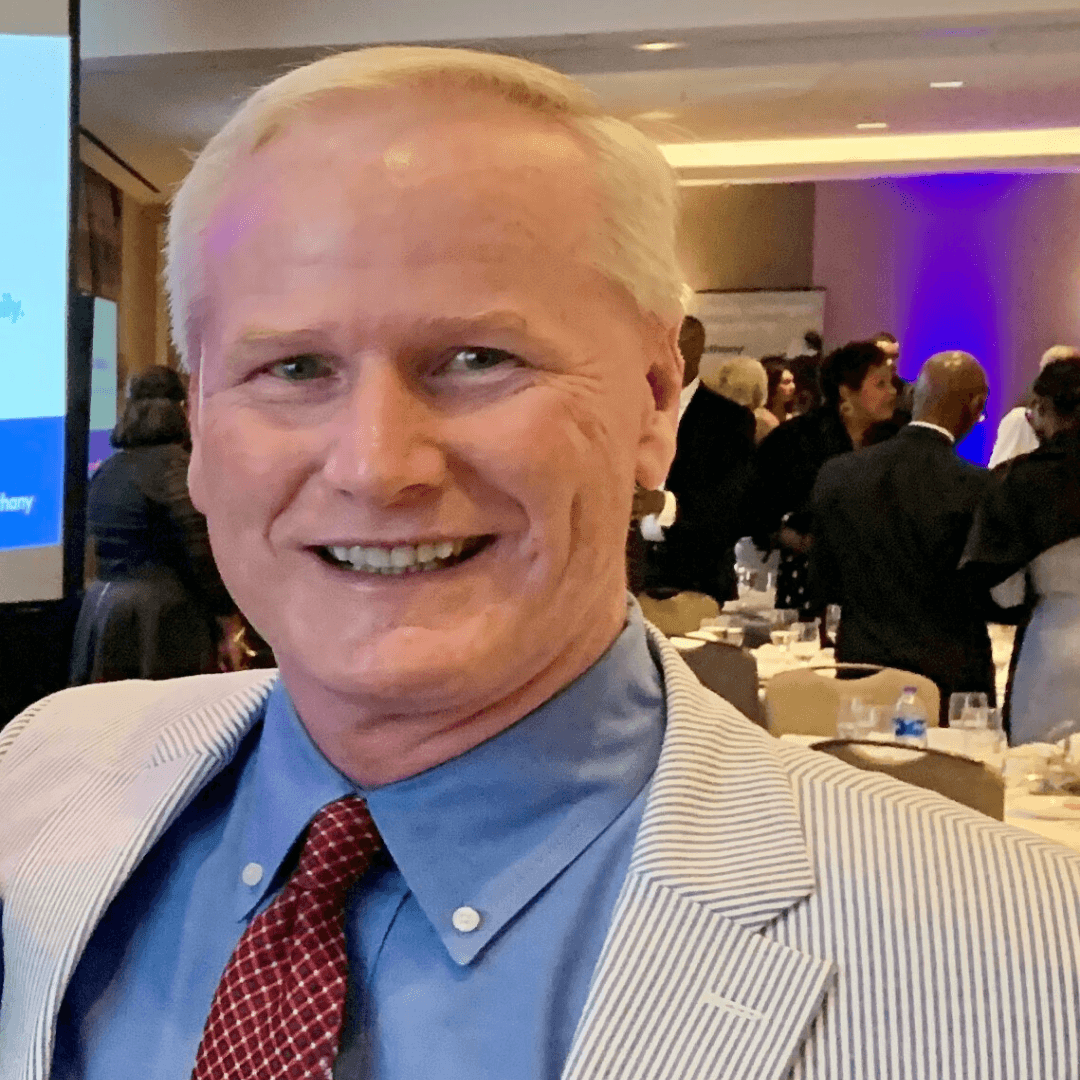
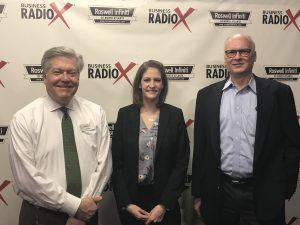
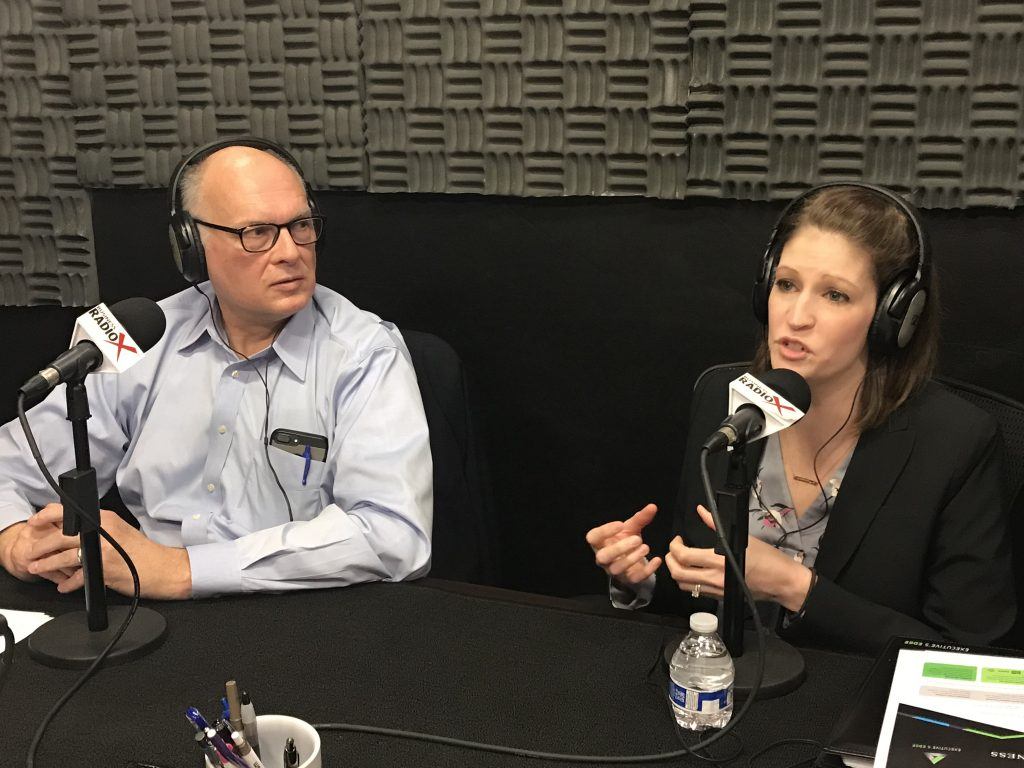
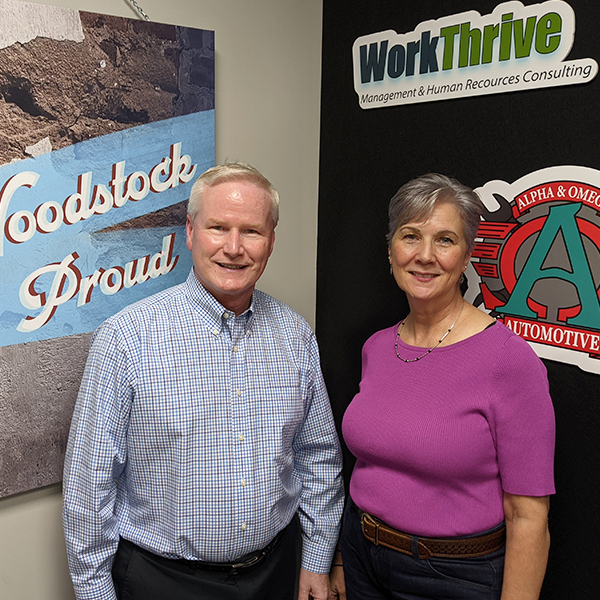
Coach Joe Noonan, Speaker / Certified Professional Sales & Leadership Coach with Southwestern Consulting
Joe Noonan is a SPEAKER / Certified Professional Sales & Leadership Coach with the multimillion-dollar global sales consulting company, Southwestern Consulting. Joe resides in Alpharetta GA. Joe Specializes in teaching ethical sales techniques and strategies individuals and teams can use to immediately to enhance sales! Joe is a lifelong entrepreneur. He owned 2 B2B sales organizations including a Marketing Solutions Agency and a Printing company.
For 7 years, Joe served on the Board of Directors for the Business Marketing Association. Joe is a professional speaker for teams and organizations across North America. Joe graduated from St. Mary’s University of Minnesota with a BA in Marketing and Management. Joe lives by the philosophy “ Think big, be fearless, live life every day, deliver extraordinary value, and laughter is contagious”.
He believes coaching is a privilege and is humbled to “serve” our audience today and to “serve” his clients as they partner and grow, personally and professionally Joe has over 33+ “Recommendations” in the past 3 years on his LinkedIn Profile … feel free to reach out to Coach Joe and connect to learn on how Professional Coaching can change YOUR life … personally and professionally!
 Connect with Joe on LinkedIn
 Michelle Cleveland, Life Enrichment Guide with NTC Lifeworks LLC
NTC Lifeworks is dedicated to helping Entrepreneurs leverage their business to live life on their terms. Contrary to popular belief, you don’t need to sacrifice your relationships, mental health or physical well-being to achieve success. Michelle has been training and mentoring private and corporate clients for over 20 years. She also offers workshops and one on one sessions in Time Management and Goal Setting.
 Connect with Michelle on LinkedIn
 This transcript is machine transcribed by Sonix
TRANSCRIPT
Speaker1: [00:00:07] Broadcasting live from the Business RadioX Studios in Woodstock, Georgia. It’s time for Cherokee Business Radio. Now here’s your host.
Speaker2: [00:00:23] Welcome to Cherokee Business RadioX Stone Payton here with you this morning, and today’s episode is brought to you, in part by Alma Coffey, sustainably grown, veteran owned and direct trade, which of course means from seed to cup, there are no middlemen. Please go check them out at my alma coffee and go visit their Roastery Cafe at thirty four point forty eight Holly Springs Parkway in Canton. Ask for Harry or the brains of the outfit Latisha and tell them that st. since you, you guys are in for a real treat this morning, please join me in welcoming to the broadcast and back to the Business RadioX microphone with Southwestern Consulting Mr. Joe Noonan. Good morning,
Speaker3: [00:01:08] Sir. Hey Stone, good morning.
Speaker2: [00:01:11] It is a delight to have you back. It’s been a while Southwestern Consulting and you specifically mission purpose what you after trying to do for folks, man.
Speaker3: [00:01:20] Sure. I am a certified professional sales and leadership coach, and so I spend most of my day. Well, let’s talk about the week I spent half my week, two and a half days coaching people one on one CEO’s, sales leaders, entrepreneurs and help average producers become top producers. And then I spend the other two and a half days prospecting and running workshops and letting people know what coaching is all about and how I can change their life.
Speaker2: [00:01:48] How does a coach or a consultant prospect this day and age? The reason I’m asking it strikes me as a crowded arena, right? And maybe it’s a little noisy that may or may not be accurate. But how does one prospect for new client opportunities in your world?
Speaker3: [00:02:07] I wouldn’t be a good coach if I didn’t ask for referrals, right?
Speaker2: [00:02:11] Right, right.
Speaker3: [00:02:11] Yeah. A lot of my business is referral base, but it’s also niche based. So just to give an example, 70 percent of the clients that I work with are mortgage loan officers or branch managers or people that are in the mortgage environment, real estate insurance. I’ve kind of found a niche in those markets.
Speaker2: [00:02:29] So was that you said kind of found? Did you say I’m going to find a niche or did this? Or did the idea of niching something that you just gravitated toward? And did you sort of know, Hey, I don’t know which niche, but this looks like a good one. How did you land on a niche in general and in that one specifically?
Speaker3: [00:02:48] Well, part of it is is that through Southwestern, they gave us some opportunities, some leads, if you will, and it’s a big market for us as a company. But I realized that niche is really a great way to move forward in your business. I had a marketing agency for over twenty four years and believe it or not, one of my biggest clients, pest control companies.
Speaker2: [00:03:12] And once you learn the language and what they’re excited about and what they’re scared of, there are. I’m sure every pest control company has some some nuances and some differences, but there are some commonalities that you develop. Some you develop, some expertize in, and I’m sure that serves you really well and your clients really well.
Speaker3: [00:03:33] Absolutely, stone. And you know, the interesting thing is that I teach my clients a lot of things that I use myself, you know, prospecting with purpose. I’m a master when it comes to my schedule and time management. You know, you know what Lombardi time is.
Speaker2: [00:03:47] I think I’ve heard, like if you’re five minutes earlier, you’re on Lombardi time and
Speaker3: [00:03:52] You’re late, you’re late. Absolutely. So, yeah, so Vince Lombardi, you know, legendary coach for the Green Bay Packers, he was talking about, you know, if he had a meeting at 10 o’clock in the morning and you got there at nine fifty five, you were late. So you want to make sure you were there at least by nine fifty.
Speaker2: [00:04:08] So I think you mentioned earlier in the conversation one on one coaching, do you do group coaching also? You do both or yeah, speak to that a little bit.
Speaker3: [00:04:17] Sure. As far as group coaching is concerned, I would say that that is not really our niche. It’s usually one on one. Coaching is what we do. And so the way we introduce coaching is we go on and do about a 60 minute workshop and we let people know we talk about habits of top producers. We talk about the things that are important to them and quite frankly, create a little pain and ask them why they’re not doing the things that they should be doing. And so that’s where, as a coach, I can come in and change their life.
Speaker2: [00:04:51] So what do you find the most rewarding? And I guess I’ll ask in the same breath what? What are one or two of the biggest challenges in your line of work?
Speaker3: [00:05:00] Great question. I would say the most rewarding thing is the results that my clients achieve. So, for example, I had one client, Jeff Brown, who was he said to me three years ago, he said, Joe, if my branch could get to $10 million a month a month as a mortgage company, we would be happy as a lark today. Thirty six million a month on average, old baby. So he’s doing really, really well, and I’m proud of him and you know, it’s we become friends at the end of our coaching tenure, so it works out really well.
Speaker2: [00:05:33] So it feels good, you know you’re doing rewarding work. I assume that that that it’s lucrative. Have you struggled with or have you gotten some specific direction around establishing fee structure?
Speaker3: [00:05:45] So we have a standard at South-Western. We have a standard fee program, but we also have different levels, depending if you’re a CEO or if you’re a sales leader. And that would be if your income is two hundred and fifty thousand dollars or more annually. We have that program is twelve hundred a month. And then our regular standard coaching program for people that are average producers that want to become top producers is actually really reasonable and it’s $600 a month.
Speaker2: [00:06:11] Wow. Ok, so you have something for that person that’s just getting going. And maybe, maybe they’ve made it over the first hump and their business is going to work, but now they’re ready to really take it to the next level.
Speaker3: [00:06:22] Right. And generally speaking, if you know, one of the things that we try and help them achieve is early success. And when they do, if they gain one or two more sales, it pretty much pays for their coaching all year.
Speaker2: [00:06:33] I’ll bet. All right, let’s back up a little bit back story. How does one find themselves in a career like this doing this cool work? I assume you didn’t when you were, you know, 10 and 12 and everybody else was playing cowboys and Indians. You weren’t, you didn’t say, I want to be the coach, right? Or don’t you?
Speaker3: [00:06:51] I’ve been an athlete my whole life. I still play racquetball. I haven’t played since last night, but it’s been a while. It has. It has. No, but I love tennis and racquetball, but I’m also a certified professional hockey coach and coaching is in my blood. I love to play the game. I stepped away when my son graduated from high school and recently, like a month ago, got back into it. So I’m coaching up in Alpharetta at the cooler fun. I love coaching. It’s just it’s changing lives. It’s making a difference where people get to move forward.
Speaker2: [00:07:25] So that’s twice now that you have specifically utilized the word certified. So I get the distinct sense that you feel like that’s important and because you’re a certified coach in the in the in the soccer western system as well. Yeah, yes. And hockey, but also on the in in your day to day work. Yes, you have some credentials, some certification of some sort.
Speaker3: [00:07:47] Absolutely. And part of that is is not only being certified, but it’s ongoing education. And so I invest eight hours a month to maintain my certification a month. Some people have to do that for the course of a year. For me, it’s every single month. I’m trying to be a student of the game.
Speaker2: [00:08:03] Nice. All right. So let’s walk it through. Let’s, you know, purely hypothetically, let’s say that you knew this guy that owned, I don’t know, let’s say, 40 percent of one company, and he had another little something on the side hustle and he was comfortable, but he really wanted to take it to the next level. How would he find you or would you have found him? And what would some of your early conversations look like before you were neck deep in a coaching relationship?
Speaker3: [00:08:29] Great question. One I would like to do is I like to meet people where they are and their season of life. So if this person was, say, empty nester and they really had time to focus on their business and didn’t have other distractions. Part of it is sit down and have what we call is a business action plan where I’d send you a little three page summary. You get to fill it out. Kind of tell me about your activity, what you’re doing, what you should be doing because sometimes people and I say this often, but it’s all tongue in cheek is quit shooting all over yourself, right? So it’s just it, really. It’s about activity and it leads to results. And if you have great activity, you’re going to gain results.
Speaker2: [00:09:11] It seems like your line of work, and our next guest is in the coaching arena as well. So I’m anxious to get to get her input, but it seems like you must have to cultivate a level of trust. I mean, well beyond even I mean, as as a radio host, you have to trust that I’m going to you’re not going to try to do anything to make you look bad, but you don’t have to. I don’t think I have to to garner the level of trust that you must when someone opens up about these things. Because I mean, I would think that could be challenging for some of us.
Speaker3: [00:09:43] It is and one of the things that I always ask people before they make the decision, and it’s not my decision. I don’t try and sell people to get into coaching. It’s their decision, and I ask them three questions. First question is, are you coachable? And if they can’t emphatically say yes, then coaching is not a fit for them. Right? Second question is, are you open to change? And if they’re not going to change, then again, it’s not a good fit for them. And the third question is, Oh my gosh, I drew a blank.
Speaker2: [00:10:16] That’s all right. We’ll come back to it. Yeah, we’ll swing back around to you. But but there are a lot of times I think this brings to bear. The answers are in the questions and a lot of times the answers in that hypothetical person we were talking about earlier in case your listeners didn’t pick it up as me. Right? I mean, I’m very blessed in a lot of ways, right? A lot of guys got a lot going for me. And there’s this huge gap between what I am producing and what I feel like I could. And then I think I can put in the the universe. But what I’m getting at is it wouldn’t surprise me to discover if I were working with you or our next guest, Michel, if at. I found that, gosh, don’t you been carrying the answers around with you all the time? So it’s a little bit of uncovering and mutual.
Speaker3: [00:11:05] Yeah, absolutely. Part of it is is I kind of have a 75 25 relationship when we have our one on one coaching calls. Right? So who do you think speaks 75 percent of the time?
Speaker2: [00:11:16] I’m guessing the client.
Speaker3: [00:11:18] Absolutely. And that’s my job as a coach. I’ll set the table, I’ll bring the forks and the spoons and the knives, but it’s up to you to implement what we talk about. And so I’ll ask a lot of questions that will make you think differently. Yeah, because it’s all based on experience I’ve got over 30 years, I’ve owned two businesses, I’ve bought four others. So part of that is I lean on that experience to help you become better at who you are and what you do, and you got to wake up every morning and put your feet on the floor and say, I love what I do.
Speaker2: [00:11:51] Yeah. So in your model, is it more typical to to engage your services and a series of bursts? Or is it like kind of an ongoing thing for years or does it just depend on the situation?
Speaker3: [00:12:08] We asked people to commit to a year because coaching is not like dipping your toe in the water and say, Well, gee, my business hasn’t changed a whole lot in three months. We ask people to invest at least 12 months so we can get that full season, that full year and see where they are. And if their business is cyclical, that gives us a chance to really examine it to say, here’s how we can help.
Speaker2: [00:12:31] So are there advantages and or disadvantages in coaching multiple people in the same enterprise, like particularly like with a small company?
Speaker3: [00:12:42] One of the reasons that many people hire a coach is sometimes they’ll share things with me that they wouldn’t share with their leader or their owner or the company because they want to have the freedom. And that’s the one thing I always make sure and cover that up front is I need you to be honest. I need you to be vulnerable because if you don’t make any changes. You’re still going to have the same challenges moving forward.
Speaker2: [00:13:09] So what is forward for you, are you going to continue to try to scale your practice or have you got the amount of business you want? You’re just going to keep having fun or have you decided?
Speaker3: [00:13:18] No, I’m too young to retire. Always looking for new clients. Absolutely.
Speaker2: [00:13:24] I really think the last time you and I did an interview, we both had darker hair.
Speaker3: [00:13:29] You’re not supposed to bring no idea.
Speaker2: [00:13:30] I know I did,
Speaker3: [00:13:32] And probably a little more of it.
Speaker2: [00:13:34] But but you’re going to keep going. You’re loving it. You’re enjoying it.
Speaker3: [00:13:38] I’m actually going to do this for the next 12 to 15 years. I have I have a life plan in front of me. I know exactly where I want to go. And you know, that’s what goals and vision are all about. And I’m a big believer in it, and I try and instill that. So my clients have success personally and professionally.
Speaker2: [00:13:53] Now how about yourself? Do do you find that periodically you seek to to engage a coach for your own development?
Speaker3: [00:14:02] I have a coach. You do have a coach. I do have a coach. All right. Yeah. So yeah, because you know, we’re always fine tuning, right? Right. And I’m never fat, dumb and happy. I remember one time I got a commission check in the $20000 range and I was like, I could get used to this every single week and all of a sudden that that popped in. And I’m a student of the game. I really believe that that’s why I have that eight hours that we talked about, right? I have to be better at what I do and bring that to the table. You know, Robin Williams talked about this and he said, as a comedian, I always feel like I have to be on and as a coach, I have to bring it every single call for my client. And so Sunday night, I spend two hours preparing for the week in front of me. So when Monday, Monday, Monday morning rolls around, I come to my desk locked, loaded, ready to go.
Speaker2: [00:14:53] Well, I’m inspired by your energy, but surely that can get exhausting. Where do you go to to to recharge and get inspiration? Is it books? Is it articles? Is it the beach? How? How do you recharge
Speaker3: [00:15:09] Racquetball, court, racquetball, tennis, court, hockey rink? Yeah, those are my outlets.
Speaker2: [00:15:16] I can honestly say my hockey experience is next to nothing. I grew up in Pensacola, Florida, but my dad was a high school basketball coach, so I have been around sports and my experience was and I was not a particularly gifted athlete by any stretch. In fact, I’m mature enough to recognize now. I think the reason I made the high school baseball team is because I had a car and the two athletes on the team did not, so I could get them through it from Christmas practice. But what I was about to say is my experience being part of a team and with the work ethic associated with preparing to play and continuing to get really steeped in the fundamentals, all these things, I feel like probably are part of the reason that somebody of my IQ could be reasonably successful. Do you feel like sports has that kind of impact on folks?
Speaker3: [00:16:15] Absolutely. Yes, for sure. Because one of the things that I always tap into early with a prospect is we talk about where they were earlier in their life and whether it’s a mentor, a parent, usually a coach, and ask, How did that coach impact your life back then when you were in elementary school and then carry that forward professionally?
Speaker2: [00:16:36] I would say so for folks listening right now, and before we wrap, we’ll make sure they have your contact information and can reach out if they’d like to have a conversation with you or someone on your team. But as they’re listening right now, if they just sort of want to chew on it and reflect on it, are there some things that that they might do in the moment over the next few days or a week? Or what are some things that they might do that would either prepare them to be a good coaching candidate or help them do a little self coaching? Could we give them just a few tips? Because I suspect you have a couple,
Speaker3: [00:17:12] I have two that I highly recommend, and the one that I would say is your schedule that if you don’t have a good schedule, right, and you don’t know where you’re going to go, you’re not going to have success. So you have to have think about this stone. Think about your high school schedule from 10 to 10 50, you had to go to math 11 to 11, 50, science, et cetera. Right? Right. Your professional schedule has to be the same way. It’s going to keep you focused on your income producing activities. So if you do that, you’re going to have success and you’d be surprised so many professionals, they get to their desk and they’re like, Well, after I read my email, where do I go? We have to be intentional as top producers, as business owners, and if we’re not, it’s going to cost you. So, yeah, so that’s one. The other thing I would recommend is to take a look at activity, and I ask my clients to break it down into four hundred dollar an hour activity versus. Twenty dollar an hour activity and literally just bullet pointed. Watch what again, what should I be doing or what am I not doing right to make my business move forward? And then that $20 an hour work is what can I delegate? What can I do after hours? Those are really impactful. So I hope your audience will take that to heart, and if they want to have a conversation with me about that, I’m here to serve well.
Speaker2: [00:18:33] I hope they get something out of it too. But I but I know I just did because I the $20 an hour activity or in my case, might be even $10 an hour and activity. It can be deceptive because it still feels like you’re producing.
Speaker3: [00:18:45] That’s called creative avoidance.
Speaker2: [00:18:48] No, I think maybe I was doing a little bit of that as recently as this morning. I think that’s I think that’s a trap that I that I fall into and there’s a piece of me that says, Well, you know, I’m the best one in the group. I can do it faster, better. But let me just knock this out, right? And I bet other people fall into that to that trap too, right?
Speaker3: [00:19:07] And it really you have to tie it down to having really good habits. And if you have great habits, it’s going to make a difference to. But there’s also and this is where a coach can help, is accountability.
Speaker2: [00:19:18] All right. So before we wrap, let’s talk about interviewing a potential coach like I don’t feel like and of course, I feel this way about interviewing help, too. So this is universal for me. Maybe I’m not really particularly not good at this, but let’s say I’m going to go on the hunt and I’m going to engage a coach. I I suspect chemistry is important. I suspect there’s some gut feel to it, and I’m thinking there are probably a few things you want to make sure you’ve at least had a brief conversation about. It’s not just about the money before you engage a coach. And I’m going to ask Michelle the same thing when we get to her segment. But just are there some things you think like, yeah, you know, ask these questions or make sure you tell them this or don’t? Yeah, anything like that.
Speaker3: [00:20:06] Let’s go back in the three things. Are you coachable, committed, ready for change?
Speaker2: [00:20:11] So ask the coach that
Speaker3: [00:20:13] Ask the coach that. Absolutely. And as well as the prospect. Ok.
Speaker2: [00:20:18] Right. All right. Yeah. Just I feel like maybe I’d be a little bit intimidated if I’m talking to a couple of different coaches and I’m trying to make the right choice. I need to. I need to think through how to interview them.
Speaker3: [00:20:30] It has to be a personality match, right? And not everybody matches up with the coach, and that’s OK, too. But you know, we teach people, we call it navigate, and that’s adjusting the way that we sell to the way people buy, and that’s understanding by our personalities. And there has to be great chemistry. And when there’s great chemistry, there’s great success.
Speaker2: [00:20:52] Yeah. Completely inappropriate to name names. But I happen to know a couple of people who you coach and they just sing and they’re willing to actually say that their coach and they’re willing to say that they’re coached, that their coach is junior. And so I would just share with you. I have specifically heard of people getting great results from from your from your work. All right. So someone would like to reach out, have a conversation with you or someone on your team, and at least just have a preliminary conversation about some of these topics. What’s the best way points of contact website? Email, phone, whatever, whatever you
Speaker3: [00:21:23] Feel good about. So the best way I would say is my mobile number, and that’s area code six seven eight five nine six six four seven nine and then my website is Joe Newnan, SWC Dot-Com.
Speaker2: [00:21:38] Well, I am so glad that we got a chance to catch up. Thanks for coming in the studio. This is very helpful, and I’m hoping you can hang out with us while we visit with our next guest.
Speaker3: [00:21:48] My pleasure.
Speaker2: [00:21:49] Marvelous. All right. Next up on Cherokee Business Radio we have with us today, Coach Day, I guess, right with us with NTC life works. Miss Michelle Cleveland. How are you miss Michelle?
Speaker1: [00:22:03] I am finer than frog hair.
Speaker2: [00:22:06] That’s that’s a fun response. Oh my goodness. Did you ride your motorcycle here or did you drive today?
Speaker1: [00:22:13] No, I did not, because I just changed out my brake pads last night and I haven’t done a test run. So, you know, after doing a major upgrade change like that, you always want to kind of do a shakedown functions check. So.
Speaker2: [00:22:27] So so the way that I met Michelle, she’s part of this Woodstock business club that I was telling you about before we went on air. Joe and I often will see her in a leather jacket or toting a helmet or something like that. So I knew that you rode. And yeah,
Speaker1: [00:22:43] That’s my primary mode of transportation. So normally I would have shown up on my motorcycle.
Speaker2: [00:22:48] Right, right. All right. So NTC life works. Mission purpose. Tell us about the work.
Speaker1: [00:22:56] Well, I am not a coach, and I really bristle at people who called themselves coaches who do not have the certification. You really need to be certified. You have to have specific training. You can’t just go by what you know. And so I do not refer to myself as a life coach. I refer to myself as a life enrichment guide, and I actually fit in that gap between life coaches and business coaches. And I’m the one prepares them for you and I actually need your card, of course, because I’m always referring people to business coaches, and that’s what I do. I help them with their time management, their goal setting. But our mission, our passion and our purpose is saving lives. How does that relate to to coaching and guidance and things? Let me roll back to where we started in 2016, two of my sons committed suicide.
Speaker2: [00:24:05] Oh my, gracious.
Speaker1: [00:24:07] And people were constantly coming up to me saying, Oh, you’re so strong, oh, you’re doing so well. And I thought, Yeah, what’s the difference between me and another mom who went to bed and pulled the covers over her head and nobody ever saw her again? Why am I doing OK? So I started digging and researching, and I found what we call the three pillars of resiliency. And I thought, this is really important to share. So I started speaking about resiliency, offering keynote speeches, and I joined the National Speakers Association to polish my craft and build a business, mostly nonprofit, pro bono work, because that’s not something you want to charge for. You can. You got to keep lights on. But primarily, it’s about saving lives. And then with the pandemic, I was a business owner with a home based business for many years, and I was a senior sales director for a while. I went corporate and all these things, and I’ve been teaching and training on goal setting and time management, and I knew all kinds of work from home tips. All these things that people needed and I already had the structure of a business.
Speaker1: [00:25:20] So we started tacking things on it at a time, and then I went to an NSA meeting where the speaker just suddenly had brought me a light bulb moment. This is a workflow. These all go together. You got to do your goal setting, starting with your core values. Most people don’t you know what is a core value, but if you don’t start with core values, your goals aren’t going to come to fruition. And if they do, it’s going to be a pyrrhic victory. It’s just going to be hollow and you’ve got to start with those core values. So we do the goal setting. Once we have the goals, we break them down, not to something weekly. Oh, you can look at that on the board all day long. You got to break it down to the actions that bring the goal so that you focus on those daily actions, those daily habits. And then I show them based on their personality, how to have those in their schedule for balance.
Speaker2: [00:26:22] All right now, hold on a minute, you just said based on their personality and our previous conversation with Joe, he alluded to, I don’t know if he used the word personality, but it was some kind of, you know, mindset or navigation. Yeah, yeah. Yeah. So so why is that important? And then how do you drill down? And so you might design something completely different for me than Joe?
Speaker1: [00:26:44] Oh, absolutely, absolutely. Time management is very personal. Ok. For example, I work with creatives and creatives. You cannot give them time blocks from this time to this time. You’ve got to do this. It just doesn’t work. So what you do is you work with that work weekly plan sheet and they use those time blocks as kind of a measurement, not specifically a time of day. So I want to work on this painting project for about two hours each day. Ok, so block off. Take it to our block. And then just like a motorcyclist on the racetrack, you’ve got to make your brake markers, you’ve got to set your entry speed, you’ve got to get ready to dove into that turn. So how does this relate to time management? It relates to buffer time. You’ve got to be ready for those appointments. You’ve got to set up your paints and set up your easel. Whatever, you’ve got to have that buffer time to prepare and then you’ve got to have the cleanup time. If it’s a meeting, you have to make sure that you’ve got the mindset to enter that meeting and that you have your ducks in a row if you’re the presenter, et cetera, et cetera. But then after the meeting, you also need buffer time because you need to have that cleanup a thank you email or documents that you need to create. You’ve got to do’s action items that you need to then put on your calendar so that buffer time before and after most people don’t think about, they just schedule meeting, meeting, meeting, meeting, meeting. They’re at the end of the day, and they can’t remember what happened at that first meeting to follow up.
Speaker2: [00:28:28] I resemble that remark. Ok, so Tuesday, Wednesday and afternoon, Tuesday, Wednesday and Thursday afternoons for me, solid phone calls, solid phone calls, but I don’t think I have buffer time in between them at all. Yeah, OK. Yeah, see, this is why for those of you who I’ve tried to suggest, maybe you should have your own radio show. You get so much free counsel. If you just have your own show, you just bring in any expert you want. Ask them whatever you want.
Speaker3: [00:28:53] Wait, you get my invoice.
Speaker1: [00:28:54] Oh, oh, well of that. But so with creatives, they have then these blobs of things that they want to do on certain days of the week, right? And then they have the flexibility. Ok, today I’m going to be two hours of this thing and an hour of that thing. And then through the day, they have their list. But they do it when they feel comfortable doing it, when they’re at their peak. For some people, that might be 8:00 p.m.. Some people don’t wake up till noon and their night owls, and they’re really energized and full of ideas at one a.m. So waking up, you know these
Speaker3: [00:29:36] These are the five rules for
Speaker1: [00:29:37] Success. Wake up at 5:00 a.m. That doesn’t work if you’re a night owl. Oh my god, you’ve been up to one. Wake up at five. Oh my God, you’re not going to function. So you’ve got to find when you function your best. And some people do need the constraint of this time to this time to set alarms and timers. You got to play with what their personality is.
Speaker2: [00:30:00] The parallel I’m drawing in my mind as you talk is it’s managing money. Yes, when I was young, I had the blessing. A lot younger. I’m 58 now, but even in my early 20s, I had the blessing and maybe a little bit of a curse. I made quite a bit more money than most people in my circle and most people in my age group, and I spent just a little bit more than that. You know, we always right until I met this wonderful woman who’s been part of my life for 30 plus years, who knew how to manage money and. But there are some parallels to what you’re describing.
Speaker1: [00:30:39] Oh, absolutely, because as business owners, our time is our money, right? And part of what I train on is determining what those income producing activities are. And then this is where I build an aha moment. I have built a tracker, a data collection tool. I was an analyst for a while. Everything everything’s about numbers, a data collection tool so that you see how much each contact, each activity is worth, how much time it takes, and then you go through and you add dollar value to what each activity generated for people in sales. You also have to track your no contacts. Yeah. Yes, sir. Because those no’s actually have value. You collect on the yes. But if you hadn’t gotten all those no’s, you wouldn’t have found yes, right? So getting that mindset of everything I do has value, but also tracking administrative paper, pushing things for so many businesses. They think their time is free and they can’t afford to hire somebody. And I use that data to show them, Hey, you’re making $600 an hour when you’re working and it’s taking you five hours to do this admin stuff. Yeah. Now someone who is a specialist in this admin stuff could do it in one hour uninterrupted. And how much does it cost for them that would you could pay for them in one hour? Right, right. Or less? Right. Because they usually don’t earn as much as the business owners. And so how much income are you giving up? By doing all this stuff, this scut work, the admin stuff. And so when I show them the actual dollars, how much more they could increase their business, it’s like, Oh wow, I can’t afford an admin.
Speaker2: [00:32:38] All right, so let’s talk about the goal setting a piece a little bit because it occurs to me that some folks might fall into the trap of setting goals that they think they should go after or that there that other people are almost have established for them that it’s not really, really what they want. Do you do you ever run across that or some inkling of that Joe’s? Joe’s not his head up and down to. So I guess the answer must be
Speaker1: [00:33:07] The biggest challenge I have is actually people buying into social media and thinking they have to make a fortune to be happy, right? And they start chasing the tool of money instead of finding out what they really are going to do with it when they get there. So you end up with people like Robin Williams and Anthony Bourdain. They get all this fame and success. But why were they doing it? What was it for? And all the things that they lost getting to this wealth? So where I come in is we work on identifying those core values. What is really important to you? What do you value?
Speaker2: [00:33:52] And it’s OK if that’s different than what it was 20 years ago. That can change, right?
Speaker1: [00:33:57] It changes a little bit muscly, mostly which value is most important that prioritization of values shifts through life? All right. And then once you have those, you got a dream. What would that ideal life really look like? Most people don’t get that. And so I have them think, OK, what would your house look like? What were your relationships be like? What kind of person would you have to be? What knowledge would you have to have? What skills would you have to have? What would your life look like? Why do you want it? And then we break that down into the goals into physical, spiritual financial business goals and then a lot of people, the next thing people fail on with their goals is say I need $100000 a year. Ok, so you chop that up, you have to your five year goal, so you chop that up into five. Well, wait a minute, growth is not linear, neither is weight loss, right, and they just chop it up into pieces, but that’s not realistic. So we work. I have some tools, financial tools that we break it down more realistically. You want to save for this wonderful big house, so we figure out what the down payment would have to be. And then. Your first year, you don’t have the income to save as much as you will in five years. Right. And trying to save that same amount every year is very discouraging. Yeah, yeah. And so then you end up giving up on that goal. Oh, I guess I’m never going to be able to do that. But actually having realistic goals is is what you need.
Speaker2: [00:35:39] Don’t you need probably need. Well, you tell me, is it helpful to have an early win? Absolutely. Absolutely. I mean, the mouse has got to get the cheese, right? Absolutely. You just have a little bit. I don’t like it in our line of work when we recruit for a new studio partner in a new market. Mm hmm. If they’ll hang, if they’ll hang in there, they’re all going to. It’s a very lucrative business, but it’s so you see so much better results if they get a little something going. If they get a client like in the first 90 days, that just it just it’s it’s incredible that what a marker that is for our business.
Speaker1: [00:36:15] You have to set a low bar to start, right? You got to set that little win. Ok, what’s one little thing that you would feel successful if you could do? That’s where you got to start. What’s that little thing? Let’s start with baby steps. But once you’ve broken down those goals into reasonable pieces? That’s where people fail again. They have this wonderful goal on the wall. But like I said, you’ve got to connect the actions that will create that goal, that will make you achieve that goal. So you want to be a marathon runner? Ok. These are your mile goals, I want to run this many miles by the end of that month and things like that. Ok, how much are you going to have to train? What kind of training are you going to have to do each and every day? Right? And when you schedule and learn those daily habits, that is what’s going to get that goal. So stop looking at the goal once you’ve broken it down, focus on the activity because when you focus on the activity,
Speaker2: [00:37:24] The goals will come well and there’s some insight right there. And and I read a book and I’m not going to remember the title or I will butcher it, but it had to do with this idea of habits. Mm hmm. That being, you know, yeah, really being key, I guess. All right. Let’s switch gears a moment and talk a little bit about resiliency.
Speaker1: [00:37:43] Mm hmm.
Speaker2: [00:37:44] Clearly, you’re a poster child for the resiliency based on what you shared earlier in the conversation. Yeah. So is this a is this a muscle you can build up resiliency? Is it? Is there a set of strategies and tabs so it’s not laying? There are absolutely yes. And that’s why
Speaker1: [00:38:03] That’s why I teach it. Most people in the dictionary resiliency is a noun. It’s not a noun, it’s a verb, it’s an action, it’s a way of living. And those three pillars of resiliency are things that you can do and work on and build. The first is community. Who are your peeps? And I don’t mean my sorority or my church. I mean, who are your people? And we’ve all heard the one about if you get arrested, who are you going to call to bail you out and it’s not going to be your best friend because they’re sitting next to you saying, Man, that was awesome. Right, right. So but that’s what I’m talking about. Who are those people that you can bury your soul to that you can share everything. But also that can rely on you. And there’s kind of an interesting dynamic with that. You hear all the time about people who experience loss and they lose all their friends. Why is that? Well, it’s because their friends feel awkward. They don’t want to say the wrong thing. They don’t know what to do to help. Right. So you have to feel that frustration yourself. You have to be the helper who doesn’t know what to do. And when you learn that when you internalize that when you understand that dynamic, you don’t feel guilty asking somebody for help, you’re actually helping them because they want to help you. So you got to turn that dynamic around, so you’ve got to be that helper first so that you understand how to help the helper later.
Speaker3: [00:39:41] If I may, you know, it’s interesting, you know, your loss was really tremendous to lose two of your children. Seven years ago, I lost my wife. She was here one day and gone the next, and it was because of a blood clot. And again, all I could think about was my children. And you know, I my health deteriorated a little bit. I actually lost a lot of weight in a short period of time because of the stress and so on. So I think that’s a, you know, great piece of advice, Michelle, is, you know, you have to be resilient. You have to really pick up your own bootstraps and say, I need to move forward and I’m going to do that. And attitude is everything I really am a big fan of. You know, if you can convert and have a solid, very positive attitude, it’s going to be contagious and you’re going to influence other people.
Speaker1: [00:40:23] It does help. It does help when you’re in depression, though, you have no bootstraps to pull by. And that’s why your community is so important. And then the second thing is peace. How do you find peace? For me, that’s motorcycling. Put me on a motorcycle, give me some resources to work on mine. That’s that’s my happy place. That’s where I find peace. I go riding. So that’s good. But what gives you peace? For some people, it’s yoga or meditation or prayer, right? What gives you peace? And then you have to build that into your daily life? And you’ve got a schedule that in your time management, you’ve got a schedule replenishing your soul and your spirit. So those are the first two and you see how it’s a way of living. And then the last one, think about mothers against drunk driving. How was that founded? It was because of loss. A mother started looking outward. How can I help? Right? And that’s really it. Think again. Back in the day when men retired after a couple of years, they were dead. They just died, right? Because they didn’t have purpose. Purpose. Right? And so for mothers in particular, your identity was mom. And it’s similar to empty nest syndrome. But when you lose a child, maybe you’re not mom anymore. Who are you? Yeah. So it’s about that outward focus. You have to get an outward focus and that’s your bootstrap. That’s what you anchor yourself to. You find something outside yourself that is bigger than yourself, because when you’re in crisis, you cocoon, you turn inward and it’s about finding that thing that’s bigger than yourself.
Speaker1: [00:42:17] So initially, for me, I have two more children and I had to keep going for them, right? They were older, but I had a mortgage. I had to eat and I had to keep going for them, right? But then I found that purpose of sharing resiliency. So that’s what I do, and we found our niche that we can help these young entrepreneurs that have bought into that hustle culture that tell everybody in their lives to f off. I’m busy and I’m doing all this so that we we will have this wonderful life. They’re not there for their son’s baseball game when they missed the game winning hit. Yeah, they’re not there to watch their baby’s first steps. They’re not there to have a baby because they told their girlfriend they’re too busy building this wonderful future for them. Well, guess what a if they struggle, they have no support network. And so that can lead to depression and unfortunately, suicide or they have this wonderful wealthy life. And there’s nobody there that loves them for them. Think about all these celebrities that we hear about. Everybody only loves me for what I have and what I have become. And they also don’t become very nice people. In many cases, they become very closed off. They haven’t worked on those relationships skills.
Speaker2: [00:43:44] Well, it probably that would. It would have that effect on you, right? If you didn’t feel like people you know, want it to be in relationship, but
Speaker1: [00:43:52] They love you for your stuff, not for you.
Speaker2: [00:43:54] So before we wrap, I’m curious. I asked Joe, probably some version of this question. I’m always interested to know anyone in the professional services arena. How does the whole sales and marketing thing work for someone like you? Or is it just a non-issue? And it’s just, yeah, like does your phone ring off the hook or do you go shake the trees? How does that piece work?
Speaker1: [00:44:17] Well, we have just gone through a rebranding for the past seven months. We started in January. Like I said, our total mission kind of moved a little bit, or we pivoted because we had a new purpose, not just teaching resiliency, but actually working with these young entrepreneurs who needed help. Didn’t know they needed help. Didn’t know they’d need a business coach. But so the outreach is where we’ve just gotten to and we’re trying to meet them where they’re at. Virtual workplaces. Tok, Instagram. Those are the places where they live. That’s your environment. And also referrals from business coaches. Oh, you’re not ready for me. Maybe you should go see Michelle. She can help you get ready for me. Right? So those kinds of relationships, there are associated businesses, for example, where they need this business for their business. Right. So it might be an accountant they use or somebody. And so those related businesses might notice, Hey, you know, you might want to see Michelle, you’re always late for our appointments or you look really stressed or they tell people that they’re just kind of untethered. They’re not grounded, they’re floundering, they’re not meeting their goals. Any of those little symptoms are something that I might be able to help them with. And again, it’s not always a good fit, right? And they’ve got to be teachable and trainable. And school is never out for the Pro. Yeah, I am definitely constantly reading, listening, learning, going to seminars and
Speaker2: [00:46:02] In coaches are good about getting inspired and informed by other coaches. Oh, absolutely. Absolutely. We have we have actually have a show, a national show called Coach the Coach Radio. Yeah. And well, we have the crossover audience. A big part of the audience for that show is coaches.
Speaker1: [00:46:18] Absolutely. Absolutely. Everybody needs somebody to show them the path. Right? A lot of times it’s just a mentor to get you started, right? But really, if you want to be successful. You don’t know all the things you don’t know. Sure, but a coach is in a position that they know what to show you so that you learn to know what you need to know.
Speaker2: [00:46:43] Well, and I suspect just knowing that I got to talk to Michelle or Joe Tuesday at 2:00. Yeah, and he or she is going to bring up that thing. I said that that new habit, I said I was going to say, Oh, absolutely, there’s something to that, right? A little bit of accountability or
Speaker3: [00:47:01] Yeah, but it also is stress management, too. Yes. Right. Think about that. If your habits like for me, every Monday, Wednesday and Saturday, I’m on the tennis court, the racquetball court. I know that in, you know, to talk about community, my community, the people that I play racquetball with, they know that I’m going to be there because I’m going to commit to this. But I make my professional schedule around my racquetball schedule about my hockey and tennis.
Speaker1: [00:47:25] Exactly.
Speaker3: [00:47:26] It just makes life less stressful.
Speaker1: [00:47:28] Yeah. Stephen Covey calls it sharpening your sore if you’re out there in the woods and you’re just sawing, sawing, sawing, sawing, sawing, and you don’t stop to sharpen that saw. Yeah, you’re going to be much less efficient. And I like to look at it as having a glass of water. You have to refill your glass or you can’t give anybody else a drink.
Speaker2: [00:47:49] Well, that’s another important principle, right? You got to take care of you, even if you have this responsibility to employees or affiliates or family.
Speaker1: [00:47:56] If you don’t take care of you, you can’t help anybody else.
Speaker2: [00:47:58] Amen. All right. So if our listeners would like to reach out and have a conversation with you or somebody on your team, what’s the best way for them to do that?
Speaker1: [00:48:07] Well, the name of the company is MTC Life works in honor of Nicholas and Thomas Cleveland, so that’s easy to remember. Ntc life works. We are rebranding to a new website that should be up soon so you can go to NTC. Life works and it’ll tell you where to go to Ripples and Rainbows and the old website. But it should be up soon. So just go to NTC life or you can email me, Michel at NTC Life or you can call me my number is four zero four. Seven seven seven zero six one four.
Speaker2: [00:48:50] Well, it has been an absolute delight having you join us in the studio this morning. Thank you, Joe. Thank you so much. Yes, sir. This has been fantastic and maybe we’ll do it again sometime and kind of get caught up on the rebranding effort. And Joe, maybe it’d be fun if you ever have a client or a company with multiple clients. Maybe talk about why they choose to invest resources. And it might be. It might be a fun. Well, I like their business, but maybe we’ll talk about the relationship too, right? That would be a lot of fun. Or maybe, yeah, that sounds. That sounds like fun, and we’re going to keep following your story, Michelle, and maybe on the other side of the of the rebranding thing. All right. This is Stone Payton for our guest today and everyone here at the Business RadioX family saying, we’ll see you next time on Cherokee Business Radio.