Business RadioX ®

  • Home
  • Business RadioX ® Communities
    • Southeast
      • Alabama
        • Birmingham
      • Florida
        • Orlando
        • Pensacola
        • South Florida
        • Tampa
        • Tallahassee
      • Georgia
        • Atlanta
        • Cherokee
        • Forsyth
        • Greater Perimeter
        • Gwinnett
        • North Fulton
        • North Georgia
        • Northeast Georgia
        • Rome
        • Savannah
      • Louisiana
        • New Orleans
      • North Carolina
        • Charlotte
        • Raleigh
      • Tennessee
        • Chattanooga
        • Nashville
      • Virginia
        • Richmond
    • South Central
      • Arkansas
        • Northwest Arkansas
    • Midwest
      • Illinois
        • Chicago
      • Michigan
        • Detroit
      • Minnesota
        • Minneapolis St. Paul
      • Missouri
        • St. Louis
      • Ohio
        • Cleveland
        • Columbus
        • Dayton
    • Southwest
      • Arizona
        • Phoenix
        • Tucson
        • Valley
      • Texas
        • Austin
        • Dallas
        • Houston
    • West
      • California
        • Bay Area
        • LA
        • Pasadena
      • Colorado
        • Denver
      • Hawaii
        • Oahu
  • FAQs
  • About Us
    • Our Mission
    • Our Audience
    • Why It Works
    • What People Are Saying
    • BRX in the News
  • Resources
    • BRX Pro Tips
    • B2B Marketing: The 4Rs
    • High Velocity Selling Habits
    • Why Most B2B Media Strategies Fail
    • 9 Reasons To Sponsor A Business RadioX ® Show
  • Partner With Us
  • Veteran Business RadioX ®

Leadership, Law, and Purpose E32

May 25, 2022 by Karen

Leadership-Law-and-Purpose-E32-feature
Phoenix Business Radio
Leadership, Law, and Purpose E32
Loading
00:00 /
RSS Feed
Share
Link
Embed

Download file

Leadership-Law-and-Purpose-E32

Leadership, Law, and Purpose E32

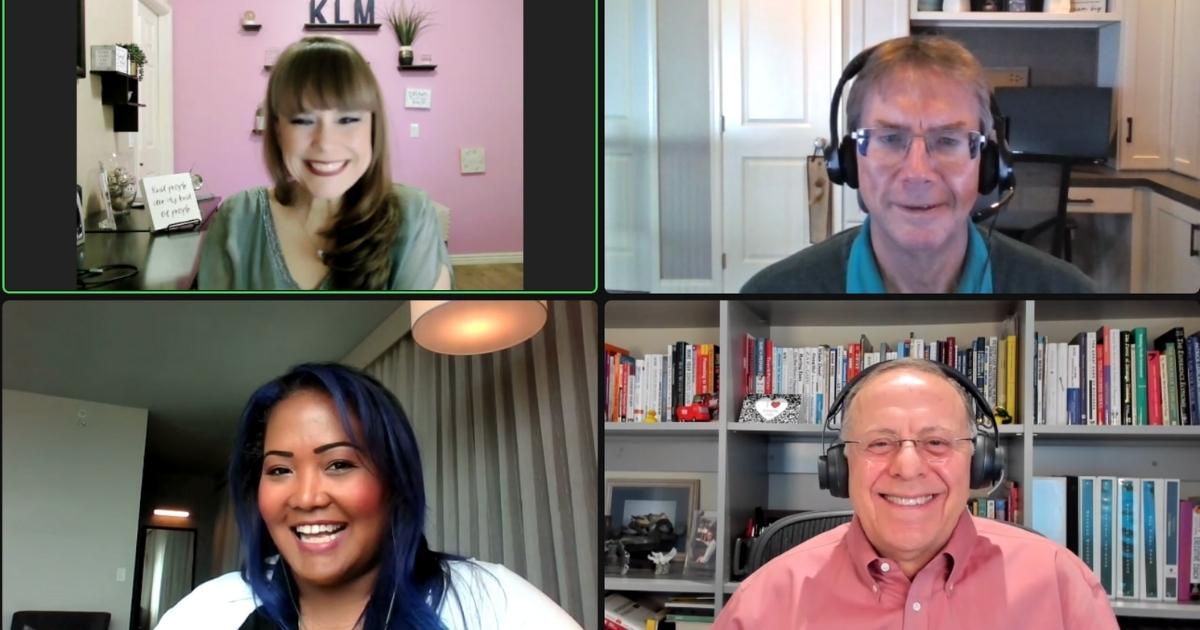
On this episode of Collaborative Connections Radio Show and Podcast, host Kelly Lorenzen had the pleasure of interviewing Rochelle Poulton with KLM & Poulton Law PLLC, Frank Stitely with Stitely & Karstetter CPAs, and Mallard Owen with 123JUNK.

They talked about everything from Conscious Capitalism and higher purpose, to finances, leadership, collaboration and law.

If you are a business leader, conscious capitalist, or curious about any of these amazing professionals, check out this episode sponsored by KLM.

There are some great takeaways, insights, and tips that were shared by all!

PNLaw-Logo

Diverse experiences gives Poulton Law, PLLC the knowledge to understand your situation and provide targeted advice and guidance.

Rochelle-Poulton-HeadshotRoundRochelle Poulton joined Poulton Law in 2021, after nearly ten years of running her own practice assisting clients with debt and credit issues. She offers creative solutions for the financial struggles of entrepreneurship.

In addition, Rochelle has nearly 20 years of real estate experience and is a licensed Realtor with Realty Executives.

Connect with Rochelle on LinkedIn and follow Poulton Law on Facebook.

Stitely-Karstterf-logo

Stitely & Karstetter CPA’s is a full service CPA firm located in Chantilly, Virginia. They provide tax, accounting, and business valuation services to small business owners nationwide.

They specialize in complex tax planning and pension strategies for business owners as well as providing a complete outsourced accounting and CFO solutions to small businesses in a variety of industries.

The firm is celebrating its 33rd anniversary in 2022.

Frank-Stitely-Phoenix-Business-RadioXFrank Stitely founded S&K CPAs in 1989 with a fraternity brother from college. He has well over 30 years of experience consulting with small business owners to minimize their tax liabilities. He also helps small business owners understand the value of their businesses and assists them in purchase and sale transaction.

Frank is heavily involved in the Northern Virginia community sitting on the boards of a number of charities including Christian Relief Services, the RHOLC Foundation, and the Loudoun Estate Planning Council.

He is a workout enthusiast who loves biking and general fitness classes. He is a larger holder of the equity in a cloud-based software company, Clarity Practice Management, serving CPA firms nationwide.

He has written two books on practice management for the CPA profession.

Other than the above, he is a pretty boring guy.

Connect with Frank on LinkedIn.

From our first job through present day, 123JUNK has faithfully operated with its mission statement clear and top of mind: To be the leading Donate – Recycle – Dispose Company that delivers the best client experience and makes the biggest difference in its community and its environment.

123JUNK started with $4K and a beat-up pickup truck. Our humble beginnings forced us to focus on growth through referrals from happy clients and an unparalleled obsession with service quality.

Today, 123JUNK is positioned as the prominent Eco-Friendly, Junk Removal Service of our Nation’s Capital and the surrounding areas of Northern Virginia and Maryland.

Mallard-Owen-Phoenix-Business-RadioXMal Owen has over thirty years of senior leadership experience having launched new businesses, nurtured startups, guided non-profits, and transformed struggling organizations. Central to Mal’s success has been building strong teams, creating winning strategic alliances, providing an outstanding work environment, maximizing existing resources, and leveraging new technologies and information systems. Importantly for sustainable success, he believes that “how you get there” is as important as “what you achieve.”

Mal’s consulting firm, eBrite, has led him to his most recent role as the Chief Operating Officer for 123JUNK, based in Chantilly, VA. 123JUNK’s mission is to be the leading Donate – Recycle – Dispose company in the country, delivering the best client experience and making the biggest difference in its community and its environment.

Mal had been consulting with this firm since 2014 until both parties realized he could provide even more value overseeing its day-to-day operations. Mal also continues to serve as an advisor to Smith Hager Bajo, a firm with specialized expertise in women and children’s healthcare management and facility planning.

Mal’s leadership and consulting talents have led him to work across a wide range of organizations in fields such as health/wellness, information technology, hospitality, arts and culture, legal, government/defense contractors, and executive search. Prior to his work in the commercial and non-profit sectors, Mal was trained as a research scientist.

He received a prestigious NIH grant to complete his doctorate degree in exercise physiology from The University of Iowa. He went on to receive a post-doc through another grant to continue his research on the neurophysiology of body temperature regulation in the College of Medicine at The Ohio State University.

Besides Conscious Capitalism Arizona, Mal has been very active in non-profit service and professional organizations in the areas of community service, workforce development, and small business support.

One of Mal’s most cherished activities in the Washington, DC, area was his five-year role as the co-leader of one of the largest, non-profit career support groups in the U.S. Recognized for its accomplishments by the U.S. Department of Labor, the group’s success led to his being invited multiple times by two Secretaries of Labor to provide his insights in focus groups and participate in special events hosted at the White House.

Connect with Mal on LinkedIn and follow 123JUNK on Facebook and Instagram.

About Collaborative Connections

Kelly Lorenzen started the “Collaborative Connections” show to bring her clients and favorite charities together to meet each other, connect and collaborate in life and business.  She hopes to build a stronger community one show at a time. klm-logo-small

About Our Sponsor

KLM is a one-stop support shop for small business owners who are starting, growing, or trying to sustain. Our purpose is to foster the growth and prosperity of small businesses in our community.

Entrepreneurs & small business owners come to KLM for support in all areas of business. KLM clients think of us as a concierge, business snuggy, another arm, or duplicate for the business owner; They call us when they need us. Business owners can continue to do what they love while having the support they need when they need it.

About Your Host

Kelly-Lorenzen-on-Phoenix-Business-RadioXKelly Lorenzen, CEO of KLM, is an award-winning entrepreneur with over 15 years of business-ownership experience. She is also a certified project management professional.

Kelly’s expertise is in business development, customer service, marketing, and sales.

Connect with Kelly on LinkedIn, and follow KLM Consulting on Facebook.
Tagged With: Accounting, AZ Business Attorney, AZ Business Law, CPA firm practice management, income tax, Rochelle Poulton, valuation

Decision Vision Episode 169: Should I Have My Business Valued Every Year? – An Interview with Doug Marshall, Marshall+Viliesis, LLC

May 19, 2022 by John Ray

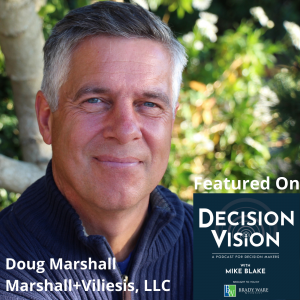
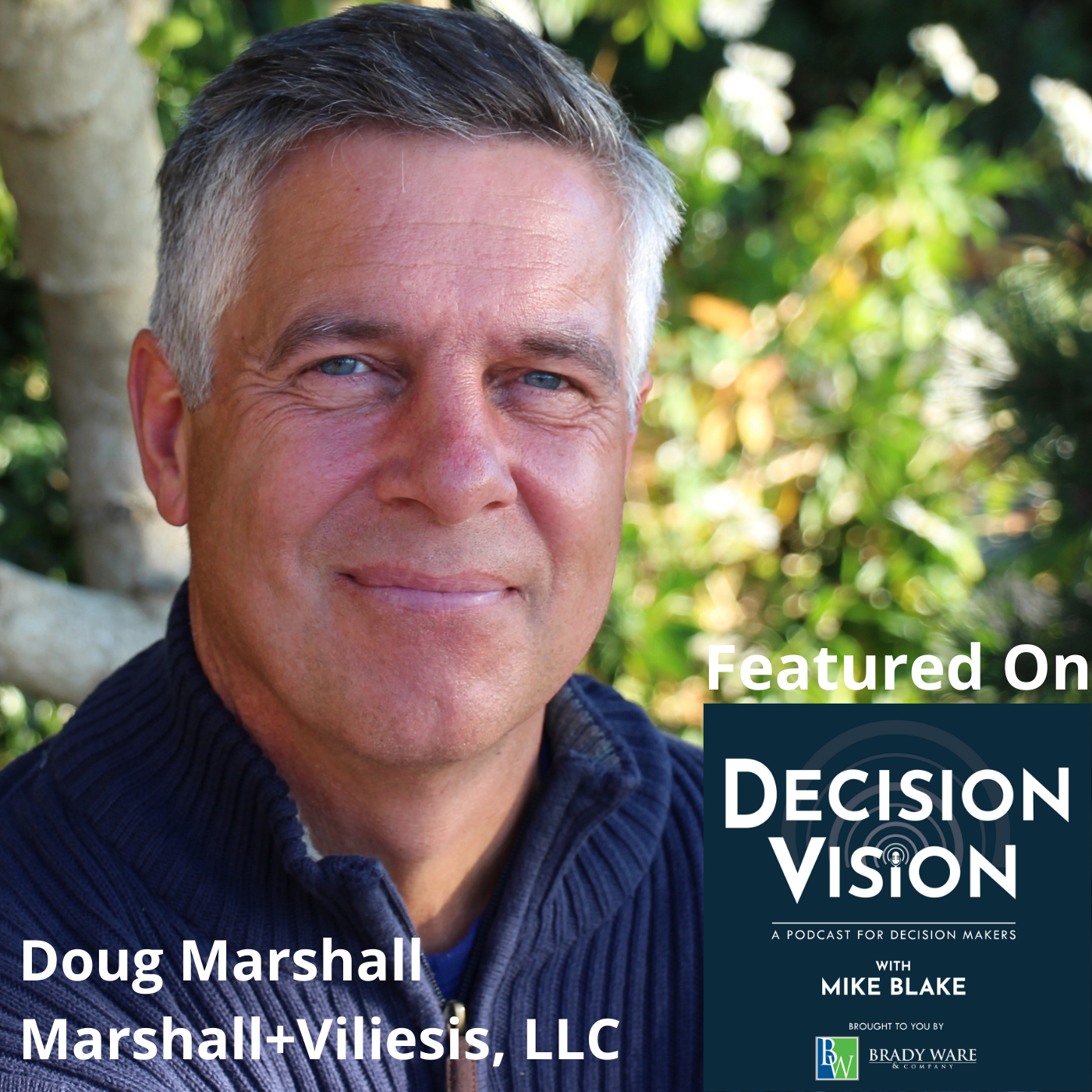
Doug Marshall
Decision Vision
Decision Vision Episode 169: Should I Have My Business Valued Every Year? - An Interview with Doug Marshall, Marshall+Viliesis, LLC
Loading
00:00 /
RSS Feed
Share
Link
Embed

Download file

Doug Marshall

Decision Vision Episode 169: Should I Have My Business Valued Every Year? – An Interview with Doug Marshall, Marshall+Viliesis, LLC

Doug Marshall, Partner at Marshall+Viliesis, LLC, joined host Mike Blake to cover the process of having a business valuation done, and whether doing a valuation every year is advisable. They discussed the factors which impact a business’s value, ways it can be valued, reasons to do it annually, whether it should be done in-house or independently, and much more.

Decision Vision is presented by Brady Ware & Company and produced by the North Fulton studio of Business RadioX®.

Marshall+Viliesis, LLC

Marshall+Viliesis, LLC is a firm dedicated to helping owners Value & Protect their largest and most important asset.

Business Value Protection Planning™ is a proprietary system developed by Marshall+Viliesis to help owners through the planning process with speed and accuracy. It guides them through the four critical areas of Succession, Retirement, Estate and Key Stakeholder. Planning.

Starting with a valuation Business Value Protection Planning™ has the ultimate goal of planning which is Current, Complete and Coordinated. Business owners think differently than the wealthy affluent and deserve a better planning experience designed for them.

Company website | LinkedIn

Doug Marshall, Founding Partner, Marshall+Viliesis, LLC

Doug Marshall, Founding Partner, Marshall+Viliesis, LLC

Doug Marshall is a founding partner at Marshall+Viliesis, LLC. He is focused on helping owners get the planning they deserve to protect the wealth, income, and legacy of their business.

Along with his partner Peter Viliesis he created Business Value Protection Planning™, a system designed to deliver planning that starts with a valuation of the business. Knowing the current value of a business helps an owner make better decisions for the business. It helps the owner make better decisions for growth, decisions for protecting the business value, and decisions to help unlock business value.

Previously Doug has worked with Nationwide, Manulife/John Hancock in the Corporate Products division where he developed and marketed Corporate-Owned and Bank-Owned Life Products. He has been associated with Penn Mutual on the brokerage side as well.

He is located in Seattle Washington where the state is home to over 400 Craft Breweries. Much of his focus is working with Brewery Owners, a fascinating manufacturing industry. If you are ever in Seattle he will be more than happy to take you on a tour!

LinkedIn

Mike Blake, Brady Ware & Company

Mike Blake, Host of the “Decision Vision” podcast series

Michael Blake is the host of the Decision Vision podcast series and a Director of Brady Ware & Company. Mike specializes in the valuation of intellectual property-driven firms, such as software firms, aerospace firms, and professional services firms, most frequently in the capacity as a transaction advisor, helping clients obtain great outcomes from complex transaction opportunities. He is also a specialist in the appraisal of intellectual properties as stand-alone assets, such as software, trade secrets, and patents.

Mike has been a full-time business appraiser for 13 years with public accounting firms, boutique business appraisal firms, and an owner of his own firm. Prior to that, he spent 8 years in venture capital and investment banking, including transactions in the U.S., Israel, Russia, Ukraine, and Belarus.

LinkedIn | Facebook | Twitter | Instagram

Brady Ware & Company

Brady Ware & Company is a regional full-service accounting and advisory firm which helps businesses and entrepreneurs make visions a reality. Brady Ware services clients nationally from its offices in Alpharetta, GA; Columbus and Dayton, OH; and Richmond, IN. The firm is growth-minded, committed to the regions in which they operate, and most importantly, they make significant investments in their people and service offerings to meet the changing financial needs of those they are privileged to serve. The firm is dedicated to providing results that make a difference for its clients.

Decision Vision Podcast Series

Decision Vision is a podcast covering topics and issues facing small business owners and connecting them with solutions from leading experts. This series is presented by Brady Ware & Company. If you are a decision-maker for a small business, we’d love to hear from you. Contact us at decisionvision@bradyware.com and make sure to listen to every Thursday to the Decision Vision podcast.

Past episodes of Decision Vision can be found at decisionvisionpodcast.com. Decision Vision is produced by John Ray and the North Fulton studio of Business RadioX®.

Connect with Brady Ware & Company:

Website | LinkedIn | Facebook | Twitter | Instagram

TRANSCRIPT

Intro: [00:00:02] Welcome to Decision Vision, a podcast series focusing on critical business decisions. Brought to you by Brady Ware & Company. Brady Ware is a regional, full-service accounting and advisory firm that helps businesses and entrepreneurs make visions a reality.

Mike Blake: [00:00:21] Welcome to Decision Vision, a podcast giving you, the listener, clear vision to make great decisions. In each episode, we discuss the process of decision making on a different topic from the business owners or executives’ perspective. We aren’t necessarily telling you what to do, but we can put you in a position to make an informed decision on your own and understand when you might need help along the way.

Mike Blake: [00:00:42] My name is Mike Blake, and I’m your host for today’s program. I’m the Managing Partner of Brady Ware Arpeggio, a data-driven management consultancy, which brings clarity to owners and managers of unique businesses facing unique strategic decisions. Our parent, Brady Ware & Company is sponsoring this podcast. Brady Ware is a public accounting firm with offices in Dayton, Ohio; Alpharetta, Georgia; Columbus, Ohio; and Richmond, Indiana.

Mike Blake: [00:01:07] If you’d like to engage with me on social media with my Chart of the Day and other content, I’m on LinkedIn as myself and @unblakeable on Facebook, Twitter, Clubhouse, and Instagram. I also recently launched a new LinkedIn group called Unblakeable’s Group That Doesn’t Suck, so please join that as well if you would like to engage.

Mike Blake: [00:01:25] Today’s topic is should I have my business valued every year? And this is a topic that I have avoided. It has been suggested to me that I really should be doing more valuation stuff, because at least nominally, that’s the field that I’m in. But to be perfectly candid, I’ve been reluctant to do it, because I didn’t know how to do it in a way that just wasn’t completely self-serving. And those of you who know this podcast, who have hung around and listened to a few of these, you know that I have no interest in turning this thing into an infomercial.

Mike Blake: [00:02:04] We put information out there that we hope and believe is useful to our audience. We bring experts on that can talk about the topic and just sort of let it go at that. But the fact of the matter is that valuation of a business is important, and it’s important for a lot of reasons, whether you’re thinking of selling your business, you’re positioning it to be transferred to a family member or somebody else, there are tax planning implications, all kinds of reasons why you ought to know or at least have some idea as to the value of your business should you decide to sell it or another business should you decide to buy it.

Mike Blake: [00:02:49] But I didn’t want to get on here and basically just do a monologue, and again, be sort of Ron Popeil selling the Ronco Rotisserie Showtime grill, which, by the way, as an aside, is fantastic. I’ve had one for like 15 years. I got one as a Christmas present for my mother, and I thought, for sure, this is going to be one of these things that goes into the attic with like 25 years of fruitcake, but I’ll tell you, the damn thing works. It actually does make the best tasting chicken and turkey we’ve ever had. So, they’re not a sponsor of the show, and as far as I know, Mr. Popeil, I actually think, passed away about 10 years ago. But anyway, that’s a sort of an aside there. If you’re thinking of getting one, go ahead and get one, because I think they’re pretty neat.

Mike Blake: [00:03:34] So, helping me out here to make sure that this isn’t an infomercial, and frankly, just to sort of keep me in line is my friend joining us from Washington State, Doug Marshall, who is a founding partner in Marshall|Viliesis, LLC. He’s focused on helping owners get the planning they deserve to protect the wealth, income, and legacy of their business. Along with his partner, Peter Viliesis, he created Business Value Protection Planning, a system designed to deliver planning that starts the valuation of a business.

Mike Blake: [00:04:03] Knowing the current value of a business helps an owner make better decisions for the business and helps the owner make better decisions for growth, for protecting the business value and decisions to help unlock business value. And I think that second part is very important and is very overlooked, especially when times are good, but protecting value is so important, and I think that it’s not as sexy as growth or profit, but, boy, building resilience into your business, or as Nicholas Taleb would say, antifragility into your business, I think that it is an incredibly important concept that maybe we’ll dive more deeply in another show.

Mike Blake: [00:04:48] Previously, Doug has worked with Nationwide Manulife John Hancock in the Corporate Products Division, where he developed and marketed corporate-owned and bank-owned life products. He has been associated with Penn Mutual on the brokerage side as well. He’s located in Seattle, Washington, with a status home to over 400 craft breweries. Much of his focus is working with brewery owners, a fascinating manufacturing industry. That’s something that we have a guy in our practice who owns Sizemore, does a bunch of as well. If you’re ever in Seattle, he’ll be more than happy to take you on a tour. So, with that, I’d like to welcome Doug Marshall to the Decision Vision podcast.

Doug Marshall: [00:05:25] Thank you, Michael. It’s a pleasure to be here. Really appreciate the opportunity.

Mike Blake: [00:05:30] So, explain to our list, and of course, I know the answer to this question, but most of our listeners don’t, what is a business valuation?

Doug Marshall: [00:05:41] Well, it doesn’t come with a set of steak knives, so we definitely are not doing an infomercial here. But I think that most business owners have a notional value of what their business is worth, because they talk to other business owners, right? Yet, at the same time, very few go through the formal process of getting a valuation, of having somebody take all of their financial data, look at what the business is expected to do over the next few years, and come up with a number that says, this is what your business is worth, and having that knowledge is rather important.

Doug Marshall: [00:06:23] So, in your practice, in my practice, what we will do when we’re working with the business owner is we’ll collect three, maybe five years of historical financial data. We’ll do an interview and we’ll find out what the business owner is about and what’s going on with the business, and we’ll do a projection of what the expected cash flows are to be, and we’ll come up with a number.

Doug Marshall: [00:06:46] And there are a number of different valuation numbers. There’s equity value, and I don’t expect that we’ll go into all of this detail now, but there’s equity value, asset sale value, enterprise value, liquidation value, book value. So, there are a number of different measures and a number of different ways to look at the value of a business, but it’s important for an owner to know. Did I answer the question alright for what we wanted to do?

Mike Blake: [00:07:10] Well, I think so. So, at the end of the day, evaluation, it sounds like, is a third-party, and I think importantly, an independent view as to what the business is, at least, ostensibly worth. Let me ask this. I’m very curious to get your view on this. In your experience, do you think that more business owners are likely to think their business is more than it’s actually worth, what it would likely sell for, or less than what it would likely sell for? In other words, are business owners too optimistic or too pessimistic?

Doug Marshall: [00:07:50] I think it’s 50-50, and I think it also depends on their mood. They could have come off a crappy week, and they could say, well, I’m not that optimistic that anybody’s interested in my business, I don’t know how to transfer it, my kids aren’t interested in it. So, they don’t really know. And then, they’ll be with their buddies. I mean, business owners tend to hang with business owners, and I know this is true in the brewery business, but they’ll say, my business is worth a certain multiple of earnings or EBITDA and there will be this rule of thumb in there, but it’s not necessarily what their business is worth, and I also want to make sure that everybody understands that I can value a business for $10 million and it sells for $13 million, but that was kind of a strategic purchase, possibly.

Doug Marshall: [00:08:42] So, just because I come up with a range of value, you come up with a range of value doesn’t mean that that’s what the business is going to sell for. So, ultimately, if somebody’s looking to sell a business, which is usually why people think that they should get a valuation, they’re in a position where they may or may not get that number, but I think it’s all over the map.

Mike Blake: [00:09:05] Yeah. And I think that that point is very important, in that defining value is actually deceptively hard. And Warren Buffett would say where price is what you pay, value is what you get, we know the technical definitions of value in terms of buying and willing informed seller and buyer, and the fact of the matter is that most of the time, an asset, particularly if it’s not on a liquid public market, an asset trades for, it’s something that can be quite far from what you and I might say is fair value, and that’s because the markets aren’t all that efficient.

Doug Marshall: [00:09:51] Right. Because it’s very limited and people don’t really pay attention to that, but you also might be a minority shareholder, so your value is less. You might not have marketability of your stock, so your value is less. You might have controlling interest, so your value is more. Yeah, but lack of marketability really creates a problem to get a true value for an owner. That’s why I think it’s so important to know the value well in advance of any event that takes place so that you’re not caught off guard.

Mike Blake: [00:10:23] Now, in your practice, what is involved in a business valuation? You talked about reviewing and analyzing historical financial data up to five years, but I imagine it’s much more than that. Can you share with our audience kind of what other processes and procedures enter into a business valuation process?

Doug Marshall: [00:10:45] Well, I know that we’re going to get to this question later, but predominantly, I’m using an online algorithmic system called BizEquity. And the reason for that is that I’m trying to not have the valuation process get in the way of the answer that the business owner really, really needs. And that is approximately, how much is my business worth? And this is well in advance of when they’re looking to sell it, so that the business owner can put in three years of financial data, we can do some projections out, and we come up with a report that will give them insight into the different valuation numbers for them.

Doug Marshall: [00:11:22] And it’s important to know, because if you’re going to do a buy-sell agreement with a partner, you want to know that that business is approximately worth seven-and-a-half million dollars, and you want to know that if I need to buy out my partner, it’s going to cost me three-and-a-half, if that’s what we agreed to. So, our process is relatively simple, because we want fast, inexpensive, and non-intrusive.

Doug Marshall: [00:11:51] Typically, and a lot of the work that you do, Mike, entails a lot of time and a lot of expense, and you’re worth it, but that’s because you’re trying to grind down the numbers so that you can support it legally from a tax standpoint, or you might have a litigation matter, or you’re doing something that’s highly subjective, saying, I don’t know what the future holds, so here’s this range, if anybody knows about your practice and the things that you do.

Doug Marshall: [00:12:20] I think one of the primary reasons, that I think there are two primary reasons why business owners don’t typically get a valuation. And the first reason is time and expense. It’s just like, it’s too much time, and owners, they have drive and discipline to grow their business, they’re not looking to spend time doing this other stuff that’s not directly growing their business. And to be quite honest, since more than 90% don’t keep valuations current, 90% of business owners don’t keep valuations current, business has gotten along fine without having formal valuations done on a regular basis, right? I mean, it’s not like we’re seeing businesses collapse, because they haven’t done these valuations.

Doug Marshall: [00:13:02] You know what I mean? If they need valuations to succeed, the business would be thriving and we’d have more than 10,000 professionals doing valuations throughout the country, but that’s not the case. So, normally, and I think owners also think that the only time that I really need a valuation is when I’m contemplating doing something like a gifting program, which that’s required. Like if I’m going to sue somebody, that might be required. If I’m going to transfer ownership, that’s going to be required. So, they’re only doing it when they’re required to do it, and I think having that knowledge well in advance makes a lot of sense for them, though.

Mike Blake: [00:13:39] And you mentioned the reasons why business owners don’t do valuations, I actually think there’s a third, and I’d love to get your view on it, and that is that I think that our profession has a little bit of a credibility problem. I think that, and for some reason, our profession largely is kind of okay with this. I think we have too much of a sense of humor about it, but I think we’re too willing to cave in to the argument that value is what somebody is willing to pay for it, which I’m not going to off-ramp onto that.

Mike Blake: [00:14:13] There’s a Freudian slip there, because I could easily rant on that for an hour, but I do think that a lot of people don’t know that there are people who do what we do, and I think our profession, frankly, has done a poor job of explaining to people, to the public what goes into a business valuation or appraisal, and I think there’s a distinction there that you’re kind of illustrating very nicely, actually. And I think that our profession hasn’t done enough to say, look, actually, there is some method to the madness here, really isn’t just shaking a magic eight ball, but there is some rigor that can lead you to make better decisions if you allow it.

Doug Marshall: [00:15:03] Oh, by all means. I always talked to owners about if an unexpected opportunity comes along, how are you going to measure that opportunity if you don’t really know the value of your business, for your business? Is that going to positively or negatively impact the value of my business? And should I be keeping—sometimes, what we’ll do with owners is we’ll do what ifs.

Doug Marshall: [00:15:28] We’ll say if you change this cash flow, if you reduce this expense, if you add this payroll, how much additional revenue is that going to create? How much risk is that creating for you, the owner? How much opportunity is that creating for you with growing your wealth? And you have to be really careful with the business, because you mentioned this before, it’s an illiquid and concentrated asset, it’s unlike anything else that somebody owns on the personal side, and that creates a lot more risk. So, knowing the value does make a lot of sense.

Mike Blake: [00:16:05] So, we touched on it, but I want to make sure we hit this clearly, because I think it’s central to the conversation, and that is, what exactly are the reasons why a company would want to have a valuation of their business done on a regular basis, whether it’s annually, semi-annually, biannually? What are the reasons for that?

Doug Marshall: [00:16:27] Yeah. Even if the business is not growing, it’s just pretty steady in sales, it’s doing $10 million of sales a year, its expenses remain relatively the same, I think just the very discipline of going through the process and establishing the value for the business, which might have a little bit of variation because of external factors, the economic climate and interest rates, of course, but just being able to show that this is something you were paying attention to, I mean, it’s not too different from showing that you’ve got good books and you can account for the money over the past 5 to 10 years.

Doug Marshall: [00:17:06] That shows that you are a disciplined business person and that your business has some value based on that. You want to show that you are a well-run business. So, knowing the value also puts you in that position of just being able to make better decisions on a regular basis, and then you also understand what drives the value. Very often, we will talk about, okay, what’s your equity value and what’s your liquidation value?

Doug Marshall: [00:17:33] I think those are two important numbers for a business owner to understand when it comes to protecting the value of your business, and this is a practical matter. So, your business value might be worth $10 million as a going concern, but only 2 or $3 million if you just have to shut the doors, because you haven’t done any proper planning or you become illiquid. So, that’s the amount that’s at risk, and I think facing that risk every year motivates someone to do some planning to make sure that that’s protected.

Doug Marshall: [00:18:05] Our buddy, Chris Mercer, he talks about the 1% solution, and he talks about, you should take 1%, or thereabouts, 1% of the value of your business and carve that off as a budgeted item to pay for your attorneys, and your CPAs, and your wealth advisors, your insurance people to make sure that you are doing the planning that is protecting the wealth, helping to unlock that wealth, ultimately, of that business, and not pay more taxes. There are all sorts of ways in which you can lose money in the ultimate transaction of transferring the value, because you’re paying too much in taxes, you’re not getting as much as you should for the business, because you were disorganized in the process and you haven’t positioned the business correctly to be sold.

Mike Blake: [00:18:58] And I think one of the things you said is really smart, which is I think that in a valuation process, the why is much more important, or at least as important, but I would argue more important than the what. We’re giving you numbers in round figures—giving a client a number, I should say, your business is worth $1,000,000, the end. I mean, yeah, that’s nice, but on the other hand, your business is worth $1,000,000, but it could be worth more, because of these five—if you do these five things, which, by the way, some of them may not be very hard to do at all. That’s easily worth a multiple of the fees that were invested in the valuation in the first place.

Doug Marshall: [00:19:40] Exactly.

Mike Blake: [00:19:42] So, let me get to some of the mechanics here. I think for many people, especially if they’re approaching business valuation for the first time and they may or may not have heard of people like us that do this for a living, they probably will turn to their CPA first. And there’s a rationale to it, right? They’re financially oriented. Some CPAs are, in fact, professional business appraisers or valuation analysts. Some do it a lot, some dabble. And of course, there’s an institutional knowledge of the company, most likely, at least for some period of time. Should the first place or should a company just sort of default to turning to their CPA to do the valuation of the company for them?

Doug Marshall: [00:20:34] Well, one, if the CPA does have experience in doing valuations and has really taken the time to learn how to do it, I would say, sure, that’s not a bad place to turn, yet at the same time, I think getting a secondary objective opinion on the value of the business, the range of value on the business does make sense. Another difficult thing, and this is nothing against the CPA profession, but they’re very seasonal. And so, they go through seasons where they are 100% unavailable because of the workload. And then, there are other times when they’re available. So, it’s not really in their business model to be doing valuations. And in your firm, I mean, you’re not doing tax work anymore, right?

Mike Blake: [00:21:25] No, I never was.

Doug Marshall: [00:21:29] And Owen, so I mean, you have a different side. So, I wouldn’t object to a CPA firm that had a valuation arm in it, I don’t think that’s a problem, but here has to be that relationship and there has to be experience in doing valuations for the particular type of industries, right? So, if you’ve never done a brewery before, you’ve got a learning curve as a valuator.

Mike Blake: [00:21:56] Now, what if the company is large enough that they have a CFO or a controller, is it a good idea maybe to say, hey, you’re a CFO, I’m paying you to do finance stuff, you tell me what the business is worth?

Doug Marshall: [00:22:10] Mm-hmm. I mean, once again, they can give you a general version, the idea of what the business is worth, but then you have to look at, what is the level of objectivity here? I don’t want, as the CPA, to be the person who should be telling the owner, that you think it’s worth 20, but it’s really worth 15. I’m not sure I really want to be put in that position. And then, with people in value, people that do valuations full time, even they’re going to come with their certain set of—they’re going to have bias in how valuation should be done. They’re going to have bias toward industry.

Doug Marshall: [00:22:52] And there are the human factors that you want to get as much out of the human factor as possible. If I wake up on Monday morning and start evaluation and I did not have a very good weekend, that might color my world a little bit to where my process is going to be different. And I think the same thing can happen to a CFO, so it’s better to have somebody to come in and do something objective. I don’t think having your CFO give an estimate is a bad idea, but I also wouldn’t take the CFO off of CFO type of stuff to go through a full-blown valuation, because that is going to take time.

Mike Blake: [00:23:39] And you mentioned something that I think is really important, and that is the independence. In the CPA example, can you really trust your CPA to tell you that your baby is ugly, or are they going to be a little concerned that in doing that, that the fees for their other services might be in jeopardy, or the CFO might be concerned that his or her job might be imperiled if you come back and say, your baby is ugly, this company isn’t really worth very much?

Mike Blake: [00:24:16] And candidly, that’s something that I address here at Brady Ware. When we receive an internal referral from an existing client, one of the first questions I—the first question I ask is, is there any scenario under which the answer that we come up with would make the client mad at us? And if the answer is yes or even if it’s supposedly infinitesimally small, and it probably isn’t, it’s probably bigger than we think it is, then even I’ll refer it out, because it’s just not worth it.

Doug Marshall: [00:24:52] I hear you on that. And I’m not trying to be self-serving for the two of us saying, you shouldn’t use your CPA, you shouldn’t use your CFO, I’m saying, as is good practice, there’s a lot of reasons to look outside to get that information.

Mike Blake: [00:25:08] So, I think the most common or maybe most accessible thesis for this is to have a valuation done annually, because you’re in a mode now where this might be the year that you’re going to sell, either you just decide that you want to throw it in, or this is the year that somebody calls you on the phone and makes an offer that you don’t hang up on them on. Are there other reasons to do it annually other than just be ready for a proposal to sell?

Doug Marshall: [00:25:40] I think it’s going to be easier if you do it on an annual basis. It might not be as costly, because a lot of the information is already there, and you just have to check and see what has changed. I think the habit of it is going to make it easier if you do it every five years. It’s like, you might say, ah, we can wait another year. But doing it every year probably makes the most sense, because then, I can quickly look at a company’s financials, and say, not much has changed here, so we’re probably not going to come up with too far of a different result, but it’s good to know.

Doug Marshall: [00:26:16] And I also might want to ask, why haven’t you grown, or why did your sales fall off, or why did your expenses go higher? What’s really fascinating about a valuation is that when you look at your accounting statements, your cash flow, your net cash flow statement, your gross revenue, your balance sheet, you can kind of pick and choose what numbers you focus in on to make yourself feel better as a business owner, and we’re just human, right? But the valuation puts together all of that stuff and comes out with one number. So, it throws it all in the mix, does all the calculations, looks at the future cash flow, and it acts as a barometer. So, it doesn’t allow the owner to kind of cheat themselves by telling them a story that’s not necessarily true.

Mike Blake: [00:27:12] And you touched on something that I think is worth pausing on for a minute, which is, again, the why, and even if your business likely has remained static in value over a year or two years, whatever, in the financial markets, they have a concept called performance attribution, and I think that applies here as well, in that why the business value has changed or not changed I think is important. Is it because you did something great or not as great, or some function of your company did something great or not as great, or were you bailed out by or were you hurt by simple market movements? And that’s just something that’s environmental and it doesn’t necessarily mean that you did anything right or wrong.

Doug Marshall: [00:28:08] Mm-hmm. And I’ve had owners that have said, “How much cash should I leave in my business?” And I don’t have a specific answer for them, but they say, “If I leave this million, how does that impact the value, as opposed to taking out 750,000?” We can do a quick calculation, so they can see what happens there, and then we can kind of talk about, does it make sense to leave it in the company or take it out of the company and redeploy it in other ways? So, there are forensic things that you can do and pro forma things that you can do in valuation to do what ifs, which helps in planning for future events.

Mike Blake: [00:28:51] Now, as you’ve touched upon, sometimes, companies will need to engage a valuation or an appraisal for something that is compliance-related. It could be for a gifting event, could be for, I don’t know, stock options, 83(b) elections, something having to do with gap, take your pick. Can a client simply take a document like that or a valuation, and then rely on that as the same document for strategic positioning?

Doug Marshall: [00:29:23] Yes and no, and I don’t want to be elusive on that because every valuation has a purpose and a goal. So, if you are doing something for a state planning purposes and gifting purposes, you might want to have to be able to justify a certain value for that gifting program. That might not be the same value that you would want if you were going to go sell the company or you are going to make a strategic decision. So, I mean, the number shouldn’t be that far off, but you have to keep in mind that if you had a different purpose for the valuation, the numbers might be a little bit different.

Mike Blake: [00:30:05] Now, our term of art that we use is something you and I, meaning, and others like us is we apply what’s called a standard of value, which really just means. It’s a definition of value or a context of value. And of course, for most tax things, it’s fair market value. For most accounting things and some litigation, it’s fair value. For transactional work, it might be something called investment value or synergistic value. But when we’re talking about having a valuation done as a strategic planning document, what standard or definition of value do you typically recommend, and why?

Doug Marshall: [00:30:46] I am more going toward the neutral fair market value, because there’s a lot less baked in. Now, I mean, now, what you can do from there is you can say from the fair market value, if the valuation is 10 million, maybe there is a strategic play out there that’s 15 million, but it’s only that 15 million because there’s somebody on the other side that has a different motivation than you do possibly for keeping it.

Doug Marshall: [00:30:46] So, I just kind of stick with the fair market value, because that’s the basic. I also think that one important point that we need to keep in mind is that since there are these different standards of value in a buy-sell agreement, now, this is going a little bit off the beaten path, it is important in your legal documents to establish which standard of value you’re going to use, because those numbers can be widely varied. And if you have not defined those things, then we start to get into the litigation process between business partners, and that’s one thing that we want to avoid by doing the valuations every year.

Doug Marshall: [00:32:06] Chris Mercer talks about having a single appraiser do a—select the appraiser at the beginning of the year, value the business at the beginning of the year, and all of the partners, if there are multiple owners, agree what the price would be for a buy-sell, what the price would be if somebody wanted to get out, rather than waiting for the event, going through the process of hiring an appraiser at that point in time, and then having them come up with a number that’s a complete surprise. So, being proactive on the valuation side definitely makes a lot of sense.

Mike Blake: [00:32:43] Yeah. Let’s pause on that, and for the record, I’m a big fan of Chris Mercer’s work on that. I’ve had his book in my library for years. I’ve expanded a little bit upon what he’s written, at least in that edition, but it really is an outstanding book. And I agree, if you can agree on a single appraiser and get rid of these sort of dueling appraiser things, processes, I think that’s really a fantastic way to go. But interestingly, you bring up a scenario that I have not encountered as much, I haven’t thought of as much, frankly, and that is the business partner scenario.

Mike Blake: [00:33:23] And I want to pause on that because I’ve done my share, I’m working on my share of resolving buy-sell agreements, and as I think through a lot of those assignments, boy, a lot of them could have been resolved much more easily had there simply been a trusted party by both or more, by all stakeholders involved to perform an independent appraisal, and then that number is just sort of there, as opposed to waiting. And then, like you said, the surprise that when you get a surprise valuation that you don’t like, that’s when the next call is to the lawyers, then you’re off to the races.

Doug Marshall: [00:34:01] And now, you’re talking significant money. So, I mean, you and I own a business for $5 million. We agree that the price is 5 million. If something happens to you, I agree to buy out your spouse for two-and-a-half, and if something happens to me, you agree to buy my portion out for two-and-one-half million dollars. And so, we each have to ask ourselves the question, am I satisfied with getting two-and-a-half or having my estate get two-and-a-half million, and am I satisfied with having to pay out two-and-a-half million? But I’m dealing with that ahead of time, rather than at the time that the event occurs.

Doug Marshall: [00:34:37] So, we can—and you and I might decide, well, that’s going to be a little too rich for our blood. I constantly run into owners that do have that situation to say, “Man, our business grew fast, but I don’t think that I have the liquidity to buy out my partner.” And now, they have to plan for, what can we do? And they might structure their buyout over a period of time, because it’s going to take them a period of time. And you can go back and look at the controlling documents and save people a lot of pain if they know what the dollar number is going to be.

Mike Blake: [00:35:18] Yeah. And I also think that perhaps having an independent appraisal done or valuation done regularly on a partnership like that eliminates or greatly reduces partner arbitrage. And what I mean by that is I think, in particular, when you have buy-sell agreements that call for either a formula or a specific price at which a buyout would occur, eventually, it becomes clear to one party or the other that they would benefit very much from being on one side or the other of a buyout. And there’s at least a financial incentive, ethics aside, there’s a financial incentive to manipulate that buyout, because there’s a substantial financial benefit to you. With an independent valuation or appraisal, I think a lot of that goes away and provides for a more kind of transparent and ultimately harmonious partnership.

Doug Marshall: [00:36:24] 100% agree on that.

Mike Blake: [00:36:27] So, when you get the valuation done, who should have access to it? Right? There’s a document, a work product, usually, of some kind produced, who should have access to that?

Doug Marshall: [00:36:45] Well, I think all key stakeholders that are responsible for driving the company. And I mean, maybe that doesn’t go all the way down to the bottom, but anybody that should know and should understand that this is now being used as a strategic document to guide us forward into the future, they need to understand what that is, whether they are an owner or not. So, you could have several key people where the owner says, “I just did a valuation of my company and it’s $9 million, and my goal is to get it up to $15 million in a certain period of time, and we need to work toward that goal.” So, anybody who’s a key stakeholder in that fashion needs to understand, I think the attorney needs to understand, the accountant should have that information, family members should also have that information as well.

Mike Blake: [00:37:44] And probably, the owner’s wealth advisors as well, I would imagine.

Doug Marshall: [00:37:48] Yeah, I meant to say that. Yes, of course.

Mike Blake: [00:37:54] And that work product, is that something that the business owner should be walking these people through? Should the provider be walking people through it to make sure everybody understands? Because despite our best of intentions, some of these documents can be quite hard to read, especially if you don’t have a lot of economics and finance training. Should the owners sort of set aside time to make sure that they understand and all the other stakeholders understand them?

Doug Marshall: [00:38:30] I think it’s worth taking the time. I don’t necessarily think it is the owner’s responsibility to put that together. I don’t think it’s that hard to put together a two-page summary of the valuation, what was done, the conclusions that were drawn, and some of the major factors that influenced the valuation of that, and what it means. So, it shouldn’t be in Greek, in a difficult to explain language, but I don’t necessarily think it’s the owner’s responsibility to do that, maybe it would be the CFO’s responsibility if the company is large enough to have one.

Mike Blake: [00:39:08] Now, I don’t know if you’ve encountered this, but I encounter a number of people who already “know” at least the multiples for being paid for companies in their market. They may get that from industry associations. They may get it from bankers. They may get it from competitors who may or may not be lying to them. They may get on the golf course. With people like that. What do you say to people like that that think that they kind of know their market multiples? What’s the argument that they may want to have a valuation done anyway?

Doug Marshall: [00:39:47] Well, before I answer that question, I would say, if you’re a franchise, you probably have a pretty good idea based on how the franchise works, especially if it’s a large one. So, I think the rules of thumb multiples in those particular situations are fairly accurate. The problem that I have with general rule of thumb multiples is that they end up becoming a self-fulfilling prophecy, and that’s not good, because the valuation is still the economics of the company, how much cash flow is expected to generate, how much discretionary cash flow is available to the owner, and what’s the projected increase in the growth in that cash flow, and what’s the risk that that is not going to happen? Right?

Doug Marshall: [00:40:34] Those are the basics, right, Mike? And so, you could have a rule of thumb multiple that doesn’t make sense as it relates to the cash flow, because over time, that multiple has eroded into a self-fulfilling prophecy. And it may be to the detriment of the owner. It might say—the multiple might be telling the owner that your business is worth less, that your business is worth more. So, I think that the rule of thumb can be used after you understand the value of your company and you have something professionally done.

Mike Blake: [00:41:17] I’m talking with Doug Marshall on the topic, as should I have my business valued every year? One question I want to ask, I want to make explicit, we kind of danced around it, but I want to kind of nail it, and that is once you have a valuation in your hand, as a business owner or executive, what do you do with it? What are the next steps after you have that document?

Doug Marshall: [00:41:47] One, I would say, is, are you happy with the number? I might go to a business broker, and say, this is the valuation that I have, just in general terms, you think I could sell my company for that? That you could go to your attorney, your tax attorney, and say, hey, my business is worth this, is my estate plan in order based on the value of this business?

Doug Marshall: [00:42:19] You could go to your accountant, and say, hey, this is the value of my company, but I think that I could be a little bit more tax efficient, what could we be doing with that? So, I mean, anybody that’s going to help you make decisions about what to do for your personal planning and your business planning, you can use that document as something to stimulate some conversation and also give some insight into the conversation.

Mike Blake: [00:42:48] So, when we talk about an annual valuation, should it be treated as an update of an existing valuation or should it be considered almost a brand new blank sheet of paper kind of valuation every year? And I can see the arguments for both. The argument for one is obviously cost and efficiency, and institutional knowledge. On the other hand, the argument for sort of a de novo valuation would be to reduce the risk of bias materially impacting or influencing the valuation. Where do you fall on that?

Doug Marshall: [00:43:31] I don’t think that you have to do a brand new, clean slate every year, but maybe every five years, I would. Just say, let’s tear it all up and see what we’ve got. Let’s look at this whole thing all over again.

Mike Blake: [00:43:51] Does an annual valuation make sense for everybody? For example, are there cases where you’ve spoken to somebody and maybe they think they want an annual valuation or they’ve been told they should get one, and you sort of say, you know what, no, I don’t really think this is right for you? Has that ever happened, or what is the case—who shouldn’t necessarily have a valuation done every year?

Doug Marshall: [00:44:17] Well, if the business too much depends on one person, I don’t think that you can really get a clean, accurate valuation. And so, you’re talking about a smaller company. But I think once you get into a larger company size, where it is beyond one particular owner, I think having that knowledge is important. And I mean, I’m not trying to do the infomercial here, but I think that there is a legitimate place for the online algorithmic valuations that are kept up to date.

Doug Marshall: [00:44:47] And as long as the operator understands how these things are working and what can possibly go wrong by getting bad data into it, you can have a relatively good piece of information. I mean, you even have large accounting firms that now use independent valuation tools that are online just to confirm the stuff that they do and also to bring the cost of the valuation down for some of their clients that might not want to spend a five figure number to get a valuation on an annual basis.

Mike Blake: [00:45:21] So, here’s part of the hardest question I’m going to ask in the interview, and it’s pretty much coming at the end, if you or I do provide a valuation for a company, and then it sells for a price that’s materially different from what our conclusion was, does that mean that we are wrong?

Doug Marshall: [00:45:45] No, not in the slightest, unless you hired me to evaluate what you could sell your company for in the market conditions that exists today, but I think that’s more the role of a business broker or somebody in the M&A field, because they have connections with those people who might want to buy, who might want to pay a premium or might want to find a value in the marketplace. So, once again, our valuations are going to have a range of valuations that might differ by 20%.

Doug Marshall: [00:46:26] You might say your business is worth between 10 and $12 million. And so, if it doesn’t sell—we had one recently where the company sold for almost a third more, but a lot of that was because it had fully depreciated equipment that with the supply chain problems, they would not be able to replace that equipment. So, the equipment had significant value in addition to the company itself, the company’s ability to generate revenue. Does that make sense?

Mike Blake: [00:47:00] Yeah, it does. And it’s important, I think, and sometimes, I think it’s overlooked that nowhere in the professional standards does it say that the object of what we do is to get the right number, because as a recognition, I think one of the things our profession does well, there’s a humble recognition that there isn’t necessarily a right number to get, but one that’s credible and reliable.

Mike Blake: [00:47:29] But market conditions are idiosyncratic, and you may be selling a company under duress, for example, if it’s under a buy-sell, or there are so many things that can go wrong that aren’t—or right, frankly, that aren’t considered under the laboratory conditions of a conventional appraisal that even under the best of circumstances, I think what we do should be considered a starting point, not necessarily an ending point.

Doug Marshall: [00:47:58] And business owners deal with uncertainty all the time, so delivering them a number that is not necessarily going to be black and white, the same way that you expect their accounting to be black and white, right? I expect accounting to account for every dollar down to the penny, but we can’t do that, because there’s so much uncertainty out there in the world, but there is also a way to kind of predict what is the range of the value that is likely to be there for you at some point in time in the future or right now.

Mike Blake: [00:48:31] Doug, we’re running out of time, this has been a great conversation, but I’m sure there are questions that either some of our listeners wished that I would have asked or wish we spent more time on, if somebody wants to follow up with you about any of the topics we’ve covered today, can they do so? And if so, what’s the best way to do that?

Doug Marshall: [00:48:49] I am always happy to either have a conversation about this, answer any questions, they can email me at dougm, Doug Marshall, M is my last initial, @marshallviliesis.com, or feel free to call me on my cell, talk, text, it’s 206-605-4695.

Mike Blake: [00:49:16] That’s going to wrap it up for today’s program. I’d like to thank Doug Marshall so much for sharing his expertise with us. We will be exploring a new topic each week, so please tune in so that when you’re faced with your next business decision, you have clear vision when making it. If you enjoy these podcasts, please consider leaving a review with your favorite podcast aggregator. It helps people find us so that we can help them.

Mike Blake: [00:49:37] If you would like to engage with me on social media with my Chart of the Day and other content, I’m on LinkedIn is myself and @unblakeable on Facebook, Twitter, Clubhouse, and Instagram. Also, check out my LinkedIn group called Unblakeable’s Group That Doesn’t Suck. Once again, this is Mike Blake, our sponsor is Brady Ware & Company, and this has been the Decision Vision podcast.

 

Tagged With: Brady Ware & Company, business valuation, business valuations, Decision Vision, Doug Marshall, ebitda, Marshall+Viliesis, Mike Blake, valuation

Decision Vision Episode 33: Should I Sell My Business? – An Interview with Ed Rieker, Serial Entrepreneur and CEO, Avondale Innovation District

September 26, 2019 by John Ray

Decision Vision
Decision Vision
Decision Vision Episode 33: Should I Sell My Business? – An Interview with Ed Rieker, Serial Entrepreneur and CEO, Avondale Innovation District
Loading
00:00 /
RSS Feed
Share
Link
Embed

Download file

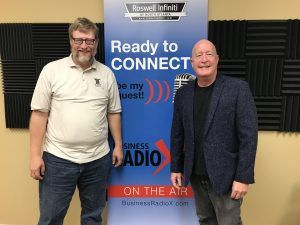
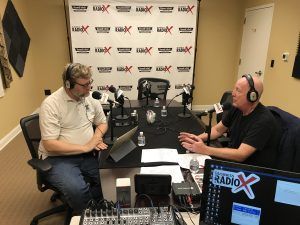
Mike Blake and Ed Rieker

Decision Vision Episode 33:  Should I Sell My Business? – An Interview with Ed Rieker, Serial Entrepreneur and CEO, Avondale Innovation District

What should I be doing to be ready to sell my business when the right time comes? How do I know when that right time is? Find out answers to these questions and more as “Decision Vision” host Mike Blake interviews serial entrepreneur Ed Rieker, a successful seller of multiple businesses he founded. “Decision Vision” is presented by Brady Ware & Company.

Ed Rieker, Serial Entrepreneur and CEO, Avondale Innovation District

Ed Rieker

Ed Rieker is a serial entrepreneur and currently the CEO of the Avondale Innovation District™. Ed was a founder or co-founder of four healthcare software companies. He navigated successful exits for three of these companies, as two were acquired by public companies and another by investors. The fourth is still running.

Two of these software companies were accepted into the Advanced Technology Development Center at Georgia Tech (ATDC), and one is an ATDC graduate.

Ed previously served as an ATDC Entrepreneur in Residence (4x) and an ATDC Executive in Residence (1x). He has served as a Venture Catalyst at ATDC between startups.

In 2004 Ed purchased an online community, built the business up and sold it to a public company in 2011. He has owned and operated a private coworking and technology incubator. Ed is an angel investor in various startups.

Ed was awarded patent #5,832,447 for an Automated System and Method for Providing Real-Time Verification of Health Insurance Eligibility (a co-inventor).

He is the owner and developer of Tudor Square, a community-oriented, quality, dinning, shopping and entertainment venue, supporting small independent business owners in downtown Avondale Estates, GA

Ed is currently the CEO of the Avondale Innovation District™, located in downtown Avondale Estates, a place-based urban development designed specifically to support entrepreneurs and creative professionals, foster open innovation, attract and accelerate new business ventures.

Michael Blake, Brady Ware & Company

Mike Blake, Host of “Decision Vision”

Michael Blake is Host of the “Decision Vision” podcast series and a Director of Brady Ware & Company. Mike specializes in the valuation of intellectual property-driven firms, such as software firms, aerospace firms and professional services firms, most frequently in the capacity as a transaction advisor, helping clients obtain great outcomes from complex transaction opportunities. He is also a specialist in the appraisal of intellectual properties as stand-alone assets, such as software, trade secrets, and patents.

Mike has been a full-time business appraiser for 13 years with public accounting firms, boutique business appraisal firms, and an owner of his own firm. Prior to that, he spent 8 years in venture capital and investment banking, including transactions in the U.S., Israel, Russia, Ukraine, and Belarus.

Brady Ware & Company

Brady Ware & Company is a regional full-service accounting and advisory firm which helps businesses and entrepreneurs make visions a reality. Brady Ware services clients nationally from its offices in Alpharetta, GA; Columbus and Dayton, OH; and Richmond, IN. The firm is growth minded, committed to the regions in which they operate, and most importantly, they make significant investments in their people and service offerings to meet the changing financial needs of those they are privileged to serve. The firm is dedicated to providing results that make a difference for its clients.

Decision Vision Podcast Series

“Decision Vision” is a podcast covering topics and issues facing small business owners and connecting them with solutions from leading experts. This series is presented by Brady Ware & Company. If you are a decision maker for a small business, we’d love to hear from you. Contact us at decisionvision@bradyware.com and make sure to listen to every Thursday to the “Decision Vision” podcast. Past episodes of “Decision Vision” can be found here. “Decision Vision” is produced and broadcast by the North Fulton studio of Business RadioX®.

Visit Brady Ware & Company on social media:

LinkedIn:  https://www.linkedin.com/company/brady-ware/

Facebook: https://www.facebook.com/bradywareCPAs/

Twitter: https://twitter.com/BradyWare

Instagram: https://www.instagram.com/bradywarecompany/

Show Transcript

Intro: [00:00:02] Welcome to Decision Vision, a podcast series focusing on critical business decisions, brought to you by Brady Ware & Company. Brady Ware is a regional, full-service accounting and advisory firm that helps businesses and entrepreneurs make vision a reality.

Michael Blake: [00:00:21] And welcome to Decision Vision, a podcast giving you, the listener, clear vision to make great decisions. In each episode, we discuss the process of decision making on a different topic. Rather than making recommendations because everyone’s circumstances are different, we talk to subject matter experts of how they would recommend thinking about that decision.

Michael Blake: [00:00:39] My name is Mike Blake and I’m your host for today’s program. I’m a Director at Brady Ware & Company, a full-service accounting firm based in Dayton, Ohio, with offices in Dayton; Columbus, Ohio; Richmond, Indiana; and Alpharetta, Georgia, which is where we are recording today. Brady Ware is sponsoring this podcast. If you like this podcast, please subscribe and your favorite podcast aggregator. And please also consider leaving a review of the podcast as well.

Michael Blake: [00:01:03] So, today’s decision that we’re going to discuss is, should I consider selling my business? And for most people in business, there will never be a bigger decision you ever have to make in your life than whether when, how, and on what terms to sell your business. And selling a business is maybe even more challenging because most people only do it once in their life. There are a few people that are serial entrepreneurs, and we’re going to talk to one in a second, but most people, if they’ve had a good run, they sell their business, they get out, and then they go do something else, particularly if they happen to be good at leisure.

Michael Blake: [00:01:52] And the thing about selling a business, and I’ll be the first to admit this, even though I advise people on selling businesses, and I charge exorbitant fees for helping people do so, is that, actually, when you get right down, it’s not rocket science, but a lot of it isn’t necessarily intuitive. And the process of even wrestling with a decision on whether to sell a business is often such an emotionally entwined decision that has far reaching implications, even outside of the business itself that it can be very challenging to have a clear head when you’re approaching that decision.

Michael Blake: [00:02:33] And, generally speaking, in selling a business, there is no do over, right? Once you sort of sign those documents, and money comes out of escrow, and if you have that kind of business, the keys are turned over if it’s a virtual business, then all the the pass codes, passwords are handed over, that’s sort of it. So, if you have sellers or more, your only real recourse is to start new business and do better the next time.

Michael Blake: [00:02:54] So, it’s an important decision to get right. And it’s one that, like I said, you don’t really get a mulligan on this. And in trying to figure who’d be the best person to talk about this, I’m fortunate that a friend of mine actually is one of those few that has actually sold multiple businesses. So, he’s been through a few of these rodeos. And he hasn’t sold them for other people. They’re actually his businesses.

Michael Blake: [00:03:23] And so, without further doing introduce my pal, Ed Rieker, who has come all the way from Avondale Estates, which if you look at a map of Atlanta should be about a 10-minute drive. But the way our highways are set up at, it paces about an hour and a half. So, I really appreciate him coming into the studio today because he’s also got a 90-minute drive back.

Michael Blake: [00:03:47] But Ed has actually started and sold four businesses, at least, four of which I’m aware. He’ll correct me once he comes on. But he’s currently CEO of the Avondale Innovation District, an Avondale Estate Georgia. He is also the owner and principal of Tudor Square, a community-oriented quality dining, shopping, and entertainment venue supporting small independent business owners in downtown Avondale Estate Georgia.

Michael Blake: [00:04:10] He is the General Manager of the 151 Locust Fund One LLC, which is a fund established for the purpose of providing seed funding to Metro Atlanta technology startups. Ed was also the mayor of Avondale Estates for six years and is an adjunct faculty member in the Emory University Business School’s startup launch accelerator program. Ed Rieker, Your Honor, welcome to the program.

Ed Rieker: [00:04:33] Thanks, Mike. It’s a pleasure to be here.

Michael Blake: [00:04:36] So-

Ed Rieker: [00:04:37] By the way, I took a jet pack here, right.

Michael Blake: [00:04:39] Did you take a jet pack?

Ed Rieker: [00:04:40] Yeah.

Michael Blake: [00:04:40] I think that’s the best way to get here.

Ed Rieker: [00:04:42] 10 minutes.

Michael Blake: [00:04:42] Really?

Ed Rieker: [00:04:43] Yeah.

Michael Blake: [00:04:43] Now, thank God for Georgia Tech inventing that stuff, man.

Ed Rieker: [00:04:47] Absolutely.

Michael Blake: [00:04:47] So, let’s dive into it. There’s a lot of ground we can cover and hope we can cover all of it. Can you talk to us a little bit about the businesses that you have actually owned and sold?

Ed Rieker: [00:04:58] Absolutely. I’m mostly a software guy. So, the businesses that I’ve founded or co-founded were really about software, about the creation of value through pushing little buttons to make stuff happen. So, when I’ve had the privilege of being on some really great teams and also being able to cash out a few times. So, I started in 1988 when you weren’t born yet.

Michael Blake: [00:05:30] You silver-tongued devil.

Ed Rieker: [00:05:34] Absolutely. And so, what we did was we built a software system that actually worked with hospital systems and large systems to kind of get people in the hospital as quickly as possible. What it turned out to be really was a marketing thing. And so, we built that up, sold that to a group of investors in 1991. And then, I was a minority shareholder in that. I had an angel investor that had put money into that.

Ed Rieker: [00:06:09] Then, the next one, we also was in healthcare. I think once you get to be in a domain, you get to know people, they get to know you, you start to kind of build a reputation. So, health care’s been very, very good to me. And I’ve done four health care startups and sold three of those or two of those to public companies. And then, in 2004, I actually bought an online community, because I’m very interested in community and built-

Michael Blake: [00:06:37] Yes, you are.

Ed Rieker: [00:06:38] Yes, I am.

Michael Blake: [00:06:38] That’s definitely bring your MO.

Ed Rieker: [00:06:39] And both online and in the real world. And it’s just fascinating to see how people work together, and how they don’t work together, and what they need, and how it might be able to help. But we built that online community up and sold that to a public company in 2011. So, that’s kind of the story is the ability to build a solution, a tool that solves a problem, build a team, build it up.

Ed Rieker: [00:07:10] And then, the first one, I think you mentioned, was really difficult to sell because I was a minority shareholder. It was everything to me at the time. And when it got sold, it—here’s the thing though. When you—you talked about the escrow, the cash coming in, and you think about buying the yacht, but you missed a step. And that’s the part where you have to stick around for a little bit and deal with the new owners. So, that was the first time I had done that.

Ed Rieker: [00:07:46] And what happened was, is they kind of put me in a room and ignored me for a while. And then, I watched them kind of do what they wanted to do. So, you can’t make decisions anymore because you’ve sold it. You’re exactly right. But normally, once you sell it, especially like a software business, any other business, you’re gonna be there for a while to watch that transition. So, that can be a difficult thing. And over the years, I’ve been able to kind of look at the idea of building with the end in mind, which is to sell it, so.

Michael Blake: [00:08:24] Now, what was that transition like? I mean, I know you personally. I don’t see you as a very good employee.

Ed Rieker: [00:08:34] I’m a horrible-

Michael Blake: [00:08:34] And I mean that with all the love I could possibly muster.

Ed Rieker: [00:08:37] Yes, absolutely. I  know.

Michael Blake: [00:08:38] But I consider myself, and my firm will tell you, I’m a terrible employee.

Ed Rieker: [00:08:42] Right, yeah. I’m a terrible employee. I will admit that. And I think the first time I sold, I was also a terrible seller because I was so emotionally involved and so focused on what I thought was right for the business, but I didn’t have any say anymore. I didn’t have any vote anymore. So, it becomes very difficult to hang around and see people do things that you probably don’t agree with.

Ed Rieker: [00:09:13] And, also, remember, the alignment I had with the sellers was they had the money, they had an idea of what they thought they wanted to do, and I really didn’t know on that well. And when you start to kind of see the team change and see kind of what they think is right, it can be very difficult for a seller to kind of be in that world. Most of the time, after you sell something, if you look at the statistics, the CEO goes bye-bye about six months, the old CEO.

Michael Blake: [00:09:48] I was going to ask you about that because most sales I’ve seen if the CEO is asked to remain at all, it’s a two to three-year period.

Ed Rieker: [00:09:57] Right.

Michael Blake: [00:09:57] But I don’t think most CEOs actually wind up serving out that term.

Ed Rieker: [00:10:01] They’re usually gone in six months. And that’s the thing you have to learn about in terms of selling. There’s things like earn-outs. So, when you get to the part where you agree on what the value is and what the terms are, part of that term can be the offer of, “Oh, we’ll double the what we’re buying you for if you’ll stay and hit these metrics.” And normally that’s kind of phantom money. That’s really hard to do because you don’t have control over how to reach those metrics anymore.

Michael Blake: [00:10:33] Right. I mean, the special sauce that you brought is now not being used anymore. It’s just sitting in the refrigerator with the label on it saying, “Add special sauce.”

Ed Rieker: [00:10:41] Right. You’re lucky if it’s in the fridge.

Michael Blake: [00:10:46] Right. I can’t shake this vision. I mean, having sort of been put in a room, you sort of watch everybody do the thing with the business after you’ve sold that, and you just sort of have to be at peace with your powerlessness by doing that.

Ed Rieker: [00:11:00] Yeah, and I wasn’t. I absolutely wasn’t. I mean, I think I was probably a bad seller at that point because I looked around, and it wasn’t going in the direction and as well as I thought it could go. And so, I didn’t really stay for the whole six months. I kind of bugged out of there because I had other things to do.

Michael Blake: [00:11:24] Yeah.

Ed Rieker: [00:11:24] Yeah.

Michael Blake: [00:11:26] Your experience of that sounds like my experience parenting a teenager.

Ed Rieker: [00:11:31] Yeah.

Michael Blake: [00:11:32] You watch it, but there’s only so much impact you can ultimately have. It’s sort of it’s just going to happen. So, how long did you own those businesses before selling them?

Ed Rieker: [00:11:42] So, I’m looking at my notes here, and I think ’88 and ’91. So, what’s the math? That’s three years. So, I probably worked on that a little bit longer than that. So, probably looks like the average is three to four years.

Michael Blake: [00:11:56] Okay.

Ed Rieker: [00:11:57] Yeah.

Michael Blake: [00:11:57] That’s not particularly long. Even in venture capital, that’s a fairly quick turnaround.

Ed Rieker: [00:12:02] Well, I like small teams and early stage stuff. And so, I like building it up to a certain point. And one of the things, I think, that if you’re a business owner of any kind of type, what you want to see is that every six months or so, the phone rings and somebody says, “Hey, I’m thinking about doing business with you or transaction with you.” And it evolves in this sort of, “Hey, we’re thinking about buying you.” If you’re not getting that call every six months or that activity every six months, then I feel like there’s something wrong with your business-

Michael Blake: [00:12:38] Huh!

Ed Rieker: [00:12:40] … because that’s one of the key indicators that you’re on to demand is that you get these situations where maybe you’re serving a large customer. and they say, “Well, maybe we should buy you instead of being a customer.” So, you want to kind of see those things happen every six months. If that’s not happening, then there’s something wrong with the business.

Michael Blake: [00:13:01] I’m gonna go off the script because I think that is insightful point that I want to explore a little bit more because I would not have thought of that in a million years, but I think I got it. So, let me tell what I think I get, and you tell me why I’m wrong. And what I think I get is people want to buy you because they notice you, and they’re making an impact, and you’re so important, they can’t afford to not you being available at some point down the road.

Ed Rieker: [00:13:31] Yeah, absolutely.

Michael Blake: [00:13:32] Right?

Ed Rieker: [00:13:32] And it’s the noticed part and the can’t live without you part that drives the price up. It could be a strategic or a technology acquisition. And most of the stuff that we did was a technology acquisition because we had found a pocket somewhere in health care that we were serving. And it was important enough to a large corporation that instead of building it, they would try to buy it. And that’s exactly kind of what you’re looking at.

Michael Blake: [00:14:01] So, that’s interesting. So, kind of a bullet point is a lot of business owners will tell me that they get annoyed they get offers to potentially buy and sell. They don’t want to do that. But in a way, if you’re getting those calls, even if they’re not particularly serious, the fact that you’re on somebody’s radar screen means you’re doing something right-

Ed Rieker: [00:14:19] Yeah, that’s correct.

Michael Blake: [00:14:19] … in terms of the market.

Ed Rieker: [00:14:20] And every once in a while, you actually want to follow through with those calls because that’s a great way to to create a valuation for yourself, to kind of figure out, you’re in that business, you’d be a great advisor to call. And it [crosstalk]-

Michael Blake: [00:14:32] “Hey, thank you, Ed.”

Ed Rieker: [00:14:34] … product placement. Was that on the script or?

Michael Blake: [00:14:38] It should have been.

Ed Rieker: [00:14:39] It should have been.

Michael Blake: [00:14:39] It should have. My marketing department is, right now, tearing their hair out, saying, “Why do you make everybody say that?” So, you said that you’re a bad seller when you sold that first business.

Ed Rieker: [00:14:50] Absolutely, yeah.

Michael Blake: [00:14:51] And part of that was because you’re a minority shareholder, so you couldn’t really drive the bus. You could almost sort of grab the steering wheel every once in a while. By sale four, in what way were you a better seller? Were you a better seller?

Ed Rieker: [00:15:03] Well, absolutely, yeah. What happened is that I was so emotionally attached to the first one. It’s not the same thing, and it’s probably a really bad analogy, but it’s like selling your baby or selling one of the things that you love, a family member. It just really was—I was that emotionally attached to it. And then, after I went through that, when I realized that perhaps my career, if I could call it a career, would be building and selling companies. I began to think about it in a different way that the actual in-game was to sell it and to sell it successfully. And by successfully, it meant that they were happy, I was happy, there was a good outcome for both of us, and that the transition part was actually part of building the business that I was able to transition out of the business to be able to go do the next thing.

Michael Blake: [00:16:02] So, the transition was organic. And in fact, they should stick somebody else having to stay with the buyers instead of you.

Ed Rieker: [00:16:08] Absolutely.

Michael Blake: [00:16:08] Right?

Ed Rieker: [00:16:09] Absolutely. So, that’s the process, then, is to build a team, so that I was dispensable. And actually they didn’t—why should we keep that guy?

Michael Blake: [00:16:19] Now, I’m curious. And I may be all wet here, but I’m curious if, also, the financial dynamic changes. When you sell your first business, I suspect but do not know that that was a lifestyle changing event for you.

Ed Rieker: [00:16:37] I would say the first one wasn’t.

Michael Blake: [00:16:39] Okay.

Ed Rieker: [00:16:39] When you start getting into the second and third, because the first two, I had to have angel investing to build the business up.

Michael Blake: [00:16:47] Yeah.

Ed Rieker: [00:16:48] Everything else was out of my own pocket, self-funded.

Michael Blake: [00:16:52] Okay.

Ed Rieker: [00:16:52] And the reason for that is that I found out in the way that I work is that I am able to risk my money, but not so much somebody else’s. I’m more careful with other people’s money, so that it hindered the ability for me to actually do the kind of the on-the-edge things that I wanted to do. I can do that with my own money but not necessarily with someone else’s.

Michael Blake: [00:17:18] I can understand that. And I’ve long thought, even though the standard playbook for startup entrepreneurs is hit up friends and family, right? On the other hand, that can lead to some very awkward Thanksgiving dinner conversations if things don’t go great.

Ed Rieker: [00:17:36] Absolutely.

Michael Blake: [00:17:37] Right?

Ed Rieker: [00:17:37] And the first one was what I would consider friend who had resources that actually funded the first one. And, of course, we don’t talk anymore. So-

Michael Blake: [00:17:50] Okay.

Ed Rieker: [00:17:50] Exactly right.

Michael Blake: [00:17:51] Yeah. So, that is a risk.

Ed Rieker: [00:17:52] Yeah, that’s the risk. Yeah.

Michael Blake: [00:17:55] So, it sounds to me like—well, I’m gonna ask the question for this. That’s why I have you here. To what extent were these sales planned versus opportunistic? They sound like a hybrid to me, kind of.

Ed Rieker: [00:18:07] Well, I think the first one was opportunistic because I really didn’t understand. I mean, I was an idiot on the first one. I really was. And I had a deep desire to create something, and a desire to perhaps bring that into the world and make it bigger. And what I didn’t understand was that through my immaturity, I was not a really good boss. Not only not a good employee, but not a good boss. And so, I think that having that sale hit me and all the emotional stuff that went with that, just reconsider a lot of stuff. At least, I did. And then, as I built teams that actually were the core of the success, you can’t be successful without a great team. I’m just really fortunate to have people that were able to help me, and teach me, and gather the things that we needed to be successful that we’re able to build these businesses up and sell them. So, I think I avoided your question. I am not sure I-

Michael Blake: [00:19:20] No, I think you, eventually, got around the answer.

Ed Rieker: [00:19:23] Yes.

Michael Blake: [00:19:23] Yeah. So, a common thread here is that all of your business is sold within two to three years or so. What did those businesses look like? What did they have in common that made them salable at that three-year period? Why do you—I’m sure it wasn’t luck.

Ed Rieker: [00:19:42] Well, yeah, it is luck. I mean, it’s—there’s a thing called the lucky bus that drives around. And if you’re standing out on the street, and the lucky bus stops in, and they say you’re ready to go, you got your bags packed, and you have your bags packed, and you’re ready to go, you can hop on the bus. And the bags packed is actually the work to be done, the job to be done. If the lucky bus stops, and they say you get your bags packed, and you go, “No, no, wait a minute, I’ll go finish packing,” when you come back out, the bus is gonna be gone.

Ed Rieker: [00:20:18] So, the idea I think we had going forward after the first one was to kind of always be in the way of a larger company. How could we—imagine this giant that’s walking or stumbling around. How can we annoy them enough that they’ll look down, and pick us up, and go, “Oh, yeah. This looks tasty. I’ll eat it.” That was the idea. So, what we did was we developed ways to deploy software and ideas in the world, so that we wound up in front of a large corporate entity that we knew eventually would probably want to do what we were doing, but they weren’t fast enough to be able to do it. And so, they would say, “Okay. Well, it’s just cheaper for us to kind of scoop this up and go with it.”

Michael Blake: [00:21:12] So, what that tells me is that your approach has been always be prepared to be opportunistic.

Ed Rieker: [00:21:18] Yes.

Michael Blake: [00:21:18] Right?

Ed Rieker: [00:21:19] So, yeah, to sell. Right. And to sell. And one of the things I would encourage entrepreneurs and CEOs to do is there’s a thing called due diligence, which is very exciting. And it’s even more exciting if it’s a public company because when they want to buy you, they really come and look at everything.

Michael Blake: [00:21:38] It’s basically a product logical exam without the anesthetic or-

Ed Rieker: [00:21:42] Yeah, yeah.

Michael Blake: [00:21:46] Just leave it-

Ed Rieker: [00:21:46] Yeah, yeah. And at last, not seconds, but hours and days. Yeah, absolutely.

Michael Blake: [00:21:51] Just to make it extra fun.

Ed Rieker: [00:21:52] Yeah, extra fun. So, what I learned after the first one was to create. And I’ll make it simple, like these little paper boxes that you put files in. So, when you’re doing things, like you have a contract, you have an employment agreement, or you have anything that’s paper that’s important that they’re going to look at later on, you just make a second copy and throw it in that box. And you know when the due diligence comes around, you can just go point at that box, and go, “All the stuff you want is in that box.” And it makes it a lot easier because when they do come and do due diligence, if you’re not ready, you’ve got to go through all your files and find this stuff. And it’s really time consuming.

Michael Blake: [00:22:34] And distracting.

Ed Rieker: [00:22:35] And distracting.

Michael Blake: [00:22:36] Right?

Ed Rieker: [00:22:36] Yes.

Michael Blake: [00:22:36] And, also, I gotta believe, and I’ve always advised clients about—on this, so I hope I’m right, there’s something to be said for making yourself easy to buy.

Ed Rieker: [00:22:49] Absolutely.

Michael Blake: [00:22:50] It doesn’t necessarily make you more or less valuable-

Ed Rieker: [00:22:52] Right.

Michael Blake: [00:22:52] … but just offering that path of least resistance.

Ed Rieker: [00:22:56] Well, what can happen is that, for instance, when you talked about opportunity, one of the purchases that was made on one of the software companies was that the public company had actually issued some bonds. So, they had gotten some cash, and they had a timeline when they had to spend that cash. So, you know.

Michael Blake: [00:23:17] So, that the government-

Ed Rieker: [00:23:19] Absolutely. We’ve got a budget to buy stuff. Let’s go buy stuff. And that’s somebody’s job to be done is to do an M&A.

Michael Blake: [00:23:26] Yeah.

Ed Rieker: [00:23:26] So, somebody at a corporate office is absolutely getting bonuses and pay on buying companies. So, there’s actually people that do that, and they have goals, and they have responsibilities. So, if they had this money, they had to spend by a certain time. So, it gave us a couple of things. It gave us the upper limit of the purchase. It gave us the timing. And then, we kind of—that gives you a leverage that perhaps they might not know that you know and helps you in the negotiations. So, you got to make sure that when you’re getting bought that you’re paying attention to those kind of things.

Michael Blake: [00:24:10] Boy, that’s interesting. That’s a a blog post I’ve been aching to write. But you’re right, there is sort of this moral hazard on the buy side when companies have a dedicated business development from an acquisition perspective or corporate development function, right?

Ed Rieker: [00:24:27] Right.

Michael Blake: [00:24:28] Those are people who are judged based on how much stuff they buy.

Ed Rieker: [00:24:31] Yeah.

Michael Blake: [00:24:32] And often, whether or not it’s a good acquisition or not, there’s so much turnover. Those people aren’t around-

Ed Rieker: [00:24:36] Yeah.

Michael Blake: [00:24:37] …  whether it’s a good deal or not, right? And although the prudent thing to do, because we have a pro deal bias, the prudent thing to do may be to walk away from a deal. Nobody ever gets interviewed on Bloomberg or on The Wall Street Journal for someone who walked away from a deal.

Ed Rieker: [00:24:54] That’s correct.

Michael Blake: [00:24:55] It’s never happened.

Ed Rieker: [00:24:56] Yeah, yeah.

Michael Blake: [00:24:56] Right?

Ed Rieker: [00:24:58] Yeah.

Michael Blake: [00:24:58] So, if you are being approached by someone that’s got that corporate development function, they need wins.

Ed Rieker: [00:25:04] Yeah. They need wins.

Michael Blake: [00:25:04] They just do.

Ed Rieker: [00:25:04] And they need certain dollar ranges that they’re buying in. There are certain ways that they’re buying in terms of how they model their transactions. So, cash, stock, earnouts, what happens to the founders, what happens to the team. All those things are consideration. A lot of us think about the buyout as being, “Oh, it’s a certain dollar amount,” but there’s a lot of nuance that you can create for yourself and your team that you can do in a deal.

Michael Blake: [00:25:35] And I don’t know if you’ve been in this situation because your model for building and selling a business has been so focused on a venture capital type model, but I am going to throw it out there anyway. And that is, are there signs out there where an owner needs to think about actively selling a business as opposed to being opportunistic that you can think of, or maybe you’ve experienced it where we’re at a point now where it’s really time for this business to sell, or it’s time for me to get out, or some combination? Is that something you can speak to?

Ed Rieker: [00:26:07] Yeah, sure. I think that that’s an interesting thing that happens. There’s cycles that we see. We’re in a happy time right now. It’s not going to continue to be a happy time. And that’s just the way the market works.

Michael Blake: [00:26:21] Yeah.

Ed Rieker: [00:26:22] So, I own some commercial real estate now. Now, I’m thinking about it’s time to sell because I think we’re in a pretty good place in the market. And I think that’s also true of a business. There could be things going on with the team, there could be things that you know about the technology and perhaps where it’s going that you may want to try to cash out. So, absolutely. I think an example for that for me was that 2008 was the precursor to a horrible 2009. And we had the online community, and there was a company that was rolling communities up. And they had approached us about selling the year before, and we said no because we were still—revenues were rising, and we were still building things. And I was of a mindset that, “Oh, this is going to continue and go up next year.” And the guy that was wanting to buy us, we’re on the phone, and he’s literally screaming at me on the phone saying, “Take the cash, take the cash, I’ll pay all cash.” And I’m saying, “No, I think we’ll be worth more next year.” Well, guess what? We weren’t worth more.

Michael Blake: [00:27:44] It didn’t work out.

Ed Rieker: [00:27:45] It didn’t work out. It went down, and it took us a couple more years to sell it.

Michael Blake: [00:27:49] Huh! Okay.

Ed Rieker: [00:27:51] Yeah.

Michael Blake: [00:27:51] So, when you sold your businesses, were these do-it-yourself jobs, or did you kind of put a team around you to help you?

Ed Rieker: [00:27:58] Well, the team part is the CPA and, also, we used the same legal team to do the sell part. The deal structure, the first one, I was a minority shareholder in. And so, I wasn’t as involved in that and progressively got more involved in the other ones and pretty much full on. I think the idea is that you agree on a face to face, usually. You kind of agree with the principles. This is the price, the terms, what happens to the team, what happens to you? Then, you kind of wind up with maybe a one page or a page and a half. And then-

Michael Blake: [00:28:42] It’s called a term sheet-

Ed Rieker: [00:28:43] Yeah, yeah, yes.

Michael Blake: [00:28:43] … for those of us in the audience.

Ed Rieker: [00:28:44] Term sheet.

Michael Blake: [00:28:44] Yeah, term sheet.

Ed Rieker: [00:28:45] Thank you. I knew there was a name for that. And then, what happens is that two pages turns into 30 or 50 pages of mind-numbing legalese fees and schedules.

Michael Blake: [00:28:58] Oh, boy, you’re not kidding.

Ed Rieker: [00:28:59] Yeah. And so, that’s-.

Michael Blake: [00:29:00] Except, it’s only one of the most important decisions in your life, so you have to read it.

Ed Rieker: [00:29:04] You have to read it. And you have to have a team that can interpret it for you. And you have to have, both on the financial side and on the legal side, someone to make sure that what you think is happening in your head is actually what’s in the document. That’s the most important thing. It’s like you can look at the documents, and you can see what the outcome will be if certain things happen. I got tripped up once by one word in a document that was part of an earnout. And, it costs a big bucket of money because we interpreted that word differently than what it actually meant. And that was one word in probably a 40-page document.

Michael Blake: [00:29:53] Whew!

Ed Rieker: [00:29:54] Ouch.

Michael Blake: [00:29:54] Yeah.

Ed Rieker: [00:29:55] And so—yeah, but unless you make those mistakes and see them, you can’t learn from them, so.

Michael Blake: [00:30:01] Well, yeah. And exactly why I think you have such a fascinating and valuable perspective because you’ve had the opportunity to make those mistakes live to fight another day, right? And like you said, most people don’t see four transaction. They don’t see four sales.

Ed Rieker: [00:30:17] Right.

Michael Blake: [00:30:17] We’ll see one.

Ed Rieker: [00:30:18] Yeah. I’ve been lucky. Absolutely.

Michael Blake: [00:30:21] So, at any point, as you were considering a sale, were you concerned over what would happen the day after, what would you happen to you the day after you wake up, all of a sudden, there’s no office you have to be in?

Ed Rieker: [00:30:35] Well, that there was never a no office to be in. There is always a time you have to stay with the business. And after the first one, I was able to say, “All right. I know my job to be done in the world is to start them and to sell them.” So, I know when the new people come in, I want to underpromise and overdeliver. But I also want to have a team in place to where the business really doesn’t need me. My job was to think about the really big things. And so, usually, by the time the deal was done or even before that, I would be envisioning the next thing that I would be building. And that’s always been the case is that, “Okay. I know it’s time to sell because I’m thinking about something else.”

Michael Blake: [00:31:22] Did you ever find that being involved in a sale was kind of an emotional roller coaster?

Ed Rieker: [00:31:28] It’s absolutely an emotional roller coaster all the time. And remember, this idea of kind of looking at every six months, someone calls you, and they say, “Hey, maybe we should do a deal.” Well, I would do those to see kind of what the value is, to see how prepared I was, to see if our story was right, and to see if it was a real deal. And sometimes, there are corporations that want to really go to school on you. So, they’ll say, “Hey, we’re interested in buying you.” And you go, “Oh, that’s exciting. Come on in. I’ll tell you everything.”

Michael Blake: [00:32:01] Right.

Ed Rieker: [00:32:03] And then, they go, “Oh, we’ve decided to build it ourselves. Thanks.”

Michael Blake: [00:32:05] You’re totally catfished.

Ed Rieker: [00:32:07] Yeah-

Michael Blake: [00:32:07] Basically.

Ed Rieker: [00:32:07] Absolutely. So, you have to know at what point when you go, “Oh, these guys are going to school,” and then you just kind of shut it down. So, I’ve had those experiences where I’m like, “Oh, okay. Yeah. No, I’m not going to show you that. Thanks.”

Michael Blake: [00:32:26] And how about within? I mean, in my experiences, most deals are called off, at least, once before they ultimately happen.

Ed Rieker: [00:32:36] Yeah, absolutely.

Michael Blake: [00:32:36] Right?

Ed Rieker: [00:32:37] Yeah.

Michael Blake: [00:32:37] And how do you kind of stick with that and keep a level head as opposed to just setting up a YouTube video of yourself taking a baseball bat to a roomful of computers and file cabinets or maybe you do that, and that’s how you sort of keep your head on straight?

Ed Rieker: [00:32:51] Right. That’s-

Michael Blake: [00:32:52] How do you manage that?

Ed Rieker: [00:32:53] That’s why glassware is always in danger when you’re around me. So, please don’t bring me glassware. I think the idea is to isolate it from the team and compartmentalize it in your brand because what can happen, I’ve seen this with teams, where the CEO gets excited about a sale, and they move off the mark of what they’re trying to do with growing the business. And these things can take six months, a year. It can take that long to find out it’s a folly. So, if you’re get pulled off growing the business, what happens is your business dips. So, your next sell gets delayed because you’ve got to build that back up. So, the idea is isolate it from the team until you actually have a term sheet that looks real, and looks doable, and maybe even the first draft of the purchase agreement. And then, make sure that while you’re doing that, you’re continually serving the business.

Michael Blake: [00:33:54] And that’s another great reason to sort of have your due—basically build your due diligence package as you go along-

Ed Rieker: [00:34:00] Absolutely.

Michael Blake: [00:34:00] … because, then, you don’t have to bring your team in.

Ed Rieker: [00:34:02] Yeah.

Michael Blake: [00:34:04] And there’s no sort of smoking gun.

Ed Rieker: [00:34:05] Right.

Michael Blake: [00:34:06] If you’ve hired people that are smart, you start to ask for documents, all of a sudden, they’ll realize that’s why.

Ed Rieker: [00:34:11] Yeah.

Michael Blake: [00:34:12] Right? But if all of a sudden, you just have this box, you just say, “Here,” then that gives you the option-

Ed Rieker: [00:34:17] Right.

Michael Blake: [00:34:17] … to be able to let more-

Ed Rieker: [00:34:17] If you’re walking around saying, “Can you sign this employment agreement really quickly?” yeah, it’s a little late.

Michael Blake: [00:34:24] Yeah. My lawyer will be back to you with some thoughts on what I’d like in order to sign that agreement.

Ed Rieker: [00:34:32] Yes.

Michael Blake: [00:34:32] And some of the other side to that too is deals die a thousand deaths, but, also, deals are never done until they’re done. And I think I’ve seen, as you’ve probably seen it too, is plenty of businesses die while they’re up for sale-

Ed Rieker: [00:34:52] Yeah.

Michael Blake: [00:34:53] … because the process of selling a business really becomes a full-time job.

Ed Rieker: [00:34:56] Right.

Michael Blake: [00:34:57] And it can very easily distract you from actually running your business to the point where maybe a deal just doesn’t happen because it doesn’t happen, or I’ve seen—I’ve even seen it where the business has deteriorated so much during the due diligence process that it’s just no longer the valuable asset that prompted the initial proposal to buy in the first place.

Ed Rieker: [00:35:17] Yeah, absolutely.

Michael Blake: [00:35:18] Right?

Ed Rieker: [00:35:19] That’s correct, yeah.

Michael Blake: [00:35:20] And that’s why it’s important, I guess, to have those advisors and have that due diligence ready to go because you’ve got to just accept that it’s two full-time jobs.

Ed Rieker: [00:35:29] Yeah. It’s the exact same thing as raising capital, only you’re selling the business. It’s the same kind of process. And so, when you’re raising institutional money, you’re also doing the same kind of things, and it’s the same kind of roller coaster, but it’s the end game.

Michael Blake: [00:35:49] And I’ll share with you a secret that I tell my buy side clients.

Ed Rieker: [00:35:53] Oh, a secret?

Michael Blake: [00:35:53] Yeah, a secret is that many sellers, if they’ve never sold a business before, they start to get what I call Costa Rica syndrome-

Ed Rieker: [00:36:05] Yeah.

Michael Blake: [00:36:06] … which means that mentally, the second they think that those dollars are coming in-

Ed Rieker: [00:36:11] Yeah.

Michael Blake: [00:36:12] … they’re already halfway to their condo in Costa Rica.

Ed Rieker: [00:36:16] Yeah, absolutely.

Michael Blake: [00:36:17] Right?

Ed Rieker: [00:36:17] Yeah.

Michael Blake: [00:36:18] And once they’re there, the buyer acquires extraordinary leverage.

Ed Rieker: [00:36:24] Absolutely.

Michael Blake: [00:36:25] Right?

Ed Rieker: [00:36:25] Yeah.

Michael Blake: [00:36:25] And even for [indiscernible], let’s say that initially talked about a $10 million purchase price, well, in our due diligence, really, I only want to pay seven.

Ed Rieker: [00:36:34] Yeah.

Michael Blake: [00:36:35] Right? And if the seller has exposed themselves where the business is going to be hard to recover but, also, mentally-

Ed Rieker: [00:36:43] Yeah.

Michael Blake: [00:36:43] … they have to now say—they have to get back from their tropical paradise.

Ed Rieker: [00:36:48] Yeah.

Michael Blake: [00:36:49] Right? And cocktail drinks and so forth. They come back. They don’t want to do that. Now, they’re just looking at that $3 million difference as a number. But, well, I still got $7 million left. Just let me do this, so I can go to my Costa Rica.

Ed Rieker: [00:37:04] Right.

Michael Blake: [00:37:04] Right?

Ed Rieker: [00:37:04] Yeah.

Michael Blake: [00:37:04] And I think it confers a tremendous amount of leverage-

Ed Rieker: [00:37:09] Yeah.

Michael Blake: [00:37:09] … for the buyer.

Ed Rieker: [00:37:11] Yeah. I’ve had stuff happen at closing or right before closing where a buyer will come back and say, “Well, maybe we should do this,” and you have to be prepared to say no.

Michael Blake: [00:37:23] Yeah.

Ed Rieker: [00:37:24] You have to be able to say, “You know what? That’s okay. We’ll pass.”

Michael Blake: [00:37:29] Yeah, that’s right.

Ed Rieker: [00:37:30] So-

Michael Blake: [00:37:30] If you can’t walk away from a deal of any kind, you’re not negotiating. You’re just asking.

Ed Rieker: [00:37:36] Yeah. And that’s the part about the business. If your business is solid enough that you can say no, that’s a great business to have because that means there’s gonna be another buyer. And also, you always want to have a horse race, even if it’s a pretend horse. So, that-

Michael Blake: [00:37:55] The stalking horse.

Ed Rieker: [00:37:56] Yes. So, that when you’re winding up with a single buyer, there’s always this other entity that perhaps might pay more, or do quicker, or be kinder to your employees, that sort of thing. So, a one-buyer deal is really no fun.

Michael Blake: [00:38:12] Well, and even by setting yourself up the way that you’ve described, the other horse is you, as yourself, right?

Ed Rieker: [00:38:19] Right, yeah, you can stick around.

Michael Blake: [00:38:19] I can always not sell.

Ed Rieker: [00:38:21] Yeah.

Michael Blake: [00:38:22] And because I’m the idea person and not the operational person, my lifestyle is still okay.

Ed Rieker: [00:38:30] Yeah.

Michael Blake: [00:38:30] Right? And we’ll just sort of reset and wait for the next person. And that makes you pretty much impervious to the Costa Rica syndrome.

Ed Rieker: [00:38:40] Yeah.

Michael Blake: [00:38:40] And nothing against Costa Rica. I could have just as easily said Tahiti, but a friend of mine-

Ed Rieker: [00:38:44] Yeah, or Macon, Georgia.

Michael Blake: [00:38:46] Or Macon, Georgia, yeah.

Ed Rieker: [00:38:46] Absolutely.

Michael Blake: [00:38:46] But a friend—one of my clients sold a business, went down to Costa Rica, and they love it, so.

Ed Rieker: [00:38:51] Yeah.

Michael Blake: [00:38:53] Well, this has been great. We’re sort of running out of time here, but there’s a lot of ground that could be covered. If somebody is kind of thinking about maybe selling their own business, could they contact you for a little bit of advice?

Ed Rieker: [00:39:04] Sure, absolutely. Yeah.

Michael Blake: [00:39:05] How will be the best way for them to do that?

Ed Rieker: [00:39:07] Send me an email, ed@softlinc.com. S-O-F-T-L-I-N-C dot com.

Michael Blake: [00:39:14] Okay.

Ed Rieker: [00:39:15] Or call Mike. Yeah.

Michael Blake: [00:39:17] There you go. But Ed might be free. I know that I’m not.

Ed Rieker: [00:39:21] Yeah.

Michael Blake: [00:39:22] So, that’s gonna wrap it up for today’s program. I’d like to thank Ed Rieker so much for joining us and sharing his expertise with us. We’ll be exploring a new topic each week. So, please tune in, so that when you’re faced with your next business decision, you have clear vision when making it. If you enjoy this podcast, please consider leaving a review with your favorite podcast aggregator. It helps people find us, so that we can help them. Once again, this is Mike Blake. Our sponsor is Brady Ware & Company. And this has been the Decision Vision Podcast.

Tagged With: CPa, CPA firm, Dayton accounting, Dayton business advisory, Dayton CPA, Dayton CPA firm, Decision Vision, due diligence packages, due dilligence, earn-out, Ed Rieker, emotional roller coaster, merging a business, Michael Blake, Mike Blake, selling a business, serial entrepreneur, strategic acquisition, technology acquisition, valuation

Michael Horwitz with The CBA Group

March 14, 2018 by Mike

North Fulton Business Radio
Michael Horwitz with The CBA Group
Loading
00:00 /
RSS Feed
Share
Link
Embed

Download file

John Ray and Michael Horwitz

Michael Horwitz/The CBA Group

With Michael Horwitz and The CBA Group, you are represented by outstanding, experienced and knowledgeable professionals who will provide you with sound financial, strategic and tactical advice to best achieve a successful transaction. The CBA Group has been helping business owners for over 17 years. The CBA Group brokers have over 175 years of collective business experiences.

Michael’s business experiences include senior management roles in Fortune 500 corporations to leadership positions with venture capital-backed high tech start-ups. Michael also brings small business knowledge through his seven years of owning and operating an independent bicycle shop in Alpharetta where he has lived and worked for the past 22 years.

Tagged With: Digital Ignition, mergers, mergers & acquisitions, Mergers and Acquisitions, Michael Horwitz, Proactive Payroll, selling a business, The CBA Group, valuation

Transitioning the Family Business

June 28, 2017 by Mike

Gwinnett Studio
Gwinnett Studio
Transitioning the Family Business
Loading
00:00 /
RSS Feed
Share
Link
Embed

Download file

Brian Corbett, Gina Miller, Adam Gaslowitz, Craig Frankel

Gina Miller/Bennett Thrasher LLP

Gina Miller with Bennett Thrasher has twenty years of experience consulting on the valuation of equity interests in closely held and publicly traded companies. They offer valuations for a variety of purposes including estate and gift tax reporting requirements, financial reporting, acquisitions, buy-sell agreements, and employee stock ownership plans.


Brian Corbett/CCG Advisors

Brian Corbett is the founder and Managing Partner of CCG Advisors. He has over 15 years of experience advising the owners of successful privately held businesses as to the value and marketability of their businesses and the alternatives they have in terms of liquidity, exit strategies and accessing growth capital.


About Gaslowitz Frankel:

Gaslowitz Frankel is an experienced trial practice firm specializing in all aspects of complex fiduciary litigation throughout Georgia and the Southeast. With a focus on representing individuals, companies, banks, and fiduciaries in dispute involving wills, estates, trusts, guardianships, businesses, and securities law, their experienced and highly qualified litigation attorneys have tremendous credentials and a proven history of success.

To watch the video of this show, CLICK HERE.

If you would like to watch past episodes of “Wealth Matters”, please visit their You Tube Channel.

Remember to tune in on the 4th Wednesday of every month at 8:30 AM to listen live to their show!

Facebook: https://www.facebook.com/EstateDispute

Twitter: https://twitter.com/EstateDispute

LinkedIn: https://www.linkedin.com/company/estatedispute


Tagged With: craig frankel, estate planning, family business transition, family financial management, Gaslowitz Frankel, Gina Miller, valuation, Wealth Matters

SELLING YOUR BUSINESS: Yasmine Jandali with Starwood Business Group

November 12, 2014 by Mike

On the Money
On the Money
SELLING YOUR BUSINESS: Yasmine Jandali with Starwood Business Group
Loading
00:00 /
RSS Feed
Share
Link
Embed

Download file

Joe Moss, Yasmine Jandali

Yasmine Jandali with Starwood Business Group  discusses the proper way to prepare, value and sell your business with “On the Money” host Joe Moss, the president of Embassy National Bank.

Yasmine Jandali/Starwood Business Group

???????????????????????????????Since 2005, the professional brokers at Starwood Business Group have been helping Metro Atlanta entrepreneurs achieve their goals of business ownership. They represent quality businesses of all sizes and in all industries, and are proud to say that the majority of their businesses sell for an average of 95% of the asking price and within 162 days of listing. Starwood Business Group offers free, no-obligation valuations to prospective sellers and will always strive to help you make the best decisions for you and your business.

———————————————————————————————————

On the Money focuses on topics and issues allowing small businesses to better navigate the financial services minefield, with analysis and opinions from today’s industry experts on banking and loans. On the Money also introduces you to some of the top small business leaders in the Atlanta market.

Hosted by Joe Moss, the president of Embassy National Bank, On the Money airs live every Wednesday at 3:00 PM EST from the Business RadioX studio in Gwinnett.

Tagged With: Embassy National Bank, entepreneurs, managing broker, net income, On The Money, professional brokers, sdc, sdc/sde, sde, seller financing, selling a business, selling a small business, selling broker, selling your business, Starwood Business Group, valuation, valuations

  • « Previous Page
  • 1
  • 2

Business RadioX ® Network


Our Most Recent Episode

CONNECT WITH US

  • Email
  • Facebook
  • LinkedIn
  • Twitter
  • YouTube

Our Mission

We help local business leaders get the word out about the important work they’re doing to serve their market, their community, and their profession.

We support and celebrate business by sharing positive business stories that traditional media ignores. Some media leans left. Some media leans right. We lean business.

Sponsor a Show

Build Relationships and Grow Your Business. Click here for more details.

Partner With Us

Discover More Here

Terms and Conditions
Privacy Policy

Connect with us

Want to keep up with the latest in pro-business news across the network? Follow us on social media for the latest stories!
  • Email
  • Facebook
  • Google+
  • LinkedIn
  • Twitter
  • YouTube

Business RadioX® Headquarters
1000 Abernathy Rd. NE
Building 400, Suite L-10
Sandy Springs, GA 30328

© 2025 Business RadioX ® · Rainmaker Platform

BRXStudioCoversLA

Wait! Don’t Miss an Episode of LA Business Radio

BRXStudioCoversDENVER

Wait! Don’t Miss an Episode of Denver Business Radio

BRXStudioCoversPENSACOLA

Wait! Don’t Miss an Episode of Pensacola Business Radio

BRXStudioCoversBIRMINGHAM

Wait! Don’t Miss an Episode of Birmingham Business Radio

BRXStudioCoversTALLAHASSEE

Wait! Don’t Miss an Episode of Tallahassee Business Radio

BRXStudioCoversRALEIGH

Wait! Don’t Miss an Episode of Raleigh Business Radio

BRXStudioCoversRICHMONDNoWhite

Wait! Don’t Miss an Episode of Richmond Business Radio

BRXStudioCoversNASHVILLENoWhite

Wait! Don’t Miss an Episode of Nashville Business Radio

BRXStudioCoversDETROIT

Wait! Don’t Miss an Episode of Detroit Business Radio

BRXStudioCoversSTLOUIS

Wait! Don’t Miss an Episode of St. Louis Business Radio

BRXStudioCoversCOLUMBUS-small

Wait! Don’t Miss an Episode of Columbus Business Radio

Coachthecoach-08-08

Wait! Don’t Miss an Episode of Coach the Coach

BRXStudioCoversBAYAREA

Wait! Don’t Miss an Episode of Bay Area Business Radio

BRXStudioCoversCHICAGO

Wait! Don’t Miss an Episode of Chicago Business Radio

Wait! Don’t Miss an Episode of Atlanta Business Radio