Business RadioX ®

  • Home
  • Business RadioX ® Communities
    • Southeast
      • Alabama
        • Birmingham
      • Florida
        • Orlando
        • Pensacola
        • South Florida
        • Tampa
        • Tallahassee
      • Georgia
        • Atlanta
        • Cherokee
        • Forsyth
        • Greater Perimeter
        • Gwinnett
        • North Fulton
        • North Georgia
        • Northeast Georgia
        • Rome
        • Savannah
      • Louisiana
        • New Orleans
      • North Carolina
        • Charlotte
        • Raleigh
      • Tennessee
        • Chattanooga
        • Nashville
      • Virginia
        • Richmond
    • South Central
      • Arkansas
        • Northwest Arkansas
    • Midwest
      • Illinois
        • Chicago
      • Michigan
        • Detroit
      • Minnesota
        • Minneapolis St. Paul
      • Missouri
        • St. Louis
      • Ohio
        • Cleveland
        • Columbus
        • Dayton
    • Southwest
      • Arizona
        • Phoenix
        • Tucson
        • Valley
      • Texas
        • Austin
        • Dallas
        • Houston
    • West
      • California
        • Bay Area
        • LA
        • Pasadena
      • Colorado
        • Denver
      • Hawaii
        • Oahu
  • FAQs
  • About Us
    • Our Mission
    • Our Audience
    • Why It Works
    • What People Are Saying
    • BRX in the News
  • Resources
    • BRX Pro Tips
    • B2B Marketing: The 4Rs
    • High Velocity Selling Habits
    • Why Most B2B Media Strategies Fail
    • 9 Reasons To Sponsor A Business RadioX ® Show
  • Partner With Us
  • Veteran Business RadioX ®

Caffeine

April 14, 2022 by John Ray

Caffeine
North Fulton Studio
Caffeine
Loading
00:00 /
RSS Feed
Share
Link
Embed

Download file

Caffeine

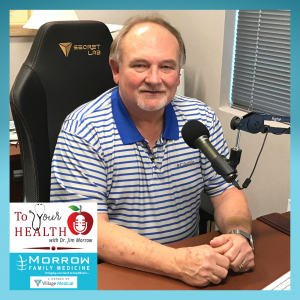
Caffeine (Episode 73, To Your Health with Dr. Jim Morrow)

On this episode of To Your Health, Dr. Morrow shared information about caffeine:  from coffee to green tea to energy drinks. He covered the health benefits of consuming caffeine, and that of coffee in particular, such as its impact on exercise and some forms of cancer. He discussed concerns of note when consuming caffeine, particularly for pregnant women, and much more. To Your Health is brought to you by Morrow Family Medicine, a Member of Village Medical, which brings the care back to healthcare.

About Morrow Family Medicine, A Member of Village Medical

Morrow Family Medicine, a Member of Village Medical, is an award-winning, state-of-the-art family practice with offices in Cumming and Milton, Georgia. The practice combines healthcare information technology with old-fashioned care to provide the type of care that many are in search of today. Two physicians, three physician assistants and two nurse practitioners are supported by a knowledgeable and friendly staff to make your visit to Morrow Family Medicine, A Member of Village Medical one that will remind you of the way healthcare should be.  At Morrow Family Medicine, a Member of Village Medical, we like to say we are “bringing the care back to healthcare!”  The practice has been named the “Best of Forsyth” in Family Medicine in all five years of the award, is a three-time consecutive winner of the “Best of North Atlanta” by readers of Appen Media, and the 2019 winner of “Best of Life” in North Fulton County.

Village Medical offers a comprehensive suite of primary care services including preventative care, treatment for illness and injury, and management of chronic conditions such as diabetes, congestive heart failure, chronic obstructive pulmonary disease (COPD) and kidney disease. Atlanta-area patients can learn more about the practice here.

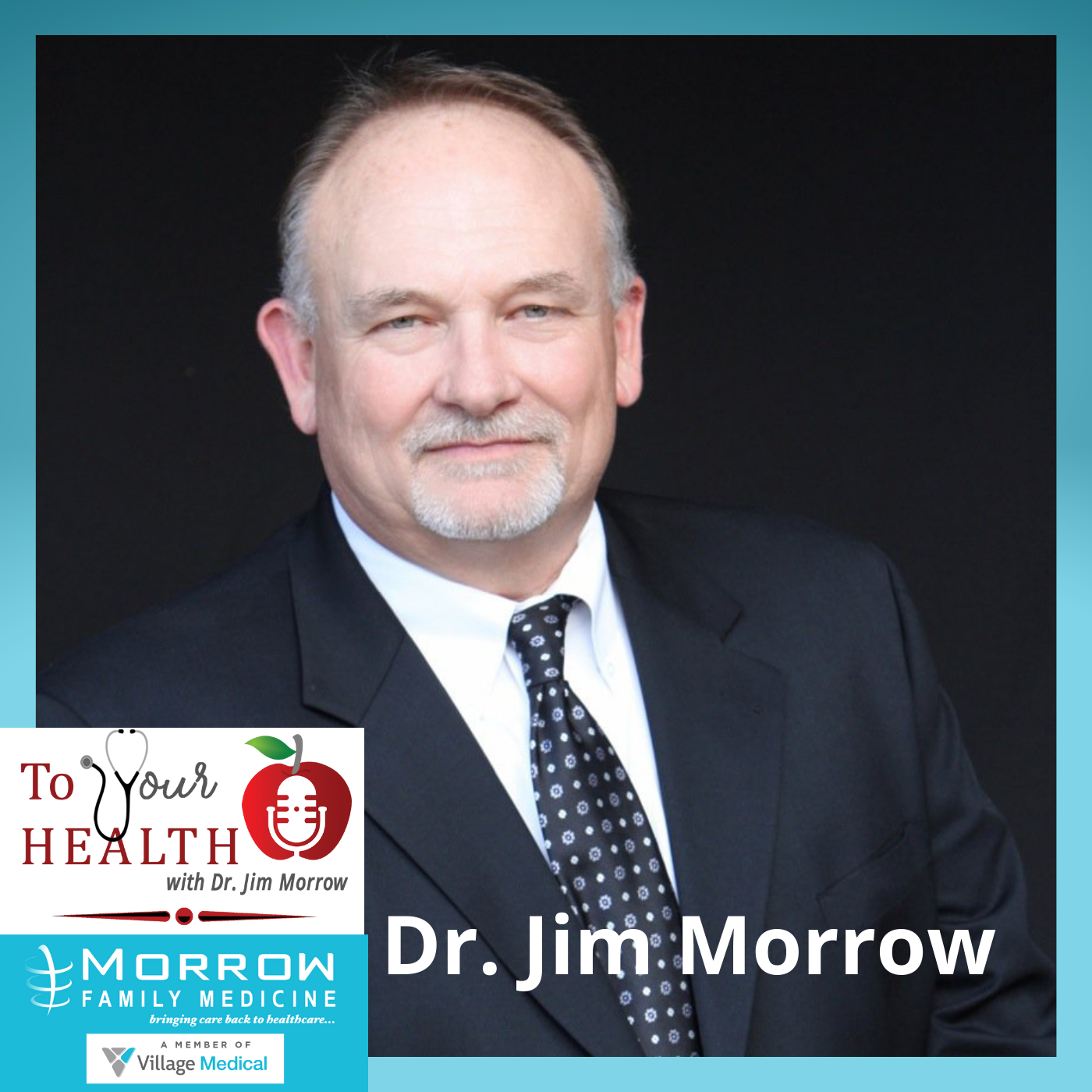
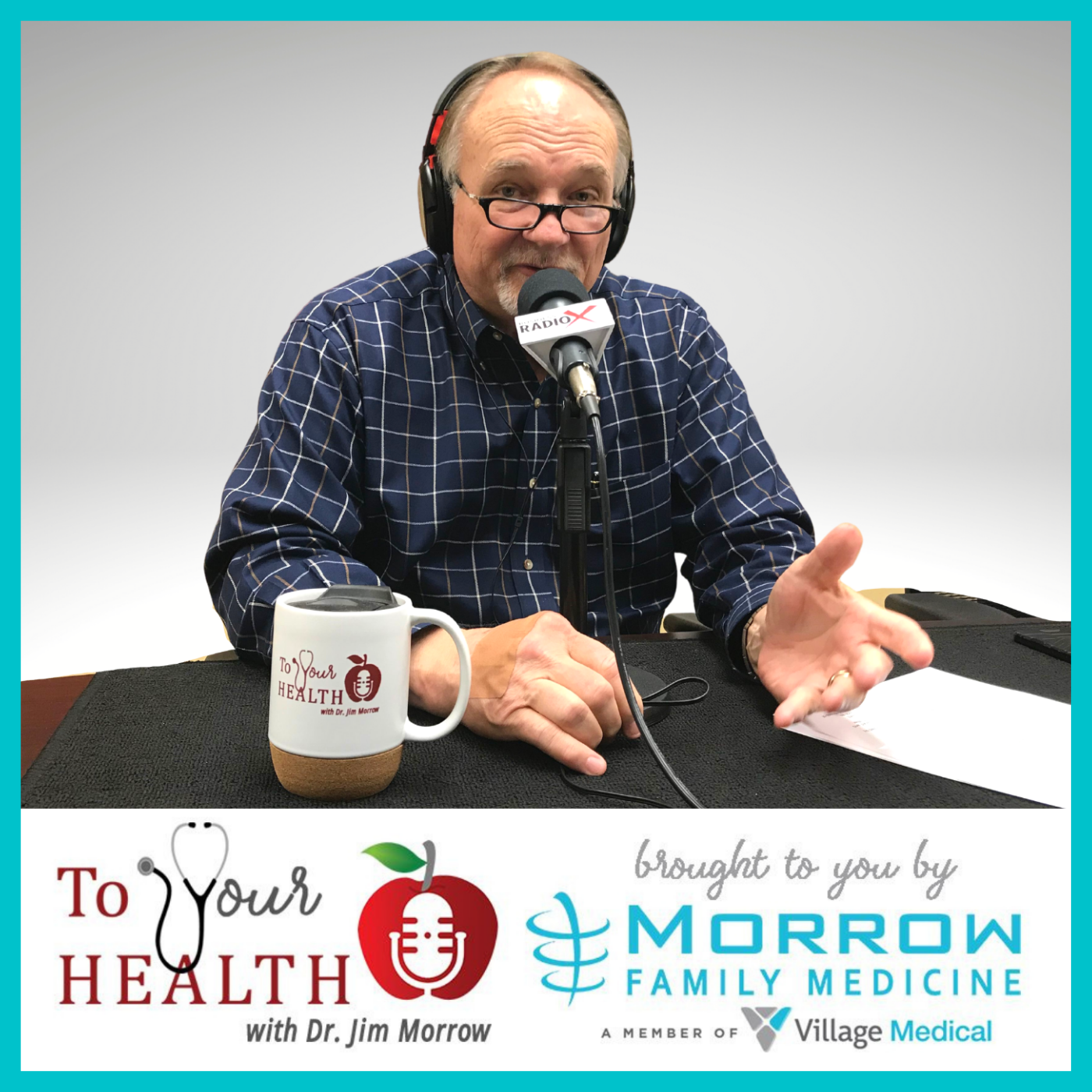
Dr. Jim Morrow, Morrow Family Medicine, and Host of To Your Health with Dr. Jim Morrow

Covid-19 misconceptionsDr. Jim Morrow is the founder and CEO of Morrow Family Medicine. He has been a trailblazer and evangelist in healthcare information technology, was named Physician IT Leader of the Year by HIMSS, a HIMSS Davies Award Winner, the Cumming-Forsyth Chamber of Commerce Steve Bloom Award Winner as Entrepreneur of the Year and he received a Phoenix Award as Community Leader of the Year from the Metro Atlanta Chamber of Commerce.  He is married to Peggie Morrow and together they founded the Forsyth BYOT Benefit, a charity in Forsyth County to support students in need of technology and devices. They have two Goldendoodles, a gaggle of grandchildren and enjoy life on and around Lake Lanier.

Facebook: https://www.facebook.com/MorrowFamMed/

LinkedIn: https://www.linkedin.com/company/7788088/admin/

Twitter: https://twitter.com/toyourhealthMD

The complete show archive of To Your Health with Dr. Jim Morrow addresses a wide range of health and wellness topics and can be found at www.toyourhealthradio.com.

Dr. Morrow’s Show Notes

What is caffeine?

  • Caffeine is a natural stimulant most commonly found in tea, coffee, and a few other plants.
  • It works by stimulating the brain and central nervous system, helping you stay alert and prevent the onset of tiredness.
  • Historians track the first brewed tea as far back as 2737 B.C.
  • Coffee was reportedly discovered many years later by an Ethiopian shepherd who noticed the extra energy it gave his goats.
  • Caffeinated soft drinks hit the market in the late 1800s and energy drinks soon followed.
  • Nowadays, 80% of the world’s population consumes a caffeinated product each day, and this number goes up to 90% for adults in North America.

How it works

  • Once consumed, caffeine is quickly absorbed from the gut into the bloodstream.
  • From there, it travels to the liver and is broken down into compounds that can affect the function of various organs.
  • That said, caffeine’s main effect is on the brain.
  • It functions by blocking the effects of adenosine, which is a neurotransmitter that relaxes the brain and makes you feel tired
  • Normally, adenosine levels build up over the day, making you increasingly more tired and causing you to want to go to sleep.
  • Caffeine helps you stay awake by connecting to adenosine receptors in the brain without activating them. This blocks the effects of adenosine, leading to reduced tiredness.
  • It may also increase blood adrenaline levels and increase brain activity of the neurotransmitters dopamine and norepinephrine
  • This combination further stimulates the brain and promotes a state of arousal, alertness, and focus. Because it affects your brain, caffeine is often referred to as a psychoactive drug.
  • Additionally, caffeine tends to exert its effects quickly.
  • For instance, the amount found in one cup of coffee can take as little as 20 minutes to reach the bloodstream and about 1 hour to reach full effectiveness

What foods and drinks contain caffeine?

  • Caffeine is naturally found in the seeds, nuts, or leaves of certain plants.
  • These natural sources are then harvested and processed to produce caffeinated foods and beverages.
  • Here are the amounts of caffeine expected per 8-ounce (240-mL) serving of some popular beverages:
  • Espresso:240–720 mg
  • Coffee:102–200 mg
  • Energy drinks:50–160 mg
  • Brewed tea:40–120 mg
  • Soft drinks:20–40 mg
  • Decaffeinated coffee:3–12 mg
  • Cocoa beverage:2–7 mg
  • Chocolate milk:2–7 mg


  • Some foods also contain caffeine. For instance, 1 ounce (28 grams) of milk chocolate contains 1–15 mg, whereas 1 ounce of dark chocolate has 5–35 mg
  • You can also find caffeine in some prescription or over-the-counter drugs like cold, allergy, and pain medications. It’s also a common ingredient in weight loss supplements.


May improve mood and brain function

  • Caffeine, once again, has the ability to block the brain-signaling molecule adenosine.
  • This causes a relative increase in other signaling molecules, such as dopamine and norepinephrine
  • This change in brain messaging is thought to benefit your mood and brain function.
  • One review reports that after participants ingested 37.5–450 mg of caffeine, they had improved alertness, short-term recall, and reaction time
  • In addition, a study linked drinking 2–3 cups of caffeinated coffee (providing about 200–300 mg caffeine) per day to a 45% lower risk of suicide
  • Another study reported a 13% lower risk of depression in caffeine consumers
  • When it comes to mood, more caffeine isn’t necessarily better.
  • A study found that a second cup of coffee produced no further benefits unless it was consumed at least 8 hours after the first cup
  • Drinking between 3–5 cups of coffee per day or more than 3 cups of tea per day may also reduce the risk of brain diseases such as Alzheimer’s and Parkinson’s by 28–60%
  • It’s important to note that coffee and tea contain other bioactive compounds (besides caffeine) that may also be beneficial.

May boost metabolism and fat burning

  • Because of its ability to stimulate the central nervous system, caffeine may increase metabolism by up to 11% and fat burning by up to 13%
  • Practically speaking, consuming 300 mg of caffeine per day may allow you to burn an extra 79 calories daily
  • This amount may seem small, but it’s similar to the calorie excess responsible for the average yearly weight gain of 2.2 pounds (1 kg) in American
  • However, a 12-year study on caffeine and weight gain noted that the participants who drank the most coffee were, on average, only 0.8–1.1 pounds (0.4–0.5 kg) lighter at the end of the study

May enhance exercise performance

  • When it comes to exercise, caffeine may increase the use of fat as fuel.
  • This is beneficial because it can help the glucose stored in muscles last longer, potentially delaying the time it takes your muscles to reach exhaustion
  • Caffeine may also improve muscle contractions and increase tolerance to fatigue
  • Researchers observed that doses of 2.3 mg per pound (5 mg per kg) of body weight improved endurance performance by up to 5% when consumed 1 hour before exercise
  • Doses as low as 1.4 mg per pound (3 mg per kg) of body weight may be sufficient to reap the benefits
  • What’s more, studies report similar benefits in team sports, high-intensity workouts, and resistance exercises
  • Finally, it may also reduce perceived exertion during exercise by up to 5.6%, which can make workouts feel easier

May protect against heart disease and diabetes

  • Despite what you may have heard, caffeine doesn’t raise the risk of heart disease
  • In fact, evidence shows a 16–18% lower risk of heart disease in men and women who drink between 1–4 cups of coffee daily (providing approximately 100–400 mg of caffeine)
  • Other studies show that drinking 2–4 cups of coffee or green tea per day is linked to a 14–20% lower risk of stroke
  • One thing to keep in mind is that caffeine may slightly raise blood pressure in some people.
  • However, this effect is generally small (3–4 mmHg) and tends to fade for most individuals when they consume coffee regularly
  • It may also protect against diabetes.
  • A review noted that those who drink the most coffee have up to a 29% lower risk of developing type 2 diabetes. Similarly, those who consume the most caffeine have up to a 30% lower risk
  • The authors observed that the risk drops by 12–14% for every 200 mg of caffeine consumed
  • Interestingly, consuming decaffeinated coffee was also linked to a 21% lower risk of diabetes. This indicates that other beneficial compounds in coffee can also protect against type 2 diabetes

Other health benefits of coffee

  • Coffee consumption is linked to several other health benefits:
  • Liver protection.
    • Coffee may reduce the risk of liver damage (cirrhosis) by as much as 84%. It may slow disease progression, improve treatment response, and lower the risk of premature death
    • Drinking coffee may decrease the risk of premature death by as much as 30%, especially for women and people with diabetes
  • Decreased cancer risk.
    • Drinking 2–4 cups of coffee per day may reduce liver cancer risk by up to 64% and colorectal cancer risk by up to 38%
  • Skin protection.
    • Consuming 4 or more cups of caffeinated coffee per day may lower the risk of skin cancer by 20% 
  • Reduced MS risk.
    • Coffee drinkers may have up to a 30% lower risk of developing multiple sclerosis (MS). However, not all studies agree 
  • Gout prevention.
    • Regularly drinking 4 cups of coffee per day may reduce the risk of developing gout by 40% in men and 57% in women
  • Gut health.
    • Consuming 3 cups of coffee a day for as few as 3 weeks may increase the amount and activity of beneficial gut bacteria
  • Keep in mind that coffee also contains other substances that improve health.
    • Some benefits listed above may be caused by substances other than caffeine.

Safety and side effects

  • Caffeine consumption is generally considered safe, although habit-forming.
  • Some side effects linked to excess intake include anxiety, restlessness, tremors, irregular heartbeat, and trouble sleeping
  • Too much caffeine may also promote headaches, migraine, and high blood pressure in some individuals
  • In addition, caffeine can easily cross the placenta, which can increase the risk of miscarriage or low birth weight.
  • Pregnant women should limit their intake
  • Caffeine can also interact with some medications.
  • Individuals taking the muscle relaxant Zanaflex or the antidepressant Luvox should avoid caffeine because these drugs can increase their effects

Recommended dosages

  • The U.S. Department of Agriculture (USDA) considers a daily intake of 400 mg of caffeine to be safe.
  • This amounts to 2–4 cups of coffee per day
  • That said, it’s worth noting that fatal overdoses have been reported with single doses of 500 mg of caffeine.
  • Therefore, it’s recommended to limit the amount of caffeine you consume at one time to 200 mg per dose
  • According to the American College of Obstetricians and Gynecologists, pregnant women should limit their daily intake to 200 mg

The bottom line

  • Caffeine isn’t as unhealthy as it was once believed.
  • In fact, evidence shows that it may be just the opposite.
  • Therefore, it’s safe to consider your daily cup of coffee or tea as an enjoyable way to promote good health.

Credit to www.healthline.com
Tagged With: caffeine, caffeine and pregnancy, coffee, diabetes, Dr. Jim Morrow, Exercise, liver cancer, tea, To Your Health With Dr. Jim Morrow, Village Medical

Suicide Prevention: An Interview with Kristen Petillo, American Foundation for Suicide Prevention

March 24, 2022 by John Ray

Suicide Prevention
North Fulton Studio
Suicide Prevention: An Interview with Kristen Petillo, American Foundation for Suicide Prevention
Loading
00:00 /
RSS Feed
Share
Link
Embed

Download file

Suicide Prevention

Suicide Prevention: An Interview with Kristen Petillo, American Foundation for Suicide Prevention (Episode 72, To Your Health with Dr. Jim Morrow)

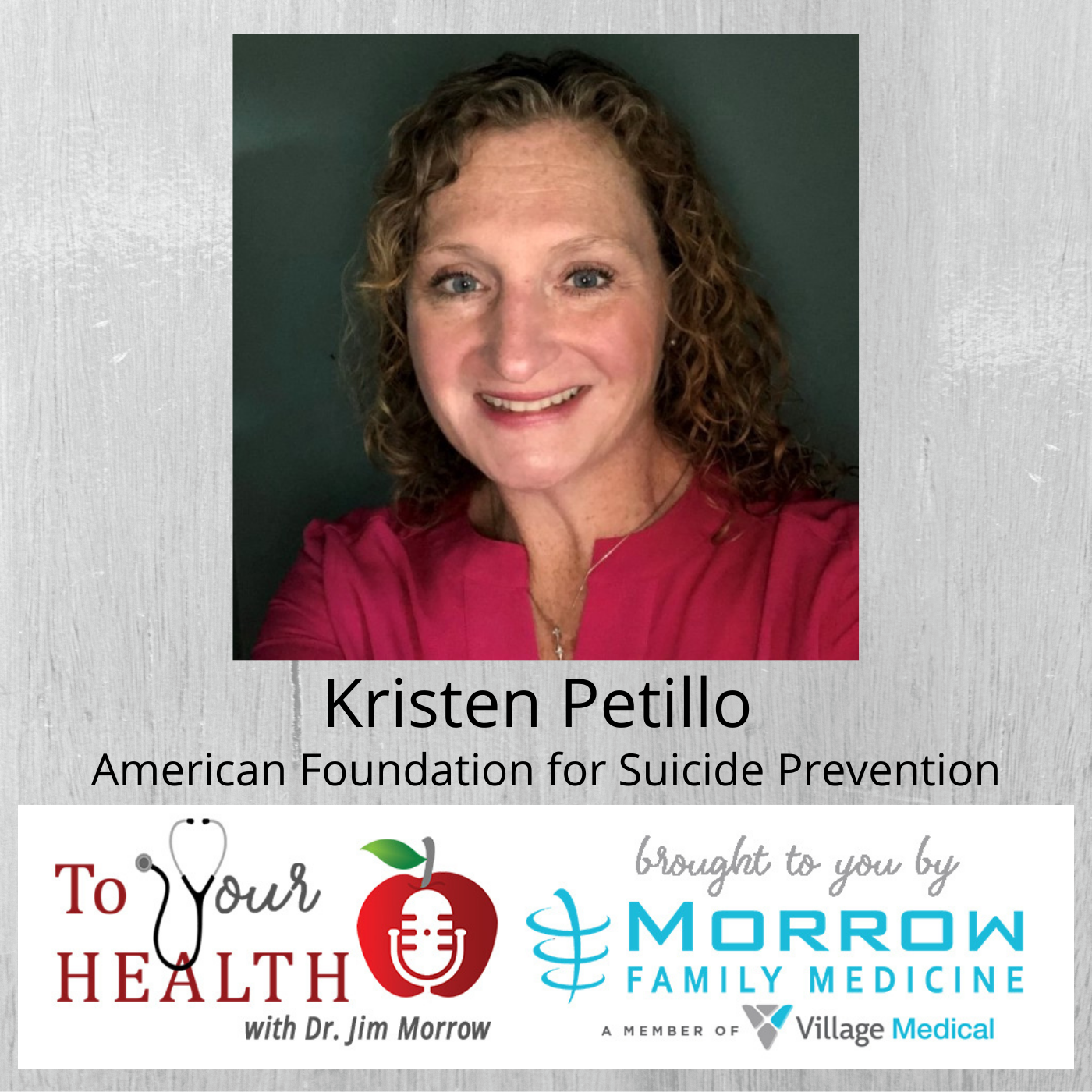
On this episode of To Your Health, Kristen Petillo, Area Director of the Georgia Chapter for the American Foundation for Suicide Prevention, joined Dr. Morrow to discuss suicide prevention. Ms. Petillo covered who is at risk, what the warning signs are, the mission of AFSP, their current initiatives, and much more. To Your Health is brought to you by Village Medical (formerly Morrow Family Medicine), which brings the care back to healthcare.

American Foundation for Suicide Prevention

Established in 1987, the American Foundation for Suicide Prevention (AFSP) is a voluntary health organization that gives those affected by suicide a nationwide community empowered by research, education, and advocacy to take action against this leading cause of death.

AFSP is dedicated to saving lives and bringing hope to those affected by suicide. Led by CEO Robert Gebbia and headquartered in New York, and with a public policy office in Washington, D.C., AFSP has local chapters in all 50 states with programs and events nationwide.

AFSP celebrates 30 years of service to the suicide prevention movement.

Company website | Facebook | Instagram | Twitter

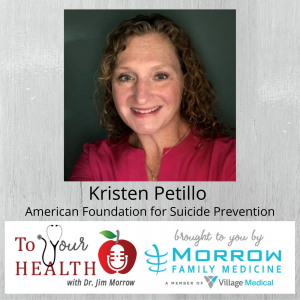
Kristen Petillo, Area Director, Georgia Chapter, American Foundation for Suicide Prevention

Kristen Petillo, Area Director, Georgia Chapter, American Foundation for Suicide Prevention

Kristen is a former New Yorker with 20+ years in the health and human services/non-profit space.

Kristen enjoys connecting with community and creating opportunities to empower and uplift others.
When she is not representing AFSP, Kristen can be found spending time with her husband of 21 years and their son, Jack, a senior in High School. Together, they enjoy a life filled with family, friends, travel, and endurance events.

LinkedIn

About Morrow Family Medicine, A Member of Village Medical

Morrow Family Medicine, a Member of Village Medical, is an award-winning, state-of-the-art family practice with offices in Cumming and Milton, Georgia. The practice combines healthcare information technology with old-fashioned care to provide the type of care that many are in search of today. Two physicians, three physician assistants and two nurse practitioners are supported by a knowledgeable and friendly staff to make your visit to Morrow Family Medicine, A Member of Village Medical one that will remind you of the way healthcare should be.  At Morrow Family Medicine, a Member of Village Medical, we like to say we are “bringing the care back to healthcare!”  The practice has been named the “Best of Forsyth” in Family Medicine in all five years of the award, is a three-time consecutive winner of the “Best of North Atlanta” by readers of Appen Media, and the 2019 winner of “Best of Life” in North Fulton County.

Village Medical offers a comprehensive suite of primary care services including preventative care, treatment for illness and injury, and management of chronic conditions such as diabetes, congestive heart failure, chronic obstructive pulmonary disease (COPD) and kidney disease. Atlanta-area patients can learn more about the practice here.

Dr. Jim Morrow, Morrow Family Medicine, and Host of “To Your Health with Dr. Jim Morrow”

Covid-19 misconceptionsDr. Jim Morrow is the founder and CEO of Morrow Family Medicine. He has been a trailblazer and evangelist in the area of healthcare information technology, was named Physician IT Leader of the Year by HIMSS, a HIMSS Davies Award Winner, the Cumming-Forsyth Chamber of Commerce Steve Bloom Award Winner as Entrepreneur of the Year and he received a Phoenix Award as Community Leader of the Year from the Metro Atlanta Chamber of Commerce.  He is married to Peggie Morrow and together they founded the Forsyth BYOT Benefit, a charity in Forsyth County to support students in need of technology and devices. They have two Goldendoodles, a gaggle of grandchildren and enjoy life on and around Lake Lanier.

Facebook: https://www.facebook.com/MorrowFamMed/

LinkedIn: https://www.linkedin.com/company/7788088/admin/

Twitter: https://twitter.com/toyourhealthMD

The complete show archive of “To Your Health with Dr. Jim Morrow” addresses a wide range of health and wellness topics, and can be found at www.toyourhealthradio.com.

Tagged With: AFSP, American Foundation for Suicide Prevention, Dr. Jim Morrow, Kristen Petillo, Project 2025, Suicide, Suicide prevention, To Your Health, Village Medical

When Medicines Fight Back: Allergies and Anaphylaxis

March 10, 2022 by John Ray

Allergies
North Fulton Studio
When Medicines Fight Back: Allergies and Anaphylaxis
Loading
00:00 /
RSS Feed
Share
Link
Embed

Download file

Allergies

When Medicines Fight Back:  Allergies and Anaphylaxis (Episode 71, To Your Health with Dr. Jim Morrow)

On this episode of To Your Health, Dr. Jim Morrow, speaking from his own personal experience, covered allergies and anaphylaxis–a severe allergic reaction–caused by a reaction to medication. Dr. Morrow talked about the antibodies that create a response, not to take a “wait and see” approach, carrying epi-pens, substances that cause allergic reactions, asthma, how to prevent anaphylaxis, and much more. He and producer John Ray also announced that there is now a phone line listeners can use to call in questions for Dr. Morrow. The number is 404-530-9691. Leave your name and question, and Dr. Morrow will address it on the show. You can also leave ideas for show topics. To Your Health is brought to you by Morrow Family Medicine, a Member of Village Medical, which brings the care back to healthcare.

About Morrow Family Medicine, A Member of Village Medical

Morrow Family Medicine, a Member of Village Medical, is an award-winning, state-of-the-art family practice with offices in Cumming and Milton, Georgia. The practice combines healthcare information technology with old-fashioned care to provide the type of care that many are in search of today. Two physicians, three physician assistants and two nurse practitioners are supported by a knowledgeable and friendly staff to make your visit to Morrow Family Medicine, A Member of Village Medical one that will remind you of the way healthcare should be.  At Morrow Family Medicine, a Member of Village Medical, we like to say we are “bringing the care back to healthcare!”  The practice has been named the “Best of Forsyth” in Family Medicine in all five years of the award, is a three-time consecutive winner of the “Best of North Atlanta” by readers of Appen Media, and the 2019 winner of “Best of Life” in North Fulton County.

Village Medical offers a comprehensive suite of primary care services including preventative care, treatment for illness and injury, and management of chronic conditions such as diabetes, congestive heart failure, chronic obstructive pulmonary disease (COPD) and kidney disease. Atlanta-area patients can learn more about the practice here.

Dr. Jim Morrow, Morrow Family Medicine, and Host of To Your Health with Dr. Jim Morrow

Covid-19 misconceptionsDr. Jim Morrow is the founder and CEO of Morrow Family Medicine. He has been a trailblazer and evangelist in healthcare information technology, was named Physician IT Leader of the Year by HIMSS, a HIMSS Davies Award Winner, the Cumming-Forsyth Chamber of Commerce Steve Bloom Award Winner as Entrepreneur of the Year and he received a Phoenix Award as Community Leader of the Year from the Metro Atlanta Chamber of Commerce.  He is married to Peggie Morrow and together they founded the Forsyth BYOT Benefit, a charity in Forsyth County to support students in need of technology and devices. They have two Goldendoodles, a gaggle of grandchildren and enjoy life on and around Lake Lanier.

Facebook: https://www.facebook.com/MorrowFamMed/

LinkedIn: https://www.linkedin.com/company/7788088/admin/

Twitter: https://twitter.com/toyourhealthMD

The complete show archive of To Your Health with Dr. Jim Morrow addresses a wide range of health and wellness topics and can be found at www.toyourhealthradio.com.

Dr. Morrow’s Show Notes

Allergic Reactions

  • An allergy occurs when the body overreacts to an allergen or ‘trigger’ that is typically harmless to most people.
    • Examples of allergies include
      • hay fever,
      • asthma,
      • eczema,
      • hives
      • and food allergy.
      • Estimates suggest that about one person in four is allergic to something and roughly half of all allergy sufferers are children.
      • The symptoms of an allergy range from mild to severe.
      • The most severe type of allergic reaction is anaphylaxis, which may cause death without prompt medical attention.
      • In most cases, effective treatments are available to manage or treat allergy symptoms.

Symptoms of allergies

  • Symptoms depend on the allergy, but may include:
    • Swelling of lips, face, eyes.
    • Runny nose.
    • Red, watery and itchy eyes.
    • Wheeze or persistent cough.
    • Breathing problems.
    • Swelling tongue and tightness of throat.
    • Skin rash.
    • Stomach pains.
    • Vomiting and diarrhea.
  • Do not self-diagnose. The symptoms and signs of allergies are common to many other medical conditions. It is important to see your doctor for professional diagnosis and treatment.

Common allergens

  • A substance in the environment that can cause an allergic reaction in susceptible people is called an ‘allergen’.
    • There are many different allergens, but they all share one thing in common – protein.
    • Some allergens don’t contain protein to begin with, but bind with protein once inside the body to provoke the allergic reaction.
  • Common allergens include:
    • Food – such as crustaceans, eggs, fish, milk, peanuts, tree nuts (for example, almonds, cashews, pecans and walnuts), sesame and soy products.
    • Plants – pollen from grasses and plants.
    • Medicines – including prescription medications (such as penicillin), over-the-counter medicines (such as aspirin) and herbal preparations.
    • Insects – such as dust mites and the venom from bees, ticks, ants and wasps.
    • Molds – such as mushroom and mould spores.
    • Animal dander – such as the fur and skin flakes from domestic pets such as cats and dogs.
    • Chemicals – including industrial and household chemicals and chemical products such as latex rubber.

The immune system reaction

  • Allergy is the result of mistaken identity.
    • An allergen enters the body and is wrongly identified by the immune system as a dangerous substance.
    • In response, the immune system makes antibodies to attack the allergen. These are specific antibodies of the IgE (immunoglobulin E) class.
    • When an allergen is found, IgE antibodies trigger a cascade of immune system reactions,
      • including the release of chemicals known as mast cell chemicals.
      • These are substances that the body normally uses to destroy micro-organisms.
      • The most common of these is histamine.
        • In small amounts, histamine causes itching and reddening of the local area.
        • In large amounts, the nearby blood vessels become dilated and the area swells with accumulated fluid.
        • The immune system’s tendency to overreact to a harmless substance is thought to be genetic.
          • The term ‘atopy’ describes this genetic tendency.
          • Doctors describe a person who has an allergy as being ‘atopic’ – such people usually have raised levels of IgE in their blood.

What Is Anaphylaxis?

  • Anaphylaxis is a serious allergic reaction that is rapid in onset and may cause death.
  • Symptoms usually involve more than one organ system (part of the body), such as the skin or mouth, the lungs, the heart and the gut.
  • Some symptoms include:
  • Skin rashes, itching or hives
  • Swelling of the lips, tongue or throat
  • Shortness of breath, trouble breathing or wheezing (whistling sound during breathing)
  • Dizziness and/or fainting
  • Stomach pain, bloating, vomiting or diarrhea
  • Uterine cramps
  • Feeling like something awful is about to happen
  • Ask your doctor for a complete list of symptoms and an anaphylaxis action plan.
    • Anaphylaxis must be treated right away to provide the best chance for improvement and prevent serious, potentially life-threatening complications.

What Is the Treatment for Anaphylaxis?

  • Epinephrine is the most important treatment available.
    • Always carry two epinephrine auto-injectors so you can quickly treat a reaction wherever you are.
  • Promptly inject the medicine at the first sign of an anaphylactic reaction. 
    • Consider carrying your anaphylaxis action plan along with your auto-injectors.
  • Call 911 to go to a hospital by ambulance. You must seek medical care immediately– even if you feel better – because symptoms can recur.
  • You may need other treatments, in addition to epinephrine.

What Causes Anaphylaxis?

  • An allergy occurs when the body’s immune system sees something as harmful and reacts.
    • Your immune system tries to remove or isolate the trigger.
    • The result is symptoms such as vomiting or swelling.
    • The most common triggers of anaphylaxis are allergens.
    • Medicines, foods, insect stings and bites, and latex most often cause severe allergic reactions.
  • Medicines are the leading cause in adults
    Common culprits are penicillin and other antibiotics, aspirin and aspirin-related products and insulin.
  • Foods are the leading cause in children
    In the U.S., the most common food allergies are

    • peanuts,
    • tree nuts,
    • shellfish,
    • fish,
    • milk,
    • eggs,
    • soy
    • and wheat.
    • These are the “top 8 allergens.” In children, the most common food allergies are milk, eggs, peanuts, soy and wheat. In adults, the most common food allergies are shellfish, tree nuts and peanuts.
  • Insect stings and bites
    • Stinging insects such as bees, wasps, hornets, yellow jackets and fire ants can cause anaphylaxis.
    • Certain tick bites can cause a person to develop severe allergic reactions to meat.
  • Latex
    • Natural rubber latex may cause a mild skin irritation or it can trigger a severe allergic reaction.
      • Direct contact with latex items (latex gloves, condoms and balloons) can cause a reaction.
      • Inhaling small latex particles that have become airborne can trigger latex allergy.
      • Putting on and removing latex gloves can release small latex particles into the air.
    • Physical activity
      • Exercise-induced anaphylaxis is a rare allergic reaction that occurs after vigorous physical activity.
        • Temperature, seasonal changes, drugs, alcohol or eating certain foods before exercise may be co-factors.
        • In other words, both exercise and this other factor have to be present for a person to have the severe allergic reaction.
      • With proper evaluation, allergists identify most causes of anaphylaxis.
        • Some people have allergic reactions without any known exposure to common allergens.
          • If an allergist cannot identify a trigger, the condition is idiopathic anaphylaxis.

How Can I Tell the Difference Between

Anaphylaxis and Asthma?

  • People with asthma often have allergies as well.
    • This puts them at higher risk of developing anaphylaxis, which also can cause breathing problems.
    • For that reason, it is important to manage your asthma well.
    • Some of the symptoms of a severe allergic reaction or a severe asthma attack may seem similar.
    • A helpful clue to tell the these apart is that anaphylaxis may closely follow ingestion of a medication, eating a specific food, or getting stung or bitten by an insect.
  • If you are unsure if it is anaphylaxis or asthma:
  • Use your epinephrine auto-injector first (it treats both anaphylaxis and asthma).
  • Then use your asthma relief inhaler (e.g. albuterol).
  • Call 911 and go to the hospital by ambulance.

What Can I Do to Prevent Anaphylaxis?

  • Know your allergens.An accurate diagnosis is important. An allergist can help you create a plan to keep you safe.
  • Avoid your allergens.
    • If you have a drug allergy, be familiar with both the generic name and brand names of medicines that cause you to have a severe allergic reaction.
      • And be aware of ingredients in a combination product.
      • Become familiar with medicines that might cause a cross-reaction. Read drug information carefully.
    • If you have a food allergy, be careful about everything you eat.
      • Check ingredients on all food labels. Wash hands, and use clean surfaces and utensils to prepare food.
      • Ask restaurant staff how they prepare foods
    • If you react to insect stings or exercise, talk to your doctor about how to avoid these reactions.
  • Carry your epinephrine auto-injectors with you at all times.This is very important and can save your life or the life of a loved one.
  • Prepare with a plan.Have your doctor help you create an anaphylaxis action plan.
  • Talk to your doctor and caregivers.Make sure they know the names of any medications you are allergic to and what symptoms you had when you took them. Give them a list of every drug you take. Some common medicines, like beta-blockers, can worsen anaphylaxis.
  • Wear a medical ID bracelet or necklace.It lets others know of your allergy in an emergency. Also, keep a card in your wallet or purse that explains your allergy.

Who Is At Risk for Anaphylaxis? 

  • People who have experienced anaphylaxis before
  • People with allergies to foods, insect stings, medicine and other triggers

If you are at-risk:

  • Keep your epinephrine auto-injectors on-hand at all times and be ready to use them if an emergency occurs.
  • Talk with your doctor about your triggers and your symptoms. Your doctor may tell you to see an allergist. An allergist can help you identify your allergies and learn to manage your risk of severe reactions.
  • Ask your doctor for an anaphylaxis action plan. This will help you know what to do if you experience anaphylaxis.

Credit to www.aafp.org

Tagged With: allergens, allergic reactions, allergies, anaphylactic shock, anaphylaxis, Dr. Jim Morrow, immune system, To Your Health, Village Medical

Teens and Social Media

February 25, 2022 by John Ray

Teens and Social Media
North Fulton Studio
Teens and Social Media
Loading
00:00 /
RSS Feed
Share
Link
Embed

Download file

Teens and Social Media

Teens and Social Media (Episode 70, To Your Health with Dr. Jim Morrow)

On this episode of To Your Health, Dr. Jim Morrow addressed some of the issues around teens using social media. While there are benefits to social media, such as entertainment, community, and self-expression, there are also risks like bullying, undue peer pressure, and depression.  To protect teens, Dr. Morrow offered several suggestions, including limiting screen time and monitoring your child’s accounts, and he discussed when to involve a health care provider. To Your Health is brought to you by Morrow Family Medicine, a Member of Village Medical, which brings the care back to healthcare.

About Morrow Family Medicine, A Member of Village Medical

Morrow Family Medicine, a Member of Village Medical, is an award-winning, state-of-the-art family practice with offices in Cumming and Milton, Georgia. The practice combines healthcare information technology with old-fashioned care to provide the type of care that many are in search of today. Two physicians, three physician assistants and two nurse practitioners are supported by a knowledgeable and friendly staff to make your visit to Morrow Family Medicine, A Member of Village Medical one that will remind you of the way healthcare should be.  At Morrow Family Medicine, a Member of Village Medical, we like to say we are “bringing the care back to healthcare!”  The practice has been named the “Best of Forsyth” in Family Medicine in all five years of the award, is a three-time consecutive winner of the “Best of North Atlanta” by readers of Appen Media, and the 2019 winner of “Best of Life” in North Fulton County.

Village Medical offers a comprehensive suite of primary care services including preventative care, treatment for illness and injury, and management of chronic conditions such as diabetes, congestive heart failure, chronic obstructive pulmonary disease (COPD) and kidney disease. Atlanta-area patients can learn more about the practice here.

Dr. Jim Morrow, Morrow Family Medicine, and Host of To Your Health with Dr. Jim Morrow

Covid-19 misconceptionsDr. Jim Morrow is the founder and CEO of Morrow Family Medicine. He has been a trailblazer and evangelist in healthcare information technology, was named Physician IT Leader of the Year by HIMSS, a HIMSS Davies Award Winner, the Cumming-Forsyth Chamber of Commerce Steve Bloom Award Winner as Entrepreneur of the Year and he received a Phoenix Award as Community Leader of the Year from the Metro Atlanta Chamber of Commerce.  He is married to Peggie Morrow and together they founded the Forsyth BYOT Benefit, a charity in Forsyth County to support students in need of technology and devices. They have two Goldendoodles, a gaggle of grandchildren and enjoy life on and around Lake Lanier.

Facebook: https://www.facebook.com/MorrowFamMed/

LinkedIn: https://www.linkedin.com/company/7788088/admin/

Twitter: https://twitter.com/toyourhealthMD

The complete show archive of To Your Health with Dr. Jim Morrow addresses a wide range of health and wellness topics and can be found at www.toyourhealthradio.com.

Dr. Morrow’s Show Notes

What’s the impact?

  • Social media is a big part of many teens’ lives.
    • A 2018 Pew Research Center survey of nearly 750 13- to 17-year-olds found that 45% are online almost constantly
      • and 97% use a social media platform,
        • such as YouTube, Facebook, Instagram or Snapchat.

But what impact does social media use have on teens?

Social media benefits

  • Social media allows teens to create online identities,
    • communicate with others
    • and build social networks.
      • These networks can provide teens with valuable support,
        • especially helping those who experience exclusion or have disabilities or chronic illnesses.
      • Teens also use social media for entertainment and self-expression.
        • And the platforms can expose teens to current events,
          • allow them to interact across geographic barriers
            • and teach them about a variety of subjects,
              • including healthy behaviors.
            • Social media that’s humorous or distracting or provides a meaningful connection to peers and a wide social network might even help teens avoid depression.

Social media harms

  • However, social media use can also negatively affect teens,
    • distracting them,
    • disrupting their sleep,
    • and exposing them
      • to bullying,
      • rumor spreading,
      • unrealistic views of other people’s lives
      • and peer pressure.
    • The risks might be related to how much social media teens use.
      • A 2019 study of more than 6,500 12- to 15-year-olds in the U.S.
        • found that those who spent more than three hours a day using social media might be at heightened risk for mental health problems.
        • Another 2019 study of more than 12,000 13- to 16-year-olds in England
          • found that using social media more than three times a day predicted poor mental health and well-being in teens.
        • Other studies also have observed links between high levels of social media use and depression or anxiety symptoms.
          • A 2016 study of more than 450 teens found that
          • greater social media use, nighttime social media use and emotional investment in social media —
            • such as feeling upset when prevented from logging on —
  • were each linked with worse sleep quality and higher levels of anxiety and depression.
  • How teens use social media also might determine its impact.
    • A 2015 study found that
      • social comparison
      • and feedback seeking
        • by teens using social media and cellphones was linked with depressive symptoms.
        • In addition, a 2013 study found that older adolescents who used social media passively,
          • such as by just viewing others’ photos,
            • reported declines in life satisfaction.
            • Those who used social media to interact with others or post their own content didn’t experience these declines.
          • Another study on the impact of social media
            • on undergraduate college students
              • showed that the longer they used Facebook,
                • the stronger was their belief that others were happier than they were.
                • But the more time the students spent going out with their friends, the less they felt this way.
              • Because of teens’ impulsive natures,
                • experts suggest that teens who post content on social media
                  • are at risk of sharing intimate photos or highly personal stories.
                  • This can result in teens
                    • being bullied,
                    • harassed or
                    • even blackmailed.
                    • Teens often create posts without considering these consequences or privacy concerns.

Protecting your teen

  • There are steps you can take to encourage responsible use of social media and limit some of its negative effects.
  • Consider these tips:
  • Set reasonable limits.
    • Talk to your teen about how to avoid letting social media interfere
      • with his or her activities,
      • sleep,
      • meals
      • or homework.
      • Encourage a bedtime routine that avoids electronic media use, and keep cellphones and tablets out of teens’ bedrooms.
        • Set an example by following these rules yourself.
      • Monitor your teen’s accounts.
        • Let your teen know that you’ll be regularly checking his or her social media accounts.
          • You might aim to do so once a week or more.
          • Make sure you follow through.
        • Explain what’s not OK.
          • Discourage your teen
            • from gossiping,
            • spreading rumors,
            • bullying
            • or damaging someone’s reputation —
              • online or otherwise.
              • Talk to your teen about what is appropriate and safe to share on social media.
            • Encourage face-to-face contact with friends.
              • This is particularly important for teens who are vulnerable to social anxiety disorder.
            • Talk about social media.
              • Talk about your own social media habits.
                • Ask your teen how he or she is using social media
                  • and how it makes him or her feel.
                  • Remind your teen that social media is full of unrealistic images.

If you think your teen is experiencing signs or symptoms of anxiety or depression related to social media use, talk to your child’s health care provider.

Tagged With: anxiety, Depression, Dr. Jim Morrow, human trafficking, Social Media, teens, To Your Health With Dr. Jim Morrow, Village Medical

Atrial Fibrillation

February 11, 2022 by John Ray

Atrial Fibrillation
North Fulton Studio
Atrial Fibrillation
Loading
00:00 /
RSS Feed
Share
Link
Embed

Download file

Atrial Fibrillation

Atrial Fibrillation (Episode 69, To Your Health with Dr. Jim Morrow)

Recalling his wife’s transient ischemic attack (TIA) several months ago in the middle of the night, Dr. Jim Morrow says the ultimate diagnosis was Atrial Fibrillation. Dr. Morrow describes the symptoms, but notes that some people do not experience symptoms and sometimes have events, such as a TIA, which point to atrial fibrillation. Because of the risk of blood clots, he stresses the need to check all symptoms that may arise without delay, discusses treatments, and much more. To Your Health is brought to you by Morrow Family Medicine, a Member of Village Medical, which brings the care back to healthcare.

About Morrow Family Medicine, A Member of Village Medical

Morrow Family Medicine, a Member of Village Medical, is an award-winning, state-of-the-art family practice with offices in Cumming and Milton, Georgia. The practice combines healthcare information technology with old-fashioned care to provide the type of care that many are in search of today. Two physicians, three physician assistants and two nurse practitioners are supported by a knowledgeable and friendly staff to make your visit to Morrow Family Medicine, A Member of Village Medical one that will remind you of the way healthcare should be.  At Morrow Family Medicine, a Member of Village Medical, we like to say we are “bringing the care back to healthcare!”  The practice has been named the “Best of Forsyth” in Family Medicine in all five years of the award, is a three-time consecutive winner of the “Best of North Atlanta” by readers of Appen Media, and the 2019 winner of “Best of Life” in North Fulton County.

Village Medical offers a comprehensive suite of primary care services including preventative care, treatment for illness and injury, and management of chronic conditions such as diabetes, congestive heart failure, chronic obstructive pulmonary disease (COPD) and kidney disease. Atlanta-area patients can learn more about the practice here.

Dr. Jim Morrow, Morrow Family Medicine, and Host of To Your Health with Dr. Jim Morrow

Covid-19 misconceptionsDr. Jim Morrow is the founder and CEO of Morrow Family Medicine. He has been a trailblazer and evangelist in healthcare information technology, was named Physician IT Leader of the Year by HIMSS, a HIMSS Davies Award Winner, the Cumming-Forsyth Chamber of Commerce Steve Bloom Award Winner as Entrepreneur of the Year and he received a Phoenix Award as Community Leader of the Year from the Metro Atlanta Chamber of Commerce.  He is married to Peggie Morrow and together they founded the Forsyth BYOT Benefit, a charity in Forsyth County to support students in need of technology and devices. They have two Goldendoodles, a gaggle of grandchildren and enjoy life on and around Lake Lanier.

Facebook: https://www.facebook.com/MorrowFamMed/

LinkedIn: https://www.linkedin.com/company/7788088/admin/

Twitter: https://twitter.com/toyourhealthMD

The complete show archive of To Your Health with Dr. Jim Morrow addresses a wide range of health and wellness topics and can be found at www.toyourhealthradio.com.

Dr. Morrow’s Show Notes

Atrial Fibrillation

  • Atrial fibrillation (A-fib) is an irregular and often very rapid heart rhythm (arrhythmia) that can lead to blood clots in the heart.
    • A-fib increases the risk of stroke, heart failure and other heart-related complications.
  • During atrial fibrillation, the heart’s upper chambers (the atria) beat chaotically and irregularly —
    • out of sync with the lower chambers (the ventricles) of the heart.
    • For many people, A-fib may have no symptoms.
      • However, A-fib may cause a fast, pounding heartbeat (palpitations), shortness of breath or weakness.
    • Episodes of atrial fibrillation may come and go, or they may be persistent.
      • Although A-fib itself usually isn’t life-threatening, it’s a serious medical condition that requires proper treatment to prevent stroke.
    • Treatment for atrial fibrillation may include medications, therapy to reset the heart rhythm and catheter procedures to block faulty heart signals.
    • A person with atrial fibrillation may also have a related heart rhythm problem called atrial flutter.
      • Although atrial flutter is a different arrhythmia, the treatment is quite similar to atrial fibrillation.

Symptoms

  • Some people with atrial fibrillation (A-fib) don’t notice any symptoms. Those who do have atrial fibrillation symptoms may have signs and symptoms such as:
    • Sensations of a fast, fluttering or pounding heartbeat (palpitations)
    • Chest pain
    • Dizziness
    • Fatigue
    • Lightheadedness
    • Reduced ability to exercise
    • Shortness of breath
    • Weakness
  • Atrial fibrillation may be:
    • Occasional (paroxysmal atrial fibrillation).
      • A-fib symptoms come and go,
        • usually lasting for a few minutes to hours.
        • Sometimes symptoms occur for as long as a week and episodes can happen repeatedly.
        • Symptoms might go away on their own. Some people with occasional A-fib need treatment.
    • Persistent.
      • With this type of atrial fibrillation, the heart rhythm doesn’t go back to normal on its own.
        • If a person has A-fib symptoms, cardioversion or treatment with medications may be used to restore and maintain a normal heart rhythm.
    • Long-standing persistent.
      • This type of atrial fibrillation is continuous and lasts longer than 12 months.
    • Permanent.
      • In this type of atrial fibrillation, the irregular heart rhythm can’t be restored.
        • Medications are needed to control the heart rate and to prevent blood clots.

When to see a doctor

  • If you have any signs or symptoms of atrial fibrillation, make an appointment with your doctor.
  • If you have chest pain, seek immediate medical help.
    • Chest pain could mean that you’re having a heart attack.

Causes

  • To understand the causes of A-fib, it may be helpful to know how the heart typically beats.
  • The typical heart has four chambers —
    • two upper chambers (atria) and two lower chambers (ventricles).
    • Within the upper right chamber of the heart (right atrium) is a group of cells called the sinus node.
    • The sinus node is the heart’s natural pacemaker.
      • It produces the signal that starts each heartbeat.
    • In a regular heart rhythm:
    • The signal travels from the sinus node through the two upper heart chambers (atria).
    • The signal passes through a pathway between the upper and lower chambers called the atrioventricular (AV) node.
    • The movement of the signal causes your heart to squeeze (contract), sending blood to your heart and body.
  • In atrial fibrillation,
    • the signals in the upper chambers of the heart are chaotic.
      • As a result, the upper chambers shake (quiver).
      • The AV node is then bombarded with signals trying to get through to the lower heart chambers (ventricles).
      • This causes a fast and irregular heart rhythm.
    • The heart rate in atrial fibrillation may range from 100 to 175 beats a minute.
      • The normal range for a heart rate is 60 to 100 beats a minute.

Causes of atrial fibrillation

  • Problems with the heart’s structure are the most common cause of atrial fibrillation.
  • Other possible causes of A-fib include:
    • Coronary artery disease
    • Heart attack
    • Heart defect that you’re born with (congenital heart defect)
    • Heart valve problems
      • High blood pressure
  • Lung diseases
    • Physical stress due to surgery, pneumonia or other illnesses
    • Previous heart surgery
    • Problem with the heart’s natural pacemaker (sick sinus syndrome)
    • Sleep apnea
    • Thyroid disease such as an overactive thyroid (hyperthyroidism) and other metabolic imbalances
    • Use of stimulants, including certain medications, caffeine, tobacco and alcohol
    • Viral infections
  • Some people who have A-fib have no known heart problems or heart damage.

Risk factors

  • Things that can increase the risk of atrial fibrillation (A-fib) include:
    • Age. The older a person is, the greater the risk of developing A-fib.
    • Heart disease. Anyone with heart disease — such as heart valve problems, congenital heart disease, congestive heart failure, coronary artery disease, or a history of heart attack or heart surgery — has an increased risk of atrial fibrillation.
    • High blood pressure. Having high blood pressure, especially if it’s not well controlled with lifestyle changes or medications, can increase the risk of atrial fibrillation.
      • Thyroid disease. In some people, thyroid problems may trigger heart rhythm problems (arrhythmias), including atrial fibrillation.
  • Other chronic health conditions. People with certain chronic conditions such as diabetes, metabolic syndrome, chronic kidney disease, lung disease or sleep apnea have an increased risk of atrial fibrillation.
    • Drinking alcohol. For some people, drinking alcohol can trigger an episode of A-fib. Binge drinking further increases the risk.
    • Obesity. People who have obesity are at higher risk of developing atrial fibrillation.
    • Family history. An increased risk of atrial fibrillation occurs in some families.


Complications

  • Blood clots are a dangerous complication that can lead to stroke.
    • In atrial fibrillation, the chaotic heart rhythm can cause blood to collect in the heart’s upper chambers (atria) and form clots.
      • If a blood clot in the left upper chamber (left atrium) breaks free from the heart area, it can travel to the brain and cause a stroke.
    • The risk of stroke from A-fib increases as you grow older. Other health conditions also may increase your risk of a stroke due to A-fib, including:
    • High blood pressure
    • Diabetes
    • Heart failure
    • Some valvular heart disease
  • Blood thinners are commonly prescribed to prevent blood clots and strokes in people with atrial fibrillation.

Prevention

  • Healthy lifestyle choices can reduce the risk of heart disease and may prevent atrial fibrillation.
  • Here are some basic heart-healthy tips:
    • Eat a nutritious diet
    • Get regular exercise and maintain a healthy weight
    • Don’t smoke
    • Avoid or limit alcohol and caffeine
    • Manage stress, as intense stress and anger can cause heart rhythm problems 


Tagged With: Atrial Fibrillation, blood clots, Dr. Jim Morrow, Stroke, TIA, To Your Health, transient ischemic attack, Village Medical

Cancers of the Head and Neck

January 28, 2022 by John Ray

Cancer of Head and Neck
North Fulton Studio
Cancers of the Head and Neck
Loading
00:00 /
RSS Feed
Share
Link
Embed

Download file

Cancer of Head and Neck

Cancers of the Head and Neck (Episode 68, To Your Health with Dr. Jim Morrow)

Head and neck cancers refer to cancers that start in the mouth, throat, voice box, sinuses, and salivary glands. On this edition of To Your Health, Dr. Morrow describes their causes, symptoms, causes, treatments, as well as the side effects of those treatments. To Your Health is brought to you by Morrow Family Medicine, a Member of Village Medical, which brings the care back to healthcare.

About Morrow Family Medicine, A Member of Village Medical

Morrow Family Medicine, a Member of Village Medical, is an award-winning, state-of-the-art family practice with offices in Cumming and Milton, Georgia. The practice combines healthcare information technology with old-fashioned care to provide the type of care that many are in search of today. Two physicians, three physician assistants and two nurse practitioners are supported by a knowledgeable and friendly staff to make your visit to Morrow Family Medicine, A Member of Village Medical one that will remind you of the way healthcare should be.  At Morrow Family Medicine, a Member of Village Medical, we like to say we are “bringing the care back to healthcare!”  The practice has been named the “Best of Forsyth” in Family Medicine in all five years of the award, is a three-time consecutive winner of the “Best of North Atlanta” by readers of Appen Media, and the 2019 winner of “Best of Life” in North Fulton County.

Village Medical offers a comprehensive suite of primary care services including preventative care, treatment for illness and injury, and management of chronic conditions such as diabetes, congestive heart failure, chronic obstructive pulmonary disease (COPD) and kidney disease. Atlanta-area patients can learn more about the practice here.

Dr. Jim Morrow, Morrow Family Medicine, and Host of To Your Health with Dr. Jim Morrow

Covid-19 misconceptionsDr. Jim Morrow is the founder and CEO of Morrow Family Medicine. He has been a trailblazer and evangelist in healthcare information technology, was named Physician IT Leader of the Year by HIMSS, a HIMSS Davies Award Winner, the Cumming-Forsyth Chamber of Commerce Steve Bloom Award Winner as Entrepreneur of the Year and he received a Phoenix Award as Community Leader of the Year from the Metro Atlanta Chamber of Commerce.  He is married to Peggie Morrow and together they founded the Forsyth BYOT Benefit, a charity in Forsyth County to support students in need of technology and devices. They have two Goldendoodles, a gaggle of grandchildren and enjoy life on and around Lake Lanier.

Facebook: https://www.facebook.com/MorrowFamMed/

LinkedIn: https://www.linkedin.com/company/7788088/admin/

Twitter: https://twitter.com/toyourhealthMD

The complete show archive of To Your Health with Dr. Jim Morrow addresses a wide range of health and wellness topics and can be found at www.toyourhealthradio.com.

Dr. Morrow’s Show Notes

What are cancers of the head and neck?

    • o Cancers that are known collectively as head and neck cancers 
      •  usually begin in the squamous cells that line the mucosal surfaces of the head and neck 
        • • (for example, those inside the mouth, throat, and voice box). 
      •  These cancers are referred to as squamous cell carcinomas of the head and neck. 
        • • Head and neck cancers can also begin in the salivary glands, sinuses, or muscles or nerves in the head and neck, 
          • o but these types of cancer are much less common than squamous cell carcinomas (1, 2).
    • o Cancers of the head and neck can form in the:
      •  Oral cavity: Includes the lips, the front two-thirds of the tongue, the gums, the lining inside the cheeks and lips, the floor (bottom) of the mouth under the tongue, the hard palate (bony top of the mouth), and the small area of the gum behind the wisdom teeth.
      •  Throat (pharynx): The pharynx is a hollow tube about 5 inches long that starts behind the nose and leads to the esophagus. It has three parts: the nasopharynx (the upper part of the pharynx, behind the nose); the oropharynx (the middle part of the pharynx, including the soft palate [the back of the mouth], the base of the tongue, and the tonsils); the hypopharynx (the lower part of the pharynx).
      •  Voice box (larynx): The voice box is a short passageway formed by cartilage just below the pharynx in the neck. The voice box contains the vocal cords. It also has a small piece of tissue, called the epiglottis, which moves to cover the voice box to prevent food from entering the air passages.
      •  Paranasal sinuses and nasal cavity: The paranasal sinuses are small hollow spaces in the bones of the head surrounding the nose. The nasal cavity is the hollow space inside the nose.
      •  Salivary glands: The major salivary glands are in the floor of the mouth and near the jawbone. The salivary glands produce saliva. Minor salivary glands are located throughout the mucous membranes of the mouth and throat.
      • • If a squamous cell carcinoma of the head and neck is going to spread, 
    • o it almost always does so locally and/or to the lymph nodes in the neck. 
      •  Sometimes, cancerous squamous cells can be found in the lymph nodes of the upper neck when there is no evidence of cancer in other parts of the head and neck, possibly because the original primary tumor is too small. When this happens, the cancer is called metastatic squamous cell carcinoma with unknown (occult) primary. 

What causes cancers of the head and neck?

      •  Alcohol and tobacco use
    • o (including secondhand smoke and smokeless tobacco, sometimes called “chewing tobacco” or “snuff”) are the two most important risk factors for head and neck cancers, especially cancers of the oral cavity, hypopharynx, and voice box (3–7). 
      •  People who use both tobacco and alcohol are at greater risk of developing these cancers than people who use either tobacco or alcohol alone (8, 9). 
      •  Most head and neck squamous cell carcinomas of the mouth and voice box are caused by tobacco and alcohol use (8).
      •  Infection with cancer-causing types of human papillomavirus (HPV), especially HPV type 16, 
    • o is a risk factor for oropharyngeal cancers that involve the tonsils or the base of the tongue. 
      •  In the United States, the incidence of oropharyngeal cancers caused by HPV infection is increasing, while the incidence of oropharyngeal cancers related to other causes is falling. 
        • • About three-quarters of all oropharyngeal cancers are caused by chronic HPV infection. 
        • • Although HPV can be detected in other head and neck cancers, it appears to be the cause of cancer formation only in the oropharynx. The reasons for this are poorly understood.
        •  Other known risk factors for specific cancers of the head and neck include the following:
    • o Paan (betel quid). The use of paan (betel quid) in the mouth, a common custom in Southeast Asia, is strongly associated with an increased risk of mouth cancers  
    • o Occupational exposure. Occupational exposure to wood dust is a risk factor for nasopharyngeal cancer (17, 18). Certain industrial exposures, including exposures to asbestos and synthetic fibers, have been associated with cancer of the voice box, but the increase in risk remains controversial (19). People working in certain jobs in the construction, metal, textile, ceramic, logging, and food industries may have an increased risk of cancer of the voice box (20). Industrial exposure to wood dust, nickel dust, or formaldehyde is a risk factor for cancers of the paranasal sinuses and nasal cavity 
    • o Radiation exposure. Radiation to the head and neck, for noncancerous conditions or cancer, is a risk factor for cancer of the salivary glands (24–26).
    • o Epstein-Barr virus infection. Infection with the Epstein-Barr virus is a risk factor for nasopharyngeal cancer (27) and cancer of the salivary glands (28, 29).
    • o Ancestry. Asian ancestry, particularly Chinese ancestry, is a risk factor for nasopharyngeal cancer (17, 18).
    • o Underlying genetic disorders. Some genetic disorders, such as Fanconi anemia, can increase the risk of developing precancerous lesions and cancers early in life (30).

What are head and neck cancer symptoms?

    •  Head and neck cancer symptoms may include a lump in the neck or a sore in the mouth
    • o or the throat that does not heal and may be painful, a sore throat that does not go away, difficulty in swallowing, and a change or hoarseness in the voice. These symptoms may also be caused by other, less serious conditions. It is important to check with a doctor or dentist about any of these symptoms.
    •  Symptoms of cancers in specific areas of the head and neck include:
    • o Oral cavity. A white or red patch on the gums, the tongue, or the lining of the mouth; a growth or swelling of the jaw that causes dentures to fit poorly or become uncomfortable; and unusual bleeding or pain in the mouth.
    • o Throat (pharynx). Pain when swallowing; pain in the neck or the throat that does not go away; pain or ringing in the ears; or trouble hearing.
    • o Voice box (larynx). Trouble breathing or speaking, pain when swallowing or ear pain.
    • o Paranasal sinuses and nasal cavity. Sinuses that are blocked and do not clear; chronic sinus infections that do not respond to treatment with antibiotics; bleeding through the nose; frequent headaches, swelling or other trouble with the eyes; pain in the upper teeth; or problems with dentures.
    • o Salivary glands. Swelling under the chin or around the jawbone, numbness or paralysis of the muscles in the face, or pain in the face, the chin, or the neck that does not go away.

How common are head and neck cancers?

    •  Head and neck cancers account for nearly 4% of all cancers in the United States (31).
    • o These cancers are more than twice as common among men as they are among women (31). 
      •  Head and neck cancers are also diagnosed more often among people over age 50 than they are among younger people.
      •  Researchers estimated that more than 68,000 men and women in the United States would be diagnosed with head and neck cancers in 2021. 
    • o Most will be diagnosed with mouth, throat, or voice box cancer. 
    • o Paranasal sinus and nasal cavity cancer and salivary gland cancer are much less common.

How can I reduce my risk of developing head and neck cancers?

    •  People who are at risk of head and neck cancers―particularly those who use tobacco―should talk with their doctor about ways to stop using tobacco to reduce their risk.
    •  Avoiding oral HPV infection can reduce the risk of HPV-associated head and neck cancers. In June 2020, the Food and Drug Administration granted accelerated approval of the HPV vaccine Gardasil 9 for the prevention of oropharyngeal and other head and neck cancers caused by HPV types 16, 18, 31, 33, 45, 52, and 58 in persons aged 9 through 45 years. 
    •  Although there is no standard or routine screening test for head and neck cancers, dentists may check the oral cavity for signs of cancer during a routine checkup.

How are head and neck cancers treated?

    •  Head and neck cancer treatment can include 
    • o surgery,
    • o radiation therapy, chemotherapy, 
    • o targeted therapy, 
    • o immunotherapy, 
    • o or a combination of treatments. 
    • o The treatment plan for an individual patient depends on a number of factors, including the location of the tumor, the stage of the cancer, and the person’s age and general health.
    •  Research has shown that patients with HPV-positive oropharyngeal tumors have a much better prognosis and higher chance of complete cure than those with HPV-negative tumors following the same treatment (32). 
    • o Because of this, ongoing clinical trials are investigating whether patients with HPV-positive cancers can be treated with less intensive regimens, such as less intensive radiation or immunotherapy.

What are the side effects of head and neck cancer treatment?

    •  Surgery for head and neck cancers may affect the patient’s ability to chew, swallow, or talk. 
    • o The patient may look different after surgery, and the face and neck may be swollen. 
    • o The swelling usually improves with time. However, if lymph nodes are removed, the flow of lymph in the area where they were removed may be slower and lymph could collect in the tissues (a condition called lymphedema), causing additional swelling that may last for a long time.
    •  Head and neck lymphedema may be visible or internal. 
    • o In most cases, it can be reversed, improved, or reduced if treated promptly. 
    • o Patients with untreated lymphedema may be more at risk of complications such as cellulitis, or an infection of the tissues. Untreated cellulitis, if severe, can be dangerous and could lead to further swallowing or breathing difficulties.
    •  After a laryngectomy (surgery to remove the voice box) or other surgery in the neck, 
    • o parts of the neck and throat may feel numb because nerves have been cut. If lymph nodes in the neck were removed, the shoulder and neck may become weak and stiff.
    •  Patients who receive radiation to the head and neck may experience side effects during and for a short while after treatment, including redness, irritation, and sores in the mouth; 
    • o a dry mouth or thickened saliva; 
    • o difficulty in swallowing; 
    • o changes in taste; 
    • o or nausea. 
    • o Radiation may also cause loss of taste, which may decrease appetite and affect nutrition, and earaches (caused by the hardening of ear wax). Patients may also notice some swelling or drooping of the skin under the chin and changes in the texture of the skin. The jaw may feel stiff, and patients may not be able to open their mouth as wide as before treatment.
    •  Although side effects will improve slowly over time in many patients, others will experience long-term side effects of surgery or radiation therapy, including difficulty swallowing, speech impairment, and skin changes (33).
    •  Patients should report any side effects to their doctor or nurse and discuss how to deal with them.

Tagged With: Cancer, Cancer of the Head, Dr. Jim Morrow, Jim Morrow, Morrow Family Medicine, Neck Cancer, To Your Health With Dr. Jim Morrow, Village Medical

Mary Caldwell, Alzheimer’s Association of Georgia

December 23, 2021 by John Ray

Alzheimer's
North Fulton Studio
Mary Caldwell, Alzheimer's Association of Georgia
Loading
00:00 /
RSS Feed
Share
Link
Embed

Download file

Alzheimer'sMary Caldwell, Alzheimer’s Association of Georgia (Episode 67, To Your Health with Dr. Jim Morrow)

On this edition of To Your Health, Dr. Morrow welcomed Mary Caldwell, Helpline and Early Stage Program Manager for the Alzheimer’s Association of Georgia, to discuss Alzheimer’s disease. Mary described its features, diagnosis, treatments, available resources such as The Georgia Memory Net, and much more. Dr. Morrow also addressed the current Omicron variant of Covid-19. To Your Health is brought to you by Morrow Family Medicine, a Member of Village Medical, which brings the care back to healthcare.

The Alzheimer’s Association, Georgia Chapter

The Alzheimer’s Association leads the way to end Alzheimer’s and all other dementia by accelerating global research, driving risk reduction and early detection, and maximizing quality care and support.

The Alzheimer’s Association, Georgia Chapter, is Georgia’s leading volunteer health organization in Alzheimer’s disease care, serving 159 counties in Georgia with offices in Atlanta, Augusta, Columbus, Dalton, Macon, Savannah, and Tifton. The chapter has been serving Georgia communities since 1982 by providing care and support such as care consultation, support groups, education, and social engagements for those with a diagnosis and their care partners. They also fund research globally and right here in Georgia.

Currently there are 150,000 Georgians living with Alzheimer’s and another 330,000 unpaid caregivers.

Website| LinkedIn| Facebook| Twitter

About Morrow Family Medicine, A Member of Village Medical

Morrow Family Medicine, a Member of Village Medical, is an award-winning, state-of-the-art family practice with offices in Cumming and Milton, Georgia. The practice combines healthcare information technology with old-fashioned care to provide the type of care that many are in search of today. Two physicians, three physician assistants and two nurse practitioners are supported by a knowledgeable and friendly staff to make your visit to Morrow Family Medicine, A Member of Village Medical one that will remind you of the way healthcare should be.  At Morrow Family Medicine, a Member of Village Medical, we like to say we are “bringing the care back to healthcare!”  The practice has been named the “Best of Forsyth” in Family Medicine in all five years of the award, is a three-time consecutive winner of the “Best of North Atlanta” by readers of Appen Media, and the 2019 winner of “Best of Life” in North Fulton County.

Village Medical offers a comprehensive suite of primary care services including preventative care, treatment for illness and injury, and management of chronic conditions such as diabetes, congestive heart failure, chronic obstructive pulmonary disease (COPD) and kidney disease. Atlanta-area patients can learn more about the practice here.

Dr. Jim Morrow, Morrow Family Medicine, and Host of To Your Health with Dr. Jim Morrow

Covid-19 misconceptionsDr. Jim Morrow is the founder and CEO of Morrow Family Medicine. He has been a trailblazer and evangelist in healthcare information technology, was named Physician IT Leader of the Year by HIMSS, a HIMSS Davies Award Winner, the Cumming-Forsyth Chamber of Commerce Steve Bloom Award Winner as Entrepreneur of the Year and he received a Phoenix Award as Community Leader of the Year from the Metro Atlanta Chamber of Commerce.  He is married to Peggie Morrow and together they founded the Forsyth BYOT Benefit, a charity in Forsyth County to support students in need of technology and devices. They have two Goldendoodles, a gaggle of grandchildren and enjoy life on and around Lake Lanier.

Facebook: https://www.facebook.com/MorrowFamMed/

LinkedIn: https://www.linkedin.com/company/7788088/admin/

Twitter: https://twitter.com/toyourhealthMD

The complete show archive of To Your Health with Dr. Jim Morrow addresses a wide range of health and wellness topics and can be found at www.toyourhealthradio.com.

Dr. Morrow’s Show Notes

Omicron, My Omicron

  • The variant is rapidly taking over as the most common cause of Covid in the US.
    • Most cases are already caused by Omicron and while a lot of these cases are mild,
      • this still causes a tremendous threat to those who are most susceptible.
  • The good news is that the mRNA vaccines are looking really good at preventing serious disease and death from Omicron and the other variants of the SarsCoV2 virus.
  • It’s an important distinction to make in this regard that the virus is not mutating.
    • Genetic code mutates.
    • That is NOT what is happening here.
    • The genetic code of this virus is the same in ALL these variants.
      • What is changing is the protein sequence in the spike protein of the virus.
    • See, viruses are composed of NOTHING but protein and genetic material.
      • They are not alive.
      • They are merely pieces of genetic code and amino acids,
        • which when lined up or connected in a certain way form protein molecules.
      • So, when you hear people talk about mutations, they are not informed correctly.
        • This is probably splitting hairs, but I believe it is important for people to understand that the virus is not mutating,
          • it is just having some changes in the amino acid sequence in the spike protein
          • and none of these changes have made it resistant to the vaccine to this point.

And About Treatments

  • Some people tried to drag me into an argument about treatments on social media again yesterday.
    • I do love it (air quotes here) when people say to me, “I got Covid and I took hydroxychloroquine and it cured me.
    • As if they were not going to be cured at all if they did not take it.
    • Just because you or someone you know took a substance and did not die, that does not mean that the substance worked.
    • I know people who got Covid and chewed bubble gum and did not die.
    • Does that mean that the bubble gum cured them?
      • I hope not and if you do not understand that, then I’ll just have to let Darwin sort that out.
      • And if you don’t get that reference, you have no business in this discussion anyway.


Alzheimer’s Disease

The Alzheimer’s Association works to end Alzheimer’s and all other dementia —

o          by accelerating research,

o          driving risk reduction and early detection,

o          and maximizing quality care and support.

Questions for Mary

  • What is the difference between Alzheimer’s and dementia?
  • What are some of the signs of Alzheimer’s?
  • Where are we with early detection?
  • What should people do if they notice a loved one is showing signs of Alzheimer’s?
  • What’s happening with treatment?
  • What should you expect if you or a loved one gets diagnosed with Alzheimer’s or another form of dementia?
  • What are some of the resources that the Alzheimer’s Association has for caregivers and people living with Alzheimer’s?
  • How can people get involved with the Alzheimer’s Association?


Tagged With: Alzheimer's Association Georgia Chapter, Alzheimers, alzheimers association, Caregivers, COVID-19, dementia, Dr. Jim Morrow, Mary Caldwell, Omicron Variant, To Your Health With Dr. Jim Morrow, Village Medical

Seasonal Affective Disorder

December 9, 2021 by John Ray

Seasonal Affective Disorder
North Fulton Studio
Seasonal Affective Disorder
Loading
00:00 /
RSS Feed
Share
Link
Embed

Download file

Seasonal Affective DisorderSeasonal Affective Disorder (Episode 66, To Your Health with Dr. Jim Morrow)

Dr. Jim Morrow, Host of To Your Health, revisits Seasonal Affective Disorder (SAD). He discusses what causes it, how it is diagnosed, and how to treat it. He mentions light therapy, behavioral therapy, medication, and lifestyle changes, as well as advice for how to live with Seasonal Affective Disorder. To Your Health is brought to you by Morrow Family Medicine, a Member of Village Medical, which brings the care back to healthcare.

About Morrow Family Medicine, A Member of Village Medical

Morrow Family Medicine, a Member of Village Medical, is an award-winning, state-of-the-art family practice with offices in Cumming and Milton, Georgia. The practice combines healthcare information technology with old-fashioned care to provide the type of care that many are in search of today. Two physicians, three physician assistants and two nurse practitioners are supported by a knowledgeable and friendly staff to make your visit to Morrow Family Medicine, A Member of Village Medical one that will remind you of the way healthcare should be.  At Morrow Family Medicine, a Member of Village Medical, we like to say we are “bringing the care back to healthcare!”  The practice has been named the “Best of Forsyth” in Family Medicine in all five years of the award, is a three-time consecutive winner of the “Best of North Atlanta” by readers of Appen Media, and the 2019 winner of “Best of Life” in North Fulton County.

Village Medical offers a comprehensive suite of primary care services including preventative care, treatment for illness and injury, and management of chronic conditions such as diabetes, congestive heart failure, chronic obstructive pulmonary disease (COPD) and kidney disease. Atlanta-area patients can learn more about the practice here.

Dr. Jim Morrow, Morrow Family Medicine, and Host of To Your Health with Dr. Jim Morrow

Covid-19 misconceptionsDr. Jim Morrow is the founder and CEO of Morrow Family Medicine. He has been a trailblazer and evangelist in healthcare information technology, was named Physician IT Leader of the Year by HIMSS, a HIMSS Davies Award Winner, the Cumming-Forsyth Chamber of Commerce Steve Bloom Award Winner as Entrepreneur of the Year and he received a Phoenix Award as Community Leader of the Year from the Metro Atlanta Chamber of Commerce.  He is married to Peggie Morrow and together they founded the Forsyth BYOT Benefit, a charity in Forsyth County to support students in need of technology and devices. They have two Goldendoodles, a gaggle of grandchildren and enjoy life on and around Lake Lanier.

Facebook: https://www.facebook.com/MorrowFamMed/

LinkedIn: https://www.linkedin.com/company/7788088/admin/

Twitter: https://twitter.com/toyourhealthMD

The complete show archive of To Your Health with Dr. Jim Morrow addresses a wide range of health and wellness topics and can be found at www.toyourhealthradio.com.

Dr. Morrow’s Show Notes

What is Seasonal Affective Disorder?

  • Seasonal affective disorder (SAD) is a type of depression that is triggered by the seasons of the year
    • Symptoms usually begin in late fall or early winter
    • People with SAD usually feel better in the spring and summer
    • It is thought that SAD is related to changes in the amount of daylight during different times of the year
    • Some people have SAD with depressive episodes in the summer instead of winter
      • This is much less common


How common is SAD?

  • Between 4% and 6% of people in the United States suffer from SAD
  • Another 10% to 20% may experience it in a milder form
  • SAD is more common in women than in men
  • Some children and teenagers get SAD.  But it usually doesn’t start in people younger than 20 years of age.
  • The risk of SAD decreases for adults as they age
  • SAD is more common in northern regions of the United States
    • Winters are typically longer and harsher there
    • There is also less sunlight because they are farther away from the equator

Symptoms of SAD

  •  Not everyone who has SAD experiences the same symptoms
    • Common symptoms of winter-onset SAD include:
      • change in appetite, especially craving sweet or starchy foods
      • weight gain
      • fatigue
      • sleeping more than normal
      • difficulty concentrating
      • irritability and anxiety
      • increased sensitivity to rejection
      • avoidance of social situations
      • loss of interest in the activities you used to enjoy
      • feelings of guilt or hopelessness
      • physical problems, such as headaches


  • Symptoms of summer-onset SAD include:
  • loss of appetite
  • weight loss
  • insomnia
  • irritability and anxiety
  • agitation


  • Symptoms of SAD tend to come back year after
    • They usually come and go at about the same time every year
    • If you think this could be happening to you, call your family doctor.


What causes SAD?

  • In most cases, SAD seems to be related to the loss of sunlight in the fall and winter
  • Researchers have found that reduced sunlight can affect the body in ways that could contribute to SAD. These include:

o    Circadian rhythm (biological clock) –

  • The decrease in sunlight could disrupt your body’s natural rhythms
  • This could lead to feelings of depression

o    Serotonin levels –

  • Serotonin is a brain chemical that affects your mood
  • Reduced sunlight could cause serotonin levels to drop
  • This could trigger depression

o    Melatonin levels –

  • Melatonin is a brain chemical that regulates sleep
  • More darkness causes the body to produce more melatonin
  • More melatonin could make you feel more tired and lethargic
  • These are common symptoms of depression

o    Vitamin D levels –

  • It is believed that vitamin D plays a role in serotonin levels
  • Much of the vitamin D we get is from the sun
  • Less sunlight could lead to a deficiency in vitamin D
  • This can cause depression symptoms


Some people have a higher risk of developing SAD Factors that increase risk include:

o    Being female.

  • Four times as many women are diagnosed with SAD than men

o    Living far from the equator.

  • In the United States, living farther north increases your risk
  • These areas get less sunlight in fall and winter

o    Family history.

  • Having family members with SAD or other forms of depression increases your risk

o    Having depression or bipolar disorder.

  • If you have one of these conditions, your symptoms may worsen with the seasons

o    Young age.

  • SAD is more common among younger adults
  • It has been reported in teens and children
  • Your chances of getting it decrease as you get older


How is SAD diagnosed?

  • Your doctor will ask you about your symptoms, thoughts, feelings, and behavior
  • He or she may perform a physical exam
  • They may request lab tests to rule out other conditions that cause symptoms similar to SAD
  • They may refer you to a specialist to diagnose your condition
  • This could be a psychologist or a psychiatrist.


Can SAD be prevented or avoided?

  • There’s not much you can do to avoid getting SAD
    • But you can take steps to manage it so your symptoms don’t get worse
    • Some people start treatment before their symptoms start
    • They also continue treatment past the time that their symptoms normally go away
    • Others need continuous treatment to control their symptoms


SAD treatment

  • The three main ways SAD is treated are with light therapy, behavioral therapy, or medicine
  • Your doctor may want to combine therapies if using one does not work for you


ï      Light therapy

  • Light therapy is designed to make up for the lack of sunlight during the fall and winter
    • It has been used to treat SAD since the 1980s.
    • You will sit in front of a special light box every
    • The box emits a bright white light that mimics natural sunlight
  • It seems to make a change in brain chemicals that regulate your mood
  • The amount of time you sit in front of the light box depends on the strength of the light
  • It is usually between 20 and 60 minutes
  • There are other types of light therapy
    • Instead of sitting in front of a box, you can wear a visor that emits light
    • Another kind is a “dawn  simulator”
      • This light turns on early in the morning in your bedroom
      • It mimics a natural sunrise and gradually increases in brightness
      • This allows you to wake up naturally, without using an alarm
    • If light therapy helps, you’ll continue it until enough sunlight returns
      • This usually happens in spring
      • Stopping light therapy too soon can result in a return of symptoms
    • When used properly, light therapy seems to have very few side effects
    • Some side effects include eyestrain, headache, fatigue, and irritability
    • If you use it too late in the day, you could have trouble sleeping
    • Talk to your doctor before starting light therapy if you have:
      • bipolar disorder
      • skin that is sensitive to sunlight
      • conditions that make your eyes vulnerable to sunlight
    • Tanning beds should not be used to treat SAD
      • The light sources in tanning beds are high in ultraviolet (UV)
        • These harm your eyes and your skin
        • They also cause skin cancer


ï      Behavioral therapy

  • Talk therapy or behavioral therapy can help you identify negative thoughts
  • Then you replace those with more positive thoughts
  • Therapy can help you learn healthy ways to manage your symptoms of SAD
  • You can also learn how to manage stress


ï      Medicines

  • Your doctor might recommend you take medicine to help with your symptoms, especially if they are severe
  • Selective Serotonin Reuptake Inhibitors (SSRIs) are often used to treat depression
  • Some have been approved to treat SAD specifically
  • You may have to take the medicine for several weeks before you feel
  • You may have to try more than one medicine to find the one that works best for you
  • You can also make lifestyle changes that can help your symptoms
  • Let as much natural light as possible into your home or
    • Open blinds, sit close to windows, and keep your environments as bright as possible
    • Get outside when you
      • Even if it’s cold or cloudy, the light can still benefit
      • Keep physically active
        • Exercise and activity boost endorphins and relieve stress
        • Both of these can keep you feeling better


Living with SAD

The keys to living with SAD are to plan ahead and to manage your symptoms.

ï        Follow your treatment plan.

  • This includes going to appointments, taking medicines, and following up if things aren’t working

ï        Take care of your body.

  • Eat healthy foods and get enough sleep
  • Exercise has been shown to have the same effect on depression as antidepressants

ï        Have a plan.

  • Know what you will do when your depression symptoms start to get worse
  • Watch for early signs and take action before you feel bad

ï        Don’t turn to alcohol or drugs.

  • They make depression worse
  • They can also have negative reactions with antidepressants

ï        Manage stress.

  • You can’t avoid stress, so you have to learn to manage it
  • Talk to a counselor or read about ways to handle stress better

ï        Don’t isolate.

  • It’s harder to be social when you’re depressed
  • But being alone can make you feel worse
  • Try to reach out as much as you can

ï        Start treatment early.

  • If you know your symptoms usually start in October, start your treatments in September, before symptoms start
  • You might be able to prevent. them

ï        Plan ahead.

  • Some people purposely plan their lives to be very busy during the time they normally feel down
    • This helps prevent them from “hiding out” at home, because they have already made committments

ï        Take a trip.

  • Plan a trip to a warmer, sunnier climate during the winter
  • The positive feelings will extend before, during, and after your trip

Tagged With: Dr. Jim Morrow, Morrow Family Medicine, SAD, seasonal affective disorder, To Your Health, Village Medical

Marijuana and delta-8 THC

November 26, 2021 by John Ray

Delta-8 THC
North Fulton Studio
Marijuana and delta-8 THC
Loading
00:00 /
RSS Feed
Share
Link
Embed

Download file

Delta-8 THCMarijuana and delta-8 THC (Episode 65, To Your Health with Dr. Jim Morrow)

On this episode of To Your Health, Dr. Morrow discusses delta-8 THC, one of the cannabinoids from the hemp plant. It is not FDA evaluated or approved, and Dr. Morrow covers its risks and adverse effects. To Your Health is brought to you by Morrow Family Medicine, a Member of Village Medical, which brings the care back to healthcare.

About Morrow Family Medicine, A Member of Village Medical

Morrow Family Medicine, a Member of Village Medical, is an award-winning, state-of-the-art family practice with offices in Cumming and Milton, Georgia. The practice combines healthcare information technology with old-fashioned care to provide the type of care that many are in search of today. Two physicians, three physician assistants and two nurse practitioners are supported by a knowledgeable and friendly staff to make your visit to Morrow Family Medicine, A Member of Village Medical one that will remind you of the way healthcare should be.  At Morrow Family Medicine, a Member of Village Medical, we like to say we are “bringing the care back to healthcare!”  The practice has been named the “Best of Forsyth” in Family Medicine in all five years of the award, is a three-time consecutive winner of the “Best of North Atlanta” by readers of Appen Media, and the 2019 winner of “Best of Life” in North Fulton County.

Village Medical offers a comprehensive suite of primary care services including preventative care, treatment for illness and injury, and management of chronic conditions such as diabetes, congestive heart failure, chronic obstructive pulmonary disease (COPD) and kidney disease. Atlanta-area patients can learn more about the practice here.

Dr. Jim Morrow, Morrow Family Medicine, and Host of To Your Health with Dr. Jim Morrow

Covid-19 misconceptionsDr. Jim Morrow is the founder and CEO of Morrow Family Medicine. He has been a trailblazer and evangelist in healthcare information technology, was named Physician IT Leader of the Year by HIMSS, a HIMSS Davies Award Winner, the Cumming-Forsyth Chamber of Commerce Steve Bloom Award Winner as Entrepreneur of the Year and he received a Phoenix Award as Community Leader of the Year from the Metro Atlanta Chamber of Commerce.  He is married to Peggie Morrow and together they founded the Forsyth BYOT Benefit, a charity in Forsyth County to support students in need of technology and devices. They have two Goldendoodles, a gaggle of grandchildren and enjoy life on and around Lake Lanier.

Facebook: https://www.facebook.com/MorrowFamMed/

LinkedIn: https://www.linkedin.com/company/7788088/admin/

Twitter: https://twitter.com/toyourhealthMD

The complete show archive of To Your Health with Dr. Jim Morrow addresses a wide range of health and wellness topics and can be found at www.toyourhealthradio.com.

Dr. Morrow’s Show Notes

Covid-19 Vaccine Booster Update


Get a darn booster.

If you wanted to be immune badly enough to get the vaccine, you clearly need a booster to stay as immune as possible.


What is this “Delta-8” that everyone is talking about?!?


  • Delta-8 tetrahydrocannabinol,
    • also known as delta-8 THC,
    • is a psychoactive substance found in the Cannabis sativa plant,
    • of which marijuana and hemp are two varieties.
      • Delta-8 THC is one of over 100 cannabinoids produced naturally by the cannabis plant
        • but is not found in significant amounts in the cannabis plant.
        • As a result, concentrated amounts of delta-8 THC are typically manufactured from hemp-derived cannabidiol (CBD).


  • It is important for consumers to be aware that delta-8 THC products
    • have not been evaluated or approved by the FDA for safe use in any context.
    • They may be marketed in ways that put public health at risk and should especially be kept out of reach of children and pets.


Here are 5 things you should know about delta-8 THC


  • Delta-8 THC products have not been evaluated or approved by the FDA for safe use and may be marketed in ways that put the public health at risk. 
  • The FDA is aware of the growing concerns surrounding delta-8 THC products currently being sold online and in stores.
  • These products have not been evaluated or approved by the FDA for safe use in any context.
  • Some concerns include variability in product formulations and product labeling,
    • other cannabinoid and terpene content,
    • and variable delta-8 THC concentrations.
    • Additionally, some of these products may be labeled simply as “hemp products,”
      • which may mislead consumers who associate “hemp” with “non-psychoactive.”
      • Furthermore, the FDA is concerned by the proliferation of products that contain delta-8 THC and are marketed for therapeutic or medical uses,
        • although they have not been approved by the FDA.
        • Selling unapproved products with unsubstantiated therapeutic claims is not only a violation of federal law,
          • but also can put consumers at risk, as these products have not been proven to be safe or effective.
          • This deceptive marketing of unproven treatments raises significant public health concerns because patients and other consumers may use them instead of approved therapies to treat serious and even fatal diseases.


  • The FDA has received adverse event reports involving delta-8 THC-containing products. 
  • From December 2020 through July 2021,
    • the FDA received adverse event reports from both consumers and law enforcement
    • describing 22 patients who consumed delta-8 THC products;
    • of these, 14 presented to a hospital or emergency room for treatment following the ingestion.
    • Of the 22 patients, 19 experienced adverse events after ingesting delta-8 THC-containing food products (e.g., brownies, gummies).
      • Adverse events included vomiting, hallucinations, trouble standing, and loss of consciousness.
    • National poison control centers received 661 exposure cases of delta-8 THC products between January 2018 and July 31, 2021,
      • 660 of which occurred between January 1, 2021, and July 31, 2021.
    • Of the 661 exposure cases:
      • 41% involved unintentional exposure to delta-8 THC and 77% of these unintentional exposures affected pediatric patients less than 18 years of age.
      • 39% involved pediatric patients less than 18 years of age
      • 18% required hospitalizations, including children who required intensive care unit (ICU) admission following exposure to these products.


  • Delta-8 THC has psychoactive and intoxicating effects.


  • Delta-8 THC has psychoactive and intoxicating effects,
    • similar to delta-9 THC (i.e., the component responsible for the “high” people may experience from using cannabis).
    • The FDA is aware of media reports of delta-8 THC products getting consumers “high.”
    • The FDA is also concerned that delta-8 THC products likely expose consumers to much higher levels of the substance than are naturally occurring in hemp cannabis raw extracts.
    • So, historical use of cannabis cannot be relied upon in establishing a level of safety for these products in humans.


  • Delta-8 THC products often involve the use of potentially harmful chemicals to create the concentrations of delta-8 THC claimed in the marketplace. 


  • The natural amount of delta-8 THC in hemp is very low,
    • and additional chemicals are needed to convert other cannabinoids in hemp, like CBD, into delta-8 THC (i.e., synthetic conversion).
  • Concerns with this process include:
    • Some manufacturers may use potentially unsafe household chemicals to make delta-8 THC through this chemical synthesis process.
    • Additional chemicals may be used to change the color of the final product.
    • The final delta-8 THC product may have potentially harmful by-products (contaminants)
      • due to the chemicals used in the process,
      • and there is uncertainty with respect to other potential contaminants that may be present or produced depending on the composition of the starting raw material.
      • If consumed or inhaled, these chemicals, including some used to synthesize delta-8 THC and the by-products created during synthesis, can be harmful.
    • Manufacturing of delta-8 THC products may occur in uncontrolled or unsanitary settings, which may lead to the presence of unsafe contaminants or other potentially harmful substances.


  • Delta-8 THC products should be kept out of the reach of children and pets.


  • Manufacturers are packaging and labeling these products in ways that may appeal to children
    • (gummies, chocolates, cookies, candies, etc.).
  • These products may be purchased online, as well as at a variety of retailers,
    • including convenience stores and gas stations, where there may not be age limits on who can purchase these products.
    • As I said, there have been numerous poison control center alerts involving pediatric patients who were exposed to delta-8 THC-containing products.
      • Also, animal poison control centers have indicated a sharp overall increase in accidental exposure of pets to these products.
      • Keep these products out of reach of children and pets. 


Why is the FDA notifying the public

about delta-8 THC?

  • A combination of factors has led the FDA to provide consumers with this information. These factors include:
    • An uptick in adverse event reports to the FDA and the nation’s poison control centers.
    • Marketing, including online marketing of products, that is appealing to children.
    • Concerns regarding contamination due to methods of manufacturing that may in some cases be used to produce marketed delta-8 THC products.
    • The FDA is actively working with federal and state partners to further address the concerns related to these products and monitoring the market for
      • product complaints,
      • adverse events,
      • and other emerging cannabis-derived products of potential concern.
      • The FDA will warn consumers about public health and safety issues and take action when necessary when FDA-regulated products violate the law. 

How to report complaints and cases of accidental exposure or adverse events:

  • If you think you are having a serious side effect that is an immediate danger to your health, call 9-1-1 or go to your local emergency room.
  • Health care professionals and patients are encouraged to report complaints and cases of accidental exposure and adverse events to the FDA’s MedWatch Safety Information and Adverse Event Reporting Program:
  • Call 800-332-1088 to report a problem.


Credit:  http://www.fda.gov/

Tagged With: adverse effects, cannabinoids, Delta-8 THC, Dr. Jim Morrow, fda, Hemp, hemp plant, Marijuana, Morrow Family Medicine, Village Medical

  • « Previous Page
  • 1
  • 2
  • 3
  • 4
  • 5
  • Next Page »

Business RadioX ® Network


Our Most Recent Episode

CONNECT WITH US

  • Email
  • Facebook
  • LinkedIn
  • Twitter
  • YouTube

Our Mission

We help local business leaders get the word out about the important work they’re doing to serve their market, their community, and their profession.

We support and celebrate business by sharing positive business stories that traditional media ignores. Some media leans left. Some media leans right. We lean business.

Sponsor a Show

Build Relationships and Grow Your Business. Click here for more details.

Partner With Us

Discover More Here

Terms and Conditions
Privacy Policy

Connect with us

Want to keep up with the latest in pro-business news across the network? Follow us on social media for the latest stories!
  • Email
  • Facebook
  • Google+
  • LinkedIn
  • Twitter
  • YouTube

Business RadioX® Headquarters
1000 Abernathy Rd. NE
Building 400, Suite L-10
Sandy Springs, GA 30328

© 2025 Business RadioX ® · Rainmaker Platform

BRXStudioCoversLA

Wait! Don’t Miss an Episode of LA Business Radio

BRXStudioCoversDENVER

Wait! Don’t Miss an Episode of Denver Business Radio

BRXStudioCoversPENSACOLA

Wait! Don’t Miss an Episode of Pensacola Business Radio

BRXStudioCoversBIRMINGHAM

Wait! Don’t Miss an Episode of Birmingham Business Radio

BRXStudioCoversTALLAHASSEE

Wait! Don’t Miss an Episode of Tallahassee Business Radio

BRXStudioCoversRALEIGH

Wait! Don’t Miss an Episode of Raleigh Business Radio

BRXStudioCoversRICHMONDNoWhite

Wait! Don’t Miss an Episode of Richmond Business Radio

BRXStudioCoversNASHVILLENoWhite

Wait! Don’t Miss an Episode of Nashville Business Radio

BRXStudioCoversDETROIT

Wait! Don’t Miss an Episode of Detroit Business Radio

BRXStudioCoversSTLOUIS

Wait! Don’t Miss an Episode of St. Louis Business Radio

BRXStudioCoversCOLUMBUS-small

Wait! Don’t Miss an Episode of Columbus Business Radio

Coachthecoach-08-08

Wait! Don’t Miss an Episode of Coach the Coach

BRXStudioCoversBAYAREA

Wait! Don’t Miss an Episode of Bay Area Business Radio

BRXStudioCoversCHICAGO

Wait! Don’t Miss an Episode of Chicago Business Radio

Wait! Don’t Miss an Episode of Atlanta Business Radio