Business RadioX ®

  • Home
  • Business RadioX ® Communities
    • Southeast
      • Alabama
        • Birmingham
      • Florida
        • Orlando
        • Pensacola
        • South Florida
        • Tampa
        • Tallahassee
      • Georgia
        • Atlanta
        • Cherokee
        • Forsyth
        • Greater Perimeter
        • Gwinnett
        • North Fulton
        • North Georgia
        • Northeast Georgia
        • Rome
        • Savannah
      • Louisiana
        • New Orleans
      • North Carolina
        • Charlotte
        • Raleigh
      • Tennessee
        • Chattanooga
        • Nashville
      • Virginia
        • Richmond
    • South Central
      • Arkansas
        • Northwest Arkansas
    • Midwest
      • Illinois
        • Chicago
      • Michigan
        • Detroit
      • Minnesota
        • Minneapolis St. Paul
      • Missouri
        • St. Louis
      • Ohio
        • Cleveland
        • Columbus
        • Dayton
    • Southwest
      • Arizona
        • Phoenix
        • Tucson
        • Valley
      • Texas
        • Austin
        • Dallas
        • Houston
    • West
      • California
        • Bay Area
        • LA
        • Pasadena
      • Colorado
        • Denver
      • Hawaii
        • Oahu
  • FAQs
  • About Us
    • Our Mission
    • Our Audience
    • Why It Works
    • What People Are Saying
    • BRX in the News
  • Resources
    • BRX Pro Tips
    • B2B Marketing: The 4Rs
    • High Velocity Selling Habits
    • Why Most B2B Media Strategies Fail
    • 9 Reasons To Sponsor A Business RadioX ® Show
  • Partner With Us
  • Veteran Business RadioX ®

To Your Health With Dr. Jim Morrow: Episode 22, Seasonal Affective Disorder

December 12, 2019 by John Ray

North Fulton Studio
North Fulton Studio
To Your Health With Dr. Jim Morrow: Episode 22, Seasonal Affective Disorder
Loading
00:00 /
RSS Feed
Share
Link
Embed

Download file

seasonal affective disorder
Dr. Jim Morrow, Morrow Family Medicine, and Host of “To Your Health With Dr. Jim Morrow”

To Your Health With Dr. Jim Morrow:  Episode 22, Seasonal Affective Disorder

On this edition of “To Your Health with Dr. Jim Morrow,” Dr. Morrow discusses seasonal affective disorder, signs, symptoms and treatment. He also shares his own story of how he was affected by the Thanksgiving holiday. “To Your Health” is brought to you by Morrow Family Medicine, which brings the CARE  back to healthcare.

About Morrow Family Medicine and Dr. Jim Morrow

Morrow Family Medicine is an award-winning, state-of-the-art family practice with offices in Cumming and Milton, Georgia. The practice combines healthcare information technology with old-fashioned care to provide the type of care that many are in search of today. Two physicians, three physician assistants and two nurse practitioners are supported by a knowledgeable and friendly staff to make your visit to Morrow Family Medicine one that will remind you of the way healthcare should be.  At Morrow Family Medicine, we like to say we are “bringing the care back to healthcare!”  Morrow Family Medicine has been named the “Best of Forsyth” in Family Medicine in all five years of the award, is a three-time consecutive winner of the “Best of North Atlanta” by readers of Appen Media, and the 2019 winner of “Best of Life” in North Fulton County.

Dr. Jim Morrow, Morrow Family Medicine, and Host of “To Your Health With Dr. Jim Morrow”
Dr. Jim Morrow

Dr. Jim Morrow is the founder and CEO of Morrow Family Medicine. He has been a trailblazer and evangelist in the area of healthcare information technology, was named Physician IT Leader of the Year by HIMSS, a HIMSS Davies Award Winner, the Cumming-Forsyth Chamber of Commerce Steve Bloom Award Winner as Entrepreneur of the Year and he received a Phoenix Award as Community Leader of the Year from the Metro Atlanta Chamber of Commerce.  He is married to Peggie Morrow and together they founded the Forsyth BYOT Benefit, a charity in Forsyth County to support students in need of technology and devices. They have two Goldendoodles, a gaggle of grandchildren and enjoy life on and around Lake Lanier.

Facebook: https://www.facebook.com/MorrowFamMed/

LinkedIn: https://www.linkedin.com/company/7788088/admin/

Twitter: https://twitter.com/toyourhealthMD

The complete show archive of “To Your Health with Dr. Jim Morrow” addresses a wide range of health and wellness topics, and can be found at www.toyourhealthradio.com.

Dr. Morrow’s Show Notes

What is seasonal affective disorder?

  • Seasonal affective disorder (SAD) is a type of depression that is triggered by the seasons of the year.
    • Symptoms usually begin in late fall or early winter.
    • People with SAD usually feel better in the spring and summer.
    • It is thought that SAD is related to changes in the amount of daylight during different times of the year.
    • Some people have SAD with depressive episodes in the summer instead of winter. This is much less common.

How common is Seasonal Affective Disorder?

  • Between 4% and 6% of people in the United States suffer from SAD.
    • Another 10% to 20% may experience it in a milder form.
    • SAD is more common in women than in men.
    • Some children and teenagers get SAD.
    • But it usually doesn’t start in people younger than 20 years of age.
    • The risk of SAD decreases for adults as they age.
    • SAD is more common in northern regions of the United States.
    • Winters are typically longer and harsher there.
    • There is also less sunlight because they are farther away from the equator.

Symptoms of Seasonal Affective Disorder

  • Not everyone who has SAD experiences the same symptoms.
    • Common symptoms of winter-onset SAD include:
  • change in appetite, especially craving sweet or starchy foods
  • weight gain
  • fatigue
  • sleeping more than normal
  • difficulty concentrating
  • irritability and anxiety
  • increased sensitivity to rejection
  • avoidance of social situations
  • loss of interest in the activities you used to enjoy
  • feelings of guilt or hopelessness
  • physical problems, such as headaches.

Symptoms of summer-onset SAD include:

  • loss of appetite
  • weight loss
  • insomnia
  • irritability and anxiety
  • agitation

Symptoms of SAD tend to come back year after year.

    • They usually come and go at about the same time every year.
    • If you think this could be happening to you, call your family doctor.

What causes Seasonal Affective Disorder?

  • In most cases, SAD seems to be related to the loss of sunlight in the fall and winter.
    • Researchers have found that reduced sunlight can affect the body in ways that could contribute to SAD.
    • These include:
      • Circadian rhythm (biological clock) – The decrease in sunlight could disrupt your body’s natural rhythms.
        • This could lead to feelings of depression.
      • Serotonin levels – Serotonin is a brain chemical that affects your mood.
        • Reduced sunlight could cause serotonin levels to drop.
        • This could trigger depression.
      • Melatonin levels – Melatonin is a brain chemical that regulates sleep.
        • More darkness causes the body to produce more melatonin.
        • More melatonin could make you feel more tired and lethargic.
        • These are common symptoms of depression
  • Vitamin D levels – It is believed that vitamin D plays a role in serotonin levels.
    • Much of the vitamin D we get is from the sun.
    • Less sunlight could lead to a deficiency in vitamin D.
    • This can cause depression symptoms.
  • Some people have a higher risk of developing SAD.
    • Factors that increase risk include:
      • Being female.
        • Four times as many women are diagnosed with SAD than men.
      • Living far from the equator.
        • In the United States, living farther north increases your risk.
        • These areas get less sunlight in fall and winter.
      • Family history.
        • Having family members with SAD or other forms of depression increases your risk.
      • Having depression or bipolar disorder.
        • If you have one of these conditions, your symptoms may worsen with the seasons.
      • Young age.
        • SAD is more common among younger adults.
        • It has been reported in teens and children.
        • Your chances of getting it decrease as you get older.

How is SAD diagnosed?

  • Your doctor will ask you about your symptoms, thoughts, feelings, and behavior.
  • He or she may perform a physical exam.
  • They may request lab tests to rule out other conditions that cause symptoms similar to SAD.
  • They may refer you to a specialist to diagnose your condition.
    • This could be a psychologist or a psychiatrist.

Can SAD be prevented or avoided?

  • There’s not much you can do to avoid getting SAD.
  • But you can take steps to manage it so your symptoms don’t get worse.
  • Some people start treatment before their symptoms start.
  • They also continue treatment past the time that their symptoms normally go away.
  • Others need continuous treatment to control their symptoms

SAD treatment

  • The three main ways SAD is treated are with:
    • light therapy,
    • behavioral therapy, or
    • Your doctor may want to combine therapies if using one does not work for you.

Light therapy

  • Light therapy is designed to make up for the lack of sunlight during the fall and winter.
    • It has been used to treat SAD since the 1980s.
    • You sit in front of a special light box every day.
    • The box emits a bright white light that mimics natural sunlight.
      • It seems to make a change in brain chemicals that regulate your mood.
      • The amount of time you sit in front of the light box depends on the strength of the light.
      • It is usually between 20 and 60 minutes.
  • There are other types of light therapy.
    • Instead of sitting in front of a box, you can wear a visor that emits light.
    • Another kind is a “dawn simulator.”
      • This light turns on early in the morning in your bedroom.
      • It mimics a natural sunrise and gradually increases in brightness.
      • This allows you to wake up naturally, without using an alarm.
  • If light therapy helps, you’ll continue it until enough sunlight returns.
    • This usually happens in spring.
    • Stopping light therapy too soon can result in a return of symptoms.
  • When used properly, light therapy seems to have very few side effects.
    • Some side effects include eyestrain, headache, fatigue, and irritability.
    • If you use it too late in the day, you could have trouble sleeping.
    • Talk to your doctor before starting light therapy if you have:
      • bipolar disorder
      • skin that is sensitive to sunlight.
      • conditions that make your eyes vulnerable to sunlight damage.
  • Tanning beds should not be used to treat SAD.
    • The light sources in tanning beds are high in ultraviolet (UV) rays.
    • These harm your eyes and your skin.
    • They also cause skin cancer.

Behavioral therapy

  • Talk therapy or behavioral therapy can help you identify negative thoughts.
    • Then you replace those with more positive thoughts.
    • Therapy can help you learn healthy ways to manage your symptoms of SAD.
    • You can also learn how to manage stress.

Medicines

  • Your doctor might recommend you take medicine to help with your symptoms, especially if they are severe.
    • Selective Serotonin Reuptake Inhibitors (SSRIs) are often used to treat depression.
  • You may have to take the medicine for several weeks before you feel better.
    • You may have to try more than one medicine to find the one that works best for you.
  • You can also make lifestyle changes that can help your symptoms.
  • Let as much natural light as possible into your home or office.
    • Open blinds, sit close to windows, and keep your environments as bright as possible.
  • Get outside when you can.
    • Even if it’s cold or cloudy, the light can still benefit you.
  • Keep physically active.
    • Exercise and activity boost endorphins and relieve stress.
    • Both of these can keep you feeling better.

Living with Seasonal Affective Disorder

  • The keys to living with SAD are to plan ahead and to manage your symptoms.
  • Follow your treatment plan.
    • This includes going to appointments, taking medicines, and following up if things aren’t working.
  • Take care of your body.
    • Eat healthy foods and get enough sleep.
  • Exercise has been shown to have the same effect on depression as antidepressants.
  • Have a plan.
    • Know what you will do when your depression symptoms start to get worse.
    • Watch for early signs and take action before you feel bad.
  • Don’t turn to alcohol or drugs.
    • They make depression worse.
    • They can also have negative reactions with antidepressants.
  • Manage stress.
    • You can’t avoid stress, so you have to learn to manage it.
    • Talk to a counselor or read about ways to handle stress better.
  • Don’t isolate yourself.
    • It’s harder to be social when you’re depressed.
      • But being alone can make you feel worse.
      • Try to reach out as much as you can.
  • Start treatment early.
    • If you know your symptoms usually start in October, start your treatments in September, before symptoms start.
    • You might be able to prevent them.
  • Plan ahead.
    • Some people purposely plan their lives to be very busy during the time they normally feel down.
    • This helps prevent them from “hiding out” at home, because they have already made commitments.
  • Take a trip.
    • Plan a trip to a warmer, sunnier climate during the winter.
    • The positive feelings will extend before, during, and after your trip.

Questions to ask your doctor

  • What treatment is best for me?
  • Should I use light therapy?
  • What changes can I make at home to help myself?
  • What is causing my SAD?
  • How long will I have to continue treatment?
  • Should I talk with a counselor?
  • Should I make any changes to my diet?
  • Could exercise help me deal with SAD?
 

Tagged With: Cumming doctor, Cumming family care, Cumming family doctor, Cumming family medicine, Cumming family physician, Cumming family practice, Cumming md, Cumming physician, Depression, Dr. Jim Morrow, holiday blues, light therapy, Milton doctor, Milton family care, Milton family doctor, Milton family medicine, Milton family physician, Milton family practice, Milton md, Milton physician, Morrow Family Medicine, Pineal Gland, SAD, SAD symptoms, seasonal affective disorder, serotonin, To Your Health, vitamin d, vitamin D deficiency, winter doldrums

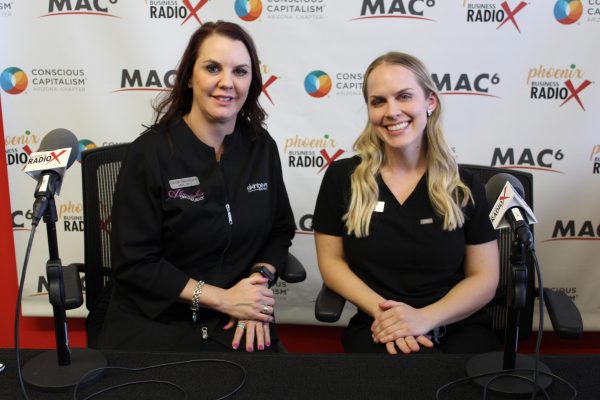
Sarah Neumann and Brittany Kasprzyk with Ahwatukee Skin and Laser and Sun City Dermatology

October 17, 2019 by Karen

Sarah-Neumann-and-Brittany-Kasprzyk-with-Ahwatukee-Skin-and-Laser-and-Sun-City-Dermatology
Phoenix Business Radio
Sarah Neumann and Brittany Kasprzyk with Ahwatukee Skin and Laser and Sun City Dermatology
Loading
00:00 /
RSS Feed
Share
Link
Embed

Download file

Sarah-Neumann-and-Brittany-Kasprzyk-with-Ahwatukee-Skin-and-Laser-and-Sun-City-Dermatology1

Sarah Neumann and Brittany Kasprzyk with Ahwatukee Skin and Laser and Sun City Dermatology

ASLLogo2

Ahwatukee Skin & Laser provides both general and cosmetic dermatology services to patients of all ages. They pride themselves on providing premium skin care with an honest attentive approach. They are leaders in skin cancer surveillance and in designing preventative skin care regimens.

ASL provides a full complement of clinical and esthetic services and treatments including skin cancer surveillance exams, acne evaluations including natural alternatives to oral antibiotics and topical medications, anti aging skin care regimens and a focus on skin health mirroring overall health and well being.

Sarah-Neumann-on-Phoenix-Business-RadioXSarah Neumann has been a practicing dermatology PA since 2000. She grew up in a small town in Wisconsin and learned early on the importance of hard work and determination to achieve success. After completing her undergraduate degree in Community and Medical Dietetics and Psychology and receiving her Registered Dietitians (RD) license, she traveled and found her true passion for medicine. While completing a medical mission in Belize, Central America, where she worked at the local hospital, she found herself needing and wanting more advanced training in medicine to better serve the people. Sarah wanted to treat the entire person.

After returning to the United States and moving to Arizona, Sarah received her Master’s of Medical Science in Physician Assistant Studies from Midwestern University.
Sarah’s passion for skin started as a teenage girl who battled severe acne for many years and it shaped how she felt about herself. Her practice style is one of compassion, understanding and commitment to quality care. Sarah takes pride in developing meaningful relationships with her clients and strives to create a positive welcoming environment in her office and practice style.

Follow ASL on Facebook and Twitter.

Brittany-Kasprzyk-on-Phoenix-Business-RadioXBrittany Kasprzyk is a board certified Physician Assistant. Born and raised in Arizona, she attended Arizona State University where she received a Bachelor’s of Science in Dietetics. She initially started her medical career at Ahwatukee Skin and Laser as a CNA, only to later attend Northern Arizona University where she completed her masters in Physician Assistant Studies.

Brittany then went on to complete a fellowship in Emergency Medicine in Sun City West, where she grew to love the community and reconnect with her passion for dermatology. In her free time she enjoys hiking, biking, reading, and spending time with her dog Ollie.

Tagged With: dermatology, melanoma, Non surgical rejuvenation techniques, organic skin care products, Remove term: Ahwatukee Skin & Laser Ahwatukee Skin & Laser, skin cancer, spray tanning safety, Sun City Dermatology, Sunscreen, tanning, vitamin D deficiency

The 4 R’s of Gut Health – Top Docs Radio

February 18, 2015 by angishields

Top Docs Radio
Top Docs Radio
The 4 R's of Gut Health - Top Docs Radio
Loading
00:00 /
RSS Feed
Share
Link
Embed

Download file

Ellie TDR

The 4 R’s of Gut Health

Did you know that as much as 80% of your body’s immune capacity comes from your gut?  Neither did we.  That’s why we’re glad Dr. Ellie Campbell of Campbell Family Medicine came by to blow our minds(again) with information (The 4 R’s of Gut Health) about ways we can dramatically improve our health.  She shared how she progressed from her traditional primary care practice to a Direct Pay model to get away from the pressure to see more patients, faster, in order to make a respectable physician’s income.  In her office she doesn’t work with insurance companies.  Instead, her patients simply pay a monthly membership fee to have access to her 24 hours a day, 7 days per week (sometimes even when on vacation!).  She also wanted to be able to provide care to her patients that is based on best practices and evidence rather than being simply limited to what an insurance company will or won’t pay for.

https://media.businessradiox.com/wp-content/uploads/2015/02/DR-AVAIL-24-7.mp3

We talked about the fact that, with limited time per patient, prescribing a medication and moving on to the next patient is often the way physicians must conduct their practice.  She shared how allergic responses to foods and other environmental sources are behind many of our illnesses (or mirror many illnesses).  We also talked about how important what we eat and drink is in our overall health.  Dr. Campbell described how food and beverages have such dramatic impacts on our hormone levels and cellular health that we need to look at what we consume much like drugs one can take in a pill.

Dr. Campbell discussed The 4 R’s of Gut Health, going over foods we should eliminate (or at a minimum significantly reduce) from our diets because they cause inflammatory responses in the gut and vascular system (and elsewhere).  Things like wheat and plants from the nightshade family such as tomatoes, peppers, potatoes, and eggplant can, for many, create allergic reactions.  The challenge is, many of these allergic responses don’t manifest in immediately-recognizable ways.  It could be a general feeling of malaise, skin problems, GI problems that can emulate reflux, and more.

The 4 R’s of Gut Health (Explained in greater detail in the interview):

  • Remove offending substances from the diet.
  • Replace digestive enzymes, bile salts, immunoglobulins, DAO, and stomach acid where necessary
  • Re-inoculate the bowel with pre- and probiotics
  • Repair gastroentestinal mucosa through proper nutritional support

4Rs

Special Guests:

Dr. Ellie Campbell, DO, Family Practice & Integrative Medicine at Campbell Family Medicine  twitter_logo_small  linkedin_small1  facebook_logo_small3

Campbell Family Medicine

  • Doctor of Osteopathic Medicine, Kirksville College of Osteopathic Medicine
  • Family Medicine Residency, Medical College of Georgia
  • Board Certified Family Medicine

Tagged With: CW Hall, digestive system, direct pay medicine, Dr. Ellie Campbell, Ellie Campbell, environmental allergies, gut health, Health Care Radio, health radio, Healthcare, healthcare radio, heart disease, immune system, integrative medicine, primary care, rash, skin disease, Top Docs Radio, TopDocsRADIO, vitamin B deficiency, vitamin D deficiency, vitamin deficiency

Business RadioX ® Network


Our Most Recent Episode

CONNECT WITH US

  • Email
  • Facebook
  • LinkedIn
  • Twitter
  • YouTube

Our Mission

We help local business leaders get the word out about the important work they’re doing to serve their market, their community, and their profession.

We support and celebrate business by sharing positive business stories that traditional media ignores. Some media leans left. Some media leans right. We lean business.

Sponsor a Show

Build Relationships and Grow Your Business. Click here for more details.

Partner With Us

Discover More Here

Terms and Conditions
Privacy Policy

Connect with us

Want to keep up with the latest in pro-business news across the network? Follow us on social media for the latest stories!
  • Email
  • Facebook
  • Google+
  • LinkedIn
  • Twitter
  • YouTube

Business RadioX® Headquarters
1000 Abernathy Rd. NE
Building 400, Suite L-10
Sandy Springs, GA 30328

© 2025 Business RadioX ® · Rainmaker Platform

BRXStudioCoversLA

Wait! Don’t Miss an Episode of LA Business Radio

BRXStudioCoversDENVER

Wait! Don’t Miss an Episode of Denver Business Radio

BRXStudioCoversPENSACOLA

Wait! Don’t Miss an Episode of Pensacola Business Radio

BRXStudioCoversBIRMINGHAM

Wait! Don’t Miss an Episode of Birmingham Business Radio

BRXStudioCoversTALLAHASSEE

Wait! Don’t Miss an Episode of Tallahassee Business Radio

BRXStudioCoversRALEIGH

Wait! Don’t Miss an Episode of Raleigh Business Radio

BRXStudioCoversRICHMONDNoWhite

Wait! Don’t Miss an Episode of Richmond Business Radio

BRXStudioCoversNASHVILLENoWhite

Wait! Don’t Miss an Episode of Nashville Business Radio

BRXStudioCoversDETROIT

Wait! Don’t Miss an Episode of Detroit Business Radio

BRXStudioCoversSTLOUIS

Wait! Don’t Miss an Episode of St. Louis Business Radio

BRXStudioCoversCOLUMBUS-small

Wait! Don’t Miss an Episode of Columbus Business Radio

Coachthecoach-08-08

Wait! Don’t Miss an Episode of Coach the Coach

BRXStudioCoversBAYAREA

Wait! Don’t Miss an Episode of Bay Area Business Radio

BRXStudioCoversCHICAGO

Wait! Don’t Miss an Episode of Chicago Business Radio

Wait! Don’t Miss an Episode of Atlanta Business Radio