
/
RSS Feed
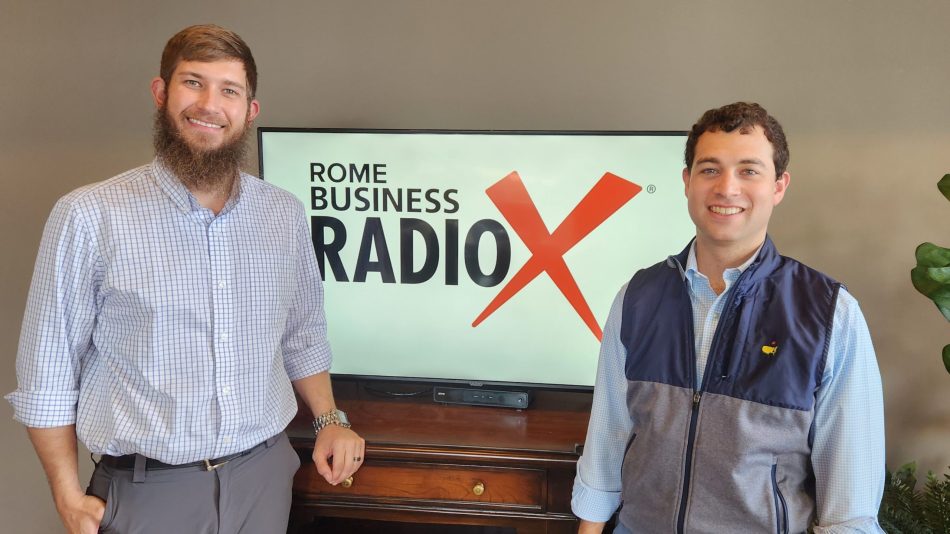

Dave O’Brien joins host Adam Robison to introduce Fibrenew, his unique leather, vinyl, and plastic repair business bringing new life to clients’ valuables. Learn how a corporate veteran followed his passion into entrepreneurship with this niche franchise operation.
Dave explains the problem-solving nature of restoring cherished items versus replacing them. He also shares the story behind starting up later in life, how he chose the franchise, and his vision for growth. Whether you need to refresh faded leather seats or want to revive thrift store finds, Dave can work magic!
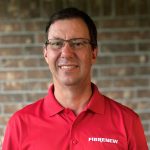 Dave O’Brien is the owner of Fibrenew Northwest Arkansas, a mobile leather, vinyl, and plastic repair and restoration franchise.
With over 30 years of experience in corporate IT and management, Dave started Fibrenew in 2020 to pursue his entrepreneurial dreams.
He takes pride in reviving and extending the life of clients’ worn furniture, boats, cars, and more.
Follow Fibrenew on LinkedIn, Facebook, Twitter and Instagram.

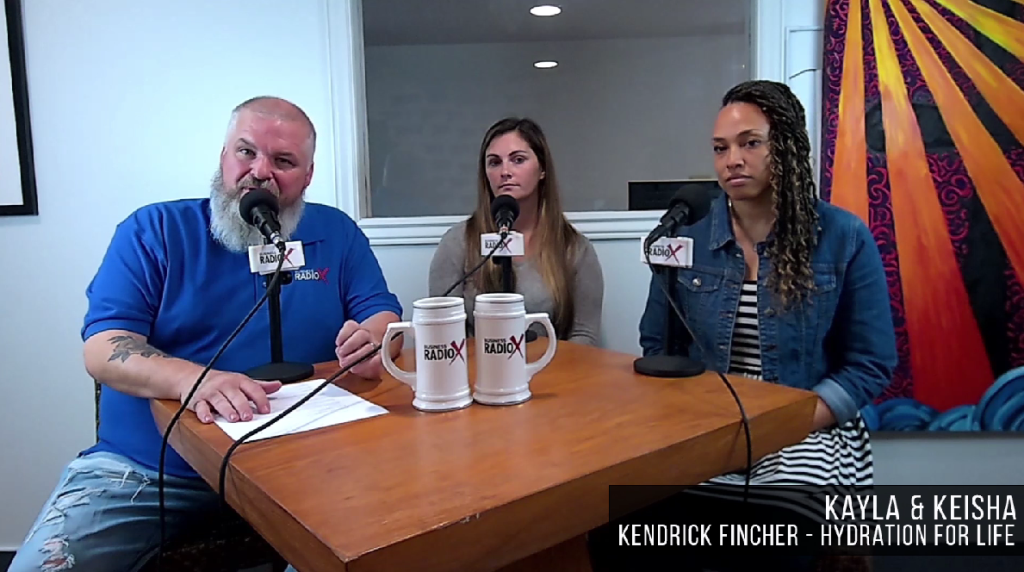
The Kendrick Fincher Foundation strives to make water more accessible for athletes and educate on proper hydration. We talk with the founders about their inspiration and how listeners can get involved.
After the tragic loss of 13-year-old Kendrick Fincher following a heat stroke at football practice, his mother Rhonda was inspired to start the Kendrick Fincher Hydration for Life Foundation. The organization’s mission is to spread awareness about the importance of proper hydration, especially for young student athletes.
We chat with representatives Keisha and Kayla about the foundation’s origins, their initiatives like donating water bottles and cooling tubs to schools, and community events that raise money to further their mission.
The founders share practical tips everyone can use to stay hydrated, and ways that listeners can get involved through volunteering, donations, or attending upcoming events like their Back to School Blaster Bash fun run fundraiser.
Tune in to learn more about this impactful organization working hard to prevent heat-related tragedies.
Follow Kendrick Fincher Foundation on Facebook, Twitter and Instagram.
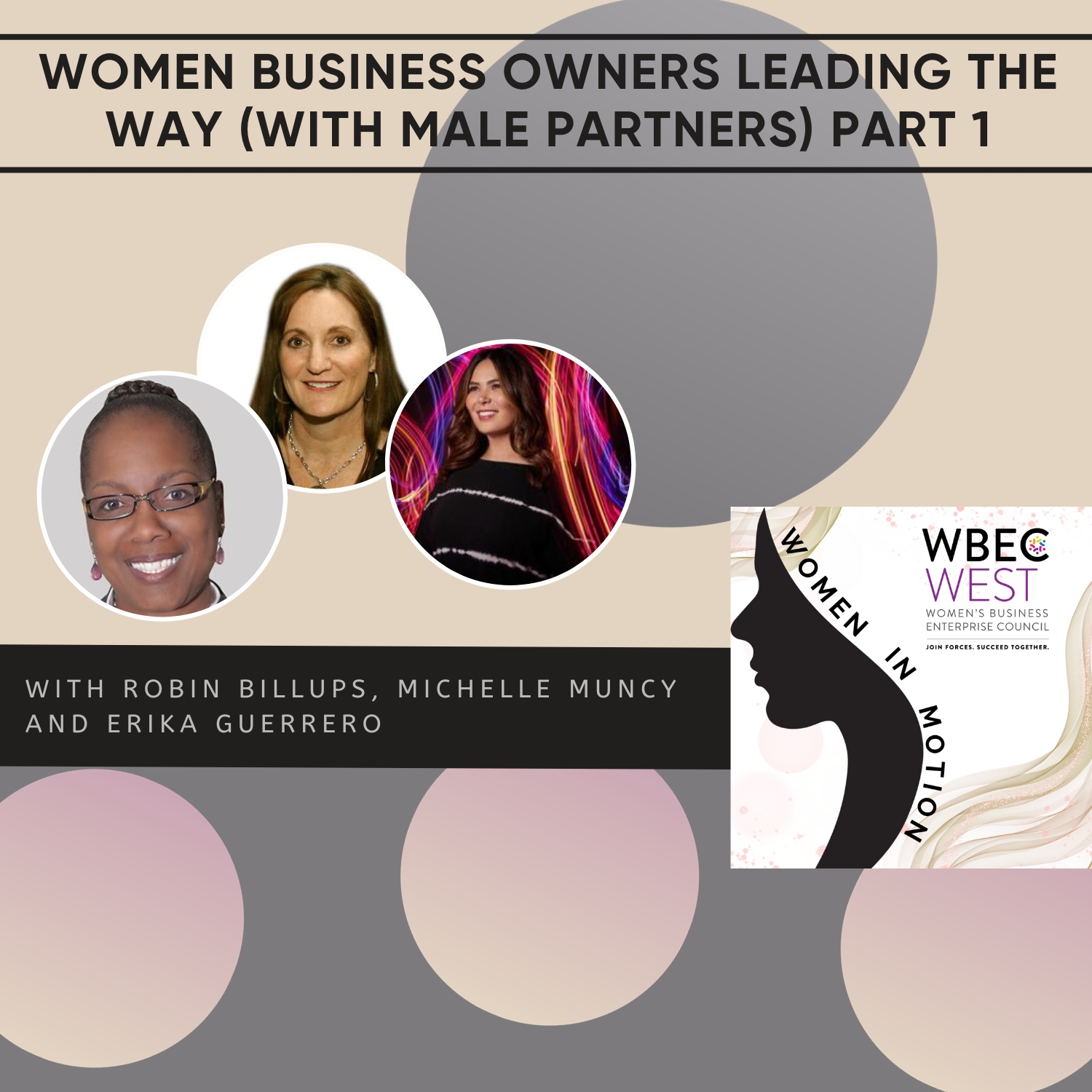
In this episode of Women in Motion, Lee Kantor is joined by Dr. Pamela Williamson and guests Robin Billups, Michelle Muncy, and Erika Guerrero. They share insights on the dynamics of their partnerships, the importance of trust and boundaries, finding a partner who shares the same vision, and the impact of COVID-19 on work dynamics. They also emphasize the need for documentation, hiring the right people, and involving everyone in marketing and business development.

Robin Morgan Billups is an entrepreneur who established her career in banking focused on commercial real estate (CRE) construction financing.
Prior employment includes U.S. Bank as a CRE Construction and Community Lending Relationship Manager. Robin created the U.S. Bank National Supplier Diversity Program across a 24-state footprint.
During her tenure, the bank received outstanding ratings from regulators and national recognition for its lending, educational procurement, and supplier diversity programs.
After U.S. Bank, Robin leveraged her expertise to establish The Billups Group (TBG). TBG couples supply chain diversity and inclusion with corporate social responsibility efforts to establish and achieve a strategic plan(s) via assessment and coaching.
TBG clients entail entities and entrepreneurs seeking to address market demand for capacity and scalability. TBG consultancy seeks to support the clients’ economic goals and compliance reporting.
Robin is an alumna of the USC Marshall School of Business’s Minority Program in Real Estate and a certified Supplier Diversity Professional/UCF.
 Michelle Muncy is the majority owner of Able 2 Adjust, Inc. She has her Masters in Science with an emphasis in Mental Health and Wellness and has been managing the day-to-day operations with her partner since 2011.
Together they have built and expanded their business nationwide and have offered over 300,000 online, on-demand classes to families in transition. They are currently hoping to expand their reach to better serve the community.
They are currently working on classes for the workforce, the Department of Children and Family Services and other court agencies.
 Erika Guerrero has over a decade of technology experience. She began her career on the Dragon 1 program at SpaceX, was New Product Introduction Program Manager at a battery manufacturing startup and was promoted to manage the joint venture with BorgWarner. In 2019, she founded Electric Goddess, a premier boutique research and development lab, that has grown to a multi-million dollar bootstrapped enterprise.
At the end of 2021, she took on the role of CEO at Redivivus and defined the company scope, financial path, and technology strategy to solve battery recycling industry challenges from a first-principles perspective.
Erika enjoys being active, spending time with her family and her chameleon Hiroshi, enjoying living the beach life, and traveling for work and play.
 Dr. Pamela Williamson, President & CEO of WBEC-West, is an exemplary, dedicated individual, and has extensive experience as a senior leader for over twenty years.
She has served as the CEO of SABA 7 a consulting firm, overseen quality control at a Psychiatric urgent care facility of a National Behavioral Health Care Organization where she served as Vice President and Deputy Director,and has served as the CEO of WBEC-West, since 2008.
Her extensive experience in developing and implementing innovative alliances with key stakeholders has enabled the organizations to reach new levels of growth and stability. Her ability to lead and empower staff members creates a strong team environment which filters throughout the entire organization.
She takes an active role in facilitating connections between corporations and women business enterprises and sees a promising future for WBENC Certified women-owned businesses.
Dr. Williamson holds a Doctorate in Healthcare Administration, a Master’s degrees in Business Administration, and bachelor degrees in both Psychology and Sociology.
Connect with Dr. Williamson on LinkedIn.
Music Provided by M PATH MUSIC
This transcript is machine transcribed by Sonix
Intro: Broadcasting live from the Business RadioX Studios. It’s time for Women in Motion. Brought to you by WBEC West. Join forces, Succeed Together. Now here’s your host.
Lee Kantor: Lee Kantor here with Dr. Pamela Williamson. Another episode of Women in Motion brought to you by WBEC West. Dr. Pamela Williamson. It’s been a minute since we chatted. I’m so excited about this topic, the topic of women leading the way with male partners. How are you doing?
Dr. Pamela Williamson: I am doing well. I am excited by this topic too. We get lots of questions around certification and whether you can get certified if you are partnered with a male and what that looks like. So I’m excited to hear these two ladies stories and super excited today to have Robin Billups from the Billups Group as our expert panelists today. So Lee, I’m going to pass it back to you.
Lee Kantor: All right. Well, let’s start with Robin Billups with the Billups Group. Robin, can you share a little bit about the Billulps Group? How you serving folks?
Robin Billups: How am I serving folks? I coach, I do an assessment. I coach and push them towards a strategic plan in order to meet the compliance regarding procurement and also to to grow their businesses. You know, most corporations now are looking for capacity and scalability, and I’ve decided to focus on existing businesses that really just need that extra push to make decisions immediately and to be more strategic on how they’re planning their their day.
Lee Kantor: Very cool. Next up, we got Michelle Muncy with Able 2 Adjust. Welcome, Michelle.
Michelle Muncy: Hi. Thank you so much. A little bit of background about our company. We started off doing family education on demand classes and we are trying to transition now over to leadership training classes across the country and trying to get into government procurement. So it’s always fun.
Lee Kantor: And last but not least, Erika Guerrero with Electric Goddess. Tell us a little bit about what you’re up to.
Erika Guerrero: Thankfully, Electric Goddess started in the spare bedroom of my luxury high rise apartment where building with my partner and we had one power supply and meter. And then before I knew it, we filled up that entire room with electronics. And so now we have two labs that is a boutique research and development firm. And why I say it’s boutique is because we don’t go for quantity. We really go for quality. We solve really large issues for startups, investors and large corporations and energy storage, batteries, space propulsion industry. And it’s been a fun ride.
Lee Kantor: Fascinating. Let’s dive right into this again. The topic is Women in Business leading the way with male partners. So I’ll kick it off with you. Robin, What inspired you to partner with your partner in the first place? How did it all get started?
Robin Billups: Well, I spent over almost 30 years in the banking industry. My background is construction, real estate, commercial real estate, construction financing. And having spent a lot of time in that sector with males, I learned everything that I learned about the lending business came from a male perspective, and I saw that they were they were earning quite a bit of money and they weren’t doing half the work that I was doing on the residential side. So I moved into commercial real estate, and when I turned 50, I decided I needed some other skills and I moved into the supplier diversity space. I created the supply chain inclusion process for US Bank. I’ve actually been on the board president for We Bank West. I actually was the business development director for a national director for We Bank National. And with all of these multiple skills, my husband and I decided that, you know what, when you decide to not be in corporate, you have a book of business and the and the connections to actually support and work with coach other individuals who are in this in this space trying to do business with corporations. And my husband is a major he ended up teaching fifth grade. He retired and we call it the Billups group because my sons and my two sons are actually engaged with with us as well.
Lee Kantor: Michelle, can you talk about your origin story?
Michelle Muncy: Yeah.
Michelle Muncy: Um, well, I was. I was working in the corporate world as well, um, doing marketing, and I was always kind of an entrepreneur on the side. So in the evenings and I actually ran across my partners actually over in Europe, and we just formed a relationship. And when we decided to kind of delve into this space, this kind of untapped market back in 2011, he was just an infant. He was really young but super, super intelligent. And I knew I was going to be partnering with somebody that gave me my space and I respected his space. And it was and it’s turned out to be a huge blessing and a great fit. So we’ve been we’ve been partners for quite a long time. And, you know, we’ve we’ve made it work. You know, it’s it’s been it’s been a journey for sure, Erica.
Erika Guerrero: I have always been surrounded by men. I’ve being in technology. I guess I did get a sociology degree, but my minor was in astrophysics because I really liked looking up into space. So when I was at Space X, definitely surrounded by male engineers, and then I became a new product introduction program manager for a battery factory. So they gave me like an empty building and said, Go build batteries. And from there I was running a joint venture with one of the largest automotive parts suppliers in the world, and I had a similar experience to Robin where I did a really great job. I saw a lot of people excelling in ways that I wasn’t given the same opportunities, and so I branched out on my own with my partner, Luke, who ended up becoming my husband last year. But when we first met, he was kind of this feral ish scientist that was helping me choose some glue. And eventually I just really got to see like, Hey, this is a really good person. This is somebody who’s been in the Electric Revolution since like 2006 when it was like weirdo to have an e-bike. And so he’s really helped bring more clients to our business and I’ve been able to empower him by he doesn’t want anything to do with the business. And I’ve been able to learn so much about technology and it’s been a wonderful blessing.
Lee Kantor: Can can any of you speak to maybe some of the trade offs like like in terms of how you’re you deal with conflict or you deal with challenges or obstacles and maybe your partner deals with them through a different lens. Can you share any stories in and around that?
Robin Billups: My my personal experience. I was a management trainee many, many years ago. My first manager when I became a loan officer said to me, I’ve always had male managers up until I got into late in my career and they’ve always he always said to me and it always stuck with me. Deliver a note early and often. Because sometimes we will waffle on what we know is the right thing to do and we need to deliver that. No. And what he what he shared with me is that, you know, the folks are looking for. Yes. But if the answer is a no, you have to deliver that early and often, because the longer you protract that, the deeper the problem becomes and the more expensive it becomes. And they’re looking for the deep pockets. So, you know, my husband was a major you know, he’s a numbers guy. Numbers wasn’t my thing. My degree is in journalism. He went on that that side. So we kind of have this yin and yang thing going on. We’ve been together 52 years. We’ve been married 46 years, but we’ve been together 52 years. So we kind of grew up together and we kind of know each other’s strengths and weaknesses from that perspective.
Michelle Muncy: And I’ll jump in. Um, I, I would think and I hate to stereotype, but I’m a lot more emotional and I drive by emotion and I really admire in my, my partner in his ability to just kind of see things very black and white and very clear. And he is also brings in the technology piece of it. And I do the the business side and the marketing side. And it’s, you know, I’m finding a balance to really try to respect knowing that he’s usually the voice of reason for me. And I’m although he has ideas, I’m the idea person and I’m always wanting to like make friends. And he’s coming at it more from like, but this is the reality and these are the facts. So there is a really good, as you were mentioning, Robin, the yin and yang part of it. And I think that’s what’s made us successful is finding that balance and really showing him the respect. And when he can see that I’m respecting him and his decisions, he gives a lot more freedom to me to be open with my ideas so I can voice my ideas. And that’s what makes it great. And a successful partnership is that we both respect each other and knowing, you know, I’m really we’re struggling with an issue right now where he’s saying no. And I’m certain it’s a yes. And I’m really trying to understand his no. And I want to have his no be okay, but I’m still grappling with it emotionally.
Lee Kantor: So how do how do you break ties?
Michelle Muncy: With the yes and the no.
Lee Kantor: Yeah, like so if you have, you know, differing opinions, is there a default like, okay, if we don’t agree then it’s a no or if we don’t agree it’s a yes. Like how do you break ties?
Michelle Muncy: He’ll let me try it and fail. And he’s really good about he’s really good about giving me grace and knowing, okay, it’s going to cost this much if she fails and we can afford to do that. But he appreciates the fact that I’m going to try. And so that’s again, why it’s such a good relationship is he gives me the space to fail and we might have some success or we we’ve had successes and so we have enough room to grow and and and try and knowing that there’s going to be some failures in there, which I think is also important is to know not everything’s going to work, but we need to keep trying. And he gives me the space to do that.
Lee Kantor: Right. And and you feel safe in that environment where it’s okay to take risks. Like it’s not, you know, the it’s not something that’s going to end anything. It’s just we’re trying different things. And life is an experiment. So this is just another one.
Michelle Muncy: Absolutely. So how much can we risk now?
Lee Kantor: Erica, what about you?
Erika Guerrero: I would say when you’re at the tip of the spear and no one’s really done anything of what you’re doing, there’s really no rule book. So I would say I’m very orderly. I did a program management job. I’m like, here’s the schedule, here’s where all the parts are, Here’s everyone moving. And Luke is the total opposite. Like if I just let him alone in the lab, he would just it would explode with parts everywhere. Maybe literally and physically and actually. But I think there’s a fun quote from a Dune audiobook I was listening to that was like, too much order in research. You’ll never discover anything new. And so it’s a really fun balance between, as Michelle was saying, like you can make those calculated decisions, right? If you fail, you know, it’ll cost X amount. But if you win, like, you know, that’s part of being an entrepreneur is you’re taking you have a certain level of risk. And I would say that balance really comes on a program and technical level with me and Luke where I can definitely give ideas like, Here’s what I’m thinking we do. And he’s older than me, and so he can provide more like experience because he’s seen a lot more things. Like, I can be definitely naive and I understand that because I always want to see the good in people, and I like that about myself. Actually be a bit more rude. Be like, Hey, you should watch out and make sure someone’s not taking advantage of you. And I would say, like the biggest thing I really notice is actually people’s unknown biases. So like in your brain, you have like.
Speaker8: Thanks.
Lee Kantor: Erica’s cutting out a little bit.
Erika Guerrero: The same exact thing I say, but it delivers like someone asked.
Lee Kantor: So, Erica, you’re cutting out a little bit. But Robin, I see you nodding your head about these kind of biases. Can you speak a little bit, Robin, about you?
Robin Billups: Just you just you just reminded me that, you know, as I said before, my sons are engaged in the business as well. And my, my my 42 year old or my 38 year old, sometimes I have to remind them mom and dad are 25 and 30 years older than you guys. And we’ve been down the road a piece. Right. And because we may not necessarily be so technologically, technologically strong sometimes or we’re not up on the latest and the greatest, I always say to them, if the computer went down, what could you do with a piece of paper and a pencil, you know, that type of thing. So yeah. Erica, I hear you When you say that age wisdom, this is what I tell my, my, my young people wisdom and knowledge comes with time. It comes with time. And Michelle, I love what you said about being able to take a risk and validating what that risk looks like and still taking the risk. I think that most of the time you learn from those situations. You learn a lot more about yourself, you learn a lot more about your business, and you learn a lot more about how you’re going to grow the culture of your company. When you have those situations where it may not turn out the way you wanted it to and or it may fail, you know? So that’s that’s good practice.
Speaker7: Yeah.
Michelle Muncy: And go ahead. Sorry, Erica.
Erika Guerrero: The wisdom tells you. Right. But you definitely should listen to it because these little tidbits of knowledge that you wouldn’t have.
Lee Kantor: Now, Michelle, you were going to add something?
Michelle Muncy: Yeah. One of the things, too, that I was going to say is it helps with the knowledge. You know, sometimes I think about, gosh, I wish that our the employees that we have could, you know, think like so and so, you know, this, that and the other thing and kind of extrapolate on an idea and I’m you know, I’ll come to him and I’ll be disappointed. I’m like it just it makes sense. So I think what makes sense in an entrepreneurial mind isn’t making sense to the employees. And they take direction. And he helps me kind of again see the big picture. Like that’s the reason they’re not, you know, they’re employees and not entrepreneurs. And that’s why we do what we do, even though sometimes the frustration level is there for me when I’m like, but it’s and he’s like, well, if it was that easy for everybody, they would be doing what we’re doing. And again, it kind of brings me back a sense of reality. So he really grounds me because I’m up there floating sometimes and I do need that balance, which is really nice.
Lee Kantor: So how do you think it’s impacted your culture of your company having both of you lead?
Michelle Muncy: Well, for us. I mean, we have very distinct roles as far as what we do. And it sounds like both Robin and Erica maybe also do as well as he he stays in his lane. I stay in my lane. I give him the freedom to do his job. I don’t micromanage him whatsoever. I have full faith in my business partner that he’s going to be doing his job. I’m not running after him worried about and that a lot of times with partners, it’s like, gosh, are you pulling your weight? And again, I’ll just speak for myself. What makes us successful is I don’t have to guess or wonder or hope. He’s pulling his weight. He is pulling his weight and my weight. And so I was listening to a presentation where they were talking about relationships and, you know, and it is true. I mean, if you talk to them and I do say this like I’ve got about 10%. I mean, hopefully he’s got the you know, even 80 or 90% to carry me at that time. But he’s still in his lane but helping to support my role also. And I’m there to support him. And technology when we need to look at features or we need to build on something. And I think there’s just a respect level. And when one of us is down, the other one’s, you know, picking us up and that kind of thing. So it we have been able to find this dance that really works. And I don’t know, you know, I feel like it is very unique, especially in this space. And it takes a long time to develop. And it’s like when Erica was said, I mean, I’m not surprised that she ended up marrying her partner because, you know, it is such a blessing. And even with Robin, they’ve been married 52 years. This is unique rather than, I think, a standard.
Robin Billups: Well, you know, and to your point, Michel, first, we’ve been dating 52 years. We’ve been married 46 years. And to that point, literally, he went away to school. I went away to school, and then we got married. And, you know, right after I graduated from college. So literally, when I say we actually grew up together, we kind of were raised to a large degree. And what I heard you say earlier, and I think this is critical, we all bring the stuff that our parents gave us to the table. Right? And I tell people all the time, you nurture the things that you like and you have to work on the things that you don’t like because it’s in you to be that and do that. And so for us, my husband literally kind of like lets me lead this thing because I’m the one that decided I was going to be a consultant. But he certainly is there for me when I need to pass something by him or when I have a new idea and having to rope rope me in because I’m like you. I like ideas. I’m like, Eric, I want to push it out.
Robin Billups: I want to get it. I want to put a strategy together. I want to work that strategy. And one of the things that I want to say to women in particular, you hear all the time, you know, people ask that question of what does work life balance looks like look like? Nobody can give you that answer. That answer belongs to you, your partner and your family. So to Michelle, you made a very valid point. Sometimes you he’s at 80% and you got the 20 or sometimes it’s 5050. And so again, work life balance. There’s no such thing as that. You know, we got all these buzzwords that people operate and live off of, and I think that we need to just let that be. They’re just buzzwords because at the end of the day, organically, you will figure it out if you are committed to each other. And one last thing I’ll say, you don’t have to. You always have to love your partner, but sometimes you don’t like them, sometimes you don’t, you know, sometimes you don’t like them. And that’s that’s natural. That’s natural. Can be prolonged, but that is natural.
Lee Kantor: So how do you work through those kind of points of friction? And especially when you are in a married relationship where they could spill into a personal life and they they may not be siloed in your business where it’s hard to have, you know, kind of really strong lines between them.
Robin Billups: Well, you know, for me, it always has. This thing of business is business and personal is personal. If you keep the I learned that so very long ago when I got into commercial real estate, you know, women could be in the residential side and you could do credit cards and lines of credit and all of that. But when I got into commercial real estate, you cannot take this stuff personal. This is not personal. This is business. And so that’s kind of been the way I’ve trained Robin. My husband is just one of those easy, you know, I’m high energy. He’s the easy going guy, right back to that yin and yang thing. And so how do you do that? You cannot you cannot let your. Personal overlap onto your business piece, and you can’t let the business overlap on your personal, because I think that’s where it gets confusing. And now you’re saying stuff that you don’t really mean and all of that kind of stuff. You know, we I’ll be very candid with you, all of us know the button that we could punch that will pop them up out the box and they’ll never go back in the box. Right? So you can’t dance around those buttons. You really just can’t. You have to keep the personal, personal and keep the professional professional. And sometimes you just have to say, you know what? Let’s just walk away and come back to this in a few minutes once we calm down or, you know, once we do a little bit more due diligence, you know, that type of thing, you have to work at it, no question.
Speaker7: Erica’s.
Michelle Muncy: I don’t know if Erica wants to chime in, but coming from the perspective of we are not married, but we are extremely close, both of us have partners. Is that he well, and he’s been married for several years. There has to be a lot of trust on like even coming from his wife and knowing that there’s no boundaries that are going to be crossed. I did just run into a situation even this week with a gal who had a a male business partner, and there was that threat and that insecurity from their spouse that was coming through. And so I think part of our job is because we do have such a close relationship and being on the outside is to make it clear that those and make the spouse comfortable that that we’re not going to cross those boundaries, that our intention is to build this together and that they’re are part of that. And so I’ve included her a lot, you know, and hopefully we’ve built a relationship over the years to where she’s comfortable and know those won’t be crossed as well. So anyways, I think that is an important part to make is that the spouses need to be comfortable, you know, because we’ll go on trips and stuff and they yeah, the trust needs to be there from all parties.
Speaker7: Absolutely.
Erika Guerrero: I could totally see that because business is a contract and really people forget that marriage is also a contract. And so they’re very serious to me about both of those things. And so I love to see that you’ve found that balance. I do think there’s pros and cons to being married to your business partner, just like pros and cons of not being married right there. Um, for me, I like it because I know that my husband and business partner can see my heart. And so he knows that, like, I’m never trying to do anything to, like, screw anyone over or like, you know, just I’m always trying to do my best and he can support me in that way to help communicate that sometimes because that goes back to what I was saying earlier with the like, unknown biases where I say something, it doesn’t land. But if he says the same thing, sometimes people will listen and it goes the opposite way too. Like if I’m wearing a suit and he’s wearing a t shirt and doesn’t have a haircut for three months, sometimes people don’t listen to him versus me. And so it’s been a really nice balance. And I agree exactly what Robin was saying, like business is business. But I would be lying if I said that sometimes you go home and you like, can’t stop talking about this one thing that you have. And I mean, as an entrepreneur, it’s work life balance is like, What do you mean? Like, I’m not working? So it’s kind of like you got to find your your peace with it. And I think really just make time to do the things that are important to you because, you know, when we’re. Old. And, you know, we look back on our life. I want to remember those memories on the beach of looking at my family and not saying, Oh, I chose business always over that personal life.
Robin Billups: One of the things that I think is important to and Michelle, you hit on it. You know, when you actively engage the other parties, we’re literally all of us are looking to try to build legacy businesses. Correct. So if something were to happen to the partner, you know, and not not in a in a not being morbid, but if something were to happen, that individual who’s the other partner could potentially be the person who could step in. Right. And then, you know, I have I have a bunch of work husbands. I have a bunch of work husbands. I’m working on a big commercial real estate construction project now with a guy. And his wife called me up. She introduced me. She’s we bank certified. She introduced me to him and she goes, Robin, you know, Mike, Michael thinks you’re his work wife, you know? And I said, Yeah, because we talk every day. You know, we’re trying to get this project done. And so, again, I think that take Erica, you said it best take the time to have that time where you’re smelling the roses. You guys are going out for some cocktails or you’re coming over for brunch or you go to church together or you go to the kids program, you have to incorporate those individuals in the family so that they feel like they’re not only just you’re not just building the business for yourself, but you’re building a legacy business and you’re, you know, part of the community. I think that that helps as well.
Lee Kantor: Now, Do you see any advantages of coming into a business with a male partner and especially the two people that are married? Is there an advantage that you’re married as opposed to just business partners? I mean.
Speaker7: Just. Well, I can.
Michelle Muncy: Go ahead. Go ahead, Erica.
Erika Guerrero: I was just saying, I’m recently married, so I really don’t know. Time will tell, I guess.
Lee Kantor: I mean, I see it. I mean, there’s pros and cons in everything like we talked about earlier, but being married and having that united front, um, I can see as an advantage and, and the support that comes with being married is an advantage. But then it’s just, it’s easy for it to creep into your day to day life and not have those lines drawn where the workday ends and the and the rest of the day begins. So I just wanted to know if any of you felt that as a net. Obviously you’re doing it. So it’s a net positive today. But if you could do it again, is it something you would say, okay, that was the right move? I would definitely do that again.
Robin Billups: Well, Michelle said it best. It’s that trust factor. You know, this is the person that you do trust, You know, even even like I said, even sometimes you’re a little ticked off with them, you know. But that’s that’s temporary because at the end of the day, the value add of these relationships and the legacy and the history and the trust factor that you built with them, The one thing I can say and Erica keeps chiming in on this, you know, sometimes when people want to receive information, they don’t want to receive it from a female. You know, they they just because they have these unconscious biases or they’re just prejudice or whatever. And so, again, it’s I think that it’s critically important to have some you know, even if you’re not partnering with someone, you should always have that male counterpart that. You know what? Let me bring you to the meeting. You know, let you let me have you attend this meeting. Let me let you kick the meeting off, you know, that type of thing. You know, historically, I was because of my voice being so heavy, people would always say, I need to talk to Mr. Billups. Yes. Can I help you? I want to talk to Mr. Billups that I spoke with. Yes. Can I help you? I want to talk to Robin Billups. Yes. Can I help you? Because they weren’t expecting me to be the female, you know, leading the train kind of thing as as the conductor of that particular day. And so I think the trust and the the the way the outside receives you, depending on what their mindset is, if there’s definitely a value add there.
Michelle Muncy: And just to chime in, where Robin kind of touched exactly on what I wanted to say is for as much as I you know, it’s frustrating, I still use him as kind of like the heavy hand, even if I’m making the decisions. It’s there is that respect factor coming from a male and it is helpful to have or if I’m going back, it’s like, you know, I need to check with my business partner, see what he has to say. And I do use that to my advantage, um, again. And he’s just like, Well, what do you want to do? And, but, but he does know. It’s kind of like good cop, bad cop, and he takes the brunt of it. Is it fair? Is it the way it is? I mean, do we get further because of it? Absolutely. I’m just going to be honest about it. So we do have that. But that benefit by having a male partner and it you know, just like with anything, I mean. Yeah. So totally agree with you Robin, there on that one.
Robin Billups: That good cop bad cop thing works every time. Every time. You know, sometimes my husband can be excited about something and, you know, and he’ll call me and he’ll say, okay, now I need you to play that role. I’m like, Oh, cool. I will play that role because you’re talking money, you’re talking time, you’re talking, add something else to the mix. And so with that, somebody has to say has to it’s a very good negotiating tool, I’ll put it that way.
Lee Kantor: And it sounds like it’s a circumstance where you’re on the same team. So whatever it takes to get the win you’re willing to do.
Robin Billups: Bam, shakalaka, boom, boom. That means that’s the right answer. Absolutely.
Lee Kantor: So now let’s talk about a little bit of lessons learned. Is there anything you can share? If you were advising somebody who’s thinking about either going into business with their spouse or a male partner, there are some kind of do’s and don’ts that you some advice you can share.
Michelle Muncy: For me, one of the big things is, is the respect factor, especially if you’re going in it with a male, is that you absolutely 1,000% have to respect that individual and have confidence in that person. I mean, again, partnering we try to partner with companies or what have you. And you know, it a lot of times it goes south and so you just need to know what that person you’re going into. I’m willing to go into battle with this person. And as Robin has said several times, it’s not always perfect. And I would love to say that we’ve gotten along. And there’s been a couple times I didn’t know if we were going to be able to pull through. Um, and a lot of give and take, like, do I do I want to go into battle with this person and really think through it and being willing, willing to work hard a lot longer hours than you would as if you were just working. I mean, hiring somebody in the corporate world, it’s a whole new ball game because they just don’t have this. It’s just a different work style. And, you know, do they have the same vision? Like, can this person carry you or do they complement you? I mean, there’s a million ways you can just you really have to do a pros and a and a SWOt analysis on this sucker and make sure I have the tendency to just think we all can dance around a maypole and everybody’s going to get along and it’s not the case at all. And and so, again, it’s the reality of what it actually looks like and being able to take a step back and do an assessment.
Robin Billups: When I was working in the supplier supply chain inclusion space, you know, and people because again, as I said early on, most of these companies are looking for capacity and scalability now. And Michelle, you made a very valid point that when you’re looking at staff and adding to your team, people that you’re looking to hire nowadays have a lot different perspective. And I think, you know, Covid had a lot to do with it. But at the end of the day, I think it was coming anyway because we are in this revolutionary change about how work functions and how companies function. And and now folks are having to deal with women, right? You know that the woman is the lead. You know, she may he may be a silent partner, you know, that type of thing. But when I was working in the in the in the procurement space, one of the things that I learned and one of the things that I always shared is. Instead of looking for a partner, Looking for look for a team. Right. Look, do a teaming agreement first. Do the dating. That’s what I call the dating process. You do a team in agreement with somebody so that you can decide whether you can partner with them or not.
Robin Billups: Right. And so when you’re when you’re looking at should I do business with my husband, should I build a a business with my male partner? I think you have to come up with a project that allows you to see the teaming agreement process unfold, the dating process unfold, and have to have those real candid conversations and possibly sign up for Michelle’s services so that you learn, you know, your style and your culture. And and again, as I said before, how you were raised comes out in all of this. You know, what what kind of parenting you receive and what kind of education you receive, all of these things come into play. And so that teaming agreement, you know, building a team first before you actually dive into, you know, a joint venture or LLC or, you know, something that’s going to be concrete, concrete, concrete that’s going to take a legal process to unwind. So I think that build the team first and then that way, you know, whether you can you’re dating and their success and you can get married into a partnership or a joint venture or something of that nature.
Speaker7: Erica. I feel married. Oh, hi. I feel very.
Erika Guerrero: Empowered by having a partner that I trust so much. And I think that’s. I, like Robin said, like, I’m definitely the leader. I get calls. Mr. Guerrero or Hello, Eric and I would like to talk to the business owner and really my partner. We love it because we’re in a male dominated engineering scientist business, right? My company name is called Electric Goddess. And so it’s very polarizing, right? So there’s some people who are like, oh my gosh, I love this. And then there’s other people who you can tell they’re kind of uncomfortable. But really, there’s so many different layers to why we chose that name. But really bringing that femininity and that balance to an industry where I, I personally I mean, this is my experience as a woman. I think women are wonderful leaders, and I think that men love to serve. And I think that men are very much, you know. And I’m saying this generally just very much wanting to accomplish a goal where, you know, generally women can think about things from a like many different levels at once. And, you know, there’s crossover with that with anyone.
Erika Guerrero: But really in my role, I’ve been very empowered to take that lead and know that I have kind of that partner who has my back that and is making sure that like, Hey, we’re doing this to the best of our ability and we’re doing great. I will say that being married has gotten the same kind of polarizing effect because there’s people who are like, This is great. You know, you and your partner are very much, you know, integrated in your lives. And so I can see you building that legacy. I can see your passion. And I’ve also had the other side where I’ve had people being like, Oh, you’re married, like not liking that so much. And then I’ve even had like previous employees who are like, okay, Erica, you made that decision because that’s how your partner felt. And, you know, I can’t believe I’m working for a married couple. And I was like, wow, I can’t believe that, you know, you’re still working here. But it’s it’s been an interesting journey for sure.
Speaker7: Now.
Robin Billups: My one last comment would be to.
Speaker7: Um.
Robin Billups: I’ve always been trained that the vision is given to an individual right. The mission is getting written by the team, but the vision is given to an individual. So everybody’s job is to capture that vision and move the vision out. Versus I got a vision. You got a vision, and we got to fight on which one we’re going to push forward. Right. And so I think that if people if you’re if you share that with your team, meaning your staff, especially the vision was, you know, generated, captured by this individual, this is the vision. Be very candid about what that vision looks like and what the mission of the organization is and do that early and often. I think that people tend not to revisit why they got into business, how they became a partner in this business. And I think that we can lead by example by being more narrative about the stories that we share and being more authentic in under and sharing the good and the bad through this process. But I think that, you know, again, the vision is going to come from one individual and then that somebody, everybody else’s job is to get on board with that.
Michelle Muncy: I’m going to definitely second that with the team and with my partner is that he enhances my vision and that’s what’s great and can come up with stuff I didn’t think about. But supporting the original goal and making that come to fruition, whatever that looks like is that. And I’m going to guess it’s that same way with Erica too, is that they can expand on it. But you’re right without I mean, it’s already hectic enough and to not have that chaos but you’re working on that single vision. And a lot of times he has to say to me, you know, especially even with Covid and things changing and the employee structure looking different and just the the mindset of people is, where are we at? Do we need to just rather than grow and expand, it’s like, let’s just stay in our lane and work on this. And you know, right now, just so we don’t, you know, go off the rails. And so he does a really good job. And, you know, I don’t want to build a statue for everything he’s done. Right. But it’s just keeping me in our lane a lot of times. And to stay focused on that one single vision. So good. Good call there, Robin.
Erika Guerrero: Yes. Thank you, Robin, for taking what I was trying to communicate and putting wonderful words on it. I appreciate that.
Lee Kantor: And and. And Michelle.
Robin Billups: Excuse me. Excuse me. Lee. Michelle made it. She she she she. She just reminded me of something else. Is that vision creep? Right? You know, you know, the market changes, things change. Covid hit, and then the vision starts to creep because nobody’s staying on task with that, with what we originally started with. That’s good stuff. Really good stuff.
Lee Kantor: Yeah. And clarity around this one. True North makes everything a lot easier. It’s it it makes everybody clear on what what the real goal is. And it helps you make decisions when everybody’s in agreement of of what you’re trying to accomplish, then everything becomes easier. But that requires a constant reminder and the communicating clearly so that everybody is on the same page. And it’s so important when you’re onboarding new people so they understand how everything fits together. So yeah, I think clarity around the True North is critical for any successful organization.
Michelle Muncy: Yeah. And I don’t know if anybody is, you know, I can identify with this post. Covid is trying to get your, your staff or the people that you’re onboarding in alignment with what your vision is and the value of what that is. I mean, we’re we’re struggling on our side and you can explain to them and it’s yes, yes, yes. But just the work ethic is changed post Covid, the mindset has changed post Covid. It’s just it’s a it’s a whole new ball game that we’re finding. And and we’re just trying to find a real balance. I sometimes I say we have survivor’s guilt because we do online education. And so for us, we did we did fine. But again, just finding the resources and the staff to help move this thing forward is and one thing one thing I did want to to mention that and sometimes I struggle. But when you’re in these sorts of partnerships and I think any partnership is leaving your ego at the door, you know, check it in. And you know, it’s not we’re not going to die if anything doesn’t go our way. It’s just, you know, to to remove ourselves and finding like, again, we’ll go back to that work life balance is just sometimes I have to detach myself and know that I’m not going to die if these decisions aren’t made the way that I see that they need to be made. And so letting some of that control go, too. And that’s that’s tough as as an entrepreneur, because I see it a certain way.
Robin Billups: Well, you know, the other one a couple of last things that I wanted to say. And based on exactly what you just said, Michelle, I one of the things that I learned early on in my training, as I mentioned, to deliver the note early and often, you know, just just just don’t skirt that issue. Do not skirt the issue. I think especially with this change and the mentality that people have nowadays, it’s I was trained many, many years ago. Documentation is the key. You know, what happens is people don’t want to take the time to document, but you have to document that situation right then and there. You know, even if it’s, you know, sending a short email right after the meeting is over with, you know, to recap. So you need to put some processes in place that and also too, I think was critically important. If you put that process in place and you have the documentation when you’re not there and the other partner is the person you know you’re traveling and they’re there managing the day to day, they can actually go to that person’s personnel file or go to the HR or whatever and be able to look at what has been going on. You’ve already had the conversation about it, but the documentation, I think, allows you to be more candid without being concerned about becoming more personal or unprofessional about it.
Robin Billups: And I think that is critically important. Two things. One, don’t micromanage the weeds when you hire a stellar employee. I think that that tends to happen in companies where people go and hire the best and the brightest and then they want to micromanage them from one day to the next and always to make sure you’re doing one on ones with your with your team, you know, make sure that you have that time where you’re spending some time on their professional development and your professional development. Because I think people tend to work in their business and not on their business. And that working on that business is that documentation, making sure that they capture the vision and that the vision is delivered early and often. And my one last thing, if you have a receptionist, everybody in the company has to be marketing and business development. So when a call comes in, they can’t say, well, you know, Eric is in a meeting and can I take a message? No, how can I help you? You know that everybody that you hire has to be able to tow the barge, carry, carry the load and tote that barge, because again, you don’t have the time, the space and the money to hire people just to do a job. Right. So so keep that in mind. Please keep that in mind.
Speaker7: That’s great.
Erika Guerrero: Michelle. Like, I really feel what you are going through. I will say that having a staff is the hardest thing I’ve ever done in business, right? The human factor is not something that’s super calculated. I do want to say with hiring, you know, one of the things that I found that is the best is what are these people doing in their spare time? Because you can teach skills. You cannot teach character. And if someone’s character is I’m in my garage, tinkering, building stuff on the side doesn’t even have to be anything we’re working on. But they just have the drive and the energy to want to learn. That to me is like the most one of the most important things and characters. Characteristics of somebody I like to hire is passionate about learning.
Lee Kantor: Now, before we wrap up, I want to make sure everybody gets a chance to share the best way to connect with them. Robin, why don’t we start with you? What’s the best way to connect with you and the Billups group?
Robin Billups: You can reach me. I’m on I’m on LinkedIn. You know, I’m on LinkedIn. My profile is there. I think I say LinkedIn is the professional Facebook. And and so I would I would strongly suggest, folks, just look me up. Robin Billups I’m the Billups group. I’m on LinkedIn. I don’t I did I’m not building a huge business because I’m expecting my sons to kind of take it to the next level. Um, but I am on LinkedIn and I think that would be the best way.
Lee Kantor: And the website for the Billups group.
Robin Billups: I don’t have a website, a website.
Lee Kantor: So just. And Billups is Billups, Correct. All right. Michelle.
Speaker7: I.
Michelle Muncy: Um, we try to make ourselves accessible. So pretty much if you went to my website online parenting programs.com or just emailed Michelle at online parenting programs.com able to adjust as our company and online parenting programs is the is an easy way to get a hold of me or any of the staff. No I mean it’s kind of like just find me and the phones will roll over to me. So I in this industry, I have to be accessible whether I like it or not. So yeah. Michelle at online parenting programs.com and our phone numbers all over the website but yeah feel free to reach.
Speaker7: Out and.
Lee Kantor: Erica.
Speaker7: You can find.
Erika Guerrero: Me on LinkedIn as Erika Lauren Guerrero and our company website is Electric Gotesco.
Lee Kantor: Good stuff. Well, thank you all for sharing your story today. You’re doing important work and we appreciate you. And Pamela, before we wrap. You mentioned a lot of people ask you questions about, you know, what is the breakdown between a male and a female partner in order to be certified? Do you mind answering that question? What what is how does that work?
Dr. Pamela Williamson: So for certification, the woman owner has to be 51%. And we look at course at ownership and governance, right? So we need to make sure that that women owner is actually leading the processes.
Lee Kantor: Well, great job in putting this group together. I think we covered a lot of ground and it’s an important topic.
Dr. Pamela Williamson: I agree. I walked away with lots of nuggets. And so, Robin, definitely appreciate your nugget around. If you’re thinking about moving into a partnership, try it out first, do a couple of projects, make sure it’s a good fit. Erica I love Jaws Around. Trust that you have to truly be able to trust that the individual has your back and they have to trust that you have theirs. And Michelle, respect definitely is key to building a strong partnership. So I appreciate your comments on respect and and how you communicate and move that forward throughout the day to day. So Lee, I think we had a great group of ladies who shared lots of nuggets. And for both those individuals who are thinking about moving into a partnership, but also for those individuals who are in long term partnerships.
Speaker8: Yep.
Lee Kantor: Well, that’s a wrap for Women in Motion. This is Lee Kantor for Dr. Pamela Williamson. We will see you all next time.

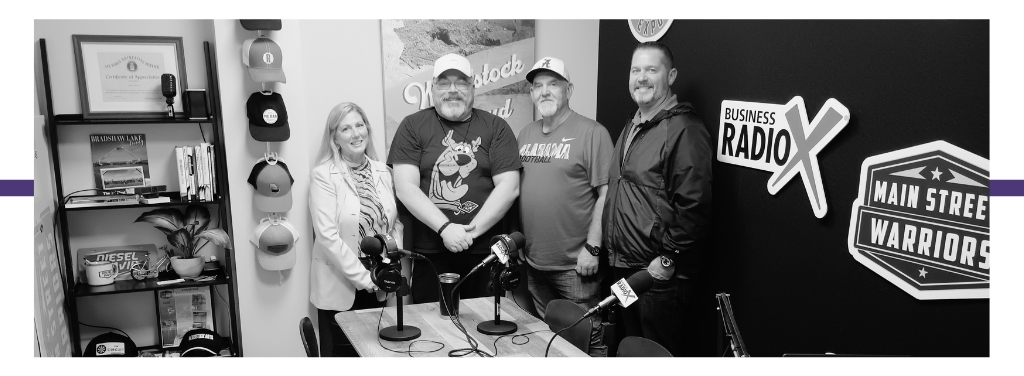
In this episode, Brian is joined by Lori Cover, Isaac Hall, and Eric Reagan. Lori shares her journey from the television industry to working with pets. She emphasizes the importance of community involvement and giving back, drawing from her own experiences volunteering during the pandemic. Lori also explains the mission of Positively Max and Maggie, which supports small businesses that contribute to animal organizations. She highlights the value of networking and learning from others in the business world.
Isaac shares his knowledge and tips for success. He discusses the importance of building a strong network and collaborating with others. Isaac also emphasizes the significance of continuous learning and staying open to new opportunities. Eric sheds light on the benefits of supplemental insurance. He explains how it can provide additional coverage and peace of mind. Eric also discusses the importance of understanding different insurance options and making informed decisions.
Throughout the episode, the guests promote positivity, collaboration, and making a difference in the community. Listeners are encouraged to get involved, support small businesses, and contribute to causes they care about. The episode serves as a reminder that by working together, we can create a positive impact and make a meaningful difference in the world.
 Lori Cover is the owner of Pawsitively Max & Maggie, a new online & pop-up pet boutique that focuses on giving back. Pawsitively Max & Maggie donates a portion of their monthly profits to area animal organizations and features products from fellow small business owners who all give back to animal groups across the country.
Cover is also an award-winning television producer who has earned 6 Southeast Emmy awards for various productions including “Lawmakers”, “Football Fridays in Georgia”, and Atlanta Falcons “Rise Up Weekly”.
Lori and her husband Chris reside in Kennesaw and have 2 adult children, Paris & Nicholas as well as three 4-legged members of the family Max, Maggie & Mo.
 Isaac Hall specializes in individual health insurance. He spent most of his insurance career of almost 20 years with Aflac before opening his own agency. Isaac is passionate about helping people get the coverage they need for themselves and their family.
Born and raised in Dallas Ga, Isaac has been living in Bartow County for over 18 years. He’s happily married and has a total of 9 children. Isaac became a Christian at age 14 and has been in the ministry the majority of his life.
Currently serving as the Worship leader at Gracewalk Church in Cartersville, Isaac loves to spend time with his wife traveling and keeping up with all 9 kids.
 Eric Reagan is a former first responder who spent a little over five years as a firefighter and paramedic for the city of Smyrna. He won Firefighter of the year in 1985 and Assigned Rescue 1, Engine 1 for 3 years. Awarded and assisted with strategic initiatives to transition from all volunteer rescue for the Smyrna citizens to the City Fire Services.
For just over nine years he was Director of Operations for Cobb County with Metro Ambulance. He started and ran his own ambulance service for seven years after leaving Metro. Eric then decided that he wanted to go into real estate and for the last several years has worked with families and businesses with their real estate needs.
He is now the Co-Owner of 22one Realty in Kennesaw. Eric has a passion for helping others and also does business coaching for small businesses. For all your real estate needs or if you need some help with your business, Eric is willing to be there to help.
In his spare time Eric love hanging out with his dog!
This transcript is machine transcribed by Sonix
Intro: [00:00:07] Broadcasting live from the Business RadioX Studios in Atlanta. It’s time for Charitable Georgia. Brought to you by B’s Charitable Pursuits and Resources. We put the fun in fund raising. For more information, go to B’s Charitable Pursuits. Dot com. That’s B’s Charitable Pursuits dot com. Now here’s your host, Brian Pruitt.
Brian Pruett: [00:00:45] Good, fabulous Friday morning. It’s another fabulous Friday. We got three more fabulous guests. And if it’s your first time listening to Charitable Georgia, this is all about positive things happening in community. Our first guest this morning is Ms. Lori Cover from Positively Max and Maggie. Lori, thanks for being here this morning.
Lori Cover: [00:01:01] Thanks so much for having me.
Brian Pruett: [00:01:02] I just like to say who day although we need a little bit better but who? Day, who day. There we go. That’s our common bond and little bingles there. So you and I met during a I guess a couple of years ago and networking and we’ll talk about that a little bit. But you have an interesting background from TV and special gifts, and now you’ve got this pet thing going on. So why don’t you give us a little background about yourself and we’ll talk about positively Max and Maggie.
Lori Cover: [00:01:27] All righty. Well, I grew up in Ohio, obviously being a Bengals fan and learned very quickly I didn’t want to stay in Ohio, so went to college in Florida so that I could get some good weather moved here pretty quick after that. And I actually have worked in Atlanta sports television for 30 years since I moved here. I was very blessed. I moved here and got involved in local TV and they needed a short, spunky woman to boss people around. So I became the sports producer at WXIa for a long time. And, you know, I came into Atlanta at a really good time because I came in when the Braves started in the 90s. So I got to cover a World Series and championships, and that was amazing. Then the Falcons were doing well, went to a Super Bowl. You know, Georgia started to do well. We had national championships and Final Fours. And so that was my passion and it still is. I still am a passionate IT sports person. But then I decided to try and move into other areas of television. So I moved into working on, you know, parades and game shows and talk shows with Tyler Perry. And and my days just got longer and longer and longer and longer. And, you know, you kind of get to a point where you’re like, what am I doing sitting in a production truck for 14 hours a day? Um, I am I am married. I have a wonderful husband. He also works in the industry.
Lori Cover: [00:03:26] So fortunately we understood each other’s hours. I have two adult kids and then I have three, four legged kids, which is actually why. Positively. Max Mikey So. And I met you, Brian, because right before the pandemic, my mom passed away, and then we hit the pandemic, and it was like, Oh, my gosh, my world kind of got turned upside down. So I started working for a great company called Tate and Zoe. I was doing it on the side, still doing some TV stuff, but I wanted to do something that added a little sunshine, so to speak, to things because that was what my mom always was. She was an amazing person and volunteering was huge in her life and it still is in my father’s. But so I started doing Tate and Zoe doing gifts and gift baskets, and it was always something that I felt like I can donate these to, you know, auctions and events. And so that was kind of my way of feeling like I was giving back and doing stuff. And then, you know, there’s a saying I saw recently and it was well about the time I started Maxim positively. Maxim. Ag It said, If your schedule is full but your soul is not, then you’re filling your schedule with the wrong things. And that was like a smack upside my head. It was like I was so busy and but nothing was making me really happy. So that was kind of how I took a really hard left turn. So.
Brian Pruett: [00:05:21] Well, you mentioned it. You you graciously donated some baskets for some events that I’ve worked with in the non profits from golf tournaments and some other things. So I appreciate you doing that. But so other than getting involved with the sports and stuff like that, why is it important for you to be part of the community?
Lori Cover: [00:05:38] Because that is is where you live. That is the people who are there for you for good, bad or indifferent. Um, we have I mean, my kids, from the time they were little, we would go and, you know, we’d serve food at a soup kitchen. We’d go walk pets at a humane society. It was important to us. We’ve been given so much in our lives that we needed to give back during the pandemic. We rode school bus for must ministries who delivered food to all the Cobb County kids who didn’t have the normal breakfast and lunch they would get at school. So we rode in the back of the school bus and went to extended stay places just to make sure, you know, we still had food at home. We still could get out and get what we needed, but not all these people could. So it it’s that kind of stuff that has always been so important to me. And it comes from my parents because my dad, God bless him, he still is so involved in his community in Northport, Florida. And mom and dad always we have a lot. We should be thankful. We need to give back to others.
Brian Pruett: [00:07:11] So I want to go back to your your television days for a second. So you say you started at WXIa. I did. So, you know, I think it’s interesting. It was Jeff Hollinger there when you were there?
Lori Cover: [00:07:21] No, actually, he was at Channel five. That’s right. He was the sports anchor at Channel five. And then that was that was the early 90s because I had just gotten out of college early 90s. And Fred Kalil, Randy Waters, Sam Crenshaw, those and I still I still do high school football on Friday nights for Georgia Public Broadcasting because that is my love. I mean there is nothing better than a high school football. It really is. It’s awesome. And so I still work with Sam Crenshaw who is so involved in high school football, so still work with Sam. And Fred has since God bless him, got to retire back to Arizona.
Brian Pruett: [00:08:06] Randy was for a little while at Kennesaw State. I don’t know if he’s still there or not working.
Lori Cover: [00:08:09] He actually is doing color radio for Georgia Tech basketball.
Brian Pruett: [00:08:16] Okay. Well, the reason I ask about Jeff, because I just saw where he left 11 alive and now I went to GPB.
Lori Cover: [00:08:21] Yes. I just saw him on Tuesday. We do our, you know, our our check in for high school football on Friday. We are in East Coweta tonight. So I have a long drive ahead of me today.
Brian Pruett: [00:08:33] It is football season though, so it’s always good when you can be out in the football field.
Lori Cover: [00:08:37] So can’t hurt.
Brian Pruett: [00:08:38] All right. So tell us a little bit about Positively Max and Maggie.
Lori Cover: [00:08:41] So having had animals my whole life, they are the purest form of unconditional love. They just are happy. When you come home, it’s like, yeah, you’re feeding me. Yeah, you’re here. So I knew that that there was something that I wanted to do. You look at the pet industry over the last ten years has grown by more than $10 billion, but yet 4 to 6 million animals are surrendered to shelters every year. So there’s something kind of wonky going on. Um, Ozzie Albies, who Braves second baseman, has started. He started an amazing pet foundation and his and this had started kind of getting me thinking because he was like he grew up in Curacao where dogs were on the street all the time and people didn’t think a thing about it. He wanted to teach people, you know, hey, the there’s a reason that they’re here. Treat them well, learn how to take care of them, kind of learn at an early age. So he’s done amazing things. He helps bring dogs out of shelters and takes them to Braves games to get adopted. It’s adorable. And, you know, I don’t have that kind of financial backing, but I want I was like, I’ve got to be able to do something. So I started doing research and and I found that there are so many small businesses, women veterans, people, handmake collars, handmade water bowls, do all this stuff and a percentage of all of their profits go to animal organizations. And I was like, You know what? I’m going to make kind of an umbrella to help bring in other small businesses.
Lori Cover: [00:10:46] They can also will also give back. We choose a different animal charity each month to give back to. And most of these items are things that if you have a dog or a cat, you’re going to buy anyway. You’re going to buy a leash. You’re going to buy toys. You’re going to buy treats. Well, buy from a small business that not only you’re helping support a small business, but you’re also helping support different different organizations. And I’ve only been doing this since July, so I am still a baby at this. And I know I have so much to still learn, which is why being part of the Acworth Business Association has been really important because a lot of people there has. They have really helped me kind of learn. You know, I do that, Yeah, maybe you need to do more of that. And and I’m I’m very willing to learn coming from television. I don’t have a business background. I can boss people around all I want. But that doesn’t mean I know necessarily, you know, long term where, you know, I need to change this marketing strategy or maybe add this. And I know there’s a lot of other small businesses who I’d love to incorporate in the umbrella, but now that I’ve started the business, I’m kind of overwhelmed with, Oh my gosh, I’ve got to do this because we do pop up shops and we’re online. So we’re trying to spread the word, so to speak, about. Positively maximum.
Brian Pruett: [00:12:32] So I’m curious how the name came about.
Lori Cover: [00:12:36] My dog, My Pity Mix. His name is Max and my one of my cats is Maggie, because I wanted to do cats and dog and. My my daughter, who has her master’s in luxury branding. She was my person. And I was like, okay, I want to use Max and Maggie. And she’s like, Mom, it’s a long name. I was like, I know, But positively is the giving back part. She’s like, okay. So she she was very instrumental in helping me try and create it and she created my logo and all that.
Brian Pruett: [00:13:16] Good. Awesome.
Brian Pruett: [00:13:17] You know, we do that monthly trivia and last month we helped the Etowah Valley Humane Society. So we were able to get a hold of Brian.
Lori Cover: [00:13:23] I was. And they, we actually have our fundraiser for the Etowah Valley Humane Society on our Instagram page. We started. This past weekend and we’re going to continue through the month of October.
Brian Pruett: [00:13:41] So share about that. What what’s the fundraiser about? How can people get involved?
Lori Cover: [00:13:44] You can go to the positively Max and Maggie Instagram page. It’s listed on there. And we do. And what I tell people all the time, if they see us at a pop up shop and they’re like, Oh, I don’t have a dog or a cat, well, I always have the information. I said, That’s okay. You can just donate to the organization. And I’ve had I had a bunch of people walk by and hand me $5. I said, we’re doing money or we’re raising a percentage of our profits from all of our sales online and at pop up shops and people who want to just donate. All those proceeds are all going to the Etowah Valley Humane Society.
Brian Pruett: [00:14:30] Awesome.
Brian Pruett: [00:14:30] Do you know being in the broadcasting world, do you know Ray Baker? Rape used to be in the red. He was the one that started Kennesaw State’s radio station back in the 90s. And you know, he’s involved with Rockford rescues. Have you gotten in touch with him about that? I have.
Lori Cover: [00:14:43] Not. And that’s just it, Brian. I will be honest. The number of people we were at a pop up shop on Sunday and I wrote down four organizations. And that’s what I mean, where because I’m still so early in this process, I love getting names and connections because I think the most important thing is education, especially of young people, because when young people learn. How to take care of animals. Hey, let’s get them spayed and neutered so we don’t have, you know, a litter of puppies or kittens that then my third animal is Kim Wiggington from the ABA had come to a board meeting and said, Hey, we found a litter of kittens. It was in a storm drain in, you know, in downtown Acworth. Does anyone want one? The only one they could catch. And I was like, I’ll take it.
Lori Cover: [00:16:01] My husband of course, was rolling his eyes and turns out she has special needs and that’s why they could catch her because she has a brain injury. But again, it’s this, you know. I. She would not have made it if she had been there. But that’s just another one of those. Oh, my gosh. Here we have more feral cats and more so I would I think that to me, I want to get involved. I want connections and I want to. I really want to help with the process of, okay, what’s the best way to help? Not have 4 to 6 million animals surrendered every year.
Brian Pruett: [00:16:46] I’ll make that reconnection for you with Ray.
Lori Cover: [00:16:48] So that would be awesome.
Brian Pruett: [00:16:50] You know? And then in January, I’m going to have an expo at the Acworth Community Center that you can be a part of. So that’s going to help the Horizon League portion of those proceeds so you can come out and, you know, promote your stuff there. So……..
Lori Cover: [00:16:59] Awesome.
Lori Cover: [00:17:00] I’m ready. I’m ready and willing to go just about anywhere.
Brian Pruett: [00:17:04] All right.
Brian Pruett: [00:17:05] Well, we talked about the networking and that’s how we met. So you not only network, but you’re involved with the ABA, you’re on, I guess, the board or you’re a committee member or whatever. So can you give us a positive story of how networking has benefited you and helped you honestly?
Lori Cover: [00:17:25] When I did the gift baskets, I was that was when I was like, I don’t know a thing about business. I need to help. So I went to the ABA. Never felt more like part of a family. Everyone was like, Oh, we’ll help, blah, blah blah blah, blah. Well, Dale Hoeflinger and Kelly Nagle, when I started talking about I think I want to do this with the pet business, they both took time out of their incredibly busy schedules, sat down with me and for an hour, let me go. Okay. These are some of the things I’m thinking of good, bad. And they both have been instrumental in just kind of giving me some guidance on ways to go. And I couldn’t I couldn’t have done this without them. And I am on the board. I’m in charge of the women’s luncheon. So and we’ve grown tremendously. So it’s been it’s been a great experience. And yeah.
Brian Pruett: [00:18:35] So you also help with the morning jolt?
Lori Cover: [00:18:37] I do.
Brian Pruett: [00:18:38] Can you share I mean, you don’t necessarily have to be a member of the ABA. I know people like to be there, but you can come to that. But can you share about the jolt?
Lori Cover: [00:18:44] The jolt is awesome because it it literally is one hour and that’s it. You have one hour come at 8 a.m. and you have a chance to share your business. You can meet people and it’s a great way to get your Tuesday. It’s the second and fourth Tuesday of every month, and it’s a great way to meet people. In fact, the people who are painting my house right now, I met them at The Jolt.
Brian Pruett: [00:19:14] There you go.
Lori Cover: [00:19:16] And I’ve made incredible connections and everyone can and it doesn’t cost you. Go in and grab a cup of coffee, meet a bunch of people. You’re in and out in an hour and you can make meetings.
Lori Cover: [00:19:28] It’s wonderful.
Brian Pruett: [00:19:28] Sometimes you get free breakfast too, depending on who’s sponsoring.
Lori Cover: [00:19:31] It’s true. Yeah, that’s true.
Brian Pruett: [00:19:33] So there are a ton of networking groups out there. There’s a ton of business associations, especially in Cobb County. So since you’re on the board of the ABA, which is the Business association for people may not know, can you share? I know they just had their monthly luncheon yesterday, right? Yes. Can you share a little bit more about them in case people want to get more involved?
Lori Cover: [00:19:52] The organization. Let’s see. Acworth Business org is the best place to check out all of the events. Taste of Acworth is tomorrow and that is a huge part of the ABA. It’s great function. And then we have, like I said, the jolt. Second and fourth. We have the Alive after five, which is another great event that you don’t have to be a member. You can come and it’s next week at Center Street Tavern on Thursday. And then the women’s luncheon is the last Thursday of the month. And that you do have to register for. But there are events you don’t have to register for. You can come. And then like with the two luncheons, you do have to register. But it’s a. There’s the golf tournament is also the 23rd. So it’s another one of our big events helping with the ABA.
Brian Pruett: [00:20:59] And so I know since you are part of the board and you do the women’s luncheon, I think it’s important because, you know, I’m part of the leadership team of the Cardinal Business Club. Don’t just come and network. You need to get involved because you know you can come and I don’t think you’ll get enough as much as you can unless you get involved. Would you agree with that?
Lori Cover: [00:21:17] Absolutely. And I have to say that was one of the things when I first arrived that I realized, yeah, you can just go to the jolt and to the alive after 5:00 and you’ll meet people, but you get so much more out of it if you get involved. And there is always a place to get involved there and it does help. Get to know people better, get to know more about people’s businesses. And you know what? The other thing is, you know, I may not. You know, like with my house, you may meet me at a jolt and you may not. You may say, Oh, she has business. I don’t have any pets. I don’t need to know. But then we have a conversation and you find out, Oh, wait, she needs this for her car or for her house. And it’s that getting to know people, having conversations. And that’s how getting involved makes all the difference in the world.
Brian Pruett: [00:22:23] And building that relationship, because that’s that’s the big, big part. So. All right. So since you are new into your own business, you said, what, July, June, July.
Lori Cover: [00:22:32] I’m actually three months this week.
Brian Pruett: [00:22:34] Three months. All right. So everybody that’s in here is a business owner and small business owner. So give some advice for somebody who might be listening, who’s thinking about starting a business.
Lori Cover: [00:22:43] Do your research. That, to me is the most important you now. And you must be careful. We all know the Internet is not infallible. But talk to people, do research. Make sure. One of the things I remember asking Kelly Nagle was, Why do I want to do something that other people do? Because, you know. I’m not alone in having a pet business. And she’s like, Find your reason, find your why, and say, okay, I’m doing this because I’m going to do it to help others in this capacity versus other. So know your why. Do your research and, you know, be willing to take one criticism. I’m not always really good at that, but be willing to take criticism and be willing to pivot.
Brian Pruett: [00:23:44] I also think what makes you stand out, too, because even though you’ve got other pet businesses, you may you have a special niche, you know, and so that make sure people know that, too. And also like what Bob Brooks talks about, we talk about the CBC to collaborate over competition. So, you know, there may be other pet businesses in there, but nobody everybody’s going to do the same thing. So. Right, right. Um, all right. So if people are listening, want to get a hold of you for your services, how can they do that?
Lori Cover: [00:24:10] Positive. Lee Max and Maggie at Yahoo! Dot com. And positively Max and Maggie. Hold on. What did I just say? Positively. Max and Maggie at Yahoo! Is the email address right? Positively. Max and maggie.com is the website and on Instagram and Facebook. So if you type in PR positively, Max, Maggie will pop up.
Brian Pruett: [00:24:43] All right. Awesome. Well, Laura, thanks for coming and sharing a little bit of your story. And don’t go anywhere. We’re not done with you.
Lori Cover: [00:24:49] Thank you so much for having me.
Brian Pruett: [00:24:49] All right. Now we’re moving over to Mr. Isaac Hall with the Isaac Hall Group. Isaac, thanks for being here. Thanks for having me. So you’re dedicated because you just drove back in from Orlando because you know you were going to be the star and you wanted to get here, right? Yeah, yeah, yeah. Um, you and I met, obviously, the Cartersville Business Club, and you have a passion for helping others. I think, like everybody in this room. But you chose a profession that’s really, I think, hard for people to navigate. And there’s a lot of, uh. I don’t know, It’s just weird. Anyway, so. But anyway, share your background, and we’ll talk into what you do. Yeah. Yeah, that’s a good word for it.
Isaac Hall: [00:25:27] Yeah. Where to start? I could go on for hours, I guess. I’m from Dallas, Georgia, not Texas. And I’ve been living in Bartow County, I guess the majority of my adult life. And I grew up around church a lot and at 14 become a Christian. And I know it’s business radio, but that’s fine.
Brian Pruett: [00:25:48] A lot of people share their testimonies, so go ahead.
Isaac Hall: [00:25:50] Yeah, so everything I do is, you know, because of that. And so I really take that into business and what I do. So I started at 18 doing landscaping and did that for a few years, and then I did some electrical work. I’ve done roofing, I’ve shoveled horse manure for money. So I didn’t really know much about being a business guy, if you will, you know, dressing up during the day. And but I got into insurance at 24 and with a little company called Aflac in South Georgia. And so I did that for many years, I guess almost 17 years with Aflac and the supplemental side and didn’t really want to do anything else. You mentioned how it’s just kind of weird and confusing and so but so I got into individual health insurance the last couple of years and it’s been phenomenal. People don’t which we can get into, but people don’t really understand how how much is out there to be able to get covered. And so big on helping families. Again, being in the ministry. I lead worship at my church at Grace Church in Cartersville and so love to help people. And I’ve got a lot of kids between me and my wife, we have nine kids, six boys, three girls. Our oldest is 21 and our youngest is eight.
Brian Pruett: [00:27:01] So you almost doubled the Brady Bunch.
Isaac Hall: [00:27:04] Yeah, Yeah. People say it’s like The Brady Bunch. I’m like, well, we’re bigger. So it’s we stay busy busy with with the kids. So like we went to Orlando, we just took the two youngest. We’re, they’re getting older now, so we’re kicking them out as soon as we can. So we’re kind of getting there. But yeah, love what we do. We big in the community now, obviously again with trying to help out at the church there. And so it kind of goes hand in hand with what we do. And so, so now I’m full time started the Isaac Hall Group in the last couple of years and really got into more of that in trying to help out people in the health insurance side now than than on the Aflac, too. But but I do both.
Brian Pruett: [00:27:43] We’ll get into that just a second. But I want to talk a little bit more about your your giving back and your passion for helping others because you jumped aboard and helped us with All in all Ministries fundraiser back in June. And we’ve brought Kevin actually was my first two time guest because since he was on the first time, there was a lot happening with his ministry. And because you were a part of that, we were able to waste $10,300 for his ministry. So that was awesome. So you’ve also helped in ways where you necessarily couldn’t come to trivia, but you bought some tickets for maybe some other folks to come and be able to participate in the monthly trivia. So I appreciate that. So why are there being in a ministry and just kind of the your Christian walk, why is it important to be part of the community?
Isaac Hall: [00:28:26] Well, I mean, she mentioned it a while ago when it comes to helping people and we say it a lot in the business club, but it sounds cliche, but it’s really true. The more you help people, the more you help, the more it comes back. I mean, you know, as a Christian, the Bible says you reap what you sow and when you put it out there, it’s going to come back. And so and two, I tell people, I say this a lot as far as being a Christian is when I was 14, I became a Christian. You know, I say, you know, the Lord changed my forever and there’s just not anything more exciting than that. And so to be able to help people, whether it’s in a natural sense of helping people recovery, we’ve helped Kevin out on another event recently downtown, and it’s just so cool to get and you see people that are really down. You know, they’ve been through some stuff, I’ve been through some stuff. We’ve all been through some stuff. Some of our stuff is out in the open more than others. And so I went through one of those moments where it was out in the open. And, you know, people judge and they do these kind of things. So it’s really cool to meet people in that setting, to be able to love on them, you know, and say, I promise it’s going to get better, you know, to give some hope.
Brian Pruett: [00:29:33] So And I love it because, Lori, you were talking about the why. And that seems to be a theme this week, Eric. But it is about your why because you can go into a job and have a job, but you’re not going to be happy unless you know your why. And it took me a long time to figure out my why. One of these days I’ll share my why on the air. But I shared a little bit yesterday with Eric and some folks. So. All right, let’s so let’s talk about the Isaac Hall group and your insurance. You mentioned that it’s the personal health, right?
Isaac Hall: [00:29:58] It is. It is. And it’s funny. I’ll tell you real quick on the why. When I started Aflac, like I said, almost 17 years ago, Joe Harris, junior in Cartersville, was my boss. And I’ll never forget, we sat there for like two hours and wonderful guy. We got to talking and he asked me for like two weeks when I was working there, you know, what is your why? And I knew he was looking for something different. I wanted to be like, laughing kids, we got to buy groceries. You know, I’m trying to make a living. I don’t know. But I’d already told him my story, and I just didn’t put two and two together at that age. But my cousin went through cancer in mid 20s and he fought it for a year and a half. Worst case scenario. And they had Aflac through Cobb County government, his parents, and so financially changed their life. They were able to be with him for that year and a half. And so it was like a commercial. And so my story for years selling was just, Hey, this is what happened, you know, And if you need it, it’s amazing. If not, it’s insurance. It’s a necessary evil. I know people hate insurance, but so I got into the individual health part a couple of years ago and I had somebody actually very thankful for her that she begged me to get into it for like five years.
Isaac Hall: [00:31:05] And I’m not really I hate health insurance. You know, nobody likes it. It goes up every year and there’s just network problems and all this. And I said, I’m good. And so a couple, like I said, almost two years ago, she came to me and said, you really got to do this. So I met with some folks and it’s really changed since 2009 when the Affordable Care Act happened. And so now there’s so much out there. And I specialize in that because typically when we talk about our perfect referral, it’s not just somebody who needs health insurance, it’s those that think they can’t afford it. So if they’re low income or they have their own business and they they’re good with their taxes and they’re able to look, you know, pull their adjusted gross income, there’s a lot of different ways within the the setting that you can get affordable, truly affordable health insurance, which is a big deal because obviously dealing with what we do, we even talk about the animals and having care. I mean, it’s that way within yourself, whether it’s your job or your family, your mental state, everything that goes on talking about recovery, there’s help out there. And if you don’t know to get it or you think you can’t afford it, it affects your whole life, you know? So it’s it’s it’s pretty cool.
Brian Pruett: [00:32:16] So so people who dread going there and trying to find the health insurance and you know, some of them just say, the heck with it, I’m not going to get it, you know, and they pay out of their pocket what sometimes can be a little cheaper, but give some, I guess, advice on other than talking to yourself, you know, to you, but give some advice for somebody. First of all, looking for insurance and then what’s what’s what do they need to look for?
Isaac Hall: [00:32:40] Yeah, well, it’s funny you say that, too, thinking about what we do versus if somebody goes on the Internet and tries to search for it, it can be very overwhelming. There’s tons of options. People go, What is the deductible? A deductible? What’s an out-of-pocket expense? You know, is it in-network out-of-network? What’s a specialist and those kind of things. So obviously trying to find somebody who knows what they’re doing. I tell my all my kids all the time. I say, if you want marriage advice, talk to somebody who’s been married for 30 and 40 years. If you want money advice, talk to somebody who has money. And so if you want advice and insurance, talk to somebody who’s done it. They know what they’re doing. Yeah. And it just really looking for the need. I heard one of your shows recently. I think we’re talking about some insurance and everybody’s different. I don’t go to the doctor very often. I had a brother who had a heart transplant. So obviously we need two totally different health plans. Mine’s totally different than his. So getting with someone and trying to figure out how much coverage do you really need where it doesn’t break the bank. A lot of people say I’m over insured, I have too much insurance and I say, you can never have too much insurance.
Isaac Hall: [00:33:45] You can have too much premium that you have to pay. So obviously you can’t be over insured, but you can be over premium every month. So, you know, that’s kind of the gist behind that in my opinion. But it is a necessary evil. But like you said, I give an example. One of my sons had a car wreck last December. He was in the hospital three days and it was almost $60,000 bill. And so doctor visits won’t make you go bankrupt, but that could. So it’s worth looking and and finding again, I go back to scripture. The Bible says you have not because you ask not. And I’m like, I got to do is find out, you know, it takes two minutes to get a quote. And I love what I do. I. Tell people I’m very open when it comes to what I do is I get paid the same from the carrier, whether you pay zero a month or a thousand. And so you try to find somebody who’s in it to say, Hey, look, whatever’s best for you. You know, it’s a lot of numbers. We talk to enough people and people sign up and it helps them. So yeah, really, again, doing research, making sure you get what you need, you know?
Brian Pruett: [00:34:42] So if you caught that, he did say zero month that you know which it is a thing which is pretty incredible. All right. So other than because you also worked for Aflac, why is it important to possibly have a supplemental insurance or do you do you agree with that?
Isaac Hall: [00:34:57] 100%. So I love Dave Ramsey because we shouldn’t be in debt. But I also I don’t agree with his lines of he doesn’t like supplemental insurance. Well, if everyone’s a millionaire and your debt free, you don’t need supplemental insurance. But 86% of Americans are paycheck to paycheck. So in my opinion, you know, my line with Aflac for years has been, you know, if you’re sick or hurt and you can’t work, can you buy groceries? Can you pay your mortgage? Can you handle paying for nine kids? It’s hard to do with a paycheck. So to me, supplemental insurance is it’s a no brainer unless you can go without a paycheck for a long extended period of time or you have that 8 or $9000 put back for deductible. And a lot of people do, but most people don’t. So yeah, I think both kind of fits your health insurance to pay doctors and hospitals. Again, you know, for me, I’m okay with having a high deductible because I’ve got plenty of Aflac. My son, who spent three days in the hospital, Our deductible was $8,600. My Aflac pay me 10,000 bucks on an accident plan. So it just kind of fits together. And but also it’s whatever’s affordable to you. So I tell people we’re here to pay you cash when you need it, not break you in the meantime. So you can’t live in fear. So you pick and choose what’s best and what’s affordable so you can keep it. But if you can afford it, it’s definitely worth it.
Brian Pruett: [00:36:15] That’s what I was going to ask, because a lot of people are thinking, Well, that’s great and everything, but I can’t really afford that stuff. So I guess really you guys just need to sit down, even with not with Isaac, but just sit down and talk to somebody so you can find out what’s going on and what’s good for you. So. All right. So you and I met at Cartersville Business Club. You were new to networking, if I’m not mistaken. How long have you been networking? Now?
Isaac Hall: [00:36:39] So I think I’ve the first time I came was towards the end of last year, but really heavy the last several months trying to go every week.
Brian Pruett: [00:36:46] So can you share a positive story since you’ve been networking?
Isaac Hall: [00:36:50] It is phenomenal. So and I’ll say this real quick, when I started Aflac, all I knew was low numbers. So when I used to do landscaping, I would I was that guy that put stuff on your mailbox before it was you get in trouble. And so and it was like, hey, if I hit a thousand houses and I get 1% success, I’ll make 11. I did that with Aflac. So I knocked on businesses doors and I was that guy. It is not fun for anybody, but it works. Lord numbers. And I was working for the Ducks, you know, so I knew it would would work. And that’s how I taught people for years. And then I came to the networking in Cartersville and it was so cool. My biggest thing is I hate going in a room with salespeople and you feel like you’re just trying to sell and they’re trying to sell it. Nothing is fun about it. I hate it. And it was totally different there. I mean, I’ve never seen anything like it, like a family and people genuinely. What can I do to help? Can I get a one on one to see what you do? And so I started doing that and I really picked up on that. And I’m at a place where it wasn’t like when I started a commission only job at 24 and I was broke.
Isaac Hall: [00:37:53] Thankfully, I’m not at that point. So I was more relaxed as well in the networking and it is so phenomenal. I was on a call this morning and I was telling the guy, I said, I literally I don’t remember the last day that I’ve not gotten a referral about health insurance. I don’t remember. And tons of it come from networking because you’re genuinely going in. What do you do? You know, I’ve dealt with small businesses for years, so when we’re talking to real estate or lenders or painters or whoever and I say, Look, I’ve got like all these small businesses I deal with, I can definitely put you in front of somebody and you send that first referral and boom, it just starts coming. And so I told my wife the other day, I said, I really messed up when I started at 24 and didn’t understand what it was to get together with people. All I did was cold call and I said it could have been a whole lot different, you know? So I genuinely love it. I tell everybody, I know you’ve got to get in there and just get involved and get to know people and it just comes, you know?
Brian Pruett: [00:38:51] Well, you talked about, you know, not knowing at 24, anybody who doesn’t know networking, I don’t care what age you are, you go in, all you want to do is sell. And that’s not it. You got to build the relationships. And it takes it takes a while, you know? And I think getting involved and having the one on ones and building those relationships is what what does it you know, and it’s funny, people say, well, you need you need to know Brian he knows everybody. Well, I don’t know everybody, but it is scary how many people I do know because I’ve networked Atlanta for almost 30 years and it’s crazy when I sit down and. How many people actually do know good or bad, you know, and the networking groups, There are several out there and there are some that are better than others. But it’s true. Laura, you got to come to Cardinal Business Club because it is really like a family. It’s more than just a and I’m not knocking the Acworth Business Association, but it’s definitely you come in and you’re going to be open armed. I mean, and I would say, I don’t know. You might. Probably 40% may not even be from the Bartow County area. They come there. Would you agree? I mean, that’s how people and it’s so accepting for, you know, people. It’s just amazing. So. All right. So, um, since you’ve started your business, give some advice for somebody who’s listening, who might want to start a small start their own business.
Isaac Hall: [00:40:04] It’s tough. It’s funny. All I’ve ever done is own my own business, you know, insurance or landscaping or whatever. I love doing that. It’s not what people think about. I’m the boss. I don’t have to do anything. You work harder than everybody else, but it’s very rewarding and couple of things I guess. She mentioned time while ago management. Oh my gosh, you’ve got to figure that one out, calendar it out or it will run your business. It will run you instead of you running your business for sure. But you can definitely take advantage of doing that and be able to work for yourself. Build time Again. Like this week I was able to go to Orlando with the kids and wife and didn’t have to worry about Can I take off those kind of things? But really just being steady, getting after it just every day, every day is is activity, activity, activity. I guess that’s in any business. And insurance they drilled it in our head. But just talking to people, networking, talking constantly, it’s just whatever you’re doing, you’re passionate about it. You talk about it all the time. Be that guy in your business.
Isaac Hall: [00:41:08] Because the deal is if you’re passionate about it, whether it’s animals, it’s insurance, it’s real estate, whatever it is, if you’re talking about it, you’re doing it to help other people. And so when it comes across that way, it makes all the difference in the world. I give this last example. I’ve hired people through the years where I really thought they were going to just knock it out of the park in the business, but they were a little too slick. And so you just can’t be that way if you own your own business. Obviously you’re in sales and they’ve got to see you care. I talk about it in leading worship at church and I say, you know, if we’re up here and we’re not smiling, we’re not excited, we’re not passionate about what we do, they’re not going to get excited either, and they’re not going to come back. So everything we do in life, you know, I think is kind of that mentality. But definitely if you’re going to do a business, you’ve got to be passionate about it. And if so, you put in the time and effort. It’ll it’ll work.
Brian Pruett: [00:41:58] Well, you talked about the sales and and Laurie and Eric. You guys didn’t when you started your business, you came from TV background. You’re a first responder and we’ll talk about it in a second. But you and I were in the sales part of it, and it’s a lot different selling for yourself than selling for somebody else and a lot less. The stress is different. Yeah. You put yourself you put the stress on yourself.
Isaac Hall: [00:42:20] Yeah, I was going to say. And then you’re the guy or the lady, you know, if something happens, they are calling you, right? So, you know, my cell phone is out there, my email is out there, my name’s out there. And so it another cool thing about the referrals, I mean, when you really genuinely doing the best for that person, whether you make the sale or not, I’ve made sales where I didn’t make that particular sale and they referred me to someone else because they truly saw, Hey, he’s trying to do what’s best. You know, there’s been times where I’ve looked at people and I said, you know, individual health is not the best for you. I deal with small businesses, too, and I say, You used to stay with group health and I don’t do group health. And so we just refer it to someone else, you know. So but if you do that, it’s definitely a different stress because, you know, when I worked for Aflac, it was the brand, it was the duck. Everybody knew it’s Aflac, you know, even me. There was people that would have me in their phones as the Aflac guy. They didn’t know my name. In this case, my name is in the group as a call group, you know, So something happens. They know who to call. So it’s a it’s a big deal to do what you say.
Brian Pruett: [00:43:19] So I got another networking story that I’ll share about you that you and I did talk about but you probably didn’t think about. So when you helped with Kevin’s thing, right? And you had a booth and everything and we were putting everybody’s logos out there, you didn’t have a logo, right? And so Anna made you one just out of the blue. And it was like, yeah, you know, And that came from networking with the group, right? Yeah.
Isaac Hall: [00:43:40] And it was so cool because I have a meeting with her on Tuesday, and again, I got into this and I didn’t have to worry about marketing before because it’s a multi-billion dollar marketing with the duck. And so I’m just going and it grew so fast. I don’t even have a logo. And it was so cool because I’m in the print out of the book and I’m like, That is such a cool logo. And I’m like, Oh, that’s mine. And she did that for you guys and for me. And so now I went back to her and I said, Hey, I would love to pay you for that so I can have that. And so we’re meeting on Tuesday to go over. She’s going to do all my marketing. Awesome. Something she did for free to Help Me helped you. And now we’re in business together.
Brian Pruett: [00:44:20] So that’s awesome. That’s awesome. All right, so if somebody is listening and wants to get a hold of you for your services, how can they do that?
Isaac Hall: [00:44:26] She’s also going to help me with a website.
Brian Pruett: [00:44:27] There you go.
Isaac Hall: [00:44:28] So for now, I give up my cell phone like crazy. But it’s 404 3911936. 404 3911936. My email is Isaac Hall group at gmail.com and fortunately again with a background of Aflac, Just Google, Isaac Hall, Cartersville, I will pull up because of that. So but coming soon, I’ll have a website. So all right, biggest thing, cell phone, email. And then again, you can just Google Isaac Hall, Cartersville and I’ll pull up.
Brian Pruett: [00:44:57] Awesome. Well, Isaac, thanks for sharing a little bit of your story. Again, don’t go anywhere because we’re not done. So now we’re moving over to Mister Eric Reagan, even though he’s wearing a roll Tide shirt and hat. Lori we got to stick together because we’re obviously and it’s not even Georgia. It’s Alabama sitting over here. That’s why you like Aflac, Isaac because Nick Saban’s doing Aflac for you.
Isaac Hall: [00:45:20] It is ironic, right?
Brian Pruett: [00:45:22] Yeah. So, Eric, you and I met again, networking, obviously. And you’ve got an awesome background as far as helping people because you started out as a first responder firefighter, then EMT, and you had your own ambulance business for a while as well. And now you’re doing something with helping people with real estate as well as just announced some ad agency stuff. So if you don’t mind, share your background.
Eric Reagan: [00:45:45] Uh, grew up in Smyrna, so I’m a local guy. Um, to a single mom. Uh, never knew my dad. So. A lot of my talking about community. My dads were my coaches. That’s where I got my male influence and some in the church back during that time, you know, to be a single mom out of wedlock was frowned upon. So my family, even my mom’s family didn’t really. Have a lot to do with us. So it was the community that helped support us and take care of us.
Brian Pruett: [00:46:39] So talk about your firefighter days.
Eric Reagan: [00:46:43] Well. I. I was about 13, 14 years old one night, and there was a wreck. It was a rollover. And I didn’t know the people in the car, but I ended up getting pulling a guy out of his. A pretty bad wreck. Car caught on fire, pulled the guy out. And later on I found out that I went to school with his sister. So that was a. Uh, gave me a good feeling, you know, that I was able to affect somebody’s life. So, uh. Got a job with the Smyrna Fire Department and worked there for, I think, eight years, something like that. Got my EMT license and then my paramedic license. Started working for Metro Ambulance And. That was he. That was my father in law. Worked two full time jobs, fire department and the ambulance service. He sold the. The ambulance service. At that time, it was becoming more of a business where used to be. It was a community of helping people. You knew who you were going to work with every you know, you vacationed with the people you worked with, and it was just an awesome time. And then it became just a business. But I ended up starting my own ambulance service. I worked for them for about six months. And like I said, they they weren’t in the business of helping people. They were in the business of making money. And so I started my own ambulance. Gold cross ambulance and had it for probably ten years and ended up selling it.
Brian Pruett: [00:48:48] So again, you have a passion for others. But I want to go back for a second and ask this question for people who are listening and may not know, share the difference between an EMT and a paramedic EMT.
Eric Reagan: [00:48:59] They can do basic stuff. A paramedic is more invasive. They can give cardiac drugs. They can do intubation, which is you stick a tube down people’s throat when they’re not breathing and be able to. You’re basically a nurse, pa in the street and basic EMT can start IVs and do basic stuff like that. But as far as giving, you know, drugs and stuff like that, that’s you have to have a paramedic license. It’s a lot more school, you know, more hours, more clinical hours in the hospital. Learning stuff, you know, hands on stuff. So.
Brian Pruett: [00:49:49] And that industry, I mean, any first responder, you have to have tough skin as well, because not all days are going to be, you know, happy. I spent a little while as a 911 dispatcher for the city of Kennesaw, and I can remember taking a phone call and the woman who was calling was in the middle of having a stroke while on the call. And it was sad because the the while we’re trying to dispatch the police there and get her, she actually wound up dying and they could see her through the window and they just couldn’t get to her in time. So. But you shared a little bit of the story when you were, what, 14 years old. But do you have a story, another story that’s really kind of drove home when you were a firefighter or a paramedic about, you know, just helping helping folks.
Eric Reagan: [00:50:31] Well, it is a very stressful job. Back when I was in the midst of it, I want to say the life expectancy of a paramedic was like seven years. Just because you could not handle the stress and. A quick story. Ran a call. There was a rape call. I was relatively new, maybe six, eight months on the job as a paramedic. And the the girl that was raped when I peeked in. You know, you got to be real careful when you’re a male in that situation because they just got abused by a male. And I just kind of peeked my head into the apartment and I couldn’t she recognized me. I couldn’t recognize her because the assailant had broke a beer bottle by beating her in the head. And her face was so swollen that I didn’t recognize her. She ended up being a nurse at one of the local hospitals, and she recognized me. Almost got out of the business. Um. But, you know, you so many things happen to kids and, you know, it’s not their fault. And. You take him to the hospital, you care for him and. The next call comes in and you’re riding down the road, you got to go deal with somebody else. And over the course of their shift. You know. Two weeks later, you’re riding down the road and person’s face will pop into your mind and you’re like. Whatever happened to them? How can I be so cold to not remember, you know, what happened? So I get emotional. No, because people are, you know, I like helping people. Right. And that’s why the life expectancy is seven years because you can’t deal with the stress.
Brian Pruett: [00:52:50] Right. Wow. Well, you’ve taken that passion into the business side of helping others and also the real estate side. So I think it’s really cool because you’re name of the real estate agents 20 to 1 share about why why it’s the name of that 20 to.
Eric Reagan: [00:53:04] 1 is comes from Proverbs 22 one which is a good name is to be desired over wealth. And so that’s my family. We owned the brokerage. It’s a boutique brokerage. I’ve primarily been handling the commercial and the land aspect of it. And, you know, we we like helping people because that’s financially the biggest investment that most people will make in their lifetime. So.
Brian Pruett: [00:53:34] So somebody might be listening that’s thinking about maybe needing some commercial property. Can you give me any advice on what to kind of start looking for? Obviously dealing with getting with somebody like yourself who who can help them navigate that way. But what kind of advice can you give somebody Maybe we need some commercial property.
Eric Reagan: [00:53:53] Know what your your you know, if it’s relative to your business, know what the zoning is. Find out what the you’re able if you, you know, find a place that you would like to to set up shop, so to speak. And when it’s commercial, you know, it’s all about location, location, location. So know what the zoning is, Know what the process is. Find out what if you have to change zoning, Know how much square footage you’re going to need for your business and find out, you know, what what you’re going to expect to pay per square footage and rent. So a lot of times it makes more sense for people to buy if they have the capability, you know, to buy. That way you’re the landlord and you maybe can rent out part of it, part of your your business, part of your building.
Brian Pruett: [00:54:53] Is it different in different counties as far as what they look for?
Eric Reagan: [00:54:58] Yeah, they all each, each municipality has their own zoning regulations. And and then there’s, you know, of course, the state and federal stuff that you have to be aware of.
Brian Pruett: [00:55:10] Also, we’re all can you work working people working you help some people for.
Eric Reagan: [00:55:15] Well I’m I’m all over you know metro north metro Atlanta and even as far up I’ve helped people in Chatsworth, you know north Georgia. So but yeah it’s. It’s a it’s a fun business. I like being out and I don’t like being stuck in a office, so to speak, you know? So I’m I like being out and about.
Brian Pruett: [00:55:44] So, Lori, he might need you because he’s got a dog that rides with him everywhere. And currently his dog is mad at him. So he is.
Eric Reagan: [00:55:51] I just had him neutered.
Brian Pruett: [00:55:54] So he might need some gifts for you from you. So, um. Well, you’ve also taken that passion and turned a little more because. Yeah, go ahead.
Eric Reagan: [00:56:02] I was going to say, I did help another lady, Anne Reid, in Kennesaw doing the same thing you did. This was probably 4 or 5 years ago. She bought a building and there every time I go by it, they’re crazy. They come to the Acworth. I won’t say the name, but they come to the Acworth business meetings too, So.
Brian Pruett: [00:56:28] Yeah.
Eric Reagan: [00:56:30] It makes more sense sometimes to to buy it because they’re, you know.
Brian Pruett: [00:56:35] Right. Well, what I was going to say was you’ve taken your passion and really kind of because you, you and I sat down and I learned just how passionate you are of people just in business because you also offer some business coaching or would like to and a lot of wisdom. Was in Eric’s head. But no, he just I mean, he really takes the time to listen to you and share things you might need. And he encouraged me to do some things which I’ve now done for my business. And I’ve actually formed a board and Eric is my first board member on that for that business. So you’re very passionate about being at events that I do and helping in that way as well. And. It was funny because you actually helped start another networking group too, in Emerson, and I like that group because it’s very small and intimate, and some of those groups can be more of what you need than some of the larger ones. And I really like. Plus, we’re at a really good place. Dogs, you can’t beat that food. So. But you had said something a few weeks ago that really sparked me, that talking about when people go into business, they don’t do a lot of research. They don’t know what they need. They don’t even know if you need a business license. And I was like, Oh, shoot, I don’t have a business license. But I was told a couple of years ago or a few years ago that if you ever worked out of your home, you didn’t need one. And so when I actually emailed my CPA and she’s told me that she’s like, Oh, no, you need one. So I got hit with some pretty heavy fines, but I got one now, so thank you for that. Um, but you have jumped into a new adventure with a buddy of ours, Jeff Stone. Share about that.
Eric Reagan: [00:58:12] Well, talking about the real estate business, I purchased some leads and, you know, and basically, everybody that we talk to that’s in business would love to have more business, love to have more leads, purchase some leads. I won’t say the name. They were awful. You’re fighting ten other agents, too, you know, and basically it was we want to take your money and we’re going to send you these leads and that’s you’re on your own. And so Jeff and I, Jeff is very passionate also about helping people. And we decided that, you know, I was trying to figure out a way I could get more leads for real estate. And we decided we did some research and came up with a place that actually gave I went through a coaching and some instruction as far as setting up leads and different ways to to provide people with leads for their business and getting reports weekly and being able to actually pimp as this working. No, that’s not working. Well, let’s change something, you know, and it’s you know, a lot of it’s through Facebook, social media, Facebook, Google, TikTok. We do billboards, TV. Now, when I say TV, it’s not like you know, TV that’s going to broadcast to hundreds of thousands.
Eric Reagan: [00:59:51] They actually have it now where you can target specific neighborhoods and demographics. So you’re not you’re not targeting people that you don’t need to target. So it’s a lot more economical for a business, too. And that’s another thing. We we come from a background of, you know, my business coaching and being able to actually find funding for businesses. A lot of small and medium businesses don’t have the ability unless they’re coming out of their own pocket to buy leads or to purchase new business. And that’s kind of kind of scary, actually, you know, when you’re thinking, you know, you need to market because you got to get get your name out there, the branding and and that kind of stuff. And so we started our our business lead lab magnet is the name of the business. And we’re just trying to we’re taking on a few businesses as case studies to, you know, not really make any money. We’re just going to do it at cost and just get in hopes that people will, you know, we’ll get them business and they’ll use us, you know, in the future.
Brian Pruett: [01:01:20] So we talked about Jeff. Jeff’s been on the show. And actually, Isaac, you met Jeff. Jeff is a former soccer player, played for the LA Aztecs. I had joked with him the other day when we talked about the Aztecs. I thought they were in Mexico. So super nice guy, though. So you guys combination is awesome. So another thing that I’ll just mention real quick is you also are, whether you know this or not, you’re a story of inspiration to people because you’re currently going through some things that are aren’t good, but you’re just kind of rolling through them and things and you’re and I just think it’s it’s great to see when somebody when there’s adversity. Because a lot of people will just say, oh, the heck with it and just give up. So I want you to know that you’re a story of inspiration for some folks. So, um. All right. So give some advice again on your end of starting a business. If somebody listening wants to start one.
Eric Reagan: [01:02:11] Um, have a vision. I, through my years of if you can write your vision, even a vision board and dream big, don’t you know don’t be afraid to dream. Um, but. Put it on a board and put that board up somewhere where you’re going to be able to look at it and see it and keep that vision and then set up tactics. That will help help you reach goals as you go. I’m a big proponent of a 12 week year. And basically, you know, people set goals. They do you know, the there now people are currently getting their goals ready for 2024 and January rolls around and you know you got the holidays. You’re coming off the holidays. It’s cold. Things are slow. And next thing you know, it’s June and you haven’t done any of your goals and you think, well, I’ve still got the end of the year. Well, if you think about a 12 week year, you have an ability to see what works, what’s working and what’s not, and then you can adjust for the next 12 weeks. So but a big thing of that is division and know have your vision of what you want to accomplish and what your your business is going to do. Whatever business that is, if it’s rescuing animals or, you know. Helping people with insurance, have a vision and stay focused on that vision.
Brian Pruett: [01:04:04] So we also talked about the networking piece that you actually helped start another networking group. Can you got a positive story you can share with the networking?
Eric Reagan: [01:04:11] Yeah, just getting to know people. We’re a community and, you know, you can know somebody or thank, you know, somebody, but when you really get to know them and talk with them and spend some time with them, then you really start finding out, you know, you you have the people that want to come in to a networking group and they want to get the business and they want to, you know, they just want to come in and get the business. Well, they see. For instance, my situation is real estate. Well, under the current situation, you know, you have a lot of mortgage lenders and real estate agents that are going to these networking groups and back to the collaboration over competition thing. Learn from other people who are in the business and you know. Be yourself, things that people might be doing. Might not work for you, but at least you know that that that’s out there. And that’s a a choice that you can make if you want to try and do it or not. But, you know. A pause. I think, you know, just getting to know you and being a part of your charity. You know, I think it’s great what you do. I fully support, you know, coming out and I want to be a sponsor with our new business for what you do. We’re just not there yet.
Brian Pruett: [01:05:47] Right. Well, so I’m going to give a shameless plug, even though it’s not really a shameless plug because I help. I like helping people myself. So and for those of you who don’t know, I do a monthly trivia and I rotate charities. So it’s 12 charities that just in trivia alone that’s helping this year, I’ve already got next year’s lined up and ten of the 12 charities are changing for the trivia. But Eric, you come every month. Just share a little bit about about, you know, because it’s different from somebody who comes versus me talking about it.
Eric Reagan: [01:06:12] Oh it’s it’s an awesome time. I mean it’s and it doesn’t take a lot of time. It’s not like it’s going to be 3 or 4 hours. You know, you go and the food is fantastic. It’s a buffet. And, you know, so you get plenty of food. All the food, pizza, wings. And they’re not just little dinky wings. These are big, you know, healthy wings. And it’s just fun having I mean, I’ve never won, you know, but I’ve never came in last either. Right.
Brian Pruett: [01:06:46] But there you.
Eric Reagan: [01:06:47] Go. It is fun. And you learn you know, you learn some interesting things.
Brian Pruett: [01:06:51] That’s what I tell people. Get ready for some useless knowledge.
Eric Reagan: [01:06:53] Yeah, it’s fun, though. It is a lot of fun. And it’s for a good cause. I mean, from, you know, the the Humane Society to the food pantry, you know, it’s it’s good stuff. I mean, that’s what we should all be doing. Like world would be a better place if more people had that. Vision of wanting to help and be community oriented and not. We’re all so focused on our phones and our own little world and we don’t want to interact. And so.
Brian Pruett: [01:07:25] Yeah, so that leads me to this month. If you guys like having fun, not that the other trivias aren’t fun because they’re just said they were, but this month we’re going a little more fun. October 18th is this month’s trivia. We’re helping the Red Door Food Pantry, which is the group in Cartersville who helps Bartow County feed the homeless and those in need. We are doing a Halloween themed trivia and a costume contest. So, Isaac, I expect to see your costume that night. So, um, but you can register, go to B’s. That’s B Apostrophe S Charitable Pursuits Facebook page because all the links on there as well. My website is B’s charitable. That’s B’s because Google and websites don’t like to be apostrophe, but you can see a calendar and all that as well. So all right. As we wrap this up, I like to do this. I like for you guys each to share a positive quote nugget word for those listening to finish the rest of today and the rest of 2023 and beyond with. So, Lori, what you got?
Lori Cover: [01:08:23] Well, I think the the quote that is stuck with me, I said it earlier, if your if your schedule is full but your soul is not, then you need to think about what you’re filling your schedule with and make sure that what you’re doing is filling your soul.
Brian Pruett: [01:08:47] Isaac.
Isaac Hall: [01:08:48] Oh, that was unexpected. I could give a thousand. I was thinking, though, he was. You were talking about him going through some stuff. This one scripture. But it’s just one thing where if you read over and over and over in the Bible, it says, and it came to pass, it never says it came to stay. And so I just thought about that. I don’t even know what you’re going through. But but I mentioned it earlier about being there when people are broken and they need something. So whatever it is, whether it’s business, it’s personal, it’s whatever, this too, shall pass. It came to pass. There you.
Brian Pruett: [01:09:18] Go. Eric, before you share yours, I forgot to ask you if somebody listening wants to get Ahold of your services and get a hold of you, how can they do that?
Eric Reagan: [01:09:25] Lead lab magnet.com email. Eric at lead Lab magnet.com. If you’re looking for real estate, it’s 20 to 1 on E 22. The letters I mean the numbers actually two two on E realty.com.
Brian Pruett: [01:09:46] All right. All right. Let’s now give us your wisdom.
Eric Reagan: [01:09:49] I would say. All right. I’m going to give two short ones. Okay. Uh, the Bible says, do not fear. 365 times. That’s one for each day. Don’t fear. Fear is a liar. The other one is. I think it was Zig Ziglar. If you if you help others succeed, you will be successful.
Speaker4: [01:10:20] Yes.
Brian Pruett: [01:10:21] All right. The other thing that I like to do is the thank you as a lost art these days. So, Laurie, thank you for what you’re doing for the pets now. And also being a fellow who day and, you know, not many of us down here. So Isaac, thanks for what you do for the folks on navigating the insurance because it is a weird all kinds of weird stuff going on with that and just being able to help people with that. And Eric, thank you for what you first of all, your service that you provided and now helping the people in their business and everything. Everybody out there listening. Remember, let’s be positive. Let’s be charitable.


Stone Payton: Welcome back to Business RadioX Pro Tips. Lee Kantor and Stone Payton here with you. Lee, what are you learning about this business of building your ideal customer avatar, persona, profile kind of thing?
Lee Kantor: Yeah. I think it’s so important when you’re trying to or if you’re thinking about advertising or marketing, you have to really be crystal clear on who that ideal customer is, what are their characteristics and traits, who they are demographically.
Lee Kantor: But, also, more importantly, I think you got to start with who they are psychographically. Especially in the B2B world, you have to identify what traits or behaviors that those ideal customers share because you want to find ways that make it easier to see where they’re hanging out, where are they, so you can market and communicate with them. And communicating with them should be in a way that’s providing value in order to be the most productive for yourself.
Lee Kantor: So, some of the questions you should try to answer about your ideal customer is where do they get their buying information. You have to understand what their process is when they buy something, what they’re buying in the industry. And especially if it’s in and around what you’re selling, you have to know what are the steps they are taking before they buy something so you know you can inject what you’re doing somewhere along that pathway.
Lee Kantor: You have to know what are their decision motivators, what are the the hurdles that they have to go through in order to make this type of buying decision. You have to understand what are the common objections that they come up with when they’re, you know, not using other services or products that might solve the problem that your service or product solves. And then, you have to come up with the appropriate responses to each of those objections.
Lee Kantor: And most importantly, you got to really understand the layers deep when it comes to what is the problem they’re trying to solve. It may look like a certain problem on the surface, but if you dig a few layers deeper, you’ll see that there’s typically a different problem that they are just having a hard time articulating, and if you can solve that problem, that will get you closer to the sale.
Lee Kantor: So, spend some time to kind of reverse engineer who this person is and what is their buying process. And then, that way you’ll know where they are and you’ll be able to inject yourself kind of into their buying process in an elegant manner.

 Teresa Rand is the Founder and President of Rand Consulting, a firm specializing in speaking, training, and executive level career coaching for individuals and businesses.
She is a John Maxwell trainer, a certified Gallop Strengths and Disc behavioral assessments coach, a yoga teacher, and a stress reduction meditation guide. She holds certificates in DEI and Women’s Leadership from E-Cornell and University of South Florida, along with being a certified facilitator of the Entrepreneurial Mindset Curriculum through the Entrepreneurial Learning Initiative.
Teresa is the founder of the Boss Lady Community, which is a women’s membership group dedicated to empowering, embracing, and educating all women. Teresa holds a B.S. in Business Administration from Jacksonville University. She worked for the YMCA for more than 30 years, retiring as the CEO of the Volusia Flagler YMCA Association in Daytona Beach, Fl.
In her career, Teresa managed budgets from three million to thirty-five million and employees numbering over 1000. She is a past chair of the Daytona Regional Chamber of Commerce and sits on various community boards. 
She and her husband, Bob Rand have five children and seven grandchildren. In her spare time, she has completed 11 marathons, multiple triathlons, an Outward-Bound sailing excursion and a skydiving adventure.
Connect with Teresa on LinkedIn, Facebook and Instagram.
This transcript is machine transcribed by Sonix
Intro: [00:00:04] Broadcasting live from the Business RadioX Studios in Atlanta, Georgia. It’s time for High Velocity Radio.
Stone Payton: [00:00:14] Welcome to the High Velocity Radio show where we celebrate top performers producing better results in less time. Stone Payton here with you this afternoon. You guys are in for a real treat. Please join me in welcoming to the broadcast founder of Rand Consulting and the Boss lady Community, Ms. Teresa Rand. How are you?
Teresa Rand: [00:00:37] I’m great. I love even the introduction Stone because, as you know, I’ll tell the listeners, I’m from Georgia, so it’s nice to be talking to somebody from home.
Stone Payton: [00:00:46] We can absolutely understand each other and even maybe some of the colloquialisms that you and I have encountered through the through the years. I got a thousand questions, Teresa. I know we’re not going to get to them all, but I’m thinking a good place to start might be if you could articulate for me and our listening audience a mission purpose. What are you and your team really out there trying to do for folks?
Teresa Rand: [00:01:11] I can put it in one word. Well, two words. I’ll use two words enhance communication. Ever had a problem communicating with anybody?
Stone Payton: [00:01:22] I most certainly have. And I’ve run across a couple of others that have had a challenge with it. And maybe one of the keys to it is to be succinct and clear, like you just were.
Teresa Rand: [00:01:32] Exactly. Don’t don’t you don’t have to put all the flowery words around it. Although there are people that require more words to communicate. So it’s it’s everybody doesn’t communicate the way we want them to. We have to communicate the way they can hear us.
Stone Payton: [00:01:50] And so the expression of the word talk about the work a little bit because you’re writing, speaking, training, consulting facility, you’re doing all kind of cool stuff.
Teresa Rand: [00:01:58] Yeah, all kind of fun stuff. I’m loving life. Stone I have two separate businesses. One is is a consulting business. Theresa ran consulting and I use personality assessments to go into mostly companies and work with management teams on the topic of communication. And what I tell them is they need to know about themselves first and then they need to know about those people they work with. And then we can enhance communication, which we know if we enhance communication, that improves productivity. That’s been proven over and over. You know, if we’re not wasting our time arguing or not communicating or, you know, fill in the blank, we’re going to be busier actually working. The second thing I do is I do run a membership, a women’s membership organization called the Boss Lady Community, and that is a group of women that we get together and we do virtual education. Our tagline is to embrace, empower and educate all women. And we get together for virtual meetings, live meetings. I just came off a conference of 100 plus women where we had a two day conference at the beach and had some world class speakers come in and just talk about being a well-rounded human that happens to be a female.
Speaker3: [00:03:17] Well, I’d like.
Stone Payton: [00:03:18] To dive into both. Let’s start with the personality assessments. I’ll bet you have learned a ton about the assessments themselves and more importantly, how to leverage them to actually serve the constituencies you’re you’re trying to help?
Teresa Rand: [00:03:31] Absolutely. I use a variety of assessments depending on what the company needs or what the individual needs or goals are. I use Disc, which a lot of people have heard of, disc disc. I use Gallup strengths. A lot of people have heard of that one. I use another one called Codebreaker, which is a fairly new on the market last 20 years, but disc and strengths have been around since the 40s, so Codebreaker is fairly different and it’s an assessment that is really geared towards sales. So if you want to know how to sell to people that are different than you or similar to you, that’s a specific assessment. And there are a million assessments out there, as you probably know, starting with Myers-Briggs and Winslow. I mean, I can name a thousand of them. And what I tell people is just pick one. Just pick one and then get with somebody that is certified and really doing a deep dive because you can get the report and read it. But we don’t always, even in reading something, take in the information about who we really are. Unless an outsider helps us see some things we might not see.
Speaker3: [00:04:45] Mhm.
Stone Payton: [00:04:45] That makes a lot of sense. So do you find I’m sure the answer is yes, but I’d love for you to speak to it a little bit. Do you find that just taking the time to do the assessment and get some sort of report even, you know, regardless of how much someone might say, oh boy, that really nailed me or I disagree, but. Do you find that at least it creates a platform for some dialog, right? At least now we’ve got a point, you know, Hey, you know, this thing scored about here, you know. How do you feel about that? Has that been your experience? You know, or if you’re asking a coworker or spouse, is that true?
Teresa Rand: [00:05:20] Absolutely. I always tell people, look, if you don’t believe what your assessment says, take it to either a partner, a parent or a teenage child of yours. And those three people will tell you who you are, who you show up as. And it you know, we laugh and we make jokes. But the reality is we all come to work stoned with our, for lack of a better word, our baggage, our experience in life, whether it’s how we were raised or where we were raised, or the kind of bosses we’ve had, you know, fill in the blank. We all come with that level of experience that is unique to us. So we can’t expect everybody to communicate the way we do because we already have these preconceived notions of what you’re saying. And maybe we’re not even listening unless you’re speaking my language.
Stone Payton: [00:06:20] Yeah, okay. Let’s walk through a use case if we could, and you can pick it or like I can envision, you know, I’m a 40% equity owner in a pretty successful media company. I can see getting our studio partners, we call them people who run these studios around the country, getting them together, having us take that. You don’t have to apply it to us, but I’d like to kind of see how the work unfolds from introducing the concept, conducting the assessment, and then. Okay, now what?
Speaker3: [00:06:48] Yeah.
Teresa Rand: [00:06:48] So when I go in and work with a team, it’s usually a management team. Like I’m working with a group now, it’s a group of 12, so I give them all the assessment and then I meet with them individually before I go throw out their results to their team members. Okay. I want to be sure that they are okay with that. And there’s you know, they agree or don’t agree. I want to get a feel for that human. Actually, a good case study I’m going to use is one I did last year with a group of attorneys. There were six of them, and they had all been hired for an insurance firm to be the internal attorney firm, law firm. And they did not work in the same offices. They were remote all over the state, two states, all over two states. So getting them to communicate was a little bit of a challenge. Number one, they’re all pretty much type-A. They all know what they’re doing. They’re all detailed people. And what we found out, though, is that they were all so similar that nobody was actually taking charge. Now, that’s hard to believe with a group of attorneys. Yeah, but that’s what was happening. They all were kind of in their own little world doing their own thing, and they didn’t really know what direction they were going in because nobody was taking charge and nobody had that personality trait. So we had to maneuver around that and figure out, okay, this is how we better communicate. And we have to call for the question, if you will, if there’s a decision to be made, we have to say who’s going to make it and actually put it out there. And more often, they’re going to make it as a group because they don’t have that really strong, strong personality, but at least now they know it. So they’re not all just floundering out there waiting on somebody to make a decision.
Stone Payton: [00:08:53] What a marvelous mechanism for self awareness. But then if you’re willing to to embrace it, it sounds like let’s just hypothetically say that I knew someone that was a little quick to make some decisions, had a tendency to chase the new shiny ball. You know, on the positive side, I get a lot done and some sometimes it’s a home run. On the other side, I have a tendency to to steamroll ideas and people and everything else. And I don’t have much of a rearview mirror. And I only like the data that that that makes me look shiny.
Speaker3: [00:09:25] Exactly.
Stone Payton: [00:09:26] So but historically and I’ve been in the sales arena in the training consulting world, I have bristled with the idea that I have to that I might have to change who I am. But you really don’t, do you?
Teresa Rand: [00:09:41] I love, love, love. That question. And that question mostly comes from people with your personality. Right? And I can say that with all due respect, because I have the same one and I just make a decision. I don’t need to ask a million people. Just let’s just get this and move on. But I might leave some dead bodies behind me and people may follow me because I pay them. That’s really not why we want people to follow us. So we’re not changing who we are. We are changing how we respond based on what the other person needs. So instead of the saying, you know, treat people as I want to be treated, we want to treat people like they want to be treated. And when we do that, if we really just want to get what we want, that’s still the best way to do it. I’m not changing who I am.
Speaker3: [00:10:45] Yeah.
Teresa Rand: [00:10:46] But in my example, I’m just softening a little bit to someone that is not like me. That’s not a bull in a China shop.
Speaker3: [00:10:56] Well, I’m.
Teresa Rand: [00:10:57] Going to ask about the kids and I’m going to have a conversation and all of a sudden the person hears me better.
Stone Payton: [00:11:05] Yeah. And all of that is right and true and virtuous and just and help. It’ll help you win more friends and influence more people. But there’s really there’s a bottom line business value to to investing the time and energy to do this.
Speaker3: [00:11:21] Lutely Yeah.
Teresa Rand: [00:11:22] Absolutely. The more we communicate effectively, the less time it takes us to get stuff done. I mean, it just it makes sense if we’re all are talking where we hear each other and understand each other, we’re not wasting time getting mad because somebody hurt our feelings or somebody left me out of the meeting. When we go, oh, you know what? Teresa just goes forward and she forgets to include us. So I just need to go and say, Hey, did you forget to tell me what direction we’re.
Speaker3: [00:11:59] Going in and.
Teresa Rand: [00:12:01] When I know that that person wants to be involved, but they’re not going to raise their hand to be the leader. It’s a gentle reminder for me not to leave them behind or vice versa. You know, I can’t be so demanding all the time.
Stone Payton: [00:12:17] And there has to be tremendous application in the sales arena for this, right? Because you’ve got to meet them where they are. Right. If you’re going to influence. Okay. I got to go ahead.
Teresa Rand: [00:12:28] The other thing I just popped into my mind that I you know, we all are who we are and there’s no right or wrong. But when you’re leading a team, the more you know about yourself and the things you’re not good at, you hire somebody that’s good at those things.
Speaker3: [00:12:48] Amen.
Teresa Rand: [00:12:49] Because you just got to have, I call it diversity of thought. We need diversity of thought on our teams so we don’t all think the same.
Stone Payton: [00:12:59] Will said, okay, I got to know the backstory because the full backstory because I’m just interested and curious. How did you find yourself in this arena doing this kind of work for these kind of people? Was it a straight path, you know, and you just knew this is what you. I’m sensing no.
Teresa Rand: [00:13:19] Nothing’s a straight path, right? I actually worked for one organization for 30 years.
Speaker3: [00:13:24] Oh, my.
Teresa Rand: [00:13:25] It was a non profit. I ended up being the CEO of an association here in Florida. So I had 1000 employees. I moved 3 or 4 different times in states with my organization in various roles. But one of my very first CEOs used the Gallup or no. Yes, he used Gallup strengths on his management team, and there were six of us. And those six of us to this day are still friends. We learn. He took us on a three day retreat with a consultant, and we learned more than we wanted to know about each other. But we became we grew that organization by leaps and bounds under his leadership. But because we knew what made each other tick and we were all very different, actually 2 or 3 of us were too much alive, which was part of the problem. But so from that moment on, as I grew in my career and ultimately had my own association, I did personality assessments on every single executive I ever hired. So when I decided to leave that job after 30 years, I went and got certified in those three certifications districts and Codebreaker because I knew I wanted to share that knowledge. And that’s been five years now and things are going great. We still need to learn how to communicate. It hasn’t changed in all these years.
Speaker3: [00:14:52] Oh, so tell.
Stone Payton: [00:14:53] Me about this boss lady community. What compelled you to get that going? What are you out there trying to do with that.
Teresa Rand: [00:14:59] Boss lady was actually not in my business plan when I. When I started, Theresa ran consulting, but I kept having women come to me, you know, wanting advice, wanting, you know, I don’t have a good network. I don’t have this. I don’t have that. Women are I can say this, you can’t. Women are catty when women are petty. You know, all those things. So so I got about ten women together and I said, okay, what are you what are you looking for? You know, we’re all member of the chamber. We all go to networking. What are you looking for? And they were looking for a group of like minded women that were anxious and just helping each other succeed. So we’re different than a networking group in that, you know, we’ve got several lawyers, we’ve got several doctors, we’ve got real estate agents, we got therapists. We don’t believe in the scarcity concept. So there’s no rule in our group that there can only be one of a certain industry. We don’t care. We get together to educate each other on how to have a full, successful life personally and professionally. And we’ve grown. We just finished our third conference this year and we continue to grow and we’re in three different cities now. It’s a membership organization. We have small mastermind groups. I could talk about it forever, but it’s just women helping women.
Stone Payton: [00:16:17] So I’m I’m personally curious, but I think there’s some benefit here for our listening audience as well. Here in little old Woodstock, Georgia. You know, I’ve got a great media company. That business model is very well baked. We help professional services folks, usually seven figure firms, you know, writing six figure business. But at the other end of the continuum, when I moved to Woodstock, I really wanted to build a community partner program where we could serve the solopreneurs and the smaller businesses and all that. So I’m having fun with it, but I’m in the throes of building that community out. And so I guess I’ll ask you, was it tough to get this thing going or did you get a lot of steam really fast in getting a group together?
Teresa Rand: [00:17:00] When I had my first kickoff in my community, we had over 200 women show up. A lot of social media, a lot of phone calls. I’ve been in the community about 15 years, so I knew a lot of people. But then when you put out a. A price point, you find out who’s really serious. So out of those 200 plus, we had about 50 join and then Covid hit.
Speaker3: [00:17:31] Wow.
Teresa Rand: [00:17:32] We kicked off in August of 2019, and then Covid, of course, hit in March. So what we did is we just went all virtual. I had doctors. I had therapists. We did a makeover one night just to relax. We did all kind of educational seminars for a year and a half before we finally rolled out of that into the conference in 2021, late 2021. And since then, we’ve doubled in membership and we’ve we’ve moved into two different cities. So we’ve got a pretty good model. And I just was in a conference in Tennessee, Nashville, with another group, a woman that I met through a coaching program that runs the same kind of similar organization. Hers is called Women Connect and different chapters, different mastermind groups. But I do charge because I am a firm believer that we have to invest in ourselves.
Speaker3: [00:18:31] Yeah.
Teresa Rand: [00:18:31] And when everything’s free, you just don’t. It’s just not the same, you know? We owe it to invest in our own learning. So it’s been a great model and we continue to grow. And then I started the podcast from that, the Boss Lady podcast, the conference. And so, yeah, it’s helped my business. My business helps Boss lady. It all works together. So it’s a lot of fun.
Stone Payton: [00:18:54] Yeah, it’s probably marvelous compliments all of those efforts. And you’re, as my brother would say now you’re cooking with gas, you got masterminds, you got into a virtual stuff, real stuff you got to go on. Well, I will aspire to get my community here in Woodstock as as engaged as you clearly are with yours. So now that you’ve been at all of this a while, both both the boss lady and with the consulting work, with the communication, what are you finding the most rewarding? What’s the most fun about it all for you?
Teresa Rand: [00:19:29] Wow, that’s a great question. You know, at the end of the day, the most fun is that I get to decide and that may go back to the personality assessment, but that I’m not I’m working just for me. I worked for somebody else for 30 years. I had a great career. I loved what I did. But this is just different. You know, I’m I’m in my home office right now. My dog’s sitting here. I get to pick and choose the things that I do. But I also feel that I’m making a difference when I go into a company and can help. I mean, I’m working with a company now with their young upcoming leaders, which is my favorite to work with, and when I can help them at 30 years old understand about themselves and what they’re capable of and how they can grow and how they can get along with other people in a more effective way. There’s just nothing like that. I wish I had had it, although like I said, my first CEO was smart enough to to do that and it was very beneficial throughout my career.
Speaker3: [00:20:38] So yeah, I.
Stone Payton: [00:20:39] Mean, I could tell I, I’d see in your eyes, I can hear it in your voice. I mean, you do you love your work. You light up when we start talking about, you know, how you, how you roll it, roll it out. So how does the whole sales and marketing thing work for a practice like yours? Like, do you need to or do you get out and shake the trees? Or does it kind of come to you now or is it a natural byproduct of these of these other efforts or it’s evolved.
Teresa Rand: [00:21:09] What I did to begin with, I first of all, I hired a coach before I left my job and said, here’s what I’m thinking. I worked with a coach for a year, developed a business plan, and finally turned in my resignation. And, you know, I had my company agreed to keep me on a year while I started my business. So that was a nice.
Speaker3: [00:21:28] Good for you.
Teresa Rand: [00:21:29] Bonus. But I asked for that. So, you know, you never know what you’re going to get if you don’t ask. And they did. They they were my first client. Once they hired a new CEO, they kept me on a retainer as my first client for almost a year, about eight months. So that was good. But because I was in the nonprofit Stone and I had raised a lot of money, I was really good at raising money. I knew the movers and shakers in my community. And so my first six months of business was I had a list of about 50 people that I called and I had coffee, breakfast, lunch, drinks, a walk on the beach, whatever they wanted so I could tell them what I was doing. And from there it became word of mouth. Now, as I’ve grown, I’ve had to do a lot more intentional marketing, although that was pretty intentional. And I’ve hired a social media expert because I don’t want to do that. I’d rather use my time working with clients. So and I’m I just get frustrated. That’s not my thing. I can do it. I can put my grandkids pictures on Facebook very.
Speaker3: [00:22:38] Easily, right?
Stone Payton: [00:22:38] Yeah, that’s easy enough.
Teresa Rand: [00:22:39] But I hire somebody to do all of my social media. I hired producer for my podcast. I learned early on to do what I was good at and hire out the other. And when you start, you always have the question, Well, can I afford to? You can’t afford not to. Yeah, you’re just wasting your time if you’re doing the things you don’t want to do, when you can be doing the things you need to be doing that will bring money in. Because at the end of the day, we’re all here to make a living.
Speaker3: [00:23:10] Sure.
Stone Payton: [00:23:11] I’m going to switch gears on you for a moment before we wrap it, if that’s all right. I’m interested I don’t know when you would find the time, but I am curious what hobbies, passions, pursuits, things you might nerd out about outside the scope of your work. Do you do like my listenership? They know I like to hunt, fish and travel. Like.
Speaker3: [00:23:31] Okay.
Teresa Rand: [00:23:32] All right. Well, I don’t hunt or fish. I do like to travel. Yeah, my husband still works too, but we are fortunate that we get to travel a little bit. We have seven grandkids, so that’s number one. We love to spend time with our kids and our family. But I am an avid, avid reader and I love love to work out. I’m a yoga instructor, so I love yoga. It used to be running. I’ve completed 11 marathons through the years, but now my knees and hips prefer yoga, so I love to work out and I love to read. Those are kind of dichotomies of things, but that’s where you can find me, either in a yoga class or on my couch with a good book.
Speaker3: [00:24:16] Wow.
Stone Payton: [00:24:17] I did not know. And it’s probably in my notes that you were a yoga instructor. Like I said, I don’t know where you find the time. That is fantastic.
Teresa Rand: [00:24:26] You know this because. When you find the time to work out, it doubles the amount of time you have in your day.
Stone Payton: [00:24:34] You know, I really do believe that. And I also and for me, walking out, working out is often walking in the woods or walking around Woodstock. Absolutely. But I do get out and move. And I do find that I also find that I need that I call it white space. I feel like I come back to the work more energized and sometimes some of my best ideas and some of my crazy.
Speaker3: [00:24:56] Ideas absolutely.
Stone Payton: [00:24:57] Are born in a tree stand.
Speaker3: [00:24:59] You’re more.
Teresa Rand: [00:25:00] Creative. You have more energy. You get more done, you know?
Stone Payton: [00:25:04] Right, Right. Okay. Well, let’s leave if we could, let’s leave our listeners with a couple of tips, maybe some things to read, something to begin reading. But some dudes, some donuts, maybe some some signals that maybe, you know, I should be considering doing some of this kind of work for my management team or for myself or just some. Some things. And look, guys, the number one tip is reach out and have a conversation with Theresa or somebody on her team. But maybe there’s a couple of actionable kind of pre steps we could take to just sort of learn more.
Speaker3: [00:25:37] Yeah. You know, a lot.
Teresa Rand: [00:25:38] Of people have taken a personality assessment. So if you’ve taken one, great really, though, get it out and study it or get someone that can help you look at it that that doesn’t really know you, that will be very honest and direct whether, you know, we get coaches to to golf better, we get coaches to play a sport we get. So why not get a coach to help you improve your or improve enhance change your career or your personal life, whatever the case may be. And then I can recommend a thousand good books, one that I had as a speaker at my conference recently. Not this past one, but the one before. It’s a young woman who’s written a book called Harness Your Inner CEO, Becca Powers is her name, one of the best business books I’ve read in a long, long time. And she’s on her second book. I can’t wait for it to come out, but Harness Your Inner CEO is a great book that I highly recommend. I actually just wrote a book and it’s a meditation book because I do yoga and meditation, but it’s got a little bit of a business twist to it, and it’s called Holy Leading. W h o l l y leading, and it’s more like a journal. So we give a narrative and I wrote it with a friend of mine, I give a narrative, and then we give a practice, a thought and a meditation and it’s personal and business related. It just came out like last month. Oh my. So excited about that. But I would advise, you know, we talked about working out if I had to give one tip that will enhance your life professionally and personally, find something that involves moving that you enjoy doing, I promise you everything else will fall into place, whether it’s walking the dog around the block or it’s walking in a trail to go hunting or fishing or hiking or playing with your grandkids, but incorporate it every day. And it will enhance your life.
Stone Payton: [00:27:41] What marvelous counsel. All right. What’s the best way for our listeners to reach out, have a conversation with you, tap into your work, get a hold of this book that you described. Let’s leave them with some coordinates. Whatever you feel like is appropriate. I just want them to be able to tap into what you’re doing.
Speaker3: [00:27:56] Absolutely.
Teresa Rand: [00:27:56] It’s very easy. It’s Theresa ran. Theresa? No. Theresa Rand. Rand.com. That’s it. And everything I do is out there. Teresa rand.com. Including a new coaching program that we’re kicking off in January with one of my business partners. If you’re really interested in growing your business or growing your career, we’re doing a six month program that we’re really excited about called Elevate.
Stone Payton: [00:28:24] So fantastic. Well, Teresa, it has been an absolute delight having you on the show. Thank you for sharing your insight, your perspective. Keep up the good work, the kind of work you’re doing with that community and with these organizations and these individuals. It’s such important work. And we sure appreciate you.
Teresa Rand: [00:28:45] Thank you so much. This was a lot of fun. I knew it would be my pleasure.
Stone Payton: [00:28:51] All right. Until next time, This is Stone Payton for our guest today, Teresa Rand with Rand Consulting and the boss lady community. And everyone here at the Business RadioX family saying we’ll see you in the fast lane.

 Jerry King is a professional headshot photographer based in Woodstock, Ga and serving metro Atlanta. He specializes in great headshots and professional portrait photography.
His goal is to provide you with all the necessary images you need to successfully market yourself in this day and age, and he enjoys teaching and helping people to look their best in front of the lens.
Connect with Jerry on Facebook and Instagram.
This transcript is machine transcribed by Sonix
Intro: [00:00:07] Coming to you live from the Business RadioX studio in Woodstock, Georgia. This is fearless formula with Sharon Cline.
Sharon Cline: [00:00:18] Welcome to Fearless Formula on Business RadioX, where we talk about the ups and downs of the business world and offer words of wisdom for business success. I am your host, Sharon Cline, and today on the show we have the founder and president and CEO of J. King Images, a headshot photography company that helps create just the right image for you to promote. Welcome, headshot and commercial photographer Jerry King to the show.
Jerry King: [00:00:43] Thank you. Thank you for having me.
Sharon Cline: [00:00:44] Thank you for coming in to the show. It’s funny, we have a lot of people that we know, but we’ve never been introduced. So like, I’m talking about people that you’ve known for like ten years, you know? And so we work in the same circles or we interact with the same circles, but we’ve never really been like introduced, I guess.
Jerry King: [00:01:01] True.
Sharon Cline: [00:01:02] And I was recommended to have you on the show by two different people. So I was like, That’s it, I got to contact Jerry. So thank you for coming in.
Jerry King: [00:01:09] No problem. Obviously the checks cleared. Yeah.
Sharon Cline: [00:01:12] Yeah, right. Nice. Yeah, I’m slipping a 22. Whoever recommended me to anyone. So let’s talk a little bit about your business. You’ve been in business quite a while now.
Jerry King: [00:01:23] I’ve been in business for about eight years. Yeah, technically, nine, but I would call it eight.
Sharon Cline: [00:01:29] Yeah. And we were talking before the show how life has so many different twists and turns to it, and yours is no exception. You were born in Mississippi and came over here to Georgia, and initially it was funny. I always feel like such a stalker, but I try to get some information about who I’m having on the show. So initially I did a little research and found out that you used to be in the Army. Thank you so much for your service. Thank you. And you were in law enforcement. Was it the Swat team you were on?
Jerry King: [00:01:58] I was on DeKalb County Swat team for about 11 years.
Sharon Cline: [00:02:01] Ooh. Ooh. And now you’re a photographer. Yeah. Tell me how this happened.
Jerry King: [00:02:09] As far as from being from Mississippi, let me preface it. Like I said earlier, I can read and write. So my God, how I got into photography was an impulse buy. I went to Best Buy in April of 2011 and I couldn’t convince the kid to sell me an iPad two and iPad two back in the day. Got you. And as I was leaving, I saw the canon rep and she sold me a camera.
Sharon Cline: [00:02:34] You just she just was like, Hey, I’ve got this great equipment right here. You’re interested?
Jerry King: [00:02:38] Yeah, that’s exactly what she said. Like a drug dealer. But no, she sold me a camera. Money was burning a hole in my pocket, so I was going to leave the store with something, and I left with the camera. Went to the Renaissance Festival that weekend. I will deny it to this day, but fell in love with it so much that I went back Monday, returned the camera, threw some more money at it, and got a professional grade camera.
Sharon Cline: [00:02:59] Wow. So what was it about that weekend and taking photos that just moved you?
Jerry King: [00:03:04] So I just love taking pictures. So it was just I sucked. I was just I just fell in love with it.
Sharon Cline: [00:03:11] So why do you say you sucked? Why?
Jerry King: [00:03:14] I mean, if you saw the pictures I took. Oh, no, it was horrible. Really. In fact, I joined a photography club shortly after, and the president of the club told me, You suck. You need to find a new hobby.
Sharon Cline: [00:03:26] Why? Why? What was it that you were. What were you just taking a picture of? Like a leaf or something? Like what makes a photo bad?
Jerry King: [00:03:33] Just everything about it. Whatever I did.
Sharon Cline: [00:03:36] Composition wise, composition.
Jerry King: [00:03:38] Wise, exposure, you name it. And. But two years later, I was back giving that same photography club lighting classes.
Sharon Cline: [00:03:48] Well, how did that feel?
Jerry King: [00:03:49] It felt really good.
Sharon Cline: [00:03:50] Yeah, I bet it did. So when you joined this photography club and you started to really understand some of the mechanics behind why something is a great photo, what did what were some of the things that you learned?
Jerry King: [00:04:03] Well, I really didn’t learn anything from the photography club, okay. In fact, it kind of discouraged me from joining photography clubs because it seemed like everyone had an opinion and everyone for an art that’s supposed to be so subjective, everyone was trying to tell you how it needed to be done. Interesting. And I just couldn’t get with that. So I got all my education outside of the club.
Sharon Cline: [00:04:26] So where did you go for your education then?
Jerry King: [00:04:29] Youtube University.
Sharon Cline: [00:04:31] That’s where I go to fix things in my house. So you were able to watch some videos and really kind of understand different ways to look through your lens and what to look for. That makes a good photo. And so did it just come naturally to you then to start seeing things differently?
Jerry King: [00:04:47] I don’t think it came naturally to me. I just kept I was like a parrot. I kept seeing other photographers and kept trying to replicate what they did, but I failed miserably and kept doing it. And I think that developed into my own style.
Sharon Cline: [00:05:01] Interesting. So I don’t know a lot about photography and I didn’t. I mean, I. Yeah, yeah, your business. Okay. But I guess I’m thinking of famous photographers that like, oh my goodness, I can’t think of her name, but she did the one with Miley Cyrus and it got all kinds of Annie Leibovitz. Yes. I knew it was an something. Okay. Annie Leibovitz. So she has a certain style. Yes. Right. And so and like Andy Warhol. Right. He had a certain style. So I’m thinking of different people that must have had you know, they they have their calling card, so to speak. Like if you see a photo, you may know who they are. Yes. Do you feel like you do as well something identifiable for you?
Jerry King: [00:05:40] I don’t. I really don’t. But people tell me they can see it.
Sharon Cline: [00:05:45] So what do they say?
Jerry King: [00:05:47] They say I just have a very distinct look and they can recognize it from far away.
Sharon Cline: [00:05:52] Do you not know what that look is then?
Jerry King: [00:05:54] No, I think the fact that I supposed to wear glasses and I don’t wear glasses when I shoot or edit has something to do with it.
Sharon Cline: [00:06:04] Wait, wait. Okay, hang on. So just give me a second. So you’re a photographer, but you don’t wear So do you focus with your lens?
Jerry King: [00:06:12] I focus with the lens, the diopter and the lens, but I just.
Sharon Cline: [00:06:15] Yeah, the.
Jerry King: [00:06:15] Diopter. I feel funny with another piece of glass in between me and the camera or in between me and the screen I’m editing on. So I feel like I’m actually not seeing it.
Sharon Cline: [00:06:24] Interesting.
Jerry King: [00:06:25] So I figured if my vision, once I got my glasses and my vision was corrected, I, I would not edit with them because whatever I was doing was working.
Sharon Cline: [00:06:33] Okay, so you go to YouTube University, so to speak, and you start to understand a little bit more about photos. And then and then now eight years later, you have this business and I mean, I’ve seen your photos on your website. They’re absolutely beautiful. And what’s wonderful is how many different ways people can use these photos. So you could touch kind of almost every business out there that’s available. So what got you from YouTube University to your your successful business now?
Jerry King: [00:07:07] Do you have a minute?
Sharon Cline: [00:07:08] I have a let’s see, we have about 30 more minutes.
Jerry King: [00:07:11] So I’m going to need about 32.
Sharon Cline: [00:07:13] So I might be nice and let you have that, too. We’ll see. We’ll see. See.
Jerry King: [00:07:18] Just start playing around with it. Like I said, YouTube University and someone saw my work and recommended me to shoot for a museum. The mighty eighth Air Force Museum in Pooler, Georgia. I was still in law enforcement, only been a photographer for two years, and I did that project a calendar and some other materials for the museum, and I thought I was the cat’s meow. I was like, Oh my God, I’m awesome. These people are paying me all this money. They’re paying me trips back and forth to Savannah. I’m like, This is great. You know, Atlanta Art Museum. I’m like one of the guest of honor for the thing. And and I was still in law enforcement at the time, so I decided to resign from law enforcement to pursue it full time. But it wasn’t the smartest move because I didn’t have a website, I didn’t have a presence. I didn’t know how to market myself. I knew nothing about business. So $40,000 of savings burned up down to my last month and a half of living expenses. I was laying in the fetal position on the couch and I sat up one day and said, Headshots. And so that weekend I went out and found 12 different people said, hey, go ahead, I’m sorry.
Sharon Cline: [00:08:27] No, no, go. I’m just so fascinated. Pleased.
Jerry King: [00:08:30] So I found 12 people. I said, you need a headshot. And they were like, No, I can’t afford it. I don’t want it. I said, No, I’m going to do your headshot for free. So I did 12 headshots, put them on my website. I guess Google gave me this artificially inflated SEO over the weekend, and at that time a VP at Cox Enterprises was looking for headshots and they booked me for two. I shot that two the following weekend and then they said, Hey, we like these, can you shoot our whole office? And so that was a good payday, especially when you’re about to be homeless. And back then it was hit and miss. Every once in a while I was just getting enough to eat ramen and keep the lights on and keep the car fueled and but nothing big. And so, you know, Covid hit eventually and, you know, things went south. And but I managed to work during Covid. It’s kind of like a drug deal. People would call me up and say, do you do headshots? And then I from six feet away. Yeah, yeah. And I literally, you know, back alley of the studio have a man, you know, because you know people were if you worked you know people got upset with you and if you didn’t work people got upset with you.
Jerry King: [00:09:34] So it was an odd time. So I didn’t really hit any success until 2021. So I was six years in the business driving around in the car with a busted transmission. Every intersection I got to, I was wondering, is this going to be the most embarrassing moment ever when it dies? But I had a job in Buckhead, had no gas, just enough gas to get there, hoping they paid me that night so I’d have the gas to get home. Had to blow out on the way. 75 just north of 285. By the time I got there and completed the job, they paid me for the whole job. I netted $100 basically by the time I got my checking account back into the positive and got new tires and and got gas in the car. So and then six months later, I was boarding an airplane, going to Dallas, Texas for considerable amount of money per day for a tech firm.
Sharon Cline: [00:10:28] Wow. Wow. Talk about fearlessness. Think about this, though. You believed in yourself enough to leave law enforcement and to really put yourself even if you weren’t prepared and you wish you had known something different in the beginning, you still put yourself out there with the belief in yourself. But that’s pretty remarkable.
Jerry King: [00:10:51] I think it was pride. I didn’t want to go back to law enforcement and have everyone tell me we told you.
Sharon Cline: [00:10:58] That can be very motivating, can’t it?
Jerry King: [00:11:00] Exactly.
Sharon Cline: [00:11:01] There’s like positive pride that we all have, right? Like self esteem. And then there’s pride that can keep you from doing things because you just don’t want to fail. But it sounds like you struck a nice little balance right there.
Jerry King: [00:11:12] I did. I did. So pretty happy with it. Things have been going quite well. Congratulations. Thank you. You’re welcome.
Sharon Cline: [00:11:21] So when you say that you asked people to do headshots and you randomly found some people, how did you know how to kind of make a web, a headshot that was specific enough or good enough to be marketable?
Jerry King: [00:11:35] Well.
Sharon Cline: [00:11:37] Because I’m thinking a headshot, like I phone headshot. Do you know what I’m saying? Like, just quick, you know, what is it that I don’t know about? Do you want to share? Because those are probably trade secrets.
Jerry King: [00:11:46] No, it’s nothing secretive about it. When I see a person, when I see anyone, I put them in front of my lens. I want to create their hero. So I always see somebody and I’m like, I hate my photo taken. I mean, I just don’t like having my picture taken. So when I look at someone, I want to make them proud of who they are and make them see the hero that I see in them. The thing with and the thing about a headshot, it needs to stand out. So yeah, you can pull out an iPhone, you can anybody can take a headshot. But to make it unique and eye catching, because the human eye, the first impression is like nanoseconds. So you want to have someone stop just long enough to read your resume or to read your bio? If your headshot looks like everyone else, then you’re lost in the mix.
Sharon Cline: [00:12:36] Do you think most people are using their iPhones to do headshots now? Have you seen.
Jerry King: [00:12:39] Yeah, a lot of people are using their iPhones and I think if it’s done well, there’s nothing wrong with it. I have clients reach out to me and say they need a headshot and I’ll go to their LinkedIn or go to their Facebook and see their current headshot. And sometimes I’ll say, I’d like your headshot. Is there any reason why you want to upgrade it or update it? You know, and if it’s a valid enough answer. I’ll say, okay, I’m your guy.
Sharon Cline: [00:13:04] But sometimes you feel like they’re good enough.
Jerry King: [00:13:06] Sometimes I feel like they’re good enough, you know? But someone might say that my hair is different, you know? I’m 20 pounds lighter.
Sharon Cline: [00:13:14] I definitely want a new headshot.
Jerry King: [00:13:16] Five years old. I gotcha.
Sharon Cline: [00:13:19] Do you know a guy? I gotcha. Gotcha. So how important is lighting? Tell me about lighting. Because. Because I think about and the reason I ask that is because people who are having their phones and they are taking their own headshot may not have the access to studio lighting or know that there’s a certain way to set something up to bring out the hero in themselves.
Jerry King: [00:13:39] You know, lighting is very subjective. You know, it just is. I mean, what’s appealing to someone, maybe not to another, but as far as an iPhone, you can do it with a lamp and a roll of paper towels to diffuse the lamp. You can go to a window. I mean, there’s just so much you can do. I mean, I think you can look at a photo and see how it’s lit and possibly reverse engineer it if you’ve got the time.
Sharon Cline: [00:14:04] Oh, interesting. I never thought to do that.
Jerry King: [00:14:06] Yeah, well, the problem is, is most people don’t have time and that’s what that’s why I have job security because if someone had the time to learn. When I do, then they wouldn’t need me.
Sharon Cline: [00:14:16] Truth. Um, when you talk about the fact that anyone could kind of take their own photo, there’s obviously something very special about the way that you do.
Jerry King: [00:14:26] Well, there’s things you want to capture, and there’s just traits you want to capture in a headshot. And things I look for is approachability, confidence and professionalism. So you’re just trying to get that you and there’s certain techniques that you can use to pull someone out and be in their natural state and look engaging. So a lot of times people will take a picture and it looks cute, but it’s not professional. It’s not, you know, your friends might like it, you know, your girlfriend or your boyfriend might look at it and say, Oh my God, that’s so you. But they’re seeing you sitting across from a kitchen table. They’re not seeing the executive view. So I always tell someone, don’t let your girlfriend, boyfriend or spouse pick your headshot.
Sharon Cline: [00:15:04] Oh, wow. Okay. Interesting. Good advice. Because you’re right, if you are wanting to appeal to a particular audience, you need to have that audience in your mind as you’re deciding not not your grandma or your mom who thinks you’re wonderful.
Jerry King: [00:15:17] No matter what.
Sharon Cline: [00:15:19] All right. So during Covid, you clearly were still busy, like you said, under the table. But how how important was that time, given that people were working from home? Everything kind of changed in the business world?
Jerry King: [00:15:32] I think it was important because everyone needed a face. You know, people weren’t meeting face to face. People needed representation online virtually for someone to see them outside of rollers in a housecoat and, you know, a t shirt and tank top. So I think it was very important for people to have an image that kind of let people or wanted people to get to know you.
Sharon Cline: [00:15:54] So how do you not me, though? Don’t use me, okay? Because it’ll make me feel uncomfortable. Okay, So anybody. So when you’re looking at someone and how do you decide what they are in terms of your mind, like what their hero image is?
Jerry King: [00:16:06] Well, just like I’m sitting here talking to you, I’m studying you the whole time. So I’m saying no, no. So I’m seeing your I’m seeing your natural resting. I’m seeing like you’re engaged in conversation. So when you’re talking to me, you’re projecting forward. Okay? You’re not leaned back away from me, you’re engaging me. Okay. But for some reason, when that magnesium, I lift that magnesium up in your face, you back away from the camera. People tend to back away instead of engage as if it’s someone.
Sharon Cline: [00:16:34] Why?
Jerry King: [00:16:36] Because they’re uncomfortable getting their picture taken and they’re looking at the camera as just this weird experience photography, when they need to look at the camera as if they’re engaging someone, if that camera is someone themselves.
Sharon Cline: [00:16:47] So is it shame? Why don’t we. Don’t we like?
Jerry King: [00:16:53] I don’t think it’s shame. We all have something about ourselves we don’t like. So when we pull away from the camera, we think we’re hiding it, but we’re actually accentuating it. So when you lean forward towards me and everything like that, I see all this confidence. And that’s what we’re trying to bring across in the picture. But if you lean back, no matter how good you look or how good you think the picture looks, just your body language is going to say you’re disconnected from your audience.
Sharon Cline: [00:17:17] I have to think about that. How much do you tell people they need to really engage? Is it is it almost everyone is like, oh, gosh, I’m getting my photo taken.
Jerry King: [00:17:25] Yes, almost everyone. And during my sessions, it’s pretty much like what I’m doing with you, just talking to you, getting to know we might talk more than we shoot for the hour session. You and I might spend 30 or 40 minutes talking, you know, used to like when I first started out, I’d take like 3 or 400 images of you and we’d hope for the best. And now, you know, we shoot about 60 to 70 and we, you know, they’re usually all pretty good, but we’re just looking for that one.
Sharon Cline: [00:17:52] How important is that time getting to know someone?
Jerry King: [00:17:55] Very important. We have to establish some rapport. I mean, because you have to be comfortable in front of me and. And then you have to trust me. So I do a tactic or I do a process that a lot of photographers I’ve talked to kind of question why I do it. But I will actually take a photo of you and then I will sit down and I will analyze the photo with you, and then I will actually edit that photo in front of you. So a lot of times people don’t like the photo because not that it’s not a good photo, but they don’t like how their eyes look or they there’s this, they’ve got acne or they maybe have a double chin that they’re not happy with. When I show, I can like manage that for them, the shoot goes well.
Sharon Cline: [00:18:35] So you take a photo and then you show them what you can do so that they feel like no matter what, their best self will be represented.
Jerry King: [00:18:41] All I need from them is expression.
Sharon Cline: [00:18:44] Okay. What kind of expression?
Jerry King: [00:18:46] Their true expression like that. What you’re giving me right now.
Sharon Cline: [00:18:49] What am I giving you right now?
Jerry King: [00:18:51] You’re smiling your eyes. And so we want to capture that. We want to capture your natural feel.
Sharon Cline: [00:18:57] So smile with your eyes kind of thing. Kind of something that you can tell if someone isn’t right.
Jerry King: [00:19:02] Exactly. And a lot of times people come in and they want to show teeth. They don’t have to show teeth. You know, sometimes you can see someone’s their personality just with their mouth closed.
Sharon Cline: [00:19:12] So you’ve got all of these neat techniques and things that you’ve got ready to go for people. And then now as you as your business has grown and I’ve looked at your pictures, they’re absolutely beautiful. You do have really unique lighting, I think, And it doesn’t even have to be this big scene outside where it’s it can be very simple and but effective. Did that sort of help develop your style into as you learned these techniques, developed your style into what you have now? Yeah, I.
Jerry King: [00:19:42] Think my style developed because initially when I started it was all about me. Oh, look at my light, Look, look how I can do this, look how I can shoot. And as time went by, it’s more about the individual. So I kind of want people to see the image and just see my subject and not, Oh, my God, look at the lighting. Oh, my God. You know, look at look at this composition. I want them to look at it and say, Oh my God, John looks great. You know, Susie looks amazing.
Sharon Cline: [00:20:06] Not look at this lighting.
Jerry King: [00:20:07] Not look at this.
Sharon Cline: [00:20:08] Lighting. Interesting. Do you think any of the things that you learned in the military and in law enforcement has informed you as a photographer?
Jerry King: [00:20:16] I yeah, quite a bit. I deal with a lot of executives, CEOs, tech firms and things like that. So my military experience and my law enforcement experience brought me into like whether politicians or generals or colonels or whatever. So I learned early on at a young age that everyone puts their pants on just like I do. So when I’m talking to an executive, I’m talking to him as if I was talking to anyone else and establish that rapport like it’s his company. He’s the tech guru and everything like that. But it’s my set and I’m the professional here and it’s my job to get the best thing out of him.
Sharon Cline: [00:20:51] Dang. So I never thought about that, that you could potentially be intimidated by some very big names in whatever world they’re in. But this. They’re in your world. Yes. So I bet they can feel that energy shift.
Jerry King: [00:21:05] Yeah, people can tell. I try to tell new photographers or teach sometimes that you’ve got to show a little bit of confidence. And, you know, there’s certain things I do like if you’re giving me your all and I mess up, I tell you, I mess up, I’ll say, Hey, you did a great job at your photographer screwing up right now. You know, let me adjust this. Yeah. And if, you know, if I’m comfortable with everything going on set, then you can sense that. And I’ll always keep a dialog. You know, if I’m shooting, if you’re seeing this look on my face, like, I’m, like, worried something’s going wrong and I haven’t communicated with you whatsoever, then you start doubting the process.
Sharon Cline: [00:21:42] I’d be doubting myself, Oh, no, he doesn’t like what he sees. I’m trying to imagine what’s in my head if I were to see that that’s true and be like, He’s not happy, it’s me because he’s the professional. So yeah.
Jerry King: [00:21:52] Always keep the communication going, talking and everything like that, you know, I’ll tell people, I’ll sit there and I’ll go, okay, I need to get this shot. Okay, roll your shoulders back. Put your hands out by your side. Put your face forward like a turtle. Dip your forehead just a little bit. Yeah. And tighten those eyes just a little bit. I like that. All right, now stand on one foot and, you know, usually gets people laughing. And then.
Sharon Cline: [00:22:11] Then you get a good.
Jerry King: [00:22:11] Shot. You get a good shot.
Sharon Cline: [00:22:13] Um, I had another question for you. I saw that. Well, obviously, because this is my show. Sorry. I get distracted in my brain. All right. So you have obviously a huge clientele. You’ve got actors and models. Executives. You do lifestyle shoots, but you also did a shoot with the Holly Springs police here in in Cherokee County.
Jerry King: [00:22:37] That was a while back.
Sharon Cline: [00:22:38] It was a while back. Oh, the photos are gorgeous. But tell me how that happened. I’m curious how as obviously you were in the in the police world. So you’ve been able to relate to probably what they go through.
Jerry King: [00:22:50] Law enforcement and military are still dear to my heart. You know, I pray for the guys every day and happy that and glad that someone’s still willing to do it in this day and age. But I just you know, my thing was I would see these police officers in law enforcement and these heroic jobs and and larger than life jobs. And then I’d see these photos of them that were just so tame. And I just wanted to, like I said earlier, you know, display the heroes that they truly are.
Sharon Cline: [00:23:20] When you say tame, do you mean like as if it’s a high school yearbook? Look.
Jerry King: [00:23:24] Yes. Or just a snapshot of them leaned against a car or something like cheesy.
Sharon Cline: [00:23:31] Somewhat cheesy. Very cheesy. So what was it like to film them in a way that made you feel proud?
Jerry King: [00:23:39] I guess. I don’t know. I just wanted to depict them in a very professional and very larger than life, you know, setting or theme or vibe like.
Sharon Cline: [00:23:52] They were some in their car, you know, as they’re out doing things. So it’s almost an action shot, I guess.
Jerry King: [00:23:58] So I think she was sitting in a parking lot and I had lights behind the car and in front of the car.
Sharon Cline: [00:24:03] And oh, wow. No, it looked like she was heading someplace important. Yeah.
Jerry King: [00:24:06] So, yeah.
Sharon Cline: [00:24:08] So that must have been satisfying for you then.
Jerry King: [00:24:10] It is. And, you know, it’s just one of those things you want to, you know, hopefully. Or one day I plan on kind of making a switch to do more commercial style, you know, style shoots as opposed to headshots. But headshots will always be be a part of taking images.
Sharon Cline: [00:24:26] So you haven’t obviously just stuck to headshots then like you’ve grown some.
Jerry King: [00:24:30] I haven’t just stuck to headshots. I do life style for business executives and everything. Expanding to Dallas, Texas last month was the first test run out there. How did it go? It went pretty well. It went pretty well. So we’re going to start or I’m going to start setting dates out there, too, for every couple of months to go out to Dallas, Texas.
Sharon Cline: [00:24:54] Wow. So. All right. So is there anything that you sort of know now, now that you see in your now expanding and growing, anything you wish you could go back and tell yourself in 2013 or 2012?
Jerry King: [00:25:10] No, I don’t think I’d want to screw up the time continuum. I think I’m happy with the path that I’ve. That I’ve taken. I mean, there’s a lot of things that would have made it easier, but at the same time, I think. I don’t know. Some things, no matter if you hear it or not, you’ve got to experience it yourself.
Sharon Cline: [00:25:30] But that says a lot about you because there are lots of people who say, Oh, I wish I had known that I should have had a year’s worth of savings in my bank account. And of course, that’s a positive, everybody. There’s never enough money. Never enough money. I will say that the fact that you feel like you learned everything in the right order and that you needed to learn it the way that you did, there’s something very peaceful about your journey then, or accepting about your journey where you don’t beat yourself up so much about the things that you wish you had done differently.
Jerry King: [00:25:56] I think it would have changed the trajectory of the way things are. I mean, if I had enough money, maybe I wouldn’t have pushed myself as hard if I wasn’t starving or wondering where my next meal was coming from, I might have taken it easy. I might not have taken the chance or the opportunity to to do another job or to take on a job that I didn’t want to take on. But actually it led somewhere.
Speaker3: [00:26:17] Wow.
Sharon Cline: [00:26:18] But that’s I love that you’re reframing your experience as not just being I had this dream. I decided to go pursue it. You actually can see how the different things that you went through propelled you forward. I think I’m in a similar situation where I have more voiceover work to pursue, but I haven’t but I but I actually really need to be doing that as opposed to things that I find joyful or just fun and that I don’t think I would have the same drive to continue to pursue and work really hard if I didn’t have a real need to do it. You know, it’s fascinating to me because it does reframe it. And I and I’m lucky because I get to do it. It’s not like I need to do it. It’s like, Oh, I have to. It’s like I get to which I really like it makes it a positive.
Jerry King: [00:27:06] I mean, if you told me I was be a photographer 20 some odd years ago, I would have told you you were crazy. I mean, I said, you’re high. There’s no way. If you said I’d actually be making a living at photography. You know, when I originally got out, I said, I can make half the money I made in law enforcement and just be happy doing something I love. But now that I’m actually traveling for a change and you know, my camera is like a passport into people’s lives, I never would have got to meet half the people I’ve met if I hadn’t had a camera. I mean, you know, I mean, I wouldn’t be here if I didn’t have a camera. I wouldn’t have met Dan if I didn’t have a camera.
Speaker3: [00:27:43] Or mutual friends.
Jerry King: [00:27:44] Yeah, I wouldn’t have met any of those folks. I wouldn’t be in Woodstock.
Sharon Cline: [00:27:47] Where would you be, do you think?
Jerry King: [00:27:51] Probably. Still in law enforcement.
Speaker3: [00:27:55] You think.
Jerry King: [00:27:55] So? Probably still in law enforcement.
Sharon Cline: [00:27:58] And now you get to use a different part of your brain. Creative side is so fun. Do you know what I mean? There’s something so cool about creating something that didn’t exist like five minutes ago.
Jerry King: [00:28:07] It’s true. And for me, I think I. Put away the creative side of me when I joined the military because I had to do what I had to do and I kept it locked away until I bought that camera, you know, many, many years later.
Sharon Cline: [00:28:23] Do you think that there’s been a project you’ve worked on that has just been the most satisfying and fun? Is there something that stands out to you where you’re like, This is why I do what I do? Oh, I know this moment. Okay? Not just this moment. Okay. Any other moment besides this one.
Speaker3: [00:28:41] Okay.
Jerry King: [00:28:43] Projects? No, I haven’t found that project yet. I’ve got a couple in the works that I’m in discussions with my girlfriend and we’re looking at some projects, but I think the biggest joy I get out of photography now is like, I will put my camera in gear in my car and just go hunt for people. And as soon as I see someone who’s interesting, I’ll pull over and ask if I can photograph them. And to me, that is so fulfilling because I get to, you know, holding that camera. People share a lot of information.
Sharon Cline: [00:29:13] Has anyone ever said no?
Jerry King: [00:29:16] I’ve had people say no and I walk away. I’ve also had people say no, and then someone beside them say yes. And then the other person walk up to see the back of the camera. And then they go, Oh, I think I can do this now, you know, So but usually you kind of observe people, see how they act, everything, start a conversation with them. And I used to just ask, Hey, can I take your photo Now? I actually start up a conversation with them like, there’s a gentleman in my hometown start talking about talking to him. Older gentleman said, Did you serve? He said, no. But in 1966 he was at Fort Polk going through, you know, in processing, and he had a waiver. He got deferred because he was in college and didn’t have to go to Vietnam. So hearing a story, I said, do you mind if I take your portrait? And he agreed and they think I’m going to whip out my phone or something. But when I’m setting up lighting equipment and everything like that, it’s just. A different thing.
Sharon Cline: [00:30:09] What is it like to capture one exact moment that could never be captured again? Ever? 100% the same way.
Jerry King: [00:30:18] It’s amazing. Sometimes I’ll just look at it in the eyes. I always look at the eyes and it’s just and you know, even though they’ve shared their story with you, you still want to know more. And sometimes I’ll look at photos of people I’ve in passing that I’ve taken who are much older, and I wonder if they’re still with us or what they’re doing now or if they’re okay. And yeah.
Sharon Cline: [00:30:43] Do you think you’re a people person?
Jerry King: [00:30:45] I’m a people person, and my therapist says I’m a people pleaser.
Speaker3: [00:30:48] Pleaser. Dang. So so.
Sharon Cline: [00:30:52] I’m a people person and, well, so am.
Speaker3: [00:30:54] I.
Jerry King: [00:30:55] So I have been working on that. And and it is amazing when you find value in yourself and stop people pleasing as much.
Sharon Cline: [00:31:05] But it’s like this balance too, because you want them to be happy with what you’re doing right and you want them to be happy with the product. So you want to please them.
Jerry King: [00:31:15] Yeah, but you can’t fill their cup of yours is empty, right?
Sharon Cline: [00:31:19] Right. So you take care of yourself first.
Speaker3: [00:31:20] Yes.
Sharon Cline: [00:31:21] That sounds like a very good therapy quote.
Jerry King: [00:31:24] Yeah, it is. I learned. Quick know, I had a friend of mine who’s a commercial photographer and he reached out to me. He had a quote for a company. He says, you know, I got to write this quote for them and it’s coming up to be about $10,000. And I know that’s going to be above their budget. And he said, but I’m just trying to be fair. And I stopped him right there. And I said, How can you be fair to them if you’re not fair to yourself?
Sharon Cline: [00:31:45] Stops people in their tracks sometimes, right?
Speaker3: [00:31:48] Yeah.
Sharon Cline: [00:31:49] Where would you like to see your business go If you had like a five year projection, where would you like to see yourself?
Jerry King: [00:31:57] Shooting. Shooting less.
Speaker3: [00:32:02] Uh.
Jerry King: [00:32:02] But shooting. More powerful. Projects, more meaningful projects. I would like to travel the US or the country. You know, travel the country or the world just photographing a subject that. Or people that means the most to me and still be able to keep the lights on.
Sharon Cline: [00:32:23] Do you find that, as you’ve gotten to know, lots of different people from lots of different walks of life, that there are some common themes amongst people? What have you learned about people or the human experience?
Jerry King: [00:32:38] Most people feel that they’re in this alone and everybody wants to be heard. So I’ve noticed that when I talk to people, a lot of people are holding a lot of things in and it comes across, you know, like you take a photo and I’m rambling now, but you take a photo of someone and they’re withdrawn and then they project something. Their real self is hidden away in there. So I think that. How do I articulate this? And I think the commonality is everyone is everyone just wants to be a part of a part of the world.
Speaker3: [00:33:14] Be valued.
Jerry King: [00:33:14] Yes. Thank you.
Sharon Cline: [00:33:16] Yeah, I think I love that about this show is it’s my very small attempt to give a person a moment to be heard and to be appreciated in a different way. Like I was saying before the show started, my goal for you or anyone on the show is to feel like there’s a part of you that got to be expressed that you don’t normally get a moment to share because you’re busy, you’re doing your own work, you’re you have a purpose. But for this moment, to help me and anyone else who’s listening to see the reasons behind why you do what you do and and to be able to connect with you because you’re human. I’m human. You know, you’re not just business person, but there’s a reason you get up every day to do what you do, what your goals are, and how it impacts you. There’s just something that I think there are common themes between us in this way and that you want someone to be very, very happy with your work and get, you know, feel proud of what’s out there. Well, who doesn’t want to feel that? Who doesn’t know what that’s like to do something and you’re proud of it. So I’m glad that there’s like an opportunity at least, to get to know the person behind the camera for a moment.
Speaker3: [00:34:24] So what?
Sharon Cline: [00:34:25] She said I finally stopped talking.
Speaker3: [00:34:29] No, no, no, no.
Sharon Cline: [00:34:30] I’m, like, thinking on the fly cannot sometimes do so well for me. But sometimes. Yes, but. Well, you’ve. Who’s your ideal client? Like who you would love to have who in your studio.
Jerry King: [00:34:46] Wow, that’s hard. I mean, it’s really hard. I mean, a lot of times business, they say, oh, my ideal client. But usually it’s from a financial standpoint, you know, people give the answer. You know, it’s like, you know, I want to have a client who makes six figures and is the leader of a Fortune 500 company or seven figures. And I think my ideal client is someone who actually wants to create and actually wants to not be the norm. Really to break out to break out of their shell because I don’t like cookie cutter.
Sharon Cline: [00:35:15] So someone who’s creative, maybe.
Speaker3: [00:35:18] Yes.
Sharon Cline: [00:35:19] When you say cookie cutter and when you say creative, visually, what are you meaning?
Jerry King: [00:35:23] Well, cookie cutter is. You know, I am not a rule follower when it comes to photography. You know, some people look at my pictures and might say that’s underexposed or that might be overexposed or I had some photographer out of the blue comment said, Hey, you might want to think about using the rule of thirds and and and, you know, and you know, it’s funny because I think people don’t understand the rule of thirds. And because it was centered, he was like, that’s not the rule of thirds. But that is a rule of thirds also. It’s just a perspective. So when it comes to cookie cutter, I think. People tend to as a medium photography. I can’t talk about videography or painting or anything else, but people seem to rules and they stick within these rules. And I think if everyone stayed within those rules, we’d have no uniqueness. It would all be the same. So when I say cookie cutter is there are certain styles of photography out there. I’m not going to say it because there are photographers out there and that’s their bread and butter. But I just when people look at my work, I just want them to see that it’s it’s different.
Sharon Cline: [00:36:32] So when you’re saying rule of thirds and yet you put something right in the middle, right, that impacts differently.
Jerry King: [00:36:38] It impacts differently. It definitely, you know that I wanted to bring more focus to the individual, you know, and less to the environment or to place them in the environment, but have them the central focus of it. You know, if I take a picture of someone I’m not worried about your your landscape or your yard or your building. In fact, I just want you to be the focus. I don’t want anyone to sit there and go, oh, my God, look at her. You know, her Prius in the driveway.
Sharon Cline: [00:37:02] God, I have a Prius in the driveway. That’s funny. Yeah, I got you. So the goal being that person is what you want. You don’t want anything else. So the way you frame it can impact whether or not that’s seen in the background.
Speaker3: [00:37:15] Yes.
Sharon Cline: [00:37:17] You know, I do the rule of thirds because I have a grid, you know, on my phone.
Jerry King: [00:37:21] But there’s nothing that says you have to stick with it. Right.
Sharon Cline: [00:37:25] But when I went to Kennesaw State University and I did take a visual communication class, which was fascinating, they did talk about rule of thirds and why that is more impactful or why it makes someone feel the way they feel where your eye naturally wants to go. So I never really thought about it in terms of, well, what if I want a different impact?
Jerry King: [00:37:43] That’s where light comes in.
Sharon Cline: [00:37:47] Well, how about that?
Speaker3: [00:37:48] Yeah.
Jerry King: [00:37:48] Because if you’re lit and you stand out.
Speaker3: [00:37:52] Who cares? Who cares?
Sharon Cline: [00:37:56] How can people get in touch with you, Jerry, if they’re interested in finding out more about you or would like to book a session with you? What’s the best.
Speaker3: [00:38:03] Way?
Jerry King: [00:38:03] One 900. No, just kidding. Oh, gosh.
Sharon Cline: [00:38:06] That’s a different show altogether.
Jerry King: [00:38:09] My website, Jay King images.com. You can book directly for a headshot if you need something else Commercially done or a larger project, just contact. Hit the email and my studio manager will pick up and she’ll get she’ll connect you to me.
Sharon Cline: [00:38:24] Well, Jerry, thank you so much for being brave because I kind of last minute was like, Hey, I had a cancellation. You want to come on the show tomorrow? And you said yes.
Speaker3: [00:38:33] And it was not. Yes.
Sharon Cline: [00:38:35] Yes, you did. You enthusiastically said yes. No, actually, I knew that this was a leap of faith or whatever for you. But I want to thank you for being brave, because some of the best things that have ever happened to me have been when I’ve just said yes, even though I’ve been afraid. So thank you for using your own fearless formula to get here today.
Jerry King: [00:38:53] Thank you so.
Sharon Cline: [00:38:53] Much. You’re welcome. And again, this is Sharon Cline for our fearless Formula Friday, reminding you that with knowledge and understanding, we can all have our own fearless formula. Have a great day.
Stone Payton: And we are back with Business RadioX Pro Tips. Lee Kantor and Stone Payton here with you. Lee, I know we’ve been diving into LinkedIn as a platform to communicate, to serve, and for business development. What are you learning? Are you picking up any tips about LinkedIn?
Lee Kantor: Yeah. LinkedIn is so powerful and it’s used by billions of people at this point, and it’s so important to leverage the network aspect of it. But there’s some things that are not so obvious when it comes to LinkedIn that I recommend folks kind of explore and take advantage of.
Lee Kantor: Number one that I highly recommend in any social media platform, if possible, but especially in LinkedIn where all your connections are, is export your connections out of LinkedIn to an external CRM platform that you control. You want to get all of that data that you’ve accumulated over the years out of their platform because you never know if they’re going to change the arrangement that you’ve already signed up for and that they could charge you for accessing these people.
Lee Kantor: Just like right now, your feed and your posts aren’t being seen by your entire network. You’re allowed to export your connections out of LinkedIn, so export them and then you can, you know, market to them and talk to them in the manner you want to do, the rhythm you want to do, instead of hoping that your posts are going to be seen by your network.
Lee Kantor: Number two is, if you are researching somebody or if you’re potentially going to hire somebody, and you might not know this, but every time you search for somebody in your LinkedIn when you’re signed in, they see that you’re doing this. There’s a way to be anonymous and browse anonymously. If you’re doing any type of Intel or research like that, you may want to go anonymous when you’re browsing.
Lee Kantor: Number three, I would recommend experiment with LinkedIn Live video to demonstrate your expertise, this is a great way to post LinkedIn likes when you do these kind of things. But this way, if you do business with other business people, then LinkedIn should be your main social media channel. So, why not periodically have some LinkedIn Live content or video content out there with you being smart about what you’re doing?
Lee Kantor: So, those are three underutilized tips that people aren’t really taking advantage of as much as they should.














