
Business RadioX ®

  • Home
  • Business RadioX ® Communities
    • Southeast
      • Alabama
        • Birmingham
      • Florida
        • Orlando
        • Pensacola
        • South Florida
        • Tampa
        • Tallahassee
      • Georgia
        • Atlanta
        • Cherokee
        • Forsyth
        • Greater Perimeter
        • Gwinnett
        • North Fulton
        • North Georgia
        • Northeast Georgia
        • Rome
        • Savannah
      • Louisiana
        • New Orleans
      • North Carolina
        • Charlotte
        • Raleigh
      • Tennessee
        • Chattanooga
        • Nashville
      • Virginia
        • Richmond
    • South Central
      • Arkansas
        • Northwest Arkansas
    • Midwest
      • Illinois
        • Chicago
      • Michigan
        • Detroit
      • Minnesota
        • Minneapolis St. Paul
      • Missouri
        • St. Louis
      • Ohio
        • Cleveland
        • Columbus
        • Dayton
    • Southwest
      • Arizona
        • Phoenix
        • Tucson
        • Valley
      • Texas
        • Austin
        • Dallas
        • Houston
    • West
      • California
        • Bay Area
        • LA
        • Pasadena
      • Colorado
        • Denver
      • Hawaii
        • Oahu
  • FAQs
  • About Us
    • Our Mission
    • Our Audience
    • Why It Works
    • What People Are Saying
    • BRX in the News
  • Resources
    • BRX Pro Tips
    • B2B Marketing: The 4Rs
    • High Velocity Selling Habits
    • Why Most B2B Media Strategies Fail
    • 9 Reasons To Sponsor A Business RadioX ® Show
  • Partner With Us
  • Veteran Business RadioX ®

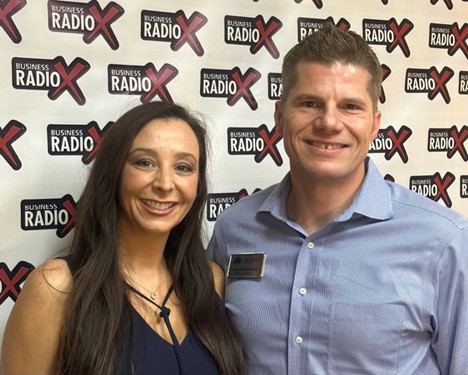
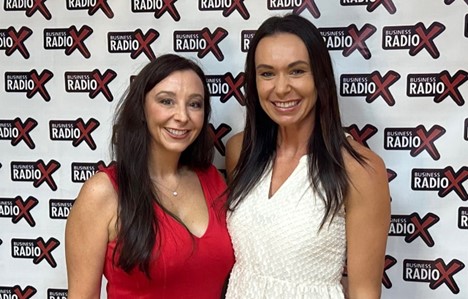
Kristy Johnson with Spotlight Dance Studio and Joe Cianciolo with Front Porch Advisors

June 19, 2023 by angishields

Cherokee Business Radio
Kristy Johnson with Spotlight Dance Studio and Joe Cianciolo with Front Porch Advisors
Loading
00:00 /
RSS Feed
Share
Link
Embed

Download file

Fearless-Formula-061623-banner

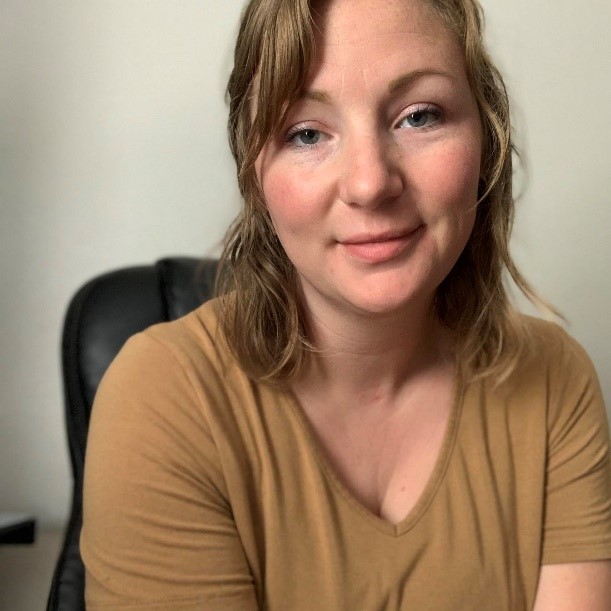
Kristy-JohnsonKristy Johnson is the co-owner of Beyond the Spotlight Dance Studio in Woodstock and has a Bachelors Degree from Reinhardt University in Business Administration.

She is also the compliance manager for the Cherokee County Transportation Department.

Connect with Kristy on LinkedIn.

Joe-CiancioloJoe Cianciolo, Human Capital Strategist with Front Porch Advisers, is a thinker, questioner, planner, goal setter, problem solver, family man, and all-around believer in people.

As a teenager in small town Ohio, he learned early that reaching higher levels of success requires becoming, building and leading from a healthy place of self-awareness.

Connect with Joe on LinkedIn.

This transcript is machine transcribed by Sonix

TRANSCRIPT

Intro: [00:00:06] Coming to you live from the Business RadioX studio in Woodstock, Georgia. This is fearless formula with Sharon Cline.

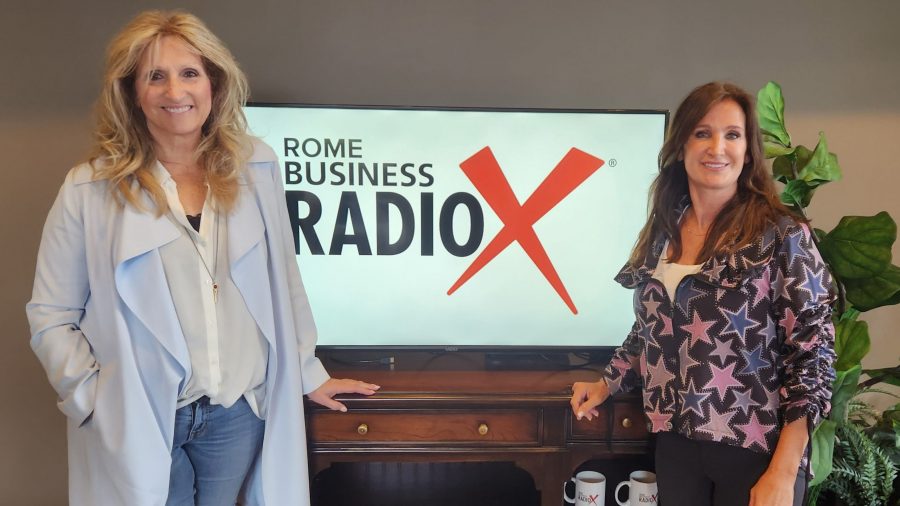
Sharon Cline: [00:00:16] Welcome to Fearless Formula Friday, where we talk about the ups and downs of the business world and offer words of wisdom for business success. I’m your host, Sharon Cline, and today on the show, I have one of my absolute most favorite returning guests, Joe Cianciolo. He is the human capital strategist with Front Porch Advisors, and he has brought someone he’s been working with who I know as well through our networking meetings. Kristy Johnson. She is the co-owner of Beyond the Spotlight Studio, and she’s also the compliance manager at Cherokee County Transportation Department, also called Cats. Welcome to the show.

Joe Cianciolo: [00:00:52] Thank you for having us.

Sharon Cline: [00:00:53] You’re welcome. I was just saying to Joe before the show started that this is one of my absolute favorite shows that we do because I am so fascinated by why I do what I do. And I’m I think a lot about myself. I just want you to know that I’m getting it right now. I think a lot about me and not so much about why other people do what they do as much as like, do I like what I just did? And if I don’t, why did I do it? And what are my choices? And this is the ongoing conversation in my head. It’s fabulous. But what Joe does is that he actually makes it has a has a template which allows you to kind of instead of me judging myself and the things that I’m doing, it allows me to look at here are the positives of the things that I do, and here are the things that could trip me up. But here’s a tool to use to go around it, and that just makes me feel so much less like I’m, I don’t know, like my own worst enemy and that I can’t get what I want. So would you say that that’s an accurate reflection of what you do? Joe Well, that’s.

Joe Cianciolo: [00:01:51] Why I was watching Kristy, because Kristy has worked with me for for years, actually. And yes, that is exactly. I mean, hurray. We’re done. We’re done. Yeah. No, I mean, we are all unique and we are. I don’t know. I think we’re all our own worst critic. So the components that you discussed are described in what? What? Kristy is very, very well practiced in is understanding how to be aware of yourself. You talked about it in terms of why you do the things that you do, the choices that you actually do have in it. And rather than being critical of yourself, we study awareness and then we study acceptance. And that’s a piece that I just recently within this year have started using that term. I’ve been doing my own research into that. Sometimes we can be very aware of those patterns but not accept them.

Sharon Cline: [00:02:39] Oh my gosh, that’s like up at two in the morning moments where I’m like, Why did I say, Why did I think I know better? And maybe I was hungry? Like, I come up with all kinds of reasons to justify some of the things that I’m very critical about myself.

Joe Cianciolo: [00:02:54] And then you can talk yourself onto and off of ledges that way. And what I talked to Kristy about earlier is if you can be, I don’t know, grounded in who you are, what you bring and what you need, then it helps you to choose actions accordingly. And when you are off the reservation, then like you said, we have tools for that. We have tools that help you remember. Oh my gosh. No wonder why this feels the way it does. I’m really excited that Kristy is here today because Kristy’s world is different than my world. Yet she and I use a lot of the same dialog, the same communication styles and terminologies. And we also know how to kind of calm each other down so that we can face something much bigger, you know, as opposed to getting really frazzled by the annoying daily. Sometimes you get stuck in the grind of tasks and sometimes you feel like the world has all these expectations of you and realize, Oh wait, that’s my problem, not the world’s problem or whatever it is that you’re wiring actually brings to you. Got it.

Sharon Cline: [00:03:55] So some of the things that I do is I can spread myself kind of very thin because I don’t like to say no specifically. If someone asked me for me like, Oh, you know, I thought of you, you would be so great. And I’m like, What? You thought of me? When did you think you thought of me? Like, the next thing you know, I’m like, Oh, my God, You like. Like, it’s pathetic. It’s just like something I judge myself for really harsh because I know that that’s. Those are magic words for me. The next thing you know, I am roped into something that I didn’t even really think that through very hard if I wanted to do, but because they thought of me and I’m so honored by that, I’m in. And it’s like those are the things that I can see as a problem. But like I would imagine you, Joe, having so many skills that you could give me a potential, I could take that moment, you know, not become ungrounded because that’s, that’s like one of my favorite tools is to become ungrounded and then just kind of get through it and then think about it later. But I would love that that pause that gives me a moment to choose a response that’s really authentic to me because it’s really more about me and like what I want, as opposed to they want me. Oh, my God, Yes.

Joe Cianciolo: [00:05:02] Can you hear her wires right there? Okay. So a couple of things. One of which is the recognition piece can be an energizer for you as a believer that we’ve talked about this before.

Sharon Cline: [00:05:13] Oh, yeah. I’m a believer. Case you didn’t guys didn’t know who was listening.

Joe Cianciolo: [00:05:16] And the caretaker piece doesn’t feel worthy, right? So for you as a combo, that’s an interesting conundrum because you like the accolade, yet you feel unworthy at the exact same time. But when you study that and understand sort of the groundedness of it, what you realize is that what you connect to in terms of when somebody thinks of you and you’re like, Yes, wow, that makes me feel great with the understanding that you don’t have an obligation to say yes if there is something that is of shared value with that person or with the idea or whatever, then you get the opportunity to do both of those things, which is to say yes, with the ultimate care that you naturally provide. But as Christy can probably speak to the caretaker, you want to talk about where that could get you in trouble. Yeah.

Kristy Johnson: [00:06:05] So, I mean, I’m a caretaker. I’m a caretaker first, and so I will spread myself. So thin that then you do, like you were saying, just feel like you have to do those things. I said yes. Yeah. And that, like, I.

Sharon Cline: [00:06:22] Can’t let someone down.

Kristy Johnson: [00:06:23] Exactly. And you’re you’re honestly just you’re doing it because you are, you know, personally wanting to have a good like, you know, perception of what they think of you and things like that. So and it really leads to like burnout. You know, you don’t want to help anyone and you’re just drained by the end of it and that’s so easy. And you want to just take it all back. Like, you know, when you do get burnt out, you don’t want to help anybody because you’re feeling that way.

Sharon Cline: [00:06:57] But here’s here’s what’s interesting about that, though. And tell me what you think of this, Joe, is that I don’t want to help anyone, but that will include myself because I’m so tired that I really want to I need to do laundry because I need to do laundry. And I’m so burnt out that I will not do any of the things that I’ve been frustrated that I can’t do because I’m so burnt out from other people. And so, yeah.

Joe Cianciolo: [00:07:19] You guys see me on the edge of my seat. I’m always you both keep saying the same words need and have to need to and have to. And those are Kryptonite for caretakers especially and for people who are outer driven. Right? So when we talk about the expectations wiring versus the personality wiring, that’s where they go together. And so when somebody is externally wired, I’m internally wired so nobody can tell me what to do If I don’t if it doesn’t make sense to me, I won’t do it if it makes sense to me. Awesome. Like if you tell me I need to do the laundry and I don’t find any reason to it, I won’t. But if I realize obviously I have to take care of my kids, you know, my spouse, I got to do those things. It’s because I think it’s important. It makes sense to me to do it. When you say words like need to and have to, it is a very dominating outer expectation. And the problem is there is that you aren’t taking care. I’m going to go through like a number of tools real fast. I’m ready without calling out the tool, but the caretaker can take care of everybody else except for themselves.

Joe Cianciolo: [00:08:19] What I always have to tell the caretaker is if you don’t provide care for yourself, if you don’t, if you don’t give yourself that time, you cannot provide the same level of care to others. So when that happens is you you have spread yourself so thin because you’re allowing all these expectations around you to dictate what you’re doing well, that takes down your natural strengths. It doesn’t allow you to do them. So if you had to, had to need to do the laundry for your family. Is it because you want to you want to be known as that person that’s always there to make sure that like I was sitting there doing laundry while I was eating lunch, hurrying to get here, realizing that I love that my kids have that person like me to fold the laundry for them so that when they come back from camp, everything is already ready and done for them. And that is a show of care and it’s an opportunity that I have to show my kids that they deserve to be cared for. But if I don’t take care of myself first or at all, then it will always feel like I’m chasing.

Sharon Cline: [00:09:18] Okay. But I have a question for you about that. So. So if I’m. Okay, so you phrased it. Sorry. I’m thinking on the fly. This is just great. It’s great on radio. This is so great. Okay, so if I. Have that obligation, thought process. Right? That okay, well, I agreed to do that for this person. This person, this person. In some ways, I like the surrender of control of my life to someone else who has asked me to do things so that I don’t have as much choice. Well, no, I mean, this is the result of what people have needed from me. And of course I’m going to do it for them. So in some ways, I’m surrendering the responsibility of the effects, the outcomes of them. Right.

Kristy Johnson: [00:10:03] I think that, you know, especially being in that mindset quite a bit, it’s also really understanding your identity too, that like you get so used to having people rely on you and that becomes who you are. And really a lot of us, I know myself personally, I’ve had to sit down and really like think about what do I like, what I don’t like, what is it like, Who do I actually want to be? And instead of allowing other people to take that choice away from me because I don’t want to make the decision, I don’t want to be the bad guy. Yes, I want to be me. I don’t need me. I want to be needed and I want to have that relationship with them. And that’s how I feel, like I can love them. But what am I doing to, like, separate myself and like, put myself last? You know? Is it really like a true reflection on how much I love myself?

Sharon Cline: [00:10:58] How did that sound? Joe, are you having a moment?

Joe Cianciolo: [00:11:00] I’m having a moment.

Sharon Cline: [00:11:01] You deserve that moment.

Joe Cianciolo: [00:11:04] I can’t wait to go back and replay that one again and again. It was said very, very well because the outer accountability and the outer expectations are fine. I mean, some people find that to be a negative. I don’t once you are aware of it and accept it, then you can act on it. And the thing is, is are all those tasks liberating for you because you have chosen to create your identity around that, or is it dominating to you because you really feel like it’s easier when people just tell you what to do?

Sharon Cline: [00:11:31] Both.

Joe Cianciolo: [00:11:32] Okay, So the liberating one, you have to make sure that you can measure. That’s one of the tools that we study in. I don’t know whichever of the programs that you would go through or whatever is that we have to say. Who are the influences in your life? Who are the people and what what kind of influence are you allowing? Are you making room for a balance of supportive people, people who are natural challengers and people who actually do liberate you for you to be you easy like you at your best. You without having to make excuses, without having all that inner talk, which is what typically drains you. And so you got to be able to then say, Wait, everything all these people, all these outer expectations are coming from people who feel like they’re providing nothing but challenge. And that is something that Christy and I’ve talked a lot about is how do you make time for the people who are natural supporters and how do you give them permission to also challenge you from a place of support first.

Speaker4: [00:12:28] Like a place of love.

Kristy Johnson: [00:12:30] And it’s like communicate, eating with them, you know, like really looking at, you know, there’s there’s that quote that, you know, the closest five people are the biggest influencers in your life. And so, you know, you become those five people. And if all of those five people are constantly challenging you, are you just okay being with them? Because that’s what you’re you know, you’re naturally in that world all the time. Or do you have liberators who are going to come and and support you and really lift you up? And, you know, even in those dark times, like are they are they around you? And do you actually know how to name them? That was my hardest thing was to.

Speaker4: [00:13:08] Ask you.

Sharon Cline: [00:13:08] Actually would like to ask just can we go back slightly like how did you become associated with Joe? Did you approach him? Did he approach you? I would like to know what the impetus was.

Kristy Johnson: [00:13:18] Yeah. So I actually have a great story of how we actually met. So our networking group had an afternoon social and I had been meaning to go. I just hadn’t. I brought my sister and we got split up and we were sitting, we were going around, we asked a couple questions with each other. And so I was answering the questions and I had a group that was just like life changing. Joe Was was there diesel? David Like, there was all of these wonderful people in the community and they just fed into me. They were like, You need to focus on this. You need to look at this and and you need to, you know, you need to come to the morning, you know, networking. And I was like, I can’t. I have a 9 to 5 job and there’s no way I can do that. And they’re like, Did you ask? And I said, No, I’ve never asked. And and so luckily, you know, the stars aligned. And I started going, you know, every Thursday morning. And but, you know, after that, it was just, you know, they saw me they they just fed into me ever since. And, you know, it’s honestly a huge reason of who I am today and like even becoming an entrepreneur with my sister, I mean, they just have, you know, changed the outlook, my mindset, because I was just like, I work a 9 to 5. That’s what I was taught. I go to school, I go to college, and that’s what I that’s who I become. And really, there’s a whole different world. And Joe really opened the world for me just to kind of explain like there’s different there’s different ideas out there and there’s, you know, different ways of viewing the world and yourself, which you’re just not taught in school. You know, I was you’re young, you’re.

Sharon Cline: [00:15:09] More encouraged to comply with and, and not be different because being different is, is could potentially be chaotic or a bigger personality. In school, it’s more about just not kind of being quiet, flying under the radar, doing what the teacher said don’t cause trouble.

Kristy Johnson: [00:15:24] And that’s that was 100%. My personality is I was shy. I didn’t I didn’t know how to talk to people. And and and so, you know, getting in front of these people who don’t even know me and are just like Christy, you have this like you can you can do it. And it’s like, that’s weird. Like I, I don’t think I can.

Sharon Cline: [00:15:44] It’s actually so sweet, though, The way that you’re talking about it is that you had ideas in your mind about what you wanted, but, like, life was happening to you as opposed to you’re taking control of life. Okay, Joe, you go.

Speaker4: [00:15:55] Joe, you go. Okay.

Joe Cianciolo: [00:15:57] You need to playback this when you go home and you need to listen to what you just said versus what you said earlier, which is.

Speaker4: [00:16:02] You know, this show, I get.

Sharon Cline: [00:16:04] To point everybody else. No, but actually, you’re right.

Speaker4: [00:16:06] I know a lot of.

Sharon Cline: [00:16:07] What I say is choice.

Joe Cianciolo: [00:16:08] But, you know, and choice sounds scary. And that’s why we keep working through. I mean, Christy has actually been very helpful, not only having come and sat on the front porch, she’s also helped me develop some of my newer tools and try to make it more accessible to a bigger audience, because that’s one of the things that’s hard. It’s very personal. I mean, not everybody wants to come and say, okay, cut me. Open and look for the insides that nobody sees. Luckily, Christy just happened to be sitting at a table of wildly bold. I remember that night very vividly. Lauren from Pie Bar was there.

Speaker4: [00:16:43] Oh, I love Lauren.

Joe Cianciolo: [00:16:44] She’s amazing. So imagine being sitting at a table for the first time with Lauren, David and myself and Christy. Like, they’re big personalities.

Speaker4: [00:16:52] Big, big.

Sharon Cline: [00:16:52] Personalities.

Joe Cianciolo: [00:16:53] But that’s what we all need, is we need people to be able to see us for who we are, not necessarily who we’re choosing to be every day, but who we can be. And we saw it in Christy very quickly, and we didn’t know what it was. Now, my job is human capital. I see that people have value. The value is in the person, not just your experience is what you do with your experience. How much do you understand your experience? Are you okay with that experience and what do you do with it? And so the fact is, is that when when Christy and I have have within, I don’t know, the last year or year and a half, I’ll send a new tool worksheet or something to her that says, hey, let’s work through this because choice doesn’t have to be as daunting as you think.

Sharon Cline: [00:17:36] But choice isn’t as daunting. But the but the. Responsibility of those choices are. What’s so scary to me is I the consequences of the choices and whether or not I’m going to be happy with those consequences or not make me disinclined to want to make them.

Joe Cianciolo: [00:17:57] Well, have you ever actually mapped them out?

Sharon Cline: [00:18:00] Well, I mean, in my head.

Speaker4: [00:18:02] Well, and so that’s different.

Joe Cianciolo: [00:18:04] And that’s the thing. Why? Because the responsibility of it is hard. And so, you know, for me, being inner driven, I once I commit to it because it makes sense that I would want to do it, I go crazy. And I’m a strategist, which means I need data. But for people who are unaccountable, especially caretakers who don’t feel like maybe they are worthy of it or they don’t, they would love to give it to everybody else, but they it’s scary to do it themselves. Is is I say, okay, let’s map it out. Let’s let’s and I’ll walk them through, you know, sitting on the porch. We actually have it in. I don’t remember which chapter that you were doing.

Speaker4: [00:18:38] You actually write this down.

Joe Cianciolo: [00:18:39] Oh yeah. Where we actually map out. Okay. When, you know, this is a natural driver, whether it be good or bad, and this is when it tends to happen. And and this is what I usually choose as a result. And each time I choose that these are the consequences. And the consequences over time are what create our reality. A lot of people say, I wish my reality was different. Well, you can’t change consequences. You you can’t even change your tendencies. You can only change the choice that you make as a result. But that requires having some kind of understanding of choices that you do make, which could even be isolating yourself from other is a choice. Or saying yes to everything is a choice and you have to then map the whole thing out. Once you map it out, you can start to apply it to every different situation or challenge or choice that you have to make and say, Oh, which one do, which one do I really want? And then for people who come to me and they say, I wish my life was different, okay, well, what do you want it to be? Let’s work backwards. We can do it any which way, but we have to be able to identify each of those pieces so that you can see the pattern.

Speaker4: [00:19:41] Is that what happened.

Sharon Cline: [00:19:42] With you, Christine?

Kristy Johnson: [00:19:43] Yeah. Yeah. I mean, I still have.

Sharon Cline: [00:19:45] Problems ongoing, isn’t it.

Kristy Johnson: [00:19:47] Though? Yeah. I mean, I mean him as a human capital strategist over here. I mean, it’s just you have to work on yourself daily. I mean, I still am going back to like, you know, I still get shy in networking events. I still like I will get into a, you know, a funk and a habit of, you know, I like just want to stand by myself and and those things. I just know now, like when I see the signs and that’s really understanding yourself is, you know, understanding the signs of like, I’m in that habit again, You know, what? Can I get myself out of this habit and break it and break that monotony of it?

Sharon Cline: [00:20:21] Have you found a surprising trigger for yourself? In other words, sometimes when I watch a movie that is like overly romantic and very sweet, and at the end of it, I like shut the TV off. And then I look at myself alone in my house, and then all of a sudden, like, I have a whole thought process that comes into play that I’ll be very different after watching a movie in my feelings and what I think then before. So I know for myself that I have to kind of choose when I’m in the mood to really go down that road. Sometimes I don’t know that I’m going to, but I was wondering so that maybe that’s not surprising for me because I don’t do what you all do yet, but.

Speaker4: [00:21:04] I’m saying yes. She said.

Sharon Cline: [00:21:06] Yes, Oh, no, that’s on the radio and everything. Yeah, but like, do you have you found that there are certain things like if you see a certain person or a certain car or are there triggers that were surprising to you?

Kristy Johnson: [00:21:18] So one of mine that I have realized, you know, we were talking about, you know, like overextending yourself and burning out. I realized by going through this process that when I start to drink way more caffeine, if I have a Starbucks iced coffee in my hand daily, that I have started to like put myself last because I am codependent on that, that like caffeine, I need it. And it’s it’s weird because it’s only a Starbucks, you know, iced coffee for some reason. No one else like no other coffee company. But but it is it is very like I will just get in that habit and I just know that, you know what, I have to take a step back because something’s going on with me and and I’m I’m off balance.

Speaker4: [00:22:06] Well, that isn’t.

Sharon Cline: [00:22:07] That just fascinating in itself. Like, let’s take a second to say how much of my life do I allow things like that to happen that I’m completely unaware of all day long?

Joe Cianciolo: [00:22:18] We live in a very chaotic society and technology with everybody having phones is we’re constantly distracted and we choose that. And sometimes that’s it’s a defense mechanism. It’s like, Oh, I can spend all my time and I’m busy, busy, busy, busy because it feels easier to to be a victim, to busy or to not have to. Face what you want to face. And it was funny because before today I had all these things that I wanted to get done, and instead I ended up taking advantage of an unplanned, however many hour session with with a client where we went to a level of depth that if I hadn’t have allowed it to happen, I wouldn’t be in the mind that I’m in right now. I would have done all the cleaning and all the things that I wanted to get done. Yeah, tasks. And I still want to because I’m very competitive and I like to get that stuff done. It’s part of my wiring. But I was so grateful that when I saw that opportunity because I do this study every day, I mean, this is my job is I realize very quickly, no, this this becomes the opportunity that I have to sit back and say, what’s going to come of it? And what was funny is the client sent me a text afterward saying, I saw your dream today and Dreamer is my last. I’m not a dreamer. And he was able to see it.

Sharon Cline: [00:23:42] I got chills just now.

Speaker4: [00:23:44] That’s a very.

Sharon Cline: [00:23:44] Important text you got.

Joe Cianciolo: [00:23:46] Yeah. Yeah. And and I immediately, as I do in my program, is to say thank you. But I had to be specific about what I was thanking him for, which was to actually put me in that spot that allowed the not the weakest but the least strong part of my personality to come out in a way that he could understand it. I said, Oh, can you put it into words? Because I honestly, like, I allowed myself to just go there. That kind of awareness when you give it more time. If she were to give her awareness more time than the Starbucks in her hand, it’s a different machine.

Sharon Cline: [00:24:22] Well, what did it feel like for you, Joe, to feel all of those feels?

Joe Cianciolo: [00:24:26] Oh, I thought I. I kept thinking, well, this is probably the best way to start a week of on my own while the kids are at camp is because I often the kids are my priority. I love my children and I have other things I wanted to say about them in terms of what we were talking about earlier. But maybe a better use of my time this week will be to stay in this mindset. Maybe instead, like I remember when they they went to camp last year, I was like, Oh, I can watch my own movie. What is that? I can watch my own show. And so this year I actually prepped. I was like, okay, these are the shows I’ve been wanting to watch. And today I thought, Well, maybe I don’t need the TV this week. Maybe I need to make more time to just sit and be in awareness, not with myself. Because what I notice or what we talked about in our session was I need to do my awareness with others. If I do it by myself, I can make excuses. I can let my mind wander in other ways, start preparing, task listing, you know, all that kind of stuff. Whereas I do my best thinking out loud with others. And so I happened upon it by accident. And now that I’m aware of that, I can make that a bigger priority. This week, as you and I always talk about, there’s a difference between accidental and intentional. Well.

Sharon Cline: [00:25:43] So is intentional. For some reason, this word keeps coming up this week for me, and I’ve said it a couple of different times to a couple different people, is I am trying to be very careful about how I’m spending my time because as much as my voiceover business is getting bigger and lots of opportunities are coming that make me so happy, I love doing all of those things. But then I’m also there’s a natural stress that comes with it too. So I’m trying to and I’ve never had to say no to someone where I’m like, What, you want to have dinner? Yes. What, you want to go do this? Yeah, let’s go. Let’s go ride motorcycles. It’ll be all day. But now I’ve. I’ve thought about it in a way where I’m actually going to have to say, I would love to see you, but I’m going to have to schedule it a couple of weeks out or something like that, or be more intentional with the way I’m spending my time. And I’ve never actually I mean, I probably have had to do this before, needed to do this before, but I’ve never done it before. But I see what you’re talking about is also you’re choosing your experience in the moment that you’re having it. So if next week when you realize that you’ve had enough of the feelings that you’re in now, you could choose to watch your movies if you wanted. But these are choices. They’re not reactions, right?

Speaker4: [00:26:51] Oh, she hit another hot button because reactions.

Joe Cianciolo: [00:26:55] Did you have something you needed to chime in?

Speaker4: [00:26:57] Well, so.

Kristy Johnson: [00:26:57] I was going to say actually, so I just finished reading A Mountain Is You, which is a guide to self-sabotage. It absolutely changed my my life. But you know about feeling your feelings like a lot of your feelings they talk about in the book is, you know, actually, you know, a way to cope with that, you know, as a symptom to that self sabotage. So those feelings are, you know, a reaction, a symptom of something else. And taking that time to actually, like feel those feelings and are so important, I think that we just don’t do in our society anymore.

Speaker4: [00:27:34] So I love that.

Sharon Cline: [00:27:36] That’s so. And how do you how do you see yourself doing these things to.

Kristy Johnson: [00:27:40] You know, I mean, I think you have to you know, like you were saying, being intentional and taking a like a second to to feel them and not be scared of the feelings and allow them to, you know, to actually, you know, feel it and not react.

Sharon Cline: [00:27:56] So you’re saying that you’re not judging yourself for your feelings? Yeah.

Joe Cianciolo: [00:28:00] So she needs a timeline. You need to get you a timeline for yourself, because once you start to study the past patterns and look at your life and your current reality, you will see all the things that make you want to say yes now are still exciting and they’re all important, but they all can’t be urgent. And because you’re unaccountable, one of the tools that we always say is you want to say yes. So say yes. Dot, dot, dot. As long as this is true. And so the thing is, is if they’re all too much and this is where you we practice finding your grounding so that you don’t get into this whipsaw situation where the answer is yes, as long as we can do it two weeks from now, not. But I’ll have to wait because that puts you in that negative. So, yes, as long as.

Speaker4: [00:28:52] Like yes.

Kristy Johnson: [00:28:53] And.

Joe Cianciolo: [00:28:53] Yes. And which is interesting because we’ve heard that before. But putting it into practice is a little bit harder. Harder. So I had that mentality. I think it was 2 or 3 years ago when we started to really, I guess during Covid, I got really busy and I wasn’t expecting it because everybody was at home. And you know, what we do is very personal and I didn’t think we could do it over video, but we did is I had to get to that point where people were like, Do you have space for me? And the answer was always, yes, As long as these are the hours that I can do this and do it well, if I overbooked myself, then my kids who were home and schooling at the time because of the Covid restriction, I couldn’t give my clients their full due. Just like if you say yes too much, you’re not giving the best version of you. If it’s too far out of balance. So when you say yes, as long as this is, yeah. And then we go through all of our.

Speaker4: [00:29:47] So do you do.

Sharon Cline: [00:29:48] The same thing Now you’ve learned this skill and that’s how you are interacting with people.

Kristy Johnson: [00:29:52] Yeah, I’ve actually, I’ve kind of leaned more into, you know. I think about if I say yes, what opportunity am I also giving up because of saying yes?

Sharon Cline: [00:30:05] So when you’re saying yes to something now you’re saying no to something else. Yeah.

Kristy Johnson: [00:30:09] I mean, you’re breaking any opportunity to have, you know, have something better or even, you know, maybe there’s this opportunity that’s supposed to come in, you know, into your life. And, you know, if I’m saying yes to to to kind of everything, there’s no there’s no opportunity there’s no availability for you to even know what you don’t know yet. So it’s a it’s a hard it’s a hard practice, but it’s, you know, it’s worth it.

Joe Cianciolo: [00:30:35] But one of the things that Christie and I are actually trying well, trying we are working on we haven’t figured out the best way to launch it is for people who are out or accountable who need that liberating outside force to help remind you that you matter, that you need to say yes to yourself. You’re probably going to say yes to everybody else first. We want to be or create that that community of people that will be that constant reminder that it is okay to say yes as long as it is okay to not get stuck in obligation. And it’s a shared experience for people who are outer accountable. They they have that all the time. I do. You’re not. Yeah. And that’s why I was glad to have Christy come, because I wanted Brendan’s the same. That’s why his his radio spot that day was so powerful because he spoke to it so comfortably. And that’s our goal. Like at Front Porch Advisors, our goal is to find you at your most comfortable. Not your easiest, but your most comfortable, the one that you just naturally wake up into, not the one that the world expects of you, not the one that you think the world expects of you. Or that a.

Sharon Cline: [00:31:44] Lie is this that I tell myself. Because what I believe is most comfortable is what I have always done.

Kristy Johnson: [00:31:51] The habit that I think that is. I think our brains are wired for that. We want to stay where it feels okay. We know to do so that we don’t have to to get outside of that comfort zone any. So, you know, for me, it was, you know, as soon as you go out of that comfort zone, there’s more problems. Right. And we we don’t like problems. We we try to do everything to keep status quo. And so when we start to change, it’s like this is the scariest thing I’ve ever done. But at the but, you know, but what does what does it bring, you know, and so the question of, you know, I just I just want to I just want to keep doing what you’re doing. Like you’re not happy doing that, though. We all know it. Like we’ve all like said, how many times like, oh, man, it was just a bad day. Was it really though? Like, are we just in the habit of complaining constantly because we it’s what we’re used to.

Sharon Cline: [00:32:46] Because the world is happening to me and I’m not I’m I’m not in control.

Joe Cianciolo: [00:32:50] Well, and for a believer, the depth is the scary part. Every one of the wires has a different, scary part. I am a strategist, which means that I am very risk averse. But that doesn’t mean I don’t take risks. I have to take risks in alignment with my strategist, which means I have to calculate just enough data and all the possible what if scenarios and then tap into my second, which is initiator. And it’s interesting because my combo, we’ve talked about combos before, my second is risk taking, so I am conflicting within that. But once I figured it out, once we went, well, I’ve been through the program how many times I do it all the time. But when I realized that it’s not the risk taking part, that’s natural to me. It’s the confidence to be bold. That is, if so, if I combine them and I gather just enough data and remember I’m confident enough, when I get enough data, then I will do it. So for the believer, the believer is.

Speaker4: [00:33:48] I’m the believer, right?

Joe Cianciolo: [00:33:49] Yes. Always excited by easily excited and able to bounce around from one thing to another. And the depth can seem so scary because it’s like, No, let’s just do this and let’s do this. Yes, this is a great idea. Everything’s a great idea. But you have to know what the trade off with that is, that eventually nothing goes below the surface and you are more than that. That’s where the caretaker comes in. Your caretaker number two has the ability to care for a very big population of people who need it. And especially now when we’re constantly being barraged with challenge. And what people need is natural care. And when you’re saying yes, yes, yes, yes, yes, that care is the trade off because you’re not actually bringing it up. So when you learn how to combine them, you’re going to say yes, because this is my opportunity to care for you and do what I love to do because your idea is so awesome. You know.

Speaker4: [00:34:41] This show feels.

Sharon Cline: [00:34:42] Like that to me.

Speaker4: [00:34:43] Because.

Sharon Cline: [00:34:44] I believe so much in what we’re discussing. And I think one of the things that I love about having this opportunity to meet so many different people and talk about what they do and why they do is that it is just so exactly human and. I just so accept that I’m just such a human and I just make the biggest mistakes ever all the time. But we all.

Speaker4: [00:35:05] Do. And isn’t.

Joe Cianciolo: [00:35:06] It interesting that this is the one that you don’t overthink.

Speaker4: [00:35:09] This? I don’t.

Sharon Cline: [00:35:10] I don’t even.

Speaker4: [00:35:11] Prepare exactly at all.

Joe Cianciolo: [00:35:13] That’s natural energy coming out of you without having to put it on.

Kristy Johnson: [00:35:17] And I think people are drawn to that. You know, I mean, you are you are like as as a caretaker. I mean, that’s what we naturally do. So people are going to be drawn to that side of you so much easier if you’re living that authentically.

Sharon Cline: [00:35:31] So do you, Christy, find that when you are in your caretaker energy, that you what is the second what is your second?

Speaker4: [00:35:37] She’s a strategist, too. Oh, really?

Sharon Cline: [00:35:40] Strategist number two, which is interesting. Okay. So when you are authentically in your caretaker space, you find that with boundaries around it and you’re not compromising yourself, that your interactions are different or the outcomes are different.

Kristy Johnson: [00:35:54] I think they’re deeper. I think my relationships are deeper with people and and even thinking, you know, like not having, you know, having to say no, like it was because I wanted to say no. And actually, you know, I always assume that I need to to go deeper with someone like to continuously, you know, like, like I really do need to give that pot pie to them, you know, like I have to because then they won’t like me. But when I’m living my my true authenticity, you know, people are just happy that I’m around, that I’m contacting them, that I’m, I’m caring because even when I’m when they don’t even know that I am, I am I’m caring for them in some way. But it’s also, you know, they they just genuinely want to talk to me. They’ll reach out to me because we’re we’re just in that relationship and I’m I’m thriving the way I need to be. And I’m not. It’s it’s an a balance, too.

Joe Cianciolo: [00:36:50] Can I chime in, please? Oh, my gosh. Okay, So last time Brendan and I did this to you today, we’re going to do it to Christy. Oh, you and.

Speaker4: [00:36:56] Me, we.

Sharon Cline: [00:36:57] We’re looking at each other right now.

Speaker4: [00:36:58] Our eyes. Okay.

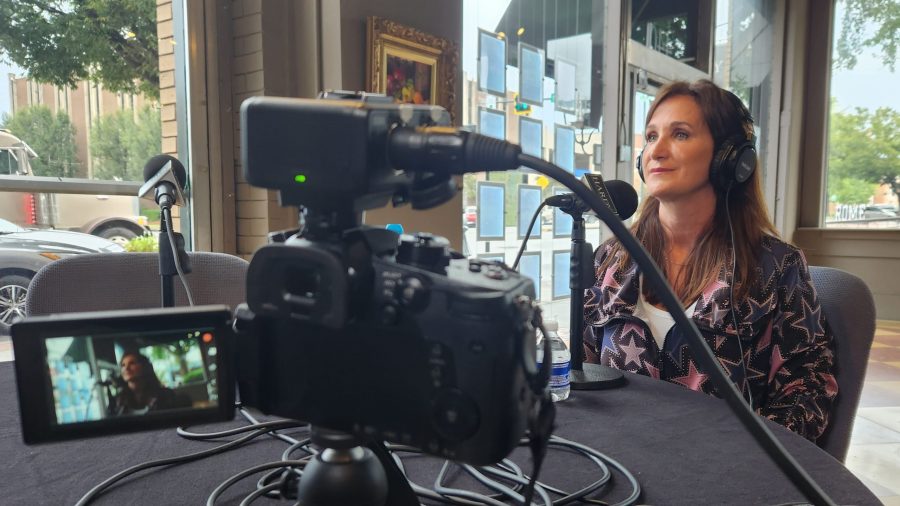
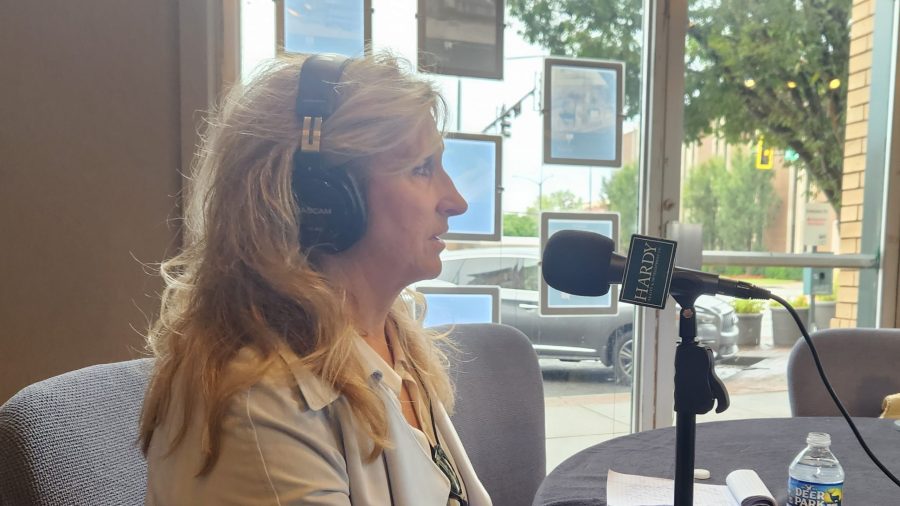
Joe Cianciolo: [00:36:59] Did you notice the difference in the way she’s sitting and the way she’s talking into her mic between the beginning and now?

Speaker4: [00:37:04] Yes, I.

Joe Cianciolo: [00:37:05] Do. And do you know why there’s a fearless formula here?

Sharon Cline: [00:37:10] What is it?

Joe Cianciolo: [00:37:11] Is the natural Sharon formula, which is you you used your believer and believing that this is such a good opportunity and then you took the vulnerability on yourself, which immediately took it off of her. And you didn’t even mean to do it. You didn’t try to do it.

Speaker4: [00:37:27] What did I do?

Sharon Cline: [00:37:28] What? What? How did I do that?

Joe Cianciolo: [00:37:29] You took over the vulnerable spot. So for her, when I said, Hey, Christy, you should come on the radio, she’s like.

Sharon Cline: [00:37:36] Yeah, no, lots of people don’t like to do this. I was like, crazy to me. But yeah, a lot of people are not comfy.

Speaker4: [00:37:41] But she.

Joe Cianciolo: [00:37:41] Knows that it’s my job to liberate her. That’s my job. So I have to not only support and believe in her, but I also have to challenge her. So she said yes, knowing that it was for some kind of bigger purpose. And as she came in, I could feel it see it on her, that natural caretaker know, you know.

Kristy Johnson: [00:37:59] That’s the bad part is as caretakers, I think everything is shown. I mean, like all of our, like, you know, our flaws in a sense. Like when we’re nervous, like all of our, our motions, you.

Sharon Cline: [00:38:08] Can look at me and see it.

Kristy Johnson: [00:38:10] It’s everywhere.

Joe Cianciolo: [00:38:11] So where you became the fearless formula today for her is that you started asking very intimate, personal questions about your own fear of that internal dialog, which immediately allows her to care for you by sharing her experience. Oh, that’s what I’m talking about. That’s where it happened. You didn’t know you were doing it, but that’s what you get on the backside. So when you can do that for yourself and realize inner dialog, that’s super self critical. Isn’t necessarily. That’s internal. And you’re not an internally driven person. You’re an externally driven person. So when you bring somebody in and say, Hey, how do you like, you might be a little bit like me. How do you deal with this? Then they immediately relax and provide care. It’s glorious. And you can study that with the people that you surround yourself with.

Kristy Johnson: [00:39:03] Like it makes you look at everybody that you you have in your life so differently.

Sharon Cline: [00:39:08] I was going to ask that exact question as well. First of all, I want to say thank you for pointing that out. Let’s just say thank you for that, pointing that out because I had no idea. So that’s interesting to me. And I wonder how often I even do that.

Speaker4: [00:39:20] Probably a lot on this show.

Joe Cianciolo: [00:39:21] Yes. I don’t know about other places, but I hope you’ll start to pay attention. Actually, I know she will. She’s going to hear us in the back of her head. Yeah.

Speaker4: [00:39:27] 2:00 in the morning.

Joe Cianciolo: [00:39:28] You know, you’ll pay attention to it while you’re doing other work because you’re going to feel the difference. Did you feel the difference when I actually brought it out to her? Like you are more comfortable?

Speaker4: [00:39:38] Yeah.

Kristy Johnson: [00:39:38] No, I am.

Speaker4: [00:39:39] Yeah, well, I.

Sharon Cline: [00:39:40] Love that actually. I appreciate just the the pointing out of a tendency that I have that I could actually be really happy about because I tend to look at the things I’m not. So thank you for being generous with me.

Speaker4: [00:39:54] But that’s part.

Joe Cianciolo: [00:39:54] Of your identity that you want your identity to be. And that’s what Kirstie was talking about earlier. You’ve got to try to figure out who do you want to be and this. Is that for you? Yes. Which is why we see it. And we’re like, oh, we love Sharon and we love going on the show. And as much as I would love to create a five page script, I don’t because it is it’s a.

Speaker4: [00:40:15] Conversation.

Joe Cianciolo: [00:40:15] To explore together. We’re being curious together.

Sharon Cline: [00:40:18] But that’s like, that’s my happy place, like an hour ago. I mean, we might be here. I don’t know. It just it goes by so fast that I don’t realize that there’s a part of my brain that is actually like having a party while we talk about these things. It’s just. It’s helping me to understand why I do what I do. And when I have a little bit more of like, peace about it, then I find that when I’m interacting with other people, I’m not quite as critical of them in my head either, which I’m not proud of. But that is.

Speaker4: [00:40:46] A huge.

Kristy Johnson: [00:40:47] Plus for.

Speaker4: [00:40:48] For you.

Sharon Cline: [00:40:49] High five each other. Yeah, they high five. That’s what that was on the radio. Well, also, I wanted to ask you when how I’m not as intentional. I think of the people I’m surrounding myself with my five. I don’t know that I’ve ever actually been like, all right, is this person going to be my challenge? Challenging person or cheerleader or whatever? So, Christie, how have you noticed that your what categories do you put your friends in and has that changed how much time you interact with other people?

Kristy Johnson: [00:41:19] Yeah, I mean, you know, like my liberators and my like my supporters, you know, there’s there is so, you know, a group of them in my life that I do, you know, I’ll go to my problems with them, you know, things like that. There’s also you know, there’s also times like in my life where I do need a challenger. I need someone who’s going to come to me and just be like, you’re completely wrong. And I don’t like to hear that. I mean, I want to, you know, but but I know that I need them. Like, every part of it is, is, you know, what I need and and even to just fully support me, you know, there’s just days we have those days where we’re just not we’re not feeling feeling life right now. And and I have those dark days and, you know, I know exactly who to go to, you know, and I just know him now. So before I was just kind of flopping around, trying to like, Hey, can you listen? Can you listen? And it’s just that’s not who they were in my life.

Kristy Johnson: [00:42:14] And so now I’m just more confident in who I who I need to surround myself with. And even if, let’s say they become they were a liberator and now they’re just, you know, a challenger because people change and, you know, things happen in their life. I now know, like, okay, I need to go back and, you know, find find another liberator in my life. Maybe there is someone there. You know, I have I have a good friend who I would have never guessed he was a liberator in my life. And after going through the practice of it and I was like, wow, Yeah, you know, he’s always been there. He’s always, you know, told me good luck and like, how can I help? And and it’s like that’s what I needed. And I just never looked at him like that. I just was like, Oh, he’s an acquaintance. But really, he was a really good friend and, you know, still is and just really helps the business. And and in my life personally. So. So you have an.

Sharon Cline: [00:43:03] Appreciation for him in a different way, a value. A value.

Kristy Johnson: [00:43:06] And I think it changes the way of, you know, you have those people in your life where you’re like, they just don’t ever listen. They just talk about themselves. But really, that’s okay. Like, that’s not what I was expecting from you. Your expectations change from them and.

Sharon Cline: [00:43:21] Then you don’t judge them for not being able to.

Kristy Johnson: [00:43:23] And you can appreciate the great things about them and what they do in your life.

Joe Cianciolo: [00:43:28] I’m handing over.

Speaker4: [00:43:29] My book to are, you.

Joe Cianciolo: [00:43:31] Know, because she’s saying so many things that I mean we study and then after after you get to that point where you know and you can kind of navigate your life you she has a list. You know, I like to make lists, but when you can go back to your list, then after that, then you can go to an even bigger step, which you and I haven’t talked about. But we’re actually talking about my kids today because I did this where my kids, their kids, they constantly challenge. Right. And as a. You think I have to do for them? I have to do for others and for for outer accountable people. I have to do for other people. What I did was I shared that vulnerability with my kids the other day in a way that everything was just extremely challenging the entire environment. And I, I have now figured out how to use this communication to not have to seek only those five people, but to be able to communicate to anyone, no matter where they are or you are in a way that they can then provide you what you need at that moment. And I allowed my kids to hear the amount of challenge I was under in a way that was appropriate for them and gave them permission to support me by telling them what support for me is. Right? So I that’s why it’s a formula for Christy. It’s going to look different. Support for her and challenge for her are going to look different for me.

Joe Cianciolo: [00:44:45] I have to know what that looks like. So I told my kids, you know, this is what I’m trying to do. Sometimes I feel like I’m not great at it. I know I’m working really hard, but I’m outside of my own element. And what I just need is for people who actually can believe in what I’m doing and why I’m doing it. And I was actually doing research on them and they said to me, they’re like, No, we really appreciate you doing all this work, which is the support that I needed. And kids don’t lie very well. And so when they gave me, I asked for support and they gave it to me. And then they actually helped me out around the house a little bit more because I let them in on it. So when you’re saying yes to all these people and you start to feel the overwhelm of the world of constant, like, yes, yes, yes, I have to. I have to. I have to, I have to is to be able to say, you know what? Yes, I want to I’m feeling very overwhelmed right now. And what I really need is somebody to help make sure that I take some time for myself. I’m not very good at that on my own. This is what it looks like for me. That’s why Christy knows that we’ve had to go through that and list out all the things that support are so you can ask for them.

Kristy Johnson: [00:45:48] And I think the huge part is and what Joe is, you know, Joe is saying is, you know, I think we have to get really good at communicating. And that’s understanding yourself first to be able to tell others because they don’t know of how to support. Because Joe support is very different than what my support is. And so, you know, the people that come into your life, if you can if you can communicate that with them, then our relationships are just going to get deeper and more. I think we’re going to be more fulfilled, you know, in a deeper aspect with our friends, with our relationships, with the.

Speaker4: [00:46:24] Way we spend.

Sharon Cline: [00:46:25] Time, right? Yeah. We’re not as resentful of the way we spend time because we’re being intentional, the way we spend it.

Joe Cianciolo: [00:46:30] And, you know, my secret motive there is I want you to continue to learn all these things because I think you will be able to see each interview you do. And I see the world through a matrix in my head because I do it so often. I see everybody is wired to be amazing at something. But like she said, you don’t always know what they’re dealing with in that moment that’s blocking that. Christie came that night to an empower. It was an empower.

Speaker4: [00:46:57] Yeah. It was an empower.

Joe Cianciolo: [00:46:58] And empower and we saw it like that. She didn’t even know it.

Kristy Johnson: [00:47:02] I didn’t have a clue.

Joe Cianciolo: [00:47:04] I didn’t. We saw it. And it’s important for us to to realize that everybody has something. That’s why we started from Porch advisors is because we believe that everybody can contribute once they understand it. And then there’s got to be value and opportunity created around it. Not everybody is wired, wired like an initiator that can go make everything happen. But here’s a caretaker who’s kind of the quietest, the lowest, the most intro negative thought. You know who is so powerful? You know.

Sharon Cline: [00:47:37] I love.

Joe Cianciolo: [00:47:38] That. And it’s art. I think it’s our responsibility as a community to help her stay in that zone.

Sharon Cline: [00:47:46] Do you feel that power when you are using a different thought process than you had before?

Kristy Johnson: [00:47:53] Oh, yeah. I mean, I think, you know, it was one of those things where, you know, you always felt like you were destined for something more. But then when when you know, you change your thought process, like it’s not like a codependency on, you know, on Lauren and Joe and David to constantly feed, you know, feed me for that power. I’ve figured out that I it’s inside. I can I can tap into it and and I’m, I’m putting myself in those positions to constantly and get that feeling of Yeah, like I’m, I’m great, you know, and people, people should come up to me and talk to me like because I’m worth it and my self worth definitely went up, you know, I mean, constantly learning this.

Speaker4: [00:48:40] Just, you.

Joe Cianciolo: [00:48:41] Know, the what we do when we’re off our game like that. Like she said I am. But none of us are that 100% of the time. It’s it’s within us. But that doesn’t mean that we know how to use it 100% of the time. So when we’re off, all the people that are front porch people, we. Those who know that they are from important people. We will laugh with each other when we’re off because we’ve all studied all of the different patterns. So much so that I can give Christy a look and she’ll be like, Oh, I know.

Kristy Johnson: [00:49:11] I have a saying. It’s WW Wwjd. What would Joe do? He’s the voice inside your head.

Joe Cianciolo: [00:49:17] But it’s the same of when I get stuck and I excuse me, I have to laugh at myself because I remember it’s human. None of us are going to be on all the time. And once you kind of become more comfortable, accept that, then you can choose accordingly. And I just say to myself, after a day like that, I’m like, Oh, that was not my day. Tomorrow will.

Speaker4: [00:49:39] Be better.

Sharon Cline: [00:49:40] Are there typical or common factors that contribute to someone being off?

Kristy Johnson: [00:49:48] Unbalance. I think if you’re going more into one of your, you know, wires. Wires and you’re not balancing those, you’re not living in kind of that boat.

Joe Cianciolo: [00:50:00] So, for example, if you for me, if I get into analysis paralysis, because I am a strategist and I love data and I love to prepare for 8000 different ways that everything can go wrong, if that’s all I am, I’m out of balance. I’m out of order. Well, in that sense, I’m just selfish in my one wire. And we are made up of all of them. There’s pieces. That’s why I said my my dreamer is five. It is part of me. It just doesn’t come out very easily. If all of them are going, of course I can tap into it. But if I’m only using one and this happens frequently with most anybody who’s feeling stuck or overstressed, it’s probably because either you’re only using your top one or you have them completely out of order. And we’re trying to be something that we’re not. And that’s another big thing that we have to watch out for.

Kristy Johnson: [00:50:50] It’s also, I think, finding also where you are in those places. So like I’m a huge strategist at work. I’m I’m in that I’m in that mentality and I have to be really mindful and like when when I, you know, have hired people, I’ve I’ve said, hey, I can become in this zone. So just kind of call me out of it. Tell me like, hey, you know, I need some caring right now. I just need you to listen to me or and I’m like, Oh, right, I’m sorry. Because I’m both and I’ve explained that. And and one of the nice things is that I can I can kind of explain that to my coworkers and the people around me, especially at work, and be like, Hey, as a team, I might, I might go into strategist, I might be in my spreadsheets or I might be in, you know, in just analysis paralysis and just call me out of that.

Sharon Cline: [00:51:40] I have a big question for you, Joe. So when Christie is telling people that she works with, um, it requires a vulnerability to be able to say, here’s where I can get tripped up. If you could please help me to get back on track or what if you are working with people who take those things that are vulnerable about you and use them against you? Because not every environment. What I feel comfortable saying, Here’s where I can get off track. I could totally see a darker energy person using that to shame me or control me or I mean, it happens in relationships all the time as well. Like personal.

Speaker4: [00:52:23] Ones. Yes.

Joe Cianciolo: [00:52:24] But you have a choice in it. You always have a choice in it. No. So the first thing that comes to my mind is when she’s doing that, she’s not doing it out of obligation. She’s not being vulnerable with her coworkers because she’s expected to or she’s being told to. She sees it as, I have nothing to lose here and everything to gain. So she’s choosing the trade off she talked about earlier of what’s the opportunity if I ask for that feedback, if I ask for you to jostle me out, it’s because I want that. And if somebody starts to take advantage, if you are not seeking that opportunity and are sort of becoming what we call reactionary, then it makes it easier for those people to prey on on the vulnerability.

Sharon Cline: [00:53:07] So if your intention is to is for loving yourself yourself, then nothing that anyone says is actually going to make you feel like they’re trying to take.

Speaker4: [00:53:15] Advantage, right? I mean.

Joe Cianciolo: [00:53:16] You’ll even see it. And then you say, Oh yeah, I don’t really have that’s not what I’m needing and that’s not what I’m looking for and I’ll go find it somewhere else. And the thing that’s so funny is it’s like kids are on my brain, I guess, when kids are in school who who who do the quote unquote, bullies always seek the people who are most vulnerable. Why? Because they hear it and believe it. And so the thing is, is if you are the one that’s in control of that saying, no, I want this kind of feedback or I’m giving you permission to do that because I benefit, well, that’s a place of strength.

Kristy Johnson: [00:53:46] Yeah, I was going to say power from it, you know, like that internal power that that I felt before.

Sharon Cline: [00:53:50] What does that say about me? That the minute she. Kristy, you were describing yourself saying this, the first thing I thought was, oh, no, there’s going to be someone that’s going to see that as a weakness and try to hurt you with it.

Joe Cianciolo: [00:54:02] That’s your inner fear. We have limiting beliefs and we have self-preservation. We have all these kinds of things. And so you just haven’t realized yet how often each time you’ve done it, each time you’ve been allowed to be vulnerable on purpose by your choosing, what that outcome, that consequence and reality that we talked about earlier, I mean, I haven’t.

Sharon Cline: [00:54:21] Cataloged it.

Joe Cianciolo: [00:54:22] But if you did, you would realize, oh my gosh, every time I do it, instead of it happening to me, I get much more benefit. And then when you sit there and wonder, Oh, what happens if they do that? Then you’re then you’re your fear is what’s dictating the choice.

Kristy Johnson: [00:54:38] And I think also for you, like for, you know, if you have that that fear, it could be just a story you’re telling yourself because you saw it in a movie one time. Like it’s just a it’s just a roadblock. And really, that’s not it at all, because most of the time everybody is good. I mean, 99% of the time. And so by you having that vulnerability, like if you if you know yourself, you’re not going to let it affect you in a.

Speaker4: [00:55:04] Way what.

Joe Cianciolo: [00:55:05] She just said, 99% are good. What would cause them not to be is often their own stress, their own overchallenged, their own burnout. And when you start to see people that way, you detach a little bit of the heaviness, the weight of what it is that they would try to take advantage of. It’s not.

Sharon Cline: [00:55:24] Even personal.

Joe Cianciolo: [00:55:25] No, it’s their it’s their issue, not yours especially. And the more you’re aware of your own, I mean, I know what most of mine I don’t know that people can take me down because I’ve given them all out.

Speaker4: [00:55:37] And.

Joe Cianciolo: [00:55:37] I’m not afraid of them and I accept them.

Kristy Johnson: [00:55:40] But it also feels good, you know, being vulnerable with people because, you know, you know in who you are, it’s just going to come back to you in a beautiful way.

Speaker4: [00:55:51] Well, I think.

Sharon Cline: [00:55:52] Too, what you’re saying is there is no manipulation.

Speaker4: [00:55:56] Now, Do you know what I mean by that?

Joe Cianciolo: [00:55:58] Yeah. We feel manipulated, which if you’re looking at the quadrant, it puts you in that over challenge. Okay. Fear and manipulation comes from too much challenge. Too much support. What do we say always is sort of entitlement and mistrust. If there’s only support, if you only hear all the good things and the frilly things and the supportive things, eventually you don’t trust them because there’s no there’s no challenge there. But when you’re feeling over challenged, you want that. So you go seek it from the people who naturally give it. But when it’s feeling like everything’s too easy, then you go seek challenge. When you have those liberators, they they have learned how to provide both. And when you seek it out, you’re telling them your own formula. This is what I need. I need a little bit of this and a little bit of this challenge, a little bit of this support. Here’s my playbook. And when you are that open and confident, then it’s really hard for them to manipulate you because you’re the one that knows it.

Speaker4: [00:56:56] Yeah.

Sharon Cline: [00:56:57] So you don’t feel vulnerable when you’re in that space of explaining what you need?

Kristy Johnson: [00:57:03] No, because, I mean, it empowers me to know that, like, if they choose not to, you know, pull me back out when you know, it’s. At least I didn’t. I told you I communicated with you. And. And to me, the only thing that you can do, I mean, in business and in your personal life, in relationships, it’s over, in a sense, almost over communicate because you’ve explained it and you know it. And at least you know what you’re wanting and what you’re needing. Now those can change. And that’s where I think the miscommunication happens, because as you grow as a person, maybe they don’t or vice versa, like, but you’re constantly growing, you’re constantly looking at yourself versus always looking at the other person and being like, You need to change. No, I need to change. And and we need to communicate better because for me, I, I know what I need. I just need to hear from you what you need so we can work together. And instead of it being one sided, it’s a partnership.

Sharon Cline: [00:57:59] Do you find that there are people who just will not do meet you.

Speaker4: [00:58:03] Will not meet?

Sharon Cline: [00:58:04] What do you do in those cases? Let’s say it’s a marriage. Okay. Are you okay going down this road? Are you okay? Because, you know, it’s like a microcosm of what other kind of relationships are. So they can be it can be applied either either way. But let’s say that there’s someone who’s married and the other person you’re asking to grow together and that other person doesn’t want to do the work. How do you navigate that?

Joe Cianciolo: [00:58:28] Well, it depends on how you have done your work because, like she said, you can’t fix somebody else. All you can do is fix yourself, become aware of yourself so well and then start to see what might be their challenge. And this is why I do it with kids and why I’m excited for Kristy for be on the Spotlight because that’s one of the meanings I think behind Beyond the Spotlight.

Speaker4: [00:58:51] It is.

Sharon Cline: [00:58:51] Oh my goodness, I never thought that.

Speaker4: [00:58:53] So.

Sharon Cline: [00:58:54] Oh, I love that.

Speaker4: [00:58:55] Oh, what.

Joe Cianciolo: [00:58:56] They’re doing is more than dance.

Speaker4: [00:58:58] And imagine dance.

Joe Cianciolo: [00:58:59] Somebody like Kristy as a caretaker raising children who are being raised to be afraid of vulnerability. No, no, no, no, no. I know what it feels like to be this. And I’m going to walk you through it because you deserve the opportunity that I have. And when you’re old, older and out into the world, you need to understand that you are more than just what the world expects of you, which is absolutely beautiful. But when it comes to the relationship, like the marriage example is, once you start to do the practice for yourself so much, then you realize, Oh, this are these are natural stress triggers or challenge triggers of the spouse. And I actually did this when I was doing this, one of these programs for the first time. I tried them all out on Dan, I didn’t tell him, but what I could see is just like I talked about with body language. And, you know, you you look for the signs. If I saw that there was too much challenge, I provided more support. If there was too much support, I had to step up and be more bold. And each time I was able to dial it in properly, everything was easier. Now, whether or not the other person is willing to be aware, I can’t. I can’t make that true. But what I can do is be so grounded in myself that they might be curious and say, You seem so sort of unaffected by the extremes. What are you doing? Well, and then I go through my whole playbook. It’s like, all right, every time I do this, I get stuck here and every time I need this, and then you start asking for the things that you need and they this is where it’s great for children. And why I’m excited for the studio is they start hearing these phrases that we use asking for support, asking for challenge in ways that it becomes very normal. We were not taught to communicate that way. We were not taught to ask for the things that we need and we.

Sharon Cline: [01:00:51] Only have the verbiage.

Speaker4: [01:00:52] For it.

Joe Cianciolo: [01:00:53] And we’re we’re making sure that all the clients that come to the front porch, all of their staffs, all the businesses, all of them have enough of that language. And then what I’m loving for her is that they get to do it with kids.

Speaker4: [01:01:05] Well, I think about what.

Sharon Cline: [01:01:06] Social media does for people, and I think that’s kind of what was my thought is when you’re making a fake Facebook post about something that’s vulnerable to you, well, within five seconds, five people will come and tear you down for it. Right? So that’s what I’m saying with children. Isn’t that what they see all the time?

Joe Cianciolo: [01:01:24] All the time.

Speaker4: [01:01:24] But no.

Kristy Johnson: [01:01:25] So I think that I think you also have to be mindful of who you’re being vulnerable with. Like what what is the format? What’s the what’s the reason behind it? Did you put that social media post up and be vulnerable to get like sympathy or sympathy or.

Joe Cianciolo: [01:01:42] Well, and the thing that’s even crazier is when taking control of that vulnerability is to be able to say, I know that’s what I need and I’m going to do it anyway. But if you set the expectation ahead of time like this post is basically so that I. Can get sympathy. Let me tell you why. Then you’re taking over what it is that your point is most people don’t don’t think about it because they have sort of what we can probably call a passive aggressive purpose behind a post. And they want to prove something or they want they’re afraid that others are going to not see their side or it’s mostly prove something like.

Kristy Johnson: [01:02:18] Our self-preservation preservation.

Speaker4: [01:02:20] She saw it.

Joe Cianciolo: [01:02:21] In the tool. And so as a result, the vulnerability, you have to understand where are you putting those words out there? And do you is it is it going to provide you what you need? Because the thing is, is like I don’t really post much anymore because I don’t need that affirmation. If Facebook and Instagram and I don’t know what you young people do.

Speaker4: [01:02:45] Tiktok Snapchat.

Sharon Cline: [01:02:46] Said you young people, that’s me and you. I’m taking it. Joe. I’m probably older than you are.

Joe Cianciolo: [01:02:51] Once they created the like button and the, you know, all that stuff, we became addicted to people’s response. It’s not response, it’s reaction. And then some people feel the need to respond, but then they create their own self preservation posts of why do I need I need to say these things to you? And then it becomes I, which is not, which is not ideal. And so instead you go seek them out personally. You seek it within the people that you spend your time with. Because at the end of the day, when you get a true response and you’ve given that dialog where you say, This is what I need and you thank them for very specific things like thank you for the guy that you talked about earlier that you didn’t even think would be a liberator when you thank them for the formula. Yeah, you know, you say thank you for blah, blah, blah, blah, blah. It makes them remember part of their goodness and it’s giving them directions on what they do for you. My very first client, I told him I haven’t. It’s been years and years and years ago. But recently I called him and I said, You know, you always believe in me more than anybody else and you won’t let me stop there. And then he goes on this whole diatribe of the exact formula that gets me fired up. But I’ve given him all of those tools. I’ve opened the playbook for him. And once you do that for people, they they are kind of jostled at first because they’re like, Oh, you can say that.

Speaker4: [01:04:10] Like, yeah.

Joe Cianciolo: [01:04:11] And what would happen if we had a world where more people felt.

Speaker4: [01:04:15] Well, you did that.

Sharon Cline: [01:04:15] For me by even saying today, like, you made yourself vulnerable, which gave her permission to be a caretaker, which is interesting in itself because I don’t. I know that’s a natural thing, right? For a caretaker, it works really well. But what if it were just you and me, Joe? And to for me to be vulnerable, would you have engaged your caretaker or would you have given me a strategy? Because you’re a strategist? Like, what are the different ways that people.

Speaker4: [01:04:44] Why do.

Sharon Cline: [01:04:45] You guys look at each other?

Speaker4: [01:04:46] This is what happens when there’s a secret language.

Kristy Johnson: [01:04:49] When you when you do this, you just have that.

Speaker4: [01:04:50] I’m like.

Sharon Cline: [01:04:51] My goodness, you guys just had a whole conversation in like five seconds.

Speaker4: [01:04:54] Christy, tell.

Joe Cianciolo: [01:04:55] Tell her what she just became in five nanosecond. Which wire did she just tap into?

Kristy Johnson: [01:05:02] She tapped into her caretaker.

Speaker4: [01:05:04] No, no.

Joe Cianciolo: [01:05:05] No, no, no. She strategized.

Speaker4: [01:05:09] She was asking.

Joe Cianciolo: [01:05:10] Me the hard question. That’s true. I mean, when you think about it, she. She took you out of the equation, and then she went into depth, which, remember, depth used to be the part that we said, watch out for because you don’t like it now you like it. Why? Because you want to know, is it only something that you can tap into when it’s natural for you? Yes. And the answer is no, not when you study them all. And it’s funny because I’ve had some business owner clients when I talk about strategic hiring, which we do a fair amount of, and I had an intensive client and we sat at the end of his entire 12 week journey and I told him, when you’re talking to X, Y and Z person and I went through every wire all back to back, and each sentence I said was in a different tone, a different intention, a different tapping into each one. He said, Oh my gosh, how did you do that? I said, Practice because I know that if we can find which one is their natural best, we’re going to get the best version of them in an interview. Yes. And then after that, once you see them, then you can set expectations that, you know, they can say yes to and deliver. You don’t want somebody that’s just going to say yes. You want to know what it’s going to take to keep them excited because an interview is one of the hardest places. People will say yes and yes.

Speaker4: [01:06:25] Doesn’t necessarily mean a good interview. No.

Joe Cianciolo: [01:06:28] And so we say, okay, we’ve got to practice. And so if it were just you and me, we would set the intention of what it is that we’re trying to accomplish. We would use one of the tools. We would study how that is applying to the current situation. So whatever that concern would be, I mean, Christie just got another worksheet that I think that I sent her to, to test out where we would then go through and say, okay, let’s find the formula that’s going to work for you to help you understand why this keeps happening, because you do have a choice in it.

Sharon Cline: [01:06:57] It’s. It feels so. It feels so powerful. But. But. Not in a corrupt, powerful way. I have tools that I get to use to exploit what I want. It’s not that it’s more loving. I don’t know if that’s the right word.

Kristy Johnson: [01:07:18] Is that a good word? I think it’s loving to be able to talk to people in their natural voice, you know, like for me to be able to talk to you in what you need as a believer. Like, I think that for me as a caretaker seems just amazing because, you know, I’m giving you what you need. And then now that you know that I’m a caretaker, you’re like, Oh, we can relate to each other now.

Joe Cianciolo: [01:07:40] Oh, it’s you. You can say, I always say, like, because I have to be. I mean, I have to lead by example. So I give my whole playbook out to everybody. And they said, Man, you don’t you don’t ever hide anything. I said, There’s no point. There’s no point because I believe that we all need to be so grounded in ourselves that it doesn’t mean that everything’s amazing. It just means that I’m comfortable. I’m comfortable with who I am, what I bring, and what I need. Good, bad and ugly. And if if we see that in other people, it just realizes that we’re seeking good in you.

Speaker4: [01:08:14] Yes, that’s.

Sharon Cline: [01:08:15] I guess what I mean.

Joe Cianciolo: [01:08:16] Yeah. So I love that you guys both connected with the word loving. That wouldn’t have been the word I used. Empowering because I’m a strategist initiator. It’s just different wording, but it’s the same outcome, which is to bring people to their best. Bring them up. Yes. Not put them down. Not judge. There’s no judge because we’re all good and negative at the same time. Like the thing that I said this every time we come in, the thing that makes you naturally amazing under stress and pressure can make you awful. And that’s true of every single one. There’s not one that’s immune. And once you realize none of us are immune to it, you realize the person who might take advantage of your vulnerability. Is not at their best. They’re under some kind of, you know, self-preservation or pressure or extreme stress that makes you have empathy for them. You don’t have to solve it. But once you have empathy for it, you don’t take it on as your own.

Sharon Cline: [01:09:12] It’s a natural shield.

Joe Cianciolo: [01:09:16] And instead you say, Oh man, I feel bad, but I also can’t solve it for them when they’re ready, if they want my help, if I am a good person for them to receive, then sure. But not everybody can receive the way I communicate, the way that I explain all this stuff, which is why I have Christy, why I have Brendan, why all of my clients bring that same understanding from their own set of wires, their own expectations, their own verbiage. But we all have that sort of common intent and it is glorious. It’s absolutely amazing. And we need all of them. There’s not one that is needed.

Speaker4: [01:09:56] More than the other.

Joe Cianciolo: [01:09:56] Yeah, no, there are some that are hidden more than the other caretakers make up the majority and they’re the least heard.

Speaker4: [01:10:04] Yeah. Was the most heard.

Joe Cianciolo: [01:10:06] Initiators and they make sure it’s true. They will tell you, I mean, you can’t not hear them. And then in the business world, this is the hard part is there’s a lot of wannabe initiators because we think that’s what’s expected of a business owner. And here I am sitting across the table from a caretaker business owner owner. And there’s a lot of power in that. In fact, there’s sometimes more power in that. She will struggle to be bold and go for some of the big initiatives, which is why she seeks that out in others. But pretending to be it won’t work. Oh, and the dreamers are the ones that we need the most, but they don’t speak our language. They speak in gibberish. So it’s really, really hard. And we have to be very patient with them because we wear them out with our questions. We wear them out with like these looks of like, I don’t understand what you’re saying, when at their best, what they bring is a vision that none of us can have, but it comes to them just as naturally as your belief comes and your ability to say That’s a great idea and her ability to say, Yeah, I need to give him that loaf of fresh bread or whatever.

Speaker4: [01:11:10] You mentioned chicken pot pie, pot pie. There it is.

Joe Cianciolo: [01:11:13] And mine just say, Oh, let’s make a list of all the reasons why it’s not working. Let’s come up with a budget and a spreadsheet and a timeline. You know, all of us bring that thing naturally and we need all of them. So I just sitting in the room, we have three at the top, like three different ones, and it makes for something interesting.

Kristy Johnson: [01:11:31] I think it makes also, you know, businesses in itself, if businesses understand this, like how powerful that company would be if you had all of the voices in the room and everybody got heard and, you know, believed in each other and understood that we all actually need each other, you know, because we all lack the other.

Sharon Cline: [01:11:51] Right. Because we can only be so many. Yeah. Well, instead of looking at someone who’s got another question as being annoying.

Speaker4: [01:11:58] Yeah.

Sharon Cline: [01:11:59] Oh, my God, we’re going to be here for five more minutes because they asked that one question or whatever.

Joe Cianciolo: [01:12:03] And so when I work with businesses like that, I am that guy.

Speaker4: [01:12:06] Sorry.

Joe Cianciolo: [01:12:07] And so no, but so this is why for anybody listening, I want you to hear like I have to do the practice to remind myself. I need to limit my amount of questions. My questions will be answered at some point. Do they have to all be answered right now?

Sharon Cline: [01:12:20] Right. Or is this a personal question to me that could be answered later and doesn’t apply to everybody?

Joe Cianciolo: [01:12:25] Is it strategic or is it personal? If it’s if it’s emotion based, then it’s not appropriate just because it’s going to take me down. So me at my best is strategic questions that help us get to the overarching goal. And if I’m condescending, that just takes away my credibility. So these are studying internal first. Like Christie said, I have to study me first and in business, if the whole team can do it and realize that if we help each other get through that study, then we’ll all be a lot more grounded. We’ll all be a lot more comfortable. We don’t have to walk on eggshells around people. We also don’t all have to solve each other’s problems, but we can help each other.

Speaker4: [01:13:02] Well, this.

Sharon Cline: [01:13:03] Is the last question I wanted to ask you. Given that I know I could be here all day, I’m so happy. But how does energy apply? Because when I’m talking to you three like I am, the energy is so different when you are in a place of understanding and wanting good for other people. How do you see that play in businesses? Because not every interview feels this way and that’s no problem. I’m not upset about it. I’m just saying I can actually feel it in myself.

Joe Cianciolo: [01:13:36] Do you want to know?

Speaker4: [01:13:37] Okay, so.

Joe Cianciolo: [01:13:38] We have tools for that because there are certain things that bring me energy that don’t bring others energy. When you say, okay, we only have so much time and so much budget, I’m like, Oh, let me get at it. And I can sit in front of that spreadsheet and get energized. But just like she was talking about with with the wires, if you’re only using one that’s kind of selfish and that’s not going to be you at your best. Same thing with energy. If you’re only doing these interviews and you’ll forget that they’re energizing and that’s kind of selfish. So what we do is we have a ratio. I mean, it’s kind of a common rule is like 100 business books, I’m sure. But when you understand the ratio of the ones that give you energy versus the ones that drain you, what you eventually do is intentionally go into the drain, but change the intention of what you’re doing, that action to a positive driver, or we call it gain driver, because you know, when you do that. So for me, like there are certain networking events that are kind of like, I mean, not the ones that we talk about in here, of course.

Speaker4: [01:14:38] Not that.

Joe Cianciolo: [01:14:39] Drain me. Why? Because being around a lot of people who are either trying really hard to be an initiator or trying to be interesting because they need business or whatever, that drains me. So now when I go to those, I go to them with an intention, a gain intention of finding the people that it’s natural to, not the people that are trying so hard. Because man, I could waste a lot of time there and it’ll take everything out of me. So I go look for those people and say, What is it that makes it so amazing for you? I need to work with you. I need your help here. I need you to help me in these rooms because it’s very important to my business. All businesses need some kind of networking or marketing or whatever, but I want to go find those people who it’s more energizing to than it is for me.

Speaker4: [01:15:21] Because it’s something you feel.

Joe Cianciolo: [01:15:23] Oh, yeah. And I know, I know because I’m tired afterward. If I don’t have like if I have gone. I did a study on this for myself. I don’t remember how many years ago where I would go to the networking events and I was like, I would create my one minute pitch and I was really good and I know how to be enough entertaining. I was a performer a long time ago and I would come home exhausted. I would just be tired. I’d take a nap and I was like, Why am I taking a nap? And now when I go to the networking events where my curiosity is up, not my obligation, but my curiosity of like, Oh, who in the room is also drained by it? And can I go create a personal connection with them a year or two from three and then or, Oh my gosh, this person is a natural believer and they would benefit me. I got to figure out what’s exciting for them. I got to tap into that because it will be good for them and hopefully I can learn something or gain something. And then I come home and I’m not tired.

Sharon Cline: [01:16:19] Did you do that with me consciously?

Speaker4: [01:16:23] What? Tell me more. No, you didn’t. No.

Sharon Cline: [01:16:27] I was wondering.

Speaker4: [01:16:28] If you well.

Joe Cianciolo: [01:16:29] Remember the first time we had talked about it? Your wiring was not what we thought. We thought it was.

Speaker4: [01:16:33] The other way around. I thought it.

Sharon Cline: [01:16:34] Was a caretaker.

Speaker4: [01:16:35] Yeah.

Sharon Cline: [01:16:36] Because I did the. I did the online.

Speaker4: [01:16:37] Quiz and it said.

Joe Cianciolo: [01:16:38] That. And that was just a simple one that we had done to try to at least give people an intro to it. And then when Brendan was here, we realized, No, it’s not. It’s caretaker too. And that’s when she lit up. And at that point I was like, Oh my gosh.

Sharon Cline: [01:16:51] So you didn’t come to me thinking I was a believer?

Speaker4: [01:16:54] No.

Joe Cianciolo: [01:16:55] I mean, it’s hard to assume. I mean, it’s kind of dangerous to assume.

Kristy Johnson: [01:16:59] Yeah, you can’t I mean, I was a strategist first for the longest, but I also realized that I was out of I was out of sorts. I was just so used to being a strategist.

Sharon Cline: [01:17:09] Do people do that, though? A lot Make all these assumptions about people.

Speaker4: [01:17:13] Oh yeah. Oh yeah. And that.

Sharon Cline: [01:17:14] The dangerous thing you’re saying.

Joe Cianciolo: [01:17:16] Which is why for me and for you, I want I really want you to become more comfortable with this as you work with or interview business owners. I want you to be able to see them for who they are naturally at their best, as opposed to maybe what they put on, you know, one of my first business. Well, first, I guess it’s been a while, but business owner, client caretaker first and also outer expectation needing outer accountability. And when I asked her, I said, are you okay with that? And she’s like, Yeah. I said, And that’s why everybody respects her. That’s. But most business owners are afraid of that because they see it as weakness. She saw it as reality and she didn’t have anything to prove. She wasn’t trying. So when you’re meeting people, when you see that that that edge, that fear, that nervousness, you’ve got to find ways to tap into each of them and see which one lights them up. And once you see the one that lights them up, you go down you go path. Yes, absolutely. And then all of a sudden they become a whole new person. And you hear you hear it and and it becomes exciting and infectious. And for you, you will eat that up. But for them, it will make them feel, as Chrissy said, heard.

Kristy Johnson: [01:18:21] Yes. And validated.

Sharon Cline: [01:18:23] Which I think everyone wants. That is a universal truth to be heard and validated. Know that the fact that they’re on this planet has meaning and that they’re worth time and energy and thought. And I love that.

Joe Cianciolo: [01:18:36] And what better way than to go into these things with that intention? Because not everybody’s had the opportunity for someone to seek it out in them. Most of the time we’re raised to be a certain way.

Sharon Cline: [01:18:49] Well, I do think that when you have when you’re looking for validation, it does it or if you’re or if a lot of people are like, oh, you’re so great there, there’s an ego that can get out of balance pretty easy. And I’ve always been told through various things that’s happened in my life, you do not lead with ego, with anything to be proud of. What you’ve done is actually makes you a target. So but I don’t what do you. Wait.

Speaker4: [01:19:15] You looked at each other again?

Joe Cianciolo: [01:19:17] No. It’s curious to say that because pride, you know, whatever you hear about pride in my mind, it’s just accepting the reality for what it is and the good ones and knowing why they were good and the bad ones and knowing why they were bad. Yeah. Am I proud of a lot of those things? Sure. But I am not proud in the way that I’m trying to prove that I’m amazing. I’m just proud of.

Speaker4: [01:19:41] It’s a quiet pride. Yeah.

Joe Cianciolo: [01:19:43] It’s.

Speaker4: [01:19:44] You don’t.

Kristy Johnson: [01:19:44] Need. I don’t think you need, you know, there’s. I think there’s the pride of of needing someone to validate that or trying to show off. Right? But then there’s the pride of just like, being genuinely excited for yourself and like, of an accomplishment that you’ve done, which is all internal versus needing that external. Mm.

Speaker4: [01:20:02] I love.

Sharon Cline: [01:20:03] That.

Speaker4: [01:20:04] Oh my gosh.

Sharon Cline: [01:20:04] Are you so proud? I swear to goodness, you look like the proud dad. I swear, he’s always.

Speaker4: [01:20:09] The proud dad.

Joe Cianciolo: [01:20:10] I even have a shirt from when I was a high school teacher that the kids made called Proud Papa.

Sharon Cline: [01:20:14] Oh. And I picked up on that right.

Speaker4: [01:20:16] Away, and I still have it. Do you really? Of course. You got to keep that. That’s special.

Joe Cianciolo: [01:20:20] Well, and I think. I don’t know. I feel like we all get that opportunity right now, so I love it. So I appreciate you coming.

Speaker4: [01:20:28] Thank you.

Sharon Cline: [01:20:28] I’m really so grateful that you guys came again. I didn’t plan anything, but it is the most fun hour or so that I get to experience. And I do leave energized, which tells me that this is like definitely something that I should be encouraging more in my life.

Speaker4: [01:20:42] Can I give you some feedback?

Sharon Cline: [01:20:44] Oh, gosh, Can I shut the.

Speaker4: [01:20:47] Radio down first? No, it’s good.

Joe Cianciolo: [01:20:49] You were deeper with your questioning today than you’ve been in any of my three that I’ve been on.

Sharon Cline: [01:20:56] I was deeper.

Speaker4: [01:20:57] You’re welcome. Yeah.

Joe Cianciolo: [01:20:59] No, it was great. I think that because you are. See, that’s why we say you can’t. You can’t assume that you can help somebody. They have to come to the curiosity themselves. Each time I come, you’re curiosity continues to grow. And as a result, we can do. I mean, we covered a lot of stuff.

Sharon Cline: [01:21:15] I was. Let me ask you this, though. Did I talk too much about me or did I not focus enough on Christy? Is it okay that I ask this on the radio? Good Lord.

Kristy Johnson: [01:21:23] I loved it. Like I felt very connected to be able to have like focus on you versus focusing on me. I loved it, like, because in turn, like and this is the whole the whole practice is really like, in turn, I learn something about myself, you know, just by listening to you and getting to chime in and really have this, you know, wonderful connection between all three of us.

Joe Cianciolo: [01:21:49] The after show.

Speaker4: [01:21:50] Is going to be. I know.

Sharon Cline: [01:21:51] How much time do you guys have? Well, I can’t thank Joe Cianciolo for coming enough. And Christy Johnson. Thank you. So I love how vulnerable you both are because that’s like one of my happy places to be. And so having, like you were saying, being giving permission for me to be vulnerable actually allows you to tap into some of the best parts of you that you like. And so thank you. For providing those opportunities for me. You know, it’s like we all win, which is my favorite win, win, win. Wait, How can people get in touch with you both?

Kristy Johnson: [01:22:24] Well, you can. You can find me on the Spotlight dance studio on Instagram and Facebook. And what’s.

Speaker4: [01:22:32] Your website?

Kristy Johnson: [01:22:34] Beats dance studio.com.

Sharon Cline: [01:22:37] Perfect.

Joe Cianciolo: [01:22:37] And I am Joe at front porch advisors.com that’s advisors. Long story I’ll tell you about it one day but and we don’t have a huge online presence seek out all of our clients that have come in here because you will learn what we do by watching them. They live our practice out loud and it’s the best.

Sharon Cline: [01:22:58] It’s beautiful to watch. Well, I would love to have you all back as things progress and if you have some things you would like to share, because I think all of these lessons are so valuable and provide a normalcy for conversation and phrasing that is not encouraged as a natural default in this world. So thank you for giving normalcy to just the human struggle.

Joe Cianciolo: [01:23:20] You know who we are. That’s all we got.

Sharon Cline: [01:23:24] And thank you all for listening to Fearless Formula. And again, this is Sharon Klein reminding you that with knowledge and understanding, we can all have our own fearless formula. Have a great day.


Tagged With: Front Porch Advisors, Spotlight Dance Studio

Ashley Spivey with High-Five Society, Carie Shugart with The Arena Recovery Community Center and Lauren Samanie with Faithful Hands VA

June 19, 2023 by angishields

CharitableGA061623pic1
Charitable Georgia
Ashley Spivey with High-Five Society, Carie Shugart with The Arena Recovery Community Center and Lauren Samanie with Faithful Hands VA
Loading
00:00 /
RSS Feed
Share
Link
Embed

Download file

CharitableGA061623banner

Ashley-Spivey-headshotAshley Spivey has two boys with Autism. She has a history of working with individuals with developmental disabilities in both the residential and day program setting. As a teenager, Ashley would babysit kids with special needs.

She also has a brother with special needs and her mother worked with children with autism. She has been around it her entire life and these individuals and their families have a very special place in her heart.

Ashley has a bachelor’s degree in health and human Services and a bachelor’s degree in healthcare administration. She started her career at an entry level as a Client Support Worker (CSW). She worked her way up the chain and eventually worked in the management role as a Developmental Disability Provider (DDP).

Ashley is also currently a volunteer with Parent to Parent of GA as a supporting parent. After moving to Polk County and seeing the dire need for something for the special needs population, she decided to establish High-Five Society.

Follow High Five Society on Facebook

Carie-Shugart-headshotCarie Shugart is the Director of Operations at The Arena Recovery Community Organization in Cartersville. The Arena provides peer-based recovery services including one-on-one peer recovery coaching, treatment referrals, community outreach, connection to community resources, post overdose response team, and Narcan training and distribution.

Carie has lived in Adairsville for 6 years. Her husband works at Highland Rivers Health and son just graduated from Gordon Central High School. They have 2 beautiful, hilarious red heelers named Chapo and Daisy.

Carie is an addiction counselor and peer specialist in mental health and addictive diseases. She is also a person in long term recovery. What that means for her is that it has been 4 years since she felt the need to use any mind-altering substances to change the way she feels physically, mentally, or spiritually.

The miracle of her own recovery is what fuels her passion to support others seeking recovery. Her mission is to prove that recovery should be the expectation and not the exception. At the Arena, Carie strives to provide a non-judgmental, empathetic, person-centered environment for people and their families who have experienced addiction to find hope.

Lauren-Samanie-headshotLauren Samanie’s passion has always been to help others. She had a successful massage practice for 7 years until a back injury in August 2022. Being a single mom of a child with special needs, Lauren needed to find work that had a flexible schedule.

She was able to turn a fun hobby into a small business, Cute N’ Peachy Things. She still needed more so she became a virtual assistant. As a virtual assistant Lauren helps your business grow by doing the tasks that you don’t really like that frees up your valuable time.

Follow Cute N’ Peachy Things on Facebook

This transcript is machine transcribed by Sonix

TRANSCRIPT

Intro: [00:00:07] Broadcasting live from the Business RadioX Studios in Atlanta. It’s time for Charitable Georgia. Brought to you by B’s Charitable Pursuits and Resources. We put the fun in fund raising. For more information, go to B’s Charitable Pursuits. Dot com. That’s B’s Charitable Pursuits dot com. Now here’s your host, Brian Pruett.

Brian Pruett: [00:00:45] Good, fabulous Friday. It’s another fabulous Friday morning. We’ve got three more fabulous guests. And again, if this is your first time listening to Charitable Georgia, this is all about positive things happening in the community. And we’ve got three great folks doing some great things in their communities. So I do have to share though. Last week I shared the news that we were great grandparents of five black mollies that had quintuplets. Well, two of them have passed already, so we’re down to three. That’s sad. But anyway, I guess that’s life. Anyway, now we’re going to lighten the mood, right? Anyway, happy Friday, everybody. We’re going to start this morning with Miss Carie Shugart. Right?

Carie Shugart: [00:01:22] You got it.

Brian Pruett: [00:01:23] Awesome. So that’s twice in a week. I’ll get there. I’ll say it right. You are with The Arena out of Bartow County, Cartersville, correct?

Carie Shugart: [00:01:31] That’s correct.

Brian Pruett: [00:01:31] So you and I have talked on the phone. You have an incredible story that I’d like for you to share, and we’ll talk about what the arena does after you’ve shared your story, if you don’t mind. Okay.

Carie Shugart: [00:01:39] So my name is Carie Shugart, and I am a person in long term recovery. And what that means for me is that it’s been four years since I’ve needed to or have used anything to change the way that I feel physically, mentally, emotionally or spiritually. And I tag on spiritually as well, because that was a big component of my substance abuse and recovery. And and. Learning how to trust my higher power, which I call God. And so I guess a little bit about my story is. Substance abuse happened after being prescribed pain meds. I’ve got several chronic orthopedic issues. Had my first hip replacement when I was 30 and was prescribed opiates pretty much immediately. My mind, body and heart was like, I like this, this I don’t have to feel anything. I don’t feel have to feel the bad stuff. But you know, you don’t feel the good stuff either. But it just works so well for me. And over the past ten years after that, it just progressively got worse as my my, my pain levels got worse and I didn’t have the tools to to deal with them. So, you know, you keep going up in prescriptions and and strengths and there’s no choice but to become dependent and then possibly addicted, which I did. And so I guess the irony of the situation is that I am an addiction counselor and I was an addiction counselor when I began my substance misuse, but because of chronic pain and I say that out loud and it still feels kind of weird when I say it, but I want people to know that because addiction and substance abuse can happen to anybody.

Carie Shugart: [00:03:39] We are your counselors. We are your doctors. We are your teachers, wives, mothers, friends. It happens to anybody. So as an addiction counselor, I thought I knew a little bit about addiction and recovery, but not until I began my own journey. Did I did I fully understand what it was that we were dealing with? When I and I say this because it’s this big important it’s a big part of my story, too, is that when I went to treatment, I chose to go to treatment. For me that was necessary. I was just I had so much shame from being an addiction counselor and becoming, you know, a person with an addiction. And I didn’t know what I was going to do with my career, but God told me, You’re going to use your story and part of your work now. And I didn’t know what that looked like. But as time progressed over the last four years, I started on the journey of peer support. And that means that’s not a clinical role, but that is a support role where we walk along, people that are experiencing the same stuff. We’ve been trained to use our lived experience to support others in their recovery path. And so I’ve been able to accomplish probably more goals in the past four years than I have in my entire life. And I credit that, number one, to God, but to my recovery.

Brian Pruett: [00:04:58] So I’m glad you pointed out about the counselors. I mean, they’re human, just like everybody else, you know? And, you know, it doesn’t matter if you’re a counselor with addictions or if you’re a Christian counselor or whatever. They are human. They got things, too, going on. And so it’s their life’s not perfect. I’m glad you pointed that out, because I know when I was going through some some counseling for some things that, you know, I always thought, man, this guy’s got got everything. He’s got his whole life control. But I’m sure he had to have a counselor to talk to.

Carie Shugart: [00:05:24] Absolutely. I mean, we all have environments and circumstances that we grow up in. We all experience trauma that looks different for every single person. And the way that we end up processing that and learning how to cope is what dictates how well we do in our total life as we become an adult, you know? And so for me, I just had it was a perfect storm. I had mental health stuff such as depression and anxiety. I had some, you know, trauma obviously, that I had gone through. And when the opiates came on the scene, it was it fixed everything. So I didn’t have to worry about understanding or trying to deal with anything. That was it. You know.

Brian Pruett: [00:06:10] I also think it’s it’s sad that I watched Dopesick and I know if you watched that at all on Hulu with Michael Keaton, but, you know, he’s the one that kind of started the opioid addiction. And I don’t think obviously it wasn’t on purpose. He just was trying to help everybody in their their pain. But if somebody is listening and has the chronic pain or whatever, um, I know a lot of people who are who have former addicts and they have pain. They asked specifically not to have that given to them. But can you give some advice to somebody who may be going through that right now?

Carie Shugart: [00:06:45] Sure. And that’s a good point. You know, if you’re if you’re struggling with chronic pain, even though you stopped using opiates or you start your own recovery, the pain doesn’t go anywhere. You’ve still got to find ways to deal with that. And so I actually so I’ve had to learn alternate ways to cope with my pain. I just completed a training at the beginning of this week with the Christopher Wolfe Foundation or Christopher Wolfe Crusade learning how to be a it’s a it’s a life care coach. And what that did is that taught us kind of a chronological way and gave us some tools to support somebody specifically if they are post-surgical, if they’ve been prescribed opiates. And that is to start by understanding what the medication is, what it does to the brain, how it interacts with other medications, understanding that opiates are there’s not anything to deal with chronic pain. That is a silver bullet. There’s just not you know, and that’s kind of the same thing for addiction, too. There’s not a silver bullet for chronic pain. You’ve got some you know, we can’t change the way we feel physically, but we can change our perspective and how we think about it.

Carie Shugart: [00:07:54] So doing as much as you can to identify your support system, what is uplifting to you that you can focus on that can help shift your perspective? Also, you know, things like deep breathing and what we call tracking is looking at scanning your entire body, finding an area of your body that’s not quite as on fire and kind of focusing on that for a minute. Some other tools, like other grounding tools like tapping or progressive muscle, muscle relaxation, guided imagery. If meditation, some people just like there’s a million apps on our phones now to help us kind of zone out. The point is, is we’re not trying to ignore the pain. We’re not trying to act like it’s not there. But let’s do some tools to help us make it through because the pain will not last. It ends at some point or it wanes like a wave. It goes up and and down, right? So these tools are to get us out of that crisis moment.

Brian Pruett: [00:08:57] Are you familiar with infrared light therapy? I am, yes. Is that working with any of the stuff for chronic pain, do you know?

Carie Shugart: [00:09:02] Well, the thing is, is different things work for different people, you know? So what works for me may not work for you and vice versa. They’re all tools in our toolbox. And so absolutely, the red light, infrared, the cryotherapy or the the, you know, getting in the the cold room and getting that’s great for inflammation. Some people do better with heat. You know, a hot tub. I sleep every single night. For the past ten years, I’ve slept with a heating pad on my feet because I have a lot of nerve pain. And it just it helps me with my pain as I’m going to sleep. So just knowing that there’s so many tools. One thing that we identified as one of the top things that you feel when you have chronic pain is that you feel out of control. You feel like something’s happening to you and you can’t stop it. And so that’s a powerless feeling. So finding something that you can have power over and that is your heart, that is your mind, and that’s the way we cope with it.

Brian Pruett: [00:10:01] I think it’s important that you talk about knowing the tools, but also knowing the triggers on anything, because when I was going through my counseling and my big thing was how I dealt with grief, that wasn’t very healthy. And and it wasn’t until the last time I was in therapy that they taught me what the triggers were for that. So I’m sure that’s probably a big thing you guys talk about as well.

Carie Shugart: [00:10:20] Absolutely. That’s a huge part of it is knowing because there are so many things that can and so triggers can we can identify triggers in correlation to chronic pain. We also talk about triggers with addiction and recovery. Right. And a lot of times there are a lot of the similar similar things, especially the emotional stress, physical stress, things like that. So being able to identify your triggers, being able to identify your physical triggers, like what is your body feel like in those moments that you’re going through crisis, whether it is pain, whether it is a high risk situation with addiction is do I feel some chest tightness right now or am I clenching my fist? Am I pacing, Am I feeling swimming my head? Then you can know that something’s coming on. And so you can begin using some of those tools to kind of, you know, decrease the momentum of that.

Brian Pruett: [00:11:13] So let’s talk about the arena. Share what you guys do, the vision, how it got started.

Carie Shugart: [00:11:18] Absolutely. So it got started as a an effort from a wonderful lady and mentor, Barbara Hoffman. And she she’s okay with me saying this as she has struggled with a child, a son that’s had a 20 year opiate addiction. And so as an ally, from that point of view, that’s very that’s very unique as well. And so in 2019, she realized that there was just not a lot of resources for families. So she just started researching and she, you know, God placed that in her heart and she contacted the Georgia Council for Recovery, which is kind of a larger organization in the state, that that kind of not governs us but supports us and said, what do we need? What do we need to do to be able to get something like that in Bartow County? And they said, we need a champion. And Barbara said, I can do that. So with prayer, hard work, assembling, you know, an awesome group of peers that were in recovery in Bartow County and some stakeholders that began the course for what is now the arena. And so the arena is we are part of recovery. Bartow So recovery Bartow is kind of the umbrella. So the Recovery Community Organization is a place where we support and provide resources for people in recovery or seeking recovery. So that means walking along with them and using our lived experience because everybody that’s employed there is in recovery. We’ve gotten certifications, trainings to be able to teach us how to use our lived experience so we can help them find what their recovery pathway is.

Carie Shugart: [00:13:05] Because what we’ve learned is and what I believe is there’s a lot of different ways to do things right. What again, what works for me doesn’t always work for you. So we can help present them with a lot of different options and help them identify what are their strengths, what are you interested in? How do you learn best? Helping them identify their where they’re at in their stage of readiness and change, you know? And so if they if they’re wanting to go to traditional treatment, then we find a place, then we we, we start that referral process. If it’s if it’s an outpatient situation, if they’re wanting to do one on one peer coaching where they just meet with us and we kind of support them and walk along them, that’s part of it. A lot of people have found that’s very helpful. It’s a little bit it’s a it’s a non-judgmental place where you’re sitting with someone who’s been through it. So also we connect with resources in the community, whether it be food, health care, behavioral health care, resources for housing, transportation, helping people get jobs. We partner with family treatment court. Let’s see mental health court defects supporting those families as well. So again, we provide resources and support for people in recovery or seeking recovery anywhere on that spectrum. Also families and friends.

Brian Pruett: [00:14:27] So how did the name The Arena come about?

Carie Shugart: [00:14:29] So the name of the arena came about from Roosevelt’s famous speech, The Man in the Arena. And so I don’t have the whole thing memorized. I’m not even going to try to act like I. But in it it talks about the perspective of anybody outside the struggle. Does it matter? What matters is the man that’s in the arena walking the walk, fighting the fight. That’s the perspective that matters. And so we need to champion those who have gone through struggles. We need to champion them and believe in them 100%. If Barbara Hoffman and I’ve had a lot of people believe in me in my life, but Barbara Hoffman believed in me and has given me the opportunity to grow and develop into a leadership role that I’m in now and being able to head this up. And it’s it’s just a joy. It is my work is as important to my recovery as anything else is. I love it. I can’t imagine doing anything else now. And I wish everybody could have a job where they’re working their passion.

Brian Pruett: [00:15:32] And that’s important because that’s why I started my my business B’s Charitable Pursuits and resources. It’s it’s a passion for helping others. And yeah, if you don’t have a passion of what you’re doing and you’re very unhappy. Find your passion. I have a question, though. You talked about the arena being under the umbrella of recovery. Bartow So it’s you guys don’t have a separate 501. C three.

Carie Shugart: [00:15:54] So the 501. C three is recovery. Bartow All right. And then so there’s a larger vision for recovery. Bartow A, you know, crisis or safe house programing for teens that were working on sober houses, things of that nature. And so the arena is one offshoot off of recovery.

Brian Pruett: [00:16:14] Bartow So if they if somebody donated and they donated recover, can they specify that it goes to the arena?

Carie Shugart: [00:16:20] It’s all in one pool right now so recovery Bartow recovery bartow.org there’s a way that you can give there.

Brian Pruett: [00:16:29] So I don’t even have to ask that. She already did it. That’s good. If somebody is listening, though, and wants to get a hold of you and talk about some how you can you can help them or get somebody at the arena can talk to them, how can they do that?

Carie Shugart: [00:16:39] Absolutely. So we are located at 109 Stonewall Street in Cartersville, Georgia. It’s easy, pretty easy to find. Our telephone number is (470) 315-4025. And we are there Monday through Friday from 9 to 5.

Brian Pruett: [00:16:53] Awesome. Do you guys have anything coming up, Any fundraisers coming up you want to share that you or anything going on that you can share?

Carie Shugart: [00:16:57] So I would like to just share some of the events and programing that we have going on. We have a Narcotics Anonymous meeting on Tuesday at 1230 and all recovery meeting on Thursday at 1230 and another Narcotics Anonymous meeting on Friday night. Today, a couple of my staff have gone to Crossroads Treatment Center in Calhoun. They’re having a big resource, fair and open house. And so we’ve gone there. Yesterday we had a big event with DFCs family treatment court, a big lunch and learn yesterday. Tomorrow is pretty busy. We’ve got one team going to Bless Coalition down at Glade Road, Allatoona Resource Center. That’s something that they do every third Saturday of the month. And it’s just an outreach event. We’ve got another team going to the Boys and Girls Club color run that they’re having and setting up. So our next fundraiser is going to be our motorcycle ride for recovery and that’s going to be on August 12th, I believe. You can follow us on Facebook at the Arena our and follow us there. You can find out all the information. But this will be our first motorcycle ride. We’re really excited about it. I think there’s so many different groups of our community that want to be involved. And so we’ve got to create opportunities for that to happen. And connecting with, you know, all the parts of our community. So we’re super excited about that.

Brian Pruett: [00:18:27] That gives me an idea of stone. But instead of the motorcycle ride, let’s do a golf cart ride.

Stone Payton: [00:18:32] I like.

Carie Shugart: [00:18:33] It. I’m down for that, right?

Brian Pruett: [00:18:35] We can do do that.

Carie Shugart: [00:18:36] For totally down for that. We had an art we had we set last month was Mental Health Awareness Month. So we worked with mental health court and we had just kind of a celebration day for them and had an art class. And one of the judges came out and it was just so joyous and fun. And so we were sitting around and she was like, you know, I just one of the girls was like, I don’t paint very well. And I’m like, I don’t either. She was like, Now give me some Legos. I’m like, That’s it, That’s it. Nice Lego, Lego party.

Brian Pruett: [00:19:08] There you go. There you go. So it’s kind of if you guys know Bob Brooks, he’s been on the show or Ben Hanks and the Castle Business Club, they preach collaboration over competition. And it’s awesome to see several nonprofits doing that because there’s more than just you guys in Bartow County dealing with the addictions. We’ve had Kevin Harris on talking about all in our ministries. I know he does some work with you as well as Rebecca Reeves from the Cartersville Women’s Outreach that’s coming aboard. And they’re doing the same thing for women because. So can you speak about how I mean, multiple organizations coming together because Kevin just helps men. Rebecca And them just do women, but you guys do kind of everything. Are there different? Everybody does something different, but they all can do the same thing, right?

Carie Shugart: [00:19:50] Oh, absolutely. And when you were saying that naming off those organizations and those people, I literally got chills because that is it’s awesome. It’s awesome. We need as many people championing this effort as possible. We need we need men. We need women. We need faith based. We need evidence based. We need clinical. We need peer base. Everybody deserves a seat at the table. We all have an area of service. And being able to collaborate just it magnifies the things that we already do. And our partnerships are as important as anything, because if I’ve got somebody coming in and they’re they’re, they’re newly pregnant or they’re needing some child care issues, I can refer to Bartow Family Resources. If I’ve got somebody that’s got rent issues like that, I can call Susan Barfield at Bartow Community Resources. If I’ve got a man that needs some mentoring, I can call Kevin. It’s just an amazing opportunity. And the network that we have built in Bartow County so that we can all work together to to to be more effective and efficient.

Brian Pruett: [00:20:59] And I’m guessing that if somebody is from outside of Bartow County but needs the help of you guys can work with them as well.

Carie Shugart: [00:21:05] Oh, absolutely. So, you know, we we refer all over the state, multiple states. You know, as far as treatment goes, if somebody is moving into an area or lives in an area, and we can also connect with another RCO in that county because a lot of counties in Georgia now are having the recovery community organizations. So I can call Brittney down at Living Proof in Rome and say, Hey, what all you’ve got going on here? I’ve got a I’ve got a peer that’s either moving there or their case is out of here. How can we support them?

Brian Pruett: [00:21:37] Awesome. You spoke briefly just a little bit. Obviously, financial donations are good for you guys. Are there other ways that businesses could get involved and volunteers can get involved with you guys?

Carie Shugart: [00:21:46] Sure, absolutely. So the events are one of the big opportunities, but we need volunteers all the time. And so obviously financial sponsorship, financial donation is the bread and butter of of the financial support. It just is. Our money comes from donations and grants. You know, grants are hard to do. They’re hard to get. And that’s just the way it works for a non profit, you know. So any any support, if you hear about us, tell somebody else. Follow us on social media, share our posts. I found that that’s one of the best ways to get information out and, you know, come to our events.

Brian Pruett: [00:22:28] So other than the reason of your your story, your history, wanting to help the people with addictions, why is it important for you to be part of the community?

Carie Shugart: [00:22:37] It’s important for me to be a part of the community because of that connection. My life is filled with hope and joy and abundance and connection. An addiction is the opposite of that. It’s isolated, it’s secret, it’s dark. You don’t want to talk to other people. You don’t want to connect. So for me, it’s kind of necessary to kind of always be connected with with others in the community and. You know, I do what I do because I want people, other people to be able to experience what I do. I want other people to understand or experience that recovery can be the expectation and not the exception. I just love working with other people and other organizations and us helping each other out. You know, that’s we live in a tough world. A lot of pain and darkness in this world, but we can help each other out. It’s all about relationships and offering the hope to each other.

Brian Pruett: [00:23:34] All right. So one last time, share the website.

Carie Shugart: [00:23:36] W-w-w dot recovery bartow.org.

Brian Pruett: [00:23:39] Awesome. All right. Don’t go anywhere because we’re not done. But we’re going to move over to Miss Ashley Spivey.

Ashley Spivey: [00:23:44] All right.

Brian Pruett: [00:23:44] Good morning. So we’ve had people, Stone so far from Gordon Cobb, Cherokee Bartow, and now we’ve got somebody from Polk County in the studio.

Stone Payton: [00:23:53] All right.

Brian Pruett: [00:23:54] Where I told I told Sharon this one, I said on the air, I’m gonna try to get all the way down to Macon. I’m going to try to get everybody from State somehow, so we’ll do it. So, Ashley, thanks for coming being on the show. You’re with High Five Society, correct?

Ashley Spivey: [00:24:05] Yes, sir. High Five Society.

Brian Pruett: [00:24:07] So we’ll talk about that here in a second. But it’s if you don’t mind sharing your story, share your story, and then we’ll talk about why you’re doing high five society.

Ashley Spivey: [00:24:16] All right. Well, my story. I graduated from college in 2017 with a bachelor’s in Health and Human Services and a Bachelors in Health Care Administration. I have two absolutely amazing boys who both were diagnosed with autism in 2020. They have autism and ADHD. Um, let’s see. I was diagnosed with multiple sclerosis in 2012. And all of that together. I’m not that great at talking about myself, but all of that together helped me want to form half of society. Half of society has given me back so much purpose in my life for, you know, me and my boys. So go ahead and.

Brian Pruett: [00:25:01] Share what you’re doing with High Five Society.

Ashley Spivey: [00:25:02] Okay, great. Okay. High five Society. We’re a nonprofit for individuals with special needs kids, teenagers, adults. I want to help them all. But we have monthly social groups where they work on their so many things, their fine motor skills, their socialization skills, which are needed throughout life for their. Their own learning to take turns. Basic stuff. Learning to take turns. Sorry. My mind just went blank. Thank you so much. Communication. Taking turns. Communication. There’s one more. My mind went blank. I’m gonna come back to that. But anyways, we have our monthly social groups during the summer. We’re meeting more frequently every Tuesday right now. But I’ve had some people come to me that’s not working, but we’re meeting more frequently throughout the summer. We also have our parent support groups where the parents, they come out to our events and they can get their needed resources. While if I have enough volunteers, I try to make it to where when the individuals come out, they can go be taken to go do something of their choice while the parents can do something of their choice, which is usually just to sit back and get a breather, connect with people. That’s really half of society. I want to connect everyone and have fun.

Brian Pruett: [00:26:39] Right. Yeah. No, that’s cool because, I mean, you think about it, this is another, a group that I think is forgotten about or looked down on is the special needs. And then most people don’t think about the parents of special needs kids. They need a break. They need something to do for themselves every once in a while to get that, to have a date night or whatever. So it’s awesome that you’re doing this. So Polk County right now is where you’re at, correct?

Ashley Spivey: [00:27:03] Right. In Polk County, very small. Polk is very small. I believe it has a population of 55,000. I moved from a city that had 150,000. So one thing that got me to start high five society was the lack of resources. Um, man. There is just nothing there. It was a complete culture shock. It still is. But the lack of resources. I wanted to create something for my boys to be a part of.

Brian Pruett: [00:27:35] So can you share about what some of those resources may be like?

Ashley Spivey: [00:27:38] I can’t bring therapies to pull out now. I’m working on that. But the resources, like the parents support the family support. The resources that I was used to.

Brian Pruett: [00:27:54] Yeah, I mean, you just talk about the resources. I mean, that’s a good start. So because I think people think about the special needs and the resources may be when they may have just what is the resource for that.

Ashley Spivey: [00:28:07] So resource could be anything from how am I going to pay my light bill this month to what are we going to put on the table? Well, what can our kids go do to interact with other kids and. Those to me are resources that I feel that everyone should be able to have, not just because you’re from a small town and. Right.

Brian Pruett: [00:28:29] And I also think I mean, there’s other organizations out there that do this, and I’m assuming you’ll get to do this as well. But teaching some of these kids how to live on their own.

Ashley Spivey: [00:28:38] Life skills. Yes.

Brian Pruett: [00:28:38] Life skills. Yes.

Ashley Spivey: [00:28:40] You want to get to that point. We’re still fairly new. I started this organization about a year ago, and then I had a really bad flare up. Really took me off my feet. And then I got over the flare up. I was like, okay, January. This past January was like, Let’s do this. So got it. Started back up and. Right now, I believe we have 155, 154 people in our Facebook group. But for Paul, that’s a lot. Yeah, I mean, right.

Brian Pruett: [00:29:15] So if you somebody who’s listening may not know multiple sclerosis. You’re just distracting her.

Ashley Spivey: [00:29:25] Oh, no, she.

Lauren Samanie: [00:29:26] Oh.

Ashley Spivey: [00:29:26] Let’s let Lauren be.

Brian Pruett: [00:29:27] I know. I know. Somebody who’s listening may not know what multiple sclerosis is. I know. It’s been a while. Can you maybe share how that affects you and what kind of what? Basically what it is.

Ashley Spivey: [00:29:38] Well, multiple sclerosis is a disease of the central nervous system. It’s where your myelin South. No, your nerves protect that and nerve damage. I mean, if it causes lesions in your your brain and your spinal cord. So, like, for me personally, I get brain fog a lot. I can’t think right. People see me and, you know, that’s maybe what they think. I don’t know. And that. But yeah, it has so many challenges in it and I think that’s where I can really. Relate to the individuals that I want to help because. I have my challenges. They have theirs, right?

Brian Pruett: [00:30:24] Well, I think it’s important. I mean, even with Kerry, right. You talked about if you haven’t lived in something like that, even though you may want to help those people, it’s somebody who’s lived through or living through that. Helping those is going to be much, to me, much more powerful than. I don’t have special needs. Well, Lauren may say I do, but I don’t have special needs. But but, you know, but somebody who comes in and can say, you know what? I know what you’re going through. I’d love to sit down and talk to you. There’s other things I can do that with other people. But I just think it’s great that we have people who are. Unfortunately or fortunately lived through that or living through that that can provide those the resources for that. So obviously, you said you’re you’re fairly new, so you guys need a lot of things. How can people get involved and help you?

Ashley Spivey: [00:31:11] Yeah, we do need a lot of things. We need everything from financial sponsors to volunteers. If I can have enough volunteers come out to the events, then I can really focus on the parents and they need it a lot. It’s great for the kids to be able to come out and work on everything and make friends. But the parents are exhausted. You can see it in their eyes that our first event, one of the first things I noticed and I was like, we’re adding parent support to this, so I want to help because I grew up with a special needs brother. Also, my momma never got a break. There wasn’t anybody. And then we move up here and there was not anyone because my mom passed away. And most of these parents that I’ve made these connections with, they don’t have any family. So we kind of just connect and become each other’s village of support.

Brian Pruett: [00:32:01] All right. So, Sherry, if someone’s listening and wants to help you, how can they get a hold of you? How can they help you?

Ashley Spivey: [00:32:05] Our number is (678) 675-3303. Our website which you should check out because I did it all myself. Nice job. Thank you. Our website is w-w-w dot five society.org. No hyphens. So remember that for the website, no hyphens. For our Facebook page there is a hyphen. It’s high dash five society and then our Facebook group is high dash five society parent support. Try to keep that one more private because the parents like to vent. But if you’re from from Polk County and you have a special needs child and you haven’t heard of us, definitely join the group.

Brian Pruett: [00:32:51] Yeah, definitely. If you’re listening and you do need that, do reach out to Ashley. That’s amazing. So you shared a little bit of stuff that you’ve got going on, but anything immediately coming up, any fundraisers coming up that you want to share?

Ashley Spivey: [00:33:01] We do have, um, let’s see, this Tuesday we’re going to peak Forest Park and on the 24th we’re going to Big Springs and Cedar Town. I need help with fundraisers. I really do.

Brian Pruett: [00:33:18] I think I know a guy.

Ashley Spivey: [00:33:20] Really?

Lauren Samanie: [00:33:21] There is a fundraiser that’s about to start. Hi, I’m Lauren, by the way. Um, there is a fundraiser that’s about to start. We’re going to do a bunch of different little things. We’re doing t shirt, fundraisers, sensory bag fundraisers. We have somebody in our group that actually made a quilt. Yes, Heidi Libby. She did give a handmade to her quilt that is for autism support. It’s very beautiful. It’s on our it’s about to be on our page. But we do have a lot of different small fundraisers that are going on on the website. And on the Facebook groups and pages.

Ashley Spivey: [00:34:01] So yeah, we do currently have sell t shirts. If someone could buy a t shirt, you know, there’s a little link you could donate. If you don’t want a shirt, that’s okay. Right? Right.

Brian Pruett: [00:34:12] Awesome. So other than the reason of of having kids, you’re yourself going through things and stuff of helping these folks. Why is it important for you to be a part of the community?

Ashley Spivey: [00:34:23] Oh, man. Carrie Mcturk connections. Oh, to be connections to know. I don’t want to say connections to to be a part of the community means to help bring greater things about and with the with the support of the community we can help these individuals really shine and reach their full potential. And that’s what I want to do.

Brian Pruett: [00:34:44] Awesome. So Sherry, your website one more time.

Ashley Spivey: [00:34:46] High five society.org.

Brian Pruett: [00:34:48] Awesome. All right. Don’t go anywhere. We’re going to move over to our next guest. I’m going to do let me see if I don’t chop it up. Lauren Samanie.

Lauren Samanie: [00:34:56] Samanie.

Brian Pruett: [00:34:57] See? I did it.

Lauren Samanie: [00:34:59] It’s so many like harmony.

Brian Pruett: [00:35:01] Well, you know, I got. I got to do it wrong all the time anyway, so. Okay.

Lauren Samanie: [00:35:04] It’s fine.

Brian Pruett: [00:35:05] So, Lauren, she’s actually come aboard and being my assistant and. Amazing. And she’s obviously involved with High Five Society. She does a lot of things. So faithful hands, virtual assistant and cute and peachy gifts. Things. Well, it’s gifts to sure. Things.

Lauren Samanie: [00:35:24] It’s okay. It’s cute things.

Brian Pruett: [00:35:26] You can tell we don’t get along, so. Not at all. So if you don’t mind sharing your story because you had to kind of reinvent yourself.

Lauren Samanie: [00:35:33] I did. So I’m actually going to start a little bit like at the beginning. Okay. Yeah, that’s great. All right. I don’t think you’ve actually ever heard the beginning.

Brian Pruett: [00:35:41] Well, I’m waiting to hear.

Lauren Samanie: [00:35:42] Okay, let’s hear. Okay. So I actually was homeschooled and I finished school really, really early and early, being like 14 years old. And I’m not extra super smart. Don’t say that. But I really didn’t know, okay? I just really wanted to get done really fast because I didn’t want to do it anymore. And so I just sped through my classes. I passed them and I was like, okay, we’re good. No more. We’re done. So being so young and graduated, I had no idea what I wanted to do with my life. And my mom kept me very involved in our church and and different things. She had a lot she has a lot of friends and they would offer for me to come and work for them. So I’ve worked for a tax firm. I’ve worked for our church. Being a pastor’s assistant, I’ve worked in a daycare, I’ve started my own daycare. I’ve I’ve done everything because I had no idea what I wanted to do. And then when I was 17, my chiropractor asked me to come and be a chiropractic assistant. I will have to say I had no idea what a chiropractic assistant was, and I absolutely love it still to this day. So it was just it was a full time, but it was a part time. It was only three days a week and I absolutely loved it. But I did not. Being a chiropractic assistant, you’re more behind a desk and in the details of the business part, instead of in the back room with the patients.

Lauren Samanie: [00:37:20] And as much as I loved being at the front desk and being in the details, I loved being able to see patients coming in like doubled over and hurting and then being able to walk out straight. And I was like, Well, that’s not fair. I want to be a part of that. And so I prayed and I prayed and I was like, God, what do I need to do to be a part of that? And I actually injured my ankle during high school. I was at a I was in a co op and I was a cheerleader and I had sprained my ankle and it just kept re spraining. And then in January 2014, I ended up having to have ankle surgery and I was down. I couldn’t walk. I couldn’t do anything for like eight weeks. And I was like, okay, this could be my time to really try and become that person that helps the patients instead of just taking money from the patients, you know? And I prayed and I prayed and I went and I had to get a massage because I was in so much pain with my having to be laid up all the time. And so the massage therapist that I had seen, they’re like, Are you a massage therapist? And I was like, No, I’m not a massage therapist.

Lauren Samanie: [00:38:28] What are you talking about? And they were like, Well, I can just feel like and I was totally creeped out by this. But they were like, I could just feel the healing off of you. And I was like. You’re giving me a massage. Like I should be feeling that from you, not the other way around. They’re like, I don’t know. Maybe you should just look into it. And so I was like, okay. So I went home and I looked up massage school and it was only going to be seven months long. And I was like, Well, maybe this can happen. And at this time that I don’t know if you’re familiar with that Jesus calling book like they had the daily things. That was very popular then. And one of the doctors that I worked for, she had given it to me during my healing process, and I opened it up that day and it like basically that one was like, you’re about to go through an amazing adventure and you just need to jump in head first. And I was like. Headfirst. Are we really going to do this right now? I mean, I hadn’t worked. I hadn’t decided. I mean, I was supposed to go back to work. And so I had contacted the doctor that was over. And I was like, um, I think I want to go to massage school.

Lauren Samanie: [00:39:32] And she said, I think that’s a great idea, you should do that. And I was like, okay, but what about work? And she said, It’s going to be here for you, you know? And so I went to massage school and I absolutely loved it. It was amazing for me because I really felt like I blossomed because I took what I had learned at the chiropractor’s office. Being her assistant, she did bring me back whenever we weren’t busy in the front office, she would bring me back and she had taught me some things and I was able to watch her manipulate some of the bones and like being able to see the patients change and move and and all of the different things. So that knowledge that she had taught me went hand in hand with massage. And I absolutely loved it. And then I found out that I was pregnant two weeks before I graduated massage school. So all of my plans of being the absolute best massage therapist that first year kind of went out the window and I didn’t go back to work right away because I was terrified of being pregnant. I was told when I was 18 that I wasn’t going to be able to have kids. So the doctor that told me pregnant that I was pregnant, I was like, You lied.

Lauren Samanie: [00:40:49] You totally lied to me. And he was like, Well, something’s happened. And I was like, Yeah, something’s do. So I had my little man and I did not want to let anybody else raise him. Like I didn’t want to take him to daycare. I didn’t want to have to do any of that. I wanted to. I had always dreamed of being a stay at home mom. But you can’t do that when you’re a single mom and you’re only 22. And so it worked out that the chiropractors office was only three days a week, and I lived close enough that I would be able to go and take my lunch break at home and be with him. And my mom was at home with him. So it was it was great for me. And so after about a year, I started my own massage practice. I was ready to really dive into that massage and I loved it. And still to this day, I still love it. But I had my own massage practice for almost, almost seven years. And then last August, unfortunately, I had a very bad back injury. All we can really find out or all the doctors can really tell me is that I just overused my back because I was diagnosed with fibromyalgia when I was 23 and I never took any medicine. I didn’t do the normal treatment for it.

Lauren Samanie: [00:42:15] I just took care of it on my own. I did some diet changes, I exercised and everything and then in August, because of the overuse of so much, my body was just like, You’re done. You can’t you really can’t do this anymore. And I was really, really mad because I didn’t feel like I was working whenever I did massage. I absolutely loved it when y’all were talking about that whole passion thing. That was me. I loved it. I could not wait to get to work. I could not wait to be able to watch those people change. And it was because of what God had given me, the gift of healing and everything. And then I felt like it was completely ripped away from me. But it wasn’t ripped away from me because I still had it. I just couldn’t use it anymore. And I was mad. I went into a very deep depression and I was really mad because I’m still a single mom and I can’t can’t work. I can’t. I couldn’t do anything. And I was like, okay, well, maybe if I just take a couple months off and just really rest. No, it got worse and it just kept getting worse. And I was like, okay, God, well, then what am I supposed to do? So I started what was a hobby and like a creative outlet for me. One of my friends, Anna, she told me, Hey, you should start a really like an actual business out of this.

Lauren Samanie: [00:43:41] And I was like, Oh, I don’t know about that. She’s like, No, I think it would be really good. And we can gear it towards businesses, not just personal items, but let’s do businesses where you take the businesses logo and you put it on the promotional items, whether it be t shirts, cups, bags, you know, whatever the thing is. And I was like, okay, let’s do it. Well, that was really slow. Um, it yeah, everybody and their mom can do this. So it’s very, it’s a very competitive thing. And so, and I am not a competitive person. If you want to use somebody else, by all means, do it. I’m good, you know? Um, but it was something that I loved doing. Still, it was still a really good creative hobby for me. And so I did that. And then she started asking me about like, Well, what else can you do? And, and I was like, I really miss the business side of stuff because I can actually do it. Um, I love being in the details and being in the, in the midst of all of the chaos and being able to organize it and, and it be beautiful for everybody else to see. But I’ve got all the craziness with me, you know? And so that’s where Faithful Hands came from.

Brian Pruett: [00:45:02] Well, you I’m going to disagree with you on one thing, because you said everybody and their mother can do the promotional items. I had a business doing promotional items and it was an absolutely pain in the patootie. Oh, because of the details on the back end of the promotional items sites. So you can have all of it. Trust me. Thanks.

Lauren Samanie: [00:45:18] So I’ll.

Brian Pruett: [00:45:19] Take it. Yes. Um, no. So, I mean, that’s. That’s great. So faithful hands share with somebody. Obviously it’s in the name, but share with somebody who might not know what a virtual assistant does.

Lauren Samanie: [00:45:29] So a virtual assistant really can do anything. Every virtual assistant has a specialty. Mine is. I really like the details and the things that you don’t like. And you would think that I wouldn’t like. I really do. So organizing email accounts, I like doing that. Sending out emails for some of us like Mister Brian over here. Um, I like to word up like you give me what you want to say and then I’ll make it pretty with the help of Anna sometimes.

Brian Pruett: [00:46:05] And then. Or my wife does that to say help. She helps a lot of stuff I send to you. It’s already.

Lauren Samanie: [00:46:10] See, that helps me out a lot, right? But also I can help with organizing, scheduling phone calls. If you have a list of people that you need to say, hey, you know, yada, yada, yada, but you don’t have the time to call, I can be your girl.

Brian Pruett: [00:46:29] So virtual assistant, meaning you can be with your a client of yours Could be. You’re working with somebody in Washington State. Yeah, it can be.

Lauren Samanie: [00:46:36] Um, I do. I am a more personable, personable person, so I like to meet with them at least once. I don’t have to. That’s not a requirement. But because I like to be personal with somebody, I, I enjoy seeing, like, I’m a very visual person, so I’m really good at following directions. So you tell me how you want it done. You got it.

Brian Pruett: [00:47:04] Which is kind of odd that you say that because you told me not too long ago you’re engaged. I am. And you’re going to be moving to Nashville.

Lauren Samanie: [00:47:13] 45 miles north of.

Brian Pruett: [00:47:15] Nashville. I know, but that’s not here. So you and I can’t meet in person.

Lauren Samanie: [00:47:18] So I still have family here. And I will still be coming to Georgia. And it’s really only like a 3.5 hour drive. Right? Right. And there’s Chattanooga.

Brian Pruett: [00:47:29] Which is in between. Right? Right. No, but I just think it’s cool, though, because also obviously virtual. I mean, obviously, that’s before Zoom, there were Skype. You could just do all that on online.

Lauren Samanie: [00:47:38] So and if you upgrade to an apple, you could FaceTime me.

Brian Pruett: [00:47:42] Well, just say some of us are peaches more than apples. That’s why you have.

Lauren Samanie: [00:47:47] I’m just saying. I know, but I’m a peach and an apple.

Brian Pruett: [00:47:50] Well, there you go. There you go. All right. So you are doing a lot of things with, like I said, with myself, helping all the nonprofits I’m doing with Ashley and High Five Society. Why is it important for you to to be a part of the community and helping as many people as you do?

Lauren Samanie: [00:48:09] That’s a really hard question.

Brian Pruett: [00:48:11] You heard me ask the other two. You knew it was coming.

Lauren Samanie: [00:48:12] I knew it was coming. But I really my biggest my passion has always been to help people. I, I like to like I said, I’m a visual person. I like to see the change. I want to be a part of that change. But I don’t want the credit for that change. You know, I’ve always been a behind the scenes kind of girl, and every now and again, you know, somebody’s saying thank you or Hey, she really helped me or whatever that fills my bucket so much. Just those small little words I have always loved, loved, loved seeing. The community changing and getting better and bigger and growing in those things. And like Ashley was saying with hers, she wanted to see Polk County, you know, include the special needs community and different things like that. But what she doesn’t see is that they’re growing. They are expanding there. She wasn’t able to tell everything, but there are people in McDonough that are contacting her to ask for some help with this and people all over. She was invited to Haralson County to do some other things. And I love seeing and being a part of those little details, you know, And so that’s my biggest thing for the community.

Brian Pruett: [00:49:33] Well, that’s cool because I tell people all the time, my three passions are sports fundraising and connecting others to others because I love when I like You connected me with Ashley and I love when I see the connections working. Yes. With with, you know how now they are not going to work. There are some people that just fall off and whatever happens, happens. But. All right, so share. How can somebody get a hold of you if they want to talk to you about your faithful hands or if they want to talk about some promotional items? How can they do that?

Lauren Samanie: [00:50:00] My phone number. My phone number is (678) 699-5076. And the best email and the easiest to remember is cute. The letter in peachy things at gmail.com.

Brian Pruett: [00:50:17] So I got to tell you she she was the one that provided my mother and my wife their Mother’s Day gifts. And my mother absolutely loved it. I got her a bag with She likes elephants too, and I got her the bag with. But Lauren, obviously she’s a very perfectionist. She didn’t like the it came out, but my mother loved it.

Lauren Samanie: [00:50:36] So and I said, if she doesn’t like it, I’m going to make another one because I am a perfectionist. And I was like, I don’t think.

Brian Pruett: [00:50:42] I like have to worry about it. And it was all good. So. All right. So I got two more questions for each of you. You cheated and listened to the one, but I’m not going to ask that one yet. So I was prepared. You asked me.

Ashley Spivey: [00:50:54] That one because I didn’t.

Brian Pruett: [00:50:56] Know. Yeah. So all three of you have had to reinvent yourself, right? So. Chair. Some advice. And this is all three of you are going to share advice on reinventing yourself because there’s people listening that are probably going through that exact thing right now. So, Carrie, I’ll start with you. How can you help somebody going through that? And what can you share about reinventing yourself?

Carie Shugart: [00:51:24] Right. So, you know, one of the themes among all of us is that word resiliency. And that was one of the things we were talking about in this training this week is what is resiliency? And I usually think of a ball bouncing up a rubber band rubber ball. You throw it down, but it bounces up, right? It’s the ability to come back after something hard after going lower, you know? And I think number one is realizing that you’re going to make mistakes and you’re going to get it wrong. And that’s okay. That’s part of the process. The only way you can succeed at anything is crapping out on it. You know, ten, 15, 99 times, that’s how you know. And that was something I didn’t understand for so long in my life. I just wanted to succeed. I wanted to achieve that high goal, didn’t know how and then couldn’t and was a failure over and over and over again until I started accomplishing some smaller things, you know, and understanding that the failures is what has brought me to today. And that’s what gives us the wisdom, the the wisdom that we do. So being kind to yourself and understanding that that that not getting it is part of the success.

Brian Pruett: [00:52:36] So we I shared this a couple of weeks ago. I was told to read the book Fail Forward from John Maxwell. And it’s an amazing book because you talk about failure. And before I started this business, I shut down three businesses and I was like, Man, I am a failure. I’m not providing for the family. But you’re right, it’s things you learn and it gets you to where you need to be. And don’t look at it as a failure. It’s just a stepping stone. So, Ashley, give me something that somebody listening needs to reinvent themselves. What can you tell them? What kind of advice can you give them?

Ashley Spivey: [00:53:05] I really like that you said not the only way you can carry sorry is something about crapping out. And that’s. Yeah, exactly. That’s. That’s perfectly the only way you can fail is to not try with, you know, the miss the depression with everything. If I just sit on the couch and feel, feel bad, feel like crap, then things are just going to keep being crap. But if I get up and try to do something. Then we’re going to have something. Does that make sense?

Brian Pruett: [00:53:37] Yeah, it does. That’s awesome. All right, Lauren.

Lauren Samanie: [00:53:42] Well, I was in a church service earlier this year, and one of the biggest things that this pastor said was to pray. And ask God, how can you be thankful for the place that you’re in whenever you feel like a failure? And that has hit me so hard because I did feel like a failure because I couldn’t do massage any more. And I knew that God had given me that gift of helping somebody heal. And so I just kept praying and I kept praying and I was like, God, how can I be thankful for something that I didn’t want to happen? And it was very difficult, but that I just I still you know, I’m going to be honest. I don’t know how I can be thankful right now, but I’m thankful that I’m still able to walk. And I’m thankful that I may not I may be in pain 24 over seven, but it comes in waves to where I’m not having to be on, on, on. I don’t have an addiction to pain medicine and I don’t have the things that normal normally would be really difficult or whatever. Um, so that’s where I’m at. My thankful, but I’m not sure how I can be thankful that, you know, that kind of thing. So that’s one of my things.

Brian Pruett: [00:55:04] So you talk about the thing going again, Somebody else’s different person told me to start a gratitude journal. So every morning I write down three things that I’m thankful for and it could be you could repeat them, you know, But that’s that’s kind of helped me as well.

Carie Shugart: [00:55:16] Yeah, that’s one of the number one first things that I ask somebody that I’m working with doing peer coaching to do. Okay, start a gratitude list, whether it’s in the morning or at night. I don’t care whether it’s in your head or on paper, I don’t care at least five things and then we move out from there. Five things that you are grateful for, whether it is that you just opened your eyes, whether you had something to eat, whether you had toothpaste, brush your teeth with whatever count it, you know, and some of the stuff will be the same every day. And also do a list the same way of five things you’ve accomplished that day. Again, whether it be just waking up, feeding your kid, that kind of stuff, taking your medicine, whatever, after time, that helps become part of your foundation and it has the ability to shift your attitude and your perspective.

Brian Pruett: [00:56:13] That’s awesome. Absolutely. All right. This last question is going to sound redundant, but I want you to share something different. I always like to end the show by having you guys share one word, one positive quote or something just to people that are listening to live today, the rest of 20, 23 and beyond with. So, Carrie, give me something.

Carie Shugart: [00:56:30] All right. Here you go. Y’all ready for it? Yeah. How do you eat an elephant? How? One bite at a time.

Brian Pruett: [00:56:38] So share with. Yeah, just. I mean, Tyra. There you go. There’s your elephant thing for the day.

Carie Shugart: [00:56:44] But so my deal with that one is that, like I said, I had struggled feeling like a failure for so many years of my life. And I just had these these unrealistic expectations and would bite off way more than I could chew and then would feel like a failure when I couldn’t accomplish it. But there was really no possible way I could. You know, once I heard that actually from a client of mine miscarry, How do you eat an elephant? It was a joke, but then it was like the a like huge light bulb. God was one of those God moments, like something in this. And I was like, Oh my gosh. And I literally started applying it every single day in my head. And it just it gives me freedom, you know, if I can just buy one little piece off at a time, that’s success. And one more piece and one more piece. And finally, you got the whole elephant eaten.

Brian Pruett: [00:57:35] That’s. That’s awesome.

Ashley Spivey: [00:57:36] Ashley Um, mine would be never to judge a book by its cover because individuals with special needs are often.

Speaker7: [00:57:51] Discount.

Ashley Spivey: [00:57:52] Discounted. Thanks. We rehearsed their alternate. You can’t tell. But we rehearsed. They’re just discounted for their abilities. Look, look a little bit deeper and oh, my goodness, they’re going to be the ones that changed the world, you know? They just need a little bit of support and we’re here to give it to them. There you.

Brian Pruett: [00:58:14] Go. Lauren.

Lauren Samanie: [00:58:16] On my business card that I love, it’s one of my things that I always say. It says, worry ends when faith and God step in. Well, my business card says Lauren. But when faith and God step in.

Carie Shugart: [00:58:28] I thought you were going to say when Lauren steps in. Well, that’s.

Lauren Samanie: [00:58:31] What it says on my business card. But it’s really my thing that I say is worry ends when faith and God step in.

Brian Pruett: [00:58:37] So your name should have been faith is what you’re saying.

Lauren Samanie: [00:58:39] No, I like Lauren. Thank you. Easier. It would have been easier, right?

Brian Pruett: [00:58:44] Well, I also say this. I’ve been doing this the last several shows as well, and I’m going to continue doing this. As to so everybody who was on before the last three weeks, it’s a thank you. So the thank you is a lost art. It’s just a simple thank you. So, Carrie, thank you for what you’re doing for the people in the community in Bartow County. Ashley, thank you for what you’re doing for the for the folks there in Polk. And, Lauren, thank you for helping me as well as everybody that we’re helping. So. All right, everybody out there listening. Let’s remember, let’s be positive. Let’s be charitable.


Tagged With: Faithful Hands V, High-Five Society, The Arena Recovery Community Center

Author and Marketing Expert Samantha Bennett

June 19, 2023 by angishields

Samantha-Bennett
St. Louis Business Radio
Author and Marketing Expert Samantha Bennett
Loading
00:00 /
RSS Feed
Share
Link
Embed

Download file

Samantha-BennettOriginally from Chicago, Sam Bennett is a writer, speaker, actor, teacher and creativity/productivity specialist and the author of the bestselling, “Get It Done: From Procrastination to Creative Genius in 15 Minutes a Day” which Seth Godin called, “An instant classic, essential reading for anyone who wants to make a ruckus.”

Her latest bestseller is, “Start Right Where You Are: How Little Changes Can Make a Big Difference for Overwhelmed Procrastinators, Frustrated Overachievers and Recovering Perfectionists”

Sam has also written the script for the hit musical, “In a Booth at Chasen’s,” and is working on her new book, due out in Spring, 2024.

She is an award-winning marketing expert, having spent 15 years as a Personal Branding Specialist for Sam Christensen Studios and been honored as an Ultimate Marketer Finalist at Infusioncon. She is also an Keap Certified Consultant and Reseller. Recently, she has become a top instructor on LinkedIn Learning with over a million “learners” worldwide.

Connect with Sam on LinkedIn, Facebook, Twitter and Instagram.

About Your Host

Phillip-HearnDr. Phillip Hearn Ed.D. is a results-driven entrepreneur, Senior Executive, Consultant, and Board Member with more than 20 years of success in business acquisition and real estate. His expertise in leveraging extensive experience with expansion, and financing, makes Phillip a valuable asset for companies, particularly in real estate, seeking guidance on growth opportunities and process improvement.

Phillip is the founder of Mid American Capital Holdings, LLC, an acquisition focused company. Current subsidiaries include Phillip Speaks, specializing in coaching, advising and public speaking engagements; Financial Center, consulting business owners on methods to implement business trade lines and credit to grow their operations, and other subsidiaries which continues to expand. Phillip also gives back via his non for profit Center for Communities and Economic Development.

Phillip has obtained an Ed.D. from Capella University and holds an Executive Masters in Health Administration (EMHA) from Saint Louis University; an MA in Marketing and a BA in Media Communication, both from Webster University, and Lean Six Sigma (Black Belt) from Villanova University. He has served as a Board Member for the National Sales Network St. Louis Chapter and Ready Readers, for which he has also served as the Governance Department Chair and President of the Board.

Phillip is a coach, advisor, key note speaker and podcast host on Business RadioX. Audiences benefit professionally and personally through his teachings of leveraging and application. His new book “Life Mottos for Success” exemplifies how positive words and thoughts can transform your life!

Connect with Phillip on LinkedIn, Instagram and Twitter.

Tagged With: Samantha Bennett

Beyond the Surface: Unveiling Beaver Lake’s Fishing Industry with Joe Farkus

June 19, 2023 by angishields

Joe-Farkus
Northwest Arkansas
Beyond the Surface: Unveiling Beaver Lake's Fishing Industry with Joe Farkus
Loading
00:00 /
RSS Feed
Share
Link
Embed

Download file

Joe-FarkusJoin us on an exciting fishing adventure as we delve deep into the fishing industry of Beaver Lake, Arkansas, with the passionate angler and local expert, Joe Farkus. In this episode, we explore the natural beauty and thriving fishing scene of Beaver Lake, offering listeners a virtual invitation to experience the thrill and joy of striper fishing firsthand.

Joe Farkus, a seasoned angler with an infectious enthusiasm for his craft, takes us on a journey through the pristine waters of Beaver Lake. As we sit down with Joe, we quickly realize why he describes this location as a haven, especially during these challenging times. The tranquility, breathtaking scenery, and the opportunity to catch some impressive fish create the perfect escape for both experienced anglers and those new to the sport.

Throughout the conversation, Joe shares his wealth of knowledge about striper fishing, from the best times to book a trip to the essential techniques for success. We learn about the local ecosystem, the factors that contribute to the abundance of striper in the lake, and the efforts made to maintain a sustainable fishing industry.

As Joe’s anecdotes and fishing stories unfold, listeners will find themselves captivated by the passion and excitement he exudes. His love for Beaver Lake is infectious, leaving us yearning to grab a fishing rod and join him on the water.

Whether you’re a seasoned angler seeking new insights or someone curious about the world of fishing, this episode offers a captivating exploration of Beaver Lake’s fishing industry. Joe Farkus invites you to embrace the thrill of striper fishing and discover the hidden gems of this remarkable Arkansas lake.

Tagged With: Beaver Lake, Joe's Striper Guide Service, Striper fishing

Ask the Expert: Jim and Sherri McRae with Overcome Church and Teala Smith with New American Funding

June 15, 2023 by angishields

ExcelAskTheExpert060923pic1
Cherokee Business Radio
Ask the Expert: Jim and Sherri McRae with Overcome Church and Teala Smith with New American Funding
Loading
00:00 /
RSS Feed
Share
Link
Embed

Download file

ExcelAskTheExpert060923banner

In this episode of Excel! Ask the Expert, Randy and Robert welcome Jim and Sherri McRae, and Teala Smith. They engage in a light-hearted discussion covering a range of topics, including investment properties, mortgage rates, and the evolving nature of the church.

They stress the significance of being adaptable and open to change in their respective industries, while also emphasizing the importance of showing empathy and avoiding judgment towards others. Ultimately, the episode underscores the need for resilience and a willingness to embrace change.

Overcome Church started in Canton, Ga. with plans to move into Peachtree City, Ga., as well as many other communities in Georgia and beyond.

Overcome Church exists to connect people to Christ through the church the way it was intended from the beginning. Our model is the Acts 2 church. Small communities of faith that worship with passion, and serve outside the walls with love.

Jim-McRae-headshotRev. Jim McRae has had a wonderful ministry, which is getting even better. His preaching continues to move people to transform their lives and challenges them to go against the world’s current.

He loves serving people in real need and feels a special calling to pursue the least in the world. He continues to lead people with an open heart, a spirit of laughter, and a life of grace.

Connect with Jim on LinkedIn, Facebook and Instagram.

Sherri-McRae-headshotJesus revealed himself to Pastor Sherri McRae so profoundly that it captivated her spirit and propelled her passion for walking out the call of loving, serving, and leading others toward knowing Jesus.

She has a unique way of seeing beyond any situation and circumstance into the person’s heart. She dedicates her time to sharing that message with all she meets!

Connect with Sherri on Facebook and Instagram.

Teala-Smith-headshotTeala Smith hails from Southeast Kansas and is a finance enthusiast who graduated from the University of Kansas. Atlanta has been her home for the past 5 years, alongside her loyal Golden Retriever, Ed.

As a mortgage lender at New American Funding, Teala fulfills her passion helping others by financing their dream homes.

With expertise in the real estate market and a heart for making a difference, she brings clients one step closer to their financial aspirations.

Connect with Teala on LinkedIn.

This transcript is machine transcribed by Sonix

TRANSCRIPT

Intro: [00:00:07] Broadcasting live from the Business RadioX Studios in Atlanta, Georgia. It’s time for Excel Radio’s Ask the Expert. Brought to you by Beckshot Photography and Video. It’s your story. Make it awesome. For more information, go to beckshot.com. Now here’s your host.

Randell Beck: [00:00:30] Good morning, everybody. We have a power packed lineup today on Excel: Ask the Expert version. Robert, you want to introduce who all is here today.

Robert Mason: [00:00:41] We’ve got a very old friend of mine, Jim McRae, and his lovely wife, Sherri. Yes. Jim McRae and I go back to the 70s.

Randell Beck: [00:00:54] Did they have a radio back then?

Robert Mason: [00:00:55] AM. AM radio. Everybody was on AM.

Randell Beck: [00:00:59] I’m glad I can remember like to the 90s.

Robert Mason: [00:01:02] So that’s a good thing.

Randell Beck: [00:01:03] We had eight tracks and cassettes in our cars. Did we did we did. Kids right now are going what’s what’s an eight track. What is that cassette.

Robert Mason: [00:01:08] Yeah it was before cell phones right?

Teala Smith: [00:01:11] Different generation.

Robert Mason: [00:01:12] And so Jim is with Overcome Church and he’s got an exciting story to tell us. And so I’m really looking forward to getting into it with Jim.

Randell Beck: [00:01:21] And exciting new development, too, right, Jim?

[00:01:25] Yeah. Well, we’ll we’ll see if that comes out. All right. So it might not

Robert Mason: [00:01:29] I think we’ll get it out of him. I think we’ll get it out of him. Okay. And we also have Teala Smith.

Teala Smith: [00:01:34] That’s me.

Randell Beck: [00:01:35] Mortgage lender extraordinaire.

Robert Mason: [00:01:37] Mortgage lender extraordinaire. And Teala has been doing some really good loans for me. And on the investor side, some some really interesting stuff. And she’s been a huge, huge weapon for me as far as going after some of this investment stuff. So glad she’s glad she’s here sitting next to Jim. We’re going to we’re going to roll it up a little bit and see what kind of trouble we can start.

Randell Beck: [00:02:03] Probably a lot. Now, you said she’s she’s your secret weapon on investment stuff. You’ve been making a strong move into investment properties since our first episode. Right? We talked about that. Yeah. And you’re kind of all over North Georgia now doing the investment properties, the Airbnb type things and the rental houses and that sort of thing. Right, Right.

Robert Mason: [00:02:20] Well, it shifted. The market shifted, right. Interest rates raised up, but people are still buying houses. We’re still getting 120,000 people here a year. So, I mean, Atlanta is filling up. We’re mini California. People are going further out towards Rome, north Georgia, Cleveland, all over the state, going south Macon. So there’s opportunity out there for everybody if you work hard.

Randell Beck: [00:02:46] South Macon that’s kind of flat down there, right?

Robert Mason: [00:02:48] It’s flat, but there’s a lot of opportunity. There’s a lot of growth development, growth down, down south. So, I mean, developers are looking for land. You’re not going to find that in Greater Atlanta. So they’re going south.

Randell Beck: [00:02:59] I was talking grass the other day with a landscaper and he said, you know, once you get to Interstate 20, you have to start planting different kind of grass. It’s different soil, different weather, different everything. Once you pass 20. Yeah. So apparently everything’s different past 20. Everything’s just the weather, right?

Robert Mason: [00:03:15] That’s especially after 730, 8:00.

Randell Beck: [00:03:17] If you live here, everything’s different, you know, under 20.

Robert Mason: [00:03:20] So and Jim and I have lived here for a long time.

Randell Beck: [00:03:23] So Teala, tell us about your company and about yourself.

Teala Smith: [00:03:27] Yeah, so my company is New American funding, and it’s been around for about 20 years. I’ve been a lender for going on three almost four years now. I’m originally from Kansas. The Kansas area grew up in southeast Kansas on a flat that’s also flat. Flat. I grew up on a little farm there in Kansas and moved around quite a bit, landed here in Georgia, in Atlanta about five years ago. And I love it. It wasn’t planned. I wasn’t really planning on coming to Atlanta, but at the time I was traveling a lot with work and just landed here and I live on the Beltline and couldn’t have made a better decision for for where I’m at in my career and personal life.

Robert Mason: [00:04:06] How did you choose lending?

Teala Smith: [00:04:08] You know, I fell into it. I wouldn’t say that I chose it because you don’t really grow up thinking, Oh, wow, boy, I want to be a lender. Like, to be honest, probably before I got into this career, I didn’t know what a mortgage broker was and I fell into it. I was manifesting what I wanted out of a career. I was looking for a career change, and I was like, Hey, I want these specific five things. And I just kept focusing on it, thinking on them and looking for job opportunities anywhere that I could find one. And I ended up asking my neighbor at the time and I was like, Hey, do you have any companies that are hiring? And he was like, Yeah, actually, my company that I’m with and this was right before the pandemic, and he was like, Yeah, how about we just interview and interview you? So he set that up. I came in, interviewed, hit it off with the regional and southeast manager, and then they paid for me to get my license and it just took off from there.

Robert Mason: [00:05:00] And so here you are. Yeah. In front of the golden EIB mic.

Randell Beck: [00:05:04] The what?

Robert Mason: [00:05:05] The golden mic. You know, the Rush Limbaugh mic.

Randell Beck: [00:05:07] Rush Limbaugh. Come on now. And Jim, tell us. Give us a one minute bio on you. Yeah, well, I we started a church called Overcome Church here in Canton. And then we have another location in Peachtree City. And it’s been a we started it right before Covid. Oh, Lord, Yeah. Timing. Yeah, it was. Well, yeah, well, we we actually got the Covid notice and we went ahead and did it anyway, so. No, we didn’t, we didn’t know it was coming. And so it was. But it’s been a beautiful experience and we’ve got a lot of great people that worship on the north and south sides. Our goal was to start about as many locations as we could open and then Covid hit. And so it’s just that’s been obviously not as easy. But yeah, we got a great church family and then Sherry and I got married about, oh gosh, if I don’t get this right, last September, we got married last September. And so it’s it’s on Facebook.

Robert Mason: [00:06:00] Let me.

Randell Beck: [00:06:00] Check. It’s been wonderful working with somebody that you love. So it’s been a cool experience. Yeah, we’re doing great. Yeah. Glad to be here. And thank you.

Robert Mason: [00:06:09] Well, we saw back to Facebook for a second. I saw so many pictures of you guys together and I’m like, Well, did y’all get married? I mean, you didn’t announce it. It’s just I see you on the beach with, like, a nice shirt on and the water in the back.

Randell Beck: [00:06:23] I already live in a glass house, so we did not there’s certain things we tried to keep as privately as.

Robert Mason: [00:06:27] Possible to reach out to you and say, Did you get.

Randell Beck: [00:06:30] Married? We had to have the wedding. We went, we purposely put the wedding in Pensacola so that the church wouldn’t come because we were like, you know, we wanted a really small wedding. And then the church came. And so they all decided to do a vacation on Pensacola and kill two birds with one stone. So it was crazy. So, yeah, we had a it was fun. A lot of fun.

Robert Mason: [00:06:50] Yeah. That’s awesome. So Randy, Jim and I go way back. There’s some stories that we won’t tell on the radio. No, but Jim was a superstar baseball player back in the day. Jim, You want to?

Randell Beck: [00:07:03] Yeah, I wasn’t. But talk about your baseball days. No, we just had a lot of fun. I mean, you know that. Blackwell Was it. Blackwell That Starkville Field behind Saint John United Methodist Church. And we it was an incredible experience. This guy had a vision to bring all these kids together and start a baseball program. And that’s how we met all over the sort of the public and private schools. All those kids came together during the summer and we ended up it just started to we just went through the levels all the way up through high school. And, you know, we formed great friendships and competitive friendships and all went to different schools. But yeah, it was a it was a ton of fun. A lot of, a lot of. Good folks that we still keep in touch with.

Robert Mason: [00:07:46] And that’s when Atlanta was a lot smaller. I told you that David Dickerson called me on the way over here. Yeah, the big stick.

Randell Beck: [00:07:53] And. Yeah. And a lot of those I went to Georgia with a lot of those guys and, you know, it was and we unfortunately, my life sort of took a turn with the church and I didn’t keep up with anybody because it was just 80 hours a week full bore. And but I know that a lot of those guys still get I mean, you still get together with a lot of them. And it’s it’s cool to see how their lives have progressed. But yeah, no. And all that stuff was was awesome. It was.

Robert Mason: [00:08:17] Paramount. And so many of those kids went on to play college sports. Yeah, whether it be football, baseball, a couple of basketball players.

Randell Beck: [00:08:25] You know, when we were little. It’s interesting because you saw kids that just were different. Yeah. I mean, like, you know, like you, for instance. Like you were like something we were like, well, why is he always is? What does he do except lift weights, you know? And so, like, Robbie was like this this statue carved out of marble walking. I mean, he’s still there walking in. And I’m like this skinny little runt of a human being. And then there’s this. This, like, mini man, you know, and. But, you know, like Espo and some of these guys just had skills, just like they were born with them and Wesley Pritchett, Pritchett and all these guys. Yeah. And so, you know, those guys were going to do something and then other people like us had to really work at it. So but we were we made it. Yeah, we did. So a lot of fun.

Robert Mason: [00:09:16] Teela Tell me about the market. What’s the market doing? What what are people looking at mortgage wise or rates going up or are they going down? What’s the forecast? Tell me what’s in your crystal ball?

Teala Smith: [00:09:28] Oh lord, if I only had a crystal ball, I wish I could answer this question. I mean, I get it every single day. And if I could see the future, well, first of all, I’d be a millionaire. And then second of all, I don’t know what I would do with all that money, but with the market, I mean, it has been slightly volatile, but it’s just trying to correct really over the last two years, whenever we were having the pandemic, everything that happened during that market is just an anomaly. So now the market’s just trying to correct. And the main thing that I try to tell people, yeah, rates are higher than they had been during the pandemic, but still, I mean, I don’t think we’ve ever seen a 2% or 3% interest rate. And are we ever going to go back to that? Not without some sort of.

Robert Mason: [00:10:13] Those were the outliers.

Teala Smith: [00:10:14] Yeah. Disaster or catastrophe or anything like that for the future. I mean, it’s definitely predicted that rates are going to go down in the near future. There’s going to be a refi boom. I mean, we’re kind of going into this slow recession. But I mean, other than that, I wish I had a crystal ball because I sure would love to to see what they’re going to do.

Robert Mason: [00:10:34] I use the analogy. You date the rate, right? You fall in love with the house. You’re not that that rate that you’re going to go into now at 6.5, it’s 7.5. I mean, Randy knows an 8.5 deal that I think somebody here close to us put him in. Remember that one?

Teala Smith: [00:10:52] I sure do remember that. Yeah.

Randell Beck: [00:10:54] She’s killing.

Robert Mason: [00:10:55] Me. She’s killing you with that. Right. But. But you just date the rate when the rates go back down and we know the rates are going to go back down, you’re going to refi. And so there’s going to be opportunities for for that kind of business as well.

Teala Smith: [00:11:06] 100%. Yeah. I mean, date the rate, marry the house and break up with renting. That’s the big one. I mean, I have this conversation all the time and I think there’s so much fear mongering in the market that people are so worried about a market crash or a housing bubble because of what happened in oh seven, oh nine, that little era. It’s like people are still living with PTSD from the housing market and.

Robert Mason: [00:11:31] Fortunately 15 properties then. And I was lucky to get rid of all but one.

Randell Beck: [00:11:35] Yeah, well.

Robert Mason: [00:11:36] 15.

Teala Smith: [00:11:36] Properties not not as many people made it out as lucky. No, but for, for me, I just bought my first property in January and that was a huge deal for me because I was looking at, you know, I’m a single young lady and I was like, I don’t know if I’m really ready to make the big jump into purchasing. But for me, I was like, okay, so I could continue living in this area and I could rent for roughly 23 2100 on the Beltline, maybe a one bedroom or studio apartment, or alternatively I could buy for the same price. So even with having a higher rate, like a 6% interest rate, I’m still having the same monthly payment out of pocket. So it doesn’t make sense for people to continue renting if they’re in the right position.

Robert Mason: [00:12:20] You know, I’ve told people that the higher the mortgage rate, the the more you’re going to be able to take off your taxes because you deduct your your interest rate payments.

Teala Smith: [00:12:27] Yeah, that’s absolutely that’s absolutely true.

Robert Mason: [00:12:29] And so then you have the appreciation, huh? It’s a.

Randell Beck: [00:12:32] Little bit of a give.

Robert Mason: [00:12:32] Back. It is a little bit of a give back. Thank God. God, We’ll get to him later, shortly.

Randell Beck: [00:12:38] Who is that God.

Robert Mason: [00:12:38] Guy, anyway? Yeah. Who’s that God guy.

Randell Beck: [00:12:40] Oh, you’re about to find out.

Robert Mason: [00:12:42] But yeah, yeah, we’re going to, we’re going to. We’re going to get in the weeds on that.

Randell Beck: [00:12:44] Holy water out.

Teala Smith: [00:12:45] Can you send a message to God to make these rates come down?

Randell Beck: [00:12:48] I don’t have that.

Robert Mason: [00:12:50] Is there an open alleyway? We can talk to him about that.

Randell Beck: [00:12:53] Yeah, we can. There’s always a price for everything, right?

Robert Mason: [00:12:57] What would that price be? Jim.

Randell Beck: [00:12:58] Tell me. No. Send a check to the church.

Robert Mason: [00:13:02] Send a check to the church.

Randell Beck: [00:13:04] Oh, you’re Catholic. Yeah, we’re going to talk about that, too.

Robert Mason: [00:13:08] So go ahead.

Randell Beck: [00:13:09] You mentioned the 8.5 is really 8.3. Don’t cheat me now. But that was a unique loan because it was an investment loan. Right. Based on that was issued based on cash flow. Not, you know, not on credit. It’s all about the property and its value and its cash flow and DS.

Robert Mason: [00:13:26] Ds cr is that.

Randell Beck: [00:13:28] There are a lot of people that may not be aware of that sort of thing. So maybe you want to say.

Robert Mason: [00:13:31] What it is.

Randell Beck: [00:13:31] Explain a little bit about some of the investment, some of the cool investment programs that you have.

Teala Smith: [00:13:36] Yeah, I would love that. So a CR loan is a debt service coverage ratio loan. And really how that loan is, is calculated is going to be on the projected rental income of the property. And so we do analyze credit. It’s a no income doc loan and so the rates are a little bit higher because obviously it’s an investment property. Investment properties come with a little extra risk and then maybe a primary. But for the overall part of getting a DSR loan, the lender is looking at loaning based on the projected rental income that that property will be bringing in.

Robert Mason: [00:14:11] So it’s a higher rate. So let’s just say Randy wants to refi out of that because rates have gone down to say like 4.5%. Are there prepayment penalties in that loan?

Teala Smith: [00:14:21] That is an option. Yes, there are prepayment penalties on that loan. But going into it, you have the option to choose whether you want like a four year, three year or two year. Okay. So and it just gets rolled into the rate which one you choose.

Robert Mason: [00:14:33] Right? And who cares if it’s a commercial loan?

Randell Beck: [00:14:35] They generally have those kind of privileges because banks want to stabilize their their loan portfolio as well. But the good thing about it is, you know, yes, higher interest rate. But in our case, you know, I’m newer in this business. I just moved down here. My income had not gotten to the suborbital levels that it’s at now. Right. And so.

Teala Smith: [00:14:54] I mean I mean, even.

Randell Beck: [00:14:55] So, it made all the difference.

Teala Smith: [00:14:56] Yeah. Even in that case, because. Yeah, it got.

Robert Mason: [00:14:58] You what you wanted.

Teala Smith: [00:15:00] I mean, trying to qualify someone based on self employed income, they have to have a two year history. And if they don’t have that two year history or even if they do, I mean self-employed individuals, a lot of the time they take a lot of write offs to be able to not pay the IRS or not pay as much. So it’s kind of like a give and take, whether someone wants to take those deductions from the IRS or pay a little bit higher interest rate on the home. So it’s it’s really going to end up kind of the same way, just whether you want to allocate your money.

Robert Mason: [00:15:30] Or it’s a good product. So, Jim, I mean, you’re doing a new deal, you know, Overcome Church. This is a new strategy for you guys, for you and Sherry.

Jim McRae: [00:15:37] Yeah.

Robert Mason: [00:15:38] Tell us how tell us how that’s going to work out.

Jim McRae: [00:15:41] Well, I mean, I think when we started the church, you know what, four years ago, four, four years ago. Yeah, right, right before Covid. So it was our goal was to do something completely different. I mean, we wanted to really niche down and and understand that we were feeling God calling us not to. I mean, we’ve done the big church stuff, we’ve done the entertainment stuff. We’ve I mean, Sherry, you did, you were running a thousand kids in a VBS kind of thing and, you know, running eventually all of the different departments of a church together.

Sherri McRae: [00:16:14] Challenging thing for us is that we have a vision of what we’re supposed to do. But you bring along people who have an expectation of what it’s supposed to look like. So when you’re driving change, when you’re leading change, it’s really hard to get people to understand, You know, we don’t have a building. We buy into it. Yeah, like we don’t want a property. We don’t want the overhead, we don’t want a staff. We don’t we want the money that comes into the church to go back out into the mission of the community and abroad.

Jim McRae: [00:16:43] Yeah. So that was what we niched down on. I mean we, we had had the blowback music, we had had the big choirs, we had had all the programing, we had all that stuff and we wanted to strip all that out. And so the people that we were going to say, Come and see, you know, we’re going to be in for a rude awakening as we did tracks off a screen. You know, we just didn’t have any of that stuff. And our main focus was The.

Sherri McRae: [00:17:06] Heart is beautiful.

Jim McRae: [00:17:07] Yeah, the heart is beautiful. The main focus was that we were going to hear the word passionately and then go out and do something with it and serve our communities. And so and again, with churches, the way they’ve developed over the last 20 years, the pastors just leadership just doesn’t ask or demand much from people because if they demand much, they don’t come back. And because they’ve already got a lot of demands in the world. So we just made that easier for them over the last 20 to 25 years. And that’s not gotten us in a really good place with with the church and how people, you know, act out in the world honestly. And so that’s what. Of niche down on.

Robert Mason: [00:17:45] Are we seeing more people in organized religion? I know you and I spoke about this. Yeah, no.

Jim McRae: [00:17:50] Less. It’s less. A lot is shrinking. Yeah. The denominationalism is. Yeah, go ahead. Let’s drill down on this a little bit. So without that, without the program centered, without the big music on stage and so forth, what’s the service like? Is there a worship time or. Yeah, yeah, yeah. Of a teaching session or how does that characterize? Yeah, I mean, it’s we still have music, we still have time for prayer, we still read scripture, we still have all the stuff that’s in a normal service that you would go to, whether it be Catholic or Protestant, whatever it is, communion. We do Holy Communion, we do all of those things, celebrate all the high festivals. But it’s just, ah, the, the, the, you know, when you spend money on a, on a contemporary music, you know, that’s, that can be 20, $120,000 a year. You know, we we just didn’t we don’t do that And so people had to get used to singing off of tracks, off a screen or seeing seeing on the north side, we have just a guitarist that comes. It’s her daughter, Lexi, that’s just so talented.

Jim McRae: [00:18:50] But we pay her minimally to do what she does, you know? So that was we lost some people because of that. You know, they came and they they were all it was all a big deal. But then they had to have a choir or they had to have that entertainment factor. And, you know, that’s just not what we do. I mean, we are we we are dedicated to training people to hear the word of God, which doesn’t necessarily make us feel good all the time. It’s going to challenge us. But then to go do something with it out in the world. So we really want change-makers out in the world. So what are your thoughts? Like there’s this trend out there. The darkened church is what I call it, but essentially when you go in, houselights are down, stage is lit up, right? It’s very it’s a dramatic or it’s like going to see a play or a concert or something. It’s dramatic lighting, right? Yeah, like, like synchronized lighting and all of that is. That’s not what we’re about. We’re we’re an acts to model.

Sherri McRae: [00:19:48] And so what what’s happened we think with the western church is that has become very consumer driven. And so when you get that environment right, those musicians on the stage are being paid as musicians. So when you start asking your church, what are you spending money on, you know, you’re spending thousands every Sunday for worship service, but then where’s the money going out into the community? And so that’s what we’re up against, is a very commercial driven mentality when it comes to worship. Like I want the wow factor. Well, that cost money. So that money is being invested into Mike’s and music and yeah, so.

Jim McRae: [00:20:27] There’s a church.

Sherri McRae: [00:20:28] Musicians.

Jim McRae: [00:20:29] And automation and video.

Sherri McRae: [00:20:30] So generally lots of money and so when you start looking and so that’s why it’s, it’s not for everybody because we don’t have what we want. And the Asbury revival was just a reminder. They kept saying, it’s authentic and it’s real and it’s pure and the spirit is there. And so that’s kind of what we were wanting was something. And we started this four years ago that was just very authentic and real and pure and the word and not all the politics, not all the stage lighting.

Jim McRae: [00:21:02] And politics, power, all that.

Sherri McRae: [00:21:04] Stuff. Yeah.

Randell Beck: [00:21:05] Was the Asbury Park revival legit? I mean, how do you feel about that? Because it seemed like it might be this might be a whole different discussion in.

Randell Beck: [00:21:12] Another time, you know, on the whys and wherefores of it. But it seemed like that got captured.

Jim McRae: [00:21:16] I think it would be I think it’s very I think it’s very dangerous to say that it isn’t legit. I think it’s very dangerous to to to make there are a lot of opinions flying around about that. And then you’ve got religious leaders saying it’s not legitimate for for their own personal reasons because it’s taking away from their their focus on their ministry, because what they were doing was something that’s wholly different than what any other church is doing every Sunday. It’s spontaneous. It’s it’s it’s not organized. It’s not led by anybody. It’s it doesn’t have a hierarchy. It doesn’t have a structure. It was led literally from the bottom up. Okay. And so we see churches and church structures from the top down. And so that offended a lot of people. And, you know, but the main thing was to keep that open and organic and let God speak to everybody who was experiencing it. Now, do I think it got hijacked in the end and do I think a lot of good things get hijacked in the end? Yeah, I think that can happen and I think people tried to hijack it. And honestly, I don’t know what it’s doing now. I don’t know where it’s gone or what it’s doing. But, you know, it’s a lesson for us all that if something like that can happen in Asbury, why is it something like that happening in other parts of of of Christendom? And it can happen in different ways. And we did a whole series on that, that it doesn’t have to be this big explosive. Wow. Blowback. Mt. Sinai burning bush split the Red Sea moment but it revival comes in God speaking to your heart directly with. Than you. And how is he going to motivate you to do something powerful for the kingdom? And you put that together with about a million Christians around the world, then you have revival. Does that make sense? And then something powerful can happen. The thing that that.

Speaker5: [00:22:58] Shown out of that to me, that hinted to me that it was really something, Right? Not not a manufactured experience. And I mean, yeah, people will piggyback on or try to hijack or whatever, but I mean, you.

Randell Beck: [00:23:11] Saw Christian singers trying to piggyback.

Speaker5: [00:23:13] That’s not even necessarily a bad thing, although it could be. But the intentionality of the way the organizations started shutting it down real fast and ultimately capped that thing off just. Yeah.

Randell Beck: [00:23:27] And I think it smelled.

Speaker5: [00:23:27] Like an attack to me, which it hinted to me that it might have been a real thing. Well, what.

Sherri McRae: [00:23:31] Happened when Jesus started? Right, when he started walking and teaching and they started following and the Pharisees were overwhelmed by this following that he had. And Jim and I talk a lot of times about we’re Pharisee 2.0. It hasn’t changed. You know, you have Christian leaders today that are still anxious about people following the pure gospel and not a church or a pastor or a speaker or a personality.

Speaker5: [00:23:59] There’s a business model to the way church operates in America. There has to be a.

Sherri McRae: [00:24:04] Absolutely.

Speaker5: [00:24:05] A business of church as well as the ministry of the church. And they’re not the same thing. You can’t confuse the two.

Randell Beck: [00:24:11] Well, I mean.

Speaker5: [00:24:12] Yeah, it was challenging that.

Randell Beck: [00:24:13] Structure. More more so it was, I think, politics and power and than it was maybe money. But I mean, they had their own back then. They had their own money schemes that they were getting money and filling their coffers. But this was truly about power and politics with with Jesus. And it still is today. I mean, if you take your I mean, in the systems that I used to run in, you take your focus off of another person’s ministry or another. I mean, it’s just all it seems so competitive and so counterproductive because the goal is to get people to know Jesus. The goal is to get people to understand that God loves them. And yet you have all of these different egos and just people, human, human, human things happening. And it can be destructive for sure. But that’s not that’s why overcome is something very different. It’s very stripped down. It doesn’t have those power structures. It doesn’t have those political overlays. It’s and when people walk in, it’s just about two things. Hearing the Word of God, letting it challenge you and then us helping you find ways in which to make that real out in the world.

Robert Mason: [00:25:13] It sounds like you’re getting back to the basics.

Randell Beck: [00:25:15] Very much so. And that’s why we call it an ax to church. So if you go read Acts two and you see how the church was formed, you know, and that was that was Jerry’s brainchild that, you know, we it really is how they worshiped in the very beginning. You know, they came together, they broke bread. They helped one another. They gave of themselves so that nobody was in need. I mean, it’s just a beautiful expression of how people had community, you know, in the spirit of God. And, you know, that’s just now it’s competitive. Now it’s, you know, how can we overcome another person? How can we tear down another person? It’s just well.

Robert Mason: [00:25:49] Throughout history, the church has been weaponized as well. Yeah, for sure, for a variety of different reasons. Whether you’re talking Rome 2000 years ago or you’re talking now, the church can be scary to authority, can be scary to governments. I mean, communism, there’s a reason why.

Randell Beck: [00:26:06] You know, well, when you get people to think on their own and when you get people to not let somebody else think for them. I mean, what we’re suggesting, the church is always suggested that God needs to be the one that is moving in and through you and and showing what you should be doing. And that’s why we have these unbelievable thing that we call martyrs do unbelievable things that defy, you know, just I mean, they give their lives for people that we wouldn’t even blink an eye to. They go, do they deny themselves? They they Mother Teresa, I mean, they take vows of poverty. They just do unbelievable things because they’re being called by something that’s so much bigger than this world. And, you know, people get scared by that. Even the church got scared by the Jesuits. Even the church was scared by the Benedictine monks. I mean, you know, people reacting against the the church was scared with Martin Luther when when the Protestant Reformation occurred, obviously. So, you know, there are people with even within the church back, you know, 4 or 500 years ago that were reacting against those power structures that the church wanted to get rid of, as they did Jesus. And, you know, today it’s not you know, you have your denominationalism. You have it just seems like the church today is in such and it is it’s in such the back seat where it was in the front seat, you know, and showing people where to go and how to do this and most of it in a productive way, some of it not, obviously, but now it’s just not now.

Robert Mason: [00:27:29] So the bureaucracy is running the show.

Randell Beck: [00:27:32] The bureaucracy in Denominationalism certainly is running the show. But I mean, we have just so holy spirited out. We’ve just kicked the Holy Spirit out of the church pretty much. And now it’s just people.

Robert Mason: [00:27:43] Running out of schools, out of education.

Randell Beck: [00:27:45] Yeah, it’s everything. I mean, to to allow the holy. If I asked a normal person out of any denomination, probably, hey, what’s the Holy Spirit? They’d probably go. Um, and how does that work in your life? I mean, you would get like pindrop silence kind of stuff. And that’s the most active part of the Trinity that’s living within us, spurring us on, giving us new ideas, helping us live together in community and in love. And yet we ignore it. And, you know, preachers don’t want to if they say follow the Holy Spirit, then you’re not following who. Them. And so when you give power back to the Holy Spirit, then you’re really not. I mean, all the church model does today is focus on the person in the pulpit, which is now a personality and a and a celebrity kind of thing. And those just like it was 2000 years ago. I mean, that’s a lot of power and a lot of ego. And not all of them do this now. I mean, this is not everyone that’s in a pulpit, obviously. But I mean, when you get into those really big, big places, that’s that’s I mean, when people Revere a pastor in that way rather than the revering more so than they Revere Jesus, then there’s something there’s something upside down about. That is what I’m saying.

Robert Mason: [00:28:59] Are we seeing political correctness raise its head in the church?

Randell Beck: [00:29:04] Oh, good Lord. I’ve already been canceled once, so I guess it doesn’t matter. You know, it’s.

Robert Mason: [00:29:12] You don’t have to answer that.

Randell Beck: [00:29:13] No, I believe and this is where it gets even scarier is because political correctness. Doesn’t allow people like pastors and priests to be effective any longer. And so that’s that’s the obvious thing.

Robert Mason: [00:29:27] From holding people accountable.

Randell Beck: [00:29:29] No, just because when they’re supposed to speak the truth, they’re afraid. They risk their job. They risk their position. They’ve got families, they risk hurting them. And so it’s just easier not to say anything, you know, And I didn’t have a I don’t have a family. I mean, I’ve got a new family. I don’t have children, though. And I never had that. And I always promised God I would never take a knee and I would never be silent. And I’ve always lived by that and done that. And, you know, people don’t like that. You know, people in the bureaucracies of the churches do not like people that want to break out on their own. They’d rather them be a part of the herd. And if the herd mentality with a denomination is political correctness, then that’s the way the herd is going to go. And you’ll see the people that want to separate get called out pretty quickly.

Robert Mason: [00:30:20] That’s very unfortunate.

Randell Beck: [00:30:22] Yeah, well, I mean, and then, you know, what God is trying to do in churches right now is silence certain people and reawaken new voices. I believe that. I believe God is trying to do something brand new in the church today. And yet we’ve got voices that have been powerful before and spoken truth before, but now are not speaking. Okay. And God is trying to raise new voices up to do something brand new in a very in a culture that’s changing so rapidly. Okay. And it’s you know, I’m praying that we have enough courage to let those voices be heard.

Speaker5: [00:30:55] So during this past week, during our pre-production talks, Robert was explaining to me a new idea that you have a way of moving in a new direction and with a new voice. What can you tell us along those lines.

Randell Beck: [00:31:07] That we’re going to move to and live on a boat for the rest of our lives and go, you know, fish? I mean, I think for us, you know, we’re we’re really trying to explore new ways to evangelize and get the message that we’re being called to get out. And I mean, and that means that we love our local church and we want to still be a part of that. But I think we need to be thinking about new ways in which we can really inspire other people to whether they’re young, whether they’re old. I mean, our community, honestly, is much older, you know, and it and those people still have a lot of life left, you know, And how is their voice going to be heard? And normally in our society, we just silence that voice, don’t we? We put older people in community homes and because they, you know, we consider them old ideas and all this stuff. But no, they God uses more people that are older than he does anywhere else in the Bible, you know? And so how do we get these people thinking about new ways to. And so we’re we’re not going to let all of that out today because we don’t want to freak everybody out completely. But yeah, but we are really being led to think of new ways in which we can share, share this beautiful thing called love. And, and yeah, some people are going to not like it and some people are going to, you know, want to go back to the old ways in which we do things. But, you know, I believe that more people like us can be raised up.

Sherri McRae: [00:32:30] So I think what we have to pay, what we’re paying attention to is that the church is changing. It used to be open the door and they’ll come kind of thing, well, they’re not coming anymore. And so the reason and that’s not changing and it’s not a post-pandemic thing, it’s just the church is changing. And so the churches that will grow, the Holy Spirit movements that will happen are going to happen beyond that, going to church on Sunday thing. So when we start to overcome church, we named it Overcome because Jesus says in this world you’re going to have trials and tribulations. But fear not, for I have overcome the world. We do more ministry on the street, walking around, talking to people. We’ll have conversations. We’ll really hit it off with somebody. They’ll find out we’re pastors and all of a sudden a wall comes up. They don’t want to talk anymore because they’ve been hurt by the local church. And we’ve found that that is our biggest ministry is helping people that have been judged by moral standards of the church and cast out because the Holy Spirit is about restoration and renewal and bringing people into the fold. And so that’s why that word evangelism is really holding heavy on our heart, because we feel that we truly are coming into a call of evangelism. That’s a great way to put the.

Robert Mason: [00:33:46] Gospel a call back to evangelism.

Speaker5: [00:33:48] Call back.

Randell Beck: [00:33:48] Yeah, Well, and that’s the early church.

Speaker5: [00:33:50] I have heard this before back in those prehistoric days that Tyler was unfamiliar with in the 70s.

Randell Beck: [00:33:56] Tyler doesn’t look like she’s more than 22. What’s going on with that? All right.

Speaker5: [00:34:01] Robert Schuller, you know, he built a big church with that Crystal cathedral. Yeah, he did. But he had a thing going early on in a drive in movie theater.

Randell Beck: [00:34:10] Yeah, yeah, yeah, yeah.

Speaker5: [00:34:11] And on Sunday, during the day when they weren’t showing movies, people would drive in and put the speaker on their window and they could come and go as they wanted to and. It was a very nontraditional, very contemporary, you know, out of the box approach. You’re reminding me of that. Taylor, Would you go to church at a drive in? Would you drive in and listen like that? A lot of people do.

Sherri McRae: [00:34:30] A drive in.

Speaker5: [00:34:32] What’s a drive in?

Sherri McRae: [00:34:34] I was going to say that might be the first question.

Teala Smith: [00:34:36] That was really big during the pandemic, right? Like drive through.

Robert Mason: [00:34:39] Churches? Yeah.

Speaker5: [00:34:40] Or they had outdoor seating. So it was along those same lines.

Robert Mason: [00:34:43] Drive through closings.

Sherri McRae: [00:34:44] Jim actually did Radio Church. Yeah, we did.

Randell Beck: [00:34:46] Radio church during the pandemic. We also shared and I did our first service was in a theater, an AMC theater, and we, we did it for that one reason that we were we were wanting people that did not feel comfortable in a church to be feel comfortable. And we thought, well, what better place than a movie theater? And so, you know, it’s we’re all of that holiness sort of and self righteousness sort of evaporates. And we can just see people as people. You know, there’s some people that have done things that that they don’t feel that they’re even worthy, that God would love them. And that’s a sad way to live your life. And that’s what we I think that’s the the the call of the church is to seek those people out and to find them.

Robert Mason: [00:35:26] I don’t know if this makes sense, but whenever I get close to the church, it starts to storm lightning clouds, thunder. I think he’s trying to tell me you.

Randell Beck: [00:35:36] Haven’t tied Robbie. You just haven’t tied enough. I think.

Robert Mason: [00:35:39] He’s. Yeah, He’s like, you’re either not giving enough or you’re way wrong. Boy.

Speaker5: [00:35:43] Robert Mason.

Sherri McRae: [00:35:44] Thing. It’s our Airbnb.

Teala Smith: [00:35:45] Money.

Robert Mason: [00:35:45] Yeah. God, I don’t. I don’t get it.

Randell Beck: [00:35:47] Come to overcome. You’ll be. You’ll be pleased.

Robert Mason: [00:35:49] Come to overcome. I’ll be overcome.

Randell Beck: [00:35:52] Yeah. So I mean we’re excited about that. I think that that what we want to do is speak to I mean everybody’s got their flavor, you know, denominational isms. You’re not going to convince a Catholic to go to a Baptist church, right? I mean, they’ve got their traditions, they’ve got their stuff. And that’s not the people we’re looking for. We’re looking for people that have not stepped foot in a church that aren’t feel completely unworthy, that have been literally pushed out by the church. And that’s what Overcome exists to do is to bring a message of hope and love to those people.

Robert Mason: [00:36:26] So it seems to me the major battle is connection, connecting with enough people, letting them know what you do. It’s kind of like being in a mortgage business, right? Tyler If people don’t know that you do that, then you’ve got to push the envelope and you’ve got to market it right. You’ve got to get out there in front of people like on this radio program, Like, you know, I, I haven’t done it yet, but you brand yourself and whatever it is you’re doing and you go around and you don’t be afraid to tell people what it is that you do.

Randell Beck: [00:36:52] Yeah. I mean, one of the things that and I’m an introvert, complete, total, full blown, 100% introvert and Sherry’s not Sherry loves to be social in front of people. And I just when I go out in front of people, I get like, frog ish, you know, like Bugs Bunny. I sing, I can sing in the shower, but when I get in front of people, I go, Ribbit, You know, if I get in the pulpit, I’m in my element and behind the mic. I mean, I can do all that stuff. But, you know, but I believe that for us, we wanted to be out on the street. We wanted to preach open air. We wanted to just be spontaneous about where we put the message. It’s not we don’t want to be offensive just to be offensive, but we want to just to preach that a loving and accepting God. And, you know, I think that. The best way that that message can be heard and we’re just getting done with the Testify series is that everybody has a testimony to share that. So everybody has a testimony about how God has interacted in their lives and all they got to do is share it. And that affects people. And so it’s not about coming to see a preacher preach it for 20, 25 minutes. It’s about hearing different testimonies about how God has affected their life. And you get all those people doing that together. Then that becomes a powerful moment.

Speaker5: [00:38:06] Jim Years ago, I read a book and I’d like to get your reaction to this based on what you’re saying, because this Testify series plays right into it. Frankie Schaefer wrote a book called Addicted to Mediocrity. His dad ran that big fellowship over in Switzerland. And Frankie, later on, you know, he’s out there pretending to be an atheist now. But I don’t think that invalidates his book. The point of that book was, was bringing, you know, the work of the Holy Spirit outside the walls of the church and presenting it in real life with excellence. And the thing that stuck with me was when he said, and I’d like to get everybody’s reactions to this, he said, the world does not need more Christian, let’s say musicians. It needs more musicians that are Christians, right? Yeah, not more Christian real estate agents, more real estate agents that are Christian. And by this he was getting at don’t just slap the Jesus label on something cheap or or mediocre and make it mean something, right?

Randell Beck: [00:38:55] Well, the Gen Zers can smell that out in a heartbeat. The Gen Zers are the future of our country, the future of our church. And they are fleeing from the church they are in because it’s not authentic, because they they see a label slapped on and they can smell that out. They can they can smell out a person preaching from the pulpit who doesn’t mean what he what they mean.

Sherri McRae: [00:39:19] And I think there’s a lot of of moral high ground to I think.

Randell Beck: [00:39:22] There’s hypocrisy and judgment. And also and this just flies all over them because what they would like and if you’ve heard what they’re saying, they’re saying, give me the gospel in action. Give me God in action. I’d rather see God in action than hear you tell me about it. And so what they’re really saying is, is that we want the church to wake up. And the church is very content on sitting on its heels and trying to do the same thing. It’s always done, which is say, come and see, Come sit in your pew, give us some money and let’s do the same thing. I’ll program you, I’ll program you, I’ll program, I’ll program your children, I’ll program your your adult life. I’ll not like I mean, I’ll give you programing for it. Okay. And you can be happy and we’ll make you happy. And the gen sayers are saying, we don’t want any of that. We want to see action and we want to see change happen in the lives of people because of what you say. So Teela.

Speaker5: [00:40:17] How does that resonate with you? I don’t know if you’re Gen Z or maybe why, but.

Teala Smith: [00:40:21] She’s seeing am I know I’m a millennial, I’m over 2022. What’s your reaction to under 39 years? Oh, don’t be mean. Not 39.

Robert Mason: [00:40:32] I said under.

Teala Smith: [00:40:33] 39. Oh, I thought you said over. I was like, oh, you’ll look like us. I’ll kick you under the table here.

Speaker5: [00:40:37] I’ll look.

Teala Smith: [00:40:38] Like us.

Randell Beck: [00:40:39] Shot like Stoner. And I one day.

Teala Smith: [00:40:41] Robert.

Speaker5: [00:40:41] Robert is not 39.

Robert Mason: [00:40:42] I’m 39. I know. Yeah. You’ve been telling me that for years now.

Teala Smith: [00:40:45] 21. That’s what he told me. Yeah. He knows what side of the bread the butter goes on. So I’m over here listening in. My little wheels are turning and I’m like, okay, taking it all in because I didn’t know who you were coming in here. I mean, I watched a ten second video on you before coming in here. I was like, Okay, well, now I know what he looks like. He has white hair. Cool. I got this. We’re going to have an hour conversation and cool.

Randell Beck: [00:41:10] But to needs to tithe more too.

Teala Smith: [00:41:13] Doesn’t she really need more money?

Robert Mason: [00:41:15] She I’ve heard that twice.

Speaker5: [00:41:16] She got something against white hair.

Teala Smith: [00:41:18] It’s not the only thing. But yeah. And before coming in here, you know, Robert had given me just kind of a heads up. I mean, I wasn’t supposed to be on this podcast until Wednesday. That’s when I got invited to come over here. And what.

Robert Mason: [00:41:30] I told you about Jim, you were like, Why are you telling me.

Teala Smith: [00:41:32] This? Correct? Yeah, I was like, okay. So this is what he told me. Tell me if this is true or not, because everything that I’ve heard today kind of goes against what Robert has told me. So he was telling me, Robert’s a liar. Just kidding. I’m not saying that. But there may be misunderstanding on my part. So I was informed that you were going against basically. And you said it. You got canceled for a belief that you have that other people didn’t have about transgender, maybe gay queer.

Randell Beck: [00:42:03] Well, I mean, not to to get into that as much, but I.

Teala Smith: [00:42:06] Mean, I put you on the.

Randell Beck: [00:42:07] Spot when you when you speak up against the, the, the bureaucracy of the church and you tend to you get, you know, you become a target for a lot of things. And it didn’t have to be you know, I have my thoughts on transgenderism and gender ism and sexuality and all those things. But you know, that wasn’t necessarily the lightning rod moment as much as it was. It it doesn’t take much to make the people in power upset. Okay. You just have to. Stand up against what they’re saying. And and if it’s enough, they they will move. And they did. And that’s fine. I mean, we started a beautiful church and, you know, I decided this wasn’t for me any longer. And, you know, I pray for them and I pray only. But good things for them, you know, But for me, it’s it’s about I mean, I think I came to a point in my life where I said, am I making a difference? Am I really making a difference where I am? And the answer was no. I mean I mean, I could fill a church, fill a church all day long, thousands of people. But, you know, in the end, am I really making a difference? And, you know, I feel like I’m making more of a difference where I am right now, so. Sure. Sure.

Teala Smith: [00:43:15] That makes sense. I guess that wasn’t really answering my question because I was thinking more on the sense of just everything that you said here today. You’re like, I’m going after the people who are judged and kicked out and pushed out of the church. And so you’re wanting to target these people and bring them back to the gospel of God. And, you know, those people would be I guess what I’m thinking because let’s just face it, transgender, queer, bi, whatever you want to call it, all of the different of, you know, outside of the heterosexual. Yeah, they’re normal.

Randell Beck: [00:43:46] They’re completely welcome in our church.

Sherri McRae: [00:43:48] In fact, my daughter is our worship leader and she’s getting married to her fiance, who is a female.

Randell Beck: [00:43:55] So. So they’re.

Teala Smith: [00:43:56] They’re totally misguided.

Sherri McRae: [00:43:58] This they they.

Randell Beck: [00:44:00] They they are our church is open now. It doesn’t mean that we still don’t struggle with issues. It doesn’t mean that we don’t. But the one thing we don’t do is we don’t judge people. The one thing we’re not going to do is is say to you, we’re not going to shut the conversation down. And I think that’s what’s happening in our cultures today, is that it’s just the conversation gets shut down, lines get drawn where where the church would say, okay, if you’re conservative, you’re saying, okay, we have no need for you. Okay. Well, so well, what would Jesus say about those people? I mean, Jesus would say, actually, those are the people I came for. In fact, I came for you as well. You’re sick. We’re all sick, all with sin. Paul said. None are righteous. No, not one. But so you get people who are who who begin to say the church. The purpose of the church is to be the judgment of morality. With the purpose of the church was to be solely a dispenser of grace. That’s it. To solely tell people about Jesus’s love and that the Holy Spirit then works in everybody’s heart individually. Okay? And so that we don’t we don’t have the ability to judge those people in the way that God can judge those people. We are solely commissioned to go out and tell people about Jesus and love.

Sherri McRae: [00:45:08] God and love.

Randell Beck: [00:45:09] God and love people.

Speaker5: [00:45:10] So basically you’re the arena where the Holy Spirit works instead of being a gate guard to the faith. Yes, there you go.

Randell Beck: [00:45:15] Instead of telling people how the Holy Spirit works, which I have no ability to do, I’m asking everybody to take a deep breath and look at people as God would look at people that I died for. That person, that person might not look like you come from where you come from, believe in the same things you believe in. But neither they did 2000 years ago, and Jesus and the disciples were irate that Jesus was going to all of those people. The sinners, the tax collectors, the prostitutes, the the Phoenicians, all the all these people that they thought were unclean. Jesus says, those are the people I want to be with. And that’s what Overcome wants to do.

Sherri McRae: [00:45:53] And that’s what I think the Gen Z, like we talked about, they see through the political systems of the world and the church look so alike. They battle over these things where grace covers a lot. And so I think that’s where we’re passionate about, is that, you know, we’ve had people come to our church that said, I I’m gay and I’m told I can’t be a door holder or I can’t be a host to greet people in. And our heart is, do you love Jesus? Do you love people? You have a place.

Robert Mason: [00:46:26] And so that’s all that counts. So I had.

Randell Beck: [00:46:29] I had I don’t know how much more time we have, but.

Speaker5: [00:46:32] We’re not really on a time clock. But I wanted to get Robert’s reaction to this idea of taking it outside the church, too. But I think Tesla should should be the one to ask him. Actually, I think, you know, if you get tired of this mortgage thing, you’ve got a real career as an investigator, as an interviewer out there.

Sherri McRae: [00:46:47] Now. She had a great in fact. Were there other questions you wanted to ask about it?

Teala Smith: [00:46:52] Just kind of more a comment, because leading into what you’re saying, you know, Gen Z, that there are a different generation. I mean, I, I think it’s great. I think it’s beautiful. It’s the the, the future that we have. Yeah. They’re so open, they’re so non-judgmental. I mean, and that I think is kind of where there’s so much fluidity with that generation. I mean, in the sense of gender fluidity and, you know, open relationships, that’s like a very prevalent thing. And I’m a millennial, so it is a different generation for me. And I’m like looking at these young individuals and I’m like, wow, they are so full of love. But because of that, they are kind of against more against like judgment. And they sniff it out and they don’t want to feel judged or guilted. And I think I think.

Robert Mason: [00:47:38] Judgment is that is a key word for this conversation.

Randell Beck: [00:47:42] That’s huge.

Robert Mason: [00:47:43] You can’t you can’t be a judger if if you’re preaching the gospel. Right. If you’re preaching God because he doesn’t care about your sins, he just wants you to open your heart, right? Yeah.

Randell Beck: [00:47:53] He cares. He cares eternally about our sin. That’s why he gave us Jesus. He, he. But because of that, where we lose the message is, is that because Christ died on a cross for us, all of a sudden we seem to be able to say, Well, he died for you and not for you. Right? And Jesus and God said, No, I died for you all because I love you all. And so that’s where the church misses it. The church says, well, okay, let’s let’s start separating people, because that’s where we’re comfortable. And so the church is really faced with a huge problem with this.

Robert Mason: [00:48:26] Which is kind of what I was talking about the other day when I was describing. I must.

Teala Smith: [00:48:29] Have misunderstood.

Robert Mason: [00:48:30] Yeah, you did. You missed that.

Randell Beck: [00:48:32] You got taken up with the white hair. I know. It’s okay. It’s overwhelming at times.

Sherri McRae: [00:48:36] We pick and choose. And I think that’s what people that’s why I think the church, the Western church is struggling is because we pick and choose like God has a lot to say about gossip and slander a lot. And people do it every single day. And mainly Christians, then they want it. Yeah, exactly. No, they do. In fact, you know, the you know, bless your heart. I have a prayer request is typically a gossip session is typically what it is. But I think that’s what the gospel of grace is. What we’re really passionate about is because we how can you have a conversation about Jesus with someone if you’re not willing to get to know that person first? And so if you cancel them or close them out, Jim and I do have a big part of our story is we were hurt by the local church. And so I’ll never forget after it happened, I remember driving to a church, sitting in a parking lot and saying, God, why did you let this happen? Why? Why am I here? And it was an audible voice, and I do believe it was the Holy Spirit that said, I want you to see how my people are treated by my church and I want you to love them.

Sherri McRae: [00:49:40] And so I think that’s what our call is on our life, is that we’ve seen what the church can do spiritually to abuse people by pushing them out. They’re not worthy. They’re not good enough. They they they struggle with this or they struggle with that. And then where does the gospel of grace get preached? And so I think that the Western church could you know, we could see thousands baptized daily if we really got back to, like Robert said, to the basics, we got back to the basics and allow the Holy Spirit to have movement in this place that we live and breathe. We I worked for a church who was like, I wasn’t an elder, so I couldn’t consecrate Holy Communion. Yeah. And I went toe to toe with a pastor and I said, Well, wait a minute. Jesus said, Take and eat. And when you do remember me, what about a person out in a field in Africa that’s not an elder? Should they not be able to take Holy Communion because an elder didn’t bless it? So this is the same Holy Spirit in me is in you.

Randell Beck: [00:50:42] Or sniff out that self-righteous hypocrisy where I have self ordained myself as more spiritual than you. Therefore, I have more power over certain elements that people are hungry for. They’re hungry. We’re spiritual beings in human bodies, not the other way around. I mean, we are first spiritual beings, I believe, and we’re desperate. Our spirit is hungry for spiritual things. And yet we have people like that. And I don’t know if that’s the majority. I mean, we ran into them. I mean, it felt like the majority for us. But that believe that because they have sort of self ordained themselves Apostolically from the very beginning with going back to the disciples that they have some sort of magical power that others don’t possess. I sent people out to laity to serve communion and they got, Oh my God, you thought I would have. Satan had rose up out of the ground himself. You know, all the clergy were going, You can’t do that. I go, Why can’t I do that? What’s I do not fit in this round. Peg does not fit in this square hole any longer. There’s something wrong with this, you know?

Speaker5: [00:51:46] So I’m a history nerd. I always go back to the historical. So this was essentially the Reformation, right? 500 years ago. We’re pulling that power away from the church institution.

Randell Beck: [00:51:55] Martin Luther nailed it on the door. And, you know, and here we are.

Speaker5: [00:51:59] Still fighting the same fight.

Randell Beck: [00:52:00] Hundreds of thousands of people died because of that. But it it’s a lot of the same thing. But the problem with it today is it seems like I feel like just congregations go along with it now. It just feels like I don’t see many congregations standing up and questioning it, you know, and saying, why does this doesn’t smell right, this doesn’t feel right, or maybe they just haven’t read their Bible closely enough. I mean, or maybe they haven’t prayed it, but. It just it’s just like people just go with the flow and it’s kind of like the, you know, a doctor comes in with a white jacket and says, okay, I know what’s best for your, you know, your body and your in your disease. Well, I trust that guy because he’s wearing a what? Yeah, wearing a white jacket. The guy puts on a pilot hat and I trust the guy can fly the plane. Plane, you know, and same thing with religiously. You put on a robe and all of a sudden a collar. You. You have got their attention. And that’s a very dangerous place because, trust me, clergy are just as susceptible to pride and ego more than any other person in any other industry, in any other vocation. And it’s and.

Robert Mason: [00:53:04] So the white jumpsuit, if you put on a white jumpsuit, you know, old suit, polyester suit, Saturday Night Live, that you just get pegged for that.

Randell Beck: [00:53:12] Yeah, we haven’t done that yet. But it’s we might if it attracts people.

Robert Mason: [00:53:16] Are the jumpsuits coming back? I’ve still got like three of them.

Speaker5: [00:53:19] I don’t think so.

Randell Beck: [00:53:20] We don’t own one. Yeah we but, but, you know, so it is a it’s an exciting time in the history of the church, really exciting time for people that really want to do something different. It’s it’s a very scary time for people that think that they can do the same thing and reach people with the same tools. Okay. In their repertoire that they’ve been doing for so long and think that they can ignite people again. And I just don’t I think we’re past that. I honestly do. And I think the church is going to wake up and find itself totally out of the picture because if you look out in denomination denominationalism, you’re going to see people’s hair just like me and stone or white. They’re all white. And eventually that generation dies off and then who’s left? And so they’re saying, okay, I’m fine with just meeting the needs of this generation. They’re not thinking about the next and they’ve got to be thinking about the next.

Robert Mason: [00:54:14] Well, you should be educating for the next generation. Oh, very much so. And you can’t forget history. You can’t forget where we came from.

Speaker5: [00:54:21] You know, let’s say Jim’s right about this. And and it’s this idea actually catches on and the denominationalism kind of fades, you know? Oh, it already.

Randell Beck: [00:54:31] Is now right in front of you. They’ll say it’s not, but it is. The Pew reports prove that people are fleeing denominationalism.

Speaker5: [00:54:38] And doing something else. So now what does that mean? Well, they’re a good one.

Randell Beck: [00:54:41] Non denom or they just are out of the game completely. They love Jesus, but they don’t know. They don’t trust the church to to to that they can lead any longer.

Speaker5: [00:54:49] So so so outside the church, out in the business world, you know, you’re a real estate broker. You’re a mortgage broker. Stone’s a radio producer. Right. What does that what does that mean out there?

Robert Mason: [00:54:59] I think it’s getting back to basic morality for me. You know, do what you say. Say what you’re going to do. Don’t be judgy. And, you know, I like that. I mean, I don’t care who people sleep with or who people vote for or what you eat, but just don’t, you know, just don’t be judgy to me if I don’t if I don’t agree with it, that’s what I take from it.

Randell Beck: [00:55:22] I think I think that if I could put it if you if you took a congregation and you made them close their eyes and put their heads down and they they were asked these very difficult lightning round questions, do you have do you know, a gay person? Do you know somebody? Do you have a gay child? Do you have a gay cousin? Do you you know, a lot of people would raise their hands and have sympathy and are sitting in silent horror about the treatment of whether it’s homosexual or or whether it’s somebody on another political spectrum or whomever or wherever. You know, people are sitting in silent horror because to speak out gets you. What? Canceled. Canceled. It’s not just it’s not just a conversation. It is now canceled. So, I mean, it’s just it’s horrific where we are with that stuff. So it’s an interesting world in which we live.

Sherri McRae: [00:56:15] And I woke up this morning like, why can’t we just focus on being a good human? Yeah, let’s.

Robert Mason: [00:56:20] Get back to that.

Sherri McRae: [00:56:21] Like, let’s just be good human beings that like because the first, the hardest thing is you got to look in first, right? Because we all have our junk. So when we work on our self, then we’re able to give out a beautiful, you know, expression of love to other people. And so I just feel like everything is so divided right now. Politics, the church is no different. It’s divided as well. And so, you know, we do need to look at the new generation coming up and they see that division and they don’t want anything to do with it. It’s already stressful in their jobs and their career and their families and their friend groups. And so why would I want to go into a church and have that same division placed on?

Robert Mason: [00:57:00] It’s like watching sports, you know, when they start getting political and it’s a football game, you know, I don’t watch sports to to get politics out of it. Leave it out of it.

Randell Beck: [00:57:10] Yeah. And I think, you know, it’s interesting with the older generations that really seem to I mean, I’ve had more people over 60 say, you know, we don’t like change. And it might be that the goal of the church is to start maybe the first line of the first front that we’re on, the battle line that we’re on, we’re on is to really get those people to understand what baton they’re trying to pass and getting them to understand that if if if we if you continue to dig in instead of fill in, then you are going to miss the opportunity to pass this baton to the next generation. Yeah. And and you might not agree with them. You might not understand them, but that’s no reason to not hear them. Okay. Well, you know what?

Robert Mason: [00:57:56] We we fear change so much, Jim. I mean, change is can be a little scary. And, you know, we don’t know what we don’t know. And when you’re when you’re when you’re faced with something that you’re not used to or seeing or whatnot. Yeah, there is a little of.

Randell Beck: [00:58:13] Yeah, there’s fear and there is. You know, it scares me because I don’t necessarily fall, you know, like I can’t affirm certain things that are out there right now, like some of these things are, are, are in my mind, just where are they getting this? You know, how are they? But you know what my job is not to. My job is to give my opinion and to back it up the way I can back it up and speak truth the way I think I can speak truth. But it’s not to condemn them with the truth. It’s not to shout them the truth. It’s not to bludgeon them with the truth. It’s to love them in and bully them. It’s to love them, to draw them in. And what I’m hoping on the other side is they will be able to do the same with me. Right. Because where I was hyper conservative, you know, ten, 15 years ago, I’m not liberal by any means, but I’m not hyper conservative any longer. You know, I’m like, throw the baby out with the bathwater, you know? No, not at all. The the the bathwater is where we all are.

Randell Beck: [00:59:10] We don’t need to be emptying anybody out of the bathwater. You know, we need to be playing fairly and in love and in grace. And so I’ve come much more to the left and much more center in my beliefs, both theologically and, you know, just in general. And I think when you have more conversations like that, then more people can be one and at least we won’t fight about any longer, I think. And I think that’s the way we’re going to fill our churches again, and that’s the way we’re going to see and maybe not fill our churches, but at least getting people gathering together to do ministry in the name of God. Does that make sense? It might not be the basics. It might not be in a church on Sunday. It might be on something on Monday where they’re going to serve food to somebody. It might, but I think Sundays are gone. I think they’re not sacred any longer. I don’t think that I think people who are begging people to come to church on Sundays are playing out of an old sandbox, you know.

Robert Mason: [00:59:57] And it’s it sucks that it’s come to this because spirituality is different for everybody. Oh, no, it doesn’t.

Randell Beck: [01:00:05] It’s in history. Every forest fire. Has been perfectly planned to bring you think to burn it all down, start over. But look at.

Robert Mason: [01:00:16] All of the people that have been helped throughout the ages from just having that spiritual strength.

Randell Beck: [01:00:22] Yeah, agreed. But I think that every I think that when a church because if it’s like a center line, if a church goes too far, right to far left, God is always trying to pull it back to the middle. Okay, so you see different people stand up. Martin Luther, you’re seeing. And so every time the church goes or society goes left or right, you see brave men and women standing up to do something incredible. Generally, what happens is there has to be a fire, a metaphorical fire to I mean, God did not let that generation enter the promised land. He wait for them to all die off before they could enter the promised land. All those people that were bugging him and in the wilderness for 40 years, the rough neck, the stiff neck, he let all those people die before he let the new generation go in. And I think that that’s a lot of what’s happening here. We’re seeing that in-between time, I think of stirring, letting the old die off, you know, whether it’s, you know, whatever. And I’m part of the old, by the way. I just happen to be a voice trying to pass the baton, you know, and helping other people to understand how to pass the baton. But I do think God is going to close some doors and close a lot of doors and open new ones.

Robert Mason: [01:01:35] This has been a very good discussion.

Speaker5: [01:01:37] Covid might be the wildfire. Right, Or Covid plus politics. Right. We’re seeing a whole new. Iteration of the workplace. Right. The work from Home Revolution. Content Marketing Revolution. This ad age is dying. The church is changing like you’ve been talking about. Everything’s changing, right? Everything across the board.

Randell Beck: [01:01:59] Yeah. And so just to comment on that, the problem with the way we’re handling social issues now is that we’re speaking politically and socially instead of biblically and spiritually. Does that make sense? And so the language now is not about, well, what would God say? The language is not what does my party say? The language now is what does my party believe in or what do I socially believe in? We’ve broken.

Robert Mason: [01:02:25] Up into.

Randell Beck: [01:02:25] Teams and tribes and stuff like that. Yeah. So that’s that’s a real danger we are right now.

Speaker5: [01:02:30] When we started this whole thing, Robert, we said no sacred cows. You know, political correctness does not apply. There’s nothing off limits. We got there today, didn’t we?

Robert Mason: [01:02:38] We sure did. Oh, Tina and I, we still. I guess we got to go.

Speaker5: [01:02:42] Will you lend us money?

Randell Beck: [01:02:43] Money for a boat and not a car? Our house. You’ll lend money for a boat?

Sherri McRae: [01:02:47] Same thing, actually. I was like, Oh.

Teala Smith: [01:02:50] No, but I’ll help you with a refinance so you can get money out.

Speaker5: [01:02:53] Yeah, well.

Randell Beck: [01:02:54] We rent.

Speaker5: [01:02:55] So, you know, it used to be. It used to be that a boat or an RV, if it had the right living facilities on it would qualify for a mortgage, didn’t it? Is that not true anymore?

Robert Mason: [01:03:05] Yeah, it is. It is. And it has a.

Teala Smith: [01:03:07] Millennial bathrooms.

Speaker5: [01:03:08] Bathrooms.

Robert Mason: [01:03:08] Has to do with bathrooms because RVs are the same way.

Randell Beck: [01:03:11] Okay. Yeah. So it has.

Sherri McRae: [01:03:12] To have a catamaran.

Randell Beck: [01:03:14] Yeah. They have bathrooms in.

Sherri McRae: [01:03:14] Monohulls, but not as many.

Randell Beck: [01:03:16] I’ve enjoyed this conversation.

Robert Mason: [01:03:18] Yeah, it’s been great.

Randell Beck: [01:03:18] I’ve had. Thank you for having us on. Or do we want to say, are we. Can we. Do you want to talk more or do we talk more?

Speaker5: [01:03:25] We’re not we’re not out of memory card yet, as far as I know.

Robert Mason: [01:03:28] So Stone’s not up there waving his hands.

Randell Beck: [01:03:30] Oh, we got to. What time if he.

Speaker5: [01:03:31] Starts jumping up.

Sherri McRae: [01:03:32] And down? You said about Covid being, you know, Covid has changed everything. And now not to bring in another whole topic, but I is going to change things. And so I think we have to be, like you said, aware that that change happens, growth happens out of change. And so I think it’s an exciting time for the church. I think it’s an exciting time to be alive right now because there is a lot of things happening. And so I think that’s what we have to remember, is God always uses all things together for the good, right? So even a pandemic, even something like this.

Speaker5: [01:04:07] Manufactured pandemic, look, I was I am the great resignation. I had a career in the Navy, which is as bureaucratic as it gets. And then I was 20 years in corporate real estate development, you know, and and during Covid.

Randell Beck: [01:04:18] I said, so you own a bar.

Speaker5: [01:04:20] Enough is enough. Right? And I became an entrepreneur and I’m doing something creative and I’m completely divorced at this point from the corporate structure.

Sherri McRae: [01:04:31] And. Are you happy?

Speaker5: [01:04:32] Yes, but terrifying also. Right. It’s a scary thing, but it’s terrifying, right?

Sherri McRae: [01:04:36] It’s scary to jump, But when you jump, you find out. And I think that’s why you’re untethered.

Robert Mason: [01:04:41] Yeah, You’re not tethered. That is true.

Speaker5: [01:04:43] In a very real sense. And and it’s exciting and everything. I mean, listen, it’s a great but everything is changing. So around us, whether we want it.

Robert Mason: [01:04:50] To or not. So like Tesla’s a mortgage broker. I’m a real estate broker. You guys are now brokering the gospel. You’re a videographer, film broker. We’re all independent.

Randell Beck: [01:05:02] We’re different from you. We’re very poor. Yeah. All right. We’re a lot different from y’all. We our commissions are a lot lower.

Robert Mason: [01:05:10] That’s probably true. But, you know, I told a gentleman today, I said those who can’t do for themselves work for others. We work for ourselves, right? Where focus goes, energy flows. So we have to be sniper focused on what we’re doing to be successful. And that includes getting into discussions and debates like this and and talking to different people with different philosophies. Because the more people that you rub up against, the more information you’re going to get. And more information is certainly needed, especially for you, Randy.

Sherri McRae: [01:05:40] But I think that’s balm to our soul.

Speaker5: [01:05:43] I’m the mirror. I just hold it up and make pretty pictures of it and let it out there.

Robert Mason: [01:05:47] You’re the information gatherer. Oh, I see what you because of your camera.

Sherri McRae: [01:05:51] But this is what I think the world needs more of is table conversation and not We might not all be on the same page, on the same book, same chapter, but we can have a conversation. I think that’s the biggest problem right now.

Robert Mason: [01:06:06] And that’s what we’re.

Randell Beck: [01:06:06] Missing right now.

Robert Mason: [01:06:07] We’re missing the ability to have the conversation based on bias, based on prejudice, based on on, you know, political correctness.

Randell Beck: [01:06:19] And you don’t know how many times we when we talk to people, we’ll go, do you go to are you a believer? And they’ll go, I’m a methodist or I’m a Baptist or I’m a Catholic and there’s your problem. And so it’s it really becomes a. It becomes worrisome when we’re not identifying with who we really are, who we really are. I might be a pastor, but I’m a Christian. I’m a believer. And what we want people to say is I’m a believer. I’m a believer in Jesus Christ and God. That created me. And yet we go back into these places that we get dumbed down in. So every denomination is dumbing those people in the seats down. In a way, they’re saying this is the doctrine, this is the way it’s supposed to be done. This is the polity. Don’t don’t move outside of the way things flow.

Robert Mason: [01:07:16] Well, tribes you said it earlier.

Randell Beck: [01:07:18] Tribes, teams. And I think it becomes very that that does not allow for conversation. That certainly doesn’t allow for the Holy Spirit to move in. And that was my last sort of cry for people, laity and pulpits excuse me, laity and pews and churches around the world. Please be constructively critical of your church and your leadership of your church. All right. Remember that you have the Holy Spirit trying to speak in and through you and don’t let anybody silence you. I think that, you know, and I think we all should be able to learn that lesson. Yes, there will be you could pay a heavy price for it, but please have the courage to stand up and speak.

Robert Mason: [01:07:57] Good stuff.

Speaker5: [01:07:58] Now, there’s a new alignment in this room, too. I don’t know if you guys realize this or not, but Teela and I are from flyover states. We’re out there where it’s flat. There’s nothing going on. And we migrated to areas we wanted to be in, right? Entrepreneurially. Correct over a long period of time. One of us is young. One of us is slightly older.

Teala Smith: [01:08:17] I thought you were 39.

Speaker5: [01:08:18] Slightly older, but you know. So change is happening in every.

Randell Beck: [01:08:25] Yeah.

Speaker5: [01:08:26] It’s a it’s a cliche. In the business world, the only constant is change. But right now, there’s nothing but change in sight. Nothing but.

Robert Mason: [01:08:33] Right. Everything that lives and dies changes your grasp. Changes every single day. Everything is changing. You know, the temperatures are changing. The oceans are changing. Your hair color is going to change.

Speaker5: [01:08:44] Interest rates are.

Robert Mason: [01:08:44] Changing. Interest rates.

Speaker5: [01:08:45] Are business practices changing? Yeah. The whole way of communicating your business to the marketplace is changing.

Randell Beck: [01:08:51] Just go read who moved my cheese. That’s the greatest book ever.

Robert Mason: [01:08:54] Human. My cheese.

Randell Beck: [01:08:55] Yeah. Who moved my cheese? Who moved my.

Speaker5: [01:08:57] Cheese. Oh, okay. It’s a great book. Who moved.

Randell Beck: [01:08:59] My cheese?

Robert Mason: [01:09:00] Yeah, I said human cheese.

Speaker5: [01:09:01] That’s a great book. And he’s absolutely right. Yeah, because. Because while we’re talking about this church denominational model, I wake up, write something up. What we’ve what we’re watching in the marketplace is the advertising model dying. Right. And when did it hit its highest point? Joe Isuzu lying to you? Laughingly, Right. The whole ad agency, the whole ad industry was making fun of its own lies. Right? Because they knew they had no credibility. So that started changing. Right? And now we have an entirely different content marketing. We have an entirely different way, as Jared was telling us in that episode, entirely different way of communicating.

Robert Mason: [01:09:36] Like what we’re doing.

Speaker5: [01:09:36] Right now.

Randell Beck: [01:09:37] Yeah, very much so.

Speaker5: [01:09:38] And it’s all because the old model died.

Robert Mason: [01:09:42] Well, media is that way as well. The mainstream media is just lost total credibility.

Speaker5: [01:09:46] So the old model is dying.

Robert Mason: [01:09:47] Yeah, you could.

Randell Beck: [01:09:48] Be a Kodak. Watch out. You could be a Kodak.

Teala Smith: [01:09:53] I had to think about that for a second.

Randell Beck: [01:09:55] You don’t even. You don’t know Kodak.

Teala Smith: [01:09:57] I think it’s a camera.

Speaker7: [01:10:00] There we go. We’re not.

Robert Mason: [01:10:03] Are you talking about the bear in Alaska?

Speaker7: [01:10:05] Old bless her little heart.

Teala Smith: [01:10:07] It’s the. What’s the other one? The we made. It’s not. Oh, it’s Klondike.

Speaker7: [01:10:11] Oh, Klondike. Klondike bar. Hey, Boo Boo. Yeah.

Randell Beck: [01:10:15] I mean, yeah, that’s Kodak. Yeah, that’s how we used to. So when we were.

Speaker7: [01:10:19] We were young, silent movies. We actually had to tell her that our film into a.

Randell Beck: [01:10:23] Place to have it produced and manufactured into film. And now we obviously have digital uses it, but nobody uses it. But Kodak did not see that and they could have seen it and they chose not to see it and they could have spent all of that new money into marketing in a new way. And they decided to stay in the old blockbuster video.

Robert Mason: [01:10:40] The same thing. There’s been a number of of examples of that wolf camera.

Randell Beck: [01:10:45] I don’t even think Wolf cameras. I mean, blockbuster. Yeah. Yeah. A lot of people that could have been around.

Robert Mason: [01:10:51] But the music industry, Jim, I mean, you know, look how changed how changed up that whole thing is. Well.

Sherri McRae: [01:10:58] We have I have a lot of, you know, seniors in my Bible study. And one lady was talking about just the times. And it’s so stressful. And it’s so I said, well, first of all, do you watch the news all day? Yes. I’m like, stop. There you go. That’s the first problem. You know, 24 over seven news cycle doesn’t mean you need to watch it. 20 It’s.

Speaker7: [01:11:15] Called a boob tube.

Sherri McRae: [01:11:15] For a reason. Exactly. And so I said to her, you know, and she was just like overwhelmed by, you know, all the hot topics in the media right now. And I finally just looked at her and said, okay, you can’t control those things and you’re driving yourself crazy thinking about them. So how would you enter into that conversation with Grace? Like, how would you how would you? So instead of looking at the whole world and what’s going on, look at your own self and how would you interact as a woman of faith in a conversation with someone about that? And so that song Hold on loosely. You know who sings that? Hold on.

Randell Beck: [01:11:50] 38 special dude.

Sherri McRae: [01:11:51] Is it 38 special?

Speaker7: [01:11:52] Yeah.

Sherri McRae: [01:11:52] I mean, if we hold.

Speaker7: [01:11:53] On so tight, know what it is. But we should know that.

Teala Smith: [01:11:56] Hold on loosely. Yeah, you got.

Speaker7: [01:11:59] You go. Yeah. So we got to hold.

Sherri McRae: [01:12:02] On loosely, right to the things because it’s like sand, right? Running through our hands. Change is good.

Speaker7: [01:12:08] It’s like time.

Robert Mason: [01:12:09] It’s our number one.

Sherri McRae: [01:12:10] Commodity to it. Yeah. Don’t hold on to it. Let go, let it, let it be fluid. And. But you got to have something solid to believe in. And I think that’s why we’re passionate about what we do. You got to have something solid to believe in. And change comes over.

Speaker7: [01:12:24] Come, baby. So, yeah.

Randell Beck: [01:12:25] Over. Come, guys. Thank you for having us on.

Robert Mason: [01:12:28] You’re welcome. Yeah. This has been fantastic.

Speaker5: [01:12:30] Yeah. Sum it up, Tesla. What are you taking away from this discussion?

Randell Beck: [01:12:33] That buy more houses.

Teala Smith: [01:12:35] Buy more houses? Yeah. That overcome is very open to the different types of people that are out there. Good deal. Which was not my belief going in. I was under a different impression.

Randell Beck: [01:12:47] We’ll even take you. You, you silver haired judger.

Speaker7: [01:12:51] We had a we.

Speaker5: [01:12:52] Had a paradigm.

Speaker7: [01:12:53] Shift right here on the show was white. It is white.

Speaker5: [01:12:56] What’s the takeaway for you?

Robert Mason: [01:12:57] My takeaway is conversation is good. The more you understand other people’s point of view is important. We don’t want to judge because I certainly don’t judge. And I am judged. Quite often.

Teala Smith: [01:13:13] Dodgy MC.

Speaker7: [01:13:13] Judges Judgey.

Robert Mason: [01:13:14] Mc Judger and you are.

Speaker5: [01:13:15] You’ve been judged recently.

Robert Mason: [01:13:17] I have, Yeah. About 35 minutes ago. Um, but no, no. I appreciate you guys coming out. This is going to be a really good program. I can’t wait to cut this up and get this out for everybody and and do it again.

Speaker7: [01:13:30] Definitely. Jim and.

Speaker5: [01:13:31] Sherry from overcome church shattering models and changing paradigms in in real time and and Teela Smith excellent mortgage broker and apparently investigative journalist.

Robert Mason: [01:13:45] Investigative.

Speaker7: [01:13:46] It’s my side we are we are.

Speaker5: [01:13:47] All we’re all about changing things up here. Shaking it up.

Randell Beck: [01:13:51] Roger that. Thanks for what you all do.

Teala Smith: [01:13:53] Thank you.


Tagged With: New American Funding, Overcome Church

BRX Pro Tip: How to Qualify Leads

June 15, 2023 by angishields

Black Women Entrepreneurs in Motion Part 1

June 14, 2023 by angishields

Black-Women-Entrepreneurs-in-Motion-Part-1-feature
Women in Motion
Black Women Entrepreneurs in Motion Part 1
Loading
00:00 /
RSS Feed
Share
Link
Embed

Download file

This episode of Women in Motion features a discussion on the challenges faced by black women entrepreneurs. Host Lee Kantor is joined by Dr. Pamela Williamson and guests Pat Crenshaw, Pam Coleman, and Angela Garmon.

They talk about the importance of building networks and relationships, leveraging resources, and getting paid for their work. They also share their personal experiences as entrepreneurs and emphasize the importance of having a clear plan, vision, and measurable goals, and educating and inspiring the next generation of entrepreneurs.

Patricia-CrenshawPatricia Crenshaw is President/CEO at Pacific Southwest Minority Supplier Development Council.

She has more than 20 years of experience in search/recruiting, public relations, brand management and media relations, building strategic partnerships for organizations in the higher education, municipalities, technology, healthcare and non-profit sectors.

Pat specializes in data-driven, science/technology-heavy programs in healthcare/ medical research recruiting, business operations and project management. She analyzes complex situations providing client-focused and cost-effective solutions.

She has demonstrated success by being brought into diverse scenarios and providing the required results. When challenged, she delivers creative yet efficient solutions while thriving in the face of tight deadlines.

Connect with Patricia on LinkedIn.

Pam-ColemanPam Coleman, Certified Women Owned Business at Ms. C’s. Homestyle Cooking Pam is committed to keeping the art of cooking with love alive. She started Ms. C’s many years ago as an alternative to fast and processed foods by offering home-cooked meals.

Pam has been cooking for the public since 2006.  She says that God gives us all a gift to deliver to the world and hers is that of service through food.

Pam studied Business at Phoenix College and continued her education in the Hustle Phoenix Program, as well as ASU Prepped. Most recently, she was a student learning Sustainable Food Systems at Rio Salado College.

Connect with Pam on LinkedIn and follow Ms. C’s on Facebook.

Angela-GarmonAngela Garmon, Certified Women Owned Business at ARG Coaching & Consulting Group LLC

Angela Garmon is a leading voice for effective change management. She is the Founder and Business Strategist of ARG Coaching & Consulting Group a strategic change management consulting firm that supports diverse leaders nationwide as they conquer change and cultivate results.

Angela is an Advocate, Educator, and Strategist through seasons of change. She has a true passion to see others succeed. Her time spent in management and leading teams as they rolled out Six Sigma projects made her realize how much people feared change. Coupled with her board work and the presidency of NAWBO Phoenix (creating an award-winning chapter) drives her passion to see other women and minority executives succeed.

Angela understands that poorly managed change negatively impacts the bottom line. Her mission is to close the disparity gaps that exist for women and minorities, stabilize firms, and generate wealth in diverse communities that are often underrepresented or underutilized in the business ecosystem.

Connect with Angela on LinkedIn and Facebook.

About our Co-Host

Pamela-Williamson-WBEC-WestDr. Pamela Williamson, President & CEO of WBEC-West,  is an exemplary, dedicated individual, and has extensive experience as a senior leader for over twenty years.

She has served as the CEO of SABA 7 a consulting firm, overseen quality control at a Psychiatric urgent care facility of a National Behavioral Health Care Organization where she served as Vice President and Deputy Director,and has served as the CEO of WBEC-West, since 2008.

Her extensive experience in developing and implementing innovative alliances with key stakeholders has enabled the organizations to reach new levels of growth and stability. Her ability to lead and empower staff members creates a strong team environment which filters throughout the entire organization.

She takes an active role in facilitating connections between corporations and women business enterprises and sees a promising future for WBENC Certified women-owned businesses.

Dr. Williamson holds a Doctorate in Healthcare Administration, a Master’s degrees in Business Administration, and bachelor degrees in both Psychology and Sociology.

Connect with Dr. Williamson on LinkedIn.

Music Provided by M PATH MUSIC

This transcript is machine transcribed by Sonix

TRANSCRIPT

Intro: [00:00:07] Broadcasting live from the Business RadioX Studios. It’s time for Women in Motion. Brought to you by WBEC West. Join forces, Succeed Together. Now here’s your host.

Lee Kantor: [00:00:27] Lee Kantor here with Dr. Pamela Williamson, Women in Motion, brought to you by WBEC West. So excited about this show. This show we’re going to be focusing in on black women entrepreneurs in motion. Dr. Pamela, you have brought together quite the crowd today. Can you share who we’ve got?

Dr. Pamela Williamson: [00:00:47] Definitely. And you are absolutely right. I did bring a great crowd today. So today on Women in Motion, we are celebrating Juneteenth, also known as Emancipation Day, by having a little coffee and lots of conversation with Pat Crenshaw, the president and CEO of the Pacific Southwest Minority Supplier Development Council, covering both Arizona and San Diego market. Pam Coleman, chef and CEO of Ms. C’s Homestyle Cooking, and Angela Garmon, managing member and founder and also business strategist of ARG Coaching and Consulting Group.

Lee Kantor: [00:01:21] Well, since this is a roundtable and the topic is black women entrepreneurs, I thought we’d start kind of at the beginning as we have a room full of black women entrepreneurs. But let’s talk about challenges and we’ll start with you, Pat. Any challenges that you can share that black women entrepreneurs face?

Pat Crenshaw: [00:01:41] Thank you. Yes, it is the main challenge that black women face is the idea of finding opportunities that will automatically fit their business right away. It is. Sometimes it’s difficult to start, and then once you get started and get that first client, get that second client, it sort of start rolling out of that. But the but the start is the that one, that first client that will have an impact, not just that client that you’re volunteering for or that type of client, but it’s one that you can say, Hey, I have that have now gotten that check and I know that I can do this. That is the biggest that is one of the biggest challenges is getting past getting past that first thing.

Lee Kantor: [00:02:25] So, Pam, do you find that that getting paid for the first time is what moves an entrepreneur from maybe a entrepreneur to an actual entrepreneur when when the check clears?

Pam Coleman: [00:02:37] Well, yes, obviously that kind of validates what you’re doing out there. And it does it gives you the incentives and the motives to to keep pushing on. And, you know, so for me, it’s just like, well, you believe in what I’m doing. So to pay me for the value that I bring is definitely the thing that keeps me moving.

Lee Kantor: [00:02:59] Now, Angela, did you find the same thing that getting paid is what kind of launched you to a new level that gave you the confidence and the kind of credibility that says, Yes, I can really do this, I’m getting paid for it?

Angela Garmon: [00:03:14] You know, I think getting paid, yes, that’s always the end goal. But when I think about my initial start in business, one of the I have two major challenges that really stick out. And the first one was really, how do I position my company to be attractive to that corporate client? And then the second one is how do I connect with decision makers? And I remember early on when I started my business, this woman had invited me to have coffee with her and her husband. Her husband is also an entrepreneur. He founded and scaled to a multi-million dollar consulting firm, and she wanted to connect with me, to provide me with that mentorship. And I remember him sitting down with me at the table and he said, Angela, my first client, was NASA. And often times what I see is that women do not come to the table and ask to speak to that president or the CEO of the company and make those connections right away. And my response to him was, you know, I really don’t have contacts with a company such as NASA. And so when you think about when I think about women, business ownership, specifically minorities, oftentimes we lack the connections to those larger corporations and those key decision makers. And we’re often met with those gatekeepers or the admins. And so how do you begin to penetrate your market? How do you begin to really connect with your ideal client? And I find that most often when I talk to when I look back on my own personal journey, but then also when I begin to connect with other women and minorities in business.

Lee Kantor: [00:05:02] So Angela, how did you build your network and those relationships so they could positively impact your business?

Angela Garmon: [00:05:09] You know, I begin to look and see where were my ideal clients at. And so instead of just networking haphazardly, which is what I did when I first got started, I literally started to be strategic about it. Where is my ideal client and how can I connect with them? And so really connecting with organizations like We Back West or Nawbo or PSA, those organizations really helped me to scale and to position myself differently within the marketplace.

Lee Kantor: [00:05:45] Now, Pat, how do you recommend the people that you deal with kind of leverage their network and leverage, you know, the work you’re doing, the Pacific Southwest Minority Supplier Development Council?

Pat Crenshaw: [00:05:59] Building relationships, building those relationships so that I call them your extended self Salesforce. You can’t be everywhere, but you can get a referral from anywhere from. And so more and more the people get an opportunity to meet with you and to get to know you and your business. Then they can become your extended Salesforce. And that is something I think that that people don’t think about. The other thing is, is keep in mind that most businesses do business with people they know that they’re familiar familiar with. And so by building that relationship past, oh, I want to do business with you, and just sort of looking at the general pictures of like looking at asking a life question, I mean, it can be as simple as what’s your favorite restaurant? It does not have to be a proven question, like, you know, how many kids you have or something of that nature on the personal side, But sort of finding that that equal place that you can do it so that way you build that relationship and then they begin to trust you as an individual and then they trust your business because now they get to know you.

Lee Kantor: [00:07:02] Do you find that sometimes, Pat, Do you find that sometimes people try to accelerate the relationship building and they don’t kind of treat each other kind of human to human, but they’re just trying to like they’re hungry for a sale, so they’re just trying to accelerate everything. When they got to kind of let things breathe a little bit.

Pat Crenshaw: [00:07:21] All the time. It is it is walking up to someone and saying that you want to make a deal and introducing your business instead of introducing yourself. And you need to introduce yourself first because if you introduce your business and they don’t know who you are, the odds are begin to drop very quickly because first impression matters. And so it is important that you sort of think about the individual, although the corporation, the person may be is excuse me, although the the person is representing that corporation isn’t their individual first. And so you have to think you you really want to think about that that personal connection.

Lee Kantor: [00:08:04] Now, Pam, have you found that having a network that is strategic has helped you in your business to be able to really get to know kind of key players and build relationships over time so that you can kind of get business with them down the road? Maybe not the first day you met them.

Pam Coleman: [00:08:25] Yeah, no, absolutely. And just to say having become a part of Quebec West has been a game changer in my arena. Most of my clients in Vienna have been part of a private sector. So because of this certification, I’m exposed more to to corporate opportunities, which is allowing the business to scale. So absolutely.

Lee Kantor: [00:08:49] So now speaking of resources that can help the black woman entrepreneur, you mentioned Quebec West and and I’m sure we’re going to mention Pacific Southwest Minority Supplier Development Council. And your experience, Pam, what’s kind of the best way to leverage resources like that? How do you kind of wring out the most value from those folks?

Pam Coleman: [00:09:10] Well, I guess, as we’ve talked about before, is building those relationships. I did. You know, I have realized early in the journey that relationships are very important. So with that, I’m able to, you know, to let people know who I am. I guess that kind of steps in front of me because I absolutely enjoy, you know, working with people on all levels. So but that definitely has has allowed me to let people know who I am and what we do and the value that we can bring to to the event.

Lee Kantor: [00:09:45] Now, Angela, how do you kind of get the most out of your involvement in organizations like that?

Angela Garmon: [00:09:52] You know, every organization that I’m part of, I’m actively participating in any way that I can. So whether that is volunteering to be on a forum or a committee or even volunteering just to be an ambassador for the group, however I can get involved, I found that that helps to build credibility for myself. It helps to build community and then it also helps to build connection. And I believe that if you can connect all three of those areas, people then begin to see not only you as an individual, but it also allows them to see how you navigate in the business space. How do you treat other people that are around you? And so leveraging or being actively involved in my communities are first and foremost at the forefront of everything that I do to make sure that I get the most out of the experience and also to make sure that I’m able to give as well as get from them. And then also taking advantage of the resources that are there. You know, I talk to countless women who are starting up businesses and they might join an organization like a Webrequest or a DSW, and they’re looking at it initially as I’m going to get business.

Angela Garmon: [00:11:21] And if I don’t get business right away, then I’m not going to renew and so I often ask them the question is, how do you how do you measure value? And if their value is just measured off of whether or not they get business, then I kind of challenge them with curiosity to really think about it from a different perspective and what, you know, what kind of resources can you leverage there? What kind of network can you begin to build? And then the connections that you’re making, how are they actually moving you closer to or towards your goals? So measuring value a little bit differently when I’m being part of those organizations as well and actually thinking about how is this organization or partnership with this organization supporting my business growth, so not just getting me business, but how is it also supporting my business growth? And I look at the opportunities that are there that exist in the communities that I’m part of, and I try to maximize those opportunities to my advantage whenever possible.

Lee Kantor: [00:12:27] Yeah, I agree 100%, and that’s some of the advice I give young people when I’m mentoring them. When it comes to these types of organizations or any type of business organization is lean into it, go deep on fewer of them, and don’t treat them like an ATM machine where you just sign up and you expect money to come out of it just because you cut a check to them, you have to really kind of embrace them and immerse yourself in their to demonstrate leadership, to demonstrate your skills and build relationships authentically in order to get the most out of them down the road. It’s always to me down the road you’re kind of planting seeds that are going to bear fruit down the road. This is not a transactional relationship. These are human beings that are trying their best to help you. So help them help you so you can get the most out of them. Pat Is that how you counsel your members and young people?

Pat Crenshaw: [00:13:22] So I call this a call this a marathon versus a sprint. And when you, you know, listening to Angela and thinking about how she how you sort of engage. I sort of tell them, you know. You became certified. You are now a certified MBA, a Webby. There is not a company that does a good that runs a good business. That’s going to automatically open a contract for you. There’s a process. There’s there’s a a contract cycle. So looking at it from that, getting them to understand it from that standpoint. Okay. So where’s the opportunities in the network for you versus saying, I want to do business with this person and sort of with this company and sort of targeting that company, knowing that and and sometimes, you know, Dr. Pamela and I know that the contract that you’re looking for, sometimes it just closed out because we’ve already referred people into, you know, 6 or 8 months ago. And they don’t they don’t corporations normally don’t do do contracts. For six months. They normally do them for a long period of time. So looking at it as a marathon of getting to know people, getting to know the contract cycle, keeping in touch, going through the process and learning.

Pat Crenshaw: [00:14:47] And not only that, I have an MBA that sort of talks about, you know, doing your research on a corporation before you approach them. You know, the most corporations have annual reports and other ways to communicate with minority owned businesses and women owned businesses. So do your research before you get before you go to them and you can ask for a meeting. But if they say no, be prepared to say, okay, so what is your next cycle? What is, you know, when when is this going to come up with something that you’re looking for? Something like like my businesses and some businesses are a little different that they they come up, you know, not as much as contract driven, but sometimes that, you know, some of the ones that are loan contract driven, that are contract driven, it is difficult to get them to understand we’re just not going to we just can’t find a contract for you and they don’t have one available.

Lee Kantor: [00:15:45] Right. You have to be patient and things aren’t going to happen on your timeline. It’s going to happen on the timeline of the businesses involved. I mean, I think a lot of people, they have to kind of manage their expectations. It’s not transactional and that’s not how business works. It’s just, you know, we’re human beings dealing with human beings. Um, yeah. Now I’d like to shift gears a little bit and look at this. Look at business through maybe the lens of somebody who hasn’t partnered with or worked with a diverse entrepreneur community. What could you tell them about some of the benefits of working with and partnering with more diverse entrepreneurs? Why don’t we start with Angela on this as your consultant? So start consulting.

Speaker7: [00:16:38] It’s funny. Lee So when when I think.

Angela Garmon: [00:16:40] About working with diverse and minority businesses, I think the main one of the main things that we bring to the table is a different perspective. Oftentimes, regardless of who you’re working with, ideally, we come from different demographics, different backgrounds, different upbringings. And so as a diverse supplier, we typically will bring a different opinion or voice to the table. And then when I also think about just people in my network and smaller being a smaller business myself, we tend to be more agile, more flexible as well. And so I think that those are some strengths whenever we’re looking to partner with maybe a prime or a Tier one partner, you know, And so being able to be flexible, being able to be more malleable and able to learn through the process, I think that we tend to be a bit more open to the process and and learning. And so I think not only do we bring that diversity of thought, we also come to the table with the willingness to be to want to learn from whomever we’re partnering with now.

Lee Kantor: [00:17:56] Pam, can you share a story maybe in your business where you worked with somebody that hadn’t been working with a diverse entrepreneur like yourself?

Pam Coleman: [00:18:07] You know what? It happens Probably more than more than enough. I think I’m coming from the direction of the food industry, obviously, and service. So there are a lot of times I have encountered opportunities in which they’ve been used to a certain type of catering or a certain type of meals in there. But I’d like to think I bring and change the flavor of what a corporate meat might look like or a corporate event. So. So, absolutely. But it is welcomed. It is welcomed. People receive that. They receive the company. And I think that’s one of the things that kind of, you know, makes us different. That’s what I’m looking for. Just kind of give give that environment a little more flavor.

Lee Kantor: [00:18:54] Well well, I think that even in in the name of your company, homestyle homestyle means different things to different folks. So when you’re talking homestyle and you’re bringing your style of homestyle to an event, you know, you’re opening up the eyes to, to people that maybe haven’t had that experience before.

Pam Coleman: [00:19:14] No, absolutely. Homestyle comes from continuing the tradition of cooking with love. And there’s a difference. And that’s what I bring to the table. And and absolutely it is definitely a welcomed along those lines. Yes.

Lee Kantor: [00:19:31] So now do you can you share a little bit of maybe some conversations you have? Like if somebody has they you know, they don’t know what they don’t know? Like how do you educate them in a way that allows them to open their mind to you as a service provider?

Pam Coleman: [00:19:48] Well, absolutely. I mean, just, you know, with the different meals and things like that, experiencing that. And yes, I do get a lot of this tastes like Aunt Susie’s My foods have memories. That’s one of the things that I bring to the table. So that conversation continues and there are opportunities when I’m serving different meals. It opens the door for me to educate people about. A lot of times where Southern Foods began, there’s certain foods that have come to America, but by only one way, and that was the slave trade. But they’re pretty much ingrained in in Southern cooking today. So yeah, it gives me an opportunity to educate folks about the power of food.

Lee Kantor: [00:20:31] Has there been a time maybe you can share when a client of yours, you know, kind of was moved or touched by your food and you did bring back a memory to them that maybe was unexpected?

Pam Coleman: [00:20:45] No, absolutely. You know, I had a restaurant a few years ago. I had an older couple come in and on my menu were, you know, I used to do the chicken livers and things like that. The man literally he almost went into tears because he said it’s been 50 years since he has had that meal before from where he lived. So that’s the connection I think that I have with people and the food that I provide. It is it’s just bringing back those memories. And most memories of food are happy ones. I see a lot of memories of people just totally, you know, upset with a food experience. It usually has a happy connection.

Lee Kantor: [00:21:26] And an emotional one because, you know, you’re you’re, you know, you’re exciting more of the senses of an individual. You know, a smell or a taste can bring back a memory from their childhood that, you know, that they hadn’t thought about in years.

Pam Coleman: [00:21:44] No, absolutely. Again, you know, and this is from the beginning, a home style was on purpose, wanted again to bring those foods that are prepared with love. You know, hopefully one day they’ll make it an Olympic sport because it is real. I truly, truly believe it is real. And people receive that. They receive that love. You can taste it in the food. And that’s what we will continue to do, bring that service along with bringing those those happy memories regarding food as well.

Lee Kantor: [00:22:16] Now, how has your business impacted the community? Because I would imagine that there’s ripple effects on every meal that you serve.

Pam Coleman: [00:22:24] No, absolutely. And that’s really, really important to me to impact and make a difference in the lives in the communities in which we serve in that, you know, if I’ve got this little saying, nobody goes hungry on my watch and I mean that I’m from a service, you know, perspective that’s kind of why I’m here on this earth. But being able to hire within the community in which we serve, being able to be a part of nonprofit organizations, I’m connected with one now. We work with children. We go into elementary schools and middle schools and teach them about nutrition, introduce them to new fruits and vegetables They might not ever, you know, have been experienced. So so that that’s important to me to stay connected to the community that I serve. Yes.

Lee Kantor: [00:23:13] Now, Angela, can you share a story maybe where you’ve seen kind of an impact like that and an impression you’ve made that had maybe surprised you a little bit?

Speaker7: [00:23:25] Um, yeah. You know, so.

Angela Garmon: [00:23:27] When I first started my business, I totally first generation entrepreneur had no idea how to really grow a business, how to even develop in a business, you know, develop out a business. I think the easy part is the conceptualizing it and the very start, but actually scaling and growing is a little bit different. And so as I as I begin to grow as an entrepreneur and connecting with other women, I was actually able to help them get out of their way, their own way, break down their barriers even as I’m scaling and growing mine. So I often tell people, you know, we’re great at what we do, right? I’m great as a change management consultant. I’m great at looking at other people’s processes, procedures, helping them put the right processes, procedures in place and moving their teams, moving their organizations forward. And so as I begin to develop out my business and then started to connect with corporations, connecting with government entities, I learned the art of business. I actually learned how to scale out. And so when I, I was president of Nawbo Phenix for 2019, 2020, I had the privilege of leading that group. And I remember at the start of my presidency for Nawbo Phenix, I had sat down with Dr. Williamson, and I will never forget this because at the start of it, she asked me, she said to me, she said, Angela, it’s all well and good that you’re serving as president of Nawbo Phenix, but what are you going to do with it? And so having women in your life like Dr.

Angela Garmon: [00:25:14] Pamela Williamson or other other mentors or people that can be a sounding board for you can actually push you into a different different sphere of influence and so my entire presidency, I’m sitting there thinking, but what am I going to do with it? But what am I going to do with it? And then over that ten year, it actually COVID actually happened. And so we had to transition everything not only for my business personally transitioned everything into this virtual world, but then also have to transition the association. And then at the same time, we started seeing the statistics behind not only women owners, women, business ownership. So at that time, I think that the American Express report was saying that if parity had been reached for minority women owned business like $981 billion would have been generated in 2019. And if it had been reached for black women alone, $522 billion would have been generated. And then fast forward to COVID and you see that 40% of businesses are shuttering at an alarming rate.

Angela Garmon: [00:26:22] You know, at that alarming rate. I found my what and I heard her say, but what are you going to do with it? And so I launched a nonprofit. And when I launched that nonprofit, the nonprofit was then awarded a half $1 million to support 20 black owned businesses across the state. And at the time, that was the largest known grant given in Arizona to support black and minority owned businesses. And so that is, to me, a success story that, you know, I was able to see the opportunities that existed in the marketplace, but also see the challenges and then meet those needs. And I think that as business owners, we should always be looking for the opportunities that exist. How can we reposition our businesses? I know through COVID we heard that word pivot quite often, but really, how can we begin to reposition? Because sometimes it’s not just a pivot, it is a true reposition in the marketplace. And and seeing how we might be able to offer different services in a unique way to those that might need it. And that goes where it doesn’t matter what sector you’re in, you just have to look for those opportunities and possibly reposition yourself differently to make sure that you’re continuing to thrive. And as a as a company.

Lee Kantor: [00:27:52] Now, one of the challenges for the underserved entrepreneur is the things that you describe access to support, access to capital. Can you share, Angela, maybe we’ll start with you on this, some some suggestions of where to look for support or capital or the resources in order to be successful.

Speaker7: [00:28:19] Yeah. So, you know, I think that looking, looking to see what.

Angela Garmon: [00:28:24] Resources are free within your community is always going to be my initial suggestion, especially if you’re in a space where you’re just now starting out and trying to figure out where you are. So you always have those organizations and many people, especially minority businesses, they don’t know about like the SBA or the SBDC or score those organizations that are driven by the government that’s there to excuse me to actually support you and to support your growth, to make sure that you you as a business owner have the tools and resources that you need to thrive and scale. And that’s one one way that I found about being part of being connected to the SBA and Sbdc community. That’s how I found out about ADA certification, which is helping you to become sole source for government opportunities. And so don’t neglect those free resources, but then also find communities like We West and DSW to where you can really tap into and get involved. One of the best programs that I had ever been part of was the platinum supplier program that we back West has. And like I think I had been in business almost 3 or 4 years before I got certified as a WB, and it was like a light bulb click after I went through that platinum supplier program. And so sometimes it’s not, you know. So again, if you’re part of a community like look for how are they really helping their businesses thrive? And Pat had came up and Pat, you can correct me if I’m wrong, but I think it was like coffee, coffee and cultivate. But you know, even being part of that experience with DSW and just sitting listening to other business owners, those that are right at that, you know, where you want to be, these multi-million dollar businesses and listening to some of the struggles that they went through. But understanding that I’m not alone also helps. And so finding those, finding finding people that will mentor you and not being afraid to build out those relationships are also resources that I would say look and see who’s there looking to, who’s where you want to be, and start building out those relationships and asking questions, remaining curious, and just finding out how, how and who is there to help you navigate that, this entrepreneur space. Pat, do you have any other suggestions when it comes to resources regarding accessing capital or looking for support or mentorship?

Pat Crenshaw: [00:31:22] So first I’m going to correct the name of the program that she mentioned. She she put two different programs together there. She she mentioned coffee and conversations was what she meant and then cultivate and pitch. So that was two different programs that she she added she she put them together. So so the best the the best way to do it is sort of look at your look at your network and leverage your network. There are a lot of programing out there as well that are looking at looking at capital from Cdfi’s. Capital is not you know, one bank is not where you want to go because some banks does not service your service, minority owned businesses or or that’s not their target. Each bank has a target. So, you know, people say get to know your banker. Yes. You need to get to know a banker. So that way that if it’s your banker or another banker, that person can that knows and knows the industry so can sort of help you navigate, where should I be going to look for capital? Because if one if you go to one bank or one large bank and that bank, their target is not, you know, their goal is not to help it. Say, let’s say if you went to a bank that only sort of funded farmers and you’re looking for to do consulting, they don’t understand your business well enough to be able to help you with funding and they would not be funding you.

Pat Crenshaw: [00:32:53] So if you if you keep a banker in your life or keep a banker in your business and they know you and know about your business, they can also point you in the right direction, whether it’s a cdfi, a large banker. And then not only that is is looking for additional resources. She mentioned the SBA for for additional resources, but it is just becoming that there is no one size fit all when it comes to banking. Just because you bank with some of the larger banks or even with a community bank does not mean that that is where you should be going to look for a loan. Now, there are microlenders out there that do small, very small loans. And then there’s there there that will get you through. But they’re not only that, there’s invoice lenders. So if you got a big say, if you got a big contract and you needed to build out that contract and do that business and do that, say you got to do a lot of you got to sell, you got to buy a lot of widgets to make a product. Well, there’s invoicing opportunities out there. And I’m not saying go for the invoicing that does the 10%, 10 to 15%, but there are some smaller ones out there. There’s also, you know, you also have to when you pick up contracts and you’re looking at contracts and capital, you’re also need to look at the terms of that contracts and capital, because you’re also going to have to look at how you’re going to have to pay that back.

Pat Crenshaw: [00:34:20] And all of that comes into term when you’re looking for capital. So you’ve got to be careful. Don’t just, you know, everybody wants the big contract, but then you also got to service that contract. You got to come up with capital to support that contract. And Liam, I’ll share a story because it happens to a lot of minority owned businesses and women owned businesses that they will go and they’ll get this huge contract. I got someone in San Diego and if you talk to her, the first thing she said was say is. I almost lost everything. So she received a big contract with one of the large companies in San Diego. I mean, it was huge. And she was excited and everything. And then she found out that the contract was. The payment terms was really far out and I’m not going to say how many, how far out on purpose. And once you found out how far out they were and then she’s still got to pay her team. The she her parents had to mortgage their house. Everybody mortgaged their house for her to service that to come up with capital because she hadn’t been in long in business long enough to get that capital that she needed, that large, that amount of capital.

Pat Crenshaw: [00:35:37] And so when you start a business and you start looking for that business and you just want to go for the big companies and you know, we recommend that you start with another VB or another MBA so you can start growing that. So you have the capital that, that you can you can go out and apply for capital. Because, you know, just like you have to have it for anything else you purchase, you have to have that available. And so, you know, she will tell you and we have this conversation a lot is, you know, stop looking for the big ones. Look for the ones that will not take you out. And I believe in, you know, one group I was talking to was talking about insurance. No, don’t do insurance until you get until you sell 100 units. Well, if some if something happened with one of those 100 units and you become you get sued or something like that, you could lose what you’ve already had or what you did. So when you started the business. So I always recommend that you look at ways to make sure that you maintain what you started with, but also maintain, you know, get the capital that you need to scale and grow.

Lee Kantor: [00:36:46] Yeah, because sometimes what you wish for, you get and they might have unintended consequences along the way, right? Like she thought. She thought she won the lottery. And in essence, you know, it could have really hurt her, her not only just her, but it could have hurt her family, could have heard lots of people by getting such a big contract.

Pat Crenshaw: [00:37:08] And she talks about it all the time because it’s just, you know, it was devastating to her family because she was saying, what are we going to do? And then finally they got to a point where then, you know, some of the profits started to come in the door. And, you know, I mean, she she she mortgaged her family’s probably all the houses in her family probably for two years.

Lee Kantor: [00:37:30] Right. And because a lot of times people don’t understand that sometimes large organizations, you know, take up to a half a year to pay you. And that’s just sometimes they take advantage, I think of the smaller vendors like that. But that’s just the reality of working with larger enterprise companies sometimes.

Pat Crenshaw: [00:37:52] Well, also that and the other thing is, is that is also why some of the corporations don’t want to don’t select smaller businesses because they don’t want to put them out of business, not because they don’t want to do business with them, but they just don’t want to put them out of business as well.

Lee Kantor: [00:38:09] Right. So now let’s shift gears a little bit. And Pam, let’s talk about your backstory. What kind of inspired you to be an entrepreneur?

Pam Coleman: [00:38:20] Um. Well, you know what? The. The main thing I’m just is family, really. Um, I am an entrepreneur, an entrepreneur, and I wanted to plant the seed of entrepreneurship in my family. I understand how, um, for me, important that is. I always say take any job and turn it into your company. I just believe in that. And you can serve the community that way. And it has started to blossom. My nieces and nephews. I got a few of those who’ve already ventured out into the world of entrepreneurship and and they always say, Auntie, we watched you. We saw you grinding and doing your thing. So so that was one of the reasons why. And then, of course, as I shared before, was to, you know, find our place in the community and find out where we can make a difference and where we can help.

Lee Kantor: [00:39:12] And that’s a great example of representation and showing up as the entrepreneur and then being a role model to others that see that it’s possible, you know, that this is a dream that can come true and you can control your own destiny by, you know, becoming your own boss.

Pam Coleman: [00:39:32] No, absolutely. And I’ve made it so it’s it’s etched on me. But it’s dream big. Always. Remember, I was 18 years old. I wrote it on a piece of paper. And I’ve moved in that direction always. And the message is, is to never quit. I mean, there have been times when I just wanted to throw my hands in the air. But but the, the my need to want to complete this mission in this journey was more overwhelming. So you just pass through. But, you know, there’s a quote out there I use all the time. I never lose. I either win or I learn. And that just has helped me move through my business and allow me to keep moving forward because each, you know, each of those opportunities sometimes are a learning lesson and and can change the direction of the company and moving it in in in a forward motion.

Lee Kantor: [00:40:28] And role modeling. Kind of that entrepreneurial mindset is leaving a mark as well. You’re showing people around you whether they choose to be their own boss or not. But this is how, you know, even if you’re working for somebody else, treat them like your customer right value, You know, create value for them as a customer, then that will help you grow your business, even if it’s your career in a in an organization.

Pam Coleman: [00:40:53] Well, and that is so true. You know, my my grandson is trying to venture off into a career path. And I told him, find a job that’s in that path, in that thing that you want to do. Learn from that, you know what I’m saying? And then be able to move forward. But now you have a knowledge of how that business operates as you begin to try and create your own. So know that that’s very important to me. Like I said, I wish everybody could be an entrepreneur and, you know, not only for the freedom, but that creativity to be able to bring their gifts to the world.

Lee Kantor: [00:41:29] And it gives you a chance to be kind of your authentic self in the work that you do every day.

Pam Coleman: [00:41:36] Absolutely. There’s only one version of me. So, listen. Absolutely. And that is that is part of being an entrepreneur. Absolutely. Is bringing forward your best you.

Lee Kantor: [00:41:49] Well, Angela, what’s your backstory? How’d you get involved in your coaching and consulting business?

Angela Garmon: [00:41:55] Well, my story is a little more unique or different, I guess, than than Miss Pam’s. But so being a first generation entrepreneur, we were always taught you work a 9 to 5, and that’s going to create stability in your life.

Angela Garmon: [00:42:11] And so entrepreneurship was never in my purview and when I worked in the hospitality industry, I’ve been with Starwood for over 13 plus years, and they announced the sale and acquisition of the hotel and they announced that I would lose my job. And so, you know, my entire career I had spent time helping leaders within the organization lead and manage change. But I didn’t think that I would become the leader that would have to actually manage this entire acquisition. And so I became everybody jumped ship. The entire executive committee jumped ship during that time. And I in order to get my severance package, I had to stay and see the acquisition acquisition through. And when I transitioned out of the hotel industry, I started in nonprofit and then I went on to help another black woman owned business. She went into her brick and mortar just as I was transitioning out of nonprofit, and she asked me to join her team to help her as she scaled her business. And so she was actually the first black woman that I had ever seen in business. I didn’t even think that, you know, again, that was possible. But working together, I understood that my skills were transferable. And looking back over my career, I saw how I was able to help every hotel or the nonprofit that I worked for, either through a season of change and create the results that they wanted to through that season and or help them create a space for stability. And so when I started working with her and we were able to get her revenues up by 40% the first year, another 45 plus percent. The second year, she was like, You should be doing this for yourself and helping other businesses. And so that’s how entrepreneurship started for me is just someone else believing in me and telling me that I should go out on my own.

Angela Garmon: [00:44:26] And then also, quite honestly, teaching me about generational wealth and the ability to create your own destiny, your own journey and navigate that. And so had it not been for me seeing another black woman go before me, I don’t know if I ever would have stepped out on faith or and stepped into this position that I’m in. And I’m glad that I’m able to be, because now my daughter, who’s coming behind me, it’s breaking down those barriers for her and she’s stepping into entrepreneurship as well. And so I just now I want to create this space and this legacy to where anybody that’s in our family now, just like Miss Pam, everybody in our family now can realize that they can create the life that they want for themselves.

Lee Kantor: [00:45:20] It’s funny how once that mindset shifts, now you see the world in a different way.

Angela Garmon: [00:45:27] Yes. And you know, and that’s importantly and even with what I do in change management. it starts there. It starts in the mind first.

Angela Garmon: [00:45:36] You know, shaping or changing your mindset to believe that you’re able and capable of doing something or seeing a vision strong enough towalk towards, and then those tools in place to make it happen.

Lee Kantor: [00:45:50] And then once you see it, then now everywhere you turn, I’m sure you’re seeing opportunities and connecting dots in ways that you never did in the past.

Angela Garmon: [00:45:58] Yes. Yes. And I think it was Pat that had said it earlier. But, you know, just looking looking specifically like I was having a conversation yesterday with a larger government entity. And I now I’m asking the right questions. When does that contract expire?

Angela Garmon: [00:46:19] Who are your primes? What are the qualifications for that proposal when it comes to bid? And that way I’m preparing myself for future opportunities when they open up.

Lee Kantor: [00:46:34] Now, Pat, what about you? What’s your back story? How did you get involved in the work you’re doing now?

Pat Crenshaw: [00:46:42] Wow. Um. I came from a family of. I came from a family of both. My family always had eight to fives. But not only did they have 8 to 5, they had they had they had 5 to 9, 10 to 2, 2 to 2 fives, you name it. After they walked after they walked out of the out of one location, they walked into something else. Um, my mom was the family store. We used to have a joke in the house that if you saw if you saw a kid coming around the corner and you wanted a cookie, you better go grab that cookie now, because she will sell the cookie out of your hand if you were looking at it. Um, and I mean, so we’ve always had some type of that experience in our lives. I’ve always had some entrepreneur in our lives. So how I got to where I am here is based on that. But I used to help nonprofits. Um, I used to help build the infrastructure for nonprofits. I helped nonprofits build infrastructure because all the nonprofits are are started for, you know, out of a passion or a need that they see that needs to be filled in the community. And then they start to build and then they start to put them up funding in themselves. And sometimes they continue to put those fundings in because their passion is so strong that they’re not looking at the infrastructure, they’re looking at growing that non profit.

Pat Crenshaw: [00:48:11] And they all have the most of them have the desire that the non profit continues. So I started by, um, helping people on my weekends build the infrastructure and the business structure for a non profit so that they can continue to, to grow and maybe go into chapters. And so that’s where I started. Little did I know that when I and I was also I’ve been into, I’ve been in nonprofits for we’re not going to say how many years, but I’ve been been here very long time. And, um, and so once I was offered this opportunity, I realized that businesses are started from a passion and they’re all started from some passion that they believe in, but then they don’t, you know, they believe in the passion and then they don’t think about the infrastructure. And in order to get capital and in order to scale, in order to be that business that you are seeing in your head, you’ve got to have that infrastructure in place, too. So I spend my time every day. It’s helping build to build that infrastructure and making connections to how they can get more contracts. And that’s how I got here.

Lee Kantor: [00:49:23] And that must be very rewarding to be able to kind of combine all your skills and passions in one place now and focus in on this deserving crowd.

Pat Crenshaw: [00:49:33] Well and. Yes, it is. But I was one of those people that kept going from industry to industry at one point in my life, and I kept saying, If you don’t soon settle down, you’re never going to be an executive anywhere. Because, like, it seems like every time I got hired for a job, it was a different industry. And then I took a position in another nonprofit which surprised the data out of me because I was not in. I was trying to get out of nonprofits, and when I took it out, every industry that I touched. I used in that position. And I was in that position for 16 years because it was just I was watching my life replay in everything that I did. And it was like, okay, now I know why. Every industry, everything that I touched in my younger days, it was preparing me for what I was coming in front of me. And it amazes me how much that did tie in. And yes, so and so that position prepared me for this one. So it is always, you know, you think you’re going sideways sometimes even and business owners feel like they’re going sideways. They’re not gaining anything. It just feels like they’re just, you know, instead of going up, it’s going sideways. Like, okay, I got a step side this way, this way or this, go the other way. And when you do that, there’s a foundation that’s being built up under you. There’s a trust that’s being built up under you. There’s a confidence that you think, okay, I know this area now so I can be better on it. So and that’s how I got here.

Lee Kantor: [00:51:10] Well, do you have a piece of advice you can share for that aspiring entrepreneur? Something that will get them maybe to take the leap?

Pat Crenshaw: [00:51:21] Take the leap. Just jump. It’s simple. Just jump. It is. You know, if you have that desire, if your heart is. If your heart’s in it, know that it is not going to look like you think it looks now It is. You know, you have this vision of what it is today, but know your vision will change. Know that your vision will grow. And as your vision grows, your ability grows. And when you start thinking about it and you’re looking back, you sort of just go. This is fun, but it’s a lot of work. You know, people have a tendency to think, Oh, wow, I get a chance to work for myself. But I think Pam said, wow, I was spending my I was spending a lot of time getting this done. I was spending you know, and when you start thinking about the time that you put into into your business, you put a lot of hours into what you believe in. And so just jump.

Lee Kantor: [00:52:30] Pam, do you have any advice for that aspiring entrepreneur? Maybe some wisdom.

Pam Coleman: [00:52:34] I’m going to agree with Ms.. Pat All the way. Yes. If you believe in in something, if you have that passion, I tell people all the time there’s a gift that God has put in you to deliver to the world. So if that is evident in you, then you go for it. You go after it. And I think the biggest thing I don’t even use that word. But but failure. It’s not a failure. You bump up against something, you learn from it, you get better from it. And those are some of the foundation bricks that would allow your business to grow, to grow. So absolutely, I jumped off and didn’t worry about if it was a net up underneath all. I knew that I was going to keep going. So absolutely. Yes. Just go for it.

Lee Kantor: [00:53:17] What about you, Angela? Any advice other than take action?

Angela Garmon: [00:53:22] Definitely echo everything that they say. I would also add.

Angela Garmon: [00:53:26] To it, don’t just do it to make money. That’s make an impact. Do it to make an impact. And so always have your why in front of you. I know that Simon Sinek, what’s your why? But if you always have your why right in front.

Angela Garmon: [00:53:42] Of you, then that’s going to keep you moving forward, especially during the tough times. I know as an entrepreneur or even working with entrepreneurs that are just getting started, they think that they’re going to make money right away and there’s going to be these really hard or tough seasons that you have to navigate. And so if you’re just in it for the money, then then that will that will first of all, be a heavy burden on you, especially when that financial stability isn’t in place. So go into your organization, building out your organization with thinking about how can you make an impact on your community, on your world, your children’s world, etcetera. And and if you go into it with making an impact and and with your why, then those will be your driving forces as you decide how you want to continue to move forward.

Lee Kantor: [00:54:43] Great advice and having that true north that and having metrics that aren’t necessarily financial as part of the metrics that matter to you will help you kind of during those tough times and you’ll appreciate the impact you are making and not just focusing on, you know, one metric that may not be working out for you during this period of time.

Angela Garmon: [00:55:04] Yeah. And also, Lee, I would say don’t compare your journey to someone else’s.

Angela Garmon: [00:55:09] And I think that as women we tend to do that quite often. We tend to look at someone else’s where they currently are versus where we where we are at. And so that comparison, I love that quote. Comparison is the thief of joy. But that comparison will really pull you down and so be okay with where you are in this moment. But to your point, have a clear plan, a clear vision, and some measurable goals and an action to get to get you to where you want to be so that you can focus on what you want and not what someone else is doing.

Lee Kantor: [00:55:45] Well, Angela, if somebody wants to connect with you and learn more about your business, what is the best coordinates.

Angela Garmon: [00:55:52] So I can be reached at ARG Cc Group.com And if you want to keep it easy, you can just also go to Angela Garmon.com and you can find my website through that as well.

Lee Kantor: [00:56:05] And Pam, what’s the best way to connect with you?

Pam Coleman: [00:56:08] Well, you can go to my website at taste Mrcs. Dot com. Not only will you be able to to reach me, but you can take a look and see what I’m doing out there in the community.

Lee Kantor: [00:56:19] And Pat, if somebody wants to learn more about what’s the coordinates.

Pat Crenshaw: [00:56:26] Visit msdc.org and you’ll find everything about what we do.

Lee Kantor: [00:56:34] Well, thank you all for being part of this roundtable. It is so important to educate and inspire the next group of entrepreneurs that we got out there because it’s important and they are the lifeblood of, you know, this country. And they’re going to help us change the world for the good, I hope. Dr. Pamela, thank you so much for putting this together. This has been a great conversation.

Dr. Pamela Williamson: [00:57:00] Definitely my pleasure. I enjoyed listening to everyone’s tips and also learning more about each of their businesses. So thank you all for joining us.

Lee Kantor: [00:57:09] All right. This is Lee Kantor for Dr. Pamela Williamson. We will see you all next time on Women in Motion.


Tagged With: ARG Coaching & Consulting Group, Black Women Entrepreneurs, Ms. C’s, Pacific Southwest Minority Supplier Development Council

BRX Pro Tip: Control the Controllable

June 14, 2023 by angishields

BRXmic99
BRX Pro Tips
BRX Pro Tip: Control the Controllable
Loading
00:00 /
RSS Feed
Share
Link
Embed

Download file

BRX-Banner

BRX Pro Tip: Control the Controllable

Stone Payton: [00:00:00] And we are back with BRX Pro Tips. Lee Kantor and Stone Payton here with you this afternoon. Lee, let’s talk about something that you say quite a bit. And I believe it with all my heart that it’s really good, strong mojo for managing self and business. And that is simply, control the controllable.

Lee Kantor: [00:00:22] Yeah. I mean, the world is a chaotic place and there are so many things that happen that are outside of your control. And if you focus on all the things that are outside your control, then you get frustrated, you get depressed. It seems hopeless at times. I think you’re better served by focusing on the things that you do have some control over. And when you do that and you focus on doing that kind of work every day and controlling the things that you can control, then I find that there’s less drama in your life. There’s less complaining. You’re being frustrated a lot less because you’re getting things done, because you’re doing the things that you can control. And you’re moving the ball down the field because of that.

Lee Kantor: [00:01:02] Like in our business, some of the things we can control is booking guests. We can send out lots of emails, booking, inviting people to be guests. We can follow up with people. That’s an activity we can do and we control every single day. We can connect two people that we know in our network together. We can do that every single day. Nothing is stopping us from doing that. We can do more shows. We can interview more people. We can tell more stories.

Lee Kantor: [00:01:28] If you do more of those activities in our business, you will grow your business. Those are the activities that matter and we have control over all of them. So, if you can figure out all the things that you can control and do more of those things, when you’re feeling frustrated or overwhelmed, you’re going to have more success, and you’re going to move the ball, and you’re going to win.

Empowering Electric Journeys: Unveiling FLUX Car Charging Solutions

June 13, 2023 by angishields

FLUX-logo
Northwest Arkansas
Empowering Electric Journeys: Unveiling FLUX Car Charging Solutions
Loading
00:00 /
RSS Feed
Share
Link
Embed

Download file

Allison-EastmanFLUX Car Charging Solutions CEO Allison Eastman had a winding path before FLUX.

Starting out in healthcare in the early 2000’s, she moved around the country while advancing her career into various management roles.

In the middle of her career, she obtained a degree in Visual Journalism and worked as a freelance photographer for a time.

Post pandemic, needing a change, and seeing an opportunity in the quickly growing market of EVs and Electrification, FLUX was created.

KiyoshiKiyoshi is CSO Chief Strategy Officer with FLUX Car Charging Solutions.

Growing up in early-2000s Portland, OR, Kiyoshi attended the Environmental Middle School and has been dedicated to sustaining the natural beauty of our planet since.

This focus has taken them across disciplines from a year in Germany to becoming an expert in Multi-Site Deployment based Project Management. Using their skills, Kiyoshi is dedicated to spreading love & kindness through EV Charging.

Follow FLUX on Facebook, Instagram and LinkedIn.

Tagged With: Car Charging Solutions, FLUX

  • « Previous Page
  • 1
  • …
  • 181
  • 182
  • 183
  • 184
  • 185
  • …
  • 1322
  • Next Page »

Business RadioX ® Network


Our Most Recent Episode

CONNECT WITH US

  • Email
  • Facebook
  • LinkedIn
  • Twitter
  • YouTube

Our Mission

We help local business leaders get the word out about the important work they’re doing to serve their market, their community, and their profession.

We support and celebrate business by sharing positive business stories that traditional media ignores. Some media leans left. Some media leans right. We lean business.

Sponsor a Show

Build Relationships and Grow Your Business. Click here for more details.

Partner With Us

Discover More Here

Terms and Conditions
Privacy Policy

Connect with us

Want to keep up with the latest in pro-business news across the network? Follow us on social media for the latest stories!
  • Email
  • Facebook
  • Google+
  • LinkedIn
  • Twitter
  • YouTube

Business RadioX® Headquarters
1000 Abernathy Rd. NE
Building 400, Suite L-10
Sandy Springs, GA 30328

© 2026 Business RadioX ® · Rainmaker Platform

BRXStudioCoversLA

Wait! Don’t Miss an Episode of LA Business Radio

BRXStudioCoversDENVER

Wait! Don’t Miss an Episode of Denver Business Radio

BRXStudioCoversPENSACOLA

Wait! Don’t Miss an Episode of Pensacola Business Radio

BRXStudioCoversBIRMINGHAM

Wait! Don’t Miss an Episode of Birmingham Business Radio

BRXStudioCoversTALLAHASSEE

Wait! Don’t Miss an Episode of Tallahassee Business Radio

BRXStudioCoversRALEIGH

Wait! Don’t Miss an Episode of Raleigh Business Radio

BRXStudioCoversRICHMONDNoWhite

Wait! Don’t Miss an Episode of Richmond Business Radio

BRXStudioCoversNASHVILLENoWhite

Wait! Don’t Miss an Episode of Nashville Business Radio

BRXStudioCoversDETROIT

Wait! Don’t Miss an Episode of Detroit Business Radio

BRXStudioCoversSTLOUIS

Wait! Don’t Miss an Episode of St. Louis Business Radio

BRXStudioCoversCOLUMBUS-small

Wait! Don’t Miss an Episode of Columbus Business Radio

Coachthecoach-08-08

Wait! Don’t Miss an Episode of Coach the Coach

BRXStudioCoversBAYAREA

Wait! Don’t Miss an Episode of Bay Area Business Radio

BRXStudioCoversCHICAGO

Wait! Don’t Miss an Episode of Chicago Business Radio

Wait! Don’t Miss an Episode of Atlanta Business Radio