
Business RadioX ®

  • Home
  • Business RadioX ® Communities
    • Southeast
      • Alabama
        • Birmingham
      • Florida
        • Orlando
        • Pensacola
        • South Florida
        • Tampa
        • Tallahassee
      • Georgia
        • Atlanta
        • Cherokee
        • Forsyth
        • Greater Perimeter
        • Gwinnett
        • North Fulton
        • North Georgia
        • Northeast Georgia
        • Rome
        • Savannah
      • Louisiana
        • New Orleans
      • North Carolina
        • Charlotte
        • Raleigh
      • Tennessee
        • Chattanooga
        • Nashville
      • Virginia
        • Richmond
    • South Central
      • Arkansas
        • Northwest Arkansas
    • Midwest
      • Illinois
        • Chicago
      • Michigan
        • Detroit
      • Minnesota
        • Minneapolis St. Paul
      • Missouri
        • St. Louis
      • Ohio
        • Cleveland
        • Columbus
        • Dayton
    • Southwest
      • Arizona
        • Phoenix
        • Tucson
        • Valley
      • Texas
        • Austin
        • Dallas
        • Houston
    • West
      • California
        • Bay Area
        • LA
        • Pasadena
      • Colorado
        • Denver
      • Hawaii
        • Oahu
  • FAQs
  • About Us
    • Our Mission
    • Our Audience
    • Why It Works
    • What People Are Saying
    • BRX in the News
  • Resources
    • BRX Pro Tips
    • B2B Marketing: The 4Rs
    • High Velocity Selling Habits
    • Why Most B2B Media Strategies Fail
    • 9 Reasons To Sponsor A Business RadioX ® Show
  • Partner With Us
  • Veteran Business RadioX ®

BRX Pro Tip: How to be a Great Podcast Guest

December 15, 2022 by angishields

BRXmic99
BRX Pro Tips
BRX Pro Tip: How to be a Great Podcast Guest
Loading
00:00 /
RSS Feed
Share
Link
Embed

Download file

BRX-Banner

BRX Pro Tip: How to be a Great Podcast Guest

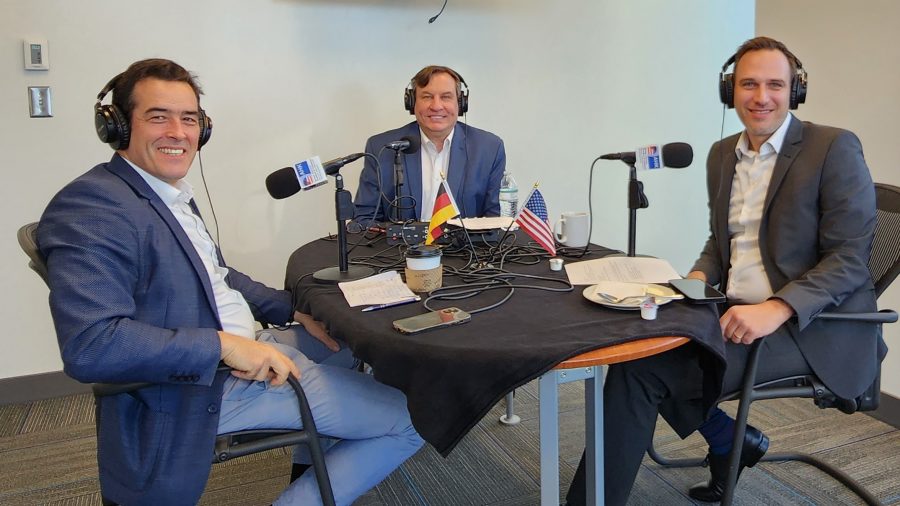
Stone Payton: And we are back with Business RadioX Pro Tips. Lee Kantor and Stone Payton here with you. Lee, today’s topic, how to be a great podcast guest.

Lee Kantor: Yeah. Obviously, we do a lot of interviews so we kind of have a pretty good feel of who makes a great guest or what are some of the attributes of a great guest. Since at Business RadioX, we’ve interviewed probably getting near 100,000 business guests over the years throughout the network. So, hopefully, this guide will help you create a good guest experience for yourself if you’re looking to appear on one of our shows or any of the other millions of shows that are out there.

Lee Kantor: I think it’s important strategy to be a great guest is you want at the end to create a great piece of content for yourself that you can repurpose down the road. So, if you’re thinking about your guest experience through the lens of how is this going to help me down the road, I think you can then kind of strategize and execute a good guest experience.

Lee Kantor: So, I would recommend taking one problem your ideal client has and build a free downloadable solution to that super specific problem. Create a short URL to let listeners know where to get this. And this is going to allow you to capture their email address that make your appearance pay dividends down the road.

Lee Kantor: So, go into the guest experience with the idea that, “Hey, I’m going to have a piece of content that I’m going to be able to share at the end of this guest experience. I’m going to have a short URL to point the people there. And I’m going to use this as kind of a way to capture email addresses down the road. And that way I can take this one piece of content and I can put it in lots of different places. And I can use it to help me build an email list that’s going to help me get business down the road, because I know that people are going to be interested in this specific solution that I have to a specific problem that I know that my prospective clients have.”

Lee Kantor: So, if you go into your guest experience knowing that that’s one of your objectives, you can elegantly kind of drop that into the interview so that you’re providing that show’s host with really great content that’s useful to them. But it’s also a great way for you to create content that’s going to serve you down the road.

Writer, Photographer and Marketing Director Lindsi Rian

December 14, 2022 by angishields

Lindsi-Rian-headshot
Cherokee Business Radio
Writer, Photographer and Marketing Director Lindsi Rian
Loading
00:00 /
RSS Feed
Share
Link
Embed

Download file

Sponsored by Business RadioX ® Main Street Warriors

Lindsi-Rian-Creative-logo

Lindsi-Rian-headshotbwLRC was created out of a love for all things creative.

We realize that while everyone wants to have an artistic side, some simply don’t.

That’s where Lindsi Rian comes in! No frills, no BS, what you see is what you get when working with her!

More about Lindsi:

  • Bachelor of Science: Management & Organizational Development
  • Master of Education: Special Education K-12
  • Lindsi Rian Photography Owner 10+ years
  • Creative writer for Cowboy Lifestyle Network

Connect with Lindsi on Facebook and Instagram.

What You’ll Learn in This Episode

  • Writing for an online/print publication
  • Managing a signed recording artist
  • Photography (portraits, families, weddings, concerts)
  • Marketing for small businesses

This transcript is machine transcribed by Sonix

TRANSCRIPT

Intro: [00:00:07] Broadcasting live from the Business RadioX studios in Woodstock, Georgia. It’s time for Cherokee Business Radio. Now here’s your host.

Stone Payton: [00:00:24] Welcome to another exciting and informative edition of Cherokee Business Radio. Stone Payton here with you today. And today’s episode is brought to you in part by the business RadioX Main Street Warriors Program Defending Capitalism, Promoting Small Business and Supporting Our Local Community. For more information, go to Main Street Warriors dot org. Please join me in welcoming to the broadcast with Lindsi Rian Creative the lady herself, Miss Lindsi Rian, how are you?

Lindsi Rian: [00:00:57] I’m good. How are you?

Stone Payton: [00:00:58] I am fabulous. I have really been looking forward to this conversation. We’ve gotten a chance to know each other a little bit over at why power young professionals of Woodstock still not totally convinced why they let me in that group. But I am a little seasoned for the for the label, for that group. But it’s been a marvelous experience. And I really am interested to learn what you’re up to. And maybe that’s a great place to start, is if you could describe for me in our listeners mission purpose, what what are you really out there trying to do for folks?

Lindsi Rian: [00:01:36] Lindsey So I started my own marketing business, God knows how long ago, but it’s kind of really taken off. In the last year or so. I’ve been in the music industry, I’ve been a teacher, I’ve been God, I’ve worked in a max custody prison. I’ve done all kinds of things over the years. I’ve done what But my heart and passion has always been really helping artists because I’m very creative minded. I can’t stop. I don’t stop ever. And so I wanted to pair the marketing with creatives. So what I do is I do web design, I do social media marketing, I do copywriting. I write for two different publications currently covering country music. So I get to interview big names. I get to cover. I’m covering a concert at Exotic Attic for a Nashville artist that’s touring right now on Tomorrow, actually. So I really I understand very much though the whole starving artist thing. And so I wanted to do something to help those people and make it affordable because, you know, especially musicians and a lot of creatives, you can’t write about yourself. You can write the hell of a song, you can do all kinds of things. But doing the business side for yourself is very difficult. And so that’s where I step in.

Stone Payton: [00:03:00] I’ll bet it is What a noble pursuit. It’s got to be incredibly rewarding. What what’s the most fun about it for you?

Lindsi Rian: [00:03:08] I get to travel a lot. I get to meet a lot of really cool people I get to. I have, you know, cell phone numbers of people that are probably have no business having cell phone numbers of. But, you know, it’s just cool getting to know. All kinds of artists and creatives. I mean, obviously for me it’s primarily music, but it’s neat meeting these people and just having a very wide network and a wide net to cast all over the country and then being able to travel and then meet up with these people.

Stone Payton: [00:03:38] So you mentioned the challenge of writing about yourself, which is probably not terribly powerful. So that’s one of the. What are some other challenges or hurdles that you find that creatives in music and in other domains have? Is it maybe they don’t have much exposure to marketing strategy, they just really been focused on their craft all these years?

Lindsi Rian: [00:04:04] Yeah. A lot of people, they’re focused on their craft so much, but it’s one of those things where like you’re too close to a project and it’s hard to, you know, see past that. Sometimes you just need to step away and let someone else help. You need to be able to delegate that. So, you know, not everybody knows how to make a website.

Stone Payton: [00:04:25] Not everybody knows how I’m raising my hand. I don’t have the first clue.

Lindsi Rian: [00:04:29] So not everyone knows how to do things that will help them gain. I hate the word exposure, but gain the exposure that they want or gain the audiences that they want. They can’t be seen as well if they don’t know how to do these things, if they don’t know how to make content for their social media, if they don’t know how to write a website or make a website, if they don’t know how to write, you know, a bio or write anything really, that has to do with getting their name out there.

Stone Payton: [00:05:00] So tell us a little bit about your writing. That must be a lot of fun. I would find it a little bit intimidating. I don’t find it intimidating anymore after doing it for so long, having a conversation on air, that seems very natural to me. But if I were to sit down and I was about to date myself and say in front of a typewriter, but if I were to sit down in front of a computer, I mean, I’d have like this blank page looking. What is that whole experience like?

Lindsi Rian: [00:05:27] So a lot of times I get pitched artists from various PR companies. Most of them are in Nashville. So I’ll get emails all week long saying, Hey, there’s this up and coming artist, or there’s this well known artist that’s about to release new music. They’re releasing an album, they’re touring, they’re doing X, Y and Z. Would you like to interview them or send us questions that they can answer? I’d much prefer to get on the phone with them and actually have a conversation with them. And I run my interviews like this. It’s kind of a podcast, real conversation. It’s a podcast vibe. I had one guy. He just had like a number one Billboard song and it says first one. And he was like, Oh my God, is this how all interviews go? And I was like, No, they’re not. I was like, I want to you know, I want to be friends with these people. I want to get to know them. I want to just talk to them because they’re a human being with a way cooler, way better paying job than I have. I’m like, I’m not ever going to fangirl over someone. I’m not going to, you know, get goo goo over anyone. But, you know, it’s just it’s fun talking to them. It’s my boyfriend always says I can make friends with a wall.

Stone Payton: [00:06:41] I believe that about you.

Lindsi Rian: [00:06:42] It’s true. I am very, very outgoing to a fault sometimes. But because of that, I can just naturally have conversations with just about anyone. So it’s fun. And then if I get to talk to them directly, I always record our conversation so then I can listen to it and go back and type. That way. I can be present talking to them and I don’t have to think about typing and getting notes down or like making bullet points of things. I say I can go back later and write it down and then if I don’t get in front of them on the phone or whatever, then I’ll have the PR company send them questions that I type up and then they’ll answer those. And I just do research on them through their websites, bios, other articles that have been written, things like that.

Stone Payton: [00:07:29] So you really are only one small step from having a radio show because you could take that recording. Probably don’t even have to clean it up. We do very little editing at our shop because we just captured the real raw conversation for the most part, and then you could distribute it on these platforms. If you ever decided that served you and your clients, you could just turn around and do that. So you don’t really face the whole writer’s block thing, like, Oh my God, I got to write this article.

Lindsi Rian: [00:07:55] I mean, every once in a while we do. There’s definitely been a couple of artists where it’s like pulling teeth to get any information out of them. There was one I so most of my conversations end up being sometimes I’m only allotted a certain amount of time, like 20, 30 minutes. Sometimes they’re like, Hey, just talk. Get off the phone when you want to go have some fun. I’ve had conversations that were 2 hours long with people just because, you know, we’re yeah, just talking and not even talking about music, just talking about life in general, their families, where they’re at, how frustrated we are with the music industry, this and that. But there was one person from the time my phone started ringing to the time I got off the phone. It was 9 minutes long and it was, wow, painful.

Stone Payton: [00:08:41] Like, Yes. No, it doesn’t happen much here, but occasionally we’ll get that.

Lindsi Rian: [00:08:45] Yeah. And I’m just like, Come on, give me something, please. But I’m like, That was a waste of time to even get on the phone. I should have just emailed that person questions and have their how their manager answered or something. I probably would have gotten more information out of it, but yeah, they’ve asked me if I wanted to interview her again and I’m like, sorry, I can’t do an interview with someone that close together, you know, made up some excuse to not get them, get them another. Like I don’t mind writing on them. I just I don’t want to interview them again.

Stone Payton: [00:09:18] But but this kind of just authentic, real world conversation and what I love about it and it sounds like you do too, is you learn so much more about them. And these people have so much, most of them more debt than Brett than you might realize at first. Right. And and you get to learn things about their hobbies and their causes and their family. And it’s it beats the hell out of work and doesn’t it.

Lindsi Rian: [00:09:41] Oh, yeah. Yeah. I quit the 9 to 5 back in January of this year. So I’m almost going on a year of being completely self employed, which is terrifying, not knowing where your next paycheck is going to come from. But you know, it’s a lot less stressful and much more rewarding.

Stone Payton: [00:09:58] So but you still, though, you have a very eclectic, in my mind, an interesting backstory. In your opinion, did some of those experiences help you be more effective at what you’re doing now? Do you ever draw on some of those experiences to to serve the folks you’re serving now?

Lindsi Rian: [00:10:17] Absolutely. My friends joke. I was a special ed teacher for ten years and they’re like, Yeah, that’s why you can handle being friends with us because like, we all need someone to, like, handle us. A lot of them, they’re like, Yeah, you’re our handler. Your mom. Shut up. But yeah, I mean, I have a master’s degree in teaching special ed, and so I tell people that I have a master’s in making people like me because it’s. Dealing with the parents of kids, whether in special ed or like the like a typical kids, You know, it’s a lot. And you have to deal with a lot of very unique personalities. Sometimes they’re great, sometimes they’re not. So because of that, I think it helped me be very well rounded in being able to, like I said, talk to people that are the two hour conversations versus the nine minute conversations.

Stone Payton: [00:11:09] Right.

Lindsi Rian: [00:11:10] I know how to steer things and help that along.

Stone Payton: [00:11:15] Now, in addition, you’ve got a lot of irons in the fire, as my daddy would say. I do. So in addition to some of the things you’ve already described, you personally manage a signed recording artist. That’s all. That’s a job right there, right?

Lindsi Rian: [00:11:28] Yes, it is. So I manage a signed country recording artist, Trey Odom. I the booking, the management, the PR, the I’m a photographer as well. So I do all this concert photography. I do. I did we did a photoshoot for him last night at like 9:00 at night. You know, there’s a little bit of everything and you everything but perform, which I say I could do that to you outside. I sing. I don’t play any instruments, but.

Stone Payton: [00:11:57] So have you sort of, since you’ve been in this business and you and you have such intimate knowledge and experience around these different domains, the photography and the managing and the booking and the PR. Have you sort of developed the Lindsay method? Do you have some sort of I’m from the training consulting world, so I’m inclined to call it a methodology, right? So discipline, some rigor. So if you meet an up and coming artists and they engage, you have you kind of got the nine step Lindsay Ryan process or.

Lindsi Rian: [00:12:28] You would think but I don’t I, I have what is it fraud syndrome daily I’m like I don’t know how I’m doing this or what I’m doing, but apparently it works and everyone thinks I’m good at it, so I guess I’ll just keep doing what I’m doing. No, I mean, I have in my mind I have. Okay. Like this is where they’re at. This is what I can do to help get them to whatever point they want to be at. Sometimes I can’t help, but I know people who can, so I feel like I’m kind of that middleman for a lot of people. Like I either I have the resources or I know someone who does. Let’s get you to the right people. Let’s figure this out. I love referring people. Like, if I can’t do it, I’m not going to try. I’m not going to fake it. I’m not going to, you know, take someone’s money and be like, Oh, sorry. Like, I tried. Thanks for the 1500 dollars, you know? But yeah, I mean, I have a couple of things. Like I’ve been working on making a booklet of helping people figure out how to purchase their domain names, like their URL, just simple steps, visual steps. And that’s where the teaching comes in is sure being a special ed teacher, I had to be real good at making everything visual. So I make visual, you know, like basically a little magazine pamphlet type of thing. So. K Here’s step one through five of how to do this, Here’s how to do this. And it’s screenshots and pictures and not super wordy. So it’s very cut and dry, very simple. You know, anyone can do it type of thing.

Stone Payton: [00:14:05] So I’m sure that’s incredibly helpful for particularly for people that really are just now trying to get their arms around marketing properly and having a genuine strategy around it. And for whatever my opinion is worth, I think that ethos, that approach of first and foremost, let’s get the client what they need, whether I provide it or not, or whether I’m the right person for that. For example, in our line of work, I feel like we do a pretty good job of this. You know, this is our lane, right? Capturing authentic conversations video is outside of our expertise. You know, there’s the lighting and all the the moving parts and all that stuff. And so we like to team up with best in class people for that. You know, apart from the occasional casual video in studio or something, just to get a little something on social media. But if someone wants to do real video work, you know, we want our real photography work. You know, we want to team up with somebody like you that knows what their knows what they’re doing. And I think my experience has been over the years, when you do that, it still it comes back to you tenfold because you’re getting the client what they need and want, and you build great relationships with other practitioners in the community that you know they are the same way. Hey, we want to really, in our case, a really professionally done, properly managed podcast or radio show. Then, you know, we get the we get the nod. Sounds like that’s your experience, too.

Lindsi Rian: [00:15:25] Yeah, absolutely. You know, I have an incredible network of people that do a little bit of everything, you know. And then I started out doing photography. I was doing wedding photography like wedding and portraits, seniors, stuff like that. So I got to know a lot of videographers. And, you know, caterers and florists and you you create your network. And I have that, like I said, all over the country, which is great. It’s so nice to be able to like I was texting one of the PR girls in Nashville last night and I was like, Hey, I’m putting together a singer songwriter event here. Do you have the contact information for whoever’s management so I can you know, I know it’s a long shot, but I’m going to try. So it’s nice to be able to have those people to reach out to, even if you just want to bounce ideas off of them, not even necessarily have a client to send them. You just create those relationships and it’s great.

Stone Payton: [00:16:18] So my hat is absolutely off to you or anyone who can organize market execute on an event. I mean, that is the biggest hairiest, scariest thing in the world. And like me, in our line of work, like I’d love to put together a retreat, you know, have, you know, and maybe have all of our client hosts get together and maybe invite a a best selling business author to come in and present and have a chef’s dinner. I’ve got all these, you know, grand ideas, but there is no way under the sun I would ever, ever try that without some professional help. But I mean, this is that’s right in your wheelhouse. That’s part of what you know how to do and probably choose to do with with some of your clients. But. But you enjoy it and you’re good at it, right?

Lindsi Rian: [00:17:07] Yeah, I do. I like I said, I can make friends with the wall. I love talking to people. I love working with people When I’m a hunting widow on and off throughout the season. Like I hate it because I’m at home by myself. And I was like, All right, my mind goes crazy. I start, like, figuring out more projects that I could do that I probably have no business doing because I already have a full plate. But, you know, it’s. It’s just how my personality is. I just love people, love being around people of any walk of life, you know?

Stone Payton: [00:17:40] Yeah.

Lindsi Rian: [00:17:40] And that’s kind of probably where my partly where my love of working with kids and doing special needs comes from is because of that. So.

Stone Payton: [00:17:50] So do you have a specific cause or two or kind of general area that’s really dear to you that you try to spend time or money? And for me, it’s young entrepreneurs. That’s the. And then we were talking before we come on air, I enjoy hunting. I know you you you said hunting widow, but you enjoy being out in the woods and hunting some some to do. So. For me, though, it’s young entrepreneurs and more recently helping young kids kind of get introduced to hunting and fishing. But yeah, you have.

Lindsi Rian: [00:18:21] Yeah, I have got I have a couple of them. So I’m working with a nonprofit called The Dude 21 Foundation. They’re out of Swanee. It’s I met this girl at a show at a gig over at a brewery in Still Fire brewing in Swanee. She tragically lost her husband about a year after they got married in a boating accident and he was a firefighter. And so she created the Dude 21 Foundation in his honor. And they raise money to help first responder widows and families of those that have been lost. And then they also raise money to help further the careers of first responders. So if you’re a firefighter and you need to get your EMT cert, you have to pay to, you know, go through the courses and things like that. So that’s what they raise money for. So I’m partnered with them. I’m going to be helping them put together Music Festival to raise money, hopefully in the next year or two. We’re already brainstorming it and trying to get that going. So if anyone wants to help with that, let me know. But yeah, so there’s that. I have family members that have muscular dystrophy. I have multiple family members that have M.D. So I’ve partnered I actually worked with the Muscular Dystrophy Association for two years, so I’ve worked with them doing, you know, fill the boot with, again, the firefighters and a little bit of everything. And I would love to help get kids, kids with special needs out into the wilderness, hunting, hiking, four wheeling, you know, doing things like that as well. So, again, a lot of ions.

Stone Payton: [00:19:57] So have you had the benefit of one or more mentors, particularly as you transitioned out of some of the other work into this work that sort of helped you navigate this this terrain? Some folks that have helped kind of show you the way along the way?

Lindsi Rian: [00:20:14] Not really. It’s definitely been a trial by error. And I’m let’s just do it. And if it doesn’t work, it doesn’t work. If it does, great, you know, not necessarily mentor, but like, again, that network of people, I have friends that, you know, will pitch in with ideas or brainstorming or whatnot. I have a friend I’m working with right now. She’s a social media influencer for bourbon.

Stone Payton: [00:20:44] Oh, baby, that’s a friend I’d like to have. And I like my bourbon.

Lindsi Rian: [00:20:47] So I’m working with her on some stuff right now and, you know, and like, we just bounce ideas off each other of what we can do and help each other out and, you know. You can’t think of all the ideas yourself, and sometimes someone else is nowhere near your wheelhouse will come up with something. You’re like, Oh, why didn’t I think of that? Like, that’s brilliant. So sometimes again, you just need to step away from the project and, you know, let Sunshine come in from a different area.

Stone Payton: [00:21:15] Well, no, it’s an interesting point because even way back in the in the merger acquisition change management world, that that I was in, we would find that like if two medical companies merged, they had more challenges than if like I’m making this up. But if a medical company in a surfboard company merged, it was like a richer, easier transition because they each came with her. And and so yes, I think some of the best thinking is is comes from somebody completely out of your domain because they see things in a different light. Right. Right. No, it’s an excellent point. So you work diligently on the on the sales and marketing for your clients. How does the whole sales and marketing thing work for you? How do you attract new clients for for your business?

Lindsi Rian: [00:22:04] Um, not once, not in my photography, not in anything have I ever advertised. It’s always been word of mouth. You know, I have an amazing close knit group of friends of one of them texted me yesterday and he’s like, Oh, hey, my chiropractor needs a new website. I sent her your phone number, you know, things like that. And one of our best friends in Arizona is a 25 year old luthier. So he builds guitars.

Stone Payton: [00:22:30] He’s that’s what you call someone who builds guitars, a luthier luthier.

Lindsi Rian: [00:22:33] Yeah. He went to school specifically to, like, learn the woods, learn how to, like, manage them, learn how they how the softness, the hardness, you know, things like that, what works best with tone and resonant, all that. So he’s 25 years old, has guitars on tour with Kane Brown, Thomas Wright. He’s built two guitars for Jeff Cinco of Simple Plan. You know, like, this kid is phenomenal, right? But he works closely with a guitar company out of Colorado and they need a new website and branding redone everything. So he sent them my name and now I’m working with a guitar shop out of Colorado. So sweet again, it’s all word of mouth. It’s all like everyone has their own network and it’s great to be able to reach out. I’m huge. On community over competition. There’s more than enough work to go around for everyone. I know photographers. It’s a super saturated market in any city you’re in and I mean they’re grief going jerky connect. Someone says, Hey, need a photographer and all of a sudden 5 minutes later there’s 143 comments of people saying this person almost never is. It doubled up on names. So, you know, there’s. How many people in Woodstock are Cherokee County alone? You know.

Stone Payton: [00:23:50] Right.

Lindsi Rian: [00:23:51] Not everybody is going to love the style of someone that was referred to you. So then you go to the next person. You know, there’s plenty of work in every market for everybody, and there’s no point in fighting over it.

Stone Payton: [00:24:04] So as some of our listeners know and you will know, I’m coming out of a wedding, we just married off my oldest and we loved the photographer down there in Orange Beach. But that is such an important component, not only day of, you know, that’s an important part of the experience, I guess, but then the product that we’re going to get after that, I mean, that is so important and that’s something that you do wedding photography to do you. Yeah.

Lindsi Rian: [00:24:31] Yeah. Again, we’re.

Stone Payton: [00:24:33] Not applying the type.

Lindsi Rian: [00:24:34] I don’t advertise it. And that’s the thing. Like, I don’t do everything every single day. I know that’s what literally everybody, they’re like, What do you do? I was like, What do I don’t do? That list is much shorter if you like. But yeah, it’s not like I’m not photographing every single day. I’m not editing pictures every single day. I’m not working on a website every single day. It’s kind of a hit or miss what I’m doing. Any given day, I wake up, I don’t know what I’m going to do on a given day. It’s kind of whatever I feel like. Like I tell people I put the pro and procrastinate. It’s it’s a problem and it’s fine. I know it’s a problem, but I work better under pressure like that if I know I have a deadline, for example, in college. I’m a writer, so, like, I can write the hell of a paper. There were nights where I would start a 14 page paper at 6 p.m. when it was due at 1158 the same.

Stone Payton: [00:25:32] Night in my.

Lindsi Rian: [00:25:33] But I would get an A on it. So like and I had known about it for a month.

Stone Payton: [00:25:37] So that kind of you’re one of those you kind of get the juice with the deadline getting close to the deadline really gives you the juice, doesn’t it?

Lindsi Rian: [00:25:44] It does. And again, it’s a problem. But because then I mean, then it’s like, oh, crap. Like, I really wanted to do this today, but now I can’t because I have to sit down and, like, work out everything that I have to get done to day no later than to day. But, you know, I’ve tried to get better at it over the years, you know, whether it was Oh, man, what was it? Progress reports When teaching were the bane of my existence, I would be that teacher that they’re like, Oh, yeah, you guys can leave early if you want. As soon as you get all your work done. And I’d be that teacher that staying 2 hours later than I had to because I just didn’t get my stuff done. But I still got it done before I had to. It’s like. Especially if it’s something I don’t want to do and I know I have to. That’s when it’s really bad.

Stone Payton: [00:26:38] So how do you recharge? Like when when the batteries are running a little bit low? Where do you go? And I don’t necessarily mean a physical place, although it might be for you to get know, just sort of for the inspiration, just to chill out and then be prepared to get back out there in the world and serve some more. What does the trick for you?

Lindsi Rian: [00:26:57] So I’m everyone jokes, I’m Pacific Islander and so everyone’s like, all right, so you’re naturally drawn to water like you are? Moana I was like, Yeah, basically. So I love paddleboarding. I love. Well, when I lived in California, I surfed. You know, there’s lots of things put me near water and I’m happy if I’m hiking near water in the bamboo forest over in Atlanta of your next to the river. If I’m, you know, sitting on an inner tube and floating the river, if I’m paddleboarding, if I’m swimming, I don’t care what it is. But if I’m near water, like, that’s my happy place.

Stone Payton: [00:27:30] So do you find. I certainly do that It’s important to me to to give myself that space and I probably give myself more than I should. But I like to hunt and fish. I like to be on the water. I grew up on the Gulf Coast, but when the entrepreneurs ask me and they do occasionally, especially kind of budding entrepreneurs, startup folks, I tell them, you got to give yourself that space to to it sounds like it’s important to you.

Lindsi Rian: [00:27:53] To It is. And it’s. Unfortunately, it’s not one of those things that I think to put first. But, you know, I’ll hit that tipping point where it’s like, all right, I mentally cannot do this anymore. And I’m like, all right, let’s let’s go outside. Like you get away from the computer, get away. And I’ll work outside to I mean, that helps as well. Like, I’ll just if it’s nice out, I’ll bring my computer out on my back deck, just sit at the table and work outside. But, you know, being under fluorescent lights and surrounded by four walls.

Stone Payton: [00:28:29] Right.

Lindsi Rian: [00:28:29] Not my thing. But I also hate it when it’s cold. Like today. It’s. I mean, we have snow in the forecast coming up.

Stone Payton: [00:28:37] So really? Really. I should be in a tree stand right now.

Lindsi Rian: [00:28:40] I know.

Stone Payton: [00:28:40] But with today’s technology, you can actually kind of check your email on the tree stand. And if it’s a really important critical thing, you know, you can shoot them. And I think people are a little more, I don’t know, more. There seemed to be understanding of, I’ll shoot em a note. Hey, in a tree stand right now. But I’ll you know, I’ll get back to you when I get back to the office. They’re like, Yeah, that’s cool.

Lindsi Rian: [00:29:01] Yeah, I actually did that right before I harvested my dear. A couple of weeks ago, I was texting a friend that I helped with marketing for his small business here in Woodstock, and he’s like, Hey, can we, you know, talk about X, Y and Z? And I’m like, Cool. Give me like four days when I’m not hunting and I have better cell phone reception. But, you know, sometimes I will. I’ll work on booking, I’ll work on doing whatever, you know. And I feel like I’m always on my phone and I feel bad, but we’ll be sitting on the couch. My boyfriend’s like, What are you doing? He’s all, put the phone down. I’m like, I’m working for you. Stop it.

Stone Payton: [00:29:38] And I don’t know if the tree stand message would play in Manhattan, but here in Cherokee County, it’s not a problem. It’s like, Oh, man, sorry to bother you. Good luck.

Lindsi Rian: [00:29:48] There. Like, let me know if you get anything. Oh, what caliber are you using?

Stone Payton: [00:29:51] All right. Okay. Before we wrap, I’d love to leave our artist and all of those domains that you serve with a couple of pro tips, maybe some things to be thinking about, some things to be doing, not doing. I mean, number one, pro tip gang. Reach out to Lindsey, have a conversation with her. She can help you. She will. If not, she’ll get you pointed in the right direction. But yeah, let’s give them a little something that they can kind of sink their teeth into at least begin thinking about here before we wrap some pro tips. Yeah.

Lindsi Rian: [00:30:22] My number one pet peeve that I tell everyone, and this is not just because I was an English teacher, it’s check your freaking grammar and you’re spelling on even your captions, your social media stories, whatever you are doing, like. Don’t don’t act like you’re texting somebody. Don’t put your as you are like the letters.

Stone Payton: [00:30:46] You are. Right.

Lindsi Rian: [00:30:47] Right. Make sure you’re using the right there. They’re there or you’re in your you know, check your grammar because nobody wants to work with somebody that can’t speak proper English even in typing, you know. So that’s always my biggest thing. I’m like, hey, like, come on, I get the occasional typo, but if it’s a regular thing, there’s a problem. You know, check that visuals. People are very, very visual. So, you know. As much as I hate it, you know, social media people want to see your lifestyle. They don’t always want to just see your work. They want to know that you’re a real person as well. So that’s a big thing to share your dogs share. You know, kids are one of those kind of iffy things, just as, you know, safety reasons. But, you know, share don’t share your meals. Just don’t. But, you know, share that. Oh, I was I you know, I was at Rootstock tonight and the service was amazing. The music was amazing. You know, share the people, share the company and share the products that you love. And, you know, blast that out because. Not only is that helping you, but that’s helping the other people as well. It’s not helping everybody. It’s not all about you. Like, even your brand is not all about you. It’s about the things that you love, that you care for, that you’re passionate about. So share those things. You know, like I share my friend’s guitars, I share my buddy owns Uncle Whiskey. I share his his products. I share, you know, a little bit of everything because nobody I had someone once told me, they’re like, yeah, you know, I love you, but I unfriended you because I was tired of your music propaganda. I was like, First of all, it’s not propaganda. Like, let’s check definitions here. Second of all, you know, I’m passionate about it. Sorry. Like, but I get it. Like, nobody wants to see, like, Hey, I’m at this show or I’m at that concert or I’m doing this all the time. They want to see that there’s other things that are important to you.

Stone Payton: [00:32:45] Yeah. So, so what stood out for me and those are some fabulous tips, but did you say Uncle Whiskey? So you got to tell me something about. I’m a whiskey lover. It’s one of those things, you know. Tell me about Uncle Whiskey real quick.

Lindsi Rian: [00:32:57] So we joke. We’re like whiskey Not included. But he does. He sells aging barrels and drinkware. He also makes, like, the bars out of whiskey barrels. He has full on chess tables made out of whiskey barrels, kind of, you know, like home decor, drinkware, things like that. Again, those aging barrels, you can pour any liquor into it. They’re charred inside, so you can age your own alcohols.

Stone Payton: [00:33:24] What a great gift, though, for, like all my friends are like whiskey or most of my friends enjoy whiskey as well.

Lindsi Rian: [00:33:30] And he’s local here in Woodstock too. So.

Stone Payton: [00:33:32] So I mentioned Main Street Warriors at the top of the program. But today’s episode is also brought to you in part by Uncle Whiskey. Oh, that is fantastic. All right. What’s the best way for our listeners to to connect with you and just want to make it super easy for them? And I’m operating under the impression you just seem like the kind of person you’re happy to set up a conversation and have a visit with them if you can, you will. Or yeah, what’s the best way?

Lindsi Rian: [00:33:58] Yeah, I mean, if you’re local, let’s get together, Let’s go to Alma Coffee, let’s go to reformation. Let’s grab a beer, let’s grab a coffee, Let’s sit down and talk. If you are not local or you’re not into, you know, just grabbing a drink with a random person, then you know, you can Best way is on Find me on social media. It’s at Lindsay Ryan creative but Lindsay Ryan is spelled with all eyes so it’s Lindsay Ryan creative that’s also my website Lindsay Ryan creative dot com.

Stone Payton: [00:34:30] Well Lindsay it has been an absolute delight having you in the studio here this morning and I hope you’ll come back. I think we ought to do this periodically. We’ll get caught up on some of your works and it might even be fun to bring a local client in. We’ll talk about their business, talk about your work together. But this is a what, a terrific way to invest a Tuesday morning.

Lindsi Rian: [00:34:51] Thank you. Absolutely.

Stone Payton: [00:34:53] All right. This is Stone Payton for our guest today, Lindsay Ryan with Lindsay Ryan, creative and everyone here at the business radio x family saying we’ll see you next time on Cherokee business radio.


Tagged With: Lindsi Rian Creative

Scott Oaks with Scoop Soldiers

December 14, 2022 by angishields

Scott-Oaks-Scoop-Soldiers
Franchise Marketing Radio
Scott Oaks with Scoop Soldiers
Loading
00:00 /
RSS Feed
Share
Link
Embed

Download file

scoop-soldiers-franchise-opportunity-logo

Scott-Oaks-Scoop-SoldiersScott Oaks, Vice President of Franchise Development at Scoop Soldiers, is a senior level franchise development professional with over 15 years of experience working within all segments of franchising. He has a proven track record of success in franchise sales. Scott developed franchise development messaging, branding, and recruiting practices that directly impacted in positive franchise growth.

Scott previously was Director of Franchise Development at FirstLight Home Care and helped grow and expand their franchise system. He also worked with several brands to help them with franchise development and lead generation strategies utilizing the 1851 platform. Scott served as Vice President of Franchise Development for BrightStar Care, working to strengthen their relationships with their broker partners, bring in new franchisees, and guide existing franchisees through the transfer process.

At Wireless Zone, Scott brought in over 80 individual franchise stores through good qualification, relationship management, and a recruiting “a good quality franchisee mindset”. He also led their conversion initiative of converting existing retailers into the franchise. He was a key asset in the growth of Wireless Zone from 250 stores to over 450 stores.

Prior to Wireless Zone, Scott was Director of Franchise Development for Handyman Connection, a home improvement franchise. He oversaw the revamping of their franchise development process, messaging, marketing, and advertising strategy. Scott spent the previous 5 years in sales management and marketing roles in the printing press manufacturing industry.

Connect with Scott on LinkedIn.

Tagged With: Scoop Soldiers

WBENC 2022: Louise Lascik with Travel Leaders

December 14, 2022 by angishields

Louise-Lascik-GWBC-WBENC-National-Conference
GWBC Radio
WBENC 2022: Louise Lascik with Travel Leaders
Loading
00:00 /
RSS Feed
Share
Link
Embed

Download file

Louise-Lascik-GWBC-WBENC-National-ConferenceLouise Lascik, Travel Leaders

TRANSCRIPT

Intro: [00:00:04] Broadcasting live from the Business RadioX Studios in Atlanta, Georgia, it’s time for GWBC Radio’s Open for Business. Now, here’s your host.

Lee Kantor: [00:00:18] Lee Kantor here, broadcasting live from the WBENC National Conference 2022 inside GWBC’s booth. I’m so excited, we have Louise Lascik with Travel Leaders. Welcome, Louise.

Louise Lascik: [00:00:29] Hi. How are you?

Lee Kantor: [00:00:30] Get in there close, Louise.

Louise Lascik: [00:00:31] Okay. I’m in.

Lee Kantor: [00:00:32] All right. So, tell us about Travel Leaders. How are you serving folks?

Louise Lascik: [00:00:35] We are a corporate travel management company and we work with companies trying to reduce their travel spend. And that encompasses quite a bit of different things, beginning with centrally purchasing all of your air card and hotel reservations. And then, we do contracts with all their top vendors. And then, all of that would integrate into their expense report. So, we focus on larger pieces of business because it’s very detail oriented. There’s a lot of reporting as well. And we also partner with various expense reporting tools. So, that’s kind of what corporate travel management is all about.

Lee Kantor: [00:01:10] But it’s important, though, to have a partner like you in travel. Even though a lot of people try to do this themselves, it’s just impossible at the level you’re talking about for those kind of people to keep track of everything accurately, to have the reports you need, and to kind of get the expenses where they need to go when they need them.

Louise Lascik: [00:01:27] Yeah. That’s correct. I mean, if you’re a larger piece of business and you’re doing anywhere over 300,000 in travel, you need to have some kind of manage program. People tend to buy what’s best for them, not always what’s best for the company. So, you need to have that transparency. So, we kind of showed the whole picture of what was purchased to what actually ends up on the expense report.

Lee Kantor: [00:01:49] Right. And sometimes that’s eye-opening for the company.

Louise Lascik: [00:01:52] Yes, very much so.

Lee Kantor: [00:01:53] Right. Now, what’s a story you can share, maybe don’t name the company, but where they thought one thing and then something else was really happening in real life?

Louise Lascik: [00:02:00] Well, a lot of times, let’s say, you have a per diem, a hotel you can book whatever you like within, let’s say, it has to be under $125 a night. But in the meantime, by the time it hits the expense report, it’s $150. And you don’t have that information and you have no way of knowing. But by using a managed program, those are the things that we will expose and show you. Because people aren’t always buying what you want them to buy. So, we control that. We also will expose and support whatever the company’s travel policy is. And if somebody is booking out of policy, we will stop them from doing that.

Lee Kantor: [00:02:34] Right. And do you give them a portal or some sort of place where they can go online and book the travel and that goes through your system?

Louise Lascik: [00:02:43] Yes. We partner with a lot of different expense reporting tools, and with that is an online booking tool. So, they would book on the online booking tool, or if it was a more complex booking, they’d probably want to call in and have an agent, or if they’re going to Europe or something like that. And then, once that’s all done, it’s sent to somebody to approve or disapprove. So, make sure that everything’s within policy. And then, it all ends up on the expense report. So, it’s a whole streamlined process.

Lee Kantor: [00:03:11] So, now, you’re exhibiting here at the WBENC Conference, how has that been for you?

Louise Lascik: [00:03:16] Very good. We’re very excited. This is our first time. We were certified two years ago as a woman-owned travel management company. And we have made quite a few contacts. I’m very excited because I was just at a conference two weeks ago. And I think this one’s been excellent.

Lee Kantor: [00:03:32] Now, what’s it been like to be around all these women business owners? That must be exciting.

Louise Lascik: [00:03:36] Oh, I like it. I like the whole thing. I like the energy. It’s been good.

Lee Kantor: [00:03:40] And did you see on the row on the other side, there’s chocolate? Have you been over there?

Louise Lascik: [00:03:44] I’ve been over there. I’ve got some samples because we give our larger corporations gifts.

Lee Kantor: [00:03:49] Gifts? Well, that’s a perfect gift. So, now, at Travel Leaders, you said you just got certified recently.

Louise Lascik: [00:03:56] Two years ago.

Lee Kantor: [00:03:57] Was that something that it came to your attention that there might be some benefit? How did you even kind of become aware of it?

Louise Lascik: [00:04:02] Well, we’re always trying different marketing things, and we’re part of Travel Leaders, so there’s quite a few different marketing things that we go to. But I’ve gone to conferences, gosh, for the last ten years, and I would pay to participate, have our booth and things like that. And decided to try something new, and I like this niche. And before the conference, I’ve been reaching out to different –

Lee Kantor: [00:04:26] You’ve been strategic. It hasn’t been just showing up.

Louise Lascik: [00:04:28] No. I’ve been working it. And making appointments, I’ve had three luncheons. And as I said, we go for larger pieces of business because of what we do.

Lee Kantor: [00:04:36] It’s a better fit for the larger one.

Louise Lascik: [00:04:38] Yes. Yes. Absolutely.

Lee Kantor: [00:04:40] So, a company, I would imagine, are they going to you after they work with somebody else or is this sometimes their first time working with a kind of corporate partner to help them with their travel?

Louise Lascik: [00:04:53] Well, bigger pieces of business. We recently signed a very large Fortune 500 company. And, yes, most large companies have a managed program.

Lee Kantor: [00:05:02] So, they had had somebody else then switched to you?

Louise Lascik: [00:05:05] Well, this company, we call it very fragmented.

Lee Kantor: [00:05:09] So, maybe a division.

Louise Lascik: [00:05:10] We had one division and we recently consolidated 35 other locations across the country. And it’s a very large piece of business.

Lee Kantor: [00:05:18] So, what’s kind of a pain that they’re having where your company is a good solution for it? Is it something that they’re noticing on the expense? Or something’s out of whack? Or the budget all of sudden is through the roof and they didn’t expect it?

Louise Lascik: [00:05:28] Well, firstly, I think people booking out a policy and booking on their own –

Lee Kantor: [00:05:35] That’s more common than you think, because, look, I’m on Hilton, so I’m staying at a Hilton, and I don’t care –

Louise Lascik: [00:05:40] And we would correct that.

Lee Kantor: [00:05:42] It’s like, “Well, if you’re going to stay there, then you’re paying for it. Do you still want to stay there?” You’re like, “No. I don’t want to stay there.”

Louise Lascik: [00:05:46] Yeah. We would correct that behavior. Like, this large company, they had what we call leakage, and we would expose that leakage.

Lee Kantor: [00:05:53] It becomes obvious when you show them the report, right?

Louise Lascik: [00:05:55] Yeah. If somebody’s information is not there, why isn’t it there? That’s not being captured. They’re doing something they shouldn’t be doing.

Lee Kantor: [00:06:01] So, if somebody wants to learn more about your work, what’s the website?

Louise Lascik: [00:06:06] www.fscorporatetravel.com.

Lee Kantor: [00:06:11] fscorporatetravel.com.

Louise Lascik: [00:06:13] Yes.

Lee Kantor: [00:06:13] Well, Louise, thank you so much for sharing your story. You’re doing important work and we appreciate you.

Louise Lascik: [00:06:17] Thank you so much.

Lee Kantor: [00:06:18] All right. This is Lee Kantor broadcasting live from the WBENC National Conference. We’ll be back in a few.


About WBENC

The Women’s Business Enterprise National Council (WBENC) is a leading non-profit organization dedicated to helping women-owned businesses thrive.WBENC-Logo

We believe diversity promotes innovation, opens doors, and creates partnerships that fuel the economy. That’s why we not only provide the most relied upon certification standard for women-owned businesses, but we also offer the tools to help them succeed.

About GWBC

The Greater Women’s Business Council (GWBC®) is at the forefront of redefining women business enterprises (WBEs). An increasing focus on supplier diversity means major corporations are viewing our WBEs as innovative, flexible and competitive solutions. The number of women-owned businesses is rising to reflect an increasingly diverse consumer base of women making a majority of buying decision for herself, her family and her business. GWBC-Logo

GWBC® has partnered with dozens of major companies who are committed to providing a sustainable foundation through our guiding principles to bring education, training and the standardization of national certification to women businesses in Georgia, North Carolina and South Carolina.

BRX Pro Tip: Know Your Lifetime Customer Value

December 14, 2022 by angishields

Chad Blake with Angel Auctions, Photographer Anne Say and Anna Boulier with Owl Simply Designs

December 13, 2022 by angishields

CharitableGA120922pic1
Charitable Georgia
Chad Blake with Angel Auctions, Photographer Anne Say and Anna Boulier with Owl Simply Designs
Loading
00:00 /
RSS Feed
Share
Link
Embed

Download file

Charitable-Georgia-Top-Image

Chad-Blake-headshotChad Blake started Angel Auctions because he has a passion to help others. Plus, he gets to incorporate his passion for sports and memorabilia, while giving back to his community.

Blake holds a BA in Management with an emphasis in Entrepreneurship/Small Business from Georgia Southern University. Although, he continued to do a lot of charity work in college, his middle and high school years are where his charity and non-profit work truly started.

Blake started by working with many different charities, such as: Fellowship of Christian Athletes (FCA), Special Olympics Atlanta, Retirement and Assisted Living Facilities, and his church. he understood the importance of fundraising and immediately took charge to raise funds and equipment for his football, volleyball, and baseball teams.

By using his contacts and ideas from his many years of experience in Management, Real Estate, Insurance, and Charity Work, it has helped form what Angel Auctions is today. On a personal note, Blake works hard every day to take care of his amazing children: Landon, Ella, and Easton, who he has been collecting auction items with for the past 20 years.

EXPERIENCES FOUNDATION will offer, just that, an experience that will be open for all individuals and/or their families who have suffered a tough break in life.  After dealing with our own personal experiences, from losing family and friends to cancer and suicide, plus dealing with death, and children’s illnesses, we decided it is our mission to help those that have dealt with similar situations.

Whether it is bringing them to a day at the ball field or spending a day with their someone that works in their dream profession.  We look forward to offering many different events and programs while helping those we know in our circle of friends or those that are recommended through other community non-profits.  We like to think of ourselves as a mini Make-A-Wish meets Big Brothers, Big Sisters!

Connect with Chad on LinkedIn.

Anne-Say-headshot-bwAnne Say is a Chief Visual Storyteller, photographer, author, and friend. She’s half introvert-half extrovert. It can be exhausting, but coffee helps.

People know her as that go-to person for solutions when they’re stuck in life, work, or identity.

Anne married an Englishman, and they are communication evangelists. They love to adventure and explore the community and the world, especially in their tiny RV home.

It helps with work/life balance.

Connect with Anne on LinkedIn.

Owl Simply Design’s goal is to help people take their ideas to the next level, whether a side gig growing to a full-time business, a small business rebranding to grow into a larger business, or an author wanting to reach readers through their writings.

Anna-Christine-Boulier-bwv21

Anna Christine Boulier is an author, storyteller, creative designer, professional organizer, and aging-in-place specialist – just to name a few titles. Born and raised in Cartersville, she moved back in 2013 after earning two BA degrees in Studio Art (Agnes Scott College) and Interior Design (Georgia State).

In 2022, she started her own graphic design/organizing business, Owl Simpy Design with the goal to use her creativity and passion to design, educate, and coach authors, business owners, and the disorganized to embrace beautiful design and organization in their world.

In her spare time (which she has so much of) she writes novels for two different genres. She has published 7 novels, working on her eighth to be published in the Spring of 2023.

Connect with Anna on LinkedIn.

This transcript is machine transcribed by Sonix

TRANSCRIPT

Intro: [00:00:07] Broadcasting live from the Business RadioX studios in Atlanta. It’s time for charitable Georgia, brought to you by Bea’s charitable pursuits and resources. We put the fun in fundraising. For more information, go to Bee’s charitable pursuits dot com. That’s b e. S charitable pursuits dot com. Now here’s your host, Brian Pruitt.

Brian Pruett: [00:00:45] Good Friday morning to everybody out there in the listening world. I’m your host, Brian Pruett. I’ve got three fabulous folks here for a fabulous Friday morning. We’re going to start with our first guest with Anna Christine Boulier , who is with Al Simply Design, who’s just an incredible designer, incredible person. The object of this show, if you don’t know it’s positive, things happen in your community. So you’ll get to listen over the next several weeks. And however long this goes for people doing positive things in the community. So, Anna, tell me a little bit about Al simply design.

Anna Christine Boulier: [00:01:21] Well, thank you, Brian, for your kind words. I’ll simply design was born out of a love for being creative and wanting to be my own boss. So if I want to take a nap in the middle of the day, I can and I do a little bit of everything. I was always told to finish down and instead I did the complete opposite. I do graphic design, branding design. I help authors brand themselves and publish stuff, publish their books, as well as organizing and helping seniors find if their home is still going to work for them as an aging in place specialist.

Brian Pruett: [00:02:03] Awesome. So what did you do first before you get onto this? What made you decide you wanted to start this new venture?

Anna Christine Boulier: [00:02:09] Well, I started off my degrees are actually in interior architecture and I thought I was going to go into health care design focusing on seniors. And then the market crashed and God laughed and said, Move back to Cartersville. And I went kicking and screaming the entire way. And after two years of taking care of my grandmother before she passed, I got a job as a carpet designer. And I basically designed carpet for hotels and country clubs all over the world. But I designed a lot of ugly carpet. No offense, but it was a lot of ugly carpet. And eventually my heart just wasn’t in it. And then the pandemic hit, and I walked away from my job and decided to do an organizing business in the middle of a pandemic, thinking I’m going to go into people’s homes. God laughed again because he and I do that. And then after pivoting and asking God, okay, what do you want me to do? He said, You love to design design stuff. And so I design stuff and help people, especially small businesses, find a way to look professional on a small business budget.

Brian Pruett: [00:03:30] Awesome. So I have to ask, what is with the owl?

Anna Christine Boulier: [00:03:34] So my great grandmother collected owls. She had this huge bookcase in her house that only my sister and I were allowed to play with. And so they were always like in the background. And when my grandmother passed away, we were having an estate sale and there was this ornate owl lamp sitting there to be sold. And this lady picked it up. And as she picked it up, something welled up inside of me to rip that lamp out of that woman’s hands because it was mine and she couldn’t have it. And thankfully for her safety, she set it back down. And I went over and grabbed it and said, This is mine. And my love of owls began at that moment.

Brian Pruett: [00:04:21] So does that mean anything to do with you didn’t go to Kennesaw State. You’re not a fighting owl. You’re just an owl lover.

Anna Christine Boulier: [00:04:26] Yes, I’m an in the closet owl lover. For a long time I went to Agnes Scott College. We were Scottie dogs and then to Georgia State. I don’t remember what the mascot is for Georgia State. Oh, that’s bad. Are they going to kick me out? The Panthers? Yes. They might take back my degree at this point. I’m sorry. Any Georgia State fans Go Panthers.

Brian Pruett: [00:04:54] So I know just you and I have started working together recently and you have a heart for helping people. And I’ll ask you about that in a second. But the other thing that I want to talk to you about, which is really, really cool, is you’re also an author.

Anna Christine Boulier: [00:05:06] Yes, I am.

Brian Pruett: [00:05:08] And so I want to want you to talk a little bit about the books you’ve written, you the ones you’ve got going on, what’s about ready to come out and why are you doing that?

Anna Christine Boulier: [00:05:16] Oh, I’m an author because apparently I did not speak very much as a child. I was very shy and I stored up those words and they just came out on paper instead when I was taking care of my grandmother after she passed in February, I still didn’t have a job and I was like, Lord, what do I do? And he said, Write a book. And I thought, I’ve got the time. I can do that. So I wrote my first novel in. Nine weeks, it was almost 200,000 words. So I had saved up a lot. And then I spent the next four years editing that novel because it took me a while to. Be able to release it enough to cut outwards that weren’t really needed. You have to lose some of that emotional attachment, especially for a first novel. And then I wrote three more and decided to publish all three within three months. Don’t do that, people. That probably the fifth dumbest thing I’ve done in my life was publishing three novels in three months. And once I wrote that first novel, though, the idea is just came. And so I have two series now. The first is the Gray Series. They are contemporary Christian romance novel set in Cartersville and Marietta. I actually mentioned local places landmarks. And then my second series, I published my first one in 2021. It’s a cozy mystery series, and the second one is supposed to come out in April. It’s written. I just need to edit it, find time in my busy schedule to do that. And I have at least ideas for eight more books for that series.

Brian Pruett: [00:07:02] And how can folks find your books?

Anna Christine Boulier: [00:07:04] I am on Amazon. You can find paperback copies there as well as Kindle books and the Nook. All of those audio visual, audio, visuals, e-books.

Brian Pruett: [00:07:19] E-books. Yeah. All right. Awesome. So I mentioned a little bit ago that you have a heart for helping people. And you and I are partnering up. You’re helping me with a lot of my graphics from our events and everything like that. So I want to thank you for that, first of all. But also, you know, in today’s society, there’s a lot of negative happening and that’s another reason I’m doing this show as part of a more positive out in the world. So why is it important for you, especially even as a small business, and share why other small businesses should be involved with? Not necessarily even just charity events, but just community events. Why is that important?

Anna Christine Boulier: [00:07:53] I think it’s very easy to say, I’m not going to help. It’s too big of a problem or it’s not going to make a difference or it’s going to cost me something. The that’s the easy part. Actually doing something, helping being a positive outlook in the community that takes effort, that takes guts, that takes courage. And I want to be known as a raging, courageous, butt kicking small business ninja warrior. And I think helping people, especially in my community, helps me. If people around me are happy, then that gives me an extra reason to smile. And it’s fun to find the positive in someone and the situation. When you start doing it often enough, it becomes natural and a lot easier. But it takes work to get to that point.

Brian Pruett: [00:08:52] And I think your day goes a lot better. Like you said, it’s it is fun. And when you’re around a lot of fun people, it just can’t help but, you know, have a fun atmosphere. Yeah. So real quick, how can folks get a hold of you if they want to talk to you about doing any kind of branding design or anything of that nature.

Anna Christine Boulier: [00:09:12] So they can reach out on our simply designed, oh well design. No w well, simply designed. And then if you’re interested in my books, my writing website is a, c, a b, o, u, e, r. And I’d love to talk to anybody to see if there’s a way to help them, even if it’s not with me.

Brian Pruett: [00:09:37] Awesome. And do you mind sticking around while we talk to these other two fabulous folks?

Anna Christine Boulier: [00:09:41] I would love.

Brian Pruett: [00:09:41] To. Awesome. Well, thanks for coming. All right. We’re moving on now to miss and say, actually, it was fun the other night. I got or the other day I got sing for a ribbon cutting and I Lionel Richie, say you say me. So I was kind of kind of fun. But and actually she does a lot of things, but she’s known now for being a visual storyteller with her photography. But we’ll get into some of the other folks that she does. But Anne so welcome to the show.

Anne Say: [00:10:07] Thank you.

Brian Pruett: [00:10:08] And you’ve said when we were talking before the show started, you’re fairly new to the area. So tell us where you came from and how you got here.

Anne Say: [00:10:16] Oh, I you know, we we’re going to be a year here next week. It’s very exciting. I can’t believe it’s a year already. But we came from the the outreaches of Cobb County Powder Springs area and just very excited to have some space to spread our wings and grow. And what I like to say, make space for life to happen.

Brian Pruett: [00:10:44] Awesome. So as I mentioned, you do a lot of things. You come from a background of being a special ed teacher, right? You’ve also been a speaker, a faith based speaker. You do some health coaching as well and you do your photography and you’re also an author. So and you have a heart for community and helping people as well. So let me start with your photography because that’s what you really gotten into and that seems to be your your passion and your joy at the moment. How did you go from being a special ed teacher to a speaker and now being a photographer?

Anne Say: [00:11:20] Oh, yeah. That’s a circuitous journey, isn’t it? Yeah. So I was a special ed teacher for 20 years and my 20th year I met my current husband. He had heard me speak, and when we knew we were getting married, he made the comment, You need to stop doing that. That’s not what you’re called to do in this season. And he actually wanted me to retire before we got married, and I refused because I thought, Well, the kids are going to just really push back on that, you know? And as it happened, eight weeks into our marriage, my mother passed away. So I did retire at that point and just kind of took some time to grieve and breathe and adjust to being married and living in this huge house that I now had to clean and and just losing my mom. So it was a big life change for me. And so in that process, I kind of just got to explore at a deeper level who I am and what I really wanted to do, what what made me come alive. And in that journey I had written a list of things dreams, you know, places I wanted to go, people I wanted to see, things I wanted to have. And my husband didn’t realize it. But on that list was a digital camera, because as a single mom, my everything went to the kids. You know, they were the ones getting the cameras and they were the ones, you know, exploring their dreams as it should be. And one day he said to me, Why don’t we get you a digital camera? And he did. And my whole world kind of changed and transformed. And and so I started taking pictures and I just would take pictures of anything and everything. And my camera is like my infant. It goes with me wherever I go. And I try not to leave it places, but it really has opened my eyes to the world to seeing people and things. Behind, as Anna and I were sharing earlier, behind the shiny objects. So it helps me to be present, to look deeper, to see farther, and to see differently.

Brian Pruett: [00:13:40] Awesome. One of the things that Anne talks about is how being able to help you look good. Now she’s taking a lot of pictures of me. Stone But I don’t know that I’m still that Tom Cruise looking in the picture, so I don’t know if we’ve got some work to do with me on that.

Speaker5: [00:13:52] Well, whatever can be done, Miss Anna can.

Chad Blake: [00:13:54] Get it done. I know.

Brian Pruett: [00:13:55] That. Right? So. And you were sharing earlier. There’s not probably a picture that you can’t do or have done. I know you like doing family portraits and headshots and stuff, and you came out and photography or photography. That’s a new word in photo mode. The golf tournament that we did with Mr. Chad over here and we’ll talk to you in a minute and stuff like that. But you were sharing earlier if something that you wanted to do. I think that’s a cool story and kind of funny with your your dog. Sure. Sure. You wanted to be a dog photographer, but share why you’re not doing that.

Anne Say: [00:14:29] Yes. So I love dogs. I don’t currently have a dog. I don’t have any plans to get a dog. But what I like to photograph are scroll stopping images which help entrepreneurs get more traction online and dogs are scroll stoppers. And so I thought, well, this would be a great niche for me. And so I borrowed a friend’s dog and I went over, They have an adorable Boston terrier that, you know, I’m at their house and the dog’s sweet. She likes to, you know, be with people. I thought, this is going to be a piece of cake. So I sat down on the floor and put my camera up to my eye and the dog leaped. I’m sure it was like 15 feet, landed in front of me, licked my lens and slammed my whole camera into my face, cut my nose. I went home crying with my tail between my legs and thought, Maybe this isn’t the market for me. What I didn’t know was Molly’s pet sitter does that. She gets on the floor and she plays and wrestles with Molly. So when I got on the floor, she thought it was playtime. So I learned my lesson.

Brian Pruett: [00:15:43] There you go. There you go. What kind of photography, if you had to choose one, is your favorite at the moment that you’re doing.

Anne Say: [00:15:50] People. I just I love people, whether it’s entrepreneurs or families. I just I love photographing people. And I think it’s because most of my life I was sort of emotionally disconnected for other reasons. And when that part of my heart got healed and I started connecting with people and actually liking people. So when I photograph people, I like the connection, I like seeing them. I do feel like I make people look good. I’m sorry, Brian. If I’ve let you down, I will work.

Brian Pruett: [00:16:32] I don’t think it’s you. It’s. I’m sure it’s the person you’re taking the picture of. So.

Anne Say: [00:16:38] So I really you know, if it’s people I love, I’m involved with a photo group out of Rome, Georgia. And when we take photo walks each month, and no matter where we are or whether it’s Jackson Hill or, you know, walking downtown on the river, I am more inclined to photograph them taking pictures than I am of what we’re supposed to be taking pictures of. And and I love the story. I think that’s why I’m I call myself a visual storyteller because I love the story that pictures can speak to.

Brian Pruett: [00:17:14] Awesome. So I’m assuming this time of year you’re also doing some family portraits for Christmas cards and things of that nature. Yeah. Do you have anything special that you’re doing for that that you can let people know about?

Anne Say: [00:17:25] I do. I actually have two spaces left the week before Christmas for family sessions, and other than that, I’m booked up for the month. So if you’re in North Georgia, give me a shout.

Brian Pruett: [00:17:39] Awesome. Well, let people know how they do that here in a minute. But a couple other things I want to touch on. The other thing I didn’t mention earlier is you’re also an artist. You do have some canvas paintings and and things of that nature as well, right?

Anne Say: [00:17:51] You did not tell me we were going to go there.

Brian Pruett: [00:17:54] Surprise.

Anne Say: [00:17:56] I have. Yeah. That’s actually how Anna and I met was in an art over art. Yeah.

Brian Pruett: [00:18:03] Awesome. The other really cool thing that I want to talk about is again, you’re also an author, but I think it’s really cool that you’ve written some children’s books and you’ve written them with your granddaughter. And first of all, how old is your granddaughter?

Anne Say: [00:18:14] She’s currently nine. She was five when we published our first one and six with the second one.

Brian Pruett: [00:18:20] That’s awesome. So can you share how that process worked and how you got her involved in doing the books?

Anne Say: [00:18:25] Yes, my that particular set of grandchildren has no screen time, so books are their life 24 seven play and imaginative play. And so when I decided I wanted to write a children’s book and I’m looking at the blank screen thinking, I don’t know how to do this, I thought, Well, I’ll just call her. And so I called her up and I said, Would you like to write a story with me? Me? And she said, Yes. And I said, What should it be about? She said, Pirates, which interestingly enough, when you look on Amazon, pirates are like top of the list for kids books. So they’re very popular. So out of my mouth comes this suggested title. How about we write about the peculiar Pirates of Okefenokee? And she loved it. So I asked her some questions. You know, who are the main characters? What’s the big problem? How does the big problem get solved? And she answered them brilliantly. There’s five kid pirates. The boys, every time they fight and get angry, they turn into crocodiles and the girls help them find their way back. So I’m thinking this whole story is, you know, girls rule, boys rule, you know, we’re going to do this. And so I sent her some more questions, you know, a little bit more about the kids and what makes them laugh and what’s in their book bags and tell me about their families.

Anne Say: [00:19:48] And and then I typed it because she would tell you she wrote it. I just typed it. So I typed it out. It was a lot of fun. I got a friend to to do the artwork and and we really enjoyed that. And then I, I was on the phone with her and we were celebrating the sales and some things that were happening. And my daughter said to her, Why don’t you tell me, me your inspiration for the book? And I said, Inspiration, You’re five and she’s a good little girl. And she sat in her chair and she sat up straight and tall and she looked at the face time screen and she recited a scripture verse. And that verse says, Be kind and compassionate to one another, forgiving each other as God has forgiven you in Christ Jesus. And then she gave the reference and I said, Oh, my goodness. I mean, she was brilliant. She knew how to take a truth and transform it into a story. And then the next. Last year, we published a second one. The peculiar Pirates have a talent show.

Brian Pruett: [00:20:54] Oh, that’s awesome. That just goes to show you. First of all, I love it when kids put you and teach you things.

Speaker5: [00:21:02] And it happens a lot more than I ever would have anticipated.

Brian Pruett: [00:21:05] Yeah, right. So that’s that’s really awesome. Do you have any other plans to do any any other books with her?

Anne Say: [00:21:12] We are we’re talking about a chapter book where each chapter is like a different perspective on the story.

Brian Pruett: [00:21:20] Awesome. One last thing we’ll touch on. We mentioned it briefly, but you also are a health coach. Coach, You like helping people kind of feel better. Touch on that just for a minute.

Anne Say: [00:21:30] Well, I was struggling in my own health for years, not sleeping well, gaining weight. Instead of losing, I could think about food and gain a couple pounds and I found low glycemic meal plans, which are easy to do. They kind of work with your body instead of making a diet approach, really kind of changing how you think about food and. And I lost £30 in three months and started sleeping through the night. I think on night four, it really changed my life. But what it really did transformational was made me aware of of unhealthy relationships I had with food and how I use food as a coping when I’m overwhelmed and just continue to let that part of my heart heal. So I like helping other people. I like including their health in the way they in that.

Brian Pruett: [00:22:30] Awesome. So we just talked with Anne about a lot of things that she does for folks. Why is it important to you to be involved in the community and helping others?

Anne Say: [00:22:41] The biggest reason why it’s important to me is, as I mentioned, I was so emotionally disconnected for decades. And you really you can’t live a thriving life apart from community. And the freedom that I have found in finding passions, finding the joy in relationships, I want to give back and help others. And I feel like at the grassroots level, in local community is the way to do that.

Brian Pruett: [00:23:11] Awesome. So if folks want to get a hold of you about any of the things that you can do for them, whether it’s art, whether it’s photography, whether it’s the health. How can they do that?

Anne Say: [00:23:21] I hang out on Facebook and Instagram predominantly, so my name makes it really easy. And B say. Or simply an say is really the best way to reach me. But if you’re looking for photography and say photography dot com is where I hang out with my pictures.

Brian Pruett: [00:23:43] And where can they find your your books.

Anne Say: [00:23:45] On Amazon. Yep. Awesome. And be safe.

Brian Pruett: [00:23:49] Awesome. Well and thank you for for being here as well and everything that you do do you mind hanging out while we talk to this this next fellow?

Anne Say: [00:23:55] I’d be glad to.

Brian Pruett: [00:23:56] All right. So my next guest is Chad Blake. Chad and I’ve known each other for can you believe it’s been almost 15 years? Yeah. But that could be good or bad. I mean, depending on how you look at it. So.

Chad Blake: [00:24:07] Yeah, it has its moments.

Brian Pruett: [00:24:09] Right, Right. So real quick, Chad and I met I was working for a little sports marketing company called Score Atlanta, and Chad was helping with a big Toys for Tots event that they do this this group put on every year. And so we got involved, and that’s how Chad and I met. So Chad is another person who just really loves getting involved in the community and helping others. And he does that several different ways. But two of the ways that I want to touch on, first of all, is your angel auctions. You know, you you provide nonprofits with this other way for helping raise money. And just first of all, share what Angel Auctions does specifically and then how you got really involved doing that.

Chad Blake: [00:24:59] Yeah, I appreciate it, Brian. First off, two amazing women that came before me so thinks you guys are involved with. I just I got up and showered this morning. I felt like that was an acknowledgment.

Brian Pruett: [00:25:11] We appreciate that too.

Chad Blake: [00:25:12] Yeah. I mean, you know, smaller room in here.

Anne Say: [00:25:15] You know, we’re grateful.

Chad Blake: [00:25:16] Yeah, absolutely. You know, one of the things and it has been it’s been almost 20 years since I started this, at least on a part time basis. And it just it came from a passion that I was fortunate enough that my parents started me with special needs and Special Olympics and really being inclusive before it was kind of popular, whether it was individuals through the church, everybody, you know, just because they were different didn’t mean that there was something necessarily wrong with them. And that was something that was instilled in me from a young age. So working with nonprofits was something I always loved doing. I did a lot in my high school with our church and our outreach outreach, whether it was up in the mountains, helping build homes up there, underneath homes with rocks and stones on the side of a mountain is a little scary thinking about it now when I was 15 to 16, But even on to college, I did a program called Best Buddies, which was helping special needs. Still one of my favorite charities. I actually just got a couple of shirts to the kids to help support their efforts, but it’s just it kind of spawned. Right after I graduated college, 911 happened, so it was not the best time to be going into the market, especially building secondary homes. I come from a real estate construction background. It’s something my father was always real big and helping Habitat for Humanity and stuff like that. So it was kind of an easy transition to help on the side. But finally, when the market crashed again, you know, sometimes it just happens and you know, it’s out of your control.

Chad Blake: [00:26:57] I saw somebody was helping charities. He actually owned a card shop, which is far and few between nowadays. And I kind of saw an opening to help with charity events and work with nonprofits as well. I love sports. One of the Falcons we were actually helping build for, she kind of opened my eyes, Hey, I know you like sports. Do you have something? Maybe you can help us add to it? I said, Yeah, we can do something. And I kind of saw there was a market there. Nobody was actually doing the true fundraising. In fact, nobody but us. The range of auctions is specifically just for fundraising. I don’t have a store. We don’t sell anything outright except for maybe helping with a gift or two. You can look at my garage and my basement and you can see exactly where everything is. The wife doesn’t always like it, but, you know, it’s something that I’ve created a big passion for and it’s been awesome. The way it’s expanded. My biggest client is actually turned into the Braze foundation. We do about 40 events a year with them through the Gwinnett Stripers run Braves other events that they have, plus different nonprofits, whether it’s a small nonprofit around town. We just helped an individual and I know we’re going to get experiences to. They had ALS and unfortunately he’s going downhill fast and it was something that we brought him to Georgia game. Then we did an auction for him with the polar bear plunge and that was a local thing and we were able to raise about 1500 dollars for the family. And and that’s huge for something like that.

Chad Blake: [00:28:38] You know, they just got helped with the wheelchair, motorized wheelchair. They just got a vehicle donated. It’s going to help create some of the expenses there that they’ve had. And so whether it’s small, whether it’s a big group like the Braves or, you know, a lot of the various cancer charities that we help with. You know, it’s if it’s a good cause, I always say we’re going to do our best to help out. We do provide free auction items for the nonprofits. We bring everything out, we from bedsheets. And it’s a lot of sports stuff. Sports and experiences are always some of the most popular. We’ll have tickets depending on the time of year as well that we auction off jewelry. Nothing too crazy. We’re in Georgia, not New York. So a lot of our stuff, the majority of our stuff starts under $100 with the bid. So it’s something that everybody can bid on. We also do fossils and relics and really just anything you can’t walk into Wal Mart and find. So it’s unique stuff this time of year and of our auctions. It’s a lot of Christmas gifts, which is always kind of fun. You know it’s again, it’s stuff that they usually can’t get their hands on. The autographs are getting harder and harder and harder to get. So, you know, I’m able through some of my sources, sometimes I stay in the line like everybody else or raise season ticket holders and, you know, had to pay for the autographs there, too. But, you know, it’s something that I love doing. It keeps me around sports, keeps me around people and, you know, helping a good cause.

Brian Pruett: [00:30:09] So over what you said, almost 20 years doing the auctions, right?

Chad Blake: [00:30:13] Correct.

Brian Pruett: [00:30:14] How many nonprofits do you think you’ve worked with in that time period?

Chad Blake: [00:30:19] Last count was just over 500.

Brian Pruett: [00:30:22] Awesome. So so because of that, you decided in 2017, I believe that because of doing this, you had an idea that starts your own nonprofit. I know we talked a little bit this when we were on Stones Show back in September, but share about Experiences Foundation, why you started it and what you do.

Chad Blake: [00:30:47] Yeah, it was something that we officially, I guess got our 501c3 in 2018. Which I highly recommend if anybody starting a nonprofit use a nonprofit attorney that costs about $400 or the best $400 I ever spent, I filled out two pages. They handled the rest, and we got our number back in six weeks, which is great to give people for write offs. And it was just one of those things that we had been doing it. Another nonprofit that kind of sparked this idea of helping with Experiences Foundation or her quote. I said, What’s your goal? She said that I don’t come out of pocket any more from personal. And I was like, You know what? That’s because we were spending a lot of money out of our own pocket, which is great. But I wanted to be able to do more. And so we came up with the idea a couple of different things that happened with my family and friends that spawned the idea. In fact, one of them is so crazy we could spend an hour. You may just have to bring her on. She’s out of Alabama and the craziness of her family. But long story short, we brought her and her three kids to a game and I went down. I was getting the kid some swag and came back up and she’s crying. And my wife and I’m looking at her going, What did you do? And, you know, she was she said, this is the first time that I felt safe.

Chad Blake: [00:32:17] And there’s a big background I don’t want to get into. I mean, she is seriously going to write a book, but her husband was had gone a little crazy and she was kind of on the run and had two different Facebooks. So it was again, it’s a much bigger story, but it was the first time that she really felt that they were safe. Her kids were having fun. They didn’t have to worry about anything. And it was that idea of creating that experience to just take somebody’s mind off, even if it’s just for a day. You know, I’ve always said whether it’s we bring them fishing, we did one the mom was going through, Dad went back there. A Hispanic family went back to Mexico to work there, ironically, and she was left. She had cancer and was raised in three kids on her own. All she wanted to do was go bowling with their family. So that was an easy thing. When problem starters and strikes had a great day up there, had fun doing that. So sometimes our experiences are small like that, sometimes like the one we did with the ALS family. You know, that was something that was brought to me through actually my ex. So we’re not always on the greatest of terms, but this has actually been a good thing and it was something I worked with UGA and we do actually auctions for them and their baseball program as well.

Chad Blake: [00:33:36] But I was able to get in, They were able to get us on the field before the game. You know, he’s in a wheelchair, so to get down there and he is a huge Dogs fan, whether you agree with it or not. But you know, they’re having an awesome season. We got him there for the Georgia Georgia Tech game and he was on the field and he broke down in tears when the coach came by Kirby Smart and fist bumped them. And it Kirby I’ll give him credit. He spent a couple of seconds the best he could with every single fan on that row. He started crying. The family started crying. I started to tear it up and laugh because I’m like, oh, my gosh, you know, But what if I get happy tears? I’m okay, you know? And then we ended up enjoying the game. And something that was ironic, there was one of the security guys that was there. He’s in a wheelchair as well at a room. And we actually did an experience for him. He lost his father. He was a big Georgia and Braves fan. He works the run Braves. That’s how I connected to him. He was actually working there, that gate. And so we walked in and right next to the the family were at the Griffin family was his best friend. So it was just it was a small world and it was amazing how everything came together.

Brian Pruett: [00:34:47] There’s no such thing as coincidences.

Chad Blake: [00:34:50] It was just but, you know, again, it’s just I had a smile on my face, you know, even though the jackets were getting beat down that day, you know, But it was just such a great, great event, you know, stuff like that. I just I love doing again. It’s something that they’re going to remember for the rest of their lives. I brought over pictures. I had canvases done for them to hang in their family. I brought them to him yesterday, presented him actually with a $500 check from the auction we did as well. And he cried again. And, you know, we all teared up and, you know, had a good laugh about it. But, you know, it’s it’s those things that, you know, he’s got a wonderful family and just love doing it again, whether it’s something small or something big like that. You know, this time of year, we’re helping a lot of families who do a lot of stocking stuffer stuff. Santa For seniors, I always say, you know, a lot of people kind of forget about them. Just all they really want typically stuff to stay warm. So whether it’s socks or blankets, you know, we’re always helping take donations. Again, what we spoke about on our golf turn, it was very successful this year. Teaming up with Asia’s youth home, which is a foster group up in Jasper. But we’re able to raise a lot of money. I set a $1,000 check over to the Birmingham area, and the young lady I was speaking about at the Braves game, and they’re expanding kind of efforts through experiences. They have their own focus that they’re trying to do, but we’re going to help create some Christmas gifts for a few families over there that otherwise wouldn’t have it. So, you know, I was I was thrilled to do that. You know, she’s working on get me pictures and everything. And they got the family. They already know who they’re going to help. So, you know, I always say if we got it, we’ll we’ll do that and we’ll do our best to help out.

Brian Pruett: [00:36:35] That’s awesome. Yeah, we can have a whole show just on some of the other experiences you’ve done. Can you brief? There’s two of that I do want you to highlight as well. Can you briefly talk about the young man did with the Atlanta United as well as the kind of the. The person who kind of kind of puts you over the edge. The young man who was the Braves fan that wound up passing.

Chad Blake: [00:36:55] Oh, okay. Yeah. I mean, obviously, when you’re helping certain causes, you know, the end result is not always the best, you know, And that’s something that’s tough, you know, when you get close to certain people. Fortunately to you know, we have the good outcomes. The Atlanta United game was actually a young man here in Cherokee County. His family were they were missionaries overseas, and he grew up there like he was used to living over there. I can’t remember which it was. It was an Asian country and obviously it was a poor section, but that was his life. He knew it. So coming back to the States for him, even as a citizen, was all treatment for his cancer brain tumor in his head. And he just he hated it. So and everything kind of reminded him. So I actually met his mom and long story short, huge soccer fan. And I was able to get again, it’s it’s getting good connections and to the right people. I was trying to get in with Atlanta United to do something for him. It was actually one of the players I met at the time who passed it on and passed my card on. So, I mean, again, not necessarily a coincidence. You know, sometimes God has his own plan and I was able to get a call from the right person and said, hey, we’re actually doing a group of cancer survivors and young men and women for games specifically.

Chad Blake: [00:38:25] That was what they were doing. And they had a focus up on the big screen. But what they are able to do was they got this young man and I told him, I said, when you come out of this tunnel, you’re going to look up and you’re going to go, Oh, my gosh, this place is huge. And that was the first thing. He looked around and he smiled at me because this place is huge. And I was like I said, yeah, I it’s going to keep filling up. But we were able to get on the field beforehand, literally sit where the players sat while they were warming up. And then he was at the time and I don’t know if it’s happened since, but he was the first non official to flip the coin before a game and he was nervous as all get out. We had to find a coin. Nobody carries change like they used to for him to practice at a time because he was sweating. But long story short, you know, he did it. It was awesome. I mean, it was just a great, great experience. The players came up, talk to him, you know, again, he got swag. Then we got to stay at the game and, you know, watch the game. He is he’s in remission, full remission. He’s graduated high school. Now, the family, funny enough, lives like five, not even 5 minutes away from me now because they got a home close to where we moved a couple of years ago.

Chad Blake: [00:39:36] So, you know, it’s again, when she came out to our first golf tournament and spoke very highly about what we did and that that always makes me feel good because obviously it made an impact. And then one or the others, this one is not necessarily as positive in some ways, but this is one thing that really it breaks my heart talking about it. But it was a young man who was a hard worker, blue collar, lived in a trailer. That’s how he grew up, you know, just straight from high school to working. He ended up in the job that he did, they believe ended up giving him cancer. And it spread completely to his body. He was, I think, late twenties when he was diagnosed and he was brought to Emory because it was the only place that had treatment because he was out of Augusta and they brought him there. Sorry. And it was just we had teamed up with another nonprofit at the time. This is before experiences. And, you know, we took them to the movies one time and literally just walking through the parking lot, his skin was on fire because the sun was out because of the medicine. He was a diehard Braves gang fan, never been to a game. We’re able to bring him. And the other founder of the other nonprofit and his wife to the game gave him a Braves hat.

Chad Blake: [00:41:04] And he wore I mean, every time since then, he actually goes home in remission. And a couple of days later, while I was in Augusta passes out, they rushed him back to Emory. It was really complications from the medicines and everything that he was on had just unfortunately tore up his insides. And he was basically given three days at most. And he laid there. He actually had the hat on the whole time he was in there. My wife took the kids out at the time. They were elementary age and brought them, you know, just helps them buy gifts because just something fun again, take their mind off of what was going on. They never got that experience. You know, as my kids are so spoiled that it’s ridiculous. In fact, they’re not even getting a toy this year because I’m like, y’all have too many you don’t play with. We’re doing experiences through the nonprofit, but, you know, just something they’ll remember, you know, which I think is more meaningful. But, you know, it’s something. You know, the other thing was his mom and dad were there and they didn’t have money to pay for a hotel. And my wife said, You’re not going anywhere. She booked him a hotel right next door. They were able to stay there. Got up the next morning. He passed that morning. And if and if we hadn’t done that with the hotel, they wouldn’t have seen him.

Chad Blake: [00:42:28] And I was in the room there. That was the first time. Really had kind of witnessed something like that. And obviously, that stays with you. But to think back, we stayed in touch with the family. The kids have graduated were always makes me feel old. Well, that is true. You know, the gray and white will tell you that. But yeah, it’s it’s something that spawned again, helped with that idea of sometimes you just do the smallest things. That may not mean a ton at the time, but again, just that stuff that they’ve appreciated. I mean, the kids still remember us, you know. Talk to us again. Social media is great for that kind of stuff. Not for everything, but definitely for that kind of stuff. And keep it up with pictures. And, you know, it’s it’s those two stories are really what started it. And obviously, not all of them were that extreme. But again, it’s we love doing it, you know, and we’re looking forward to now that we’re past the pandemic stuff that we can get out there and do more stuff and, you know, really give back, finally able to get into like the senior centers this year, because obviously that was a big no no before, because half the time they just want somebody to talk to for a couple of minutes. You know, kids sing. We’ve done that in the past, too, and hang out the stocking. So definitely some fun things.

Brian Pruett: [00:43:51] What I think is really cool to with with experiences is you can partner with other nonprofits and help them with experiences, which is which is really cool. Two other things that I’ll touch on real quick that you don’t really promote or advertise very much, but it’s a way you can help other people as well as you’re also a realtor.

Chad Blake: [00:44:09] I am.

Brian Pruett: [00:44:11] And you’re also an ordained minister.

Chad Blake: [00:44:15] Minister Yeah, I’ve married a handful of people. In fact, just did one about a month ago on the lake. And funny enough, I didn’t realize at first, but he was the son again. I knew him when he was an elementary school kid, but he was the son. Now he’s a police officer with a kid and ended up marrying them. But it was the friend of the son of a friend of ours. So, yeah, I mean, it’s, you know, stuff like that. Again, I just love doing, you know.

Brian Pruett: [00:44:47] That’s awesome. So real quick, how can folks how can a nonprofit get a hold of you if you want to talk to you about an auction, how can somebody get ahold of you for an experience? Or if they need a person to officiate a wedding and if they need help getting a house, how can folks get hold of you?

Chad Blake: [00:45:03] Well, maybe I do a lot more of I’m right here with the women. I’ll just have Brian come in here. But now anybody wants a free auction again, they’re 100% free. And we do all the work and just write you a check at the end. But my angel auctions dot com or dot org. And then through experience, experiences foundation, if you have anybody or you’re looking for help, you know, I’d love to talk to you. So whether it’s through again our social media mainly Facebook but you can also find this experience, this foundation dot org and then real estate’s through Blake Realty and Tin Roof Realty here locally. Again, it’s something I love helping people, especially first time buyers or people who are confused. I’ve you know, I’ve been on the mortgage side, the real estate side, you know, even the construction side. So I understand enough probably to be dangerous. But at the same point, I do have the knowledge because if I don’t know it, I’m going to put you to the right people to do. And that’s it’s great to have a team, people that support you like Brian, you know, and I’m sure we’ll do something together too. But you know it’s and then what was oh and anything on angel weddings as well if you need help and you know we do a lot of the kind of quick sometimes it’s just me and the other two people but you know it’s again it’s it’s kind of a way to help and get out there. And I just love to help in the community.

Brian Pruett: [00:46:31] So awesome. I appreciate you being here. So I’m excited because 2023 I do obviously fundraising and I’ve got a lot of events and all three of these folks are partnering with me doing something at the events. So this is pretty exciting. So I don’t know about Houston, but I’m pretty pumped and inspired by the three folks we just talked to.

Speaker5: [00:46:51] Well, so am I. This is a fantastic show. I can’t wait to keep doing this. This is going to be marvelous and I’m looking forward to participating in all these activities that are coming up.

Brian Pruett: [00:47:01] Man. Yeah, it’s, you know, so a lot of exciting guests coming up over the next several episodes. Yeah. Um, but I just appreciate the three of you taking your time this morning to come out, and I look forward to doing stuff with you guys. So all of you out there listening, let’s remember, it’s a fabulous Friday. Go out and be positive and charitable.


Tagged With: Angel Auctions, EXPERIENCES FOUNDATION, Owl Simply Design

BRX Pro Tip: Metrics that Matter

December 13, 2022 by angishields

BRXmic99
BRX Pro Tips
BRX Pro Tip: Metrics that Matter
Loading
00:00 /
RSS Feed
Share
Link
Embed

Download file

BRX-Banner

BRX Pro Tip: Metrics that Matter

Stone Payton: Welcome back to BusinessRadioX Pro Tips. Stone Payton and Lee Kantor here with you. Lee, today’s topic is one of my favorites, metrics that matter.

Lee Kantor: Right. Knowing your objectives and key results are critical when you’re growing your business. But if you choose the wrong metric to focus on, then the business you’re building really is a house of cards.

Lee Kantor: So, this came to me recently when we were having a conversation with a prospective client that thought that their audience was the metric that mattered, and they wanted to optimize everything to build as big of an audience as possible. And this happens time and time again. And when we start working with people and having conversations in and around this, in their mind, they think, “Okay. Audience is the metric that matters. So, because that’s a metric that matters, I have to build as big one as possible by any means necessary.”

Lee Kantor: And then, we quickly let them know that maybe that isn’t the metric that matters. That, ultimately, the metric that matters is really having more relationships with the people that matter most to you. When you get kind of down to it, that’s really what you want. And then, when you get down to it, you realize, I don’t need an audience of millions to achieve my goals. I just need a handful of people that I have deeper and deeper relationships with that can really move the needle in my business. That’s really what I want. It isn’t this other thing.

Lee Kantor: So, the more you focus and get clarity around what is truly the metric that matters, not the metric that matters to somebody else, but that matters to me personally, then you can really solve for that problem and get the result that you desire a lot faster.

Lee Kantor: So, that’s something that we focus in on a lot at Business RadioX. Our client’s metric that matters is that they want to build relationships with the people most important to them. And that number of relationships isn’t millions. It’s usually a handful. It’s usually 10, 20. And if every year they can build, you know, a handful of relationships that turn into a handful of people doing business with them, that’s going to grow their business. And that’s where we help people.

Lee Kantor: And that’s what makes Business RadioX kind of a great solution to a lot of folks that are serving just a handful of people. They don’t want a thousand clients. They want ten. And if they want ten, we can help them achieve that goal. That’s a dream that can come true.

Carey Davis with Transworld Business Advisors

December 13, 2022 by angishields

Carey-Davis-headshot
Buy a Business Near Me
Carey Davis with Transworld Business Advisors
Loading
00:00 /
RSS Feed
Share
Link
Embed

Download file

Carey-Davis-headshotCarey Davis, with Transworld Business Advisors, grew up in the radio business as his family owned a successful midwestern radio station.

He moved to NYC in his early 20’s and ended up running ad sales as General Sales Manager of 1010WINS- the most listened to and highest billing radio station in the USA.

Carey joined Spanish Broadcasting’s FM’s Mega & Amor as GM and participated in the $600mm IPO to take the company public.

Connect with Carey on LinkedIn.

What You’ll Learn in This Episode

  • How Carey’s background running some of the biggest radio stations in the USA help him as a business broker
  • Hot category’s for small businesses
  • How the pandemic changed small family companies
  • How a business owner can get a company in shape before listing it for sale

This transcript is machine transcribed by Sonix

TRANSCRIPT

Intro: [00:00:07] Broadcasting live from the Business RadioX studios in Atlanta, Georgia. It’s time for Buy a Business Near Me, brought to you by the Business Radio X Ambassador program, helping business brokers sell more local businesses. Now, here’s your host.

Stone Payton: [00:00:32] Welcome to another exciting and informative edition of Buy a Business Near Me Stone Payton here with you this afternoon. Please join me in welcoming to the broadcast with Transworld Business Advisors, Mr. Carey Davis. Good afternoon, sir.

Carey Davis: [00:00:50] Hi, Stone. Good afternoon.

Stone Payton: [00:00:52] Man, it is such a pleasure to have you on the show. I’ve really been looking forward to this conversation. I got a lot of questions. I don’t know that we’re going to get to them all, but I do think a good place to start would be if you could articulate for me and our listeners mission purpose, What are you really out there trying to do for folks, man?

Carey Davis: [00:01:15] Well, I’m based in New York City and. And on the one hand, there is some things unique about owning and buying and selling a business in New York City, and in other cases, it’s like anywhere else. But one of the unique parts of New York is that we attract people from all over. So we’re making good deals between good people. And very often those people are from way different places. In fact, we’ve seen recently and this is raise my eyebrows over the past couple of months in talking with friends of mine who are immigration attorneys, the number of buyers of business in Europe who want to be in New York because of the war in Ukraine has increased dramatically. You see, it’s just not it’s not just a war in Ukraine. It’s a war in Europe. And just like previous generations, people want to come to the United States because of the strength of the economy here and the strength of opportunity here. So we have a lot of businesses. You take that increase in interest of buyers. Now, let’s talk about sellers. The pandemic stirred things up.

Carey Davis: [00:02:45] Their business. Their many business. Besides the sadness and tragedy of the health idea. But how did it affect small businesses? Many small businesses closed. Many businesses started new with lower rents. Right. Right. And and many people. Many people, mostly baby boomers. Sat there and said, What the heck am I doing running this business? My kids don’t want it. I want to sell. I want to go travel. I want to. So the pandemic really shook things up. So we have a lot of businesses that people want to sell because they they want to move on with their life. We have new buyers coming in. Because of the international situation. And we have through many places in the United States, of course, an increase in immigration. So we have a lot of multicultural buyers of businesses. So all of that, you know, there’s an old, old saying. Stone When when there’s change, there’s opportunity. Well, there’s a hell of a lot of change going on. And that means there’s a lot of opportunity for folks to buy, to sell and to franchise businesses.

Stone Payton: [00:04:12] So what’s the backstory, man? How did you find yourself in this line of work?

Carey Davis: [00:04:18] Well, I’m happy to tell you, as a brother radio person, I was in the radio business, radio management business for many decades. I grew up in the business. My family owned a very strong, successful small market radio station in downstate Illinois. And after college, I worked there for a while, but I had my eyes on the big city. I wanted to I just wanted to be in New York City. So I moved here and got a good job with news and talk radio stations and ended up working for KGW Newsradio in Philadelphia and then promoted to their sister station as general sales manager of 1010 wins, which is a powerful radio station in New York City and all news radio station, you kind of kind of the WSB of New York, I can relate to you in Atlanta there. So and then I made a move to be general manager of Spanish language radio in New York. So I’m I’m very, very aware of the multicultural situation in the country. So after. That leads us to about ten years ago when really the radio, the terrestrial radio business, I think, kind of moved on to a place that I didn’t want to go to. Through consolidation and downsizing and moving to Internet. I was from the days of strong, powerful AM and FM radio stations, and I just thought it was time for some new folks to come in. So I love business and I got to stay busy. So that’s when a bunch of us got together with Eric Strauss and Eric bought the franchise for Transworld in New York City. And so we have a great team of people who’ve known each other for 20, 30 years. So we just transferred from radio advertising, marketing to marketing and selling and helping people sell, buy and franchise businesses.

Stone Payton: [00:06:38] So do you feel like that experience base though, has helped you and in retrospect, really prepared you to be of tremendous service in this world? Was that background helpful for you?

Carey Davis: [00:06:51] Oh, absolutely. Because, for example, a secret of, well, let’s say let’s take a rule of radio. Tell him what you’re going to tell him. Tell him. Tell him what you told him. Right. It’s very. You keep the message focused in as you do in your program, Stone. You repeat the message, so you’re getting frequency of it, and then you’re reminding of the message. We have the same thing in selling of a business. There are strict steps that go in order. The first is the planning stage. Then there’s the search stage. Deal making and then closing. So there is a process into putting on a radio program, and that could be news or talk or what the playlist is at any type of music radio station. And there are rules involved in the steps to selling a business and getting a business prepared to be sold. Imagine that I’m talking about sales process, but if your listeners are haven’t listed their business for sale yet but are thinking, well, maybe I’m I’m five years away. That’s a great time to get started. In planning the process.

Stone Payton: [00:08:20] So what are you finding the most rewarding about the work, man? What’s the most fun about it for you?

Carey Davis: [00:08:29] Well, I think it’s helping. It’s. I’m meeting people who have. Created and worked. Very hard and their life. Who are their businesses, their baby. They have. Given everything. You know, this is many, many of these hardworking folks are like the, you know, the grocery stores or the corner store in the city where you live upstairs from the store. And and and it’s people define. I’m not saying that it’s the right thing to do. I don’t do it now, but I did use to do it. People define their life often by their work. Yeah, right. They put that much into it. So when you’re saying, okay, when when you built this baby up and top of my mind, I’m thinking of a moving company, for example. A client that we have emigrated here. From another country. He worked again, his first truck. He moved it. And 40 years later. He’s one of the largest moving companies in New York. And now it’s time to sell that business. That is his baby. Right. Right. So you have to get along with your broker, Right? You better get along with your broker because it is not easy. It is it is not easy to sell a business. And I wish I wish we could say that we sold all the businesses that we list. That’s not the case. It’s not nearly the case. I’d say we sell about on a national average, About one third of the businesses that get listed for sale actually sell. Why is that number so low? Some people think that’s a low number. Others told me they thought it was high.

Stone Payton: [00:10:42] It sounds low to me.

Carey Davis: [00:10:44] Yeah, it is low. And I wish I wish we could say it’s higher, but I’ll be straight with you. It is about 30% of the businesses that are listed for sale. Finally end up end up selling the biggest reason for not selling. Is that the seller? Has is asking too much money. And we have told people. We’ll give you what we consider a fair listing price when we’re talking about, okay, I want to sell my business. We’ll take a look at the trends the last year compared to the year before. What are the add backs, the employees that are staying on, etc. And I can go through that list, but after we review that, we will recommend a listing price and sometimes they’ll come back and say, Oh no, I was looking for $5 Million and let’s say we’re we’re recommending a listing price of $2 Million. We won’t take the listing. And so it’ll go unsold. We know this. The businesses that do sell. Have been priced appropriately. That’s a different way to look at it. If we look at the businesses that have sold and this goes everything from drugstores to dog walking services to nursing home maids to restaurants, etc., when you combine all categories and you look okay and Transworld is a big company and we sell more businesses than anybody else when we look, let’s say, All right, let’s take a look at the small businesses that have been sold. The thing that’s in common is what they sold. They were priced appropriately.

Stone Payton: [00:12:40] So you mentioned timeline a few moments ago. What is a prudent timeline? For example, I own 40% of a pretty successful media company. My business partner is Lee Kantor. He and I own the business radio network. How far out should we be preparing if we want to turn around and sell it to our studio partners or out on the on the marketplace? Because it’s not next month, right?

Carey Davis: [00:13:04] Yeah, no, I agree with you. Well, first of all, it depends. A couple of different answers to that. One of the first things a prospective buyer says to me and to the seller. If your business is so good, why are you selling it right? That’s a good question. It’s a fair question. What is the motivation for the sale? And when we look at. Again, we study all the businesses that have been have been sold or businesses that we have listed and we look under what’s the motivation for sale? We find. That when there is a motivation. Of sickness, divorce. Retirement. Those have a higher percentage of selling rather than. Um. I would just like to see what. What kind of response I would have. So when there is a. And I think one of the reasons Stone is to you and your partner should say, and other people who are listening, who are thinking about when do I sell my business? I would say, keep running your business as long as you’re you’re happy and healthy and profitable. You like what You’re doing. Great. Keep doing it. And there are things you can do to prepare for, let’s say, well, maybe things change and things can change in a day, but let’s say things. You’ll be ready in about four years. Well, there’s a lot you can do in the next four years to get a business ready for sale. A lot you can do. Don’t wait until that day comes. There’s a lot you can do to prepare for that. And here are some of those things. We look at the multiples, look at the sales price. Successful sales of companies have kept good records. Keeping historical records of your business is mighty important. It’s not just for your taxes. But when it’s time to sell, when the buyer comes in and here are annual reports that you’ve done. In other words, we’ve downloaded your brain. You’ve downloaded your brain every year with an annual report that’s valuable to the new owner coming in.

Stone Payton: [00:15:48] I’ll bet it is. So. So there’s you helping an organization sell their their business. But then there’s also you have to attract new clients. Have you kind of cracked the code? The whole sales and marketing process for you attracting new clients?

Carey Davis: [00:16:09] Well, I yes, I’m a strong believer in networking. Hmm. A strong believer in networking and. And. And talking to people. One. My, my, B and I networking group. And if your listeners are not familiar, that’s Business Network International, which is a strong networking group. Ours happens to be the largest in the country. And we refer $1,000,000 every month to fellow members. We have 85 people in the chapter, and I’ve been in this group for ten years, and some of my strongest leads come from people in the chapter. Hmm. And for example, I we’re all plugged into each other. I will say, like I did in our meeting yesterday, I’ll say, Who fixes your car? If you know, a car repair. Body work or gas station owner who’s a baby boomer. Please introduce me. And guess what? You know, out of 85 people, three or four. Know somebody. Yeah. You know, they’re close to their their car repair guy and he’s. He’s, you know, is a baby boomer and is thinking, you know, he wants to move to Florida next year. That’s a perfect introduction. So. It’s different than a big difference between a real estate broker and a business broker. Is that the real estate ad is public. The business saying of a business is confidential, so you don’t hear about business brokers that much.

Stone Payton: [00:18:00] Yikes. Yeah. That really right? Yeah. So that’s got to be that’s a whole different ballgame, isn’t it?

Carey Davis: [00:18:06] Exactly. I can’t tell you that. It’s the. That’s the body shop at Amsterdam and 103rd Street that’s for sale. I’m not going to say that publicly.

Stone Payton: [00:18:17] Yeah.

Carey Davis: [00:18:18] I’m going to say there’s a gas station in Manhattan. For sale with a great lease. You know, you have to have a good lease if you’re going to have a successfully sell a business unless well, I’ll get into that later. But you have to have a. The ad is confidential, so we only give enough information publicly. So those buyers interested, really interested, will contact us. Then they will sign the legal document of a non disclosure document and then we’ll. And then we’ll give them the top line a little more detailed information. So who The buyers of businesses. Let’s take that example of a car repair place that’s doing. Who? Million dollars a year, you know, some big some big numbers. And they’re taking, you know, 500,000 to the bottom line. This is not a small business. Some car repair businesses are doing great. Imagine. The supply chain issues going on with new cars that are not being delivered. Car repair businesses are booming right now, so they can’t get out of the way of the businesses. A lot of people, except for a lot of immigrants, are not moving into the business. So you have a lot of young folks from other countries who are very well qualified to own this. And you can get good SBA funding for those people who qualify. So. Who are the types of buyers for businesses? Again, we use the example of a car repair business. Number one, there could be a car repair business on the other side of town and they’re interested. So they would have two locations in your city, right?

Stone Payton: [00:20:23] Hmm. Yeah.

Carey Davis: [00:20:24] Next would be, let’s say there’s a body shop nearby that could be now turn into a body shop and car repair. Third. And here’s here’s an important one again during the pandemic. There will be buyers in other industries or foreign buyers, for example. We’ve got people from Wall Street in New York calling us all the time. They want to get out of that business. They want to own something. They may not know the pool business or elevator service business or moving business, but they want to own that type of company. What makes them a possible owner and could make a sale successful is that if that company’s number two employee. Not the owner, but the number two employee would be staying on. Ah, right then. Someone from outside of the business. Could could buy it. So there’s the another reason why you don’t want to tell people your business is for sale. You’ve got to keep it to yourself. Keep your mouth shut. Pick a broker. May not be me, but pick one. Give them the exclusive listing and then at the appropriate time. When a deal is made, there’s going to be an that’s when you talk to the top employees, because we have this strange thing in America of when a company is sold, people think they’re going to be laid off, when in fact, though, we hear horror stories like Elon Musk, etc.. But normally buyers want the employees to stay on. They don’t want them to leave. They’re desperate to have them stay on. Yeah, right.

Stone Payton: [00:22:28] So tell me a little bit about deal structure. I bet you’ve seen a lot of different kinds of deals and it’s not always here’s a check, Here’s the keys, right? I mean, sometimes even the owner might even hang out for a while, Right, to help them transition.

Carey Davis: [00:22:44] Well, Oh, absolutely. When we hear that the seller is willing to stay on as an employee or as a consultant. But at their own hours, the hours they choose, that can be the key to a successful sale. Hmm. So. Absolutely. I’m trying to think of a of a business right now that I don’t want to divulge anything.

Stone Payton: [00:23:18] But that’s okay. But they could also but an owner might even be able to finance a piece of the deal, too, right?

Carey Davis: [00:23:24] Yeah. Seller financing is very common. Very common. Let’s let’s just give an example on this, okay? Let’s say business. Let’s say a shoe store. Take a shoe store there. The owner puts in her pocket 250,000 a year. That’s what we say. She puts in her pocket $250,000 a year. Mm hmm. A listing price, maybe 500,000. Now. Maybe she won’t. Maybe she tells us, Oh, I want $1.5 Million. And we said, Don’t sell, don’t sell the business then. But a decent listing price would be 4.99, even like at 1000 under that. For a company that’s 250,000. And we would say a buyer could come in. Put down 200,000. And then they would pay a certain amount every month over three, four or five years. Add an interest rate. This is a loan. Maybe 6% interest rate. Mm hmm. And so you would have seller financing available. And that’s often the case when it may not be qualify for an SBA loan, for example. So seller financing is one. Or somebody we see deal structures happen where let’s say it’s listed the the business this the seller is putting 250,000 a year in her pocket. She’s listed the business at 500,000. She’s motivated to sell. And. A buyer comes in and I’ll say and says. I’ll pay 300,000 cash. And maybe a quarter on the right day. And she accepts because she was highly motivated.

Stone Payton: [00:25:40] Right before we wrap, I’d like to leave our sellers in particular. I’d like to leave them with a. With a few pro tips for helping them get their company in shape before they even listed for sale. You touched on a couple of things earlier, but just some things for people like Lee and I to be thinking about because we’ve got to get our ducks in a row if we’re going to get the top dollar and the deal we want. Right.

Carey Davis: [00:26:08] Right. Well, all right. So what are the relevant facts? What is the reasonableness? Does it pass the smell test? Does it make sense? Have you kept good records? What’s the profitability of the business? And here’s one stone. Somebody buys a business because of the upside potential they see. Now, what they pay for it is how you have performed. But the reason they buy the business is because of the upside potential. So you even though you’re not taking it there, they’re going to the buyer is going to take it to that point. You should know where that upside potential is of your business. Hmm.

Stone Payton: [00:27:01] Right, right, right.

Carey Davis: [00:27:03] Keeping good records. Get those personal expenses out.

Stone Payton: [00:27:10] I resemble that remark.

Carey Davis: [00:27:12] Right. Get those. Get those personal expenses out of there. Keep great records. What’s the growth potential? How’s the equipment, the location, the lease. The staff is very important. I consider this. I consider your key staff members assets to the company, not costs. Because if somebody who’s not from the radio industry comes in, or even if they are from the radio industry, if you’ve got a great number two person working there, then that’s an asset for the company.

Stone Payton: [00:27:50] Oh, absolutely.

Carey Davis: [00:27:52] Right. What’s the competition doing and what’s the overall management? And this may sound strange, but the less the owner does in the business, the better. Because when we list a business that we can say absentee owned, Oh man, do we have a lot of people interested in that?

Stone Payton: [00:28:17] Yeah, no, it makes perfect sense. But you’re right. At first it sounds a little bit a little bit counterintuitive. All right, man, if our listeners want to reach out, have a conversation with you about any of these topics, what’s the best way for them to connect with you?

Carey Davis: [00:28:30] Oh, please email me. And it’s C Davis. At T WorldCom. C Davis. A t, WorldCom.

Stone Payton: [00:28:42] Carrie, thank you so much for sharing your story with us and investing the time to share your insight and your perspective. This has been incredibly informative and you’re doing good work, man. We sure appreciate you.

Carey Davis: [00:28:56] Thanks, John. And the best to you and your staff and your partner and your listeners for the new year.

Stone Payton: [00:29:03] Thank you. All right. Until next time, this is Stone Payton for our guest today. Carrie Davis with Transworld Business Advisors. And everyone here at the Business Radio X Family saying we’ll see you next time on Buy a Business near Me.

Tagged With: Transworld Business Advisors

Terry Tucker with Motivational Check LLC

December 12, 2022 by angishields

Terry-Tucker-headshot
High Velocity Radio
Terry Tucker with Motivational Check LLC
Loading
00:00 /
RSS Feed
Share
Link
Embed

Download file

Terry-Tucker-headshotTerry Tucker is a motivational speaker, author, and international podcast guest on the topics of motivation, mindset, and self-development.

He has a business administration degree from The Citadel (where he played NCAA Division I college basketball) and a master’s degree from Boston University. Sustainable-Excellence-book-cover

In his professional career, Terry has been a marketing executive, a hospital administrator, a SWAT Team Hostage Negotiator, a high school basketball coach, a business owner, a motivational speaker, and for the past ten years, a cancer warrior (which has resulted in the amputation of his foot in 2018 and his leg in 2020).

He is the author of the book, Sustainable Excellence, Ten Principles To Leading Your Uncommon and Extraordinary Life, and the developer of the Sustainable Excellence Membership. Terry has also been featured in Authority, Thrive Global, and Human Capital Leadership magazines.

Connect with Terry on LinkedIn, Facebook, Twitter and Instagram.

What You’ll Learn in This Episode

  • How Terry’s life experience prepared him to make different career shifts
  • About his 10 year battle with cancer
  • The common denominator that helped Terry overcome trauma
  • Terry’s 4 Truths and how he came up with them
  • About his book, Sustainable Excellence, Ten Principles To Leading Your Uncommon and Extraordinary Life

This transcript is machine transcribed by Sonix

TRANSCRIPT

Intro: Broadcasting live from the Business RadioX studios in Atlanta, Georgia. It’s time for High Velocity Radio.

Stone Payton: Welcome to the High Velocity Radio show, where we celebrate top performers producing better results in less time. Stone Payton here with you today. Please join me in welcoming to the broadcast with Motivational Check. Mr. Terry Tucker. How are you, man?

Terry Tucker: I’m great. Stone Thanks for having me on. I’m looking forward to talking with you.

Stone Payton: Yeah. So excited to have you on the program. I got a ton of questions. I know we won’t get to them all, but I think a good place to start would be if you could articulate for. For me and our listeners alike, mission purpose. What are you really out there trying to do for folks? Man.

Terry Tucker: I am trying to help people live their uncommon and extraordinary life, and I try to do that through being guests on podcast. I’ve written a book, I’ve started a membership program. But my goal right now in life, I’ve been battling cancer for the last ten years, and in all honesty, I’m probably coming towards the end of my life is just to put as much goodness, as much positivity, as much motivation, as much love back into the world as I possibly can.

Stone Payton: Well, it certainly sounds like a noble pursuit to me, but I got to know, man. Tell us more about the back story. How in the world did you find yourself in this line of work at this point in your life?

Terry Tucker: Yeah, I’ve had quite a few jobs in my life. I was the first person in my family to graduate from college. I went to college at the Citadel in Charleston, South Carolina, and when I graduated, I moved home to find a job. I was all set to make my mark on the world with my newly obtained business administration degree. And I. I look back now and realize how little I knew about business just because I had a degree. Fortunately, I was able to find that first job in the corporate headquarters of Wendy’s International, the hamburger chain and their marketing department. Unfortunately, I ended up living with my parents for the next three and a half years as I help my mother care for my father and my grandmother, who are both dying of different forms of cancer. So professionally, as I said, started out at Wendy’s, Then it became a hospital administrator, and then I made a major pivot in my life and became a police officer. And part of what I did with that was I was a SWAT team hostage negotiator. After I got out of law enforcement, I started my own school security consulting business. I coached girls high school basketball. I made the brilliant business decision to start a motivational speaking business right as COVID hit became an author in 2020. But as I said, for the last ten years have been battling this rare form of cancer. So if you put all that together, I guess things make a little more sense at this point in my life to take what I learned from business, couple it with my law enforcement and my cancer journey and put as much goodness back into the world as I possibly can.

Stone Payton: Well, we’ve learned at least two things. You can’t hold a job and and you’re incredibly resilient. Well, to the degree that you’re willing to do so, I really would like to dive into what you feel like you’ve learned from your your battle with cancer and how that’s impacted the work you’re doing today and the value you’re bringing to the folks you’re serving.

Terry Tucker: Yeah. I think one of the things that I learned from team sports and I started playing basketball when I was nine years old and played all the way up until I graduated from college. And I think this has carried over into my cancer journey is the importance of being part of something that’s bigger than yourself. You know, you realize on a team and for me it was a sports team. It can be whatever team you’re on, your business team, your family, whatever it ends up being, that you realize that if you don’t do your job on a team, you let yourself down. But you let your teammates down, your coach is down, your fans down, etc. And if you think about it, the biggest team game that we all play is this game of life. And I recently had a nurse ask me Part of my cancer journey is seeing my foot amputated in 2018 and my leg amputated in 2020. And I had a nurse that recently asked me what it was like to to lose my appendages, and I told her it hasn’t been easy. But what I also said to her was cancer can take all my physical faculties, but cancer can’t touch my mind. It can’t touch my heart and it can’t touch my soul. And that’s who I am. That’s who you are, Stone That’s who everybody who’s listening to us, that’s who we really are. I mean, this this body, this vessel is just the place to house who we really are. And we get all excited about, you know, does my hair look good and am I wearing the right clothes and do I look good and all that stuff? But in all honesty, I think we need to spend a little bit more time working on our heart, our mind and our soul, maybe a little less time working on our physical appearance.

Stone Payton: So do you feel like that’s the common denominator, That’s the the value system, the ethos, the, I don’t know, operational discipline that’s helped you get through all of these traumas you described or have you just kind of cracked the code on the I don’t know, the three step process for.

Terry Tucker: What I think. The other thing I talk about is what I call my four truths. And these are definitely things that I’ve learned through this journey. And, you know, I call them my four truths. They’re not mine. I don’t think you can own a truth, but I have them on a Post-it note that is in my office here, and I see them multiple times every day and I’ll give them to you. They’re just one sentence each and the first one, and I think this is so important is you need to control your mind or your mind is going to control you. You know, I always tell people, be very careful what you say to yourself, how you talk to yourself, that that inner voice. You know, if you are constantly negative, negative, negative, then your brain is going to get hard wired to be negative, negative, negative. So be very careful what you say to yourself. That’s number one. Number two is embrace the pain and the difficulty that we all experience in life. And it doesn’t have to be cancer or any kind of a disease and use that pain and difficulty to make you stronger and more resilient. The third one I look at more as a legacy truth, and it’s this What you leave behind is what you weave in the hearts of other people. And the number four, I think is pretty self explanatory. As long as you don’t quit, you can never be defeated. And I use those as with my cancer journey. But I think they’re also you could use those four truths if you’re starting a business or you’re already in a business and things like that, use those to as a foundation, as a bedrock of a good place to start to build a quality life off of.

Stone Payton: Okay, let’s talk about the work. Who are you working with? What are you doing to help them and maybe even a little bit more about the why?

Terry Tucker: Yeah, the work is pretty much young professionals and leaders. I started a membership. I wrote a book back in 2020 and people were have heard me speak or have heard me on podcast or read the book. And they’re like, Well, we’d like you to do a membership. And I’m still being treated for cancer. So I was like, I don’t think I want to. That’s that’s a lot of work. And I just don’t I don’t know if I have the time to do it, but eventually enough people convinced me that why not? Let’s, let’s go for it and see what happens. It’s very much in its infancy. It’s just starting out. So I don’t have a ton of people in it and things like that. But the Y is to is to really get people out of their own way. I go back to the truth about controlling your mind or it will control you. So many people and I know I’ve done this. I actually wrote an entire chapter in my book and I titled the chapter Most people think with their fears and their insecurities instead of using their minds. And I know I’ve done that. I’m not proud of it, but I know I’ve done that in my life where, Oh, you know what? I think I should do this. But wait a minute. You know what? Maybe I’m not smart enough. Maybe I don’t have enough experience. What are people going to say about me that’s thinking with our fears and our insecurities instead of using our minds? And I always tell, especially young people, if there’s something in your heart, something in your soul that you feel you’re supposed to do, but it scares you, go ahead and do it because at the end of your life, the things you’re going to regret are not going to be the things you did. They’re going to be the things you didn’t do. And by then it’s going to be too late to go back and do them.

Stone Payton: So at this point, what are you finding the most rewarding? What what are you having the most fun with?

Terry Tucker: Just just dealing with and being with young people? You know, I’m an old guy. I’m in my sixties and that so to to look at the enthusiasm, look at the excitement of young people when they they try to figure out what their purpose in life is. I mentioned when I when I graduated from college, my father was dying of cancer and he had end stage breast cancer. And back in the 1980s, they didn’t know what to do with men with that, they didn’t know how to treat it. And they pretty much told him to go home and die. But he lasted another three and one half years. And the reason I believe he did is because he had a purpose in life. He was in real estate, and he worked up till two weeks before he died. And I always tucked that sort of in the back of my mind and said, you know, when it’s when it’s my turn in the barrel, so to speak, I need to have a purpose in life. And it’s interesting because so many people think their job or their occupation has to be their purpose. And it doesn’t you know, your job could be something over here that you do to pay the bills, but your purpose or your passion or your why is to be a radio host or to be a podcast or or to write or to paint or whatever it is that you believe that your unique gifts and talents are leading you to. So it’s always fun for me because people think that I’ve got there’s one thing out there and it’s the only thing. And I know in my life when I was young, I ate, drank and slept basketball. Basketball was my purpose. And then I got into law enforcement and that was my purpose. And now, as I’m coming to the end of my life, to put as much goodness to work with these young people is just so exciting for me. So I think your purposes can evolve over time as you grow and develop.

Stone Payton: Incredibly well said. And I agree 100%. I do want to go on record and suggest that Sixties is not old.

Terry Tucker: Because I agree with you totally right there.

Stone Payton: So how does the whole sales and marketing thing for motivational check work, how do you attract the new members, The new clients?

Terry Tucker: So I have a blog that every day I put up a thought for that day, and with that thought usually comes a question about maybe how you could use that thought or apply it in your life in some way. On Mondays, I put up the Monday morning motivational message, which is usually a video or a story that I think might resonate with my readers or listeners and and that’s all it motivational check. And you can also get access to the membership at Motivational Jet.com. You get copies of my my book there I have recommendations for other books to read, other videos to watch. My social media links are there. So everything is pretty much inclusive at motivational check.

Stone Payton: So have you had the benefit of one or more mentors to help you navigate this new terrain? This. This? Kind of business.

Terry Tucker: I actually I’m working with with the young man who has really kind of helped me. I am I don’t know what the word is. I’m a little challenged when it comes to some of the technology and things like that and how to use these different formats and stuff like that. So it’s between him and I’ve got a 26 year old daughter. So between her and her husband, I always read, How do you do this? What do you and I mean, literally when I started Motivational Check, it was four pages and stone. I kid you not. It took me four months to develop those four pages. I had no idea what I was doing. I started it and I was like, I don’t know what that means. I got to go research it. I probably could have had my daughter do it in about 15 minutes, but literally it took me four months because I didn’t know what I was doing. So, yes, I’ve had and it’s been mostly the younger people that have helped me along the way to get to this point, because like I said, I am technologically challenged in my life right now.

Stone Payton: Tell me more about this book, both the title and the structure and maybe even any counsel on the best way to get the most out of it as a reader.

Terry Tucker: Yeah, the book is called Sustainable Excellence The Ten Principles to Lead in Your Uncommon and Extraordinary Life. And it’s really a book that was born out of two conversations I had. One was with a former player that I had coached in high school who’d moved to Colorado, where my wife and I lived with her fiancee. And the four of us had dinner one night. And I remember saying to her after dinner that I was excited that she was living close and I could watch her find and live her purpose. And she got real quiet for a while. And then she looked at me and she said, Well, coach, what do you think my purpose is? I said, I have no idea what your purpose is, but that’s what your life should be about. Finding the reason you were put on the face of this earth, using your unique gifts and talents and living that reason. So that was one conversation. And then I had a young man reach out to me on social media and asked me what I thought were the most important things that he should learn, not to just be successful in his job or in business, but to be successful in life. And I did want to give him that, you know, get up early, work hard, help others. Not that those aren’t important. They are incredibly important. But I wanted to see if I could go deeper with them. So I took some time and I was walking around with a pad of paper and a pencil and writing ideas, not writing thoughts down.

Terry Tucker: And eventually I had these these ten thoughts, these ten ideas, these ten principles. And so I sent them to them. And then I kind of step back and I was like, Well, you know, I got a life story that fits underneath this principle, or I know somebody whose life emulates that principle. So literally during the four month period where I was healing, after I had my leg amputated, I sat down at the computer every day and I built stories. And they’re real stories about real people underneath each of the principles. And that’s how sustainable excellence came to be. And it’s always fun for me because each chapter is a principle, but the chapters are not in a particular order. Number one is not any more important than number seven, but it’s fun for me as an author when people reach out because there’s always one principle that seems to resonate with the reader, either because they experienced it or they knew somebody that experienced it, or in some way it impacts them. So it’s always a great point to to start a conversation about, Hey, what did you think about this or why did that happen? Or why did you put this in the book and things like that. So it really for me is just a great opportunity to reach out and say, Look, I’ve learned some things, I don’t know everything, but here are some things I’ve learned and maybe you could use them to make your life more impactful.

Stone Payton: Well, there’s no doubt in my mind that this would be an incredibly powerful resource for the individual. But it strikes me, too, as one of those kinds of books, that in an organization you could have your leadership team or any given team go read it on their own, and then kind of come back to the group and use that as a platform for discussion. Is that accurate? Can it be applied in that way?

Terry Tucker: I think it can. I don’t know if it has to be honest with you. You know, it’s funny because when I when I initially I’ve written a book, it’s like, okay, great. There are 800 books published in the United States every single day. And I read read an article recently that said that 86% of Americans feel that they have a book inside them, either a memoir or some kind of a fiction book. And yet less than 1% of those people ever write that book. And people think, well, it’s my life, It’s not that big of a deal. But the things we’ve all learned through our experiences, through our lives, through our travels, are things that people want to understand, are things that you can teach to other people. So yeah, I think the book can have an application to an individual. I think it can have an application to a C-suite, a project team, anything like that. There there are so many different principles in there that are not just tied to one particular thing. So, you know, they say you should really kind of have a single bullet approach. In all honesty, I think motivation or sustainable excellence is more of a shotgun. There’s all kinds of things in there that I think people can learn from it.

Stone Payton: Have you found that going through the experience of writing the book and committing these ideas to paper helped you crystallize your own thinking and made you that more effective in the other work, the speaking, the facilitating, that kind of thing.

Terry Tucker: Absolutely. I mean, people have asked me how how did you write the book? What was your philosophy and and how did you go about doing it? And I said, you know, I’m really not that creative. I said, I had two rules. I said, number one, I made myself write a minimum of one page every single day. And number two, I said, I’m not going to edit anything until I have the first draft of the manuscript. So there were days, in all honesty. I sat down and I wrote Absolute garbage. This is terrible. This is never going to make it into a book. But then the next day I wrote something good, and then maybe the next day I wrote something good. And then the next day it was garbage again and stuff. So, you know, it was kind of I had all this stuff here, and then it was a matter of just going through it and saying, This is good. No, that’s got to come out. And when I published it through a small, not for profit publishing company, and so I had access to editors and things like that. And obviously I’ve never given birth to a child or anything like that, but this was the closest I’d ever come to having something that was really mine. And so these editors would be like, Well, Terry, you know, you should probably take this out or you should probably expand on this or. And I was like, Wait a minute, you know, this is my book, How dare you? But then, you know, it was like, this is what these people do for a living. I need to pay attention. I always used to tell him, Well, let me sleep on it and see how I feel in the morning. And I think 99.9% of the time I was like, Yeah, you’re the expert. I should probably listen to what you’re doing. I’ll do what you what you recommend. And I think it made for such, such a better book. Just because I had people that were good at what they did helped me get the book off basically off the street and onto the shelves.

Stone Payton: With as much as you have to contend with in your personal life and as many irons in the fire as my dad would say on the professional side of your life, what do you do when the tanks running a little bit low? You running out of out of juice? How do you recharge and get geared back up to go back out and serve some more?

Terry Tucker: I spend time with my family. I think my my story is not one where my dad drank and beat my mother kind of thing. Mike I had the greatest parents in the world and I’ve got two brothers that were both college athletes. One played in the end in the NBA and you know, they taught us the importance of family, of caring for each other, of supporting each other, of loving each other. And so whenever when I was a policeman, when I was a hostage negotiator, you know, you have a bad day, there’s a tendency to, hey, let’s go out for a drink afterwards. For me, it was, no, I want to go home and I want to spend time with the people that that I love that that rejuvenate me, that, you know, charge up my batteries. And that’s always been my family. And even though our daughter’s married now and stuff like that, we talk to her almost every day about what’s going on. We have that relationship. And I remember one of the greatest compliments she ever gave my wife and I was when she was at the Air Force Academy. She said, you know, mom and dad, I’m really happy I have the relationship I have with you because so many kids here don’t like their parents. And so it was like, oh, man, maybe we did something right in life by teaching her the importance of family.

Stone Payton: So what’s next for you, man? Have you got some specific areas of focus over the next several months to a year where you’re really going to pour most of your energy?

Terry Tucker: I’m thinking about writing another book. Sustainable Excellence is a book about success, and I’m thinking about writing another book about another word that begins with s, and that is significance. You know, success is what we do for ourselves. Significance is what we do for other people. Now, don’t get me wrong, I think you can be successful and significant at the same time, but I’ve written a book about success. Now. I think I’d like to write a book about significance and see where that goes.

Stone Payton: Fantastic. Well, I hope you do. And when you do, I hope you’ll join us again so that we can get a chance to talk about the about the book. But before we wrap, I’d love to leave our listeners with a few actionable items, maybe a couple of pro tips, you know, whether they’re an aspiring author, whether they’re an entrepreneur out there, you know, just fighting the good fight and grinding it out every day and in search of success and significance, just a little something that they can begin to to go ahead and act on. Think about do not do anything in that regard. I’d love to share that with them.

Terry Tucker: Sure. If you don’t mind, I’ll tell you one more story that I think might encapsulate all that. Perfect. I’ve always been a big fan of Westerns. Growing up, when I was young, my mom and dad used to let me stay up late and watch Gunsmoke and Bonanza. And my favorite was always Wild Wild West, 1993, The movie Tombstone came out. You may have seen it. It’s a huge. Blockbuster star Val Kilmer is a man by the name of John Doc Holliday and Kurt Russell as a man by the name of Wyatt Earp. Now, Doc Holliday and Wyatt Earp were two living, breathing human beings who walked on the face of the earth. They’re not made up characters for the movie. The doc was called Doc because he was a dentist by trade, but pretty much Doc Holliday was a gunslinger and a card shark. And Wyatt Earp had been some form of a lawman his entire adult life. And somehow these two men from entirely opposite backgrounds come together and form this incredibly close friendship. And at the end of the movie, Doc Holliday is dying of tuberculosis at a sanatorium in Glenwood Springs, Colorado, which is about 3 hours from where I live. The real Doc Holliday died at that sanatorium, and he’s buried in the Glenwood Springs Cemetery. And Wyatt, at this point in his life, is destitute. He has no money. He has no job. He has no prospects for a job. So every day he comes to play cards with Doc and the two men pass the time that way.

Terry Tucker: And that’s almost last seen in the movie. The two men are talking about what they want out of life. And Doc says, You know, when I was younger, I was in love with my cousin, but she joined a convent over the affair. And he looks at why and he says, What about you? Why? What do you want and why? It looks at him and says, I just want to lead a normal life. And Doc looks at him and says, There’s no normal. There’s just life. And get on with living yours, your stone. You and I probably know people that are sitting out there listening to us that are sort of sitting back and saying, Well, when this happens, I’ll have a normal life, or when that happens, I’ll have a significant life, or when this arises, I’ll have a successful life. What I’d like to leave your your listeners with is this Don’t wait, don’t wait for life to come to you. Get out there. Find the reason you were put on the face of this earth. Use your unique gifts and talents and live that reason. Because if you do at the end of your life, I’m going to promise you two things. Number one, you’re going to be a whole lot happier. And number two, you’re going to have a whole lot more peace in your heart.

Stone Payton: A man. Well said. All right, man, what is the best way for our listeners to connect with you? Tap into your work, get access to this book and the next one that you write. Let’s make it easy for him to connect with you and follow your work.

Terry Tucker: Absolutely. The best way to do that is go to motivational checks. You can leave me a message. You can get access to the book. Like I said, there’s all kinds of things there that I think will help you. So motivational checks will get you to me.

Stone Payton: Well, Terry, it has been such a pleasure having you on the program today, man. Thank you for sharing your insight, your perspective. This has been informative, inspiring and just a marvelous way to to invest a Thursday morning, man. Keep up the good work.

Terry Tucker: Well, thank you very much for having me on, Stone. I really appreciate it.

Stone Payton: My pleasure, man. All right. Until next time, this is Stone Payton for our guest today, Terry Tucker with Motivational Check and everyone here at the Business Radio X family saying we’ll see you in the fast lane.
Tagged With: Motivational Check

  • « Previous Page
  • 1
  • …
  • 219
  • 220
  • 221
  • 222
  • 223
  • …
  • 1329
  • Next Page »

Business RadioX ® Network


Our Most Recent Episode

CONNECT WITH US

  • Email
  • Facebook
  • LinkedIn
  • Twitter
  • YouTube

Our Mission

We help local business leaders get the word out about the important work they’re doing to serve their market, their community, and their profession.

We support and celebrate business by sharing positive business stories that traditional media ignores. Some media leans left. Some media leans right. We lean business.

Sponsor a Show

Build Relationships and Grow Your Business. Click here for more details.

Partner With Us

Discover More Here

Terms and Conditions
Privacy Policy

Connect with us

Want to keep up with the latest in pro-business news across the network? Follow us on social media for the latest stories!
  • Email
  • Facebook
  • Google+
  • LinkedIn
  • Twitter
  • YouTube

Business RadioX® Headquarters
1000 Abernathy Rd. NE
Building 400, Suite L-10
Sandy Springs, GA 30328

© 2026 Business RadioX ® · Rainmaker Platform

BRXStudioCoversLA

Wait! Don’t Miss an Episode of LA Business Radio

BRXStudioCoversDENVER

Wait! Don’t Miss an Episode of Denver Business Radio

BRXStudioCoversPENSACOLA

Wait! Don’t Miss an Episode of Pensacola Business Radio

BRXStudioCoversBIRMINGHAM

Wait! Don’t Miss an Episode of Birmingham Business Radio

BRXStudioCoversTALLAHASSEE

Wait! Don’t Miss an Episode of Tallahassee Business Radio

BRXStudioCoversRALEIGH

Wait! Don’t Miss an Episode of Raleigh Business Radio

BRXStudioCoversRICHMONDNoWhite

Wait! Don’t Miss an Episode of Richmond Business Radio

BRXStudioCoversNASHVILLENoWhite

Wait! Don’t Miss an Episode of Nashville Business Radio

BRXStudioCoversDETROIT

Wait! Don’t Miss an Episode of Detroit Business Radio

BRXStudioCoversSTLOUIS

Wait! Don’t Miss an Episode of St. Louis Business Radio

BRXStudioCoversCOLUMBUS-small

Wait! Don’t Miss an Episode of Columbus Business Radio

Coachthecoach-08-08

Wait! Don’t Miss an Episode of Coach the Coach

BRXStudioCoversBAYAREA

Wait! Don’t Miss an Episode of Bay Area Business Radio

BRXStudioCoversCHICAGO

Wait! Don’t Miss an Episode of Chicago Business Radio

Wait! Don’t Miss an Episode of Atlanta Business Radio