
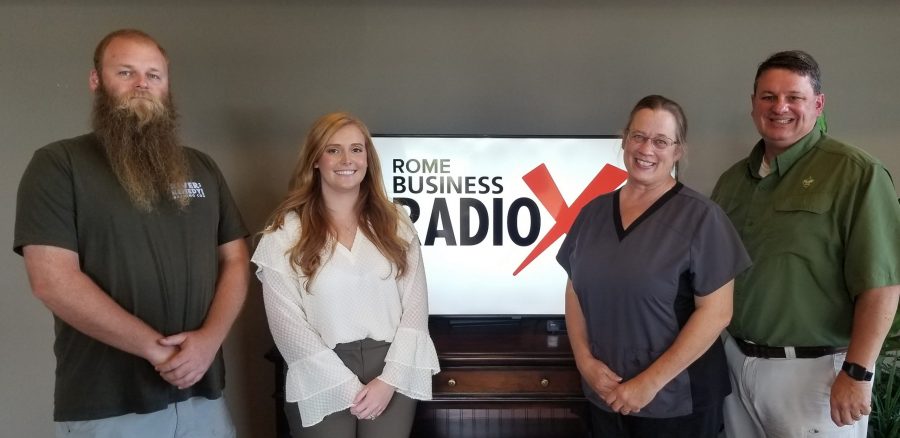
Rome-Floyd Chamber Small Business Spotlight – Renee Blackburn with Free Clinic of Rome, Matt Hart with the Northwest Georgia Council of the Boy Scouts of America, and Justin Shepard with River Remedy Brewing
/
RSS Feed


Stone Payton: [00:00:00] Welcome back to Business RadioX Pro Tips. Lee Kantor and Stone Payton here with you this morning. Lee, let’s talk about a process for process, three steps to documenting process.
Lee Kantor: [00:00:12] Yeah. I think that documenting your processes is super important and no matter what your business is, there’s no way that you can delegate anything unless you have these processes documented. So, I think that this is one of the main jobs of a business leader in any venture that you have is to create some documentation if you want to grow outside of yourself.
Lee Kantor: [00:00:36] So, here is my simple three-step process to documenting process. Number one, write down the process you are documenting. What is it? What is the outcome you expect from doing it? That’s it. You got to get this down. This is a process. This is why we’re doing this.
Lee Kantor: [00:00:52] Second, flesh out the most important steps of the process to the best of your ability. So, start kind of putting down, okay, this is the goal. This is what I’m trying to accomplish. These are the steps that it takes to accomplish that. And then, as you start doing that, flesh out the most important steps of the process. So, get more granular with each step, adding more and more detail along the way, and then understand that each process is a work in progress. It’s going to change. It should be a living, breathing thing that gets optimized more and more over time.
Lee Kantor: [00:01:27] So, if you just do those three steps, write down what it is, this is the outcome I expect, here are the most important steps, and then getting more granular with each of the steps, over time you will be creating this manual of all the processes in your business. It doesn’t have to be a big hairy deal. It can be simple at first. It can be broad strokes at first, but just start documenting it and just understand that as you do it more and more, you’re going to keep optimizing it and keep adding detail to it over time.
Lee Kantor: [00:01:59] You don’t have to be intimidated by the whole process of documenting these processes or else you’re never going to do it. But as you do them and you flesh them out, you’re creating a more robust manual that’s going to help you at some point to delegate some of these processes. And ultimately, you’ll have a manual on how to do every aspect of your business which you can eventually sell.


 For the past 25 years Joseph Pergolizzi with Website Closers has been an entrepreneur. He solely started three businesses, all bootstrapped, and exited each of them. From brick and mortar business, ecomm business (Amazon) to a 400 franchisee business that spanned over across 5 countries.
Joseph has done strategic work for Airbnb and Burton. All told, he’s worked with over 1,000 entrepreneurs to start, scale, exit and buy businesses. From first timers, all the way up to Steve Jobs and his executive team.
Joseph has a real estate portfolio and invests in early stage companies.
Follow Website Closers on LinkedIn, Facebook, Twitter and Instagram.
This transcript is machine transcribed by Sonix
Intro: [00:00:07] Broadcasting live from the Business RadioX studios in Atlanta, Georgia. It’s time for Buy a Business Near Me, brought to you by the Business Radio X Ambassador Program, helping business brokers sell more local businesses. Now here’s your host.
Stone Payton: [00:00:32] Welcome to another exciting and informative edition of Buy a Business Near Me. Stone Payton here with you this afternoon. This is going to be a fantastic episode. Please join me in welcoming to the program Exit Coach, Business Broker and advisor Joe Pergolizzi. How are you, man?
Joseph Pergolizzi: [00:00:52] I’m great. I’m great. Stone, nice to talk with you.
Stone Payton: [00:00:55] Well, we are delighted to have you on the show. I’ve got a thousand questions. We won’t get to them all. But before we go there, let’s give the folks a little bit of a primer, mission, purpose. What are you and your folks really out there trying to do for people?
Joseph Pergolizzi: [00:01:12] Yeah, it’s a great question. I put it succinctly, you know, for the business owner, we create life changing events for them. You know, there’s a lot of sweat equity that goes into building a business and and there’s a lot of appreciation that can get built into it. So, you know, that’s sort of their victory lap when they exit a business. And for some business owners, it’s actually a sigh of relief, as we all know. And then for the buyers, you know, that’s their their next big opportunity. The buyers are on the hunt. And so they’re looking for a business that has inherent value and they want to scale it. So, you know, we work both sides. And again, you know, we we like to say we create life changing events and we also help people hunt for their next big opportunity.
Stone Payton: [00:02:01] So let’s talk about time and timing for a moment, partially because I think our listeners will benefit, but also, you know, this kind of this some of this kind of content is really helpful for me. My business partner and I, we’ve got we’ve got a good business. And, you know, I don’t think we’re close to an exit, but when, for example, when should a business owner or a set of partners be sort of trying to get their ducks in a row and be thinking about prepping for a productive exit?
Joseph Pergolizzi: [00:02:32] Yeah. Yeah. To talk about, let’s say, business partners first. It’s important to to be on the same page, right? Because people’s timelines can be a little bit different. Someone might be close to retirement or maybe somebody has plans for another venture. So communication is everything. Sometimes your business partner is really like a second marriage. And, you know, I think just sitting down and start to having the conversations and, you know, keeping things open, what’s your plan or when would you like for this to happen? And, you know, do you want to stick around? And I’m thinking this and sometimes, you know, you have a business partners that will buy out other business partners. So I think for the partnership, the first thing is to start having the conversations yesterday and after you guys have come to some sort of agreement, then the clock is ticking, right? Because what you start to see is some business owners are starting to make decisions a little bit differently if they’re planning, let’s say, for their exit in a year or two. So maybe they’re investing a little bit more money, maybe in initial biz dev or maybe they’re looking at their hiring plan or scaling back. So I think once it starts coming up in your mind, then that’s the best time to start talking to somebody. Because again, one of the biggest things is we deal with is people who, you know, we talk to and they’re like, wow, I wish I spoke to a year ago. I didn’t realize there was so much to think about or I would have done things differently and there’s no pressure. A good broker, it’s all about a relationship. So a business owner should never feel like it’s too soon because it never is. Never.
Stone Payton: [00:04:25] Is that. Yeah. Well, as you were describing that process, I’m trying to envision Lee and I in the same room with a broker. And I wonder if sometimes, you know, you mentioned like a second marriage, you almost have to put your your your therapist hat on. Maybe sometimes as an advisor, do you ever find that’s the case?
Joseph Pergolizzi: [00:04:47] Oh, yeah, absolutely. There’s a fine art to to choosing the right words, to setting the stage, to making everybody feel comfortable about something that could be very personable to them. So absolutely, there’s a finesse. And I think that that gets lost. It’s not really on the radar for for a lot of business owners. But there are some ways where we’re building trust independently and hoping to get everybody to to feel candid about about talking about what their plans are. So, so yeah. And in other situations, too, what we. I do is we might, let’s say, talk to you first, Stone, and have a candid conversation with you and then have a candid conversation with Lee. And then the three of us might get together. So, you know, that’s common to we we’ve done that. Yeah. Yeah, absolutely. It’s a fine art. We you know, we tend to think that sometimes we’re a CPA, sometimes we’re a business coach, sometimes we’re out. We are a therapist, sometimes we’re a confidant. Yeah. The good brokers are really wearing multiple hats. Absolutely.
Stone Payton: [00:06:09] So speak to this this idea, I think the right word is valuation. But figuring out what the true market value, practical market value of your business is, because I can anticipate that sometimes, you know, I mean, this is our baby. You know, we’ve worked on this thing for 18 plus years. I was telling you before we came on the air and I don’t sometimes we may not have the realistic view. Can you just speak a little bit to the valuation process?
Joseph Pergolizzi: [00:06:36] Yeah, absolutely. So the way I’ve grown to learn about valuations is that there’s actually, let’s say, three valuations happening at the same time. And so to to put this more into context, a business owner is selling for one of three reasons. They’ve come to the conclusion that they are burnt out. They’re done. Time is very important to them. It’s not so much the money. A lot of entrepreneurs are thinking about their next venture, and some entrepreneurs are just looking for their price. So sometimes it’s burnout, sometimes it’s on to the next venture, and sometimes they’re just building their business until they get to the price. Now, on the flip side, the market is the second sort of valuation. You know, the market speaks. We always say that I could think what a business is worth. You could think what a business is worth. But at the end of the day, what’s the buyers? What are the buyers going to think? And this is an interesting predicament because sometimes you are exactly the right thing that a company is looking for and or a business owner is looking for, and they’re evaluating, build or buy. So they’ll look at your business and they will actually potentially pay a little bit more of a premium. And then you have other buyers who are just discount shoppers, and they’re going to look for every single way to, let’s say, lower the valuation or I should say lower the value of your company.
Joseph Pergolizzi: [00:08:13] And again, to not to to a broker’s warn. But, you know, we’re always assessing where is this buyer coming from? Who are they? So the buyer is going to have their own valuation. And then there’s the business valuation. And what we look at is historically and what we also look at is what the scalable opportunities are, because that’s the buyer speak. Buyers are always looking for how to build this business back up. And when we look at a business, we’re always looking for what’s the low hanging fruit, what’s the feasibility, what are the opportunities, how do we get the cream to come to the top? So we will look at what the average multiple is. Let’s say on seller discretionary earnings. And seller discretionary earnings are the net revenue bottom line of the business, plus all the, let’s say, fringe benefits that the owner partakes in the cell phone, the travel, the coffee. So those get added back into the bottom line as well as the owner’s salary. So seller discretionary earnings comprised of net revenue depreciation, fringe benefits, owner salary, and then we apply a multiple to it. And multiples can range depending on the type of business you’ll see. You know, the multiples can range from someone who’s desperate, wanting to get out. Maybe it’s around two X, it’s a very good business. You can have 4x5x67x on software companies.
Joseph Pergolizzi: [00:10:00] And you know, the other thing that’s commonly overlooked, Stone, is the deal structure. So a lot of business owners don’t necessarily understand that they’re not going to get a check for their full price at close. And for some, that presents a problem. But if let’s say I listed your business at $1,000,000, someone might come in and offer you 900,000, let’s say, in cash and 100,000. In seller financing. Other people might say, okay, your list price stone is $1,000,000. How about I give you 600,000 cash? But I’m going to ask and I’m going to actually give you I’m going to ask for a 700,000 seller note. I’m going to give you 7%. I’m going to pay you over the course of three years or two years. So now your $1 million business valuation is actually getting $1.2 million because of the structure of the deal. And again, those are just loose numbers. Yeah, but there’s just such a database of of different deal structures that kind of can influence a purchase price. So again, to overview, there’s your timeline, there are your reasons, there’s the market, what they think, what they want. Then there’s the actual financials and the business, the scalability. And then maybe the fourth thing is what the terms are. So yeah, it’s a matrix and a good broker should probably be able to go through this with somebody over the course of 30 minutes an hour. And yeah.
Stone Payton: [00:11:47] Well, it’s it’s such a fascinating arena to me. I got to know the back story, man. How did you end up in this line of work?
Joseph Pergolizzi: [00:11:56] Oh, thanks. You know, I was a studio art major in college, and a small business opportunity came across my plate. It was a business I knew really well, and I think my parents understood that I was a struggling student. And back in 1994, they lent me 15,000 to to buy out this business. And I put my heart and soul into it and it made $30,000 its first month. So I knew I had something. And then about five years later I sold that business. So I had my first exit when I was around 26. And then, you know, I waited around, I knew what opportunity felt like and I started a food franchise. And, you know, when I had that franchise, I was so fortunate. I had a great mentor, the late Ira Noxon. I always say his name incorrectly. I’m looking at a picture of him, and Ira wrote the book on how to buy and sell your business for Entrepreneur magazine. And I learned so much from Ira. He was such a salt of the earth guy. And, you know, you think you think business at a certain high level is all this polish. It’s really not. It really is a little scrappy at the end of the day. And Ira taught me quite a bit and, you know, just life experience dealing with big companies. I’ve worked with Apple, Steve Jobs, I’ve worked with Burton, Airbnb, and just to better understand everything from the first time entrepreneur all the way up to the biggest companies in the world, what’s the fabric? What are the makeups of the people? And I had probably just enough confidence to to think I could do it at a certain point in my career. And then, you know, you take the leap. I’m learning every single day. What I what I know today is very different than my approach. Four years ago, I think, like you said right before the call, we’re always learning. So. So, yeah, I’ve had the colorful career and really, really fortunate. You can only connect the dots going back, as they say, not forward. Yeah.
Stone Payton: [00:14:22] So you mentioned, in my words, you’re working both sides of the equation. You work with buyers and sellers. How does the whole and so I know you’re helping sellers get ready to sell and do well, but how does the whole sales and marketing thing work for you? Like, how do you get to to write new business and and help folks? What is that? That looks to me like it would be a real challenge.
Joseph Pergolizzi: [00:14:52] Are you talking about finding businesses to help sell and also find buyers as well?
Stone Payton: [00:14:58] Yeah, yeah. Particularly finding buyers I would think would be tough, but. Yeah.
Joseph Pergolizzi: [00:15:02] Oh, wow. There’s so many buyers.
Stone Payton: [00:15:04] Oh, okay.
Joseph Pergolizzi: [00:15:04] All right. I have exponentially more buyers right now. And then I do having that. I do have sellers. There’s you know, there’s these are my formulas. I’m giving out my there’s three types of entrepreneurs. There’s the pioneer. Let’s call them the artist, the people that have the creativity. Then there’s the guy that’s into systems and scaling. And then there’s, let’s say, the expert who knows how to turn around a business that’s failing. And you’d be surprised the artists are really in the minority. And there’s so many people who are scholars who are on the hunt that don’t possess the creativity, the artistry, the passion, but they understand operations. So we develop our networks pretty easy because anybody that inquires about a business that’s a pass on a business, they’re abi on any number of businesses thereafter. So if we get 100 leads, 100 bylines on a deal, those are now 100 buyers that are now in my CRM and every buyer I deal with first time entrepreneurs all the way up to private equity and family offices. And those people are really neat to talk to. They’re buying and selling businesses all day long on their own. You know, the hardest thing for a broker is, is can be finding the sellers and cultivating those relationships. And, you know, that’s networking. The best form of networking that we find is referrals from our sellers and spending time with great people like you.
Stone Payton: [00:16:57] Well, thank you for that. But what this is underscoring for me and I mentioned this yesterday, we did an episode in this series. As I’m learning more and doing more interviews in this arena, I’m finding I’m beginning to understand this. This world is far more relationship oriented, relationship dependent, relationship centric than I guess I originally had it framed up in my mind. In my mind it was so transactional. And that’s not the case at all, is it?
Joseph Pergolizzi: [00:17:28] Not? Not. Not at all. Not at all. It there’s so much we have to know and understand. It’s well beyond an MBA. But at the end of the day, like we said in the beginning, it’s somebody’s baby. And and the good brokers, I think, have some form of, let’s say, like moral responsibility to do the right thing for everybody because it’s the gravity of the situation is a big deal. And we have to be able to invest in people. That has to be a genuine relationship. And and, you know, there’s there’s a lot a seller doesn’t know. They don’t know what they don’t know. And we have to tread lightly because at the there’s always curveballs and sometimes we’re a firefighter. And the more transparent, the more trust we have, the more trust there is in a relationship, the easier it is to overcome the unexpected. So it’s both. I think there’s an ethical or moral component to our work, you know, because it is someone’s perhaps, you know, family wealth lineage. We could be creating generational wealth. And and how great is it? How great is that? But it also is for the preservation of of the deal, looking out for everybody’s best interests. And it really counts to have a great rapport, you know, which is I always feel like I’m selling against that, right? Because when I was before I was in brokerage, I used to think brokers were put in the same category as a used car salesman. Right. But, you know, to your point now, I’ve realized I’m a therapist. I’m a psychologist.
Stone Payton: [00:19:38] Now, don’t a lot of sellers and maybe I’m just projecting my own my own bias and preconceived notions. But but don’t some sellers really want to keep the fact that they’re selling the business kind of on the down low like they don’t?
Joseph Pergolizzi: [00:19:51] Absolutely. Yeah, we see that every single day, which is great. It’s best it’s it’s so best to not play that hand if you don’t have to, whether it’s looking out for employee retention or, as I say, putting, putting blood in the water. If you’re a shark to your competitors, you want to be really strategic about that. And to my to your first question, when should you start to look for selling your business? And I said the sooner the better. And that’s because a broker then has time to assess the. Target’s right to have conversations with the sellers to extract as much information as possible. You know, my my food franchise that I sold, I thought someone who was Italian was going to buy my pizza franchise, and it was someone from Sri Lanka who knew. So so yeah, the to answer your question, it’s always best to just hold those cards tight, consult with a broker you trust, have a strategy around that. Sometimes it doesn’t impact a business at all because potentially you have, you know, the next CEO or or operator in the business. But it really helps if a good broker can sort of put out all the cards, put out all the scenarios, weigh them, put them in sequential order on how to approach, what to say, all those things. So hold the cards. Start talking about start talking to a broker yesterday. Yeah.
Stone Payton: [00:21:38] Okay, so let’s, let’s talk about me some more. It’s like one of my favorite topics, but no. And I have talked about we have studio partners, we call them, they’re really our highest level of client. But we we have several physical studios around the country and we have presence in other markets. And one of the thoughts that Lee and I had was selling most or all of the business to that group of people. You know, almost like I don’t know, is that like an internal sale? So is that something you would ever advise on? Do you still is that still kind of the same path? You would still want to seek out a professional to guide us through that process, right?
Joseph Pergolizzi: [00:22:18] Yeah, absolutely. And. I, I would say you have you have identified a really good, let’s say, buyer network. And the strategy that I would impose there would be learning more, let’s say, about your top five. Which ones do you have the best relationship with? Which ones have the best upside to? And, you know, another thing that goes along with the valuation is which transaction is going to give you the least amount of brain damage? Because something that a lot of sellers don’t realize is there’s a period of due diligence and you might think that you sign and know why you’re done. You’re not a good broker is going to assess a buyer and say, well, what are they going to be asking from stone? What kind of financials, what kind of contracts, what kind of consulting contract are they going to really ask you for? What what are their expectations? So there is really something to relationship with a buyer and assessment of who actually is going to close because the buyer can back out at any point in time unless once, of course the APA is signed. So that would be something that I would do. We would do with you is take a step back, look at all the markets, look at identify some targets and then which ones have you had conversations with? Which one are you most friendly with? And by all means, we would still take you to market. And the only caveat I would say to that, though, is if the stars really aligned where you had a really good buyer who you got along with, who’s going to close and you got a good, fair price, just be done, you know, like don’t go back to market for an additional 5%, even 10% just be done because it’s a roller coaster ride. And there is really something to say for eliminating brain damage. That is your question.
Stone Payton: [00:24:39] No, it absolutely did.
Joseph Pergolizzi: [00:24:41] Okay.
Stone Payton: [00:24:42] All right. So before we wrap, let’s if we can, let’s leave some pro tips. I guess you’d call them for some buyers and sellers. I mean, the number one pro tip is reach out to Joe and his team and have a conversation with them. But just some things that they maybe can begin to think about. I don’t know if it’s a book they should read, if it’s something that they should be talking about amongst themselves. But let’s let’s leave him with a few tips to kind of help them begin to think through this kind of thing.
Joseph Pergolizzi: [00:25:09] Yeah, great question. One of the things that we spend a lot of time as brokers on is evaluating your books, and it’s really important to keep as clean as possible. Your books do not have have your own business checking account, have your own business credit card. If you can negotiate some good contracts, that’s first and foremost. Just make sure there’s a clear delineation starting today with your books between personal and business, get separate business accounts, do not co-mingle to businesses under one account, do not. That is just a nightmare. And talk about due diligence. You’re going to run into a lot of problems. So books are first. The second I think is working on your mindset. Do not be fixed either on a price or who’s going to buy your business. Leave that up to the professionals. So many people get in their own way, so start having a flexible mindset. The third is, Oh, just escape me, give me a second. Understand what your motivations are going to be. How much gas do you have left in the tank for something like this? What kind of price would you like for your business? Is something a little bit more attractive? Do not wait to sell your business. If revenues are good, the moment your revenues start to drop, that is the absolute worst time to sell your business. Going level on your revenue is fine, but as soon as you start tailing off in your revenues, it could almost be too late at that point.
Joseph Pergolizzi: [00:27:09] You could be potentially, quote unquote, a distressed asset. That’s why it’s so important. Talk to somebody tomorrow. Understand where your investing. Spins may or might mean may or may not should go in your business. You know, those are the big high level things, mostly around numbers, some around mindset. And, and yeah, I could talk for hours, but those would be sort of the main things to think about a book, you know, maybe, maybe even going back in your own mind and thinking, why did I start this business in the first place? You know, write your own book at that point. One of my favorite books of all time is I believe it’s How to Grow a business or How to Start Your Own Business. It’s a short book. I read it some 25, 30 years ago. Do I have it on my shelf? I do have it on my shelf somewhere. Maybe reading how to start a business book, you know, beginning with the end in mind, you know, playing little mind tricks on yourself like that to start really understanding what you’ve built. What do you want out of it? Yeah, I’m a big fan of reflection, if you can’t tell.
Stone Payton: [00:28:32] Well, I can. And I’m so glad that I asked the question because I think these are absolute pearls. And one of the things that you I don’t know about challenged my thinking, but certainly informed my thinking is apparently you can get a lot more creative with the deal structure than I anticipated as well. And back to that mindset. Be open to different ways to structure that deal 100%.
Joseph Pergolizzi: [00:28:57] I’d say it’s. You know, it’s 30 to 40% of what’s involved on my end is the deal structure. And in my world, if if I’m working with an adjacent buyer, somebody else who’s, let’s say, representing the buyer or seller, that’s that’s what we’re talking about. What deal structure do we need to get this deal done? How much cash does the buyer have or how much cash does the seller want? We always start there and, you know, all of a sudden we could throw down the equity card where equity could be a real good insurance policy for a buyer if they know a seller wants to stay involved, because then they’re sort of still confident in their business. And the seller could be like, Well, I can’t get my full price, but I might be able to retain 25% equity and I could have the option to sell the 25% at a higher price, higher valuation in 3 to 5 years, and still get a little, you know, nice little chunk of change after a year. So, oh, my gosh, you know, the deal the deal can be the deal is in the terms I say that cautiously, but I also say it from experience that the deal could be made in the terms.
Stone Payton: [00:30:30] Oh man, this is great stuff. I can’t thank you enough for investing the time to visit with us this afternoon. This has been an inspiring, informative conversation. You really have stimulated my thinking. I want to make sure that our listeners, if they’d like to reach out and have a conversation with you or someone on your team, let’s leave them with some coordinates, whatever you think is appropriate, a website, a LinkedIn, whatever works for you. But I want them to be able to connect with you.
Joseph Pergolizzi: [00:30:57] Oh yeah. And I would welcome any anybody reaching out, whether you’re planning selling your business yesterday or you want to start talking because you want an exit in two years or just any general questions, just please reach out to me. I love what I do every single day. First and foremost, you can find me on LinkedIn. It’s Joe Pergolesi. The way you spell my last name is P is and Peter is an Edward R as in Roger G is and George O as in Oliver L as in Larry I as in Ivan Z as in Zebra Z as in zebra eyes. And Ivan, so you can find me on LinkedIn at Joe Pergolesi. I’m not the doctor. So there’s a doctor in Florida. I am the execution and business broker. Or if you want to email me, it’s simply J. Pergolesi, which I just spelled out a moment ago. So J pergolesi at website closers dot com.
Stone Payton: [00:31:59] Well, thank you again, Joe. This has been fantastic. You’re doing important work, man, and we really appreciate you.
Joseph Pergolizzi: [00:32:06] Thanks so much for the opportunity. Stone Glad I could be a service to you and your listeners.
Stone Payton: [00:32:11] All right. This is Stone Payton for our guest today, Joe Pergolesi and everyone here at the Business RadioX family saying we’ll see you next time on Buy a Business Near Me.
 T.J. Lewis, Ally
Intro: [00:00:04] Broadcasting live from the Business RadioX studios in Atlanta, Georgia, it’s time for GWBC Radio’s Open for Business. Now, here’s your host.
Lee Kantor: [00:00:18] Lee Kantor here, broadcasting live from WBENC’s National Conference 2022. This is the 25th annual conference here. So, we’re excited to be here and we’re inside the GWBC booth, booth 1812, if you wanted to stop by and see us. Right now, we have TJ Lewis with Ally Financial. Welcome, TJ.
TJ Lewis: [00:00:37] Thank you. Thank you very much. Happy to be here.
Lee Kantor: [00:00:39] Well, you’re a partner here with GWBC. Talk about why that’s important for Ally to be partners with GWBC.
TJ Lewis: [00:00:46] Yeah. So, Ally, just to give a little bit of background on myself and Ally, I joined Ally in January 2020 actually to launch our supplier diversity program. So, we’re a relatively new program. And in doing that, we knew we needed to really partner with some of the best councils in the area, and we have some key markets in the southeast, as well as the Midwest, and we immediately contacted Roz. I’ve known Roz from previous roles and knew that we wanted to kind of jumpstart our program engaging with the GWBC, and it’s it’s been a fabulous partnership that we’ve had over the last two-and-a-half years.
Lee Kantor: [00:01:36] So, you started this from scratch for Ally?
TJ Lewis: [00:01:38] We did. I did. So, I joined in. Ally’s known for very strong DE&I culture efforts, our corporate citizenship work that we had as a team. We had just gotten to the point where it was time for us to launch the supplier diversity program and I was honored to be selected-
Lee Kantor: [00:01:58] To champion that.
TJ Lewis: [00:01:59] … to champion that. And it’s been a joy. But keep in mind, I gave you the timeline, January 2020.
Lee Kantor: [00:02:07] I know. That was an interesting starting point.
TJ Lewis: [00:02:08] Right. Exactly.
Lee Kantor: [00:02:10] Like, hey, do you know that there’s a pandemic going on here?
TJ Lewis: [00:02:12] Well, it just—we didn’t know, and that was the thing. So, a couple of months in, less than three months in, we’re in the middle of the pandemic. And actually, one of the first things we did was we sat down with like the GWBC and some of the other councils, in particular, on the local side, and said, okay, we knew we had to reach a lot of the businesses that were being impacted the most.
Lee Kantor: [00:02:40] Right. And they needed the services of Ally and they needed the Ally to be an ally.
TJ Lewis: [00:02:45] Yeah, that’s right. And they needed the opportunities. And how do we do that? All of a sudden, WBENC, the national conference is going to be canceled. Everything’s canceled, right? And so, actually, we sat down, we talked with Roz and team, and we came up with some pretty innovative things, where we brought the access through virtuality, virtual events.
Lee Kantor: [00:03:05] Right. You had to figure out a way to make it happen, because business didn’t stop for everybody.
TJ Lewis: [00:03:09] Exactly. And that’s what’s been meaningful. So, it’s funny because being here today, I’ve worked—my team has worked with a lot of the the folks at GWBC for years, and we had never met them in person.
Lee Kantor: [00:03:22] And you never met them, right?
TJ Lewis: [00:03:24] That’s right. So, it’s exciting just to be here.
Lee Kantor: [00:03:27] It’s like a reunion.
TJ Lewis: [00:03:28] Yes, that’s exactly right. Exactly right. I joke that we’re not just a square box with a photo, right?
Lee Kantor: [00:03:34] Right.
TJ Lewis: [00:03:34] It’s real people.
Lee Kantor: [00:03:35] It’s hard to believe.
TJ Lewis: [00:03:36] Right. And so, it’s just been really exciting to be here, and the partnership and things that we’ve been able to do. We got involved in their mentorship program, where we were able to mentor a couple of women-owned businesses, and we’re doing that again this year.
Lee Kantor: [00:03:52] And the impact is real. Like this isn’t just something that a corporate higher ups are talking about, like, yeah, that’d be a nice thing. You’re seeing the real results of that relationship and the impact that makes not only on the individual business owner, but also their family, their community. I mean, the impact really trickles out and ripples out well beyond that individual.
TJ Lewis: [00:04:13] Without a doubt, and that’s what keeps us charged. And partnering and working with the GWBC and organizations like this just keeps us going. And we figure out ways to be more innovative and creative.
Lee Kantor: [00:04:29] Right. More creative and to make things happen, because you have to—you can’t stop innovating, or else, you’re going to die on the vine here. You got to keep kind of changing to adapt to what’s happening, because the world is so chaotic and changing so rapidly, you have to help them kind of dream bigger, really.
TJ Lewis: [00:04:48] That’s right. And just kind of tying it in, I mean, so Ally, if you know anything about Ally Financial, we’re a digital financial institution. And so, that’s kind of a disruptor. It’s kind of an innovator in this space.
Lee Kantor: [00:05:02] So, how do you kind of—as having a digital footprint, but you’re serving individuals locally and hyper locally, how do you kind of thread that needle to be available to them as they need you every day in a local market, but also have this kind of global really presence?
TJ Lewis: [00:05:20] Yeah. I mean, well, it’s the principles of the company. Well, we’re able to serve anyone everywhere.
Lee Kantor: [00:05:28] Right. But also you want to be hyper local so that you can serve the community.
TJ Lewis: [00:05:32] And that’s just in the communities that we operate and serve and across the 11,000 employees that we have. We are very active in those communities across the board. And so, it’s just part of that.
Lee Kantor: [00:05:46] That’s the culture and the DNA of the organization.
TJ Lewis: [00:05:48] Absolutely right. Absolutely right. And it’s actually why it was so fruitful starting the program here. It was—we already had a good culture, so it wasn’t about it’s just the right thing to do, everyone’s like, what can we do to help?
Lee Kantor: [00:06:02] Right. How can we do more?
TJ Lewis: [00:06:03] Yeah, exactly. Exactly. And that’s been exciting, working with Roz and team to, to really come up with those things. They’ve been really instrumental. We started a couple of things. Like we have—we do an annual symposium that we hosted virtually, and that all came out of the pandemic. We probably wouldn’t have done that, but we had to.
Lee Kantor: [00:06:24] Right. It’s kind of forced your hand there, but it’s one of those things, where after the pandemic, you’re like, well, let’s keep doing that, why not?
TJ Lewis: [00:06:31] That’s right. And then, that turned into then we do quarterly spotlight events, where we have a lot of the women-owned businesses are getting involved. They’ll pitch to our our teams. And what we found was in addition to how we we come to conferences like this, we actually do virtual events, where they’re able to talk directly to our buyers internally in house, and they’ve loved it. So, again, it’s just—the innovation that we’ve been able to get creative around is really exciting.
Lee Kantor: [00:06:59] And it must be so rewarding, too.
TJ Lewis: [00:07:01] It is. It is.
Lee Kantor: [00:07:02] Now, how do you attack an event like this, conference? Like there are so many people, like you said, it’s like a reunion where these are the first time you’ve seen in person probably a lot of these folks. What’s the strategy for you personally? Are you speaking and are you on a panel or are you doing any speaking? Are you kind of just going into booths and introducing yourselves?
TJ Lewis: [00:07:21] Yeah. So. A lot of the work that we’ve done was kind of on the forefront. A lot of the companies that we’ve met with and we know that they’re here, we actually scheduled a lot of time to try to follow up, meet with them in person.
Lee Kantor: [00:07:34] Because it’s an efficient way to really do a lot of face-to-face conversations.
TJ Lewis: [00:07:38] That’s right. Because everything else we’ve been doing for the most part has been virtual. And so, we’re taking that—the time to have that human touch. There’s always ad hoc meetings. I’ve been in this industry a while, so knowing a lot of people, a lot of companies that it helps. And so, we really, as a team, have kind of—we did our homework upfront, came in with a game plan. We do certain engagements.
Lee Kantor: [00:07:59] So, that’s great advice for someone that is new to this industry and had to work a conference is you’d better be doing some upfront work and plan this out, or else, it’s overwhelming. There’s too many people and too many things happening if you just show up and think you’re going to just wing it.
TJ Lewis: [00:08:14] That’s right. That’s right. Now, you’re 100% right. The homework is done. You’re almost in execution mode when you get here, not like wandering around.
Lee Kantor: [00:08:20] Right. You better be because you’re invested so much to get here, so you might as well get the most out of it.
TJ Lewis: [00:08:24] Absolutely. So, it’s been really fun. And I have a few team members that it’s their first conference here. And seeing that and with the changes, and it’s interesting, because it’s almost you couldn’t say like, how is it going to be, because it was all new for all of us, again, than what it was three years ago.
Lee Kantor: [00:08:42] Now, for the folks that should be connecting with you in terms of supplier diversity, are there certain niches that you want to work with or any women business is fair game here?
TJ Lewis: [00:08:54] Yeah. Our approach is if you have a product or service that you believe can help our institution, we’re here to listen. And so, because sometimes, we have a focus in certain areas, but our foundation is being a disruptor, and sometimes, disruptors, they come from areas you’re not thinking about.
Lee Kantor: [00:09:13] You couldn’t have anticipated.
TJ Lewis: [00:09:15] Right. Exactly. So, we keep an open mind around. So, really, I’m interested in companies that I may have never think that, we’re a financial institution, this isn’t going to, sometimes, they’re the ones that
Lee Kantor: [00:09:28] Surprise you.
TJ Lewis: [00:09:29] … can surprise you and be that supplier you really want to engage with.
Lee Kantor: [00:09:33] Right.
TJ Lewis: [00:09:33] Yeah.
Lee Kantor: [00:09:33] So, now, if somebody wants to learn more about Ally, what’s the website?
TJ Lewis: [00:09:38] Yeah. So, our ally.com, you can—you’ll hit the supplier diversity page as well. But one of the things, if people are interested, they can actually send an email to us in supplierdiversity@ally.com.
Lee Kantor: [00:09:53] And that’s A-L-L-Y?.
TJ Lewis: [00:09:55] A-L-L-Y, yes. And our team, we respond to that. We do—when we look for suppliers to potentially pitch us, we do have like a one pager that we would send to those companies, and they can fill that out, and we can get information on them to learn more.
Lee Kantor: [00:10:15] And that just gets the ball rolling.
TJ Lewis: [00:10:16] Gets the ball rolling. And so, you send an email there and our team will respond.
Lee Kantor: [00:10:22] Alright. Well, TJ, thank you so much for sharing your story today. You’re doing important work and we appreciate you.
TJ Lewis: [00:10:26] Thank you. Thank you. Thank you for having me.
Lee Kantor: [00:10:28] Alright. This is Lee Kantor. We’re broadcasting live from WBENC National Conference 2022 inside the GWBC booth and we’ll be back in a few.
The Women’s Business Enterprise National Council (WBENC) is a leading non-profit organization dedicated to helping women-owned businesses thrive.
We believe diversity promotes innovation, opens doors, and creates partnerships that fuel the economy. That’s why we not only provide the most relied upon certification standard for women-owned businesses, but we also offer the tools to help them succeed.
The Greater Women’s Business Council (GWBC®) is at the forefront of redefining women business enterprises (WBEs). An increasing focus on supplier diversity means major corporations are viewing our WBEs as innovative, flexible and competitive solutions. The number of women-owned businesses is rising to reflect an increasingly diverse consumer base of women making a majority of buying decision for herself, her family and her business. 
GWBC® has partnered with dozens of major companies who are committed to providing a sustainable foundation through our guiding principles to bring education, training and the standardization of national certification to women businesses in Georgia, North Carolina and South Carolina.
 Joshua Carnes takes a measured and analytical approach to Mergers and Acquisitions, armed with data and research that helps business owners reach the right audience of potential buyers.
As President of Lion Business Brokers, Joshua brings clients an impressive background in marketing and consulting, with extensive training from the hands of a former CMO of Oracle. Years of high-level strategic marketing experience helped prepare Joshua to lead Lion Business Brokers and its successful team of Mergers and Acquisition Advisers.
Outside of the office, Joshua’s life centers on his three sons. He is actively involved with the local youth sports leagues and volunteer coaches his sons’ football and soccer teams. Joshua has been recognized by the U.S. House of Representatives for his work with at-risk youth.
Joshua is a member of the International Business Broker Association, M&A Source a Certified Business Broker by the North American Alliance of Business Brokers, and is recognized as an Industry Expert by Business Brokerage Press Inc. & Business Reference Guide.
Connect with Joshua on LinkedIn.
This transcript is machine transcribed by Sonix.
Intro: [00:00:07] Broadcasting live from the Business RadioX studios in Atlanta, Georgia. It’s time for Buy a Business Near Me. Brought to you by the Business Radio X Ambassador Program, helping business brokers sell more local businesses. Now here’s your host.
Stone Payton: [00:00:32] Welcome to another exciting and informative edition of Buy a Business Near Me. Stone Payton here with you this morning. You guys are in for such a treat today. Please join me in welcoming to the broadcast with Lion Business Brokers Mr. Josh Carnes. Good morning, sir.
Joshua Carnes: [00:00:51] Good morning, Stone. Thank you for having me.
Stone Payton: [00:00:53] Hey, it’s a delight to have you on the on the show, man. And I got a thousand questions. We won’t get to them all. But before we even really dive in very, very far, maybe if we could just get a little bit of an overview picture. Mission, purpose. What are what are you and your team really out there trying to do for folks?
Joshua Carnes: [00:01:15] Yeah. So the team at Lime Business Brokers, our goal is to strategically and confidentially help people sell their businesses. That’s probably the easiest way that I can put it. And you know, we’ve really created a team atmosphere where we try to strive to provide a higher level of service than most brokers out there. And we do that with some strategic marketing and consulting and and really just try to put client services back into the business brokering world.
Stone Payton: [00:01:44] So I get the sense you’ve answered that question before that was incredibly articulate and eloquent and so in the interest of clarity and so that we’re all operating kind of on the on the same definition, how would you define what a business broker really is and maybe even chat a little bit about, you know, when, when and why do I even need one?
Joshua Carnes: [00:02:09] Yeah. So business brokering is a lot like hiring a real estate agent to help sell your business, only completely different. And so that’s essentially what we do is we represent people looking to exit their business or to sell their business. And probably one of the hardest things about selling a business versus selling real estate is the confidentiality aspect of it, right? You know, when you’re going to sell a house, you put a sign up in the yard, everyone gets to drive by. You put on the Mlss. Everybody knows it’s that house for sale. In the business world, it’s not like that. You have to keep it confidential. So there’s no signs on the windows. No one ever knows it’s for sale. Generally, employees and everything like that don’t know if we’ve done our job well. Employees won’t even find out that the business is for sale until they’re meeting the new owner. Right. And so if your our services are really there for anyone looking to exit or sell. So at any point, if you’re considering that, whether it be now 12 months, 18, five, five years, whatever the timeline is, it’s really good to have a strategic partner on your side that knows how to navigate the exit world. And so. If in the near future and by near future, I mean in the next five years you’re considering exiting. That’s the time to start a conversation with the business broker.
Stone Payton: [00:03:37] Okay, well, that already surprises me a little bit, so that’s much further out than I would have anticipated. There just must be a lot of moving parts and a lot of ducks to get in a row, I guess, huh?
Joshua Carnes: [00:03:48] Well, there is so a lot of times people say, hey, I want to exit, but I don’t want to exit until I can walk away with X amount of money. Right. And so for us, we always believe the process starts with the number. And that number is what do you want to walk away with? And so sometimes it might take five years to get to that number. Right? Or sometimes you might be at that number right now, depending on the market. So if you if your business made money during COVID, right. We’re kind of coming out in this post COVID economy. If your business made money during during COVID, it’s probably gathering a 1 to 2% premium on what it would have gathered a couple of years ago. And so we might have been on a five year track, but all of a sudden you killed it during COVID. And so now we’re on a next year track, right? And so that’s why we say as soon as you’re considering it, engage with the professional, start getting either a business valuation or a broker opinion of value and find out where you’re at. And then you can make the strategic decisions necessary to get where you need to go. Right. And so for some businesses, that’s five years. Some businesses, they’re already on point and they’re ready to go.
Stone Payton: [00:05:01] So how do you I guess the right term is value price your business. And the reason I’m asking, I own 40% of a pretty successful organization, Lee. Lee and I will want to exit at some point. And and I know people I’ve been around them my whole life. Right. I so I know that Lee and I might fall into the trap of feeling like it’s worth a lot more than it really is. There’s got to be some science, some rigor, some discipline to this whole pricing or valuing of a business. Yeah.
Joshua Carnes: [00:05:35] Yeah. So and what’s interesting is so I would say valuing a business is a lot of science math and it’s a pretty straightforward formula. Right. But pricing a business is a little bit more art form and technique and knowing where the market is and things like that. Right? So they’re almost two different components. So but generally speaking, what you’re going to look at is cash flow and owner brings in and then we like to do is a little bit more strategic insight and saying, all right, what’s happening in this specific industry? But every industry kind of has a value range of, let’s just say 3 to 5 times cash flow, right? That’s a very generic. Some industries go for seven, eight, some industries go for one, two. But you can kind of throw a rule of thumb up there of 3 to 5 times cash flow, depending on how well you did. And then to to relate it back to the real estate aspect. Right. Some things are prettier than others. You know, some things have upgrades. Some things have long term contracts. Some things have other things. The prettier your business, the higher end of that multiple that you’re going to get, the dirtier your business, for lack of a better term, you know, the worse your books are, the more spotty your finances, things like that, the lower multiple you’re going to get, right? So it really is a range. It’s hard to put a hard number on it, especially when you’re on that pricing side. Excuse me.
Stone Payton: [00:07:05] Yeah.
Joshua Carnes: [00:07:06] When you’re on that pricing side, it’s hard to put a number out. We go for a range. When you’re doing a value for a bank loan or something like that, it’s completely different and more mathematical in nature.
Stone Payton: [00:07:16] So what’s the back story, man? How did you get into to this kind of work?
Joshua Carnes: [00:07:22] So for me personally, it’s actually a I find it to be a fairly funny story. I exited out of my own marketing consulting firm and did fairly well with that. I took some time off and I had a personal mentor coach in my life and I was going to go all in on a real estate business. And I was I was looking at what I was going to do, licensing, all of that. And I was going to become a real estate broker. And my my friend, who had been in my life for a long time, spoke into it, sat down and said, So you mean to tell me, Mr. Business owner, very successful person is going to go drive around a car with with a family and kids in the back of your car? That’s what you’re going to go do with the rest of your life. And I said, Oh, that’s a valid point. And he and he introduced me to someone who was already a business broker. And it was the introduction was, have you thought about doing something like that but for business? And that’s the story. As soon as I met with the guy and looked into the industry, I fell in love with it. And I’ve worked for a couple of companies and that line has come up on its own line is going on year seven and it has been an absolute blast and a joy going into helping business owners exit and get premium value for their business.
Stone Payton: [00:08:47] Well, I can tell that you enjoy it. It must be incredibly rewarding work, man. What are you. What do you enjoy the most about it?
Joshua Carnes: [00:08:59] So for me, it’s the nothing is ever the same. Right. And I love the challenge that our industry brings, the confidential nature of finding out who is going to be the next strategic buyer, who are we going to sell this business for? And it’s it’s pretty funny. It doesn’t matter if you have two manufacturing companies that are manufacturing the exact same product. The way that those deals get structured and done and how they get done is just going to be completely different. So for me, I enjoy the challenge of it and the fact that no deal is like the last deal I’ve been. I’m going on year ten here personally and especially with the changes in COVID and things like that. We’re walking in and I’m having meetings with guys who have been doing this for 20 and 30 years, and we’re seeing stuff where everyone’s looking around going, Wow, I haven’t really dealt with that before. How would we handle that? And so for me, that’s what I enjoy the most, is that strategic challenge. And I love the fact that I’ve got a team of role individuals, independent business brokers, but yet we’ve got guys, 20, 30 years, guys who have only been doing it two years, and we are able to come together and help each other and say, All right, what is the best move for this client? How do we advise them strategically? What’s the proper move? And let’s go forward with a plan of action. And having that strong team behind me is just something I love.
Stone Payton: [00:10:24] Yeah, well, I can hear it in your voice. I know. It translates to the airways. I also got to tell you, I personally find it particularly attractive, the prospect of working with someone who has personally had a successful exit that. Yeah, that’s that, that checks a big box for me and it probably would for my business partner Lee and I as well. So going back to this, making your business pretty, you know, Lee and I have talked about and we’re a little further out probably, but we’ve we’ve talked about, you know, if and how we might want to exit. And one thing that I think we would have to continue to get better and better at and you tell me if this can be a friction point or one of those conversations. We we think we’ve got to get this thing where it really doesn’t depend on Lee in stone. Right. To to be successful.
Joshua Carnes: [00:11:16] You know, it’s interesting, too, and you get a lot of people who have spent 20, 30 years building up a business and then they think, okay, I’m ready to exit. And they had their own strategic plan. But where they never really brought in a professional, they just said, I’m going to do it for 30 years. It’s going to do X, Y, Z, and at the 30 years they’ll just sell it. And then you walk in and you go, Yeah, but if we remove you, the business dies. And that’s really a bad position to be in. And so, you know, even down to the thing, like I took this into consideration for myself with line business brokers, you know, I could have started Khan’s business brokers or something like that. But if you remove the coins from Caan’s business brokers, it dies, right? So line business brokers can live on past me. And so that’s probably one of the basic entry points that we try to get in to. Business owners that are going to exit is make yourself not a linchpin of the business. And for a lot of business owners, that’s hard to stomach, right? I built it up.
Joshua Carnes: [00:12:20] It’s mine. I’ve done all of this. And you’re telling me that it has to run without me? Yeah, that’s. That’s going to be the most valuable business is I mean, what? We’re closing on a business later today, knock on wood, where the business owners live in Florida, and they fly in once a quarter to meet with their management team and to make sure everything’s good. Guess what? That business is selling for a premium. Why? Because a new owner only has to do is come in and write a check. And at the end of the day, if he makes no changes, he knows how much money he’s going to make. Now, every owner thinks that they’re going to do a better or every buyer things are going to do it better. And that’s the great thing about it. But yes, the best business is are ones where the owners have strategic insight but yet could easily be replaced at any moment and the business could continue on or do even better.
Stone Payton: [00:13:12] Yeah, so we talked a little bit about I guess what I would call a prep window. It might be as much as five years or more, but once you get to that point of putting the business on the market, what what does that timeline look like? I mean, can it go pretty quick? Does it often take a year or two or is it just really depend on case by case?
Joshua Carnes: [00:13:35] Yeah. So it’s honestly a little bit of case by case, but more case by case with the broker that you choose to hire. Right. Theoretically speaking, we can put a business up online and market it within 24 hours, but that’s not going to be what’s best for the business coming up. So every business broker has their own process. And and we like to feel this. Our process is one of the. Things that separates us out from our competition. So our onboarding is somewhere in that 30 to 45 day window because we actually take the time to do a deep, in-depth analysis on every business that we bring on. And we create marketing material specific to that business. And the standard terminology for this stuff is called a CVR or Confidential Business Review or a SIM, a confidential information memorandum. And these documents are anywhere from 30 to 60 to 120 page documents, depending on the complexity of the business where we do a deep dive and really create a sales brochure for potential buyers to come in and buy this business. Now we do a couple little extra things where we also do what we call executive summaries, which are a little like two page highlights that are confidential. So you don’t get to know the business, you just know the numbers and the industry. We do some marketing videos around it and things like that, so our process does take a little bit longer to get you out to market from the time that you get there. But we feel the strategic prep in the beginning is what’s going to allow you to get maximum value in the end. So, you know, 32 to 45 days, I think is a good, good judgment for that.
Stone Payton: [00:15:16] So it sounds like you really do have a strong process for marketing someone’s business. How about how about your own sales in marketing? Like how do you get new business for four? How does the whole sales and marketing thing work for a business like yours?
Joshua Carnes: [00:15:34] So you know, what’s funny is I think that this is probably my biggest complaint about coming into this industry. You know, I used to be and I laugh because when I introduce people, I tell them I go, look, I’m an old sales schmuck, right? I’m an old marketing guy. I know marketing. And this industry is so archaic and so old for for lack of a better term, that unfortunately it’s still direct mail and cold calls. Wow. Probably one of the hardest things about coming into our industry is the lifecycle of a deal is 12 to 18 months. Right. So you need to be financially in a situation where you can go 12 to 18 months without a paycheck if you’re trying to come into this industry from from scratch. And not everyone can do that. But the other thing is, you know, the reality is there’s no market for people looking to exit their business. Right. There’s no there’s no checkboxes for. Yes, I want to exit my business in 6 to 12 months. That’s not a question that people ask to get on Facebook. Right. Right. So there’s no data list that you can just buy people looking to exit. It’s all right time, right place. And so it’s unfortunately for our industry, it’s just a consistent drumbeat of direct mail and getting in front of people. And then once they’re ready to start a conversation or have a conversation, hopefully they’re holding your post card instead of your competitors and at least start the conversation with you.
Stone Payton: [00:17:05] You mentioned a little earlier in the conversation a really important person in your life, a mentor that kind of helped you reframe where you were going to take the next chapter. Have I think I already know the answer to this. I’m going to ask it anyway. Have you had an opportunity to, to be a mentor to to others as as as things unfold for you?
Joshua Carnes: [00:17:29] I would hope so. Yeah. So, you know, thankfully we actually have brought on a couple of guys onto the team in the last couple of years who are brand new to the industry and they’ve been successful and I’ve been able to support them and do that and it’s really interesting. So some people when they they look at turnover in the industry, it can be pretty high because of that 12 to 18 month time. And, you know, knock on wood, we have seven brokers in the state of Texas. They work kind of all throughout the southeast. But we have seven brokers that are that are all spread out. And in all this time, we’ve yet to have any turnover. I, I say knock on wood, but we’ve made everyone successful. And it’s because I believe I take a personal interest in their success. And I want to see these guys succeed. And I feel that if I’ve hired someone, that I have a responsibility for them to be successful, to feed their family and do those things. And so it’s a little bit of a unique approach, but it’s worked for us. And so we have two brokers that have been doing this for less than two years, but they’ve already successfully closed at least two or three deals. They’re out there, they’re running, and I believe that they will have long term successful futures in this industry, whether it be with us or anyone else. And I would hopefully like to think that it was our base foundation that put them there to say, go be successful in a great industry.
Stone Payton: [00:19:02] That’s got to feel so good to know that you contributed to that. That’s got to be a real high in and of itself. Man.
Joshua Carnes: [00:19:09] No, I appreciate. And it’s for me, it’s it is it’s one of those joys of of this industry has been great for me personally. It’s a lot. It’s given me the freedom to coach my sons and youth football and do all of that type of stuff. Right. And so we really have a family oriented type of business where, you know, the other day I got a call and someone he was like, hey, I have to go babysit my grandkids for the next two days, but yet I’ve got this meeting and I was like, Not a problem. I’ll hop on the call. Right? And so we’ve really created that atmosphere of Family First and just do what you need to do and everyone will be successful. And let’s move on.
Stone Payton: [00:19:49] And I know in our work at the Business Radio Network, we Lee and I and our studio partners in other parts of the country, there are just some what would you call misconceptions, preconceived notions, assumptions, things. And some of them that we that we almost know we’re going to run into. We’re talking about to a prospective client on the on the client side of our work. My instincts are they’re the same may be true for you that there are some misconceptions and patterns of misconceptions, things that you’ve got to educate, inform, reframe for people. Is that accurate or are there some of those kind of things in your world?
Joshua Carnes: [00:20:29] Yeah. And in fact, I would say two of the largest ones are around our relation to real estate. Right. And so and it’s a problem because even I describe our industry is a lot like real estate but different, right. And so a lot of people think that a commercial real estate broker and a business broker are the same thing. And look, it is so far from the truth. We are two different worlds. I mean, even to the point where we don’t do commercial real estate, if there’s commercial real estate involved, we bring in a commercial real estate broker because that’s their specialty. So one of the biggest misconceptions is a, either that we do real estate or they can go to their real estate broker and that they cross translate and that that one’s pretty hard to say. Hey, look, these are just two very, very different industries and you need to specialize in both. And then the other one is kind of around timeline. I spoke to a gentleman the other day and he was like, Well, I need you to sell my business in four months. Average transaction time in our industry is 9 to 12, sometimes 18 months, like it can go out that long. This is not a quick, fast industry. And so sometimes setting sellers expectations of you’re going to walk on a journey with me for the next year. Just, you know, and we tell people to keep that in mind. When you’re hiring a business broker, they’re offering and their services are one thing, but you actually have to go work with this person for the next year. That is a big commitment. So personality should be something that people consider when they’re hiring a business broker. Can I allow this person into the inner depths of my business and can I have this person tell me what to do? Send me updated financials, talk to this guy. We’re going to hop on the phone with this guy and really do that and be intimate business wise for a year. And so timeline and industry are two of the biggest misconceptions in our in our that we run into.
Stone Payton: [00:22:37] Well and I don’t think it’s hyperbole after hearing you talk to you actually use the word intimate there’s this is a much more relationship oriented relationship dependent process then then I think some of us might have thought, you know, I guess my frame for it has been that this is more of a transactional thing. There’s a lot of relationship dynamics going going on here and there.
Joshua Carnes: [00:23:08] There is, especially when you get up into larger deals. So like businesses with enterprise value of north of 10 million, if the buyer pool at that level is so small that the reality is so, you know, we’re working with a manufacturing company that’s probably enterprise value, somewhere around 18 million. There’s there’s probably only about 10 to 15 people nationally that are going to take that business on. And so if we internally, as business brokers don’t have relationships with those buyers, we’re never going to get that business sold. And so there is a lot of relationship there and putting you know, it’s kind of nice. We’ve gotten some good feedback from private equity firms and family money firms that say, hey, we enjoy doing business with you because of the professionalism, right? But yeah, the relationship side is really big on both the seller side and ensuring that you trust us enough to get the best deal for you. But also from a buyer standpoint of knowing who the players are in the certain industries that actually have the money to buy your business. It’s a very that side is very relational as well.
Stone Payton: [00:24:19] So I was just thinking, as you as you were describing, that Lee and I are very much on the same page. We work incredibly well together. He has skills and knowledge and a perspective that I don’t. I sometimes can bring some things to the table and I’ve got to believe, like if we were sitting down with you, you might have to be like a couples therapist too at some point, because now we’re talking about the balance of our lives, right, if we’re wanting to. So do you ever find yourself like being part therapist? Like if you’re working with a with partners.
Joshua Carnes: [00:24:52] Especially with partners or you know, unfortunately, a lot of some of our best deals are partners that are splitting up. And so there’s a lot of the the counselor side that comes into play there. But also one of the questions that we ask all of our sellers, okay, so we we put a check for a couple of million dollars in your pocket. What’s the plan afterwards? Have you thought about what retirement looks like? What are you going to do with that money? Because you can’t just take $1,000,000 and go to Belize, right? Right. The federal government will come in and have a field day with you. So, you know, have you strategically thought about that? And and also to win it, it’s pretty, pretty funny. But almost always, when we go through this process, we’re eight, nine months down the road, we’ve got a buyer, they’ve made an offer. And then we tell the seller, all right, take a couple of days and consider it and think about it and make sure it’s right. Because, again, nothing is quick in this process, how emotional they become with. I’m really going to sell my business for this. Maybe it’s more, maybe it’s less, whatever it is. And so we really do have to do that piece of, hey, this is where we’re at. This is what’s going on. Yes, it’s your baby and you’re going to sell your baby. But we can do it in, you know, really walking them through that piece. So it does happen with partners or even with just regular, regular people who spent 20, 30 years building up a business. In that moment, they realize they’re about to let it go.
Stone Payton: [00:26:26] So. Yeah. All right. So before we wrap, let’s leave. If we could. Let’s leave buyers and sellers alike with some pro tips. Number one pro tip is, you know, reach out to Josh and his team. But, you know, maybe some things they can begin thinking about, maybe some reading some some little tweaks they can begin to start focusing on in their business. But if we could, let’s leave buyers and sellers with a few little pro tips. I guess you’d call them.
Joshua Carnes: [00:26:52] Yeah. So, you know, buyers are are unique in nature. If you’re a buyer, make relationships with as many business brokers as you can. And I know that’s not advantageous for me personally, but the reality is there’s no buyer representation in this industry. There’s no national MLRS system, anything like that. So if you’re a buyer, you need to be out there taking business brokers to launch and making relationships with them so that you can get on our list of notifications once a business comes available that you’re looking for. So that’s the pro tip. If you’re a buyer, if you’re a seller, clean up your financials. Make sure that your financials for the last three years or the next three years are nice and clean and tight. And what I mean by that is, look, some buyer or some business owners use their business as their personal piggy bank. Right. We have seen everything from a business owner that every day takes himself out to lunch at a nice lunch and spends 30 to $40 on a lunch on just himself. And he puts it on the business credit card to cell phones, to family trips, to seen everything to girlfriends who are getting leased vehicles. Right. The reality is, is the very first thing that a buyer is going to look at is your financials. So clean them up, tighten them up, make sure that everything is nice, neat and ready to go for buyers. And for those buyers that might have to go get bank financing. Right. A bank might have to look at your financials. So the cleaner your financials are, the easier it is to price your business, the easier it is to ask for a premium for your business and the easier it is to convince buyers to buy your business.
Stone Payton: [00:28:37] All right. So if someone would like to connect with you, what’s the best way for them to do that?
Joshua Carnes: [00:28:44] Yes. So you can call the team at one 800 5253542. I’ll answer that line directly if no one’s there, or you can get a hold of anyone on the team or you can visit us online at ion business brokers dot com that’s in business brokers dot com.
Stone Payton: [00:29:02] Well Josh Cairns with Lyon Business Brokers, it has been an absolute delight having you on the show. Thank you. Thank you for what you do. We appreciate the work. And we’re going to continue to follow your story with your permission as well. But this has been a real pleasure, man.
Joshua Carnes: [00:29:18] Hey, I appreciate you guys having us all. And thank you so much for inviting me out.
Stone Payton: [00:29:22] All right. This is Stone Payton for our guest today, Josh Carnes with Lyon Business Brokers and everyone here at the business radio family saying we’ll see you next time on Buy a Business Near Me.
Stone Payton: [00:00:00] And we are back with Business RadioX Pro Tips. Stone Payton and Lee Kantor here with you. Lee, sometimes, you’re having to fight a little bit of human nature here, but it’s important, I think, that you don’t be afraid to make mistakes.
Lee Kantor: [00:00:15] Yeah. I think a lot of times people’s fear of making a mistake holds them back. And it doesn’t matter what they’re doing whether you’re starting a new career and you’re a young person or you’re a startup and you have an idea and you want to kind of preplan it out a little too much. I think you’re much better served if you just start taking action, learning and iterating.
Lee Kantor: [00:00:39] I think that that formula of taking some action, learning what happened because of the action, and then tweaking whatever you learn from taking that action is much better than the folks that are just planning the plan to plan before they act. You don’t learn anything by doing nothing and hoping something is going to work out. You don’t really learn anything by just whiteboarding things over and over and playing out every hypothetical scenario without real data. You have to take some chances.
Lee Kantor: [00:01:11] Your action may work and may not work as you planned. But if you don’t take action, you’re not going to know for sure. And if you take an action and it doesn’t work out like you planned, you will have learned something. You know now something that doesn’t work. And, plus, you’re going to get market information to tell you, you know what, this part worked a little bit. This part didn’t work at all. So you are going to learn something. You’re going to be taught something from taking that action. So in my opinion, it is much better to err on the side of action, learn and iterate.
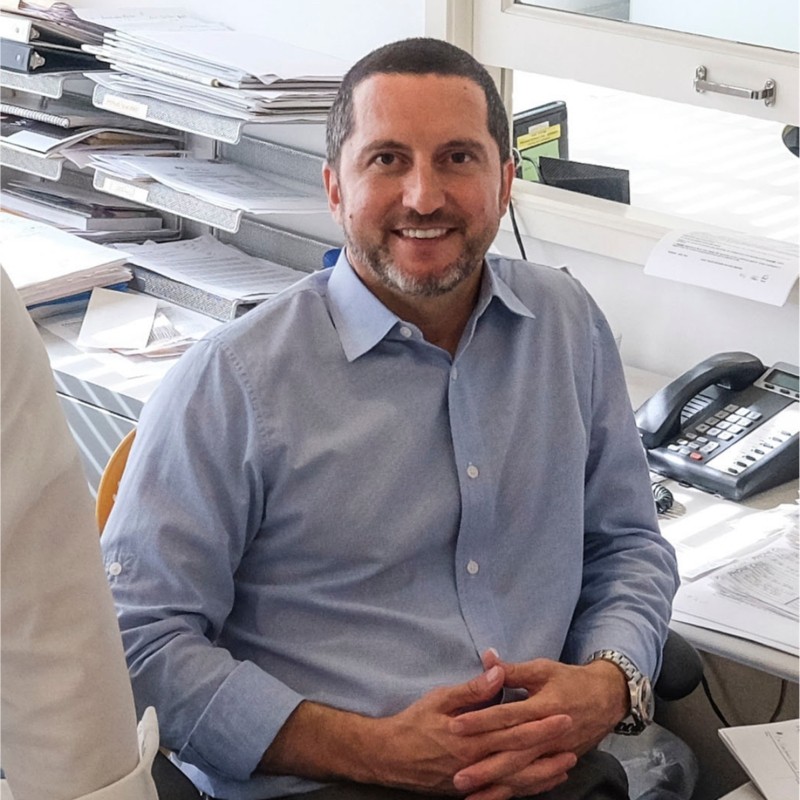

 Ryan Clark, one of California’s top business brokers and mergers and acquisitions specialists, is the Director of Sales for The Veld Group and Veld M & A.
In 1999, Mr. Clark rejoined his childhood friends and developed The Veld Group’s Business Brokerage sales strategy, hired and trained its sales staff, and was instrumental in making The Veld Group California’s leading business brokerage.
Connect with Ryan on LinkedIn and follow The Veld Group on Facebook and Twitter.
This transcript is machine transcribed by Sonix
Intro: [00:00:07] Broadcasting live from the Business RadioX studios in Atlanta, Georgia. It’s time for Buy a Business Near Me, brought to you by the Business Radio X Ambassador Program, helping business brokers sell more local businesses. Now here’s your host.
Stone Payton: [00:00:32] Welcome to another exciting and informative edition of Buy a Business Near Me. Stone Payton here with you this morning and you guys are in for a real treat. Please join me in welcoming to the program with the Veld Group. Mr. Ryan Clark. How are you, sir?
Ryan Clark: [00:00:52] I’m doing fantastic. So thank you for having me.
Stone Payton: [00:00:54] Yeah, we’re delighted to have you on the show. I’ve really been looking forward to this conversation. This is a new series on the business radio network, and I can’t think of a better way to kick it off than to have you come visit with us. Before we dive in to deep, can you give us just kind of a primer, just a little bit of a background mission purpose? What are you and your team really out there trying to do for folks?
Ryan Clark: [00:01:23] Well, you know, for the last 21 years, we’ve been listing, selling and marketing companies on a very high level, honoring our clients, finding value wherever we can find value for them, and then really managing the process, facilitating the sale, sort of being kind of their guiding presence and working with other professionals along with ourselves. There are other advisors, but really managing the human component of the transaction from beginning to end.
Stone Payton: [00:01:53] So actually that’s one of the very first questions I have. I own 40% of you know, we’ve got a pretty good thing going here and we don’t have our exit strategy completely nailed down. But but I got to tell you, one of the things that that that Lee and I have surely absolutely zero clue about is how do you go about valuing your business as you begin to prepare for for an exit?
Ryan Clark: [00:02:20] You know, absolutely. It’s a great question. We started out our firm. We began as a as a certified valuation firm before we got into brokerage and M&A. So our background is valuation. I would like to tell you that valuation, you can open up a book and figure out how to value a company, but it’s definitely part art and part science. In the end, in most cases, it boils down to ultimately what is somebody willing to pay? And not every not everybody values the same business the same way, depending on if it’s a strategic buyer or somebody who’s a little bit. You’re doing an acquisition for other purposes or someone who just wants to buy your company and add on to their portfolio. But in the end, it comes down to some basic principles. There’s various valuation methodologies, but ultimately it comes down to profitability and risk. Those are the two where they really meet. And so so how risky is this cash flow or this profitability is coming from this company? Risk can be assessed using multiple variables when it comes to risk. Just company infrastructure, assets, contracts is really the stability of that cash flow or the revenue that company is generating. So there’s all sorts of things we look at risk age of equipment, customer concentration, which could be could be negative, positive in some cases where maybe all your customers are coming from one source, the strength of your supply chain, all these different variables, you kind of evaluate all of them and then you sort of put a kind of a value overall or a range of value ultimately in that company. How involved is Stoneleigh in the operations? Can anything revolve about stone and can they take a vacation? Or if they’re not there, the whole thing crumbles to the ground? I mean, that’s a huge risk factor associated with an acquisition. The independence or the autonomy of a certain company.
Stone Payton: [00:04:15] Well, I’m glad I asked, and I’m glad that you mention that, because I got to believe many of our listeners, gang, that’s one of the things you got to think about. If you’re serious about an exit and you want to get your organization ready to sell. It can’t be dependent on you, right?
Ryan Clark: [00:04:30] Well, it depends on the size of the company. You’re right, though, for sure. I will tell you, most companies in the range that we deal with, you know, first thing we do when we’re beginning the exit planning process for our clients, it might be six months before the exit. It might be three or four years before they plan on the exit. But it’s really creating a situation where key employees and people besides the ownership are they’re really empowered to perform certain tasks that are going to be valuable in an acquisition for a potential buyer, because that’s what buyers are looking at. Depending on the size of the acquisition, whether you’re larger, more institutional buyers or private equity, they’re going to want people they’re remaining they’re buying a lot of that human capital and they want them to remain in the company to be able to carry on without the ownership.
Stone Payton: [00:05:16] Now have you found in your experience that the the equation is a little different for some industries versus others, or is it just really incredibly individual case scenario?
Ryan Clark: [00:05:31] Well, absolutely both. Those things are true. Right. So it really is going to come down to the individual company. I mean, you could have two, two businesses in the same industry that will trade it completely different multiples. Right. So it’s not really industry specific. What as I mentioned at the beginning, it’s kind of where the the risk meets the the other variables of the business. How risky is this company that I’m taking on? A very low risk business, let’s say government contracts and all sorts of stability might trade at a higher multiple than a company who has much more volatility with it, with the expectations are going to be very different from the person doing the acquisition. They want to get their money back and return on their investment much sooner. And then somebody who understands that stability and willing to wait it out for maybe five, seven, ten years possibly.
Stone Payton: [00:06:20] Yeah. So I’ve got to know, man, what’s the back story? How did you get involved in this line of work?
Ryan Clark: [00:06:28] Yeah. You know, everybody has a story. I started out after school and financial planning, financial sales, setting up for one day selling insurance products, things like that. I’ve always been pretty good dealing with people, communicating, sending my message. And one of my associates, Michael, found of the company, he got back from getting his MBA in Michigan and said, you know, let’s build a company, let’s do something for us. We all had various backgrounds, whether it’s CPA, MBA valuation sales, and we decided to build a firm start it out. The main focus was helping the small to lower middle market business owner value the companies correctly, then eventually exit. So it was really about finding our purpose and where could we be the most value. That’s why we kind of carved out a segment in the in the size of transactions that we do that’s a little bit unique, too big for the typical business broker, maybe too small for traditional M&A, where we’re really adding value to the to the business, sort of the mom and pop people have blood, sweat and tears. 20, 30 years, built a company and now they want to exit gracefully. So that was really our our driving force was how can we best serve and how can we best help help the small business owner? And we found a nice niche.
Stone Payton: [00:07:43] It must be incredibly rewarding work, man. You must really enjoy it.
Ryan Clark: [00:07:50] Yeah, it is. You know what? It’s it’s a little bit of it’s obviously not, you know, it’s not for the week. I’m going to be honest. It’s like setting realistic expectations for all sides, managing human beings through a very long, emotional process, deal structure, making everybody happy, getting everybody understand perspective. Not not the easiest thing to accomplish. I will tell you that. However, when you take a business owner who’s built a company long term, 20, 30 years, not everyone is like the summer, just they’ve own it for six months, but ultimately they want to exit. But when you take especially that family, that person has put their their life on the line. Long weekends, not travel and doing all the things to build a business and grind it out, to be able to develop a plan to allow them to exit on their own terms. It is a pretty magical thing. Then on the other side, you know, depending on the buyer, if you have a larger institutional buyers, a little bit different. But if you have, let’s say, somebody getting out of the corporate world by high net worth individual who wants to buy a company cash flow and a million, $2 million, which is pretty common out here in Southern California, getting them to transition and allowing that transition from that more structured corporate space into a small business and accomplish their dream, seeing what they’re made of. Yeah, it’s a it’s a pretty magical thing on both sides. And we’re the facilitator of that, right? We’re guiding people through these processes. We are they’re psychologists where they’re educated, where their lives are. We’re all the above. Right. Talking to them on and off the ledge at every turn. But that’s part of our skill set and that’s the skill set that you’ve been able to create through time.
Stone Payton: [00:09:29] I love it. Yeah, it just occurred to me while you were talking and I’m applying a lot of it to me and Lee, right. You might have to be part therapist, you know, because. Because Lee and I are on the same page on a lot. But when he gets when it comes down to this, we may have some very you know, we’re just like a married couple, right? We’re we got this business marriage.
Ryan Clark: [00:09:50] Absolutely. You know, my goal is always to create an atmosphere where all sides work together, try to find a place where everybody’s happy. That’s not easy to find that happy space for all. And through doing that, you have to understand different people, different cultures, where people come from personality types and navigating through that. And that’s really, I would say if there’s any skill set you develop over a 20 year career doing 1000 plus transactions through all that experience, it really is understanding how to, to, to help people manage themselves and manage their own emotions. Right. Most transactions will fall apart five, ten, 20 times through the 8.2 months it takes to actually sell a company. Right. Even when you’re under contract, the deal will fall apart because people will draw a line in the sand. And that is just kind of human nature. Everybody has their limits. And so being able to getting the other side to really understand the other person’s perspective and why they feel that way, it takes it takes a lot of skill, a lot of work, you know, having to stand up to your clients, having to do what’s right for them, even when maybe through lack of experience, intuitively, they don’t really feel like it’s right for them. So you have to show them the path and show them the way. And that’s why they’re engaging us. That’s why they’re bringing us on in the first place.
Stone Payton: [00:11:11] Okay, let’s talk about me some more. It’s one of my favorite topics and it’s my show, right? No, no. I’m applying all this to to me and Lee. And we’re I think our value system, we’re transparent, our our work practices are very transparent. And I got to say, I don’t know that I would want the market to know that we’re that that we’re on the market. Can you do this with some degree of confidentiality, at least in the early stages?
Ryan Clark: [00:11:39] 100%. So here’s what I will tell you. Almost every business transaction is extremely confidential. The last thing we want is the word getting out on the street that this company is for sale for whatever reason, for staff or customers, for suppliers or vendors. I mean, it’s definitely something that you do not want to be known. So most transactions are highly confidential all the way through to the very end. Some potentially could get exposed. You kind of have a game plan in place for that, but the process is pretty is very formal. You know, a typical buyer will reach out to us through one of our various mediums, be fumbled to our company. They will complete a three page non-disclosure form, confidentiality agreement and a full financial profile. So now we know who the buyer is, what they do for a living, what they’re looking for, interest they have, and the types of businesses looking to inquire. And then at that point, we’ll send them out the full comprehensive overview of the company, right? That gives all the granular detail that they’re looking for in an acquisition.
Ryan Clark: [00:12:40] But at first they’re seeing a generic kind of teaser out there in the open market. It doesn’t really give it away. You know, it’s a radio station, it might say West Coast based radio. Station over 20 markets. Nothing specific. It could be a lot of different companies that fit that profile. And then I will say once they signed the NDA and they get through that process, the majority of buyers, they’re very respectful of the business owner. Most of them own companies. They understand what it’s like. They don’t want the word to get out, especially if there’s a serious acquisition candidate. The last thing they want to do is devalue the company by doing that and let somebody else know that it’s possibly for sale and get cut out from underneath them. So confidentiality is sort of part of the process. We make sure people understand the reasons why we keep it confidential. And it’s written in every email, every correspondence, every disclaimer is that this information we’re providing is for you and not to be shared with anybody else.
Stone Payton: [00:13:35] So you’ve mentioned a couple of times 20 plus years doing this. Have you had an opportunity along the way to to have the benefit of some mentors, a mentor, too, and have you now that you have this experience base, have you taken the opportunity to to mentor anyone else?
Ryan Clark: [00:13:59] Yeah, it’s a good question, I would say. A lot of my mentors over the years have been not really direct mentors. Just do some of my training growing up. Just experience being an athlete, coaches, I would say. And then early on in my career, studying a lot of strengths in someone like, say, Tom Hopkins, who’s a sales guru. Right. Learning, learning lessons from Hopkins, getting to having the pleasure to play golf with him. When I was young in my early twenties, reading his books and kind of taking a lot of that philosophy. So as far as direct mentors, you know, this is really interesting. We got started in this business. We were young, we were in our late twenties, early thirties, and we didn’t know a whole lot. And I will tell you, through just really grinding through transactions and learning on the fly, it really helped us develop a system that we were able to perfect and didn’t take a lot of outside influence, to be honest, to to really incorporate into the way we do things now. We did here and there, but there was really nobody directly that would say older than us, more mature, that we just took took us under our wing and we learn. Now, on the flip side, yes, I mean, take a lot of pleasure and and teaching people, giving away a lot of information, coaching people within some of my advisory groups that I’m part of.
Ryan Clark: [00:15:19] When you when you sort of when you’re really engaged in an industry and you sort of you kind of know your place in that industry, I think it becomes more common that you’re willing to share a lot of insights and a lot of information on what you’re trying to get done and how you can help people. Because ultimately that’s the goal, right, is to help people through these situations that they’re in and do it the best way possible. So I do give a lot of advice to a lot of attorneys, a lot of accountants, a lot of dealmakers, because ultimately they want to know from a real hands on experience standpoint, how should this transaction go? And there may be looking at it a little bit more compartmentalized rather than looking at it holistically from an entire transaction standpoint, we have to be in tune to a lot of the parts of the deal from the legal side, from the accounting side. Well, we’re not giving legal advice or we’re not CPAs just being aware of the various types of methodologies that people can use in the right kinds of advisors to refer them to.
Stone Payton: [00:16:17] So I know in our work there are a handful of what would you call them, misconceptions, preconceived notions, assumptions. You know, I feel like we approach our whole strategy toward leveraging media to help people and make money a little different. And so I know I can almost anticipate I’m going to run into a handful of some of the same misconceptions, preconceived notions. Are there some misconceptions, common misconceptions about about your industry or your business?
Ryan Clark: [00:16:52] You mean just in general from a I would say from an intermediary standpoint, there’s probably going to always be some, right. Because of the, I guess, misunderstanding the value that we’re bringing to the table. Right. Ultimately, when we’re being brought in on a referral basis from whether it’s a wealth manager, financial advisor, you know, ultimately everybody’s waiting for this event. And the event typically comes when we bring the buyer to the table and close the transaction. That’s when this liquidity event or major event happens for a lot of different people. So I would say the value of a good intermediary, it’s it’s the glue that holds a transaction together. It’s the one who’s going to kind of guide all sides through this process now. Yes. Can somebody get into this business without a lot of experience and really not have that volume and say they’re an intermediary? I’m a broker. I’m an expert. Of course they can do that. Right. Right. But to be a seasoned one who’s made it through, you know, all of the battles, that this is a a tough business to get through once you’ve done it for a long period of time, you sold maybe 50 to 100 companies and you’ve been through some of these battles. You definitely have a perspective that is going to be very unique and very different now as far as misconceptions go on the buy and the sell side. Absolutely. There’s dozens of them, right? The seller is always, not always, but will typically want more money than somebody worth.
Stone Payton: [00:18:18] Right.
Ryan Clark: [00:18:19] And the buyer doesn’t want to pay as much money as the business before the buyer wants to get it with no money down and seller finance and the seller wants all cash. Right? There’s all sorts of variables where you have to bring people together and set realistic expectations. I would say that’s sort of a misconception or not getting people who maybe have read a book or two on how to buy a company to understand that’s maybe not necessarily how you buy a business or what you’re going to be left with with that type of a business isn’t going to be the kind of business that you want to buy. So if you are going to buy a good business, there’s going to be general rules and principles and the way you got to go about yourself and how you have to handle your. So one thing I will tell most buyers who come to us always share a lot of information. Tell us who you are, where you’re getting your money from, what you can afford. Give us a snapshot, an accurate snapshot as to who you are. And then we’re going to be better help serving you, guiding you in the right direction, and really giving you these opportunities that may or may you may or may not have access to on the open market transactions and listings that just come in or an opportunity that we’re working on.
Ryan Clark: [00:19:27] It’s all interaction, right? It’s developing a relationship or in a relationship business with buyers and sellers and other advisors in our industry. So ultimately it’s about being transparent and being straightforward and honest. That’s the way you’re going to get it. That’s where you’re going to get what you want if you’re a buyer developing that relationship. Really common conversation I have with buyers, whether it’s dealing with myself or my company or anybody else. Find people who sell companies like that that you want to buy and develop a good long term relationship with them and get them to understand. You’re an easy person to work with. Your flexible, your liquid, what you can spend. And once an intermediary understands that part of the equation, then they can help guide you through it. If you’re going to be secretive and not tell them who you are or where your money from and just kind of demand information, you’re not going to get very far in this business. So really having that openness is really the key, I would say, working with buyers.
Stone Payton: [00:20:24] Well, as you were talking. Two things. One, I think you painted, at least for me, the absolute perfect picture that brings it into focus for why it is so important to have someone like you with the specialized knowledge, with the experience, base, the expertise to facilitate that, what can be, I guess, a pretty sometimes a pretty big gap in the beginning. The other thing that’s beginning to dawn on me a little bit, this whole world, when it’s done right, is much more relationship oriented, relationship dependent than transactional than I guess I was anticipating. Is that accurate?
Ryan Clark: [00:21:07] Oh, 100%. It really is. In the first the first comment, yes, I’ve mentioned the word perspective a few times. And I think you gain you gain perspective through wisdom. You gain wisdom through experience. So I think that as you have perspective and you can share that with people, that’s what keeps people on track, right? That’s what keeps the buyer and seller moving towards the ultimate goal because you can share real true life perspective as what will happen or what could possibly happen if they do go down a road that maybe they’re thinking about going down. And that’s helpful. That’s part of the success rate. That’s how we sell 82% of our listings. Historically, our companies wow. Industry average is about about 33%. So yeah, that’s that perspective is a huge part. Now the second part of your question, I can’t remember if you can refresh my memory on that one.
Stone Payton: [00:21:53] Well, just just just relationship. This is a much more relationship oriented than transactional. I guess I had a frame around it that was much more transactional.
Ryan Clark: [00:22:02] No, I will share with you. So we were just recently we just closed a 27 location, fast casual franchise or representative franchise. Right. So the franchise was a brand that I’ve known and well known out here on the West Coast. However, the seller of the franchise or came to me because I helped them do some acquisitions on another another large chain down in San Diego a couple of years back. Right. So I had developed a relationship with them as a buyer and then they came back through as a seller. That happens in reverse and backwards and forwards all day long, right? So there might be a company that we helped build. We helped bring them from maybe one location to 35 location, and then we’re involved in the sale 14 years later. So it is definitely a long term relationship, not one transaction at a time. You’re always thinking big picture, and I think that’s how we’ve survived really 20 years. It’s because that is our mentality and everybody knows it. So we’re always thinking about down the road and doing the right thing because this is this is your lifeblood from the seller’s side.
Ryan Clark: [00:23:10] While we represent the seller exclusively in almost every situation, many of them are just one and done. You sell their company, the retired. They’re gone. Yeah. That buyer who we don’t always represent becomes our seller down the road in the future, and they come a buyer as well. So it’s very important to balance this and be very honest and transparent through our process with the buyer and the seller. Just because we represent a seller doesn’t mean we’re going to go along with maybe their antics one way or another. We’re going to be honest with them. We’re going to be straight with them because we know that ultimately it’s going to potentially kill their transaction. So we want to be very straight about that with them and get them on the right track. And that’s really where the tough work comes in, getting people to understand your perspective and your. Where you’re coming from. It’s kind of Dale Carnegie. Maybe a mentor of mine. Something I’ve learned from him. Getting people to understand where you’re coming from is is really important and understand where they’re coming from.
Stone Payton: [00:24:09] I got to say, 82 point something percent versus down in the thirties. That’s what an impressive track record. And I think you’ve probably at least partially already answered this question. But I’m going to ask it anyway, because it’s so many of our listeners want to want to get some insight on this topic. And it’s it’s largely my role in my company. But I am curious, how does the whole sales and marketing thing work for a company like yours? It seems like it would be a it seems like once you once you’re in a conversation like this. My guess is they signed if they’re. But like like like that new business. Those those new relationships. How. I mean, can you advertise? How does that happen?
Ryan Clark: [00:24:53] Yeah, I would tell you, it’s interesting. So obviously through websites and when you have a lot of companies on the open market, even confidentially, through the various marketing mediums that you use to advertise your businesses, people see that, right? Business owners see that they’ve acquired on businesses. And when you’ve been doing it for 20 years, a lot of them have come through our system. We get a lot of sellers who came through our system at some point to try to buy a company. They didn’t buy something from us. Maybe they found something different. Maybe they moved on in a different direction. But then they did maybe acquire something and they remember us. They remembered the process, they remembered the NDA, they remembered being qualified, and they remember the level of information that our phenomenal marketing team gave them. And they said, Wow, if I ever want to sell my company, I’m getting involved. A call that’s where I’m going to go with I didn’t really care for the guy I bought the business through. I’m going to I’m going to get through that. So back it up about the 80. Yeah, when you talk about 82%, there’s so many factors that go into what’s going to give you a high closing ratio, right? The relationship with the seller, I would say before we even get into the industry, Stone, it’s about the relationship that you have with the business owner. Is this someone who we want to align ourselves with? Do they have the same? Are our incentives aligned with them through this process? If they’re just testing the waters, they’re not serious about selling or they’re thinking their expectations are much higher than what we even think the market would could eventually bear for them.
Ryan Clark: [00:26:17] It might not be worth it for us to engage them and to take them on. Right. So we have as much as decision making at the beginning is they do obviously, right. We can choose if we want to engage them or not. So that’s a big part of it. You know, pricing the companies correctly, another part of it, making sure they’re valued the right way, making sure that ultimately they’re sellable, listing the right types of businesses and then qualifying buyers and really making them go through a process. And then once we get into an LOI or a contract base, managing that process, effectively putting out fires, keeping plates, spinning all the cliches you want to come up with, that’s what gets you and translates ultimately what comes out at the end at an 82% closing ratio. It’s not just a simple, okay, we had a lot of buyers coming in, so we’re able to sell. A lot of buyers know how to find us. We’re not that difficult to find. It’s about getting through. A transaction is really where the magic happens. And that’s really the value that a real experienced intermediary or broker or M&A advisor is going to really hold that value, not just putting it on a bunch of websites and having people find you. So yeah, a lot, a lot to it in that in that in that perspective for sure.
Stone Payton: [00:27:28] Yeah. Okay. Before we wrap, if you would, let’s leave our our potential buyers and sellers out there, even people that are just beginning to think about this and want to learn more. Let’s leave them with a couple of pro tips. Just something they should be thinking about reading, doing, not doing. Just a little something they can sink their teeth into, if you would.
Ryan Clark: [00:27:49] Absolutely. There’s a few of them, right. Typically, when it comes to value, speak to a professional that sells companies. Once they start evaluating your company, don’t necessarily just take the advice of some other advisor or your Uncle Louis or somebody like that for your company. Speak to someone who does it for a living and then start setting expectations based off of that. So that way you’re going into this thing, you know, somewhat realistic knowing that, okay, if I’m going to sell, this is really what it is, but be open with a professional, share financial data with them, be very transparent. The things that keep you up at 2:00 in the morning that you’re scared of, make sure they know about that as well. So that way they can find ways to mitigate that. But so these are sort of some very high level suggestions when you get in down to like maybe more than meat and potatoes type stuff, organize your financials, make sure you have organized panels, income statements, balance sheets, tax returns. That’s sort of the financial component of it. Make sure you have your financials together because buyers are going to expect to see that and from an organizational standpoint. When I mentioned the owner’s role in the company, start empowering people maybe to take some of the menial tasks of the owner.
Ryan Clark: [00:29:05] Does preparing the company a little bit better for an acquisition? Definitely a nice component. And then a third thing I’ll say, concentration. Depending on the industry. You want to have diverse revenue streams, sometimes especially small businesses. It’s very difficult to not get stuck in a concentration concern where you’re maybe making a product for a large company and you’re sort of beholden to them. It becomes very easy to do that. So it’s not always a bad thing if their infrastructure is all also set up and they’re very reliant on you. But I would say in general, having a very diverse income stream, we’re that way, maybe not one customer, 15, 20% of your revenue, you keep it down 5 to 10%, spread it out. That’s going to most buyers are going to look at that for an acquisition standpoint. I think it’s going to be more diverse, a more stable, more steady revenue stream. So those are sort of some tips off the bat. It’s really polishing it up, making it a better company, a more refined company before you take it to the open market, because these are the things that the buyers are going to exploit very quickly. They’re going to pick them apart and they’re going to look for real value in some of the nuance that’s going to exist within your business.
Stone Payton: [00:30:17] All right. Okay. So if someone wants to reach out to have a conversation with you or someone on your team, let’s leave them with some coordinates, whatever you think is appropriate, whether it’s an email, a website, a LinkedIn. But I want them to be able to connect with you and and open up a conversation if it makes sense. So let’s leave them with some some points of contact, if we could.
Ryan Clark: [00:30:38] Absolutely. I would say our website, we have multiple sites. We have our Main Street site, which is the group dot com more of the M&A focused site where a lot of our energy goes is build Macomb V is and Victor is an Edward Ellis and Larry Diaz and David Amazon Mary A is in Apple.com. My personal email is Ryan at Veld Markham. Our phone number here locally is area code 31065283533106528353. And yeah, we have a couple different offices in Southern California. We work with buyers in some cases in different parts of the country. Our focus is California, San Francisco, down to San Diego all through this massive state. But we do work in transactions in other states as well, depending on the licensing.
Stone Payton: [00:31:29] Well, Ryan, it has been an absolute delight having you on the show. Thanks so much for coming on and sharing your insight and your story. This has been informative, inspiring and a marvelous way to invest a Thursday afternoon.
Ryan Clark: [00:31:43] Man Thank you, Stone. I really appreciate your time as well. And allowing me to share some experience with your with your audience and anywhere I can help somebody feel free to reach out.
Stone Payton: [00:31:54] Fantastic. If you would stay on the line, I’d like to chat with you for just a moment after, but we’re going to tell these folks by. Okay. All right. This is Stone Payton for our guest today, Ryan Clark with the Veld Group and everyone here at the Business RadioX family saying we’ll see you next time on Buy a Business Near Me.
 Carlyn Costo is a realtor serving the North Metro parts of Atlanta, Georgia. She is passionate about serving her clients with honesty, transparency and a high level of customer service.
Although Carlyn typically specializes in helping first time home buyers, she’s there for anyone looking to buy, sell or invest.
Her goal is for each and every client to feel comfortable and confident throughout the process and she’s so thankful to be part of a career that allows her to serve others and be part of one of their biggest life decisions.
This transcript is machine transcribed by Sonix.
Intro: [00:00:07] Broadcasting live from the Business RadioX studios in Woodstock, Georgia. It’s time for Cherokee Business Radio. Now, here’s your host.
Sharon Cline: [00:00:23] And welcome. We are live at the Cherokee Business Radio facility. Welcome to Fearless Formula on Cherokee Radio X, where we talk about the ups and downs in the business world and offer words of wisdom for business success. I’m your host, Sharon Klein. And our guest in the studio today is a realtor who serves the north metro parts of Atlanta, Georgia. She’s very passionate about serving her clients with honesty, transparency and a high level of customer service. And although she specializes in helping first time homebuyers, she is here for everyone. So we want to say hello to Carlene Costo.
Carlyn Costo: [00:01:01] Hi, Sharon. Thanks for having me.
Sharon Cline: [00:01:03] You’re welcome.
Sharon Cline: [00:01:06] Well, one of the reasons I wanted to talk to you today was because, first of all, the whole housing industry. Right. For four years. Yes. But you’re still kind of consider yourself a bit relatively new to the industry. Why don’t you tell me a little bit about your history?
Carlyn Costo: [00:01:21] Yeah. So I got into the business and January of 2021, which was a crazy time to get into real estate. Now, a lot of people, they say, Oh, my goodness, what a great time to get into the business. And here I am like, well, little do you know, it was probably the craziest. I mean, I’m so thankful. I’m so grateful. Business has been good. But, you know, it has been tough. It has not been without challenge, let me tell you.
Sharon Cline: [00:01:48] So it’s interesting because you started after the pandemic, right? Yeah. So well when.
Carlyn Costo: [00:01:53] We kind of during the pandemic.
Sharon Cline: [00:01:55] Yes. So it’s in the beginning. In the beginning was what, January, February, March of 2021. Oh yeah. And then so the next that next January is when you started. Yeah. What made you want to get into the industry?
Carlyn Costo: [00:02:07] So I quit my full time job with a large retail retailer in August of 2020, and I have always been interested in real estate. I some of my memories of growing up, my mom and I and the neighborhood that we grew up in, we would always they for the 20 years that we live there, they were still continuing to build houses. And so my mom and I, we would always go in and we would sneak into these houses like illegally. Basically, you can’t do that nowadays.
Carlyn Costo: [00:02:40] We would go into all these houses. And I think that’s kind of where my love of homes just started. And, you know, she kind of instilled in me this love of interior design. Like, you know, one of our favorite hobbies to do together is just go to all these home decor stores. You know, we’re always at home goods. And so, I don’t know, I just kind of fell in love with homes and interior design, and I’ve always had an interest in that. And so yeah, basically in 2020 when I kind of realized I couldn’t go any higher up on the corporate ladder, I decided to get into real estate. And I had a good friend who we both know, James, who was in real estate. And so it just was very intriguing to me. I’ve always loved helping people. That’s like a huge passion for me. It kind of drives me with everything in my life. I just kind of if I’m not helping, I feel like I’m not doing anything. And so it just gives me purpose. And yeah, it’s a huge passion of mine to just help people. And so that’s how I got in.
Sharon Cline: [00:03:41] Well, it’s kind of cool, too, because I was thinking about this earlier, how you’re a younger person in this industry and you are dealing with veterans, and I don’t even exactly know what would some how long someone needs to be in the industry to be considered a veteran.
Carlyn Costo: [00:03:55] I mean, you get a lot of these older agents who they are constantly boasting about being 20 years in the business and all this and all. That’s great. But, you know, it’s tough because I haven’t had 20 years to be in the business. I’m only 25. So, you know, when you’re comparing apples to oranges, it’s kind of, you know, it stinks.
Sharon Cline: [00:04:15] It’s not the best.
Carlyn Costo: [00:04:16] But yeah, I mean, it’s definitely tough, especially because I look like I’m 16. So seriously, like everybody, everybody questions my age. And so I feel like when you are younger and you’re trying to be super professional and, you know, it’s it’s tough. People don’t take you seriously when you look younger than you are. Like, people are always shocked. When I say I’m 25, they’re like, oh my goodness, I would have never guessed. And I’m like.
Sharon Cline: [00:04:45] Yeah, you know, get in line, that’s everybody.
Carlyn Costo: [00:04:49] But yeah, so, you know, just a few years, I don’t know, real estate, you know, it’s it’s not measured by the time that you’re in it. It’s more so, you know, your view on it and how serious you take it, in my opinion.
Sharon Cline: [00:05:06] Well, I imagine there’s a huge degree of involvement with different realtors and seller’s agents and buyers agents and what that must be like, given your work ethic and then someone else’s. So I imagine even at your age, having the perspective that. You do and the passion that you do, having to interact with another agent that doesn’t have sort of the same thought process about how important it is to be what. Reachable and responsive. Responsive, I guess. Is that the right word?
Carlyn Costo: [00:05:38] I mean, yeah, I always say, you know, no two agents are the same. So there’s a lot of people that get into real estate and it’s just a hobby to them. And I’m not here for it to be a hobby. This is my career, this is my full time job, and I take it very seriously. So, you know, it’s tough when not every agent tackles or handles their business the same. A lot of people, you know, they don’t care. This is maybe for fun for them or more so a hobby. But yeah, I mean, I’m trying my best and.
Sharon Cline: [00:06:14] Well, I think that’s interesting. It’s something to think about the fact that this is something that is almost like, well, my extra time, I’m going to sell houses. Yes. Whereas for you and probably many other people, it’s very serious. It’s your it’s your livelihood. Yeah, it’s your every day. I was thinking about this, too. How you don’t ever get to say it’s Sunday. It’s my day off. I know, I know.
Carlyn Costo: [00:06:36] That’s what I say a lot of times to anybody who’s kind of looking to get into the business because, you know, I think a common misconception about the real estate industry is that we have a lot of flexibility, which we do, but we don’t have freedom. So I think that’s definitely a misconception. You know. Yes. Are there Saturdays and Sundays where I don’t do anything? Absolutely. Tomorrow will be one of those days. I’ve got family coming in town and, you know, I just happen to have all my ducks in a row. But that’s not every Saturday in real estate is a lot of times, night times and weekends. And so and I think that’s another reason why it is, you know, it gravitates towards a lot of people who want to do it part time. But, you know, this is an industry that it kind of takes if you take it as seriously as I do, it takes your 100% of your focus and your energy and your time and you’re constantly consumed. I mean, at least for me, I’m constantly consumed by it. I’m always checking the I’m always doing something. I’m either creating content or emailing or phone call and, you know, just whatever I can do. But yeah, it’s definitely tough when there’s part time agents and they, you know, there’s a lot of agents too, that will only work 9 to 5. But, you know, I always share with any anybody who wants to get in the business that, yes, we’ve got flexibility, but we do not have freedom.
Sharon Cline: [00:07:59] Is there something that you wish you knew back when you were getting started, that someone could have told you that could have helped you out, that you know, now?
Carlyn Costo: [00:08:07] Yeah, I mean, that’s a great question. I mean, you know, I think that and this is kind of a life thing that your mindset is everything, you know. So if you don’t have the right mindset, you won’t be successful really in anything you do. So, you know, I think that was probably the toughest thing, the toughest obstacle I had to overcome last year with last year being my first year in real estate, that, you know, everything is kind of long term, nothing is short term, nothing is quick. And, you know, we live in a world where everything is, you know, instant gratification. We want things instantly. We want them now. We want Postmates and Netflix and the next episode and the next season and whatever it may be. And so I think that’s so easy to just have the mindset of like, okay, what’s my next thing? But for me, I’m constantly focusing on the bigger picture and the long term. And, you know, I think I’ve adjusted my mindset at least last year. It was a huge thing for me to do and to prioritize because truly, if you do not have that mindset that you know, your real estate business is everything’s for the long term, you will not make it.
Sharon Cline: [00:09:25] So beaten down emotionally. Yeah, I find the same thing for me when I’m doing voiceovers, when I’m trying to audition, audition, audition, and I just do the best I can. And then you never I just send it out there and just hope that someone likes it and you just never know if it’s going to have anything with fruition. I mean, obviously you learn everything that you’re doing and probably every house you look at, you download something you like or not like about it, whether you sell it or buy it or whatever. But I wanted to ask you as well, who who is a mentor of yours? Well, no. I actually want to ask you about marketing a little bit, if that’s okay. You would talked about how you have all of these different things that you’re thinking about constantly. Right. And if you’re not actually walking through a house or directly dealing with a client, you are thinking about your business. What is that like? What do you have to do?
Carlyn Costo: [00:10:12] So are you asking more so for like, let’s say, like today, for instance, I did not look at any houses. So today, or at least for me, I. I always have some bit of content creation in my day that is very important to me in my business. And I understand, you know, the fact that consistency is key. So if you’re not consistent, you know, you’re not out there, you’re not building trust or value with your customers. And so I’m always wanting to do something, at least in my day, that benefits me. So whether that’s connecting with somebody, following up with people who maybe six months ago said, hey, you know, I am looking to buy an August and I and the conversation by saying, okay, I’ll follow up with you at the end of July, I make sure that, you know, I’ve got those things. I will get things organized paperwork, you know, I do emails, whatever. Let’s say if I’m in a in the middle of a transaction, you know, I’ve got to follow up with those types of things. You know, it’s kind of just the day, day to day, little tiny tasks that collectively form to build out my day. Now, I mean, the thing about real estate, like I said, there’s a lot of flexibility. So, you know, I may not work 8 hours in a day, but there are certainly days where I wake up and real estates all I’ve done all day. So like given, you know, let’s say I’ve got a few transactions going on at once, that’s a lot in a 30 day time span to, you know, kind of sit down, organize, make sure all the time frames are going well. Anything in the contract that needs to be done is being handled that I’m connecting with the closing attorney, the lender, my clients, you know, everybody on a regular basis. But yeah, so really the only consistent thing I do in my day is going to be content creation. So Instagram, that’s really primarily where I live. I’m trying to go out to tech talk.
Speaker4: [00:12:16] But it’s a little.
Carlyn Costo: [00:12:18] It’s a little intimidating, it’s a little bit scary. So I’m trying to get there. But yeah.
Sharon Cline: [00:12:23] Do you feel like I don’t know if it’s your generation or if it’s I mean, I think it’s just the nature of our world is so social media. Yes, it is. Do you feel like there are some real estate agents or real tours that don’t use social media?
Carlyn Costo: [00:12:41] Oh, yes, absolutely.
Sharon Cline: [00:12:42] How hard is it? Is it harder for them, do you think?
Carlyn Costo: [00:12:45] I think so, just because so I’m kind of one of those people that if I’m not learning and I’m not constantly growing, I’m not becoming better. So another thing that I do constantly in my day is I’m always listening to podcasts. I’m always wanting to be the most educated. And like I said, if I’m not learning, then I’m not growing. So for me, social media is integral. Now for another agent who let’s say they’ve been in the business 25 years, you know, it’s much harder to adapt, but you’ve got to adapt with, you know what? Well, and I’ll say this also, you know, maybe like a 50 year old is not going to be going after the same type of clientele that I’m going after. So I know my niche market and I know that my niche is going to be those first time buyers. Now, yes, I can help anybody and everybody in the state of Georgia. But, you know, just with my age, I know that those are the types of people who are going to gravitate towards me. And so I think that video is essential, especially short form video. That’s kind of where everything is geared towards right now. And a lot of people my age and I’d say most millennials are going to Instagram or social media to find, you know, whatever it may be. So realtors included, you know. So I think that it’s a huge part of business, but not every agent does it. Some agents are definitely stuck in the older marketing ways, and that’s okay because, you know, everybody runs their business differently. Everyone’s going to have a different perspective on it. And no two agents are the same, so nobody’s going to have the same business plan. But yeah, for me it’s huge.
Sharon Cline: [00:14:37] Well, you’re going to be helping me, I think in the future.
Speaker4: [00:14:40] Not all radio hosts know how to do that either. Oh, my goodness. That’s so true. I need help, girl. I got you.
Sharon Cline: [00:14:46] Well, okay, so. No, thank you. I wanted to ask you, who are your mentors who help who help kind of guide you?
Carlyn Costo: [00:14:52] I mean, I don’t want to say nobody because I mean, I don’t I wouldn’t really say I’ve got a mentor. So I did have a mentor at my previous brokerage. And she was wonderful. She was amazing. But, you know, like I said, there are no two similar agents. So it’s really hard to align yourself with somebody else’s business who, you know, you’re not going to structure your business their way. So. Yeah. They can have advice and ideas and they can, you know, kind of point you in a certain direction. But I think at the end of the day, it’s really about asking yourself how you want your business to look and what’s important to you, what kind of values are matter to you. So I mean, this is kind of silly, but a lot of my mentors that I or I guess would say people who I idolize and then I want to align my business with, have podcasts and I listen to them. So. Or somebody like Ed Mylett. If you haven’t listened to his podcast, I highly recommend he is amazing life changing. But I mean, I listen to like Tom Ferry, I listen to Brian Buffini.
Carlyn Costo: [00:16:09] I don’t know if you’ve heard of Brian Buffini, but he is another huge real estate mogul and he is kind of also in the space of like lifestyle and just living a good life. He just changed his podcast title to actually like Living the Good Life or something like that. He’s all about that. It’s it’s a lot of, you know, just wellness within as a person and always becoming a better person and just being smart and wise about business. And yeah, and then I mean, there’s a lot of people, but there’s an agent. Her name’s Casey Rutherford. I love how she runs her business. She is a lot of times on social media, and that’s kind of how she gets a lot of her clients. And so, yeah, I mean, like I said, I’ve had the one mentor, Karen, shout out to you, Karen, you’re amazing and I love you. But, you know, it’s definitely tough because, you know, real estate is a self-employed business. At the end of the day, I work for myself and, you know, every agent works for themselves. So unless you’re on the team. But yeah, I mean, it’s a tough question.
Sharon Cline: [00:17:18] It is, I imagine, because like you said, you’ve got a lot of different resources. Yeah, I love the notion of someone promoting a lifestyle of balance and health because I can imagine it’s.
Carlyn Costo: [00:17:29] So.
Sharon Cline: [00:17:29] Important. Yeah, you don’t have the days off, like I was saying. So you could get sucked in at three in the morning because a house.
Speaker4: [00:17:35] Went on live. I’d be asleep at 3 a.m., but I wish I were. My goodness.
Sharon Cline: [00:17:40] Well, I also wanted to ask you, what do you think has been the most challenging? Is it balance?
Carlyn Costo: [00:17:46] No, I’d say the there’s a lot that’s challenging about real estate. And I think the most challenging part about real estate is that nobody knows how challenging it is. You know, it’s tough and you constantly have to like I said, you’ve got to have the right mindset. You’ve got to understand that everything that you do is going to you’re going to have results in 60, 90, 120 days, you know, 365 days. I mean, I’ve had people where I’ve spoken with them for leading up to maybe about seven months before, you know, I just sold a house and that was like a seven month thing. So that’s really tough. I think the other thing that’s really tough and it’s kind of funny because you mentioned this on your previous radio show, but is just feeling kind of what’s.
Sharon Cline: [00:18:40] The word imposter.
Carlyn Costo: [00:18:41] Syndrome. Yes. Thank you so much. It’s imposter syndrome because, you know, and especially with social media in this day and age, I never, ever want to come off like, you know, life is amazing because we always we all have our tough times. We all go through things in life. So a lot of times on social media, it can kind of come off like it’s easy and it’s fun and you know, you’re making all this money, which you’re not. And, you know, I think it’s just there’s there’s several things that are challenging. But if I had to choose one, it would probably be the imposter syndrome, because I get a lot of times like, oh, my goodness, you’re, you know, you’re killing it. You’re doing so great. And while I am, I am the toughest person on myself. And I don’t think I am, you know, so I don’t know. There’s there’s a lot to real estate. There’s so many pros and there’s a lot of cons. But I mean, I think just real estate as a whole, it’s tough. You know, you compare yourself, yeah.
Speaker4: [00:19:44] You compare yourself.
Carlyn Costo: [00:19:45] So much to other agents and kind of like what I was just saying a lot. Most agents, that’s what they use social media for it. It’s a it’s a shouting from the rooftops. Look how great I am because you want people to use you. And so I think that’s kind of tough to see every day from all these agents that I follow. And, you know, I love following other agents. I love connecting with other agents. I think we can all help each other. I have several agents who I meet up with on a weekly basis to go get coffee and we just chat all things real estate. But you know, it’s tough when you’re comparing yourself to people who are ahead of you who maybe got. In the business five years ago. And, you know, I understand when you say it out loud, you can’t compare yourself to somebody who’s been in the business for much longer than you because you haven’t had that time. But, you know, comparison is the thief of joy. And I try to just, you know, remember that always. And I try my hardest not to compare. But, you know, some days that gets you down and you’ve got that imposter syndrome that creeps up.
Sharon Cline: [00:20:47] I told you, I think I live in imposter syndrome.
Speaker4: [00:20:50] I think.
Carlyn Costo: [00:20:51] We all.
Sharon Cline: [00:20:51] Wonder when they’re going to bust down the door.
Speaker4: [00:20:53] Drag me out of here. They let you in here. Oh, my goodness. No, I mean.
Carlyn Costo: [00:20:57] Truly, I think there’s an element of imposter syndrome in all of us. I think we all think that way. But, you know, at the end of the day, you just got to recognize you are awesome and you’re doing your best and you know, your best might not be somebody else’s best, but hey, you are doing your best and that is all you can do.
Sharon Cline: [00:21:16] So far. So far, so good.
Speaker4: [00:21:18] Yeah.
Sharon Cline: [00:21:19] If you’re just joining us, I am speaking with Carlyn Casto. She is a realtor here in Georgia. And I was thinking how the pandemic has made things so difficult in so many aspects of our lives, but in particular, it was just super, super hard on your industry. Yeah. Can you talk a little bit about what you’ve seen happen? And I know it’s changing even as we speak, but that’s part of it, right? It’s like so volatile and unpredictable.
Carlyn Costo: [00:21:46] Yeah. Yeah. There’s a lot out there right now about the market. And I mean, you know, real estate is so hyper local. So me commenting is kind of more so about like Cherokee County because that’s really like my hub. But yeah, the pandemic, I think, you know, we had a really slow moment in like March of 2020 and then by I think it was like June of 2020, things like sped up. So what we thought was a terrible market in 2020, it turned out to be an amazing market, right? So 2021 was the toughest year to buy.
Speaker4: [00:22:21] Which is when you bought.
Carlyn Costo: [00:22:23] And this year, honestly, I mean, it has gotten tougher each year really. So I would say I mean, really, this year has been the toughest. I mean, I’ve had buyers like waiving everything and just yeah.
Speaker4: [00:22:36] It was.
Carlyn Costo: [00:22:36] Insane.
Speaker4: [00:22:37] I was right. Oh, okay.
Carlyn Costo: [00:22:38] But but we are no longer there. Really. Yes. You’ll get my email newsletter. And so yeah, I mean, we have seen a huge shift, like huge shift.
Sharon Cline: [00:22:50] In the last shift. Yeah, it was like a couple of weeks.
Carlyn Costo: [00:22:53] So I mean, you know, nobody can predict. All we can do is kind of look at the data of where we are at now. But I would say as for right now, and this is so, so dependent on the House, the condition of the home, the location, the price range. I mean, it’s so different and the below 300 from the 305 hundred and then from the 500 plus. I mean, even million over all those markets are very different. They could be the same location, very, very different markets. So, you know, it’s tough to say, but I think with like let’s talk about interest rates, I guess they were so, so artificially low. And the twos, I mean, that is artificial. That’s not you know, that’s not something that’s going to be productive longevity. And, you know, it’s kind of difficult when a lot of people, especially my age, you know, we heard about the twos and the threes and we are no longer there. We are in the fives. I think I just saw this morning, it was like 5.33, which is really good historically. That is an amazing interest rate. But when you’ve got people comparing it to the twos and threes, they think it’s terrible. But you know, a common saying in the real estate industry is to marry the home and date the rate. And it’s so true you cannot predict, you know, what’s going to happen. But if you are financially ready and you’re prepared to buy a house, get in the market, get in there, buy a house, because, you know, there’s nothing better than buying real estate and waiting, you know. Yeah. Are there going to be ups and downs and ebbs and flows? Yes, absolutely. And especially with our market right now, like we are heading towards a recession. Some may say we are in a recession. And I’m not going to say we’re not because we pretty much are.
Speaker4: [00:24:48] But.
Carlyn Costo: [00:24:51] You know, all the data just says right now that home prices are still going to go up. Interest rates, they are kind of on the rise. I’ve seen some interesting data these last few days that they should kind of top off in the fives. So in December of 2022, we’re looking around the five point twos, which again is it’s all a prediction. We never know. They could be wrong, who knows? But that’s what the data is saying. And, you know, historically, a home is, you know. It’s a huge asset against inflation. It’s your largest asset against inflation and your home, you know, it appreciates and we’re not going to see depreciation this year. We’re not supposed to see it really any year coming soon. So, you know, it’s been tough. It’s been crazy. I think that is why the market went where it did because of those artificially low rates who can’t afford a house really at a 2% interest rate. You’re basically stealing money at that low of an interest rate. So, you know, but now we’re in the fives. It’s kicked out a lot of buyers, which, you know, is really sad. I know it’s you know, it’s really tough for people right now, especially with rentals. Oh, my goodness. I’ve had friends who cannot find places. You know, it’s heartbreaking, but and I wish I could change it. I literally told a friend the other day, I said, you know, if I had all the money in the world, I would be a builder and I would build cute as heck little to bed to bath homes. I just like a little cottage, you know? That’s all that the first time buyer needs most. Most of the time. But they’re not doing that.
Sharon Cline: [00:26:31] Do you think people have unrealistic expectations?
Speaker4: [00:26:35] Yes.
Carlyn Costo: [00:26:36] Yes. Especially. I mean, you know, when you’re a first time buyer, you’ve got to look at a house as a building block. It is a stepping stone to get you into another house. So as long as you’re in that first home for two years, you are good to go. You’ve got to stay there two years and that is it. After that two year mark, you can move and I mean, you can move before the two year mark, but you’ve got to pay the capital gains tax, which nobody wants to pay. So that is not my advice.
Speaker4: [00:27:05] Do not move before two years. You don’t want to pay that.
Carlyn Costo: [00:27:09] But, you know, I think that just with all these shows that we’ve got in social media and all the stuff, Pinterest and everybody’s got unrealistic expectations. And, you know, I’m even in that because, you know, I look at all these houses all day long and I’m like, oh, my goodness, the pretty white and the wood beams and the gorgeous shaker.
Speaker4: [00:27:31] Yeah, and the.
Carlyn Costo: [00:27:32] Oh, my goodness. The quartz countertops and oh, my gosh, look at this faucet and the light fixtures and all these things. But, you know, realistically, you’ve got to think of ways to increase the value of your home. So let’s say you get into a home and it’s not, you know, the perfect house a it’s a building block to your next home. And B, you know, the fun of a home is making it yours. So, you know, throw up an accent wall that’s super cheap, super easy to do. You know, paint paint can really, really lift and increase what a home looks like. I mean, slap some white paint on the walls or whatever, you know, paint color. It might be it can change the whole room. Same with light fixtures, you know, people I don’t think anybody pays as much attention to light fixtures as I do because a light fixture can change the whole room. I mean, same with furniture, you know, it’s just it’s about maximizing your natural light and playing off of that that can make a space look bigger and wider and lighter and brighter. And when we feel like that, we feel more comfortable in our home. And anyways, yeah, there’s just, you know, there are certain things that you can do to make your home your own. But also you’ve got to realize that your first home is a building block and a stepping stone to your next one.
Sharon Cline: [00:28:51] That’s a good point. It’s small things that they can do that’s not going to break the bank. That will make a big impact. Yeah. What do you think is your biggest mistake?
Speaker4: [00:29:01] Are you okay? My biggest mistake? Oh, well, is it okay for me to say that I don’t really have one? Oh, I mean.
Carlyn Costo: [00:29:10] I don’t know. I mean, that’s like a terrible answer.
Speaker4: [00:29:14] I don’t want people to think.
Sharon Cline: [00:29:15] I don’t think things are, though, because we.
Carlyn Costo: [00:29:17] Are so far.
Sharon Cline: [00:29:18] You’re still new in the industry and so far you’re just trying to do as much as you can to not have a mistake.
Carlyn Costo: [00:29:24] I’ll say this, I’m very aware of myself, but I will say the number one mistake that I made and I’ve touched on this is my mindset. When I first got into the business, just like so many others, you know, you think, Oh my goodness, I’m going to be closing homes left and right and everyone’s going to use me. And that is not true. You’ll find out very, very, very.
Speaker4: [00:29:47] Quickly that nobody.
Carlyn Costo: [00:29:50] Nobody trusts you. You’ve got to, you know, spend that time and, you know, build your trust and your value. And no one’s just going to hand you the keys to their largest financial asset to sell or, you know, help them buy if you don’t know anything. So I would say my yeah, my mindset in the beginning it was a very tough obstacle to overcome.
Sharon Cline: [00:30:15] So, you know, the show obviously fearless formulas we talk about a lot about ways that we anybody in a. This can kind of get knocked down and even mentally, not just something that’s a major event that happened, but just mentally get knocked down. What do you do to get yourself out of a mindset that is not conducive to building your business?
Carlyn Costo: [00:30:38] I would say great question.
Speaker4: [00:30:40] Oh, my goodness. You think I have good questions? Oh, my gosh, you’ve had my questions.
Carlyn Costo: [00:30:44] I would say I’m a bit I’m a big podcaster, so I would either go to listen to a podcast or, you know, you hear a lot about like journaling and meditating. And I recently just kind of realized how large of an impact that has on your life. I don’t know, just kind of being really aware with yourself. And when you get into a negative thought loop of thinking, I’m not enough or I’m not worthy for this or I don’t deserve this, or why does life suck or why this? Why that? You know, turn it into what can I what can I learn from this? What can I do to benefit from this? What can I do today to help myself be better? Kind of, yeah. It’s just it’s all about mindset. I mean, really, like, your mindset is so important in life. I mean, it is everything. So if you can get, like, a handle and a grasp on your mindset, you know, you’ll be okay.
Sharon Cline: [00:31:51] I’m going to take that to heart. I can use I can use some adjustments in my mindset.
Speaker4: [00:31:55] We all.
Carlyn Costo: [00:31:55] Can, you.
Sharon Cline: [00:31:56] Know. You know, it’s very easy. Yeah. Particularly for me to get in my own loop in my head about the things I do wrong and.
Carlyn Costo: [00:32:02] See if you stop that loop and you recognize that you’re in a loop and you say, You know what, I’m not going to be negative anymore. And you stop yourself right there and you say three positive things or what you’re grateful for. You know, that does wonders for your brain and your mind and you know, or oh, I would love to say this recently, you know, everyone’s walking. But I mean, you know, I’ve always grown up with my parents who they walk like five or six miles a day, like every day. And so, I mean, just with all these podcasts I listen to, I just really realize the importance of getting outside in nature and moving your body. It doesn’t matter if it’s 20 minutes, 30 minutes, an hour, anything will help. So if I’m like in a really bad mindset and I’m really upset or I’ve had a terrible day, you know, you get ghosted a lot in real estate and you have a lot of people who say that they’ll buy or sell with you and then you don’t hear from them for two weeks. And then you see on their Instagram that they bought or sold with another agent, and then you’re like, okay, you know? And that hurts. Yeah. So, you know, going for a walk that does wonders for you.
Sharon Cline: [00:33:14] I love that there are some endorphins that get released and can be helpful. I’ll be doing that shortly as well as I get out of physical therapy. But no, and I’m looking forward to it because I can tell in my own mind that not I feel like very out of touch with my body at the moment and how that affects a lot of the way that I think like this. The first thing I think about when I get up in the morning, it’s the last thing I think about what did I do today? Did I do anything physical to try to get me to connect back again? Because when you get an injury and you’re told not to move, it makes it really challenging. I didn’t even realize how much that affected my mindset, so I really I value that and I’m glad that you have that experience. Even for me to say, Yeah, I know Cali. Cali said it was good ways. Okay if I call you Cali as opposed to Oh my goodness, of course. Yes. I didn’t really specify. No.
Carlyn Costo: [00:34:01] Oh, my gosh. I tell everyone, I don’t listen. If you call me Cali or Carlin, I hear like the first part.
Speaker4: [00:34:07] And then I’ll. Yeah, I turn my attention. I’m like, Yeah.
Sharon Cline: [00:34:11] How hard is it to have repeat customers? Have you had any yet? What do you do so that because it’s an industry that doesn’t obviously you buy a house and you’ve got, what, seven, eight years? What is the average that people keep their homes? I don’t even know.
Carlyn Costo: [00:34:25] Yeah. So it used to be, I want to say like seven the number. I mean you ask ten different people, you’re going to get ten different responses. Sometimes it’s nine, sometimes it’s seven, sometimes it’s lesser than that. The trend usually is a lot of first time buyers will hold their home for 2 to 3 years and then sell. But I mean, that doesn’t take up a huge or the larger part of the market. So I’d say about seven years. That’s about the average across the United States.
Sharon Cline: [00:34:53] And you keep in touch with your clients it just to. Yes. And also for referrals, is that right?
Carlyn Costo: [00:34:58] Yes. Yes. So referrals are super, super important in real estate, or at least if you want to run the business like I want to run my business. So I’m strictly word of mouth referrals, sphere of influence. So sphere of influence is all the people that you know. And then of course you rely on word of mouth and referrals from clients, past clients, friends, anybody who knows you. So I do a lot of like I love Popeye’s, you know. I’ve got one coming and like August or September it’ll be like s’mores. But I love like cute little marketing things, sending out like little postcards. I just had one with a lottery ticket in it. I had a few different pass clients like send that to me that they won like a dollar or $5 or whatever. Off the scratch off. That was really cool. But yeah, I heavily rely on that. That’s really just how I run my business. A lot of agents, they pay for leads or you know, they’ll go doorknock and they just, you know, do a whole entire community of 90 homes and they go to every single door. That is not me. I know that about myself. And, you know, I want to work with people who know like and trust me at the end of the day. So that’s where, you know, it’s so important for like past clients and things to do that. But for them to do that, they’ve got to remember you. You’ve got to keep in contact, you’ve got to continue touching them, which is something that we say in real estate, a touch. It just means, you know, sending something in the mail or doing a pop by or doing a phone call or text or whatever it may be just to say, hey, you know, I appreciate you and I hope you’re doing well.
Speaker4: [00:36:40] So, yeah.
Sharon Cline: [00:36:42] I love it because, you know, it’s all about relationships. Yes. So and that’s such a cute way. Like, how do you get your ideas like coming up with a lottery ticket idea and sending like a little card out? How do you come up with those?
Carlyn Costo: [00:36:55] Well, I cannot take credit for that.
Speaker4: [00:36:58] It’s a website.
Carlyn Costo: [00:36:59] So one of my favorite websites, it’s called Market Dwellings, cutest marketing, like mailers and cards and all this stuff. But I kind of knew as soon as I got in the business that this is kind of how I wanted to set my business up. Very, like you said, relationship. It’s so focused on relationships. So that’s yeah, that’s really how I do that now. I mean, it does come down to my idea with how I want to utilize the card. Like I didn’t have to put, I guess a lottery ticket in there, but I did. I could put a gift card in there, I could do whatever I want. But yeah, I cannot take credit, unfortunately, because it’s just an easy fix. If I were to spend time creating all of that stuff, oh my goodness, I would spend hours. I’m such a perfectionist. So, I mean, it’s hard enough to create like anything on my Instagram. If I had to create that, oh my gosh, I would never get it done.
Speaker4: [00:38:02] Let me tell you.
Sharon Cline: [00:38:04] Well, and there’s so many different ways. Everything’s so visual, everything so visual. So there’s so many different ways to market that. Right? Like, I haven’t even begun to think about it.
Speaker4: [00:38:11] I’m just like, Oh, I guess I’ll just. I know and hope it’s a lot. Yeah.
Carlyn Costo: [00:38:14] Well, and you know, when you’re getting started in anything, there’s going to be a learning curve. You’re going to. You’re going to figure out what works best for you, what you like, what you don’t like, what you want people to think of when they think of you. So, like, you know, I wear a lot of pink. I always usually have a pink water cup with me. I have like a pink laptop. Pink, you know, literally half my.
Speaker4: [00:38:37] Colors. Yes.
Carlyn Costo: [00:38:38] I mean, I love pink. But, you know, it’s funny because a lot of people know that about me and will send me random pink things. So I tend to like kind of utilize that sometimes in marketing. I’m very girly, you know, I love that. I just love like cute stuff.
Sharon Cline: [00:38:57] Well, what do you think is a common misconception about what it’s like to be you in this industry?
Carlyn Costo: [00:39:05] That it’s easy? I would.
Speaker4: [00:39:07] Say.
Sharon Cline: [00:39:07] Yes. So anyone out there that’s listening that is feeling defeated in some way or feels like there’s something wrong with them because they’re not succeeding super hard like they thought. What would your advice be to them?
Carlyn Costo: [00:39:18] My advice would be.
Speaker4: [00:39:20] To.
Carlyn Costo: [00:39:22] That’s a great question. I mean, I know I keep harping on this, but just coming back to mindset, I mean, you get your mindset right, you will get your life right. And I firmly believe that. And, you know, if there is one thing that you can do positive for yourself every day, do it. I mean, it can be as small as just smiling at yourself in the mirror. I don’t know. I just heard that on a podcast.
Speaker4: [00:39:47] So I just regurgitated it to you. But it’s your idea.
Carlyn Costo: [00:39:50] It’s your idea? Yeah. She’s like the number one. It was like Coldwell Banker’s President or whatever. I guess her name was Betty Graham and. Oh, my gosh, cute as a button. She I just listened to an interview with her, and that’s what she does every morning. She goes to her mirror and she smiles at herself and she says, That’s the nicest thing that you can do for yourself. And it starts your day off, you know, well. And if you start your day on a positive note, you will have a positive day, most likely.
Sharon Cline: [00:40:17] That’s so sweet because it’s free.
Speaker4: [00:40:19] Yes, it’s easy. You can. Do it yourself. Yes, exactly.
Carlyn Costo: [00:40:23] But yeah, I mean.
Sharon Cline: [00:40:24] Don’t even know how much that would impact someone’s just mindset.
Carlyn Costo: [00:40:27] Right. And and it’s even like, you know, it goes back to I don’t know if you’ve heard this a lot, but again, I’m constantly listening to podcasts and you know, what I am attracted to in podcasts is everything about mindset and business and wisdom and just aligning yourself mentally, spiritually, physically, emotionally. I mean, you know, you’ve got to be in such alignment to carry on. I feel like just like a happy, positive life. And I mean, I’m not there yet. I’m still in my little journey here with it, but I just find it so interesting and intriguing that, you know, everything that you do in your day, you know those little minuscule tasks or you know the way that you talk to yourself, they all build up. So if you’re not talking yourself positively, you know, in your head, obviously not out loud. Maybe some people talk to themselves out loud.
Sharon Cline: [00:41:19] Oh, I do.
Carlyn Costo: [00:41:20] I berate. I’m like such a barrier in my mind. I’m like, you know, the hardest person on me is me. And if you feel that and you connect with that, you know, get out of your brain and just realize that you’re awesome. You can do anything that you put your mind to. And it doesn’t matter how hard it is. If you have got your mind set on it, you can achieve it. And it doesn’t matter if you don’t know how you’re going to get there because you will get there once you focus. There’s this quote that says what you focus on expands and it is so true. And it’s just kind of like the law of attraction. You what you put out there, you get back, you receive. So, you know, if you are struggling and you have started like a new career or you’re just having a tough time in life, you know, we all go through those things really kind of just try to connect with yourself at your core and, you know, just speak kindly to yourself, you know, even if that’s one little tiny thing that you do in your day, do it. Read a book, read Atomic Habits, read. You know, we have gotten so far from reading books, I’ve been so excited because as of lately, I feel like that’s kind of like a trend, I guess, quote unquote is.
Speaker4: [00:42:34] Yeah, like.
Carlyn Costo: [00:42:34] You know, everyone’s reading right now, which is amazing. But yeah, read a book, do something that’s good for you, go out on a walk and connect with yourself. I don’t.
Sharon Cline: [00:42:44] Know. I think that’s the best advice. And I love that you’re actually helping people right now, hopefully out there that’s you’re putting out there into the universe. Yeah, very positive. And hopefully practical tips for.
Speaker4: [00:42:55] People who who start. And I hope so.
Sharon Cline: [00:42:57] I’m going to take them I’m might take them. If anyone wanted to contact you, what would be the best way?
Carlyn Costo: [00:43:03] The best way? I mean, I guess you could connect with me on Instagram. You can find me at your realtor. Karlan. Karlan is c r l y n. That is my Instagram. If you want to email me. It’s that same thing at gmail.com and we can go from there.
Sharon Cline: [00:43:23] Yay. I hope you do get some some really great business and I appreciate you taking time to kind of spread something positive out there too, and give some people words of encouragement, because I know I can use them and I’m sure I can all use it. Everyone out there can.
Speaker4: [00:43:36] Too tough. Yeah.
Carlyn Costo: [00:43:37] Well, I appreciate you having me on. It’s been so fun. And you’re just such a joy.
Speaker4: [00:43:42] So. So are you mutual admiration? Yes.
Sharon Cline: [00:43:47] Well, I want to thank everybody for joining us on Fearless Formula. And again, this is Sharon Klein reminding you that with wisdom and understanding, we can all have our own fearless formula. Have a great day.
Access to this series is restricted to Business RadioX® Studio Partners.














