
Welcome to Daring To, a podcast that finds out how CEOs and entrepreneurs navigate today’s business world – the conventions they’re breaking, the challenges they’ve faced and the decisions that they’ve made, and lastly, just what makes them different.
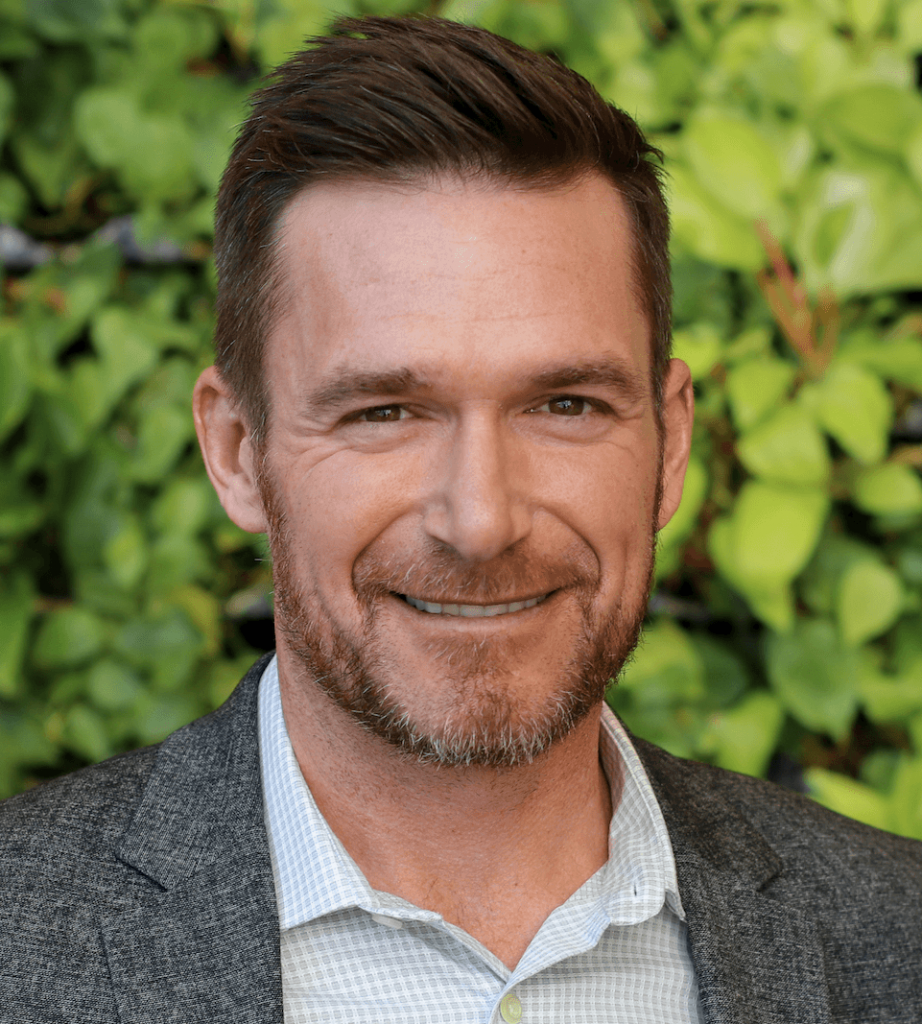
 Patrick Thatham is the founder of PLIQO, home to the world’s only ultra-compact traveling garment bags.
PLIQO’s signature product is the PILQO bag, a contemporary, superbly functional garment bag has been made to meet airline carry-on requirements with the dimensions 39x30x4cm.
This bag isn’t just designed to take on-board flights, it’s also perfect for any situation where you need to transport garments with minimal fuss and is ideal for any commuters.
From Patrick:
“Although I delight in designing travel goods, I’m no longer a frequent flyer myself. But it was very different in the late 90s – the heyday of the first ‘Dotcom boom’ – when I worked for a large international bank. I was developing the first internet banking platforms at a time of high expectations about what the World Wide Web would deliver – and shortly before the inevitable crash.
My patch stretched from Ghana to Bangladesh, and I was flying constantly. After several mishaps travelling in my suit, I started thinking about a garment bag small enough to pack into your hand luggage – what was to become our signature product, the PLIQO compact garment bag.
For personal reasons, I took a break from the City in 2003, and set up a commercial writing business. But the prospect of a bag that would make travelling in a suit a thing of the past still gnawed at me. I began work in 2014. Having worked in finance was helpful for business planning, but no preparation for product development. My retraining included going back to college to learn bag-making. After several years of prototyping – and testing with real-life business travellers – the PLIQO bag finally launched with a crowdfunding campaign in mid-2017. Then as now, around 75% of our products sell overseas, making the bag a minor export success story.
I miss the travelling of my banking days, and the many friendships made around the world. However, I’ve made numerous new friends in the creative and manufacturing communities. And there’s nothing like having your own dream project to nurture, so I couldn’t see myself returning to mainstream corporate life any time soon.”
Follow PLIQO on Facebook and Twitter and read about Patrick’s experience appearing on Dragon’s Den here.
Show Transcript
Intro: [00:00:08] Welcome to Daring To, a podcast that finds out how CEOs and entrepreneurs navigate today’s business world – the conventions they’re breaking, the challenges they faced, and the decisions that they’ve made. And lastly, just what makes them different?
Rita Trehan: [00:00:25] Well, welcome to the episode of Daring To. It’s really interesting, I get so many great guests. And like today, I mean, who would have think that a banker and an industrial sewing machine, I mean, put those two together, right? That’s pretty daring. What do you do if you cross a banker, an ex banker with an industrial sewing machine? Patrick, I’m delighted to welcome you on the show. And thank you for joining me. Patrick, you are the CEO of the company of the PLIQO,. I’m gonna make sure I say that, right.
Patrick Tatham: [00:00:59] That’s right, PLIQO.
Rita Trehan: [00:00:59] PLIQO, right? And the only, I think, ultra compact traveling bag that has been developed. Innovation within itself. But I’ve got to ask you, right? A banker, a financial banker, I mean, most people would say, “Why would you give that up? And then, go and get an industrial sewing machine.” There’s got to be a story that surely come on.
Patrick Tatham: [00:01:21] There is. Rita, first of all, thank you for hosting me on the show. It’s a real privilege. There is a story. You’re absolutely right. So, I was a financier for many years and a frequent flyer. And it was really only because of a personal tragedy in my life that I had the opportunity to stop, so to speak, what I was doing and to start again on a different and more entrepreneurial and creative course.
Patrick Tatham: [00:01:52] So, when I was 39 years old, my wife passed away, and I was left with two young children. And I decided not to go back into finance but to start out as a child carer essentially, a househusband. Now, as my children got older, I discovered that I had time on my hands and the opportunity to come back into the workforce. Originally, I started as a business copywriter, my background being in finance and management. But there was this problem that continued to nag me dating back to my days as a frequent flying financier, which was how to travel with a suit without having to wear it or crush it into your hand luggage. And essentially, it was this problem that I eventually came around to solving starting around five years ago.
Rita Trehan: [00:02:45] So, as a frequent flyer, well, before COVID-19, a frequent flyer, at least, I feel that pain of like having to pack a bag, go to lots and lots of different meetings, have different outfits for different occasions, depending on what you’re doing, and then finding that when you get there, everything’s all screwed up or crumpled. And then, it’s a really interesting insight that you took. So, you went into a completely different field. Now, often, people are really challenged when they think about taking on board this idea of starting their own business and being creative enough and daring enough to actually test that out. So, yeah, it wasn’t a skill set that you necessarily had. So, talk us through how did you kind of develop that? What skills did you have, you think, that you gained from your financial career that you were able to apply firstly? And then, what did you have to learn that was new and different?
Patrick Tatham: [00:03:39] Absolutely. So, finance and I was working in a large corporation, a Fortune 100 hundred company within that. So, it was about finance and understanding finance, but it was also about management. And I think those skills stand you in good stead, whatever you are doing, but they definitely don’t prepare you for the kind of holistic skillset that you need to set up and run your own business.
Patrick Tatham: [00:04:09] Now, coming to the creative side of things, my father … Sorry, my grandfather was an engineer and my mother was a very creative person, painter and drawer. And I think that was always in me, and perhaps a little bit suppressed while I was working in finance. So, this-
Rita Trehan: [00:04:27] Not most people would say that finance people are creative. And I have family friends who are financiers. So, please, I’m only joking really, but I mean, it’s like that joke, right?
Patrick Tatham: [00:04:36] Yeah, I guess there are some of these guys who create new complex groups to financial instruments who have a source of creativity, but yeah. I mean, I would say, by and large, when you are in management, it is much more about operating successfully within constraints and parameters that’s a normative. And, creativity tends to thrive better outside of that kind of environment. I mean, there are exceptions, I guess. People like Steve Jobs, but there may be few and far between.
Patrick Tatham: [00:05:16] So, yes. I mean, in a way, it really wasn’t until I’d thrown off the shackles of working in finance. And I had time, literally, Rita, just to sit on the bus and stare out the window and think about this, essentially, a first world problem but a problem for many people, which is what to do about traveling with your things.
Rita Trehan: [00:05:39] So, let’s talk a little bit about the very fact that as an entrepreneur, when you start out, it’s difficult. You’ve got an idea, you have a concept, probably don’t have a lot of money to be able to necessarily get it off the ground, and you’ve got to test out whether it works or not. Now, I’ve done a little of research on you because that’s what I tend to do. And I was really interested to discover that you actually went back to night school; hence, the industrial sewing machine and actually learned how to say, so that you could make some prototypes. Tell me a little bit about testing out those prototypes. I mean, when you said to people, “Hey, look, I’ve sewn this bag. I’ve made it,” what’s the reaction of people when you decided to say, “This is what I’m doing”? Talk a little bit about the reaction to that.
Patrick Tatham: [00:06:24] I mean, I think, by and large, people were intrigued. So, I’m very lucky to be that kind of age and that kind of position in life where I have a lot of friends who are still in senior management, in finance, and if FMCG companies, and lawyers, and so on. So, it wasn’t difficult for me to find a set of people who were prepared to work with me very closely and very loyally on this. So, I think, there was no problem with the concept, but I think what you alluded to before a couple of times, you’re absolutely right, which is people were flabbergasted that I had this industrial sewing machine in my front window. I mean, I knew this would [crosstalk].
Rita Trehan: [00:07:03] Such a good word, flabbergasted. I mean, I think … sorry, I didn’t mean to interrupt you but that’s such a good word, flabbergasted, because I actually was. I think, that described me when I read you’ve got an industrial sewing machine and a financier. So, fabulous way. I didn’t mean to interrupt, but tell me about that. Why would they be flabbergasted?
Patrick Tatham: [00:07:18] No, no. I mean, it’s fine. Really, it’s quite funny. I don’t think I can sort of describe the situation accurately. But I signed up for bag making sewing courses at my local college of further education just up the road. And the day I turned up for registration, there were 11 women there and me. I mean, they looked at me as though I was either mad or I’d gotten the wrong cue or something. And it was kind of sweet because in the classes, they were all making these lovely, exquisite little leather purses and things. And I was there with kind of heavy duty nylons and polyesters trying to sort of fashion this first version, first prototype version of my bag. And I wouldn’t say it was like hugely comic but I mean, it was just kind of slightly odd, I guess, for them and for me.
Rita Trehan: [00:08:14] So, let’s talk a little bit about how these products actually evolve because you’ve now grown into a successful business. What I find it interesting when I have guests on the show is that there is a common theme around sort of successful entrepreneurs, which is their ability to really look at the market and understand their products, or their solutions, or their concepts and from that customer perspective. And it feels like you really did your homework, if you like, of knowing [1], what it feels like; i.e. as a traveler, what that looks like and feels like when you have to travel and how can you kind of manage that. That testing out that product. What advice would you give other entrepreneurs about the need to really understand what people want this is what you think they want? What’s your kind of tips and takeaways around that?
Patrick Tatham: [00:09:07] Wow! I mean, that is a really interesting question. So, I mean, I think there are some obvious things there. Do your field research very, very thoroughly. Now, I was in a slightly unusual, unhappy situation, which was that I had a kind of thriving commercial writing business at the time. And so, I was dedicating two and a half days a week to the writing and two and a half days a week to the bag. There was no mad financial pressure to bring the bag to market. So, I spent probably literally 18 months making prototypes, reviewing them, improving the prototypes, reviewing them again with the kind of people who I knew this product was designed for.
Patrick Tatham: [00:09:57] So, I mean, definitely, there is an argument for saying some people do move fast and break things. Who is that? Is that Google, or Facebook, or someone? And maybe for some kind of products, that works. But for this kind of product, it would not have worked. When you are ordering a minimum of a thousand bags, if they’re not actually right for the marketplace, then you’re never going to move to your second order. So, I think there is something around there about despite the tendency, if you think you have a great idea to rush the market with it, be patient and make sure that it is absolutely the best thing that it can be before you launch it on the world.
Rita Trehan: [00:10:40] And so, I think that’s some really good advice. And at some point, you did need funding. So, how did you sort of like look at expanding that business and taking that idea forward. Crowd-sourcing was something that you see. Not a lot of people really know the value around crowdsourcing. So, from your perspective, what were the benefits of going out and trying to crowdsource money to help fund the idea to take it to where you really wanted to take it?
Patrick Tatham: [00:11:07] Yeah, absolutely. I think in terms of supporting entrepreneurship, crowdfunding has been one of the most revolutionary things of the last 10 years. Now, I know the big platforms have their critics but to be quite honest, they were a godsend to me. What did they give you? Basically, they give you two things. They validates that your idea has an audience, has a marketplace, and they provide you with financial security by giving you the money upfront to place your first order. And if you’re doing something like I’m doing, which is a physical goods and needs to be manufactured in quantity to be viable, that is absolutely critical. So, in a nutshell, it’s those two things.
Rita Trehan: [00:11:57] So, it really talk about you and boldness because there’s a lot of, obviously, work, I guess, that’s been done. Research that talks about skills and capabilities that leadership needs, whether you call it courage, whether you call it determined, whether you call it bold. And let’s talk about some of those individual capabilities. So, let’s talk about boldness for a minute.
Rita Trehan: [00:12:18] So, many of my listeners are not in the UK. But if they are listening to this, and I mentioned Dragons Den, I would say to them, think of the equivalent of Shark Tank because that’s a show that takes entrepreneurs and moves them forward now. And in fairness, you got a bit of stick for that at the end of that program in the UK. You actually went on Dragons Den, which is for entrepreneurs to showcase their idea, their concept, their innovation and get some funding from some very experienced entrepreneurs who are now very successful and looking to invest. And they were all excited to go on this show. And having got through that, I’m sure they have like a long list of people. So, your idea obviously resonated.
Rita Trehan: [00:13:01] Thereafter the show, there was that kind of a bit of a backlash to your response, which was to walk away from the cash. Now, that must have been hard to take in some ways. And what would you say you learned from being on that show and being in that kind of pressure situation? Was it boldness? Was it around actually sort of stepping back in reflection and saying, “Hmm, maybe it was boldness, but yeah, maybe I needed to do some more thinking?” Or was it absolutely just following my idea and I don’t care how I experienced somebody is, I know I’ve got something and I’m not prepared to compromise it? Or are they all of those above?
Rita Trehan: [00:13:38] I mean, I like juggling all those things, I like balls in the air thinking like, “I want to know what’s going on through Patrick’s head when he was thinking that.” And how did he react to all of that criticism and stick that you got? Stick, for those of you, I understand it’s slang for like flack or like grief. I don’t know. Whatever you want to call it. But unfortunately, you were, I mean, a great media coverage. But I mean, personally, let’s talk about it. What’s it like? What was that? Is that an example of for you as a leadership capability?
Patrick Tatham: [00:14:11] Okay. So, there’s a lot to unpack there. But let me preface everything by saying, Rita, that what you see on the television of my segment is about 12 or 13 minutes. But behind all of that is, in my case, an hour of discussions and negotiations that, essentially, to make this compelling for the viewers and short enough to broadcast, it is massively oversimplified. So, we had a lot of quite technical discussions that were not broadcast around valuation, math methodologies. Now, that may not be of much interest to your listeners either, but obviously there are several different ways of valuing companies, and it will vary depending on whether it’s a mature business or whether it’s like mine, it’s a startup.
Patrick Tatham: [00:15:08] And essentially, the problem – and this was not aired – the problem was that we couldn’t agree on a valuation methodology. And I really felt that I was banging my head against a brick wall saying you should not be valuing my startup like Unilever or some other very mature business. You should be valuing it on a different basis. I mean, I won’t go into the methodologies unless you think it’s interesting, but essentially all this had happened.
Patrick Tatham: [00:15:37] And what became clear to me during the discussions was that they weren’t going to budge on the way they thought that my company should be valued, and I wasn’t going to concede on the way I thought it should be valued. On that basis that we were not going to agree on a valuation methodology, there are many other benefits that would have accrued to me of taking investment around the expertise of these very shrewd business people would count for nothing because I would essentially be, to my mind, giving away the company for much less than it was worth.
Patrick Tatham: [00:16:16] Now, as I said, unfortunately, all that subtlety was lost. And in my opinion, I think it looks like I walked away rather petulantly having had a sort of 10-minute discussion about the company, the product, and the business. So, that essentially was at the heart of it. Would I say that was bold? I don’t know. I think that sounds a bit self-aggrandizing. I don’t think it was foolish. I do think if I accepted a lowball offer of investment, I would be regretting it now and cursing myself forever, if that makes sense.
Rita Trehan: [00:16:54] Yeah. So, I guess, like it’s upon reflection, you look back and you say, “Hey, people don’t necessarily get to see all the things that go on in these situations.” But as you reflect back on it, you go, “Well, maybe that judgment call was a good call for giving where the business is today.” I guess there’s some learnings that come in just being in that kind of hype. It’s a high pressure environment to be in. And I think we often think that, “Oh, that’s TV!” But the reality is in business, there are so many high-pressure situations and, particularly, as an entrepreneur trying to get something off the ground. There are many, many high-pressure situations.
Rita Trehan: [00:17:30] So, having what you learn from those high-pressure situations are so powerful, can you think of any of the ones that have been really powerful for you, either off Dragon’s Den or in other situations, that being high pressured, but you’ve learned something and said, “Well, I may do something differently next time,” or “Actually, I would do that again in a heartbeat.” What kind of experiences can you share with some listeners around that because I expect that there will be in many those situations that they find themselves in?
Patrick Tatham: [00:17:59] Yeah. I mean, that’s interesting. I think the main learning point from the Dragons Den negotiations and, indeed, from any negotiation is if you are confident that you have a solid business proposition, then you should not be afraid of walking away.
Rita Trehan: [00:18:28] That’s a great answers. So, follow the passion. If you believe in something that is really important to you, and you know that it’s worth something, and it’s an idea, follow it through. Don’t be scared to follow that tree to fruition. So, I’ve got to talk about COVID-19.
Patrick Tatham: [00:18:28] Yeah. Sorry. I just-
Rita Trehan: [00:18:43] Yeah.
Patrick Tatham: [00:18:43] Sorry, Rita.
Rita Trehan: [00:18:43] No, go ahead.
Patrick Tatham: [00:18:43] So, we got to extend on that and say it’s about two things. The first is to be a successful entrepreneur, you have to have a certain amount of bravado and self-confidence. But there’s no point in having that unless you can back that up with something that’s a really solid proposition. Now, I turn down the Dragon’s investments but I have no doubt that at some stage in the future, I’ll be talking to people about investment again because I do believe that it’s a good product, and I don’t think it would have gotten on Dragon’s Den if it weren’t. And so, essentially, it’s not like this was a wasted experience. I think a lot of people who were kind of commenting and watching this said, “What a waste. What a fool. He got this far. He fell at the final fence.” I don’t believe that.
Rita Trehan: [00:19:44] I actually think it’s a great sort of learning experience for people to not take away that from that from what they saw because I think entrepreneurs, whether it’s in the situation with those very experienced entrepreneurs or in other high-pressure situations, sometimes, you’re in those situations, and you make a decision, and you have time to reflect on them, and you say, “You know what? It may not come across in the way that I wanted it to or people didn’t necessarily get to see it all. But actually, I know and I’m confident in what I’m trying to follow through on. And I’ve got to trust that and trust my instinct on what the right thing to do.” So, I think that’s a good takeaway for people to take from, sometimes, what they see because there are so many situations in which you can apply learnings from that situation.
Rita Trehan: [00:20:30] Now, I’ve got to ask you, right? You’re in a business that three months ago, I would have said, “Wow! He must be on a trajectory of like massive growth.” I was traveling probably, I don’t know, what, maybe in a month. I was on the ride for three weeks of those traveling all around the world. Since the end of March, not so much. Not at all, in fact. And by the way, your product and other businesses that are in similar situations where product can really scale in certain markets and in certain situations. And others, they can’t. How are you rethinking your business strategy, if at all? And are you, in fact, seeing a change or not? Who knows? Maybe you’re not.
Patrick Tatham: [00:21:22] No. I mean, you’re absolutely right. I have seen sales. It’s not too melodramatic, so you fall off a cliff. Really known as traveling, and no one or very few people are thinking about buying travel goods. What am I doing? Probably, kind of obvious things that many companies are doing, which is like looking at discretionary spending, cutting back on that. So, I’m not spending anything on marketing. I’m trying to pair back all other overheads. And to some extent, put the business into a kind of hibernation until this is over.
Patrick Tatham: [00:22:00] At the same time, for me as a business owner, there have been some opportunities to sit and look at some strategic things that I keep postponing because there’s always something operational to do. There’s always some fire to fight. And I’m doing a really thorough review of where there are more opportunities for sales channels, growth when all this is over, new markets, product development, for example. We are right in the middle of doing something, and I’ve been able to spend much more time with that. So, as I said at the start of the show, every crowd sort of has a silver lining, and it’s allowed me to take a step back and look at some of those important things that always get to pushed to the bottom of the entree, really, because there are other more pressing things to do.
Rita Trehan: [00:22:47] I can’t tell you the amount of people that I’ve made that very comment about. It’s almost like a liberation, right? We suddenly have time where we can stop, rethink, and actually plan. And it’s such an important point, I think, for listeners to sort of take away that this isn’t necessarily, “Oh, we’ve fallen off a cliff,” because, yes, that may have happened in the sense of where you were but, actually, there’s such a great opportunity to sort of step back and do, as you’ve said, things that you know you want to do but like just haven’t had at the time to do. And there’s an opportunity, that window of opportunity to really leverage until things change again. So, I think that’s a really valuable piece of information today. Take advantage of the time to really step back and look.
Patrick Tatham: [00:23:38] No. I mean, I think you’re absolutely right. And I think there’s also a very kind of interesting question out there, which is, to what extent will this experience change the way we think about what we’re doing when the crisis is over? How much of the lessons of this tragic episode will stick? And something positive, if you like, in terms of change will come out of this or-
Rita Trehan: [00:24:09] It’s challenged our-
Patrick Tatham: [00:24:09] … we just go back to how we were before?
Rita Trehan: [00:24:11] Yeah, let’s challenge our listeners to that. I think we should take a poll. What’s your bet? Let’s you and I like to kick it off. And then, to say, “How much? What percentage, you think, of all the things that people have learned – new tools, new technologies, time that they’re using, how they’re spending it, what they’re doing – what percentage of it do you think is going to stay the same that people are gonna actually implement the new stuff or people are gonna forget it.”
Patrick Tatham: [00:24:37] I think there are some useful things. And this is a platform that we’re talking on now. I think it’s one of them. And I think people will rely on this kind of remote conferencing much more going forward. I hate to say this as someone who sells travel products, but people might think more diligently coming out of this, do I need to be rushing around so much on a plane, which while it has its glamorous moments is not particularly great for the environment and quite sort of wearing for for the frequent flyer. I used to be one myself and you are too.
Patrick Tatham: [00:25:18] So, I think there will, selectively, be things that come out of this that people stick with and other things. The enjoyment of the solitude that we’ve maybe been having is great, but I think we’ll all be craving proper old-fashioned human company, and getting together for dinner, and stuff like that, and going to the movies. And that, I think people will want to get back to. They wouldn’t continue to sit home and watch Netflix because that’s the only thing there is to do.
Rita Trehan: [00:25:49] I do agree with you. I think that human connection is really important too. So, I’m going to take a percentage, but I’m going to be bold and like out there. And I think that we will see around 45% of change in behavior in things that people do differently and businesses do differently going forward. That’s my bold bet for the future. If I crash and burn, I’ll learned something because I will have more insights that will take me to a different place. So, that’s my challenge to everybody. Let’s see what maybe our listeners come back with as well and put a poll out there when we air this episode to see what people think they can actually take forward in terms of new insights and new learning.
Rita Trehan: [00:26:30] So, I actually think it’s interesting. You’ve developed this this compact bag, which means you can actually take it on the plane with you. You don’t have to put it through all of that. Like you don’t have to get it all way. So, you’re basically looking after yourself. I wonder, in the days forward when traveling will probably start again as people get more comfortable, isn’t that a opportunity in some way because you are less concerned about it touching so many people’s hands and being in so many different ways? I don’t know. It sounds like it could be an opportunity and for your product. Maybe, maybe not, who knows but-
Patrick Tatham: [00:26:30] Thank you, Rita. Well, I’m certainly hoping for it.
Rita Trehan: [00:27:12] Free sales advice. There you go. I don’t mind.
Patrick Tatham: [00:27:13] Thank you.
Rita Trehan: [00:27:13] I hope … No, no. I mean, I’m being serious. In all honesty, I think, it’s ideas like that that, actually, you can see how they can be applied and actually help. They can help in so many different ways to enable travelers to be forward. Who knows? But I put it out there because I’m sure that there are many other sort props and ideas that businesses might have. And what you did was take a problem and actually think about, well, how do you make it easier on so many different levels that can deliver something unique and different. And I’m not sure that that will go away. I think that that potentially has a lot more potential to go forward. So, now, I’m quite-
Patrick Tatham: [00:27:52] Bless you. Thank you.
Rita Trehan: [00:27:52] Now, having been so nice to you, this is why I thought I’d like, now, to come in with a left hook, if you like. So, I love the bag. I’m gonna use it. But like all you talk about are like suits, and many suits, and how you can get your suit in there. Well, I don’t know. I mean, I wear suits too but I’d like to see you talking a little bit more about women. So-
Patrick Tatham: [00:28:16] Oh, my God.
Rita Trehan: [00:28:17] Hello, Mr. Patrick. What are we going to do about this problem?
Patrick Tatham: [00:28:21] I think you can answer that. No. I mean, honestly. I’ll tell you the truth, Rita. I am missing 50% of my target market by having a product that is probably fairly overtly masculine in terms of styling and functionality. And that’s not to pose-
Rita Trehan: [00:28:39] Get out there. Get out there. Get marketing. Like get some women on your team of like, you know. I like prototype users.
Patrick Tatham: [00:28:45] Listen, Rita. I just want to explain, okay? So, you know what I’m saying earlier about your field testing and your market research. So, as a male business traveler myself back in the day, I kind of felt that I had a fairly good understanding of what the problem is from a male traveler’s perspective. And so, I focused my research, and focused my design, and focused my marketing and all that other stuff mea culpa on the male market.
Patrick Tatham: [00:29:18] And one of the things that’s always been there in my entree has been let’s do the research with a cohort of women business travelers to understand how their needs are going to be different. Do they travel with different kinds of suits, trouser suits, skirt suits? Do they need to pack two or three blouses? Do they have more cosmetics? All these kind of things that need to be understood and factored into the design. And like I was saying, it was one of the things that always just ended up in the bottom of the entree because I was trying to boost sales or firefight some other problem. So, please rest assured, it is very much on my radar. And I am very cognizant of the fact that I am guilty of ignoring this enormous potential.
Rita Trehan: [00:30:09] Well, the women travelers and businesswomen would be pleased to know that. And obviously, we’ve talked a lot about the bag being used for the traveling and for business purposes. But I guess you can use it anyway, can’t you? I think my husband would be delighted tonight that I might actually have a bag for going away to visit friends that doesn’t fill up the whole back of the car and-
Patrick Tatham: [00:30:30] It is. I mean, it’s great for country house weekends. It’s great for weddings. It’s great for musicians, concert musicians. It’s great for students, graduating students, airline pilots. All kinds of people have come up to me and said, “This is perfect. This is just what I need.” I think the problem really is in terms of marketing communications, Rita. If you have to simply tell people like who is this bag for, it’s easier just to say it’s for frequent flyers really. And then, people understand, okay, this is really for the frequent flyers, but that does involve missing some subtlety around the other nicher markets, perhaps, that are off the bag. But I mean, basically, anyone who ever needs to look smart could or should have a bag like this.
Rita Trehan: [00:31:18] And actually, that’s a really good sort of insight for listeners as well. So, if you’re kind of an entrepreneur trying to think about how you position what you’ve got as an offering or a solution, being really crystal clear and not trying to be everything but focusing in on what it is is really helpful. And it sounds like that’s exactly what you did. So, be clear on who you’re appealing to because, then, people get it. They understand it. So, that makes a lot sense. Again, another great piece of advice for people who are kind of thinking about developing their propositions and are in the throes of developing their business because it’s easy, as someone who is guilty of doing that, of having like so many ideas around how different solutions can apply and be used that you tend to want it to tell everything rather than pulling back and actually saying no. Yes, I understand it can do all of that. But let’s focus on something that’s core first. So, I think there’s some really good advice.
Patrick Tatham: [00:32:15] No. I mean, I think you raised a really interesting point there because when you’re bringing a new product to market, you want your sort of strap line or your elevator pitch to be very functional. People basically won’t be familiar with this. So, they need to know what is it that it does. The USP, essentially. I think if you become a very well established brand like Nike, you can have something much more aspirational, like Just Do It because everyone knows who you are. So, you almost need to think about how you describe your product and your strap line that goes with. It is something that evolves.
Patrick Tatham: [00:32:54] So, in my original ones, the most compact garment bag in the world because it was. It was the smallest. And since then, since it’s become a little better known, I’ve sort of changed it to the smartest garment bag in the world, which it is very smart. It’s smart because it’s clever, and it’s smart because it looks good but it’s less sort of functional. And going forward, I could have something that wasn’t really about the bag at all, like the future is unfolding because the bag folds, but it doesn’t really tell you what kind of product it is. And I think it’s a great point that you’ve highlighted here about when you’re marketing, you’re thinking of describing your product, how you need to think about which stage in this process of evolution your business is at.
Rita Trehan: [00:33:44] So, let’s move it just slight with two last questions. Actually, three questions. The first one is your story is quite an an inspiring story in, and I’m sure that it must be for your children to having sort of been in what was a sad situation, but taking on this role of staying at home and caring for your children. And then, from that, sort of demonstrating those kinds of values and principles for you and your children. And then, taking an idea, a creative idea that you have and making that happen. I mean, that’s quite inspirational, much the role model for your children. Do you see that, do you think? Do you ever think about that playing out in your situation?
Patrick Tatham: [00:34:29] That’s really interesting question. I wasn’t expecting this kind of question at all. I don’t know if you have a family yourself, Rita, but when I think about my own situation, I think you only understand the contribution that your parents have made to your development way after the event, if you know what I mean. So, it’s now only in middle age that I actually appreciate the sacrifices sacrifices my parents made and the example that they set.
Patrick Tatham: [00:35:04] My children, who are 19 and 20, I think still very much kind of live in the day. So, if they’re fed, and they’re watered, and they’re comfortable, and well socialized with friends, I think that tends to be the extent of how they look at the world and how they look at my parenting skills. So, I think the jury is still out on to what extent this has been positive role modelling for them.
Patrick Tatham: [00:35:36] I did want to just say one other thing about parenting because, obviously, I have combined that as a single parent with launching a couple of businesses. If you can manage to raise two children, and you get them more or less out the door, and they’re well adjusted and well socialized, that’s probably the most difficult challenge you’re gonna have in your life. Relatively speaking, running a business, dealing with other adults, even dealing with crises like coronavirus, I think, are relatively straightforward, require less enrichment intelligence-
Rita Trehan: [00:36:10] I can hear all the listeners-
Patrick Tatham: [00:36:10] Less-
Rita Trehan: [00:36:13] All the listeners, I think, I can almost visualize them right now just nodding their heads going, “Yeah, I get it. I so agree to what you’ve just said.” I can feel them. I don’t have children, but I can feel them because there’s so many people that will say what you think is tough, actually, just just fall back on the skills that you’ve actually got because as a parent, you’ve got so many great skills that are so applicable in the business world, right? I mean, that’s the reality of the situation that we undermine those skills sometimes. We don’t put them in that context.
Patrick Tatham: [00:36:45] I mean, I think so. I think your background is in HR, but I was thinking about this today ahead of our conversation. And I think HR and people’s skills should be put absolutely top of the agenda for anyone in management. Not finance, not supply chains, not PowerPoint presentations, but it should be the emotional intelligence and the human side of things. And I have learnt from parenting how to be a better person in business. Not necessarily better businessmen, but a better human in the way that I interact with all my stakeholders.
Rita Trehan: [00:37:33] Powerful, powerful. And I actually think the coronavirus is teaching leaders today to be more humane in many ways and have more empathy in many ways than they’ve need to do before. And that might be that kind of burning platform that we needed to have the kind of leadership that we will look for, and admire, and want to see around the world. So, yeah, it feels like we’re on this kind of, I don’t know, I think a precipice of maybe some really good things coming out of what we’re seeing. And I think like those insights that you’ve given around solo parenting will resonate so well with so many people who do have to balance both, by the way. I mean, it’s not an easy thing to have to do and it’s a reality that there is other things in the world that you have to balance along with business. And you’ve shown that it is possible to do and that, at least, some of the other stuff is a lot harder. So, don’t lose sight of that.
Rita Trehan: [00:38:24] Well, it sounds like your business is really expanding. We wish you really well with it. And I think like just a really heartfelt lessons and learnings that you’ve been able to give people today are going to be really helpful for people as at whatever stage they are at their business and actually even really experienced CEOs, I think, have an opportunity to really reflect. It’s getting some of the basics right and really thinking about what’s important, and how you connect and follow a dream, and make it come true is the important thing.
Rita Trehan: [00:38:54] But there is always one question that I have to ask, which is like me, I like to ask, which is a daring to moment. I mean, you just have so many. I could think about ten that you’ve already said, but let’s try and think of some ones that we haven’t heard. But what’s your daring-to moment that you would say that you have had either personally, professionally that you would like to share with people that they could maybe think about and reflect on?
Patrick Tatham: [00:39:18] Thank you. I mean, you’re right that there have been several junctures. And let me just pick really the most recent one, which was I think to break out of my comfort zone, which was very much rooted in finance and management, and then writing about finance and management, giving that up to actually do something that I’d always hankered to do, which was to create a physical product that actually did something, albeit in a fairly modest way, to improve people’s lives in some way.
Patrick Tatham: [00:39:56] So, just do something that was better, and more innovative, more functional than something that had been done before, and all the kind of risks that go with doing that, and also all the new skills that I had to really learn quite late in life in my mid 40s. Going back to night school to learn bag making is just one of them. But, obviously, you’re running your own business. You’ve got to be able to manage every aspect of that; and at the same time, keep the creative side of it going. So, I think you’re daring to go back and follow my dreams is putting it maybe a little bit too strongly, but this thing that nagged me so long to actually get around to doing it.
Rita Trehan: [00:40:46] So, awesome. Thank you so much, Patrick.
Patrick Tatham: [00:40:49] Thank you, Rita.
Rita Trehan: [00:40:49] Patrick Tatham, CEO of the PLIQO Bag. And Patrick, if people wanna get a hold of you, want to know more about the bag, want to know more about you, more about the company, how can they get hold of you? Is there a website? Is there an email? Is there Twitter? Is there LinkedIn? What’s the best way?
Patrick Tatham: [00:41:04] Absolutely. All of those. So, our website is probably the best way. That’s www.pliqobag.com, P-L-I-Q-O-B-A-G dot com. Also there on social media. So, thanks so much for giving me the opportunity to plug that, Rita.
Intro: [00:41:21] Great. And then, for those that want to know more about Dare Worldwide and what we do to help people and organizations transform, you can find us on www.dareworldwide.com. You can follow me on Twitter, @rita_trehan. And you can check out books, and podcasts, and thought leadership materials both on LinkedIn and on the website. Thank you very much for listening.
Outro: [00:41:45] Thanks for listening [crosstalk]-
Rita Trehan: [00:41:45] Stone, can I record the name of the company, because I am not sure-
Outro: [00:41:48] … and future episodes of Daring To.. Also, check out our website, dareworldwide.com for some great resources around business in general, leadership, and how to bring back change. See you next time.
Rita Trehan: [00:42:03] Sorry, I forgot to wait.