Business RadioX ®

  • Home
  • Business RadioX ® Communities
    • Southeast
      • Alabama
        • Birmingham
      • Florida
        • Orlando
        • Pensacola
        • South Florida
        • Tampa
        • Tallahassee
      • Georgia
        • Atlanta
        • Cherokee
        • Forsyth
        • Greater Perimeter
        • Gwinnett
        • North Fulton
        • North Georgia
        • Northeast Georgia
        • Rome
        • Savannah
      • Louisiana
        • New Orleans
      • North Carolina
        • Charlotte
        • Raleigh
      • Tennessee
        • Chattanooga
        • Nashville
      • Virginia
        • Richmond
    • South Central
      • Arkansas
        • Northwest Arkansas
    • Midwest
      • Illinois
        • Chicago
      • Michigan
        • Detroit
      • Minnesota
        • Minneapolis St. Paul
      • Missouri
        • St. Louis
      • Ohio
        • Cleveland
        • Columbus
        • Dayton
    • Southwest
      • Arizona
        • Phoenix
        • Tucson
        • Valley
      • Texas
        • Austin
        • Dallas
        • Houston
    • West
      • California
        • Bay Area
        • LA
        • Pasadena
      • Colorado
        • Denver
      • Hawaii
        • Oahu
  • FAQs
  • About Us
    • Our Mission
    • Our Audience
    • Why It Works
    • What People Are Saying
    • BRX in the News
  • Resources
    • BRX Pro Tips
    • B2B Marketing: The 4Rs
    • High Velocity Selling Habits
    • Why Most B2B Media Strategies Fail
    • 9 Reasons To Sponsor A Business RadioX ® Show
  • Partner With Us
  • Veteran Business RadioX ®

Jon Bassford With Lateral Solutions

August 30, 2022 by Jacob Lapera

Jon Bassford
Association Leadership Radio
Jon Bassford With Lateral Solutions
Loading
00:00 /
RSS Feed
Share
Link
Embed

Download file

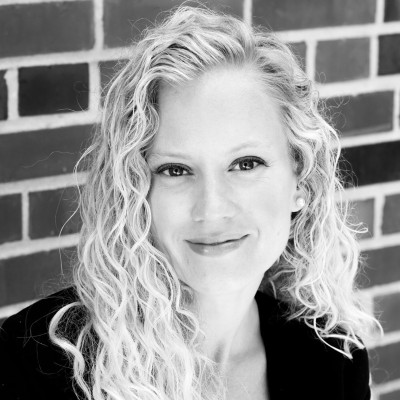
Lateral SolutionsJon BassfordJon Bassford is the founder and principal of Lateral Solutions, an operations management and consulting company specializing in the launch and management of internal operations for startups and small businesses. As an operations executive and consultant, Jon’s direct leadership has led to the successful launch of more than a dozen organizations.

His systems and procedures focus on utilizing cloud-based tools and software to launch integrated systems that reduce administration and allow founders and owners to focus on their core business. Jon Bassford and Lateral Solutions are trusted partners to ensure operations are launched and managed with full compliance.

Connect with Jon on LinkedIn.

What You’ll Learn In This Episode

  • About ERC
  • Few organizations that applied for ERC
  • Associations that are perfect candidates for ERC

This transcript is machine transcribed by Sonix.

TRANSCRIPT

Intro: [00:00:02] Broadcasting live from the Business RadioX studios in Atlanta, Georgia. It’s time for Association Leadership Radio. Now, here’s your host.

Lee Kantor: [00:00:20] Lee Kantor here another episode of Association Leadership Radio, and this is going to be a good one. Today on the show we have Jon Bassford with Lateral Solutions. Welcome, Jon.

Jon Bassford: [00:00:31] Welcome Lee. Thanks for having me.

Lee Kantor: [00:00:32] Well, I’m excited to catch up with you. For those who don’t know, share a little bit about lateral solutions. How are you serving folks?

Jon Bassford: [00:00:39] Yeah, Lateral Solutions is a operations management company where we specialize in the launch and management of internal operations for startups, small businesses and nonprofits.

Lee Kantor: [00:00:52] So what’s your back story? How’d you get involved in this line of work?

Jon Bassford: [00:00:55] Sure. So, my my. I got started this I felt association work. Not necessarily intentionally. I am one of those people who went to law school, did not know what I wanted to do after law school, and I end up working for a legal organization. I was a member of law school and I started out in the membership programmatic volunteer management side of the house. And then as time went on, started taking on more internal operational roles staff management, budget management, building management, etc. And so when I was looking for a new role, I was looking for operational roles, and I got a great opportunity to work for a tech trade association that was a startup in service startups. So even though it was still an association world, it gave me a this this immersion into working for startups in the startup ecosystem. And it really allowed me to kind of grow my skills and experience while the organization grew. And from there it continued on a number of other operations roles and then became a consultant where it started out just with me launching and managing internal operations. And then as time went on, grew it to have an accounting staff and an HR staff to service more clients.

Lee Kantor: [00:02:10] So operations are one of those kind of unsung heroes of an organization, right, like that. It’s something that every organization has, whether they’re being proactive in, mindful about building it effectively and efficiently. Are there some mistakes you see when you enter a new client or prospective client that you’re like, Oh, here they are. They’re making these kind of basic operational mistakes that can so easily be fixed if they would have done some of these foundational things.

Jon Bassford: [00:02:36] Yeah, I think, you know, young organizations with a for profit or nonprofit run into a couple of mistakes. One is that starting out, sometimes they’re going to overpay for the work needed. I mean, I literally have seen an organization pay their corporate attorney who is being billed at 4 to $600 an hour, handle their business insurance, which is an administrative function. Right. It’s filling out forms and sending them back into an insurance broker. So one mistake is definitely overpaying for administrative tasks. The other one is having very junior knowledgeable people do some of these tasks that do take some expertise in nuance. So you got to have both ends of the spectrum there where they’re having really skilled, educated, specialized people doing administrative work. And then you have administrative people doing specialized work, right? So both ends of the spectrum. Another common mistake that I run into is a lot of times the CEO, executive director, founder or whatever believes that they know enough about operations, that they can handle it themselves. And look, nothing of a rocket science, right? I mean, with an education, enough experience, research, etc., you know, intelligent person can handle and figure out most things. But the problem runs into the fact that that’s not what a CEO or a director should be doing. You know, they should be focusing on the core mission, the core service of the organization, and making sure that they’re driving profits and revenue. And so it always ends up happening. Is these operational matters fall to the wayside. And I can’t tell you the number of times that I’ve come into a situation where they’re paying me and my organization far more to clean up the mistakes and to clean up their books and HR, etc., than it would have cost them to hire us from the beginning. And that CEO or the other people involved want to save their time as well.

Lee Kantor: [00:04:40] But when you mentioned like kind of both ends of the spectrum, if you aren’t kind of a knowledgeable about all this stuff, it’s hard to discern what is the thing that I got to have my lawyer do and what is the thing I can have my admin? Do you need somebody that at least kind of knows the lay of the land so they can point and say, okay, that’s something that can easily be handled by admin and this is something that you better hire an expert because if you screw this up, that’s going to have ramifications for years to come.

Jon Bassford: [00:05:08] Yeah, absolutely. And that’s why Lateral Solutions really offers a range of services. So we’ll do everything from being your. Outsource Operations team. From the start, I have literally had a few clients come to me and say, We’ve incorporated in Delaware now what? And so we get in their bank account, set up their business insurance, their books, set up their HR payroll, etc. We set up all the administrative functions for them, which normally can be done in 30 to 45 days. I say normally because sometimes it depends on the an officer of the organization to sign forms and that sort of stuff. And there can be some delays. But we also offer services like co advising, you know, for an organization that’s not quite ready to take that leap, but they need that trusted advisor who’s there to hold their hand, direct them so they’re not making costly mistakes, but also not spending an arm and a leg for just the advising.

Lee Kantor: [00:06:09] Yeah. So that’s why I can see, especially if there’s a change of leadership or an organization that’s plateaued or is frustrated, to have you come in and just kind of get the lay of the land to let them know, hey, you know what, if we share this area up, you might be on the new trajectory. I think that that’s critical, especially if you don’t have somebody on the team that can do this kind of stuff.

Jon Bassford: [00:06:31] Yeah, a lot of times, you know, we are reached out to by individuals who just lost our director of operations. Right. A lot of times it’s probably more of a an office manager who’s been elevated a little bit and been handling accounting and HR and maybe don’t really have that background or that skill set. And so they’re when they when they lose that person, like, okay, now’s a great time to reassess. Let’s figure how, you know, how much time we’re spending on internal operations, how much time should we be spending, and are there better ways to do it?

Lee Kantor: [00:07:05] Yeah, absolutely. So part of the reason you’re here today is to educate our listeners about a program called Employee Retention Credits. Can you talk a little bit about first what what they are, number one, and number two, where the opportunity is for so many associations?

Jon Bassford: [00:07:25] Yeah. So the employee retention credit is part of the CARES Act. You know, this is all part of COVID relief measures that Congress passed back in March 2020. And what it is, is it’s a payroll tax credit. And without getting too granular with everything, there’s basically four ways to qualify for this. And, you know, part of the problem with I.R.S., it’s also referred to sometimes as RTC, the employee retention tax credit. They both mean the same is that again, this launched in March 2020. But the the the time period that you can qualify for this runs all the way through 2021. And so there has actually been nine updates by the IRS on who to qualify, who can qualify and how to qualify. And every time they’ve done one of these notices, it’s expanded these parameters. The perfect example of this is when I.R.S. first launched. If you got PPE, you were exempt from applying to I.R.S. After some time, they said, No, no, let’s not make it an exemption, but it will discount the amount of credit you receive. And so going back to the question of what this is, this is a payroll tax credit. This is not an income tax credit. This is not a loan. There’s no forgiveness. This is a credit against the payroll taxes that you have paid across these periods. And so this is why it is a perfect opportunity for associations, because it it is not a it’s not an income tax credit. Right. Like when they filed nine nineties, they don’t pay taxes. And so this is still a credit that they can get.

Jon Bassford: [00:09:18] And secondly. You know, with the qualifications for I.R.S.. Associations are ripe candidates for it. And I can kind of jump into a little bit here what those four basic qualification areas are and why I believe associations are the best fit. Even though associations across the board really are not applying for this and quite frankly, 400 billion that is 400 billion with a B dollars was allotted by Congress and only a fraction of this has been applied for IRC is just now kind of really getting some steam I think partly because. Accountants and people in the know about this type of stuff got burned out with PGP and the IDL. You know, managing those operations and filing those for their clients doesn’t really fit their business model. And with all the changes that affected that came along with I.R.S., they just haven’t stayed on top of it. So there are four basic. Ways to qualify for IRC one is being a startup. It’s pretty straightforward. If you began operations, not corporate, they began operations including having employees after February 15, 2020, and you average less, less than $1 million in revenue per year. So across 2020 and 2021, you qualify for the the startup qualification and that is actually the lowest amount you can qualify for because it only covers your employee counts in Q3 and Q4 in 2021. But if you qualify for startup, does that mean you have to? So you should always if you qualify as a startup, you should also assess the other ways of qualifying to see where you’ll get more money.

Jon Bassford: [00:11:08] Because the next three qualification areas I’m going to mention, they run from Q2 2020 through to three 2021. So we’re a startup, only has two quarters of qualifying these other ways have six quarters you can qualify, which obviously will maximize the amount of credit you can get. And the other thing good about I.R.S. is that it’s all quarter based, and with these other three, it’s all cumulative. So if you tell me that it’s not all or none, right? So if you qualify for one way for two quarters, two quarters for another way in one quarter for the third way, it all adds up. It builds up. They don’t cancel each other out. It just all adds to the quarter you qualify for and the amount of credit you’ll receive. So there’s three qualifying areas that run across these six quarters. The first one is a gross receipts reduction, which is what the IRS called it. So basically lost in revenue. And it it is substantial. And I think this is the area where there’s a lot of misinformation because I think when accountants are telling clients they don’t qualify, it’s based upon this financial reduction. And it is hard to do so when you’re looking at a quarter by quarter comparison between 2019 and 2020. So so comparing Q2 2019 to Q2 2020, did you have a 50% reduction in gross receipts that substantial? Not very many businesses and organizations can lose 50% of their revenue quarter by quarter and stay in business. But it gets a little softer.

Jon Bassford: [00:12:43] When you compare 2019 to 2021, it’s only a 20% reduction. So I always. Recommend that my clients look at the financials, even if top of their head they’re like, There’s no way we increase in revenue across both years. We didn’t have any reduction. You never know where. You just might have had a light quarter on your books in 2021 and you meet one quarter of that financial reduction. So that’s you want to keep an eye on that. Again, you’re going you’re going to add each of these quarters up and qualifying up. So that’s that’s that’s number one. Number two is supply chain issues. Again, this is something that’s not going to really affect most associations, but for for businesses that rely on buying goods and selling goods. Supply chain issues were were definitely hit throughout COVID, but I’ll brush over that so it doesn’t really apply to associations. The third way to qualify in this group of three is full or partial shutdown. Now the IRS says that or estimates that 70 to 80% of all companies in the US qualify. And it’s really based upon this criteria that most of them fall under that. And this is the area where I believe that majority of associations qualify as well can have an association background. I’m very well versed in the type of operations that they put on, the type of events, etc. and there’s no doubt that associations qualify under this. So for a full and partial shutdown, full or partial shutdown, I should say, sounds draconian, right? You had to stop operations.

Jon Bassford: [00:14:15] You had to lay people off. You had to stop delivering your goods and services. But again, looking at these notices that the IRS has put out to to clarify these various rules. You can quickly see that. It’s not that harsh for this qualification. And in fact, it’s pretty straightforward. The rule basically is, is that due to government orders, no state, local, federal, no travel, no events, no one person this. No one person that. Government. Covert orders. Affected your organization’s ability to deliver its goods and services from its normal course? More than 10%. So what does that mean? The best example that I can give is restaurants. Every expert I’ve talked to, every article I’ve read. Agrees that this is a prime candidate for full and partial shutdown. So my area restaurants I think were had no indoor dining for four or five months, then went to 25% and 50%. And when they did that, let’s just say a restaurant in day one of these shutdowns built a patio out front. Replace every table and chair. So they lost no revenue. They want they replaced it all from indoor dining to outdoor dining. But they also increased their takeout sales by 30, 40% because that’s what people did during COVID. So not only do they not lose money, they increase their revenue. Every expert agrees that this restaurant qualifies for full or partial shutdown because it changed the way it delivered its goods and services. Now think about all the different industries at that time. Effects. Schools move to remote learning. Now move over to associations.

Jon Bassford: [00:16:13] Now what are some key components of associations? Live events, trade associations, trade events, those pretty much got shut down for 2020. And given the size of them, a lot of them probably couldn’t happen in 2020, 2021 either, depending on where it was located. So you have the big events of these associations, trade shows, conventions, conferences, etc.. But you also have to keep in mind. The more local and regional stuff. Many organizations are built around chapters which have chapter meetings and chapter events in person, social events in person because of government shutdowns. Pretty much all of that had to stop in 2020 and some of it in 2021. Again looking at the trade association route. Look at lobbying. Lobbying drastically changed. Congress and government buildings were shut down for a long period of time. So again, the full or partial shutdown. Isn’t that you had to stop doing these things completely, but you had to change how you did them. If you normally did it in person, you had to change the virtual. If you normally did this type of marketing, you had a change of this type of marketing. When you look at all the notices from the IRS, the way I describe what is trying to do with a perfect shutdown is recognize and understand. That these government orders had a dramatic impact on how our businesses and organizations conducted their operations. And what it’s doing is rewarding companies who were creative, who adapted. Kept their businesses making money, kept their organizations in business, and kept people employed. That’s what it’s there to do.

Lee Kantor: [00:18:08] So when you’re working with an association and you bring this up to them and obviously, you know, in an ideal world, their own CPA or accounting firm would be proactively telling them this. But as you describe, that’s not not always the case. But when you’re working with this association, can you come in and and kind of assess the situation and do a turnkey service where you’re like, okay, this is what I see. This is where the opportunity is, and now we can apply for this. Or like, what is your relationship in this matter? Is it just you telling them, Hey, this is something that your accountant should do? Or is this something that your company, you know, takes the ball and does it on their behalf?

Jon Bassford: [00:18:51] Yeah, very good question. So like you said, there’s two parts to this. The first part is the education. Educating people on what IRC is, what the qualification areas are, and how does that apply to their organization. That’s the first step. And now that you and I are talking about this, you’re going to see everywhere you go ads and start seeing IRC places now that we’ve talked about this. But the problem a lot of them are making is they’re just sending people links to pre qualify. And so without educating people on these various qualification areas and breaking it down for them so they understand how it affects their business, they’re going to go through these pre qualification forms and just. Mark No, because they’re going to go into it with a mindset that I don’t qualify for this because my CPA said I don’t or I didn’t lose revenue. Whatever it is, whatever that preconceived notion is, they’re going to go into it with that. So we help break that down. So we do one on one calls, webinars, etc., and we’re offering this education to organizations, business owners, associations for free. Now, the second part of this is the actual filing. So we have partnered with the second largest IRC filing company in the US. I believe to date they have filed for over two and one half billion with a B credits for small business and nonprofits.

Jon Bassford: [00:20:21] And it’s a really straight, easy, straightforward process. So typically what happens is we do a one on one call or we do a webinar with with an association or their association members. And after we educate them and walk them through the process, we send them our qualification link. Now, if they have their numbers ready, their financial reduction number is ready, they have their employee counts ready. And they kind of have that that narrative painted out in their head as to how they apply for the full partial shutdown. The questionnaire takes anywhere between two and 4 minutes. It’s very quick and easy, very straightforward to to just assess which course the organization is applicable for, for the credit, where they qualify for the credit. Once they do that, then we they will receive a estimate on the amount of credit they will receive. And an upload link and all that they do from that point of view is to upload their detailed payroll journals. I recommend that they do it by paycheck date. It can be as large as quarter based, but it’s got to show every check date in that, every employee, the salary amount, the taxes, etc. because it’s got to be those details as well as your 941. And for most, most people, they’re using some kind of payroll system where these are very basic reports that you can download with with a button and just you upload those for the course in which you qualified.

Jon Bassford: [00:21:50] From there, our partner will analyze the analyze your payroll. Analyze your your qualifying quarters and work to maximize the amount of credit that you receive. From there, it is simple as they will bring you bring back to the client the final number after this analysis and present a contract to them. So our partner offers this service in one of two ways. It can be completely contingent upon receiving the credit to where you pay nothing until the credits received, in which case they charge 15 one 5%. A A client can opt to pay an advance and they charge 10%. Now, obviously, if something happens and that credit is ever received, the IRS rejects it for whatever reason. Maybe they had back taxes or whatever it may be. They will obviously refund that that that fee, but does give those two options. And most of my clients are just opting for the 15% because the IRS right now is taking anywhere between two and six months to make the payments. And why carry that load? Another very important thing about I.R.S. is that it’s actually real money. And my clients are shocked. We’ve now helped over over 35 companies qualify and have about another 18 processing. Our goal is to help over 500 companies get back over $100 million in IRC credits.

Lee Kantor: [00:23:19] So is there a sweet spot in terms of number of employees? Like when does it start? When does it stop making sense? Like if you have five employees, is that enough? Or if you have two employees, does that even matter? Like, would you even bother? Or is it you have to have 50 or 100 or hundreds of employees for this to make sense?

Jon Bassford: [00:23:39] Yeah, that’s a very good question. So the answer is yes, it makes sense for everybody. And here’s why I say that. We’ve had a few people because they had no these are these are for profits. So for for profits, majority owners and their family members are exempt from the employee count. So we’ve had a few people who the core employees were owners and family and had a few part time people, even an organization like that, where they have no full time people who are qualifying because the owners don’t count. They still have gotten 3 to 5 grand. And again, this is with the with conversation with us and the forms and the uploading. You’re talking 15 to 25 minutes. So if you take that out to an hourly rate, you’re still talking 6 to 10000 an hour, right? So so no one’s no one. Most people don’t make that make that an hour. So even if you have very few people, I just help the association where it’s just the executive director again because it’s not he’s not an owner, right. It’s non profit. He got 12,000, you know, a small state association that probably has a budget of 3 to 500000, you know, gets an extra 12 grand in their bank account. That’s huge for them. Now it also can be large. So 1 to 1, one employee to 100 employees is the sweet spot that we play in.

Jon Bassford: [00:24:59] And here are some numbers. We’ve helped an organization that had about 7 to 9 full time employees I say about because they had some part time, etc. They’ve got 150,000. We helped the small property management company get 212,000 with a government contractor firm that had 29 employees, got 586,000. So generally I say that if you have 25 or more employees, you’re looking over 500,000. If you’re over 50 employees and you you probably qualify for at least four or five quarters, you’re looking at over $1,000,000. And the reason why I say our sweet spot is 1 to 100, because when you hit more than 100 employees, the rules do change. So there’s no limit on how high you can go. But when you switch to 100 or 500. You only can qualify in 2021, which is harder to qualify for than in 2020. So it’s reducing them again now it’s reducing the amount of qualifying quarters from 6 to 3. When you go 500 and greater. It’s still only in 2021. But it’s not all employees. It’s only employees that you paid who were not working. So yeah. Any and all companies and organizations, regardless of size, absolutely can qualify for RC. It just stores different parameters depending on that size.

Lee Kantor: [00:26:24] Well, if somebody wants to learn more, have a more substantive conversation with you or somebody on the team, what is the best way to get ahold of your website or LinkedIn? What’s the best way to get ahold of you or.

Jon Bassford: [00:26:35] Yeah, I’ll get to. So. So the easiest way is to email us at info at think dash lateral. Or obviously you can go to our website, think ao.com and we do have an IRC page on there with some videos with a form where you can put in your information and we’ll get back to you a.S.A.P. So those are the two best ways to get ahold of us.

Lee Kantor: [00:26:59] Good stuff. Well, John, thank you so much for sharing your story, doing important work. And we appreciate you.

Jon Bassford: [00:27:04] Thanks for having me.

Lee Kantor: [00:27:05] All right. This is Lee Kantor. We’ll see you next time on Association Leadership Radio.

Tagged With: Jon Bassford, Lateral Solutions

Spark Stories Episode 18

August 30, 2022 by Jacob Lapera

Spark Stories
Spark Stories
Spark Stories Episode 18
Loading
00:00 /
RSS Feed
Share
Link
Embed

Download file

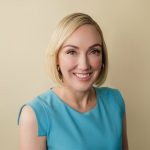
Arlene StearnsArlene Stearns is a leading image consultant, artist, and public speaker, who helps those who want to up level their income to make an impact in the world.  She creates a distinctive personal style for entrepreneurs and professionals that boosts their confidence and revenue.

As the founder of The ImageUp System, she guides her clients to cash in on lucrative opportunities they’ve previously missed by enhancing their appearance, presence, and image. The comprehensive system addresses all aspects of the client’s inner and outer persona, so the brilliance on the inside radiates on the outside, too.

With almost 20 years in the fashion industry, and as a recipient of four national awards, Arlene understands the powerful connection between how you look and your success. Her proven system helps men and women look like a leader, so they are paid like a leader.

Connect with Arlene on LinkedIn.

This transcript is machine transcribed by Sonix

TRANSCRIPT

Intro: [00:00:01] Welcome to Spark Stories, where entrepreneurs and experts share their brand story and how they found their spark. The spark that started it all.

Clarissa J. Sparks: [00:00:13] Good evening. Good afternoon. I’m Clarissa J. Sparks, your host of Spark Stories. And we’re excited to be here today. Spark Story airs on the Atlanta Business Radio X Show on Saturdays Live at 10 a.m.. Please tune in to our pre broadcast at WW dot Atlanta Business RadioX dot com. I’m so excited to be in the studio today. We have an exciting guest. Her name is Arlene Stearns and she is the founder of Image Up System. Arlene, this show’s very conversational. Our listeners love to hear all about who you are, what you do, and why your brand matters. Please introduce yourself.

Arlene Stearns: [00:00:57] Well, I am Arlene Stearns and I am the founder of the Image App System. The image up system started I guess the seed started being planted as I was just a young girl. So my mother was a fashion model in New York City, and she gave up that career, of course, to start her family. My grandmother was the epitome of fashionista when that term wasn’t even in existence.

Clarissa J. Sparks: [00:01:24] We all love a fashionista, right?

Arlene Stearns: [00:01:26] Oh, yes. Well, she had me on Fifth Avenue as a toddler, and she loved dressing me in those styles. I was the only grandchild. And so, yes, I was decked out. It was a way for her to kind of show me off and and it was wonderful to be all dressed up.

Clarissa J. Sparks: [00:01:45] Oh, yeah. Dressing up is fun, especially when you’re in the early stages of development. When you’re exposed, that kind of brings you out and start you out on your purpose and starting out on that purpose. Like I said, it can be a transition from your relatives and almost like, like you said, planting that seed. And I think in entrepreneurship that is so important to have those foundational components instilled. And definitely, like I said, start at an early age. So thankful to your grandmother. She was able to recognize who you are and what you are becoming.

Arlene Stearns: [00:02:19] Yes. And my mother really instilled in me the value that you place on yourself is the value that others place on you. And initially, it’s all visually. Right. So you’re how you dress is you’re the expression of your essence. And that’s extremely important, right?

Clarissa J. Sparks: [00:02:41] The essence is getting to the core of who you are and what you stand for. And people do judge off of your appearance. So tell us a little bit about how, you know, how important image is when building your business.

Arlene Stearns: [00:02:57] It’s extremely important and influence is really every aspect of your life, but it definitely influences your income because people do judge. It’s in our nature. We judge everything. When you go to a produce stand, you’re going to pick the shiniest apples, you’re going to pick the the tomatoes that don’t have any bruises. So we judge everything. And in less than a second is what the newest research shows.

Clarissa J. Sparks: [00:03:26] Less than a second.

Arlene Stearns: [00:03:27] Less than a second. Someone has decided on your capability and credibility, all based on your appearance. That’s how important it is. So you might have the best resume because managing partners or hiring partners have said the three most important things were the your experience, your confidence. And the third one was appearance. It even trumped education was more important and they said you should spend as much as much time as you’re on your appearance as you do on your resume. And so, yes, whether you’re going to look for like a corporate position or your rep or you’re representing your business, you represent your business everywhere you go, you are the face and the billboard of your business. People will decide if you’re an expert and if you’re really worth listening to all based on how you appear. Because we see you before we ever hear you.

Clarissa J. Sparks: [00:04:34] That’s right. And especially in the social media age, a lot of people see us online before they actually meet us in person. So I think that’s very important to kind of emphasize your overall brand. Look, how do you guide? How do you know if you have an imaging problem and how do you help solve it?

Arlene Stearns: [00:04:56] Hmm. Well, when people starting out, I try to have them as as they’re creating their brand. They are their brand. Right. So we look for colors. I really stress colors that will really flatter them and fit them. We look for a style that’s going to fit them in every aspect of the word. So it should literally fit them their body type, but it should fit their personality because it is essence of who they are, their lifestyle and their profession.

Clarissa J. Sparks: [00:05:39] So how did you do that? Do you go about it through assessment or just kind of a conversation? Because again, that’s kind of a hard talk to have with someone to tell them that they need to change their appearance in order to fit in.

Arlene Stearns: [00:05:53] Some people just know that it’s right for them. So I’ve had people reach out to me and say, I think I’m ready to up level because I feel like I believe, especially with every woman, because my heart goes to women. Every woman has a leader inside of her that’s ready to emerge, that’s ready to step into that leadership position, knowing that she can get the job she wants and the salary she wants as long as she looks like that person. So some of my clients have actually come to me and said, okay, I’m in transition. I’m ready to step up into this new position and I need to look that part. I need to look like I’m in charge and the leader. And so I love bridging the gap from where the woman is currently to where she wants to be. And I hold your hand and we take that journey together because because it is a total transformation.

Clarissa J. Sparks: [00:07:11] And during that transition time and transformational time, what is it? How long does it take to recreate your look?

Arlene Stearns: [00:07:18] Okay, so it starts with just a conversation because people will reach out to me or I’ll connect with them. And we just have a conversation about their challenges, where their goals, where they would like to go. And then we just see if we’re a good fit, if I can help them reach those goals faster. That’s always what I’d like to do. I in my agreement, I just say that we take like 90 days, but I have done it as fast as in two weeks. Two weeks. When somebody said, okay, I am ready to do this. I am committed. You know, I’m making this major leap and I need to get it done and we’ve gotten it done in a couple of weeks.

Clarissa J. Sparks: [00:08:06] Arlene, let’s talk about that. A few things that kind of resonate with me is you have to have confidence, clarity and commitment. Those three qualities in entrepreneurship and leadership are key. How do you help women who possibly may lack the confidence to show up?

Arlene Stearns: [00:08:29] The confidence is the key, and when you start dressing in a style that makes you look taller and slimmer because yes, any silhouette dressed in a style that suits them and really fits them, flatters them, you will look taller and slimmer without any dieting, without any detox, when you start looking in the mirror and seeing your beauty because everybody has beauty.

Clarissa J. Sparks: [00:09:00] The inner beauty.

Arlene Stearns: [00:09:01] Inner beauty. God made you beautiful with a silhouette that’s perfect for you. And all my job is is to enhance it when you see that enhanced version of you use. I’ve seen it over and over again. She stands up taller. Her whole demeanor changes. You can see that boost of confidence and that boost of confidence then translates into greater performance, more visibility, more confidence and more income. Because you’re attracting clients, you’re attracting people of influence that can help really move your business ahead. So that’s the confidence part. The clarity we did. I do a deep dive with you on clarity. And and it’s very clear when we finish to. Exactly what styles are going to make you confident, make you be the best you you can possibly be. And then that commitment, that commitment to self care, because it’s all part of self care, you need that commitment to yourself that you are important. So many women think I need to wait until I lose £10. Well, you’re saying that you’re not worthy now to look good. And you are. So, yes, it is a commitment.

Clarissa J. Sparks: [00:10:36] Yeah. And when you make that mindset shift and you commit, like you said, you can show up confidently in your business, in your leadership role, because you feel good about who you are and what value you can bring to your your customers. So again, I think that’s a very with any stage of business, particularly the early stages, just making sure that you are confidently showing up and you look the part because again, you are being judged, you are being categorized, and you want to make sure that you are portraying who you want to be and who you’re becoming. And it’s an evolution process. As your brand grows, your style will grow. And you have that signature style that say, you know what, I know when she shows up, she’s going to look the part, she’s going to speak the part, she’s going to be the part. And so I think that’s imaging is very important. But, you know, from an expertise, how often is it overlooked?

Arlene Stearns: [00:11:43] It’s very often overlooked, especially nowadays, kind of like that great resignation. And we’ve been locked away for two years. Yeah, we’ve gotten so lax about how we look as women. I’ve even read an article that talked about like I’m just reminding me of like the 1960s, like, burn the bra. Who needs that? You know, I’m going to grow a man’s stache. We just don’t need to really care about what we look like anymore. That is such a disservice to you. And you’re dishonoring yourself when you don’t care enough about yourself. And then if you don’t care about yourself, how are you going to care about somebody else’s business?

Clarissa J. Sparks: [00:12:25] That’s right. That’s right. So for those who were locked away during the pandemic years, what are some recommendations for transitioning back into the public’s eye?

Arlene Stearns: [00:12:38] Try on what you you are trying on what you have and you’re looking in the mirror and going, Oh, this doesn’t look the same anymore. The styles could have changed or your body probably has changed, so the styles don’t fit in, flatter you. So it would really be great if you could consult an expert because you know your friends are going to tell you.

Clarissa J. Sparks: [00:12:59] Or at least they should know.

Arlene Stearns: [00:13:01] They usually tell you what you want to hear. Oh, and then. And then they also influence you with their style, which might not be your style at all. And then the salesperson wants to just sell you things. That’s her or his job, right? So they’re not as concerned. Does it really fit you in every sense of the word? Because some of my clients, invariably, as I’m going through their closet clarity component and we’re looking at everything in their wardrobe.

Clarissa J. Sparks: [00:13:35] Ooh, I like that. Say it again.

Arlene Stearns: [00:13:37] Closet clarity. Yes. So I have them. I look for the gems in their wardrobe that they already own. And I put together stunning outfits with their wardrobe, the gems and their wardrobe and all their accessories. And I take pictures of those outfits. Invariably, my clients will say, I never thought about pairing those two things. I never even knew that these two things could go together or match. I forgot all about this skirt, or the last person had a whole drawer full of scarves that she never wore because they were they were put away. And I showed her, you know, how to use them. And she loved it and said, we’re not going to pack them away. We’re going to put them over this hanger here where you can see them and grab them. Right. So but when I’m doing that, like one of my clients said, I’ve never warned that because I was with my friend and she insisted that I buy it. She liked it on me, I didn’t like it. And we don’t need things to just hang in our closet to take up space. We need a wardrobe that’s fun and functional. So when I say functional, I underline that fun part because you need to really love the clothes that you have. It’s part of loving who you are. And. And so if you don’t love it, don’t keep it. Don’t buy it.

Clarissa J. Sparks: [00:15:07] That’s hard advice to follow. I look at my closet that was just bursting at the seams and it’s just like, I want to keep this. How long? How often should we purge our closets?

Arlene Stearns: [00:15:20] You know what? I think we should go through it, like at the end of every season, especially if you need to pack up like your summer things as you transition into fall and winter. Think about did you as you’re packing them up, did I even wear this, this whole season? How often did I wear it? If you if you didn’t wear it the whole season, you might consider passing it on to someone else. Another way to kind of figure that out is as you’re wearing clothes, to have all your clothes facing in one direction. Because when I put your clothes back in your closet for a closet clarity, I have them all facing the same way, and they’re all grouped together in a way that’s easy for you to get dressed for any occasion, but as you’re wearing clothes to flip the hanger the other way. So at the end of the season, you can actually then know what you wore and what you never wore.

Clarissa J. Sparks: [00:16:19] So with your closet clarity, it sounds like you help us get organized, too.

Arlene Stearns: [00:16:25] I do.

Clarissa J. Sparks: [00:16:26] Okay.

Arlene Stearns: [00:16:26] Because isn’t it wonderful when you’re organized and you have that time to have that extra cup of coffee or just a little quiet time before you start your day instead of pulling out things and discovering, Oh, this doesn’t fit me. This has a stain. This has a tear, you know, and or where is that shell top, you know? And you’re, like, looking for it. Oh, is it in the laundry? Oh, my goodness. So that you’re starting your day out and kind of chaos in actually the mood for your day is set in your closet. You’re either going to feel like a rock star or are you going to feel like kind of like, oh, like I’m not quite happy with what I’ve got on and your day will follow suit. So you’re a rock star. Day will be. You know, if you feel like that rock star, you’re going to be so productive, you’re going to shine. But if you’re just feeling kind of app and have that kind of kind of day.

Clarissa J. Sparks: [00:17:21] So even like what I’m hearing is preparation, making sure that you’re prepared to show up and it starts probably in advance and not the day of.

Arlene Stearns: [00:17:34] It’s always wonderful if you can think of how you want to show up, because if you show up like a leader, you’re going to get paid like a leader, you’re going to close more deals, you’re going to attract your ideal clients and prospects. You’re going to feel successful. And that’s a perception you need to have for yourself. And, you know, because your perception really matters just as much or even more than the perception of others of you.

Clarissa J. Sparks: [00:18:05] Yeah, I think brand perception is just extremely important. And again, particularly when you’re starting out because how you’re perceived by the market, again it does impact your income and the way that you show up. So again, it’s just super important how what what drives you like what made you passionate about imaging and particularly in women?

Arlene Stearns: [00:18:32] Okay. Well, if I look back so you know a little bit about me, I had an experience that changed my life and probably planted a seed in what I do. I was going through a really terrible divorce. I was in my mid twenties, the very abusive relationship. I was a single, a single. I was then going to be a single parent. I was going to be the first one in my family to divorce. And I lived in a small town without family around me. My husband was in the GBI, and so he knew all the legal people in town, all the powerful people. I was a schoolteacher. So I really felt devastated and alone. And I didn’t have one shred of self confidence. Well, my mother hated to see me like that, so she gave me one of the greatest gifts, which was a makeover at Saks Fifth Avenue. I went there and gave that expert permission to create a hairstyle for me and to do makeup. And so she snipped away at my long, dark hair that had been worn the same way all through high school and college. And and she showed me some she did the makeup.

Arlene Stearns: [00:19:56] When I looked in the mirror. Gone was that young college student, and there sat a young, professional woman. It boosted my confidence and I felt like $1,000,000. And I wanted to create that feeling for my clients because one of my components is that esthetic component. You’re hair and makeup. Even when we’re been on Zoom, people see your face in your and your hair and makeup. It’s like, you know, putting your best face forward is always the best thing and and to make that square work for you. But then when I see my clients, because I did wardrobe being for 20 plus years before I created the image up system, and when I saw women put on something that I really felt beautiful in, their whole demeanor changed. Yeah. To see that smile on their face because I never wanted them just to settle for something. Life is too short to just settle for something. You really need to make sure that you love it and it really great that your brilliance on your inside radiates on the outside when you wear it right.

Clarissa J. Sparks: [00:21:18] And I think it’s important, and I mentioned this earlier, is having someone who sees something in you and being able to bring it out. And if you can do that through hair, makeup, clothing, accessories, that becomes your gift that you’re sharing with these women, with these men, to help them to go out and be stronger leaders. And I think that is just so important because entrepreneurship can be isolating. It could be. Just scary. And knowing that there’s someone out there like you that say, you know what, I will hold your hand through this process. We can do it. Let’s go from bangs to a new hair color and they show up for themselves. So just having that that foundation and that partnership with someone, I think is just really important. Again, for those who are not or they don’t feel ready to look at to start the branding or rebranding of their image, what words of encouragement would you give them?

Arlene Stearns: [00:22:39] The best investment is investment in yourself. So really think that you are worth it because you are and God made you beautiful. And all I do is enhance that beauty so that you can really believe in yourself and and promote what you’re doing. And for people to see that brilliance that you have on the inside. Because if we if we just show up, we’re we’re looking like we don’t care. We could have the best resume, we could have the best skills. But somebody’s not probably not going to give you that chance. Right, to to exhibit that. Right. So and then one of my clients said, gee, not only did I help hold her hand, but I really boosted her self-esteem. And she’s in the C-suite. But yet she didn’t feel like she you know, so many women don’t feel like they’re quite worthy of this advancement. And she was in that place and she said, like I, I didn’t only see her as a client, but I cared about her. Right. And I do care about my clients.

Clarissa J. Sparks: [00:23:59] And I think that’s important to establishing that relationship and that circle of trust, because, again, you have to be vulnerable in order to change.

Arlene Stearns: [00:24:09] Yes.

Clarissa J. Sparks: [00:24:11] You have to be open and willing to say, you know what.

Arlene Stearns: [00:24:16] I surrender and I do a deep dive with my clients because I don’t want them to have their distinctive personal style. So they need to be comfortable in their own skin and with what we what we decide is a great wardrobe for them. So I do that deep dive. And for instance, one of my clients hates animal print. I would I love animal print, but I would never suggest anything with animal print. Right. And sometimes they’re willing to step out of the box just a little bit.

Clarissa J. Sparks: [00:24:57] Just a little.

Arlene Stearns: [00:24:58] And they’re amazed.

Clarissa J. Sparks: [00:24:59] And they’re.

Arlene Stearns: [00:25:00] Amazed. And so several more than one client, definitely most of them have said, I never would have selected that. I never would have tried it on, but I’m so glad I did. And they wind up getting it. They wind up purchasing it because I love it. And I said I never would have even given it. I never even glanced at it. I would have just stayed in my little area over here, you know, just.

Clarissa J. Sparks: [00:25:27] You know, it’s funny, we’ve used a lot of see words in this conversation and the one now that sticks out is comfort zone. We got to get out of the comfort zone. So we’ve got to have confidence, we’ve got to have clarity. We got to get out of the comfort zone to change.

Arlene Stearns: [00:25:47] Right. But I’m not saying to take a leap out of your comfort zone. You’re not not talking a total leap. Okay. Because you do need to feel comfortable. And so just like that client that doesn’t like animal prints, you would never be comfortable in it. I would never suggest it. Okay. So I’m not I’m not saying that we need to just being in your comfort zone is important, but sometimes you might want to just try just a tiny little toe out, you know, just experiment just a little bit to see. Because when we change, it’s growth.

Clarissa J. Sparks: [00:26:24] For us, it’s a stretch. And most of us as early stage entrepreneurs, and we’ve got to be willing to stretch. Now, Arlene, what is your ideal client? Who who do you work with and who would you like to work with?

Arlene Stearns: [00:26:44] I love working with women that are successful in their in their entrepreneurship and in their business ownership that are ready to take that next step, that are willing to grow, willing to really boost, enhance their leadership to take that next step upward. So I’ve worked with entrepreneurs and business owners. I’ve also worked with people that are already that are in corporate so that they desire to go up to that next level. Or you’re confused because right now style is so different. Yeah, my corporate ladies are saying, like when they’ve gone back to the office, things were much more relaxed. So what they had before, since their body changed to, you know, might not work, but they needed to look kind of casual business casual in jeans and how do I make that work? So how how do I dress down? Kind of, but not not so far down that I’m not going to be seen as that leader.

Clarissa J. Sparks: [00:28:05] Sure. Sure. That’s good advice. I know. Hear it. Spark stories. We are all about supporting other women entrepreneurs, other experts. How can we support you?

Arlene Stearns: [00:28:17] Well, I’d love more speaking opportunities because I feel like my message is really important that your image plays such a significant role in your life. I just touched on your business and your income, but it also affects your relationships. It affects your health. It really touches every part of your life. So just telling people about me that I exist, for one thing.

Clarissa J. Sparks: [00:28:50] Well, how.

Arlene Stearns: [00:28:50] Can we conversation, oh, you can reach me and I’ll social media image up system on everything I’m Facebook on LinkedIn it’s image up system and then if you just want to reach out to me, it’s Arlene at Image Up System. So I’ve kept it very consistent and I welcome just a conversation with you. It’s my gift to you to just have a 30 minute conversation to see where you are now, where you want to be and see if my system because it’s it’s a program that’s very thought out that goes from head to toe and inside out will work for you if it will get you there. But it’ll bridge that gap between where you are now and where you want to go. So so that’s one way. And also, I believe that every wardrobe starts with ten core pieces and there are ten core pieces that every successful woman has in her wardrobe, no matter what her business is. And you can get that from me as well as a gift. Just type in gift from Arlene. It will give you a listing of those ten pieces that will get you started. And I guarantee you probably have some of those pieces already because it forms a nucleus of your wardrobe.

Clarissa J. Sparks: [00:30:16] Okay. And where can we get that gift again?

Arlene Stearns: [00:30:19] Gift from Arlene.

Clarissa J. Sparks: [00:30:21] Arlene or Arlene, thank you so much for sharing with our listeners who you are, what you do, and why it’s why it matters is very clear. You’re passionate and this is your purpose. And we just look forward to helping support you to get more speaking engagements or in expand your your visibility within the community. So again, thank you for your time and thank you for being a part of Spark Stories. Listeners, please support our entrepreneurs. Visit them on social media, Facebook, Twitter, wherever they show up. You can find her at Image Up Systems. Image Up Systems. Again, thank you for your support system.

Arlene Stearns: [00:31:05] No se no.

Clarissa J. Sparks: [00:31:06] Se. Say it again for us. Arlene.

Arlene Stearns: [00:31:08] Image up system. No s on the end.

Clarissa J. Sparks: [00:31:12] No s on the end. So I’m sorry about that. All right. Again, thank you for tuning in. Create a great day.

Intro: [00:31:22] Thank you for listening to Spark Stories. If you’re looking for more help in gaining focus, come check out our website where you can find episode show notes, browse our archives and access free resources like worksheets, trainings, events and more. It’s all at www.shesparks.com

About Your Host

sparkstories2022

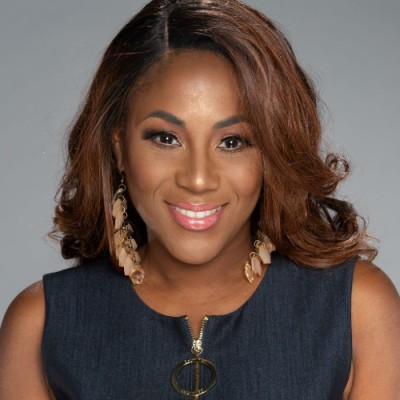
Dr. Clarissa J. Sparks is a personal brand strategist, trainer, mentor, and investor for women entrepreneurs. She is the founder of She Sparks, a brand strategy design consultancy.

Using her ten-plus years of branding & marketing experience, Dr. Sparks has supported over 4,000 women entrepreneurs in gaining clarity on who they are, what they do, and how they can brand, market, and grow their businesses. Using her Brand Thinking™ Blueprint & Action Plan she gives entrepreneurs the resources and support they need to become the go-to expert in their industry.

Follow Dr. Clarissa Sparks on LinkedIn, Twitter, Instagram and Facebook.

Tagged With: Arlene Stearns, leading image consultant

Bob Bafundo With Wings and Rings

August 26, 2022 by Jacob Lapera

Bob Bafundo
Franchise Marketing Radio
Bob Bafundo With Wings and Rings
Loading
00:00 /
RSS Feed
Share
Link
Embed

Download file

WingsandRingsBob BafundoBob Bafundo, Chief Operations Officer at Wings and Rings.

He is an industry veteran with a broad base of experience in numerous key disciplines, formerly serving as President of Rave Restaurant Group, a Dallas-based publicly held company specializing in the pizza segment, and franchisor of legacy brand Pizza Inn and fast-casual Pie Five. He joined Rave in 2016 as President of the Pizza Inn division, where he has led efforts that created 3 years of consistent same-store sales growth. Prior to that, he served as President of Garbanzo Mediterranean Grill, designated as a “Breakout Brand” by Nation’s Restaurant News in both 2013 and 2014. Starting in 2009, he built the franchise program for the brand.

“Raised” in operations, Bob quickly moved through the ranks of single and multi-unit operations with Midwest regional sandwich chain Rax Restaurants. His passion for the business and work ethic created new opportunities in Purchasing/Distribution, as well as Franchise Development and Support Services within the Rax organization. He left Rax as Vice President of Company Operations. Joining KFC in 1993, he spent the next 11 years in company operations, driving sales and profits for between 125 and 180 restaurants in the Southeast, and leading the field testing of many multi-branded concepts. His results at KFC were driven by his strong team-building skills.

In 2004, Bob and a partner ventured out as franchisees of Dallas based Tin Star Southwest Grill, and became master franchise developers for the Sports Clips concept, both in Atlanta. He later moved to regional player Back Yard Burgers as Sr. Vice President of Operations, with responsibility for both company stores as well as franchise support. He has a unique blend of experience ranging from start-ups to national brands, that creates a strong foundation for general management opportunities. He has proven abilities in recruiting and building strong teams, growing sales, partnering with franchisees, and creating systems and processes to deal with new and challenging situations. His approach is always driven by high energy, outstanding work ethic, excellent communication skills, and integrity.

Connect with Bob on LinkedIn.

What You’ll Learn In This Episode

  • Wings and Rings Partners with Miso Robotics to Test Solutions to Alleviate Labor Shortage
  • Wings and Rings recent partnership with Miso Robotics to begin a piloted test of Flippy 2 in the Crestview Hills, Kentucky location
  • The impact on technology in the kitchen and how human counterparts can focus more on customer-facing roles

This transcript is machine transcribed by Sonix

TRANSCRIPT

Intro: [00:00:05] Coming to you live from the Business RadioX studio. It’s Franchise Marketing Radio brought to you by IDs, an award winning digital marketing agency that delivers integrated marketing solutions for franchisors, franchisees and franchise development teams. Learn why over 75 brands depend on ID’s team of dedicated marketers and client service professionals to deliver a strong ROI on their marketing investment. Go to IDS Franchise Marketing for a complimentary digital audit and consultation.

Lee Kantor: [00:00:42] Lee Kantor are here another episode of Franchise Marketing Radio and this is going to be a fun one. Today on the show we have Bob Bufano with wings and rings. Welcome, Bob.

Bob Bafundo: [00:00:54] Hey, thank you, Lee. I appreciate you having me. Good afternoon.

Lee Kantor: [00:00:57] I am so excited to learn what you’re up to. Tell us a little bit about wings and rings. How are you serving folks?

Bob Bafundo: [00:01:02] Wings and Rings is a concept that’s been in place since 1984. Current ownership acquired the chain in 2005 and really took it from a very localized wing joint in in the Cincinnati market to more of a regional emerging chain throughout the country. We have 61 restaurants domestically in another 23 or so internationally. And Wings and Rings really tries to differentiate itself by being the place where people can go to connect over sports. It’s getting together with friends and family and watching a game and enjoying some great food. We really try to deliver crave worthy wings and rings to our guests and make sure they they view us as the place to go for those items. And we try to do it with in a little nicer environment and decor and do it with some great friendly service that makes people feel like they’re in a home.

Lee Kantor: [00:02:09] Now, how are you helping your franchisees kind of cope with this labor challenge that’s happening around the country? Is there any kind of technology that you’re kind of leaning into to help with this?

Bob Bafundo: [00:02:23] Well, first of all, we we try to work with our franchisees on an ongoing basis and really understand which stores and which geographic areas are struggling the most from a staffing standpoint. Safe to say in this environment, just about everybody is struggling in that area. But we try to work with them and understand where the gaps are, try to help them with recruiting and retention as a way to improve their individual situation. And then we feel a responsibility to look long term and look beyond that. So we look for ways to simplify the menu, ways to simplify recipes in the back of the house, to make it easier to learn our systems, to be successful, delivering our systems on a consistent basis. And then we also look for ways we can just eliminate labor and tasks, especially the most difficult ones out of the back of the house in our restaurants. And so we’ve even gone as far as evaluating robotics from that standpoint.

Lee Kantor: [00:03:31] So what how how are robotics fitting into this space?

Bob Bafundo: [00:03:36] Well, we’re doing we’re doing some testing right now. We’ve been in test for about six weeks in our Crestview Hills location in northern Kentucky, just outside of Cincinnati. And in that location, we are evaluating what essentially is a fry cook, a robot that handles the cooking of our wings, of our boneless wings, of our fried fish. And all our fried items are being evaluated right now as a as a way for the the robot to basically take away some of the more difficult tasks that go into working the back of the house that wings and rings.

Lee Kantor: [00:04:20] So is that I mean, that sounds so futuristic. Is that something that’s becoming more realistic nowadays?

Bob Bafundo: [00:04:27] It is. You know, I would say that the need has always been there. And now you’ve got great companies like Miso Robotics who we are partnering with. And MISO is really brought in a team of amazing engineers and they really understand the restaurant business and understand how to program the robot to do exactly what we need it to do and even to customize it to our individual recipes. So it’s becoming more. More and more viable every day. I would say initially, Leigh, we got into it purely from the standpoint of saying how do we reduce the Labor it takes to operate one of our restaurants? But I think as we’ve gotten deeper into it, we see other benefits coming to the forefront now and those include more consistent quality product and just just the ability for us to deliver, deliver things more consistently and and potentially move some of our labor from the back of the house in the customer service positions, especially in an environment where many restaurants are struggling just to just to staff the front of the house with servers.

Lee Kantor: [00:05:43] Yeah, I would imagine that there’s a better use of humans in in the front of the house interacting with other humans, rather the back of the house interacting with hot oil.

Bob Bafundo: [00:05:56] Exactly. Hit the nail on the head. It’s always a little warmer in the back of the house. That’s always a little more demanding on our employees. And so we feel like it’s a step towards improving the environment and our restaurants and allowing people to spend more time on that, on that personal interaction with our guests.

Lee Kantor: [00:06:19] So what kind of is the back story of wings and rings? How did it kind of initially get started?

Bob Bafundo: [00:06:28] Our concept. Wings and rings.

Lee Kantor: [00:06:30] Yeah.

Bob Bafundo: [00:06:31] You know, just initially, I think in the mid eighties with the popularity of other wing concepts starting to take off and the sports bar concepts starting to take off, the original founder worked hard to to get up and get in the game and get something going. And, you know, initially the the restaurant was very successful just serving wings and beer basically, and and playing in that segment. But I think as the brand began to grow, you know, there’s difference between running one or two restaurants successfully and then being able to franchise a concept and being able to provide the support to franchisees through systems and processes that that make restaurants successful. So I think that’s where current ownership has done a great job of of developing those systems and really building the brand. And we continue to grow well today we, you know, up through COVID, we had 12 consecutive years of same store sales growth, which is very uncommon within the industry.

Lee Kantor: [00:07:46] Now, as a veteran kind of in this industry, what are some of the traits of those brands that you think have a chance to be a breakout brand and really resonate and be franchises? Well.

Bob Bafundo: [00:08:00] You know, it I think a great question, Leigh. I think most people would start by saying, you know, gosh, is it unique in some way, shape or form? And that could be through menu differentiation. That could be through. Why would either way the food is prepared. That is always I think where the. Opportunity begins for a brand to grow. But I think more importantly than anything is really refining the process. It’s it’s taking the successful business model that exists at one store, five stores or ten stores. And it’s coming up with a process to replicate that successfully and consistently going forward. So, you know, a lot of people would think that, you know, your best franchisees are entrepreneurial, they’re creative. They’re they want to experiment with different things. Actually, most franchisees that are successful enjoy the battle on a daily basis. But more than anything, they want a system they want to execute. They want to. They want to. They want somebody to give them a playbook. And they want to be able to run that playbook consistently, day in, day out.

Lee Kantor: [00:09:22] Now, from a franchisee standpoint, do you have kind of a profile of who the ideal franchisee is? This somebody that has a portfolio already and is adding this as a kind of complementary brand? Or is it somebody who’s kind of leaning into wings and brings as their primary kind of revenue source?

Bob Bafundo: [00:09:41] Again, great question. You know, there are a couple of different paths to success. To be honest with you. And in some cases, you know, I think most chains love the opportunity to work with multi brand, multi unit franchisees. So people that maybe already have the infrastructure in place and and have support in place to deal with other brands, especially in a common geography. So adding wings and rings to your portfolio is always a great, a great way to move quickly and to be successful. But that said, we’ve got many successful franchisees in our system that are owner operators. These are people that grew up in the restaurants and learned how to run one restaurant and and then eventually took the opportunity and took that that leap and that risk into ownership and have done really well with it. So a couple of different paths for sure.

Lee Kantor: [00:10:50] But you don’t necessarily have to have restaurant experience.

Bob Bafundo: [00:10:56] We we have some people in the system that have successfully moved from outside the restaurant industry into a single unit franchise. It’s it’s just not very common. But we do have those as well.

Lee Kantor: [00:11:15] But so then the folks might be somebody that’s worked in restaurants, maybe frustrated, and then said, hey, I want my own thing. And this is a good kind of place to start in terms of, hey, I already have a tested system. I already have experience in the in the restaurant. But this gives me kind of a blueprint and a framework to work from, and that’s kind of hedging me in terms of having a successful operation.

Bob Bafundo: [00:11:41] Yeah. I think I think most folks and I would say this is true for any brand in the restaurant segment. Most folks have learned the restaurant business in in some other concept, kind of grown up operating restaurants and then want to take a shot at ownership and look for opportunities with brands they they can grow with, with brands they like and that they’re proud of, and they look for those opportunities and jump into them.

Lee Kantor: [00:12:14] So as you expand, are you focusing on certain regions and territories or is kind of the world your oyster at this point?

Bob Bafundo: [00:12:22] No, we think it’s important for us to continue to as a small brand. You know, obviously, compared to the McDonald’s and the subways of the world, we’re a very small brand. And so for us, continuing to build brand awareness for wings and rings is really important. And as a result, we have a couple of different core markets. We’re very solid in Ohio and surrounding states like Kentucky and Indiana. So we’re continuing to focus on growth in those markets. And then we have another solid patch of development in south Texas. We continue to grow very rapidly down there. That’s where a lot of our current growth is coming from that South Texas market. And so for us, it’s about filling in the markets we’re already in rather than flying to Hawaii and trying to figure that out. That’s that just doesn’t make a lot of sense for us right now.

Lee Kantor: [00:13:25] Now, what about the footprint of the restaurants? Are they has that changed like maybe post-pandemic or are they the same size as they were prior?

Bob Bafundo: [00:13:34] Yes, it has changed. And actually it began to change pre-pandemic. And again, give give current ownership and leadership the credit there. Our traditional building was 6000 square feet. But in October of 2020, we opened our new prototype, which we call G four, just abbreviation for Generation four building. And that building is now 5000 square feet. But it also includes what we call a valet pickup or a pickup window. So in other words. People that order online or or call into the restaurant don’t have to get out of their car. They can swing through a valet pickup and have their food brought to them. They’re most likely, if pre-paid by credit card, either on the website or through a third party delivery company. And as a result, just swing through and pick up their food. So I say all that because ownership really saw the trends change, changing for the restaurant business and saw off premise in all shapes and forms, whether it’s carryout, whether it’s delivery, whether it’s catering, saw all of those segments continuing to grow and continuing to do well going forward. And so we felt like there was the opportunity to shrink the size of the building a little bit and still be able to hit the volume numbers we needed, but also to be able to better handle the ever growing side of the business associated with off premise.

Lee Kantor: [00:15:27] Now is the person that’s kind of coming up to that valet window. Is that percentage just kind of trending up that it’s more and more every year?

Bob Bafundo: [00:15:38] Yeah, we’ve got it, I think in four restaurants currently and it definitely outperforms the rest of our restaurants, which where typically we have curbside pickup or we might have somebody park and come into the restaurant. It’s definitely outperforming those previous approaches that we took, and it’s just so easy and so quick for the guest that it’s really been a big hit.

Lee Kantor: [00:16:11] Yeah, it’s a fascinating trend in the marketplace, that curbside. I mean, it’s just really a it’s a different kind of experience that people are having an expectation for nowadays to be able to order on an app or on a website. And then just some, you know, you text or however you communicate and say, hey, I’m here and and someone hands you your food. I mean, it’s kind of going back into the the old days with the, you know, the the people on skates handing you your food in the parking lot, you know.

Bob Bafundo: [00:16:42] You’re exactly right. You’re exactly right. Different experience, but it seems to be a good fit for the time. So, you know, we plan to not only incorporate valet pickup as part of our prototype design going forward, all of our new restaurants are opening with that. But we anticipate we’ll also experiment with retrofitting the valet pickup door onto onto existing restaurants. And and I failed to mention, by the way, this is not just a window. This is this is a sliding glass door. We actually walk out and greet the guest at their car, validate or verify who they are and what their order was, and then come back with the food. So, you know, typically they’re there in and out and less than a minute.

Lee Kantor: [00:17:33] Yeah. And it’s that personal touch, you know, the human to human interaction.

Bob Bafundo: [00:17:38] That’s right. That’s right.

Lee Kantor: [00:17:40] Well, Bob, if somebody wants to learn more about the opportunity or the the restaurant, what is the website?

Bob Bafundo: [00:17:47] The website is w w w wings and rings dot com. So easy to remember.

Lee Kantor: [00:17:53] Good stuff. Well, thank you so much for sharing your story. You’re doing important work and we appreciate you.

Bob Bafundo: [00:17:58] Thanks so much, Lee. We appreciate your interest.

Lee Kantor: [00:18:00] All right. This is Lee Kantor. We’ll see you all next time on Franchise Marketing Radio.

Tagged With: Bob Bafundo, Wings and Rings

Shelley Kanther With Griswold Home Care

August 26, 2022 by Jacob Lapera

Shelley Kanther
Franchise Marketing Radio
Shelley Kanther With Griswold Home Care
Loading
00:00 /
RSS Feed
Share
Link
Embed

Download file

Shelley KantherShelley Kanther may be newer to franchising having started with Griswold Home Care in November 2020, but she is a knowledgeable veteran when it comes to providing strategic marketing leadership to the small local business community. In her time at GHC she has successfully revitalized the brand through cutting-edge caregiver recruitment campaigns, improved franchise development communications strategies, revitalized public relations efforts, and exciting client and referral source marketing materials.

Shelley joined the Board of Directors for the Jean Griswold Foundation soon after starting at Griswold and was instrumental in its transition to a focus on Caregiver education. Shelley spent the previous ten years in the appliance industry, most recently as the Marketing & Digital Strategy Director for The New England Group, a cooperative buying organization with 105 local independent retail-members. Prior to that, Shelley was the Northeast Regional Marketing Manager for Electrolux & Frigidaire Major Appliances.

In both roles, Shelley set corporate digital strategy while creating effective marketing plans for small to mid-size businesses. Having been a partner at Hoopla Marketing & PR and a Marketing Director for both Comcast and CBS Radio, she brings 25 years and a wide variety of applicable experience to Griswold Home Care. Shelley loves skiing, laughing with friends, eating good food and playing games with her young son, Ethan.

Connect with Shelley on LinkedIn.

What You’ll Learn In This Episode

  • The Foundation of Griswold Home Care

This transcript is machine transcribed by Sonix

TRANSCRIPT

Intro: [00:00:05] Coming to you live from the Business RadioX studio. It’s Franchise Marketing Radio brought to you by IDs, an award winning digital marketing agency that delivers integrated marketing solutions for franchisors, franchisees and franchise development teams. Learn why over 75 brands depend on ID’s team of dedicated marketers and client service professionals to deliver a strong ROI on their marketing investment. Go to IDS Franchise Marketing for a complimentary digital audit and consultation.

Lee Kantor: [00:00:43] Lee Kantor here, another episode of Franchise Marketing Radio and this is going to be a good one. Today on the show we have Shelley Kanther with Griswold Home Care. Welcome, Shelley.

Shelley Kantor: [00:00:54] Thanks, Lee. I’m excited to be here today.

Lee Kantor: [00:00:56] Well, I’m excited to learn what you’re up to. Tell us a little bit about Griswold. How are you serving folks?

Shelley Kantor: [00:01:02] Well, Griswold home care actually is celebrating its 40th anniversary this year and is billed as the first non-medical home care franchise in the country. And so we operate about 170 locations in 30 states and growing. So we’re just really thrilled to have such a great legacy to base our company on and to continue the good work of taking care of those who can’t take care of themselves fully and allow them to live in the place that they love longer.

Lee Kantor: [00:01:33] Can you share a little bit about the back story? How did kind of this concept get birthed and what was kind of the pain that we’re trying to solve for? I guess back in the early eighties.

Shelley Kantor: [00:01:44] Yes. But we do have a very interesting history and legacy, as I mentioned. Our company was founded, as I said, in 1982 by Dr. Jean Griswold, and she was a true visionary. What the story goes that there was a parishioner in the parish where her husband was pastor that passed away for reasons that could have been easily prevented. She dehydration and malnutrition issues. And it just turned out that she didn’t have anyone looking in on her or helping her and supporting her in her home. And if there would have been someone, it would have been prevented. And so at that point, Jean started thinking about all of the great people that she knew who wanted to make an honest living, but also had caring, loving hearts and just thought, hey, there’s there’s a need. There’s also people that need good, solid work. And so she started matching them up. And really the rest is history. It started growing from there. The really special thing to note is that Dr. Jean Griswold herself suffered from multiple sclerosis and was wheelchair bound for much of her life. So she understood first hand the importance of having that support and providing a way for folks to continue living their life and and having a positive experience. So it really was born out of many different facets of her love for providing care, her love for caregivers, and also her own experience.

Lee Kantor: [00:03:16] So then what was kind of the impetus to say, hey, you know what, if it’s working well here, why don’t we see if we can help other folks around the country? Right.

Shelley Kantor: [00:03:25] I mean, it just sort of happened organically. People started that were working with her saying, hey, we could use some help over here or, hey, you know, I was wondering if you’d be willing to open an office over here and the business model just sort of transpired from there, realizing that she couldn’t be everywhere. And there was also an opportunity that people in general might might have a desire to own their own business, in essence, and and to make it into something even more than just helping potential caregivers find work, but helping those who aspire to have their own business that has a purpose. It’s not just making money, but for people who really just want to have that higher calling, that helping others and supporting folks in their community. And so it just sort of happened organically over time and began to grow and become successful. And one key thing that happened at one point in the in the nineties, there was a there was a segment done on Dr. Jean Griswold and the business on The Today Show. There was also an article in Forbes magazine about her. And so because it was such a compelling story and she’s such an interesting person, and so that really some inquiries started coming in, and that’s where many of our very early franchisees from further distances transpired. And so it’s just a really great story. To tell and really interesting for people to to hear about how it just started so small at a at a dining room table to now being a national brand.

Lee Kantor: [00:05:09] Now you use the phrase non-medical home health care. Can you talk about kind of where the lines are for that so a potential franchisee can understand kind of what they’re getting themselves into?

Shelley Kantor: [00:05:24] Right. Absolutely. So we talk about non-medical home care and that just really means it’s not skilled. And as far as skilled, it means people are not pushing meds, they’re not doing IVs, they’re not doing those medical tasks that often a nurse or someone who has that training will come in and do. And what non-medical home care is, is more of those day to day activities of daily living that people need support on. Maybe it’s getting up, getting out of bed, getting dressed, making, helping with meal preparation, helping with bathing and toileting, you know, giving reminders about medication, just that companionship piece. Some people are very alone. And as we saw so starkly in the pandemic, when people are left alone, mental health declines. So you need to keep keep that interaction going. And so that companionship piece is really important. So it’s kind of like somebody can come in and do those medical tasks that are necessary, but you don’t necessarily need to have somebody like that there to support in those other ways that it’s very easy for just someone who has a caring heart and maybe a little bit of training can actually come in and handle. And so that’s the difference really between medical and non-medical home care intervention.

Lee Kantor: [00:06:59] And for folks who aren’t aware that to allow the elder parent to stay at home longer in a safe environment can save a lot of money because the alternative is pretty expensive, isn’t it?

Shelley Kantor: [00:07:18] Yeah. I mean, at sure, ten bills can really mount up for that because you’re paying for 24 seven care in a facility. The costs for everything that goes along with that in an actual, say, a nursing home facility or something like that. With home care, the way that it works is you may not need to have somebody in the home all the time, although we do provide live in. But you might just need somebody to be there, you know, the 6 hours of the day that are most crucial to ensure that the person is living a healthy life. And so it might just be that from morning until middle of the afternoon and the caregiver leaves a nice meal for dinner and then the person can get themselves to bed. Or it might be the opposite. Maybe it’s they need help. Towards the end of the day, it’s it’s definitely a more cost effective way. And, you know, honestly and I’ll mention the pandemic again, because there was no time that was more evident than during the pandemic, that if you could be in your own home and be safe, that was the place to be. And the problems that occurred in those facilities and nursing homes with the spread of the virus just pointed to the need for more in-home caregivers so that people can live safely at home rather than having to resort to going to a nursing home or facility if they don’t need to.

Lee Kantor: [00:08:52] Right. And then if you have an elderly parent especially and you don’t live nearby, which a lot of people nowadays are not kind of in the same town as their parent or grandparent, it just that it’s challenging to keep up with those kind of basic things, like is the food in their refrigerator, you know, six months old and expired. Like little things become big things as your parent or grandparent ages and to have kind of a trusted person in the home with them to make sure everything’s running smoothly. I mean, you can’t put a price on that.

Shelley Kantor: [00:09:29] Yeah, I mean, that’s really true. And we right around the holidays and right after the holidays, we do an awareness campaign. And it’s about the idea that you’re as you’re coming home to visit loved ones, that seniors in your life, people are more likely to be visiting grandma, grandpa, your great aunt know your mom, your dad around the holiday time frame. What are some of those signs that you should take note? To solve that, your loved one might need some additional support in their home. And you nailed one of them. You look in the refrigerator and food is expired, or you look at their their pillboxes and it’s relatively full, meaning they haven’t been taking them. Maybe they’re looking a little bit more disheveled. They’re not. As their personal care is not up to par to what it was even six months or a year ago. And so we put that information out there and kind of do a little quiz so people can jog people’s brain to sort of think, oh, gosh, you know, I didn’t consider that a quote unquote warning sign, but maybe it is. And maybe we should start considering what kind of support mom or dad need to help keep them healthy or longer.

Lee Kantor: [00:10:45] So when it comes to your ideal franchisee, what is the profile of that person look like? Do they have to have some kind of nursing background or some kind of caregiver background or are they, like you said, kind of that person that just cares about people and has a heart for this?

Shelley Kantor: [00:11:04] I mean, the prerequisite for any franchisee is that they need to have that giving, loving, caring spirit and want to support those in their community that that need that help, that extra help, most of the time, elderly and seniors in the communities. That’s really the biggest, most important quality that we look for. It’s great to have some level of a decent level of business acumen, whether it was in sort of operations of another business or finance or marketing, really just having some sort of business background because you are operating your own business at that point. So that’s something that we look for. Also, we do like to have someone who is outgoing and engaging because it’s really very important to be comfortable getting out in your community, networking with different facilities, rehabs, hospital systems and things like that, so that they think of Griswold at top of mind when somebody maybe is being released that would need that extra care. But again, I’ll just go back to the fact that if you have a caring heart, you want to help people and you want to support those in your community that need it, it could be a really good opportunity for you.

Lee Kantor: [00:12:21] Now is the idea of franchisees, somebody who is kind of an empire builder that wants to kind of be that trusted resource in their city or community, or is it something that they’re like kind of a one off like, Oh, I’m just in this area here and that’s enough for me.

Shelley Kantor: [00:12:39] It’s both. We have both types of franchisees. We have very successful franchisees who have one office location that’s just doing very, very well and they’re satisfied with that. And therefore, any territories around that are open for sale and they can work together with whomever the other owners are in their area to share best practices and perhaps even share cases if there needs to be help with staffing, if it’s close enough. So we have those types and then we have others, other franchisees who do have groups of offices maybe in one area, you know, over over a region or perhaps even in different states. We do have a franchise group that has some offices in New Jersey, some offices in South Carolina, and then also some offices in Florida. And they’re doing a fantastic job and they really are motivated to expand and continue to grow. So it really runs the gamut. There’s those in between as well.

Lee Kantor: [00:13:45] Now the caregivers are an important component because they’re the ones that are in the homes with these folks. Is there things that Griswold does to kind of help the franchisee identify, find and serve these caregivers? Or is there something that you you do to help them kind of reward maybe the caregivers that are doing above and beyond?

Shelley Kantor: [00:14:11] Yeah, absolutely. Several things we have made recruitment and retention of quality caregivers at our Griswold locations a real priority. Not only do we provide different campaigns and communications that are very engaging for our franchisees to implement at the local level, we have very dedicated operations folks who have just done a ton of research and work on what works with recruiting, how to do it, how to streamline it, how to make it most efficient, and then how to keep those folks once you do hire them. So we make it a real priority, especially in the face of the labor shortages that everybody is hearing about, that seem to be alleviating a bit. But still, we’re just going to continue pushing on that. We created a really beautiful campaign back in 20. At the onset of 2020, which was the Care With US campaign. And what we did was we took a bunch of caregivers from around the mid-Atlantic region and we brought them all to a production house and gave them the star treatment. Of course, they loved this. We had makeup and food was brought in like a green room and and they just felt very special, which they are. And we just sat each one of them down by themselves on the set with a white screen behind them and just had conversations sort of like you and I are doing here today. And boy, did we get some really amazing stories, some really touching moments occurred. And then we took all of that footage and we created all kinds of campaign assets that we could use to help reach the right people, the kind of people who make a good caregiver. Maybe they could see some of these video clips and these social media assets and the all the different types of communications we created out of this footage and these interviews. Maybe they could see themselves in that person, and that’s been super successful for us. It’s just been wonderful.

Lee Kantor: [00:16:25] So now what do you need more of? How can we help? Are you looking? I know you’re in. You’re not in all 50 states yet, but I’m sure you aspire to be like, where are you at currently and what could we be doing to help you grow?

Shelley Kantor: [00:16:38] Well, I mean, there’s there’s a couple of things. Honestly, I do want to mention that we have a very unique way also of supporting these caregivers. And so one way that we would love to get help from folks is to see if they might want to be a part of our campaign with our Jean Griswold Foundation. And that foundation was created back in 2010, basically to help support other organizations that support seniors, such as Meals on Wheels and things. But we’ve transitioned away from that again, with our pinpoint focus on supporting caregivers. We’ve transitioned to focusing on solely on caregivers and their education. And so we just this year, for the first time, we awarded six scholarships to caregivers across the country. They did not have to be Griswald employees or associated with a Griswald office in any way. And in fact, one of them turned out not to be. But from all across the country, we had these amazing caregivers apply for these scholarships, and they were awarded just back in at the end of July on Founder’s Day, which was Jean Griswold’s birthday. And these are folks who wanted some money to be able to get their CNA or to go get one, wanted to go into occupational therapy. One woman even was accepted into medical school and we’ll be using it for that.

Shelley Kantor: [00:18:03] And so the Jean Griswold Foundation is really an amazing way that you can support our efforts to support caregivers. You can go to Jean Griswold Foundation dot org to donate because we’re currently under our annual 2022 campaign in which our goal is 140,040, of course, for our anniversary. So that’s one way you can help us grow and support caregivers. But I assume you also were interested in how we can help grow Griswold and in general and really just getting the word out about Griswold home care. We aren’t the largest home care franchise company out there. We don’t have a huge national media budget. Everything we do is done very thoughtfully. When we expand, we make sure we have the right fit of the right type of people, as we mentioned, those who really are interested in caring and supporting their communities. And so just getting the word out there about Griswold is just a bit of a of a different type of of home care company. We really pride ourselves in giving end to end support from day one all the way through to help us franchise be successful. We have a wonderful home care academy. We provide field visits and one on one trainings.

Shelley Kantor: [00:19:30] We have all kinds of special webinars and different kinds of support that we give operationally. I know my marketing department that my team is just thrilled to talk to franchisees any time to help them understand how to use some of the platforms and programs we put together. We have an amazing conference every year in October and this year being our 40th, we’re going to Nashville and we’re really having a major celebration. And so the awareness piece for us is what can sometimes be a challenge, because again, we don’t have some of those large, huge national media budgets, but we are one of the best kept secrets in the country when it comes to home care franchise. We have relatively low entry costs. We have amazing training. Like I said, we have an extraordinary network of caring, wonderful people who just can’t wait to help each other grow and be successful. And so, yeah, I mean, spread the word. We’re actively selling territories all across the country. We have some really great places available. We just opened a new office out in Southern California in the San Diego area, and we’re really excited about that franchisee. They’re going to do great things. It’s we’re so we’re ready to go.

Lee Kantor: [00:20:53] So if somebody wants to learn more, have a more substantive conversation with you or somebody on your team, what’s the website.

Shelley Kantor: [00:21:00] You can go to Griswold home care dot.

Lee Kantor: [00:21:02] Com.

Shelley Kantor: [00:21:03] And from there it’s pretty clear the navigation is pretty streamlined. You just you know, you can look and see if you want to be an owner, you can click on that. If you’re interested in finding care for your loved one. It’s very simple to find that and put in your zip code. Yeah, we will get right back to you. We’ve we’ve streamlined our processes and we are ready to quickly get back to anyone who’s interested in our services or interested in a franchise.

Lee Kantor: [00:21:28] Well, Shelley, thank you so much for sharing your story today. You’re doing important work and we appreciate you.

Shelley Kantor: [00:21:34] Oh, thanks, Lee. I really do enjoy it. It’s great to be in a career where. It has a deeper meaning. And I appreciate you having us on today. It was it was a wonderful conversation.

Lee Kantor: [00:21:44] Yeah. You’re doing important work and the impact is real. I mean, this is affecting people every single day. So thank you.

Shelley Kantor: [00:21:52] Thank you. I appreciate it.

Lee Kantor: [00:21:53] All right. This is Lee Kantor. We’ll see you all next time on Franchise Marketing Radio.


Tagged With: Griswold Home Care, Shelley Kanther

Carolyn Jordan With Neighborhood Credit Union

August 25, 2022 by Jacob Lapera

Carolyn Jordan
Dallas Business Radio
Carolyn Jordan With Neighborhood Credit Union
Loading
00:00 /
RSS Feed
Share
Link
Embed

Download file

Neighborhood Credit UnionCarolyn JordanCarolyn Jordan, Chief Growth Officer at Neighborhood Credit Union.

She leads the growth areas of the credit union, including the online and mobile digital channel, data analytics, special projects, product development, marketing, and advocacy. She graduated Magna Cum Laude from Texas A&M-Commerce with a Bachelor of Science in Business Administration. She also holds a Graduate Marketing Certificate from SMU’s Cox School of Business.

In 2021, she earned her Master of Science in Business Analytics from Texas A&M University-Commerce. With over four decades of industry experience, Carolyn is well respected by her peers on the local, state, and national levels.

She currently serves on the Consumer Depository Institutions Advisory Council for the Dallas Federal Reserve Bank, the Credit Union National Association Political and Grassroots Network and the executive committee of the Texas Regional Chapter of the African American Credit Union Coalition (AACUC). She is a past Chair and current member of the Credit Union National Association (CUNA) Operations and Member Experience Council, a nationwide forum for credit union leaders.

Connect with Carolyn on LinkedIn.

What You’ll Learn In This Episode

  • The difference of a credit union from a bank
  • The benefits of a credit union versus a bank
  • The programs or tools Neighborhood Credit Union offers members
  • The importance of financial empowerment

This transcript is machine transcribed by Sonix

TRANSCRIPT

Intro: [00:00:05] Broadcasting live from the Business RadioX Studios in Dallas, Texas. It’s time for Dallas Business Radio. Now, here’s your host.

Lee Kantor: [00:00:18] Lee Kantor here, another episode of Dallas Business Radio. And this is going to be a good one. Today on the show, we have Carolyn Jordan with Neighborhood Credit Union. Welcome, Carolyn.

Carolyn Jordan: [00:00:29] Thank you, Lee. It’s great to be with you today.

Lee Kantor: [00:00:32] I am so excited to learn what you’re up to. Tell us a little bit about neighborhood credit union. How are you serving folks?

Carolyn Jordan: [00:00:38] Well, Neighborhood Credit Union is the oldest credit union in Dallas. We have been helping members be financially successful and serving them and giving them financial or helping them earn financial empowerment for over 90 years. And we’re doing some some great things, giving back to our communities, doing things with our digital app and making that available and just helping helping members and helping Texans in Dallas sites be financially successful.

Lee Kantor: [00:01:09] Now, for folks who aren’t familiar, can you share maybe the difference between a credit union and the bank?

Carolyn Jordan: [00:01:16] Yes, that’s a great question. So a credit union is a financial cooperative and it differs from a bank in that it is owned by its customers, we call them members, whereas a bank is owned by shareholders. Also, the goals and missions are different. At a bank, the primary goal is profit and a return to the shareholders at a credit union. Our mission is to provide members with affordable and convenient financial services. Profits are returned to the members in the form of higher deposit rates, lower loan rates, and improved products and services on the outside. Banks and credit unions may look similar because we do similar things with financial services, but on the inside the philosophy is very different.

Lee Kantor: [00:02:02] Now and for I really want to make sure that folks understand the difference because a lot of folks are frustrated with their bank there. It’s kind of a necessary evil. And they’re not looking into credit unions as a as a place where they can get a lot better service for very similar outcomes that they desire.

Carolyn Jordan: [00:02:23] Yeah, and you know that another thing with, with credit unions, a lot of consumers may feel like that. Well to to get the better service at credit unions because we really do have a hands on personal approach with members that you don’t see with a lot of banks because they’re so big and we’re local in the communities. But a lot of times consumers might feel like that they have to give up some of those great digital features, that great mobile app. And the reality is that you can really do both by the credit union. You can have that hands on personalized service and also have a great mobile app as well. Many credit unions, ourselves included, have mobile apps that are very, very comparable to the Chase’s and the B of A’s of the world. And there’s also a perception that, well, I can’t join a credit union because I don’t work at this company. And so I can’t join a credit union. Well, with credit unions today, a lot of them are community credit unions like we are. They’re open to the community. We’re open throughout Texas to have members join. And so you can find a community credit union. There’s always the traditional employer based credit unions, and there are even credit unions that have partnered with organizations that are maybe that they have their own foundation that provides eligibility for membership. So it’s really easy to join a credit union. You don’t have to just have a credit union at your company and you really don’t have to give up that great. Mobile app or even that great ATM network because credit unions partner with big networks that sometimes rival the size of banks and can be bigger. You don’t have to give up any of that to get that nice hands on personalized service. You can really have it all with credit cards.

Lee Kantor: [00:04:15] And, you know, like they say, membership has its benefits. Can you share maybe some of the benefits of being a member of Neighborhood Credit Union that folks maybe wouldn’t anticipate that value being there?

Carolyn Jordan: [00:04:30] Yes. Yes, happy to do that. Well, with credit unions, you’re typically going to have higher savings and checking rates that’s going to help help you earn more money. We still have totally free checking account. That’s something that you won’t really find at a bank. At a bank to really get a totally free checking account, you usually have to have a monthly deposit minimum or you have to have direct deposit with a credit union. We still have totally free checking accounts that you don’t have to have those requirements. And at neighborhood, we really have a unique account that we call is our rewards checking account as to how your checking account, where you get a high rate of interest just for doing the everyday things that you would normally do using your debit card, having electronic payments come out of your account and going paperless with your statements. So you have the benefits of higher savings rates, lower long rates, and then I’ll wrap it up together with a great mobile capability as well.

Lee Kantor: [00:05:35] Now, isn’t it also true that at Neighborhood Credit Union and credit unions in general that the customer experience is going to be a lot different? Like these kind of organizations, the people know who you are. It’s less kind of a a line on a spreadsheet and more a human to human connection.

Carolyn Jordan: [00:05:59] Absolutely. And that is because we we can be more one on one with our members. So have a credit union. You have the opportunity to always see your branch manager. You can even speak with the executive management, even the CEO. You know, we have that that one on one type of service experience where we really want to get to know our members and we really want to understand what their financial goals are. So we spend that time to really get to know them one on one. And we don’t just look at them as someone on a ledger sheet or a number. We really spend that time to get to know them. And so you can you can speak with your favorite person, personal officer all the way up to the CEO at a credit union, because we spend that time to get to know you one on one.

Lee Kantor: [00:06:56] So what does kind of the future look like for a neighborhood credit union? Are you expanding to different communities? You know, you’ve been doing this for a minute. So what’s what’s next?

Carolyn Jordan: [00:07:11] Well, we have been doing it for a minute. You’re right about that. We actually are getting ready to open up a new branch in Oak Cliff. I’m really excited about it because we’re returning to our roots in Oak Cliff, actually in a spot that we were in in the seventies to the mid 2000. It’s close to the Dallas main post office, as a matter of fact, just down from downtown. And we plan on opening next month and really looking forward to coming home and welcoming the community. As we think about our future, we really feel like that what has really made us successful are our employees and our culture, and so we’re going to continue to focus on that. We have just rolled out a program that we call Whittier, and we feel like that that’s going to take us to that next level when it comes to. Doing the things that we need to do in our community, really honing in on that service and really making that a key differentiator and a cornerstone of what we do is focusing in on service. We’re going to continue to enhance our mobile app. I didn’t mention it. I mentioned our mobile capabilities, but our mobile app in the App Store is rated 4.8, which is equal to, as I said earlier, some of those big things. We’re going to continue to leverage our mobile app, but we’re also going to open branches where it makes sense for us to be. They’ll be smaller branches. They’ll be more based on digital capabilities. We use the interactive teller machines. We call them ATMs. They take care of routine transactions. And that’s really a great tool because when we have those ATMs, we’re able to use our people to really, again, focus in on it by focusing on consultation and focus in on really getting to know our members and getting to know the consumers and our communities to really deeply understand what they’re trying to accomplish and get them to a place where they can be financially successful and financially empowered.

Lee Kantor: [00:09:26] Now, who is the ideal member for Neighborhood Credit Union? Is it an individual, a family? Is it a small business owner who is kind of that, you know, ideal fit member for neighborhood?

Carolyn Jordan: [00:09:43] Well we are retail shop so at neighborhood credit union we really don’t do the small business type of accounts. So that ideal member for for neighborhood is going to be that retail consumer, that family, the single person that’s looking to build that family and build their financial portfolio, if you will. And really, you know, we’re looking at the middle market. We’re looking for those folks that’s really trying to build wealth. Credit unions, neighborhood included are certainly available to everyone, but we really feel like there’s a niche for us in the middle market. And so we’re really trying to help those families and those individuals in the middle market be able to build that financial wealth and to be financially successful. But purely focus for neighborhood on on the retail market, families and consumers.

Lee Kantor: [00:10:41] And then is there help, you say, to helping them with their kind of becoming wealthier? Is there tools and programs you have to help in that way? Are there educational programs? Do you have services that help people grow their wealth?

Carolyn Jordan: [00:10:58] Absolutely. We have a number of what I like to call kind of really unique special services. I mentioned our our special checking account, our rewards, checking to FAFSA. We also have for those folks that’s looking for savings. We have a 17 month online savings CD where members can add additional deposits throughout the term. And that really is a great tool because you can lock up at a high interest rate and then leverage that through the term to add continuous deposits. So that’s really a great way to build savings. We also have investment services through our partner company, North Texas Capital, and that’s something that you don’t always hear about with credit unions. We do have full investment services that where we partner or that the credit union owns that particular company. And so that’s a way to start building your retirement, building your portfolio and building building wealth. And we offer full financial education. We have a program called Great Path here at the Credit Union that’s complimentary to all credit unions. I’ll create new members and even non credit union members that come to our website. It provides financial, education and assistance with budgeting, understanding the credit report and how to improve the score, money management, debt repayment and avoiding bankruptcy, foreclosure and repossession. So that’s something that that really is helpful in building wealth. And for those folks that may have gotten into the payday cycle, we have a special non credit qualifying small dollar loan that we call quick cash and it’s a great alternative to payday loans. If you’ve gotten into that cycle, we can help you get out of that cycle because payday loans can be really expensive and so that’s another way to help folks build wealth. So what we try to do here at neighborhoods is to meet members where there are ad members are in different places in their life. And so we want to have as many financial options that are unique and that help members meet that moment.

Lee Kantor: [00:13:14] Now, before we wrap, can you share a piece of advice for our listeners when it comes to orchestrating a career like you have? You have worked at neighborhood for a long time and you’ve probably seen a lot of things. Can you give some advice to young people, especially on how best to orchestrate their career in a way that not only provides financial stability, but also meaning and impact?

Carolyn Jordan: [00:13:46] Yes, absolutely. Thank you for asking that. The first thing that I would say is to find the company that really aligns with your personal values, to have that that longevity and a career in at neighborhood. I think one reason why I’ve been able to be here so long is that neighborhoods values do align with my own personal values. I’m a lifelong learner, and that’s something that I would recommend to to young folks. Be a lifelong learner, whatever that might mean. That might mean going and completing your various degrees. I just recently finished my master’s degree. It took a little while, but I just finished that. But whatever being a lifelong learner means to you always learn, learn throughout your life. I would also say embrace change. Always strive to grow and push yourself out of your comfort zone because that’s what really, really propels growth and what really helps you to get to the next level and always looking at how to be better the next day, the next week, the next year, always looking to be your best. And you know that you found a purpose and an organization that really resonates. If you can do your best each and every day, and if you can still jump out of the bed and head to the office even after 40 years.

Lee Kantor: [00:15:18] Well, thank you so much for sharing your story today. You’re doing such important work and we appreciate you. If somebody wants to learn more about Neighborhood Credit Union, can you share the website and the best way to get a hold of you or somebody on your team?

Carolyn Jordan: [00:15:32] Yes our website is W WW that my and SIU dot com and certainly feel free to contact me personally see Jordan that see Jordan at my NCUA dot com. We welcome anyone that’s interested in credit union membership and in being financially successful. We love. Helping our community and being available for everyone that needs us.

Lee Kantor: [00:16:04] Well, thank you again, Carolyn, for sharing your story.

Carolyn Jordan: [00:16:07] Thank you so much, Lee. Bye bye now.

Lee Kantor: [00:16:09] All right. All right. This is Lee Kantor. We’ll see y’all next time on Dallas Business Radio.


Tagged With: Carolyn Jordan, Neighborhood Credit Union

Carol Aurich, Mario Callejas And Tom Llerena With Florida Storm Panel Supply

August 25, 2022 by Jacob Lapera

FSPS Logo
South Florida Business Radio
Carol Aurich, Mario Callejas And Tom Llerena With Florida Storm Panel Supply
Loading
00:00 /
RSS Feed
Share
Link
Embed

Download file

DTLLogo-Blue-Bannerv2Carol Mario TomCarol Aurich, Logistics/Manager/ Partner at Florida Storm Panel Supply, LLC. With a Bachelor’s in International Business at FIU, Carol has worked and earned expertise in the hurricane protection industry over the last 20 years. She oversees the administration and logistics.

Mario Callejas, General Manager/ Partner/ Architect. Mario has been in the hurricane protection industry for over 40 years and has helped design aluminum profiles and hurricane systems for international and domestic projects.

Tom Llerena, Sales Manager/ Partner at FSPS, LLC. Over 40 years of experience in the Hurricane protection industry, Tom specializes in all levels of project consulting, material take-offs, and facilities supervision.

At Florida Storm Panel Supply, LLC they specialize in the fabrication and sales of hurricane protection products.

Connect with Carol on LinkedIn.

What You’ll Learn In This Episode

  • The products we offer
  • Number of years we have been in business
  • The importance of our products

This transcript is machine transcribed by Sonix

TRANSCRIPT

Intro: [00:00:01] Broadcasting live from the Business RadioX studios in South Florida. It’s time for South Florida Business Radio. Now, here’s your host.

Lee Kantor: [00:00:14] Lee Kantor here another episode of South Florida Business Radio. And this is going to be a good one. But before we get started, it’s important to recognize our sponsor, Diaz Trade Law, your customs expert today on South Florida Business Radio. We have Carol Outreach and her team at Florida Storm Panel Supply. Welcome, Carol.

Carol Aurich: [00:00:36] Hello. Thank you so much, Lee.

Lee Kantor: [00:00:37] I’m so excited to learn what you’re up to. But before we get started, can you introduce your team?

Carol Aurich: [00:00:44] Sure. Excellent. Today they’re with me, Tom Llerena, our Sales Manager, and with expertise in all the hierarchy and protection system. And we do have Mario Callejas has also in the industry for a long, long time with a lot of knowledge in what is involved with our products.

Lee Kantor: [00:01:02] Well, before we get too far into things, tell us a little bit about Florida storm panel supply. How are you serving, folks?

Carol Aurich: [00:01:10] Okay. We do manufacture removable galvanized steel here, storm panels, pretty much. That’s the little silver things that you see outdoors in doors and windows when you see a hurricane. Those have been for a long time in the market. And we do manufacture those in different gouges, what we call them, which is the thickness of the panel. And pretty much these products are very important in the time of hurricane for people who would like to protect their their homes in this area that we are here in Miami with these very unpredictable weather.

Lee Kantor: [00:01:52] So what was the genesis of the idea? How did this concept get started?

Carol Aurich: [00:01:58] Well, this company has been in the market for the last 20 years. It used to have our older partner and then under our administration has been for the last 11 years. So we met a long time ago. And then in this industry, we just thought it was a good idea, of course, because of the environment in which we are. And it’s been a great business. You know, it’s great to be involved in what is happening regarding the weather and to help people get protected.

Lee Kantor: [00:02:31] Now, how has kind of the industry evolved over over the years? I grew up in South Florida, and when I was younger, there was you know, there wasn’t a lot of that. You know, the protection that you’re you’re supplying around. And people used to just make do with, you know, their own wood and cardboard and things like that. How has it evolved? Has this service become kind of a must have nowadays rather than a nice to have?

Mario Callejas: [00:03:01] Pretty much for the most part, the old style plywood panels that somehow store outside the backyard or in a garage or whatever, they inevitably warp or become distorted. These are panels are interchangeable within each opening. There’s not an ABC, it’s one opening. And any panel will go in and any area of that one opening and they nest within each other. So basically you could store a whole house full of panels in an area 14 inches wide by maybe a foot deep. As far as the thickness of the panels overall, as Carol mentioned, we have two different gauges that are 22 and 20 gauge galvanized steel panels. All our panels are hemmed on the edge. Over time, there have been instances of people getting cut. Because the just the side edge is it’s galvanized steel. We hand the edges so that that’s more of a safety issue. We also sell a lot of industry standard components for all sorts of hurricane protection, whether it’s panels, accordions, roll, shutters, locks, etc..

Lee Kantor: [00:04:18] So. So now the consumer has a lot of choices when it comes to protecting their home during a hurricane that maybe they didn’t have, you know, five, ten, 20 years ago.

Mario Callejas: [00:04:28] Correct. Panels are basically the industry standard as far as the entry level or first step. One of our main customers is a major home builder and down here in South Florida, and they find that it’s easier and more cost effective to provide regular windows with panels as a protection as opposed to a permanent shutter or impact windows. The prospective homeowner can also, if it’s a new construction upgrade to a permanent system and then throw it into their initial mortgage. But panels have been a mainstay forever. They’re not obvious on the house. Carol. Actually, they’re almost invisible, but they only come out when there’s an event, a storm event. All of our products are Miami-Dade County Code approved for the high velocity hurricane zone, which which is where we live now.

Lee Kantor: [00:05:39] So what is it like from the consumer standpoint? Say they have an older home that that they didn’t have this as part of their home when they was built. And they say, you know what, this is something. It’s time to invest in this. How does that go about? Is there a special permitting that they have to go through to install this? Do you teach them how to, you know, put them on and take them off and things like that? How does that kind of onboarding of a new client work for you?

Mario Callejas: [00:06:07] No. Part of the service we provide is whether it’s a a general contractor or a specialty contractor that has been asked by a homeowner or a commercial property to provide hurricane protection. They bring us the measurements and the site conditions and we sit down and do a basically consulting exercise.

Carol Aurich: [00:06:32] With the service.

Mario Callejas: [00:06:33] Yes, exactly. To to navigate to put together the permit package and help them navigate the building and zoning process in each individual. Municipality down here has their own set of guidelines and they’re all different. You can’t just boilerplate permit package for that would be applicable in Miami-Dade or in Broward or in Palm Beach County, Monroe County, also all of these within the hurricane high velocity hurricane zone. Sometimes it’s a new thing for them and we basically just help them navigate.

Carol Aurich: [00:07:14] Those are one of the our important keys for representing our company because not a lot of companies do this kind of service. Most of them must have at least know what to buy. And that’s it. They don’t talk to you. They don’t have the time for you. We do provide that service. So it is if it is a homeowner who doesn’t have any idea how to install, what are the sizes or if it is a general contractor with a huge amount of projects, we help them. We provide the permits, we give all the measurements. We tell them we are all the time, step by step with them along the installation process.

Lee Kantor: [00:07:53] So yours is more of a full service kind of white glove service rather than just Here’s the stuff. Go figure it out on your own.

Carol Aurich: [00:08:02] Exactly. Yes.

Mario Callejas: [00:08:04] Now you go to a big box store like a Home Depot or Lowe’s. It’s pretty much you better know what you need and buy it here. And hopefully it’s you bought the right thing here. We do. Hold your hand. Make sure that you’re getting the right thing for the for whatever condition you might have, whether it’s a concrete construction, wood frame, construction. It just depends, you know, trying to make as least of an architectural impact on the house as possible.

Lee Kantor: [00:08:35] And it doesn’t sound like this is a this isn’t a one size fits all situation. Every house kind of is unique and you need kind of your handheld if you want to do it. Right?

Mario Callejas: [00:08:47] Right. You’re 100% correct Lee.

Lee Kantor: [00:08:50] Now, when you got into this business and you started kind of helping the consumer out, was it always direct to consumer or it’s been a combination of homebuilders and consumers as your clients?

Mario Callejas: [00:09:06] Always a combination. I always say the worst thing than than an expert is someone that thinks they’re an expert. And you’ll have people come in with hieroglyphics on a piece of paper that makes sense to them. But basically, we just we decipher that into a correct product cut sheet for the for the particular project.

Carol Aurich: [00:09:33] Also to avoid any kind of lawsuit or anything because somebody’s installation could be a huge damage in a house in terms if a hurricane actually cmes.

Mario Callejas: [00:09:43] The Miami-Dade building code is very, very strict as far as fastener type fastener spacing, the what we call the deflection or the distance between the face of glass to the back, to the inside back of the hurricane protection, whether it’s panels or accordions or whatever. And the product approval has various various applications on it. So part of the permit process is to highlight that product approval specific to the job site.

Lee Kantor: [00:10:19] Now when, you know, when it’s properly installed and a hurricane happens, is this a situation where like this can be kind of total protection for the home, that nothing is going to, you know, crash through the windows or crash through the doors or whatever area is being protected? Like, do you have kind of some stories where you that you can share that maybe a home that was protected with your materials versus one that wasn’t protected? How that turned out in a storm.

Mario Callejas: [00:10:51] Oh, sure. The key to hurricane protection for any structure is to protect the envelope. Basically, you want no opening larger than the size of your your your your computer screen, basically that size to be open because enough pressure, the exterior pressure drops drastically, sometimes in an instant, and that the pressure is not based on the pressure on the outside of with you on the inside. As long as all the all the openings are protected, you’re you’re in good state. Now, personal experience. My home during Andrew, for instance, had panels. I mean, I upgraded to accordions later, but panels on every opening. My neighbor right next door had nothing. Blew off the roof. Blew out the windows. Mean. Devastated. It was a total loss. And my house? Perfect. My neighbor’s house that had panels also perfect. It’s like side by side. The the that was a pressure problem, I believe, in that case and debris flying through the air. You could break a window and then all of a sudden you got the pressure problem.

Carol Aurich: [00:12:16] It is also a combination of protecting your windows doors. But as well, you make you need to make sure that you have a good roof. Maintain maintain it. Also, the garage door, everything, whatever the air can come through is very dangerous. So you have to be protected in every way. You have to have the knowledge and don’t wait until the last moment because everything is very complicated. For example, the roof, you have a bad roof, but you have panels. Then you can bring the panels because you had a roof. So everything is a get together thing to to get covered.

Lee Kantor: [00:12:51] Right? So everything has to be working together in order to have the most protection.

Mario Callejas: [00:12:56] Correct.

Lee Kantor: [00:12:58] Now, when you’re kind of recommending this to especially new home builders, I would imagine that part of the selling price is, look, the communities that invest in this in the front end are the ones that are going to be around if the storm happens. And then the value of all these other homes are going to be you know, they’ll be all better served by having this as kind of built into the the home choice when you’re building or are builders kind of investing in this or they’re kind of relying on every individual homeowner to make the decision themselves?

Mario Callejas: [00:13:34] Well, the Miami-Dade Building Code, Broward Building Code, also, I mean, it’s basically Florida. The current code is affordable building code 2020. And basically, you cannot do a new construction without having an impact rated device or impact windows on the on the on the property. That instance I quoted earlier of having non impact windows with perc with panels cause it’s a cost is a cost thing as far as the builders. It’s less, it costs them less to do that as opposed to putting in standard impact glass or, or standard permanent shutter. There’s a level of complacency that kicks in after, say, five years have gone by, ten years have gone by without a major storm and that. Gail prior to Andrew and various storms in between but. Unless you’ve. I’m a native here in Miami, and unless you’ve really been through it and you don’t want to be inside without protection and you look at what’s happening on the outside, it’s, it’s it’s it’s a catastrophic event that can happen. Unfortunately, we don’t learn well, we learned because we redid all the codes and the roofing codes, like Carol mentioned, the garage door codes. You need to protect the envelope, cover every opening.

Lee Kantor: [00:15:10] Right. But I agree that there’s a level of complacency in the sense that, oh, it’s been a year they say there’s going to be a storm. Oh, no storm. Oh, there’s going to be a storm. Oh, no storm. And then they start thinking, especially as people I mean, people are moving to South Florida from everywhere. They don’t have that scar tissue that natives have. And it seems like, oh, how big of a deal is this? And you know, when the storm punches you in the face, then you realize but it’s it’s sad that they have to kind of live through that destruction in order to really understand the impact of the storm.

Carol Aurich: [00:15:46] We were actually talking about that earlier because people just get they forget. And then since they don’t see in the news that the storm is coming and they don’t have the chart with their five day map, they don’t do anything. But the system is being like kind of delayed because of global warming or the changes that have happened lately. So it’s not that a storm is not going to come. We are still in August and pretty much is we were in May right now. So we don’t know what is going to happen for the rest of the year. So that’s that’s why it is so important to be alert and updated and be protected. It doesn’t matter if you choose an impact window, of course, it’s going to be you are going to pay a higher price. But if you start with the panel, you are going to be for sure, at least you’re going to have a peace of mind that if something is going to come, you are going to be ready.

Lee Kantor: [00:16:42] Yeah, I mean, this is a pay me now or pay me later situation. It’s not a matter of if another storm or hurricane is coming, it’s going to come at some point. You just don’t know when.

Carol Aurich: [00:16:52] Exactly.

Lee Kantor: [00:16:53] So if somebody wants to learn more about your company and the services you offer, what is the best way to get a hold of you or somebody on your team?

Carol Aurich: [00:17:03] Sure. Our phone number is 3056859000. And we also have our Web page, which is www.floridastormllc.com.

Lee Kantor: [00:17:17] Well, thank you so much for sharing your story today. You’re doing important work and we appreciate you.

Carol Aurich: [00:17:23] Thank you so much for the opportunity.

Lee Kantor: [00:17:25] All right. This is Lee Kantor. We’ll see you next time on South Florida Business Radio. Yeah.


Tagged With: Carol Aurich, Florida Storm Panel Supply

Igor Gorlatov With Traction5

August 25, 2022 by Jacob Lapera

Startup Showdown Podcast
Igor Gorlatov With Traction5
Loading
00:00 /
RSS Feed
Share
Link
Embed

Download file

Traction5IgorIgor Gorlatov is the Founder of Traction5

He is an experienced marketing expert, a partner at health tech software agency Kepler Team, and Founder of Charlotte Fractional CMOs.

Connect with Igor on LinkedIn

What You’ll Learn In This Episode

  • Get started with a SaaS product
  • Sales expectations to be checked
  • Funding
  • SaaS and consulting
  • Pursuing fast growth

This transcript is machine transcribed by Sonix

TRANSCRIPT

Intro: [00:00:04] Welcome back to the Start Up Showdown podcast where we discuss pitching, funding and scaling startups. Join us as we interview winners, mentors and judges of the monthly 120,000 pitch competition powered by Panoramic Ventures. We also discuss the latest updates in software Web three, health care, tech, fintech and more. Now sit tight as we interview this week’s guest and their journey through entrepreneurship.

Lee Kantor: [00:00:39] Lee Kantor are here. Another episode of Startup Showdown podcast, and this is going to be a good one, but before we get started, it’s important to recognize our sponsor Panoramic Ventures. Without them, we couldn’t be sharing these important stories. Today on Startup Showdown, we have Igor Gorlatov with Traction5. Welcome.

Igor Gorlatov: [00:00:58] Thank you for having me.

Lee Kantor: [00:00:59] Well, I’m excited to learn what you’re up to. Tell us a little bit about Traction five. How are you serving folks?

Igor Gorlatov: [00:01:05] Sure. So Traction five is a SaaS platform for mentorship programs and our initial target market, the sandbox where we are playing is programs that have adopted an MIT venture mentoring service framework, which is team mentorship. So these are highly managed programs with a program manager in place, and that was software makes their life easier and makes the life of mentors in such programs much easier.

Lee Kantor: [00:01:36] So how did you discover this problem and had the solution come about?

Igor Gorlatov: [00:01:42] I was working as a program manager for Innovate Charlotte. It’s a nonprofit in North Carolina, Charlotte and I was running a mentorship program myself, and the challenge I came across is a lot of manual labor involved in scheduling meetings, coordinating with mentors and founders. All those activities took a lot of time from actual engagement and helping the founders through the journey. So I felt we could do better and that’s how I came up with the ideas. I was surprised that nothing was developed for this specific market, so I decided to give it a try.

Lee Kantor: [00:02:23] Now, had you been involved in mentoring before? Like had you gone through kind of a clunky mentoring process where you’re like, okay, there’s a lot of friction here that probably doesn’t have to be here. And there has to be ways that we can kind of smooth out this journey so that folks can focus on the relationships and the learning rather than the scheduling and the documentation.

Igor Gorlatov: [00:02:44] So I was actually in the middle of it. So as a newcomer to the US at that time, I think I just arrived from Eastern Europe, from Belarus. I tried to plug in into the ecosystem, came across, innovate Charlotte and decided to help that organization to implement the mentorship program. So I was not inside the program as a mentee or as a founder. I was in the role of a program administrator. So my job was to recruit mentors, to recruit founders, and to run the program, essentially to manage everything. And through that process, I saw that running a mentorship program that is structured takes a lot of effort and a lot of this stuff is very technical. You would expect this to be solved by something and there was nothing that could help. So I had to use like Google sheets, doodle poles, like a lot of other program managers still have to do.

Lee Kantor: [00:03:45] So you were just cobbling together kind of solutions that were solving kind of one element of this, but they were kind of clunky and they were weren’t maybe working together as well as one product just dedicated to the mentoring process would be.

Igor Gorlatov: [00:04:01] Correct. So you can use like pen and paper to write a big publication and then you can type it and then you can make copies or send them by fax, or you can use more modern technology to get those things accomplished. So I had to use very old school methodology, probably used 20 years ago, and that was not fun. And I knew that where like hundreds of other people like me in a similar position and I saw an opportunity and that’s how Traction five came about.

Lee Kantor: [00:04:31] And then how did you get kind of the first beta users so they can kind of play with it and and see if it is really solving that problem the way that you envision.

Igor Gorlatov: [00:04:43] So it was not that hard because as a program manager, my first beta users were actually mentors and founders in the program that I was running.

Lee Kantor: [00:04:53] Oh. So you were able to kind of just practice on the folks you were dealing with anyway?

Igor Gorlatov: [00:04:58] Correct.

Lee Kantor: [00:04:59] And then what’d you learn from them going through it? How quickly did you get to a version that you thought, hey, this might be a good minimum viable product that I can get put out there in the wild and see if it works for others?

Igor Gorlatov: [00:05:11] So we started first of all, I had to get the partner because I’m more of a marketing person, not the software development person. Like I don’t code by myself. So I found a business partner then is Dimitrov, who is a very strong software architect, and I sold him on this idea that we could start with this niche segment and then expand and we start working in November of 2020. One of the smartest decisions we made was hiring a professional UX designer. So our platform looked good from the MVP stage, and that really helped with adoption because like people, especially mentors, they’re not ready to work with tools that look ugly. So when we started testing it with Innovate Charlotte, the tool was ready for prime time. So it was, I think, six or eight months after we started working on it. So it was in pretty functioning state. And to get to the first client, that was a bit of a challenge, but not from a technology perspective, but just getting people. And most of those are like universities, economic development groups to buy from a startup. That was, I think, the biggest challenge to overcome for us how to get people to trust us with their data.

Lee Kantor: [00:06:34] Now, were you bootstrapping this or were you able to get some funding early on?

Igor Gorlatov: [00:06:39] So most of it was bootstrapped. There is a foundation in North Carolina called NC Idea, and they gave us $5,000 to help with initial implementations in a couple of programs that are using the same team mentorship approach as in Charlotte. One was in Raleigh, North Carolina, in other words, in Asheville. So I got funding in hand to do those implementations. But to my disappointment, both programs said no.

Lee Kantor: [00:07:10] Well, that’s just part of the journey, right? You’ve got to overcome obstacles.

Igor Gorlatov: [00:07:14] Yes. Luckily, I was able to find other programs. The first client was not far in South Carolina. There was a group called Gravity Center, partly private, partly financed by the local municipality, that even though they bought a different software product before and paid a year in advance for it, they agreed to give us a try and became our first client and they’re still a client, so I’m very grateful for their support.

Lee Kantor: [00:07:42] Now what advice can you give other kind of non-technical founders to first identifying that right partner? Because that’s such a critical element. You know, you have to get that right.

Igor Gorlatov: [00:07:57] I’m not sure if there is like a recipe in place. I knew Dennis for a long time and we met when I came to the States in 2016, but we actually went to the same school back in Belarus. We studied at the same MBA program at Belarusian State University. So there was like this long connection and a lot of common background and common heritage that helped us. I’m not sure if this can be like repeatable process for someone looking for a technical founder.

Lee Kantor: [00:08:31] So that was just serendipity that you both landed where you landed?

Igor Gorlatov: [00:08:37] I think so.

Lee Kantor: [00:08:38] Wow. Good for you. I mean, that’s the stars are aligning pretty good.

Igor Gorlatov: [00:08:43] Yes. So I think we got lucky, but we were both at the phase when we wanted to experiment and to try something that kind of could scratch our startup itch. And I was working a lot with startups as a program manager, so I wanted to do something. And Dennis was working in the software development shop and he wanted to have a product of his own, not just to work on other people’s products.

Lee Kantor: [00:09:10] And that’s really the key, right? The people who want to kind of attack this bigger vision and and have a bigger Y associated with their work and you’re building Traction five to help you and him kind of achieve those goals.

Igor Gorlatov: [00:09:27] Yes, for sure. But we are also very passionate about the startup community. I saw how powerful and effective mentorship program can be as a tool to activate successful people in the community, to give them an easier way to engage with startups. Because one on one mentorship and organic mentorship is hard. A lot of work is placed on the shoulders of mentors to do this. And it’s like for people, it’s not easy to figure out all the pieces and how to do this well. Whereas for startups to get access to expertise is essential because mentorship helps. I’ve read that it triples the chances of success for a startup company, and it just creates additional support for a founder because being founder usually is a very lonely job. So through Traction five, we support not only founders at in Charlotte, but in other communities, other communities who are engaging their local mentors, their local founders, and building this support network to grow into partnership across the nation.

Lee Kantor: [00:10:39] Now, are you finding because because you are building this platform for mentoring, that you’re learning some best practices from a mentors standpoint and a mentees standpoint?

Igor Gorlatov: [00:10:51] For sure. I think my biggest learnings came initially from the program that I was running and the mentors that we had in the program, they were learning together. So it’s like a joint learning process and the program has been designed by MIT to be truly a self learning experience. There are a lot of insights that you get from working with founders, working with mentors. Now, as we’re building the tool, we’re learning different flavors that other communities are adopting. And one of the ideas we have in mind is not just to build a software tool, but to create a tool that incorporates the best practice of mentorship so that when you want to launch mentorship program, you’re not just automating certain processes, that you don’t know whether they will lead to better outcomes or not. But you have something that has been validated in different communities already, and it’s currently thought as the best practice. And if you come up with an improvement and it really seems like a the best practice, not just for your community but for the broader groups, for broader users of traction. Five We can then incorporate it into the platform and make it available. And the last thing I’ll say on this is that to help. People building mentorship programs and to help mentors. We’re working on a number of courses that are available on Udemy. One course that is currently available there is called Becoming a Better Mentor for Startup Founders, which is specifically targeting mentors who work in such programs. Who are our clients now?

Lee Kantor: [00:12:34] Are are you finding regarding this content like when a person or a startup founder is dealing with a mentor, you know, they’re trying to solve their specific problem and they need mentoring around their unique situation. But like you said, some of these truths that the mentor is sharing are kind of universal. So you’re creating kind of this content library that has these this information so that, you know, people in general can get this same type of information like asynchronously, asynchronously, as opposed to just on that one on one mentoring.

Igor Gorlatov: [00:13:09] I find that mentorship is not about sharing information. I find that mentorship is about human connection, empathy, support, and opening doors. I think these are the main and information is available. There is a lot of information already. So what we are trying to do with the content is to help mentors figure out how to be better mentors, how to tame the advice monster, to stop giving advice and to ask good questions, to offer encouragement to founders. To have a plan where they’re going with this mentorship and in the format of mentorship that those programs adopt. It’s a team of mentors, so each startup founder gets not one mentor, but the group of mentors. Four or three mentors work with the founders, so we bring diversity of perspectives. But it is also a support group. But figuring out how to make the support group work, how mentors can effectively work with each other, with the founder, and with the program. As volunteers is a lot. So this is what this course is about, helping a new mentor who joins a program like that to be up to speed in no time.

Lee Kantor: [00:14:22] Now, how are you kind of differentiating a mentor from a coach? Because a coach asks a lot of questions, more so than than supplies answers. And it sounds like you believe mentors should kind of follow the same tact.

Igor Gorlatov: [00:14:39] There is a cool group that actually. I think help me define certain aspects of the course that says the cultural group out of Canada. They focus on mentorship as a discipline and they do a lot of research and they have a very strong conviction that I agree with that. Mentoring is not a verb, like a mentor is a noun. And like, you know, a poet is not someone who writes poetry. A poet like you read the poetry by someone. And if you like it, you can say, this person is a poet. It was written by a poet. So a mentor is more of a gift word. Someone needs to call you a mentor, then you become a mentor. And this is how I understand mentors. But a mentor can do several things. They can act as a coach, and then they are asking questions like a coach would. They can act as an advisor and they can provide guidance as an advisor would, they can act as an instructor and they can do very tactical like walk through through things that the founder is figuring out, or they can serve as an example or exemplify certain things like share the experience. So these are different things that the mentor can do. And the difference, I think, at the end of the day is usually mentor. Relationships are like friendship. You’re not paying for mentorship because it’s a relationship, whereas a coaching or consulting engagement, it’s a more professional thing. So you get someone who is a professional to offer a specific service. So a coach helps you build a certain set of very specific skills, or a consultant helps you figure out the very tactical problem that they have expertise in. Whereas the mentor is the person who has this relationship with you, helping you get to the next level with our founders as a better leader, as a founder.

Lee Kantor: [00:16:36] Now, is there a way to quantify a good mentor?

Igor Gorlatov: [00:16:44] This is something that we’ve tried to do over three years in the program and in the software. We are also asking founders and mentors because it’s a team of mentors to evaluate like who was the most impactful mentor. And we’re trying to figure out, I’m personally trying to figure out what are those skills or what are those behaviors that result in effective mentorship. So far, we’ve identified six tactics that effective mentors use, and those are they’re willing to spend time with the founder. So they attend team meetings, they don’t skip meetings, and they also meet with founder one on one. They might attend the workplace of the founder, meet the team, get to know the founder on a more deeper level. They also have a plan which means they help the founder articulate specific goals. It’s not just, Oh, let’s meet. Let’s talk about what’s going on in your life. It’s also figuring out where are we going, where this mentorship relationship is going and where the founder is going. Then creating an accountability relationship. And this is number three, getting buy in from the founder on what we call whole work. So founder needs to commit to do something before the next meeting that helps them get to the next step of their journey.

Igor Gorlatov: [00:18:02] I already mentioned this, which is taming the advice monster or not telling the founder what to do, instead asking questions and helping the founder figure out their journey. And it’s not that mentors cannot give advice. They can it just limiting the amount of advice that they give the last two are not being overcommitted to the founder, like not being not feeling too responsible for mentee success because we had a few mentors who burned out. They like overinvested in a specific founder and that just doesn’t make sense. It’s the founder’s job to grow the business. It’s the mentors job to help the founder learn, even if it’s learning through failure and then throwing price, praising behaviors not in choices and not natural talent of the founder. This is what especially early founders need when they don’t need to be shown the next roadblock. They need to be encouraged to take the next step to make that phone call, to reach out to that customer. So these are the behaviors we found that the most effective mentors use consistently.

Lee Kantor: [00:19:09] So how did you hear about Startup Showdown and Panoramic Ventures? How did that get on your radar?

Igor Gorlatov: [00:19:17] I think there was a like showdown by Panoramic Ventures in Charlotte, North Carolina, and they had the local segment in addition to those big segments. And it sounded like a fun opportunity to talk about Traction five to find you now pay pitch and to get feedback and also to see to get to know other startups in the community who are doing similar things. So that’s how I think we heard it probably from Reef Tech Labs, which is our local accelerator.

Lee Kantor: [00:19:47] Now, was there any aspect of the process that was most beneficial for you?

Igor Gorlatov: [00:19:53] I think every aspect of that process was extremely beneficial, starting from putting together your thoughts on the business in a way that is clear and understandable because as you can see, we like it’s hard to explain in a few words what exactly Section five is. Getting the down to a pitch has been a great experience and the mentors that Panoramic Ventures provided were great. The fact that we were able to get to the final and present from the stage with another great experience as well. So and connecting with other founders who were in the final part of the showdown and semifinal, it was great to so like a number of factors, great people, great experience and great support.

Lee Kantor: [00:20:38] So what do you need more of? How can we help you?

Igor Gorlatov: [00:20:41] I think this podcast is a great opportunity, but just right now we are in the process of customer discovery beyond our immediate niche. So we’re looking for connections to accelerate the programs to people at Panoramic Ventures and other accelerators who are working with startup founders to see how Traction five can evolve to offer additional use cases beyond just the structured mentorship program. If there is a person who is involved in that space, I’d like to have a conversation with them.

Lee Kantor: [00:21:15] And if somebody wants to connect with you or somebody on your team, what is the website and best way to get a hold of you?

Igor Gorlatov: [00:21:22] Yeah. So the best way, the easiest might be just to go to the website traction five and we have like contact form there. Or you can reach out to me at Igor, I go r galati, g0r la t0v at hey h e y dot com. This is my email.

Lee Kantor: [00:21:46] Address and that’s traction. The number five.

Igor Gorlatov: [00:21:50] Yes, it can be number five or it can be words five as letters both lead to the same website.

Lee Kantor: [00:21:57] All right. Well, Igor, thank you so much for sharing your story today. You’re doing important work and we appreciate you.

Igor Gorlatov: [00:22:02] Thank you so much. It was great talking to you and being on this podcast today.

Lee Kantor: [00:22:06] All right. This is Lee Kantor. We’ll see you next time on Startup Showdown.

Intro: [00:22:12] As always, thanks for joining us. And don’t forget to follow and subscribe to the Startup Showdown podcast. So you get the latest episode as it drops wherever you listen to podcasts to learn more and apply to our next startup Showdown Pitch Competition Visit Showdown VC. That’s Showdown Dot VC. All right. That’s all for this week. Goodbye for now.

 

Tagged With: Igor Gorlatov, Traction5

Holly Duckworth With American Mindfulness Association

August 24, 2022 by Jacob Lapera

Association Leadership Radio
Holly Duckworth With American Mindfulness Association
Loading
00:00 /
RSS Feed
Share
Link
Embed

Download file

Holly Duckworth, CMP, CAE, CWMF has been called the trailblazer of mindfulness for leaders. Owner of Leadership Solutions International, for 20+ years she has worked to change how we think about the impacts of stress and meetings. As a certified workplace mindfulness facilitator, she leads the global mindfulness efforts for the meetings industry. She is founder of the American Mindfulness Association to advance mindfulness a key strategic business practice.

As author of 4 books at the intersection of leadership, sales, and mindfulness she is a sought-after global keynote speaker. Look for Holly as a featured live mindfulness trainer on Insight Timer App, or as the host producer of the Everyday Mindfulness Show with more than 150 episodes, or as and co-facilitator of the monthly Chaos to Calm Challenge for mindful leaders. She has been recognized by Smart Meetings Magazine, BizBash for her innovative approach and commitment to the health and wellbeing of meetings for planners and participants.

Connect with Holly on LinkedIn.

What You’ll Learn In This Episode

  • About American Mindfulness Association
  • AMA serves the association community

This transcript is machine transcribed by Sonix.

TRANSCRIPT

Intro: [00:00:02] Broadcasting live from the Business RadioX studios in Atlanta, Georgia. It’s time for Association Leadership Radio. Now, here’s your host.

Lee Kantor: [00:00:20] Lee Kantor here another episode of Association Leadership Radio, and this is going to be a good one. Today on the show, we have Holly Duckworth with the American Mindfulness Association. Welcome, Holly.

Holly Duckworth: [00:00:32] Hi, Lee. Thanks for having.

Lee Kantor: [00:00:34] Me. I am so excited to learn more about your work. Tell us a little bit about the American Mindfulness Association. How are you serving folks?

Holly Duckworth: [00:00:43] Well, it’s such a great question. And some people might out there in association and recognize my name from my years as a keynote speaker, trainer and author in the association space. During the pandemic, like so many of us, we expanded our work in the world. And so I took my passion for mindfulness and leadership and my background as a blended those together to create the American Mindfulness Association. And the vision and mission of our organization is really to address the ethics and the credentialing and the advocacy work that the mindfulness industry needs right now. I’m sure you’ve heard this word mindfulness, Lee, but what is that and what does it mean? And just like the American Dental Association or the Exercise Association needed to come together to advance their professionalism, I’m shepherding that initiative in the mindfulness space.

Lee Kantor: [00:01:37] So what kind of spurred you in this direction? What got you excited about mindfulness and, you know, kind of help put together an organization that serves it well.

Holly Duckworth: [00:01:49] I’ve been teaching mindfulness and leadership for, gosh, almost 15 years now, and I kept getting that little, little knock on the door that it was it was time to to expand that into creating this association. And finally, during the pandemic, right, we had everything to do and nothing to do all at the same time. I sat down to the bylaws, the policies, the procedures, all the the 501 c paperwork. And it really is that that merging of my my background in association leadership filled with this idea of mindfulness. And for those of you listeners who may have heard of it or seen mindfulness on a on a magazine, the work that I do is the neuroscience and secular practice of mindfulness. So our association connects all of the corporations that are doing mindfulness, maybe have a mindfulness app on your on your phone. All of the mindfulness training, education and universities out there that are doing such great research and then connects the practitioners. There’s an entire group of people that are out there teaching people mindfulness. And so I’m looking to really bring all those folks together and say, What are the key things we need for our credentialing? What are the key things for the ethics of the organization? And then how can we advocate for this work in Washington, D.C.? And certainly, although the Association of the American Mindfulness Association, we’re certainly open to to branching out and serving leaders that are advancing this practice around the world.

Lee Kantor: [00:03:21] Now, mindfulness, like you said, has been kind of used in conversation for a long time. How is mindfulness doing when it comes to kind of research that backs up kind of the value of mindfulness? Is that come as far as you’d like it to have gone?

Holly Duckworth: [00:03:42] You know, Leah, absolutely. Fantastic question because I have been studying this work for so long. It’s interesting, when I first started ten or 15 years ago, there was really only maybe 50 or 100 research papers out there. Now there’s 50 or 100 research papers coming out on a regular basis. So there’s literally thousands of research studies around the world. In fact, we have a complementary organization to us called the American Mindfulness Research Association that specifically catalogs all of that information from around the world. And so we just need an organization that’s continuing to speak about this topic from that neuroscience, secular research background, people like Amisha Jha out of the University of Miami or perhaps Judson Brewer. There’s a lot of research out there, but because this work kind of came to us from a spiritual point of view, people are often biased toward that. And so the more an association like ours continues to speak to the neuroscience, the more acceptable this practice is in workplaces around the world.

Lee Kantor: [00:04:54] So now how is it kind of entering the workforce? In what ways are you seeing mindfulness kind of be legitimatize as a way that people can utilize through corporate wellness programs?

Holly Duckworth: [00:05:10] Well, again, another great, great question. And that’s one of those things that our association is working on is there’s really kind of two individual paths. The main path, of course, it can come through might be through human resources, leadership development, and that generally has a 1 to 1 focus. So it’s teaching mindfulness that way. My company that many of you maybe have met me through. Leadership Solutions International also focuses on the other arm, which is that work place mindfulness, and that’s that collective mindfulness. How do we use visioning stress reduction techniques, focus and attention techniques that are found in mindfulness to create greater productivity in our groups, in our teams and our executive organization. So it can come into an organization in either one of those ways. But the most important thing for any workplace is that it comes in again from that neuroscience and secular point of view. While some people may enter it from a spiritual point of view, that’s not appropriate for the workplace.

Lee Kantor: [00:06:24] And that’s kind of is that a hard distinction for your organization, the secular part?

Holly Duckworth: [00:06:30] It has been an interesting intersection because just like any organization, whether you’re the Automobile Dealers Association or if you’re representing a chamber of commerce, you know, there’s always the those those old school. Thought processes that are rich and have maybe brought your organization or your industry to one point of view. And then there’s this new plateau of learning that we can create. And so leaning toward that secular piece sometimes is a little uncomfortable for those people who did come to mindfulness from a religious point of view. And there’s no right or wrong here. But as an association, we are strictly dedicated to mindfulness, really as it relates to the workplace. So we do utilize that as a as a guidepost for our members.

Lee Kantor: [00:07:24] So now you started this from scratch. There was no association that you built this upon. It was like a blank page.

Holly Duckworth: [00:07:34] Yeah, it was. I mean, everything is an idea, an idea coming into form. So of course, there is a community just like in your in your organization, you probably had five or six different people doing similar work. I brought it all together and brought all those volunteers together and then, of course, did all the legal paperwork to actually found the association. So yeah, it is a bit of a blank canvas.

Lee Kantor: [00:07:57] So can you share some advice for other people who are thinking about maybe going this route of starting their own association or an association to fill a need that they feel needs to be filled? What were some of the things you learned? And maybe you can share that maybe we’re, you know, kind of the the good and the bad of this, that maybe some things weren’t great and some things were like, hey, if I had to do that again, I probably wouldn’t have done this.

Holly Duckworth: [00:08:26] Well, every day I’m learning both those experiences. And I think that any any great association leader listening to this show knows that whether you’re association’s been founded for 35 years or 30 months or three years, but we really try to infuse, again, this live this principle of mindfulness. So the most commonly accepted definition of mindfulness is mindfulness is the practice of being present in the moment without judgment. So working with that through the founding of this organization is really invite us to a couple key things that I think leaders want to really consider. And first is that idea of listening that I’m finding myself in this role asking and listening more questions. And almost. Listening for the moment, the moment of silence in between mindfulness be be fully present. Take the time to be fully present with those people who you think are your key stakeholders. Maybe those people.

Lee Kantor: [00:09:30] Who.

Holly Duckworth: [00:09:31] Are the opposite of stakeholders. Some of those naysayers that I’ve learned a lot about the past, the present, and hopefully the future of where this association can go. By listening and asking questions. So that would be my first key takeaway for anybody looking at starting an initiative like this. Second, of course, is, of course, all the documentation and legal support. You’ve got a lot of great resources here, Lee, on your show and certainly in the association community, but making sure that you dot all the I’s and cross all the TS, that was a great process for me. I’ve had a lot of those resources and tapped into them in terms of creating this association. So that’s kind of two, two tips that I think now is a good time, whether you’re founding a new idea or even a lot of us are reemerging in this post pandemic, having to kind of rebuild on some level from scratch that check, check that documentation, make sure that it’s right up to date, and then ask your stakeholders and listen to what they have to say.

Lee Kantor: [00:10:35] Now, when you were starting out, how did you kind of build the community around yourself? How did you know who the key stakeholders would be and who you needed in order to make this come alive?

Holly Duckworth: [00:10:50] Fantastic question. I had been watching in the background for a long time as a mindfulness practitioner, so I had been tracking what were the big organizations that already had events? Who are the leaders? Obviously I had read an entire library of books and then I also had a podcast by the name Everyday Mindfulness Show, and I’d written four books on the topic so that that research time. And then I did a lot of informational interviews, so I built that community. Then from getting the big pool of, okay, I think these are all the potential people. And then I picked five or ten and I just asked them, Do you want to be on this committee? Do you want to be on the list? Do you want to be on the board so that that courage to stand out there and ask and it’s quite fun now that all that that sometimes that paperwork stuff is less fun for people now that it’s really coming to life, it’s fun to see who’s also showing up. Then I ask those people, Who do you know and who do you know and who do you know? And I learned this tip, too, from another association executive when I was first getting started. She said, You know, why don’t you take the 50 state model? Go find one person that can represent mindfulness in the workplace and all of the 50 states. So I’m currently curating that list as well. I think that’s a great place. You don’t have to get overwhelmed. I need 50,000 people, but I need one. And then that one grows and grows and grows. So geography can play a big role as well as your own Rolodex.

Lee Kantor: [00:12:19] So how do you. That’s fascinating to me, that 50 state plan. So how did you attack a state like where you didn’t personally know anybody? Did you just go to your LinkedIn or I mean, you have a lot of experience, obviously, as a speaker. So your network is probably vast and you probably know somebody almost in every 50 states. But how did you kind of attack a state where you didn’t know a lot of folks?

Holly Duckworth: [00:12:42] I’m still growing through that one early. That that’s a great question. And I think that’s where especially a topic like mindfulness, sometimes there are there’s geographic sense to it that people often think West Coast USA people are more more mindful than perhaps East Coast. I haven’t found that to be true. But leaning into that curiosity and discovery piece, I don’t have over 50, 50 states covered yet, but it’s a great goal, I think, to have it in those cases where I don’t have somebody right now, I’m kind of letting it be because maybe, maybe I don’t have to have all 50, but we’ll see how it goes.

Lee Kantor: [00:13:24] So when you got how did you okay, let’s talk about then the first people that you approached about this and said, hey, you know, I’m coming to Illinois and I’m looking for somebody. Do you know somebody or is it you like, how did you kind of frame those conversations to get people excited and want to take on the mission?

Holly Duckworth: [00:13:44] Of engagement and we always talk in associations, right. Y And return on investment. Return on engagement. Our board did make the decision that for those first people in each state that opt in to be an active volunteer for the association, we’re going to give them a discount on their membership that year. We’re going to invite them to make some calls and invite them to cross connect amongst the states. So each quarter will have a state leader, not a convention, not a meeting, not a big thing. So often in associations we get stuck in that whole realm. But we’re going to have we’re going to have a Zoom call and just start growing organically from that place and having so many organizations leading up to the founding of this one, I know that there’s a magic when we start to bring people together, and I think that will fill in some of the gaps. And I will use your Illinois example. You’re on an Illinois set and we have five or six states represented and then it comes up, hey, we’re still looking for somebody in Florida, for example, and that person will come up. And then, of course, with the partnerships with our with our members.

Lee Kantor: [00:14:50] So what has been the most rewarding part of the journey thus far?

Holly Duckworth: [00:14:57] Wow. Sometimes you get your nose down in the weeds and you’re just working on it. You kind of forget those moments, you know? I think it is those moments when I when I say to somebody and I’m standing and they say back to me, oh, my God, I’m getting chills about the possibility. I had one member talk about, you remember the X of fitness movement or the exercise movement when it was leggings and Birkenstocks and people. It didn’t have the structure and the safety and the ethics and some of the credentialing that it has now. They they saw the journey that industry went to to become the trillions of dollars industry that it is today. And that same vibrancy is possible for the Mindfulness Association when we bring in the technology and the human skills as well as all of the research. So that that’s exciting to me when people catch my vision and then start to mold it to their own.

Lee Kantor: [00:15:55] Now what is an activity that you that maybe we can be helping you with that at the end of the week or the end of the month that you and your team will be high fiving. What’s something that you need to be done that you might need the help of others?

Holly Duckworth: [00:16:12] Wow. Right now we I’m honestly in that fundraising mode. So if you have or anyone in in the c-suites of organizations that are looking for sustainability organizations to support see value in getting their logo, their funding and become a part of this conversation on that founding sponsor type level. Those are those are the big rocks we’re trying to move right now and celebrate along the way.

Lee Kantor: [00:16:43] So if somebody wants to learn more, have a more substantive conversation with you or somebody on your team, is the website up and running.

Holly Duckworth: [00:16:50] Yeah Holly at American Mindfulness ASEM shortened and the dot org American Mindfulness assist dot org holly at mindfulness isn’t that work? I’d love to to brainstorm with people what they see because it is this collective good that’s growing the seeds of an idea that was planted during the pandemic.

Lee Kantor: [00:17:10] Well, congratulations on all the success and congratulations on all the momentum. You’re doing important work. And we appreciate you.

Holly Duckworth: [00:17:17] Thank you, Lee. I look forward to hearing from all the listeners and hopefully seeing your seeing you at Association Community event in the future.

Lee Kantor: [00:17:25] Absolutely. Well, thank you again, Holly, for sharing your story.

Holly Duckworth: [00:17:29] My pleasure.

Lee Kantor: [00:17:30] All right. This is Lee Kantor. We’ll see you next time on Association Leadership Radio.

Tagged With: American Mindfulness Association, Holly Duckworth

Alicia Blount With Yellow Blanket

August 24, 2022 by Jacob Lapera

Atlanta Business Radio
Alicia Blount With Yellow Blanket
Loading
00:00 /
RSS Feed
Share
Link
Embed

Download file

Alicia Blount, CEO at Yellow Blanket.

We’re Yellow Blanket, and we’re on a mission to keep textile waste out of landfills. We up-cycle second-hand clothes and textiles into beautiful products that you’ll be proud to use and share.

At Yellow Blanket, we believe in the power of upcycling. It’s not just about making something new out of something old, but about changing mindsets about how we see waste. We want people to feel good about what they’re wearing—to know that it’s not only beautiful but also eco-friendly and sustainable.

Connect with Alicia on LinkedIn.

What You’ll Learn In This Episode

  • About Yellow Blanket (Y.B.)
  • The Evolution of Y.B
  • Leveraging network to support business and growth
  • Time management (its meaning and importance) as a studentpreneur

This transcript is machine transcribed by Sonix

TRANSCRIPT

Intro: [00:00:03] Broadcasting live from the Business RadioX studios in Atlanta, Georgia. It’s time for Atlanta Business Radio, brought to you by on pay. Built in Atlanta, on pay is the top rated payroll and HR software anywhere. Get one month free at on pay. Now here’s your host.

Lee Kantor: [00:00:30] Lee Kantor here, another episode of Atlanta Business Radio. But this is a very special one. It’s part of the GSU ENI radio series. And our guest today is Alicia Blount, and she is with Yellow Blanket. Welcome.

Alicia Blount: [00:00:46] Thank you. Thank you so much for having me. I’m happy to be here.

Lee Kantor: [00:00:49] Well, I’m so excited to learn what you’re up to. Tell us a little bit about Yellow Blanket. How are you serving folks?

Alicia Blount: [00:00:56] Yes. So Yellow Blanket is a sustainable upcycling company and we really work to. I like to say that we’re at the intersection of new and old fashions because we love to reimagine. We love to re-imagine clothing and just breathe new life into it. And so, yeah, I don’t want to, like, give, give too much of a spill, but basically it’s just taking it’s taking older fabrics, older clothing and breathing new life into it, upcycling it and then bringing it bring it back out into the world.

Lee Kantor: [00:01:34] So what was the genesis of the idea? How did the whole concept come about?

Alicia Blount: [00:01:40] For sure. So about 15 years ago, my grandmother, she gave my cousin, my brother and I blankets. It was just like on a random day and I took an exceptional liking to my blanket. I would take it like on road trips and it would be with me if I ever go down into the basement, I would use it as my pillow. And so it was just always with me. And as I got older and grew out of carrying it, I was able to understand the symbolism behind the blanket and why I actually liked it. And it’s because it makes me think about love, warmth and comfort. And with yellow blanket. I really want my customers to feel that same love, warmth and comfort with every piece, with every garment they have.

Lee Kantor: [00:02:31] So when you started with the concept and then you started upcycling clothing, when did you kind of figure, Hey, I might be on to something here, there might be a market for this kind of stuff?

Alicia Blount: [00:02:44] Yeah, well, you know, as a kid, I would I would tell people kind of about what I do or they were either see it on me. Like if I had a pair of jeans that I upcycled by like tie dyeing or something like that, they would come to me and ask for me to do that same thing for them. So I was in middle school, like charging people $10 to tie tie a pair of jeans. And that’s how I knew it was some type of demand out there. And I just I was able to hold on to that and grow it. As I got older, I always knew I want to be an entrepreneur. And I felt like this was a perfect opportunity.

Lee Kantor: [00:03:23] So then you get to Gesu. How did Gesu help you take your business to a new level?

Alicia Blount: [00:03:31] Oh, my gosh. Yes. So my my major’s entrepreneurship. So entrepreneurship. And then with me wanting to with me doing my best to grow my business, I’m able to connect with my professors who are also entrepreneurs and in the entrepreneurial business ecosystem in Atlanta, just with Main Street, I mean, being connected to being in a network where I can learn from people, I can I can ask people questions about anything business related. It just I’m able to make connections that help me figure things out with yellow blanket and it’s been great even launch GSU, which is a space, it’s an entrepreneurial space where people can go to work on their business. It’s on campus and I’ve met at least three people in that space where that I’m still connected to and I’ve even joined their clubs and their businesses and they’ve helped me think about business strategy, how to market my business. So there’s tons of people out there that that have helped me think about business related things to the yellow blanket. So it’s it’s been great. It’s been great. Dsu offers a lot now.

Lee Kantor: [00:04:56] Any advice for that aspiring entrepreneur out there? It sounds like being an entrepreneur was something you’ve had your eye on for a very long time. But for folks out there that maybe thought they would go a more traditional route, I’m going to get a job. But they have maybe this idea that, hey, maybe this side hustle could turn into something. It would be great if this fell into my lap. How would you advise them when it comes to kind of building a network? Because you talked about your peers were helping you, your professors were helping you. A lot of folks are afraid that people are too busy to answer my question or that person will never talk to me because I might be seen as a competitor or that person, you know, I’m too small for anybody to pay attention to. What would you say to the person who has, you know, a lot of those kind of excuses for not really leveraging their network or expanding their network?

Alicia Blount: [00:05:54] Man. I mean, it’s if you have a dream, you’ve got to go for it. But honestly, I understand that, though, because I have those. I mean, even now, sometimes I have those same feelings of people are too busy or I’m a little too afraid to ask that question. But then I think about where I want to go, what my dream is, what my passion is, what I want to learn. And I’m just like, You know what? Like, I’m just going to act anyway. The worst I can say is No. I always try to position. My thinking is like, what’s the worst that could happen? And when you think about it is really not a lot of bad things that could happen just from asking a question, just from reaching out to somebody. And in all honesty, I feel like a lot of people are looking for ways to help. I mean, we all want to feel needed in some way, in some form. So I feel like that’s a good opportunity for for you to ask the question and for somebody to be able to help you, and then you all will both be fulfilled from it.

Alicia Blount: [00:06:51] But I just I have to say, just go for it. What’s the act yourself? What’s the worst that can happen? And try to remain positive throughout the whole course of you wanting to start a business. So the process of the journey just do your best to stay positive and optimistic. And that mindset is really going to push them one forward, you know, in their in their challenges and their dilemma. Because I work a job, too. I mean, I have a part time job in retail and I’m I’m able to leverage my network of seamstresses that are in-house. But I have to take that leap. I had to take that approach like, hey, can I be can I be in this department? And although it was a little. I may have been fearful, but at the at the end of the day, it’s where it’s what’s getting me to develop stronger alteration in sewing skills for my business. So just you just got to take that leap, you know, sometimes.

Lee Kantor: [00:07:52] Now, how do you handle the time management element of this? Like you said, you’re a student, you’re an entrepreneur. You have another job, you’ve got a lot of plates spinning here. How do you kind of manage your time to make sure that the most important things are getting done and you’re not getting bogged down by just kind of the chaos of the moment?

Alicia Blount: [00:08:11] Yeah. I like to do this thing called like bring out these things in my journals and my planners, just like the big three. So when I think about day by day, my monthly, daily, weekly priorities, what are the big three things I want to accomplish? Because we have we can’t do everything by ourselves right? Or we can’t we can’t do everything, period. We’re going to have to we’re going to have to put something on the back burner or get to something a little later down the line. And so I have a calendar in my room where I put all my monthly activities, things that I have to do. And then I also have a journal where I write down my daily activities. And in all honesty, I can’t I have to remember like I can only handle so much. So my big three right now are my part time job, school, and growing my business, my passion. Those are my big three. So I would it’s it’s all about planning for me. Planning has really saved me a lot of time. It helps me be more productive and it helps it keeps me focused, which is most important right now while I’m juggling these big things is I need to stay focused and I need to make sure the time that I do spend, whether it’s in school with my business, at my job, I need to stay, focus on the tasks that are ahead of me and not get too sidetracked by the outside noise of the world and things like that. So you just got to do your best, man. You just got to do your best. So that’s what I’m trying to do.

Lee Kantor: [00:09:49] Now, what has kind of been the biggest benefit to you from being part of the Main Street Fund? What what kind of lesson or maybe learning have you gotten from being part of that cohort that you think is going to give you the the biggest bang for your buck, the most impact?

Alicia Blount: [00:10:07] Oh, my gosh. Yeah. So it’s it’s amazing how many people we get to meet that are experts in their field. So we recently had a workshop about like financial modeling and accounting in with in Main Street. We receive seed funding for our company and it’s like, okay, well when you get that seed funding, I know for for some of us it’s like this is the first time receiving any type of seed money. I know it was for me, for my business. So it’s like in that particular instance, it was great to have that accounting and financial modeling workshop set up because now I know how to track my numbers and now I know how to manage my money. Where is it going? So that’s a big thing. It’s just like the workshops and the timeliness. It’s growing your business, but then also with growing your business, you’re going to have to take on more responsibility and manage your time a little bit better. So I love the fact that we have workshops with experts that can teach us about many things around entrepreneurship. And I love that I get to that. I get to grow my business with other people as well, with other JSU alumni, with other JSU students. It gives us some type of common ground. And we’re going through we’re going through this journey together. So it’s it’s great to have that group or cohort working together like that. And we also get one on one advisement. We get mentorship that’s very important. We need mentors. We need advisement in order to help guide us, because at certain times it’s hard to know what to do, where to turn. It gets confusing and challenging. We’re facing new things that we’ve never faced before. And so having that advisement, those people, those leaders really help out as well. So it’s it’s a lot of bang for my book. I would say. It’s a lot of bang for our buck.

Lee Kantor: [00:12:14] So so what what do you need more of? How can we help? Is the website live like when people buy things right now? What do you need employees? Do you need more clients? What do you need more of?

Alicia Blount: [00:12:26] You know what? I am growing my email subscription list. I need to I actually have it live on my website right now. I’m I’m transforming my website. It’s yellow blanco and I would love if people were able to follow me on this journey because there’s a lot of changes coming with yellow blanket and I want to have a community of people to follow me along and for me to provide some type of value to them, especially those who are who are interested in sustainability and fashion, but also if anyone is willing to is willing to learn about sewing and if anyone is interested in. Tapping into being a seamstress or tailor. I would love to help because I’m I’m a one man show, you know, and sometimes I need help with production to be more efficient. And if someone is again into sustainability and fashion who’s also interested in becoming a tailor or just developing their sewing skills, then I’m available. Reach out, reach out. And I would love to help them. And they would help me as well. So I would say the yellow blanket email subscription form and also just getting the help of some extra tailors or people who are interested in doing that.

Lee Kantor: [00:13:51] And the website once again is Yellow Blankets.

Alicia Blount: [00:13:54] Co Yes, that’s correct. Yellow Blankets.

Lee Kantor: [00:13:57] Co Well, congratulations on all the success and the momentum you have. Alicia, you’re doing important work and we appreciate you.

Alicia Blount: [00:14:05] Thank you so much. Thank you so much for having me.

Lee Kantor: [00:14:08] All right. This is Lee Kantor. We’ll see you next time on GSU. Any radio?

Intro: [00:14:17] Today’s episode of Atlanta Business Radio is brought to you by on pay. Built in Atlanta, on pay is the top rated payroll in HR software anywhere. Get one month free at on paycom.

About Our Sponsor

OnPay’sOnPay-Dots payroll services and HR software give you more time to focus on what’s most important. Rated “Excellent” by PC Magazine, we make it easy to pay employees fast, we automate all payroll taxes, and we even keep all your HR and benefits organized and compliant.

Our award-winning customer service includes an accuracy guarantee, deep integrations with popular accounting software, and we’ll even enter all your employee information for you — whether you have five employees or 500. Take a closer look to see all the ways we can save you time and money in the back office.

Follow OnPay on LinkedIn, Facebook, and Twitter

Tagged With: Alicia Blount, Yellow Blanket

  • « Previous Page
  • 1
  • …
  • 53
  • 54
  • 55
  • 56
  • 57
  • …
  • 116
  • Next Page »

Business RadioX ® Network


Our Most Recent Episode

CONNECT WITH US

  • Email
  • Facebook
  • LinkedIn
  • Twitter
  • YouTube

Our Mission

We help local business leaders get the word out about the important work they’re doing to serve their market, their community, and their profession.

We support and celebrate business by sharing positive business stories that traditional media ignores. Some media leans left. Some media leans right. We lean business.

Sponsor a Show

Build Relationships and Grow Your Business. Click here for more details.

Partner With Us

Discover More Here

Terms and Conditions
Privacy Policy

Connect with us

Want to keep up with the latest in pro-business news across the network? Follow us on social media for the latest stories!
  • Email
  • Facebook
  • Google+
  • LinkedIn
  • Twitter
  • YouTube

Business RadioX® Headquarters
1000 Abernathy Rd. NE
Building 400, Suite L-10
Sandy Springs, GA 30328

© 2025 Business RadioX ® · Rainmaker Platform

BRXStudioCoversLA

Wait! Don’t Miss an Episode of LA Business Radio

BRXStudioCoversDENVER

Wait! Don’t Miss an Episode of Denver Business Radio

BRXStudioCoversPENSACOLA

Wait! Don’t Miss an Episode of Pensacola Business Radio

BRXStudioCoversBIRMINGHAM

Wait! Don’t Miss an Episode of Birmingham Business Radio

BRXStudioCoversTALLAHASSEE

Wait! Don’t Miss an Episode of Tallahassee Business Radio

BRXStudioCoversRALEIGH

Wait! Don’t Miss an Episode of Raleigh Business Radio

BRXStudioCoversRICHMONDNoWhite

Wait! Don’t Miss an Episode of Richmond Business Radio

BRXStudioCoversNASHVILLENoWhite

Wait! Don’t Miss an Episode of Nashville Business Radio

BRXStudioCoversDETROIT

Wait! Don’t Miss an Episode of Detroit Business Radio

BRXStudioCoversSTLOUIS

Wait! Don’t Miss an Episode of St. Louis Business Radio

BRXStudioCoversCOLUMBUS-small

Wait! Don’t Miss an Episode of Columbus Business Radio

Coachthecoach-08-08

Wait! Don’t Miss an Episode of Coach the Coach

BRXStudioCoversBAYAREA

Wait! Don’t Miss an Episode of Bay Area Business Radio

BRXStudioCoversCHICAGO

Wait! Don’t Miss an Episode of Chicago Business Radio

Wait! Don’t Miss an Episode of Atlanta Business Radio