Business RadioX ®

  • Home
  • Business RadioX ® Communities
    • Southeast
      • Alabama
        • Birmingham
      • Florida
        • Orlando
        • Pensacola
        • South Florida
        • Tampa
        • Tallahassee
      • Georgia
        • Atlanta
        • Cherokee
        • Forsyth
        • Greater Perimeter
        • Gwinnett
        • North Fulton
        • North Georgia
        • Northeast Georgia
        • Rome
        • Savannah
      • Louisiana
        • New Orleans
      • North Carolina
        • Charlotte
        • Raleigh
      • Tennessee
        • Chattanooga
        • Nashville
      • Virginia
        • Richmond
    • South Central
      • Arkansas
        • Northwest Arkansas
    • Midwest
      • Illinois
        • Chicago
      • Michigan
        • Detroit
      • Minnesota
        • Minneapolis St. Paul
      • Missouri
        • St. Louis
      • Ohio
        • Cleveland
        • Columbus
        • Dayton
    • Southwest
      • Arizona
        • Phoenix
        • Tucson
        • Valley
      • Texas
        • Austin
        • Dallas
        • Houston
    • West
      • California
        • Bay Area
        • LA
        • Pasadena
      • Colorado
        • Denver
      • Hawaii
        • Oahu
  • FAQs
  • About Us
    • Our Mission
    • Our Audience
    • Why It Works
    • What People Are Saying
    • BRX in the News
  • Resources
    • BRX Pro Tips
    • B2B Marketing: The 4Rs
    • High Velocity Selling Habits
    • Why Most B2B Media Strategies Fail
    • 9 Reasons To Sponsor A Business RadioX ® Show
  • Partner With Us
  • Veteran Business RadioX ®

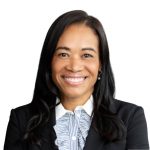
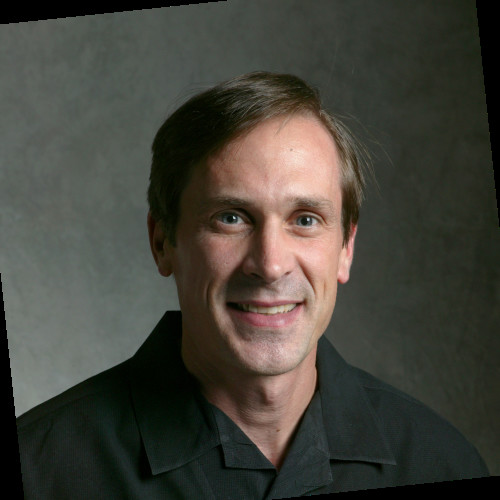
Linda Patterson With GenSpark

June 7, 2022 by Jacob Lapera

LindaPatterson
Atlanta Business Radio
Linda Patterson With GenSpark
Loading
00:00 /
RSS Feed
Share
Link
Embed

Download file

GenSpark

LindaPattersonLinda A. Patterson is an executive-level leader with 25+ years of experience in IT and Healthcare, formerly serving as CIO for a small community hospital in IL. Linda is the Director of Technology Training for GenSpark, a division of Pyramid Consulting, which trains underserved, early career professionals and places them with top organizations.

At Pyramid, Linda also serves as co-sponsor for the Women’s Employee Resource Group and hosts quarterly Learn with Linda sessions to help empower women. Linda is a member of the IT Senior Management Forum and the Atlanta Chapter of the National Black MBA Association. She is the author of four self-help books, a wife, and mother.

Linda and her husband, Victor, reside in metropolitan Atlanta, GA.

Follow GenSpark on Facebook, LinkedIn, and Twitter.

What You’ll Learn In This Episode

  • GenSpark’s Mission
  • GenSpark Business Model
  • GenSpark Success Stories

This transcript is machine transcribed by Sonix

TRANSCRIPT

Intro: [00:00:04] Broadcasting live from the Business RadioX studios in Atlanta, Georgia. It’s time for Atlanta Business Radio brought to you by on pay Atlanta’s new standard in payroll. Now, here’s your host.

Lee Kantor: [00:00:24] Lee Kantor here, another episode of Atlanta Business Radio. And this is going to be a fun one. But before we get started, it’s important to recognize our sponsor on pay. Without them, we couldn’t be sharing these important stories. Today on Atlanta Business Radio, we have Linda Patterson and she is with GenSpark. Welcome, Linda.

Linda A. Patterson: [00:00:44] Thank you, Lee. Thank you for having me.

Lee Kantor: [00:00:47] Well, I’m so excited to learn what you’re up to. Tell us a little bit about Jen Spark. How are you serving folks?

Linda A. Patterson: [00:00:53] Sure. I’d be happy to sell Edge and Spark. Our mission and our vision really focused on the closing of talent gaps for our clients, and that’s done by upskilling a diverse and I do underscore diverse candidate pool that helps them to reshape their workforce. And the organization is a division of pyramid consulting. It was birthed out of the heart of our CEO, Namita Tirath, and the Mehta’s desire, which we all undergird, is to assist underserved early career professionals and others with launching or relaunching their careers. And so I like to give a shout out to my CEO, Anita, all of our Ginzburg team and our entire Pyramid Consulting family.

Lee Kantor: [00:01:48] So now are you working primarily with the employer or the employee? The the student, the, you know, the high school student? College student.

Linda A. Patterson: [00:01:59] Yes. We work a lot with college students, so we work with a lot of universities. But our students may come from other verticals. For example, it could be an organization that works specifically with women or with with veterans or, you know, just a student and say, for example, a mom that is returning to the workforce and needs our assistance getting started. And then we have client partners that we work with that after the students are trained up, they employ those students.

Lee Kantor: [00:02:35] Now, is this something you mentioned? College is it’s something that you go to the high school person that is not going to go the traditional college path. But once they go more vocational path, does this give them skills to help them go and find their way in that direction?

Linda A. Patterson: [00:02:54] Yes, it does indeed. And we are looking for those students also that are on their way outside of on their way out of college. Or they have they’re fresh out of college, maybe 1 to 2 years.

Lee Kantor: [00:03:10] So it’s anybody looking for work that may not that might be struggling a bit.

Linda A. Patterson: [00:03:16] Exactly. Exactly. And we are focused on it. So it’s definitely technology careers.

Lee Kantor: [00:03:23] Okay. So everything has a technology kind of spin to it.

Linda A. Patterson: [00:03:27] Yes.

Lee Kantor: [00:03:28] Now, is there a way to help that person that maybe wasn’t the best math student or science student? Is there a place for them in this? Or like do you give them kind of a chance to kind of resuscitate maybe where they didn’t have a passion for math or science? And then now maybe with your instruction, they can kind of rekindle something or get something started.

Linda A. Patterson: [00:03:56] That is typically not our focus. We do work to upskill or reskill students according to the needs of our our customers. So we do work very closely with them in areas where it makes sense to do that upskilling. But we are primarily focused on I.T. careers.

Lee Kantor: [00:04:17] Okay. So walk me through. So you’re working with a company that needs workers. How do you help them kind of be how do you help them? You know, how are you the matchmaker that helps them find the folks they need and to, you know, to solve their problem and also help the student get, you know, this upskilling.

Linda A. Patterson: [00:04:39] Sure. So it starts with our conversations with the customers in terms of where the gaps are in their workforce and specifically what is it they’re they’re looking for to fill that gap. And so those are the cohorts that we are running through our program. And so as we’re training the student, we’re matching the students with the skillset that is required by that, that customer. And that is what we’re working to prepare them for throughout the cohort, not just in terms of their technical ability, but in terms of their soft skills as well.

Lee Kantor: [00:05:17] To make sure it’s the right culture fit.

Linda A. Patterson: [00:05:19] Exactly.

Lee Kantor: [00:05:21] So now I’ve seen this kind of work in a vocational and a kind of a blue collar environment where like a somebody who was needed more engine repair people, you know, donated a bunch of engines to a vocational school so they can train their students on how to fix this engine. And so then they would have people that they could hire to work. You know, in that in that capacity. It sounds similar in that regard, except you’re doing it with it.

Linda A. Patterson: [00:05:56] That’s correct. And we primarily focused on coding languages. So Java Fullstack is our most prominent coding language that we teach, but we do teach others. So yes, we’re doing this in the I.T. space.

Lee Kantor: [00:06:10] So now an enterprise level company comes to you and says, you know, it would be great if we had, you know, five more coders in Java and then you find the students that are the appropriate. So you create a curriculum that’s going to help them solve that specific problem and create a curriculum and then teach those students how to do that so they’re ready to go. And there’s a job kind of waiting for them at the end of this.

Linda A. Patterson: [00:06:39] Exactly. And so we have our standard curriculums because we know that the market is typically looking for. But then we also sit with our customers and they’re allowed to customize that curriculum to meet their specific needs so that we make sure that we’re on point and our students are on point and ready.

Lee Kantor: [00:06:59] So what would be an example of a type of customization?

Linda A. Patterson: [00:07:05] A type of customization might be a specific skill that’s typically taught in the course, but maybe that’s not used at the customer site. And so we would allow them to pull that out and put in something else that’s needed.

Lee Kantor: [00:07:24] Now, how do you find the students?

Linda A. Patterson: [00:07:28] We find the students many ways. So we are participating in all types of recruitment efforts. We are on site at the universities making sure that we’re having the right conversations with the administration staff there. We do lots of advertisements. We do also have some events in which we are reaching out to students via LinkedIn and other social platforms in order to invite them to those events. For example, to give them some idea of what coding is all about. They get a coding exercise and we make it lots of fun. We’ve also done some events such as Learn with Linda and that is me. The Linda is me where I’m teaching on certain topics such as self-esteem enhancement. And so we are running those quarterly. We invite the students to those sessions so they can learn about how to improve their self esteem. But then in addition to that, we are providing some information about Gene Spark and inviting them to join us or to recommend us.

Lee Kantor: [00:08:38] Now, a lot of these places to learn coding, there’s a fee associated with it. It could cost not a super high amount like it is going to college, but it can still cost a significant amount of money. But there’s also online ways to learn coding for next to nothing. Where does Jen spark fall in this?

Linda A. Patterson: [00:08:59] So we charge our students absolutely nothing. What we ask them to is to invest their time. We actually pay our students while they’re training with us. And after the training session is over, while the student is waiting to be onboarded, they are still paid by Jen Smart.

Lee Kantor: [00:09:18] Now, is this something the student has to physically go to a location, or is this something that can be done remotely?

Linda A. Patterson: [00:09:24] They can do it remotely. So we are totally virtual at this time. So all of our students are logging in remotely from various areas of the US.

Lee Kantor: [00:09:33] And is the the job opportunity going to be remote as well, or is that something that’s going to require them to go physically like live in a certain place?

Linda A. Patterson: [00:09:42] It really depends on the customer and the customer’s need as as we are starting to reenter the physical buildings, some of our customers are requesting that the students are on site or they may have. I have a hybrid approach in which sometimes during the week the student is on site, other times the remote, and then we have some of our customers that are still remote. So it really depends on the customer’s needs.

Lee Kantor: [00:10:07] Now, are you I know you’re training them to be skilled that that technology part, but you mentioned some of the soft skills. Is there training in that area as well to help them, you know, be able to navigate kind of the enterprise level world that they’re about to enter into?

Linda A. Patterson: [00:10:23] Absolutely. We have a very robust soft skills training program and the students are also meeting with an actual soft skills trainer who is helping them improve in that area. When we are preparing our students as well for mock interviews, we are going through with them behavioral questions so that they know how to respond appropriately. So we really work very hard to make sure that our students can communicate well, that they demonstrate their willingness to learn, that they have the ability to talk about their teamwork, that they demonstrate that they can work as part of the team. So lots of soft skills training. Imagine smart program.

Lee Kantor: [00:11:06] Now when a student goes through this program, I’ve interviewed several of these kind of boot camp kind of things in the past. These coding camps, they the rate of getting a job is extremely high, like because these companies are so hungry for this type of skill set. Is that the same thing here, that if you go through this program, there’s a very high probability that you’re you’re going to have an opportunity somewhere?

Linda A. Patterson: [00:11:32] That is correct. And the great news is, is that we these are the companies that we’re placing these students with our partners of ours. So they understand that we are making the attempt to place the students. And a lot of these students come from underserved communities or underserved situations. And so they’re partners and understanding the type of students that we are trying to place. So they really work very closely with us in that regard.

Lee Kantor: [00:12:01] Now, is there a success story you can share? Be a student that, you know, kind of got to a new level because of the program.

Linda A. Patterson: [00:12:10] Oh, absolutely. And so we have our success stories listed on our website. And I pulled a couple that I thought would speak to the work that we do at Spark, as well as the student success. And so one student said during my training, I interviewed with the Spark client and they offered me a position to get started. After completing Jim Sparks training, I was confident and knew that I was well prepared for the job and another student said it was just ten weeks when I finished my Ginzburg training and I was offered a job I had tried for so long to get a job on my own. It just feels great to make this kind of advancement so great success stories from our students. We are extremely proud of them.

Lee Kantor: [00:12:56] So when you were kind of beginning on this Jen Spark adventure, when did you start realizing, Hey, this thing’s got traction, we can really make a big impact with this?

Linda A. Patterson: [00:13:07] Well, I joined the organization in January of 2021. And so when I started we just had the Java program. And so since I’ve been there we’ve also opened up a non Java start. So I would say from the very beginning we were experiencing success. But the more that we work with our clients, they really kept coming back because of the type of top talent we were rolling out. So things picked up pretty quickly and Spark has been very successful thus far.

Lee Kantor: [00:13:41] About how many students have you put through the program?

Linda A. Patterson: [00:13:45] Oh, we probably put a good I’d say at least 500 students or so through the program.

Lee Kantor: [00:13:51] That’s fantastic. I mean, just imagine the impact that’s making to not only them individually, but them and their families and their communities.

Linda A. Patterson: [00:13:59] Absolutely. And that is definitely the goal.

Lee Kantor: [00:14:02] So what do you need more of? How can we help?

Linda A. Patterson: [00:14:05] You can help us by encouraging others to reach out to Jim Spark. They can find us by visiting our website at WW Spark Net. We are also on all of the other social media platforms, so you can find us on Twitter and Facebook, so you can really help us by spreading the word that Gen Spark is doing a phenomenal job. We work very closely with our students. We love on our students. We take what we do seriously. We are very passionate and compassionate about making sure that our students are able to launch their careers with our help. So if you can help to spread the word about the great job the spark is doing and the fact that our students are successful, that would be great.

Lee Kantor: [00:14:49] And then is this something that you’re always kind of recruiting for students, or is there like a beginning of a school year? Is this kind of a rolling curriculum that you can jump in whenever you get there?

Linda A. Patterson: [00:15:00] Yes, it’s a rolling curriculum for the most part. We do start cohort cohorts pretty regularly. So when the person speaks to a recruiter, the recruiter will talk to them about the cohorts that we have and where they could potentially fit in. And so that’s the other thing is we’re trying to make sure that it’s a good fit and the best fit for the student. But we constantly have cohorts that are running and they will let them know the start dates and end dates for those cohorts.

Lee Kantor: [00:15:30] And then how long does a cohort normally last?

Linda A. Patterson: [00:15:34] Typically between ten and 12 weeks, but we do have cohorts that are shorter. It really depends on the technology. So we have some that are six and eight weeks as well. So really just depends on the technology. But on average, I’d say 10 to 12.

Lee Kantor: [00:15:47] And then is it something that I take a test to see where I’d be most likely, you know, have the best chance of success and then we go there? Or do I just pick one?

Linda A. Patterson: [00:15:57] Yes. There’s typically an entrance exam and there is an interview with the recruiter so that we can make sure that we are having you to enter the best program.

Lee Kantor: [00:16:09] And then you mention that you’re trying to serve the underserved. Does the under-served also include maybe older folks that maybe are looking for a second act in their career and hadn’t gone down this path but might be curious about it?

Linda A. Patterson: [00:16:23] Absolutely. We definitely have more seasoned individuals in our program as well, and maybe they need a restart looking for the next new thing to do. We invite them to be a part of us as well.

Lee Kantor: [00:16:37] Well, thank you so much for sharing your story. You’re doing important work and we appreciate you.

Linda A. Patterson: [00:16:42] Thank you, Lee. We appreciate this opportunity.

Lee Kantor: [00:16:46] And that website one more time is Jen Spark Dot Net Jeans, PRK Net. Linda Patterson, thank you again for sharing your story.

Linda A. Patterson: [00:16:56] Thank you, Lee.

Lee Kantor: [00:16:57] All right. This is Lee Kantor. We will see you all next time on Atlanta Business Radio.

About Our Sponsor

OnPay’sOnPay-Dots payroll services and HR software give you more time to focus on what’s most important. Rated “Excellent” by PC Magazine, we make it easy to pay employees fast, we automate all payroll taxes, and we even keep all your HR and benefits organized and compliant.

Our award-winning customer service includes an accuracy guarantee, deep integrations with popular accounting software, and we’ll even enter all your employee information for you — whether you have five employees or 500. Take a closer look to see all the ways we can save you time and money in the back office.

Follow OnPay on LinkedIn, Facebook, and Twitter

Tagged With: GenSpark, Linda Patterson

Turner Wyatt With Upcycled Food Association

June 7, 2022 by Jacob Lapera

TurnerWyatt
Association Leadership Radio
Turner Wyatt With Upcycled Food Association
Loading
00:00 /
RSS Feed
Share
Link
Embed

Download file

UFA

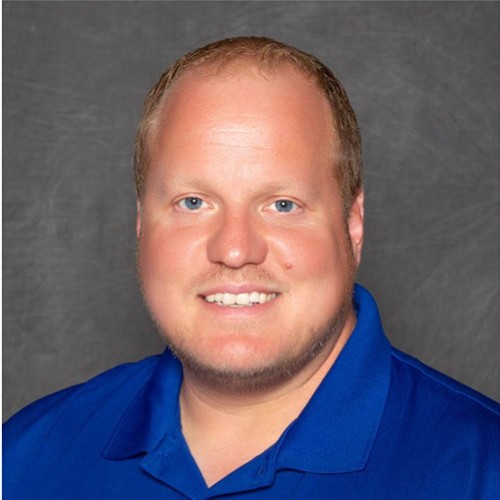
TurnerWyattTurner Wyatt is the co-founder of four award-winning sustainable food organizations: Denver Food Rescue, Bondadosa, Fresh Food Connect, and Upcycled Food Association. He was named one of the Top 20 Emerging Leaders in Food and Ag, and the waste industry’s 40 under 40 award.

He is a Fink Fellow and was chosen by the Mayor of Denver, Colorado to serve on the City’s Sustainable Food Policy Council. Turner currently serves as the CEO of Upcycled Food Association.

Connect with Turner on LinkedIn.

What You’ll Learn In This Episode

  • Food waste
  • Upcycling
  • Impact of upcycling on climate change
  • Upcycling as a win/win for consumers, businesses, and the environment
  • Upcycling certification

This transcript is machine transcribed by Sonix

TRANSCRIPT

Intro: [00:00:02] Broadcasting live from the Business RadioX studios in Atlanta, Georgia. It’s time for Association Leadership Radio. Now, here’s your host.

Lee Kantor: [00:00:16] Lee Kantor here, another episode of Association Leadership Radio. And this is going to be a fun one. Today on the show, we have Turner Wyatt with the Upcycled Food Association. Welcome.

Turner Wyatt: [00:00:27] Turner Thank you. Lee Glad to be here.

Lee Kantor: [00:00:31] I’m so excited to learn what you’re up to. Before we get too far into things, tell us about upcycled food. I’ve never even heard of that before. Can you share a little bit about mission purpose of the association and what exactly upcycled food is?

Turner Wyatt: [00:00:43] Yeah. You’re not alone. Most people have not heard what upcycled food is, which turns out to be kind of a problem. And I like to say that upcycled food is the easy way for everyone to prevent food waste with the products you buy. And right there you’re already seeing why it is a problem. Probably most people know just inherently now. Food waste, huge issue. It’s like 30% of all food goes to waste. Roughly $1,000,000,000,000 of food goes to waste every year. And according to project drawdown, preventing food waste would be the single most effective solution to global warming. So it’s a big problem. And upcycled food is kind of the big solution that allows anyone to help contribute to food waste prevention every time they walk into the grocery store. And so upcycled products are new products nutritious, healthy, useful products that are made with otherwise wasted ingredients. It’s as simple as that. So. So our organization. Yeah, go ahead.

Lee Kantor: [00:02:01] Well, I’m just trying to get clarity. Like, it seems like the recycling people have, like, good PR people, so that that’s a word that’s kind of common. People understand it upcycling. I mean, I think I’ve heard it in some nonfood related things, but this is the first time I’m kind of connecting dots on how it pertains to food. So the the premise is that food waste is happening. We are all aware of that. It isn’t just that. Okay. Too much on my plate tonight for dinner and I’m throwing some of it away. It’s happening at all stages of the production of food.

Turner Wyatt: [00:02:36] Correct. Yeah. And even if you’re perfect, even if you’re the stickler that that sneers at the guy next to you who takes one bite of his sandwich at the restaurant and sends the rest back. Don’t we all hate to see that? Well, even if you’re not that guy and you don’t have any waste in your own refrigerator, you label your refrigerator and you shop a few times a week so you don’t overbuy. And you do all the things that and you compost, right? You do all the things that we can do at home to prevent food waste. Even if you’re perfect 100% of the time, there’s still a ton billions of tons of food waste that are happening out there elsewhere in the supply chain that have nothing to do with what you consume inside of your home. Until now. Right. So until now, until upcycled food, your impact on food waste was bound to the fore walls of your kitchen, of your home. And now, with upcycled food, it helps you prevent food waste that’s helping happening elsewhere in the food supply chain, elsewhere in the world. Because it turns that otherwise wasted food into a new product that you can buy. So a couple of examples. Everyone always asks for examples. So here’s a few. For every beer that you produce, there’s a ton of wasted spent grain. So the beer brewing process really isn’t just one ingredient that you get out of that beer. You get at least two. You get beer. And then you get spent grain. And you get a lot of it, like billions and billions of pounds every year.

Turner Wyatt: [00:04:17] And it’s really nutritious stuff. You can make all kinds of stuff out of it. You can make flour and you can make chips and crackers and anything that you can make flour out of. You can make barley protein. And Molson Coors and AB InBev have both gotten into the barley milk industry to be a part of the hugely growing plant based milk industry. And AB InBev in particular just invested $100 million in a in a new barley milk processing plant in Saint Louis. So it goes to show that businesses have a huge incentive to prevent their waste, obviously. That’s like one of the acute tenets of business. Reduce your waste to zero if possible. And what this new movement is doing is it’s showing businesses, hey, consumers who we all know are increasingly concerned about the sustainability of the products they’re buying. Will buy, actually want to buy. Most of them want to buy products that are made out of otherwise wasted food. And isn’t that great? Because all these big companies are making big. Really aggressive statements about what they’re going to do about climate change by 2030. By 2035, we’re going to be carbon neutral, all this stuff. They have no idea how they’re going to get there. Leigh. But as a food business, you can get there by commercializing your otherwise wasted food. And we Upcycled Food Association are a support network. We’re here to make sure that when you do create an upcycled product, you’re successful.

Lee Kantor: [00:06:06] Now, when you’re leading an organization that has kind of this kind of education and awareness challenge, that to me it would come with its own set of challenges by itself. Just that challenge of people don’t even know that this is important and there’s and this is not it’s a dream that could come true if more people were aware of it and just kind of, you know, we get the word out a little bit about it now in the industry, I would imagine, like you said about business. Business people don’t like to just accept the fact that, oh, well, we just have to throw all that away. And that’s just the way it is. I mean, creativity. Creatively, aren’t they always trying to kind of extract extract more value out of all their assets? And then in this case, they don’t want to look at the view their waste as as waste. They want to view it as a potential asset in some form. Like, so was this already happening internally? And it just there wasn’t kind of the awareness in the consumer’s mind, at least that, hey, why don’t we just make an effort to at least start purchasing some of this stuff?

Turner Wyatt: [00:07:17] Mm hmm. So, of course, Sara Lee. And that’s and that’s a good point and a good question. And in some cases, companies are doing things like turning it into animal feed or turning it into fuel or just composting it. Those are all good things to do. The worst case scenario is that the food goes in the landfill. So yeah, in some cases they’re doing something. And what our movement is all about, highest and best use. How can you, if you’re sending it to like a pig farm now? But it’s something that could easily be commercialized into a raw ingredient that could be used in human cosmetics or companion pet food even, or food for human consumption. That’s a much higher value. And so if we can kind of institutionalize this this concept of highest and best use, always looking for highest and best use, that’s what’s going to make this industry more. The excuse me, the whole consumer product industry, but particularly the food industry more successful.

Lee Kantor: [00:08:21] So having that true north but having that true north is kind of that changes the paradigm at that point. Right, exactly. So now we’re no longer just trying to use it, you know, in any way we can. Now we’re saying, you know what, let’s rethink this. Here is something. We’ve been using it this way. Maybe there’s a better way to use it. And that’s part of the association, is to educate them and say, hey, you know what, you people have been doing this this way. Have you ever thought about this? Because this you know, this smaller company over here was doing this with the stuff you’re throwing away or you’re using in this manner.

Turner Wyatt: [00:08:58] And and it really is the small companies that are leading the charge. We have about 200 businesses across 20 countries or so. And most there’s a handful of them that are the big CPGs, Dole, Mondelez, Target. Del Monte US foods, the biggest food companies in the world, but most of them are startups. And so they’re the ones innovating. And and I want to go back to something that you that you asked about before. Just to reiterate, there’s another reason that that we that we have to kind of be pushing on this for businesses to take hold of this. I was recently talking to a growing Oatmilk company. Their venture capital backed and their charge from the top is make as much oatmilk as possible. You know, we’re between fundraising rounds. It’s a super competitive space. Make as much oatmilk as possible. And obviously when you create oatmilk, what you also creating a ton of oat pulp. Many millions. Billions of tons probably. And so. There’s also it’s not just, yes, businesses should be inherently seeking out efficiencies and seeking out innovation to reduce waste. Just from a financial perspective, but because of the competitive nature and the financial pressures that a lot of these companies are experiencing, sometimes it’s just not on their radar. We’ll figure that out later. We’ll figure that out five years down the road and five years later, they’ve ended up wasting just an obscene amount of this ingredient that they could have been commercializing all along. But it wasn’t a priority. So what we’re like you said, it’s a paradigm shift for businesses to rethink what’s the highest value and best use of this ingredient that we can that we can use right now. And consumers want that. Consumers want to see businesses act more sustainably. The reason that we’re here is that 99% of consumers agree that food waste is a problem. Right.

Lee Kantor: [00:11:14] I mean, that’s just common sense, right? Like. Like it’s a duh. A total moment, right? Where you’re like, of course, no one wants to waste anything if they can possibly help it.

Turner Wyatt: [00:11:25] Help, help out his kids. Don’t waste food. Waste food. Right.

Lee Kantor: [00:11:29] Right. And and so and and then sadly, there’s, you know, food insecurity issues that are happening, you know, while we’re wasting all this food. So it’s just it’s the the food isn’t going to the right places at the right time is part of.

Turner Wyatt: [00:11:43] Ultimately it’s going to come down to. Absolutely. Yeah. And I was the executive director of Denver Food Rescue for seven years, which is a hunger relief food security, health equity nonprofit in my hometown, Denver, Colorado. And we did a lot of that work. And the reason that we started upcycling was to just make ourselves more financially independent. We had all this excess bread. Well, let’s turn that into something that we can actually make money off of so we don’t have to beg these foundations and high net worth individuals for the money that we need to do something that we all benefit from. Right. Because food security is a huge issue and so is food waste. And these are these are things that 9090 5% of people want to do something in their own lives about food waste. Where where do we ever see that kind of alignment in society? With something, especially with something environmental and especially with something environmental that makes businesses more money, which is usually an oxymoron. Right.

Lee Kantor: [00:12:42] It sounds like you’re you’re doing the right thing at the right time. It’s just a matter of making more people aware of it that it’s it becomes so there’s something actionable that people can do in order to solve the problem.

Turner Wyatt: [00:12:57] Right. And the reason we think that an association is the right way to do that is, is this okay? You’re absolutely right. We need to educate more people. 80% of people would want to buy more upcycled products. So the vast majority of people are interested in buying more upcycled products. But right now, less than 10% of people even know what upcycled products are. So there’s a huge consumer education gap. We as an organization are pretty small. We’ve only been around for two and a half years. Any of our companies know. Some of them are really big. Most of them are really small. And but together, know any one of these companies that might have one, five, $10 million in sales a year, they have 15, 25, 50,000 followers on social media. And that’s a small company. So when we use our collective voice and we align this industry to all be saying the same evidence based messaging that works with consumers to answer their questions about what upcycled food is and help increase access to upcycled food systematically as a collection, as a united front. That’s where we’re going to see this industry shift. So we’re really excited about our model because it’s a community organization where we’re not doing anything unique. All we’re doing is bringing this group of businesses together and amplifying their voices so that collectively they can help to close that education gap and tell a lot of people about just what is upcycled food and what’s the power of it, and how delicious is it and where can you buy it? And when you buy it, you should feel good about yourself because you’re preventing food waste and everyone loves that.

Lee Kantor: [00:14:55] So now when you were launching this concept, when did you start getting clues like, Hey, this is something that is going to work and that we’re getting traction by the right folks and that that’s making a difference.

Turner Wyatt: [00:15:09] Well, before we even formally organized. The Association, everyone who we were talking to, all these upcycled food companies were saying, Oh, I’ve thought of this. We need to create a certification. This is such a good idea. I thought of a association for upcycled businesses. We need to create a standard for product certification. Everyone was saying that and so we knew from before we even started the company, like, okay, there’s something here because the people with the lived experience of the problems that we would ostensibly be trying to solve are all saying that they’ve thought of creating this type of business to solve those problems before. So we knew we were on to something right off the bat. We started working towards a product certification and. Today we have the world’s first and only third party verified product and B2B ingredient certification for upcycled products. It’s called upcycled, certified and within. We just started it less than a year ago. And within its first year we expanded it internationally to Canada from the US. Within its first year, we started a partnership with Spins where SPINS is tracking upcycled certified as a spins is a big retail level sales data provider that count what people are buying and how much of it at grocery stores. So they’re tracking upcycled certified as an attribute. And what we’re seeing is that. Sales of upcycled products are growing by anywhere from 400% over the last 12 months in some channels, all the way up to 1100 percent in other channels over the last 12 months.

Turner Wyatt: [00:16:54] So huge growth here. And what the certification does is it allows us to kind of consolidate all this data about the industry, because for any SKU, any product that applies, they have to tell us, here’s how many pounds of food waste are being prevented as a result of that product. And so collectively, we can say, okay, there’s been about 250 products that have been certified so far, 250 upcycled certified products thus far. Together, those products are projecting to prevent more than £840 million of food waste this year. And if they are growing by 1100 percent next year, it’s going to be a lot more. By the way, we’re also certifying a lot more. So it it appears, you know, as consumers, especially after the pandemic, care more and more about the sustainability of the products they’re buying and the way that people are treated who are involved with the production, distribution, retailing of the products that they’re buying. This is aligned with the the way that consumers want grocery stores to be providing for them. And so, yeah, I mean, we’re two and a half years in, we’re less than one year into upcycled certified and we’re just super, super excited for what the future might hold.

Lee Kantor: [00:18:18] Yeah, I would think it would even go beyond the actual upcycled product. If I was a manufacturer, I would be saying, Hey, we manufactured this thing and it also spun off these 14 upcycled products. Like, you know, on my product that wasn’t upcycled. I’d be bragging about how because of us making this, we already created these other things, already making it everywhere.

Turner Wyatt: [00:18:42] Right. Well, look at AB InBev. They just bought. They just invested $100 million in a spent grain processing facility. Another another example that Barry Callebaut is a member. They the world’s largest chocolate supplier. One in five chocolate products is Barry Callebaut chocolate. And when you produce chocolate, which is made from cacao seeds, what else do you produce? You produce a ton. Millions of tons, actually, of cacao fruit. There’s a delicious white fruit that sort of envelops every cacao seed, which is what you ferment and dry and turn into chocolate. And so they have created this whole new brand around. They call it whole fruit, chocolate around utilizing that ingredient of the cacao fruit. And you’re seeing all kinds of companies using cacao fruit now. And it’s like it’s my my prediction would be it’s going to be one of these one of the next trendy superfood ingredients that you’re going to just find it everything. So, yeah, I mean, companies are saying, well, we’re already producing this stuff. Finally, the consumer attitude is in a place where we can rationalize commercialization.

Lee Kantor: [00:20:02] Yeah. It must be so exciting for you to be kind of on the forefront of this and be working with so many nimble startups that are playing in this space, as well as these established brands that have kind of the, you know, they they spill more product than these startups create in a year, you know, and so together that they’re trying to solve this big problem. I mean, it must be so exciting and rewarding for you.

Turner Wyatt: [00:20:27] Totally. I mean, my my dream I say this all the time. My dream is let’s get 0.0001% upcycled ingredient inclusion in Oreo. Right. Right, exactly. Like some of these products are so scaled up, it doesn’t matter if you put like a drop a micron of upcycled ingredient in in each Oreo cookie, we sell so many damn Oreo cookies that that would prevent a ton of food waste.

Lee Kantor: [00:21:00] Right. The impact is so ginormous. You can’t even. It’s hard to even kind of picture it in your head. But that’s that’s what it takes, though, is that you decided to be the change you wanted in the world and you’re making it happen. Congratulations.

Turner Wyatt: [00:21:15] Thanks, Lee. Thanks, Lee. Really appreciate that.

Lee Kantor: [00:21:18] And then for folks out there that are the leaders of an association like this, when you’re trying to kind of create this energy and this excitement around, it’s it’s not that it’s a new idea, but it’s new to a lot of folks. Is there anything that you like? Is there a mentor? Was there some inspiration for you to to be the one that is kind of pushing for this change?

Turner Wyatt: [00:21:42] For anyone out there listening that could be a mentor. I think I could use one now. This is this is the fourth food waste related organization that I have I have founded and the previous three have done. Very, very well. But this is the first association. And so, you know, sometimes it feels like we’re rowing a boat downstream and we’re just trying to just stay above water. And this concept is just so good that we’re kind of riding the coattails of of the concept. And here I am at the helm of it. And. You know, it’s yes, it’s really exciting. And also, I have so much to learn and I just try to stay humble every day and open to feedback and open to improvement because it is. It’s a different world when you have 200 plus 220 members that are all competing with each other and they all have their own businesses like this is their livelihood. And so it’s really it’s a huge challenge, but a huge opportunity because, like you said, these are the businesses that have the ability to scale up the scale up these solutions over the very short time frame that we have to address some of these problems. Yeah, it’s worth it.

Lee Kantor: [00:23:12] It’s 100% worth it. And it’s and I hope that these larger companies see these smaller companies not as a threat, but as a partner and can really make a difference in those smaller companies livelihoods and lives and make a big impact in this challenge that you’re facing. I mean, I think that this is about collaboration and working together rather than feeling like we’re competitors and this is somebody that’s nipping at our tails. I mean, I think that this is a time for everybody to collaborate.

Turner Wyatt: [00:23:44] Absolutely. Yeah. That’s the only way we’re going to get it done.

Lee Kantor: [00:23:48] So if somebody wants to learn more, have a more substantive conversation with you or somebody on your team, be a member. Like, because the members, I would imagine, are everybody related to the food industry, right? Manufacturers, distributors, you know, marketers, every.

Turner Wyatt: [00:24:03] Ingredient companies, CPGs consultancies, researchers, retailers.

Lee Kantor: [00:24:09] Does it go down to like even restaurants or restaurant owners and things like that? Or is this more in the manufactured food space?

Turner Wyatt: [00:24:17] We don’t have I mean, we don’t have a ton in the restaurant space right now, but I would love to go there because chefs are natural up cyclers. Right. Any special you’ve ever had from a restaurant? That’s just.

Lee Kantor: [00:24:27] Exactly. They’re the.

Turner Wyatt: [00:24:29] King.

Lee Kantor: [00:24:30] They think of this every day. This is something that’s top of mind every day.

Turner Wyatt: [00:24:34] And they’re also cool. And if you can make upcycled food really sexy and delicious in a cool restaurant, that’s another way to get it to catch on.

Lee Kantor: [00:24:45] Right, and to get the consumer to be aware of it. Hey, upcycling, that’s a thing because we do it and then it translates into into these other areas as well. So yeah, that’s a great idea. And so the website is upcycled food org.

Turner Wyatt: [00:25:00] Upcycled food dot org. We have a pretty strong LinkedIn presence. Those you on there have a pretty strong Instagram presence for those of you on there and just reach out or like like all associations or like many associations I think were it’s a community organization. We’re just getting started. We’re building this movement, we’re open to feedback and we want to collaborate with as many people as possible. So I look forward to hearing from people.

Lee Kantor: [00:25:28] Well, once again, congratulations on all the success thus far. And you’re doing important work and we appreciate you.

Turner Wyatt: [00:25:35] My absolute pleasure, Lee. Thank you so much for having me.

Lee Kantor: [00:25:38] All right. This is Lee Kantor. We’ll see you all next time on the Association Leadership Radio.

Tagged With: Turner Wyatt, Upcycled Food Association

Eyal Benishti With IRONSCALES

June 6, 2022 by Jacob Lapera

EyalBenishti2
Atlanta Business Radio
Eyal Benishti With IRONSCALES
Loading
00:00 /
RSS Feed
Share
Link
Embed

Download file

IRONSCALES

EyalBenishtiAs Chief Executive Officer at IRONSCALES, Eyal Benishti pioneered the development of the world’s first self-learning anti-phishing email security solution that combines human intelligence and machine learning technologies for automatic prevention, detection and autonomous incident response to cyber-attacks in real time.

Under Eyal’s leadership, IRONSCALES has filed four patents for anti-phishing and email security solutions and secured three funding rounds from K1 and Israel’s RDSeed totaling more than $20 million. IRONSCALES has received numerous awards, including Frost & Sullivan’s AI-Powered Email Security Innovation Award and Best Enterprise Email Security Solution by the Cybersecurity Breakthrough Awards.

Connect with Eyal on LinkedIn.

What You’ll Learn In This Episode

  • About IRONSCALES and the company history
  • How COVID impacted enterprise cybersecurity
  • Impacts of the ongoing conflict between Russia and Ukraine on global cybersecurity
  • Today’s phishing attacks
  • Trends/growing risks that will affect enterprise cybersecurity?

This transcript is machine transcribed by Sonix

TRANSCRIPT

Intro: [00:00:04] Broadcasting live from the Business RadioX studios in Atlanta, Georgia. It’s time for Atlanta Business Radio brought to you by on pay Atlanta’s new standard in payroll. Now here’s your host.

Lee Kantor: [00:00:24] Lee Kantor here, another episode of Atlanta Business Radio. And this is going to be a good one. But before we get started, it’s important to recognize our sponsor on pay. Without them, we couldn’t be sharing these important stories today on the Atlanta Business Radio. We have Eyal Benishti with iron scales. Welcome.

Eyal Benishti: [00:00:41] Actually happy to be here.

Lee Kantor: [00:00:43] Well, I’m excited to learn what you’re up to. Tell us a little bit about iron scales. How are you serving folks?

Eyal Benishti: [00:00:48] So I was in Antiphishing in a security company while helping organizations to protect their mailboxes against the most sophisticated kind of social engineering and email scams out there. The business seemed compromised, the fake invoices and the ransomware of the world.

Lee Kantor: [00:01:08] So now email’s been with us for a minute. Has the attacks on our email become more sophisticated.

Eyal Benishti: [00:01:16] Constantly evolving and morphing at scale? The phishing that we now form five and even two years ago, very different from what we see out there these days. I think that actors are becoming much more sophisticated. The level and the sophistication level of of the IS is increasing almost daily. And obviously they’re jumping on every opportunity in order to create new scams and looking for constantly looking for new ways in order to loot people to click on links, open attachments, wire money, buy gift cards and all these great things that we can find out these days.

Lee Kantor: [00:01:57] Now, for most technology firms, it’s that balance of making the customer experience so easy and seamless that they continue to do business. But on the other hand, you need to have the security and protection so you feel safe doing these transactions. How do you help companies kind of thread that needle between speed, efficiency and safety?

Eyal Benishti: [00:02:22] It’s a good question. So like I said, our goal is to make sure that people stay highly productive but safe at the same time, especially with the kind of stuff that they can find in the inbox. The way we deploy our technology and the way we kind of others, the email phishing problem is, is in a way that we want to increase users kind of confidence with whatever is in the inbox. So we teach them and train them to how to spot phishing, and we give them with real time insights regarding what’s in the mailbox. So if we find something not necessarily malicious but suspicious, we will just place a human readable kind of panel that can kind of guide them to what we think they need to to look at in order to make sure that they’re first and foremost interacting with the with the right person or the person that they think that is sending them. The email is actually the person behind behind the humor. So authenticity and trust in the standard identity is one of the main things that we are trying to fix. The second, obviously kind of a deep inspection into whatever is inside is email form links, attachment, the language that that the sender is is using in order to try and find kind of known patterns and and schemes in the sense of like, you know, threat actors are using in the email for these days like, you know, sense of urgency, greed and other kind of common things that we can find out there. And then our machine to detect.

Lee Kantor: [00:04:04] Now is the type of phishing that you’re dealing with. Are you working only at kind of the enterprise level? So you’re only working with the largest of the companies in their corporate accounts? Or is this something that trickles down to just like an entrepreneur or a solopreneur, an individual?

Eyal Benishti: [00:04:23] We are working with companies all sizes, from small shops to large and very large kind of enterprises, including the Fortune 500 of this world and and even managed service providers. So for people that provide I.T. and security services to other companies, we have kind of an offering for them so they can leverage on our technology in order to protect smaller organizations that normally don’t have a security staff or any security knowledge whatsoever. But in today’s world, they as well may find itself as a victim to social engineering and phishing attack, because the nature of these attacks today are very, very automated from what we we see out there. So there are a lot of spam play kind of attacks and collateral damage that can be done even for this one organization is pretty severe. So we want to make sure that we can protect them or again, provide the tools, capabilities and technology for their service provider in order to protect them instead.

Lee Kantor: [00:05:31] Now, when you’re working with the larger firms, it’s important that your work does trickle down to the smaller firms, because a lot of the ways that I would imagine the bad guys penetrate the larger firms is through relationships with smaller vendors and folks that they might not have their guard up as. Hi.

Eyal Benishti: [00:05:51] Exactly. I think the main challenge here for us was how can we provide an enterprise grade technology to meet and even small organizations out there? Because like I said, threat actors are targeting everyone these days. They’re looking for the low hanging fruit and sometimes or in most cases, the low hanging fruit. So in the shape of a smaller organization that that is still conducting business with significant amount of money. So convincing someone in a 100 people shop to wire $100,000 to the wrong account can be devastating for for these organizations, even more than to the larger enterprises out there that can suffer some financial loss. But for smaller organizations, it can be fatal and can basically cause them to go under in some cases.

Lee Kantor: [00:06:43] Now, what’s your back story? How did you get involved in this kind of work?

Eyal Benishti: [00:06:48] So my background is know I before I was because I was a security researcher, malware analyst, engineer, so I was kind of studying malware and helping other security vendors to build a better technology in order to stop malware. At the gate, I realized that most of the most of the bad stuff is basically coming by via email. And I thought that the way we are testing human security or the way organizations are currently dealing with email security is lacking in many in many aspects. Are not only using filters and technical controls in order to stop bad stuff, but most of the stuff that I was researching that was, again, very sophisticated, was not necessarily known to be bad. And I saw companies that are struggling with that. And to add to that, the fact that this kind of technology was very expensive and stuff that only larger the larger organization could could afford, because it’s not just the price that you need to pay in order to license the software is to the fact that you need full time employees to be able to kind of work with the tool in order to configure and and do whatever it requires in order to achieve this kind of level of protection that they were hoping to achieve. And from this research and basically it was kind of coming the idea of, hey, let’s build something that is more powerful than what is out there, that is looking on modern fishing and animal security and in a different way, easy to deploy, easy to manage, and affordable not just to large organizations, to the larger organization, but to to the smaller ones as well. And with this mission to build the most powerfully simple email and messaging security solution, I started a company and we built something that we are very proud of.

Lee Kantor: [00:08:44] Now, is there anything actionable you could share for folks listening right now? Is there anything they could be doing for themselves on their team to make them a little safer.

Eyal Benishti: [00:08:55] Actually? And by the way, one of the things that we all felt for free these days is what we call our starter package. And the starter package is is allowing organization smaller, smaller and large organization to basically do one of the most fundamental but important things, which is train the employees, make sure that your employees is kind of equipped with the knowledge and skills to to detect phishing, but not only to, you know, be in the know regarding how what is phishing and how to to avoid falling victim to one of those, but to report back to to the organization, to the security team or to the IT team that they found something that is suspicious in the mailbox and give the company the chance to kind of deal with it quickly before people that normally are not that great in spotting phishing will fall victim to the attack. So triennial users change behavior. Make sure that people know that they are part of the solution. Make sure that they know that they can never 100% past on the technical controls or whatever kind of security solutions are currently in place. And they need to stay vigilant.

Lee Kantor: [00:10:03] And it is one of those things that if you tell everybody on your team that, hey, periodically we’re going to send you a test to see if you’re going to click on something that you shouldn’t click on. Maybe it makes them a little more aware of everything, and you create a culture that gives them permission to like, Hey, call me back. I got this email. I’m not sure really is you. Like, you have to have a culture that’s accepting of that type of skepticism so that they don’t inadvertently just click on something because, you know, the email makes it seem like it’s super urgent.

Eyal Benishti: [00:10:38] Exactly. We said that, you know, phishing and social engineering is like it’s a human and machine problem and therefore we need a human and machine solution. So the more you kind of drive this message inside the organization and make sure that they know they are part of the solution, the more you kind of do, the more people will change their behavior, feel part of the solution, contribute more to to collect intelligence and help the organization be more secure. And, you know, if you provide with immediate, immediate gratification and to use tools in order to automate that, they would actually like it. It’s becoming a little game that that we are playing every day. Like, you know, spot the fish, bowl the fish and help us stay more secure.

Lee Kantor: [00:11:23] Now, do you find that that some of this is a generational challenge, that maybe young people who don’t kind of enjoy either confrontation or face to face conversations or calling people that they’re more apt to press, you know, on an email or to click a button on an email.

Eyal Benishti: [00:11:42] I think. Generally speaking, we know based on the hundreds of thousands of phishing campaigns that we’ve launched with our solution, it’s very hard to kind of put people in a in a bucket or a box, like based on generation or what have you that you’re trying to use maybe to segment the population. It’s more about, again, sending the message, make sure the people understand the importance, and then you will be shocked to maybe to surprise to to realize that some of this generation will spot the fish that was missed by technology. And sometimes it’s even the most senior people in the organization that normally you wouldn’t expect them to kind of participate in the game, that they click on the report fish button that we put in their outlook or Gmail and help you spot something that could have caused the company a great deal of money or this goal, whatever was behind that specific scam. So, so now just sending them all as as your defense layer set expectation and provide training and tools for them to be part of the solution.

Lee Kantor: [00:12:55] So now what was kind of the impetus to move the company to Atlanta?

Eyal Benishti: [00:13:00] Oh, it’s a good question. First, Atlanta is a great place. So we started we started the US kind of operation here in Atlanta. It was the first few folks that we hired were based here. I was visiting them a few times. I took the place like I vowed to do, like Atlanta as a place. And when I was kind of contemplating, well, should I move with with the family in order to to build our headquarters in the US, Atlanta was the easy first choice for me. Great talent, great people, great weather, great hub. It’s very easy to kind of, you know, jump on an on a plane and get to almost anywhere in the US and outside of the US in in one leg. So it was very compelling.

Lee Kantor: [00:13:51] Now, did the pandemic and the work from home kind of trend that’s occurring, did that make your job harder now that a lot of folks are working out of their home and it’s kind of a less protected ecosystem than maybe a company or a business that was having servers that maybe you can control and protect a little better.

Eyal Benishti: [00:14:14] Actually, it really helped to kind of. Help us as a business to push the message that companies need to start thinking out of the box, which means there is no there is no longer the perimeter that they need to protect. The perimeter is everywhere. The perimeter is wherever your employees are and whatever they are using in order to do the day to day business or the importance of training, you are giving them the tools and understanding that work hours changed. People need to attend to other stuff because we were all caught unready with schools and some other stuff in our lives that that changed dramatically the moment the pandemic hit. The fact that actors are actually leveraging on the fact that we are not sitting in one office and cannot step to offices to the left and ask the person if he actually asked us to do this specific thing that just came by by email. So again, like I said, Dell using and leveraging every opportunity that to create new schemes and and things that will help them monetize or achieve whatever they are after. So in the pandemic, the need for solutions like our skills increase the understanding that we can no longer kind of just chase known threats because that’s all changing every day as a way to protect our organization. It’s no longer valid. It’s no longer the kind of way we can architect our security and company around. All this really contributed to the fact that companies and obviously the transition to the cloud and more and more companies were kind of, you know, changing their infrastructure and moving more services, including email to the cloud, really have to kind of drive our message out there that things have changed. And Dell for legacy the legacy solutions or the old way of thinking about security is no longer valid and we need to make a change.

Lee Kantor: [00:16:24] Now, is there any kind of unintended consequence? Maybe that is an obvious to a lay person with the conflict between Russia and Ukraine? Is that is there some impact on global cybersecurity because of that conflict?

Eyal Benishti: [00:16:40] We? So theoretically speaking, yes, because there is always the collateral damage, even when nations are kind of, you know, exchanging punches back and forth. Obviously, some sectors are more vulnerable than others were in these kinds of war situation. Obviously, fishing is. It is a way that even nations are using in order to try and achieve their goals and an agenda. I don’t see any kind of imminent or specific risk, but I’m sure that we will see companies kind of being breached as part of this kind of conflict or the cyber cold war that we are currently experiencing between the different nations that are involved in the current conflict.

Lee Kantor: [00:17:35] So you mentioned that you have a service on your website about training that you help, you know, at no charge or low cost people train their people so they can be more informed and and make educated choices when it comes to clicking on an email. Is there any other type of kind of a way to get to know your company without fully going working with your company?

Eyal Benishti: [00:18:00] So you can go on our website. It’s ion skillz dot com. We have a lot of collateral and content that you can download listen to in order to learn more about. First the problem and then our solution and how we approach it. And we think that it should be solved these days and you can always reach out to us. We have some forms and contact us if you have any questions. We are always happy to answer those questions and help you with your challenges.

Lee Kantor: [00:18:34] And the challenge is real. And the like you said, these people who are doing this, this is their job and this is they’re treating this like a real business. Right? They’re whiteboarding this this is a team effort. They’re trying to penetrate an organization. They’re working together. They’re collaborating. This isn’t a kid in the basement with Red Bull and some Cheetos. Right.

Eyal Benishti: [00:18:57] Cybercrime is about $60 billion kind of business a year. Now it’s an organized crime. No longer kids. In other words, although some of them are going on the dark web and buying phishing as a service kids for one or $2,000 installing it and, you know, and phishing companies for for profit. But the vast majority of cybercrime today is well organized. Well, well organized.

Lee Kantor: [00:19:31] And this isn’t something you can sleep on. This is something you have to be proactive and and be working on every day, especially, I’m sure, if your business is in the business of, you know, e-commerce, health care, fintech, those kind of businesses that are dealing with a lot of personal information and a lot of money.

Eyal Benishti: [00:19:52] At the end of the day, 95% of all the breach cyber, which we read about in in the news, started as an email phishing. So it should be the number one priority. Like if you don’t have anything in place currently or you’re using kind of building securities or some default out of the box stuff, I would highly recommend to kind of address this issue first and foremost, because again, it’s the number one vehicle, number one tool that the bad guys are using in order to get to us, to our organizations.

Lee Kantor: [00:20:27] Well, thank you so much for sharing your story. You’re doing important work and we appreciate you. And the website one more time is Iron Scales within ESPN.com. That’s correct. All right. This is Lee Kantor. We’ll see you all next time on Atlanta Business Radio.

About Our Sponsor

OnPay’sOnPay-Dots payroll services and HR software give you more time to focus on what’s most important. Rated “Excellent” by PC Magazine, we make it easy to pay employees fast, we automate all payroll taxes, and we even keep all your HR and benefits organized and compliant.

Our award-winning customer service includes an accuracy guarantee, deep integrations with popular accounting software, and we’ll even enter all your employee information for you — whether you have five employees or 500. Take a closer look to see all the ways we can save you time and money in the back office.

Follow OnPay on LinkedIn, Facebook, and Twitter

Tagged With: Eyal Benishti, IRONSCALES

Marlon Williams With Atlanta Blockchain Center

June 3, 2022 by Jacob Lapera

MarlonWilliams
Atlanta Business Radio
Marlon Williams With Atlanta Blockchain Center
Loading
00:00 /
RSS Feed
Share
Link
Embed

Download file

MarlonWilliamsMarlon Williams, Founder and CEO at Atlanta Blockchain Center

A business and community leader with a passion for innovation and philanthropy, Marlon has technical, business, and nonprofit leadership experience that serves his companies and their leadership teams well. He is the founder of cloud-based software service Qubicles.io, a co-founder of the Telos.net blockchain, and founder of Starter.xyz, a leading launchpad, incubator and investor network for blockchain-based projects. Marlon is also a partner at Starter Capital and founder of the Atlanta Blockchain Center, an initiative wholly funded and operated by Starter Labs.

Some of Marlon’s past experience includes chair of the inspector general office for the WAX blockchain, board member of the South Florida Digital Alliance, STEM Advisory board member for Miami-Dade County Public Schools, and President of the Society for Information Management (SIM) SFL.

Connect with Marlon on LinkedIn.

What You’ll Learn In This Episode

  • The origin story of the Center
  • The goals of the center
  • ATL for blockchain technology

This transcript is machine transcribed by Sonix

TRANSCRIPT

Intro: [00:00:04] Broadcasting live from the Business RadioX studios in Atlanta, Georgia. It’s time for Atlanta Business Radio brought to you by on pay Atlanta’s new standard in payroll. Now here’s your host.

Lee Kantor: [00:00:24] Lee Kantor here. Another episode of Atlanta Business Radio. And this is going to be a fun one. But before we get started, it’s important to recognize our sponsor on pay. Without them, we couldn’t be sharing these important stories. Today on Atlanta Business Radio, we have Marlon Williams and he’s the founder and CEO of Atlanta Blockchain Center. Welcome, Marlon.

Marlon Williams: [00:00:44] Hi. Happy to be here.

Lee Kantor: [00:00:46] Well, I’m so excited to learn what you’re up to. Tell us before we get too far into things. What is the Atlanta Blockchain Center?

Marlon Williams: [00:00:54] Sure. The goal of the Atlanta Blockchain Center is to be the catalyst for Atlanta’s emergence as a premier hub for blockchain innovation. I believe Atlanta has a lot of core pillars and its infrastructure that warrants it being on top of the list for blockchain innovation. And our purpose is to help bring that out of the city.

Lee Kantor: [00:01:20] Now, is the center an actual brick and mortar facility or is it a virtual online meeting place?

Marlon Williams: [00:01:27] It is. It is. It’s actually a physical location. A couple of minutes down from the Atlanta Tech Village in Buckhead or across the street from House Steak House. I heard that it’s one of the best places for steak. I haven’t tried it for myself as of yet.

Lee Kantor: [00:01:45] One day. One day. Now, tell us about your kind of vision of the center as a meeting place where folks interested in blockchain will all come together and kind of collaborate. Is it a co-working space? Is it places for events or all of the above?

Marlon Williams: [00:02:01] Yeah, all, all of the above. So it’s going to be a a membership based community, but we will operate it as a DAO, which is a decentralized, autonomous organization. I’m sure it’s something that we can tie discuss further in the future, but it’s going to be a DAO co-working space, which means that the community gets a voice in how we operate the facility. We’re going to be inclusive, diverse. But the idea is to sort of birth and nurture future developers, founders, executives in blockchain, and just have a co-working space that serves as the home for a group of students or enterprises and anyone with some sort of interest in blockchain, whether they’re building the next Google on blockchain technology, or they’re just an enthusiast who is interested in blockchain investments. The purpose of the center is to provide that that home for those individuals. We’re also going to have a consistent number of events on a weekly basis. There’s going to be discussions around cryptocurrency, investing. Blockchain and the general use of blockchain and nfts and a plethora of topics that covers the technology and just being that one one stop blockchain resource in Atlanta.

Lee Kantor: [00:03:33] Now, for folks who aren’t familiar. Crypto and NFT get a lot of the headlines when it comes to blockchain. But we’ve been at Business RadioX, we’ve been talking to folks in the fintech side for many, many years, and blockchain has has been very important in the fintech community outside of crypto and nfts, just in the way that they do what they do and in supply chain and things like that. Can you share maybe some of the maybe not so obvious to the layperson ways that blockchain is being leveraged by business, big and small, and it’s been been being used for many years. This isn’t like new to them.

Marlon Williams: [00:04:14] Sure. Sure. And you’re absolutely right. I think when people hear blockchain, they think bitcoin and cryptocurrency and nfts and believe that that’s all to it. But it’s much more than that. You know, Atlanta has one of the top cryptocurrency payment processors called Bitpay, which kind of falls into that same narrative of everything being sort of related to finances and investments. But there are applications of blockchain for real estate. Right. There are a few companies that I know of in Miami, like Prop Tech and others that you property and others that are trying to streamline the process of buying a home. Right. And providing just innovations around or experiments, rather, around how titles are issued and just how the entire real estate transaction sort of happens in the future via blockchain technology. There are other experiments with with voting because one aspect of blockchain that’s a benefit is the transparency and trustless ness of it, meaning you can trust the technology, there’s no intermediary that requires you to sort of get their permission or be censored. It’s pure technology. So there’s some experiments with with voting on blockchain. Some other governments are looking at the performance feasibility studies for how do we improve digital identities in a way that allows us to run programs like, well, welfare programs, Medicare, etc., Medicare like programs utilizing blockchain technology.

Marlon Williams: [00:06:21] So imagine if you’re a welfare recipient that currently gets cards and so forth. Imagine that being much more streamlined and managed digitally and being accepted across vendors. Seamlessly. I mean, there are a lot of ways to improve just inefficiencies in many systems. There are evaluations of blockchain technology in health care and how that can help improve, provide accurate and up to date data for physicians and their patients. Right. Again, streamlining an antiquated sort of industry that has been somewhat struggling to innovate over the last 20 years from a technology perspective. And I know because I spent a little bit of time in health information technology, royalties is another area. You know, there’s a huge issue with creatives and receiving proper payment and timely payment with their providers and partners. Right. So if you’re creating a movie or music and film, etc., any sort of artistry that requires royalty, blockchain technology can streamline that and pretty much guarantee your payments. Your royalty payments will be received in a timely manner without any sort of human intervention. And the list goes on. But there are a lot of various experiments with the technology well beyond financial applications of it.

Lee Kantor: [00:08:14] Right. And then the I mean, I think it’s a double edged sword in that the headlines are on crypto and nfts and things that seem to be in some people’s minds as is this for real? Is this a fad? Is this a trend? Is it real? I think that people feel confident in blockchain as a technology, but any given crypto coin or token or NFT individually, you should have some skepticism.

Marlon Williams: [00:08:43] Oh, yeah, absolutely. Absolutely. And I, you know, don’t promote the financial sort of aspect of of the blockchain of blockchain technology because there is just a ton of information out there about it. However, I do think that there’s an opportunity for. Four proper sort of investments. Right. And taking advantage of it while while it’s still a very small asset in most of our portfolios in terms of allocation. Right, there is an opportunity to earn utilize in the cryptocurrency and nfts, etc., but you’ve got to be extremely diligent about it. You’ve got to go in thinking that you could potentially lose whatever you put in. So I always tell others never invest in cryptocurrency more than what you’re willing to lose. And I also recommend investing in the large what we consider the large cap coins like Bitcoin, Ethereum, the ones that are sort of the pioneers of the space that are highly utilized and have have sort of gone through a lot of the vetting, even approval by the SEC, the Securities and Exchange Commission, as being there’s not being a security that they’re crypto, that you can actually invest in trust loosely, you know, without any sort of third party manipulating it or you have some influencers promoting it because they have a huge bag that they dump on you. That’s sort of what’s playing in the industry now, particularly with the smaller low cap coins, but I rarely recommend those, only recommend them if you’d like to just gamble because that’s essentially what what it is if you’re not supporting Bitcoin or theory and some of the larger projects that have kind of led the space over the last 12 years.

Lee Kantor: [00:11:09] Now, you mentioned that you set the Atlanta Blockchain Center up as a DAO, a decentralized autonomous organization. Can you talk about kind of the thinking behind that and what does that mean for the members moving forward?

Marlon Williams: [00:11:24] Yeah, I’d love to. I think part of our goal at the center is to demonstrate what a future C Corp or SE Corp or LLC would look like when blockchain technology is applied. There’s one such experiment called a decentralized autonomous organization where individuals who own, let’s say, a token, a membership token or an NFT would be granted access into this community. And the community collectively is the one sort of making decisions about, you know, things like what sort of what’s the next location we should open, you know, should we change the artwork on the facility? You know, should we change this? The model for how the facility is is operated daos are essentially a decentralized means of bringing people together to run a community organization or entity. And that’s why we’re going to operate the center as part of as a partial DAO. I call it a partial DAO because someone has to pay the bills, right? Someone still has to get things going. So there is going to be a centralized authority and decision making for some key aspects that we’d like to eventually decentralize and place into the hands of the community to decide.

Marlon Williams: [00:13:10] But being part of the center would give you at least some semblance of what a DAO is, even if it’s on a very basic level, that that instruction, I think, is very important for what I believe a lot of organizations will be organized as in the future, where paying our staff in cryptocurrency stablecoins. I know a lot of folks listening who may know Stablecoins don’t want to hear that word right now because of the recent disaster with Terra USD, but the stablecoins that we offer our staff for payments as you as the USD coin, which is backed 1 to 1 by US dollar and other real assets. So it isn’t an algorithmic stablecoin that can destroy, you know. Hard, hard, hard earned money. But again, the idea is to introduce the. Concepts and various applications of blockchain as part of our operations at the center so that members can get a one get an idea of what that could look like in the future and just become proficient in the technology, which is what part of what we’re we’re out to do.

Lee Kantor: [00:14:40] So now when you decided to go that route and they use Stablecoin as a way to pay your folks, is that go, you know, on the other side too? Are you paying your vendors with stablecoin as well? Or like you have to only work with people that are kind of bought into this, this kind of stablecoin as a currency. Like are you paying like your coffee folks in Stablecoin or when you’re buying coffee for the center?

Marlon Williams: [00:15:04] Well, that’s the idea. I would tell you, we’ve been renovating this facility since March 1st. And the the only vendor I’ve been able to convince to receive pay in crypto so far is the artist that did the mural on the wall. You know, the contractors, the guys coming in doing painting and floors. I mean, they are so far behind. But I believe we’ve succeeded just in the process of working with them and talking to them about it and just saying, Hey, guys, this is a way that you could you could have received pay. And here’s why. It is something that you should look into in the future. So there was a very educational process that was kind of conveyed on various painters and floor guys and other handy men and women. So I think it wasn’t all in vain, but the physical workers we weren’t able to convince.

Lee Kantor: [00:16:11] But I mean, but it goes to the mission of the center is the more activity you do and the more you kind of walk the walk, then eventually you’re going to win some of them over, if not all of them. Absolutely. Like, it’s not a hypothetical. This is you’re doing it in real life with real people and their real livelihood. So, I mean, good for you. I mean, kudos to you for this.

Marlon Williams: [00:16:35] Thanks. I just think it’s very important technology. And I got to I got to tell you, when I when I moved here from Miami, I’ve been here officially a year, but I’ve been sort of back and forth since 2019 evaluating whether we make the move here. And in Miami. It was, you know, every time I go back, which is once a month, there’s a ton of activity happening. I mean, there’s so many that because I was part of the community as it was building up the crypto scene years ago. So every time I go back, there’s just so much to do. I’ve got to decide who, which thing am I going to go to while I’m here? And then I come back home to Atlanta and it’s complete opposite. There’s like maybe something happening in three weeks. Maybe this is going on. You know, there’s talks about this. There’s like the technology is too important for city to not have a, you know, at least one or more entities that are being the community leaders promoting it, getting folks to wake up and realize that this is Web 3.0. You know, this is email when everyone said that no one was going to be sending emails, you know.

Lee Kantor: [00:17:58] Yeah, I’m from Miami as well. And I’m pretty and I’m pretty I’m aware that in Miami, the mayor has gone kind of all in with crypto and has really made an investment and has been pretty vocal about it where but I noticed that you’re not you went blockchain, you didn’t go crypto. And I think that that is plays to the strengths of Atlanta because Atlanta is is about finance a lot of it and a lot of technology and blockchain is the umbrella that everything is underneath. And I think that that’s that’s a great strategic move.

Marlon Williams: [00:18:34] Absolutely. I agree. Because, again, it’s a lot more than than just crypto. And we need to educate everyone on that fact. But I started looking at the data just studying Atlanta from an economic perspective. I’m realizing it’s, you know, consistently in the top ten, while Georgia is a top ten state producing as part of the GDP in the US. Right. I think last year it was the top eight most performant economy in the US. Looking at the educational infrastructure here, looking to the community, looking at the fintech, you know, presence, the fact that there’s really 70% of debit and credit card transactions goes through the infrastructure in Atlanta. I mean, that’s that’s just nuts. You know, when I started looking at those stats, I said, why isn’t there larger presence of blockchain? There are a lot of things happening, by the way, just in silos here and there, but just not to the degree that I thought it should be. And that’s sort of why we open the center.

Lee Kantor: [00:19:51] Well, if somebody wants to learn more and, you know, become part of this adventure, where do they go?

Marlon Williams: [00:20:01] Well, you can visit us online at ATL. Blockchain Intercom. And that sort of gives you a pretty good overview on who we are, what we’re doing, and how to contact us. So that’s the best place to reach us.

Lee Kantor: [00:20:19] And then is the center open? Is it open for business right now or it’s opening soon?

Marlon Williams: [00:20:26] We’re opening June 13th. We’re going to have our ribbon cutting ceremony, 6 to 8 p.m. Monday, June 13th. We’re going to have Mayor Andre Dickens come in to give a greeting. I’ve got a few friends in what we call OGs in the space coming to Keynote and talk about why Atlanta is ripe for blockchain innovation and going to have food and drinks and music and people can tour the center. Take a look at the art on the exterior, the interior and some of the stuff that we’re that we’ve got planned.

Lee Kantor: [00:21:06] And then can you go online right now and become a member? Like, is there a fee to join? Like what? What how does that work?

Marlon Williams: [00:21:14] There’s no fee to join. You can go online and become a member at the website. Blockchain, etc.. There isn’t a fee to join for the remainder of 2022. So our focus is really just on launching and getting traction and things going. 2023 They will most likely be some sort of membership fee to be to reserve space at the center. And again, those are decisions that we’ll make as part of our decentralized organization with the early adopters. So that would be a good time to to become a member and with very little upfront investment.

Lee Kantor: [00:21:57] Right. And and that’s ATL Blockchain Center dot com is a website.

Marlon Williams: [00:22:03] That’s correct.

Lee Kantor: [00:22:04] Good stuff. Well, congratulations on all the success, Marlin. You’re doing important work and we appreciate you.

Marlon Williams: [00:22:09] Thank you, Lee. I appreciate.

Lee Kantor: [00:22:11] All right. This is Lee Kantor will see y’all next time on Atlanta Business Radio.

About Our Sponsor

OnPay’sOnPay-Dots payroll services and HR software give you more time to focus on what’s most important. Rated “Excellent” by PC Magazine, we make it easy to pay employees fast, we automate all payroll taxes, and we even keep all your HR and benefits organized and compliant.

Our award-winning customer service includes an accuracy guarantee, deep integrations with popular accounting software, and we’ll even enter all your employee information for you — whether you have five employees or 500. Take a closer look to see all the ways we can save you time and money in the back office.

Follow OnPay on LinkedIn, Facebook, and Twitter

Tagged With: Atlanta Blockchain Center, Marlon Williams

Shanna Beavers With Off Your Plate ATL

June 2, 2022 by Jacob Lapera

Cherokee Business Radio
Shanna Beavers With Off Your Plate ATL
Loading
00:00 /
RSS Feed
Share
Link
Embed

Download file

This Episode was brought to you by

The Innovation SpotAlma Coffee


Shanna Beavers, Owner at Off Your Plate ATL

As an accomplished people manager and trainer, Shanna has trained over 200 servers, bartenders and managers, managed high performance sales teams and scaled businesses with the belief that success depends on the way we treat the people around us. Today she owns a fast growing cleaning organization with a focus on elevating client and employee experiences.

Connect with Shanna on LinkedIn.

This transcript is machine transcribed by Sonix

TRANSCRIPT

Intro: [00:00:07] Broadcasting live from the Business RadioX studios in Woodstock, Georgia. It’s time for Cherokee Business Radio. Now, here’s your host.

Stone Payton: [00:00:22] Welcome to Cherokee Business Radio Stone Payton here with you this morning and you are in for a real treat. Please join me in welcoming to the broadcast with Off Your Plate ATL Ms.. Shanna Beavers, how are you?

Shanna Beavers: [00:00:37] I’m great. How are you?

Stone Payton: [00:00:38] I am fantastic. I mentioned to you before, right before we went on and I’ll say it again here on air. I thoroughly enjoyed your presentation at 1 million cups a few weeks ago.

Shanna Beavers: [00:00:49] Thank you.

Stone Payton: [00:00:49] What an interesting business. I’m sure it has some of its challenges and maybe we might even talk to a little bit of those, but what an interesting business. Let’s start there. Mission, purpose. What are you out there trying to do for folks?

Shanna Beavers: [00:01:02] So I’m trying to provide a bit of a different cleaning experience for homeowners and families, basically trying to put more of an emphasis on reliability and quality since it’s kind of an issue in the industry.

Stone Payton: [00:01:18] Well, I got to tell you, over the years, my wife and I have had some help come in a couple of times a month, and it seems like it always starts out great and then maybe the cleaning might drop off a little bit, but more for us, we’re not quite that fastidious. I don’t guess it was more like the couldn’t make the schedule. Yeah you know can’t make today can we make tomorrow. You know daughter sick grandma died whatever. And it’s not that you don’t want to be sympathetic, but you sort of at least in our case, we have to clean up a little bit before the people.

Shanna Beavers: [00:01:49] Yeah. Yeah.

Stone Payton: [00:01:50] Is that part of what you’re doing?

Shanna Beavers: [00:01:52] That’s very common cleaning. In fact, that’s one of the things that I request, because when we’re going into a home and we’re unable to, the schedule is important. But when we’re unable to get what we need to do done in that specific amount of time, a lot of times it’s because we’re picking up things and we’re tidying. So that’s actually a separate or an additional service for us. So if you don’t want to tidy, you don’t have to. We’ll do it for you. But we need to book that in.

Stone Payton: [00:02:17] Got it. And just a little light at the end of the tunnel. For those of you who are neck deep in your career. Holly and I are empty nesters now and it is a little easier to get picked up now than it was five or five or ten years ago. So what compelled you to to get into this business?

Shanna Beavers: [00:02:33] Well, I can’t say I was compelled necessarily. I kind of just fell into it. I was laid off in 2019 after kind of a long career, and I just wasn’t able to get another job. Took me like two years interviewing for positions that were, you know, equal or even lesser than what I had. And it was a very weird experience for me because I’d never had that issue before. So I really had to take a step back and kind of say, okay, what? You know, what is the message here? What am I, what am I doing wrong or am I doing anything wrong? So I just started cleaning houses as a way to help contribute to the the life that we had built. Based on my previous job, you know, we had bills to pay. So I started doing that and then it almost kind of got out of control. It really was just a way for me to go make money mindlessly and listen to my music and just reflect, you know, while I was working. So just one thing led to another and my schedule was full and I needed help. And since I’m a natural entrepreneur, I was like, okay, well, we’ll see where this is going to go. You know, I’m I’m I’m a sales person. So when someone says, well, you give me a quote, I’m like, yes. And then I sell it. And I’m like, okay, now I’m going to have to figure out what to do about that.

Stone Payton: [00:03:53] Now, did you have some entrepreneurial background before this or.

Shanna Beavers: [00:03:56] Yeah, yeah, I did. So before the the time before the job where I was laid off, I spent about 15 years in the restaurant industry, so I worked my way from host to server bartender manager and then eventually owned my own restaurant. And along the way I also had on the side meal prep delivery service long, long before you could get your food delivered to you in the mail and a catering company. So yeah and I’m a my father owns his own business has since 1999 I’ve worked on and off in it. And so he just set such a great example for me and taught me things along the way. So it just kind of came naturally.

Stone Payton: [00:04:34] Yeah. So it’s. So it’s in your blood. Yeah. Yeah. So you were already pretty familiar with or at least had some, some disciplines and some some muscle memory for setting up operations and your sales and marketing and your budgeting and all that, all that kind of stuff.

Shanna Beavers: [00:04:48] Absolutely. Yeah. And really most of it, even though it wasn’t, I guess it was kind of an entrepreneurial thing. A lot of that experience really came from when I started working for my dad officially the second time, and he wasn’t a manager. He was he’s an entrepreneur, you know. So there’s a difference between working on the business and working in the business. And he didn’t like working in the business, so we let him go off and speak and bring back all the leads. And I ended up basically just taking over and. Performing each performing in each department, setting up systems, hiring people, training people, and then just basically running the company while he was traveling and and feeding us.

Stone Payton: [00:05:31] What marvelous foundation for launching your own business on the launch. Anything in particular that surprised you or did it pretty much go like you thought it would go when you were getting this off the ground?

Shanna Beavers: [00:05:44] I’ll tell you what has really surprised me and I guess it I don’t know. I worked in the employee engagement industry, so I spent a lot of time working with people, hiring people, training people and teaching managers how to keep people happy for retention purposes and career growth. And it’s been extremely difficult to find people to work. So that’s been kind of a struggle for me is I kind of pride myself on, you know, being a good leader and being able to find the right people. In fact, that was something that my father felt I was really, really good at. And so, yeah, it’s been a real struggle right now trying to get people to work.

Stone Payton: [00:06:24] So how does the whole sales and marketing thing work for a business like yours? Do you do you like advertise on billboards or print or are you just out at networking meetings? What’s the best path or do you know yet?

Shanna Beavers: [00:06:37] So yeah, it actually I know what brings me the most from a lead and client standpoint. Networking is really great. I find that that is that works really well to get my name out there and get others that are able to refer to know about the business. And then a lot of it comes from Facebook honestly. Just really, yeah. People in local groups saying, hey, we need someone to come clean our house. Do you have recommendations? And friends and clients will get on there and will recommend. It’s not just they don’t just jump in. You know, when I see the recommendation, I’m purposeful about reaching out and trying to set something up. But that’s that’s where it really comes from.

Stone Payton: [00:07:18] So there’s one that I’ve been more of a voyeur a couple of times. I’ve recommended some folks that because I know they do good work. But this group, Cherokee Connect. Yes. Yes. Okay. And I mean, I see people, my buddy Justin Allen over at Retail Plumbing, he gets recommended all the time.

Shanna Beavers: [00:07:36] Yes, yes. Yes.

Stone Payton: [00:07:38] So that’s an example of a group like that.

Shanna Beavers: [00:07:41] That’s an example. It’s a good example. I get a lot of recommendations in that group.

Stone Payton: [00:07:44] I’ll be doing so. They’re doing a good job over there. So what are you enjoying the most? What are you finding the most rewarding at this point?

Shanna Beavers: [00:07:52] Two things I find rewarding. One is the feedback that I get from clients when we come in and we clean and they feel the relief of having all of that off their plate and no longer having to worry about, Oh gosh, we’ve got company coming, the house is a disaster, blah, blah, blah. Or, you know, just being exhausted from the week of working full time, taking care of kids and all of that, and then they don’t have to spend their weekend cleaning. You know, we come in, we take care of it, and they can do what they want to do with the time that they’ve got back. And the other part that I find really rewarding is the growing of the business part. I’m a social person, I love networking, I love talking with other business owners and learning what’s working for them and what’s not working for them. So that’s I’m really enjoying that part.

Stone Payton: [00:08:40] Now are you finding that opportunities are beginning to surface to expand beyond how you initially defined your core business?

Shanna Beavers: [00:08:49] Yes, and in fact, in a way that I wasn’t really expecting. So we talked at the at 1 million cups about how I was kind of diversifying a little too much. So I love to cook. So I was trying to bring back that passion for like meal prep and then organizing. And I’ve just I got some really good recommendations about focusing, so I’m no longer doing meal prep, no longer doing organizing.

Stone Payton: [00:09:12] You really took that to heart.

Shanna Beavers: [00:09:14] Yeah, 100%. Okay. Yeah, I took that to heart. But what’s happening? That’s really strange. Not I guess it’s not strange. It just wasn’t what I expected to be doing. I’m part of a few Facebook groups that have thousands and thousands of other cleaning business owners internationally, and I find that they’re struggling with basic business issues. So I’m in there and I’m helped because that’s what we do. It’s these have been literally the most supportive groups on Facebook I’ve ever been in these cleaning groups. Wow. So we’re getting in there and we’re like recommending things and helping each other out. And I’ve got people that are literally just reaching out to me and messaging me and saying, Can you help me? I need you to help me coach my people. I need you to help me figure out how to hire people I don’t know how to price. I’m not confident in my pricing, blah, blah, blah, blah, blah. And so I’ve got like six people that I’m having these conversations with and I kind of, you know, talk to my dad a little bit. And I was like, I feel like I should do something with this. You know, I don’t I’m trying to impact the cleaning industry by setting an example of what a reliable. Quality company is, you know, I don’t want to let the schedule control how we’re handling our clients. I want the clients to control the schedule, so to speak. So I’m thinking I’m going to have a bigger impact on the industry if I’m teaching other cleaning business owners how to do the same thing, so how to raise their professionalism, how to be confident in their pricing. Because one issue that we struggle with is clients don’t treat us as business owners. So that’s a struggle. But a lot of that is how you present yourself and how you present your business in the marketplace.

Stone Payton: [00:10:56] Yeah, what a what an interesting opportunity. I we’re going to have to visit again in a few months and you’ll have to tell me if you chose to genuinely pursue that and how and how it’s going. But I get the sense you would be really good at that.

Shanna Beavers: [00:11:13] I would enjoy it.

Stone Payton: [00:11:14] I see your eyes light up when you do. So let’s back up a little bit. You were talking about quality and timeliness. How would you articulate what differentiates you in the market place? Because I get the sense that you genuinely feel like, hey, we really are different.

Shanna Beavers: [00:11:31] Yes, I do. I really feel like that I’m different. And I know a couple other businesses in the in the area that are also trying to operate this way and trying to be different. One of the ways that I am setting myself apart is, as I said, scheduling. Sometimes we let the schedule control what we’re doing because we want the company has to make money, right? We have people to pay, we have expenses, we have clients to keep happy. And we try to squeeze in as many houses as we can and put as many people on the job as we can. And that is where you get the, oh, I need to reschedule you or oh, you know, we can’t show up today. And, and next thing you know, the clients are unhappy because they’re preparing and they’re ready for you to be there and you’re not showing up. So the way I do it differently is I build a schedule around my team, so I bring on a team member and then I quickly book out their schedule. But they go to the same house every week or biweekly. They get to know the client, they know the pets and the kids and what the client likes specifically. And I try to keep the same cleaning specialist with the same client. And then as I find someone else that wants to work that I can, you know, give an employment opportunity to, I bring them on, I say, give me two weeks and then I build out their schedule.

Stone Payton: [00:12:50] Yeah. So where do you see this thing going? Are you going to try? There’s this one thing we talked about which I’m really excited for you about. I think you’re going to be great at that. But in terms of growing the core cleaning business as it is right now, are you going to continue to try to grow it or are you got it in a nice little place.

Shanna Beavers: [00:13:07] Or I feel like I have it in a nice place now. I would like to grow it. I mean, it’s still very small and I feel like if I’m not attempting to grow my business, then I’m not necessarily experiencing all the same things that these other business owners are experiencing. So I want to really make sure that if I choose to add this other thing on, which is kind of against what they recommended, but if I choose to incorporate this, I do want to continue to build. I’m not sure if I see myself with multiple locations and a fleet of cars and and all of that kind of stuff. I look at the expenses we take on a little differently than than that. But I would like to have you know, I’m I’m hoping that within five years, it’s about a $1.5 million business.

Stone Payton: [00:13:55] Wow, that sounds fantastic. It sounds ambitious to me, but.

Shanna Beavers: [00:13:59] Yeah, yeah. Well, that’s what you have.

Stone Payton: [00:14:00] To be, right.

Shanna Beavers: [00:14:01] Exactly. You’ve got to have big goals, you know?

Stone Payton: [00:14:04] Yeah. So you mentioned your father and the influence that he had on your mindset and your skill set and all of that. Have you had other people that you would characterize as mentors in your life and kind of part two of that question have you had an opportunity or chosen to take advantage of the opportunity to be a mentor to some other folks? You’ve already begun to mention it, so I guess the answer to that is yes.

Shanna Beavers: [00:14:29] But yeah, so I, I am, you know, working on, I guess you could call me a mentor to them. I don’t I’m not real sure the relationship hasn’t necessarily been defined right. But I am open to bringing people on that do want to start their own cleaning business there. There is so much work here and not as many good, reliable companies as we need to fulfill the work. So I am more than open to having bringing somebody on and just I’ve got kind of a step by step program already planned out like this is this is a six month program we’ll get you launched because that gives me predictability and then I can bring somebody on to replace them. And then we’ve launched one other cleaning business in the opportunity that is trying to make a change in what’s going on. So that’s that’s one thing, mentors. As far as I mean, I’ve had mentors throughout my life. There is one I mean, there’s I have multiple people that I kind of go to, but there’s one person that’s in the industry that she probably would say, No, no, I’m not your mentor. But I do go to her. She her name is Emily Cox, and she owns Just Peachy Cleaning, and she has just been an amazing person when it comes to how do you do the cleaning part of it, you know, like okay, pricing and all of that kind of stuff. So she’s been a huge help to me with that.

Stone Payton: [00:15:55] All right. So let’s help out the layperson a little bit who because I got to tell you, I don’t feel competent at all to have a conversation with a potential cleaning service that I would ask the right questions, that I would look for the right things. Can we give them a few tips or some some questions to ask?

Shanna Beavers: [00:16:13] Absolutely. Yeah. So the first question I would ask is come see my house. We do a lot of online quoting and we don’t get to see what the house actually looks like. And we all have a different idea of what level of cleanliness is. Right. Right. So, you know, I understand that not every cleaning business owner can do that every time. But I have definitely been burned thinking that I was going into a situation that was going to be a four. And I get in there and it’s like an eight. Oh my. And that really adds on to the amount of time that you’re spending in there. It may not seem like it, but it really does. So have someone come look at your house. That way you can get proper a proper quote and you don’t run the risk of having the price raised on you when they get in and they see the home and they’re already there. So then you’re kind of you feel a little trapped. Some people are comfortable saying no, some people are not. That’s just something I’m not comfortable doing. Yeah, definitely. You know, you do want background checks. You want to know that these people have been vetted.

Stone Payton: [00:17:12] Yeah.

Shanna Beavers: [00:17:12] You know, if you have pets and you love them like your kids and you’ve got kids, you want to know that they’re going to come in and they’re going to be nice to your pets and nice to your your kids and all of that. And let’s see. The other thing is, I would honestly focus a little less on price only and focus more on exactly what are you going to be doing and what value am I getting for that price. So the value is we’re going to show up on time every time. And if we’re running late, we’re going to let you know, you know, you’re going to get great communication from us. We’re going to be treated just as any client should be treated, not just we’re going to show up on these days and never talk to you the whole time. You know, if that makes sense, you’re bringing someone into your home and you need to know that they’re going to mesh with your family and your lifestyle.

Stone Payton: [00:17:59] You have such great energy, such tremendous passion. I mean, I know they can hear it over the airwaves. I can I can just I can feel it right here in the room. And I particularly see your eyes light up when we talk about that that other effort of helping the business. And of course, from the training and consulting world, my mind goes immediately to certification, right? Like certify them to be. I don’t know. Yeah. Shana certified. I get the lapel pin.

Shanna Beavers: [00:18:25] And all that.

Stone Payton: [00:18:27] But you’re human, surely. You know, sometimes you run a little bit low in the tank. Where do you go? And I don’t necessarily mean a physical location, but where do you go for inspiration to to recharge your your batteries? How do you do that?

Shanna Beavers: [00:18:42] Well, I recharge by spending time with my daughter and my husband. I really have found that if I if we just kind of sit on the couch together and I hold her hand or something, I get this weird, just kind of energy, if that makes sense. And I don’t mean weird, it’s just kind of a strange experience. She calms me and I like that I do have a physical place, the beach. So yeah, I have to go to the beach every year at least once. And it really is kind of a, I guess you could say, a spiritual experience for me. I just I sit in the sand with my feet in the sand, in the water, and I just kind of zone out for a little while. And by the time I’m done with a trip at the beach, it just I come back and I just have so much energy. So anything that has me spending time with my family or friends really is is what I do.

Stone Payton: [00:19:31] Fantastic. You’re not the first person I ask that question a lot. You’re not the first person who has said the beach. Yeah. And I thoroughly enjoy enjoy the beach. And I just went to a Kenny Chesney concert not too long ago. So he’s kind of like that beach. Yeah, yes. Yes. So that was a lot of fun. All right. So if our listeners would like to reach out and have a conversation with you or someone on your team, maybe about having you come clean their house, but maybe about maybe they’re in the business and they would really like to have a conversation on that front. Let’s leave them with some points of contact, whatever you think is appropriate, LinkedIn, website, email, whatever. Yeah. Okay. Yeah.

Shanna Beavers: [00:20:08] So I do have a Facebook page. It’s off your plate ATL. You can find me there. I also have a website and that is also off your plate, a Telkom. My phone number is there. You can submit the. Contact form. And I would say you could call me, you can text me, but I have a spam filter on my phone. I can’t figure out how to get off so you can text me at 7069709375. If you leave me a voicemail, I don’t know when I’ll be able to see. Get that.

Stone Payton: [00:20:36] All right. Before we wrap, I wanted to get your input. We actually we talked a little bit about it before we came on air, I think. But the million cups experience, what was that like for is this something you would recommend to other entrepreneurs?

Shanna Beavers: [00:20:47] 100%. You have to do that. So, yeah, I don’t think there’s a point in anybody’s business where they can’t use some feedback and it’s something that is not only did did it work for me from a feedback perspective, but as I laid out my presentation, I ended up answering some of my own questions. So it was a really good experience for me and for anybody that’s doing it. I have a I have a little bit of advice when you go in there, be open to what you’re hearing and try not to argue back and say, Oh, well, we’re doing this and we’ve done that and we’ve done this because then you’re really not listening. So even if you have kind of already tried something, just absorb it, say thank you, that kind of thing. And that to me, if you if you handle it that way and you get out of your head thinking, well, we’ve already tried all these things, you absorb it and process it better.

Stone Payton: [00:21:43] Fantastic. All right, one more time. Let’s leave. Let’s leave these folks with some contact info.

Shanna Beavers: [00:21:47] Absolutely. Off your plate. Atl, Facebook, off your plate, ATL or text 7069709375.

Stone Payton: [00:21:57] Well, thanks so much for coming. And this has been a delight visiting with you and I’m quite sincere. Let’s do this again. And particularly I want to hear about this other effort if you get it going.

Shanna Beavers: [00:22:07] Absolutely. Yeah, I’d love to.

Stone Payton: [00:22:09] Fantastic. All right. Until next time, this is Stone Payton for our guest today, Sarah Beavers and everyone here at the Business RadioX family saying we’ll see you next time on Cherokee Business Radio.

Tagged With: Off Your Plate ATL

Wendy Ellin With The 25th Hour, Inc

June 2, 2022 by Jacob Lapera

WendyEllin
Atlanta Business Radio
Wendy Ellin With The 25th Hour, Inc
Loading
00:00 /
RSS Feed
Share
Link
Embed

Download file

WendyEllinWendy Ellin, Workplace Productivity Expert at The 25th Hour, Inc.

Wendy Ellin is a workplace productivity consultant, international speaker, and the #1 bestselling author of “Working From Home…How’s That Working For You?” She shares her insights into living a more organized life with irreverence, humor, and a level of passion that motivates her audience to take immediate action to work smarter, not harder.

Wendy talks about the real-life work challenges we all experience, such as email overload, being on time (or not), reasonable expectations for getting things done, and more. Drawing from her 20-plus successful years in the corporate arena, she has developed winning tools and techniques for increasing workplace productivity, and ultimately, regaining peace of mind.

Wendy has shared her productivity tips with The Coca-Cola Company, Cox Broadcasting & Communications, American Cancer Society, iHeart Radio, PricewaterhouseCoopers, Southern Company, UCB Pharmaceuticals, and more. She has been featured in Real Simple Magazine, The Wall Street Journal, ABC TV, NPR Radio, The Atlanta Journal-Constitution, and on multiple national podcasts.

Connect with Wendy on LinkedIn and Twitter.

What You’ll Learn In This Episode

  • Workplace productivity
  • Many business people operating from a culture of chaos and overwhelm these days
  • The new work-from-home paradigm
  • A full day’s work done in 90 minutes
  • The 3P Corporate Academy

This transcript is machine transcribed by Sonix

TRANSCRIPT

Intro: [00:00:04] Broadcasting live from the Business RadioX studios in Atlanta, Georgia. It’s time for Atlanta Business Radio brought to you by on pay Atlanta’s new standard in payroll. Now, here’s your host.

Lee Kantor: [00:00:24] Lee Kantor here, another episode of Atlanta Business Radio. And this is going to be a good one. But before we get started, it’s important to recognize our sponsor on pay. Without them, we couldn’t be sharing these important stories. Today on Atlanta Business Radio. We have Wendy Allen with the 25th hour. Welcome, Wendy.

Wendy Ellin: [00:00:42] Thanks. So glad to be here.

Lee Kantor: [00:00:43] Well, I’m excited to learn what you’re up to. Tell us a little bit about the 25th hour. How are you serving folks?

Wendy Ellin: [00:00:49] So the 25th hour started out 21 years ago as a personal concierge service. It was a business that I bought from previous owners who were getting ready to just sort of let it go defunct. And I picked it up and thought, okay, I can do this. This sounds like something up my alley. And as it turns out, it really wasn’t up my alley because all I was doing was enabling very busy people, busy rich professionals. Had I was enabling them to live a certain way because I was running their life. And when I realized that and that I had a gift in teaching people how to live differently, I flopped the model of my business. And instead of me running your life, I now teach you how to live your life so that you don’t need anybody to run your life. And I have been going at it for 21 years. Fast forward to March of 2020 when I watched my husband back his convertible up into our driveway like everybody else did when they were coming home. I realized, Wow, there are a lot of people out there that are suffering. They don’t know how to do this work from home thing or the hybrid thing or whatever it is because of the lack of basic organizational skills. So I left town, went to an Airbnb, wrote a book Working from Home. How’s that working for you? Got it to number one bestseller and things have been cranking ever since.

Lee Kantor: [00:02:06] So now early on, the business was kind of triaging people’s situations and then now you’re giving them systems and processes to make their life more productive.

Wendy Ellin: [00:02:17] Instead of me running your life for you and running your errands and doing all the things that you don’t have time to do, I’m now teaching you how to have time to have a life.

Lee Kantor: [00:02:27] So now does that change who the customer was? Did they change on how like you on boarded somebody? Did it change kind of the essence of the business?

Wendy Ellin: [00:02:36] It changed the customer because it wound up being I really do focus now. I mainly focus on the workplace. I care deeply about the way people are operating in their workplace environment, no matter what that is, whether it’s home, whether it’s office, whether it’s hybrid, because most people struggle when it comes to work. And if you’re working and you have a full time job, that’s where you spend most of the time in your life working when you look at your hours. So how can we get people to work in a way that brings them more joy and less stress? That’s all. That’s my that’s my jam.

Lee Kantor: [00:03:09] So how does that work? Like, what is some of the questions you’re asking your prospective client at the beginning of the relationship to kind of get a handle on things.

Wendy Ellin: [00:03:17] What’s not working, what stresses you out, what do you not have in your life right now or in your work that you want to have? And then the answers are anywhere from sleeping better, making more money, better relationships set, not setting a bad example for my kids, getting a promotion, having more time to do what I want to do, not spending 20 minutes every 20 minutes looking for things. I mean, the span is crazy.

Lee Kantor: [00:03:46] So once you kind of get a handle on things, then how do you implement a system or what kind of or do you just hand them your book and say, go here, read this, and it’ll take care of everything?

Wendy Ellin: [00:03:56] Well, if it’s a one on one that I do one on one coaching and you can’t work with me for less than three months because I’m going to get you to change how you live in very different aspects of your life, your physical aspect, your mindset aspect, your technology aspect. You know, I always say your success is under your mess and we have lots of different messes. Technology mess, a physical mess, emotional mess. So I work with people one on one, if that’s what they’re looking for. Entrepreneurs, lots of entrepreneurs and small business owners. And then I also just scaled my I’m in the process of scaling my business by taking my content of over 21 years and converting it into microlearning bits and pieces and putting it on a technology platform so that everybody in an organization can access this content.

Lee Kantor: [00:04:43] So now is your client the organization? So it’s the HR department, and this is a benefit for the employees rather than individual employees?

Wendy Ellin: [00:04:52] Well, it’s a benefits everybody, but it starts at the individual, because if all the individuals are organized, that as a whole, you’re going to work more organized. So, yes, I am targeting organizations, teams, leadership teams, HR and learning and development to say now’s the time more than ever to offer this to your employees as a benefit so that you can make sure they stay engaged, they stay working with you, and they give you their best work. Oh, and maybe they actually enjoy their job a little more. What a concept.

Lee Kantor: [00:05:20] So what are some symptoms in an organization that they might need your help. What are some of the things that are happening that they’re not seeing this as symptoms?

Wendy Ellin: [00:05:29] Well, here’s the thing. I always talk about this as being the people who suffer in silence. Not many people are going to raise their hand and say, excuse me, I’m disorganized. In fact, when you interview people for a job, most people don’t ever even ask, are you organized? And if they do, you’re not going to say, No, I’m not right. The likelihood of you getting that job by admitting that you’re disorganized is high. So I say, instead of trying to figure out, let’s just assume there are some people in your organization that don’t have these skills. Let’s offer this toolbox to everybody, and everybody gets to pull which tools they need the most. Some people don’t work with paper. They don’t need a system for their paper, but they sure as hell are living out of their inbox of 10,000 plus emails that are stressing them out. So there are so many different issues that relate to people being disorganized. Emails. Paper. Regular clutter. Distractions. Interruptions. Multitasking. Perfectionism. Procrastination. Setting boundaries around your time. Meetings like all these different elements speak to being organized, and everybody’s got issues in a variety of them.

Lee Kantor: [00:06:37] So has this kind of new paradigm where everybody’s working at home, has this just exacerbated things?

Wendy Ellin: [00:06:45] Well, here’s what I say about COVID. Covid didn’t make people organized. Covid shed a light a light on those that are people are suffering more now because think about it, you’re really disorganized and you’ve got a lot of clutter in your house. But in the morning, you get to get dressed and get in your car and go to an office that’s way more organized than the way you live. Now, COVID happens and you’re forced to to work among your clutter and your chaos, and you’re overwhelmed and you don’t know what you’re doing. You don’t even know what the best place in your house is to work. So that’s where I come in. I can literally look at a space and go, Oh, this is so obvious to me as the best place for you to work based on how many other people are under your roof, what are the circumstances that you’re living with? Everybody’s got such different circumstances. Is from this whole cove thing. And now fast forward to where we are now, where they’re talking hybrids. Some people are demanding that their employees come back three days a week. Others are really settled in the way they’re working from home. It’s so across the board, Leigh, that I’m saying it’s not where you work, it’s not who you work for or what you even do. It’s how you work. How do you work? How do you set yourself up every day for success? How do you get done what you must get done today and not think about anything else but what you must get done today so that at the end of the day, you feel success versus defeat.

Lee Kantor: [00:08:02] So throughout the years we’ve been bombarded with I don’t I kind of they seem similar to kind of get rich quick schemes. The four hour workweek or the getting things done and these kind of magic formulas and that if you just do these things, then all of a sudden your life is all aligned and everything works out perfectly. How did those systems or do you find people are kind of looking for that magic wand rather than trying to implement just kind of the blocking and tackling that’s needed to do this kind of work?

Wendy Ellin: [00:08:34] So here’s what I say. I’m not looking for 100%. I’m 80% organized, and I want my people to be 80% organized. And when I set the bar lower than 100%, people are more inclined to do it because 100% is not attainable for me or anybody else, and it’s also not sustainable. So I say, let’s try for 80%. In the five workdays that you have, I want you to err on the side of of staying organized more than not, which would be at least three out of the five days, maybe four, maybe five. Right. And so I’m also all about not taking on every single tool at the same time. Let’s just focus on email, if that’s your thing. Let’s get your email inbox to zero and keep it that way. Let’s keep it that way for five days. And then let’s move to keeping you that day for ten days. And when you start to feel like you’re seeing the benefits from having an empty inbox and you’ve got this system down, then let’s add the next system which is blocked times on your calendar. Right, or whatever, whatever. I do a productivity assessment in the beginning of working with people and that I do the same exact assessment three months later to see what where the numbers changed. Right. Some people just have different issues that they’re tackling that are stressing them out. A lot of it falls into email. And you know what? Here’s what I say about email. It’s never going away. It’s never going away. And we have no control over the emails coming into our inbox, but we do have control over it once it comes in.

Lee Kantor: [00:10:00] Now when you’re working with folks, how important is kind of developing these processes or rituals or kind of repeatable activities that, you know, okay, at 7:00 in the morning, I do this at 12:00, I do that and like I have it, it’s kind of like it’s in my calendar, it’s locked in. I find that people they break promises to themselves all the time, but they show up for appointments.

Wendy Ellin: [00:10:27] Oh, yeah, yeah, yeah. Totally. Right. Nobody is willing to take care of themselves when it comes to this. And I always say, if you’re going to stop every time somebody emails you or asks or calls you or pings you to give them a response, you’ve basically checked off everybody else’s to do list but your own. And as I say, how’s that working for you? It doesn’t work for me. I want to check my own off, but I really believe in routines. I have a morning ritual that that that really, really sets me up for success every day. Do I do it every single day? No. I’m 80% organized, so I do it 80% of the time. And that works for me. And and all bids are off on the weekends like I do what I want to do on the weekends I sleep in, on the weekends. I’m not I’m not rushing to get up and to sort of look at the time when I get up, I get up unless I have something to do or go. But but I really believe that a morning routine or rituals are important and we all have one up. Brushing our teeth is a morning routine and an evening routine, and it’s a ritual. And we don’t think about it. We don’t think about it except if we miss it. I remember a couple of weeks ago I said to Marty, Oh, my God, I forgot to brush my teeth last night. Like I distinctly remember that that stuck out in my mind, but I don’t think about it otherwise. But if we could, if we could employ some of these routines and habits that set us up for success in other areas of our life, like the way we operate, life would look very different and feel different and that’s the key. Leigh It’s a feeling great what it looks like, but how does it feel so that stress is a feeling.

Lee Kantor: [00:12:03] Now let’s share some actionable advice for the listener. What is some maybe a template ties version, a generic morning ritual? What are, what are? What’s a morning ritual? What are some of the elements? What should it look like? How long should it take? Things like that.

Wendy Ellin: [00:12:20] Okay, you can do a 30 minute ritual. Here’s what I do. I get up in the morning and the first thing I do is meditate for 10 minutes. I literally get my mind quiet, right? I kind of a little envisioning what my day is going to look like and I set myself up for success. That’s 10 minutes. Then I drink a cup of hot water, a glass of hot water with lemon, which just gets my metabolism going before I put coffee in my body. Right. It’s sort of like coats it before I load the coffee in, then I move my body. Now that could mean a 30 minute walk outside some yoga stretches on the bedroom floor, but I do some kind of stretching when I get up every morning. Then I write in my gratitude journal, which is one of the most important things. I focus on what’s working. I focus on what I’m grateful for, because when I focus on what I’m grateful for, more of that comes into my existence. That’s number four. Number five is I meet with my home team.

Wendy Ellin: [00:13:08] So I literally get in. I meet my husband Marty in the kitchen. He’s eating a bowl of cereal and I’m drinking coffee and we talk about our day. What does your day look like? So today I had a 10:00 call, 11:00 meeting, 1230 to 130 meeting, 2:00 with you. I have a 3:00 and a 4:00. Those times that I’m on a call, Marty is overseeing the dog. Ruby and Marty are upstairs doing their thing. But when I’m done with this call, I have a half hour window that if Marty needs me to oversee Ruby or go for a walk, I can do that. So we’re literally talking about what is our day look like? What are we having for dinner? Do we need to take something out of the freezer? That’s what I say. Meeting with your home team. So that’s number five. And number six is then I get busy with my mitts, my most important things. So I have six things meditate, hydrate, move my body, gratitude, home team meeting and get to work. Boom right there. Now.

Lee Kantor: [00:14:08] Now how? I think the pandemic has been very eye opening for a lot of people because a lot of people always in their head, they said I was going to achieve all these great things. I was going to write more. I was going to do all this stuff more. If only I had time and and I had access to these to do this kind of work. And then the pandemic came in. You had lots of time and people still didn’t get stuff done. How, you know, sometimes having a blank sheet of paper is worse than having, you know, clear direction.

Wendy Ellin: [00:14:42] Sometimes. Yeah. Listen, everybody has must dos on their calendar every day, right? Even if it’s you must go to the grocery store because you have an empty refrigerator or you must go get dog food because the dog has to eat. There’s always some must do’s. So I always focus on the must do’s first, and then after the must do’s, I throw in the could do’s. So the first question I ask myself is what must get done today? Then the could do’s or where we’re talking now, where you could actually start a new book or you could actually start a new knitting project, or you could actually declutter a room or a space. Right? Then the last one is, What will I get done this week? So those are the three things I ask myself every morning What must be done today? What could be done today? What will be done this week? Because we all come into the day with this laundry list of all these to do’s, and we think we can get them all done today, but we can’t because we only have 24 hours, not 36, but we act as if we have 36 and we schedule ourself as if we have 36. And then we’re always disappointed at the end of the day that we didn’t get done what we set out to. But you know what? I only get set out sometimes to do three things in a day. It just depends on the day. And so it’s really about being realistic about what you can and can get done in an actual day.

Lee Kantor: [00:15:56] Now, how important is it in any type of system to have some sort of an insurance policy or something that catches you when you inevitably fail? So you don’t turn one bad afternoon into a bad week. That’s a bad month. That’s now something you used to do back in the day.

Wendy Ellin: [00:16:13] It’s important. But let me just say this about a system. No system works unless you work it. So if you don’t work the system, it’s not going to work for you. Right. So if you set up a system and you don’t work it, you don’t whatever the system is, I have a system for my email. I have a system for my paper, I have a system for my calendar. But I work them every day. I’m literally doing what I say I’m going to do in order to get what I want. And so there’s that. You’ve got to work the system. There’s no system out there that doesn’t work. That works with no effort on your part. Right. You go to Weight Watchers. It’s a system for losing weight. You don’t work the system. The weight doesn’t come off.

Lee Kantor: [00:16:49] Right. But it has group dynamics that help keep you compliant and accountable, like.

Wendy Ellin: [00:16:54] Right. Well, that’s the cool thing about Wendy Allen’s Academy, which is this program that I’m that I’ve just launched for organizations. It’s got a whole accountability element built into the program. You actually have an accountability partner that you’re going through this learning journey with. It’s called a learning journey and it’s built on a platform of learn, do inspire, learn the system, set it up and do it and then inspire others. Talk about what’s working to other people. It’s really very cool.

Lee Kantor: [00:17:23] So now do you think that having some sort of accountability in any process or system like this is a must have? Not a nice to have?

Wendy Ellin: [00:17:31] No, it’s a must have. In fact, that’s why one on one people work with me because of the accountability they get, like, I will hold you to do what you say you want to do. You get to decide what that is. You get to change it whatever you want. If you decide that you want to do this and a week or two later you decide something else, I’ll go with the flow, but I will hold you to whatever you commit to doing. And I do it in a way that doesn’t make you wrong for the way you live. Because I want it for you if you want it. You know, I always tell people I can’t want this for you more than you want it for yourself, because otherwise I’m swimming upstream and that’s just not an easy path to take for me or anybody.

Lee Kantor: [00:18:05] So if somebody wants to learn more about the three PE corporate academy, get a hold of your book, you know, have a conversation with you or somebody on your team. What’s the website.

Wendy Ellin: [00:18:15] Wendy? Cnn.com. Wendy, Eli, CNN.com. You can find anything relating to me or how to contact me from there. Easiest way.

Lee Kantor: [00:18:24] Well, Wendy, thank you so much for sharing your story today. You’re doing important work and we appreciate you.

Wendy Ellin: [00:18:28] My pleasure.

Lee Kantor: [00:18:30] All right. This is Lee Kantor. We’ll see you next time on the Atlanta Business Radio.

About Our Sponsor

OnPay’sOnPay-Dots payroll services and HR software give you more time to focus on what’s most important. Rated “Excellent” by PC Magazine, we make it easy to pay employees fast, we automate all payroll taxes, and we even keep all your HR and benefits organized and compliant.

Our award-winning customer service includes an accuracy guarantee, deep integrations with popular accounting software, and we’ll even enter all your employee information for you — whether you have five employees or 500. Take a closer look to see all the ways we can save you time and money in the back office.

Follow OnPay on LinkedIn, Facebook, and Twitter


Tagged With: The 25th Hour, Wendy Ellin

Quest Moffat With Kadogo

June 2, 2022 by Jacob Lapera

Quest-Moffat
Startup Showdown Podcast
Quest Moffat With Kadogo
Loading
00:00 /
RSS Feed
Share
Link
Embed

Download file

Kadogo

QuestMoffatQuest Moffat, Digital Mercenary & Founder at Kadogo

Quest, the Digital Mercenary is known for using BANDWIDTH for Good, Growth Hacking, and is a social impact entrepreneur who has a serious passion for helping UNDERESTIMATED individuals achieve economic independence through entrepreneurship, innovation, and skills development.

Quest has assisted 36 founders in raising $5M in the last four years, including two exits, 1 M&A, and another 103 in starting their entrepreneurial journey out of a passion to see others succeed!

Follow Kadogo on Facebook, LinkedIn, and Twitter.

What You’ll Learn In This Episode

  • About Kadogo
  • Donor Advised Fund
  • Nonprofits struggle to receive Web3, Stock, Assets, or Cash

This transcript is machine transcribed by Sonix

TRANSCRIPT

Intro: [00:00:04] We’ll come back to the Startup Showdown podcast, where we discuss pitching, funding and scaling startups. Join us as we interview winners, mentors and judges of the monthly $120,000 pitch competition powered by Panoramic Ventures. We also discuss the latest updates in software web3, health care, tech, fintech and more. Now sit tight as we interview this week’s guest and their journey through entrepreneurship.

Lee Kantor: [00:00:38] Lee Kantor here another episode of Startup Showdown, and this is going to be a fun one. But before we get started, it’s important to recognize our sponsor, Panoramic Ventures. Without them, we couldn’t be sharing these important stories. Today on Startup Showdown, we have Quest Moffat with Kadogo. Welcome, Quest.

Quest Moffat: [00:00:56] Hey. How’s it going?

Lee Kantor: [00:00:57] It is going great. But before we get too far into things, tell us about Codigo. How are you serving, folks?

Quest Moffat: [00:01:04] Well, Codigo is a online platform that allows you to give others money away while saving on your taxes. And how it works is we are a dual sided marketplace that connects everyday employees of companies that offer matching funds with an easier way to obtain money to activate those matching funds. Because over 27 million employees lack the funds because either they don’t know about this program or just because they’re broke. To be able to activate their corporate funding. So we work with multiple restaurants and or service based businesses across the nation that offer cash back rewards for charitable contributions. So our platform allows you to shop at a series of merchants, earn cash back rewards, and then your employer has the option to double or triple whatever their rules are for their company. And we pass all of that money and information along to nonprofits.

Lee Kantor: [00:02:05] And that’s something that a lot of folks maybe don’t realize, that their company has matching funds, but they’re not taking advantage of it. And a lot of that is kind of just it’s a wasted opportunity, right? Like there’s so much funds available for these types of donations, but the employees aren’t kind of taking advantage of it.

Quest Moffat: [00:02:27] And it’s a multitude of things. It’s on one side. It’s because the employees aren’t taking advantage of it. On the other side, over 70% of businesses, they just don’t have the actual vehicle to make it easy for them to release the money that they have stored away for charitable contributions. It’s very administratively burdensome. Imagine if you had 200 employees that all of a sudden wanted to donate money to a host of different nonprofits. According to your plan, someone has to verify each nonprofit, send a letter to each one of them to make sure they’re still in business, get some information from them, send all that information over to whoever runs accounts payable, or probably that’s the same person, and then send all of these donations downstream. It’s not like all 100 employees had this same exact nonprofit that they were about to donate to. Everyone cares about something different from animals, the forest to women’s rights to STEM education. And so we made it easy to do it through one platform for the business to allow their employees or their customers to give the money away on behalf of them.

Lee Kantor: [00:03:38] Now, what was the genesis of the idea? How did you kind of stumble upon this problem to solve?

Quest Moffat: [00:03:46] I used to be in the nonprofit world on on both sides. I’ve worked for large organizations, big nonprofits, and I’ve worked for my own personal nonprofit. And when I was running my own personal nonprofit for the first time, coming out of the for profit world to support early stage entrepreneurs and raising money rapidly validating a business thought it was a great idea and to the point where we got early stage funding, but it was programing dollars and I did not understand the difference between programing dollars and the operations dollars. I thought we could use programing dollars to also keep the operations of the business going of this nonprofit, as well as paying for the people. My salary, plus other things found out. You can’t do that. We redid the whole entire program again, but we were doing it the proper way where you’re using the program dollars to run the program and not the operations of the company. And that leaves a big void as you can quickly run through your head. Everyone else in the company is getting paid. But. Quest And I saw that, hey, there’s patriots out there. You can do that. But that’s not really geared towards a nonprofit leader. I knew I had an email list of a lot of donors, and a lot of them were my friends. So I was in a restaurant one day and I was just flipping through and on the back of the brochure it Panda Express and also on the wall that just has a nice big old poster that says, Hey, we’ll donate 20% of every transaction to a nonprofit.

Quest Moffat: [00:05:17] And it got me thinking how many other restaurants do this? Now there’s some other people out here that have tried. The downside is, is you still have to, like, schedule this stuff. You have to like manually schedule each restaurant or each business and then coordinate with your friends and family and all of your donors to send them there. So it’s kind of hard to like organize more than one of these restaurants at a time. And so that’s when I got my programing mind on. I was at a large conference and I saw the exact same thing. I saw a very large nonprofit with over 10,000 people at a conference try and do this. It was an administrative nightmare. So that’s how I came up with it. I saw two, I experienced it, I experienced it. A very large nonprofit that I worked for. And so we came up with this idea, my co-founder and I, to where what if you could integrate with open banking technology, you could integrate with the payment rails of your debit card or your credit card. So Visa, MasterCard and Amex would have to be on board. And if you could somehow see the transactions or integrate like a point of sale system and operate like all of the loyalty rewards applications that were used to the day, but except put a spin on it and make it charitable now.

Lee Kantor: [00:06:40] Yeah, go ahead. Now, there’s obviously the this is complex. It involves individuals and it involves these restaurants. It involves the nonprofits. So walk me through what the experience is like for an individual like say, hey, I’m I’m in. This sounds great. I want to do this. So so how does it work for me? How easy is it for me to kind of plug into this marketplace and aim my dollars in the direction I want them to go in.

Quest Moffat: [00:07:07] Three steps, download the app, register your debit card. So we only need the 16 digits of your debit card in the expiration date. That’s it. No other personal information from there you select up to five non profits that you would like your rewards to go to. And then if you are a power user, you. And look at the restaurants and the businesses that are in there. If you don’t care, we just send you a text message and let you know that you have gone to one of our many affiliate restaurants or businesses and you just earn $3. We keep it moving.

Lee Kantor: [00:07:43] And then the money just gets divided up evenly among the.

Quest Moffat: [00:07:48] Money just gets divided up evenly and automatically donated downstream. You receive a tax receipt at the end of the year for your donations.

Lee Kantor: [00:07:55] And then from the nonprofit standpoint, is this something that the nonprofit has to sign up with or are you partnering with places that already vet nonprofits?

Quest Moffat: [00:08:05] Yeah, so we’re doing it two fold. So we utilize, of course, the IRS database, and we’re looking for that good standing letter that the IRS looks at for all nonprofits. On the other side, we partner up with community organizations like foundations or community groups that have a bucket of nonprofits under them, that are doing the good work of the community, that are very close. And so nonprofits have the option of either if they know about Codigo, they sign up. We either reach out to them, but here in the next couple of weeks, we would have all 1.65, 1.7 million registered nonprofits. That includes universities, churches, schools that are all in there organized. Geolocated closest to you so you can find the non profits that are in your community, that are on the ground doing the work so you can give the money to them.

Lee Kantor: [00:08:59] And then from the enterprise level you’re partnering with the enterprise level companies that are doing matching so that we can take advantage of that as well.

Quest Moffat: [00:09:10] Yeah. So we go after companies that have already a matching program or they do some type of charitable contributions or donations locally in the community. You can spot it super easy off of Google or on their website. We primarily go after companies that organize massive give days. Give days is a single day or a week where they get all of their employees together to donate simultaneously on one day over a specified period of hours. Those, like I said, those are very complex to run. When you have multiple parties in place, we charge them starting off at $450 and a dollar a month. And then it just goes up from there tops out at around 1500 dollars a month. It does give them a little bit more power. These these giving accounts, the ones that are for the employers that are on these premium plans, allows them to donate in an alternate way. So not only can they fill up their wallet in an easier way by shopping in a community, that’s fun. The next level of it is these wallets allow them to donate securities. So a lot of these employees have stock. They are having capital gains or they are if their companies are doing well like they’re supposed to, the stock is increasing in value. But Uncle Sam comes knocking on your door once a year, wanting that money on that capital gains.

Quest Moffat: [00:10:40] They could take the capital gains and actually donate it to any non profit that they want. So a lot of nonprofits are not equipped to receive stock or anything within the Web3 space. There are a couple of us on this frontier that are enabling non profits to receive crypto and or anything within that web3 and we want it to allow those nonprofits that they don’t have an administrative staff. Most likely they don’t even know about this. And if someone said, Hey, I want to give you some Ethereum or a Bitcoin or a Doge, or here’s a nifty that I want to give you. A lot of nonprofits don’t know what to do with it, let alone if you said, Hey, I have five shares of Tesla that I would like to donate to you, that’s something that foundations have traditionally handled for the nonprofit. So nonprofits usually go to a foundation and set up an account, and then the foundation receives that. I think you need to have a little bit more choice and control. Because, Lee, if I came to you, do you want me to automatically liquidate all five Tesla shares and then give you the cash? Or would you like to hold on to a couple of those Tesla shares and make the choice to liquidate it or keep it?

Lee Kantor: [00:11:53] So now. Yeah, right. So you’re talking about a donor advise fund at this point.

Quest Moffat: [00:12:02] Yeah. So every codelco giving account, you know a little bit about my industry. So every giving account that we issue is a donor advice fund. Instead of setting them up in 2 to 6 months, it takes 5 to 15 minutes to deploy one of these for a company and per employee. Everyone on our platform gets their own donor advice fund and it allows you to do a multitude of things. But we’re keeping it very simple for everyone right now.

Lee Kantor: [00:12:23] And that’s not typical, right? Like a donor advised fund was typically for wealthy folks.

Quest Moffat: [00:12:31] Yeah, there’s yeah, it’s typically for ultra rich and wealthy folks to be able to change their adjusted gross income by making a direct donation to their donor advice fund and but still having control of the money rather than giving it to a foundation and losing control. So these donor advised funds allow you to invest into private equity if you still have control of it or you go and put real estate under it. The whole intent is to grow the money that is in the account. Get the tax optimization benefit of the immediate year. Maybe I sold some real estate and I spiked my income, so I want to donate it so I can get that immediate taxable benefit we’re going to allow. I want everyone to be able to have one of these. I believe not just the rich and the ultra wealthy should be able to have one. I believe the person that’s making $25,000 up to $150,000, call it dual income households. The most amount of people that pay the most amount of taxes. If everyone if special people have the ability to be able to adjust their taxable income while still being charitable and having an impact on their community, why shouldn’t everyone be able to have access to that? So it already with your 41k or your IRA, your HSA, let’s be very charitable with the with the donor advised fund side.

Lee Kantor: [00:13:44] So how did you pull this off in terms of, you know, kind of before? I would think that people who wanted to do this, there are some sort of a minimum amount and that is burdensome, burdensome for regular folks. How did you kind of get around having that kind of minimum investment amount?

Quest Moffat: [00:14:05] I’m not interested. Okay. Well, let me rephrase that. It’s not our first business line of making profit. There are many other ways of making profit in revenue, which is why we have a SAS plan, which is why we have a SAS plan, a monthly subscription for individuals or the company. We want to be focused on that asset under management fee where it was. We’ve talked to a lot of wealth management or financial advisors where they can’t focus on the person below $1,000,000, let alone a person that $150,000 three years in at Boeing or Qualcomm, super talented, 27 year old, the 30 year old. They’re not. But approaching them. That’s what Wealthfront was for. But Wealthfront just got purchased for that reason. And so I believe that. You. How we pulled it off was, like you said, it’s complex, is that there’s all of the revolving pieces of a proper donor advise fund. Starting off with you need the nonprofit status so there is could go Gibbs. That’s the 500 1c3. Behind that you have a brokerage. So we have a brokerage partnership behind that. Then you have the our for profit that owns all the technology and that allows for you to achieve your taxable benefit, allows for you to get your taxable immediate donation. It allows for that entity to transfer the funds on the platform to other nonprofits that are within the ecosystem. And then that allows for the non-profits to now receive their funds in a multitude of ways, or divest their funds in a multitude of ways to grow their cash based investments.

Lee Kantor: [00:16:07] So now when you started this, did you try to bootstrap this at the beginning, or were you always looking for funding and looking for kind of venture help in this?

Quest Moffat: [00:16:19] I bootstrapped as much as possible because I knew that if we took on early capital, we were going to give up a chunk of the company. I did, since I did run a startup studio and a venture builder out a Rolodex of investors. So I circulated through my close network and took some very good advice from some investor friends that if I can bootstrap it and get this to a certain stage, get some customers on the platform, get some early stage traction, that this would be a lot easier. We still operate within the charitable space, but we don’t operate in the charitable space. We try and as you all know, it’s hard to raise money within the doing anything for non-profits. They’re a hard sell, but we’re in the enterprise side of that operation. When I started this entity, I guess be here at that point.

Lee Kantor: [00:17:12] So how did you hear about the startup shutdown?

Quest Moffat: [00:17:17] I went through. So I started off after that bootstrapping moment. We went through a another like a venture builder start up studio, early stage. We went through a generator in motion startup studio out in Lincoln, Nebraska, mainly because of their financial background in the in the city, very financially connected. That financial that journey through the studio was the first set of, call it early little legs where we built our little our beachhead. And through that, I heard about startup showdown through them by talking to a run. I was running through 5 to 10 investors a day with generator and one of the investors was like, Hey, you should really go through Startup Showdown. She threw the link over here. She sent it again through the email and even sent it to me through Twitter if you need to apply. Even stated that even if you don’t win, that it would be a great form of just general advertising and people just knowing about your business.

Lee Kantor: [00:18:31] So what was the most beneficial part of going through the process?

Quest Moffat: [00:18:38] I’d say the most beneficial part is it’s just always nice to be able to speak with. Individuals that know a little bit about the industry. Like you mentioned, you picked up on donor advised funds. Not a lot of people know about. And so that has someone be able to. Pick it apart and then offer ways to make it a little bit palatable and more understandable is a great benefit. At any point. So also they there’s a little bit more of how to streamline the message so it doesn’t become overly complicated as we keep peeling back the onion.

Lee Kantor: [00:19:24] Now, have you had a mentor or maybe another startup founder that has been inspirational to you during this journey?

Quest Moffat: [00:19:39] During this journey. I mean, I have my my co-founder Alejandro is my CTO. We had another co-founder, she died and that was our that was my mentor inspiration piece. She had all the licenses for series six, seven and 24 was the registered broker. Outside of this now is her name is Annie. Annie has been. She’s actually out in Lincoln. Annie has been one of our or. Annie Crimmins has been one of our. Probably the individual that I can randomly call it ten, 11:00 at night. Or early in the morning. I think the last time we spoke, she was on our way to Target. And I needed help with a piece of my. Of my pitch, but I was just, you know, just typical founder stuff. You know, you’re just going through the typical woes up and downs. And I realized after I looked down, we’ve been on the phone for like an hour and 50 minutes, and at the end of it, she was like, Well, I’m going to go to Target. And I mean, you have mentors and you have advisors and then you have like mentors that turn into friends. And I would say that’s been Annie is just a good person that has like a deep wealth of knowledge, of experience, that when we first met, I didn’t know that she knew what all the donor advised fund stuff was or to foundations or nonprofits.

Quest Moffat: [00:21:17] It was as we peeled back the iron and gained trust and start to really learn about each other, you just start to know. And on the other side, I mean, there are some other mentors and advisors that thanks to Sputnik and being a part of their program now another accelerator here in Austin is you just serendipity meet. Mentor or people that end up being your mentor or being your advisor without you really asking for it, and they end up asking you to be your mentor or advisor. So we’ve started to run and I’ve started to run into some of those. So I’m I’m working on being a little bit more open. A lot of founders are very closed off and protective. And specifically after I lost my co-founder, I became very closed because it was hard to deal with loss and grief and all that fun stuff that goes with it. But I’ve got a wealth of mentors and advisors around me now that keep me moving forward.

Lee Kantor: [00:22:16] Now, do you have any advice for other startup founders who are working in this space? Because as you mentioned, this is a difficult space to be starting new ventures and.

Quest Moffat: [00:22:27] I call it if you’re sitting in a frontier space where there are minimum people doing it, or when you explain it even to licensed and regulated people, I’m talking about the wealth advisors and the financial advisors don’t even know what the hell are you talking about? You know, you’re in a in a space. Even if you don’t think you need the licensed mentor and advisor in the space grab that licensed individual. So my advice is always keep experts and professionals that have been there and done it. With 20 years knowledge on you because it can help you cut through a lot of stuff way faster and easier. I learned about a section of the wealth market that I had no idea existed because of legal laws of what happens with IRAs after a certain time frame if you don’t need it later conversation. But I wouldn’t have known that if this financial wealth advisor was not my advisor, not from that side, but from a company standpoint. It’s been in the game for 18 years. There’s going to be some things that I cannot learn on Google or classes or talking to people that he knows. There’s another woman that’s one of our advisors that we’re playing with that she’s been in the world for 40 years on the legal side. So legal, banking, finance. Those are people that you want to have around you because their network. Supercedes yours. And when you’re in my industry, I can go and build the coolest technology. We can automate all of this. Who cares if you do not have the trust? And I’m 35, so. I have some trust, but I have a lot of more earning of trust to get to your mentors and advisors and the people that are closest to you have the trust of their network and circle that are either going to be your first investors or they’re going to be your first customers. So I advise everyone to find people around them that are. 15 years minimum, but really 20 years older than them to be on their team of advisors and mentors.

Lee Kantor: [00:24:49] So what’s your superpower that gives you a competitive advantage?

Quest Moffat: [00:24:58] Call me to affirm the fun title of the digital mercenary. I can understand. I can understand very, very complex things from you can tell me A to Z and then Z to 100 and I can figure out the items in between. I never thought I would have to figure out how to set up and create a brokerage partnership, let alone all of the things that go into a brokerage and the legal regulation side of it. It’s not my industry, but I believe as being an entrepreneur, you have to be almost a master of none but be able to read something in about 5 to 15 minutes and be able to jump into that conversation with the professionals to learn more. I would say that probably comes from my cybersecurity background. My self taught my way into coding. I just love to learn. So my superpower is just being curious. I think that’s what every person in the investor space wants to see is. I know when to stop at the end of the rabbit hole and back out. But I know how to be curious enough to venture into it. And I believe that’s the downside of a lot of entrepreneurs. Curious enough.

Lee Kantor: [00:26:17] And what do you need more of? How can we help?

Quest Moffat: [00:26:21] Right now I am seeking to find. That. That that special person to be a part of our company that happens to have some of these licenses that we’re looking to get connected deeper into the financial advisor and wealth advisor market. To start making those connections so we can easily navigate. We know we are doing something in a dual sided marketplace, but now that we have built out the customer segment side, this world does operate off of strategic partnerships. So that’s my ask, is to get deeply into that side.

Lee Kantor: [00:27:01] So what is if somebody wants to learn more? What’s the coordinates for? Dojo.

Quest Moffat: [00:27:07] Then go to Codelco. That’s a dogo loco. We are codelco gives on all networks. So we’re on LinkedIn, Facebook and Instagram. We suggest our website as the best place to go to learn any of the information of how to get involved and look forward to speaking with anyone and everyone.

Lee Kantor: [00:27:33] All right. Well, Quest, thank you so much for sharing your story. You’re doing important work, and we appreciate you.

Quest Moffat: [00:27:38] Thank you. And thanks for knowing a little bit about donor advised funds. It’s always exciting to talk to someone else who understands the game.

Lee Kantor: [00:27:44] All right. This is Lee Kantor. We’ll see you next time on Startup Showdown.

Intro: [00:27:49] As always, thanks for joining us. And don’t forget to follow and subscribe to the Startup Showdown podcast. So you get the latest episode as it drops wherever you listen to podcasts to learn more and apply to our next startup Showdown Pitch Competition Visit Showdown Dot VC. That’s Showdown Dot VC. All right, that’s all for this week. Goodbye for now.


Tagged With: Kadogo, Quest Moffat

ZaLonya Allen With National Entrepreneurs Association

June 1, 2022 by Jacob Lapera

ZaLonyaAllen
Association Leadership Radio
ZaLonya Allen With National Entrepreneurs Association
Loading
00:00 /
RSS Feed
Share
Link
Embed

Download file

NEA

ZaLonyaAllenDr. ZaLonya Allen is President/CEO of the National Entrepreneurs Association, a 501c3 created to empower entrepreneurs to grow and sustain successful businesses through monthly networking events, training conferences and educational programs.

As a speaker Dr. Allen has delivered hundreds of presentations for organizations throughout the country including, Society for Human Resource Management, Ford UAW, Edison, Roanoke College and the Federal Government to name a few. As a leadership and entrepreneurial coach she has worked with professionals in a variety of industries from corporate executives to professional athletes. Using the principles of psychology, Dr. Allen helps her clients master their mindset and get on a path to goal attainment.

Dr. Allen has been the recipient of numerous awards including the Woman of Wonder Award from University of Phoenix, Unsung Hero Award from Wayne state University Association of Black Business Students and the Spirit of Detroit Award. Her work has been featured by numerous media outlets including Detroit News, Fox 2 News, CW50 Street Beat, Crain’s Detroit, DBusiness, 910AM Superstation and 105.9 FM.

Dr. Allen is a graduate of the University of Michigan, Wayne State University and North Central University. She holds degrees in industrial relations, sociology and two degrees in psychology with a focus in I/O psychology. She is a member of the National Society of Leadership and Success, an invitation only honors society for students with a GPA of 3.3 or higher.

Connect with Dr. Zalonya on LinkedIn.

What You’ll Learn In This Episode

  • The mission of NEA
  • What makes your association different

This transcript is machine transcribed by Sonix

TRANSCRIPT

Intro: [00:00:02] Broadcasting live from the Business RadioX studios in Atlanta, Georgia. It’s time for Association Leadership Radio. Now, here’s your host.

Lee Kantor: [00:00:16] Lee Kantor here another episode of Association Leadership Radio, and this is going to be a good one. Today on the show, we have ZaLonya Allen and she’s with National Entrepreneurs Association. Welcome.

ZaLonya Allen: [00:00:30] Hello and thank you for having me.

Lee Kantor: [00:00:32] I’m so excited to learn what you’re up to. Before we get too far into things, tell us a little bit about National Entrepreneurs Association. How you serving folks?

ZaLonya Allen: [00:00:42] Absolutely. The National Entrepreneurs Association is a 501 C three nonprofit corporation that exists to help entrepreneurs succeed. The fail rate and entrepreneurship is relatively high, and we feel that if entrepreneurs can get together and connect with like minded entrepreneurs, they will be more successful. In addition, if they receive the training that they need, they can be successful. So we offer quality training programs and networking events.

Lee Kantor: [00:01:20] So what was kind of the genesis of the idea? What inspired you to get involved with this?

ZaLonya Allen: [00:01:27] What inspired me is I’m a lifelong entrepreneur. My parents were entrepreneurs. And when I got into it, I didn’t know exactly what I was doing. There’s so many different components to it and I just thought if I’m having difficulty, others are probably having difficulty too. And then when I did the research, I found out that there was in fact a high failure rate for small businesses as well as entrepreneurs. So that motivated me to put on a conference called the Entrepreneurs Forum. And from that, the National Entrepreneurs Association emerged.

Lee Kantor: [00:02:13] So now is the group National in the sense that there aren’t local chapters, or is it national in the sense that this is an overriding mission and you’re trying to put chapters around the country.

ZaLonya Allen: [00:02:25] So we are a national organization. We meet virtually and entrepreneurs from all over the country join our meetings. Of course, the pandemic has been going on for over two years. We started this in 2018 and the goal is, yes, to have chapters in every major city in the United States. But because of the pandemic, we began meeting virtually and we do all kinds of events to support entrepreneurs on a national level.

Lee Kantor: [00:03:03] So what’s an example of some of the events you do?

ZaLonya Allen: [00:03:07] Sure, we do national virtual pitch competitions. Those events are sponsored by Dell Technologies and Comerica Bank, where contestants can pitch their business in 3 minutes and win $3,000. They also win a Dell Computer and a one year membership to the NBA. And we do those twice a year. We also have second and third place winners. We do an entrepreneur, bootcamp and certification program so entrepreneurs can become certified. And it’s a nine week training program where we give entrepreneurs an overview of entrepreneurship, because often when people become entrepreneurs, they are passionate about a particular product or service, but they may not understand the other aspects of business like the legal side or how to market effectively. So we give them a nice overview. At the end of the program, they take an exam. If they pass with 80% or better, they receive our certification.

Lee Kantor: [00:04:20] And then this is the objective of that is to help educate the entrepreneur so they don’t kind of make some of the the mistakes that caused such a high failure rate for entrepreneurs.

ZaLonya Allen: [00:04:33] Exactly. It’s to better prepare them so that they know what they’re getting into. Often when people become entrepreneurs, they may not anticipate everything that that they’re getting themselves into. So it just kind of prepares you for what is to come. And if you’re a seasoned entrepreneur and you’ve been in business for a while, it’s still a great program because you get training from experts. Every module is taught by an expert and you don’t know what you don’t know. So entrepreneurs always learn something new in this program.

Lee Kantor: [00:05:14] Now, has the membership been growing since the beginning? Has this been something that’s been, you know, are you starting to get traction?

ZaLonya Allen: [00:05:24] Absolutely. We have over 10,000 followers on our various social media platforms. Actually, we have over 13,000 on Facebook. Our email database has over 10,000. And that’s just grown since the pandemic because we started in Michigan. And like I said earlier, we’re servicing entrepreneurs all over the country now through our pitch competition, through our boot camp. And we also do monthly networking events, and that is virtual as well, where entrepreneurs can log on, zoom and connect with other entrepreneurs and exchange referrals and just support each other.

Lee Kantor: [00:06:11] Now, are you finding that people are hungry for this kind of information? We hear a lot about this great resignation where a lot of folks are just frustrated with their kind of corporate job and they want to kind of, you know, go their own way and carve their own path. Do you find that that people are just really looking for this type of information so they can get a solid foundation as they launch a new venture?

ZaLonya Allen: [00:06:37] I do. I do. Because I think the pandemic caused people to do some self-reflection and they want more out of life. And I think that’s why we’re seeing the great resignation. People are pursuing their passion and they need guidance and direction. So whenever we put out the advertisement for our pitch and our boot camp, the applications are through the roof. We actually cannot accept everyone who applies for these great programs. So absolutely.

Lee Kantor: [00:07:14] Now, do you have any advice for other leaders of associations that are launching a venture like yours? You’re you’re trying to serve the nation. How did you kind of attract those early corporate partners that probably help you fund this venture?

ZaLonya Allen: [00:07:31] So I’ve been doing entrepreneurial events for a while since 2011. So for about ten years. And initially I funded the programs. My team, we self-funded and we attracted the sponsors. People saw what we were doing. They liked it. People would refer others to us, and that’s how we got our sponsors. I haven’t really aggressively pursued corporate sponsors. They’ve heard about what we’re doing and they liked it and came on board. So that’s what I would recommend to association. Do something that you’re passionate about that you believe in. Network invite corporate sponsors to your events, and if they like what you’re doing, they will most likely get on board.

Lee Kantor: [00:08:29] Now. Do you have the challenge that some associations have? I don’t know if you have this because a lot of your work is virtual, but the ability to find volunteers and people to help in the, you know, kind of fulfilling the mission. Is that something that you struggle with or is that something you’ve kind of figured out?

ZaLonya Allen: [00:08:49] No. I think volunteerism is always a challenge. You just have to find the right mix. We have a core group of entrepreneurs who are really passionate and looking for opportunities to give back. But I would say other than that core, it can be challenging. But one of the things we try to do to correct that is to teach entrepreneurs the importance of volunteerism and that in order to get, you have to give. So I think when they understand the law of reciprocity, it becomes easier to attract volunteers.

Lee Kantor: [00:09:38] Now, is this playing out the way that you envisioned when you launch this?

ZaLonya Allen: [00:09:44] Absolutely. We had a big vision. The country is huge. We have over 30 million people in this country and millions of people pursuing entrepreneurship. So the opportunities are endless. And if we can just impact a few lives, we feel that our work has been worthwhile. So I think the sky is the limit really here because the need is great. We need more help in this area.

Lee Kantor: [00:10:18] Now, do you find that you’re attracting kind of the beginning entrepreneur on the life cycle, like the aspirational person who is thinking about this but hasn’t pulled the trigger? Or do you attract more the veteran entrepreneur that wants to take their business to a new level, or is it a mix?

ZaLonya Allen: [00:10:37] But we do have an application process, and because research shows that most people start to drop out around a year and a half, we do require that our entrepreneurs be in business for at least one year, and that’s because we want serious entrepreneurs who understand a little bit more about what they’re getting into. It’s not a get rich quick scheme. You’re not going to achieve success overnight. So we do that. We like for people to be in business for at least one year. And then I would say it’s a mix. So we get late stage entrepreneurs as well as early stage, but we do want you to be in business for at least one year.

Lee Kantor: [00:11:30] So now how do you kind of create the different activities that would be beneficial to somebody who’s, you know, farther along? They would have different needs than somebody that’s just getting started or is just, you know, at the beginning of their journey.

ZaLonya Allen: [00:11:46] Well, actually, we found that our programs benefit early stage entrepreneurs as well as late stage, because, you know, I just coached someone who has a fear of public speaking. Maybe you have a business and you haven’t had to pitch it, but now you want to go to the next level and get out there and start pitching your business and get more exposure. But you don’t have that training. We provide that training. So the same thing with our boot camp. It’s an overview. So all of our entrepreneurs, we’ve graduated 60 so far, whether they were early stage or late stage, they always say, I learned something new because there’s so much to learn and you can’t possibly know at all. So if you go through a program like ours that’s giving you a nice overview, you’re going to pick up something new as well as meet other entrepreneurs that you’re going to learn from just by having a conversation.

Lee Kantor: [00:12:53] Now. Are you reaching out to the universities? There seems to be entrepreneur programs sprouting in universities all over the country. Are you partnering with any of them?

ZaLonya Allen: [00:13:04] But we are not necessarily reaching out to the universities, but we do attract university students. In fact, someone from I believe it’s Florida University just won our last pitch competition. So we do attract college students for our pitch. And he did an outstanding job. He was only 24 years old and had a great idea and pitched it and he won first place.

Lee Kantor: [00:13:35] Wow, that’s fantastic. Do you find that you’re reaching maybe some of these entrepreneurs from underserved areas that maybe aren’t getting the attention from some of the local resources that are maybe close by to them, but your your your organization is kind of attractive to them.

ZaLonya Allen: [00:13:55] Yes, we do have a lot of underserved communities that reach out to us. But again, the requirement is the same. We just want to know that they’re serious, they know what they want to do and they’ve taken those initial steps and then we’re happy to serve.

Lee Kantor: [00:14:17] Right. That’s the I guess that was that a point of where you had to decide if that is the path that you wanted to go on? Because on one hand, you you don’t want to discourage anybody, but you want people that have kind of skin in the game so that they are kind of really invested in this. And they’re not just dreamers that never take action.

ZaLonya Allen: [00:14:38] Yes style. As I mentioned earlier, I’ve been doing entrepreneur events for over ten years. So initially when I started doing events, everyone was welcome. But what I was finding was that there was a high turnover rate because people would get into it not knowing what to expect. And a year later they had given up already and got a job. So that’s one of the reasons we do, as you said, want people to have skin in the game and not think that this just, you know, it’s fashionable and trendy right now. So let me just go and try to be an entrepreneur. We want people who understand it’s a lot of work and it’s not easy. So that’s why we have that one year requirement.

Lee Kantor: [00:15:31] Yeah, I think and I can see that that would be it’s a double edged sword in the sense that you need to encourage the people who haven’t taken action yet, but those people have to take action and only they can take the action. You can’t take the action for them. You can’t want it more than they do. So, you know, at some point, if they’re serious, they have to, you know, get in there and start trying something.

ZaLonya Allen: [00:15:59] Absolutely. And there within entrepreneurship, there’s different niches that you can serve. And there are organizations out there that will help pre startups and early startups. So that help is out there for them. We just chose to focus on late stage startups and growth stage entrepreneurs because they really need help. You know, there’s this population out there who they’ve taken the leap, they’ve decided This is what I want to do. They’ve invested the money and then around the 18 month mark they start failing. And we want to get those people when they need the help the most. And we feel like we can help a lot of people, save their businesses and be successful.

Lee Kantor: [00:16:50] Now, do you find that there are certain clusters within your membership? Are there are they professional services or are they manufacturing or are they creators like do they fall into any kind of niche or is it kind of industry agnostic, your members?

ZaLonya Allen: [00:17:08] Our members are very diverse. We do have a lot of service based businesses, people who were professionals, and now they’re getting into coaching and consulting. But we do have product based businesses as well. People who have created a product, we have one entrepreneur that I’m thinking of. He creates his own perfumes and his business has taken off. He’s doing six figure business in a relatively short period of time. So it’s very diverse, all kinds of entrepreneurs.

Lee Kantor: [00:17:47] So what do you need more of? How can we help?

ZaLonya Allen: [00:17:50] I think we need more exposure when people come to us, whether it’s to pitch or to get training or just to network. One of the things I consistently hear is I can’t believe that I have never heard of this organization and they love our programs. So I think we just need to let more people know that we are here.

Lee Kantor: [00:18:14] And if somebody wants to learn more, what is the website?

ZaLonya Allen: [00:18:18] The website is national entrepreneurs dot org or national e a dot org.

Lee Kantor: [00:18:26] The style and then that’s the website. Are you you know, can they find you also like on LinkedIn or any of the social platforms?

ZaLonya Allen: [00:18:35] Absolutely. We’re on LinkedIn, Facebook, Twitter. They can you can connect with me personally. My name is Sonya Allen or just search National Entrepreneurs Association.

Lee Kantor: [00:18:50] Well, Zelena, thank you so much for sharing your story today. You’re doing important work and we appreciate you.

ZaLonya Allen: [00:18:56] Thank you for having me.

Lee Kantor: [00:18:58] All right. This is Lee Kantor. We’ll all next time on Association Leadership Radio.

Tagged With: National Entrepreneurs Association, ZaLonya Allen

Brandon Bach With Consumer Convenience Technologies (CCT)

May 31, 2022 by Jacob Lapera

BrandonBach
Cherokee Business Radio
Brandon Bach With Consumer Convenience Technologies (CCT)
Loading
00:00 /
RSS Feed
Share
Link
Embed

Download file

CCT

BrandonBachBrandon Bach has over 18 years of experience in project management, marketing, video production, which includes both video and graphic creation as well as designing, setting up, and running live events. He currently serves as the president of CCT, the manufacturer of the EEASY Lid – the first major jar lid innovation in more than 75 years.

Brandon interacts with the other team members on a day-to-day basis dealing with testing, production, marketing and sales. Brandon earned his Bachelor of Arts degree in Communication and a Minor in Business from Otterbein University in Columbus, Ohio.

Connect with Brandon on LinkedIn.

What You’ll Learn In This Episode

  • About Consumer Convenience Technologies (CCT)
  • The need for accessible packaging is so important
  • The need for sustainable packaging is so important

This transcript is machine transcribed by Sonix

TRANSCRIPT

Intro: [00:00:04] Broadcasting live from the Business RadioX studios in Atlanta, Georgia. It’s time for High Velocity Radio.

Stone Payton: [00:00:13] Welcome to High Velocity Radio, where we celebrate top performers producing better results in less time. Stone Payton here with you this afternoon and you guys are in for a real treat. Please join me in welcoming to the broadcast President of Consumer Convenience Technologies, Mr. Brandon Bach. Good afternoon, sir.

Brandon Bach: [00:00:36] Hello. Thank you for having me. It’s great to be here.

Stone Payton: [00:00:38] Well, we’re delighted to have you on the show, man, and looking forward to this conversation as we open here. Maybe a good idea with just to get for us to get a little bit of an idea of mission purpose. Why would CCTV even founded Man?

Brandon Bach: [00:00:56] A great question. So roughly ten years ago, we have two founding partners or co managers, James Bock and Pete Sod Pete Scott, who unfortunately is no longer with us. He was actually in the beer and beverage industry and created a couple of products that are used today with with the canning industry. And he was at a function and speaking to an associate and one of his associates wives start talking with Pete and talking to him about some of the issues that she was going through at the time this woman was dealing with with cancer and through some of the treatments and procedures that she had to have done left her very weak and unable to open jars or to apply enough strength to to twist off that jar lid or or bottle bottle cap. So she posed the question to Pete, like, hey, you’re a smart guy. Why can’t you figure out a way to make an easier opening jar lid? So that pretty much started the idea, the concept where Pete then joined forces with James, Jim Bach. And from there they’ve been trying to tackle this age old problem or age old question in which we’ve found a solution in which which makes it 50% easier to open our lid, the easy lid, versus your standard tin plate lid that you find on the market today.

Stone Payton: [00:02:19] So the easy lid and it spelled with two E’s, right?

Brandon Bach: [00:02:23] Correct. Yeah. E a s y.

Stone Payton: [00:02:26] And so it actually literally makes it easier to the point that someone that is that has some of the challenges that you just described this lady had, it makes it easy or doable for them for them to open these these these containers.

Brandon Bach: [00:02:42] Exactly. So so what we’ve done and I’ll give you kind of the technical explanation, the lid is a software design technology that reduces the amount of vacuum, making it 50% easier to open. What we mean by that is we have developed a way to incorporate a button on the top center of the lid so the consumer or the end user would simply push that button until they hear it click. Once it clicks, that releases the vacuum. So you simply at that point twist the jar, lid off and enjoy the product. Now, if you do have some product remaining, if you have some pasta sauce leftover or if it’s pickles, olives, whatever, the vacuum sealed product is that you have leftover, you can take from the bottom side of the lid, push on the bottom side of the button to reset it. So that way when you put the lid back on the jar and it goes in the refrigerator for some reason, if that jar tips over or follows over your pasta sauce or the pickled brine or or any of the product inside will not leak out or spill into your refrigerator.

Stone Payton: [00:03:45] So are you finding beyond the initial input that you got to sort of compel you guys to come up with this thing? Are you finding that that there really is a substantial number of people that really, really need I guess that’s the right term. Right, accessible packaging.

Brandon Bach: [00:04:05] Yep. You’re very accurate through our research. You know what we have found and again, a lot of this data we have obtained from whether it’s the CDC or the service and inclusion website, there’s 19% of the US population that has a disability and that number does not include those that have carpal tunnel or arthritis, missing limbs or etc.. And on top of that, we also have another 14.9 or 15% of the population that is 65 and older, and that number is growing, increasing more and more every year. So when you just combine those two numbers alone, that roughly 35%, that represents basically over 100 million people in the US that either is over the age of 65 or has some sort of disability. So if I can offer a product that would allow a manufacturer or a brand to tap. Into that segment market, showing that they care and trying to make it easier for them to just accomplish everyday tasks. You know, we all have someone in our family or even ourselves that struggle just to do these simple tasks. One gentleman that we work with every day when he leaves, he actually has to open up all the cans and bottles and jars that his wife is going to need later that day because of her dealing with the arthritis and the carpal tunnel.

Brandon Bach: [00:05:33] So there’s a definite need out there for an easier open product. And what’s interesting is that this problem has been ingrained in our culture so much. It’s basically a comedy joke that’s used, whether it’s in TV, radio, movies, comic strips. I mean, there’s countless examples where that’s kind of the joke of people. How do you open the jar? Well, I bang it on the table. I use a knife. So it would be nice to give those that that need the extra help. And I’m one of those. As I get older, I mean, I’m finding there’s more and more jars that I actually have trouble opening. And so when I when I get to the time where I can no longer open the jars, I’m hoping that we figured something out to make it a little easier. Now, yes, you can go buy products or tools or whatever to help you open that jar. But why not go ahead and offer that in the product itself?

Stone Payton: [00:06:30] So I can certainly see the end user getting excited, excited about this. What was your experience? I’m operating under the impression that you went to the manufacturers. Did they initially embrace this idea or was it a little bit of an uphill climb trying to get them to adopt it?

Brandon Bach: [00:06:49] I’ll say all the above. And the reason why I would say that is it’s dependent on the film, on the filler and their equipment that they have in their filling line. So the easy lid is actually made out of aluminum, where most of your lids that are that you would find on the store shelves today are made out of steel or tin plate. When we actually started this project and doing our research and development, we actually tried over 40 different tool combinations to apply the easy technology on to the standard tin plate lids that’s on the market today. Wow. And there was definitely roadblocks along the way with trying to incorporate that button on that lid. And once we finally got to a point where we thought we had it solved, it made it way too complex in the sense of the our manufacturing line, the things that we were going to have to do, because it is still and when you expose that raw material, then you have corrosion. So for us to to make sure none of that happened, it just didn’t make sense for us to continue down that path. And at that point, we had to make the tough decision to say, are we going to add benefits to an already existing product or are we going to come out with our own product and try and change? Change the world in how we view and see opening jars. So like I said, we did try it on the steel and tin plate.

Brandon Bach: [00:08:19] So when you go and speak to the the fillers manufacturers, we have to look at their filling line and do a diagnostic assessment of it where we will, which we have hired two gentlemen that have over 70 years experience in the in the business that if a a brand or a fiddler would like us to come in and have a look at their line to see where or any issues that that might arise by trying to run an aluminum lid, then we can address those and then come up with a plan or a solution so they can run the easy lid. We’ve worked with fillers that they have zero issues with running, whether they’re running the tin plate lid or our aluminum lid. We’ve worked with some manufacturers where we had to make some minimal adjustments and now they’re able to to incorporate the aluminum easy lid. And we’ve also spoke spoken with and working with companies that it’s going to take a little more looking into to find out the best way so they can continue running those tin plate lids as well as running the easy lid. So we take it as a case by case basis. Not one filling line is the same because the equipment use or the way it’s set up. So yes, we’ve had great success and we’ve also had situations where we need to dig a little deeper to figure out the best way to accommodate that filling line, to run the easy lid.

Stone Payton: [00:09:47] So is there a sustainability aspect to this pursuit as well as this effort continues to unfold?

Brandon Bach: [00:09:55] Absolutely. I mean, first of all, with it being made out of aluminum compared to the steel, you look at the recyclability, especially here in the US, where aluminum is a little more desirable to to recycle. I mean, we all have the the bins or most of us have the bins in our houses or homes where we’re throwing all of our recyclable pop cans and things like that. So it’s just as easy to throw this jar lid into that for recyclability. And you can get the aluminum association. More than two thirds of all the aluminum that has been produced is still in use, meaning that. So once the aluminum has been made and now it takes less energy product to to make that more pieces of aluminum because it is so recyclable. And then you then you start looking at transportation, the down waiting, you know, the easy lid, the weight is about half of what the tin plate is now one lid compared to one that’s not very much weight. But when you have a a truck full of of of pasta sauce or pickle jars, that that weight will add up. So now you’re saving on fuel costs and those sorts of things, especially in the time right now where gas is is very high. This might be a way that you can save some money because of the down waiting aspect of it.

Stone Payton: [00:11:23] So. So what have you guys enjoyed the most about getting this thing up and running? What are you finding the most rewarding?

Brandon Bach: [00:11:30] Well, I’ll be honest with you, it’s it’s helping those individuals that need help and answering that age old question. I left my previous job when I had the opportunity to to be a part of the easy lid and seek it. And that’s what excited me the most. I mean, like I said, we all know someone or have family members that struggle and I’m no different. I have a grandmother that struggles. She she can barely open any of the jars. My mother is starting to get to the point where we’re starting to see some arthritis and those sorts of things. So if I can find a solution and make it easier for my mom or someone else’s mom or grandmother or grandfather or father, brother, sister, I mean, that’s that makes you feel good at the end of the day that you’re truly helping individuals overcome some of those challenges that they face every day, especially with with what we’ve been through over the last several years. You know, everyone’s under a lot of stress with whatever the case may be. So to take some of that stress off their plate where they’re like, how do I make this meal for my family? Or, Hey, I’m having an event where my kids are coming over. I want to cook, cook them dinner, but how am I going to open this or, you know, those are those are true problems that people face on a day to day basis. That that those of us that don’t face that issue don’t think about it. But that truly is a challenge for a lot of people.

Stone Payton: [00:12:55] Well, I would think it’s certainly a noble pursuit. There’s no question about that. And I’m just as delighted as I can be for you that you’re enjoying some success with it. I would think that with regard to the culture, the the people that you’ve surrounded yourself with in the organization, they got to feel good about the work they’re doing as well. When they, as they understand it, the genuine impact they’re having on the markets that they’re serving.

Brandon Bach: [00:13:20] Absolutely. I mean, you know, it’s it doesn’t matter what kind of day you’re having. You can you can think about that end user and say if they have been struggling and they can get through their day, we can overcome any challenges that we have or we’re facing right now to try and help them. You know, they face those challenges every day so I can show up to the office and and work as hard as I can to try and help those people out.

Stone Payton: [00:13:46] So a lot of folks who choose to tap into this kind of conversation on the business radio network are either leading organizations that may be a little bit larger, like a medium to large sized business, or they may be running their own organization. So I’d love to get a little insight for them on a couple of fronts. One of which is this this idea of mentorship. Have you had an opportunity to be mentored as you’ve kind of come up through your career? And in the second part of that question, have you chosen to take the opportunity to try to be a mentor to to to other people?

Brandon Bach: [00:14:28] Great question. I would definitely say to to move forward in any business that you’re doing or project or that you’re trying to accomplish. You definitely want to rely on those within the industry or that it’s been there or to ask questions. I mean, we are we have joined many groups and organizations, whether that’s networking, for example, the New York State food processing authorities or the Texas State Food Processing authorities or Cornell University, through all of our testing and research to find out what is the industry looking at or for. So that way or pose the question, we want to face that question or challenge or issue head on. So we want to go to the that respected authority that does the testing or this or that or or how do you go in. And, you know, one of the or the challenges that we face when we first started this is like really who is our end customer? You know, is is it the end user, the consumer that’s going into the grocery store? Is it the brand owner of the product itself? Is it the filler that’s actually filling the product? So in order to open up a lot of those doors to find out some of those answers, it was definitely helpful to find people to work closely with that that would help educate us to make sure that we are doing the the appropriate testing or the appropriate strategies to to make sure that we’re following the guidelines and things to to make a product that is viable and people that they want. Now, as far as mentoring, we have been in the process of getting this product launched for roughly eight years through the research and development. Last year we finally commercialize the product. So we go from for about a year now, we’ve been starting to to sell and to push. So I haven’t really had the opportunity to mentor yet, but we’ve had such great help along the way that that absolutely definitely helps someone, whether it’s answer questions or or whatever the case may be because of the the the help and and things that we’ve received along the way.

Stone Payton: [00:16:53] Well, and that’s a nice dose of reality for our aspiring entrepreneurs, yet another eight year overnight success story.

Brandon Bach: [00:17:02] Yeah. Yeah. Well, and that’s what we keep telling ourselves. You know, if it was easy, then everyone would have done it when we were looking at it. There are actually hundreds and hundreds of different patents that have tried to come up with a a viable solution to this problem. And no one has been able to yet. We were able to overcome and adapt with the issues and the struggles that we had had. And and again, that comes from previous knowledge workings and things like that to overcome this this age old problem.

Stone Payton: [00:17:38] Well, another thing I have to imagine that you have to really be on top of and invest some genuine energy and in resources in is this this whole idea of recruiting, selecting and developing your people? Any counsel you might have to offer on that front? I know I would learn from it, but I think our listeners would be appreciative of that as well.

Brandon Bach: [00:18:03] Yeah, absolutely. I mean, for example, when I when I started here at TI, I needed to to learn and to understand the concepts, the ideas, the terminology that’s being used with this project. And so just like you said, you want to surround yourself with knowledgeable people. And here at CDT, we definitely had those individuals that were willing to take the time to to help help me understand and to help me learn or or send me in a direction of what I should understand at what point along the way know. Like I wasn’t focusing on. Things that I needed to know down the road. Not necessarily right now. I needed to understand the tooling or the technology itself before I understood the the filling line. So it was great to have that knowledge and know how here on staff. But there again, within this industry, there are a lot of knowledgeable and very well educated people in this business. And so the thing that I can stress stress the most is even if you have no one in your company or whatever, there are definitely associations of organizations out there that will help you, whether it’s find those people or to help train or educate your employees. Yeah. That’s kind of what I would say with that is, is definitely the the the outside groups organizations. You know, we’ve done that all the way from whether it’s testing to the aluminum product itself to the grocery store to the filling line. You know, we didn’t really have anyone on staff that knew all aspects of all those areas. So we definitely reached out to people, groups and organizations to help educate not only myself but the other team members here. So that way we can then in turn help educate future employees or employees that were hiring just recently. So there’s definitely a lot of help out there for that. You just have to look and make those connections.

Stone Payton: [00:20:26] Well, I’ve got to tell you, in my experience, people like you of vision organizations like the one that you guys have built, you’re not one to rest on your laurels and tread water. So I’ll ask, where do you see this thing going, man?

Brandon Bach: [00:20:43] Oh, well, from all the early success that we that we’ve received, I see this hopefully becoming the new industry standard. Right now we offer the easy lid on the 63 Mm. Size of jar. That’s mostly your pasta sauces, some other maybe olives products like that. As we expand and grow, we look to expand into all other sizes, whether that’s from a 58 millimeter all the way up to your 100 to 110 millimeter sized jars, you know, your family style sized jars, even all the way down to the 38 millimeter into the baby food. And that’s and that’s only speaking about the lug style of lid wear. And what I mean by when I say lug, it basically takes a quarter to a half inch turn to apply that lid to the jar. The other style of lid is a seat or continuous thread and obviously like it sounds, you have to give it a a full turn, about 3 to 5 turns to actually apply that lid. And again, all those same sizes apply to that style of lid as well. Then you have and there’s also a couple of different styles. So as we go along, as we continue to gain market share, we want to expand our capabilities. So that way that we can accommodate all sizes and all ranges of lids. So that way all jars have at least the opportunity to, to incorporate the easy lid, and then that way they can receive the benefits from it.

Stone Payton: [00:22:17] Well, I can hear your passion over the airwaves. Your enthusiasm is just so contagious. You sound like Superman on the air and probably in the boardroom. And we all know you’re human. When. When things get a little tough or you start to run out of juice, where do you go for inspiration to to recharge? And I don’t necessarily mean a physical place, but how do you go get kind of reinvigorated?

Brandon Bach: [00:22:48] I mean, great question. You know, and that applies to life itself, not just work. You definitely and what I always tell my son as well, you know, you definitely need to have outside interests. So that way you can step away, kind of recharge your batteries. For me, it’s kayaking, fishing, those sorts of things, you know, get out into nature and joy just being alive. And at the same time as I’m doing those things, thinking about those that struggle to try and do those simple things that I’m out there doing and. If I’m out there enjoying it, why can’t I make a product? Or why can’t I come up with a solution that can help others that may not have it as easy as I do where I don’t at the moment have arthritis or carpal tunnel or those those scenarios. But I mean, I just kind of look at that and think again, if they can if they can go through each each day dealing with that, then I can I can step up and do my part.

Stone Payton: [00:23:53] It’s an interesting insight that you just tapped into, and it’s not the first time I’ve heard something like that, because people will involve themselves in hobbies or they like to read or that kind of thing. And sometimes in doing that, when they when they sort of let the subconscious work on it and they go kayaking is darned if they don’t come up with some of the best ideas.

Brandon Bach: [00:24:13] Right? Oh, absolutely. It’s kind of that. And again, not that I don’t mean that I’m not reading or or doing things within within our industry or those sorts of things. But you do have to take a step away or take a step back sometimes, just like you said, to clear your mind, you know, how’s the saying go. You know, you’ve got to take a step back from the tree in order to see the forest, you know, and when you’re on top of a project or an idea and you’re trying to figure it out, sometimes you need to take that that mental break, that that step back. So you can say, am I am I thinking about this correctly? Am I am I going down the right path or do I need to rethink my approach or do I need to bring someone else in or another product, whatever the case may be, but just to kind of free and clear your mind so that that you can come back fresh and ready to to reevaluate where you stand with with the project or the the product.

Stone Payton: [00:25:10] Yeah. What marvelous counsel. All right. So if someone would like to learn more about accessible, sustainable packaging, whether it’s just a lay person, you know, or an end user consumer, or maybe there’s a filler or a manufacturer out there, someone in the packaging world that would like to make a connection. Let’s leave them a point or two of contact, whatever you feel like is appropriate, whether it’s LinkedIn or email or website. But I want to make sure that people can connect with you or someone on your team if they’d like to, to learn more about this.

Brandon Bach: [00:25:40] Absolutely. First, probably the easiest way would be our Easy Lid website and that’s just the W WW dot as y Lidcombe. And again, that goes for the same with all of our social media platforms, whether that’s Facebook, LinkedIn, Twitter or our phone number is area code 9373879244. And we’d love to hear from you.

Stone Payton: [00:26:07] All right. Brandon Bok, president with Consumer Convenience Technologies. Man, thank you so much for investing the time with us. Please keep up the good work and with your permission, maybe we’ll swing back around periodically and keep up with this story, because I think we’ve got even, even greater things in store.

Brandon Bach: [00:26:24] Man That sounds great. Stone Yep. We are definitely excited about this product and helping people. So the more that we talk about it and let consumers and individuals and people know that there is a product out there, that’s all we can ask for.

Stone Payton: [00:26:39] All right. Until next time. This is Stone Payton for our guest today, Brandon Bok, president with Consumer Convenience Technologies and everyone here at the business Radio X family saying we’ll see you in the fast lane.


Tagged With: Brandon Bach, Consumer Convenience Technologies (CCT)

  • « Previous Page
  • 1
  • …
  • 64
  • 65
  • 66
  • 67
  • 68
  • …
  • 116
  • Next Page »

Business RadioX ® Network


Our Most Recent Episode

CONNECT WITH US

  • Email
  • Facebook
  • LinkedIn
  • Twitter
  • YouTube

Our Mission

We help local business leaders get the word out about the important work they’re doing to serve their market, their community, and their profession.

We support and celebrate business by sharing positive business stories that traditional media ignores. Some media leans left. Some media leans right. We lean business.

Sponsor a Show

Build Relationships and Grow Your Business. Click here for more details.

Partner With Us

Discover More Here

Terms and Conditions
Privacy Policy

Connect with us

Want to keep up with the latest in pro-business news across the network? Follow us on social media for the latest stories!
  • Email
  • Facebook
  • Google+
  • LinkedIn
  • Twitter
  • YouTube

Business RadioX® Headquarters
1000 Abernathy Rd. NE
Building 400, Suite L-10
Sandy Springs, GA 30328

© 2025 Business RadioX ® · Rainmaker Platform

BRXStudioCoversLA

Wait! Don’t Miss an Episode of LA Business Radio

BRXStudioCoversDENVER

Wait! Don’t Miss an Episode of Denver Business Radio

BRXStudioCoversPENSACOLA

Wait! Don’t Miss an Episode of Pensacola Business Radio

BRXStudioCoversBIRMINGHAM

Wait! Don’t Miss an Episode of Birmingham Business Radio

BRXStudioCoversTALLAHASSEE

Wait! Don’t Miss an Episode of Tallahassee Business Radio

BRXStudioCoversRALEIGH

Wait! Don’t Miss an Episode of Raleigh Business Radio

BRXStudioCoversRICHMONDNoWhite

Wait! Don’t Miss an Episode of Richmond Business Radio

BRXStudioCoversNASHVILLENoWhite

Wait! Don’t Miss an Episode of Nashville Business Radio

BRXStudioCoversDETROIT

Wait! Don’t Miss an Episode of Detroit Business Radio

BRXStudioCoversSTLOUIS

Wait! Don’t Miss an Episode of St. Louis Business Radio

BRXStudioCoversCOLUMBUS-small

Wait! Don’t Miss an Episode of Columbus Business Radio

Coachthecoach-08-08

Wait! Don’t Miss an Episode of Coach the Coach

BRXStudioCoversBAYAREA

Wait! Don’t Miss an Episode of Bay Area Business Radio

BRXStudioCoversCHICAGO

Wait! Don’t Miss an Episode of Chicago Business Radio

Wait! Don’t Miss an Episode of Atlanta Business Radio