Business RadioX ®

  • Home
  • Business RadioX ® Communities
    • Southeast
      • Alabama
        • Birmingham
      • Florida
        • Orlando
        • Pensacola
        • South Florida
        • Tampa
        • Tallahassee
      • Georgia
        • Atlanta
        • Cherokee
        • Forsyth
        • Greater Perimeter
        • Gwinnett
        • North Fulton
        • North Georgia
        • Northeast Georgia
        • Rome
        • Savannah
      • Louisiana
        • New Orleans
      • North Carolina
        • Charlotte
        • Raleigh
      • Tennessee
        • Chattanooga
        • Nashville
      • Virginia
        • Richmond
    • South Central
      • Arkansas
        • Northwest Arkansas
    • Midwest
      • Illinois
        • Chicago
      • Michigan
        • Detroit
      • Minnesota
        • Minneapolis St. Paul
      • Missouri
        • St. Louis
      • Ohio
        • Cleveland
        • Columbus
        • Dayton
    • Southwest
      • Arizona
        • Phoenix
        • Tucson
        • Valley
      • Texas
        • Austin
        • Dallas
        • Houston
    • West
      • California
        • Bay Area
        • LA
        • Pasadena
      • Colorado
        • Denver
      • Hawaii
        • Oahu
  • FAQs
  • About Us
    • Our Mission
    • Our Audience
    • Why It Works
    • What People Are Saying
    • BRX in the News
  • Resources
    • BRX Pro Tips
    • B2B Marketing: The 4Rs
    • High Velocity Selling Habits
    • Why Most B2B Media Strategies Fail
    • 9 Reasons To Sponsor A Business RadioX ® Show
  • Partner With Us
  • Veteran Business RadioX ®

Scott Anderson With Doubledare Executive Coaching & Consulting

December 22, 2021 by Jacob Lapera

ScottAnderson
Coach The Coach
Scott Anderson With Doubledare Executive Coaching & Consulting
Loading
00:00 /
RSS Feed
Share
Link
Embed

Download file

DoubleDare-Blue-01-e1418929932810

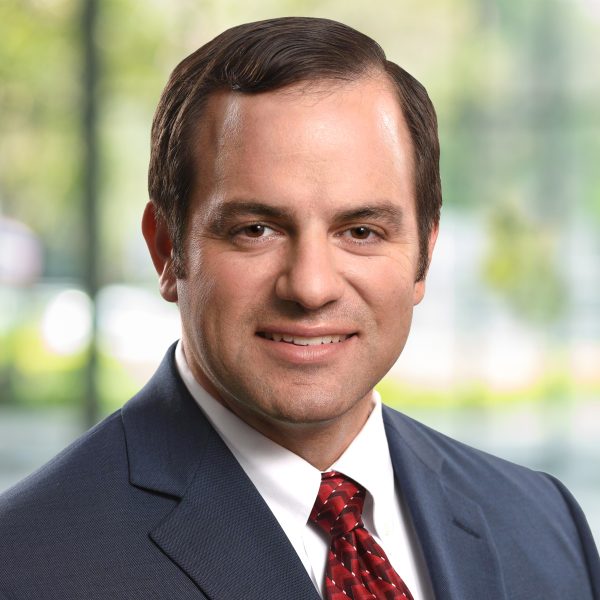
ScottAndersonScott Anderson, CEO of Doubledare Executive Coaching & Consulting

Scott Anderson was born into an entrepreneurial family who understood the value of hard work, perseverance, and grit. Scott’s entry into business started when he was tasked with turning around a 3rd generation family group of construction equipment and industrial engine companies, which he was able to scale and sell at a premium.

Following this, Scott built 3 for-profit businesses, including an agency that he ran for over 25 years and later sold to his employees. Scott also combined his business acumen with his experience as a licensed mental health therapist to establish the not-for-profit, AtEaseUSA.org, which develops and deploys leading-edge PTSD treatment technology in partnership with Tel Aviv University and the Israeli government.

Scott’s experience in business is matched by his premier training in coaching and therapy. He trained at the preeminent Coaches Training Institute and is certified by the International Coaching Federation (IFC).

He also graduated summa cum laude with a Master’s degree from the University of Nebraska School of Clinical Counseling.

Connect with Scott on Facebook and LinkedIn.

What You’ll Learn In This Episode

  • How Entrepreneurs Can Prevent (and Recover from) Burnout

This transcript is machine transcribed by Sonix

TRANSCRIPT

Intro: [00:00:02] Broadcasting live from the Business RadioX Studios in Atlanta, Georgia. It’s time for Coach the Coach radio brought to you by the Business RadioX Ambassador Program, the no cost business development strategy for coaches who want to spend more time serving local business clients and less time selling them. Go to brxambassador.com To learn more. Now, here’s your host.

Lee Kantor: [00:00:33] Lee Kantor here, another episode of Coach the Coach Radio, and this is going to be a fun one today on the show, we have Scott Anderson and his with doubledare executive coaching and consulting. Welcome, Scott.

Scott Anderson: [00:00:44] Lee, thank you. Great to be here.

Lee Kantor: [00:00:46] Well, I’m excited to learn what you’re up to. Tell us a little bit about double dare. How are you serving, folks?

Scott Anderson: [00:00:51] Well, I coach mainly entrepreneurs. I’m a serial entrepreneur myself. I’ve started and sold. I’ve started nine businesses and sold eight businesses. And so I’m let’s see. I think that’s right. And so I coached mainly entrepreneurs, people who are growing businesses and especially people who have grown businesses to a point where they want. They’ve reached sort of a plateau and they really need to take it to the next level.

Lee Kantor: [00:01:18] Now what can you explain a little bit about the journey? I’ve talked to quite a few serial entrepreneurs, but I’ve never really dug into what is it about starting and selling businesses that is so attractive to you for to have done it so many times?

Scott Anderson: [00:01:34] You know, that’s a really good question. I really think it’s in the genes going back four generations. I just come from a long line of risk takers and, you know, people who have started, you know, starting with folks who immigrated to the United States, taking risks in farming and ranching and starting various different businesses getting involved in politics. But but just generally, folks who felt felt like it was less risky to run your own thing than it was to depend on somebody else to run their business that you’re an employee of.

Lee Kantor: [00:02:12] But how do you know when it’s time? Like, Are you? Are you starting these businesses to say, OK, in three years I’m selling this? Or are you starting it? And then you get kind of bored or burnt out with it? And then you say, OK, let me sell it and do something else, or I have this other opportunity. Let me exit from this one. Like, what does that look like?

Scott Anderson: [00:02:29] You know, I think you’ve covered it all really well. You know, I wish I could say that that I have always been opportunistic that is growing a business to a certain size with a certain liquidity number in mind. But in my case, and in the case of a lot of entrepreneurs, boredom is a big part of it. And a lot of the thrill is in the ideation and in the launching and in the growing. And unfortunately, entrepreneurs tend to have very short attention spans. I do anyway. And and very little patience. And so, you know, I don’t I’m not comparing myself at all to Elon Musk, but I totally understand wanting to get into a space program or get into a generator program or a solar panel program just because of boredom and and having really diverse interests.

Lee Kantor: [00:03:21] Now how can you counsel an entrepreneur who is maybe getting bored or, you know, has that shiny object syndrome where that other thing looks really attractive right now? And and instead kind of reevaluate, maybe I should, you know, focus on on my business a little bit and kind of see where this is going to play out rather than kind of be a little ad about what the next move is.

Scott Anderson: [00:03:46] Boy, that’s exactly right. And I spend a lot of time with my clients doing that. A lot of times clients will express frustration or burnout or boredom, pure boredom. When they first talked to me and just as a business is beginning to really bear fruit. I know I’ve been guilty of this sometimes, and you’re right, it is the shiny object syndrome for sure, and there is an addictive quality to this. There’s no question about that that that there is there is a kind of a predictable cycle of obsession, and then the obsession cools off and the entrepreneur loses interest. You know, what I found personally is that it’s been really important to try to break that, that sort of obsessive cycle and and see things through to completion. The key almost always, however, is in trying to recruit great people who are better at sustaining businesses and taking businesses to the next level surrounding yourself with those kinds of people. I’ve been incredibly fortunate over time to attract or recruit people that were just way better business people for that stage of growth than I was who had the patience. And and a lot of ways, the maturity to see things through to completion in a way that I didn’t have. But there’s also sort of this I’d call it almost a spiritual journey for entrepreneurs to hopefully over time begin to channel that impatience and that passion really in a more positive direction. And I found that over time and. Think has something to do with it, but I’ve become a lot more patient and less obsessive, let’s say. But yeah, it’s it’s the constant battle of the entrepreneur against that kind of an almost addictive cycle.

Lee Kantor: [00:05:46] Now is it part of the challenge in that it takes different types of skills to create something from nothing than it does to manage something that something?

Scott Anderson: [00:05:58] Exactly. Yeah, that’s exactly it. You know, they’re there. I mean, if the genes I’m grateful for having inherited from my, my father, my grandfathers, et cetera, et cetera, is is that ability to see something and nothing and to be really intrigued to the point of wanting to get it started? And that, I think, is sort of, by definition, the entrepreneurial either gift or or curse. I’m not sure, but you’re exactly right. It’s a very rare person that has both that entrepreneurial vision and also the ability to scale businesses beyond that plateau I described earlier. It’s at that plateau when growth may slow down, where the nuance of what you’re doing may dissipate, where entrepreneurs tend to lose interest and also tend to leave a lot of money on the table and a lot of value on the table by losing interest, by maybe micromanaging at that point and not seeing what you just said, the the need to bring in both the systems and the people that can take you to the next level.

Lee Kantor: [00:07:12] So how do you cancel your clients to do that? How do you identify who is the right person to take this baby of yours into adulthood and to, you know, exit in a way that you’re fairly compensated for the risk you took?

Scott Anderson: [00:07:29] Exactly. You know, the main thing is, and this is where I spend 90 percent of my time is to try to get it into the hearts and the minds of my entrepreneur clients to understand what they really, really want. And again, sometimes this almost obsessive hunger for new challenge and new adventure is is again a blessing and a curse, and something that in in your younger days can be a tremendous competitive advantage, can turn out to be a competitive threat going forward. So a lot of what we talk about is what I try to get my clients to focus on is what their values are beyond today and tomorrow. But but really what they want their legacy to be and and how they the commitment they want to make in terms of how they show up and live every day, which helps to transcend the the siren song sometimes of, you know, I’ve got to have something new every day anyway. So that’s how I work with my entrepreneur clients. And you know, it’s absolutely true that there is a different personality set in a different skill set of people that that take entrepreneurial companies and grow them into and scale them into bonafide businesses that transcend the personality and the whims and even the potential genius of the entrepreneur and turn them into a business that’s that’s bigger than any one personality or any one individual. And it’s a different skill set, but it’s also a different personality type. And we use a lot of assessments, in fact, to try to determine whether or not the the next generation of leadership that I typically help my clients recruit is, in fact, that kind of individual. But typically, they’re they are more patient than the entrepreneur. They can see through the end of of long term processes with more vigilance and patience and with maintained interest. Yeah, it’s a very different profile than the entrepreneurial profile.

Lee Kantor: [00:09:40] And I would think that because of that, it’s difficult without help. Like your firm to for an individual to find the right fit because they might have this inherent bias that they’re looking for someone like them. And that’s probably the last person they want is someone like that. They need the opposite of them.

Scott Anderson: [00:09:59] Exactly. Yeah, and you know, I mean that to the extent that I’ve been lucky and I really have been blessed to work with partners that are just so much better than I am at almost everything, that’s really true. I mean, you want people that are very different than you are as an entrepreneur because the again, that that entrepreneurial the shiny object syndrome can really torpedo really solid, healthy businesses left to its own devices. And you almost have to, as the entrepreneur with without a coach or a mentor or guide or some kind. Unfortunately, your gifts can really be can turn to destruction. You know, without that kind of without the perspective, it’s really hard to see that. So that’s yeah, that’s a very good point.

Lee Kantor: [00:10:51] Now, when you’re working with your clients, what is typically the pain that they’re having, where they’re like, Hey, I got a call, Scott and his team.

Scott Anderson: [00:11:01] Well, you know, typically, as I said, it’s it’s that the the the growth ambition. Well, it’s a couple of things, but the growth ambition of the founder is being frustrated, so they reach a point where they they have plateaued in some way or another. And often its sales growth or profit growth or market share growth has plateaued. Those are the most obvious signs, and those are, to an entrepreneur, deeply frustrating because growth and expansion and nuance are the lifeblood. Another thing, though, that happens a lot, is that the at least a somewhat enlightened entrepreneur will begin to see that they are the problem, or, in other words, that that their entrepreneurial zeal is in fact driving people away who they really, really need people who can see things through to a longer horizon. People who have who can sort of see the forest for the trees more clearly. And and so what often happens one of the symptoms is that there is a retention problem. This is we notice this, especially in the first quarter of this year, what’s been called the great resignation of of people leaving in droves. And the problem sometimes for the entrepreneur is that they tend to be somewhat egocentric, sometimes really egocentric. I know I’ve had that problem and and are not as conscious as they should be in terms of the the fulfillment of the rest of their team. In any case, for whatever reason, one of the symptoms that a lot of people come to me with is that they’re not able to retain the people that they know they secretly need the the people that can scale the business and take it beyond the plateau.

Lee Kantor: [00:12:54] Now, when they get to this level of frustration, is that something that they’re contemplating? Hey, this is the end. I’m over this. This is not working for me. I got to pull the rip cord. How do I exit? Or is it something where they’re just like, I just, this is my life. I’m just going to power through to the best of my ability and see where it goes.

Scott Anderson: [00:13:16] Well, you know, I certainly want to talk to people before the the first statement that you made before people reached the end of their rope. Sometimes they feel that way, though, that there that there really frustration that what them, what got them passed the back of a napkin idea for a business to a successful business that’s now plateaued. All of that energy is is now working against them. What got them to that point, they kind of know intuitively won’t get them past this plateau, you know, and I sometimes do talk to people that are really pretty desperate or exhausted or particularly today burned out. And so that sometimes happens. Other times there are, you know, and obviously there’s a continuum of entrepreneurship. Some people aren’t as extreme as others and can kind of see that that they’ve either taken the company as far as they can in and in one of two ways, either that that growth has plateaued or that they they sort of realize that their skill set is tapped out, that the entrepreneurial zeal can only take them as far as they are. And that would be a bit more conservative entrepreneur who realizes that if there is such a thing as a conservative entrepreneur. But yeah, somewhere in that continuum, I certainly want to talk to people before they reach the point of of wanting to shut it down. But sometimes that happens and particularly today with burnout.

Lee Kantor: [00:14:51] Now is there anything you can share with our listeners? Any tips or maybe low hanging fruit that an entrepreneur can be doing actively to prevent or even recover from burnout?

Scott Anderson: [00:15:03] Yeah. You know, we’ve spent because this is so common today in all kinds of companies and in well over 50 percent of employees nationwide, according to Gallup report that they feel burned out most of the time. So it’s really reached an epidemic point. And the great resignation that so many employers saw this spring this past spring of twenty one is a reflection of that. So as a result, we’ve created a specific program a process to both prevent and help people recover from burnout because it is such a unfortunately such a common phenomenon, and particularly in companies that are growing fast and that are run by entrepreneurs that insist on fast growth. So we’ve discovered a couple of things. I should probably mention that in addition to being an entrepreneur and a coach, I’m also a licensed therapist. And over the last we started about four years ago, actually pre-COVID, to identify best practices that have clinical proof of counteracting or reversing burnout. And fortunately, there are a lot of steps that people can take and and we’ve kind of codified this these steps into a program, a system that we make available to our clients. And you know, basically what what we’ve discovered is that and actually the World Health Organization in naming burnout a bona fide illness has listed three primary symptoms of burnout. The first is exhaustion, not just physical exhaustion, but psychological exhaustion. And it’s the kind of thing where our clients will report that even if they do get a good night’s sleep, which is usually not often they wake up in the morning still feeling tired and if not physically tired, emotionally tired, exhausted, depleted or done. Sometimes they, they say, and obviously it’s very, very difficult to to conquer the world.

Scott Anderson: [00:17:12] If you’re feeling done, if you’re feeling burned out or tapped out, and there are some specific techniques that we’ve developed that can really, really help with that exhaustion. And very simple, very practical techniques that that really, really help. There are a couple of specifically, there are some mindfulness techniques that are simple and easy, even for people who hate meditation or think they can’t meditate that only take five or 10 seconds to use. That, if used frequently, can really, really help not only help people recover from from burnout, but also help them prevent it from happening in the first place. One of the things we’re discovering is that burnout really is preventable, and we’re our contention is that that company is in the same way that they bring flu shots into the office every fall that the prudent employer should also be bringing in burnout prevention skills into the company. Obviously, you know, burnout has a lot to do with company culture, so employers have to really look themselves in the eyes and ask themselves, How are we contributing to burnout? You know, are we unreasonable or unrealistic? Do we have a culture that promotes fear, for example, which is which is one of the. And stress, you know, if we do, we’re going to have burnout. So the employer has to look themselves in the eye first and foremost because there is definitely a lot of burnout that comes as a result of company culture. But having said that, the there are a number of steps that individuals can take to prevent it because it’s burnout is really in the air. In that sense, it’s akin to COVID.

Scott Anderson: [00:19:03] It’s the social media that we read, the news that we see. It’s in the conversations that we have and actually in our experience, it predates COVID. It may go all the way back to the 2008 Great Recession and maybe even before that, maybe back to the 1998 tech bubble bursting. But COVID was really been the sort of the straw that crushed the camel’s back. But what we have found is that there are a number of skills that people can use to not only recover from burnout but prevent it. And so what we’re preaching to our to our clients is there are some simple programs that we’ve developed that have empirical data of success that you can bring into your companies, much like a flu shot. And if you can get your folks to practice even some of these techniques, they will. Their chances of of preventing burnout are actually quite good. Now this is again not to say that employers can shirk. Responsibility if they have a culture of micromanagement, of fear, of unrealistic expectations, et cetera. You know, they have to look themselves in the mirror and kind of go through a checklist we provide to ensure that their their culture isn’t itself causing the burnout. But we have found that burnout is more of a cultural epidemic than it is a individual business problem. And there are some specific steps that you can that you can take. In fact, if anybody would like to e-mail me afterwards, you know or reach out to my website, I’d be happy to share. We have a a burnout health checklist that I’d be happy to send them a PDF.

Lee Kantor: [00:20:46] All right. Well, what’s the website in case somebody wants to have a, you know, contact you and have a more substantive conversation about your practice and get a hold of these great resources?

Scott Anderson: [00:20:56] Sure. One thing they can do is just to get a to watch a a master class on burnout prevention. They can go to burnout. Breakthrough Burnout Breakthrough has a short webinar that explains the the issues involved with burnout and the steps that you can take to prevent it. And there are there are five shifts that that we’ve discovered that really will turn burnout around. We’ve proven this in hundreds and hundreds of cases. The other thing they can do is to reach me at my coaching website, which is double dare you accuse double dare y0u us? And there’s a link there to a program called Extinguishing Burnout. And there’s lots of information there about the process that we use, the science behind it and concrete steps that people can take right now.

Lee Kantor: [00:21:58] Good stuff. Well, Scott, thank you so much for sharing your story today. You’re doing important work and we appreciate you.

Scott Anderson: [00:22:03] My pleasure. Lee, thanks so much for having me on the show.

Lee Kantor: [00:22:06] All right, this is Lee Kantor. We will see you all next time on Coach the Coach radio.

Tagged With: Doubledare Executive Coaching & Consulting, Scott Anderson

Monica Parkin With Invis Pacific View Mortgages

December 22, 2021 by Jacob Lapera

MonicaParkinLogo
Austin Business Radio
Monica Parkin With Invis Pacific View Mortgages
Loading
00:00 /
RSS Feed
Share
Link
Embed

Download file

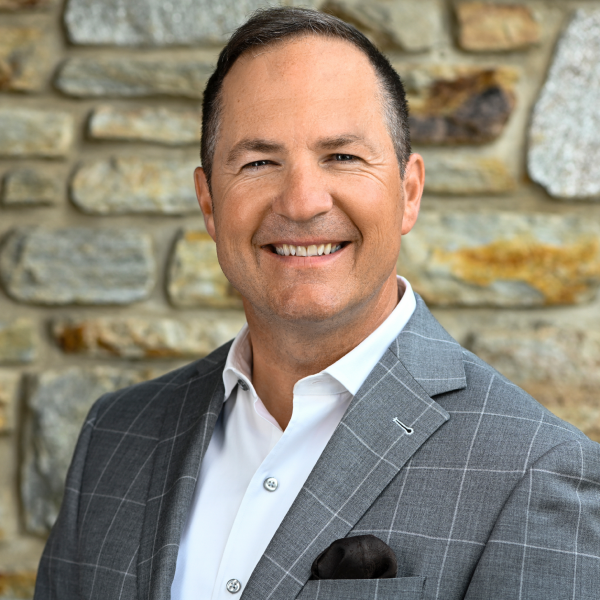
MonicaParkinMonica Parkin is an award winning international speaker and the Author of “Overcoming Awkward, the Introvert’s Guide to Networking, Marketing and Sales,”.

She is also an entrepreneur and she first started out in business, she found herself struggling with how to build authentic connections with a fear of attending large events and no understanding of how to build relationships. She has since evolved into a master relationship builder and is here to share insights that will help you feel more successful, confident, and valued.

Connect with Monico on Facebook, Instagram, and LinkedIn.

This transcript is machine transcribed by Sonix


TRANSCRIPT

Intro: [00:00:08] Broadcasting live from the Business RadioX Studios in Atlanta, Georgia. It’s time for workplace wisdom sharing, insight, perspective and best practices for creating the planet’s best workplaces. Now here’s your host.

Stone Payton: [00:00:31] Welcome to another exciting and informative edition of Workplace Wisdom Stone Payton here with you this afternoon, and you guys are in for a real treat. Please join me in welcoming to the broadcast speaker, author, podcast host and someone who has just recently released the book Overcoming Awkward The Introverts Guide to Networking, Marketing and Sales, Miss Monica Parkin and How Are You?

Monica Parkin: [00:00:58] I’m great. Thank you, Stone. I’m excited to be here.

Stone Payton: [00:01:01] Well, we are delighted to have you on the show. There’s so much that you write about that you speak about and that you have some, some some perspective, some unique perspective on that applies to so many people in the workplace. What what did compel you to write this book in the first place? So what is my wife? What were you thinking?

Monica Parkin: [00:01:26] Yeah, really? What was I thinking? It was a couple of things. One is, as as you mentioned in your intro, I’m a speaker, and after I would do a speech, I was be like, This would make a great book chapter sometimes, right? And I always had this idea in the back of my head that I’d like to do that, but I could never get the the momentum going. And I was kind of just laying in bed on a Saturday morning when scrolling Facebook and I see this 30 day writing challenge pop up and I was like, You know, if I had like that challenge like like I knew I had to get it done in a certain amount of time, maybe I could do it. And so I signed up for it. It was like a hundred bucks and I thought, you know, a hundred dollars isn’t much to spend, but it’s just enough that I don’t want to throw it away either. And that’s actually how this started was with a 30 day writing challenge.

Stone Payton: [00:02:10] So is this the product of you observing what you people that you might characterize as introverts and finding them a little bit awkward and kind of observing patterns? Or is this born of some personal experience or a little bit of both?

Monica Parkin: [00:02:28] Definitely born of personal experience. So definitely a total total complete introvert here. Or at least I used to be. I guess I still am at my core, but you just wouldn’t know it to to talk to me now. But yeah, definitely some workplace career experiences that that caused me to have to get out of my shell, to have to push myself and challenge myself and find new ways of of interacting with people. And out of those experiences came came stories and analogies, and out of all of that came a book.

Stone Payton: [00:03:02] Now in your line of work, as I understand it, or at least this is how it is a little old Woodstock, Georgia, where I run one of our Business RadioX studios. You’re a lot of work. You’re in the mortgage arena, right? And for some time, there are several people here in the local community in Woodstock. And I suspect this is probably true in most communities and they need to get out. They need to build relationships with with real estate professionals. They need to build relationships with business owners. They need to be recognized and known in the community. So I would think that that networking and hanging out at community events and all that kind of stuff would be a really typically a very important part of their job. And if they struggle with that, it could really impact their impact, their success, right?

Monica Parkin: [00:03:48] It is. But here’s the funny part of it. Like, I never got the memo about that. So when I was feeling I didn’t write, I had no idea when I dealt with the mortgage broker that I dealt with. We did everything by phone and email. I never talked to her on the phone. I had a great experience. I thought, This is great. This is a great career, would be perfect for me. I can just stay home, hang out with my dog. I don’t have to get to know people. I can do this all online. It’ll be great. So, you know, I go to school, I sign up, I get, you know, I spent eight months getting my license. I go to a brokerage and they’re like, So when are you? When are you going to bring some clients in? I’m like, What am I going to bring some clients? And you’re going to you’re going to give me clients right? And I and they’re like, No, you got to get out there and network and get to know people and get yourself known in the community. None of this stuff is going to be handed to you. And I was I almost quit on the spot. I was like, What? Like, How did I miss? How did I not know this, you know? And it was just a huge shock to my system, and we can talk more about this. But basically, that was the moment after I’d done all the work when I found out that there was actually a lot more work to do.

Stone Payton: [00:04:53] So I mean, my business partner who incidentally, is the the founder and CEO of the entire Business RadioX network, I’ve been working with him for 15 years. We’ve had some success. We’ve really enjoyed this business marriage of ours. He will be the first to tell you that that he’s an introvert and we often will approach conversations very differently. And he’s perfectly happy. You know, for me to be the guy that you know, goes and does the million cups presentation or, you know, it shows the deck to somebody, but he’s he’s quite effective, quite successful. So I guess he’s begun to find his way. And you clearly have found some some strategies, some ways to to approach this if you are an introvert. But a lot of your counsel, at least when I was when I was looking through it seemed kind of counterintuitive. It wasn’t what I was expecting.

Monica Parkin: [00:05:47] Yeah. Funny thing, you know, so that very first networking event that I went to, you know, the office said, we’re going to make it easy for you. There’s a Chamber of Commerce dinner. You can come along, you know, we’ll have a great time. You can meet some people. And I got to that thing and there was no one there that I knew, and I literally I turn around and I went out to my car because I just had a panic attack and I just sat out my car and went, I can’t do this, I can’t do this like this is too hard. And then one of my colleagues drove up. And of course, I, you know, I couldn’t bail at that point. So I walked in with her and I got through that event and I I did all the things I was told to do right. I shook people’s hands, I handed out cards, I did all that stuff, sold them on myself, told them I could get them the best rate, the best mortgage. I was like in everybody’s face. And then I got home at the end of the night and I’m looking at this handful of cards and I’m like, like, what am I even going to do with these things? You know, and I ended up throwing them out, and then I had this moment where I was like, Oh, my goodness, if I’m throwing out their cards, what like, what are they doing to my cards? And that’s when I realized, like that kind of networking. Maybe it works for some people, but it wasn’t going to work for me. It wasn’t the way to build an authentic relationship with somebody.

Stone Payton: [00:06:54] So you made the transition, or probably a more accurate word is probably transformation based on you, you tell me so far. So I mean, did this take

Monica Parkin: [00:07:03] Months, years? Yeah, yeah. Well, it’s kind of like, you know, I guess it’s like watching your kids grow up one day. They’re a little kid, and the next day they’re growing up and you don’t know when it happened. It’s kind of how I feel about it. Like one day I was just total reclusive introvert, and one day I woke up and here I am, you know, speaking to people and showing up early at these events that I used to be afraid of. Because actually, that’s where the best conversations are right when you get there early and there’s people to talk to and. But I shifted my perspective from what can I tell you about me to what can I learn about you, to being curious about other people and connecting other people with each other? So instead of let me sell you a mortgage or let me sell you a product? Oh, that’s interesting, Jill, you’re a blogger and you blog about food. Well, Susie over there owns a winery. Have you guys met yet and then connect them? And then this beautiful reciprocity starts to happen, right? They remember who connected them. Not like, you’re expecting a favor back, but but you’re growing your own humanity when you grow other people’s communities. And it’s that authentic connections, those subtle, little authentic connections that really grow relationships.

Stone Payton: [00:08:09] I so appreciate and genuinely resonate with what you’re describing and the antithesis of that which fortunately, here in Woodstock, in our little community, this is not the case at all, but I have been to those meetings where there’s maybe me and another person, maybe me and two other people, and the person has asked me a question, and I’m trying to answer it as best I can. Their objective is trade the cards and I can. I often can see them, but I can almost always feel them looking over my shoulder and like their next target, like they’re not having a real conversation with me. It sounds like part of the part of part of the the formula here, and the the best approach is just to have a real conversation. And the other piece I think I heard and that was take on the role of helping to other people. Other people connect with each other.

Monica Parkin: [00:09:02] Yeah, yeah, it’s someone told me once it’s Susan Thomas, someone I actually interviewed one time, she said, You’ve got two years on one most, so use it ear to mouth ratio, right? Use your ears twice as much as your mouth. Listen twice as much as you talk, and that is how you create authentic connections, right? But those those people you’re talking about that are looking over your shoulder for the next one. I call those hunters, right? So they’re out hunting today. They’re going to eat today. They’re going to catch their prey. But the thing is, if you keep hunting and hunting and hunting, you run out of food supply, right? If you’re a fox and you raid every chicken coop in the neighborhood, eventually you run out of chicken coops and that’s what happens to those people. But if you’re a farmer and you go out and plant seeds build relationships, you might not eat that night. But long term you will have crops that you harvest over and over and over again.

Stone Payton: [00:09:53] Did you really write this thing in 30 days?

Monica Parkin: [00:09:56] I did. I did. But I kind of like, I kind of cheated, not cheated. But some of it was old speeches that I’d done, and I didn’t write on a typewriter. So what I did is when I’m driving my kids to school because we’ve got a long ride to school. I would just record myself on my phone just like I’m talking to you. I have an idea pop into my head. I would record it. I’d go home, run it through transcription software and then edit it for an hour. And then, OK, boom, there’s one chapter let’s do the next one.

Stone Payton: [00:10:21] That’s actually it doesn’t. Does it come across as cheating at all? To me, in fact, it’s not a formal, you know, published revenue stream for our studio. Partners, you know, we’re in several markets and we talk about teaming up with us and all that, but we’ve had several of our studio partners do what you’re describing for people. They’ll come in the studio and just kind of just kind of wrap, right? You know, just get kind of get there. We call it first draft and they’ll just sort of get their thoughts out and then we’ll have it transcribed from forum. And in some of them will go from there to writing, and some of them will get somebody that’s really can write, I think. Well, I mean, I guess I’m a little biased. I’m a big fan of audio. I just think there’s so much you can do with it, what you have it. But I think I think that’s brilliant.

Monica Parkin: [00:11:01] Thanks. Yeah. And I’m an audible learner more than I am a reader. Like, even when I go through books, I prefer to listen to books and to type out books. So but that let me just get through like get my ideas out and then I still have a lot of editing to do in print. But I could I could spend, you know, half an hour on my drive banging out a chapter, talking about what I want to talk about and then come home and spend an hour putting in punctuation and cutting this and moving this and moving it around and making it pretty. But I got the ideas out without being impeded by because otherwise I see, Oh, this should change. This is spelled wrong. And then I forget what I was talking about. But if I can get it out, then it’s easier.

Stone Payton: [00:11:36] Yeah, I think so, too. Now you enjoy this, this platform, you have your own show.

Monica Parkin: [00:11:42] Yes, I do. Yes, yes.

Stone Payton: [00:11:45] And is it an interview show? Is is it you sharing ideas? Yeah. Tell us a little

Monica Parkin: [00:11:50] Bit about your show. Yeah, it’s called. It’s called juggling without balls. So it’s about women that juggle multiple responsibilities that that whole kind of like me, a mortgage broker. I have a business at a veterinary hospital, you know, I homeschool a kid and it got all these things going on. So it’s for women that that are really struggling with trying to juggle all those different responsibilities. And it is in interviews and interview style, you know, someone that’s overcome a big obstacle or how they manage those difficulties or that’s done a big career change later in life, talking about how they did that pivot right and what the silver lining was and what they do differently, all that kind of stuff that we all want to know about these people

Stone Payton: [00:12:28] And what a great show concept. That’s a fascinating listen that I absolutely will. We have a show here in the Woodstock studio. It’s just called women in business. I think your title is way cooler. It maybe we ought to have a different, a different person producing it. But I will tell you, I am just over. I just can’t believe the women that come here and talk about their personal lives and their business lives and what they’ve accomplished. You just and the other thing in all of our media properties, I’m sure your experience in this, you really do get to build some great relationships and have really good conversations and genuinely get to know somebody when you just have a real conversation, you know, kind of like we’re having, right? You know, it’s X.

Monica Parkin: [00:13:15] Yeah, exactly. Just like we’re having right now, I’ve had so many relationships come out of those podcast interviews, and that was one of the reasons I started is there’s just so many women that I just want to get to know better. And I have daughters, so I kind of wanted to leave them this legacy of wisdom. Someday, when I’m not here, there’s this whole bank of podcasts that they can go back and listen to. But yeah, you’re creating a new relationship actually with every interview, aren’t you?

Stone Payton: [00:13:38] At least that’s been our experience. Well, congratulations on on your success and doing that. And again, I’m sure you’ve seen this and had this happen. I mean, it’s such a great way to serve other people, right? To give them a chance to share their story and talk about their work and you get to know them. And as it turns out, you know, serving folks is a pretty good business model.

Monica Parkin: [00:13:58] And you you nailed it. Exactly stone like that is the business model is just how can I be of service to you today, right? How can I use this analogy in my book where I talk about like, even if we live in a beautiful house, right? We built the most beautiful house. We keep the lawn immaculate. Everything’s amazing about it. If we look across the street and like our neighbor’s house is falling down or our town is falling down, then our property value goes down, right? So if our business is our house, if we don’t support the other businesses in our community, if we don’t support our own industry, then the value of our own business goes down too, right? And so because I’m in real estate, that’s the analogy that I use. But that’s why it’s so important that we don’t just look, how are we going to sell things? How are we going to make money? But how can we serve our community? How can we serve our industry even as a mortgage broker? Like, how can I help out my fellow brokers? How can I help out my mortgage industry? Because when it’s strong, my own business is strong in turn, and I don’t have to be an extrovert to do that. Just I just need to be me a man.

Stone Payton: [00:14:58] Well, speaking of analogies, you use a neighborhood analogy to that. You relate to networking and cultivating community. Can you speak to that a little bit more?

Monica Parkin: [00:15:10] Yeah, that’s actually the one that I was sort of just speaking about. But yeah, that same idea that you’re only as as strong as your neighborhood, right? So if you’re not, you know, if my neighbor across the street is broken his leg and he needs snow shovel, then I’m going to go over there and shovel the show. So I shovel, shovel snow. And then maybe next year when my car won’t start. Maybe he’ll come over and jump my battery, it’s the same thing with my business. If I reach out and help someone else in my community, I leave a great review. I share their post. I talk about the event that they have happening. It creates this feeling of reciprocity. There’s no expectation that they’re going to do something for me in return. But the reality is that, you know, people remember people who remember them and people like people who like them. So when you genuinely go out and do those things with no expectation in return, you are sort of growing your fictitious metaphorical neighborhood.

Stone Payton: [00:16:06] Well, and it does come back to you, but I’d say more than that. I think it comes back to you, you know, tenfold. Or it just seems like whatever your spiritual inclination is, that there’s there is something to this just getting out there and just doing some good out in the world. It comes back, doesn’t it?

Monica Parkin: [00:16:26] Yeah. And you know, you can feel it when someone’s doing something with an expectation as opposed to when someone isn’t like, Hey, if you do this thing for me, I’ll do this thing for you feels a lot different than just how can I help you today with no expectation, right? It feels different to you.

Stone Payton: [00:16:43] I call that and it probably came from my dad going tit for tat. Yeah, I don’t like that. I don’t, you know, I don’t either. Yeah, no. Just do it if you want to and thank you. And, you know, but no. Absolutely. Which, you know, here’s some very practical counsel that I don’t know if I if I saw it in the book or on your website or where. But you know, we could all benefit. Just don’t be a jerk.

Monica Parkin: [00:17:06] Right, right. Yeah, I heard this phrase once that if you meet three jerks in a day, you are actually the jerk. And it’s I think it’s true. You know, I used to be that person everywhere I went. Well, that drive thru person was really slow and that lady was rude. And but when I actually switched my own attitude off, like when I start extending people more grace and more kindness and more patience, all those jerks went away. Those people stop being jerks to me because the way that I responded was different. And you know, I my other business is in a large veterinary hospital. And when the staff wants to find a real estate agent or a new accountant or whatever, right, they start looking at the clientele that come in the door and they’ll say, Well, what about what about Bob? And someone will say, Nah, he is so mean to the receptionist. Last time we got his prescription wrong, he practically threw it in her face. Well, what about Bill? You know what? He’s so nice and he brings us cookies at Christmas. And yeah, you should use him. Like, you don’t realize the effect that your actions and your attitude actually have on your business that you think that you’re yelling at that poor kid in the drive thru isn’t going to affect your business, but they’re actually going to go home and tell their parents or tell their coworkers, and they’re going to make a purchasing decision based on how you behave that day.

Stone Payton: [00:18:22] And you are so right about that, and we see it over and over again. If you don’t mind, I’d like to shift the frame a little bit and this is incredibly helpful for me personally and I really think for for so many of our listeners who are out there and who need and want to. They are probably of our stripe, if you will, like they genuinely want to serve and all that. And you know, tomorrow night’s networking thing is a little intimidating and you know, they’re trying to figure that out. But I’d like to switch the frame on you a little bit and see if we if we can help a couple of other constituencies. One is the person who maybe doesn’t have to get out there and do a lot of networking out in the world for their business, but they do have to be productive, effective, efficient and get along with folks at their workplace. At the at the office. I got to believe so much of what you describe in this book and so much of your work. I bet it applies in that environment every bit as much, you know?

Monica Parkin: [00:19:18] For sure. Yeah, yeah. A couple of things come to mind. One is that listening piece, right? Listen more than you talk. Hear what your coworkers are saying to you to own your mistakes, right? Like, I have so much more respect for someone that says I made a mistake. I’m sorry. How can I fix it? Then the person that just tries to, well, it’s not my fault. It’s so-and-so’s fault, blah blah blah, right? Like that. That authenticity and that willingness to just hear another person’s side of things and then the communication piece right the the getting back to people right away, they’re responding and the setting expectations because you treat people how to treat you. So if you consistently, you know, maybe you allow people to text you at midnight on a Saturday night, if you respond every time, it’s not their fault that they’re doing it, you’ve taught them to do it and the same thing in the workplace. And then in terms of networking in the workplace and forming relationships, it’s it’s asking questions, you know? And more than you talk, you know, how how was your week? What was your family like? How can I be of service to you? Whether you’re a salaried employee or you’re self-employed, that is ultimately always the question How can I be of service to you? And that’s like you say, that comes back to you tenfold.

Stone Payton: [00:20:36] And then one other group I’d like to try to get a little bit of perspective on or four, and I think you’re the ideal person to do it, not only being the person with the expertize on the content, but you’re also living in all of these roles. If I’m trying to build a culture, if I, you know, I think you mentioned you’ve got a business, a veterinary hospital, what can or should we as people who run companies, what should or could we be doing to create an environment that will allow an introvert and everybody to flourish with regard to some of these topics we’re talking about?

Monica Parkin: [00:21:15] Yeah, I would say celebrating people’s authentic self. You know, there’s this belief that you come and you show up and you have to be a certain person and allowing people to be who they are. For years, I didn’t show who I really was because I thought I would be judged for that. And when I finally got to a place where it was safe to be me, like quirky little weird me who happens to also love goats and chickens and like to embrace my quirkiness. And and when you embrace your quirkiness and you get vulnerable, it gives all the people around you the freedom to do the same. And so really, it’s that leading by example when you embrace your inner quirky or your inner nerd or whoever you are. It gives all the people in your workplace the safety to do that. And you know, when you get vulnerable, it gives them freedom to get vulnerable to. And often someone hears something in your story that that they wouldn’t have heard if you didn’t if you didn’t share it. And it creates this, this workplace that feels safe and where people are welcome to be whoever they are.

Stone Payton: [00:22:14] Well, I’m so, I’m so glad I asked in creating an environment where everybody feels like they can embrace and celebrate their quirkiness. But but I think the key to what you’re describing is the mechanism the to do that you’ve got to lead by example. You can’t just say we are a place that does this right. You can’t just put it on. You got to be the one that that embraces and celebrates your own quirkiness. So they’ve got a living, breathing model of that.

Monica Parkin: [00:22:37] Exactly. I remember when I first started out and I was buying leads and I was advertising and I was doing all this stuff and nothing was working. And we have this forum in. It’s called women in the mortgage industry, where you can go to other women that have, you know, been in your role before and ask for advice and. And so I called up the first one. I’m like, So what do I do? And they’re like, Just just be you like, just be your authentic self. And I didn’t like that answer, right? So. So then I found the next one. Same answer. I phone the next one. Just be you. And I’m like, This is a load of crap. Like, they obviously want all my business. Like why like people have been telling me this all my life. This is what they tell kids in school. Be yourself. But then I sat with it for a while and I and I thought, You know what? Like, what is it going to cost me just to try it? And so I started to just be me, like not to hide those parts of me, like my little inner nerd that loves these little computer programs or buy me out in the barn with my goats, like all the parts of me that I thought were not appropriate for business. We’re actually the time that my business took off when I started to share those things because people could then relate to me in a way that they hadn’t been able to relate to me before.

Stone Payton: [00:23:39] You were so upbeat and you have such genuine, authentic answers to these questions that I’m asking that have real depth. And so I see that you probably are quite accustomed to to being inspired and sharing things that are inspiring to other people. So you are inspirational? Yeah, that’s a word, OK? But sometimes, I mean, you’ve got to run out of gas sometimes. And when you do, where do you go? You know, how do you refresh? How do you kind of get get charged your batteries? And where do you go to get inspired?

Monica Parkin: [00:24:15] Yeah, well, that’s the beauty of it. I used to just go hibernate, like, sit under the covers with a book. Nobody talked to me, take the phone off the hook. But now I reach out to all those connections I’ve built, right? That’s where I get inspired now is is in those connections and those conversations. All the things that I used to avoid are now. The things that actually bring me energy and inspiration and joy is those connections and an opportunities like, I don’t actually think I’m going to do this and I’m going to do this anymore. I just sit back and I wait for an opportunity to come by and I go, Wow, that looks really exciting. I’m going to give that a try, and I just keep an open mind and and keep those keep those lines of communications open with with those people I’ve connected to because that’s actually where I despite being an introvert, that’s actually now where I get my energy from is from the people around me.

Stone Payton: [00:25:02] After 20 minutes on the phone with you, I should have anticipated that answer and it makes all the sense in the world. After getting to know you a little bit of it talking with you, you actually are getting your energy now from what at one time was maybe a little awkward, intimidating and all that. That’s wow. That’s fantastic. So what’s next? Is there another book in you? You’re going to do? You’re going to keep speaking and yeah, what’s on the horizon?

Monica Parkin: [00:25:27] Yeah, I don’t think I have another book. I mean, but my editor says there’s five more in my head somewhere. So I guess I just need to maybe sit still for long enough and see if they come. Give me your turn on the recorder on the drive to school and see what comes out, but at this time, I’m just really enjoying getting out and talking about the book and doing some speaking engagements, talking to businesses about how they can help those introverted employees, how they can improve their culture, how people can be more authentic and be of service to the people around them. And, you know, reap the rewards from that, not with an expectation of reward, but to just enjoy, enjoy the reciprocity that comes from from being of service to others.

Stone Payton: [00:26:04] Yeah. All right. Before we wrap, let’s make sure that our listeners may know where to get their hands on this book and then whatever you feel like is appropriate in terms of if they’d like to have a conversation or learn more about your other work, whether it’s a LinkedIn or a website or an email. But let’s leave them with some points of contact.

Monica Parkin: [00:26:23] Yeah, for sure. And I’m sure some of these things will be in the show notes. But the book is called Overcoming Awkward and Introverts Guide to Networking, Marketing and Sales. You can find it on Amazon or Barnes & Noble. It’s in Kindle paperback, and the Audible version is going to be out in about two weeks. I recorded that myself, so it took a little longer to get it together and then the easiest way to reach me is just at my website, which is Monica Park and Dossier, and you’ll find all my contact info in there. I’m also on LinkedIn, Instagram and Twitter. I won’t give you those full handles, but I’m easy to find Monica Perkin. Look for the crazy lady. I’m not hard to miss.

Stone Payton: [00:27:00] Well, Monica Parken, author of Overcoming Awkward The Introverts Guide to Networking, Marketing and Sales. It has been an absolute delight having you on the show this afternoon. Thank you so much.

Monica Parkin: [00:27:13] Likewise, Stone, I’ve actually gotten a lot out of this as well and your conversation, and I’m grateful for the opportunity and I appreciate your your little stories that you’ve woven into this interview. Also, thank you for that.

Stone Payton: [00:27:25] Absolutely my pleasure. All right. Until next time, this is Stone Payton for our guests today, Monica Park and everyone here at the Business RadioX family saying we’ll see you next time on workplace wisdom.

Tagged With: Invis Pacific View Mortgages, Monica Parkin

Bug McBride With The Blue Ghost Arcade And Ryne Murphy With Hawk’s Nest Gaming

December 22, 2021 by Jacob Lapera

featuredbugmcbride
Cherokee Business Radio
Bug McBride With The Blue Ghost Arcade And Ryne Murphy With Hawk's Nest Gaming
Loading
00:00 /
RSS Feed
Share
Link
Embed

Download file

This Episode was brought to you by


LFG NEXUS


Bug McbrideBug McBride, Owner of The Blue Ghost

The Blue Ghost is an arcade and bar featuring over 40 retro arcade games, pinball machines, and gaming consoles. Their full bar serves beer, wine, spirits, mocktails, and other non-alcoholic beverages. Their concessions stand includes a wide selection of candies, chips, and other sweet and savory snacks. Their mission is to connect an old generation of games with a new generation of players.

Their mission is to connect an old generation of games with a new generation of players. Unlimited play included in admission. It is located at 164 Towne Lake Parkway, Woodstock, GA 30188.

Follow The Blue Ghost on Facebook, Instagram, and Twitter.

Ryne MurphyRyne Murphy, Managing Partner at Hawk’s Nest Gaming

Ryne is an experienced team leader with a recognized ability to motivate associates to raise overall performance and enable them to better understand and deliver on company goals and metrics. He is an award-winning customer service professional with a unique passion for delivering exceptional customer experiences in a wide range of venues. He has a strong and compassionate team leader with experience overseeing more than 50 associates.

He is a hard worker accustomed and comfortable in a fast-paced environment, an individual contributor with broad leadership experience, and a strong communicator and marketer with recognized results. He is a creative problem solver with the ability to work at all levels of an organization.

Hawk's Nest GamingFollow Hawk’s Nest Gaming on Facebook and Instagram.


This transcript is machine transcribed by Sonix


TRANSCRIPT

Intro: [00:00:07] Broadcasting live from the Business RadioX Studios in Woodstock, Georgia. It’s time for Cherokee Business Radio. Now here’s your host.

Stone Payton: [00:00:23] Well, welcome to this very special broadcast of Cherokee Business RadioX Stone Payton here with you, it is our LFG Nexis series brought to you by LFG Nexis for gamers, by gamers, by gamers, for gamers. What’s the tagline?

Adam Gerstin: [00:00:38] It is for gamers, by gamers, but I guess it works the other way.

Stone Payton: [00:00:41] But because it is by gamers, I mean, you have been immersed in this world for some time. So we’re so delighted to have you on board as a sponsor and the co-host. I know why I do this because it beats the heck out of working. But what were you thinking, man? Why? Why did you want to put this series together?

Adam Gerstin: [00:01:00] You know, to me, I think gaming is an incredible and important part of just just being alive in society and stuff like that. I think that gaming tends to bring out the best in people, and sometimes it can, you know, be difficult. And, you know, just it’s it’s a great way to meet other people, to expand your thinking, to change, you know, potentially change how you think about things and adjust. And just, I think, you know, a lot more people should do gaming and kind of consider it as another way to kind of reach a higher level intellectually.

Stone Payton: [00:01:34] So what is the state of the Union for LFG Nexus? Because this is a relatively new birth for for you and the company. Where are we, man? What’s going on?

Adam Gerstin: [00:01:44] We’re actually making like quite an incredible headway. We’ve reached out to some new local influencers that we’re going to be working with. We’ve actually reached out to a long time older influencer in the magic gathering industry that’s going to be working with us. Just new places all across Atlanta and in the country that will be working with us for tournaments, all different types of gaming and just a lot of different types of fun. So, you know, we’ve got a lot of stuff coming up, coming out for 2022, and we’re excited.

Bug Mcbride: [00:02:16] Can you kind of give us a rundown on exactly what the Nexus is?

Adam Gerstin: [00:02:21] Sure. Well, so the Nexus is a social media platform built for gamers. What we do is we help gamers connect. We are web based and we also do have an app with the intention of helping people find other people to play games that they’re into. So it could be video games, it could be Dungeons and Dragons magic. The gathering could be, you know, cosplay, laughing, all different types of games, the whole spectrum. And so that’s kind of where we’re different from other companies that are only into just video games and e-sports. So we have different features that you’re not going to find anywhere else.

Stone Payton: [00:02:56] So I anticipated that you were going to tell me things were going well because you’ve got the branded sweatshirt. And our first guest has the brand new hoodie and I don’t know Reiner. Our next guest, we oh, look at that. He’s got a T-shirt. He’s got the T-shirt.

Ryne Murphy: [00:03:10] I haven’t gotten up to hoodie level yet, but we’re getting there.

Stone Payton: [00:03:13] All right, fantastic. Well, first up on today’s special edition, please join me in welcoming to the broadcast with Blue Ghost, the owner, Mr. Bug McBride. How are you doing, man? Good yourself. I am doing well. We’re so thrilled to have you in the community. As many of our listeners know. We have this, this studio turkey Business RadioX studio right down our old mill. I live right on the edge of town. I know every bartender in town. And you know, my cigar bar is down there and I love walking down. We’re so thrilled to have you there. Mission purpose. Tell us a little bit about what you’re up to and what you’re trying to do for folks, man.

Bug Mcbride: [00:03:54] It’s bringing these old games to a new generation more or less. I mean, you can play games at home and stuff, but there are some of these experiences you just cannot find anywhere else except in arcade. I mean, like, you cannot reproduce the Tron, for example, or, you know, we’ve got to have a couple of hydro thunder racing boats, but you know, they have that force feedback and you’re actually sitting beside your buddy, you know, racing stuff. So, you know, it is, you know, trying to bring people together. You know, not only do we have arcade games, we’ve got pinball machines and, you know, we’ve got like over 80 board games. You know, there’s nothing funner than watching, you know, people, you know, having a couple of beers and playing the headbands game. You know, it’s a kid’s game. But you know, if you’re sitting there drinking and you got this card on top of your head and another person is

Speaker6: [00:04:41] Trying to guess what what you are.

Bug Mcbride: [00:04:44] It’s pretty fun to watch nonetheless, you know, also play so.

Adam Gerstin: [00:04:47] So for me, one of the games you guys have the Street Fighter two Championship Edition. Yeah, I grew up on that. In fact, one of my business partners, we met by playing that game in the arcade, like he went to the other high school than I did. And but we just were at the arcade, constantly playing each other, and it was games like that that really brought us together as friends.

Stone Payton: [00:05:05] So it’s one thing to be an avid gamer, but you actually built a whole business around it. What compelled you to do that?

Bug Mcbride: [00:05:12] So I actually grew up in this area. You know, I went to at all high school in everything, but then I’m actually moved up to Chicago and I lived up there for about 15 years. And when I lived up there, there was a place called the Galloping Ghost, actually, and it’s the largest arcade in the world. And I think they’ve got last time I counted like over 700 games. Wow. Yeah, I mean, it’s crazy. And there was also a local board game shop. I used to go to The Wandering Dragon. And, you know, when I moved back here, you know, there was really nothing like that, so you know, me and my wife would, you know, go have a couple of beers at the truck and tap and my kids would be like, What do you

Speaker6: [00:05:52] What are we supposed to do?

Bug Mcbride: [00:05:54] So, you know, and when we move back, you know, me and my wife both kept our jobs. We work remotely. And this was years before COVID hit. But I knew that it was only a matter of time before, you know, I just needed to do something more local. And I was like, If we’re going to do it, let’s do it. So I’m not getting any younger.

Stone Payton: [00:06:13] So what’s the setup? What’s the what’s it like? What’s what’s the space like? What can we expect?

Bug Mcbride: [00:06:18] So we’ve got about 4000 square feet. So why is he so? We’ve got a little over 40 arcade and pinball machines. We have lots of consoles as well. So your PS5, Xbox Series X tons of switches, then you get some more of your classic games like, you know, you’re in super slipperiness. Sega Saturn tend end of sixty four and you know, we’ve got several TVs throughout the place as well. So you actually can set the bar and play Mario or, you know, Sonic the Hedgehog or Rocket League or Smash Brothers, you know,

Stone Payton: [00:06:56] In these games. And I’m not a gamer, but these games are from way back, right? Right? Oh, yeah, oh yeah.

Ryne Murphy: [00:07:01] I was actually going to ask. I heard a rumor that you had House of the Dead.

Bug Mcbride: [00:07:04] I do. I have a house. I have House of the Dead.

Ryne Murphy: [00:07:06] Two dead. That is amazing.

Speaker6: [00:07:09] Ok.

Ryne Murphy: [00:07:09] I grew up on that game. I played with my dad every single week. We’d go to the arcade when I was like 12 or 13 and I was I was really good at that game.

Bug Mcbride: [00:07:19] I mean, that’s another thing, too. I mean, right? I mean, it’s almost like a good song. You know, when you hear that song, it brings that memory. You know, a lot of times when you see some of these old arcade games, it triggers a memory like I don’t want to. Talking about how he met his, his partner was through Street Fighter. You know, you don’t see these games that often out in the wild.

Stone Payton: [00:07:35] And so you’ve got all these people who are enjoying themselves. And did I hear you say you have a beer, so you can you can.

Bug Mcbride: [00:07:41] We have a we have a full bar. I also just as an FYI. So, you know, we don’t do quarters or anything. So it’s a $15 entry fee for everybody, OK? And then everything is free to play. So all the board games, all the pinball machines, all the arcade games, so no quarters or any of that stuff which is

Adam Gerstin: [00:07:58] Required and you could stay there all day.

Bug Mcbride: [00:08:00] Yep. So we give you a wristband, you can leave and come back as long as you still have that same wristband on, you can bring in outside food. Yeah. Adam had one of his buddies come in and you guys spent that one that one day I think, are you there for like 12 hours? It feels like.

Speaker6: [00:08:14] Yeah.

Adam Gerstin: [00:08:14] So that was actually my my business partner. Yeah, it was. He was leaving. He just moved to Florida. And so that was his going away party. And so he was the one that I would play Street Fighter with. So he made sure to play. But yeah, so he basically had a bit of a party there.

Bug Mcbride: [00:08:27] So that was a fun day.

Adam Gerstin: [00:08:29] It was

Stone Payton: [00:08:29] Absolutely. So what’s the demographic so far? Who is showing up

Bug Mcbride: [00:08:34] A little bit of everybody? So, you know, we have a tendency to, you know, we don’t open this one every day. But you know, you know, earlier in the day, you know, we’ll get the mom trying to find something to do with other kids, you know, so you know, and sometimes she’ll sit there and have a beer or, you know, drink wine while the kids go off and play right, right? Well, sometimes they’ll play, you know, you know, you’ll get a lot of these moms say, Well, I’m not going to play anything, and then you turn around and she’s got that Miss Pac-Man joystick going crazy. So, but you know, and then as the day progresses, you know, the younger people leave and then you get the older people, you know, your 20s, then your 30s, sometimes, you know, and older and older, you know, because. It takes, you know, as soon as they hear about it, you know, they’re like, Oh man, I’ve not seen one of these in forever. And I mean daily, you know, we get three or four people that were just, I just want to come and pick because, you know, they don’t want to play anything yet because they’re busy. But they saw the sign and they just want to see exactly what I have to offer.

Stone Payton: [00:09:30] I bet. So it sounds to me like it’d be a neat place to have like a corporate event or like or any group that a group event.

Bug Mcbride: [00:09:38] So I mean, we do private events. We also do birthday parties. So all that information can be found on our website. The blue gold star.

Stone Payton: [00:09:45] Nicely done. What do you do these things every

Speaker6: [00:09:49] Week or

Bug Mcbride: [00:09:52] So in you? You know, especially Saturday mornings, you know, that’s usually tons of kids birthday parties. You know, now that Christmas is approaching, you know, we are quite quite a few private events coming. I think we’re going to be closed Tuesday night, you know, because we’re doing a private event for some people. So our Pathfinder group is not very happy because we do play Pathfinder there every Tuesday night, so.

Stone Payton: [00:10:14] Very cool. So I’m trying to envision the conversation of having like a real job, which I haven’t had in some time. I’ve been doing this for a while, going home to my wife. And so, you know, I know we got this, you know, this real job thing going. But you know, let’s open up. Let’s let’s start a business. Well, tell us a little bit about that journey of actually launching a business man.

Bug Mcbride: [00:10:35] So it kind of started when my mother passed away several years ago. And, you know, it was one of those, you know, she was only four. Kind of hit me like all of a sudden just, you know, no warning whatsoever not to bring everyone down.

Stone Payton: [00:10:50] But no, it’s important. Sometimes things like that can really have you rethink the whole equation.

Bug Mcbride: [00:10:55] Yeah. So, you know, you know, when that happened, I was like, You know, I need to start living a little bit more, start stepping out of my comfort zone. So I actually took a class down here at Elm Street only, so I’ll never do it again.

Speaker6: [00:11:13] So, but yeah, I

Bug Mcbride: [00:11:14] Stepped outside of my comfort zone. You know what I was doing, and you know, I did. It was an extra on stand versus evil. So, you know, I was constantly, you know, what can I experience that, you know, I’ve not done before that I’ve always wanted to, but was too scared to do.

Adam Gerstin: [00:11:30] And it’s like a bucket list sort of thing,

Bug Mcbride: [00:11:32] Almost like a bucket list. You know, it was like, how can I step out of my comfort zone and just live a little bit more, you know, instead of doing the same corporate job day after day after day? So and then, you know? Again, we have talked about, you know, possibly opening up. It was actually originally it was going to be a pizza restaurant. I mean, this was years and years ago because that’s my background is pizza. You know, I’ve been in some form or other, you know, running a pizza restaurant or, you know, I did the point of sales for Domino’s and Pizza Hut, you know, in Chicago. So and point of sales for McDonald’s as well. But that’s not pizza.

Ryne Murphy: [00:12:05] So what were you going to call your pizza place?

Bug Mcbride: [00:12:08] Actually, kung fu pizza,

Speaker6: [00:12:12] I like it.

Bug Mcbride: [00:12:14] And so, but anyway, so once I moved back to here, originally we were just going to do a board game thing and somehow or another, you know, I bought my first arcade machine and it just kind of snowballed. It was like, Man, you know, so and you know, a lot of the I love working with my hands and a lot of these machines, you know, they don’t work or the cosmetics are just so bad in it. So and you know, it’s a fun journey just trying to bring these things back to life.

Stone Payton: [00:12:40] So. So has it been a pleasant surprise or is it falling right along the spreadsheet that you guys laid out because you’re getting tremendous response? Or at least it looks like that from. Well, we

Bug Mcbride: [00:12:51] Are getting, you know, very, very positive responses, you know? Five star reviews on Google. All that, so but, you know, I think with any business and you know, me and Ryan, we’re talking about this before the show actually started. We’re going to have those days where, you know, you’re slow and you’re like, Oh, my gosh, what did I get myself into?

Speaker6: [00:13:12] Oh yeah. So because I mean, opening up a business is

Bug Mcbride: [00:13:15] A huge step. I mean, it really is. So, but so far, so good. So, you know, I’ve got a fantastic staff. You know, we also do memberships. So, you know, instead of paying the $15, yeah, to get in, you know, you can pay a $60 and come in as much as you want for the month. So we have a lot of regulars who do that. So we’ve got some people who are in there five days a week.

Stone Payton: [00:13:39] Wow, that sounds like a great idea because this

Bug Mcbride: [00:13:41] Count, I mean, you can come in four times and you’ve paid for it.

Stone Payton: [00:13:46] So wow. And these are folks that would come in four plus times anyway. No, that’s a marvelous idea that gives you some predictable, some predictable revenue. What do you enjoy the most? Man, what do you like the best?

Bug Mcbride: [00:13:57] Actually, it’s playing games with people. So, you know, when I first opened, it was really hard for me to actually, you know, enjoy it. You know, after we opened, you know, I would tell my wife, I was like, I so wish I was on the other side of this, you know, because I built this out of stuff that I love to do, right? But considering I was running it at the time, it was hard for me to sit back and enjoy it.

Ryne Murphy: [00:14:18] So you got like all the toys, but like no time, no time to play with them.

Bug Mcbride: [00:14:22] Exactly. You know, you know, well, there is, you know, fixing something or, you know, because I mean, some of these machines, you know, have not been played this hard in 30 years. And, you know, so they’re taking a beating and like Miss Piggy Miss Pack, for example, like I said, you know, the ladies love to get on there and I’ve had to fix that joystick since I’ve opened. I’ve been open for six months and I fixed that joystick probably five or six times now already just because they I mean, boom, boom, boom, boom, you know, they’re rough with it.

Adam Gerstin: [00:14:49] So I’m sorry, I didn’t mean to interrupt, but that’s all the thing. When you go to other arcades and stuff like that, a lot of things are kind of broken and there’s a lot of maintenance. Obviously, that’s requires for us and it’s I’m sure it’s tough and time-consuming.

Bug Mcbride: [00:15:01] It’s very time consuming.

Ryne Murphy: [00:15:03] I’m sure they’re not exactly pumping out like Miss Pac-Man parts anymore, either. So like, I’m sure that’s a nightmare. I mean,

Bug Mcbride: [00:15:08] I mean, the House of the Dead is a prime example. So, you know, that had one of the guns go down on that. And, you know, I couldn’t find the part in the U.S. I had to order it from China. So, yeah, yeah. So, you know, instead of

Ryne Murphy: [00:15:20] It being, keep going, just keep it going

Bug Mcbride: [00:15:21] Instead of it being down for a couple of days, you know, it was down for, you know, a couple of weeks, which, you know, I hate doing that. But I mean, what choice do you have?

Ryne Murphy: [00:15:29] Nothing. There’s literally nothing you can do about it.

Bug Mcbride: [00:15:31] Yeah. So but you know, once we started getting into our groove and everything, you know, we started making the regulars and stuff, you know, yeah, I started having some of the regulars go, Hey, you know, you want to play a game with me? And I’m like, What?

Speaker6: [00:15:44] Yeah, I would love. Yeah, yeah, yeah, I would love to do that.

Bug Mcbride: [00:15:47] So, you know, we’ve got a, you know, a great group of guys that you know, we’re constantly, you know, competing on the Avengers pinball machine. You know, we’ve got a

Stone Payton: [00:15:54] You’ve got a pinball machine.

Bug Mcbride: [00:15:56] We’ve got we’ve got six pinball machines.

Stone Payton: [00:15:59] Oh man. Color me there. Well, because that’s what I remember. For those of you who, you know, aren’t seeing this, you’re just listening to this at this point. You know, I’ve got a little well, I don’t know, Adam, you got some gray hair, too. I’m a little older than the rest of the crowd. But but I can remember fondly, as you described, you know, like when you listen to a song or go into the little arcade at the mall. And I mean, there were a couple of pinball machines that we just fell in and we just played for hours. Yeah.

Bug Mcbride: [00:16:27] Wow. So so then we’ve got some other regulars who are really big into the golden tee and classic.

Bug Mcbride: [00:16:35] I think

Bug Mcbride: [00:16:36] So. One of them actually hit. He actually hit to hold on one Shuggie. Wow. That’s like amazing. Yeah, I know. I mean, it took me years to hit my first, so I was hitting, you know, two or three cents, you know, way back when. So but kind of is a homage, you know, little joke. I actually printed up this picture and put it on the wall and put a hole in one club.

Speaker6: [00:16:58] Oh, absolutely. Yeah, you should do something.

Ryne Murphy: [00:16:59] It’s like you and one other guys.

Bug Mcbride: [00:17:01] Yeah. So so it was by a pitcher in his pitcher, and he’s got a group of friends that come in. And so one of the guys is Barry has tried to be tried and tried to hit a hole in one. And yeah, can I?

Ryne Murphy: [00:17:11] Is there a little ball like, hard to replace also, because I feel like that thing?

Bug Mcbride: [00:17:14] Oh, those things, they take a beating.

Ryne Murphy: [00:17:16] I had a feeling, yes, so I was not gentle with that game when I used to play.

Bug Mcbride: [00:17:20] Yeah, but poor Barry, he’s been trying to get a hole in one now for, you know, months. And then they brought in another one of his friends for the first time, and he hit a hole in one like, Well, then like, you know, three or four holes. All Barry Barry was not happy for Barry.

Ryne Murphy: [00:17:33] You can look like the trying really hard glove to get a homerun just as picture on a second tier.

Bug Mcbride: [00:17:39] Yeah, so so anytime Barry comes in now, he sees Barry and his other friend and me on the wall. This is holding one club.

Stone Payton: [00:17:46] So what was what has recruiting employees and helping like that been like? Or is that all you running the whole thing?

Bug Mcbride: [00:17:52] So, I mean, it’s mostly me. I mean, I do have a fantastic bar manager who. Runs the day to day bar staff. We’ve had no turnover. I mean, when I first,

Stone Payton: [00:18:03] That’s

Bug Mcbride: [00:18:04] What we try to do. Our employees are very well. We really do. You know, again, I come from a restaurant background. Yeah, I’ve been on the other end. Yeah. So. So, yeah, but Shelly, our bar manager, she’s fantastic. You know, when we first, you know, before we even opened, you know, we put out, you know, hey, we’re hiring, you know, bartenders. I think we got 10 applications for what we call arcade attendants. We’ve got over 200 applicants. Yeah, wow. Yeah. So that was a tough choice. Doing it all down. But I think we made the right decisions because like I said, you know, six months in, we’ve had no turnover. Everyone seems to be happy.

Ryne Murphy: [00:18:42] Wow, that is fantastic, actually. That is well, I mean, in sort of like the restaurant bar industry, that is especially nowadays that is very difficult. Like, that’s really impressive, says a lot about your your company.

Bug Mcbride: [00:18:54] Oh, thank you.

Stone Payton: [00:18:55] So how does the whole marketing thing work in your space or does it just you have to let it evolve?

Bug Mcbride: [00:19:01] Well, it’s a mixture of both. I mean, marketing is, you know, hard, especially now in the digital age. You know, you have to do your Facebook, your Instagram. Excuse me. So, you know, that’s a job in itself. I mean, it really is. I’ll bet. So, you know, not only do you have to, you know, post constantly, but you know, as soon as someone sends a message, you have to, you know, respond in a timely manner.

Stone Payton: [00:19:26] And then when does that stop right on the social media? Thank you. No thank you. Oh, you know, you’re the best.

Adam Gerstin: [00:19:32] Yeah, but it’s not just that you also want to be forward thinking for other holidays and events that are going to be coming up. So you could kind of try and capitalize on on that.

Bug Mcbride: [00:19:42] We do so when we threw a Halloween party this past year, which, you know, turned out fantastic. You know, everyone came in costume, you know, we had prizes. We had a ton of stuff that we gave away. You know, all of our, you know, beer and liquor distributors, you know, contributed stuff. Reformation, you know, gave us a ton of stuff to give away as well. So and we are going to be doing a New Year’s party as well this year. So it’s going to be BioShock themed, which have anyone. It’s a video

Ryne Murphy: [00:20:10] Game that,

Speaker6: [00:20:11] Yes,

Stone Payton: [00:20:14] I could have done both interviews he needs. He knows every one of these games

Speaker6: [00:20:19] Look had

Ryne Murphy: [00:20:19] A lot of like free time for a while. So it’s just games. Games are a huge part of my life as well, so I love it. Like, I just love it.

Bug Mcbride: [00:20:27] So, so, so BioShock, you know, it takes place during a New Year’s masquerade more or less, right? And so, you know, you know, it’s a video game or an arcade. So, you know, that’s the reason we’re doing the whole, you know, arcade. I’m trying to think of the tagline my wife actually came up with was a mask arcade or something like that, because that way you you’re wearing a mask and it’s wearing arcades instead of masquerade mask arcade. I was like, That’s pretty clever, Honey

Stone Payton: [00:20:51] Man, you guys are so creative.

Bug Mcbride: [00:20:54] That one was all my wife. I’ll give her credit where credit’s due.

Stone Payton: [00:20:57] But I mean, clearly, you’re very focused on the experience.

Bug Mcbride: [00:21:00] I am. So I mean, and I get that a lot. It was, you know, you know, I get that, you know, coming in, I was like, you know, the atmosphere, you know? You know, besides just the games and stuff like, you know, on the walls, I have my old skateboard decks, I have old LP covers, you know, each table has a different theme. You know, I got one table that has like magic, the gathering cards printed on it and another one table that has a collage of

Adam Gerstin: [00:21:28] Covers

Bug Mcbride: [00:21:29] And covers. I have one that has a Sears catalog, toys from the 80s suite. There’s so many that people that come in there and they go, Wow, I’ve not seen one of these. This is pre-internet. You know, this is how we used to do our Christmas shopping.

Stone Payton: [00:21:43] So, so a lot of our listeners are aspiring entrepreneurs or entrepreneurs, and so I’d like to leave them with a little bit of insight counsel. I have one specific question and then anything you might have to offer that group that is, you know, thinking about being in business or early in business would be, I’m sure, would be very well received. But my question is when things aren’t going so well, when things are, you know, a little stale, a little. Where do you go for inspiration? How do you get recharged? How do you how do you try to manage the, you know, you got your peaks and valleys? How do you manage the valleys, man?

Bug Mcbride: [00:22:21] It’s a couple of tiers. First and foremost, is my wife. My wife is just she’s my rock. I mean, there’s no way around it. You know, we’ve been together now for. Twenty two years.

Stone Payton: [00:22:32] Congratulations. Thank you.

Bug Mcbride: [00:22:35] So, you know, any time you know, I’m feeling down or, you know, worried about it, you know, she is a numbers person by heart that’s, you know. You know, she’s the one. Very nice to have that. Yeah. I would not be where I’m at without her because, I mean, you know, she knows her stuff. So, you know, and then it comes to, you know, our regulars, you know, I may be having a down day and stuff, but you know, the regulars will come in and you know, Hey, let’s play some games. I’m like, OK, you know that? Cheers me up. So, you know. You know, I even got a couple of regulars that we have a group text going now that, you know, we’re always sitting as funny memes or, you know, something like that. You know, there’s regulars that, you know, play Pathfinder with, you know, pretty much weekly now as well. So which everyone’s invited to that, by the way?

Stone Payton: [00:23:15] I guess it it began to come to light for me as I got to know Adam a little bit and what he’s building to give people an opportunity to kind of create community around all this. It really never occurred to me the the community aspect of the gaming, I guess, as a gaming community. But even even though I would call it the gaming community, it always seemed to me like like an individual, almost like an individual thing. But there’s a great deal of camaraderie and community.

Bug Mcbride: [00:23:42] And there is I mean, so not only do you have your, you know, arcade enthusiasts, you know, we’ll have people come in, they go, you know, Oh, I’ve got, you know, a miss Pac-Man in my basement, you know, or I’ve got to miss Pac-Man in my basement. That’s not working. Can you come fix it?

Speaker6: [00:23:54] Right? There you go.

Stone Payton: [00:23:56] And you’re like, No, but I’ll buy your part.

Speaker6: [00:24:00] So, yeah,

Bug Mcbride: [00:24:02] You know, then you have your board game enthusiasts and then you have, you know, your roleplaying enthusiast. So, you know, but you know, they make some angle, you know, usually if you do one, you’re probably going to be mixed in with, you know, one of the other ones, magic. The gathering is another one, you know, nine times out of ten. If you play Magic, the gathering, you’re into video games or all playing games

Adam Gerstin: [00:24:20] Right or both, which is kind of why we did this thing of the nexus.

Speaker6: [00:24:24] And that’s where,

Adam Gerstin: [00:24:25] You know, that’s why our symbol kind of is this kind of hub and spokes where there’s different people on different areas where, you know, and it just brings everybody together. That’s, you know, really what we want to do.

Stone Payton: [00:24:35] Interesting. Well, I am so looking forward to learning more about this, this whole area. And man, I can’t wait to get down to your shop with my Christmas crowd.

Bug Mcbride: [00:24:44] Well, we can’t. I mean, again, you know, we’re really wanting to be part of that community. So not only just the gaming community, but, you know, our local Woodstock community.

Stone Payton: [00:24:53] So I’m going to be that guy, right? We’re going to walk down. I got lots of family coming for Christmas. We’re going to walk down and I’m gonna say, Oh, I’m going to go over to Maxwells and I’m going to have a cigar. Y’all enjoy and then I’m going to walk over there and then you’re going to see me playing pinball for like hours. I’m going to be like that, that mom you were talking about, and then I’ll be hooked. Well, you know,

Bug Mcbride: [00:25:09] There is one dad that will come and drop off his boys at my place and then go next door to Maxwell’s. So I mean, because it’s a win win, you know?

Stone Payton: [00:25:17] Oh, absolutely. No, I love it. All right. Let’s leave our listeners with some points of contact, whatever you think is appropriate. We definitely want him to know where the place is. So an email website, whatever, whatever you feel like as appropriate, so they can, you know, just reach out, learn more. Yeah.

Bug Mcbride: [00:25:33] So we’re right on the edge of downtown Woodstock. We are part of the entertainment district, which I’m not sure if you guys are familiar with that. But the entertainment district still allows open carry so you can actually bring in alcohol as long as the nuclear club from another restaurant. Or you can leave my place in the club. So but we’re located at one sixty four town Lake Parkway. We’re right between the Scuba Place and the tattoo parlor, and our phone number is four oh four four eight zero zero seven two three. And our email is info at the Blue Ghost Arcade.

Stone Payton: [00:26:10] Well, welcome to the community, man. So thrilled to have you here and so, so delighted to have you on the show. And let’s don’t make this a one time thing to come in periodically and check in with us. Let us know about events and stuff that’s that’s going on.

Bug Mcbride: [00:26:22] Well, since you said events.

Speaker6: [00:26:24] Ok, there we go. Here we go.

Bug Mcbride: [00:26:26] So, yeah,

Stone Payton: [00:26:27] I’m a pro, Ryan. You see how I did that. I just walked it in there.

Bug Mcbride: [00:26:30] So yeah, every Monday we do have trivia which with lights up entertainment, you know, Josh comes in which, you know, if you live in the Woodstock area nine times out of ten, you probably do know Josh because he’s just such a great character. So but he does trivia for us every Monday, Tuesday as we do Pathfinder. We’re hoping starting in January to do magic. The gathering tournaments on Wednesday nights Thursday. We’re currently rotating between Smash Brothers tournaments and Mario Kart tournaments, which have been fantastic. We get good turnouts for that. So and then the rest of the week, you know, the weekend. So there’s not much we can do.

Ryne Murphy: [00:27:07] Can’t can’t wait to come in on Thursday and just clean up on Smash. I’m really looking forward to that.

Stone Payton: [00:27:12] Oh, my goodness.

Bug Mcbride: [00:27:12] Ok. You talk a big game, but you

Speaker6: [00:27:16] Oh, it’s going to be horrible.

Stone Payton: [00:27:18] No, there’s been a lot of fun bug. This bug McBride blue ghosts right there on the edge of town that address one more time.

Bug Mcbride: [00:27:24] One six four Town Lake Parkway.

Stone Payton: [00:27:26] All right. Hey, don’t go away, man, while we visit with our next guest and sounds good. We’ll keep chatting about this, this is a fun conversation. Adam, you’re really good at putting folks together. You should like start a business. Oh yeah, you’re doing that, aren’t you?

Adam Gerstin: [00:27:38] Absolutely. That’s what it’s all about.

Stone Payton: [00:27:40] You are really good, right? You see how that work. All right. Our next guest, you all have been very patient. Are you ready for the headliner? How do you like that? Not me. Well, with Hawk’s Nest Gaming, Mr. Ryan Murphy, how are you, man?

Ryne Murphy: [00:27:55] I mean, I’m good. Thank you so much for having us on here. And Adam, thank you for putting this all together and everything. We really appreciate it, honestly. So, yeah, we are with Hawk’s Nest Gaming. We’re a local trading card game shop in Woodstock. We’re relocated right there next to the right down Bells Ferry, where the goodwill is. There’s the Goodwill Dollar General. We are on the other side of that shopping center. So the address is a sixty seven point twenty one Bells Ferry Road, but we actually open back up in June also, and we’d actually been wanting to meet up with a bug in the Blue Ghost guys because honestly, we felt like our demographics for sure would cross paths. And it just so happened that this meeting happened and really happy it did, to say the least.

Stone Payton: [00:28:36] Like, so I got here at the studio late. My sponsor got here at the studio late. These two guys were just having their own party when we got here.

Ryne Murphy: [00:28:44] We’re like professional,

Stone Payton: [00:28:45] You know, so it’s just so, yeah. So tell us about the story. And I know that I realize there are probably a lot of folks in the community who know exactly you know what story is what it does. But there’s many of us that don’t. What are you providing for folks and

Ryne Murphy: [00:29:01] Helping, you know, what do you know what a Pokémon is? Yes, sir, I do. Ok. Awesome. Awesome. Okay, great. All right. That’s it. That’s it. Actually, all we do with Pokémon game over. All right. No. So we what we do is we do like trading card games. In other words, so we do like magic, the gathering, Yukio Digimon Pokémon. We’re getting into the Dungeons Dragons market, actually, because that is just popping off right now. I mean, as Bug or Adam could tell you, it is huge right now. So we’re getting into that. Basically, though, we host tournaments, we do events. We actually just did a Christmas party this past weekend. We had Santa came to see us and everything. It was awesome. It was great.

Stone Payton: [00:29:39] So how’d you get in the business, man? You’ve always been an avid gamer.

Ryne Murphy: [00:29:43] So I’ve been a video game for a long time card gamer collector since I was like 12 13. There was a whole shop. Actually, a lot of people might remember in Woodstock that was called batter up. A lot of us used to go there, hang out, and it was just I always remembered as a place I really enjoyed being because it was with a lot of good people and you just got a lot of people that seem to care about one another could play these games, have fun, hang out afterwards. It was great. And it’s always been something I’ve just loved. And me and my partner, Cameron, actually my partners, by the way, are named Cameron and Rachel. They obviously could not make it today, but they are also a huge part of what we do. But we just kind of decided like, Woodstock needs a place like this. There is no card shop in Woodstock. There hasn’t been for a few years, and it’s just something that we’ve wanted to do for a very long time. And so we just. Doug, our elbows in and got to it, if that’s even the phrase, I don’t know.

Stone Payton: [00:30:37] So so my understanding, my knowledge, my frame of reference for Pokemon. All these things, it’s very limited. So forgive me if some of these questions are a little bit pedestrian. No, you’re fine. But let’s say I’m in search of a certain one or two or three. Sure, but I come to you. And if you don’t have it, you know somebody that does maybe or you’re on the lookout for it, or

Ryne Murphy: [00:30:55] There’s a good chance that if you’re looking for some, there’s a chance I might be able to find it. And there’s also a chance that I do already have it. I do make it a point to try and find kind of like the high value stuff because I want to have stuff that people are looking for for lack of a better term. Right? Pokemon Market’s really good right now. It’s just it’s a lot of fun. You get a lot of new kids that are now playing the game. I think COVID for a while slowed it down as far as like players. Yeah. And now that we’re at a better place, people are getting together, playing. We get got a really big group that comes in on Wednesday now just to trade and poke them, like just poke them on that. That’s it.

Stone Payton: [00:31:30] So they trade with each other. They’re not always trading, buying with you.

Ryne Murphy: [00:31:34] They will. Absolutely, yeah, you know, because that’s that’s part of the community. You want that like, you want these people hanging out with each other, not just talking to me, you know, like, we want to grow that community. We want it to be bigger. Same with you, magic you. It’s so funny the amount of times you have two people that did not know each other that day, and then a week later, they’re texting one another to meet up at the shop to be able to play and stuff. So it’s just it feels really cool bringing people together like that.

Stone Payton: [00:31:59] One of it’s so important, right, to have to have a place instead of, you know, accidentally meeting someone at the Waffle House or. Exactly, exactly. That’s where I would meet somebody, because that’s where I spend my downtime.

Adam Gerstin: [00:32:10] That’s all fun. I spent many an hour playing magic at the Waffle

Stone Payton: [00:32:13] House, did you right? Oh, definitely, man. We’ve got to send him an invoice that’s just like a free plug there.

Ryne Murphy: [00:32:20] Yeah, we used to actually play at Starbucks a long time ago. That’s where I used to play a lot. And then I was like, But I need my own thing and we just did it. We made it happen, and it’s been a lot of fun so far.

Stone Payton: [00:32:30] Well, you’ve already mentioned your business partners and we will we’ll have them come in sometime and we’ll do like roundtables. Absolutely. This is fun stuff, but tell us a little bit about getting this thing off the ground. And then it sounds like maybe you had a little bit of a of a time when you didn’t do much, maybe because of it. But what was it like getting it off the ground?

Ryne Murphy: [00:32:47] So luckily, we kind of got in. We started the process back in about November, December of last year. Ok, but it took a while, you know, to get all the everything finalized, get into the building, that kind of thing. Once we were in there, we just got to work. We immediately started cleaning everything, painting everything. The building had never been rented out before, so we just within a month and a half, basically, we had the we had it basically ready to go at that point getting product and obviously was, you know, just start. But it was it was really nice getting started in about June because we really hit a good spot around there.

Stone Payton: [00:33:21] So was it a little bit of a chicken and an egg thing for your business if you’ve got to have the product, but you’ve got to have the stuff? So did you have to go out and buy a bunch of stuff?

Ryne Murphy: [00:33:30] That’s like a really good analogy. Yeah, a little bit, actually. Like, yeah, because in order for them to like to to get stuff, you have to have stuff know it’s it’s one of those like, yeah, but luckily we were able to find a good balance and find some good people to help us out with it. So everything’s kind of come to come to fruition, if you will.

Stone Payton: [00:33:47] And what is finding commercial real estate like to buy or lease? I’ve never done that. Often we don’t pay rent for spaces we’re in because we work out a deal. And but anyway, yeah, what’s that like?

Ryne Murphy: [00:33:58] I mean, a lot of it’s just, I think a lot of it just depends on the area and what the availability is a place is, you know, you’ve got to be able to get in touch with people on stuff. I’m sure Bug will tell you it’s picking the spot also that you feel like is the right

Bug Mcbride: [00:34:09] Spot, right? Yeah, I mean, we’re trying to be as close to downtown as possible, and it took us over three years to find also. And, you know, we actually had signed the lease in January 2020 and then COVID hit. Oh, so luckily, though, we actually had a clause in our lease to get out of it. So. So we didn’t have to sit there and pay for that that whole year or so, and we worked with the landlord the whole time. Sorry, I didn’t mean to.

Stone Payton: [00:34:34] That’s that’s back to you, bug. Yeah, no. But it was trying by.

Ryne Murphy: [00:34:39] It was it was really trying to find light, like you said, trying to find the right space that you knew was going to be good for what you were doing. And if we looked at a few places, but we definitely found the one that we felt like was was correct for us.

Stone Payton: [00:34:51] All right. So let’s talk about partnerships. Sure. I have a business partner and I’m very blessed that I do. Sounds like you’ve got a marvelous situation. What do you think are some of the things that that make a partnership work and maybe some things to try to avoid when you’re working with folks?

Ryne Murphy: [00:35:07] A big part of it is you got to you got to have trust in whoever you’re working with when it comes down and stuff like that. If it’s business, if it’s life, you’ve got to make sure that you got the right person and Cameron and Rachel or two of the best people. I know they’re two of my best friends and have been for many years. And if anything like doing this together, you know, there’s been some like, you know, it’s been hard.

Bug Mcbride: [00:35:26] Sometimes it’s kind of a give and take. I mean, it was like a marriage, almost.

Ryne Murphy: [00:35:30] It really is. Well, they’re actually married.

Bug Mcbride: [00:35:32] Oh. I mean, right.

Ryne Murphy: [00:35:35] But yeah, I don’t think they want to get married to another person.

Stone Payton: [00:35:39] But like but they have basically they’re pretty fresh, right? Absolutely.

Ryne Murphy: [00:35:44] But I love them to death and honestly having people like that and having us all work together the way we do has made that place so much better and just made it made me happy for lack of a better term.

Stone Payton: [00:35:54] I’ll bet. So did you guys go into it or did you evolve to a kind of very distinct roles

Ryne Murphy: [00:36:00] In the business? Like, we kind of knew what we were doing beforehand? You know, like I’m going to be I operate mostly all the day to day, for the most part. Cameron obviously helps me out a lot with that. But for the most part, I’m the one that always runs day to day. Rachel Anders, all she handles a lot of are like accounting and stuff like that because I’m bad at that. So like, you know, let Rachel’s got it under control. But again,

Stone Payton: [00:36:22] The numbers we were talking about this, we were in bug segment, right? I mean that you got to be on top of one hundred percent. It sounds like it’s not your superpower. Oh, it’s not mine either, but

Ryne Murphy: [00:36:31] I’m good at it. It’s just one of those. If I had to pick it as a strike, I would say it’s it’s not necessarily a weakness, either. It’s just one of those like Rachel, really good on its own shoulder. And like, she’s really good at it. Like, so

Stone Payton: [00:36:45] It’s actually a weakness for me. I look at the bank, and if there’s money in the bank, OK, guess everything’s OK and everything’s fine, right? And we’re good. Lights are still on in the studio, so

Ryne Murphy: [00:36:56] Now, but it really helps having us. Each kind of have our own skill sets as as for what what we do. So like, you know, I’m there all day. I, you know, I like to think I’m a people person for the most part. So like,

Stone Payton: [00:37:08] No, you clearly are. You check that box that much I could sign off on. Absolutely. For everyone.

Bug Mcbride: [00:37:14] No, it’s

Speaker6: [00:37:16] My evil plan.

Ryne Murphy: [00:37:17] It’s a it’s a lot of fun, though it really is. And like, like I said, working with them, working together the way we have for as long as we have now, it’s it’s really good. You know, there’s always going to be bumps in the road, but we’ve easily gotten through them and we’re still moving kind of deal.

Stone Payton: [00:37:32] So what’s the biggest challenge so far?

Ryne Murphy: [00:37:35] Honestly, it’s like Bugg was saying earlier making you have some days where you’re just like, Oh my God, what did I get myself into? It can be really scary sometimes, but honestly, it’s being able to get a good clientele that cares about you, that you care about building that community because you want, you know, you want new people. You also want people that want to be there and want to come back kind of deal. And I think we’ve done a really good job of doing that.

Stone Payton: [00:38:01] Well, you have this morning. Yeah, I got an old guy here who used to play pinball. You know, my thing is hunting and fishing. And now I’m thinking, Well, no, I need to go down there and play pinball, you know, or maybe just try to do this court.

Ryne Murphy: [00:38:12] We can teach you how to play magic, that’s for sure, but apparently plays a lot of magic Lee Kantor we can definitely teach you.

Stone Payton: [00:38:18] But again, what? I’m what is getting impressed upon me is just how important community is in this arena. And I guess it just took me a while to see it in that frame.

Ryne Murphy: [00:38:30] I really think Woodstock and Cherokee in general has always had a really good community, and that’s one reason I am happy I live here and have lived here for the last twenty seven years.

Stone Payton: [00:38:39] All right. Well, we ought to talk a little bit about that because that’s been my experience. I’ve been here since April. We moved here, living here since April. I have found the business community and the community leaders just to be so supportive and I don’t mean polite, you know, come over and have some sweet tea sometimes, you know, supportive. I mean, what can I do to help you with your business? Who do you need? You need some interviewers. You need some spark. I mean, such an embracing, supportive business community here.

Ryne Murphy: [00:39:07] We’ve had experience. Yeah, we’ve actually had we have a neighbor that’s at a shop, a couple of doors down from us. And when we were first building stuff and we actually put together like a closet, he gave us all the shelving that we have now. It was just little stuff like that, though, like little things that don’t seem like they’re big, right, that were that really like impress upon you and that it was it was a big deal, you know, like, it made me feel like, wow, like this guy wants to help us out. And it just was a little step that helped us a lot like, yeah,

Stone Payton: [00:39:37] So the marketing for you. And I asked Pug the same question earlier, but is it? Is it more like just viral and it just sort of builds on itself? Or do you go out and do billboards and like, buy it? How does it

Ryne Murphy: [00:39:48] Work for you? It’s a lot of Instagram, Facebook, social media, social media, big time platform. Oh, it’s it’s absolutely, probably the biggest one now, at least to me, that’s how it feels. We are going to be doing like some advertisements and stuff like that. But for now, social media has definitely been the way.

Stone Payton: [00:40:05] Yeah, I’ll bet.

Adam Gerstin: [00:40:07] And that’s what we’re trying to come in and create that social media platform specifically for gamers so that they could find people like Bowie and Ryan’s business is easier.

Bug Mcbride: [00:40:15] Yeah, I mean, there’s been other, you know, ways we’ve advertised as well. Like, you know, we sponsored the Southern Fried Gaming Expo app this past year, which I don’t know if you’re familiar with that, but it’s a I am now.

Stone Payton: [00:40:26] No, I wasn’t.

Adam Gerstin: [00:40:28] So we were actually at the show as well. Yes.

Stone Payton: [00:40:30] But if it’s got southern and fried in it, I’m probably there, you know?

Bug Mcbride: [00:40:34] If you’re a gamer, it’s just a huge convention for, you know, gamers. You know, they have arcade machines, pinball machines, tons of board games. They had a fantastic museum this year. Only if you saw that or not.

Adam Gerstin: [00:40:47] Yeah, absolutely.

Bug Mcbride: [00:40:48] So they had like, you know, all the old consoles and computer games and things like that. And then, you know, with any convention, you know, they’ll have speakers and things like that. But yeah, so we sponsor that. So, you know, our logo and name were all over the place there as well. So it was a lot of fun like. Absolutely.

Adam Gerstin: [00:41:04] Yeah, I mean, you know, we were exhibitors and we got a bunch of people that were just walking through and got shown more about the platform, got a bunch of people to sign up. As you mentioned, there was a whole like giant room full of pinball games, video games. You know, I think there was a magic tournaments and stuff as well. I mean, so

Bug Mcbride: [00:41:22] They have roleplaying rooms as well. Mm hmm.

Adam Gerstin: [00:41:24] So some people selling some stuff. It was a really good experience.

Bug Mcbride: [00:41:28] Oh yeah. I think they actually have like live wrestling to do.

Speaker6: [00:41:32] Yes.

Adam Gerstin: [00:41:33] Yeah, it was one of them. I don’t watch wrestling in the wild, but they definitely had one of the brands and we were looking at possibly sponsoring something to do with that. Or actually, we were a little too late.

Ryne Murphy: [00:41:42] I think one of the wrestling guys like slam somebody through the magic, the gathering cable or anything.

Speaker6: [00:41:47] There you’re tap now.

Stone Payton: [00:41:49] Well, it might be fun.

Speaker6: [00:41:50] Sometimes it’s a good joke.

Ryne Murphy: [00:41:53] That’s a good joke. If you play magic, that’s a good one.

Stone Payton: [00:41:58] No, it might be fun to take the gaming series to some of these events like that. They’re local, you know, like take a remote, take a remote kid out there and do just some live and maybe set some interviews up. And then maybe also just get people out of the crowd and talk about why they love gaming and stuff.

Bug Mcbride: [00:42:11] Yeah. Well, from pre-COVID, you know, reformation down here in Woodstock, you know, they would have a monthly board game night. So I would go to all the time, you know, Brad NEX, one of the founders of every formation, is a huge board gamer. Oh, OK. So, you know, that was a lot of fun. So hopefully they’ll start that back up again.

Adam Gerstin: [00:42:29] So actually, that was one of the reasons that we actually started LG Nexus was because we saw that Reformation Brewery was doing these like impromptu things where you can play D and D as a one shot game for Arnault’s. Whatever amount of dollars and you got like two drinks and like some food.

Bug Mcbride: [00:42:45] Yeah, I think that thing was like twenty twenty five dollars. So, yeah, Josh really ran that.

Adam Gerstin: [00:42:49] Mm hmm. And so it wasn’t very expensive, and it was a great way to meet other people and you got some beer and some food and get played at the same time. And so that was kind of part of where we originally started, where we were looking to create a kid or D&D game for people and then kind of shifted into this whole social media.

Stone Payton: [00:43:05] So that was the genesis of the idea, or it kind of helps to

Adam Gerstin: [00:43:07] Help spark it. It was absolutely.

Bug Mcbride: [00:43:09] Oh, nice.

Stone Payton: [00:43:10] Yeah. So Ryan, what’s next for you? You guys got big plans. You just trying to get stable? What’s what’s where are you going to be putting your energy over there?

Ryne Murphy: [00:43:17] We’re just we’re just trying to get bigger for lack of a better. Are you really just, you know, like we want to do more events, more things, you know, we’re we’re just kind of getting a feel for some of the stuff trying to figure out what schedules work for people, what what’s going to be the most popular format. What what do people want to play for lack of a better term? And we want to just make sure that we are on the front end of that. Get out in front of it, if you will. Yeah, it’s a you know, it’s it’s a lot, you know, it’s a lot to you got to make sure you’re listening to people got to pay attention to what even if you don’t carry a thing. Pay attention to what other people are asking about. And if enough people ask about it, it makes sense to get in on it kind of deal. So we are going to be having more magic tournaments. We’re going to start doing Digimon here soon. Pokémon tournaments, everything. It’s going to be a blast tonight. Actually, we have our weekly Ukiyo tournament going on tonight at seven o’clock. So I think that’s going to be a lot of fun.

Stone Payton: [00:44:08] Yeah. All right. So where is this? Let’s make sure our listeners know how they can get to you.

Ryne Murphy: [00:44:12] So one more time it is sixty seven twenty one Bells Ferry Road. It is right on Bells Ferry, where the goodwill and the Dollar General are just in the shopping center opposite that really easy to get to, especially if you know the Woodstock area you know exactly where I’m talking about.

Stone Payton: [00:44:27] Yeah, neat. Well, thanks so much for coming and hanging out.

Ryne Murphy: [00:44:31] I’m really glad y’all had me. Thank you

Stone Payton: [00:44:32] Again. Yeah, sorry. It’s our pleasure. And I think we got to do this on a more consistent basis. And just and you know, you guys know the other folks in the community who are out there trying to serve in this way. You know, let’s get them together and give them a chance to talk about their business, but also just to talk about gaming in general. You know, maybe getting them together like this is a great way for them to share best practices. I don’t know. That’s fun. Yeah, yeah, absolutely. Absolutely. All right. So what can our listeners be doing? What can Business RadioX be doing? What can we? I’m going to ask all three of you this before we wrap. What can we be doing to help? Man, what’s the best way for us to support you guys going forward?

Ryne Murphy: [00:45:11] Honestly, it just help us get the word out like you are right now. We really appreciate just having kind of a platform to speak on. I know I don’t necessarily speak for them, but I think we we can all agree on that, that we just are appreciative of having another platform to get ourselves out there.

Stone Payton: [00:45:25] Absolutely. Is there some card that we should all be on the lookout for? Like any, just any

Ryne Murphy: [00:45:31] Charges are

Bug Mcbride: [00:45:32] Just like some of. His cards go for some math.

Stone Payton: [00:45:35] They really

Ryne Murphy: [00:45:35] Do. Anybody just just get it down. Yeah, like and everybody in home probably knows what I’m talking about, even if you don’t know Pokemon. You probably heard of Charles art at some point.

Stone Payton: [00:45:45] Go to your attic right now. See if Uncle Joe has a cardboard box.

Ryne Murphy: [00:45:50] It’s going to be in that box your mom was going to throw away. I promise.

Adam Gerstin: [00:45:53] Like quick story. About three months ago, my father said we were throwing some stuff away. We found a thing of some magic cards and like I played like early in magic. Yeah. And so I was like, Oh, this could be really good.

Ryne Murphy: [00:46:05] So I would absolutely could bring it by. Let know I got you. I got you.

Adam Gerstin: [00:46:10] I look through it. There wasn’t.

Stone Payton: [00:46:12] That’s what that’s your in the future. You could be like the porn star guy, right? And have like the reality series, you know, people bring in stuff. I got 100 of those. I don’t want that. And then you go get it appraised and stuff.

Ryne Murphy: [00:46:22] It does happen sometimes where I have

Stone Payton: [00:46:24] To like, find somebody

Ryne Murphy: [00:46:26] Else. I got to break people’s hearts sometimes. Oh no. It’s one of those like, they’ll be like, I have this really valuable thing. Here’s this card. And I’m like, It’s it’s like twelve dollars.

Bug Mcbride: [00:46:35] I know that feels because, you know, I’m constantly looking for these arcade machines and every arcade machine someone thinks is worth $4000, right? I’m sorry. You know, it’s not, you know, this is not the very sought after machine and you know, you might get, you know, three or four hundred. Now, don’t get me wrong, there are some machines out there that will go for $4000, right? You know,

Speaker6: [00:46:55] But

Ryne Murphy: [00:46:56] It’s just it’ll it’ll happen. Sometimes you’ll people will think, you know, it’s like and sometimes you’re like, Oh, actually, this thing you have that you thought wasn’t valuable is actually very valuable. And you know, I let people know that. But sometimes you have to break their heart a little bit and it stinks. But it’s it’s part of,

Bug Mcbride: [00:47:12] You know, you have to be able to buy the product to make a profit yourself.

Stone Payton: [00:47:16] Correct. That’s what the porn star guy always tells. I don’t know if y’all know that show or not, but his pawn shop in Vegas

Adam Gerstin: [00:47:22] And I’ve watched most of the episodes

Stone Payton: [00:47:23] And he’ll he’ll he’ll like, call on his gun guy or his, you know, whatever it is, whatever sort of stuff. Yeah, but what can we be doing to help you, man?

Bug Mcbride: [00:47:32] Besides just getting the word out, come visit us. I mean, you’d be surprised, you know, as soon as you walk through that door, you know, it’s very nostalgic and you know you’re going to want to stay. It’s a time warp. It is. It really is.

Ryne Murphy: [00:47:44] Just if I’m there, don’t touch the house, the dead game because I’ll already be doing it.

Stone Payton: [00:47:48] Like, Do you go in there early and just tie off a ribbon? And I put that orange cone on the joystick when you

Ryne Murphy: [00:47:53] Guys open at noon right now,

Bug Mcbride: [00:47:55] Everyone. So but I mean, I mean, there are groups of people who have certain games, you know, there, if they walk in and see that someone has taken their name off the highest score, I mean, they’re just like, OK, I know what I’m doing today.

Stone Payton: [00:48:05] Oh my god. Oh, that’s so that happens. I get competitive. That’s fallen down and not, yeah, that’s hilarious.

Bug Mcbride: [00:48:12] So pole position is a popular one for that right now. Really? Yeah. Ok, which one pole position? I don’t know what that is. Oh wow. You must be really young.

Stone Payton: [00:48:22] I probably do when I see it.

Bug Mcbride: [00:48:24] Yeah, I guarantee you once you saw you be like, Oh yeah, I know it’s because I like driving. This is a racing game from, like, early 80s.

Ryne Murphy: [00:48:32] Gotcha. Gotcha is one of the like, sit down in the car, so you

Bug Mcbride: [00:48:34] Actually end up on this

Adam Gerstin: [00:48:35] One. This is really old.

Stone Payton: [00:48:37] It’s old school.

Ryne Murphy: [00:48:37] Yeah, yeah, it’s stand up and drive. It’s really dangerous.

Stone Payton: [00:48:42] I’ve used in in business, sometimes in the consulting world. The analogy I’m actually got this from just now occurred to me. I talk about having the bird’s eye view because on on some games you can switch the view of whether you’re sitting in the car or if you’re watching all the cars, including yours. And I think sometimes it’s important as people who run businesses to get out of the cockpit and get the bird’s eye view of what’s going on. And it just now occurred to me. That’s where that came from.

Adam Gerstin: [00:49:08] Absolutely. Yeah, just that first person versus third person perspective. Yeah, you just kind of take it a step back from your business to be like, OK, how’s it going? What am I doing? And kind of assess what’s going on?

Stone Payton: [00:49:17] Yeah. All right. What can we be doing to support you over there at LFG next?

Adam Gerstin: [00:49:21] This man again, you know, it’s really just about getting the word out, just letting people know that we’re around and you know, we’re trying to, you know, help people. We’re trying to help, you know, especially, you know, Bug and Ryan to people put their vents out there like a one stop shop place where they can, you know, see everything that’s going on locally so that, you know, they can, you know, set up their calendars in advance and make sure that they could attend these different types of events and get involved in the local community.

Bug Mcbride: [00:49:43] And it’s free to sign up for your platform. So I mean, go sign up.

Stone Payton: [00:49:47] That’s a good price. Yeah, I can swing that.

Bug Mcbride: [00:49:50] Yeah, I mean, it doesn’t hurt to try, right?

Adam Gerstin: [00:49:53] Try. There’s so many other features that we offer. I think you guys really like it. We’re really trying to build this for gamers. And if you guys have any suggestions, please let us know you can email us. And we’re really attentive. We do want to build this place for gamers.

Stone Payton: [00:50:07] All right, so let’s go back around one more time before we wrap and let’s leave contact info or where to go so people know how to get. We would start with you and Ryan, where’s your replacement?

Ryne Murphy: [00:50:15] Sure. Yeah. So once again, sixty seven twenty one Bells Ferry Road, Suite 104, right next to goodwill in the Dollar General. Like I said, if you’re in the Cherokee area, you know about it. Instagram you can follow us at a hawk’s Nest TCG. That’s Hawk’s Nest TCG. Or to tease back to back there, it’s not like hawks, nest egg stocks, nest egg and then also you can add us on Facebook at a Hawks Nest Gaming.

Stone Payton: [00:50:42] Fantastic bug.

Bug Mcbride: [00:50:44] We’re the Blue Goose starrcade at one sixty four Town Lake Parkway in downtown Woodstock. Our phone number is four four four eight zero zero seven two three. If you just type in the Blue Ghost Arcade, you’ll find us on Facebook and Instagram. I mean, it’s a. Pretty easy, pretty easy name.

Stone Payton: [00:51:05] Oh yeah, I know I love it, I think I love both of your names, the Hawks, Nest and the Blue Ghost. It’s great. And all right, LFG Next is where can we go? Find out more, man.

Adam Gerstin: [00:51:14] You can find us at WWE Next. You can also find us on the App Store and the Play Store. So, you know, if he has like mobile gaming a little bit better, that works as well. You can also email us at Info at LVG Nexus Dot Com

Stone Payton: [00:51:28] And Stones here to support We’re actually Business RadioX is actually a sponsor of LG Nexus, and we’re actually going to publish the episode, so I’m going to do that for you. I’m going to get in the attic, and I’m going to ask Max and Kat to get neurotic. They’re younger, and I’m definitely going to come have a beer. Okay, so I’m here for you guys.

Bug Mcbride: [00:51:46] We have a huge

Speaker6: [00:51:47] Selection, so.

Stone Payton: [00:51:48] All right. Well, until next time, this is Stone Payton for our sponsor today, LFC Nexus, our guest and everyone here at the Business RadioX family saying we’ll see you next time on Cherokee Business RadioX.

Morven Groves with 10 Point Capital

December 20, 2021 by Jacob Lapera

Morven-Groves-10-Point-Capital
Franchise Marketing Radio
Morven Groves with 10 Point Capital
Loading
00:00 /
RSS Feed
Share
Link
Embed

Download file

Brought To You By SeoSamba . . . Comprehensive, High Performing Marketing Solutions For Mature And Emerging Franchise Brands . . . To Supercharge Your Franchise Marketing, Go To seosamba.com.

10-Point-Capital-logo

Morven-Groves-10-Point-CapitalMorven Groves has spent over 15 years investing and advising in travel and hospitality businesses, with 10 years focused on franchising. She is passionate about growing brands, in the right markets, with the right partners. She works closely with the management teams of 10 Point Capital’s portfolio companies, to help them set strategy, and execute on growth goals.

Prior to joining 10 Point Capital, Morven was a franchisee herself for a spa franchise, and was a Vice President on Franchise Development and Finance teams for InterContinental Hotels Group, where she had responsibility for the Americas Region’s market strategy.

Additionally, Morven spent over 7 years with McKinsey & Company, working extensively in Europe, Asia and the US.

What You’ll Learn in This Episode

  • How can emerging franchise concepts can gain traction?
  • What do brand’s need to have in place before considering to grow?
  • How can brand’s grow their concept quickly with the right franchisees?
  • Other than WOM, what are some other recommended tactics to drive leads?

This transcript is machine transcribed by Sonix.

TRANSCRIPT

Intro: [00:00:07] Welcome to Franchise Marketing Radio, brought to you by SeoSamba Comprehensive, high performing marketing solutions for mature and emerging franchise brands to supercharge your franchise marketing. Go to SeoSamba.com that’s SeoSamba.com.

Lee Kantor: [00:00:32] Lee Kantor here, another episode of Franchise Marketing Radio, and this is going to be a fun one today on the show, we have Morven Groves and she is with 10 Point Capital. Welcome.

Morven Groves: [00:00:44] Thanks very much for having me, Lee.

Lee Kantor: [00:00:45] Well, I’m excited to learn what you’re up to. Tell us a little bit about 10. capital. How are you serving, folks?

Morven Groves: [00:00:51] Absolutely. So at Ten Point Capital, we focus on investing in franchise. We’re looking for brands the potential to become dominant nationally. So oftentimes we’re investing with brands. Their founder leads. They’ve proven themselves in their home state. They’ve probably gone to a few adjacent states. And now really, it’s just a question of scaling. So that’s the kind of businesses that we work with as a team where we like to think of ourselves as fairly holistic in our understanding of the franchise world. So we’ve invested in over 40 franchise transactions. We’ve been franchisees or seven concepts, and we’ve even worked for four franchise owners. So we really feel like we have an understanding of what it takes to both be a successful franchise or what franchisees need, and then ultimately what it takes to make a franchise or a good investment for private equity group such as ourselves.

Lee Kantor: [00:01:49] Now do you work primarily with franchises that are B, the C B to be a mixture?

Morven Groves: [00:01:56] We are mostly mostly B to C, not for any. Particular preference, and in a sense, it depends how you define that, so we currently have two restaurant chains in our portfolio and slim chickens, which is a better chicken QSR. There are about a hundred and thirty five locations. We have walk on sports bistro. That’s another restaurant chain. They just opened their 60th location and then we have Phenix Salon Suites, which is essentially we work for beauty professionals. So if you’re a franchisee, you’re really a landlord and you’re renting space to beauty professionals. So to be to be clear on whether it’s B to C, B to to B, it really is a slightly complicated question in the board.

Lee Kantor: [00:02:44] And then so you’re just are you looking at franchise doors of a certain size before you get involved? Like, do they have to have some sort of escape velocity or are you kind of launching brand new brands?

Morven Groves: [00:02:57] Typically not launching brand new brands, probably the sweet spot for us is a brand that’s cash flow positive or on the verge of it, where they’ve got significant number of locations enough that, you know, the concept works. It might still need some tweaks, but you can see that it’s not just the the the local Arkansas concept. It’s, you know, in the case of a brand like slim chickens, that it really does have national national appeal. So we’re we’re coming in at that point where the proven the brand, but it’s about scaling.

Lee Kantor: [00:03:30] So what are some kind of elements you’re looking for when you see a brand that you go, Hey, this is going to be a good fit for ten point capital?

Morven Groves: [00:03:38] Absolutely. So for us, we believe it starts with strong unit economics. It’s quite possible to sell franchises, but they have to work, and that’s the only thing that is going to make a franchise or endure. And so we really need to understand the franchise economics. We spent a ton of time up front as we look at investments, understanding the units that work, the units that don’t work, why they don’t work and what really the model is. And so that’s that is the first thing for us. The second piece is really understanding how they they think about their relationships with franchisees. Growing a franchise is a partnership, and so you want franchisees who are supportive of your brand to talk well about your brand to future franchisees. And so we really want to see franchise owners who understand that. A key to success here is putting in place a support that your franchisees need to to grow in and survive. So that’s that’s a huge piece for us.

Lee Kantor: [00:04:47] Now regarding unit economics, are there are certain metrics you’re looking for the guy to hit a certain percentage of sales or recurring or year over year. Like what are kind of the metrics that matter to you?

Morven Groves: [00:05:00] We look a lot at the investment costs of what’s the out of pocket cost for the franchisee. And then we’re looking at. The returns they can get, so how long does it take them to get their money back? I agree investment for us is one with a three to one investment ratio. That’s that’s kind of where we look. But I mean, that’s that’s a fantastic investment that probably puts you in the top five to 10 percent of of franchise brands. So that’s a that’s a pretty high bar.

Lee Kantor: [00:05:29] Now, as part of you know, when you’re working with brands, is is part of your relationship, obviously is investing money, capital, things like that. But you know, for a a person who has talked to a lot of VCs and investment, they’re smart money and dumb money like money just for the sake of money is OK, but money with connections and skills and and tools that help me grow or better is that more along the lines of what Ten point Capital offers?

Morven Groves: [00:06:04] That’s definitely our approach. We we probably do one deal every 12 to 18 months, and that’s very deliberate. We want to have the time to partner with the brands that we invest in and to really help them grow. It would be rare that we’re not talking to our our franchise or brand partners. Daily might even be multiple times a day. We like to think of ourselves as alongside them, helping them to scale and grow, helping them figure out who they need to add to the team. What areas of the the organization perhaps needs some some additional investments or some additional partners to help them to find the right vendor or or the right third party to help in that area. So we spend an awful lot of time working with our with our companies, and I think that’s where our background really helps because we have been there. You I’ve I’ve been there trying to get permits from the city. I understand that pain and I understand that only so much of that is under your control. But I also understand that once you have those in hand, you can be very systematic about how long it takes to then open your unit so. And I’m, you know, set yourself milestones along the way, and so that that really is where we can get into the details in a way that perhaps someone who’s not as familiar with the franchise space might struggle.

Lee Kantor: [00:07:31] Now, if you don’t mind, do you mind sharing some advice for these emerging brands that are out there that maybe they’re not ready for you, but maybe they will be if they implement some of this advice? What are some of the kind of I mean, this is the beauty of your organization and your team is you. You’ve seen a lot of case studies in real life and not hypotheticals. You’ve got scar tissue and you’ve have successes and failures, so you have a lot of key learnings that you can share. So do you mind sharing some of this with emerging brands, just general brand growth conversation? A little bit.

Morven Groves: [00:08:10] So what? And oftentimes we we start talking to the brands we invest in several years before we actually invest. We love that we will love forming the relationships early on and watching the brand grow. Walk ons is a great example of that. We probably started talking to the team there two years before we invested. At the time, they might have been 15 units. As I said, they’ve just opened their 60th. So we like to follow them along that journey. What what we like to understand is how does the leadership team think about the brand and growing it? And that’s along a few dimensions. So what what is the brand’s differentiation from competition? What is the culture they’re trying to build that’s ultimately going to be what differentiates you? And we want to understand how you’re distinctive. I think the other piece that’s good to see is when brands are investing with the understanding of what it takes to be a great franchisor, so they might be putting in place some senior people before before they have enough franchisees, that that’s truly justified. They might be putting in place really good operations manuals, very clear brand standards. They’re just. Thinking of where they will be. 18 months down the line from where they are at that point in time. And that’s because that’s what differentiates great franchise laws from from many others that they’ve really thought about. I am now going to be supporting my franchisees in growth so I can sell franchises. But once those guys open, I need them to be truly successful, so. I think just really understanding what it’s going to take to be successful over time is is a critical part for a smaller, smaller franchisor.

Lee Kantor: [00:10:02] Yeah, I think that transition can be difficult for some folks going from the mentality of, you know, I’ve got to make one more chicken sandwich, how do I do that and turn into this kind of sales and training company? It’s a different or different business, really completely.

Morven Groves: [00:10:18] And that’s why a lot of brands aren’t suited to franchising. It’s a very different skill sets and mindset to. Supports others in running your brand and also to attract franchisees, so to to sell versus owning and operating units. Totally different skill set. Obviously, there’s there’s things to learn from both, but you need to be prepared to step back and be in that support and guidance role as a franchisor.

Lee Kantor: [00:10:51] Now is your role sometimes to install kind of a new CEO of the organization in terms of, OK, they’re in charge of really the franchise. You know, somebody founded it and got it off the ground, but now you need more of a CEO, manager type person to run the this new enterprise.

Morven Groves: [00:11:11] It really depends on on the concept. So I’ll take a few, for example, so Tropical Smoothie Cafe was one of our investments. We extended that last fall to live in Lincoln Capital Partners, where we are. In fact, the founder of Tropical Smoothie Cafe is an operating partner with 10. Capital Forever. After our investment, he was ready to take a role on the board rather than running the company. And so they added a CEO and Charles Watson is the current CEO there at Slim Chickens, another one of our investments. One of the founders, Tim Garden, is still the CEO and walk ons. Brendan Landry is the CEO. But we have a president that he brought in before we invested, who takes on a lot of the day to day operational. Pieces as well. And then Phenix on suites is is a little bit of a mix on that front, the founders Gina and Jason are still very involved. But we also have Brian Kelly there as our our CEO. So it really depends on what the founder wants to do. We don’t have any preconceived notions on what that would would typically amount to. And I think that’s that’s just typical of how we approach investments. It’s it’s a partnership. And so we spend a lot of time talking before investing with the with the founders about what they want and what they want over time.

Lee Kantor: [00:12:48] Well, that’s great, because it is a partnership, and that’s important for the the founder in the organ and the organization to decide, OK, what what outcome do I desire? And then in certain cases, you know, that way you’re both getting what you want out of this and it’s eyes wide open. Exactly. Now any advice for that emerging franchise or to help them attract the right franchisee because there just seems to be so many tactics when it comes to growing your franchise brand and getting leads in there and just you want to get the right folks, especially at the beginning, I would imagine that’s like critical because they’re the ones that are going to be telling the story to the next folks.

Morven Groves: [00:13:34] Absolutely, and figuring out who the right franchisee is for your concept can be a journey for a new franchise laws. So there’s some basics that I would say most people understand the financial qualifications relative its investments. There’s probably also just the mindset or the cultural fits. There there’s this kind of open question of what experience does the franchisee need to have? So take Phenix and Suites, for example. Should the owners be hairstylists who want to to own a bigger business? We find over time that that’s probably not the best profile of franchisee for or that brand that is typically a business professional. They may even have another another job. And so there’s it’s defining that really, really matters. As you think about how to grow.

Lee Kantor: [00:14:33] So now what is kind of that white boarding meeting look like when you’re discussing this with your clients? How are you determining, OK, this works. This is obvious. Maybe they’re not. Maybe this person is the right fit and it isn’t obvious. How do you kind of like, do you have any exercises that you work through to identify that ideal franchisee?

Morven Groves: [00:14:58] Typically, we look at historical units, so that’s part of why I say we when we invest, they tend to be brands that are proven in a few different markets and then we sit down with the management team and go unit by units and we understand the quality of the location. The the weather, the market is a good fit for that brand. And when I say location, it’s the market, but it’s also things like ingress and egress. It can be very specific. We’re also looking at who are the franchisee partners who. What was their? What was their history beforehand in the case of some chickens, for example? We find that QSR. But franchisees have sought concepts for other brands, make really good. Franchises for some chickens, but initially we had some casual dining franchises and they weren’t necessarily as good a fit. And so we’ve we’ve changed who we’re looking for in that profile over time.

Lee Kantor: [00:16:02] And that’s just part of I mean, that’s just good business, right? That’s just as you evolved, you become clearer on who’s the right fit and who’s the wrong fit and then you can, you know, react accordingly.

Morven Groves: [00:16:14] Absolutely. It’s course correcting as you go.

Lee Kantor: [00:16:17] Now for you, what’s the most rewarding part of the job? Haven’t been in franchising for so long and then being on this side of the table. The winds may feel different.

Morven Groves: [00:16:29] I think it’s some level. For me, it’s always the relationships. So I love seeing. Brands grew I love seeing the teams grow, the people on the teams advance in their positions and their responsibilities, and that’s that’s the super thing about working with fast growing brands the way that we do. You really see them transforming people’s lives. It can be a restaurant server who becomes a training manager who ultimately takes on the responsibility for a section of the operations team. So it’s really exciting to see that, and that’s very rewarding for me.

Lee Kantor: [00:17:10] Now is part of the council. You’re offering your clients or your partners help when it comes to employees because this seems to be a really challenging time for a lot of folks when it comes to attracting the right folks or maybe moving to some automation where they hadn’t had it before. Is this part of kind of the the things you bring to the table?

Morven Groves: [00:17:38] We’re probably less involved. And that made we certainly have all the conversations about labor and hiring. That said, our franchise or partners are running the business day to day, and they’ve all built really strong cultures within their company. And I think are doing a great job of translating that down to their franchisees. So truthfully, they’re they’re better at doing that than we will ever be.

Lee Kantor: [00:18:06] So you’re you’re giving them resources and advice as they needed, but ultimately you’re partnering with brands that probably are already doing a pretty good job in this area. Absolutely. So what do you need more of? How can we help you?

Morven Groves: [00:18:24] We just love hearing from people who are building great concepts and looking to grow. That’s as I said, we’re happy to talk a long time before you’re even considering. Speaking on a financial partner, we love to see the brands grow and we love to build those relationships and to start learning how you think and. For us to start that, that kind of dating relationship in a sense. But that’s that’s really where we. We love to partner.

Lee Kantor: [00:18:55] Good stuff. Well, congratulations on all the success you’re doing. Important work and we appreciate you. Thank you so much. Now, if somebody wants to learn more about Ten point capital, what’s the website

Morven Groves: [00:19:08] At 10. Capital dot com?

Lee Kantor: [00:19:10] And that’s the number.

Morven Groves: [00:19:11] That’s the number

Lee Kantor: [00:19:11] 10, right? One zero point pointy capital capital. Yes. Well, thank you again for sharing your story.

Morven Groves: [00:19:23] Thanks for having me.

Lee Kantor: [00:19:24] All right, this is Lee Kantor. We’ll see you all next time on Franchise Marketing Radio.

Tagged With: 10 Point Capital, Morven Groves

Eric Levitan with Vivo

December 20, 2021 by Jacob Lapera

Vivo-logo
Atlanta Business Radio
Eric Levitan with Vivo
Loading
00:00 /
RSS Feed
Share
Link
Embed

Download file

Eric-Levitan-VivoEric Levitan is the founder and CEO of Vivo, the premier virtual small group fitness program designed specifically for adults 55 and older. He left corporate America after 25 years of working in technology and running software companies to try to positively impact people’s lives and make a difference in the world.

After witnessing the decline of his own parent’s quality of life as they got older, he learned that we naturally lose muscle mass as we age. This is a primary contributor to a reduced quality of life and loss of independence, as well as leading to numerous age-related maladies such as falls, type 2 diabetes, osteoporosis, and more.

However, consistently engaging in a strength training program reverses age-related muscle loss and is the number one factor in maintaining a high quality of life and independence as we age. This knowledge is at the heart of why he created Vivo to be an impactful program to guide older adults to a better life.

Eric holds a B.A. in Mathematics from Duke University. He resides in Atlanta with his wife and 2 daughters, and he is deeply involved in his community.

Follow Vivo on LinkedIn, Facebook and Twitter.

What You’ll Learn In This Episode

  • The importance of strength training as you age
  • Adult children giving the gift of health and wellness to their aging parents or loved one to help keep them stay independent

This transcript is machine transcribed by Sonix

TRANSCRIPT

Intro: [00:00:04] Broadcasting live from the Business RadioX Studios in Atlanta, Georgia. It’s time for Atlanta Business Radio brought to you by onpay built in Atlanta. On Pay is the top rated payroll and HR software anywhere. Get one month free at Onpay. Now here’s your host.

Lee Kantor: [00:00:31] Lee Kantor here, another episode of Atlanta Business Radio, and this is going to be a good one, but before we get started, it’s important to recognize our sponsor on pay. Without them, we couldn’t be sharing these important stories today on the Atlanta Business Radio. We have Eric Levitan with Vevo. Welcome, Eric.

Eric Levitan: [00:00:49] Thanks, Lee, for having me, I appreciate it.

Lee Kantor: [00:00:50] Well, I’m excited to learn what you’re up to. Tell us a little bit about Vivo. How are you serving, folks?

Eric Levitan: [00:00:55] So Vivo is an online but live and interactive fitness program for adults 50, five and older, with a real focus on building strength. And the important elements around that to really think about are the fact that this is online but live and interactive. So much of what we see in the digital fitness landscape today is video based or a live streamed class. When we think of Peloton, you know, participating, you could be one of 10 or one of ten thousand. Those work really well for individuals who are really self-motivated, who are probably on the Morphett side and know what they’re doing. For those of us who are less comfortable with exercise and eat a little bit more guidance, having some live and interactive aspect of what we’re doing is critical to the success. And that’s really what we’re all about is how do we engage people and meet them where they’re at and get them to consistently participate in a fitness program that’s going to have real health outcomes for them?

Lee Kantor: [00:01:52] So now when you say it’s kind of live and interactive, what does that experience going to look and feel like for that participant?

Eric Levitan: [00:01:59] So what we do is we actually have small it’s referred to as small group personal training, and we do it all online over Zoom. So we cap the classes at eight people, which is this fabulous? No, that’s small enough that everybody gets individualized attention. So if something hurts, if your form is bad, if you need an exercise modified because of an existing condition that you have, if you’re not working hard enough, it’s small enough that everybody can get individualized attention from a live trainer that can see you. You can see the other participants. No one’s muted, no one’s everyone’s showing their video. But it’s also big enough that we create this very socially engaging, community driven experience. And what happens is that’s where the magic is that gets people coming back. It makes it fun, it makes it lively, and it ends up being an appointment in your calendar. And so if you’re late for a vivo class, you’re probably going to get a few text messages saying, Hey Lee, where are you? And that’s a fabulous motivator to keep doing exercise and look at the end of the day. We all know exercise is good for you. The question is, can you create it as a as a habit and behavioral change that you do it consistently because that’s what really generates outcomes and improvements in your life.

Lee Kantor: [00:03:14] So it’s similar to a group exercise class I would take if I was in the gym, but I’m doing it in my living room.

Eric Levitan: [00:03:22] That’s right. And we make sure to keep it small enough that it’s got this level of intimacy and high touch that is really important, especially for older adults who are coming in with almost certainly one or more conditions that they’re dealing with today.

Lee Kantor: [00:03:36] So in the case of I’m doing class with one of your trainers, the trainer might come up and say, Hey, Lee, you’ve got to bend down more when you’re doing those squats or keep your back straight or something like that. I’ll get that level of customization.

Eric Levitan: [00:03:51] One hundred percent and even one step further, they’ll say, Lee, I know that you are still recovering from your knee replacement surgery. When we go do this exercise, I want you to do something a little bit different from everybody else. And that’s an important element. Again, because for those of us who are who are in that age group, we are all battling something. Whether it’s a chronic condition or whether you just woke up that day and your knee hurts or your back hurts and having the ability to have that level of communication with someone who understands you and how to continue to engage and challenge you but modify it for your needs, it’s a really important element.

Lee Kantor: [00:04:29] Now is the service only these live classes or if I participate in a class, do I get a recording of it? So if I want to do it on my own later, I can do it again.

Eric Levitan: [00:04:39] So for the right, for the time being, everything that we’re doing is a live and interactive experience. It’s actually a part of what we’re working on. We’re beginning to get requests exactly like that. Lee So part of what we’re doing is beginning to create a library of exercises that we can provide to you, and you can continue to do them on your own.

Lee Kantor: [00:04:58] But right now it’s am I paying per session? Is it per month? Like how? How does the membership work?

Eric Levitan: [00:05:05] It’s actually a monthly membership and you can choose to go once a week, twice a week or three times a week. The science of strength training is that it should be done two to three times a week to make progress once a week is more about maintaining or you’re currently at. Given the fact that we all lose muscle mass as we age, it’s a really significant problem that does not get enough attention doing a program, any strength training program, but in particular a program like Vivo two to three times a week is really desirable if you’re going to sign up for once a week. We absolutely encourage you to do more strength training on your own.

Lee Kantor: [00:05:39] Now, am I going to need any equipment or is this bodyweight exercises or use stuff around my house

Eric Levitan: [00:05:45] So we actually provide every new customer we actually do? Two things. We provide everyone with a welcome kit, and in that welcome kit, we deliver two resistance bands and it’s the the tubes with the handles, which is a little bit more substantial and we leverage those resistance bands quite frequently throughout the class. And what’s great about those is they’re really flexible in terms of the kinds of exercises you can do. You can do chest press, you can do back rows, you can do bicep curls, you can do shoulder press and on and on and on. And it actually creates a level of challenge to get outcomes. But on the flip side, they’re really gentle on the body. You can be really specific around how you control these. So to safely protect your joints, your tendons, your ligaments, et cetera. The other thing that we do in a new customer signs up is we actually conduct an assessment. We have a team at the Duke School of Medicine where we actually have every new customer meet with one of our our team members there who conducts a baseline of your strength and balance. And then we reassess every two months so we measure your progress and we share that progress with you. It’s a fabulous motivator to see how much strength and balance you increase after just two months. And then to continue to watch that increase as you keep having these assessments is a really cool thing. And I can tell you, Lee, one hundred percent of everybody that has ever participated in our program and had a baseline assessment and a reassessment two months later has shown improvement literally one hundred percent. And it’s not rocket science. If you consistently do strength training, you get stronger. That’s just what happens. But it’s pretty amazing to see and having the progress be measured and really tangible. Data capture ways is a very cool thing to be a part of.

Lee Kantor: [00:07:34] Now is this a service that you expect people to stay with this kind of forever? Or is this something that it gets them to a certain point? And then they join a gym where they have access to more equipment and more challenging workouts?

Eric Levitan: [00:07:47] So at the end of the day, we want this to be a part of everybody’s habit. The the way that we all age is you naturally lose muscle mass and it’s progressive. So the older you get, the faster you lose it. This is not something you can do for eight weeks and you’re done or 12 weeks or 16 weeks. This has to be something that every human being on the planet does for the rest of their life. Now that’s a pretty intimidating thing to hear, but it’s also the truth. And so helping create that awareness and education is important to know that just like you want to incorporate walking into your daily routine, you want to be doing strength training two to three times a week for really as long as you humanly can. And that will have a significant difference on your quality of life and independence. And if people need a program like Vivo to continue and create that accountability, we absolutely want to be that partner. If you need vivo to get started and then you develop the motivation to do this on your own and join the gym, that is certainly something that will encourage. But this is creating the awareness and education around the need to do strength training as a really significant part of your health and wellness profile for really the rest of your days. So that’s it’s an important thing to understand.

Lee Kantor: [00:09:00] Now is the buyer of the service, the actual senior or the adult. That’s fifty five and older who says, You know what? I have an exercise. I see the importance and value of this, so I’m going to sign up. Or is it the kid of somebody maybe who has just fallen or is having some sort of issues that they believe that health and wellness might be, you know, might help them age a little better, maybe keep them in their house a little longer so they can stay independent?

Eric Levitan: [00:09:28] It’s a great question, Lee, and the answer is actually both. We have probably 60 percent of our current customer base. Maybe sixty five percent of our current customer base are individuals that came on their own. They are driven enough that they want to continue to age in place, maintain their independence and quality life, and they join a healthy dose again. That remaining kind of thirty five to 40 percent are actually adult children or family members or caregivers of older adults who join with them. And it’s this really cool experience. I’ll give you a very personal example of this. I do veeva with my dad twice a week, and we have done vivo together twice a week for the last 18 months. And not only is an amazing experience to watch my dad, who’s 80 years old, participate in a program like this and make just an unbelievable amount of progress and how it’s changed not only his strength and balance, but his quality of life and his other health outcomes, but it’s actually improved our relationship. We have a shared experience that we do twice a week together. You know, we used to talk on the phone once a week before the pandemic.

Eric Levitan: [00:10:36] What did you do this week? What did you do this week? It was kind of a very rote conversation. Now we actually see each other. My dad lives in Philadelphia, I live here in Atlanta. We get to see each other twice a week. We get to participate in this facilitated. Variants together, he sees me working hard, I see him working hard. There are elements of what we’re doing that get everybody talking. I’m learning more about my dad. He’s learning more about me. It’s this really incredible experience that I would love everybody to kind of have. That opportunity is not only helping your parents get healthier, but really furthering your relationship through a shared experience. And you know, the other kind of side effect of exercise is it releases endorphins. And I think when you’re done with an exercise class, you feel better. And I think the people that you do this program with, you naturally associate with more positive feelings because of what is happening on a chemical basis. And there’s something really profound about that, and it’s something that I’m glad you asked.

Lee Kantor: [00:11:33] Now, is it is it possible like you and your father have participating in the same class? Is it possible for me to get a family membership where me, my dad, maybe my brother can all be in the same class at the same time, and it’s under one kind of family membership?

Eric Levitan: [00:11:51] Absolutely. And we also see that where we’ll have four or five, six, even eight people who are all friends and family participating together. And quite honestly, that is an incredible experience to to witness because it’s one thing when strangers come together and begin to build community and the stickiness that that can create. It’s another thing entirely when an existing community or family and friends in this case join together and the camaraderie that happens right away. And it’s a really cool thing to witness. So yes, if if adult children and their respective parents and brothers and sisters and aunts and uncles join together, it’s a really cool experience to watch.

Lee Kantor: [00:12:34] So what’s next for vivo? How do you kind of forecast next year? Is it just getting the word out and getting more people involved? Or are you partnering with different organizations to help grow the the brand?

Eric Levitan: [00:12:48] So it’s really both. I think from a direct to consumer perspective, we absolutely want to get the word out about what we’re doing. We were really fortunate to get connected with a journalist who wrote an article featuring us in the New York Times last year, and we saw the power of of exposure and awareness and what that can do in terms of of getting people to sign up and look again. This is something that literally whether you do, you know, vivo or not, everyone needs to be thinking about strength training. And so as we continue to promote this, get the word out and attract more customers, that’s that’s something that’s very much on our on our radar. But in parallel, how do we continue to develop those relationships with other businesses that are promoting health and wellness, whether they be health care providers, insurance companies, senior living communities, home care agencies, corporate wellness and employee benefits? There’s an awful lot of opportunity to really develop relationships and partnerships with organizations that this can provide some significant added value, help improve health outcomes, help reduce costs, and I think there’s a fabulous opportunity there.

Lee Kantor: [00:13:57] So if somebody wants to learn more, what’s the website?

Eric Levitan: [00:14:00] The website is Team Vivo team. As in Tim, when you join Vivo, you become a part of a team and what you will see is an opportunity. A because of the holidays, there are some really attractive gift packages that are out there, but just as importantly, if not more importantly, we offer free intro classes. And that’s a really important thing to note because for a lot of us, when we think about the term, whether you’re, you know, fifty five and older or younger, the term strength training can sometimes conjure up an image that feels a little scary and feels like something that isn’t us. And really, the truth of the matter is it’s again not to belabor the point. It’s something that we all need to be thinking about and doing as we age. And so we want to show people that this is something that is accessible for anybody. Regardless of your age or fitness level, you can engage in a strength training program at any point in your life and build strength and function and change the course of how you’re aging. You can regain your quality of life, you can maintain your independence and age in place, and we want to allow people the opportunity to experience that for themselves. So you’ll see a button to join a free class, and it’s a great way to experience in a very non-threatening way, very accessible to just experience a class. Understand how this works and the fact that you know what? You can do it. You may think that you can’t, but everyone can do it, and it’s a really cool thing to watch.

Lee Kantor: [00:15:28] Well, congratulations on all the success, and thank you so much for sharing your story today.

Eric Levitan: [00:15:33] I really appreciate the opportunity. Lee, Thanks. All right,

Lee Kantor: [00:15:35] This is Lee Kantor. We’ll see you next time on Atlanta Business Radio.

About Our Sponsor

OnPay’sOnPay-Dots payroll services and HR software give you more time to focus on what’s most important. Rated “Excellent” by PC Magazine, we make it easy to pay employees fast, we automate all payroll taxes, and we even keep all your HR and benefits organized and compliant.

Our award-winning customer service includes an accuracy guarantee, deep integrations with popular accounting software, and we’ll even enter all your employee information for you — whether you have five employees or 500. Take a closer look to see all the ways we can save you time and money in the back office.

Follow OnPay on LinkedIn, Facebook, and Twitter

Tagged With: fitness for adults 55 and older, virtual small group fitness program, Vivo

Rajesh Tedla with VRT Management Group

December 20, 2021 by Jacob Lapera

Rajesh-Tedla-VRT-Management-Group
Coach The Coach
Rajesh Tedla with VRT Management Group
Loading
00:00 /
RSS Feed
Share
Link
Embed

Download file

Rajesh-Tedla-VRT-Management-GroupRajesh Tedla is CEO & Chief Transformation Officer, VRT Management Group, LLC.  Described as “personable, insightful, effective, motivational and results-oriented” by his clients, Rajesh (Raj) Tedla offers wisdom, experience, and proven processes to move executives, leaders, entrepreneurs, and individuals to heightened awareness and effectiveness.

Raj respectfully provokes and partners with his clients to help each define and develop authentic, strengths-based success. Since 1990, he has coached and trained more than 11,700 senior leaders and executives from GE, Diageo Group of Companies, DELL, IBM, Microsoft, AI Engineers, Sun Microsystems, Bank of America, Accenture, Deloitte, United Health, Pepsi, Avon, KPMG, Laticrete, iTi, ITC, Ash Brokerage, MedPro, Princeton Insurance, Jersey City Medical Center and many more. Raj is an international leader who has traveled extensively to train executives and managers in 38 countries.

Raj’s expertise include leadership and organizational development, executive coaching, marketing, six sigma, Lean, and customer insights. He has researched, written, trained, and consulted extensively within these disciplines, as well as designed several high-impact programs, including:

  • EGOS: Entrepreneur Growth Operating System™ – A unique program designed to develop the next generation of entrepreneurs and businesses who successfully transform their people and businesses for profitable growth.
  • Executive Leadership Team (ELT) Coaching: A critical coaching program to transform CEO/Business owner and his/her C Suite executive leaders reach their full growth potential with tangible results and measurable effectiveness.
  • Executive Excellence Coaching: a critical coaching program to transform C Suite, executive leaders, and managers reach their full potential one leader at a time.
    Corporate Growth Alliance: a “next-generation” corporate leadership development program.
  • Business Growth Alliance: a transformation process to help entrepreneurs achieve breakthrough results.
  • Integrated Problem Solving: an innovative problem-solving method to help companies deliver faster, more successful business results.
  • LSS 4.0TM: a dynamic methodology to help companies harness the power of emotional intelligence and analytical tools to solve complex business problems.
  • Leadership Development for Human Resources (LDHR): an innovative program to develop future strategic HR leaders

Raj’s passion and focus are on transforming small and medium businesses and their executives who want to take their business and their lives to the next level and has been actively working with business leaders and clients across 28 countries. His current focus areas are:

1. Business Growth Aliance™ – BGA™ An exclusive program to help start-ups and micro-businesses with less than four employees.
2. Corporate Growth Aliance™ – CGA™ An exclusive program to help small businesses with 34 employees or less.
3. Entrepreneurial Growth Operating System™ (EGOS™) – An exclusive program to help small and medium businesses with employees between 35 and 500.

Raj brings over 32 years of outstanding experience and expertise to everything he does. Before founding VRT Management Group, LLC, he was senior vice president, marketing/growth leader, Capital Markets, GE Capital. In his twelve-plus years with GE, he created, led, and implemented.

Connect with Raj on LinkedIn and Facebook.

What You’ll Learn in This Episode

  • SMB Businesses – Strategic planning is a critical step for survival and scaling your small and medium business.
  • The 5 critical strategy steps that will help you to make 2022 an outstanding business growth year

This transcript is machine transcribed by Sonix

TRANSCRIPT

Intro: [00:00:02] Broadcasting live from the Business RadioX Studios in Atlanta, Georgia. It’s time for Coach the Coach radio brought to you by the Business RadioX Ambassador Program, the no cost business development strategy for coaches who want to spend more time serving local business clients and less time selling them. Go to brxambassador.com To learn more. Now, here’s your host.

Lee Kantor: [00:00:33] Lee Kantor here, another episode of Coach the Coach Radio, and this is going to be a fun one today on the show, we have Rajesh TDA with VRT Management Group. Welcome, Rajesh.

Rajesh Tedla: [00:00:44] Thank you, Lee.

Lee Kantor: [00:00:45] I am so excited to learn what you’re up to. Tell us a little bit about VRT. How you serving, folks?

Rajesh Tedla: [00:00:52] So we have the management group really predominantly serve small and medium sized companies. So anywhere from one employee to five hundred employees, that is a sweet spot. We have been serving them for the last approximately 14 years

Lee Kantor: [00:01:07] And then we have what kind of work are you doing with those small to midsize businesses?

Rajesh Tedla: [00:01:12] So we predominantly do three things for them. One is strategy transformation. One is people transformation and one is process transformation.

Lee Kantor: [00:01:23] And then how did you get into this line of work, what’s your back story? What makes you good at that?

Rajesh Tedla: [00:01:27] So I basically come from predominantly a very big large Fortune 10 company that is where I spent a lot of my time. I come with a very, very varied background. I come with a mechanical engineering bachelor’s degree, master’s in industrial engineering and an MBA in strategy and finance. And I have worked with several different manufacturing and capital businesses where I have quite a lot of strengths. And the interesting term was when I was with Jim, we had a program where we were helping small and medium sized companies as mentors. This was an initiative way back in nineteen ninety nine by the Vice President Al Gore. And that is where I became very fascinated with the small and medium sized businesses. The first company I worked with in way back in 2001, in less than a few months, we could take a company which was losing money for three years and made them a profit of one million. And that was a huge turning point where I said, man, we have a lot of skills that we have learned which are missing in the small and medium sized companies. And that was the turning point when I started thinking about it. And eventually in 2008, I went back and started my full time management business.

Lee Kantor: [00:02:43] Now how? What types of things transfer from a large enterprise like a GE to a small business? I mean, is it kind of the philosophy and foundational core values? Is that what transfers or or because the tactics can’t really, I wouldn’t think, transfer as well. So how do you kind of attack it coming from that large enterprise background to a kind of a smaller micro business?

Rajesh Tedla: [00:03:10] So it’s a very, very interesting question. If you go back and look at it, the systems, the processes, the knowledge, everything is very well built for the large companies and they need to be somebody who can take those things, distill them into simple things and really go back and bring it to the small businesses. And the part of the small business is, even if you look at the small business starting with one person all the way to 500 employees, they go through seven different distinct stages of growth within that 500 employees by the time. And there are certain processes and stuff which I leverage from the big companies and then applied some to stage one, applied to stage two, some of like the stage three. And that is the expertize that got distilled to really help small and medium sized companies. Let me give you one example. Sure. And stage two company, basically, they have between 11 and 20 employees. And it is still focused on the business owner or the advocate of the status of the company. But the one big thing is if he or she doesn’t identify two or three key people to start developing and start delegating things once they get into the 30 to 35 employees, they get into trouble. And that is one thing I learned, so. Stage two or what I’m working with when they have between 11 to 20 employees. The biggest thing I advise them is, Hey, have you identified one or two critical people whom you can start delegating some work now?

Lee Kantor: [00:04:39] Right. And that’s a great learning that you were able to pick up. And then, like you say, distill it down into something actionable for for that stage to company. Now, at the heart of most businesses and probably all of the businesses you work with is to have some sort of strategic planning to make sure that they are aiming at a true north that makes sense for them culturally and what their, you know, so their expectations are so they know when they get there, right? So how do you how do you help them kind of put on a strategic planning hat where a lot of people are just kind of immersed in doing the work and the strategy part really isn’t at the fore.

Rajesh Tedla: [00:05:22] So if you go back and look at it, strategic planning can be as complicated with the big companies. It goes on for months and there are several pages to a small business where it can be a simply a one page plan. And that is the difference. There are some wonderful, wonderful one page strategic plans available for small business to take. All but part of the piece of it is there are about five critical elements they need to about every small business in the owner’s mind. They feel like they can go back and serve it. Yes, the product might be required by most of the customers across. But when you are a growing company, you need to be really focused. And the first piece I tell people is focus on the geographic area where your customers. Like, I’m a coach, I can serve customers across anywhere, but do I have the resources to go back and market and communicate with the customers across the. No, I cannot do that, so I need to identify where I can really go deeper and work with the customers, and that’s who’s my ideal customer because coaching is something I can serve a one person business or a fortune. But I really have decided and I’m going to work with small and medium sized companies. Up to five hundred employees, 90 percent of my revenue comes from companies within.

Rajesh Tedla: [00:06:44] And if I take 60 percent, it comes from employees with about thirty five employees, two hundred employees. So I have targeted that customer segment because I can bring the most value to. So every single business should really look at their customer base and try to narrow that to that point. That is the second piece of it from a strategy perspective. And if you look at the products and services, any startup, I would say, should not offer more than maybe two at the most three sources. Because that way, they can be really good at it. They can really serve their customers very well and become excellent in what they. And the third piece of it is how do you reach them? You need to have a consistent way of communicating with your customers. We are almost like the social media plays a big role right now, but if you are not consistent in social media that it becomes very difficult for them to do so, they need to be consistently identifying one two three ways of communicating with their customers and consistently. And the last two aspects of their strategy is what Mr. And then the brand bonds in the value proposition, what is the value you can expect your customers to receive from? Like, if you go back and an example would be Cuba, one of the biggest things when you think of Cuba is convenience.

Rajesh Tedla: [00:08:06] And when you look at the brand promise, the biggest part of it, you think of it, let’s say FedEx. If you think of FedEx, what you think of next year, if you think of GEICO, spend 15 minutes and basically you would say $15. So these are the kind of things the small businesses need to go back and really understand and build their plan around. If you start looking at these five things, then they get a real big clarity around who they are and what their businesses. And then they move into the next part of it is what are my 12 months in the next 12 months? What are the specific two or three goals that I need to accomplish? And then to go back and put all of the ideas efforts into making sure those three or two boats are, if you have more than three to four goals or five goals at the MAX, you are spread so thin that it becomes very difficult for them to go back and they would not accomplish anything. So those are a couple of ideas from a strategy point I always tell people to go back and focus on.

Lee Kantor: [00:09:12] Now, you and one of those points you brought up the importance of kind of owning your backyard. I don’t think you said it in those terms, but that’s what I heard you say. And and this show, we deal with a lot of coaches and this is we’re trying to share a lot of information with coaches out there, other coaches to be better. And and I found a lot of coaches think the world is their oyster. So, you know, any client can come from anywhere. And what I’m hearing you say that it’s maybe focusing on an area that you know, people in real life and then have relationships with and you can kind of have coffee with and get to know and then maybe try to start selling from there and then work your way out from that rather than take on the world and compete with every other coach on the planet as a competitor.

Rajesh Tedla: [00:10:06] That is exactly correct, at least in the initial stages, until you go back and get your foothold, it is always easier to work with people in a specific geographic location. And there is one caveat I would like to add is basically because of these social platforms like LinkedIn, especially LinkedIn, that is where I work. And if you have a good followers and people really trust you and believe in you, that that can be one place where you can go back and part because you’re already having your connections. And geographically, they might be dispersed, but you still have a focus and a way to communicate with them, so that can be the other.

Lee Kantor: [00:10:47] Now, I think this goes a line in alignment with the philosophy of kind of rather than be a jack of all trades, be a go to resource in one area and be kind of known for the being the person that is an expert in a niche rather than, oh, I’m just kind of a general purpose all around. Great consultant or coach.

Rajesh Tedla: [00:11:11] Yes, that is very true, if you look at it, I focus on three things, and that is what I have been doing. When I started my business in 2008, I had almost like 15 services I put off. But as I became learning and I became smarter about it, I have three things strategy, transformation, people transformation and process transformation. And when that is something which we are very, very good at and we can deliver that.

Lee Kantor: [00:11:35] And then when you do that, you get a depth of knowledge in that area that it’s hard to compete with you because you’ve seen so many cases and seen so many kind of issues that people have dealt with it. You truly do become an expert. You truly are able to solve people’s problems faster than if they were to do it themselves or read a book or just have a kind of a generic coach help them. You have depth of knowledge in that space. So that makes you an expert in a go to resource. That’s a better positioning.

Rajesh Tedla: [00:12:04] I think you are 100 percent right. That is exactly why I have so much referral business coming to me now and because people are seeing the results and they really love what I do with them and they go back and send in their friends, their referral network.

Lee Kantor: [00:12:20] So and that’s counterintuitive to a lot of people. They think like, I have to be available for everybody. But when you’re available for everybody, you’re really available for nobody because nobody thinks of you when that specific pain occurs.

Rajesh Tedla: [00:12:34] Exactly, exactly. Very, very valid point. Basically, I would reinforce what you just said is basically become very good at what you do. One, two three at the most. And then really, really become that go-to person, just like what we was addressing. And your business will take off.

Lee Kantor: [00:12:54] Now, can you share a story of maybe you worked with somebody don’t name the name of the company or the individual, but explain what the challenge is that they were having. They brought you in and how you were able to kind of help them overcome that and get to a new level.

Rajesh Tedla: [00:13:08] So basically, I will talk about one of the customer, basically they were approximately a million dollar company when I met them in 2000. Said currently, they are close to 18 billion dollars. I just wanted to show the growth of the top. And in the process, they were twenty seven years in business when I met them first and the founder was pretty close to retiring and basically she wanted to bring the son into the business. So I went there to help them transition the ownership. And as soon as the ownership of that changed, it took us two years and that slowly now I had to implement the strategy piece of it first, then help him develop his people. Number two, because he was a growing company and there were people being added to the system. And third, as they were then doing to 40 50 employees, we had to go back and double up and help them with the process transportation. So each one of those things took us approximately 12 years to go back and help them get. I’m not saying that this is a long example of where consistently companies grow. And the reason I share this example is there were approximately 12 employees when we started. They are pretty close to about 90 employees. So there’s a lot of change that happens through the different stages of the growth. And that’s the reason why I wanted to share this example. They’re very, very profitable. And right now in the next three year plan, they want to be around twenty five million dollars. So that is how aggressively they are going and that’s making some changes.

Lee Kantor: [00:14:44] And if somebody if somebody wants to learn more about you or get on your calendar or speak to somebody on your team, is there a website for your practice?

Rajesh Tedla: [00:14:54] Yes. Basically, they can go to W WW Egos Egos LLC dot com.

Lee Kantor: [00:15:02] And then that talks about your operating system that you implement when you work.

Rajesh Tedla: [00:15:06] Yes. If they want, they can definitely send me an email to Raj at VRT Mine dot com. And one of the things I offer all the business owners is I offer them a one hour complimentary session to help them understand where they are. They get a lot of value from the session, and if they’re serious about their business and if they want to grow, just send an email. They can go back and use the reference of this radio show and just say Strategy Plan. And then definitely I will send them a meeting invite in the calendar and they will get 60 minutes of my time completely complimentary.

Lee Kantor: [00:15:39] Now, before we wrap, is there any one piece of advice you would recommend or some action you would recommend an entrepreneur or small business owner take before the end of the year?

Rajesh Tedla: [00:15:50] So one thing I definitely want them to go back is really reflect on what happened. So let us say they grew their business by five percent or they lost their business by 20 percent. It doesn’t matter. But really, take the time to understand what worked very well for what did not work for them and what are some of the changes things? That is one piece of it from a reflection perspective. And the second piece of it is I really want them to think of two to three major goals. They can go back and verify their success in 2022. So if I have a business, I set up a goal and say by Christmas of 2020, do I need to breach X dollars in sales? I need to reach X number of new customers. I need to serve X number of this. So they need to go back and look at those two or three critical metrics that can be measurable and then do a SWOT analysis. So what are my strengths to accomplish these goals and what are my weaknesses to accomplish this goal? If they identify the goals and do the SWOT analysis, identifying the strengths and weaknesses that would do them a real, real methodology or understanding and seeing if I need to do this, these are my weaknesses. What can I do to overcome those weaknesses, to accomplish them? Once they identify the weaknesses, they can start looking for the resources to really help them and accomplish them. So that is one exercise I tell a lot of people. Identify your goals, do your SWOT analysis, identify your weaknesses and get the resources to go back and overcome your weaknesses. That can be done. If you’re a small business in two to three hours or if you are 200 300 employees, it can be done in a day. Either way, I advise all the entrepreneurs and CEOs to really focus on.

Lee Kantor: [00:17:37] Well, Raj, thank you so much for sharing your story today. One more time on the website

Rajesh Tedla: [00:17:42] Website is W W W E Goes LLC dot com os LLC dot com

Lee Kantor: [00:17:51] Raj. Thank you again for sharing your story. You’re doing important work and we appreciate you.

Rajesh Tedla: [00:17:56] Thank you very much. It was a pleasure joining you and the listeners today.

Lee Kantor: [00:18:00] All right. This is Lee Kantor. We’ll see you next time on Coach the Coach radio.

Tagged With: EGOS: Entrepreneur Growth Operating System™, Leadership, SMB Businesses, strategy, VRT Management Group

Andrew O’Shea with Wellspring

December 20, 2021 by Jacob Lapera

Andrew-OShea-Wellspring
Atlanta Business Radio
Andrew O'Shea with Wellspring
Loading
00:00 /
RSS Feed
Share
Link
Embed

Download file

Wellspring-logo

Andrew-OShea-WellspringAndrew O’Shea is the Founder & CEO of Wellspring, a health & wellness gift box and care package company providing turnkey solutions for Human Resources professionals across the globe around the Health, Wellness, and Fitness space through the utilization of existing wellness funds provided through their corporate insurance carrier.

Andrew has previously served as a Senior Executive Recruiter and Account Manager within the Human Resources, Staffing & Recruiting industry, only after serving as Director of Public Affairs for a global digital media marketing & strategy firm as well as serving as Founder & Managing Partner of The Grand: Public Affairs Consulting.

As a Certified Wellness Program Coordinator (CWPC, The Chapman Institute) and National Sales leader, Andrew & Wellspring are uniquely paired to provide the tools necessary for employers to engage their workforces in a meaningful conversation around Health, Wellness, and Fitness.

Follow Wellspring on LinkedIn and Facebook.

What You’ll Learn in This Episode

  • The meaning of Certified Vendor Partner for Top Health Benefits Providers
  • Emerging and Local Brand Partners and why that is special
  • About Signature & Themed Wellspring Kits
  • Solving culture issues in the new hybrid/remote workspace environment
  • About providing a platform for meaningful dialogue in all phases of the employee lifecycle – e.g. onboarding, open enrollment, engagement, etc.

This transcript is machine transcribed by Sonix

TRANSCRIPT

Intro: [00:00:04] Broadcasting live from the Business RadioX Studios in Atlanta, Georgia. It’s time for Atlanta Business Radio brought to you by onpay built in Atlanta. On Pay is the top rated payroll and HR software anywhere. Get one month free at Onpay. Now here’s your host.

Lee Kantor: [00:00:31] Lee Kantor here, another episode of Atlanta Business Radio, and this is going to be a good one, but before we get started, it’s important to recognize our sponsor onpay. Without them, we couldn’t be sharing these important stories today on Atlanta Business Radio. We have Andrew O’Shea with Wellspring. Welcome, Andrew.

Andrew O’Shea: [00:00:49] Hey. How are you doing, Lee?

Lee Kantor: [00:00:50] I am doing great. I’m so excited to learn what you’re up to. Tell us a little bit about Wellspring. How are you serving, folks?

Andrew O’Shea: [00:00:56] Well, sure. So Wellspring is a health and wellness gift box provider, and we partner with great organizations to engage, help them engage with their own scattered and remote workforces and provide a meaningful dialog around their own health and wellness. So we love being able to send appreciation, gifts and little things to employees on behalf of employers and introduce them to new wellness pathways, whether it’s around their own mental health, physical health, emotional health or spiritual health.

Lee Kantor: [00:01:26] So now, now that a lot of the workforce has gone remote in some manner, how has that impacted your business? I would imagine that it opens up a lot of opportunities in terms of the companies that are trying to serve those folks who they’re not seeing in person as much anymore.

Andrew O’Shea: [00:01:42] That’s exactly right. And what we’re trying to do is create a virtual water cooler, if you will. You know, we’ve taken the office out of the workplace. So what is actually left, whether it’s compensation or certain benefits that we’re receiving, we’ve got to somehow create a virtual culture, if you will, where we can let them feel like they’re a part of something larger than themselves. And that’s really where we found our stride is is helping employers engage with their employees and let them know that they’re loved and cared for right now. We’re all looking for direction from our employers, our managers, oftentimes even in the country. And when we’re not getting clear direction, it can be tough sometimes in this isolated feel of remote work. Employees can start to feel dejected, disengaged or discouraged, and that’s the exact opposite feeling that we’re trying to evoke among these folks. So, you know, at the beginning of the pandemic, this certainly was something that was was very pivotal before the pandemic. But once everyone went home and was working in a remote or scattered capacity, this took on a whole new meaning of how can we actually create meaningful dialogs, connections and engagements between an employer and employee?

Lee Kantor: [00:02:56] Now are there any kind of symptoms or clues that an employer is having that maybe their culture is suffering somewhat? I would imagine for some folks, it’s not. This is kind of something that they had never done before, especially to this extent. And when you’re in person, some of these kind of things that you take for granted that build culture just aren’t there anymore, and there can be some disconnection and maybe they feel like they’re on an island. Some of these folks. So are there signals or signs that maybe there is trouble brewing that people can pay attention to?

Andrew O’Shea: [00:03:31] Well, sure, we have a number of clients who have come our direction, who have been open and honest and saying that they have retention difficulties, or that they are having a harder time and talent acquisition because their competitors are offering other incentives to their employees that maybe they can offer. Where we find the most bang for our buck here is that we are a certified vendor partner with all of the large insurance carriers such as Cigna, Aetna, UnitedHealthcare, Humana and Anthem Blue Cross Blue Shield, so that we are able to partner and leverage existing wellness funds as attributed as a part of your insurance plan. So this doesn’t necessarily have to come out of the bottom line. It’s a company, and that’s where we really saw the best value. During the pandemic, revenues were down. Furloughs were imminent and layoffs and whatnot, and morale was at an all time low. So to be able to tap into existing wellness funds is provided as you through your insurance carrier. I mean, it puts you in a pretty unique position to be able to offer a gift that you might not have been able to offer before, and we’re able to meet the employee wherever they are. I mean, we all know that there are mental health issues, new anxieties, stressors at home, whether it’s a new employee or, excuse me, a new coworker in my wife or spouse or husband.

Andrew O’Shea: [00:04:45] Or is it the kids in the other room? Or is it a new deadline that is looming? And I don’t have the the tools in front of me to accomplish this. This is something that you can put in front of an employee. Let them know this is just for you. Take a moment for yourself. Hit the pause button. And we don’t hear that enough from our employers because at the end of the day, the productivity is the bottom line. They’re looking for the ROI that they’re seeking. But we all know that if our productivity in the workplace isn’t at one hundred percent, then the whole company is suffering. By putting something like this in front of an employee and letting them know that there are options out there for their own personal wellness and to take care of themselves suddenly absent. Ism is not as high as it was PTO days that are being filed aren’t the same that they were. And maybe it is that their productivity levels and percentages are at a higher rate and that helps with overall function of the company, as well as the cost of trying to onboard new employees to backfill positions of folks who have left for greener pastures.

Lee Kantor: [00:05:50] Now, can you share kind of what it is that Wellspring is providing? Like what are those kits look like?

Andrew O’Shea: [00:05:57] Yeah, absolutely. So we we operate in a customizable fashion, so we have a three tiered offering. It’s almost a good, better, best. We call it curiosity, prosperity and enlightenment and curiosity is an introduction into the wellness arena really fit for putting? Maybe, maybe we’re starting at the starting line at the starting blocks instead of further on down the road, introducing brands and items that they can use that affect their daily habitual habits and routines. Maybe it’s a plant based protein bar or a hydration multiplier, or even adaptogen, mushroom, coffee or B12 caffeine alternatives to help with more mindful sleep. We take these products and we help them customize their own kits for whatever engagement they’re looking to achieve. And we’re able to deliver that directly to their employees doorstep or to their offices to be individually distributed among them. And that’s really where allowing the employer to create this on their own with us, we can help guide that process, but we want to make sure this is about them. It’s much more than about Wellspring. We see ourselves as a vehicle to accomplish their goals and make them the heroes in these situations.

Andrew O’Shea: [00:07:15] Now, if you come in and you are interested in learning more about mental health or about UV skin care, sun protection, or maybe it’s around love and gratitude. We have a number of promotional kits to start from and that that library serves as kind of a base, but we see that over time, maybe it’s a company is looking for their accountants to eat better, or maybe they want their salespeople to sleep better. And we’re able to customize these kits and programs on a frequency that hits their employees in a way that maybe after three months or six months, it is that they start to understand gluten free options or vegan options. What what paleo really means keto Whole30. These things that we might have heard of, but we don’t really have the education in front of us to understand what it is that we’re consuming, and the more educated a consumer is, the better off that they are, especially in an emerging market like health and wellness. So we we really strive to both educate the employee as much as we actually show them the love and support that they need.

Lee Kantor: [00:08:20] Now, if an employer has maybe offices in multiple locations, is there a way to customize the offering so that you spotlight maybe some of the local brand?

Andrew O’Shea: [00:08:33] Absolutely, and we’re based here in Atlanta, Georgia, and we’ve we’ve really embraced the Georgia grown community and trying to give them a level up to help them market some of their goods and services. But whether it’s Thunderbird real food bars out of the outskirts of Austin, Texas, or if it’s a lesser evil popcorn up in the northeast or Seattle chocolate up in Washington state, we try and get a very good breadth of brands that we are utilizing in these kits so that maybe it isn’t something that you’ve ever heard of before. I mean, as much as we like to support local, we like to support local everywhere by introducing thoughtfully curated brands so that maybe it is something that I wouldn’t normally run into on a daily basis. It is a large market that’s health and wellness market, and we want to be as much of a service to our vendors as we are to the actual employees and employers.

Lee Kantor: [00:09:29] Now is there a story you can share? Don’t name the name but explain the challenge that we’re having and how after partnering with you, you were able to help them kind of solve the issue that they were dealing with?

Andrew O’Shea: [00:09:40] Yeah, absolutely. So about a year ago, as we were getting closer to the seasonal holidays, a company was struggling with some of their retention issues and really trying to put their best foot forward. How do we compete with our rivals here? How do we retain good talent, attract new talent if it’s not paying gobs and gobs of larger compensation to our employees? So they started to explore different gift options and ideas that they could give the normal holiday party that they have with switch to virtual. The morale again was very low at that time, so they needed something that was going to have a bang. So they they decided that they were going to send some Apple Watches with customizable, customized bands to all of their employees. And what a great gift to be able to give to your employees. Not everybody can do that sort of thing, but how do we deliver this and how do we have the biggest impact so that all of the employees are feeling the same way at the same time? So they arranged to send this and we kidded those watches for them, along with health and wellness brands and items, so that we could actually have that opened up at their virtual holiday party. And when they did that in unison unison, you saw some camaraderie and some fellowship that maybe you hadn’t seen in 20 20 during a very difficult time. So that was something that we helped them with their employee retention tactics. But we’ve replicated that a number of times since then. I mean, people are always looking to treat their employees as best as they can and if they’re able to give a gift, but also get critical messaging across about open enrollments, virtual health fairs, biometric screening, telemedicine options through our customized insert cards that are a part of these kits. Then suddenly we’re putting a little bit of peanut butter on the medicine. It’s making the whole transaction just a little bit easier. And what we like to call a win win win scenario.

Lee Kantor: [00:11:38] Now, what is the typical rhythm of these kits, is it something that just happens once when they’re on boarded or during a like a gift giving period of time? Is it like, could it be monthly? Is there a rhythm that makes sense or that’s something customizable by each employee or employer?

Andrew O’Shea: [00:11:56] So we offer a number of different use case scenarios. We certainly work with a lot of clients who utilize this as an onboarding tool where we’re able to actually, for a small fee, take their sweat and company swag, if you will, whether it’s a mug or a T-shirt or a tumbler of sorts. And we’re able to pair that with health and wellness items so that we can start that dialog from onboarding all the way to off boarding. Now, beyond that, we we customize these programs based on your needs. One thing that I’ve learned in wellness endeavors that I’ve gone through is that no two employees are the same, and the more individualized we can get this for our folks, the better. So what we do love doing this is a one time purchase for everyone at the same time. We want to keep that conversation in that dialog going so we can do this at either a frequency of once a month for three months, once a month, for six months, really, depending on the information and the education that you’re trying to provide for your employee. As mentioned previously, you know, if you’re if you’re trying to bring mental health to the forefront and mindfulness and teach teach some some good mindfulness practices, we can develop a program that fits your needs. Maybe it is a retreat in a box. Maybe it is b 12 and other caffeine alternatives paired with blue light blocking glasses to understand the stimulation that you receive from white light and to get more in touch with your circadian rhythm. We’re really able to meet your needs wherever you are on that path. So for that reason, we try to steer clear of really stock programs because we really want to create this around you and not make the employer come to us and have a one size fits all model.

Lee Kantor: [00:13:44] So then that’s why the importance of those initial conversations are to really understand the culture that they’re aspiring to have and the the benefits that they want to give to their employees. And together, you kind of coauthor a program that you feel will give them the most bang for their buck.

Andrew O’Shea: [00:14:02] That’s exactly right, and we’ve got a thorough team of engagement advisors here who are who are ready and waiting to assess whether it’s an insurance broker, whether it is the specific carrier who is providing this, or if it’s the HR professional. We understand those pain points, and we want to make this as much of a turnkey solution for all three of these individuals as possible.

Lee Kantor: [00:14:23] So if somebody wanted to learn more, have a more meaningful conversation with you or somebody on your team, is there a website?

Andrew O’Shea: [00:14:29] Absolutely. And we actually just launched a new website that we’re very excited about, and it is located at WWE Dot Try TR y Wellspring. And there you can learn as much as you would like about our products, offerings and services, but also to reach out and contact us directly to set up a consultation with our engagement advisement team.

Lee Kantor: [00:14:52] Well, Andrew, thank you so much for sharing your story today. You’re doing important work and we appreciate you.

Andrew O’Shea: [00:14:57] Well, thank you, Lee. It’s a pleasure and you have a good rest of your day, OK?

Lee Kantor: [00:15:01] All right, this is Lee Kantor. We’ll see, y’all next time on Atlanta Business Radio.


About Our Sponsor

OnPay’sOnPay-Dots payroll services and HR software give you more time to focus on what’s most important. Rated “Excellent” by PC Magazine, we make it easy to pay employees fast, we automate all payroll taxes, and we even keep all your HR and benefits organized and compliant.

Our award-winning customer service includes an accuracy guarantee, deep integrations with popular accounting software, and we’ll even enter all your employee information for you — whether you have five employees or 500. Take a closer look to see all the ways we can save you time and money in the back office.

Follow OnPay on LinkedIn, Facebook, and Twitter

Tagged With: Culture, Health Benefits Providers, Wellspring, Wellspring kits

Matthew Haller with International Franchise Association

December 20, 2021 by Jacob Lapera

International-Franchise-Association-logo
Franchise Marketing Radio
Matthew Haller with International Franchise Association
Loading
00:00 /
RSS Feed
Share
Link
Embed

Download file

Brought To You By SeoSamba . . . Comprehensive, High Performing Marketing Solutions For Mature And Emerging Franchise Brands . . . To Supercharge Your Franchise Marketing, Go To SeoSamba.com.

Matthew-Haller-Internation-Franchise-AssociationMatthew Haller is President & CEO for the International Franchise Association.

Matt has been a key member of the IFA team for 10 years, building extensive relationships with all three segments of the IFA membership: franchisors, franchisees & suppliers. During that time, he has held a number of roles including Communications Director, Vice President of Public Affairs, Chief of Staff to the CEO and Senior Vice President, Public Affairs. In 2017, he was promoted to Senior Vice President, Government Relations and Public Affairs: the leadership role he has held until today.

During his tenure leading IFA’s advocacy strategy, Matt expanded the association’s lobbying, coalition building, grassroots, research and communications capabilities and took on some of our more difficult challenges, including defending the business model against the joint employer threat and significant legislative and regulatory issues at the federal, state & local levels. During the pandemic, he led the team’s focus on helping the franchise business model survive, ensuring the Paycheck Protection Program and other relief efforts included eligibility for franchise businesses, while working with the internal team to innovate how to provide IFA members real value for their membership in the association.

Prior to joining IFA in October 2010, Matthew was director of industry relations at the Pharmaceutical Care Management Association, where he developed PCMA’s member and affiliate initiatives surrounding key industry issues. Previously, he served as manager of political affairs at the U.S. Chamber of Commerce, where he managed the Chamber’s $20 million budget for political and issue advocacy campaigns during the 2004 and 2006 election cycles. Matthew has also held positions as legislative assistant for UPS Corporate Public Affairs and as a director of public affairs at Levick Strategic Communications, LLC.

Matthew received a bachelors degree in Political Science from North Carolina State University in Raleigh, NC. He resides in Washington, D.C.

Connect with Matthew on LinkedIn and follow IFA on Facebook.

What You’ll Learn In This Episode

  • The mission of the International Franchise Association (IFA) and how the organization serves the franchising sector
  • How the franchising sector evolved
  • The most important legislative issues facing the franchising sector today
  • Important trends or insights for the franchising sector
  • Who should join the IFA and what they should expect to gain from membership
  • How listeners can get involved with and follow the IFA

This transcript is machine transcribed by Sonix.

TRANSCRIPT

Intro: [00:00:07] Welcome to Franchise Marketing Radio, brought to you by SeoSamba Comprehensive, high performing marketing solutions for mature and emerging franchise brands to supercharge your franchise marketing. Go to SeoSamba.com. That’s SeoSamba.com.

Lee Kantor: [00:00:32] Lee Kantor here, another episode of Franchise Marketing Radio, and this is going to be a fun one today on the show, we have Matthew Haller and he is with the International Franchise Association. Welcome, Matt

Matthew Haller: [00:00:44] Hi Lee. Good to be with you. How’s it going today?

Lee Kantor: [00:00:46] It is going great. I am so excited to be talking to you for the folks who aren’t familiar. Can you tell us a little bit about the IFA? How are you serving, folks?

Matthew Haller: [00:00:54] Yeah. So IFA is a trade association. We’re based in Washington, DC. We’ve been around for sixty five years and franchising was getting off the ground when IFA became an entity and we were created by some of the sort of godfathers of franchising as a way to create a regulatory infrastructure that made sense so that brands at that time Dunkin Donuts, McDonald’s, Midas, you know, could could grow using the franchise business model and do so the right way and then to teach new concepts as the business model was just coming into its infancy. How to do franchising the right way so that occurs through advocacy, it occurs through education, and it occurs through networking and relationships, through events and programing that I have puts on. So we’ve been doing this for sixty five years. We have eleven hundred brands who are members of our organization, everybody from the largest franchise systems on the globe to somebody that’s just got a new concept and wants to figure out how to become the next big thing. And everybody in between. We also have hundreds of thousands of individual owners who are members of the IFA in every community around the country and around the globe, and then around six hundred supplier member companies that serve franchising in areas of from technology to marketing to law and elsewhere. So that’s who we are, what we do, and we’re here to make franchising good as it evolves and help our members solve challenges.

Lee Kantor: [00:02:29] Now you mentioned that your organization serves the entire ecosystem in and around franchising, not just the franchise stores, but also the franchisees and the suppliers. What do you do to kind of help each of those constituents? Because while they’re all complementary, they each have their own kind of needs and desires?

Matthew Haller: [00:02:50] Yeah, it’s it’s a unique challenge, but franchising only works when you have all three legs stools, I like to say, going in the same direction. So for franchise owners, you know, it depends on the size of the system. So if you’re a smaller emerging franchise or you want to learn about how to grow, how to make the right choices about which franchisees to bring into your system. So we do that through mentorship. We do that through a program that we have called Certified Franchise Executive Program, a sort of training program that teaches people about franchising for a founder or a small company with building out an executive team. You know, we do it through events. So we had an emerging franchise or conference that wrapped up in New Orleans. Two hundred people attending, networking and learning different areas of developing a franchise system. So that’s kind of on the small side of the franchise or universe on the big side. The large systems, they mostly are with us for advocacy. They’re established. They they by and large know how to do franchise and kind of do it the right way. And they want us to protect the business model, a bit of promotion of the business model to their in terms of educating the public and stakeholders about why franchising is a force for good. Now everybody is kind of coming to Iorfa also to think about industry trends. You know how they’re benchmarking your franchise or system against others in your category. Either you are the sector that you’re in or by system size, as well as just broader economic trends and how they apply to franchising, whether it’s challenges and the supply chain right now, challenges with the labor labor force recruitment and filling filling jobs at franchisee locations or at the franchise or side.

Matthew Haller: [00:04:46] So that’s that’s a bit of a sketch on the franchise side for suppliers. I mean, at the end of the day, we’re here to help suppliers connect with brands and franchisees as potential clients and many suppliers are. Also, experts have been on the franchise or the franchisees side. So we want to elevate those who really know and understand franchising in various ways of thought leadership. So through publications that we produce or speaking at IFA events or hosting webinars, white papers, things like that. And then for franchisees, our value proposition is is a couple of fold for larger, more sophisticated multi-unit franchisees who are interested in continuing to diversify. You know, it’s a networking and deal making opportunity. You’re learning and making contacts with executives and franchise systems, and that can be valuable as they think about adding new franchisees to their system. You know, a lot of it is also on advocacy, getting franchisees, telling their stories to policymakers and as the individuals who are really in the crosshairs with with government in a lot of ways operating at the local level. And and also as as speakers and thought leaders around with our events. So we always try to put a franchisee perspective on everything that we’re doing because our mission is to protect, promote and enhance franchising. Not just franchisees or it’s not just franchisees, it’s the business model. So a bit of a thumbnail sketch now.

Lee Kantor: [00:06:24] How has in the years that you’ve been with the organization and been involved in franchising, how have you kind of seen the industry evolve? You mentioned, like, you know, at the beginning, there was a handful of pretty large players today, and at least in today’s lens, maybe at the time they weren’t as large. But how has kind of the franchise business changed over the years?

Matthew Haller: [00:06:48] Well, I think the different types of businesses that are using the business model just continues to amaze me. I’ve been with the organization 10 years and. You know, you come into franchising, you think about franchising is restaurants, maybe hotels, maybe a little bit of retail, but you know, the diversification of concepts and sectors that are using franchising as a growth strategy continues to amaze me. One of the newer trends is is the use of platform companies and providing shared services to multiple brands and also the increased involvement of private equity in the franchise sector in the impact that can have in many ways as a force for good. But again, only if if as a new leg of the stool, so to speak, understands how to do franchising the right way without taking too many costs out of the system to provide that infrastructure and that support for the brand and franchisees so that everybody can fulfill their promise through the franchise relationship.

Lee Kantor: [00:07:58] Now I’ve been doing this show for maybe a couple of years now, and I’ve seen something that I’m calling like the professional franchisee, where they’re kind of building a portfolio of brands that are complementary to one group. And are you seeing that as kind of a way that is spurring growth for franchises?

Matthew Haller: [00:08:20] I am, and I touched on that a little bit in terms of the multi-unit multi concept owner in our franchisee membership base. And you know, we’re seeing it both in people who are or sometimes groups of individuals that are putting together a fund and owning multiple locations or brands sometimes operated within the same portfolio company. And then other times where they are going outside that industry. So, you know. Maybe you have all restaurants in one model, but others are looking at non-food retail and service as as other ways to diversify. But at the end of the day, you understand what what drives a good franchise system and its good unit economics at the franchisee level and good steady growth at the at the franchisor level, with the right leadership team providing that that infrastructure and not something that’s overly kind of, you know, a passing moment kind of trend. So I think that’s where we see a lot of really more sophisticated operators and investors coming into the franchise East Side now.

Lee Kantor: [00:09:38] So that is that’s a trend that you’re seeing as well, whereas maybe at the beginning of the growth of franchising, it was that individual who’s like, I want to have this kind of a place in my town. And now it’s more sophisticated groups of people that

Matthew Haller: [00:09:53] Are, I mean, I wouldn’t. Yes, we are definitely seeing more of the more more larger, more sophisticated, more well-capitalized franchisees. I don’t. I don’t. It’s not. It’s not a rule. It’s not across every brand. Some brands are still very focused on onesie twosies, and that can work for certain concepts. But I think on balance, we’re seeing a greater trend towards consolidation at both the brand, franchise or side, as well as the franchisee side.

Lee Kantor: [00:10:25] Now, when that kind of level of sophistication enters into an industry like this, this is where I would think then that the value of the advocacy and the government relations of what your work is becomes that much more important. How has that impacted your work on that side?

Matthew Haller: [00:10:45] Yeah. Certainly, the more sophisticated a franchisee, the more they care about the work that we do to protect franchising. On Capitol Hill or in states or city halls. So it impacts it. But I will. There’s a there’s a there’s a negative component to it as well, which creates a challenge because you’ve got this perception that has been real and is somewhat eroding over time. That franchising is this individual mom and pop person in a community. And you know, that’s not always the case. It is the case in many cases, still. But as I said before, franchising is not just small business, it’s small, medium and large businesses. All, I think, doing good things for the economy and for in most cases, the workforce. But it is not. You can’t pay franchising with one broad brush,

Lee Kantor: [00:11:48] I guess, is what I’m saying. Right. But but also it’s inclusive and there is a place for everybody.

Matthew Haller: [00:11:53] Correct. That is correct. It’s still at the end of the day, a way for somebody who isn’t going to develop a new concept or start their own. Lee’s coffee shop gives them a pathway to build wealth and start a business. You know, we like to say you go into business for yourself and not by yourself and franchising. And if if that’s something that you want to do at any stage in your career from any walk of life, franchising, you know, creates that opportunity. It’s just a matter of finding the right concepts that fit with the right capitalization, the right growth strategy.

Lee Kantor: [00:12:26] Now is there anything from a legislative standpoint that is kind of in your front burner right now?

Matthew Haller: [00:12:34] Yeah, there’s a couple of things that I think is worth flagging for the audience. I mean, the number one threat to the franchise business model has been this expansion of what’s known as joint employer liability. And that’s still out there. It’s it’s less of a legislative threat in terms of Capitol Hill going in that direction. But on the regulatory side, we do expect to see some changes in twenty twenty two in that area and that will have an impact on the way franchise owners and franchisees are able to interact. I think something that’s been a little bit below this radar is a more activist. Federal Trade Commission in the new FTC chair has mentioned that the franchise sector is one of her top three priorities for additional regulation. We query whether this is there’s really something that she’s trying to solve here, as well as if the FTC even has the authority to do what she seems interested in doing, which is getting more at the franchise relationship less, you know, efforts to improve the sales and disclosure process, which we would actually be very supportive of. And then at the state level in California, which, you know, tends to be one of the more aggressive states in terms of. Regulations on all types of businesses that that state is is going down the pathway of pursuing a fairly aggressive franchise bill focused only on the restaurant sector that would create a wage board effectively a wage and benefits board established by the governor’s office so it would effectively serve as a labor union for workers in any quick service restaurant franchise with 30 or more locations nationwide. And it would also require brands to operate using a franchise model to be jointly liable or violations of labor law with franchisees. So it’s a pretty aggressive proposal, one that we stopped in twenty twenty one in the California Assembly, but it’s coming back with a vengeance in 2020 to.

Lee Kantor: [00:14:56] Now, from a membership standpoint, I know you serve all those constituents, is this something that you’re actively looking for members in each of those constituents or is it primarily focused on the franchise or franchisee? You mentioned the three legs of the stool, but is this something that everybody that touches franchising should be a member of this? Because number one, you’re doing all this work with advocacy and legislation that’s going to keep them in business. But also this is where a lot of the connections and learning takes place.

Matthew Haller: [00:15:30] Yeah, both of both our reasons why appear in franchising and you’re not an IFA member. I think that it’s really something that you ought to take a look at. We are actively recruiting. We have a whole sales and marketing team that’s out promoting what we’re doing. You’re getting the benefit for it. But this is about supporting something that helps support your business model. And for a rather modest investment, dividends pay off tremendously. Not to mention, it can also help you grow whether you’re a franchise or franchisee your supplier and establish new connections. So I really encourage people who aren’t aware of IFA to check out our website and some of our work at franchise org, as well as think about attending our IFA convention, which is coming up at the end of February in San Diego. We’ll have over 4000 people there from all three categories of our membership. We’re about to announce a few of our keynote speakers next week right before the holidays. We’re excited about some of that coming online and bringing the industry back together. And for first time IFA members, you actually get a free convention registration. So in effect, you know it pays for itself year one. But we are fairly confident that once you drink the Kool-Aid, you’re going to be back for more the year after that and over the long term. Now it’s a go ahead.

Lee Kantor: [00:16:47] No, I’m sorry. Go ahead, finish.

Matthew Haller: [00:16:49] No, I to say it’s a it’s a great organization. When I’ve been a part of for 10 years and never really does a lot of good for the franchise.

Lee Kantor: [00:16:57] Now a lot of our listeners are thinking about franchising and thinking about, you know, going this path. So they’re checking out a lot of the franchise laws that we have as guests here. One of the things one of the places to look for franchise is your website, right? Like there you have a listing of franchises on the website.

Matthew Haller: [00:17:18] We do so any of our member brands can can list their franchise offering on the website, and we have a portal that we funnel leads back to our franchise members. And you know, it’s not it’s not a top reason why people come to IFA, but it is one of the things that we do on behalf of our members. There are lots of other IFA members and others in the franchise community that have very active portals. I think for us, what we’re more focused on is educating the public and prospective franchisees with good quality information about how to make a healthy decision in their franchise journey. And, you know, we don’t necessarily want everybody in franchising. The last thing that a brand wants is somebody that doesn’t understand all of the obligations that come with being a franchisee to get into the system. And so that due diligence process, we strongly believe that we’re a good site that offers healthy and good information from an unbiased perspective about how to make a good decision about is franchising right for me? And then if I cross that threshold, what are some of the brands? Certainly, brands that are involved with the IFA are more well established or working through our education and and learning from the best about how to be good, good franchise owners.

Lee Kantor: [00:18:46] Right. I agree 100 percent. I guess if I’m considering buying a franchise, I would rather go to Franchise Dawg and get my information from you before I go into one of these businesses who are in the business of selling me franchises like You’re You’re kind of advocating for franchises, but you’re kind of a trusted source for all kinds of information in and around it. So I’d rather start with you and then find the right path for me. But you have all the information I need. You talk about how to get funding. Do you talk about, you know, the the types of franchises that are out there, you know, even the basics of what is a franchise or what is an FD? I mean, this is a great place to begin your journey.

Matthew Haller: [00:19:28] Yeah, I mean, there’s a difference between a dot org and a dot com, right? We’re not a for profit entity. We are a nonprofit organization that’s advocating for for the franchise business model and can be a bit more of a white hat as people search out different information about franchise opportunities and different brands. And we certainly believe strongly that if a brand is willing to make an investment in IFA as a. Dues paying member, they’re doing it because they want to do franchising the right way. And so finding brands that are affiliated with an organization, I think helps a prospective franchisee identify those those companies that are doing it at a level above others that may not be involved in our organization.

Lee Kantor: [00:20:16] Well, Matt, thank you so much for sharing your story today. One more time, the website,

Matthew Haller: [00:20:21] Its franchise morgue. And you can check out our membership area. You can check out our events with our convention coming up in February. And some of the work that we do to protect franchising through government relations.

Lee Kantor: [00:20:33] All right. Well, thank you again for sharing your story. You’re doing important work and we appreciate you. Thank you, Lee. All right, this is Lee Kantor. We’ll see you all next time on Franchise Marketing Radio.

Sara Webb With InTandem Promotions

December 15, 2021 by Jacob Lapera

InTandemPromotions
GWBC Radio
Sara Webb With InTandem Promotions
Loading
00:00 /
RSS Feed
Share
Link
Embed

Download file

SaraWebbEver since she can remember, Sara Webb has been a juggler. Juggling activities, career, family, friends, and volunteering. Sara has learned through all of this juggling that she can do it herself. But it’s far easier (not to mention more fun) to juggle with a partner.

And it was on this premise that InTandem Promotions was born! With over 20-years of experience in the promotional products industry and working with a wide range of companies and organizations building their brand stories, Sara is excited to build upon that experience and meet our clients’ needs.

In 2013, InTandem Promotions open its doors. And from there, Sara has built the organization to over 12 employees, numerous online stores, national and international reach, fulfillment and warehousing, safety and recognition programs, and custom-designed products.

Sara received her undergraduate and graduate degree from Kennesaw State University in both Marketing and Finance (because one degree was not enough, neither was one major). Sara believes that only through continued education can she continue to develop not only herself but InTandem Promotions.

In 2017, Sara was awarded the CVS Supplier Diversity training (a 6-month mini master’s program) and in 2018, she was selected to participate in Launchpad2X for Women-Owned Businesses. In 2018, Sara was thrilled to receive the Trailblazer Award given by the Greater Women’s Business Council. Sara was awarded the 2019 Advocate of the Year Award.

Sara currently serves on the board of The Partnering Group. The Partnering Group is a buying group representing over $100MM in promotional sales. Additionally, she serves on the Marketing Committee of The Greater Women’s Business Council. She is also a member of EO – Entrepreneurs’ Organization.

She lives in Dallas, Georgia with her husband, Matt Webb and 2 daughters – Riley and London. Her family is highly entrenched in the success of InTandem through their support, weekend help, and late-night work and brainstorming sessions. Sara’s passion is to be a role-model for young women entrepreneurs (including her daughter’s) and loves building up the next generation.

Connect with Sara on LinkedIn and follow InTandem Promotions on Facebook.

What You’ll Learn In This Episode

  • Creating Great for 2022
  • Moving from Salesperson to CEO
  • Importance of being Diversified in all aspects of your life (finances, business, team, hobbies)
  • Creating opportunities in a saturated market
TRANSCRIPT

Intro: [00:00:04] Broadcasting live from the Business RadioX Studios in Atlanta, Georgia, it’s time for GWBC Radio’s Open for Business. Now, here’s your host

Lee Kantor: [00:00:18] Lee Kantor here. Another episode of GWBC Open for Business. And this is going to be a good one. Today, on the show, we have Sara Webb with InTandem Promotions. Welcome, Sara.

Sara Webb: [00:00:29] Thank you so much for having me. I’m so excited to be here.

Lee Kantor: [00:00:32] Well, I’m excited to learn what you’re up to. Tell us a little bit about InTandem Promotions. How are you serving folks?

Sara Webb: [00:00:39] So, InTandem Promotions focuses on creating those emotional connections through tangible products, and we do that through over a million different products in our industry. We leverage online capabilities, including online stores, employee recognition and fulfillment, and just having a fun, great time packaging and all of the things.

Lee Kantor: [00:01:02] So, what’s your backstory? How did you get into this line of work?

Sara Webb: [00:01:06] It actually is a funny story. So, it was in the early 2000s, and I was working for another firm, and I thought I was going to be a project manager. That company ended up laying off, and I found myself going full-time in college, full time in work, and needed to find a job. And so, I faxed – yes, I am that old – my resume.

Lee Kantor: [00:01:30] Faxed?

Sara Webb: [00:01:30] I know. Who does that anymore? I don’t even have a fax machine. And I sent my resume to about a million different companies, and I ended up working for a promotional products business, and I had the pleasure of working there for over 15 years. I started out as an administrative assistant. And then, worked on some global accounts and just had a really great time. My first day on the job, I received a goodie bag, and I was hooked ever since. So, that happened. And then, in 2013, I decided to go out on my own and venture into this crazy world, and I started InTandem Promotions at that time.

Lee Kantor: [00:02:09] Now, for people who aren’t familiar, can you explain how the industry works? Like promotional products, how are your clients typically using your services?

Sara Webb: [00:02:20] Well, that’s what I love about our industry is that there is no “You have to buy products this way and do it that way.” We leverage name brands. So, companies like Corkcicle and Carhartt, and even some of the other name brands like Marmot. The sky’s the limit. We use Ghirardelli chocolates and Starbucks. So, you’re leveraging brands and then co-branding, creating these amazing experiences for our clients where it has the company’s name and brand imprinted on it.

Sara Webb: [00:02:56] What’s cool is that there are a million different products in our industry. So, not only do we have retail, but we also have products that are produced and made all over the world, globally. So, Mexico, China, here in the US, all over. And what we do is we take the brand, and then imprint the brand on the best form and fashion.

Sara Webb: [00:03:19] What’s cool about our industry and what’s changed over the years since I’ve been in this industry is that it used to take forever. So, when you think about it, there used to be camera-ready artwork, and you’d do the artwork, and then you’d create the product, and there’d be a proofing process, and it would take this extensive amount of time. And now, it’s cool is that the technology has really changed how the industry goes to market. And so, you’re able to produce one-off of this fully beautiful custom speaker and have it produced in a reasonable amount of time. And so, I think that’s some of the cool parts that have changed and updated over the years.

Sara Webb: [00:04:01] And then, also, how we go to market – packaging and fulfillment. So, whether you’re doing like a new hire kit, we really take a look at the demographics of who’s going to be receiving that gift. So, it could be for some really cool hip millennials that are in the technology sector. And so, then, you have a different approach to the products that are going to go into that kit versus something that’s going to go to maybe a traditional type of firm that is looking for a different level of experience, the leathers, and the deboss, and things like that. And that’s what I really love is that we can market to and brand based off of who the recipient is, creating that emotional connection.

Lee Kantor: [00:04:45] And then, when your clients are working with you, is it something that they say, “Okay, I know exactly what I want and like, I have a trade show coming up, and I need stuff to give away at the trade show,” or “I want all my salespeople to use this briefcase,” or “I want all my reps to wear this polo”? Is that how it is, or is it something like do they even know what some of the opportunities are to leverage your skills?

Sara Webb: [00:05:15] It’s absolutely a mix, Lee. So, we’ll have individuals that come that have something very specific in mind where they want a particular brand, or a particular look, or have a special or specific budget; in which case then we go out into the industry and we find exactly what meets the needs. My favorite are the clients that want us to literally go shopping for them. And so, those are where our brains go crazy, and we’re so excited to come up with all of these different solutions and suggestions for them. And that can be anything.

Sara Webb: [00:05:50] So, again, it just depends on what they’re looking for and what their end result could be. So, anything from, “I have a budget of $30 a gift, or “I have an upcoming trade show. What’s something cool?” We just had a trade show that was for the pipeline industry, and that’s what’s really cool about what I do is that we work with industries all over. So, everything from pipelines, to technologists, to law firms, to CPAs, to the energy industry, to car manufacturing. So, it gives us an opportunity to really be the experts in what the recipient is looking for.

Sara Webb: [00:06:32] So, for example, this one for the pipeline, I know one of the solutions that we put together for them was we did fishing, custom fishing lures because the individuals that are attending the event, they had a high demographic and interest in the fishing industry. So, their booth was swamped. They actually sold out. They weren’t selling them; they actually ran out the first day, and we’re calling me to overnight blank fishing lures because they were such a hit. So, based off of what their target is, we’re hunting down products that are going to be the most appropriate and impactful to get that type of response. When everybody is running to a booth, that’s a huge win for us.

Lee Kantor: [00:07:19] Now, that’s part of what separates you from others, right, is you really get to know what the client, who they are, who their clients are, like a client’s client thing, and they don’t know what you know, and you obviously don’t have the depth of knowledge of their industry, but together, when you’re sharing and brainstorming and coming up with these ideas, you’re going to come up with something that may not be obvious to either one of you until after you’ve had this kind of deep dive conversation to really understand them.

Sara Webb: [00:07:50] A hundred percent. What’s great about the internet is that you can search and seek out products that might be the top 10 fit. You can find blogs that say, “I’m looking for work from home products,” and they give you a pretty good foundation. Where you can make the most impact is by partnering with InTandem, and us really having an understanding of going to market with you. So, we have an in-house showroom where we have over 20,000 different products, where we can show samples you can feel and you can touch.

Sara Webb: [00:08:28] Because that’s the key to our industry. It is the only industry that leverages all five senses. So, we have sight, and sound, and taste, and touch. And you’re able to really provide that full experience. So, by inviting our clients to our showroom, but then also we’ve done a number of Zoom calls, and then we do go-sees as well. So, going to see them, and sharing what are the top 10 products, and then having that conversation, and deep diving into what are you actually hoping to accomplish. If it’s something where you want to blanket the whole world with your brand, we can do that. If you’re looking to create an experience, then we can do that. But what is the ROI that you’re trying to accomplish on this branded product?

Sara Webb: [00:09:17] Because branded products have a tendency to stay around long after the event? I mean, just looking at my desk, and I’m in this business, but I have at least 20 different branded products. And I have speaker, I’ve got a post-it note cube, I’ve got a pen, I’ve got a journal, and I can tell you when and where I received all of those items. And I’m pretty sure that your audience is going to have a similar experience. Products that they brought home that they use on a daily basis, cooking or a charging pad. So, those have lasting staying power beyond just a particular event or a moment.

Lee Kantor: [00:09:53] And that’s an important consideration when you’re thinking about choosing the appropriate product that you’re co-branding with because it has to be congruent with your brand. If you’re like a super high end, classy organization, you can’t have like the least expensive, cheapest pen, right? Like when it comes to that, everything has to kind of look the same way or feel the same way. If your brand is premium, then these co-branded products have to be premium. You can’t skimp in that area.

Sara Webb: [00:10:26] A hundred percent. So, one example is we started working with a financial company, a set of financial advisors, and that started this year. And we built their online store for them. Throughout the entire process, it was a conversation of what is the look and the feel. How should a pen feel? Is it going to be heavy? Is it going to be plastic? Is it metal? What are the quality of the journals and the notebooks? But then, also being conscious of price. How do you blend the price point, so that you can give it out if you have an event that has 15 or 20 people, and do that economically?

Sara Webb: [00:11:08] So, when working with them, we went through, and shopped and picked out product that was going to be appropriate. We got a call about two weeks into the program and the client was very upset. “This is not the image that we were looking for. I’m not happy with this product.” When we dug back into it, and realized that the product was purchased online, they didn’t have the relationship, they read the price, they saw the description and they ordered it. And so, the client came back and said, “Obviously, I’m so sorry. Obviously, we didn’t order this from InTandem.” But sometimes, having those conversations and the understanding of what is behind the product versus just saying, “I’m going to put this online,” can really have a tremendous impact.

Lee Kantor: [00:11:57] Right. And that’s why having a partner like your firm that’s kind of watching my back, I know that you’re not going to let me pick something that isn’t the right fit. Like, you’re going to say something. That’s part of why I’m working with you is you’re watching my back.

Sara Webb: [00:12:12] Yes, A hundred percent. And sometimes, you’re not going to like the words that I say, and that’s part of the conversation. Lee, I love this product. You’re right, it’s got a great, great brand. But I promise the feedback that I have gotten has not been up to par up to your brand. And just having those authentic moments where you’re stating the facts. “Look, the zipper on this stinks or it doesn’t hold all as it says it does,” or “I know that you want the Yeti, but I have three other brands that are just the same quality and I can get them to you faster.” So, having a personal shopper that’s literally they’re focused on the brand and the integrity of it.

Sara Webb: [00:12:55] And that’s the other key, too, is that we really pride ourselves on being the branding police. Understanding what your PMS colors are and actually matching them. There’s a lot of digital overlays and color changes. And then, what is it going to be printed on? What is the background? When you’re doing stitching, is the material going to come up through the logo? There’s different techniques that you have to do beyond just embroidering a logo or slapping a logo on a product because again, it has tremendous staying power. And that’s the impression that they’re going to have of the brand. And it’s definitely something that we pride ourselves on in ensuring that the quality.

Sara Webb: [00:13:35] One of the things that we do is we make sure that we receive one overrun of all of the products that ship out, so that if when we get it, we know what our client received. And there’s some things that we can catch or stop after we’ve received it to help prevent any kind of concerns. So, for example, if something’s come off of the press and it’s crooked, which you have a proof, you prove the proof, but things do still happen. There are humans and machines that are involved in this. And so, if the imprint is crooked, that’s a conversation I can have with the client before they’ve even received it because I’ve received my sample first. And so, there’s opportunities like that and things that we do on the front end to make sure that every brand impression is going to be met with a positive response.

Lee Kantor: [00:14:25] Now, let’s talk a little bit about your journey into entrepreneurship. You mentioned that you started as an administrative role, and it’s obviously evolved into now a CEO role. Can you give advice to maybe these emerging CEOs or emerging entrepreneurs out there that are making a similar transition? Is there anything that you would like to share about that journey on, maybe save them some scar tissue that you experienced?

Sara Webb: [00:14:56] I’ve got a lot. I probably need surgery to remove all the scar tissue. I think a lot of things that I didn’t know. I didn’t know how to scale. So, I was a salesperson. I started out as a salesperson. I knew the back end, so I assumed that I could just start my business. And here you go, and I’m just selling. But the role of the CEO is leadership. It’s leading a team, it’s training a team, it’s developing the team. And yes, I do still sell, but the majority of my job is determining what direction are we going in, establishing partnerships, growing the company.

Sara Webb: [00:15:37] And so, a lot of things that I didn’t do were and included. I didn’t have processes established. I’ve been doing this for so long that for me, it’s inherent, it’s innate, it’s part of who I am. The processes are very clear because I’ve always done them that way. So, creating processes and having that separation of what the next steps are.

Sara Webb: [00:16:01] The second thing was is that individuals cannot wear multiple hats. Some people are absolutely born and bred, and they can manage and multitask, but in business, you really need to make sure that your team is not pulled in a million different directions and distracted. And that was one of the key challenges that I learned in 2020, and then 2021, is really separating out role-specific responsibilities to ensure that the team wasn’t going crazy.

Sara Webb: [00:16:35] And then, the third thing I would say is just make sure that your team has an understanding of your vision. A lot of times in the entrepreneur role, you see things, and you’re driving the business, but your team behind you might not necessarily know what that looks like. And so, you have the opportunity to really teach your team and let your team be part of what you are building as a company and organization. And those are three things that I didn’t realize their importance until I didn’t have them and until I actually did them.

Lee Kantor: [00:17:11] That’s great advice. And as we end this year, how does 2022 to shape up for you guys?

Sara Webb: [00:17:20] I’m really excited. I name all of our years. So, last, in 2020-.

Lee Kantor: [00:17:25] What was this year? Do you name it before the year? You name it ahead of time?

Sara Webb: [00:17:30] I do, believe it or not. So, 2020, it was the year of intention, which, 100 percent, it turned out to be the year of intention because I had to be intentional in all of the actions that we were going through. 2021 was the year of traction. So, our focus was on building out the team, separating out processes. And then, actually, we’ve expanded into overseas. So, we’re now in London. And then, we’ll be expanding into Birmingham in 2022.

Sara Webb: [00:18:01] And so, I think, with that and naming our years, 2022 will be our year of onward. So, this past year, our focus again was just on making sure that we had the strong foundation, so that we could move forward. So, 2022, now that we’ve done a lot of hard work, I’m excited about what’s to come because, hopefully, the supply challenges are going to not be a situation, my team is going to feel like they can breathe again. And then, as we continue to grow and expand, I’m excited to be able to to do more for them, and then for the industry as a whole.

Lee Kantor: [00:18:43] Now, speaking of which, where you’re having kind of — I don’t want to use the word balance because I know a lot of people don’t like to create or use the word balance in terms of a life because it’s so difficult. How do you help lead your clients, your people, or yourself when it comes to all of these different things pulling on you and requiring your attention?

Sara Webb: [00:19:12] I think the biggest thing for me is to not listen to the voices, to make sure that I don’t give in to fear. That has been a challenge, especially during all of the uncertainty that the past two years have brought. And just really allowing the fear to wake me up versus shutting me down. And with that, if I can stay the course and not be distracted, being consistent has been the key. So, waking up at the same time every day, going ahead and getting my workout in the mornings, every morning, preparing for the day accordingly, and then really making sure that my team and everyone knows when I am available and then when I’m not available.

Sara Webb: [00:20:08] And when I’m not available, that doesn’t mean that if there’s a fire or something going on that we can’t address it, but it does mean that I need to block off certain times of the day to manage what is going on, so that I can be a better leader for the team. So, whether that’s doing quotes, or that’s finalizing contracts, or whatever the case may be, they know that there are certain times where I’m just simply not available. But then, also making sure that the team has been trained up, that they are autonomous and are able to handle what is going on, so that we’re not running around with fires happening, and that they feel confident enough in what their day should look like to be able to run and manage their roles and responsibilities accordingly.

Lee Kantor: [00:20:57] And it’s like you said earlier, having these processes in place kind of makes things a lot easier for everybody because there’s a way we do things, and everybody knows the protocol. And then, you’re prioritizing things by blocking time on the calendar, and that’s your process to make sure the important things are getting done. So, kudos for you for creating such a wonderful environment.

Sara Webb: [00:21:23] Well, we’re having a a lot of fun, and it has definitely been — we’ve had our highs, the highest of highs. This is what I tell anybody coming in, it’s going to be the highest of highs and the craziest of crazies, but just trying to find that opportunity to leverage and balance is the key for all of this.

Lee Kantor: [00:21:43] Now, talk about GWBC. Why was it important for you to get involved with that organization?

Sara Webb: [00:21:49] Oh, it was definitely tremendously impactful for us. So, as soon as I was eligible, I think we had to have a year’s worth of sales. As soon as we were eligible, we were signing up because, number one, I don’t know anything. I started out in sales. I wasn’t going to be an entrepreneur. I wasn’t going to be a CEO. I had no idea what I was doing. And so, having the friendships and the connections that we’ve made through GWBC has been tremendously impactful. The learnings, the trainings, the the events, the networking, all of that.

Sara Webb: [00:22:29] Through the pandemic, I mean, that really enabled us to continue to move forward because I knew that I wasn’t in it alone; and what I was experiencing, so was someone else. And so, together we were able to help manage the situation and move forward successfully.

Sara Webb: [00:22:47] And then, in addition to all of that, just the tremendous opportunity is like we’ve got a client that we received because of our certification. We’ve had several clients because of our certification, but one is a global client and that enabled us to also open up locations overseas and in multiple locations as we continue to grow and build. So, GWBC has been a tremendous impact, and so much so that we are also now have our certification with WEConnect, which is also a sister company to GWBC. So, the global impact of having the certification, and the support and the family has really enabled us to continue to move forward.

Lee Kantor: [00:23:34] Now, who is your ideal fit client? Who out there listening or maybe somebody who knows somebody that’s listening is the ideal fit client for InTandem?

Sara Webb: [00:23:47] My best friends and my favorite clients, they’re the ones that are looking for us to be an extension of their marketing and branding needs. So, a company that has usually multiple locations or has a sales team where they’re needing brand merchandise and products, and we can help in all avenues, whether it’s with your HR, your uniforms, your new hire gifts, anything for your online stores, your trade shows and events, or just some employee love. We work with businesses that are small, medium and large domestically, globally and nationally, and that’s really what gives us our special sauces that we’re familiar with, a variety of different industries. So, in terms of different verticals and target audiences, we’re able to support your many needs.

Lee Kantor: [00:24:40] Well, if somebody wants to learn more, have a more substantive conversation with you or somebody on the team, what’s the website?

Sara Webb: [00:24:47] Check us out at intandempromotions.com or intandem.shop.

Lee Kantor: [00:24:54] Well, Sara, thank you so much for sharing your story today. You’re doing such important work, and we appreciate you.

Sara Webb: [00:24:59] Thank you, Lee. Thank you, Lee, for having us and thank you GWBC for sponsoring.

Lee Kantor: [00:25:04] All right. This ad Lee Kantor. We will see you all next time on GWBC Open for Business.

About GWBC

The Greater Women’s Business Council (GWBC®) is at the forefront of redefining women business enterprises (WBEs). An increasing focus on supplier diversity means major corporations are viewing our WBEs as innovative, flexible and competitive solutions. The number of women-owned businesses is rising to reflect an increasingly diverse consumer base of women making a majority of buying decision for herself, her family and her business. GWBC-Logo

GWBC® has partnered with dozens of major companies who are committed to providing a sustainable foundation through our guiding principles to bring education, training and the standardization of national certification to women businesses in Georgia, North Carolina and South Carolina.


Tagged With: InTandem Promotions, Sara Webb

  • « Previous Page
  • 1
  • …
  • 85
  • 86
  • 87
  • 88
  • 89
  • …
  • 116
  • Next Page »

Business RadioX ® Network


Our Most Recent Episode

CONNECT WITH US

  • Email
  • Facebook
  • LinkedIn
  • Twitter
  • YouTube

Our Mission

We help local business leaders get the word out about the important work they’re doing to serve their market, their community, and their profession.

We support and celebrate business by sharing positive business stories that traditional media ignores. Some media leans left. Some media leans right. We lean business.

Sponsor a Show

Build Relationships and Grow Your Business. Click here for more details.

Partner With Us

Discover More Here

Terms and Conditions
Privacy Policy

Connect with us

Want to keep up with the latest in pro-business news across the network? Follow us on social media for the latest stories!
  • Email
  • Facebook
  • Google+
  • LinkedIn
  • Twitter
  • YouTube

Business RadioX® Headquarters
1000 Abernathy Rd. NE
Building 400, Suite L-10
Sandy Springs, GA 30328

© 2025 Business RadioX ® · Rainmaker Platform

BRXStudioCoversLA

Wait! Don’t Miss an Episode of LA Business Radio

BRXStudioCoversDENVER

Wait! Don’t Miss an Episode of Denver Business Radio

BRXStudioCoversPENSACOLA

Wait! Don’t Miss an Episode of Pensacola Business Radio

BRXStudioCoversBIRMINGHAM

Wait! Don’t Miss an Episode of Birmingham Business Radio

BRXStudioCoversTALLAHASSEE

Wait! Don’t Miss an Episode of Tallahassee Business Radio

BRXStudioCoversRALEIGH

Wait! Don’t Miss an Episode of Raleigh Business Radio

BRXStudioCoversRICHMONDNoWhite

Wait! Don’t Miss an Episode of Richmond Business Radio

BRXStudioCoversNASHVILLENoWhite

Wait! Don’t Miss an Episode of Nashville Business Radio

BRXStudioCoversDETROIT

Wait! Don’t Miss an Episode of Detroit Business Radio

BRXStudioCoversSTLOUIS

Wait! Don’t Miss an Episode of St. Louis Business Radio

BRXStudioCoversCOLUMBUS-small

Wait! Don’t Miss an Episode of Columbus Business Radio

Coachthecoach-08-08

Wait! Don’t Miss an Episode of Coach the Coach

BRXStudioCoversBAYAREA

Wait! Don’t Miss an Episode of Bay Area Business Radio

BRXStudioCoversCHICAGO

Wait! Don’t Miss an Episode of Chicago Business Radio

Wait! Don’t Miss an Episode of Atlanta Business Radio