Business RadioX ®

  • Home
  • Business RadioX ® Communities
    • Southeast
      • Alabama
        • Birmingham
      • Florida
        • Orlando
        • Pensacola
        • South Florida
        • Tampa
        • Tallahassee
      • Georgia
        • Atlanta
        • Cherokee
        • Forsyth
        • Greater Perimeter
        • Gwinnett
        • North Fulton
        • North Georgia
        • Northeast Georgia
        • Rome
        • Savannah
      • Louisiana
        • New Orleans
      • North Carolina
        • Charlotte
        • Raleigh
      • Tennessee
        • Chattanooga
        • Nashville
      • Virginia
        • Richmond
    • South Central
      • Arkansas
        • Northwest Arkansas
    • Midwest
      • Illinois
        • Chicago
      • Michigan
        • Detroit
      • Minnesota
        • Minneapolis St. Paul
      • Missouri
        • St. Louis
      • Ohio
        • Cleveland
        • Columbus
        • Dayton
    • Southwest
      • Arizona
        • Phoenix
        • Tucson
        • Valley
      • Texas
        • Austin
        • Dallas
        • Houston
    • West
      • California
        • Bay Area
        • LA
        • Pasadena
      • Colorado
        • Denver
      • Hawaii
        • Oahu
  • FAQs
  • About Us
    • Our Mission
    • Our Audience
    • Why It Works
    • What People Are Saying
    • BRX in the News
  • Resources
    • BRX Pro Tips
    • B2B Marketing: The 4Rs
    • High Velocity Selling Habits
    • Why Most B2B Media Strategies Fail
    • 9 Reasons To Sponsor A Business RadioX ® Show
  • Partner With Us
  • Veteran Business RadioX ®

Effective Marketing for the Home Services Industry, with Richard Blount, Four Winds Marketing

November 29, 2023 by John Ray

Four Winds Marketing
North Fulton Business Radio
Effective Marketing for the Home Services Industry, with Richard Blount, Four Winds Marketing
Loading
00:00 /
RSS Feed
Share
Link
Embed

Download file

Four Winds Marketing

Effective Marketing for the Home Services Industry, with Richard Blount, Four Winds Marketing  (North Fulton Business Radio, Episode 722)

In this episode of North Fulton Business Radio, host John Ray spoke with Richard Blount of Four Winds Marketing. They discussed the importance of SEO and effective marketing for home service providers, focusing on the need for a professionally designed, functional website that caters to the end user and fosters immediate engagement. Richard highlighted how SEO involves technical, on-page, and off-page aspects, and he underlined the need to refresh a business’s look every four to five years to remain updated and relevant. Richard also shared success stories of businesses that experienced significant growth through his effective online marketing strategies.

North Fulton Business Radio is broadcast from the North Fulton studio of Business RadioX® inside Renasant Bank in Alpharetta.

Four Winds Marketing

Four Winds Marketing is a full-service creative and digital marketing agency.

They increase online traffic and engagement for more booked appointments and visibility. They provide services such as website development, SEO, SEM/PPC, Social Media, Email Marketing, and SaaS solutions.

Four Wind’s primary clients are in the home services industry, like electricians, HVAC, plumbing, landscaping, tree services, etc.

Company website | LinkedIn | Facebook | Instagram

Richard Blount, CEO, Four Winds Marketing

Richard Blount, CEO, Four Winds Marketing

Richard is a rare cross-brained breed, possessing a unique blend of analytical skills and creative talent. With a background in finance at WDW (Walt Disney World), he has developed a keen ability to dissect and analyze complex data sets and spreadsheets. Driven by his passion for design and marketing, Richard ventured into agencies where he excelled in graphic design, web development, and marketing. His exceptional skills and innovative mindset earned him recognition in the form of multiple awards.

Recognizing that attractive websites alone were not enough, Richard delved into the realm of SEO (Search Engine Optimization). Through extensive study and relentless determination, he achieved exceptional results for his clients, ensuring their websites ranked high on Google and gained maximum visibility in search engine results. Although Richard’s ability has been to apply his analytical skills, design expertise, and marketing experience to a wide range of clients, he is narrowing his company’s focus to maximizing opportunities within the Home Services Industries.

By combining data-driven insights, captivating design elements, and strategic marketing approaches, he helps Home Services businesses thrive in the competitive digital landscape. Richard understands the unique challenges and requirements of these industries, and his multidisciplinary approach allows him to create comprehensive solutions that drive growth and success for his clients.

Richard’s unwavering commitment to excellence and his ability to leverage his diverse skill set make him a trusted partner in the Home Services industry.

LinkedIn

Questions and Topics in this Interview:

  • 02:17 Richard’s Journey into Marketing
  • 04:01 Richard’s Unique Blend of Finance and Marketing
  • 04:27 The Importance of SEO and Website Functionality
  • 10:25 The Impact of Professionalism in Marketing
  • 17:26 The Importance of Regularly Updating Your Website and Logo
  • 21:47 The Mystery of SEO Explained
  • 26:03 Success Stories from Four Winds Marketing

North Fulton Business Radio is hosted by John Ray and broadcast and produced from the North Fulton studio of Business RadioX® inside Renasant Bank in Alpharetta. You can find the full archive of shows by following this link. The show is available on all the major podcast apps, including Apple Podcasts, Spotify, Google, Amazon, iHeart Radio, Stitcher, TuneIn, and others.

RenasantBank


Renasant Bank has humble roots, starting in 1904 as a $100,000 bank in a Lee County, Mississippi, bakery. Since then, Renasant has become one of the Southeast’s strongest financial institutions, with over $13 billion in assets and more than 190 banking, lending, wealth management, and financial services offices in Mississippi, Alabama, Tennessee, Georgia, and Florida. All of Renasant’s success stems from each of their banker’s commitment to investing in their communities as a way of better understanding the people they serve. At Renasant Bank, they understand you because they work and live alongside you every day.

Since 2000, Office Angels® has been restoring joy to the lives of small business owners, enabling them to focus on what they do best. At the same time, we honor and support at-home experts who wish to continue working on an as-needed basis. Not a temp firm or a placement service, Office Angels matches a business owner’s support needs with Angels who have the talent and experience necessary to handle work that is essential to creating and maintaining a successful small business. Need help with administrative tasks, bookkeeping, marketing, presentations, workshops, speaking engagements, and more? Visit us at https://officeangels.us/.

TRANSCRIPT

[00:00:00] Richard Blount: Live from the Business RadioX studio inside Renasant Bank, the bank that specializes in understanding you, it’s time for North Fulton business radio.
[00:00:19] John Ray: And hello again, everyone. Welcome to another edition of North Fulton business radio. I’m John Ray and folks, we are broadcasting from inside Renasant bank in beautiful Alpharetta. And if you’re tired of the big bank experience, the mega banks who really don’t want to talk to you live, they want a computer to talk to you.
[00:00:39] John Ray: If you are at one of those banks, you know what I’m talking about. If you’re tired of that kind of experience, Renasant, I think has found a magic combination between being big enough to handle pretty much any need you can throw at them, but they’re small enough to deliver their services in a personal way.
[00:00:58] John Ray: I’ve found that myself, and I think you will too. If you’ll go to renasantbank. com. And find one of their local offices and give them a call and guess what? They answer the phone. Imagine that Renasant bank, understanding you, member FDIC. And now I want to welcome Richard Blount. Richard is with Four Winds Marketing Agency, Richard.
[00:01:22] John Ray: Welcome.
[00:01:23] Richard Blount: Thank you. Good to be here.
[00:01:24] John Ray: Yeah. Great to have you here. Let’s talk about you and your firm. How’re you serving folks out there?
[00:01:29] Richard Blount: We are a full-service online marketing agency providing websites, SEO, social media, all that fun stuff for promoting businesses. We mainly focus on home service, um, companies and just help them.
[00:01:49] Richard Blount: grow. That’s our favorite thing to do.
[00:01:51] John Ray: And let’s, for those that don’t know, I’m sure most people do, but let’s define home services specifically.
[00:01:58] Richard Blount: That covers anything from roofing to landscaping. So HVAC, electrical, plumbing, carpentry, all that kind of stuff. Just
[00:02:08] Richard Blount: about anybody that pulls up in with a truck in front of a home and is going inside or outside to work, right?
[00:02:15] John Ray: Yeah. Yeah. Got it. Let’s talk about a little bit about your backstory and what your journey has been and how you got into marketing.
[00:02:25] Richard Blount: That’s a pretty loaded question. It was definitely not a straight line. I’ve been drawing since I was five. And then but my mom said I should be an artist when I grew up, but I wanted to be rich.
[00:02:39] Richard Blount: I didn’t want to be a poor, starving artist. And so I ended up heading more toward got a job at Disney working in finance, worked my way up. And I was the only one on a team of 70 people that had Happy Meal toys all over his cubicle. Had posters up, and if a report needed to look pretty, give it to Richard, he’d, that’s what he does.
[00:03:04] Richard Blount: And so I was involved in a lot of creative things throughout my entire life. And then, finally left Disney, and, in my early thirties and got on with an ad agency down just outside of Orlando. And worked my way up art director and then moved around a little bit. Ended up in a.
[00:03:25] Richard Blount: And it’s a great place. With paper there, they had an internal agency and where we were servicing all their clients doing print online, digital websites, all that kind of stuff. And we were rocking it. It was a lot of fun. And I won awards and got recognized. And but, newspaper industry started to Take a dive.
[00:03:49] Richard Blount: And I was doing a lot of freelance and then just got a vision for starting the company in 2015 and launched it January 1st, 2016.
[00:04:00] John Ray: That’s terrific. Now you’re unusual. You in a good way because not many people have a successful. in the finance side of business and then make this shift over to marketing.
[00:04:16] John Ray: So what did, what does that say about you and your talents? And I guess what is that background in finance? How does that help you with your clients today?
[00:04:27] Richard Blount: Oh
[00:04:28] Richard Blount: yeah. I found that to be very helpful, especially when it comes to doing SEO work and and just running a business in and of itself because I’m used to spreadsheets.
[00:04:39] Richard Blount: I can look at numbers and yeah, I loved math as a kid. I did well in math and science and art, those were my go to places. And so I just worked in that that realm, for me, it was just natural just to do the finance thing and it’s all tracking and and all that.
[00:04:59] Richard Blount: And so it transfers over very well, especially trying to run your own business, cause you got to switch hats a lot. Sure. And so being able to stay profitable with your own business and then with SEO, it’s very much math based and creative based. You’ve got to have both mindsets in order to try to.
[00:05:19] Richard Blount: work the algorithm sorry, the algorithms that that Google uses and just to track your numbers, your conversion rates, your impressions. I could get into a lot of technical stuff right there, but it really helps. Yeah.
[00:05:32] John Ray: That makes a lot of sense. And algorithms come out of math.
[00:05:36] John Ray: Yeah. And. Google is full of data people.
[00:05:40] Richard Blount: Yeah. Yeah. And you start to see patterns. And so we could do a lot of testing as far as so it’s a wonderful mix between the psychology of people who are searching the internet and the math that Google is using to try to serve up the correct information that people are searching for.
[00:05:59] Richard Blount: And so just, We do a B testing on different things. So just changing the color of something, the image the layout a little bit and have a big impact on that. So I think just being able to go back and study the numbers and look at how things are working and looking at the trends really helps a lot and is a lot more interesting than finance.
[00:06:22] Richard Blount: Finance was okay, but it was. There was a reason why I had posters up and I started a newsletter within the company. Really? Yeah. And then, cause I would write, I would do illustrations for it and stuff like that. And cause I was always about all is all about fostering a team and bringing people together.
[00:06:40] Richard Blount: That was my thing that I enjoyed doing.
[00:06:42] John Ray: That’s pretty cool. Yeah. And I can see how, when There are probably a few people down the hall or around the corner or what have you. When they needed a little more fun in their day, they came to see you, right?
[00:06:53] Richard Blount: Oh, yeah.
[00:06:57] Richard Blount: And if they didn’t, I would stop by and see them. . , that’s right.
[00:07:02] John Ray: The holdouts you would go find. I love it. I would, I love it. Richard Pilot is with us folks. He is the CEO of his own firm. Four wins. Marketing. So you’ve decided to form your own firm along the way, and why the focus on home services for you?
[00:07:19] Richard Blount: A couple of reasons. The first house I built was built in 1940 so it needed work. , I was horrible at doing the work myself, so I was constantly reaching out to electricians, plumbers, and roofers because the things I would try to do myself. I failed miserably and
[00:07:38] John Ray: I identify with that.
[00:07:39] Richard Blount: Yeah.
[00:07:40] Richard Blount: I really grew to respect what they do and I really appreciated honest home service providers, because there are a lot of ones out there that don’t put out good work, but there are ones that do a good work and I respect them. And then actually the second house I built was in, I bought was built in the forties.
[00:08:02] Richard Blount: My third house was built in the fifties, and then when we moved up here to Atlanta, this house was built in 1970. And my wife was like, this is an old house. I’m like, what? It’s new to me. This is fantastic.
[00:08:16] Richard Blount: It’s 30 years newer than the ones I’m usually used
[00:08:19] Richard Blount: to, right? Exactly. Yeah. And yeah, we’ve I’ve always dealt with.
[00:08:23] Richard Blount: Window people, garage people, roofers. And so I watched their marketing. I watch, I look at their websites. I look at what they’re doing to reach out to people and it’s all stuff I can identify with. And I, again, I respect it. And As I, in the agencies that I worked in, they cater to everybody from termite people to security people, from dentists to lawyers.
[00:08:51] Richard Blount: You name it. We did a website or advertising forum. And so when I started the company, that was my, I just kept the same mindset, but it naturally just worked out that around 20 to 40 percent of my clients ended up being in the home service industry. Anyway, either contractor contractors or HVAC people, stuff like that.
[00:09:14] Richard Blount: And and those are the ones I had the most success with as far as uh, building out their websites, their online marketing, doing their their SEO and even social media. things like that. There are a lot of fun and I like working with people who do a good job because I like to do a good job for them and so that’s we’re starting to you know zero in on that and focus on that industry specifically and instead of trying to cater to everyone I’m gonna just go ahead and focus on the industries I respect and with the ones that I have the best So I can show them, what we can do.
[00:09:54] John Ray: Yeah. That, that, that makes sense. You said something there that I’m curious about, and I would imagine a lot of home services people are too, those contractors out there that they are honest. And there’s a lot of them out there that, that. Yeah. They’re, they are, they’re honest.
[00:10:13] John Ray: They do great work. They. Tell clients things that cost them money sometimes because they’re honest. How do you communicate that in your marketing effectively?
[00:10:25] Richard Blount: Oh, about about them being honest and
[00:10:28] John Ray: being, because everybody says they’re honest and trustworthy, right? And that’s almost a cliche in some of this marketing that home services folks do. The ones that really How do they, though, have that philosophy of way of doing business? How do they communicate that effectively in their marketing?
[00:10:45] Richard Blount: Well, a lot of it shows in the quality of the marketing itself.
[00:10:51] Richard Blount: When it’s a subtle thing to see graphics and messaging that come across from a professional standpoint versus, somebody who’s not in, in the industry, there are really cliche kind of things that people will say, but then there is the more, I don’t know how to say it. Just there, there’s a, an essence in doing the marketing itself, just in the graphic work in the messaging and the, even the colors that are used.
[00:11:29] Richard Blount: tHere’s a lot of things that play subconsciously into the viewer’s mind when they’re looking at something, either if it’s a website, there are so many times people will try to put up a very simple website that doesn’t offer a lot of functionality and it’s just a postcard on the screen is basically all it is.
[00:11:52] Richard Blount: Whereas with a professional. So what we try to do is go, all right, look, let’s cater to the end user and give them an option to do an online booking to do an instant chat and to engage with you quickly where, and we can set it up so that you get texts or the the company gets texts so they can engage immediately with the viewer.
[00:12:18] Richard Blount: So like
[00:12:19] John Ray: through the chat feature, you mentioned
[00:12:21] Richard Blount: through the chat.
[00:12:22] John Ray: Oh, wow. Okay.
[00:12:23] Richard Blount: So
[00:12:23] Richard Blount: it’ll go straight from the chat to a text to the owner. Oh, wow. So that way the owner gets a text going, Hey, you’ve got a chat going on with your website and they can respond immediately. Oh, that’s great. And it keeps somebody from going on to the next person.
[00:12:39] Richard Blount: So as opposed to just having. Something on the website that says, Hey, I’m legit. Go check it out. As opposed to something that shows up on a website. That’s got my history to it and has functionality to it where people will actually stay on the page I guess if somebody’s on there for a second and a half.
[00:13:00] Richard Blount: Which is a lot of times average. It doesn’t sound
[00:13:04] John Ray: Okay, let’s just stop right there. Yeah a second and a half. That’s the average
[00:13:09] Richard Blount: Yeah, really one to two seconds is where somebody will be on a page and it doesn’t sound like a whole lot of time But you can get a gist of something We get it just instantly because of visuals.
[00:13:21] Richard Blount: And so by adding the functionality and doing providing more content, getting them to stay on there for four to five seconds to a minute then at that point, if you’ve got them engaged, they’re either texting or booking an online appointment or something like that. So at that point.
[00:13:41] Richard Blount: They’re invested. Sure. And they’ve spent a minute on your website. Yeah, that’s huge.
[00:13:45] John Ray: Wow. This is fascinating to me. And I’m sure a lot of business owners out there just shaking their heads at this, right? But that makes sense. If someone, if the average time on a website is one to two seconds, people are, they want an instant impression.
[00:14:03] John Ray: And that’s where the quality of the graphics, the art, the colors, everything you mentioned that’s where that comes into play.
[00:14:12] Richard Blount: Exactly. Okay. All that comes in because there’s a psychology to all of that. Sure. Because there’s. One or two things that people are looking for immediately. They’re looking for, what you do, where you’re at and how to contact you because they know they’re not going to get a price off of your website.
[00:14:30] Richard Blount: They need to like engage with you and they want to do it. Like 80 percent of people want to do it through a text. And if you have that feature on your website where they can chat and turn that right into a text. Then you’ve got them. Yeah. Yeah. You’re going to schedule an appointment, a phone call, and from there, your sales team takes it on.
[00:14:49] John Ray: Well,
[00:14:49] John Ray: and that feature among others, I’m sure you could talk about. Really reveals professionalism and that’s really what you’re talking about when you’re talking about features that show that you, that illustrate your trustworthiness. Exactly. That, that when you have a feature like that, as opposed to the last three websites that they checked that don’t.
[00:15:14] John Ray: You instantly differentiate yourself.
[00:15:16] Richard Blount: Yeah. Through the website you want there’s a lot of. pRofessionalism that goes into that. You want somebody to put that together who has a history of doing that. And so there’s just a lot of background work and a lot of stuff that comes in there.
[00:15:32] Richard Blount: It’s the whole thing where I think everybody’s heard the story where. There’s a boiler that’s not working in somebody’s basement, and they call somebody, they come in, they can’t figure out how to fix it. They call somebody else, they can’t fix it either. They call a third person, he walks him, takes a look around, waits a second, he takes out, he pulls out a hammer, hits it on the side, and then…
[00:15:58] Richard Blount: Boom. It’s running fine. He says, all right, that’ll be 1, 000. Like, how’s that 1, 000? You’re only there for a minute. aNybody could have hit that with a hammer. Yeah. But did you know where to hit it? Yeah. So that’s what we’re dealing with a lot of times, it’s hard to explain how I know where to hit the hammer where, but that’s how it works in, in, since I’ve been doing this since.
[00:16:22] Richard Blount: I think I started doing graphic design in the eighties and then built my first website in 1995. And I’ve been watching how SEO works ever since, that just analyzing how it all works. So I’ve got at this point, 25 plus years doing this. And so much of it has become almost instinct. And somebody asked me one time years ago, where do you get your inspiration?
[00:16:48] Richard Blount: And I said, I get it from everywhere, every magazine, every billboard, every television ad, every, radio ad every email I get and a website I visit. There’s so much I soak in from that. And there are I used to keep files of all this kind of stuff, an inspiration file. So that when I needed to create something, because we used to work with so many different types of businesses, then I would just go to my inspiration file and just start going through that and then find yeah, and this is what inspired me to go in that direction or the other direction, something like that.
[00:17:26] John Ray: How often does a home services company need to refresh their look, whether it’s their logo, website, what have you? I asked that question because a lot of them, um, I think, and correct me if I’m wrong, but this is my perception. They get to a point where, they’ve got a pretty good call, pretty good business.
[00:17:49] John Ray: They’ve got established. Calling patterns based on their reviews and referrals and all that kind of thing, right? And they let the website slide, and they, maybe the logos a little dated or what have you. So how often should that refresh occur?
[00:18:05] Richard Blount: From what I’ve seen in the industry, every.
[00:18:07] Richard Blount: Four to five years, I would go in and refresh because styles are constantly changing. And people can can tell. When a website looks 10 years old or older, there’s functionality, there’s graphics, there’s messaging, there’s layouts, there’s all these different things. And then the website itself is actually getting faster.
[00:18:33] Richard Blount: So different hosting providers are speeding up or the software that they run helps speed things up. And so the websites need to stay up with that as well. So there’s a lot of. Back end stuff. It’s like a car. You’ve got to constantly take it in and get it tuned up or and fixed up or whatever on a regular basis.
[00:18:52] Richard Blount: But I would say what I’ve seen every four to five years you may have to go in and retool the website. I’m not saying that you need to replace it. If a company has been a business, I would say five to 10 years or more. They definitely don’t want to replace their website because their website already has a lot of history with Google.
[00:19:15] Richard Blount: And if you create a new website, then you’re breaking all those old links and creating new ones. And Google looks at it as though you’re starting fresh. In those cases, there’s retooling that can be done to a website to make it more modern and all that without breaking all those links and all that history with Google.
[00:19:37] Richard Blount: But with a company that is, say a company is like 5 years old or whatever, or even if they are 10 years old, But they’re not doing the kind of business that they want to be doing if they’re, they haven’t broken, say 200 or 500, 000 a year yet, or they’re in that range, then at that point a lot of times what I’ll do is I’ll look at how their Google ranking is and, a lot of research can be done.
[00:20:05] Richard Blount: And if we need to, it’s a, you’re fine to go ahead and, it. Build a new website and start from scratch and get that going. A lot of times it depends on the age of the company. And how, how busy they are. How many, clients that they have going and all that kind of stuff. And then even if they do, there’s still social media and Google ads and things like that could be done to help.
[00:20:32] Richard Blount: Boost that kind of stuff. But as far as their logo goes, that can always be updated. Shoot, Google has changed their logo. I lost track of how many times. It’s got to be well over 2000 times since they launched in 95, 96. Yeah. And AT& T, although they changed theirs, they modified it a little bit here and there.
[00:20:55] Richard Blount: So there’s, as far as changing the logo, people will have this idea that it’s taboo to change it. I’m like, no, you can always refresh it and, bring it up to, more current standards and there’s techniques and way to do it, that it makes sense. And same with messaging colors and stuff like that.
[00:21:13] Richard Blount: And actually it can be a good way to relaunch your company. So if you’ve been around for say five or 10 years. And you’re at a point where it’s just like you and two other guys, maybe got two trucks or three trucks or whatever, and you have aspirations of 10 trucks, then going through a rebranding can be a really good thing because it’s a relaunch and it’s a great way to foster up new press releases.
[00:21:40] Richard Blount: And do grand openings and all that kind of stuff. So there’s just a lot of things that can be done.
[00:21:44] John Ray: Yeah.
[00:21:45] John Ray: Yeah. That makes a lot of sense. SEO search engine optimization. Yeah, this is where you were talking about how. iT can be a mystery around what the right color is and all that.
[00:21:58] John Ray: Now we’re really getting the mysteries, right? SEO. And I, I think the average home services entrepreneur, they know they need to be found on web search, but they don’t know all the, what goes into that, right? And it’s hard to judge effectiveness, right? So what advice do you give them on that?
[00:22:23] Richard Blount: That’s
[00:22:24] Richard Blount: a SEO is a big one. Yeah. Cause I’ve seen it change from the beginning. Google constantly updates its algorithm and and they fine tune it and they will even work to hone it in on specific industries. They’ve done updates that really hit the financial industry earlier this year. And but if the SEO is done, then a website can survive an update by Google because there’s there’s white hat, black hat, gray hat, methodologies and white hat is, I just think about, think of it like in the old Westerns, the guy with the white hat did everything the way it was supposed to be done. The guy with the black hat.
[00:23:10] Richard Blount: He was always the outlaw, and sooner or later, the outlaw got caught, thrown in jail. So that’s what I would see happening. Or worse. Oh, yeah. Yeah. And Google provides Google Analytics. It’s a free tool that anybody can create an account with. And then hook that up to their website and it will show them the amount of traffic, the amount of where it’s coming from and how they’re showing up.
[00:23:38] Richard Blount: And then there’s another one that Google has called Google Search Console. And that will show people How many people clicked on it, what pages they clicked on and all that kind of stuff. So those are free. Google offers that for everybody. And for all our clients, what we do is we hook into their account or create an account for them.
[00:23:58] Richard Blount: Cause a lot of people don’t even want to mess with it, but we will set that up and we run reports to show them and the reports can be quite daunting. There’s a lot of information in there, but there’s key areas that we look at. I won’t get into all the technical stuff, but that will show us the results.
[00:24:19] Richard Blount: But with SEO, there are actually three aspects of it. There’s the technical SEO, which has to do with the The technical part of the website running fast, the the layout and things like that. That’s all the technical stuff. The meta tags and meta description, all the things that Google looks at.
[00:24:40] Richard Blount: Then there’s the on page SEO, which are all the things that are done to build out the website. So that it is more effective and will capture or, Capture is not the right word, but will attract more keywords. And then there’s off page SEO. And that’s to deal with other areas on the web that point back to your website.
[00:25:04] John Ray: Wow.
[00:25:06] John Ray: A good reason to have a, aUthority here, folks, Richard Blount, Four Winds Marketing. Wow. That’s pretty that gets deep fast.
[00:25:15] Richard Blount: It does get deep fast. Yeah. I’m trying to keep it short and sweet. Yeah.
[00:25:19] John Ray: Yeah. But what, here’s what I’m hearing out of this is that, you’ve got a background, in finance, it’s not just the numbers and you learn in finance that just cause you can measure it doesn’t mean it’s important.
[00:25:33] John Ray: Correct.

[00:25:37] John Ray: And you bring that background to it, right? You can help a business owners know what’s important. And in that daunting report and winnow it down to something that’s simple and easy to understand.
[00:25:48] Richard Blount: Exactly. I try to give them that and then I will look at the secondary stuff that is a little bit in the minutiae.
[00:25:56] Richard Blount: Yeah. But I know it can have an underlining effect and help me increase their search engine results. Yeah.
[00:26:02] John Ray: Terrific. I want to get to success stories here, Richard, as we come to a close. You’ve been at this for a while, worked with a lot of different home services professionals. Give us a success story or two to help illustrate the great work you do.
[00:26:19] Richard Blount: We did we were working with one electrician company and within three years we got them to a point where I remember my numbers because there’s quite a few their paid traffic increased 470%. Their organic traffic increased 810%. And what the difference between paid and organic is basically the ads that were being run for them increased how many people were coming to their website as and then working with the SEO alongside of that.
[00:26:55] Richard Blount: iNcrease it over 800 percent in the course of three years as a result. They increased from about, I think they had five or six people working at that time. Now they’ve got over 16 people working and the owner no longer has to work out in the field. He’s no longer in a truck, actually working the jobs.
[00:27:12] Richard Blount: He’s overseeing everybody at that point. Wow.
[00:27:15] John Ray: And then that’s a great place to be. Yeah.
[00:27:18] Richard Blount: Yeah. It’s either that or there was a one HVAC supplier. And, we worked with. And, yeah, we increased their traffic over 600 percent their monthly visitors rose 714 percent in the course of four years. Their visibility grew to a point.
[00:27:38] Richard Blount: Where we had an increase of their keywords by 875%. So keywords are, when you type in something in Google to look for something, that is a keyword. And the more keywords that you capture the more visibility you have. And they grew to a point where they were able to sell their company to a national company.
[00:27:58] Richard Blount: And so the owner was able to sell it for big bucks and retire. And
[00:28:02] John Ray: wow, lots of value there.
[00:28:04] Richard Blount: Yeah. So I, those are the things I like working towards.
[00:28:07] John Ray: Yeah. Wow. That’s fantastic. Richard Blount. Folks with Four Winds Marketing Richard, that’s that’s a great way to end this and I, I want to get to the most important question that people have, I’m sure right at this point, which is how they can get in touch with you.
[00:28:25] Richard Blount: Through our website, that’s our best bet. Of course. Yeah. That’s a four winds marketing dot us or United States. Or any spell out four wins F O U R W I N D S. Marketing. us
[00:28:39] John Ray: Terrific. RiChard Blount with Four Winds Marketing richard such great work and we’re excited to be able to highlight you and share your story and keep up that great work.
[00:28:51] John Ray: We appreciate you.
[00:28:52] Richard Blount: Thanks, john. I appreciated being here. Enjoyed talking to you. It was an honor.
[00:28:55] John Ray: Yeah, thank you so much. I appreciate that. Hey folks, just a quick reminder. If you are, Having some search problems in your business being your back office and what I mean are getting to the bottom of that administrative task pile you need to get done or maybe you’re having problem finding all those receipts and you when it comes to tax time, your bookkeeping is a mess.
[00:29:20] John Ray: Here’s an answer for you. that will help restore the joy to your business that you used to have that you don’t have anymore because of all these problems. Office angels. They have a whole team of angels that fly in and get that work done for you so you can focus on what’s most important in your business, which is working with your clients and your employees, right?
[00:29:41] John Ray: Let them take those issues off your plate and give them a call. Just describe what your problem is and let them know we sent you. Describe what your problem is and I think they’ll be able to help you. 6 7 8 5 2 8 0 5 0 0 is the number office angels dot us is the website. If you’re shy, I want to learn more, a little bit about them before you call.
[00:30:04] John Ray: But I just encourage you to be in touch. They do great work. And I know that myself because they do work for me and my business and I couldn’t work without them. And folks, just a quick reminder, if you’re listening to this show. Here at the end of November, 2023, I’ve got a book coming out. It’s called The Generosity Mindset Method for Business Success.
[00:30:27] John Ray: Raise your Confidence, your Value, and Your Prices. If you’re listening to this show later in December or in 2024, the book’s out , so go check it out. If you’re a a small firm or solo professional services provider, this might be a book that. You have an interest in might be helpful to you in your business.
[00:30:46] John Ray: Go to the generosity mindset. com to learn more, where to find the book. Also, I want to thank you, our listener. You have supported us significantly. Just very heartening ways over this last seven and a half years. As we have passed show number 700, you continue to like us on social media, you share the show and please keep doing that.
[00:31:09] John Ray: If you’ve heard something here that makes you think, Hey, I know. I’ve got a home services buddy that needs some help with this marketing. Maybe you need to share the show with that person. And they need to know about what Richard’s up to, but this is true for any of our shows. So when you hear something that makes you think, Hey, this would be a good person for someone else to know.
[00:31:28] John Ray: Please continue to do that. That’s how we get the word out on the great work that business leaders like Richard and the some 1100 others we’ve had on this show, the great work that they do. And it helps us fulfill our mission to be the voice of business in the North Fulton region. So for my guest, Richard Blount, I’m John Ray.
[00:31:49] John Ray: Join us next time here on North Fulton business radio.


Tagged With: Four Winds Marketing, google, home services company, John Ray, logo, marketing, North Fulton Business Radio, Office Angels, renasant bank, Richard Blount, SEO, The Generosity Mindset, website, website design

The Power of Laser Metal Fabrication, with Dee Barnes, Evans Tool & Die and Evans Metal Stamping & Laser Cutting

November 29, 2023 by John Ray

Laser
North Fulton Studio
The Power of Laser Metal Fabrication, with Dee Barnes, Evans Tool & Die and Evans Metal Stamping & Laser Cutting
Loading
00:00 /
RSS Feed
Share
Link
Embed

Download file

Laser

The Power of Laser Metal Fabrication, with Dee Barnes, Evans Tool & Die and Evans Metal Stamping & Laser Cutting

[00:00:00] Dee Barnes:  So this past year we added the laser metal fabrication division, which allows us to do low volume. We can do one of something or 500 or 5000 of something without having to build a die, which takes, 10 to 12 weeks to build that tool. So quick turnaround. We have ability to serve our customers and I’m excited about the future of our company in that way because now our high-volume customers, they also have low volume work prototyping things that we can add value to our current customers.

[00:00:29] But we also can do all kinds of things that aren’t even in our metal stamping side, which just comes with laser and welding and fabricating anything. And I’m excited because it’s endless. There’s unlimited creativity you can have with metal fabrication. You can build and make anything. If you can cut it and weld it and bend it, you can make just about anything.

[00:00:51] And that’s exciting because when our customers come with an idea, you can just fab it up and see if it works. And it works. And hopefully your volume gets so high that you turn into building a die to make something. So that’s exciting for us.

Listen to Dee’s full ProfitSense with Bill McDermott interview here. 


The “One Minute Interview” series is produced by John Ray and the North Fulton studio of Business RadioX® in Alpharetta. You can find the full archive of shows by following this link.

Renasant Bank has humble roots, starting in 1904 as a $100,000 bank in a Lee County, Mississippi, bakery. Since then, Renasant has grown to become one of the Southeast’s strongest financial institutions, with over $13 billion in assets and more than 190 banking, lending, wealth management, and financial services offices in Mississippi, Alabama, Tennessee, Georgia, and Florida. All of Renasant’s success stems from each of their banker’s commitment to investing in their communities as a way of better understanding the people they serve. At Renasant Bank, they understand you because they work and live alongside you every day.

Tagged With: Dee Barnes, Evans Laser Cutting, Evans Metal Stamping, Evans Tool & Dye, laser metal fabrication, One Minute Interview, renasant bank

The Importance of Talent Development and Custom Solutions for Business Growth, with Lori Fancher, TrainingPros

November 27, 2023 by John Ray

Lori Fancher
North Fulton Business Radio
The Importance of Talent Development and Custom Solutions for Business Growth, with Lori Fancher, TrainingPros
Loading
00:00 /
RSS Feed
Share
Link
Embed

Download file

Lori Fancher

The Importance of Talent Development and Custom Solutions for Business Growth, with Lori Fancher, TrainingPros  (North Fulton Business Radio, Episode 721)

Lori Fancher, Relationship Manager with TrainingPros, joined host John Ray to discuss the significance of finding the right talent at the right time for businesses. Lori shared her passion for lifelong learning and human resource development, highlighting how they align with her current role at TrainingPros. She focused on the shifting landscape of the corporate world due to COVID-19 and the evolution of gig work as an accommodating solution. Lori outlined how TrainingPros helps leaders manage their project loads and how she has seen a rewarding transition of contract employees into permanent roles within companies.

The discussion also covered Lori’s award-winning project with Synovus Bank as well as an introduction to the Cana Foundation, a non-profit supporting leadership development and personal growth. They concluded by emphasizing the importance of flexibility, coherence with corporate goals, and how rigorous identification of the right talent forms the foundation of organizational success.

North Fulton Business Radio is broadcast from the North Fulton studio of Business RadioX® inside Renasant Bank in Alpharetta.

TrainingPros

For more than 25 years, TrainingPros has served the training, eLearning, and technical writing communities by providing qualified learning and development (L&D) consultants to clients on a contract basis. In addition to staffing services, TrainingPros provides custom eLearning and instructor-led training development for companies through managed services.

The company has relationship managers in locations throughout the United States to serve both clients and consultants. TrainingPros is certified as a Women’s Business Enterprise by the Women’s Business Enterprise National Council.

When learning leaders have more projects than people, TrainingPros can provide the right L&D consultants to start their projects with confidence.

Company website | LinkedIn | Facebook | YouTube

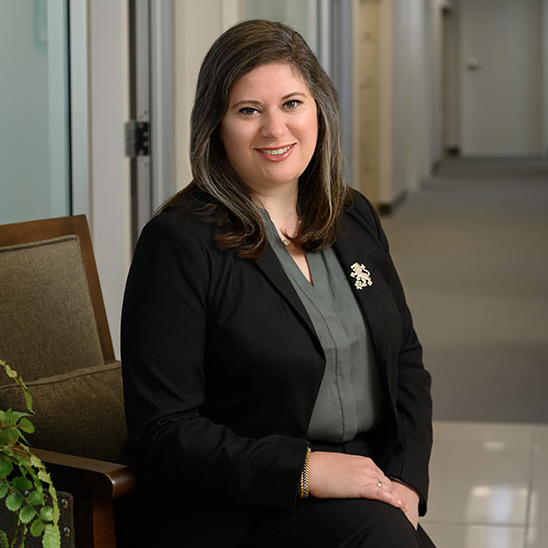
Lori Fancher, PhD, Relationship Manager, TrainingPros

Lori Fancher, PhD, Relationship Manager, TrainingPros

Lori Fancher, PhD, is a relationship manager at TrainingPros, Lori guides talent development consultants, leaders and executives in the selection and placement of expert contract-based staff to realize strategic business results. Her background working with operations and human resources leaders spans multiple industries, including health care, insurance, retail, transportation, and banking. Having been a client of TrainingPros in the past, Lori is well acquainted with the firm and its mission.

Bringing over 18 years of experience as a consultant and a leader in the enterprise learning and design industry, Lori has advised clients in achieving strategic imperatives by maximizing capabilities and improving the performance of large companies. She also has a combined 10 years of business research and consulting experience in talent and organization development (OD), HR metrics and strategy, internal capabilities and organizational culture.

Lori earned a bachelor’s and a master’s degree, and holds a doctorate, in human resource development and OD from Georgia State University. She is a member of the Association for Talent Development, is certified in CCI DISC and Uniquely You from Arrow Coaching+ (formally Christian Coaching Institute) and is a Hogan Leadership Coach by Hogan Assessment Systems.

LinkedIn

Questions and Topics in this Interview:

  • 01:19 Guest Introduction: Lori Fancher from TrainingPros
  • 01:50 Lori’s Passion for Human Resource Development
  • 03:34 The Role of Learning in Organizational Development
  • 04:36 Lori’s Journey to TrainingPros
  • 06:02 Understanding the Role of a Relationship Manager
  • 08:01 Trends in Talent Development and the Impact of COVID-19
  • 11:16 The Rise of Gig Workers and Advice for New Gig Workers
  • 14:50 Understanding the Business of Contracting
  • 15:34 The Importance of Marketing and Branding Yourself
  • 15:48 The Role of TrainingPros in Your Business
  • 16:11 Addressing the Challenges of Leadership Development
  • 17:05 The Art and Science Behind Successful Training
  • 17:27 The Role of TrainingPros in Project Prioritization
  • 18:11 The Impact of TrainingPros on Organizational Transformation
  • 18:30 Celebrating Success: The Synovus Project
  • 20:44 The Cana Foundation: A Nonprofit Initiative
  • 23:57 The Success Stories of TrainingPros
  • 26:14 The Versatility of TrainingPros Across Industries

North Fulton Business Radio is hosted by John Ray and broadcast and produced from the North Fulton studio of Business RadioX® inside Renasant Bank in Alpharetta. You can find the full archive of shows by following this link. The show is available on all the major podcast apps, including Apple Podcasts, Spotify, Google, Amazon, iHeart Radio, Stitcher, TuneIn, and others.

RenasantBank


Renasant Bank has humble roots, starting in 1904 as a $100,000 bank in a Lee County, Mississippi, bakery. Since then, Renasant has become one of the Southeast’s strongest financial institutions, with over $13 billion in assets and more than 190 banking, lending, wealth management, and financial services offices in Mississippi, Alabama, Tennessee, Georgia, and Florida. All of Renasant’s success stems from each of their banker’s commitment to investing in their communities as a way of better understanding the people they serve. At Renasant Bank, they understand you because they work and live alongside you every day.

Since 2000, Office Angels® has been restoring joy to the lives of small business owners, enabling them to focus on what they do best. At the same time, we honor and support at-home experts who wish to continue working on an as-needed basis. Not a temp firm or a placement service, Office Angels matches a business owner’s support needs with Angels who have the talent and experience necessary to handle work that is essential to creating and maintaining a successful small business. Need help with administrative tasks, bookkeeping, marketing, presentations, workshops, speaking engagements, and more? Visit us at https://officeangels.us/.

TRANSCRIPT

[00:00:00] From the business radio X studio inside Renasant bank, the bank that specializes in understanding you it’s time for north Fulton business radio.
[00:00:17] John Ray: Hello again everyone. And welcome to another edition of North Fulton Business Radio. I’m John Ray and folks, we are broadcasting from inside Renasant bank in beautiful Alpharetta. And if you’re looking for a bank that’s big enough to handle pretty much any need you can throw at them. But they’re small enough to deliver their services in a personal way on, and I know this myself because I work with them. Renasant bank is your choice. At least I think, and again, know this personally. Here’s what I would tell you about them. And maybe the way to test, go to Renasant bank.com.
[00:00:55] John Ray: Find one of their local offices and give them a call. See if a live person answers the phone. They will. And imagine that for a, in the banking world today, that’s just the way they do their business. And it’s indicative of wait, what happens if you become a Renasant customer.
[00:01:13] John Ray: Renasant bank, understanding you, member FDIC.
[00:01:19] John Ray: And now want to welcome Lori Fancher. Lori is a relationship manager with TrainingPros. Lori, welcome.
[00:01:25] Lori Fancher: Thank you so much. I really appreciate it.
[00:01:27] John Ray: Yeah. Delighted to have you here. Let’s talk about you and your work, how’re you serving folks out there.
[00:01:33] Lori Fancher: Yeah. So I’m helping people find the right talent at the right time to get their training projects done.
[00:01:40] John Ray: Oh, nobody needs that these days.
[00:01:41] John Ray: Right? Everybody needs that. Okay. This is a timely interview. Glad to have you here. Let’s talk about your journey and what makes you passionate about human resource development, organizational development. Whatever you want to call it. That’s your world. What makes you passionate about that work?
[00:02:05] Lori Fancher: Sure.
[00:02:05] Lori Fancher: So I’m a lifelong learner. I’m an achiever too. And I’m a connector according to StrengthsFinder. Anyway. And so it lines up perfectly with where I am today. The journey for me started out with, I got involved a little bit in corporate and having an opportunity to train others. And my love of learning led me to pursue how to do that better and how to help learners learn what they need to do to be successful on the job. And at throughout that journey. What I realized is that. Sometimes training.
[00:02:37] Lori Fancher: Isn’t the answer. And if training is not the answer, then what. Can be the answer. And what role does organization two organizations play? And helping people learn and grow. So that led me down the path of pursuing my education and human resource development, which is really focused on organizational development. Training and learning and career development. That’s how we get our people.
[00:03:05] Lori Fancher: That’s how we keep our people.
[00:03:06] John Ray: Yeah, for sure. I want to come back to what you said about training there in a minute, but you’ve got a PhD in human resource development and organizational development now. My bride is a. PhD and I know what it takes to get a PhD in any. Discipline. So that reveals some passion that you have about your work. Talk about that passion.
[00:03:34] Lori Fancher: Yeah.
[00:03:34] Lori Fancher: So when you look at learning and you look at what help, what, how do we learn? We have to, we learn from our environment. We learn from other people that are modeled around us at work. We learn from our leaders. We learn from our colleagues. Exposure to resources, right? It’s very complex.
[00:03:49] Lori Fancher: The discipline itself has a lot of other disciplines involved in there. And so I pursued the PhD to be able to have credibility. And helping organizations at that highest level understand. If we want to create corporate learning. If we want to operate corporately corporate, it means. We are. Yeah. That’s many, that’s the collective operating as the individual. How do you take all these people? Learn differently and they pursue work differently. And get them to all align and operate corporately as an individual. And I loved that.
[00:04:27] Lori Fancher: So that’s why I pursued the PhD.
[00:04:31] John Ray: Wow. What. What a great testimony for that. You’re at TrainingPros. I don’t want to talk about your work with TrainingPros, but talk about your journey prior to TrainingPros. Yeah, I
[00:04:42] Lori Fancher: was the client. Okay. So I’ve been, and I was a consultant. So consulting in this space and then going in and out of corporate in my corporate roles, I was responsible for bringing in the right people to help me on these projects. anD use trading pros for a lot of that time training process has been around for 26 years. And had a relationship with them maybe 20 at 24 years ago.
[00:05:04] Lori Fancher: Okay. I’m working with them and they’ve provided me with the, as a client. The ability to find just the right person at the right time.
[00:05:13] John Ray: And for those that don’t know TrainingPros let’s give them a little overview there.
[00:05:17] Lori Fancher: Yeah. So TrainingProsos was started. 26 years ago by Steve Kapaun. He had. I was working at IBM through Accenture and had a need to find an instructional designer to help him with his projects. And didn’t know where to go.
[00:05:30] Lori Fancher: Couldn’t find the the right kind of talent. So we started TrainingPros fast forward, 23 years and his right-hand person, Leighanne Lankford took over the company as president, when Steve retired. And we became a women owned. We bank diversity supplier, still serving. Out of Atlanta, which is home base.
[00:05:51] Lori Fancher: Awesome. And then have grown into 11 major markets. Is it serving the country nationwide now? COVID really changed a lot of things for us to, in a good way.
[00:06:00] John Ray: Yeah. Yeah. So you, your role at TrainingPros, you’re a relationship manager there. Explain what your role is that what that means?
[00:06:09] Lori Fancher: Yes, absolutely.
[00:06:10] Lori Fancher: So relationship manager means I’m meeting with clients. I’m bringing in new clients, I’m meeting with existing clients. Because I have been in this space as a practitioner for a long time serving corporate. And I’ve been a client. I’m able to. Meet them where they are. In their process of implementing all of their L and D projects.
[00:06:32] John Ray: L & D being for those that don’t know, what’s L and D
[00:06:36] Lori Fancher: learning and development projects.
[00:06:37] Lori Fancher: Okay. And organizational development projects. I understand the full life cycle behind both of those. So at any given point in time, connecting with them on where they’re at. And in order to help them complete those successfully. Providing them at the right talent at the right time.
[00:06:54] John Ray: Yeah. Correct me if I’m wrong, but what I think I hear you saying is that it’s one thing to staff the position. It’s another thing to create the environment to make help that person be successful in the position. Is that what we’re talking about here?
[00:07:08] Lori Fancher: Yeah, absolutely. I’m glad you brought that up because. I’m focused on contract.
[00:07:13] Lori Fancher: First of all, if I mentioned that already, but contract staffing is what I do the most of. Okay. And so when you are recognizing the need, what I’m looking for is not the person that can just meet the immediate need. But the person that can come into the organization knowing what’s ahead. And knowing what’s required in terms of skillsets. Throughout the full life cycle of that project, having been there. I’m able to find the right person. To come in and see it all the way through if necessary.
[00:07:41] Lori Fancher: So not meeting the immediate need, but it potentially the future needs as well.
[00:07:45] John Ray: Got it. Folks were here. Speaking with Lori Fancher. Lori is a relationship manager. With TrainingPros Give us an overview of what talent development looks like in the corporate world these days.
[00:08:01] Lori Fancher: Yeah, so talent development boy. We’ve really been through it, like a lot of other functions within the organization through COVID. Now I just came on board at, in this role with TrainingPros three and a half years ago. I Can speak to the last three and a half years, which were pretty tumultuous, right. COVID with the advent of COVID and then the move. The immediate move. From onsite workers to remote workers. What do you do? How can you continue to keep those folks engaged? And the work.
[00:08:30] Lori Fancher: And how do you connect with them? Providing the right learning and the training for the managers who need to now manage remote workers versus onsite. It created a whole slew of training and learning opportunities for everyone. At the same time, we also had the concerns and the. Voices from the community, the raise in awareness around DEI. So how do we get leadership? Involved and help them provide, help them be developed and have those opportunities to understand what does this mean for my organization, my people, and how do I lead differently as a result? Of COVID of DEI, remote workers, very difficult times. And so yeah, seeing a lot of changes in the talent development space as a result of that.
[00:09:17] John Ray: Yeah. And.
[00:09:19] John Ray: Particularly given the. I guess the mentality of people that are out there, the workforce, right? That’s another aspect of this. That creates some turbulence, if you will.
[00:09:33] Lori Fancher: Yeah, absolutely. If you think about the Def the pure definition of work, we were made to work. We were born to work.
[00:09:40] Lori Fancher: I tell my kids this and they don’t like to hear it.
[00:09:44] Lori Fancher: Yeah, i. I get that, but we were made to work and your definition of work isn’t about doing something to make money. It’s about pursuit of purpose. That’s to me at the root of what work is about. And corporate is a place to go and try out. That work, that pursuit of purpose, but corporate also has corporately operating as an individual, their own purpose, and that alignment between the two. Is Is really tricky.
[00:10:14] John Ray: Yeah. Yeah, for sure. So any particular trends that you’re seeing in Staffing and L and D staffing in particular.
[00:10:25] Lori Fancher: Yeah, absolutely.
[00:10:26] Lori Fancher: So when it comes to L and D staffing what I have seen as of recent is a little bit of anxiety about whether we’re in a recession, whether we’re not in a recession. And a need to re. Usually when we go through these kinds of challenges, economic challenges, we see training functions. Cut. That’s one of the first places to cut.
[00:10:46] Lori Fancher: And so I’ve got a lot of people who are clients, a lot of people who had permanent. Positions in talent development who are now looking again as contractors. This is the ebb and flow of our world. And the folks I work with within a three-year time period have either been consultants and clients or clients.
[00:11:02] Lori Fancher: So we’ve got this revolving. At the cycle of. Folks who are coming in and out of these permanent roles. As adjustments are made in the economy and anxiety is addressed. Yeah.
[00:11:14] John Ray: So the.
[00:11:16] John Ray: The
[00:11:18] John Ray: whole issue of gig workers. And we’re. We read a lot about that, about the rise in gig workers. What’s your perspective. On that. And what the trends are there?
[00:11:31] Lori Fancher: Yeah, I think the COVID really opened the door to. Allow workers to have flexibility in their lives. To be able to work wherever they want to work from. And now we’re seeing that change with a call to return to the office.
[00:11:46] Lori Fancher: And a lot of folks are bucking that they don’t want to return to the office. And so in. I think the last thing that I read on the gig economy, there was a government report out that said that 2.1 million new gig workers were introduced to the market. And 2020. Which makes sense, and then in 2021 net another 2 million work gig workers at it.
[00:12:11] Lori Fancher: So is continued growth, right? People want freedom to be able to work at wherever they, they want to be and have flexibility to take care of young ones or elderly, or, just have that work-life balance.
[00:12:23] John Ray: What advice would you give to a gig worker. That’s a, will that newly minted. In with the, It’s coming out with that. Coming out of corporate and they’re leaving that shelter, if you will. What advice do you give someone that’s new to working in that way?
[00:12:42] Lori Fancher: I like to talk to him about what they liked the most about their permanent roles. And understand the differences between that and gig work, because when you’re an independent contractor, you have to be careful. And an understanding that you don’t really you’re leaving the structure of corporate. And you’re going for the freedom.
[00:13:00] Lori Fancher: So embrace the freedom. If that’s really what you want. That means flexibility and not falling back into the constraints of permanent work, because that causes legal. Legal implications. When you act, when you work as a contractor, but you, your employer treats you as an employee. So being careful that first of all, and then making sure that that freedom is really what they want.
[00:13:25] Lori Fancher: They’re not going to be climbing the corporate ladder. They’re on their own. And then there’s the ebb and the flow. The cashflow. Yeah. The month to month and what that looks like and the vulnerability there. And the sacrifices and the trade-off. Where are you financially? Are you ready to make a decision like this?
[00:13:41] Lori Fancher: What are your career goals? How does this help you achieve your career goals? A lot of people will step into the gig economy or the contract role because they want to experience new and different and innovative ways. Of doing the work of learning an out and out. Of learning and development. Can’t necessarily experience that as much in the corporate world, because there’s a prescribed way of doing things.
[00:14:03] Lori Fancher: So there’s a trade off there.
[00:14:05] John Ray: Do you find that Individuals step out into the gig. Gig. World or the gig worker. Environment. Maybe a little too. Quickly because they. Their first client, if you will, is their ex employer, right? And That they step into it thinking it’s ready. Made.
[00:14:27] John Ray: And maybe they don’t. Do what they need to do to understand what this new. Way of working. Is going to look like for them. Do you find that.
[00:14:40] Lori Fancher: Yeah, I do. It is ready and easy. Go back. The contract with your employer? Yeah. Yeah, walking those fine lines between being a contractor again in our permanent employees. Super important on both ends. The person contracting you and for yourself, right? And yeah, understanding that it. It’s temporary.
[00:14:58] Lori Fancher: It could be temporary. And you are in a more vulnerable place as a
[00:15:03] John Ray: result. Yeah. And you are in business now. It’s the business of you, right? There’s a book with that title. It’s the business of you. You have to think about that way, right?
[00:15:13] Lori Fancher: Yeah, because when that consistent. Permanent employer turns around and asks you to come back as a contractor.
[00:15:19] Lori Fancher: When that work ends, what do you do next? Yeah. How do you set up your own business? What kind of people can come into your world and accountant to finance person that can help you get set up in that business? And I’ve also found even a lawyer can help you with that as well. And then marketing.
[00:15:35] Lori Fancher: How do you market and brand yourself?
[00:15:36] John Ray: Lots of issues to think about Lori Fincher’s with us folks. Certainly can help us think about those issues and Lori. Is a relationship manager with TrainingPros. Let’s talk a little bit more specifically about your work.
[00:15:51] John Ray: How do I know when I need to call Lori? What problems. I am out encountering in my organization that made me think I need your help.
[00:16:01] Lori Fancher: Yeah, too many projects and not enough people.
[00:16:06] John Ray: Yeah. There’s plenty of that going on.
[00:16:08] Lori Fancher: And then not having the expertise to really follow through. Once you’ve got the budget to make a difference in the organization with a project like leadership development. That’s a big, huge expense, not just in providing the training. But in also taking leaders out of their day to day.
[00:16:26] Lori Fancher: So losing productivity, losing. Potentially during that time some opportunity in the market to be able to go out and learn so that you can come back and do more and better. There’s a big expense to training every time. So when you get that big budget or when you don’t, when you have a budget to do something right, How do you make sure that what you are doing and what you are teaching and what you were helping your leaders understand and learn? Is something that’s going to help the business move forward.
[00:16:56] Lori Fancher: There’s an art to that. And a lot of folks that were SMEEs and subject matter experts. Have understood the art and stepped into the ability to train right there. There. The expert and what they know, and they’re going to go train on it, but there’s also a science behind it, too. So we find the people that have both the art and the science. Behind the ability to make training successful.
[00:17:18] John Ray: Do you help someone – you’ve mentioned having too many projects, not enough people. Do you help
[00:17:25] John Ray: business owner leader, team leader in a big organization, prioritize those projects based on the availability of people. You get down in that kind of. depth with clients?
[00:17:38] Lori Fancher: Yeah, we can. So the roles that we provide for the contract roles that we provide are not just instructional design, which is mainly what I’ve been talking about. But we provide everything that touches training.
[00:17:50] Lori Fancher: So if you need that training schedule or that training coordinator or someone who’s a program manager. Project manager. Tech writer, even a content developer. You X person. We have, we provide all of those different roles that touch training, change management and ODI included because oftentimes. When a company is undergoing a transformation. There’s a huge training learning component to that.
[00:18:16] Lori Fancher: Of course. And it’s inevitable that occurs and we’re ready when that does. So organizational development people and change management, people are also roles that we provide.
[00:18:26] John Ray: Great work. So you. Have won an award. Alongside your client. Synovus. That’s a small little out of the way bank we’ve heard of.
[00:18:38] John Ray: But actually quite well managed and well known bank. I headquartered here in Georgia. So what talk about. That project. That led to this award.
[00:18:51] Lori Fancher: Yeah. So Synovus reached out to me because they had received a an agreement from their top C level suite to be able to provide some new leadership training. They saw a surge and some of their old some of the leaders who had been around for a long time were leaving, moving on and they had a large group of new leaders they needed to help get settled in.
[00:19:13] Lori Fancher: They also had some changes going on at Synovus and so they were looking for the ideal solution for their learning and that they got this budget. So what do we do? They had some off the shelf programs, Blanchard, Covey, some of the other big wigs in the space. They had some of their training components, but really we’re trying to understand how do we put this together?
[00:19:32] Lori Fancher: Something that means that’s customized for Synovis. Customized learning solutions is what we do at TrainingPros. There’s nothing off the shelf. So we take what’s existing or we create new and we make a customized. So that process throughout that process, it. Took us a little bit of time to find the right person. Because in the beginning, they didn’t really know what they needed. They were sending them different candidates and exploring various roles and places in the in the project where they would need the most need and help based on who they had in their current team. And the gaps, we were able to find a person that came in that allowed them to create a learning solution.
[00:20:10] Lori Fancher: That was award-winning. It had war award-winning features to it. It had done some things. To leverage digital assets and provide learning tools to leaders on an ongoing basis. So it wasn’t a once and done. They had people that went through the training who would come back and facilitate to other leaders.
[00:20:27] Lori Fancher: So leaders, teaching leaders. Platinum award at the end, recognized by C-suite. They did a lot of things. And they want a Brandon Hall award as a result. So we’re pretty proud of
[00:20:36] Lori Fancher: that.
[00:20:37] John Ray: Wow. You should be that’s. Congratulations on that work. That’s fantastic. Let’s
[00:20:42] John Ray: Switch gears here.
[00:20:44] John Ray: And talk about another little piece of your world, which is a nonprofit that you. We’re and I think your husband too, we were talking about before we came on the year. So shout out to him. A nonprofit, the two that the two of you are driving.
[00:21:00] Lori Fancher: Yeah, my husband’s an entrepreneur at heart. He also works for another large bank. We haven’t talked about, but anyway he had experience in creating a workspace.
[00:21:11] Lori Fancher: Like I think we work throwing a brain. Brand out there. A building where people could come and explore their themselves, their skillsets, their talents, and help them grow their business. And provide all the support to be able to do that. Then COVID hit so that wasn’t going to be an option.
[00:21:28] Lori Fancher: People weren’t going into a building. So we created an opportunity to have people go out and be immersed in the community of need. And use their talents and gifts and offer those up to folks who don’t have access or couldn’t afford it. And the way that we did this is we took a team of dentists out to Costa Rica. To a lodge that we own with several other partners out there to do mission related work. And we served a village of 300 people. We had clients and our connections provide other materials, products, resources. And we gave those out to the individuals to like eyewear so that they could see better. While they were getting also dental care. And it was fabulous. So rewarding.
[00:22:12] Lori Fancher: We learned a lot and our ability to do that. The dentist and the dental team learned a lot in our ability to do that. And so we wanted to continue to do this again. So we created con a foundation to provide those opportunities.
[00:22:27] John Ray: How do folks plug in to Cana foundation? Talk about that. How do. You did this. Big project in Costa Rica gets where does that go and who should be in touch with you?
[00:22:39] Lori Fancher: Yeah. So folks who are want to I’ll just throw this out there. Do leadership development. Bring their leaders to a place where they can serve others. Learn more about themselves, about who they are as leaders as well as be able to give back.
[00:22:55] Lori Fancher: We do some of that already. At the lodge and Costa Rica. Anyone who wants to. He wants to be able to take their, I’ve got some hairdressers and some other folks that I know that are going out next. To provide resources and help to, for women who are underprivileged there, Costa Rica. Prostitution is legalized.
[00:23:17] Lori Fancher: So it’s a very different environment for a woman who maybe is limited on their work opportunities in terms of being able to speak English and being able to serve in and. A better industry in a better environment. And so they’re going out there to this team of hairdressers is going out there next to be able to.
[00:23:37] Lori Fancher: mAke these women feel more professional and better about themselves.
[00:23:40] John Ray: Yeah. Yeah. But you don’t have to necessarily be. In a industry like the dental end. Practice where there’s a specific service you can offer.
[00:23:52] Lori Fancher: No, you don’t. Okay. You can do.
[00:23:55] John Ray: Yes. Okay. Awesome. So back to your work with TrainingPros let’s talk about. First of all the success story you don’t have to mention any names, but just one that you’ve already talked about Synovus, but talk about a success story that stands out that helps illustrate the great work you do.
[00:24:14] Lori Fancher:
[00:24:14] Lori Fancher: There’s a lot of success stories. I would say the consistency across those success stories are the people that are hired permanently. They were such a good fit as a contractor that they ended up staying permanently. I would define that as a success story. For example, I’ve got a a client that Only hires contract first, they bring them in and try them out.
[00:24:35] Lori Fancher: And then to see whether or not they’re a good fit for their team. And I’ve been able to provide them. I think the number is 70 to 80% of the time. Those folks who they then hire permanently. Wow. Pretty darn good.
[00:24:50] John Ray: I was
[00:24:50] John Ray: going to say that sounds terrific.
[00:24:53] Lori Fancher: Yeah. So those are the real success stories.
[00:24:56] Lori Fancher: We had another real quick, one other one in New York. So New York had an opening there. Airport. Where they needed to have someone come in and. They had a transformation. The airport was old and outdated and they needed to update the airport. One of the terminals in the airport. And they wanted it to be new and different and welcoming, and they wanted to provide learning to all of the airport staff and all the airport vendors to make a difference for passage, for people traveling through like you and I. And they wanted a trainer who could come in New York that lived in New York that could speak Spanish that had experience in transportation. That also had a background in adult learning that had taught how to understand or talk taught in projects of cultural transformation and knew how to connect the dots for people that were undergoing it. That’s a unicorn. And we were able to find somebody and they won awards for that terminal. Or the experience now of passengers traveling through that terminal.
[00:25:52] Lori Fancher: So that was pretty, it was pretty impressive.
[00:25:55] John Ray: That’s quite impressive. Apps. Absolutely.
[00:25:58] John Ray: Let’s you talked about. The types of the situation that an organization finds itself in where they have. Too many projects, not enough people that’s really the driver. For you and they need to be in touch with you. Are there any particular industries that you work with that are you’re more apt to be helpful on than others or. You will work across the board.
[00:26:25] Lori Fancher: I work across the board. I work a lot with financial institutions. And banks.
[00:26:30] Lori Fancher: I work with transportation. I work with retail. I work with healthcare a lot. Those are some of my more recent telecommunications. Those are some of my more recent clients. But yeah, across the board.
[00:26:41] John Ray: Okay. Okay. Awesome. Lori, this has been great. And I can’t imagine there aren’t some folks that hearing your success and the great work you do.
[00:26:50] John Ray: And by the way, congratulations on that work. Wouldn’t want to be in touch, so let’s tell them how they can
[00:26:55] John Ray: do that.
[00:26:55] Lori Fancher: Thank you. Yes. Of course, LinkedIn LinkedIn, Lori Fancher on LinkedIn and then Lori dot Fancher. At TrainingPros. Dot com.
[00:27:05] John Ray: Terrific. Lori Fancher with TrainingPros, Lori, thanks again for coming in.
[00:27:11] John Ray: We appreciate you and your work and keep it up.
[00:27:13] Lori Fancher: Absolutely. My pleasure. Thanks John.
[00:27:17] John Ray: Hey folks, just a quick thought for you. If you’re as we’re recording this show here at the end of November, 2023, and as the year winds down. You start to think about how you can improve your business for the coming year.
[00:27:32] John Ray: If your administrative tasks are driving you nuts, they’re piled higher. Then you are if you’re bookkeeping and accounting is a mess. That’s weighing on you and stealing the joy from your business. Office Angels can help restore that joy. And they do that with a whole team of angels that fly in, get that work done and fly out and they do it on an ongoing or as needed basis. So where the it’s administrative task, bookkeeping, marketing presentations they do all that kind of work. So you can spend time on the folks that really drive your business, which are your employees and your clients. So give them a call.
[00:28:13] John Ray: It’s 6 7 8 5 2 8 0 5 0 0 and let, them know we sent you a, you can go to office angels dot.us if you’re shy, but just give them a call, explain what your problem is. And. I think they’re the folks for you. And I think that because they are the folks from me, they do. They helped me in my business and I couldn’t do my business without them.
[00:28:35] John Ray: So give them a call. You’ll be glad you did.
[00:28:39] John Ray: And a couple of things as we wrap up here I’ve got a book coming out in mid December, 2023. If you’re listening to this show after that, then the book’s out. But it’s for solo small professional services providers. If you’re having trouble with business development or your pricing issues like that’s what this book addresses.
[00:28:58] John Ray: It’s called The Generosity Mindset Method for Business Success. Raise Your Confidence, Your Value and Your Prices. Go to, to go to the generosity mindset.com to learn more. Either sign up for updates or learn how to the book being on when you’re listening to this show. And I want to thank you,
[00:29:17] John Ray: our listener. You have wow. Continue to support us over the years. This is show number. 722 or something like that. And we, we have, wow. It’s hard to believe we have gone down the journey we have gone, but it’s been because of you in the support you have given us. You continue to like us on social media.
[00:29:37] John Ray: We appreciate that North Fulton BRX on all the major platforms. But you also share the show and thank you for that. Please continue to do that. If you’ve heard something here that makes you think I know somebody that needs to hear from Lori. And the great work she does. Please share the show or in for any of our business leaders. That we have that helps. Us help them. In their work. It also helps us fulfill our mission to be the voice of business. In the north Fulton region. So for my guests, Lori Fancher John Ray. Join us next time here on north Fulton business radio.


Tagged With: Cana Foundation, John Ray, L & D, leadership training, Learning and Development, Lori Fancher, North Fulton Business Radio, Office Angels, relationship manager, renasant bank, Synovus Bank, TrainingPros

Randy Hain, Serviam Partners and Author of Being Fully Present: True Stories of Epiphanies and Powerful Lessons from Everyday Life

November 27, 2023 by John Ray

Randy Hain
North Fulton Business Radio
Randy Hain, Serviam Partners and Author of Being Fully Present: True Stories of Epiphanies and Powerful Lessons from Everyday Life
Loading
00:00 /
RSS Feed
Share
Link
Embed

Download file

Randy Hain

Randy Hain, Serviam Partners and Author of Being Fully Present: True Stories of Epiphanies and Powerful Lessons from Everyday Life  (North Fulton Business Radio, Episode 720)

In this episode of North Fulton Business Radio, host John Ray welcomed back Randy Hain, an executive coach, leadership consultant, prolific author, and the owner of Serviam Partners.  John and Randy discussed Randy’s latest book, Being Fully Present: True Stories of Epiphanies and Powerful Lessons from Everyday Life.

It’s not a business book per se, Randy explained, but it provides invaluable insights for business leaders dealing with real-life issues and overcoming adversity. They also delved into Randy’s journey away from workaholic tendencies, and the importance of living an integrated life with set priorities. Randy related a moving anecdote from his book, touching on the recognition and honoring of human loss, and much more.

North Fulton Business Radio is broadcast from the North Fulton studio of Business RadioX® inside Renasant Bank in Alpharetta.

Serviam Partners

Serviam performs executive coaching and leadership consulting work for individual business leaders, teams, and companies. Serviam Partners blends deep experience, refreshing candor, and strong values into their consulting/coaching offerings.

They offer executive and career coaching, and leadership development.

Company website | LinkedIn | YouTube

Randy Hain, Founder and President, Serviam Partners, and Author of Being Fully Present: True Stories of Epiphanies and Powerful Lessons from Everyday Life 

Randy Hain, Founder and President, Serviam Partners, and Author of Being Fully Present: True Stories of Epiphanies and Powerful Lessons from Everyday Life

Randy Hain is the founder and president of Serviam Partners and the co-founder of the Leadership Foundry. With a successful 30-year career in senior leadership roles, corporate talent, and executive search, he is a sought-after executive coach for senior leaders at some of the best-known companies in the U.S. who are seeking candid and expert guidance on how to identify and overcome obstacles to their success or develop new leadership skills.

He is also an expert at onboarding and cultural assimilation for senior leaders, as well as helping senior leadership teams improve trust, collaboration, and candid communication. Randy also offers consulting/coaching for companies, teams and individual business leaders looking to develop more authentic and effective business relationships both inside and outside their organizations. His deep expertise in business relationships is a true area of differentiation for him and Serviam Partners. He is an active community leader and serves on the boards of the causes he cares about most. Randy has earned a reputation as a creative business partner and generous thought leader through his books, articles and speaking engagements.

Randy is the award-winning author of nine books, including Essential Wisdom for Leaders of Every Generation, Something More: The Professional’s Pursuit of a Meaningful Life, LANDED! Proven Job Search Strategies for Today’s Professional and Special Children, and Blessed Fathers: Encouragement for Fathers of Children with Special Needs.

Randy’s latest book is Being Fully Present: True Stories of Epiphanies and Powerful Lessons from Everyday Life, what he called the “accidental” book.

Randy is passionate about promoting opportunities for adults with autism in the workplace. He is also a board member of Growing Leaders, an international non-profit focused on developing leadership and character in young people, and an advisory board member for the Brock School of Business at Samford University. Randy is a frequent presenter to the students of the business school at Samford University and is a 1989 graduate of the University of Georgia.

He has been married for over 25 years and has two sons.

LinkedIn | Instagram

Questions and Topics in this Interview:

  • 01:14 Meet Randy Hain: Serviam Partners
  • 01:29 Randy’s Personal and Professional Journey
  • 01:58 The Power of Being Fully Present
  • 03:17 The Unexpected Book: Mining for Gold in Life’s Moments
  • 04:31 The Importance of Journaling and Reflection
  • 05:23 The Power of Presence in Business and Life
  • 08:17 The Impact of Personal Stories
  • 14:27 The Struggle with Workaholism
  • 14:29 The Power of Patience and Relationship
  • 20:50 The Importance of Self-Care and Balance
  • 22:17 Mining for Gold: Finding Value in Every Encounter
  • 28:58 Conclusion and Final Thoughts

North Fulton Business Radio is hosted by John Ray and broadcast and produced from the North Fulton studio of Business RadioX® inside Renasant Bank in Alpharetta. You can find the full archive of shows by following this link. The show is available on all the major podcast apps, including Apple Podcasts, Spotify, Google, Amazon, iHeart Radio, Stitcher, TuneIn, and others.

RenasantBank


Renasant Bank has humble roots, starting in 1904 as a $100,000 bank in a Lee County, Mississippi, bakery. Since then, Renasant has become one of the Southeast’s strongest financial institutions, with over $13 billion in assets and more than 190 banking, lending, wealth management, and financial services offices in Mississippi, Alabama, Tennessee, Georgia, and Florida. All of Renasant’s success stems from each of their banker’s commitment to investing in their communities as a way of better understanding the people they serve. At Renasant Bank, they understand you because they work and live alongside you every day.

Since 2000, Office Angels® has been restoring joy to the lives of small business owners, enabling them to focus on what they do best. At the same time, we honor and support at-home experts who wish to continue working on an as-needed basis. Not a temp firm or a placement service, Office Angels matches a business owner’s support needs with Angels who have the talent and experience necessary to handle work that is essential to creating and maintaining a successful small business. Need help with administrative tasks, bookkeeping, marketing, presentations, workshops, speaking engagements, and more? Visit us at https://officeangels.us/.

TRANSCRIPT

Live from the Business Radio X studio inside Renasant Bank. The bank that specializes in understanding you. It’s time for North Fulton Business Radio.
[00:00:21] John Ray: And hello again everyone. Welcome to another edition of North Fulton Business Radio. I’m John Ray and we are broadcasting as usual folks from inside Renasant Bank in beautiful Alpharetta. And if you are looking for a bank that’s big enough to handle pretty much any need you can throw at them, But they’re small enough to deliver their services in a personal way.
[00:00:42] John Ray: I think Renasant has that magic combination. At least that’s what I experienced from my own work with them and the clients I work with. So if that’s what you’re looking for, go to Renasantbank.com and find one of their local offices. And give them a call. I think you’ll be glad you did. And guess what?
[00:01:01] John Ray: When you call them, they actually answer their own phone. Imagine that antiquated piece of courtesy, Renasant bank, understanding you member FDIC. And now one welcome back. Randy Hain. Randy is with Serviam Partners. Randy, welcome back.
[00:01:18] Randy Hain: John, thanks for having me back.
[00:01:19] John Ray: Yeah. Great friend of our show. Let’s talk about you and for those that don’t know you, how you’re serving folks out there in your practice.
[00:01:28] Randy Hain: Thanks, John. First and foremost, I’m a husband and a father. I’ve got two adult sons, been married to Sandra for 29 years. And I am an executive coach and a leadership consultant, and I own a company called Serviam Partners. And I work with the Fortune 5,000 coaching senior leaders and their teams.
[00:01:46] Randy Hain: And I’m a co-founder of another business called The Leadership Foundry. And we work with large groups of leaders for global companies and write books and try to serve the community as as often as I can.
[00:01:57] John Ray: In a lot of different ways. And you, we’ve had you on a couple of times now, maybe this is the third time to talk about some of your books and we’re here to talk about your latest one, which is called “Being Fully Present True Stories of Epiphanies and Powerful Lessons From Everyday Life “Folks, I’ve had a chance to dip into this book and it’s really terrific and I suggest you get it, but we’re going to give you some reasons why, as we have this discussion.
[00:02:24] John Ray: This is really not a business book per se. Let’s talk about that.
[00:02:30] Randy Hain: It’s not. I am a businessperson in the book, dealing with real life situations. And I wrote the book through the prism of stories. All these stories and things that have happened to me over the last 20 to 30 years, often involving my faith and family, but definitely not a, if you’re looking for a book on leadership, but if you’re looking for a book for how leaders deal with real issues and situations and how do you overcome adversity, I think the book is perfectly suited for that.
[00:02:57] John Ray Well, it’s a, I will say, having been through the book, it’s a book that is A business book in the sense. It’s about a business person navigating the world and your faith in that world. Yes. Yeah. Because there is a specific business question I want to ask you here in just a little bit but why did you go in this direction? What led you this way?
[00:03:17] Randy Hain: It’s funny.
[00:03:18] Randy Hain: This book is actually an accidental book. I was working on a follow-up to my 2021 book, Essential Wisdom For Leaders Of Every Generation that comes out next spring. And over the summer, I was going through some of my old journals. I’m a, prolific journal guy.
[00:03:34] Randy Hain: I journal every day and I’ve got 24 journals that I’ve filled up over the last 20 years. And I often write down things that are going on in my life, things that have happened to me. I’m a very reflective person and as I get older I get more like that. And I found that I had dozens of stories of just life changing moments, epiphanies as it were.
[00:03:53] Randy Hain: Often involving my faith, my family dealing with my past workaholic tendencies. And I was going through the journals and I said, I think there’s more than enough for a book here. So what I did is I pulled out probably the, my favorite 15,16,17. And then this year I was really cognizant of writing down stories that were occurring to me in real time.
[00:04:16] Randy Hain: So the book is 23 stories of all kinds of situations and scenarios where I’m dealing with things, but I didn’t intend to write that book, which was actually, which made it more fun. Yeah,
[00:04:27] John Ray: That’s awesome. Really. And really what you’re speaking to is the power of journaling too, right?
[00:04:34] Randy Hain: Yeah. And don’t get me wrong.
[00:04:36] Randy Hain: I’m not sitting down every day saying, dear diary, here’s what’s happening. But when I’m waiting for clients, if I’m having coffee and I’ve got some spare time, even if I, I get up early in the morning, I always do. And before I go to bed, I’ll jot down things that really. Clicked with me that day.
[00:04:52] Randy Hain: Things that got my attention, it may just be a, an idea for a new blog post. Sometimes I’ll sit down and write an entire blog post or chapter if I’m in the mood. So it’s a very eclectic mix of content. But I just found that the act of writing it down cements it in my mind and it gives me something to look at.
[00:05:11] Randy Hain: I admire people that can use a technology and all those great apps out there, but I find that people rarely go back and look at that. I always go back and review my journals.
[00:05:21] John Ray: Great point. So the book is called being fully present. And that phrase, that idea is the umbrella for all these different stories.
[00:05:33] John Ray: Talk about the whole concept of being fully present and why you think that’s such an important umbrella for our way to look at the world today
[00:05:42] Randy Hain: and live in it. So I would say that we probably want to have a multi dimensional definition. So one aspect, one definition to being fully present is I’m here with you now in this room.
[00:05:53] Randy Hain: We’re talking, I’m listening very clearly to what you’re saying. I’m asking you questions, you’re asking me questions. We are present, you and I, in this moment. Great definition of being fully present. But I think there’s another aspect where, and I do this in the book a lot where we may think about a conversation or maybe it’s just a situation.
[00:06:12] Randy Hain: I ain’t I write about memories. I write about things that I remember from years ago and sometimes I go back to those memories and I try to mine for gold. I’m looking for the nuggets of wisdom, the things cause you say, you may say something to me today that doesn’t click with me for. and I may see, John said this and it really clicked and I may explore that.
[00:06:32] Randy Hain: I may try to, I may even write about it. So for me it’s in the moment with people. Sometimes it’s going back to memory. Sometimes I, there’s actually a fun chapter in the book where I have an encounter with my future self. And if I had not gotten off of a certain track, I would have gone into a place that would have been very negative for me and my family.
[00:06:51] Randy Hain: And and I wrote about that as a fable. I think being fully present is multi dimensional and I hope people get that when they read the book.
[00:06:58] John Ray: , there’s and there’s this concept called quality time that I’ve never quite picked up on, right? That we, as if we can compartmentalize uh, our presence with people and classify it in a certain way as quality time.
[00:07:19] John Ray: And that certainly that has some sort of specific definition to it. That seems odd to me,
[00:07:26] Randy Hain: It’s we have to have, Table stakes, right? Have your phone turned off. Yeah. If you really want to get the most out of a conversation, try to be in a place where you’re not distracted.
[00:07:36] Randy Hain: Some of my best conversations are walking in the woods with, friends or my older son and we like to hike together. So try to be in a place where there is relative quiet. Definitely have your phone turned off. Don’t be distracted. Don’t be thinking also, this is important. About not what you want to say next, but actually absorbing what you hear.
[00:07:56] Randy Hain: Take a minute to reflect on it, and then comment. I think another great way to demonstrate, but also to really practice being fully present, is to take notes with people. I’ll pull out a piece of paper and just jot down something someone says in front of me. I’m signaling to you, what you just said is important.
[00:08:12] Randy Hain: But I also have notes later that I can refer to.
[00:08:15] John Ray: Yeah. Just, the nature of these stories are there they’re yours, they’re not anyone else’s. Yet they speak to wider truths and the way you write Randy, which I’m in all of is that you, it’s very it feels one to one.
[00:08:35] John Ray: Say more on that. That is a deep compliment.
[00:08:38] Randy Hain: You’re very kind. Thank you. I I think I learned that from my mother, Sandy, who passed away 11 years ago. My mother not a train rider, but she wrote poems her entire life. And if you’d read any of her work, you would feel like you were sitting in a room with Sandy Hain.
[00:08:54] Randy Hain: And she would be talking about things that matter to her faith, family, life. But it just always seems so personal. And when I started writing, which was really only about 14 years ago, I think I’ve always been fairly well read, but I started writing about 14 years ago I always made every effort to be authentic in the writing.
[00:09:13] Randy Hain: I don’t want you to ever read something from me and wonder, who’s this guy? I want you to read it and say gosh, I know Randy, and this sounds exactly like him. I want you to feel like you’re having a cup of coffee with me. That is just something that I’ve always been very clear about. I want you to experience what I really think, what I really feel.
[00:09:31] Randy Hain: And this particular book we’re talking about today is probably the most personal of any book I’ve written. I just put it all out there. This is who I am and what I think, and I want you to experience that when you turn the pages.
[00:09:42] John Ray: Yeah I’m laughing and smiling, folks, because as you say that where you put it out there, one of the places you put it out there, just to name one, that made me smile is because in knowing you, I thought.
[00:09:56] John Ray: This is not the Randy I know is your experience with the tour guide in Italy. And I was trying to, you talk about being frustrated. I was trying to think about what Randy Hayne looks like frustrated because you never come across that way when I’m with you.
[00:10:14] Randy Hain: I am generally a very calm person, my tone of voice all the time, but no, there was a story in the book my, we took my family to Italy this year as a graduation present for my younger son, who just graduated from Samford university and we were in Florence it’s just everything’s an incredible site and we had been out doing sightseeing things all day with our tour guide and we were exhausted.
[00:10:37] Randy Hain: Yeah. Now, as I get older, I do get a little frustrated when I get tired and I was tired at the end of the day. And the story is just about really it was a God wink moment, but also a lesson in patience because we were ready to give up and I was, we were all done. But something else happened in the chapter and our tour guide was able to pull a rabbit out of a hat.
[00:10:56] Randy Hain: And it turned out to be an amazing experience. I’ll let you read it to, to learn more, but yeah I can get frustrated, but typically it just my lips purse and I have a funny look in my eye.
[00:11:07] John Ray: That’s the extent of thanks for that warning. But one of the things I took away from that chapter though, and we don’t have to ruin it for everybody, but cause I want you to read it folks.
[00:11:17] John Ray: But is that there was a power of relationship out of that story, that a relationship that you had set up. That you had created and deepened along the way that really bailed out a difficult moment.
[00:11:30] Randy Hain: So just to give you some insight into that we were in Florence, Italy, one of the most beautiful cities in the world.
[00:11:36] Randy Hain: And one of the things you have to see. If you go to Florence is the Duomo and it’s it’s actually the church at Santa Maria del Fiore and the Duomo is this beautiful building. It’s a Gothic masterpiece. It’s an incredible building. And if you go to Florence, you have to go inside this church.
[00:11:53] Randy Hain: So all day while we’ve been there for three days and on this day we were there. We were eager to get inside the Duomo at the end of the day. Our tour itinerary said we were going, and at the end of the day, we were with our tour guide, Patricia. And we’d gotten to know her during the day. She was a lovely lady.
[00:12:09] Randy Hain: We were just talking. She was fun. She was a college professor. Very learned. New, she was a native Florentine. So at the end of the day, we were in the museum that’s attached to the Duomo, seeing some wonderful works of art, seeing some amazing things. And it’s getting closer and closer to the end of the day when the tours ended for the Duomo.
[00:12:26] Randy Hain: And we had a private tour. We knew we could get in, but it was getting late. So I finally asked Patricia, when are we going to the Duomo? And she said, that’s not part of your tour. And that’s probably when the pursed lips and the glare came out. And and she said, let me call the company. So she called the tour company and they spoke heatedly in Italian for a few minutes.
[00:12:46] Randy Hain: And she hung up the phone and looked at me and my wife and my sons. And she said, okay, here’s what we’re going to do. You’re Catholic, I’m Catholic, and I happen to know there’s a very special mass today. In the Duomo, that very few people will know about, only locals know about. We’re celebrating the feast day of some of the famous bishops that in the city.
[00:13:07] Randy Hain: And if we go right now, we can make it. Let’s go to Mass. So we were excited. We ran across the square and we got in to inside the Duomo. There were 30 people total in the one place at a side altar. And we had a chance to experience mass in this beautiful church. And then she said, you’re free to walk around and take pictures, do what you want.
[00:13:27] Randy Hain: But this wonderful lady, this thoughtful lady that we’d gotten to know, to your point, built a relationship with, had the foresight to see here’s something we could do that’s very special that they would, the family would not know about. So we had a chance to experience the Duomo practice our faith inside the beautiful church.
[00:13:44] Randy Hain: And it was just one of those amazing moments, but it was a great lesson in the virtue of patience.
[00:13:48] John Ray: Yeah, for sure. And my takeaway from the story, part of my takeaway from that story was she probably didn’t do what the other person, the person on the other end of the line told her to do right. She disobeyed orders.
[00:14:01] John Ray: Probably right. Yeah.
[00:14:03] Randy Hain: And it turned out at the end, we were right. Our itinerary did say it. And there was a mix up, but it was okay because she handled it with grace. She handled it with a deep concern for us and our enjoying our experience. And she also knew that we really wanted to see this church. It all worked out beautifully.
[00:14:19] Randy Hain: But it’s a great lesson on sometimes you just have to be patient and wait. And sometimes God or his agents will make something
[00:14:26] John Ray: happen. Yeah. Yeah, for sure. Now you One of your chapters is called The Hectic Pace of Life, and it’s really about do I surrender to, to that hectic pace of life?
[00:14:39] John Ray: Or do I create space? And you talked about your previous tendencies to be a workaholic and to spend a lot of time in business, in your business. And I want to ask you about those folks out there that, and there are a lot of them. That see their business as a mission, and they may see that it may be explicit um, right there on their website or brochure, or it may be In their heart, but they see their business as a mission to serve and almost in a way of prayer.
[00:15:12] John Ray: But you would say there’s still a need to create space is what I think I read there. I
[00:15:21] Randy Hain: would say that my business is a mission and my mission statement is two words. Serve others. So my coaching work, my consulting work, my marriage, my parenting, my community work, my writing is all oriented towards serving other people.
[00:15:37] Randy Hain: But there’s a challenge with that. So to this day, that is still my mission. But if you are constantly serving others, sometimes you’re not taking care of yourself. So I think it’s important that we recognize while we’re in the pursuit of the mission, that we also take time to recharge our batteries.
[00:15:55] Randy Hain: What’s the old saying? If the plane’s going down, you gotta put the oxygen mask on your own face first. And I buy that. I believe that. So I’ve gotten more cognizant as I’ve gotten older of the need to recharge because if I don’t Watch it. I can have a tendency to be really focused on doing and sometimes that’s all what Randy wants to do.
[00:16:16] Randy Hain: That’s what I’m trying to get done. I’ve got this checklist of things to do, but sometimes I, and I’ve learned how to do this, how to pull back, invest time and just technology free walks. And I exercise every day at lunch and my prayer time in the morning. My family time. I’ve learned that I need those things to fill my cup.
[00:16:35] Randy Hain: You cannot give to others from an empty cup. I think you can still have a sense of mission and absolutely do what you are called to do, but you better take care of yourself in the meantime. Yeah. What you’re talking
[00:16:46] John Ray: about is sustainability, right? Yeah. Not in the environmental sense, but just that, that sustaining yourself for the journey.
[00:16:56] Randy Hain: It’s self care. You’ve got to practice self care. I think COVID taught us plenty about this, that we need to do our best to take care of ourselves. And I think at the time it was probably very focused on mental health. Yeah. And I think to this day, we still need to think about that. But yeah, for all those that are listening.
[00:17:13] Randy Hain: that are out there hard charging, taking the world by storm, my hat’s off to you. I hope to, be with you in the trenches every day. But I also know that, you know what, today I’m not sure I have the energy to give as much as I’d like. I better pull out for just a minute and just focus on clearing my head, getting my energy back, taking care of my health.
[00:17:34] John Ray: And you talk about this Randy from and I point this chapter out specifically because a big part of the book is you talking about your own journey as a workaholic and that you your own struggles with that, what that led to, you mentioned the story earlier about where that would have led if you hadn’t changed direction.

[00:17:57] John Ray: So talk two things on that. Just share your thoughts about walking back from the brink of that for those that need to hear that and how to do that. And then just the idea of how personal you are in sharing that in the book.
[00:18:14] Randy Hain: No, I’m not sure when I first heard this or saw it as a meme on the internet, but there’s a, I want you to picture a gravestone that says.
[00:18:24] Randy Hain: He had a great career and think about that for a second and ask yourself, do you really want your life to be, he had a great career. And I can tell you that when I got that message years ago, it’s really served as a bit of a beacon for me to recognize that I don’t want my life and my tombstone to read.
[00:18:41] Randy Hain: He had a great career. I want it to be that he was a good husband, a good father. Served his community, was a good friend maybe made a difference in the world, but if all I’ve done at the end of my life is I’ve put money in the bank and I had great titles and that’s it. I failed. So when I got that message, it always served as a course correction for me.
[00:19:00] Randy Hain: And I strayed off that path many times where my work would consume me and I’d get really focused on doing, maybe, the Lord has given me the ability to produce more than others. And I certainly tried to produce as much as I could, but I also recognized, and the book talks a lot about that journey.
[00:19:17] Randy Hain: About things and people and situations that helped me get back on track. I’m not here today to tell you that I’ve completely figured it out, but I’m a lot better off than I was five years ago, ten years ago, twenty years ago. And this fable you’re referring to… I Was a senior executive of a global restaurant company in my early thirties and had a great job, but I traveled nonstop and worked constantly and I simply wrote a fable about what would have happened if I’d stayed there 10 more years.
[00:19:49] Randy Hain: What would have happened to me, my life and my family and and how I pulled back from the precipice and went a different direction. I think there are a lot of workaholics out there. I think you can never shed it. But I still think I am one. But I know how to get myself back on track. I’ve got trusted people.

[00:20:05] Randy Hain: My wife being at the front of the list there, who’s great at helping me pull back from that. I pray about this constantly and constantly focused on building things into my calendar that helped me. Not go into the unhealthy place where workaholics go. Yeah, the book does deal a lot with that topic, but I think the reader will find so many examples that probably will resonate with them in their lives, at least that’s my hope.
[00:20:30] Randy Hain: Yeah, I think it
[00:20:31] John Ray: does. So I think it will. That’s why I wanted to have you on to talk about it. So thank you folks. We’re here with Randy Hayne. Randy is the author of being fully present on the subtitle, which I love is true stories of epiphanies and powerful lessons from everyday life. How do you know when you have the right balance?
[00:20:54] Randy Hain: I Think I’ve come to believe that balance is a myth. I’m not sure we can ever get to pure 50 50 balance, but I do think we can do a couple of things. I think we can focus on an integrated life where your priorities are straight and you’ve got, I will tell you in my own life, I can only speak for myself, it’s God, family.
[00:21:13] Randy Hain: Health, relationships, and work. Notice that work is number five on the list. But you know what? My work thrives and is well served because I take care of the other priorities first. So for me, it’s not about, an equal allotment of time throughout the day. It’s focusing on, have I planned those other priorities first?
[00:21:32] Randy Hain: So if you were to look at my calendar, you would see that all those priorities are actually scheduled, taken care of. But you know what? My business thrives. My clients are happy. Because when I do show up, I give them my absolute best. Now, 15 years ago, they were probably getting a more stretched version of me.
[00:21:50] Randy Hain: Again, I can’t really speak to balance because I’m not sure I believe that it exists. But I do believe if you’ve got your priorities straight, you’re integrating your work and life and faith and all those things that matter to you. I think that it produces a healthier version of you. And I think that this book is one of the things, one of the tools that can help you on that journey.
[00:22:07] Randy Hain: So
[00:22:10] John Ray: you talk about the, in the conclusion, you’re talking about mining for gold. Let’s explain that.
[00:22:19] Randy Hain: I believe, and this is one of the things that probably is a big reason why this book is resonating with people, is I think every encounter, it can be with my younger son in a five minute text exchange when he’s over in Birmingham and I’m here.
[00:22:34] Randy Hain: It could be with someone I meet in the elevator. It could be an hour with John Ray. I find that every situation, every conversation yields something of value. Everything. I learned something if I’m really focused on it from everybody. So I go into every conversation, every moment of my day thinking about where can I extract value?
[00:22:57] Randy Hain: Where can I learn something? One of the reasons I journal is I write down things that maybe I’m starting to see value and I want to go back and reflect on it later. But I think, and this is a great sort of human sort of Maxim, shouldn’t we all engage with each other, hoping to derive great value from the exchange?
[00:23:15] Randy Hain: And I think that’s another reason why we all need to spend more time with each other. Not virtually, but with each other. There’s nothing to, nothing’s ever going to replace a cup of coffee, a meal and a hug and a handshake. So I find in those moments, I just get so much value. I call it mining for gold.
[00:23:31] John Ray: And there’s a What I find quite beautiful expectation in that that you expect to find that in every encounter that you meet and just that mindset alone. I think it’s quite, refreshing.
[00:23:45] Randy Hain: One of the things that fuels it is I’m a high functioning introvert, so I love people, but I can tell you about five in the afternoon, I’m done with people.
[00:23:54] Randy Hain: So one of the things that fuels me and gets me excited about engaging with others is the chance, the slight chance that I am going to get something that will change my perspective. Teach me something or rock my world. And that’s one of the things that gets my introverted side of my brain excited about engaging with people.
[00:24:15] John Ray: Very nice. Lots of stories in here, past and present relatively present. Talk about give me your favorite.
[00:24:24] Randy Hain: My favorite is the last story of the book. And I’m going to share it with your listeners because it’s just, it’s a fun story, a beautiful story. Earlier this summer, I was having dinner with my older son, Alex, and we were at a restaurant in Roswell.
[00:24:38] Randy Hain: And just he and I were chit chatting, just having a conversation, and I noticed an older gentleman sat next to us, at an angle. And when you picture this man’s face, I want you to think about Robert Frost, the poet in his later years. That’s who he looked like. So he sits down, and he’s by himself.
[00:24:54] Randy Hain: And I’m talking to Alex, and out of the corner of my eye, I noticed, That his food arrived along with a glass of wine. And I’m talking to Alex and then, again, out of the corner of my eye, I noticed that he raised his glass with a trembling hand and he set a toast, a silent toast, to the empty seat in front of him.
[00:25:15] Randy Hain: And it just, it was really one of those moments. I was the only one in the restaurant that probably noticed it, but it really hit me. So I’m just thinking about it and I’m trying to be attentive to Alex and I’m trying to think about what I just saw and our server came over. And I don’t know what possessed me to do it, but I said, can you tell me anything about this gentleman sitting across from us?
[00:25:35] Randy Hain: I’m just curious. Do you know him? And she had a wealth of insight. She said he and his wife used to come here for many years and I heard, but I’m not sure that she passed away. He just started coming back to the restaurant about three weeks ago. And I didn’t expect to get that insight, but I just was sitting there thinking about what it must have been like for him to lose probably his spouse of many years, how sad it was for him and how touching it was to see him honor his wife who had passed away.
[00:26:07] Randy Hain: So the check came and I also asked for his check anonymously. And I just said I wrote a little note on it and I said from one of your Roswell neighbors, I just wanted to extend an act of kindness and I hope you have a great evening and enjoy your meal. And I didn’t do that to make myself feel better.
[00:26:25] Randy Hain: I wanted just to let this man know in some small way, he’ll never see me again. I’ll never see him again, probably. But I wanted to know how much he impacted me. I wanted him to feel a little less lonely on a, on an evening. And and I just wanted to do something for him and on the way out. And driving home, I was just thinking about that loss, human loss is a part of the human experience.
[00:26:48] Randy Hain: Our journey inevitably leads to that outcome. And I wonder how many people that we need to probably raise a silent toast to over dinner tonight. I like this gentleman who touched me so much. So the chapter of the title, the chapter is titled. A silent toast to an empty seat. And it’s a quick read, but it’s probably one of the most powerful stories in the book.
[00:27:10] Randy Hain: Yes, it’s
[00:27:12] John Ray: certainly powerful in the telling. Yeah, that the, and, and what you did was, and which is a lesson for all of us is just create a little space for people to breathe, right? That we, that, and it wasn’t about you because this person will never know what you did, right? But you created a little space for someone to breathe.
[00:27:34] John Ray: And that has ramifications down the road that you can never know, but they’re powerful nonetheless.
[00:27:41] Randy Hain: And I can tell you that is a chapter that people have really resonated with because every person, everybody’s experienced loss, right? But just this idea of tonight, tomorrow night, Thanksgiving’s a great time to do it.
[00:27:53] Randy Hain: Raise your toast and salute someone that’s not with us anymore. I’ll raise one tonight for my mother, Sandy, who passed away.
[00:28:01] John Ray: Great words from Randy Hain. Randy is the author of being fully present true stories of epiphanies and powerful lessons from everyday life. Randy, where can
[00:28:12] Randy Hain: folks find the book?
[00:28:13] Randy Hain: The book is readily available on Amazon paperback hardcover ebook, and there’ll be an audible version early next year.
[00:28:21] John Ray: You’ve got such a great voice. That would be a great version to get. And it’s and thank you. The format works for it too because it, you don’t have to have a very long drive in the car to tackle a chapter.
[00:28:33] John Ray: So
[00:28:33] Randy Hain: it’s a, some people, I don’t know what they think of it, but my voice is always li this is my calm voice. That’s how I always talk. Unless I’m frustrated trying to get a good D. That’s right,
[00:28:42] John Ray: that’s right. If you see Randy at four in Florence at five o’clock run right. . I love it. Randy Hain. Thanks so much for coming in and talking to us about the book.
[00:28:53] John Ray: We appreciate you and the great work you do,
[00:28:54] Randy Hain: John. Thank you. As always. I’m grateful.
[00:28:56] John Ray: Thank you. Hey folks, just a quick reminder. If you’ve got some frustrations over your back office I’ve got a group of angels that will fly in and get that work done and they will fly out and give you joy back in your life as a small business owner, those angels come from Office Angels and they have a whole team
[00:29:17] John Ray: tackle administrative tasks, bookkeeping, marketing presentations quite a list of capabilities that they have. I use them from in my business and I couldn’t work without them, which is why I endorse them. So give them a call at 6 7 8 5 2 8 0 5 0 0. Tell them I sent you. If you’re shy, go to officeangels.
[00:29:40] John Ray: us and check them out. But I just encourage you to give them a call, explain what your problem is. and see how they can help. You’ll be glad you did. And folks, just a quick reminder. If you’re a small solo or small firm professional services provider, I’ve got a book coming out that might be for you. If you’re having trouble with your business development, your pricing, The book’s called The Generosity Mindset Method for Business Success.
[00:30:05] John Ray: Raise Your Confidence, Your Value, and Your Prices . This book is, will be available mid December, 2023. So if you’re listening to this show after that it’s out. Check it out. If you want more information, go to the generosity mindset. com to earn more. And I want to thank you, our listener, where this is show number seven.
[00:30:29] John Ray: I think something like that for North Fulton business radio. And we’ve only gotten this far because you continue to support us in the way you do. And I’m grateful to you for that.
[00:30:40] John Ray: You one of the things that you do always is you share the show. And I’ve heard this from listeners and thank you for that. You share the show when you have someone who’s been on the show, whose message you really like, maybe their product or service you really you think somebody else could use it or somebody like Randy has written a terrific book and you think somebody else needs to hear about that book.
[00:31:10] John Ray: You’ve shared the show. Continue to do that, please. That’s how we celebrate great business leaders in our community, like Randy. And others that we’ve had on the show and you help us fulfill our mission to be the voice of business in the North Fulton region. So for my guests, Randy Hain, I’m John Ray.
[00:31:29] John Ray: Join us next time here on North Fulton business radio.


Tagged With: Author, Being Fully Present, executive coaching, John Ray, Leadership, North Fulton Business Radio, Office Angels, Randy Hain, renasant bank, Serviam Partners

Transforming Can’t into Can: An Interview with Thom Michael Mulligan, Actor, Producer & Writer

November 22, 2023 by John Ray

Thom MIchael Mulligan
Hello, Self . . .
Transforming Can't into Can: An Interview with Thom Michael Mulligan, Actor, Producer & Writer
Loading
00:00 /
RSS Feed
Share
Link
Embed

Download file

Thom MIchael Mulligan

Transforming Can’t into Can: An Interview with Thom Michael Mulligan, Actor, Producer & Writer  (Hello, Self… Episode 33)

Host Patricia Leonard was joined by Thom Michael Mulligan, an actor, producer, and writer who shared his life journey from his childhood in Hell’s Kitchen to his acting career. Through his personal experiences and struggles, Thom emphasized the importance of perseverance in achieving one’s dreams.

He provided several examples of his own ‘Hello,  Self..’ moments that led him to seize opportunities and take risks in his acting career. He also shared practical advice for budding actors and filmmakers, highlighting the importance of networking and being proactive in seeking opportunities. Thom discussed his involvement in the New Hope Film Festival and stressed how being a part of a film festival can open doors for actors and filmmakers.

Hello, Self… is presented by Patricia Leonard & Associates  and produced by Arlia Hoffman in association with the North Fulton studio of Business RadioX®.

Thom Michael Mulligan, Actor, Producer & Writer

Thom Michael Mulligan, Actor, Producer & Writer

Thomas Michael Mulligan is an American actor, film producer, executive director, and playwright. He appeared in two plays, True West and Burn This, and Sweet Taste of Souls, a 2020 horror movie. Mulligan is executive director of submissions at New Hope Film Festival, wrote the play Just Dirty Laundry and won Best Picture for Callous at the Oceanside International Film Festival in 2009.

Originally from NYC, this veteran actor has worked in off Broadway productions, television, feature and short films. He is the founder of Film Dreams Entertainment. Mr Mulligan is also a co-founder and the Executive Director of Submissions for the New Hope Film Festival.

Besides acting, Thom also writes and has had some one act plays produced and wrote the full length play” Just Dirty Laundry” which received critical acclaim. Thom has also been involved in working with various charity groups.

LinkedIn | Facebook | Instagram |  IMDB

About Hello, Self…

Hello, Self… is a biweekly podcast focused on inspiring stories of turning dreams into reality. Join coach and author Patricia Leonard and her guests as they share life-changing Hello, Self… moments.

Hello, Self… is brought to you by Patricia Leonard & Associates and is based on the new book by Patricia Leonard, Hello, Self.., available here.

The show is produced by Arlia Hoffman in association with Business RadioX®. You can find this show on all the major podcast apps. The complete show archive is here.

Patricia Leonard, Host of Hello, Self…

Patricia Leonard, Host of Hello, Self…

Patricia Leonard is President of RUNWAY TO SUCCESS, a division of Patricia Leonard & Associates located in Nashville, TN.  She is a MESSAGE ARTIST speaker, career & business coach, author and magazine columnist.  Patricia consults with clients on leadership, empowerment, career management, entrepreneurship and the power of language.  Her work is focused on helping clients find their runway to success!

She has a professional background in management, human resources, corporate training, business consulting and talent development.   Patricia has worked with companies in the service, music, banking, manufacturing, publishing, warehousing, healthcare, academic, retail and financial industries, and has taught management classes as an adjunct professor.

Patricia has a degree in Human Resource Management, is certified as a Career Coach and Consulting Hypnotist and is MBTI qualified.

Her volunteer energies are focused on Women in Film and Television-Nashville, where she is a Board Vice President; Dress for Success as the Advisory Board President; and International Coaching Federation-Nashville where she held Board roles for several years.

Patricia is the author of Wearing High Heels in a Flip Flop World, BECOMING WOMAN…a journal of personal discovery, THE NOW, HOW & WOW of Success, Happenings, a full year calendar of inspirational messages and a spoken word album titled, I AM…

She enjoys songwriting, creating poetry and has written a one-woman show and artistic speech she performs titled Hello, Self…, about a woman in midlife reinventing herself, which led to her new book by the same name, available here.

On the personal side, Patricia, describes herself as a woman, lover of life, mother, grandmother, career professional and message artist; AND in that order!  Her goal is to continue inspiring others, of any age, to START NOW creating and expanding their Runway to Success.

She believes that life is a gift, the way we wrap it is our choice.

Connect with Patricia:

Website| LinkedIn | Facebook | Twitter | Instagram


TRANSCRIPT

[00:00:01]Patricia Leonard: Welcome to Hello Self. It’s a podcast focused on turning your cants into cans and your dreams into plans. I am your host, coach, and author, Patricia Leonard.
[00:00:24] Patricia Leonard: Well, hello out there, all of you. Hello, Self listeners and welcome today. I have a guest that you’re going to really enjoy. He has a lot of insights. He’s lived a life that he can share the struggles he’s had as well as the magic he’s created along with other people in his life. Remember that hello, self.
[00:00:50] Patricia Leonard: Hello, self. is a podcast about turning your cans into cans and your dreams into plans. And I am sure after this interview with my guest today, you will get those dreams that you’ve got on that Sunday shelf, take them off and get started on them. That’s our hope for you. So today I’d like to welcome Thom Michael Mulligan.
[00:01:20] Patricia Leonard: Say hello Thom.
[00:01:22] Thom Michael Mulligan: Hello and thank you Patricia for having me on your podcast.
[00:01:25] Patricia Leonard: I’m going to do just a little overview for the audience, just of your bio and then I’m going to let you take it from here and give us a little bit about your life journey from seven years old. So I’ll tell you more about that.
[00:01:46] Patricia Leonard: Thomas Michael Mulligan, or Thom Michael Mulligan, was born and raised in New York City’s Hell Kitchen. Now, this is very interesting. I’m learning as much from these individuals that I have on my show, as I’m sure my guests, or my audience is. Because I wasn’t clear about what Hell Kitchen was. I looked it up last night.
[00:02:12] Patricia Leonard: So it’s around Clinton, New York audience. I just wanted if you don’t know, I wanted you to know too. But anyway, Thom will tell you more about the details. But he was introduced to acting. At the age of seven, he is an actor, a producer, and a writer. And I’ll let him tell you how that all came about. He loves acting, he’s acted all over, not only living in New York, he moved to California 10 or 15 years later.
[00:02:45] Patricia Leonard: And he’ll give you some hello self moments. from his own journey as an actor, producer and writer. Okay, Thom, I’m going to turn it over to you. Tell us about your life journey and the celebrations and the wake up moments.
[00:03:04] Thom Michael Mulligan: I, as far as I grew up in Hell’s Kitchen, New York, very rough and tumble neighborhood.
[00:03:09] Thom Michael Mulligan: My father was a longshoreman. We were pretty poor. We lived in tenement buildings near the docks and it was a very today it’s a very different neighborhood, but back then it was very rough and tumble and I don’t know why when I was about seven, my mom said to me, hey Thommy, I’m having an audition for a play at the Hudson Field Theater.
[00:03:28] Thom Michael Mulligan: And I want you to come with me. I want you to see what it’s like. And my mom was a very talented actress. Then, so I went with her and it turns out there was a role for for a kid in the play and they said, Hey, would you like to be in the play? And my mom said would you like to be in the play?
[00:03:44] Thom Michael Mulligan: And I’m like, okay, all right. And so I had one line and it was a play called street scene. That took place in the thirties in New York. Now this was around 55, 54, 55, and it took place in the thirties called street scene. Anyway, my one line was, and I, she played my mom, Hey ma, give me a dime. I want to buy a cone, a dime.
[00:04:09] Thom Michael Mulligan: But it took place on the street scene, on the street, in front of these tenement buildings, and that’s what the play was about. And that’s basically how I got started acting. I was in, I think, two more plays with my mom, and then people saw me. outside of that in plays and cast me in other plays. So I did another three or four plays.
[00:04:28] Thom Michael Mulligan: But by the time I was 10, I was all about sports, baseball, hockey, basketball. And my dream was to be a major league baseball player and a pitcher. Oh, wow. But I think the seed had been planted all the way back then. And then my mom, my sister Kate was born in 1957. And after that, my mom stopped acting.
[00:04:50] Thom Michael Mulligan: Oh, interesting. So that was, I think it was more of a kind of a application for her. She just loved doing it. You know what I mean? It wasn’t, I don’t think she was really pursuing it as a career kind of thing. And yeah, so that was my start. And I guess it was always there. And I, when I started hitting my late twenties, I started thinking about it again.
[00:05:10] Thom Michael Mulligan: I started thinking about acting and I actually, when I was about, I was living in the city in New York and I picked up the backstage newspaper and I saw there was an audition for a play at this small theater. So I thought, Oh, I’m just going to go and audition for it. A hello
[00:05:26] Patricia Leonard: self, a hello self moment,
[00:05:28] Thom Michael Mulligan: right?
[00:05:29] Thom Michael Mulligan: A hello self moment. But the thing is, so I go, I did it only as a thing, right? I wasn’t looking to get cast. And guess what? I got two callbacks. They wanted to cast me in the play, right? So I said yeah, I thank you, but I don’t think I can, I could do it. I
[00:05:48] Patricia Leonard: gotta play hockey.
[00:05:50] Thom Michael Mulligan: I didn’t I didn’t do it.
[00:05:51] Thom Michael Mulligan: And anyway, I but by the time I was getting close to 30, I really started thinking about it more and more. And I finally moved back into the, into New York city in January of 80. And that’s how I got started with this crazy journey. Isn’t that,
[00:06:09] Patricia Leonard: We never know about the journey, the twists and turns of the journey.
[00:06:15] Patricia Leonard: What happened to your hockey at that point?
[00:06:19] Thom Michael Mulligan: Oh, I still played on and off. Actually, I was still playing baseball, too. I was playing independently. I played until I was about 35 and pitched in what they call independent ball. Yeah. Semi pro independent leagues. And, I played hockey, I continue with hockey and then I had to give it up for a while because I did have issues with a sort of asthma and breathing.
[00:06:39] Thom Michael Mulligan: And so I had to let it go. And anyway, at that point, I was starting to get more focused on the act. I was taking classes. I was, right away I started getting work on the soaps under fives. On all the different soaps in New York and I thought, Oh, this is going to be, this is going to be easy, but no, it wasn’t easy.
[00:06:57] Thom Michael Mulligan: You know what I mean? But it seemed okay. And then in this is in 1981, I was in a restaurant one night and I see this guy, tall guy, tall blonde guy. And he looks really familiar. We wind up getting in a conversation. His name was Rick Johnson. Turned out he was an actor. He had been in the business for about 25 years.
[00:07:15] Thom Michael Mulligan: character actor, a lot of guest star on tv shows. So he’s asking me, what do you know, what are you doing Thom? I’m taking classes, I’m doing this and that. Okay, let me tell you two things about this business. Number one, the business takes you when it wants you and not a moment before. And number two, and this is the killer, the business doesn’t care if you’re in it.
[00:07:36] Thom Michael Mulligan: What? He said, doesn’t care if you’re in it. So if you’re gonna be in it. Don’t complain about it. It is what it is. Because if you decide you’re not doing it anymore, there’s 1000 more coming Thomorrow. Oh, my God. That was like an arrow. What do you mean? It doesn’t care.
[00:07:52] Patricia Leonard: But you know what, Thom, those that is a strategic, um, that is a strategy that everybody should take.
[00:08:01] Patricia Leonard: It doesn’t matter if it’s acting or corporate America where I come from that business takes you where it wants you to go and the business doesn’t care if you don’t try. Oh my God, a lesson. Listen, everybody. That’s a fabulous lesson. You gotta be in charge of what you want to do. Okay, Thom, take it from there.
[00:08:24] Thom Michael Mulligan: So you have. Yeah. So with that, at that point, it was a hard hit to me. Thank you. Because I thought, wow, but I said, Okay I’m going to work hard. I’m going to continue to do this. And then another kind of a turning point was I worked at this restaurant Terra Nova. It was on 50 off of Fifth Avenue and 37 across from Lord and Taylor.
[00:08:44] Thom Michael Mulligan: Yes. And I was like a mater d three nights a week. Anyway, I had to wear a shirt and tie. Anyway, this waitress, Kathy Connors worked here, sweet lady. And she was from Indiana. I remember that. Okay. Anyway, she was, I don’t know what part, but she was from India. Anyway, she was the shop right lady. Now shop right was a huge grocery store chain on the east coast.
[00:09:09] Thom Michael Mulligan: Okay. She had a three year contract. She’s making 100, 000 a year. Okay. And she was still waitressing. So I said, Kathy, you’re the shop, right? Lady, why are you because I could lose that contract Thomorrow, right? I could lose the contract Thomorrow. So she said, that’s what I do. As it turned out about three months later, they didn’t renew her contract if the three years, right?
[00:09:31] Thom Michael Mulligan: Anyway, so one night we sit down after work and she said to me, okay, what do you want to do? What are you doing? What do you want to do? Ask do you wanna be a movie star or you wanna be an actor because you got the movie star looks you, you got, you have charisma, you’ve got the it factor. I believe you could go that way with your looks, but you could fizzle out pretty quick.
[00:09:52] Thom Michael Mulligan: Or do you wanna have a long-term career? And if you do. You’ve got to be really serious about it and you got to start doing theater. So what are you doing right there? She goes, so what is it? What’s it going to be? I needed no, no thinking. What’s it going to be?
[00:10:06] Patricia Leonard: Oh my gosh. She’s just like me. I say
[00:10:09] Thom Michael Mulligan: she nailed me.
[00:10:10] Thom Michael Mulligan: What’s it going to be? I said, okay, I want to be a really good actor. Okay. Then you know what you need to do. And actually her boyfriend, her fiance, Dan Moynihan. He came in one night. I met him. Do you remember a movie called Porky’s? Yeah. Then she goes, my boyfriend just signed a 500, 000 three movie contract to do three Porky’s movies.
[00:10:33] Thom Michael Mulligan: And he came in. I met a really sweet guy, really nice guy. And he did do the movies. I don’t know what happened to him after that, but he did do three. Or he’s movies. So interesting. Yeah. But Kathy I never forgot that. And I got to it, and I, I started doing a lot of theater and auditioning for plays.
[00:10:53] Patricia Leonard: And were you in those? You were in those movies. Porky’s? Yeah.
[00:10:57] Thom Michael Mulligan: No, I wasn’t in Porky’s.
[00:10:59] Patricia Leonard: Oh, okay,
[00:10:59] Thom Michael Mulligan: I didn’t. No, this was probably around 82, actually, probably more like around 82, I would say. Yeah, okay. When I met Dan and Kathy I’ll never, I can still envision her sitting there looking me dead in the eye and saying, what’s it going to be?
[00:11:14] Thom Michael Mulligan: Right now, what are you doing?
[00:11:16] Patricia Leonard: But that was a, yeah, but that was something that has stuck with you this whole time because we have to be committed because the business doesn’t care.
[00:11:25] Thom Michael Mulligan: So if you’re going to be like Rick Johnson said, if you’re going to be in it, go at it, work at it, work hard, so then the first couple of years in New York, I could not get an agent because all I had was my seven credits as a child.
[00:11:39] Thom Michael Mulligan: And they would say, yeah, you’ve got a great look. You look good. You need more credits. Go take more acting classes. Go do this. Go do that. Finally, I heard about an audition for a commercial for Cotyle and all, they were looking for a hockey player at Compton Advertising. I don’t know how, I can’t remember how I heard about it.
[00:11:58] Thom Michael Mulligan: That day, I went right over to Compton Advertising on 3rd Avenue, went up there, went to the creative department, and I said yeah, I’d like to drop off my headshot resume and a photo of me playing hockey, and I said, I’m a hockey player. I hear you’re casting a commercial. You need a hockey player. And the secretary said, yes, I’ll give this to the creative director.
[00:12:16] Thom Michael Mulligan: That afternoon, A couple hours later, I got a call from the creative director saying, Hey, we like your look. We want you to come to the audition Thomorrow. And so I went and it was a lot of dialogue and I, first I read and then they called me back again. And then finally, the third thing was. to skate.
[00:12:35] Thom Michael Mulligan: You had to see me skate, right? Because this was the lead in the commercial. Oh, yeah. So anyway, I show up for the audition that day. It was at the Sky rink in New York where I used to play and I get into locker room. I’m getting dressed. All of a sudden the sky walks in. The other guy was between me and him.
[00:12:55] Thom Michael Mulligan: A blonde guy. He comes in with the army duffel bag with hockey equipment, right? And I’m thinking, nobody comes in with hockey equipment in a duffel bag. Nobody, right? Anyway, he takes the stuff out. He’s looking at it. No, this is funny. He’s looking at it and he goes. Hey, how do you put this on? Yeah. And I knew right then he was not a hockey player.
[00:13:17] Thom Michael Mulligan: Anyway, we get dressed. I walk out, he comes out, his ankles are bending and the director and the producers are there and the creative director is there and they go, the director goes, wait, can you play hockey? No, but I didn’t think you’d find an actor who could play hockey. You know what? You’re done.
[00:13:34] Thom Michael Mulligan: Goodbye. You wasted our time. He was telling me to go out there and skate. I went out, skated around, a couple of laps, came back in and he goes, okay, we’re booking you. A national, co title and all commercial. On my own. aS soon as I left the rink, I went down to the phone booth and I called this agent.
[00:13:52] Thom Michael Mulligan: I don’t want to say, she’s still around. No, yeah. That’s okay. And I’ve been sending her my headshot and resume and calling her every three or four months and she, Thom, I keep telling me, get the, get more credits, get more work, get, develop a, her name is door. I said, Dorothy is Thom Mulligan.
[00:14:08] Thom Michael Mulligan: Okay, Thom. I’m very busy. What is it? I said, I just booked the national commercial. What about the national commercial? How did you do that? I submitted myself for it. Oh, and I said, so I’m willing to give you the booking. If you sign me and she said, really, you’ll give me the booking. I said, yes. When can you come over?
[00:14:31] Thom Michael Mulligan: I went over that afternoon and she signed me. That’s how I got my first agent and I gave her the booking. She was my agent for 10 years.
[00:14:38] Patricia Leonard: This is something I want to stop at. Do you hear what Thom is saying? Don’t let everybody, professional persons know, stop your life. Look at Taylor Swift. Look at Thom Mulligan.
[00:14:55] Patricia Leonard: They both got no’s and But then all of a sudden, they just on a whim, sometimes a hello self moment or an intuitive flash, he just went down and signed up. So audience pay attention to this. Nobody knows what your life is about. So follow through on what your feelings and your intuition tells you and go test it.
[00:15:22] Patricia Leonard: Yeah. Oh, Thom, very important.
[00:15:24] Thom Michael Mulligan: Interesting too, a little bit related to that. I had an actor friend who couldn’t get an agent, couldn’t get an audition. So I had an audition for, this is an 84. It was the smartest vitamins for the winter Olympics. It was a runner carrying the torch and the audition was in central park in New York.
[00:15:41] Thom Michael Mulligan: So I said to my friend, Hey, you know what? You want to come to the audition with me? Why? I don’t have an age. I said, look, come to the audition. If you book it. And it was through my agent, Dorothy, the one who signed me. If you book it, I don’t think there’ll be any issue. Is really you’re gonna bring? I said, Yeah, I’ll just say you came from my age.
[00:15:57] Thom Michael Mulligan: Anyway, I wanted booking it. I got it. He didn’t get it. I got it. But he was so appreciative. He said, Man, you made my day. You encourage me. I’m gonna I’m gonna really work harder now. I just was really down on myself. And but look, I try to help somebody and yet wound up helping me
[00:16:16] Patricia Leonard: that.
[00:16:17] Patricia Leonard: Okay. Another really important point, just because you’re like, this is to my audience. Thom is bringing up so many strategies and so many ideas for how to live your life for making your dreams come true. So he goes ahead and helps others. Not only does he learn for himself, but he helps others. So it’s about giving back to and helping others.
[00:16:46] Patricia Leonard: You never know. So it’s not only taking, it’s about giving too. So that’s a very important strategy,
[00:16:54] Thom Michael Mulligan: Thom. Yeah, that’s why I mean I continue to do that. I’ve always tried to do that. Let’s see what related to that. I continue to work, work on stokes and continue to do some theater.
[00:17:06] Thom Michael Mulligan: I, I had one stretch and I’ve never had the stretch before again, 83 and 84. I booked eight straight TV commercials. eight straight commercials I auditioned for. I booked.
[00:17:17] Patricia Leonard: Wait, did you do those yourself or did your agent get them for you?
[00:17:22] Thom Michael Mulligan: I’d say for at least half of them were through my agent and half of them were through my own efforts, which of course I gave to my agent.
[00:17:30] Patricia Leonard: Yeah, and don’t turn your life over to your agent or to a human resource person in corporate America or a coach. I’m a coach, but don’t turn your life over. Go after your life. Okay. Another important factor.
[00:17:45] Thom Michael Mulligan: Here’s the thing you can’t look. You can’t totally I know some actors that, who I won’t mention, but anyway they’re more waiting for the call from the agent.
[00:17:53] Thom Michael Mulligan: Yes! Yes! Look, you have to be proactive every day. Do something every day. Send out a headshot and resume. It’s easier today. You’ve got all the casting sites, right? Submit. Especially if you don’t have an agent. Put yourself out there. That’s how it’s going to happen. Yeah, you may get turned out.
[00:18:09] Thom Michael Mulligan: Most of the time you’re probably going to get turned down. I’ve been through so many auditions that I did not get. And there were times where admittedly I would wake up and go, you know what, maybe I’m not that good. Maybe, maybe I’m doing the wrong thing. But my father told me when I was young, he said, Thommy, the one thing you have is perseverance.
[00:18:28] Thom Michael Mulligan: You have perseverance. Very important. And I never forgot that. And then a friend of my father said that to me too. One day, I don’t know, he was my coach, baseball coach. And he said, Thom Mulligan, you, the one thing you have is perseverance. Don’t ever lose that. So yeah, I think maybe that’s what keeps me going.
[00:18:48] Thom Michael Mulligan: But again, I had my times where I said, you know what, I’m done. I’m not getting another headshot. I’m not taking another class. I’m done with this. And then, of course, the call comes, right? Yeah. Hey, Thom.
[00:19:00] Patricia Leonard: Yes.
[00:19:01] Thom Michael Mulligan: We got this role, and it takes you back in, you
[00:19:03] Patricia Leonard: know?
[00:19:04] Patricia Leonard: Yeah.
[00:19:04] Patricia Leonard: Thom is bringing up so many tips for you.
[00:19:08] Patricia Leonard: When you just about have given up, a hello self moment may come from somebody else. So we will all go through the journey of life that It’s not always a high. Sometimes it’s a low, he says, but his father said, persevere. So keep going after your dream. Yeah.
[00:19:28] Thom Michael Mulligan: Let me add this little story to it. And I use this as an encouragement.
[00:19:32] Thom Michael Mulligan: So one of my job, many jobs that I held, I bartended, I waited, I worked for three catering companies in New York. And for nine months, I had a job as a room service waiter at the New York Sheraton hotel. Yes. And I can tell you some stories about that, but we won’t go into that. But anyway, I worked there for nine months.
[00:19:49] Thom Michael Mulligan: And I had the four to midnight shift. So one night I come out and in front was the taxi stand. So I get in the first taxi. We start driving. Where are you going? Where? Where was going to anyway? Start talking. And I see on the life on the license in the taxi, it said Oliver Stone. No, where do you hear this?
[00:20:08] Thom Michael Mulligan: He’s got a safari jacket on. He said, yeah, I’m, I’m taking a class screenwriting class at NYU and got to pay the rent. And he said I was in the army in Vietnam. I said, I was in Vietnam too. Okay. Yeah. I said. I was on a platoon. He goes, I wrote this movie called platoon, but nobody wants it.
[00:20:25] Thom Michael Mulligan: Oh my gosh, nobody. And I’m not, this is a very true story. He goes, but nobody’s interested. And so we continued to chat and he wanted to know what I was doing. I said, yeah, I’m taking classes and, trying to work at the hotel, trying to pay the bills. And anyway finally got to where I was going and I said good luck, Thomas said, good luck, Oliver.
[00:20:44] Thom Michael Mulligan: And a year later, I see in the industry news, platoon is going to be made by, I think, paramount. So two sides of the story. The one side is I say to my friends there. I was in a taxi with Oliver Stone before he became Oliver Stone. But what I did not know he had already written. The movie did not express.
[00:21:06] Thom Michael Mulligan: and won awards for it. And here he was driving a taxi to pay his rent. And then he did. Platoon finally got picked up and it went. So I called my agent up Dorothy. And I said, Dorothy, look, there’s this movie platoon. I already submitted you for it. Okay, but let me tell you the story about Oliver Stone. Oh, okay.
[00:21:27] Thom Michael Mulligan: I’m gonna send him a note because I’m communicating directly with him, right? She sends him a note. He remembered. So I actually got to audition. I had two or three calls. I didn’t book it, but here’s the thing, around that time is when I was starting to have a lot of issues with my lungs and my breathing.
[00:21:43] Thom Michael Mulligan: And he said, if we book, if you get booked, we’re going to spend a month living in the jungle in the Philippines, right? Which is what he did because he wanted everybody to really be ticked off and really feel what it was like. I couldn’t honestly, physically at that time, I couldn’t have done it anyway, but he wished me the best.
[00:22:02] Thom Michael Mulligan: And The main thing about that story is here’s Oliver Stone. It wasn’t always Oliver Stone. So you could this director from I said, Why can’t you be Oliver Stone? You’re incredibly talented. You write direct your D. P. wHy can’t you be all of a stone? So anybody out there, how do you know you can’t be all of a stone?
[00:22:22] Thom Michael Mulligan: You can’t be Matt Damon or Ben Affleck or any of these people. Oh, my gosh. Why not?
[00:22:29] Patricia Leonard: Why not? It’s right, Thom. Why not? anYway. Oh, my gosh. I hope that This is going to get so many views, Thom, because these, especially in the Tennessee area, a lot of people are moving here now because of the industry, because of the opportunities here.
[00:22:55] Patricia Leonard: And we’re getting people from New York, from California, all over. And the opportunities that you may run into somebody driving a taxi or working at a bar, you never know who might be the next. So just keep I say to all of you listening. And Thom just confirmed all this with his story so far. Get out there and make yourself visible.
[00:23:23] Patricia Leonard: Open up to every opportunity that you can. I remember one time there was a gentle young man I was on the board of women in film and television here in Nashville and there was a young man that spoke and he was telling about his journey and trying to encourage people at the luncheon and he said, you know how I got into movie production and we, of course, we didn’t know.
[00:23:52] Patricia Leonard: He said I showed up at a film shoot and they said, what are you doing here? He said, I want to work. I want to work on this. What kind of background you got? In high school, I. Do you know that he ended up getting an opportunity in that? And he said, simply because I followed my heart and just went there and showed up and they liked the fact that somebody would come and just say, I have no background, but here’s how, here’s what I want to do.
[00:24:27] Patricia Leonard: And they took him under their wing and. He’s, now he’s doing his own stuff. So you just, oh my God, Thom, this is exactly what I wanted for my audience. Is a story like this that you’ve been sharing. So are there any one thing that I talked to you about before we got started um, is What is wonderful about your life so far?
[00:24:54] Patricia Leonard: How would you Say that this is probably the most wonderful parts of my life to this day in my journey In a lot of different directions. What are some of the most wonderful? Parts or
[00:25:09] Thom Michael Mulligan: okay, the one of the most wonderful things right now present day is that I am here with my family, my son, my daughter in law, my three, three granddaughters.
[00:25:22] Thom Michael Mulligan: And I feel much happier being here, being close to them now that I have in quite a few years. So that I need to say that. I love them. I love my son. My daughter was amazing. My three granddaughters, my little one, Millie, just three and a half out of here on Sunday. Anyway she’s a trip. I just, I love.
[00:25:43] Thom Michael Mulligan: So that’s To me, that’s a wonderful moment in terms of you’re asking about career wise. I would say in first of all, in 1986, I wrote a play called Just Dirty Laundry, a full length play, and I was living in New Hope, Pennsylvania at that point, which is a small town on the Delaware River, about 45 miles north of Philadelphia.
[00:26:05] Thom Michael Mulligan: It’s a very art history of the arts there. Anyway, I wrote this play and a friend of mine called the Citra. who owned the Topaz house dinner theater. I was walking down the street and I ran into me. He goes, what’s that? I was going to make a copy of the play. It was only 30 pages, right? He goes, I wrote this play called just dirty laundry.
[00:26:22] Thom Michael Mulligan: It takes place at Christmas Eve. Oh, I want to read it. No, I just need to make no, let me read it. He took it from me and he calls me later that day and he goes, I like it. I want to do it. Let’s do it, but you gotta make it longer. So the next two or three nights I got on there and I, it turned out a 75 page play.
[00:26:42] Thom Michael Mulligan: And he wound up producing it. And of course we had to do, as we were going through rehearsals, we had to do a lot of rewrites, but he produced it. I was in it as well, and it was critically acclaimed. And it was a pretty amazing experience, not only writing in it, writing it, but being in the play as well.
[00:27:02] Thom Michael Mulligan: And it was done in, in, in New Hope at his theater. And then it wound up after that, almost everything Paul did, he cast me in. And I, if I came to him with a play. He said, okay, let’s do it. I came to him with the Eric Boghossian’s Sex, Drugs, and Rock and Roll, 12 character one man show. I said, Paul, I really like this.
[00:27:20] Thom Michael Mulligan: I’d like to do it. He said, let me read it. Calls me the next day, he goes, let’s do it. Start prepping. Start learning the lines. I had 95 pages of dialogue, 12 characters, right? He produced that. True West. I wanted to do True West. Sam Shepard’s True West. He produced that twice. And other things that I wanted to do.
[00:27:39] Thom Michael Mulligan: So that was how important he was in my life because he was a great director. He owned the theater, he owned the dinner theater, and he gave me so many opportunities and that was, I would say, the core of my training at that time. Being given all those opportunities to do all these shows that I wanted to do.
[00:27:58] Thom Michael Mulligan: Yes. You know what I mean? So
[00:28:00] Patricia Leonard: you were in charge of your own destiny at that point.
[00:28:03] Thom Michael Mulligan: Was trying to make it happen, but he helped me, thank you so much, Paul, in case you watch this and he knows how much I appreciate him for what he did for
[00:28:12] Patricia Leonard: me. Yes. And you were co director an executive director, you were co founder and executive director of the festival.
[00:28:21] Patricia Leonard: Can you give us a little bit more about that?
[00:28:23] Thom Michael Mulligan: Okay. So the New Hope Film Festival, so how that came about was, that was in 2009. A couple of years before that, a friend of mine knew this family and she said their son has written four or five novels. He worked on Wall Street. He wrote a novel called Shadowfields.
[00:28:37] Thom Michael Mulligan: He wrote his first script from it. Could you help him? Could you give him some guidance? So anyway, I called him up and we started having conversations and I basically helped Doug to, to work on the script and and things like that, and that’s how Doug and I got to know each other. And then in April, I think it was April or May of 2009.
[00:28:58] Thom Michael Mulligan: I went back to New Hope for a visit and Doug and I went to breakfast and we’re sitting there in the Bridge Cafe up in Frenchtown, New Jersey, talking about the industry, right? How hard it is to get noticed, how hard it is to get work. And I was jokingly saying, yeah, I’m on the W list. He goes, the W list?
[00:29:14] Thom Michael Mulligan: I, yeah, Thom who? Anyway, and I said, and then somehow film festivals came up and New Hope. Again, it’s got the history of the arts and Doug kind of said maybe we could do a festival. I said I live in California now. So anyway, I left a week later. Doug calls me up and says, Thom, I went to my attorney.
[00:29:35] Thom Michael Mulligan: I incorporated the New Hope Film Festival. Let’s do it. Okay. And the right elements were there. Doug was 12 years, Wall Street, Wharton School of Business MBA, one of the two most brilliant people I’ve ever known. And one of the nicest guys. Okay. He had that side of the business acumen. And then I knew this industry.
[00:29:57] Thom Michael Mulligan: I knew about film festivals. So we spent the next year on the phone, setting it up and we launched it in July of 2010. And now we’re heading into our 14th year. In April, 2024 Hasn’t been easy. It’s a year-round thing to run a festival. But we’ve kept it going and it’s getting worldwide recognition.
[00:30:16] Thom Michael Mulligan: From the very first year we had people coming from all over the world to do all over India, China, Russia England.
[00:30:26] Patricia Leonard: And do they do their film or do they present what they’ve got? What is they submit.
[00:30:31] Thom Michael Mulligan: So the way film festivals work is you submit this thing called film freeway and so filmmakers submit their films to film festivals and festivals put their, put their info about the festival, what they’re looking for, when to submit, when the festival is, and so that’s how the submission started coming in.
[00:30:49] Patricia Leonard: So if any of you have a thought or show that you would like to, or a film that you would like to get noticed, just listen to what film festivals do. They give you the guidelines and then turn it in. What have you got to lose? Here’s the thing. Listen, you might be able to contact Thom now. Yeah.
[00:31:10] Thom Michael Mulligan: Oh, you hey, reach out to me on Facebook.
[00:31:12] Thom Michael Mulligan: But here’s the thing. Okay, so I know both sides ’cause I’m a filmmaker too. I submit films to film festival because some people have a kind of a negative connotation about film festivals. Yes. But here’s the thing, it’s not just the festival itself. I was saying to people recently, I said, look, even if you don’t have a film in the festival or don’t know someone that has a film, go to the festival for a couple of days.
[00:31:36] Thom Michael Mulligan: Spend a day, Hey, buy a ticket, spend a day, see some films, talk to filmmakers, talk to directors, producers. Network. It’s a great networking venue, even if you don’t have a film, right? And if you do have a film and it gets in, great, submitted, I, my one project, actually, this movie Callous, it’s a feature film I produced in 2007.
[00:32:00] Thom Michael Mulligan: Based on a true story about child abuse and family dysfunction, the first 23 festivals we submitted to, we got turned down, okay? And we thought, my partner and I thought it’s a pretty hard movie it’s based, it’s a pretty hard edged movie, and I said maybe we don’t have it, maybe it’s not that good, and then we decided, you know what, we’re going to do one more round of submissions.
[00:32:19] Thom Michael Mulligan: We picked 15 festivals, and the very next festival, the first one we submitted to was the Riverside International Film Festival in California. Not only did we get in, but it won best picture over films that had name actors. So 23 “no’s”, and the next one was, yes, it’s in best picture.
[00:32:46] Patricia Leonard: You’re right. Your father was right about you. Perseverance. You continue to do that. Maybe Thom will even run a workshop about how to in Nashville, about how to go about entering your film idea. Actually, I just did. We just, you just did a
[00:33:05] Thom Michael Mulligan: workshop. Yeah. And the Tennessee film community had a thing last weekend before last in Knoxville at Pellissippi state.
[00:33:12] Thom Michael Mulligan: They had all kinds of speakers and I came and spoke on film festivals.
[00:33:16] Patricia Leonard: Okay. We got to get one of those in that wasn’t in Nashville.
[00:33:20] Thom Michael Mulligan: They’re planning one in Nashville coming up.
[00:33:22] Patricia Leonard: Oh, they are? Fantastic.
[00:33:24] Thom Michael Mulligan: The next one is going to be in Nashville. Yes. It’s going to be promoted.
[00:33:27] Patricia Leonard: Watch out for it because if Thom’s connected, he can help you.
[00:33:31] Patricia Leonard: He’s got the background. And I, we just had a film festival here in Nashville. Yes. And I had producer and a director, film producer and director. Katie Allman is her name. Yes. And when I met with her, the first time, when I first met her, we met at Panera’s. Okay. Within Women in Film and Television. And so she wanted to show me a film that she had.
[00:34:02] Patricia Leonard: So she had just joined. And so we went down to Panera and… She had a computer with her and a cell phone. And I said, so you’re going to show me your film. So we looked at her trailer on the computer.
[00:34:21] Patricia Leonard: Correct.
[00:34:21] Patricia Leonard: Okay. Then, she said, Patricia, I shot this all on my cell phone. The whole thing on my cell phone.
[00:34:31] Patricia Leonard: And she said, my friend and I created the background. We created every scene, all the things. I said, KD, I’m blown away. It was it a short film? Yes. But she’s gone on and done a lot of things and women in film sponsored her on one of them through a nonprofit because it helped women in film. She has gone on and now everybody knows her name now here in Nashville.
[00:35:03] Patricia Leonard: And not only here in Nashville, she goes on and she’s won film festivals. I couldn’t believe a little cell phone she shot it on. So there, go out and just do it. Just go try it.
[00:35:16] Thom Michael Mulligan: That’s right. We get films every year. We’ve already gotten a couple of films this year that were shot on cell phones. Now, some of them were written, one we got a couple years ago.
[00:35:25] Thom Michael Mulligan: It was an amazing film, beautifully done, acted everything. We find out in the end it was shot on three cell phones, but the people who did it had a lot of years in the industry. They had it planned out, mapped out, shot lists, they knew what they were doing. I, it was amazing. Sometimes they come in off cell phones and you can tell they’re not, they’re not there, but So people are shooting amazing stuff on cell, especially the iPhone.
[00:35:51] Thom Michael Mulligan: And
[00:35:51] Patricia Leonard: the whole thing about it for me is to get it up there and you, it may not be top quality as far as the the look of it. However, it may Say you’re a producer. I can never know that you’re a writer And this is a great subject so it may not I just did. TV shoot at a local thing with my high heels cabaret.
[00:36:20] Patricia Leonard: And I remember the person who directs that studio said to me, Patricia, don’t worry that it’s not perfect this first time, at least you stepped out. And it’ll get better each time. That’s right. These are the things that this is what Thom is confirming to all of you. If you have this desire and you’ve got hello self moments that say, I’m going to start it now, I’m taking that off of my someday shelf and start it.
[00:36:49] Patricia Leonard: Now, then right here is a resource. KD almonds, a resource, a kneecap. studios here in Nashville. A great starting resource. So there’s all it’s all over. Just go step out and persevere like Thomas been
[00:37:06] Thom Michael Mulligan: saying. Let me add to on callous. And so that’s the first movie ever produced. I didn’t produce a short film.
[00:37:15] Thom Michael Mulligan: I produced a feature film. Okay, now I would suggest Do a short film first, because I, this was back in 2007, okay, I met this guy, Joey Linai, he wrote the script based on his life story, about a very abusive, dysfunctional family, and it was very raw and real, and I thought, this is a story that should be told, because it could be helpful to people, even though it’s very hard.
[00:37:41] Thom Michael Mulligan: Anyway, long as it is. We decided we’re going to do it. We had no money. We went to investors. Investors said, yeah when you have a budget and you’re ready, come back to us. And it was almost a year and a half later, because we both kept getting booked in work. And finally, it’s okay, are we going to do this or not?
[00:37:57] Thom Michael Mulligan: Because we could wait another 10 years and we shook hands. Remember, we shook hands on it. And in front of it, we had lunch in Burbank and we’re standing on the marquee of a movie theater and shook hands and said, we’re going to do it. And I said, I never, I said, Joey, I want you to look up on that marquee, right?
[00:38:13] Thom Michael Mulligan: I’m going to tell you, we’re going to see Callis on a movie marquee. He was okay, whatever, right? Anyway, sure as shootin one of the festivals we got into was the Indie Fest USA at Downtown Disney. We got in and we show up for the screening and it was an AMC theater and on the marquee was one of the movies was callous.
[00:38:39] Thom Michael Mulligan: He stops. He goes, getting chills. I, okay. All right. When you say, I’ll believe you from now on, whatever you say. Okay. There it was. And it won best picture at that festival. Okay. And it out of, and again, beat out films with name talent in it. And it wound up winning, six, I think six or seven best picture awards at festivals after being turned down by 23 festivals initially.
[00:39:09] Thom Michael Mulligan: So now, was it artistically successful? Yes. Was it financially successful? No, never made a penny on it, even though it got on. 35 cable outlets in the US and Canada for two years. Okay, never made a penny on it. Artistically it, it was an amazing experience, right? I learned a lot and it gave me some cachet because now all of a sudden I’m a multi award winning movie producer, right?
[00:39:37] Thom Michael Mulligan: Big deal.
[00:39:38] Patricia Leonard: No, but that’s exactly, yeah.
[00:39:40] Thom Michael Mulligan: People started coming to me. I got this movie, but nobody has money. They come to you with a script. They go, Hey, I read some of them go, yeah, it’s really good. You have money now. When you get money, when you raise funds and I can help you because I’ve connected to a lot of talented people, the hardest thing doing this business raise is raise money and make money back.
[00:40:00] Thom Michael Mulligan: Those are the two hardest things to do. Once you raise the money. Now, how are you going to make the money back? Yes. Yes. Okay. Because I would say, hopefully I’m not out of hand here, but most of these indie films do not make money. Yes. You need to have at least one good name actor or actress or a name director, and not only that, but the right name, the ones that have, sorry, but this business is who has the most value to a distributor.
[00:40:26] Thom Michael Mulligan: I’m sure you know this, right?
[00:40:28] Patricia Leonard: It’s the same thing in business. In any kind of business. Yeah. Yeah. Yeah. You
[00:40:32] Thom Michael Mulligan: gotta, that’s part of it. And did Callis get me work? No, but it opened a lot of doors and to this day, it helps. Yeah. Yes. You know what I mean? That’s, from two, it released in 2009.
[00:40:46] Thom Michael Mulligan: I
[00:40:47] Patricia Leonard: think there are so many pearls of wisdom that you have given us today, Thom, the listeners about specifically the film industry, but not only that, just personal commitment is very important, and you have stressed that and. Another point you’ve stressed is following your heart and reaching out.
[00:41:12] Patricia Leonard: If you think you have no chance, go and see. You never know. Step up. You never know. Yeah, just go. No, it’s true. You don’t, go tell somebody your dream. I just was on a panel recently, or emceed a panel recently, and they were telling me what all they wanted to do with their, they were writers, book writers, and what they wanted to do, and I said, so what are you doing to get out there?
[00:41:39] Patricia Leonard: You just can’t sit in your living room and say Okay, I want this. I want that. You got to take a step toward it. And that’s what Thom has been stressing all day. And so I’d like to bring this to a close just because I think the things that you have shared are going to be some things for people to work on.
[00:42:02] Patricia Leonard: If. If you’re committed, if you’re not, then find another career or another journey that you feel more committed to. Because Thom has tried to tell you the good news and the bad news.
[00:42:17] Thom Michael Mulligan: Did you see Untouchables? Did you see the movie Untouchables? Yes. Okay. With Kevin Costner? Yes. Okay. And Sean Connery.
[00:42:24] Thom Michael Mulligan: When Sean Connery’s shot, and he’s dying in Kevin Costner’s arms, right? Yes. And they’re going after Al Capone, right? And there. And this, I use this moment and he says to Ke he’s dying and he says to Kevin Costner. What are you prepared to do that struck me as an actor as okay, what am I prepared to do as an actor?
[00:42:44] Thom Michael Mulligan: Like how hard am I going to work at it? I know it didn’t mean it in the moment, but it was like, what are you prepared to do to get take down Al Capone? What’s your commitment? Yes. I always think on that moment, what are you prepared to do? sitting in the house.
[00:43:00] Patricia Leonard: So that is a nice way to leave this. What are you prepared to do?
[00:43:07] Patricia Leonard: What are you audience? This is to you. What are you prepared to do to Make your dreams come true. So Thom, I’d like to tell leave the audience it. Would you be open to connecting with somebody if they wanted to connect? How can they connect with you? And if they can email,
[00:43:28] Thom Michael Mulligan: they can email me at Thomichaelmulligan.
[00:43:29] Thom Michael Mulligan: com. My act, my name, just like that, or, find me on Facebook. Send me an instant message. Yes. And also, I’d like to say this, too, about the Tennessee Film Community. Their goal of the Tennessee Film Community and Tony Caudill is to connect people, to create, collaborate, and make, do projects, okay? And the way to do that is come to these events, meet people, because things are happening.
[00:43:55] Thom Michael Mulligan: When you gather with people, a friend of mine in California used to say, Thommy, you never know who’s sitting to the right, not only who’s in front of you, you never know who’s sitting to the right or left of you. And it’s true. You might be sitting next to, Steven Spielberg. You don’t know. Go to these events.
[00:44:12] Thom Michael Mulligan: Come out to the events. There’s gonna be one in Nashville. Come out. Meet people. You know what I mean? Tell people what you do. Find out what they do. You never know what might happen. Anyway, I’ll leave it on that.
[00:44:22] Patricia Leonard: Take a cab. You never know. It might be Oliver Stone driving that cab.
[00:44:28] Thom Michael Mulligan: That is the
[00:44:29] Thom Michael Mulligan: most amazing thing.
[00:44:30] Thom Michael Mulligan: I’ll never forget that. He’s so chill. And he had won an Oscar. Yeah, express and didn’t say a word about it didn’t say one word
[00:44:38] Patricia Leonard: about it. Okay. We could talk forever and we just may do another one later on about another subject, maybe one of your films that are coming out or a workshop that you have coming up.
[00:44:51] Patricia Leonard: But for now, as always, I’d like to say this is Patricia Leonard, your podcast host for HelloSelf. Thank yoThomTom. For your insight, your ideas, your strategies, and to my audience, keep dreaming.
Thank you for joining Hello Self today, and may it offer insight and inspire you to stay on your runway to success. Like, share, and subscribe, and remember this, keep dreaming.


Tagged With: Actor, Hello Self Moments, Hello Self Podcast, New Hope Film Festival, Patricia Leonard, Patricia Leonard & Associates, producer, Thom Michael Mulligan, writer

Dale Hughes and Lindsey Hughes, Apotheos Coffee/ Every Day People Group

November 21, 2023 by John Ray

Business Beat
Business Beat
Dale Hughes and Lindsey Hughes, Apotheos Coffee/ Every Day People Group
Loading
00:00 /
RSS Feed
Share
Link
Embed

Download file

Apotheos

Frazier & Deeter’s Business Beat: Dale Hughes and Lindsey Hughes, Apotheos Coffee / Every Day People Group

Dale Hughes and Lindsey Hughes from Apotheos Coffee joined host Donna Beatty of Frazier & Deeter on this episode of Business Beat. They discussed how Apotheos Coffee started and the values and mission that drive their family-run business, Every Day People Group. Dale explained the unique roasting process that sets their coffee apart, emphasizing that they avoid over-roasting to ensure the best flavor. Dale and Lindsey discussed the origins of their partnership with Walmart, their first unit in Walmart’s Alpharetta store, and their plans for the expansion of units inside Walmart stores, beginning in the state of Georgia. They shared their goal of providing high-quality, craft coffee at a fair price that supports and brings people together.

Business Beat is presented by Alpharetta CPA firm Frazier & Deeter and is produced by the North Fulton studio of Business RadioX®

Apotheos Coffee & Apotheos Roastery

Apotheos Roastery began as a dream between community changemakers who set out to reinvent the Enlightenment-era coffeehouse and a coffee philosophy steeped in over thirty years of experience.

Their name is derived from “apotheosis,” a word that suggests elevating something to its most divine form. They chose it to remind themselves to elevate what they do and treat it as sacred. By approaching their roasted and cold-brew coffee with obsessive care, they infuse it with significance.

By continuing to be hands-on in their communities, Apotheos sheds light on the beauty of what can be achieved together. And by getting to know each person who drinks their roasts, they illuminate the connections between them all.

Through their craft, Apotheos aims to bring the artisan, the consumer, and the community together to share one experience: A nice cup of coffee.

Company website | Facebook | Instagram

Dale Hughes, CEO, and Lindsey Hughes, COO, Apotheos Roastery and Every Day People Group

Lindsey Hughes, COO, and Dale Hughes, CEO, Apotheos Roastery and Everyday People Group

Dale Hughes is CEO of Everyday People Group which includes the Apotheos Roastery. Lindsey Hughes is COO and General Counsel at Every Day People Group.

For the last decade, Dale Hughes has worked in his family businesses in Kennesaw, Ga., as they have developed historic properties, created live/work environments, and invested in community-based businesses focused on craft and people.

The family of companies that make up Every Day People Group equally play a part in fulfilling the Hughes’ vision of community and service, all while creating the highest quality craft products and environments and empowering the artisans, entrepreneurs, and dreamers behind them.

Website |Dale’s LinkedIn | Lindsey’s LinkedIn

Topics In this Interview:

  • 01:16 The Origin Story of Apotheos Coffee
  • 04:17 The Art and Craft of Coffee Blending
  • 05:14 The Philosophy of Everyday People Group
  • 09:25 The Dynamics of a Family Business
  • 16:26 The Journey to Partnering with Walmart
  • 20:33 The Future of Apotheos Coffee in Walmart
  • 24:52 Understanding the Importance of the Four Ps in Business
  • 25:14 The Role of Promotion and Community Engagement
  • 25:23 The Power of Reviews and Customer Satisfaction
  • 25:43 Adapting to Different Demographics and Cultures
  • 26:18 The Influence of Sam Walton and Walmart’s Roots
  • 26:51 The Journey of a Small Business with Walmart
  • 27:40 The Expansion of Stores and Locations
  • 32:10 The Importance of Freshness and Quality in Products
  • 36:00 The Creation and Variety of Sinful Syrups
  • 39:09 The Introduction of Friskets and Future Plans
  • 40:39 How to Connect and Find Apotheos Coffee

Frazier & Deeter

The Alpharetta office of Frazier & Deeter is home to a thriving CPA tax practice, a growing advisory practice and an Employee Benefit Plan Services group. CPAs and advisors in the Frazier & Deeter Alpharetta office serve clients across North Georgia and around the country with services such as personal tax planning, estate planning, business tax planning, business tax compliance, state and local tax planning, financial statement reviews, financial statement audits, employee benefit plan audits, internal audit outsourcing, cyber security, data privacy, SOX and other regulatory compliance, mergers, and acquisitions, and more. Alpharetta CPAs serve clients ranging from business owners and executives to large corporations.

Donna Beatty, Partner in Frazier & Deeter’s Tax Practice

As a Partner in Frazier & Deeter’s Tax Practice, Donna Beatty brings extensive experience in professional tax and accounting to the firm. Her expertise includes providing comprehensive tax planning, review, advisory and compliance services to closely held businesses, high net-worth individuals and professional services groups. She also has experience consulting with small businesses on financial software.

Donna has worked with clients in a variety of industries that include real estate, construction, manufacturing & distribution, retail, professional services, technology, entertainment and family-owned businesses. She specializes in helping law firms and real estate investment groups with complex tax matters. Her expansive industry knowledge allows Donna to provide background insight into an evolving market. She has successfully represented clients with the Internal Revenue Service in Washington, D.C.

Donna prides herself on her solid professional relationships with clients and thrives on learning and fulfilling her clients’ needs and expectations. Until 1994, she was a Principal at FD, before moving on to become a Partner at a small local accounting firm. Donna rejoined the firm in January 2010 to better serve the needs of her clients.

You can find Frazier & Deeter on social media:

LinkedIn | Facebook | Instagram

An episode archive of Frazier & Deeter’s Business Beat can be found here.

Tagged With: Apotheos Coffee, Apotheos Roastery, coffee roasters, coffee shop, Dale Hughes, Donna Beatty, Everyday People Group, Frazier & Deeter's Business Beat, Frazier and Deeter, Lindsey Hughes, Walmart

Elevating Your Brand with Professional Images, with Mo Lima, Mo Lima Photography

November 21, 2023 by John Ray

Mo Lima
North Fulton Business Radio
Elevating Your Brand with Professional Images, with Mo Lima, Mo Lima Photography
Loading
00:00 /
RSS Feed
Share
Link
Embed

Download file

Mo Lima

Elevating Your Brand with Professional Images, with Mo Lima, Mo Lima Photography (North Fulton Business Radio, Episode 718)

In this episode of North Fulton Business Radio, Mo Lima, the owner of Mo Lima Photography, joined host John Ray.  Mo shared her journey to professional photography, highlighting its value in personal branding and empowerment. She offered advice on obtaining professional headshots, the significance of body language, and shared her specialty in photographing women who are 40 and older. Mo also discussed Portrait Experience Magazine, her publication featuring women over 50 and their stories.

North Fulton Business Radio is broadcast from the North Fulton studio of Business RadioX® inside Renasant Bank in Alpharetta.

Mo Lima Photography

Whether you’re celebrating yourself or your family with legacy portraits or you need headshots and photography for your brand, Mo is here to walk you through each step—from deciding what to wear and how to be photographed, to how to display or get the best use from your final photos.

At the studio, you’ll get professional hair and makeup when requested, plus personal styling help and posing guidance or techniques. You’ll experience a relaxed, fun photo shoot in a safe space! Once your images have been edited and are ready, you’ll choose from a selection of the best photos to purchase, plus get helpful advice on photo choice and wall art.

Website | LinkedIn |Facebook

Mokwang (Mo) Lima, CPP, Owner, Mo Lima Photography

Mokwang (Mo) Lima, CPP, Owner, Mo Lima Photography

Mo Lima is a Certified Professional Photographer who, after nearly 20 years in digital marketing, reimagined a career for herself in photography. Mo owns Mo Lima Photography, a boutique portrait studio in Alpharetta that provides business headshots and portraits for individuals and families.

Her studio also offers hair styling and professional makeup artistry, plus session-design consultations, and provides fine-art prints, albums, and wall art.

She wholeheartedly believes that her job is to make clients comfortable during their photo session experience and to see them overjoyed with the outcome.

LinkedIn

Questions and Topics in this Interview:

  • 01:20 Introduction to Mo Lima Photography
  • 01:54 Mo’s Journey into Photography
  • 03:12 Transition from Corporate America to Photography
  • 04:31 Choosing the Right Photographer
  • 06:12 The Importance of Professional Certification
  • 08:01 Creating the Perfect Business Profile Image
  • 15:32 Empowering Women Over 50 Through Photography
  • 19:25 The Power of Body Language in Photos
  • 21:20 The Impact of Professional Photos on Personal Branding
  • 24:23 Closing Remarks and Contact Information

North Fulton Business Radio is hosted by John Ray and broadcast and produced from the North Fulton studio of Business RadioX® inside Renasant Bank in Alpharetta. You can find the full archive of shows by following this link. The show is available on all the major podcast apps, including Apple Podcasts, Spotify, Google, Amazon, iHeart Radio, Stitcher, TuneIn, and others.

RenasantBank


Renasant Bank has humble roots, starting in 1904 as a $100,000 bank in a Lee County, Mississippi, bakery. Since then, Renasant has become one of the Southeast’s strongest financial institutions, with over $13 billion in assets and more than 190 banking, lending, wealth management, and financial services offices in Mississippi, Alabama, Tennessee, Georgia, and Florida. All of Renasant’s success stems from each of their banker’s commitment to investing in their communities as a way of better understanding the people they serve. At Renasant Bank, they understand you because they work and live alongside you every day.

Since 2000, Office Angels® has been restoring joy to the lives of small business owners, enabling them to focus on what they do best. At the same time, we honor and support at-home experts who wish to continue working on an as-needed basis. Not a temp firm or a placement service, Office Angels matches a business owner’s support needs with Angels who have the talent and experience necessary to handle work that is essential to creating and maintaining a successful small business. Need help with administrative tasks, bookkeeping, marketing, presentations, workshops, speaking engagements, and more? Visit us at https://officeangels.us/.


TRANSCRIPT

[00:00:00]  Live from the Business Radio X studio inside Renasant Bank, the bank that specializes in understanding you. It’s time for North Fulton Business Radio.
[00:00:20] John Ray: And hello again, everyone. Welcome to another edition of North Fulton Business Radio. I’m John Ray and folks, we are broadcasting from inside Renasant Bank in beautiful Alpharetta. And if you are looking for a bank that’s big enough to handle pretty much any need you can throw at them, but they’re small enough to do it without tagging you with that mega bank experience.
[00:00:42] John Ray: And if you’re at one of those banks, you know what I’m talking about. I think Renasant bank has found that magic combination of size, the size you need delivering their services in a personal way. I found that myself in terms of the clients that I work with in conjunction with Renasant. And I think you will find it too, if you give them a shot, so go to Renasant bank.
[00:01:04] John Ray: com, find one of their local offices and give them a call. I think you’ll be glad you did. Renasant bank, understanding you member FDIC, and now I want to welcome Mokwang Lima. Mo is with Mo Lima Photography. Mo,
[00:01:23] Mo Lima: welcome. Thank you. I’m so happy to be here.
[00:01:26] John Ray: I’m delighted you’re here. Let’s talk about you and how you’re serving folks at Mo Lima Photography.
[00:01:32] Mo Lima: Great. I am owner of a photography studio in downtown Alpharetta, and I serve folks with I do portrait photography for families, I do headshots, and I specialize in photographing women who are 40 and older.
[00:01:53] John Ray: Ooh, that’s interesting. I want to get, certainly want to get to that specialty, but let’s talk about, um, your journey and why photography, is this something that you got onto in an early age?
[00:02:05] Mo Lima: Actually, yes, it was. My mother bought me a professional camera in high school as a gift.
[00:02:12] John Ray: Really? Yes. Why did she do that? Did you show some, some skills and aptitude for that? Or did she just see that in you and maybe you didn’t see it yourself?
[00:02:22] Mo Lima: Actually, I think she saw it in me. And also, I went to school for art, so I was always a creative person.
[00:02:30] Mo Lima: And at that time I was doing watercolors and sculpture. And my mother thought it would be fun to try something new and I loved it. And I’ve always been the photographer of the family. I’ve never been in the photos, but I’ve always taken the photos.
[00:02:46] John Ray: Yeah, right. That, that’s what happens with the family photographer.
[00:02:51] John Ray: I think every family has one, right? Yes, I think so. Yeah. It’s usually mom. What, what made you narrow your focus down to you? You had this, all these artistic disciplines as part of your education. What caused you to narrow in on photography and make it your vocation? So
[00:03:12] Mo Lima: It is actually a second career for me.
[00:03:15] Mo Lima: Okay. I had worked in corporate America and marketing for most recently a fortune 100 company. And, I was looking at retirement, early retirement, and when I was offered that, I was like, I’ve got to do something with myself. I can’t just, sit around and why don’t I do something that I absolutely love because they say, if you’re doing what you love, you’re not working, right?
[00:03:40] Mo Lima: It’s right. Yeah. So that was something that I reached back into from my youth. And so I decided to become a certified photographer and do have a studio.
[00:03:58] John Ray: Oh, wow. And you’ve had your studio how long now?
[00:04:02] Mo Lima: I have been a professional photographer for five years now. And then actually six years.
[00:04:08] Mo Lima: And I have been at the current studio that I am as an independent studio for three years now.
[00:04:15] John Ray: Okay. Congratulations on that. Thank you. There, there are… There are a lot of photographers out there, right? Many. And there are a lot of, professionals and then there are a lot of amateurs, right?
[00:04:30] John Ray: Absolutely. How do, if I’m a consumer, how do I know, how do I know what
[00:04:38] John Ray: I’m getting?
[00:04:38] Mo Lima: Great question. I love that. Okay. Yes, there are so many photographers out there and, Everybody’s got to start from somewhere. I was once an amateur photographer, decided to make that my business.
[00:04:52] Mo Lima: And of course, a professional photographer makes at least 50 percent or more of their income from photography. That’s the difference between an amateur a lot of times and also experience and dedication to the craft. So as a certified professional photographer, I take classes. And I join organizations and I actually teach as well.
[00:05:16] Mo Lima: So that I can keep up to speed and understand all the nuances of running a business. Because it’s totally different from being an amateur photographer who maybe, doesn’t have 50 percent or more of their time spent in photography. But really the best way to choose a photographer And to think about photography is to look at the photographer’s work.
[00:05:45] Mo Lima: Every photographer should have a portfolio out there with what they do. So that consumers can make a wise choice. If you like what I’m showing you in my portfolio, I can replicate that for you. If you’re looking for a photographer and you’re not familiar with their work, they may not be able to give you what you’re looking for.
[00:06:06] John Ray: That makes a lot of sense. You said something, two things there that I find interesting. One is there, you can be certified. Yes. Talk about the
[00:06:18] John Ray: certifications.
[00:06:19] Mo Lima: Absolutely. So through the photographer professional photographers association of America, you can take an exam and prove that you are a professional through your work.
[00:06:31] Mo Lima: And there are about. I think 35 of us in all of the Atlanta metro Atlanta area who are certified professional and it’s not an easy test. I’ll tell you that. There are only 35. That is correct. Out of the thousands and
[00:06:46] Mo Lima: thousands.
[00:06:46] John Ray: In a metropolitan area of what, 7 million or whatever it is right now.
[00:06:50] John Ray: Yeah. Wow.
[00:06:51] Mo Lima: Yeah, so I’m in an elite group,
[00:06:54] John Ray: aren’t you though? You’re in thin air. Good for you.
[00:06:59] John Ray: Congratulations on this.
[00:07:00] Mo Lima: Thank you. And I love it. I love learning details about everything I do. And, you have to know the physics of light to really be good at photography because photography is all about light.
[00:07:15] Mo Lima: In fact, the word. Photo means light, right?
[00:07:20] John Ray: You
[00:07:20] John Ray: say that like I knew, but… Thank you. Thank you for assuming that. But, no, I didn’t know that. But thank you, Bo. You’re so kind. That’s see, there you go. I learn something every day. That’s why I do this show. So you… tHat’s very, I find that fascinating.
[00:07:40] John Ray: But but one other thing you said there is you talked about the um, you get 50 percent or more of your earnings through professional photography. And that’s a dividing line.
[00:07:51] Mo Lima: That’s a standard
[00:07:52] Mo Lima: for
[00:07:52] Mo Lima: any profession.
[00:07:53] John Ray: That’s a standard. Oh, okay. In photography, anywhere, anywhere. Okay. Okay. That’s.
[00:08:00] John Ray: That’s good. I love that. Okay, let’s get into the details here of or more details of, as I’m thinking about getting my headshot my a business profile image, what should I be thinking about? Let’s talk about business profile images. What do, what, what do professionals need to know?
[00:08:18] Mo Lima: That’s a great question. Truly the bottom line is that images that. Portray you as a professional, make you money and that is one of the reasons you want to have a professional photograph that makes you look like a professional and shows that you give value in what you do as a professional. You want an image that shows that you have a connection.
[00:08:48] Mo Lima: And authority and a lot of that I do with posing and lighting and just the lens choice that I use. Don’t let me get too geeky about it, but um, your images communicate your brand. And so it’s really important that you give care. And to show that you are a professional if you look sloppy and you’re a photo people will think that’s what they’re gonna get from you and that you are sloppy and I tell people a lot of times to, make sure that they’re dressed appropriately and I know these days it’s a little more casual than it had been in the past, which is fine, but also to make sure that those profile images are focused on you.
[00:09:34] Mo Lima: Not your background, what’s behind you, the green field that’s behind, that’s not important not necessarily even all that you’re wearing. You want to wear a simple outfits with no pattern, no logos unless it’s your business kind of thing. So those are some tips.
[00:09:54] John Ray: tHose are good tips.
[00:09:55] John Ray: How often should you refresh your image?
[00:09:58] Mo Lima: So that’s a question I get a lot. This industry standard is two years, believe it or not. But I say that if you have a significant change, whether it’s, it could be weight loss, it could be you’ve changed your hair, you’ve grown a beard, or you, have new glasses, it’s time for a new headshot.
[00:10:22] Mo Lima: People need to recognize you when they see you.
[00:10:25] John Ray: What about if I’m going gray? I don’t you want me to show more gray,
[00:10:29] Mo Lima: huh? Oh, yeah. Don’t fool people. I
[00:10:31] John Ray: don’t know anybody like that, but I
[00:10:36] John Ray: Yeah, My wife would say different
[00:10:40] Mo Lima: That’s too funny. You definitely don’t want people to be surprised when they meet you. Yeah, that’s not a good feeling.
[00:10:45] John Ray: Right Whoa Yeah for sure. But so every two years, unless there’s a big change.
[00:10:52] Mo Lima: Yeah I would say three years. I would even get
[00:10:54] John Ray: three years.
[00:10:56] John Ray: Okay. Okay. And what I guess it depends on the business but what are the, some of the factors that you think about as you think about somebody comes to you and says, I want a new headshot or I want a new portfolio, whatever they’re looking for. What are some of the questions you’re going to ask them, maybe is the way to say it that help you determined, determine what you’re going to offer them or recommend to them.
[00:11:27] Mo Lima: So it depends on exactly what they’re looking for. If it’s a simple headshot for LinkedIn we go over wardrobe. They can bring, a couple outfits and, I’ll help them choose what to wear. I find out exactly. else they might want to use a simple headshot, whether it’s for, work, maybe it’s for a website.
[00:11:47] Mo Lima: If they need something a little more extensive let’s say they need something for brochures or they want something for their book jacket. I do offer a more. exTensive type of photography session where I first do an interview with them and I considered that my design consultation where we talk about their brand colors, what’s significant for them and how they want to be seen by their.
[00:12:14] Mo Lima: audience and we talk about words that people would use when looking for them because I do add that to the image file so that people can find it on search. And that helps a lot. It brings it closer to the top of search results when you’ve got The correct metadata behind it. And so there’s a lot of factors that we consider first before their actual photo session.
[00:12:38] Mo Lima: So I know exactly the type of lighting we’re using, the type of background. And also the posing that I’m going to use. Are they an author? Maybe they want to look a little more confident and, you knowledged, or are they an athlete? I want to do something, maybe a little more dramatic for them with some dramatic lighting.
[00:12:58] Mo Lima: Those are the things that I go through with every client that comes in who wants those business images.
[00:13:06] John Ray: Okay, so how do I prepare? How do I, and specifically, how do I get rid of my nerves?
[00:13:15] Mo Lima: Good question. Good question.
[00:13:17] John Ray: Because I’m going to be nervous.
[00:13:18] Mo Lima: Oh, absolutely. Everybody is.
[00:13:20] Mo Lima: Everybody’s nervous. Everybody’s nervous. And if you’re not, then you’re probably used to being photographed a lot, but most people are nervous. And with those folks, just getting to know them, first of all, at that design consultation helps a lot. Because it’s important to have a good rapport with your photographer.
[00:13:36] Mo Lima: anD then during the session before that, we just plan everything out so they feel confident. I do give them instructions before they come in for this session. And what’s funny that people laugh about is that I tell them to practice posing in front of the mirror. Oh, really? Yes. So
[00:13:56] John Ray: before they even come in.
[00:13:56] John Ray: I wonder how many people really
[00:13:57] Mo Lima: do that. Not as many as I’d like. But it really makes a difference and I can tell when people have done it.
[00:14:04] John Ray: You can?
[00:14:04] Mo Lima: Oh, yes.
[00:14:06] John Ray: Say more about that. How can you tell?
[00:14:08] Mo Lima: Yes, because they feel a little more confident. They know their smile. A lot of times when people have not had.
[00:14:16] Mo Lima: They’re photos done in a long time. They’re not used to looking at themselves. They look past themselves in the mirror when they’re getting ready in the morning or whatever. But when you’re forced to really see how you look, you become a little more confident with that look. You’re not expecting to see the 20 year old John in the mirror.
[00:14:36] Mo Lima: Don’t worry, I don’t ever see that,
[00:14:40] Mo Lima: but some people don’t see themselves past a certain age, which is really interesting to me, right? So I think they feel more confident once they’ve gotten used to looking at themselves in the mirror and really seeing themselves and seeing which angles. They like the best.
[00:14:54] Mo Lima: I can tell them what I think looks good. But it’s also helpful if they have an idea of the smile that they make that they like.
[00:15:02] John Ray: Because that’s muscle memory.
[00:15:04] Mo Lima: It
[00:15:04] Mo Lima: is.
[00:15:05] Mo Lima: Agreed. Yes.
[00:15:06] John Ray: Okay. Okay. I was guessing on that and I got it right. So
[00:15:10] John Ray: good. Okay. Some people are so natural, right? Because they know already sure that look
[00:15:16] John Ray: interesting.
[00:15:17] John Ray: Very interesting. We’re speaking with Mo Lima. Mo is with Mo Lima Photography. Mo, you have got this you mentioned your, the kinds of photography you do. And you mentioned a certain specialty and that’s women over 50,
[00:15:36] Mo Lima: yes, over 40 and over 50,
[00:15:37] John Ray: over 40 and over 50. Okay. So why? Why that specialty?
[00:15:41] Mo Lima: I do offer hair and makeup at the studio. I love the feeling that women have after a little bit of a makeover. I feel a lot of times, because I can relate to them, that women over a certain age in our society can be. Overlooked. And ignored. Yeah, to be honest. Yeah. And I love to serve.
[00:16:07] Mo Lima: I love to make people feel good and feel good about themselves. And also, I tend to love seeing the beauty in people, male or female. Especially women, because I think it’s so important for women our age to feel good. We give so much to our families a lot of times, or taking care of sickly or elderly family members, and ignoring ourselves and our own needs and feeling special.
[00:16:35] Mo Lima: This is something I like to give to clients. Yeah,
[00:16:39] John Ray: I love that. You’ve got some And I I think the word we were talking about this before we came on the air, I think the word that you like to use is empowerment. Yes. So say more on that. Expand
[00:16:54] Mo Lima: on that, please. Sure. Thank you. I do feel that by connecting with yourself, understanding who you are and recognizing that and seeing how someone else might see you in their eyes.
[00:17:11] Mo Lima: can give you a feeling of empowerment, can help you understand your own value. Seeing yourself looking beautiful in a photo can give you that feeling. Having family members comment on how gorgeous mom is or how grandma looks beautiful in this picture can really make you feel great about yourself and that’s so important.
[00:17:34] Mo Lima: Feeling bad about yourself can be so debilitating, um, and I do encourage some of my women clients who purchase photos cause I do offer also wall art is to purchase a photo of themselves. And put it in front of where they get dressed in the morning to see themselves and remember themselves as this gorgeous woman that they were on this day and keep it up.
[00:18:00] John Ray: That’s great advice. That’s great advice. So you have a magazine. Yes. Let’s talk
[00:18:10] Mo Lima: about that. Yeah. So for my clients 40 and over, and also I have another magazine for my clients, 50 and older. I I’m actually having I hold a campaign for each of that, those groups and feature them in the magazine with their portraits and a little bit about their story.
[00:18:29] Mo Lima: And this is a keepsake for them and it just is something that. That they can have for themselves or that they share with their family members and it’s just beautiful and the women sometimes meet each other and they know who they are and they can share stories. There are so many similar stories in the magazine that I produce called Portrait Experience Magazine.
[00:18:57] John Ray: That’s wonderful. And any How often does that how often do those magazines come out? Do you have any?
[00:19:05] Mo Lima: Approximately annually.
[00:19:06] John Ray: Okay. Okay. Got it. Got it Okay, very interesting. So Just a couple more questions about the session itself. So one of the things that you Point out that it’s really important is just the body language Yes.
[00:19:25] John Ray: That someone that’s posing they throw off, right? Tell us about what your thoughts are on that.
[00:19:31] Mo Lima: Yeah, and I think it’s really much needed information because Body language is one of the highest ranking pages on my site. I don’t really understand. Oh, really? But yeah, I get a lot of hits on my content about body language because it is important to have the correct body language in your photos so that you’re giving the correct information about yourself or what you, how you want to portray yourself.
[00:19:58] Mo Lima: Also, the body language for couples. is important and I do consider myself an expert at posing people and making sure that they have the correct body language and showing the most beautiful, features and angles and that. Enhances the story for each of the photos. You can have totally different body language in the same session, and it’s a totally different story about that person, depending on what they’re wearing, or, what the the lighting is.
[00:20:31] Mo Lima: But posing to me and body language is important in that empowerment as well, in making you feel good. About yourself. And I do train people to use the right body language going forward in their photos. I like to give tips.
[00:20:48] John Ray: Yeah that’s wonderful. What you’re doing really for people, whether it’s women over 50 or some old dude like me is you’re really giving people a refresh of their own sense of themselves, right?
[00:21:05] John Ray: And that is really, truly invaluable in terms of what people do with that. Let’s get to that. Let’s talk about maybe a success story or two that helped illustrate the great work you
[00:21:19] Mo Lima: do. Yeah. A client of mine Kevin had he was one that really didn’t have a lot of great profile images of himself.
[00:21:29] Mo Lima: And whenever people were looking for something, they go to Facebook and find, a photo of him at a bar or whatever, like the wrong message. Yeah. Yeah. And we put together a series of photos based on how he wanted people to see him. I interviewed him about who he admired, who in business inspires him, and just taking some of that energy.
[00:21:55] Mo Lima: reinforce his own brand and his own images so that he had enough great images for its website, for his press kit and for marketing material that he used. And He said he would never again take his image for granted after that because it impacted everything that he had out there and he got so many compliments on the new photos and he got lots of business as well.
[00:22:24] Mo Lima: Because he portrayed himself as a professional now and people could really appreciate that.
[00:22:30] John Ray: That’s awesome. Any other.
[00:22:32] Mo Lima: that. I do have plenty of stories.
[00:22:37] John Ray: How about for a woman
[00:22:38] Mo Lima: over 50? Yeah. So yes. I have had many emotions in my studio when people are, Women are getting their photos.
[00:22:50] Mo Lima: First we do hair and makeup and they get to see a little bit of the transformation, a piece at a time. They get to choose from studio wardrobe, or I also do a thing that I call fabric wrapping or fabric draping, where. If you know you don’t have a dress that you’re happy with, I can create one on set with the fabrics that I have.
[00:23:10] Mo Lima: I have sewn strips of fabric or used organza to create something unique for anybody, any woman that wants to have something unique. I love seeing that transformation and several and during the photo session give them a little sneak peek so they can see. What this progress is like, what it looks like.
[00:23:31] Mo Lima: And then when they come back to see their photos I’ve had several women really comment on how different they feel afterwards. And this has happened multiple times. It’s not just one story but as a synopsis, it’s just I’ve had women cry in the studio. I keep tissue at my desk because they’re so emotional about how they see themselves and how I’ve seen them.
[00:23:58] Mo Lima: Sure. They’re seeing themselves through my eyes and I like to follow sometimes fine art photos I’m sorry, portraits and artwork to go back to my artistic beginnings and old masters paintings and replicate that for some of the women and they see themselves in these beautiful portraits and it’s amazing.
[00:24:18] John Ray: Yeah. And that’s, wow, that’s wonderful. What great work you’re doing Mo. This has been great. And I can’t imagine that there aren’t some folks out there that at this point want to know where they can get in touch. So let’s tell them how they can do that.
[00:24:33] Mo Lima: Absolutely. My Instagram, where I have a lot of my portfolio, I am at Mo Lima photo.
[00:24:42] Mo Lima: So it’s M O L I M A P H O T O. And then on Facebook, it’s Mo Lima photography. And my website is molimaphotography. com and you can get all of my telephone numbers and email there and contact me and get a free consultation if you want.
[00:25:05] John Ray: Mo, this has been fascinating, and I’m just delightful and I’m delighted you could come in and we could celebrate the work you do, shine a light on it, pardon the pun, on the great work that you do.
[00:25:19] John Ray: So thank you for that and keep it up.
[00:25:21] Mo Lima: Thank you so much. This has been such a joy. Yeah. Thank you. Thank you, John.
[00:25:28] John Ray: Folks, just a quick reminder. If you would be ashamed to have a picture taken of your bookkeeping system. And if you know what I mean, if you’ve got one of those boxes that’s full of receipts and it’s all scattered all over the place, or you’re, you’ve got administrative tasks that are piled high that you can’t get to.
[00:25:49] John Ray: And all those things are destroying the joy in your business, admit it. That’s what’s happening. I’ve got a solution for you. The people at Office Angels, that whole team of angels that fly in and get that work done for you, and then they fly out and they do it on an ongoing or as needed basis. I know the work they do myself personally, because they do it for me and my business.
[00:26:13] John Ray: And I couldn’t do it without them. Give them a call. If you’re shy, you can go to officeangels. us and learn a little bit more, but I just encourage you to give them a call and let them know I sent you their number is 6 7 8 5 2 8 0 5 0 0. And you will be glad you did because again, you will get the joy back in your business by using them and a quick reminder.
[00:26:41] John Ray: For those that listen to the show that are waiting. Yes, I’ve got a book coming out here in about a month. As we record this show mid November. So mid December my book is called The Generosity Mindset for Business Success. Raise Your Confidence, Your Value, and Your Prices that will be out.
[00:27:00] John Ray: If you want to know more, you want updates on when the book is released, go to the generosity mindset. com to learn more and to. Sign up for updates there and just a big thank you to you. Our listeners you are fantastic. You continue to share our social media posts like us. And then what you’ve done here that I’ve seen quite a few times is you share the show with others.
[00:27:30] John Ray: That may need the services of those who are on the show. And that’s such a general act of generosity. Thank you for doing that. And please continue to do that because you help us help the guest on this show and business leaders like Mo who deserve that spotlight, and then it helps us fulfill our mission to be the voice of business in the North Fulton region.
[00:27:54] John Ray: So for my guest Mo Lima. I’m John Ray, join us next time here on North Fulton Business Radio.


Tagged With: family portraits, headshots, John Ray, Mo Lima, Mo Lima Photography, Mokwang Lima, North Fulton Business Radio, Office Angels, photo session, Portait Experience Magazine, portraits, professional photographer, renasant bank

Kris Cugnon, Professional Offline Matchmaker, Dating Coach, and Wing Woman

November 20, 2023 by John Ray

Kris Cugnon
North Fulton Business Radio
Kris Cugnon, Professional Offline Matchmaker, Dating Coach, and Wing Woman
Loading
00:00 /
RSS Feed
Share
Link
Embed

Download file

Kris Cugnon

Kris Cugnon, Professional Offline Matchmaker, Dating Coach, and Wing Woman (North Fulton Business Radio, Episode 718)

Kris Cugnon is a professional offline matchmaker who believes in creating personal connections and reversing the impersonal effects of dating apps. Kris offers a range of services, from matchmaking to date coaching and even becoming a “wing woman.” She and host John Ray delved into Kris’s approach to helping clients find their forever person, which includes an in-depth understanding of the client, their personality, interests, and what they seek in a partner. Kris also discussed how she guides her clients through the dating process, the importance of setting realistic expectations, shared advice on dating during the holidays, navigating the initial stages of a new relationship with transparency and authenticity, and more.

North Fulton Business Radio is broadcast from the North Fulton studio of Business RadioX® inside Renasant Bank in Alpharetta.

Kris Cugnon, Professional Offline Matchmaker, Dating Coach, and Wing Woman

Kris Cugnon, Professional Offline Matchmaker, Dating Coach, and Wing Woman

People say Kris never meets a stranger. She is passionate about the process of truly getting to know people and discovering the factors that aid in Matchmaking.

With over 25 fulfilling years in Business Development and Program Management, she has helped launch, market, and connect people with products and services nationwide.  She utilizes these same skills, and intuition, to seek out amazing singles and facilitate meaningful introductions and date coaching.

Kris is a fierce networker with the heart of an altruist. Her goal is connecting people with their “forever human”.

In her spare time, she and her husband support numerous Veteran initiatives. They enjoy traveling, music, and culture-seeking at every opportunity.

Website | LinkedIn | Instagram

Questions and Topics in this Interview:

  • 01:12 Welcoming Guest: Kris Cugnon, Professional Offline Matchmaker
  • 01:39 Understanding Kris’s Journey and Passion for Matchmaking
  • 03:58 The Problem with Online Dating Apps
  • 07:12 The Offline Matchmaking Process
  • 09:02 Understanding and Managing Dating Expectations
  • 11:33 The Importance of Authenticity in Dating
  • 18:38 Navigating Dating During Holidays
  • 23:56 Success Stories and Final Thoughts
  • 25:13 Conclusion and Contact Information

North Fulton Business Radio is hosted by John Ray and broadcast and produced from the North Fulton studio of Business RadioX® inside Renasant Bank in Alpharetta. You can find the full archive of shows by following this link. The show is available on all the major podcast apps, including Apple Podcasts, Spotify, Google, Amazon, iHeart Radio, Stitcher, TuneIn, and others.

RenasantBank


Renasant Bank has humble roots, starting in 1904 as a $100,000 bank in a Lee County, Mississippi, bakery. Since then, Renasant has become one of the Southeast’s strongest financial institutions, with over $13 billion in assets and more than 190 banking, lending, wealth management, and financial services offices in Mississippi, Alabama, Tennessee, Georgia, and Florida. All of Renasant’s success stems from each of their banker’s commitment to investing in their communities as a way of better understanding the people they serve. At Renasant Bank, they understand you because they work and live alongside you every day.

Since 2000, Office Angels® has been restoring joy to the lives of small business owners, enabling them to focus on what they do best. At the same time, we honor and support at-home experts who wish to continue working on an as-needed basis. Not a temp firm or a placement service, Office Angels matches a business owner’s support needs with Angels who have the talent and experience necessary to handle work that is essential to creating and maintaining a successful small business. Need help with administrative tasks, bookkeeping, marketing, presentations, workshops, speaking engagements, and more? Visit us at https://officeangels.us/.


TRANSCRIPT

[00:00:00] Live from the Business Radio X studio inside Renasant Bank, the bank that specializes in understanding you. It’s time for North Fulton Business Radio.
[00:00:19] John Ray: And hello again, everyone. Welcome to another edition of North Fulton Business Radio. I’m John Ray and folks, we are broadcasting from inside Renasant Bank in beautiful Alpharetta. And if you’re tired of getting tattooed by your big bank, your big mega bank out there, and you know what I mean by that computer generated voices, and you can’t find a live person if your life depended on it I’ve got a suggestion.
[00:00:46] John Ray: Go to Renasant Bank. They’re big enough to handle pretty much any need you can throw at them, but they’re small enough to deliver those services in a personal way, and I know this myself from my dealings with them. So go to renasantbank.com, find one of their local offices, some 200 around the southeast, and give them a call.
[00:01:05] John Ray: I think you’ll be glad you did. Renasant Bank, understanding you. FDIC. And now I want to welcome Kris Cugnon. Kris is a professional offline matchmaker. Kris, welcome.
[00:01:19] Kris Cugnon: Thank you so much. Excited to be here.
[00:01:21] John Ray: I’m excited to have you here. That’s not the word I think people would have expected is offline, right? They were expecting online.
[00:01:30] John Ray: So let’s. Let’s get into this quickly. Talk a little bit about you and how you’re serving folks out there.
[00:01:35] Kris Cugnon: Excellent. Thank you so much. Sure. Absolute pleasure to be here with you today. So I am a, I’m a fierce connector. I’ve had a long career in business development, project management. So I’ve taken those skills and my passion for connecting people and helping them find their forever person. Wow.
[00:01:57] John Ray: So you were in the business world for a long time.
[00:01:59] Kris Cugnon: Long time, yes. And I actually dabbled in this just for fun as doing matchmaking singles events back when I was single and looking. But I’ve come full circle now and made it my full time focus.
[00:02:11] John Ray: That’s wonderful. That’s wonderful. Talk about why you developed this passion for matchmaking.
[00:02:19] Kris Cugnon: I actually woke up this morning thinking about this because I do have a funny story. Okay.
[00:02:24] John Ray: We love funny stories.
[00:02:26] Kris Cugnon: When I was five years old, I’m the oldest of three. The oldest tend to, be a little more take charge sometimes.
[00:02:33] Kris Cugnon: I was five. My parents were at the hospital having my little brother. And they left me with one of their best friends, a very kind woman, lifelong friend. And it was supposed to be nap time, but I got up, took a piece of paper and a pencil, and proceeded down the street asking for people’s names and phone numbers.
[00:02:53] Kris Cugnon: I don’t know what I was going to do with it, but I knew that I needed that information to do it. to launch myself into some kind of business. I actually got to really, can you imagine how terrified this poor woman, but I realized, and I look back on that and just laugh about it. Now I’ve, Talked about it so many times, but it’s the marker of who I am.
[00:03:16] Kris Cugnon: I am a connector and I’m so passionate about getting to know people on a really deep level. And my husband says I never meet a stranger and it’s, it is the truth. I take it very seriously. That’s just who you are. It
[00:03:29] John Ray: is indeed. But why, there are a lot of ways you could apply that talent and that that you have, why matchmaking?
[00:03:38] Kris Cugnon: So many people are just, there’s so many amazing people out there and they just haven’t found their person yet. And a lot of people are stuck right now, wondering what in the world to do, especially if they’ve been in a long relationship and they’re just getting back out there or they just haven’t found their person yet and.
[00:03:58] Kris Cugnon: Unfortunately the dating apps, we can talk about that later if you’d like, but they have, they’ve really done a disservice to our society. I feel like they have completely changed the face of dating. I think they were created by men, maybe just for and then everybody was forced to use them.
[00:04:17] Kris Cugnon: Everybody was forced to use them. And it’s created more problems than good. I want to be the alternative to that. We’re getting back to good old fashioned matchmaking in person conversation and networking. Yeah,
[00:04:30] John Ray: That’s good stuff. I would imagine that most of the clients that you work with have tried the online Experience.
[00:04:37] John Ray: Absolutely. And they’ve got horror stories.
[00:04:40] Kris Cugnon: There’s so many. I actually heard one yesterday at the North Fulton Chamber of Commerce. Okay. Tell us. He was finally, and they say that it takes a hundred swipes in a dating app to actually get on an actual date with an actual person. And you still don’t know who that person is.
[00:04:59] Kris Cugnon: And so yesterday, I heard yet another story. He found somebody fairly interested. They had a meeting at the bar, I think, seven o’clock. They’re supposed to meet at the bar. And he’s looking all around, could not find her. So he called her on the phone. And the woman right beside him answered the phone and he’s you don’t look anything like your pictures.
[00:05:20] Kris Cugnon: Yep. What’s with that? She’s oh I wasn’t getting much attention with my own pictures. So she And it was a completely different person. And she said I didn’t think I’d you know get to you if I just Shared my actual, so of course that the date’s over quickly and . Yeah. He was catfished once again.
[00:05:38] Kris Cugnon: So
[00:05:39] John Ray: is that what you call that? .
[00:05:40] Kris Cugnon: . They either make up their own profile or use other people’s pictures.
[00:05:43] John Ray: But you call that catfishing.
[00:05:44] Kris Cugnon: It’s called catfishing. They are, oh, there’s, it’s very deceitful.
[00:05:47] John Ray: It happens
[00:05:47] John Ray: so much. There’s a term for it. . Yeah. Yeah. That. And it’s I think people know this by now dealing in the recesses of the internet is you can be anybody you want to be,
[00:05:59] John Ray: right?
[00:06:00] Kris Cugnon: Yeah. That’s the scary part. That’s the problem. That is a big, huge problem. Absolutely.
[00:06:04] John Ray: I’m just curious about this. I’m sure, the stats on this is that how successful are those dating apps really? If we were new, knew the real numbers. Nobody would ever go on them.
[00:06:15] John Ray: Exactly.
[00:06:16] John Ray: Do you know, do you have, can you get beyond all their veneer and marketing who he and tell us what the real numbers or do you know,
[00:06:23] Kris Cugnon: well, there, there are some, and actually there was recently some research that just came out. One in three dating app users say they left the relationship because it felt toxic.
[00:06:34] Kris Cugnon: And then yeah. And then, of course, there’s, it’s just a dangerous psychological space. But you get unsolicited pictures, unsolicited people trying to contact you just in a general inappropriateness. And 52 percent of people are urgently swiping through these matches. And you just have to take a step back and say, how could you possibly find your soulmate by just glancing at a picture for two seconds?
[00:07:02] Kris Cugnon: Yeah, really. Yeah. So there, there are plenty of stats about that, but yeah.
[00:07:10] John Ray: So you. So let’s talk about how it happens with you and that process. So you’re there to help folks decompress from that experience, right? Yes. And and reconnect with as you say, some good old fashioned, just face to face, uh, meeting and talking and getting to know someone.
[00:07:31] John Ray: Yes. That’s intimidating. It’s intimidating for all of us in a way, right? Even the most extroverted sometimes. So talk about how you work with someone on on at the beginning.
[00:07:41] Kris Cugnon: We typically meet in person if possible. If not. Online video chat can suffice, but yeah, we get to know you on a deeper level, really get to know you and what you’re looking for.
[00:07:53] Kris Cugnon: And then we take it from there. We do matchmaking, but also date coaching is a big piece of what we do. Just really helping people narrow their list. If they have a very lengthy list of expectations and something they’re looking for, we help. Rope that in. And then some people don’t have a list at all because they’re completely confused or whatever their past experience has been.
[00:08:17] Kris Cugnon: They don’t know where to start or what the expectations should be. So through that conversation, we help them, guide that, guide the search. And then we can be a friend through the whole process and even provide that consultation, date coaching and I can even be a wing woman on the side to help actually have practicum experience out in public.
[00:08:36] Kris Cugnon: I can support, yeah, folks for all those needs.
[00:08:39] John Ray: I want to hear more about that. Kris Cugnon is with us folks, and Kris is a professional offline matchmaker. Kris.
[00:08:50] John Ray: People are different, right? And you just described it that some people have a lot more expectations than they ought to have. And some people just have no idea what they’re getting into. So what do you have a series of questions you take people through? Or how do you really get into knowing Who someone is right?
[00:09:14] John Ray: And so that you can help better service them in terms of matching them up
[00:09:20] John Ray: properly.
[00:09:20] Kris Cugnon: That’s a great question. I would look at it like I have maybe a flight was just delayed and I’m sitting beside somebody at the airport and she just Start to find out what their hobbies, their interests are, their career education, background and their past dating history.
[00:09:37] Kris Cugnon: What does that look like? And then eventually the conversation comes around to, and the main focus of finding your forever person is how you want to feel. And you can look at it five years down the line. How do I want to feel? When I am loved and I want to give love, what does that look like for me?
[00:09:59] Kris Cugnon: And it gets beyond physical descriptions and other things like that. So it gets really to the heart of what matters.
[00:10:05] John Ray: Do you work with women, men,
[00:10:08] John Ray: both? Both. Yep. Both. And all ages. Okay. Ages, all ages.
[00:10:15] John Ray: So what do you see are the differences in men versus women that you work with?
[00:10:22] Kris Cugnon: Women are quick to seek guidance. I think we naturally. Packed together and maybe you’re a little more social and conversational about that when we’re looking for a match men tend to not be as, as, I guess assertive with looking for that help but an equal number of men are absolutely amazing and fantastic and deserve that great match as well.
[00:10:49] Kris Cugnon: So I know they’re there but drumming them up, it takes a little more, a little extra push but I want people to feel completely comfortable. Like I’m a friend in this process. And that’s what we do. We’re friends through the whole thing and we get to know you and. And set out and find that good match for you and set you on your
[00:11:06] Kris Cugnon: way.
[00:11:06] John Ray: Okay
[00:11:07] John Ray: so we’ve had our discovery sessions, shall we say, where you get to know someone. So what about the, what they’re looking for? Do you help people clarify that? Do you sometimes find that you help people discover what things that they’re looking for they didn’t, they really didn’t know?
[00:11:32] Kris Cugnon: And sometimes just the reverse of that. Somebody has in their mind, since they’re, Whatever, a teenager, a physical description of what they’re looking for. I heard recently someone who’s looking for very good eyebrows and or a good jawline or this, that, and the other. You’re not marrying their eyebrows or their hair or their, these physical descriptors that at the end of the day, it just, it’s not an attraction, of course, that’s a good thing, but but you’re going for that feeling, like I said so yeah, absolutely, I’m, I help have those discussions and get to the root of really what’s important.
[00:12:10] Kris Cugnon: So you, I can imagine you have to have some conversations that are. Pretty Frank it’s yes, because people have expectations that are unrealistic.
[00:12:24] Kris Cugnon: Yeah, exactly. I actually just recently, there was a gentleman that had a five page list of what
[00:12:32] John Ray: I was going to ask you about that. I could imagine you get some really.
[00:12:38] John Ray: Difficult situation. So let’s just put it like that, right? Whereas people have so many expectations that they’re looking for a unicorn.
[00:12:45] Kris Cugnon: Exactly. Absolutely. And it’s, there’s a lot of reasons for that. Some people are um, I don’t want to say self promoting, but maybe that’s the word there.
[00:12:56] John Ray: Oh, come on.
[00:12:56] John Ray: I’m shocked to hear there are people like that,
[00:12:59] Kris Cugnon: and then perfectionism that’s an, and then maybe things that they, a mantra that maybe a parent has planted in their head that they have to have this person with a certain career or this certain status or certain look and, or they have to have.
[00:13:12] Kris Cugnon: Wearing or be super trendy or whatever the those hang ups are. We people have them for different reasons. Certainly past experiences, personal values priorities, cultural differences. Those all come into play when they’re Creating their list. But yeah, ideally it needs to be roped in just a notch, typically.
[00:13:34] John Ray:
[00:13:34] John Ray: Yeah, I can see how you have to have a, frank discussion once in a while with people, but so okay, so you’ve had this, you’ve had this this time together. Is that one session, several sessions or however long
[00:13:49] Kris Cugnon: it takes one session, a couple hours. Okay, cool.
[00:13:53] John Ray: And so what happens then?
[00:13:56] Kris Cugnon: Then we decide what the course of action is. So some people, date coaching and couple sessions just to talk that out, get them on track and find some, really new exciting, fun things to do around town, ways to network, that kind of thing. So it could be consultation route.
[00:14:12] Kris Cugnon: But if somebody wants help typically. There’s certain people, busy professionals, people who are very serious about finding that person quickly they can hire us to do actual matchmaking and then we set out to find those matches. We actually set the dates. So all that’s super easy.
[00:14:32] Kris Cugnon: You just meet at typically a restaurant or somewhere. at a certain time and you know who to ask for and then take the conversation from there.
[00:14:40] John Ray: So you bring, you can do it two ways and maybe more. You can actually bring the candidates. Is that the right word? Yeah, clients. Okay, the clients. You can bring your you can bring your client potential matches.
[00:14:57] John Ray: Or you can help them understand what the dating game looks like these days and launch them off into the world. Exactly. Okay. Exactly. Okay, got it. So what, give some advice on what the first few dates. What do you think the first dates ought to look like?
[00:15:16] Kris Cugnon: They should be fun. They should be fun.
[00:15:19] John Ray: That always helps, right?
[00:15:20] Kris Cugnon: Absolutely, and just usually I suggest only about an hour. No pressure. You’re just going to meet a new friend. It doesn’t have to be intimate. No expectations, especially those first one, two, three, four dates. Keep it high level. Just super fun. What you’re doing during this time is…
[00:15:40] Kris Cugnon: Setting up the rules for the dance. So you’re seeing how the two of you interact, are they on time, responsive, respectful are they interesting? And so you’re just noticing their character, the vibe and that kind of thing. It’s, and it. I say too, it’s very important that perhaps the person you’re with may not be your match.
[00:16:01] Kris Cugnon: If this is just a date that you found, but they might know someone who would lead you to their match. So if you’re keeping it friendly, you’re meeting a new friend they may have a neighborhood cookout where you meet somebody fabulous, or maybe they’re going to a Braves game and you meet somebody there.
[00:16:16] Kris Cugnon: So just a lot of times people ask me, do you believe in love at first sight? But I think what’s more important is don’t expect a spark. You might be pleasantly surprised, but don’t expect a spark rather. Think about it’s curiosity at first sight.
[00:16:33] John Ray: Ah,
[00:16:34] John Ray: okay. That’s a good way to think about it.
[00:16:37] Kris Cugnon: And a lot of people, especially those first few dates. People get overwhelmed by the task of dating. I hear that so often that they just can’t, Oh, I don’t have time, I can’t, How could I possibly do that? I think what those people are thinking is that they have to pour so much of their energy into those first couple dates and tell their life story and this and are they checking all the boxes?
[00:17:03] Kris Cugnon: But that’s not it. Try don’t get overwhelmed with that really. It’s just a one hour, go grab a coffee, a quick beverage, a slice of pizza, a shaved ice, a walk in the park, something, something super easy and you’re just getting to know a new friend. Yeah.
[00:17:18] Kris Cugnon: Yeah.
[00:17:18] John Ray: Yeah.
[00:17:20] John Ray: So let’s talk about those first few dates. And the signals that someone should be looking for beyond the obvious, there’s some obvious ones that are it’s a go or no go. But some of the signals that you should be looking for that this is a good match or not a good match.
[00:17:40] Kris Cugnon: That’s a great
[00:17:40] Kris Cugnon: question. So certainly eye contact. Eye contact is. It’s a gauge of a person’s character and really you can gauge honesty and sincerity that way. And then is the person courteous? Are they courteous? Are they are they on time? Do they respond when they say they’re going to respond?
[00:18:01] Kris Cugnon: Do they maybe um, hand you something during dinner or are they’re holding the door for you? That would be, Typically for a gentleman, but either way, it’s just signs of courtesy and respect. That’s what you’re looking for because again, you’re setting up this dance and or the rules for the dance.
[00:18:19] Kris Cugnon: Just like you are ballroom dancing. Usually the gentleman takes the lady’s hand, walks her to the dance floor. You do the dance and he returns. He returns are there. That’s I’ve done some ballroom dancing, so that’s very formal. But it’s the rules of the dance and how you’re gonna create your own personal space and then space together.
[00:18:36] John Ray: Got it. Got it. We’re here recording this show. In November 2023, a week before Thanksgiving, so we’ve got the holidays coming up that always gets real dicey, right? Talk about what the what you advise around the holidays in terms of when it’s time to introduce uh, this person that you’re think you’re getting serious about to the family or what have you.
[00:19:06] Kris Cugnon: I Would say don’t I would say don’t, this is, it’s highly personal. It’s your decision. And the moment that you introduce somebody, there could be, there could be negative comments, there could be. Questions that you just maybe aren’t prepared to answer, don’t need to answer quite yet because you’re still getting to know each other.
[00:19:27] Kris Cugnon: So certainly not only the holiday, any holiday around the entire year that’s sometimes stressful enough in family situations. So adding another person to the mix is, uh, just, I would say be a little cautious and make sure the timing is right for you. You’re the one that matters and who can make that decision.
[00:19:47] John Ray: Yeah.
[00:19:48] John Ray: Yeah. And you’ve got to make sure you’re both on the same wavelength on that, right? Correct. And that you both understand what that means and what it doesn’t mean.
[00:19:56] John Ray:
[00:19:56] John Ray: And they may be pressuring you to bring this new person around, even if they’ve heard about them or that, but it’s really on your own schedule.
[00:20:03] John Ray: Yeah. Nobody should feel that pressure.
[00:20:06] John Ray: So what about those that are single during the holidays and that just being single, it creates its own dynamic there during what is most people consider a family time.
[00:20:22] Kris Cugnon: But it’s an exciting time to. There’s so many things you can do as a single person to meet people and do your own.
[00:20:31] Kris Cugnon: networking, outside of your career you can set a challenge that you’re going to go do something new each week. And put yourself out of your comfort zone. One great thing to do for our community, but also for yourself is to volunteer. You can, there’s so many things. Year round to do for volunteering and you always meet good, kind hearted people typically.
[00:20:54] Kris Cugnon: I have some other ideas if you’d like to hear those. Please. Okay. If somebody is into, to wine tasting, there’s always plenty of events going on with wine tasting. Join them. a wine club. I’m actually a co host for the Atlanta Wine Meetup. It’s on the meetup app. Okay. We’ve got about 7000 members in that group.
[00:21:13] John Ray: Oh, wow.
[00:21:14] Kris Cugnon: Yep. Just high professionals, a lot of fun people, good people who like wine and we do a lot of fun things around year round. Wine tastings.
[00:21:24] John Ray: And it helps to like, let’s use this event as an example. It helps if you like it, right? You can’t show up at the wine event and not like wine. Right?
[00:21:35] Kris Cugnon: You
[00:21:36] Kris Cugnon: could. You could certainly go. If you don’t care for it, you can have a juice or a other drink and that would be perfectly fine. Oh,
[00:21:43] Kris Cugnon: okay.
[00:21:44] John Ray: Okay. I guess the point is you want some authenticity in this, right? Yes, of course.
[00:21:48] John Ray: Yeah.
[00:21:49] Kris Cugnon: But they’re, yeah, there are plenty more things that you can do as a, yeah,
[00:21:53] John Ray: but
[00:21:53] John Ray: there are a lot of things you can do and it’s really and this is where I guess you help your clients to really get out of the mental box that they’re in
[00:22:01] John Ray: terms of what’s possible,
[00:22:02] Kris Cugnon: exactly, and just that overwhelmed feeling or especially not having much time as busy professionals, you don’t have much time.
[00:22:11] Kris Cugnon: So you’ve got to be very intentional, very targeted on what you’re going to choose to do with your time. So
[00:22:17] John Ray: Let’s get to valentine’s day. That’s another little ticklish, a little time of the year for singles that are navigating that and whatever status they’re in, right? If they’ve got a.
[00:22:30] John Ray: Potentially budding relationship that really gets ticklish, right? So talk about your thoughts about Valentine’s day.
[00:22:38] Kris Cugnon: It’s important to, to communicate what your expectations are and your level of comfort and what you’d like to see happen. Rather than leaving people guessing or expecting something amazing or surprise.
[00:22:51] Kris Cugnon: So the ball is always in your court. And so you can guide that process to your comfort level, what you want. What you’d like to do or not do, right? So you’re empowered to drive that. And I think that helps just so there’s no, no mystery on, if two people on different pages.
[00:23:09] Kris Cugnon: Yeah, but actually go ahead. I can share a Valentine’s story. I
[00:23:14] John Ray: would love, yeah. Stories are great.
[00:23:16] Kris Cugnon: So there’s always singles, balls and galas and typically around that time of year. And gosh, it’s been over. 15 years, maybe more. Not quite 20, but somewhere in there. When I was single, okay, went to this with a couple girlfriends and one of my best friends met a gentleman there.
[00:23:37] Kris Cugnon: I helped facilitate the wing. I was the wing woman there. Okay. But they are married with two teenagers now. Wow. And absolute love story. And yeah so had we not gone there, I don’t think she would have met her forever person.
[00:23:50] John Ray: Yeah, that’s well, what a great story. Yeah.
[00:23:52] John Ray: And you’ve given me a great segue to. Question. I know people are interested in examples of successes that you’ve helped create along the way in the matchmaking you’ve done.
[00:24:05] John Ray: There’s
[00:24:06] John Ray: one.
[00:24:06] Kris Cugnon: Yes, absolutely. Naturally I, when I am out. At singles events or any kind of networking, I’m always on the lookout.
[00:24:15] Kris Cugnon: So I’m always as a connector, I’m always have my clients in mind and what they’re looking for. So I might not meet the person directly, but I’m always asking, do you know anybody? Here’s what I’m looking for. Here’s. the person I’m looking for. So I’m always having those conversations and just seeing who I can drum up where I can meet people.
[00:24:39] Kris Cugnon: And and I put the word out so people know how to contact me if they’d like to introduce a friend to me, a friend that’s fabulous and single and they’re looking for some help. That’s,
[00:24:49] John Ray: that’s great. Great work from Kris Cugnon. Kris is a professional offline matchmaker. Dating coach and wing woman, all of those things.
[00:25:01] John Ray: Wow, Kris, this is making people happy is, and that’s what you’re talking about here really at the end of the day and fulfilled is really what it’s all about for you. And congratulations on that work. That’s important work. And we’re grateful we could shine the light on that work.
[00:25:16] John Ray: Let’s get to the most important question though, which is how people can get in touch.
[00:25:19] Kris Cugnon: Absolutely.
[00:25:20] Kris Cugnon: Absolutely. On LinkedIn, it’s Kris Cugnon, C U G N O N. And on Instagram, it’s Connector Kris on Instagram, but with a K. So it’s Connector Kris, Cugnon, and you can message me either place. Okay, cool.
[00:25:36] John Ray: Kris Cugnon, professional offline matchmaker wing woman, dating coach.
[00:25:44] John Ray: She can make your life better.
[00:25:45] Kris Cugnon: I would love to. I would love to. And if your listeners have not heard, please know that you are beautiful, brilliant, and deserving of finding that your forever person that you can really feel that true love with and share. Share your love of the way that you want to share it.
[00:26:04] John Ray: That’s wonderful. Yeah. Great. Great words, Kris. Thanks again. Thank you so much.
[00:26:08] Kris Cugnon: Pleasure to be here. Absolutely. Have a great day.
[00:26:11] John Ray: You
[00:26:11] John Ray: too. Hey folks, if you’ve got some issues in your back office. If you’ve got administrative tasks that are piled up, bookkeeping that’s just a mess and you’re just, you’re tired and weighed down by all those issues, and you know you need to be spending more time on employees.
[00:26:35] John Ray: And your clients. I’ve got an answer for you. That involves Office Angels they have a toll team of angels that fly in and get that work done. So you can spend time on the most important parts of your business, which is the front part of the business where you’re working with clients and your employees.
[00:26:54] John Ray: Give them a call 6 7 8 5 2 8 0 5 0 0 and tell them we sent you. And what will happen is they’ll talk to you about what your needs are and match you up with an angel that can work with you on an ongoing or as needed basis and help you restore the joy. To your business that you think you’ve lost.
[00:27:15] John Ray: I highly recommend them. I use their services myself and they do great work and folks, just a quick reminder. I’ve got a book coming out here in about a month. Now, as we record this show in November, 2023, the books called the generosity mindset method for business success, raise your confidence, your value, and your prices.
[00:27:38] John Ray: If you’re a solo or professional services provider, That has trouble with business development, with pricing issues. This may be a book for you. Go to the generosity mindset. com to sign up, to receive updates. Or if you’re listening to this show in 2024, you’ll find out where to buy the book by going to that link.
[00:28:00] John Ray: And I want to thank you, our audience. You’re just terrific. We’ve survived on this show now seven and a half years, over 700 episodes of North Fulton business radio. And that’s because of you, our listener you have continue to love us on social media. And one of the things you do that I.
[00:28:20] John Ray: I’ve heard from a number of people is you share the show with people that you might think have an interest in the services of our guests on the show. And if you know someone out there that’s looking for that forever person, then you’ve heard from Kris here today, right? But we’ve got so many other business leaders that we’ve had on the show.
[00:28:40] John Ray: And you support them in that way and honor their work in that way. And thank you for that. That also helps us because it helps us live into our mission to be the voice of business in the North Fulton region. And I am grateful for you. So thank you. So for my guest, Kris Cugnon, I’m John Ray, join us next time here on North Fulton Business Radio.


Tagged With: dating, Dating coach, holidays, John Ray, Kris Cugnon, North Fulton Business Radio, Office Angels, offline matchmaker, online dating apps, renasant bank, wing woman

Wayne Naugle, Families 4 Families, and Scott Phelan, Janney Montgomery Scott

November 20, 2023 by John Ray

Families 4 Families
Good2Give Podcast
Wayne Naugle, Families 4 Families, and Scott Phelan, Janney Montgomery Scott
Loading
00:00 /
RSS Feed
Share
Link
Embed

Download file

Families 4 Families

Wayne Naugle, Families 4 Families, and Scott Phelan, Janney Montgomery Scott (Good2Give Podcast, Episode 6)

Wayne Naugle, Executive Director of Families 4 Families, and Scott Phelan, Janney Montgomery Scott, joined hosts Maria Walden-Sullivan and DePriest Waddy on this edition of the Good2Give Podcast. Wayne shared his own story of adopting two girls through the foster care system and discussed the process and challenges that both families and children face. Wayne covered the process of becoming a foster parent, dealing with special needs children, and how Families 4 Families supports those involved in fostering and adopting. Wayne and Scott discussed how charitable partnerships help nonprofit organizations achieve their missions, the role of community foundations and donor-advised funds in supporting organizations like Families 4 Families, and more.

The Good2Give Podcast is presented by the Community Foundation for Northeast Georgia and is produced by the North Fulton studio of Business RadioX®. You can find the full archive of shows by following this link. The show is available on all the major podcast apps, including Apple Podcasts, Spotify, Google, Amazon, iHeart Radio, Stitcher, TuneIn, and others.

Families 4 Families

Families 4 Families was founded in 2017.  Today they have seven offices in Georgia and have placed over 900 kids in foster homes. Since they started adoptions in 2018, they have completed over 130 adoptions in Georgia alone. Families 4 Families is recognized as the largest faith-based agency in Georgia. They have placed over 200 kids in 2023 alone.

Website | Facebook | Instagram

Wayne Naugle, Executive Director, Families 4 Families

Wayne Naugle, Executive Director, Families 4 Families

Wayne Naugle is a Gwinnett native; he graduated from Berkmar High School in 1990 and went on to earn an associate degree from Gwinnett Tech. His background consists of land clearing and landscaping. Later in life, he attended Luther Rice University and holds a degree in Ministry Arts.

Wayne and his wife Kelli have been married for 30 years and have five biological children, two adopted children, and one perfect granddaughter.


Willett Phelan Myers Rodts Wealth, Janney Montgomery Scott

No matter where you are in life—just starting out, in your peak earning years, nearing retirement, or contemplating your legacy—Willett Phelan Myers Rodts Wealth is here for you. When you work with them, it’s about going beyond investing. It’s about connecting your life and your finances.

They take a comprehensive and customized approach to your finances by understanding your needs and goals and aligning your investment strategies to help meet those goals. Their depth of knowledge and experience, combined with their firm’s capabilities and resources, enables them to provide high-quality service while offering advice and executing financial solutions for every stage of life.

No need is more important than your own. They pride themselves on making your needs and goals their own. They don’t simply work for you. They work with you to understand who you are as an individual and as an investor.

Their mission is to help you define your financial objectives and then use that knowledge to develop, together, a plan that is tailored to fit your unique needs and preferences and is in your best interest. They’re proud to offer comprehensive financial planning resources, providing you access to education, advice, planning, and consultation.

Website 

Scott Phelan, CFP, Executive Vice President/Wealth Management, Financial Advisor, Janney Montgomery Scott

Scott Phelan, CFP, Executive Vice President/Wealth Management, Financial Advisor at Janney Montgomery Scott

Scott Phelan has over 20 years of financial advisory and planning experience. As Executive Vice President/Wealth Management, Financial Advisor, his focus is helping build wealth for high-net-worth individuals and corporate clients. His core competencies include estate, retirement, insurance, and income tax planning strategies.

Scott has a long and distinguished career in the financial services industry, having held leadership positions at Edward Jones, The Hartford, and New England Financial. Most recently, he was a Senior Vice President, Wealth Management, Financial Advisor/Senior Portfolio Management Director at Morgan Stanley.

Scott began his career at the New England Financial Group, where he developed and implemented employee 401(k) programs.

LinkedIn

Topics Discussed in this Interview:

01:23 Wayne’s Personal Journey into Foster Care

04:26 Challenges and Realities of Foster Care

07:00 The Adoption Process and Special Needs Children

13:28 The Importance of Foster Home Placement

16:59 Personal Stories and Experiences with Foster Care

18:48 Reconnecting with a Birth Mother

20:14 Support Groups for Foster Parents

21:07 Providing Additional Support for Foster Families

21:39 The Importance of Breaks for Foster Parents

23:53 Fundraising Efforts and Support

25:39 The Role of Donor Advised Funds in Charitable Giving

35:37 The Impact of Foster Care on Other Social Issues

37:14 Contact Information and Final Thoughts

About the Good2Give Podcast

The Good2Give Podcast celebrates the work of donors, nonprofits, and the causes they care about. The hosts of the show are DePriest Waddy and Maria Walden-Sullivan, and the show series is presented by the Community Foundation for Northeast Georgia.

The Good2Give Podcast is produced by the North Fulton studio of Business RadioX®. You can find the full archive of shows by following this link. You can also find the show on all the major podcast apps, including Apple Podcasts, Spotify, and many others.

Community Foundation of Northeast Georgia

At the Community Foundation for Northeast Georgia, everything they do centers around one purpose – improving the world through the power of philanthropy.

On a fundamental level, they do that through managing funds held in trust, donated by individuals, organizations, and businesses. Most funds are donor-advised funds, similar to savings accounts. These funds are pooled for investment purposes, and their income is used to make grants for a wide variety of charitable purposes.

But the Foundation’s goals expand far beyond managing funds. They desire to strengthen the communities they serve in Gwinnett, Northeast Georgia, and beyond by providing leadership, addressing community needs, and assisting individuals and organizations with their charitable giving.

Connect with CFNEG:
Website | Facebook | LinkedIn | Twitter | Instagram

Tagged With: adoption, cfneg, DePriest Waddy, faith based organization, Families 4 Families, foster care, Good2Give Podcast, Janney Montgomery Scott LLC, Maria. Walden-Sullivant, scott phelan, The Community Foundation for Northeast Georgia, Wayne Naugle

  • « Previous Page
  • 1
  • …
  • 52
  • 53
  • 54
  • 55
  • 56
  • …
  • 275
  • Next Page »

Business RadioX ® Network


Our Most Recent Episode

CONNECT WITH US

  • Email
  • Facebook
  • LinkedIn
  • Twitter
  • YouTube

Our Mission

We help local business leaders get the word out about the important work they’re doing to serve their market, their community, and their profession.

We support and celebrate business by sharing positive business stories that traditional media ignores. Some media leans left. Some media leans right. We lean business.

Sponsor a Show

Build Relationships and Grow Your Business. Click here for more details.

Partner With Us

Discover More Here

Terms and Conditions
Privacy Policy

Connect with us

Want to keep up with the latest in pro-business news across the network? Follow us on social media for the latest stories!
  • Email
  • Facebook
  • Google+
  • LinkedIn
  • Twitter
  • YouTube

Business RadioX® Headquarters
1000 Abernathy Rd. NE
Building 400, Suite L-10
Sandy Springs, GA 30328

© 2025 Business RadioX ® · Rainmaker Platform

BRXStudioCoversLA

Wait! Don’t Miss an Episode of LA Business Radio

BRXStudioCoversDENVER

Wait! Don’t Miss an Episode of Denver Business Radio

BRXStudioCoversPENSACOLA

Wait! Don’t Miss an Episode of Pensacola Business Radio

BRXStudioCoversBIRMINGHAM

Wait! Don’t Miss an Episode of Birmingham Business Radio

BRXStudioCoversTALLAHASSEE

Wait! Don’t Miss an Episode of Tallahassee Business Radio

BRXStudioCoversRALEIGH

Wait! Don’t Miss an Episode of Raleigh Business Radio

BRXStudioCoversRICHMONDNoWhite

Wait! Don’t Miss an Episode of Richmond Business Radio

BRXStudioCoversNASHVILLENoWhite

Wait! Don’t Miss an Episode of Nashville Business Radio

BRXStudioCoversDETROIT

Wait! Don’t Miss an Episode of Detroit Business Radio

BRXStudioCoversSTLOUIS

Wait! Don’t Miss an Episode of St. Louis Business Radio

BRXStudioCoversCOLUMBUS-small

Wait! Don’t Miss an Episode of Columbus Business Radio

Coachthecoach-08-08

Wait! Don’t Miss an Episode of Coach the Coach

BRXStudioCoversBAYAREA

Wait! Don’t Miss an Episode of Bay Area Business Radio

BRXStudioCoversCHICAGO

Wait! Don’t Miss an Episode of Chicago Business Radio

Wait! Don’t Miss an Episode of Atlanta Business Radio