

Business RadioX ®

  • Home
  • Business RadioX ® Communities
    • Southeast
      • Alabama
        • Birmingham
      • Florida
        • Orlando
        • Pensacola
        • South Florida
        • Tampa
        • Tallahassee
      • Georgia
        • Atlanta
        • Cherokee
        • Forsyth
        • Greater Perimeter
        • Gwinnett
        • North Fulton
        • North Georgia
        • Northeast Georgia
        • Rome
        • Savannah
      • Louisiana
        • New Orleans
      • North Carolina
        • Charlotte
        • Raleigh
      • Tennessee
        • Chattanooga
        • Nashville
      • Virginia
        • Richmond
    • South Central
      • Arkansas
        • Northwest Arkansas
    • Midwest
      • Illinois
        • Chicago
      • Michigan
        • Detroit
      • Minnesota
        • Minneapolis St. Paul
      • Missouri
        • St. Louis
      • Ohio
        • Cleveland
        • Columbus
        • Dayton
    • Southwest
      • Arizona
        • Phoenix
        • Tucson
        • Valley
      • Texas
        • Austin
        • Dallas
        • Houston
    • West
      • California
        • Bay Area
        • LA
        • Pasadena
      • Colorado
        • Denver
      • Hawaii
        • Oahu
  • FAQs
  • About Us
    • Our Mission
    • Our Audience
    • Why It Works
    • What People Are Saying
    • BRX in the News
  • Resources
    • BRX Pro Tips
    • B2B Marketing: The 4Rs
    • High Velocity Selling Habits
    • Why Most B2B Media Strategies Fail
    • 9 Reasons To Sponsor A Business RadioX ® Show
  • Partner With Us
  • Veteran Business RadioX ®

Search Results for: kids care

Angela Kim with Missing Pieces Support Group

April 11, 2025 by angishields

STC-Missing-Pieces-Feature
Houston Business Radio
Angela Kim with Missing Pieces Support Group
Loading
00:00 /
RSS Feed
Share
Link
Embed

Download file

Missing-Pieces-Support-Group-logo

Angela-KimAngela Kim is the founder of Illumines Core, a healing-centered space dedicated to mental, emotional, and self-development.

Her personal journey—from childhood trauma to overcoming suicidal ideation, abusive relationships, and the loss of a pregnancy—fueled her passion to help others heal. Through her studies in psychology and mental health at Walden University, Angela now empowers children, veterans, spouses, athletes, and professionals to move through trauma and into transformation.

In her conversation with Trisha Stetzel, Angela opened up about the emotional toll of miscarriage and the importance of processing grief and trauma. She emphasized the power of community, connection, and shared experiences in healing.

Angela also discussed the Missing Pieces Support Group, which provides trauma-informed resources and support—now including virtual panels that have expanded their impact nationwide, particularly reaching and supporting men in their healing journeys.

Connect with Angela on LinkedIn.

Transcript-iconThis transcript is machine transcribed by Sonix.


TRANSCRIPT

Intro: Broadcasting live from the Business RadioX studios in Houston, Texas. It’s time for Houston Business Radio. Now, here’s your host.

Trisha Stetzel: Hello, Houston. Trisha Stetzel here bringing you another episode of Houston Business Radio. Serving the community. Series I have with me today. Someone that you might recognize Angela Kim. Only today she’s going to be representing Missing Pieces Support. She is a brand ambassador and a content creator for that organization. Angela, welcome back to the show.

Angela Kim: Thank you. Trisha.

Trisha Stetzel: I’m so. Yeah, I’m so excited to have you back now. Uh, some people may have missed the show that you and I had together. So I would love for you to tell us who Angela is. You’re going to have to give us a little bit of your story, and then we’ll take a deeper dive.

Angela Kim: Who Angela is. Oh my goodness, I. I guess we’ll just start with, um, we’ll start with the story of why and who and all that. So, um, my recent story would be more of, um, I went through a miscarriage before, um, the pandemic, a few days before the pandemic, and I was very confused. You know, it’s just didn’t really have any resources after the fact because we were on shutdown, like, everybody was closed. And so I just dealt with it myself, thinking that, okay, maybe it’s like another period. And I’m going into detail. So this may be triggering for some people. Um, and it was just the most intense, traumatic experience for me physically. You know, just seeing the amount of and I’m going to be gross is the amount of blood that came out. I was like, how is this? This doesn’t this isn’t right. There’s there’s something wrong. And I don’t think my body is is recovering. Right. Because afterwards I was just I was not myself. It took me a lot longer to complete simple tasks and I realized that I wasn’t able to work. I literally said, I, I’m having to look up things for work. It took me ten times longer. I was like, this is not right. Um, there’s something really off with me. And because we were going through the pandemic at the same time, for some people it was the worst experience for me, it was kind of a really bad experience because I was going through, you know, physical trauma. Um, yet at the same time, I was grateful because I didn’t have to work.

Angela Kim: Um, I wasn’t able to, um, and later on, come to find out, is it created or it opened up complex PTSD for me. So complex PTSD was something that it was coming to terms with. Dealing with PTSD in the first place was like, oh my gosh, there’s no way. You know, I thought I had a normal life. And I think that’s the story for most people is that they think they have a normal life, not realizing some of the things that we experience losses, um, you know, even physical trauma, even though we think that it’s a small thing, our body does not react, react or respond that way. It requires full processing for the emotions, for that trauma to process out of the body. Yeah. And that is I would say that’s like the the core of my story on understanding even more and being more compassionate when it comes to coaching individuals and recognizing the nuances. Okay. Is this somebody bullshitting me or are they really going through, you know, are they triggered because you can see a difference? There’s that nuance that it’s okay, it’s very fine line. Yet there’s when you’ve been through it, you kind of have more compassion for and grace for the the struggles that someone goes through, especially when they’re recovering from PTSD and complexes. Even more, it’s it’s going back to and it’s opening up all the traumas that you experienced from childhood until that time until that moment. And so it just it, I guess in a way, it confirmed and validated the work and the study that I had with mental health and just seeing how everything is connected, you know, how the body affects the mind, how the mind affects the body, vice versa, like how you’re feeding yourself and everything.

Angela Kim: And so, um, I started getting a little bit better, a little bit better. And I was, um, subbing at BNI, and I was introduced to BNI, and I just kept going here and there, and I that’s how I met Jamilah with Missing Pieces, the founder of Missing Pieces support Group. And she at first I was like, no, there’s no way I’m not going to talk to this lady. I don’t I’m I’m not ready. There’s this isn’t real because I didn’t really have the full term of anything. It was the appointment was for the heartbeat, and that was after that. That was when I had the miscarriage. So it everyone’s experience is very different. And actually talking to Jamilah and talking to women that I’ve connected with through Missing Pieces support group has allowed me to see that wow trauma at different stages in different parts of how the body responds to to things, memories, expectations. It’s all very different. And yet at the same time, there’s a there’s a same process of how the body is needing to process emotions like this. Um, and so that’s what I found out honestly. And through Missing Pieces support group, it’s just being able to share my experience and actually be heard by another woman who experienced a similar loss in the. The words were unnecessary. You know, when I, when I was sharing my story, um, I just needed someone to validate me.

Angela Kim: Hear me? Um, and and really know that I’m not crazy, right? Because it’s sometimes we get in our heads so much thinking. Okay, maybe we’re I’m making this up, or maybe. Maybe I’m crazy, or maybe I’m just being overly dramatic. And it’s not. It’s just the body’s reaction and response. And that’s why they call it muscle memory and the muscle. The memory just doesn’t go away until we allow and we acknowledge it. So it’s it’s really cool to be able to have an amazing nonprofit to share and provide this kind of support, because we provide support groups for women. And now opening it up to men, providing support groups for men, and then providing support for individuals who are pregnant again, you know, after going through pregnancy loss or infancy loss. So it’s it’s just we’re covering the basis of throughout any stage of your loss because there’s no time frame. Um, and it’s it’s heartwarming to see that some of the individuals, some of the women who have gone through this experience knowing that there’s no time, um, for this, because you’re your body as a woman changes, you know, your your DNA starts changing. And that’s why that connection and that bond with the child is so different and unique for each individual child that you have. And so when my body changed already, I already had that connection with this child, with this, you know, there’s already something there because my body changed. And so to say that that didn’t exist, that really hurts.

Trisha Stetzel: Yeah.

Angela Kim: And so that’s really my story about I went all the way around to.

Trisha Stetzel: Oh that’s wonderful. I appreciate your vulnerability and coming back on the show and telling that part of your story. And for those of you who, um, heard Jamila’s name. You may have recognized it because Jamila Robinson had been on the show, uh, late last year. I think we had her on. And she’s the founder of Missing Pieces support Group, and it’s so interesting, Angela, how everything comes full circle. And I continue to meet amazing women like you who know other amazing women that I’ve had conversations with. So, um, coming back on to tell your story, I really, really appreciate that. And telling us more about your experience and what you’ve been able to do and even get from and give back to, uh, Missing Pieces support group. Can we talk a little bit about just women’s health? Uh, I know there’s a specific, um, story around your health and where you came from. You do a lot of, uh, counseling and mental health, um, have mental health conversations with people around PTSD for lots of reasons. But I know this is one of those things that is near and dear to your heart, which is women’s health. Can you just give me your take on how good women are taking care of themselves, and how we find ourselves in these places where, um, we don’t feel good and we’re not sure why or what happened.

Speaker4: Yeah.

Angela Kim: For for women’s health and I, I, I’m speaking in particularly the population or individuals who have gone through a lot of various traumas in their life and they don’t recognize it as trauma, so they never really processed it. So it’s just there, right in the closet or this mountain that’s been created and it’s just there, just hovering, and they’re pulling it along wherever they’re going. Um, that whole concept is when we carry that trauma in our body for so long and we are in fight or flight. Um, our the way that we breathe is different. So if you talk to individuals who are, you know, they’ve been especially like, um, I would say refugees or people who have immigrated during during war and, you know, a lot of a lot of strife in the world or in their, their area, it becomes, um, you know, it’s the trauma, just in a sense, it’s it gets buried underneath all of the day to day. Let me survive. Let me move on. Let me keep going. So they become very great at getting things done because it’s next, next next next next next next. And then it doesn’t really show up for women’s health until emptiness. You know, they don’t have the kids anymore. They are now finally able to just relax and guess what? Their nervous system and their mind has a difficult time relaxing. So now it’s creating, you know, they’re not able to sleep. They’re not able to eat properly because the, you know, your body’s not recovering. You’re not you’re if you’re in fight or flight a lot, guess where most of the blood flows to your head, to your exterior extremities so that you can run or fight. So most of the blood is not here.

Angela Kim: So it’s it’s not allowing you to really digest nutrients and stuff. And so in realizing and seeing, based on my personal blood work and seeing other people go through this, even my aunt, my family, some people understand what I’m explaining. Some people are like, you’re crazy. You don’t know what you’re talking about. Emotions. What? What is emotions? I’m like, wow. So it’s it’s helping, you know, some of the emotions that most of us say, oh, yeah, we I’m never angry or. Yeah, they always get angry or there are certain things that we label ourselves as just being, and that’s where it becomes that manifestation of. If you say that you are those things and you get stuck in that. Um, and so that stuckness essentially gets stuck here. Either you’re saying those things or you’re pushing aside and telling your subconscious, hey, hold on to this information because I’m pushing it aside consciously. I want to be free. Um, and so most of the time, we have no idea what’s going on with our bodies because we’ve numbed out, right? The numbing out of what’s really going on or what has gone on in, in life and acknowledging that these are traumas that we’ve experiencing coming to terms with it is processing it. Tears is processing and allowing those toxins to get released from out of your body. And so it’s really helping women and men also to process emotions effectively and recognize and understand that emotions are just signals to tell us, hey, that’s danger, or that’s something that we’re used to and we’re addicted to. And what we’re used to and addicted to may be harmful for where we’re at now.

Trisha Stetzel: Yeah, absolutely. And, you know, it’s interesting that we’re having this conversation today because earlier I was having a conversation with another, um, amazing woman that and we were talking about how women tend to push themselves to the side so that they can take care of everyone else. Right? We’re amazing caregivers, and we’re not taking care of ourselves because we’re so worried about taking care of everyone else. So how do we get out of our own way when it comes to those things? And even in particular those women who may be listening today who, uh, may have lost a pregnancy or have gone through something as traumatic as you’ve been through. How do we get out of our own way and actually create space for having conversations, or reaching out to an organization like Missing Pieces support group?

Speaker4: Um.

Angela Kim: The easy way to say, um, to explain or to advise how to get out of your own way is to really be stepping out of, you know, your situation and kind of be if you can. It takes practice and it takes a lot of effort, however, is to look at yourself like as if you were visualizing yourself and seeing yourself from an observer standpoint and just, you know, be a kind person to you in that moment. Because if you’re cowering over and you’re crying and you feel lonely, guess what? If you step out of that and, you know, feel the feelings. However, if you can observe you and just comfort yourself in that way and it’s okay, and be patient with your body is just in shock. And the longer you push the feelings and the emotions and and that it’s not allowed and it shouldn’t be this way the longer you prolong it. So the more and faster you accept that this is what’s going on. That’s the way of really allowing yourself to overcome it, because you’re going to be in your own way.

Trisha Stetzel: Yeah, absolutely. We all think we’re superwomen and we can do everything for everyone, right? But we forget ourselves along the way.

Angela Kim: Yes. And when you actually have time to retire and not do things and have your hobbies, you’re too busy stuck in your head because you’re so used to worrying about everyone else.

Trisha Stetzel: Yeah, absolutely. You talked a little bit about a lot, actually, about mind and body, bond and body and mind and how they’re really interconnected. And, um, they can either care for each other or even harm each other. Uh, can you talk more about that and the work that you do, um, in getting people to understand that they really are connected to each other?

Angela Kim: Yes. Um, well, it takes some practice because the concept and how I explain it, it’s so easy. That’s why people are like, yeah, I can do this on my own. I can practice to breathe on my own. Yet when push comes to shove and things are triggering you, it’s automatic. Your muscle memory is in there. It’s taking action. It’s locking down, it’s taking care of you. So it’s actively remembering these basic things and practicing it with with a coach, um, or an individual, you know, or a therapist who can guide you on. Okay. Let’s slowly let’s, let’s practice this situation and let’s, let’s slowly learn how to, um, come back and feel, because women have an amazing ability to process things. We’ve already processed it 5 million times over. However, we’re not allowing ourselves to feel that and allowing our body to just, you know, relax and allow it to work through your body because it requires you to move. It requires you to work out. It requires you to dance like a silly person and look weird. And who cares because it’s stuck in our body. And children actually are the best teachers of this because when they have stuck stuff, guess what? They’re hitting stuff. Or they’re banging on stuff, or they’re kicking and they’re moving it out of their body, and guess what adults tell them to do? Sit still.

Trisha Stetzel: Yeah. Yeah.

Angela Kim: I used to do that to my child, and now I’m like, oh my gosh. I just told my child to trap his trauma in his body.

Trisha Stetzel: Yeah. So yeah, I love that. And, uh, you know, since we’re talking about support, uh, missing, um, missing piece of support group, can you talk about the difference that having a good support system in your life makes when you have gone through trauma, or when you do need someone to help you get out of your own way?

Angela Kim: Oh, wow. I, I I’ll share based on my experience of just. That’s why I became an ambassador, being able to meet these amazing women working on community, you know, projects or like content creation, talking to other women, um, hearing their story is that’s that’s something that it’s it helps me get out of my head and still reach out and say, hey, I’m having a hard time. However, just letting you know, can we still get stuff done? I may be off my game a little bit yet. Can we still do this? And they give me space. They provide that and they’re like, you know, if you ever need to talk. And sometimes I’m like, I don’t want to talk. And then there’s a part of me that’s like, yes, you do. That’s why you that’s why you, uh, you reached out and you said, hey, let’s talk. And then they felt something and they asked, and it’s just leaning into the, the support. Um, and that’s one of the hardest things to do, especially when it’s new and you’re still it’s still fresh because it’s it feels very isolating and you are still so unfamiliar with the feelings that you’re going through. It’s a lot of feelings and a lot of thoughts flooding all at once. So it’s overwhelming. So it’s being patient.

Trisha Stetzel: And surrounding yourself with good people, right. And people who can share their stories and make you feel like you’re not alone. Right.

Angela Kim: Yes. That’s why we volunteer. Yeah. Because it’s. You’re not alone. You don’t have to be if you. Unless you want to be.

Trisha Stetzel: Yeah, absolutely. Well, I know you’re doing such an amazing job as a brand ambassador and even helping with the content creation for Missing Pieces support group. Can you talk a little bit more about the services that they’re providing and how people can connect with them if they’re looking for that support?

Angela Kim: Yes. The services provided are the support groups. Um they are. There’s two for right now. There’s going to be more. Jameela will be the perfect person to give you more details. However, all of this should be on the website. It’s missing pieces support group org and it’s it just has all of the the resources we have the resources on which um, what is it like doctors, therapists, coaches, um, holistic practitioners? We have all of that there. And we also have grief sensitive books and stuff to provide for children who’ve lost their, you know, sibling, um, or parent or, you know, grieving. Um, and so it’s just we have all those resources and we, we do one that’s virtual for right now, the earlier part of the year when the virtual is in April, and I don’t remember the exact date right now. And then the other one is, uh, in September. And so it’s going to end right around the time that our marathon. Uh, yeah. Our five-k occurs. Um, it’s going to be an annual one. And so we do A5K, and it’s just bringing awareness to the community and just having the community come out and support and share because we’ve branched out to Dallas. And so that’s just all the different things that we’re doing. Um, and uh, also creating support groups for, for men, and it’s the support groups and, and the resources that we provide are very much more holistic based. Um, and even the, um, I believe the what is it called? I lost it right now. Oh, it’s called pals. It’s pregnancy after loss. Um, that one is also very holistic based. So everything that we do, the connections that we have through missing pieces is a lot of holistic practitioners. Um, myself is on there because my coaching is more holistic. And I look at you as a whole, not just your mind or your mental health, because everything is connected, Right. You’re what you eat. What you do, what you don’t do. And your little micro habits add up to the bigger picture.

Trisha Stetzel: Absolutely. I know Jameela has done a lot of work in collecting all of these resources and connecting with amazing people like you, who can be a great resource for anyone who may be going through trauma and wants to use the support from Missing Pieces Support group. Is there any piece of I’d like to circle back? As we kind of come to the end of our conversation today to Women’s Health, is there anything, um, maybe a tip or just a piece of advice that you would give to women today who are listening?

Angela Kim: Um, the tip, the advice I would say is, um, I mean, it’s for for men and women, right? Um, however, specifically for women is learning your biology. Learn about your biology. Learn about the cycle of how your body changes as you age. Um, as your body ages and matures, right? And what does your body need? Nutrients. You know, nutrition wise and just really looking and being a scientist to your health if you can um, is to to do that. Because sometimes when we’re first going through loss, it’s more challenging to do this. That’s why it’s the coaching guide you into this more holistic part. Or we get you to be more, you know, increase your self-care essentially. And if the self-care isn’t really good, then everything’s just going to go downhill. So recognizing what is it that we’re eating? How are we advocating for ourselves? Is the doctor making sense to what we’re saying? Um, are they are they hearing the symptoms and the issues that you’re having, because most of the time, um, men and women both, I would say even women have a difficult time advocating for themselves, especially when it comes to their health.

Angela Kim: Um, the doctors just say, oh, I hear that symptom. That must be it. Let me give you the prescription for that. Um, if something is providing or giving you internal bleeding or, you know, is why would you give your patient an ointment? Does that mean that the doctor’s right? Were they listening to you? So that’s the biggest advice I would say is learn how to explain your symptoms. Have those explanations ready because those doctors are vicious. They want to see us for five seconds so you can get out next. So it’s have it ready so you can fire away at them. You bombard them with all this stuff so they have to stop and think, um, about you, because most of the times the doctor’s doctor is just going to say, okay, this is what you’re going through. Here’s the medication. You try it out for you’re the test dummy. You get to be the you know, you learn how to test things on yourself in a healthier way because the doctor doesn’t. They’re not experiencing your experiences. You’re the one that is feeling all these things. Learn how to explain it.

Trisha Stetzel: Yeah. And if you don’t know how and you don’t, and you’re not comfortable advocating for yourself, then reach out to resources like Angela. And Angela can help you find the resources that you’re looking for, whether it’s with her or some other resource. Um, because I know you’re very embedded in that space. Angela, thank you so much for coming on with me today. Missing pieces support group is such an amazing, uh, organization. And when you told me that you were a part of it, I knew that I had to have you back on the show, so we just did it.

Angela Kim: Thank you so much.

Trisha Stetzel: You bet. I appreciate it so much. So, is there, um, one last story that you would like to share with us as we close today?

Angela Kim: Um hmm. I would say maybe it’s going to be about missing Pieces support group, and it’s going to be the good news. I would say that, um, that and I forgot to touch base on that too. It’s the, the content creation. We’ve shifted our panels to be more of, you know, this virtual platform to where we can actually have people from, you know, our other ambassador who’s in Maryland, and we can actually have conversations and they don’t have to fly all the way to the location. So we switch from in-person to virtual. And so now it’s opening it more nationwide. And so our next destination is Dallas. We’re opening Dallas next. And yet, you know, wherever we have ambassadors, it’s pretty much opening there because, hey, that’s the that’s the story I have regarding missing Pieces support group.

Trisha Stetzel: That’s amazing. So if you guys are interested either in being a part of Missing Pieces support or, um, giving back, I know that, um, the organization is always looking for monetary donations so that they can support all of the resources that are given back to these women and men who need the service. If you need the service, any of those things, you can visit the website at Missing Pieces Support group.org. I’ll put that in the show notes as well so you guys can just point and click. Angela, thank you so much for being on with me today.

Angela Kim: Thank you Trisha.

Trisha Stetzel: That’s all the time we have for today’s show. Join us next time for another exciting episode of Houston Business Radio. Until then, stay tuned, stay inspired, and keep thriving in the Houston business community.

 

Tagged With: Missing Pieces Support Group

Rhonda Parmer with The Leadership Executive Group

April 11, 2025 by angishields

HBR-LEG-Feature
Houston Business Radio
Rhonda Parmer with The Leadership Executive Group
Loading
00:00 /
RSS Feed
Share
Link
Embed

Download file

Dr. Rhonda Parmer is an executive coach and founder of The Leadership Executive Group, dedicated to helping high-potential leaders gain confidence, avoid burnout, and build high-performing teams.

After 31 successful years in public education—finishing as an associate superintendent—Rhonda now guides leaders across industries using her proven E.A.S.E. Framework. She’s a certified John Maxwell Coach, DiSC Consultant, Nationally Distinguished Principal, and author, known for turning stress into success in under 90 days.

In her conversation with Trisha Stetzel, Rhonda shared her journey from education to executive coaching, emphasizing the importance of balance, confidence, and setting healthy boundaries. She discussed how self-care, mindset shifts, and delegation are key to sustaining leadership success. LEG-Logo

Rhonda also offered personal insights, including her love of open-road auto racing and daily chats with her mom, as ways she maintains her own balance while helping others thrive.

Connect with Rhonda on LinkedIn.

Transcript-iconThis transcript is machine transcribed by Sonix.


TRANSCRIPT

Intro: Broadcasting live from the Business RadioX studios in Houston, Texas. It’s time for Houston Business Radio. Now, here’s your host.

Trisha Stetzel: Hello, Houston. Trisha Stetzel here bringing you another episode of Houston Business Radio. It is my pleasure to introduce you to my Texas friend. We were having so much fun before the show. Uh, Rhonda Parmer, The Leadership Executive Group CEO. Rhonda, I’m so excited to have you on the show today.

Rhonda Parmer: Thank you Trisha. I am very excited to be here and it’s such a pleasure meeting you.

Trisha Stetzel: Such a pleasure meeting you as well. So first we need to know who Ronda is. So tell us a little bit about you.

Rhonda Parmer: Okay, well, I am Houston native. I’ve been here my whole life and born and raised, of course, and started out as a teacher substitute teacher, worked my way up all the way through to associate superintendent. Had 31 years in public education. I’m so proud of that career. And the last 12 years we’re working with, um, underperforming schools. And what we found is there was a confidence issue, a confidence issue with the teachers and with the students. So we figured, hey, let’s change this mindset. Students are not limited by their zip code or their parents income, you know, let’s believe in them. Just say you believe in them. Just say it out loud. Change your mindset. These students can learn. Every student can learn. He can learn. She can learn. This is a future CEO. This is a future doctor. This is a future lawyer. And let’s change our mindset and just see if it works. And it did. And so after years of seeing schools rated as F, go to B’s and A’s and teachers who were burned out feeling rejuvenated and students feeling proud about themselves and parents unbelieving. What was going on? I said, hey, what if we apply that same system to nonprofits or small business or big organizations, corporations? And so I started a consulting firm after I retired, and that’s what we’re doing.

Trisha Stetzel: Love that. So that is how the Leadership Executive Group was born. Tell us more about the work that you’re doing in that space, Rhonda. Now.

Rhonda Parmer: Hey so what we have eight amazing coaches who thank God they believe in me and I totally believe in them. But they are amazing. And we work one on one with clients. Or we also provide training to groups, teams and our main focus what we found. We work mostly with women, but we have a few guys too. But we’re looking at people who are ready to just take that next step. Perhaps something is holding them back. As I mentioned in the schools, you know, that could be a mindset. And so it’s not about never feeling fear or never having self-doubt. We all face that. And that’s a beast that all of us, even even your most successful athletes and successful CEOs, everybody has to, um, address that. But it’s about identifying it, knowing when it’s coming up and then backing up just a tiny bit from it. Okay. What is that? What is that belief or thought that’s making me hesitate? Pause. And so we work and coach directly with one on one, um, clients to help them break through to the next level. Uh, is it a promotion? Is it leading a brand new team? Is it mentoring one person who will come after them to be the next leader? All kinds of, um, you know, positions for one on one coaching. And then we also provide group coaching. And I found this is what we’re finding is we’re getting into a niche of working with pastors. And so pastors are in a unique position. They either have a very, very small staff or they’re working with volunteers. And so how can they get the confidence in themselves and the confidence in their team to help move and strategize to meet goals? And that’s us. That’s what we do. But we work with people in all sectors. And, um, what I’ve been doing is meeting people through speaking engagements one on one, I mean through workshops. And I’ll we’ll promote that later on in the show. But that’s that’s how we roll.

Trisha Stetzel: That’s amazing. I love that. And as you were, as you were talking through the work that you’re doing and even talking about, most of them are women. Uh, which is another connection that you and I have. We talked about that, uh, before the show. I have a lot of conversations around balance, and I think that you do as well as well. Um, so when you’re. I know that you work with high achieving leaders and many of them struggle to find balance. So what’s your advice to them when they start to feel that guilt? Or they haven’t taken a vacation or they’re afraid to take their PTO? What do you tell them?

Rhonda Parmer: Oh, that is so hard. And that’s that limiting belief too. So that’s a little bit of confidence. So it all boils back down to confidence. It’s confidence. Do you have the confidence to say I need a break. Do you have the confidence to say it’s time for me to take a quick vacation, a long weekend or even a full week, God forbid. Right. So I, I tell them, look, you we the world needs more leaders, whether that’s in organizations, communities or families. We have got to have leaders. And if you burn yourself out, we all miss out on your medicine. You have what we need. And if you burn out, we all lose out. So if you want to serve and fulfill your calling, you have to take care of yourself. And so I one of the things I do, Trisha, um, I have I’m a I’m a nerd, I love reading. I read everything if it’s a if it’s a book, a magazine, a blog, a something on Facebook that links to a, a research article. And what I’ve done is taken all those research gurus for leadership and put turned those into actionable steps. So I, I have not finished this book yet, but I’ll be back when I actually get it published. Yes, please. I’m writing a book. It’s a field guide for leaders, new and aspiring leaders, and it’s called ease into leadership. And ease is an acronym that basically everything that we have to do in leadership boils down.

Rhonda Parmer: You can boil it down to four steps and that is evaluate your priorities, have some accountability set. And for example, in this particular case with boundaries. I mean, with ballots set boundaries. And so we we have these tools. There are rubrics basically implementation rubrics. And they’re not designed as worksheets or homework or something to be filled out for compliance. They’re simply conversation starters. And so I ask the leaders to work with you know, work with me. Let’s look at set boundaries. What does this look like for you? Easily one of the best things I’ve seen people model. This was in a school district and they did it district wide in Pasadena. It was a, you know, 50,000 student and 68 campuses. What they did is before every break, they sent an email saying, during this break you will receive no emails. If you set if you send emails, please set. You set the system that it won’t even send it. It’ll be a delayed send until the day we get back. And that really created a true vacation, a true break for people. Because in this, in our world of just hurry, hurry, hurry, do it, do it, do it. Answer. I need an answer. Even when you’re on break or the weekend you think, oh, I got to answer those emails. But the first time we did that in Pasadena, it was just like, oh, I finally, truly, really have a break.

Rhonda Parmer: So modeling your expectations for boundaries of no email during this break? Um, another one is have an accountability partner at work. So your secretary, your partner, your assistant, somebody to say, hey, it’s five, it’s 530 or whatever your ending time is. Let’s go. This stuff will be here tomorrow. So just two easy ways to set boundaries. And then finally, what I do ask people, um, one of the very first things I ask people in our coaching session is, what is your nighttime routine? You would be shocked how many people don’t even know what I’m talking about. Like, what is your nighttime routine? You know, do you eat at home? Do you come home from dinner? Do you wash your face? You know, do you read a little bit? Do you watch TV? What is your routine? And so many people. We’ve just gotten to where we’re so reactive, and that’s what burns people out. They. Even though a lot my husband’s the worst, he’s like, no, no, no, nobody wants a routine. Nobody wants a schedule. But even he does want a schedule. And he is one of the most free thinking free, you know, no time schedule. But we like routine and we like predictability, and we like and our bodies like that, where you get into this rhythm of being able to do things and you feel better about yourself because you can predict what’s coming next. So those are the things I ask people to do.

Trisha Stetzel: Wow. Okay. So I stop work at 5:00 every day so I can go in and cook dinner with my husband. Does that count?

Rhonda Parmer: Yes, ma’am. Two stars for you? Yes. Awesome.

Trisha Stetzel: All right. I can’t tell you the rest of my routine, but that’s. That’s the beginning, right? We’re getting there. We’re getting there. Um, so there are some people listening right now, Rhonda, that are thinking. And. And you and I probably have had these same thoughts that if I’m not on all the time, people are going to see me as a slacker. So how do we shift that mindset?

Rhonda Parmer: Okay, this is going to sound almost ridiculous, but it literally comes to it comes down to identifying that thought. So first people need to identify that that’s what they’re thinking, because sometimes they don’t even realize that’s what they’re thinking. They’re just acting because they know that’s true in their head. So they have to slow down to realize, oh, I’m doing these things because I think people will think I’m a slacker. So it’s so it’s it sounds so easy and simple, but it’s. It’s not. You you have to realize that’s what’s driving you. And then once you realize that this is this is a physiological, neurological truth, putting your hand on your head and saying the opposite. So I am not a slacker. And it’s even better if you don’t use the word not. So phrase it in a positive way. If you think about when you you know, we used to when we’re, we’re when we’re teaching children don’t run instead of saying don’t run because all they hear is run, you say walk. Thank you for walking. So in your head I am productive, I am balanced, I work to get things done and I rest for myself so I can continue to get things done. And it’s literally putting that thing, putting your hand on your head.

Rhonda Parmer: I worked with a client one day and this wasn’t too long ago. She was so ridden with anxiety about needing to get something done that she could not. I mean, she could not even put her hand on her head and say, I am safe. And I was thinking, bless you. No, come on. This is just take a take it, take a deep breath. Let’s count to five. When someone is in anxiety like that. And we do this because we have these mindsets and so many, so many of these mindsets. Let me tell you about three ways that our our our our behavior is shaped. A third of it is pure genetics. We can’t do anything about it. It’s there. It’s in us. Okay. Another third of it. We can’t do anything about it because it’s already happened. It was from the time we were born, till the time we were about 12 years old. Things that were modeled, things we heard, things that were said to us. That’s that’s there. We can’t really do anything about it, but we can choose to overcome it. Let’s say, um, let’s say someone said, um, all you do is eat. Okay, well, I know everybody told me all I did was eat, but I choose to say I eat when I’m hungry, I eat for nourishment, and I don’t eat because I’m bored.

Rhonda Parmer: I don’t eat for entertainment. I don’t eat because I’m scared. And you, you have to. You can overcome some of those things, but they’re pretty much they’re to you. But that’s part of what we call childhood trauma. No matter what your childhood is that that is there. And then the other third is from like that same age, like age ten, 11 or so till now, all your experiences. So those things shape our behavior. So we’re still experiencing things that help us shape behaviors. And if you go back to your original question of how do you help a person who thinks I’m going to be a slacker, we first have to help them realize, okay, you’re acting because of an erroneous thought that’s in your head. Now let’s reverse that thought I am productive, I am balanced. I and it sounds again, it sounds almost ridiculous, but what happens is your thoughts turn into words. Your words turn into actions and your actions lead to results. It’s not that your words turn into results immediately. There has to be action in between, but you can’t start with that action until you start with the correct words in your head. Yeah.

Trisha Stetzel: A woman after my own heart. I love this law of self control that you were just talking about, right? Because the language, the words, the things that we’re telling ourselves become our beliefs and our feelings to our actions and our results. Okay. People are already interested in reaching out to you. I know this, Rhonda, so how can they best connect with you?

Rhonda Parmer: My my website is Rhonda Palmer. Com and remember Palmer rhymes with farmer, but it starts with a P. So I’m not Palmer. I’m Palmer. Rhonda Palmer, dot com. And you can check me out on LinkedIn, too. Rhonda Freeman Palmer.

Trisha Stetzel: I love that, and it’s Rhonda. If you’re looking for her. Uh, amazing. I, I know that people are going to want to connect with you and have a bigger conversation around the things that we’ve been talking about. So here’s what I would like to know next. This is a hard one, Rhonda. How do you create balance in your own life?

Rhonda Parmer: Oh, okay. So I will tell you quick backstory. Reader’s Digest version. Back in the 70s, you know, this wasn’t diagnosed as much, especially if you had some coping skills and you weren’t failing. But I we figured out I had dyslexia. Okay. And we didn’t call it that. We just said I wasn’t paying attention. Okay. So, so so I had to pay attention. So I forced myself to pay attention and do different things to to make sure I got things right, and it slowed me down, but it made it. It unintentionally turned me into a perfectionist. And then that turned into workaholic ism and and that lasted into my adulthood. Um, so I worked on my master. I got my my bachelor’s degree, master’s degree and doctorate doctorate degree. But the wake up call happened in my 30s when I was diagnosed with a double cancer. Um, I had double cancer diagnosis and breast cancer and thyroid cancer. And this just happened to be my first year as principal. And I don’t know if many listeners understand, but I’ll just go ahead and say it because I was one of them. A lot of principals are very, um, well, I’ll just say I was very egotistical and like, oh, I am the principal now we’re going to do this and we’re going to do this, and it’s going to be this, and we’re going to be number one in the nation, and we’re going to do this, this, this, this.

Rhonda Parmer: And everyone was telling me, um, when I was assigned this job. Slow down, slow your roll. Get to know people. Watch out, learn, watch and learn. Don’t do anything. Don’t change anything at this school for at least a year. I’m looking at him like, hey, man, these kids don’t have a year to waste. You know, but God told different. So I did slow down because I had to take medicine and do treatments and have surgeries. But what I found was, um, the ability to ask for help. And that was something I was very, very uncomfortable doing. So I, I, my husband helped me practice. We modeled at home asking for help, and I got help. And that helped me maintain the balance of taking my medicine and doing some work. I didn’t miss very much work. He took me a cot up to my office, so if I needed to, I could just lie down for a little bit. But anyway, um, that was a wake up call And it was like, hey, you know, you can do all this stuff and burn yourself out and be gone and not do anything for the world.

Rhonda Parmer: Or you can slow your roll and take this in doses and give this to people in the amounts that they can consume. Yeah. And that really helped change the way I lead and the way I coach others. And, um, what I do now. I first, this is what happened. I realized. This is so sad to admit, but a year had gone by since I talked to my dad. Like I talked to him on his birthday and Christmas. He didn’t live in the state. And I’m like, wait a minute. This is my dad. And then maybe a year had gone by since I saw my mom. She lives in the same town. I’d talked to her very frequently, but maybe I hadn’t seen her in a year. Like, really? I’m only spending time on Mother’s Day and Christmas with my mom. I’m fortunate enough to still have my mom here, and I’m not taking advantage of this. So now what I do? I talk to my mom every single day, and I. I travel with my husband. My husband has a trucking company. So I said, hey, I’m going to go with you at least once a week. Let’s go out in the town. He has a heavy equipment trucking company, so any big yellow things y’all see? Watch out for those truckers.

Rhonda Parmer: It’s so heavy they can’t shut down. If you cut them off, it’s hard to slow down 80,000 pounds. And then another thing I do, I think I mentioned this right before we started on air, I race cars. So as I mentioned, I did have that double cancer diagnosis. I was in my 30s. I didn’t have a lot of good insurance. I had the bare minimum plan. So my debt stacked up, and I looked at that one day over $100,000 of debt, and I said, man, if I’m going to be in debt because I’ve never been in debt up until that point, even through college, I worked my way through college. But I said, if I’m going to be in debt, I’m at least going to have something I like. So we went out and bought a vet and now I race it in the Big Bend Open road race. I’m one of the navigation trainers and one of the rookie qualifiers, and that is how I find balance. Totally get away from everything and do a whole different world. And as my husband says, we go out there for the week. We have a big family reunion and then there’s a race at the end of the week.

Trisha Stetzel: Oh my gosh, that’s so much fun. So you have to you. We did talk about this before we started recording. You have to describe the race like how does the race go down?

Rhonda Parmer: Oh girl it is amazing. So this is highway 225. It’s from Fort Stockton all the way down to Sanderson, Texas. So it’s just the west side of Big Bend National Park. They shut the highway down. So the State Patrol are out there. They have helicopters and airplanes sending little signals to make the animals all go away. They chain off all the ranchers gates so nobody can pull out on the road. And they announce it way in advance, and everybody supports it, because to this little town, it’s almost like the Super Bowl coming to town. You know, it brings in a lot of economic value. But basically the cars line up, you sign up for which class you would like to be in, which means what average speed you want to you want to maintain. And they let you go one at a time every minute. So ideally you should not pass or be passed. And I’ll tell you, Trisha, there is nothing better than coming up on a 55 mile an hour curve at 120 miles an hour. You got the whole road to yourself. So last year, my husband and I averaged 145 miles an hour. And we can go up to 168 to be able to do that.

Trisha Stetzel: Wow.

Rhonda Parmer: 59 turn. No, it’s 59 miles. One way you go down, everybody goes down, and then you restock and come back. But 59 miles, 59 turns and 59 elevation changes.

Trisha Stetzel: Oh my goodness, that sounds like so much fun. I so I love this whole idea of balance. And we’re getting to the back end of our conversation. But I have one more thing that I want to tackle because you talked about asking for help. This actually just came up for me with somebody that I was having a conversation with just earlier today. And I think oftentimes as strong women, we don’t like to ask for help. You mentioned that you went into this practice mode with your husband and getting help at home. How do you continue to use that mindset that you had there that it’s okay to ask for help? Listen, I’m a veteran. And those of us who are in the military don’t ask for help when we get out, right? Because we know we’re just going to go get stuff done. And so we do. And it’s really, really hard to ask for help. So how do we get past that? Rhonda.

Rhonda Parmer: First of all, thank you so much for your service. And I can only imagine, I, I know in high school I thought, oh, I want to join the Air Force. I’m going to do that. And then I chickened out. You know. No. Never mind. I’ll be a teacher. You know, I like teaching. My grandmother was a teacher. But anyway. No, um, I gotta tell you. I mean, that is. It’s one of those swallow your pride, you know, swallow your pride. And and I saw this graph one time that said, you know, it had these two little lines, and it was just like, this is what happens if I don’t ask for help. Here’s my outcome, and I can get to here and here’s my outcome. If I do ask for help, I can exceed that outcome. Because there is there’s a there’s a even if you feel so alone, there are people who want to help you. Um, this is a lesson from Simon Sinek. He says learn to ask for help because people are there reaching their hand for you. Most of the time you just have to see their hand. You don’t even have to ask for help. Their hand is already there. You just take their hand. So receive the help when they offer it. And then if you don’t think they’re offering it, ask for it. And I promise you, this is something that I continually do. I have a workshop next Thursday and I practice the intro and outro with my husband last night. I mean, this is it’s just it’s, it’s if we want to be the best versions of ourselves, that’s what we do, you know? And and people want to help us.

Rhonda Parmer: This is what I tell leaders. There’s some leaders who they have this thought that, hey, I’m the leader. I’m getting paid the most. I have to do the most. I have to do it all. And that’s not true. It’s simply not true. You have an assistant. Sometimes you have a secretary. Sometimes you have other people on your team. And we’re robbing them of their purpose. If we try to do everything. I’ll give this example. Um, let’s just say I’m working with this lady from a museum who works in a museum, and she’s the she’s newly appointed. And she does have that. It’s an accidental mindset of, well, I’m in charge. I have to do everything. But no, we have someone and we have someone in charge of marketing. And she used to be in charge of marketing. So if someone in charge of marketing, someone in charge of fundraising, someone in charge of ticket sales, someone in charge of summer programs, let them do their jobs because otherwise you’re robbing them. And we’re paying you to do what only you can do to make those tough decisions and build that vision and build cohesion and collaboration the way only you can do. The leader is the one who needs to notice. Recognize what’s happening with all the other staff members and team members so they fulfill their purpose and they one day are ready to step into the next CEO role.

Trisha Stetzel: I love that, so we have to allow them to fulfill their purpose by allowing them to do the work that we’ve hired them for, right, or that we’ve brought them on board for. I love that, okay. So, Rhonda, you’re going to have to come back because I see this whole idea of delegation coming to fruition here, and we’re going to have to have a whole nother conversation about delegation. Thank you so much for coming on today. Thank you for your service as a teacher, as a principal, as an administrator, such a hard job sitting on the outside looking in, having our son is much older now, but we had one, you know, come through school. So I get it. And thank you so much for your service to our community.

Rhonda Parmer: You, Trisha, it’s been an honor. I love meeting you and I would love to see you again.

Trisha Stetzel: Okay, fantastic. I will be in touch for sure. All right. Rhonda Farmer, thank you so much for being on with me. And that’s all the time we have for today’s show. Join us next time for another exciting episode of Houston Business Radio. Until then, stay tuned, stay inspired, and keep thriving in the Houston business community.

 

Tagged With: The Leadership Executive Group

Mastering the Balance: Time, Money, and Impact in Entrepreneurship

April 10, 2025 by angishields

CBRX-040825-Feature
Cherokee Business Radio
Mastering the Balance: Time, Money, and Impact in Entrepreneurship
Loading
00:00 /
RSS Feed
Share
Link
Embed

Download file

CBRX-4825-banner

Brought to you by Diesel David and Main Street Warriors

CherokeeSponsorImageDieselDavidMSW

In this episode of Cherokee Business Radio, host Joshua Kornitsky facilitates a dynamic discussion with guests Colin Devaney, Matt Koop, and Gretchen Kornutik. The conversation highlights the significance of mentorship, effective processes, and making a positive impact, offering valuable insights for aspiring and current entrepreneurs.

Colin-DevaneyColin Devaney started It’ll Buff Detailing out of a ford transit van when he graduated high school.

For the past 4 years It’ll Buff Detailing has serviced Woodstock, GA with high quality detailing packages, paint correction, and ceramic coatings.

Whether you are looking to restore your cars finish, or protect it for the long haul, experience the difference at It’ll Buff Detailing!

Connect with Colin on Instagram.

The-New-Flat-Rate-Logo

Matt-Koop-bwMatt Koop is from the Home Service Field Trades to Business Development and Pricing Specialist, and an original founder of The New Flat Rate and Freedom Builders University.

The past 25 years has been a whirlwind of growth to say the least. Today Matt works hand in hand to help business owners understand the “Buying Psychology” of their customers, in order to help them close more deals, increase customer satisfaction and grow by as much as 400%.

Connect with Matt on LinkedIn.

Gretchen-Kornutik-AirBnb-logo

Gretchen-Kornutik-bwOriginally from New England, Gretchen Kornutik began her academic journey at Quinnipiac College and the University of Massachusetts, Boston. She then relocated to Atlanta, where she worked with Ted Turner’s Family and Foundation.

It was during this time that she and her husband, Mark, discovered their shared passion for investment properties—a spark that would ignite a remarkable career. She lived the corporate life, building a scaling real estate asset management while growing a loyal team that has been with her for the long haul.

Her path has had multiple crash and burn learning experiences that carried her into Jacksonville Florida, and back to Woodstock GA. By 2018, Gretchen began shaping the concepts that would evolve into Salt Air Stays Consulting and All Things Short Term Rentals, officially launched in 2022.

Today, as the CEO and President of ALL Things Short Term Rentals she mentors and teaches investors, property owners, and agents about ethical and effective short-term rental management. Through Stephen Toni Rentals, her boutique full-service property management company, Gretchen continues to close the gap between traditional real estate and hospitality, setting a new standard for the short-term rental industry.

Beyond that her non negotiable is taking care of her team and people. This includes Owners, Guests and Employees. Outside of her professional endeavors, Gretchen is a mom of 21 year old twins, a self-proclaimed beach enthusiast, an adventurous traveler, a passionate foodie, and someone who treasures her time with her beloved “Girl Tribe.”

Connect with Gretchen on LinkedIn and Facebook.

Transcript-iconThis transcript is machine transcribed by Sonix.


TRANSCRIPT

Intro: Broadcasting live from the Business RadioX studios in Woodstock, Georgia. It’s time for Cherokee Business Radio. Now, here’s your host.

Joshua Kornitsky: Good morning. Welcome to another exciting episode of Cherokee Business Radio. I’m your host, professional EOS implementer Joshua Kornitsky. And the guests I have with me in the studio today are really interesting. I’ve got Colin Devaney, Matt Koop, and Gretchen Kornutik that’ll be here, uh, to go through and share with us some interesting and exciting things about their business. So good morning, everybody. Colin, let’s start with you. So Colin Devaney, owner of It’ll Buff Detailing. Tell me, Colin, what do you do?

Colin Devaney: Hey, Josh, uh, my name is Colin. I own It’ll Buff Detailing here in Woodstock, Georgia. So we have a shop here. We do detailing full in and out detailing. We do paint correction, we do ceramic coating, we do a lot of restoration work and we offer detailing products and stuff for sale.

Joshua Kornitsky: Okay. So how did you get into this? Because obviously anybody can just wash a car, right. What makes it different when you’re touching it?

Colin Devaney: Absolutely. So I’ve always had a passion for cars and keeping them looking their best. So I started out in high school. I just really enjoyed, you know, washing cars, keeping them clean and everything like that. Um, so I started, you know, taking care of my neighbor’s cars, taking care of my friends cars. I started getting equipment and products so I could do a better job for them. And then when I graduated high school, it’s just what I really wanted to do. And I started pursuing it. So I got a van and went out and started doing it mobile. And it’s just kind of grown from there.

Joshua Kornitsky: So it’ll buff is a mobile service?

Colin Devaney: Uh, so when I started out, I had started with a van and I was going out to people’s driveways with a water tank and generator and things like that. But no, now we have a shop here in Woodstock. Um, but would eventually like to bring back the mobile maintenance cleanings and things like that as well, because.

Joshua Kornitsky: And where’s the shop located?

Colin Devaney: Right behind the Stars and Stripes bowling alley on highway 92.

Joshua Kornitsky: Okay. So fantastic. So let’s talk a little bit about what you do. So you, you and you had shared with me, and I think it’s important to note for everybody, the reason Colin mentioned, uh, when he was in high school is, is he’s a very young entrepreneur, but he’s already been at this for four years. And, uh, that’s something that I want to share because it’s important you guys understand that before you call somebody, you want to make sure they know what they’re doing. And in Colin’s case, he’s he’s a bit of an expert at this point because of what he’s been doing about it. So we were talking earlier about paint correction and about ceramic coating. Let’s let’s take each one of those. Can you tell me what is paint correction.

Colin Devaney: Absolutely. So paint correction would be taking your old ugly faded swirled scratched whatever’s wrong with your paint. Uh, we can buff, polish and restore that paint to, you know, looking like, brand new for you. And then we offer ceramic coatings, paint protection, films, things like that, which will help protect your finishes on your vehicle and keep them looking new for a long time so you don’t have to go through with these restoration services.

Joshua Kornitsky: Okay, so what is ceramic coating?

Colin Devaney: So ceramic coating is going to be a more durable. Yep. So we offer. Exactly. So it actually did come from appliances uh aircrafts things like that. But ceramic coating is going to be a more durable. Think of it like a sealant or a wax that’s going to really protect your paint. Like on steroids. Uh, so the coatings we offer lasts 5 to 7 years. They offer very minimal maintenance and things like that. So it’ll provide your car with a very high shine. Ease of cleaning. A lot of protection from the elements. You know, UV rays, things of that nature, uh, while just keeping it very simple and easy.

Joshua Kornitsky: All right, so let me ask you a question. If I’ve got a newer car, let’s say sake argument, let’s say I just went and bought my new car. Yes, sir. Do I wait till the paint looks old and crappy before I bring it to you? So what’s the best time to to show up?

Colin Devaney: So the best time to do it is when it’s brand new. Um, of course, that’s going to be easiest for, you know, doing the work. So it’ll save you money when it’s brand new to get it done then. Um, but it’s not that we can’t restore an older vehicle as well and then still protect that. Also, if you have one that needs a little bit more love.

Joshua Kornitsky: So you can work the magic both old and new, but is it easier if we bring it to you sooner?

Colin Devaney: It’s much easier and it saves you some money as well.

Joshua Kornitsky: All right.

Joshua Kornitsky: Good to know. Good to know. And you said that new vehicles or an older vehicle. So now let’s talk a little bit about your business itself. Every entrepreneurial journey is different right. So tell me what are some of the challenges you’re having growing your business.

Colin Devaney: So I guess right now, uh, I was just talking to Matt here about, um, it’s just hard, you know, growing from a small business to trying to start to move towards a bigger operation and bring on employees and offering more services and things like that can be hard when you’re doing it all yourself. So right now, that’s the journey I’m making is trying to expand, uh, having, you know, my part time guys become more full time guys and then expanding from there. I’ve just moved into product sales, so we’ll be offering detailing products and supplies up in the front of the shop. So trying to get a person in there to take care of that and marketing and everything like that is definitely hard when it’s all on your shoulders.

Joshua Kornitsky: But it’s all about having the people that that share your core values and understand what matters to you matters to them.

Colin Devaney: So growing a good team has definitely been one of the biggest struggles so far that I’ve had.

Joshua Kornitsky: So as it happens, you’re in the room with a bunch of folks that can help. One thing you might want to look for, if you have not already, is, is seek out either a mentor or a coach that can work with you, but we’ll talk more about that later. That’s just a suggestion for you, because they’re the good news is, is most of the challenges that you’re encountering others have encountered before. Um, but let’s go back to talking about it’ll buff. So one of the questions that occurs to me, and I had mentioned to you earlier that I sort of grew up in, in the automotive business is, is as you’re trying to grow, where do you really want to take the company? What do you think? As, as as you begin to find the right people and you’ve got the right products, what’s next?

Colin Devaney: So I guess the whole goal for my company is to make it very easy for my customers to take care of their vehicle and love their vehicles. So my idea is to provide my customers with, you know, the base point. We provide them a beautiful vehicle. It’s very easy for them to maintain and then provide the education and the products for them to keep their vehicle looking their best. And, you know, keep loving it for years to come.

Joshua Kornitsky: Well, so let’s talk about that. The importance of proper vehicle care. So let’s say I came to you and you performed detailing service at whatever level I was prepared to engage you at. Sure. What do I do after that? Just drop it by once a week and throw you the keys? Or are there things I can do.

Colin Devaney: So we can do that? We can, of course. Take care of your vehicle for you too. If you don’t have the time to do that yourself. Um, or if you don’t want to take care of it yourself. Of course we can do it too. Um, but it’s also, you know, we can set you up so that it’s very easy for you with, you know, minimal products to take care of your vehicle and keep it looking its best. Um, really, the biggest thing is just maintenance. Uh, you know, you wouldn’t think it’s too much, but just keeping your vehicle clean, you know, regularly keeping up with protecting things in your vehicle, like your plastic trims and things like that.

Joshua Kornitsky: I mean, are we talking about three hours a week? Are you talking about ten minutes?

Colin Devaney: If you do it every week, it’s super easy. It could be an hour, uh, to take care of your vehicle if you want to do it every six months or so, it might turn into a whole day. Two day job.

Joshua Kornitsky: Well, I mean, if I guess I made the investment in a new car, it does seem sort of silly to ignore it. Although, in your experience, how often does that happen?

Colin Devaney: Most of the time. Unfortunately. You’d be very surprised. Yeah. Um, we try to get people to do their very best with taking care of their cars, and a lot of people do, especially once they get it protected and looking its best. Um, but then a lot of people neglect their cars and they want the best out of it, but they don’t take care of it enough. Um, so then you got to bring it to somebody like us, and we got to do a little bit more intensive service.

Joshua Kornitsky: That just seems counterintuitive. Absolutely.

Joshua Kornitsky: Okay, well, so what are you doing with regards to it above detailing? How are you promoting your business? How are you letting people know you’re you’re existing and that you’re there?

Colin Devaney: Yeah. So I do a lot of, um, social media marketing, Instagram and Facebook is huge for me. That’s where we do a lot of content and reels and educational content and things like that. Um, we’re on Google. We do Google advertising as well. Um, as well as just trying to get out, get in the car shows things like that, meet with the community.

Joshua Kornitsky: So are you just posting pictures of people’s pretty cars?

Colin Devaney: Oh, so we do a lot of reels with, you know, the process. We do education on coatings and you know how these products can help protect your vehicle and things like that. Uh, before and after is, of course, things like that.

Joshua Kornitsky: Sure. People must love that.

Colin Devaney: Absolutely. Yeah. Those are always one of the most popular.

Joshua Kornitsky: As I mentioned, I sort of grew up in the car business, and one of the things that always stuck out to me is the the worst thing you can do is hand somebody a power buffer that doesn’t know how to use a power buffer. So do you train your folks on on the on the appropriate ways to use things, because you can take paint right off a brand new car. I’m sorry to say I’ve seen it.

Colin Devaney: Oh, and I’ve seen a lot of it. And I’ve fixed a lot of it. Um, yeah. If you don’t know what you’re doing, you got to be careful. Um, but we definitely try to take the time and slowly educate the guys that are doing work for me. I’m always there watching over them. That’s one of the hard parts about growing that I was touching on earlier was just kind of taking my hands off and letting somebody else do the things that I love to do can be very difficult. Um, but.

Joshua Kornitsky: I’ve heard that can be a challenge. It’s it’s having to be everywhere all at once. And that’s, uh, that’s always interesting and exciting to keep you from being bored. So how, uh, what are your hours of operation? If somebody wants to come by the location.

Colin Devaney: Generally, they’re Tuesday to Saturday, so we keep that weekend day open for people, which helps out a lot with people scheduling. Uh, and generally their 9 to 5 on Tuesday through Saturday. Um, but like I said, we’re a small business and we’ll always be there if you need us.

Joshua Kornitsky: Sure. Do you accept bookings, reservations, or is it just first come, first served.

Colin Devaney: So we are appointment only. If you go over to the website you can find all of our contact information there as well as we have an online portal where you can go through, you know, our services, our packages, our pricing, everything like that. And you can also schedule an appointment yourself from the website.

Joshua Kornitsky: Okay. So that’s great. And we will put up on the Cherokee Business Radio website, all of your your socials and your website. But what is the best way for people to get in touch with you?

Colin Devaney: Uh, best is to contact me, uh, all of our phone numbers, emails, everything right there is right on the website. So we can really talk to you and find out what’s best for you and your vehicle and go from there.

Joshua Kornitsky: And what is your website?

Colin Devaney: It’ll buff detailing. Com.

Joshua Kornitsky: Okay, so one of the things that I like to always ask is a little bit of a thinking question as we start to wrap things up. And my question to you is whether it’s in the detailing side of things or in the business side of things, what’s what’s a mistake that you’ve made that you learned from?

Colin Devaney: Ooh, made a lot of mistakes.

Joshua Kornitsky: That’s the only way we learned. So that’s a good thing.

Colin Devaney: Um, I guess, yeah, I guess I’ve made a lot of mistakes. Um, I’ve had mistakes on the detailing side of things. I mean, we’ve, we’ve I’ve messed up vehicles before. Of course. I think everybody has when they’ve worked on cars. Um, but, you know, going back and making that right with the customer and making sure you take care of your customer. 100%. I think that speaks volume. Um, and then, you know, just problems with employees, like I said, you know, um, just making sure employees do their job properly and staying on top of that and just making sure you provide the best service you can for your customers. Um, I always think, you know, we’ll never be perfect, but as close as you can get to that, you’re doing pretty good.

Joshua Kornitsky: Well, and and as long as you’re taking care of the, the customer, and if the customer is identifying an issue and you’re making sure that that they’re satisfied before they roll out, I guess that’s for sure.

Colin Devaney: Everybody makes mistakes, but it’s just how you take care of those mistakes and move forward with them. I’ve earned lifelong customers by fixing things and making them right for the customer.

Joshua Kornitsky: Uh, as as my dad used to say, there, there. There’s no right. There’s no wrong time to do the right thing. No, sir. So that’s good to know. Well thank you. Colin Devaney of It’ll Buff Detailing. We appreciate you sharing your story with us, and I hope you’ll be able to hang out, because I think there’s some real interesting, uh, things that we can all learn from the folks we’ll be talking with. So please stay with me. Thank you very much.

Colin Devaney: Yes, sir.

Joshua Kornitsky: Thank you.

Matt Koop: Well, can I ask him a question?

Joshua Kornitsky: By all means. Matt.

Matt Koop: So, hey, this is Matt. Uh, Colin. So just a question. You know, I bought, uh, my my daughter a new car last year, and she was pulling into the garage because, you know, she’s the lady, and I let her use the garage, keep her safe, and my son can control the garage door from his cell phone. So he decided to start closing the garage door at the same time he was pulling in, and it just scratched the shit out of the top of her car. And, um, so I’m just wondering, would that ceramic coating you’re talking about have protected that?

Colin Devaney: So ceramic coating wouldn’t have helped you there? Um, unfortunately. Probably not. Closing the garage door on the car would have helped. Um, no. So it wouldn’t have helped you there. Uh, we do offer paint protection film, which is a film that would protect from scratches and rock chips of that nature. Uh, but, you know, within reason, if you hit a wall or something like that, it really just depends on how bad the damage is, I guess.

Matt Koop: So I might just have to bring it to you to see if you can.

Colin Devaney: You might need to bring it to me or send me some pictures, and I could give you a little better answer there.

Joshua Kornitsky: But the good news is, Matt, we’ve got a guy here that can fix the ceramic coating.

Colin Devaney: Might not have protected it, but we might be able to fix it for you.

Matt Koop: We’ll have to talk later.

Joshua Kornitsky: Well, that’s a good question. Thank you for asking. All right, well, our next guest is, uh, Gretchen Kornutik, CEO and founder of All Things Short Term Rental. Welcome to Cherokee Business Radio, Gretchen.

Gretchen Kornutik: Thanks. How are you?

Joshua Kornitsky: Doing very well. Thank you so much for being here with us today. So I know, uh, all things short term rentals sounds pretty self-explanatory, but I know that that doesn’t really even begin to cover it. So tell us a little bit about what you do and how you help the folks that you help.

Gretchen Kornutik: Yeah, of course I am a serial entrepreneur. Um, I’ve had multiple businesses and continue to. I’ve got my my hand in, in many buckets. But my passion, uh, about the time that Airbnb started to become a company, they weren’t a company at the time. Uh, I got into short term rentals, and it was the wild, wild West, and, uh, and I built that property management company. Uh, it’s it’s now located in five states. Um, I’m here based in Woodstock. Okay. Um, and I’ve, I’ve grown it into multiple different platforms, but consequently finding the ideal client through all things short term rentals, uh, led me to just a passion project of teaching young entrepreneurs the right way to scale, grow, and then exit a business successfully. Um, and setting those steps up. So that’s that’s kind of the the 50,000 foot view of of my world.

Joshua Kornitsky: Okay. Well, let’s let’s drill down into that just a little bit if we may. So I know so Gretchen and I had chatted a little bit beforehand and, and one thing she hadn’t said, which is just a wonderful piece of information, is that in 2024, she was the Jacksonville, excuse me, Jacksonville Small Business Leader of the year. And that’s really quite an accomplishment. And you had said that you’re now in Woodstock. Were you previously located in Florida?

Gretchen Kornutik: I was yeah. So, uh, so, uh, the, the much larger company that I was a part of that I built, scaled and exited, uh, in 2021, um, the home office was in Jacksonville, and actually my, my current main office, if you will. The people who are working boots on the ground is based out of Jacksonville, Florida, even though I’m in Woodstock. Okay. Um, yeah. I do not need to be where it is because I’ve set up systems and processes that work.

Joshua Kornitsky: So you’ve got your feet in multiple states.

Joshua Kornitsky: As you do, and just you’re on the state line. Well, so let’s talk a little bit about the the coaching. It’s not really like traditional coaching though is it. The what you what you offer to the folks that you try to help.

Gretchen Kornutik: It’s not, you know, listen. So, uh, when I got into business right over, over 25 years ago. So, uh, I when.

Joshua Kornitsky: You were four.

Gretchen Kornutik: Years old. When I was four. That’s awesome. Lemonade stand. Um, yeah. I’m much older than you think I am. And, um, anyway, I, you know, I always looked for a mentor. You always have a mentor, and you always are a mentor. That is the most successful way to go through this. You should always be changing. You should always be growing. You should always be pivoting. And, um. And so I did that without somebody telling me right at that point there weren’t really coaches. And, um, and I have done a ton of networking in 30 years. And one of the things that I’ve noticed recently is that business coaches are everywhere, right? There’s business coaches and networking, etc. all different strategies. But most of them, I say that loosely, right? These are broad strokes statements. Most of them have not actually built, scaled and exited an $85 million company. Um, they haven’t lived through those actual steps. Uh, and so they’re going off maybe a booklet that tells them what they might could do or, or a checklist rather than, hey guys, there’s some KPI strategies here that you should be aware of. Um, and so that’s what happens with, um, with, uh, with actual experience. And so it happened kind of by accident. I, my ideal client has has been realtors and brokers. And so I became certified through the states. Uh, I’m the only short term rental certified expert in the state of Georgia.

Joshua Kornitsky: Well, and didn’t you tell me you also helped teach and certify?

Gretchen Kornutik: Yes, 100%. Um, and so because of that. Right, that was my ticket to my referral source, and I fell in love with it. It was a passion project of sitting down and saying, hey, guys, listen, you are looking at this completely wrong. Um, and and just giving them the knowledge, uh, and the vision. If if you are a business owner successfully, you understand that the vision is based on that business owner, not your vision as the coach. And so, um, it was just something that I, I fell in love with doing. And so it kind of happened by accident.

Joshua Kornitsky: Well, it seems like, uh, I’ve shared this before. My favorite quote is, I may not have gotten where I was going, but I ended up where I needed to be from the great Douglas Adams. So what are the ways that you work with some of the folks that you coach that that help them understand the that it’s not just a by the book follow, you know, follow the the dots to get to the end prize.

Gretchen Kornutik: Yeah. It’s it’s dialing in on their specific thing. Right. The most affordable way to do it is through my mastermind group. So I have an online mastermind group.

Joshua Kornitsky: Oh, really?

Gretchen Kornutik: Okay. And I also have a, uh, an in-person mastermind group that both both of which meet twice a month. Um. And we dial in they they are private, uh, closed groups where people can come in and it is it is honest. I’ve had people crying on my couch before. Um, because you’re not going to get to the crux of the matter if you can’t get transparent and honest and real. Um, and so those those are two of the ways. And then just 1 to 1 consulting, mentoring, uh, working with people online classes.

Joshua Kornitsky: Well, so for the, for the mastermind is, is that a you had said that it’s both one on one but also a group environment is.

Gretchen Kornutik: It’s two different options. Oh yeah. Yeah, yeah, there’s two different options.

Joshua Kornitsky: So there’s a peer aspect or, or 1 to 1 where you’re offering direct coaching 100%.

Gretchen Kornutik: The person who’s wearing that hat and thinks that they have to wear all the hats, or thinks that they have to do all the things right. That’s what a that’s what an introductory entrepreneur does. But for them to be successful, they move from that to the island of Misfit Toys, and then they move from the island.

Joshua Kornitsky: So hang on, let me stop you. Explain what I know what you mean by the Island of Misfit Toys. Yeah. And I recently had a young entrepreneur on who said he’s trying to do everything in every chair. So maybe we can we can accomplish two things. When you say moving to the island of Misfit Toys.

Gretchen Kornutik: Yeah. Yeah. I mean, so so they think that they have to marry, you know, get in bed and marry their cousin. Who who is the the social media marketer? Or they have to use this person because it’s, uh, it’s cheap. Advertisement. Or I’m going to use this salesperson because I only have to pay them a little bit or a commission, and I don’t have to pay them. I don’t have to get into payroll. Right. You start to build this island of misfit toys, of people who may specialize or may not specialize because you think they’re helping you.

Joshua Kornitsky: Are you saying that the path of least resistance is often not the right path?

Gretchen Kornutik: That is 100% true. Uh.

Joshua Kornitsky: So the easiest solution may not be the right one.

Gretchen Kornutik: 100%. Woo! That is a hard lesson.

Joshua Kornitsky: Um, and typically an expensive one.

Gretchen Kornutik: Yeah, very expensive one. And a more expensive one is the entrepreneur who literally thinks that what they do can’t be replaced without them. Um, if you are a true business owner, then you should not be working in your business. You should be directing and putting those people in place so that you can scale and then have passive income in multiple other areas. And uh, and that is a misstep from people who go from that single entrepreneur, uh, to the island of Misfit Toys. And then the big wall right in the glass ceiling of moving into professional kind of standing, having an actual air, having actual CEO, CFO, things of that nature. Um, and having an exit plan. Right. So people don’t go into business with an exit plan? Sure. It’s one of the worst things you could do.

Joshua Kornitsky: So it sounds to me like, based on your own experience, these are sort of steps you’ve already experienced, in many cases, more than once.

Gretchen Kornutik: Correct? Yes, that is correct.

Joshua Kornitsky: So as as you share their journey with them, they’re they’re able to seek the guidance from you in, in, uh, I guess we’d say proven strategies.

Gretchen Kornutik: Yes. 100%. Right. And they’re not mine. We we don’t need to reinvent the wheel. We need to have somebody who handholds us through the steps in the correct order. And, uh, and recognize the pivoting steps and markers as to when you should shift and change.

Joshua Kornitsky: And, and is that the same for everybody?

Gretchen Kornutik: You know what? Listen, it it is okay. Um. It is, but the timing isn’t the same. What that looks like isn’t the same, but the steps are the same. Yeah.

Joshua Kornitsky: So, okay, so what you’re saying is, is, is that if you follow sort of a proven process when it’s appropriate for you, you, you can still reach the right destination.

Gretchen Kornutik: Yeah. Those are broad strokes, right? Is that when people have these businesses and they grow from one step to the next, um, there are certain vital missing pieces that are are just not there. And it’s not. Hey, do I, uh, do I do my accounting practices this way or do I handle my CFO this way? Um, do I have X amount of employees? It’s not that. It’s. How am I tracking it? What are my what are my attainable goals on my numbers? And am I reaching those goals? Are things happening in the successful line? And why aren’t they right? There are steps that entrepreneurs just simply aren’t doing. They’re kind of throwing everything they can at a wall and hoping it’ll stick. And not understanding what did stick and why.

Joshua Kornitsky: Okay, so so if I understand sort of the organic growth path of the average entrepreneur may have some blind spots in it, and that’s where you’re shining the light.

Gretchen Kornutik: Yes, 100%. Yeah. For their vision.

Joshua Kornitsky: Well, and that I think leads to the the logical question is if somebody is considering a coach or a mentor, how do they go about finding the right person.

Gretchen Kornutik: Yeah. I mean, that’s that’s a pivotal thing. I think you sit down and talk to somebody. If you look at the most successful people in the world, you look at the Jeff Bezos and the, you know, high functioning people. Um, they don’t sit down with one person and hire them. That never happens. Uh, people who are developing software technologies sit down and talk to technology experts at a number of 120 to 200 people and ask each of those people who their best person is to get to that answer. We are lazy as entrepreneurs to not get to the right seat. And um, and and Josh because of what you do. Right. Ios which I’ve, which I’ve implemented in my previous company and was forever grateful um, is is understanding putting those the correct people in the correct seat and in the correct location. And um, and we don’t want to go through that because we’re afraid we’ll upset the apple cart or ego gets in the way, or we’re just lazy and, we don’t realize if we make those steps and we do it correctly and efficiently, that we are opening ourselves up to unlimited possibilities.

Joshua Kornitsky: Sure. And one of the things that I often encounter, and I know you’ve shared this with, uh, with me as well, is that that that quest to be the perfect solution gets in the way of any solution, right? Progress is is impeded by the quest for perfection.

Gretchen Kornutik: Yeah. I mean, not every coach is the right person for everybody. Not every realtor is the right realtor for everyone. Um, not every car person is going to be the right car person. I mean, we have got to get out of the thought process of just working with a friend and figuring out what we actually need and finding that person, uh, within our circuits. And as soon as we do that, then we’re in alignment. And, yeah, it’s amazing.

Joshua Kornitsky: Kind of a game changer.

Gretchen Kornutik: It is a game changer.

Joshua Kornitsky: Well, so as I had asked Colin, I’ll ask you. There’s I always like to ask at least one question that makes you think a little bit. So in, in the case here first, uh, before I close, I’ll make sure that we know how to get in touch with you and anyone that’s interested in exploring either the mastermind or the short term rental advice. Uh, and management knows which is which and how to engage you. Right. But if you were going to offer a piece of advice to an entrepreneur, not necessarily a young entrepreneur, because you can be 60 years old and be a brand new entrepreneur, or you can be 21 years old and added for five years, right? So if you were to speak to someone who was a newer entrepreneur, regardless of of their age, more in their experience side, what’s a what’s a solid piece of advice you could offer them that would make a difference for them as they begin to grow? Because obviously not everybody can, can afford or understand the need for a coach or mentor right out of the gate.

Gretchen Kornutik: 100%. Yeah. I mean, I think they need to have conversations with people who are smarter than them. Um, uh, I did that. Um, it doesn’t cost you money to sit down and have one to ones with people who are in different areas of industry and ask them questions, but have a plan. Write it down. It doesn’t need to be a full business plan. People get so nervous, oh, I don’t know how to write a business plan. I don’t know how to have the financials or I don’t math well. Well, great. Thank you for letting us know what you’re not great at. Um, by the way, not everybody is great at everything, and they’re not supposed to be. So, um, so recognize what your passion is as an entrepreneur. Recognize what you’re good at, and then talk to people who are smarter than you.

Joshua Kornitsky: That’s fantastic. When I was a young entrepreneur, there was no one smarter than me.

Gretchen Kornutik: I bet that’s.

Joshua Kornitsky: True. As I got older, I realized there were almost all of them. Everyone but that. That’s the curve, right? That, as they say. Well, thank you, Gretchen. So let me ask the the differentiation. It’s it’s the salt air kisses consulting is is am I getting that correct?

Gretchen Kornutik: So yeah. Right. There’s multiple companies that are under me. I touch a lot of things. Okay. I have, uh, I have a couple of, of real estate brokerages as well as the short term rental property management. Um, not to be confused with long term property management. I have some great referrals for that, but that’s not what I do. Okay. Um, I also on the side have a distributor for tiny homes that are modular and a window company and a flooring company, etc..

Joshua Kornitsky: So it sounds like you know who you’re the right person to call to find out whatever we need to find.

Gretchen Kornutik: Yeah, but but I mean, right, I don’t I don’t touch those things because it’s set up correctly. Um, but to find me and to get to the crux of all of it is just all things short term rentals. Com, perfect. Um, there’s a contact card there. There’s a scheduler, there’s a list of classes. There’s things that I attend, events, conferences that I’m at, things of that nature. So that’s just a great central location. And it feeds to my other sources.

Joshua Kornitsky: So it’s a single point.

Gretchen Kornutik: It is a single point.

Joshua Kornitsky: I’m sorry I was.

Gretchen Kornutik: In short term rentals.com.

Joshua Kornitsky: All things short term rentals.com. And obviously as as I mentioned to Colin earlier, we’ll have that on our website so that people can find you through Cherokee Business Radio. Um, amazing. I can’t thank you enough for sharing your your wisdom and your experience with us. Uh, do you have any events or anything coming up in the immediate future that you want to share?

Gretchen Kornutik: Uh, yeah. I mean, so I’m doing my my, uh, Georgia Real Estate C class this Friday online. And, um, on May 1st, we’re going to launch a new group, uh, cohort. Mastermind group.

Joshua Kornitsky: Oh, great.

Gretchen Kornutik: Um, yeah. So, so that’ll be on the website for, uh, for logging in to. And, you know, I’m I’m available. I’m transparent. Uh, people can call me and ask me questions. I’m not that untouchable or such.

Joshua Kornitsky: You don’t have seven layers of blockers.

Gretchen Kornutik: I really just don’t. Uh, if I am available, I answer the phone.

Joshua Kornitsky: That’s fantastic. Yeah, well, thank you again, Gretchen. Critic of all things short term rental. And if you’d be kind enough to hang out, we’re going to talk next with Matt Koop. So Matt, thank you so much for making the drive down here because Matt came from Matt wins the award for the for the furthest trip. But we sure appreciate it. Matt is the vice president and founder of both the new Flat Rate and Freedom Builders University. Um, you know, Matt, uh, you and I have known each other for a little while, but let me ask you, what is the new flat rate?

Matt Koop: Well, I can tell you, Josh. And first of all, thanks for having me. And I’m happy to make the drive. Um, the new flat rate, uh, just to to be transparent there. We specialize in home service, help with, uh, contracting companies, but really small businesses in general. We’re a process development company. But outside of that, it’s really more about what what our mission and focus is. Because the new flat rate, uh, we keep families together.

Joshua Kornitsky: That’s a pretty bold statement. What do you mean by that?

Matt Koop: Well, you see, when it comes to spousal and partner arguments. Uh, you know, Josh, what do you think the number one thing is that starts most arguments?

Joshua Kornitsky: Well, let’s see, I’ve been married almost 23 years.

Matt Koop: Other than that.

Joshua Kornitsky: No, it’s money.

Matt Koop: It is money, isn’t it? You know, it’s it’s pretty much always money. And so, uh, we do that by helping businesses become more profitable. Uh, and our specific niche is, uh, increasing revenue and profits in the contracting space. So, like heating and air conditioning, electric and plumbing companies.

Joshua Kornitsky: Okay.

Matt Koop: Uh, and we do that through process development to help them, uh, kind of automate their communication and discussions between their office and the consumer at the end, as well as, uh, their service technicians and the customers and even the management team to the staff that works with them, because that’s not always flow in the way that it should.

Joshua Kornitsky: Okay. So you’re you’re making it easier for the company to deal with the customer or the the front line individual to deal with the customer, or both.

Matt Koop: Ultimately both. Really?

Joshua Kornitsky: How do you do that?

Matt Koop: Well, that’s a good question. So first of all, um, we have an automated system in our app. So we developed an app that kind of bridges the communication gaps for the sales process. Uh, because ultimately I think anybody that’s ever had a plumber or an HVAC tech or anything in, uh, anybody that’s had a plumber or an HVAC technician in their home, uh, generally they would agree that they’re not always the best communicators. And so it’s like, hey, what’s wrong with my system? And then they’ll give you this roundabout, uh, message. And so what our app does is it allows the technician just to tell the app what they found, and then the app automatically kind of transcribes everything into consumer language and gives the customers their options and says, hey, here’s all your options for your sink sync, and it automatically brings in the things that most of the service technicians would have missed as well. Uh, because in the home service trades, we’ve kind of been trained that things are either broke or they’re good.

Joshua Kornitsky: Okay. And there’s like it’s binary. Either it works or it doesn’t work. And there there’s no half working faucet.

Matt Koop: Right. But but if you really think about it in the world of mechanics, that’s not true. Uh, if I have one part that failed in one spot and everything in that area is the same age, it’s pretty common to know that the part right next to it is probably on the way out the door, too.

Joshua Kornitsky: So the sink on the left dies. The sink on the right is probably not far behind it in in a plumbing.

Matt Koop: And the thing is, is we we, uh, are in all 50 states all across Canada and Australia now, too. Oh, wow. And so our systems used over 30,000 times a week. And so the data that we receive. Um, just proves that, like, I had somebody that says, well, Matt, you don’t know, you know, when that other thing’s going to fail. I’m like, that’s true, but I do know how long it’s been there and the condition of it. Sure. And so what our app does is it automatically tells the homeowner, hey, here’s what’s going on. But by the way, with all these other options, if you want us to while we’re here, we can just rebuild this whole area. And the cool thing is, is when customers take the top option, um, it triples the amount of time between breakdowns for the end customer.

Joshua Kornitsky: So that’s interesting. You’re also keeping the families of your customers together by not getting angry about the fact that something that just got fixed didn’t break, or the one next to it didn’t break.

Matt Koop: That’s exactly right.

Joshua Kornitsky: That’s a that’s an interesting perspective.

Matt Koop: So it saves the end customer money. Ultimately the average customer saves, uh, you know, usually over $500 worth of repairs in one area when they take a better option. Right. Which is really cool because we can do the work for less because we’re already there, but yet it increases the profitability for the home service company by over 300%.

Joshua Kornitsky: So, I mean, it sounds like a lot of thoughts gone into this. Are you a software developer from long back? How did you how did you come up with the the concept here that you put in place?

Matt Koop: It’s funny. You know, I like to I like to go out, you know, and uh, have fun sometimes on the weekends or whatever, like anybody and anytime I’m, I’m out with friends, somebody is inevitably Josh having a problem with the phone or something. And they’re all like, hey, give it to Matt. He’s this software guy. And, uh, just for the record, I really don’t know shit about, uh, fixing, uh, I mean, about about programing or any of that. I build the process and this is what I want it to do. And then we have lots of programmers that make that dream come to life.

Joshua Kornitsky: Okay, so. So how did you learn about the different trades then?

Matt Koop: A great question. So the reason why we kind of fell into all of this goes back in about 2001, 2001. My father came to me and and was talking about some issues he was having in his home contracting business. It was heating, air, electric and plumbing company.

Joshua Kornitsky: Oh, so it’s a it was part of your family already? It is. I see.

Matt Koop: We’re from the trades and and, um, he was talking to me and I said, well, if you can tell me what you’re trying to do, I maybe can help. And he was telling me. And so ultimately he asked me to go to trade school. And so I actually started as a home repair service technician, uh, back in 2001.

Joshua Kornitsky: Gotcha.

Matt Koop: And, um, learned very quickly that there was some major problems in the space. Uh, started having customers get upset when I did things the way the industry taught me to do them. And so I just developed a curiosity to ask the question. And the question, Josh, was Why, uh.

Joshua Kornitsky: How dare you? How dare you, sir?

Matt Koop: I pissed off a lot of people with that, too. But, uh. Why does the industries that we serve do things the way that they do?

Joshua Kornitsky: Did you get an answer?

Matt Koop: Uh, you know, the funny thing is, is I’m also a a, uh, a follower of self-made billionaires. Okay. You know, Gretchen, you were talking about, uh, how everybody has a mentor and is a mentor. And so when I look at at these self-made billionaires, most of them will agree that the leading cause of that kind of the number one business killer is that line. That’s the way we’ve always done it. Mhm.

Gretchen Kornutik: Such a true statement.

Matt Koop: And that’s what I kept hearing.

Joshua Kornitsky: Hey the way we’ve always done it isn’t good enough.

Matt Koop: Well I mean grandpa and I love grandpa but you know grandpa that started the company or Great Grandpa back in 1928. Uh, I’m not saying that he was doing anything wrong. But what we learned is that most business processes were actually supposed to be one offs, like a customer was upset about something and somebody called the boss and said, oh my gosh, we have a problem. You know, Josh, how do we fix it? And you said, oh, just do this. Just make them happy this one time. But that one thing out of your mouth as the business owner just became God in your company.

Joshua Kornitsky: And that’s it. From that day forward, it’s the marching orders.

Matt Koop: From that day forward.

Joshua Kornitsky: You had shared with me previously a story about the twice a year visits to people’s homes.

Matt Koop: Oh my goodness.

Joshua Kornitsky: Yes. And so that’s a great example to sort of, if you don’t mind sharing to illuminate. Why do why does my HVAC guy want to come twice a year?

Matt Koop: You know, it’s so funny that you say that and you’re gonna I hope people don’t hang up because of this, especially those HVAC guys. But, um, so the home service space, they always talk about annual maintenance and getting your heating and cooling system inspected twice a year. But the funny thing is, is that methodology actually came from the 60s and 70s. How so? Because back then furnaces had what’s called a standing pilot. They had a fire that had to burn all the time. And but it cost you about 12, 11 to $12 a month worth of gas to burn it. And so what you would do is you would blow it out in the summertime, so you didn’t have to pay that money when you didn’t need your heat. Sure. But then the air conditioning units outside it was customary back then also to cover those up in the wintertime. And so what was happening is these home service contractors, come summertime, they were getting hundreds and hundreds of phone calls every day from all these customers that heating and cooling systems didn’t work or the cooling systems didn’t work. And they would go out there, and it was because there was a darn tarp over.

Joshua Kornitsky: It.

Matt Koop: You know. And so it couldn’t breathe. It couldn’t run. And so it was keeping them from being able to, uh, actually, you know, get to customers that really needed them because they were going out and just uncovering units all the time. And so what they ended up doing is, is a gentleman named Ron Smith developed a process of a maintenance agreement where they would he would tell the customers, hey, sign up for this program. Let us come out when it’s convenient for us in the spring. In the fall, we’ll uncover your air conditioner to get it ready for summer. We’ll blow out your pilot to save you money in the. In the fall, we’ll do the same. We’ll cover your air conditioner. We’ll light your pilot. And that allowed them to get to the other customers in the summer. But over the years, that methodology was lost. Uh, because today they don’t make furnaces that have standing pilots anymore. And with powder coating technology and things, you don’t have to cover your air conditioners.

Joshua Kornitsky: But that’s the way we’ve always done it.

Matt Koop: But it’s just how we’ve always done it.

Joshua Kornitsky: So that’s a perfect segue and a great story. Thank you for sharing. So. So is is it that type of insight that led to Freedom Builders University?

Matt Koop: You know, it actually is. I like how you tie that together. Thank you for that. So, uh, in 2018, uh, we had a whole bunch of, uh, of our members, uh, that were using the new flat rate that started coming to me, and they were saying, Matt, we love how you solved this problem for our profitability with the options and everything that you guys do with the new flat rate. What about these other areas of business? And so they said they just wanted our thoughts on it. And so we founded a program called Freedom Builders University for small business entrepreneurs to help tie these other sides of the business together and bring some some better ideas and some good resources and kind of a let’s just call it a central point of truth. Uh, you know, I find truth all over the place. But, sure, a lot of these guys, you know, Gretchen like what you were talking about. They just, um. They just don’t know.

Gretchen Kornutik: They’re missing a step.

Matt Koop: Oh, a lot of steps. But, you know, it really comes down to the fact that they’re usually just good at fixing things. And so they started a business, but they don’t know about payroll. They don’t know about taxes. They don’t know about, uh, about any of this stuff. So we founded Freedom Builders University, uh, with the premise of helping them get their life together and experience the freedom that they wanted from business in the first place. And really, it comes down to Josh that, um, there’s this thing that as business owners, many of us fall into, uh, which is called the, um, what is it, the the life, uh, it’s the work life exchange. It’s like work life balance. Kind of. We exchange our, you know, we go to work hoping for a, you know, it’s like an exchange of life for work. But at the end of the day, Freedom Builders is about helping them experience the life worth living exchange.

Joshua Kornitsky: Okay.

Matt Koop: Um, in other words, I want them to go to work and when they leave to actually feel good. Uh, not stressed because, you know, Gretchen, with everybody you’re talking about, I know you run into it. They go home at night and they can’t turn off their brain.

Gretchen Kornutik: Well, not only that, they just, um, they’ve given themselves a job rather than a business.

Matt Koop: Well, and some of them, I think. And I was going to ask you about that. I think some of them, they wanted a job, right. You know, because that’s what they’re good at.

Gretchen Kornutik: That’s their vision. Yeah. So you have to tie into that. I love I love what you’re doing.

Joshua Kornitsky: So. So how do you help them?

Matt Koop: So we focus. We were looking at the world of freedom. And we said, well, what does it mean to feel successful, to feel free with your business. And we were looking for kind of a formula and it was difficult to find. And so we built one. And so the formula that we follow is money plus time plus impact equals freedom. And so money is the fact that as a business entrepreneur and a business owner, if you don’t have profitability and cash flow, you’re making decisions from a position of desperation. And most of those decisions will be wrong because they’re just like, just hire that person because they’re breathing. They can wipe down cars for us.

Joshua Kornitsky: Oh, wait, we talked about the path of least resistance.

Matt Koop: It is. But so so we help them get profitable. And so right away we help them get profitable. And on that note, our average Freedom builder member today is running over 17% in net profit. Wow. Which is in our in the spaces that we serve is triple the average.

Joshua Kornitsky: And and in that regard, does that impact customer satisfaction?

Matt Koop: Ironically, you know, people think like well Matt, how can you charge so much money? We find that the more money that we are able to acquire from the end user. Even though this sounds weird. The happier they are because we’re able to do more for them.

Joshua Kornitsky: Well, sure, because they feel like they’re getting value for the. The exchange. Right. Right. That that if I. Most people don’t complain if the service that they’ve engaged. Works the way that they expected it to work and that the. That the individuals performing the work have done so in, in an effective and efficient manner without walking in flipping a switch, saying that’s $1,000 and walking out the door.

Matt Koop: Well, exactly. And for all the business owners, especially that are listening, if you go and you look at your reviews and your complaints, your any any of your lower star reviews on Google or any of your complaints you’ve had over the years, uh, you can tie usually well over 90% of them to the people that paid the least.

Joshua Kornitsky: Uh, really.

Matt Koop: Just it’s just always, gosh.

Gretchen Kornutik: That’s that’s uniform for all business. Yeah.

Matt Koop: 100%.

Gretchen Kornutik: Yeah. Let’s. Yeah, that’s that’s where tracking methods I love this. I mean, you and I could probably have hours conversation on this. Well, we need to. Yeah.

Joshua Kornitsky: My dad, who’s the original source of wisdom for me, always said that if you make one customer happy, they might tell another. If you make one customer unhappy, they’re going to tell everybody.

Gretchen Kornutik: Yes. True statement.

Matt Koop: Yeah, absolutely. So that’s the first thing we do is we help them become more profitable, get their pricing in line in our space. We’re kind of considered the pricing experts, which is one of our core values as as a company as well. So we we help them do that. And side note, even away from me, I like to give plugs with great products and books. If you like reading a book, there’s a great book out there by a lady called Casey Brown, which is Fearless Pricing. And I love that book because in it she talks about how to be more profitable. And she says that if you’re already a 10% profit company, if you raise your prices only 1%, 1%, that is a 10% increase in profitability. Wow.

Joshua Kornitsky: Simple but really effective.

Matt Koop: Simple. And then also, you know, people might charge $100 for something, but they’re like, well, change it to $99. Well, that $1 drop was a 10% decrease in profitability. Sure. And so it would be better to go to 100 and $100.99 than it would be to drop back to $99.

Joshua Kornitsky: Do you find that even with the clients you’re working with, that are established businesses that they’re challenged to ask for money?

Matt Koop: Oh my goodness. You know, I don’t know what all I should say on the radio. Uh.

Joshua Kornitsky: Yes. Yes you do.

Matt Koop: I heard I heard somebody say something though. It’s it’s terrible, but it’s it’s down south. And it was talking about. Hey, he said down south here. Josh. Um, there’s two things that we don’t talk about from the time we’re really, really young. It’s sex and money.

Joshua Kornitsky: Okay.

Matt Koop: And he’s like, we have a lot of all of it. We just don’t talk about it. It was funny. But when you think about it.

Gretchen Kornutik: It’s a great statement.

Matt Koop: Oh, it’s so important, though, because we were ingrained by the time we were little kids to not talk about money. We would be like, oh my gosh, look at that car, mom, how much does that person make? And she would be like, shh, that’s rude. Don’t talk about that. And so we were brought up with this fear of asking for money because it was wrong. And but I have a different belief that I’ve, I’ve learned and cultivated, which we teach our members in freedom builders and the new flat rate, which is, um, we believe that 100% of our customers called us with the intention to buy. And once you understand that, that they wouldn’t have taken time out of their day, Colin, to bring you their car if they didn’t want it to be awesome. And so if you knew that somebody booked an appointment with you and that they 100% were going to buy from you and pay you money, would it take the pressure off of asking for the money?

Colin Devaney: Absolutely, I think so.

Matt Koop: Yeah. It would, wouldn’t it for sure. So just believe it because that’s true. Yeah. Because they didn’t take time out of their work schedule. Get a ride to your place to drop off their car if they wanted to say no. Right. And so we’ve just kind of paired that into other things that we, we, we train on that says just take the yes before you even get there and go in and show them the options and they’ll and they’ll buy and they always do well.

Gretchen Kornutik: And it sounds like you’ve also mastered the, the other piece of the equation, which is time. Right. If somebody can afford what it is they’re shopping for, um, and, and they are your client, uh, time will matter. Uh, somebody who has the money in their pocket. Um, they don’t care if it’s $300 or $100. If it’s going to save them time. They don’t have to think about it. They can check the box and they know it’s going to be done, right. I mean, I just I love that, um, you, you you go after the ideal client and, uh, and not everybody is that that check box? Yeah.

Matt Koop: We don’t always think we do, Gretchen, but we we all believe. We believe what you just said to an extent that it understands. Um. I can’t make more time. Right? You know, we have 86,400 seconds a day. Nobody has any more than that. And. But I can make more money. So, you know, I only have so many seconds in my in my life. So if I can trade a little bit of the money, which I can’t take with me to get more seconds with my children, with my family, with other things that are important to me. The answer is always yes if I can make the connections work 100%. And so I like that other statement. There’s no such thing as a lack of resources. Just resourcefulness.

Joshua Kornitsky: I like that.

Matt Koop: And it goes a long ways. So to kind of wrap that up, Josh, I know you’re you’re probably saying, hey man, this guy talks a lot. No, no.

Joshua Kornitsky: It’s all good information. So money plus time plus impact equals freedom.

Matt Koop: So the time part of it in Freedom Builders is the starts with the work life balance is we have to help them. If they’re going to experience freedom we have to help them develop a work life balance. Now sometimes according to what piece of their entrepreneurial journey journey they’re on, they might have to work more today to save time in the future. Sure. So eventually you got to get shit done whether you’re busy or not. Right. And so, um, when it comes to the work life balance, we help them do that through scalable processes. And so the big issue here is, is most of the companies we work with their owner operators. And so the owners are still working daily in the company. And they don’t know they’re always looking for that unicorn employee being like, hey, I just gotta have somebody that can do everything that I can do. Sure. And I’m like, oh, there’s lots of those. They just own their own company already, you know? And so, uh, stop looking for the unicorn and instead appreciate the people you have and build a unicorn out of multiple people. And so you do that with processes that say, hey, here’s this one thing that consumes a certain piece of my time. Just one thing like payroll we were talking about, you know. And so let’s train and write a simple process. One page. Here’s ten steps how we do payroll here in our company so that you can slide it over to somebody. And we teach how to make it so incredibly simple that it would save you time to do it, and you wouldn’t even mind keeping it, but at that point, give it away.

Joshua Kornitsky: That makes perfect sense. Delegate and elevate.

Matt Koop: That’s it. And so we get their work life balance going. Help them, uh, start setting alarms to just leave work. Because there comes a point when your productivity just absolutely goes to zero. And then we focus on impact. And impact is their legacy in life. It’s not always global. Sometimes it has to do with just their people that are in their life and their business, the other employees. I’ve got a one owner I work with who is just an incredible person. He doesn’t have he doesn’t have anything to leave his legacy to anyone. And so and he’s built not I don’t think 85 million but he he exited some 50 plus million dollar companies. And so he’s currently building this plumbing company out in California with the entire intention of just turning it over to the employees. That’s awesome. He says he’s like, I don’t want anything. I says, I just these are my people. I just want to help all of them. He says. I don’t have anybody else. And so he’s building this, this big company and his mission is just incredible. But that’s an impact. But what we have to understand about impact is impact is always something that will cost you time and or money. And so if you’re struggling financially, really hard to donate to that charity you like, if you’re struggling, if you’re struggling with not being able to leave the office, it’s really hard to go, you know, volunteer somewhere. And so at Freedom Builders, we just we just help them get their life together.

Joshua Kornitsky: That sounds like a noble cause, and one that really does help keep the families together. Well, so so let me ask you this as as sort of a closing question on that front. Right. What’s a piece of advice that you would give to someone regardless of business? Kind of like something that they should remember. I think that that the impact costs you either money or time is a great point. But what’s one single piece we could leave people with that, that that you think will be universally valuable?

Matt Koop: Can I give to you?

Joshua Kornitsky: Of course.

Matt Koop: Uh, so the first one, uh, goes with, uh, what Gretchen was talking about. Uh, step out and join some masterminds. Uh, we put on a big retreat style mastermind once a year. Uh, you’re welcome to come to that. Uh, but then all we also do a different version. We call them quarterly workshops, where we go and visit, uh, our other member locations, and we bring contractors with us, and so find a way to do that. So if you’re in our space and you want to join with one of us, then, then come on. Uh, but find a way to go visit other contractors, other other business owners in your, in your arena because you can learn so much from just seeing how they do things. And I always tell people some of the best things I’ve learned from doing that, Josh, is the things that I feel like they’re doing wrong is, is when I go and look at it and I’m like, yeah, I don’t want to do that. But that saves me millions of dollars by not making that mistake. And so you can get good ideas and things that you don’t want from from visiting those. And then the second thing that I would always say is, is really probably the most important in any business is when you’re going to deliver or ask the customer to buy your products and services.

Matt Koop: Always start with your best first. And so think about forget about even what they quote unquote need and think of, hey, what is the absolute best that I could do for this, for this situation, this job, this customer, what they have. And I always I train it this way. I say if you were going to work on something, an air conditioner or a plumbing thing, an electrical, a car, a house, and you were going to do a certain amount of work on it, but you I told you. Okay, so here’s the thing, Colin. I want you to go ahead and do a great work on this, but I’m going to mount a plaque on it when you’re done. And it’s going to say, Colin, did this work, right? All right. But now, not only that, then I’m going to take everybody else in your industry and workspace. And when you’re done, I’m going to march them past it in single file with a clipboard and let them pick what you did apart. If you knew that was going to happen, what would you what what level of work would you want to do?

Colin Devaney: Well, you’d want to sell them your absolute best.

Matt Koop: You would want to be your best.

Joshua Kornitsky: Do your.

Matt Koop: Best, and you would want everybody that looked at it to say, that is the best work I’ve ever seen. It looks incredible. And so then think about how much you would have to charge to deliver that level of service. And, uh, my dad always says and then add $800.

Gretchen Kornutik: So at least 20%.

Matt Koop: At least 20%, you can add more. And the thing is, is because this is my best. And I learned over the years that my best kept costing more and more money because I didn’t want to have to watch the clock. I learned to.

Joshua Kornitsky: Do it the right way.

Matt Koop: That was one of the worst things is if I felt like I was in a hurry and trying to do my best at the same time. And so I ended up getting to the point as a trade technician to where my best was, my day. And so I’ll just sell my whole day. And so hey, my my best option. Boom, you get me for the day. I’m your tech for the day. So that’s what I would say. Because if you offer them your best first, they can always take less. And the less will always give them a financial relief if they need it.

Joshua Kornitsky: Sure. That’s great advice, Matt. Thank you for sharing, uh, all of that with us. I think that’s universally useful. Um, do you have any events coming up, anything people should know about?

Matt Koop: Man, I have so many events. Um, first of all, we always do different things in Freedom Builders. We have a twice a month, uh, group coaching call. It’s a zoom call you can jump on. It’s the second and fourth Tuesday of the month. Uh, no. Thursday. Sorry. Second and fourth Thursday of the month. Uh, where you can just kind of interact with other other contractors and business owners and get a lot of good ideas. Plus we have different topics and stuff we go through. Okay, so that’s a great group going on, but some big events which you’re actually going to be at one Josh I’m excited about is at the end of April, it’s April 28th through May 2nd, uh, and it’s our annual retreat mastermind this year located in Nashville, Tennessee. And, uh, the cool thing about that mastermind event is it gets you away from everything. It gets you away from your business, uh, in with other entrepreneurial peers. And we’re doing something really cool. It sounds weird as a business people, but we are going to a archery range where we are going to shoot each other.

Joshua Kornitsky: Wow.

Matt Koop: Yeah. Sounds fun.

Joshua Kornitsky: I’m going to be sick that night.

Matt Koop: Yeah, I thought you would. Uh, no, we actually are. So they actually have special darts that aren’t going to hurt you. Oh, okay. But we’re going to play archery tag with all of the owners that come and all the managers that come. And the reason we do that is to let everybody’s guards down so that everybody realizes that we’re all real people. And so that they stop putting on their suits and ties and pretending that they’re successful. Sure. Because even though they have successes in their life, they wouldn’t be there if they didn’t have.

Joshua Kornitsky: And who doesn’t want to shoot? Their favorite customer.

Matt Koop: Doesn’t want to shoot them. So we’re going to go shoot each other, and then we’re going to mastermind and work with our leaders like yourself. We’ve got life coaches, business coaches, financial consultants and mentors and trainers that will be there to work with them one on one and in group settings to really help them get to that next level. And so that’s coming up. Uh, and.

Joshua Kornitsky: And so how will people if they want to learn more about that, where would they go? And yes, we’ll have all of this on the website, but I want to give you the chance to.

Matt Koop: Everything I do with both these companies is all tied under the umbrella company, which is the new flat rate. So if you just go to the new flat rate comm, you can see more information about that. But if you click on resources there you’ll see a tab that says attend to Mastermind. And so you can click on that. And whether you want to attend the mastermind or even some of the group calls. Just fill out that information and we’ll reach out and we’ll get you in whatever you want.

Joshua Kornitsky: Awesome. Well, I can’t thank you enough for sharing. And again, this is, uh, Cherokee Business Radio. I want to thank my guests, uh, Colin Devaney of It’ll buff detailing. Gretchen Korneitsik, CEO and founder of all Things Short term Rental, and Matt Coupe, vice president and founder of the new Flat Rate and Freedom Builders University.

Matt Koop: It’s cope.

Joshua Kornitsky: Josh cope.

Matt Koop: Cope.

Joshua Kornitsky: Cope. That’s embarrassing. Matt Cope. This is Joshua Konicki, professional US implementer and slightly embarrassed guy saying thank you. And please join us again next week. We’ll see you then.


Tagged With: All Things Short Term Rentals, It’ll Buff Detailing, The New Flat Rate

Jeff Salter with Caring Senior Service

April 10, 2025 by angishields

FMR-Jeff-Salter-Feature
Denver Business Radio
Jeff Salter with Caring Senior Service
Loading
00:00 /
RSS Feed
Share
Link
Embed

Download file

css-logo-png

Jeff-SalterCaring Senior Service founder & CEO Jeff Salter began his career in senior care in 1991 working for a home health care agency in Odessa, Texas.

Four months later, he started his own senior care service to provide seniors with the non-medical care they need to stay at home.

In 2003, Caring Senior Service began offering franchises and today has locations in more than 50 markets nationwide.

For more information on Caring Senior Service, please visit https://www.caringseniorservice.com/.

Connect with Jeff on LinkedIn.

Transcript-iconThis transcript is machine transcribed by Sonix.


TRANSCRIPT

Intro: Coming to you live from the Business RadioX studio. It’s Franchise Marketing Radio. Ready to revolutionize your franchise with AI? Franchise now empowers franchises with advanced AI solutions, automatic processes, and enhanced marketing strategies. From personalized customer interactions to predictive analytics, we help you harness AI to drive growth and efficiency. Transform your franchise with the power of AI. Visit Franchise Now to learn more and take your business into the future. Now here’s your host.

Rob Gandley: Hi everybody, and welcome back to Franchise Marketing Radio, where we explore the dynamic world of franchise marketing, technology and business ownership. I’m your host, Rob Gandley, and today we have the pleasure of welcoming back to the show Jeff Salter. He’s the visionary founder and CEO of Caring Senior Service. With over three decades dedicated to enhancing senior care, Jeff has been at the forefront of integrating innovative technologies to ensure seniors can age safely and comfortably in their own homes. Since his last since our last conversation in early 2023, Caring Senior Service has made some remarkable strides, particularly in leveraging AI to revolutionize caregiving. So it’s a pleasure to have you back to the show. It’s definitely something near and dear to my heart to talk about AI and innovation, but also senior care. And how do we add those two together? That’s an interesting conversation. So welcome back to the show, Jeff. It’s good to have you.

Jeff Salter: Yeah, thanks for having me. I’m excited to talk about this. I know that, you know, it’s not something people often put together as technology and seniors. Historically, it’s been something that has been fought against quite a bit. But as combination of things are happening, information technology is making things easier for people. And just the fact that seniors, the today’s seniors are a little bit more ready for technology to be part of that ongoing care continuum.

Rob Gandley: Yeah. Yeah, exactly. You got to be have that little, little, little piece of willingness. But I think then you see this helps things. We don’t want to take away the relationship. Right. This is just enhancing it. So it’s actually pretty interesting. So before we dive into that sort of conversation, which I can’t wait to tell the audience a little bit again about the brand, about you, about where you’re headed. Uh, just so they understand where you’re coming from.

Jeff Salter: Yeah, yeah. So our company is caring Senior Service, and what we do is we provide caregivers to a senior that wants to remain independent and avoid relocation to a nursing home or assisted living. They’ve made that choice. I’d like to stay home. They’re typically dealing with some sort of an ailment. Or maybe they’ve had a recent injury of some sort, and they need to bring someone in to help serve that ensure they’re safe at home. So we provide a caregiver anywhere from 4 hours to 24 hours a day to help ensure that they’re cared for properly. They’re getting good nutrition, their physical needs are met, they’re getting good hygiene, you know, help with baths, restroom assistance where necessary, errand running, everything that you and I would think of and take for granted that we do each and every day or each and every week, we have to go in and help a senior that may not be able to do those things. So our we have today, we have 59 locations across 20 states continue to keep growing as an organization. And one of the biggest challenges in the senior care business right now is how do you find enough caregivers to care for the the needy population? A lot of people need care, but there’s not as many caregivers as there once was or people are choosing other careers.

Jeff Salter: So we’re kind of in a constant battle of finding people. So for me, it’s always been a technology solution. I knew technology would augment the work that we do and figuring out how to make that happen. So as we continue to grow and expand, bringing on more owners, providing them the support that they need, we’re really trying to pay close attention to what technology is out there, and how does that get implemented into the day to day operations. And that’s where technology sometimes really doesn’t meet the business needs. It doesn’t integrate within the ongoing business flow and the business processes we have in place. And it’s solving problems that weren’t necessarily problems sometimes for business owners. And and that’s a challenge that we really need to get right, because we have to serve so many more people and do that with as little of staff as possible.

Rob Gandley: Right. It’s a key point that you just made. And the idea, the comment you made about whether or not you actually need it. Right. Like, is it creating the the result that is actually needed? You know, and in the end, you have to keep that in mind. Why are we doing this? What is the why behind it? Um, and so let’s talk a little bit about that because I know that you’ve, you’ve definitely released some innovative tools and AI driven, um, resources for your franchisees to better serve your, your, your, clients and customers and and things. So let’s just start with, um, and again I want to make sure I get all the names and the technologies right. But I want to start a little bit with your AI driven caregiving assistant. Right. I think there’s a name. Is it Carrie? Is that the name of the assistant? Okay.

Jeff Salter: We’ve got. Yep. Carrie. Yep.

Rob Gandley: Yeah. I was going to say real fast. So just help us understand that, because again, it goes back to what we were just talking about. Like, are we implementing something that’s helping everybody be more efficient and keep the relationship intact where we want it to be better? Not not like we’re not talking to people or we’re confusing people or any of that. Talk, talk, talk to us about Carrie. And and that’s an amazing achievement. So tell me more about that and how it works.

Jeff Salter: Yeah. As we dive into this, it’s really important to think about any technology. And a lot right now with AI. But what we look at is we look at third party vendors, third party partners that might be providing some AI technology. We also look at in-house what technology we can develop on our on our own. So we we’ve approached both sides of that. One of those examples is Carey Care. Uh, we were uh, we were approached last. Last. I guess it’s almost 18 months ago now by a man named Nazar that was developing some, um, I assistant, early stages, early development. And that’s something. Right now, things are moving so quickly. You talk about something that happened last year and it’s almost outdated. Thankfully, this technology has been able to keep up with what’s happening. Um, but but it basically at its core, it’s an, it’s an AI assistant that’s really designed for families. And it’s to help families coordinate communication between each other and third parties. So you can imagine that you’ve got a senior who has four, four children. All four children are trying to figure out how am I going to help mom? How do I help one 1st May live far away. 1st May live, you know, 30 minutes away. The other two might be local, if you will. And local can be a long way sometimes. In a lot of cases, especially in the sandwich generation, we got family members that have got other things going on.

Jeff Salter: They’re raising kids trying to deal with these challenges. So Kerry is basically an AI system that kind of gets in the middle and coordinates all of the communications between family members initially. So if, uh, the son is able to make a doctor’s appointment, take take mom to the doctor’s appointment. Um, mom can can message Kerry rather than having to do a group chat where she messaged everybody, you know, and the son that lives miles away is in that group chat. He can never actually do anything. He’s always. It might be nice, he knows what’s going on, but it doesn’t really help. So Kerry steps in and Kerry is intelligent enough to know who is where and what they can help with. So if if I’m in town taking care of mom and I can do driving, but you’re in town, but you can only go by when in the evening times. Kerry is intelligent enough to know that if mom needs a doctor’s appointment, it’s going to contact me and let me know. It doesn’t let you know because you’re not in the loop necessarily. It’s not important. Doesn’t let our other sibling that’s many, many miles away know because they wouldn’t be able to help. So it’s in one way it’s real simple in that sense. But it gets, it gets and does so much more. And what we looked at is like, well, if it can do that for families, how can we leverage that same kind of concept and technology to augment our team members? So you can imagine right now, today, it’s it’s a process of scheduling.

Jeff Salter: Um, you know, any location has 30 caregivers, 40 clients. We’re trying to manage a schedule across all those people. So Kerry is able to help me as a care manager, manage my pool of caregivers, communicate with them, and also communicate with all the family members involved. So it’s just a man in the middle that’s able to be intelligent enough and has enough context, knows what’s going on to carry out a conversation with each of those people as if they’re the only ones involved in the loop and it’s really, really innovative and it’s really driving wanted for a business owner. It means my costs are driven down. So now where I normally would have to add additional staff to manage more and more caregivers. Now I can do that with fewer people, and they can do it in a way which they’re not pulling their hair out. It’s not adding stress. It’s not saying I’m not going to add staff because I want you to work harder. It’s saying, I’m going to put technology in place that’s going to help you communicate with caregivers more efficiently and more succinctly, in which the client experiences better, the caregiver experience better, and the staff experience is better. And when you get all three of those, that’s just a winning combination with technology.

Rob Gandley: Wow. So tell me just real quick to kind of picture it a little, uh, how does the tool work? Is it a, uh, interface you log into like ChatGPT where you chat with it and it coordinates things for you. How does that look and feel? How does it work?

Jeff Salter: Important thing for Carey Care was to make sure that it was using an interface that the majority of people were comfortable with. Majority of people are comfortable with SMS, texting and maybe using the the WhatsApp texting capability. It’s the same thing as really texting, just a different platform. So it’s its primary mode of communication is through text messaging back and forth. Keep them. Keep them short and succinct. But that’s something that everybody can use. So you don’t have to download an app. You don’t have to log in, create a user account, go through all that process. It’s just simply once it has your phone number, it can start communicating with you as part of the care circle. So that makes it really simple for people to use.

Rob Gandley: Wow, that is great, I love it, I love it. Sms is definitely the channel and boy we’re feeling it now in the regulatory environment with getting numbers approved, right? It’s hard to do that now, but man, it’s the perfect way to communicate with people because we all open almost 100% of our texts and are very used to using it all day, every day. So what a brilliant way to approach it. Uh, so I want to keep going here because you have more you have more of these tools, and I don’t I don’t want to I want to kind of try to flow, but I wanted to look into okay. So there’s another tool though that you’re looking at called sensei AI or working with me. Tell us a little bit of how these now how does that complement further or does it at all? Maybe it’s a separate tool, but tell us a little more how that AI tool is helping enhance care outcomes as well.

Jeff Salter: Yeah, it’s worth noting because I know that you got a lot of business owners listening to this, this broadcast, and you got a lot of people going into business. It’s worth noting that it is a challenge for companies right now, especially because we do have so many new technologies that are merging, and we’re all trying to use them so it can get you can get a little bit lost on what’s one thing to do versus another one. Everything ends in AI and it’s it’s it’s like, what is that tool specifically do? And we’re in this mode right now where everyone is developing single purpose tools, which I think is an important route to go, and making sure that those tools just work for your business. So also about we’ve been with working with sensei for almost two years now and with Cinci. What’s unique about that? That organization is what we’re able to do is provide augmented care in a client’s home. So what we’re doing is we’re able to go into a home, we install a couple of devices, and these are audio devices. And what these devices do is locally they they record sound and they process that sound and what they’re looking for. It’s looking for care related type of situations. So you can imagine if someone were to fall. That makes a very distinct type of sound. It makes a situational, um, environmental situational sound that the AI picks up on and then goes, wait a second, I think I heard a sound that, combined with other things in the home, help it understand that a fall might have just occurred.

Jeff Salter: Now, typically in a fall situation, you have someone that if they have a medical alert device like a wristwatch or a pendant. They might be able to press it, but one of the downfalls of of those devices is that it requires user intervention. User has to take an action. And too often when a fall occurs, someone could get knocked out. They simply are unconscious. They could hurt themselves in a way in which they’re no longer able to use that hand to push the device. But what they typically can do is they can make sounds, and by listening for sounds, that means if they fall and we hear some groaning, maybe, or oh my gosh, I just fell. Those are sounds that the system is able to detect. And then giving us an alert that the fall might have happened. And then we can go into action so we can call the client if they don’t pick up the phone after we’ve we’ve detected a fall. Well, now we’re a little bit more concerned. Now we can get in our car. We can drive out there to, to assess the situation in person. Um, but we’re also able to listen to what actually happened through a short audio clip. It only records a short audio clip. And so if in that audio we can tell something serious happened, then we can just call 911 on the client’s behalf and get someone out there that’s ready to help that client immediately. Um, all of this is done, though, through the AI, able to take that audio sound and determine what happened.

Jeff Salter: And it goes like so much further than that. And the good thing is, it’s not Big Brother. We’re not recording and listening to sound. I don’t have, uh, access to any sound in that house at all. Only the AI has access to it. I only am aware of something that it detected. So it’s not like a video camera. A lot of people want to put video cameras in the home, and and there’s a lot of cool things you can do with video, like we’ve all got security cameras, but the problem with video is then it always has to be monitoring and looking, and then people can tap into that and it feels a little bit invasive into my privacy. So a lot of seniors really don’t want video technology at all. Audio technology is much different. It’s not as invasive and people are much more receptive to it. What we’re finding right now. So that’s something that’s been a big, big help. And frankly, it’s saving lives. We’ve saved a number of lives just by learning that a fall happened. We had a client that fell, had a head injury, and they were actually bleeding pretty, pretty seriously. We got there. We got we got 911 dialed in and we got them to the house. We were told that had we not intervened, it was highly likely that patient would have passed away. So that’s where just it’s amazing that it can do that kind of stuff.

Rob Gandley: We had someone on the show not long ago, one of, uh, a couple, uh, your franchisees, and they were telling a story. Same thing. I wasn’t sure if it was the same tool, but I just know it was. It saved a life, and I. So you’re doing this routinely. So my question is, how innovative is this right now? I’m sure in time this would be very standard. But for companies that do what you do, I’m sure many of them aren’t doing this yet. I mean, I feel like, my goodness, it should absolutely be there, right? You know, if it was my mom or dad. But anyway, what are your thoughts on that? Is this still pretty early or are you still pretty out in front doing these things, or is this starting to catch hold to be kind of standard?

Jeff Salter: Yeah. You know I’d like to that’s a that’s a challenge for any company, any any franchisor, any franchisee, anyone in in any industry is like how do you get at the forefront of technology? Not on quite the bleeding edge necessarily, but how do you how do you get it early enough to where you can be a first mover? Um, a lot of us can’t develop technology ourselves though, caring. We’re doing a lot of development of these technologies. But with sensei, they’re the only ones using audio to do this kind of detection. Everyone else is focused on the video side of things or user input side of things. Motion sensor is also something people are using. There’s some interesting things happening there, but what sensei is very innovative in the fact that their their processing of that data, All the data points that come in, they’re able to really do some amazing things with alerting us to what might be happening with that client so we can intervene. But it’s a third party technology that all companies can work with. But the key thing is as an investment, there’s a cost involved in these technologies.

Jeff Salter: It’s an additional cost that you have to figure out how to earn money on. And that’s where most of this technology today is having is having resistance is people aren’t sure. It’s really cool. It does amazing stuff. But how does it return an investment in such a way that it makes sense for me to do? For us, it was really easy. If I avoid a client passing, I keep them on service and that’s important. So for for me and it’s saving lives, so it makes it a no brainer. Why would I not use this type of technology? But it doesn’t necessarily mean that we’re the only ones that have it. There are other companies that are using it, trying to use it. I just think it’s like anything, we all have the same access to everything. It’s how you implement the tool to make it more to your advantage than somebody else. And that’s the same with anything we’ve got today. And that’s the same with AI. How do you use it in your workflows and your business processes that give you a competitive advantage?

Rob Gandley: Exactly. Yeah. You have to look at both. I mean, you have to do the business side, especially in a business model where you are helping others in such a profound way. But you still have to look at the dollars and cents, right. The basic blocking and tackling. Is it paying off? Can I sustain it? Can I afford it? How would I monetize it? That sort of thing. But that’s all for the betterment of making your clients experience better, right? And in your world, you’re helping people in a very direct way, which is a good feeling. But you’re right. You got to think about it. It’s like, yeah, we’re help a lot of people, but we’ll lose a lot of money and maybe that can’t work right away. You know, you do what you can, right? So let’s keep going because I think you have you have some other tools. But I also want to just ask the first tool we talked about Carrie. Uh, now, if that fall occurred and was detected with sense he would carry come into for helping with some streamline of communication, deploying people, notifying people. Is that sort of or would that not necessarily be helpful? Or is that now a helpful way now to further the communication after something like that, or do they work together in other words? Yeah.

Jeff Salter: Yeah, absolutely. Absolutely. If you think about the process and that’s what that’s what you really I think um, and again, I encourage people, business owners to think about the process and what has to happen for everything that you do, and then think about where, where these eyes can augment things or where this technology can augment. So you can imagine I’ve just gotten an alert that a client has potentially had a fall. I’m in scramble mode to figure out what I need to do next, and in that process, I probably want to let some people know I might need to let some other team members know what’s going on. I might need to let the family know what’s going on. Imagine if if I’m doing that process right now without any advanced technology, because, you know, my phone is a technology, but if I would have to stop what I was doing, I’d have to get the client’s phone number, get her family’s phone number, and then I’d have to call that family member. And then I have to relate the situation to them. I’ve got to start taking time, right? It’s going to take time to do that. I then got a call, and am I the one going to go out there or am I a team member? Go out there and if I’m going out there, what about the other things that I had to do? I know there’s an emergency situation. I can drop everything, but do I do I drop all the work that was done that puts me behind now.

Jeff Salter: And what if this was turns out to be a false alert? I might still need to go out there to verify if it’s a false alert. And that again, means that the work that I was supposed to do falls behind. Well, what Carrie does is I’m able to text Carrie and say, Carrie, I just found out with from from a client, and I could tell Carrie what client it is. Mrs. Jones has fallen. Can you let the family know and contact my other care manager to have them come back into the office and Carrie will take care of all the communications. I don’t have to look up a number. She doesn’t have to look up a number. She calls those people. She can do voice calling pretty soon, but right now it’s text based. But that’s the other feature that’s coming is voice calling. So it’s actually communicating in real time using some of the tools that are available now. Um, and so I can just go get what, get what I need to do. And I can just tell I can communicate with one person and it will then communicate to all the people that it needs to communicate to. So that’s where it’s a it’s kind of they are linked together in that sense. One tool is augmenting something that’s part of that business process.

Rob Gandley: Yeah, I love it, I love it, I love this because eventually it’s a bunch of AI agents throughout your business, augmenting many things, becoming you become something different while you’re still the same brand, but you’re capable of doing more. And that’s the beauty.

Jeff Salter: Because because I need to be there to be able to assess the situation. I need to be there to maybe help that client get off the ground. If it’s not a serious fall, I need to be there to to assure them that they’re okay. That’s where I can’t handle that. You know you need a human. But if now all my other tasks that would have burdened me or stressed me out can be offloaded to augmented technologies, then that’s a boon for everybody.

Rob Gandley: I’m just laughing because I think of myself throughout my life and and just most of the stresses in life had to do with like communication, trying to get through all the tech, like I started in the 90s when tech started to emerge as a as a useful tool and a way to live. And no matter which way you sliced it, it was challenging over the years, but now I feels like I can go back to just talking. I can just delegate. I could just communicate and things will get ripple and get done. And it’s not so much button clicking and figuring out right of tools. Absolutely. Yeah, yeah, very cool stuff. So let’s keep going on this AI tool because you’ve been busy with innovation. So I think I have one more question here. Um, and I want you to kind of fill in any gaps I missed. But there’s another tool called Key Scribe. Is that correct? And I believe this if I said it right. But it’s another tool I think that kind of analyzes calls. So tell me a little bit of what that’s doing and how that’s fitting into this ecosystem here that you’ve built.

Jeff Salter: Yeah. Inky scribe is designed to to to help business small business owners. What we it’s important I describe the problem to describe what the technology does. So what we have is a small business is we have people that answer the phone. I hire 3 to 4 staff members in each location. A franchisee might have 3 to 4 people in their location. And the nature of the way that our businesses work, they’re small businesses. So the phone rings. Whoever’s in the office, whoever’s on call, picks the phone up and answers the phone call. They just that’s the way it works. All hands on deck. It’s a small business. We’re scrappy. Got to make things happen. We don’t have receptionists. We don’t have a call center. We don’t have a team of people waiting for that new client call to happen. What we found was that oftentimes people in that mode pick the phone up and they don’t properly handle a new client call as well as we’d like them to. And to get people better. We do tons of training. We teach everyone how to properly handle a new client call, how to walk them through a problem statement, understand what their situation is, make sure that they, um, uh, detail how we can help their situation. Give them pricing everything that that that you would typically want to see in a perfect customer service call, especially for a new client. But inevitably, the end staff member doesn’t do as good as we would hope they would do with the training that we put into them.

Jeff Salter: And that’s okay, because they’re busy. They’re they’re they’re dealing with a scheduling issue in our business. And the phone rings and they’re frustrated with scheduling, and they pick the phone up hastily and say, yeah, thanks for calling my business. What can I do for you? And that person starts going, and then they don’t properly stop what they’re doing and engage in that call. And to find out first who’s not doing it well is a massive process. Like you could record phone calls. Well, if you record phone calls now, you got to listen to every phone call to find the ones that you want to. Then grade, if you will. And grading a phone call is a miserable experience. You got to listen to it all the way through, rewind it, listen to it again, rewind it, listen to it again. And then you got a grade A paper, and then you got to have a meeting with that person and you got to say, hey, uh, Joe, uh, I just got to listen. I just listened to one of your calls, and I got to tell you, we’re we’re not too happy with what happened here. Here’s the areas I need to see improvement on. Then you got to train that person. Let me tell you what you should have done on the call. And now you got to start all over, because now you got to wait for the next call.

Jeff Salter: In our business, we get 3 to 10 calls a week about new service. So it’s not a lot of at bats. You don’t get a lot of opportunities even to improve. So it’s a high risk, high reward type of business process that we said there’s got to be a better way to do this. We’ve got to be a way we can coach people up, that we can help them identify where their where their blind spots are. And we developed this technology called Inky Scribe, in which we record every single call that comes into the business. We transcribe every single call. That’s common technology. Every phone system probably has something like that. But what we specialize in is we take that call and really look for some very specific things, what type of caller it was. We look for what the general issue was that they were calling about, and we provide a summary. Now, again, that’s not super special in its own right, except for the way that we display the information is really intuitive, easy to follow. But where things get really magical is what we provide. If it’s a new client call, we identify that as a new potential client. And then we have a little a little feature in which you can grade yourself. And when you click that grade yourself button, what you get is an email that says, here’s how you did on that call. Here’s where you here’s what you were supposed to do. Here’s the ten things our business.

Jeff Salter: It’s customized for every business type. Here’s what we were supposed to do. And here’s how you did on each one of those segments. Along with that, not just a grade, but keys to improve. So we’re training on every single call they get. They see where they could have asked some different questions. They could have dived a little deeper. They could have explained our services a little better. But at the end, no manager had to spend time doing any work. The AI is augmenting the the the process by giving that person the immediate feedback. And this happens in under a minute after the hang the phone call up. They get that the ability to run that report and know exactly how they did on top of that. Advantage of the business owner is right now, I’ll tell you, is every person on this call that’s a business owner today in the service business, they only know about inquiry calls or new service calls to their business. Probably about 50% of the time. Our data shows that only about 50% of all calls actually get recorded, because what’s happening is people are self determining if this is a hot lead or a cold lead. And unfortunately, they’re not equipped with how to turn a cold lead into a hot lead. So they don’t even record in whatever system businesses are using. That call would never even got recorded. So basically it never happened. And it’s, it’s it’s a huge, huge miss.

Rob Gandley: Right. Yeah. And I, I know what you mean by that. So like some conversations are sort of turn the corner like they’re, they’re saying things that you could maybe ask a follow up question and bring them back to, you know. Hey, wait a minute. They might need your help. You shouldn’t dismiss that too quick. Gotcha. No. It’s a very powerful tool. And you’re right. It kind of overcomes all the barriers, the the difficulty of with the time investment. But also, I think people would learn much more openly. They wouldn’t be so feel so judged by it or critiqued right by their by their supervisor. Just real quick, I can I can tweak it and I get better at it. You feel.

Jeff Salter: Better. It’s huge. It’s huge. Yeah. And and I like to tell people when I’m talking about scribe that it’s a technology we developed for in-house, but then we turned it into its own company. And today I am the only CEO of any decently sized home care franchise that can tell you every single day how many actual calls for service happened across the entire organization. No one else has that kind of insight that I’ve got, because 100% of our locations are using this technology, and I know I’m not. I’m not Big brother. I’m not reading about every one of them. But I can tell you exactly how many potential service calls we had every single day. Nobody else knows that anybody else would have to guess only on stuff that got recorded. So how do you know if your marketing campaigns are working? Well, I can tell you how many actual calls we got for service based upon our marketing campaigns, in a way that no one else can do.

Rob Gandley: I think I’m interested. We might have to talk. Yeah, that is a that is a thing that is. Well, it’s just always kind of been there as a acceptable reality. Like, you know, you record calls, but you got to listen to them and you’re not going to know much unless you listen to them. And that’s a lot of work and no one listens to them like you, you’d have to hire someone to do that and then do the work of segmenting everything and say, well, that was a call. That wasn’t that, man.

Jeff Salter: It’s almost it all for you.

Rob Gandley: Yeah, right. But now you got you take it. I, you put it into a use case, something that’s game changing. And you’re right that for home services, brands of all kinds, uh, that get those inbound calls. You don’t, you know, you just don’t know what they’re about. They could be about a lot of things. Be able to identify that quickly and adjust and improve. Woo! All right. We’ll talk more. But that’s really powerful. So that was something that you guys you you you built internally 100%. Or you use a third party tool and then customized it. Or how did that what was that.

Jeff Salter: On this one is I developed it 100% on my own on on nights and weekends. I decided this was a problem I was going to solve. I wanted to learn a lot about AI during the process, and so I just dove in deep. I taught myself programing at a level I hadn’t, I didn’t know, um, I learned everything I could about AI, technology, how it works, how prompting works, how processes work, back end. I had to learn a lot to do it, but in the end it was like it was it was well worth it. You know, we’ve we’re we’re started up a whole new company helping other companies achieve the same thing. And I’m at the point in my career to where I kind of I want to give back. I want my brand to to grow. Caring is going to continue to grow. We want to see more franchise owners come on board. We want to serve more seniors across America. But I also know that I need everyone to be as good as they can. And if I can help develop some technology that can be used by others in that process, then I want to make sure that’s something that I can give back to people.

Rob Gandley: That’s beautiful, I love it. And from what you described, I think you landed on something very important. Uh. So cool. Uh, so let’s talk a little bit about, uh, you know, so we kind of went through the, the I before I leave, I, um, I wanted to kind of ask you. So you’ve done these things, you’ve the custom, uh, and then working with some third parties and, and then and then getting it to a place where you can implement it, and then you’ve got to get the franchisees on board to understand and implement properly. So you’ve done this probably for give or take. Let’s say it’s two years I’ve talked to you. It’s been a little over two years since we talked. So so you’ve been at it and and so tell me, looking back now, was there anything you didn’t anticipate any challenges in getting things done or rolling them out. Yes, these things work. Amazing. They do amazing things. But what were some of the hidden challenges you. Found trying to roll this out as a franchise leader?

Jeff Salter: Well, I think that it’s it’s still people, right? And the end of the day, I mean, I can create information all day long for people that are to consume, but still the people have to be able to, to use it, and it has to be really easy for them to use. And as much as I think it might be easy on my side, we have to learn, okay, that wasn’t the outcome we expected. So we need to we need to modify things. But what’s been I say that caring senior service is a little bit more set up than other organizations, because I myself am a change freak, if you will. I don’t mind change one bit. I know that things are going to change. I know my business needs to change. We have no sacred cows so everything is is up for change as far as we’re concerned. And I’ve tried to lead with that, which can be tough for other people around me because they’re like, wait, I just learned the last process and now we have a new process. I’m like, yeah, unfortunately, you know, things are moving fast, and with AI it’s even moving faster. So we’ve set our company up, though, to be prepared for change.

Jeff Salter: So we’ve trained our people say, hey, this is the way we do things now, but it may change tomorrow and be ready for that. So the change mindset I think is is ingrained, but not everyone’s always on board with the change mindset. So it’s still something that is is tough for some folks, especially our newest team members that come on board. They’re used to working with a company that things were always done like this. Nothing ever changed. And to be for us, they’re like, wait, wait a second. I just went through training last week and you taught me to do it like this. And now there’s this new thing we’re doing and it’s going to be completely different. Like, yeah, that’s the pace it works at here. We want to stay ahead of the game. We try to be mindful of, you know, too much change can be too disruptive and no one can keep up with that. So we try and balance that out. I would rather error on the disruptive side than I would on the static and stay the same side though. So that’s what I try and keep that into our culture.

Rob Gandley: Yeah. And that’s very important. It’s the way you frame that into your culture, because I think it’s just reality of what we’re living with right now. I think the, um, you know, and you probably know this too, uh, this the speed of change is, is not only faster but will continue to accelerate. So if that can even make sense, I don’t I mean, whether everything makes it to us, like right now, I believe the capabilities are way past what we see, like in the labs and things at these big providers that are building out the technology. But it’s still we all, as business owners, have to have a plan for rapid change and innovation. That has to be a process. And and you just have to expect it and not be too intimidated by it. And sometimes in those evolutionary steps, you’re not looking for perfection. But I think the the point is what you can get in that is so transformative that you can’t not do it right. So you almost have to. The old way might have been to go a little slower. Don’t constantly disrupt and be careful. The new way has to be what you’re saying.

Rob Gandley: I mean, if it’s not, if you’re not seeing it now, you will see it this year. By the end of this year into next year, the speed again will leap up and you’ll start to feel it. Then you’re starting to say, wait, this guy, you know, hearing this podcast, they’re probably thinking, oh my goodness, we haven’t even thought about these things, right? And then that’ll be more like in a year. Like everybody you’ll feel that way. So anyway yeah good good advice on that. Um, wanted to circle back then something sort of that encompasses you and your brand. And, uh, it’s a lot about awareness, right? About about around senior care and and the way people communicate about it. And, uh, it is still something that a lot of people keep to themselves. And so you’ve done a lot to create awareness. And I think you have something called the Close the Gap senior care movement. And I just wanted to kind of circle back to that and get some updates from you and kind of see where that’s at and what that’s about.

Jeff Salter: Yeah. So, uh, in, uh, I think we maybe talked about it last time. Um, you know, in 2021, I went on this journey, uh, visited every single one of our locations, rode a bicycle across the country for months on the road 9500 miles. And it was to launch our movement to close the gap in senior care. So our goal was to raise awareness to the needs of seniors in local communities, um, to help bring other people involved in senior care, either becoming business owners in senior care, um, becoming actual care deliverers, you know, uh, home health aides, nurses, doctors, anyone involved. I really want to see more people get involved. But focusing attention on the senior population and then on technology, I wanted to really try to inspire people that technology can really be a powerful mover in the senior care space. If we have enough people thinking about the problems and coming up with innovative solutions. So the bike ride let us raise some money and some funds. We started a nonprofit to close the gap in senior care, and right now our main initiative still is installing grab bars for seniors. So we’re doing free installations for seniors that are that have needs in the communities we serve today. And we’re putting two grab bars in their bathroom area because that’s the number one place seniors fall and have an injury. And it’s the leading cause of injury related death among seniors is a fall in bathroom is like 80% of all falls happen in the bathroom. So we’re just trying to really focus on that one.

Jeff Salter: We’ve had to cobble together partners across the country for doing the installation work. So we’re right now we’re working on the creating the premier place that people can go that need a grab bar installed, which it seems like pretty basic, right? You think a grab bar in a bathroom? How hard can that be? It seems like a pretty good, easy handyman job. Well, Turns out to get it done right. It’s really, really hard. Uh, for one, finding someone that will actually show up to your house to do it, finding someone to do it with at an affordable price, and finding someone that will do it in the right way is is actually more difficult than than I would have thought it was myself. Uh, and so we’re working to build a list and to put together a network that covers the entire nation so that any senior that needs to get a grab bar installed and they want to pay for it, they can find, um, on our website, they’ll be able to go to our website hopefully by the end of this year and find a provider that that says, I’ll, I’ll prioritize the grab bar installation if you end up using their service. So that’s part of what we’re trying to do that through the through the close the gap in senior care nonprofit and really elevate that that responsibility to those to those, uh, you know, people that are that are doing home modifications and work for seniors.

Rob Gandley: Yeah. And there’s, there’s quite a few franchise brands that probably fit that description. Right. Yeah.

Jeff Salter: We’re working with a number of them right now. Yep. Yeah. That’s the problem is, is it’s a patchwork right now. There’s no one covers everywhere. So we’re having to and this is a it’s been unique because I’m a franchise or I’m speaking to other franchisors in a in a semi related business. But their home modification franchise and they don’t always they’re competitive with some of the other people. I’m trying to get them to come together for a common cause and say, look guys, I, I don’t I know you’re competitive, but let’s try to solve this problem as a group because it only helps us all. Every franchisee wants to serve their community, no matter what the business is that they do. Close gap and senior care is a good way for them to serve their local community, no matter what brand they are.

Rob Gandley: Yeah, exactly. Exactly. That’s that’s beautiful. Well, I, I hope that that continues to evolve and and be, uh, very, very easy for folks in the future to take advantage of. And that’s a it’s a great it’s a great it’s a great gift to to offer the community. And I think everybody involved should look at it that way. And I think if you give more, you’ll get more. Don’t worry. It’ll work out.

Jeff Salter: So it should it should be that way for all of us.

Rob Gandley: It should be that way. Right? Anyway. Okay. So so I love your technology brain. So I wanted to kind of just say, you know, before we wrap things up, I wanted to ask you, looking ahead a little bit. So I know you’re probably got a lot going on here and it’s working well. And I know that takes your focus, but I know the other part of you is like, okay, what’s coming, what’s coming, what’s coming and what can I do? What can I do? Is there some things you would want to share with where you see some things evolving for senior care technologically, that you really hope that you can do more with here in the coming year or two?

Jeff Salter: You know, right now, I think a lot of my focus is more on how do we make the delivery of senior care from the people that own and operate senior related businesses. How do we make their job easier? How do we make them more effective? For me, it’s like, um, I’m just coming off of a long weekend of actually doing a ton of new, innovative programing. I’ll tell you about a product, but it’s related to where I’m going. And, and that’s we’re going to see this rise of agents continue to, to accelerate. I think, um, where that ends up, I’m not entirely sure because it does start to seem a little fragmented because there’s an agents or there there’s new technology that’s allowing allowing what’s called a single agent to use multiple agents, and the ability to get those agents to be smart and do what you want them to do is becoming simpler, actually. Um, so you’re going to see this kind of rise happening. Like this weekend. I spent my time building out one of our our business processes to get new business is we go out to we go out to marketing, we do referral based marketing. Maybe I’m going to go to a home health company and let them know about my service, and want them to send any clients that need senior care in my direction. Well, that business process is fraught with all kinds of management problems. How do I manage a salesperson? And if you can make it easier for the salesperson, then that’s a win.

Jeff Salter: But if you need to make it easier on the manager, then that’s a win. So we’re working right now. I spent the weekend working on agents that help that salesperson get really good. When they’re about to go in to visit somebody about what they should talk about. Things like summarizing all my past visits, being able to pull in my marketing playbook, be able to pull in any information that that the that I was trained on. You know, we’ve all seen the perfect sales rep, right? The guy that knows everything, you say something, he can quickly rattle off the exactly how the product solves that problem or does this well. You know, those people are rare and far between. And so what we’re trying to do is how can I augment anyone to have as much knowledge when they’re about to go in to that, that sales call as possible? And we’ve got some really cool stuff I just developed over the weekend. It’s not yet a product for us internally yet, but it’s real close and but it’s just an example of an agent that’s helping that one job with kind of a it’s it’s with multiple tasks of that job. You know, if I got to send an email, I want to make sure that email is not just a just from my memory, but it can also incorporate other aspects of that relationship building that I’ve done.

Jeff Salter: And if I’ve got 500 relationships in San Antonio that I’m working on, how do I remember everything? I can’t remember what I did last week personally, so I need something to augment that. And this kind of technology helps write an email to a referral source that pulling the data from our database, because that’s where everything’s kind of keyed on. How do I use my data effectively, not analyze the data? I’m not I think that’s important, but I’m not focused on analyzing data because that’s what I think a lot of people talk about. But I’m like, how do I use that data in something that makes me look better, sound better, be better? You know, and so that’s the kind of things I’m working on. So this is stuff that I was doing over the weekend was exciting because I got to play with these agents and really give them some superpowers. And, and early stage is like, wow, this is where things are going. And I think you’re going to see a lot more of that for, for businesses. But it’s right now a highly specific to an individual business. It’s tough to do at scale across multiple businesses, even though there’s some great products out there in the franchising world, there’s some fantastic businesses doing similar stuff, but it’s still kind of pricey right now for people to do.

Rob Gandley: Yeah, that’s what I’m finding. I think it’s yeah, it’s a little bit everywhere right now. It’s definitely the wild west of the of the phase we’re in. Um, and I don’t know when we’ll settle, but it’s going to be an interesting journey the next couple, two, three years. But you’re right about the the idea of agents and teams and, well, this is the transformation that that is being talked about at a at 100,000 foot view of. Yeah. Well, if everything gets replaced someday, whatever that might be. Like what we used to do, uh, it is in the form of these agents that slowly take over. But again, we always say is it’s here to augment what we do, to give us the ability to do it better, to give us more time back, to reinvest it in different ways. That’s good for our friends, family, customers, everything that’s I. But it’s all sort of the tip of the spear of these agents that are going to slowly make this transition for us, uh, so we can hopefully spend more time with each other in relationship.

Jeff Salter: Absolutely. Yeah. I was I was just, um, playing with something, uh, this last week also that was like, you know, I want to do some research. And not only did it do all the research for me, but it spun up its own website that that delivered to me in a way, like, like, wait a minute. It just gave me a full website with all the research. It just did and all the research was correct, and now I can easily navigate through it all as if I had gone to a website that was custom built just for my research. That was just amazing stuff. I mean, like, wow, that’s nuts.

Rob Gandley: I know, and it’s, uh, you and I are in the same path here. We’re amazing. Amazing ourselves wondering, okay, when is this going to be in the mainstream? But it’s like, you see it, you’re like, oh my goodness. Once everybody else starts to see the same thing, then it starts to transform. But you’re right. I think of that all the time. I have those moments where I’m like, oh my goodness, I could do. But there’s not enough time in the day to kind of contain all these ideas right now because of because it’s so new. But it is amazing what what I is accomplishing and moving very quickly. As they said early on, this is the the dumbest it will ever be. I remember in 2022 talking about that or 2023 or yeah, early on like after ChatGPT got released. But it is it is true to form. It has gotten far better in the short time and again that speed will pick up. So looking forward to what that will mean. But love the way you’re thinking about it, because it has to be about our business, our vision, our customer. What is it? How can we help them right now? And then it will evolve.

Rob Gandley: But so so before we we close the conversation. It’s been great having you here. Amazing insights. I think anyone should listen to this more than once if you’re wondering about AI and how to implement it. Um, but but any any final tips or advice for anyone that might be navigating? I guess from a couple perspectives. One is if they’re searching for a business opportunity or franchise opportunity at this point, how does AI play into that? Like, that’s probably an important consideration to think about. Well, how is this brand handling that? What’s their vision? And then and then so how what would be a tip for someone looking for a business to kind of look for. And then if you are a leader in a franchise brand, anything you want to leave for them and how you’ve been navigating through this, which really this past conversation has been a clinic on that. But maybe this leaves someone with, uh, if they just didn’t get started yet, they. Where do they start? Uh, but anyway, what would you like to leave with the audience?

Jeff Salter: Yeah, I think the, the end of the day, when you’re evaluating different businesses that you’re considering is not just don’t just listen to the hype of what they say technology is doing or going to do, but really investigate how are they actually implementing that technology? What’s the end result of those implementations? Are they just doing beta testing or is it baked into the way that they operate right now? That’ll give you some insight into how innovative they really are. And I think it’s very important right now. Any brand you’re looking at that they are being innovative. And if they’re not, how are they going to keep up with the this this rapid pace of things that are happening. And it’s not going to be always forward facing. It’s going to be back of house stuff oftentimes. And that’s what you got to dig into deeper, because that’s not always on the surface. So you got to really understand what is happening. And as I, as I talk about like how from a leadership standpoint, you know, and an ownership standpoint is how are you building that culture in your own teams to make sure that they are prepared to not just be adopting the newest technologies, but we need we need as business owners, we need our own people to be those those foragers.

Jeff Salter: And they’re out there looking for the new technologies and thinking, how can I make this better? But we have to support them and ensure them that as they I’m finding that people are eliminating the job I hired them to do today. They’re eliminating the work that they were hired for, and I’ve got to make sure they all feel safe in that process. I’m you’re not going to work yourself out of a job here. You’re going to be potentially repurposed, if you will, or you’re going to we’re going to find some other work you can do that’s more valuable to the organization. But by all means, I don’t want anyone doing a mundane job that is able to be done by some augmentation through some some artificial intelligence, or just streamlining the process. You know, so many different things that can be done. So, you know, encourage your team to be very innovative, look for new, new things that can change the way they work. But then be sure you’re supportive of them to to let them know that anything that they eliminate in their job, you’re not going to start talking about their job getting eliminated.

Rob Gandley: Yeah, that is a very, very interesting and a perfect perspective of every leader needs to hear like you’re you’re you’re right where leaders need to be. Because this is a big question that will come about in the coming years, because opportunities will be right in front of us where we can make these adjustments. It should never be that we’re just replacing people because this should be serving humanity. It’s it’s about making humanity better. It’s about all of a sudden we have cars to use instead of horse and buggy. How will that change our business? But we have a thousand of those instead of just one thing. We gotta, you know. But it needs to make everybody better. Not. Not make them afraid of. Hey, I’m going to work hard and then get rid of me, you know, or whatever that.

Jeff Salter: Exactly.

Rob Gandley: But that. But they’re also holding back. I guess that’s the real message is don’t hold back because of this fear that I should just sit and wait. Right. It’s almost like you sit and wait because you don’t you don’t want to give people that impression, but at the same time, you’ve got to take a proactive stance and say it’s not about replacement, it’s about augmentation and evolving the brand. We’re still the same brand. We just want to continue to raise the level of service.

Jeff Salter: Yeah, anything I do to put people more time with clients, more time with caregivers at the business operational level, more times the clients, more times with caregivers. If I can do more of that, then that’s. That’s only because, look, we all like spending time with people. Um, yeah, a majority of us do. I mean, there’s some people that like the hermits out there in the world, but for most of us, we like to spend around time with people. Let’s let the technology help give us more of that time. And that’s what we stay focused on.

Rob Gandley: Exactly. And I think that’s a simple way to look at it. I think you got to ask yourself, I mean, we could all work a little less and spend more time on family and other pursuits. But, you know, if 100% of our less time was focused on each other, that’d be okay. In other words, we’re just we’ll have 100% more time to hang out with each other and let I do all the things we struggle with the last 50 years as this world evolved and we had to serve each other through, you know what I mean? We created this world to serve each other.

Jeff Salter: Yeah, yeah.

Rob Gandley: But it’s beautiful. All right, well, listen, I again, I love your insights. You really made me think today. Um, I love I love your balancing of passion for technology with empathy and serving seniors the right way. And this could be done with any brand. It’s the right thought process, though. You could have applied it to any brand and said, we’re going to keep the integrity. But I think it’s particularly challenging in relationship driven brands like this one. So I think it’s probably a little scary for some of the leaders in the senior care space to say, well, how would we use all this? But all of it just came back to you’re serving your franchisees and they’re serving their clients better and employees better. So beautiful. Absolutely. I appreciate your insights today. It’s great having you on the show, and I absolutely hope to have you back soon.

Jeff Salter: Yeah, thanks for having me. I really enjoyed it, and I look forward to our next conversation to see where things are going to be when that when that time comes.

Rob Gandley: Absolutely. I’m glad you said that. Well, definitely. We might have to check in pretty regularly, maybe once a quarter or something. I don’t know if two years or three years. It’s definitely too long. We’ll definitely do a little more, but good stuff.

Jeff Salter: Thanks.

Rob Gandley: Yeah, yeah, I love.

Jeff Salter: It, I love.

Rob Gandley: It, I love what you’re doing. And, uh, and so I just want to thank the guests, uh, or the, um, thank the audience for tuning in. And if you get value, please, uh, go ahead and share, uh, the story and the episode. And before before we shut things down, please share the website and any other ways they can get in touch with your brand and any questions they might have. Yeah.

Jeff Salter: It’s caring. Senior Service Comm is our website and that’s the easiest way to find out about about our company. Um, I can be found on LinkedIn. Geoffrey salter. Um, I think there’s a number that goes behind that. Uh, forgive me for not remembering my exact handle there. Uh, but, Jeff, at caring.com, if anyone wants to email me, I’m happy to hear from them. That’s beautiful.

Rob Gandley: Thank you so much. Thanks again and bye for now.


Tagged With: Caring Senior Service

Rick Grossmann with Franchise Bible Coach

April 10, 2025 by angishields

FMR-Franchise-Bible-Coach-Feature
Denver Business Radio
Rick Grossmann with Franchise Bible Coach
Loading
00:00 /
RSS Feed
Share
Link
Embed

Download file

Franchise-Bible-Coach-Logo

coaching-franchise-rick-grossmannRick Grossmann has been involved in the franchise industry since 1994. He franchised his first company and grew it to 49 locations in 19 states during the mid to late 1990s.

He served as the Chief Executive Officer and primary trainer focusing on franchise owner relations and creating tools and technologies to increase franchisee success.

Rick developed and launched his second franchise organization in 2003. He led this company as the CEO and CMO growing to over 150 locations in less than three years. He developed the high-tech/high-touch franchise recruiting and sales system.

Connect with Rick on LinkedIn.

Transcript-iconThis transcript is machine transcribed by Sonix.


TRANSCRIPT

Intro: Coming to you live from the Business RadioX studio. It’s Franchise Marketing Radio. Ready to revolutionize your franchise with AI? Franchise now empowers franchises with advanced AI solutions, automatic processes, and enhanced marketing strategies. From personalized customer interactions to predictive analytics, we help you harness AI to drive growth and efficiency. Transform your franchise with the power of AI. Visit Franchise Now to learn more and take your business into the future. Now here’s your host.

Rob Gandley: Welcome back, everybody to Franchise Marketing Radio. This is Rob Gandley. I’m your host and we’re going to talk today. I have a very special guest with me a little bit about mastering franchise growth in 2025 and what are some of the timeless principles? And we’re going to learn that from the Franchise Bible Coach himself, author of the Franchise Bible, CEO and founder of multiple franchises. I don’t want to steer all this thunder, but I want to introduce Rick Grossmann to the show. Welcome. Welcome to the show, Rick.

Rick Grossmann: Hi. Doing well Rob, hope you’re doing well. I’m excited to be on the show today.

Rob Gandley: Very cool. Very cool. So I’d like to dive in for the guests and really give them a framing of who you are. And, and then we’re going to dive in and see if we can break down some, some important considerations for growing franchises nowadays. We got a lot to unpack. But tell us a little bit about your background, how you came to be, how Franchise Bible, the book and also Franchise Bible Coach the business came to be.

Rick Grossmann: Okay, great. Thanks, Rob. Yeah. I started out really, uh, kind of young and and didn’t know much. And that’s kind of the way I do things, is dive in with both feet and I figure it out, or jump out of the airplane and make the parachute on the way down, right. So I was in my 20s, early 20s, and I had a business. A small business in California was in the entertainment field, um, doing, you know, event planning and entertainment and music and things like that for multiple types of events. And, um, started out as in the DJ business, believe it or not, in high school and kind of built that into a really great business. And I realized that people in other areas wanted to learn how to do that. So we had a speaker at school and he was in the franchise industry. And as soon as I heard him talking about it, it just the light bulb went off and it hasn’t gone out since. So we franchised that business while I was in college and grew that to about 50 locations across the country over several years, and learned how to do franchising from the inside out, and it was really exciting back then. We were up against the I call them the big boys.

Rick Grossmann: We were up against big franchises that had big names. I’ll never forget when we did our first franchise expo down in Los Angeles. We were set up next to, you know, subway and all of these different big brands. And we were this little old company and just starting out and kind of felt like David and Goliath a little bit. But we were blessed to meet Irv Coif, who is the original author of Franchise Bible and kind of see it over my shoulder there. And he was our franchise attorney and was really impressed with our ambition and was able to help us get started in the franchise business. And we grew that, grew that to about, like I said, almost 50 locations over the years. And we we had a great success, but we also experienced the challenges. And so we grew that. And then I left that to my partner and started another franchise in the travel business and grew that one, and then up to about 150 locations in a short period of time under three years. Back then, that was a lot. That was back before we had a whole lot of help. We did have the internet and email and things like that and websites, but it was still pretty new.

Rick Grossmann: And so I just really loved the startup. You know, some people say I’m either a pioneer and ahead of my time, or I’m a glutton for punishment because we now started many years ago. I started Franchise Bible Coach, and I was invited, of course, from the original author, who was my mentor, to take over the book when he got became ill with cancer. And then I’ve had that that series ever since, and now we’re up to our ninth edition. So it’s been a real journey. Uh, franchise Bible coach. Now we help franchise companies do the same. We help create and build them, and then we help our franchise, uh, franchise or clients build through those early stages. And then I say we’re kind of like the franchise or franchisor. We my team supports them like they support their franchisees. We implement the upside down pyramid from the book and all of the great things that makes it work well and have had some marvelous experiences with clients. And we’re, uh, we’re really excited to to grow more and help other people, you know, realize the dream of, uh, business ownership. So that’s what we’re all about.

Rob Gandley: Yeah. Well, I love having these conversations, and I think I say most of them that I love franchising at least once because it’s a great idea. And so many people been been their lives have been blessed and transformed by the idea of starting a local business and being a part of their community and all the different kinds of industries that represent. So you and I both got hooked with that idea, and then, uh, and then figuring out how we can help different brands, uh, realize that better for the folks that get involved. But with that being said, you know, 2025 is an interesting year. And I kind of before we dive into sort of what’s evolving, what’s what’s going on and how best to to sort of tackle that and take advantage of all that. Well, I wanted to start with sort of the fundamentals. Like if you could break it down into a short answer, I know you could probably spend an hour, but what are the what kind of has to be there in place? What are the fundamentals of a of a of a good brand. What do you look for? What do you try to build into an emerging brand?

Rick Grossmann: Yeah. Well, I’ll give you a one word answer to that big question. And it’s leadership. Or sometimes I say leadership, leadership, leadership. You know, the only thing, uh, that we’ve seen that’s been kind of a common thread with the brands that do really well is their leadership. And, and we look for clients that have the, you know, the attributes of a of a true leader or group of leaders. And they you know, we work with clients that have that commitment to their not only their customers but their staff, and that can be kind of guided into that same, uh, that same servant leader model that can be a great leader for franchise owners and the owner community as well. Uh, I always say that you can have a great business model and have mediocre leadership, and it won’t grow and it won’t do well. Or you can have a mediocre model and have, uh, have great leadership and it’ll do phenomenal. And you know what we look for and we only work with a handful of clients at a time. What we look for is a brand that has a great business model and great leadership potential. Uh, we spend we go in stages and phases and we don’t rush it. We don’t just rush in and get an FD done franchise disclosure document and just start selling franchises. Our system is molding and coaching and teaching the franchisors and their staff how to take that great leadership attribute and guide it into becoming a really great franchise leader. So we look for both. Great model, great leadership potential. And then we we can help them get there. We spend many months in that early stage just teaching and coaching and developing. And as we’re building out the different pieces so that by the time we launch, we have a franchisor and their team that are ready, willing and able to have a strong foundation to start adding franchises and then growing the proper way.

Rob Gandley: Exactly. So what a what a perfect answer. Anyone who’s listening, right, write some notes down because, uh, it is everything. Like you said, you can have a mediocre business model, uh, with good leadership and still and still do. Okay. So, yeah. Very important, very good. One word, three word. Answer whatever one you want.

Rick Grossmann: I teased you and started with the one word, and then it got got to be exactly.

Rob Gandley: So. So with that thought in mind, what do you think are the what would be those early pitfalls or common mistakes you see with a lot of those early emerging brands?

Rick Grossmann: Yeah. Well, I always say that you don’t know what you don’t know. Uh, as a franchisor, you might have a thriving business. You might even be a great leader. Um, but the franchise business is a very, uh, different business. And if you don’t have a coach or a consultant or somebody that’s with you that has, I would say, like climbing Mount Everest, you would never just go and climb Mount Everest by yourself. That would be suicide, right? But it’s surprising how many franchisors venture into the franchise waters by themselves. Um, if you’re trying to save money or trying to cut corners, don’t do it because you’re going to get into, uh, a highly competitive business. And if you don’t build the right foundation and get those those, uh, those early adopters on board properly and get them, uh, successful as soon as you can, you’re going to end up stuck. And there’s I call it the dirty little secret. Secret? I disappeared there for a minute. Um, the doldrums I talk about in Franchise Bible are getting stuck in that between 11 and 24 units. And that’s when usually, uh, if you don’t have strong validation from your franchisees, meaning they’re telling others and validating with potential franchisees that this is a great model, I’m doing well, then you’re you’re not going to sell more. And that’s 11, 12, 13 units isn’t really enough to, Uh, you know, keep the momentum going. And it certainly isn’t enough to live on and support your staff and become profitable.

Rick Grossmann: So I always say, be sure that you, uh, are getting help. If it’s not a company like mine, just make sure you get somebody with a strong track record that can help you along the way. Uh, because you’re getting into a brand new business. And even though it’s similar, you’re going to use your, your, your, uh, core business that you’re going to use as the franchise model. Uh, it’s totally different than than franchising and making sure all the elements are there for success. So that’s number one. And then I would also say, just make sure you have, uh, you and your team are committed to growing a business. I always say you can’t try franchising. You can’t dabble. Uh, it’s an expensive process. By the time you get through all the steps, uh, you can make your money back and more, which is great. Um, and you can actually, if you know what you’re doing, you can build budgets and, and get in, you know, kind of enter the franchise world and compete favorably. Um, which is one of the things we specialize in is helping people do that. But, uh, you need to make sure you have that, that core, um, belief system, uh, as a servant leader, too. You need to have that. And so those are my quick tips. Like, I, like you said, I could talk about that one element all day long. So.

Rob Gandley: Yeah. What are the common pitfalls? Exactly. There’s a lot of them, but there’s really one common one. And it just to kind of summarize it, you know, I know um, there was a little a little interruption there. You were talking about the dirty little secret and, um, just want to kind of have you fill that gap again. You were saying something. There was an interruption. I want to make sure the audience sees that or hears that. But you were you were getting into, you know, getting those first validators in place and doing it the right way. And and then you were talking about the dirty little secret. What was that? Just summarize that real quick again. And, uh, so the audience catches that.

Rick Grossmann: Sure. So you were talking about pitfalls. And, you know, one of those is. Selling to the wrong people and getting stuck in the doldrums, like I said. So you’re excited. Um, you have people that are interested and they have money in their hand, and you’ve just invested money to become a franchisor, and you want to start making money back, right? Yeah. Um, so people, one of the most common pitfalls I see when I’m trying to help a franchisor that’s already franchised is they’re struggling probably with the franchisees they awarded, uh, early in the process. And so you’ve got to make sure that those people are a good fit, a good match. They’re committed, they’re financially stable, all of those things. Uh, we help our clients with all of that. But the dirty little secret is that I think everybody that enters the franchise business thinks that people are going to line up, and they’re just going to be taking, uh, a whole, a whole, uh. List of people. And and there’s a reason for that. There’s a lot of reasons. But one is, as they’re starting to franchise people around them, their employees, their friends, their neighbors, family, everybody tells them that, oh, my gosh, that’s such a great thing. I’m going to I want one when I when you get franchise, I want one right. And then when they get their franchise disclosure document done and they go back to talk to those people, they all change their mind or their something’s up, or they don’t want to be the first ones or they don’t have money. And so here they stand with this, this great FTE that the attorney made, but they don’t have any buyers.

Rick Grossmann: And so then they get potentially desperate and they start looking for buyers and they start selling to the wrong people and then they get stuck and so. Right, um, that, that, that, that process is what gets them into the, into the doldrums where they, where they sit and then they start spending their money on ineffective marketing campaigns. Uh, or or methods that don’t work. Uh, and then they run out of money, unfortunately. So, um, you have to build it right from the very beginning, much like a system that’s franchised. Right? You’re going to create a system to be, uh, to onboard franchisees, to run that business, a mobile business, like a pet grooming or, uh, brick and mortar business, like a restaurant or something. And you’re going to teach them how to be a franchisee. And if you don’t know how to be a franchisee, you’re going to make you’re going to make probable mistakes. And so, um, the most important way to avoid pitfalls is to make sure you have somebody like a Sherpa. You know, we’re like a Sherpa that helps you up and down the mountain. If it’s not us, please get somebody else that knows what they’re doing. Yeah. Um, but, uh, that’s really the, the framework, making sure that they get off to a good start and they’re, they’re making good, you know, good choices along the way. Once you build that awesome franchise, or once you create that awesome foundation, you can grow. One of our clients we’ve worked with recently is game Day Men’s Health.

Rick Grossmann: And you can look them up online. They are growing and like gangbusters. Probably one of the most fast or I would say one of the fastest growing franchises in the history of franchising. And he follows the founder and CEO of that company. Evan just followed the system, and he’s a great leader. He had all the attributes, had a great model. And they they’re growing like crazy. So you have to commit to that process. And then you can you can enter the this is what I learned and this is what I teach our clients. You don’t have to have $1 million or $5 million in the bank. If you’ve got a good model and you have a commitment and good leadership and you know how to get there, you have the game plan. You can get there. You can enter the franchise world as a small company and grow to be a massive company and make, uh, you know, make a great living and hand it down to your legacy, down to your children, or sell it in the future. Whatever your goals are. But you don’t have to go out and raise venture capital and and try to try to enter the marketplace to become a franchisor. And that’s what’s exciting about it is a small business can turn into a great business, uh, through franchising, if you have the right game plan and you know where the on ramp is and you know how to grow the right way. But once you get on that freeway, it’s going fast and you have to do the right things. So that’s the exciting part.

Rob Gandley: Cool. Well, you know, that was extremely well said. And thank you for kind of recapping it and even going further. Uh, but just some key points to get you started really doing it right. So you can stay and grow and get, you know, to the, to the thresholds is like 100 units, right? Then it’s another, another game. But, um. All right. So in terms of your you’ve been in franchising quite a while and you’ve seen a lot. What do you think some of the biggest shifts are that we’re now seeing in 2025? What do you think some of the key shifts are now that you see, uh, that are affecting the success of, of the growth of a franchise or, uh.

Rick Grossmann: Yeah, the difference is that in the last, you know, three or 4 or 5 years have been technology. Um, we’ve, you know, the a potential franchisee is, you know, a husband and wife sitting at their kitchen table and they have an entrepreneurial bug, and they want to have their own business and have a little bit more control over their destiny. They’re the relatively the same, you know, motivators and inspiration that the buyer had 20 years ago. Right? And that people haven’t changed much. But and the reasons people want to buy a franchise haven’t changed much. The difference is the how we approach those folks. Um, you know, back when we didn’t have all of the, you know, call blockers and spam filters and things like that. So we were able to, uh, you know, get to people and present things to them in a different way. Uh, franchise expos were big back then, and there was a lot of them across the country. Um, and so that was a way that we could meet people face to face. We didn’t have zoom and things like that. So it was very personal. And as technology has, has entered the marketplace, uh, starting with websites and emails and things like that, online presentations and those things have changed the business. But the buyers are relatively the same. More tech savvy, obviously, but the if you can figure out how to keep your process personal.

Rick Grossmann: Um, and new technology implementation like, um, I of course is the buzzword these days. And, um, you know, things are speeding up with the advent and application of supercomputers and, and things like that. So we’re really seeing technology get, get to be kind of important to everybody. And that has changed the process. But we still want to make sure that we’re keeping the personal element there. This is a huge decision for a franchise buyer. Uh, imagine and put yourself in their shoes. You have a, like I said, a a young couple that’s sitting at their kitchen table where all the, all the, all the big decisions are made at the kitchen table, and they’re talking about starting a business, and they want the fast track. They don’t want to just start from scratch. They need, you know, they want entrepreneur, um, motivation. But they still have they still need some help. And that’s what franchise buyers look for. They look for the fast. The fast lane to get on and and build that business up quicker and more efficiently. And so imagine that they’re going to go out and get funding to buy a franchise. They’re going to put their life savings on the line. Maybe they’re getting a loan against their home. It’s a big decision and we can’t really shortcut it too much.

Rick Grossmann: Right. So we want to make sure that we’re using technology to make the humans more efficient. But we’re not eliminating the personal touch from the process because we need to make sure we’re building a relationship. And that’s one of the ways we work with our clients. We have a seven step process that we work with candidates with. And, um, and we know the brand inside and out because we built it with the franchise or we know the staff, we know the team, we know the motivators, we know all the different things that make that franchise special. And by doing that, we’re able to take a very personal approach with the candidates. And by learning about them, I call it it’s a mutual discovery process. So we’re learning about them and they’re learning about us, and we’re making sure that everybody’s agreeing with the onboarding of that franchisee on on our side. But we’re also making sure that the franchisee is made a very clear decision. And that way we’re that we have a much higher success rate overall. So it’s a big deal. Use technology, but don’t try to shortcut it. You know, don’t expect technology to do everything. And people are just going to show up, you know, with a signed franchise agreement and a check.

Rob Gandley: Right. Yeah. And just to dive a little deeper because this is where, you know, my background too, is, is really this idea again I and and where can it fit right now and exactly how should you look at it? Um, I think, you know, obviously, being an innovative franchisor is important to have a process for innovation. So you understand that you are leveraging the best. But but again, keeping in mind and looking through the framework of we got to keep it personal. It’s a personal business big decision for folks. And when they become part of the brand, it’s almost like a family, a network right, of business owners. So it’s a really big decision and it’s all about relationships. So but at the top of the funnel, I want to get your input on this. You know, one of the big problems that plague most businesses, even outside of franchising, but certainly inside of the idea of marketing a franchise opportunity, is the idea of managing the inbound, you know, response from your advertising. So there’s inbound lead flow, the inbound phone calls. And that is always been a problem for business owners, right.

Rob Gandley: Whether whoever they’re working with to do that. Then on the other side, how do you manage that lead flow. And this is where ICA being dropped in. Where it’s a nice balance, right? It can still add value. It can still communicate, um, and all of that. But then how do you see that? Like, you know, we both know that that can solve the response problem. But how do you continue to make sure there’s a personalization. Right. And do you agree like that’s uh, you know, again, a big problem is if I get 100 leads a month and I only respond to 70 within a day, and maybe I only connect with 30, that’s just not enough to get a result from the investment in the first place. So you need to almost talk to everybody if you could. Right? Get a yes or no from everybody. That’s one thing AI is good at because it can just work 24 over seven and beyond. But how do we balance that capability with that personalization. Like what are your thoughts on that.

Rick Grossmann: Yeah. Well and you know for the audience, you know, I’ve known you Rob for a long time and I can kind of, uh, validate for you a little bit. You know, you’ve been an innovator and a pioneer in the franchise space. Um, I asked you to write a section of the franchise Bible last time around for AI and Marketing and Technology. So you’ve been a pioneer in that. So anybody that’s really interested in that should definitely contact you and kind of help figure that out.

Rob Gandley: So I didn’t pay him for that folks. It’s a free. Yeah. Thanks, man.

Rick Grossmann: Yeah. Find somebody that knows what they’re doing. Um, yeah. So I, they did a study a number of years ago and I won’t quote, you know, exact numbers or even the the people that did the study because I don’t remember the details exactly. But the shocker was, is they they shopped a bunch of franchisors of all sizes, and they found that there was a very low follow up rate with leads. I mean, my goodness, the franchisor spends a lot of time and resources and money to become to get to that level where people are interested, and then they weren’t following up with people that were interested, which kind of makes you wonder what’s going on there. Um, so yes, you should be able to, uh, contact and touch every single lead. Uh, and it’s hard when you have hundreds or a hundred or or so leads. We with my, uh, travel franchise. We. That was in the early days of things like internet leads and portals and things like that. And we were getting three, 400 leads a month, and it was kind of mind boggling because me and my assistant, um, sales, uh, director were kind of going, you know, crazy trying to keep up with it. You know, some days we’d get 30 leads in a day, and it was just crazy. We didn’t know the difference between good ones and bad ones. Um, and so we had to create some, some technologies and some things to kind of manage the funnel.

Rick Grossmann: But we did touch every single lead. Uh, and it was it resulted in, you know, consistent growth over years. Uh, and that was really important. So, uh, the idea now is using AI, and I’m not speaking as an AI expert, but we do, uh, working with you and, and working through some different some things, but and it makes you more efficient. So every single lead should get some kind of contact and I can help with that. And then it helps you, you know, develop a funnel that can bring the serious interested people, uh, through a process of your present, your online presentation and follow up meetings and things like that. So it can be, uh, still a personal touch. Um, but definitely it can help you build those, you know, those steps and things. But if you’re getting so many leads that you can’t communicate with them, get less leads. Uh, this is important. You have to be able to make sure that you’re interviewing them as much as they’re interviewing you. We’re not just selling a commodity. You know, they’re not going to sign up and buy something and go away. They’re going to be I hate to use the word partner, because that kind of brings up different things in your mind, but it’s not a partnership. They’re a franchisee is 100% owner of their own business, but you are connected through that franchise agreement for a period of time. Um, preferably a long period of time if they’re doing well and you need to be able to work with these people and inspire them and make sure they’re on the growth track and meeting their goals and KPIs because they’re putting their life on the line for you as a franchisee, and you need to make sure that they’re happy.

Rick Grossmann: I always say happy franchisees make more money and that they’re being successful. They’re they’re, uh, living the life they want. It’s not about you. Uh, if you really investigate. And in my book, we talk about the upside down pyramid as a servant leader model, you’re at the bottom. You’re not at the top, You know, as a franchisor, you’re not the boss. What I’ve learned in business is the people that pay you are your customers, and you work for them. And so you’re the franchisees are paying you as a franchisor, which means you work for them and your team works for them. And every morning you should wake up and try to figure out how you’re going to help them and help help them make more money. Take obstacles out of their way and grow. Um, if you’re in it just to make money off a bunch of people, don’t do it. But be very creative. Be very creative and very focused on your your lead flow, and make sure you’re giving them the personal touch they need, but also that you’re learning about who they are and what they’re doing.

Rob Gandley: You know, I have a long list of questions and you’ve answered, like almost all of them, I love it. I love your answers are very detailed.

Rick Grossmann: I’m glad my kids don’t like it because they they get tired of my answers.

Rob Gandley: Yeah, yeah, they’re they’re very detailed. And you’re always right, dad. Um, but anyway, so, so coaching and mentorship though I wanted to kind of just jump into that idea because it’s a big part of, as you say, being a Sherpa, uh, franchise Bible coach. And, um, what in this tech forward world that we now have and of course, AI is part of that. But long before I was talked about, we had social media and we have, you know, search engines and we have this we have that, right. So there’s a lot to kind of understand. Uh, but how does coaching and mentorship play a role in understanding technologies and where they play and how they can help the brand scale and things like that? How do you try to approach that?

Rick Grossmann: Um, sure. So, you know, the important thing is, uh, like I said at the beginning, and this is not an insult because it’s just the fact. I mean, if I was learning how to fly an airplane, I would start knowing very little, right? And so the point of going to flight school is learning how to do it well. Um, because it’s it’s dangerous if you don’t. And same thing with the franchise system. Um, make sure you’re getting some help in that area, because it’s important that you try to limit your mistakes and, and see where the opportunities are and walk through the right doors, just like a franchisee. The reason they’re buying a franchise is so they don’t have to go out and figure out everything. And with with technology and it and it it changes by the day now. Um, you know, I think there was a study years ago that said that every their technology doubled every 18 months or something like that. And now it’s down to probably six months or three months. There’s so much innovation. Um, and we can get lost in it, believe me. And remember what you do. You operate a franchise company. Don’t go spend, you know, $1 million. I, we sometimes we jump in and help existing franchises that are already franchised and try to help them fix things that that they didn’t maybe do the right way in the first place. And we do help. Um, and one one of our clients had spent, uh, almost $1 million. Uh, over the years on trying to create this massive, uh, great technology platform for their franchisees and for what? When we did the evaluation at 65 franchisees, we did the evaluation.

Rick Grossmann: We found out that, uh, their franchisees didn’t even use the technology for the most part. And and they ended up and we had to say to them, are you in the technology business or are you in the franchise business? So don’t get, uh, you know, chase a wild goose chase. Stay on the on your focus. I sell franchises to people to help them build successful businesses. And I going I’m going to support them in that process. And that’s what you do every day. And there’s going to be a lot of, you know, shiny objects that come with technology, get somebody that knows well what to do in that tech space like you Rob. And then make sure that you’re building the proper way and you don’t start chasing things that are expensive and unnecessary. Um, and then you’re you’re on, you’re on good, you know, good footing at that point. So, um, make sure you’re, you’re getting some help because it’s, uh, and what I mean, and by the way, that doesn’t mean that, you know, the five emails you get every day that offer some new shiny thing. That’s not what I’m talking about. Do your research. Um, you know, search on ChatGPT can’t say it. Chatgpt or or the internet. And most important, talk to people that you trust, uh, your franchise attorney. Or if you’re not there yet, um, you know, somebody in the business that knows what they’re doing but just don’t get, you know, don’t go crazy with it. Just focus on on getting help. And of course, you can always call us and we’ll help as well.

Rob Gandley: That’s beautiful. That’s beautiful. So as we you’ve really unpacked a lot of amazing advice. I really anyone who’s thinking about getting into franchising or in the early anywhere really, but certainly in the emerging stages. Uh, listen very carefully. Uh, these are really critical things. But to that end, I was wondering if we could maybe summarize the top three growth principles right, if we could, you know, give give the audience something to work with there. Uh, maybe a summary of what you’ve already said a little bit, I’m sure. But what if you could boil it down, what would be like three things that, uh, you would zero in on for for growth principles to really think about?

Rick Grossmann: Yeah. Um, sure. So if you have a good, great business and you want to. And by the way, I say good to great because you can have a really good business. And what we do in our process is we help bring out the greatness in that model, um, as if it has the potential And we can help identify if somebody comes to us and they don’t know if they should franchise, we’ll help them. And if it’s a no or if it’s like, well, you need to work with one of our coaches for a while to kind of, you know, fine tune it, make it stronger and get ready for franchising. We’re not, you know, like you’re selective with your franchisees. We’re we’re very selective with our franchise or clients. Um, that’s why we only work with a small group at a time. But, uh, you can contact us, and we’re not going to pressure you into anything. We don’t want to push somebody into franchising because it’s a you have to have the right stuff. Um, but as far as three things, I would say servant leadership is number one. Do you have a model and a track record for for giving and not taking as much in your business model? Um, and you really care. That’s that’s probably the number one thing. Secondly, I would say, you know, you’ve got to have a model that really does work. It doesn’t. You know, some people think, well, I can’t sell ice cream in the winter in the north, and that’s not true.

Rick Grossmann: We’ve worked with several, you know, frozen dessert franchises over the years. And people do buy ice cream as long as they make kids that are that are, you know, want to be treated to something, they’re going to sell ice cream. Uh, one of our past clients opened their franchise in Colorado in, uh, I think it was February, January or February, and they were out there spinning their sign. And, you know, you know, it was probably 18 degrees and snowing sideways. So, um, you know, don’t worry about stuff like that. We can help you with that. Uh, or a coach or consultant can help you with that. Uh, just think about is your business, uh, a good business that somebody can learn in a relatively short time? You know, you can’t have a franchisee sign up and be in training full time for six months. Uh, they have to be able to fit it into their life. Make the transition and implement it in such a way that they can learn it, and you’re going to support them along the way. But if you need a doctorate degree, you’re going to narrow it down to. People that have doctorates. Nobody’s going to sign up and get their doctorate. Right. Um, so that’s the second thing. And I would say probably the third thing is. Um, being able to budget and and really commit to it because like I said at the beginning, you can’t try franchising.

Rick Grossmann: Um, and that’s something that we can help you with in the early stages. And it doesn’t cost anything to help you figure that out. Yeah. We want to make sure we’re doing our due diligence and helping as well. But, um, make sure that you’re really willing to start a new business. And I say that in the book. You’re you’re starting a whole new business. It’ll have the familiarity of your brand the way it is today, because that’s the product, um, and your service and your support is the product. If you’ve been thinking, you know, I’ve been running this, this business locally here for years and years and years, and I’ve been growing a little bit every year. And I’m making good money today. But where is it going to go in the next five years? Ten years? Are you just going to work all the way to the end and then what? Right. What’s your retirement plan? Small business owners are and myself included, just work, work, work. And you don’t think about the future, right? Retirement plan is is kind of a foreign thing. You don’t have a 401 K that your company provides and all that good stuff. But what’s your think about what’s your exit plan and where do you go at the end. And some people think, well, I’m going to sell my business for $5 million and go buy a bungalow on the beach. This and we’ve been a part of selling existing businesses, and it’s not as easy as you might think.

Rick Grossmann: Finding a qualified buyer that’s willing to pay you. What? What you think it’s worth, uh, and and looking at that, the process of that and paying a commission to somebody that helps you sell it. It’s really not as fruitful as most people think. Um, but you can invest, uh, now to build a model that will, you know, people, people in other markets will pay you a franchise fee and royalties in perpetuity, and then you really have something that grows in the if you decide to sell the franchise company down the road, it’ll be worth a lot more. The the multiple on the sale of a franchise company is much higher, much higher than a small business. And so you can build in a golden parachute retirement plan into your, uh, your life. If you have a great business that people will will be interested in in other markets, both customers and operators. So, uh, you know, think of those things, uh, as a kind of a checklist. Oh, by the way, on our website at franchise.com, we have a franchise readiness assessment. It’s free and it only takes you about five minutes. And we’re looking for some key things. And we’re learning about you as well. And then what we do is we offer a free consultation that shows the findings of that assessment. And then we kind of go over the features, advantages and benefits to our system and how it works. And again, we never have to pressure people if it’s something that people are thinking about.

Rick Grossmann: That’s a really easy way to kind of test it out a little bit. Uh, as well. And we use the principles of Franchise Bible as some of our foundational programs. And so I would say make sure you’re ready. And, uh, the good news is, is it’s very fruitful. I was a franchisor of two of my own brands. And when you’re on stage looking out at your franchisees and, uh, seeing them smile and realize their dreams, uh, I remember a grown man standing up and crying at one of our conventions because he was realizing his dreams through a business model he loved and making his dreams come true. And I can tell you a hundred stories like that. Yeah. Amazing. And that was my favorite thing. Uh, the annual convention is just, you know, it’s kind of like the big celebration for the year, and it’s just, uh, everybody gets together. Uh, you’re enfranchising you’re all on the same team, but you’re rarely on the playing field together, right? Because you’re out running your businesses. And so it’s really fun to get everybody together. So, um, you know, it’s it’s a great I think, of course, I’m a little bit, uh, partial, but it’s the greatest franchise expansion. I’m sorry. It’s the greatest business expansion model in history. Uh, and it’s really, uh, created some incredible opportunities for people to have an on ramp into business ownership without doing it by themselves.

Rob Gandley: Totally agree. And that’s why we do these shows because of that, those types of things. Right. The really is fun to watch people transform their lives. Brands expand doing good work, doing the work they do, but also contributing to the communities around them. It’s just a great a great thing to see. It’s, it’s it’s a really giving mine. I love that you led with servant leadership. And that’s a big part of my belief too, and learned a lot of that from you. And so but it’s definitely it’s so key and such a good thing to look for. So I just want to wrap us up, I know we’re coming to the top of the hour. Um, I wanted to give you one last, uh, close out if there’s anything else you wanted to share. And this maybe again, the website, you mentioned it just briefly there, but maybe the website. Share anything else you wanted to share with the audience?

Rick Grossmann: Yeah. Yes. Thank you. Uh, as I said, franchise Bible coach comm, uh, we have some a lot of good resources there. Uh, I write for entrepreneur magazine, uh, as well, and our book is published by Entrepreneur Press. And get it on Amazon. You can get it at entrepreneur.com. Um, and you know, one thing that I’m extremely proud of as our team. If you go to our our team page, you’ll see, um, some, some of the most incredible people in franchising. And we all believe in servant leadership. And, um, we’ve been really blessed to be able to bring this team together. And most importantly, we’re all here to help you build a successful franchise company. Uh, or if you’re a franchise candidate, we’re there to help you choose the right franchise and then get the financing and get the site selection help and get the help you need to grow. So, uh, that would be something worthwhile looking at. And, uh, we’re here and, you know, one last plug for for Rob, if you’re interested in anything, technology wise or marketing wise, you got to call and do a consultation with Rob.

Rob Gandley: I appreciate it, man. I gotta have you on more often. Yeah. So no, no, we will do more. We’ve done more in the past. I know we have. So but I love I love these conversations. I always learn from them. I learned a tremendous amount working with you over the years and the book is amazing. Franchise Bible or franchise? The franchise Bible? Um, it really is. I mean, if you read it and understood it all, then you would definitely be on a better path. Uh, so, so good start. That would be a good place to start. But thank you again, Rick, for your insights.

Rick Grossmann: Your I’m sorry to interrupt you, but before we close. My co author is Michael Katz and he’s one of the, uh, I think the best franchise attorney in the world. Um, but, uh, he might he might differ because he’s a very humble guy, but he, um, he works with our clients, and, uh, the the legal side is also unpacked in franchise Bible. And so Michael gives, you know, the fundamentals of every single section of the franchise documents and everything else. So we use it as a textbook. Actually, there’s a couple of colleges that are using it as a textbook and started franchise classes. So we’re excited about that. But Michael is wonderful as well. So, um. Definitely keep him in mind.

Rob Gandley: Absolutely. Yeah. And that part of the business is very important. It’s one of the things that protects the industry and makes gives it the integrity it has. And, uh, but it’s also a very important part of the offer. Right. And understanding how to, how to share the opportunity. And it’s there’s a lot of ins and outs to that. So it’s not as straightforward as you might think. And he is he’s a brilliant guy. So I can vouch for that I appreciate it. Thanks again Rick I appreciate your time today. Thanks. Thank, thank the audience for tuning in. And and we’ll, uh, please share the show if you enjoyed it. And we look forward to you on the next episode of Franchise Marketing Radio. Bye for now.

Rick Grossmann: Bye, everybody.


Tagged With: Franchise Bible Coach

Actor and Model Esha Chambers

April 8, 2025 by angishields

FF-Esha-Chambers-Feature
Cherokee Business Radio
Actor and Model Esha Chambers
Loading
00:00 /
RSS Feed
Share
Link
Embed

Download file

Esha-Chambers-headshotBorn in Knoxville, TN, and raised in Spartanburg, SC, Esha Chambers always had a passion for acting and modeling.

After becoming a nurse to support her family, she realized her true calling was in entertainment. Two years ago, she reignited her dreams, booking her first role as an extra in a Dolly Parton movie.

From there, she built industry connections, landing roles in true crime shows, commercials, billboards, and films. Her first feature film, “Hidden Intentions,” premieres June 2025.Now represented by an agent, she continues to grow her career, proving it’s never too late to follow your passion.

Transcript-iconThis transcript is machine transcribed by Sonix.


TRANSCRIPT

Intro: Broadcasting live from the Business RadioX studios in Woodstock, Georgia. This is fearless formula with Sharon Cline.

Sharon Cline: And welcome to Fearless Formula on Business RadioX, where we talk about the ups and downs of the business world and offer words of wisdom for business success. I’m your host, Sharon Cline. And today we have one of the actresses I got to meet in person while working on Fatal Attraction in Knoxville. She’s an actor and model with the Stellar Agency. She’s about to have a whole premiere for a new movie called Hidden Intentions. The trailer of which you can see on Facebook. She’s got billboards and commercials. She is everywhere. Also a really, really nice person. Her name is Esha Chambers. Welcome to the studio.

Esha Chambers: Oh, well, thank you. Thank you so much. Thank you for having me.

Sharon Cline: You’re welcome. I’m so excited to hear about all the fun things that you’re doing. You kind of have all parts of media out there in the world. I was reading a little bit about your bio. You really have had to fight to get where you are right now.

Esha Chambers: Yes, yes, I agree, um, I’ve went back and forth with trying to be an actress and a model. I’ve always known I wanted to do it like ever since I was a little girl. But there’s just, you know, these times where I’ve had to do something else instead to, like, make a steady income. But in the back of my mind, I knew that this is always what I wanted to do.

Sharon Cline: So I’m a parent, so I’m imagining myself saying to my kids like, oh, you want to be what? You know, everybody’s got to have something to fall back on, and you want your kids to be successful in their own way and not have to struggle. But there is something about the acting bug that just changes all of that, I think.

Esha Chambers: Mhm. I feel like I feel like it. It chases you. I feel like whenever this is supposed to be your journey and whenever, you know, this is supposed to be your career path, it comes for you even no matter how hard you try to defer away from it, it still comes after you. Because like I said, I, um, I always knew I wanted to do it. So even when I became a nurse, uh, which that happened when I was, what, 24, 25, something like that. I just always still took like, drama classes, and I was always still looking for things, but it was like I had to become a nurse because I’m a mom now, and I had to have what I felt like what people were telling me was a real job, you know? So but in the back of my mind, I knew that I wanted to be an actress and a model. And it it came for me like, um, how I got my start or my restart, I guess I should say about two years ago was, like I said, I found a I saw a Facebook post that was talking about like, extras. If you ever want to be an extra in a movie. And I went out for it and I got it. So there, there, there will always be these signs if it’s supposed to be for you.

Sharon Cline: I like that you took the initiative to do that, you know, to just say, well, what could this be like? In your bio, you talk about how you’ve always, like you were saying, been involved in something like theater, just kind of keeping your your skills going because it’s very easy when you are becoming a nurse, going to school. First of all, having a child, being, um, an employee, you have this pressure to build your life around what that can provide for you. And and that’s actually what drives your days. It’s like, no, I got to go to work. I got to do this. I got to do that. But you actually didn’t fall to that. You always had something else in the back of your mind as your destiny.

Esha Chambers: Yeah, yeah, I definitely did. Um, yeah, I know even now I still work as a nurse because like I said, it just it pays the bill. And that was one of my other passions. I’m not just going to like, like, downplay my nursing career, you know, because that was always one of my other passions as a child. But I just had this stronger feeling that I wanted to be a model and an actress. Um, so yeah, I just I just pursued it. Uh, like I said, I saw a Facebook post about two years ago that was like, if you’re if you’ve ever been interested in being a background, um, actress, here’s your chance. And I went for it. But, you know, at first I didn’t get the role for the movie. Like the way that it happened was I saw the post on Facebook, I reached out via email, like it said, and they were like, do you have any choir experience? And I was like, well, I was on a school choir when I was in like the fifth grade or something, but other than that, like not really. So they didn’t write back to me for about two weeks.

Esha Chambers: And then one day I was at work at my nursing job, and I got an email from one of the people for the Dolly Parton movie that were like, hey, we need extras and we need them today. We need as many extras as we can get. Are you still interested? I’m literally at work like, oh, I got to get off work. I have to get off work. I have to leave because I have to do this. So I got to leave work and I drove to we filmed it at Dolly Parton, which is like 40 minute drive from Knoxville. It’s not very far, but that was kind of my foot in the door. And, you know, if I if I didn’t take that chance and I didn’t go after that role just to be an extra in that movie, I don’t know if I would have gotten in as much with Jupiter casting, which is who you and I filmed with. So I’m so I’m so glad that I did. And I feel like when you when you hear those little callings and things, you just you, you have to go after them, you know?

Sharon Cline: Yeah, it’s it’s amazing sometimes that things fall in your lap like that. You know, you’re not the kind of person that’s, um, forgettable because you have just this really beautiful look about you and obviously being a model as well. But you have such a nice disposition that we were talking before we started recording the show about what it’s like to be a good person to work with. Because when you’re difficult to work with or not pleasant, there’s like a you just get like a reputation of of that and like your energy is kind and helpful. Like that’s good karma or like a good way for you to know who are your people?

Esha Chambers: Yeah, I absolutely agree. I think that when you’re, you know, just mean and cold or you feel like you’re above other people, you block your blessings. Um, you know, I feel like that just gets in the way of a lot of things. You never know who you could be on set with. You know, some of the things that I got, the movie that you were talking about, um, that I’m, I have coming out, the premiere date is in June. It’s called Hidden Intentions. Um, I got that through word of mouth. I did an audition with a friend of mine. His name is my love Sutton. And, um, we did an audition for something else a while ago. Well, we kind of just always kept in touch as, like, acting friends and the. He got this movie before I did the Hidden Intentions movie, and they were like, hey, my love, we really need some female talent. He instantly thought of me. Now, if I would have went to that audition where I met him and I was, you know, just cold and cold shoulder, I probably never would have gotten this movie. So you, you you just have to be polite. You never know what people are going through. Some people, this may be the first thing that they’ve ever done, and you’re on set with them being just an awful person. And it could make them feel like, well, maybe this just isn’t for me. Maybe everyone in this industry is that way, and I don’t want to be that type of person.

Sharon Cline: As I’m doing background and extra work, every background set that I go on, I know people from the previous things that I’ve done. It’s like a little network, a little small group. Even though it’s a big.

Speaker4: Group.

Sharon Cline: You see the same people. Yeah. It’s funny how, uh, you kind of get used to their almost become friends. And so I never would want that either, because it’s supposed to be fun, like it’s supposed, you know, like an enjoyment. What was it like to be on the set? Like you’re one of the main characters in this movie?

Esha Chambers: Yes, yes yes, yes. So about that. I am actually the lead of this movie. Um, I play like a love interest to this guy who’s also the lead. Um, and it was it was an experience. I’ve never done a feature film. This is my first feature film. Um, it was a lot of fun. It was a lot of great people to be around different people in different areas of their careers. Yeah. It was it was really great.

Sharon Cline: Was it a moment where you were like, oh my God, my, this is my movie.

Esha Chambers: I feel like I still get those moments like whenever, uh, the director of the movie, whenever he posts anything about the movie, I’m like, I was in this movie, I’m the lead in this movie. I still get those moments.

Sharon Cline: Oh, you deserve it. You really do. Because you, considering how hard you’ve worked to to just kind of, uh, make your life feel as well-rounded as you can still be a good mom, still take care of yourself, but still follow your dream. I mean, that’s something that I’m impressed by. And that’s the reason I do this show, is because so many people have their notion of what their dream is, but the rest of their life is built on the finances and whatever else that they’re doing. And to be brave enough to follow it is hopefully inspirational to a lot of people. It is for me, but it makes me also wonder why there are there are people that aren’t afraid and there are people that do things despite being afraid. What? What is it about you that allowed you to still pursue your dream and not let kind of the fear of failure or fear of what it’s going to mean stop you?

Esha Chambers: I feel like I’ve been there before. I feel like I’ve. I’ve been in those moments where I’ve let fear of failure, um, kind of take over. And I will look back at those moments. And I would think to myself, I could have done this by now. I could have been here by now. And when I had those moments, that’s what pushed me to go further. Um, just looking back and being like, you know, you could be here by now if you weren’t so afraid in that moment. So I had those moments, and they kind of keep me going even, like, here’s an example. When I was in nursing school, I filled out, I filled out a nursing school the first time that I went. And the reason that I felt which was by only four points, might I add, but the reason that I felt that was because of myself. I had self doubt just playing in my head that like, you know, this is so hard. If school was very hard, I mean, there would be moments where nursing students would be crying because it was just very hard. So, um, I so I had that self doubt in the back of my head. So when I went back to nursing school, I told myself that I am going to do this no matter what.

Esha Chambers: I’m going to get through this because I feel like I this is something I want to do and something I need to do for my son. So once I accomplished that and I overcame those fears, I was like, oh, I can do anything like that. That was like one of the moments where I was like, I did that, I can do anything, and I really believe that. And I teach that to my son, too. You can do anything that you want to do. So I feel like that is what has gotten me as far as I have. I’ve only been acting for two years and like you said, I’ve done commercials, I’ve been on billboards. Um, I’ve been in movies, but you just you just have to believe in yourself. It’s not fair to give your all to a company. Unless that is your dream. Now, some people’s dream is just to rising in the companies. But if you have other dreams, it’s not fair to give your life and your time and your dedication to someone else’s dream and not pursue your own. You know.

Sharon Cline: It’s an interesting space to be in, to be thinking about what? What does what does my soul want exactly? And is this what I’m. Is this what I’m made for?

Esha Chambers: Mhm. Exactly. Yeah. And it’s good that you’re asking yourself those questions because some people never do, you know. But um, like I said some people’s dreams are, don’t get me wrong, are to climb a corporate ladder and that is 100% okay. But if your soul is telling you I want to do something else, I feel like you owe yourself at least a chance to try. You know? You never know.

Sharon Cline: I agree on the Fatal Attraction set. I was like super, super, super happy. Obviously I was very happy and I just was like, this is it. This is like so fun to me, creating media and storytelling, and I get to be part of it and honoring this person’s life. You know, people that were affected, it felt like sacred work and that feeling just I always consider that a like a signal. That’s what you’re supposed to be. And so I’m kind of chasing that feeling of something that lights my soul up. So I’m wondering if that’s the same kind of feeling you have when you’re in those moments. Because I don’t talk about that with everyone. You know, I’m kind of crazy or, you know, a little too much.

Esha Chambers: Yeah, well, I don’t think you’re too much. I think if you’re going to do this, you you have to be over the top, right?

Sharon Cline: Maybe so.

Esha Chambers: But yes, I do. Those those are the feelings that I have. Like when I when I’m on set and there’s like a camera and there’s a director telling me what to do. And like you said, I get to tell other people’s stories or other characters stories like it’s one of the most enjoyable things ever. Um, I think that lets us know that we are chasing, you know, the right path because you get people who are like, oh no, you know, I could never do that. It’s not for me. I had a friend or I have a friend who, uh, was an extra on a movie, and he just was like, I did not like it at all. And I’m like, what? Are you crazy? Like, that is the best feeling in the world. You get to meet so many different people and, you know, you get to see yourself on TV and you get to tell these stories. But some people don’t feel like that. So if you do and you’re, you know, you just feeling amazing when you’re doing, I think it’s definitely for you.

Sharon Cline: Are you taking acting classes now currently, or is that something that you had to put to the side? Because now you’re actually doing a lot of projects?

Esha Chambers: I am not taking acting classes currently. It is very hard to find acting classes here in Knoxville. Um, but I do plan on moving to Atlanta very soon. Uh, and when I get in Atlanta, I’m going to take every class that they have to offer. Uh, I’m excited about that. But here locally, we don’t have a lot of classes here. So I kind of just, you know, practice myself. I’ll, um. Uh, I have, like, different apps that you can download, and auditioning is a lot of practice, and I just practice myself because we don’t have a lot here. And I would rather do things in person versus doing like the zoom classes. I feel like those would help me a lot.

Sharon Cline: So it’s like a good alternative if you have nothing. But I understand there’s an energy exchange that’s that’s missing when you’re not in person. And I was thinking, if you’re coming to Atlanta, we’ll have to do a redo and have you come into the studio and do a real, you know, as, as things are progressing in your life, you know, because it will. So when, when are you considering coming down And what is the, um, reason why? Is it because of the opportunities here?

Esha Chambers: Yes, absolutely. Absolutely. So I am wanting to move there in about a year or two. I’ve been looking at different houses. I’m not sure if I’m going to rent or if I’m going to buy a house or I don’t know what I’m going to do yet. But that’s like one of the main factors that is going to be a year. Is it going to be two years? And the reason that I’m moving there is there’s a lot more opportunities whenever we’re on these acting websites and these apps and everything. Most of the time things are filming for the southeast kind of area. It’s in Atlanta. So I just want to be there. I feel like I’ll have a lot more opportunities. Tyler Perry Studios is in Atlanta. Um, so yeah.

Sharon Cline: It’s so true. It’s funny, people talk about it as being, um. Hollywood, which I had never heard before, but.

Speaker5: I’ve never heard of that either. That’s so funny.

Sharon Cline: I just heard that recently and was like, what? But kind of makes sense. I mean, there obviously you don’t even need a huge city for you to do some really amazing projects. I mean, we’re talking like you were saying, all the shows Jupiter Entertainment does was ATL, homicide and snapped and all of those. You’ve been able to really, uh, be of use to this company.

Esha Chambers: Yeah. And I’ve, I’ve done a lot of those, um, with Jupiter casting. I love Jupiter cast and they’re amazing. I know all the directors now and everything, but, um, I’m getting to the point in my career where I kind of want to do more. So that’s why I am wanting to move to Atlanta. And of course, I’ll still keep my connections here. Um, I think whenever we film, did we film with Chad Chad Cunningham? Yeah. He’s amazing. He’s amazing. Yeah. So, uh, he is. So I’ll definitely, you know, keep those same connections. And if they’ll have me, I’ll be there.

Sharon Cline: But it’s not that bad to.

Esha Chambers: Yeah, it’s really not.

Sharon Cline: Yeah. So what is your what is your big dream?

Esha Chambers: I think my big dream would be for acting to, in modeling, um, to be my main source of income. Like, once I reached that level, I feel like I’ve reached my dreams right now. It’s not like that. Like I said, I’m still doing nursing, and I feel like I love nursing so much that I’ll still kind of go back to it from time to time, because I really just like helping people. But I want that to be my main source of income. Once I get to that, I feel like I’ve reached my dreams.

Sharon Cline: I just saw a quote, um, like a question. So it’s the idea of if you were if you were in a in on a TV show right now, what your life is like on a TV show right now, what would the audience be yelling at you to do?

Esha Chambers: I think the audience would be telling me the same thing that my friends tell me, um, to go harder and and just go for it more because I still put restrictions on myself. I’m still like, ah, I’m not big enough. For that. Matter of fact, the role that I got, the hidden attentions, the lead role, I didn’t go out for the lead, I auditioned for a role that was had 1 or 2 scenes. I think it was about 4 or 5 lines, and I got it originally, but then the lead ended up dropping out because there was a kissing scene. So I did my first kissing scene. Wow. So, uh, yeah, she wasn’t able to do it and there was some other stuff going on with that. So he was like, I want you to audition for the lead. I had, like, a full on panic attack. Like, not a real panic attack, but, you know, like, I had, like, a a moment. Um, so I think that would be the audience telling me, like, you should just go for it. Stop being so afraid. Because, like I said, I still have those doubts sometimes with thinking like, oh, I don’t think I could do a lead role. I could be supporting or I could. But yeah, sometimes God just pushes you in those positions anyway. And that’s what happened to me with that movie.

Sharon Cline: So it was like the right place right time.

Esha Chambers: Mhm.

Sharon Cline: What was it like to do a kissing scene for the first time?

Esha Chambers: You know, I feel like when it comes to acting, you feel like it’s just acting like there’s no emotional connection that you have with the other character because, you know, at the end of the day, they are playing a character and you’re playing a character. So it was it was interesting. I was a little nervous, but I did it and I killed it, so I can’t.

Sharon Cline: Wait to see it. This is so exciting. Thank you. Thank you. A real premiere and everything.

Esha Chambers: Mhm. Yeah. The premiere is going to be in Pensacola, uh, Florida June 1st. And then after that it’s supposed to come to streaming in November.

Sharon Cline: Wow. If someone were going to be considering going into acting and kind of want to experience similar things that you have, what kind of advice would you give them?

Esha Chambers: Let’s see. Um, I would tell them to go for opportunities, big or small. Some people think, you know, like those extra roles. The first project I ever did with Dolly Parton, or the first acting anyway. Um, I was an extra. And then when the movie premiered, you couldn’t even really see me in the movie. Like I was in the movie for less than a second. But I still went out for it and it got my foot in the door. Like I said, with Jupiter casting. So go out for those roles. People don’t think that it’s real acting. Um, and like I said, just don’t be afraid to take chances. Don’t feel like it’s not going to happen for you. Or because you just never know. Always, you know, be nice and be polite and network. Network is really the name of the game. And that’s what I tell everybody. So yeah.

Speaker6: Well, we were talking before the show.

Sharon Cline: How interesting it is that people consider that to be not important. And, I mean, I went to the Metro Atlanta Film Summit, uh, a couple weeks ago and met such interesting people who are all very creative and have their own degrees of success and dreams. And, um, I just found it to be so inspiring to see how many people believe in themselves. Enough to even make a movie or go pursue whatever it is that they love in this industry. Who knows what that’ll mean for me in the future? I don’t mean it. I just mean like, how cool is it to know that through that networking event I get to, I get to put people together that could make something even more amazing and make media out there that could touch people’s lives. It’s like, I don’t know, it felt very special and I hope I get more opportunities like that. But even like.

Esha Chambers: You definitely will.

Sharon Cline: You, you know, it’s been so fun because just a like a light energy, which is nice, it gives me a feeling of not all people are going to, um, kind of, you know, want to take you down, you know, like we’re all in it in the same we all want the same things, you know?

Esha Chambers: And that’s how I look at things. Uh, I try to just always be humble. Um, and I just look at it like we all want the same thing. Some people will look at you as a straight up competition, and they want nothing to do with you. And I just feel like that’s just not the way that you should be. Like I said, you could really crush someone’s dreams. Someone could be like, oh, I really want to do this. And then they meet you and they’re like, oh, no, everybody in the industry is just awful. I don’t want to do it anymore. So you just got to be careful what you say and what you do. And I was just raised to be, you know, respectful and kind to everyone anyway, so.

Sharon Cline: I appreciate that too. Um, it’s it’s like you said, just having fun and being a good person to work with and, and and honoring someone else’s journey, not trying to. I don’t want anything that isn’t supposed to be mine, you know, but honoring other people’s journeys, too, because, uh, knowing that they’re all just pretty much like me, it’s like I want to treat people that way, you know? I would want to be nice. I’m sad that I have to wait till November to see your movie, but there’s so much more I want to talk to you about.

Sharon Cline: That’s a curious person, so it’s good to know it’ll end but is there anything else that you would like to kind of give people advice about in terms of being able to balance their life? Because that’s a huge issue for me.

Esha Chambers: Mhm. Um, I will say I’m not the champion of balancing just yet, but I, I just, I just go for it, I just, I just go for it the best way that I know how. Um, I kind of try to keep a set schedule like I have like a good planner and everything and just use your community that you have around you, like, your resources and everything. Um, for my son, sometimes I may be filming something. I was filming something the other day and it lasted till 930 at night, you know? So I had to be like, hey, call my brother, can you pick up my son? I have to film this show. Just use your resources. Um, yeah, I can’t I can’t really think because like I said, I’m. I’m not the master of it yet either, but I am trying. Sometimes I look at myself and I’m like, I don’t know how I do it, how I’m holding down this nursing career and how I’m holding down acting and being a single parent. And you just do. You jus

Sharon Cline: The same way. I just kind of get through it. You know, even my doggy, that I’ve got help taking care of her when I’m an extra on a set for, like, a 12 hour shoot or something, I’m like, okay, well, you know, I need help, too. But it’s it’s wonderful to have that support that you can.

Sharon Cline: Still pursue something that matters to you like that. Um, family to me has been very helpful. And, and I actually think it’s great that you have this, um, career that you’re showing your son that you can do things.

Sharon Cline: You know, you can pursue your dreams. It’s such a good example.

Esha Chambers: Yes, yes. My son, he loves basketball. So he wants to play in the NBA one day. And I just hope that what I’m doing shows him that he can because he’s actually had people, you know, tell us that, oh, there’s only like 1% of people that actually make it in the NBA. You should pursue other careers. And I’m right there behind them like, no, he’s going to pursue what his heart tells him to pursue. And I’m going to be standing here helping him the whole way. And if it doesn’t work out, that’s okay. He, you know, will build his other dreams as well. But don’t don’t tell my son. You know that he can’t do something. And his mom is sitting here doing what people tell her she can’t do.

Esha Chambers: So I love that.

Sharon Cline: I love it. Well, you never know. I mean, if, like you said, it’s that belief. I know I can do it. I can picture it, I imagine it, and somehow it comes to you. Mhm. I love the notion that that what you’re chasing is chasing you too. You know, like it wants to meet you where you are. I’m going to keep that in mind as well.

Esha Chambers: It does.

Sharon Cline: We’re doing all of my little projects I do.

Esha Chambers: It definitely does. Chase you I feel like in the last two years that I’ve been acting all everything that I’ve done, mostly everything that I’ve done has chased me. Like even me getting my, um, agent. So I was a year. Just freelance acting. Um, after I did that, the extra on the Dolly Parton movie. So I just did a year of freelance acting, and I was mostly just booking those shows that we do on my own, which I still book those now. I love them, but I was getting to the point in my career where I was like, I need an agent because I need to start booking other things. I want to get my face out there more. I want to get my story out there more. So I the way that I got my agent was I was working full time, 40 hours, Monday through Friday at the time, and I kept telling myself I was going to go to this agency and talk to the agent myself instead of like, filling out the application like, no, I’m going to go in person. So one day I had a random day off work. Just something was going on at work and I had the day off. So I go to the agent and the agency is closed, right. And then I’m trying to open the door and it just like starts raining. Oh my god. So yes, it’s like a movie. So it starts like pouring down rain and I’m like, oh my goodness. So I there’s like an alley right beside where my agent agency is located.

Esha Chambers: So I kind of just step in the alley a little bit just to get out of the rain. And I peek around the corner and there’s a man trying to open the door. He’s like unlocking the agency. So I walk up to him. Mind you, I have my headshot in my hand and on the back I wrote down like, you know, like all of my information, how to reach me and everything. So I walk up to him and I’m like, hey, are you the owner of are you the agent here? You know, he was like, oh no, this agency is run by my son and my wife. But I can take your information. I actually just was coming here to check the mail. But I see you have your headshot. I would love to take your headshot. So I was like, oh, yeah. Please. So he took my headshot that night. His wife, uh, her name is Rhonda. Stare her and, um, their son Adam run it. So that night, Rhonda reached out to me and she’s like, hey, Eesha, my husband gave you the headshot. Your headshot is gorgeous. We would love to set up an audition with you. And so I went for the audition, and me and my agent talked and everything, and that’s how I got my agent, like, you know, like, I feel like it was just meant to be. The fact that I went there and it was closed and it was rainy and.

Sharon Cline: And then someone opened the door, and you took a chance. I mean, that is exactly what I’m talking about. You didn’t let the fear of rejection stop you. You actually went and and made an extra step to make it happen.

Esha Chambers: Mhm. Yeah. And that’s what I mean by like these, these things they’ll come to you, they’ll, they will, you know if this was meant for you, they’ll come to you even if you feel like they’re not. You may just be like, well, you know, she’s saying that it just comes to you. And even if you feel like it’s not, just push yourself and go for it if your heart is calling you that way.

Sharon Cline: This is such good advice. I hope everyone who’s listening can kind of take some inspiration this way, because so much of my life I’ve allowed I’ve been reactionary as opposed to driving it. And, um, so what you’re talking about is driving it. And I’ve never been proud of myself when I’ve played small. I’ve never like, I’ve always been more proud of myself when I’ve been like, well, I took a chance even if it didn’t work out the way I wanted. So brave, you know?

Esha Chambers: Yeah. Yeah, I agree. Even if even if it doesn’t work out like you want, at least you know. You know, at least you don’t have that. Those doubts in your mind of what could have been.

Sharon Cline: Right. The regret.

Esha Chambers: Mhm.

Sharon Cline: Time goes by whether or not I’m going to pursue something you know, or not. So. And there’s a lot to that I regret as it is. So it’s like let me not add to it, let me at least try my best. And that sounds like what you do too.

Esha Chambers: Mhm. Absolutely. Yeah. Like you said that time will go by. You’ll look up two years is still going to go by. Five years is still going to go by whether you go for it or whether you don’t. So why not just go for it. Why not try.

Sharon Cline: This year is going by fast to me. Oh my goodness. April. And I’m like, how is this possible? But the show that we were on will be on in a couple of weeks I think.

Esha Chambers: Yay! Yes it will. I think it’s coming on in April. I’m pretty sure it is. I’m excited to see it.

Sharon Cline: Me too. And I’m very excited to see what happens for your career.

Esha Chambers: Thank you. Thank you so much. I hope that when I come to Atlanta that, like Tyler Perry, also feels that way. And some of these other directors. But thank you, Sharon.

Sharon Cline: To not have you on there too. I can’t thank you enough for taking some time out of your day to chit chat with me. Um, I’ve just met the coolest people in the acting world lately, and I really value, um, everyone’s journey. It’s all different, but we all want the same things. And just giving a moment to highlight kind of what your life is like, I hope gives a lot of inspiration for other people to know that they can do it if they believe in themselves like you do.

Esha Chambers: Yes, I hope so too. I really do. Thank you.

Sharon Cline: You’re welcome. And thank you all for listening to Fearless Formula on Business RadioX. And this again, Sharon Cline reminding you with knowledge and understanding we can have our own fearless formula. Have a great day.


How a Competitive Mindset Can Transform Your Franchise Journey

April 8, 2025 by angishields

GPBRX-Franchise-Authentic-Feature
Greater Perimeter Business Radio
How a Competitive Mindset Can Transform Your Franchise Journey
Loading
00:00 /
RSS Feed
Share
Link
Embed

Download file

In this episode of Greater Perimeter Business Radio, Ramzi Daklouche interviews Ron Taylor, an expert in franchising, entrepreneurship, and leadership. Ron shares his journey from working in his father’s restaurant to becoming a successful franchise owner and CEO. He discusses his competitive mindset, the importance of service, and lessons learned in transitioning from an owner-operator to a CEO.

The conversation covers franchising challenges, team dynamics, and self-awareness. Ron highlights his experiences with Edible Arrangements and his current ventures, including Franchise Authentic and Nothing Bundt Cakes, offering valuable insights into the franchising world and business success.

Ron-Taylor-1Ron Taylor is a seasoned franchise expert with nearly two decades of experience in the industry, having owned and operated multiple successful franchise locations across various brands. His journey in franchising has been fueled by a passion for business growth and helping others navigate the path to entrepreneurship.

Beyond his professional success, Ron’s true joy comes from his family—his wife, Lori, their two children, Eli and Mia, and their beloved pets, including a dog (Emmett) and four cats. His well-rounded perspective, both personally and professionally, allows him to guide aspiring business owners with authenticity and insight.

Follow Franchise Authentic on LinkedIn. Franchise-Authentic-logo

Transcript-iconThis transcript is machine transcribed by Sonix.


TRANSCRIPT

Intro: Broadcasting live from the Greater Perimeter. It’s time for Greater Perimeter Business Radio. Now, here’s your host.

Ramzi Daklouche: I’m your host, Ramzi Daklouche, where we connect with entrepreneurs, leaders and changemakers who are building great businesses and making real impact in the market. This is brought to you by the our business Sails of Atlanta, your trusted partner for buying, selling and valuing businesses with clarity and confidence. Learn more at w-w-w dot com or call us at (678) 470-8675. Today’s guest has lived the franchising journey from the ground up. He’s built, scaled, led and now mentors others to do the same. From running top performing locations to serving as CEO of a national brand and now shaping the future of franchise ownership through sweat House and Franchise Authentic, he brings wisdom, clarity and unmatched experience to the table. If you’ve ever thought about owning a business, getting into franchising or mentoring the next wave of entrepreneurs, this conversation is for you. Please welcome my guest today, Ron Taylor. Ron, how are you today? It’s been a while.

Ron Taylor: I couldn’t be any better, so thanks for having me, I appreciate it.

Ramzi Daklouche: Good good good. So, listen, I know you have, uh, you know, a wealth of knowledge and a whole lot of experience. So let’s go back from the beginning. What was your first real experience with business or leadership? Was there a definite moment early on that set you as this path?

Ron Taylor: I mean, I started working in my dad’s family restaurant when I was 13 years old. So, um, when you are from a small family in southern West Virginia, if your family’s in business, you’re in business. That’s pretty much just the way it goes. So yeah, at at 13, I started washing dishes. Uh, then I ended up working at his catering business, and by 18 I was kind of overseeing the operations of the catering business. Then he opened a restaurant and I ended up working there. So, uh, I guess basically say from the from the very first time I had a job, you know, I knew what entrepreneurship looked like. I knew how difficult it was, but I knew how rewarding it was at the same time.

Ramzi Daklouche: That’s amazing. And. And when did you become your own entrepreneur?

Ron Taylor: Uh, well, I got my first experience with franchising when I went to work for Little General, which is about a fifth. It was at the time it was a 50 store convenience store chain, and we had branded food service concepts inside of our convenience stores subway, Taco Bell, Steak Escape, Godfather’s Pizza, and Baskin-Robbins. So I got to train in all of those concepts, which was fascinating. It was my first experience with franchising. Uh, actually, one of the highlights of my life was, uh, getting to meet Fred DeLuca, the founder of subway. Right. I mean, that’s like a baseball kid getting to meet Mickey Mantle. I mean, that’s great. The guy’s unbelievable. Uh, so I got to meet him, and. And then I took a little hiatus from food service and franchising. You know, had to raise a family. And then in 2006, my wife and I decided, you know, we wanted to take greater control of our financial future, and we wanted to open our own business. And that’s when we started looking into franchising. And we settled on Edible Arrangements, and we started our very first location November 30th, 2006.

Ramzi Daklouche: That’s amazing. You know, you talked about before and it’s actually published how important winning was to you from a very early age. How did that competitive mindset influence your early decisions? Um.

Ron Taylor: Yeah. I hate to lose. I hate to lose more than I like to win. Right. And there’s a difference. I think it was Billy Beane that kind of coined that phrase. But, um, I just always wanted to be competitive. I always liked the thought of Out of competition. Uh, and that’s kind of what I really drew me to. Franchising, I think, was I was going to get a basically a, a set of rules and kind of a playground to play within, like they had defined parameters. All I had to do was outwork everybody else, right? It’s, uh, it’s like that line from Days of Thunder. He was like, I don’t have to beat other cars. I just have to beat other drivers. Right. Because the stock car is a stock car. So I was like, yeah, let’s do that. I was like, ah, I you know, I feel like I can beat other drivers if I don’t have to compete with better cars.

Ramzi Daklouche: Well, yeah, that’s probably the beginning. But how did your journey evolve? Owner leader and or mentor? How has your definition of success shifted?

Ron Taylor: Yeah, I mean, first it was just trying to understand the day to day operations of the business, right. Like, so, uh, you know, I was I was inedible every single day making the baskets when we first got started and understanding what that looked like. But then you start to realize, like, if you’re really going to scale and you’re going to grow, then you have to start to build teams and put people in place so that you can start to grow your enterprise. And we grew relatively quickly with edible. We opened our second store, uh, just a little over a year after we opened our first store. Um, and, uh, the first store opened to a rousing success, and the second store did not. I mean, the second store really struggled right out of the gate. And I learned a valuable lesson that if you put the wrong person in charge, you’re going to be in trouble. So I literally had to to burn that staff down to the ground and start completely over, uh, after just about 4 or 5 months and put in a whole new staff, uh, start from the ground up.

Ron Taylor: Uh, and then as you wanted to grow, you got to get comfortable with, like, perfect is the enemy of good. I think a lot of us that are in business that are competitive, we want everything to be perfect. But as you grow and expand, you got to release some of that control and understand that you can’t micromanage every single process or every single guest. You have to really trust your people, put the right people in place. You’re going to win some. You’re going to lose some. Uh, and then eventually we grew that enterprise to nine stores in three different states. And we really did that because we had fantastic people that worked for us and made us look, you know, a lot smarter than we actually are. I mean, uh, when I, when I ended up leaving Exiting Edible in 2023, in my flagship store, the busiest store in the system for five years in a row, I had four employees there that had more than 12 years of tenure in that particular location.

Ramzi Daklouche: That’s incredible, because when you talk about winning the way you do and for competitive people that like to win and, and kind of it’s part of their, you know, makeup and DNA, typically it’s very individual. Right. But to switch that to become a team, team, uh, you know team game. Right. Team uh, it’s completely different, right? Just like any athlete that really thinks about themselves winning. And then they have to have a really good coach to kind of help them see, it’s not about you. It’s about the team. Uh, it’s the same thing. And the business is a bit different because you don’t have other coaches helping you with this. You really have to build it yourself. So you’ve been tried and true.

Ron Taylor: The older I get, uh, you know, I think as I started to mature both personally and professionally, you know, I got just as much joy out of others winning as I did me, if not even more so. Like I can tell you, probably the the best I’ve ever felt as an edible franchisee. And I did it for 18 years, right? I won franchise year. I was the top scorer in sales. I’m the only owner to ever do 2,000,000 in 1 calendar year. Like, the best moment I ever had was when my manager won manager of the year. That was.

Ramzi Daklouche: Incredible.

Ron Taylor: Because that was the first time they ever gave that award. And she had worked for me since the day I opened and before she came to work with me. Her name was Shakira. She had never had a job. She’d never worked anywhere, ever. She had four kids. She was amazing. She put her heart and soul into her business. And then for her to be recognized by the brand on stage. It was, it was. It was the best moment of my entire career.

Ramzi Daklouche: That’s incredible. Incredible. As we mature, it’s not about, you know me anymore. It’s about, you know us. And that’s incredible. You know what? You come from an entrepreneurial family. So franchising really is not natural. Actually, it’s not because, you know, you can build it yourself. So what attracts you to franchising as a model? What helps you scale your first venture or successfully? Um.

Ron Taylor: Know thyself right? Self-awareness is really what drew me to franchising. I mean, Ramsey, I’m a doer, right? I’m. I’m not creative. Like, I don’t really have a high level of creativity. You know, my daughter’s the artist in the family. She paints and sculpts and draws it. I. I paint by numbers. Right? Like, I want to follow direction. So I really understand. I have a really good understanding of who I am and who I am not. So franchising was it for me because it gave me the blueprint of what it was I needed to do and I needed to execute that blueprint. And I’ll tell you, I fought the system a little bit at first, right? I struggled because I thought maybe I was smarter than the system at the very beginning, talking about that evolution of maturity. Once I stopped that and trusted what I was supposed to be doing, everything got a lot easier. It just got a lot easier. It got a lot better. And from then on, I’ve become a thorough believer in franchising and and doing exactly what they need to do. Obviously, you’re putting local twists on it. You’re putting your own effort into it.

Ramzi Daklouche: Yeah, definitely.

Ron Taylor: Playing within those confines of what and the direction the brand gives you and executing that flawlessly, it’s going to lead to success. And I tell people all the time, I’m like, if you feel like you’re really creative and you’re entrepreneurial, franchising might not be. It might not be your way in life. You may want to do something else because you have to follow the plan.

Ramzi Daklouche: I agree with you 100%. Franchising is a great solution for a lot of people, and it’s a terrible solution for a lot of people, too, because if you’re creative and you want to come up with your own set of rules, it’s not franchise is not for you. For me, I mean, in my business today, I’ve been in merger acquisition work for over 20 years. I run companies, you know, family offices and all this stuff. And I could tell you that franchising is right for me. And even with doctor, I’m franchising because I like a set of rules. And then I do the plus one, which is what you talk about. Show me the game. I’ll do the plus one that makes me better than everybody else. And this is exactly how it works. So I think we have that in common. That’s incredible. You achieved impressive lifetime revenue, right? I mean, you’ve done a lot. And I saw your numbers. What were the top 2 or 3 decisions that perhaps I drove that kind of performance?

Ron Taylor: I, I think well, obviously getting started and getting into the brand at the right time. You know, I mean, unfortunately, as smart as we all think we are, you got to be in the right place at the right time, right? Like I landed, I landed on edible right at the right time. Like it was going, uh. But I think one thing that we did very well is we were aggressive with growth. Right? At first, we we built our own stores, and then there was, there was kind of a tipping point around 2012, 2013 where I wanted to accelerate the growth. So we got aggressive and we bought out other franchise owners. We ended up buying Morgantown, West Virginia. We bought two stores in Pittsburgh. And, um, I can tell you my accountant wasn’t wild about me purchasing those stores in Pittsburgh based on how they were performing. Uh, but my argument to him was, well, wait till you see what they do when I take over. Right? Like so there was a little bit of ego there, right? Like I still got an edge to me. I’m a, you know, I’m an entrepreneur. So we have a little we have a little bit of ego to it. Right? Yeah. We took over those stores and they were already doing well, but once we took them over, we were able to put gas on the fire on those stores.

Ron Taylor: And they just absolutely they crushed it. Now, I was servicing a lot of debt, like $20,000 a month in debt, like, so that that’s not easy, right? But, uh, as far as the cash flow perspective, they were good. So I think we stayed aggressive throughout the process, trusted the process. And when we took over stores, we implemented those particular processes and we saw them really take off. And then we started to diversify a little bit too. Right. We got into the simple Greek, uh, and we hedged our bets a little bit. So that restaurant was doing really well when edible actually went through kind of an economic ebb, right? I mean, we had like 12 consecutive years of growth at edible. So 2019 was a little bit rough, like sales dropped off a little bit. Not a surprise. Like I wasn’t shocked. I mean you have 12 straight years of growth. You go you go have a couple ups and downs after that. Um, but we had diversified into some other brands, which gave us the opportunity to kind of offset, you know, where that was going with brands that were kind of new in the marketplace. So, you know, we got lucky with some solid decision making. Um, but, you know, it was it was some skill, some luck, and, uh, it just kind of worked itself out.

Ramzi Daklouche: So in every system, any any franchise system or any system really any sport, any system, uh, there’s things that set people apart to make it more successful in operation. Excellent customer engagement. What sets you apart? And these two things. Because really, I mean, you know, whenever you do any business, retail, food, you know, edible, it’s all about the same when it comes to this operation. And there’s customer satisfaction that really drive the results besides the offering. But if you have good offering, bad service doesn’t matter. You have to have at least these first two to get the third one right. What sets you apart?

Ron Taylor: Service. Uh, it’s always been service for us, right? Like my dad told me a long, long time ago, he was like, you can have very, like, average food. It can’t be bad, right? Like, because he ran restaurants, he was like you. But if you have exemplary service and your food is just okay, he’s like, your restaurant will always be all right. So our focus was always service and servicing every guest, right. Like one thing a lot of people don’t know about edible or they may know is just how crucial the holidays are. Like Valentine’s Day, Mother’s Day, Christmas, things of that nature. We never shut off. We never said no. Never. Like never. So. And we would do a thousand orders on Valentine’s Day. And why would we do that? Well, because every not only was it important to generate revenue for that day, but those thousand people that were receiving those orders, those are my next thousand potential customers if I execute the right way. So, you know, I get a kick out of listening to Shark Tank and people talk about customer acquisition costs. Whereas if we executed with a high level of service at edible, we actually had new customers being acquired while we were actually making money. So we almost had a negative customer acquisition cost if we could go about it the right way. So we were I like Ramsey for 18 years. I touched every guest complaint. I talked to every single person that complained. Well, luckily we didn’t have very many, right? Because I had great staff, but but nonetheless, like they got a call from the owner, either me or my wife, every single human being that had a complaint, we took care of it personally.

Ramzi Daklouche: Everyone that speaks to your success with that branch, it’s incredible. So and after this, you kind of switch from the owner operator mentality to CEO, which is a completely different, uh, you know, to see, to sit in. Right. And for national brand, what was the biggest mindset shift you take in that role?

Ron Taylor: The biggest shift in that. Yeah. Um, understanding that you you know, it. I was talking to everybody that was just me, right? Like they they were really looking out for their individual location, and I had a responsibility to the brand overall. And that was tough, right? Because I really empathized with those individual franchisees. I felt their pain. I got it right. But at the end of the day, you know, I had to prioritize the brand and making sure that the brand was in the right position to move forward. So, you know, I turned down some people for expansion. I turned down some people, uh, for new franchisees and, and made some very difficult.

Ramzi Daklouche: Decisions sitting on the other side of that chair. Yeah.

Ron Taylor: I mean, and I thought it wasn’t going to be that hard. Right. Because I’m armchair quarterback and evaluating guys like you and Tarik whatnot. Right. And being like ah like you know they don’t know what they’re doing. And then I sat in that seat and I’m like, all right this is a little bit harder than I thought it was.

Ramzi Daklouche: Maybe it was a punishment.

Ron Taylor: But it was humbling. I mean, it was humbling, but but it was great. Right. And I, I think it was it was it didn’t last as long as I would like it to, simply because of the pandemic and extraneous factors and things of that nature. But it was an invaluable experience to help me understand, and it really helps me when I’m talking to students or other people who are interested in franchising to be like, hey, let me help you understand why the brand’s doing what they do or what their perspective is and what their responsibilities are. Uh, you know, it gives you because life’s all about perspective, right? Like, yeah, if you can put yourself in the other guy’s shoes, you’re going to be a lot better off. So, uh, wouldn’t trade it for the world. It was a great experience.

Ramzi Daklouche: So what? Did you know it was the right time. How did you navigate transition from CEO back to, you know, franchisee?

Ron Taylor: Well, Simple Greek was really in a situation where as as the the CEO, I said what is in the best interest of my franchisees. Like what what do they need. And we couldn’t give it to them. Right. Like it was just the infrastructure was not there. The stores were all spread out. We were coming out of Covid. So we we said, let’s go find a brand that we can align them with that can really provide the infrastructure that these franchise needs in order to be successful. So we align the brand with Wildworks, and we sold the brand to Kellie Roddy and those guys over at Wildworks, and I still talk to John Garman and Kellie and some of those guys today. They’re great guys. They have a they have a great growing brand. They have a lot of good health food brands. Simple Greek was a great fit for them. So it was really just, you know, I had my dad always told me again, going back to all these lessons I learned from my dad, you do the right thing at the right time for the right reason. And I listen. I sold myself out of a pretty good job and a job that I really loved. But you got to do the right thing because absolutely, I can empathize with how they are.

Ramzi Daklouche: You got to make sure that people are supported as well. So that’s a that was probably the right decision for you. Okay. And then you got into sweat House and the opportunity to present today’s wellness and lifestyle market. What excited you about sweat House because that’s another franchise.

Ron Taylor: No not I mean, not another franchise. So, you know, as I’m, as I’m winding down edible and everything, I’m, I’m consuming all things franchise related, right. Like content and and podcasts and everything like that. And I heard Jamie Weeks, the founder of sweat House, who is right there in Atlanta with you, right at the corporate office, is right there in Atlanta. And just listen to him not only about the concept and what it was, but the way that they were going to do franchising differently. I mean, we have a pretty robust pipeline of stores that are set to open. We only have like 49 franchisees. Wow, I love that. Like, I, I have multiple licenses. I have, you know, the potential to get a roofer for additional licenses. So it’s kind of like, hey, I’m going to be very selective on who I choose to be a franchisee. And then I’m going to dance with who brung me, right? Like if if we’re going to expand, we’re going to give our internal franchisees the opportunity to buy those licenses first before we just go out and get 3 or 400 franchisees? Yeah, probably could have done. Um, and then I love the health and wellness space. I love the fact that it’s both physical and mental wellness. Uh, I think it’s the the direction that people are going. I think recovery is critical in everybody’s overall wellness and fitness journey. So it just really checked almost all the boxes for me.

Ramzi Daklouche: And, um, what is your vision for your locations? I know you have. I think you told me before you had 11 locations that you gotta develop. And what does expansion look like in the next couple of years?

Ron Taylor: Aggressive. I mean, we’re we’re we have two stores under construction right now. I have, uh, employees out on three additional locations. Uh, we even. Yeah, we even bought the, uh, the Madison, Wisconsin market because you can probably see the helmet up here in the corner. My daughter is a is a sophomore at UW Madison. So we’re like, well, if we’re making the eight hour trip up there, we might as well have, you know, something to do other than just take our daughter out to dinner. Uh, so I think we’re going to try to get very aggressive with it. Uh, you know, obviously funding is is a little more challenging given interest rates and things of that nature. But we’re going to navigate all that. We’ve got we’ve got a great team of owners here. Um, we’re starting to build out the infrastructure, uh, and making sure we have the foundations of great people to work these locations. But we opened the first one right here in our hometown because we wanted to make sure a, we knew how to build it, and b, we knew how to run it. We wanted to be spot on with all that before we started venturing out into additional locations that were a little bit farther away from home.

Ramzi Daklouche: So how did the market, your hometown, how did they respond to, uh, sweat house concept?

Ron Taylor: Uh, uh, you know, really well. Uh, you know, we added 56 members this month, and we’ve only been in operations for three months. Um, so yeah, I’ve been incredibly like the this community. Ramsey has always been so good to me from a business perspective, right? I mean, they helped me build I mean, I had the busiest Edible Arrangements five years in a row in Youngstown, Ohio, like most people would. If you gave them a thousand guesses, they’d never get it right, right. They would never guess that. Um, they’ve embraced me with other business concepts. They’ve done the same thing here. Uh, we have, you know, we get coverage from local television stations, they come out, they do, you know, on the spot interview types of things to let people know about it. And, uh, the response from the community has been really great. And the anecdotal feedback we’re getting from people like, I’m in, I’m in BNI, which is like a business networking group. Right. And we just have. Yeah. Perfect, right. At least half of the members are being, uh, are members of sweat House.

Ramzi Daklouche: Oh that’s incredible.

Ron Taylor: And I get so much great anecdotal feedback. Like, Ron, I have more energy in the afternoon. Ron. I’m sleeping better. Ron. I’m. I just feel better overall. Like, it’s it’s so satisfying with where I’m at in my career to be able to do something where it’s actually helping people from a physical and mental wellbeing standpoint, I couldn’t be any more blessed. Really?

Ramzi Daklouche: That’s incredible. I’m a big advocate of work, you know, work out as often as you can, find a way to work out and do it. I’m a powerlifter and I compete in powerlifting, and I, I encourage people to continue to do whatever they can to stay healthy, especially when we get to our age group. So it’s very.

Ron Taylor: On to it, right? Because you got to keep those legs strong, right? That’s the number one thing is to be able to keep your muscles strong. So you’re on track.

Ramzi Daklouche: Yes. Yeah. All right. Let’s switch a little bit. Talk about franchise authentic. That’s your latest venture I believe. What inspired the creation of this platform and what problems does it solve for future franchisees?

Ron Taylor: Well I spent so many years doing it right. And some of the things that I love doing, like I speak at different events, like I’ve spoken at Kent State University, YSU, West Virginia, which is my alma mater, which is, you know, been great. Um, and people are so under-informed about franchising, right. And then once you start to tell them, like all the opportunities, like, hey, it’s not just McDonald’s, right? Like, there’s more to it than that. They start really getting interested, right? But they don’t even know where to begin. So again, I’m kind of at that, you know, grateful point in my career where I’m not at a point where I can retire and I don’t have to earn, but can I earn and can I help at the same time? Can I can I check both those boxes if.

Ramzi Daklouche: It’s very important?

Ron Taylor: Yeah. Yeah. That’s what Franchise Authentic is all about. I’m going to be working with Ifg as a franchise consultant in their particular network, which gives me access to 600 brands. Uh, if you want to potentially franchise your business, if you have an existing business and you want to make it a franchise, I’ve already talked to a couple potential people that are on that track, uh, a chicken business and a and a churro business, uh, that are thinking about, hey, how do I franchise? And they need help creating the platforms, creating the infrastructure, creating the operations manual, things of that nature so we can do that. Um, so, you know, we really want to help. You need fractional C-suite types of things, like do you need a, you know, you can’t afford a chief operations officer, but you sure could use the advice. Like we can fill those gaps as well. Um, I’m really blessed to be working with a great partner. His, uh, his name is Giovanni Sarnoff. You might be familiar with him. He was on CNBC’s The Profit. He was the owner of Bentley’s Pet Stores. He just has a wealth of experience in, like, the retail space and growth. Development, uh, how you ascertain funds like he, he fills a lot of the gaps that I don’t understand in these types of things, or I’m not as adept in, uh, so we’re going to be working together to do this and hopefully help people. Like if if a franchise business is right for them, help them find it. If franchising their business is right for them, help them find it. If they need help with their existing business, see if we can help you write that shift and or throw gas on the fire, whichever one it may be. Uh, so. So we’re just getting started, but so far, I’m. I’m enjoying the journey. It’s it’s great so far.

Ramzi Daklouche: That’s incredible. I mean, I know you just started. Uh, do you have any success stories or breakthrough moment from someone that you’ve helped recently?

Ron Taylor: Um, I, I have, I mean, I’ve had a couple people like that, oddly enough, worked in the edible system. Uh, you know, like, for instance, we had a a young lady who, uh, this was a little while ago, but. But she called us up, and she was from Minnesota. Eugene. And Bond was her name. And she said, uh, I need to do better on the holidays. I can I come down when you guys are planning your holiday activity and just see what you plan? We’re like, sure. She flies in, we take her around to the stores and kind of go through all of our planning. And it was great because, uh, she’s she’s from Europe and, and we said, look, you can adjust this if you need to. She said, I’m not going to adjust anything. I’m doing exactly what you’re doing. Yeah. We’re like, okay, great. And she literally she tripled the amount of in store orders she was able to take on Valentine’s Day. That’s on the day of. So and think about it, she’s I mean she’s saving fees and all types of the credit card processing, all those types of things like, I mean, it was a huge boost to her so that that was a great win. That was probably one of my favorites thus far. Uh, and then, you know, I’ve had a couple other people, uh, you know, that that have known me for years, that know that now that I’m going to be having access to multiple franchise brands, they’ve already started to call me up and say, you know, I’m tired of working for somebody else. I want to take greater control of my destiny. And, uh, well.

Ramzi Daklouche: We get that in common. I get a lot of that. A lot of people want to get out of, uh, working in a system and waiting for that 3% increase at the year end, I call it. And, uh, write the review and say, I’m gonna own my own future, and I’m ready to kind of move next step. Stuff. And by the way, they come at different levels, different steps in their life, right? Some of them young, some of them right in their 40s, is really kind of sweet spot for some people after they, you know, accumulate some money and they have some, some collateral, they move into, uh, entrepreneurship, which is fantastic. Okay. Well, so.

Ron Taylor: Funny, I was at I was at WVU the other day and I had a group of HR students and like, I’m like, how many of you guys think your job will be replaced by AI in the next ten years? And like they all raised their hand. I’m like, better have a backup plan.

Ramzi Daklouche: So I’m better. No, I think I encourage it for sure. I built the company based on AI. It’s keeping me really, really busy. So I understand exactly what exactly you have to throw it. You become a mentor to many new franchisees. What’s the number one piece of advice you give someone considering ownership?

Ron Taylor: Well, we have an acronym here at, uh, Franchise Authentic called focused F.o.c.u.s and the F, It’s like we talked about a little earlier. It stands for Franchise first. Like trust the brand. Like be a franchisee. It don’t build the better mousetrap. Like if you want to do all that just don’t be a franchisee. Go do it on your own. Right. Like because I think a lot of times it takes franchisees kind of this period to get into it before they start to trust the brand. And I’m like, why don’t you cut that all out and shortcut yourself to success by just trusting the brand right from the giddy up. Right. So, um, like I said, every letter kind of stands for something different, but I, I kind of harp on that one first because I think it’s the most important. And, uh, and then also the S in focus stands for scared. Uh, I think fear is healthy as long as you understand what the fear is and you can manage it effectively. Because I go back to the old NASCAR saying that that Jeff Gordon used to say he was like, If I’m not scared, I’m not driving fast enough. So if you’re gonna run on the ragged edge, if you’re going to put your life savings or your 401 K or Rob’s plan, whatever it is, you better be a little bit afraid, right? And that fear needs to motivate you to get out there and bust your hump every single day. Or you can, you know, if you’re laissez faire about it, you don’t understand how important this is. So, you know, our job as consultants is to help them manage that fear in the upfront process and look at it objectively. But I think a little bit of that fear always has to be there and be objective. So I mean, those are kind of two of the key things that I hone in on when I’m first talking to franchisees.

Ramzi Daklouche: Yeah. And another one, I it’s funny because I know the podcast today with the, with the coach, um, mindset coach and, you know, getting out of your own way. Right? I mean, making sure you clear your head and get somebody that can help you, uh, stop the fear sometimes. Right. Just move forward. Keep moving forward. Because fear in owning your own business is very healthy. It keeps you motivated. And you wake up in the morning because you got something to do, and you don’t have a paycheck every two weeks. But also make sure you don’t limit yourself. Become limitless at times. Very very important. Very good for someone listening now saying I want to be my own boss. What is regardless, franchise or not? What’s the smartest first step they should take?

Ron Taylor: Well, I think to first of all, they have to do some really self-introspection and examination, right. Like, I think a big reason that I’ve been able to be successful is I understand what I’m good at, and I understand what I’m not good at. I do what I’m good at, and I hire for what I’m not good at. I mean, it’s pretty simple, right? Like, so people that don’t have a good level of self-awareness, they will struggle in business, in my opinion, forever. Because if you’re like, I’m great at marketing, you’re probably not. Like, there there aren’t a lot of people that are really good at it. The algorithms for social are incredibly complicated. Google search is incredibly Complicated. You’ll probably need to hire for that. Like. Right. Like, I mean, I’ve seen enough franchisees in their local social media pages to know that most people aren’t very good at it. So I know I’m not good at it. Like, I don’t even pretend. Right? So but whatever you do, whatever you’re good at, you know, kind of go that direction. And, you know, I understand passion to a certain degree, but if you’re really good at something and then you start doing it and you do it and you’re finding success with it, your passion will grow really fast, like your passion will kind of grow into it. So, you know, I wouldn’t get too excited. You might be passionate for horses. You probably don’t want to do a franchise associated with horses, right? So but yeah, on something.

Ramzi Daklouche: Yeah. And passion by itself makes you technician makes you good at what you do. Right? I mean, I may have passion for, you know, being a beautician, I may be good at doing hair, but that’s it doesn’t mean I know how to run a business. So you gotta hire people that can help you around you to grow your business. Right? And I’ve seen that a lot, especially in Non-franchise, which I kind of specialize. I mean, we have franchises, but we have a lot more non-franchise businesses for sale and they end up. I mean, some of them are very talented, something I cannot do, but they’re missing all the rest of them. And some of some of them are smart enough to say, I need help. And some of them are just kind of run day by day. Uh, the financials are all over the place because they just never take the time to kind of make sure they have people around them and spend the money they need to to get the people around them to help them out. So. Yeah.

Ron Taylor: Correct.

Ramzi Daklouche: Listen, you talked a lot about, you know, starting new businesses, franchises and all this stuff. But one thing that is true for all of this is you gotta market, right? And I’m not talking about SEO, marketing, all this stuff, but you are part of a group, you know, a closed group like Nai or Chamber or. What are those terms for every, uh, business or operation, there’s a group. Why can I advice you have for new businesses? Because a lot of people come from corporate but are in, you know, coming to these businesses and believe it just happens. Like we open the door and people come in, right. And I’ve been through this before. I opened the business. I ran a big box company. I ran companies once. I have a grand opening. People are gonna come in and have big, you know, big group of people. And no one showed up that day, right? Because the wrong business. They didn’t understand it. So what’s your how how do people connect? Not working. Let’s talk a little bit about referrals. I mean let’s talk a little bit about that because I think it’s a missing key in small business. Right. So tell me what what are your thoughts on that one.

Ron Taylor: Well, I mean, first of all, like when you’re in business, you have to be comfortable with the fact that you’re always at work, right? Like 24 over seven. So I always have merch on like my, my apparel says sweat House. It says franchise authentic. It says nothing bundt cake, whatever it may be, I’m always at work and I’m doing everything that I can throughout the course of the day to facilitate those relationships. So it’s B’nai every week. You know, those meetings start at 730 in the morning sharp, and you have to be there. It’s I do agree that we I.

Ramzi Daklouche: Do three week.

Ron Taylor: Perfect. Yeah. Right. You got it. I mean, you gotta show up. You gotta show up. 90% of success is showing up. So you gotta go to chamber events. You got to go to their power lunches. I show up at a ton of other people’s, like, ribbon cutting ceremonies. Right? Because the chamber list stuff goes right on their website. So if it’s anything relevant to me or anything in proximity to me and I don’t have something else pressing, I’m going to I’m going to the ribbon cutting ceremony, because who’s going to be there? You never know. It might be a banker who can get you financed. It might be, you know, somebody who is looking to do a deal with maybe get into franchising because they want to diversify. Maybe it’s somebody who’s looking for, uh, something for their staff in the realm of health and wellness. You got to get yourself in those vortexes, right? So because when you get caught in that cyclone, it’s going to spin you in the right direction. So I agree with you. I think there’s a lot of people that are just like, ah, you know, I’m gonna, you know, hang a shingle and people are going to show up. And don’t get me wrong, if you open a Dunkin Donuts, they’re going to come. It’s a Dunkin Donuts McDonald’s. But how.

Ramzi Daklouche: Many.

Ron Taylor: How many of those are there? Right.

Ramzi Daklouche: Like there’s not a whole lot of brands that can like if you open Chick-Fil-A, people will come to you. They want to meet you, right? Mcdonald’s, Dunkin. That’s fine. Yeah. I tell you a story that happened to me today, right? So I had a previous podcast today in person in my studio, and I met this young lady who’s a coach, and we were talking about and she mentioned the group I didn’t even know existed. But it’s like a perfect group that I need to be a part of. Right? Already sent me the information. Already did it. Last week. I go to 2 or 3 BNI because I’m part of BNI, the oldest DNA in the in the East Coast Buckhead DNA in Georgia. Yeah. So but I went I go to 23A week because there’s not a whole lot of people that do what I do in BMI. So I think, you know, yeah, last week I went to one, I got a referral from them because they may not think of me all the time, but when I’m thinking, oh, I know somebody wants to sell, I want somebody else to buy. So there’s nothing better than working going out there. This show that I’m doing right now helps me even with that. So anything you could do to be in front of people, regardless of who they are, sometimes you just never know where they’ll come from as long as you open yourself. And I use the word overused, the word curious. Be curious about people. Don’t talk about yourself. Be curious about people. And you’ll you’ll see what comes out of it. So. Yeah. Very cool. Um, what’s next for you and your team in the next 12 months? I don’t like to talk 3 or 4 years. I know a lot of people talk strategy. I like 12 months. Let’s see. What are we doing now? Any new marketing ideas or partnerships on the horizon?

Ron Taylor: Uh, well, I mean, we’re going to be getting off the ground with nothing. Bundt cake. We have a six store deal up in, um, the, uh, Massachusetts and New Hampshire market. So, uh, it’s interesting. Three former edible franchisees will be kind of partnering up to to get that off the ground up there. So we’re really looking forward to that. Kyle Dumont is going to be the operating partner in that market. And he’s I mean, he’s about the most capable 28 year old I’ve ever met in my entire life. He’s just absolutely fantastic. So we’re super excited about that. Um, and then with franchise authentic, you know, like I said, we’ve got a couple early stage meetings with some emerging brands that may look to really get into franchising, and we’d really like to help them out with that. And then, you know, find some people that that might end up wanting to navigate franchise opportunity. We called it authentic because I feel like we bring such a real world approach to everything, like I’m going to be very discerning about what brands I put together my potential client base with, right? Like, there are going to be certain things in the FTD, like if they’re in there, I’m not going to be aligning you with those particular brands.

Ron Taylor: Like I’m going to be very particular and very specific things that are, uh, you know, more franchisee leaning, uh, to make sure it’s a favorable situation for them. Because, you know, I’ve been down the road, I’ve been part of a lot of ftd’s I’ve been part of a lot of franchising, uh, franchise agreements. Uh, so, you know, I’m really going to try to help people understand that and just bring a real world, no nonsense approach to helping people figure out could they explore a new career path and just give it to them straight? And I think, you know, sometimes that you’re just going to have to look people in the eye, be like, hey, man, I don’t I don’t really think this is for you. Uh, but I think for most people, if they’re genuinely interested in being a franchisee and following franchisee guidelines or franchise guidelines. There’s a franchise out there for them, like whether they have a ton of capital, whether they have a little bit of capital, uh, you got to have effort. I’m not a fan of, you know, this semi absentee thought process behind franchising. I think that’s I think that’s crap.

Ramzi Daklouche: Anything any, any, uh, absentee or absentee is worth. You’re not worth the the not.

Ron Taylor: Not at the beginning. Right. Like, I mean like, that’s like, you know, when you when you have a kid, I always just tell them the, the analogy is like, it’s like a child, right? When it’s born, you got to do everything for it. And as it gets older, you can pay less and less attention to it. And then by the time they’re 16, they’re driving their car. All they want you to do is give them some money. So, uh, I mean, I got to that point now, right where, like, I could have probably walked into some locations and they’d have been like, how can I help you today? They would have thought I was a guest. Right? But that was not.

Ramzi Daklouche: To get there.

Ron Taylor: Though. You’re right. That was not your one or 2 or 3 like that. That that takes some time, right? Yeah. So, um.

Ramzi Daklouche: You know, good point. Also very important to kind of when people think of franchises, they need to stop thinking about only restaurants. Everything is different now.

Ron Taylor: Right? Yeah. Home services is booming. I mean, there are so many great home services brands out there. Uh, boring businesses and franchising are do phenomenally well. They do phenomenally well.

Ramzi Daklouche: So boring business and business sales do run our home. Home, uh, home business home businesses. Uh, but home services is, uh, is commanding high multiples. High multiples.

Ron Taylor: Right. But but you have to show up, right? Like, you have to be a sales person. Like you, you have to knock on doors. You have to grind it out. You have to be there. You have to be service oriented. So it takes the right person. But you know, we we all we know this, right? We have less and less free time. I don’t want to pressure wash my own house. Like I don’t want to pressure wash my driveway. Like I don’t want to cut my own grass. Like I don’t want to do any of that stuff on the little free time that I have. I want to do something enjoyable. So I just assumed wrong.

Ramzi Daklouche: That.

Ron Taylor: I’d pay somebody to do that.

Ramzi Daklouche: Absolutely, I found out, which I still think about as crazy concept, but it’s working. There is a franchise for dog poop picking up, picking up.

Ron Taylor: There’s multiple ones and they do great.

Ramzi Daklouche: Um, so.

Ron Taylor: But. Right.

Ramzi Daklouche: You know, nothing shocks me anymore as this age. I’ve seen it all. I’m sure you have to listen. You have a lot. You. I mean, your hands in a lot of different things from sweat House franchise. Authentic to, you know, nothing but, uh, bundt cake. Uh, I don’t know what else tomorrow around, but how can people connect with you? Because, you know, that was like, okay, great. You have all this information, wealth of knowledge, right? What’s the best way? What’s one of the companies you want them to connect with you on?

Ron Taylor: I think the best way to connect with me really is through franchise authentic, right. It’s just franchise authentic. Com uh, I was excited that the domain name was actually available. Uh, so yeah, that’s the easiest way to do it. You can see my story. You can understand, like what our thought process is, how we take people through the process. You can reach out and contact us directly on the website. Uh, it really gives you some insight into my background, my history. I mean, there’s plenty of pictures there. You know, when you were there, when I got to meet Shaq, that was that was a highlight of my.

Ramzi Daklouche: I have a picture with Shaq. I saw your picture on LinkedIn. I thought, should I send him my picture too? I haven’t, it was not so. It was running out of time at that time. But nice. Very nice.

Ron Taylor: Yeah, super great guy. So you know it’s the best way to kind of, you know, if you want to get a little bit of a feel for us and how we do business and me and my story, before you necessarily reach out like that’s probably the best way to do it. And then, you know, trust me, I’m, I’m my windows are open 18 hours a day. If you reach out to me, you’re going to hear from me really fast.

Ramzi Daklouche: That’s awesome. Awesome. Uh, and what’s the website again? Just for the authentic com. Perfect. Perfect. Well, listen, uh, Ron, thank you for joining us today. Your insights into leadership, franchising and business building are incredibly valuable. And I know our listeners are walking away inspired. Again, thank you very much. I really appreciate connecting with you again.

Ron Taylor: Yeah. You too. It was great to see what you’ve got going on. Like so is XR. Is that a franchise as well?

Ramzi Daklouche: Vr? Yeah. Vr is a franchise.

Ron Taylor: Vr. Excuse me. Vr. Yeah.

Ramzi Daklouche: Yeah.

Ron Taylor: That’s that. And that’s great. So you’re just handling business acquisitions, sales, mergers, things of that nature.

Ramzi Daklouche: Thank you for the for the plug. Yes I am.

Ron Taylor: Okay. I’m really I’m. I’m curious to understand.

Ramzi Daklouche: Yeah. Yeah.

Ron Taylor: I’ll have to talk catch up sometimes because I’d love to hear about it.

Ramzi Daklouche: Perfect. Thank you again.

Ron Taylor: Yeah.


About Your Host

Ramzi Daklouche is Principal at VR Business Sales. His mission is to facilitate seamless transitions for business owners looking to sell or scale. The organization’s four-decade legacy in managing transactions, from modest enterprises to extensive mergers, resonates with his expertise in mergers and acquisitions. Our collaborative approach consistently unlocks the true value of businesses, ensuring sellers’ peace of mind throughout the process.

His journey began when he left corporate world to venture into the challenging realm of entrepreneurship. After running their own business for several years and earning accolades for their dedication to service and quality, he decided to establish VR Business Sales Mergers and Acquisitions Atlanta. Their mission is to provide unmatched value through transparency, security, diversity, service, and experience.

At VR Business Sales Mergers and Acquisitions Atlanta, they empower business owners and buyers with clear, honest guidance and exceptional service throughout every step of the transaction process. While their office is based in Atlanta, they offer their services nationally and globally, embracing diversity and engaging with a broad spectrum of communities and businesses.

With decades of industry expertise, they aim to build lasting relationships based on trust and excellence, enabling their clients to achieve their business goals with confidence and peace of mind. Whether they are transitioning from owning their business or moving toward ownership, they’re here to support every step of the way, navigating the vibrant landscape of Atlanta’s business community and National & Global markets for remarkable success.

Connect with Ramzi on LinkedIn.


Tagged With: Franchise Authentic

Amy Palmer with Soldiers’ Angels

April 4, 2025 by angishields

BTU-Soldiers-Angels-Feature
Beyond the Uniform
Amy Palmer with Soldiers' Angels
Loading
00:00 /
RSS Feed
Share
Link
Embed

Download file

Amy-Palmer-SoldiersAngels-CherylEndresAmy Palmer is the President & CEO of Soldiers’ Angels, a national nonprofit dedicated to supporting service members, veterans, and their families.

When she took the helm in 2013, the organization was on the brink of closure. Within two years, Amy led a powerful turnaround, transforming it into one of the most respected and efficient military nonprofits in the country.

Under her leadership, Soldiers’ Angels has served over 7.5 million individuals and earned top ratings from Charity Navigator, GreatNonprofits, and Candid. Soliders-Angels-logo-CherylEndres

In her conversation with Trisha Stetzel, Amy—herself a veteran and military spouse—shared the journey of rebuilding and expanding Soldiers’ Angels. She highlighted the organization’s vital programs, including monthly food distributions, hygiene support for hospitalized veterans, and housing kits for homeless veterans.

Amy also emphasized the growing need for donations, volunteers, and new board members in Houston and Corpus Christi. Looking ahead, she revealed plans to grow their food distribution efforts by 50% in 2025 and encouraged listeners to learn more or get involved at SoldiersAngels.org.

Connect with Amy on LinkedIn.

Transcript-iconThis transcript is machine transcribed by Sonix.


TRANSCRIPT

Intro: Broadcasting live from the Business RadioX studios in Houston, Texas. It’s time for Houston Business Radio. Now, here’s your host.

Trisha Stetzel: Trisha Stetzel here, bringing you another episode of Houston Business Radio. It is my pleasure to bring this guest on the show today. She was introduced to me through a mutual contact. Barrett. Uh, and I, he must have known we’re, like soul sisters or something. You have. You do such amazing work. So, Amy Palmer with Soldiers Angels. Welcome to the show.

Amy Palmer: Thank you. Thank you for having me today. We’re excited for the opportunity.

Trisha Stetzel: Well, I’m excited that you’re here today to talk about Soldiers Angels. Before we get to that, though, Amy, can you tell us a little bit about you?

Amy Palmer: Sure. So I grew up in a small town big house. Um, which is a lot of the reason I know people join the military. Um, you know, I have ten brothers and sisters and wanted to find a way to get through college and pay for college, so I joined the Air Force. Um, I was injured, um, during the Gulf War and had to have back surgery. So I was, um, medically discharged and, um, but remained a military spouse and spent the next 20 years, um, with a military spouse as well. Um, and so, you know, it’s great, uh, great opportunities. Um, one of the things I found as I was getting out of the military, when you’re notified of a med board, you a lot of times don’t have a lot of time to prepare. So I think when they notified me it was about a six week time frame, I was, um, going to be discharged. And, you know, being a dual income family at the time, we were able to support it. But, you know, the thought crossed my mind if if I was the primary breadwinner, what would I do right now? And so, um, you know, it made me think about all of those people in those same situations and and how do we help them. And so that’s where I ended up. I’m working in the military and veteran nonprofit space and have been in it ever since, so about 21 years now.

Trisha Stetzel: Fantastic. So, Amy, I hope you like dogs for anybody who’s watching the video. Yes, I have one that I’m babysitting because she’s got bad allergies right now. If you’re only listening, you’re missing the show. Uh, thank you for sharing that, Amy. And, uh, I think you and I are. We definitely have more in common as we continue to have conversations, because I, too, am a veteran and married to a veteran mother of a veteran daughter of a veteran. So I understand exactly where that that gut comes from, uh, and wanting to serve. So let’s dive into Soldiers angels. Tell me more about the organization.

Amy Palmer: Soldiers angels is a national nonprofit. We provide aid, comfort, and resources to our service members and veterans and their families. Um, our organization was actually started by General Patton’s Peyton’s family when one of the patents was deployed to Iraq, um, during the initial invasion of Iraq. So Patty Patton was busy sending him care packages and, um, during the early days, you know, they didn’t hear from the from family members. And so she just kept sending and sending and sending. She was one of those mothers that we all, um, screech about who called the commander because she hadn’t heard from him. And yeah, you know how that goes in the military. So I’m sure he was teased for the next six years after that. But she finally got Ahold of his unit and his commander, and he said, oh, your son is the luckiest man in Iraq. He’s been getting all these care packages, but he’s been sharing them with others. And so he she finally was able to talk to him and he said, keep sending them. You know, I’m sharing with friends. So, uh, Patty created a website where people could go on and adopt and support a deployed service member, which you can still do. Now. You can go there.

Amy Palmer: See, we have about 500 service members waiting for adoption that have just recently registered, that are deployed, um, in combat support, you know, vicinity. So areas, um, that had previously supported combat operations, um, and so they can register so you can go and search by branch of service, gender, home state and find a service member that you want to send care packages and cards and letters to during the course of their deployment. Um, over the first ten years, we had over 180,000 volunteers come through and register and adopt service members. Um, since then we’ve expanded, you know, deployments have drawn down and, uh, we added some other things people could do by mail, because a lot of our volunteers are scattered all over the US and even in foreign countries, and they’re used to doing things by mail. So we added virtual baby showers, a holiday Adopt-a-family program, a program for caregivers of post-9-11 wounded, ill and injured called Women of Valor. So those are all opportunities that are still done completely by mail where people can volunteer. And then we also created opportunities in the local VA’s Bas and bases and guard and reserve centers where people can do local support as well. Wow.

Trisha Stetzel: That you have taken an organization that was focused on one thing and really expanded the way you’re serving, uh, our active duty military. Thank you for being so amazing and continuing the service through this organization. Um, where I heard you say something about the the VA’s. And I know that your organization has concentration in particular areas in Texas. We talk a little bit more about the service that you’re giving back to, um, the VA.

Amy Palmer: Absolutely. And, you know, when we started a market, we try to grow those sites to be large enough where they can get all of the services that we offer. And so, for instance, in San Antonio, um, we offer our food distributions once a month. So drive through food distributions. We’re adding some food pantries in the area for for veterans and active duty and guard reservists as well. Um, we have transportation services where, um, we do Uber, Lyft, Greyhound, you know, if they’re, um, needing to get there and they can’t afford to. Um, we do, of course, bus first. But, you know, if they have a compromised immune system and they need Uber, Lyft, or if it’s after hours we use those services. Um, we do VA cafeteria vouchers for veterans who can’t afford to eat in the cafeteria and are there for appointments. Um, we do box lunches for, um, homeless and low income veterans for, you know, after hours that are nonperishable. Um, we do patient visits, donuts and coffee, all sorts of great things. So in in our full service facilities like San Antonio, Houston, we’re actually growing to that level. Um, we do luncheons and dinners, donuts and coffee. Um, at the VA, you know, right in the atrium. Um, we work at the Community Resource and Referral Center and, and help stock their, um, pantry area where they feed homeless veterans lunch every day. So we’re expanding Houston to grow that to those things. But there’s a lot of opportunities. But but even in areas like corpus and other areas that may not have a full fledged hospital, a lot of them do have VA clinics or even VA vet centers. And so we’re able to provide support in those locations as well. So while it may not be a hospital, there’s still opportunities for people to volunteer locally and serve veterans.

Trisha Stetzel: Yeah. That’s lovely. I know that monetary donations are always important to organizations. So, um, just assuming that that’s important to your organization. Yes. If if someone wants to give, they certainly can. I’d really like to focus on volunteers and then roll into, uh, maybe board opportunities as well. So as a volunteer, someone who wants to serve with soldiers, angels, what can they do or what is out there for them and how do they find you?

Amy Palmer: Um, yeah, that’s a great point. And and as you mentioned, with donations and that’s assumed that all charities need those. Um, the great thing about us is especially like with our food programs, we can feed someone at a very low cost because of the way we source it and using resources. And so, like, we can feed a family for a week for about $15, where if somebody gave us in kind, you know, it wouldn’t have the same impact. So of course, um, cash contributions are amazing. Um, there are so many great volunteer opportunities. Um, you know, and as companies have come back from Covid, like, the whole dynamic has shifted of what a company looks like. And, you know, a lot of people work virtually. Um, and they may be scattered across the country now, um, where they migrated, you know, their kids lived in another city, like my son lives in Dallas. And so, you know, having the opportunity to go there and work virtually, you know, I know people have kind of scattered. Um, and some are back in the office. So I’ve seen a lot of kind of mixed companies now, but we have a lot of opportunities for both. We have the local opportunities in the local areas, but then we also have a lot of the virtual ones where they do everything you know by mail. They register on our website and create a volunteer profile, and then they can do any of those sorts of things. They can write a letter, um, they can bake for deployed, like there’s so many opportunities. Um, so it’s great for businesses that want to engage their employees. But it’s hard because they’re, you know, some of them are here and some of them are scattered, like, we can do that in kind of a one stop shop fashion, which is great for our companies.

Trisha Stetzel: Yeah, fantastic. So if someone is interested in volunteering, Amy, how do they get started?

Amy Palmer: So they just go to our website at Soldiers Angels org and click the volunteer button. They’ll create a profile, but that profile is good for everything, whether that’s local things in their area, whether that’s virtual opportunities or any of our campaigns where like right now, our sock drive, if they want to do socks like all that’s through that same profile. So, um, so it’ll take them a minute to get that set up, but it’ll be worth it because they can do any of those sorts of services with soldiers angels at um at the on the volunteer tab at Soldiers Angels. Org.

Trisha Stetzel: Beautiful. So anybody who’s listening and wants to get involved with soldiers angels, it’s very simple. Go to the website Soldiers angels and go to the volunteer tab. Right. Uh, and fill out the form and you can get started that way. And there’s so many opportunities for you to volunteer with this organization. I’d like to shift to the next level, which is board opportunities. I understand that soldiers angels may have opportunities, uh, open for board needing board members. So can we talk about that?

Amy Palmer: Yes, absolutely. Um, you know, we are always recruiting new board members. Um, you know, we’d like to have a new, healthy perspective and some turnover and, you know, different folks geographically. Um, and in different, you know, spheres of influence and expertise. So, um, we have elections twice a year. We have the next round coming up in June at our annual meeting. So it’s a great time for people to be candidates for the board. And people often ask, you know, what are you looking for? We’re looking for people that could serve in any capacity. Um, you know, geographically, location is great. Um, and we don’t have anybody in in most of those areas. Of course, we have a couple folks in San Antonio, but no board members in Houston or Corpus or any of those locations, so we’d love to consider them. Um, and we have different committees. Each board member will serve on a committee. So there’s always a place for everybody of different kind of backgrounds. Um, whether they’re veterans and active duty, that’s great, but they don’t have to be. We’re about 5050 and board membership, but we have, you know, marketing committee, fundraising, finance, um, strategic planning. So I think there’s a place for everybody to fit in. But the great thing about soldiers, angels and our board service is really impact a lot of lives and, and develop programs that, you know, change the world.

Amy Palmer: You know not and I mean, there’s a lot to be said for local nonprofits as well as national nonprofits. But but the impact nationally is really great. And so, you know, as we expand and grow food programs, for instance, you know, those are decisions that the board makes that that’s the direction we’re heading based on the need. And so really you get to make do a lot that really influences people and to really make a difference. So if anybody’s interested in board membership, they can reach out to us. Um, like they can email info at Soldiers angels.org like information info at Soldiers angels.org um and uh we or go to the contact us form on the website. Those all get filtered back to me. Um, we have a committee who will vet the candidates, um, in advance and have conversations with them and then present them to the board. But, um, we have a great board, very active, love serving people, love serving veterans and and active duty service members. So, um, it’s a great opportunity and we’d love to have some additional folks if anybody’s interested. And it’s, you know, on their hearts to do something like that.

Trisha Stetzel: Yeah. Amazing. And you guys heard that those of you listening from Houston, we’re looking for some board members from Houston as well as corpus. So if you’re interested, shoot that note over to Amy and her team at info at Soldiers Angels. Dot. Okay, now that we have all of that out of the way, I’m very curious, Amy, how your service in the military, the time that you spent in the military and even as a military spouse really set you up for success running this organization.

Amy Palmer: Um, you know, I think two ways I think understanding the space is important. And, um, and while not everybody that works here, you know, has that connection, they all have a passion for doing it. Um, but knowing how the system works is really good. And being there myself, you know, going through the med board process, going through a VA disability claim and a VA disability appeal and um, and VA appointments and medical care and all that stuff is really great. Um, because it really has helped me understand the needs of of people and also help them navigate the system. Um, but it also helps helps me communicate with leaders in the military and VA, um, world about the needs of this population and how we can continue to serve them. Um, but I also think, you know, it has to run like a business. And that’s one of the changes that we made. Um, when you know, the the focus on the war efforts in the media and the public eye, you know, was on decline. You know, how do we change the organization to be more professionalized? You know, it started as people with just with a passion for serving, but without the skill to do, um, you know, all of the other components. And so, you know, it’s for us, it was really important to be able to do that. Um, but, um, you know, it’s amazing to be able to serve so many veterans and so many military families, but also run a business.

Amy Palmer: And, you know, it’s hard when you have to make shifts and make changes and professionalize staff and, um, and bring on people with a skill set, um, a different skill set, you know, but it is important to treat it like a business and have that business mentality. And even for board membership, you know, we want people that don’t always agree with me. You know, we want people. And sometimes I’m like, oh, that board member. But that’s good. That’s what you’re looking for. And you know, you need to treat it like a business. We have money. Well, how best do we use this money to serve the most people and make the biggest difference? Um, how do we, um, not conflict with others and just, you know, serve in our lane? Um, you know, we don’t want to compete when someone’s doing it great and doing a great job. How do we partner with them to do that better? And so a lot of it is really the business aspect of it. And I think in the early days, you know, there was less of that, but I think more so now, and people just really treating it like a business. And sometimes we have to make tough business decisions. Um, and, um, but, you know, I love it. Um, to be able to combine the business with the service is really great. And, you know, it makes all the hours and the time you put into it worth it.

Trisha Stetzel: Yeah, absolutely. I, I everything that you said coming straight like pulling at my heart because nonprofits often run just to serve. And if we don’t treat them like businesses, then we don’t have the, um, materials that we need to serve the purpose that we opened that nonprofit for in the first place. So I love that. And by the way, just putting a little, you know, uh, feeler out there for board members, again, that have some business acumen because it is important to bring people who have business acumen onto a board of directors or board for, um, the nonprofit space as well. All right. So, Amy, has there been a, um, particular success story recent or maybe in the past of soldiers angels.

Amy Palmer: Yeah, that’s why I love it here. Um, there’s like, this seems like one every day of something different and unique. In a way. We are changing someone’s life. Um, you know, a couple of things. Um, in one of our offices, we have a veteran intern that’s been with us a long time. Who was who? I was there when he first started. Very shy. Was, like, scared to death to go into a room where there were other people not even presenting, just being in that space as a representative of soldiers, angels. And we did the Daytona 500. We did a food distribution, a pop up with Kroger Racing Team and JFK racing. Um, and he was on a bullhorn saying, start your engines and all that. And I’m like, wow, like, this is a changed person. And he went from, you know, a veteran that was like really down and out to just a changed human being. And so it was so crazy to be at that event and see him. And I’m like, wow, I can’t believe how much you have changed and grown, you know? And it was just it was awesome to see. Um, but at that same event, you know, we it was a pop up distribution. We’ve never done one in Daytona before. Um, we did one at the Daytona Beach VA clinic, which is actually a really new clinic, a beautiful clinic. And, um, so we don’t have relationships with these veterans like we do in a lot of the other markets where they know us by name.

Amy Palmer: But we had a veteran come through that had a brain injury, and he recently had a brain bleed. And as a result of that, he was having migraines and flashbacks and nightmares. Um, and he went through the line and telling one of our volunteers that he was going to kill himself. And, um, we, you know, of course, after getting him his food, we’re like, okay, you know, what can we do here? And and she convinced him to go inside and get help. And so the VA came, you know, we had VA staff there, of course, in their parking lot. They came and they took him, and they did what they needed to do to get him the care he needed. Um, which is great, you know. Suicide prevention is not our number one focus. But everything we do hopefully is, is a factor in that. And we do ask those questions, you know, when they apply for programs and food and, you know, our transportation and those things. But, you know, to see it actually played out in someone, um, was really great because, you know, we didn’t just provide food for him. Hopefully we changed the trajectory of his life, um, in that one moment. And so, um, you know, those are the stories that make you want to continue to do what you do.

Trisha Stetzel: Yeah, absolutely. And even though you’re staying in your lane, as you mentioned earlier, and supporting these soldiers or these veterans in a particular way, you still have connections. And that’s the beauty of your organization is all of the connections that you have. So, Amy, as we get to the back half of our conversation, what does 2025 look like for soldiers angels? What’s your big goal this year?

Amy Palmer: Great question and we’re very excited about it. We’re actually. Our goal is to grow our food programs by 50% over last year, which is a big goal. Um, but we have increased um, the number of via cafeteria vouchers were distributing to VA’s. Um, the number of VA’s eligible to receive those to issue to veterans, um, box lunches are growing our food um program. So, um, in addition to the sites that do monthly food distributions, we actually just added Cincinnati, Ohio. Um, last month was the first month, um, we took over that food distribution in Cincinnati at the VA there. We’re adding DC in June, um, which is awesome. And, um, but but we’re adding pantries as well. So we’re, we’re setting up some food pantries. We’re, um, adding a food pantry in Charlotte, North Carolina. Um, we just added one in Detroit with the Detroit Pistons that was funded by the Detroit Pistons, which is awesome. And, um, and they’re actually building out the space even for us, which is really great for the pantry. So, um, our food programs are growing. Um, and even the pop up ones like we did in Daytona, we are doing, um, several NASCAR races with Kroger Racing and JFK racing this year. So, um, we’ll be doing the Fort Worth race at, um, there. We’ll be doing a pop up food distribution and another area. So so it is a lofty goal to increase it by 50%, but we’re well on our way with these various events. And food insecurity is such a huge issue. Um, not just among veterans, but also active duty and guard and reservists. Um, and so being able to provide food is really a way that we can make a big difference.

Amy Palmer: Um, and not just food, you know, like with a service member or this veteran that was suicidal. Um, we also ask them, have you recently appealed your VA claim, or when was the last time you did it? Because a lot of the older veterans don’t feel like they deserve it, and they see amputees and think they need it much worse than I do. But I always tell them, let the VA decide that you know that’s not your job to decide. You just do the paperwork and let them do it. And whether you use a service agency, whether you use a for profit accredited, like we can help them figure out what’s best for them based on their situation. Um, but we definitely are always encouraging, especially the older veterans who may have not ever done that or may have not looked at it in 30 years to do that. Because that one thing, if especially a veteran that’s living on Social Security, that could double their income. And, and a lot of cases will change the path of them needing food and other assistance. And really, that’s the ultimate goal. And so, um, but also finding them other resources that they need mental health, a service dog, a a vehicle, you know, we can connect them to those agencies and those resources in Houston. Combined arms is one of our most amazing partners. Who has that network that helps them navigate those things. And so we can get them down the path of finding out, like, what’s the root of the food insecurity needs?

Trisha Stetzel: Okay, so last question before we close today, those that are listening, how can they help you meet that goal of increasing that food distribution by 50%?

Amy Palmer: Um, of course, as I mentioned up front, cash is important because we’re able to feed them a lot more effectively and cost effectively than than what someone could do if they sent us, you know, canned foods and things. Um, gift cards are always great. We use those a lot of times for for veterans and needs. Um, our VA cafeteria vouchers are $8, which gives them a warm meal in the VA cafeteria. So, you know, if people wanted to support a number of those, even if they said, I would like to fund 100 of those for 100 veterans in our market, that would be great. Um, there’s also so many opportunities to volunteer to serve food in San Antonio. We have the drive thru distribution in Houston. We work at the Krcc, the community resource center, where they feed homeless veterans downtown. Every day they feed them lunch. Some days they don’t have it, and they’re making peanut butter and jelly for them. And we really want them. And and a lot of the VA staff actually paying for those things out of their own pockets just to be able to feed them. And so those are things we want to do is make sure that they have the tools to feed them and give them something warm. So we brought them some new appliances and things, you know, some, you know, air fryer and a and a pizza oven and those things so that they can serve those veterans better. But there’s opportunities to volunteer in those settings and, and even opportunities to volunteer where we may not have a pantry and could start one because someone stepped up to do it. So, um, there’s so many opportunities to help us increase that, um, food number, um, really greatly. We do hope to add food distributions in Houston. And so hopefully that’s coming. But you know, again having the volunteers there is really important. And even, you know, corpus and other locations, um, we could have food pantries in those vet centers and VA clinics and things as well.

Trisha Stetzel: Fantastic, Amy. It has been such a pleasure having you on today, and thank you for serving and thank you for serving after you’ve served to serve others. I think that’s just beautiful.

Amy Palmer: Thank you as well. And thank you for everybody listening and for everybody that is a veteran. Thank you for your service as well.

Trisha Stetzel: And anybody who would like to connect with Amy, her team or even soldiers angels, please go visit soldiers angels org. And again, if you’re interested in serving on the board you can send an email to info at dot. Amy, thank you again. I appreciate you being here with me.

Amy Palmer: Thank you.

Trisha Stetzel: That’s all the time we have for today’s show. Join us next time for another exciting episode of Houston Business Radio. Until then, stay tuned, stay inspired, and keep thriving in the Houston business community.
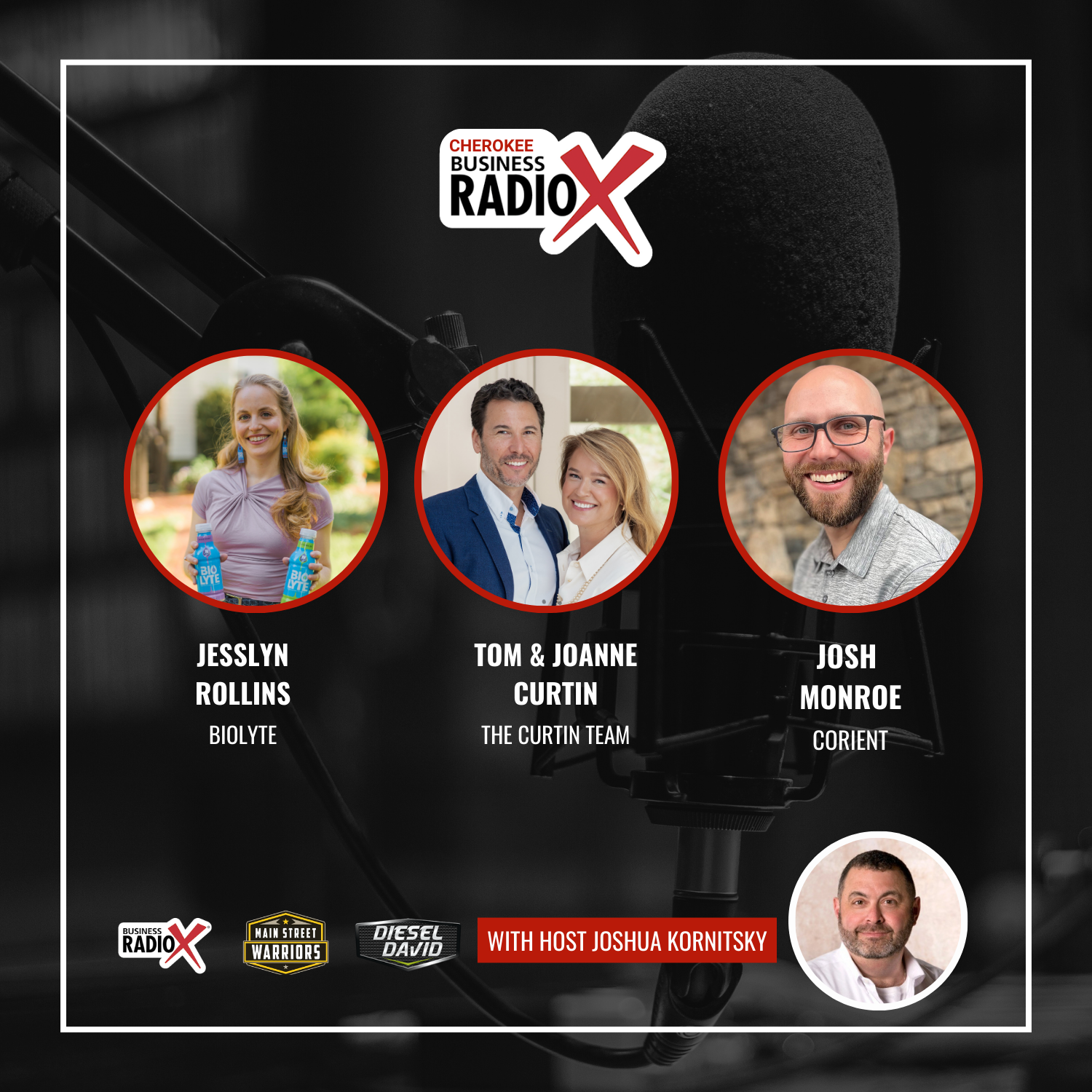
 

Tagged With: Soldiers' Angels

Gary Stokan With Peach Bowl, Inc.

April 4, 2025 by Jacob Lapera

Atlanta Business Radio
Gary Stokan With Peach Bowl, Inc.
Loading
00:00 /
RSS Feed
Share
Link
Embed

Download file

Gary P. Stokan is CEO and president of Peach Bowl, Inc., a position he has held since 1998. Under his management, Peach Bowl, Inc. events have generated an economic impact of $1.53 billion and $96.7 million in direct government tax revenue for the city of Atlanta and state of Georgia since 1999.

He has positioned the Peach Bowl as one of the best bowl game organizations in the nation, and earned the Chick-fil-A Peach Bowl a position as a New Year’s Six bowl game in the College Football Playoff (CFP) and will host future CFP Semifinal games in 2022 and 2025. He also inked contracts with Mercedes-Benz Stadium through 2025 and with Chick-fil-A to continue its title sponsorship of both the Bowl and Kickoff Games through 2025.

During his tenure, the Bowl has enjoyed sellouts in 22 of the past 25 years, and earned the second-longest sellout record in the Bowl business. Peach Bowl, Inc. has also distributed more than $281 million in team payouts under him and is college football’s most charitable bowl organization – having donated $58.8 million since 2002 – which garnered Peach Bowl, Inc. the Atlanta Small Business Philanthropic Award.

In 2019, Peach Bowl, Inc. donated a record $20 million to Children’s Healthcare of Atlanta creating the Peach Bowl LegACy Fund to find cures for childhood cancer. As result of this effort, the organization was named a finalist by ESPN for its 2020 Corporate Community Impact Award – a category in the annual Sports Humanitarian Award.

Recently, Peach Bowl, Inc. was also named to Atlanta Business Chronicle’s 2021 Best Places to Work list, as well as a Best Employers in Sports by Front Office Sports, a Top 10 Small Business in Atlanta by Business Leader Media, and was presented by the Mayor of Atlanta with the Phoenix Award, the highest honor an individual or group can receive from the city of Atlanta.

He has created major events that bring exposure, economic impact and charitable donations to Atlanta by creating the Chick-fil-A Kickoff Game in 2008, which is the leader in opening weekend games. Stokan’s innovation of the Chick-fil-A Kickoff Game helped change the college football season by elevating opening weekend and placing a focus on scheduling nationally ranked, out-of-conference opponents.

Since its creation, the Chick-fil-A Kickoff Game has distributed a cumulative $83.5 million in team payouts and has sold out 12 of 15 games. He also created the Peach Bowl Challenge charity golf tournament, which since 2007 has given $8.73 million for scholarship and charity to its participating universities and coaches charities is the preeminent coaches golf tournament in the country.

It was his relationships that led to the 2006 Sugar Bowl being moved to Atlanta after Hurricane Katrina hit New Orleans. Peach Bowl, Inc.’s addition of the management of The Dodd Trophy presented by PNC, college football’s most coveted national coach of the year award, is due to Stokan’s leadership.

He has also inspired the creation of the Peach Bowl College Corner at the Tour Championship and Peach Bowl Touchdown for Children’s which have raised and donated more than $1.5 million to Children’s Healthcare of Atlanta. These accomplishments have prompted national media to label Atlanta the Capital of College Football.

What You’ll Learn In This Episode

  • Peach Bowl, Inc. events
  • Backstory on the bowl being created in the spirit of giving back,  and how the organization is continuing to implement this philosophy by donating more than $65.4 million since 2002.

Transcript-iconThis transcript is machine transcribed by Sonix.


TRANSCRIPT

Speaker1: Broadcasting live from the Business RadioX studio in Atlanta, Georgia. It’s time for Atlanta Business Radio, brought to you by Kennesaw State University’s Executive MBA program, the accelerated degree program for working professionals looking to advance their career and enhance their leadership skills. And now, here’s your host.

Lee Kantor: Lee Kantor here, another episode of Atlanta Business Radio. And this is going to be a good one. But before we get started, it’s important to recognize our sponsor, CSU’s executive MBA program. Without them, we wouldn’t be sharing these important stories today on Atlanta Business Radio. We have Gary Stokan, and he is the president and CEO with the Peach Bowl. Welcome.

Gary Stokan: Hey, Lee, how are you?

Lee Kantor: I am doing well. I am so excited to get caught up with what’s happening at the Peach Bowl. But for the two people out there who don’t know what the Peach Bowl is, kind of share a little bit about mission purpose and how you’re serving the community.
Gary Stokan: Sure. I appreciate you having us. We, uh, we were founded back in 1968 as the first bowl game founded for charity and the ninth bowl game founded overall. And it’s always been our mission to be the most charitable bowl organization in the country. And we’ve done that by, uh, donating $64 million since 2002 to various charities around the country and here, mainly here in Atlanta. And that makes us by far the most charitable organization in the country. So by being a part of the CFP now, the College Football Playoff and being the most charitable bowl game, we’ve met our mission to to welcome people to Atlanta using college football for the greater good.

Lee Kantor: Now, can you talk about maybe the genesis of the idea? What kind of was the thinking to tie charity along with this bowl game? Because bowl games had been going around for decades, if not now, over probably a century. What was the thinking there?

Gary Stokan: Well, there was there was eight bowl games already in the United States. And George Crumbley, who was leading the Lions Lighthouse at the time, said, well, we need to create a fundraiser to raise money for what our mission is. And Atlanta is a football crazy town. So let’s start a bowl game. And so he tried three different times with the NCAA to get a license to create a bowl game. And finally, on the third time in 1968, he was successful and he started the Peach Bowl. And so we’ve had a great run. It was tough in the beginning. They didn’t make any money for a lot of years. But now we’re very, very successful, very successful financially as well as nationally. And we’ve been able to help the Lions Lighthouse grow as well with our charitable contributions.

Lee Kantor: Now, how did the bowl kind of evolve to get into the CFP? Like you mentioned, because as you mentioned, it was the the at that time, it was the new kid on the block. And then now there’s it seems like there’s dozens of bowl games. How did the Peach Bowl kind of earn its way up the ladder into one of the Premier Bowls?

Gary Stokan: Yeah, I have to laugh because my first year in 1998, uh, I, I was in charge of selecting the teams, and I selected Georgia to play Virginia. And Virginia was ranked 12th in the country, and Georgia wasn’t ranked but the head headline of the AJC sports section that day said that, uh, Georgia going to Peach Bowl, a third tier bowl game. So our own newspaper thought of Atlanta as a third tier bowl game. And, um, you know, back in 1985, I guess we were, uh, because we had Army in Illinois and there were 22,000 people in old Atlanta-Fulton County Stadium. And, uh, the weather was terrible. And Dick Bestwick, who had my position at the time, said that unless the business leaders in this city get involved, the Peach Bowl is going to go out of business. And so he rallied. Um, uh, uh, Ron Allen, who was the CEO then of Delta Airlines, and he was the incoming chair for the Chamber of Commerce. And, uh, he said, well, we can’t let the Peach Bowl fail, so we’re going to put up $100,000 check, and we’re going to sell a bunch of tickets. And, uh, so he had Bob Coggin, his chief marketing officer, go out to all their vendors and have them buy tickets to the Peach Bowl, and they sold 3300 tickets. And financially, that helped the Peach Bowl along with that $100,000. And then Ron rallied, you know, the Coca-colas and the other corporations in the city. And, um, the Peach Bowl stayed in business and slow, but sure, moving into the Georgia Dome, getting a contract with the ACC to play the SEC, uh, getting on ESPN.

Gary Stokan: And then subsequently, in 1997, chick fil A signing on as a title sponsor for the game. It gave us the the underpinnings, uh, financial success with chick fil A, uh, with the ACC and SEC ticket buyers. And we were off and running and, um, in 2006 when the, uh, commissioners said, we’re going to start a, uh, you know, a national championship game. We need another bowl game beyond the Rose, sugar, orange and Fiesta. Us in the Cotton Bowl made great bids, but neither of us won as the commissioners decided to let the four bowls have their game on January 1st, and then take the national championship game and rotate it between the rose, the sugar, the orange and the Fiesta. And so in 2007, the NCAA legislated a 12th game to the schedule. And I said, well, being a competitive son of a gun, I said, well, if they’re not going to let us in the BCS on the on the backside of the season, we’re going to start the BCS on the front side of the season. And so I started the kickoff game and had Alabama and Clemson come to play. Sold out us the game in the Georgia Dome. And uh, you know, we basically recreated what now is the front side of the season in college football with great matchups because prior to that teams would play non-directional schools and get easy wins.

Gary Stokan: It was kind of everybody looked at it as an exhibition season to get three wins and then start your conference schedule. Well, now you have the likes of Notre Dame playing Ohio State in the first game of the year. And, you know, we’ll have two kickoff games this year with Syracuse and Tennessee on Saturday. And then on Sunday, uh, we’ll have Virginia Tech play South Carolina. And that’s never been done. Two games within 24 hours in one city. Um, but the kickoff game really elevated our brand to a lot of people around the country because we had blockbuster sellout games with huge TV viewership. And then, uh, we went after the College Football Hall of Fame. I was just coming out of working the Atlanta Sports Council and using Bob Costas famous statement around the 96 Olympic Games that, you know, Atlanta is becoming the sports capital of the world. So in 98, based on the foundation that was put in place by the Olympics, we went out and, um, you know, we got all the NBA, Major League Baseball, NHL all star games. We brought a lot of Olympic type events back into town. And, um, so we made Atlanta the sports capital of the world. And then I said, well, why not make Atlanta the football capital of the world? Because we have huge football fans in this, in this city from all over the country. They they emanate to Atlanta and get jobs and they follow their teams.

Gary Stokan: And so in 285, it would look like a NASCAR race with flags from all kind of ACC and SEC teams and even Big Ten teams driving around to get to their to their games on a Saturday. And so we, uh, we went after the College Football Hall of Fame and we moved it from South Bend to Into Atlanta. And I think those two things, along with the success we were having of selling out Peach Bowl’s, uh, the commissioners looked at what we were doing in Atlanta and said, hey, they deserve a chance. And in 2014 over 15 season, when the CFP was created, uh, they took Atlanta and the Peach Bowl, along with the Cotton Bowl, added to the four bowls of the Rose, sugar, orange and Fiesta. And we became the new year six bowl games. And now we’re currently involved in running the CFP playoff, which started this past year, where we host quarterfinals for two years and then a semifinal. Um, and so this year, we’ll host the semifinal of the College Football Playoff. So, you know, having the College Football Hall of Fame here, having the kickoff games, having successful Peach Bowl has allowed us to recruit the national championship game here twice since 2017 And, uh, have quarterfinals and semifinal games. So now we are looked at as the, uh, the shining light in college football is, uh, a lot of media have called us the capital of college football in Atlanta, Georgia.

Lee Kantor: And do you see any, um, is there any trends you’re seeing with regarding the Nil and the portal systems, uh, with the player transfers? Is the popularity of the game, I’m sure in game day and especially in Atlanta at those games that you’re describing, it’s full house and and they’re always sold out. But is it impacting kind of the, um, popularity of the sport or is it just growing the sport more and more?

Gary Stokan: Yeah, I think the College Football Playoff was responsible this year for increasing the viewership of college football as well as attendance, uh, primarily because you had interest from around the country longer into November and early December with teams that could vie to make up the 12 team playoff. So you had more interest across the country. Number one, that led to more viewership. And secondly, because you’re probably 30 to 40 teams were still vying for those 12 slot slots to make the playoff in in December late December. Um, attendance was increased all throughout the year instead of in the old playoff where you had four teams. There was no team that had two losses that ever made the 14 playoff. And so if you got an early loss in September by, you know, October, November, a lot of people, you know, didn’t follow the team as much because they knew they were out of the playoffs. So I think the playoff has really created a new opportunity for college football to grow. Uh, we’re currently the second most favorite sport in the country, uh, only behind the NFL. Uh, I think we’ve taken a hit with the transfer portal and nil a little bit, uh, that some people have been turned off by, you know, kind of a pay for play for players. Um, uh, by players transferring. They don’t know the players as well because the players aren’t staying for years. Um, but we need some guardrails. We need some regulation from Congress. Uh, I think that’s going to happen. And, um, you know, we’ve got to we’ve got to remain, uh, a collegiate experience where kids are offered a scholarship, uh, get an education, get a degree, because most of these kids are not going to play pro sports. Um, the advent of the Pell Grant and and helping now nil money give these kids an opportunity to start out their career in life and in business, uh, successfully, without any debt. And, uh, with with a great opportunity. So, uh, college football is meeting its mission and will continue to do so.

Lee Kantor: Now, um, do you think that the fact that the Peach Bowl started I mean, we got to the point where it was ACC versus SEC, um, and Atlanta, they have Georgia Tech and Georgia Tech has a stadium, but the there’s so much activity at, uh, at Mercedes-Benz now with these big college games like that you’re bringing in now there’s two kickoffs. Now the Peach Bowl there just seems to be it’s almost I don’t want to say it’s a neutral site, but it’s it’s kind of, um, maybe college agnostic spot for the SEC and the ACC to just create big events. Are you finding that because of your efforts that more and more people are going and attending these kind of college games downtown?

Gary Stokan: Yeah, certainly the the Peach Bowl back in, uh, 1992. I guess it was when the Georgia Dome was built. Uh, the SEC had started a championship game and played the first two years in Birmingham, Alabama. Uh, but they had bad weather. And with the Georgia Dome being, you know, 72 degrees and indoors, obviously, uh, the Peach Bowl worked with the SEC to bring the SEC Championship game to Atlanta. So a lot of tickets for it. Um, and, uh, so the SEC, along with our two kickoff games and the chick fil A Peach Bowl and the national championship that was played in January, late January, uh, they’ll comprise five of the top six conventions in the city of Atlanta this year. And if you think about Atlanta, Atlanta is the fourth largest convention town in the United States, behind Las Vegas, Chicago, Orlando and then Atlanta. So to think about five of the top six conventions in the fourth largest convention town in the United States. Our college football games. The SEC Championship. The two kickoff Aflac kickoff games, the chick fil A Peach Bowl, and the national championship game. So, um, the economic impact and the tax revenues that flow back to Atlanta and Georgia through college football are unlike any other city in the country. And that’s the reason why a lot of people call Atlanta the capital of college football.

Lee Kantor: Now, how important is it to have kind of this really collaborative public private entities working together for kind of the the common good? Atlanta, to me, seems like that’s part of the secret sauce of why, um, so much gets done here.

Gary Stokan: Lee, you’ve hit on it. There’s no doubt about it. When I talk to people around the country and they ask me that same question, uh, it all started with the Olympic Games. There was a perspective and a feeling after the Olympic Games, through the volunteers, through the city and the state, working together through the corporate leaders that we could do anything. And so that’s one one of the reasons we’ve been very successful. It is the secret sauce in the recipe of our success. Um, a lot of lot of cities have stadiums. Um, we have great stadiums, close proximity to our, our hotels with 16,000 hotel rooms downtown, easy walking distance to the facilities, great restaurants and things to do, like the College Football Hall of Fame and aquarium around the hotels and our and our facilities for people to entertain themselves. Um, we have the most effective and efficient airport in the country, probably in the world. Um, with hourly flights from a lot of the major markets like Chicago, New York, DC, LA, etc. so you can get to town easy. You can, um, you know, you can be in the middle of downtown in 15, 20 minutes. Uh, you don’t even have to rent a car. You can get on Marta and be in downtown Atlanta. You can walk around the city to our facilities, our entertainment, our restaurants, um, and all that is important. The infrastructure, the having three interstates that intersect into downtown. So people from the east and west and north and south can get here. Uh, all that infrastructure makes for the opportunity. But at the end of the day, it takes people, it takes strategy, it takes, uh, people willing to commit, uh, volunteer hours, uh, corporations willing to commit money. And, uh, we’ve been able to rally all of that together, uh, to make Atlanta very, very successful in, in the world of sports.

Lee Kantor: And it seems like we’re just scratching the surface with the advent of the gulch. Uh, what’s happening in south downtown, uh, with, you know, with the Georgia Tech and Georgia state campuses being right there in the midst of things, it seems like we’re just now about to begin again.

Gary Stokan: Yeah, it really is. It’s it’s interesting. Um, the World Cup in 2026 is basically going to mirror what happened, uh, and elevate the city. Um, maybe not to the tune of what the Olympics did, because back in 1990, when Atlanta was selected to to host the Olympic Games, a lot of people around the the world, um, thought Atlantic City had won the rights. Uh, because Atlanta was not a well-known, uh, international city at the time. And then when by the time 1996 got here and the Olympic Games, it made Atlanta an international city. And I think the World Cup is going to take that to the next level in 2026 when we host the World Cup.

Lee Kantor: So what do you need more of? How can we help you?

Gary Stokan: Well, we’re very, very blessed to have great volunteers, a wonderful board that supports what we’re doing, uh, tremendous support from the business community in sponsoring a lot of the, the headquarters, uh, companies like Delta and Chick fil A and Home Depot and Kia and, uh, Georgia Power. Uh, support what we’re doing. Um, the city leaders and the state have been tremendous. The facilities, like Arthur Blank and, uh, what he’s been able to do with Mercedes-Benz Stadium. So everything there, it’s just a matter of creating the next, uh, whatever it is. And we’ve been very exciting to do it in college football and make Atlanta such a prevalent, uh, hotbed and capital of college football, but yet still maintaining our mission of donating, uh, you know, $64 million back to charities to help charities in Atlanta and in, uh, cities where teams come from, you know, our, uh, around the country to play in our game, we donate $100,000 scholarship under our John Lewis Legacy of Courage scholarship. And those scholarship monies, which are over $9 million now, $9.5 million, I believe, uh, all around the country, they’re earmarked for kids from Atlanta and or Georgia, title one kids to get those scholarships.

Gary Stokan: Um, so we’ve been able to look out for the education purposes of kids that in their whole generation of their families, no one’s ever gone to college. And some of these kids now are able to go to college. Uh, they’re underprivileged, uh, to get an opportunity to get a degree and hopefully change the self-fulfilling prophecy of not only their family, but their communities. Um, and then to, uh, work with Children’s Healthcare of Atlanta and with Aflac to, uh, now have 14 trials, uh, in five different, uh, uh, states. Um, and uh, creating hopefully, uh, cure to eradicate childhood cancer with, uh, certainly with, uh, whether it’s neuroblastoma or leukemia. We have trials going on that people, you know, hopefully will come up with a cure for a kid for a day. Another day, another month, another year or maybe a lifetime to eradicate childhood cancer. So those are a couple of our big initiatives that we’re working on by using college football to do the greater good.

Lee Kantor: And if somebody wants to learn more, What’s the website to get tickets or just to learn more about what’s happening over at the Peach Bowl?

Gary Stokan: Yeah, we’re on Facebook. We’re on Instagram. Um, we’re on X. Uh, our website is, uh, chick fil A Peach bowl.com. So, um, yeah, if you want to volunteer and be a part of the, uh, the great success we’re doing and helping people by using college football, please join us. Um, and whether you want to sponsor, whether you want to volunteer, we’d love to have you involved. And it’s it’s a great feeling to give back to the city that’s, uh, meant so much to all of us.

Lee Kantor: Well, Gary, thank you so much for sharing your story today. You’re doing such important work, and we appreciate you.

Gary Stokan: Sure, Lee, thanks for having us. Appreciate it.

Lee Kantor: All right. This is Lee Kantor. We’ll see you all next time on Atlanta Business Radio.

Tagged With: Gary Stokan, Inc., peach bowl

  • « Previous Page
  • 1
  • …
  • 27
  • 28
  • 29
  • 30
  • 31
  • …
  • 162
  • Next Page »

Business RadioX ® Network


Our Most Recent Episode

CONNECT WITH US

  • Email
  • Facebook
  • LinkedIn
  • Twitter
  • YouTube

Our Mission

We help local business leaders get the word out about the important work they’re doing to serve their market, their community, and their profession.

We support and celebrate business by sharing positive business stories that traditional media ignores. Some media leans left. Some media leans right. We lean business.

Sponsor a Show

Build Relationships and Grow Your Business. Click here for more details.

Partner With Us

Discover More Here

Terms and Conditions
Privacy Policy

Connect with us

Want to keep up with the latest in pro-business news across the network? Follow us on social media for the latest stories!
  • Email
  • Facebook
  • Google+
  • LinkedIn
  • Twitter
  • YouTube

Business RadioX® Headquarters
1000 Abernathy Rd. NE
Building 400, Suite L-10
Sandy Springs, GA 30328

© 2026 Business RadioX ® · Rainmaker Platform

BRXStudioCoversLA

Wait! Don’t Miss an Episode of LA Business Radio

BRXStudioCoversDENVER

Wait! Don’t Miss an Episode of Denver Business Radio

BRXStudioCoversPENSACOLA

Wait! Don’t Miss an Episode of Pensacola Business Radio

BRXStudioCoversBIRMINGHAM

Wait! Don’t Miss an Episode of Birmingham Business Radio

BRXStudioCoversTALLAHASSEE

Wait! Don’t Miss an Episode of Tallahassee Business Radio

BRXStudioCoversRALEIGH

Wait! Don’t Miss an Episode of Raleigh Business Radio

BRXStudioCoversRICHMONDNoWhite

Wait! Don’t Miss an Episode of Richmond Business Radio

BRXStudioCoversNASHVILLENoWhite

Wait! Don’t Miss an Episode of Nashville Business Radio

BRXStudioCoversDETROIT

Wait! Don’t Miss an Episode of Detroit Business Radio

BRXStudioCoversSTLOUIS

Wait! Don’t Miss an Episode of St. Louis Business Radio

BRXStudioCoversCOLUMBUS-small

Wait! Don’t Miss an Episode of Columbus Business Radio

Coachthecoach-08-08

Wait! Don’t Miss an Episode of Coach the Coach

BRXStudioCoversBAYAREA

Wait! Don’t Miss an Episode of Bay Area Business Radio

BRXStudioCoversCHICAGO

Wait! Don’t Miss an Episode of Chicago Business Radio

Wait! Don’t Miss an Episode of Atlanta Business Radio