
Business RadioX ®

  • Home
  • Business RadioX ® Communities
    • Southeast
      • Alabama
        • Birmingham
      • Florida
        • Orlando
        • Pensacola
        • South Florida
        • Tampa
        • Tallahassee
      • Georgia
        • Atlanta
        • Cherokee
        • Forsyth
        • Greater Perimeter
        • Gwinnett
        • North Fulton
        • North Georgia
        • Northeast Georgia
        • Rome
        • Savannah
      • Louisiana
        • New Orleans
      • North Carolina
        • Charlotte
        • Raleigh
      • Tennessee
        • Chattanooga
        • Nashville
      • Virginia
        • Richmond
    • South Central
      • Arkansas
        • Northwest Arkansas
    • Midwest
      • Illinois
        • Chicago
      • Michigan
        • Detroit
      • Minnesota
        • Minneapolis St. Paul
      • Missouri
        • St. Louis
      • Ohio
        • Cleveland
        • Columbus
        • Dayton
    • Southwest
      • Arizona
        • Phoenix
        • Tucson
        • Valley
      • Texas
        • Austin
        • Dallas
        • Houston
    • West
      • California
        • Bay Area
        • LA
        • Pasadena
      • Colorado
        • Denver
      • Hawaii
        • Oahu
  • FAQs
  • About Us
    • Our Mission
    • Our Audience
    • Why It Works
    • What People Are Saying
    • BRX in the News
  • Resources
    • BRX Pro Tips
    • B2B Marketing: The 4Rs
    • High Velocity Selling Habits
    • Why Most B2B Media Strategies Fail
    • 9 Reasons To Sponsor A Business RadioX ® Show
  • Partner With Us
  • Veteran Business RadioX ®

Search Results for: kids care

From Stuck to Unstoppable: How Coaching Can Change Your Life

April 4, 2025 by angishields

Greater Perimeter Business Radio
From Stuck to Unstoppable: How Coaching Can Change Your Life
Loading
00:00 /
RSS Feed
Share
Link
Embed

Download file

In this episode of Greater Perimeter Business Radio, Ramzi Daklouche talks with Nicole Comis, a professional certified coach specializing in personal transformation. Nicole shares her journey from the mortgage industry to coaching, emphasizing the significant role of the subconscious mind in feeling “stuck.” They discuss the importance of clarity in attracting the right clients, building authentic relationships, and overcoming subconscious barriers. Nicole offers practical advice for self-discovery and highlights the value of having a coach.

Nicole-Comis-Coaching-logo

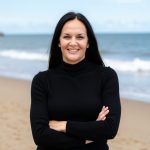
Nicole-ComisNicole Comis is not your average coach—she’s a powerhouse of transformation.

As a Professional Certified Coach (PCC) accredited by the International Coach Federation (ICF) and a Master Coach in Neuro-Linguistic Programming (NLP), Time Line Therapy®, and Hypnotherapy, she helps high achievers break free from the unconscious patterns keeping them stuck.

With years of deep coaching experience and extensive training, Nicole has mastered guiding professionals and business leaders toward incredible transformation. Nicole helps her clients gain the clarity, confidence, and courage to think bigger, push past self-imposed limits, and create a life that truly excites them.

Whether it’s scaling their career, building a thriving business, or finally prioritizing their happiness and fulfillment, she helps them achieve more than they imagined. Her clients come to her for career growth, leadership development, and personal fulfillment, but they leave with a radical shift in how they see themselves and their future.

Nicole’s coaching transforms not just what her clients do but who they become.

Connect with Nicole on LinkedIn and Facebook.

Transcript-iconThis transcript is machine transcribed by Sonix.


TRANSCRIPT

Intro: Broadcasting live from the Greater Perimeter. It’s time for Greater Perimeter Business Radio. Now, here’s your host.

Ramzi Daklouche: Welcome to another episode of the Business RadioX show where we shine a light on the people, the strategies and the transformations that are moving business forward in Atlanta and beyond. I’m your host, Ramzi Daklouche, with VR Business Sales of Atlanta, where we help business owners transition to their next chapter. Whether they’re ready to sell, expand, or plan for the future, you can reach us at. World.com. Or by calling 678478675. If you’re curious about what your business is worth, we’re happy to have a conversation. Today’s guest someone who works on a different kind of transition. The one that happens on the inside. Nicole Comis is not your average coach. She is a powerhouse of transformation, A professional certified coach, PCC through the International Coach Federation and Master Practitioner of NLP and certified in time line therapy and hypnotherapy. Nicole helps high achievers and entrepreneurs break through the subconscious patterns that keep them playing small and unlock the clarity, confidence and courage to finally go after their big goals. Her work is not just about business success, it’s about who you become along the way. Nicole, welcome to the show. We are thrilled to have you.

Nicole Comis: Oh, thank you for having me.

Ramzi Daklouche: You know what? I did all this presentation. Most of it. I don’t even know what it is. So I hope you can shine a light on what you do. But before we start this, let’s start with your journey. What led you into coaching and transformational work?

Nicole Comis: Yeah, so I started working with my first coach in 2003. I was I had an incredibly successful career in the mortgage business, and I, um, a coworker and very good friend of mine started working with a coach, and I watched her transform in front of my eyes. And at the time I didn’t know what she was doing, but I didn’t care. I just wanted whatever it was. And I worked with my very first coach and it completely changed my life. So fast forward to 2008 and the housing market crash happened. Well, so did my career and my identity. I was really unhappy for about five years, trying to figure out what was next for me and try to reinvent my life. I tried to find that love and passion that I used to have for my career, and after five years of being unhappy, I finally decided to become a coach.

Ramzi Daklouche: So what was that moment before? Before the crash? Before all this, I said, you know what? This is something I could do. I mean, everybody has that aha moment that keeps in the back of your mind thinking, this is what my path should look like.

Nicole Comis: Yeah. You know, it’s funny, I my very favorite part of my job in the mortgage business was everything I didn’t get paid for. So it was really coaching my clients. It was coaching them, educating them, supporting them in creating goals for their finances and helping them structure their mortgage so it was compatible with their future goals. And you know, it’s funny, when I became a coach, my mom said to me, she’s like, Nicole, you really have always been a coach. She’s like, you were always that person that your friends came to for, you know, to talk about their problems or to work through different challenges they were having. And you always came with an open mind. And so realistically, I feel like being a coach was kind of in my DNA.

Ramzi Daklouche: Yeah, I think it’s natural people that are coaches and I’ve been I’ve done that before, uh, are not curious about people that really have this, uh, curiosity that makes them want to ask that next question and not afraid to ask the next question. And it’s genuine usually. So. And I see coaches that would never be successful because they just don’t have that. They’re in it for the and it’s not only a business, it’s really you got to be curious about the people.

Nicole Comis: Absolutely. And your heart has to be in the right place, you know? Yeah. And not, you know, it can’t be what I think is right. It has to be helping the client discover what’s right for them.

Ramzi Daklouche: Yeah. Yeah. Okay. So you specialize in helping high achievers get unstuck. How does the subconscious mind play a role in the in the stuck feeling?

Nicole Comis: Oh, so our subconscious is where our programing is. So it’s our beliefs, our values, our negative emotions, our, um. Ah.

Ramzi Daklouche: Everything that holds you back.

Nicole Comis: Yeah. Well, it’s it’s everything. Everything that we see. So imagine your prescription glasses. Right? Your prescription glasses work for you. That’s how you can see the world clearly, right? Now, if I were to put on your prescription, I would see the world differently, right? Right. So you see the world through your beliefs. I see the world through my beliefs and my values and my history. And so when somebody is stuck, it’s likely something in their subconscious programing.

Ramzi Daklouche: Yeah. So why do you think so many smart, driven professionals put their biggest dreams on the back burner?

Nicole Comis: Fear. Fear. Overwhelm.

Ramzi Daklouche: Is that what they get stuck with? Fear.

Nicole Comis: A lot of times, you know, and it could be fear of anything. It could be fear of rejection, of failure, of, um, you know, it could be fear of what other people will think.

Ramzi Daklouche: Yeah.

Nicole Comis: You know, um, a lot of people also get caught in living in autopilot. They made a decision to go after a goal, and then they started going after that goal, and they pushed everything else to the side.

Ramzi Daklouche: No balance.

Nicole Comis: No balance. Or, you know, they wake up in the morning and it’s they get up, they take a shower, they go to work. They work ten hours. They come home, they eat, probably work some more, go to bed, wash and repeat. Right? And it’s the same cycle. And then six months, six years down the road, they’re wondering, how the heck did I get here?

Ramzi Daklouche: Yeah, but that’s not just for business. That’s for life in general. Right?

Nicole Comis: I mean.

Ramzi Daklouche: Yes, I know people that are trying to, for example, lose weight, right? And they lose the first 5 or 6 pounds and they stop and they think they’re just not doing them. It’s a fear of they don’t know what. What is it going to take them to lose that next ten or next five or whatever it is. So same thing in relationships, right? They they have it good and then they really screw it up after that. So what’s the I mean, is there something visual that people could do or. I don’t know, like what can they do? What advice do you have people that are stuck in stuck in fear, right.

Nicole Comis: Yeah.

Ramzi Daklouche: Meanwhile because they start but they don’t know how to continue.

Nicole Comis: Sometimes for sure. So, um, you know, through coaching, you know, or self discovery. Right. So really looking at what are what are your thoughts. Right. So let’s say there’s something that you want to go after and you notice that you’re stopping. Start asking yourself questions, right? Like, um, what are what are the thoughts that I’m, I’m having? What are the emotions that I’m having? And be curious about what’s happening in your mind.

Ramzi Daklouche: And I don’t think that a coach can really figure out that every time you have that thought, you got to put it aside. It’s easier said than done, right? Even for me. And I listen to a lot of people and read a lot. Sometimes it’s very difficult to say, okay, stop thinking about this. You can’t control it. Just keep moving forward. Keep moving forward so well.

Nicole Comis: And that’s why I have a coach, right? Because.

Ramzi Daklouche: Oh wow. That’s interesting.

Nicole Comis: Yeah. Well, I can’t see what’s you know what I can’t see. Right. It’s like I’m in a box. And so you need somebody else to look at, you know, and see the things that you can’t see.

Ramzi Daklouche: You’re stuck in your own whirlwind, I call it.

Nicole Comis: Sure. Or your own. Your own crap.

Ramzi Daklouche: Crap. That’s a technical word.

Speaker4: I think that’s very good.

Ramzi Daklouche: What are some of the common internal patterns you see holding, you know, entrepreneurs, small business owners back? Um, besides overanalyzing.

Nicole Comis: Overanalyzing for sure. Right. We all do that. Um, I think, you know, also it’s it’s losing that fulfillment in life. Yeah. So many people, um, you know, especially driven professionals, are so focused on their career that they put their personal life on the back burner. And eventually that catches up. You know, our health and wellbeing is the foundation of everything we do and everything we don’t do. So how do we treat our body, mind and spirit? Relationships are we’re literally programed for for connection, right. So it is fuel to our goals. So if we’re not taking care of our relationships and we’re not taking care of our health and wellbeing, it’s almost like driving a car with, you know, little gas in it. It’s running on fumes and eventually it’s going to stop. Right? So if you can fulfill yourself with, you know, fulfilling relationships and taking care of your health and well-being, it’s like putting gas in a car. It helps you with those big goals.

Ramzi Daklouche: So in your business, you also have to help them with structuring the day.

Nicole Comis: Well, I you know, it’s really up to the client, right? So with coaching true coaching is different than consulting, right? Consulting is when you tell somebody what to do. Somebody would come to me for maybe being a marketing expert, a marketing consultant would say, here are the things you need to do to grow your business. Whereas coaching is more about helping the client discover the answers inside of them. So if during every coaching session, we spend a few minutes catching up and then I ask my clients, what would you like to get out of today? All of my coaching sessions are driven by the client, not by me.

Ramzi Daklouche: Okay.

Nicole Comis: So it really is up to the client’s, you know, decision. And it’s it’s based on their goals and what’s important to them in that moment.

Ramzi Daklouche: Yeah. Do you without mentioning, of course, names, but do you have an example of someone who had a big vision but needed support clearing their mind?

Nicole Comis: Sure. Um, I had a client who came to me, and he had been, um, in his business for about five years, and he built his company to $1 million. He had spent nights sleeping at the office to get it to $1 million. Right. And he hired me because he wanted more. More support with relationships and continuing to grow his business. And so five years later, his company was worth $10 million. He got married. He built a team. He took vacations. He took care of his health and well-being. So he wasn’t able to see that him, you know, working, you know, all these hours and painting. Spending all of his focus on his business was actually not supporting him in his true goals. And so we worked together and, um, you know, he did focus on personal development and all of that great stuff. And he grew both personally and professionally because of that.

Ramzi Daklouche: That’s awesome. I think there’s a lot of business professionals that probably could use that where they get stuck, or they really are their own worst enemy. They get in their own way and and help like this can be incredible to them.

Nicole Comis: Yeah.

Ramzi Daklouche: So you cover a lot of modalities. Nlp timeline therapy. Hypnotherapy. How do you integrate all these into a session?

Nicole Comis: Yeah. So, um, traditional coaching is more about what’s happening, say, in the conscious brain, right? What are your goals? You know, what do you want to achieve? Going. You know what’s going on in your day to day life. Whereas the subconscious mind is the NLP, which is neuro linguistic programing. So the study of your brain or the language of your brain. Hypnotherapy and timeline therapy. So what happens is all of my clients get breakthrough sessions, which is a full day intensive where we we dive into a specific problem or area of life. And so let’s say the main challenge that they’re having is in relationships or in finances or with confidence. We will spend that intensive focusing on that. We unpack all of that. What’s happening at the the subconscious level or with the unconscious mind. And we get those limiting beliefs and the negative emotions and the inner conflict and the values and all of that. And then we use the tools like hypnotherapy, Neurolinguistic programing and timeline therapy to release them at the unconscious level and install positive beliefs aligned with the goals that they want. One. And so that is really where the unconscious mind work comes in. And then once they’ve done that, we can based on what the client’s goals are during our weekly coaching sessions, let’s say a limiting belief comes up. We can work on unpacking that and then releasing it through those techniques as well.

Ramzi Daklouche: Can they? This is just a question that I have. Can they? Because as a business person, to take any time away from what I do because I think my time is very valuable and nothing else can get in the way. Can they take that and say, you know what, this is the return on investment I got because I spent time with Nicole.

Nicole Comis: Heck yeah. I mean, you know, a client five years made his company to $1 million. Five years later, it was worth ten. What do you think that ROI is? Well, right. So. And, you know, I work with my clients one hour a week, and I work with them remotely because they are busy, right? So they pick up the phone, or we jump on a zoom call and we spend one hour together, and then they’re on with their day. And of course, there’s always, you know, things to work on in between sessions, whether it’s journaling or, you know, making time in their day to work out or, you know, um, having conversations, that type of thing. Um, but it’s incredibly important. Working on you is the best investment you could ever make for you, for you personally and for your business, because you can only take your business as far as you’re willing to go yourself.

Ramzi Daklouche: And you got to structure yourself really, really well. And this is probably the hardest stuff for entrepreneurs is how do you structure yourself? How do you get the how do you get the help right. Because big corporation think Coca-Cola, think Apple. They really have executive coaches for the executives, right? I’ve had that before in my life. But as you get your own entrepreneur, you are it. You should be. You’re expected to do everything for the company yourself, right? Yes. From mopping the floor all the way to board, meeting with yourself. Right. But there’s no one really helping you through that journey, not coaching you for business and how to manage your business, technical aspects of your business, but actually how to really stay in touch with you and how to manage yourself so great. What sets you apart from other therapists and other executive coaches? It sounds to me like what you do is brain massage.

Speaker4: That’s how I.

Ramzi Daklouche: I don’t know if that’s a trademark word or not, but it should be kind of brain massage, which is really good, right?

Nicole Comis: Yeah. Well, when there’s so many things that sets me apart, you know, one, it’s my, you know, me as a person, right? My story, my personality. Um, I also like to bring a lot of fun into coaching, because I don’t think it has to be painful to experience, you know, to unpack the stuff that’s holding you back. We get to have fun in the process. Um, but also, you know, unlike a lot of coaches, I integrate the conscious mind and the subconscious into the work I do because that’s where I believe true Transformation comes. The other thing is, is that there’s a lot of coaches out there now who are delivering programs. So it’s a lot of hands off, kind of do it yourself type of programs. Yeah, I don’t believe I mean, sure, I, you know, I have goals of one day doing that more of where it’s something to support people who can’t afford to work with me to get some, you know, transformation. But I believe true transformation happens one on one. It happens when I can sit with you. You have a safe space to unpack whatever is happening in your head, in your heart, in your life, and you know you can be vulnerable and share things and say things that you’ve never even said out loud before.

Ramzi Daklouche: Yeah. You know what you just said about coaching online or programs? I think it’s just overdone in my point of view right now. And maybe it’s generational. I’m a generation where I get the most out of a time with a person on a one on one, or getting to know them in person, not on zoom. I prefer to have these moments where we are really talking and getting to know each other without any, you know, interruption of a phone or the second screen, getting an email on it, or a program. Right. Including not just, you know, a business coaching, but also workout coaching. There’s a lot of it right now where, you know, you find a coach and they charge you X amount of money a month, but you still are. It’s a program that’s going to send you once a week or once a I don’t know how that works generationally. Maybe it does not work for me at all. Maybe just me. Also, it doesn’t work at all.

Nicole Comis: Well, and I do think that there’s some benefits, right? So somebody who can’t afford to hire a coach if they’re going to be committed to doing the work that’s going to get at least get them started, right? So and, you know, I think that there also gets to be some flexibility because there are people who are, you know, so, you know, stuck in the I only want to work with a coach in person and that can hold them back too, because, you know, if you think about it like if I had an office, let’s say it would take you 30 minutes to drive to me, find parking, then 30 minutes to get back to your office. There’s two hours out of your day versus just jumping on a phone call and having that session and moving on with your day.

Speaker4: Right?

Ramzi Daklouche: Yeah, yeah. So how, um, you know, uh, how do people find you typically. Is it and this is really helping because part of this program is to really help small businesses, entrepreneurs with ideas on how to, if they’re stuck with referrals, if they’re stuck with, you know, marketing all this stuff. How do you find customers? Is it referrals online? Is it speaking events? I mean what is your best? And again, you have to go back to thinking, okay, there are entrepreneurs out there listening first year some second year, some ten year. So everybody different place in their journey, right?

Speaker4: Yes.

Ramzi Daklouche: What’s your what’s your best way to do that?

Nicole Comis: Well, I think I think it’s all of the above. Right? Like, I feel like you don’t want to put all your eggs in one basket, right? But I also do believe in the power of networking and building relationships. I’m a relationship person, right? I mean, well, coaching is all about relationships, right?

Ramzi Daklouche: It’s. Or you die.

Speaker4: Yeah.

Nicole Comis: Absolutely. And when I was in the mortgage business, it was the same. I’m all about building relationships. I want to get to know you. I want to get to know, um, your clients. I want to be able to find out. How can I help you? And so I believe networking is one of the best ways to. And building relationships is one of the best ways to build a business.

Ramzi Daklouche: And networking is a strange word for a lot of people. We hear it’s overused. But do you have any specific networking? You know, I know you go to groups and all this stuff, but what’s the best way to network? Like, you know, networking on purpose, let’s call it. Do you have any kind of nuggets for these entrepreneurs on how to network on purpose?

Nicole Comis: Um, well, you know, I think anything that you do could be considered networking. It’s all about building relationships. And so getting out there and, you know, I’m part of a group called the Amicable Divorce Network, right? Which is a bunch of divorce attorneys and financial advisors and people that are helping people through divorce. And so, you know, being intentional about getting to know those people in that group and their businesses. And then I’m also part of, um, you know, I’ve been part of Chamber of Commerce for years and years and years. And so, you know, it’s it’s all about building relationships with the people in the room.

Ramzi Daklouche: And it’s how much time you put into it.

Speaker4: Yeah.

Ramzi Daklouche: Not just coming to church once a week and saying, okay, well, I went to the chamber meeting or whatever. It’s actually putting time into spending time with them one on one, all this stuff to help you with that because they get to know you on a personal level.

Nicole Comis: Yeah. Quality time.

Ramzi Daklouche: What’s the most effective way to attract aligned clients? To make sure you get the right clients for you?

Nicole Comis: It starts with getting really clear on who you want to work with.

Ramzi Daklouche: Hallelujah. I talk to a lot of. I was waiting for this. I was I talked to a lot of coaches. So what do you do? I help companies grow. How? And, you know, whatever they need. No no no no. Be clear, be clear. How can I help you? If you don’t know exactly what is it you’re good at? You can’t be good at everything.

Speaker4: No.

Ramzi Daklouche: Right. So. So you got to be clear. So I love the clarity that you just said that. You really have to find that in the client you have, or else you can’t take them as a client. It’ll be a disservice to you and a disservice to them.

Nicole Comis: Absolutely.

Ramzi Daklouche: To take them to the client. Uh, for coaches, consultants and service based pros who don’t love selling. What advice would you give on building a business in an authentic way?

Nicole Comis: Shift your mindset. It’s not about selling. It’s about building relationships and offering a service that truly helps other people.

Ramzi Daklouche: Find a solution. Whenever you talk to somebody, just help them find a solution, right? It doesn’t matter if it’s going to pay you today or tomorrow, but they remember you for helping them with whatever solution you can give them, right?

Nicole Comis: Right. Well, and the reality is, every entrepreneur is a salesperson, right? And so if they have a nasty taste in their mouth about what a salesperson means, they need to be able to shift that mindset and think of it more as in providing a service, helping somebody out. And sales isn’t a dirty little word anymore. It’s not like, you know, the used car salesman that we heard, you know, see in our minds from long, long, long ago. It’s really, you know, about building relationships and helping the other person. If you believe in what you’re selling or you believe in the service you’re providing, share it with the world. Old.

Ramzi Daklouche: Yeah. Nicole, it’s interesting you say this because I used to train huge groups of people sales a long time ago for different companies that I manage or, you know, as a consultant. And it’s always give me one job in the world that doesn’t require you to sell, right. And there is not. And you born being a salesperson when you’re a little kid, when you’re asking for something and your parents say no to you, everything you do to get that thing, that’s called networking and selling. So for people that still don’t believe that you’re selling all the time, even if you try and go out on a date that’s selling, even if you’re priest that is selling. Right. So every profession I can’t find a doctors, surgeons, everything takes selling. It just depends on the on how you do it. And some of it needs more networking, some of it less networking. But you just are always selling.

Speaker4: So yes.

Nicole Comis: Building rapport first and foremost, connecting with the person and then selling.

Speaker4: Yep.

Ramzi Daklouche: So if someone listening today feels they’re not fully showing up in their business or leadership, what’s one action they can take to start shifting that today?

Nicole Comis: I believe it starts with getting clear clarity on what it is. Your vision is what it is. You want your business and your life to look like in the future. So depending on where you’re at, where you feel comfortable, think about a 1 to 5 year goal. Three years might be the sweet spot and write out what you want your business to look like three years from now, five years from now. And spend some time with your heart first, you know, and and try to get out of your head and imagine I had a magic wand and you created the most amazing business. It was perfect for you in every way. What does it look like?

Ramzi Daklouche: So dream. Yeah, yeah. Dream about your business. What’s it going to look like? Just your business.

Nicole Comis: Well, no. But also your your life, right. Because you. If you are a business owner, your business is connected. And to be real, every single one of us, our lives are interconnected, right? It’s it’s they’re integrated. And so your relationships are connected to your, your business in some way or your career in some way, because you don’t leave your, your business at home when you get, you know, when you’re out with your friends or you’re on a date or you’re coming home to your spouse or your children. It comes with you. So how does your business align with what you want for your life?

Ramzi Daklouche: Yeah, and I want to add one more thing to this that I believe is true. And it may sound, uh, materialistic, but it really is not. So part of dreaming or part of understanding where you want to go with your business, with your life, is having a something you look up to, right? For example, I want this bigger house on the beach or I want this, uh, you know, supercar, whatever. You could dream about that because whatever you come up with, a business will help you achieve that as well. So. So you don’t go out and buy it on credit forever, right? But if you dream about even financial, it’s okay to dream financial as well.

Speaker4: And you should.

Ramzi Daklouche: You should dream financial because it’s not just, oh, I want more time. Okay. More time comes if you if you’re more comfortable. Right. So thinking about all that stuff before you kind of start putting pen on paper, like what is my dream? And you know, I’m going to get there. So now what does my company needs to get me there?

Nicole Comis: Yeah. And think about all avenues of it. What does your team look like? You know who’s supporting you? Um, what are your customers look like? What are what do you want your customers to say about you? All of that gets to be part of your vision.

Ramzi Daklouche: Yeah, yeah. It’s interesting you say this because I dream so much about the company where I’m taking it, and we’ve been, you know, extremely successful and blessed with what we’re getting that my own family is joining the company now. My kids are joining the company because they see the dream. They hear it. They haven’t really seen like the the nuances of working in this business. But they feel it. They see it. They hear it in our voices that are joining the company now. That’s all continue to support us.

Nicole Comis: So and I would say the most important thing with that dreaming and that vision is put it on paper, share it.

Speaker4: Well share.

Nicole Comis: It too. But also put.

Speaker4: It on paper. Absolutely.

Nicole Comis: Because when you put it on paper, it becomes real.

Speaker4: Yeah.

Nicole Comis: And then you take that vision and you break it down into achievable goals.

Ramzi Daklouche: Absolutely. What is the biggest mindset between people of stuck and people that can actually see the future?

Nicole Comis: Well, that’s a I mean, there could be many things, but I think one of the biggest is having a growth mindset versus a fixed. A growth mindset. A positive mindset versus a closed or negative mindset.

Ramzi Daklouche: Or get help. Call Nicole. Let me tell you why. Because a lot of people like they may have a dream, but they get stuck somewhere. Oh for sure. Or or their subconscious become their worst enemy. Say, you know what? You don’t deserve this. Or you just can’t do this, or.

Nicole Comis: That’s not possible.

Ramzi Daklouche: Why are you looking at this? It’s not you at all. Like, oh my God, why would you even do that? Right. You’re supposed to work 14 or 15 hours. Yeah. And though outside they may say stuff, very positive things. The inside of them can really hold them back. And that happens not just in business, in life in general.

Nicole Comis: Oh, absolutely.

Ramzi Daklouche: So.

Nicole Comis: Well. And it’s so important to have that person, whether it’s me or another coach or, you know, an incredibly open minded, trusted friend, to talk about those big goals that you have. You know, I have a client that this week or a couple of weeks ago, we were talking about his goals for the future, and he owns a construction company and we were talking about he is partners in a bar, and we got really big on his vision about five years from now. And he doesn’t just want to own a construction company and a bar. He wants to own five bars, laundromats, a construction company. He wants he sees like the enterprise. Right. And he is managing these different, these different entities, and he’s got a team supporting him. It was because we were able to go in deeper, and I was able to ask questions that he wouldn’t have thought of himself, that he was able to come up with that.

Ramzi Daklouche: Yeah. That’s amazing. So talking about that dream for five years, what does Nicole Gomez look like in her coaching in the next five years?

Nicole Comis: Oh, it’s very similar to where I am now because I love what I do. I believe in one on one work. Um, you know, for me, it’s, you know, ten clients is a sweet spot for me with a couple additional breakthroughs every month. I also have a program. It’s a life transformation program, which includes a personal retreat. So it would be me and the client away for two and a half days where we really dive in deep into, you know, their goals and their life and the things that they want to achieve. And then, um, it’s in a fun location. So whether it’s in, you know, Tampa or, you know, um, South Carolina, right. Like we’re going to have two and a half days where we can spend some time on our health and well-being, as well as goals and working through any blocks that are showing up.

Ramzi Daklouche: That’s incredible. Um, wow. That’s actually fantastic. So there’s no, uh, Nicole Gomez franchise. And.

Nicole Comis: You know, one, Nicole Combs is plenty for the world.

Ramzi Daklouche: One nickel is plenty for the world. Okay, now I’m going to. There’s a, you know, three rapid fire questions. Okay. A morning routine must have.

Nicole Comis: Oh, water. I drink a big glass of water when I first wake up in the morning. And I think because we get dehydrated in the middle of the night, it’s so important for our brains to drink water. But I have a whole morning routine working out, whether it’s yoga or going for a early, early bird. Yeah, I tend to get up around six five.

Ramzi Daklouche: Oh, that’s not an early bird to me.

Nicole Comis: That’s not early for, you.

Ramzi Daklouche: Know.

Nicole Comis: For. Oh, boy, that is early. That’s still last night. Yeah.

Ramzi Daklouche: Yeah.

Nicole Comis: Four, four. Wow.

Ramzi Daklouche: Five at the gym.

Nicole Comis: Good for you.

Ramzi Daklouche: Yeah. It’s been like this for years. It’s the curse. Actually, I don’t know if it’s good.

Nicole Comis: No, it’s a good thing. It’s a very good thing.

Ramzi Daklouche: Yeah. Wow. Okay. Uh, favorite quote or book you say that shaped your journey?

Nicole Comis: Oh, how do you pick one?

Ramzi Daklouche: Latest one. I can tell you mine. Go ahead.

Nicole Comis: Um, well, I would say the best way to predict the future is to create it.

Ramzi Daklouche: Oh. Very nice. I don’t have a quote. I have a book.

Nicole Comis: Okay.

Ramzi Daklouche: What’s that? Buy back your time.

Nicole Comis: Oh.

Ramzi Daklouche: It’s incredible. It really changed my perspective on how I look at my calendar and how I give myself free time for me, in the past six months, I would say. Okay. All right. What’s something most people don’t know about you?

Nicole Comis: Oh, that’s tough, because I’m an open book. Oh, okay. I’m a beauty school dropout.

Ramzi Daklouche: Like the movie grease. Can you sing the song School Dropout?

Speaker5: Yes, I could. I won’t, but I could.

Ramzi Daklouche: Yeah. Wow. Uh, beauty school dropout. That’s interesting. And you went into mortgage and then coaching.

Nicole Comis: I actually was in the restaurant business. And then mortgages and then coaching.

Ramzi Daklouche: Very interesting. How can people get in touch with you or learn more about what you work?

Speaker5: Yeah.

Nicole Comis: So the easiest way is to go to my website Nicole m Omice Coaching.com. And all of my socials are there as well.

Ramzi Daklouche: Is that how they can connect with you? Yes, but the best thing to do is to go through your website.

Speaker5: Yeah.

Nicole Comis: Or you can find me on Instagram or Facebook, but it’s probably easiest just to go straight to my website.

Ramzi Daklouche: Very good. What are something that people should know about you but they don’t know anything about it?

Nicole Comis: What should people know besides that? I’m awesome. No, I’m just kidding. Um, what should people know about me? But they don’t. Well, I don’t know. It’s that people that don’t know this. But I have a huge heart. Um. I just want to see people win and succeed and live their best life.

Ramzi Daklouche: Well, that comes through through your coaching, so. And everything you said. So, Nicole, thank you very much for your time. I appreciate it. Pleasure talking to you.

Speaker5: You too.


About Your Host

Ramzi Daklouche is Principal at VR Business Sales. His mission is to facilitate seamless transitions for business owners looking to sell or scale. The organization’s four-decade legacy in managing transactions, from modest enterprises to extensive mergers, resonates with his expertise in mergers and acquisitions. Our collaborative approach consistently unlocks the true value of businesses, ensuring sellers’ peace of mind throughout the process.

His journey began when he left corporate world to venture into the challenging realm of entrepreneurship. After running their own business for several years and earning accolades for their dedication to service and quality, he decided to establish VR Business Sales Mergers and Acquisitions Atlanta. Their mission is to provide unmatched value through transparency, security, diversity, service, and experience.

At VR Business Sales Mergers and Acquisitions Atlanta, they empower business owners and buyers with clear, honest guidance and exceptional service throughout every step of the transaction process. While their office is based in Atlanta, they offer their services nationally and globally, embracing diversity and engaging with a broad spectrum of communities and businesses.

With decades of industry expertise, they aim to build lasting relationships based on trust and excellence, enabling their clients to achieve their business goals with confidence and peace of mind. Whether they are transitioning from owning their business or moving toward ownership, they’re here to support every step of the way, navigating the vibrant landscape of Atlanta’s business community and National & Global markets for remarkable success.

Connect with Ramzi on LinkedIn.

Tagged With: Nicole Comis Coaching

Coaching for Success: Uncovering Blind Spots and Achieving Leadership Goals

April 3, 2025 by angishields

High Velocity Radio
High Velocity Radio
Coaching for Success: Uncovering Blind Spots and Achieving Leadership Goals
Loading
00:00 /
RSS Feed
Share
Link
Embed

Download file

In this episode of the High Velocity Radio Show, Roshmi Dalal, Director of Executive Coaching and Leadership Services at Weaver, joins host Stone Payton. Roshmi shares her journey from CPA to leadership coach, emphasizing the importance of emotional intelligence and mental fitness in effective leadership. She discusses her role in launching Weaver’s new coaching practice, which includes individualized and team coaching, emotional intelligence training, and well-being coaching. The conversation highlights the value of coaching in personal and professional development, the significance of trust in coaching relationships, and practical tips for enhancing leadership skills.

Roshmi-DalalRoshmi Dalal, Director of Executive Coaching & Leadership Solutions at Weaver, is a Professional Certified Coach (PCC), CPA, and Mindfulness specialist, dedicated to coaching leaders and individuals to improve their Emotional Intelligence (EQ) and empowering them to make positive behavioral changes to unlock their greatest potential.

With years of experience in high-stress, corporate roles and over 500 hours of coaching clients globally, she has successfully helped people overcome an array of challenges, including their insecurities and negative thought patterns, imposter syndrome, burn out, conflict avoidance, procrastination, career/life transitions, health challenges and more.

Roshmi’s coaching methodology includes extensive positive and emotional intelligence training, a strengths based approach, resilience and accountability tools and mindfulness mastery, which all empower her clients towards achieving their goals and desired outcomes.

Connect with Roshmi on LinkedIn.

Transcript-iconThis transcript is machine transcribed by Sonix.


TRANSCRIPT

Intro: Broadcasting live from the Business RadioX studios in Atlanta, Georgia. It’s time for High Velocity Radio.

Stone Payton: Welcome to the High Velocity Radio show, where we celebrate top performers producing better results in less time. Stone Payton here with you this afternoon. This is going to be a good one. Please join me in welcoming to the broadcast Director of Executive Coaching and Leadership Services at Weaver, Roshmi Dalal. How are you?

Roshmi Dalal: I’m doing good, Stone. So happy to be here with you today.

Stone Payton: Well, it’s a delight to have you on the show. Tell us a little bit about your role at Weaver and what you find yourself doing these days inside that organization.

Roshmi Dalal: Yeah, I’m very excited to talk about that. So we at Weaver, um, are launching our newest practice in leadership and executive coaching services. Um, so these will these services will involve individualized coaching team coaching. We’re going to, you know, offer some emotional intelligence training. I know that’s really in trend these days in addition to wellbeing coaching. Um, any any challenges with succession planning or even outplacement services? Um, and we have our very own, um, coach training program that we are offering our clients. So yes, I am the director of these external services for our firm. We are a CPA firm that offers audit, tax and, uh, consulting services.

Stone Payton: Well, it sounds like good work if you can get it. Tell tell us a little bit about the journey. How did you find your yourself on this path?

Roshmi Dalal: Yeah, that it is quite the journey because, um, I, you know, started my career as a CPA. So it’s it’s like it’s all coming, you know, to one big circle now with this position I’m in. Um, so I started my, my career as a CPA. Oh, gosh. About 25 years ago. Um, coming out of the University of Texas at Austin. Um, and, uh, leaping into the world of the big four public accounting firms. One very famous kind of actually infamous, infamous known as Arthur Andersen is where I started my career. Um, and I was there for almost five years with, um, another infamous client called Enron being, uh, my main client over there. And, you know, early this was very early on in my career that, you know, I experienced, um, such a curveball as both companies, as you know, went went down in the early 2000. Um, and we had promising careers. Um, my husband and I actually both worked for these companies, and we we just saw it all come to an end within five years of being at these firms. Um, so from there, I went on to work for an oil and gas company called Occidental, and I continued on providing or, you know, servicing in accounting, finance and specifically in Sarbanes-Oxley at the time, which was very hot off the press due to the situation at Arthur Andersen and Enron. Um, I became their technical accounting lead. And then life happened. Stone um, we started to experience some, uh, personal setbacks, which caused me to take a break from my career in, um, in oil and gas accounting for a bit.

Roshmi Dalal: We started a family at the same time. And our our extended family, um, meaning our parents really experienced some health issues that I had to take a break for and be and be a caretaker? Essentially. Um, for a few years. Um, so as I was experiencing those setbacks, I was, you know, kind of exploring my own personal growth at the time and noticing how much I, you know, had to turn to mental fitness tools. You know, essentially, that’s what I call them to recover and jump back, uh, and move on from these setbacks, whether they were health as they were, my parents both had, um, serious health issues that I was trying to combat or, again, with my career. Any other area I was noticing myself in those instances and how I was recovering, and I was taking the help of meditation practices, mindfulness tools, all to kind of help me move on from these setbacks. Um, I did try to go back during this time to my accounting career. And, you know, as we all believe in destiny would have it. It just wasn’t working out because I was a caretaker for a few years. Doing both was, you know, very, very hard on our families and was difficult to find a part time situation that would accommodate that. Well, lo and behold, we, um, experienced loss, uh, due to those health issues. And, um, we also experienced devastation from our home being flooded in Hurricane Harvey in 2017. And once again, instead of spiraling because of those setbacks, we did something very, um, out of the ordinary.

Roshmi Dalal: We took a position to go to the other side of the world, to the Middle East, and work for Saudi Aramco. Um, that was certainly a a brave leap of faith, uh, from some of the, again, challenges that we faced here back at home in Houston. But we just saw some real possibilities for our career as well as for our family. And it was in the Middle East where, um, I was assigned to come up with a positive mental wellbeing program for a sizable oil and gas company. And it was there that I discovered the world of coaching, and I was coaching on the job without even knowing I was a coach at the time. And, um, and, and because of, you know, the world becoming more virtual at the time, this was soon after, uh, the pandemic hit. I was able to start my own global coaching practice, um, in the Middle East and, um, service clients at large oil companies that were in leadership roles as well as the community over there. Uh, that was going through so much progress, um, with males and females being on, you know, the same page or on the same plane, rather both at work and in, um, in, in the In the local communities. Um, and then, uh, I took my practice back here in Houston. We moved back a few years ago and resumed my, um, private practice and then got, uh, an exciting opportunity to work for, for Weaver and launch their external coaching practice, which is what I’m doing right now.

Stone Payton: It’s never a straight line, is it?

Roshmi Dalal: But that’s what makes life so interesting, I think.

Stone Payton: But what a tremendous amount of, uh, street cred you must have in your day to day work. Are you finding that mental fitness resilience that it’s analogous to physical fitness in that you really can impact it with some discipline, some rigor? There are ways to to increase this. Yes.

Roshmi Dalal: Yes, 100%. I mean, I do believe and through my own personal and professional setbacks and challenges that, you know, we are in power of our destiny in a way. Um, as long as we can get out of our own heads, as long as we don’t allow ourselves to spiral in response to major setbacks and challenges, and these mental fitness tools and practices that I was so privileged to have by my side when practiced regularly and with intention, can definitely help you with that resilience that’s needed. Um, whether it’s a, you know, decision that you’re having to make in a leadership role or, again, whether it’s something personal that you’re trying to recover from, such as a loss of a loved one. Um, you know, when practice regularly, it can do so much, uh, in terms of that recovery, in terms of seeing the possibilities ahead even when things seem so bad. Um, so I, I draw huge parallels to physical fitness, as you mentioned. Um, and it of course it depends on the size of the challenge, but the more regular we are with our mental fitness practices, uh, the easier we’re able to hand handle the challenges, no matter the size.

Stone Payton: So with that, as an overarching framework, what are some other key topics or practice areas that you find yourself working with, with people and teams on? Or there are a few that just are almost always part of the process for you guys.

Roshmi Dalal: A lot of clients come to me for just developing their emotional intelligence. And emotional intelligence covers so many competencies. You know, uh, self-awareness, emotional self-awareness, self-control, self-confidence, um, growing initiative, flexibility. Um, again, that resilience. Empathy. Very key to emotional intelligence. Um, and, you know, all these competencies, uh, are used in leadership, um, in, at on executive roles as they’re managing teams, as they’re, um, you know, trying they’re challenged with, uh, a merger or acquisition bankruptcy, um, trying to, uh, engage their clients, retain them, trying to develop productivity tools, uh, time management tools for their employees. So, you know, all of these, um, emotional intelligence, um, tools are being used to address client needs in the areas that I, that I work in.

Stone Payton: And the people you’re working with, I’m operating under the impression. I mean, these are they’re in high stress, high stakes roles, right? I mean, this could have a heck of an impact on the everything from mental fitness to bottom line, right?

Roshmi Dalal: Oh, yes. Absolutely. I mean, you know, there’s strategic planning involved. There’s high stake decision making with lots of stakeholders involved. Um, communication is so key. So, yes, uh, depending on the challenge, of course, all these areas of development are needed in, in, you know, highly, uh, high profile leadership roles. I’ve seen it with, with my own clients.

Stone Payton: So I think you mentioned earlier a phrase like, you know, I have clients who come to me or to us for this or for that. And I was kind of thinking, man, it would be great if they are coming to you. And it must be tremendous value in having them engage in the work. But is that sometimes a challenge? Because I can think that there it would. There are people in my life. Let’s let’s put it that way. I can only speak to what I observe. That boy, I really feel like they would benefit from something like this, but I don’t know that they would be real quick to come to any. Like how do you get the new clients new the new business?

Roshmi Dalal: Now, that’s a great question, Stone, because often people don’t realize that they have the need, right? Or it’s difficult for them to talk about. And, um, you know, I’m a big believer in listening to to to the, the challenges that my prospects have, uh, before trying to offer what I, you know, what I can do for them. So being a very keen listener and really trying to take a deep dive on what someone’s needs are, I think are extremely important, um, for them to build awareness on, you know, how we as a service provider and coaching can help them. Um, and of course, we take the help of assessments as well. Um, I have emotional intelligence assessments that I offer. Um, I’m trained in Harrison, which is a very robust leadership, um, assessment where people understand, again, at a deeper level, you know, where are they? What are their own roadblocks? Where, where how are they getting in their own way of progress? You know, the famous saying, our minds can be our best friends, but they can be our worst enemies. And a lot of times, these assessments are a great indicator on helping people figure out, um, you know, what they can do for themselves to, to get ahead.

Stone Payton: I could see where some of the people that you’re working with, maybe many of the people would feel feel alone. I don’t maybe even like you got people aiming at you. But I can see in leading an organization of any real size and complexity feeling that way. And then I can also see the person really kind of getting down on themselves when it doesn’t go right. I mean, you’re dealing with all of these dynamics at once, I suspect.

Roshmi Dalal: Leadership roles as as you can imagine, are different from management roles, traditional management roles. I mean, you are, as a leader, having to really, you know, um, address those curveballs that are coming at you a mile a minute at the same time, uh, with very, very deep consequences if if those decisions are not made right. And so, um, there is there is so much to, uh, you know, there’s so many benefits of developing oneself by the time you get to that point, um, to be able to handle a company in distress, you know, or a company that’s restructuring, um, or going through, um, major growth even, you know, how do you take that company in the right direction in a way that’s, um, calm and effective and influential, inspiring as well for, you know, your employees.

Stone Payton: So what’s the most rewarding thing about the work for you these days? What do you what are you enjoying the most at this point in your practice and your career?

Roshmi Dalal: Well, I think, you know, taking my clients through the journey of coaching can once again just reveal so many blind spots that they didn’t know they had in their, um, in their own way of thinking. And I think, you know, taking that deep dive with them to really understand, um, their past to some extent. Of course, as coaches, we don’t go into their past as much. But but to really understand the present level, um, in a much more deeper level is impactful for them to make the changes that they want to make and seeing them make those changes and get closer to achieving their goals for me is is absolutely rewarding. I mean, that’s why I entered this profession and to begin with, um, I’m so, uh, fulfilled as I offer this trusted, uh, quiet space for my clients to do the deep reflection that they do and to, you know, lay out their their action steps to get closer to achieving their desired outcomes has been very rewarding for me as a coach to see.

Stone Payton: Well, I’m glad you mentioned, uh, a trusted space, because I was thinking, as you were talking the level of trust, the depth of relationship that you must have to cultivate for the to to really help these folks as much as possible. I mean, they have they have got to feel safe when they’re engaging in this learning, don’t they?

Roshmi Dalal: Oh, that level of safety is one of the most important things to build that, you know, trust, uh, and vulnerability, um, you know, in this coaching relationship, I start, uh, with six months of coaching to begin, and we meet twice a month. And believe me, the first few months, I would say, yeah, we’re just getting to know each other. You know, we’re just continuing to explore one another and, um, get those very uncomfortable, get to those very uncomfortable places. Um, that that’s not easy to always talk about, you know, looking at patterns and for myself, making observations. But even being able to be very transparent as we go along in our coaching, it just takes time and trust and, um, again, creating that safe space in our coaching relationship. But that can lead to phenomenal results.

Stone Payton: Well, I suspect there’s tremendous value if your clients choose to take advantage of it That in watching you model behaviors, maybe even strategies and tactics and tools to build trust because, wow, how much more powerful might they be as a leader if they take some of what they see you doing inside their organization? Yeah.

Roshmi Dalal: What a great point. You just made, stone. Um, that’s really that’s a lot of what happens during our coaching conversations. We marry each other in a way. And so it is important for me to show that empathy that that leader wants to grow in for his or her team. You know, it is important for me to show active listening where I’m completely present to, to what my client is telling me versus being distracted on the phone or trying to do something else. Um, again, if that client wants to work on his or her presence and productivity. Um, so yes, as we are engaging in these conversations, I am doing my best to model and project the behaviors that my client wants to see and develop.

Stone Payton: So do you run into I got I’m going to call them myths, misconceptions, just preconceived notions about what this work is. You know, maybe early in the in the in the course of engaging with people, do you find that you have to kind of educate through or work around to sometimes people have some pretty, um, off the mark ideas about things like mindfulness and, and mental fitness and emotional intelligence and these kind of things.

Roshmi Dalal: Oh yes, there is always misconceptions. Sometimes, as you know, the the mindfulness. And these areas are perceived as being woo woo, you know, uh, by many. Um, but, you know, I, I take the time and I think it’s important for coaches to do this to to clarify, first of all, the coaching tools that I use and the meaning behind them and what they’re able to bring for my clients when I do demonstrate, for example, mindfulness practices during the coaching sessions, I do it with permission. First of all, I ask my clients for permission to to engage in these practices, and then I love to explore what those practices did for them so that, you know, it’s not just a one sided approach. They’re receiving it and feeling the difference. Um, and then I, I want to ask them, has their, uh, perception of these tools change? And nine out of ten times it’s a resounding yes. Um, they see the impact, they see how calming the effect is. They see the clarity that it brings in their, um, approach to thinking and decision making and and most of all, they see the long term resilience that they gain from doing these practices regularly. And of course, the emotional intelligence competencies that they’re building over time. So, um, again, early on, I do like to clarify, you know, a little more about what these practices do, will bring them, will do for them and what they’re all about and how they’re relevant to our coaching. I also try to clarify what coaching is in general and how it’s different from therapy and mentoring and counseling, because many times when I do have a client that wants to work with me, they want to know the answers. They want advice, um, specifically if they’re in the same area of business, which is the finance industry, you know, if they’re CPAs that are wanting to develop that emotional intelligence. And, um, of course, my answer to them is, is that coaching is not advice. It’s about us engaging in a series of thought provoking questions and conversation that helps allow for you to bring the best solutions to your challenges.

Stone Payton: Well, this brings me back. I don’t want to dismiss this at all, because it’s kind of a I don’t know, revelation may be strong, but it’s certainly opening my eyes to this this idea of capability transfer and thinking about return on investment from having senior leadership participate in something like this. But with this capability transfer, I’m going to call it for right now, whether it’s conscious or not. I mean, that could have an exponential impact on going like the, you know, like the ripples in the pond thing when I get back to my ranch. Right?

Roshmi Dalal: Yes. Are you referring to the ROI, the return on investment? Yeah.

Stone Payton: Coaching to me, you know, and like, I’m. I’m the number two guy in a pretty successful media company, right? So if I’m in there working with you. We’re working through some of my challenges. I’m building that trust. I’m watching you model that behavior. I’m practicing on these skills in a safe environment. And, um, you know, I could certainly have other people in the organization come to you as well. But now we’ve got a we’ve got me going back to the ranch Business RadioX and behaving this way and being a model for people in my world, that’s a a multiple return. It seems to me like.

Roshmi Dalal: Yes. And, you know, to kind of corroborate that, to back that up, you know, we encourage our clients to do 360 reviews with their with their teams, you know, do a set before the coaching, do a set after the coaching so they can really realize from the feedback, the changes that their teams are experiencing, um, with their leadership. So there are definite return on investment numbers to back this work up. Um with improving leadership competencies, uh, for our clients.

Stone Payton: All right, I’m gonna switch gears on you for a moment, if I could. I am genuinely interested, and I think our listeners will be, too. Uh, hobbies, pursuits, interests outside the scope of your work, anything you have a tendency to nerd out about or really enjoy that doesn’t have anything to do with any of this?

Roshmi Dalal: Well, I am a very extroverted social person, so I, number one, love people. And, uh, I, I love just, um, you know, engaging in all kinds of, uh, clubs, like book clubs. I love to read. I love to discuss books. Um, sometimes they’re on coaching since it is a place of passion for me. And sometimes they’re on various topics. Um, I am quite the spiritual person, so I love topics on spirituality. I enjoy, um, teaching yoga. That’s one of my passions and mindfulness. Um, and it again brings me closer to that spiritual path that I, you know, um, take very seriously. I love children, so I teach Sunday school, and, uh, I love, you know, being able to engage with kids. I love traveling in the Middle East. We got to travel quite a bit, just being geographically in a very central location. Um, and of course, my family is number one. I’ve got two teenagers, 19 and almost 17, who I adore and would love to spend every waking minute with if I could. So I’m very grateful I have a very full life in addition to this, um, wonderful job that I have at Weaver.

Stone Payton: Well, I find you remarkably calm and evenly keeled for a mother of two teenagers. So, uh, congratulations on that.

Roshmi Dalal: I’ve had lots of tests there, so.

Stone Payton: Hey, before we wrap, I’d love to leave our listeners with a pro tip for producing better results in less time. But, you know, in the context of of this conversation, whether it’s, it’s, uh, their own development or trying to look at their organization and look, gang. The number one pro tip is reach out and have a conversation with me or someone on the team. But let’s give them a little something, whether it’s something to read or to think about. Uh, let’s leave them with a pro tip.

Roshmi Dalal: Yes, absolutely. You know, I go back to we are often the ones that get in our own ways. So instead of looking at challenges as just being external, whether it’s in your professional or even personal life, um, take a deep dive and look into developing your own self, you know, building that self-awareness, taking that pause. More importantly, when you are faced with a challenge and, you know, doing some reflection on what is what is it that that it continues to get in the in your own way regarding your thought patterns? And what are some neat ways that you can help change that with the help of a coach or someone that could hold that trusted space for you as we work on ourselves? I believe in so many more possibilities, and I think we deserve to give ourselves that pause and do that reflection and work on ourselves as we move forward in our lives.

Stone Payton: I think that’s marvelous, counsel. All right. What’s the best way for our listeners to continue to tap into your work, maybe have that conversation with you or someone on your team. Let’s give them some coordinates to do that.

Roshmi Dalal: Yes, absolutely. Please do check out our company website at Weaver. Com and specifically, if, um, anyone wants to reach out to me, shoot me an email at roshmi. That’s spelled r o I dot. I’d a l a l at Weaver Comm.

Stone Payton: Rosemead. Thank you so much for investing the time to visit with us this afternoon. Thank you for your insight, your perspective, and thank you for the work you’re doing. It is so important and impacting so many and we are sincerely grateful.

Roshmi Dalal: O Stone, this was so much fun. I really appreciate the opportunity and time you’ve given me to talk about a topic I absolutely love.

Stone Payton: My pleasure. All right, until next time. This is Stone Payton for our guest today, Roshmi Dulal with Weaver and everyone here at the Business RadioX family saying, we’ll see you in the fast lane.


Tagged With: Weaver

Bridging the Gap: How Education and Financial Support Can Change Lives for Marginalized Youth

April 3, 2025 by angishields

CherokeeBusinessRadio032825pic1
Cherokee Business Radio
Bridging the Gap: How Education and Financial Support Can Change Lives for Marginalized Youth
Loading
00:00 /
RSS Feed
Share
Link
Embed

Download file

CBRX-32825-bannerv2

Brought to you by Diesel David and Main Street Warriors

CherokeeSponsorImageDieselDavidMSW

In this episode of Cherokee Business Radio, Stone Payton facilitates a roundtable discussion with Natalie Hutchins, Dr. Angela Coaxum-Young, and Dr. Angelita Howard. Natalie discusses EverFund’s mission to secure funding for small businesses and educational institutions in underrepresented communities. Dr. Young and Dr. Howard highlight the challenges faced by students in the juvenile justice system and the importance of educational opportunities. The conversation emphasizes the need for financial support, community involvement, and partnerships to create transformative educational environments.

Natalie-HutchinsNatalie Hutchins has 23 years of experience in education and community development. Her primary roles and responsibilities have been to oversee federal grant budgets upwards of $55M annually and the development of the Consolidated LEA Improvement Plan (CLIP) and comprehensive needs assessments for the districts she has served.

In 2020, as the world faced unprecedented challenges during the pandemic, Natalie recognized a critical gap in the landscape of grant writing and charitable funding. With small businesses and educational institutions struggling to stay afloat, the realization was that too many dreams were being lost simply because people lacked the expertise to navigate the complex world of funding. This realization led to the creation of EverFund – a venture dedicated to helping individuals, organizations, and communities secure the resources they need to thrive.

She enjoys marrying the politics and the practicality of State and Federal Laws to seek relevant opportunities to fit the district’s needs. As a part of the EverFund team, she aims to bring her wealth of experience to meet the needs of some of Georgia and our nation’s most underrepresented, justice-involved families by bridging the gaps in equity and access to high-quality education.

Natalie began her career pursuing a double major in Biology and Chemistry at GaTech, received her Bachelor’s in Interdisciplinhttps://theeverfund.com/ary Learning and Master’s in English Speakers of Other Languages from Western Governors University, and her Specialist Degree in Educational Leadership from Berry College.

Connect with Natalie on LinkedIn.

Angelita-HowardAngelita Howard is an educational pioneer, author, teacher, mentor, scholar, and servant leader. She serves as the Vice President for Global and Online Learning at Meharry Medical College.

Formally, Angelita was the Founding Dean of Online Education and Expanded Programs at Morehouse School of Medicine, in Atlanta. She served as inaugural Co-Director for both the Master of Science in Biotechnology (MSBT), and more recently over the last 2 years, the Master of Science in Health Informatics (MSHI) and the Doctorate of Health Administration (DHA), which were both established under her direction.

In her current role, Dr. Howard has demonstrated outstanding leadership, teaching, scholarship, and academic achievements. She has successfully launched and overseen several new online programs, including the #1 ranked MSBT. She has also developed and implemented innovative teaching methods, such as the Summer Bridge Pathway Programs, which have helped to increase diversity in the student body.

In addition to her administrative and teaching responsibilities, Angelita is also an active researcher with scholarly activity. More recently, she is a certified clinical research coordinator and has extensive experience in conducting research on educational interventions.

She has published several articles in peer-reviewed journals highlighting these research approaches and has presented her work at numerous national and international conferences.

Dr. Howard is an exceptional and internationally recognized leader of graduate education and online student performance & outcomes research. She is a gifted leader and educator who can connect with students from all backgrounds. She is also a tireless advocate for students, and always willing to go the extra mile to help them succeed.

Connect with Dr. Howard on LinkedIn.

Dr-Angela-Coaxum-YoungOften regarded as an innovative leader, researcher, author, and speaker in education, Dr. Angela Coaxum-Young brings nearly two decades of experience to the field of education.

She is a candid, frank, and resilient educator, committed to disrupting systematic norms that often marginalize or disregard students deemed “at-risk”. Dr. Young’s public trials and triumphs became the conduit of change that ignited her advocacy and discussion around equity in education.

She is an energizing public speaker and challenges audiences to innovate and create new practices that ensure ALL students have a seat at every table.

Dr. Young began her career as a middle school social studies teacher in Miami-Dade County Schools. She continued her career trajectory serving in various roles in school districts across Metro Atlanta including principal, district support specialist, and most importantly, teacher.

Dr. Young founded Favor Academy of Excellence, Inc. (2009). The non-profit is credited for expanding educational opportunities for underserved youth in communities with limited resources. Dr. Young recently opened the company’s first tutoring and intervention center in Douglasville, Ga.

The center provides intensive academic, social, emotional, and restorative intervention for K-12 students. The center’s signature educational therapy: the Restorative Learning Model (RLM), is committed to ensuring students are academically inclined and mentally well.

Dr. Young is a respected school strategic planner, program/curriculum designer, published author, and culture builder. She has committed her life’s work to establishing educational programs and opportunities for underrepresented student populations. She utilizes her experiences as an educator to develop programs for diverse student groups including Students with Disabilities, Gifted Students, Students with Socio-Economic Disadvantages, and first-generation high school/college-bound students.

Dr. Angela C. Young received her Bachelor’s in Sociology from Bethune-Cookman University, her Master’s in Administration of Educational Programs from Nova Southeastern University, her Specialist Credential from Georgia College and State University, and her Doctoral Degree in Educational Leadership from Georgia Southern University.

Dr. Angela C. Young is married to SFC Travis Young, and they have four children: TJ, Jordan, Joshua, and Jacob.

Follow Favor Academy of Excellence on Facebook and Instagram.

Transcript-iconThis transcript is machine transcribed by Sonix.


TRANSCRIPT

Intro: Broadcasting live from the Business RadioX studios in Woodstock, Georgia. It’s time for Cherokee Business Radio. Now, here’s your host.

Stone Payton: Welcome to another exciting and informative edition of Cherokee Business Radio. Stone Payton here with you this morning. And today’s episode is brought to you in part by our Community Partner program, the Business RadioX Main Street Warriors Defending Capitalism, promoting small business, and supporting our local community. For more information, go to Mainstreet Warriors and a special note of thanks to our title sponsor for the Cherokee chapter of Main Street Warriors, Diesel David, Inc. please go check them out at diesel.david.com. Also a very special announcement. I’m so excited I can’t see straight. For those of you who have been following our collaboration with Wildlife Action and so many community partners here in the Greater Cherokee area, the SS Freedom Adventure, for all that wheelchair friendly boat that we are going to be taking folks out in fishing, cruising, having a good time, it will be in the water tomorrow, will be booking cruises soon. Please continue to follow us and you can go to ssfreedom.org and stay on top of that. You guys are in for a real treat. Today we have a special roundtable episode. Please join me in welcoming to the broadcast to introduce all of this, set the stage. With EverFund, she’s the owner and executive Director of federal grants and funding for EverFund. Natalie Hutchins. How are you?

Natalie Hutchins: I’m doing so well. Thank you so much for having us.

Stone Payton: What a delight to have you and your crew.

Natalie Hutchins: Oh, yeah.

Stone Payton: Here in the studio. I’ve really been looking forward to this conversation. I have so many questions. I’m looking forward to to learning a great deal and sharing this conversation with our listeners. But let’s start. If we could give us a little bit of an idea of your work, what are you and your team at EverFund really out there trying to do for folks?

Natalie Hutchins: Thank you. Well, at EverFund, we are a small but mighty team and we really have two intents and purposes. Our objectives are to support small businesses, especially those in underrepresented communities, to ensure that they are fiscally responsible and fiscally ready for funding opportunities so that they can grow their own agencies. Right. And on the second side, we have a procurement and grant administration firm where we support charter schools, private schools and public schools under 30,000 students to ensure that when funding ebbs and flows, schools and students and families don’t miss out on the very vital programs that they need to be successful. So that’s really what we bring to the table. We’ve been doing this work for about five years exclusively, but as a team of five between all of us, we have about 200 years of experience in the federal programs world, and we’ve managed between 50 million and $150 million annually. So it’s just really, really great to be able to share our skills within the community and around the state of Georgia and beyond. We’re officially now we have seven programs, two schools, and we’re in nine states. So it’s just really a blessing to be able to do this work.

Stone Payton: Well, congratulations on the momentum and every indication that it’s not anywhere near stopping. It’s only going to continue to scale and grow. Uh, sounds like noble, just and true work, if you can get it. What was your journey? How did you wind up doing this?

Natalie Hutchins: Well, I started off at, believe it or not, as a pre-med student at Georgia Tech.

Speaker4: Of course. Makes perfect sense.

Natalie Hutchins: A double major in chemistry and biology, which was awesome. And I realized very quickly that if you got out of work at 5:00 in the hospital, it really was 9 to 10:00 pm, and the schedule was a little bit hard for me with a bunch of little kids. So I decided to take a break. And I am a bilingual speaker, so I do speak Spanish very fluently, and I was invited to just hang out at school. So I started as a paraprofessional. Then I was a bilingual educator and things just kept going from there. And I found myself in central office in one of the largest school districts in our country for about 20 years. And within that every program had money and had funds. So I had the opportunity to just slow down and learn how to navigate the 32 overarching federal grants that are available in the United States. And now I just do that work for the people that can’t afford it.

Stone Payton: So at this point in your career, what what are you finding the most rewarding? What’s the most fun about it these days for you?

Natalie Hutchins: Well, that’s what we’re going to talk about today. A board that I had been on for about three years, um, the private school has done so well. And in their space and the juvenile justice and juvenile engaged arena, they’re going to be here with us today, or they are here with us today to just really speak about that work. And I’ve transitioned, um, from that role of being on the board to actually supporting them in their Office of Finance, and they’re doing some really, really amazing things, and I’m so proud of them. So I really just want to highlight a really great example of what partnerships can do when you believe in others and give them the support that they need when they need it.

Stone Payton: Fantastic. Well, let’s bring them into the conversation. Introduce our other guests, if you would.

Natalie Hutchins: Absolutely. We have our Executive Director and Founder, Dr. Angela Young. Um, so she’s here with us, as well as her President of her board, Dr. Angelita Howard. Um, so they’re going to take it away and share with us what’s going on. Um, with Favor Transition Academy and Favor Academy of Excellence.

Dr. Angela Coaxum-Young: Um, thank you so much for having me on. I am super excited to engage this discussion, and I hope there’s an opportunity to to merge, um, the value of financial support, um, with missions that are underfunded in communities that are certainly underrepresented. So, um, today we’ll give a little bit of discussion around the juvenile justice, mental health and, um, how we have been able to kind of partner and work together. I want to pause before I get into favor Academy of Excellence and just give some homage to Dr. Howard. Um, allow her to tell a bit of her work and why she is so integral in our success as an organization.

Dr. Angelita Howard: Thank you. It’s such a pleasure to be here and share. And so the three of us came together over the last two years. When we talk about justice involved juvenile justice and partnership and finance. We do understand that if you don’t have financial support, it’s a nightmare. It can be a nightmare. So that’s why it’s really important, the work that Natalie has done and is doing. But beyond that, we also understand how important education is. And so with Dr. Young, she and I are the educational specialists, if you will join team to create opportunities for those who are marginalized, who don’t necessarily have the support and then adding a financial support to that to make sure that students, no matter where they are, no matter their background, have opportunities to success, is what we’re about. That’s the work that we’re doing, and I’m so happy to have joined this team of amazing women on this last few days of Women’s Month, to highlight the work that’s being done to create opportunity, access and impact for young women and men.

Stone Payton: So what are some of the the major gaps, the the unfunded things, or they’re not properly funded things until you guys get involved at a layperson like me may not might not even cross our mind. We might take for granted.

Dr. Angela Coaxum-Young: Um, I’ll start in the K-12 space. So I will also say that Dr. Howard and I represent education from two different lenses. And so we’ll be able to speak to this, um, in a more in a broad way. Um, K-12 specifically, um, has some challenges when we’re talking about dynamic student groups. And so in our case, we are talking about students who are just disengaged. So students who have what we call enter the pipeline to prison. So at some point, their behavior, um, their attendance, uh, their records, uh, criminal records have removed them from the ability to continue their traditional learning in a traditional school environment. And so we look for alternatives for them. What we found to be an issue was, uh, the resourcing for alternative spaces for students like that is just not there. So our partnership was birthed, um, from the idea that this is a student group who needs more, not just for the benefit of educators and for society. These are the group of kids that we certainly want to reform, restore, make sure they are ready to return to our neighborhoods and our communities, um, healed, um, free of all interest and participating in any criminal activity and just create safe environments for everyone. So I was really looking for a thought partner who had some expanded experience. And I came to Dr. Howard, who at the time was working with the college, and they had just created, um, a justice involved care program or. I’m sorry. Yeah. I’m sorry. Um, and she she really blew me away with the work she was doing and how she could expand our vision. So.

Dr. Angelita Howard: So, yeah, you know, that’s the wonderful thing about education is transformative from k through 12 to college. And so even at the institution I’m at now, Meharry Medical College, one of the things this is why it’s so important for we’re talking about, uh, networking and partnerships is because even to your question, even when we think about the needs of those who, again, are underrepresented, underserved, we’ve had we have to have partnerships. We have to have back to finance. We have to have those grants because we’re trying to make sure people have access to education. They have access to to equitable education. And a lot of times, the way that happens, especially in minorities or marginalized populations, are through grants or through grant fundings or through private funding. Some of course, now with everything that’s taking place, honestly, we are concerned because a lot of the federal money is being taken away. A lot of the words, the key words that we in favor Academy have dealt with, you know, if you say those words, you can’t get funded, certain funding, certain federal funding. So that’s a stressful time. And so when we think about partnership with Natalie, then what happens is here she can find opportunities that are not necessarily Really funded by federal grants. It might be private sectors that can help us streamline some of the work that we’re doing from K through 12 private. And then certainly in the college arena.

Stone Payton: Way to go. Natalie, you’re the hero. All right. So kind of break it down again. Kind of at the layperson level. And I’m going to say $100. Check. I know there’s a lot more zeros probably attached to some of these programs. I certainly hope so. But so what are some things you would you tactically invest in once you receive the funds?

Natalie Hutchins: So I would like to just if we think about how much it costs to educate a student. So with our particular program that we are sharing we have a middle and high school program. So that program is a Saturday program that maybe will run about 12 to 16 weeks, where we’re watching students and partnering with our nearby counties to say, hey, we can see that these students based on an early warning system, may be on the trajectory to not being able to complete school or being very close to being just disengaged. So let’s start now. We do with our middle school and our high schoolers. We have a wonderful giveback program. That alone you’ve got teacher, you’ve got a counselor, you’ve got a psychiatrist, you’ve got the therapist. You have the building. Right. So that alone can cost us $25, $40,000 just to run that program.

Natalie Hutchins: So that’s huge. And then on the other side, we have a private school for high schools that is fully accredited. You know how much it takes to raise money for a kid to go to school? We all know what our tax bill looks like, right?

Natalie Hutchins: We’ve talked about the Tax Digest. We’ve talked about those homestead exemptions and what those funds look like. So favor is positioned well to ensure that they have the funding that’s necessary to take care of all of a high school student’s needs and some of our really large endeavors for next year. We recently just put in some applications Dr. Young for some school and sports things. So if you want to maybe share what that looks like, because we are a petite private school, but we’re intentional.

Dr. Angela Coaxum-Young: And so I think it’s important to kind of expand on the understanding around the student group we’re talking about. These would be students that for some can not return to the traditional public school system. Some have already, um, acquired felony charges. Um, some have through school disciplinary measures. Um, been permanently expelled from the school system. Um, what’s in place right now typically for this student group is online learning. And that poses a problem because these are students who are very active already, very connected in communities. Um, and they are kind of left to their own devices, Vices, if you will, to learn independently. Most times they won’t continue their learning, but even if they are more tenacious and they decide to pursue their education, they’re still partnering with people who might have been the very people who led them down the wrong path, and they are free all day to, in some cases, if I’m honest, wreak havoc on communities. And so this is where we need partnership. This is where we need everyone on one accord. We want to have safe communities. We want to have students who are prepared. We want to have students ready to enter our workforce. Um, we have a student group who, if we reform them well, might be, you know, ideal candidates. Um, and so we need to make sure that we get them prepared. So when we think about this school favored Transition Academy in particular, it would be the kids who are already disconnected from the public school would be the kids that we need some oversight or certainly some resources like mental health therapists and etc. to make sure that we deal with the thing that lives inside of them that might be creating some of the behaviors we’re seeing.

Dr. Angela Coaxum-Young: And we certainly need people who are willing to partner with the school to create, to create opportunities for them to get job skills, career readiness skills, etc. and we need advocates. Very strong advocates who are going to say, give the students a second chance. They may look a bit scary sometimes, but like at the end of the day, they are still children and that is something we firmly believe restoration, like giving them an opportunity to restore their communities through righteous and rightful efforts. And so that is the the premise and the basis of this school. And so partnering with Natalie was huge because we kept running into barriers and we attempted everything. We attempted to open the school as a charter school. Charter schools are, you know, in general, schools are very focused on academic success. This is a group that we can’t guarantee. Academic success for. I can’t even guarantee sustained enrollment for, because I am in competition with the very thing that attracts them outside of the schoolhouse. Um, so that that’s problematic. Um, and ultimately, we did not win there. Um, but we kept pushing and again, through partnership and I have to be able to, um, really, really just celebrate Natalie and Dr. Howard. These ladies have continued the fight with me alongside of me breaking walls, connecting, you know, partners and networks as best we could to get us to this point. Um, we are now positioned to open an actual school site. So we have been operating out of our program site for the last a little over a year. We’re now opening a school site coming into the next year. Um, it’s a little scary, but we because.

Natalie Hutchins: What I hear, I, what I hear is, you know, we’re about to get into a building, right? We are looking for.

Natalie Hutchins: And you know what that money looks like. So, um, anyone who has a mortgage, if you, you know, you buy something that’s two, three or $400,000. I mean, now we’re looking at 2 or $3000 a month just for overhead on top of what we just recently talked about with that program. So educating children is a very expensive and fundraising is very important. Um, we’re getting into some spaces now where we’re going to be looking at kind of some adopt the students, um, opportunities so that corporations and of the like can volunteer or at least maybe pitch in and say, you know, if this is the tuition for the student, can you, you know, how many students could you, you know, pay a semester or a quarter, those kind of things? Um, in addition to the, um, the grants, because these families really do need the help and support. But more importantly, like Dr. Young is saying, we all need these students to go through the program and to be successful, it’s for the greater good of our communities, right?

Stone Payton: That’s an excellent point, and it’s an inspiring mission. And I got a ton more questions around it. But I’m thinking just if even just from an enlightened self-interest point of view, I want these kids on this other path than the one they’re they’re on. Absolutely, absolutely. And it also, it occurs to me that it’s great if we can have this, you know, major sea change and, you know, incredible transformation. But even if you just change, the word you used was trajectory. Even if we just move them a few degrees, we’re talking about a very different future.

Natalie Hutchins: And think about the families, right?

Natalie Hutchins: So if you know your grandfather or your great grandfather, think about your life differently today. If your great grandfather made some really bad decisions, you know, how long does it take a family to recover from maybe an accident, an incident, or just being naive. And we are talking about children, and children are children, right? They’re going to do things. They’re going to test the limits, because everybody has had that experience of just saying, I’m invincible. I can do anything because I’m 15, 18 and 20. And then when you get on the other side, you’re like, how did we make it? You know, what were we thinking? But, um, that’s just what we’re here for because we understand, like you’re saying, if we just can get them a few degrees to look the other way or have something else inspire them or catch fire inside of them. The world isn’t going anywhere anytime soon. You know they deserve their grandchildren deserve for someone to step in to help change their grandchildren’s lives. And that’s what we’re here for.

Stone Payton: And the earlier we can get to them and provide some of that positive input. But yeah, I’m thinking just a few early wins and, and the, the psychological benefit of hey, someone you know, something has invested in me a little bit. And now I’ve tried this set of behaviors and I’m getting some positive results, then maybe we can achieve some escape velocity. I asked Natalie the question a moment ago. I’m going to ask each of you because I’m interested in kind of the the day to day, that energy that you must have to have to keep doing this work, as noble as it is, has got to require a great deal of energy. Um, but what are some of those things that you find rewarding? Uh, Angelina, that just push you on to tomorrow? Even if today was a tough day.

Dr. Angelita Howard: Change, change pushes me. And knowing that students, no matter where they are, things can happen. Dr. Jung talked about workforce development, but even beyond there, there are students who will be in her program or who are in her program, who will come to college. They will end up going to college if we get them early enough, if we help them, if we make sure that they have guidance, if they have mentorship, they will come to college. And so then it’s my responsibility to make sure that we have programs for them, aligned for them, so that they don’t feel as if they are on an island by themselves, that we embrace whatever has taken place. For example, in a program that I have run, we had a felon, a person who was in there in prison for 25 years. He’s now graduated from college. He now works for the government. He works for the Department of Behavioral Health. So he went back to the system that had him for 25 years, and now he’s training uh, other, uh, juvenile impacted or justice impacted individuals to do some of the work. The peer specialists that he’s that he has done. So this type of work is what fuels me to get up every single day to make sure that, again, people have opportunity. Because oftentimes in my field and in what I am so passionate and I care about, is to make sure that those who would not have the opportunity, that they do have the opportunity. So that takes a little bit more work, a little bit more elbow grease, because they’re not the ones who normally have a 4.0. They’re not the ones who normally will just get accepted into your Ivy League schools. They are ones that may have, you know, some issues along the way. They may have had lower GPA, they may have had family issues that have stopped them from progressing in the way that they should. And so it’s my responsibility to go and find opportunities, create opportunities for them to be successful, create pathways for them to be successful.

Stone Payton: So does, um. I’ll come back because I want to hear this from you, too. Um. Dr. young, but does healthcare impact this world at all? Because it strikes me. Well, my my wife, who made a very comfortable living and we had Cadillac insurance and all that, she hung up her cleats, retired. I had to go out on the thing, get my own insurance. That was even, you know, in my situation in life, that was kind of a tough transition. But does health care impact us?

Dr. Angelita Howard: Oh, absolutely. Yeah. In fact, at Meharry, where I am now in the School of Global Health, we just built a program focused on not only health equity, but looking at how health equity really is amongst everyone. There are people who are in the jail right now who, you know, they tell them to take one medicine for everybody. It’s like blood pressure medication. Okay, everybody take metformin. But my body is not like the next person’s body. And if you don’t have equity, if you’re not teaching, if you’re not showing, if it’s not building, if we don’t have access to these different types of medicines, these different types of therapies, then people, no matter where they are, are going to suffer. And that’s the that’s that’s the bad thing about, you know, disparities and social determinants of health. And beyond that, political determinants of health. Because if you don’t have access then of course you’re going to suffer. And in again, marginalized community in which we serve, which we know a lot of our kids are from, they have chronic diseases which have stemmed from years and years. Grandpa, grandma, all of those years of of health issues. If they’re not addressed early on or through their process, then they’re it’s only going to get worse.

Stone Payton: Yeah. So Dr. Young, speak to that as much as you want as well. And what keeps you going? What are you really enjoying?

Dr. Angela Coaxum-Young: I definitely want to make the connection. Um, the health care connection with the student group that I serve. Just because we’re when we think about students who are inclined to link up with people who would perpetrate, um, unsavory or they would perpetuate, um, scenarios that are unsafe for themselves and for everyone around them. Um, you have to wonder where the origination of that mindset comes from. And so we find that there is an intersectionality between mental health or mental instability and student behavior. We definitely see that show up in our schools. And I also want to kind of bring this back to just the passionate side of me. Um, I served as a school assistant principal, a school principal, and I happened upon one school, one population of students. It it affected my health care. I’m going to say I’ll start there. Right, right. Um, I don’t think I’d ever come across a set of students who who had such a hopelessness. It was such a buried hopelessness that it was hard to describe. And I remember driving to work for the first year on the job, just wondering when and how could we ever get a student to be so angry? How could they wake up angry? How could they wake up so aggressive, so ready to fight the world and attack anyone that that stepped into the space that they were holding on to their life for. Um, and so slowly I began to unpack that. But as we moved into the pandemic, I started to see what a lot of educators saw.

Dr. Angela Coaxum-Young: Um, there was a rise of violence, um, in schools, there was a rise of violence in the communities. The kids had had some time to be home. Um, that created this for some, this interest in isolated environments. And so, of course, when we brought them back into the school with hundreds of kids, anything and everything could set them off. Um, I shudder to think. Um, for some of the things I’ve engaged in, I won’t be as colorful as I could be for some of the things I’ve engaged, some of the experiences I’ve had as an educator and students I’ve had to kind of come alongside of and help turn the bus around. Um, I shudder to think of a society that would be laden with large amounts of students who operate with that level of hopelessness. It’s scary. I’m. I’m saying it from someone who has seen it, who does not separate myself, who does not categorize myself in a specific race. And I don’t want to paint a picture that’s untrue. This is scary. Some kids are scary. There is danger. No one wants to deal with that group. The only way we could get to that group is if we put them in the prison system. There has to be an alternative, because it could take us 20 years to catch a kid and put them in a prison system. They’re running around doing who knows what. In between that time. So this is a very hard thing, which is why it isn’t a one that you see every day.

Dr. Angela Coaxum-Young: You’ll you may see one school dedicated to students who have some very advanced and significant negative behaviors. Um, in every community, I’m going to say in every county, maybe. Um, but they are very few and far between because this is hard work. Even as we open the private school, we’re opening it with the idea that we want to keep it small. We have to grow, you know, in concert with what we’re seeing. Because we don’t know what we don’t know. I don’t know if I bring the wrong set of kids together, what that’s going to look like in a school building, I don’t know, but what I do know is I have to staff it with enough mental health support. I have to staff it with enough teachers that are not just, you know, able for to be able to teach the curriculum, but they have a passion that exists beyond what their degrees have prepared them to teach. Because that’s what you need. You need someone willing to go the extra mile for this group of students. And that wakes me up. The idea that I’m not just changing a life because that’s important to me. I have to be purpose driven. That’s that is definitely motivating. But the fact that every life I change changes the lives of so many others. You when you drive into our county, because there’s a favorite transition academy, there may be an incident you never experienced because we existed. And that’s important to me.

Dr. Angelita Howard: So and you see why we love it? Do you see why I follow her? Do you understand now why we follow her?

Stone Payton: Absolutely.

Dr. Angelita Howard: We’re connected.

Stone Payton: Well, and you said you don’t know. There’s a lot that you don’t know right now. I applaud your your efforts for so many reasons, but the your willingness to throw your hat over the fence. Because what you do pretty well know is what’s going to happen if you don’t do anything.

Stone Payton: If you’ve got some real not just anecdotal evidence. You probably have even some hard data on what’s going to happen, what’s going to continue to happen. And I’m sure, Natalie, I’m sure it’s everybody’s doing a high five in the parking lot when we get like an injection, you know, a company, an organization steps up and provides some money, or you win this big grant from a from the federal government or something like that. But what you really I suspect you need this ongoing, you know, consistent funding to make this work. Right. That’s got to be on your mind.

Natalie Hutchins: Absolutely every day. So we’re just like a stool. Any client that we work with or we support, you know, we talk to them about those three legs, you know, what are your private sales? What’s happening? What are your donations? What is foundational, what is philanthropic. And, you know, what is federal, state and local. And I know those are a lot of things, but we’ve got to decide what those three prospects are and really be steadfast and consistent. We had a conversation on our way over. Um, as we were driving up today, just going, okay, so we’re looking at this building. What is this going to cost? What do we have in the pipeline? When is the next thing over? How many opportunities do we have in the waiting? What’s pending, what’s next? And it’s just that everyday grind of it all because like, um, Dr. Young said, you know, I have to come alongside her. And when she prompted and she was sharing this and I said, wow, I’ve never thought about what happens with the children that because every district is trying to raise their API. And we can do that by saying, you know, this kid’s a little bit too rough for our our building, but also protecting the students that we do send to school. Right? So you have those students who are not coming to school traumatized. We don’t want them to leave traumatized, right?

Natalie Hutchins: So what do we do in the interim? What do we do for the child who needs a different safe space? What does that safe space look like? I remember years and years ago. I believe it was either cut or racetrack. But I want to say cut. And of course, like now we all see the blue lights, right? That’s the thing. I love the fact of thinking like Favre as that blue light. We knew that if we rode past a cut and it was 2 a.m. and something was happening, and we used to tell our children this because we’re all educators, you know, I’m in the K-12 space as well. So we always tell our students, if you ever have a, you know, a situation or you can’t find your mom or there’s a fire, or we worked with lots of homeless students in our district at the time. You know, if you can find that blue light, they will feed you. They will give you a snack. I mean, you can walk into that and say, I don’t know where my mom is. Call. They have someone on staff. And that was huge work that you think a gas station like, why would a gas station do that? A gas station understood that it is common to loiter at a gas station. That’s where people are. So if you’re having an emergency, there is always a gas station. So they took it upon themselves 15, 20 years ago to say, hey, we’re going to create safe spaces and you’ll see the little yellow. This is a safe space. Next time everybody’s going to go to sh and a racetrack and be like, I’ve never known this space, right?

Natalie Hutchins: So we used to really talk to our parents about that and talk to our students about having that safe space. And that blue light is explicitly what that is. It’s like, hey, if you’re homeless and you need food, that’s why we keep fresh food and fresh vegetables. You guys always we can walk into sh and you see that little basket. That’s one of their selling points.

Natalie Hutchins: They don’t make any money off of that. They want people to be able to come in and grab that. If you have an emergency or if you need something. So I feel that same way about favor. I feel like that is the the blue light that is really shining on that side of the county. And we look forward to their growth and their efforts. I love that they are so intentional and so thoughtful about the student group in a way that I’ve never seen. And so for me, I was like, let’s do it. Let’s just find the funding. I know that this is important not to just us, but other people, because we want everybody to be in their community safe. We want you to be able to go to the grocery store and not worry about the teenager who can no longer go to high school, who’s doing nothing all day. Right. Um, and Faber has been really instrumental in building partnerships with barbershops and places like KFC and Taco Bell, so that students actually can work during the day and do classes in the evening, which may not be very traditional, but it’s excellent for our population of students because now, instead of you going to school for only seven hours a day, now, you know, we’ve kept you occupied for 12, 14 hours a day, which again, is that, you know, reentry into society. And it is our community responsibility. So that within itself, it just takes a ton of money to do it. Um, and I’m here for it. So I’m going to my you know, papa always said that, um, you know, it’s easy to tell a man to pull himself up by his bootstraps. But what about the man with no boots? Right.

Natalie Hutchins: Well, we’re boots on the ground. Boots on the ground.

Stone Payton: So I want to talk more about these sponsorships, because now you’re starting to touch my world a little bit. We do a lot of work with with small business, of course, and they want to try to contribute in any way that they can. That’s why we have a community partner program here in Cherokee County for our little operation. Um, but I got to tell you, you know, as a, you know, a middle aged, rich white guy, I am going to make a point of doing more business at the county on my way when I go hunting and fishing.

Stone Payton: And, you know, because it just that makes me feel I would rather buy my coffee and beer, buy my coffee there, and I gotta believe a lot of folks would, would feel that way, even if they’re not as educated and all. So I’d like to hear more about the partnerships, and then I’d like to hear a little bit more about how you’re educating, you know, people like me and people with a lot more power and influence than me to try to to help you guys?

Natalie Hutchins: Absolutely. I will get straight to the money and then I’m going to turn it over to, um, Dr. Howard because she is all about that. Um, I will tell you that the tuition for a student is $7,000. So any partner that wants to say, hey, I’ll cover a kiddo for a year, that would be lovely. And a semester is 3500. Super easy math. Um, and that’s a lot cheaper than what it costs to on our tax dollars, because our tax dollars are about $25,000 a year to house an inmate, even at the juvenile level. So you can pay $25,000 a year off your taxes or, you know, ask your boss for some cash.

Speaker4: Right? I like that framing. Yeah, absolutely.

Natalie Hutchins: 7000 is nothing. That’s a third of the cost. Um, and if a kid goes to high school for, you know, four years and you’ve kept him out of that, then you know, that return on investment for community people, we will we will feel that in our pockets when we’re not building more and more prisons. Right. Because that is it’s very costly. So, um, that’s, you know, our pitch. If someone wants to adopt a student, we would be more than grateful for you to be able to do that. And then we have those Saturday programs where the students are actually reinvesting into the communities that they’re tossing. Right. So that’s really important to us that we say, hey, we are going to be community builders and not community wreckers. So what Dr. Young has going on is every Saturday, those middle and high schoolers that we kind of see on that trajectory, we keep them in small groups, but they are doing community service oriented projects. So if you ever want to donate any amount that helps us with community service, as we look at a building, we’re going to need to get paint. And the inside of the building is great, but the outside of the building we’re going to need some work on. So we’ll be definitely hitting up Home Depot and your fellow friends if you want to come out and help us and bring some. You know, I love the cow manure. So bring it. Bring the plants, bring some trees, bring the flowers and let the kids, you know, make that building their own as we begin to, um, really set that in motion over the next couple of months and be ready to open our new building in August.

Stone Payton: Well, and here again, it would just it would feel good to contribute to something like that in whatever fashion we could like as the Business RadioX network or something like that. Um, but again, it’s everybody wins in that equation, right?

Natalie Hutchins: Absolutely.

Stone Payton: Everybody wins. So at the, um, Dr. Young, um, at the school level, like if you identify a kid or maybe you Angelita as well, um, that has an interest. I’ll just make this my little tiny world. But you got a kid that’s interested in media or broadcasting or, you know, they they think so. Like to give them opportunities to come and hang out and do, like, how cool would it be to have the a kid sitting right here running the board, right. Or.

Dr. Angela Coaxum-Young: Absolutely. That’s a huge part of our school, um, model.

Dr. Angela Coaxum-Young: Um, the students aren’t always earning money at jobs during the day. It is internship. What we’re trying to do is occupy a large portion of their awake time. And so.

Dr. Angela Coaxum-Young: It is getting them connected to career fields that they thought were just off the table for them, for their past, you know, commitments. Um, and so partnering with people who say, I understand this is going to be a student that I might have to work with a bit, I might have to kind of coach up and maybe, um, through redundant practices, teach and reteach again. But I am committed to making this student ready and prepared to consider this as a viable career option for us, because that’s the first part of restoration. They have to see the potential.

Stone Payton: And they got to believe that there’s there’s light at the at the end of the tunnel. And you know, my example may be very pedestrian, but how cool would it be for that kid who in that environment may be, you know, they’re there. They really like the rap music. And they see all the stars and the flash and all that stuff. Um, and, you know, maybe we can’t put them in a limo and make all that happen for them, but how cool would it be if the raw audio from this interview was sent to the that kid and and he’s on a computer, you know, doing all the the magic to the audio and he’s he’s part of the industry just again those little moves.

Dr. Angela Coaxum-Young: It would be life changing.I think it’s life changing for them if they see that what they’ve done is a part of something great, it’s a part of something useful. Yeah. When you hear negativity all the time.

Dr. Angela Coaxum-Young: You start to believe that. So when you and you’re able to put something out there, product, anything. I mean, if they paint a wall and someone walks in and says, this wall is gorgeous, there’s a pride that lives inside of them that is hard to contain. And so that’s what we want. We want to inspire that feeling all the time, because then they’re more inclined to move in this direction than this. Because now this one also comes with finances, Answers, praise, adoration. People like me here, over here, not so much. And I want to really get away from this, this level, this lane and live in this one. And so it’s it’s exposure. It’s access. It’s all the things we’ve talked about today. And when you asked about community education, that was one of the reasons we initially partnered with Dr. Howard. Um, so they were doing a justice involved care program. They were training people who were very interested in working with justice involved people, not just juveniles, adults as well. And I was in love with their life coaching model because it’s a whole child, whole person effort. And there are some things that as an educator, a veteran educator, it’s more than the social studies. I can teach you what’s going on right here. I need to be able to take the the titles off and just be your aunt for a second.

Stone Payton: I love that, I love that.

Natalie Hutchins: And, Dr., um, Howard, talk to us a little bit about the film festival. That was a great segue, Stone. So talk to us about the film festival, which was our most recent, um, program project.

Dr. Angelita Howard: The film festival.

Dr. Angela Coaxum-Young: I think she’s talking about the act, but but I do want her to piggyback on, um, the program that she did with, uh, the justice involved care and what you all were doing with that and how we got to. Because it was all.

Natalie Hutchins: And I’m calling it a film festival because it was just really awesome. And I was a guest, and it felt like a film festival to me. I mean you know.

Natalie Hutchins: I mean, the kids did an amazing job, and you, I was like, wow, kids edited this.I’m just trying to, like, figure out how to turn on my cell phone. Right. And I walk in and these kiddos were just did some really amazing, amazing things. Um, under her, her support and her leadership.

Natalie Hutchins: That was a part of that care program.

Dr. Angelita Howard: So, yeah, that was the menopause that just happened.

Dr. Angelita Howard: Like, that was a menopause moment.

Dr. Angelita Howard: I’m like film.

Speaker4: Festival because.

Dr. Angelita Howard: We know, honestly, this team does so much all the time because in this world, in the world that we serve. You don’t stop. You don’t get a chance to stop. You rest, and you wait for someone to kind of hold your hand up while you’re resting and then you jump back in the game. But so this film festival we had, oh my goodness, one one, one little young lady, she stole my heart. But we had people, children, youth that came and gave projects. They were given a title to work within, but they took it and transformed it to another level. It was held in Douglasville somewhere not far, uh, in a convention center. Uh, the team had done such a amazing job. Back to what Dr. Young said. Providing them an opportunity, giving them this is this is what you can do. And so they took their film. They put it on like a YouTube, if you will. They created they had all these segments that they were able to do based on a justice involved, if you will, or an issue and how to go through that issue like one of the issues dealt with absenteeism, frequent absenteeism and how to overcome those things. Some of these students, unfortunately, have had some of the worst home life, upbringing, sex trafficking, you name it. It was it was so difficult to to know their background, but then it was so rewarding to see how they pushed through, how they wanted to push through.

Dr. Angelita Howard: But then even more, when they saw the adults cheering for them, clapping for them, praising them, and really saying, you know what? I really can do this. I really can be something different. I can go and I can shift or pivot because somebody invested in me. Somebody saw me today. Someone looked at me today and saw that I was not just a piece of meat, or I was not just a piece of, uh, a story that I had this or I had this or this background. And so that was one of the changing moments for even our school for favor, because we knew then it was we it was unspoken. It was really unspoken. But we knew then we had no other choice but to push forward with all of the what we believe were setbacks. I believe they were set up for something greater. We didn’t need we. Not that we didn’t need, but at the time that we were trying to go through the charter schools and go through that, those rejections, they were certainly they were needed because we wouldn’t have been able to experience what we’re experiencing now if it were not for the rejection. So each one of us have had rejecting moments and workforce over the last 2 or 3 years that if I were to talk about it, about it, I think we would all cry.

Dr. Angelita Howard: But the rejection that came as a result of us losing. But God said, we’re going to win on the other side. And so because of rejection that she had. It’s been greater for her because the rejection that she had has been greater for me because of the rejection that I had, has been greater for all of us. And that is absolutely why we cannot not have a favor. We cannot favor is on our lives. And we didn’t see it then and we didn’t understand. Each one of us did not understand why we lost. We lost our jobs. There were jobs. There were people who, um, and not before. And I hope they don’t mind me sharing. But we we lost even with my last employer, you know, not giving the things that I simply asked for. And when we talk about going hard, going hard for we are all 200% workers, not 100% not 99. But we had to transition in order to transform. And so what you’re seeing now is transformation. You’re seeing transition. You’re seeing hurt. People heal. You’re seeing heal people going to heal others. And so we’re excited about the work.

Stone Payton: Well, I’m glad that you’re invested in this work because you could be out making a ton of money as a keynote speaker. I feel like i just went to a big corporation keynote talk, and I will, from this day forward that it’s it’s not a setbacks or set ups.

Speaker4: Yeah, absolutely.

Stone Payton: You’re going to if you’re if you listen to any more of our program, you’re going to hear me say that. And I’ll try to remember to credit you in the early.

Speaker4: Going and then.

Dr. Angelita Howard: And then it’s.

Speaker4: Yours.

Stone Payton: Over time, it’ll be like I always say.

Speaker4: Yeah. That’s right. There you go.

Natalie Hutchins: I feel like we all need t shirts.

Speaker4: Yes.

Stone Payton: Oh, you guys are doing such important work. Okay, let’s make sure. Before we wrap, Rap. Let’s leave our listeners with whatever coordinates or ways to connect continue to tap into your work. I want to make sure that, you know, maybe they can have a conversation with you guys, go to websites, LinkedIn, whatever is appropriate. But let’s, uh, let’s make it easy for them to, to tap into this.

Natalie Hutchins: Well, I just want to say thank you so much for having us, um, for trusting us in this great work and allowing us to share just a small piece of our story with the community and the listeners at large. Um, we appreciate you. We appreciate your support of Stone and what he has going on at Business RadioX. And just all the people out there doing what they know needs to be done and filling the gap for someone else. So for that, I’m just so very grateful. At EverFund. We have lots of different spaces that we’re in. So, um, we’ll be on the road here for the next 3 to 4 months. Um, we have some campaigns with KSU Small business, UGA Small business as well as Grameen America with Bank of America. So we’re going to definitely be on the road. Um, just really supporting entrepreneurs and making their for profits and nonprofits steadfast and give them a really good foundation so that financially they can, you know, do what they need to do because it takes a lot of money to, to make people’s dreams come true. So that’s where we are. And as far as favor is concerned, I’ll hand it over to Dr. Young. Um, there will be a there is a link to be able to donate. Um, on the website. But, you know, I’ll give you her cell phone number if you guys want.

Speaker4: To.

Natalie Hutchins: Support a kid, like I don’t mind. Um, you know, giving you the direct bat phone. Um, but we’d really appreciate, you know, any type of corporate or individual sponsors. Uh, we have a goal of ten students next year. Um, so that’s $70,000, right? Like, it’s seven grand a kid. So we need a budget of about 125,000 to make that happen. And that’s, um, that’s our charge. So, Dr. Young.

Dr. Angela Coaxum-Young: Um, yes. Um, they can follow Faber News on Instagram, on Facebook, on Twitter. Um, our website is Faber Academy of Excellence. Org. The school in particular is Faber Transition Academy. Org. Um, we spoke a little bit about our program, our restorative program. We are in Douglasville, Georgia, but we are a Georgia nonprofit organization. So I certainly want to be able to say we are mission minded. Um, doesn’t matter where the student lives, if you have a student that would benefit from partnering with us, if you feel like this would be a program that could exist in another community, I avail our organization to you. We have written our own curriculum. Um, we certainly train on justice involved care. We’re operating under a grant right now and we are able to reduce tuition for students for next school year. And so, um, I just encourage everyone to please reach out to us if you, um, just for students. And so if you have a neighbor next door who you feel like needs to be connected to someone yesterday, do not feel like because we’re in Douglasville, we would close the door because we are mission minded and this is important work. Wherever the kid is, however we can help them, we will help them.

Dr. Angelita Howard: And if you’re interested in anything around healthcare, especially health care law policy, health law policy, how the policies work, how leadership works from going to advocate, we talked about advocating and making sure people have a voice. And so sometimes people need a voice, but you’re their voice. So if you’re interested in health law, policy management or healthcare equity, health equity, political determinants of health, we certainly have those Opportunities available at Meharry Medical College in the School of Global Health. They’re online so you don’t have to move. You can stay right here in Georgia or wherever you are. And that’s Meharry Global. Org. And I’m so thankful to be here.

Speaker4: Thank you. Thank you so much.

Stone Payton: Ladies. It has been an absolute delight having you in the studio. You’re doing such important work. And keep it up. And we want to continue to follow your story. And we’re going to try to figure out how to help you any way we can. So thank you so much. This has been fantastic.

Speaker4: Thank you.

Natalie Hutchins: Thank you so much. We appreciate.

Speaker4: You.

Stone Payton: My pleasure. All right. Until next time. This is Stone Payton for our guest today. And everyone here at the Business RadioX family saying we’ll see you again on Cherokee Business Radio.


From Employees to Owners: The Journey of Transitioning Your Business

April 2, 2025 by angishields

CBR-412025-featurev2
Cherokee Business Radio
From Employees to Owners: The Journey of Transitioning Your Business
Loading
00:00 /
RSS Feed
Share
Link
Embed

Download file

CBR-412025-banner-bw

Brought to you by Diesel David and Main Street Warriors

CherokeeSponsorImageDieselDavidMSW

In this episode of Cherokee Business Radio, Joshua Kornitsky discusses employee ownership with Marie Davis, executive director of the Georgia Center for Employee Ownership, and Keith and Kevin Young from Young K9. Marie explains the center’s mission to help small businesses implement employee ownership models, highlighting benefits like increased engagement and productivity. She shares her personal motivations and success stories. Keith and Kevin discuss their dog-walking business, Young K9, and how employee ownership has positively impacted their operations. The episode underscores the transformative potential of employee ownership and the importance of early guidance in the transition process.

GACEO-logo

Marie-Bell-Davis-bwMarie Davis is an Atlanta, Georgia native. She currently serves as Executive Director of The Georgia Center for Employee Ownership (GACEO), one of 24 State Centers created by the Employee Ownership Expansion Network (EOX).

After obtaining a Social Work degree at The University of Georgia, she served as a foster care coordinator for the State of Georgia, certifying foster parents and working with foster care children. Obtaining a Series 7 and 63 financial license, she worked with a private financial firm as Assistant to the President.

While raising her two children, Marie worked for a local developer, forming relationships with County and State officials. Moving to Florida for ten years, Marie served as a Targeted Case Manager with Children’s Home Society of Florida and a certified tutor for autistic children.

Marie also served as the Director of Mentoring for Center Point in Hall County Georgia, recruiting and training mentors for several school systems. She also served as a Technical Assistant for the National MENTOR program, working with mentor programs across the country with direction and development and served on the Georgia Mentor Provider Council For 6 years.

Follow GACEO on LinkedIn and Facebook.

Young-K9-logo

Keith-Young-bwKeith Young, owner of Young K9, is originally from Ohio. He has a background in Psychology and ABA therapy, which is applied behavior analysis for kids with autism. He has worked in the school setting, as well as the clinic setting.

Kids and animals are definitely Keith’s two passions. He’s been working in the pet industry since 2013, from selling dog food to walking dogs. With over 10 years of experience servicing over 500 clients and multiple breeds of dogs, he really enjoys what he does.

​Growing up Keith had turtles, rabbits, fish, and is currently the doggy dad to a German Shepherd Pyrenees mix named CoCo.

Kevin-Young-bwAt 25 years old, Kevin Young is a proud graduate of Jacksonville State University, where he earned a degree in Communications, graduating cum laude with a 3.6 GPA.

Kevin’s passion for storytelling and connecting with audiences has shaped his career path, leading him to diverse experiences in both media and pet care. He previously worked as a sports journalist covering the Atlanta Dream, where he honed his skills in reporting, content creation, and audience engagement.

Currently, Kevin serves as both a dog walker and Social Media Manager for Young K9, a professional pet care company based in Atlanta. In this role, he combines his love for animals with his expertise in digital marketing, helping to build the company’s brand presence while providing high-quality care to clients’ pets.

Follow Young K9 on Instagram.

Transcript-iconThis transcript is machine transcribed by Sonix.


TRANSCRIPT

Intro: Broadcasting live from the Business RadioX studios in Woodstock, Georgia. It’s time for Cherokee Business Radio. Now here’s your host.

Joshua Kornitsky: So welcome back for another exciting episode of Cherokee Business Radio, where we help business leaders get the word out about the important work they’re doing to serve their market, their community, and their profession. I’m your host, professional EOS implementer, Joshua Kornitsky, and I am here today with Mary Davis of the Georgia Center for Employee Ownership, and Keith and Kevin Young from Young K9. Let’s get started. So good morning, Marie, if you would. Let’s start with you.

Marie Davis: Good morning.

Joshua Kornitsky: So I understand that you’re the executive director of the Georgia Center for Employee Ownership, and I can I can read what that means. And you’ve explained it to me in the past. But tell me so that people can understand. What do you do? What does the Georgia Center do?

Marie Davis: Okay, well, the Georgia Center is one of 24 state centers that were created as a way for small business owners like these guys who are with us today to find information on how to set their business up for success. And by that, I mean thinking of their employees engaging their employees. It might not be the employee ownership model, but we can help you figure out what to do with your business. Seasoned businesses, young businesses, entrepreneurs. We just want them to have the information about how they can do this wonderful model.

Joshua Kornitsky: So is this you said that it’s across the United States in different states that you’re heading up the one in Georgia. How many employee owned businesses are there across the country?

Marie Davis: You know, and I also neglected to say that we have a parent company called Employee Ownership Expansion Network, and they are the ones that created all these state centers. Most of them, some of them have been around for 40 years, like, I believe the, um, Ohio State Center that’s at Kent State has been around a long, long time, very solid state center. Um, well, so what.

Joshua Kornitsky: Uh, so across the country, I was wondering, are there a lot of employee owned companies?

Marie Davis: Oh, sorry about that. That’s okay, I got distracted. So there are nearly 7000 employee owned companies, and we would really like to see that. I’d like to see it quadruple, because in the last few years, when I have moved up from launch manager at ten hours a week, uh, to program director to an executive director, I have seen and talked with so many businesses that have done this and are just so successful, and it changes lives. It absolutely changes lives.

Joshua Kornitsky: So you mentioned in, in your overview of what the Georgia Center does, that there are very, you know, businesses of various size, various stages. If in a perfect engagement, when would you engage with an organization to advise them on this? Is there a lot of pre-planning that goes into it? You know, what’s the ramp? Time to get ready to turn a company into an employee owned company.

Marie Davis: So I’ll say that if you do go on my website. Org you will only get me. It is just me. And so most of the calls we get are people who this is not right for them or it’s not right for them yet. I got a very exciting call. It’s been well over a year now from a company that already knew about employee ownership, and was extremely excited about the prospect of finding information out front before they had to go hire somebody. So the process for them is we immediately, uh, I put them in front of my executive national executive director and talked and said, oh, you know. And I knew that they were perfect for employee ownership model and they knew it too. So rather than rush them, we had them talk with other employee owners, sort of in the same field, uh, about the same size, so that they would know what the process was going to be like. And that was well over a year ago. They have some big events coming. I can’t tell you anything about them, of course, but I will tell you that they are. It’s going to be very exciting. And so they met with those employee owned companies, and then we introduced them to the service providers that do this kind of work. And unfortunately, they had already paid. And this is this is a big point to make for companies. Don’t go pay a trust attorney. Don’t go have a business evaluation done until you talk to us.

Joshua Kornitsky: Wait, wait, how much does it cost to talk to you?

Marie Davis: It doesn’t cost anything. I should have said that. We’re all nonprofit. We are funded.

Joshua Kornitsky: A big deal.

Marie Davis: It is a big deal. Eocs, our parent company, is funded a lot by some of these service providers, but also by very, very happy founding owners. I’m pointing at these guys across the room since this is on radio and you can’t see me, but they will sent their business, put their business in an employee stock ownership plan for their employees, and they made a ton of money. And so they’re very happy about how their business prospered and their employees prospered. So they give back to employee ownership expansion network. Sometimes it trickles down to the state center, some sometimes it doesn’t, but it doesn’t cost anything. And so going back to this company that gave me the call right after they they had already paid a trust attorney, unfortunately, and had that business evaluation and that probably cost them, I don’t know.

Joshua Kornitsky: A bunch of.

Marie Davis: Money, a bunch of money, I’m going to say upwards of $50,000. Ouch. And it doesn’t apply to what we’re going to do with them. We don’t actually do any of the work, and I will stress that. So we won’t ever charge you a penny. So we put them with different service providers and we’re actually still doing that. And then they choose the one that clicks with them. Because when in a in a Esop transaction, there’s a lot of people that have to be involved, especially right at first. And you need to like you might not like working with your brother if that was the case. And you might want to choose Joshua to work with you get the idea. There’s clicks and there’s personalities.

Joshua Kornitsky: Well, sure, anytime you’re making introductions, you’ve got to make sure that it’s an introduction that resonates for all the parties involved in order for everybody’s interests to get served. But it’s great to know that this is a service that’s available to a business owner, and they can get guidance and advice that has no bias, has no leaning one direction or the other. It sounds like you just give them the information and help them find the right match. Is that.

Marie Davis: We do. And so you I didn’t finish answering your question because again, I keep seeing something shiny over there. But, uh, when a company decides to become employee owned, they can do it in less than six months. It might take a year. It depends on whether they’re already an S Corp, if they’re an LLC or a C Corp, and they want to move to an S Corp, that might take time, might take time to work out the funding of paying off whatever percentage the owner wants to put into the employee fund. And by the way, that can be 10%. Most companies now are doing 100%.

Joshua Kornitsky: So it sounds like there’s it’s and I mean this in a good way. It’s not a one size fits all. And it sounds like it can be customized to fit the the transitioning out owner, what their goals are.

Marie Davis: Exactly.

Joshua Kornitsky: And if I can ask only because you had shared this with me in a previous conversation, what are the some of the benefits? Understanding that obviously it depends on the circumstance in the situation? Are there are there specific benefits for the owners in order to make this transition that they see, in addition to handing their their legacy to people that they know, trust, love and respect? What other benefits potentially are there for an employer?

Marie Davis: Well, hopefully they’re going to do it before they’re ready to walk out the door and they’ll still be involved so they can watch that company explode. And they can watch their employees learn to become employee owners. They can watch their retirement plan grow. They can watch their company, their legacy, remain forever, hopefully. You know, sometimes people buy employee owned companies. It just depends. That happened right here in Woodstock. Uh, the last time I was on this show, I had a lady from Erb Industries here, and, uh, it was on. If you all remember, the, um. I’m only doing this because it’s Cherokee wood, uh, Business Radio. But if there was a water tower right down here near the technical group, right here in Woodstock. And it said Erb industries proudly, 100% employee owned. They sold, but they negotiated that that stay there on that water tower. No one lost their jobs. No one fired the management and they just recently sold. There’s a new name down there, and they took it off the water tower.

Joshua Kornitsky: But that’s.

Marie Davis: Okay. That’s because the company’s become so. Powerful so quickly. Um.

Joshua Kornitsky: Strong and passionate in what they’re doing.

Marie Davis: They do. So for a founding owner to realize that they’re that water tower is going to be there as long as they want it to be there. That’s pretty exciting.

Joshua Kornitsky: That is cool. But you had mentioned to me that there may be some tax benefits. Oh, there’s.

Marie Davis: Wonderful tax benefits. So for the for the founder he can defer his capital gains. And that’s really important. And again that I’m not the technical person. But last time we were on here we were very technical. But um, it depends on what form. If they’re an S Corp or C Corp and that’s kind of getting in the weeds. Really anybody can do it. But there are more benefits if you’re an S Corp for the founder. They’re still going to be deferred capital gains. And you know, if you sell your business or move your business into an employee ownership plan, that is critical.

Joshua Kornitsky: That’s great. So thank you for letting us know that. And before we’re done, we’ll make sure people know how to get Ahold of you to to learn more about it. Uh, and obviously, it’s important to share again that there’s no cost in asking questions. Um, so tell me, Marie, how did you get involved with all of this?

Marie Davis: Well, I was, um, in Gainesville, Georgia, and wanted to move this way and had to have a knee replacement. Couldn’t drive that distance there. So, um, I was looking for a job, and it said something like, like, what the heck is a launch manager? It didn’t say anything about employee ownership. And so when I did the interview, uh, my now executive director said, uh, well, um, I see you had your series seven and 63. What do you know about employee ownership? And I said, well, I said, we had our own Esop attorney. I said, I haven’t heard that name in a long time. And then I told the story of my parents business that, um, my parents had a business on Buford Highway for almost 50 years.

Joshua Kornitsky: Oh, wow. What type of business?

Marie Davis: It was a landscape business. My dad was a landscape architect and horticulturist. He’s been gone a long time. He’d be 104 now, but he, um, got on the, uh, just out of. He got after World War two. He got a double major back when a major’s like a doctorate now. And he came to Atlanta and started his own business. And this is before Lowe’s. This is before Home Depot. All this, you know, people doing yard work now. So, uh, it was very successful. It was a huge place about the size of a small Walmart.

Joshua Kornitsky: Wow.

Marie Davis: And then a big nursery and right next door. And I love to tell this story is where Mr. Pike started Pike’s nursery. And they were great friends, so they both went completely different directions. My father had two locations and as you know, Pike Nurseries has many, which by the way, 100% employee owned.

Joshua Kornitsky: Good to know.

Marie Davis: Yes, and that’s another story. But we probably don’t have time for that. So you got to have me back. But anyway, I’d love to do that just to have employee ownership stories to tell.

Joshua Kornitsky: We’ll talk more about that then.

Marie Davis: That’d be fun. People really like that. But, uh, so he at one time had 41 employees. He had two crews, and he had a couple of management people, mainly my mother, who worked her whole life. They worked together. And when my dad got sick now he was still working at 78 every day, seven days a week. But he got sick and sorry. So we just had to sell the land. I mean, the business was him. There was no handing it over to his management team. Nobody was prepared. His three daughters. I’m the baby. Um. We’re not in that business at all. Sure. And so he ended up losing the legacy that now nobody knows who Atlanta Garden Center was, which everybody did. Um, my dad was, you know, president of the Farmers Club, which doesn’t sound that big, but it was.

Joshua Kornitsky: Well, there’s a lot of land that has houses and subdivisions and shopping centers on it. And in the modern Atlanta area, that all used to be farms.

Marie Davis: Exactly. And so everybody knew who. Atlanta. My point is, is that his legacy is totally gone. It’s in my head. And people my age probably came over there and bought their mother a rose for, for Mother’s Day or bought the fertilizer there. And I was pulling the little red wagon with the cow manure in it. I did grow up doing that kind of stuff. But when he died, and this is what’s really sad, I went to clean out his drawer. The drawers in his cabinet. My mother just couldn’t do it. And there were envelopes of money with his key employees name on it. One was his head guy that ran the group. That was his idea of saving for them. And so there was literally envelopes of money because he even though he was a very smart man, he didn’t know how to help his employees other than that. Had he gone?

Joshua Kornitsky: The mechanisms that you teach and show now didn’t exist. But it’s it’s great you’ve ended up helping others now maintain that legacy for their families and generations to come. That’s fantastic.

Marie Davis: So when I told that story, one of our board members, uh, and my boss, Steve Sorkin, looked at me and said, can you tell that story to other people? Can you talk about that? I said, you bet I can. What?

Joshua Kornitsky: What an incredible backstory for someone who didn’t grow up thinking, gee, one day I want to be the executive director of this.

Marie Davis: Yeah.

Joshua Kornitsky: That’s fantastic. Well, I know we were talking, Uh, before that, you’ve got some events that are coming up. I think the first one is, is this month in Macon, right?

Marie Davis: Yes. On, um, April the 11th at the Macon. Well, it’s not at the Macon chamber, but it’s at a business in Macon. You could go to the Macon chamber, and it’s going to be a really great team, a panel. It’s their morning group called brew. They’re just getting to go again.

Joshua Kornitsky: Okay.

Marie Davis: And it’s going to be two employee owned companies from Macon. One is Sheridan Construction. They’re all over Georgia. The other one is B and D industrial. And they’re going to be there to talk about what it’s like to be an employee owned company and also score. If you know what score is through SBDC, they’re going to be there. Now, the story behind this is that the absolutely fabulous president of the Macon Chamber, Jessica Walden, used to be very involved with the SBDC. So she knows what it’s like for businesses to be looking for information. And she wanted to do a panel on employee ownership. So I’m going to be very challenged to be sitting there. I can’t say any boo boos with two employee owned companies there. It’s going to be great.

Joshua Kornitsky: That’s awesome.

Marie Davis: So that’s at 830 okay.

Joshua Kornitsky: And that’s in Macon. You said they could go to the Macon Chamber of Commerce website to get the details on where. And then you’ve got something coming up in May in Athens.

Marie Davis: And. Okay. And so we have a grant to work in my favorite town in Georgia, sorry, Atlanta, Athens. And I was born in Atlanta. So we have a grant to work there. And so I have a joint venture with the Athens SBDC. And if you don’t know this, the Georgia SBDC is also headquartered there, and I hope they’ll be there. And the small businesses, the SBA, the Small Business Administration, and we’re going to be at the Delta Innovation Center from 9 to 12. We probably won’t be that long, but we hope it’s going to pack it out. None of these are going to be online because we want people to come and mingle with other business owners, meet the SBA, meet the SBDC, and get involved with them because it doesn’t matter what size your business is. One of the best sbdcs in Georgia, I’m going to call them out is in Kennesaw and they’ve been around, uh, Drew Tonsmeire who runs that one? He’s he’s led some amazing companies to where they are now. And one is anybody with kids knows elf on the shelf. They came right through the Kennesaw.

Joshua Kornitsky: Really?

Marie Davis: Yes they.

Joshua Kornitsky: Did. The elf on the shelf was born in Kennesaw.

Marie Davis: Uh, I’m assuming so because they came through the Kennesaw SBDC.

Joshua Kornitsky: We’ll have to talk more about that and let’s see if we can get them to to come tell us more about it. And then last I know you’ve got something bigger happening. It’s an annual event in October, right?

Marie Davis: Yes, in October. And I don’t have my date yet, but it’s, um, we’ve. This will be our fourth year. October is employee ownership month, and I’m very proud that one of my first things I did with my boss poking me say, do it, do it, do it, was to ask Governor Kemp to declare the first one, the first time it’s been celebrated in Georgia. So we have the governor’s proclamation every year. We’ve done this, and we’ve held it every year at 100%. Well, okay. The first year is Choate. That’s a very Georgia Choate construction. We had it there. There 100% employee owned. The last two years we’ve had it at J.E. Dunn Construction, which is not 100%. They may never be because they’ve got 5000 employees. But the point is, is to have the new employee owned companies in the room and give them awards. And two of the better known ones from last year, you’re going to know these names Woodstock Furniture Outlet. They we gave them an award last year, and Georgia Spa Company, which was berthed right near Athens. And they’re very well known names. And so we had a lot every year. We’ve had a long list to give awards to for becoming 100% employee owned. And let me tell you, there’s some happy companies.

Joshua Kornitsky: That’s wonderful to hear. Well, before we wrap up the segment, I do want to ask. I like to ask a question of of all the guests. That’s just a little bit thought provoking. Uh, as you look back along your family path, your professional path to what brought you to here, what’s the most valuable piece of advice you were given that you would share with others?

Marie Davis: Um, it has nothing to do with business, really. So my background and I’ve been here before is the mentoring world and give back. Absolutely. Try to help somebody. And I know every time I’m mentoring a lady through the University of Georgia mentoring group now, and she’s a grown woman, she’s teaches me things every day. And I always have to say, oh, Marie, you know, you don’t have anything to share. You don’t know anything. But you do. You do. And so whatever age you are, give back. Go read to a kid at school. Whatever it is, give back and it will grow your business and it will grow you. And you will touch a life that you will never, ever know how far that reaches, but it will.

Joshua Kornitsky: That’s great advice. Well, thank you again. Uh marybelle. Davis, executive director of the Georgia Center of Employee Ownership. Marie, what’s the best way for people to get Ahold of you?

Marie Davis: Well, I’m going to give them my phone number because it’s on everywhere anyway. It’s (400) 432-7255 four. Nobody’s worn that out yet. All right. Marie at g a CEO. Org. Or if you go to the website you can pull GA CEO. Well go to the Georgia Center for Employee ownership because there’s another great company called GA Georgia CEO. That’s film company. So Georgia Center for Employee Ownership. And you click on a contact me button and there is no one else. It will be me. All right. So any of those things I’d love to.

Joshua Kornitsky: Chat one and only. Well, thank you again for your time. I hope you have the ability to hang out and stay with us as.

Marie Davis: Oh, I want to hear about these guys. I’m watching them. I can’t wait to hear.

Joshua Kornitsky: So thank you, Marie. All right, well, switching over, uh, we have with us both by special arrangement, Keith Young and Kevin Young from Young K9. So I know that Keith, you’re the founder of the company, correct? Tell us, what is Young K9?

Keith Young: Hey, guys. Good morning. Um, young canine is a dog walking, dog training dog sitting company. So we help busy professionals take care of their dogs while they’re at work. Um, they’re out of the country. Or if they just got a new puppy and they need some training.

Joshua Kornitsky: So you do training as well?

Keith Young: Yes.

Joshua Kornitsky: Oh, wow. Okay. So what other kinds of services do you offer that maybe other dog walking companies don’t.

Keith Young: Um, so right now I just got a company van. So we pick up dogs, we do group walks, and then also for people that have, uh, big backyards that don’t want to pick up their own poop, we actually do poop poop pick up as well. So that’s something.

Marie Davis: I live right down the road.

Keith Young: Yeah. So that’s something we just recently added. Um, but we have a couple people that, you know, need the Arcs picked up, so. Yeah.

Joshua Kornitsky: Well, so how did this get started?

Keith Young: So during the pandemic, I used to work for a company, um, for about 4 or 5 years, and I had to kind of make a decision. Um, well, let’s back up. My background is working with kids with autism. Oh, okay. I was a behavior therapist, and, um, I had to kind of make a decision. Do I want to work with kids or do I want to work with dogs? And like I said, when the pandemic came, it kind of made me shift my focus. I’ve always had a passion for working with, um, dogs. And the company I worked for, they went under because of the pandemic. And then that kind of just jump started everything.

Joshua Kornitsky: So. So you had this opportunity that just presented itself? Yes. And so and and you’ve got your brother working with you?

Kevin Young: Yes, sir.

Joshua Kornitsky: So how’s that?

Kevin Young: Well, one thing I will say is, uh, growing up, like, you know, when we were younger, we did have our like tussles and fights and stuff like that. But one thing I will say is we always been close and tight. So just being able to work with my brother, that’s probably like one of the best things in the world. So like I get a kick out of it most definitely. Because like, you know, growing up we would talk about like toys and all kind of like kid stuff. And now it just comes to a point to where now we’re talking about business. And hey, um, how do you feel about this? How do you feel about this idea? How do you feel about that idea? So I still get a kick out of it, because I still look at us as ten and five years old. So like I said, I most definitely get a kick out of this.

Joshua Kornitsky: Okay, so Kevin, what else do you do other than walk dogs there. So young canine.

Kevin Young: So my background, um, I recently graduated from Jacksonville State in 2022. Thank you. And, um, I graduated with a communications degree. So like, by communication being so broad from broadcasting, um, running the teleprompter, social media. So that’s what I’m, that’s what I pretty much do as far as, um, with young canine, I run the Instagram page so.

Joshua Kornitsky: Nobody likes looking at pictures of dogs online.

Kevin Young: I mean like literally so literally all day, I’m just, you know, just coming up with ideas on, you know.

Joshua Kornitsky: This is what you do all day is just take cute pictures of dogs.

Kevin Young: Like, that’s what that’s what we all like, literally like, um, that’s a part of the business. So, um.

Joshua Kornitsky: That’s awesome.

Kevin Young: So as we’re walking the dog. So most of our walks are from 30 to an hour walks. And during that time that we’re walking the dogs, we’re taking pictures of each dog like, um, we’re taking a picture of, like, just different areas, like cute pictures of the dogs and everything. And we’re sending messages to the owners like, hey, your dog did a very good job of, you know, literally, literally, like, we’re just sending like, messages.

Joshua Kornitsky: So that brilliant idea that is.

Kevin Young: Yeah, like we’re literally sending them messages. So at the end of the day, we’re making them feel better and more comfortable. So, you know, we’re getting more clientele and stuff like that. Like, oh yeah, these guys took really good care of my dog. And you know, that’s how the more clientele starts coming in and everything.

Joshua Kornitsky: That’s a really great differentiator. What else do you guys do that that kind of sets you apart from what others do in this space.

Keith Young: Um, we also set up meet and greets. So some dogs during the pandemic, um, they weren’t socialized properly. So they don’t like seeing new people, or they’re used to certain people. They don’t like people that wear hats or they don’t like, you know, taller guys. They don’t like women. So we do meet and greets just to kind of have the walker feel comfortable, have the client feel comfortable, and also get a better assessment of the dog. And even just to see if it’s a fit, because there might be a case where this dog really doesn’t like a walker and it’s just not a fit for us. So that’s why we like really.

Joshua Kornitsky: So it goes down to that level of detail. But I guess that kind of aligns with what you’re saying. You want to make sure that you’ve got the right person working with the right animals.

Keith Young: Yes, because we’ve had it happen. We’ve had a couple clients, um, do a meet and greet, and the dog just didn’t care for the walker. It was nothing the walker did. It was just it just wasn’t a mesh. So then we got another walker and it worked out perfectly well.

Joshua Kornitsky: So. And you had shared with me because it’s not just about the the dog and the walker. It’s also about the client. And without asking for anything confidential, uh, you had shared that you have some kind of high profile clients. So you work with, uh, people who’d rather not be named?

Keith Young: Yes. So we work with doctors, lawyers, um, all types of business owners around Atlanta. So the biggest thing they want to know is like, can we trust this person coming in? So that’s why we like to do meet and greets so they can get a better, better understanding of who’s coming into their house. Because we’re getting access, we’re getting codes, we’re getting all this personal information from these high end people. So we just want to make sure, like this is a perfect fit.

Joshua Kornitsky: So that that makes great sense. And it must go a long way to putting people at ease. And and like with all things in business, the the more business you do, the more people will grow to trust you. Yes. So that’s fantastic. And, um, going back to what you were saying about social media, do you are you utilizing things like Google reviews and other ways? How do you get the word out?

Kevin Young: Um, so pretty much what I do is, um. Excuse me. Yeah. Um, pretty much what I do as far as with the social media, is I, um, I post on my Instagram or I. Yeah, I post on the Instagram page, but then I also post on my separate Instagram. So like, we get more people to view and just participate in certain things that we do. And then also as well, um, I send stuff out to like Facebook. Okay. To get people to because we got a lot of clientele from Facebook, just from, you know, me reposting things and hey, I seen you guys on my Facebook. You know, um, the only thing that we’re working on now to get more people is, like the other social medias, like the TikToks, the Snapchats, the Twitters, maybe. So once we get that aligned, I feel like we’re going to get like even more so. But just as of right now, we’re just sticking to like, one thing. So like, you know, we’re just staying consistent with that one thing. And then as we continue to grow, that’s when we start adding more other like.

Joshua Kornitsky: Well, and so that brings up an interesting point that I’d ask both of you. What are some of the other challenges that you guys run into.

Keith Young: Um, I would say the biggest challenge, um, would be funding, because we’re still a new company. Um, we’re about to be two years in July. So, yeah, we’re about to be two years in July. So sometimes getting funding and having banks actually see that we’re a legit business can be a struggle. Um, and also scheduling.

Kevin Young: I was about to say scheduling. You can most definitely you can.

Keith Young: Touch.

Kevin Young: On scheduling. So the biggest thing with scheduling is we feel like that most of the clients book at the same times and.

Joshua Kornitsky: Breakfast, lunch and dinner.

Kevin Young: Most definitely. But like our prime time is really between like that 1130 to that 130, uh, time frame because it’s like the afternoon, it’s lunch time or whatever. And we only have so many walkers and it’s like, you know, trying to like, you know, decide who’s going to walk which dog or on that time. And, you know, just it can be a lot. And then also too, whenever a walker is out like an emergency or Anything. It kind of throws a lot of things off, and that’s when we kind of have to, like, step in and do as much as we can.

Joshua Kornitsky: It sounds like you guys are pretty adaptive and cover all the bases, which is important for people to know that, that the doggie’s not going to be left at the door.

Kevin Young: No, no.

Joshua Kornitsky: So did you guys grow up with dogs? Animals of any kind?

Keith Young: So it’s funny you say that. So, uh, we had every animal but a dog. Uh, really? Until I went off to college.

Joshua Kornitsky: So what’s on the list?

Keith Young: So we had bunnies, we had fish, we had turtles. And I’ve always asked my dad, like, can we have a dog? Can we have a dog? He’s like, it’s too much responsibility. And I’ll be stuck handling.

Joshua Kornitsky: Wait, wait, do turtles fetch?

Keith Young: Turtles are actually faster than what you think. Really? They don’t play fetch. Okay, but I used to let it out in the grass, and then I would look up. I’m like.

Joshua Kornitsky: Where’s the turtle?

Keith Young: Where’s the turtle? Turtles on the sidewalk. Wow. Yeah. So they’re actually faster than what you think. But, um, I didn’t have my first dog until, uh, I went to college in 2013.

Kevin Young: Sophomore year?

Keith Young: Yeah, my sophomore year. And I’ve had her ever since. She’s ten years old now. Her name is Coco. She’s a German shepherd. Pyrenees mix.

Joshua Kornitsky: Oh, wow.

Keith Young: She goes everywhere with me.

Joshua Kornitsky: Super sweet. And and in fairness, she is not in the studio only because we didn’t have a microphone.

Keith Young: And two, I don’t think we have space for her. She’s a big dog. Oh, yeah?

Joshua Kornitsky: Well, she’s she’s welcome for her outdoor. When we do a remote event, please bring her along.

Kevin Young: Definitely will.

Joshua Kornitsky: Um, so what are the. Well, wait a minute before. Before I ask that question, what on earth is March Wagner?

Keith Young: I’ll let Kevin tell that it’s been so much fun, but. Yeah.

Kevin Young: Um, so pretty much this was. When was this? February when we talked about it. Yeah. Um, like I said, we’re just always just jotting down things. We’re sending each other ideas like, hey, how do you feel about this? How do you feel about that? And I’m a big basketball fan. Okay.

Joshua Kornitsky: So I just there’s something going on in March, isn’t there?

Kevin Young: March madness just. Yeah, literally March Madness. So I just thought I’m like, Keith, how do you feel about, uh, we do like a tournament for the dogs? Uh, and we do like, a march madness. And I was like, how? How about March Madness? How does March Madness sound? He’s like.

Joshua Kornitsky: You know what? With brackets and everything.

Kevin Young: Uh, yeah, we have brackets. Um, it was we start off with 32 dogs because this is our first time doing it, and we just wanted to see how it was going to go the first time. And it’s been going pretty good. And we even have like four different regions. So one region is Mutt Town. You have, uh, what is it? Hollington, Howell’s town. Um, it’s like two others. It’s, uh I’ll have to get back to it later. But yeah, we pretty much just separate them all in different regions, like a march madness tournament. So.

Joshua Kornitsky: And and are these all your your clients dogs?

Kevin Young: Yep. All the clients.

Joshua Kornitsky: Dogs. Does the winning dog get a ring or something? What happens?

Kevin Young: Uh, they get they pretty something in that line. But, um, we’re gonna, like, arrange, like, a gift basket. So, like, it’s going to be nothing but, like, a whole bunch of treats. Toys. Just like a little gift basket like that.

Joshua Kornitsky: So I’m telling you, by next March, you’re going to have clients beating down your door. Just trying to get there.

Kevin Young: We’re going to have a full 64 next year. I guarantee you.

Keith Young: We already have clients. Like, why wasn’t my dog on there? We’re like, hey, we’re just testing it out.

Kevin Young: Can you use more than 64 dogs?

Keith Young: But we had to kind of test it out this first.

Joshua Kornitsky: It’s got to be like college football. You got to explain the playoffs.

Kevin Young: Yeah, literally. Like, we literally have to break down the whole process how voting is and everything. So but yeah, for the most part it’s been very interesting. And we just text each other like, man. Like, you see, uh, goose is in the lead right now or Bansky’s in the lead right now. Like, this is crazy.

Joshua Kornitsky: Based on on people’s submitting their their vote for it.

Kevin Young: Yeah. So, um, how we get people to vote? Um, we, um, I set up a poll on the, uh, on our IG story. Okay. And I have, like, the, uh, the first seed dog against the eighth seed dog, and it’s like a, um, a poll at the bottom, and they just literally just click to see who they want. So.

Joshua Kornitsky: So where are we now? Have we reached the finals?

Kevin Young: We’re in the finals. Okay. We’re in the.

Joshua Kornitsky: Finals. Are we down.

Kevin Young: To. So we have, uh, moose Most of the third seed. And we have, um. Clark. He was the second seed.

Joshua Kornitsky: Okay, so where do people go to see this?

Kevin Young: Um, they go to our, um, Instagram page. Our Instagram page is the real young canine. And, um, we have, like, highlights set up to where, um, you can pretty much just look at the whole recap of how the tournaments been going on from start to finish. I think we already even had like the first, the first tournament or the first round. We had like maybe like 4 or 5 upsets, like we had a couple number one seeds get kicked out really, which was pretty shocking.

Joshua Kornitsky: I’m like, that’s that’s what makes it a game.

Kevin Young: That’s what Mark Wagner is all about. So like because we love Mark, because.

Keith Young: You would literally look at the votes at like lunchtime, you’re like, okay, such and such is winning. And then by dinnertime you’re like, wow, they’re beating them by like 25 votes. So it’s it’s amazing to see.

Joshua Kornitsky: Yeah. Maybe next year you can move this into YouTube as well. Yeah. Tiktok. You were.

Kevin Young: Saying.

Joshua Kornitsky: Yeah that’s fantastic. Well, so as I asked with Marie, if you guys don’t mind, I want to ask this of both of you. Um, I like to ask one question that kind of makes you think a little bit towards the end here. Uh, for each of you individually, if you don’t mind. Uh, Keith, then, Kevin, what’s a mistake you guys have learned from whether personally or professionally, kind of along the way, that that’s changed the way that you’re doing things.

Keith Young: Um, I would just say, like, just communicating a little better. Um, when it comes to this business, sometimes you’ll do things because you’ll do it, but sometimes you got to put your, uh, your, your perspective in, in the other person’s hands because people deal with so much on a daily basis. We got to have more, uh, empathy for people rather than sympathy, because there’s so much going on in the world. We’re so quick to, you know, lash out or we’re so quick to judge or we’re so quick to, you know, be mad about a certain situation. But like I said, as we grow and and we develop, like I said, just having more empathy for people and just communicating a little better.

Joshua Kornitsky: Do you think and I’m not being funny. Do you think you obviously your background with behavioral understanding. But do you think working with with animals has also helped you be more patient?

Keith Young: Yeah, honestly. And also working with kids too.

Joshua Kornitsky: I didn’t want to draw comparisons.

Keith Young: I mean, I hate I hate to say it, but sometimes there are some, some similarities with kids and animals. Um, especially working with kids with autism, you might have a kid that’s nonverbal and he can’t properly talk to you. So just like with animals, they can’t speak to us, but their body language. Certain things that they do, um, just gives you a heads up of like, okay, like that’s what you want. Okay.

Joshua Kornitsky: So you learn to be intuitive. And with that, we’ll we’ll switch back over to the guy with the communications degree. What’s what’s a mistake you’ve made and learned from.

Kevin Young: Um, I made a few mistakes. Like more. Okay. More. So just just dog walking, I made mistakes. So, um, it was a situation to where, um, like I said, like the clients, they most definitely trust us. And, like, one mistake that I made was, um, I was kind of, like, in a rush. It was a lot going on as far as, like, picking up other people’s schedules and stuff like that. So I probably had like, ten dogs that whole day. And one mistake that I had made was, um, just pretty much just like, um, leaving the doors unlocked. One day I left the door, like, open, like kind of wide open, not even paying attention. And the dog was across the street or whatever. So it was just little stuff like that that I kind of like made mistakes and but the good thing about it that like, you know, mistakes happen, obviously. And like the clients, they, you know, just one time.

Joshua Kornitsky: And checklists.

Kevin Young: Literally. So just like little things like that. So and like I said, that’s whenever trust comes into into play as well. So.

Joshua Kornitsky: Well and I appreciate your honesty. That’s that. It’s the only way any of us learn.

Kevin Young: That was a that was a one time thing guys too, by the way. That was a one time thing. One thing about.

Joshua Kornitsky: Me I wasn’t worried about that because like I said, you learned from.

Kevin Young: It literally. So like.

Keith Young: I’m sorry, just because he’s my brother, I’m hard on him too, because when he told me that I, I was, I was furious.

Joshua Kornitsky: I was no nepo baby stuff.

Keith Young: No.

Kevin Young: Yeah.

Keith Young: No. Like I told him.

Kevin Young: Shout out LeBron and Bronny. But yeah.

Joshua Kornitsky: That’s right. Discipline and accountability.

Kevin Young: Yes.

Joshua Kornitsky: That’s what we need to know for sure. All right. Well, uh, Keith Young Kevin Young, thank you both. What’s the best way for people to find you? Thank you for sharing the Instagram. But how do they find you? What’s the best way to reach you if I. If I’ve got a dog that needs to get walked?

Keith Young: Yeah. So if you can go to our website at Young Canines, or you can give us a call at (404) 476-4985.

Joshua Kornitsky: Well, Marie White, Marie Davis pardon me, Marie bell Davis, Kevin young Keith Young, thank you guys for joining us today. Uh, we will have all of your information posted up onto our website. And, uh, this has been another episode of Cherokee Business Radio. I appreciate everybody listening.


Tagged With: GACEO, The Georgia Center for Employee Ownership, Young K9

Unlocking the Secrets to Sustainable Business Growth in Office Technology

March 31, 2025 by angishields

GPBR-AOC-Feature
Greater Perimeter Business Radio
Unlocking the Secrets to Sustainable Business Growth in Office Technology
Loading
00:00 /
RSS Feed
Share
Link
Embed

Download file

GPBRX-AOC-Banner

In this episode of Greater Perimeter Business Radio, host Ramzi Daklouche interviews Phil Van Gelder, co-founder of AOT Office Technologies. Phil shares his unconventional journey into the office technology industry, initially aspiring to be a professional athlete and later a broadcast journalist. He discusses the founding of AOT Office Technologies, which provides enterprise print management solutions to small and medium-sized businesses. The conversation covers the importance of hiring the right people, customer retention, and the challenges of marketing. Phil emphasizes the value of focus, perseverance, and building strong client relationships for sustainable business growth.

AOT-logo

Phil-Van-GelderPhil Van Gelder, co-founder of AOT Office Technologies, oversees sales and new business development.

AOT is an Atlanta-based, locally owned and operated, office equipment and automation company. The founding members of AOT have over 150 combined years of industry experience.

Since our inception, we have witnessed exponential growth throughout the entire USA, serving more than 1,600 clients in 44 states. The success of AOT is not derived from a secret formula or unmatched wit, but rather, simple principles that continue to not only produce results, but a world-class customer experience.

AOT is focused on offering powerful solutions, in really simple ways, around these commercial technologies:

  • Copiers and MFPs: We work with clients that have one machine, and others that have a thousand
  • Printers and Managed Print Services: We take the headache of managing these units off your plate
  • Software: Print management software, document retention and workflow software, intelligent scanning
  • Wide Format Printers: We bring construction and engineering to life with these units; up to 48” wide
  • Thermal Printers: We provide the label and shipping printers to the e-commerce, logistics and warehouse industries
  • Audio/Visual: Interactive touch panels, video conferencing, noise cancellation, and microphones/speakers

What makes AOT different?

  1. We hire service and support staff, before salespeople. We know we’re good enough to earn your business, but we want to be great enough to keep it! You’re not going to call us to tell us we’re doing a great job. You’re calling because you have a problem. We never want a client to wait for their need to be addressed. Staffing to that need is critical to differentiating our business.
  2. We are debt-free. Operating a business that holds a strong liquidity position is vital to the longevity of that business. Furthermore, we see it as a responsibility to our clients. We need to have every element of our business fully-stocked and ready, so that nothing is ever delayed due to limitations in our credit worthiness.
  3. We have size and scale. We are a dealership, which means we buy our products from the manufacturer and then sell and service that product to and for our clients. Our size allows us to have incredible influence with our OEM partners, helping to ensure industry-leading prices and top-notch support. We believe our clients deserve that.
    We operate AOT with a mindset that, “Bigger is not better. Better is better.” It’s not that we don’t want to grow, but rather, we want to make sure that we’re growing our business in a fundamentally sound way. That requires profit and reinvestment, not just more zeros on the topline.

Follow AOT on LinkedIn and Facebook.

Transcript-iconThis transcript is machine transcribed by Sonix.


TRANSCRIPT

Intro: Broadcasting live from the Greater Perimeter. It’s time for Greater Perimeter Business Radio. Now, here’s your host.

Ramzi Daklouche: Welcome to Greater Perimeter Business RadioX, where we highlight the innovators and leaders driving business forward. I’m your host, Ramzi Daklouche. Today’s episode is sponsored by VR Business Sales of Atlanta, trusted advisors and business sales, mergers and acquisitions. With over 20 years of real world experience. VR helped business owners maximize value and exit on their terms. Learn more at world.com or call (678) 470-8675. Joining us today is Phil Van Gelder, co-founder of AOT Office Technologies. Phil leads sales and business development for a team serving over 1600 clients nationwide with smart, scalable technology solutions. Welcome, Phil. How are you?

Phil Van Gelder: I’m good. Thanks. I feel like now I’ve got to live up to what you just said. Oh, I feel they. What did they say? Your reputation precedes you. I’m like, wow, this sounds a lot better than I ever imagined.

Ramzi Daklouche: So it’s really not 1600. It’s like more than 12. Round, 1200 rounding up. Fantastic. Well, listen, Phil, you’ve been in this business for 20 years. What originally brought you into Office Technologies and how has that journey evolved?

Phil Van Gelder: Well, I would probably tell you that I didn’t dream about doing this when I was a little kid. I didn’t fall asleep thinking, oh, if I could just sell copiers or printers in life.

Ramzi Daklouche: You were not playing with printers when you were young?

Phil Van Gelder: Not so much, I thought. I thought I was going to be a pro athlete, much like any young guy, and fall asleep in my uniform and dream about big money and lots of opportunity. I actually came out of school with no, no real professional endeavor that I was going to go do I. I didn’t have anything defined for myself. I got a I got a degree in broadcast journalism, so I was going to be on TV. That was kind of my goal.

Ramzi Daklouche: Well, you’re on radio now. You use your talent. Use your talent.

Phil Van Gelder: Uh, so. So this was not at all what I thought I was going to get into. Didn’t ever take a job in the industry. I found out it was terrible for family life. And it was important for me that I was going to be able to be available to my future family and my future kids, etc. but I had a buddy that was in sales technology sales, which I found out was copiers and printers or print management, and he said, hey, we’re looking for salespeople. Would you be interested in this? I said, well, I don’t know anything about this. I mean, I can spell it, but that’s about as far as it goes. And he says, come on in. He said, do an interview. Did an interview, still didn’t fully understand the capacity of what we were trying to sell. But I learned that everybody I was talking to was making money. And I thought, okay, I’m money motivated. Like, this is an opportunity where the harder I work, the luckier I get. That was my introduction to copier sales 20 years ago, as soon as I got out of school and never done anything different.

Ramzi Daklouche: Same company, same place, same everything.

Phil Van Gelder: Not so. I came right out of school, worked for an Esop company that had about 250 employees at the time. They were probably about $40 million a year and enjoyed that. It created some golden handcuffs. I learned a lot about how the intricacies of a business works and what motivates people to stick around, but ultimately, you hit your cap pretty quickly in an environment like that. And I got recruited away by Xerox, which was the biggest brand in the industry at the time. Big opportunity from a sales leadership standpoint and had really grown to love the industry, figured out how to make money. Not just that you could, but the the way the sausage was made figured out. Okay, this is how I can lead a team and perhaps help more people do what I’ve already gotten the chance to do. And I found out really quickly I was not cut out for corporate America. Um, I wasn’t good at the bureaucracy, the red tape, the politics. Uh, it was way I’m more of a black and white person. Um, and it was, it was far more about, are you pleasing the right people? Are you making decisions based on maybe a publicly traded shareholder or what this senior manager wants? And as a VP, I still felt kind of hamstrung.

Phil Van Gelder: And, um, so I got two guys together that I really trusted. And we spent about two years talking of starting a business. And the culmination of that ended up being Aot. And we were going to buy somebody. So we said, hey, you know what? It’s a lot easier to just to acquire a small business, invest our know how into it and blow it up really quickly. Um, it’s math, not magic. And a lot of small business owners think their business is worth more than it really is. We went through due diligence about a half dozen times with different companies throughout the southeast. Um, we were coming from Indianapolis. We wanted to get away from the snow. And, um, the last guy we looked at was here in Atlanta, and we didn’t come to an agreement on that. We just said, hey, you know, this is probably a tale of two cities. We’re going to go our separate ways. And we decided then and there we were just going to start from scratch. So that was a little over ten years ago, uh, Aot became a reality with no customers, no revenue. All my money in the middle of the table and a 50% pay cut. We said, there you go. Let’s go chase the American.

Ramzi Daklouche: Do it right. Yeah.

Phil Van Gelder: No skeletons in the closet. But also, uh, no money in the bank.

Ramzi Daklouche: So did you have kids, young kids to deal with at that time? Because that’s usually the worry about small business startups.

Phil Van Gelder: Uh, it’s definitely a motivation I had, uh, I’ve got three total girls and a wife. And at the time we had two of our girls and my wife was due about three months later with our third and our final. And, um, there’s nothing that makes you throw the covers off and get out of bed like people wanting a paycheck every two weeks. And for people that are depending on you to provide. And so, um, you get a couple sleeves of business cards and, uh, your partners together and you say, let’s go tell the world about who we are.

Ramzi Daklouche: Great. Later in the in the broadcast, we’re going to talk about, you know, uh, you know, what kind of help can you offer and lead with, you know, for small businesses, because I think it’s very important that, you know, at some point people need to know what does it take, what’s at stake, and what does it take to really succeed in small business? Because it’s very hard. It’s not as easy as people make it out to be, sometimes easier to be corporate, uh, employee. Even though if you don’t like it, then a small business. But the small business is very rewarding as well.

Phil Van Gelder: I think if people knew exactly what was going to be involved, they’d never do it. It was like, yeah, no way.

Ramzi Daklouche: Yeah. So for those new to Aot, what exactly do you offer and what type of businesses do you serve?

Phil Van Gelder: Great question. The simplest way I would tell you is we offer enterprise print management solutions. Now, that’s even a fancier way than I would probably tell somebody. But we sell and service commercial office equipment, things like copiers, printers and audio visual solutions. Um, we like to affectionately say that everybody needs what we sell, and no one likes dealing with it. Uh, it’s, uh, a generic but also a requisite part of any kind of business environment where people are putting black and colored dots on white paper. Uh, the illustration I’ll use a lot of times is an average piece of paper is worth a penny or less. It’s not a valuable commodity. However, you print a contract on that piece of paper, it could be worth $100,000 to your business.

Ramzi Daklouche: I never thought of it this way, but yeah, that’s absolutely right.

Phil Van Gelder: And when you when you need somebody to sign on that dotted line. I know DocuSign exists and we use that a lot too for contracts and things like that. But if you print a contract out and you need somebody to sign that contract, that can be a life changing amount of money to your business. And when you need that printed out, you got to have dependable equipment and company providing that to you so that you can get it out on time. So that’s probably the most simple way I could describe what we do is help move and manage information around people’s offices on a daily basis.

Ramzi Daklouche: Great. And what size business do you guys serve? Like what’s your is there a sweet spot or you serve an office of five to office of a thousand 2000. How does it work? Sure.

Phil Van Gelder: I tell people I use an analogy or metaphor. Um, everyone likes cake, and a three layer cake is really good because there’s usually icing in between each layer. But when you think about that three layer cake, the bottom is probably the people that have the smallest type of business, right? And the people spending the least amount of money will waste the most amount of your time. Those are those 0 to 5 employee type practices. Um, they tend to stress a lot about things and they can kind of slow. They oftentimes can slow down the sales process. The top layer of that cake is the enterprise. Let’s talk chick fil A, UPS, Delta, uh, Home Depot. We’re never going to go after those kinds of people. Those people want the sun, moon and the stars and they don’t want to pay anything for it. And it takes a cast of thousands to support an organization like that. We love to be in that middle layer of the cake. That’s the small to medium sized business owner. Hopefully they’re locally based so that we can shake hands, press flesh and be able to service them. They understand and appreciate value because they’re doing the same thing for their client. Their value proposition is probably not hey, I’m the cheapest, so you could just go with me. They understand they need to make a profit in order to support their organization. And we love partnering with people that do that if they have locations across the country. Fantastic. The DNA profile of that is paper intensive environments. Typically, if you want to cut something out of the market, I would say it’s that 25 to 500 employee organization that’s paper intensive, that’s printing contracts information on a daily basis.

Ramzi Daklouche: That’s awesome. Very good. So most companies, as I was reading a little bit more about your company, most companies hire a lot of salespeople and figure out the rest later. It seems to me you guys got it wrong or they got it wrong. So you hire. I mean, you really go after service and support team first and then you hire salespeople after that. Explain that to me because that’s different, you know? Yeah. Way of doing business, I don’t know.

Phil Van Gelder: So, um, I’m a big baseball fan. Now, in this part of the country with Atlanta and the Braves, um, I’m a Dodger fan. I was born and raised in Los Angeles.

Ramzi Daklouche: I stopped right now.

Phil Van Gelder: I was just going to say the Dodgers are a big deal to me. So I’m going to use a baseball analogy. Sure. Uh, the the evil empire were the New York Yankees of the 90s, and they would overpay for all the greatest talent. And by overpaying for that talent, they’d have a stacked lineup. But they won World Series by doing it. Now, it’s not always the way to do it. We have taken a similar approach. Bigger is not better. Better is better. I can hire 12, 15, 20 different sales reps, and the majority of the time you’re going to have a bottom third that’s underperforming that you either need to performance improve or you need to get out of the business. You’re going to have that top performer who’s that top third that’s really producing, paying for themselves, making lots of money, and they’re happy in the same breath. You got that middle third that’s kind of hiding there hoping you don’t get. They don’t get called out or they don’t have to try and step up and meet the demand. And we just made a conscious choice that we’re going to we’re going to make sure that we get the best of the best, and we don’t need as many people to get the results we want, because we’ve got that talent and we’re willing to overpay for it a little bit. And by doing that, you get a really predictable outcome. It helps you manage your cash flow better. Your business ultimately grows, and then as a byproduct of that or bifurcating that, you have the opportunity to reinvest in a greater capacity with your service and support people. Because I’m not having an SG&A or sales expense line item on my business that is sucked up by 20 or 30% more salespeople than I really need.

Ramzi Daklouche: Yeah, there’s a couple of things you said that are very, very important. Because really, if you just keep a big group of people selling for you or whatever, whatever department, and you don’t kind of weed out the people that take up a lot of your time, just like the customers that take up a lot of time. Sometimes we all have that. You end up spending a lot of time on, on stuff that you really shouldn’t be spending time, right. Unproductive stuff as as the owner of a company.

Phil Van Gelder: 100%. And it becomes sideways energy. So we are a very renewal based business. So our contracts are typically 3 to 5 years long. Um, so although you’re signing up in a transactional format, you’re signing a contract, you’re implementing a solution, um, it becomes a marriage. I am then tied to that business for three, 4 or 5 years.

Ramzi Daklouche: Right.

Phil Van Gelder: So the expression I like to use a lot is we are good enough to earn your business, but we’re great enough to keep it. And the whole idea there is, everyone’s going to tell you that they’re going to provide great customer service, because that’s how they differentiate supposedly over that 3 to 5 year period. I get the opportunity to prove that to you, and you’re going to find out whether or not, because I can guarantee you over a 3 to 5 year period, something’s going to go wrong. And hopefully we get the chance to prove just how good we are.

Ramzi Daklouche: And in industry, you can measure it. If they renew after three five years, you can measure that. So you churn numbers probably if they’re low that means you’re doing something right. If people want to can’t wait to get out of that contract, you’re doing something wrong.

Phil Van Gelder: So we maintain about a somewhere between a 95 and 96% retention rate.

Ramzi Daklouche: That’s incredible.

Phil Van Gelder: Um, and even then, a lot of that, uh, a lot of that washout or attrition is really attributed to acquisition, divestiture, uh, going out of business or something like that, a true organic loss of client just because they went with someone else. Uh, does not happen terribly often.

Ramzi Daklouche: Yeah. You talked also about finding the best people, which is in, uh, small business because they’re competing with big business sometimes. And their employees, uh, it’s very difficult. How do you guys go about that? Because having the right people really makes a difference for a small business. Very much so.

Phil Van Gelder: Uh, I’d be on a beach somewhere if I had the perfect answer to that, because I’d just turn around and sell that same practice to everybody else. Uh, I would tell you, it’s it’s a science. It’s really more of an art. Um, the best way I could describe it would be higher hard and give people reasons to stay. If I do enough good vetting on the front end of things I know I’m acquiring, or I’m partnering with the right person and they know what they’re getting into. And in the same breath, once they’re on board, you’ve got to do everything you can to ensure and help them understand they’re a valuable component to the team or the overall outcome.

Ramzi Daklouche: Right.

Phil Van Gelder: And that you are putting things in place that create an opportunity for them beyond what they were originally hired. And the best, the most concise way I can say that is we have this expression we use internally. If I lie to you, I expect you to quit. Because if you lie to me, I’ll fire you. And the whole idea there is we have to have a base or core level of trust that operates beyond all of our relationship. And the reason I say that is if if you sit down across from me, I know you’re not here for spiritual reasons. You’re here to make money. This is a job for you. You’re trying to feed your family. You’re trying to pay your mortgage, whatever the case may be. And I’m hiring you for this particular role. But then beyond that, I know you’re going to want to make more money. You’re going to get promoted. You want to have more responsibility? Potentially. Some people have ambitions, some don’t. But if I know you want to move your career forward, you want to make more money. I’m hoping you do it here with me. And so if I make you a promise that if you accomplish X, Y, and Z, you’re going to get this opportunity.

Ramzi Daklouche: Yeah.

Phil Van Gelder: If I don’t follow through on that and you do the things I’ve asked you or told you to do, you’re never going to trust me. So you should leave because we’ve broken that promise. And in the same breath, I know that if we make a mistake, that’s okay. Let’s own up to it. We’ll spend a $10,000 to prove a $1,000 point. As long as you’re honest with me, as soon as you tell me. Oh, yeah, I took care of that. Don’t worry about it. But then I find out that that wasn’t the case. Now, I can never trust you further, with more responsibility, more money, and more stake within my business. So as a result, it’s a two way street. And when people have that level of clarity, they understand that everything you’ve told them is the honest truth. And everything they’re telling you is the honest truth. We’re pulling on the rope to service our customers as best we can.

Ramzi Daklouche: I do believe in any role. It doesn’t matter small company, medium company or enterprise. Clarity is very, very important. Sometimes it’s lacking, but the clarity is really very important to kind of get people to work as a team, right.

Phil Van Gelder: Oh my.

Ramzi Daklouche: Goodness. We want everything else. We want money.

Phil Van Gelder: Yeah. We went through this book at church. It was called I said this. You heard that. Oh yeah. And it’s like the whole concept of communication is like, we may sit here and we both nod and say, oh yeah, I got it. And they walk away with two different messages. And if that’s the case, it’s again a tale of two cities. Those, those will never meet.

Ramzi Daklouche: Now tells you why I love to do this radio broadcast. Because it’s very clear. We listen to each other. We’re actually looking at each other, listening to each other. So very good. Okay. How do you market your business? Because it seems like you guys have a lot of competition. I mean, this is very competitive market. I mean, it is. Yeah.

Phil Van Gelder: Um, it’s difficult. Uh, so everything, anything and everything we do is organic. It’s all internal. Uh, we don’t outsource any of that business development, any of the marketing, messaging, communication that we, um, cultivate or generate on behalf of Aot. It all comes within our four walls. Um, I don’t know if that’s by default or by design, but the reason that that’s important to us is that there’s a chain of custody, that if we’re making a promise or a commitment or we’re messaging something to a client, it didn’t come from somebody else. It comes from our ability and our know how industry knowledge to be able to deliver on what we’re telling. Um, the if I could give you an idea of how we market, it’s primarily done through our salespeople. Our salespeople are involved in their community. They’re involved in associations, um, particular groups, whether that’s networking or, uh, closed environments where people have strategic focuses or best practice sharing. But the best way I could probably analogize it would be what I described a little bit off air before we began today, which was so much of our industry is push marketing. People are knocking on doors, sending emails, making phone calls, trying to tell this customer or this prospect, hey, you want to do business with me? Call me back. This is a good time. Let’s talk about this now.

Ramzi Daklouche: I have something that’s gonna, you know, give you 70% growth in your business.

Phil Van Gelder: I’m gonna cut cost and increase efficiency.

Ramzi Daklouche: These text messages and emails all day long.

Phil Van Gelder: Yeah, yeah, we like to say, hey, there’s more sizzle than there is steak, but you got to call me back. This is a great thing. That’s push marketing. And we’ve just tried to develop and create and we have to do that. That’s a requisite part of the business. We have tried as best we can to create a pull marketing strategy when it comes to doing business with Aot. And what that means is you’re watching us from a distance, hopefully in some facet or capacity, and you notice those guys, those folks there are doing something different or they’re doing it differently. And this is all derived from a podcast I listened to many, many, many years ago, which it described. The human brain has a very difficult time determining when something is better than something else. So if I tell you, oh, you know, the the best steak in town, you’ve got to go here. Well, that’s my subjective opinion. Your ability to decipher whether that steak is better or this steak over at location B is better, you’re going to struggle with that. But if I tell you how one restaurant or one product and service is different than another, the human brain has a really easy time determining or deciding that’s different. And that’s what we’ve attempted to do with our marketing, is not just telling you we’re better than everybody else, because that’s a really indecipherable thing. But if I tell you how we’re different, people can hold on to that quicker.

Ramzi Daklouche: Yeah, I think I got to go back to one thing that works for small businesses. And I hear a lot about, you know, people waiting by the phone or making phone cold calls. I was talking to somebody today. I’m doing cold calls. What do you get out of it? Well, you know, it’s probably eventually work. It doesn’t work anymore, right? People want face to face, especially in small business. Sure. And they try to impact the world where they all have to try to impact your zip code, how to impact, you know, just a block around your house if you can, before you try to impact the world. So there’s a lot there. And I believe networking. And you said that, you know, closed group networking or networking in general, right. I think for small business to medium business is very, very important to do.

Phil Van Gelder: You got to create zealots for your cause. Um, everybody’s so wrapped up in what they’re trying to do. I mean, you know, they go to a networking event and sure givers or gainers and that kind of thing. But the reality of the situation is everyone is there thinking about their business, their practice, their focus.

Ramzi Daklouche: Yeah.

Phil Van Gelder: And it’s very difficult to create zealots for what you’re trying to penetrate the market with. But the more that you can create, um, that swirl, that, that centrifugal force that pulls people in to going, hey, I don’t even know if these people need what you offer, but you just approach things the right way. I got to at least introduce you guys. You guys are. You guys are gals. You are two great professionals. I think you should really spend time together, because I think there’d be a mutual benefit. That and you can do that all you want on your own cold calling, handshaking, etc. but if you all of a sudden have 35, 40 people in a group that believe the same thing about you, your chances of success go way up.

Ramzi Daklouche: And even going to a group, take for example, you know, chamber or BNR or any of these groups, if you just go and show up for that 45 hour. You’re wasting your time. It’s like going to church but not never praying again, that I go to church on Sunday. Well, what else do you do? I really don’t. You’re not going to get anything out of it.

Phil Van Gelder: My Bible study teacher likes to mean on Tuesday mornings. He likes to say no one’s getting changed in 52 hours a year.

Ramzi Daklouche: No it’s not. You know, some of us listen to that. You have to put the time into it. You got to go meet one on one, talk to people, let them know exactly what you do, understand why they do the things you do. Because the experience that they got to remember, it’s not the like you said, I’m going to remember you because the experience, you know, you provide and all that stuff. So awesome. Very good. So with 1600 plus clients, what’s your approach to customer retention on ongoing service.

Phil Van Gelder: From a sales perspective? So one thing that I don’t know how people necessarily divide these responsibilities up within their organization. When we talk about sales, sales is all encompassing. So if I acquire a client, let’s say the average sales rep has 150 to 200 clients at their servicing. In that scenario, they’re acquiring that client they are then managing and doing ongoing support for that relationship in that 3 to 5 year period. It’s not, hey, we set it and forget it. I don’t I don’t hunt and kill and then throw it over the fence to an account management team like that. Customer service experience is really the tip of the spear as that salesperson, because maintaining that relationship allows that renewal to be that much easier. So I would say that’s probably the primary focus. That’s the immediate point of contact. The other differentiator I would give somebody else is if you call our number during business hours, a live person picks up the phone, you’re not getting a prompt system. And the reason we say that is because you’re not calling me to tell me I’m doing a great job. You’re calling me because you got a problem? Yeah. And so the last thing you want is press one for this, press two for that. Hold here. Wait for this. You want to call? You want a live person to pick up the phone? In the event that there is an issue, that person on the phone can address that issue by placing a call through dispatch. While you’re on the phone, you get a call from a technician within the hour. They’re on site within less than four hours for business hours. Ours, um, that that chain of custody, that ownership of problem resolution or problem solving is probably the secret sauce as to why people can understand there’s a value in doing business, because the more someone is up on a daily basis, the more chance they have to print and produce documents.

Ramzi Daklouche: Yeah. And you know what? You said something that’s so very important is that a human voice at the other side? And a lot of enterprise companies, medium sized companies, can abandon this or farming that out to people that don’t know what they’re talking about. Not that, you know, but I’ve not seen a good solution where I can go through it and they use bots and all the stuff, and it’s confusing as confusing can be. I don’t get it. I don’t get it. Yeah. We have the same, you know, strategy. We pick up the phone, everybody, even my my, you know, my office phone rings on my, uh, mobile. So I pick it up anytime. So. And that really helps my business because I don’t never know when it’s not complained. I don’t know when it’s a sale. Even you know.

Phil Van Gelder: Well, in the same breath, if there is a problem. Yeah. We like to say that problems create opportunities. So if somebody’s calling with heartburn or they’ve got an issue with something, don’t look at that as like, oh man, I want to try and avoid this. I’d rather not have to talk to this person. You have no idea what hangs in the balance of an opportunity that’s presented to you in that way. And you kind of intimated this a little bit earlier. Nothing new under the sun. Everything comes full circle when email, text, voicemails and all that stuff was new or first coming to the marketplace. It was cool. Like everybody wanted to get a text message, everybody wanted to get an email. Now everybody avoids it. What old? What was old is now new again. Yeah. If you compress the flesh, you can give people a human experience. It’s different than what they’re probably used to.

Ramzi Daklouche: Yeah, absolutely. 100% agree with you. So one thing I know about the company that you guys are debt free and maintain strong liquidity. You know, some people may say, well hold on. You got to reinvest. How do you guys manage that? What’s the idea behind that?

Phil Van Gelder: Um, this might not be the case for most companies and even most companies our size that are in different, let’s say, a services space, that’s all intellectual property. They don’t have to maintain a warehouse. Um, it’s not it’s not nearly the same cash intensive type business that we are, right? We are incredibly laden with the responsibility of having supplies, equipment available at any given time. We’re running trucks every single day. We’re delivering both equipment and supplies on a daily basis. As a result, we have discounts available to us with cash if we do a cash with order position. So all that to say, we maintain a very strong cash position and debt free status. And the reason for that, it gives us a couple of things that differentiate. It allows us to buy equipment in bulk, which create greater discount opportunities for us. By buying in bulk and creating discount opportunities. We have equipment at more aggressive rates than a competitor may, so that we can be as cost efficient as possible for a client when our when we’re creating an offer of some sort or a proposal and you say, well, what does that help? How does that help our client? When you contact us, we’re going to be able to turn around and install something quicker than anybody else, depending on what your schedule is. We can do some. We’ve done stuff even same day, but it’s going to be a lot quicker than most individuals because our inventory is in stock and available for.

Ramzi Daklouche: So you keep your inventory in stock. That means you have narrow focus on. You don’t have the width of printers that others would have. Or do you focus on specific printers? Specific. And I’m saying printers, but you guys do a lot more than printers, of course, equipment to have that service level, otherwise the cash would be an issue if you’re going to carry brands that are not as popular.

Phil Van Gelder: The best analogy I can give you there is, um, let’s say you have a Honda Accord that you drive and you want that serviced. Now let’s pretend it was a little bit more difficult, and it wasn’t quite as obtuse as servicing a vehicle. You want to take that to somebody that’s factory trained by Honda has the parts, the OEM requirements available that when you pull in it’s up on the rack, it’s fixed quickly and you’re back on the road, and it’s mitigating any sort of downtime or inconvenience to you. You take it to a jiffy shop of some sort and that technician is servicing Honda. It may be a Lexus the next time. Here comes a Ford. Chevy’s pulling in VW right after that. He may be a Swiss Army knife, and he may have a lot of intellectual know how, but that’s when you get the call that says, hey, Ramzi, good news, bad news. We figured out what’s wrong with your engine. It’s this, this and this. We don’t have those parts on hand. It’s going to be about 3 or 4 days before they arrive. We don’t have any loaner vehicles, so you’re going to have to either Uber. You can come pick the car up if it’s drivable. You have to wait a little bit. None of that happens when you’re dealing with us.

Ramzi Daklouche: I call that Cousin Joe that doesn’t know anything about cars.

Phil Van Gelder: So yes, to your point, we’re very micromanaged and we’re extremely focused on the products we do offer and ensuring that we have all the elements in stock and available to be able to fix and turn those as quickly as possible. So we have technicians that drive around the city, the of the state, the country on a daily basis, and in doing so, their stock and inventory within their cars is inventoried every 90 days. So the machines, the machines that are in the field, that they’re servicing, we know that they’ve got the arrows in their quiver to fix whatever they come across when they’re out there on a daily basis.

Ramzi Daklouche: What a great lesson for small businesses, especially when they start up, because they try to get, you know, revenue any way they can. So they try to be jack of all trades and carry everything. Yep. And soon they found out I’m out of money because I’m way overspent on product or inventory or, you know, time. They just don’t have time to kind of focus on my core. So that’s very, very important.

Phil Van Gelder: Everybody wants to talk about diversification, multiple streams of income, all this different.

Ramzi Daklouche: Stuff that way.

Phil Van Gelder: And I would tell you there was a study that was done by Forbes. This was a handful of years ago. They interviewed, interviewed about 200 billionaires, and they were looking for personality traits that all of them shared in common. And of course, there was a lot of bleed over and cross over between those individuals. But the one thing that came up most common as it related to success was focus. Yeah. And the whole idea is do something that’s challenging or difficult for like 20 years. And if you’re not successful, you should probably try something different. But I guarantee you, if you give all your focus and effort to a singular idea or singular focus, you’re probably going to get the outcome you’re looking for.

Ramzi Daklouche: I tell you what, I can’t tell you how often I get that because influence social media, right? Everybody talks about I got to diversify. I got to do.

Phil Van Gelder: Those streams of income.

Ramzi Daklouche: Right. They have. And I have to explain to them, are you really good at what you do? Have you reached a peak at what you do? The peak could be local. Could be national. Whatever it is. Have you reached where you want to reach? No, no, but I have this business that’s running. But I have to be there 100%. So I really need another business. And so are you. Debt free in this business? Like, where do you think you are first before you go do anything else? Because they look at athletes like they have. They play basketball and they have seven different businesses. They really worked hard to be really good at basketball first before they did anything else. And I think people miss this. Oh my goodness, really good at one thing. And just do it. And don’t think national. Don’t think global. Even if you’re not that you know you don’t have the infrastructure. Just think locally. There’s enough local for you to worry about. Don’t worry about bigger things.

Phil Van Gelder: Make that impact on a micro level basis. Because if you can do that, you’ll become the best at what you’re doing. Money is certainly important, but the modern day currency is busyness. How busy am I? And I understand that everyone wants to feel like they’re important. They’re needed, they’re busy. But I would tell you focus a lot more on being productive.

Ramzi Daklouche: Yeah. Yeah. And by time. By by time, you can. So, um, what’s the vision and the and the outlook for the industry in general? And, you know, and now especially for you guys, I would have to believe and I again, I haven’t done any research on it. I have to believe it’s picking back up again, because people have to go back to work and the offices are filling up. I know in my building where I am, the office is filling up really fast. I hate it because I have to wait to go to lunch and. But parking? Yeah, parking. How does it look for you guys? What’s the outlook for 2526?

Phil Van Gelder: Every time you think you’ve got something figured out, it seems like the old analogy or the metaphor is the pendulum swings. Yeah. Um, for for the longest period of time, people have been talking about the paperless office. And as soon as everybody says, oh, here it comes. And Covid was an accelerant to that, everybody thought, this is the end of the corporate office, the physical environment. Um, and the pendulum swung pretty far. And here we are just a few years later, five years post Covid. It swung back the other way. And everybody says coming back into the office when people are in the office, documents get printed, documents get produced. Right now, I would not be naive enough to sit here and tell you that our industry is completely up and to the right. I’m extremely sober about the reality that people will print less and less. We’re probably still two generations from that being kind of a common occurrence. And in that period of time between now and then, I don’t need this to last in there 60 years. I’m not that young. But it gives us the opportunity to ensure that, uh, the greatest number of people that need this in the marketplace, we have availability to go capture that business. We built the business starting with zero. So I like my chances of being able to maintain a growth trajectory in this marketplace, which is a very pro-business environment. If we were in different parts of the country, I might have more concern, but there are 168,000 registered businesses in greater metro Atlanta area. I like my chances of that continuing to grow as we maintain our status of being the most pro-business state in the country.

Ramzi Daklouche: Absolutely. So ten years now in the journey you guys have grown, you have great reputation in Atlanta market. Have you thought of acquisitions or do you want to grow organically?

Phil Van Gelder: Really good question. And we’ve debated this back and forth. Um, what would they say. The hunted have become the hunting. Have become the hunted. Um. We have been both approached about selling the business.

Ramzi Daklouche: I’m pretty sure you have.

Phil Van Gelder: And we have had several opportunities where people have asked if we’re interested in buying their business. To this point, we have not made any acquisitions. Are we open to that? We are. And we’ve entertained a few of those. Um, the real rub we have goes back to staying true to our roots debt free. If we did make an acquisition, it’d probably be a cash acquisition. We don’t want that burden. Borrowers slave to the lender. We want to maintain our agility and kind of the DNA of who we are. Um, so it would be extremely strategic. I’ve always heard that acquisitions should be done in two for two specific reasons vertical integration or geographic expansion. Yeah. Um, and most of the time at this point, it’s been geographic expansion that we’ve considered. Um, we haven’t been able to land the plane on those. But the thing that’s also kind of difficult is we’ve grown on an average, uh, probably about 22 to 23% over the last 4 or 5 years, and it’s difficult to justify spending money for additional growth when we’re doing that kind of double digit growth on an annual basis without having to acquire anybody. So I think once the trend of growth slows down, it may become something we’re more serious about. But we’ve been kind of laissez faire and casual about it, and we have no plans to sell the business. We’re all too young to do that.

Ramzi Daklouche: So yeah.

Phil Van Gelder: At this point it would be the opportunity to buy somebody and we just haven’t gotten to the altar yet.

Ramzi Daklouche: Fantastic. And I think acquisition is not going to go anywhere anytime soon. There’s a lot of opportunity to be acquired or acquire somebody. It’s just happening all the time. So question for you with and you know, I’ll be remiss if I don’t ask a question with I know everybody talks about AI a lot. I would say 80% of people don’t even know. They talk about don’t even really know what AI is or how it works. Not at ChatGPT level, but in general. How does it impact your industry, or do you see now more Our technology service business with AI built in.

Phil Van Gelder: Yeah. Um, the first kind of creep we saw. Well, let me answer it this way first. We don’t know yet. It’s a little bit too early. But the first couple of iterations I could give you that have been kind of how it’s creeped into our industry. Um, was the first was the idea of the Internet of Things. So every if we, if we’ve got plus or -10,000 machines in the field, those devices are reporting back to us about every 30s. So each of those has kind of an automated beacon that’s running on the device. It’s reporting its diagnostics to us. And our dispatch, our coordination team is watching those. It’s receiving alerts and it’s either dispatching technicians or it’s sending supplies proactively to respond to that. Um, one way in which the AI has alleviated some of that human burden, we used to have to have human beings watching those alerts in order to turn around and execute on a supply order. We now have the ability to put an automated system in place. It receives the alert from that Internet of Thing beacon. Once that alert comes in, it places an order automatically for itself with the dispatch and fulfillment center in our warehouse. That order goes out the same day and arrives in the next UPS shipment. All of that happens without human intervention.

Ramzi Daklouche: That’s incredible.

Phil Van Gelder: And how how that morphs in the future, how that becomes cancerous to the operational side of our business. We don’t know yet.

Ramzi Daklouche: But can I give you a suggestion?

Phil Van Gelder: Sure.

Ramzi Daklouche: As somebody who actually owned a print shop. Yeah. If they can come up with a small robot that takes care of the of the paper.

Phil Van Gelder: The paper.

Ramzi Daklouche: The paper jams or breaking inside a machine. Right. That would be phenomenal. That would. They would win.

Phil Van Gelder: Hey, you and me both, brother, let’s come up with an idea.

Ramzi Daklouche: That is probably. I’ve been on, like, I feel like I was on the cars, but it’s a printer. Actually. Just trying to figure out where a7 B is. I have no idea.

Phil Van Gelder: And I guarantee you it’s going to happen at the worst possible time.

Ramzi Daklouche: Oh, absolutely. Yeah. We used to print catalogs and, you know, you know, with the the binding. The binding. Oh, my God.

Phil Van Gelder: Always the worst time.

Ramzi Daklouche: Yeah, we spent a lot of nights taking care of that. Okay. Well that’s great. So I have a question for you. So now I’ll be also remiss if I don’t ask questions. A lot a lot of new businesses open every day, right. You know, ten years in the journey, at some, once you pass the five years, the success rate, you know, and you already mentioned that it gets really, really higher, right. What’s your advice? I mean, just give advice to new business owners that will be listening to this on how what to do the first year, what to do the first six months to really help them build, you know, a structure built on not built on sand. Right. Built on concrete.

Phil Van Gelder: Uh, well, at the risk of sounding repetitive or repetitious in the process, I would say two things I would probably tell them. The days are long. The years are short. And when you’re starting a business, it is everything. You eat, sleep and breathe, right. You wake up thinking about it. You go through your day thinking about it, and you go to bed at night thinking about it. It’s very difficult to be present in your personal life or your family or what have you. But what I would tell you is when there is a little bit of extra money, or you do start to taste a little bit of success, your immediate human innate desire is to taste some of that and say, oh, you know, we just had a great month or things went really well. I want to pull some of this out to go do x, y, and z. And the thing I would encourage you to do is if you’re in it for the long haul, reinvest. Don’t take that. Proceed. Don’t take that opportunity and put it in your own bank account. Keep it in the business. If you reinvest in that business, it will pay you back tenfold. And then the other thing I would couple with that is again, to be repetitious would be the idea of focus. It is going to feel you’re going to go through lots of different periods and seasons where you go, this is failing. Like this is not working out. But if you’re at a minimum maintaining what you’re doing, fundamentals never lose. Hustle never loses. I would say keep your head above water and keep keep kicking because there is an industry. You’re in some sort of industry and there is a business opportunity within that industry. And if you keep running hard enough, most people quit on the fundamentals and that’s when you start to taste traction.

Ramzi Daklouche: Do you think there’s a difference? I mean, you start with two other partners. You said and probably were in the industry as well. Maybe not, I don’t know. But do you think there’s a difference when some, uh, entrepreneurs, new business owners trying to do it themselves versus. And what do you advise them. Because I believe they need they need a team behind them. They it’s very difficult on your own.

Phil Van Gelder: I that’s one of the things I’ve learned the most about probably in the last ten years is I have seen so many businesses fail because the partners couldn’t get along. The business was successful. The idea was working. The fundamentals were there. The the cash was there, the the financing was there. Business owners couldn’t get along. You know, I want to do this and you want to do that. I’m incredibly blessed. My two business partners, Matt and Bill, have we have complete alignment as it relates to how we want to do things. And at times, if we do start to feel like there’s a divergence in some sort, we’re able to come together. We’re talking about the pros and cons of things, and we always go back to some of those core principles that we established from the beginning, kind of that we’re not a big mission and vision type company, but there are some loose things that we’ve done by default, not necessarily by design, but default that we are going to be as a company. And that has helped us maintain our identity and not start to waver or get left of center. And I would tell you, that has been what has kept us on the right path in this to this point.

Ramzi Daklouche: That’s incredible. Yeah, I know Matt. I thought he was an upstanding guy and he’s he’s I don’t know, he’s, uh, driven differently, so. Very good. So anything that you want to talk about Aot or the industry itself that I didn’t ask or talk about.

Phil Van Gelder: Oh, wow. Um, you’re right, it is an incredibly competitive industry. A lot of the one thing I would say I probably pride myself, not myself. I would pride myself regarding Aot above all is we can easily be put into that commodity space. Yeah, everybody needs what we sell. And there are, like you mentioned earlier, 38 competitors in town that do the same thing. Um, being able to deliver value in a very commoditized space is a real badge of pride for us. Um, and so when it’s one of those things where you go, well, I’ve got to have somebody do this for my business. If you can tell somebody I actually like the company I work with that I do that, that, that does that for me. I feel like that’s a badge of honor that most people don’t get to have.

Ramzi Daklouche: Yeah, that is true. I could tell you from experience that you can buy Xerox from minolta, you know, big time machine anywhere, and you can do it online as well. It’s a service that you need, and if you have the bad service center helping you, especially when you have when you you know your business depends on it or if it’s a piece of paper that ends up with $100,000, you know, there you go. Signature on it. It changes how you think about printers and what printers do for you and all that stuff. Great. So if people want to get in touch with Aot or with you, how do they do it? Just kind of like to wrap this up.

Phil Van Gelder: Yeah, absolutely. You can go to our website. It’s your Aot Y-o-u-r Dot-Com. Um, I’m on social media, LinkedIn. We do have Facebook pages. We’ve got a Twitter account. Um, all the typical places you’d find somebody.

Ramzi Daklouche: Can you talk a little bit about before? I’m sure. And you just have to find Aot online and Google it. Great. So tell me a little bit about your, your your, uh, YouTube YouTube channel. You talked about it earlier today, but I really want you to plug it because I think it’s important to for people to if they can learn from it, great. If they can connect with you through it, that’s great too.

Phil Van Gelder: Um, I like to say that what I do for a living is not anything that really comes up at a barbecue. No one’s talking about their copiers and printers at a barbecue. Oh.

Ramzi Daklouche: I’m shocked.

Phil Van Gelder: And so it’s not like, hey, where do you get your taxes done? Or do you have a guy that can do what.

Ramzi Daklouche: Kind of printer do you. And they don’t talk.

Phil Van Gelder: About not at a barbecue. We we’re kind of like the fly at the barbecue. You want to try and get us out of your face? Um, so it’s not something that comes up commonly. However, I realized a couple years back, it was important for me that I was building a personal brand that somebody says, I don’t even know what this guy does, but I enjoy spending time around him, or he’s investing in other people. He’s promoting their business. I wonder what he does. Um, again, going back to that whole marketing. And so I started this podcast that, uh, about 18 months ago. Um, it’s highlighting local business leaders, their stories, how they do things. I call it on assignment. Um, I think one of the worst things you can experience over the course of your career is being successful in something that you don’t feel is like the right assignment for you. And I just like to find people that feel like they really are where they’re supposed to be, and they’re fulfilling their purpose. And we try and highlight that. I put out an episode a week. It’s a video podcast, and, um, I take the 45 minute conversation. I put it into 6090 second clips so people don’t have to invest a full 45 minutes. You can go kind of pick and choose from your a la carte menu. What what it is you want to learn about. I try and title the videos so that it tells a little bit about what’s in that clip. Um, and it’s been.

Ramzi Daklouche: And you do all the production yourself.

Phil Van Gelder: I do uh, it is uh, let’s say let’s call it a labor of love, because I had no idea what I was doing when I got started.

Ramzi Daklouche: That’s a lot of give back.

Phil Van Gelder: Well, um, it’s not without an intentionality tied to it. Um, if you give somebody something of great value and you don’t ask anything in return, they typically feel indebted and say, how can I help you?

Ramzi Daklouche: Absolutely fantastic. Well, Phil, thank you very much for being you.

Phil Van Gelder: This was great.

Ramzi Daklouche: Thank you. Appreciate it. I learned a lot. Thank you very much.


About Your Host

Ramzi Daklouche is Principal at VR Business Sales. His mission is to facilitate seamless transitions for business owners looking to sell or scale. The organization’s four-decade legacy in managing transactions, from modest enterprises to extensive mergers, resonates with his expertise in mergers and acquisitions. Our collaborative approach consistently unlocks the true value of businesses, ensuring sellers’ peace of mind throughout the process.

His journey began when he left corporate world to venture into the challenging realm of entrepreneurship. After running their own business for several years and earning accolades for their dedication to service and quality, he decided to establish VR Business Sales Mergers and Acquisitions Atlanta. Their mission is to provide unmatched value through transparency, security, diversity, service, and experience.

At VR Business Sales Mergers and Acquisitions Atlanta, they empower business owners and buyers with clear, honest guidance and exceptional service throughout every step of the transaction process. While their office is based in Atlanta, they offer their services nationally and globally, embracing diversity and engaging with a broad spectrum of communities and businesses.

With decades of industry expertise, they aim to build lasting relationships based on trust and excellence, enabling their clients to achieve their business goals with confidence and peace of mind. Whether they are transitioning from owning their business or moving toward ownership, they’re here to support every step of the way, navigating the vibrant landscape of Atlanta’s business community and National & Global markets for remarkable success.

Connect with Ramzi on LinkedIn.


Tagged With: AOT Office Technologies

Angela Kim with Illumines Core

March 28, 2025 by angishields

HBR-Illlumines-Core-Feature
Houston Business Radio
Angela Kim with Illumines Core
Loading
00:00 /
RSS Feed
Share
Link
Embed

Download file

Angela-KimAngela Kim is the founder of Illumines Core, a transformational space dedicated to mental, emotional, and self-development.

Her personal journey—rooted in generational trauma, survival, and healing—inspired her to pursue psychology and dedicate her life to helping others overcome deep-rooted pain.

Through Illumines Core, Angela now supports children, veterans, spouses, athletes, and professionals in navigating trauma and reclaiming their inner strength.

In her heartfelt conversation with Trisha Stetzel, Angela shared her powerful story of resilience and healing. Together, they explored the importance of self-care, mindfulness, and self-awareness—especially for women who often neglect their own needs. Illumines-Core-logo

The discussion touched on trauma, loss, and the emotional toll of comparison culture driven by social media, emphasizing the power of compassion, grace, and self-acceptance in the healing process.

Connect with Angela on LinkedIn.

Transcript-iconThis transcript is machine transcribed by Sonix.


TRANSCRIPT

Intro: Broadcasting live from the Business RadioX studios in Houston, Texas. It’s time for Houston Business Radio. Now, here’s your host.

Trisha Stetzel: Hello, Houston. Trisha Stetzel here bringing you another episode of Houston Business Radio. It is my pleasure to have my guest on today who was introduced to me by John Brocato, who always introduces me to the most amazing people. I want to introduce you to Angela Kim. She is an Empowerment Coach, a Reiki Master Realtor, Illumines Core Core LLC, and D-town International LLC. Angela, welcome to the show.

Angela Kim: Thank you.

Trisha Stetzel: I’m so excited to have you on today.

Angela Kim: It’s so great to be here. I’m so nervous. I know me. Um, and I think I’m just just get to get it out and say it.

Trisha Stetzel: Yeah, absolutely. So, Angela, we’re going to tackle some tough stuff today, right? Uh, but before we get there, tell us who you are.

Angela Kim: Well, um, I am a mom, um, of a nine year old boy, and he is turning ten in May, and, um, I am actually working on building an empire, both in real estate and in the mental health world. Um, and, uh, it just it all stems from my backstory. Who? You know, what I went through and where I came from, um, and experiencing the things that I experienced that really helps to shape who I am and how I’ve experienced life and how I can help people see life a little bit differently. So I think I just summarized myself.

Trisha Stetzel: Yeah. No. That’s beautiful. And, uh, I love that you introduced yourself as mom first, right? Um, because you are. And I think a lot of times as women, we put everyone else ahead of us. And I think the thing we’re going to tackle today is our overworked nervous system, because we are always thinking about all of the other things. Right? And sometimes we have to stop and really assess ourselves and where we are and the things that we should be working on, um, internally and externally for ourselves. So why don’t we start with Angela? The whole idea of just being overworked. And as women, we are always caring for others. I like to talk about, um, putting our mask on first. You’ve been on a flight. Uh, listeners, anyone who’s been on a flight. You know, the flight attendant always tells us to put our mask on first before we help others. So, Angela, how does that play into the work that you’re doing on yourself and even the work that you’re doing with your clients?

Angela Kim: Um.

Angela Kim: Well, for me, the selfish slash unselfish thing is, you know, whenever I remind my clients, hey, or you have a habit of worrying about other people and worrying about this and that, and you forget about yourself, at the end of the day, there’s nothing left. And whenever I say that, I’m like, okay, let me check with myself. Have I been doing what I’ve been preaching and how am I implementing it? And so I really the the work that I do and how I coach myself constantly is really the work that is the work that’s constant because we have those dark, negative thoughts that come up, especially when we’re overworked. And we have, you know, we’re working from fumes. There’s nothing left. You know, there’s it. And I’m getting emotional right now because I’m seeing the pattern and the effects of an overworked nervous system, you know? Excuse me.

Trisha Stetzel: It’s okay.

Angela Kim: I have a hard time with it. And seeing my family members pass away from stress. Over and over. Um, it’s just like that constant reminder for me to really be self-aware and teach my my son and my clients how to learn that practice of self-awareness. And it’s it’s almost like back to basics of life, right? And how are your manners with yourself? How are you treating yourself? What are you saying to yourself? And that’s really what I do, is help people shift. And that’s why I call myself a paradigm shift advisor in that sense, is helping people to shift the the ways that they look at themselves in the different areas of their life. And so.

Trisha Stetzel: Yeah, thank you for sharing that. And I appreciate you being so vulnerable today. And, you know, we’re always I think we should always be working on ourselves. And I think you as a coach are particularly special because you know what your clients are going through because you go through it as well. And I think that that’s something really special that you bring to the table. Um, do you want to talk a little bit about your backstory and why you do the work that you do?

Angela Kim: Yes.

Angela Kim: Um, I’ll start with my most recent backstory, and I think it kind of ties into my whole life story is, um, a few days before the pandemic is when I had my miscarriage, and it’s my first and hopefully only one. And that experience tore me apart. And it helped me realize that I had overcome PTSD, you know, trauma over and over again, not realizing that I did. Um. The miscarriage was a very somatic thing that happened. It was the trauma for my body. And. I had a challenging time coming to terms with the fact that while I had lived through, you know, high intense anxiety and, um, PTSD and, um, it just helped me realize that I had, um. I had complex PTSD. It was really hard to acknowledge and to accept that. Um, at first, because I was like, I’ve been doing this personal development work. I’ve been working on myself. I’m a coach, you know, I want to, you know, my background’s in mental health counseling. I’ve worked with soldiers. I’ve worked with schizophrenia patients. It’s nothing in that mental health area really scares me. And yet I was scared of myself.

Angela Kim: Mhm. Yeah. And I didn’t realize.

Angela Kim: You know, the trauma that I was experiencing at the time. Um, and why it was so hard. Why did my manners go away? You know, overnight. And so it was a challenge to accept that this new me was something that I get to work on. It’s a piece of work.

Trisha Stetzel: Yeah. And how how important is it to know that the triggers. Right. Those things that are setting us off. So we’ve talked about our overworked nervous system, which started the conversation, and then leaning back into your backstory, which is not just overworked mentally, but your body. Right. Uh, was in a position and overworked from the miscarriage. What are some of the things that you worked on personally for yourself to move through that trauma, and even some of the things that you work with, with your clients as they move through trauma as well.

Angela Kim: Well.

Angela Kim: The I will say the the biggest lesson that I learned through this experience is my compassion, grace and patience. Um. And really deciphering, you know, is this person gaslighting or are they really saying that they are tired and that they’re really struggling, you know, and really hearing and feeling engaging where they’re at? Um, because I’ve been through the the challenges of PTSD and the complex PTSD. It it opened up everything that I worked on was, you know, as a younger child, my first suicidal thought was around 5 or 6. And that’s not normal, I realize. Later on in life that for a child to want to kill themselves at that age, it means that there’s a lot of trauma that I had gone through because my mom was very suicidal, and she would have a lot of threats about her life and just not wanting to be here, and it’s too much. And so that’s what I thought life was. But I overcame those things. And when PTSD from the miscarriage opened up complex PTSD, it just opened up everything. All my negative thoughts were roaring back because it was gone. You know, I worked on it. I, I tamed that part of myself. And it was almost like this, this thing where you want this change in your life. And so, hey, you’re going to really dig deep and really learn the nuances. What how to gauge your energy level, how to work with your nervous system, how to really calm yourself as much as possible. And it takes a lot of practice and a lot of, um, intention.

Trisha Stetzel: Yeah, absolutely. So as you were doing this work on yourself, is that where you found the part of you who wanted to help others with the same challenges?

Angela Kim: Yes. Yeah.

Angela Kim: It’s, um, every time I go through a life stage or a life cycle or a loss in my life, it just helps me see another aspect of, okay, this is why I’m doing this, um, and this, this last miscarriage. And I’m still in the month of the anniversary. It was last week was the anniversary of my miscarriage? And I’m still going through it. Experiencing the loss of a child is very different from the loss of a parent. I’ve not lost a parent in the physical sense. Um, I’ve lost my dad who had a brain tumor. Um, and he had surgeries multiple times when I was in middle school. High school. So that’s building up to the traumas and the losses that I’ve experienced. And so I’m very considerate and compassionate when it comes to the energy of what people are saying because, um, I realize that I’m highly sensitive and that highly sensitivity came from a lot of the trauma that I experienced. Um, and so when I see another individual going through what I’ve been through and I see that I can understand. And I’m more compassionate when it comes to coaching my clients and when it comes to giving them that space to just be themselves and actually feel through that experience, whatever emotion it is that they’re feeling. It could be anger, it could be sadness, it could be depressive feelings. And it’s okay. It’s just that phase because it comes and goes. And as long as we allow them to feel and I allow myself to feel and acknowledge and accept that this is what I went through and that it was rough and it’s okay to experience it that way. Then the change and the movement forward and the healing, really, it’s like it catapults you. It’s faster than a domino effect.

Trisha Stetzel: Yeah, absolutely. And I think that your the energy that you bring is perfect for the people that you work with. That because you’ve been there before them, you’ve walked in their shoes and you absolutely understand. So while we’re on the topic of energy, I want to talk about you being a Reiki master because not everybody may understand what that is. So can you talk about that just a little bit and how you use that in your practice as well?

Angela Kim: Okay.

Angela Kim: That’s a great question because Reiki Master, it’s the practice of working with the energy and really tuning into energies. And everybody has energy, right? This world is made of atoms. And so recognizing that we all feel and sense a shift in energy and space and then recognizing and tying it back to, hey, this is what makes us us. And if we think something, then we’re emitting it. And so the Reiki that I do, it’s a lot of energy work within the system of a person. Yet I’m actually working on their emotional system more than just what other Reiki masters do. Reiki masters that they probably teach more on how to treat and move the energy systems in certain organs and their different, you know, practitioners. Mine is specifically for the mind and the emotional bodies. And so it’s it’s really working with, okay, how can we move this emotion so that we can feel it instead of being numb or thinking that everything’s okay and, um, facing it and actually going through it instead. And so it’s I work with energy systems that way. I hope that explains it. I’m not really sure if I’m doing a good job of it.

Trisha Stetzel: Oh, I think it’s fantastic. And it goes along with everything that we’ve been talking about already. Right. Which is those, uh, the energy systems and the emotion and the way that you can feel people’s emotions. I think this all comes together, and I it’s a little interesting that you’re. Before we started recording, your dog came in the room, and you and I started talking about that, and then my dogs moved. And it’s not because we said anybody’s dog’s name. It was the energy that we, the two of us, were emoting into the room. Right. And our dogs picked up on it. And I think that’s really interesting. Your dog came in the room for a reason, and then mine woke up because we were having a conversation around that. Um, I’d love for you if people are really interested, Angela, in connecting with you and understanding more about what you do, your coaching practice, or even knowing more about your story, what’s the best way for folks to find you?

Angela Kim: I would say for right now, the best way is to reach me. Um, you know, what is it called? Message me on Instagram. Um, and it’s going to be at Angela Kim’s .111 and just message me and say, hey, I found you, found out about you. I heard about you through Tricia’s podcast, and that’s the best way.

Angela Kim: Yeah.

Trisha Stetzel: Fantastic. So Angela Kim 111 on IG and.

Angela Kim: .111.111.

Trisha Stetzel: Angela Kim .111 uh, is her handle on IG, and you guys can just put Houston Business Radio in there, or Tricia and Angela knows exactly how you guys found her. I really appreciate you sharing your story. Uh, Angela and I know there’s a lot of emotion around it. You work in this space of loss and trauma and holistic approaches to healing and, um, even core issues from lack of verbal communication and listening skills. Can we dive into that just a little bit? And this idea of the lack of verbal communication and listening skills between I’m guessing that that’s between people and helping others communicate better with each other?

Angela Kim: Yes. I mean, when I wrote that, it was actually more of how is it, how is it affecting across the board, across every, you know, with doctors, with yourself, with your spouse, with your kids? Um, well, we don’t really put much intention towards the way we communicate with the individuals around us or put much thought into it. We just say things and it doesn’t make sense to people. And sometimes lack of, you know, listening or lack of asking questions can create the miscommunication or misdiagnosis or, you know, if we don’t tell the doctor everything that’s going on, we’re like, well, you know, I want to tell you this because it’s embarrassing. Well, they’re there for a reason. You know, or parents are there for a reason. And parents don’t cultivate that with their kids that it’s safe for them to communicate with them instead of a judging, you know, stance that it’s that’s where people get complacent. And and my my point in all that is over time, the hurt and the even the trauma that builds up or the the resentment that gets built up in a lot of individuals or the mental health area in today’s world, I would say that it’s not knowing how to communicate what’s going on, not knowing how to prep people in, hey, this is going to be a an interesting conversation. Instead of just diving in and, you know, not having them as root when we speak and learning how to convey what our thoughts are. Most people are speaking and they’re only painting half of the picture, and we’re expecting others to understand and know exactly what we’re saying. Yet we’re not saying the whole thing.

Angela Kim: Right.

Trisha Stetzel: Yeah, absolutely. And it as you were, as you were talking through that, I was thinking it may make someone suppress their feelings because they don’t feel like they have a safe place to communicate. They’ve never had that openness or someone like you that they can openly communicate with without judgment. Right. And I think that’s so important. I, I spend a lot of time on communication skills, typically in the office, uh, less in the personal space, but I know how important it can be, um, verbal and nonverbal. Right. As we communicate with other human beings. All right. So I’m going to go full circle back to this overworked nervous system. And I think that this, um, you talk in part of your write up, you talk about artificial stimulation. So is there some part of that that really makes our nervous system so overworked? I know there’s real things. There are things that we do and we get worried about and our kids and our families and our work, and. But is there some part of this artificial stimulation that’s causing some of that? And how do we know?

Angela Kim: Yes, the.

Angela Kim: Artificial stimulation that I’m referring to, it’s it’s like the media, the news, the the shows that we watch, uh, the people that we listen to, the people that we talk to or the books that we read, um, it’s Healthy to a certain extent, to trigger ourselves if we’re stuck and numb us to feel certain emotions. Because that’s where my my specialty in trauma and PTSD working with those comes into play. However. Oh, I just lost my train of thought.

Angela Kim: Oh my goodness. It’s okay. Yeah.

Trisha Stetzel: No worries. You were talking about we were talking about, uh, artificial stimulation. How all of this outside communication can really heighten. Right. The way we feel. Mhm.

Angela Kim: Yes. When I yes, I was talking about getting triggered. Right. So when we get triggered, um, a lot of times in my coaching practice, I encourage my clients who tend to have a tendency of numbing their emotions out and not really recognizing that there’s something bothering them, that they’re not realizing that they’re behaving or reacting in certain ways. And so I encourage them to use artificial Stimulation to trigger certain emotions. Those are helpful. Yet the unhelpful side of it is when people are watching a lot of horror movies or they’re watching, you know, a lot of war movies or documentaries. Those are helpful. Yet too much of anything, you know, anything in this world, you know, is unhealthy, unhealthy and unhelpful. And so that’s where I was saying the artificial stimulation is creating the heightened. The body’s the mind’s still overstimulated. Right. So the body is going to be working and it’s going to be in fight or flight while you’re watching the movie and you’re not realizing that every little bit adds up. It’s almost like every little compliment that we give a child. It helps them to be confident and boost them, and it helps them grow. And it’s nourishment and the things that we every little bit that we, you know, chip away at our shoulders and chip away at our heart and or the traumas that we watch. That’s it does the same thing. And so that’s the artificial thing that I was talking about.

Angela Kim: Yeah.

Trisha Stetzel: No. So I see both sides of it where it can be good for healing if done purposeful. Right. Uh, but on the other hand, if we’re just filling our brains. Uh, listen, I am not a news gal. I hate having the news on because I feel like it just. It heightens my stress. So when I go in the house, I’m like, mom, turn the TV off. Let’s put something else on. Right. Because I think there’s so much outside. Um, I don’t in my head it’s arguing, right? No. I’m right. No. I’m right. No. I’m right. So I, I want to tackle one other thing because I, it comes up a lot with, uh, women that I work with, which is comparison. So I’m using social media as an example. A lot of us will get on social media and scroll, and most, most people on social media are only telling part of the story. So I’m just kind of bringing this full circle right around some of the things that we suppressed, the things that we aren’t communicating, we’re only communicating the good. But then I maybe sit alone and scroll through and then compare myself to all of the people who are amazing and beautiful and doing amazing things. So what are your thoughts around the whole idea of comparing myself or ourselves to others on social media?

Angela Kim: Mm.

Angela Kim: That’s a rough I mean, that’s comparison is ah, it’s actually one of the key things that I, I work on with my clients. Um, because how can we compare, you know, how can we compare that person’s progress or that person’s accomplishments or their looks. If you have no idea what they’ve done to get to that.

Angela Kim: Point.

Angela Kim: Or what it took, right. The discipline is something that people don’t really see on the backside and the comparison. Again, it’s a very self-defeating habit. And these are just habits, right? The habit of overthinking, the habit of comparing, the habit of worrying. So these are the things that I really work on with my clients especially. While I work on it with both male and female clients. Right. It’s just my words. I use them a little bit differently, so it works well with that population. And so women worry and then men they just think mhm.

Angela Kim: Yeah absolutely.

Trisha Stetzel: So I’d really be curious to know who I know. Who some of your clients or potential clients might be. But I also know that many of them may have been through something that, um, they’re scared to have a conversation with someone about. So what words do you have for those people who are listening to the show today that might just need to have a conversation with you? What are your words for them today? To let them know that it’s okay just to reach out and have a conversation with you?

Angela Kim: The word.

Angela Kim: Honestly, there’s I can just say that no matter what we do or what they have done or what they’ve gone.

Angela Kim: Through.

Angela Kim: Or lack thereof. Right. Because sometimes we judge ourselves more harshly than anyone else. And so, um, I would say if somebody who is a believer of God or the universe, it’s look inside of you because that’s where you can find that God or that universe. And so it takes you sitting with someone who can actually just accept you for what you’ve done and who you’ve been, and then help you recognize that for you right now is someone who gets to be loved and heard and seen.

Angela Kim: Mhm.

Trisha Stetzel: I love that. Angela, thank you for being here today. Being vulnerable, talking about working on yourself. We all need to be working on ourselves all of the time and really understand the triggers and where that’s coming from. I’d love for you to share as we finish up today a success story, either your own or one that you’ve had with a client.

Angela Kim: Um.

Angela Kim: I think right now you can see that I’m my success story. However, I have a client that is very near and dear to me. Um, I actually keep in touch with all of my a lot of my clients that I’ve had. Um, they’re a former Olympic wrestler in Hawaii and former for a reason. They had a traumatic brain injury not once, but multiple times.

Angela Kim: Mhm.

Angela Kim: Um, so, you know, when you’re in the Olympics, that’s like your dream, that’s your sport, that is your passion. That is what you live for right. And so it’s almost like my sport of coaching and working with people’s mental state. This individual was working on their physical mental everything. So when they went through the traumatic brain injury. They were pushing themselves way harder than they should have. The first time it happened and they came to me at the last, almost like at the last resort. The their family member. Nothing was working. Therapy, treatments, the, um, the cell treatment, neural stem cells. Those weren’t working. Nothing was really helping. And they finally gave me a chance to work with him. And I said, let’s work with you from the basic, from bottom up. This is rehabilitating because rehabilitation comes with a lot of acceptance and just realizing, okay, this is my new name. How can I take what has happened to me and transform it into something that I can help others, you know, do better the next time? Around because he’s now coaching other wrestlers. He has his own gym now and he’s passionately helping other students. You know, the kids that he’s coaching and how to take care of themselves, how to work on their mental, emotional and physical state because there’s that, that soul part of your passion. Right. And learning how to shift that around from pain to purpose.

Trisha Stetzel: That’s beautiful. Angela, thank you so much for being with me today. It’s been a joy to have you on the show. And again, I appreciate your vulnerability telling your story, and I would love for people to connect with you if they’re feeling that energy from you. So how do you want people to connect with you?

Angela Kim: Thank you.

Angela Kim: Must connect with me through, um, the Instagram and just reach out that way. And uh, Angela Kim .111.

Angela Kim: One.

Angela Kim: And just message me there and say, hey, I found you out through Trisha’s podcast. Um, and it’s called Houston Business Radio. And so just let me know that you heard about my story and it it resonated with you. And, um, let’s have a chat. So thank you so much, Trisha.

Trisha Stetzel: Thank you. I appreciate you very much for being here. So Angela Kim 111 on Instagram. I’ll have all of her other social channels available for you in the show notes, so that you can just point and click if you’re sitting in front of your computer. Angela, thank you again for being with me today. That’s all the time we have for today’s show. Join us next time for another exciting episode of Houston Business Radio. Until then, stay tuned, stay inspired, and keep thriving in the Houston business community.

Tagged With: Illumines Core

Navigating Business Growth: Essential Sales Strategies and Risk Management for Small Business Owners

March 28, 2025 by angishields

CBRX-32525-Feature
Cherokee Business Radio
Navigating Business Growth: Essential Sales Strategies and Risk Management for Small Business Owners
Loading
00:00 /
RSS Feed
Share
Link
Embed

Download file

CBRX-32525-banner

Brought to you by Diesel David and Main Street Warriors

CherokeeSponsorImageDieselDavidMSW

In this episode of Cherokee Business Radio, Joshua Kornitsky interviews Jeane Gutierrez, founder of Action Plan Sales, Dana Dorris, senior partner at Risk and Insurance of North Georgia, and Richard Flournoy with Flournoy Consulting. Jeane discusses how she helps business owners enhance their sales by identifying common mistakes and implementing structured sales processes. Dana shares her extensive experience in the insurance industry, emphasizing the importance of risk management. Richard provides insights into his consulting work, highlighting unique challenges and solutions for various industries. The episode provides valuable insights into improving sales strategies, understanding risk management, and navigating industry-specific challenges, offering practical advice for small business owners aiming to scale their operations and prepare for future transitions.

Jeane-Gutierrez-hsGrowing sales shouldn’t feel like guesswork.

That’s why Jeane Gutierrez helps business owners and CEOs build a clear, repeatable path to more revenue.

With 20+ years of experience and Sales Xceleration’s proven systems, she works alongside teams to develop scalable sales strategies, target the right customers, and build high-performing sales teams. Action-Plan-Rocket-Logo

As a Fractional VP of Sales, she can also provide hands-on leadership —delivering results without the full-time cost.

With a background that spans cultures and industries, Jeane takes a creative and adaptable approach to problem-solving and sales growth.

Outside of work, she enjoys yoga, tennis, and discovering new places and cuisines—always up for a great conversation!

Connect with Jeane on LinkedIn.

Risk-Insurance-Consultants-of-North-Georgia-logo

Dana-Dorris-hsDana Dorris is a seasoned insurance professional with over 20 years of experience in risk management and insurance.

As a Senior Partner at Risk & Insurance Consultants of North Georgia, she specializes in personal lines and small business insurance, ensuring her clients receive tailored solutions to safeguard their assets.

Dana takes great pride in her ability to craft comprehensive insurance strategies that provide peace of mind and financial security. Her deep industry knowledge and client-focused approach have made her a trusted advisor in the field.

Beyond her professional expertise, Dana is passionate about traveling the world and cherishing time with her family. She also has a strong affinity for collector vehicles and motorsports, a passion that fuels her appreciation for the unique risks associated with high-value assets.

With a commitment to excellence and a personalized approach to insurance, Dana Dorris is dedicated to protecting what matters most to her clients.

Connect with Dana on LinkedIn.

Richard-Flournoy-hsRichard Flournoy is the founder of Flournoy Consulting and Luxe + Roam Travel. Through Flournoy Consulting, he helps businesses achieve measurable growth by aligning strategies with clear goals. Luxe-Roam-Travel-logo

Luxe + Roam Travel offers busy professionals transformative luxury travel experiences, blending seamless planning with exclusive partnerships to inspire and rejuvenate.

Richard’s work reflects his passion for unlocking potential in both business and life.


Transcript-iconThis transcript is machine transcribed by Sonix.


TRANSCRIPT

Intro: Broadcasting live from the Business RadioX studios in Atlanta, Georgia. It’s time for High Velocity Radio.

Joshua Kornitsky: Welcome to Cherokee Business Radio, where business leaders get the word out about the important work they’re doing to serve their market, their community, and their profession. I’m Joshua Kornitsky here with you. And today we’ve got three guests in the studio. And I’d like to start by introducing Jeanee Gutierrez, the founder of Action Plan Sales. Jeanee, good morning. Welcome.

Jeane Gutierrez: Good morning. Happy to be here. Thanks for having me.

Joshua Kornitsky: Thank you for coming in. We sure appreciate it. So tell me a little bit about what you do.

Jeane Gutierrez: Sure. So what I do is I help business owners get more sales. That’s what I tell a five year old.

Joshua Kornitsky: Well, then you’re on the right. The right track with me.

Jeane Gutierrez: So basically, um, to kind of break it down is, um, I build a path to more sales so that it’s consistent and repeatable, and that’s what I do because there’s so many small business owners out there.

Joshua Kornitsky: So what types of things do you see when you’re working with these business owners? Do they make a lot of the same mistakes?

Jeane Gutierrez: Yes, they absolutely do because you really think about it, right? You’re a small business owner. You go into business. Why? Because you have a passion or you have an expertise in a certain area. Um, but did you go into it because, hey, I really love sales quotas. I really love sales training and metrics. You know. No, that’s not why. So.

Joshua Kornitsky: Okay, so when you’re helping the folks that you’re helping, um, you know, what are some of the reasons that they struggle?

Jeane Gutierrez: Oh, gosh. I would say the biggest thing when it comes to small and medium business owners is they struggle because they’re growing. And what they do is they promote or they put someone in that business sales spot or a business manager, their top person. So, you know, maybe they their their partner or someone who is great in operations and great out in the field doing whatever it is in the trades or a professional person. They put them in the sales role and you know, that’s not the right thing. I mean, so you’re actually promoting someone, but they’re not a salesperson. So that’s the biggest mistake.

Joshua Kornitsky: So if they’ve let’s say they’ve put that person in and they may be the wrong person in the wrong seat or even the right person, but in the wrong seat, what do you do when you get involved with them to help get that on track?

Jeane Gutierrez: Okay. So the first thing is, um, and they’re not they’re not um, so everyone does this. It’s it’s not unique. And the reason they do this is because they say, well, this person has done such a great job, they know the business. And it could be even the owner, the owner themselves, they know the business so well, so of course they’re going to be the ones to sell it, to do the sales. And in the beginning, yes, that works. But when you’re trying to scale, what I do is I come in and see what the gaps are first, you know, you got to assess and a lot of a lot of times the number one thing is they don’t have a process. It’s all in their head. So it’s really hard when they’re trying to hire that next person to get all that stuff out in the head and, you know, verbally or do a ride along and you know, that only works so much. So basically you have to have something that’s very concrete, like what is the strategy? Who are you trying to target? And then what is that actual process look like from getting the lead in how to close the sale. And then really, you know, how do you follow up there and how do you track, um, success? All of those things are things that have to be put down, like in a sales playbook.

Joshua Kornitsky: So that’s a great concept. The first thought that occurs to me because using the example of of having that person who grew with the business sort of organically, right. They don’t necessarily know what all those steps are. All they’ve done is repeat what’s worked and avoided what hasn’t worked. So how do you help them kind of make sense of the chaos?

Jeane Gutierrez: So what’s great is I come in and sometimes I don’t even know what the business is. And that’s better because, you know, you have that blind spot because like you said, you know so much about it. So the customer or your target market does not. And you’re trying to solve a problem that they may not know that they have or a pain point. So it’s really asking questions like a five year old why why this why that. By doing that then you can actually break it down so that it’s very easy to explain and very easy to ask questions. And I’m going to get into that later. But the most important thing is oh, we were some of my colleagues here were talking about that. You know, when you’re selling something, people buy based on emotion, it’s not logic. Um, and they can’t buy on emotion unless they feel something. They can’t feel something if they don’t understand. So there are all these things happening in the background. But that business owner, they just know it. It’s part of their DNA. They hire someone, they’re not going to know it. So you got to break it down. It’s like when you’re training someone, you know, you’re a car mechanic and of course everything is, you know, it’s it’s second nature to you. You come in, I’m like, okay, I know I can do it if you just tell me what’s what.

Joshua Kornitsky: So, okay, you’ve, you’ve gone and you’ve you’ve helped them create a playbook. They’ve now got a process and they begin to sell. What happens when when the sale outpaces or the selling outpaces their ability to manage or to lead that. Because oftentimes you’ve got the, you know, the founder who’s busy doing other things right. And and now they’ve got this gap where they’ve got selling, but they don’t have leadership. How does that.

Jeane Gutierrez: Oh, okay. So, um, well, that’s a key to their selling, but they really should have someone that’s managing the day to day. The questions that they have. So, you know, salespeople are innately very self-sufficient. They want to be, you know, um, do you have the right incentives in place? Do you have the right commission in place? Um, you know, depending on what your company goals are, what are you trying to sell? So you put the incentives focused on that. Then you have to look at their activities. Because you know what? If you don’t put that in there, um, you may have someone just making 1 or 2 calls a day. Uh, so there’s lots of things that a manager looks at. It’s not a fun thing, but it’s something that needs to happen.

Joshua Kornitsky: Right. But do you help them in the event?

Jeane Gutierrez: Yes, I can help them as well. Um, so what I do is I’m, I’m what’s known as a fractional VP of sales. And so what that does is for small businesses, they may not be able to afford a full time sales manager. So I can help manage maybe one day a week, maybe a couple hours a week, whatever it is to scale. So the idea is that I help them grow to a point where they can now hire a full time sales manager, because a sales team does need someone managing them.

Joshua Kornitsky: So you’ve come in, you’ve established a playbook, you’ve helped them work out their compensation, their bonus plan, and then you’ve kind of rode shotgun while they get everything tightened up in an order. Do you just wash hands or do you help them find that next right person to fill that chair?

Jeane Gutierrez: Oh, I love how you tee that up. Yes, that is something that I can do as well. So it’s really just as from beginning to end. Beginning like really putting a strategy in place, rolling up my sleeves, putting that process together and then finding that person. So yes, there are things to look for. Um, you know, to make sure that there’s a personality fit, a culture fit, a skill set fit, depending on that industry.

Joshua Kornitsky: That makes perfect sense. So how did you learn to do all of these things?

Jeane Gutierrez: Oh my gosh, it’s just over time. Um, I started out actually in advertising. So a creative, uh, um, field and marketing. Um, but I fell into sales. But I was very fortunate because I ended up with a fortune 500 company. And, um, so they have the resources, those large companies, you know, they spend so much money on training. So I was trained for so many things. Um, and I didn’t realize that those processes that I learned that I, um, you know, used was what helped me become successful. Um, and then later, when I was in leadership, I just kind of used use the process as that, that I was taught. But, um, then later, um, when I wanted to find something more meaningful because, you know, big companies, you’re just looked at as a, um, you know, as a number, right? So even though I was doing well, it starts over and resets the next year. So I’m like, what is wrong?

Joshua Kornitsky: What have you done for me lately?

Jeane Gutierrez: Exactly. So the most meaningful was when, um, someone said, you know, there’s this business owner. Um, he’s got a small business, $3 million, and he’s struggling, and but he’s been in business for 20 years. And when I went in, I’m like, okay, let me see what I can do. And I was like, really surprised that they didn’t have a CRM, which is, you know, a software to be able to track activities. They didn’t they didn’t. They kept going through salespeople every, um, every nine months, which is crazy because they did not know who they were hiring. They were promoting people from within that they thought was good, and it would be frustrating for them for both sides, or they would hire outside, think, oh, you know, this person did really well in sales in this industry. Well, so there’s just there’s just a lot of things that go into it. So but I found that helping him, the CEO, um, was much more meaningful because I felt like I could see the impact I was making by just putting processes in place. He was he’s not alone. I mean, there’s so many businesses owned a business owners out there that just don’t have these because like I said before, they go into business not thinking about this, they’re just focused on that one product or service. Um, and then they get to this, you know, usually they’re very successful because they have 1 or 2 really large clients and it’s referral based, and they hit a plateau. Yeah.

Joshua Kornitsky: Well, and you and I were talking earlier and you had mentioned that there was this really complex relationship between competition and business growth. And I feel like this is maybe where that wood would fall in. So can you explain so that people understand?

Jeane Gutierrez: Yeah. So actually, you know, a lot of people, I mean, owners and salespeople are afraid of competition. And I had to learn this over time. The competition is actually good, especially if you really know, um, who you are as a company, what your value is and how you’re different, because then you can capitalize on that and really set yourself apart. Um, and actually, um, kind of brainstorm on what additional value you can bring. But, but you need to do the work. You need to understand who your competition is. Right. But also the reason competition is good is, um, because if you’re the first to market, you have to spend all this marketing dollars to really educate people. If there’s competition out there, people already know what your product or service is. You just need to stand out. And so that is a marketing and a sales um feat in in marketing and sales are different.

Joshua Kornitsky: No question at all. No question at all. Two completely different disciplines. So when you’ve helped people and they begin to grow and they they start to experience a level of success, is that the end of your engagement with them, or do you work with ownership to continue on towards some eventual sunset?

Jeane Gutierrez: Yeah, that’s the goal because the goal is I, I am not looking to work full time for a company. I’m looking to help several. And that’s like I said, that’s what’s meaningful for me. I’m now able to put in, see, um, the impact that I make. So that is my goal is to get to that point where they’re self-sufficient and it really depends on them. Um, maybe I’ll check in once a year. But really, the goal is for them to be self-sufficient with a sales manager, and they can do it on their own.

Joshua Kornitsky: So what advice do you give a business owner who say wants to exit at a certain point?

Jeane Gutierrez: Oh, you mean like exit? Like.

Joshua Kornitsky: Like we’ve talked about your exit. But let’s talk about their exit. Their exit. You’ve helped them achieve a level of success, and now they start looking towards their own future. And often business owners do have a long term plan of of exiting at some point. Right. Are you able to help them with that?

Jeane Gutierrez: Yes, I can, and actually, if they have someone like me from the beginning to set this in place when they exit, their valuation will be so much more than if they didn’t. So so if I if I was in their, then they have everything in place to be able when they, um, you know, bring on um, someone who does the valuation. All of that will be, you know, because their contracts are sticky, meaning that, uh, someone I’m not a financial person, but. So someone financial will look at it and they see, oh, wow, there’s this many contracts so I can give a higher valuation on the contrast. If a business owner says, you know, I think I’m going to, um, exit in a couple of years, but they don’t have anything in place. They’re going to get a much lower valuation because they don’t have a process. They’re going to be in the business probably, um, helping, um, after they sell because, um, they, they are not able to scale without them. They can’t remove them. So how much time? I was just going to say something that’s really quick.

Joshua Kornitsky: At least we got all the time you need.

Jeane Gutierrez: Because it’s interesting you bring that up because right now, you know, everyone’s heard of baby boomers, right?

Joshua Kornitsky: I’ve encountered 1 or 2.

Jeane Gutierrez: 1 or 2, and we don’t know. In this room everyone looks young, so there’s probably no one in here.

Joshua Kornitsky: There’s a baby outside. It helps.

Jeane Gutierrez: But baby boomers, basically, um, they’re born between, I think 46 and 64. It’s a huge I mean, they’re 40, 40% of business owners are small, are our baby boomers. So they’re going to retire. And 10,000 baby boomers retire each day. So this is a huge group of people. What’s going to happen? Are they going to get the most out of it? You know, are they going to, um, what’s the succession plan? Are they going to sell to someone? Are they going to have a family member take over or someone? Those are all questions they need to ask themselves, and they really need a 3 to 5 year, um, what is that called, path or runway?

Joshua Kornitsky: Gotcha.

Jeane Gutierrez: To to do it successfully.

Joshua Kornitsky: Okay. Well, first, thank you for sharing your knowledge and your insight. But second, I want to ask you one last question before I ask how people can get in touch with you. What would you say is the best piece of advice you’ve gotten in your career?

Jeane Gutierrez: Okay, there’s a tie for two, and I think it’s really important. And, um, one of them is, you know, you can have a million problems until it’s a health problem. Then you only have one. So we can talk about business, we can talk about career and goals. But really, you Do you know when you’re on a plane and you know, the flight attendant says, put on your oxygen mask before you put it on someone else? Well, you’ve got to always take care of your health because then you that’s your physical and your mental and emotional health. Then you’re able to be a good family member and then that. See, we’re a whole person. We’re not just a business owner. Then you’re able to be successful in your business. So I think that’s that’s one the other one is love who you are, because all your little quirks and everything, that’s what makes you different and that’s what makes your business different.

Joshua Kornitsky: My mom says it makes me special.

Jeane Gutierrez: Yep. That’s right.

Joshua Kornitsky: Well, Jeanene, thank you again. Uh, Jeanene Gutierrez, founder of Action Plan Sales. And, Jeanene, what’s the best way for folks to reach you?

Jeane Gutierrez: The best way is to go into the Cherokee Business Radio website.

Joshua Kornitsky: Okay. We will have all that contact information posted there. Uh, I hope are you able to hang out while we talk to the rest of our guests?

Jeane Gutierrez: Oh, absolutely. I can’t wait to hear.

Joshua Kornitsky: Really appreciate that. Thank you so much. Thank you again. Jeane Gutierrez action plan sales. So moving on to someone I’ve known for, well, let’s just say a little while, but certainly longer than a moment. I’d like to introduce my friend, my own personal insurance broker, and, uh, an unbelievable senior partner with Risk and Insurance of North Georgia. Dana Dorris. Good morning.

Dana Dorris: Joshua. I’m glad to be here. Thanks for inviting me.

Joshua Kornitsky: Thanks for being here. So tell us a little bit about what you do and how you help.

Dana Dorris: Okay, so I am a 20 year veteran. That makes me sound old in the risk management.

Joshua Kornitsky: You started at 2.

Dana Dorris: That’s right. In the risk management and insurance industry. I have worked both on in the agency field as well as on the corporate side. So it enables me to understand, you know, what goes on behind the scenes with underwriting and rating and product solutions and that sort of thing, as well as being able to serve the community as an insurance agent.

Joshua Kornitsky: Okay, I said broker, I apologize. It’s okay, it’s okay.

Dana Dorris: It’s fine.

Joshua Kornitsky: It’s fine. Sorry. Um, so in in the time we’ve known one another and as you mentioned, you’ve kind of held different roles within the sphere of insurance. What would you say are the biggest things you’ve learned on that journey?

Dana Dorris: So I mean, gosh, it’s such a wide spectrum of of things that I’ve learned. Um, I think, you know, when the rubber meets the road, so to speak, I think that it comes down to serving the client. And I think that you learn throughout, whether you’re the, um, feet on the street, talking with the clients in the community or you’re at the senior most corporate level, the end result is the same that you’re trying to serve that client and do what’s best for them. So I think that’s the most important lesson is just when you peel the onion back, you’re at the end of the day, you’re taking care of the client.

Joshua Kornitsky: Okay, well, and in taking care of the client in particular to that journey, tell us a little bit about about risk and insurance of North Georgia, because I happen to know they take good care of their clients.

Dana Dorris: Right, right.

Joshua Kornitsky: So so what makes you different?

Dana Dorris: Okay. So, um, risk and insurance consultants I’m going to start there is our Atlanta office. And it was founded back in 2006 by, um, two gentlemen, Bobby Kitchen and Steve Molina. And they have a great agency. And in 2022, I decided to partner with them to open risk and Insurance Consultants of North Georgia is a local agency, is quite different. The Atlanta office focuses a lot on large commercial. They do have a personal lines department, life and health, all of all of the things. Right. But, uh, the North Georgia office was specifically designed to be that neighborhood agency where we could really focus in on the community and be that, um, that one stop shop there in our our North Georgia location. Uh, we focus primarily on personal lines. We do some small business as well. And, um, it’s been great. It’s been a lot of fun integrating into the North Georgia community. That’s where, uh, Steve, who serves as the president of risk and Insurance consultants, and then, um, I, we both live in the Emerson area, and the agency is right there.

Joshua Kornitsky: Sure. And you and I run into each other at networking events all the time. We do. Um, so I know when we were talking earlier, you had mentioned that there were really, uh, some interesting new products that that you’ve embraced and kind of created to bring forward. Uh, I think one of them was the, the essential and then the, the Rev Match Motorsports insurance. Can you tell us a little bit about those, so that people that are looking for those things will know they’re available?

Dana Dorris: Sure, sure, sure. So, um, listening to Jeanee speak about marketing and, and sales plans and that sort of thing, it, it it kind of ties in. Um, so the insurance market has changed dramatically over the last three years. I’m sure you all see it within your pocketbook, right? As you’re paying premiums and as you’re shopping your insurance and and all of the above. Well, essential was born, um, November of 24 out of a need. And so basically what essential is, is a nonstandard Department of risk and insurance consultants of North Georgia. And what do I mean by that. So underwriting guidelines really, uh, tightened the market became what we call in the insurance industry, a hard market. And we had to start looking for other solutions for our clients so that they could even qualify for auto insurance.

Joshua Kornitsky: Really, it’s become that big of a problem.

Dana Dorris: Some people that, yes, some people that, um, you know, had standard insurance all of a sudden became substandard. And we, we felt like it was our, our responsibility and duty to make sure that we were able to provide a product to them, for them. Um, you know, so that they could, could meet the guidelines for the state of Georgia. So essential was born out of a need. And it just so happened that we had a, uh, an employee at risk and Insurance consultants of North Georgia that had previously specialized in the, um, nonstandard market. So she came in and we’ve been able to to, you know, find a solution for our clients, which has been really great.

Joshua Kornitsky: And has that been something that they’ve adopted.

Dana Dorris: It is, it is. It’s nice. It’s nice to be able to, you know, they call in for an auto quote in, in our agents that would typically say, I’m sorry, we can’t help you. It’s been nice to be able to offer something that’s, you know, taking care of their need. In addition, we’ve become a referral, um, source for other exclusive agents in our area that that doesn’t have that nonstandard.

Joshua Kornitsky: That’s fantastic. So it’s something that you can offer.

Dana Dorris: It is, it is. And the time back how I started with, with Jeane is that, you know, we we looked at a sales plan where we couldn’t sell a lot of auto insurance to on our side. So, um, it was we were able to, you know, think about how can we help our community, but also bring in a different sales acquisition process. So a little bit of both.

Joshua Kornitsky: Sure. And and the rev match Motorsports.

Dana Dorris: So rev match is is just launching now. I’m really excited about it.

Joshua Kornitsky: Um, tell us about it.

Dana Dorris: Yeah. So it is a motor sports insurance. Motor sports insurance. Um, department, we’ll call it a department of, of our agency. And so we will be specializing in collector cars. Um, which we’ve done a lot of anyway. Uh, race teams, racing facilities. Um, you know, a lot of, of things that pertain to cars. So performance shops. I’m just trying to think off the top of my head. I have.

Joshua Kornitsky: A list. How did you get into that space?

Dana Dorris: Okay, so Joshua and I met, um, 25 years ago. We were both in the car business.

Joshua Kornitsky: It was. It was more of a daycare center.

Dana Dorris: Uh, well. Well, we’ll let you go with that. Fair enough. Um, but basically, um, I love cars. I think it stems from being a young girl and my dad and my brother fixing up old cars in the garage at our house, you know, just fixing up and and car shows and, you know, all the things that that muscle cars looked like in the, the 80s, right? And so for me, um, I’ve always enjoyed going to car shows. I’m lucky my husband loves cars, and so we may have too many at our house right now. Uh, kind of thing.

Joshua Kornitsky: I know a lady that can get great insurance.

Dana Dorris: I know, I know. And then, um, Steve Molina, who I mentioned earlier, serves as our president of risk and insurance consultants. He, too, loves cars. And so he was doing a lot on the, um, racing side, and I was doing a lot on the collector car side. So we decided to brand this thing and name it Rev match. And Rev match has a specific meeting. Steve can explain it way better than I can, but when you’re racing, it has to do with the RPMs and the gas that you you give and it’s and it translates over translates over to insurance because for us, it’s all about the risk management side and making sure that we are understanding our clients and we are understanding what we need to do to provide them the best overall coverage that’s going to take care of their needs. And so we’ve been, um, you know, dabbling, dabbling in this motor sports insurance and just decided to attack it full force. Because what we’ve learned being out in the industry is that not a lot of people understand cars, understand, um, the racing, but they also don’t understand the risk management component because there are a lot of things that we do anyway. And we might do it for a restaurant, we might do it for a car dealership, we might do it for a manufacturer already. That just translates beautifully over to this motor sports arena, because we are able to make sure they have everything in place. There’s a lot of different areas.

Joshua Kornitsky: I can’t even begin to imagine, but I would have to think that the person that’s drawn to motorsports, they understand risk management in a different way, right?

Dana Dorris: That’s right, that’s right.

Joshua Kornitsky: How fast can I go around the corner? Is their version of risky?

Dana Dorris: I know, I know. So we’re really excited about it.

Joshua Kornitsky: Well, see, you touched on earlier, uh, the fact that you grew up around cars that your dad and your brother, uh, we’re into cars, but it makes me ask the question of thinking about your life and your work. Your your active. I know for a fact in the community to an extreme level. You’ve got new products that you’re offering at work. How do you keep it all balanced?

Dana Dorris: Oh, well, you know, sometimes there’s not enough hours in the day. That is absolutely for certain. But, um, I think it’s important at the end of the day to make sure that, um, you know, what comes first comes first. And my family is very, very important to me. So sometimes I do have to turn it off just like everybody else, to be able to go home and spend time with the ones I love. But as I mentioned earlier, it’s I’m in a little different scenario now. Um, maybe I’m a little seasoned, seasoned agent in more ways than one, right? My kids are grown. My husband loves cars. Um, my husband is also in the insurance industry, so he brings a whole nother level of education and experience from the claims perspective. That helps me, um, with my clients. Make sure too, that we’re handling everything professionally and to the best of our ability because I know what goes on on the other side of the the coin when the the claims happen.

Joshua Kornitsky: So you’re able to collaborate and.

Dana Dorris: We collaborate all the time, maybe a little too much.

Joshua Kornitsky: That’s great. Well, that’s but that’s the secret to success both personally and professionally. Learning to work with one another. Right? Right. Um, so I guess the the listening to the personal side of your life a little bit and trying to understand more about that and knowing that that in in the foundational days of our mutual careers, we worked with some pretty incredible people and some remarkable people using that word in its broadest sense. Uh, I know what I took away from it, but what would you say is the best piece of advice you’ve ever received?

Dana Dorris: Um, I’m going to I’m going to say two things. Uh, number one. Uh, my dad always says that if you love what you do, it’s not a job. Okay. And I do love what I do. And so I feel a passion, still, 20 years later, about helping people and making sure that, um, you know, they have what they need. Uh, my little tagline has always been protecting today and preparing for tomorrow. So I feel I own that, I own that, and then my my other thing is, you know, things don’t always go as you expect for them to go in your career, right?

Joshua Kornitsky: No.

Dana Dorris: Sad but true. You may have the best intentions, but sometimes things don’t work out. And I know in 2020, I was involved in a in a reduction in force. Right. And so I lost my job after 16 years with the same carrier. And it was very difficult. You know, I used to feel sorry.

Dana Dorris: For people who. Right. Who go through half are forced to go through a career change. Um. And I was 50. So you know it. I felt sorry for people who had to go through that. And then all of a sudden, I was one. And I was on, um, the great base of wisdom Tree called LinkedIn.

Joshua Kornitsky: We can all get a good laugh out of that.

Dana Dorris: Right? I saw a quote and it stuck with me and it basically said, you can get bitter or you can get better. It’s your choice. And so I chose to get better. And that’s when when Risk and Insurance Consultants of North Georgia was born. And I think that was excellent advice from an unknown source.

Joshua Kornitsky: Well that’s fantastic advice. And it’s and it’s a great point for us to to wrap up. Thank you for sharing. Uh, everything about risk and insurance consultants of North Georgia. Um, quick question. The the, uh, essential and the rev match. Are those both available now? They are wonderful. What’s the best way for folks to reach you?

Dana Dorris: So our main agency line is (470) 689-0151.

Joshua Kornitsky: Okay.

Dana Dorris: And I can be reached there.

Joshua Kornitsky: Fantastic. And we’ll also have the information on our website when all of this goes live. So anybody that didn’t get that number can, can check there to get a hold of you via all the, the normal social ways and, and even pick up some some additional insight from the occasional anonymous quote. Misquote. Are you able to stay with us for just a little bit longer?

Dana Dorris: I am, I’m looking forward to it. And thank you again for having me today, Joshua.

Joshua Kornitsky: Thank you. And Jeane, thank you as well for being here. So let me introduce our third guest. Uh, this is Mr. Richard Flournoy. And Richard and I met through professional channels. He was actually a client of mine. And then he was not a client of mine through no choice of our own. But he became a fantastic friend, uh, a trusted consultant, an advisor. And, uh, I’ve learned more from him than I think I ever taught him as a as a teacher. Uh, let me please introduce Richard Flournoy, uh, the founder co-founder of Lux and Roam Travel out of White, Georgia, also the co-founder of Deep Dive Plumbing and Drain and a consultant with Service Titan. So, Richard, welcome. What on earth are you doing now? Well.

Richard Flournoy : When Joshua called me to ask me to do this, I was like, what in the heck is this about? And I and I said, well, really, do you really need to think about what this is about? Is Joshua just do it? So I didn’t put much thought to it and I just showed up. And I don’t know if any of y’all have ever heard of Doctor Mehrabian of UCLA, but he has a seven 3855 rule and 55% of communication is the body language, 38% is your tone and inflection, and 7% is the words you say. Now, I know none of y’all can see the body language in this room, but it’s absolutely amazing what I realize that this show is about people helping people because we’re all in the people business. And as I’m listening to both these ladies talk, I’m like, I could use her in my future business and I could absolutely use her and my future business and their their stories are amazing and and the tone and you can tell by the tone and inflection by how genuine they are. But watching their body language tells the whole story. And while we won’t remember everything that they said, I’ll remember how they made me feel today and the way Joshua made me feel in this room. So, uh, thank you for inviting me on here.

Joshua Kornitsky: Well, thank you for being here. So. So let’s take them one at a time. And I actually skipped over one of your businesses, which is Flournoy Consulting, which you’ve already led with. So tell us a little bit about what Flournoy Consulting is and who you help and how you help. Well, I.

Richard Flournoy : If we could go back in time a minute, I would rather go back in time. So in 20, I’m sorry. 2001, the day after September 11th, I started my first business, a Total Plumbing. And I had a very, very weak why I wanted to start it because I didn’t like working for somebody. So for the first 16 years of that business, I operated by the law of accident, which means that I didn’t have a plan and I just just kind of floundered around. And in 2016, I discovered, I’m sorry, 2017, I discovered the law of cause and effect. And what that means is that if you have a plan and you execute on that plan and you learn and you do and you learn and you fail and you fail and you do and you learn that you’re going to succeed. And I also learned that if you have a strong enough why, you can bear any what. So the why went from I didn’t want a boss to I want to be a provider for my family, my wife Felicia, who’s also a master plumber, my daughter, who just got accepted into law school, congratulations. My 21 year old son that lived his first year of life in HOA and they sent him home after a year, said he’s not going to make it very long, but we want you to spend time with him. He’s been on a on a ventilator since birth. And because because he was such a strong. We had such a strong.

Richard Flournoy : Why? To take care of him. Now he’s 21, about to celebrate his 22nd birthday. And we went to our first adult hospital. And they’ve never seen a kid like Jackson that’s on a ventilator because typically they don’t live this long. And so they didn’t really know how to do it. Which which is a testament to the love and the power of God and the, uh, goal setting and the strong. Why? But he’s going to be 22. And then my why is still the same provide for my wife and kids. And so I kind of do a lot of things. But the primary thing that I want to do is help people, whether it’s through Flournoy Consulting, whether it’s through transformative travel, through Lux and Rome Travel, or whether it’s through Flournoy Consulting. Um, uh, I started when I started that first business. It was with a rented van that I paid $50 a week to my grandfather and it had no air conditioning. It was painted with house paint, and I literally had $250 in the bank. And I grew it, and I sold it for ten figures in 2022. And then I read, and then I resold it a second time and made more money off of it. And then I thought I was done with the plumbing business. So I started a consulting company, and I became a professional speaker and coach. And I so far I’ve coached, uh, an OCD therapist, an attorney, a heating and air company and a plumbing company.

Joshua Kornitsky: And what type of coaching do you provide, Richard?

Richard Flournoy : Um, so I do mindset, uh, and goal setting because business is 95% mindset and 5% strategy. But that 5% strategy has to be so good that it equals that 95%. But if you don’t have the mindset, then the strategy is worthless, absolutely worthless. So I help I help bridge the gap to just know that you can do it. But you got to. You got to have clear written goals, uh, and you got to have the right mindset and you got to have that deep why. And like you can have everybody has a why. But you have to clarify it and you have to write it down. And then the mind can only think about one thing at a time, whether positive or negative. And so anytime I had a negative thought, I pull out this index card and it would have my why. Or I’d look at a picture of my son and my wife and my daughter, and then it would say, that’s why you got to keep going.

Joshua Kornitsky: Pretty powerful motivation.

Richard Flournoy : So that’s a little bit about me and I, and I know the looks and Rome. It sounds like I’m doing a lot of things, but they all complement each other because travel is one thing that people neglect that they a lot of people work, work, work, work, work, work, work, work, work. And they’ll go on a little vacation here and there, but they don’t truly release. And in order to really activate your super conscious mind, you’ve got to go on a vacation where you forget about the world. Here, here. Forget about everything. So?

Joshua Kornitsky: So tell us about that. Tell us what? What? So you’ve. You and Felicia and your family have traveled quite a bit, as you’ve shared with me. What drew you to this completely different arena from from where you had been?

Richard Flournoy : So my daughter and I had, because of our son that’s on a ventilator. Um, my wife and I have to juggle trips, so she’d have to go on a trip. I’d have to go on a trip because the logistics are just too difficult, because Jackson is so medically fragile. So my daughter and I had been on many trips. My wife had been on many trips with my daughter, and then I was like, you know, you can accomplish any goal if you have a strong enough why. And I’m like, I can figure out a way for us, for me and my wife to go on a really good trip. So two years ago, I went on a trip, took my wife to Italy, and the logistics to set it up was a lot, sure, but I wrote wrote down the goal, and then all of a sudden you go to sleep and you wake up the next day and you’re like, you can do this, you can do this, you can do this. So we laid out a plan, a backup plan so that for people to take care of Jackson. And we went on a trip to Italy.

Richard Flournoy : And the first two days, even though I was not in any business at all at that point, because I’d sold my business and I hadn’t started Flournoy Consulting, and I hadn’t started luxury travel yet. So the first two days I’m still thinking about, I’m like, calling Josh and Josh is like, quit calling me. You’re on vacation. And and so it took me two days to get into it. But then when we, we were in Italy and we just, we started going around and I’m like, you know what? This is something I neglected. My whole career is travel. Like traveling, because it’s while it’s extremely fun and rewarding to travel with one of your family members, it’s much more rewarding to travel with everybody in your immediate family. So I was like, how can I give back and teach people about going on transformative trips that will transform their lives. And I’m like, I can start a travel agency. And then I can start a consulting business. And so immediately when I went to when I started the consulting business, I had two people call me and just randomly say, hey, could you help us with our business?

Joshua Kornitsky: So back up. Basically what you’re saying is leisure travel opened your mind and relaxed your brain enough that you you immediately came back and thought of new business.

Richard Flournoy : 100%. And that’s and so that’s how it it works altogether.

Joshua Kornitsky: So so you heard it here. You need to take a vacation, take a clarity break in order to have a.

Richard Flournoy : Really good vacation. And whether you book, like if you contact me through Loxodrome, whether you book a trip through me or you just want me to help you come up with some ideas, I’ll do it. No charge. Like that’s it’s more important for me to help you, um, than it is for me to make money. 100%. Um.

Joshua Kornitsky: That’s a great perspective. Information is is what changes everybody’s perspective on everything. And I think that it was Mark Twain who said something to the effect about how travel opens the mind. So until you get around the planet, some you don’t really have that great perspective. So we’ve got Lux in Rome, we’ve got Flournoy Consulting. Let’s talk a little bit about Servicetitan and a little bit about deep dive plumbing and drain.

Richard Flournoy : So Servicetitan, I was a customer of service titans.

Joshua Kornitsky: So back up. For those who don’t know, could you tell us what Servicetitan is?

Richard Flournoy : Servicetitan is a software company that handles everything from taking the call all the way through the documenting of the work order, and then integrates with the like, QuickBooks or sage intact. So basically it’s a field management software.

Joshua Kornitsky: For, for all industries.

Richard Flournoy : Uh, for um, uh, plumbing, heating and air roofing. Uh, electrical, uh. Pest control.

Joshua Kornitsky: Okay. All right, so I’m sorry I interrupted you. So you you help bridge the gap in knowledge there? Is that what you do in the role with Servicetitan?

Richard Flournoy : Well, so I put a I put a goal on a vision board to get a job at Servicetitan because I really loved the people and the culture, but that’s all I put on there. So I ended up going to a speaking academy class in San Diego, California, and the chief revenue officer of Servicetitan lives out there, and I had met him and became friends with him because we were a customer, and I told him I wanted to, I wanted a job there. And he’s like, well, what would you do? Uh, I sold him on giving me a job, but neither one of us knew what I was going to do there. Okay.

Joshua Kornitsky: So so so sales coaching also.

Richard Flournoy : So he he he gave me a job, and then they I work in the sales team, and basically I do, uh, Up sell core product which is new customers. I sell pro products and then I also coach team members that work in the in the, um, in servicetitan.

Joshua Kornitsky: Okay. Thank you for sharing that with us. And then last we round out on on deep dive plumbing and drain.

Richard Flournoy : So sometimes you set a goal and you’re led to something else. So um, not change the goal but led to something else. So I had set a large revenue goal, uh, for my consulting business and travel business. And then all of a sudden, this opportunity pops up where I could restart a plumbing company, and I don’t know if it’s God’s way or the universe’s way of telling me that, hey, this might be a little bit of a stretch. And in those spaces or if we’re just going to exceed that goal and have another business and they all work together because it when I open this business, it’s not going to I’m not going to actually work in the business. I’m going to work on the business. Uh, my wife is going to work in the business, but it’ll be more of a coaching and training perspective. And, uh, so the goal is to have it open by May 28th.

Joshua Kornitsky: Okay.

Richard Flournoy : Um, and the goal is to to get to 12 trucks by the end of 2026.

Joshua Kornitsky: That’s certainly an ambitious goal. But you’ve done this before. So I think you, uh, you, you know, that arena. Um, well, then then let me ask you this, um, last closing thoughts are, you know what? What’s, uh, what’s a mistake that helped shape your career? What’s what’s something that you did wrong that helped get you right?

Richard Flournoy : I would say that. It. Everything. I mean everything.

Joshua Kornitsky: Well, clearly you haven’t done everything wrong.

Richard Flournoy : No no, no. So it’s. It’s fail and learn. Don’t be afraid to fail. Success is goals. And all else is commentary. And and to go back to it like the biggest killer of success is inaction. You can have all the greatest ideas in the world. But if you don’t get up and try it, then what good is it? And so if you try it, people don’t try stuff because they’re worried about failing. But don’t worry about failing because guess what? Most people that like I’m a I’m a black belt and don jitsu Ryu. Uh, martial arts. The hardest step for somebody to become a black belt is to become a white belt, because most people don’t even start.

Joshua Kornitsky: That’s a great perspective.

Richard Flournoy : And so just starting will help you finish and just stick with it.

Joshua Kornitsky: Well, my head is full of lots of quotes because my mom was a librarian, now retired, and I think it was Walt Disney that said a journey of a thousand miles begins with a single step. He also said it all began with a mouse. So, you know, take what you want from Walt. But thank you for sharing your your your insight, Richard. Thank you for sharing your guidance. Any final piece of advice for anybody that’s that’s looking to get started on goals?

Richard Flournoy : Um, my passion is, is the consulting. Uh, so if you wanted to reach out to me and do like, a free session, like just to learn about your why and your goal setting and look, you can read, you can find a hundred books on digging into your why and goal setting, but I can put it in a way that you can actually get it accomplished in your life. And if you want to do that single session, I wouldn’t charge anything for it. And as far as contacting me, I’m going to defer to my colleague and you’re going to look on the website for my contact information.

Joshua Kornitsky: That’s our closing question to ask the best way to reach you. So, uh, we’ll have your information along with, uh, Janine Jeanene Gutierrez from sales or action plan sales. Uh, Dana Doris from North Georgia. Insurance consultant. Insurance rate risk and insurance consultants of North Georgia. I knew I’d get it right. It’s it’s a tongue twister. And Richard Flournoy from Flournoy consulting luxe in Rome. Travel, uh, service titan and ultimately, deep dive plumbing and drain. Thank you all for coming in and for sharing your your experience, your perspective and all of the things that you do to help the people of our community excel.

Jeane Gutierrez: Thank you. It was fun.

Dana Dorris: Thank you for having us.

Joshua Kornitsky: Thank you. This is Joshua Konicki saying goodbye for now from Cherokee Business Radio.


Tagged With: Action Plan Sales, Flournoy Consulting, Luxe + Roam Travel, Risk & Insurance Consultants of North Georgia, Sales Xceleration

Women in Construction: Challenges, Opportunities, and Community Support

March 27, 2025 by angishields

WIM-RGD-Construction-Feature
Women in Motion
Women in Construction: Challenges, Opportunities, and Community Support
Loading
00:00 /
RSS Feed
Share
Link
Embed

Download file

In this episode of Women in Motion, Lee Kantor is joined by Dawn Barnes, founder and CEO of RGD Construction. Dawn shares her journey into the construction industry, inspired by her father and driven by her passion. She discusses the challenges she faced as a woman in a male-dominated field and her advocacy for women in construction. Dawn highlights her involvement with the National Association of Women in Construction and the importance of networking and community support. The episode underscores the evolving nature of the construction industry and encourages women to explore diverse career opportunities within it.

Dawn-BarnesDawn Barnes is the CEO and Founder of RGD Construction, a company built on the principles of integrity, innovation, and inclusivity in the construction industry. With a deep passion for advancing women in construction, she has dedicated her career to breaking barriers and creating pathways for more women to thrive in the trades and business ownership.

As the Board President of NAWIC Las Vegas #74, Dawn plays a pivotal role in supporting and empowering women in the industry, providing mentorship, leadership opportunities, and advocacy for tradeswomen and women-owned construction businesses. She also serves as a NAWIC Regional Tradeswomen Committee Member and a WBEC-West Forum Vice Chair, further amplifying her impact in fostering growth and diversity within the field.

With extensive experience in construction management, operations, and strategic business growth, Dawn has grown RGD Construction into a respected firm known for its quality craftsmanship, client-centered approach, and dedication to workforce development. Her expertise spans commercial and residential projects, project management, and leadership development, making her a sought-after voice in the industry.

Beyond her business and industry leadership, Dawn is deeply committed to community engagement and youth development. She actively partners with nonprofit organizations and workforce development programs to introduce young people—especially girls—to careers in construction and the skilled trades. By investing in the next generation, she is ensuring a more inclusive and sustainable future for the industry. RGD-Construction-logo

A dedicated professional and mother, Dawn understands the challenges of balancing business leadership with family life. Her journey is a testament to the resilience, determination, and vision it takes to not only succeed in construction but to lead with impact.

Through her work at RGD Construction, NAWIC, and in the community, Dawn continues to shape the industry by fostering growth, opportunity, and empowerment, ensuring that the next generation of builders and leaders has the support they need to thrive.

Connect with Dawn on LinkedIn.

Music Provided by M PATH MUSIC

Transcript-iconThis transcript is machine transcribed by Sonix


TRANSCRIPT

Intro: Broadcasting live from the Business RadioX Studios, it’s time for Women In Motion. Brought to you by WBEC-West. Join forces. Succeed together. Now, here’s your host.

Lee Kantor: Lee Kantor here, another episode of Women In Motion and this is going to be a good one. But before we get started, it’s important to recognize our sponsor, WBEC-West. Without them, we couldn’t be sharing these important stories. Today on Women In Motion, we have Dawn Barnes, who is the Founder and CEO of RGD Construction. Welcome.

Dawn Barnes: Thank you. It’s so good to be here, Lee.

Lee Kantor: Well, I am so excited to be talking to you. This month, we’re highlighting women in construction, and I’m excited to hear about your story and your journey. So, why don’t we start there? Can you talk about your journey? How did you get into this line of work?

Dawn Barnes: Yeah, absolutely. I actually started pretty young. I grew up just kind of hanging out with my dad in the garage and messing around out there and just wanting to do everything he did. So, it evolved from that, and like woodshop in high school, to starting in the field with my dad after I graduated because I didn’t really want to do that college path at that time.

Lee Kantor: So, what was it like growing up and having a proclivity to enjoy that kind of work and, you know, seeing your dad do it? Was there any pushback from your peer group or were people like, “Oh, that’s Dawn, she’s good at this,” like they were encouraging. What was it like?

Dawn Barnes: Well, it wasn’t initially fun. A lot of my friends that were females thought it was weird and had a lot of choice words to say about, you know, just femininity and things like that. Apparently it wasn’t feminine to want to build things. I didn’t really care. My dad was always encouraging, and my brother. They were just kind of like, you need to learn how to do everything, it doesn’t matter if you’re a boy or a girl. So, I always just took that approach and didn’t let what people – I didn’t let their opinions bother me. And then, it was a struggle in the field as well in, you know, 95 being one of the only females. But all in all, it was a great opportunity.

Lee Kantor: So, it sounds like you had enough support around you that made it at least easier a little bit.

Dawn Barnes: Absolutely. Just with my dad initially and my brother, that was a lot of support going through, like, the field and the trades. It was difficult, I’m not going to lie, like you didn’t even really want to use the porta potty on site with everyone at the time. But it has definitely evolved and I have found, like, other women and people throughout the years that have supported me in addition to my dad and brother.

Lee Kantor: Now, how has the business evolved for you at RGD? Is it the same type of work that your dad was doing or do you do different things now?

Dawn Barnes: We were drywallers by trade, but I actually did qualify to be able to take my general contractor’s test here in the State of Nevada, so I did that. So, we are a general contractor and a subcontractor, so I can be a prime or a sub. So, we still maintain that drywall license and everything. But business is general contractor. It’s very interesting, you know, I did eventually go back to school to get my MBA, and nothing even prepares you, not even an MBA, for bootstrapping a business. So, it’s definitely had its, as I like to call it, glow and grow moments.

Lee Kantor: Now, as you’ve gone through this and kind of earned your way up the ranks, has it been important to you to kind of get other women involved? Has that been part of your journey is to help other women explore this as a possible career?

Dawn Barnes: Absolutely. A few years ago – I’m currently married – I was a single mom raising my daughter, so construction has been an avenue to provide for her without having to struggle as much or, you know, worry about how I’m going to feed her, and pay for childcare, and have benefits. So, I do work really hard and advocate for single moms or women in the trades to get out there. It’s very important for them to know, so I’m constantly out there with NAWIC. I’m also board president for NAWIC, National Association of Women in Construction in Las Vegas. So, we’re constantly handing out scholarships and speaking to women, and just advocating and getting it out there that women can do construction.

Lee Kantor: Is there any misconception you can share with maybe some women who have self-selected out without really understanding what the possibilities could be? Is there some myths you can bust, maybe, and give them some encouragement to at least explore this a little bit?

Dawn Barnes: Absolutely. So, a lot of people are like, “Oh, I’m going to go get dirty,” or “It’s long hours,” or “It’s grueling conditions.” And it’s not. You work 40 hours a week. You can pick from any type. If you want to get dirty, you can go play in the dirt. If you want to just, you know, go do electrical – well, that’s dirty too. But there’s a lot, like there’s a lot of different avenues you can go. It’s not just what you think. People think you’re just going to be out there digging with the shovel, but there’s so many aspects and elements to construction from project management to engineering. There’s so much, so I guess that would be the myth to dispel. It’s not just all dirty work. You get to use your brain as well.

Lee Kantor: And is that something that you find where there’s an opportunity maybe for women, because they think in their head it’s one thing, but with the advent of technology, I would imagine that the technology has to have an impact as well, where it isn’t always I have to be able to lift a gazillion pounds, a lot of machinery does some of the lifting for you, I would think.

Dawn Barnes: Yeah, absolutely. There’s a lot of technology that helps and comes into play. Heck, I even watched a video where they’re doing like the full exoskeletons now to help you lift things and modifying for women. I follow technology. And men, sorry, I don’t want to just disclude. But they’re doing a lot and technology is helping a lot and robots are helping a lot. So, it does, and it’s going to, I think, more in the future help play a bigger role as well.

Lee Kantor: Now you mentioned NAWIC, can you explain what that is and how they’ve kind of played a role in your growth?

Dawn Barnes: Yeah, absolutely. NAWIC is the National Association of Women in Construction. It was created about 73 years ago. I hope I get that right so I don’t make anyone upset at me. Our local chapter is 63 years old. And it is a platform where women come together in construction. We educate, we support, and we grow our networks together. It’s an amazing platform. They have, like I said, scholarship programs, education programs. And here at a local level, we have scholarships as well. We give out scholarships to the trades. We did two for a welding school. And it’s just a great national organization that’s just a sisterhood for women in construction.

Lee Kantor: Now, what’s the employment situation? Is this an area where you need a lot more talent or is it an area where you have as many as you need?

Dawn Barnes: In construction?

Lee Kantor: Yeah.

Dawn Barnes: No, we are definitely in a situation where we have a lack of skilled trade. So, I feel like it is an amazing time for people to get involved. You don’t have to have a background in construction. You just have to have a willingness to learn. There’s union and nonunion trade programs for people to go into. I’m not for either one. I started in the union. My current company is not union. But for me, I believe that there’s so much education and so much room, and so you don’t have to have a lot of background in it. People will train you. We need more people in the field and in the offices helping in construction.

Lee Kantor: Now, is NAWIC doing anything for young people like in terms of high school age? Or is there a path for maybe high school aged kids to get involved, or is it start after high school?

Dawn Barnes: Yeah. Excuse me. I apologize for interrupting. Yes, we do high school programs. There’s a high school camp program for females where they do a week long camp. There are programs in sixth grade. We do a National Lego Building Competition. It’s a construction Lego building competition – that’s my favorite because I’m a giant Lego nerd – that introduces children to fields in construction and design.

Dawn Barnes: And then, the high school program, like I mentioned, does a week long construction program where they bring in women in all different areas and they build during the week and learn. We do post out of college. We have scholarships for college path for engineering and project management and construction management, as well as trade scholarships locally, we do that. So, we do a lot of advocating.

Dawn Barnes: I personally partner with some of our magnet and trade schools out here in Las Vegas, and we just did a huge thing for Women In Construction Week, and we were at the high schools and advocating and bringing engineers and construction workers in for all the female students.

Lee Kantor: Now, why was it important for you to become part of the WBEC-West community, what were you hoping to get out of that and what have you gotten?

Dawn Barnes: WBEC-West was super important to me because not only am I in construction, I’m a small business owner. And like I said, I did go back to school and obtain my MBA. I just didn’t feel like it prepared me enough to bootstrap a business or even be at that CEO level. And I felt much on an island as a female business owner, like no one else to talk to or anything, so I reached out to WBEC-West in hopes of building a community of other fellow women business owners. Because I just love our small business community, and I want to talk more, include more, and be more a part of that small woman business community.

Lee Kantor: Now, at RGD Construction, primarily do you work in residential or do you work in commercial? Like what types of clients do you take on?

Dawn Barnes: We do both residential and commercial. So, for the residential industry, we do bathroom, kitchen remodels, ADUs. We love building man caves or she caves, cool stuff like that. And then, in the commercial side, we do commercial tenant improvements and restaurant build outs and some stadium repairs. We’ve been really fortunate to have a couple of really amazing projects as we first started out in the commercial industry.

Lee Kantor: Is there a project you can share? You don’t have to name the name of the client, but maybe they came to you with a challenge and you were able to make something memorable.

Dawn Barnes: Yeah. Actually, in one of the stadiums here, we were able to help them with some of their needs in a system that had been out in the weather. We were able to help them find solutions in fixing that and being creative, and offering products to them that could help with their seating system to make sure that it withstood the weather out here. We’re pretty creative and inventive in custom projects and sourcing materials that will just bring solutions to people.

Lee Kantor: And I would imagine in Nevada, it has its challenges with the heat that maybe since you’ve been doing this long, you have a specialty that can help people in ways that maybe they didn’t consider.

Dawn Barnes: We just honestly educate about the weather out here, and let people know that with the heat, you know, with paint and different things, there’s additives you can put in to make your paint last longer. It’s just a whole different ballfield out here in Vegas with the heat, honestly. So we do, we do a lot of education about how to help your home residentially, what you can do to prolong the life of some of your products and your weather stripping and stuff in your house. That’s what we kind of specialize in, some of those things, making sure things are green and efficient and lasting as long as they can for our customers.

Lee Kantor: Now, do you have any advice for women entrepreneurs out there, or aspiring women entrepreneurs when they are in a male dominated industry, like you’re in, is there some do’s and don’ts, there’s some tips or advice you can share on how to not only just survive it, but to thrive like you have?

Dawn Barnes: Yeah. Well, I don’t know if I have any do’s or don’ts because I’m sure I’m still making some don’ts here and there on my path. So, I think, to just put yourself out there and go. You know, I didn’t take no for an answer. I always found a solution and a way to make it happen. And, honestly, just go for it and make your own table. You don’t have to wait for a seat. Just build your own.

Lee Kantor: Good advice. Now, if somebody wants to learn more, have a more substantive conversation with you or somebody on the team, what is the website? What’s the best way to connect?

Dawn Barnes: Yeah, absolutely. You can reach out to us through our website at rgdalv.com. You can email me directly at dawn@rgdlv.com, or give us a call at our office at 702-888-3213.

Lee Kantor: Well, Dawn, thank you so much for sharing your story today. You’re doing such important work and we appreciate you. All right. This is Lee Kantor, we’ll see you all next time on Women In Motion.


Tagged With: RGD Construction

Coach Kathryn Brooks of She’s Her Own CEO®

March 25, 2025 by angishields

HVR-Kathryn-Brooks-Feature
High Velocity Radio
Coach Kathryn Brooks of She’s Her Own CEO®
Loading
00:00 /
RSS Feed
Share
Link
Embed

Download file

Kathryn-BrooksKathryn Brooks is a Professional Certified Coach (accredited through the International Coaching Federation (ICF)) and doctoral student with professional experience encompassing corporate leadership, entrepreneurship, and media.

With a positive and energetic coaching style, Kathryn actively partners with her clients to identify their talents to realize their full professional potential. Her coaching includes the development of leaders at the executive and managerial levels within the Fortune 500, professionals looking to make value-driven career transitions, current and aspiring entrepreneurs, and high-potentials.

Kathryn uses a flexible range of approaches from idealistic to pragmatic as well as assessments and psychometric tools to support a self-reflective coaching space for her clients.

Kathryn holds an MBA in Finance and has deep experience in corporate finance, brand management, and marketing operations supporting Fortune 100 brands. She was designated high-potential early in her career and has held leadership roles of increasing responsibility in finance and marketing operations at The Coca-Cola Company.

She has held full P&L responsibility and has managed teams supporting strategic brands and business partners. Often relied upon as a subject matter expert, she is also a noted people leader reflecting strong visionary and coaching styles.

She is currently a doctoral student pursuing a DBA in Strategic Management.

Connect with Kathryn on LinkedIn and follow She’s Her Own CEO® on LinkedIn, Facebook and Instagram.

What You’ll Learn in This Episode

  • Why you should hire an ICF-credentialed coach as a corporate or entrepreneurial business leader
  • Some of the quantitative and qualitative benefits of working with an executive coach
  • How coaching benefits both the individual as well as the organization, and how these benefits intersect
  • What new coaching clients can do to prepare and feel comfortable going into their first coaching session

Transcript-iconThis transcript is machine transcribed by Sonix.


TRANSCRIPT

Intro: Broadcasting live from the Business RadioX studios in Atlanta, Georgia. It’s time for High Velocity Radio.

Stone Payton: Welcome to the High Velocity Radio show, where we celebrate top performers producing better results in less time. Stone Payton here with you this afternoon. This is going to be a good one, folks. Please join me in welcoming to the broadcast Executive and Business coach and CEO of She’s Her Own CEO, Kathryn Brooks. How are you?

Kathryn Brooks: Doing well. Stone, thank you for having me in studio today.

Stone Payton: Oh, it is such a pleasure to have you in studio.

Stone Payton: You know, a lot of these interviews for this series have been from people all over the country, which I enjoy, but it’s just not the same. So thanks for coming down.

Kathryn Brooks: Thanks for having me. Beautiful. Woodstock, Georgia.

Stone Payton: So I got a ton of questions, but let’s start, if we could, with just sort of an overview for me and my listeners. Mission. Purpose. What are you really out there trying to do for folks? Kathryn.

Kathryn Brooks: Thanks for that. Stone. Yeah. Um, I’m an executive and business coach. I enjoy and feel very passionate about helping business people, helping entrepreneurs, helping C-suite executives achieve their highest potential. And you mentioned my business is called she’s her own CEO. And we are all CEOs. We first have to lead ourselves before we can lead others. And truly, that’s what I try to help reveal through coaching.

Stone Payton: So tell us a little bit about the journey. How did you get here? You didn’t start out coaching when you got out of school, right? Well, and you’re not out of school, which we’ll talk about more later.

Kathryn Brooks: Great. Great point. Um, and as you’ve probably encountered by now or have realized, most coaches have had some sort of prior career. They have some sort of field of expertise and maybe encounter coaching as a second career, maybe, you know, down the road. So I started as a corporate finance manager. I worked at Coca-Cola company here. Oh, I’ve heard of that. Yeah. You heard of them big Red? Um, gained lots of experience. Got my MBA pretty quickly out of my undergraduate. Um, so Rose rose up through the corporate experience in that way. Very grateful for that opportunity. Um, and along the way, just really realized I loved managing people. I loved seeing people grow and develop and prosper, no matter what level he or she was at at the time and even currently today. So, um, that became a passion for me. And then along the way on the side, I had developed an e-commerce business trademarked. She’s her own CEO and she’s her own CEO. Kind of took on a life of its own. And so meshing the coaching aspect, the professional development aspect with this trademark, I had, you know, trademarked along the way through my e-commerce platform just made the perfect segue. And here we are today.

Stone Payton: So let’s dive into the work a little bit. I’m operating under the impression that you work primarily with females. Yes.

Kathryn Brooks: That’s a great point, but not exactly true.

Stone Payton: Oh, okay.

Kathryn Brooks: Not exactly true. Most of my clientele is male.

Stone Payton: Oh, really?

Kathryn Brooks: Yes.

Stone Payton: Interesting. Okay.

Kathryn Brooks: Um, was never an intention for it to be, you know, a female, primarily female clientele based business. And again, most of my clients are male. I always, um, started with the proposition that, you know, the women in our lives, whether they’re our mothers, our grandmothers, or, you know, for for men, you know, their wives or sisters? Mhm. Um, they are the hub of the wheel. They’re the foundation of the family generally.

Stone Payton: Yeah.

Kathryn Brooks: And that’s kind of my mother and my grandmother were very, are very, very important to me and served as a firm foundation for who I am today. And so she’s her own CEO not only applies to my female clients. Um, but I think also males look at it as, you know, the women in my life are her own CEO, too, so.

Stone Payton: Yeah, well, certainly the case for me. You know, my mother is a very strong woman and has an incredible impact on all those around her. My wife as well. She she recently hung up her cleats, but she was, you know, just had a stellar career, uh, with much of it with IBM, another name some people have heard probably before. And. Yeah. So I’ve had a lot of strong women in my life as well. So talk about the work that you’re doing with men and women. What does that look like? Is it one on one coaching? Is it groups? What’s the mechanism?

Kathryn Brooks: So? So it’s both. It’s both. I primarily engage with my clients on a one on one basis. I do lead something called mastermind groups, which are basically curated groups that, you know, engage together. We learn from each other as a coach, any any coach that promises great and grand results. Um, to sell you a life of peaches and cream. Harmony. Um, may or may not be the best coach for you. Coaching is intended so. So we can go on that point a little bit. Um, certified coaches through the International Coaching Federation are held to very high standards. And one of those standards is, of course, ethically based, um, discussion and support of clients. Um, the client is always the best expert. It’s the coach’s job to help reveal, explore, discover, brainstorm creatively. Um, co-create results with the client.

Stone Payton: So what was that like? Because you you did invest the time and the energy, the resources to participate in that credentialing process. And I’m operating under the impression that it wasn’t necessarily just easy. It wasn’t all rainbows and butterflies. It was a lot of work, wasn’t it?

Kathryn Brooks: It is. It’s a lot of work really, really is. And coaches that are accredited through the International Coaching Federation, which is considered to be the gold standard of credentialing for coaches around the world. There’s about 55,000 of us across the globe, which not very many. Well, in relative terms. Right? Right. Global population. Um, but the standards, the rigor, um, the the the practical application that the the written test that’s required. Um, the the knowledge base of the core competencies, the ethics. Um, it’s it’s time consuming, but it’s it’s a very rewarding investment.

Stone Payton: All right. So let’s talk more about what it’s like. And we can use me as a potential use case. Or maybe, you know you can pick a use case. Of course I don’t want to mention any names. That probably falls under that ethics thing. You got it. But let’s just not good mojo. But yeah, give us an idea of what to expect in a coaching arrangement, or at least in one with you.

Kathryn Brooks: Wonderful, wonderful. So, so corporate executive. Um, you know, it’s often thought that, wow, getting to the C-suite, that person has has it all has got everything put together home life, work life. You know, that person’s achieved the highest in corporate success. Not often. Always the case. Um, personally, you know, alignment of values and and work life balance. Um, a lot of executives come to coaching, you know, finding that their motivation is there, but something’s missing. Um, maybe maybe they’ve lost their values along the way or. Or maybe they’ve gone through a merger and acquisition and the new culture of the new team that’s being blended and, um, conferred upon them. And, and, you know, that CEO or that C-suite executive is suddenly tasked with not only delivering operational results, but driving culture, you know, creating harmony among a team, um, taking, taking maybe two subsidiaries that have very, very different work styles and cultures and bringing them together, um, to produce a, a new high performing team. So just just some examples.

Stone Payton: Yeah.

Kathryn Brooks: Sky’s the limit.

Stone Payton: Well, it sounds like marvelous work. It also sounds like it could it would feel to me a little bit intimidating because you’re trying to help someone who has achieved a great deal. But then I guess it occurs to me you don’t necessarily have to have you personally don’t have to have all the answers. You just got to help that person get to the answers, right?

Kathryn Brooks: That is so true. Okay, Stone’s such a great point. Um, and that is one of the tenets of, of, uh, ICF credentialing, is that. Yeah. The coach doesn’t have all the answers. It’s not a it’s not another modality such as therapy where we’re looking to the past or that therapist is looking to the past. It’s not a medical modality. It’s not necessarily consulting. Um, sometimes in corporate America, the term coaching gets thrown around and it becomes a catchall, like in everything but the kitchen sink. You’ll hear sometimes middle managers being told, oh, gosh, you got to go coach your employee. Well, what that what they’re really being told is, well, that employee may need some performance management. That employee may need some mentorship or some sponsorship or some, um, you know, delegation realignment something, but it’s not coaching. So what we’re talking about with regard to coaching, uh, coach is really there to collaborate with the client. And to your point, um, not necessarily half has to have the the specific resume based experience in direct alignment with that executive. But I will say that most clients hire a coach is a total person.

Stone Payton: Yeah. So so I’m thinking if I’m in a high profile position, I’m responsible to and for a lot of lives in what I’m doing, the level of trust that I would have to you must have to endure in me. I have to trust you incredibly. And I guess maybe you’ll help me. But you got to help me trust myself to do the really do the work and not keep keep everything in the box, right?

Kathryn Brooks: So true. And so we were we were chatting a little bit before the show today, the rapport and the level of skill that you have in building rapport with your guests and your clients. Uh, maybe somewhat similar to coaching. You want that client to feel not only tell them the standards of confidentiality that you’re going to maintain. Yeah, but I also want to just a personal level. You want that client to trust you to, to know that he or she can share and be open and to bring, you know, their hopes and their dreams and their problems and everything to the table.

Stone Payton: So when you made the transition because you were a high achiever in, in a, you know, very successful operation, making that transition to the, the, the business of being a coach, was that a little bit daunting? What was that like?

Kathryn Brooks: For me, it wasn’t that big of a decision. It was the right next step for me. Um, and I believe in credentialing. I’m a firm believer, believer in education, much like the background. You come from stone. Yeah, yeah. So it was the right thing. Um, I do see on social media, uh, a lot of people purporting to be coaches.

Kathryn Brooks: And, um, you know, oftentimes they’re From making big promises, big dreams, big, big results for for a high price tag. And there can be some, you know, people that become susceptible to that because it looks fun. It looks sexy, it looks like results oriented, which isn’t that what we all want? We want results.

Stone Payton: Absolutely. And would love to just write a check for it. Right?

Speaker5: Got it. It’s not that easy.

Kathryn Brooks: It’s not that easy. As any entrepreneur knows, it takes ten years to be an overnight success.

Stone Payton: Absolutely. At least. That is the truth.

Stone Payton: So, uh, early on, was it like, was it difficult getting clients or just running the business side of, of the business that you’re now in?

Kathryn Brooks: You know, um, for me, you know, coming coming from the business kind of corporate background, uh, you know, I was blessed with a with a strong network.

Stone Payton: Yeah.

Kathryn Brooks: And, you know, a lot of a lot of strong connections and, you know, a resume, so to speak.

Stone Payton: Right. Right.

Kathryn Brooks: Of topics. So having a finance background, having marketing operations background. You know, clients would seek that out. So so for any other coach that’s out there that has a specialty or maybe has a certain life experience, I mean, there are coaches from every specialty, you know, some specialize in family affairs or children’s upbringing. I’ve seen some pursuing kind of that neurodiversity topic lately. Um, you know, so so I would say, you know, make sure that you have as a coach, a firm foundation, a firm background, a firm resume. People can’t just go to coaching school and then call themselves a coach and expect to be hired. Clients ultimately want, you know, again, this is not a consulting relationship, but clients ultimately want to be heard. Isn’t that what we all want?

Stone Payton: Yes.

Kathryn Brooks: We want to be heard. We want to be understood. We want to know that we’re speaking the same language literally and figuratively.

Stone Payton: Right. So how would you characterize or articulate some of the key benefits someone can and should expect from engaging a coach?

Kathryn Brooks: Yeah, that’s a great one. Um, and there’s a lot of documented research in this area and more to come. Uh, but there’s a there’s a generally published statistic that, uh, the coaching relationship, whether it’s at the executive level or any kind of, you know, within a business of any size. Um, it can generate ROI of over 600%.

Stone Payton: Oh, my.

Kathryn Brooks: And this has been documented and proven over and over again. It’s in the literature. It’s in the academic literature. Um, more to come on this. I think there’s a lot of, um, runway ahead for, for this type of research and really understanding because, you know, with any kind of human based or organizational based modality, um, it’s hard to quantify results sometimes, you know, unless it’s something like, well, you know, I’m, I’m hiring this coach for my employee such that he can better manage his team and drive operational results of fill in the blank. Those things are easier to quantify. It’s like, okay, you went through the coaching. Did this happen? But for things that are more intangible, like building a team culture or, um, employee engagement or, um, learning to hire the right people, you know, how do you how do you measure that? It’s a little more difficult. It can be done. It can be done academically. But there’s a lot of runway ahead in this in this academic area.

Stone Payton: So at this point, what are you finding the most rewarding? What’s the most fun about it these days for you?

Kathryn Brooks: Yeah, I like results. I’m going to be honest. Um, I having clients that are they come to the relationship, the coaching situation. The coaching relationship. As excited as I am. Um, you know, they’re willing to share. You know, we’re there to learn from the client as well. It’s a given. It’s a take.

Stone Payton: Right.

Kathryn Brooks: And you know we creatively co collaborate and just drive big results. So so yeah I mean obviously there’s a lot going on in the in the business conversation right now from you know efficiency conversations and realignments of workforces and mergers and acquisitions and, you know, international affairs and various things like that. So I mean, all of those topics come up in coaching. And so I think as a coach, it’s it’s really exciting to know and to and to to think about getting up in the morning and know that your day is never going to look the same day to day. You’re going to have different topics, different areas to explore. It’s exciting. It’s never a dull moment.

Stone Payton: Well, I’m learning that coaches, as a rule, are seem to be life learners. But but you’ve taken this to the nth degree. Uh, you’re already so well credentialed and educated, but you’re pursuing your doctorate. Speak to that a little bit.

Kathryn Brooks: I am, thank you. I really appreciate this topic. This is this has been on my bucket list for a while, and, uh, year or two ago, I just decided to do it, and I had I had a push from my coach, I’ll say a push, but, um, you know, I coached myself in a lot of ways through this to, to join this, um, I’m studying my doctor of business administration.

Stone Payton: Oh, my.

Kathryn Brooks: Strategic management. So it’s an applied doctoral degree. I’ve got about a year and a half left on it, so I’ve got I got some runway ahead of me, but, um.

Stone Payton: Will you write a dissertation as part of that? And do we, do you already know what that is or you know, you haven’t.

Kathryn Brooks: I have some areas of focus. Um, I very much enjoy the topic of mergers and acquisitions and that that’s where I’m leaning again, too early to commit. There’s a whole process, you know.

Stone Payton: Well, I do know. And for the listeners out there, look, I, you know, I went to school for 13 years and three summers. That’s not quite true. I really did go to college. However, I’m not anywhere near having a doctorate, but my folks both have terminal degrees, and so that’s where I. That’s how I know the word dissertation. And that’s where the knowledge begins and and ends. But but you’ll choose and with some help and get it approved with your. Yeah. That is cool. So, uh, I’m going to ask why, although I think I already know part of the why, but tell us more about why you’re doing that. Man, it’s a lot of work.

Kathryn Brooks: It’s, you know, a lot of it’s self-fulfillment, you know, just the need. Like you said, uh, coaches, we have a thirst for knowledge. We’re lifelong learners, and that’s that’s expected. You know, that that’s part of the job description in a lot of ways. Um, but, you know, doesn’t mean you have to do that, you know? But for me, I it’s always been on my list of things to do and time to do it. Um, but I also feel like, um, you know, it helps me bring a different dimension, a more expansive dimension to my coaching, uh, work And specifically with strategic management and my clientele that that I serve. Um, you know, again, looking for results. They’re looking for a strategic mindset that involves goal setting, planning, measurement, um, monitoring strategy, you know, kind of thinking about, um, things from the, the generally accepted business disciplines such as, you know, operations, R&D. But how do those things fit together? How can we build greater synergies? Um, how do they overlap? Um, you know, where are the gaps? Where are the voids? A gap is something you can fill in and grow into and explore and develop. A void is something maybe that’s that’s a no go, you know, no go situation.

Stone Payton: So so you dropped a phrase a few moments ago, kind of you hit it and you went on, uh, but but it caught my eye. I wrote it down. You said my coach. So you have your coach and you have a code.

Kathryn Brooks: Love that yeah, that’s a great point. So? So, um, International Coaching Federation certified or accredited coaches are required as part of their credentialing process to go through a mentoring process one on one with a more senior coach. So there are three accreditations. So there’s the ACC, the PCC and the MCC. So you would have to engage with a coach, um, at a level above you. Um, and that’s that’s part of the credentialing process. So uh, and then on an ongoing basis, coaches should be coached by other coaches. It allows for reflection.

Kathryn Brooks: Um, you can absolutely observe other skill sets in, in their powerful questioning and active listening kind of watch them, how they do their work with you.

Stone Payton: Right, right. The layers of value in that are just it really is multiple, isn’t it?

Kathryn Brooks: It sure is. It sure is. I mean, you can derive so much, but but it is it is a requirement for that initial credentialing. But beyond that, coaches should engage with a coach. Yes.

Stone Payton: Well, and I’m sure you will if maybe you already are. But we’ll get tremendous value from you being in that role of mentoring other coaches at some point.

Kathryn Brooks: Maybe. We’ll see. We’ll see. Not my primary business right now, but yeah, you never know.

Stone Payton: So that is your primary business. And you very much believe in the whole person, uh, passions outside of the work. What do you do when you’re not coaching?

Kathryn Brooks: Oh, gosh.

Stone Payton: That you really enjoy.

Kathryn Brooks: Writing papers. Um, I’m doing a lot of reading.

Stone Payton: You don’t have a lot of free time. Do you?

Kathryn Brooks: No, I don’t.

Stone Payton: Not now.

Kathryn Brooks: Not too much. Not right now. Um. I love the beach. I love, you know, anytime I can get to the beach, I’m there. Um, yeah. Not not too much free time right now. I’m really engaged with my work and studying pretty much right now.

Stone Payton: That is fantastic. So I’m going to switch gears on you, uh, here just a little bit, and I’d love to. Before we wrap, if we could, to leave our listeners with a pro tip or two. And I want to work. I really don’t want to reduce your work to a cosmopolitan article, but I still wonder if there aren’t just a couple little nuggets that we could share with them for, uh, for producing better results in less time. And maybe it is related to being a better coach in the environment they find themselves if they find themselves ever wearing that hat at all internally. Or maybe it’s, uh, you know, around engaging a coach, but let’s and look guys, the the the best tip I can give you if any of this is striking a chord for you, reach out and have a conversation with Kathryn. But, uh, but between now and then, let’s let’s give them a little something to noodle on.

Kathryn Brooks: I love this question, Stone. Thank you. And it’s really a partnership. It truly, truly is. Um, so so pro tip probably put some some bullet points in the pro tip. First of all, don’t be nervous going into a coaching session. I know that’s hard to say, especially for for people that are high performers. Those of us that like to have pre meetings before we have the actual meeting.

Kathryn Brooks: Those of us that almost shy away from having a meeting if we feel like we’re not prepared. I would discourage that. Um, your coach is inherently trained to listen to, to really engage with you, to be there for you to really immerse him or herself in, in you and the topics you want to bring to the table. I, I always say the client’s in the driver’s seat and the coach is in the passenger seat holding the map. Um, so so don’t be nervous. First of all. Um, you know, put some thought into it. Obviously. Think about what you want to get your coach. Um, opening question first. 5 or 10 minutes. He or she is probably going to ask, you know, what’s top of mind for you today? What’s on your mind? What brings you here today? What brings you to coaching? Why did you enjoy or why did you decide to engage with a coach? Um, maybe thinking through that, you know, taking some time. Um, there’s no right or wrong answer. Bring it to the table. And then third, I’d say, um, you know, be open. Be open with your coach. Um, the coach is not there to ask questions in kind of a ping pong or I’ll say, pickleball match these days.

Kathryn Brooks: Um, the coach is asking questions from a genuine, a genuine sense of curiosity, but it’s not from a sense of, um, nosiness or, um, trying to, you know, just get information out of you. It’s for the, the, the underpinning of the conversation. So, so, Stone, if I were to ask you, you know, what? What does that really mean to you? What what is this studio mean to you? Yeah, I’m curious, but I’m but I’m curious in the way that it supports our conversation. I’m curious in the way that I’m learning something. As your coach, I’m learning about your value system. I’m learning about how you want to serve the business community and that that supports the conversation and it moves the coaching forward. So being open with your coach, bring your values, bring your hopes, your dreams. If you had a bad meeting with someone that day, bring that to the table too.

Kathryn Brooks: Because those examples, those, you know, if you’re someone that likes to to workshop ideas, you know, sometimes you have a high level thought like, this thing has really been bothering me, you know? But if you delve into like, well, for example, you know, I had this meeting with this person today and this is how the interaction took place. You can really dig into that with your coach to to workshop it and to to break it down and to look at motivations and drivers and traits and maybe work styles and maybe how you can make it better.

Stone Payton: Yeah, man.

Stone Payton: Such great counsel. All of it. I like the mental imagery of me holding the map.

Kathryn Brooks: I’m in the driver’s. I mean, I’m in the passenger seat.

Stone Payton: That’s kind of cool. I like that. But one thing that really struck me, and it strikes me as a good skill discipline to have in any productive communication. Your words were, uh, were formed as a question, like asking what’s top of mind? But it suggests to me, you got to meet people where they are. And if you’re trying to have a productive conversation with them about expanding the community partner program or stuff I’ve got going on, the first thing you ought to do is find out what’s going on with them, because they could have something so close to them, they can’t even see past that. To even begin to have a real fruitful conversation about another topic. Right?

Kathryn Brooks: This is true. Oh gosh, that’s the beauty of coaching too, is, you know, we all know that we have certain things worked out in our head. We know what we have to do. Today. You were sharing stone your events of the afternoon coming up. You know what you have to do. You know who you need to talk to, and you know who you need to align with to accomplish what you want to accomplish today, but sometimes saying it out loud to your coach, you may find, wow, I left out a step. Or really, is that really what that person meant when they called me this morning and they were asking to postpone the meeting, you know, so so just saying things out loud.

Kathryn Brooks: Sometimes can bring a whole different awareness.

Stone Payton: So I wonder if the answer to this question, the first three words are going to be after my dissertation. But I’m going to ask you about what’s next. Is it is there a book in you beyond the dissertation? Is there continuing to scale different pieces of your business? What’s on the horizon?

Kathryn Brooks: There’s definitely a book.

Kathryn Brooks: There’s definitely a book in there. Um, I had a not anywhere near a successful I had a small interview series I ran a few years ago. I’d love to get that started back up again. Um, you know, possibly teaching. I’m not. I’m not sure I want to. I’m not sure I want to be a professor. I don’t know, I probably will do some of that, but I think scaling the coaching practice.

Stone Payton: Right.

Kathryn Brooks: Um, I enjoy very much doing the mastermind and the group coaching. Um, so much. I mean, you talk about efficiency and producing better results in less time. Join a group coaching platform. You know, um, there are so many. And, um, you know, you’re one on one coach can probably help with that as well. But, you know, not only getting that experience of working with a coach, but being in that environment of being in a group of your peers and whether it’s a curated group or not, you know, it doesn’t really matter. You’re going to learn something, you’re going to expand your network. Um, you’re going to hear from people from different industries.

Stone Payton: No, that’s great advice. And I suspect you learn a ton from other people, even if they’re, you know, like, I’m the number two man in a pretty successful media company. But to speak to the number five man in a surfboard company, I could probably learn a ton if that person is in the mastermind because, you know, they’re looking at things through different lenses, but yet there’s there’s some, uh, common aspects, you know, that we’re all dealing with some of the same things. I bet that would be incredibly powerful.

Stone Payton: Absolutely.

Kathryn Brooks: And that’s how the ICF defines group coaching. It’s really about, um, you know, different people from different backgrounds with a shared goal. And that shared goal could be success. You know, it could be. It could be just the word success. And success means something different to each of us. You know, um, sometimes we’ll see people that are teetering on retirement or what we would call creative retirement.

Kathryn Brooks: You know, could kind of stay in the workforce, the 9 to 5 arena, but also could go full time retirement. You know, the boat, the the volunteer work, the grandkids, the whole thing.

Stone Payton: Right.

Kathryn Brooks: Having someone like that in a group coaching environment is so powerful because that person brings, you know, not only the corporate experience or the business experience, but kind of the life experience. And maybe that person doesn’t feel as pressured to get that next job. So they’re in a more comfortable space to be able to give feedback.

Stone Payton: Yeah.

Stone Payton: All right. What’s the best way for our listeners to tap into your work? Stay connected and continue learning. Maybe have that conversation with you. Whatever’s appropriate website, LinkedIn, whatever you want.

Kathryn Brooks: Yeah, definitely. On LinkedIn, I’m Kathryn Brooks, MBA. On LinkedIn, my website. She’s her own ceo.com, just like it sounds. Don’t try to put the apostrophe in there. She’s her own CEO. Com. Um, my booking calendar is is a calendly link.

Stone Payton: Oh, nice.

Kathryn Brooks: Calendly.com forward slash. She’s her own CEO.

Stone Payton: Fantastic. It has been so much fun. So informative. Your enthusiasm, your perspective. And when I ask a simple question about a little bit of advice, we get just I mean, just pearls of wisdom coming from you. It’s such an information packed and, uh, thought packed exchange with you, and you do it with such energy and enthusiasm. Thank you so much for coming to join us today.

Kathryn Brooks: Thanks for having me, Stone. It’s been a pleasure and so wonderful that you’re taking this coaching topic under your wing and really showcasing to your audience how to produce better results in less time.

Stone Payton: Well, the pleasure is all mine. All right, until next time. This is Stone Payton for our guest today, Kathryn Brooks of. She’s her own CEO and everyone here at the Business RadioX family saying, we’ll see you in the fast lane.


Tagged With: She’s Her Own CEO®

  • « Previous Page
  • 1
  • …
  • 28
  • 29
  • 30
  • 31
  • 32
  • …
  • 162
  • Next Page »

Business RadioX ® Network


Our Most Recent Episode

CONNECT WITH US

  • Email
  • Facebook
  • LinkedIn
  • Twitter
  • YouTube

Our Mission

We help local business leaders get the word out about the important work they’re doing to serve their market, their community, and their profession.

We support and celebrate business by sharing positive business stories that traditional media ignores. Some media leans left. Some media leans right. We lean business.

Sponsor a Show

Build Relationships and Grow Your Business. Click here for more details.

Partner With Us

Discover More Here

Terms and Conditions
Privacy Policy

Connect with us

Want to keep up with the latest in pro-business news across the network? Follow us on social media for the latest stories!
  • Email
  • Facebook
  • Google+
  • LinkedIn
  • Twitter
  • YouTube

Business RadioX® Headquarters
1000 Abernathy Rd. NE
Building 400, Suite L-10
Sandy Springs, GA 30328

© 2026 Business RadioX ® · Rainmaker Platform

BRXStudioCoversLA

Wait! Don’t Miss an Episode of LA Business Radio

BRXStudioCoversDENVER

Wait! Don’t Miss an Episode of Denver Business Radio

BRXStudioCoversPENSACOLA

Wait! Don’t Miss an Episode of Pensacola Business Radio

BRXStudioCoversBIRMINGHAM

Wait! Don’t Miss an Episode of Birmingham Business Radio

BRXStudioCoversTALLAHASSEE

Wait! Don’t Miss an Episode of Tallahassee Business Radio

BRXStudioCoversRALEIGH

Wait! Don’t Miss an Episode of Raleigh Business Radio

BRXStudioCoversRICHMONDNoWhite

Wait! Don’t Miss an Episode of Richmond Business Radio

BRXStudioCoversNASHVILLENoWhite

Wait! Don’t Miss an Episode of Nashville Business Radio

BRXStudioCoversDETROIT

Wait! Don’t Miss an Episode of Detroit Business Radio

BRXStudioCoversSTLOUIS

Wait! Don’t Miss an Episode of St. Louis Business Radio

BRXStudioCoversCOLUMBUS-small

Wait! Don’t Miss an Episode of Columbus Business Radio

Coachthecoach-08-08

Wait! Don’t Miss an Episode of Coach the Coach

BRXStudioCoversBAYAREA

Wait! Don’t Miss an Episode of Bay Area Business Radio

BRXStudioCoversCHICAGO

Wait! Don’t Miss an Episode of Chicago Business Radio

Wait! Don’t Miss an Episode of Atlanta Business Radio