
Business RadioX ®

  • Home
  • Business RadioX ® Communities
    • Southeast
      • Alabama
        • Birmingham
      • Florida
        • Orlando
        • Pensacola
        • South Florida
        • Tampa
        • Tallahassee
      • Georgia
        • Atlanta
        • Cherokee
        • Forsyth
        • Greater Perimeter
        • Gwinnett
        • North Fulton
        • North Georgia
        • Northeast Georgia
        • Rome
        • Savannah
      • Louisiana
        • New Orleans
      • North Carolina
        • Charlotte
        • Raleigh
      • Tennessee
        • Chattanooga
        • Nashville
      • Virginia
        • Richmond
    • South Central
      • Arkansas
        • Northwest Arkansas
    • Midwest
      • Illinois
        • Chicago
      • Michigan
        • Detroit
      • Minnesota
        • Minneapolis St. Paul
      • Missouri
        • St. Louis
      • Ohio
        • Cleveland
        • Columbus
        • Dayton
    • Southwest
      • Arizona
        • Phoenix
        • Tucson
        • Valley
      • Texas
        • Austin
        • Dallas
        • Houston
    • West
      • California
        • Bay Area
        • LA
        • Pasadena
      • Colorado
        • Denver
      • Hawaii
        • Oahu
  • FAQs
  • About Us
    • Our Mission
    • Our Audience
    • Why It Works
    • What People Are Saying
    • BRX in the News
  • Resources
    • BRX Pro Tips
    • B2B Marketing: The 4Rs
    • High Velocity Selling Habits
    • Why Most B2B Media Strategies Fail
    • 9 Reasons To Sponsor A Business RadioX ® Show
  • Partner With Us
  • Veteran Business RadioX ®

Search Results for: kids care

The Best Path to Leadership: Insights from Kennesaw State’s Executive MBA Program

August 12, 2024 by angishields

High Velocity Careers
The Best Path to Leadership: Insights from Kennesaw State's Executive MBA Program
Loading
00:00 /
RSS Feed
Share
Link
Embed

Download file

KSUHVC-080824-feature

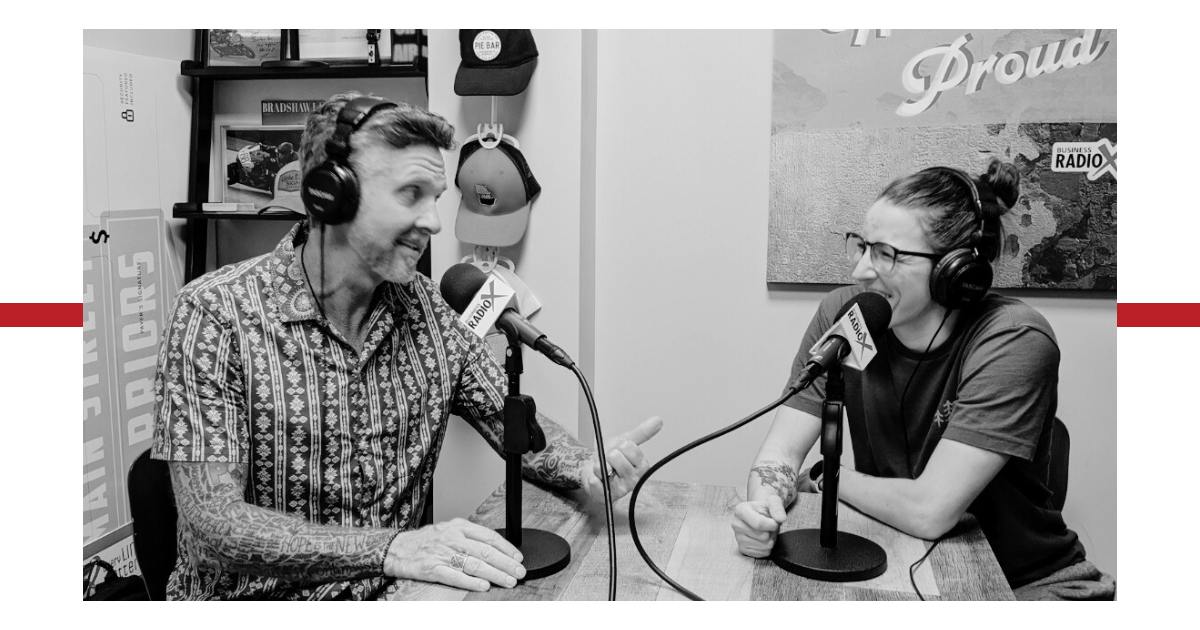
In this episode of High Velocity Careers, Host Stone Payton and Co-Host Tom Devaney, Executive Director of Kennesaw State University’s Executive MBA program, discuss the transformative impact of the program on students’ careers and personal lives.

Faculty members Dr. Marko Jocic and Dr. Preston Davis share their diverse career journeys and teaching philosophies. They emphasize the program’s focus on practical application, leadership development, and lifelong learning. The episode highlights success stories of students who redefined their career paths and achieved significant professional growth, underscoring the program’s commitment to fostering real-world skills and personal fulfillment.

Marko-JocicDr. Marko Jocic is a seasoned technical sales and marketing expert with 20 years of global experience in engine-driven equipment for power generation, marine, industrial, automotive, and aerospace/defense applications.

Originally from Miami Beach, Dr. Jocic earned his electrical engineering degree and doctorate in business administration from the University of Florida, proudly identifying himself as a Gator. He also has an International MBA from the University of South Carolina.

Throughout his career, Dr. Jocic has driven innovation and efficiency in various industries, working extensively with engines and industrial equipment. His expertise spans multiple roles and applications, showcasing his versatility and depth of knowledge.

In addition to his technical acumen, Dr. Jocic is highly skilled in research and data science, proficient in a range of tools including Tableau, SPSS, AMOS, Stata, Smart PLS, Python, SAS, SQL, Power BI, and Access. His analytical abilities enable him to transform complex data into actionable insights, benefiting both academic and professional settings.

Dr. Jocic has served as a part-time faculty member at UMass, Quinnipiac University, and Central Connecticut State University, teaching entrepreneurship, international business, and quantitative analytics. His research, published in the Journal of Small Business Management and the Journal of Managerial Development, focuses on entrepreneurship and strategy, innovation, and leadership.

At Kennesaw State University, Dr. Jocic leverages his extensive cross-functional and cross-border experience to educate future business leaders and consult for international family businesses. His practical industry knowledge and passion for teaching give students a unique perspective on marketing and sales as well as other areas such as supply chain, project, and process management.

Outside of his professional life, Dr. Jocic is a dedicated father to his sons Erik and Ivan. He enjoys biking and international travel in his spare time.

Connect with Dr. Jocic on LinkedIn.

Preston-DavisDr. Preston Davis is a Clinical Assistant Professor at the Coles College of Business at Kennesaw State University. An Atlanta native, he holds a Doctor of Business Administration (DBA) from Georgia State University, a Master of Accounting (MAcc) from the University of North Carolina, Chapel Hill, an MBA from the Georgia Institute of Technology, and a bachelor’s degree in business with a focus in Economics from Auburn University.

Preston is a serial entrepreneur, innovator, and multidisciplined operator with over twenty years of diverse experience, from founding and managing start-up companies to leading large international service firms. Most recently, he served as the CEO of a recreational retail company in the southeast, successfully exiting in 2020.

Before his current role, Dr. Davis was also an instructor at Georgia State University. His extensive background in both academia and business, combined with his practical knowledge and real-world experience, makes him an asset to the Coles College of Business. Additionally, Dr. Davis was once a drummer in a rock band, showcasing his diverse interests and talents.

With his entrepreneurial spirit and innovative approach to business, Dr. Davis continues to inspire and educate the next generation of business leaders.

Connect with Preston on LinkedIn.

About Our Co-Host

Thomas-DevaneyThomas F. Devaney, MBA, CPA, is the Executive Director of the EMBA Program and a Senior Lecturer of Accounting and Finance at Kennesaw State University. With over 30 years of experience in both public and private accounting, Tom brings a profound depth of knowledge to his role as an educator and leader.

Prior to academia, Tom had a distinguished 25+ year career in public accounting at the principal/partner level, serving small and mid-sized entities (SMEs) and affluent individuals. His extensive business consulting experience includes tax planning, preparation, and representation, mergers and acquisitions, business planning and development, transaction due diligence, and operational consulting. Additionally, Tom has broad experience in financial accounting and reporting, encompassing the design and implementation of management information systems, manufacturing and construction cost accounting, and budgeting and forecasting functions.

Tom earned his Bachelor of Science degree in Accounting from SUNY-Oswego and his MBA in Accounting from Kennesaw State University. He holds active CPA licenses in California, New York, and Georgia. He is a member of the American Institute of Certified Public Accountants (AICPA), the Institute of Management Accountants (IMA), and the Georgia Society of Certified Public Accountants (GSCPA).

As the founder and senior partner of Devaney & Associates, Tom has demonstrated leadership and a commitment to excellence in accounting. His professional journey and academic contributions make him an invaluable asset to Kennesaw State University and the broader accounting and finance community.

Connect with Tom on LinkedIn.

Transcript-iconThis transcript is machine transcribed by Sonix


TRANSCRIPT

Intro: Broadcasting live from the Business RadioX studios in Atlanta, Georgia, it’s time for High Velocity Careers. Brought to you by Kennesaw State University’s Executive MBA program, the accelerated degree program for working professionals looking to advance their career and enhance their leadership skills. For more information, go to kennesaw.edu/emba. Now, here’s your host.

Stone Payton: Welcome to High Velocity Careers. Stone Payton here with you this morning, and joining me as our co-host for today, Executive Director of the Kennesaw State University’s Executive MBA program, he’s also a Senior Lecturer of Accounting and Finance, Mr. Tom Devaney. How are you, man?

Tom Devaney: Doing great.

Stone Payton: Well, you’re looking great, particularly riding in on that new toy I saw this morning.

Tom Devaney: Yeah, that’s a little secret. Don’t tell the wife.

Stone Payton: Well, congratulations. Well, we have had designs on putting this series together now for some time. I’m so excited. Cannot think of a better way to kick it off. You’ve invited a couple of esteemed faculty members to join us. Who’d you bring with you today, man?

Tom Devaney: Well, I brought two of our dedicated faculty in the EMBA program, Dr. Marko Jocic and Dr. Preston Davis. Actually, James Preston, the third, Davis, I believe is correct. Right?

Preston Davis: Well, I’m still trying to get over the esteemed part of this.

Marko Jocic: Yeah. That’s right.

Stone Payton: Well, we’re delighted to have you, gentlemen. I’d like to ask you both, and I’ll ask you to respond one at a time, and we’ll start with you, Preston, the third. But I’d love to hear a little bit about the background. I’m fascinated by the career choice and always curious to know how does one end up being on the faculty of an institution like this. What’s the backstory, man?

Preston Davis: Yeah, I think it’s called barely getting out of undergrad. That’s what led me here. No. You know, I have, I guess, a somewhat nontraditional, I guess, path here. So originally, I always wanted to be a soldier in the military. So I was fortunate enough to go to West Point, but I only stayed for about a year and a half. Got to play football there. I always joke I was on the team, didn’t necessarily play football there but I was on the team. Left there, jumped around. I spent a couple of semesters at UVA and community college. Finally graduated from Auburn University; I think, barely making it out of there.

Preston Davis: I played in a band. I was a bartender, which is pretty interesting. So I actually toured in a band in the southeast for about a year and a half, maybe two years. Funny enough, one of the other members of the band finished his PhD at Georgia State and is a tenured professor now, so I don’t know, maybe music’s the way in.

Preston Davis: And then I just, you know, I got into the startup world, got to work for some kind of family-owned and venture-backed companies. I’ve gotten to work at one of the largest, you know, services firms in the world. And I always was a little disappointed with the way I ended up my undergrad So I went back to grad school. I went and got a master’s of accounting from UNC Chapel Hill, ended up getting an MBA from Georgia Tech.

Preston Davis: And then I just fell in love with academia right again. And so I reimagined this life, and it was always this part of my narrative or part of a story that I was always kind of a lifelong learner, but maybe a chip on my shoulder and had to continue to prove myself. And so I finally went back after selling a company kind of in the middle of the pandemic and decided to finish up my doctorate.

Preston Davis: And so I went into the DBA program at Georgia State. Fantastic, amazing experience. Had no intention originally of teaching. And they had an opportunity to kind of get certified in teaching. And I got to teach a few undergrad classes and started to fall in love with it, just the impact, the fulfillment that I was getting from it, and said, maybe this is really a path for me. Seemed to some extent that maybe people enjoyed when I was talking, which I still can’t get, still can’t figure that one out.

Preston Davis: But, you know, I had enough kind of life experiences to relate with a lot of the students, given kind of my whatever nontraditional background and some of the things that I’ve been through and that ability to connect, and just kind of witness the evolution of these people, it just really, truly inspired me. And so I said, you know, if I can actually finish this and graduate and finish my dissertation, maybe I’ll get a chance to teach somewhere and fortunate enough to, I guess, my resume came across Tom’s desk, and he decided he was willing to take a risk on me even before I finished.

Preston Davis: Got to teach a little bit in the MBA program before actually finishing my dissertation, and kind of fell in love with it, and it was really excited and got to meet an incredible person like Marko here that I think reinvigorated this idea of, you know, colleagues and working together and just research and everything that goes with it. And just the impact that they were making on the EMBA Associates was something I never dreamed to experience after just teaching undergrad and kind of talking to 18, 19, 20-year-olds.

Preston Davis: And so to see people that are already so successful and on their journey that I could inspire or help in any way, shape, or form at that level was just an incredible opportunity. I said, “Absolutely. If you’ll have me, I’m going to do this.” And so, fortunately, I graduated and got to start teaching.

Stone Payton: Well, it has to be. I’ve got to believe that it’s incredibly rewarding work. I mean, I can see it in your eyes. I can hear it in your voice. But what do you feel like you enjoy the most these days, now that you’ve been at it a little while?

Preston Davis: You know, I think it’s – we are very fortunate in the way that we have designed this program. The way it has been designed is that we have all these different modules. And so the exciting thing for me is that we get to be general practitioners in some sense. And so I get to teach a few different topics in the program, and it forces me to continue to learn. Right? It forces me to continue to go deeper and deeper into various topics as opposed to, “Hey, you are only going to teach econ. That’s all you’re going to do, that’s all you’re going to research. You’re going to be very narrow and you’ll be very deep.” That’s fantastic.

Preston Davis: Unfortunately, it doesn’t really match my style and my background. I’m all over the place. And so I’m like, “Hey, how about if I go pretty deep in like a bunch of different things? Can I do that?” And this gives that opportunity. And, you know, on top of that, I think it’s just watching and seeing the change happen to people that, you know, they already have kids and they’re already successful, they’re senior directors, they’re executives. I mean, they’re – I mean, really, really impressive people already on paper. And so to sit there and watch them continue to evolve and get better is remarkable, right?

Preston Davis: So, getting the experience that, you know, kind of live it with them and co-create their kind of next chapter is just incredibly rewarding, fulfilling. And so for me, that’s always kind of the most exciting part is going from day one when they do, you know, kind of their first presentations, because you can definitely see it in the presentations, and then to their last semester when they do their formal consulting presentation at the end of their 19 months. I mean, remarkable is the only word. I mean, it is really the transformation that occurs for people that you think how are you going to transform somebody that’s already at the top, you know, in a lot of cases.

Stone Payton: So, yeah. So, Tom, when you were looking at this resume that he mentioned, did anything leap off the page? What compelled you to at least reach out and have a conversation with the guy?

Tom Devaney: Oh, he undersold his resume and his experience. So what’s unique about our program – and it’s funny, we had launched 2024 this morning right before this, you know, big kick-off for the new school year and our new strategic plan, you know, and all the speakers were the highest officers in the university from the president down, they talked a lot about us, our roadmap to R2 and our research and the impact we’re making on society. And research is extremely important in institutions of higher education. But what’s unique about KSU is we are a teaching university as well. And that’s been our focus from when we were an infant. Right? And the faculty dedicated to the EMBA program are all practitioners. Okay.

Preston Davis: So Preston has a phenomenal background in running and managing businesses, taking startups and taking them through the VC funding stage, selling them to private equity groups, those types of things. So you’ll hear similar from Marko, very diverse backgrounds. Okay. Multiple degrees. You know, he downplayed him real quick. “Well, I got a master’s, you know, from Auburn. And then I got an MBA from Georgia Tech. Oh, and by the way, I got a PhD from Georgia State.” Right? That’s what I want in the classroom.

Tom Devaney: We’re dealing with executives or management level people, high potential individuals. Maybe they’re not there yet, but they’re on that path. Okay. And they don’t want professors who are coming in talking to them purely about research. They want to know how can I apply this at work tomorrow. What’s this? How is it relevant to me today? Okay. I got a team to lead. Or, I got a project that I got to get through to completion. Give me the tools to help me do that.

Preston Davis: And that’s what all the faculty does, Preston included. We’re all hands-on. I mean, if we’re not hands-on, all the faculty work in there, all of the dedicated faculty to KSU, we would hire emphasis on their consulting work outside of KSU than we do on their research. They do have to research. They have to publish. They have to keep their PhDs, okay, but they have to be relevant to the class. And that’s what makes them special.

Stone Payton: Yeah. Marko, I apologize, because I feel like Preston’s a pretty hard act to follow, but I would love to hear a little bit about your backstory, too.

Marko Jocic: I’ll do my best. Mine is a little bit different. I started out as an electrical engineer graduating from the University of Florida. After that, I worked about, wow, 10 to 15 years in varying capacities, moving through electrical engineering, design, customer service, program management for Fortune 500 companies like Oshkosh Truck Corporation and Cummins Inc.

Marko Jocic: I decided to get my MBA in international business at that time and started traveling the globe, eventually moving up to senior VP of marketing and sales for a multinational corporation. So I had facilities in China reporting to me as well as other locations all around the world.

Marko Jocic: After that, in between that, I got my doctorate in business administration from the University of Florida as well. So I’m a Gator twice. Funny enough. And, you know, just COVID hit, I was traveling a lot. My first son was born, and I had the opportunity to stay home a little bit. And I thought, hey, you know, this is an opportunity to really reinvent myself.

Marko Jocic: So I started teaching at UMass for a little while and absolutely loved teaching. It was undergrad, you know, meeting these students firsthand, really transforming their lives. Right? So it was a wake-up call for me that, hey, maybe, you know, life is not all about traveling the world and, you know, selling products everywhere you go. You know, it was maybe about something greater than that.

Marko Jocic: So I taught at UMass. Then I taught at Quinnipiac, then Central Connecticut State University. And then decided, you know what? I’m going to take the leap from corporate and teach full-time. So I started putting my resume out there. I was fortunate enough that Tom had a chance to look at my resume.

Marko Jocic: I remember interviewing from my car and still doing a pretty good job, you know, in between work and meetings and everything else. So it went well. I had the opportunity to come over here full-time as a clinical assistant professor and couldn’t have made a better choice by far.

Marko Jocic: So, you know, working with the staff, the faculty, with Preston, Tom, and everyone else in our program who are all highly, highly skilled is just, it’s an amazing experience. And then on top of that, you know, we get the chance to train leaders in the future, you know, which is a wonderful thing.

Marko Jocic: You know, even this recent meeting at Launch ’24, you know, we had – a student walked up to me, Martha Anderson, for example, who’s now going to be pursuing her PhD and was asking for a recommendation letter. So it’s just seeing that kind of transformation in our students. And it truly is an amazing experience when you see them, like, walk in day one, you know, being shy and nervous, you know, maybe coming in really inexperienced to, you know, being a leader and then leaving the program, being something that’s like awe-inspiring.

Marko Jocic: So that’s really what drew me to the program, drew me to being a teacher overall. And, you know, I couldn’t look back at going into the corporate world, although I still consult for international family businesses around the world, doing my marketing and sales thing and electrical engineering still, just to keep, you know, my edge in the industry. So it’s been an incredible experience and I wouldn’t give it up for the world.

Preston Davis: I just love what you said about the impact because the other thing I think about with our EMBA students, it’s like teaching undergrad versus grad, especially on the executive level, is like this idea of impact. And who’s going to have the greatest impact in an organization is these people that are managers, high performers, the leaders. Right? They’re going to be setting this tone.

Preston Davis: And so many people, I think, in corporate America, right, complain and there’s, there’s, there’s plenty of burnout. There’s all these things that happen and it’s like, “Oh, well, you know, the next generation is going to fix this.” And it’s like, “Well, no, they’re going to be the sufferers through this transformation.” It’s like, “Well, if we can start hitting people at the right level and change them so that they can change from the inside, right?” These are the decision-makers, right?

Preston Davis: So everything that we teach, I think is so awesome because the impact is real and like Tom mentioned, it’s like on Monday, right? I mean, we have students all the time that say, you know, again, we try to teach very pragmatic approaches to certain things. Like, I went in on Monday, I changed this and I’m going to tell you all about it in three weeks. And three weeks will come up and they said, “Hey, that didn’t work.” Or they’ll say, “My team’s performing at a level that I never thought they would.”

Marko Jocic: And so I think that this impact I think we relate to is that not only is it so rewarding, fulfilling to teach just generally. Right. I mean, any way to help and motivate and grow people. But then to realize that that impact is twofold, right? Because they’re going to go and they’re going to impact these organizations from the top down in a really meaningful way. And I think that, for me, is why I keep showing up and saying, hey, we’re making a difference.

Marko Jocic: Hundred percent. Not only that but it’s a really unique group of students or associates we should say when you get into the classroom, because all of them are leaders, they’re in different industries across, you know, all over Georgia as well as other areas you know now. So they get to share a lot of their experiences, their insights in the classroom. So it’s not just us teaching to them, it’s them teaching to us as well as to their peers. And it’s amazing when you look at the dynamics of this type of classroom compared to like your typical MBA graduate class or undergraduate, where, you know, they’re not bringing their experiences into the classroom, and we get that every single day. It really is amazing.

Preston Davis: Yeah, I always joke I’m just a facilitator, right, of knowledge and communication between each other because there’s no way I can compete with the level of wisdom and experience that’s in the room, right? I mean, there are so many decades, more years in that room.

Preston Davis: And I used to always joke with people about undergrad that, I mean, I really did – I had one and maybe a few people that are very passionate about the undergrad teaching. And I always joke that it just helps my anxiety out because when I walk in the room, I’m like, well, I probably know more than you, right? You’re 18 years old or something. Like, I’m going to learn. I’m going to learn something, but generally, I’m going to be – I’m going to be feeding a lot more than I’m going to be eating. Right?

Marko Jocic: So in this case, it’s like keeps us on our toes all the time, because anyone in that room can ask some of the most difficult questions. And a lot of times I have to say, “You know, that’s a great question. And I don’t know, but I’m going to find the right answer. I’m going to find the evidence that supports the best way to do something.”

Stone Payton: So is it – its ethos, its value system, its mindset. It must be curricula and structure, all of those things. But there are so many distinctions I’m picking up pretty quickly here in this and your more traditional MBA paths, right, Tom?

Tom Devaney: Yeah, we have a list of what we call our distinguishing characteristics, five or six bullet points, but the last three are my favorite. One is the dedicated faculty. And you have two of them here today that you’ll get a feel for the expertise and their commitment to changing lives and just moving forward and research learning but learning from students. Humble, okay, we walk into the classroom.

Tom Devaney: I teach accounting and finance. I’ll have a CFO in a class. Okay, I better be on my toes. I can’t be sitting here five years out of date because I’ll get called out, right? So same thing in all these multidisciplines. But we got the dedicated faculty. We have our focus on leadership and personal development. Because when we’re changing lives, we’re not just changing lives in the workplace. We’re changing lives across the board. Our students will tell us they’re better husbands, they’re better fathers, they’re better coaches. Okay. Because we put a lot of emphasis in our curriculum on their personal development, particularly their leadership skills.

Tom Devaney: And then what I love most is our applied integrated curriculum, which is pretty unique. They don’t take a class. They don’t take an accounting class for ten weeks. Listen to Professor Devaney talk for an hour, you know, three days a week, and they – good. I finished my accounting requirement. Now, let me take a marketing class, and they go to Marko’s class. And, “Oh, I’m finished with that. Let me go get an econ class from Professor Davis.”

Tom Devaney: We teach in little four-hour modules, okay, and over a theme for the weekend. And it’s very multidisciplined. So if we’re talking about a topic, we might be talking about the cultural changes that have to happen, bringing in some organizational behavior and change the finance aspects of it, using mergers and acquisitions as an example. Right?

Tom Devaney: If one company is going to acquire another, what do you need to know? Well, first, you got to know what am I going to pay for it. Okay. So I’ll teach a class on business valuation what that looks like and what models we use to to value a business. Someone else might talk about the cultural change. We’ll have organizational behavior people in there. People don’t like change. So how are you going to force that change, right? You don’t know if they’re going to resist you and they’re going to have fear, and those types of things. Right? And then, you know, your workforce integration and how are we going to integrate the workforce.

Tom Devaney: So we cover a bunch of different topics over a weekend in four-hour units that appear to just be random, but they’re not. The faculty works really hard. Last year, we probably put in 1000 hours redoing our curriculum, aligning every one of those hundred-plus units to make sure from the first one to the last one they build on each other and they’re all usable. And they demonstrate that in their final project. The final project, they go global and they do a consulting project for a real live company.

Stone Payton: Oh, wow!

Tom Devaney: And they get the data beforehand. And, you know, we’ve done consulting for ExxonMobil, and we’ve done consulting for little startups and little local breweries, you know, how to get them off the ground, how to go to market, how to go global, or, you know, go from Peru to get their product into America. And as Preston said, it’s just amazing to watch the transformation.

Tom Devaney: People used to ask me why I get so excited about teaching. I just love it. Okay. I fell into it by accident by the way, too, 15 years ago, practicing CPA my whole life, and I got asked to cover a class as a favor. I walked into a classroom once and never turned back. I’m like, I’m changing my career. That’s where I want to go. But I used to always say because we change lives.

Tom Devaney: So now, I get with the new vocabulary with our latest strategic plan where we transform lives. Did you catch that? So I can’t say we changed lives no more. Kennesaw State University is going to be transformational in the lives of our students moving forward. KSU is a really cool place and it’s really going places lately.

Marko Jocic: It is. Fast.

Stone Payton: So are you finding that as selective as you are in bringing together the right kind of faculty to pull all this off, are you finding that you’re equally selective in the students that you allow to participate in the program?

Tom Devaney: We are and we hold their students to pretty high standards. We are a teaming program, so it could be easy if we didn’t do it correctly for a few to slide through without really putting forth the effort or taking away from the program as much as they should. They’re making a serious investment. We owe it to them to make sure that they’re going to get the most out of it that they can. They’re making a serious time and financial commitment, and every once in a while someone will slide through the cracks and think they’re going to coast through. And we have, you know, very close monitoring of team feedback loops that is all automated faculty intervention or what have you.

Tom Devaney: So we’re pretty selective of who we get in because they have to go through a successful interview before they can even apply. So a lot of people ask, “Well, what’s your acceptance rate?” Our acceptance rate is really high because if you made it to an interview, you’ve already been – you’ve already been pretty well screened. We’ve already had your resumes. You’ve already been to an information session. My recruiting team has already searched your background. And, you know, we’re pretty comfortable you’re a good fit.

Tom Devaney: And what we really need to stress in those meetings is that this is a teaming program. There’s a lot of these individuals are high achievers, but they’re individual contributors, right? You can take a doctor and we have plenty of doctors go through the program.

Stone Payton: Oh, really?

Tom Devaney: Oh, yeah. You can take a doctor or someone who used to run his own practice or what have you, and they’re used to just being the boss and nobody questions them and they do their own thing and they’re brilliant. Don’t take me wrong. But they don’t belong in our program because our program is a teaming program. And you got to learn how to play nice in the playground. Okay. You got to leverage yourself. Okay.

Tom Devaney: So the interview process is really just that fit. Do you really fit?

Stone Payton: Yeah.

Tom Devaney: You know, do you have the DNA of our program or do you belong in a traditional MBA? Nothing wrong with that. Okay. We cater to a different market.

Stone Payton: Marko, walk me through a team coming to you on a given Saturday. What might they be doing on a Saturday in your room For the four hours?

Marko Jocic: Oh, good question. So our – it’s a really interactive weekend. So during those four hours, for example, we may lecture for 30, 40 minutes, then the teams will break out. They’ll do an interactive exercise like bringing in a case study or an example or a simulation or some kind of game or teaching us, you know, reverse role play kind of situation. So it really is an interactive environment.

Marko Jocic: So they’ll do that, have a quick break. So it’s kind of in these hour segments where they’re learning, interacting with their team. And then at the end of every semester, they do a cohesive presentation that basically summarizes all the functions they learned over that semester and brings it into a team presentation, where they walk it back through faculty and sometimes even to a broader audience. For instance, in the entrepreneurship semester, they’ll actually present a business plan to a group of venture capitalists in the room.

Stone Payton: Actual, actual VCs.

Marko Jocic: Actual VCs.

Stone Payton: Wow!

Marko Jocic: And a lot of businesses have actually started as a result of that assignment, believe it or not. So Peace Love and Pizza were graduates of Kennesaw State University and there’s many others. So it’s amazing, you know, seeing that transformation, seeing those business plan presentations and all the presentations they have in every single semester and just that camaraderie they develop, you know, the cohesiveness those teams have. And it starts off as, like, they don’t know each other, right? These are very diverse people we put on the teams purposely in terms of industry, background, and everything else.

Marko Jocic: And then by the end of the semester, you see this as a close-knit group that is meeting each other for, you know, weekends, parties, you know, events and they stay connected. You know, our network is fantastic in the Executive MBA group. The alumni all gather regularly. We have events that foster networking. You know, we have many students that hire students in the program depending on their level. So it’s a completely different experience than, you know, going for an online MBA where you may not know people in the cohort. In our program, you know everyone in this cohort plus the past cohorts. And it’s a completely unique experience.

Marko Jocic: So the team-based aspect is a key to it. But it’s also critical. They have to grade each other. They have to step up to the plate. You know, they have to address issues sometimes with teams and make sure that they’re all performing to a level that is admirable, and they do in the end.

Stone Payton: So, Preston, I have heard the phrase leadership skills come up a couple of times in this conversation, and I’ve read a few books and I feel like I could make a reasonably decent 15-minute talk to the rotary if I needed to next week. Is there a rubric? Are there some very specific leadership skills that you guys have your eyes on? Speak to that a little bit, and how you try to take them from point A to point B.

Preston Davis: You know what we do? I think a really good job here is that, you know, the self-actualization, the self-awareness is such a key point because until you get there, you really can’t grow or move forward. And so we have an amazing strategy and leadership, professor, right, that leads them through a path. We have an incredible kind of organizational management HR kind of professor that also helps with this, right? So we hit on EQ and all these all these various things.

Preston Davis: But, you know, ultimately it is something where we don’t necessarily take one stance and say, “Hey, here’s a framework and you have to use it,” right? So I think we do a pretty good job of saying, “Hey, not one medicine is going to cure everybody, right? Like, you got to try something different.” And so what we do is we present like, “Hey, here are three or four or five of, like, the main frameworks, the main leadership styles.”

Preston Davis: You know, we have probably too many assessments, right, that everybody gets to take and you get to know a lot about yourself, right, in a lot of different ways and maybe what leadership style might be best for you to use and all these other things. But it’s really taking them down this journey so that they can better understand who they are and be open-minded enough to say, okay, I’m going to reflect on kind of these different frameworks that are out there around leadership, right? Because everybody has, let’s say the one they’re passionate about.

Stone Payton: Sure, sure.

Preston Davis: But I don’t at all believe that the one that I tell you to use is going to be the one that makes you a great leader or whatever, right? So we gave them an opportunity to explore kind of the different ones and then really take and maybe even blend together different aspects of each one to create a style in which it works for them. Right?

Preston Davis: But I think, you know, fundamentally, at the end of the day, to do that, right, to get to a place where you can be a servant leader or an authentic leader or a transformational or transactional, whatever you want to look at it from a leadership style perspective, you really have to take this big step back and understand who you are, right? Go through this self-awareness process because without that you’ll never be able to fully have, like, the right types of empathy. You’ll never fully be able to be vulnerable.

Preston Davis: We talk a lot about psychological safety, right, in the program, and how do you achieve that. And we look at Amy Edmondson’s research. And obviously, you know, this is – I feel like it’s almost like a buzzword at this point. But, I mean, even all the Google reports that have come out about their highest performing teams and what do they all have in common, right? It’s like two things. I mean, really, it’s eight things. But the two big ones that we always talk about is one coaching, right, which is a huge part of the program. But the other one is psychological safety, right, and how do leaders do that. Right? And so we kind of like back into what does it take to create a psychologically safe environment in your team or your organization and what does that mean for you as a leader, and what do you have to be, and to get there, how do you get there, right? And we have a really incredible curriculum that takes you down that path by taking you deep into yourself. Right?

Preston Davis: And so I think that it’s an amazing process. And we just had kind of a new, a new hire that’s taking over from somebody that has been doing this for, what, last 18 or 19 years. And I think for a lot of associate students, that is the catalyst of the big transformational piece of the program, right?

Preston Davis: So we can just teach you business acumen. We can be any other MBA program. And like here’s the information. But to see a fundamental shift and change in your mindset, in the character of who you are, and building like these different silos of ethics and morals, and how does that relate to me as a leader and a company and what kind of company do I want to be involved with, I mean, we start asking really, really, really tough questions that force people to go deep and introspective and say, “All right, who am I?” Right? I mean, at the end of the day, you get into an education setting and you go, “Okay, I’m here because X, Y, Z. And I didn’t realize I’m here because of this other thing.” Right? And so I think it’s important to ask those questions. And we give an amazing roadmap for that through that leadership curriculum.

Stone Payton: With the focus on teams as strong as it is, there’s just no way you can pull this off without the faculty being an incredible team. Is that accurate, Tom?

Tom Devaney: That’s extremely accurate. Really, really, really fortunate there. I mean, these guys are rock stars, and we work as a team together really well. Okay. So, we don’t, we don’t silo. We tackled some really big projects last year. We’re getting ready to launch in September where we’ll be hyflex; students can attend remotely. We’ve never done that in the past.

Stone Payton: Okay.

Tom Devaney: And it’s important that we don’t lose this teaming aspect and the culture and everything else that develops face-to-face. So there’s a ton of work that’s going into being able to get to that point, and we feel that we’re not going to dilute the experience by having some students potentially attend remote.

Stone Payton: Yeah, yeah.

Tom Devaney: Okay. But we work together. We generally have a faculty meeting once a month. We are highly involved with every one of our students, the stage of where they’re at. Any problems we’re having, we discuss. We reach out to students who might be struggling. And, you know, life happens during the program. You know, people lose spouses or someone gets cancer or they lose a parent, or they have a baby, or they get married, or they get divorced, right? And they’re halfway through and their world is starting to fall apart, and they really need someone to come alongside them and pick them up and say, “You got this. You know, you’re three-quarters of the way through. It’s a cohort-based program. You know, we’ll support you. What do you need?” You know, they’re still going to perform for us, okay. But we’re not going to desert them. You know, the faculty is going to be all over it.

Tom Devaney: And our curriculum obviously, being that applied integrated curriculum, I have to know what Marko is teaching in the classroom. He has to know what I’m teaching. Preston has to know what we’re teaching. Okay. All our faculty have to. The last thing we want to do is we go in, and I’d say one thing is garbage. And Marko goes in and says, “This is the latest, greatest,” right?

Stone Payton: Yeah. Forget what Marko said.

Tom Devaney: Yeah. You know – so, you know, and that can easily happen if we weren’t on the same page. But my focus, most of the faculty, well, all of the faculty right now, I hired. I’ve been here 12 years. I hired all of you. I guess it’s time for me to –

Stone Payton: It’s all you, Tom.

Tom Devaney: No, I got lucky, I got lucky.

Preston Davis: I got lucky, too.

Stone Payton: Well, I really applaud your willingness to entertain. And it sounds like you’re actually doing it, implementing this hyflex model, particularly on the heels of such marvelous success with a model that works, but again, to the theme of this conversation to a large extent, everything you describe reflects what they are experiencing or may very well experience back in the field up to and including, trying to connect and build teams and try to get results with and through the voluntary cooperation and effort of other people. A lot of that’s got to be done remotely now. Right? So it’s all very, very real world.

Tom Devaney: And with a very global environment, a lot of these leaders are leading teams that are not local anyway.

Stone Payton: There you go.

Tom Devaney: So they need to learn these skills.

Stone Payton: Right, right.

Tom Devaney: And they need to be really efficient at it. You know, I think anyone today can fire up a Teams meeting. Right?

Stone Payton: Right.

Tom Devaney: I remember, what was it, April, February or March of 2020 when the university shut down and we were like, “We got to go online.” We had no tools back then. We didn’t have Teams. Teams didn’t exist. Right? In that day and age, the tools really didn’t exist yet.

Stone Payton: Right, right.

Tom Devaney: Okay. And now it’s common. Okay. And so it’s not just a one-on-one or four of us on a Teams call. We got to break out into Teams within that. Right? So when we have this remote and we send a team on a breakout, we got to be able to throw them all in a room by themselves and then bring them back in the classroom and have them feel like they’re alive in the classroom and we need to be able to interact with them. We need to see them and communicate. So it takes a lot of technology, a lot of investment. So we’re excited about it. I’m worried about it. Okay.

Stone Payton: And rightly so. Right?

Tom Devaney: I need to get a couple of weekends under my belt and then it goes flawless where I say, “Whew, breathe a big sigh of relief.” You know, we’ve been promising and committing this for a year and a half. And we got, what, a couple of months and we’re alive. Exciting.

Stone Payton: Oh, wow! So I’m sure there are a ton. But are there one or two student success stories that really stand out for you? And if it’s not appropriate, you don’t have to name names. But I would be interested to hear, and I think our listeners would too, about students who came in and were here and now they’re there, and it’s had a large impact on them going through this program.

Preston Davis: Yeah, I mean, I have one that comes to mind. I won’t use names and I won’t.

Stone Payton: Sure.

Preston Davis: I’ll speak in more generalities, I guess. But, yeah, I had a student, you know, come in and realize, oh, hey, if I want to move up, right, Fortune 500 company – it might have been Fortune 100 but Fortune 500 company for sure. It’s like, hey, if I want to move up this corporate ladder, I want to be, you know, the CSO or something along those lines, like, I need an MBA. I need to get this business acumen, not ever realizing what are all the other options out there, right?

Preston Davis: And so you go through this process that we talked about, getting really self-aware and getting really vulnerable with within yourself and really trying to reflect on, hey, what do you really want out of this life, and where do you want to be and where do you want to go? And not ever really realizing, hey, you know, there’s other ways as opposed to just, you know, climbing some generalized corporate ladder. And hey, now I know I’m going to make X dollars and keep moving up and kind of not being super happy with it. Right? Being fairly miserable with the experience of kind of big corporate America and trying to say, you know, what else is out there?

Preston Davis: And I remember kind of coaching and talking with this particular student and an incredible, I guess, gift of just opening up that they had kind of these different, let’s say, kind of recruiters reach out and everything else. But it was for a smaller kind of family enterprise, right? Big enough that they could, let’s say, afford, you know, someone of his quality and stature and all that kind of stuff, but never really would have considered that otherwise. Right?

Preston Davis: And then I was just recently able to meet with him, and he told me he took a vacation just recently. And so he moved. He took this – took this new role, got out of corporate America, kind of more family environment, smaller company, right, like sub 100 employees. Just incredible atmosphere. And he said, “I took the first vacation,” he said, “I can remember in probably 10 or 15 years where, one, I wasn’t just recovering from the burnout of every day of work,” and two, got to spend time with his family, his kids, his wife, really be there and present in the moment of being on that vacation. And three, he said, “After a few days, I was excited to come back.”

Preston Davis: Yes. He goes, I wanted to – he’s like, “I wasn’t thinking about and worrying about and thinking about work on the vacation because I was so miserable and all the stuff’s going to pile up and all the, you know, BS that’s going to happen,” all these things that are horrible, right, in the environment that he was in. He goes, “I was looking at emails and checking in just because I was so excited to come back on Monday.” Right. And he’s like, “You know, I had a whatever a whole week off or eight or nine days,” or whatever it was. He said, “When I got back,” he’s like, “I was just ready to go. Like I had more energy. I was excited. I didn’t need a vacation from my vacation, you know.”

Preston Davis: And I was like, that is a beautiful, transformational story to me because he was already an incredible, high achiever, easily could have stayed where he was, finished his MBA, probably gotten the next promotion to SVP or EVP or whatever of some sales, you know, in a Fortune 500 company with hundreds of reports and thinking that was the definition of success because that’s what he was around and in.

Preston Davis: And it’s like, well, that’s not – doesn’t have to be the definition of success, right? Like, you don’t have to have 500 people reporting you to be successful, right? Or you don’t have to have that logo on your resume to be successful, right? You can really get introspective again and figure out what does success mean to me. And is that time with family and financial security and time with my kids and ability to take a vacation and not freak out and be miserable and then have to recover from the vacation, from the vacation, right?

Marko Jocic: I mean – and he sat in my office and was just like – I mean, the look on his face, like said it all for me, right? It was just this moment of realization and this beautiful story where someone who, right, if they’d never, let’s say, come to the program, may have never gone through that kind of self-actualization to say I need to redefine what success looks like for me. And in doing so, he’s I think he’s making more money. Right? He’s happier. He’s enjoying his work, he’s taking vacations, and it’s not like he’s still in the honeymoon period of the role. It’s not like he’s one week into this thing. Right? And for the first time, it’s mapping out kind of the next decades of his life with a lot of excitement.

Preston Davis: And so I think for me, that was, sitting there and getting to hear him so passionately talk about this realization, I was like, this is – and it’s a credit to the program, credit to all the faculty. And I think it’s just opening up people’s eyes to those experiences. Yeah, it was just a beautiful moment for me to sit there and listen. I really just kind of got to take it all in as he, you know, kind of championed this narrative. I was like, “Oh, this is incredible.”

Stone Payton: Marko, I’m sure this isn’t an isolated case where people do, going through this process, choose to redefine success for themselves and maybe make some pretty substantial changes in their direction. Yeah?

Marko Jocic: Every single weekend, you know, we open up the class weekend with a welcome and an around-the-room. And during that time we get about, you know, three to four students in every single weekend announcing, promotions, announcing, you know, changes in jobs, changes in careers or changes in life. So it’s amazing just to come into the class.

Marko Jocic: I’m excited about teaching every single class week, and I go in just to hear the stories from the other students and where they’re going in the future, and we get to see it all over LinkedIn, you know, promotions, you know, congrats. And we see these people that came into the program even at lower levels, you know, analysts or whatever it may be that are quickly moving and progressing through their career as a result of this program. And it’s clearly linked to the program. I mean, during and immediately after, you can see how quickly the career progression moves. So it’s an amazing experience.

Stone Payton: I gotta believe it’s a gift that keeps on giving, though. Because I’ve been part of this cohort, I suspect I have a support system and people I can lean on for the balance of my career in life. Yeah?

Marko Jocic: Oh, of course. You can see the likes on LinkedIn. It’s a tight-knit group. Yeah.

Tom Devaney: Most of the teams stay connected and still meet once a month and share what’s going on in their lives or work in soliciting direction from their teammates, as well as faculty.

Tom Devaney: I get phone calls from students all the time. I mean, I get excited. I had a student years ago and a couple of years later he was pitching a launch of a whole new product to the board of directors of a huge Fortune 500 company. And as he was walking in for that presentation, he called Professor Devaney. He had a couple of questions real quick. He started questioning what was in his PowerPoint deck. Right? And we kind of walked through it.

Tom Devaney: So, there is – I can’t count the number of success stories. Okay. If you look in the lobby there, we see around Woodstock and around Canton, where we did a couple of spreads in some local magazines last month, and we highlighted our class scholar from 2023 who was the president of Huddle House. And he graduated from the program and he took the CEO position of Emmy Squared Pizza, which is a relatively new startup. They’ve been around a while, but they’re they’re going to explode through the country. And he’s been hired to do that.

Tom Devaney: And I talked to him and he’s traveling all the time. He’s in Florida looking at sites. He’s in Tennessee looking at sites. But he is so charged up and so excited about this opportunity to grow something national. And I mean, he’ll just – he’ll sing the praises of our program, like how we transformed his life, you know. And, Stone, I can spend five hours, example, example, example, example of people who have gotten huge promotions and will come back to me and say, this is solely because of this, and give me concrete examples.

Tom Devaney: My favorite, I’ll be quick. My favorite here is we had a student years ago, and she worked for a Fortune 500 company, and annually during the capital budgeting process, directors – she was a director – pitch what they want, capital investment-wise, in a forum with the CFO there and other leaders. And she got up and she pitched. She was running a call center and she pitched some big capital budgeting needs that she had. But she took it a step further because this happened a few weeks after her class with Capital Budgeting.

Tom Devaney: So now, she knew all these metrics so she did net present value, economic value added, ROI, you know. And when she was done, the CFO came up to her and said, “Wait a second. You were supposed to just present the ideas and what have you, and my finance department crunches all these numbers. How do you even know how to do that?” And she said, “Well, I’m finishing my Executive MBA.” Well, guess what, in about a month she was an executive vice president from a director.

Stone Payton: Well, certainly more individuals that are serious about pursuing this type of path need to know about this program. But who else in the community needs to know about this? Talent development people in middle and large-size organizations? Who do we need to get the word out to, and who do we need to have conversations with so that they understand what we have here?

Tom Devaney: Yeah, the talent development of big corporations, they don’t necessarily want to take alliance to any particular program or what have you.

Stone Payton: Okay.

Tom Devaney: You know, there’s great programs in Atlanta. I think ours is the best, obviously, but –

Stone Payton: Well, of course, it is. You have your own radio show. You got to be.

Tom Devaney: Yeah, but, you know, there are great opportunities and – but our alumni network inside those organizations is what becomes pretty powerful.

Stone Payton: I bet. Yeah.

Tom Devaney: Because, you know, if I’m your boss and you’re aspiring to get a promotion and you don’t have an MBA and you go talk to your leader, and, yeah, KSU’s EMBA program’s wonderful, you know. So our alumni is our strength. And that is our main recruiting tool.

Stone Payton: Okay.

Tom Devaney: Okay. It would be great if in the past – we ran this program solely for AT&T in the past, for many years before they – before AT&T was –

Stone Payton: Yeah.

Tom Devaney: And we did a doctor’s one many, many years ago. Okay. If we had a couple of the large Fortune 500 companies in Atlanta, talent development people identifying their high achieving individuals or high potential individuals and referring them to the program would be awesome. But we do it by doing what we do. Do it well, and let it speak for itself.

Preston Davis: I will say, though, that we did start where we are happy. Like, again, Marko and I or another faculty member will do kind of, I hate to use the term, the lunch and learn just because it’s overused, but we’ll come, we’ll come on the property.

Preston Davis: So like, hey, if you’re Home Depot and you can’t take a stance and say, hey, this program versus that one, well, don’t take that stance. But hey, how would you like, you know, a few professors from a great university come over and teach about, you know, giving and receiving feedback in the workplace and the most effective frameworks for that, right? Like, we can do that. And I think that’s a great way to maybe get in.

Preston Davis: So whoever’s over that, whether it’s the talent management people whatever, say, “Hey, wouldn’t you like a free opportunity to get, you know,” because I think every, every organization always is looking for leadership development or just employee development. We’ve done it a few times for some small organizations. It’s not like you have to be some Fortune 1000, right? I mean, you know, if we can get a couple dozen people or even a dozen people in a room and have a meaningful conversation where there’s a lot of great learning going on, I mean, that’s one.

Preston Davis: I think I’ve always looked at it from my perspective of, hey, we get paid by the university, right? These are more or less state funds. And so it’s our way of giving back to the community and saying, “Look, we’re here to support you.” This isn’t like, “Hey, you need to pay us some huge consulting fee to come in and do this.” No, this is in our capacity as conveyors of, you know, the University System of Georgia to provide some kind of free education and knowledge to, you know, help maybe fix something that’s going on in your business, right, and help certainly help develop people.

Stone Payton: I think that’s a marvelous idea. And I think that that’s a win for everyone involved, even people in the room who may not be even considering pursuing an executive MBA, but that provides value for everyone.

Stone Payton: So before we wrap, and I’ll start with you, Marko, but I’d love for all of you to to tap in on this. If we could leave our listener, particularly the listener who is beginning to entertain the idea of pursuing an Executive MBA or advancing their career, let’s just leave them with, I call them, pro tips, you know, just a couple a little bit of practical advice, I don’t know, maybe some do’s, maybe some don’ts, maybe something to read. But let’s leave them with a couple of pro tips as we wrap.

Marko Jocic: Oh, the biggest one I can say is just get it done. Do it now. Do it fast. Don’t wait. Don’t hesitate, you know. There’s no time like the present to take control of your life and take it to that next step.

Marko Jocic: And, you know, as dedicated faculty, we’re here to help you professionally, but also personally. You know, Tom can help you with your personal investments for sure. He definitely helped with mine, you know, through the program, just learning as an innocent bystander.

Marko Jocic: So, you know, take the plunge, don’t wait. Get it started, put in the effort, and it’s amazing the benefits you’ll get out of it. It’s one of those degrees that this is not just a piece of paper that you have on your wall. This is something that you will show every single day in your career on how it made a change in your life. So I say, just take the plunge.

Stone Payton: Got it. Preston?

Preston Davis: Yeah, I like it. That’s the one I would use is, you know, the stealing, the stealing, from Nike, right? Just do it.

Stone Payton: There you go.

Preston Davis: And, yeah. And so I second that wholeheartedly. And I think my point to this would be, is that obviously we want you to come to our program. But just in general, I think getting to, you know, a little bit more formal, formalized education, you know, as we all grow and grow older, I think it’s really, really critical for a lot of different reasons. And I will just say in terms of whether it’s some level of wisdom which I have very little of or just encouragement, is that anything worth doing is going to be tough, right?

Preston Davis: And I always joke that, right, you can’t have fire without friction. And so my thing is you do it and know that it’s going to be hard. And the beauty of it is that it is hard, right? That means you’re actually going to get something out of it. If you’re in a program and it’s just too easy, then you’re not doing enough. You’re not challenging yourself enough. So if you get into a program, and you should, 100%, I believe there’s really no bad way to go here. Just make sure that you’re creating that friction so that you do grow.

Tom Devaney: Yeah. Again, I would be third in line to say just do it because that is the most common thing we hear. Someone will interview, they’ll get accepted and something will happen and they’ll say, “Well, I’m going to wait till next year because I just got a promotion,” or, “I’m going to wait till next year because my wife’s pregnant. We’re going to have a baby.” Okay.

Tom Devaney: And we have people in our funnel, that have been in our funnel for four or five years, and they’re still actively talking to us. It’s not like we’re harassing them. You know, they’re actively talking with us, but it’s four or five years. They would have already had their return on investment and moved well ahead, okay, and gotten out of the way before those kids got a little bit older. And now they’re playing sports. And you know we’re a weekend program and you’re running them all over the place. You know, the quicker you get it done, you know, the better off you are. Number one.

Tom Devaney: Number two, my next thing and that’s already been harped on is just to be a lifelong learner, you know. And Preston said, you know, said that hey, if it ain’t here, get it somewhere, okay? Just don’t get stale, okay? The world is moving fast. We got to be on top of it. We got to stay current. We got to be relevant. Right? Just be a lifelong learner. If it’s in our program, great. If it’s somewhere else, great. Okay. Just don’t sit around and let the world pass you by because it’s going to happen. Yeah.

Stone Payton: Nicely said. All right. So what’s the first and next step for someone who does want to pursue this? Is there some sort of information-gathering process?

Tom Devaney: kennesaw.edu\emba. We have dedicated business development recruitment people who you will get ahold of when you follow that link. We are still enrolled for this fall that will start in September. The last day of this month is the deadline. Otherwise, you’re out another year.

Stone Payton: So do it now is real advice.

Tom Devaney: Do it now or we’ll see you in the cohort we’re recruiting in 2026. We’re going to – we’re going to kick off in October. We’ll have orientation in September. We’re going to kick off in October. By the way, we kick off at a very nice resort where we’ll be at Callaway Gardens for four days and get that team going right off the bat.

Stone Payton: It sounds like a remote broadcast opportunity to me. Marko, what do you think?

Marko Jocic: I think it’s a great idea. The international residency is quite nice.

Tom Devaney: Yeah. Yeah.

Stone Payton: Oh, gentlemen, this has been marvelous. I’ve learned a ton. I’ve thoroughly enjoyed the conversation. Your enthusiasm, your expertise, your insight, your perspective are incredibly valuable for the purposes of this conversation but I know for our listeners as well. Please keep up the work. You guys are doing incredibly important work, and we sure appreciate you.

Preston Davis: Thank you.

Tom Devaney: Thank you.

Stone Payton: All right, until next time. This is Stone Payton, from our co-host today, Tom Devaney, and our guests, Marko Jocic and Preston Davis, and everyone here at the Business RadioX family saying we’ll see you in the fast lane.


Tagged With: Executive MBA Program, Kennesaw State University, KSU

Valencia Giles, Director and Owner of Lawrenceville-Suwanee School of Music

August 9, 2024 by Garrett Ervin

Celebrating Powerhouse Women
Valencia Giles, Director and Owner of Lawrenceville-Suwanee School of Music
Loading
00:00 /
RSS Feed
Share
Link
Embed

Download file

Amanda Pearch and Valencia Giles

Celebrating Powerhouse Women salutes and recognizes women who are making an impact, whether it’s in business, philanthropy, public service, or elsewhere.

Valencia Giles/Lawrenceville-Suwanee School of Music

At the age of 7, Valencia’s father gave Valencia her first piano. She was so excited and enjoyed piano lessons like a little girl with a brand new doll. Little did she know the impact this gift would have on her life. Her elementary years were filled with music. By middle school, her second choice of instrument was the flute. Looking back, she realized that each band director in middle school, high school, and college appointed her as the director’s assistant. This path led her to the position she has today.

As the Director of the Lawrencevile-Suwanee School of Music (LSSM), she finds that her passion for teaching, assisting, and helping students has only grown. She loves what she does and she has a vision for every student who walks in the door. She is committed to making sure their musical beginning is filled with fun, quality instruction, and care. She is committed to hiring teachers that
are committed to the same goals of excellence.

Graduating with honors from Alabama A&M University with a double major in flute and piano was intense and rewarding. She is a member of the Music Teachers National Association (MTNA). She is the author of “Beaker’s House of Music,” a note theory curriculum; a recording artist for kids, and a composer. She is also a wife and mother of 3 wonderful children.

CLICK HERE to watch the video on YouTube.

Celebrating Powerhouse Women is presented by

Hosted by Amanda Pearch

Tagged With: amanda pearch, Celebrating Powerhouse Women, Lawrenceville-Suwanee School of Music, LSSM, music school, NEMA, powerhouse women, Sourced, Valencia Giles

Pre-Conference Prep: Hear from the WBEC-West Team

August 7, 2024 by angishields

Women in Motion
Women in Motion
Pre-Conference Prep: Hear from the WBEC-West Team
Loading
00:00 /
RSS Feed
Share
Link
Embed

Download file

In this episode of Women in Motion, Lee Kantor discusses the upcoming WBEC-West’s 21st Annual Procurement Conference with guests Jaymee Lomax and Vasanti Kumar, both Regional Vice Presidents at WBEC-West. Set for September 17-19 in Henderson, Nevada, the conference focuses on women-owned businesses. Jaymee highlights the event’s networking and educational opportunities, including workshops on AI and business growth, and Vasanti shares details about a pitch contest aimed at fostering innovation. The guests emphasize the importance of pre-conference preparation, building relationships, and maintaining an intimate setting to enhance networking. You can register here. 

Jaymee-LomaxJaymee Lomax is a Regional Vice President of WBEC-West, a regional partner of the Women’s Business Enterprise National Council (WBENC). WBEC-West is a coalition of corporations, Women Business Enterprises, and regionally focused women’s business organizations. As an affiliate organization, WBEC-West implements the certification standards of WBENC throughout Arizona, Colorado, Southern California, Utah, Wyoming, Nevada, Hawaii, and Guam and American Samoa. Jaymee oversees California, Colorado, Utah, Guam, and American Samoa.  WBENC certification is nationally recognized and accepted by more than 10,000 major corporations. WBEC-West supports corporations in their efforts to include WBENC Certified WBEs in their supplier diversity programs.

Previously, Jaymee was the Senior Diversity Advisor for San Diego Gas and Electric (SDG&E), a Sempra Energy utility. SDG&E is a regulated public utility that provides safe and reliable energy service to 3.4 million consumers through 1.4 million electric meters and more than 860,000 natural gas meters in San Diego and Orange counties. The utility’s service area spans 4,100 square miles.

Jaymee is committed to Supplier Diversity and is immensely proud to be a part of the WBEC-West team. She is responsible for impacting women-owned businesses in the community through education, networking, and community development. Jaymee works on enhancing relationships between corporations and WBEs, implementing outreach programs, and creating business opportunities for WBEs.

Jaymee has shared her expertise and knowledge with the community by serving on Executive Boards and committees for diverse organizations. She is an award-winning diversity professional who has received numerous awards and nominations in recognition of her support in the diversity arena, including:

  • 2023 SBA Women Advocate of the Year Award
  • Special Commendation by the City of San Diego (2024)
  • National Association of Women Business Owners (NAWBO) Nomination (2020,2021,2023 &2024)
  • Women of Excellence Advocate of the Year Award at the Diversity Professional 7th Annual Awards Ceremony 2024

Additional awards and accolades can be provided upon request.

Jaymee has been married for 32 years to Dr. Phillip Lomax, who served in the United States Navy for 22 years and holds a PhD in Education. Jaymee Lomax is dedicated to DEIB and continues to drive positive change and opportunities.

Vasanti-KumarVasanti Kumar, VP of Community Development & Engagement (Nevada, Arizona, Wyoming, & Hawaii)


Music Provided by M PATH MUSIC

Transcript-iconThis transcript is machine transcribed by Sonix


TRANSCRIPT

Intro: Broadcasting live from the Business RadioX Studios, it’s time for Women in Motion. Brought to you by WBEC-West. Join forces. Succeed together. Now, here’s your host.

Lee Kantor: Lee Kantor here. Another episode of Women in Motion and this is going to be a good one. But before we get started, it’s important to recognize our sponsor, WBEC-West. Without them, we couldn’t be sharing these important stories. Today on Women in Motion, we’ll be talking with Jaymee Lomax and Vasanti Kumar. They are the regional vice presidents of WBEC-West, and we are going to be focusing in on the upcoming WBEC-West 21st Annual Procurement Conference. Welcome.

Jaymee Lomax : Thank you for having us.

Lee Kantor: Well, I am so excited about this conference. Is there one of you who wants to share a little bit about what the conference is about?

Jaymee Lomax : Sure. So it’s the 21st WBEC-West Procurement Conference, and it’s going to be held in Henderson, Nevada, from September 17th through the 19th. And I just wanted to share just a few tips about the conference. Attending a conference, you know, it’s really vital for networking with industry leaders and peers. You know, these events provide a unique opportunity for meeting and connecting with key individuals who can become valuable contacts. And by engaging in conversation and exchanging business cards and building relationships, we can expand on our professional network, which again is crucial for our business growth and personal career advancement as well.

Lee Kantor: And so, what’s going to happen at the conference? I know there’s going to be networking. There’s going to be a lot of people there. But what are – or is there education? I know there’s networking. Is there matchmaking? What are some of the things that are going to be occurring at the conference?

Jaymee Lomax : Sure. Again, I can speak on this. This is Jaymee. So, our conference is going to offer, like, workshops. We’ll have training sessions that are designed to enhance the skills and the competence of our WBEs. And, you know, these are hands-on experiences allowing us to learn from new technologies, tools, and strategies, directly from experts contributing to the professional development and making us more effective in our roles. You know, we’re going to have workshops on AI. We have workshops on growing your business. We have financial workshops. We’ve got a lot going on and it’s very exciting, and a lot of interactive workshops as well.

Lee Kantor: Vasanti, is there anything that you’re looking forward to at the conference?

Vasanti Kumar: I get to host a pitch contest. So if you have a pitch that you’re going to present, we have some selected that have already put their applications in. So, there’ll be a whole series of that for them. And then there’s actually a prize at the end of it for them. So, I’m excited to be able to host that and be a part of that.

Lee Kantor: So now, at the event, it’s a three-day event, right?

Jaymee Lomax : Yeah. Correct.

Lee Kantor: It’s September 17th, 18th, and 19th, in Henderson, Nevada at the Westin Lake Spa and Resort. So, like, day one, is there something happening on day one that you’re excited about?

Jaymee Lomax : I don’t have a calendar in front of me.

Vasanti Kumar: Yeah, I don’t have it. I’m trying to –

Lee Kantor: So when you open the event, there’s just all the thousands of people are going to be there. Is there a kickoff of some kind? Is there something that is going to, you know, people should be thinking about doing on that first day?

Vasanti Kumar: Actually, we were keeping it very small, maybe about 3 to 400, so that it’s not overwhelming and that you actually get to talk to the corporations and you get to mingle with people and get to know people and meet other WBEs where if you have an overwhelming amount of people, then you don’t get that same feeling and you’re not able – you’re able to connect with the corporations that you came into and that you’ve paid that amount of money to come in and meet with people.

Vasanti Kumar: We wanted to keep it small and intimate. About under 400 people are about the approximate people that will be attending so that you get the equal time that you need to meet with corporations and meet with other people and relax a little bit and enjoy Las Vegas.

Vasanti Kumar: Henderson is about 45 minutes out of Las Vegas, so if you’re tempted to go to the casinos or anything like that, it’s not there. You’re actually there to focus. And it’s a great resort that it’s at so that it’s away from all the whoop and holler of Vegas. But then afterward you can relax and go back into Vegas and spend some time there.

Jaymee Lomax : Yeah. And, Lee, on day one I did – I do want to just note, like, we’re going to have a photo booth there, I believe. There’ll be a WBE to WBE corner so you’ll be able to meet with some of the other women-owned businesses as well. And then as she was talking about, we will have some pitch competition going on, and we will have an expo floor with all of our WBEs that decided to host an exhibit booth so they can share their product and services with our corporations and fellow WBEs.

Lee Kantor: So the event is a great way for WBEs to connect with corporates, but it’s also a great opportunity to connect and collaborate with other WBEs because they’re all, everybody be there in one place.

Vasanti Kumar: We’re also doing an interactive participation question and answers. We’re also having some survey questions that we can do quickly and have the results right away. So it’s very active. And that way you can pose your questions and then they’ll be answered and some interactive activities that we’ll have there, too.

Lee Kantor: Now –

Jaymee Lomax : Yeah. We’ve got – oh, I’m sorry. We have some great interactive things with the corporations and WBEs and I can’t share what those exactly are going to be, but they’re going to be fun and exciting.

Lee Kantor: Now, to prepare for a conference of this magnitude, is there any type of pre-conference, education that you’re providing so that people get the most out of it?

Jaymee Lomax : Yeah, absolutely. Really, to maximize the benefits of attending a conference, it’s crucial to plan your schedule in advance, you know, by reviewing the agenda, helping identify key sessions, workshops, networking opportunities that align with your goals. And we will start having a pre-conference event, which is the first one is August 9th. It’s a two-day series. It’s August 9th. You can go to the WBEC-West website and that’s wbec-west.com and it’s a pre-event that we put on. So we really teach you how to put a playbook together. And we actually will give you a template after you finish the workshop with us. But it really helps you to engage how to do some workshops and how to really prepare for the event to get the return on your investment. We help you research some of the corporations that are going to be there in attendance as well. We give you all kinds of great information.

Lee Kantor: Now –

Vasanti Kumar: Another thing, Lee, that I would say is to engage in your question and opportunity and, you know, when you’re going to get that opportunity, have your 90-second speech. Don’t go in with, you know, a five-minute, ten-minute presentation because the corporations don’t have that time and people only listen for about 90 seconds. So whatever it is that you need to present, practice that, practice it with your kids, or practice it with your husband or, you know, to get it down pact so that you have it and you’re confident and you’re strong in what you’re going to say. And that comes across when you’re talking to corporations or other WBEs.

Lee Kantor: So, now if I’m getting ready for this event and I’m preparing, so I want to kind of make a list of the corporates that I think are good fits for me, right, so I make sure I connect with them. I also want to make sure I get, I find the right education pieces that are appropriate for me, and I want to network with existing other WBEs out there that could also be good partners for me.

Lee Kantor: Doing this kind of pre-work, is that part of your webinar? Is that where you’re going to really help an attendee really get the most value out of the conference by putting together kind of a roadmap of what to do beforehand because you don’t want to just show up at this event and just think you’re going to wing it? You’re not – you’ll miss opportunities if you do that.

Jaymee Lomax : Yeah, absolutely. The playbook that we will be doing and, again, this is the two-part series is August 8th, I’m sorry, August 9th and August 22nd. We will help you get familiar with. And so let’s just say I’m making up a company but let’s just say you’re going to go after Sony Entertainment. We teach you how to go to the Sony Entertainment, go do some research, find out what they’re going to be procuring in the next 30 to 90 days, and then you come up with your value and proposition. You know, I know you all are doing such and such. This is how we can help benefit you and help you reach your goal by saving you time or bringing a value add.

Lee Kantor: Vasanti, do you have any other advice?

Vasanti Kumar: No, I think Jaymee’s hit it on the head. It’s just be direct. Be confident in what you’re saying because that portrays into what they are and have your questions and know about their business. What does Sony do? What is Sony looking for in the next 60 to 90 days?

Vasanti Kumar: Like Jaymee said, it’s very important that you give back information to them. Like, I saw this on your website and I saw this coming up. How can I participate in that? Or I have – this RFP is coming. How do I participate in that? That makes them, the corporation, understand that hey, she did her research. She did her homework. She didn’t just come up and say, where’s the where’s the RFP? I like it. I like to participate. You already know what you’re looking for and where your goals are. So it’s very aligned with what Jaymee just said.

Jaymee Lomax : And, Lee, I’d like to add something, too. So if you’re preparing for that 30, 60, or 90-second pitch or if you have your capability statement, which is very important, when you go up to a corporation or when you’re preparing to go to your corporation, what I tell folks to do is take that capability statement and ask your friend that is not in your industry at all, if they were to view your capability statement, if they understand what you do. A lot of people put a lot of verbiage together that is for those that are in that field only.

Jaymee Lomax : Most of the time when you’re going to conferences, you’re normally not meeting the expert specifically in your industry. For instance, supplier diversity professionals, their job is to find out what opportunities are up and coming in their corporation, and it’s their job to go out and to find companies that fit that need. But that supplier diversity expert might not be an expert in that specific industry.

Jaymee Lomax : For instance, my expertise is in construction, but let’s just say the company is looking for IT. So that person that I’m meeting with that is in IT, they need to be able to speak to me. I call it Hasbro language. They all need to be able to explain to me exactly what their business does, so I truly understand it so then I can take that information and go back in-house and share it with my colleagues and make that connection and that introduction.

Jaymee Lomax : So it’s really important for people to know. Ninety percent of the time when you’re going to a conference, the person that you’re meeting with at that corporation is not the expert in your specific industry. Your job is to make sure they understand clearly what you do, so they can share that information internally with their internal clients, with the corporation that they work for.

Lee Kantor: Now, do you do either of you or both of you have any stories you can share about maybe folks who have gone through a conference in the past and gotten a good result?

Jaymee Lomax : Oh, we’ve had lots of – so my background, actually, I’m a supplier diversity expert by trade. I’ve been doing that for over 20 years. So I’ve got some great successes that have come out of corporations when a woman-owned business can come up to you and very clearly explain what their business is and what the benefits are for your corporation and they separate themselves from everyone else.

Jaymee Lomax : For instance, we know there are a lot of IT companies that are out there as part of professional cannot introduce all of those corporations to you all of those IT folks to their internal clients. So you have to be able to clearly state what you’re able to do. So I’ve had IT companies that have come up to me and just said, you know, normally when there’s a cybersecurity issue at risk, you know, normally it takes, you know, maybe it’s 24 hours to fix this certain item. My company can do it in ten hours. Now, that’s already separated you from all the other IT cybersecurity folks that I’ve met. So I would take your information in-house and turn it into my internal client at my corporation. So you have to really be able to explain what your value add is. It’s very, very, very important. Or you’ll need to be – it’s important for you to share your success stories.

Jaymee Lomax : But, you know, we’ve had a woman-owned business that had a phenomenal product and they came across one of the companies. She was actually asked to be on Shark Tank. We’ve had some folks that had some ad hoc corporation that wasn’t really going out to bid on this but it was something that they found out that they needed. And so a lot of corporations have what are called keycards so they can just purchase from you. If the keycard is $50,000 or less, they might be able just to purchase from you right then and there, and it doesn’t have to go out through an RFP. That happens a lot in a conference. And at a conference as well, one of the supplier diversity professionals might have met someone that they potentially can’t do any business with because they don’t have a need right now in their company, but they know a fellow supplier diversity professional that does have this need. And so they will do that soft introduction. And we’ve had a lot of successes with that as well.

Vasanti Kumar: I just want to add, to piggyback on what Jaymee said, Lee, this conference is planting the seed and you may not have success right away, but it’s about building trust and integrity and respect. And trust is key to corporations and businesses doing business with you. Just like I said to some people last week, if you were getting your hair done, you would go by somebody else’s recommendation and you wouldn’t just go in a hairdresser and get your hair dyed by somebody that you didn’t know. So that’s the same thing with corporations and doing business.

Vasanti Kumar: You have to build that trust. And sometimes it’s coming in front of them three or four times and they don’t give up. Like, don’t get that I didn’t have any success. It’s planting that seed. And as Jaymee said previously, they may not have a need for what you’re offering at this point, but maybe six months down the road, they remembered you because they had a conversation with you. Something was unique about you. You did something, like Jaymee said earlier, that you did something in ten hours versus everybody else doing it in 15 hours. You said something to them that they will remember you and say, you know what, and check in with them and check in and say, hey, I’m just checking in once a month just to check on. And it’s building that relationship. And then that’s what this conference is about, it’s putting you in front of corporations, putting you in front of other WBEs that can help you and guide you and move you to the next level. But it’s again building trust about it.

Lee Kantor: Now, is there an opportunity for folks to build relationships and meet new people and find other partners, collaborators in, like, kind of a less businessy way? Or is everything kind of, like you said, a pitch contest, or is there like more informal kind of opportunities to get to know folks?

Vasanti Kumar: I think there’s some happy hours and – sorry. Go ahead, Jaymee.

Jaymee Lomax : No, please go ahead. I’m sorry.

Vasanti Kumar: There’s some happy hours and some other events that are, at the end of the day, just to make it fun, there is different – there’s some different ideas that we have going on, and we want to surprise you with them. But there are some events. This is Vegas, of course, Lee. So we want to make it fun and we want to make it exciting not just to come to some boring conference, but we want to make it exciting and fun, but also beneficial for you and your time that you’re spending there.

Lee Kantor: Now is there –

Jaymee Lomax : And I’d like to add –

Lee Kantor: Go ahead.

Jaymee Lomax : I’d like to add to that. I’m sorry.

Lee Kantor: Go, please.

Jaymee Lomax : So, during these pre-conferences as well that we do and we’re talking to our WBEs about really how to get the ROI on their business, we talk about making sure that you’re active and engaged. You know, sometimes people get a little uncomfortable if they’re at a conference by themselves and they want to go back to their room because they’re uncomfortable. What we try and do at these pre-conference events is we try to connect all of the ways that dial in, that are really interested in really understanding the best way of getting the return on their investment, and we try to connect them together so you never feel alone.

Jaymee Lomax : We also do a great job of making sure you’re aware of the forum leaders in your different states, and all of our forum leaders can be identified. They’ll be wearing purple scarves. And so if you see someone walking around wearing a purple scarf as a WBE, you know, you can go to them and ask them some questions, talk to them, find out what state they are. Our goal with our forum leaders and with ourselves are to make sure that everyone feels included and engaged and never feels alone.

Vasanti Kumar: Yes.

Lee Kantor: Now, is that a good strategy to kind of attack a conference like this is to kind of go with a buddy or a few folks that, you know, that you can hang out that way you’re never alone like you were saying, and then you can kind of tag team some things?

Jaymee Lomax : Yeah. Actually, it works fantastic. So we have some really phenomenal women-owned businesses and what they will do is while we’re doing it like a virtual meeting, they will put their contact information in chat. And then what normally will happen, it’s so phenomenal, is they will get together and start a Groupme chat. And again, they’ve only met virtually. Some might know each other, but the vast majority have only met virtually, but they now have each other’s contact information.

Jaymee Lomax : So for instance, if there’s a break and someone’s running to Starbucks or someone is going off-site to dinner because there’s not a dinner or something, they’ll put in the group chat like, hey, there’s a couple of us that are going to go to Denver – dinner at such and such place. Would anyone like to join us? And so now those like, hey, I would love to join you. So it really allows a great way of them staying engaged with one another.

Jaymee Lomax : So, the pre-conference event is really – it’s phenomenal. And it really puts some of our WBEs together. But we do welcome receptions and everything else. And Dr. Pamela has done a great job to make sure that we make sure everyone is included. So you will see her staff and her employees running around and mingling and meeting WBEs and doing a lot of introductions as well.

Lee Kantor: And then, there’s still time to register. Is there still time to, like if you wanted to be a sponsor or have a table, is there still time for those activities as well?

Jaymee Lomax : I believe there is. Those opportunities for sponsorship and registration are still open. There will not be any on-site registration, however, so you need to make sure you register in advance. So the information will be out there on our website. And again, that’s wbec-west.com.

Lee Kantor: And the event is from September 17th through 19th in Henderson, Nevada. Thank you both for sharing your insight into this important event. And it’s really important. For folks who want to attend, you better sign up because like you said, there’s no on-site sign-up. So, the time is now.

Vasanti Kumar: Thank you, Lee.

Jaymee Lomax : Absolutely.

Lee Kantor: All right. Well, thank you both again. And we look forward to seeing you all at the event on September 17th through 19th, the 21st Annual Procurement Conference for WBEC-West. This is Lee Kantor. We’ll see you all next time on Women in Motion.


Tagged With: WBEC-West's 21st Annual Procurement Conference, WBEC-West's Procurement Conference

A Toast to Resilience: Debbie Medina-Gach’s Tequila Journey

August 6, 2024 by angishields

WIM-Debbie-Medina-Gach-Feature
Women in Motion
A Toast to Resilience: Debbie Medina-Gach's Tequila Journey
Loading
00:00 /
RSS Feed
Share
Link
Embed

Download file

In this episode of Women in Motion, Lee Kantor is joined by Debbie Medina-Gach, founder of Señor Rio Tequila. Debbie shares her journey of starting the artisanal tequila brand with her late husband, Jonathan, inspired by a heartfelt reunion with her father. She discusses the challenges of self-distribution, maintaining traditional production methods, and navigating the competitive alcohol industry. Debbie also highlights her partnership with actor Joe Mantegna and her philanthropic efforts through the We Care Crusade. Her story emphasizes perseverance, community support, and the importance of believing in oneself.

Debbie-Medina-GachDebbie Medina-Gach, Co-Founder and CEO of Jalisco International Import, Inc., is a trailblazing figure in the tequila industry.

Her brand, Señor Rio Tequila, co-founded with her late husband in 2007, stands as an epitome of quality and craftsmanship.

With over two decades in Banking and Real Estate, Debbie’s transition to entrepreneurship was driven by a desire to connect with families. Despite her professional success, she remains grounded in her values, shaped by a challenging upbringing.

Motivated by personal experiences, Debbie founded the We Care Crusade to support children and families facing conditions like those of her twin granddaughters who have special needs and are her heroes. Senor-Rio-Tequila-logo

Through her work and philanthropy, she champions diversity, inclusion, and equity. A proud baby boomer and widow, Debbie cherishes family time and values personal connections, embodying a life dedicated to community welfare.

Connect with Debbie on LinkedIn, and follow Señor Rio Tequila on X and Facebook.

Music Provided by M PATH MUSIC

Transcript-iconThis transcript is machine transcribed by Sonix


TRANSCRIPT

Intro: Broadcasting live from the Business RadioX Studios, it’s time for Women In Motion. Brought to you by WBEC-West. Join forces. Succeed together. Now, here’s your host.

Lee Kantor: Lee Kantor here, another episode of Women In Motion and this is going to be a good one. But before we get started, it’s important to recognize our sponsor, WBEC-West. Without them, we couldn’t be sharing these important stories. Today on Women In Motion, we have Debbie Medina-Gach with Senor Rio Tequila. Welcome.

Debbie Medina-Gach: Hi. Thank you for having me. This is exciting.

Lee Kantor: Well, it’s exciting for me. I’m so excited to learn what you’re up to. Tell us about Senor Rio.

Debbie Medina-Gach: Well, Senor Rio Tequila is actually celebrating 15 years on the market. And it’s a small batch boutique artisanal tequila that I started with my late husband, Jonathan. And we dedicate it to my father, Senor Rio.

Debbie Medina-Gach: And there’s not many brands out there that are locally owned and operated in Arizona, and we’re kind of the small guy among all these big, big, big brands that are owned by national corporations. But people like it. It’s great tequila. It’s all natural. And we basically have been growing the old fashioned way one bottle at a time, one person at a time on two factors, which are taste and presentation. And the brand is only available at one retail store called Total Wine & More, and that’s nationwide where spirits are sold.

Lee Kantor: So, what’s your backstory like? How does one get in the tequila business?

Debbie Medina-Gach: Oh, it’s quite a story. You know, you ever hear sometimes things happen because of fate? I’m from Chicago originally, and moved to Arizona for the sunshine, didn’t want to shovel snow anymore. And Jonathan, who was my husband, but we were dating at first – anyway, we met here in the desert, and I had told him that I received a phone call from my father, who was living in Mexico that I had not seen in 30 years. And he was kind of like, “Oh, my gosh. What are you going to do?” And I said, “Well, he wants to see me, but I don’t know. I’m kind of on the fence. I don’t know if I really want to go down and see him. He’s a little bit late.” And he says, “Well, you know my dad passed when I was young and maybe your dad’s sick and you should go,” and he was encouraging. And I said, “Well, why don’t you come with me?”

Debbie Medina-Gach: So, we traveled to Mexico to see my dad, and it was a bit of an emotional reunion, as you can imagine. And during that time, we were together to break the ice, he said, “[Foreign language] tequila?” Would you like tequila? Well, yeah, we’re in Mexico. So, we sat at the kitchen table and it was right then and there that he pulled out this bottle with no label, very simple bottle, and three glasses and started pouring it. And we sipped this tequila, and as we sipped, I don’t know if you know this, but tequila helps you talk a little bit more. And we opened up and shared our stories about our lives and got to know one another and finished the entire bottle.

Debbie Medina-Gach: The next day, we didn’t have a headache or hangover, and he said, “Well, it’s because how I make it. It’s all natural. It was a process that went back three generations in our family.” Well, I didn’t know this. And so, I had this crazy idea. When Jonathan and I came back to Arizona, we thought maybe we could do this. Maybe we could bring this tequila recipe process to the market. And we really didn’t have any experience in the alcohol industry, but just believed that this was something we wanted to share.

Debbie Medina-Gach: So, we took a big leap of faith and brought it out in 2009. And it was 2006 when I reunited with my dad. So, that’s kind of the story in a nutshell. When people ask me, “Hey, Deb. How did you get in the tequila biz?” I have to go in and share that I went to Mexico to see my dad, and through that, decided to take this process and bring it out.

Lee Kantor: So, when you decided to do this and you’re back in Arizona, how do you even start making tequila? I mean, do you go on YouTube?

Debbie Medina-Gach: Very good question.

Lee Kantor: Was YouTube there at the time?

Debbie Medina-Gach: Yes, YouTube is there. However, my dad had a small distillery but never had the means or desire to bring this tequila to the market so he could not produce this in any type of mass production. What we then did was started researching distilleries in Mexico that we could go down and talk to and work with, perhaps, that they could produce the tequila for us. And most of the distilleries, they’re very happy to see us because they said, “Oh. Yeah, yeah. We can sell you this and we can add a little vanilla and we can do this.” But we said, “No. No. We want it done the way my dad was making it, the traditional way, and we don’t want to have any additives.”

Debbie Medina-Gach: And, you know, we went on to how we wanted it. And we came upon a distillery right in the town of Tequila, Mexico, which is in Jalisco near Guadalajara, that said we understand what you’re looking for and we can help you. So, all our agaves are single estate, matured 8 to 12 years, nothing artificial is in it, even the yeast comes from the honey of the plant. So, anyway, followed this process with the distillery to make this tequila how we were going to age it, what type of barrels, and started to get this ready. It was almost like the birth of a baby.

Lee Kantor: So then, the partner you needed, it was more than just ingredients. It’s the whole methodology, right? Like you were trying to stay true to the way that your dad was doing it.

Debbie Medina-Gach: Yes. Yes. And so, we have a partnership with the distillery that produces the tequila. We go down there every time we do a new batch, bottle it, bring it up by truck to our warehouse here in Phoenix, Arizona. And this has been how we do business for the last 15 years.

Debbie Medina-Gach: Now, we had to, you know, come up with a logo which was from an old photograph of my dad. It has a picture of a man with a hat, almost like a silhouette, and it’s kind of etched into the bottle. The name Senor Rio, which means Mr. River is my dad’s nickname. Instead of Senor Rivera, which is my maiden name, they called him Senor Rio for short. So, we wanted to pay tribute and dedicate this tequila to him, because had I not gone down there to reunite with him, there’s no way in this world I’d probably be in the tequila business.

Lee Kantor: Right. Like it wasn’t on the radar of your radar. Like, this was just fate, like you said.

Debbie Medina-Gach: Yeah, truly. And so, we had a lot of bumps along the way. And as you can imagine, being the small guy, we were self-distributing. So, once we had everything in line and our first delivery came up and we had a little warehouse in Gilbert, Arizona, we grabbed our suitcases and just hit the streets. And I’d walk into establishments, restaurants and bars and liquor stores and strip clubs and nightclubs and casinos and resorts and say, “Hey, how are you today? Who does your ordering of alcohol? Because I’ve got something I want to show you.” And, really, it was the door to door salesman that I became and Jonathan making these small sales until eventually we formed a partnership with Total Wine & More.

Lee Kantor: And I don’t know what it’s like in Arizona, but I know in some states it’s tricky, like the distributor, you can’t just create a liquor and go door to door in a lot of places. Like you have to have a distributor. Aren’t there a lot of rules in this industry?

Debbie Medina-Gach: Yes. Every state varies with their laws, and it’s a three tier process. Usually it’s producer, distributor, and then retailer, so those are your three channels that you go through. Now, we are the producer even though it’s produced in Mexico, but we’re able to have a distributor’s license when we started. And so, it was doing that distribution where we opened up accounts.

Debbie Medina-Gach: And then, eventually, we did get a smaller distributor to help us because it just became so much work to go out and make the sales and do the deliveries, and put the events together, and do the tastings. It was just nonstop. But, yes, you’re right, you have to go through different channels of the legalities to have that done.

Lee Kantor: Now, was this something as kind of a side hustle or was this something that you were like, “Okay. We’re all in. We’re putting all our chips on the table here and we’re going to go boldly forward.”

Debbie Medina-Gach: Well, you know, you heard of this guy called Evel Knievel that was just always like I’m going to take this and go with it. So, we kind of Evel Knievel it. We were all in immediately. This wasn’t something that we could do part-time or as a side hustle because building a brand takes a lot of time, a lot of effort, a lot of money. And together, we became what they called love in a bottle because we were this couple out there promoting our tequila, and people embraced us because they liked that we were a little bit of an underdog.

Lee Kantor: Now, any advice for other people kind of going through the same thing? If you could do it over again, would you go that route?

Debbie Medina-Gach: That’s a very good question. I have to say that I’ve learned a lot in the industry being in it for 15 years. We did everything the hard way in a sense. Perhaps it would have been better to have a big distributor and just go that route in the beginning. But at the time, we weren’t doing that. We were doing the self-distribution. And we weren’t making it in mass production, so we started very small.

Debbie Medina-Gach: I don’t know, the alcohol industry is a very competitive industry, and you’re in an arena of a lot of big brands. And the fact that we’ve survived 15 years, I don’t know if a small brand coming out today would be able to do that.

Lee Kantor: Without having some sort of connections or some —

Debbie Medina-Gach: Yes. Yes. Because, you know, there’s a lot of celebrities getting involved now. Years ago, celebrities, they used to do fragrances. You’d see all these fragrances [inaudible]. But now they saw that the alcohol industry is really booming, and so a lot of celebrities have jumped on that bandwagon and have their brands.

Lee Kantor: And then, you have a celebrity in your brand now, right?

Debbie Medina-Gach: So, about a year ago and I’ll back it up a little bit more. In 2013, my dad passed, and he wasn’t that much involved in the company, but he was very proud of us for following this process. And then, in 2018, my husband, Jonathan, passed. And so, I was running the company single handedly. I love it, every aspect of it. And it was getting to be a bit much. I’m also a grandmother of seven and I believe in family first, but at the same time I thought, “Gosh. I really need someone to help me grow this business a little more.”

Debbie Medina-Gach: And as fate would have it, a mutual friend introduced me to Mr. Joe Mantegna, who is a well-known celebrity for his acting career and so many other things that he’s involved in, and we connected. When I explained to him what I was doing and what Senor Rio was about, he just thought, “Wow. You know what? I don’t get involved with many things, but I believe in you. I like your tequila. And you just got to meet my wife.” I said okay. And so, yes, Joe Mantegna is now co-owner/my business partner a little over a year now in business.

Lee Kantor: Now, were you seeking a celebrity out or that, again, was just kind of fate, you know, waving its magic wand?

Debbie Medina-Gach: I believe it was fate. Because when I sat with Joe and he’s from Chicago, I’m from Chicago – and also I didn’t go into how, during COVID when I wasn’t able to be out in the stores sampling customers and really creating awareness, I was home like most people, I started a nonprofit because two of my granddaughters, which are identical twins, have special needs and that’s where my heart is. And I felt, you know what? I really want to support the families that have children with special needs.

Debbie Medina-Gach: So, We Care Crusade was founded, and we are a small nonprofit that for every bottle of tequila that’s sold, a dollar goes into We Care Crusade. And we literally call up families in need that are nominated or that go onto our website and we help them financially. And when I told Joe, “Oh, yeah. Another thing is not only do we make the tequila and sell the tequila, but my heart is in We Care Crusade.” And I really want to build this foundation. I want to help as many families as we can. And we’re doing it one child, one family at a time. And he looked at me and he goes, “So then, we’re tequila with a cause.” I said, yeah.

Debbie Medina-Gach: And that was also another reason why I think he was so interested, because he thought, wow, she wants to continue to help families through this tequila. And he has a daughter that’s autistic, so he understands the world of having a child that does have special needs.

Lee Kantor: Now, having a brand that also is kind of building a community around it, that’s really a noble cause and it elevates the brand and it helps you differentiate. That sounds like, again, I don’t think you developed this in that manner. It just kind of came together organically of just the person you are. Is that how that happened?

Debbie Medina-Gach: Yes. I mean, again, I didn’t expect to start a tequila company and run it. I didn’t expect to really have this foundation, but everything just kind of fell into place and seemed like the right thing to do. And I truly do believe that, you know, there are blessings all around us, and we have to look at every opportunity that comes our way because we don’t know what that’s going to lead to.

Lee Kantor: And to be open to that, really, it’s a great inspirational story because a lot of people, opportunities all around them, they’re just not kind of going for it. They’re not seeing it as opportunity.

Debbie Medina-Gach: Yeah. I think a lot of us have fear, which I have to. There’s days I go, “Oh. I hope people still like my tequila.” But at the same time it’s believing in yourself and what really matters, and doing the work, you have to constantly be proactive to make things happen.

Lee Kantor: Now, can you share a little bit about why you decided to get involved with WBEC-West?

Debbie Medina-Gach: Well, being a small business owner and I wanted to get some certifications for the company and the brand. And being minority- owned, Mexican descent and women-owned, I thought other brands are doing that. And also to meet other people that are in business and see how we can learn from one another or how we can help each other. It’s always, What can I do for you? It’s just a sense of community.

Debbie Medina-Gach: I haven’t been real active in it because I’m so busy with growing the tequila brand, and the nonprofit, and the grandkids, but I hope to do more. And I just felt that it was something that I wanted to be a part of. So, yes, I’m honored to have WBEC as part of my business too.

Lee Kantor: Now, can you talk about your ideal customer? Are you mainly communicating with the end user, the person who goes into a Total Wine and then buys the tequila? Or is it still looking for partnerships with the bars and restaurants and those type of resellers?

Debbie Medina-Gach: Well, it is only available at Total Wine & More, so when we agree to become what’s called the Spirits Direct Partner, we relinquished all relationships with other businesses. And so, it is sold only at Total Wine & More stores. So, my connection is obviously with the stores, educating the team, getting to know the management, creating the awareness.

Debbie Medina-Gach: But mostly it’s at the store, kind of like the Snapple lady would be, like “Here you are. Here’s a little taste of my Snapple.” But I’m going “Here you are. Would you like a little taste of the tequila?” So, it’s sampling the tequila, and they don’t even know who I am. I just sometimes smile and say, “Oh, yeah. I’m just an older promo girl. Which one did you like best?” And then, eventually, I will share that I am the owner of the company and I’d be honored if they’d like to take a bottle home with them.

Debbie Medina-Gach: And then, I also point out inside the bottle – and they’re very unique bottles. They’re all glass. They look like crystal decanters – there’s a message, and the message says Sharing tequila is sharing life. So, when I look at that customer and I say, “Oh, by the way, if you want to take a peek inside, there’s a secret message for you.” And they read and they go Sharing tequila is sharing life. I said, yeah, and the message is there because it’s our hope that when you take this bottle home with you, that you open it and you share it with the people that mean the most to you, your family, your friends. It’s a tequila to bring people together, celebrate life, celebrate each other, create your memories, share your life stories. Tomorrow is not promised. So, I hope you enjoy.

Debbie Medina-Gach: And they’re just like, “Oh, I like that.” And then, they’ll ask me, “Is it a different message in all the other bottles?” And I said, “No, no. We’re not a fortune cookie. We keep the same message.” It’s just sharing tequila is sharing life, because it is a bottle that you don’t want to hurry through. It’s a sipping tequila. It’s very fine. You can use it in cocktails, or you can do the shots, or you can chill it, or you can enjoy it any way you want. But it’s such a refined tequila because of how we make it, that you can literally sip it and get all the beautiful essence and the layers of the flavor profiles that come forth.

Lee Kantor: And if somebody wants to learn more, is there a website?

Debbie Medina-Gach: Oh, yes. It is the name of the tequila, which is senorrio.com, and that’s S-E-N-O-R, Senor, Rio, R-I-O. That’s it, senorrio.com. And we have social media. You can follow us. I also like to look at the social media posts when customers do buy bottles sometimes and they do a little post about it, and then I randomly just reach out to them and say, “You know what? Thank you. I’d love to send you a gift of gratitude. Can you send your mailing address to this email?” And they do. So, we’re a small company that really does appreciate each customer that we get because there’s so many choices today, and when they pick Senor Rio, it means a lot to us.

Lee Kantor: Well, Debbie, thank you so much for sharing your story today. You’re doing such important work and we appreciate you.

Debbie Medina-Gach: Oh, thank you for having me. This was fun.

Lee Kantor: All right. This is Lee Kantor. We’ll see you all next time on Women In Motion.


Tagged With: Señor Rio Tequila

Hawaii WBE Feature: Compassionate Construction

July 31, 2024 by angishields

WIM-Cajudoy-Construction-Feature
Women in Motion
Hawaii WBE Feature: Compassionate Construction
Loading
00:00 /
RSS Feed
Share
Link
Embed

Download file

In this episode of Women in Motion, Lee Kantor has a conversation with Brandy Cajudoy, owner of Cajudoy Construction. Brandy shares her journey from high school teacher to construction firm owner in Maui, discussing her company’s projects and the challenges faced in the industry. She highlights a poignant story about rebuilding after a fire in Lahaina and emphasizes the importance of community support and giving back. Brandy also talks about her involvement with WBEC West and the resources that have aided her business. She calls for skilled volunteers to help rebuild Lahaina, stressing the need for nationwide support.

cajudoy-logo

Cajudoy Construction builds and remodels hale (home) with aloha and provides high quality products with honest service so that every customer can have a hale they enjoy with their ʻohana (family).

Brandy-CajudoyBrandy Cajudoy is a retired teacher that enjoys giving back to our community. Her Tutu (grandmother) always told her to give back to the Hawaiian people.

While growing up in LA, she never really understood this until she made Maui her full time hale. Brandy gives each day as much as she can.

Follow Cajudoy Construction on Facebook.

Music Provided by M PATH MUSIC

Transcript-iconThis transcript is machine transcribed by Sonix


TRANSCRIPT

Intro: Broadcasting live from the Business RadioX Studios, it’s time for Women In Motion. Brought to you by WBEC-West. Join forces. Succeed together. Now, here’s your host.

Lee Kantor: Lee Kantor here. Another episode of Women In Motion and this is going to be a good one. But before we get started, it’s important to recognize our sponsor, WBEC-West. Without them, we couldn’t be sharing these important stories. Today on Women In Motion, we have Brandy Cajudoy and she’s with Cajudoy Construction. Welcome.

Brandy Cajudoy: Hi.

Lee Kantor: Hello.

Brandy Cajudoy: Aloha!

Lee Kantor: Aloha! I am so excited to be talking with you. Can you tell us a little bit about your construction firm, how you serving folks?

Brandy Cajudoy: So, we actually serve the island of Maui. It’s my home. I love it so, so much. And all the people. But we truly love our Aina in Maui.

Lee Kantor: And what type of building do you do?

Brandy Cajudoy: So, we actually specialize and love to do residential. We do some commercials once in a while, and then we do have a few state jobs and county jobs here in Maui, too.

Lee Kantor: Now, what’s your backstory? Have you always been involved in the construction industry?

Brandy Cajudoy: No, I was actually an Algebra 2 high school teacher in my former life. I loved it. I had so much fun, loved the kids, still miss the coworkers because my only coworker now is my husband, which is okay. But yeah, I was a former teacher before, you know, we kind of decided that you know what, our kids are getting older. We are financially have positioned ourselves so that we can kind of start working from home.

Brandy Cajudoy: We had done construction on the side for 20-something years. We all – we both enjoyed it. My husband always came home with a smile on his face, and then kind of made the jump to get our general contractor license, and I did. I did that, with, of course, a lot of help from my husband. But yeah, I got the license and then started staying home. And from there, we just made it a full-time thing and it has grown. Normally, people tell you in the first five years you’re going to just, you know, struggle, struggle, struggle. And our first five years, it just got better, better and better. And it’s been great. We’ve had a lot of fun.

Lee Kantor: So, what do you think your secret is to having such explosive growth right out of the gate there?

Brandy Cajudoy: I want to say it was our experience, and I have to say that it’s just – and we’ve never advertised, so it’s word of mouth. And so, it’s all about the relationships that we’ve made with the people in our community.

Lee Kantor: Now, how did you get kind of those early jobs? Was that word of mouth like friends and family, people you knew, like, had projects that they needed help on?

Brandy Cajudoy: Yeah, exactly. So we did a few family jobs, and then our whole goal was that we had some friends that were close, and they worked early in the morning and they wanted to do some part-time work in the afternoons. And so, my husband was just finding construction jobs because they all enjoyed doing it, just to have them have the extra money. It wasn’t about us bringing any money. In fact, I think a lot of those early jobs, we didn’t get any money out of it. It was literally just for those family and friends that we got jobs for so that they could just have that extra money for their own families. Because here in the islands, we all have to work two and three jobs. And it’s just not that we want to do it, but it’s a must. So, it’s just second nature for you to have a second job or a third job. So, that’s what we did. We created those second and third jobs for a lot of our family and friends, and that’s how it grew.

Lee Kantor: And, like, what do you think the split is between kind of construction from scratch and remodeling?

Brandy Cajudoy: Remodeling can actually, and we tell these people – we tell people all the time, remodeling almost can be double your price sometimes because you’re having to pay for that demo, which is one price, and then rebuilding it back, which is a whole nother price. So if anybody ever has an opportunity to kind of start with the clean slate, it’s definitely, you know, for the budget-wise, they’re going to make out better.

Lee Kantor: So, sometimes if you have just you’re at the ground and you’re building up from like a blank slate that’s less expensive than tearing down and then, like, kind of piecemealing something?

Brandy Cajudoy: Yes. Yes, definitely.

Lee Kantor: Can you talk about a project that you’re particularly proud of? Has there been any work that you were like, wow, that really came out nice, look at how this family really appreciates, and this is going to really make a difference?

Brandy Cajudoy: Oh, man. There’s so many, so many. But I think one of the projects in particular that, I don’t know if it’s a, it’s not like a good story, but it’s a story where we’re hoping for a happy ending. And this family had worked really, really, really, really hard and saved up for years and years and they wanted to build this huge house and it was in Lahaina. And their whole family had put in money to do this. And so we started building – it was like eight bedrooms, seven or eight bedrooms.

Brandy Cajudoy: And in Hawaii, you know, we have a multi-generation – everybody lives together. And because it’s just economically, that’s what they – that’s what we can do. So this is what this family did, they were building this huge house for their families for them to all live together. And then the fire came. We were in the middle of building that, and it was right in Lahaina. And it’s just gone. Completely gone.

Brandy Cajudoy: I mean, that fire was so hot. We had steel beams inside this house because it was right by the ocean. It was like right across the street from the ocean. So, you know, the foundation was just phenomenal because we had to go so far deep because there’s a whole, like, you know, I mean, obviously the ocean is right there so there’s an SMA and everything else. So, we wanted to make sure that it was very sturdy. These steel beams just, like, melted like butter, you know, down into the – but it’s going to come back, it’s going to come back and the family is going to come back and so is the rest of Lahaina.

Brandy Cajudoy: But I feel like it’s not a really good, good story, but like, we know we’re looking for the happy ending. I feel like right now everybody’s seeing kind of the light at the end of the tunnel a little bit about okay, here’s the road, this is where we’re going, this is what’s going to happen. But that family, they’re just, they’re so special to us. And we’ve been with them for like three years because we actually had a home on that property, and as you were asking, you know, is it better to remodel or to start from scratch? And they demoed their whole – there was a house there already and they demoed it and got everything off the land and started from scratch. And they saw it started coming alive. We were 98% done with that house when the fire hit.

Lee Kantor: Oh, wow.

Brandy Cajudoy: Yeah, 98%. So for that, the permit is still open, which is – so whenever the fire had hit and we had asked the county, like our permits still open so as soon as their lot is cleared and everything’s cleared and we can go in, “Can we just start rebuilding?” And they were like, “Yes. We’re not holding anybody back.” So, that’s been really amazing.

Brandy Cajudoy: So, they’re still waiting for their lot to be cleared. There’s a couple of different stages they got to go through but they have a few other properties too that they need to rebuild. But it’s just it – time’s going to heal everything. And it’s going to be great. It’s going to be great. They are already excited. But that family holds a special place in our hearts, though.

Lee Kantor: Well, so they got to see it at 98% done so they were like – it was almost real. And then it becomes, you know, not real. Wow. That must have been really hard.

Brandy Cajudoy: Yeah. It crushed everybody. Yeah. Yeah.

Lee Kantor: And then what’s the – like, how long would it take, like if everything said, okay, tomorrow we can start, like how long would it take for that to be completed?

Brandy Cajudoy: That house was pretty big so I’m probably – that would probably be like a year project. Most projects could be, like, eight months to 12 months, but this one definitely, because it was so big and it had, like, CMU blocking on it. But there were a lot of different sidings. But yeah, that one probably took about a year to get rebuilt. And we were right at the year mark. We had already been with them, like I said, for three or year years. So, yeah.

Lee Kantor: Now, for you having the career as a teacher and now in this construction world, when you’re completing a project here, does it feel like when the kid gets it in class, like, are you getting the same emotional kind of thrill from those experiences?

Brandy Cajudoy: Oh, yeah, that’s a good question. Yeah. There is that like, “Oh, my goodness, the light went off. Oh, and this finished project, it’s beautiful.” And the happy faces that you see on the family’s faces, yeah, definitely that same feeling and the little giddy like, “Oh, my goodness, we did this for our – ” and that’s what we’re all about is we always wanted to give back to our community.

Brandy Cajudoy: Like, when I was a little girl, I actually grew up in Louisiana, and so my Tutu, my grandmother, was born and raised in Maui and Oahu, and she married a military man, who was from Louisiana. So when I was growing up, she would always tell me, “You know, you need to give back to the Hawaiian people. You go give back to Maui.” And I was like, what is she talking about? I have no idea. I have no clue what she’s talking about. But I get it now.

Brandy Cajudoy: You know, now that I’ve lived on Maui for over 30-something years, I’m like, oh, my goodness, they’ve given so much to us and to our family. You know, we wouldn’t be where we are today if it wasn’t for the people of Maui and the Hawaiian people. So, to just be able to give back to our community every single day, it sends chills down the back of my spine. I love it, I love it.

Lee Kantor: And then when you’re done, you see it. I mean, it’s not –

Brandy Cajudoy: Yeah.

Lee Kantor: Like, this is something real at the end of the day that you were part of making come to life.

Brandy Cajudoy: Yeah, yeah. And that’s what we’re all about, we just want to keep giving back to whoever. And I actually have to scold my husband. He gives a lot of freebies. And so when I run reports on different projects, I’m like, “Why do we never make any money? Never make any money. You give away so much.” And like, how do I scold him for doing that? You know, it can be hard. It can be hard.

Lee Kantor: Look, he’s just doing what your grandmother said to do.

Speaker4: I know, exactly, so I can’t scold him. I can’t get mad.

Lee Kantor: Now, any advice for women out there who are thinking about getting involved in the construction industry?

Brandy Cajudoy: Ooh, that’s a tough one. Getting involved in construction, you better have some tough skin. You’re still going to run into certain people that don’t think you know what you’re doing. And when you get really riled up and passionate about something, they’re going to think that that’s, oh, you being overwhelmed or not being able to handle it whenever you’re just being passionate.

Brandy Cajudoy: So, just have some tough skin when you’re getting into the construction business. But other than that, I mean, it’s a lot of fun and there’s a lot of gratification, you know, in everything that happens. And I love that we can see a finished product and see how the families are. But yeah, just have a little tough skin when you’re starting to deal with certain people out in the community.

Lee Kantor: Now, what was it that compelled you to get involved with WBEC-West? Why was it important for you to join that community?

Brandy Cajudoy: So, a few years ago, because we’ve actually had our general contractor license for maybe about seven years now, and maybe four or five years ago, I had run across WBEC-WEST by email or online, or it may have been through SBA, through the Small Business Administration. And one of my goals, not my husband’s goals, but one of my goals was I wanted to start doing state jobs and county jobs and maybe even some federal jobs. And so SBA had said, “You know, you’d probably get your small business, your woman-owned small business.” And I was like, “Oh, okay, I’ll look into that.”

Brandy Cajudoy: So, I did, and I was like, oh, federal jobs. We could get, you know – people could probably use us to do some contracting because there are a lot of federal jobs that have to give back to a certain percentage, and it has to go to small businesses and even more so to women-owned small businesses. And so, I had gotten, you know, once I started looking into that, and then I saw all these, like, resources through WBEC-WEST, I would get emails all the time, I love it. In fact, I’m trying to get into one of their other programs right now where – but they have a lot of classes on working capital. That has been amazing. And that was one of the big things was right in our five-year mark, I had said, “You know what? Let’s start doing these state jobs.” Got into the state job. We received a state job. We were, you know, just so excited about it.

Brandy Cajudoy: And we knew that that project I was talking to you about earlier, we knew that when that project ended, we were going to have the perfect amount of working capital in order to allow us to go into working in that state job because many of you know that in a state job, you need to have a lot of your money upfront so that you can – because you’re not going to get paid as quick as possible in most state jobs and even federal and county jobs. So, we knew we had to have a lot of working capital going to that job.

Brandy Cajudoy: So, that job that we had, that burnt out in Lahaina, the goal was that whole year we were going to use that final payment, and then it was going to take us into the state job. But then the fire had happened. So, we didn’t receive that final payment. So we did – we almost gave up the state job. We did not, though. We have two state jobs and one county job now, and it worked out fine.

Brandy Cajudoy: But I have to say that WBEC was able to help me figure out where am I going to get this working capital from, what am I going to do, how am I going to make it so that my books look good because there’s all this bonding involved, too. Bonding wants to make sure that you have working capital. So, I have to say that WBEC really helped us in that area and helping us make our plan and getting back on track.

Lee Kantor: Well, congratulations to work through that. That’s a great story, you know, to have that tenacity and just hang in there through that tough time. That’s great.

Brandy Cajudoy: Yeah, yeah. Thank you, thank you.

Lee Kantor: Now, what do you need more of? How can we help you? What, like, who’s your ideal customer? And what can we do to help you connect with more of them?

Brandy Cajudoy: Well, I have to say that I have so many hats in our community, and I am going to put a plug out there because Lahaina is special now in all of our hearts. So, I am on the board for the long-term recovery and I am in the construction management. And we need all the help we can get out here on Maui, if anybody has, you know, supplies that you want to send out or volunteers that you want to send out and skilled volunteers for construction would be amazing and helpful. Not to say that we don’t have enough here on the island but there’s no way that we’re going to build back a whole town with just us. We know that we need help.

Brandy Cajudoy: But that would be amazing because us as a small business, we know we can only build so many houses. But even if with the amount of contractors that we have on the island of Maui, we probably could probably build about, you know, 100 homes in a year. If you look at that, we have 1700 homes to rebuild. That would take 17 years. We don’t want to do that. You know, we need to be able to get out there and get these done.

Brandy Cajudoy: And with our county doing what they’ve done, and I think this is kind of unheard of, they are going through the permitting process. Once you put in a permit and you have your plans ready and you put in your permit, it’s taking about 15 to 20 days for it to get back out to you. Normally, it takes, you know, six months.

Lee Kantor: Right.

Brandy Cajudoy: So, it’s unheard of. I love it. And they’re not skipping any – they’re not skipping any steps. They just have found a third party to kind of come in and help get it done. And so, I feel like being on this long-term recovery board with our island and me being able to give back in that other way, we’re going to need so many resources and so many, so much help in order to make that happen. And if our whole nation and our world could come together and just, like, help Lahaina rebuild in the way that it needs to be would be amazing.

Brandy Cajudoy: And I’m – I just – that’s all I want. I don’t need anything for my company. I mean, we’re word of mouth. I love it and we have so much, but I really just want to give back to our community and give back to the people.

Lee Kantor: If somebody wants to learn more about your firm or connect with you, what’s the website?

Brandy Cajudoy: It’s cajudoy.com, so C-A-J-U-D-O-Y dot com. I believe my phone number is on there and my email is on there. You are more than welcome to contact me. It’s nothing fancy, but it’ll get to you – it’ll get you to me and we can connect and I can give you any other information you need. And if you have any questions, let me know.

Lee Kantor: Well, Brandy, thank you so much for sharing your story today. You’re doing such important work and we appreciate you.

Brandy Cajudoy: Thank you. Thank you for the opportunity.

Lee Kantor: All right. This is Lee Kantor. We’ll see you all next time on Women In Motion.


Author Lora Bunch Carr

July 29, 2024 by angishields

FF-Lora-Bunch-Carr-feature
Cherokee Business Radio
Author Lora Bunch Carr
Loading
00:00 /
RSS Feed
Share
Link
Embed

Download file

FF-Lora-Bunch-Carr-BannerLora-Bunch-Carrv2Lora Bunch Carr has been writing since she was 11 years old. She found a love for words in her English class where poetry settled into her heart and mind and flourished rapidly. It quickly became a way to process events, her thoughts, and feelings, and bring some balance and release for her.

She added painting to her artist belt later in life. It became a way to visually put tangible life to her thoughts and emotions. She finds it to be like a meditation for her when she is left alone with her paints and canvas.

She is a mother to 4 amazing children and a Lolly to 3 beautiful grandchildren. Her family is her heart and soul. Lora strives to continue growing and learning every day while sharing with others any valuable knowledge she obtains.

Connect with Lora on Facebook.

Transcript-iconThis transcript is machine transcribed by Sonix.


TRANSCRIPT

Intro: Broadcasting live from the Business RadioX studios in Woodstock, Georgia. This is fearless formula with Sharon Cline.

Sharon Cline: Welcome to Fearless Formula on Business RadioX, where we talk about the ups and downs of the business world and offer words of wisdom for business success. I am your host Sharon Cline, and that was a new intro I am very happy to have, and I have a new guest in the studio today. Her name is Lora Bunch Carr. She is an author of a collection of poetry. It’s called Roots to Light. She’s also a native to Jasper, Georgia, which is wonderful to hear. Got some other books in the works? I’m very excited to have you in the studio. Welcome, Lora.

Lora Bunch Carr: Thank you Sharon, I’m happy to be here. Yay!

Sharon Cline: We were just kind of debriefing before the show, and you’ve got some really amazing twists and turns to your journey of becoming an author. And to be sitting right here in this chair. And I’m excited to kind of dig in.

Lora Bunch Carr: I’m excited to be here. There is much to the story, that’s for sure.

Sharon Cline: Well, what’s wonderful is that I found you on Facebook, and you are associated with a lot of different authors here in Georgia. What I love is that there are so many, and it’s you don’t have to go outside of this town or even North Georgia to find some really talented people who are doing a lot of really amazing things.

Lora Bunch Carr: Yes, there is a lot of talented authors and artists and craftspeople in the North Georgia mountains.

Sharon Cline: And I love, too, that when we were talking about being native to Jasper, there aren’t as many people that I’ve met that can say those words, you know?

Lora Bunch Carr: No, it used to be a lot smaller town and everybody knew everybody. Today at lunch, I was telling my husband, who was not from Jasper, I was like, I don’t think I’ve sat in a restaurant and only recognized one person in a long time. Today, I only knew one person in the in the entire restaurant. That’s so.

Sharon Cline: Wild. What kind of changes have you witnessed over the years? I mean, it must be dramatic.

Lora Bunch Carr: Well, when I was a child growing up in Pickens County, 515 was not even built yet. So there is a lot of changes overall, like you had to go up old highway five to get from Canton to Jasper, right?

Sharon Cline: Right, which goes through Keithsburg and all of that. But there wasn’t a highway, it was just backroads.

Lora Bunch Carr: I remember them bringing the dirt in and leveling it. I was very small, but my grandfather owned property, um, that was adjacent to the highway, so we could sit on his front porch and watch them filling in the roadways and making the big banks going up to build the highway.

Sharon Cline: Oh my gosh, so wild.

Lora Bunch Carr: So I mean, it would take us a very long time to talk about all the changes, I bet.

Sharon Cline: I imagine so, but there.

Lora Bunch Carr: Will be a book about it.

Sharon Cline: So how exciting. Well, I was thinking too, about just the fact that this isn’t like a traditional, um, fiction story. This actually has the book that you have roots to light is obviously a collection of of poetry, but there’s real deep, deep meaning behind how this book came to be. Would you like to talk about that?

Lora Bunch Carr: Yes. Roots to Light is 100 poems and 21 paintings, including the cover that all came about during a time period in my life, I would say about 10 to 12 years of when my late husband was very sick. He was sick for 17 out of the 19 years that we were together. And he had, um, kidney failure, which led to, um, dialysis, a kidney transplant, and then dialysis again, um, about 12 years after the transplant. And then so much dialysis is really rough on your heart. So he ended up having a, um, open heart surgery to replace a valve. And then a year later, the valve was closed off due to a blood clot, and he went into cardiac arrest and passed away. So these poems were written during the end stages of his illness, during the grief of his passing, and then the rebuilding of my life and who I was because I had been a wife and caretaker to him for all those years, and we were raising four children. So you’re kind of somebody’s mom, somebody’s wife and somebody’s caretaker, and you’re so busy doing all that, you don’t really know who you are when it all stops abruptly like that.

Sharon Cline: What a long time to take care of someone. Um. Virtually the entire time you were married, there was this weight over you, I imagine.

Lora Bunch Carr: Yes. We lived with a lot of that. But, um, he was very good to not focus on that. Like, our focus was always our children. They were the center of everything. So he coached their ball teams. Even through his illness. I worked in the school system. We made sure that our lives kind of revolved around them and their needs. Instead of focusing on what was going on in the background. And I mean, it did affect everybody, including the children, but we didn’t make that an everyday thing in our house. Well, I.

Sharon Cline: Imagine, you know, who would want to be sad every moment like that? Well, you made an effort to really try to create normalcy for your family, it sounds like. Mhm. How hugely important that is for children.

Lora Bunch Carr: It is, it is. They weren’t always aware of how sick their daddy was. We didn’t want them living their life around that. So they weren’t really aware of that most of the time.

Sharon Cline: Wow. And then in hindsight you know I imagine I wonder if they could see things that they didn’t even realize they were witnessing. You know, when you’re you have parents that are trying to protect you, you know, but as adults, I’m sure they could look back and say, yes.

Lora Bunch Carr: They’re all much older now. And and we’ve discussed that and they see things quite differently than they did at the time.

Sharon Cline: I bet you couldn’t believe it. You know what your life was like.

Lora Bunch Carr: Then, right? Oh, what my life is like now versus then is like two different lives. It’s, you know, and both equally important in my journey, but very different for sure. But it took, um, I think it took that to get here. A stepping stone. But the poems and the art were my way of working through the pain and the grief and the loss and finding where I go next.

Sharon Cline: Because you’re you are an artist. Obviously you’re also. I saw an ordained minister, which is so cool.

Lora Bunch Carr: I am, yes, that’s kind of new to the platform.

Sharon Cline: And you are new to the platform and you are a like a coach, a life coach. Yes.

Lora Bunch Carr: That is another thing that I started doing after my husband had passed. Before he passed, I started doing yoga and wellness for my own self because I was just. I had Lyme disease right toward the end of his illness.

Sharon Cline: Oh my goodness.

Lora Bunch Carr: And I was just needing natural ways to heal physically and mentally from the Lyme disease and the stress of the life we were living. And so I got into natural things with wellness, and that led me to the life coaching. And I started taking the classes for me not to help others, but then same as the art and poetry, but then later. Now I feel like by releasing the book I can help other people and with using all the certifications that I got helping myself, I can in return help other people.

Sharon Cline: I love it because some people don’t turn to the light when something like that happens. But you did and you do continue to.

Lora Bunch Carr: I try to stay on the positive side of things. It’s never always positive. Of course, everybody has a bad day or a bad moment, but, um, I feel like when this happened, when you’re when the worst thing that you feared for many, many years happens, and you find yourself standing there and you’ve survived it. Then it changes the way you look at fear, and it changes the way you let that fear control your life because you realize, okay, well, if the worst thing that ever haunted me happened and I made it through it, then what else could there possibly be to be afraid of? So I decided not to let fear stop me anymore, that it didn’t matter what other people thought, and it didn’t matter if I didn’t think I could do it or I might fail. You know you’re going to fail. If you don’t try, you’re never going to have it. You’re automatically failing. So if you don’t try it, you just let fear win. And I wasn’t about to do that. And a little of that motivation too, came from thinking about Terry. That was my late husband, and the fact that he couldn’t really continue living life. He was only 45 years old when he passed away, but I could live it big enough for both of us. Oh my goodness. So that’s was the motivation behind it was like, okay, well I survived this and he’s not here to do it. So I’ll just do it all and we can do it together that way.

Sharon Cline: Had you always been a writer?

Lora Bunch Carr: Yes. I started writing poetry and song lyrics when I was 11, and it kind of became, um, a passion of mine. I took a class in elementary school that sparked it, and I just loved reading anyway, and I started writing, but I didn’t share poetry with anybody until actually, I think it was about six years ago. I started putting it in the paper that I write for. I’ve been writing for them for about 11 years, but I didn’t share poetry with them either until a few years ago.

Sharon Cline: Was it too personal?

Lora Bunch Carr: Yes. Um, it was much easier for me to share paintings because people can, um, interpret their own feelings into the painting more than they seem to care what you were thinking. But poetry is more raw, and it’s hard to hide behind, I guess.

Sharon Cline: Truth. It’s so, um. You feel so exposed, right? And yes, transparent and and seen when you’ve had a lot of pain already. I can’t imagine not having those be received in the way that you would want, like it would be too painful on top of what you already experienced, right? At least that’s the way I would have looked at it, I guess.

Lora Bunch Carr: Yeah, it was something that held me back for a while, but then like other things, I was like, well, I’m not going to let fear conquer me in that area. Plus, the poems could help someone else who went through what I went through. And they’re not all about what happened. Some. Sometimes it’s just about a nice day. But, you know, sometimes a nice day is what you need on a bad day. You know what I mean? A bad emotional day.

Sharon Cline: And the fact that you could even put into words what you’re thinking and feeling, looking at a normal day, you know, how many times do I just walk by and think it’s beautiful and don’t think another moment about it? But you took time to really feel it and put words to it.

Lora Bunch Carr: I’m really good at overthinking and feeling that way.

Sharon Cline: Oh my God, we’re soul sisters. I overthink everything. Well, I mean, how beautiful is it to consider that you chose to honor your husband by ex-husband? Or is that how you say it?

Lora Bunch Carr: How do you literally just say late husband? Late husband?

Sharon Cline: Sorry. Thank you.

Lora Bunch Carr: Now that I’m remarried, it gets kind of funny to how to.

Sharon Cline: Yeah, I’m sorry if I said it wrong, but like we’ll say late husband. Your late husband to say I’m going to honor you by pretending you’re with me all the time and live, um, bringing you with me. I mean, how beautiful is that?

Lora Bunch Carr: Well, that was not in the way of the book, because I don’t think he ever thought I would share any of my poetry either. But, um, that’s how he wanted it. Even in his death, he did not want to be away from his family, so he wanted to be cremated. And he stays in our home now. And so it was just another way to honor that. He always wanted to be with us. So this was another way to carry him with me.

Sharon Cline: When you talk about the journey of healing through poetry, what was it like to start writing? And did you notice by the end of the time that you were kind of processing that the writing changed over these hundred poems?

Lora Bunch Carr: Yes. The writing goes in so many different directions, and as you read through the book and even the paintings as well, you can see, you know, some were written through the stages of, you know, reflection, some were written through anger, you know, some were written with sadness. So there’s so much just like there’s so many stages of grief, you know, you can kind of tell when you’re reading through where they were and even into the rebuilding, because once I had to figure out who I was and find that confidence in myself and be able to move on and allow myself to love again, because that that wasn’t easy. Like even after you start dating again, there’s a big difference between, okay, I’m lonely and I’m just going to date and find somebody to hang out with, so I’m not home alone all the time. Then being ready and open to actually loving someone again because the next fear is I don’t want to be left like that again. So you don’t open up so easily to right to do that. Risky.

Sharon Cline: It’s too risky.

Lora Bunch Carr: So it was it was a lot, but I wasn’t really looking for it when it happened. And that’s usually the best ways. You know, he and I were friends. We had met through work, through a work thing, and we were friends and and then it just became more than friends. And here we are for almost four years later and a year and a half married.

Sharon Cline: Wow. I bet you couldn’t believe that either.

Lora Bunch Carr: No, no definitely not. But it’s been a wonderful blessing and he’s very supportive. And what I love most is that, um, he’s very inclusive and encouraging with keeping my late husband’s memory involved with our children and grandchildren. And he doesn’t. You know, some people it sounds silly, but some people are threatened or jealous of someone who has passed away and he has never been that way. So it’s been it’s been wonderful the way it all came about.

Sharon Cline: It’s a gift. Like a gift to your life.

Lora Bunch Carr: Definitely. I’m very blessed.

Sharon Cline: So when you realized as you were writing and processing, what were some of the, um, were you surprised you had 100 poems and then enough to actually make an official book?

Lora Bunch Carr: I guess I was surprised that it was 100, but to be honest, there’s there’s more than 100. This was just the 100 that I picked for the book. But, um, I still was surprised that there was that many. I did not realize because I had not written them all in one place, somewhere in notes in my phone, and some were in journals that I had written in during all the processing, and some were in a little notebook that I just put in. So when I started typing them all up and putting them in a document, it was like, wow, I really have written a lot of poems and there’s even more that I’ve written since.

Sharon Cline: So what was the feeling like to process with writing? Like how did that healing come? Was it because you were getting something out of your heart and actually written down? Yeah, it’s.

Lora Bunch Carr: Like a release, like when something’s built up and you feel the anxiety and the pressure, and then when you can write it down and get it out, then you’re allowed to let go of it. Then, you know, there’s been times when I’ve had trouble sleeping and something’s rolling around in my head or my heart, and I can get out of bed and sit down and write it down. Well, then I can go to sleep because I’ve released it. I’ve let it go.

Sharon Cline: How cathartic. And have something beautiful to show for it.

Lora Bunch Carr: It can be the same way with painting too. I’ve woken up in the middle of the night and not been able to go back to sleep and get up and do a painting. So, I mean, I guess that’s just my outlet. You know, somebody might listen to music or sing or play the guitar, and that’s their outlet. But writing and poetry and nonfiction writing are mine.

Sharon Cline: So how did you go about, um, publishing the book yourself? Um, what were the steps that you took?

Lora Bunch Carr: Well, first I talked to several publishers, and I did have three that offered to publish the book for me. But this book was very personal to me, and I wasn’t willing to compromise on what was in it or what the cover was, or they could have changed it. I got you. Um, you. Some of them are really good to to leave you with a good bit of creative control, and some aren’t. But I can be kind of stubborn. And with this book I wanted 100% creative control. So a friend of mine had published a book on her own and she gave me the number to her editor. Um, and so I called Miss Ashley Jane, who is the editor of my book, and she was absolutely amazing and walked me through all the steps of what I needed to do and where she could fill in for me and do the things that I didn’t know how to do or didn’t want to do.

Sharon Cline: I’m sure it’s daunting.

Lora Bunch Carr: It is. It was several months in the making to get it from sending the draft to the actual printed book. Being in my.

Sharon Cline: Hand, I saw it’s on Amazon. It is.

Lora Bunch Carr: It’s actually it’s published through both KDP which is Amazon’s publishing, and Ingram Sparks. Oh, wow. So it is on Amazon. But you can find it on Walmart or um, any of the bookstores. Barnes and Noble. Second, Charles is in with all of them.

Sharon Cline: I found that many times when I’m trying to connect with someone, that the more raw my feelings are, and emotions and ways to articulate those feelings and emotions really create a path to connect. Because so much of what we’re feeling are universal emotions and we are more alike than we are different. I agree, which is why I love Fearless Formula because highlighting fear. Everyone knows what fear is like, but the goal of the show is to help people, anyone, to see what someone else did to manage it. So hopefully it’s inspiring to someone to follow their own dreams. Um, but it sounds like when you have grief, like what you’ve tried to process and how you’ve used poetry and this book to process through that, you’ve opened a pathway for other people to really feel the rawness of what it’s like to be a human. Can you talk a little bit about the reception of your book and what what ways you feel like they’ve helped other people?

Lora Bunch Carr: Um, I have gotten some really good feedback from people that have told me that they have found things in the book that help them not only to know me better, but to relate to themselves and be able to look at things in a different way that they may not have thought about before. And that helped them get through different areas of their life that they were having a challenge in.

Sharon Cline: It doesn’t have to be death, right? Anybody can feel grief for anything.

Lora Bunch Carr: There’s a lot of different ways to feel grief and to experience trauma that you might need help processing those feelings and being able to release them in a positive way, because there’s a lot of negative ways out there that are available to you if you so choose. But we don’t talk about enough. The positive ways that you can channel a hurt into a way not only to heal yourself, but to help other people. And that’s what I wanted to do. And I’m very thankful that I do get that feedback from people because it makes me feel like, okay, well, I didn’t open myself up here for nothing. You know, I was able to reach some other people and help them. And if you can do that for just one person, then it was worth it.

Sharon Cline: It’s sacred work. It’s very sacred work knowing Knowing that you could have, like I said, you could have chosen a darker path, or you could have shut down or anything. There is no telling what kind of impacts grief has, and I don’t know that anyone can truly predict it until they’re in it. But the fact that you chose to do something that is helping other people, not just like you said, get to know you as a human, but ways that they can process a grief day or just a beautiful day or an angry day We all feel all of those things.

Lora Bunch Carr: And they’re all valid and they’re human, and they should not be something that we’re ashamed of or feel like we can’t share with someone because we’re going to be judged.

Sharon Cline: Where did the title Routes Into Light come from? What does that mean to you?

Lora Bunch Carr: Um, I think it became more of a symbol of having to grow from those roots that were left and find the light, you know, because when you’re transitioning from one life to another that you didn’t ask for and didn’t want, you only can use what you have, which are the roots that are left over after the fire, so to speak, and then try to grow from those roots up to the light and build something new and beautiful for yourself.

Sharon Cline: What do you think people don’t understand about what it was like to be you during that time?

Lora Bunch Carr: Um, I think sometimes as humans, we see traumatic events and we see loss and we feel really bad for people, but then they feel like it falls off, you know what I mean? Everybody goes back to their normal life, and that’s when you’re left with yourself. And people don’t realize how hard that part is. That part is very lonely because in the beginning, everybody’s around you. Everybody wants to be there for you, but they can’t just sit with you forever. They have to go on with their life. And then you have to figure out, okay, now what? Now all the people have gone back to their life and they’re not sitting here with me day in and day out, and I have to figure out how to do this. And that was the hardest part for me, was finding myself sitting there and not knowing which direction to go.

Sharon Cline: Because you had been a caretaker and a mother and all of those things. But to find out who you are, just you. Mhm. That must have been overwhelming.

Lora Bunch Carr: It was. And we were in this little small town where we both have huge families and everybody knows everybody. And like I said, he had coached for all those years and I had worked in the school system. So we knew a lot of people from our families and our works in the community. So everybody was there for you, but you did know everybody, so there was also no escaping it. Like you couldn’t go to the grocery store to buy gas, or where you didn’t run into somebody to talk to about how are you? How are you doing? So, um, I started kind of spending a lot of time to myself, and that’s how the painting and the writing started, because I was like, I have to find a way to heal myself without having to talk about it all the time.

Sharon Cline: And face it and be defined by it, right? Every place you went. I always think that’s awkward for me. How, you know, do you? When something like this happens and imagining I’m seeing you at Walmart, do you just. Do you talk about it or do you just say, hey, how you doing? It’s good to see you? Or do you say, you know, how are things? And I don’t know, it’s like an uncomfortable space because you don’t want to upset someone, but you don’t want to ignore something that’s so cataclysmic. So I don’t know how I would have approached it either.

Lora Bunch Carr: It’s just it’s not a right or wrong. It’s just kind of one of those things that it is how it is. But sometimes, you know, you do need a break from it. So you go to the store in a different town, or you stay home and write a poem or painting.

Sharon Cline: What is painting meant to you then?

Lora Bunch Carr: Painting is actually a lot newer to me. I did not start painting till 2014 and that just came from. We moved to an apartment and I wanted some artwork for the walls and living off disability and a part time job, because I only worked part time because the kids in his medical needs, we didn’t really have the money to go buy all new paintings, but it wasn’t that expensive to get some canvas. So I was like, I’ll try to paint them myself then. And I did, and I, I loved it, and it was like, oh, wow. I had drawn all through my life. So drawing was something that I had done, but I never painted, and it was so relaxing and such a meditation for me that I just kept doing it. But that’s how it started. I really didn’t even know it was something that I could do.

Sharon Cline: When you’re getting ready to paint something, do you have an idea of what you want to paint, or do you let it just unfold and it becomes its own thing?

Lora Bunch Carr: It really depends. Sometimes I will have an idea that I want to do, and I will just do it and let it flow. But sometimes I see something else and I think, oh, I would want to paint that, but in a different way. Okay. You know, I like abstract and silhouette paintings. So sometimes I will see a painting that’s more realistic or or not really the style I would have painted it in. And I will think, oh, I’m going to try to paint that, but in my style. So it, it kind of depends on if I’m painting from just, oh, I want to do that or if painting from feeling.

Sharon Cline: So you got to use two different mediums of art and creativity to process. Yes. And you still do you have an art show tonight?

Lora Bunch Carr: I do actually. It’s, um. Art walk in Jasper tonight from 6 to 9. I will have a booth with my book and a few paintings of mine. Some are from the book, some are not. And I’m on the board of Sassafras Literary, which is a writing club in my town, and they will be there next to me, also with a booth. So I’m looking forward to seeing all of my friends and everybody that comes out to join us for Art walk.

Sharon Cline: So that community. How important is that community been to you? Sassafras.

Lora Bunch Carr: Um, sassafras is kind of new to me other than, you know, as a child it was around and we could submit to it. But as far as getting to be part of it, that’s only been in the last year, and it’s been very exciting because it’s taking a new growth. Um, a lot of the members that founded it have been retiring. So they kind of recruited some of us that are in the community that are, um, younger writers to come in and bring it into the next generation to inspire more writers. And we’re having a youth contest this year that we’re going to be starting up soon for all the the middle school and high school age kids to submit different writings of all the different genres.

Sharon Cline: Do you feel like there are so many people that write, and then they just don’t have an opportunity or an outlet to really share what their writing is? Because I do. I think I have some poems I’ve written and I’m like, I’ve just never considered it actually meaning something to anyone but me, right?

Lora Bunch Carr: I think that a lot of people, um, that write don’t share it because they’re either afraid of opening themselves up or that, like you said, like they just don’t think it’ll mean anybody, anything to anyone else. But I encourage them to go. There’s so many different. Like I’m a member of Broad Leaf too, and the Cartersville Area Riders. So I encourage people to go to things like that in their town. And even if you don’t want to read right away, listen to the other people read and you’ll find there’s not as many differences in you that you think like you we were talking about, we’re so connected that, you know, hopefully eventually they’ll want to get up and share their works as well. I started going to writing events and listening years before I actually shared anything of my own. So that impacted you? Yes, and encouraged me as well.

Sharon Cline: And there’s so many opportunities in many different towns. You don’t have to go that far, you know, to really feel like you are part of a community that makes you feel brave to do it.

Lora Bunch Carr: Your local library will have many different things going on, and they can connect you with things, but also just search in groups on Facebook. Almost everybody has a Facebook group that has a writing group.

Sharon Cline: And you’re part of one as well, right? On Facebook too. Well, the broadleaf, I know I had interviewed the founder. Um, there are just some amazing people that are just I walk by every day, you know, and just never know their backstory. Um, which is why I love hearing about yours, because I. I would never have known what it’s like to be you. And the fact that you look at fear so differently, having faced something so devastating, makes me wish that I didn’t have to experience something devastating in order for myself to be brave.

Lora Bunch Carr: I, I can see why we do that as humans. But I’m with you. I feel like it shouldn’t take something so hurtful and traumatic for us to realize that fear is something we’re allowing to control us. Like it doesn’t have any power unless we give power to it. But for the majority of my life, I lived with fear.

Sharon Cline: Well, every day, right?

Lora Bunch Carr: Right. I mean, for 41 years, I was 41 when when my late husband passed. And until that point, fear had been a main driver and controller in my life, and I didn’t even realize it until it was gone. And it was a little scary, to be honest, when it was gone, because I was sitting there one day and I was like, wow, like, is this even normal? Should I call a counselor or something? Oh no kidding. Because like, why am I not afraid of anything? Like, you know what I mean, right? Not saying I still aren’t a I’m not afraid of anything. There are things that I do but get afraid of. But in that moment when it first hit me, I literally was not afraid of anything. It was like the worst things happened. There’s nothing to be afraid of anymore. So then after that, of course, fear creeps in here or there, but I’m able to use that to push it back out the door and be like, nope. You know, I already know that you can’t control me like that.

Sharon Cline: So you can feel the natural impulse to want to control or want to protect or whatever it is that drives or encourages fear to be part of your life. But you, you know it’s coming and you have a tool to get it to, right?

Lora Bunch Carr: Well, I showed up here today. I never would have done that a few years ago, really. And I still have to talk myself into it sometimes. And like you said, um, when I first came in, you were like, um, you know, I feel like I haven’t prepared you a whole lot, but I don’t like to be prepared. And my husband was asking me last night. He was like, do you want to talk about it? Do you want to go over what you might say? And I’m like, no, because then, you know, I won’t want to do it. Oh, so I don’t think about it anymore. Like, I, I don’t let myself overthink that. I just if it’s something I want to do, I say yes, and I just make myself do it through the fear instead of, you know, letting it push me back and and control me.

Sharon Cline: Well, I become too, I, I care too much. And then the outcome is so important to me that if it isn’t the outcome that I want, then I’m hurt in some way. So I don’t want to prepare too much either. If I put too much into it, then I have too much invested in the outcome as opposed to surrendering to the process, which is a much happier experience and actually winds up being more satisfying. And usually I’m much happier with the outcome if I don’t try to make an outcome well.

Lora Bunch Carr: It’s very unnatural for creative people to detach their emotions from their work. But I think you do have to find some level of that. Of course, you can’t do that entirely, because your emotions are what drive your creativity and you want to feed that, but you also don’t want to be so emotionally attached to it that the fear takes over, and you don’t want to share it because you’re afraid of what other people might think or how they might receive it.

Sharon Cline: How do you think your attitude toward fear has, um, sort of not letting it drive you or impact your life as strongly as it did before? How do you think that attitude change has impacted your children? Because they’re the next generation to come and they haven’t had to experience a partner leaving, you know. But I’m wondering how that impacts their relationships or or the direction of their lives. Have you noticed anything?

Lora Bunch Carr: Um, they have told me in different ways, especially my daughter. You know, girls tend to talk to you more about their feelings than the boys do, but, um, they have they have told me that, um, things that I have said or done have helped them in different ways to see things differently. But even though they haven’t lost a partner, they lost a parent and they were not very old. My youngest was ten when their father passed away, and then I had a 17 year old and two that were 20, so they were still quite young. And I think in some ways it was the same for them. You know, they had also had to realize something that they had feared and they were able to overcome that. And while it never really you never really start stop grieving. It just kind of changes. It’s a place that you learn to work through and around, but it doesn’t ever leave. But they have all done so well. I’m so proud of them. The youngest one will be graduating my Tristan. He will graduate this next year is his senior year. He’s playing football. He’s doing great. And then, um, my middle son, he he works really hard. He’s works in auto body, but he also writes he’s a he’s a rapper actually, and he’s recorded a couple of songs and he does write all his own material. So he, he did get that, you know, Gene from me, I guess that’s amazing. Way to one. The one that is actually out on YouTube is about his father and his, his passing. So. And then my oldest son, he is a writer as well. He has written some country music songs.

Sharon Cline: Amazing! Oh my goodness. Yeah.

Lora Bunch Carr: And some of those have been played on the radio as well.

Sharon Cline: So I’ll have to have your creative family come and talk about what it’s like to, to use something like these deep, intense emotions to connect to other people and make them feel less alone.

Lora Bunch Carr: Yes. It is so great to have that outlet that you can help yourself and help others with at the same time. And my daughter went on to get her degree in psychology and she works mostly with children. Oh wow. So everybody has found really positive ways to channel their their loss and their trauma to give back to other people in various ways.

Sharon Cline: You had said that you compare your life that you have now to what it was like before, in it’s night and day. I almost feel like we have periods in our lives that are kind of like a renaissance. You know, there’s I was married for 20 years, and who I was when I was married was is not who I am now. And I’m so much happier now. And as much as I didn’t want, you know, the negative things of of of a family breaking up, I didn’t want that who I am now as a, um, human. Like the way I move through the world, the way I like to say it, um, impacts them differently than if I had stayed in a relationship that wasn’t, um, emotionally sustaining.

Lora Bunch Carr: Right? We. We should always be learning and building and growing and bettering ourselves. If you stay the same person all the time, then that’s not healthy for you. You should always be, you know, growing and learning something new to become a new version of you. Because there’s a real problem if you stay stuck not just for you, but for all the people around you too, because that means that you’re not really living life, that you’re just kind of existing. And I’ve always said there’s always events that happen in your life, whether it be having a child, getting married, getting divorced, losing someone that kind of defines before that and after that. But nothing’s the same because it changes everything. Because before you were a mother, you know, I was a totally different person then than after my first child was born. But it definitely is like two entirely different lives that I’m living now versus before.

Sharon Cline: And you seem like you’re in a happier, obviously happier spot. But how amazing is it to even go to a bookstore and potentially see your book on a shelf? I mean, I always think things like it didn’t exist before and now it exists came from your, you know, inspired through your brain. And now it’s a physical something. I always find that amazing. It is.

Lora Bunch Carr: Interesting. And there’s two things that are real interesting to me about it. One is that it will be here longer than I will be. And that’s a kind of a weird feeling to think, okay, well, something I said or or wrote or painted could live on many years past me. And then the other was why is my picture on everything? That was really hard to get used to. And when they would be like, oh, we need to put your picture on the book and you know, you need to have your picture on a flier. And I was just like, okay, all the time.

Sharon Cline: Yeah, yeah. I’m not a very happy selfie person. I don’t like taking pictures of myself or being in pictures. I just don’t like it. I like the voice part, like we can have video in here, but I actually really appreciate that. It’s not about looks, it’s not about any of that. It’s like the message is the most important to me. I love that.

Lora Bunch Carr: I don’t know why it was different. I’ve never really minded selfies so much and I would I would take them with my friends and stuff and put them on my social media. But I guess it’s different Still, whenever you think, okay, well, this little group of people that you already know versus all of these people that you don’t, you don’t know, so.

Sharon Cline: Wild.

Lora Bunch Carr: And I have a group of friends you’ll see in the front of the book we call each other ya-yas because we have been friends forever, a lot of us since elementary school. I’m really blessed to have such a large group of women that are so supportive and amazing and, um, they are very instrumental in keeping me encouraged and focused as well. And, um, you know, they find it humorous sometimes too, with me, and we can laugh about it and be like, can you believe this?

Sharon Cline: Do you think you have a fearless formula? Do you think it is just being able to look at what you’ve been through and know that nothing is ever going to scare you as much as that?

Lora Bunch Carr: Yes, I do, and and even if something were to be more scary than what I would think, that could be the worst. Scary. Um, just knowing that I have enough faith, and I have my friends and my family. That’s the trifecta to see me through whatever it is that I need to come out the other side of.

Sharon Cline: Friends and family and faith. What advice would you give someone who is experiencing something that, like you have or has a collection of poetry that they think they would like to publish as well? What would what advice would you give them?

Lora Bunch Carr: Well, someone who is experiencing the things that I have been through, um, one big thing that I would say is that you have a lot more power than you think you have. You’re in control of so much more than you, than you might feel like you are. You feel like everything’s coming down on you and you have no control over it. But you can really change your entire life by first looking inside and changing the way you view things. You can’t change the things that have happened to you or that will happen to you, but you can change the way that you look at it and the way you react to it, and that can make all the difference. And that’s really hard to see when you’re that far down. But it is the most important thing to see because without the knowledge that you can change it, what are you going to do to actually take action to change it? So people just don’t know that they have that power, that you can really change the way you think about something and make that the first step to changing your entire life. And then, um, what was the second part of the question?

Sharon Cline: Oh, um, also, I did throw two in there. Um, also, um, if someone has a collection of of poetry or have a book that they would like to have published, what what advice would you give them?

Lora Bunch Carr: Well, I would say if you aren’t ready to jump all in, find a like a little local paper, like the paper that I take poetry submissions and do stories for the best in North Georgia mountains. Um, I encourage people all the time that I’m friends and family. Even if you want to put your name on it, you know, write under a pen name or use your initials. But send me your poem or send another paper. Your poem. We keep it anonymous. We don’t tell if you don’t want us to, but put it out there and let people read it and see what their reaction is. And if that’s really what you’re afraid of. Because honestly, the reaction is probably not going to be what you think it is. People are really going to either not care at all, and then you know that releases you from that, or they’re going to receive it in a way much better than what you thought. But honestly, in my opinion, you shouldn’t care anyway. Like at some point just don’t care what they think and do it anyways. But that gives you a little start if you’re not ready to just throw a book out there yet. But if you if you want to do it, just do it. I mean, there’s feel the fear.

Sharon Cline: And do it anyway.

Lora Bunch Carr: Right? Just do it anyways. I mean, what are they going to do? What’s the worst they can say to, you know, they didn’t like it? Well, don’t read it then. Yeah.

Sharon Cline: Read something else. Kind of simple. When you think about it.

Lora Bunch Carr: I don’t like everything either. I mean, we’re all going to have the things we like or don’t like, but you know, you don’t exactly have to make someone try to feel bad about it. And you shouldn’t let fear keep you from doing it just because you can’t please every person on the planet.

Sharon Cline: That’s such good advice. Well, if anyone wanted to get in touch with you regarding your book, or to talk about you about any of the things that you’ve experienced, how could they do that?

Lora Bunch Carr: I have a website, Laura Bunch Cars.com try to keep things real simple there. And um, my wellness email is revived 360 wellness at gmail.com. That’s a good way to email me. I do run the book through there too, so that’s always a good way to get me and social media. I’m pretty much everywhere now. Instagram, TikTok, Facebook.

Sharon Cline: I’ll have to follow you on all of those. I know I’m friends with you on Facebook, but you also have a book page that I need to follow. So it’s it’s interesting. It’s like you can never kind of rest with the social media side of it.

Lora Bunch Carr: Um, no. And it’s really weird to Google yourself and see a million things pop up. I think that was my first realistic, um, shock was when I decided to just try to Google myself and see. And then the book came up and the different social medias and the website, and I was like, wow, okay.

Sharon Cline: You have a real presence now. It’s wild. I know I always think the same thing. Like, I’m not really that it looks like I’m so important, you know? But it’s really I’m just, you know, you’re still just you. Yeah. Just me.

Lora Bunch Carr: And then I’m like, thank you, God for this platform. Please help me to use it in a positive way. So I don’t end up on a tabloid. I can end up instead helping someone.

Sharon Cline: It’s nice that you have that thought of using it in a nice way, because not everybody does so right. Well, I want to thank you so much for being so willing to share about your story. I appreciate, too, that you really look at not just poetry and not just yoga, but you’re actually looking at a lot of different aspects of people’s lives in the wellness field to encourage people to feel better about whatever it is that they’re experiencing. And I admire that so much because, again, like, it’s something that’s happened to you. You could have chosen many different paths to process, but you chose one that is not only beneficial to yourself, but anyone else who’s in your in your realm. Um, and that’s very, um. It’s beautiful.

Lora Bunch Carr: Thank you. Um, I also would like to invite you and everyone else to pick up a copy of The Best of North Georgia, because I do write a wellness column for for the coaching and wellness, and it talks a lot about different outlets that help you. And then I do a travel column for them as well, because my, my husband and I like we like to travel a lot. Wonderful. So we do that. And that would be, um, a really good way to see more of what I’m up to as well. Excellent.

Sharon Cline: Well thank you. Thank you so much for sharing. And thank you for coming all the way from Jasper to the studio today and and braving the Woodstock traffic that I dealt with earlier today.

Lora Bunch Carr: At least there was no rain today. It’s a beautiful day.

Sharon Cline: That’s true. I’m tired of the rain as well. Um, but yeah, I feel really lucky to have gotten to share this conversation with you. And anytime you’d like to come back, please feel free. I’m excited to see where you go.

Lora Bunch Carr: Maybe next year we can talk about, um, my book about my Appalachian pawpaw that’s coming out, my nonfiction book next year.

Sharon Cline: Yes, I would love to. I’m fascinated by that. So how fun. Something to look forward to for sure.

Lora Bunch Carr: That book will definitely be fun. He was quite the funny guy. He had lots of interesting songs and sayings that will be in the book. Well, then.

Sharon Cline: A lot of people will be able to identify with it, right? Yes. No, it’s a whole culture. Yeah. I’m excited. Well, thank you again so much for for coming to the studio and and being such a caring and kind heart and soul in the world. I really appreciate the opportunity to get to share that with you. And thank you all for listening to Fearless Formula on Business RadioX. And again, this is Sharon Cline reminding you that with knowledge and understanding, we can all have our own fearless formula. Have a great day!


Tagged With: Author Lora Bunch Carr

Don Grier with Wellness Leadership LLC

July 26, 2024 by angishields

HVR-Wellness-Leadership-Feature
High Velocity Radio
Don Grier with Wellness Leadership LLC
Loading
00:00 /
RSS Feed
Share
Link
Embed

Download file

In this episode of High Velocity Radio, Stone Payton interviews Don Grier, founder of Wellness Leadership LLC. Don discusses his transition from a corporate consultant to starting his own wellness-focused company. He shares his personal journey of overcoming health challenges and emphasizes the importance of wellness in leadership and project management. 

Don explains the services his company offers, including wellness coaching, program design, and quality assurance with a focus on employee well-being. The conversation also covers the business aspects of running a consulting firm and actionable tips for enhancing wellness in organizations.

wellness-leadership-logo

Don-GrierDon Grier is a seasoned IT project and quality assurance director with over 30 years of experience delivering innovative and impactful solutions for diverse clients and industries.

As the Managing Partner and Founder of Wellness Leadership LLC, he combines his passion for complex service delivery, servant leadership, and wellness to help organizations and individuals achieve their full potential using his Well-Led Guidelines and Playbook.

Before launching Wellness Leadership LLC, Don was a Managing Director and Product Development Lead at Accenture, where he led a 2,100+ global professional services organization that successfully implemented transformative software for 2,000+ clients across diverse industries and ecosystems.

He also served as an Elite Quality Assurance Director, ensuring client satisfaction and mitigating risk for many challenging and multidisciplinary programs. Throughout his career, he has won multiple awards for software development and program management and holds numerous certifications, including the PMP, Elite Quality Assurance Director, and SAFe Agile certifications.

Connect with Don on LinkedIn and follow Wellness Leadership LLC on Facebook and Instagram.

What You’ll Learn in This Episode

  • Don’s personal story that led him to create Wellness Leadership, LLC
  • The top three issues companies face in delivering complex projects while maintaining employee wellness
  • Products and services Wellness Leadership LLC provides
  • How wellness impacts the bottom line

Transcript-iconThis transcript is machine transcribed by Sonix.


TRANSCRIPT

Intro: Broadcasting live from the Business RadioX studios in Atlanta, Georgia. It’s time for High Velocity Radio.

Stone Payton: Welcome to the High Velocity Radio show, where we celebrate top performers producing better results in less time. Stone Payton here with you this morning. You guys are in for a real treat. Please join me in welcoming to the broadcast with Wellness Leadership, LLC, Mr. Don Grier. How are you, man?

Don Grier: I’m doing great. Stone just got back from New York City visiting my son and and my daughter in law. And, um, I’m glad to be back and back at it.

Stone Payton: Well, it is a delight to have you on the show. I got a ton of questions, man. I know we probably won’t get to them all, but I’m thinking a good place to start probably is. If you would share with me in our in our listeners a broad stroke view mission, purpose. What are you and your team really out there trying to do for folks, man.

Don Grier: Okay, so after about, uh, 30 years of leading IT projects, I decided to start my own company, and we’ll get to my personal story about why this company started. But it’s called Wellness Leadership, LLC, and it’s designed to solve three problems. The first is we’re personal and executives, you know, lose their wellness over time. We’re all under stressful jobs. We’re working out. So I have the standard coaching training seminars to help people that maybe let their wellness go, and they’re looking to shore it up. The second part is, and I do this with my wife, who’s a registered nurse and a nutritionist. The second is the design and implementation of wellness programs for organizations. We come out there, we do an assessment of your organization and help you design wellness programs. Something I did at the consulting firm I used to work at. The third thing is, and this is probably our our strongest service is quality assurance, risk management and independent verification services for programs and projects with a with a twist. We, unlike just looking at everything from a project management institute or the normal risk factors, look at wellness, the wellness of your employees because anybody can drive a project and get it done and hit their goals, but they they sometimes lead their people in the lurch. And as soon as that project is done, half the people are tricked because they’re burned out. So that is something I feel very passionately. And I started a company to do just this.

Stone Payton: Well, it sounds like noble and rewarding work. Say more about the backstory, man. What? What led you here?

Don Grier: Okay, Stone, I, I’m a different person than I was back in 2015. So I, I was a former Army officer in West Pointer, so I always had my weight under control. I could pick up a rock and hit the weight limit. At that time in the Army was 185, so I was always fit. But then I joined a consulting firm, and for the first 25 years I gained some weight, but not too bad. But the promise of where I gained weight I got got up to about 220. I’m going to use weight as a factor of wellness. I know it’s not the only thing. Oh, it’s not exercising as much in the army. You’re paid to exercise the corporate world. You’re not. They may want you to, but it’s not a paid, uh, event. Second ad yo yo dieting. I’m a I gained some weight. I would do SlimFast protein only all those kind of diets. And I could exercise like a crazy man, but it wouldn’t happen. And the third thing, of course, like all of us, my metabolism was slow due to aging. I couldn’t eat the four Ding Dongs that I used to after working out, but instead, uh, I was still eating too, right? So then several things happened. Uh, I call it the hockey stick moment about 2014. The first is I took on way too much responsibility at work. We’re pushing a major project, building new software. I took on three roles simultaneously. Where grew our team from 60 people to 1000. The second I lost my parent and I did my last parent. And I decided during this all and I didn’t grieve. So let’s bring us to the day when I decide I had to change.

Don Grier: I was walking out of 3 a.m. out of the delivery center that we had built for this new software product. I was tired, I slipped, fell and knocked myself out. And when I came to I could not lift my 358 pounds now off the ground. So I crawled about 200ft, you know, first in, first out. Luckily my car was close by. Pulled myself up on the bumper and I said I had to change. Then another thing amazing happened. I received a discount from Weight Watchers from my company and I joined it. And in one year’s time I had lost and was back to near my army weight. Wow. And I. And after that, in celebration in November, on the Veterans Day, I established a walk or to raise money for vets. When I started off, I could only walk 50 yards or remember distinctly I was walking with our dog and, uh, boots and I was saying, it’s our last chance walk, walk. And we were both huffing and puffing. And then I walked 50 miles. It’s called the Kennedy walk. I was raising money for Mary’s, uh, program that helps vets and young Marines. Um, one year later. And during this time. During this time, I traveled every week. So I, I just learned I didn’t have any tricks. I didn’t do whatever the stomach staple. I didn’t use that, uh, medication they currently have. I just used total Change of Habits. And I did this while traveling and now I want to play. I started paying it forward when I was in my former company, and now I want to pay it forward even more to. And that’s why I established Wellness Leadership, LLC.

Stone Payton: So now that you’ve established this concern, you’ve been at it a little bit, uh, for a little while. What are you finding the most rewarding about this kind of work? What are you enjoying the most about it, man?

Don Grier: Well, the one thing I really love is connecting with people and hearing their stories. And in trying to understand through active listening, what are their specific problems and how do they need to change? The other thing I enjoy a lot is going to a project and doing an initial delivery assessment, and they think they have it all nailed. They’ve got all the rest. So I look at them, they’re doing pretty good from I used to be an elite QA for a top consulting company. That means you go and check out and make sure the delivery is set up right. For all the extremely large projects we had, some of them were half $1 billion projects. You had to go out there and make sure. But I always am able to point out one or 2 or 3 things that they’re not thinking about in terms of wellness that can sink the project. And so it’s rewarding when the light bulbs come on, they they change it. I call it change well, and the project hits with success, but they don’t lose all their people or half their people afterward because they ran them into the ground.

Stone Payton: I got to believe that you feel every day when you’re doing the work, and leadership in these organizations feel that this kind of pursuit is right and true and just and all that. But there’s also my impression is there’s a very real Greene green dollar, bottom line value to getting this these kinds of ducks in a row. Getting this stuff in check in there.

Don Grier: Yeah, they’re they’re totally, um, a bottom line thing. There was a study. It was, uh, Gapan Institute. And you can find out on the website it I think it was done by one, um, a West Coast university. And he found that companies with highly effective health and wellness programs have 11% higher revenue per employee, 1.8 fewer days absent per employee per year, and 28% greater shareholder returns. And I think that is maybe understating it. And here’s why. The top three reasons why. First, by focusing on wellness and improves decision making, we know when you have no sleep, you’re stressed out. You’re fatigued, you do not make good decisions in a simple 20 minute walk will provide a few minutes to clear your mind and focus on the problem. I can’t tell you how many things I solve while sleeping. And I didn’t sleep too much, but I. My song will. Hopefully you’re at the end. Um. I was working 18 hour days. That’s what I used to do. And then once I changed it, I was more productive. The second thing, it builds camaraderie. The, you know, the greatest thing that I lost a little bit after leaving the Army was the camaraderie. And so we can’t have morning tea, but you can have employee resource groups that bring people together and they know them.

Don Grier: They know about things outside of the workplace that they can relate to. One thing I remember is we did this Fitbit walk with a group that I had in my company, and we were all trying to hide, like how many steps we did to see who would win on a on a Saturday weekend. And it was funny. We were doing banter on there, like busting on each other to see who would win the the Fitbit walk over the weekend. The last thing we brought about this is it reduces sick days and days when people say they’re sick and they’re not sick, they just tired of you, right? Um, I noticed from personal experience before I lost the weight, I, I got bronchitis at least 3 or 4 times, and several times I had to take a few days off. And most, most of the time I didn’t take it off because of walking pneumonia. And since I’ve lost weight and focused on wellness, I haven’t. I haven’t been sick at all. I haven’t missed a day. So those are just three things.

Stone Payton: So the transition from working for one of these large organizations and then going out on your own, I mean, now you’re a you’re a business guy too, so you have to be a master at your craft, but you also have to to run a business. Speak to that a little bit. What has that been like making that transition?

Don Grier: I got to say, I’m going to be blunt here. It’s been a little more difficult than I thought it was. Right? Because I ran I held almost every position you could think of in this in my prior consultant’s firm. And it’s it’s the I don’t know if I can say the consulting firm. It’s the one of the it is the largest consulting firm in the world. Right. So I was a solution architect. So on the front end, planning the projects, some of the largest ones. I delivered the projects. I was in their outsourcing realm. I knew about contracts and such. But now, when I made my own organization and I didn’t really have a lot of capital or I, I, I was a little egotistical and thought I could do it all on my own. I’m here making my own website, which, you know, I need to take, drink some of my own Kool-Aid and not make my own website. But it’s like you’ve got to do your contracts. It’s different. You have to learn about the simple thing about how to pay yourself through an LLC is tricky. So and then you can get wrapped up in that. And then my wellness could go away. And then I wouldn’t be a good spokesmodel for, um, my wellness practice. Right. So it has been a transition. I’m I’m caught wind now. I think I’ve got it going. Well, um, but there’s quite a transition.

Stone Payton: Well, you just brought up a great point in your line of work, particularly. You really have to eat your own cooking. I mean, you can’t show up to one of these initial assessments or any other aspect of your work being way out of shape and not healthy yourself. Right?

Don Grier: Right, right. You can’t be touting wellness. And and so it’s kind of a fraud not to go back to my old habits and, and and it you know, it was a little tricky, I gotta say. I did gain a little weight back with. And I think a lot of us did with the Covid. Right. You know, nobody could you couldn’t get down as much. But now I’m back on track. But it it is important to keep that wellness aspect to it because I always have my project management skills to fall back on, but I, I really, really am passionate about the wellness aspects and I’ve got to keep it up. Yeah. All right.

Stone Payton: So the corporate work, let’s walk through this, dive into that a little bit. It typically begins with some sort of audit assessment and then unfolds into whatever strategies tactics programs make sense.

Don Grier: Yeah. Yeah. So what we would do let let’s say you go with us for our third service that we do the, the Well-led project assessment. Um, I would come out there for three days. I would go through a standard quality assurance checklist to make sure that the project from a project management set up is set up correctly. Um, by the way, I just gave a presentation to the Austin Project Management Institute for a lunch and learn about this Well-led framework. So I go down and I, I review your project from the typical aspects of risk and standard quality assurance for our project, but I have come up with 15 different well LED guidelines that makes me dive into the project more to say, okay, how are we going to ensure project success and take care of your people? So you don’t want you don’t want to finish a project, and that’s the only project you got, right? Especially for these new companies that maybe they built a product and they’re implementing it for the first time on a client. And you want to succeed again and again in the best way to succeed is to retain the people you’ve trained. Right. So that’s the that’s the way. So after we do the three day assessment, you’ll get a report with recommendations of what you need to. What I suggest you do on your project from both angles. And then if you want, I can come on and be a consultant on your project. Or I can do fractional um co or delivery organization. So bottom line that’s one aspect. That’s the well-led delivery assessment. I also give a seminar called the Well-led project, which I can do that if you’re a medium or even a large organization and you want to know how to not only have projects success, but take care of your people, there’s a, um, there’s a one day seminar on that.

Stone Payton: So how does the whole. Well, now that you’re not part of the largest consulting organization in the world, that just puts you on a plane and sends you somewhere. I’m kind of curious. How does the whole sales and marketing thing work for a guy? Like, like, how are you getting the business in the first place?

Don Grier: Well, the way I get business is several aspects. First, I have my own website. I have a weekly blog that’s on my website too. I have done some LinkedIn advertising. Three I have the change well podcast and four and this is the way it really works is I have done networking with my extensive network from prior clients and such to look at opportunities, um, with them. So there’s there is the normal way that anyone does it through social media, through blogs, through podcasts, but also the second way to everyone does it through networking and establish and meeting with people that I know, and having them direct me to people that may not know but they think would like my services.

Stone Payton: And I’m sure you knew this going in, and I’m sure you get it validated every, every day. There’s just no sales and marketing tool as good as doing good work, right?

Don Grier: Right. That is that is the number one thing, um, to that point. Um, for the first ten years of my career, I did serial projects with one client, and they would hire me for anything that potentially was it. It may not even be related to my total wheelhouse and I. And it was built on a client relationship. Um, one of the clients was a project manager. We call it two in a box. You have two people, the client and the consultant running the same project. Her name was Donna. My name was Don. And I said, between Donna and Don, there’s only two letters n a not applicable. So that’s the way you have to build a reputation based on the ability to deliver.

Stone Payton: Okay. You know, we got to talk about this change. Well, podcast I’m not letting that go. Tell us about that. What compelled you to do it and walk us through what you do on the podcast and and how you operate that show.

Don Grier: Okay, so I am new to podcasts and I know one thing I have to do and that’s why I’m on with you, stone is get a guest that goes back and forth. But what I do now is weekly. I call it a Wellness Wednesdays. I present a podcast on all different wellness topics. It’s not just how to lose weight, but my my most recent recent one was about the importance of civility and kindness on mental wellness and the soul of this nation. So I go and tell stories. I also am a wannabe poet, so I have poems in there. I have songs in there. I wrote the original song for change. Well, and and what I’m trying to do is relay information, much like I. Um, hear from Weight Watchers and others. But I want to bring all the lessons that I’ve learned over my 30 years, and the one intense year of losing weight, of how to become well in all aspects spiritual, mental, physical. And so that’s what it’s based on.

Stone Payton: Well, I got to tell you, my experience has been that this can be a marvelous platform for capturing and sharing thought leadership. And and it’s easy enough. It’s getting easier now. There are so many tools that make it easy to get it to a lot of people and allow them to access it kind of on demand when they’re ready for that kind of content. So I applaud your efforts for doing that, and I sure hope you keep it up. And now that I know about it, I’m going to I’m going to tap into that work and and be and be listening. But and yeah, for whatever my opinion is is worth, I do think if you choose to expand the the scope of that work to, from time to time interview some other folks, uh, in the space or anybody with an interest in the those topics. I think you’ll find that really rewarding as well. I certainly do it. I love getting on the, uh, on the on the air with people like yourself. You just learn a ton and you build some marvelous relationships.

Don Grier: And and you do a great job on it. So put me right out my ease here.

Stone Payton: Well, good. All right. So so what’s next? We’re going to continue to grow the business. Are we looking at some point into replicating your uh, I guess I, I’m going to use the word methodology because that’s from a, because I kind of came from the training consulting world as well. Would you expand it and have other practitioners help you get this to even more people? What’s next for you? What’s on the horizon 12, 18 months out?

Don Grier: Yeah. I’m currently working and I’m with the Austin Writers League, currently working on this, um, working on a book called The Well-led organization. And it takes all the knowledge I have the various blogs pulls them all together into a guideline I’ve already written a small chap book on this, but it’s going to expand it out. I want to take that as a launchpad, not only to talk at seminars and wellness seminars, but also to launch further my consulting practice. And then, and this is down the road to franchise it or bring in people that would be trained in this well-led methodology, especially in terms of project management and assessment, and bring it to others. Well, I am.

Stone Payton: I’m so glad I asked, and I’m thrilled for you that you’re going to build that infrastructure. I just think you’ll you’ll find that you that you’re able to serve even more people. And I have had many authors share with me that they felt like their book had had done the things that they wanted it to do. It helped them command more speaking engagements, higher speaking fees. It was good for authority, credibility and all that. And almost to a person, they have said that even had it not done all of that, just investing the time and energy to commit those ideas to paper and try to articulate them in a way that would be clear and concise and actionable. It actually, they felt like it made them a better practitioner, like solidified and crystallized language and ideas in their mind where it made them better in the field.

Don Grier: Yeah, I’m finding that, and it really does help. So hopefully it’ll be out in the next six months. So okay, I’m working feverishly on it. Well.

Stone Payton: Well then I’m going to ask for another date. Then when when you release this thing and we get it out there, will you come back and visit with us?

Don Grier: Sure will. Stone, I really appreciate this, uh, this podcast and and business radio. So I definitely will.

Stone Payton: Well, great. Well, I’ll look forward to that. I don’t know when or how you’d find the time because you got you got a lot of irons in the fire, Don. But I’m going to ask anyway, uh, outside the scope of the work, um, interests, hobbies, passions that you pursue. A lot of our listeners for this particular show. Uh High Velocity Radio. They know that I like to, uh, hunt, fish and travel. How about you? Anything you nerd out about besides the work?

Don Grier: Oh, I love, I love writing, I love singing, I love karaoke, I do a mean Elvis impression. Um, I also am highly involved both in veteran organizations and our church organization. I just came back from a mission trip with about 140, uh, teens. Uh, we went out and fixed some homes on the border of Texas for about nine families. So those are the and of course, the most important thing is my family, my my wife of 37 years and our four not kids anymore, but four young adults. So that that’s a little bit of my passion outside.

Stone Payton: Yeah, now I understand. I read it somewhere and I didn’t ask you about this before we came on air, so it’s okay if you’re not prepared, but I understand you’ve got a little bit of a gift for. And you you touched on a little while ago. Uh, poems, rhymes. And you’ve developed a couple, I don’t know, stanzas, the right name, but a couple of things around this, uh, business of leading projects. You got anything along those lines you want to share with us?

Don Grier: Yeah, I want to do. I’m going to do my, uh, theme song real quick here. Okay. Uh, I don’t have the background music, so I’ll do it. Acapella. All right. Hopefully it won’t blow your ears out. Here we go. I was working 18 hour day, I slept in, I failed when it up and hit me. I had a change. Well, there’s no way to sustain it. You’ll crash and burn. We’ll not be able to work and no way to earn change. Well, and then you can leave change well and your kids? You can feed a turn your life around for the final bell. It’s now or never. You have to change. Well, it’s now or never. You must change. Well.

Stone Payton: Wow, that was awesome. I’m so glad I asked. That is fantastic. Oh my gracious. Oh! That’s neat. Okay, before we wrap, I’d love to leave our listeners and I guess, you know, including people who are running organizations that might want to, um, engage you at some point or at least have a conversation with you, but also just individuals, just 1 or 2 actionable pro tips. Maybe it’s something you know that they could be reading, thinking about, you know, doing or not doing. But let’s leave them with a couple of actionable pro tips on this business of changing. Well.

Don Grier: Hey, the first thing I think is look at the habits of your organization and of yourself and figure out what what is working and what needs to change. And I would suggest two books on this topic, and one is fundamentally changed my life. The first one is called The Power of Habit by Charles Duhigg. The second one a lot of other people have heard about is called The Atomic Habit. The second thing you have to do is prior to prioritize your life and your work. And the best book that I found on that is called the 12 Week year. And basically the proposition on this is you should be able to get all your work done in 12 weeks and make your revenue targets in 12 weeks if you focus on the essential. So those are two. And the last blog is if you’re trying to lose weight, make sure you join up in a community that has your back. Uh, we have a community. The, uh, one I will always recommend is, uh, Weight Watchers. Um, but you have to do it with someone else. Yeah, you could try it yourself, but you’ll fall back on on your old habits. So those are just some pro tips right there.

Stone Payton: Yeah, it sounds like marvelous counsel. And I have heard of the one book, The Atomic Habits. I was not familiar with the other, but I’ll definitely look into that. All right. What’s the best way for us to tap into your work, stay connected with you, maybe even set up a conversation with you or somebody on your on your team?

Don Grier: Well, the best way is to go to our website. It’s, uh, wellness elder.com. So, um, another way is I have my own personal blog that’s been established for a long time and it’s called Weight Loss Leadership. Com all one word. I’m also out there on LinkedIn. We have Wellness Leadership LLC. You can search on it and LinkedIn and connect that way. Um we have a if you do it that way, you can sign up for our weekly newsletter. So those are three very quick ways to get in touch with us.

Stone Payton: Well, Don, it has been an absolute delight having you on the broadcast. Thank you for your insight, your perspective, your knowledge, your enthusiasm and your gift for rhyme. You have an awful lot to offer people. You’re doing important work and we sure appreciate you, man.

Don Grier: I appreciate you, Stone, and I hope you have a good trip. Um, I heard you had a trip coming up. I hope it’s, uh, fun and everything goes well.

Stone Payton: Well, it has been my pleasure. All right, until next time. This is Stone Payton for our guest today, Don Greer with Wellness Leadership, LLC and everyone here at the Business RadioX family saying, we’ll see you in the fast lane.


Tagged With: Wellness Leadership LLC

Hawaii WBE Feature: Leadership Coaching

July 23, 2024 by angishields

WIM-THINK-Feature
Women in Motion
Hawaii WBE Feature: Leadership Coaching
Loading
00:00 /
RSS Feed
Share
Link
Embed

Download file

In this episode of Women in Motion, host Lee Kantor interviews Sarah Kalicki-Nakamura, owner of TH!NK, a learning and development company. Sarah shares the origins of TH!NK, which began during a challenging period in her life, and discusses the company’s growth from modest beginnings to expanding beyond Hawaii. She details the services TH!NK offers, such as executive coaching and leadership development, and highlights the importance of these services at all organizational levels. Sarah also shares success stories, including the impactful “Growing Leaders” program, and emphasizes the benefits of being certified as a women-owned business.

Think-Training-Header-Logo1

Sarah-Kalicki-NakamuraSarah Kalicki-Nakamura, co-owner of TH!NK, is more than just a leadership coach and consultant – she is on a mission. Her goal is to inspire and empower managers and executives to create workplaces where people are excited to come to work. With over 20 years of experience in executive coaching and hands-on workshops, Sarah has been helping people thrive at work.

Sarah holds a BA in Broadcast Journalism from Arizona State University and a master’s degree in organizational management from the University of Phoenix. Additionally, she is an Everything DiSC® Certified Facilitator and a Five Behaviors of a Cohesive Team Certified Facilitator.

Based in Las Vegas, Nevada, Sarah lives with her husband Malcolm, sons Trey and Wyatt, and their fur baby Ikaika. Outside of work, she enjoys yoga, CrossFit, and finding the next most delicious dessert.

Follow TH!NK on LinkedIn.

Music Provided by M PATH MUSIC

Transcript-iconThis transcript is machine transcribed by Sonix


TRANSCRIPT

Intro: Broadcasting live from the Business RadioX Studios, it’s time for Women In Motion. Brought to you by WBEC-West. Join forces. Succeed together. Now, here’s your host.

Lee Kantor: Lee Kantor here, another episode of Women In Motion and this is going to be a good one. But before we get started, it’s important to recognize our sponsor, WBEC-West. Without them, we couldn’t be sharing these important stories. Today on Women In Motion, we have Sarah Kalicki Nakamura with Th!nk. Welcome.

Sarah Kalicki Nakamura: Well, good morning!

Lee Kantor: I am so excited to learn what you’re up to. Tell us about Th!nk.

Sarah Kalicki Nakamura: So Th!nk is a learning and development company where we really help leaders and teams to reach their full potential and help people get along at work. We do it through executive coaching, team building, as well as leadership training.

Lee Kantor: So, what’s your back story? How’d you get involved in this line of work?

Sarah Kalicki Nakamura: Well, like every story, it starts – you know, the seed is planted kind of way before the business even flourishes. I moved to Hawaii back in 1994, and when I moved to Hawaii, I was super excited about the change and moving there, but it ended up being somewhat of a difficult transition for me, just kind of finding my footing in the state and finding what do I do and who am I when I’m there.

Sarah Kalicki Nakamura: So, I worked in the hospitality industry at the time, and I was working with Hilton Hawaiian Village. I just started my job and I read a book about transitions. And when you’re having a difficult transition, it’s called your neutral zone. The exercise was to just list down as many things as you would ever want to do and start doing them. Get in forward motion to get yourself through this awkward period of time.

Sarah Kalicki Nakamura: And on my list was to actually go get a master’s degree, and I didn’t want to do it by myself. Just started this new job. I’m in a new state and there was a girl sitting next to me, I guess a woman sitting next to me, looked about my age, and I just introduced myself. I said, “Hey, I’m Sarah, I’m new to Hilton,” and she was new to Hilton too. And I said, “I’m thinking about getting a master’s degree. Have you ever thought about it?” She said, “Yep.” So I said, “Here’s the admission officer, give them a call. We’re going to start the program in a couple of weeks.” She signed up and we did the program together.

Sarah Kalicki Nakamura: Fast forward a year and a half later, at the end of our program, we were asked to write a capstone project and a business plan, and we decided to do it on learning and development since that was our field, got a great grade on it, put it away. Intention was just to go back and work in hospitality and stay on track that way.

Sarah Kalicki Nakamura: And then I had my first son, and I realized I didn’t want to work the same way throughout that time when he was young and I needed to not commute as much. I wanted to have more time with him. So I dusted off. The business plan was written as a partnership, and so I went to my business partner, Cindy, and I said, “Hey, I’m going to do this and work differently while my children are young and wanted to see if you wanted to do it with me or give me permission to do it on my own.” She said, “You know what? I’ll quit my job too.” And we started the business. So we always laugh. We’re actually accidental businesswomen or business owners. It was all centered around a choice for how we wanted to raise our kids and run our family and have an income at the same time.

Lee Kantor: So, how did you make that transition to go from this concept and saying, okay, how do I – did you ease into it? Did you keep your job and then start trying to get clients on the side? Like, how did that transition occur?

Sarah Kalicki Nakamura: Yeah, we went cold turkey. We did all the wrong things based on the business books, I think. So we literally quit our jobs. We set a goal for how much money we needed to make, which was very little. We just needed to pay, like, certain bills. So I always tell people, like, aim higher because we kept making the little bit of money that we were wishing for until we started setting stretch goals, and we just sought out our first client. We just started telling people what we were doing and we, you know, delivered our first, I think it was a customer service program for a hospital. And, you know, our belief system has always been just do great work each time. And the more people we help, the more business will follow. And I never thought we would be here about 24 years later under this identity.

Lee Kantor: So, how did you go about getting those early clients? You know, going from kind of a corporate setting, I don’t know if your job was sales, but when you’re an entrepreneur, everyone’s job sales. So, how did that take place that, you know, now I have to sell something?

Sarah Kalicki Nakamura: You know, we were in human resources, actually, so we weren’t sale – I mean, everybody does sales, but we were in human resources. We were specifically in leadership development training, and we had made connections out in the community and people we’d worked with. And like a lot of things, I’m sure everywhere but for sure in Hawaii, it’s just good relationships. So we just started calling people in and letting them know what we were doing and asking them if they needed any help with that. And one client turned into another client that turned into another client. One of the things we’re most proud of is that many of our clients from day one will still use our services over this period of time.

Lee Kantor: So, was your business primarily at the time Hawaii-based?

Sarah Kalicki Nakamura: Yes, our business is primarily Hawaii-based. Still is. So most of our clients are still in Hawaii, although we’ve expanded to Las Vegas recently and we’ve had some mainland clients over the years, and so we’ve been able to service them more. And our hope and our wish is that we’re going to be able to grow more in this area as well.

Lee Kantor: So, what is usually your point of entry with a company?

Sarah Kalicki Nakamura: You know, it’s been interesting. It’s just meeting people. Usually – well, our entry would be at the director or vice president or CEO level. And it’s typically through some sort of either volunteer project or community meeting where we’re able to start making these connections, or that somebody has heard about our work that we’ve done for other people and they’ve given us, you know, a reference or a lead saying that hey, you know what? They’ve helped things up, helped us. Maybe they can help you, too.

Lee Kantor: So, are you going in to do, like, a project, like, hey, do this, you know, workshop, or we need this kind of teaching happening because we had an issue, so we need someone to teach this thing?

Sarah Kalicki Nakamura: Yeah. So, they’re usually calling because maybe an executive needs some coaching to take it from this level to the next level, and they just need some guidance in that. So executive coaching would be one entry point.

Sarah Kalicki Nakamura: Strategic planning would be another entry point. An executive body needs to think about the next three years out and where the organization wants to go. They need somebody to facilitate that conversation to help them map that path. In our construction and military environment, we do a lot of partnering meetings. So when the military and a construction group get together before they kick off a project, they need to form a partnering meeting where they, you know, learn how to work together. They learn about each other’s strengths, weaknesses, build some trusting relationships so that they can have a successful project.

Sarah Kalicki Nakamura: And then it could be in leadership development. They have a group of people that they know that they want to invest in, to help them have those interpersonal skills and strategic skills to go ahead and lead the organization as they build a succession plan or a bench.

Sarah Kalicki Nakamura: And then also when people need to just get along at work, maybe there’s some conflict or some difficulties, some pain spots on a team, it’s just not working so well, we can come in and we often will help them get unstuck and find ways to, you know, really value each other’s differences and thrive.

Lee Kantor: Now, how have you seen coaching evolve in the business world? At one point, it was just for either senior, you know, the most senior of people and/or somebody there trying to fix that has a problem that needs some, you know, help. Are you seeing it kind of being disseminated throughout the entire organization nowadays?

Sarah Kalicki Nakamura: Oh, it’s everywhere. It’s such a funny thing. When we started over 20 years ago, it was kind of unheard of. You know, maybe the highest-level executive had it. And you’re right. Maybe somebody needed to fix something. Or maybe oftentimes, you know, once you get to that, that CEO level, you just need somebody to bounce ideas off of because, really, it is lonely at the top, right? You don’t have a lot of peers you can talk about what you’re thinking about strategy for your company, and then you can’t talk to your direct reports. So it was a very unique, small niche kind of business.

Sarah Kalicki Nakamura: Nowadays, everybody’s involved in it. So we do some long-term leadership training programs and embedded in that. By long-term, I mean we work with companies for three to 12 months where a cohort of people go together to experience leadership lessons and to develop their skills at a certain level so that they can help propel the organization built into those programs. Now, it’s supportive coaching after each session for every person. And this would go from a senior-level person all the way down to a high performer or a high-potential performer. So we’re seeing it go all the way through the organization from highest level to maybe C-suite to directors, managers, all the way to supervisors and somebody maybe in the succession planning pipeline that they’re helping, they’re trying to grow to get to the next level.

Lee Kantor: Are you also seeing it as kind of things that must be there to attract younger talent like that? Younger talent wants to see some sort of coaching or some sort of training that’s going to help upskill them so they’re going to get that out of the experience.

Sarah Kalicki Nakamura: Yeah, I would say with the younger talent where we’re seeing it be a talent attractor or a magnet of sorts, a recruiting tool, is when they have set programs in place and clear learning steps. So if an organization in their organizational development plan, they can show somebody, when you enter here, here’s the pathway to learning all the way through your career as well as here’s some potential succession steps that you can take. So that’s really valuable to them when it’s already embedded.

Sarah Kalicki Nakamura: And I’d also say that our younger or newer in their career steps are also looking for mentoring, not just coaching. And I would say the difference would be is coaching is they’re working on something that they personally want to develop and is very specific and we’re going to grow that skill set. Mentoring is that trusted person that they can go for advice inside and outside of the organization. It may not be specifically to develop a skill set but to just develop that relationship and just that tacit knowledge, that knowledge that can only happen by working with somebody who’s been through something.

Lee Kantor: What are some symptoms that an organization is going through, that they may not connect the dots where, hey, maybe we should bring somebody on to help us in this area when it comes to coaching or leadership development?

Sarah Kalicki Nakamura: Oh, that’s a great one. A more high turnover is an obvious one, right? If you have a high turnover, we have to drill down to the root cause of that. And the root cause could be maybe the supervisor is not fully developed. Maybe the manager is not clarifying what the job is. Well, maybe when they’re onboarding, there’s not a system in set to train somebody and build their confidence and competence really directly. So that would be a reason that you would want to call us.

Sarah Kalicki Nakamura: You might also be having a team that’s working together and you know they’re just not reaching their full potential. It’s a little sticky. There’s a bit of infighting. People is competing for individual success, not collective success, and there’s just not that openness and transparency of sharing information. In those team issues, we put people together and we just assume everything’s going to work perfectly. But there are actually systems that need to be put in place, both interpersonal and structural systems that we need to do when we assemble any team.

Sarah Kalicki Nakamura: And then maybe you’re also finding out that you’re not able to attract top talent. Or when it’s time to promote people, you realize you don’t have anybody internally to promote, which is a misstep, right? If somebody is hired by us, our belief system is they should actually be prepared to grow their career with us. And if we’re not developing them for the next level, then maybe we didn’t do our job well, and you might want to call in somebody like us to make sure that you have those growth opportunities and people are growing in your organization, not just staying stagnant.

Lee Kantor: Now, have you ever worked with a high-level executive and that person didn’t notice that there was friction or silos and there were, you know, problem people in the organization because to them everything seemed fine and the reports they’re getting everything seemed fine. But you dig a layer too deep and you’re like, “Dude, there’s some problems here. Like, this is – you have -things are on fire.”

Sarah Kalicki Nakamura: Yeah. Of course. Right. That happens frequently. Because there’s a certain level where you may not be completely in touch or the people who are reporting to you, you know, perceive everything as going well. But if you dig down deeper and you look at certain things happening, you can get a sense that we need to figure out more here. So you may have a sense that your engagement scores are down. That’s a symptom that you may have some troublesome leadership inside the organization.

Sarah Kalicki Nakamura: Maybe even your customer service scores are down and they’ll call us and say, “We have to do customer service training.” You’re like, “Well, what do you want to talk about?” They said, “Well, you know, our customers are saying that people don’t smile. They don’t have a nice tone of voice. They’re not saying hello right away.” And our question would be is, do you think your people really don’t know how to smile, don’t really know how to use the right tone of voice? It’s possible. Or is it that they’re not wanting to do that? You know, it doesn’t feel good. They don’t feel good being here, and therefore they’re not feeling in a way that they can communicate that to others. And oftentimes that’s the case. And so that would be a case where we’d say, we got to dig into this, right? We have to figure out exactly what’s going on to create that culture.

Sarah Kalicki Nakamura: Gossiping is another symptom that we can hear, if there’s certain gossiping or if people won’t just speak up in a meeting. When meetings are quiet and silent, sometimes leaders view that as agreeing, being agreeable to whatever they’re saying. But oftentimes that’s just people being fearful or not willing to say what’s on their mind because the trust level is low. And then we have to put in some systems to make sure that we can open that up in the environment.

Lee Kantor: How important are kind of regular assessments when it comes to engagement and the things that you mentioned?

Sarah Kalicki Nakamura: Well, we’re a big believer in self-assessments and 360 assessments where we love data and a different way of asking questions so that we can get actually tangible information of what to start working on. So we really love the Everything DiSC Workplace Profile to help people understand what their preferences and tendencies are for communicating with others and how others want to communicate to them and just build that environment of understanding that we all bring strengths to the team and how do we best use them.

Sarah Kalicki Nakamura: We also love the Five Behaviors product for team development, so they can take time to assess where are they at in trust. Are they engaging in conflict productively? Are they committing to ideas and moving forward? How well are they holding each other accountable? And are they pursuing collective or individual results?

Sarah Kalicki Nakamura: And we also believe in the PXT Checkpoint 360. That’s a 360 assessment where people can actually go out and ask people for feedback about their leadership and give them tangible skills that they need to work on so they can be even a more effective leader. And when things are down, rooted in data and there’s other profiles and assessments we like, but that rooting in data allows us to disconnect from our feelings and really look at what is and take that time to kind of look at ourselves through a different lens and really reflect on how is this working for us. And then from there, the strategies begin.

Lee Kantor: So what’s kind of the rhythm of those types of assessments? Because so many organizations and sometimes when you have dysfunctional organizations that have trust issues, they – you know, the people see this coming and they’re like, “Oh, here we go. We’re going to do this thing. We do it one time. And then, you know, I’m a yellow and you’re a blue, and then it sits on the shelf. And then, you know, we don’t talk about it anymore.”

Sarah Kalicki Nakamura: Yeah, yeah. The problem is we don’t talk about it anymore. That’s the problem, part of it, because, you know, that self-assessment part that’s always valuable as you look at it. I’m going to break this down in a couple of ways. So let’s take the yellow-blue and the color. I’m going to reflect on myself. I think that’s where organizations make the mistake. They share the content like, “Hey, look about this key information. Isn’t it cool?” And it is cool to look at yourself through another lens. And then we end and we just have a label but we don’t have so what. Like, so what do I do with this now? And I think we’re super committed to the so-what part of it. Now that you know this information, so what can you do with it? How can you apply it to make your life easier and other people more comfortable working with you and that practice component and embedding it into operations?

Sarah Kalicki Nakamura: So one of the things we do before we work with a company is first, make sure they’re really ready for the long-term development of it, right? Not just only short-term impact. While that has its place when we’re they’re looking for culture change, we have to really make sure that they’re going to be in it for the long haul. And then we help them look at their operations, like, where can you take this information and embed it in something you’re already doing? So we’re using the language throughout the organization.

Sarah Kalicki Nakamura: Now on the other side, you said you were talking about the trust like the team trust or if trust is low and then it’s the oh, no, we’re going to do this survey. Is anybody going to really listen or do anything with it? In those cases, we spend some time priming the organization, meaning we have one-to-one meetings with the participants before they do it, usually sitting at the team level. We talk to them about what the assessment is, what they want to get out of it, why they would want to participate what we’re trying to do, and we make that one-to-one connection first and really get to know a little bit more about the person. And then we invite them to take the survey and we show them in that process our commitment to that we’ve set up with their executive to actually carry it all the way through until there’s some sort of resolution that’s satisfying to the team.

Lee Kantor: Now, why was it important for your firm to become part of WBEC-West?

Sarah Kalicki Nakamura: It’s a funny thing. So, we’ve been around for 24 years, technically with the name Th!nk a little less than that. And we’re a women-owned business. Me and my best friend own it, although that was another rule we broke. I think somebody told us the only ship that doesn’t sail is a partnership, but we do. We sail well. And as a women-owned business, it was to us for a long time, like, isn’t it obvious? We’re two women and we own it, so we are one.

Sarah Kalicki Nakamura: And then, we would try to do the designation and it just – life would get away from us and we wouldn’t do it. And we finally met somebody named Monica Coburn here in Las Vegas, Nevada, and she’s a business consultant who helped us really see the importance of it and navigate the process. Once we got our designation, I just realized probably something I didn’t even notice is just this whole world of opportunity opened up to us.

Sarah Kalicki Nakamura: WBEC-West keeps us in the loop of future opportunities. There’s educational opportunities. Just even having the logo on our site and in our signature line has helped us even secure more business for people who are really interested in working with women business enterprises. And I’d say we’re probably just scratching the surface of all the goodness. We’ve only had it for about a year. We’ve recertified, and we’re excited to keep getting deeper and deeper and give back to, right, find our ways to give back as well as be supported by the organization.

Lee Kantor: Now, can you share a story about a company that went to you with a challenge and how you were able to help them kind of overcome that and get to a new level? And obviously don’t name the name of the company but maybe share what challenge they had and how you were able to help them.

Sarah Kalicki Nakamura: Yeah. Gosh. There’s so many ones. I’m trying to figure out which one would be most satisfying. Would you prefer a team conversation?

Lee Kantor: Well, whatever you think may be the most rewarding, where you’re like, oh, I made an impact that this really helped.

Sarah Kalicki Nakamura: We do this series called Growing Leaders, and it’s a six-month program that we bring inside organizations, and it’s really a leadership development program that focuses on interpersonal skills. And embedded in that is the content, a cohort goes to work together, and then they also are able to apply the lessons afterward. And we’ve recently been working with a healthcare company and we’re working at actually supervisory level. So these are early leaders. And at the end of this program, we do a graduation. And in that graduation, people talk about the most valuable lesson they learned or how it impacted them. And over and over again, what we hear is, I wish I would have known this earlier. It would have helped me so much. I’m now able to handle difficult conversations. I have the confidence and competence to speak up like I hadn’t been able to do before. I’m able to lead my team better, and now I’m willing to apply for jobs that I wasn’t actually thinking that I was qualified before. And it’s making a difference in terms of how we’re managing our budget, how we’re managing turnover, and how we’re growing our leaders.

Sarah Kalicki Nakamura: And we’ve now started with one cohort in that organization. They’re now on their I think they’re going to be on their fifth cohort because the organization is really seeing trust, just grow amongst all of their management team who have been going through it. They’re seeing that people are handling situations more directly. They’re able to – where they’re able to understand the business at hand and give innovative ideas to making sure that they meet their business demands.

Lee Kantor: Wow. So what do you need more of? How can we help you?

Sarah Kalicki Nakamura: Oh, gosh. We need people who would love our help. So if there’s organizations out there who have a team that they feel they’re just not working to their fullest potential and they just need a little help, we’d love a call to see if we can help out with that.

Sarah Kalicki Nakamura: If you have a leadership group and you just know that you want to put in a leadership program and you want to support your future and current leaders by giving them a common language and easy-to-apply strategies that will make a difference in their business and in the world that they live in, we’d love to be able to do that. And then if there’s somebody out there who just needs some one-on-one support, maybe there’s a business need that they have that they would like to just get a little bit better at in terms of a skill set, we’d love to be able to help them with that too.

Lee Kantor: Now, do you specialize in certain industries or are you industry agnostic?

Sarah Kalicki Nakamura: We are industry agnostic. Our philosophy is if you have people, we’re probably – we’re a good fit for your industry. But the perfect client for us is somebody who really believes in personal development and growth and that it really makes a difference.

Lee Kantor: Good stuff. Well, Sarah, congratulations on all the growth and all the success. And thank you so much for sharing your story today. You’re doing such important work and we appreciate you.

Sarah Kalicki Nakamura: Thank you very much, Lee.

Lee Kantor: All right. This is Lee Kantor. We’ll see you all next time on Women In Motion.


Tagged With: TH!NK

Kristen Day – Women Training Firearms With Kristen

July 18, 2024 by angishields

HBR-Kristen-Day-Feature
Houston Business Radio
Kristen Day - Women Training Firearms With Kristen
Loading
00:00 /
RSS Feed
Share
Link
Embed

Download file

Kristen-DayKristen Day’s journey with firearms began in her teenage years with a Basic Firearms class at the San Diego Police Department, sparking her passion for shooting and self-defense.

After moving to Virginia with her military family, Kristen transitioned to 9mm firearms and continued target shooting. Later, her husband’s job took them to Texas, where she started a business and joined a local ladies’ shooting group.

She became an NRA Certified Pistol Instructor and Range Safety Officer (RSO), and started participating in shooting competitions like IDPA, USPSA, and Steel Challenge. WTFKfinallogotransp-KristenWilsonDay

Through social media, Kristen has become a go-to resource for friends seeking advice on firearms. Passionate about empowering women with firearm knowledge and safety, Kristen enjoys spending her free time at the range with friends, combining her love for shooting with building strong female friendships.

Transcript-iconThis transcript is machine transcribed by Sonix.


TRANSCRIPT

Intro: Broadcasting live from the Business RadioX studios in Houston, Texas. It’s time for Houston Business Radio. Now, here’s your host.

Trisha Stetzel: Hello, Houston. Trisha Stetzel here bringing you another episode of Houston Business Radio. I have a great friend of mine on the show today. I’m so excited about having Kristen Day. We were talking just before the show. How long have we known each other? I don’t know who introduced us, I don’t know, but it’s been a very long time and I’m so excited to have you on the show today. I know you have a business called a visual business. We’re not talking about that today, but people might be interested that you do that work so they can go out and take a look. But Kristen with Women Training Firearms with Kristen WTF? I’m so glad that you’re with me today. Welcome to the show Kristen.

Kristen Day: Thank you Trisha. Super exciting as always to chat with you. It’s always a good time and lots of laughs usually.

Trisha Stetzel: Yeah, I’m pretty sure we get a lot of that out before we started the show today, right? Uh, let’s start with I know your favorite part. Let’s talk about you a little bit. So tell us a little bit about Kristen and then let’s talk about WTF.

Kristen Day: So well I’m from originally from California. Virginia military kid moved down here 11 years ago and was kind of forced to start my own business. That’s the official business part, and I’ve always been interested in firearms and wanted to be a cop. When I was younger, it just didn’t pan out. But I always still shot, um, you know, pistols and I’ve enjoyed it. Found a nice little group because hello, Texas that I could shoot with some other ladies and got into competition. And in getting into competition, people ask me, hey, you know, I have questions. You should help me by gun. You should teach me, you should pay me. So hence my business started. So that’s kind of the nuts and bolts, you know, married to young girl. Well, old young girls and out of the house. Empty nester. No. No no dogs, no kids. Just a husband now. And I enjoy traveling for shooting matches. So that’s the the The Nutcracker of Kristen. No, I love it.

Trisha Stetzel: And, um, tell me or tell the audience a little bit more about these shooting competitions because you and I connected on this a few years back and I’m like, there’s such a thing. I guess I knew, but I didn’t really know. So talk a little bit more about these shooting competitions that you do.

Kristen Day: Absolutely. And actually, that’s funny because I was talking to a gal at a clothing store yesterday and I said something about shooting competition. She goes, oh, my friend does shooting competitions. I said, oh cool, where where does she do it? And she’s like, oh, well, she just goes to XYZ range. And I’m like, okay, maybe that’s not a shooting competition. So there are groups that you can gather. So I think it’s just a matter of I kind of going back to your point that sometimes people don’t understand what it is. So if you like to go shooting, that doesn’t necessarily mean it’s a competition. Um, you might go to a group that has maybe like, um, like a some sort of match or fun thing at the range. That’s not the same thing. So I’m more of actual active pistol shooting. Um, and Idpa is one of them for International Defensive Pistol Association. Uspsa is another one United States Practical Shooting Association, I believe it is. And then of course, Steel Challenge is another one that’s pretty popular. Um, IPsec, which is IPSC, is kind of a similar version over in the other side of, you know, across the pond, so to speak. So, um, but it’s basically you’re moving and shooting.

Kristen Day: You have a target array, you have, um, steel things that you have to hit. There’s moving things that you have to hit. You’re all on the clock. Everything’s done super safe where everybody’s unloaded, walking around with holsters and guns in their holsters. But everything’s unloaded until you get up to the line. When it’s your turn to shoot the safety officer, so will say load to make ready. You load and make ready. And then beep Timer goes off. Everything’s lost. You forget what you were gonna do. You sometimes you don’t, sometimes you do. And you basically run and shoot. But if you drop a mag, you have to decide, am I going to pick it up? Do I load another one? If you shoot extra because maybe you missed a target. Everything’s on the clock. And this is also why I tell um ladies because I train mostly ladies. That’s really important to to do something like this, because it’s not necessarily like I want to win, which is fun by, by the way, but it’s fun. And it’s also it’s good preparation for like what happens because you we for most people practice at a range where you’re, you’ve got down lane and then you’ve got your target that’s at the other end.

Kristen Day: You pick up your gun, you shoot, shoot, shoot. You’re not running. You’re not running up range, you’re not running down range. You’re not moving side to side. You’re not reloading as you shoot. Whereas you think about it at your house that’s like that. You know, your house is not going to be like a down lane, you know, not moving, you know, static target kind of thing. So and then, of course, you know, when stuff like that happens, you’re able to think on the fly, whereas because you’re preparing for it. Whereas in your house, if something goes down and somebody breaks in, you’re like, what am I going to do? You get that tunnel vision. So it allows you to kind of prepare for like, I’ve already got all this, like the shooting, the guns ready. All these things are muscle memory. Now I just have to be focusing on who’s the bad guy, where is he at, and how do I stay safe versus is it loaded into can I rack the slide? Like what happens if it gets jammed? I mean, it’s going to be muscle memory jam fix. Boom. Moving on. You know. Yeah.

Trisha Stetzel: Absolutely. Thanks for sharing that I there by the way, you guys need to go out to Kristen’s website and check out some cool pictures that she has out there because she’s definitely a BA. Yes.

Kristen Day: Well, I will tell you about about pictures. I had to use all of my own pictures because, uh, stock photo sites, when you’re looking for women and guns, they’re not quite appropriate. Um, they’re usually not safe either. And, um, we have enough people that are not in the two way realm or not in the same political, um, side that I am, that, you know, or don’t want us to, you know, have guns and, you know, that’s their choice. But, um, uh, we I always work to, uh, show anybody in the sport at a good light being safe. So, like, to put a picture with somebody, you know, with their gun pointed to their head is not going to be appropriate. So, you know, I always make sure when I even take pictures of my students that everything looks good, because all it takes is one person who’s an anti-gun person to go, oh, they’re doing this. And it’s like, girl, you don’t know. You weren’t there. You don’t know so well.

Trisha Stetzel: And it really is about safety. And I know that that’s something that is, you know, near and dear to your heart, which is why you teach the classes. So let’s talk a little bit about safety, because we do have in our state of Texas we’ve got open carry. Uh, and you don’t necessarily have to have a safety course to carry a gun around. Um, so let’s talk a little bit about that and why taking a safety course is so important.

Kristen Day: Absolutely. So and I’ve gone through the safety and I tell my ladies to I’m, I’m 100 about safety and I’m ridiculous about it because if you practice safety all the time, even with a wooden gun or a plastic gun and demonstration, you’ll never see me sweeping a person. It’s always down into or outside or away from them, or I’ll turn my body a different direction. It’s it’s always safety. Always. And not only that, but it’s like, how do you pick up a cup? You pick up a cup with your hand wrapped, you know, around it you’re not walking around with your pointer finger outside your cup indexing it, you know. So and and I’ll tell ads I’m like, all right, finger off the trigger until you’re ready to shoot. And they’re all nodding and they’re like, yeah, yeah, yeah. And you know like I got this. But man, when I tell you when we get to the range or we start putting the that everything else takes over and it’s just like finger, finger, finger, finger. Oh I didn’t realize it because they’re all in the moment. So once you start practicing that habit you’re putting into muscle memory. So that’s the that’s one of the points of the safety side. And why I think it’s important to your point. Additionally, your license to carry basically teaches you the safety components, the laws, the laws that you should be aware of.

Kristen Day: And I think it’s important to know where to go for more information. I may forget on my ah, is this place a is this place a 36 or 30 out seven and then somebody’s like, well, what’s a 36 and which one’s which one’s which and which can I carry out? Well, I can’t remember everything. You know, lawyers, they have tons of books because they have to refer back to these legal things. So I have some apps. Um, actually, it’s on my website that I use to remind me of some of these things or reciprocity, because I travel a lot for shooting competitions. Uh, just because I’m able to do, what, a lot more, let’s say more than I. More of what I want. Of course, I can carry, you know, more places because I have a license to carry, and we don’t require, um, through constitutional carry, don’t require you to have a license. That doesn’t mean you can go to any state and have the same laws. So reciprocity will remind you what states, uh, what laws you have to follow. Like, um, if you pulled over, like, are you required to to declare that you are carrying and that you are a card carrying member? Um, you know, those some of those things, it tells you what what your reciprocity is in these, um, in this in the app.

Kristen Day: And I just think it’s important to know the laws and my, my rule of thumb is if I were to if there was two people do the exact same incident and go to court and one is does not have their license, and And then I have my license that I think that I will look a little bit better with the law because of the fact that I took this class. I have a license to carry, and I’m showing people the Anti-gunners know that I take this seriously, and that I wanted to learn the laws and I wanted to be safer. So I think that I would look better with the, you know, in a better light of the law. That’s that’s kind of how I see it. Yes. You’re not required to have it in the state of Texas, but I can carry more places because I do I can buy a gun quicker. And I know that’s not a thing for anti-gunners. You know, they’re not favorable for. But, um, but you still we already went through the background check, so it’s not like I’m not going through the background check. I just already did that. And I went through it extensively and there were renewal. So so that’s kind of my my point on that. Okay.

Trisha Stetzel: No, I think it’s great. And um, from a safety course perspective, what you’re teaching are all of your courses around licensed to carry or LTC or do you offer other types of safety courses?

Kristen Day: So I don’t particularly offer like, hey, I’m offering XYZ class on Friday or Saturday. I basically get people who say, I’m looking to do X and I say, well, what’s your experience? What’s your comfort level? And I create my material based on that. But nine times out of ten, I do a lot of one on 1 or 2 on ones. And and then it’s basically I teach, of course, all about safety. Talk about the fundamentals. Um, like stance grips, um, I, I dominance as well as what parts of the gun, the parts of your bullet, the bullet travel because, uh, again, focusing on women. We like to know all the things. You put a gun down in front of a guy who may be comfortable or semi comfortable with a gun. He’s going to pick it up. Bing, bing bing bing. He feels good. A woman, you put a gun in front of her, whether she’s experienced or, let’s say, less than experienced to no experience. We’re going to look at it and go, hmm, what happens if I do this? What happens if I do that? Well, what about this thing? What is this thing? Do we want to know all the things? Because women, we do things emotionally, so we know this can kill somebody. So a guy, guys know that too. But we are going to feel that more, um, we’re going to feel it differently. And because we do everything on emotion. So, um, I think that’s really important to, to understand. So my class is catered to the people. I do a lot of situational awareness. So I do small groups on situational awareness. Some um, I do some basic safety and some fundamentals.

Kristen Day: But obviously you can’t shoot in somebody’s house. But I do a lot of dry fire. And I like to show people that you can dry fire in a house so that you will turn around and do it. Because if I were to say, Tricia, you know, I know you haven’t drive for, let’s say, ever. And I’m like, hey, you know, you can drive fire in your house. And you’d be like, what? No, I’m not going to do that. But if if we did it in a session at, say, my house or your house and, um, you’re like, wow, we did this. I can do this. I can do this because I did it with her. So I, I like to do that that way. So that first of all, in a home setting, it’s more comfortable than it is, you know, at the range where you got people watching you, men and people judging. That’s kind of how we see it, right? Whether they are or not, it’s another story and it’s a lot more noise. And so now our anxiety levels are a little different. Whereas if you’re in the comfort of somebody’s home, it’s comfortable. It’s and it’s just more lackadaisical as far as comfort level, not safety level. I’m still 100% safety. But talking about my house, it’s like, oh, I shoot in this direction because of this. I shoot in this direction because of this. This is not a good direction. Think about how your bed is, what your. So we kind of talk a little bit about that self-defense thing as well. So all the things all the things.

Trisha Stetzel: You know, and, um, I think, you know, from, um, from the ears of the listeners, they can tell that women are typically your target, uh, for these types of safety courses. And I think it’s really cool, Kristen, that you’re catering to women because it’s not something that we might seek out. So let’s talk about marketing. We talked a little bit about this before we started the show. And how do you market these safety courses to women. How do they know about them.

Kristen Day: Well it’s pretty much word of mouth. So like we were talking about before, it was like I don’t really market. And then we kind of drill down on that a little bit. And there’s I think there’s a huge difference between marketing and soliciting. So marketing is basically networking. Um, networking and uh, paid advertising is more soliciting because you’re actually paying to get an audience. I haven’t really had to solicit my business, um, because word of mouth happens, and I’ve been networking since I’ve had my business in Texas, uh, 11 years for my one business. And then, of course, now my second one. And people know because I post pictures of me going to the range and my competitions and I’ll post videos. And so it just kind of gets around actually, even, um, some guys that I shoot with, they, they refer me to their wives or their friends that are female actually just got one recently. It was a girl who was being, uh, stalked, and she and her husband, um, want to be better prepared. He actually, ironically, was a military vet, a marine Corps, but he wants his wife to learn, you know, all the things, because of course, it was a long time since he learned how to shoot.

Kristen Day: And of course, as you know, in the military, nine times out of ten you’re learning more about rifles. And it’s not like we’re going to conceal a rifle in our clothing, or so it’s firearms. Uh, sorry. Uh, handguns. It’s going to be what we’re going to use more, uh, more. So, so and that’s where my focus is, is on that. So I have done couples before, but that’s usually because a husband and wife want to learn together. Um, or they or he knows and is coming to maybe comfort her. But I remind him, you’re a keep your mouth shut. You’re only a good active participant. Um, not a negative one and not a like. Oh, yeah. And this and this. No. Like, if you want to hear, if you’re here to learn, you’re here to learn. Um. And I’ve taught some men that have taken classes and they learn something. So because there’s, because, you know, you think about it, they don’t need they don’t usually take classes to learn. We take classes to learn. Um, as far as is this as concerned? Um, as men though don’t because some things come innate to them. You know, that’s just a thing that’s kind of naturally they’re good at. So yeah.

Trisha Stetzel: Absolutely. And I think that I’m just going to call it social marketing. You’re really good at talking to people and letting them know what it is that you do. And you’re so adamant about safety and the things that you do. And you’ve always been an amazing partner in every way that I’ve ever worked with you. So I appreciate that very much. Uh, how can people what’s the best way for folks to get in touch with you? Let’s say, uh, if there are a couple of ladies that are listening to the show today and they’re like, you know what, I think this would be a really great thing for me to get some other people together and get on Kristen’s calendar. How does that work?

Kristen Day: Awesome. Let me I want to finish one other comment on. The other thing is the social networking is basically our social marketing. It’s basically networking. It’s it’s about being top of mind and having communications. And how is somebody going to know what you offer if you never bring it up again? Like the clothing lady yesterday we were just casually talking about clothes. And then of course, because I carry on my person, I was like, oh, well, I need to have something because I shoot competition and I choose to carry, I need to have blah, blah, blah. She goes, oh, and then of course, you know, it always comes up. So if, if you and it’s in a noninvasive way or a non like, you know, like I’m not trying to sell to you way. It’s just kind of like, oh, well, I do this and I like to do this. It’s it’s nice when it comes up casually. But so to answer your question, uh, basically WTF Kristen so if you were to, uh, go on to Google or any of those internet browsers and you type in WTF? Kristen Kristen. Com it’ll redirect to my church my church version, which is women training firearms, Christian Comm.

Kristen Day: I also have a Facebook page, uh, group. Excuse me if you search for it. It’s, um, it’s private. Just because we’re all women, we want to be frank about how we have conversations, and I just kind of keep it that way for right now. So if you do a search for WTF Christian in a Facebook group, I’ll show up. And as long as you’re a lady, I will let you in. And it’s more of like a come lurk learn and just, you know, get to know me better. And if you’re interested, um, also, my website has my contact information, quite honestly, my phone number, my email address. And, uh, you can just reach out and say, hey, I want to learn one on one. My me and my bestie, my bestie. And I want to learn, I can learn, I can do it that way. Or if you’re like, hey, I want to do more of a situational awareness class, a little bit about firearm safety and maybe do a class after that. Um, I do small groups as well, so you’re amazing.

Trisha Stetzel: Thank you for coming on with me today. Um, any any parting words? Like anything top of mind for you, for people out there that may be on the fence about taking a safety course, they haven’t taken one. Or maybe they have a gun and they haven’t picked it up in years. What piece of advice would you give people?

Kristen Day: So glad you said that. So two things. Uh, shooting is a perishable skill. If you don’t use it, you lose it. Um, I dry fire, uh, usually every other day or so, and I live fire, uh, at least once a week, and I keep my skills up, and that’s, uh, when you don’t use it, you’re going to start to lose it. And number two, which should actually be number one, is you are important enough. I have if I had a dollar every time I heard a woman tell me, well, I want to do these lessons with you. After soccer practice is over, after school starts, after summer is over, after the kids you know are old enough after this. And I always say, and actually, I wrote a blog on it, bad guys don’t care. You need to get training now so that you are ready when you know what hits the fan, because the bad guys, they’re not going out to get trained. They’re not getting their license to carry, they’re not obtaining their guns legally. They’re doing everything illegally. And they don’t care that you’re ready or not. So they’re going to take advantage of you not being ready. So you need to make yourself a priority, make your family a priority and just get it done. I love bam yeah. Bam.

Trisha Stetzel: Uh, Kirsten, thank you so much for being on with me today. I really appreciate you taking the time. I know how passionate you are about this particular topic, and I know that you’re amazing at what you do, and I hope that people take your advice and put themselves first and their family first. Uh, because that is really what matters here.

Kristen Day: Absolutely. Thank you so much, Trisha, for having me, I appreciate it.

Trisha Stetzel: You’re very welcome. And that’s all the time we have for today’s show. Join us next time for another exciting episode of Houston Business Radio. Until then, stay tuned, stay inspired, and keep thriving in the Houston business community.
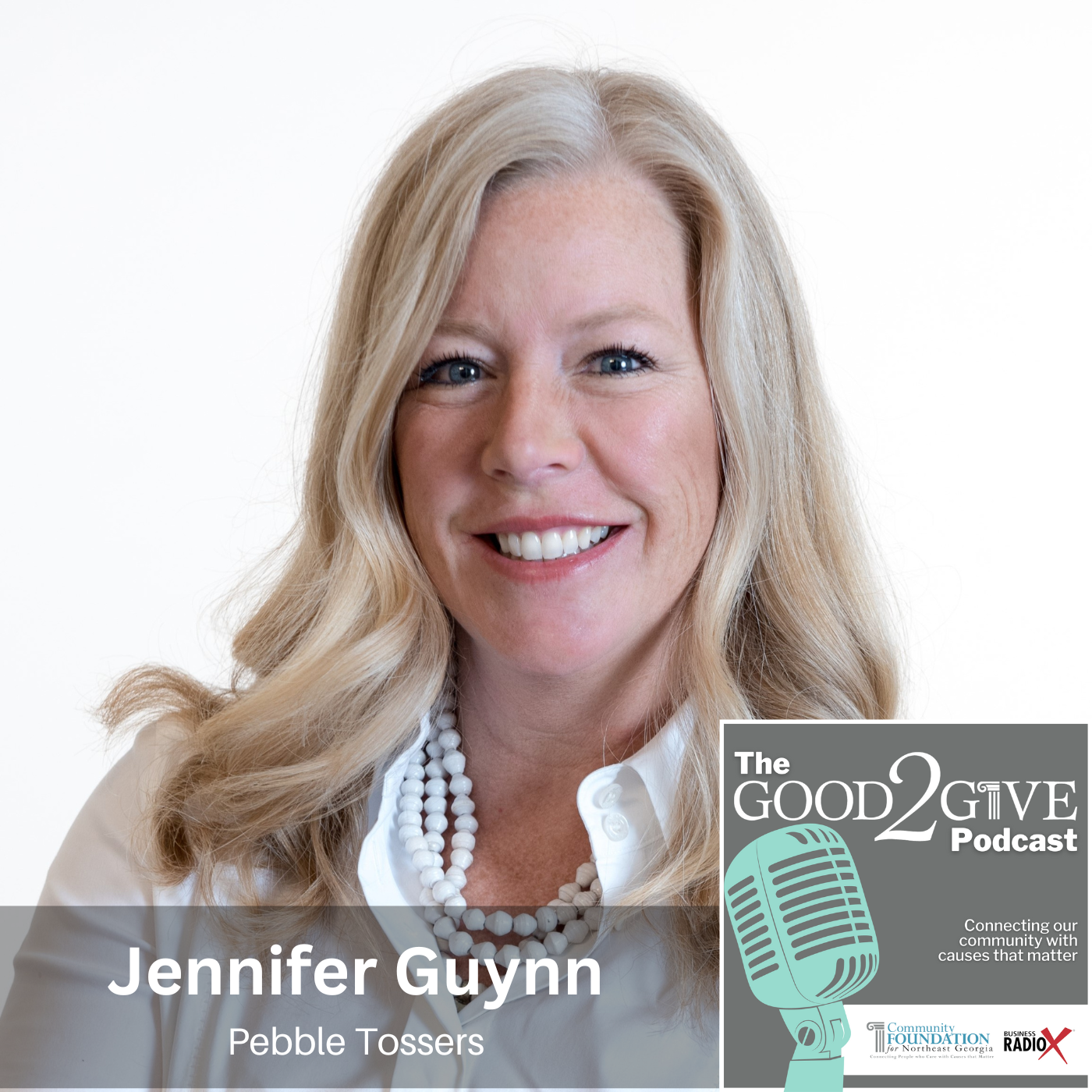
  • « Previous Page
  • 1
  • …
  • 41
  • 42
  • 43
  • 44
  • 45
  • …
  • 162
  • Next Page »

Business RadioX ® Network


Our Most Recent Episode

CONNECT WITH US

  • Email
  • Facebook
  • LinkedIn
  • Twitter
  • YouTube

Our Mission

We help local business leaders get the word out about the important work they’re doing to serve their market, their community, and their profession.

We support and celebrate business by sharing positive business stories that traditional media ignores. Some media leans left. Some media leans right. We lean business.

Sponsor a Show

Build Relationships and Grow Your Business. Click here for more details.

Partner With Us

Discover More Here

Terms and Conditions
Privacy Policy

Connect with us

Want to keep up with the latest in pro-business news across the network? Follow us on social media for the latest stories!
  • Email
  • Facebook
  • Google+
  • LinkedIn
  • Twitter
  • YouTube

Business RadioX® Headquarters
1000 Abernathy Rd. NE
Building 400, Suite L-10
Sandy Springs, GA 30328

© 2026 Business RadioX ® · Rainmaker Platform

BRXStudioCoversLA

Wait! Don’t Miss an Episode of LA Business Radio

BRXStudioCoversDENVER

Wait! Don’t Miss an Episode of Denver Business Radio

BRXStudioCoversPENSACOLA

Wait! Don’t Miss an Episode of Pensacola Business Radio

BRXStudioCoversBIRMINGHAM

Wait! Don’t Miss an Episode of Birmingham Business Radio

BRXStudioCoversTALLAHASSEE

Wait! Don’t Miss an Episode of Tallahassee Business Radio

BRXStudioCoversRALEIGH

Wait! Don’t Miss an Episode of Raleigh Business Radio

BRXStudioCoversRICHMONDNoWhite

Wait! Don’t Miss an Episode of Richmond Business Radio

BRXStudioCoversNASHVILLENoWhite

Wait! Don’t Miss an Episode of Nashville Business Radio

BRXStudioCoversDETROIT

Wait! Don’t Miss an Episode of Detroit Business Radio

BRXStudioCoversSTLOUIS

Wait! Don’t Miss an Episode of St. Louis Business Radio

BRXStudioCoversCOLUMBUS-small

Wait! Don’t Miss an Episode of Columbus Business Radio

Coachthecoach-08-08

Wait! Don’t Miss an Episode of Coach the Coach

BRXStudioCoversBAYAREA

Wait! Don’t Miss an Episode of Bay Area Business Radio

BRXStudioCoversCHICAGO

Wait! Don’t Miss an Episode of Chicago Business Radio

Wait! Don’t Miss an Episode of Atlanta Business Radio