
Business RadioX ®

  • Home
  • Business RadioX ® Communities
    • Southeast
      • Alabama
        • Birmingham
      • Florida
        • Orlando
        • Pensacola
        • South Florida
        • Tampa
        • Tallahassee
      • Georgia
        • Atlanta
        • Cherokee
        • Forsyth
        • Greater Perimeter
        • Gwinnett
        • North Fulton
        • North Georgia
        • Northeast Georgia
        • Rome
        • Savannah
      • Louisiana
        • New Orleans
      • North Carolina
        • Charlotte
        • Raleigh
      • Tennessee
        • Chattanooga
        • Nashville
      • Virginia
        • Richmond
    • South Central
      • Arkansas
        • Northwest Arkansas
    • Midwest
      • Illinois
        • Chicago
      • Michigan
        • Detroit
      • Minnesota
        • Minneapolis St. Paul
      • Missouri
        • St. Louis
      • Ohio
        • Cleveland
        • Columbus
        • Dayton
    • Southwest
      • Arizona
        • Phoenix
        • Tucson
        • Valley
      • Texas
        • Austin
        • Dallas
        • Houston
    • West
      • California
        • Bay Area
        • LA
        • Pasadena
      • Colorado
        • Denver
      • Hawaii
        • Oahu
  • FAQs
  • About Us
    • Our Mission
    • Our Audience
    • Why It Works
    • What People Are Saying
    • BRX in the News
  • Resources
    • BRX Pro Tips
    • B2B Marketing: The 4Rs
    • High Velocity Selling Habits
    • Why Most B2B Media Strategies Fail
    • 9 Reasons To Sponsor A Business RadioX ® Show
  • Partner With Us
  • Veteran Business RadioX ®

Search Results for: marketing matters

Lessons from the Frontlines: Medical Leaders Tackle Healthcare Challenges

August 26, 2024 by angishields

Lessons from the Frontlines: Medical Leaders Tackle Healthcare Challenges
High Velocity Careers
Lessons from the Frontlines: Medical Leaders Tackle Healthcare Challenges
Loading
00:00 /
RSS Feed
Share
Link
Embed

Download file

HighVelocityCareers082324banner

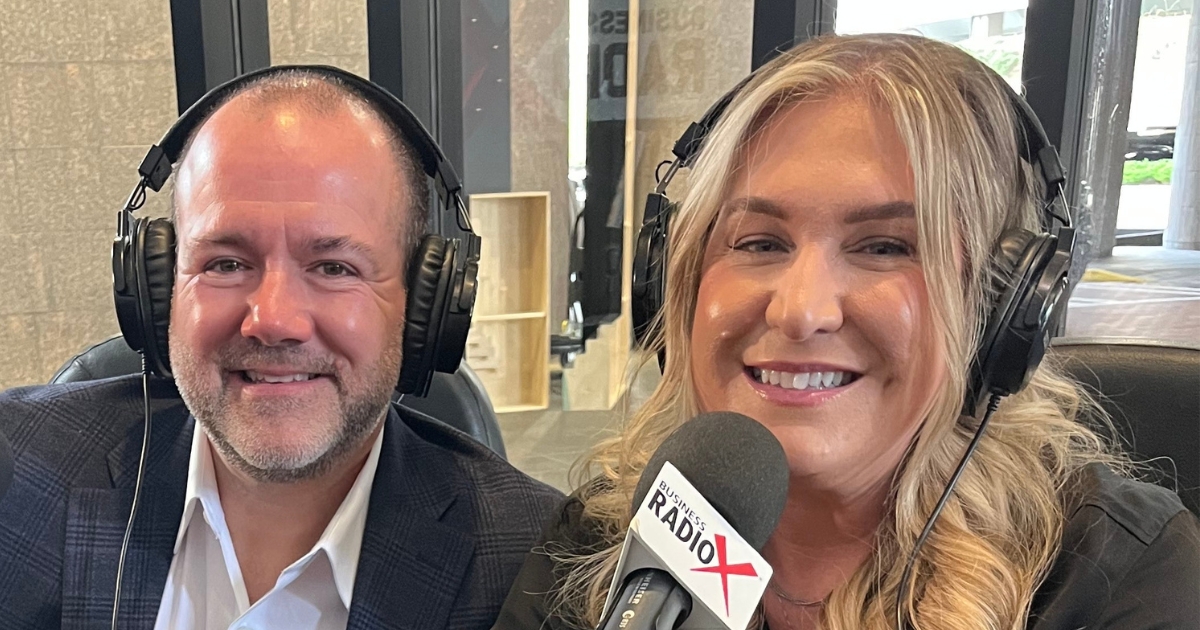
In this episode of High Velocity Careers, Stone Payton speaks with Dr. Daniel Fortes, Division Chief of Thoracic Surgery at Wellstar, and Will Chilvers, the Director of Outpatient Imaging Services at Northside Hospital. They discuss their unique career paths, the challenges they face in healthcare, and the importance of combining clinical expertise with business acumen.

Daniel shares his journey from Brazil to the U.S. and his transition from academia to private practice. Will highlights his background in healthcare administration and process improvement. Both emphasize the need for teamwork, effective communication, and continuous learning to drive improvements in patient care.

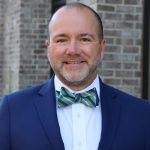
Daniel-FortesDr. Daniel L. Fortes currently serves as the Division Chief of Thoracic Surgery at WellStar Health System, headquartered in Marietta, Georgia.

Dr. Fortes was born in Brazil and completed his medical education at the Federal University of Rio de Janeiro School of Medicine, graduating in 1999. He then pursued a General Surgery Residency at the same institution before continuing his training in the United States at the University of Texas Health Science Center in San Antonio with further specialization in Thoracic Surgery at the prestigious Mayo Clinic in Rochester, Minnesota.

Beyond his medical training, Dr. Fortes recently earned an Executive MBA from Kennesaw State University. His professional journey included private practice and academic appointments.

Before moving to Georgia in 2021, Dr. Fortes served as an Assistant Professor of Surgery at the University of Texas at Austin, Dell Medical School and a Clinical Associate Professor of Surgery at Texas A&M Health Science Center.

Dr. Fortes work focuses on minimally invasive and robotic surgery for cancers of the chest, most predominantly Lung Cancer. He is fluent in Portuguese and Spanish, a lifelong drummer, a father of two teenage children and a dedicated husband.

Connect with Dr. Fortes on LinkedIn.

Will-ChilversWill Chilvers is the Director of Outpatient Imaging Services at Northside Hospital in Atlanta, Georgia. With over 15 years of experience in the healthcare industry, his career began in 2008 at Emory Healthcare, where he swiftly advanced from intern to Clinical Operations Manager of The Emory Eye Center within two years.

Seeking new challenges, Will transitioned to Northside Hospital, where he became the Manager of the Pain Treatment and Spine Centers and Outpatient Radiology locations. In 2015, he was promoted to Director of Outpatient Imaging Services.

As a leader, Will is known for his ability to blend a heart-and-soul approach with the strategic use of complex analytics to build and sustain high-performing teams. He is committed to maintaining an extraordinary level of compassion in patient care and believes that caring for one’s team should be at the core of any healthcare leader’s vision and mission.

Will is a two-time graduate of Kennesaw State University, holding both a Bachelor of Business Administration and an Executive MBA from the Michael J. Coles College of Business.

Connect with Will on LinkedIn.

Transcript-iconThis transcript is machine transcribed by Sonix


TRANSCRIPT

Intro: Broadcasting live from the Business RadioX Studios in Atlanta, Georgia, it’s time for High Velocity Careers. Brought to you by Kennesaw State University’s Executive MBA Program, the accelerated degree program for working professionals looking to advance their career and enhance their leadership skills. For more information, go to kennesaw.edu/emba. Now, here’s your host.

Stone Payton: Welcome to another exciting and informative edition of High Velocity Careers. Stone Payton here with you this morning. This is going to be a good one. Please join me in welcoming to the broadcast Mr. Will Chilvers. How are you, man?

Will Chilvers: I’m doing great. Thanks for having me.

Stone Payton: Well, it is a delight to have you on the broadcast. We also have Mr. Daniel Fortes with us. How are you, man?

Daniel Fortes: I’m great, thank you very much.

Stone Payton: I got a ton of questions, guys. I know we’re not going to get to them all, but I think a good place to start, I’m going to ask each of you, if you would, and I’m going to start with you, Daniel, if that’s okay, maybe could you give us a little bit of an overview of your career path? And, I don’t know, maybe even a couple of milestones along the way. How did you get here, man?

Daniel Fortes: Absolutely. Yeah. Thanks. So, I think probably starting with where my origins are. I’m originally from Brazil. I grew up in Rio de Janeiro. And I had early ties to the U.S. since my, you know, puberty years, and I lived in the U.S. as a teenager. I went back to Brazil, finished schooling, and then decided to get into medical school.

Daniel Fortes: So, I got to medical school, and then I realized that I wanted to come to the States for training. So, that ended up happening in 2001, where I married my lovely wife, and we moved from Rio to San Antonio, Texas, where I did the first part of my training as a general surgeon. Then, I decided that I wanted to pursue further training, and I went to Minnesota at the Mayo Clinic, where I did my cardiothoracic surgery training. And then, from that point on, I decided that academia wasn’t what I was looking for in medicine. I really wanted to be more patient-centered, so I took a job in private practice in the Washington, D.C. area in Northern Virginia. That was very informative. I learned a bunch from older senior partners.

Daniel Fortes: And then, from there, my entrepreneurial sort of motivations took me to Austin, Texas, where I joined a very large group in the city, and I was the first person that did what I do, which is essentially thoracic oncology, which is lung cancer, robotic surgery. So, it was very exciting as an opportunity early on in my career – I was only four years out of training – to go to Austin to build from scratch a thoracic oncology program. So, that’s kind of how it started my journey.

Daniel Fortes: Hitting some hiccups in the way and some frustrations, and realizing how physicians truly are dependent these days on hospital administration and their support, and with that, you know, things in Austin did not turn out to be what it was expected to be, and I moved to Georgia, to Atlanta three years ago to seek new grounds, with opportunities for leadership here.

Daniel Fortes: And then, soon thereafter, I took over the directorship of our division here at Wellstar, and realized that I needed more business skills, that for me to be able to track what I saw as my next step in my career, to really be able to be a leader in defining healthcare in a different way, and empowering physicians to have more say in how medicine is done and how the business of medicine is conducted led me into joining the KSU EMBA program, which we graduated in May last year, myself and Will.

Stone Payton: Will, this guy can’t hold a job. That’s what I took from all that. No. I’m kidding. All right. So, say again where you are now. What are you doing right now?

Daniel Fortes: So, right now, I’m a thoracic surgeon at Wellstar. I’m the Chief of the Division of Thoracic Surgery.

Stone Payton: So, what are you finding the most rewarding? What’s the most fun about that work for you, man?

Daniel Fortes: So, again, medicine is something that is very demanding. And to me, it’s really the direct patient contact. That’s one thing that really fulfilled me for the longest time. And no matter what happened around, as long as I had good relationships with my patients and I could see them and do how I saw fit, it was good enough. And then, soon thereafter, I realized that there were so many things to be fixed in healthcare, that simply being a practicing physician wasn’t providing as much fulfillment as initially did, that I really wanted to be able to change things for the better for all.

Daniel Fortes: Now, healthcare, I mean, lots of issues with staffing, with patient’s rights, physician rights, and wellbeing and finance, I mean, there’s so many issues going on and so many challenges, and I want to be part of that solution rather than just sitting on the backend, you know, doing my day-to-day job.

Stone Payton: I apologize, Will, that’s going to be a tough act to follow. This guy’s accomplished a lot.

Will Chilvers: Yeah. When you asked him to go first, I had that exact feeling.

Stone Payton: Well, tell us how you got here, man. What’s your backstory?

Will Chilvers: Yeah. Well, interestingly enough, I’m actually not from the U.S. either. I was born in the UK. I moved to Florida when I was ten years old. And I actually moved because my dad, who’s an entrepreneurial spirit at heart, serial entrepreneur really most of his life, he was asked to come and help start a doctor’s office by a friend of ours. And so, that was my first kind of exposure into the life of a healthcare person. And he was the administrator of this practice, and he ended up moving into hospitals.

Will Chilvers: And so, I spent countless hours on the porch with my dad just constantly hearing about a healthcare administrator, the administration side, the hospital administration side, as Daniel mentioned, working with physicians and how those relationships materialize and how critical those links are to any sort of success in healthcare. It really is a partnership between the two sides. So, I kind of come at it from a different side in that perspective.

Will Chilvers: I moved up to Georgia in 2002, and I actually did my undergraduate at Kennesaw State. I did a business degree there. And so, after I was done with that, I was able to get an internship at Emory Healthcare here in Atlanta, Georgia. And, you know, speaking of healthcare needing improving and realizing how much it needed that, I actually started as a process improvement analyst after that internship. I was hired on by them after a two month internship to be a process improvement analyst at the Emory Clinic.

Will Chilvers: And there’s all sorts of evaluating, and sitting around, and observing the physicians in their environments, and coming up with ways that we could operate more efficiently, how their time could be more value add, trying to eliminate the waste because people talk a lot about how much waste there is in healthcare. And so, I spent a lot of time working with the doctors trying to figure out how do we let you focus on the patient care component of your job and less on the administrative side of the fence and kind of the busywork, if you will. So, that’s kind of how I got into healthcare. I ended up getting promoted a few times while I was there. I ended up as a clinical operations manager, but I was still a process improvement analyst. So, by the time I left there, I had three jobs.

Will Chilvers: And I moved to Northside in 2010, Northside Hospital here in Atlanta, Georgia as a manager of their pain treatment, spine centers, and radiology outpatient centers. And I’ve been there now. Since then, we did a lot of different things there. I spent some time in the hospital. I was the manager of their Atlanta Hospital Radiology Department for a year, which exposes you to all the modalities throughout the hospital. You work with cardiology. You work with emergency department. You work with the intensive care units. You work with surgery. And working in a hospital environment really enlightens you to just how many facets there are to healthcare. And that was an amazing experience. I really enjoyed that.

Will Chilvers: And then, we got into a lot of merger and acquisition type things. I don’t know if you know, but a lot of people that are in healthcare certainly do, oftentimes a hospital is putting their sign on something all over town. You see urgent cares with a Piedmont or a Wellstar sign pop up. Northside has signs on buildings all over town that have become sort of medical office buildings for us. And we’ve affiliated with different practices around North Georgia. And I was heavily involved in that on the imaging front when we went out and bought a lot of independent imaging facilities to help support our affiliations and our relationships with physicians in the more rural areas around Georgia. So, that was also a pretty exciting experience. And that’s kind of how I’ve ended up where I am today.

Stone Payton: And where are you today? What’s your role today?

Will Chilvers: So, I’m a Director of Radiology Services at Northside Hospital, specifically focused in outpatient imaging services. And I currently cover a region from Acworth to Warner Robins, which is down south of Macon, so it’s a pretty good spread.

Stone Payton: So, you described having an opportunity to work in and around a lot of different disciplines, that strikes me as a best practice probably for a variety of industries. Would you agree with that?

Will Chilvers: Yeah, absolutely. I mean, not even just the various different sort of modalities within a hospital system, if you will, but also the different business modalities that exist within it. You know, I’ve had a lot of interaction with revenue cycle, with finance, with analysis of capital planning and strategic, heavily involved in the operations, obviously. But just touch points throughout the system really gives you a very broad understanding of, not only the different clinical components, the different departments within a hospital system, but also a business in general, a very large business, you know, you’ve got departments for everything.

Daniel Fortes: And that’s the thing – kind of sort of jumping in – that is a striking contrast to now the medical delivery part of the system, which is physicians really have absolutely no business background or knowledge. There’s nothing that is taught during their entire career, unless they did it on their own. Now, things are changing, finally. This new generation will come with different skills than we had. But all the names that you mentioned, business cycles, et cetera, I mean, this is something that physicians go, “What is that? I have no idea.” So, you know, that dichotomy is huge because then healthcare is being managed by non-physicians and physicians don’t understand the management of healthcare, so it’s crazy.

Stone Payton: Wow. So, what are some of the major leadership challenges that you guys have run into over that path? I wonder if they’re very different than they are in other arenas. I’m curious to know things that maybe really caught you off guard at least the first time you were faced with it. And I’ll start with you, Daniel, but I’d love to hear from both of you on that front.

Daniel Fortes: So, you know, initial challenges as you start practice, you’re like, “Well, I have a great idea how to make things better, but I have no idea how to make it happen.” So, I go into a boardroom with a bunch of administrators and I go, “This is what we have to do. It’s so obvious, right? This is going to improve patient care. It’s got all this stuff.” And they go, “Well, it doesn’t really work that way. How are we going to do? How are we going to budget for that?” And then, you go, “Oh. I have no idea.”

Daniel Fortes: And then, you realize that you might have great ideas, but, again, great ideas are plentiful. What matters is how to implement them. And that lack of knowledge is huge in being able to make true changes in healthcare. So, I think you need both parts. So, I think we need more administrators with more clinical background and, vice versa, more clinical people with more administrative background.

Stone Payton: How about you, Will?

Will Chilvers: Oh, I think that’s a really good kind of tee up, because I think as Daniel was talking about physicians not having that sort of business background in a lot of cases, and how that creates struggles in those areas, and sometimes misunderstandings, miscommunications about what can be done, what is possible and why. Because sometimes the why doesn’t really jive with us, right? It doesn’t give us a good feeling. Like, that’s a silly why. I understand it, but that’s a silly why.

Will Chilvers: But the biggest leadership challenges that I see often stem from leaders who have a clinical background not understanding the whys and the hows of the business. Because most of our leaders are former nurses or former radiologic technologists, or they’ve been in the line, if you will, they might not be physicians, but certainly at the operations level, they’ve worked their way up through the ranks, which makes sense because they have an intimate understanding of how the operation works, how the patient flow occurs.

Will Chilvers: But they don’t have any formal training necessarily on how exactly can we make this better. How exactly does this all play in with all of the other stuff in the background that’s happening, like we talked about. You know, if you’re a clinical person, you might not understand revenue cycle or all the complexities involved in not only how do you get the patient on the schedule, but how do you get paid at the end of the day. And so, there’s a lot of kind of breakdown there that’s not their expertise, and so they’re just kind of trying to figure it out.

Will Chilvers: And then, on the flip side of it, you have people like myself who have no clinical background, other than my own personal experience in healthcare interactions with physicians, and people are like, “Well, what do you know about how to operate this place? You’re not a doctor, you’re not a nurse, you’re not a tech. You just got a bunch of big ideas and you’re standing here spouting at us why we should be doing this differently.”

Will Chilvers: And it really is a great thing to see a team come together and see the light bulbs go off to say, “Oh, from a clinical perspective, you have now enlightened me from a business perspective why this can or can’t be done.” And then, on the business side of the front, someone like myself learning the nuance and the complexities associated with clinical care as to why this great, efficient business idea that’s going to save money and make money all at the same time maybe isn’t in the best interest from a patient care perspective.

Stone Payton: Daniel, everything I know about doctoring, you could stick in your eye and still see out, but it seems like you guys are already so busy. Where in the world did you find the time? How did you find the time to pursue an executive MBA, man?

Daniel Fortes: I’m still asking myself that same question. Because to be honest with you, as exciting as it was, I enjoyed every single weekend that we had classes. And I specifically chose KSU because it was something that I could fit into my schedule because I couldn’t really change my clinical schedule. It’s not like I took a sabbatical to do this, right? I have to do it on the side. So, I enjoyed every single moment, but it just takes a toll on everything else.

Daniel Fortes: So, actually, by the time we were finishing, I was having my own stress test and EKGs and Holter monitors and check because of stress. I mean, it was tough. Of course, many, many long hours on top of regular hours and many weekends on top of the call weekends that already existed. So, yeah, as hard as it was, it wasn’t as hard as training. So, in a way, sort of the history behind on how we get to where we get from a clinical perspective helped me, you know, be able to sort of hunker down and get this done. But it was not easy, I tell you that.

Stone Payton: Well, I certainly applaud you, and I don’t mean to dismiss the time commitment and the energy and the resources you invested as well. Will, if you remember, what initially compelled you to pursue an executive MBA?

Will Chilvers: I think there were a lot of different factors. I found myself in different rooms with different levels of people throughout as I’ve gotten farther on in my career where they just seem so much smarter than I was. And at this point in time, I’d been in healthcare for 15 plus years, and I felt like I had a pretty good handle on things. But when you get in the room with the directors of finance and various different vice-presidents, and you listen to things that they’re talking about, you start to wonder maybe I need more tools in the toolbox, or maybe I need to sharpen the somewhat blunt ones that I have right now. And so, I kind of felt that way for a little while.

Will Chilvers: I also felt like a lot of the opportunities for advancement and growth in the field often require a more advanced degree than just a bachelor’s degree. And so, I was like, well, between seeing these people that have these degrees, and seeing just how incredibly intelligent they are and the tools that they use to help make their decisions, I’m obviously missing out on something. And so, I started exploring the different opportunities to participate in a program.

Will Chilvers: And I actually looked at lots of different programs around the metro Atlanta area. And I ended up coming back to my old alma mater here at Kennesaw State University. And I’m really glad that I did, and part of that was, as Daniel said, the way the program is structured, it really just sort of aligned with my ability to continue working, because aside from our local residency and then our international residency at the end of the program, I didn’t take any time off work to do the program.

Will Chilvers: As well as the components of both the business modalities, which is part of every MBA program, but the personal and professional development growth track that sort of ran parallel with the program was really kind of exciting to me. I’ve asked myself a lot of questions over the years about who am I, what am I doing with my life, where am I supposed to be. And that was really probably one of my favorite parts of the program is just learning a lot more about myself. There was a lot of deep introspective thinking and writing that went in alongside this program while we were learning about finance, and accounting, and economics, and marketing.

Will Chilvers: And that thinking as I thought along the way is like, nobody’s ever made me think like this. Nobody’s ever made me really dig down deep inside my soul and bring that out and say this is who I am, and this is how I got here, and these are the things I want to change.

Daniel Fortes: And to couple that, too, the teaming component of it, I think it’s very unique the fact that from the beginning we’re set up in teams. But you don’t know —

Stone Payton: Say more about that.

Will Chilvers: I think that was the scariest part, if we’re being honest.

Daniel Fortes: Yeah, it was. All of a sudden, it’s like, “Okay. You’re going to sink or swim with your team so you got to make it work.” So, from the beginning, you’re really learning those interpersonal skills, those leadership skills, those working as a team kind of principle from the get-go. And I think that is very unique and great. Because there’s some, Do I want to sit in a class by myself watching a finance lesson and then go home, do the homework, and come back? No. No. I want to discuss it. I put this in real perspective on real projects with my team working together, dividing tasks. It was phenomenal.

Stone Payton: And I suspect that’s a much more accurate reflection of real life, right?

Will Chilvers: Oh, yeah. The philosophical debates that Daniel and I have had about healthcare over the last two years, it’s just endless. I mean, we could have gone on forever trying to solve the problems of the world like we all want to do.

Stone Payton: I’ll give you a little bit of a heads up, Will, those life purpose questions, those will continue even when your hair is as white as mine, so those aren’t going away.

Will Chilvers: Thanks for that. I appreciate it.

Stone Payton: I had a mentor early in my career that told me, he said, “Stone, competency is really a moving target.” And he was trying to impress this life learning mentality on me and trying to help me get my arms around the fact that, man, things are going to change and you’re going to have to learn, not only how to personally adapt to that, but you’re going to have to lead other people through that. I’d love to hear your thoughts on planning and executing change. I got to believe it’s rampant in the healthcare arena like it is in some others.

Daniel Fortes: No, for sure. That’s exactly something I learned. One of my mentors, too, I never really understood what he meant. He came to me, “Dan, one day you have to realize that you have to sort of reinvent yourself every five to seven years.” And I go, “What do you mean? I mean, I don’t know what that means.” And then, through life, now I’m 20 plus years in healthcare, it’s like, “Oh. I get that.” Because your perspective of life, your perspective of the job, of everything that you do changes as you gain more experience, as you age, as you gain life experience, family, and all those things, your prerogatives and your focus has changed. And that’s absolutely right and how to change that.

Daniel Fortes: And so, this is my cycle of renovation for this, I guess, fourth, five-year stint of my innovation. So, yeah, absolutely, that’s key. That’s key. The world continues to evolve. And if you stay behind, you literally stay behind.

Will Chilvers: Yeah. I mean, I think one of the interesting things that Professor Davis shared with us – and I think he stole this from somewhere. But he admitted that, he said he got it from somewhere – is better, better, better better. We all want to wave a magic wand and fix everything, right? We spend so much time, like, how do we fix this in a big way? And the reality is that those sort of mass sweeping, immediate changes are very unrealistic for so many reasons.

Will Chilvers: And they are beyond unrealistic in healthcare in many, many ways. And part of that is because you’ve got to be able to maintain patient care every minute of every hour of every day. There’s no stopping the machine, if you will. So, you can’t say, let’s shut this whole place down, tear all this to pieces, and build it all back up in the 21st century. We’ve got thousands of years, really, of evolution in the industry of people being sick, and people being made a little bit better, and a little bit better, and a little bit better. And hopefully, our ability to provide care to our patients is better today than it was yesterday.

Will Chilvers: And so, in terms of how do we do it, how do we keep it up, how do we make these changes, how do we improve, it really is just the ultimate better, better, better, better. Like every single day we’re having a conversation about how do we make this one little thing a little bit better. And for some of us, that can be really frustrating at times, because you’re like this whole thing stems from this setup, or the way we bill, or the way we collect, or the way we answer the phones, or the way we still use fax machines. You got to love healthcare for that.

Daniel Fortes: That is unbelievable.

Stone Payton: Is that true?

Daniel Fortes: Oh, yeah. So true.

Will Chilvers: Every single day.

Daniel Fortes: So, you want to talk about like evolution, right? We’re still hanging on to some relics, and for different reasons. A lot of that is HIPAA compliance. Funnily enough, that’s just one of the ways that has been deemed that’s a fairly secure way of transmitting information.

Will Chilvers: And nobody can steal a fax, I guess.

Daniel Fortes: Yeah, say that. I’m sure there’s ways that can be done. Somebody will post in the comments if that’s a thing. So, we spend so much time thinking about if we could just get healthcare into the 21st century, things would be so much better. But you can’t stop it. You can’t stop everything, throw it all out, bring it all back together in this new, modern era.

Daniel Fortes: And everybody in every healthcare organization around the country and around the world is in a little bit of a different place. They might be a little bit ahead, they might be a little bit behind, but we’re all trying every single day to make people’s lives just a little bit better and provide a little bit better care than we were able to provide yesterday.

Will Chilvers: Yeah. And it’s quite amazing, right? If you’ve ever been part – and I know you have and so have I – of really major changes in operations or whatever that happens at a hospital level or at a clinic level, the disruption is amazing. I guess it’s not something you shut down a production line for a week and you get it done. I mean, you can’t. So, there are people just pouring in, and then all of a sudden, you’re inability to actually care for the people that need you because you wanted to make this one change, and sometimes it’s like a software update – I mean, not to mention what just happened recently. But because that shut down all the hospitals in Atlanta, by the way. If people don’t know, all hospitals were affected by the CrowdStrike issue.

Stone Payton: Oh, wow.

Will Chilvers: I got a call at 3:00 in the morning, I need everybody in the hospital here because there’s no orders for any of this, 700 patients are in the hospital. The nurses don’t know what to give anybody. So, we had one printer in the pharmacy printing prescriptions for every single patient in the hospital at 3:00 in the morning so the nurses could keep up their work. I mean, it’s to that level. So, anyway, yeah, it’s a pretty tough business.

Stone Payton: Yeah. And when you disrupt that established pattern, you’ve got this human dynamic that you’re dealing with, and it’s not like they’re all in the same place mentally at the same time. You’ve got someone that’s in denial, you’ve got somebody else that’s kind of got past it and said okay. I mean, and you’re managing a lot of people at all these different stages of how they’re going to respond to that disruption, right?

Will Chilvers: Yeah, yeah. And then, when you realize how labor intensive healthcare industry is, we are the biggest employers on any city that you have big healthcares, because the number of people that you actually need people to care for people. So, a disruption here, I mean, Wellstar has as many employees just here in the Atlanta metro area than the big top ten 500 corporations in the U.S. They’re spread all over a few. But here, it’s just so concentrated and so dependent. So, if you change one thing for you to really decimate it through that huge population is ginormous.

Daniel Fortes: Yeah. It’s interesting, during our international residency, we went to Santiago in Chile, and we met with a mining company. And the gentleman that was speaking was talking about how old their systems are and how they’re constantly having people come in and say we can automate this, we can digitize this, we can make this more efficient. And the thing that he said, we cannot stop operations. They cannot go down. The robust nature of this system, this process is critical. And he was talking about it from a revenue perspective. They made so much money that any interruption to their operations, to their ability to continue to produce out of this mine was just considered catastrophic because of the money that they would have lost.

Will Chilvers: And you throw that into the healthcare environment, there’s a huge impact from a revenue perspective when operations don’t work. But you’re talking about people’s lives. You bring in the human element. I mean, really, that’s what it comes down to, is your inability, when anything prevents you from being able to care for that patient, sometimes the seconds matter. I mean, Dan knows this more than anybody in what he does.

Will Chilvers: And so, just the appetite for risking that in the interest of sweeping changes in “fixing healthcare” – big topic. Like, healthcare is broken, it needs fixing – the appetite and the ability to make the kind of changes that we theorized would “fix it” or fix a part of it, even, you’re always considering that against what the risk is there to your ability to see those patients, and care for those patients, and just how delicate that ecosystem can be, as evidenced by the recent CrowdStrike outage.

Stone Payton: Well, the stakes are so high in your world in the price of failure. Oh, wow. Yeah. So, either one of you get involved at all in recruitment, selection, development of folks? The reason I’m asking, I’m interested to know, like, what do you look for in terms of leadership skills and credentials and all that? But I’m also kind of interested, do you and your team, do you look for – I’ll call them -intangibles? Speak to that a little bit.

Will Chilvers: Yeah. I mean, all the time. I often share with my team, I’m like, you got to be a whole package deal. You could be the best tech in the world, the best nurse in the world, quite frankly, the best physician in the world, but if you don’t show up or if you’re not punctual and timely, if you’re not good with people, it’s just not going to work out. You’ve got to have the bedside manner. You’ve got to have the ability to talk, and care, and be compassionate, and be skillful in whatever modality is that you’re in.

Will Chilvers: And so, it’s easier to assess do they have the skills. You know, you can put them in a room, you can put them on a machine, you can give them an IV start kit., whatever it is, whatever the job is, and say, “Go. Here, do it on me.” And you can determine they’re pretty good with this equipment, whatever that might be. But you spend a lot of your time figuring out, does this person really care? Do they love sort of the mission of healthcare, if you will, of helping patients get better? And are they able to work in a team?

Will Chilvers: Because every interaction in healthcare involves some sort of a team, and often the team is very fluid. There’s five people that work together in the beginning, and then half of those people move into the next team, and the next team, and the next team, and so it’s just like this big constant back and forth in waves of these people all having to work together and trust each other.

Will Chilvers: And that was a huge thing that we talked a lot about in the program, in the executive MBA program, is, trust and just how critical that is in the ability to provide. Because if Dan doesn’t trust me as a healthcare administrator to have his best interest and his patient’s best interest at heart, it’s going to be very difficult for us to come up with solutions that help the patients at the end of it all. And the same goes for every single interaction throughout healthcare.

Will Chilvers: So, when you’re recruiting these people, when you’re interviewing people, when you’re developing people from a staff level position into a leadership level position, you’ve got to have a real good kind of finger on the pulse, if you will, about where their head is at and where their heart is at, and can you trust them to do the right thing always.

Will Chilvers: And some of that comes from you as a leader. If you instill an environment where people are afraid of being in trouble because the stakes are so high, and so anytime something goes wrong, which it does, things go wrong, there’s a huge human element in everything that we do and people make mistakes. And so, if people feel like every time they make a mistake, they’re going to get in trouble, it kind of encourages people to try and sweep things under the rug, or I didn’t see it, or let me fix it. I’m going to fix it. I’m gonna fix it. I’m gonna make it right. And sometimes they make it worse. And they need to come to you and ask for help.

Will Chilvers: And so, as a leader in healthcare, you’ve got to instill that it’s okay. I’m here. I’ve got your back. Stuff happens. I need you to tell me what’s going on so I can help you. And that comes with compassion and love for the people that work for you. And if you don’t have that, it’s going to be tough for you to be really successful as a healthcare leader because your people have got to come to you when something’s going wrong. Otherwise, it just goes sideways very quickly.

Daniel Fortes: Yeah. You know, the clinical side is very similar because, at the end, you can probably teach skills to most people. Sure, you’re looking for a microcerebral surgeon, that guy needs to have the skill if you’re going to hire him. But for the most part, in terms of the ancillary team that supports, which is 90 percent of people taking care, physicians is just a minuscule part of the patient care. Focused on physician is wrong, because, really, healthcare is much more that one encounter from the physician is much smaller than the entire team that actually cares for the patient throughout their journey.

Daniel Fortes: So, those folks, as long as they show the skills that they can learn, really what we’re looking for is, first, the interpersonal skill. I mean, can you truly care for people? Are you interested in helping others? And are you reliable when you don’t know something to reach out? You need to. So, that’s kind of what we look, maybe the resume gets you in the door, but at the end of the day, it’s always that one-on-one interaction, personal values, and all that really are crucial for our industry.

Stone Payton: So, Dan, what do you do when you’re not doctoring, man? Most of our listeners know that I like to hunt, fish, and travel. What do you do when you’re not doing this?

Daniel Fortes: Yeah. So, actually I’ve taken quite a bit of hiatus because of this program, but my lifelong passion is music. I’ve been a drummer since age 12. And I’m not going to officially say, but one of the reasons to move to Austin was the music scene as well, so there was another stimulus. I had multiple bands. I used to play out all the time. But since I moved to Atlanta, that has gone into the back door. So, yeah, that’s part of my new program now, it’s go back and find a new band and keep rocking out. Absolutely.

Stone Payton: We got to get you back out there, man. You got to come play Woodstock.

Daniel Fortes: Oh, God.

Stone Payton: How about you, Will, what do you do to kind of get away and recharge?

Will Chilvers: Yeah. I mean, I’ve got a got a lot of hobbies, but I guess my main ones and I didn’t really get into it, but I actually started out my career in residential construction. And so, I still play in that area in my own home, so I do a lot of stuff around the house. I have a shop that I built.

Will Chilvers: But my other passion is cars. I’ve always loved cars. I’ve loved cars since I was a little kid, as long as I can remember. My dad had some stuff that I thought was cool back in the day and it just kind of stuck, and so I’ve got a shop and I weld a little bit. But I fix, rebuild, replace, engine swap, just any kind of thing I can get into in that environment and something that I find a little bit interesting.

Daniel Fortes: We got some funny stories here, come a weekend of the NBA and then, Will, “Oh, yeah. I went that weekend to some warehouse and then I came back with a new Mercedes.” He’s telling this story — “I’ll buy that car.”

Will Chilvers: And old Mercedes. Yeah, I mean, literally that happened, like, at the end of the semester. I went on a guy’s weekend with some buddies, and a friend of mine has a lot up in Knoxville, Tennessee. And he had this really cool Mercedes wagon just sitting in the lot. And I was like, “Where’d you get that from?” He’s like, “Oh. I bought it at the auction.” I was like, “Yeah, okay.” I didn’t think much of it. I went away for the weekend, came back, went back through, I was like, “Do you want to sell it?” And came home with it. I drove it home. My buddy drove my other car and I drove it 200 miles home that day. And I’ve been working on it since then.

Will Chilvers: And, actually, so you asked what do you do, I try to spend time with my kids. They’re still young enough that they think I’m cool sometimes. My 15 year old, you know, dwindles but goes away quickly. But we’ve been working on that car together with the hope that it’s going to become her car, and so that’s been a lot of fun. But those are my sort of main hobbies.

Stone Payton: All right. We got a plan. We’re going to hop in the wagon and we’re going to come to your gig.

Daniel Fortes: And I love the fact that the Englishman bringing wagons back in.

Will Chilvers: Oh, yeah. I love a station wagon. Americans do not appreciate them.

Daniel Fortes: I love them, too. I can’t get one here.

Stone Payton: All right. Before we wrap, I’d love it if we could leave the high potential person that really wants to accelerate their career. They’re thinking through, “Okay. What should I be doing?” And I don’t know if it’s what they should be reading, something they should do or don’t do. But from each of you, gentlemen, if we could have at least, maybe one kind of actionable pro tip, man, if you’re thinking about continuing that career path and you really want to accelerate your career, any insight, perspective, advice, scar tissue? Let’s leave them with a couple of nuggets before we wrap.

Daniel Fortes: Scar tissue, I think that’s probably the most valuable learning from my perspective and my journey. Again, physicians are very self-centered. You know, I know it all. It’s all about me. You know, I know how to do things better. And you realize how small you are in the actual cogwheel of the whole industry, and how important it is to develop personal relationships and networking and get, so that, that one-to-one and knowing your administrators and the people, that is absolutely crucial for you to be successful. Unless you just want to hunker down in your little cubbyhole and keep doing the same thing, but then you’re like a production industry person.

Daniel Fortes: So, interpersonal skills, understanding that you are very small, no matter how high power you think you are or how important you think you are, it’s just you’re still part of a ginormous team and you need to truly be part of it.

Will Chilvers: Yeah. I mean, people say all the time, it’s not what you know, it’s who you know. Healthcare, especially, is a very complicated space. And there are experts in every area, every time you turn around. And if you really think about it, even when you’re an expert in one thing, you know 0.1 percent of what’s going on in healthcare as a whole. So, there are many, many specialists, people that like this is their one focus, and this is what they do, and they’re the best at it. But they need help from a thousand other people to make what they do possible.

Will Chilvers: And I think that understanding that if you’re a specialist, it’s critical. And if you’re not a specialist and you’re a real kind of jack of all trades – like I consider myself to be, or jack of many trades, certainly not all trades – understanding how all those pieces go together is very important. So, it’s really good to get that exposure and see how all the pieces play together. It’s critical in terms of your ability to build a team and make things happen, make those better, better, better a little bit better today than yesterday changes, knowing who to call and when. And then, that goes back to the relationships and just how critical they are.

Will Chilvers: I often share with my leaders when they come to me and they’re like, I just don’t understand why this person won’t do their job. And I tell them all the time, there’s a lot going on in this place. I guarantee you they’re doing their job, but they might not be doing their job for you. And so, the question you need to be asking is not me, why won’t this person do their job? It’s why aren’t they doing their job for you? And so, knowing who to call and when, and making sure that you have that relationship with that person such that when you pick up the phone, or you send them a text, or you send them an email, or you hit them up on Messenger, or whatever media it is that you choose to use, or Skype, there’s so many of them, that they respond and they want to help you.

Will Chilvers: Because a lot of that is they know that you’re just trying to do the right thing. You’re just trying to be a good person. You’re trying to get healthcare. You’re trying to take care of a patient. And having that conversation with them to let them know that you care, and you understand that they’re busy, and they got a million other things going on, but this is what you’re trying to accomplish, can they help you is very critical in being successful, I think, in any environment, really, but certainly in our world, it’s very key.

Daniel Fortes: It’s very human intensive, so you have to be good with humans.

Stone Payton: Well, gentlemen, it has been an absolute delight having you on the broadcast this morning. Thank you for your insight, your perspective, and your generous spirit. You guys have been very generous with your experience. And the work you guys are doing is so important, and we sure appreciate you.

Will Chilvers: Thank you. Pleasure being here.

Daniel Fortes: Appreciate it. Thanks for having us.

Stone Payton: My pleasure. All right. Until next time, this is Stone Payton for our guests today, Will Chilvers and Dan Fortes, and everyone here at the Business RadioX family, saying we’ll see you again on High Velocity Careers.


Tagged With: Northside Hospital, Wellstar Health System

Kristen Day – Women Training Firearms With Kristen

July 18, 2024 by angishields

HBR-Kristen-Day-Feature
Houston Business Radio
Kristen Day - Women Training Firearms With Kristen
Loading
00:00 /
RSS Feed
Share
Link
Embed

Download file

Kristen-DayKristen Day’s journey with firearms began in her teenage years with a Basic Firearms class at the San Diego Police Department, sparking her passion for shooting and self-defense.

After moving to Virginia with her military family, Kristen transitioned to 9mm firearms and continued target shooting. Later, her husband’s job took them to Texas, where she started a business and joined a local ladies’ shooting group.

She became an NRA Certified Pistol Instructor and Range Safety Officer (RSO), and started participating in shooting competitions like IDPA, USPSA, and Steel Challenge. WTFKfinallogotransp-KristenWilsonDay

Through social media, Kristen has become a go-to resource for friends seeking advice on firearms. Passionate about empowering women with firearm knowledge and safety, Kristen enjoys spending her free time at the range with friends, combining her love for shooting with building strong female friendships.

Transcript-iconThis transcript is machine transcribed by Sonix.


TRANSCRIPT

Intro: Broadcasting live from the Business RadioX studios in Houston, Texas. It’s time for Houston Business Radio. Now, here’s your host.

Trisha Stetzel: Hello, Houston. Trisha Stetzel here bringing you another episode of Houston Business Radio. I have a great friend of mine on the show today. I’m so excited about having Kristen Day. We were talking just before the show. How long have we known each other? I don’t know who introduced us, I don’t know, but it’s been a very long time and I’m so excited to have you on the show today. I know you have a business called a visual business. We’re not talking about that today, but people might be interested that you do that work so they can go out and take a look. But Kristen with Women Training Firearms with Kristen WTF? I’m so glad that you’re with me today. Welcome to the show Kristen.

Kristen Day: Thank you Trisha. Super exciting as always to chat with you. It’s always a good time and lots of laughs usually.

Trisha Stetzel: Yeah, I’m pretty sure we get a lot of that out before we started the show today, right? Uh, let’s start with I know your favorite part. Let’s talk about you a little bit. So tell us a little bit about Kristen and then let’s talk about WTF.

Kristen Day: So well I’m from originally from California. Virginia military kid moved down here 11 years ago and was kind of forced to start my own business. That’s the official business part, and I’ve always been interested in firearms and wanted to be a cop. When I was younger, it just didn’t pan out. But I always still shot, um, you know, pistols and I’ve enjoyed it. Found a nice little group because hello, Texas that I could shoot with some other ladies and got into competition. And in getting into competition, people ask me, hey, you know, I have questions. You should help me by gun. You should teach me, you should pay me. So hence my business started. So that’s kind of the nuts and bolts, you know, married to young girl. Well, old young girls and out of the house. Empty nester. No. No no dogs, no kids. Just a husband now. And I enjoy traveling for shooting matches. So that’s the the The Nutcracker of Kristen. No, I love it.

Trisha Stetzel: And, um, tell me or tell the audience a little bit more about these shooting competitions because you and I connected on this a few years back and I’m like, there’s such a thing. I guess I knew, but I didn’t really know. So talk a little bit more about these shooting competitions that you do.

Kristen Day: Absolutely. And actually, that’s funny because I was talking to a gal at a clothing store yesterday and I said something about shooting competition. She goes, oh, my friend does shooting competitions. I said, oh cool, where where does she do it? And she’s like, oh, well, she just goes to XYZ range. And I’m like, okay, maybe that’s not a shooting competition. So there are groups that you can gather. So I think it’s just a matter of I kind of going back to your point that sometimes people don’t understand what it is. So if you like to go shooting, that doesn’t necessarily mean it’s a competition. Um, you might go to a group that has maybe like, um, like a some sort of match or fun thing at the range. That’s not the same thing. So I’m more of actual active pistol shooting. Um, and Idpa is one of them for International Defensive Pistol Association. Uspsa is another one United States Practical Shooting Association, I believe it is. And then of course, Steel Challenge is another one that’s pretty popular. Um, IPsec, which is IPSC, is kind of a similar version over in the other side of, you know, across the pond, so to speak. So, um, but it’s basically you’re moving and shooting.

Kristen Day: You have a target array, you have, um, steel things that you have to hit. There’s moving things that you have to hit. You’re all on the clock. Everything’s done super safe where everybody’s unloaded, walking around with holsters and guns in their holsters. But everything’s unloaded until you get up to the line. When it’s your turn to shoot the safety officer, so will say load to make ready. You load and make ready. And then beep Timer goes off. Everything’s lost. You forget what you were gonna do. You sometimes you don’t, sometimes you do. And you basically run and shoot. But if you drop a mag, you have to decide, am I going to pick it up? Do I load another one? If you shoot extra because maybe you missed a target. Everything’s on the clock. And this is also why I tell um ladies because I train mostly ladies. That’s really important to to do something like this, because it’s not necessarily like I want to win, which is fun by, by the way, but it’s fun. And it’s also it’s good preparation for like what happens because you we for most people practice at a range where you’re, you’ve got down lane and then you’ve got your target that’s at the other end.

Kristen Day: You pick up your gun, you shoot, shoot, shoot. You’re not running. You’re not running up range, you’re not running down range. You’re not moving side to side. You’re not reloading as you shoot. Whereas you think about it at your house that’s like that. You know, your house is not going to be like a down lane, you know, not moving, you know, static target kind of thing. So and then, of course, you know, when stuff like that happens, you’re able to think on the fly, whereas because you’re preparing for it. Whereas in your house, if something goes down and somebody breaks in, you’re like, what am I going to do? You get that tunnel vision. So it allows you to kind of prepare for like, I’ve already got all this, like the shooting, the guns ready. All these things are muscle memory. Now I just have to be focusing on who’s the bad guy, where is he at, and how do I stay safe versus is it loaded into can I rack the slide? Like what happens if it gets jammed? I mean, it’s going to be muscle memory jam fix. Boom. Moving on. You know. Yeah.

Trisha Stetzel: Absolutely. Thanks for sharing that I there by the way, you guys need to go out to Kristen’s website and check out some cool pictures that she has out there because she’s definitely a BA. Yes.

Kristen Day: Well, I will tell you about about pictures. I had to use all of my own pictures because, uh, stock photo sites, when you’re looking for women and guns, they’re not quite appropriate. Um, they’re usually not safe either. And, um, we have enough people that are not in the two way realm or not in the same political, um, side that I am, that, you know, or don’t want us to, you know, have guns and, you know, that’s their choice. But, um, uh, we I always work to, uh, show anybody in the sport at a good light being safe. So, like, to put a picture with somebody, you know, with their gun pointed to their head is not going to be appropriate. So, you know, I always make sure when I even take pictures of my students that everything looks good, because all it takes is one person who’s an anti-gun person to go, oh, they’re doing this. And it’s like, girl, you don’t know. You weren’t there. You don’t know so well.

Trisha Stetzel: And it really is about safety. And I know that that’s something that is, you know, near and dear to your heart, which is why you teach the classes. So let’s talk a little bit about safety, because we do have in our state of Texas we’ve got open carry. Uh, and you don’t necessarily have to have a safety course to carry a gun around. Um, so let’s talk a little bit about that and why taking a safety course is so important.

Kristen Day: Absolutely. So and I’ve gone through the safety and I tell my ladies to I’m, I’m 100 about safety and I’m ridiculous about it because if you practice safety all the time, even with a wooden gun or a plastic gun and demonstration, you’ll never see me sweeping a person. It’s always down into or outside or away from them, or I’ll turn my body a different direction. It’s it’s always safety. Always. And not only that, but it’s like, how do you pick up a cup? You pick up a cup with your hand wrapped, you know, around it you’re not walking around with your pointer finger outside your cup indexing it, you know. So and and I’ll tell ads I’m like, all right, finger off the trigger until you’re ready to shoot. And they’re all nodding and they’re like, yeah, yeah, yeah. And you know like I got this. But man, when I tell you when we get to the range or we start putting the that everything else takes over and it’s just like finger, finger, finger, finger. Oh I didn’t realize it because they’re all in the moment. So once you start practicing that habit you’re putting into muscle memory. So that’s the that’s one of the points of the safety side. And why I think it’s important to your point. Additionally, your license to carry basically teaches you the safety components, the laws, the laws that you should be aware of.

Kristen Day: And I think it’s important to know where to go for more information. I may forget on my ah, is this place a is this place a 36 or 30 out seven and then somebody’s like, well, what’s a 36 and which one’s which one’s which and which can I carry out? Well, I can’t remember everything. You know, lawyers, they have tons of books because they have to refer back to these legal things. So I have some apps. Um, actually, it’s on my website that I use to remind me of some of these things or reciprocity, because I travel a lot for shooting competitions. Uh, just because I’m able to do, what, a lot more, let’s say more than I. More of what I want. Of course, I can carry, you know, more places because I have a license to carry, and we don’t require, um, through constitutional carry, don’t require you to have a license. That doesn’t mean you can go to any state and have the same laws. So reciprocity will remind you what states, uh, what laws you have to follow. Like, um, if you pulled over, like, are you required to to declare that you are carrying and that you are a card carrying member? Um, you know, those some of those things, it tells you what what your reciprocity is in these, um, in this in the app.

Kristen Day: And I just think it’s important to know the laws and my, my rule of thumb is if I were to if there was two people do the exact same incident and go to court and one is does not have their license, and And then I have my license that I think that I will look a little bit better with the law because of the fact that I took this class. I have a license to carry, and I’m showing people the Anti-gunners know that I take this seriously, and that I wanted to learn the laws and I wanted to be safer. So I think that I would look better with the, you know, in a better light of the law. That’s that’s kind of how I see it. Yes. You’re not required to have it in the state of Texas, but I can carry more places because I do I can buy a gun quicker. And I know that’s not a thing for anti-gunners. You know, they’re not favorable for. But, um, but you still we already went through the background check, so it’s not like I’m not going through the background check. I just already did that. And I went through it extensively and there were renewal. So so that’s kind of my my point on that. Okay.

Trisha Stetzel: No, I think it’s great. And um, from a safety course perspective, what you’re teaching are all of your courses around licensed to carry or LTC or do you offer other types of safety courses?

Kristen Day: So I don’t particularly offer like, hey, I’m offering XYZ class on Friday or Saturday. I basically get people who say, I’m looking to do X and I say, well, what’s your experience? What’s your comfort level? And I create my material based on that. But nine times out of ten, I do a lot of one on 1 or 2 on ones. And and then it’s basically I teach, of course, all about safety. Talk about the fundamentals. Um, like stance grips, um, I, I dominance as well as what parts of the gun, the parts of your bullet, the bullet travel because, uh, again, focusing on women. We like to know all the things. You put a gun down in front of a guy who may be comfortable or semi comfortable with a gun. He’s going to pick it up. Bing, bing bing bing. He feels good. A woman, you put a gun in front of her, whether she’s experienced or, let’s say, less than experienced to no experience. We’re going to look at it and go, hmm, what happens if I do this? What happens if I do that? Well, what about this thing? What is this thing? Do we want to know all the things? Because women, we do things emotionally, so we know this can kill somebody. So a guy, guys know that too. But we are going to feel that more, um, we’re going to feel it differently. And because we do everything on emotion. So, um, I think that’s really important to, to understand. So my class is catered to the people. I do a lot of situational awareness. So I do small groups on situational awareness. Some um, I do some basic safety and some fundamentals.

Kristen Day: But obviously you can’t shoot in somebody’s house. But I do a lot of dry fire. And I like to show people that you can dry fire in a house so that you will turn around and do it. Because if I were to say, Tricia, you know, I know you haven’t drive for, let’s say, ever. And I’m like, hey, you know, you can drive fire in your house. And you’d be like, what? No, I’m not going to do that. But if if we did it in a session at, say, my house or your house and, um, you’re like, wow, we did this. I can do this. I can do this because I did it with her. So I, I like to do that that way. So that first of all, in a home setting, it’s more comfortable than it is, you know, at the range where you got people watching you, men and people judging. That’s kind of how we see it, right? Whether they are or not, it’s another story and it’s a lot more noise. And so now our anxiety levels are a little different. Whereas if you’re in the comfort of somebody’s home, it’s comfortable. It’s and it’s just more lackadaisical as far as comfort level, not safety level. I’m still 100% safety. But talking about my house, it’s like, oh, I shoot in this direction because of this. I shoot in this direction because of this. This is not a good direction. Think about how your bed is, what your. So we kind of talk a little bit about that self-defense thing as well. So all the things all the things.

Trisha Stetzel: You know, and, um, I think, you know, from, um, from the ears of the listeners, they can tell that women are typically your target, uh, for these types of safety courses. And I think it’s really cool, Kristen, that you’re catering to women because it’s not something that we might seek out. So let’s talk about marketing. We talked a little bit about this before we started the show. And how do you market these safety courses to women. How do they know about them.

Kristen Day: Well it’s pretty much word of mouth. So like we were talking about before, it was like I don’t really market. And then we kind of drill down on that a little bit. And there’s I think there’s a huge difference between marketing and soliciting. So marketing is basically networking. Um, networking and uh, paid advertising is more soliciting because you’re actually paying to get an audience. I haven’t really had to solicit my business, um, because word of mouth happens, and I’ve been networking since I’ve had my business in Texas, uh, 11 years for my one business. And then, of course, now my second one. And people know because I post pictures of me going to the range and my competitions and I’ll post videos. And so it just kind of gets around actually, even, um, some guys that I shoot with, they, they refer me to their wives or their friends that are female actually just got one recently. It was a girl who was being, uh, stalked, and she and her husband, um, want to be better prepared. He actually, ironically, was a military vet, a marine Corps, but he wants his wife to learn, you know, all the things, because of course, it was a long time since he learned how to shoot.

Kristen Day: And of course, as you know, in the military, nine times out of ten you’re learning more about rifles. And it’s not like we’re going to conceal a rifle in our clothing, or so it’s firearms. Uh, sorry. Uh, handguns. It’s going to be what we’re going to use more, uh, more. So, so and that’s where my focus is, is on that. So I have done couples before, but that’s usually because a husband and wife want to learn together. Um, or they or he knows and is coming to maybe comfort her. But I remind him, you’re a keep your mouth shut. You’re only a good active participant. Um, not a negative one and not a like. Oh, yeah. And this and this. No. Like, if you want to hear, if you’re here to learn, you’re here to learn. Um. And I’ve taught some men that have taken classes and they learn something. So because there’s, because, you know, you think about it, they don’t need they don’t usually take classes to learn. We take classes to learn. Um, as far as is this as concerned? Um, as men though don’t because some things come innate to them. You know, that’s just a thing that’s kind of naturally they’re good at. So yeah.

Trisha Stetzel: Absolutely. And I think that I’m just going to call it social marketing. You’re really good at talking to people and letting them know what it is that you do. And you’re so adamant about safety and the things that you do. And you’ve always been an amazing partner in every way that I’ve ever worked with you. So I appreciate that very much. Uh, how can people what’s the best way for folks to get in touch with you? Let’s say, uh, if there are a couple of ladies that are listening to the show today and they’re like, you know what, I think this would be a really great thing for me to get some other people together and get on Kristen’s calendar. How does that work?

Kristen Day: Awesome. Let me I want to finish one other comment on. The other thing is the social networking is basically our social marketing. It’s basically networking. It’s it’s about being top of mind and having communications. And how is somebody going to know what you offer if you never bring it up again? Like the clothing lady yesterday we were just casually talking about clothes. And then of course, because I carry on my person, I was like, oh, well, I need to have something because I shoot competition and I choose to carry, I need to have blah, blah, blah. She goes, oh, and then of course, you know, it always comes up. So if, if you and it’s in a noninvasive way or a non like, you know, like I’m not trying to sell to you way. It’s just kind of like, oh, well, I do this and I like to do this. It’s it’s nice when it comes up casually. But so to answer your question, uh, basically WTF Kristen so if you were to, uh, go on to Google or any of those internet browsers and you type in WTF? Kristen Kristen. Com it’ll redirect to my church my church version, which is women training firearms, Christian Comm.

Kristen Day: I also have a Facebook page, uh, group. Excuse me if you search for it. It’s, um, it’s private. Just because we’re all women, we want to be frank about how we have conversations, and I just kind of keep it that way for right now. So if you do a search for WTF Christian in a Facebook group, I’ll show up. And as long as you’re a lady, I will let you in. And it’s more of like a come lurk learn and just, you know, get to know me better. And if you’re interested, um, also, my website has my contact information, quite honestly, my phone number, my email address. And, uh, you can just reach out and say, hey, I want to learn one on one. My me and my bestie, my bestie. And I want to learn, I can learn, I can do it that way. Or if you’re like, hey, I want to do more of a situational awareness class, a little bit about firearm safety and maybe do a class after that. Um, I do small groups as well, so you’re amazing.

Trisha Stetzel: Thank you for coming on with me today. Um, any any parting words? Like anything top of mind for you, for people out there that may be on the fence about taking a safety course, they haven’t taken one. Or maybe they have a gun and they haven’t picked it up in years. What piece of advice would you give people?

Kristen Day: So glad you said that. So two things. Uh, shooting is a perishable skill. If you don’t use it, you lose it. Um, I dry fire, uh, usually every other day or so, and I live fire, uh, at least once a week, and I keep my skills up, and that’s, uh, when you don’t use it, you’re going to start to lose it. And number two, which should actually be number one, is you are important enough. I have if I had a dollar every time I heard a woman tell me, well, I want to do these lessons with you. After soccer practice is over, after school starts, after summer is over, after the kids you know are old enough after this. And I always say, and actually, I wrote a blog on it, bad guys don’t care. You need to get training now so that you are ready when you know what hits the fan, because the bad guys, they’re not going out to get trained. They’re not getting their license to carry, they’re not obtaining their guns legally. They’re doing everything illegally. And they don’t care that you’re ready or not. So they’re going to take advantage of you not being ready. So you need to make yourself a priority, make your family a priority and just get it done. I love bam yeah. Bam.

Trisha Stetzel: Uh, Kirsten, thank you so much for being on with me today. I really appreciate you taking the time. I know how passionate you are about this particular topic, and I know that you’re amazing at what you do, and I hope that people take your advice and put themselves first and their family first. Uh, because that is really what matters here.

Kristen Day: Absolutely. Thank you so much, Trisha, for having me, I appreciate it.

Trisha Stetzel: You’re very welcome. And that’s all the time we have for today’s show. Join us next time for another exciting episode of Houston Business Radio. Until then, stay tuned, stay inspired, and keep thriving in the Houston business community.

Keith A. Cothroll – Tax Attorney

July 17, 2024 by angishields

HBR-Keith-Cothroll-Feature
Houston Business Radio
Keith A. Cothroll - Tax Attorney
Loading
00:00 /
RSS Feed
Share
Link
Embed

Download file

Keith-Cothroll-logo

Keith-CothrollKeith A. Cothroll is a seasoned tax attorney with over fifteen years of experience, specializing in defending individuals and corporations in IRS audits and collection procedures.

A native of El Paso, Texas, he earned his Political Science degree from the University of Texas at Arlington and his Doctorate of Jurisprudence from South Texas College of Law in 2005.

Mr. Cothroll’s expertise spans individual, corporate, and employment taxes, with extensive litigation experience before the US Tax Court in Houston, Texas. He also handles property tax, multistate, and bankruptcy matters.

An active lecturer, he frequently speaks on tax and business topics at various seminars and organizations. He is currently writing a book titled “Demystifying the IRS.”

Keith resides with his wife Michelle and their fourteen-year-old daughter, Brooklyn.

Connect with Keith on LinkedIn and Facebook.

Transcript-iconThis transcript is machine transcribed by Sonix.


TRANSCRIPT

Intro: Broadcasting live from the Business RadioX studios in Houston, Texas. It’s time for Houston Business Radio. Now, here’s your host.

Trisha Stetzel: Hello, Houston. Trisha Stetzel here bringing you another episode of Houston Business Radio. Really excited to have a friend here. We were just reflecting on how long we’ve known each other. It’s been years, and we continue to interface with each other in different functions. And so glad to have Keith Cottrell on with me today. He is a tax attorney in the law office or, excuse me, the law firm of Keith A. Cothroll . He’s a native Texan who grew up in El Paso, Texas, attended the University of Texas at Arlington. I know hook em horns, right? For those of you who are out there, no gig arms here. Uh, where? He majored in political science. Mr. Cottrell graduated with a doctorate of jurisprudence from South Texas College of Law in 2005. He’s worked over 15 years as a tax controversy attorney, defending individual corporations in IRS audits and collection procedures throughout the country. And we’re going to talk in more detail. But welcome to the show, Keith. So glad to have you. I’d like to just jump right into the middle of this and really have you talk about who you are, what makes you unique, and why in the world are you a tax attorney?

Keith A. Cothroll : I started off at a law school doing criminal law and family law, and I got tired of putting people on the streets ahead of business, being on the streets and giving kids to parents who needed a to to to relax and take a parenting class and, and and learn how to be a better co-parent. So after doing that for a couple of years, I said, hey, a friend of mine said, I need some help with IRS audits. And I said, I don’t know anything about that. Taxes are confusing to me. She says, you’ll learn. And so I did, and I was blessed to have a really good, um, mentor client, Miller, who really taught me the ropes as to what I needed to do and how things worked in the in the tax field and the controversy field, and and really from there, all of it forward. Um, I like taxes because it’s just money. And yes, it can be frustrating and scary when the IRS comes knocking on your door, but they just want your money and it unless you do something to go to jail, you’re not going to jail. So, uh, what? Let’s let’s talk about it and figure it out and get you going on the right path. Yeah.

Trisha Stetzel: All right. So accidentally fell into this, uh, profession. All right, that’s a good story, I like it. Um, why don’t we talk then a little bit, Keith, about how you market your business is. I think there’s a really cool video out there. You and I were talking about this before we started recording. Um, just rolling back into. In your industry, when it comes to marketing your business, you can’t just cold call people. It’s not allowed. It’s against the law. So in the type of industry that you’re in, how do you market your business to the right clients?

Keith A. Cothroll : Yes. So the way I do it in a few ways, I think what’s really important in my business and other businesses potentially as well, really everyone is. You got to find out who your best referral partners are because that’s where you really that’s where the rubber to, to use the cliche, the rubber meets the road in a lot of ways is if you find out these are the people who are going to have access to the people that you need, that are going to be able, that you’re going to be able to help. So for me, that’s bookkeepers, that’s CPAs. It’s accounting firms, other attorneys. And so when I get to have relationships with them, then they know, hey, I’ve got someone that when my client has a problem, then I can send them over to Keith and he’s going to take care of them. Uh, so that’s a really large part of my marketing tools. I’m involved in various organizations as well. And, you know, one that that we’re part of together. And what I really like about those organizations is they did teach you how to network when you’re doing one to ones with people. So it’s really, I think when I first started thinking about being a business owner, is I talked more about myself than I asking questions about what they did. So that’s really good as any business owner, and this is for anyone that’s listening, is when you’re going out there and you’re meeting these people that you’re trying to connect with, make it about them almost as much, almost more than it is about you. And so that’s really going to help build that rapport so that they feel like this person isn’t talking to me just because they want my business.

Keith A. Cothroll : They they really want to have a relationship here. Um, so that’s part of it. And then, you know, you’re I don’t really do the, the meets and greets networking too much anymore, as I used to. Um, I don’t have time having, uh, two girls and and a teenage daughter who, uh, any free moment I have, I’m over at target and getting whatever she needs, so it’s whatever important, uh, thing that she’ll die if she doesn’t have it right now type of thing. So, um, and then as far as the commercial, uh, that’s my next stage. And this year was, you know, people always ask me, well, what do you do for a living? Well, I fight the IRS, and I even last year wore my my logo to an IRS conference. And he looked at me kind of funny. I said, it’s just marketing. Don’t worry about it. But um, but anyway, you know, I, I tell people I fight the IRS, so start off as saying it. And then it went to having little boxing gloves, dress balls that that had a, you know, the IRS on it to other merchandise to my newest thing, which was a commercial in which I’m knocking out a 300 pound super muscular IRS agent and saying, don’t be afraid of them. It’s I’ll take care of you. So, um, very much in a comical sort of, uh, nod to, uh, personal injury attorneys in their commercials and doing the same thing with, with with tax.

Trisha Stetzel: I love that. I feel like as many years as I’ve known you, I see you as a real thought leader in this marketing space that you’re in. You mentioned that you love to connect with CPAs and bookkeepers and other attorneys. Some might listen to this and think, well, why in the world would an attorney who’s in the tax base want to connect with people who may be doing that work already? Can you describe the difference between the relationships that you build with people doing that specific business and what you focus on key?

Keith A. Cothroll : Sure. So from a CPA perspective, some will want to do what I do, but a lot of them don’t because it’s just a lot of paperwork, a lot of time, and they can spend their time doing things that they want to do. So it’s just a matter of a a bandwidth for them. They’d rather someone else do it. Um, there are certain tax attorneys that I work with as well. And so they’re better at certain things where there might be international tax, which I don’t do, or partnership tax, which I don’t do. And but they don’t want to mess with the stuff that I do. So it works that way. So a lot of where there can be overlap but it still works is because I take a piece of what they don’t want to do from their, uh, from their caseload. And it just it just works out. And I, I give them tax returns or something like that or other things that I can’t do and disclose vice versa.

Trisha Stetzel: Yeah. That’s fantastic. You get to do what you like, they get to do what they like, and the client is happy. Right? That’s really. Absolutely. Uh, I’d like to draw all the listeners attention to your social pages, because another space where I find you to be a thought leader is you started doing videos a long time ago and providing value. It was just what you were talking about, right? It’s less talking about us and what we do and what we have to offer, and more about providing value to the people that we want to serve. And I think you do a fantastic job at that. So anybody who’s listening go out to Keith’s social channels, those are in the show notes. So it’ll be real easy for you to click out there and find those and take a look. And I think his boxing commercial is out there too, so you can take a look at that. Uh, all right. On a serious note, Keith, uh, are there any tax law updates that we should get out to the audience? Speaking of value.

Keith A. Cothroll : So start off with somewhat tax law, but it’s really corporate transparency act. So there is we have until January 1st to next year. If you’re an LLC partnership corporation S Corp, really anything that is not already heavily regulated like a bank or a broker or something like that, there is some there is some courts out there that are kind of going back and forth where, you know, they’re trying to say, well, we’re there’s some cases out there where they’re trying to get rid of the requirement. But um, for right now through FinCEN, you’re going to want to file your beneficial ownership statement if you’re at least 25% beneficial owner of any of those entities that I mentioned. So that’s kind of a general thing. Of course, you have your employee retention credits. Uh, just came out as as before we got started. I got something today in which the IRS is going to send thousands of letters out to you if you did an employee retention credit, and especially if you did it from a promoter and you didn’t do it through a CPA and you didn’t do it through a tax professional, you’re probably going to get a letter for it. And there were some programs in which they were allowed. They’re going to allow you to kind of back out of some of that, but a lot of that since retired. So now you if you get the letter, then you’re going to have to deal with that audit. Uh, there’s been some other things as well that have come up. Uh, there’s been a lot of promoters that have tried to attack people in different ways.

Keith A. Cothroll : They’ve attacked high net worth individuals by doing some charitable contributions and art donations that just aren’t quite what you’re allowed to do through, uh, through trusts and other ways. So if you get a promoter trying to do an art donation, you know you want to be really leery of that. If anybody comes to you trying to do wellness credits or gym memberships and nutritional supplements, that’s not a real thing. Fuel tax credits when you don’t have a semi-truck or a farm is not a real. It works for those people to work for you. Um, something to get all the time, which is if you get a letter from the tax and authority, uh, any taxing authority saying that they’re going to put you in jail, then you could throw that letter away unless it comes from the IRS directly or from the comptroller or whatever state you’re in the Department of Revenue. Otherwise, you can throw them away. And then, uh, the other things that are coming up is a large partnership. Audits is a really big deal. Now, the IRS is really going after those large partnerships. Um, and anyone that’s making over $425,000. So that’s if you’re in that bracket, you can expect to get a lot more, um, flack from the IRS. And I’m even getting a lot more audits. I’m getting a lot more revenue officers calling even on small balances or $50,000 or less. So there’s just a lot going out there. Um, we were we were looking to see what was going to happen once they hired a bunch of people, and now we’re starting to see what’s actually happening, so.

Trisha Stetzel: Okay. Yeah. Uh. Very interesting. So if any of you heard something that sounds interesting, you need somebody like Keith to navigate the waters for you. I’m just saying, if you don’t already have a good CPA or a tax person, then Keith is your guy. Everybody needs one.

Keith A. Cothroll : Absolutely.

Trisha Stetzel: Yeah. Uh. All right. Let’s. This is an interesting one, Keith. Uh, tales from the Tech’s crypt. What can you tell us? Give us a story.

Keith A. Cothroll : All right, so I started using that in all my presentations that I do. Um, just as a little aside, not not really to fill in space, but just to let people know people always want to hear stories. Uh, the most recent one. I’ve got a couple going on right now. Uh, one is against a large tax preparation firm in which, um, we are arguing over whether or not my client has materially participated in the business. And as a matter of six figures of about $160,000. Whether we get that refunded to us, if we’re right, we have to pay it. If, uh, if we’re wrong, uh, another one I’ve got going on right now is, um, a client who, uh, is a out of state, uh, real estate investor and got his property taken into tax sale. And so now we’re we’re going to be able to back out probably that tax sale. But they they basically sued the wrong person, the taxing authorities. And so we’re working on getting all that straightened out. And it’s been you know, it’s already been picked up by, uh, by another buyer. That’s kind of a mess. The one that I really like to talk about. And he tells him the tax script in the last one I’ll talk about is why it’s so important to have me on your side. So I had a local realtor. She got audited at $28,000 a mile because realtors drive a lot, and they. And she was a high volume person, so she was all over the city showing houses, driving around, doing open houses.

Keith A. Cothroll : So we showed them. We showed the auditor, the revenue agent, the entire calendar and about a quarter of the listings. And he denied the whole thing. And I said, well, why are you denying it? We gave you the calendar. We gave you. We have all the listings. We just want to show you another 500 pages. Well, I just don’t think there’s enough here. And I said, well, what about the Cohen rule? It’s like, what’s that? I said, it’s your rule. And so you ought to know what it is. And, uh, he said, basically, in a nutshell, it says that if you present enough information to the IRS and if you don’t have 100% of it, though, they should give you all of it. It’s an oversimplified but that’s really, you know, what the rule is. And so he said, well, let me talk to my supervisor in the next day. I said, okay, you can have it. Well, if I wasn’t there, then that $28,000 would have been a taxable event to that client. So that’s really where I come in, in what I do for a living on the day to day is, you know, if you if you’ve got a collection matter, we we you pay what you can afford to pay. If you’re being examined, you pay what you if you’ve been audited, you’re probably going to pay something, but you’re not going to pay more than you’re supposed to. So that’s really where I add a lot of value to people.

Trisha Stetzel: Yeah, man, we all need you on our side. So many stories and so many things. So as we finish up today, Keith, um, tell me. Well, if somebody’s listening and they have a thing that they have a question about, could they call you like, what is that thing? So we’ve got a letter from the IRS. I get that, I get a letter from the IRS. I need to call Keith. What are the other reasons why I might engage you.

Keith A. Cothroll : With the IRS? And I guess I should mention property taxes as well, because I do that too. But you’re going to call me really, if it’s something that your CPA doesn’t know and it’s something that is a specific tax issue that’s legal, what is it called say about it? And that’s that’s really where I get into the black white letter of the tax law and what you can and can’t do. Um, so that’s where I can help out, whether it’s crypto question or it’s, um, a matter of how do I how do I do something, then, you know, that’s that’s where I can come in. So where your CPA may not know the answer, I may, I probably do, and then I can help you out in that.

Trisha Stetzel: So I love that. And oh, by the way, for the listeners, uh, Keith also likes to meet CPAs and bookkeepers and other attorneys and just saying yes.

Keith A. Cothroll : Thank you.

Trisha Stetzel: Absolutely. Keith, thank you so much for being on the show today. Anything else that you’d like folks to know? And please make sure you tell us the best way to contact you.

Keith A. Cothroll : Yes. Um, that’s and I appreciate, uh, being on this Houston Business Radio podcast with you as well. Tricia, thank you for your time and always glad to share. You know what I, what I do with with others and in your audience. And I think the easiest way to reach out to me is 832402 4440. I can say my email. It’s basically the first initial of my name, my last name at law, which is c o t h law.com.

Trisha Stetzel: Fantastic. Thanks, Keith. I’ll make sure that’s in the show notes as well so folks can find you very quickly. Again, I appreciate you being here. Uh, it’s been a pleasure getting to play on the podcast or on the show today with you. And I know that we’ll interact in some form over the next several months, because we always seem to run into each other after all.

Keith A. Cothroll : Yes, absolutely. Yeah.

Trisha Stetzel: All right. That’s all the time we have for today’s show. Join us next time for another exciting episode of Houston Business Radio. Until then, stay tuned, stay inspired, and keep thriving in the Houston business community.

Trademark and Intellectual Property Protection for Service Providers, with Trademark Attorney Katie Moore

July 17, 2024 by John Ray

Trademark and Intellectual Property Protection for Service Providers, with Trademark Attorney Katie Moore, Katherine Moore Law, LLC
North Fulton Studio
Trademark and Intellectual Property Protection for Service Providers, with Trademark Attorney Katie Moore
Loading
00:00 /
RSS Feed
Share
Link
Embed

Download file

Trademark and Intellectual Property Protection for Service Providers, with Trademark Attorney Katie Moore, Katherine Moore Law, LLC

Trademark and Intellectual Property Protection for Service Providers, with Trademark Attorney Katie Moore, Katherine Moore Law LLC (The Price and Value Journey, Episode 109)

In this episode of The Price and Value Journey, host John Ray discusses the importance and process of protecting intellectual property with trademark attorney Katie Moore from Katherine Moore Law LLC. They cover the distinctions and value of trademarks and copyrights and emphasize the significance of protecting intellectual property for service providers. Katie explains the steps involved in obtaining a trademark, from initial consultations to federal applications, and addresses common misconceptions about protectable intellectual property. She also highlights the business and legal returns of investing in trademark protection and provides practical advice on using and maintaining trademarks effectively. Additionally, John shares insights from his own experience of trademarking “The Generosity Mindset,” offering a real-world example of the considerations and benefits involved.

The Price and Value Journey is presented by John Ray and produced by the North Fulton studio of Business RadioX®.

Katie Moore, Founder, Katherine Moore Law, LLC

Katie Moore, Katherine Moore Law, LLC

Katie Moore is the founder and principal attorney of Katherine Moore Law, LLC, a business law firm specializing in trademark and intellectual property matters. With a focus on helping business owners protect and grow their enterprises, Katie expertly guides clients through legal requirements and practices related to intellectual property.

As a trademark attorney, Katie assists clients in safeguarding their brand identities and creative assets. Her services include trademark searches, applications, and enforcement, as well as other aspects of intellectual property protection. Katie’s passion lies in empowering businesses to establish and maintain strong legal foundations for their brands and innovations.

Katie’s approach to law is characterized by her dedication to providing personalized attention and tailored solutions to each client’s unique needs.

Website | LinkedIn

Topics Discussed in this Interview

00:00 Introduction and Book Announcement
00:15 Engaging a Trademark Attorney
01:26 Meet Katie Moore: Trademark Attorney
02:53 Understanding Trademarks for Service Providers
04:36 The Generosity Mindset: A Case Study
07:43 Trademark Application Process
08:52 Legal and Business Considerations
10:08 Classes and Categories in Trademarking
11:25 Intent to Use and Timing
22:22 Intellectual Property Types
31:47 Protecting Your Trademark
33:54 Conclusion and Contact Information

About The Price and Value Journey

The title of this show describes the journey all professional service providers are on:  building a services practice by seeking to convince the world of the value we offer, helping clients achieve the outcomes they desire, and trying to do all that at pricing that reflects the value we deliver.

If you feel like you’re working too hard for too little money in your solo or small firm practice, this show is for you. Even if you’re reasonably happy with your practice, you’ll hear ways to improve both your bottom line and the mindset you bring to your business.

The show is hosted and produced by John Ray and the North Fulton studio of Business RadioX®. The show can also be found on all the major podcast apps. The complete show archive is here.

John Ray, Host of The Price and Value Journey

John Ray, Author of The Generosity Mindset and Host of "The Price and Value Journey"
John Ray, Author of The Generosity Mindset and Host of The Price and Value Journey

John Ray is the host of The Price and Value Journey.

John owns Ray Business Advisors, a business advisory practice. John’s services include business coaching and advisory work, as well as advising solopreneurs and small professional services firms on their pricing. John is passionate about the power of pricing for business owners, as changing pricing is the fastest way to change the profitability of a business. His clients are professionals who are selling their expertise, such as attorneys, CPAs, accountants and bookkeepers, consultants, coaches, marketing professionals, and other professional services practitioners.

In his other business, John is a Show Host and Producer and owns the North Fulton (Georgia) studio of Business RadioX®. John and his team work with B2B professionals to create and conduct their own podcast using The Generosity Mindset™ Method:  building and deepening relationships in a non-salesy way that translates into revenue for their business.

John is also the host of North Fulton Business Radio. With over 780 shows and having featured over 1,200 guests, North Fulton Business Radio is the longest-running podcast in the North Fulton area, covering business in its region like no one else.

John’s book, The Generosity Mindset: A Journey to Business Success by Raising Your Confidence, Value, and Prices

The Generosity Mindset, by John RayJohn is the #1 national best-selling author of The Generosity Mindset: A Journey to Business Success by Raising Your Confidence, Value, and Prices.

If you are a professional services provider, your goal is to do transformative work for clients you love working with and get paid commensurate with the value you deliver to those clients. While negative mindsets can inhibit your growth, adopting a different mindset, The Generosity Mindset™, can replace those self-limiting beliefs. The Generosity Mindset enables you to diagnose and communicate the value you deliver to clients and, in turn, more effectively price to receive a portion of that value.

Whether you’re a consultant, coach, marketing or branding professional, business advisor, attorney, CPA, or work in virtually any other professional services discipline, your content and technical expertise are not proprietary. What’s unique, though, is your experience and how you synthesize and deliver your knowledge. What’s special is your demeanor or the way you deal with your best-fit clients. What’s invaluable is how you deliver great value by guiding people through massive changes in their personal lives and in their businesses that bring them to a place they never thought possible.

The combination of all these elements is quite different for you compared to any other service provider in your industry. Therein lies your value, but it’s not the value you see. It’s the value your best-fit customers see in you.

If pricing your value feels uncomfortable or unfamiliar to you, this book will teach you why putting a price on the value your clients perceive and identify serves both them and you, and you’ll learn the factors involved in getting your price right.

The book is available at all major physical and online book retailers worldwide. Follow this link for further details.

Connect with John Ray:

Website | LinkedIn | Twitter

Business RadioX®:  LinkedIn | Twitter | Facebook | Instagram

Tagged With: intellectual property, Intellectual Property Law, John Ray, Katherine Moore Law LLC, Katie Moore, The Generosity Mindset, The Price and Value Journey, trademark law, trademarks

Orion Brown’s Journey with BlackTravelBox: Celebrating Women of Color Business Owners

June 24, 2024 by angishields

WIM-Orion-Brown-Feature
Women in Motion
Orion Brown's Journey with BlackTravelBox: Celebrating Women of Color Business Owners
Loading
00:00 /
RSS Feed
Share
Link
Embed

Download file

In this episode of Women in Motion, host Lee Kantor interviews Orion Brown, founder of Black Travel Box. Orion shares her journey from a corporate career to entrepreneurship, driven by her frustration with the lack of suitable hair and skincare products for travelers of color. She discusses her initial consumer research, the development of her first product—a travel-friendly body balm—and the importance of building an authentic community. Orion also talks about her involvement with iFundWomen, a crowdfunding platform, and her future plans to expand Black Travel Box’s presence in hotels and retail spaces.

Orion-BrownOrion Brown is the Founder & CEO of BlackTravelBox®, a trailblazing clean beauty brand with a passion for serving women of color. With nearly two decades of experience, she’s a seasoned brand strategist who’s excelled in diverse industries.

Her journey includes notable roles in brand strategy at Oracle, consumer brand marketing for iconic digital brands like Transformers and My Little Pony at Hasbro, and significant contributions to beloved global brands during her tenure at Kraft Foods.

Orion recently joined Ifundwomen as a Senior Coach, helping the team equip women founders to close the funding gap by raising non-equity dilutive investments from their personal networks, and customers, and broader business communities.

Orion’s impressive academic background includes a Bachelor of Arts from The University of Chicago and an MBA from Duke University. Beyond her career, she’s an avid traveler and a devoted food enthusiast, always seeking the best of both worlds. Black-Travel-Box-logo

Connect with Orion on LinkedIn.

Music Provided by M PATH MUSIC

Transcript-iconThis transcript is machine transcribed by Sonix


TRANSCRIPT

Intro: Broadcasting live from the Business RadioX Studios, it’s time for Women in Motion. Brought to you by WBEC-West. Join forces. Succeed together. Now, here’s your host.

Lee Kantor: Lee Kantor here, another episode of Women in Motion. And this is going to be a good one. But before we get started, it’s important to recognize our sponsor, WBEC-West. Without them, we couldn’t be sharing these important stories. Today on Women in Motion, we have Orion Brown with BlackTravelBox. Welcome.

Orion Brown: Hey, thanks for having me, Lee.

Lee Kantor: I am so excited to get caught up with you. For folks who aren’t familiar, can you tell us a little bit about BlackTravelBox?

Orion Brown: Yes. So BlackTravelBox is really at the apex of beauty and travel. So, we’re a hair and skincare brand, really a lifestyle brand focused on travelers of color. So, everything that we make is in forms and formats that travels well, gets through TSA and it’s actually inclusive. So, our hair and skin care products actually work for a wide variety of hair textures and skin tones.

Lee Kantor: And what’s the back story? How’d you get involved?

Orion Brown: Oh my gosh. Well, I’m a career brand strategist. I spent a lot of time in corporate America, took all of my vacation days, and I just found that every time I was traveling and every time I was on vacation, I had this singular frustration with not having access to products that really worked for my hair. I had quite a bit more hair back in my 30s, curls and everything, just so much volume. And it was a lot to really contend with bringing my own products, rewrapping things, repackaging things, running around town, trying to find a store that I could potentially find something that would work for me in. And it just took away from the beauty of being able to be on vacation and be away from sort of corporate life and be able to unwind. And so, I was on a trip to Japan, and it just really hit it home for me that there really needs to be something on the market for women of color who travel.

Lee Kantor: Now, did you launch this while you were working in corporate, or did you say, “I’m going to pull the ripcord and I’m going all in here”?

Orion Brown: Well, you know, when I started BlackTravelBox, I actually wasn’t even really thinking, “Oh, I’m going to become an entrepreneur now.” I thought- I spent quite a bit of time in food and beverage and had run pretty big brands, pretty well-known brands, and I was like, “This would just be a really cool passion project to work on and create something interesting.” So, I was working full time and continued to work full time for a while and got the feedback, particularly from early-stage investors that, you know, “We need to see that you’re all in. So, you need to be full time on it.” And so, I did take some time and do that. But you know, not all advice is good advice. So I have gone back throughout my time with working on BlackTravelBox to supplement and really to fund much of the work that we’ve done here.

Lee Kantor: So, the first move was to get investors. It wasn’t to, like, create a minimum viable product or something along those lines?

Orion Brown: No. Yeah, the first move was to do the consumer research. So, I spent about a year just looking at and understanding the consumer. And, arguably, I think a lot of time people make the mistake of believing that because they sort of resonate with the idea that they are complete and total in terms of the ideal consumer. And that’s not really true. So, I spent quite a bit of time doing consumer insights and research, surveying, doing interviews, all kinds of things, as well as going out into the marketplace to see what competitive products were out there. Because even if I hadn’t heard of it, it might already exist. And so, I went to things like Expo West and those types of places to better understand what was going on within the beauty industry as a whole, so that I could really anchor in what was the unique value proposition of this potential brand and product, as well as, like, what were the competitive set and what were really the pain points that customers like me or consumers like me had beyond the ones that were obvious.

Lee Kantor: So, you spent a lot of time kind of understanding the consumer before even putting together what the service or product was going to be?

Orion Brown: Correct, correct. And so, it really was doing that initial, my poor friends, I interviewed the crap out of my friends. Every time someone would come in town, I’d be like, “Oh, this is great, let’s have lunch. What’s in your luggage?” And just really started talking to people and then, of course, scaled that up. So, doing surveys and doing quantitative studies and that kind of thing. So really understanding.

Orion Brown: And I took a very corporate approach to it. I’m sure this isn’t like the scrappy, just sell it out of your car kind of approach. But I really took the approach of doing the due diligence to understand the consumer side and then building out both. The brand was one sort of lane of build, and then the other lane was product, right. So, what is this brand? What should it be? What should it mean to you? How does it show up in the world? And how can it be different and really differentiated? And then, from a product perspective, what can we develop that will actually meet and exceed expectations on these particular pain points?

Lee Kantor: And then what was kind of 1.0? What was the first product or service you landed on?

Orion Brown: So, the first product was our body balm. And it was an amalgam of a lot of conversations where men and women alike were like, “You know what? The products that are in hotels are just so watery,” which nobody really likes them. But the challenge is, is that they have a filler in them. And that filler is a white powder when it’s not mixed with water. The first ingredient in those lotions that you get at a hotel is going to be water. The next ingredient is some form of filler. So, what happens is, is it goes on brown skin, the water evaporates, and it leaves the white film behind. And it’s just you look dustier than you did when you were trying to get rid of the dryness.

Orion Brown: And so for me, it was about, well, how do we create a product that’s rich, emollient, and kind of does the job that we need in terms of efficacy? And then, let’s back that out and understand how do we get this thing to travel well, to be convenient, to last long? And then, how do we also then get around the headaches of TSA? And that’s where I landed on a formulation that is very, very stable. Semisolid, I would say. It’s a whipped body balm. And it’s something that our customers really, really love. I actually- it’s arguably 1.0, but it hasn’t changed since we started, and it’s been doing pretty well.

Lee Kantor: So, what was it like when you had- like, this is kind of one of those moment-of-truth times, right, where you’re like, “Okay, we’ve thought about it. We’ve talked all these people. We have a product that these people should buy,” and then you put it out there. Were you getting traction right away? Like, what was that like when you put it out to the market and just got that real data, not your friends, just real people that are going to spend money?

Orion Brown: Yeah, totally. So, the funny thing is I spent quite a bit of time after I got to the MVP doing some consumer research with the actual physical product. So, sending product out, particularly to influencers. And this is influencers like lowercase I, not uppercase I. I’m not talking about big celebrities, but folks who are in both the travel and beauty space. And the reason why is because I wanted to find super users, people who have the use case more often than most people, people who have to pack products, use products while they travel more often than most people. And so, that was the initial sort of get in front of people and get their reactions. And we got a lot of great feedback and a lot of great support from that.

Orion Brown: Once it was time to actually launch this into market, there was sort of a twofold thing. So, the first challenge was is I totally came into this, I would say arguably very naive thinking, “Entrepreneurship, it’s a meritocracy. If you show up, if you have the experience and the chops, people will come, they will invest in you and you’ll get the support you need.” That just wasn’t the case. And that first year that I went out kind of focused as a full-time job as of sorts in trying to get that funding, that initial pre-seed funding for the business, it was just like, that’s the best- that’s the technical term I’d have to give for it. So, I said, “You know what? That’s okay.” And this was going into 2020 now. So, you know how we do. We do our vision board in January. We’re like, “Okay, 2020 vision. I got this. This is going to be great. I’m going to do it organically. I’m going to bootstrap it.” And my launch date was pegged at April 1st, 2020.

Lee Kantor: Yeah, it was probably something on that vision board that showed up that wasn’t on the vision board.

Orion Brown: Yeah, yeah, yeah. The world caught a cold, to say the least. And the brand and business that was all about out-of-home use, no one could leave their homes. So, it was a little bit of an anticlimactic thing. I still launched. I took about a month to just decide whether or not I was insane for even trying to move forward. But I did decide, “You know what? Here’s the thing. If I move forward, it’s so new that the unique value proposition, we can’t pivot for COVID and then pivot back.” I don’t see a way to do that. And so, I said, “You know what? I’m just going to keep this really anchored in travel and travel as the esthetic and sort of the brainchild for the entire brand. And we’re going to continue to celebrate that, but we’re going to focus on cultivating community.”

Orion Brown: And so, through that time, it was twofold. One, it was getting product into people’s hands via promotional things. So, we did a hospital or frontline workers bundle, which was our hand cream, as well as our lip balm. And being able to- you could purchase one and then donate one to a frontline worker. People wanted to be able to support frontline workers. And particularly within the black community, we found that like a lot of major hospitals and health clinics that were just overrun, just disproportionately hit by COVID. And so, it was a way to, one, give back to the wellness of my community. But two, also get people engaged and involved and understand the product without getting in like a weird space of, “Hey, you should be traveling. Hey, you should be doing this,” because I didn’t feel like that would be the right way to go.

Orion Brown: And so, that was a really wonderful way to introduce people to the brand. They understood what we stood for. They understood why we weren’t like on scene in Tahiti, like shooting stuff. And it built up our initial customer base. So, we were able to get to 10,000-12,000 followers on our social in that period of time and really start to build a buzz that landed us in a number of publications, eventually on Beyonce’s website and a number of other places.

Lee Kantor: Now, that’s a great lesson for entrepreneurs in terms of investing time and energy and resources on building community. Do you have any advice for an entrepreneur that wants to build community but may not know where to begin?

Orion Brown: Yeah. I mean, I would say the biggest thing is, is begin with the thing that’s probably most uncomfortable. I’m going to be super transparent. I don’t love to be on camera. I don’t love to be on live. I’m a little bit- I’m just old enough to not be intrigued by the internet as much, but young enough to still understand that it’s important in how it works. And so, for me, one thing that was really breakthrough was started doing Wind Down Wednesdays. And the reason why it’s a Wind Down Wednesday – again, obviously this is like I didn’t invent this. It was as a thing that was out there. But I was like, I get to have a glass of wine, so my nerves aren’t shot, and I can go live and talk with people and talk about the thing that I’m excited about without kind of freaking out and being a total klutz about it.

Orion Brown: So, the advice is, is really kind of do the hard thing. In terms of building community, especially as a small business owner or as a brand, an entrepreneur that has a brand that’s really structured around you or structured around identity, being able to see you and see who you are is so, so critical. And I think it’s also- particularly so if you don’t have funding. When you have funding, you can have no name or no face brands, right? You can have tons and tons of ad spend and acquire customers at scale really quickly. When you don’t really have that funding, the key is then to draw people in with realness. And that’s where you’re going to get highly engaged smaller communities that are really, really loyal because they get to know you as a person.

Lee Kantor: And that’s an interesting lesson for everyone to hear, but also from you coming from kind of a corporate background, where their first move usually is throw money at it.

Orion Brown: Yes.

Lee Kantor: But as an entrepreneur, with limited resources, you have to do what you got to do. So then, you had to do kind of ground up. So, it’s interesting for you to have gone through that and shared the story because you get to see both sides of that. You’ve seen what it looks like throwing money at it. And now, you’ve seen what it looks like kind of earning your way up the ladder like that.

Orion Brown: Definitely, definitely. And it’s- you know, we’re still earning our way up, but that’s the value of the connections. At one point, I had actually stopped doing wind downs. I had done maybe 80 or 90 of them in a row. Just every wee,k I was interviewing new people. We just brought it back, but I had gotten a little bit burnt out with doing it and stepped away and came back and people were like, “We missed you. We missed this.” Like people were looking for it a year and a half later, which was pretty impressive considering the internet really gives us the attention span of a flea, if at best. So, knowing that we’ve created these really deep connections with people that I can even kind of go away and come back, and they’re still there, and they’re still hungry for that connection, because we resonated on a really authentic level, it’s just priceless.

Lee Kantor: Yeah. Well, that’s one of the markers of you have a brand that matters is people miss you when you’re gone.

Orion Brown: Yes, I guess that is true.

Lee Kantor: Now, can we talk a little bit about this Ifundwomen. I’m not familiar with it. I’d love to learn more. Your role in this and what it is.

Orion Brown: Sure. So, IFundWomen is a rewards-based crowdfunding platform and a community actually. A very large community, of tens of thousands of women who are entrepreneurs and who are looking to fund their businesses. So, I came into the IFundWomen community initially a couple of years ago through a grant that they had in partnership with Caress, the brand Caress. And so, with the Caress brand grant program, I was introduced to the platform. I had heard of it a little bit. And many of us have heard of like, sort of, the Kickstarters and stuff of the world. It’s that idea. It’s non-equity based. You’re essentially selling a product, service, experience, whatever it might be in service of funding your business.

Orion Brown: And so, what I was really looking for was taking the business to the next level because we had some opportunities, potential opportunities coming up in retail and other places. I had done a number of accelerators, and I really wanted to raise $50,000, so that I could get warehouse space and get out of my house and, like, execute this in a more structured way. And so, yeah, IFundWomen was great. I got amazing coaching. I think we went through about 6 or 8 weeks of coaching and classes that actually took us through the IFundWomen method, which is their way of essentially soup to nuts planning a campaign and executing it.

Orion Brown: And so, we hit and surpassed that $50,000 target. I think we came in at right around 67K as we were closing that round. And even after that, I had done tons and tons of like grants and things like that that I was like applying for. Some hit, some missed. And so, I actually opened it back up about a year and a half later or a year later, and raised an additional, gosh, we got up to 80, I think, in total. So, we had- it was just such a great experience, and I was able- the process is repeatable, it’s reliable, and it really puts, I think, the entrepreneur in the driver’s seat of their own destiny in terms of funding. And so, I joined IFundWomen recently on the back end of the business as a senior coach. And so, I’ve been spending quite a bit of time with them, helping them to help entrepreneurs like me, and kind of bring in that experience of having gone through the programing to build even better programing.

Lee Kantor: Wow, that sounds wonderful. Is this a nationwide organization or global?

Orion Brown: It’s actually global. So I have literally coached people random times in Norway because it’s as long as you can make a time, all of the programing is digitally delivered. So, it gives you the opportunity to really- whether you’re reviewing things asynchronously, like watching videos of workshops and things of that nature or getting one-on-one coaching, it’s all done remotely. So, it’s very, very much global.

Lee Kantor: And can you tell us- we use the word community multiple times here. I’d like to ask you a question about why you decided to become part of the WBEC-West community.

Orion Brown: Oh, yes, definitely. It’s funny because when I first started out, I was like, “What can I do to get this business in front of as many people as possible?” And one of the first things that comes up is when I walk in a room, people notice that I’m black and I’m a woman. And so, understanding that there are a lot of platforms in different places out there that do certifications and things like that for the disadvantaged or minority businesses or whatever you want to call it. I started to do research. And actually, at the time I had spoken with a woman who she was just really kind, and she was like, “I used to work with WBENC and let me just tell you more about it.” And it just felt like it was a much more comprehensive community-based sort of situation or certification than anything else that I had seen out there. There was a lot more programing, a lot more community, a lot more connectivity. And so, that’s what brought me in. And then I’ve been a certified WBE for now, I think three years. And we just had our conference out here in Denver where I’m located. And it just continues to give dividends.

Lee Kantor: So, what’s next for BlackTravelBox?

Orion Brown: Oh, my. I would say my focus now and has been for really almost the last year but continues to be, getting us into hotels. We’re in a hotel called Rooms in New York. We’re looking to get into other hotels within their sort of blanket of hotel groups, as well as talking to some of the major players. And that’s always a challenge, right, when you’re a small business. But we’re really hopeful for an opportunity to not only get into in-room, but get into sundry shops, get into their retail, etc., because we really want to be where our customers are. The challenge for most people is we can’t find you when we need you. And so, that is the focus as we go into this next phase of growth.

Lee Kantor: So, if somebody wants to connect with you and become part of the BlackTravelBox community, where should they go?

Orion Brown: Oh, yes. So, you can find us at BlackTravelBox.com, or you can find us on pretty much any social platform. Although I would lean towards Instagram, @BlackTravelBox. And if you’d like to find me, Iamorion_helana on Instagram.

Lee Kantor: Well, thank you so much for sharing your story today. You’re doing such important work and we appreciate you.

Orion Brown: Thank you. I really appreciate you guys for having me. This was really fun.

Lee Kantor: All right. This is Lee Kantor. We’ll see you all next time on Women in Motion.


Tagged With: BlackTravelBox

Frank Zaccari with Life Altering Events

June 18, 2024 by angishields

HBR-Frank-Zaccari-Feature
Houston Business Radio
Frank Zaccari with Life Altering Events
Loading
00:00 /
RSS Feed
Share
Link
Embed

Download file

Frank-ZaccariFrank Zaccari is an adept Professional Problem Solver, and engaging TV, podcast and youtube Show Host and speaker. With a diverse background spanning military Trust-the-Process-Book-Program-v2 service in the U.S. Air Force, over 25 years in the high-tech industry, and acclaimed authorship, Frank brings a wealth of experience to his endeavors.

As a 5-time Best-Selling and 2-time Award-Winning Author, Frank has penned nine impactful books and co-founded the Trust the Process – Book Marketing Program, propelling numerous authors to success. He is a passionate mentor, conducting workshops at institutions like Arizona State University, the University of California Entrepreneurship Academy and guiding veterans through the Veterans Treatment Court.

An accomplished speaker and NAMCA Certified Speaker, Frank captivates audiences worldwide. He hosts a popular Roku TV and YouTube show with over 240,000 listeners across 42 countries. Frank holds a Management Development for Entrepreneurs Certification from UCLA Anderson School of Business and a Bachelor of Science in Finance from California State University at Sacramento.

Driven by his mission to unlock opportunities, solve challenges, and foster high-performing teams, Frank Zaccari continues to make a profound impact in business, leadership, and authorship.

Connect with Frank on LinkedIn and Facebook.

Transcript-iconThis transcript is machine transcribed by Sonix.


TRANSCRIPT

Intro: Broadcasting live from the Business RadioX studios in Houston, Texas. It’s time for Houston Business Radio. Now, here’s your host.

Trisha Stetzel: Hello, Houston. Trisha Stetzel here bringing you another episode of Houston Business Radio. Really excited about the guests that I have on with me today. Mr. Frank Zaccari, CEO of Life Altering Events. He’s a five time best selling and two time award winning author. Frank has penned nine impactful books and co-founded the Trust Process Book marketing program, propelling numerous authors to success. He’s a passionate mentor, conducting workshops at institutions like Arizona State University and University of California Entrepreneurship Academy, and guiding veterans through the Veterans Treatment Court. Frank, welcome to the show.

Frank Zaccari: Trisha, thank you. It’s always a pleasure to be with you.

Trisha Stetzel: I’m really excited about our conversation today. So the first thing that I want to draw out, Frank, is you’re in California and I’ve invited you to be on Houston Business Radio. And you and I have a background together through the Houston Regional Veterans Chamber of Commerce. And thank you so much for all you give to that organization. And you’ve also got some other Houston ties. I want to just give one plug. Thank you, Frank, for allowing so many of us to be authors in this best selling book. It was an amazing experience. So let’s talk about Frank’s ties to Houston first.

Frank Zaccari: Sure, be happy to. I love Houston. I used to come to Houston in my high tech life many years ago and spent a lot of time there. Um, then I was went back to Houston again when the, uh, when the housing meltdown occurred and Houston was becoming almost like a ghost town or even was leaving, it was a disaster. But but what I love about the people of Houston and I love about the organization, is that they they said, we’re not going to let this define us. And the city has come back and the whole community, the whole area has come back and has brought businesses back in, and it’s got a very positive attitude and positive approach to life. And then it started partnering with people like the Houston Regional Veterans Chamber of Commerce, because what I saw with Houston is they started to look around. It says, all right, what do we have a lot of? Okay. We have a lot of oil and gas and we have a lot of veterans. Okay. So how now do we take this big block of veterans that we have that are living in the Houston area, the community, and bring them into the fold because these are the people. These are the kind of people you want to own businesses and be part and be employees. Yeah, that was the CEO for several years. Everybody wants loyalty and persistency and a leadership and willingness to work around and find obstacle around obstacles and get that way. And I look at Houston and that’s what I see. I see a city who finds a way around. Whatever the problem is, it will find a way.

Trisha Stetzel: Yeah, absolutely. And just to note, we have the highest concentration in the nation of veterans. Uh, second highest, excuse me, of veterans in the greater Houston area. And we’re number one for female veterans in the nation here in the greater Houston area. So you’re absolutely right. There is a huge market to be served here when it comes to our veterans and how we can help them. And for those of you who are only listening and are not watching the video, the plug that I was giving was on this beautiful book that Frank afforded many of us from the chamber and otherwise, but veterans to coauthor business secrets from the battlefield to the boardroom. And for most of us, Frank, it was our first time to go through that process. And I know that you have built a business around helping people with that. So would you just give us an overview of a short overview of your background to get started, and then we’ll take a deeper dive?

Frank Zaccari: There. Sure. Very thumbnail sketches that grew up in Western New York in the Buffalo area, and I was the only ladder guy I ever won was the military lottery, and my draft number was ten. So, okay, that pretty much made a lot of decisions to things were done. They were deciding. Um, I enlisted in the Air Force rather than going into the Army. I was during the Vietnam War. And so I was a medic in the military near the end of the war. I didn’t I was not combat medic, but I was in the Air Force during that period of time. When I got out and went back to school and I got into the high tech world, I don’t know how or why, but I did, and I thought, well, I’ll stay in high tech for a couple of years. I my degree is in finance. I’ll go back into the finance world. And 27 years later, I was a CEO of two companies up in Seattle, and it was still in high tech. All right, which I loved, I loved we had a domestic situation change and I became a single father with my two young daughters. And so getting out of high tech was necessary because I was traveling too much and had to be a full time father. I took over an insurance agency which which I tell everybody, if you come from high tech, proactive industry and you go to insurance reactive industry, it’s like dying and going to hell if you’re a type A personality like God.

Frank Zaccari: But it was a means to an end, a means to an end. I had to get my daughters through school to get them into their first, what they call grown up jobs, which we did, and they both did them very, very well. Uh, I, uh, got married again at in my 60s. And so my wife had a house in San Diego, which is where I am now. And then I have a house in Scottsdale, Arizona. So we basically go between the two quite frequently. Uh, we the book thing for sure, just it nothing was planned. I didn’t plan any of this. Um, I was going through counseling after the divorce, and one of the counselor said, Frank, you need you need to journal and write this down. No chance. Don’t write this down. I’m living it. Well, I want to write it down and memorable. So, um, one of my daughters said, yeah, dad, do it. So I do stream of consciousness. I’ve never been trained as a writer, never had not just stream of consciousness. Write down, write down, and then go back and start it to starting to make sense a little bit. And I found out that cannabis, who became my publisher and we put the book out, um, and the first book was not it was a good book, but it didn’t what I was doing.

Frank Zaccari: Right. Right. So I did five of those that way not knowing what I was doing, what, five books? And then I said, okay, I’m going nowhere. Stop, this isn’t working. And then Cat cannabis calls me back and I’m driving to Phoenix and I’m in the middle of the desert. And she says, you got to write again. You’re too good. And I said, okay, I’m tired. I don’t want to do this anymore. So I said, let me get off the freeway. So I’m sitting in a Dunkin Donuts in Goodyear, Arizona, and it’s 110 degrees. And she’s saying, Frank, we’re going to do a series. We’re going to do a series of books in the Business Secrets series. Okay. And the first one was going to be about business things you don’t see coming. And so that one went to number one, and we figured it out, and that my partner Melissa Van Hoss and me, at least we figured out how to market and promote books. Right? So book goes to number one and the second, uh, cat comes back to me. She says, Frank, people say they got their business under control, but the personal life isn’t very good. And we need to write about relationship issues because you’re a master at failed relationships. Thanks, Cat. Not a nice.

Trisha Stetzel: Compliment.

Frank Zaccari: There’s a second book and it went. Yeah, yeah, that one went to number one. And then we had, um, your life could be going good, but you get stuck, and that’s just the way it is. Everybody gets stuck. So that was a third book. Then I wanted to do the fourth one with veterans. I’ve always wanted to do this, and David Weaver and you and your group are so gracious to step up and say, yeah, let’s be part of this. And what we wanted to show. And this is not just for veterans, it’s for anybody. Everything’s a transition. Every transition is difficult. So what are you going to do and what is your goals and how do you connect and how do you reach out and find people. And that was what it was all about. And we talked to veterans. They all say, oh, I can’t write. And my story is boring. And so as we did with, uh, with this one, we sent questions and said, here, fill these out. We’ll fine tune it with you for you. And what was amazing was, as we were going through, we 1919 contributing authors, and as we were going through it, the women, their stories were so much better. They were so much more in depth. There was so much more emotion. There was so much more detail. And it made a huge difference when the guys were good that the guys were, yes, I’m there, did this, and they’re pretty much, you know, to the point.

Frank Zaccari: Yeah. But uh, but but the lady, the women veterans, we had a mom, a military mother, and then we had a woman who, uh, um, flew the troops over. She was a flight attendant, flew troops over to to Vietnam. And we got her perspective on what it was like, uh, interacting with military so that the thing that that I found in doing this book and the thing that I find. And every time I go to Houston and meet with you and your team is there’s this there’s this resiliency. Okay, we’re going to not just do okay. Here’s something just for veterans okay. That’s wonderful. There’s 45,000 entities that deal with veterans. But you go to the other side and you go into the Houston community and you say, okay Houston, we’ve got these people. You got great employees or great businesses here. And what do you need and how do we make it better for you, as opposed to what I see in some veteran groups that come out and say, look, we served you and now you owe us. Okay. Well, then what? He owes you anything? No one owes you a thing. So what do you bring? What value? And when? When I read your story and Carlene and, uh. And LaToya, uh, Westbrook. The story was this is the value that I have. This is how you take all those skills that you’ve developed and you translate it because the world is changing radically.

Frank Zaccari: I interviewed a futurist named, uh, doctor, um, Edward Hess from the University of Virginia at the Darden School. And he told me, he said, Frank, children entering kindergarten today, right now, today, 65% of them are going to work in a career that doesn’t exist today. It doesn’t exist. Wow. And I said, well, that’s pretty intense. And he said, look over, look over history, the industrial revolution, those jobs didn’t exist. And you went to the automation that didn’t exist. And the tech world. He says. So it’s in a constantly evolving thing. So finding your value and finding your skills and how do your skills translate? And I hear this all the time, particularly the veterans. You know, I get ready to go. And you know what? I don’t have any skill. Yeah you do. Yes you do. But let’s sit down. And when you do a great job with working with veterans and working with the community, here’s what they bring to the party. Here’s the value proposition. Now, doesn’t this make sense in your business? And if you have a business, doesn’t it make sense to say, look, this is what this is what I can bring and you have to have value. Just can’t be I serve. So help me out here. It’s got to be I have value build what it is and you guys do a great job.

Trisha Stetzel: Thank you I appreciate that. I love the mission of this particular chamber because it’s not just about networking. It really is about identifying all of those amazing veterans out there who have opened a business. And you’ve you’ve heard my story, John Cleese. Many of us spent years as business owners without ever identifying as a veteran, because we didn’t think we needed to. Uh, I can do it myself. You and I talked about this on your show, right? Uh, those five words. I can do it myself. I don’t need a handout. And that’s really not the message here. The message is we need to know who you are, because we may need you to help the next guy or gal who’s opening a business come out and mentor them. And that’s really important to me, right? We all have something, something of value to give back to the community. And I think that’s really important. Well, I want to circle back around, Frank, when I first introduced you, um, I talked about trust the Process book marketing program. I’d love for you to talk more about that so that our audience can really understand the work that you’re doing with people there.

Frank Zaccari: Be happy to. Uh, my partner is Melissa Vanasse, and she lives in Washington, DC, and she was on my show and she had written a book, and we started talking about, what are you doing and how are you marketing? And so she had a lot of this process already figured out. And I said, well, let’s collaborate because I think we could productize this. Okay. So then we tried it on ourselves first we did it on ourselves and our books went to number one. I said, okay, we might have something here. And then we started looking at, well, what are what are the things that are preventing it? And there’s a there’s a ton of myths in the publishing world. Authors. All they want to do is get the book done. Okay, you’re writing a book. I just want it done because it drives you crazy. So you got it done. Now what do I do? I put it on Amazon. Everybody’s going to go buy it. Okay, that don’t work like that. 11,000 books are released every single day in the United States. 11,000? Okay. How are you going to stand out? What are you going to do different? And so what we did with our program and Melissa and I is that we, we meet with the other first potential author and say, number one, why do you want to do this? Okay.

Frank Zaccari: If you want to do a legacy book for your grandchildren, then okay, probably not the right people for it. But if you want to write a book that’s going to enhance the value of what you’re doing, help your business, open up speaking engagements, webinars, workshops, and all of those kinds of things, then let’s fuck. And then it comes down to consistency and continuity. Because the first thing that every author thinks is, oh, my publisher, because they tell you this, my publisher is going to market my book. No they’re not. Publishers publish. They don’t market. That’s it. Okay. Now they might put out a press release that nobody reads, but they’re not going to market your book. Okay. Now it’s up to you. And then they’ll say, okay, well, um, I was told I should have a watch party, and so I’m going to get this big party, this big event at this hotel or whatever. And I said, how many people said they’re going to come? 150. How many people actually show up? Ten. Six. Four. Doesn’t matter. So you’re spending all this time and energy when you could be sending out a consistent and a message? Something better than that, right? So we we create a whole campaign. We do the campaign. We create the content working with the author, and then we send it to them. We say, here, post this on this day at this time.

Frank Zaccari: All right. So the first step is who are you author and why should anybody care. And we say it nicer than that obviously. But here’s what the skill sets are. So we spent a period of time putting out posts about this author is then we go into the launch process. Okay, now you know who the author is. Here’s this book that’s coming. And this is why it’s important I know who she is or he is. This is the book. This is what we’ve been prepping you for on this day. Go buy it. Then we’re going through a whole long sequence. So we have a social media campaign, we have an email campaign. We have a live video campaign. We have people on on my show and other people’s shows, uh, during the course of this thing. And the net net is release day is the magic. And you drive everybody to buy the book on that day, right. Mhm. And we’ve now had 13 in a row. 13 consecutive titles have gone to bestseller, 11 went to number one, five have won awards. So we’re thinking okay I think we’ve got this kind of figured out. Yeah. Now it’s a matter of sitting down with the authors and we do a real hard screen to fish. We say. We say no more than we say yes.

Frank Zaccari: Okay. And if it’s a you want to use it as an evergreen tool for business or for your life or for something along those lines, are you willing to be coached? Right. Because when you write a book, everybody and their brother and their uncle’s cousin is an expert. Of course. Oh, you should do this and you should do that, and I get a kick out of it. And I did a talk at the Military Info Influencers conference in Las Vegas about this. And I said to to the people there, I said, who are the smartest parents in the world, smartest parents in the world. And they went, what? And I said, people with no children. They are the smartest parents in the world because they’ve never done it. But they can tell you what to do, but they’ve never done it. It’s the same with the book. Okay, so you can write a book, you have an editor, you can have editors to do it, and then you got to market it. So one of my third book hit Number one, I get a call from a big distribution house. They actually called me and they said, why aren’t you using us? And I said, okay, what do you bring to the party? They said, we’re going to put your book in Walmart. We’re going to put your book in, uh, target, and we’re going to put your book in bookstores.

Frank Zaccari: And I said, how are you going to do that? And he said, well, we got this giant online catalog. And I said, like the old yellow Pages, remember the old yellow pages? Yeah. And I said, so I’m one line in a big giant book. Right. And they said, well, yeah. And I said, they’re going to buy 10,000 copies of my book off of this one line. And they said, no, no, Frank, Frank, Frank, what you do is you create the demand for it. And then when you are driving. 8 to 10,000 sales, then we’ll put all our muscle behind it. And I said, if I can get 10,000 by myself, I don’t need you. Right. I’ve already figured it out. So that’s what we’re doing with Trusted Process. So authors are out there and you want to write a book and people say, what would I write? You write about something, you know. Okay. You start with something, you know, and everybody has a story. And this is what we head into with the veteran, right? You have a story, and there’s somebody out there who’s going to probably thousands of people are going through what you are going through or what you went through. And that story, that book, could be the thing that triggers them to continue going forward or gives them hope.

Frank Zaccari: I’m speaking at the veteran, uh, the VA Department of Defense Veterans Suicide Conference in, uh, in one month in Portland, Oregon. And that’s what this is. That’s what this am I talking about, publishing the book. We’re talking about the connection portion of it is that your story matters and your story can help somebody else, right? Help them move forward. And then it comes. And it comes down to, well, I don’t know how to write what we can do. We got people could do that. We got people who can help you write it. We have editors. We have people from the graphics. The whole thing is we tell the author, if you can do if you can cut and paste, we can run the campaign for you. And are you willing to listen? Big thing because are you willing to listen and take direction and say, here it is. And one person told me, Frank, you know, if you post something in three times a week or four times a week, you’re you’re annoying people. And I said, okay, you’ve heard of Coca Cola. You’ve heard of McDonald’s. How many times do you see ads for them? Every day. Multiple times a day. And when I was at the Military Influencers Conference conference in Las Vegas, there was a group that was involved in the second Top Gun movie where they were involved in the production side from the military side.

Frank Zaccari: Yeah. And so I said to them, how far in advance did you start working on promoting that movie? Everyone knew it was coming. Everyone knew the first one. Everybody knew Tom cruise. Seven and a half months before the release, they started marketing the movie. So consistency and continuity of the message is so important, and that’s what we excel at in. Melissa is a master at it, and we create this and say on this day, at this time, post it. Now why is that important? Because social media, if we’re using the social media part, social media if you don’t get a response, not a click, not a yes or a statement or a comment, if you don’t get a comment within the first 15 to 30 minutes, that post goes away. Have you ever seen a post and you say nobody saw that? What did he go and you can’t find it? Well, nobody responded, so therefore the algorithm pushes it out. It’s gone. So we know what it’s going to be posted. We comment on it, we share it. We send it to our networks. And that’s how you start that that spider approach that goes through. And then it comes down to you then touch your your key people that you can send emails to and say, hey, I’m doing this.

Frank Zaccari: Can you help me out? And then why video? Why video is critical because now you’re telling your story. And as you and I said before we started filming here, sometimes you can get a little long winded like I’m doing right now, but on those videos we call them minute and 30s no more, and we write the script for them. Okay, now you can tune it up to make it sound more like you, but right. 30s. First person we did it with with timer stopwatch. And so when you hit a minute 30s, I said stop, stop. We didn’t get to the point yet, and I said, exactly. You didn’t get to the point. Get to the point. Do it now. Here. Say this. Yeah. And then leave them wanting more. Right. Okay. What is this? And there’s something about it. And we create an author page, one page author sheet for the author. Okay. And then when we want to go to interviews or other certain things, we have them send that out. And then we have an award winning, uh, journalist. And if the author wants to have a news article, not a press release, no one reads press releases, news article. Okay. Publications are lazy. And if you send them an article that’s already done and they have space or it fits.

Speaker4: It.

Frank Zaccari: They’ll plug it in. So the last two that we did were picked up by 117 and 171 different publications, including Bloomberg, USA today, New York Times, etc. because they they don’t want to pay for content and they don’t want to pay for journalists anymore. So if you send them something that’s.

Speaker4: Already.

Frank Zaccari: Done, they may just pop it in and then we’ll do virtual book tours. If the author wants to do that, where we get, um, if they call themselves book geeks, right. We’ve done enough of these where we’ll say, look, the book is about this. I don’t want somebody who does zombies talking about a family or relationship book, somebody who does that. Like when we did the battlefield book, we had veterans write, do veterans read it and commented about it? And and the beauty is when you reach out and you ask people that are friends or you build a relationship or help, they will help you. Does everybody says, how can I help? How can I help? But we never tell them how, right? No, I can do it your typical way. You said before. I’ll figure it out, right?

Speaker4: Yeah, I’ll.

Frank Zaccari: Just.

Speaker4: Do that.

Frank Zaccari: You’re not going to figure it out by yourself. These people are willing to help. Tell them. Do this for me, please.

Speaker4: Well, I mean, it works.

Frank Zaccari: And so far, so good.

Trisha Stetzel: I’ve seen part of this process work live with the the book that we put together together. Uh, and using that process where we reached out, you fed us everything we needed. Here’s an email template. Send this out by email, put it out on social. And I had so many people interested because I was engaging with them, saying that I had written my story in this book, and so many people reached back out to me and said, I bought the book and it was amazing. And so I know we didn’t use the whole process around this particular book, but we used parts of it, and I know that it works, and I think it’s really important to have somebody like you, uh, on your side if you’re going to write a book because you’re right. You write a book, and then what? You don’t know how to get through the rest of the process. And that’s what you guys have built out and I think is so amazing. So, frank, as we close up, can you share the name of your show where people can find it and how they might reach out and contact you? I know you’re also on social, so if you want to give those channels as well.

Speaker4: We, uh.

Frank Zaccari: We have a web. My website is Frank Zuccari. Com we have a new one coming out. Authors trust the process.com. It’s not done yet, but it’ll be done soon. Uh, I’m on LinkedIn. I’m on Facebook. I’m easy to find. Linkedin usually is the best place. I get a lot of emails. Frank Zachary at gmail.com. I keep everything simple because I’m old and I can’t remember all the passwords and logins.

Speaker4: Yep. So it’s like yeah, absolutely. There’s just too many. Yeah. Uh.

Frank Zaccari: Call me (916) 718-5517. Um, I’m easy to find, and, uh, we’re very open to have a conversation, uh, with our new site trustee. Uh, authors trust the process. There’ll be, uh, information where people can fill out what it is they’re trying to do or what they want to do, and then we’ll set up a time to meet with them.

Trisha Stetzel: Wonderful. Frank, thanks so much for being with me today. This is so much fun. And we may have to have you back to talk about some other things.

Speaker4: Okay. Anytime.

Frank Zaccari: Happy to do it. Oh.

Trisha Stetzel: Well thank you I appreciate it. And that’s all the time we have for today’s show. Join us next time for another exciting episode of Houston Business Radio. Until then, stay tuned, stay inspired, and keep thriving in the Houston business community.


Tagged With: Frank Zaccari, Life Altering Events

Julia Cox with Just Closed With Julia and Amber de Marché with Mortgage Right

June 13, 2024 by angishields

CherokeeBusinessRadio061124pic1
Cherokee Business Radio
Julia Cox with Just Closed With Julia and Amber de Marché with Mortgage Right
Loading
00:00 /
RSS Feed
Share
Link
Embed

Download file

Cherokee-BRX-Julia-Amber-Banner

Brought to you by Diesel David and Main Street Warriors

CherokeeSponsorImageDieselDavidMSW

Just-Closed-With-Julia-logo

Julia-Cox-bwAs a realtor with nearly 3 years of experience in her beloved community, Julia Cox’ passion for helping others has always extended beyond the realm of real estate. With three generations of military service in her family, including her father, husband, and son, the values of service, dedication, and respect are deeply ingrained in Julia’s character. These values drive her commitment to supporting the elderly, a cause close to her heart.

Growing up in Georgia and spending decades in this vibrant area, Julia has witnessed firsthand the invaluable contributions our senior citizens have made. Their wisdom, resilience, and stories enrich our lives, and it’s her mission to ensure they receive the care and support they deserve. Whether it’s through assisting with downsizing, finding a home that better suits their needs, or simply offering a compassionate ear, Julia strives to make their lives a little easier.

As a retired military member, Julia understands the unique challenges that come with aging, especially for those who have dedicated their lives to serving our country. Her approach is detail-oriented and empathetic, ensuring that every senior she works with feels heard and valued. It’s not just about real estate; it’s about community over competition, fostering connections, and creating a supportive environment where our elders can thrive.

In addition to her professional endeavors, Julia is an avid gardener, crafter, and dog lover. These hobbies have taught her patience, the importance of nurturing, and the joy of seeing something grow and flourish—principles she applies when working with the elderly. Her goal is to help them navigate their next chapter with dignity and grace, providing them with the resources and support they need to enjoy their golden years to the fullest.

Together, we can build a community that honors and uplifts our seniors, ensuring they feel as cherished and respected as they truly are.

Connect with Julia on LinkedIn, Facebook and Instagram.

Amber-De-Marche-bwAmber de Marché’s professional journey has been an exciting one, leading her from a successful ten-year career as an educator in the cosmetology industry to discovering her true passion for real estate during the challenging times of COVID.

With a decade of experience in education, Amber has developed a strong foundation in communication and empathy, which has seamlessly transitioned into her role as a Loan Officer. Helping first-time homebuyers and veterans navigate the complex world of real estate is a true joy for Amber, but she’s equally dedicated to assisting anyone on their journey to finding their dream home.

Education is at the heart of her approach. Amber firmly believes that understanding the loan process is crucial for borrowers to make informed decisions. That’s why she takes the time to explain every step of the way, ensuring clients feel empowered and confident throughout the entire process.

But it doesn’t end with the closing of your first deal. Building meaningful and lasting relationships with her clients is paramount to Amber. She’s committed to being your trusted lender for life, ready to support you in all your future real estate endeavors.

When Amber isn’t immersed in assisting clients, you can find her cherishing precious moments with her family, like chasing her toddler around. As an avid lover of the great outdoors, Amber seizes every opportunity to explore nature’s beauty. And when it’s time to recharge, you’ll likely find her indulging in a well-deserved nap!

Connect with Amber on LinkedIn and Facebook.

Transcript-iconThis transcript is machine transcribed by Sonix.


TRANSCRIPT

Intro: Broadcasting live from the Business RadioX studios in Woodstock, Georgia. It’s time for Cherokee Business Radio. Now, here’s your host.

Stone Payton: Welcome to another exciting and informative edition of Cherokee Business Radio. Stone Payton here with you this morning, and today’s episode is brought to you in part by our Community Partner program, the Business RadioX Main Street Warriors Defending Capitalism, promoting small business, and supporting our local community. For more information, go to Main Street warriors.org and a special note of thanks to our title sponsor for the Cherokee chapter of Main Street Warriors Diesel David Inc. Please go check them out at diesel.david.com. You guys are in for a real treat this morning. Please join me in welcoming to the broadcast, first up on Cherokee Business Radio with Just Close With Julia, and 1Look Real Estate office. Miss Julia Cox, how are you?

Julia Cox: I am doing fabulous. It’s a beautiful day out and I’m going to go wash my car after this, so yay!

Stone Payton: Well, we’re delighted to have you in the studio. You and I have been plotting this conversation for some time now. Uh, Julia and I are part of the young professionals of Woodstock, and so we’ve gotten a chance to know each other a little bit. But today we’re going to get to dive in, visit with her about her and her business, maybe get some pro tips for some folks out there. And you’re going to introduce us to a guest that you brought with you here in a little bit, too. Yeah.

Julia Cox: Yes.

Stone Payton: All right. Tell me a little bit, maybe a good place to start. Mission. Purpose. I know you’re in the real estate arena, but for you specifically, you’ve kind of refined your mission, your purpose, your focus. What are you really out there trying to do for folks?

Julia Cox: I am trying to help seniors mostly right now because they are in desperate need for somebody to just help. They get taken advantage of left and right by everybody. So I’m here to inform them, to let them know what their choices are to get them. There’s legal aid. There’s all kinds of things that they are that they can have. The biggest thing right now is I wanted to make sure that all the seniors know that they can appeal their tax assessment. You can either call them and they will send you a written copy, or you can go to the Cherokee County Tax assessor’s office. And down on that page it will say appeal. You have 45 days from your first day of notice. If your appeal is approved, it’s good for three years. So that way you know your your tax is going to stay the same and you’re going to be good to go for three years.

Stone Payton: Well, I’m certainly no expert in the arena, but it has been my observation that our assessment never goes down.

Julia Cox: No it doesn’t.

Julia Cox: Yes, I worked with this one lady. Hers went up 30%. I mean, seriously 30%. So and you know so you know, all you have to do is get one of your trusted realtors to give you a CMA, which is a comparative market analysis, which will show how much in the market the house is worth. And then you can tell that and you can take that and put that in your paperwork and you can go from there. But it really helps. And please, there’s not a realtor out there that will not help you out and it’s no charge.

Stone Payton: So what is the the back story? How in the world did you find yourself in this line of work?

Julia Cox: Well, my thing is, I wanted to be a realtor all my life. It’s just such a big part in people’s life, and it’s such a family oriented thing that this is just something I wanted to do. But as many people know, being a realtor is incredibly hard and it takes a lot of time and it takes a lot of face time. And usually you don’t see any income from anywhere from six months to two years. So it took me a while and I finally get to do my dream job, which is very exciting. And then I got into it and I was trying to find, okay, where where do I fit what’s what’s a good place for me? And just so happens that I’m going into my senior years and we are retired military. So I went and got my Qris, which is a senior real estate specialist certification, and I got my MRP, which is a military relocation professional, and that way I can help the people that I am. And I work with seniors, you know, the 500 and 1C3 the nonprofit seniors like stand up for seniors, Cobb Cherokee Senior Services. There’s quite a few out here, and I work with them because I want to people to move in my community that I support and I work toward and I work for. So it just makes me feel better. They’re walking in and I know what they’re walking into so I can help find them a place where they’re going to flourish. They’re going to feel comfortable. They’re going to know people. They’re going to know, you know where to go when they want to do something, whether they want to be in a quilting circle or wanting to be in a book club, we can help with that.

Stone Payton: Well, now that you’ve been at it a while, what are you what are you finding the most rewarding? What’s the most fun about it for you?

Julia Cox: The most fun about it, and this just happened recently, is I had a senior lady and this was just awesome. Um, her son was going to sell her house because obviously he knows more than anybody else. But in the end, she we talked and, you know, we got this set up and she actually told her her daughter that, you know what? She doesn’t want my brother to sell a house. She wants you to. And my brother called me and asked me, what in the world why is mom so ready to move now? And she’s okay with it? That was a huge win because she felt that comfortable with me and it was great.

Stone Payton: Real estate strikes me as a very I don’t know if it’s fair to say, crowded, but a competitive arena from a sales and marketing standpoint, how does the whole sales and marketing thing work for a real estate agent? Because there there’s I I’m operating under the impression that there’s plenty of opportunity out there, but there’s also a lot of folks in your business, right. How do you go about the sales and marketing thing?

Julia Cox: You do the best you can and be authentic. You have to be authentic. And it’s like when you go and you you work at a you are what, one of the 500 and 1C3 events and you’re taking pictures. People are like, well that’s rude. You’re taking a picture to advertise. You’re not you’re not advertising yourself. Very rarely am I in the pictures. I’m advertising the event. Plus I just talk to people. I like going out. I like meeting seniors, and I’m authentic and people gravitate toward that. And the real estate is it’s very it’s very challenging right now. And a lot of people are getting out. It’s not as crowded as it once was. The numbers are going down very quickly, actually. So a lot of people are saying the cream of the crop will stay in, but being authentic and being in it for the reason your heart’s in it, there’s a reason that you’re in it. And if your heart is making money, then it’s still your heart. So you’re going to make money. But it’s just honestly, it’s being true to yourself, being authentic, just getting in front of people, helping your community and just being a part of your community is huge.

Stone Payton: Well, and I know you personally to be very invested in the community, collaborative, very relationship oriented, I guess, I guess I would say and one tremendous example of that I think, is, is how you work with other people with specialized expertise in their domain to make all this stuff come together. And you brought one with you. Did I tell us who you brought with you?

Julia Cox: I brought Amber de Marché and she is a loan officer with mortgage. Right. And Darren Hunter is the lead the lead mortgage lender on that team. And Amber is wonderful. And she actually knows how to do reverse mortgages, which is another item that I can bring to the table when we’re talking to seniors. And she also is very savvy about making sure that people are not getting ripped off, and they know how to send money through wire so they don’t send it to somebody in. You know, I don’t know Nigeria because, you know, the prince needs money.

Stone Payton: Yeah, I got an email from him. I haven’t responded.

Julia Cox: But it’s amazing, isn’t it? That man needs a lot of money.

Stone Payton: Well, Ms. Amber, what’s it like to to hang out with Julia?

Amber de Marché: Hi. So super excited to be here. Julia is awesome. All the things you said I second, she definitely has a passion and a heart for helping people, especially the seniors. So yeah, lots of fun with Julia.

Julia Cox: So how did you.

Stone Payton: Get in the mortgage business?

Amber de Marché: Oh, Covid actually helped me get in mortgage. Yeah, I was, um, my background is actually in cosmetology. I was an instructor admissions director at a cosmetology school in Arkansas. And Covid shut all of that down and kind of made me rethink. I knew a mortgage broker that was like, hey, maybe this is for you. You should try it. You’re at you’re not doing anything at home anyways. You might as well come shadow with me. And I totally fell in love with it. So it’s, um, it’s been really, really rewarding, especially, um, you know, growing up with parents that were divorced and living paycheck to paycheck and, um, never really thought that home ownership would be something attainable for myself. And then learning through working in the business that it actually was and have bought two houses now. So I love helping people realize that it’s not quite as complicated. And if you have the right people helping you, like Julia, it really can be simplified and not as stressful.

Julia Cox: So it’s something else that Amber does that I think is really, really great is she is getting a class so she can actually help people budget so they can pay off their credit cards. They can start. And these are because younger people are coming out with credit card. It’s not really money because they don’t teach these items in high school. So she it’s really cool. She’s going to go get her license with this for this. And it’s just that’s going to be huge. That’s going to make a difference. Maybe she can go talk in some high schools. You know even middle schools.

Amber de Marché: Yeah I’m excited getting my financial coaching certification. So yeah I’m excited to be able to to spread my passion for helping people and and help people dive into more day to day financial stuff too. So.

Stone Payton: Well, I agree 100% for what that’s worth. That financial literacy for me is a very important topic, and I also was not very knowledgeable or disciplined about money, even to the point I was very fortunate and made more money than most at a younger age than most in in my first career. But I spent just a little bit more than that.

Julia Cox: And part of it.

Stone Payton: Was like, you developed this mentality when when that is your path, what would just make some more tomorrow?

Julia Cox: Yeah, absolutely.

Amber de Marché: I, I tell people all the time, you know, sometimes I talk to borrowers that are they really want to buy a house, but maybe they’re not quite sure what that looks like and maybe they’re not quite there yet. And like, don’t feel bad about yourself. You know, like they don’t teach you that stuff in high school. And and if you know, your parents are in survival mode or just maybe they they weren’t taught that stuff either, then it’s. It’s just what it is. And I made all the mistakes in my 20s with I can tell you I totally ruined my credit and had to rebuild it. And so through that, you know, definitely have learned a lot and hope to use that to help other people.

Julia Cox: I bet you.

Stone Payton: In your line of work run into some patterns, some things you see over and over, and maybe there’s some patterns among young people trying to get their first house and they do some things, or fail to do some things that to you or just walking around sense and if you can get to them early enough, or even if they’ve made some of those mistakes, you can help them recover. Is that accurate?

Amber de Marché: Yes, absolutely. I would say the biggest piece of advice I give people is just make your payments on time. Like if you’ve opened a credit card or a loan or something, just make your payments on time. It’ll make a huge difference in your whole life.

Stone Payton: And maybe don’t make a crazy big move like the new truck or the new yeah, yeah, yeah. Right in the throes of things. Yeah.

Amber de Marché: Uh, 100%. Yeah. Especially when you’re going through the mortgage process. Like, don’t go buy a truck, don’t change jobs, don’t quit your job. Like, just basically freeze everything. Don’t cosign a loan for anyone. Don’t, you know, purchase anything big? Um, when you’re getting a mortgage, you know, we’re looking at your ability to repay. And sometimes there are certain things that we need to be at a certain point. So maybe you can do it after, if that’s if your heart desires to go buy that brand new Ford F-150, then that’s okay. Do it. After you close on your house.

Julia Cox: You sounds like good advice.

Julia Cox: And you know, some of the some of the two things that I thought that was really cool, that Amber told me about is also, don’t pay off your credit cards and keep your credit cards at like anywhere between 10 and 30% because they want that consistent payment. So I thought that was fascinating.

Amber de Marché: Yeah, they want to see you. The credit bureaus want to see you having a healthy relationship with that credit. So keeping a balance and keeping it paid down.

Julia Cox: And well, I’m glad you.

Stone Payton: Mentioned that because that that would that would be a little counterintuitive for me. But, you know, I’m at a different stage in life where I’m don’t carry debt. But at that point, you really you want to have the the debt capacity, but you don’t want to have the, the where you owe very much. Right?

Amber de Marché: Yes.

Julia Cox: Yeah. Interesting for sure.

Stone Payton: So have you like Julia and maybe you already partially answered this question because because of your focus on financial literacy, but have you chosen any particular niche, a demographic, a psychographic, a certain group of people that while you you’ll be delighted to help a lot of people, that this is where you’re going to focus your sales and marketing energy on and your education and community energy on.

Amber de Marché: Yeah, for sure. And it’s not maybe as specific as Julia, but, you know, young, young families. So young families that either they bought their first house, but it was 5 or 10 years ago. The market’s very different now. And they’re needing to expand. You know, they have kids coming. And you know like we do that take up a lot of space. Um, or um, you know, young young families that maybe are first time home buyers and, and aren’t really sure where to get started or what the process looks like. Those are my favorites to help. But like you said, I’ll help everybody.

Julia Cox: And I wanted to add to that because the more I dive into seniors, because I’ve already doubled the amount of C credits, which is continuing education credits for my seniors, the more I dive in to the seniors, the more it helps me understand the process better. So I like helping seniors, but I am more able to handle anybody because I know how the mortgage works. I know how I know all this vendors, the partners that can help me get their houses up and ready to go or what we’re looking for. So it’s like you, you have a niche, but the niche actually, if you really dive into that niche, it helps you across the board, which is kind of cool. I think it’s the same way for sure.

Julia Cox: Yeah, well.

Stone Payton: Let’s dive into a use case and maybe we can we can have you both dive into a single use case, but let’s just take well, let’s take the young couple and they somehow got into their first home, uh, no kids making pretty good money and all that. And so they were able to get into that one that’s not going to serve in this next phase of life because they want to, you know, they want to have kids. And then, uh, what’s the do they approach you first typically to start getting their financial ducks in a row? Amber. Is that the walk us through kind of at least the early stages of what that looks like?

Julia Cox: Yeah.

Amber de Marché: So it’s funny you ask that question, um, because a lot of people go to the realtor first. Um, but really they should talk to the loan officer first, because when you go talk to the real estate agent, they’re going to say, have you talked to a loan officer? Have you gotten pre-approved? Um, and mostly because as a real estate agent, you know, they don’t want to take you to look at a $400,000 house if you can’t afford to buy it. Right. If your budget is only up to 375, well, now you’ve fallen in love with the house and everybody’s going. To be really disappointed.

Julia Cox: But also they will not. If you if they fall in love with that house, they will make an offer on it. They can’t. Right. Because they haven’t gone through the approval process. Yeah. So it just we’re like breaking hearts and we’re crying almost as much as, you know, the people that want to buy the house, it’s it’s a sad thing. Yeah.

Amber de Marché: So you would definitely reach out to a loan officer first. Um, go through the pre-approval process. So they’re going to most likely ask you to fill out an application, um, you know, maybe provide some documents to verify your income, that you have some savings if that’s the route you’re going. Georgia has some down payment assistance programs. That would be a whole other podcast episode for you. Yeah, yeah. Um, but um, so yeah, depending on the route. So basically anything you put on the loan application, we just have to verify with documents. So like your driver’s license says, this is who you are and this is where you live. And, you know, income is a big thing and asset. So like your bank statements, savings accounts, stuff like that. So definitely talk to a loan officer first and then you can go do the fun part that everybody wants to do, which is go look at the houses with the real estate agent.

Julia Cox: So when I actually talked to people that are coming in and looking at the houses at the open house, I’m like, are you pre-approved? If you’re not, please, I’ve got some great lenders. I can, you know, send you to, well, we’re not looking to buy for six months. And I’m like, the lenders would love it if they got you six months before you bought the house.

Julia Cox: Okay. Excellent. Six months to a year.

Julia Cox: They they would love it because there’s no surprises. They can knock it out before it even happens. So and that’s what I try to encourage people to do is talk to your lender. I mean, just seriously, a year, six months before you’re even looking for a home.

Julia Cox: Wow. Okay.

Amber de Marché: Yeah, I always think about it like, um, like if you’re going so, like, you decide to get healthy, right? And you’re so you have like two parts of that, your diet and your working out. So the real estate agent does the working out part, which is the one that everybody posts about. Right? Like nobody wants to see what you’re eating. They want to see like that heavy weight that you lifted so they can be like, wow, you deadlifted 300 pounds this morning. Way to go. But so so the real estate agents like the trainer at the gym, the loan officers like, the dietician like we’re going to look at your finances and make sure that your finances are healthy enough and that you have good habits. So it could be six months to a year before you’re ready to buy that house. But if you talk to the loan officer first, we can definitely look and see how to get you there.

Stone Payton: It makes all the sense in the world to me. So let’s take this young couple. Let’s say that they took this advice, reached out to you a good six months plus ahead of time. I guess initially you might come back with kind of a working number, but it’s not really a hard number. Right. Like let’s, let’s call it 375. Mhm. Um, let’s and but you’re not necessarily saying okay go get you a $375,000 house. You’re saying, okay, we know that we’re in this neighborhood financially. Now let’s continue to look at and then we’ll get you even better or we’ll help you think through. Yeah it’s 375 but I think we’ll we’ll stop at 350 or something. Yeah. Yeah.

Amber de Marché: Absolutely. Yeah. And you know, a lot of times the purchase price makes a difference. Right. But the biggest thing that we’re looking at is the monthly payment, because that’s really going to impact you more than anything in terms of looking at. So maybe we say, okay, you can afford up to $375,000 based on just how we qualify you for a mortgage, how the bank looks at you, but comfortably for you guys in their mind, they may they might be like, I don’t want my mortgage payment to be more than $1,500 a month. And then it’s like, okay, well then you need to keep your purchase price at 350. That’s going to get you right where you want to be with your mortgage payment.

Stone Payton: So yeah. So getting into the mortgage business, I’m sure the answer to this is yes, but I’m going to ask anyway, did you have the benefit of one or more mentors to kind of help you navigate that terrain and a team you could lean on for a while?

Amber de Marché: Yes, 100%. You definitely need it in the mortgage and in the real estate world because it’s really, you know, everybody says this, but you, you learn so much through the classes that you have to take and the licensing process and all of that. But applying it in the real world is a lot different than reading about it in a textbook, you know?

Julia Cox: So in real estate, they call they call it drinking from a, you know, a water, um, a fire hydrant because you’re getting you can only drink so much. You’re getting all this information. So it it takes you, it takes you a little while. And the more you work at it, you go, oh, yeah, oh, yeah, oh, yeah. It’s really good because it’s like anybody you learn better when you do it. Yeah. So doing it is just huge. And or you can help somebody do it.

Amber de Marché: Yeah.

Julia Cox: Which is awesome at mortgage right.

Amber de Marché: I mean I ask those guys all the time, I’m like, so I have this scenario, I don’t know what to do. So yeah, definitely lean on. And Darren’s been a huge mentor for me. Just helping, you know, with building the business for myself. And you know, we’re all our own brand. Right. So so helping with that as well. So. Yeah.

Stone Payton: Well, that’s a good point. Yes. Your mortgage. Right. And and a lot of us around town know Darren to be a marvelous person. Yes, but you’re also Amber and you get. So you’ve got this whole sales and marketing differentiation thing. I don’t, I don’t know. Do you employ, uh, tools like social media and getting out there in the community talk. Walk us through how you kind of do your sales and marketing thing, if that’s the right term.

Amber de Marché: Yeah, it is the right term. That’s what I call it anyway.

Julia Cox: Okay, good, good.

Amber de Marché: Um, yeah. So I do social media, um, you know, like most people, I get tired of it sometimes. So I take a little. I took a little break, but I’m getting back into it now. Yeah. Um, I do a lot of the business networking groups around to like the Kennesaw Business Club, Woodstock Business Club. I’ve been to some of the business associations, so I’m doing that big in the chamber, the Cherokee chamber. Um, love those people there. Um, and then, you know, I have a passion for helping people, so I, I consider my volunteer to be networking as well.

Julia Cox: Yeah, absolutely.

Amber de Marché: Um, I volunteer with the chin up program through the Children’s Haven. So they, we do like a, a, a program a couple of times a month for middle school and high school kids that are having truancy issues in school and stuff and maybe just need like a positive role model there, somebody to spend some time with them. So, um, I do that. I’ve, I’ve volunteered with Cobb Mentoring Matters, where we mentor kids in, in the middle schools to just kind of be a guide for them to figure out what path they’re taking. And, um, I’ve done some mentoring through Serenade Heights, which is a nonprofit that helps single moms kind of get back on their feet or go back to college and stuff like that. So, um, that’s a big part of of my passion for all of this, so.

Stone Payton: Well, I can tell it. I can hear it in your voice. I can see it in your in your eyes. I think this might apply to both of you guys. Uh, I know I came from the training consulting world, and we would often lean on other practitioners who had specific expertise in another domain much deeper than ours, like home services folks, the people that can get a house ready. Or do you guys probably know a lot of those people? And you, you’ve got your go to lot guy and your go to roof person. Is that true?

Julia Cox: That is.

Julia Cox: Yes. That’s like part of my when I go in to speak to somebody, especially a senior, because there’s a lot you have to do because they’re moving into a different lifestyle. So it’s almost like they have four different buckets. They have what they’re taking with us, they have what they’re going to put in storage. But we’ll probably they have what they’re given to their children, and they have what they’re going to do an estate sale with, or they’re going to sell on Facebook. And I have people for both of those, and then they have what they’re going to donate. So it’s just and then I have this wonderful packer that will help. Impatient. I have a wonderful mover that will take things to the four different places, or break down the old swing set in the back yard. I have an amazing person that can come and do like mold remediation. I have a wonderful roofing person. I mean, it’s just these people are what make up my toolbox. They are so awesome and they they’re what make me smile. And I know I’m doing a good job because they’re doing a good job. It’s like it just reeks of goodness. It’s awesome. But yeah, those are you’ve got those are wonderful.

Stone Payton: And you’re and you’re the same way. Right. You know people in that arena as well, right?

Amber de Marché: Yeah, 100%. I would say most of the time the homeowner looks to the realtor for most of that stuff because they’re in the houses with them, and maybe they’re looking at a house and like, oh my gosh, is this foundational crack in the wall? Or is it just settling, you know? So, um, but I definitely do have people. You definitely have to be the guy that knows the guy, you know?

Stone Payton: Doesn’t that feel great? Don’t you find that incredibly rewarding? In my experience over the years has been if I can just try to help people address their challenge, even if it has nothing to do with what I do, or if it has a lot to do with what I do. But, uh, Tim over at Mesmerize Media, he’s awesome is going to be a better solution because what they want to do right now needs to be more video centric than the than the work that we do. I mean, that’s my my first phone call. I but I get a lot of, uh, and it sounds like you do too emotional compensation from from and it feels good to be the guy that knows the guy. Yep.

Julia Cox: It makes me feel powerful. It really does, because I get very confident because I know these people are going to do a good job. I know we’re going to do a good job on your house. And it just it’s just such a powerful to have all these people behind you. And it takes time. I mean, you know, you’re building I’m building relationships with these people. This is not someone I’m looking up in the Yellow Pages. I’ve met them and talked to them. So. And some of them I’m actually used. I’ve actually used NB roofing because they’re awesome. And I’ve used, um, Russell Hollister to cut down a tree in my backyard.

Julia Cox: Oh, this is great.

Stone Payton: I’m keeping. I’m gonna send them all an invoice.

Julia Cox: Yeah. No, but it’s just. No.

Julia Cox: But I mean, it’s just these these are down home people that come and they talk and you meet and you get. You build relationships there? Not just this person. There a person. Yeah, that makes sense.

Stone Payton: It makes a ton of sense. I’d like to. Before we wrap it up, I wonder if we could do a little bit of a pro tips kind of section. I don’t know if you might draw on something you’ve written before, or some things that you know you’re always going to mention to people, and we can do a couple of different use cases or whatever. And maybe we start with you, Julia, with seniors. And maybe the advice is directly to seniors. My parents recently last six months moved up from Pensacola, Florida to here. So I’ve I’ve been in and around a lot of what you described. And maybe we should have had this conversation six months ago, but maybe a little bit of, you know, things to do don’t do, uh, be thinking about reading just a few pro tips. We could, uh, leave people with who are either the seniors themselves or the people that are kind of trying to help them, like their kids.

Julia Cox: Absolutely. My biggest one for the seniors is please sit down with your family and have the difficult talk. You need to have that talk. You need to know where your finances are. You need to know who’s going to be the executor. You need to know these things, and you need to let your family know that this is how it is. Get your will done. Make sure that somebody’s got the power of attorney to do this. It’s just it’s so important. It helps the strife. There’s not as much strife when somebody dies. People react in different ways that are just so unlike them. And usually it’s negatively because they’re they’re mad their parent has died, so they’re going to take it out on somebody and usually it’s the other siblings. So get that done, have that conversation. And if you don’t know something, please ask your kids don’t. They’re not going to think anything less of you. They’re not going to, you know, please ask them because they’re probably going to know my, you know, 30 year old son helps me with my internet and my Facebook because holy cow, that thing’s over my head. Sometimes I’m like, why is Facebook shutting me out? So just have those conversations. They are difficult, but they’re so, so important.

Stone Payton: I’m sure you got a handful of tips as well. Oh yeah.

Amber de Marché: Yes, a whole handful. Um, I would say the biggest one for any listener that’s thinking about buying a house, whether it’s your first house, second house investment property. Like don’t one, don’t be afraid to go talk to a loan officer. We’re not going to be mean to you or judge you or any of the things, like you’ll get some really valuable information and also talk to a couple. Um, you know, we all do the same thing, but the way that we do it is a little bit different. I had a couple last year that had been trying to buy their first house. They had talked to a couple of lenders and were like, well, we just can’t get approved right now. So I spent a Thursday night, a couple of hours at their house talking to them, and figured out that they actually could buy a house right now, and they actually did last year, buy their first house. So sometimes, you know, spending that little bit of extra time asking questions, if someone says, well, you don’t qualify because of this, like push them to be like, well, what do I have to do? Help me figure it out? So, um, you know, I think if that’s if that’s a goal of somebody, then they, they deserve to, to get that goal.

Stone Payton: So yeah. And I want to reinforce that. Give yourself some runway. Right. Yes. Those things play well together. Yeah. Yeah absolutely. Julia, lay it on us.

Julia Cox: I’ve actually got.

Julia Cox: One more, um, the seniors that are looking to move, whether they’re upsizing downsizing or they just want to stay at home, I really try to convince family and the seniors to stay in the home as long as they can, because seniors are living longer, people are living longer. And, um, the retirement communities, the senior living, the assisted living, it’s very expensive. And make sure that you talk to a loan officer or talked to a financial adviser and see how see what it looks like, because it can get very scary very fast.

Stone Payton: Well, and there’s more and more options, as I sometimes say, more better. My my high school English teacher would not like that for making that a more practical solution for longer, up to and including. I’m sure you both have a go to person to put the bars on the shower and make it a safer place. Absolutely everything from from that to some, uh, I don’t even know what you call it. Like some some bridge services where maybe you do have somebody come in and your home and hang out with you and take you grocery shopping on Wednesdays or whatever before you make that big leap into full blown care. Absolutely.

Julia Cox: And we have people that will go in and I don’t and, and actually watch one of the couples so the other couple can just go out and have maybe sit at the lake and just watch the duck goes by, just have a moment to be themselves. Because one of the biggest things is when a when a person dies, the other one is basically lost because they’ve been spending 24 over seven with that person and they’ve kind of lost their own identity. So they they need help to regain that back. So people going in and just giving them just, you know, four hour break and I know those people.

Julia Cox: So there you go.

Amber de Marché: Yeah I need someone with empathy like Julia to help you through those times.

Julia Cox: So. That’s right.

Julia Cox: That’s so sweet.

Julia Cox: Thank you. Well.

Stone Payton: Amber you were sharing with us before we came on air that you have a family. I know you obviously have a very vibrant career. I don’t know when and how you would find the time, but I’m interested anyway. So I’m going to ask passions, hobbies, other interests that you might pursue outside the scope of your work. Anything like.

Julia Cox: That?

Amber de Marché: Yeah, well, I have a two year old. He keeps me really busy. We’re actually potty training right now, so just keep us in your prayers. Um, but yeah, outside of that, we love pretty much anything outdoors. Um, hiking, kayaking, canoeing. Um, I grew up in Arkansas, so that’s, you know, there’s not anything else to do in Arkansas except for outdoors.

Julia Cox: That is awesome. We live there on tour when we were in the military and yeah, it’s beautiful. Oh my gosh, it’s gorgeous.

Amber de Marché: It is. It’s a pretty place. So yeah, that’s pretty much pretty much it. Besides watching mindless TV shows that probably are not productive in any way.

Stone Payton: But sometimes that’s just a good escape, though, where you don’t you just turn the brain almost completely off.

Julia Cox: Yep.

Amber de Marché: Don’t even have to think about anything. Just worry about what’s happening on the screen.

Stone Payton: Yeah, Julia, we didn’t talk much about military, and it’s probably a whole, uh, additional episode or or more, but there are some special programs and some things to look into for veterans. Is that accurate?

Julia Cox: Oh, absolutely. Well, you have the you know, the veterans have their own loan programs program, which is tremendous. But some people don’t realize when they can use it, how they can use it, and how much it can help them. But and also, Amber actually has a wonderful program for them too, that it’s it’s called a reverse mortgage. And it’s it’s got a bad rap in the past. But then they folded it under the FHA and it’s become a really solid program for certain seniors.

Stone Payton: Yeah, well, I was getting ready to wrap, but now I want to talk about this.

Julia Cox: That’s all right. I’m sorry.

Stone Payton: We’ll come back to your hobbies in a minute. But no, because I’ve seen the commercials and I’ve seen a couple people who play very trustworthy people on television. And because I have heard some of the bad rap around reverse mortgage, I’m like, shaking my head. I’m like, dude, you just cracked through your whole trustworthy image on TV. But maybe that’s my uninformed knee jerk reaction to the idea of a reverse mortgage. So yeah, with your permission, let’s can we dive into that a little bit and educate?

Julia Cox: Absolutely.

Amber de Marché: Yeah. We can. Um, yeah. So reverse mortgages do have a bad reputation. I think that it’s definitely a product that has to make sense for the person that’s doing it. Or you can get yourself in trouble or, you know, hurt someone. So essentially, a reverse mortgage is available to anyone that’s 62 years or older. If you have a couple, only one of them has to be 62. Um, so one can be 59 and the other can be 62, and they’re still eligible. Um, essentially what happens is you so if you had a loan, you let’s say you own a house that’s $400,000 and you owe $100,000 on it. Um, and you want to do a reverse mortgage? Maybe you have a senior, right? That’s struggling financially month to month. They can’t eat the foods they want to eat, you know, because they’re on a fixed income. They can’t take those trips, can’t fix up the house that they’ve lived in for the past 20 years because they just don’t have the funds. A reverse mortgage essentially takes pays off the mortgage that they have and puts it into a new mortgage. You don’t pay monthly payments on the mortgage. So, um, the interest that you would incur just keeps adding on. So that’s where you have to be careful, right? Has to make sense. And there’s a whole calculator that’s used with an algorithm that is kind of creepy. But it’s like we think they’ll live this much longer. So yes, it makes sense or no, it doesn’t make sense.

Amber de Marché: But instead of paying the mortgage, you can get the equity in your house up to a certain amount, depending on your circumstance. Um, you can get it in a lump sum. You can get it in a line of credit. You can get it in certain disbursements. A lot of people do a combination where like maybe you do, you know, a third of it up front, a lump sum at closing. So you get 50 grand at closing. And then after year two, day one, the line of credit opens up, and then they can take out the line of credit so they can get used the money. Um, you know, you can pay back at any time, but it’s not required. So, you know, if you have a senior whose monthly payment is $1,200 a month on their mortgage, I mean, and you’re and now you’re taking that away. Now they have $1,200 more. And that’s a whole lifestyle change for somebody that’s in the right position. I always say definitely talk to your financial adviser. Definitely, like have a meeting with a financial advisor or a CPA because sometimes there are tax implications. Have your heirs, whoever whoever’s inheriting this, whenever you pass away, you know, to have a meeting there. There are ways to get out of it. You can refinance out of it once the once the homeowner passes away, you can sell it and, you know, pay the loan back. But it is a good product if it makes.

Julia Cox: For you.

Julia Cox: You do? You do have to be very careful, because it’s only honestly good for about 10% of it. Is. It is. It is one item in the tool belt. Yeah. So and just talk to a loan officer. And if you go in and you ask them if they do reverse mortgages and they say no, that doesn’t mean they’re any less. That just means that they don’t want to do that because like she said, mortgages, they all do the same, but they do it differently. Mhm. So just find someone who does and you can always ask. Yes. Your trusty, you know real estate person. And we will have probably five loan officers. We can give you the names for fantastic.

Stone Payton: But it comes down to the math. You need somebody that understands that world, understands the math and your unique situation. And it might be, you know, you looked at my parents and absolutely not. It makes no sense. You look at somebody else’s parents and yeah, this is a good option based on their input and in the math.

Amber de Marché: Yeah. So it’s it’s really cool. You’re still liable for the property insurance and the taxes on the property. But I mean, other than that, if it makes sense, if, if your home is going to appreciate and it’s and it’s worth a lot, you know, and all of that like it, it definitely can make sense for someone. And uh, the one of the big questions that are always asked is like, well, what if there’s a housing crash? What happens then? Now they’re just out all of this money. But they since they’re under the FHA now, which is one of the reasons why it’s a better product, is now their insurance is in place that protect the homeowner in the event of like a housing crash that, you know, happens once every generation probably. But.

Stone Payton: Well, thank you. You may very well have restored my faith in this one particular celebrity actor that will go unnamed, because I don’t know if his product is as good as the one you’re talking about, but I’m going to give him the benefit of the doubt because he’s a very trustworthy guy and his role on TV.

Julia Cox: There you go.

Stone Payton: Okay, now I get to ask my question what are you into? Do you nerd out about anything in your spare time? If there is such a thing as spare time for a realtor that’s doing as much as you are.

Julia Cox: Okay. Um, yeah, I’m. I love to garden my big thing. And nobody, nobody believes it when I tell them I love playing Zelda.

Julia Cox: Oh, okay.

Julia Cox: Tears of the Kingdom, man, I am rocking it right now. This is. This is like the third time I’ve played it. And I’m trying to go in different ways, and you do different things and you get different outfits and it’s just, it’s so much fun. But this is something I can play at 11:00 at night or 4:00 in the morning when I’m getting up or I’m having to do stuff. And it helped my it helps my mind wind down. I love that, but it’s I have a blast. That garden. My backyard is just beautiful right now.

Amber de Marché: It’s come to my house and help me because ours is like a little. It’s a lot of work.

Julia Cox: Yes it is. And it’s hot. Yeah, it’s very hot right now.

Stone Payton: You never know what you’re going to learn in this little room, right?

Julia Cox: It’s fantastic.

Amber de Marché: That is true. I feel like I need a cooler hobby now because Julia plays Zelda.

Julia Cox: Yeah. No kidding.

Stone Payton: All right, Amber, what’s the best way for our listeners to get in touch with you? Tap into your work, both at the community level and on all of these topics around around mortgage and financing for a for a home, whatever you think is appropriate. Just some good points of contact for them.

Julia Cox: Yeah.

Amber de Marché: So I am on social media. So Facebook, LinkedIn and TikTok and Instagram, you can just search my name Amber Demarcay. Um, or I mean mortgage, right? Woodstock. If you Google that, our phone number will come up. You can reach me there if you want to call me directly. Can I say my phone number? Oh, please. On air? Sure. Uh, my direct phone number is (501) 368-8450. Still have my Arkansas number that I’ve had for too long to give it up.

Stone Payton: And, Julia, what’s the best way to connect with you?

Julia Cox: Uh, please call me (770) 722-6890. You can look me up and on Google. You can look me up in Facebook. Just close with Julia. And, um, the best way is just to call me and ask me, and there’s no stupid question. There really isn’t. And have fun. I just looking for a house has got to be. It’s stressful, but it’s really fun. So take your time. Make sure you’re picky, picky picky picky picky. Don’t get pushed and take your time. If you want to go see 40 houses, go see 40 houses.

Stone Payton: You and I and some other real estate folks I know are really good about that. It looks like an incredible time commitment to me to get out there and and run. But you want them to be then it’s right.

Julia Cox: Yeah. You can go to sleep at night because you know it’s right. It’s like when a senior looks at you and they really want to stay where they’re at, and all it’s going to do is take a couple, you know, some money. And, you know, that’s when we get them to talk to someone. But if they want to stay where they’re at, they need to stay where they’re at. And I want to be able to sleep at night. I’m not making any money, but I want to be able to sleep at night. And I’m I’m making my community stronger. So that’s why I do that.

Stone Payton: You certainly are. Okay, one more time. Those contact points for people.

Julia Cox: Just close with Julia and my broker is one look real estate Gen Jennifer Zielinski. And my phone number is 770722. 6890 and Google and Facebook. It’s just closed with Julia.

Stone Payton: Well, thank you both for coming in today. This has been a marvelous way to invest a Tuesday morning. Your insight, your perspective, your passion, uh, for the work. It just it really comes through. And we sincerely appreciate both of you coming in.

Julia Cox: Thank you.

Julia Cox: Thank you for having us. Yeah.

Stone Payton: My pleasure. All right, until next time. This is Stone Payton for our guest today. And everyone here at the Business RadioX family saying we’ll see you again on Cherokee Business Radio.


Tagged With: Just Closed with Julia, Mortgage Right

Neuroscience and Archetypal Leadership Communication – WBE Feature

June 4, 2024 by angishields

WIM-Articulate-Real-and-Clear-Featurev2
Women in Motion
Neuroscience and Archetypal Leadership Communication - WBE Feature
Loading
00:00 /
RSS Feed
Share
Link
Embed

Download file

In this episode of Women in Motion, Lee Kantor interviews Dr. Robin Miller, founder of Articulate Real & Clear, a firm specializing in teaching and coaching leadership and teams with a focus on artistic communication. Dr. Miller discusses the importance of effective communication in building corporate culture, the signs of communication issues, and the coaching process her firm uses, including the concept of “feedforward.” She emphasizes the measurability of their work’s impact on employee engagement and retention. The episode also touches on the firm’s involvement with WBEC West to support women and supplier diversity.

Articulate-logo

Robin-MillerDr. Robin Miller is an Executive Coach grounded in neuroscience and archetypal leadership communication. She focuses on leadership and teams – how they communicate – how they work and how they resolve conflict to move forward.

Robin is a cofounder and COO of ARTiculate Real & Clear. She holds a PhD in Musicology from The University of North Texas, an MDiv from Iliff School of Theology, and is credentialed through the International Coach Federation (PCC).

Connect with Robin on Linkedin.

Music Provided by M PATH MUSIC

Transcript-iconThis transcript is machine transcribed by Sonix


TRANSCRIPT

Intro: Broadcasting live from the Business RadioX studios. It’s time for Women in Motion. Brought to you by WBEC West. Join forces. Succeed together. Now here’s your host.

Lee Kantor: Lee Kantor here, another episode of Women in Motion and this is going to be a good one. But before we get started, it’s important to recognize our sponsor. WBEC West. Without them, we couldn’t be sharing these important stories. Today on the show, we have Dr. Robin Miller with Articulate Real & Clear. Welcome.

Dr. Robin Miller: Hi. Good morning everyone.

Lee Kantor: I am so excited to learn about your firm. Tell us a little bit about it. How do you serve folks?

Dr. Robin Miller: We are actually product service company, meaning that we teach and coach leadership and teams. We’re service because we serve leadership and teams, and we have specific areas that we focus on which is product. So we have a combination of two. We’ve been in business over 13 years and we’re artists. So we bring the artistic energy to any kind of organization, mostly corporate and some associations to help leaders move forward faster and help teams get along better.

Lee Kantor: So what’s your backstory? How did you get into this line of work?

Dr. Robin Miller: Oh wow, Lee, that’s that’s what I call the Renaissance woman story. I got into this line of work by getting my education, moving into it as a customer relationship manager, moving into a service line of work with going to Iliff School of Theology here in Denver, and then meeting up with my business partner, and decided that we wanted to bring our artistic skill set to the corporate environment. So we started articulate, real and clear so that we could, as artists, go in and use all the tools and the skills that we’ve learned to go in and help others move forward in their business and move forward in their teens.

Lee Kantor: So you use the word art several times, and it’s obviously part of the word articulate. How do you kind of view art in the business world?

Dr. Robin Miller: It’s an art to communicate well and we focus only on communication. So whether it’s facilitation, whether it’s executive presence, whether it is team building, we are constantly focused on communication. And if you’re building a culture in an organization, you can’t do it without communication. And to do it well, you have to do it artistically, which means finding out what works, how to make it work better, and moving it forward. So as artists, we bring that to the world.

Lee Kantor: Now, how do people realize they have communication issues? Is there some symptoms or some clues that maybe they aren’t communicating as effectively as they think they are?

Dr. Robin Miller: Sometimes I spend a lot of my time with the team doing executive leadership coaching, and sometimes people are sent to me for coaching because in their three 60s, they’re getting information that says they could do some things better. So we go on a coaching journey together and we explore what those things are, and we work on things of so that they can communicate better. It sometimes people want to do a keynote at a conference for an organization, and they don’t feel comfortable getting up. In the past, a lot of people have used the word fear of public speaking to motivate people. And we say, you know what? If you don’t have nerves getting up on the stage, you should get off the stage because we also have nerves as artists. So a clue could be, I want to give keynotes. I want to give some public speaking. I don’t feel comfortable doing it. They would come to us. And then if you have teams that are having difficulty communicating with each other, maybe you were just promoted out of that team to be a leader, and you don’t understand the type of communication that’s needed now, and the role and the strategy that’s needed to be that leader. We also work with those individuals as well as well as the teams.

Lee Kantor: So when you work individually, can you share a little bit about what maybe those first conversations or sessions are like, what do you give them homework to begin? Or like how does it how does it start?

Dr. Robin Miller: We’ll do an intake with individuals and find out from them what they say their goal is, because we’re always driving toward their goal, not our goal as coaches. And as I’m listening to the intake, because I will do the intakes with individuals, I’m finding what else is showing up. And so we call it feedforward. We ask people if they would like the feedforward. They usually say yes, and I’ll say here’s what I’m also noticing as well. Then we will create a journey map for them, for their coaching experience, for the goal that they have and the additional things that showed up. And then they move toward accomplishing those things by the end of their coaching retainer.

Lee Kantor: Now you use the word feed forward instead of feed back. Can you explain?

Dr. Robin Miller: I do use feedforward. I believe that you can’t go back. You can only take information and move it forward. So we’re always feeding forward, feeding the individual forward rather than taking them back. And if I know what wasn’t working well in the past, then I have information that I can change the way that I’m doing something, the way that I’m saying something, and I feed it forward so that I can make a difference.

Lee Kantor: Now, you mentioned that a lot of your work is around, um, helping people speak is do you believe that anyone could be a good speaker or is this something you’re born with?

Dr. Robin Miller: I believe. Yes, we can all learn to communicate better. It doesn’t matter if you’re on a conference stage or if you’re one on one talking with your manager, or if you’re a CEO that has never had any kind of presentation executive presence. We can all learn to do things some better. And I will also say, are we all meant to be on the main stage? Probably not. Okay. There are individuals that are driven toward that, and if I have a passion to do that, we can actually help that individual with tools and techniques and coaching to get them on that stage. And then it’s up to them.

Lee Kantor: Is there any kind of low hanging fruit for individuals that maybe the listener right now that, um, has some anxiety around speaking or even leading? Is there some easy things that they can be doing, any actions they can be taking right now that can help them?

Dr. Robin Miller: Yes, I’m going to say, as a coach, we come into this world with breath and we go out of this world with breath. And the thing that that actually supports us to stay connected to our thoughts and the thing that actually gets our voice up and out of our body, and the thing that actually keeps us from. From allowing the cortisol spike to take us over is breath. So we have to pay attention to our breath. Are we holding our breath high and tight? And if we are, then we need to exhale. So many people tell you to inhale, and all that does is, is provide tension up in your shoulder area and gives you a shallow breath. We say it articulate. Exhale first. And then bring the air in and sit with that. It’s a good meditation technique and it’s also a good speaking technique. It all depends on the breath. So first notice what’s happening for you. Is your breath working for you or is your breath working against you?

Lee Kantor: Let’s switch gears a little and talk about maybe the beginning of your journey. Um. Uh, what was it like going after that first client? Um, when you’re an entrepreneur, you say, okay, I’m going to be an entrepreneur. I’m going to go down this path. Was it difficult to communicate that how you were doing things is different than maybe how they have done things in the past, like was that can you share a little bit about what that was like early on as you were kind of, um, crafting your messaging?

Dr. Robin Miller: Yeah, for us, because we had worked in the arts world prior to starting the company. And I say us, my co-owner and I, people knew about us. And so it was the first clients were people who already knew and wanted and knew that we were credible and that we, our team, we and our team were gifted and that we could give them what they were looking for. So they came easily. And I have to say that prior to the pandemic, we call it the dandelion effect. People love the work that we do, and people love the change that they actually experienced. And as they move from company to company, they would bring us into those companies. Now the dandelion effect is starting to show up again, and there were a few years, pandemic wise, where the dandelion effect didn’t work anymore. And you really do have to rely on marketing. So what I’m going to say to people is regardless of your your dandelion effect or your first initial clients getting a really strong marketing program underneath you and getting a really clear message is going to go a long way.

Lee Kantor: Now when it came to your message and your marketing of your message. So how do you go about, um, doing that? Do you lean on education? Do you lean on your own speaking?

Dr. Robin Miller: I’m not sure I so I’m going to practice what I would have my client do. I’m not sure what you’re asking with that question.

Lee Kantor: Well, when you’re transitioning from, uh, getting clients from reputation and referrals and other clients, and now you’re saying I’m going to lean on marketing, how do you, as a firm say, okay, now how do we begin this process to market? Are we going to do it by educating? Are we going to be doing this by going out and speaking more in general to kind of drum up business? So how do you how do you begin your marketing kind of journey?

Dr. Robin Miller: Yes, speaking. It’s what we do and it’s what we coach our clients to do. One on one we have Hillary, the co-owner, is a fantastic, fantastic keynote speaker and she loves to do breakouts and take the main stage. She was just on the ATD stage yesterday down in New Orleans. So we get the word out by actually practicing and doing what what it is that we do, which is speaking and networking, going out and continuing to meet new individuals and finding out what their needs are and building a relationship. Article is about relationship. So as a company, we always let our clients know we are not one and done. We are connected and we’re here to support them during the training, prior to the training and after the training. So for us, we really do walk the talk and believe what we say when we tell our clients. It’s all about relationship and it’s about connection. So keynote speaking, doing podcasts, going out and networking are things that we consider part of our marketing effort.

Lee Kantor: Was there a moment, uh, maybe early in your career that you had that. Aha. Like, this is what I’m meant to do. This is why I do what I do.

Dr. Robin Miller: Yes there was. I was just speaking with one of my teammates this morning, Courtney Cawthorne, and thinking about this podcast. My journey has been one between the balancing act of how do I care and serve others, and how do I learn more about business. And as I made that journey to being part of this company, I’ve realized that I can get bored easily. And the fact that I get to learn and continually learn about business to improve our business, and I get to coach and support other people. The Aha is I’m in the best of both worlds. Constant learning and continuing to take care of others and help them become the best that they, they can and want to be. So that feeds me. And that’s where I thrive.

Lee Kantor: Now is the kind of work that you do when you’re speaking somewhere, or you’re coaching someone to speak. Is this something that is measurable? Is there a way to go, okay, that we have an ROI that I can point to because of that?

Speaker4: You started. You’re starting to sound like my corporate clients.

Dr. Robin Miller: Lee. Yeah. There is. Everything can be measured. And if you have a starting point, if we take a video of you doing one on one coaching and you say, these are my goals, and at the end of the coaching, we take another video of you, then we can see the difference in what you got coached on and how you’re showing up. That can be measured. We just coached with a company here in town in Denver, and they wanted their leadership to understand more about how to deliver feedback in a way that it could be received better and it would improve employee engagement. So a measurement would be we went in and we trained, and we’re supporting them on finding the best way that they can deliver feedback to the individuals on their teams. And at the end of that, we can measure, hey, how have your employee engagements improved and how has the the ease for your managers improved in delivering feedback with the different tools that we offer to them?

Lee Kantor: Is part of the measurement like things. Such as, um, less turnover or, um, you know, more engagement with the employees. Like, what are some of the things that are you are able to measure.

Dr. Robin Miller: I think if someone does an employee engagement and they ask their employees. Do you feel that your leadership is being more transparent with what’s happening in the company, and do you feel that you’re getting the feedback that you need from your leader in a way that speaks to you? That is going to lead to more retention. And it is going to lead to a more engaged workforce. Because if I feel you’re being transparent. Then, and I feel like you’re delivering feedback, which we call feed forward to me, so that you care about me and I can improve more. Then I’m going to stay with that company. If your people are more. Especially in the last year, we’re finding that there are fewer people being driven by money and more are being driven by belonging. And so what are the ways that we can shift things in our communication as leadership and teams to help people feel like they do belong and that they matter and that you are listening.

Lee Kantor: And is an offering a service like yours to the team. A demonstration of the character and culture of the organization.

Dr. Robin Miller: Absolutely. Absolutely. I’m surprised by how many organizations. Find it difficult. To actually open up clearer lines of communication. And the ones that actually do step into it are the companies that I find that are thriving. Because they do care about their employees, and they’re not afraid about what their employees are going to say, because that’s all feed forward for me as an organization. And if I have truth for my employees, then I know what I can shift to make it matter.

Lee Kantor: Yeah, I was always a believer that the culture is going to happen whether you’re proactive about it or not, so you might as well be proactive about it and build the culture you you know, you’re proud of and you want.

Dr. Robin Miller: Absolutely. Yeah. And finding out from people what’s going to matter to them that their working relationships have improved, because it’s not always about the leader. We hear a lot about the leaders in writing and in the media. It’s not always about the leader. Sometimes it’s about the people that you work with. And if those relationships improve for them, then that makes it more desirable for them to stay there as well, because they feel like they have a family or a community or a workforce that they click with. So we’re about that as well. How do you make your teams thrive so that people want to stay?

Lee Kantor: Now, why was it important for your firm, uh, to be involved with we back west?

Dr. Robin Miller: It’s important because early on, I realized that one of the ways to help businesses thrive is through diversification. That’s one of the first businesses principle business principles that I learned. And so by joining this organization, the first thing was I get to diversify my business. The second thing was it’s a women’s organization and it matters to be a part of it and to be credentialed through it. And I, I have a lot of friends and colleagues that are credentialed through this organization. So if I can support women moving forward, uh, supplier diversity moving forward, then I’m going to support that.

Lee Kantor: So what do you need more of? How can we help you?

Speaker4: I need more people to know about.

Dr. Robin Miller: Us and to get the word out that articulate is a woman owned business. We’ve been in business for 13 plus years, that we are a diverse supplier, and we are here to help support them, communicate them, get them up on a main stage if they want to be on the main stage and help make them better or help work with their teams. So getting the word out about us and that we are a vendor that you can trust, and your we are a vendor that we stand behind our word. So. Reach out and we’ll reach back because we want to build relationships and connections that matter. We also want to build partnerships. So if you have a way that we can partner with you, we’re artists, we partner, we collaborate, we want to partner with you.

Lee Kantor: Is there a niche? You mentioned associations, but do you work in certain industries or is it across all sectors?

Dr. Robin Miller: We do work across all sectors. And I just got back from a program. The Tuck Executive Education Program, and I’m bringing all the learning I have from that. I was able to go to that because we’re a diverse supplier and we have that through WebEx. And so, um. Using that to move the business forward and and asking the team if we’re going to niche, what is that niche going to be? And we understand that we work with people really well that want to shift, want to make changes. They’re really bright. They’re usually engineers, they’re it folk. They’re uh. But entrepreneurs that have grown their business and want to take the next step with a new team. We’re part of small business organizations through Vistage, and so these are the individuals that haven’t grown so large that they’ve lost sight of the human being, uh, and need that extra support.

Lee Kantor: So if somebody wants to learn more, have a more substantive conversation with you or somebody on the team. What’s a website?

Dr. Robin Miller: Where w w w. Articulate. A r t I c u l a t e r c like rc cola. But it stands for real and clear. Articulate. Wrc.com. Go out to our website, find out what we do and how we can support you. And we would love to reach back and create a greater, stronger relationship.

Lee Kantor: Well, Doctor Robin Miller, thank you so much for sharing your story today. You’re doing such important work and we appreciate you.

Speaker4: Thank you. Lee.

Lee Kantor: All right. This is Lee Kantor. We’ll see you all next time on Women in Motion.


Tagged With: Articulate Real & Clear

BRX Pro Tip: 3 Common Ways to Measure Success of a B2B Podcast

May 16, 2024 by angishields

BRXmic99
BRX Pro Tips
BRX Pro Tip: 3 Common Ways to Measure Success of a B2B Podcast
Loading
00:00 /
RSS Feed
Share
Link
Embed

Download file

BRX-Banner

BRX Pro Tip: 3 Common Ways to Measure Success of a B2B Podcast

Stone Payton: [00:00:01] Welcome back to Business RadioX Pro Tips. Stone Payton and Lee Kantor here with you. Lee, what’s your counsel on measuring the success of your B2B podcast?

Lee Kantor: [00:00:13] Well, there’s one way I like to do it. There’s three ways that most people do it. I’d like to address all three of those things. The first way some people like to measure the success of a B2B podcast is audience growth, like downloads and subscribers. A second way they like to measure is audience engagement, like number of reviews or social media shares. And to me, the most important one is number three, lead generation, like revenue or ROI, return on investment.

Lee Kantor: [00:00:44] There’s a reason that close to 90 percent of B2B podcasts fail, and it’s because the B2B podcaster spends far too much time and energy worried about the cost metrics of audience growth and listener engagement. And they’re not investing enough time on the one metric that matters, which is lead generation and a healthy ROI.

Lee Kantor: [00:01:09] Audience growth and listener engagement are nice to haves. Sure, you want that to happen. that’d be great if that happens. But if your podcast isn’t generating leads and building a healthy ROI, it’s not going to work. Lead generation and healthy ROI is a must have. That’s not a nice to have. Audience growth and listener engagement are nice to have. Sure, that’d be great if that happens, but if it’s not generating leads or money, then why are you doing this?

Lee Kantor: [00:01:37] You know, a B2B podcast is there to grow your business. If it’s not growing your business, it’s not a marketing tool. It’s just a hobby that you get emotional satisfaction from. And I’m not saying that you should stop doing it for that reason. But just understand, if that’s what the objective is, you’re not going to make money from it, you’ll be emotionally satisfied. There’s nothing wrong with that. But don’t consider it a marketing tactic. This is just something you enjoy doing.

Lee Kantor: [00:02:06] So, if you want to use a B2B podcast as a marketing vehicle, then focus in on the metric that matters, and that’s lead generation and having an ROI. And that’s something that we do at Business RadioX. That’s why our podcasts go on for a long time, our clients stay with us for a long time because we’re focused like a laser on growing their business, focusing on the metric that matters, which is lead generation and ROI. That’s how we want to be judged, not by audience or engagement. Those are nice to haves. So, when you’re ready to fix your broken B2B podcast, hang out with us at Business RadioX.

  • « Previous Page
  • 1
  • …
  • 18
  • 19
  • 20
  • 21
  • 22
  • …
  • 65
  • Next Page »

Business RadioX ® Network


Our Most Recent Episode

CONNECT WITH US

  • Email
  • Facebook
  • LinkedIn
  • Twitter
  • YouTube

Our Mission

We help local business leaders get the word out about the important work they’re doing to serve their market, their community, and their profession.

We support and celebrate business by sharing positive business stories that traditional media ignores. Some media leans left. Some media leans right. We lean business.

Sponsor a Show

Build Relationships and Grow Your Business. Click here for more details.

Partner With Us

Discover More Here

Terms and Conditions
Privacy Policy

Connect with us

Want to keep up with the latest in pro-business news across the network? Follow us on social media for the latest stories!
  • Email
  • Facebook
  • Google+
  • LinkedIn
  • Twitter
  • YouTube

Business RadioX® Headquarters
1000 Abernathy Rd. NE
Building 400, Suite L-10
Sandy Springs, GA 30328

© 2025 Business RadioX ® · Rainmaker Platform

BRXStudioCoversLA

Wait! Don’t Miss an Episode of LA Business Radio

BRXStudioCoversDENVER

Wait! Don’t Miss an Episode of Denver Business Radio

BRXStudioCoversPENSACOLA

Wait! Don’t Miss an Episode of Pensacola Business Radio

BRXStudioCoversBIRMINGHAM

Wait! Don’t Miss an Episode of Birmingham Business Radio

BRXStudioCoversTALLAHASSEE

Wait! Don’t Miss an Episode of Tallahassee Business Radio

BRXStudioCoversRALEIGH

Wait! Don’t Miss an Episode of Raleigh Business Radio

BRXStudioCoversRICHMONDNoWhite

Wait! Don’t Miss an Episode of Richmond Business Radio

BRXStudioCoversNASHVILLENoWhite

Wait! Don’t Miss an Episode of Nashville Business Radio

BRXStudioCoversDETROIT

Wait! Don’t Miss an Episode of Detroit Business Radio

BRXStudioCoversSTLOUIS

Wait! Don’t Miss an Episode of St. Louis Business Radio

BRXStudioCoversCOLUMBUS-small

Wait! Don’t Miss an Episode of Columbus Business Radio

Coachthecoach-08-08

Wait! Don’t Miss an Episode of Coach the Coach

BRXStudioCoversBAYAREA

Wait! Don’t Miss an Episode of Bay Area Business Radio

BRXStudioCoversCHICAGO

Wait! Don’t Miss an Episode of Chicago Business Radio

Wait! Don’t Miss an Episode of Atlanta Business Radio