Business RadioX ®

  • Home
  • Business RadioX ® Communities
    • Southeast
      • Alabama
        • Birmingham
      • Florida
        • Orlando
        • Pensacola
        • South Florida
        • Tampa
        • Tallahassee
      • Georgia
        • Atlanta
        • Cherokee
        • Forsyth
        • Greater Perimeter
        • Gwinnett
        • North Fulton
        • North Georgia
        • Northeast Georgia
        • Rome
        • Savannah
      • Louisiana
        • New Orleans
      • North Carolina
        • Charlotte
        • Raleigh
      • Tennessee
        • Chattanooga
        • Nashville
      • Virginia
        • Richmond
    • South Central
      • Arkansas
        • Northwest Arkansas
    • Midwest
      • Illinois
        • Chicago
      • Michigan
        • Detroit
      • Minnesota
        • Minneapolis St. Paul
      • Missouri
        • St. Louis
      • Ohio
        • Cleveland
        • Columbus
        • Dayton
    • Southwest
      • Arizona
        • Phoenix
        • Tucson
        • Valley
      • Texas
        • Austin
        • Dallas
        • Houston
    • West
      • California
        • Bay Area
        • LA
        • Pasadena
      • Colorado
        • Denver
      • Hawaii
        • Oahu
  • FAQs
  • About Us
    • Our Mission
    • Our Audience
    • Why It Works
    • What People Are Saying
    • BRX in the News
  • Resources
    • BRX Pro Tips
    • B2B Marketing: The 4Rs
    • High Velocity Selling Habits
    • Why Most B2B Media Strategies Fail
    • 9 Reasons To Sponsor A Business RadioX ® Show
  • Partner With Us
  • Veteran Business RadioX ®

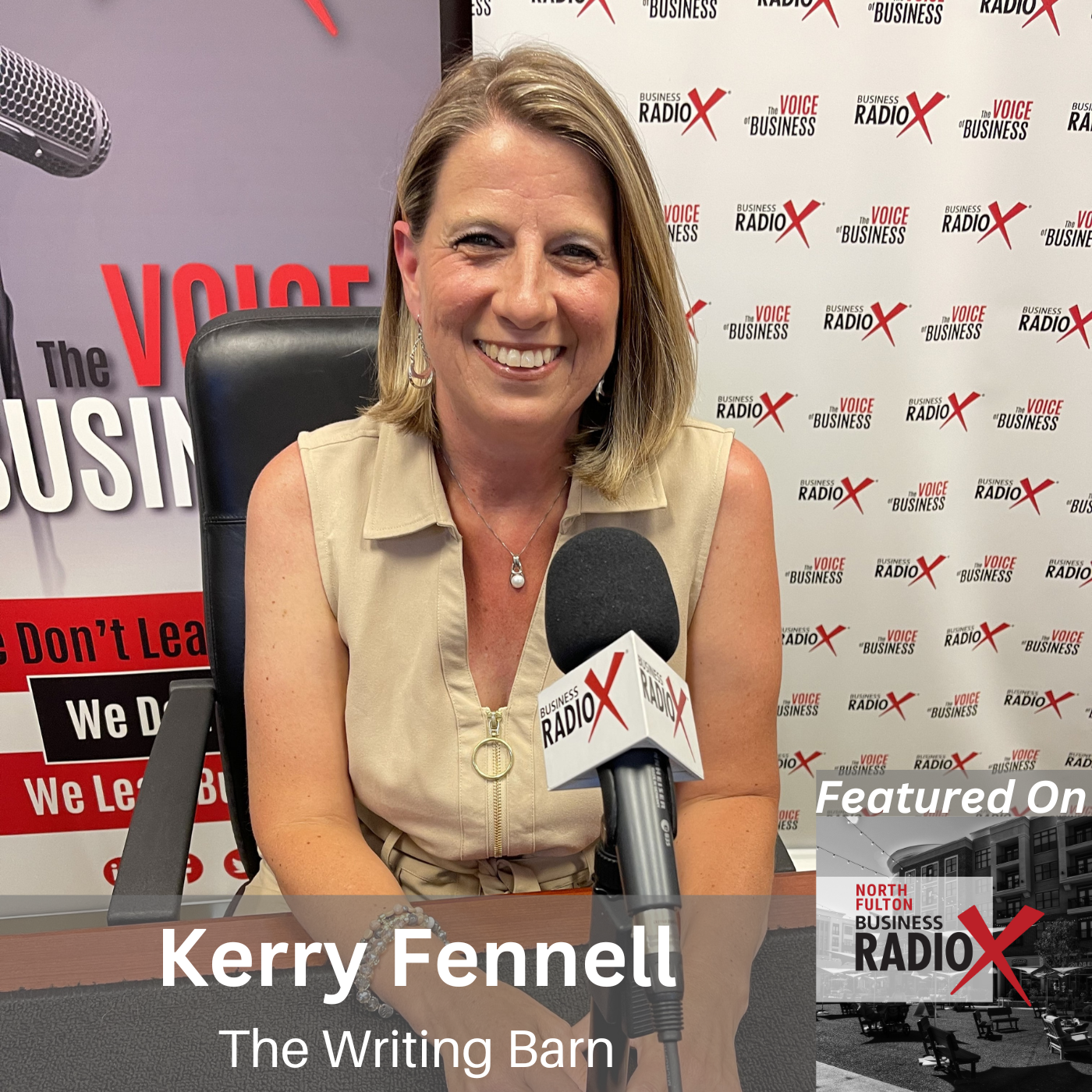
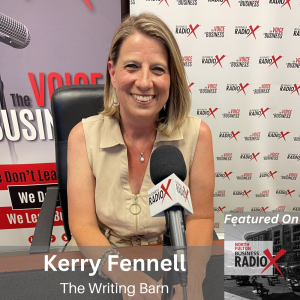
Brand Messaging with Kerry Fennell, The Writing Barn

May 7, 2025 by John Ray

Brand Messaging with Kerry Fennell, The Writing Barn, on North Fulton Business Radio with host John Ray
North Fulton Business Radio
Brand Messaging with Kerry Fennell, The Writing Barn
Loading
00:00 /
RSS Feed
Share
Link
Embed

Download file

Brand Messaging with Kerry Fennell, The Writing Barn, on North Fulton Business Radio with host John Ray

Brand Messaging with Kerry Fennell, The Writing Barn (North Fulton Business Radio, Episode 869)

In this episode of North Fulton Business Radio, host John Ray talks with Kerry Fennell, founder of The Writing Barn. Kerry helps small business owners, consultants, and solopreneurs clarify their brand messaging and connect more effectively with their audience. She explains why clear messaging is more important than ever in today’s crowded digital world, how imposter syndrome often holds professionals back from showing up authentically, and why good writing starts with understanding rather than selling. Kerry also discusses the concept of human-centered marketing and how writing can build trust, clarity, and connection. Whether you are building a brand, refining your voice, or learning how to use AI responsibly, this conversation offers practical guidance for writing that resonates.

John Ray is the host of North Fulton Business Radio. The show is produced by John Ray and North Fulton Business Radio, LLC, an affiliate of Business RadioX®, and is recorded inside Renasant Bank in Alpharetta.

Kerry Fennell, The Writing Barn

Kerry Fennell, The Writing Barn

Kerry Fennell is a copywriter and brand messaging strategist based in the Atlanta metropolitan area, known for her work with The Writing Barn. She specializes in helping B2B founders, business coaches, consultants, and service providers clarify and communicate their brand messaging to attract ideal clients and build trust.

Kerry is professionally trained in B2B copywriting through the American Writers and Artists Institute (AWAI) and holds a Content Marketing Certification from HubSpot Academy. Her approach is rooted in providing clarity, confidence, and impactful messaging while reducing the overwhelm often associated with marketing. With experience spanning marketing strategy, website copy, sales pages, and email campaigns, she also offers ghostwriting services for executives and founders in thought leadership and branding.

Kerry’s background includes roles in executive support, event planning, and admissions, and she is recognized for her faith-driven, purpose-filled work ethic and high emotional intelligence. Through The Writing Barn, she is dedicated to bringing authenticity and human connection back into marketing communications.

Website | LinkedIn

Topics Discussed in this Episode

00:00 Introduction and Welcome to North Fulton Business Radio
00:29 Guest Introduction: Kerry Fennell from The Writing Barn
02:03 The Importance of Brand Messaging
03:05 Kerry’s Career Journey and Passion for Writing
04:46 Challenges in Marketing and Overcoming Imposter Syndrome
08:10 Defining a Clear Brand Message
10:31 Human-Centered Marketing
14:25 The Role of AI in Marketing
25:18 Success Stories and Client Experiences
27:34 Conclusion and Contact Information

About North Fulton Business Radio and host John Ray

With over 860 shows and having featured over 1,300 guests, North Fulton Business Radio is the longest-running podcast in the North Fulton area, covering business in our community like no one else. We are the undisputed “Voice of Business” in North Fulton!

The show invites a diverse range of business, non-profit, and community leaders to share their significant contributions to their market, community, and profession. There’s no discrimination based on company size, and there’s never any “pay to play.” North Fulton Business Radio supports and celebrates businesses by sharing positive stories that traditional media ignore. Some media lean left. Some media lean right. We lean business.

John Ray, host of  North Fulton Business Radio, and Owner, Ray Business Advisors

John Ray is the host of North Fulton Business Radio. The show is produced by John Ray and North Fulton Business Radio, LLC, an affiliate of Business RadioX®, and recorded inside Renasant Bank in Alpharetta.

The studio address is 275 South Main Street, Alpharetta, GA 30009.

You can find the full archive of shows by following this link. The show is available on all the major podcast apps, including Apple Podcasts, Spotify, Google, Amazon, iHeart Radio, and many others.
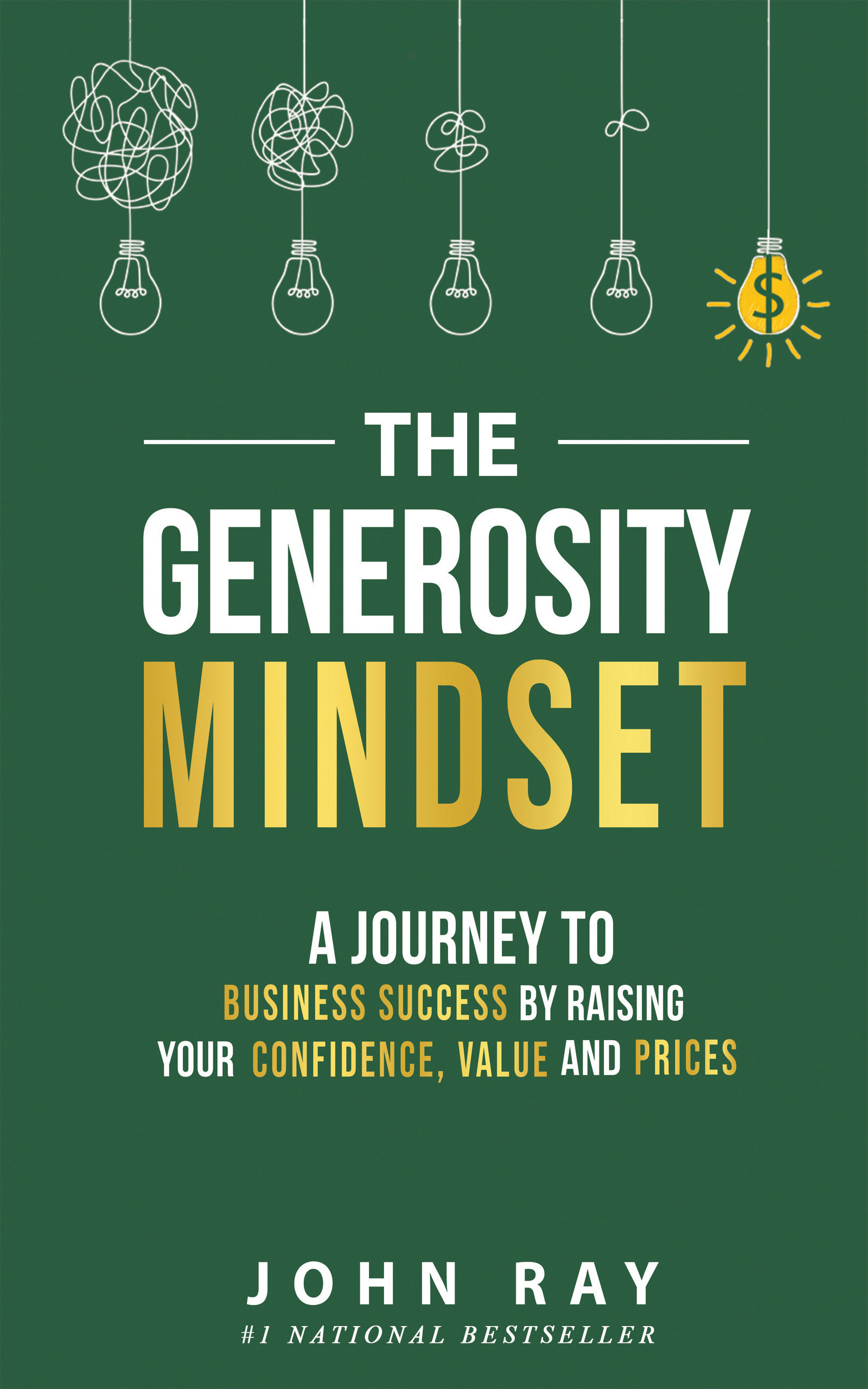
John Ray, The Generosity MindsetJohn Ray also operates his own business advisory practice. John’s services include advising solopreneurs and small professional services firms on their value, their positioning and business development, and their pricing. His clients are professionals who are selling their expertise, such as consultants, coaches, attorneys, CPAs, accountants and bookkeepers, marketing professionals, and other professional services practitioners.

John is the national bestselling author of The Generosity Mindset: A Journey to Business Success by Raising Your Confidence, Value, and Prices.
Tagged With: AI, brand messaging, brand voice, copywriter, copywriting, human-centered marketing, imposter syndrome, John Ray, Kerry Fennell, North Fulton Business Radio, overcoming imposter syndrome, The Writing Barn

Decision Vision Episode 141: Should I Hire a Copywriter? – An Interview with Maria Constantine, Mindmaven

November 4, 2021 by John Ray

Copywriter
Decision Vision
Decision Vision Episode 141: Should I Hire a Copywriter? - An Interview with Maria Constantine, Mindmaven
Loading
00:00 /
RSS Feed
Share
Link
Embed

Download file

Copywriter

Decision Vision Episode 141:  Should I Hire a Copywriter? – An Interview with Maria Constantine, Mindmaven

Knowing how a copywriter can help you, Maria Constantine notes, is the first step in deciding whether to hire one or not.  Copywriters make business communications easier, more effective, and build relationships through the emails and marketing pieces they write. Maria discussed with host Mike Blake how a copywriter enhances a brand presence, how they write in a client’s “voice,” how hiring one frees up the client’s time, when to hire a copywriter with a particular expertise, how to know whether they’re good at what they do, and much more.  Decision Vision is presented by Brady Ware & Company.

Mindmaven

Mindmaven is an executive coaching firm that’s spent the last 12+ years working with 100’s of leaders at companies like Reddit, Thumbtack, and Roblox, as well as heavy hitters in the tech startup world such as Sequoia Capital, Andreessen Horowitz, Benchmark, and First Round Capital.

Mindmaven helps leaders drive greatness by unleashing three key executive superpowers: Leverage, Intent, and Fellowship. With Leverage, you’ll free up 8-10 hours of your time each week by fundamentally changing how you work with your EA/Chief of Staff. With Intent, you can become more proactive and highly focused on growth, mastery, and the things that matter most. With Fellowship, you’ll learn how to build an irrationally loyal following of people (both within your company and greater network).

Company website | Twitter

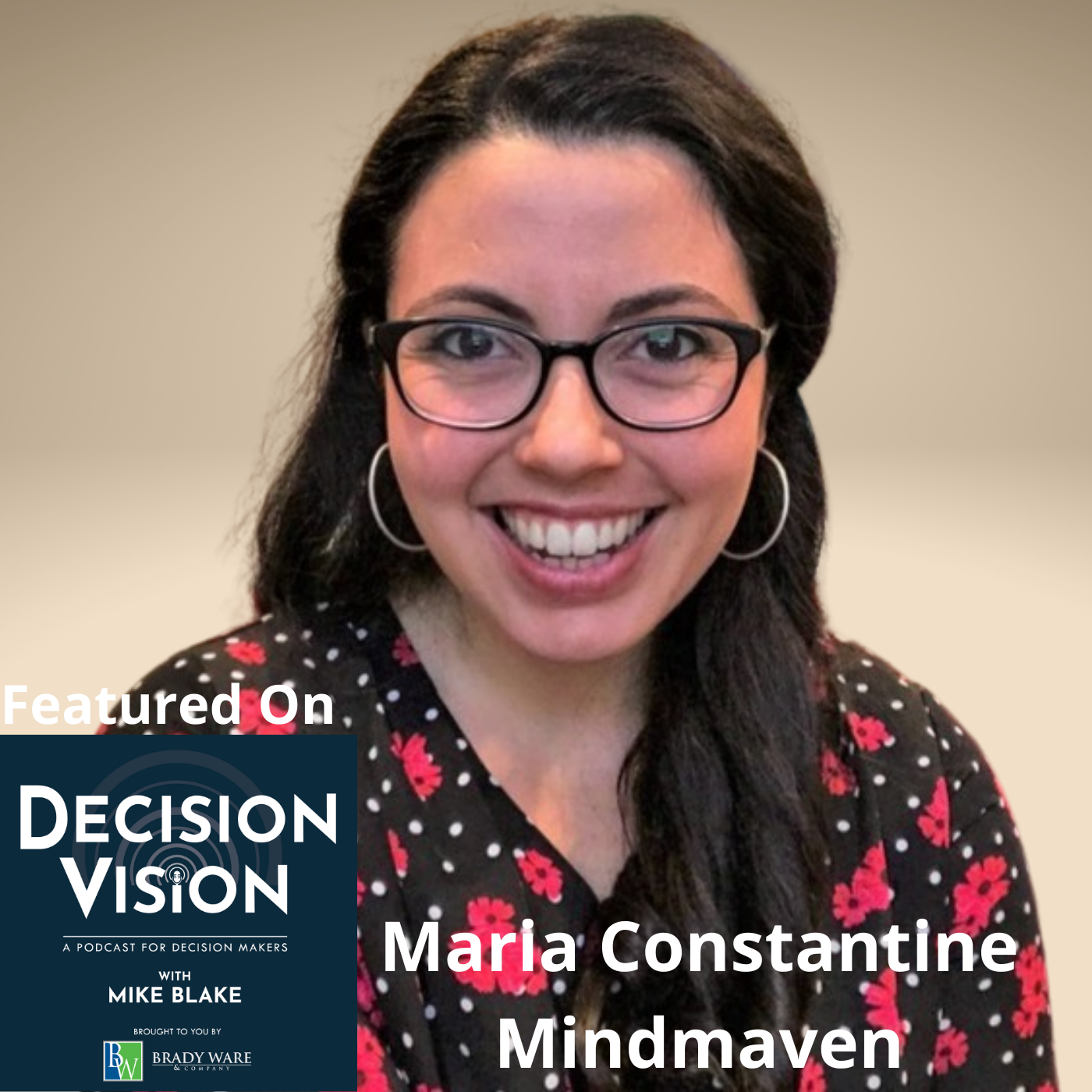
Maria Constantine, Head of Educational Partnerships & Programs, Mindmaven

Maria Constantine, Head of Educational Partnerships & Programs, Mindmaven

Maria Constantine is an educator turned marketing generalist with a background in ed tech, entrepreneurship, and copywriting. As the Head of Educational Partnerships & Programs for Mindmaven, Maria partners with CEO peer groups and organizations to host educational workshops on how to free up 8+ hours/week—through reimagining the role of an EA—and how to become a leader people are proud to follow.

LinkedIn


Mike Blake, Brady Ware & Company

Mike Blake, Host of the “Decision Vision” podcast series

Michael Blake is the host of the Decision Vision podcast series and a Director of Brady Ware & Company. Mike specializes in the valuation of intellectual property-driven firms, such as software firms, aerospace firms, and professional services firms, most frequently in the capacity as a transaction advisor, helping clients obtain great outcomes from complex transaction opportunities. He is also a specialist in the appraisal of intellectual properties as stand-alone assets, such as software, trade secrets, and patents.

Mike has been a full-time business appraiser for 13 years with public accounting firms, boutique business appraisal firms, and an owner of his own firm. Prior to that, he spent 8 years in venture capital and investment banking, including transactions in the U.S., Israel, Russia, Ukraine, and Belarus.

LinkedIn | Facebook | Twitter | Instagram

Brady Ware & Company

Brady Ware & Company is a regional full-service accounting and advisory firm which helps businesses and entrepreneurs make visions a reality. Brady Ware services clients nationally from its offices in Alpharetta, GA; Columbus and Dayton, OH; and Richmond, IN. The firm is growth-minded, committed to the regions in which they operate, and most importantly, they make significant investments in their people and service offerings to meet the changing financial needs of those they are privileged to serve. The firm is dedicated to providing results that make a difference for its clients.

Decision Vision Podcast Series

Decision Vision is a podcast covering topics and issues facing small business owners and connecting them with solutions from leading experts. This series is presented by Brady Ware & Company. If you are a decision-maker for a small business, we’d love to hear from you. Contact us at decisionvision@bradyware.com and make sure to listen to every Thursday to the Decision Vision podcast.

Past episodes of Decision Vision can be found at decisionvisionpodcast.com. Decision Vision is produced and broadcast by the North Fulton studio of Business RadioX®.

Connect with Brady Ware & Company:

Website | LinkedIn | Facebook | Twitter | Instagram

TRANSCRIPT

Intro: [00:00:01] Welcome to Decision Vision, a podcast series focusing on critical business decision. Brought to you by Brady Ware & Company. Brady Ware is a regional, full-service, accounting and advisory firm that helps businesses and entrepreneurs make visions a reality.

Mike Blake: [00:00:23] Welcome to Decision Vision, a podcast giving you, the listener, clear vision to make great decisions. In each episode, we discuss the process of decision making on a different topic from the business owners’ or executives’ perspective. We aren’t necessarily telling you what to do, but we can put you in a position to make an informed decision on your own and understand when you might need help along the way.

Mike Blake: [00:00:44] My name is Mike Blake, and I’m your host for today’s program. I’m a director at Brady Ware & Company, a full-service accounting firm based in Dayton, Ohio, with offices in Dayton; Columbus, Ohio; Richmond, Indiana; and Alpharetta, Georgia. My practice specializes in providing fact-based strategic and risk management advice to clients that are buying, selling, or growing the value of companies and intellectual property. Brady Ware is sponsoring this podcast, which is being recorded in Atlanta per social distancing protocols.

Mike Blake: [00:01:12] If you’d like to engage with me on social media with my Chart of the Day and other content, I’m on LinkedIn as myself and @unblakeable on Facebook, Twitter, Clubhouse, and Instagram. If you like this podcast, please subscribe on your favorite podcast aggregator and please consider leaving a review of the podcast as well.

Mike Blake: [00:01:31] Today’s topic is, Should I hire a copywriter? According to statistics published by Real Business – and I have no idea, by the way, how real Real Business is or not, but it sounds good. And it’s on the internet, so what could possibly go wrong? – 59 percent of people would actually avoid buying from a company who made obvious spelling or grammar mistakes in their copy. Which, I can understand. That sort of drives me crazy as well.

Mike Blake: [00:01:56] And I think many firms are faced with a decision as to whether or not they should hire a copywriter because writing has actually taken on a much greater level of importance. I think that it ever has in human history. And this is with all due respect to LinkedIn videos, and YouTube, and everything else, and videos out there, certainly, is an important platform.

Mike Blake: [00:02:25] But there’s so much written content out there and everybody now has connection and access to a global marketplace and a global audience that, you know, I’m old enough where I can remember my first emails were written on a digital emulated VT100 VAX terminal in the bottom of a computer science lab that I had to get special permission to use. And back then, email was pretty easy, right? Nobody is ever going to see it. We didn’t know yet that all caps meant that you were shouting at people. In fact, I think our terminal didn’t even have a caps button. Everything was all caps.

Mike Blake: [00:03:10] And, now, we’re in a world that has exploded where, whether we realize it or not, we’re writing all the time. We don’t do phone calls nearly as much as we do. We text. The only way I can communicate nowadays with my 19 year old son, I try to actually talk to him in a real conversation or have him pick up the phone. Forget it. He’s had a phone for five years. I don’t even think he’s set up his voicemail, so I know that that’s not a winning proposition. But if I send him a text, I’ll get something right back.

Mike Blake: [00:03:41] So, whether it’s texting, whether it’s social media, whether it’s newsletters – and we’ve had an episode not long ago about whether you should have a newsletter – writing is just so endemic now. And I think there’s some real questions as to whether we, as decision makers, should be writing as much as we are. Is it a good use of our time? Are we qualified to write on behalf of our companies our information ourselves?

Mike Blake: [00:04:14] And if you want to exhibit A as to the cautionary tale, look no further than the National Football League. We’re seeing ten-year-old emails that are being dug up, in really only tangentially related legal matter that have so far gotten a National Football League coach fired. And are now having Congress calling to potentially subpoena – I don’t know the legal grounds, I’m no lawyer – basically, years of emails involving the Washington Football Team.

Mike Blake: [00:04:45] And so, writing is just more important than I think, frankly, it’s ever been when you think about it. And because it’s so important, the question really boils down to, can we afford to to leave writing to amateurs like ourselves?

Mike Blake: [00:05:04] And joining us today to help us understand this question and talk about it is Maria Constantine, who’s head of Educational Partnerships and Programs for Mindmaven, and has also been a freelance copywriter for the past, nearly, seven years.

Mike Blake: [00:05:20] Maria is an educator turned marketing generalist with a background in educational technology, and entrepreneurship, and, of course, copywriting. Maria partners with chief executive officers, peer groups, and organizations to host educational workshops on how to free eight or more hours per week through reimagining the role of an executive assistant and how to become a leader people are proud to follow.

Mike Blake: [00:05:45] Mindmaven is an executive coaching firm that has spent the last 12 plus years working with hundreds of leaders at companies like Reddit, Thumbtack, and Roblox, as well as heavy hitters in the tech startup world such as Sequoia Capital, Andreessen Horowitz, Benchmark, and First Round Capital.

Mike Blake: [00:06:03] Mindmaven helps leaders drive greatness by unleashing three key executive superpowers: leverage, intent, and fellowship. With leverage, you’ll free up eight to ten hours of your time each week by fundamentally changing how you work with your chief of staff. With intent, you can become more proactive and highly focused on growth mastering the things that matter most. And with fellowship, you learn how to build an irrationally loyal following of people both within your company and greater network. Maria, welcome to the program.

Maria Constantine: [00:06:33] Thank you, Mike. It’s wonderful to be here.

Mike Blake: [00:06:36] So, let’s start off because it may not be obvious to everybody in the audience. What exactly is a copywriter? And what do people like you and your copywriting persona, what do you guys do?

Maria Constantine: [00:06:51] Yeah. The best way I can describe what a copywriter does is by giving you a little story. So, first of all, a copywriter, I would say, is to words, as a master painter is to paint. They can take the most basic, most regular, even most boring ideas and turn them into something that’s compelling, something that is a masterpiece.

Maria Constantine: [00:07:14] As I was thinking about this podcast, it’s really interesting, actually, just this week, I bought a bed frame from a company that I used a couple of years back, probably about six years ago now. And when I was looking for this bed frame that I just bought this week, I remembered this company from six years ago. Because when I ordered from them the first time, I got this welcome packet along with the bed frame. The bed frame was great, by the way.

Maria Constantine: [00:07:40] But what stuck out to me was the welcome packet, because the copywriter who created this welcome packet invited themselves into my life. They congratulated me on this piece that was turning a house into a home. They made me feel like they were a friend that knew me that was part of this journey with me. It was a little bit cheeky. There were some puns in there. I laughed. I took pictures of it and sent it to my friends.

Maria Constantine: [00:08:08] And this connection that I had with this person I’ll never meet and never know who wrote that is exactly why, six years later, when I was comparing models and I could go with the same company that I went with six years ago or a new company that had a cheaper bed frame – exactly the same, but cheaper – I went with the more expensive bed frame because I love these people. I feel like they’re part of my home buying journey. And that right there is the magic of a copywriter.

Mike Blake: [00:08:38] So, do copywriters only serve marketing needs? Or are there other needs that copywriters serve?

Maria Constantine: [00:08:45] That’s a great question. So, of course, typically they work in marketing but, especially in Mindmaven, we think about copywriting pretty uniquely. We have this role called an engagement manager, which is like an executive assistant, but upgraded, who works to support the office of the CEO, but also can work with a leadership team to actually increase how many opportunities come from the leadership’s network.

Maria Constantine: [00:09:16] So, if you think about it, every time you send an email, you’re building a relationship with someone, right? So, a copywriter can help actually craft that email for you – or with you, rather. We do something where we’ll have the executive dictate an email, so it’s still a genuine expression of what they’re doing, it’s still coming from them. But then, you have an engagement manager who often has some kind of copywriting experience come in and wordsmith that to really bring an extra level of intention and help the exact to really connect with people in a meaningful way. So, that’s another way that a copywriter can support a business.

Maria Constantine: [00:09:56] Also, copywriters can help sales teams. They can help you craft outreach emails or follow up emails. And even social media is under marketing, but it’s not. Sometimes there’s actually an overlap between customer service and social media. That was something I did in one of my jobs where my role was a social media manager. But a lot of times, I just spent a lot of time writing answers to customers. People would ask us questions, I would answer, but then also engage with them to, again, try to form that relationship with them. So, there’s a lot of different ways that a copywriter can support a business.

Mike Blake: [00:10:37] Yeah. You know, it occurred to me that we see, of course, the gaffe email that a company sends out. But I think the most damaging internal communications, not just emails, are ones that are internal because they don’t see the light of day, they aren’t intended to see the light of day. And, therefore, I wonder if sometimes the authors feel a little bit more careless about them. But that internal email or internal communication can be disastrous. It can be demoralizing. It can set you up for liability. It can undermine your brand. The wrong communication can send, like, five very valuable people over to indeed.com looking for their next job, right?

Maria Constantine: [00:11:35] Yeah. Absolutely.

Mike Blake: [00:11:38] And so, you know, it just gets back to at least my point – I want to pat myself in the back – it does go back to the point where we’re just writing so pervasive. And so pervasive, we don’t even think about it. And when you don’t think about it, that’s when you get killed.

Maria Constantine: [00:11:54] Yeah. Yeah. Absolutely. And actually this is the concept of good to great. That’s something that a lot of people are familiar with. One area where leaders can really shine is in their personal communications. When you send an email, you can be the person who sends two liners that are quick, short to the point, not a lot of fluff. Maybe as a follow up email to someone that you’ve met with, you want to just kind of quick grab the things that you both agreed on, you throw it into an email, you send that out.

Maria Constantine: [00:12:27] Or you can spend 30 extra seconds wordsmithing that with the support of a copywriter. And then, you leave this impact on the person you’ve met with where, again, it’s the relationship building. They’re going to feel like, “Wow. I really like this person. I’m walking away from this meeting feeling really good about this.” And a lot of that is because you took 30 extra seconds on the follow up email that you sent them.

Mike Blake: [00:12:55] So, what are some signs that a company could see that would lead them to the conversation or the question, “Hey, maybe you need to think about hiring a copywriter? What are the warning signs?”

Maria Constantine: [00:13:07] Yeah. I would say a big thing is, if your leadership team, if you are the CEO, or in the senior leadership team, and you spend more than 20 minutes wordsmithing one particular thing, I would say that is a sign that you should be hiring a copywriter. Because at the end of the day, that’s opportunity cost. As the leader of a company, you can outsource this, you can outsource copywriting. There are brilliant, talented people who do this. But there’s not a lot of people you can outsource the leadership of your company to. That is your role.

Maria Constantine: [00:13:43] And if your very valuable time is being taken up trying to figure out exactly what to say in an email or even on a newsletter or in a blog, those are things that you can do in a much more effective way while being supported by a copywriter. So, that’s a big thing.

Maria Constantine: [00:14:02] I would say, if you feel some hesitancy around this, I think it’s really common for leaders to feel like they have control over their messaging when they do the copywriting. If you are the one typing the words out, that gives you a sense of control over that, some ownership. And it feels good to have that. But if you feel yourself resisting, that you want to hold on to that for longer, that’s actually a sign. It’s probably time to let that go because that’s not your core objective as the leader.

Maria Constantine: [00:14:36] Again, there are so many other things that you can use your time for. And being able to bring in someone new is going to help you connect with your audience more, because you’re going to get some fresh perspective in there, you’re going to be able to pump out content in a much higher rate. And it’s just going to be better for you to be able to have that support to do so many more things that are really going to push the needle forward.

Mike Blake: [00:15:01] Now, of course, the name of the game with marketing is engagement. It’s one thing to write something. It’s another thing to have somebody actually care about what you wrote and read it. How can a copywriter improve engagement?

Maria Constantine: [00:15:18] Yeah. So, this, again, comes back to relationships. If a copywriter is good at what they do, they are going to give the reader the sense that you have a relationship with them. One of these funny things that we love to think that people are rational. We like to think that we make decisions based on facts and data. But we don’t. No one does. We make decisions based on how we feel, how someone else makes us feel.

Maria Constantine: [00:15:47] An example of this, actually, I subscribe to a lot of different tech newsletters. That’s a big part of our clientele. So, I’m on a bunch of newsletters, but I get busy, so I don’t read very many of them. I’ll admit I can’t keep up with all of them.

Mike Blake: [00:16:02] No, you can’t.

Maria Constantine: [00:16:02] But the one that I do keep up with is TechCrunch. And it’s not because it’s particularly better than the others – maybe some would argue it is – but it’s because the editor is a riot. Every time they write their newsletter, it starts with some personal note from the editor that has me cracking up. It is so fun and I feel like I have this connection with the editor who writes the TechCrunch weekly newsletter. And so, right there is an example of this very talented copywriter is bringing me back because of the relationship that I feel that I have with that writer on the other end of this newsletter.

Mike Blake: [00:16:44] So, it’s a very interesting theme that you’re kind of coming back to, which I hadn’t considered but it makes sense now that you bring it up, which is writing is relationships. If that’s where most of our communication is taking place and the thing about writing is that it is permanent. When we were kids who are always warned that something was going to go into our permanent record. And now that we’re adults, everything we write, it goes into our permanent record, whether we like it or not.

Maria Constantine: [00:17:09] Yeah. Exactly right. And the fun thing is that, unlike in-person communication where maybe there’s other emotions happening, of course, you want to communicate well in-person as well, but there’s not as much time, there’s not as much space to really craft the communication the way you want. In writing, the amazing thing about it, is that, you have as much time as you need. I mean, you have the opportunity, you have that space to really craft. It’s like a gift that you’re giving someone. That communication is an opportunity to make them feel good, to make them feel connected to you, to make them feel good about themselves. Every time you right something to someone else, you have that opportunity.

Mike Blake: [00:17:57] So, I think what we’re learning here is there can be an impression that you might hire a copywriter just because you don’t write well. And there is some of that, right? Not everybody can be a good writer. And I wonder if writing is kind of like driving, we all think we’re better at it than we actually are. But if you hire a copywriter, it’s not necessarily kind of admitting that you think you’re a bad writer. It’s not just for people that struggle with, you know, grammar and vocabulary.

Maria Constantine: [00:18:29] Yeah. Absolutely right. And, actually, I would say that if you have strong copywriting skills, if that’s just a natural skill of yours, it’s actually going to be easier for you to find and really leverage a copywriter. Because one skill that, at least, good copywriters will have is that they’re going to be able to emulate a tone, especially someone with agency background or who’s done freelancing similar to what I’ve done. They need to be able to switch hats really quickly and slip into the tone and the branding of whatever account that they’re working on.

Maria Constantine: [00:19:07] So, that means, if you have a really strong brand, if you have a really strong voice already, your copywriter is going to be able to hit the ground running because they don’t have to start from scratch creating a voice. They can just learn from what you’ve done that you really like. And then, again, increase the amount that they can output.

Mike Blake: [00:19:28] So, I’ve heard an argument – and please tell me if I’m wrong. Although, you’re welcome to tell me if I’m right, if I happen to be – there’s benefit to hiring a copywriter simply to gain some distance from the topic. You talked about, for example, in your answer to the first question about adding excitement. You know, if I’m working, I’ll just cop to this. I’ve been doing business appraisals and strategic advisor for 15 years. It sometimes can be hard to summon up the excitement for one more piece of collateral material, because I’ve been doing it for so long. Somebody who’s encountering it for the first time, I’ve been told, can bring a different energy, a different level of excitement that somebody who’s in the weeds every day isn’t necessarily going to be able to summon. Is that fair?

Maria Constantine: [00:20:21] Yeah. I think that’s totally fair. And thinking about this, you know, in terms of there are different sort of industries where I would say having someone with familiarity is really important. If you have a very technical business, if you have something very technical that you’re trying to communicate – because copywriters, again, you can do that outward facing like marketing copywriting, but you can also do product descriptions, technical instruction books, those kinds of things, all of that can be done by a copywriter.

Maria Constantine: [00:20:55] So, depending on what you’re looking for this copywriter to do, if it’s more technical, of course, having someone in the industry with experience is really essential, really important. But if you’re looking for that marketing spark, if you’re looking for someone to bring an excitement to reinvigorate the brand, and even to see your product from the perspective of an audience member who’s seeing it for the first time, if you think about that, if you’ve been doing this for so long, you have certain blinders because you know what to expect, you know this inside and out.

Maria Constantine: [00:21:35] But someone from the outside is coming at your product, coming at your service, the way your target client would for the first time. They’re going to find the things that make them excited, which is probably going to be similar to what’s going to get your audience excited.

Mike Blake: [00:21:52] So, is there a typical model in that? Let’s narrow this down. We’ll talk about for our audience. Most of our audience is comprised of owners or executives and businesses with, say, $100 million of annual revenue or less. For businesses like that, are they more likely to find it beneficial to hire somebody full-time? Or are they more likely to find a beneficial to outsource it?

Maria Constantine: [00:22:21] Yeah. That’s a great question. So, freelancers are amazing. You can get some incredible work from finding folks on places like Upwork or Fiverr. There’s a lot of talented copywriters out there. One thing that you want to know if you’re going to be doing a freelance position with a copywriter is that, every time you find someone new, every time you find a new freelancer, you are paying them to learn your brand. So, there’s a cost to that.

Maria Constantine: [00:22:51] A really good copywriter can do that quickly. But there is a learning time, where if you give them a deadline and say, “I need something by the end of today,” it might be a stretch for some freelancers where they say, “Well, you just brought me on. I need time to get to know your brand first, to get to know your product first.” If you have someone that’s on your team as a full time copywriter, you should definitely look for someone who can really help you in other areas of marketing as well.

Maria Constantine: [00:23:24] Most people who have in-house copywriters, especially for smaller businesses, they don’t only do copywriting. When I was a full-time marketing specialist, I was a copywriter, a social media manager, and I ran interviews, actually, for our sales and training team. So, they found areas where they could plug me in, where, “All right. You’re good at words. Here are the places where we need someone who’s good at words.”

Maria Constantine: [00:23:49] So, if you’re going to have someone full time, really think big. And when you hire that person, think about where your needs are and look for overlaps. Because there’s, like I said, a lot of copywriters who overlap with funnel building, copywriters who overlap with social media. So many different marketing channels that you can get out of someone who’s a copywriter, if you choose to do that, bring them on board full time.

Mike Blake: [00:24:16] So, if you are going to go the outsourced route – and I suspect many companies will do that if they’re using a copywriter for the first time to sort of try before they buy – where do you find them? Where do they hang out? How do you identify people that are identifying themselves as being capable in that area? How do you find them?

Maria Constantine: [00:24:36] You know, there’s a couple of different ways. Upwork is the obvious one. They’re a huge hub for copywriters. I would say, actually, maybe an unconventional one is Instagram. One thing about Upwork or even Fiverr, Elance, places like that, is that, the copywriter is going to be a little bit mad because part of their pay goes to Upwork, goes to the other platform. So, they have to charge you more, but you’re not actually paying them that much. So, there’s a disconnect there, where it doesn’t feel as good as a copywriter to know I’m worth this number, but I have to give part of that to this platform.

Maria Constantine: [00:25:19] But if you can go directly through Instagram or even Facebook, maybe LinkedIn, I would say Instagram is a big one where more and more copywriters are starting to create their branded profiles on there. I have a couple friends that I follow. A Cup of Copy is one example where she’ll just highlight some incredible freelance copywriters that are out there. I think she now doesn’t do freelance work. But she still will highlight freelancers.

Maria Constantine: [00:25:51] And if you can find someone directly, it’s better for you because you don’t have to pay them as much because they don’t have to bump up their rate to compensate for that charge from Upwork or whatever else. But then, Instagram is a great place to see their portfolio. A good copywriter will know how to market themselves as well and have a lot of great examples for you to look through.

Mike Blake: [00:26:17] Yeah. And that actually brings us back to what you touched on that I want to make sure that I addressed, are there copywriters that are industry specialists that tend to do most of their work in one or two verticals? And if so, is there a benefit to that? Is it worth looking for somebody that already has deep or at least deep-ish industry knowledge is somebody that you select for that role?

Maria Constantine: [00:26:43] Yeah. So, I would say, definitely, if you’re doing a freelance sort of set up, you should look for copywriters who have some experience in the industry where you’re working. The reason for that is, again, it’s going to shorten that learning curve.

Maria Constantine: [00:26:58] I remember I did a freelance arrangement once where I was writing for, it was like a scientific journal about fishing. And, you know, I’ve gone fishing with my dad a couple of times as a kid. But beyond that, my knowledge of fishing, technical tools, or even the type of fish, I had to do a lot of research to be able to talk about this as an expert. So, they were very happy with the product in the end, but they paid me for the research that I did. If you had someone who has a lot of experience in your technical field, then you’re able to pay more just for the actual writing and not so much for that research bit.

Mike Blake: [00:27:43] So, there’s a train of thought and I do think that there’s some value to it that suggests that companies, or individuals, executives, owners, should do as much writing as possible as they can themselves because that’s the only way to capture their authentic self. It’s got to sound like your voice, your hand, your fingers, your keyboard, whatever. How much weight do you place in that argument? How do you strike a balance? Or is it a non-issue? Maybe good copywriters are really good at capturing your voice. That’s a spurious argument. But what’s your take on that?

Maria Constantine: [00:28:27] Yeah. I would say, especially for smaller businesses where your relationship with your customers is a big part of your brand, where they feel like they’re connected with you, they feel like they’re working with you because of the ownership, because they know the owner, there is value in making sure your genius is captured whatever your authentic tone is. But the thing is, you do not have to type it up in order to do that.

Maria Constantine: [00:28:59] So, at Mindmaven, we teach people to use dictations for everything that you possibly can. We actually talk about rather than hiring a copywriter first, we tell people to hire an engagement manager first, that executive assistant plus. And all of our executives, all of our senior leadership team will dictate, whether it’s a blog or an email or anything, anything that you would have typed, you can dictate to your engagement manager. And then, they type it up and publish it for you. So, it’s still your voice, it’s still your authentic experience, and even just your personality will still come through. But you have a copywriter, especially who’s good at editing.

Maria Constantine: [00:29:42] If you’re going to go that direction, if you’re looking for an engagement manager and want someone with a copywriting experience, you look for someone who has some editing experience who really loves the details, very detail-oriented, so that they can polish that for you, so that when it goes out, you’re not worried about grammar mistakes or spelling mistakes. Also, it goes so much faster. You can talk like four times the speed you can type for most of us. And then, you have that ability, again, to leverage a copywriter but still capture your authentic contribution.

Mike Blake: [00:30:17] My question is this, is it reasonable to look for a copywriter that has the capability to write with SEO in mind?

Maria Constantine: [00:30:29] SEO is incredibly important for any business. I would say, you know, if you only are going to hire one person for SEO, if that’s all that you have in your budget, then, yes, your copywriter should have some experience with SEO. What you should know about SEO is that there are very, very technical bits of it that you have the writing side of it, which any copywriter should be able to do. But then, the technical side of SEO, really, it’s not quite fair to expect that from a copywriter. Those are like two very different skills.

Maria Constantine: [00:31:06] So, actually, as an example, here at Mindmaven, we work with an amazing firm called White Hat Ops, and they do our technical side of SEO. But then, our writing team, our copywriting team will implement the insights that we get from our technical SEO support. So, you don’t necessarily have to hire someone who has all of the magical SEO skills because it’s kind of a unicorn. That person doesn’t really exist. Either you have someone who’s an incredibly talented creative writer or you have someone who’s incredibly skilled at the technical side of things.

Maria Constantine: [00:31:41] Just starting with the writing is a great place to start. If you want to go really deep into SEO, it’s worth at least talking to an SEO expert and really considering all the bits that go into really making your website and your content optimized for search engines.

Mike Blake: [00:32:02] Okay. So, Maria, where do copywriters come from? I don’t know that people necessarily grow up saying, “Hey, I want to be a copywriter when I grow up.” I mean, I didn’t say I want to be a business appraiser when I grew up either. It’s not a criticism. It’s just the way it works. Is there a common path that people take to become copywriters?

Maria Constantine: [00:32:28] That’s a great question. I actually love that. It made me think back on my own journey getting into copywriting, and it’s fun. So, for me, personally, I always wanted to be a writer as a kid. But I had two accountants as parents. So, when I told them I wanted to be a writer, then like, “Oh yeah. That’s nice. Who’s going to feed you? Who’s going to pay for the heat in your home when you’re an adult?” Like, “Okay.” So, writing is not a career, I guess, that my parents encouraged. My parents are wonderful and encouraged all my dreams. But, you know, they like to keep me nice and pragmatic too.

Mike Blake: [00:33:04] Some dreams more than others.

Maria Constantine: [00:33:06] Exactly. Especially the dreams that pay the bills, you know? So, I went into teaching. I taught English. I taught writing, creative writing and drama. And that was a really fulfilling way to use my love of writing. But I found pretty quickly that it wasn’t enough. I wanted to do more. And somehow, I don’t even know, I think it was a friend who needed help ghostwriting their dissertation, it was something like that. That was my first freelance project. And, suddenly, I was making better money than I ever had before doing something that I loved.

Maria Constantine: [00:33:43] Freelancing can be tricky because it’s hard to be a full-time job. You’re just constantly spending a lot of time looking for jobs, which isn’t very fun, I’ll admit. So, for my copywriting journey, it’s something I enjoy on the side, but it wasn’t something I wanted to pursue full-time. I think a lot of people who end up in copywriting have a love of human behavior. People who notice things, who watch, who like to tell stories, there’s a lot of different tracks into copywriting. And I guess, I’m really focusing on the more creative copywriters because there are also, like I mentioned, more technical copywriters who will help.

Maria Constantine: [00:34:26] Actually, that dissertation project is a perfect example, a ghostwriter on a very technical dissertation. That would be a copywriter job, but someone with a very specific technical skillset. And they’re probably going to get into it because they’re just in the industry, because they have that expertise and they maybe want to make a little money on the side, they want to give back to this industry that they love. So, there’s a lot of different tracks into copywriting.

Maria Constantine: [00:34:53] I think the creative copywriters tend to be folks who love storytelling in one way or another and want to contribute to that connection that we feel when you read some good copy. Really thinking about how do I move people to action? You know, there’s a lot of power in that. That’s a really exciting thing to be able to inspire people or help people. And that drive, I think, is what is behind at least the best copywriters. I’ll say it that way.

Mike Blake: [00:35:27] An observation that I have is what you’re describing in terms of the mindset of the copyrighter very closely resembles how I’ve heard comedians describe.

Maria Constantine: [00:35:39] Hmm, interesting.

Mike Blake: [00:35:41] Because I mean, they observe the world, and they’re creative, and they have a story that they want to tell. Every comedian comes up with a series of stories that they’re trying to tell. And, you know, I wonder if there’s two sides really to the same coin. And maybe that’s why there are a lot of people who write for comedians that are effectively copywriters.

Maria Constantine: [00:36:04] Yeah. Yeah.

Mike Blake: [00:36:05] Jimmy Fallon doesn’t just show up and write jokes, right? He has a whole team of people that are writing content for him all day. So, I wonder if there’s a common thread there.

Maria Constantine: [00:36:14] Yeah. I think that makes a lot of sense. And we see humor is a huge tool in marketing. If you can get a copywriter who has the ability to write jokes, to write some good humor into your content. The amazing thing about humor is that it’s based in an understanding of the human condition. Humor is only funny because we all get it. We all recognize something in it. And that’s what the best marketing is, too, you read a piece of marketing and you say, “I see myself in that.” Or, “I didn’t even know there were words for this thing I was feeling. Now, I’m compelled to do something about it.” That’s what really good copywriting is at its core.

Mike Blake: [00:36:59] I’ll bet you’re funny. I don’t know you very well, but I’ll bet you can tell a joke or two and hold an audience. I’ll bet you got some funny stories. I’m not going to put you on the spot to say something funny. That’s idiotic. But I can tell that resonates with you because I’ll bet you in a social setting, you’re probably pretty funny. Your friends would say, if I ask them, that you’re funny.

Maria Constantine: [00:37:22] I do like making people laugh. That’s something my poor teachers in school didn’t love it because I was a bit of the class clown. But I worked hard, too, so, it was okay. I balanced it out.

Mike Blake: [00:37:36] So, I think I know the answer to this, but I don’t want to assume. Do copywriters get better over time by working for the same client or with the same company? Is there sort of like a break-in period? Maybe the first couple of pieces are good. But after developing a relationship with the company, the people, the brand, they internalize it, do they get better? So, is this sort of like a break in period or ramping up period with copywriters? Or should you expect them to just be awesome right off the bat?

Maria Constantine: [00:38:10] Yeah. I would say a really good copywriter will show you how good they are within the first week. So, a really good copywriter should be able to slip into your tone, into your brand, and produce excellent content within a week. Now, that being said, I think there’s a lot of benefit to having continuity with a copywriter because, of course, as they get to know you more, as they get to know your audience more, really, it’s almost like they build traditions with your audience, whether that’s through a specific type of spotlight content or maybe it’s the newsletter having a specific style of how you start the newsletter. You need continuity for that.

Maria Constantine: [00:38:59] It’s much harder, I should say. I won’t speak in absolutes there, but it’s much harder to do that if you have a different copywriter doing your newsletter every quarter or so. And building that long term relationship is something that is easier if you have someone there to really go deep with your audience.

Maria Constantine: [00:39:19] One thing really that comes out of that as well is kind of like what I mentioned with the social media, sometimes the copywriter is on the frontline to actually consume feedback from your customers. Maybe because your customers are responding to the emails that they wrote. Maybe it’s because they’re reaching out on social media or engaging in comments and your copywriter is responding. So, they’re really as a forward facing person to your audience. And having them around for a while allows you to have really valuable insights from your audience, but it also allows your copywriter to then write with that insight in mind.

Maria Constantine: [00:40:01] And a lot of what copywriters do is hard to translate or to, like, capture in a best practice. Sometimes it does come down to your copywriter generally feels they have a connection with your audience and so that comes out. There’s a little bit of magic there that’s – so let me backtrack. Because I said they’re going to write good content for you in the first week. They’re going to do great work for you there. But you’re not going to have that magic until they find their legs a little bit more. And that’s maybe a little bit of a difference here if we’re talking about, “Yeah. It’s okay to expect excellent things from them right off the bat.” But if you’re expecting magic right off the bat, give them a little bit of time to actually learn your audience and your product a little bit deeper.

Mike Blake: [00:40:52] We’re talking with Maria Constantine of Mindmaven. And the topic is, Should I hire a copywriter? Have you found that copywriters are more effective or less effective in certain industries? Do they work well in one particular industry versus another? Or can they work well across the board? Is there such a thing as an industry that doesn’t lend itself well to working with copywriters?

Maria Constantine: [00:41:19] No. I would say, if you are a business that sells a product, service, or experience, which is every business I have ever heard of, then you can benefit from a copywriter. Because your copywriter is going to take whatever you are selling, whatever you are giving back to the world, and connect it to your audience. Whether that’s super technical, whether it’s very emotional, relationship driven, your copywriter is your mouthpiece to the world. And getting an audience, getting more attention to what you are creating is the goal of any business. So, there’s no field that wouldn’t benefit from a copywriter.

Maria Constantine: [00:42:01] And like we were talking about earlier, even technical pieces, like your instruction books, sometimes people will kind of use those as a throwaway opportunity. They just get someone to write out something that’s basic, straightforward, no bells or whistles. And maybe that’s okay, you know, it doesn’t have to be shiny and fancy every time. But if you have a copywriter who takes care of any piece of writing that your company puts out, people are going to notice, people are going to feel connected to you.

Mike Blake: [00:42:38] I mentioned at the top of our program, videos are now sort of riding shotgun along with writing in terms of being the preferred communication. And as much as I love podcasts, I mean, podcasts are a little bit behind that. That’s fine. You know, I’m dabbling in video now and I’m predictably terrible at it. But the one thing that strikes me I wanted to ask you was, can copywriters help write scripts for people that are going on video?

Mike Blake: [00:43:14] My wife, has a skill that she doesn’t appreciate how good that is. She can turn the camera on, look in the camera, talk for several minutes and sound intelligent. Me, if I do that, I sound like I’m in the middle of a hostage tape, basically. And so, I’ve got to have a script or it’s going to be beyond terrible. And so, my question is, are copywriters now providing services to help people write scripts for their videos?

Maria Constantine: [00:43:43] Absolutely. Yeah. I did a freelance gig for a company that had only two products, if you will. They created SEO rich websites and they created videos sponsored by cities to attract tourists. That was all they did. And they had two teams of writers for both products. They had a team of writers that did SEO and they had a team of writers who created the scripts. And more than that, they created the storyline of the video. Because at the end of the day, a good video is a storytelling tool.

Maria Constantine: [00:44:18] If your video has a beginning that captures you, a middle that has some kind of conflict that you’re resolving, and an end that wraps up and makes you feel good or like you want to know more, then that video is successful. That is an amazing storytelling tool. So, to have a writer support you on creating scripts for videos makes so much sense.

Maria Constantine: [00:44:42] And even better, I’ve actually done some work in my freelance career where I wrote the storyline of the video. I wrote the copy that actually showed up on screen. And I created the video. I have a little bit of video experience, so I did the whole thing for them. So, you can find copywriters who have a really rich experience in video creation or even editing.

Mike Blake: [00:45:08] So, we’ve learned, ladies and gentlemen, that Maria is a triple threat here.

Maria Constantine: [00:45:13] I don’t know about that. I find problems and I solve them, you know?

Mike Blake: [00:45:19] So, Maria, this has been a great conversation. We’re running out of time and I’m sure there are questions that I might have asked and our listeners would have liked me to ask that we didn’t get two or maybe a question that they would have liked us to go into more depth with. If somebody wants to follow up with you on this conversation, can they? And if so, what’s the best way to contact you?

Maria Constantine: [00:45:39] Absolutely. You can find me on LinkedIn as myself, Maria Constantine. I’m also behind the Mindmaven Twitter, @mindmavenHQ. You can also email me, maria.c@mindmaven.com. And then, you can also always reach out on our website, mindmaven.com.

Mike Blake: [00:46:02] That’s going to wrap it up for today’s program. I’d like to thank Maria Constantine so much for sharing her expertise with us.

Mike Blake: [00:46:09] We’ll be exploring a new topic each week, so please tune in so that when you’re faced with your next business decision, you have clear vision when making it. If you enjoy these podcasts, please consider leaving a review with your favorite podcast aggregator. It helps people find us so that we can help them. If you would like to engage with me on social media with my Chart of the Day and other content, I’m on LinkedIn as myself and @unblakeable on Facebook, Twitter, Clubhouse, and Instagram. Once again, this is Mike Blake. Our sponsor is Brady Ware and Company. And this has been the Decision Vision podcast.


Tagged With: Brady Ware & Company, Content writing, copywriter, copywriting, Decision Vision podcast, Maria Constantine, marketing, Mike Blake, Mindmaven, writing

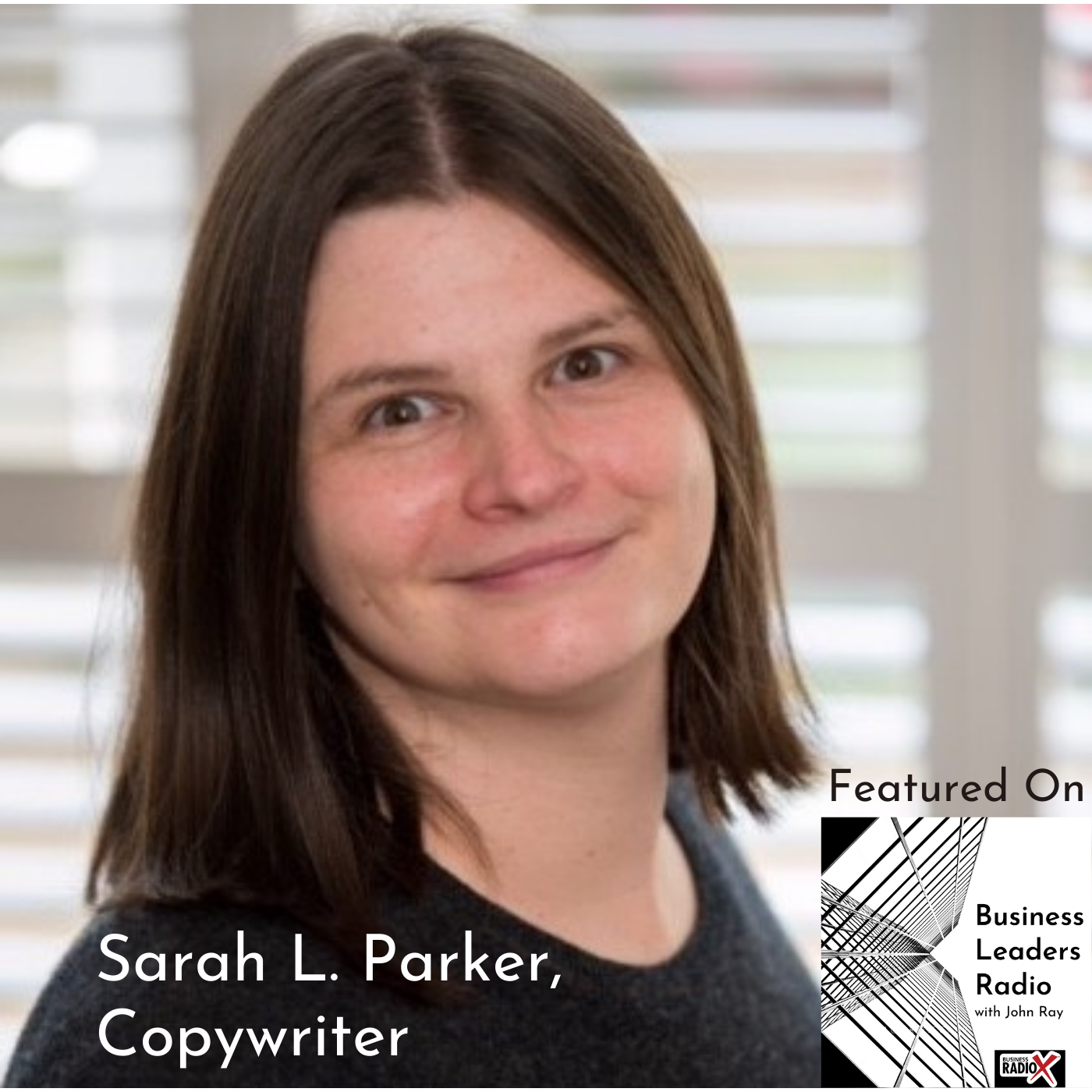
How to Write Emails Customers React and Respond To, with Copywriter Sarah L. Parker

August 19, 2021 by John Ray

Sarah L. Parker
North Fulton Studio
How to Write Emails Customers React and Respond To, with Copywriter Sarah L. Parker
Loading
00:00 /
RSS Feed
Share
Link
Embed

Download file

Sarah L. Parker

How to Write Emails Customers React and Respond To, with Copywriter Sarah L. Parker

Sarah L. Parker: [00:00:00] Yeah. So, I think email marketing has sort of a bad name. I think it can be associated with the old direct response copywriting, you know, by now, by quickly sort of spam that you get in your inbox. But email marketing can be just totally mind blowing. So, I’ve got some stats, actually. So, it is 40 times more effective at acquiring new customers than Facebook or Twitter. And segmented campaigns, so that’s when you’ve asked specifically for a certain person who might buy a certain persona, we call it. Drive a 760 percent increase in revenue. And personalization increases open rates by 26 percent. So, they’re, like, astonishing statistics for email marketing.

Sarah L. Parker: [00:00:49] But I think most people – certainly true the first time I sent a cold email – are sort of terrified of pressing the send button because of that association with sort of spamming cheesy salesmanship. But cold email can really work. And it’s about going back to those conversion principles that we were talking about and how they work on websites. They’re thinking about who is your reader. So, what is their problem? How can you solve it for them? And why should they care? And then, it’s about a very light call to action. So, not, “Call me now and give me your credit card details.” But more like, you know, “Let me know if you’d like more information.” Something that doesn’t put a huge burden on the reader or ask too much of them.

Sarah L. Parker: [00:01:36] So that, for them it’s very much about resonating with their problems, and then feeling that you really understand them, and tailoring it to what they specifically need. Doing quite a lot of background research into a company, where the company is, where it needs to go. And just understanding all those drivers so that you’re not copying and pasting the same thing to a thousand people. You’re actually saying, “I really want to work with these five companies because they’re awesome. And I’m going to do a lot of research and try and resonate with them.”

Sarah L. Parker, Seasoned Copywriter

Sarah Parker is a seasoned copywriter who helps B2B technology companies generate revenue from copywriting. Business owners want powerful copy that comes from an understanding of their niche, product, or industry. Often copywriters don’t get a brand’s tone, style, or objectives. With Sarah Parker, clients get a marketer who increases leads and revenue.

Outsourced copywriters stay outside the team. That costs extra work, lost time, and reduced quality. Sarah works with clients to deliver a messaging hierarchy that drives business goals. She is a seasoned technology copywriter who can ramp up to the technical aspects of a client’s software.  She will talk to a client’s existing and prospective customers to back up all her recommendations with data and convert a business’s audience into buyers.

Sarah delivers a scientific process based on research, testing, and validation.

Sarah’s website

Listen to the full Business Leaders Radio interview here. 


The “One Minute Interview” series is produced by John Ray and in the North Fulton studio of Business RadioX® in Alpharetta. You can find the full archive of shows by following this link.

Renasant Bank has humble roots, starting in 1904 as a $100,000 bank in a Lee County, Mississippi, bakery. Since then, Renasant has grown to become one of the Southeast’s strongest financial institutions with over $13 billion in assets and more than 190 banking, lending, wealth management and financial services offices in Mississippi, Alabama, Tennessee, Georgia and Florida. All of Renasant’s success stems from each of their banker’s commitment to investing in their communities as a way of better understanding the people they serve. At Renasant Bank, they understand you because they work and live alongside you every day.


Tagged With: copywriter, Sarah L. Parker

Atlanta Cares Radio: Kristi Porter with Signify, Philip Coven with Pollock Commercial and Kitti Murray with Refuge Coffee

October 24, 2019 by angishields

Atlanta-Cares-Feature-10-24
Atlanta Business Radio
Atlanta Cares Radio: Kristi Porter with Signify, Philip Coven with Pollock Commercial and Kitti Murray with Refuge Coffee
Loading
00:00 /
RSS Feed
Share
Link
Embed

Download file

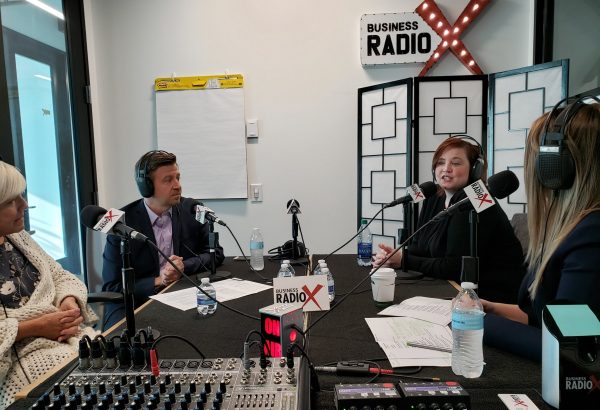
Atlanta-Cares-Group-10-24

Kristi Porter, Chief Do-Gooder with Signify, helps nonprofits and for-profits with a social mission get noticed and grow through effective marketing and communications.

She also teaches solopreneurs and small businesses how to incorporate easy philanthropy strategies. Essentially, Kristi makes cause-focused organizations look and sound more professional so they can build a larger audience, increase sales or donations, and do more good.

Connect with Kristi on LinkedIn and Twitter and follow Signify on Facebook.

As Vice President of Pollock Commercial, Philip Coven specializes in intown Atlanta commercial real estate sales and leasing, specifically office tenant representation. With proven success in identifying and exceeding client goals, Philip is known for providing one-on-one service with a keen attention to detail.

Mr. Covin grew up in Blackshear, Georgia and graduated from The University of Georgia’s Terry College of Business in 1995 with a Bachelor of Business Administration in Real Estate. He is an active member of the Atlanta Commercial Board of Realtors where he has served on numerous committees and has been honored multiple times as the Board’s Member of the Month, as well as being a Life Member of the Million Dollar Club.

In the past, he has served as a Board Trustee for the Atlanta Preservation Center where he chaired its advocacy committee for seven years. He currently serves on the Boards of Freedom Park Conservancy and Easements Atlanta and resides in Inman Park with his wife Amy and son.

Connect with Philip on LinkedIn and follow Pollock Commercial on Facebook and Twitter.

Kitti Murray and her husband Bill live on the edge of Atlanta in a refugee community that has been called the most diverse square mile in the world. This has been the most intense and inviting neighborhood in their experience, and it has taught them to dream big and love even bigger. One expression of that love has been Refuge Coffee Co., a non-profit Kitti founded as a way to join hands with neighbors near and far to create opportunity and true refuge through coffee and community service.

Refuge has been featured on CNN, NBC Nightly News with Lester Holt, Senator Bill Bradley’s radio show, American Voices, Food & Wine magazine, and NPR’s The Salt. Kitti has spoken about Refuge at Creative Mornings, the Q Commons, Leadercast Women, Google Atlanta, and at other venues where people come to hear stories about justice and mercy.

Connect with Kitti on LinkedIn and follow Refuge Coffee on Facebook and Twitter.

About Your Host

Grace Hayden is dedicated to building comprehensive wealth management strategies to suit each of her clients’ financial paths. By establishing and maintaining good relationships with her clients, Grace is able to set up her clients’ accounts based on their needs, goals, and objectives.

In addition to being a familiar face around Atlanta Planning Group, after obtaining two bachelor’s degrees in Economics from the University of Venice – Ca’ Foscari and Georgia State University, Grace went on to work for some of the most well-known names in the financial industry, including Jackson National and Invesco, a global asset manager headquartered in Atlanta.

In Grace’s spare time she enjoys hiking, rock climbing, traveling and exploring Atlanta’s culinary scene.

Tagged With: consulting, copywriter, createrefuge, Creative, Intown, Nonprofit, Office, office space, Property, refugeeswelcome, Signify, social enterprise, social impact

Business RadioX ® Network


Our Most Recent Episode

CONNECT WITH US

  • Email
  • Facebook
  • LinkedIn
  • Twitter
  • YouTube

Our Mission

We help local business leaders get the word out about the important work they’re doing to serve their market, their community, and their profession.

We support and celebrate business by sharing positive business stories that traditional media ignores. Some media leans left. Some media leans right. We lean business.

Sponsor a Show

Build Relationships and Grow Your Business. Click here for more details.

Partner With Us

Discover More Here

Terms and Conditions
Privacy Policy

Connect with us

Want to keep up with the latest in pro-business news across the network? Follow us on social media for the latest stories!
  • Email
  • Facebook
  • Google+
  • LinkedIn
  • Twitter
  • YouTube

Business RadioX® Headquarters
1000 Abernathy Rd. NE
Building 400, Suite L-10
Sandy Springs, GA 30328

© 2025 Business RadioX ® · Rainmaker Platform

BRXStudioCoversLA

Wait! Don’t Miss an Episode of LA Business Radio

BRXStudioCoversDENVER

Wait! Don’t Miss an Episode of Denver Business Radio

BRXStudioCoversPENSACOLA

Wait! Don’t Miss an Episode of Pensacola Business Radio

BRXStudioCoversBIRMINGHAM

Wait! Don’t Miss an Episode of Birmingham Business Radio

BRXStudioCoversTALLAHASSEE

Wait! Don’t Miss an Episode of Tallahassee Business Radio

BRXStudioCoversRALEIGH

Wait! Don’t Miss an Episode of Raleigh Business Radio

BRXStudioCoversRICHMONDNoWhite

Wait! Don’t Miss an Episode of Richmond Business Radio

BRXStudioCoversNASHVILLENoWhite

Wait! Don’t Miss an Episode of Nashville Business Radio

BRXStudioCoversDETROIT

Wait! Don’t Miss an Episode of Detroit Business Radio

BRXStudioCoversSTLOUIS

Wait! Don’t Miss an Episode of St. Louis Business Radio

BRXStudioCoversCOLUMBUS-small

Wait! Don’t Miss an Episode of Columbus Business Radio

Coachthecoach-08-08

Wait! Don’t Miss an Episode of Coach the Coach

BRXStudioCoversBAYAREA

Wait! Don’t Miss an Episode of Bay Area Business Radio

BRXStudioCoversCHICAGO

Wait! Don’t Miss an Episode of Chicago Business Radio

Wait! Don’t Miss an Episode of Atlanta Business Radio