Business RadioX ®

  • Home
  • Business RadioX ® Communities
    • Southeast
      • Alabama
        • Birmingham
      • Florida
        • Orlando
        • Pensacola
        • South Florida
        • Tampa
        • Tallahassee
      • Georgia
        • Atlanta
        • Cherokee
        • Forsyth
        • Greater Perimeter
        • Gwinnett
        • North Fulton
        • North Georgia
        • Northeast Georgia
        • Rome
        • Savannah
      • Louisiana
        • New Orleans
      • North Carolina
        • Charlotte
        • Raleigh
      • Tennessee
        • Chattanooga
        • Nashville
      • Virginia
        • Richmond
    • South Central
      • Arkansas
        • Northwest Arkansas
    • Midwest
      • Illinois
        • Chicago
      • Michigan
        • Detroit
      • Minnesota
        • Minneapolis St. Paul
      • Missouri
        • St. Louis
      • Ohio
        • Cleveland
        • Columbus
        • Dayton
    • Southwest
      • Arizona
        • Phoenix
        • Tucson
        • Valley
      • Texas
        • Austin
        • Dallas
        • Houston
    • West
      • California
        • Bay Area
        • LA
        • Pasadena
      • Colorado
        • Denver
      • Hawaii
        • Oahu
  • FAQs
  • About Us
    • Our Mission
    • Our Audience
    • Why It Works
    • What People Are Saying
    • BRX in the News
  • Resources
    • BRX Pro Tips
    • B2B Marketing: The 4Rs
    • High Velocity Selling Habits
    • Why Most B2B Media Strategies Fail
    • 9 Reasons To Sponsor A Business RadioX ® Show
  • Partner With Us
  • Veteran Business RadioX ®

Material Risks in a Healthcare Merger

November 4, 2022 by John Ray

Material Risks Healthcare Merger
Advisory Insights Podcast
Material Risks in a Healthcare Merger
Loading
00:00 /
RSS Feed
Share
Link
Embed

Download file

Material Risks Healthcare Merger

Material Risks in a Healthcare Merger (Advisory Insights Podcast, Episode 16)

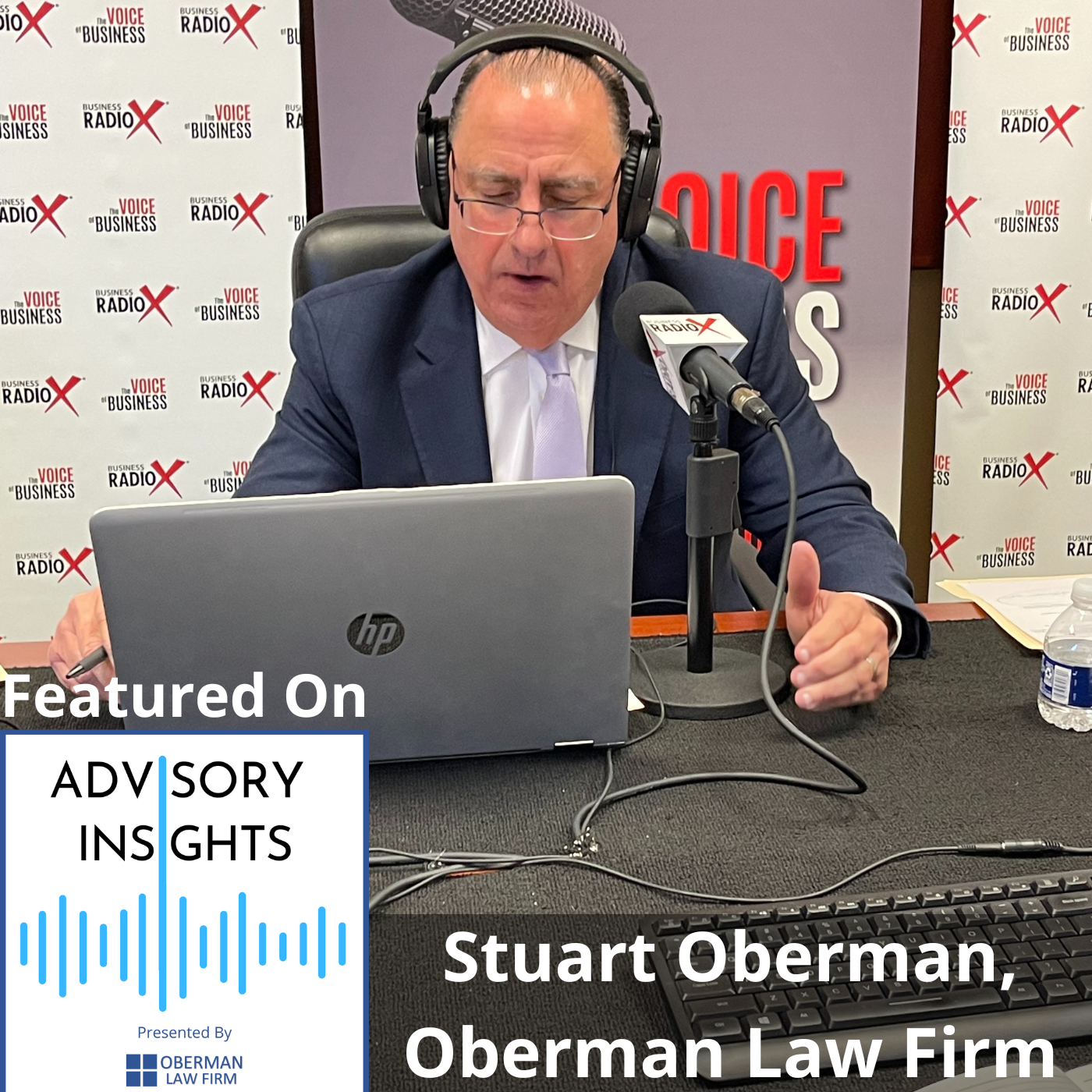
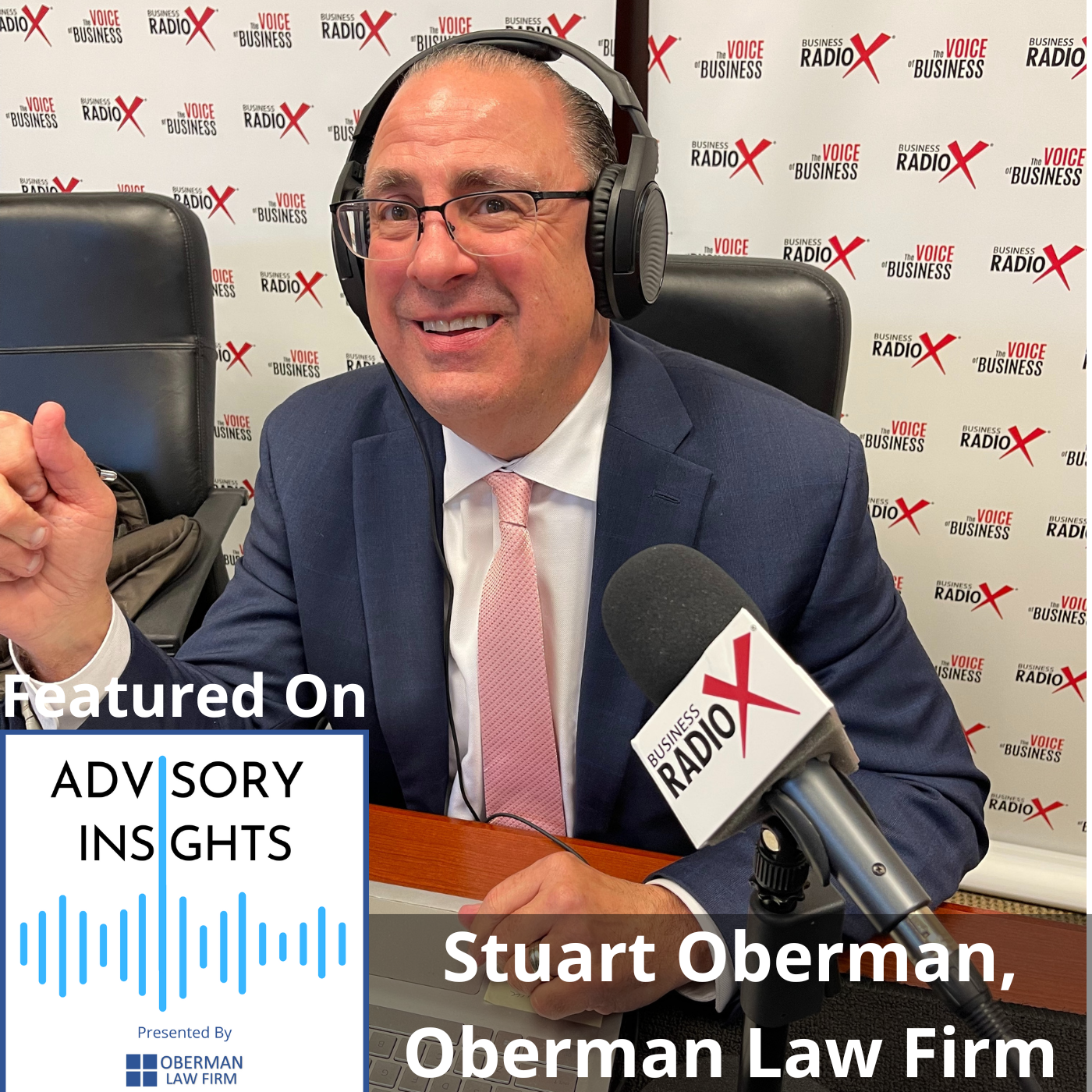
On this episode of Advisory Insights, Stuart Oberman of Oberman Law offered due diligence tips when purchasing a healthcare practice. He discussed the material risks and potential pitfalls of buying a healthcare business without fully understanding the requirements of governmental reimbursement, the importance of being knowledgeable about laws like the Anti-Kickback Statute, the Stark Law, the False Claims Act, and more.

Advisory Insights is presented by Oberman Law Firm and produced by the North Fulton studio of Business RadioX®. The series can be found on all the major podcast apps. You can find the complete show archive here.

TRANSCRIPT

Intro: [00:00:01] Broadcasting from the studios of Business RadioX, it’s time for Advisory Insights, brought to you by Oberman Law Firm, serving clients nationwide with tailored service and exceptional results. Now, here’s your host.

Stuart Oberman: [00:00:21] Welcome everyone to Advisory Insights. This is Stuart Oberman as your host. I would say I want to talk about mergers and acquisitions in health care. I will tell you, last year was an absolute blistering year in the industry. And I’ll tell you, for us, Oberman Law Firm, it was amazing last year what we did, how we did it, especially in the fourth quarter.

Stuart Oberman: [00:00:45] So, a substantial part of what we did on the mergers and acquisitions was health care related. But I want to talk about some items in general. A little background. Last year we did I think the numbers were about 135 transactions, I think maybe a little bit plus or minus. And I believe the number was a total of about $350 million worth of transactions. So, we saw a lot, a lot of things in healthcare transactions. I want to talk about a couple of things in particular.

Stuart Oberman: [00:01:17] So, first and foremost, for those that are in a highly regulated industry, especially in health care, you’ve got to be careful when you do diligence. So when you are doing a healthcare transaction, an acquisition, it should never be overlooked that what you’re doing is and has to be heavily regulated. So, one of the things that we look for is we want our buyers to sift through sellers’ records to ensure that that seller is in compliance with state and federal law, especially on the reps and warranties. That’s a whole other topic we may cover for another day.

Stuart Oberman: [00:02:07] But if you are in a healthcare-related transaction and you are the buyer, I cannot stress enough on your due diligence, do not, do not leave off compliance. So, especially – I want to talk especially about this area. If you are buying a business, whether it is a medical practice, whether it is a particular practice area in different industries, you have to be extremely careful if that buyer, or if that seller, participates in the Federal Health Care Programs. Acronym FHCP. That has to be scrutinized in every single healthcare transaction.

Stuart Oberman: [00:02:59] So, let me tell you if it is an FHCP practice or business and they get government reimbursement, there are extremely stringent provisions for participation in that particular payment structure, if you will, in how they submit claims. You have to audit how they submit claims because that is a material risk, a due that you will inherit if it is not done correctly. Once you purchase that business, you run the risk of being a successor to liability.

Stuart Oberman: [00:03:42] So, what happens is if they don’t, if the seller has not met stringent – I can’t stress this enough – stringent requirements, they are facing substantial civil fines and penalties. And also you cannot overlook the potential of clawbacks, allegations of overpayment, and in some cases, False Claims Act, FCA, liability. That is critical that you have to understand the requirements of governmental reimbursement and how they relate to any industry – I mean, excuse me, how they relate to any business in health care.

Stuart Oberman: [00:04:24] Now, what I’ll tell you is we’re seeing this a huge clampdown – the DOJ, strikeforce, regions throughout the country – fraud and abuse. Fraud and abuse under the FHCPs is rampant. Absolutely rampant. If you look at the advisory notices, the takedowns under the DOJ communications, you’re going to look at a couple of things. You’ve got to look at the Anti-Kickback Statute, AKS. If you don’t know what that is and you’re buying a business that is subsidized by governmental reimbursement, you have to get assistance with that transaction. Stark law, Physicians Self-Referral prohibition. You have to look under the criminal and civil False Claims Act.

Stuart Oberman: [00:05:20] Those under fraud and abuse will take you down financially quickly if you purchase a particular healthcare business and you’re not fully aware of this. One thing that we see a lot that is overlooked is licensures. So, depending on what business you are purchasing, every healthcare business requires certain licensure, no matter what it is. In some cases, they’re very specific. They could be generic. You have to do your due diligence under the licensure requirements in healthcare transactions because if you purchase a business and then you overlook the proper licenses, you are looking at potential disaster on a very, very expensive investment.

Stuart Oberman: [00:06:09] So, those are a couple of things. Again, I can probably speak for three hours regarding governmental reimbursement, FHCP programs, fraud and abuse. The Anti-Kickback Statute is a three-hour lecture in and of itself. Stark is a whole different world. That’s another – you know, you could easily talk an hour or 2 hours in Stark and not even hit half the topics. But I would strongly encourage you to know exactly what the False Claims Acts are and how they relate to you in the transaction.

Stuart Oberman: [00:06:42] So, folks, that’s a very, very short summary of a very complex matter. If you have a healthcare transaction, it does not have to be a large hospital. It could be a dermatology practice, dental practice, healthcare practice. It doesn’t matter. Anything that is regulated by the government in health care, especially if they take Federal Health Care Program subsidies, reimbursements, critical, folks.

Stuart Oberman: [00:07:13] Folks, that’s a very, very short topic for a long, long conversation.

Stuart Oberman: [00:07:17] I want to welcome – and thank you for joining Advisory Insights. Stuart Oberman here. Please feel free to give us a call at 770-554 – excuse me, 770-886-2400. Again, 770-886-2400. Or feel free to reach out, email, stuart, S-T-U-A-R-T, @obermanlaw.com. Folk, thanks for joining us again. We appreciate you joining us and have a fantastic day.

Outro: [00:07:45] Thank you for joining us on Advisory Insights. This show is brought to you by Oberman Law Firm, a business-centric law firm representing local, regional, and national clients in a wide range of practice areas, including healthcare mergers and acquisitions, corporate transactions, and regulatory compliance.

About Advisory Insights Podcast

Presented by Oberman Law Firm, Advisory Insights Podcast covers legal, business, HR, and other topics of vital concern to healthcare practices and other business owners. This show series can be found here as well as on all the major podcast apps.

Stuart Oberman, Oberman Law Firm

Oberman Law Firm
Stuart Oberman, Founder, Oberman Law Firm

Stuart Oberman is the founder and President of Oberman Law Firm. Mr. Oberman graduated from Urbana University and received his law degree from John Marshall Law School. Mr. Oberman has been practicing law for over 25 years, and before going into private practice, Mr. Oberman was in-house counsel for a Fortune 500 Company. Mr. Oberman is widely regarded as the go-to attorney in the area of Dental Law, which includes DSO formation, corporate business structures, mergers and acquisitions, regulatory compliance, advertising regulations, HIPAA, Compliance, and employment law regulations that affect dental practices.

In addition, Mr. Oberman’s expertise in the healthcare industry includes advising clients in the complex regulatory landscape as it relates to telehealth and telemedicine, including compliance of corporate structures, third-party reimbursement, contract negotiations, technology, health care fraud, and abuse law (Anti-Kickback Statute and the State Law), professional liability risk management, federal and state regulations.

As the long-term care industry evolves, Mr. Oberman has the knowledge and experience to guide clients in the long-term care sector with respect to corporate and regulatory matters, assisted living facilities, continuing care retirement communities (CCRCs). In addition, Mr. Oberman’s practice also focuses on health care facility acquisitions and other changes of ownership, as well as related licensure and Medicare/Medicaid certification matters, CCRC registrations, long-term care/skilled nursing facility management, operating agreements, assisted living licensure matters, and health care joint ventures.

In addition to his expertise in the health care industry, Mr. Oberman has a nationwide practice that focuses on all facets of contractual disputes, including corporate governance, fiduciary duty, trade secrets, unfair competition, covenants not to compete, trademark and copyright infringement, fraud, and deceptive trade practices, and other business-related matters. Mr. Oberman also represents clients throughout the United States in a wide range of practice areas, including mergers & acquisitions, partnership agreements, commercial real estate, entity formation, employment law, commercial leasing, intellectual property, and HIPAA/OSHA compliance.

Mr. Oberman is a national lecturer and has published articles in the U.S. and Canada.

LinkedIn

Oberman Law Firm

Oberman Law Firm has a long history of civic service, noted national, regional, and local clients, and stands among the Southeast’s eminent and fast-growing full-service law firms. Oberman Law Firm’s areas of practice include Business Planning, Commercial & Technology Transactions, Corporate, Employment & Labor, Estate Planning, Health Care, Intellectual Property, Litigation, Privacy & Data Security, and Real Estate.

By meeting their client’s goals and becoming a trusted partner and advocate for our clients, their attorneys are recognized as legal go-getters who provide value-added service. Their attorneys understand that in a rapidly changing legal market, clients have new expectations, constantly evolving choices, and operate in an environment of heightened reputational and commercial risk.

Oberman Law Firm’s strength is its ability to solve complex legal problems by collaborating across borders and practice areas.

Connect with Oberman Law Firm:

Company website | LinkedIn | Twitter
Tagged With: Dental Practice, Healthcare, merger, merger and acquisition, merger consulting, Oberman Law, Oberman Law Firm, Stuart Oberman

IT Due Diligence in a Merger

October 28, 2022 by John Ray

IT Due Diligence Merger
Advisory Insights Podcast
IT Due Diligence in a Merger
Loading
00:00 /
RSS Feed
Share
Link
Embed

Download file

IT Due Diligence Merger

IT Due Diligence in a Merger (Advisory Insights Podcast, Episode 15)

In this episode of Advisory Insights, Stuart Oberman with Oberman Law Firm discussed the importance of cybersecurity in today’s business world. He stressed the need for businesses to do their due diligence in evaluating potential acquisition targets, why he recommends a cybersecurity risk assessment, and cautioned IT and HR professionals to be aware of the risks involved in handling sensitive information.

Advisory Insights is presented by Oberman Law Firm and produced by the North Fulton studio of Business RadioX®. The series can be found on all the major podcast apps. You can find the complete show archive here.

TRANSCRIPT

Outro: [00:00:01] Broadcasting from the studios of Business RadioX, it’s time for Advisory Insights, brought to you by Oberman Law Firm, serving clients nationwide with tailored service and exceptional results. Now, here’s your host.

Stuart Oberman: [00:00:21] Hello, everyone. Stuart Oberman here for Advisory Insights, your host. Hey, I want to talk about a couple of things here in mergers and acquisitions. In a previous podcast, we covered material risks that involved governmental reimbursement, fraud and abuse, and licensure. But I want to sort of digress a little bit. So, I mentioned before in some of our podcasts that we had really a 2021 extraordinary year, mergers and acquisitions, that we did about 135 acquisitions and probably $330 million worth of revenue in those acquisitions.

Stuart Oberman: [00:00:59] So, one, as I digress and looked at some of those acquisitions that we are involved in, some of them are fairly big. One of the items that was, I could tell you, significantly overlooked is I.T. and what due diligence is required in a merger and acquisition for I.T. So, look, when you get – the first thing you can do is you ask for financials, then you ask for account receivables and you ask for the customer database, then you ask for the products and services. Then, you ask for facilities. What we don’t see a lot of requests for is I.T. Now, I.T. is sort of one of those things where, “Well, I’m not worried about I.T. Everyone knows I.T. I got an I.T. guy.” Your I.T. guy will send you right down the river if you don’t understand some of this stuff.

Stuart Oberman: [00:01:47] So, let me tell you. I want to take a look at a couple of things, a couple of bullet points. If you’re contemplating a merger and acquisition, big or small, does it matter? I.T. I want to know how their sensitive data is stored. I want to know that. I want a specific outline of how that occurs. I want to know all their software licenses. I want to know what I’m paying for. I want to know what I’m committing to. I want to know what I’m assigning myself to. I want to know what’s being purchased. I want to know what can be canceled.

Stuart Oberman: [00:02:16] So, another thing I want to look at is, is my equipment I’m going to purchase out of date? Is it end of its life cycle? Is it ready for the big waste bin in the sky? Is my Windows application up to date? Or is my license up to date?

Stuart Oberman: [00:02:36] Also, we talked previously in a podcast regarding health care. Health care. Health care. If you’ve got a – if you had – well, first you want to do is ask that particular seller, “Have you ever had a breach?” And, if they have and they are a health care industry, you want to go, “Are you under investigation? Have you received notice from HHS or any other state or federal agency?” So, otherwise, you really don’t know if there has been a breach or if there’s still a breach you’re ready to purchase and you don’t even know about it.

Stuart Oberman: [00:03:16] One thing you want to take a look at is, have your I.T. person as well versed in this area, see if there’s been a breach before with the software. I would always recommend a complete cybersecurity risk assessment. The last thing you need is a hack. And all of a sudden you’re asked to go to the nearest Bitcoin station and transfer $25,000 in Bitcoin. What is the risk, especially in health care? What is the due diligence? Is there an annual risk assessment which is required under HIPAA?

Stuart Oberman: [00:03:54] Another thing we see as grossly overlooked, I want to know about your firewalls. I want to know about your backups. Do you back up by taking a flash drive home every night? Are you backed up to your computer? What if someone steals your computer? Are you backed up to the server? Are you backed up to the cloud? How secure is a cloud? Does your Uncle Vinnie control the cloud? What are the securities? You got to know these things.

Stuart Oberman: [00:04:22] “Well, my buddy has a great server. He stores all my I.T.” Well, that’s great, but what’s – let me know the buddy’s protocols. What’s the IP address? There’s a floating. I want to know how your data is backed up. Again, is it backed up to a flash drive? Is it backed up to the computer? Or you have no backup, whatever it is. I want to know what cybersecurity protocols and procedures you implemented in the last 12, 24 months. “Well, I haven’t really done anything. Everything’s secure.” You’ve got a problem. You better know what’s been upgraded. You better know what the security protocols are. You better know what you’re purchasing and you better know if they’ve had a breach of cybersecurity, period.

Stuart Oberman: [00:05:13] So, let’s take a look at a couple of other things that we’ve been looking at. Again, I think there’s a laundry list here. But again, I could probably talk for two hours on this one subject, but we just have a very limited time. I want to take a look at whether or not they have cybersecurity insurance. It is becoming very difficult to obtain cybersecurity insurance. There are only a few players in the market. And what are the coverages? What is the non-coverage? What are they making you do and what are you certifying that you have done and maintained in relation for that coverage? So, you’re going to get a checklist probably from the cybersecurity insurance company. It’s going to outline certain things that you’ve done, that you haven’t done or that you need to do. And I would venture to say that if you put something false and misleading on that particular application and they find out you have no coverage, which is horrible, especially when some of these big hacks.

Stuart Oberman: [00:06:18] So, I want to know what your I.T. guy is doing or if you have hired or going to hire a third party to do a vulnerability screen. I want to know what your vulnerabilities are. I want to know how to fix it. I want to know what patches I need. I want to see when the last time you’ve patched. Are you getting constant upgrades? Are you outdated on Windows? You know, are you in Windows 6? I’m going to – for those of you that are a little bit older, I’m going to use the term DOS. We have clients that are still working on DOS. Yes, DOS. I can’t stress that enough. We have members of practices, businesses that they’re running two systems, DOS. And then, for the younger guys, of course, the Windows and Macs.

Stuart Oberman: [00:07:12] So, I want to make sure your information technology person understands what’s going on. What are their qualifications? Do they simply do your backups, or are they a legit, legit down and dirty cybersecurity company?

Stuart Oberman: [00:07:29] So, again, in evaluating every business that you’re going to acquire – and let me go so far as this. If you’re a business, period, you’ve got to look at cybersecurity policies. You got to look at protocols, procedures. You should do your due diligence as if you’re purchasing your own business. Are you doing it? Are you doing a security risk analysis? Are you doing the assessments? Take a look at all these things.

Stuart Oberman: [00:07:53] Cybersecurity is no longer an option. It’s absolutely mandated with everything that goes on your systems, payments, history, Social Security numbers. It’s amazing what will end up on the black market, if you will, on information.

Stuart Oberman: [00:08:11] Folks, I tell you, again, that’s a three-hour conversation. I just want to hit some highlights. I want to hit some bullet points whether or not you’re looking to buy a business, whether or not you’re owning, you have owned a business, or you’re an I.T. guy, or you’re actually an H.R. person. Are you taking a look at all these things that you need to do on a daily basis especially to be secure?

Stuart Oberman: [00:08:33] Folks, we’re going to wrap it up for today. Stuart Obermann here, your host on Advisory Insights. Thanks for joining us. Hope you took away one or two things which will make you an absolute success.

Stuart Oberman: [00:08:43] If you want to reach us, please feel free to give us a call, 770-886-2400. Or myself, stuart, S-T-U-A-R-T, @obermanlaw.com. Thanks for joining us and we’ll see you on the next podcast.

Outro: [00:08:58] Thank you for joining us on Advisory Insights. This show is brought to you by Oberman Law Firm, a business-centric law firm representing local, regional, and national clients in a wide range of practice areas, including healthcare mergers and acquisitions, corporate transactions, and regulatory compliance.

About Advisory Insights Podcast

Presented by Oberman Law Firm, Advisory Insights Podcast covers legal, business, HR, and other topics of vital concern to healthcare practices and other business owners. This show series can be found here as well as on all the major podcast apps.

Stuart Oberman, Oberman Law Firm

Oberman Law Firm
Stuart Oberman, Founder, Oberman Law Firm

Stuart Oberman is the founder and President of Oberman Law Firm. Mr. Oberman graduated from Urbana University and received his law degree from John Marshall Law School. Mr. Oberman has been practicing law for over 25 years, and before going into private practice, Mr. Oberman was in-house counsel for a Fortune 500 Company. Mr. Oberman is widely regarded as the go-to attorney in the area of Dental Law, which includes DSO formation, corporate business structures, mergers and acquisitions, regulatory compliance, advertising regulations, HIPAA, Compliance, and employment law regulations that affect dental practices.

In addition, Mr. Oberman’s expertise in the healthcare industry includes advising clients in the complex regulatory landscape as it relates to telehealth and telemedicine, including compliance of corporate structures, third-party reimbursement, contract negotiations, technology, health care fraud, and abuse law (Anti-Kickback Statute and the State Law), professional liability risk management, federal and state regulations.

As the long-term care industry evolves, Mr. Oberman has the knowledge and experience to guide clients in the long-term care sector with respect to corporate and regulatory matters, assisted living facilities, continuing care retirement communities (CCRCs). In addition, Mr. Oberman’s practice also focuses on health care facility acquisitions and other changes of ownership, as well as related licensure and Medicare/Medicaid certification matters, CCRC registrations, long-term care/skilled nursing facility management, operating agreements, assisted living licensure matters, and health care joint ventures.

In addition to his expertise in the health care industry, Mr. Oberman has a nationwide practice that focuses on all facets of contractual disputes, including corporate governance, fiduciary duty, trade secrets, unfair competition, covenants not to compete, trademark and copyright infringement, fraud, and deceptive trade practices, and other business-related matters. Mr. Oberman also represents clients throughout the United States in a wide range of practice areas, including mergers & acquisitions, partnership agreements, commercial real estate, entity formation, employment law, commercial leasing, intellectual property, and HIPAA/OSHA compliance.

Mr. Oberman is a national lecturer and has published articles in the U.S. and Canada.

LinkedIn

Oberman Law Firm

Oberman Law Firm has a long history of civic service, noted national, regional, and local clients, and stands among the Southeast’s eminent and fast-growing full-service law firms. Oberman Law Firm’s areas of practice include Business Planning, Commercial & Technology Transactions, Corporate, Employment & Labor, Estate Planning, Health Care, Intellectual Property, Litigation, Privacy & Data Security, and Real Estate.

By meeting their client’s goals and becoming a trusted partner and advocate for our clients, their attorneys are recognized as legal go-getters who provide value-added service. Their attorneys understand that in a rapidly changing legal market, clients have new expectations, constantly evolving choices, and operate in an environment of heightened reputational and commercial risk.

Oberman Law Firm’s strength is its ability to solve complex legal problems by collaborating across borders and practice areas.

Connect with Oberman Law Firm:

Company website | LinkedIn | Twitter
Tagged With: Dental Practice, due diligence, IT, merger, merger and acquisition, merger consulting, Oberman Law, Oberman Law Firm, Stuart Oberman

Scaling Your Dental Practice: An Interview with Chelsea Myers, Dental Life Coach

October 21, 2022 by John Ray

Scaling Your Dental Practice: An Interview with Chelsea Myers, Dental Life Coach
Advisory Insights Podcast
Scaling Your Dental Practice: An Interview with Chelsea Myers, Dental Life Coach
Loading
00:00 /
RSS Feed
Share
Link
Embed

Download file

Scaling Your Dental Practice: An Interview with Chelsea Myers, Dental Life Coach

Scaling Your Dental Practice:  An Interview with Chelsea Myers, Dental Life Coach (Advisory Insights Podcast, Episode 14)

On this episode of Advisory Insights, guest Chelsea Myers talks with host Stuart Oberman about her work as a dental life coach, the vital importance of people and culture in successfully scaling a dental service organization, developing leadership, and much more.

Advisory Insights is presented by Oberman Law Firm and produced by the North Fulton studio of Business RadioX®. The series can be found on all the major podcast apps. You can find the complete show archive here.

Chelsea Myers, Founder and CEO of Dental Life Coach

Chelsea Myers, Founder and CEO of Dental Life Coach

As the Founder and CEO of Dental Life Coach, Chelsea Myers has coached hundreds of clients individually and in group settings to facilitate personal and professional transformation enabling doctors to achieve their highest potential. She is an emotional intelligence expert deeply rooted in the dental industry. Chelsea is an author, speaker, and entrepreneur. She also hosts the popular podcast for dentists: Dental Brain Crops With Chelsea Myers.

When Chelsea was 15 years old, she came home from school one day surprised to be greeted by her mom and uncle who were both normally still at work. Her delight was soon shattered when she was hit with the news that her dad had been in a fatal car accident that morning.

In an effort to distract from the pain, she became overly busy with work, school, and pursuits for her future.

At the edge of burnout, she was reading a biography of a personal hero where a self-help book was referenced. She read that book and found the principles so impactful that she knew, without hesitation, that she wanted to devote her life to lift and help others.

Website | Facebook | Instagram | Chelsea Myers LinkedIn

TRANSCRIPT

Intro: [00:00:01] Broadcasting from the studios of Business RadioX, it’s time for Advisory Insights, brought to you by Oberman Law Firm, serving clients nationwide with tailored service and exceptional results. Now, here’s your host.

Stuart Oberman: [00:00:20] Welcome everyone to Advisory Insights. Stuart Oberman, Oberman Law Firm here. Amazing guest in the, I’ll use the word studio today, and the amazing and distinguished Chelsea Meyers. And I was looking — Chelsea, I was looking through your bio and I don’t have enough time to introduce what you have done with your dental consulting, your business, your branding.

I know that you have an extraordinary reputation within the industry. I know that you’re the Founder and CEO of Dental Life Coach. The podcast host of dental brain crops. I know your career started at Wells Fargo and you have done so many things regarding wellness and dentistry. And I love the retreats that you do in the workshops, the team building, trust, and accountability, and feeling good. You know, we have so many doctors that are just — they hate their job, and they look to someone to bring them around, and then all of a sudden, they’re back in the game and working and doing great.

And actually, I want to know, I want you to take me through some of the things you’ve seen at dentistry and where things are going. I know you do, obviously, corporate, you know, corporate transaction work and consulting side and individual side. But I really want to know really since Covid, what did our doctors learn and where do they need to go from here with what they need to do to get to the next phase, to enjoy what they do to their wellness side? I just — I’m looking for so much information that you want to provide, and it is truly an honor to have you on the studio today and on the air. And welcome aboard. Nice to see you.

Chelsea Myers: [00:02:07] Hey. thank you, Stuart. It’s nice to be here. And thank you for having me. You know, you bring up an interesting question. I think that Covid gave us all an opportunity to take our temperature on our stress level, on our flexibility, adaptability. And a lot of us were able to make choices about where we wanted to be.

And I think that fortunately, unfortunately, particularly when we talk about supporting staff and team members, a lot of doors were open and options were made available or at least made more aware that there are options out there if you don’t like where you’re at, that there are other places and ways to provide for your needs and be of service and expand yourself as a professional.

And so, when you talk about Covid and what that has opened our eyes to and meant for us as an industry, I think that we’ve become a lot more aware that the people aspect is really, really important. When I’m looking at organizations and we’re talking about mergers and acquisitions and change management, a significant portion of the individuals that are leaving or considering leaving, they’re not leaving for a more convenient location. They’re not leaving for a pay raise. They’re leaving because of their perception of their experience within our organizations. And so, I think we’ve become really clear on the importance that this needs to be in our minds and the priority level it needs to have when we’re growing our organizations.

Stuart Oberman: [00:03:44] And one of the questions I have is, you know, we have clients that in one practice, ten practices, fifty practices, and I know you got some very, very, very high-level contacts with a lot of people in the DSO world, if you will. What do they do different culturally that our guys who own one, to five to ten practices don’t do culturally? It’s, you know, because our guys are always asking, how do we scale? How do we scale? And I’m thinking, first of all, your internal operations a mess. Second, you’ve got resignations coming out every other week. And, you know, so I’m curious what you see from the big guys to the little guys. And I don’t know, there’s that much of a difference is just the economies of scale.

Chelsea Myers: [00:04:30] Yeah. Well, you know, the thing is, is that whatever you are when you go to scale, you become more of that. So, if you’re dysfunctional and you’re disorganized, that scales with you. And I would say it’s perhaps more easily scaled than organization and unity.

Stuart Oberman: [00:04:49] That’s true. It’s easier to do what you did yesterday, even though it’s not right. You still do it.

Chelsea Myers: [00:04:55] Right, right.

Stuart Oberman: [00:04:55] It’s easier.

Chelsea Myers: [00:04:55] Yeah. But I would say, you know, there’s not one cookie cutter or right way to implement change, especially big transitions. But one thing is certain, and that’s that everyone needs to be aligned and engaged in the movement. And we need to be ensuring that that human aspect of the organization is being addressed.

So, I think one of the biggest oversights — you mentioned operations, I think one of the biggest oversights that we see at Dental Life Coach is that an organization will go to expand and either acquire a new practice or merge with another organization and neglect to put the right supports in place to facilitate that people component of those acquisitions.

Stuart Oberman: [00:05:34] What kind of — that just opened up a whole different door. What kind of support don’t they have or what don’t they do right?

Chelsea Myers: [00:05:43] Yeah. Good question. And so, you know, I recently began working with a client who fractionally, and they’d acquired a few smaller groups. And what they did have in place was great operational consultants and programs in place that they were implementing as they were making these changes. But they didn’t have the buy in, and they weren’t able to create that electric culture that they’ve envisioned. Luckily for them, they had the awareness that this was lacking, and so we’ve already begun making some incredible gains.

But what’s got to be there, you’ve got to understand what is the perception of the people in the organization, and if you’ve just acquired new practices or you’ve grown and scaled, what is the collective opinion and now what are those individual opinions? Another thing that’s really important is and probably even prior to making those changes is having the executive team and the stakeholders on the same page. That’s going to be crucial for a growing organization.

But we need to know, you know, what are the changes? What are the key positions within those changes? What are the responsibilities of the people carrying them out? How does this change happen and what are the details of that? Are we going to be implementing new tech? Are we going to be outsourcing some things that we were previously doing? Do we have different vendors? Is that a life coach now or a resource? You know, what does this look like for us as an organization and how does that feel? What is the perspective of each person that it’s impacting?

Stuart Oberman: [00:07:12] You know, I want you to talk about two things that are on your workshop and retreats. And I love this because I think that there’s a big void during Covid, and I think we’re seeing a change a little bit. But talk to me about accountability, the culture of accountability, and then communication and how that has changed since Covid.

Chelsea Myers: [00:07:36] You know, it’s really interesting. So, the brain is just such a fascinating tool that we all have, right.

Stuart Oberman: [00:07:42] Well, for some of our clients, lack of that, right?

Chelsea Myers: [00:07:46] Right. Right. But, you know, when you when you really dive in, and you understand how we work as humans, and you talk about a communication and accountability, there are definitely strategic and effective ways to implement anything and there are ineffective ways. And so, when we look at the brain and our learning centers in the brain, they are deactivated or shut down when we feel threatened, when we feel attacked, when we feel unsafe.

And so, it’s really, really important that we have environments and that our culture is one that cultivates safe and trusted learning amongst our teams and that we’re able to be vulnerable and know that that’s okay within our organization. Because otherwise what you get is temporarily compliant people who eventually leave, eventually blow up, eventually kick back. And that’s not ever going to be something that you can grow, something that you can expand upon.

Stuart Oberman: [00:08:46] So how do you — so, when you got the dysfunctional office, right, and you know, and they always say there’s a 20 percent of the practices are A games and the rest of them are trying to figure out how to be the A games, right. So how do you get that office that’s a C-plus game and want to be an A game? How do you personally get them there?

And I know that’s a seven-hour conversation, but how do you — you walk in there and you look around and you can see the atmosphere. You know, the doctor is not in tune and he’s like, you know, I want to be a player. I want I want a quality of life. How do you analyze that, the brain that that doctor has, or partners have and get them to a different level? I’m fascinated because our doctors don’t really understand that culture yet of how powerful that mind can be mindset and clarity. And I’m just curious how you get them there.

Chelsea Myers: [00:09:49] Yeah. So, assuming that we’ve got our people, our executives and our stakeholders on the same page, I’m going to start from there and just say that we do.

Stuart Oberman: [00:09:57] That’s a big assumption right there. That’s a big assumption.

Chelsea Myers: [00:10:00] Right. If we don’t, that’s where we’ve got to start, right?

Stuart Oberman: [00:10:03] Yeah, yeah.

Chelsea Myers: [00:10:03] And so, because we all — you know, we’re being led in an organization, and we’ve got to want to be led by the people leading it. Otherwise, we’re going to beat our drum to our own tune. And again, not efficient, not scalable, right. So, let’s assume that we have our executives on the same page.

Then what we need to do is we need to figure out what does that doctor want? What is really driving that person? Why are they doing this every day? Why are they doing dentistry and not law, not finance, not anything else? Why are they here? And how do we align what they want and what’s important to them with what’s important to the organization? Or does it not align? Because that is an unfortunate and inconvenient but really important truth to understand as well.

Stuart Oberman: [00:10:49] How important is that first conversation you have with the doctor? And I know you’re in the professional arena, professional services. How do you know like, you know what, I’m just not going to work with that client. They are so far gone that there’s just there’s nothing I can do for him. What are those flags that you see of like, you know what, I’m just not going to get there with this guy and he’s just not a good fit for me?

Chelsea Myers: [00:11:14] Yeah, that’s a really good question because I think that — and, you know, I think anybody who owns a business —

Stuart Oberman: [00:11:19] I’m asking questions that I want to know. I don’t care what our listeners want to know, right? I just want to know what I want to know.

Chelsea Myers: [00:11:25] Yeah. So candidly, I think anybody who owns a business has been in the spot where, you know, at the very beginning you take on as many clients as you can, and you try and be really super flexible about that because you’re trying to grow your business. And I — and then we all, you know, the longer you go, you learn what you’re really good at and who are ideal clients for you and who are not ideal clients for you.

So, at this point, I feel fortunate to be selective about who I’m going to work with. For that reason, I want to be able to provide the transformation and the results that our clients are looking for. And at the same time, if it’s not a good fit, if it’s not a client, you know, red flags you mentioned, if they’re not willing, if they’re not honest, living in integrity, if they aren’t in a place where they’re willing or able to be coached, they’re not coachable individuals, then the results that they’re asking me for aren’t going to happen because, you know, I can’t patch a roof from the ceiling. You know, we’ve got to work from the top.

Stuart Oberman: [00:12:26] You’ve got to climb that ladder. That’s a big ladder sometimes.

Chelsea Myers: [00:12:29] Right? And so, you know, I’ve got to have a strong canvas for that leader to develop within. And from there, we can work, you know, with the team members. But I had someone come to me recently. It was a, you know, mid-sized organization. And they said, we just really want you just to work with our teams. And I said, well, what access am I going to have to the executives and the doctors? And they said, well, no access to the executives and doctors, just the team members. And I was like, well, who then is working with the executives and doctors? Because, you know, we’ve all — it’s fine if it’s not me, but if that support is not in place, it won’t be withheld.

Stuart Oberman: [00:13:04] Right.

Chelsea Myers: [00:13:04] And ultimately, our team members are our most transient, right? And so, we’ve got to have strong people in those leadership positions.

Stuart Oberman: [00:13:13] It’s amazing is that I think that was one of the things that our doctors learned, you know, Covid and post-Covid is you got to have leadership. If you don’t have leadership, you can’t start from the bottom up. You’ve got to work top down. So, you have a fascinating workshop. And I love this title. It’s The Pillars of Entrepreneurial Intelligence.

One, pillar says to me, look, you’ve got to have a strong foundation holding something up, which to me is the doctor’s entrepreneurial is I got to try different things, something’s got to work. And then intelligence is like, how am I going to do this? Explain to me what — explain how you take these pillars and what exactly is that particular workshop and how do our doctors utilize that? Or even parts of it, how do you implement parts of that? I just love that title. I love that title.

Chelsea Myers: [00:14:05] Thank you. Good question. So, this was where Dental Life Coach really was born back in its infancy. I started to see trends and similarities with the — at that time, I was working with individual doctors, you know. And took copious notes and tried to find how can I make a curriculum that is applicable to all of these people that I’m trying to work with?

And these 13 pillars were really the things that just kept showing up time and time again, which then triggered me to create the podcast because with each new client, they’d come to me and talk to me almost as if they were an anomaly. And it was a secret that they were struggling with their thoughts and beliefs about money or how to create success or how to actually manage their time. They had a clinical schedule they were following, but in their personal life they’re very scattered, which of course then translates to our professional experiences, right.

Organization and communication, is another huge one. And so, these were things that we were working on with each doctor that I’d work with. And as I bring them up in future conversations with new clients, they’d be like, oh yeah, that too. Yes, let’s work on that. And so, these are the 13 pillars and how they show up, they can show up in forms of workshops. But if we take on a new client, we end up going through each area because even if you’ve got a high proficiency, a lot of us still have room to create mastery within them.

Stuart Oberman: [00:15:33] Oh, gosh, yeah. Oh gosh, yeah. So, what do you — we get this all the time and I want your opinion on this, is that we get clients to say, you know, I hired a consultant and this particular person, this coach, and they, you know, they didn’t — they just didn’t do anything for me.

And then I start asking them questions. Well, did you do this? Well, did you do that? How often did you talk to them? Did you implement the plans? So how do you keep your guys on track? Because we hear that a lot. Like, you know, it just didn’t work. And come to find out, they didn’t do 90 percent of the things they were supposed to do. So, you know, I don’t know how they ask you to start from the bottom up when the leadership has to go top down on these projects and build that — for that culture.

Chelsea Myers: [00:16:17] That’s a valid concern. And so, you know, leadership development is a billion-dollar industry and less than 10 percent of the companies offering these types of services attach what they’re doing to any sort of bottom line. So, when I take on a new client, I want to know certain things.

You know, what is — how involved are your doctors in their case presentation? What is your case acceptance rate? What are your monthly, quarterly, annual goals? What are we working toward? Because as I’m doing my work, if I’ve taken a good client and I’ve done my job to choose the right client, as I’m doing my work, that we should start to see a trend in the positive direction.

And then there’s really no disputing, because, you know, you’re right. How do you quantify? I just feel better. That’s very subjective. So, we want to do both. We want to have the visual and emotional indicators that our teams that we’re working with are improving, but we also want to see that translate because ultimately, we are a business and an industry that’s trying to grow and do amazing things.

Stuart Oberman: [00:17:18] Now, you said the list, list those topics out for me that when you go into an office, you want some KPIs, you know, you want some indexes, you want to know where they start. Run through that list because I just — that was so important what you said. That was so important.

Chelsea Myers: [00:17:35] Yeah. So, here are the things that are important. We want to know we should be impacting revenue and retention. We should be impacting their culture, their case acceptance rates, and ultimately, the doctors take home should be improving as we’re doing this work.

Stuart Oberman: [00:17:50] That’s — yeah, I was going to ask, how can a doctor expect to get, you know, an increase of 25 percent per year on an ongoing basis if he has no idea what he’s what he’s doing. So, I mean how important are those initial metrics? And my next question is how many actually know their numbers?

Chelsea Myers: [00:18:12] That is such a good question. So, I sat down —

Stuart Oberman: [00:18:15] Again, I’m going to ask questions because I want to know. I don’t care about the listeners, you know.

Chelsea Myers: [00:18:19] No, I sat down with —

Stuart Oberman: [00:18:21] I got a free therapy session here. Are you kidding me?

Chelsea Myers: [00:18:26] You know, it varies. It really does. I sat down with a prospective client recently and I said, okay, you know, I asked the same questions. I, you know, for the metrics I was just asking you. And it was such a relief. He goes, Oh, let me share my screen with you. And just had this beautiful way of showing me weekly, monthly, quarterly, annually. He could show any question that I had.

Stuart Oberman: [00:18:48] Did they help you off the ground when you fell down?

Chelsea Myers: [00:18:52] Yeah, exactly. And I had to share them. I’m like, gosh, this makes our communication, you and I so much more fluid because I’m not probing. You know, when I get an answer like, oh, we’ve got, you know, 85% case acceptance and things are just falling apart. And I’m going, what is not matching here?

Stuart Oberman: [00:19:10] Yeah,

Stuart Oberman: [00:19:11] How are things falling apart with 85 percent case acceptance and where are you getting that number from exactly. And I don’t ever like the word about I’d rather wait for a more concrete answer because I don’t want my results with my clients to be about. Well, they’re sort of happier, or the retention might be going up. That doesn’t mean anything to me. I want to know by what and how much.

Stuart Oberman: [00:19:33] How much? So do you ever talk to the office managers who our doctors rely on? I’m going to say almost too much. Do you do do you get pushback from the office managers for change?

Chelsea Myers: [00:19:46] Well, no, I would say that there are times where I facilitate conversations between a doctor and an office manager because really there’s got to be unity there. Almost like within a home, you’ve got to have the parents on the same page. And so, within an office environment, regardless of how they actually feel about each other, or the things being communicated, we need everyone –.

Stuart Oberman: [00:20:12] Whether or not they like each other or their relationship is a little too close is what you’re saying, right?

Chelsea Myers: [00:20:16] I’m saying the team needs to know that that is one head, one unit. And that whichever one they go to, they’re going to get the same type of direction because, you know, our teams, they want to be a part of something that’s moving and growing. And like we talked earlier about having that environment of trust and growth, they can’t have that if there’s an inconsistency and a lack of clarity about who’s really in charge and where are we going and how are we getting there, that’s never going to fly.

And so, yeah, there are times where we’ll facilitate or coach on conversations or coach toward a change because there needs to be an understanding. And so sometimes, it’s really easy. You know, there’s just a communication error which sometimes doctors struggle to communicate effectively, right, or sometimes managers struggle to communicate effectively.

So, when we can clarify why we’re changing something, what it looks like, and what is the support in place as this is going forward, it’s usually a much more comfortable and seamless experience for everyone. Of course, there’s going to be questions and opinions and there’s going to be the process of getting there. But when we can create that clarity, it really does help the process a lot.

Stuart Oberman: [00:21:36] So, in the great world that we’re in, we’re seeing a little bit of a switch, but when doctors are moving, moving, moving up, up, up, up, up, and all of a sudden, they got the great resignation, and they lose half their staff, or we saw our doctors within the last year have had over a 200 percent turnover. How do you guide those doctors into the real world?

Again, this is, you know, this is — I would say when our clients that we have, even in the best practices, they’re not mentioned — they’re not matched pay scales. They’re way under on their scale, everyone’s leaving, and now we’re seeing a boomerang. They want to come back. So, I mean, how do you deal with when you have — because I love this. This is real life stuff our doctors are facing, you know.

Chelsea Myers: [00:22:23] Right.

Stuart Oberman: [00:22:23] How do you — they’re on a great track and all of a sudden, they got a turnover of 200 percent a year. How do you handle that with the doctors?

Chelsea Myers: [00:22:32] Well, first of all, you know, the more we understand about ourselves as leaders, the better equipped we are to lead. So, one of the most important things we need to understand is our brain, how they operate, our unique individual strengths, our default responses to things like stressful environments, like people leaving. And most importantly, we need to understand how to program or reprogram our brains.

So, we’re concerned with optimal efficiency and real-world functions. In these fast paced and multifaceted environments, our brains are constantly observing and concluding and suggesting action based on our perceptions and our programming. And to increase that flexibility, we need to figure out what is our ultimate goal and align all of our responses to that. Even when we’re stressed out, even when we’re upset, even when the third team member just called in sick on the same day, we’ve got to make sure that we are always that same strong leader.

And whatever those gaps are between that ultimate ideal we have of ourselves and where we’re currently operating from, we need to figure out how to fill that gap because research regarding neuroplasticity continues to clarify that brain and behavior are shapable by interaction and conscious programming, we just have to be responsible and willing to do that work.

Stuart Oberman: [00:23:54] I take it your job in some days is like bending metal. It’s just sometimes it works, sometimes it does not, you know. And that’s why I love The Pillars of Entrepreneurial Intelligence. I was looking through this and you sent me a lot of information. And this has stuck me that if our guys can even have remote possibility on how this stuff works before they even get to talk to you, they’re in such better position to have you take them forward on a successful rate. Because I think a lot of times, correct me if I’m wrong, these guys when they call you have no idea where to start. So, getting one and actually started is actually rare. Am I correct?

Chelsea Myers: [00:24:41] Yeah. I mean, you know, people come to us with all different levels of understanding and experience with or none — no experience in coaching in some cases. And really just it’s really just the willingness and the readiness that’s going to make the difference between a doctor or an organization that flies or one that it’s more like pulling teeth.

Stuart Oberman: [00:25:03] You know, one — now, you have some pretty important conversations with some pretty big guys in this industry, the masters and the founders of this industry, and the scalability and where they’re at, hundreds of practices. What do they talk to you about? I mean, what is their niche that they talk to you about?

Chelsea Myers: [00:25:28] You know, when you talk about scalability and culture, in a conversation I had with Pat Bauer, the CEO of Heartland Dental, when he says, you know, the doctor is our customer, it’s not just words that he’s saying. There is so much that goes into that. There is so much effort and resources and awareness and constantly putting fillers out there to see what more could be needed, how — what more might our customers benefit from and want to be a part of this organization. And the writings on the wall, you can ask anybody who is affiliated with Heartland Dental and they’re very happy. You know, they’re there.

Stuart Oberman: [00:26:12] Can you imagine if that one sentence our doctor said, whether or not they got once associated for, I wonder what I can do better for my associates? Can you imagine that? If the CEO of Heartland is saying that, why aren’t our doctors on a much lower level taking that same advice and scenario? That’s amazing to me that you just said that. That’s — I mean that’s amazing.

Chelsea Myers: [00:26:43] Yeah. You know, it’s a really — I think that people get shortsighted. I think that it’s, you know, once we just need to put a lot of focus on operations. We just need to put a lot of focus on systems and processes. And those are incredibly important. You just can’t leave out the people aspect because it is a human driven industry. Until robots are doing all the jobs, you’ve got to care about how people feel about the place of employment that they’re coming to every day as a volunteer because they have options. We all do.

Stuart Oberman: [00:27:13] Yeah. Wow. Well, we are — I got five hours of questions. And I mean, again, I’m being a little selfish, I want to know myself. Yeah, it’s like a therapy session, right. But no, we are really — the information that you have given has been absolutely amazing. And I really hope that our listeners really take a hard look of what you’ve said and how it affects their practices and what the big guys are doing that really is no different than what practice owners with one practice, 2.5 billion practice in making.

So, are there any closing words that you want to say to our listeners? And I think that no matter — you know, your industry specific. But I will tell you what, I don’t care what industry you’re in, whether you’re in a gas station ownership business or you’re in a dental business or whether you’re in machinery industry, what you said really can resonate across all platforms. So, I think it’s great advice. And do you have anything that you like to add or touch on that we haven’t touched on in closing?

Chelsea Myers: [00:28:30] Yeah. You know, I think the one thing I’d say is that in my experience, the most remarkable thing that I’ve observed about the future of dentistry is its flexibility. And it’s going to be the choices of those people leading that cause the future to shape. And so, we really need to ask ourselves as we are building and scaling our organizations, not what is the cost of prioritizing our people and the human aspect of the way we’re managing those acquisitions, but what is the cost of not prioritizing those things?

Stuart Oberman: [00:29:03] Wow. Well, so it’s a total opposite mentality. Total opposite. Wow. Just smart. You’ve been amazing, amazing guest. And I just again, I’m making notes. I mean, I’m writing down all this stuff. And I mean it sincerely that what you said resonates across all platforms.

And so, thank you so much for joining us. I know you are very busy and you’re very good at what you do. Your reputation far precedes you in the industry and it truly is an honor to be on the same podcast with you. So, without further ado, thank you again. And I want our listeners to find out how to get in touch with you. Please tell them.

Chelsea Myers: [00:29:49] Yeah, absolutely. I’m on LinkedIn, Chelsea Myers, M-Y-E-R-S, Dental Life Coach or our website at www.dentallife.coach. My email is Chelsea,C-H-E-L-S-E-A,@dentallife.coach.

Stuart Oberman: [00:30:06] Perfect. Perfect. Chelsea, thank you very much. Have a fantastic weekend. And listeners, thank you very much. Hope you’ve had a great experience with this. Take nuggets as you find them. So, thank you again, listeners. We will see you on the radio soon and thanks a lot. Have a great day.

Chelsea Myers: [00:30:23] Thank you.

Outro: [00:30:25] Thank you for joining us on Advisory Insights. This show is brought to you by Oberman Law Firm, a business centric law firm representing local, regional, and national clients in a wide range of practice areas, including healthcare, mergers and acquisitions, corporate transactions, and regulatory compliance.

About Advisory Insights Podcast

Presented by Oberman Law Firm, Advisory Insights Podcast covers legal, business, HR, and other topics of vital concern to healthcare practices and other business owners. This show series can be found here as well as on all the major podcast apps.

Stuart Oberman, Oberman Law Firm

Stuart Oberman
Stuart Oberman, Founder, Oberman Law Firm

Stuart Oberman is the founder and President of Oberman Law Firm. Mr. Oberman graduated from Urbana University and received his law degree from John Marshall Law School. Mr. Oberman has been practicing law for over 25 years, and before going into private practice, Mr. Oberman was in-house counsel for a Fortune 500 Company. Mr. Oberman is widely regarded as the go-to attorney in the area of Dental Law, which includes DSO formation, corporate business structures, mergers and acquisitions, regulatory compliance, advertising regulations, HIPAA, Compliance, and employment law regulations that affect dental practices.

In addition, Mr. Oberman’s expertise in the healthcare industry includes advising clients in the complex regulatory landscape as it relates to telehealth and telemedicine, including compliance of corporate structures, third-party reimbursement, contract negotiations, technology, health care fraud, and abuse law (Anti-Kickback Statute and the State Law), professional liability risk management, federal and state regulations.

As the long-term care industry evolves, Mr. Oberman has the knowledge and experience to guide clients in the long-term care sector with respect to corporate and regulatory matters, assisted living facilities, continuing care retirement communities (CCRCs). In addition, Mr. Oberman’s practice also focuses on health care facility acquisitions and other changes of ownership, as well as related licensure and Medicare/Medicaid certification matters, CCRC registrations, long-term care/skilled nursing facility management, operating agreements, assisted living licensure matters, and health care joint ventures.

In addition to his expertise in the health care industry, Mr. Oberman has a nationwide practice that focuses on all facets of contractual disputes, including corporate governance, fiduciary duty, trade secrets, unfair competition, covenants not to compete, trademark and copyright infringement, fraud, and deceptive trade practices, and other business-related matters. Mr. Oberman also represents clients throughout the United States in a wide range of practice areas, including mergers & acquisitions, partnership agreements, commercial real estate, entity formation, employment law, commercial leasing, intellectual property, and HIPAA/OSHA compliance.

Mr. Oberman is a national lecturer and has published articles in the U.S. and Canada.

LinkedIn

Oberman Law Firm

Oberman Law Firm has a long history of civic service, noted national, regional, and local clients, and stands among the Southeast’s eminent and fast-growing full-service law firms. Oberman Law Firm’s areas of practice include Business Planning, Commercial & Technology Transactions, Corporate, Employment & Labor, Estate Planning, Health Care, Intellectual Property, Litigation, Privacy & Data Security, and Real Estate.

By meeting their client’s goals and becoming a trusted partner and advocate for our clients, their attorneys are recognized as legal go-getters who provide value-added service. Their attorneys understand that in a rapidly changing legal market, clients have new expectations, constantly evolving choices, and operate in an environment of heightened reputational and commercial risk.

Oberman Law Firm’s strength is its ability to solve complex legal problems by collaborating across borders and practice areas.

Connect with Oberman Law Firm:

Company website | LinkedIn | Twitter
Tagged With: Dental Life Coach, Dental Practice, growth, Oberman Law, Oberman Law Firm, scaling, scaling dental practice, Stuart Oberman

What to Know about EEOC Investigations

October 14, 2022 by John Ray

What to Know about EEOC Investigations
Advisory Insights Podcast
What to Know about EEOC Investigations
Loading
00:00 /
RSS Feed
Share
Link
Embed

Download file

What to Know about EEOC Investigations

What to Know about EEOC Investigations (Advisory Insights Podcast, Episode 13)

On this episode of Advisory Insights, Grace Tillman of Oberman Law Firm talked with Stuart Oberman about what to know about EEOC investigations. Grace’s single most important tip:  if you receive a letter of investigation from the EEOC, NEVER ignore it and hope the whole matter will go away. Grace also discussed how these letters may be delivered electronically, what you do immediately when you receive one, what you should never do (which includes talking to the complainant), and much more.

Advisory Insights is presented by Oberman Law Firm and produced by the North Fulton studio of Business RadioX®. The series can be found on all the major podcast apps. You can find the complete show archive here.

Grace M. Tillman, Senior Corporate and Litigation Counsel, Oberman Law Firm

Grace Tillman
Grace Tillman, Senior Corporate and Litigation Counsel, Oberman Law Firm

Grace M. Tillman is Senior Corporate Counsel with Oberman Law Firm. For nearly 25 years, Ms. Tillman has represented small to large corporate clients in a wide variety of practice areas such as commercial litigation, real estate, health care, mergers & acquisitions, governmental compliance, and employment law.

Ms. Tillman provides guidance to clients regarding simple to complex labor and employment law matters, including the complexities of non-compete and non-solicitation agreements. In addition, Ms. Tillman also provides expert guidance on complex HR (Human Resources) issues, including specific employment matters involving the Americans with Disabilities Act (ADA); Family and Medical Leave Act (FMLA); the Age Discrimination in Employment Act (ADEA); and, the National Labor Relations Board (NLRB).

In the area of health care, which continues to evolve at the speed of light, Ms. Tillman’s experience includes oversight of hospital regulations, HIPAA Compliance, fraud and abuse, Medicare and/or Medicaid regulations, Anti-Kickback Statute, Stark Law, Telemedicine, state and federal insurance audits, and licensing board requirements.

Ms. Tillman has extensive litigation experience in federal, state, and appellate courts, as well as before administrative boards.

Ms. Tillman received her undergraduate degree in Business Management from Kennesaw State University, and Doctor of Jurisprudence from the University of Georgia School of Law. In addition, Ms. Tillman is licensed to practice law in Georgia and Tennessee.

LinkedIn

TRANSCRIPT

Intro: [00:00:02] Broadcasting from the studios of Business RadioX, it’s time for Advisory Insights, brought to you by Oberman Law Firm serving clients nationwide with tailored service and exceptional results. Now, here’s your host.

Stuart Oberman: [00:00:20] Welcome everyone to Advisory Insights. Stuart Oberman here, Oberman Law Firm. Well, we have got a bombshell of a topic today, folks. It is precisely EEOC, Equal Opportunity or Equal Employment Opportunity Commission. And that is a nasty, nasty organization you do not want to get a notice from or be involved in.

We have a very distinguished guest speaker today, Miss Grace Tillman, who is with Oberman Law Firm. And she is our guidance as far as federal investigations go, litigation, partnerships, buy ins, buyouts, mergers, acquisitions. I don’t know if there’s anything that Grace really does not do and do it well, but it is a very, very exciting topic.

Grace, great to have you on today. I know at the firm, you do an enormous amount of problematic areas. EEOC is one of them. So, welcome to this topic.

Grace Tillman: [00:01:22] Why, thank you. I appreciate it. Thanks for having me.

Stuart Oberman: [00:01:25] This is such an explosive topic. You know, I don’t think a lot of people know what the EEOC does. So, I want you to maybe, you know, again, just something that you’re well within your wheelhouse. You know, let’s tell the listeners what they investigate and what happens before litigation and what happens if you get a nasty letter and how to deal with it.

And also, look, let’s maybe mention a minute or two of how you prevent these things where I know you do an awful lot of preventive maintenance for our clients who are local, regional, and national, and global. So again, let’s hear the topic. I would take us through what’s going on with the EEOC and some bombshells we have there. So, without further ado, have at it Miss Tillman.

Grace Tillman: [00:02:12] Thank you. Thank you. Stuart explain the Equal Employment Opportunity Commission is a federal agency that is charged with investigation — investigating any and all claims or charges of discrimination which may be based on race, color, religion, sex, which would include pregnancy, gender identity, sexual orientation, also national origin, age for any employees who are over the age of 40, claims based discrimination on disability, any of your genetic information, or a retaliatory claim for discrimination or reporting discrimination for any of those reasons.

Stuart Oberman: [00:02:56] Now, I’m going to interrupt you there one second.

Grace Tillman: [00:03:00] Sure.

Stuart Oberman: [00:03:00] That last definition you gave is such an important thing, retaliation. Now, you’ve just touched on, I believe, the whistleblower statute.

Grace Tillman: [00:03:09] It is — that is it. That is what it is. If you have an employee who comes to you and makes allegations of discrimination and then you retaliate, doesn’t have to be terminating them, but you elect not to promote them. You don’t give them the same benefits that you give to someone else. Any way that they are treated less than or alternatively to other employees who have not made such complaints, you can have a charge of retaliation brought against you by an employee.

Stuart Oberman: [00:03:36] Yeah, that was such a great word that I did — I just — I didn’t know if you were going to speak about it later, but I wanted you to touch on that. That was such an important word, but good. I’m sorry. Sorry to interrupt.

Grace Tillman: [00:03:47] Absolutely. Absolutely. Well, some people may not know this, but before you can actually sue and you being an employee, before an employee can actually sue their employer for any charges of discrimination, with limited exception, and we’ll talk about those, you would have to file a charge of discrimination with the Equal Employment Opportunity Commission. The EEOC would receive in your complaint, and they open an investigation.

Now, I did say almost all, if you are making an allegation that is based on a violation of the Equal Pay Act, you do not actually have to file a claim with EEOC first. You can actually move right ahead, and I’ll touch on that a little bit later on how you do that. But what happens is a disgruntled employee who either genuinely believes they have been discriminated against or believes that they have been discriminated against for any reason would contact the EEOC. It’s almost all done electronically now. They don’t actually have to show up in an office. They can do it all online. You file the complaint online.

And I know you mentioned to the listeners about waiting to get that letter. It’s now often sent electronically. The EEOC doesn’t mail you anything. They send you an email if they’ve got your email. So, as a warning to our listeners, if you receive an email from an entity that identifies itself as the EEOC, don’t delete it. Don’t think it’s, “Oh, that’s spam. Oh, that’s trash”. No, that’s actually the way they communicate with you.

So, be very careful and cautious if you receive something that says notice of the — notice of charge of discrimination, because that’s what it’s going to be titled, notice of charge of discrimination. It may come through the mail if your employee did not provide a good or didn’t know your email address. But more often than not, like I said, it’s sent via email because the EEOC uses what’s called the digital charge system. That’s their electronic, I don’t want to say like message board, but really that’s what it is. It’s like a document retention. They communicate with you about your case on this electronic system that they have.

Stuart Oberman: [00:06:04] I got one question for you. One, I’m probably going to have a lot of this topic. But how important is it — if these notices are being sent by mail, how important is it to have a process in place where if you get a complaint, you have a process to handle this? Or what happens if your employee is complaining checking your mail?

Grace Tillman: [00:06:30] Well.

Stuart Oberman: [00:06:32] I just threw that one out there, didn’t I?

Grace Tillman: [00:06:35] Yeah. Well, here’s the thing.

Stuart Oberman: [00:06:36] That one’s such a softball.

Grace Tillman: [00:06:39] Yeah. They’re going to give you — it’s actually not a long window to respond. I mean, it’s not like, oh, you have 60 days to file a response. You may only get 10 to 15 days to file your initial response from the date that the charges filed. So, if it’s coming by snail mail, you can chew up seven, ten days of that time for your response just by waiting for the mail to get delivered.

So, not only is it important, but it can be fatal if you do not have a process in place for official mail to be dealt with officially at your place of business. Because if you’re having a lower-level employee pick up the mail and they don’t recognize the significance of getting this document, you could shoot yourself in the foot because you will not be given an opportunity to respond. And EEOC can think, well, you haven’t responded because what the other person saying is true.

Stuart Oberman: [00:07:29] Right?

Grace Tillman: [00:07:29] And you don’t want that. So — but I’m going to start off with a list of do nots when you receive that notice of charge of discrimination. Do not contact the complaining party. Do not call them up and say, “Well, what are you talking about? Why did you do this? You know, we like you.” Don’t do that. Don’t call anybody. Do not discuss the notice of charge of discrimination with anyone in your office before you talk to your attorney, because, again, you can find yourself in hot water if you launch an investigation on your own. Don’t do it right.

Stuart Oberman: [00:08:08] Right, right.

Grace Tillman: [00:08:09] Do not retaliate against anyone who has filed a complaint or against anyone who is named in the complaint as a potential violator. You don’t know if they really did what’s in the complaint until you and your attorney have launched the investigation to actually review these things. So, the next is a — make sure you have this. If you don’t have it, you need to get it now. And what that is, is a process in place to preserve relevant documents.

So, if a charge of discrimination has been made, you need to make sure nobody’s going through your computer system and deleting files, whether intentionally or as routine practice. That can backfire on you in so many ways. Make sure that any documents that you have, employee files, statistical information, customer information, all of that is preserved as it may apply to the charge that’s been file, because you do not want to, in addition to a charge of discrimination being made against you, have a charge that says you have intentionally destroyed or created false documents that are related to the investigation. You don’t want to do that.

So again, I say relevant documents. Maybe the complaining part is employment file. It could be other complaints or allegations that have been made against the company. It could be your employee manual, it could be your payroll records, could be your customer records. It could be things that would contain any information which would support or refute the charge of discrimination.

And I mentioned that you may get your charge of discrimination electronically through the digital charge system. If that happens and you access it, one of the things EEOC is going to do is make you create a new password. Make sure you remember what that password is, write it down, because you’re going to have to give your attorney that new password versus the old. And it’s human nature somebody says you’ve got a charge against you, you’re going to want to look at it and you want to do that right away.

And so, you’re going and you’re looking and it says, well, give me a password. And you create this fantastically secure password and now you don’t remember it. And now we can’t, as your attorney, access those records either. So, it’s going to delay. It’s going to cause time that could otherwise be used responding to the complaint or investigating the complaint. We’re going to be hunting down passwords. So, if you change the password, write it down.

Next thing. And this maybe should have been at the top of the list. But after you get the complaint, you all of a sudden can catch your breath again, your next phone call really should be to your attorney. You need to call your attorney because as again, as I explained, you have a very short window to respond to EEOC.

And so oftentimes, if you say, oh, I’m going to call my attorney, oh, I’ll deal with this next week, you may be out of time or your attorney may not be able to address it as quickly, or it may require more investigation than you think. So, what your attorney does in this case, because the attorneys like our firm, we’ve dealt with these for years, they’re going to request that you provide them with copies of all the relevant documents.

They may conduct interviews of any witnesses. They may ask you to provide them with statistical data so that they can review these charges in a more abstract way, like from a statistical standpoint. Your attorney will also then respond to the EEOC. They’re going to advise them of their representation. And again, this now is all done through their digital charge system. So, you log in, you say, oh, I’m the attorney. And all of a sudden, that communications will start coming to the attorney.

Another very, very important decision that gets made very early on is do you want to participate in mediation? Almost every EEOC charge now comes with an option. If both parties agree to participate in an early intervention mediation proceeding. Your attorney will review the specific charges because not all cases are geared towards resolution through mediation. But if it is, they’ll let you know, and they’ll advise you of the pros and cons.

If you agree to proceed with mediation, you are assigned an EEOC mediator, and you will coordinate a date for mediation to take place. And until mediation is complete, you won’t have any other documents that are required to be filed through the EEOC until mediation is complete. You will participate in that first.

If you elect not to participate in mediation or both parties don’t agree, if the complaining charging party doesn’t agree, then you are then going to have to file a response to the EEOC charges. And again, this is where your attorney is key because your attorney is going to know what should be included exactly in that response.

And it’s known as a position statement. And that position statement is filed by deadline that’s imposed by the EEOC that then gets filed by that date. And then the investigation part begins by EEOC. And if it wasn’t clear, but if in mediation, you did not — if you elected to go through mediation, the EEOC doesn’t do an investigation until it’s done, because they’re not going to waste their resources if the parties are going to agree to resolution.

So, there is no investigation unless mediation either is not done or mediation is unsuccessful. And like I said, the investigation starts with reviewing the charging statement and then your position statement in response as the employer.

Stuart Oberman: [00:13:51] Well, you know, you mentioned two really important points that I think that as we come to a close, that one, if you’re an employer, you better have your act together as far as policies and procedures, employee manuals. If not, you’re in a world of hurt. Two, you’ve — it’s no longer an option. You better have a procedure in place to avoid sexual harassment. I mean — and that can be across gender lines no matter what it is.

Grace Tillman: [00:14:28] It’s not just sexual harassment. There’s a host of forms of harassment. You have to have an anti-harassment policy.

Stuart Oberman: [00:14:35] Yeah. It’s just amazing. And I think that in this world we live in today, I think would be amiss if we didn’t advise the listeners and our clients. You know, they need to have a gender identity policy and procedures in place. It doesn’t matter what your belief is. It doesn’t — it’s irrelevant. But you better know what the law is. You better have it in place. And that’s a huge topic. And I don’t think that a lot of our employers who we represent and then who are listening, they don’t have a plan for that which is sort of the death kill of problems as we go.

So, but anyway, Grace, amazing topics. I just — I mean, I’m taking notes here. And again, it’s a four-day topic in a seminar. But no, it’s amazing, amazing stuff. In closing, is there anything that you would add that our clients listening or businesspeople listening or even employees who are listening, what are some things that, you know, they need to know in brief summary?

Grace Tillman: [00:15:43] Well, in brief, you need to take these charges seriously. Even if you think they were without merit, you need to take the charges seriously. You need to respond seriously. And like I said, you need to be prepared on the front end as far as how you’re going to address it. And you need to have a plan in place.

A lot of employers don’t even know what’s going on sometimes at their place of employment. If it’s another employee who’s harassing another. Like, sometimes it doesn’t come up. You need to have those in place, policies to deal with all of that. And then when these charges are made, take it serious. And I could go on and on.

Unfortunately, I think I would like to about what you do next, what happens and how these cases are resolved, because it’s not cheap when these causes — I think the average EEOC complaint is settled in the neighborhood of $40,000. I think that’s statistically what I read online. That’s the average settlement on an EEOC complaint.

Stuart Oberman: [00:16:38] That’s a lot. Well –.

Grace Tillman: [00:16:40] A lot of money.

Stuart Oberman: [00:16:41] Amazing, amazing information. Amazing information. Grace, thank you for your time today. I know you’ve got a lot of things lined up today and giving a lot, lot of good advice for sure to our listeners.

Well, ladies and gentlemen, thanks for joining us. If you want to reach Grace Tillman at the firm, it is Grace,G-R-A-C-E,@Obermanlaw.com. Office number, 7708862400. That is the EEOC wrap up.

Ladies and gentlemen, thank you very much for joining us. And we look forward to having Grace back on the podcast and share some other lights into what employers need to know. Ladies and gentleman, thanks a lot. Have a great day.

Outro: [00:17:28] Thank you for joining us on Advisory Insights. This show is brought to you by Oberman Law Firm, a business centric law firm representing local, regional, and national clients in a wide range of practice areas, including healthcare, mergers and acquisitions, corporate transactions, and regulatory compliance.


About Advisory Insights Podcast

Presented by Oberman Law Firm, Advisory Insights Podcast covers legal, business, HR, and other topics of vital concern to healthcare practices and other business owners. This show series can be found here as well as on all the major podcast apps.

Stuart Oberman, Oberman Law Firm

Stuart Oberman
Stuart Oberman, Founder, Oberman Law Firm

Stuart Oberman is the founder and President of Oberman Law Firm. Mr. Oberman graduated from Urbana University and received his law degree from John Marshall Law School. Mr. Oberman has been practicing law for over 25 years, and before going into private practice, Mr. Oberman was in-house counsel for a Fortune 500 Company. Mr. Oberman is widely regarded as the go-to attorney in the area of Dental Law, which includes DSO formation, corporate business structures, mergers and acquisitions, regulatory compliance, advertising regulations, HIPAA, Compliance, and employment law regulations that affect dental practices.

In addition, Mr. Oberman’s expertise in the healthcare industry includes advising clients in the complex regulatory landscape as it relates to telehealth and telemedicine, including compliance of corporate structures, third-party reimbursement, contract negotiations, technology, health care fraud, and abuse law (Anti-Kickback Statute and the State Law), professional liability risk management, federal and state regulations.

As the long-term care industry evolves, Mr. Oberman has the knowledge and experience to guide clients in the long-term care sector with respect to corporate and regulatory matters, assisted living facilities, continuing care retirement communities (CCRCs). In addition, Mr. Oberman’s practice also focuses on health care facility acquisitions and other changes of ownership, as well as related licensure and Medicare/Medicaid certification matters, CCRC registrations, long-term care/skilled nursing facility management, operating agreements, assisted living licensure matters, and health care joint ventures.

In addition to his expertise in the health care industry, Mr. Oberman has a nationwide practice that focuses on all facets of contractual disputes, including corporate governance, fiduciary duty, trade secrets, unfair competition, covenants not to compete, trademark and copyright infringement, fraud, and deceptive trade practices, and other business-related matters. Mr. Oberman also represents clients throughout the United States in a wide range of practice areas, including mergers & acquisitions, partnership agreements, commercial real estate, entity formation, employment law, commercial leasing, intellectual property, and HIPAA/OSHA compliance.

Mr. Oberman is a national lecturer and has published articles in the U.S. and Canada.

LinkedIn

Oberman Law Firm

Oberman Law Firm has a long history of civic service, noted national, regional, and local clients, and stands among the Southeast’s eminent and fast-growing full-service law firms. Oberman Law Firm’s areas of practice include Business Planning, Commercial & Technology Transactions, Corporate, Employment & Labor, Estate Planning, Health Care, Intellectual Property, Litigation, Privacy & Data Security, and Real Estate.

By meeting their client’s goals and becoming a trusted partner and advocate for our clients, their attorneys are recognized as legal go-getters who provide value-added service. Their attorneys understand that in a rapidly changing legal market, clients have new expectations, constantly evolving choices, and operate in an environment of heightened reputational and commercial risk.

Oberman Law Firm’s strength is its ability to solve complex legal problems by collaborating across borders and practice areas.

Connect with Oberman Law Firm:

Company website | LinkedIn | Twitter

 

Tagged With: Dental Practice, discrimination, EEOC, EEOC investigations, Grace Tillman, Oberman Law, Oberman Law Firm, Stuart Oberman

Jennifer Shelhouse, Dayton Dental Collaborative and Dayton Dental Solutions

September 16, 2022 by John Ray

Dayton Dental Collaborative
Dental Business Radio
Jennifer Shelhouse, Dayton Dental Collaborative and Dayton Dental Solutions
Loading
00:00 /
RSS Feed
Share
Link
Embed

Download file

Dayton Dental Collaborative

Jennifer Shelhouse, Dayton Dental Collaborative and Dayton Dental Solutions (Dental Business Radio, Episode 33)

Jennifer Shelhouse, Chief Strategy Officer at Dayton Dental Collaborative and Dayton Dental Solutions, joined Patrick O’Rourke in the studio to talk about the ways they are doing business which create differentiation. Jennifer discussed their culture, how they empower and support their team, communicate, maintain a positive work environment, create remarkable results, and more.

Dental Business Radio is underwritten and presented by Practice Quotient: PPO Negotiations & Analysis and produced by the North Fulton studio of Business RadioX®.

Dayton Dental Collaborative

Dayton Dental Collaborative – Experience Different. The environment at the Dayton Dental Collaborative reflects our belief that dentistry is part of a modern comprehensive approach to overall wellness. The Dayton Dental Collaborative believes that patients deserve a relaxing and positive setting for their dental visits, but it doesn’t stop there.

As soon as patients enter the front door, they feel the difference. With soothing smells, happy and enthusiastic professionals, a comprehensive and collaborative approach, the Dayton Dental Collaborative truly wants to make a difference in your day. As the professionals at DDC work together with patients, they understand not only the conditions of their oral health but the possibilities of enhancing and prolonging their life.

Company website | Instagram | Facebook

Dayton Dental Solutions

Dayton Dental Solutions provides care that is Simple, Affordable, Caring, and Convenient. For patients without dental insurance, their unique membership plans help you save money and enjoy exceptional dental care without limits.

Company website

Jennifer Shelhouse, BED, MArch, AIA, Chief Strategy Officer, Dayton Dental Collaborative and Dayton Dental Solutions

Jennifer Shelhouse, BED, MArch, AIA, Chief Strategy Officer, Dayton Dental Collaborative

Jennifer Shelhouse, BED, MArch, AIA, is the Chief Strategy Officer of Dayton Dental Collaborative, a multi-location comprehensive general/specialty privately owned dental practice in Dayton, Ohio. Jennifer has been associated with the dental field for most of her adult life from an after-school job in high school, to becoming a dental hygienist, then meeting her husband of 30 years Dr. Greg Shelhouse, and assisting him in the growth and success of his dental practice. Greg and Jennifer have grown their single-location practice to a multi-million, three practice location with regional and national recognition from many dental industry leaders.

Additionally, Jennifer achieved her Bachelor’s of Environmental Design and Masters of Architecture degrees and is a Registered Architect, designing health care facilities as well as her husband’s three office buildings from 2004 to the present. Jennifer’s designs have won AIA Design Awards, as well as Dental Practice of The Year from Dental Economics, a national dentistry publication. Jennifer still actively works as a practicing architect and designer for dental practices across the US. Jennifer believes in creating a supportive and respectful environment for her husband and office team members to thrive and be inspired. A dedicated advocate for the power of dentistry and architecture to create health and wellness, Jennifer believes that dentistry is only becoming better and more influential today and in the future.

LinkedIn

About Dental Business Radio

Patrick O'Rourke
Patrick O’Rourke, Host of “Dental Business Radio”

Dental Business Radio covers the business side of dentistry. Host Patrick O’Rourke and his guests cover industry trends, insights, success stories, and more in this wide-ranging show. The show’s guests include successful doctors across the spectrum of dental practice providers, as well as trusted advisors and noted industry participants. Dental Business Radio is underwritten and presented by Practice Quotient and produced by the North Fulton studio of Business RadioX®. The show can be found on all the major podcast apps and a complete show archive is here.


Practice Quotient

Dental Business Radio is sponsored by Practice Quotient. Practice Quotient, Inc. serves as a bridge between the payor and provider communities. Their clients include general dentist and dental specialty practices across the nation of all sizes, from completely fee-for-service-only to active network participation with every dental plan possible. They work with independent practices, emerging multi-practice entities, and various large ownership entities in the dental space. Their PPO negotiations and analysis projects evaluate the merits of the various in-network participation contract options specific to your Practice’s patient acquisition strategy. There is no one-size-fits-all solution.

Connect with Practice Quotient

Website | LinkedIn | Facebook | Twitter

Tagged With: architect, Dayton Dental Collaborative, Dayton Dental Solutions, Dental Business Radio, dental care, Dental Practice, dental practice design, Jennifer Shelhouse, Patrick O'Rourke, Practice Quotient

Teresa Duncan, Odyssey Management, Inc.

August 30, 2022 by John Ray

Teresa Duncan
Dental Business Radio
Teresa Duncan, Odyssey Management, Inc.
Loading
00:00 /
RSS Feed
Share
Link
Embed

Download file

Teresa Duncan

Teresa Duncan, Odyssey Management, Inc. (Dental Business Radio, Episode 32)

Teresa Duncan, President of Odyssey Management, returned to the show to discuss dental insurance coverage and issues the employers may be facing. Teresa joined host Patrick O’Rourke to discuss covered changes in the market, challenges with the myriad of plan designs, PPO contracts, insurance coordinators, patient portals, and much more.

Dental Business Radio is underwritten and presented by Practice Quotient: PPO Negotiations & Analysis and produced by the North Fulton studio of Business RadioX®.

Odyssey Management, Inc.

Odyssey Management Inc. provides courses and workshops to help doctors and managers to recover revenue by streamlining billing, accounts receivable and insurance systems. Management courses are designed for beginner to advanced levels. Most popular courses are centered around dental insurance and strategic business planning.

Company website | LinkedIn | Facebook

Teresa Duncan, Owner and President, Odyssey Management, Inc.

Teresa Duncan, Owner and President, Odyssey Management, Inc.

Teresa Duncan is a speaker and writer with over 20 years experience in healthcare. Her areas of expertise include proven accounts receivable and insurance methods; and helping doctors and managers establish solid management systems. A recipient of the Educator of the Year Award by the Association of Dental Implant Auxiliaries – a component of the International Congress of Oral Implantologists, she understands the importance of continuing education.

She is the author of Moving Your Patients to Yes: Easy Insurance Conversations and an annual contributing author to the ADA’s CDT Companion Guide since 2017. Teresa is a frequent contributor to The Observer, The Progressive Dentist and Dr. Bicuspid publications. She served as a founding Trustee for the auxiliary-learning focused DALE Foundation. Teresa is a member of the National Association of Dental Plans and the National Speakers Association. Teresa also hosts her own podcast, “Nobody Told Me That!”

She has been named one of the Top 25 Women in Dentistry by Dental Products Report Magazine and is recognized yearly as a Leader in Consulting by Dentistry Today. Most recently she provided consulting assistance in the development of several modules of the American Dental Association’s Guidelines for Practice Success™. Teresa received her Master’s Degree in Healthcare Management from Marymount University.

LinkedIn |  Twitter

About Dental Business Radio

Patrick O'Rourke
Patrick O’Rourke, Host of “Dental Business Radio”

Dental Business Radio covers the business side of dentistry. Host Patrick O’Rourke and his guests cover industry trends, insights, success stories, and more in this wide-ranging show. The show’s guests include successful doctors across the spectrum of dental practice providers, as well as trusted advisors and noted industry participants. Dental Business Radio is underwritten and presented by Practice Quotient and produced by the North Fulton studio of Business RadioX®. The show can be found on all the major podcast apps and a complete show archive is here.


Practice Quotient

Dental Business Radio is sponsored by Practice Quotient. Practice Quotient, Inc. serves as a bridge between the payor and provider communities. Their clients include general dentist and dental specialty practices across the nation of all sizes, from completely fee-for-service-only to active network participation with every dental plan possible. They work with independent practices, emerging multi-practice entities, and various large ownership entities in the dental space. Their PPO negotiations and analysis projects evaluate the merits of the various in-network participation contract options specific to your Practice’s patient acquisition strategy. There is no one-size-fits-all solution.

Connect with Practice Quotient

Website | LinkedIn | Facebook | Twitter

Tagged With: Dental Business Radio, dental insurance, Dental Practice, dental practice marketing, dental staffing, Odyssey Management, Patrick O'Rourke, PPO, PPO Negotiations & Analysis, Practice Quotient, Teresa Duncan

Five Considerations When Planning to Sell Your Practice, with Danielle McBride, Oberman Law Firm

January 21, 2022 by John Ray

Selling a Practice
Dental Law Radio
Five Considerations When Planning to Sell Your Practice, with Danielle McBride, Oberman Law Firm
Loading
00:00 /
RSS Feed
Share
Link
Embed

Download file

Sell a Practice

Five Considerations When Planning to Sell Your Practice, with Danielle McBride, Oberman Law Firm (Dental Law Radio, Episode 31)

Whether your exit plans are near term or down the road, this episode of Dental Law Radio is must listening. Danielle McBride joined host Stuart Oberman to discuss major considerations for any dental practice owner who plans to sell. Preparing for the due diligence a buyer will conduct is particularly vital. Danielle also discussed expenses which negatively impact profitability and therefore valuation, the lease, staffing, patient credits, and much more. Dental Law Radio is underwritten and presented by Oberman Law Firm and produced by the North Fulton studio of Business RadioX®.

Danielle McBride, Partner, Oberman Law Firm

Danielle McBride
Danielle McBride, Partner, Oberman Law Firm

Danielle McBride has been practicing law for over 21 years, and her primary focus is representing healthcare clients on a local, regional, and national basis. Ms. McBride regularly consults with clients regarding simple to complex healthcare transitions, including mergers and acquisitions, employment law, governmental compliance, tax strategies, practice valuations, DSO formation and structures, employee compensation, associate and partnership contracts, joint ventures, and partnership buy-in/buy-outs.

In addition, Ms. McBride brings a wealth of knowledge and experience preparing practice valuations for clients, as well as formulating simple to complex tax strategies, and entity formations.

Ms. McBride holds a Bachelor of Arts in Sociology/Criminology from The Ohio State University, a Juris Doctor (J.D.) from Ohio Northern University Pettit College of Law, and a Master of Laws (LL.M.) in Taxation from Case Western Reserve University.

LinkedIn

TRANSCRIPT

Intro: [00:00:02] Broadcasting from the Business RadioX studios in Atlanta, it’s time for Dental Law Radio. Dental Law Radio is brought to you by Oberman Law Firm, a leading dental-centric law firm serving dental clients on a local, regional and national basis. Now, here’s your host Stuart Oberman.

Stuart Oberman: [00:00:26] Welcome, ladies and gentlemen, to Dental Law Radio. Unbelievable guest speaker today, unbelievable on the podcast, Danielle McBride, partner in Oberman Law Firm. And little brief background, Danielle’s been practicing for about 21 years. Specialty market is dental law, mergers, acquisitions, tax, compliance. And we’re going to drill down on a couple of things today. I know that Danielle has probably done a couple of hundred transactions, if not thousands, in her illustrious career. And I know she’s going to have a lot of insight into this.

Stuart Oberman: [00:01:00] But I get this question, what do I need to consider when preparing for sale? So, what I want to do is Danielle, I want to leverage some of your experience here and expertise, and I want to run through about five things to consider when preparing your practice, we’re talking to a dentist for sale. So, let’s run through a couple of things. It’s sort of reoccurring theme – our doctors get into trouble, they’re not prepared. Number one, give me a number one. What’s the number one issue we see in preparing for practice sales that are sometimes problematic?

Danielle McBride: [00:01:41] Sure. So, number one is the due diligence in getting that in order. And that means understanding the business and your numbers, cash flow or profitability for the practice, what you sometimes hear in DSO languages, EBITA. And that’s the key to practice valuation and practice transition. You need to know your numbers, your discretionary expenses, those add backs in the practice. You need to take a look at your biggest expenses like staff, supplies, laboratory expenses. Knowing fee increases. What’s your fee schedule? We get questions for fee schedule, and when’s the last time you increased fees on things? And that’s a key thing right now with inflation.

Danielle McBride: [00:02:33] You want to also make sure that you’re not letting those fee increases lapse and not doing something from year to year as well to kind of keep up with things. Marketing, website, social media stuff, patient numbers, active patients, new patients, PPOs and referring doctors if you’re a specialist. All of those are due diligence items that are going to be requested by buyers, whether they’re private parties, individual dentist buyers, or whether they’re DSO transactions. And the DSO transactions, they’re much heavier on the due diligence. They will ask for every piece of paper you could possibly come up with in this transaction.

Stuart Oberman: [00:03:13] Plus.

Danielle McBride: [00:03:14] So, you know. So, getting those things in order ahead is key.

Stuart Oberman: [00:03:20] I got a question. So, profitability and EBITDAs. So, look, our doctors run a lot of stuff through their practice that they shouldn’t, and they get into trouble and it affects their numbers. What are some of the things that you see? Before we jump to number two, what are some of the things that you see doctors running through practices that they really need to clean up to get their numbers in order?

Danielle McBride: [00:03:46] Sure. A lot of it is things like running office expenses and personal expenses through the practice. And so, it’s easy to see.

Stuart Oberman: [00:03:56] That never happens.

Danielle McBride: [00:03:57] Yeah, yeah, never happens. They don’t go to Home Depot and buy toilet paper and paper towels for the office and home. So, a lot of times, they’re running things like that through the practice, and they don’t separate the receipts out. And so, it’s getting lumped into categories like office expenses or promotional expenses, things like sponsoring some of your kids’ events, and you write it off through practice promotion. That’s greedy when a buyer-

Stuart Oberman: [00:04:24] Pay your children, right? How do they pay their children?

Danielle McBride: [00:04:25] What’s that?

Stuart Oberman: [00:04:25] How do they pay their children?

Danielle McBride: [00:04:29] A lot of them pay their children. Put your kids on the payroll. You should be putting them on the payroll as soon as they’re old enough, maybe six or seven years old. Have them reaching the lower filing cabinets or modeling for the website, have them mow the lawn for the practice, and get them IRA contributions.

Stuart Oberman: [00:04:49] That’s good. Wow.

Danielle McBride: [00:04:50] Yeah. So, kids on the payroll. There’s a lot of spouses on the payroll too. And sometimes, they’re paid. Sometimes, they’re underpaid. Sometimes, they’re overpaid. And those are things that go into profitability on the practice as well and you don’t necessarily. Those are the easy things to see. The harder things are when they’re running all this stuff through office expense, and they’re like, “Yeah, yeah, $50,000 of it is just me running personal expenses through.” Well, that’s hard for a buyer to accept that. Okay, well, the profitability is really $100,000 higher than what’s showing up when I’m looking at your typical add backs. Your practice promotion expense – auto, car, meals, travel, continuing ed, staff or family on the payroll, those sort of things, those are all pretty easy to see. It’s the other things that really need cleaned up sometimes because it’s going to be hard to explain to that buyer unless you start showing them all your credit card statements.

Stuart Oberman: [00:05:55] I know you made a best friend out of all of the underpaid spouse managers.

Danielle McBride: [00:06:01] Yeah.

Stuart Oberman: [00:06:02] You just became an absolute cult hero, I can tell you that. Well, that’s good. That’s definitely good stuff that affects the profitability. And we also have seen some audits from state and federal on expenditures that are never good like that. So, give me a number two. Give me a number two on things to consider.

Danielle McBride: [00:06:24] Number two-

Stuart Oberman: [00:06:24] Yeah.

Danielle McBride: [00:06:25] … is the lease. Everyone always forgets about the lease and waits till the last minute. So, if you’re preparing for a transaction, get your lease out. Look at what the terms are, find out if you’ve got to get consent from your landlord to sell, find out what happens if you have a personal guarantee on that lease. If you’re going to assign the lease, if it’s a third-party landlord, make sure that you’ve got under control your lease. You want to make sure that you know what the terms are. If you’re up for a renewal and you’re thinking about selling your practice, there are lots of things that you could try to work into that lease with the landlord to try and prepare for a practice sale. Perhaps even getting something into the lease saying that you don’t need their consent to sell to transition the lease to that buyer if you’re selling your practice. I’ve run across lots of leases over my years with third-party landlords and it can be a real headache. And that is the single biggest reason I get a transaction delayed is that, “Oh my god, we don’t have the lease assignment from the third-party landlord.”

Stuart Oberman: [00:07:40] Now, are you seeing — we’re seeing this a little bit coming west to east? Are you seeing that if – which a landlord does not have to do – end the lease early, that they want a percentage of the sale to do that. We’re seeing some interesting numbers coming through that.

Danielle McBride: [00:08:01] Yeah, I’ve seen some. It has been more of a West Coast issue that I’ve seen this in. Midwest and Northeast, I haven’t seen a lot of that with a percentage of the sales. In New York, I have had a few transactions where we’ve had to try and buy the landlord, and essentially pay them something in order to get a seller out of a lease. But I had a transaction like that.

Stuart Oberman: [00:08:24] That’s called legal bribery.

Danielle McBride: [00:08:25] Yeah. Yeah, it is. The New York leases, they’re a lot of fun, let me tell you.

Stuart Oberman: [00:08:33] Wow! I mean, what usually starts in the West comes East. So, I think we’ll be seeing that eventually. But well, number three. That was a great number two. We had cash flow number one, and lease number two. And what are we looking at, maybe the third issue?

Danielle McBride: [00:08:50] Number three is staffing, goodwill transition, patient retention issues. So, you want to be able to transition the practice well. And some of the key things are not just the doctor transitioning to the new doctor, but also staffing and patient retention. And so, a lot of times, the goodwill transition is a key component. And sometimes, that’s where you see negotiations kind of get a little stuck from time to time. Is it the buyer wants to make sure that the seller and the staff are going to contribute to the transition, and make sure that the patients can be retained, that there’s going to be an introductory letter, or a letter to referral sources if it’s a specialty practice? Introductions maybe with the top 5-10 referral sources. Making sure that the staff is going to stay in the transaction, and that you’re not going to lose, and have a bunch of staff turnover right at the transition date. And now, you’re trying to retain patients, but you’ve got all new faces in there.

Stuart Oberman: [00:09:58] What about associate issues?

Danielle McBride: [00:10:01] Associate issues as well. That’s another key thing in staffing is that if you’ve got an employment agreement or you have associates working in the practice, and you didn’t have an employment agreement with them, and there are no restrictive covenants, your buyers are going to be coming in, and they’re going to be asking for those associates to sign contracts. And if you didn’t have one before, you’ve got nothing to actually assign, which means a new negotiation with that associate and potentially with the buyer. And if they’re a key producer in the practice, especially in these big DSO transactions, they’re offering this money for the transaction based on key production numbers. And if you’ve got an associate that is not going to stay with the practice or that you can’t enforce a covenant not to compete for in order to prevent them from competing with the buyer, then you’re going to have some things you’re going to have to negotiate, and it could really create some problems.

Stuart Oberman: [00:10:57] Now, question for you, when you do your practice evaluations, and you do a great job on that, does the associate not staying affect the value of the practice when you’re asked to evaluate what that practice is worth?

Danielle McBride: [00:11:14] Sometimes. It depends on the circumstances.

Stuart Oberman: [00:11:17] That’s a great legal answer.

Danielle McBride: [00:11:19] Yeah.

Stuart Oberman: [00:11:21] That’s a typical answer, “Well, it depends.”

Danielle McBride: [00:11:23] It really depends on facts and circumstances.

Stuart Oberman: [00:11:24] Yeah.

Danielle McBride: [00:11:24] Yeah. And the key is going to be whether or not the practice can find a replacement and associate easily, or whether or not the practice owner or the other doctors working in the practice are able to pick up that profitability, or to pick up that production from that doctor who’s not going to stay.

Stuart Oberman: [00:11:40] Staff, staff, staff. Wow! Let’s look at the number four. Give me the number four.

Danielle McBride: [00:11:48] Number four, equipment, assets and curb appeal. And a little bit of this is about allocations as well. You’ve got goodwill, and you’ve got tangible assets in the practice. And so, one of the things, if you’re thinking about putting your practice on the market, there are some practices out there that maybe they haven’t updated with newer equipment, or they’ve thought about refreshing their waiting room, or adding a CERAC machine, or adding a major piece of equipment, and they haven’t done it yet.

Stuart Oberman: [00:12:21] Pick it up at 179 deduction, right?

Danielle McBride: [00:12:24] Yeah, you can get the 179 deduction, so you can buy it and you can write it off all in the same year. And in part, it’s a seller problem; in part, it’s a buyer problem. And so, there’s a little bit of a fine line you walk between whether or not you go ahead and make some of those improvements to make the practice more attractive to a buyer, or you say, “I don’t want to invest in a lot of super new technology and go into debt just to be able to make the practice. I’ll take that into account when I value the practice. I’m going to look at what the equipment is and how much it’s valued there. If the practice is not – say they don’t have electronic records, everything still on paper in boxes, and computer systems haven’t been upgraded, there are some minimum requirements for computer systems to be upgraded that most buyers are going to ask.

Danielle McBride: [00:13:21] And so, those are things that are going to go into negotiating the ultimate purchase price that a buyer is going to be willing to pay. Now, some of it, it’s a seller’s problem. Some of it, it’s a buyer’s problem. If you want to be super fancy and buy all the latest and greatest technology, buyer, go ahead. That doesn’t mean I don’t have a practice that’s fully capable of supporting you working in it, and you can make whatever changes you want to make on your dime, but there are some things that a seller might want to do just to make things a little more attractive for a buyer.

Stuart Oberman: [00:13:53] And then, it’s — yeah. I mean, we had Dr. Richard Madow on a couple of episodes ago. He had a good talk about doctors buying equipment and profitability and doesn’t need that. And that was interesting analogy, and how that just compared to what you said regarding [crosstalk].

Danielle McBride: [00:14:18] Sure. Don’t go into debt to make it-.

Stuart Oberman: [00:14:19] Yeah.

Danielle McBride: [00:14:19] Don’t go into debt to make it appealable-

Stuart Oberman: [00:14:21] That’s a good-

Danielle McBride: [00:14:21] … or attractive to a buyer, but there are some things that you could do, especially if you’re looking at a year or two out from a practice sale and making a few revisions here or there. You can write these things off, 179, depreciation, deductions, bonus depreciation, et cetera, so.

Stuart Oberman: [00:14:40] Yeah, I mean, that is practical, practical advice, which a lot of times, I think doctors are missing from the advisor standpoint. Let’s talk about the last, number five. And this get a little sticky in the contract areas also. It’s, you know-

Danielle McBride: [00:15:01] Yes.

Stuart Oberman: [00:15:01] This is where, sort of, the rubber hits the road. And talk about number five on some of these.

Danielle McBride: [00:15:08] So, number five is my accounts receivable, prepaid accounts, patient credits and treatment in progress.

Stuart Oberman: [00:15:17] Yeah.

Danielle McBride: [00:15:17] Now, there is no one size fits all on any of those. And often, they wait until the last minute to look at these, “Oh, I’ll get you this. Oh, I’ll get you this report. Oh, I’ll look and see,” or they run the report, and they don’t pay attention to it.

Stuart Oberman: [00:15:33] Famous last words.

Danielle McBride: [00:15:35] Yeah. I mean, patient credits, in particular, your accounts receivable aging, you may have things that are sitting on the report if you haven’t cleaned up your collections, if you haven’t cleaned up your patient credits, those are all things that can go into the ultimate purchase price if someone’s going to purchase your accounts receivable and take over the practice. And then, your prepaid accounts. And it can vary based on specialty. Obviously, in orthodontic practices, you’ve got long-term contracts with payments that may have been paid in full, contracts paid in full at the start of treatment but you’ve got a buyer that’s doing — say, you had a bunch of patients pay right before the closing, you got all the money, but the buyer is going to get — seller got all the money, but buyer’s now going to have to do all of the work to finish those patients.

Danielle McBride: [00:16:27] And so, there, oftentimes, has to be some sort of adjustment to price or proration on prepaid contracts. And there can be other specialties as well or even general practices that maybe do some particular restorative type work or something that will have treatment in progress and prepaid treatment that is long-term patient treatment planning, where you’ve got courses of treatment that lasts for multiple appointments over a longer period of time, with maybe episodes of healing required in between, and you’ve got someone who’s got a $10,000 case that’s being paid on a monthly basis because that’s the arrangement they entered into with the doctor there, and their treatment is maybe a quarter of the way done, you’ve got to actually think about those things. And oftentimes, we add exhibits to the contract that will list patient credits, patient refunds having to be made prior to closing, prepaid cases being prorated between buyer and seller.

Stuart Oberman: [00:17:36] Do you have to do-

Danielle McBride: [00:17:36] Thinking of progress list being done.

Stuart Oberman: [00:17:38] Do you have to give special consideration in contracts when you have that seller who’s leaving, and and you’ve got open cases, or what happens if you got a hundred patients come back from faulty work-

Danielle McBride: [00:17:53] Right.

Stuart Oberman: [00:17:53] … what happens with that?

Danielle McBride: [00:17:57] Right. And that’s where we have provisions in our contracts that usually deal with what happens if there’s defective work or rework, and can the buyer — as a seller, you don’t want the buyer to just say, “Well, I have to redo all of this work. And now, you owe me this money,” and it goes on indefinitely. There are time limitations that should be put in their requirements. There are parameters that should be set. And this is all based on the facts and circumstances of the practice. You may have some practices where this isn’t a problem because you don’t have patients that are not paying when they receive their treatment.

Stuart Oberman: [00:18:31] Danielle, great stuff about the patient credits. One thing in redos, one thing I want to do is I want you elaborate a little bit more on the contract side as far as what happens when you’ve got a doctor that maybe is selling sticking around for a year or two. I mean, you mentioned earlier about limits in contracts and redos. Elaborate just a little bit more on that contract provision, what should be on there to limit the seller’s liabilities going forward?

Danielle McBride: [00:19:03] Sure. I mean, the seller should limit the liability going forward based on some parameters for patients. You can’t just have patients who have not been seen in the practice for the last year coming in to have rework done or having the buyer not consult you about rework before they agree to retreat a patient and then charge you for the fee to redo the work on that patient. Sometimes, I see caps or limits set.

Danielle McBride: [00:19:34] I mean, generally speaking, accounts receivable, patient credits, they all should be reviewed and wrapped up in your records. Your accounts receivable and credit should be cleaned up prior to a sale. You want to make sure that you don’t have long outstanding credits there. Maybe there are patients that you don’t even have in the practice any longer. A lot of practices are in the habit of not cleaning those up on an annual basis. So, clean those patient credits up because you’re going to have to pay them off. Generally, a buyer will ask for them to be paid off prior to closing. The DSOs, also, take that into account when they’re factoring in expenses to be paid and credits if they’re going to be assumed. You don’t want to be giving the buyer money that’s never going to come in.

Stuart Oberman: [00:20:26] Yeah. Well, it’s interesting, for 50 DSOs, you’ll have 50 ways of calculating all of this. That’s amazing.

Danielle McBride: [00:20:32] Yes.

Stuart Oberman: [00:20:33] Well, that is five great things to consider when you’re preparing your practice for sale. And all these are, obviously, a moving target. As the transition takes place, I mean, these are just moving targets and just constant adjustments. Well. Danielle, amazing, amazing stuff as always. Just, again, five topics that our doctors just have to consider on any transaction.

Stuart Oberman: [00:21:00] Also, honestly, this can be applied to any business listeners also on what they’re looking at, whether it’s just AR or cash flows, profitability. So, really, everything you’ve talked about today and in previous podcasts, I mean, any business owner really could use. So, amazing stuff.

Stuart Oberman: [00:21:19] Well, great job, Danielle. Thank you very much. And as always, amazing knowledge. And we really enjoyed having you on the podcast today. And I know our listeners did, so. Well, with that, we will call it a day as s we say. If you have any questions, please feel free to give us a call, 770-886-2400. Danielle, how do they get in touch with you if they want to send you an email or request some information?

Danielle McBride: [00:21:47] They can send me an email. They can call the corporate number. They can also send me an email at danielle@obermanlaw.com.

Stuart Oberman: [00:21:55] Good, good. Yeah, number’s 770-886-2400. My name is Stuart Oberman. It is Stuart@obermanlaw.com. Thank you for listening, and we appreciate it, and have a fantastic day.


About Dental Law Radio

Hosted by Stuart Oberman, a nationally recognized authority in dental law, Dental Law Radio covers legal, business, and other operating issues and topics of vital concern to dentists and dental practice owners. The show is produced by the North Fulton studio of Business RadioX® and can be found on all the major podcast apps. The complete show archive is here.

Stuart Oberman, Oberman Law Firm

Stuart Oberman
Stuart Oberman, host of “Dental Law Radio”

Stuart Oberman is the founder and President of Oberman Law Firm. Mr. Oberman graduated from Urbana University and received his law degree from John Marshall Law School. Mr. Oberman has been practicing law for over 25 years, and before going into private practice, Mr. Oberman was in-house counsel for a Fortune 500 Company. Mr. Oberman is widely regarded as the go-to attorney in the area of Dental Law, which includes DSO formation, corporate business structures, mergers and acquisitions, regulatory compliance, advertising regulations, HIPAA, Compliance, and employment law regulations that affect dental practices.

In addition, Mr. Oberman’s expertise in the health care industry includes advising clients in the complex regulatory landscape as it relates to telehealth and telemedicine, including compliance of corporate structures, third-party reimbursement, contract negotiations, technology, health care fraud and abuse law (Anti-Kickback Statute and the State Law), professional liability risk management, federal and state regulations.

As the long-term care industry evolves, Mr. Oberman has the knowledge and experience to guide clients in the long-term care sector with respect to corporate and regulatory matters, assisted living facilities, continuing care retirement communities (CCRCs). In addition, Mr. Oberman’s practice also focuses on health care facility acquisitions and other changes of ownership, as well as related licensure and Medicare/Medicaid certification matters, CCRC registrations, long-term care/skilled nursing facility management, operating agreements, assisted living licensure matters, and health care joint ventures.

In addition to his expertise in the health care industry, Mr. Oberman has a nationwide practice that focuses on all facets of contractual disputes, including corporate governance, fiduciary duty, trade secrets, unfair competition, covenants not to compete, trademark and copyright infringement, fraud, and deceptive trade practices, and other business-related matters. Mr. Oberman also represents clients throughout the United States in a wide range of practice areas, including mergers & acquisitions, partnership agreements, commercial real estate, entity formation, employment law, commercial leasing, intellectual property, and HIPAA/OSHA compliance.

Mr. Oberman is a national lecturer and has published articles in the U.S. and Canada.

LinkedIn

Oberman Law Firm

Oberman Law Firm has a long history of civic service, noted national, regional, and local clients, and stands among the Southeast’s eminent and fast-growing full-service law firms. Oberman Law Firm’s areas of practice include Business Planning, Commercial & Technology Transactions, Corporate, Employment & Labor, Estate Planning, Health Care, Intellectual Property, Litigation, Privacy & Data Security, and Real Estate.

By meeting their client’s goals and becoming a trusted partner and advocate for our clients, their attorneys are recognized as legal go-getters who provide value-added service. Their attorneys understand that in a rapidly changing legal market, clients have new expectations, constantly evolving choices, and operate in an environment of heightened reputational and commercial risk.

Oberman Law Firm’s strength is its ability to solve complex legal problems by collaborating across borders and practice areas.

Connect with Oberman Law Firm:

Company website | LinkedIn | Twitter

Tagged With: Danielle McBride, Dental Practice, dental practices, DSO, Oberman Law Firm, selling a dental practice, Selling a Practice, Stuart Oberman

Keys to a Smooth Practice Transition, with Danielle McBride, Oberman Law Firm

January 7, 2022 by John Ray

Oberman Law Firm
Dental Law Radio
Keys to a Smooth Practice Transition, with Danielle McBride, Oberman Law Firm
Loading
00:00 /
RSS Feed
Share
Link
Embed

Download file

Oberman Law Firm

Keys to a Smooth Practice Transition, with Danielle McBride, Oberman Law Firm (Dental Law Radio, Episode 30)

Danielle McBride, Partner at Oberman Law Firm, talks with host Stuart Oberman about the elements needed for a successful and smooth sale of a dental practice. Danielle discusses ingredients like having the best advisors in the dental industry, detailed financials, quality of earnings, and much more. Dental Law Radio is underwritten and presented by Oberman Law Firm and produced by the North Fulton studio of Business RadioX®.


Danielle McBride, Partner, Oberman Law Firm

Danielle McBride
Danielle McBride, Partner, Oberman Law Firm

Danielle McBride has been practicing law for over 21 years, and her primary focus is representing healthcare clients on a local, regional, and national basis. Ms. McBride regularly consults with clients regarding simple to complex healthcare transitions, including mergers and acquisitions, employment law, governmental compliance, tax strategies, practice valuations, DSO formation and structures, employee compensation, associate and partnership contracts, joint ventures, and partnership buy-in/buy-outs.

In addition, Ms. McBride brings a wealth of knowledge and experience preparing practice valuations for clients, as well as formulating simple to complex tax strategies, and entity formations.

Ms. McBride holds a Bachelor of Arts in Sociology/Criminology from The Ohio State University, a Juris Doctor (J.D.) from Ohio Northern University Pettit College of Law, and a Master of Laws (LL.M.) in Taxation from Case Western Reserve University.

LinkedIn

TRANSCRIPT

Intro: [00:00:02] Broadcasting from the Business RadioX Studios in Atlanta, it’s time for Dental Law Radio. Dental Law Radio is brought to you by Oberman Law Firm, a leading dental-centric law firm serving dental clients on a local, regional, and national basis. Now, here’s your host, Stuart Oberman.

Stuart Oberman: [00:00:26] Welcome everyone to Dental Law Radio. We have a very, very special guest today, Danielle McBride, Partner in Oberman Law Firm. And a little background on Danielle – she’s very busy right now – Danielle has been practicing for 21 years and her primary focus is health care transactions, mergers, acquisitions on a local, regional, and national basis. Big, big in M&A transactions, employment law compliance, tax strategies – as you heard on a previous podcast. And we’re going to have some subsequent podcasts that Danielle is going to join us on – practice valuations, DSO formation. Lord, everything is DSO. Everything is scaling nowadays.

Stuart Oberman: [00:01:13] A little education background on Danielle, she graduated from Ohio Northern University with her law degree. And she has a Masters in Taxation from Case Western University. And we are absolutely delighted to have you in the studio, as we say, Danielle. And I know today you’re going to talk about keys to ensure a smooth practice transition, and you could maybe elaborate on this. It is an amazing market. It is a hot market like I’ve never seen in my years of practicing. Valuations are out the roof. Private equity is throwing money at transactions.

Stuart Oberman: [00:01:58] But there’s a lot of misconceptions about what it takes to have a smooth transition, and I really want to drill down on your expertise. You’ve been doing this for over 21 years, and I want to hear what you have to say and your thoughts all the way from due diligence to leveraging advisors. So, give me your thoughts on some matters regarding what it takes to have a smooth transition, as we say.

Danielle McBride: [00:02:29] Well, thanks, Stuart, for having me on the podcast. And, yeah, this is Keys to a Smooth Practice Transition. I kind of call this my ABCs. A is for advisors. One of the best things that you can do for yourself is to surround yourself with the best advisors you can. And they should be specialized, you know, professionals in this area, in the dental industry.

Danielle McBride: [00:02:57] Leverage your advisors that have the experience in these transactions. I mean, there are dental specific lawyers like us. There are dental accountants. There are dental finance lenders. There are dental brokers. All of these people, all of these advisors have a ton of experience. This may be your one and only transaction, buying a practice or selling a practice or merging going in with a DSO. We’ve done hundreds, if not thousands, of these transactions, these advisors have.

Danielle McBride: [00:03:29] So, you know, it’s important to get those specialized professionals to work with you. And they’re out there. And if you have at least one of those advisors, they can help you find others. If you’re in need of a dental specific lender, if you’re a buyer of a practice, if you’re in need of a dental specific accountant, there are lots of other financial business and consultants that have specialized knowledge in the dental field. And that’s my A, you know, my ABCs.

Danielle McBride: [00:04:04] The second is your business. You’ve got to know your business. And it’s important whether you’re looking to sell to a third party or to a DSO in these transactions. Knowing your business, knowing the numbers, having the data that’s going to be requested through all of the due diligence is going to be one of the most important things that you do in these transactions.

Stuart Oberman: [00:04:25] I got a question for you. I got a question for you. You do valuations. We hear –

Danielle McBride: [00:04:30] Yes. I do practice valuations. And so, one of the keys in those valuations is profitability in the practice transition.

Stuart Oberman: [00:04:37] We hear this all the time, “Know your numbers,” what does that mean? When someone says, “Well, I got to know my numbers.”

Danielle McBride: [00:04:47] Know your numbers.

Stuart Oberman: [00:04:48] What does that mean? I mean, our guys, it doesn’t seem like they understand that a lot of times.

Danielle McBride: [00:04:55] Yeah. So, knowing your numbers means a couple of different things. One is being able to get the data on new patients, and insurance plans, and how much of your practice is PPO plans versus fee for service. Those kind of numbers are important. But the key numbers are profitability.

Danielle McBride: [00:05:17] Or sometimes in these DSO transactions you hear being thrown around EBITDA, E-B-I-T-D-A, Earnings Before Income Taxes, Depreciation, and Amortization. It’s essentially, not just the net income, it’s profitability, it’s the cash flow in the practice. You got to look beyond W-2 compensation or net profit. It’s that plus add back. Discretionary expenses, I like to call them. The perks that the doctor runs through the practice.

Danielle McBride: [00:05:49] It can also be things like family on the payroll, if they’re being paid more or less than what would be fair salary for someone doing the work that they’re doing in the practice. It can also be rent. You know, looking at fair rent and whether you’re paying yourself above or below what fair market rent is on a piece of property or your office building that you also own along with the practice.

Stuart Oberman: [00:06:13] Is your specific profit margin? You hear like, “Well, you should be netting out 20 percent profit or 40 percent profit.” Is there a magic number that’s sort of advisable for those things?

Danielle McBride: [00:06:26] Well, it varies based on the specific type of practice. So, your general dental practice might be running an overhead of 60, 61 percent, 40 percent profitability. And that 40 percent of profitability is your W-2 income, your profit, your discretionary add backs, adjustments for paying yourself high rent on your building, non-recurring expenses, if you hired a consultant to come in one year, those sort of things. It’s going to vary if you’re an oral surgeon or if you’re an orthodontist or a pediatric dentist. There are different percentages for those different specialties.

Stuart Oberman: [00:07:11] Huh? Now, I know we do a lot of DSO transactions as a firm, so if they’re getting ready to sell their practice, how should they prepare due diligence? Should they say, “Hey, Danielle. I’m ready to sell my practice. I know there’s a lot of due diligence on the DSO side. Can you send me a due diligence checklist so I can start preparing for this?” How do they prepare for due diligence, which will wear them out a lot of times?

Danielle McBride: [00:07:42] Yeah. It’s going to wear them out and you’re going to get asked for stuff over and over again.

Stuart Oberman: [00:07:46] The same stuff.

Danielle McBride: [00:07:46] You’re going to send them all of your quarter one, quarter two, quarter three, quarter four financial statements and tax returns. And every insurance provider you take in the practice. Some of the banks even ask for monthly profit and loss statements for the year, especially after COVID.

Danielle McBride: [00:08:13] COVID kind of changed things from a financial perspective. From the lender’s perspective, it used to be that you could get away with sending them the years worth of financial statements and tax returns. And then, we had COVID and then they wanted to see month by month. So, we wanted to see every month of 2019, and every month of 2020, and every month of 2021 so far.

Danielle McBride: [00:08:36] So, having the ability to get at least quarterly financial statements is an important part of the due diligence. And then, they’re just going to ask you for every business insurance, every business license, every license for every staff member and doctor in the office. They’re going to ask for balance sheets.

Danielle McBride: [00:08:56] And if there are liens on the practice, which is often one thing that people forget. So, if you had an SBA loan, for instance – a lot of people had this. I just had this with a transaction – SBA EIDL Loans, you can pay those off. My client actually got an email from the SBA saying, “This is your authorization to file a UCC termination on the lien that we have on your practice.” And we needed to get that termination statement filed to clear it for the lender so that the buyer’s lender would actually fund the transaction. So, there are things like that.

Stuart Oberman: [00:09:36] Do you see a lot of PPP problems right now? Loans are not being authorized to pay back and items are being withheld on the transaction?

Danielle McBride: [00:09:48] I did earlier in the year. So many of the PPP loans have finally gotten forgiven. That that problem has started to get a little bit easier to deal with. Usually, it’s some document references on the PPP loans and that it’s been forgiven and some sort of proof to the lenders or the buyer that it’s actually been forgiven.

Danielle McBride: [00:10:12] But I did have to do a lot of escrows. And back in 2021, I first started doing transactions again after COVID opened back up and the lenders started lending again. I was having to escrow funds for PPP because the guidance came out from the IRS saying that you had to escrow the amount of the PPP loan with the bank. And the banks were like, “We don’t know how to do this.” So, you know, I was actually escrowing funds into attorney escrow accounts and holding it because the bank wasn’t prepared to do it.

Stuart Oberman: [00:10:44] Wow. So, do you recommend from an expedient standpoint smooth transaction that we have sort of a due diligence checklist, whether it’s us or whomever, provide that due diligence checklist information to whoever the adviser is and then put that information – we’ll call it a data room? And then, this way the seller or the buyer can get in there and start plucking that information. Is that something that you thought?

Danielle McBride: [00:11:16] A lot of times, if you’re working with these bigger DSOs, they will do exactly that. They’ll have some sort of service where you’re uploading your documents and they will have a checklist that they have to go through. Because a lot of the private equity lenders, they’ve got checklists and they want to see each and every one of those items checked off before they will give the green light to fund the transaction.

Stuart Oberman: [00:11:36] Now, some of these bigger deals, we hear the term quality of earnings. Quality of earnings, what does that mean? Because a lot of the buyers on the corporate side will spend a lot of money on quality of earnings. Our doctors, I don’t think, really understand what that means and how that affects their practice.

Danielle McBride: [00:11:58] Well, I think the quality of earnings is really going back to the profitability in the EBITDA of the practice and the better the cash flow is. It’s sort of like when you hear the old adage, “Okay. Well, what is my practice worth as a percentage of collections?” And everybody says, “Oh, it should be 75 percent of collections or 65 percent of collections.” Well, that’s great.

Danielle McBride: [00:12:19] But if you have two $1 million practices and one has a 65 percent overhead and the other one has a 50 percent overhead, they’re both not worth 65 percent of gross revenues. One has a better quality of earnings. One has a better cash flow. One has higher profitability. And the practice is going to support that buyer and provide a higher profit ratio for that buyer, that DSO, that corporate purchaser.

Danielle McBride: [00:12:53] And especially for a private party, too, I mean, that’s what you want to look for, a practice that has a better cash flow, higher profitability. And you can clearly see that in the tax returns. That’s another thing, too, that a lot of sellers have to think about this. A lot of them have been aggressive with their deductions, but they’ve also maybe been a little lax about putting the documentation together and being clear on that. And so, sometimes when you get a practice like that where they’re just running a ton of things through the practice, you got to sometimes do a little bit clean up because the buyer is going to ask those questions and they’re going to want to see, “Well, where is the cash flow?”

Stuart Oberman: [00:13:30] That never happens. You mean doctors are running their personal stuff through the practices? Are you kidding me?

Danielle McBride: [00:13:34] That never happens, right?

Stuart Oberman: [00:13:39] Are you saying the house payment, and the kids, and the trip – wow. Well, they call this add backs. Is that what they call those?

Danielle McBride: [00:13:51] Add backs. I like to refer to them as discretionary expenses.

Stuart Oberman: [00:13:55] Or having their six year old child, son or daughter, make $10,000 a year –

Danielle McBride: [00:14:02] Yeah. They model for the website. They got to pay them something.

Stuart Oberman: [00:14:05] Or the flyer for the office. Wow. That’s a lot of stuff. And this could be a conversation for hours and hours and hours. Well, I think that if our doctors take this information, figure out when they’re going to sell, how they’re going to sell, who their advisors are, what do they need to do to get prepared, I think this is great advice. How do they reach you if they have any questions on the sale, the due diligence?

Danielle McBride: [00:14:38] They can reach out to Oberman Law Firm at 770-886-2400. My email is danielle@obermanlaw.com. And you can go on our website, too, obermanlaw.com for information. There’s some blog posts and lots of information about the practice on there. And, yeah, reach out. Give us a call. We’ll help you. The other key to a smooth transition is not waiting until the last minute to plan for it.

Stuart Oberman: [00:15:11] Well, that never happens either, huh? Well, I know you’re a regular contributor to the firm’s newsletter, Advisor Insights. Great information coming in there. And I know in a previous podcasts, you had a great, great information on tax. I know you got some other podcasts that you’ll be on the air for. Amazing. Danielle, thank you. Thank you so much.

Stuart Oberman: [00:15:36] Ladies and gentlemen, thanks for joining us on Dental Law Radio. If you have any questions, please feel free to give us a call, 770-886-2400. And email me directly, stuart@obermanlaw.com.

Stuart Oberman: [00:15:49] Guys, ladies and gentlemen, thank you very, very much. Danielle, thank you again. Amazing job as always. We rely on you a lot on the acquisition, and tax side, and general guidance on compliance. So, thanks everyone and have a great day.


About Dental Law Radio

Hosted by Stuart Oberman, a nationally recognized authority in dental law, Dental Law Radio covers legal, business, and other operating issues and topics of vital concern to dentists and dental practice owners. The show is produced by the North Fulton studio of Business RadioX® and can be found on all the major podcast apps. The complete show archive is here.

Stuart Oberman, Oberman Law Firm

Stuart Oberman
Stuart Oberman, host of “Dental Law Radio”

Stuart Oberman is the founder and President of Oberman Law Firm. Mr. Oberman graduated from Urbana University and received his law degree from John Marshall Law School. Mr. Oberman has been practicing law for over 25 years, and before going into private practice, Mr. Oberman was in-house counsel for a Fortune 500 Company. Mr. Oberman is widely regarded as the go-to attorney in the area of Dental Law, which includes DSO formation, corporate business structures, mergers and acquisitions, regulatory compliance, advertising regulations, HIPAA, Compliance, and employment law regulations that affect dental practices.

In addition, Mr. Oberman’s expertise in the health care industry includes advising clients in the complex regulatory landscape as it relates to telehealth and telemedicine, including compliance of corporate structures, third-party reimbursement, contract negotiations, technology, health care fraud and abuse law (Anti-Kickback Statute and the State Law), professional liability risk management, federal and state regulations.

As the long-term care industry evolves, Mr. Oberman has the knowledge and experience to guide clients in the long-term care sector with respect to corporate and regulatory matters, assisted living facilities, continuing care retirement communities (CCRCs). In addition, Mr. Oberman’s practice also focuses on health care facility acquisitions and other changes of ownership, as well as related licensure and Medicare/Medicaid certification matters, CCRC registrations, long-term care/skilled nursing facility management, operating agreements, assisted living licensure matters, and health care joint ventures.

In addition to his expertise in the health care industry, Mr. Oberman has a nationwide practice that focuses on all facets of contractual disputes, including corporate governance, fiduciary duty, trade secrets, unfair competition, covenants not to compete, trademark and copyright infringement, fraud, and deceptive trade practices, and other business-related matters. Mr. Oberman also represents clients throughout the United States in a wide range of practice areas, including mergers & acquisitions, partnership agreements, commercial real estate, entity formation, employment law, commercial leasing, intellectual property, and HIPAA/OSHA compliance.

Mr. Oberman is a national lecturer and has published articles in the U.S. and Canada.

LinkedIn

Oberman Law Firm

Oberman Law Firm has a long history of civic service, noted national, regional, and local clients, and stands among the Southeast’s eminent and fast-growing full-service law firms. Oberman Law Firm’s areas of practice include Business Planning, Commercial & Technology Transactions, Corporate, Employment & Labor, Estate Planning, Health Care, Intellectual Property, Litigation, Privacy & Data Security, and Real Estate.

By meeting their client’s goals and becoming a trusted partner and advocate for our clients, their attorneys are recognized as legal go-getters who provide value-added service. Their attorneys understand that in a rapidly changing legal market, clients have new expectations, constantly evolving choices, and operate in an environment of heightened reputational and commercial risk.

Oberman Law Firm’s strength is its ability to solve complex legal problems by collaborating across borders and practice areas.

Connect with Oberman Law Firm:

Company website | LinkedIn | Twitter

Tagged With: Danielle McBride, Dental Practice, dental practice management, dental practices, DSO, due diligence, Oberman Law Firm, selling a dental practice, Stuart Oberman

Growing Your Practice Through Effective Leadership, with Eric Morin, Tower Leadership

September 10, 2021 by John Ray

EricMorinDLREpisode19Album
Dental Law Radio
Growing Your Practice Through Effective Leadership, with Eric Morin, Tower Leadership
Loading
00:00 /
RSS Feed
Share
Link
Embed

Download file

EricMorinDLREpisode19Album

Growing Your Practice Through Effective Leadership, with Eric Morin, Tower Leadership (Dental Law Radio, Episode 19)

In a few years, Eric Morin argues, few dental practices will have less than $1 million in revenues. In this era of consolidation, what enables a practice to acquire other practices and scale effectively? In this conversation with host Stuart Oberman, Eric argues that the answer gets down to great employees, and he discusses the management and leadership fundamentals needed to attract those people. Dental Law Radio is underwritten and presented by Oberman Law Firm and produced by the North Fulton studio of Business RadioX®.

Eric Morin, Founder and CEO, Tower Leadership

Eric J. Morin, Founder and CEO of Tower Leadership, is an MBA and an experienced successful financial and business consultant, Eric truly is an innovative thought leader and powerful dynamic speaker. His words compel you to grow your business, live optimally, and make a transformative impact on this world.

For over a decade, Eric J. Morin has left a successful track record in the dental consulting industry. Hundreds of Dental Practices are now thriving in wealth, work environment, and community impact.

Eric founded Tower Leadership with the sole purpose of keeping dentistry in the hands of dentists by equipping them with the knowledge and tools they need to run a flourishing practice where everyone on the team benefits.

Connect with Eric on LinkedIn.

DLR-2021-08-2710.52.58 DLR-2021-08-2711.22.04

TRANSCRIPT

Transcript
Intro: [00:00:02] Broadcasting from the Business RadioX Studios in Atlanta, it’s time for Dental Law Radio. Dental Law Radio is brought to you by Oberman Law Firm, a leading dental-centric law firm serving dental clients on a local, regional, and national basis. Now, here’s your host, Stuart Oberman.

Stuart Oberman: [00:00:26] Welcome, everyone, to Dental Law Radio. Usually, I’m given a couple items on a podcast, but today we’ve got an extraordinary special guest in the studio, Eric Morin, Tower Leadership. And the reason why I wanted to talk to Eric – and he and I have done some projects and clients along the way for many years now. And I know Eric has clients all the way from Washington to probably Maine, probably to Florida, and probably some internationals. Who knows? – I wanted to really get Eric’s sort of feedback, if you will, what’s going on in the industry, where things are at. I know he’s got the the pulse of the industry and what’s going on at the practices, whether you have one practice or, I think, we’re working on a project now that we’re probably going to get him to about 30 practices at some point, if we can keep him on track, keep him on track.

Eric Morin: [00:01:23] It’s a big one.

Stuart Oberman: [00:01:23] But I think, really, Eric, you did a great job getting your guys through COVID-19. I know that was a very difficult spot. And I know that you and I did a seminar together that we had to go to a very remote location in a winery because no one else with houses. And you were on the forefront of a lot of areas, and I know that if your doctors listened to you when you were giving advice in March and April, they were well on the way to succeed. But I wanted to get, you know, your conversational sauce.

Stuart Oberman: [00:01:58] We’re going to cover a couple of things today, because you’re right on the front on this. You’re way out in front of this. Everyone’s scaling, scaling, scaling. You know, the questions we have are, how do you keep associates without giving up equity? One other area we want to take a look at is where are we at on the change of the business environment as we sort of revisit COVID, if you will, and all this coming with that. We’re seeing things that are already going into the first quarter of 2022.

Stuart Oberman: [00:02:33] So then, we want to take a look at, you know, leadership. And I’ve heard you talk and I take notes when you talk and implement when you say things. And God forgive me, but you introduced me to the sigmoid curve. I couldn’t even spell sigmoid curve until I actually listened to you talk when we were giving a little seminar.

Stuart Oberman: [00:02:57] But great to be here. Thank you, my friend. You are amazing in what you do. And I will tell you and I’ll tell listeners, every time you speak and every time I hear you, I learn something. Whether it’s one thing or a handful, I learn something. So, I want to talk about, really, what Tower Leadership is doing. Then, I want to get into some very specific industry topics that I know you’re out in front of. But tell us a little about Tower Leadership and what you guys do.

Eric Morin: [00:03:24] Well, first, thank you for having me. I’m glad to be here today. This is a lot of fun. I’ve been looking forward to it. As you said, you and I have worked on a lot of projects together, a lot of conversations. We’ve dealt with a lot of clients. You know, we really experienced a lot of issues together. This is a great time to have this conversation. There are so many changes. And then, all this thing called the Delta variant comes out.

Eric Morin: [00:03:48] So, just when we think that everything is settled and we can get back to business as usual, winter comes again. We don’t know. There’s uncertainty. And I think that’s business as a whole is there’s always uncertainty in the marketplace, and I think preparing for that. And then, what do you do when that happens?

Eric Morin: [00:04:04] And I think that’s one of the conversations you had brought up, which is when COVID happens. I think in the show we’ll talk through that is what were the differences during that time? Because one of the things I’m seeing now is, when we go back and we look at the time period, some people say we won’t count 2020 and some people say 2020 was a great launching point.

Stuart Oberman: [00:04:26] Best year they ever had.

Eric Morin: [00:04:27] That’s right. So, what was the difference? I think it’s really important in this podcast to identify those things. As a company, Tower Leadership, I’ve been in the consulting dental space for approximately 20 years. I’m married to a dentist. And I was consulting for companies outside of dental. And then, she said, “Will you help me start a dental practice?” I always tell people that my best asset was that I didn’t know anything about dental. And so, I just started growing and scaling this dental practice and hiring doctors. And I thought that was normal until someone told me it wasn’t.

Eric Morin: [00:05:01] But then, my career, I ended up getting investment licenses so that I could see also the investments that doctors were making. Tower Leadership came from this idea of, after all my years of experience, you can have great management systems, you can have great training, you can have all these things in place. But if you don’t have great leadership within the business, and leadership encompasses a lot of things, and there’s certainly some great things you need in management and leadership.

Eric Morin: [00:05:31] But the idea of Tower Leadership was, let’s create a business that shows doctors that if you invest, if you grow and you scale, yes, you can have all the financial rewards, but you can also impact a lot of people, too. And as idealist as that sounds, we’ve been able to do that. And it’s a fun pursuit of passion. And we get to see the changes in our clients lives, which is a lot of fun.

Stuart Oberman: [00:05:54] So, one of the big things now is, our doctors are sort of in a quandary where they really don’t want to give up leadership or ownership, but they don’t want to work 80 hours a week. So, the question is, in today’s tight market, tight, tight associate market – and we get this question all the time. And I know you get the question. You had a big conference on this recently – how do you keep associates in today’s world where you’re only as good as your last paycheck and your last patient without giving up equity? That’s probably a 17 day topic in a four year span. But, you know, how do our doctors do that? And what are you seeing on that side? You know, how do you keep these associates without giving up equity? That’s a loaded question.

Eric Morin: [00:06:50] You’re right. I mean, we could sit here and talk about this for a long time. I think it’s very important for people to know that a lot of times that associates feel that that’s being successful. But let’s unwind it a little bit more. The idea of ownership – and a lot of it actually, believe it or not, and all the conversations, I mean, I’ve had conversations with thousands of associates – it’s always that, “I want to be able to have a say in the practice. I want to be able to have leadership.” That’s the hard part to get over, right? Because you could give somebody equity.

Eric Morin: [00:07:19] Let’s just say that you gave up 30 percent or even 40 percent or 50 percent of your practice. But if someone’s whole goal is to be able to have a leadership conversation, to be able to contribute, and they’re not able to do that, of course, then they still won’t be happy. So, I think the first thing it goes down to is, what does the person ultimately want?

Eric Morin: [00:07:38] Because I think the marketplace in the past had said to this person, let’s take an associate, highly educated, highly competitive. Dentists tend to be competitive people by nature. And we say, “Here’s what I want you to do. I want you to come in. I’m going to figure out how to pay you as little as possible. I’m going to give no say on my dental practice.” And I love it if you just stay a really, really long time and no equity. I mean, none of us would go into that conversation to go, “This sounds like a win-win long term.””

Stuart Oberman: [00:08:04] It happens every day.

Eric Morin: [00:08:05] And so, I think that if you look, this is not what happens in other industries, by the way. This is kind of a way, a paradigm, that was in the dental market space for so long. And so, I will tell you that before we even get to a financial model or talk through those types of models, I think it’s more important to say, can this person contribute to the practice? Are they allowed to contribute? Because these are intelligent people.

Eric Morin: [00:08:30] And by the way, if doctors want to pull back, I might want to pull on that part of their skill set and have them be part of the practice as far as the ability to contribute to a leadership team or contribute to the management of the practice. So, it’s really important that we talk about that first in that component because they want to be part. They want to feel like they’re part of something. Don’t we all, though? I mean, don’t we all want to feel like we’re part of something? And I think the way we’ve treated associates in the past is wrong, I’ll say that first.

Eric Morin: [00:09:04] The other part is, what does it mean to get ownership? I think we have to unwind that. What does that actually even mean? Equity. What is equity? Equity, first of all, until you sell it, it’s just something filed with the state. I mean, it doesn’t really mean anything. You can say, “Well, it means distributional equity. So, I get some distributions.” But I think what do those distribute – distributions?

Stuart Oberman: [00:09:30] You’re the financial guy. You’re asking a lawyer?

Eric Morin: [00:09:30] I know, right. I think one of those distributions will be long term. So, I think it’s one of those mean long term. And I think it’s creating an asset. You know, what we have found is, by allowing someone to be part of a leadership team, to have some say in what’s happening in the practice, and then by giving them an asset, showing them that they could have a multimillion dollar asset without having equity, then they say, “Okay. Hold on. Let me get this right. So, I could work four days a week, not deal with H.R., not have to do with marketing, not deal with all the headaches and complexities, and I could have a multimillion dollar asset?” The answer is yes.

Eric Morin: [00:10:16] And so, actually, believe it or not, I’ve had partnership agreements that the partners have unwound the agreement to do a deferred compensation or some type of other program, because they see clearly financially. I’ve had people take that type of an arrangement and put it in front of their lawyers, their accountants, their financial advisers, and they have come back and said, “Wow, this is pretty amazing. And it’s actually better financially.”

Eric Morin: [00:10:44] So, what happens is, when the associates end up in dental school, they tell them the natural progression is you’re going to get out, you’re going to work for a few years. Oftentimes and nowadays, it’s for corporate for years. And then, they’re going to go buy a dental practice. But even that market’s changing, isn’t it? I mean, we’re starting to see the complexities. And I’m shifting a little bit here, but as the marketplace changes, the complexity around owning a dental practice is getting much harder.

Stuart Oberman: [00:11:11] It’s getting harder. Individual, not when you got numbers on DSOs.

Eric Morin: [00:11:15] It is. Even in the last ten years, Stuart, I mean, we got to think about –

Stuart Oberman: [00:11:21] And days.

Eric Morin: [00:11:21] Right. So, we think about this and say, even five years ago. I argue that five years from now, there’ll be very few practices that are operating under a million dollars in revenue. Independent dentists that are thriving outside of, maybe, a small boutique type cosmetic firm. And if you look at the medical space, you’ll see the same thing. I mean, in the medical space, you’ve got dermatologists and you’ve got plastic surgeons. And for the most part, they stayed out of groups. But the vast majority of medicine, you know, MDs are now all part of groups.

Eric Morin: [00:12:00] So, when we look at the marketplace and the way it’s shifting, we say even the people who might have bought a practice, it’s going to cost you a lot more to get into them because – and we’re seeing this and you’re seeing this, too – it might cost you $2 or $3 million now to get into a practice where it would have cost you 400. And then, you’ve got to have the business acumen to be able to compete in that space.

Eric Morin: [00:12:19] So, when we’re retaining associates, what we have to think about first is the environment. Are we providing a world class environment? Are we providing a place where they can thrive? Can their career grow? Can they be excited? All those traditional things in any other industry we will look at. Let’s say you and I started to create another firm, we would want to take care of our C-suite, our top players.

Stuart Oberman: [00:12:44] We don’t sleep as it is.

Eric Morin: [00:12:47] [Inaudible]. What a side note. So, I think that we can keep unwinding this. The truth is that, no matter where you are, this marketplace is changing. And I actually think there’s a lot of it that’s good news. And the marketplace is changing and we can kick and scream, but it is. And I think that the more we adapt to that marketplace, the more we can thrive. I think if you look at large corporations, or private equity, or DSOs, or however you want to call it in this space, they are not handing over equity to these practices. And I think that people have been telling people for a long time that you need to hand over equity.

Eric Morin: [00:13:29] But in the case that you had mentioned from coast to coast, I was working with a doctor recently. And if he had given up half his practice, he would have taken a 50 percent pay cut. But that pay cut literally would have made it so he could not pay his bills, literally. And so, I sat down with the associate. I said, “Do you care about this doctor?” And the associate said, “Yeah. I’m just trying to take care of my family, but I also want him to be taken care of.” I said, “Well, if we do this deal long term, this is going to fall apart.”

Eric Morin: [00:14:03] And so, we would do the math with the associate. And we were able to put a really good agreement in place where the associate had a long term asset. Also, had some leadership say in the practice, was able to thrive. And this was a few years back, actually. And, now, I mean, they are just just doing so well together. So, I love to see that you do not have to just hand over equity. That is a paradigm that is changing. It will continue to change. And I think it’s really important in this marketplace.

Eric Morin: [00:14:37] Maybe you do want to sell back. Maybe you want a partner. I’m not saying you never should. I’m just saying that if that is not your game plan, you should not be forced into that game plan, or strategic direction maybe is a better way to say that. I think you have to think through why you’re doing this, and who it benefits, and what your long term vision is.

Stuart Oberman: [00:14:55] Does this go hand in hand when a doctor says to you, “I want to get out of the chair.” Does that go hand in hand on or is that a before conversation that would get to the associates? Is it, “I want to get out of the chair, how do you figure it out? Then, what do I need to do with an associate?” Is that a first conversation when when a doctor says that to you? How do we get out of the chair?

Eric Morin: [00:15:19] I have to tell you, this is like my happy place. Can we make this show five hours? We got to like [inaudible]. We can do this for a long time.

Stuart Oberman: [00:15:27] How do I get out of the chair? How do I get out of the chair? How many times have you heard that, how do I get out of the chair?

Eric Morin: [00:15:33] So, here’s a thought, so what happens is, is just like any other position. Sometimes we put a square peg in a round hole. Look, we oftentimes will bring in this associate that does not meet the business model. It does not meet the vision. For instance, the person who says this doctor does not want to give up equity long term, wants to build a team, wants to do some type of other business or economic model to provide an asset for the associate. And this associate walks in, stomps their feet and says, “No. I will not do anything but take ownership.” So, the doctor says, “Okay. Fine. I’ll hire many. How many?” They’ll change their mind.

Eric Morin: [00:16:16] That’s your hiring process. There’s a thought process between selection and recruitment. Selection is that you’ve sort so many candidates coming into the position that you can pick the right person and select them. We always want to select people. So, if you have multiple candidates, you get to select. Recruiting is almost that last minute thing where you’re like, we really need a body or we really need an associate right now, so we just put whoever comes into that position, we just say, “We’re going to hire you. We’ve seen this with front desk.”

Stuart Oberman: [00:16:49] Is that more prevalent in today’s market because they can’t find good associates or they’re just filling bodies?

Eric Morin: [00:16:55] See, I would push back against can’t find good associates. It’s interesting, the reason I say that is because the doctors who have built an amazing environment to work in, doctors hang out with doctors. I don’t know how many times someone has said to me, I’ve recruited two or three people from my class to come work for this doctor, because if you create an amazing environment to work where somebody can do well, can take care of their family, and have an asset, it’s going to attract other people.

Stuart Oberman: [00:17:27] Build it and they will come.

Eric Morin: [00:17:28] Yeah. Sometimes I say to people, it’s like the harsh truth. But sometimes when someone says, “I can’t find anyone.” I say, “It’s you.” And that’s kind of a harsh truth. And let me kind of back that up.

Stuart Oberman: [00:17:42] It’s true, though.

Eric Morin: [00:17:43] Sometimes it’s like I have not built the environment to attract people. Someone said to me this one time, Stuart, this person said to me, “You can’t find any good people in Atlanta.” I was like, “Wow. An entire city. I’m sure it’s the entire city.”

Stuart Oberman: [00:18:00] You can’t find one person out of six million.

Eric Morin: [00:18:02] That’s right. So, I pushed back and and said, “Well, let’s talk about the environment.” We’ve always had this idea that dental is different, but it’s not different. The business acumen, the business principles always apply is you’ve got to create an environment. No matter who you are, every study shows, people still don’t come to work for money. We say, “Well, yes, they do.” Somebody can always pay them more. There’s still all these other intangibles that you have to make it a place that’s great to work.

Eric Morin: [00:18:32] Now, obviously, somebody wants to get paid their value. They want to have the ability to increase their income. All those things are true. And I’ll give you an example of what I mean by that. There is a young doctor. She is one of the most amazing doctors that I’ve ever had the pleasure to spend time with. She took a job out of GPR residency. And what she did was she went up to Indiana. She gets up there. She gets a practice who’s going to pay her more money. And it ends up being a really bad environment for her to work in. And we’ve had a business relationship.

Eric Morin: [00:19:10] And she says, “Hey, Eric. I need some help. I’m in this practice. They pay me a lot of money, but I’m so miserable.” And here’s here’s the thing, going back to my earlier point, “They will not let me have any say. They will not let me contribute. They tell me just to shut up and see patients.”

Eric Morin: [00:19:24] And what happened was she quit there, is now working for one of my clients. She is running the entire location. This entire location she runs. She’s learning advanced procedures. And the doctor there, he goes, “She’s a unicorn. I don’t know if I’d ever find another one of her.” And yet this other doctor had her. Now, the other doctor that lost her is probably saying, “It was her. You know, you can’t find good people.”

Stuart Oberman: [00:19:49] Has an attitude. Lack clinical skills.

Eric Morin: [00:19:50] Right. All these things. It was like, “No. It was you.” And so, I do think it’s important that we all look at our business and say, “Do we have the environment to attract top talent?” All businesses have to do that. Can we attract top talent? Would they want to stay here? Do they have a say? And by the way, that’s not just doctors, it’s your entire team. Hygiene is no different, right? We are in a tough, tough market to find hygienists. Hygienists talk to hygienists. If you had a great place to work, other hygienists will say, “You got to come work for here.” So, that’s just something to consider.

Eric Morin: [00:20:26] So, yes, at Tower Leadership, we’re a financial firm in many ways and we do plans around retaining associates. But I would still argue that if you don’t have the foundations of strong business management, then it’s not going to work anyhow.

Stuart Oberman: [00:20:47] That’s why there’s one practice or 20. It’s all the same.

Eric Morin: [00:20:49] That’s right. And I say management leadership, one thing I’ll say on the show that I think it’s important. Sometimes you scroll through LinkedIn and I see some amazing post by Stuart Oberman, so I’m scrolling through.

Stuart Oberman: [00:21:04] I got good people. I got good people. I got much smarter people than me, I could tell you that.

Eric Morin: [00:21:09] Well, they’re doing great. It’s looking good. So, as I’m scrolling through, I always see these posts that pop up. And they’ll say something to the idea of, “Leadership is when you care. Management is just a number.” And it’s silly because it’s not true. Look, all great businesses need leadership and management. Management doesn’t mean that you don’t care? You have to have strong management because you can be a great leader. But if you have bad management, then the company is going to fall apart. You can train people, but if you don’t have a way to have standard operating procedures, you cannot continue to manage the business to grow. So, you do need both.

Eric Morin: [00:21:54] By the way, if you just have management but no leadership, that’s not good either. So, I think it’s important to understand, you have to have strong leadership within a business, the visionaries, the the visionary leader, the people that are driving the show and looking at direction and inspiring people. But I think there’s another side that says, “Do I have strong management?” And by the way, I think associates play a crucial role in both of those.

Stuart Oberman: [00:22:19] So, you know, it’s amazing what’s changed in the last three years, maybe 36 hours, we got scaling, we got corporate coming in, and we’ve got DSOs, we’ve got growth, we got no growth, we got COVID. I would say with COVID, it’s got to be something else. If it’s COVID today, it’s Delta tomorrow, and it’s something else down the road.

Eric Morin: [00:22:42] The Foxtrot variant.

Stuart Oberman: [00:22:44] Yeah. It just keeps going. So, from a practice standpoint, how do our doctors adapt to the change in this new business environment? And it changes, like, everyday it seems like.

Eric Morin: [00:23:02] Three words, access to capital. I’m serious. Let me tell you what I mean by that, you can look at business over business over business outside of dental as well. And you and I talked about this actually during COVID. I said, you got to have access to capital. One of the things that the federal government provided was access to capital. Had that not happened, then what would have happened? Have we not have PPP and EIDL, what would have happened to the dental market space?

Eric Morin: [00:23:32] And so, I think when we look at the future, first of all, one of the ways we insulate ourselves from those types of things is access to capital.

Stuart Oberman: [00:23:40] And what does that mean? Access to capital, what does that mean?

Eric Morin: [00:23:42] It means that either you have credit lines you can pull from. It means that you might be able to have money in the bank. You have access to be able to borrow money.

Stuart Oberman: [00:23:54] Is that what they call good debt?

Eric Morin: [00:23:56] Here’s what I always tell people, there’s two things you cannot get when you need them, credit lines and insurance. Okay? So, those things are really cheap and you could get it really easy when you don’t need them. The second you need them, they’re gone. Also, you’re about to go to bankruptcy and you’re like, “Can we get a lot of credit?” NO. It’s not happening. You get diagnosed with something, you can’t get insurance.

Eric Morin: [00:24:15] So, I think it’s important for us to know that, as businesses, we have to start projecting. We have business winters. One of the things I said before – COVID now – I certainly did not know it was going to be COVID, but I was telling people, “Listen, this is a great economic time.” Take 2021, we would argue that 2021 – I think everybody can see – it’s a great business year. We can talk about all the reasons why, and that’s maybe for another show. But it’s a great economic year for most businesses. So then, are you taking that money and are you making sure that you have capital?

Eric Morin: [00:24:45] Let’s play this Delta variant, or something changes, or the economy changes. We saw the dental marketplace change in 2008, 2009, 2010. People are doing procedures now that they weren’t doing before. They’re getting checks from the government. So, what happens if you had a 20 percent drop in revenue, I’m just saying, play that scenario out. In business, we call that pessimistic modeling. Hey, what if we weren’t to grow at this rate? Well, what if something was to happen? Do we have the ability to pay our bills for some period of time? Do we have the ability to get capital? And maybe that’s capital for expansion. It doesn’t have to be a negative thing. It doesn’t necessarily need to be something that’s going down.

Eric Morin: [00:25:22] But you always have to have access to capital. Businesses go under because they don’t have access to capital, which is the whole saying cash is king. And so, I would argue that businesses have to have that. So, the first primary thing I would say is – by the way, this is like a business school 101 – profitability doesn’t keep the lights on. Cash flow does. Do you have enough cash flow to get through or the ability to get capital to get through a difficult time? I think it’s very important that any business owner assess that at any given time.

Stuart Oberman: [00:25:54] Wow. So, the practices that want to scale, how do they get access to capital?

Eric Morin: [00:26:04] Wow. This is just so exciting. So, we can, first of all, say, right now for a dentist to get leverage – otherwise known as debt – it’s not that hard, right? I mean, as long as your financials are in pretty good order, you can go to a bank and get a loan and buy another practice, as long as the financials make sense. They’ll look at your personal, obviously, financial statement and see if you are a good, qualified buyer. But that’s only to a certain point, right?

Eric Morin: [00:26:35] There’s going to be at some point where the banks go, “We have taken enough of risk here.” And then, we start to get to the point where we go into getting capital that’s outside of a bank, which that could be bringing another partner, it could be mergers and acquisitions, it could be pulling in private equity. And that’s a good thing for you to look at in your long term vision.

Eric Morin: [00:27:00] If you have a dental practice, and let’s just play the scenario that you’re two locations and you say, “I really love to go to 30 million.” You and I were talking about this process of moving drastically. And so, we’ve seen that. But what happens is, is you have to say, what is my plan for getting capital in the future? When the banks cut me off – and they will at some point –

Stuart Oberman: [00:27:22] They will.

Eric Morin: [00:27:23] .. you have to say, “What is my plan -” you can’t wait and then start making phone calls. You have to think now – “at the point at which the banks cut me off?” So, let’s just say it was a certain revenue, or four locations, or whatever that is in your head. And by the way, your banker can help you with that. And you can –

Stuart Oberman: [00:27:41] I’m going to allow you to purchase one practice a year.

Eric Morin: [00:27:44] See. So, that’s something I wasn’t aware of. And so, I think it’s important to get that information. And then, if that’s the case, then, what is my – going back to number one thing – access to capital? What is my next step to get capital? If I can no longer get any more capital, how else will I get it? Do I want to bring in an equity partner?

Eric Morin: [00:28:07] Because there isn’t an old saying and I love this saying. When I heard it, I thought it was brilliant. Some people will say partnerships don’t work. It’s just not true. They just have to be running in the same direction. And so, do I want to own 20 percent of a watermelon or 100 percent of a grape? Depending on what your long term strategy is, it might make sense to earn 20 percent of a watermelon. You know, everyone’s situation is different.

Eric Morin: [00:28:32] But if you’re trying to become a large dental group, I think you have to understand, in business, the number one thing is, what’s my vision? Where am I going? What do I want long term? How does this impact my family? What does this do to my legacy? I think you have to write all those things out first.

Eric Morin: [00:28:48] I’ll tell you a story. Years ago – I want to say about seven years ago – I had a group come to me.

Stuart Oberman: [00:28:55] When we were young.

Eric Morin: [00:28:59] I had a group come to me, they had nine locations, has four partners. And they had flown up to see me and I sat down with them and I asked them that same question. I said, “Where are we going? What are we trying to get accomplished?” And they said, “We want to be a $100 million dental practice. And we heard you were the guy to get us there.” And I looked at them and I just said, “Why? Why do you want to be $100 million? What does that do? Why do you want that?” And their answer was, “I don’t know. It sounded good.” It sounds like a good round number.

Stuart Oberman: [00:29:33] I heard it at a seminar.

Eric Morin: [00:29:33] That’s right. I heard it at a seminar. It’s not like we couldn’t do that. So, I said, “Let’s talk through that more.” And it’s interesting, because I told them, “If I was a bank -” sometimes when I’m speaking to a doctor or any business, I would say, “Let’s play that I’m your investor. Explain to me why I should give you money.” “-if you came to me and said you were trying to grow, but you don’t know why, you just had no reason, and you didn’t have an economic model, I probably won’t give you the money.” So, believe it or not, it took about four hours to finally get to their why.

Stuart Oberman: [00:30:08] I believe it.

Eric Morin: [00:30:08] And then, when we got there, here’s what they said, “We want one location with 24 hours.” I thought, “We should have figured that out eight locations ago.” So, we just wasted time and money and energy.

Stuart Oberman: [00:30:18] Or four hours ago.

Eric Morin: [00:30:19] And interestingly enough, you know, part of the story is one of the partners was actually diagnosed with a heavy disease at the time. And I thought, “Gosh. You guys have spent so much time in the wrong direction. So, I think that the first part is always, where are we going and why?” And one of the reasons why I try to get people at the dental chair is, I think that some people love dentistry. Stay in the chair if you want to. But have the ability to pull back. Have the ability to spend time with your family and do the things you want to, which is one of the reasons why we start a business.

Stuart Oberman: [00:30:54] So, you talk about this a lot and this could probably interject into every scenario you just mentioned, leadership. You guys talk about that a lot. You groom it. You touch base on it. You figure out how to get better at it. How much of a role does leadership play in a successful practice, whether it’s one or 20 practices? And you talked about this a lot during COVID. How leadership, really, will take you through the storm and put you on top of the mountain. So, tell me about leadership and doctors and what you see what they don’t do. I know that’s a whole day’s conversation.

Eric Morin: [00:31:37] No. There’s this old saying, you find out who your friends are during the difficult times. And I think that we also saw what people were made up from a leadership standpoint during the difficult times.

Stuart Oberman: [00:31:54] And we’re not out of there yet.

Eric Morin: [00:31:56] Right. But I think what I was saying during that time is – and we have doctors that send everybody home. And when I say we, I mean the industry. Doctors not even communicate with their team for 45 days. And I said, “These people are scared.” By the way, they’re going to start looking for a job because if you don’t take care of them now – and by the way, that’s what’s happened for a lot of people, because it was a great time for people to reflect and say, “Is this where I want to work long term? Does this person actually care about me?” During that time, people were scared. Everybody was scared.

Eric Morin: [00:32:26] And I said doctors play a huge role in this. It doesn’t matter whether you’re a medical doctor or not. Not just within your own team. But what do you look like in your community? Are you communicating with your community? Are you communicating with your team? Are you talking them through it? I mean, our team started working, you know, 20 hour days just to support teams. We had team members on the phone and started having financial conversations with them. We worked through each doctor. I think we spent so much time working through that time. But so many people in that time were attracted. And that was the worst thing they could have done. I said, you know, “This is a time when they need you.”

Stuart Oberman: [00:32:58] I remember you talking about that.

Eric Morin: [00:32:59] They need you. They need their leader at this point to look at them and say, “We’re going to be okay. We’re going to make it through. I’m going to make sure we’re all taken care of.” And sometimes that didn’t happen. And we see in a lot of practices what the consequences of that, you know, ended up being. As the marketplace, by the way, let’s look at hygienists again, as it becomes more competitive, they’re like, “Do I want to work here long term?” And so, I think leadership, this is one of those ones where we have to get outside of dental marketplace and just look at business. Great business leaders attract great people, and it is difficult.

Eric Morin: [00:33:40] I want to give some knowledge-ment to the fact that, being in a chair all day long, and seeing patients all day long, and trying to lead, and trying to manage is very, very difficult. Which is why you need to lead and build an amazing team. Because you can’t do it all. But building a leadership team and building a team around you, but to get them there – one of the things I was just saying to you before we went on air was one of the reasons we do this large leadership retreat every year. And one of the reasons I do it is when they say, “Well, Eric, I don’t communicate like you communicate. So, would you tell my team what you just said.”

Stuart Oberman: [00:34:13] You send them an email.

Eric Morin: [00:34:16] That’s right. And the other thing is, “But I want to get the team inspired on my why.” When I say my why, I mean your why as a doctor, why are you there? What’s the purpose? What are you trying to get accomplished? How do you impact their lives? I think that you have to get the team to understand why they should care. Because if it’s like, I think, we get to this place where we’re always like, “Well, I’ll just pay them more money. I’ll just pay them more money.” Somebody can always pay them more. So, why should they follow you? We see it all the time.

Eric Morin: [00:34:41] One of the things I’ve done at Tower is, I’ve brought people on and I’ve asked them to come on for like, literally, a 30, 40 percent pay cut from what they were getting paid. And I’ll tell you why. That wasn’t to cut anyone out of money, by the way. It was to say, “Are you willing to commit to the vision that’s here? And if you are, actually, you’re income will increase. But I want you to buy into the vision of what Tower is trying to do.” So, the same thing I would say, is, if people aren’t inspired by you as a leader and they don’t see you as a leader or somebody they want to follow, people will take a pay cut just to be with a great leader, to be with a great organization.

Eric Morin: [00:35:14] You might say, “Well, Eric. I don’t have time to do all that.” “Okay. Then, bring in somebody who can.” If we’re trying to go to 5 locations, 10 locations, 20, you can’t do that without great leadership. You can’t do that without great management. And so, why I think it’s so crucial is, business is littered with stories of great leaders and poor leaders. And we work on leadership, and we inspire, and motivate, and drive people towards a direction. And that sounds idealistic. I know it’s like, “That sounds idealism,” but it’s just true.

Stuart Oberman: [00:35:48] It’s true though.

Eric Morin: [00:35:48] And it’s like, how much time in the last 12 months have you spent on growing your leadership skills and leadership teams, inspiring people? And I think that’s got to be a focus if you’re going to, especially if you’re going to grow and you’re going to compete in this market. Because what I am seeing is a lot of DSOs that are private equity. They’re not focused on leadership. And it gives you a competitive place in this market. I mean, it really does. It allows you to differentiate yourself. I’m not saying DSOs don’t care. That’s not what I said. But I’m saying that, if it’s all about money, you get what you measure. And if they’re focused just on money, well, then I’m telling you, they’re going to take their eye off of leadership. And that’s a place where you can dominate and attract top talent.

Stuart Oberman: [00:36:29] Amazing. Amazing. You know, again, I don’t even know where to start. I think we’ve been just about 45 minutes. I’m trying to think how much I could take back myself and say, “Okay. Here’s my office.” But as usual, it’s amazing conversation. I was looking over and trying to figure out what do we even call this. I mean, we’ve touched on so many things, but we’ll come up with a great name. So, tell me what you got going on. Do you got some events coming up? Where are you going to be at? When you sell out Phillips is what I want to know.

Eric Morin: [00:37:06] Well, we haven’t sold out our September and October foundation.

Stuart Oberman: [00:37:09] [Inaudible] Phillips.

Eric Morin: [00:37:12] We’re blessed to have some amazing doctors. We get to work with some of the best in the industry. And work with some of the best people to team up with, like yourself.

Stuart Oberman: [00:37:21] You know, you do work with the best. I mean, I could tell. We’ll also hear the guys that we work with together are at a different level. You know, the clients [inaudible]. They’re at a different level. They got a whole separate different vision where they’re going. And at times, they’re a little bit hard to corral in. Sometimes I just wanted to get to Marietta, not necessarily Nebraska.

Eric Morin: [00:37:47] I just give you the difficult stuff, Stuart. You know, you and I worked on some really complex stuff together and some great things. And that’s why it’s such an honor to work with you as well, because I know that the clients that have these sophisticated issues, the clients that need help, and need great guidance. I know you take care of them, which is why you and I have worked together on so many of these cases.

Stuart Oberman: [00:38:09] It’s like, “Why is Eric calling me at 8:30? I’m taking that call. There’s got to be a reason.”

Eric Morin: [00:38:13] I think I called you on Sunday once a week. Don’t call Stuart on Sunday.

Stuart Oberman: [00:38:18] It’s not to watch cable TV, I could tell you that. So, tell us what next event is coming up. What is it? Tell us about it?

Eric Morin: [00:38:24] What we do is an introductory – two days initially – as to what we do. And what we do is, we talk about the financial. So, it’s financial and its leadership and its management. Which is, what do I need to do if I want to build an organization that grows and scales? If I want to pull back from the chair, how do I have a business that runs without me? What does this mean financially? How do I make investments? One of the things that’s missing in this industry is people don’t know where to invest the practice. We talk about where to invest, what’s the ROI, where’s the best place to put money, how does that pay off debt. All those two days worth of concept.

Eric Morin: [00:39:00] So, we do those once a quarter. We’ve actually sold out September so we’ve added some more. And we get this leadership retreat we’re doing in November. And it’s a large, large event. We have practices from all over the country. And it’s really about that message, which is, how do we get our teams inspired? If we’re going to build scalable businesses, how do we get our teams inspired, motivated, and ready to tackle head on 2022?

Stuart Oberman: [00:39:28] If anyone got any questions, how do you get hold of you?

Eric Morin: [00:39:31] Towerleadership.com. I think it’s the best place. We’ve got a lot of information. And then, right there who wants to send email, info@towerleadership.com. And our team is ready and waiting. We’ll be more than happy to help you. They are excited to talk to you and excited to help. And, really, you know, we see the spectrum, as you know, and so it doesn’t matter where you are, it doesn’t matter if you’re just beginning this journey and you’re questioning what do I need a buyer or investor do.

Eric Morin: [00:40:00] I mean, a doctor years ago had said to me, they gave me their pro forma going into a practice. And I said, “Who gave this to you? It’s wrong. Trust me. We’re going to move all this around.” He had seven options, these seven options are going to be gone in 12 months. He said, “No way.” They were.

Eric Morin: [00:40:17] Even on the frontend or the person who’s trying to go, “We’re working with a lot of organizations that are going to 3, 4, 5, 10, 20, 30 locations.” So, no matter where someone’s at, no matter what the complexity is, we can coach you through how, where, and why.

Stuart Oberman: [00:40:36] Get there. Fantastic. Fantastic. Fantastic. I can’t even begin to write down any information. I’m going to have to listen to this myself and figure out where I’m at.

Eric Morin: [00:40:45] I appreciate the honor to be your guest, sir. This has been a great time. I literally think we could go for 18 hours nonstop. And this has been such a pleasure to be here. I really do. It means a lot. I’m glad to be part of it.

Stuart Oberman: [00:40:58] My pleasure. My pleasure. Thank you. I sure appreciate it. Eric Morin, Tower Leadership. It’s always a pleasure.

Eric Morin: [00:41:03] Thank you, sir.

Stuart Oberman: [00:41:05] For those that want to reach out Dental Law Radio, my name is Stuart Oberman. Reach us at stuart@obermanlaw.com. Thank you for listening. Please listen to this podcast multiple times because you will pick up multiple bits of information every time you do. Have a great day and we’ll talk to you soon.

About Dental Law Radio

Hosted by Stuart Oberman, a nationally recognized authority in dental law, Dental Law Radio covers legal, business, and other operating issues and topics of vital concern to dentists and dental practice owners. The show is produced by the North Fulton studio of Business RadioX® and can be found on all the major podcast apps. The complete show archive is here.

Stuart Oberman, Oberman Law Firm

Oberman Law Firm
Stuart Oberman, host of “Dental Law Radio”

Stuart Oberman is the founder and President of Oberman Law Firm. Mr. Oberman graduated from Urbana University and received his law degree from John Marshall Law School. Mr. Oberman has been practicing law for over 25 years, and before going into private practice, Mr. Oberman was in-house counsel for a Fortune 500 Company. Mr. Oberman is widely regarded as the go-to attorney in the area of Dental Law, which includes DSO formation, corporate business structures, mergers and acquisitions, regulatory compliance, advertising regulations, HIPAA, Compliance, and employment law regulations that affect dental practices.

In addition, Mr. Oberman’s expertise in the health care industry includes advising clients in the complex regulatory landscape as it relates to telehealth and telemedicine, including compliance of corporate structures, third-party reimbursement, contract negotiations, technology, health care fraud and abuse law (Anti-Kickback Statute and the State Law), professional liability risk management, federal and state regulations.

As the long-term care industry evolves, Mr. Oberman has the knowledge and experience to guide clients in the long-term care sector with respect to corporate and regulatory matters, assisted living facilities, continuing care retirement communities (CCRCs). In addition, Mr. Oberman’s practice also focuses on health care facility acquisitions and other changes of ownership, as well as related licensure and Medicare/Medicaid certification matters, CCRC registrations, long-term care/skilled nursing facility management, operating agreements, assisted living licensure matters, and health care joint ventures.

In addition to his expertise in the health care industry, Mr. Oberman has a nationwide practice that focuses on all facets of contractual disputes, including corporate governance, fiduciary duty, trade secrets, unfair competition, covenants not to compete, trademark and copyright infringement, fraud, and deceptive trade practices, and other business-related matters. Mr. Oberman also represents clients throughout the United States in a wide range of practice areas, including mergers & acquisitions, partnership agreements, commercial real estate, entity formation, employment law, commercial leasing, intellectual property, and HIPAA/OSHA compliance.

Mr. Oberman is a national lecturer and has published articles in the U.S. and Canada.

LinkedIn

Oberman Law Firm

Oberman Law Firm has a long history of civic service, noted national, regional, and local clients, and stands among the Southeast’s eminent and fast-growing full-service law firms. Oberman Law Firm’s areas of practice include Business Planning, Commercial & Technology Transactions, Corporate, Employment & Labor, Estate Planning, Health Care, Intellectual Property, Litigation, Privacy & Data Security, and Real Estate.

By meeting their client’s goals and becoming a trusted partner and advocate for our clients, their attorneys are recognized as legal go-getters who provide value-added service. Their attorneys understand that in a rapidly changing legal market, clients have new expectations, constantly evolving choices, and operate in an environment of heightened reputational and commercial risk.

Oberman Law Firm’s strength is its ability to solve complex legal problems by collaborating across borders and practice areas.

Connect with Oberman Law Firm:

Company website | LinkedIn | Twitter

Tagged With: dental law, Dental Practice, dental practice acquisitions, DSO, Eric Morin, Leadership, Oberman Law Firm, scaling the business, Stuart Oberman, Tower Leadership

  • « Previous Page
  • 1
  • 2

Business RadioX ® Network


Our Most Recent Episode

CONNECT WITH US

  • Email
  • Facebook
  • LinkedIn
  • Twitter

  • YouTube

Our Mission

We help local business leaders get the word out about the important work they’re doing to serve their market, their community, and their profession.

We support and celebrate business by sharing positive business stories that traditional media ignores. Some media leans left. Some media leans right. We lean business.

Sponsor a Show

Build Relationships and Grow Your Business. Click here for more details.

Partner With Us

Discover More Here

Terms and Conditions
Privacy Policy

Connect with us

Want to keep up with the latest in pro-business news across the network? Follow us on social media for the latest stories!
  • Email
  • Facebook
  • Google+
  • LinkedIn
  • Twitter

  • YouTube

Business RadioX® Headquarters
1000 Abernathy Rd. NE
Building 400, Suite L-10
Sandy Springs, GA 30328

© 2025 Business RadioX ® · Rainmaker Platform

BRXStudioCoversLA

Wait! Don’t Miss an Episode of LA Business Radio

BRXStudioCoversDENVER

Wait! Don’t Miss an Episode of Denver Business Radio

BRXStudioCoversPENSACOLA

Wait! Don’t Miss an Episode of Pensacola Business Radio

BRXStudioCoversBIRMINGHAM

Wait! Don’t Miss an Episode of Birmingham Business Radio

BRXStudioCoversTALLAHASSEE

Wait! Don’t Miss an Episode of Tallahassee Business Radio

BRXStudioCoversRALEIGH

Wait! Don’t Miss an Episode of Raleigh Business Radio

BRXStudioCoversRICHMONDNoWhite

Wait! Don’t Miss an Episode of Richmond Business Radio

BRXStudioCoversNASHVILLENoWhite

Wait! Don’t Miss an Episode of Nashville Business Radio

BRXStudioCoversDETROIT

Wait! Don’t Miss an Episode of Detroit Business Radio

BRXStudioCoversSTLOUIS

Wait! Don’t Miss an Episode of St. Louis Business Radio

BRXStudioCoversCOLUMBUS-small

Wait! Don’t Miss an Episode of Columbus Business Radio

Coachthecoach-08-08

Wait! Don’t Miss an Episode of Coach the Coach

BRXStudioCoversBAYAREA

Wait! Don’t Miss an Episode of Bay Area Business Radio

BRXStudioCoversCHICAGO

Wait! Don’t Miss an Episode of Chicago Business Radio

Wait! Don’t Miss an Episode of Atlanta Business Radio