Business RadioX ®

  • Home
  • Business RadioX ® Communities
    • Southeast
      • Alabama
        • Birmingham
      • Florida
        • Orlando
        • Pensacola
        • South Florida
        • Tampa
        • Tallahassee
      • Georgia
        • Atlanta
        • Cherokee
        • Forsyth
        • Greater Perimeter
        • Gwinnett
        • North Fulton
        • North Georgia
        • Northeast Georgia
        • Rome
        • Savannah
      • Louisiana
        • New Orleans
      • North Carolina
        • Charlotte
        • Raleigh
      • Tennessee
        • Chattanooga
        • Nashville
      • Virginia
        • Richmond
    • South Central
      • Arkansas
        • Northwest Arkansas
    • Midwest
      • Illinois
        • Chicago
      • Michigan
        • Detroit
      • Minnesota
        • Minneapolis St. Paul
      • Missouri
        • St. Louis
      • Ohio
        • Cleveland
        • Columbus
        • Dayton
    • Southwest
      • Arizona
        • Phoenix
        • Tucson
        • Valley
      • Texas
        • Austin
        • Dallas
        • Houston
    • West
      • California
        • Bay Area
        • LA
        • Pasadena
      • Colorado
        • Denver
      • Hawaii
        • Oahu
  • FAQs
  • About Us
    • Our Mission
    • Our Audience
    • Why It Works
    • What People Are Saying
    • BRX in the News
  • Resources
    • BRX Pro Tips
    • B2B Marketing: The 4Rs
    • High Velocity Selling Habits
    • Why Most B2B Media Strategies Fail
    • 9 Reasons To Sponsor A Business RadioX ® Show
  • Partner With Us
  • Veteran Business RadioX ®

How To Sell a Fitness Club for Maximum Value, with Jim Thomas, Fitness Management & Consulting

December 20, 2022 by John Ray

Fitness Management & Consulting
How to Sell a Business
How To Sell a Fitness Club for Maximum Value, with Jim Thomas, Fitness Management & Consulting
Loading
00:00 /
RSS Feed
Share
Link
Embed

Download file

FItness Management & Consulting

How To Sell a Fitness Club for Maximum Value, with Jim Thomas, Fitness Management & Consulting (How To Sell a Business Podcast, Episode 3)

Jim Thomas, Founder and President of Fitness Management & Consulting, joined host Ed Mysogland for a conversation about the fitness club and gym business. Jim owned and operated numerous gyms over his career and now serves current and future owners. He and Ed discussed business differentiators, customer retention, customer acquisition costs, improving the value of the business, what a club owner needs to do to prepare to sell, and much more.

How To Sell a Business Podcast is produced and broadcast by the North Fulton Studio of Business RadioX® in Atlanta.

Fitness Management & Consulting

Fitness Management & Consulting is focused on helping clients achieve success in a highly competitive business. Their services cater to both operators of single clubs and multi-club operations. Their scope covers all types of operations from full athletic clubs to small corporate fitness centers.

Fitness Management & Consulting offers flexibility in serving its clients to best serve their needs. They specialize in helping current owners and future owners of gyms, fitness centers, health clubs, and multi-purpose athletic clubs to find solutions for how to open a new gym, gym start-up, billing and collection, real estate site selection, and lease negotiation, broker services, fitness center sales, financing, consulting and troubleshooting, health club promotion, fitness center advertising, gym equipment, and flooring.

They welcome the opportunity to meet with current and potential club operators and investors to discuss how they may be of service to them.

Company website | Facebook | YouTube | LinkedIn

Jim Thomas, Founder and President, Fitness Management & Consulting
Jim Thomas, Founder and President, Fitness Management & Consulting

Jim Thomas is the well-known founder and president of Fitness Management USA, Inc., a management consulting and turnaround firm specializing in the fitness and health club industry. With over 25 years of experience owning, operating, and managing clubs of all sizes, Mr. Thomas lectures and delivers seminars and workshops across the country on the practical skills required to successfully build teamwork and market fitness programs and products.

Since forming Fitness Management, Mr. Thomas has been turning health clubs around at an amazing rate and garnering a reputation as a producer of change…a sharp-eyed troubleshooter, a brilliant sales trainer, and a motivator. Fitness Management provides programs that show measurable results and Jim’s team is proud of their ability to glean profit from every square foot of a client’s investment.

A dynamic, articulate motivator, Mr. Thomas exudes confidence without artifice and accomplishes wonders without the bruised feelings that can so often accompany change. “We pride ourselves in reaching people and motivating change in a way that encourages self-esteem on the part of the players.”

Whether you operate a health club, fitness center, gym, or other type club, Jim Thomas and Fitness Management have a program to fit your need, expand your market base, and keep your members and staff productive and enthusiastic.

LinkedIn

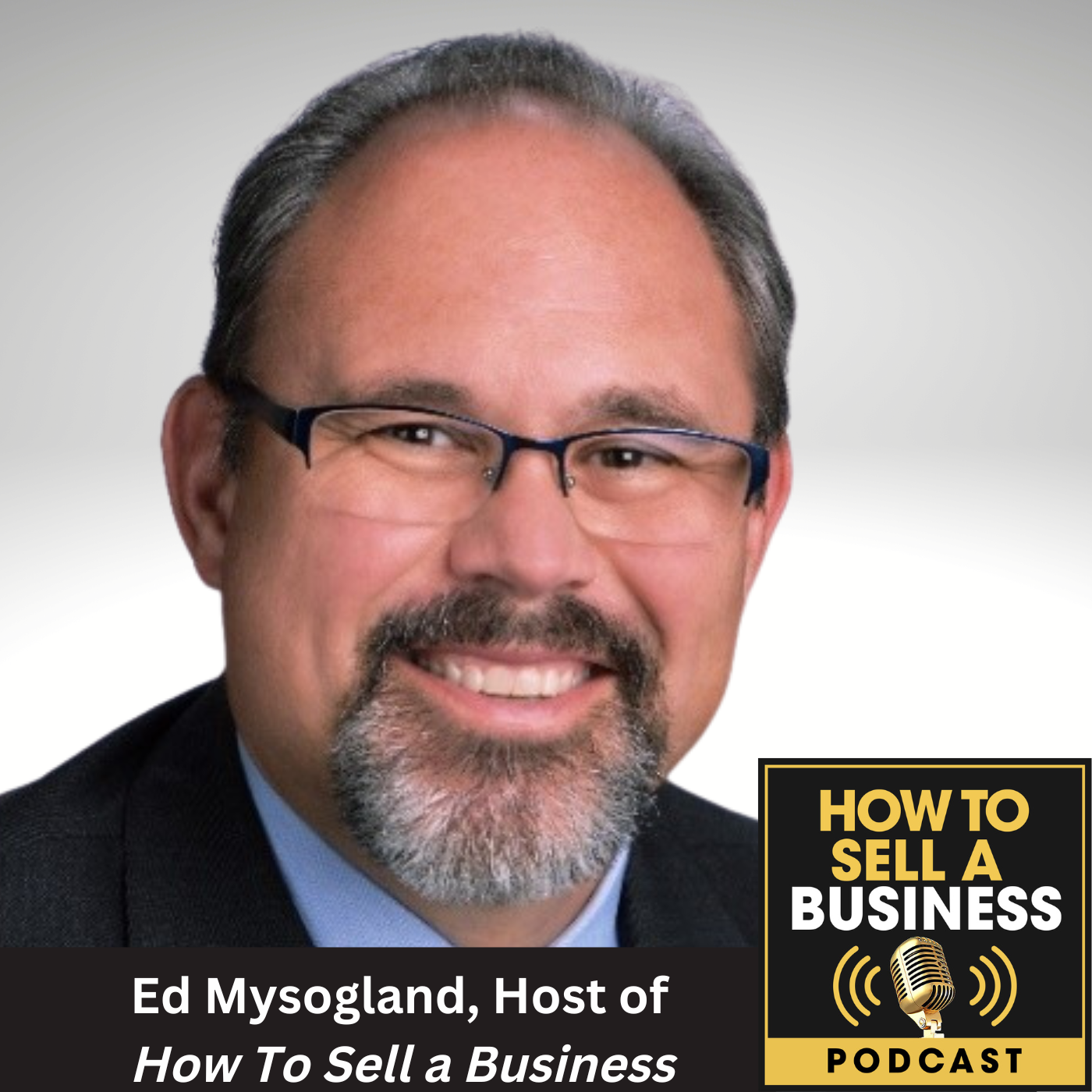
Ed Mysogland, Host of How To Sell a Business Podcast

Ed Mysogland, Host of “How To Sell a Business”

The How To Sell a Business Podcast combines 30 years of exit planning, valuation, and exit execution working with business owners. Ed Mysogland has a mission and vision to help business owners understand the value of their business and what makes it salable. Most of the small business owner’s net worth is locked in the company; to unlock it, a business owner has to sell it. Unfortunately, the odds are against business owners that they won’t be able to sell their companies because they don’t know what creates a saleable asset.

Ed interviews battle-tested experts who help business owners prepare, build, preserve, and one-day transfer value with the sale of the business for maximum value.

How To Sell a Business Podcast is produced virtually from the North Fulton studio of Business RadioX® in Alpharetta.  The show can be found on all the major podcast apps and a full archive can be found here.

Ed is the Managing Partner of Indiana Business Advisors. He guides the development of the organization, its knowledge strategy, and the IBA initiative, which is to continue to be Indiana’s premier business brokerage by bringing investment-banker-caliber of transactional advisory services to small and mid-sized businesses. Over the last 29 years, Ed has been appraising and providing pre-sale consulting services for small and medium-size privately-held businesses as part of the brokerage process. He has worked with entrepreneurs of every pedigree and offers a unique insight into consulting with them toward a successful outcome.

Connect with Ed: LinkedIn | Twitter | Facebook


TRANSCRIPT

Intro: [00:00:00] Business owners likely will have only one shot to sell a business. Most don’t understand what drives value and how buyers look at a business. Until now. Welcome to the How to Sell a Business Podcast, where every week we talk to the subject matter experts, advisors, and those around the deal table about how to sell at maximum value. Every business will go to sell one day. It’s only a matter of when. We’re glad you’re here. The podcast starts now.

Ed Mysogland: [00:00:36] I’m your host, Ed Mysogland. I teach business owners how to value and identify and remove risks in their business, so one day they can sell their business at maximum value when they want, how they want, and to who they want.

Ed Mysogland: [00:00:51] You know, today is a special day. I’ve had no hiccups in all of my episodes with exception of one, my man, Jim Thomas of Fitness Management and Consulting. We recorded, and for whatever reason, he didn’t record. And what a gentleman to come back on the show and rerecord with me. And I am 100 percent certain that you are going to have just an unbelievable amount of value nuggets that he shares. So, Jim, welcome to the show again.

Jim Thomas: [00:01:27] Well, once again, I am thrilled to be here. Appreciate it.

Ed Mysogland: [00:01:31] Well, before the show started, I kind of gave an overview of you and what you’ve been into. But do you mind talking a little bit about Fitness Management and Consulting?

Jim Thomas: [00:01:40] Yeah, sure. Absolutely. And just in the big picture of things, one of the things that I think that really makes us unique and me unique in terms of the services provide, is, I’m a former gym owner. I owned eight of them, had four of them that I started from scratch, four of them that were acquired. And one of the unique things I tell folks all the time, you know, I’m qualified to go clean your bathroom and I can go at the same time do a review of your P&L statement and kind of everything in the middle, because that job of ownership is the folks out there listening that are in that role, boy, it changes moment by moment.

Ed Mysogland: [00:02:19] Well, it’s funny you say that, because in our practice, we talk more people out of business than into business. You know, when they realize, not only am I the CEO, but also head janitor, that changes the dynamics of don’t we pay somebody to do this? Well, yeah. But for every dollar you do, that’s a dollar out of your pocket. So, pick your poison. What would you prefer?

Jim Thomas: [00:02:44] That’s it. That’s it.

Ed Mysogland: [00:02:45] Right. So, my first question is how complicated the gym business is. I mean, it’s not just an assemblage of assets and build it and they will come. There are many silos, little profit centers all working together to make that gym profitable, or marketable, or however you choose. So, can you just tell me a little bit about the gym business and where do you find the profit.

Jim Thomas: [00:03:22] Okay. And so, you know, it’s interesting because folks that want to get into the business, there is a tendency a little bit to oversimplify this, that, if you build it, they will come mindset kind of hops in there. But in terms of profitability, I’ll give you some things that we look at here, particularly with something that’s new. And then, if it’s already existing, we have to work to kind of reach these numbers.

Jim Thomas: [00:03:47] But we want to be able to negotiate a lease that at maturity – I’ll call that a year – that lease represents on a monthly basis 15 percent of our revenue. We want to be controlling our payroll to the extent that that’s going to be at 40 percent. And so, this being a very fixed cost business, we keep our rent in line, negotiate it right – and that’s a challenge for some folks that have not done it. They need to get help – and then keep our payroll in line. Now, we’ve got to run and shot.

Jim Thomas: [00:04:23] You know, I get some of these that are turnaround situations and that rent at 40 percent or 50 percent, we can many times fix it, but there’s some challenges in there. So, you want to make sure you start off right.

Ed Mysogland: [00:04:36] So, with the rent, I’ve always thought that gyms are a destination location, so it’s not necessarily you need a lot of frontage. Is that true or not?

Jim Thomas: [00:04:48] You know, I would agree with that. You know, when we look at locations, the way I like to look at this, you’ve got an A location, which is that prime spot, prime street corner, all these great things, but you pay big money for it. What I’ve always liked, and what I suggest to many folks, is, let’s look at a B location. Maybe it’s pulling from that same demographic area, but because it’s a B location half mile down the road, maybe even a mile, the rent is substantially lower.

Jim Thomas: [00:05:18] Now, here’s the key, though, you have to be good at marketing. You have to be good at getting the word out. And if you’re good at that, that B location is perfect.

Ed Mysogland: [00:05:28] So, the radius that you’re talking about, if I remember right, it’s, like, three or four miles is where you’re pulling your constituents or your members. Is that right or not?

Jim Thomas: [00:05:44] Yeah. Yeah.

Ed Mysogland: [00:05:45] Okay. So – I’m sorry. Go ahead.

Jim Thomas: [00:05:47] What I was going to say there is, generally, it’s going to be about a 15 minute drive time, which is about a three mile radius. But here’s the thing for folks to think about when they’re doing this, the greater job that a gym owner does of creating differentiation, you know, providing a different product than what everybody else in the market is providing, this will expand that pull radius, you’ll pull further distance. So, there’s a lot of things we’re going to be thinking about here.

Ed Mysogland: [00:06:21] So, when you say that, though, the differentiators, are you talking different types of exercise? Like, you have your normal bodybuilder types that are just using free weights, machines, kettlebells. And then, you have CrossFit, you have Pilates. I mean, what other, I suppose, fitness silos are we talking about?

Jim Thomas: [00:06:53] Yeah. When you start looking at differentiation, I can use some things you see out there right now without kind of naming names necessarily. There’s products out there that’ll charge $10 a month. And you mention their name and everybody knows it’s $10 a month. And that’s a massive differentiation compared to most folks.

Jim Thomas: [00:07:16] You’ve got others, maybe they’re running a women’s only operation. That is a significant differentiation because there’s a lot of women that don’t want to be in that coed environment or won’t even go in given that. You’ve got some that are open 24/7, you can workout at 2:00 in the morning if you want to. And where you have hospitals or maybe auto manufacturers, those are some good places for those. Those are some more of the obvious points of differentiation.

Ed Mysogland: [00:07:48] So, I know one of the challenges that gym owners face is trying to create a community within the pool of members that everybody kind of gets along, and everybody is taking the same classes, and they go out for beers afterwards, and that kind of thing. How does an independent create that? I know CrossFit kind of has that vibe where you see the same people over and over again and we’re all in this together. But how do you make that inviting atmosphere, because that makes a sticky client, you know?

Jim Thomas: [00:08:37] Absolutely. It’s a fabulous question. Maybe the question of the day, because it gets back to attrition and how do you retain your customers. And what you’re looking for – you used this word – that sense of community. And in very simplistic terms, here’s what I would suggest that any club owner want to look at. Are you treating your members like they are consumers? Or is it a sense of community? Are we providing something, we’re doing it for free, we’re doing it to help, we’re doing it to benefit them, we’re a resource center to them? Or are they simply consumers?

Jim Thomas: [00:09:20] Because the big mistake that I see is we say we want a sense of community where we’re going to provide all this. But the reality is we’re really looking at them like they’re consumers. Now, that’s not to say we’re not going to sell them something. We’re going to have all that available. But there’s a big mindset shift right there in terms of how you view your customer.

Ed Mysogland: [00:09:42] Right. And one of the nuggets that you shared last time was the proactive manner in which you red flag your clients or your members that are perhaps flight risks and you do some outreach to retain them. So, can you circle back and talk a little bit about that?

Jim Thomas: [00:10:09] Yeah. So, in terms of retention and in keeping our members, you know, when a customer comes in – and I get asked this question a lot – “Hey Jim. What should you say when somebody wants to cancel?” Well, let’s try to not be in that situation, first of all. And so, what we suggest that any club does is, every day when you come in, you want to pull a member usage report.

Jim Thomas: [00:10:38] And depending on where you’re at – every club’s a little bit different – let’s just say, we’re going to identify being an inactive member as coming in four times or less the previous 30 days. And so, every day I’m pulling a memory usage report of folks that have been in four times or less, and I’m going to start making phone calls. And this is a brand new kind of CRM category. I’m going to call and I’m calling the idea to nurture, to help maintain interest, maintain desire, be a resource center, be a servant. Because the data tells us every interaction we have with that inactive member, they’re now 20 percent more likely to come back in. And it’s highly effective if we’ll do it.

Ed Mysogland: [00:11:25] Yeah. I was going to say, I’ll bet it is. Because if I got a call from my gym saying, “Hey, we haven’t seen you in a while, you may want to think about getting your butt back to the gym,” that’s certainly a differentiator. In all my years, I have not known anyone, any gym owner, to have that type of outreach. I mean, that’s not a regular thing, right?

Jim Thomas: [00:11:54] So many folks don’t do it. And I would say, you know, the lion’s share of the folks that I talk to, me coming in are not doing it. And it’s one of the things that we encourage because all the time and effort and money that goes to acquire a new customer to not have a similar system on the back end to save that customer is kind of crazy. Because, ultimately, what you’re trying to create is this member experience that keeps them wanting to stick around.

Ed Mysogland: [00:12:25] Well, you made mention of something I wanted to ask, the customer acquisition cost. I mean, and I know it probably varies between markets, but I mean what should it cost for you to acquire a customer?

Jim Thomas: [00:12:41] You know, it could be expensive if you’re not careful. And here’s what happens, most gyms, what they will do, they’ll set up, like, Google AdWords and maybe it’s a $300 budget. And now one of the problems you have sometimes is we’re not tracking that so we don’t know. And then, we’ll do some kind of a digital marketing program. And these digital campaigns, not including the actual advertising, they could cost you $1,000, $1,500 a month, and maybe you get 50 good leads, and maybe 25 of those you get to talk to, and maybe you sign up 12. So, it can get expensive if that’s all you’re doing.

Jim Thomas: [00:13:32] But, see, that’s where really you have to understand all the moving parts here because there’s a lot of things that are going to cost you little or nothing, member referral programs, former member programs that I call alumni. I’ll give you an interesting stat, Ed. There’s currently more former members in the U.S. than there are current members, and that’s not really pandemic related. It was that way before the pandemic. There’s just that much of a churn. But the beauty of it is, most folks will look at them and kind of ignore it, but that former member is like your number two source of new members behind referrals.

Ed Mysogland: [00:14:11] I had no idea.

Jim Thomas: [00:14:12] And so, you want to have both of this. You want to have – what I call – that boots on the ground, that guerilla marketing. And then, you want to have your paid marketing. You want to get that acquisition cost down.

Ed Mysogland: [00:14:22] Well, I’ll tell you, if a gym owner can calculate and identify where their customers are coming from and how much it costs to acquire them, I can tell you they’re miles ahead of the next guy because they’ll survive.

Jim Thomas: [00:14:37] You know what happens on that a little bit, is, on some of this, because we don’t understand the sales process, there’s a tendency to charge very little to get started. And maybe it’s just month to month, where it’s easy to kind of leave. And you could literally have situations, if you’re not careful, if you’re not monitoring this on all ends in how you’re doing it, is, you actually don’t make money until month number four in some cases.

Ed Mysogland: [00:15:10] Yeah, and that hurt.

Jim Thomas: [00:15:12] I got involved with the club one time. They were losing maybe 20,000 a month and they were doing big enrollments and they could not understand it. I went in and did the math on it. It turns out they were losing money upfront every time they sign somebody up. And we had to cut out certain things they were doing. Their dollar volume dropped, but the profit margin went up.

Ed Mysogland: [00:15:37] Yeah. And that’s funny, I was getting ready to ask you, because we fight that a lot, you know, I really don’t care about the top line. I really care about your bottom line. So, however you make your machine profitable and if it’s repeatable, pal, you’ve got a sellable business all day long.

Jim Thomas: [00:16:00] Yes, absolutely.

Ed Mysogland: [00:16:02] So, who are the typical buyers buying gyms these days?

Jim Thomas: [00:16:08] You know, we did one recently. It was a gentleman who was living in the Midwest. I think he was an insurance agent and he was freezing cold up there. And he bought a gym down in Florida.

Ed Mysogland: [00:16:22] So, it’s a lifestyle business. I mean, we view it as you have financial buyers that are basically replacing the ownership and they’re going to sleep, eat, and breathe it as a lifestyle. And then, you start moving into people that are looking at this as more of an investment. So, in your practice, I mean, what are you seeing more of, the guys that are looking to buy it as an investment and have somebody run it or somebody that’s kind of changing gears and moving more into a lifestyle?

Jim Thomas: [00:16:55] Yeah. Nine times out of ten, it’s someone who’s going to buy it and run it themselves. And, of course, we’ll help direct them a bit where you don’t want to get anchored to what you’re doing there. But more often than not, that’s really the buyer that we’re talking to.

Ed Mysogland: [00:17:12] I got it. So, with that type of buyer, and we spoke about it before – this is a layup for it – where are you finding those buyers?

Jim Thomas: [00:17:27] You know, many times they’ll find us in a sense, in terms of going to our websites, and hearing me speak, and hearing me talk, and existing operations. I’ll tell you what’s interesting, our broker division, how that originally got started. We’ve been doing it for quite some time. But how it originally got started was clients would say to me, “Hey, Jim. I think it’s time to sell.” And I wasn’t really involved in doing that at the time. And I said, “Well, yeah. We need to find you a broker if that’s what you want to do.” And they said, “Oh, no, no, no. Jim, we know you, we trust you, we want you to do it.”

Ed Mysogland: [00:18:04] Good for them.

Jim Thomas: [00:18:05] And that’s really how it led to that. So, existing clients, people that will search us out, they’ll find us. I mean, we do our own email marketing, social media marketing, things like that. We’ll get folks that, “Hey, Jim. I don’t know if you remember me, but we talked about two years ago.”

Ed Mysogland: [00:18:25] A hundred percent. I get the same. So, what’s the success ratio? I mean, for example, the industry average on all businesses is about a 20 to 25 percent success ratio to sell their business, which, to me, is absolutely dismal. And there can be a number of reasons why deals don’t go together, but I know size matters. The more sophistication, the more likelihood that the seller will withstand any kind of financial scrutiny in due diligence. But, I mean, what are you seeing as far as the likelihood of transitioning a gym?

Jim Thomas: [00:19:15] I think your numbers are pretty dead on. I find that at least half the gyms never sell.

Ed Mysogland: [00:19:23] Okay.

Jim Thomas: [00:19:25] They don’t even get off the launching pad. And in large part it’s because they’re overpriced. The owner has not valued it properly. They put value into blood, sweat, and tears, and they can’t come to grasp the reality it’s about cashflow.

Ed Mysogland: [00:19:44] Yeah. And, again, it’s across all industries. Valuation is always the challenge. I have been called the Grim Reaper of business valuation. And I get it, I mean, you don’t want to hear that perhaps what you’ve worked and sacrificed for is not as appealing as you might think to a third party. So, how are you coaching them to make more of a saleable business?

Jim Thomas: [00:20:22] Well, there’s a few things, and we actually just took on a recent client like this. They were looking to sell. They wanted to kind of get out. But we didn’t even really do a valuation. We could look at the numbers pretty quick and we could pretty well tell them this was not going to be a successful attempt at doing this. It was pretty significant.

Jim Thomas: [00:20:44] And we had a few conversations, and so what are we in the process of doing? We’re in the process of growing the sales. We’re in the process of growing the revenue. We’re in the process of training the staff. It depends on where you’re at financially, but we want to keep the gym looking as new today as the day that it opened. And so, if you’re short on funds, maybe we’ll put out some new carpet, we’ll paint some walls, we’ll do some different things.

Jim Thomas: [00:21:12] But we’re trying to bring this thing back up because if your sales are trending up and you’ve got good staff in place, I kind of jokingly tell folks, this is how you sell your business for more than it’s worth, because you’re trending up and there’s opportunity here. You know, you couldn’t even give the darn thing away if it’s losing money.

Ed Mysogland: [00:21:34] So, a lot of challenges that the business owner faces when you bring in like, “Hey, if you have the runway and you’re willing to give me a year or two years or whatever, I’m telling you, you can make another turn on your multiple.” So, I guess my question is, when someone hires you – and I know it depends on the scope of what you’re doing – how quickly can you start seeing a return on that investment? Because I know that’s probably real hard for, especially, gyms that are struggling. You know, it’s hard to take what they are making and plow it back into consulting. You know what I mean?

Jim Thomas: [00:22:25] Yeah. It’s an interesting question, because it’s not as difficult as you might think to start seeing results quickly. And there’s a couple of reasons for it. Number one is, a lot of these folks when the business is trending down, they’re not maybe doing everything they should or could be doing to make it work.

Jim Thomas: [00:22:48] And one of the common things that I’ll do in nearly every situation is, we’ll do an analysis of the existing assets, the website, how you answer the phone, your sales process, your referral process. These are things they’re already spending money on, so we’re not spending more money, we’re just doing a better job with what they already have. I mean, something as simple as putting Facebook Messenger on their website can get you a sale a day.

Ed Mysogland: [00:23:18] Yeah. I remember you saying that. I could not believe that that was the low lying fruit you’re talking about, that Facebook Messenger. I can totally see it, you know. I asked you, “What in the world is someone going to ask on Facebook Messenger?” And you’re like, “Well, that’s a real easy one. What are your hours? What’s the pricing structure? What’s the classes,” and so on and so forth. And once you said it, I totally understood it. But I’m with you. I think you’re right that there is a lot of opportunity with little to no expense outside of the consulting cost because you’re not adding layers. You’re just fixing what’s broke.

Jim Thomas: [00:24:14] That’s it. And there’s one simple secret to it. For these folks that we talk to, they have to be ready to make a change.

Ed Mysogland: [00:24:23] And that’s always —

Jim Thomas: [00:24:25] That’s the one simple key to it. If that’s in place, really, sky is the limit. And you can almost start having some results day one, believe it or not. Just because it’s simplistic kind of things. Things like getting a referral or maybe putting out a press release. Does the media even know you’re there? And none of these things is costing you.

Ed Mysogland: [00:24:49] No, that’s right. That’s – I don’t want to say a funny one, but that’s interesting that it can go that quick if you have – I don’t want to say if you just believe, but if you’re willing to buy in or give it 30, 60 days, you can recoup that cost associated with the consulting. I get it.

Ed Mysogland: [00:25:20] I don’t think I asked you last time, but what’s easier to run and operate, a coed gym or an all women gym?

Jim Thomas: [00:25:29] Oh, you know, from a process standpoint and everything you look at, they’re identical. I think the key is, where is your passion? I’ve owned both of them, actually. I’ve owned women only facilities —

Ed Mysogland: [00:25:41] That’s why I’m asking.

Jim Thomas: [00:25:42] … and I’ve had coed facilities. I found them no different. Now, I will say this, in the co-ed facility, your cost is a little higher because your equipment cost is higher, because you’re having to buy heavier equipment, because the guys are lifting some real heavy stuff, because the women aren’t really lifting at that level of weight training, and things like that.

Jim Thomas: [00:26:04] But, to me, they’re identical. I think it’s where your passion is and what you like. I’m personally a fan of the women’s only business. I’m a little surprised you don’t see more of it out there. I think it really would open up a marketplace to a lot of folks that are not currently attending facilities.

Ed Mysogland: [00:26:21] Well, I don’t know if it was in your neck of the woods, but we had Curves. They kind of evaporated. And I don’t know what happened to them. But I know that kind of was in your same bailiwick of that women-owned or businesses that are geared toward women would be successful. So, I don’t know what exactly happened.

Jim Thomas: [00:26:56] You know, it’s interesting on those guys – and I was never really involved with them. They were just south of where I’m at here a little bit – in large part, a lot of that growth on that type of operation, it came in these communities that were maybe under 200,000 people where it was easy to get a low rent, it was easy to advertise, easy to market. And a lot of those places, you know, 100 members, maybe 200 members in it worked. And as they started hitting, “Okay. We’re kind of full. We need to expand.” And now all of a sudden we’re going to go into Los Angeles and Dallas and Atlanta, the rents were much higher. You had much more competition. And it didn’t lend itself to who their customer was at franchisor. That wasn’t who it was.

Ed Mysogland: [00:27:44] I get it. Well, since I brought up the franchise, we talked men and coeds, so franchise versus independent – I don’t want to say which is better, but, I mean, in your consulting, what are you seeing as the superior? Is there that much difference, I guess, is where I’m going.

Jim Thomas: [00:28:07] Well, I try to actually compete against those franchises. Actually, that’s part of my marketing, no franchise fees, no long term contracts, no royalties. Because bring a consultant on just pay for what you need and you stay in control of your business. Whereas, the franchise are going to dictate a little bit to you.

Jim Thomas: [00:28:29] So, now, we worked with a lot of franchises, but the folks that come to me, by and large, they want to maintain control. And they’ll just say, “Hey, Jim. Teach me how to do it and I’ll go out there and do it.” They’re all good. And one of the things, if you’re doing something really big, the franchises are nice because SBA likes those kind of things because they’ve got that kind of seal of approval that it’s a proven system on it.

Ed Mysogland: [00:28:54] Yeah. But, again, it’s back to the system. You know what I mean? I don’t mean to imply that it’s not complex, but after you get the system, what’s left other than just add gas or revenue, it just seems that – you know, I don’t want to say I don’t see the value. I just don’t see the long term value.

Jim Thomas: [00:29:28] Yeah. I mean, it’s like anything that you’re doing, everything has to evolve. I mean, everything is going to change. When I was building them to what they are now, heck, I can look at my consulting business and what it is today and what it was ten years ago. I mean, it’s night and day difference. You know, the business has to evolve, but it can’t just be membership revenue. Whatever those other ancillary sources are going to be, personal training, supplementation, retail, your whole online component, there’s really no shortage of growth.

Jim Thomas: [00:30:03] And just kind of Business 101, you know, the three things you look at is, we have to acquire more members, more clients, make more sales, we have to get more money per customer, and we have to get them to buy more often. What amounts to everybody in our marketplace has to know who we are. And if we don’t do that, we’re going to struggle. But when everyone knows who we are, what a great competitive advantage.

Ed Mysogland: [00:30:29] Sure.

Jim Thomas: [00:30:30] And, now, you’re dominating. And that’s what you’re trying to do. You’re not trying to compete.

Ed Mysogland: [00:30:35] You know, it’s funny, my wife was talking about what appeals to her at a gym. And the funny thing is that her and her little group, it’s about the cleanliness of the facility. Not necessarily the hours. I mean, it’s nice that they have equipment and this, that, and the other. But it’s the cleanliness. Is this a dump to go into the bathrooms? Which, to me, is another – I don’t want to say low lying fruit, but the funny thing is, if you look at Google Reviews or some of the other review sites, one of the primary complaints you see has to do with cleanliness and hygiene and things like that. So, I think that’s another area to consider low lying fruit. You know what I mean?

Jim Thomas: [00:31:33] You know, it’s interesting when we’re opening new facilities, probably 80 percent of your finish out dollars to finish that new facility, 80 percent of it is going to go into your front desk reception area and into your locker rooms. And from a selling perspective, we want that front desk to have that wow factor when they walk in because that’s what’s going to grab them.

Jim Thomas: [00:32:00] But to your point on cleanliness, that locker room, it needs to be pristine. It needs to be as clean as what you have at home. Because that locker room, from a cleanliness standpoint, is one of the number one things that’s going to affect your member attrition.

Ed Mysogland: [00:32:16] Yeah. I mean, it totally makes sense. You know, you pay attention when it’s not clean and you don’t give any thought to it when it is.

Ed Mysogland: [00:32:30] Well, switching gears, we’ve got some businesses that just aren’t going to make it. And some of it is self-inflicted, some of it is competition. So, how does a business owner wind down the business and make as much as they can on the way out, knowing that perhaps there’s a personal guarantee on that lease, perhaps there’s some leases on the equipment. You know, I don’t want to eat cheese, but I want another trap. How do I do that?

Jim Thomas: [00:33:15] You know, we’ve used these strategies. We used them heavily during the pandemic for existing operators. And I want to answer this a couple of different ways, because the rub there a little bit is that personal guarantee on that lease. Now, some of this will depend on that relationship we have with the landlord, whether you filed bankruptcy or not. There are some things in there that can have some effect on that.

Jim Thomas: [00:33:42] But with that said, we’ve had a lot of situations where we’ve helped club owners unwind. They’re getting out of the lease and they’re simply, “Hey, I’m just going to go ahead and shut it down.”

Jim Thomas: [00:33:54] Well, here’s the reality. Number one, they can and should sell that member base to a local club. And it’s really a simple process. It’s a three way agreement between the two owners and whoever the building company is. It’s a pretty simple process. And for the club that’s acquiring it, it can be done for no money out of pocket. And so, you want to sell that. But there’s other assets that you have. You might have some equipment. If it’s not on a lease, you might have some equipment.

Jim Thomas: [00:34:24] But what you have also, you’ve got website URLs that likely have some SEO attached to them. Someone’s following that. Point those to yours. One of the great ones that I’ve always loved is, “Hey, we want the phone number. We’re going to point that phone number over to our place. We want member lists, renewal lists, guest lists, former member lists. We want all that. We want social media. We want your YouTube channel.” There’s value in all this. And there’s so much of a tendency because they don’t know how to do it just to walk away from all that.

Ed Mysogland: [00:34:58] But I’m the business owner, I’m like, “All right. I follow all that. These are a great list. How do I value that?” I’m not a fan of rules of thumb at all, but I’m putting myself in the shoes of the business owner and I’m like, “All right. Jim, that’s great. But, you know, what’s my website worth? What’s that URL?”

Jim Thomas: [00:35:30] And usually URLs, phone numbers, member lists, that’s going to push the multiple up or down. And so, for example – let me grab a calculator here – let’s just say, I’ve got a facility and I’ve got $20,000 a month coming in, in recurring fees. Generally speaking, I want to just take that times three, and that’s the value of that, $60,000.

Ed Mysogland: [00:36:03] And how you allocate – I’m sorry.

Jim Thomas: [00:36:06] And then, we’ll work the deal right now. However, I did it on a multiple of three. But you know what? If I’ve got a good URL, if I can get their phone number, if there’s some good reviews out there that I can grab on, Google my business or I can grab member list, maybe I take out multiple to four, maybe I take it to five. Maybe there’s some good personnel that might come along with it. Maybe there’s personal training that might come along with it. This will all do that, but I would start it at three.

Ed Mysogland: [00:36:36] I got three.

Jim Thomas: [00:36:37] And then, kind of go up or down depending on circumstances.

Ed Mysogland: [00:36:41] All right. So, that addresses the goodwill and the intangible assets. Or does that include the equipment that’s in the facility?

Jim Thomas: [00:36:56] Yeah. That would generally include everything. At least that’s where we would start. For the most part, used fitness equipment does not have significant value.

Ed Mysogland: [00:37:07] That’s where I was going with it, because I’m certain some of the people are like, “Yeah. I don’t need another Smith machine in the facility. But I am interested in your customers and guest lists and the intangibles.” So, that three multiple really could be just for the intangible assets. And then, if you’re picking up equipment, it can go up higher.

Ed Mysogland: [00:37:40] I think I’m putting words in your mouth and let me back that up a little bit, because you said the three typically includes equipment, and I get it. So, I’m sorry about that. I didn’t mean to [inaudible].

Jim Thomas: [00:37:56] It varies. I mean, over the years, you know, I don’t know if any one deal has ever been the same. They’re all a little bit different. So, it just depends on circumstances. There are some folks that they just can’t wait to cut the deals. They can get the heck out of the room. And there’s others that, “No. We need to figure this out.”

Ed Mysogland: [00:38:15] I get you. So, one of the things that struck me in one of our original conversations was that you were doing deals, financing and sourcing. So, that’s a different animal. I mean, from the lenders that I’ve worked with, I don’t want to say that they aren’t stoked about getting a gym on the banks portfolio. But that takes a real special bank or special lender to get their arms around what all is going on, especially when you’re talking about the recurring revenue and the attrition of members. I mean, there’s some risk to the bank. So, can you talk a little bit about that financing and structuring and how are you doing it?

Jim Thomas: [00:39:01] Yeah. Let me give you the two ways that we do it, we look at it from a new gym startup and then from an existing operation. And so, from a new gym startup, it’s simply personal financing. As long as they have a credit score of 680 or better in all three bureaus, and as long as they have a minimum income of 50,000 per year – and there’s going to be some other underlying things, but those are the key criteria – they can get funding for up to $400,000 to start a new business. And for the lion’s share of new businesses being started in the fitness industry, that’s more than enough. They may only need half that. So, that works.

Jim Thomas: [00:39:44] Now, for existing operations, of course, they have to improve their business. But the way that works – it’s a simple process – is we need to see the most recent 90-day bank statements. And it’s simply, “Hey, what’s the differential in there between the revenue that’s coming in and what the expenses are? And can you afford a new payment? What would that payment look like?” And – gosh – they could get funding for up to $2 million if that spread was big enough.

Jim Thomas: [00:40:15] And so, it’s not necessarily the industry. It’s more just about we want to see history of revenue. The longer the history, the better.” And we want to see that it’s working for you.

Ed Mysogland: [00:40:27] So, if I’m buying a gym, what’s my down stroke? Is there a percentage or no?

Jim Thomas: [00:40:33] Well, not necessarily if you can finance it all out. Say, I’m going to go buy something and I’m not in business, and so I’m going to go get a personal loan and I’ve got a place over here and I can buy it for $300,000. And I go out here and I qualify for 300,000, I buy it and I make my payments back, and everybody’s happy.

Ed Mysogland: [00:40:53] So, you can do it without any equity out of your own pocket?

Jim Thomas: [00:41:00] You can. You can.

Ed Mysogland: [00:41:02] And so, this isn’t falling under the SBA. This is just sources that you have. Yes?

Jim Thomas: [00:41:07] Yeah, that’s it. That’s it. The challenge is, SBA is a great source, but sometimes it can take a long time and there’s a lot of paperwork. And we’re looking for short time and not much paperwork.

Ed Mysogland: [00:41:19] Aren’t we all? What is the turnaround time? So, I submit, you know, here’s my purchase agreement. Here’s three years of tax returns. You’re going to run my credit. Now, what happens?

Jim Thomas: [00:41:31] Oh, if you’re buying a brand new deal and everything really checks out, I need to see your FICO scores – the higher the better, by the way – and I’ve got U.S. tax returns, you could probably be funded within a week.

Ed Mysogland: [00:41:46] Really? Because in my world, time kills all deals. Well, you know that. You’re in the same –

Jim Thomas: [00:41:53] Time kills deals, absolutely. It’s one of the all time great truisms.

Ed Mysogland: [00:41:58] All right. So, you can do no money down, assuming you have a great credit score, and it would take a week to fund.

Jim Thomas: [00:42:10] And here’s the thing, too, anyone who’s looking to sell, say, you have someone who wants to buy and, say, they’re struggling doing that, they don’t have the credit score, then they can’t qualify, so you’ve got a problem. But for a forward thinking seller, maybe do some kind of a down payment, do some owner financing, and then maybe a balloon in six months. Give that buyer a chance to get his credit score up and come back in here and take you out.

Ed Mysogland: [00:42:38] Oh, that’s a good idea. So, what I heard you say is, go ahead and do the deal. So, basically, you’re talking about refinancing them out for doing the deal. I guess if I’m a seller, though, I’m sitting here going, “Boy, you know, what’s going to induce this guy to refinance?” I guess you could structure it as painful as possible.

Jim Thomas: [00:43:10] Yeah, it’s a balloon. I mean, balloon in six months, you got to refinance. But (A) if you’ve got a good buyer, circumstances can’t do it. But here’s a couple of things that we suggest here, (A) Whoever your billing company is – this is to get another one of those three way [00:43:29] agreements – [00:43:30]say, that new owner is going to make you a payment every month of, let’s just say, it’s four grand a month, we’re going to have the billing company send it directly to you at the beginning of the month.

Ed Mysogland: [00:43:40] I got it.

Jim Thomas: [00:43:41] We’re not going to have it pass through the new buyer. It’s going to go straight to you so you make sure that you get it. Plus, we want to see that new owner’s P&L statements every single month until they refinance us and take me out.

Ed Mysogland: [00:43:55] Nice. Yeah.

Jim Thomas: [00:43:56] So, we’re going to stay on it. Because if I did have to take it over – which, hopefully, that didn’t happen – at least we know where we’re at and we can go in there and put our foot on the accelerator and make this thing work.

Ed Mysogland: [00:44:07] So, are you doing a lot of deals as far as the financing side?

Jim Thomas: [00:44:13] Oh, gosh. With financing deals, it’s a regular thing.

Ed Mysogland: [00:44:17] And anybody can use you or do you have to be a consulting client?

Jim Thomas: [00:44:24] No. Anybody as long as they have U.S. credit scores and U.S. tax returns. That’s the thing. And, you know, just to tease a little bit, we’ve got some more stuff coming up. So, maybe if you and I talk down the road, we’ve got even some bigger news coming up on some of this financing.

Ed Mysogland: [00:44:40] Awesome. Well, I’ll tell you what, some of the alternative financing sources are going to make a small fortune especially if the economy turns on us.

Jim Thomas: [00:44:52] You bet. And I tell you, one of the challenges, you know, it’s interesting when I talk to people about this, because most of them, they’ve been looking around trying to do things and they just can’t understand it, can’t figure it out. And just when they engage with with me or somebody like me, that can really simplify it, here’s exactly how it works, they can get that trust in there. It can happen so quick and so easily for folks and they don’t have to really be fretting over it.

Ed Mysogland: [00:45:21] Yeah. Well, I look forward to seeing what else is up your sleeve because, you know, you’ve been a leader in this industry for so many years. And if you do any kind of research, your name just keeps on coming up. So, I look forward to it.

Jim Thomas: [00:45:40] You bet.

Ed Mysogland: [00:45:41] All right. So, not only have I made you record twice, I’m going to ask you the same question that we concluded with the last time and see if it changed. So, I conclude every interview with what’s the one piece of advice that you could give listeners that would have the most immediate impact on their business? What would it be?

Jim Thomas: [00:46:04] The number one problem that I see in the fitness industry is a failure to properly understand and implement sales and marketing. And nothing else is even close. Coming up right behind is that issue of retention, but we can’t retain them if we don’t get them. So, sales and marketing is the biggest problem across the board.

Ed Mysogland: [00:46:30] Okay. So, what is the best way people can find you? I mean, I can tell you, as a guy that found you, I can assure you it is pretty easy to find you. You’re at the top in pretty much all the searches.

Jim Thomas: [00:46:45] Yeah. You Google Fitness Management and Consulting, Jim Thomas, you should find us. But go to our website, fmconsulting.net and there’s a host of information, a lot of free information there for you to help you grow your business.

Ed Mysogland: [00:47:01] Yeah. And you have a really robust YouTube channel. And we’ll have all of this in the show notes. So, don’t worry about if you were unable to take notes, it’ll be there. And, Jim, boy, times two, I appreciate so much of your time. And as always, it was awesome. Great value nuggets.

Jim Thomas: [00:47:27] You bet. I appreciate being here and I look forward to doing it again sometime.

Ed Mysogland: [00:47:32] Well, this time I think we recorded. So, we’ll do it in a few months. We’ll do a follow up when the new financing packages come out.

Jim Thomas: [00:47:42] Oh, I’ll keep you posted. We’re day-to-day on getting that done.

Ed Mysogland: [00:47:45] All rightm buddy. I look forward to it. Thanks so much, Jim.

Jim Thomas: [00:47:48] Thank you. I appreciate it.

Outro: [00:47:50] Thank you for joining us today on the How to Sell Your Business Podcast. If you want more episodes packed with strategies to help sell your business for the maximum value, visit howtosellabusinesspodcast.com for tips and best practices to make your exit life changing. Better yet, subscribe now so you never miss future episodes. This program is copyrighted by Myso Inc. All rights reserved.
 

Tagged With: Ed Mysogland, fitness center sales, fitness centers, Fitness Management & Consulting, gym equipment, gym management, gyms, health club promotion, health clubs, How to Sell a Business, How to Sell a Business Podcast, JIm Thomas

How To Sell a Play It Again Sports Franchise, with Scott Ward, Former Play It Again Sports Franchisee

December 13, 2022 by John Ray

Scott Ward
How to Sell a Business
How To Sell a Play It Again Sports Franchise, with Scott Ward, Former Play It Again Sports Franchisee
Loading
00:00 /
RSS Feed
Share
Link
Embed

Download file

Scott Ward

How To Sell a Play It Again Sports Franchise, with Scott Ward, Former Play It Again Sports Franchisee (How to Sell a Business Podcast, Episode 2)

On this episode of the How to Sell a Business podcast, host Ed Mysogland welcomed former multi-store Play It Again Sports franchisee Scott Ward to discuss his journey from opening the business to a successful sale. Scott discussed how he developed some of his team members into business owners in their own right, lessons in the exit process, managing employees during the sale, recommendations for other Play It Again Sports franchisees planning their exit, and much more.

How To Sell a Business Podcast is produced and broadcast by the North Fulton Studio of Business RadioX® in Atlanta.

Scott Ward

Scott Ward

Scott Ward is a veteran of over 25 years of owning businesses. Successfully representing and consulting other business owners in lease negotiations in the technology, creative media, retail, and manufacturing industries, Scott’s unique perspective keeps in mind the owner/tenant’s long-term cash flow needs as a catalyst for the future health of his client’s company.

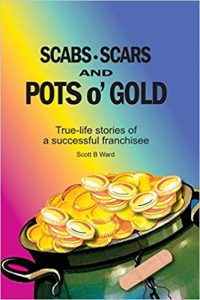
Scott is the author of Scabs, Scars and Pots O’Gold: True-Life Stories of a Successful Franchisee, available here.

Examples of Scott’s work include a young tech company expanding for the first time and helping to enable its current growth to include private and government clients worldwide. An industrial cabinet manufacturer successfully expanding to handle over 40 percent growth. Media agencies that need flexibility in their space to address the demands of sudden surges or shrinkage in client needs. And retail/franchise situations that come with issues of territory, visibility, and access.  Scott has mentored five former employees to own their own businesses and applies these techniques in formulating winning space solutions for his clients.

Scott’s contacts and involvement in citywide groups give him an innovative perspective on trends in traffic, population, education, and economics. He is part of enabling organizations throughout metro Atlanta in realizing their missions by serving on boards or as an officer in Rotary International (Treasurer/International Director), The Chattahoochee Nature Center Board, The North Fulton Chamber of Commerce, Scouts BSA (adult training), Toastmasters International, The Georgia Production Partnership (membership, industry relations, and governmental relations) and Atlanta Theatre to Go Board. He is also a member of the Atlanta Commercial Board of Realtors.

Scott is a graduate of the University of Florida. Scott is also a public speaker and presentation coach. He loves fly fishing, and sailing and has been known to swing a golf club or two! His family’s accomplishments overwhelm him with pride. If you would like to share a coffee please reach out!

LinkedIn

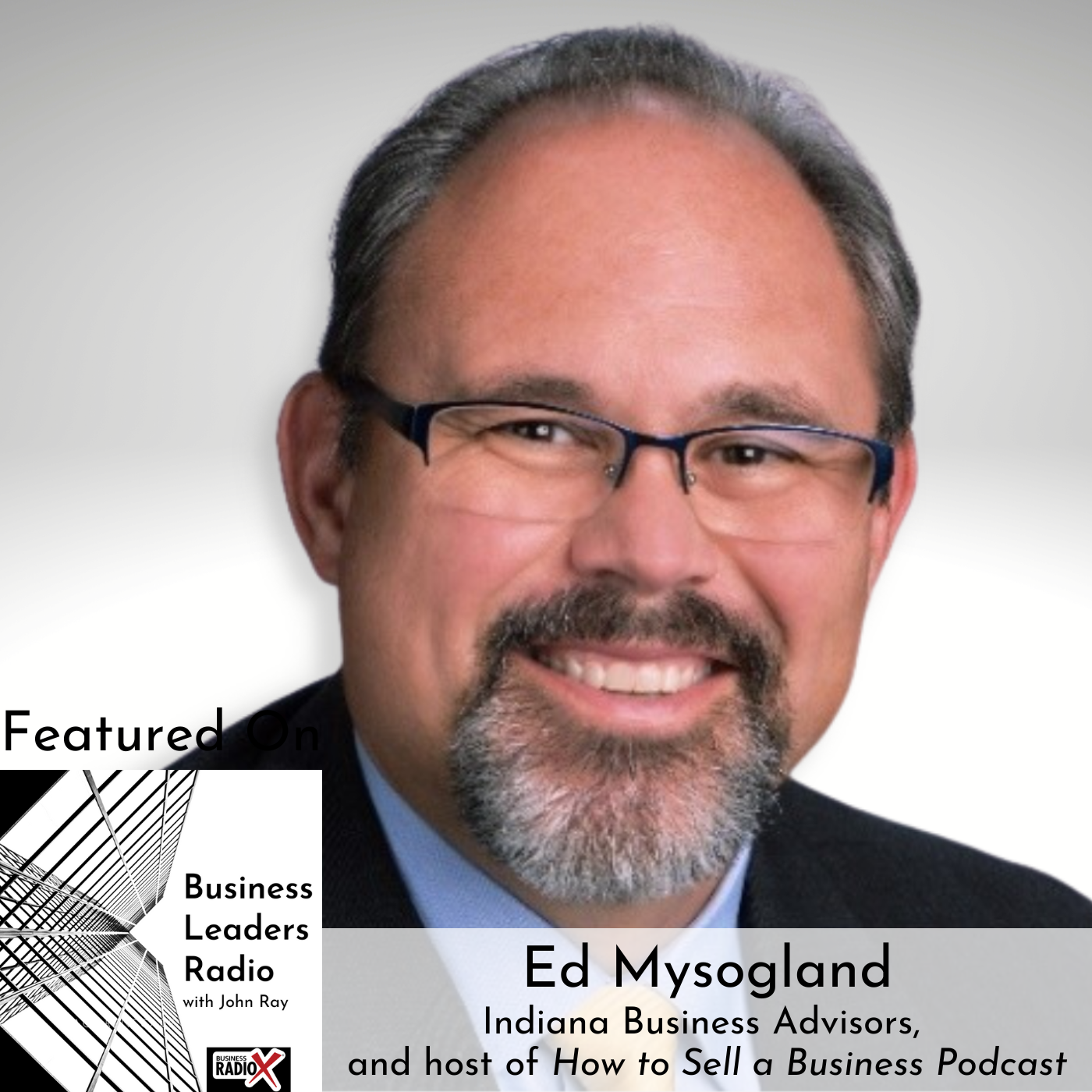
Ed Mysogland, Host of How To Sell a Business Podcast

Ed Mysogland, Host of “How To Sell a Business”

The How To Sell a Business Podcast combines 30 years of exit planning, valuation, and exit execution working with business owners. Ed Mysogland has a mission and vision to help business owners understand the value of their business and what makes it salable. Most of the small business owner’s net worth is locked in the company; to unlock it, a business owner has to sell it. Unfortunately, the odds are against business owners that they won’t be able to sell their companies because they don’t know what creates a saleable asset.

Ed interviews battle-tested experts who help business owners prepare, build, preserve, and one-day transfer value with the sale of the business for maximum value.

How To Sell a Business Podcast is produced virtually from the North Fulton studio of Business RadioX® in Alpharetta.  The show can be found on all the major podcast apps and a full archive can be found here.

Ed is the Managing Partner of Indiana Business Advisors. He guides the development of the organization, its knowledge strategy, and the IBA initiative, which is to continue to be Indiana’s premier business brokerage by bringing investment-banker-caliber of transactional advisory services to small and mid-sized businesses. Over the last 29 years, Ed has been appraising and providing pre-sale consulting services for small and medium-size privately-held businesses as part of the brokerage process. He has worked with entrepreneurs of every pedigree and offers a unique insight into consulting with them toward a successful outcome.

Connect with Ed: LinkedIn | Twitter | Facebook

TRANSCRIPT

Intro: [00:00:00] Business owners likely will have only one shot to sell a business. Most don’t understand what drives value and how buyers look at a business. Until now. Welcome to the How to Sell a Business Podcast, where every week we talk to the subject matter experts, advisors, and those around the deal table about how to sell at maximum value. Every business will go to sell one day. It’s only a matter of when. We’re glad you’re here. The podcast starts now.

Ed Mysogland: [00:00:36] Welcome to another episode of How to Sell Your Business Podcast. On today’s episode, I got to visit with Scott Ward. Now, Scott is a former franchisee of the Play It Again Sports franchise. And he was a multi-unit franchisee on top of that. And so, I wanted to visit with him, number one, because retail is a terribly complex type business. I mean, it’s dependent on, obviously, customers but more so on employees.

Ed Mysogland: [00:01:14] And one of the things that we found in our conversation is, the employees became who bought the business. And that’s a little bit different from the way a business normally is sold. I mean, it’s great to be able to sell to employees, if you can do it that way, but it’s not very often that you can. Number one, predominantly because of lack of capital. They may just not have that kind of access to capital to buy.

Ed Mysogland: [00:01:45] And so, we had the opportunity to visit through some of the things that, you know, how did he prepare the business to sell? He went through a couple of brokers, that it didn’t work out so well. And by aligning with the franchisor, he was able to come alongside of some of the people that he had been raising up through the organization to actually become his buyers.

Ed Mysogland: [00:02:13] And he wrote a book memorializing these types of adventures, as he put it, adventures throughout his career. And the book is called Scabs, Scars and Pots O’Gold: True Life Stories from a Successful Franchisee. And so, I found his story fascinating, and I’m certain you will, too. So, let’s get on with the show.

Ed Mysogland: [00:02:45] Good morning. I’m your host, Ed Mysogland. I teach business owners how to build value and maximize the value of their companies when they choose to sell, when they want to sell, how they want to sell, and for what they want to sell as far as value goes.

Ed Mysogland: [00:03:03] On today’s show, I am really excited to welcome Scott Ward. Scott successfully sold his franchise in the last few years and he authored a book, and that book is entitled Scabs, Scars and Pots O’Gold: The True Stories of a Successful Franchisee. And having done deals for a long time, I can tell you that most businesses don’t sell and a lot of people don’t talk about that. But to be successful in selling your business is certainly something to celebrate. So, welcome to the show, Scott.

Scott Ward: [00:03:38] Hey, thank you. I’m so glad to be here. And I appreciate the invite.

Ed Mysogland: [00:03:42] Well, I’m happy to have you. Before the show started, I began with a little overview of you, but could you go ahead and kind of cover your background and what you’ve been doing since you sold the company?

Scott Ward: [00:03:57] Sure. So, I spent over 25 years as a multi-store owner of Play It Again Sports stores as one of their initial franchisees back in the ’90s, and really grew with them and their kind of learning curve. And it was a great experience. It was a great franchise. It enabled me to do what a lot of franchises do for people. No one in my immediate family had ever owned a business or really completed college. And so, there was not a lot of that kitchen table, you know, business talk, a stratagem of things. So, the franchise really helped me with that.

Scott Ward: [00:04:35] And similar things when it came to exit, you know, I didn’t know anything, really. As I was aging through the franchise, they were as well as people came up for resale. So, that was actually very helpful.

Scott Ward: [00:04:52] Since I sold the business in the last four years or so, I realized being a community-based guy and a community-based store, I started thinking about what to do next. And I loved my community, I realized that property values and property taxes affect the money going into our basic communities. And then, I thought, “Well, wow, commercial real estate is a big portion of that. And if I can help other businesses with their leasing or purchasing of investment, and be involved in that same way,” that has provided a real meaningful second career for me in that sense. And it’s been a lot of fun because, let’s say, I’m one of the few commercial real estate guys now that’s actually owned a business, so I think about your cashflow.

Ed Mysogland: [00:05:38] You know what? And I have to imagine that that is a value add, because, you know, just being able to relate to, like you said, the challenges of cashflow and all of the trials and tribulations that go into just existing as a business owner. And I’m certain that your second career, you know, it’s all about doing just that, that you can relate and I’m certain that your clients appreciate that. So, I got a bunch of questions. Are you ready?

Scott Ward: [00:06:18] Hit me. Hit me.

Ed Mysogland: [00:06:19] All right. So, why Play It Again Sports? How did you get into that?

Scott Ward: [00:06:25] So, you mentioned my book, and that’s my opening thing in my little book, The Scab, Scars and Pots O’Gold. When I first come out of school, I was working actually for ad agencies and film production companies, and I was a writer. And I was sitting in my office looking out to the parking lot with the owner pulling in, in his really nice car, coming in a little late. And I’m thinking, “Wow. That’s pretty good. I should own my own business.”

Ed Mysogland: [00:06:52] Everybody should do it. It’s easy.

Scott Ward: [00:06:54] Yeah. And so, a film production company or an ad agency, but there was a little recession that came along, and that’s the first thing that budgets were being bad, we want people to add budgets. And I said, “Well, I had actually been a customer in this cool little sports store called Play It Again Sports.” And we were relocating at the time. My wife got a job offer coming back to Atlanta. And I thought, “Maybe let me check that out.” Because, again, I really wanted a community-based business and I’m kind of a tree hugger, hiker, outdoorsman, and I thought recycling, “What can never go out of business in a recession? Let’s see, sports, recycling. It was a no brainer.” So, that’s why I was investigating Play It Again Sports.

Ed Mysogland: [00:07:47] So, that was a conscious decision. I mean, you thought about what was recession proof and how you were going to offset it. Boy, that’s some good foresight. So, fast forward now, 25 years, how did you know it was the right time to exit?

Scott Ward: [00:08:05] Well, I always had this antsy-ness to do a little bit of something else. And my kids were early high school, and I started thinking, before they get into college, it might be a good time to transition before we get that heavy college payment. Again, thinking about personal financial cashflow. And how a lot of small to medium sized businesses, we live almost personally off that business cashflow. So, I’m like, “Okay. Let’s sell this business, I’m kind of burned out anyway, blah, blah, blah, like we all get. Let’s sell it now.”

Scott Ward: [00:08:39] And I listed it with a broker and he created this nice booklet for me and then I never heard from him again. And I even called, and so I was like, “Well, you’re not worth anything. Let me try someone else.” So, I tried someone else, and they were a little bit better, but they were still not really speaking to me in terms of how can we get your business better to sell in valuations. They just pretty much evaluated the way it sat. We’re trying to sell it the way it sat.

Scott Ward: [00:09:11] Even selling your home, at least the real estate agent comes in and says, “Hey, we need to stage this” or “You need to clean this up.” I found on the business broker side I wasn’t getting that. And then, I realized it, and really being a part of a franchise helped, too, because I had insight into what others were selling for or not selling for, specific same inventory and margins and sales and comps, and all these things. So, I’m thinking, “Okay. I’m just not ready.”

Scott Ward: [00:09:40] A-year-and-a-half went by, I was like, I just need to mentally re-gear myself – that six inch difficulty between the ears. Mentally gear myself up. Reboot this business. Kick it in the butt. Ramp up everything about it, about the EBITDA and everything else. And then, we’ll sell it right. So, that’s what I did. And we ramped up and another, I guess, six years went by. The kids were pretty much getting into college or getting out of college. And then, I created a five year business plan to sell the business.

Ed Mysogland: [00:10:18] Good for you. I can tell you, most people don’t do that.

Scott Ward: [00:10:22] Well, this hit me actually after I sold it. I mean, like a lot of us, our heads are in the weeds with our own business. But when I finally came up for air, I realized we, business people, either have this great product and service and we know how to sell it. And we take sales seminars to learn how to sell and learn how to market our business for the business that we’re selling, the service or the product we’re selling.

Scott Ward: [00:10:50] But then, when it comes to actually selling our business, we don’t do any of that. We just think you just obviously should know that it’s worth something, but you have to make it. So, in this five year plan, I had a three year balance sheet and penal management program. I, for three years, specifically worked on making and squeezing out every bit of profit and showing that profit. And, yes, I was going to pay maybe a little more in taxes here. And then, I had a two year marketing plan.

Ed Mysogland: [00:11:25] Good for you.

Scott Ward: [00:11:26] And I was able to sell it. Out of that two year marketing plan, I think I sold it in 18, 19 months or something. That’s when we finally closed.

Ed Mysogland: [00:11:36] So, who coached you on the plan or did you just put it together yourself?

Scott Ward: [00:11:45] The franchise helped a little bit. You know, at that point, again, as those years had gone up, we were on our learning curve together. Also, I had been elected to be on the Franchise Advisory Council for the whole country, so I did liaison between the franchisor and all the franchisees who are coming herding cats sometimes. They’re all very independent minded. But it was a great spot to be because I, again, had a broad view of the overall system margins, inventory, all the data that gets sliced and diced when you go into selling a business.

Ed Mysogland: [00:12:27] You know, there’s a lot of scrutiny. I guess I wanted to ask, well, first thing, so the franchise didn’t have a resale component. I mean, it’s a large franchise operation.

Scott Ward: [00:12:48] It’s so much better now. It’s so much better now.

Ed Mysogland: [00:12:51] Well, probably because of you.

Scott Ward: [00:12:54] They’re getting better. What you want, you want that in a franchise, you want everybody getting better and learning. At least you feel like your royalties are going somewhere if they’re getting better. So, I knew I needed a booklet. I knew I needed [inaudible].

Ed Mysogland: [00:13:11] Promotional material. Sure.

Scott Ward: [00:13:11] Yeah. And it lays out every single thing about your business. And that’s what I encourage anyone getting ready to sell their business is, you need to just be a total open book about every aspect, and that creates trust immediately.

Ed Mysogland: [00:13:32] Yeah, and it does. But at the same time, I think that there needs to be the appropriate phasing of information as you’ve developed that trust.

Scott Ward: [00:13:46] Yeah. Because everybody comes in kicking the can, “Well, how much do you want for it? I’ll pay for that.” And so, you had to submit your financial statements and they have to be approved through the franchisor. But if you’re selling an independent business, I would suggest you have the same exact criteria. You know, work with your business broker, such as yourself, or your banker, accountant, attorneys to say, “Okay. Here’s the minimum that someone is realistic about buying your business is going to have in personal assets so you don’t go any further.”

Ed Mysogland: [00:14:27] Yeah. When you were working or evaluating brokers, how did you select? I mean, you said the first one was a dud. Second one was a step above a dud. And I’ve always been pretty transparent. I think, you know, it’s better to have no broker than a bad one, because it just locks you in and your hands are tied. But what were your steps, and I guess if you could rewind it, what would have been the red flag for you on selecting someone to represent you?

Scott Ward: [00:15:09] So, when I finally did sell it, I did sell it without a broker, because at that point the franchise had ramped up their marketing of stores for sale and that type of thing. And I really felt good about my package. The second but is, part of the data that the franchise was coming up with was 70 percent of the sales for a store – and this is just unique to this industry that I’m within – would sell to either an employee or a customer.

Ed Mysogland: [00:15:44] Really?

Scott Ward: [00:15:45] So, they were like, “You just put a big sign on the door that says franchise for sale, owner retiring, transitioning,” whatever, and I fully instructed my employees and educated them as to their value to the business. And if anyone asks about it, how to guide them. So then, it was up on the National Franchise Board and then it was up on our personal website board. So, that’s how we started getting those.

Scott Ward: [00:16:23] But to your question, after being involved with the Georgia Brokers Association a little bit and I’m also in a succession planning group, in evaluating a broker, I would say, one, very clearly kind of almost like working with an accountant or an attorney, you set a scope of work and a timeline and expectations.

Scott Ward: [00:17:01] And then, you have something that you can compare maybe apples to apples. Like, this broker is going to put together this book, but then what are you going to do with it? Do you have other outside advisors? Initial consultation helped me create better value, perhaps, or suggest some outside coaching that can be brought in. And a realistic timeline from that broker knowing what it’s going to take to sell, because it’s just not going to sell. It’s not going to sell. It could take a couple of years or two or three years or longer.

Ed Mysogland: [00:17:42] Believe it or not, 53 percent of the time from engagement to selling, so that’s half, it’s 6 to 12 months.

Scott Ward: [00:17:56] That’s awesome. Well, you know because you’re a good broker.

Ed Mysogland: [00:18:00] Well, I don’t know about that.

Scott Ward: [00:18:04] You know where the people are that are interested in buying.

Ed Mysogland: [00:18:07] Well, that’s true. But one of the things you said, which is total counterintuitive, is that 70 percent of the buyer pool for the franchise is coming internally or a customer. And so, I guess my question is, how did you communicate to your employees that, “Hey, I’m selling the business. You’re integral to it and I don’t want you to be a flight risk.” I mean, in a brokerage environment, that is an absolute no, no, because that value is stuck in those employees.

Ed Mysogland: [00:18:56] Because everybody watches the movies, “You know, I’m going to get displaced. Somebody’s going to come in and break it up and sell the pieces.” And it doesn’t happen that way. It never happens that way. The value is in the employees. But, boy, I have to imagine that was a real big risk for you to communicate selling.

Scott Ward: [00:19:20] Maybe it was the communication and trust I had already built up with my employees. You know, it wasn’t like I was coming out of the blue with communication, “Oh, he’s never talked to us before about how the store runs.” When I first hire employees, I set them up. In fact, I mentored six former employees to go on and own their own businesses.

Ed Mysogland: [00:19:44] Good for you.

Scott Ward: [00:19:46] Three of them were Play It Again Sports stores, other Play It Again Sports stores in the region. And it was tough on me to lose them. But I told them, when I would first bring an employee on, I said, “If you’re here three, four or five years from now, you should be getting close to buying your own store,” or running your own or something. I would set them up of my expectation of them.

Ed Mysogland: [00:20:12] All right. So, that’s the expectation. So, as an employee, typically, they don’t have a whole lot of funding. I mean, the people that we have worked with that want to sell to key people, they may be operationally sound, but financially they may be short. So, did you bump into that? And if so, how did you get around it?

Scott Ward: [00:20:36] So, I would tell them my story. You know, I didn’t have a whole lot of funds getting going, but I had a little bit from a relative that passed away, not a whole lot, but just enough. But it was enough that I could put together a plan, and then present it to friends and family, and say, “Would you come in with me as an investor or partner on buying this franchise?”

Scott Ward: [00:21:05] And so, I just educated them as to how I started. And, in fact, when the employees would come in, again, I kind of go this about employee retention and how do you get better employees. You treat it more like it’s an entry level to a larger corporate professional. It’s not just this little retail store. This is an entry level position to the sporting goods industry, which was gigantic.

Ed Mysogland: [00:21:41] And still is.

Scott Ward: [00:21:42] Yeah. So, whether you’re going into engineering, product design, safety health, health care, medical, marketing and media, I would ask my employees, “What areas are you interested in, in growing your career?” And I would speak to them, “If you’re coming on, this is the beginning of a career.” So, I just spoke to them in more of executive terminology, even if they were part-time employees.

Scott Ward: [00:22:10] And I just think that it helped over time and that built the trust. So, when it came time for me to sell, swinging all the way back around to your original question, how did you talk to your employees about this, we were already having conversations about business plans and business models, what are our sales going to be. “Our margins dropped. Oh, gosh, that’s not good. Nobody’s getting their bonus.” We would really miss [inaudible]. I do well, you do well.

Ed Mysogland: [00:22:37] So, you were really a transparent owner from the beginning. I mean, that’s the way it sounds, because I know a lot of employees or a lot of business owners don’t want their employees to know the kind of money that the owner is making, because then they’re going to squeeze on bonuses and so on and so forth.

Scott Ward: [00:23:03] To be clear, they didn’t know how much I was making. I wasn’t that transparent. But just like any sales, we set sales goals, we had margin goals, and then we got rewarded for it. You know, when we first sat down, I said, “You know, I’ve been doing this 25 years. It’s awesome. I love it. But I’m going to be doing some transitioning. You wouldn’t expect me not to. I expect you to.” You know, I just put myself on that level and I said, “You guys are an integral part of this and we’re going to be putting the store up for sale and you guys need to be on your toes because the future owner could be coming in and watching or looking around.”

Ed Mysogland: [00:23:48] Yeah. And like I said, I mean, it’s so —

Scott Ward: [00:23:53] I worked hard. I didn’t have anybody.

Ed Mysogland: [00:23:55] So, with the franchise, I mean, one of the things that I guess I want to know has to do with technological obsolescence. Like, for example, do people still go into retail and buy? You know, I know we did. As our kids were growing up, when the the kids pick their sports, we always seem to be the last people to go to Play It Again Sports, and everything had been picked over and I had to go to full retail.

Scott Ward: [00:24:36] Yeah. But maybe you can at least trade in a tennis racket for a bat or a bicycle or a bigger bike.

Ed Mysogland: [00:24:41] So, I know Craigslist has kind of gone by the wayside. It seems as though a lot of transactions are now being handled by the people themselves. And I’m just curious to know how did you guys offset that.

Scott Ward: [00:25:01] Yes. The internet came on, it’s like a lot of things in any technology. And I almost kind of look at it in a judo versus karate tradition. Karate is kind of like force against force and judo is you take force and you go with it. So, when the internet and all this started coming on, all the price comparison, people would pop up and go, ” Walmart’s got it for this,” and they fan it in your face or something. You’d say, “That’s fantastic. We’ll match it.” But here was the thing, when you look at the bottom line, it says, “Oh, they’re all triple extra smalls in chartreuse, so if you really want the navy blue one in your size or whatever it is -” there was a lot of that that happened on the internet.

Scott Ward: [00:25:52] But we’ve just embraced that technology and used it to our advantage to help us sell our advantage. And the advantages with this particular model of business was that, at Play It Again, we gave you a full guarantee and inspection period of, like, ten days. So, you could take it to the ballpark if it was used or new, of course if it’s new, we’re going to like anybody give refunds on new stuff if it’s defective or whatever.

Scott Ward: [00:26:27] But you can’t get that type of easy return. And you’re also [inaudible] even more of a discount by bringing something in. We would start going through all the things we took and people would start thinking, “Oh, we didn’t think about the horse shoes we’ve never used in five years. We didn’t think about those little things. We need little kids bikes and we need baby seats.” And there are all these things sitting around in people’s homes. You start going through this list and they go, “Okay. Hold that and we’ll be right back.”

Scott Ward: [00:27:02] So, when we were getting price comparison, that particular franchise is unique in that we gave guarantees, we gave customer service, we would match the same price. On any given day on the internet, something could be up or down. Sometimes it was more expensive than what we had. And I’d say, “Should I raise my price for you?” And they go, “Oh, no, no.” So, we had fun with it. That’s what we did.

Ed Mysogland: [00:27:29] Yeah. And the funny thing is, at least the one locally that we have, I mean, it’s always busy. It is always busy, which is great to see. I’m really happy when local businesses are thriving. How did you value your company? So, I mean, you got some consultation from brokers, that’s true. But then, when you went out to do it yourself, what did you go to market with? How did you price it? Or were you getting guidance from – I know you said that the franchisor provided some market data on other sales or resales, did it hold true, multiples changed?

Scott Ward: [00:28:28] I would look at those, and so I had a rough idea from other market data, from other resales around the country based on inventory levels and what our sales were compared to their yearly sales. But then, the franchise had a relationship with an accounting firm, a third party accounting firm, not my accountant, that was new to the business that knew the resale business.

Scott Ward: [00:29:00] And because there are several different franchise groups, right? There’s Once Upon a Child and Plato’s Closet and Dialogue, and all those others, so this accounting group knew the Winmark branded properties. Because of that, I went to them and I think I paid $1,000 for them to do a complete three or four different styles of valuation on our business, which you’re more familiar with those than I am in this world.

Ed Mysogland: [00:29:33] That’s okay.

Scott Ward: [00:29:34] But there’s the cashflow model, the EBITDA model, the times, whatever. So, they did four of those and it came out, and I had them do that after the three years of balance sheet management that I had done. I was ready to go to market now and do my two year marketing plan, sell the business. And so, that’s when I was pulling together the final sales booklet and I wanted their valuation.

Scott Ward: [00:30:05] And they evaluated the business – I can’t remember if it was 12 percent or maybe a little bit more higher than what I thought it was worth because they knew the business. And here’s what’s interesting, maybe even as a business broker, there might be certain brokers that are better at selling convenience stores and some are better in restaurants or manufacturing or tech companies. But that really was worth my $1,000 because it was –

Ed Mysogland: [00:30:36] It was validation, sure.

Scott Ward: [00:30:37] … a bunch of money more than what I invested to get those valuations. And the education I got from them was one of those that I even knew about my business, but I didn’t know about it to talk about it. And that is, bankers look at your inventory. If you’re an inventory type company, you’re warehousing, distribution, whatever, you’ve got inventory as a part of your assets. They look at those inventory and say, How old is it? If it’s old inventory, it’s not worth as much. What are the terms?

Scott Ward: [00:31:11] If you’re a broker or a banker who understands that – that’s another thing, get a banker who understands your type of business. All bankers will say they can, but they can’t. They’re not all the same. Some of them specialize better in certain industries. But most bankers would look at used inventory and go, “Oh, we’re going to give you like $0.07 on the dollar.”

Ed Mysogland: [00:31:36] That’s where I was going with this, I was like, “Oh, my gosh. I have to admit.” Yeah, go ahead.

Scott Ward: [00:31:41] However, in a used situation, which there are tons of used – I just heard a statistic this week, like, 70 or 80 percent of Americans have purchased or sold something used in the last five years through some sort of used website, whether it’s these high end purses or whatever it is. So, that used inventory on my books, if I’m getting a 60 or 70 percent margin on used versus 35 to 45 percent margin on new, which one’s more valuable?

Ed Mysogland: [00:32:26] Sure. Yeah, you’re exactly right on the banker portion of it that when it goes to underwriting –

Scott Ward: [00:32:35] Oh, my gosh. The light bulbs come on. And then, you go, “Well, if it’s not turning fast, it’s old inventory. But if it’s turning fast, it’s just cashflow.” So, there’s a subtlety that then you have to educate your buyer.

Ed Mysogland: [00:32:52] Yeah. Yeah. No, and I can totally see that. And I did not think about it that way. And like I told you before, I’ve been doing this 30 years, I never thought of how you just described that type of inventory, you know, the margin associated with the – I knew it was hot. But I looked at it from a profitability standpoint, not necessarily as a collateral value.

Ed Mysogland: [00:33:20] So, I know we’re coming a little bit up on time, and I do want to talk about Scab, Scars and Pots O’Gold. That’s not just a book for franchisees, right?

Scott Ward: [00:33:34] No. My editor said I should niche it. And since I had a franchise, we’ll say franchisees. But it’s really an Aesop’s Fable for business. So, with Aesop’s Fables, you tell a story and it has a moral to the story. So, as Scabs, Scars and Pots O’Gold, I tell my true life stories from beginning to end how I went through everything all the way up to selling the business.

Scott Ward: [00:34:00] And my stories, I compare to true life examples of enterprise level businesses that did the exact same thing and mistakes I did. And they have room full of MBAs and CFOs and stuff, but they did the same mistakes. And then, there’s a business lesson moral to the story that resounds with no matter what size your business is. So, it’s an easy read. It’s kind of like, say, a Chicken Soup for the Soul or Who Moved My Cheese?

Ed Mysogland: [00:34:34] So, before we conclude, if I’m a Play It Again Sports franchisee, and I am just thinking about I know I’m going to have to do something in the next few years. I mean, what are my next steps? Regardless of a broker or whatever, what do I need to start thinking about how do I start mentally preparing? I know I can get the book. But before that, because I think the challenge that a lot of business owners face is mentally checking out as soon as I say I’m selling, they take a foot off the gas, and that is –

Scott Ward: [00:35:26] It’s hard.

Ed Mysogland: [00:35:27] Right.

Scott Ward: [00:35:29] It’s hard.

Ed Mysogland: [00:35:29] And so, I guess what are your final thoughts on these are the things you need to be thinking about.

Scott Ward: [00:35:37] So, with any plan, a good, well thought out plan, it’s going to have a timeline, and expectations, and goals to reach at each of those steps throughout your timeline. So, when you set out a reasonable timeline for selling your business, that gives you those expectations so that you don’t get checked out. Because you say to yourself, “Okay. Well, I’m where I said I’m supposed to be, so let’s keep at it. Because, here in another few weeks, I’m going to be at this next step, and at the next step, and I can see the light at the end of the tunnel, and I’m not checking out.”

Scott Ward: [00:36:16] When you don’t have any expectations or any guideposts, then, yes, so easy to check out because you’re just spinning, whatever, whatever. So, get the proper people. I would say, check in with your accountant, check in with your attorneys, check in with a business broker, and interview a couple of different business brokers, and maybe even your personal wealth management people to help you get that side.

Scott Ward: [00:36:47] And with your team, now you’ve built a team to run your business, now you need to build a team to sell your business. So, you get the right people and you ask the right questions and that will help you come up with that proper timeline. And it sounds like a lot, but this could be done in a week. I mean, it really doesn’t take that long to pull that team together because all those people I mentioned, including people like yourself, Ed, want to help.

Scott Ward: [00:37:13] And part of that might even be, you know, you get a coach or a business evaluation person who can come in. And there is so much cash to be squeezed out of everybody’s P&L and balance sheet you don’t even realize. Like in my situation, I now handle leasing for people, just because your lease is not up for three years doesn’t mean you can’t renegotiate it right now and squeeze some cashflow out of that, put it in towards marketing, or whatever it is. Then, promote within the next three years your EBITDA and your cashflow, and suddenly your business valuation has been 1.5 more than what it was. It’s fun.

Ed Mysogland: [00:37:56] Yeah. I’ve wanted to make sure, from a timing standpoint, I meant to get to it earlier. But how does franchises like this fare in recessionary times?

Scott Ward: [00:38:15] They use businesses that does very well. I mean, it does well. And normally everybody wants to save money. The nice thing about any used business or clearance or closeout is to make sure you have a good product mix to answer your target audience, target customer’s need. So, even if you don’t have everything they want, they can at least pick it up new or in some other way. They don’t have to go to another location..

Ed Mysogland: [00:38:46] Okay. So, how do we connect with you?

Scott Ward: [00:38:51] So, I’ve got a website, Scott Ward, scottyward.com. And then, there’s my email address, scottyward4@gmail. The book, you can find on Amazon. It’s under entrepreneurship, franchising. Even, again, you don’t have to have a franchise, I think, to get some fun kicks and giggles out of some of the stories.

Ed Mysogland: [00:39:21] Nice.

Scott Ward: [00:39:22] I use Bobby, Talladega Nights, Bobby, Slingshot.

Ed Mysogland: [00:39:32] Right. Right. Okay. Well, we will make sure that we have all the ways to get in touch with you in the show notes. And thank you so much for the time. I mean, I know your experiences and the work that you currently do as well, the big takeaway, just how you shepherd in employees to not only work for you, but went on into entrepreneurship. And I think that, you know, that is an attestation to you on just the kind of guy you are and the help that you’ve given. So, thanks so much for your time today and I hope you enjoyed it as much as I did.

Scott Ward: [00:40:21] I did. It was a pleasure, Ed. Thank you so much.

Ed Mysogland: [00:40:24] All right. Well, thanks again. We’ll see you around.

Outro: [00:40:29] Thank you for joining us today on the How to Sell Your Business Podcast. If you want more episodes packed with strategies to help sell your business for the maximum value, visit howtosellabusinesspodcast.com for tips and best practices to make your exit life changing. Better yet, subscribe now so you never miss future episodes. This program is copyrighted by Myso, Inc. All rights reserved.

 

Tagged With: Business Owners, Ed Mysogland, exit planning, Franchisee, Franchisor, How to Sell a Business Podcast, Play It Again Sports, Scabs Scars and Pots O'Gold, Scott Ward, valuation

Introduction to How To Sell a Business Podcast

December 6, 2022 by John Ray

Ed Mysogland
How to Sell a Business
Introduction to How To Sell a Business Podcast
Loading
00:00 /
RSS Feed
Share
Link
Embed

Download file

Ed Mysogland

Introduction to How To Sell a Business Podcast 

Host Ed Mysogland welcomes listeners to the How To Sell a Business Podcast. The podcast is in season two, and Ed explained why it was rebranded after season one from Defenders of Business Value. Ed discussed what the podcast will focus on, who it speaks to, and more.

How To Sell a Business Podcast is produced and broadcast by the North Fulton Studio of Business RadioX® in Atlanta.

Ed Mysogland, Host of How To Sell a Business Podcast

Ed Mysogland, Host of “How To Sell a Business”

The How To Sell a Business Podcast combines 30 years of exit planning, valuation, and exit execution working with business owners. Ed Mysogland has a mission and vision to help business owners understand the value of their business and what makes it salable. Most of the small business owner’s net worth is locked in the company; to unlock it, a business owner has to sell it. Unfortunately, the odds are against business owners that they won’t be able to sell their companies because they don’t know what creates a saleable asset.

Ed interviews battle-tested experts who help business owners prepare, build, preserve, and one-day transfer value with the sale of the business for maximum value.

How To Sell a Business Podcast is produced virtually from the North Fulton studio of Business RadioX® in Alpharetta.  The show can be found on all the major podcast apps and a full archive can be found here.

Ed is the Managing Partner of Indiana Business Advisors. He guides the development of the organization, its knowledge strategy, and the IBA initiative, which is to continue to be Indiana’s premier business brokerage by bringing investment-banker-caliber of transactional advisory services to small and mid-sized businesses. Over the last 29 years, Ed has been appraising and providing pre-sale consulting services for small and medium-size privately-held businesses as part of the brokerage process. He has worked with entrepreneurs of every pedigree and offers a unique insight into consulting with them toward a successful outcome.

Connect with Ed: LinkedIn | Twitter | Facebook

TRANSCRIPT

Intro: [00:00:00] Business owners likely will have only one shot to sell a business. Most don’t understand what drives value and how buyers look at a business. Until now. Welcome to the How to Sell a Business Podcast, where every week we talk to the subject matter experts, advisors, and those around the deal table about how to sell at maximum value. Every business will go to sell one day. It’s only a matter of when. We’re glad you’re here. The podcast starts now.

Ed Mysogland: [00:00:35] Welcome to the How to Sell a Business Podcast. This is the episode that bridges Season 1 to Season 2. And you probably have already seen by now as subscribers that there’s new branding. And we’ve changed from Defenders of Business Value to How to Sell a Business Podcast, and let me tell you why. Early on, the podcast was going to be called How to Sell a Business Podcast ,but I really loved the name Defenders of Business Value. It just sounded better. I just like the name better.

Ed Mysogland: [00:01:09] And so, moving forward, we went through roughly 65, 70 episodes, where that’s what it was. It was Defenders of Business Value. And the challenge behind it was to inform business owners, advisors, and those interested parties about value and how to successfully maintain value through an exit process. And so, over the course of those episodes, the majority of the questions that I received weren’t so much about value as much as they were about selling and the value.

Ed Mysogland: [00:01:47] And so, we started thinking about the mission is to get the word out to as many people as we can on how to sell their business and the things that buyers are looking for. And while we have, roughly – I don’t know – 4,000 people that subscribe to our newsletter and such, there’s so many more people that we could reach, and they just aren’t looking for Defenders of Business Value. But what they are looking for is How to Sell a Business. And if you go to any kind of search analysis, how to is the number one or two words that are mostly searched “how to blank.” And so, that’s what I started really thinking about during COVID when we were going through all the challenges that accompanied it.

Ed Mysogland: [00:02:40] And so, as I put the podcast on hold, I wanted to come back with a better way to serve more people. And the best way is to put my ego aside and that cool name, Defenders of Business Value, and make the podcast more discoverable. And that’s why I named it How to Sell a Business Podcast.

Ed Mysogland: [00:03:02] So, it’s going to be the same content. We’re going to focus on different industries and how those businesses in those industries sell and the people that are facilitating those sales, whether they’re deal people, accounts attorneys, consultants, as well as subject matter experts for those particular disciplines.

Ed Mysogland: [00:03:25] I hope you continue to enjoy the How to Sell a Business Podcast. And as always, if we can make this podcast better, I love your feedback. So, thanks so much for subscribing and we look forward to many more episodes with you.

Outro: [00:03:40] Thank you for joining us today on the How to Sell Your Business Podcast. If you want more episodes packed with strategies to help sell your business for the maximum value, visit howtosellabusinesspodcast.com for tips and best practices to make your exit life-changing. Better yet, subscribe now so you never miss future episodes. This program is copyrighted by Myso, Inc. All rights reserved.

  

Tagged With: Defenders of Business Value, Ed Mysogland, exit planning, How to Sell a Business, Indiana Business Advisors, preparing to sell your business, sell your business, valuation

Ed Mysogland, Indiana Business Advisors, and host of How to Sell a Business Podcast

November 10, 2022 by John Ray

Ed Mysogland
Business Leaders Radio
Ed Mysogland, Indiana Business Advisors, and host of How to Sell a Business Podcast
Loading
00:00 /
RSS Feed
Share
Link
Embed

Download file

Ed Mysogland

Ed Mysogland, Indiana Business Advisors, and host of How to Sell a Business Podcast

On this episode of Business Leaders Radio, Ed Mysogland joined host John Ray to discuss his work at Indiana’s largest business brokerage. Ed discussed how Indiana Business Advisors works with business owners looking to exit, the firm’s long track record of successful transactions (about 2,200!), what a business owner should do to prepare for a sale, and more. Ed also announced the rebranding of his podcast, Defenders of Business Value, into the How to Sell a Business Podcast, which will be produced and distributed by Business RadioX®.

Business Leaders Radio is produced and broadcast by the North Fulton Studio of Business RadioX® in Atlanta.

Indiana Business Advisors

Indiana Business Advisors is the leading and largest business brokerage firm in Indiana specializing in marketing and selling Main Street and Lower Middle Market businesses. With more than 175 Indiana businesses available for acquisition and more than 220 franchisers seeking to expand in the state, their access to a network of 10,000 businesses of all sizes nationally and internationally keeps them at the forefront of business brokerage. Your success is their success.

Since 1981, Indiana Business Advisors has taken the mystery and confusion out of buying a business. Because they possess the depth of knowledge, experience, and key business relationships required to give you discreet, full-service, investment banking-level professionalism through every step of the transaction. IBA’s experience covers a wide variety of industries, including business services, consumer services and products, manufacturing, and distribution.

Company website | LinkedIn | Facebook

Ed Mysogland, Managing Director, Indiana Business Advisors, and host of How to Sell a Business Podcast

Ed Mysogland, Managing Director, Indiana Business Advisors and host of “How to Sell a Business”

As its Managing Partner, Ed guides the development of the organization, its knowledge strategy, and the IBA initiative, which is to continue to be Indiana’s premier business brokerage by bringing investment-banker-caliber of transactional advisory services to small and mid-sized businesses. Over the last 29 years, Ed has been appraising and providing pre-sale consulting services for small and medium-size privately-held businesses as part of the brokerage process. He has worked with entrepreneurs of every pedigree and offers a unique insight in consulting with them toward a successful outcome.

The development of his experience stems from appraising many types, sizes, and interests. He has valued businesses in 28 states over his career. He has saved buy-side clients millions and successfully defended the business value of his sell-side clients. He has served as an expert witness and has taught about business valuation and exit planning.

Ed is a graduate of the distinguished Stanley K. Lacy Leadership Series; chapter President of the Exit Planning Institute and has served several not-for-profit organizations.

Find Ed’s podcast at howtosellabusinesspodcast.com.

LinkedIn

Questions and Topics

  • Indiana Business Brokers
  • When to begin exit planning
  • Kinds of buyers
  • Clean up your books
  • Value Drivers
  • About How to Sell a Business Podcast

Business Leaders Radio is hosted by John Ray and produced virtually from the North Fulton studio of Business RadioX® in Alpharetta.  The show can be found on all the major podcast apps and a full archive can be found here.

Tagged With: business brokerage, Business Leaders Radio, Ed Mysogland, exit planning, How to Sell a Business, How to Sell a Business Podcast, IBA, Indiana Business Advisors, John Ray, transactional advisory services

  • « Previous Page
  • 1
  • 2

Business RadioX ® Network


Our Most Recent Episode

CONNECT WITH US

  • Email
  • Facebook
  • LinkedIn
  • Twitter
  • YouTube

Our Mission

We help local business leaders get the word out about the important work they’re doing to serve their market, their community, and their profession.

We support and celebrate business by sharing positive business stories that traditional media ignores. Some media leans left. Some media leans right. We lean business.

Sponsor a Show

Build Relationships and Grow Your Business. Click here for more details.

Partner With Us

Discover More Here

Terms and Conditions
Privacy Policy

Connect with us

Want to keep up with the latest in pro-business news across the network? Follow us on social media for the latest stories!
  • Email
  • Facebook
  • Google+
  • LinkedIn
  • Twitter
  • YouTube

Business RadioX® Headquarters
1000 Abernathy Rd. NE
Building 400, Suite L-10
Sandy Springs, GA 30328

© 2025 Business RadioX ® · Rainmaker Platform

BRXStudioCoversLA

Wait! Don’t Miss an Episode of LA Business Radio

BRXStudioCoversDENVER

Wait! Don’t Miss an Episode of Denver Business Radio

BRXStudioCoversPENSACOLA

Wait! Don’t Miss an Episode of Pensacola Business Radio

BRXStudioCoversBIRMINGHAM

Wait! Don’t Miss an Episode of Birmingham Business Radio

BRXStudioCoversTALLAHASSEE

Wait! Don’t Miss an Episode of Tallahassee Business Radio

BRXStudioCoversRALEIGH

Wait! Don’t Miss an Episode of Raleigh Business Radio

BRXStudioCoversRICHMONDNoWhite

Wait! Don’t Miss an Episode of Richmond Business Radio

BRXStudioCoversNASHVILLENoWhite

Wait! Don’t Miss an Episode of Nashville Business Radio

BRXStudioCoversDETROIT

Wait! Don’t Miss an Episode of Detroit Business Radio

BRXStudioCoversSTLOUIS

Wait! Don’t Miss an Episode of St. Louis Business Radio

BRXStudioCoversCOLUMBUS-small

Wait! Don’t Miss an Episode of Columbus Business Radio

Coachthecoach-08-08

Wait! Don’t Miss an Episode of Coach the Coach

BRXStudioCoversBAYAREA

Wait! Don’t Miss an Episode of Bay Area Business Radio

BRXStudioCoversCHICAGO

Wait! Don’t Miss an Episode of Chicago Business Radio

Wait! Don’t Miss an Episode of Atlanta Business Radio