Business RadioX ®

  • Home
  • Business RadioX ® Communities
    • Southeast
      • Alabama
        • Birmingham
      • Florida
        • Orlando
        • Pensacola
        • South Florida
        • Tampa
        • Tallahassee
      • Georgia
        • Atlanta
        • Cherokee
        • Forsyth
        • Greater Perimeter
        • Gwinnett
        • North Fulton
        • North Georgia
        • Northeast Georgia
        • Rome
        • Savannah
      • Louisiana
        • New Orleans
      • North Carolina
        • Charlotte
        • Raleigh
      • Tennessee
        • Chattanooga
        • Nashville
      • Virginia
        • Richmond
    • South Central
      • Arkansas
        • Northwest Arkansas
    • Midwest
      • Illinois
        • Chicago
      • Michigan
        • Detroit
      • Minnesota
        • Minneapolis St. Paul
      • Missouri
        • St. Louis
      • Ohio
        • Cleveland
        • Columbus
        • Dayton
    • Southwest
      • Arizona
        • Phoenix
        • Tucson
        • Valley
      • Texas
        • Austin
        • Dallas
        • Houston
    • West
      • California
        • Bay Area
        • LA
        • Pasadena
      • Colorado
        • Denver
      • Hawaii
        • Oahu
  • FAQs
  • About Us
    • Our Mission
    • Our Audience
    • Why It Works
    • What People Are Saying
    • BRX in the News
  • Resources
    • BRX Pro Tips
    • B2B Marketing: The 4Rs
    • High Velocity Selling Habits
    • Why Most B2B Media Strategies Fail
    • 9 Reasons To Sponsor A Business RadioX ® Show
  • Partner With Us
  • Veteran Business RadioX ®

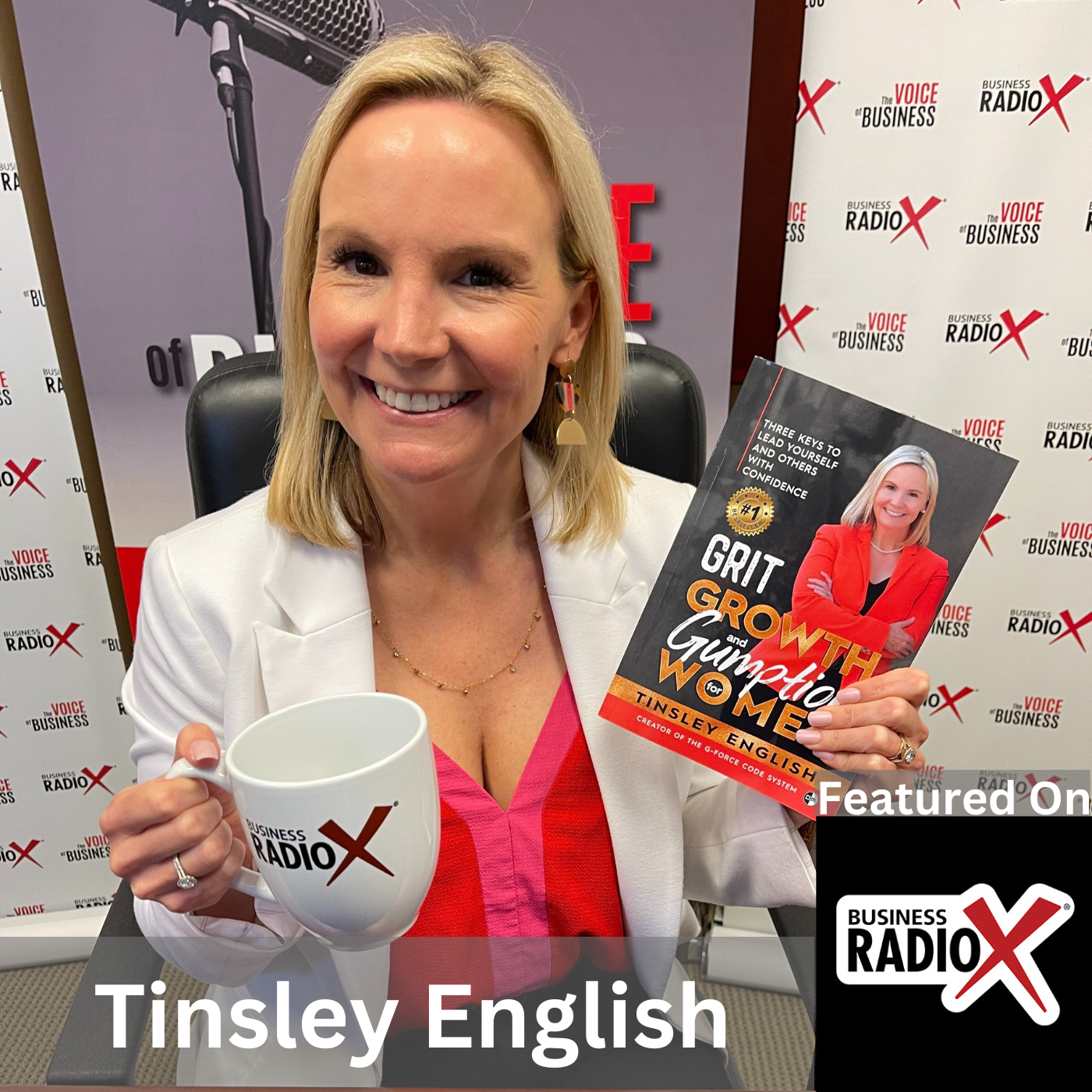
Tinsley English, Author of Grit, Growth and Gumption for Women

May 6, 2024 by John Ray

Tinsley English, Author of Grit Growth and Gumption for Women
North Fulton Business Radio
Tinsley English, Author of Grit, Growth and Gumption for Women
Loading
00:00 /
RSS Feed
Share
Link
Embed

Download file

Tinsley English, Author of Grit Growth and Gumption for Women

Tinsley English, Author of Grit, Growth and Gumption for Women (North Fulton Business Radio, Episode 767)

This episode of North Fulton Business Radio features Tinsley English, an experienced operations leader and author of Grit, Growth and Gumption for Women: Three Keys to Lead Yourself and Others with Confidence. Tinsley joins host John Ray to discuss her work and the unique journey of writing her book in 60 days. Tinsley shares her expertise in the insurance industry, her insights into leadership, and the pivotal moments of her career that inspired her to write a guide aiming at empowering women to confidently lead. She debunks several leadership myths, discusses setting “North Star” goals, and explains the significance of grit, growth, and gumption in personal and professional development. The conversation also touches upon the importance of mentorship, strategic networking, and fostering a supportive environment for women to achieve their leadership aspirations.

John Ray is the host of North Fulton Business Radio. The show is recorded and produced from the North Fulton studio of Business RadioX® inside Renasant Bank in Alpharetta.

Tinsley English
Tinsley English
Tinsley English

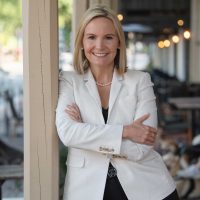
Tinsley is a renowned operations leader, keynote speaker, and creator of the G-Force Code, a system that empowers women to embrace their true leadership abilities.

With over a decade of experience mentoring high-achieving women, Tinsley uses a straightforward approach to quickly overcome challenges and nurture genuine leadership rooted in resilience and determination.
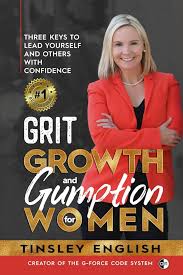
Grit, Growth and Gumption for WomenTinsley has extensive experience in the global insurance sector, spanning two decades. She holds a Risk Management and Insurance degree from The University of Georgia’s Terry College of Business, and a Certification in Driving Transformation Through Innovation and Resilience from Emory University.

Tinsley is a frequently featured media personality recognized as an authority on female leadership and previously served on the board of a non-profit organization dedicated to women’s empowerment.

In her spare time, Tinsley enjoys the outdoors, spending time with family, and making new friends.

Website | LinkedIn | Instagram | Facebook

Topics Discussed in this Episode

00:00 Welcome to North Fulton Business Radio
01:20 Introducing Tinsley English: Author of Grit, Growth and Gumption for Women
02:10 The Journey to Writing: A Rapid Process Fueled by Inspiration
04:37 Leadership Lessons: From Early Challenges to Empowering Others
06:32 Debunking Leadership Myths and Embracing Continuous Learning
08:35 Setting North Star Goals: Aligning Personal Vision with Action
15:05 The Importance of Mentorship and Networking for Women in Leadership
18:29 Exploring the Three Gs: Grit, Growth, and Gumption
28:11 Who Should Read from Grit, Growth and Gumption for Women?
32:47 Closing Thoughts and Future Aspirations

Renasant Bank has humble roots, starting in 1904 as a $100,000 bank in a Lee County, Mississippi, bakery. Since then, Renasant has become one of the Southeast’s strongest financial institutions, with over $13 billion in assets and more than 190 banking, lending, wealth management, and financial services offices in Mississippi, Alabama, Tennessee, Georgia, and Florida. All of Renasant’s success stems from each of their banker’s commitment to investing in their communities as a way of better understanding the people they serve. At Renasant Bank, they understand you because they work and live alongside you every day.
Casa Nuova Italian RestaurantCasa Nuova is a proud family-owned and operated restaurant, serving classic, authentic and traditional Italian cuisine and top tier hospitality since 1998.

Casa Nuova is a cook-to-order kitchen, serving traditional fare including pasta, chicken, seafood, veal, vegetarian and gluten-free options, plus daily specials. They are a farm-to-table establishment, meaning that in the summertime, they cultivate their own vegetables in their garden, steps away from the restaurant, including tomatoes, corn, peppers, zucchini, sunflowers and more!

Celebrating more than 25 years, Casa Nuova has become a true staple in the Alpharetta area, serving more than three generations of families, including friends old and new, visiting near and far from all over the metro Atlanta area and beyond.

Website | LinkedIn | Facebook | Instagram

About North Fulton Business Radio and host John Ray

With over 760 shows and having featured over 1,200 guests, North Fulton Business Radio is the longest-running podcast in the North Fulton area, covering business in our community like no one else. We are the undisputed “Voice of Business” in North Fulton!

The show welcomes a wide variety of business, non-profit, and community leaders to get the word out about the important work they’re doing to serve their market, their community, and their profession. There’s no discrimination based on company size, and there’s never any “pay to play.” North Fulton Business Radio supports and celebrates business by sharing positive business stories that traditional media ignore. Some media leans left. Some media leans right. We lean business.
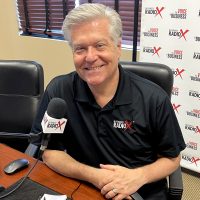
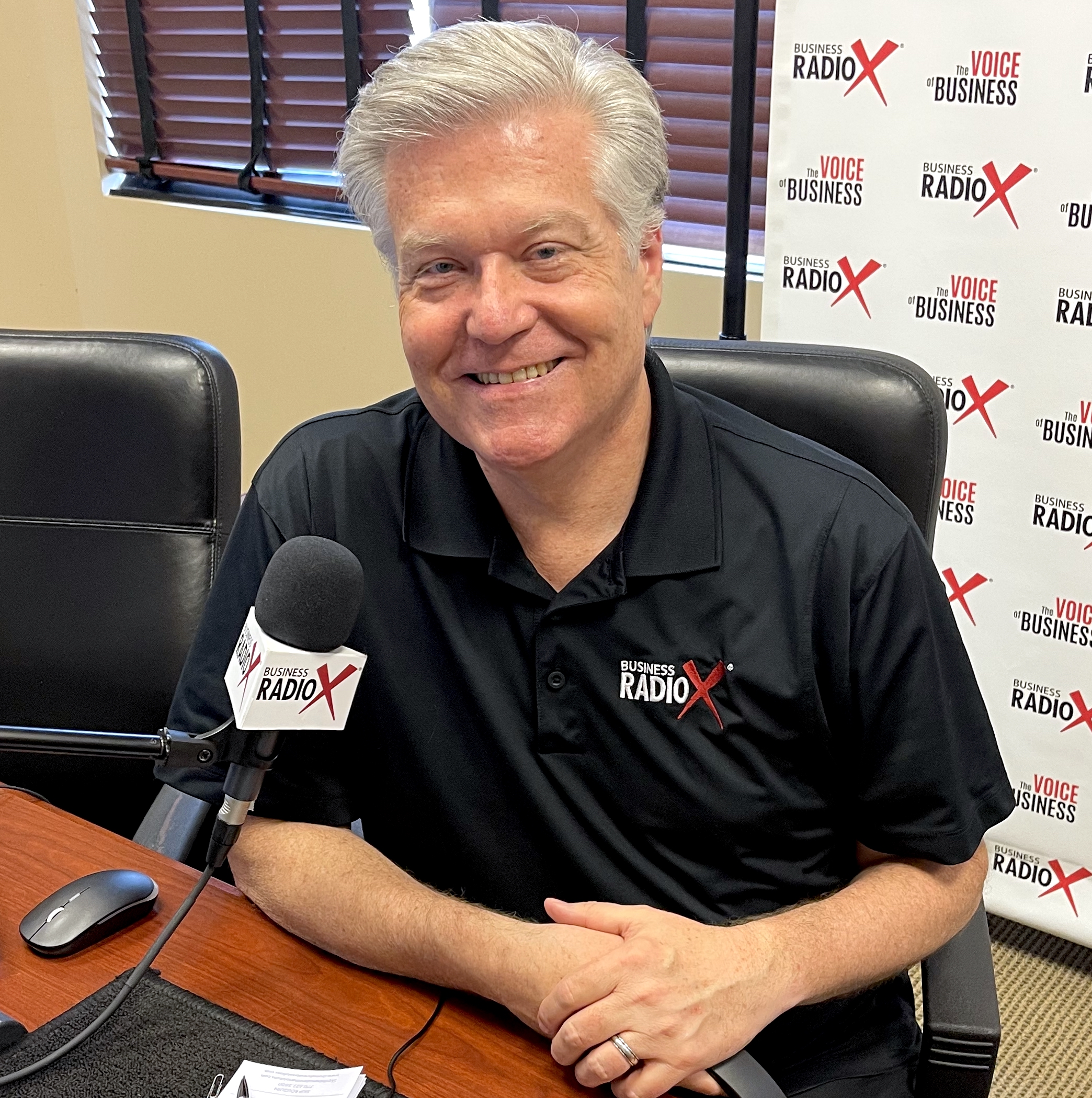
John Ray, Business RadioX - North Fulton, and Owner, Ray Business Advisors
John Ray, Business RadioX – North Fulton, and Owner, Ray Business Advisors

John Ray is the host of North Fulton Business Radio. The show is recorded and produced from the North Fulton studio of Business RadioX® inside Renasant Bank in Alpharetta. You can find the full archive of shows by following this link. The show is available on all the major podcast apps, including Apple Podcasts, Spotify, Google, Amazon, iHeart Radio, and many others.

The studio address is 275 South Main Street, Alpharetta, GA 30009.
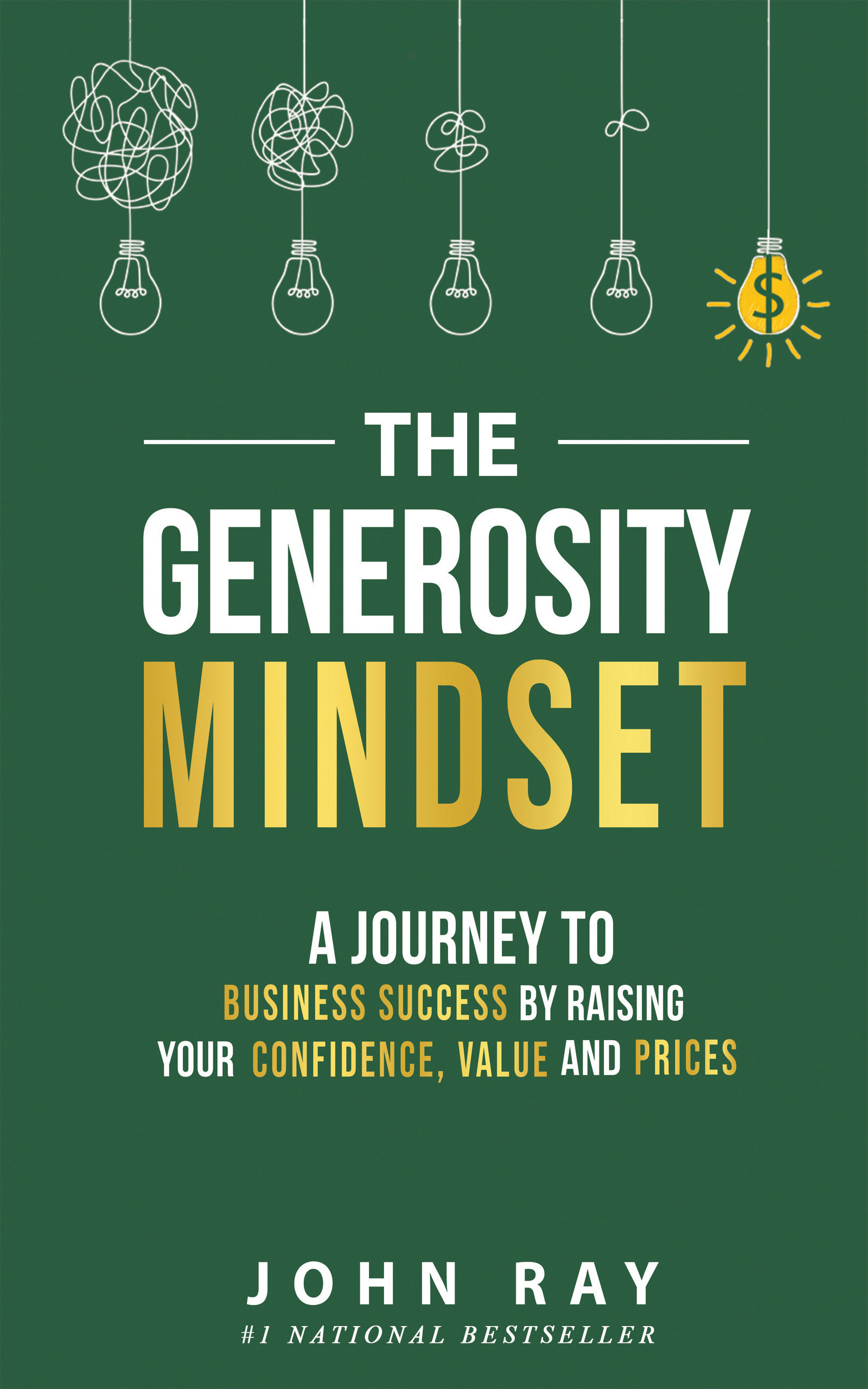
John Ray, The Generosity MindsetJohn Ray also operates his own business advisory practice. John’s services include advising solopreneurs and small professional services firms on their value, their positioning and business development, and their pricing. His clients are professionals who are selling their expertise, such as consultants, coaches, attorneys, CPAs, accountants and bookkeepers, marketing professionals, and other professional services practitioners.

John is the national bestselling author of The Generosity Mindset: A Journey to Business Success by Raising Your Confidence, Value, and Prices.
 

Tagged With: Author, grit, Grit Growth and, growth, Gumption, John Ray, Leadership, North Fulton Business Radio, Tinsley English, Women in Leadership

Company Culture and Diversity E22

February 21, 2024 by Karen

Company-Culture-and-Diversity-feature
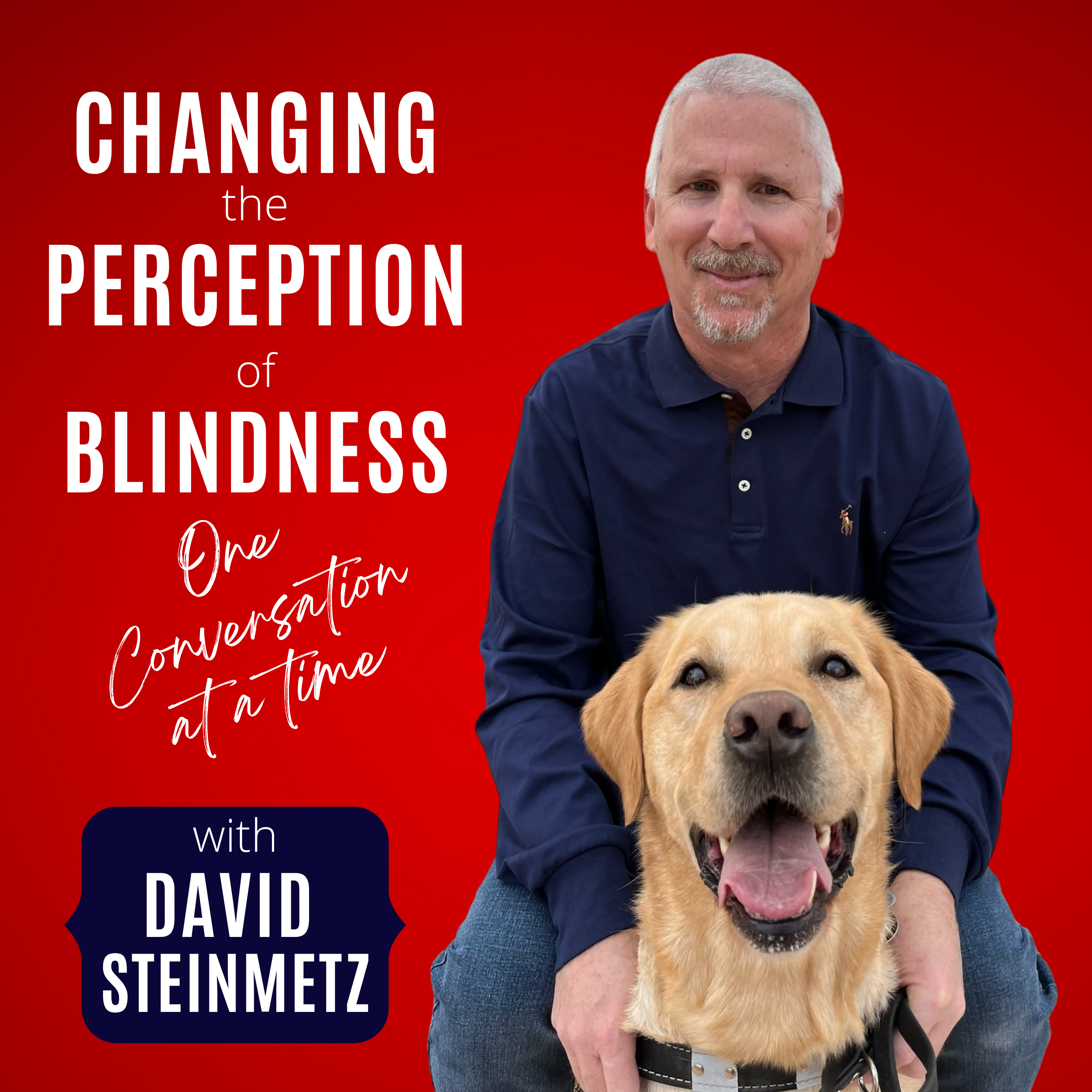
Changing the Perception of Blindness
Company Culture and Diversity E22
Loading
00:00 /
RSS Feed
Share
Link
Embed

Download file

Company-Culture-and-Diversity

Company Culture and Diversity E22

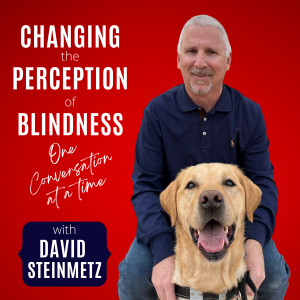
Kicking off this episode of “Changing the Perception of Blindness,” host David Steinmetz shares insights from his 19-year journey at Arizona Industries for the Blind, underscoring the importance of challenging misconceptions about blindness and promotes inclusivity in the workforce.

Joined by Kindra Maples, president of Culture Crush Business, they delve into the evolving landscape of work culture, emphasizing the necessity of understanding individual needs and tailoring inclusive environments to diverse abilities. The conversation highlights the positive impact of remote work on accessibility and productivity while emphasizing the importance of personalized approaches to inclusion, recognizing the unique needs of individuals with disabilities in the workforce.

Throughout the episode, Steinmetz and Maples explore the shifting perception of blindness and disability in professional settings, advocating for a paradigm shift towards embracing diversity and promoting inclusivity. Their discussion underscores the value of recognizing and accommodating individual abilities, challenging traditional norms, and prioritizing inclusivity as a cornerstone of modern work culture.

As they navigate through these topics, they emphasize the ongoing need for dialogue, reflection, and action to create truly inclusive work environments that empower individuals of all abilities to thrive professionally and contribute meaningfully to their communities.

As an enterprise nonprofit organization, Arizona Industries for the blind is a role model for the business community. Emphasizing the importance of understanding team members’ needs and providing the right training, right technology and the right attitude that allows individuals who are blind to be successful in the workplace and in the community.

Listen to this episode to gain valuable insights on fostering inclusivity, challenging misconceptions, and navigating the evolving landscape of work culture to empower individuals of all abilities in the workforce.

Culture-Crush-Business-LLC-Full-Color-Black

At Culture Crush, culture isn’t just a corporate buzzword. It’s a key factor that can either boost your company or lead to its failure.

With deep cultural insights and years of expertise, we evaluate your company’s needs and connect you with the precise resources to cultivate a thriving culture.

We work with CEOs, founders, HR Directors, or Culture Leaders of companies or teams, who value company culture and understand its impact on their business success.

ASSESS: Gain insights into your company’s culture by identifying gaps and areas that need improvement through a comprehensive assessment.
PLAN: Kindra and her team will tailor a unique strategy for your company, connecting you with the right resources based on your specific needs.
THRIVE: Experience a transformed workplace where everyone flourishes, powered by the successful implementation of culture-enhancing strategies.

Your company culture plays a pivotal role in its success. Whether you’re trying to address high turnover and low productivity, or seeking to enhance an already positive environment, nurturing your culture is crucial.

As a leader, you may have tried team activities, incentives, and strategies to address this, but it’s not easy coming up with the right solution.

With Culture Crush you’ll learn how to transform your workplace into a place of unity, efficiency, and growth. Don’t just fix your company culture – transform it with Culture Crush.

Kindra-Maples-Changing-the-Perception-of-BlindnessKindra Maples, Founder of Culture Crush Business LLC and dynamic host of the Culture Crush Business Podcast, brings a unique journey to the business world.

With a background in animal behavior and over 15 years in the zoo industry, Kindra transitioned her passion from training animals to empowering people. From polar bears to individuals, she seamlessly blends diverse experiences.

Kindra’s expertise spans various audiences, including animals, children, adults, veterans, and elders. Her skills encompass business relations, operations management, strategic planning, and team building. Dedicated to fostering growth, she is passionate about supporting leaders and cultivating exceptional company cultures.

In October 2020, Kindra launched the Culture Crush Business Podcast, channeling her experiences into a valuable resource. Celebrating its one-year mark, she established Culture Crush Business LLC in October 2021—a central hub for company culture resources, dedicated to enhancing workplace environments and supporting leaders.

Connect with Kindra on LinkedIn and follow Culture Crush on Facebook and Instagram.

About Your Host

David-SteinmetzAs the manager of Community and Public Relations, David Steinmetz uses his expertise, education, and personal experiences to “change the perception of blindness.”

Diagnosed with RP, a blinding retinal disease, at the age of 19, David uses his personal story to drive change that leads to improved employment outcomes and community integration for people who are blind or visually impaired.

Mr. Steinmetz graduated from Arizona State University with a bachelor’s degree in Business Management and Economics. Additionally, Steinmetz has continued his education by graduating from the Business Management Training (BMT) program provided by Darden Graduate School of Business, University of Virginia.

In 2008, David was the national recipient of the National Industries for the Blind Milton J. Samuelson Career Achievement award. This prestigious award recognized Mr. Steinmetz for his career achievements and community service work.

David Steinmetz is a member of the Governors’ Council on Blindness & Visual Impairments, is a Board Member at the Arizona Center for the Blind & Visually Impaired (ACBVI) and serves his community through the Chandler Lions Club.

Connect with David on LinkedIn and Instagram.Changing-the-Perception-of-Blindness-iTunes

About the Show

Changing the Perception of Blindness; One Conversation at a Time is dedicated to breaking down barriers, de-mystifying blindness and promoting real world solutions that empower people who are blind to live a full and inclusive life.

Host, David Steinmetz connects with organizations, industry professionals and thought leaders who are working to bridge the gap that creates a world accessible for all.

About Arizona Industries for the Blind

Arizona Industries for the Blind is a nonprofit organization dedicated to creating employment opportunities for people who are blind. It’s employees, more than half of whom are blind, deliver a variety of products and services, including a full-service Warehousing and Distribution Center, confidential Digital Data Scan (DDS) services for private businesses and government and the operation of Base Supply Centers located at each of Arizona’s three military bases under the umbrella of the U.S. Department of Labor’s AbilityOne program.

Follow AIFB on LinkedIn and Facebook.


Tagged With: accessibility, company culture, Culture, growth, resources, support

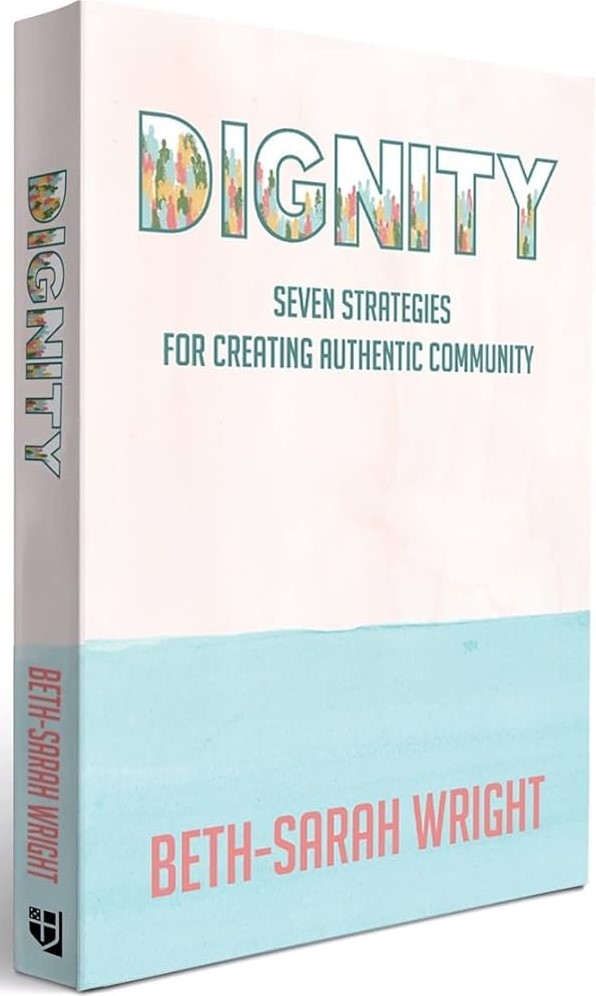
Navigating Adaptive Challenges: Using the Dignity Lens for Organizational Success, with Dr. Beth-Sarah Wright, Author of Dignity: Seven Strategies for Creating Authentic Community

February 15, 2024 by John Ray

Dr. Beth-Sarah Wright
North Fulton Business Radio
Navigating Adaptive Challenges: Using the Dignity Lens for Organizational Success, with Dr. Beth-Sarah Wright, Author of Dignity: Seven Strategies for Creating Authentic Community
Loading
00:00 /
RSS Feed
Share
Link
Embed

Download file

Dr. Beth-Sarah Wright

Navigating Adaptive Challenges: Using the Dignity Lens for Organizational Success, with Dr. Beth-Sarah Wright, Author of Dignity: Seven Strategies for Creating Authentic Community (North Fulton Business Radio, Episode 743)

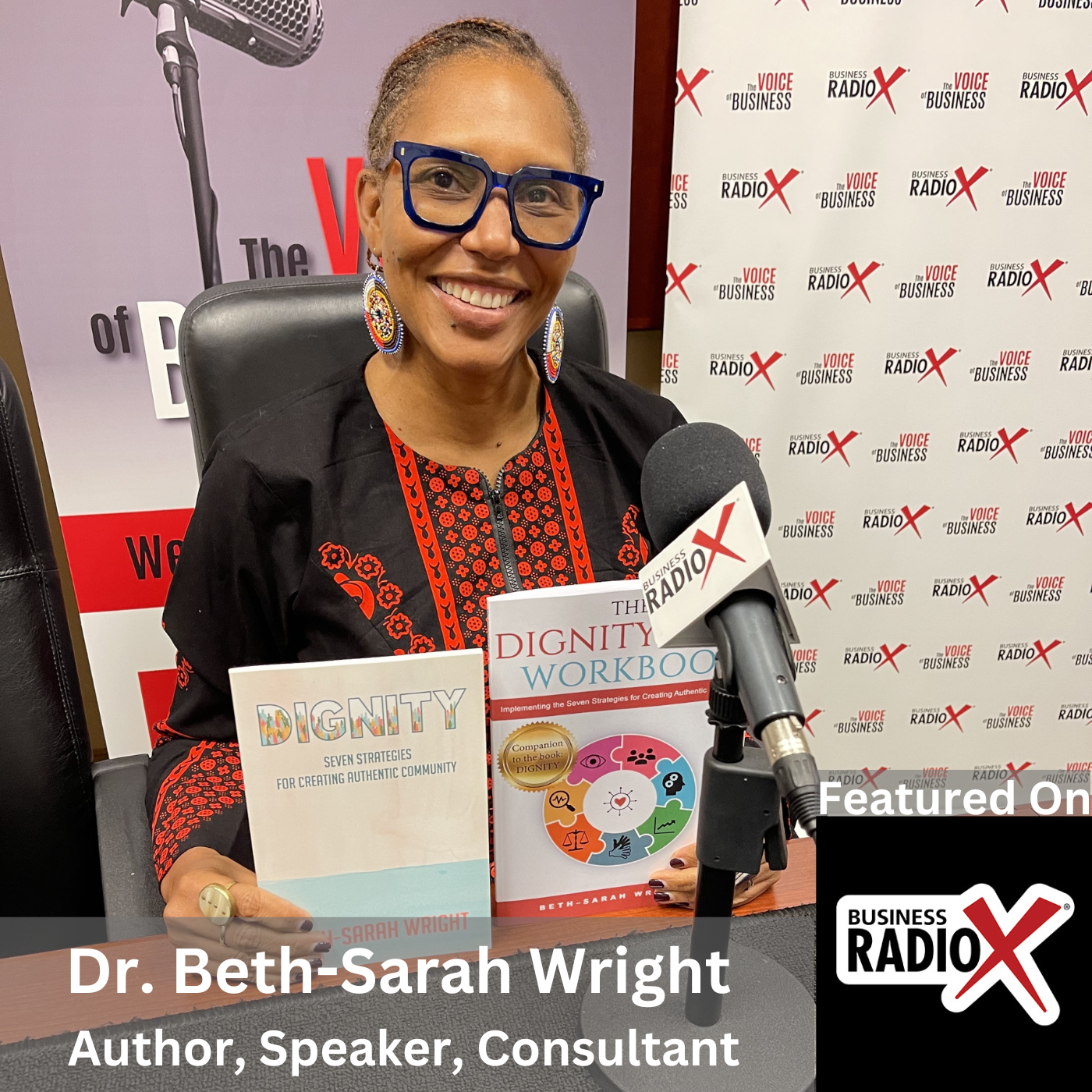
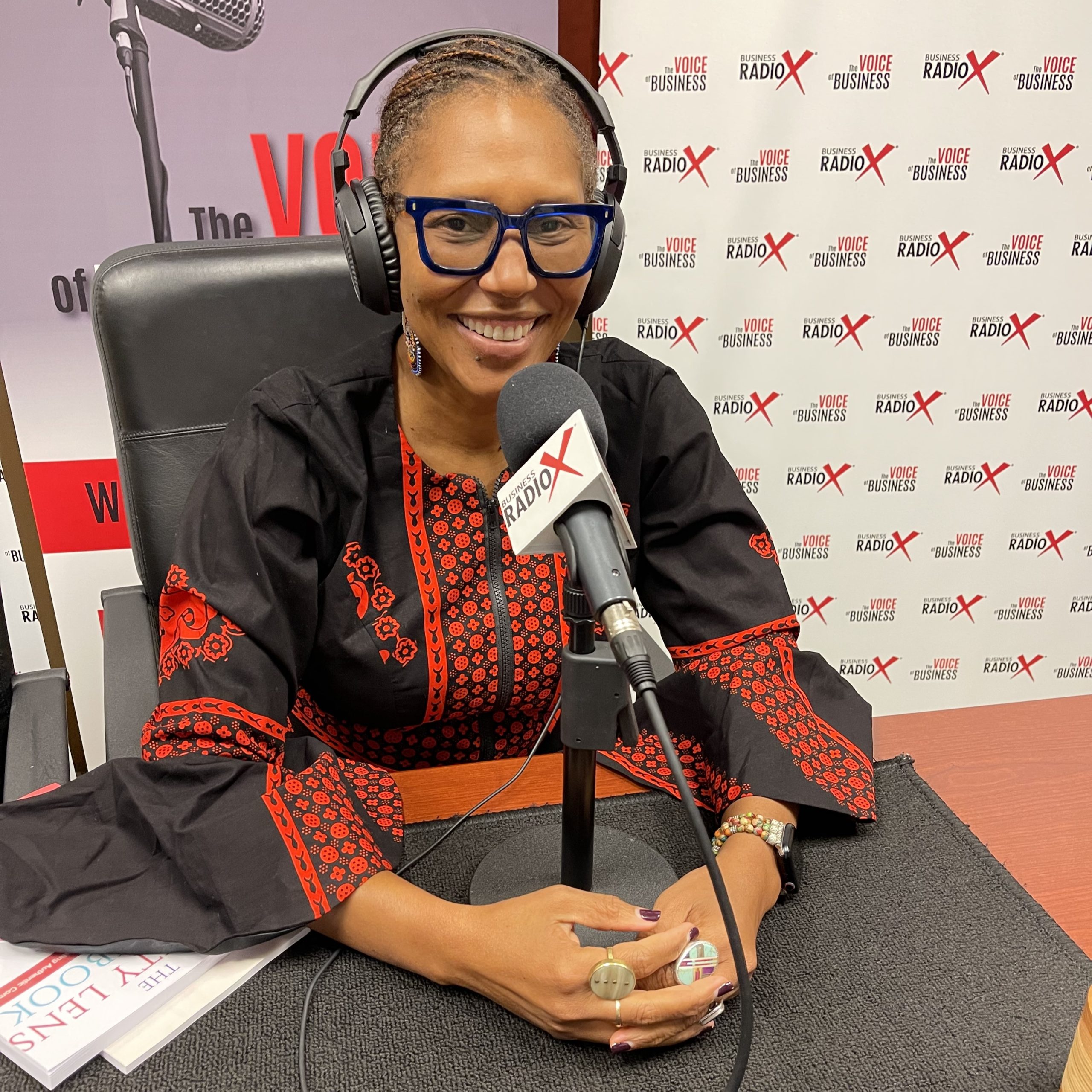
Dr. Beth-Sarah Wright, an author, speaker, organizational consultant, and adjunct professor at Emory University, joined host John Ray to discuss what she calls the “Dignity Lens,” a seven-part acronym for addressing organizational challenges and fostering individual development. According to Dr. Wright, the Dignity Lens asks organizations to measure results (Yield), maintain Integrity, promote Growth, Nurture changes and interventions, be Transparent, value Diversity in all its forms, and stay true to Identity. She emphasizes that this framework isn’t for fixing quick issues but for addressing adaptive challenges, fostering capacity building, encouraging new thinking, and bringing about long-term changes in organizations. Dr. Wright has further detailed the application of her framework in a workbook that can be used independently or in consultation, and her work has been utilized in a wide variety of organizations.

North Fulton Business Radio is hosted by John Ray and broadcast and produced from the North Fulton studio of Business RadioX® inside Renasant Bank in Alpharetta.

Dr. Beth-Sarah Wright, Organizational Consultant, Author, and Speaker

Dr. Beth Sarah-Wright

Atlanta-based speaker and author Dr. Beth-Sarah Wright works nationwide, encouraging individuals, communities, and institutions to develop the capacity for change and transformation.

Dr. Wright is a former college professor at NYU and Spelman College. She currently serves as the Director of Enrollment Management at Holy Innocents’ Episcopal School in Atlanta and an Adjunct Assistant Professor in the Department of Psychiatry at Emory School of Medicine. She holds a Ph.D. in Performance Studies from New York University, an MPhil in Anthropology from Cambridge University, and a B.A. (magna cum laude) from Princeton University in Sociology and Afro-American Studies.

Her body of work addresses the insidious challenges we face in our individual lives, mental health, or communities that require identity shifts and increases in capacities and competencies to bring about sustainable and meaningful change. Wright advocates for authenticity in our communities, no matter our context, by aligning our aspirational identities with our lived realities.

Beth-Sarah is the author of eight books, which include The DIGNITY Lens Workbook: Implementing the Seven Strategies for Creating Authentic Community, a companion to her book DIGNITY: Seven Strategies for Creating Authentic Community, a children’s book, Meet Babs and her Beautifully Different Friend, Me? Depressed?; A Story of Depression from Denial to Discovery, Ten Things I Wish I Knew About Depression Before It Almost Took My Life, and a book of meditations, Becoming Who I Am.

Her latest book is Deep Joy: 40 Meditations for Your Journey.

Beth-Sarah is originally from Jamaica and has lived and studied worldwide, from Edinburgh, Scotland, to San Juan, Puerto Rico. She is married to Robert C. Wright, the Episcopal Bishop of Atlanta, and they are parents to 5 children.

Website | Books | LinkedIn | Instagram | Facebook

Topics Covered in this Interview

00:04 Introduction to the Show
01:22 Introduction to Dr. Beth-Sarah Wright
01:57 Discussion of Dignity, What Dignity Means, and its Importance
03:01 Understanding the Concept of Dignity as an Acronym
08:22 Deep Dive into the Meaning of Each Letter in Dignity
25:08 Practical Application of the Dignity Framework
32:23 Conclusion and Contact Information
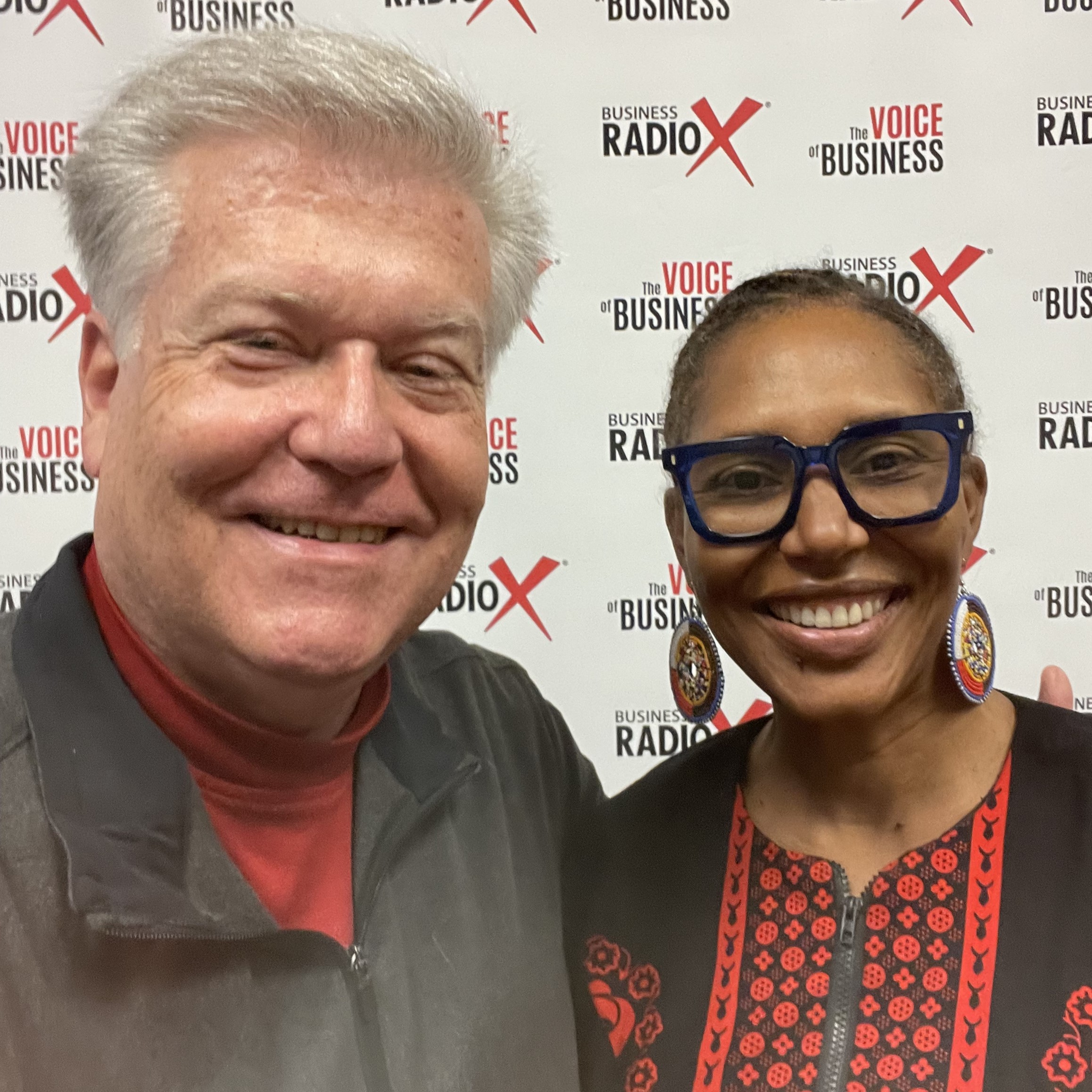
John Ray and Dr. Beth-Sarah Wright

About North Fulton Business Radio and host John Ray

With over 740 shows and having featured over 1,100 guests, North Fulton Business Radio is the longest-running podcast in the North Fulton area, covering business in our community like no one else. We are the “Voice of Business” in North Fulton!

North Fulton Business Radio is hosted by John Ray and broadcast and produced from the North Fulton studio of Business RadioX® inside Renasant Bank in Alpharetta. You can find the full archive of shows by following this link. The show is available on all the major podcast apps, including Apple Podcasts, Spotify, Google, Amazon, iHeart Radio, and many others.

The studio address is 275 South Main Street, Alpharetta, GA 30009.

John Ray
John Ray, Studio Owner, Business RadioX and Owner, Ray Business Advisors

John Ray also operates his own business advisory practice. John’s services include advising solopreneurs and small professional services firms on their value, their positioning and business development, and their pricing. His clients are professionals who are selling their expertise, such as consultants, coaches, attorneys, CPAs, accountants and bookkeepers, marketing professionals, and other professional services practitioners.

John is the author of The Generosity Mindset:  A Journey to Business Success by Raising Your Confidence, Value, and Prices.

 

Renasant BankRenasant Bank has humble roots, starting in 1904 as a $100,000 bank in a Lee County, Mississippi, bakery. Since then, Renasant has become one of the Southeast’s strongest financial institutions, with over $13 billion in assets and more than 190 banking, lending, wealth management, and financial services offices in Mississippi, Alabama, Tennessee, Georgia, and Florida. All of Renasant’s success stems from each of their banker’s commitment to investing in their communities as a way of better understanding the people they serve. At Renasant Bank, they understand you because they work and live alongside you every day.

Tagged With: adaptive challenges, dignity, Dignity Lens, diversity, Dr. Beth-Sarah Wright, growth, integrity, Leadership, nuture, Organizational Consultant, organizational consulting, Transparency

Mycal and Nicole Anders with Next Level Performance Consulting

August 22, 2023 by Karen

Mycal-and-Nicole-Anders-with-Next-Level-Performance-Consulting-feature
Phoenix Business Radio
Mycal and Nicole Anders with Next Level Performance Consulting
Loading
00:00 /
RSS Feed
Share
Link
Embed

Download file

Mycal-and-Nicole-Anders-with-Next-Level-Performance-Consulting

Mycal and Nicole Anders with Next Level Performance Consulting

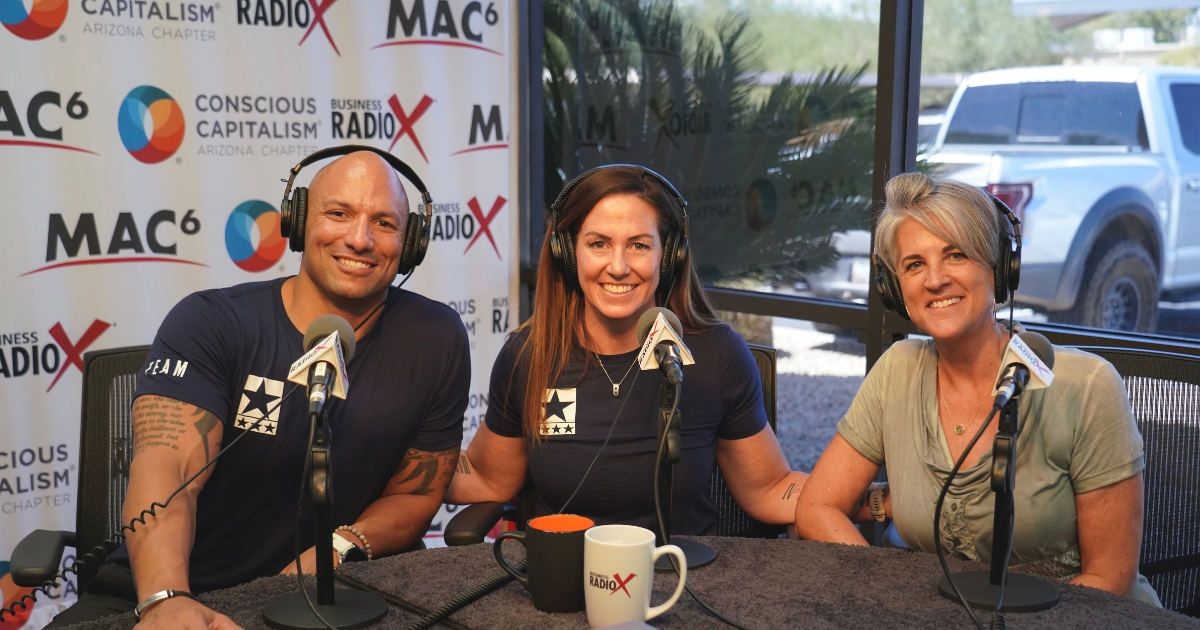
Mycal-AndersMycal Anders is Founder of Next Level Performance Consulting with 3700+ leaders coached since 2011. Mycal is a Performance Consultant, Marine Corps veteran, husband & father of two.

As a Marine Corps veteran with nearly 25 years of strategic leadership experience backed by multiple graduate degrees from Arizona State and Thunderbird School of Global Management, he realized the plight of leaders, people of influence, and high achievers is losing themselves in pursuit of momentous achievement. Next-Level-logo

In 2011 Mycal founded Next Level Performance Consulting to build the fittest leaders by empowering Next Level men & women to prioritize their health, eliminate stress and create alignment between their habits and behaviors! Making space to be present for the things that matter: health, wealth, relationships and time.

Mycal has been featured on the Radio Business X Podcast, Barbell Shrugged, Barbell Business, Gym Lords, Theta Wave, Paradise Valley Lifestyle Magazine, Team Red, White & Blue’s “The Eagle” Podcast, and is a regularly featured speaker for Charles Schwab and Amazon.

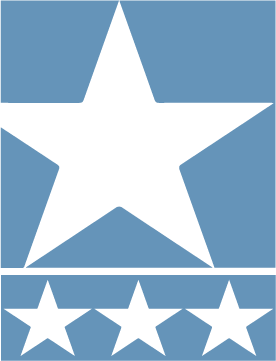
The Next Level mantra is “Progress Always” because the journey is ongoing and the greatest stories are told through the process that is life. The story is in the logo. Why the 4th Star incomplete? Firstly, the stars are representative of Mycal’s military roots and service to others before self. The highest rank one can achieve in military service is symbolized by 4 stars.

The Next Level stars also represent what we should all be trying to achieve: our highest and best self. Stacked upon the foundation of your physical body, emotional, mental and spiritual states of being. The 4th star is broken because we will forever be a work in progress. This is a never ending journey.

Nicole-AndersNicole Anders, CEO of Next Level Performance Consulting, excels in leading the organizational process, coordinating the chaos, and assisting her husband and business partner to help executives and high performers make themselves a priority again by using the Next Level Method. Her value is in her exceptional attention to detail, strong communication skills, and the ability to take a vision and project from the starting line to the finish line.

For the past 10 years in various executive and personal assistant roles, Nicole coordinated and managed everything from travel, corporate meetings and conferences to cocktail and dinner parties, to founder’s dinner’s for top donors at multi-million dollar charity galas, by executing a discovery process of a team’s ultimate vision and making it become a reality.

Nicole is a former Division 1 basketball athlete and graduate from the University of Wisconsin- Milwaukee with a degree in Elementary Education. 

Connect with Mycal and Nicole on LinkedIn and Instagram, and follow Next Level on Facebook and Instagram.

Mycal-and-Nicole-Anders-Family

Tagged With: Agility, arizona, bodybuilding, Coach Derz, consulting, Crossfit, diet, Emotional, energy, entrepreneur, Entrepreneurship, finance, FitAid, Fitness, growth, Habits, Health, How To, inspiration, Leaders Forum, Leadership, Life, lifestyle, lose weight, MENTAL, mindset, motivation, Mycal Anders, Next Level, nutrition, obesity, performance, personal growth, Physical, podcast, Progress Always, Scottsdale, SPEED, spiritual, strength, Strength Coach, StrongCoffee, success, time, TYR, UNIVERSE, wealth, Weight Loss, wellness

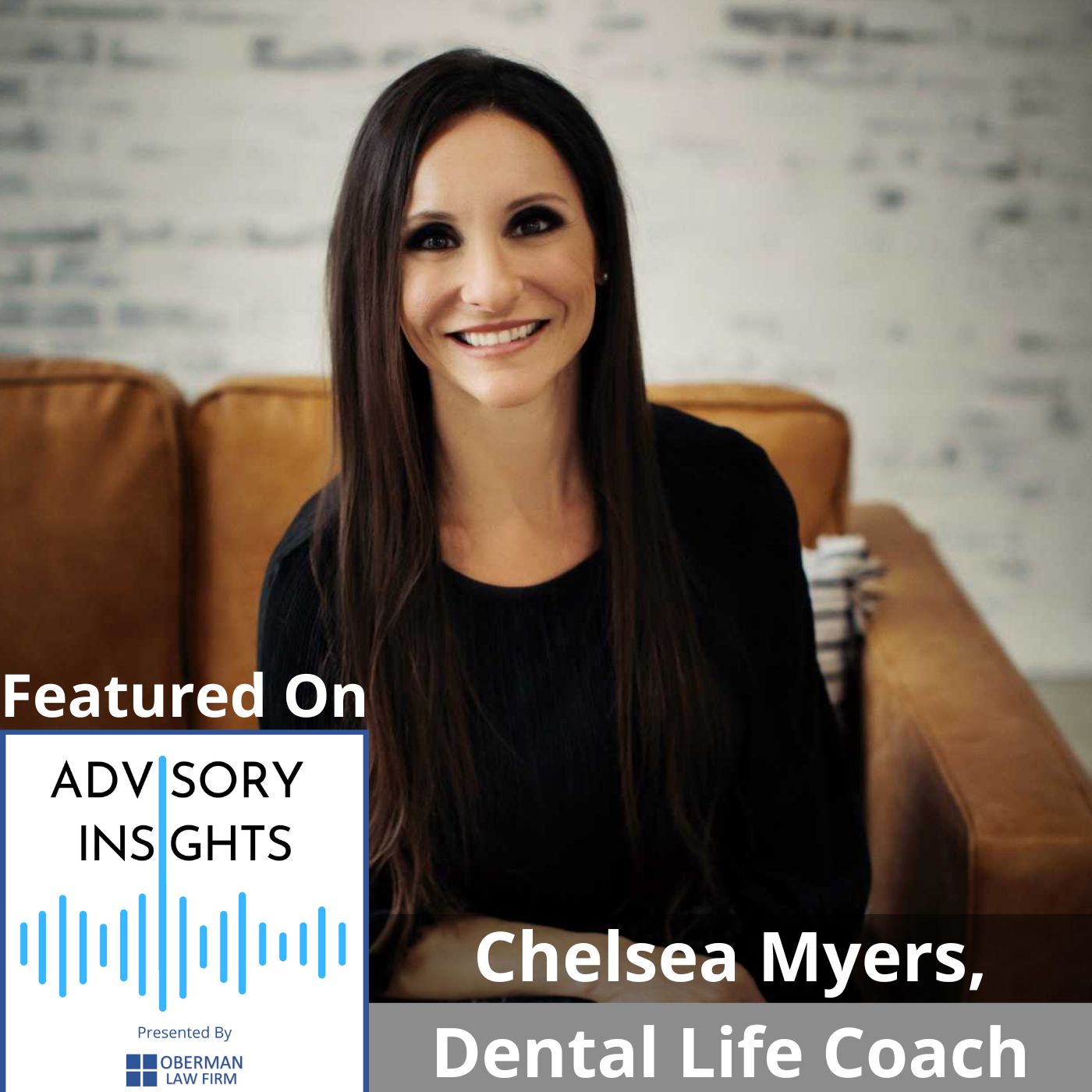
Scaling Your Dental Practice: An Interview with Chelsea Myers, Dental Life Coach

October 21, 2022 by John Ray

Scaling Your Dental Practice: An Interview with Chelsea Myers, Dental Life Coach
Advisory Insights Podcast
Scaling Your Dental Practice: An Interview with Chelsea Myers, Dental Life Coach
Loading
00:00 /
RSS Feed
Share
Link
Embed

Download file

Scaling Your Dental Practice: An Interview with Chelsea Myers, Dental Life Coach

Scaling Your Dental Practice:  An Interview with Chelsea Myers, Dental Life Coach (Advisory Insights Podcast, Episode 14)

On this episode of Advisory Insights, guest Chelsea Myers talks with host Stuart Oberman about her work as a dental life coach, the vital importance of people and culture in successfully scaling a dental service organization, developing leadership, and much more.

Advisory Insights is presented by Oberman Law Firm and produced by the North Fulton studio of Business RadioX®. The series can be found on all the major podcast apps. You can find the complete show archive here.

Chelsea Myers, Founder and CEO of Dental Life Coach

Chelsea Myers, Founder and CEO of Dental Life Coach

As the Founder and CEO of Dental Life Coach, Chelsea Myers has coached hundreds of clients individually and in group settings to facilitate personal and professional transformation enabling doctors to achieve their highest potential. She is an emotional intelligence expert deeply rooted in the dental industry. Chelsea is an author, speaker, and entrepreneur. She also hosts the popular podcast for dentists: Dental Brain Crops With Chelsea Myers.

When Chelsea was 15 years old, she came home from school one day surprised to be greeted by her mom and uncle who were both normally still at work. Her delight was soon shattered when she was hit with the news that her dad had been in a fatal car accident that morning.

In an effort to distract from the pain, she became overly busy with work, school, and pursuits for her future.

At the edge of burnout, she was reading a biography of a personal hero where a self-help book was referenced. She read that book and found the principles so impactful that she knew, without hesitation, that she wanted to devote her life to lift and help others.

Website | Facebook | Instagram | Chelsea Myers LinkedIn

TRANSCRIPT

Intro: [00:00:01] Broadcasting from the studios of Business RadioX, it’s time for Advisory Insights, brought to you by Oberman Law Firm, serving clients nationwide with tailored service and exceptional results. Now, here’s your host.

Stuart Oberman: [00:00:20] Welcome everyone to Advisory Insights. Stuart Oberman, Oberman Law Firm here. Amazing guest in the, I’ll use the word studio today, and the amazing and distinguished Chelsea Meyers. And I was looking — Chelsea, I was looking through your bio and I don’t have enough time to introduce what you have done with your dental consulting, your business, your branding.

I know that you have an extraordinary reputation within the industry. I know that you’re the Founder and CEO of Dental Life Coach. The podcast host of dental brain crops. I know your career started at Wells Fargo and you have done so many things regarding wellness and dentistry. And I love the retreats that you do in the workshops, the team building, trust, and accountability, and feeling good. You know, we have so many doctors that are just — they hate their job, and they look to someone to bring them around, and then all of a sudden, they’re back in the game and working and doing great.

And actually, I want to know, I want you to take me through some of the things you’ve seen at dentistry and where things are going. I know you do, obviously, corporate, you know, corporate transaction work and consulting side and individual side. But I really want to know really since Covid, what did our doctors learn and where do they need to go from here with what they need to do to get to the next phase, to enjoy what they do to their wellness side? I just — I’m looking for so much information that you want to provide, and it is truly an honor to have you on the studio today and on the air. And welcome aboard. Nice to see you.

Chelsea Myers: [00:02:07] Hey. thank you, Stuart. It’s nice to be here. And thank you for having me. You know, you bring up an interesting question. I think that Covid gave us all an opportunity to take our temperature on our stress level, on our flexibility, adaptability. And a lot of us were able to make choices about where we wanted to be.

And I think that fortunately, unfortunately, particularly when we talk about supporting staff and team members, a lot of doors were open and options were made available or at least made more aware that there are options out there if you don’t like where you’re at, that there are other places and ways to provide for your needs and be of service and expand yourself as a professional.

And so, when you talk about Covid and what that has opened our eyes to and meant for us as an industry, I think that we’ve become a lot more aware that the people aspect is really, really important. When I’m looking at organizations and we’re talking about mergers and acquisitions and change management, a significant portion of the individuals that are leaving or considering leaving, they’re not leaving for a more convenient location. They’re not leaving for a pay raise. They’re leaving because of their perception of their experience within our organizations. And so, I think we’ve become really clear on the importance that this needs to be in our minds and the priority level it needs to have when we’re growing our organizations.

Stuart Oberman: [00:03:44] And one of the questions I have is, you know, we have clients that in one practice, ten practices, fifty practices, and I know you got some very, very, very high-level contacts with a lot of people in the DSO world, if you will. What do they do different culturally that our guys who own one, to five to ten practices don’t do culturally? It’s, you know, because our guys are always asking, how do we scale? How do we scale? And I’m thinking, first of all, your internal operations a mess. Second, you’ve got resignations coming out every other week. And, you know, so I’m curious what you see from the big guys to the little guys. And I don’t know, there’s that much of a difference is just the economies of scale.

Chelsea Myers: [00:04:30] Yeah. Well, you know, the thing is, is that whatever you are when you go to scale, you become more of that. So, if you’re dysfunctional and you’re disorganized, that scales with you. And I would say it’s perhaps more easily scaled than organization and unity.

Stuart Oberman: [00:04:49] That’s true. It’s easier to do what you did yesterday, even though it’s not right. You still do it.

Chelsea Myers: [00:04:55] Right, right.

Stuart Oberman: [00:04:55] It’s easier.

Chelsea Myers: [00:04:55] Yeah. But I would say, you know, there’s not one cookie cutter or right way to implement change, especially big transitions. But one thing is certain, and that’s that everyone needs to be aligned and engaged in the movement. And we need to be ensuring that that human aspect of the organization is being addressed.

So, I think one of the biggest oversights — you mentioned operations, I think one of the biggest oversights that we see at Dental Life Coach is that an organization will go to expand and either acquire a new practice or merge with another organization and neglect to put the right supports in place to facilitate that people component of those acquisitions.

Stuart Oberman: [00:05:34] What kind of — that just opened up a whole different door. What kind of support don’t they have or what don’t they do right?

Chelsea Myers: [00:05:43] Yeah. Good question. And so, you know, I recently began working with a client who fractionally, and they’d acquired a few smaller groups. And what they did have in place was great operational consultants and programs in place that they were implementing as they were making these changes. But they didn’t have the buy in, and they weren’t able to create that electric culture that they’ve envisioned. Luckily for them, they had the awareness that this was lacking, and so we’ve already begun making some incredible gains.

But what’s got to be there, you’ve got to understand what is the perception of the people in the organization, and if you’ve just acquired new practices or you’ve grown and scaled, what is the collective opinion and now what are those individual opinions? Another thing that’s really important is and probably even prior to making those changes is having the executive team and the stakeholders on the same page. That’s going to be crucial for a growing organization.

But we need to know, you know, what are the changes? What are the key positions within those changes? What are the responsibilities of the people carrying them out? How does this change happen and what are the details of that? Are we going to be implementing new tech? Are we going to be outsourcing some things that we were previously doing? Do we have different vendors? Is that a life coach now or a resource? You know, what does this look like for us as an organization and how does that feel? What is the perspective of each person that it’s impacting?

Stuart Oberman: [00:07:12] You know, I want you to talk about two things that are on your workshop and retreats. And I love this because I think that there’s a big void during Covid, and I think we’re seeing a change a little bit. But talk to me about accountability, the culture of accountability, and then communication and how that has changed since Covid.

Chelsea Myers: [00:07:36] You know, it’s really interesting. So, the brain is just such a fascinating tool that we all have, right.

Stuart Oberman: [00:07:42] Well, for some of our clients, lack of that, right?

Chelsea Myers: [00:07:46] Right. Right. But, you know, when you when you really dive in, and you understand how we work as humans, and you talk about a communication and accountability, there are definitely strategic and effective ways to implement anything and there are ineffective ways. And so, when we look at the brain and our learning centers in the brain, they are deactivated or shut down when we feel threatened, when we feel attacked, when we feel unsafe.

And so, it’s really, really important that we have environments and that our culture is one that cultivates safe and trusted learning amongst our teams and that we’re able to be vulnerable and know that that’s okay within our organization. Because otherwise what you get is temporarily compliant people who eventually leave, eventually blow up, eventually kick back. And that’s not ever going to be something that you can grow, something that you can expand upon.

Stuart Oberman: [00:08:46] So how do you — so, when you got the dysfunctional office, right, and you know, and they always say there’s a 20 percent of the practices are A games and the rest of them are trying to figure out how to be the A games, right. So how do you get that office that’s a C-plus game and want to be an A game? How do you personally get them there?

And I know that’s a seven-hour conversation, but how do you — you walk in there and you look around and you can see the atmosphere. You know, the doctor is not in tune and he’s like, you know, I want to be a player. I want I want a quality of life. How do you analyze that, the brain that that doctor has, or partners have and get them to a different level? I’m fascinated because our doctors don’t really understand that culture yet of how powerful that mind can be mindset and clarity. And I’m just curious how you get them there.

Chelsea Myers: [00:09:49] Yeah. So, assuming that we’ve got our people, our executives and our stakeholders on the same page, I’m going to start from there and just say that we do.

Stuart Oberman: [00:09:57] That’s a big assumption right there. That’s a big assumption.

Chelsea Myers: [00:10:00] Right. If we don’t, that’s where we’ve got to start, right?

Stuart Oberman: [00:10:03] Yeah, yeah.

Chelsea Myers: [00:10:03] And so, because we all — you know, we’re being led in an organization, and we’ve got to want to be led by the people leading it. Otherwise, we’re going to beat our drum to our own tune. And again, not efficient, not scalable, right. So, let’s assume that we have our executives on the same page.

Then what we need to do is we need to figure out what does that doctor want? What is really driving that person? Why are they doing this every day? Why are they doing dentistry and not law, not finance, not anything else? Why are they here? And how do we align what they want and what’s important to them with what’s important to the organization? Or does it not align? Because that is an unfortunate and inconvenient but really important truth to understand as well.

Stuart Oberman: [00:10:49] How important is that first conversation you have with the doctor? And I know you’re in the professional arena, professional services. How do you know like, you know what, I’m just not going to work with that client. They are so far gone that there’s just there’s nothing I can do for him. What are those flags that you see of like, you know what, I’m just not going to get there with this guy and he’s just not a good fit for me?

Chelsea Myers: [00:11:14] Yeah, that’s a really good question because I think that — and, you know, I think anybody who owns a business —

Stuart Oberman: [00:11:19] I’m asking questions that I want to know. I don’t care what our listeners want to know, right? I just want to know what I want to know.

Chelsea Myers: [00:11:25] Yeah. So candidly, I think anybody who owns a business has been in the spot where, you know, at the very beginning you take on as many clients as you can, and you try and be really super flexible about that because you’re trying to grow your business. And I — and then we all, you know, the longer you go, you learn what you’re really good at and who are ideal clients for you and who are not ideal clients for you.

So, at this point, I feel fortunate to be selective about who I’m going to work with. For that reason, I want to be able to provide the transformation and the results that our clients are looking for. And at the same time, if it’s not a good fit, if it’s not a client, you know, red flags you mentioned, if they’re not willing, if they’re not honest, living in integrity, if they aren’t in a place where they’re willing or able to be coached, they’re not coachable individuals, then the results that they’re asking me for aren’t going to happen because, you know, I can’t patch a roof from the ceiling. You know, we’ve got to work from the top.

Stuart Oberman: [00:12:26] You’ve got to climb that ladder. That’s a big ladder sometimes.

Chelsea Myers: [00:12:29] Right? And so, you know, I’ve got to have a strong canvas for that leader to develop within. And from there, we can work, you know, with the team members. But I had someone come to me recently. It was a, you know, mid-sized organization. And they said, we just really want you just to work with our teams. And I said, well, what access am I going to have to the executives and the doctors? And they said, well, no access to the executives and doctors, just the team members. And I was like, well, who then is working with the executives and doctors? Because, you know, we’ve all — it’s fine if it’s not me, but if that support is not in place, it won’t be withheld.

Stuart Oberman: [00:13:04] Right.

Chelsea Myers: [00:13:04] And ultimately, our team members are our most transient, right? And so, we’ve got to have strong people in those leadership positions.

Stuart Oberman: [00:13:13] It’s amazing is that I think that was one of the things that our doctors learned, you know, Covid and post-Covid is you got to have leadership. If you don’t have leadership, you can’t start from the bottom up. You’ve got to work top down. So, you have a fascinating workshop. And I love this title. It’s The Pillars of Entrepreneurial Intelligence.

One, pillar says to me, look, you’ve got to have a strong foundation holding something up, which to me is the doctor’s entrepreneurial is I got to try different things, something’s got to work. And then intelligence is like, how am I going to do this? Explain to me what — explain how you take these pillars and what exactly is that particular workshop and how do our doctors utilize that? Or even parts of it, how do you implement parts of that? I just love that title. I love that title.

Chelsea Myers: [00:14:05] Thank you. Good question. So, this was where Dental Life Coach really was born back in its infancy. I started to see trends and similarities with the — at that time, I was working with individual doctors, you know. And took copious notes and tried to find how can I make a curriculum that is applicable to all of these people that I’m trying to work with?

And these 13 pillars were really the things that just kept showing up time and time again, which then triggered me to create the podcast because with each new client, they’d come to me and talk to me almost as if they were an anomaly. And it was a secret that they were struggling with their thoughts and beliefs about money or how to create success or how to actually manage their time. They had a clinical schedule they were following, but in their personal life they’re very scattered, which of course then translates to our professional experiences, right.

Organization and communication, is another huge one. And so, these were things that we were working on with each doctor that I’d work with. And as I bring them up in future conversations with new clients, they’d be like, oh yeah, that too. Yes, let’s work on that. And so, these are the 13 pillars and how they show up, they can show up in forms of workshops. But if we take on a new client, we end up going through each area because even if you’ve got a high proficiency, a lot of us still have room to create mastery within them.

Stuart Oberman: [00:15:33] Oh, gosh, yeah. Oh gosh, yeah. So, what do you — we get this all the time and I want your opinion on this, is that we get clients to say, you know, I hired a consultant and this particular person, this coach, and they, you know, they didn’t — they just didn’t do anything for me.

And then I start asking them questions. Well, did you do this? Well, did you do that? How often did you talk to them? Did you implement the plans? So how do you keep your guys on track? Because we hear that a lot. Like, you know, it just didn’t work. And come to find out, they didn’t do 90 percent of the things they were supposed to do. So, you know, I don’t know how they ask you to start from the bottom up when the leadership has to go top down on these projects and build that — for that culture.

Chelsea Myers: [00:16:17] That’s a valid concern. And so, you know, leadership development is a billion-dollar industry and less than 10 percent of the companies offering these types of services attach what they’re doing to any sort of bottom line. So, when I take on a new client, I want to know certain things.

You know, what is — how involved are your doctors in their case presentation? What is your case acceptance rate? What are your monthly, quarterly, annual goals? What are we working toward? Because as I’m doing my work, if I’ve taken a good client and I’ve done my job to choose the right client, as I’m doing my work, that we should start to see a trend in the positive direction.

And then there’s really no disputing, because, you know, you’re right. How do you quantify? I just feel better. That’s very subjective. So, we want to do both. We want to have the visual and emotional indicators that our teams that we’re working with are improving, but we also want to see that translate because ultimately, we are a business and an industry that’s trying to grow and do amazing things.

Stuart Oberman: [00:17:18] Now, you said the list, list those topics out for me that when you go into an office, you want some KPIs, you know, you want some indexes, you want to know where they start. Run through that list because I just — that was so important what you said. That was so important.

Chelsea Myers: [00:17:35] Yeah. So, here are the things that are important. We want to know we should be impacting revenue and retention. We should be impacting their culture, their case acceptance rates, and ultimately, the doctors take home should be improving as we’re doing this work.

Stuart Oberman: [00:17:50] That’s — yeah, I was going to ask, how can a doctor expect to get, you know, an increase of 25 percent per year on an ongoing basis if he has no idea what he’s what he’s doing. So, I mean how important are those initial metrics? And my next question is how many actually know their numbers?

Chelsea Myers: [00:18:12] That is such a good question. So, I sat down —

Stuart Oberman: [00:18:15] Again, I’m going to ask questions because I want to know. I don’t care about the listeners, you know.

Chelsea Myers: [00:18:19] No, I sat down with —

Stuart Oberman: [00:18:21] I got a free therapy session here. Are you kidding me?

Chelsea Myers: [00:18:26] You know, it varies. It really does. I sat down with a prospective client recently and I said, okay, you know, I asked the same questions. I, you know, for the metrics I was just asking you. And it was such a relief. He goes, Oh, let me share my screen with you. And just had this beautiful way of showing me weekly, monthly, quarterly, annually. He could show any question that I had.

Stuart Oberman: [00:18:48] Did they help you off the ground when you fell down?

Chelsea Myers: [00:18:52] Yeah, exactly. And I had to share them. I’m like, gosh, this makes our communication, you and I so much more fluid because I’m not probing. You know, when I get an answer like, oh, we’ve got, you know, 85% case acceptance and things are just falling apart. And I’m going, what is not matching here?

Stuart Oberman: [00:19:10] Yeah,

Stuart Oberman: [00:19:11] How are things falling apart with 85 percent case acceptance and where are you getting that number from exactly. And I don’t ever like the word about I’d rather wait for a more concrete answer because I don’t want my results with my clients to be about. Well, they’re sort of happier, or the retention might be going up. That doesn’t mean anything to me. I want to know by what and how much.

Stuart Oberman: [00:19:33] How much? So do you ever talk to the office managers who our doctors rely on? I’m going to say almost too much. Do you do do you get pushback from the office managers for change?

Chelsea Myers: [00:19:46] Well, no, I would say that there are times where I facilitate conversations between a doctor and an office manager because really there’s got to be unity there. Almost like within a home, you’ve got to have the parents on the same page. And so, within an office environment, regardless of how they actually feel about each other, or the things being communicated, we need everyone –.

Stuart Oberman: [00:20:12] Whether or not they like each other or their relationship is a little too close is what you’re saying, right?

Chelsea Myers: [00:20:16] I’m saying the team needs to know that that is one head, one unit. And that whichever one they go to, they’re going to get the same type of direction because, you know, our teams, they want to be a part of something that’s moving and growing. And like we talked earlier about having that environment of trust and growth, they can’t have that if there’s an inconsistency and a lack of clarity about who’s really in charge and where are we going and how are we getting there, that’s never going to fly.

And so, yeah, there are times where we’ll facilitate or coach on conversations or coach toward a change because there needs to be an understanding. And so sometimes, it’s really easy. You know, there’s just a communication error which sometimes doctors struggle to communicate effectively, right, or sometimes managers struggle to communicate effectively.

So, when we can clarify why we’re changing something, what it looks like, and what is the support in place as this is going forward, it’s usually a much more comfortable and seamless experience for everyone. Of course, there’s going to be questions and opinions and there’s going to be the process of getting there. But when we can create that clarity, it really does help the process a lot.

Stuart Oberman: [00:21:36] So, in the great world that we’re in, we’re seeing a little bit of a switch, but when doctors are moving, moving, moving up, up, up, up, up, and all of a sudden, they got the great resignation, and they lose half their staff, or we saw our doctors within the last year have had over a 200 percent turnover. How do you guide those doctors into the real world?

Again, this is, you know, this is — I would say when our clients that we have, even in the best practices, they’re not mentioned — they’re not matched pay scales. They’re way under on their scale, everyone’s leaving, and now we’re seeing a boomerang. They want to come back. So, I mean, how do you deal with when you have — because I love this. This is real life stuff our doctors are facing, you know.

Chelsea Myers: [00:22:23] Right.

Stuart Oberman: [00:22:23] How do you — they’re on a great track and all of a sudden, they got a turnover of 200 percent a year. How do you handle that with the doctors?

Chelsea Myers: [00:22:32] Well, first of all, you know, the more we understand about ourselves as leaders, the better equipped we are to lead. So, one of the most important things we need to understand is our brain, how they operate, our unique individual strengths, our default responses to things like stressful environments, like people leaving. And most importantly, we need to understand how to program or reprogram our brains.

So, we’re concerned with optimal efficiency and real-world functions. In these fast paced and multifaceted environments, our brains are constantly observing and concluding and suggesting action based on our perceptions and our programming. And to increase that flexibility, we need to figure out what is our ultimate goal and align all of our responses to that. Even when we’re stressed out, even when we’re upset, even when the third team member just called in sick on the same day, we’ve got to make sure that we are always that same strong leader.

And whatever those gaps are between that ultimate ideal we have of ourselves and where we’re currently operating from, we need to figure out how to fill that gap because research regarding neuroplasticity continues to clarify that brain and behavior are shapable by interaction and conscious programming, we just have to be responsible and willing to do that work.

Stuart Oberman: [00:23:54] I take it your job in some days is like bending metal. It’s just sometimes it works, sometimes it does not, you know. And that’s why I love The Pillars of Entrepreneurial Intelligence. I was looking through this and you sent me a lot of information. And this has stuck me that if our guys can even have remote possibility on how this stuff works before they even get to talk to you, they’re in such better position to have you take them forward on a successful rate. Because I think a lot of times, correct me if I’m wrong, these guys when they call you have no idea where to start. So, getting one and actually started is actually rare. Am I correct?

Chelsea Myers: [00:24:41] Yeah. I mean, you know, people come to us with all different levels of understanding and experience with or none — no experience in coaching in some cases. And really just it’s really just the willingness and the readiness that’s going to make the difference between a doctor or an organization that flies or one that it’s more like pulling teeth.

Stuart Oberman: [00:25:03] You know, one — now, you have some pretty important conversations with some pretty big guys in this industry, the masters and the founders of this industry, and the scalability and where they’re at, hundreds of practices. What do they talk to you about? I mean, what is their niche that they talk to you about?

Chelsea Myers: [00:25:28] You know, when you talk about scalability and culture, in a conversation I had with Pat Bauer, the CEO of Heartland Dental, when he says, you know, the doctor is our customer, it’s not just words that he’s saying. There is so much that goes into that. There is so much effort and resources and awareness and constantly putting fillers out there to see what more could be needed, how — what more might our customers benefit from and want to be a part of this organization. And the writings on the wall, you can ask anybody who is affiliated with Heartland Dental and they’re very happy. You know, they’re there.

Stuart Oberman: [00:26:12] Can you imagine if that one sentence our doctor said, whether or not they got once associated for, I wonder what I can do better for my associates? Can you imagine that? If the CEO of Heartland is saying that, why aren’t our doctors on a much lower level taking that same advice and scenario? That’s amazing to me that you just said that. That’s — I mean that’s amazing.

Chelsea Myers: [00:26:43] Yeah. You know, it’s a really — I think that people get shortsighted. I think that it’s, you know, once we just need to put a lot of focus on operations. We just need to put a lot of focus on systems and processes. And those are incredibly important. You just can’t leave out the people aspect because it is a human driven industry. Until robots are doing all the jobs, you’ve got to care about how people feel about the place of employment that they’re coming to every day as a volunteer because they have options. We all do.

Stuart Oberman: [00:27:13] Yeah. Wow. Well, we are — I got five hours of questions. And I mean, again, I’m being a little selfish, I want to know myself. Yeah, it’s like a therapy session, right. But no, we are really — the information that you have given has been absolutely amazing. And I really hope that our listeners really take a hard look of what you’ve said and how it affects their practices and what the big guys are doing that really is no different than what practice owners with one practice, 2.5 billion practice in making.

So, are there any closing words that you want to say to our listeners? And I think that no matter — you know, your industry specific. But I will tell you what, I don’t care what industry you’re in, whether you’re in a gas station ownership business or you’re in a dental business or whether you’re in machinery industry, what you said really can resonate across all platforms. So, I think it’s great advice. And do you have anything that you like to add or touch on that we haven’t touched on in closing?

Chelsea Myers: [00:28:30] Yeah. You know, I think the one thing I’d say is that in my experience, the most remarkable thing that I’ve observed about the future of dentistry is its flexibility. And it’s going to be the choices of those people leading that cause the future to shape. And so, we really need to ask ourselves as we are building and scaling our organizations, not what is the cost of prioritizing our people and the human aspect of the way we’re managing those acquisitions, but what is the cost of not prioritizing those things?

Stuart Oberman: [00:29:03] Wow. Well, so it’s a total opposite mentality. Total opposite. Wow. Just smart. You’ve been amazing, amazing guest. And I just again, I’m making notes. I mean, I’m writing down all this stuff. And I mean it sincerely that what you said resonates across all platforms.

And so, thank you so much for joining us. I know you are very busy and you’re very good at what you do. Your reputation far precedes you in the industry and it truly is an honor to be on the same podcast with you. So, without further ado, thank you again. And I want our listeners to find out how to get in touch with you. Please tell them.

Chelsea Myers: [00:29:49] Yeah, absolutely. I’m on LinkedIn, Chelsea Myers, M-Y-E-R-S, Dental Life Coach or our website at www.dentallife.coach. My email is Chelsea,C-H-E-L-S-E-A,@dentallife.coach.

Stuart Oberman: [00:30:06] Perfect. Perfect. Chelsea, thank you very much. Have a fantastic weekend. And listeners, thank you very much. Hope you’ve had a great experience with this. Take nuggets as you find them. So, thank you again, listeners. We will see you on the radio soon and thanks a lot. Have a great day.

Chelsea Myers: [00:30:23] Thank you.

Outro: [00:30:25] Thank you for joining us on Advisory Insights. This show is brought to you by Oberman Law Firm, a business centric law firm representing local, regional, and national clients in a wide range of practice areas, including healthcare, mergers and acquisitions, corporate transactions, and regulatory compliance.

About Advisory Insights Podcast

Presented by Oberman Law Firm, Advisory Insights Podcast covers legal, business, HR, and other topics of vital concern to healthcare practices and other business owners. This show series can be found here as well as on all the major podcast apps.

Stuart Oberman, Oberman Law Firm

Stuart Oberman
Stuart Oberman, Founder, Oberman Law Firm

Stuart Oberman is the founder and President of Oberman Law Firm. Mr. Oberman graduated from Urbana University and received his law degree from John Marshall Law School. Mr. Oberman has been practicing law for over 25 years, and before going into private practice, Mr. Oberman was in-house counsel for a Fortune 500 Company. Mr. Oberman is widely regarded as the go-to attorney in the area of Dental Law, which includes DSO formation, corporate business structures, mergers and acquisitions, regulatory compliance, advertising regulations, HIPAA, Compliance, and employment law regulations that affect dental practices.

In addition, Mr. Oberman’s expertise in the healthcare industry includes advising clients in the complex regulatory landscape as it relates to telehealth and telemedicine, including compliance of corporate structures, third-party reimbursement, contract negotiations, technology, health care fraud, and abuse law (Anti-Kickback Statute and the State Law), professional liability risk management, federal and state regulations.

As the long-term care industry evolves, Mr. Oberman has the knowledge and experience to guide clients in the long-term care sector with respect to corporate and regulatory matters, assisted living facilities, continuing care retirement communities (CCRCs). In addition, Mr. Oberman’s practice also focuses on health care facility acquisitions and other changes of ownership, as well as related licensure and Medicare/Medicaid certification matters, CCRC registrations, long-term care/skilled nursing facility management, operating agreements, assisted living licensure matters, and health care joint ventures.

In addition to his expertise in the health care industry, Mr. Oberman has a nationwide practice that focuses on all facets of contractual disputes, including corporate governance, fiduciary duty, trade secrets, unfair competition, covenants not to compete, trademark and copyright infringement, fraud, and deceptive trade practices, and other business-related matters. Mr. Oberman also represents clients throughout the United States in a wide range of practice areas, including mergers & acquisitions, partnership agreements, commercial real estate, entity formation, employment law, commercial leasing, intellectual property, and HIPAA/OSHA compliance.

Mr. Oberman is a national lecturer and has published articles in the U.S. and Canada.

LinkedIn

Oberman Law Firm

Oberman Law Firm has a long history of civic service, noted national, regional, and local clients, and stands among the Southeast’s eminent and fast-growing full-service law firms. Oberman Law Firm’s areas of practice include Business Planning, Commercial & Technology Transactions, Corporate, Employment & Labor, Estate Planning, Health Care, Intellectual Property, Litigation, Privacy & Data Security, and Real Estate.

By meeting their client’s goals and becoming a trusted partner and advocate for our clients, their attorneys are recognized as legal go-getters who provide value-added service. Their attorneys understand that in a rapidly changing legal market, clients have new expectations, constantly evolving choices, and operate in an environment of heightened reputational and commercial risk.

Oberman Law Firm’s strength is its ability to solve complex legal problems by collaborating across borders and practice areas.

Connect with Oberman Law Firm:

Company website | LinkedIn | Twitter

Tagged With: Dental Life Coach, Dental Practice, growth, Oberman Law, Oberman Law Firm, scaling, scaling dental practice, Stuart Oberman

The Great Awareness “Friends” Ep: 5 with Brian Peart

July 25, 2022 by Amanda Pearch

Forsyth Studio
Forsyth Studio
The Great Awareness “Friends” Ep: 5 with Brian Peart
Loading
00:00 /
RSS Feed
Share
Link
Embed

Download file

The-Great-Awareness-Banner


Note from Brian:

Welcome to “The Great Awareness” podcast, focused on helping
Christians make sense of this world we are in. The goal is to encourage, but never at the expense of truth. We will take the truth found in Scripture and apply it to the real spiritual battles going on today. Ignoring pre-conceived beliefs, we will look at, actions-what is really going on, then use this truth of Scripture to accurately discern the times and how to respond.

Jesus said in John 8:32

“You will know the truth and the truth will set you free”.
This is what we are going to attempt to do with each podcast, get to the truth, so we can live as we have been called.


SUBSCRIBE wherever you get your Podcasts to enjoy all past and future episodes

#TheGreatAwareness

Broadcasted LIVE from the Forsyth Business RadioX Studio

 Produced by Amanda Pearch

Tagged With: amanda pearch, brian peart, forsyth business radiox, growth, spirituality, The Great Awareness

The Great Awareness “Shifting Sands” Ep: 4 with Brian Peart

July 18, 2022 by Amanda Pearch

Forsyth Studio
Forsyth Studio
The Great Awareness "Shifting Sands" Ep: 4 with Brian Peart
Loading
00:00 /
RSS Feed
Share
Link
Embed

Download file

The-Great-Awareness-Banner


Note from Brian:

Welcome to “The Great Awareness” podcast, focused on helping
Christians make sense of this world we are in. The goal is to encourage, but never at the expense of truth. We will take the truth found in Scripture and apply it to the real spiritual battles going on today. Ignoring pre-conceived beliefs, we will look at
actions-what is really going on, then use this truth of Scripture to accurately discern the times and how to respond.

Jesus said in John 8:32

“You will know the truth and the truth will set you free”.
This is what we are going to attempt to do with each podcast, get to the truth, so we can live as we have been called.


SUBSCRIBE wherever you get your Podcasts to enjoy all past and future episodes

#TheGreatAwareness


Broadcasted LIVE from the Forsyth Business RadioX Studio in Cumming, Georgia

 Produced by Amanda Pearch

Tagged With: amanda pearch, brian peart, Christianity, Coaching, faith, forsyth business radio, growth, Shifting Sands, spiritual development, The Great Awareness

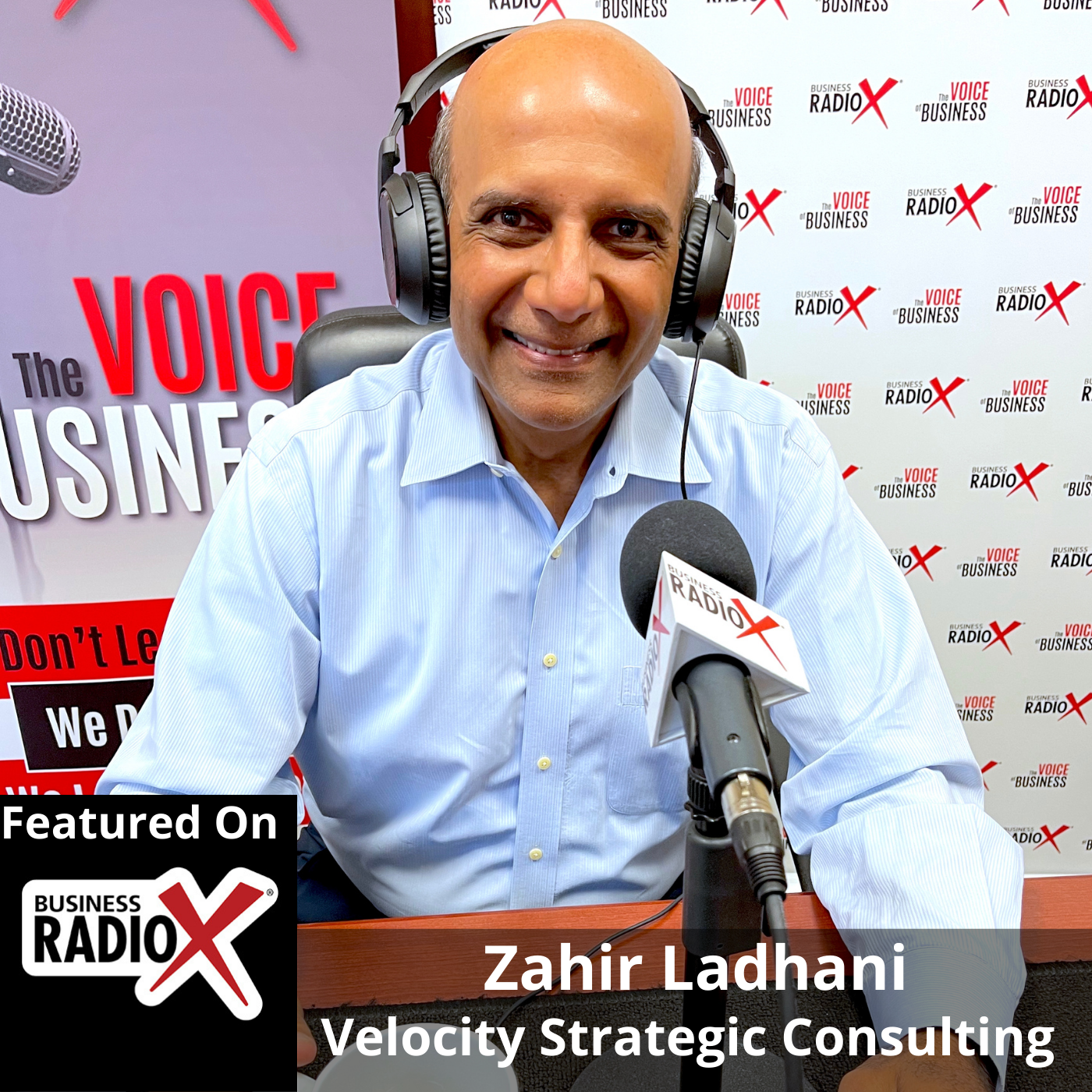
Zahir Ladhani, Velocity Strategic Consulting

July 6, 2022 by John Ray

Velocity Strategic Consulting
North Fulton Business Radio
Zahir Ladhani, Velocity Strategic Consulting
Loading
00:00 /
RSS Feed
Share
Link
Embed

Download file

Velocity Strategic Consulting

Zahir Ladhani, Velocity Strategic Consulting (North Fulton Business Radio, Episode 468)

Zahir Ladhani is the founder of Velocity Strategic Consulting and teaches strategy at Kennesaw State University.  Zahir visited host John Ray in the North Fulton Business Radio studio to discuss how his firm coaches businesses on scaling up, what’s required of leadership to take that path, the vital role of cash, leading vs. lagging metrics, a company’s core values, their best fit clients, and much more.

North Fulton Business Radio is broadcast from the North Fulton studio of Business RadioX® inside Renasant Bank in Alpharetta.

Velocity Strategic Consulting

Velocity Strategic Consulting works with leaders who have the willingness and desire to move their companies from where they are now to where they think they can be.

We help teams create and execute on a vision of what it looks like to win so they can:

+ Manage and accelerate their growth

+ Grow faster and more profitably

+ Generate more cash flow

+ Build high-performance teams and drive accountability

+ Spend less time in the business and more time on the business

Velocity Strategic Consulting’s proven formula of 4 Decisions, 3 Habits, and 1 Catalyst provides their clients with measurable results.

Four Decisions: People, Strategy, Execution, and Cash.

Three Habits: Priorities, Metrics, and Meeting Rhythms.

One Catalyst: Coach.

Company Website | LinkedIn

Zahir Ladhani, Managing Director, Velocity Strategic Consulting

Velocity Strategic Consulting
Zahir Ladhani, Managing Director, Velocity Strategic Consulting

Zahir Ladhani brings more than 30 years of ‘in the trenches’ experience with SaaS, Consumer, Human Capital, Pharmaceutical, and Management Consulting industries. A talented communicator and proven leader who has grown businesses and product lines and was a key member of the executive leadership team in the sale of a company to a Fortune 100 company. Zahir works with senior executives and leadership teams to scale up businesses by improving their discipline around people, strategy, execution, and accountability for sustainable growth. He has worked with numerous clients in easing the complexity that growth often brings, allowing leaders to focus more time on building their businesses, by leveraging transformative tools, processes and principles.

He holds a Bachelor’s degree in Mathematics and Accounting from the University of Waterloo in Canada and a Master of Arts in International Relations from Fletcher School of Law and Diplomacy at Tufts University in Boston.

LinkedIn

Questions and Topics in this Interview:

  • Why do so many companies stall in their growth?
  • How do you define growth for a company?
  • Tell me more about what you mean by having the Right People in the Right seats?
  • Why is being the best not a good strategy?
  • What is more important – Strategy or Execution?
  • What do you mean by Revenue is vanity?

North Fulton Business Radio is hosted by John Ray and broadcast and produced from the North Fulton studio of Business RadioX® inside Renasant Bank in Alpharetta. You can find the full archive of shows by following this link. The show is available on all the major podcast apps, including Apple Podcasts, Spotify, Google, Amazon, iHeart Radio, Stitcher, TuneIn, and others.

RenasantBank


Renasant Bank has humble roots, starting in 1904 as a $100,000 bank in a Lee County, Mississippi, bakery. Since then, Renasant has grown to become one of the Southeast’s strongest financial institutions with over $13 billion in assets and more than 190 banking, lending, wealth management and financial services offices in Mississippi, Alabama, Tennessee, Georgia and Florida. All of Renasant’s success stems from each of their banker’s commitment to investing in their communities as a way of better understanding the people they serve. At Renasant Bank, they understand you because they work and live alongside you every day.


Special thanks to A&S Culinary Concepts for their support of this edition of North Fulton Business Radio. A&S Culinary Concepts, based in Johns Creek, is an award-winning culinary studio, celebrated for corporate catering, corporate team building, Big Green Egg Boot Camps, and private group events. They also provide oven-ready, cooked from scratch meals to go they call “Let Us Cook for You.” To see their menus and events, go to their website or call 678-336-9196.

Tagged With: A&S Culinary Concepts, cash, growth, North Fulton Business Radio, renasant bank, scaling, strategy, Velocity Strategic Consulting, Zahir Ladhani

Growing Culture Through Music – Brian Mohr E9

April 30, 2021 by Karen

Growing-Culture-Through-Music-Brian-Mohr-feature
Phoenix Business Radio
Growing Culture Through Music - Brian Mohr E9
Loading
00:00 /
RSS Feed
Share
Link
Embed

Download file

Growing-Culture-Through-Music-Brian-Mohr-anthym

Growing Culture Through Music – Brian Mohr E9

When it comes to finding the right guests to bring on to the People and Profit Podcast, our team always has our eyes open for great company leaders that align with Conscious Capitalism and the four tenants. This month we did not have to look very far to find a well-known leader in the Conscious Capitalism network here within the Arizona community as well as the Conscious Capitalism International Team.

Brian Mohr jumped on the Conscious Capitalism bandwagon back before 2015 when he found “his people.” As many others, Brian stumbled upon the Conscious Capitalism movement and knew he had to be part of the tribe. He has been on the board for Conscious Capitalism International and currently sits on the board locally for the Arizona Chapter as well. Not only has he been part of Conscious Capitalism in that facet but also in his past and present company leadership roles that he has held. From growing the very culture focused company Y-scouts, to his new and very culture focused company anthym.

anthym is an interactive, personal storytelling platform leveraging the power of music to catalog some of the most meaningful and pivotal moments and memories in our lives.

It’s becoming clear that the future of work will be embracing an increase in work-from-anywhere and remote work scenarios, which presents a whole new set of challenges for teams and companies. anthym is focusing on bringing the team members together and allowing them to connect on a deeper level. We know WHAT people do but this program allows the team members to truly learn about WHO the people are that they work with.

This podcast dives into the tenant of company culture, why it is important, the need to improve it, and how anthym can improve it. This is a great podcast to listen to if you have read about conscious capitalism and you think that these people align with you. Listen in to fund your tribe just like Brian did.

#companyculture #new #teambuilding #consciouscapitalism #growth #teams #ccaz #podcast

anthym-redesign-finalcopy

Building cohesive remote teams and culture is incredibly difficult – anthym is here to make it easier. At its core, anthym is a personal storytelling platform that helps you reflect on and catalog  some of your most meaningful and important life moments by leveraging the power of cultural touchstones like music, movies, books, and TV shows, which results in your personal anthym profile.

Together with your teammates, the anthym experience is brought to life by a facilitated virtual onboarding where you and your teammates share stories with one another and create powerful, authentic connections. After the onboarding experience, the anthym platform allows for continuous team connection and helps promote connection, inclusion, belonging and trust.

Brian-Mohr-anthymBrian Mohr’s career is a learning-based journey with an intense focus on people, purpose, values, culture, and leadership. Brian has had amazing entrepreneurial and leadership experiences at Jobing.com, P.F. Chang’s China Bistro, Y Scouts and Conscious Capitalism Arizona. Today, Brian is channeling his experiences and energy into helping organizations build cohesive teams in the rapidly accelerating virtual workplace through his new company, Anthym.

Brian is on the national Board of Directors of Conscious Capitalism, Inc., he is a Board member and President Emeritus of the Arizona Chapter of Conscious Capitalism, a member of the Board of Directors of the Better Business Bureau of the Pacific Southwest, a TEDx speaker, and the co-author of “Hiring on Purpose – How the Y Scouts Method is Revolutionizing the Search for Leaders”.

Brian’s most important and cherished responsibilities are being the lucky father to his 2 daughters, Taylor and Riley, and the proud husband to his wife, Jackie. In his spare time, you’ll find Brian practicing guitar and catching a live music concert every chance he can get.

Connect with Brian on LinkedIn, Facebook, Twitter and Instagram.

About Our People and Profit Co-Hosts

Sarah-McCrarenSarah McCraren is an Arizona native with a strong sense of community. Sarah spent many years in the corporate finance world specializing in the operational analysis, measurement and accountability systems, project management and software implementations. However, Sarah wanted to do work which was meaningful and would positively impact her community.

She found that saving lives and reducing injuries through comprehensive safety programs fit that bill. Sarah currently leads the McCraren Compliance team by keeping everyone focused on their primary purpose, creating workplaces where we all watch out for each other, and balancing the needs of all their stakeholders.

Sarah serves on the Boards for Conscious Capitalism Arizona and the Society for Mining, Metallurgy and Exploration Tucson Chapter, and is also active with the Arizona Builders Alliance, Arizona Rock Products Association , Arizona Transportation Builders and Women in Mining Az.

Sarah McCraren
Part of an Awesome Team
www.McCrarenCompliance.com
Creating Workplaces Where We All Watch Out for Each Other

JeremyDeisHostConsciousCapitalismEp1-e1539612502706No arm twisting is required to get Jeremy Neis, a CC Arizona leadership team member, to engage in conversation with impassioned business minds on the topic of leveraging enterprise to create long lasting advancements for humanity.


His two plus decades of entrepreneurial experience, leading strategic initiatives and tailoring solutions for organizations, families and individuals has led to a strong appreciation of the profound impact business wields over the people it serves and relies upon.

It is his delight to explore with inspiration, show guests their experiences, observations and approaches to doing business in a people centered manner.

About Our Sponsor – Conscious Capitalism Arizona

Business has the potential to be a powerful force for good. 

Free enterprise capitalism has served to lift more people out of poverty than any other socio-economic system ever conceived – empowering social cooperation, human progress, and elevating humanity. Conscious-Capitalism-Arizona-as-studio-sponsor-for-Phoenix-Business-RadioX

Good business is the answer to many of the global issues that humankind is facing. This is what we will dive into on the show.

We are working to change the capitalism narrative by shining a bright light on good business – telling the stories of conscious Arizona companies and encouraging others to follow in their footsteps.

Tagged With: ccaz, company culture, Conscious Capitalism, growth, team building, teams

  • 1
  • 2
  • Next Page »

Business RadioX ® Network


Our Most Recent Episode

CONNECT WITH US

  • Email
  • Facebook
  • LinkedIn
  • Twitter
  • YouTube

Our Mission

We help local business leaders get the word out about the important work they’re doing to serve their market, their community, and their profession.

We support and celebrate business by sharing positive business stories that traditional media ignores. Some media leans left. Some media leans right. We lean business.

Sponsor a Show

Build Relationships and Grow Your Business. Click here for more details.

Partner With Us

Discover More Here

Terms and Conditions
Privacy Policy

Connect with us

Want to keep up with the latest in pro-business news across the network? Follow us on social media for the latest stories!
  • Email
  • Facebook
  • Google+
  • LinkedIn
  • Twitter
  • YouTube

Business RadioX® Headquarters
1000 Abernathy Rd. NE
Building 400, Suite L-10
Sandy Springs, GA 30328

© 2025 Business RadioX ® · Rainmaker Platform

BRXStudioCoversLA

Wait! Don’t Miss an Episode of LA Business Radio

BRXStudioCoversDENVER

Wait! Don’t Miss an Episode of Denver Business Radio

BRXStudioCoversPENSACOLA

Wait! Don’t Miss an Episode of Pensacola Business Radio

BRXStudioCoversBIRMINGHAM

Wait! Don’t Miss an Episode of Birmingham Business Radio

BRXStudioCoversTALLAHASSEE

Wait! Don’t Miss an Episode of Tallahassee Business Radio

BRXStudioCoversRALEIGH

Wait! Don’t Miss an Episode of Raleigh Business Radio

BRXStudioCoversRICHMONDNoWhite

Wait! Don’t Miss an Episode of Richmond Business Radio

BRXStudioCoversNASHVILLENoWhite

Wait! Don’t Miss an Episode of Nashville Business Radio

BRXStudioCoversDETROIT

Wait! Don’t Miss an Episode of Detroit Business Radio

BRXStudioCoversSTLOUIS

Wait! Don’t Miss an Episode of St. Louis Business Radio

BRXStudioCoversCOLUMBUS-small

Wait! Don’t Miss an Episode of Columbus Business Radio

Coachthecoach-08-08

Wait! Don’t Miss an Episode of Coach the Coach

BRXStudioCoversBAYAREA

Wait! Don’t Miss an Episode of Bay Area Business Radio

BRXStudioCoversCHICAGO

Wait! Don’t Miss an Episode of Chicago Business Radio

Wait! Don’t Miss an Episode of Atlanta Business Radio