Business RadioX ®

  • Home
  • Business RadioX ® Communities
    • Southeast
      • Alabama
        • Birmingham
      • Florida
        • Orlando
        • Pensacola
        • South Florida
        • Tampa
        • Tallahassee
      • Georgia
        • Atlanta
        • Cherokee
        • Forsyth
        • Greater Perimeter
        • Gwinnett
        • North Fulton
        • North Georgia
        • Northeast Georgia
        • Rome
        • Savannah
      • Louisiana
        • New Orleans
      • North Carolina
        • Charlotte
        • Raleigh
      • Tennessee
        • Chattanooga
        • Nashville
      • Virginia
        • Richmond
    • South Central
      • Arkansas
        • Northwest Arkansas
    • Midwest
      • Illinois
        • Chicago
      • Michigan
        • Detroit
      • Minnesota
        • Minneapolis St. Paul
      • Missouri
        • St. Louis
      • Ohio
        • Cleveland
        • Columbus
        • Dayton
    • Southwest
      • Arizona
        • Phoenix
        • Tucson
        • Valley
      • Texas
        • Austin
        • Dallas
        • Houston
    • West
      • California
        • Bay Area
        • LA
        • Pasadena
      • Colorado
        • Denver
      • Hawaii
        • Oahu
  • FAQs
  • About Us
    • Our Mission
    • Our Audience
    • Why It Works
    • What People Are Saying
    • BRX in the News
  • Resources
    • BRX Pro Tips
    • B2B Marketing: The 4Rs
    • High Velocity Selling Habits
    • Why Most B2B Media Strategies Fail
    • 9 Reasons To Sponsor A Business RadioX ® Show
  • Partner With Us
  • Veteran Business RadioX ®

Katie Hart Smith, Registered Nurse, Author & Artist

July 21, 2023 by Mike

Celebrating Powerhouse Women
Katie Hart Smith, Registered Nurse, Author & Artist
Loading
00:00 /
RSS Feed
Share
Link
Embed

Download file

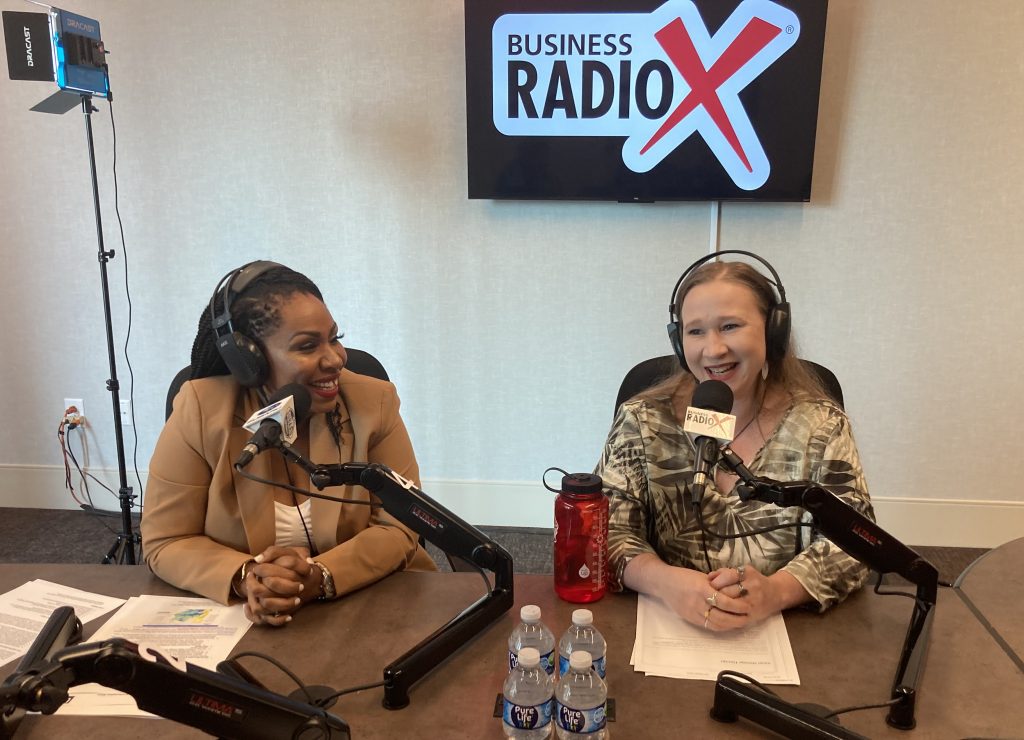
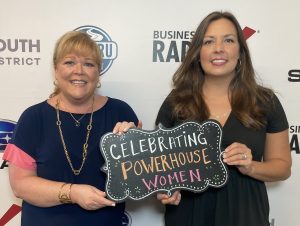
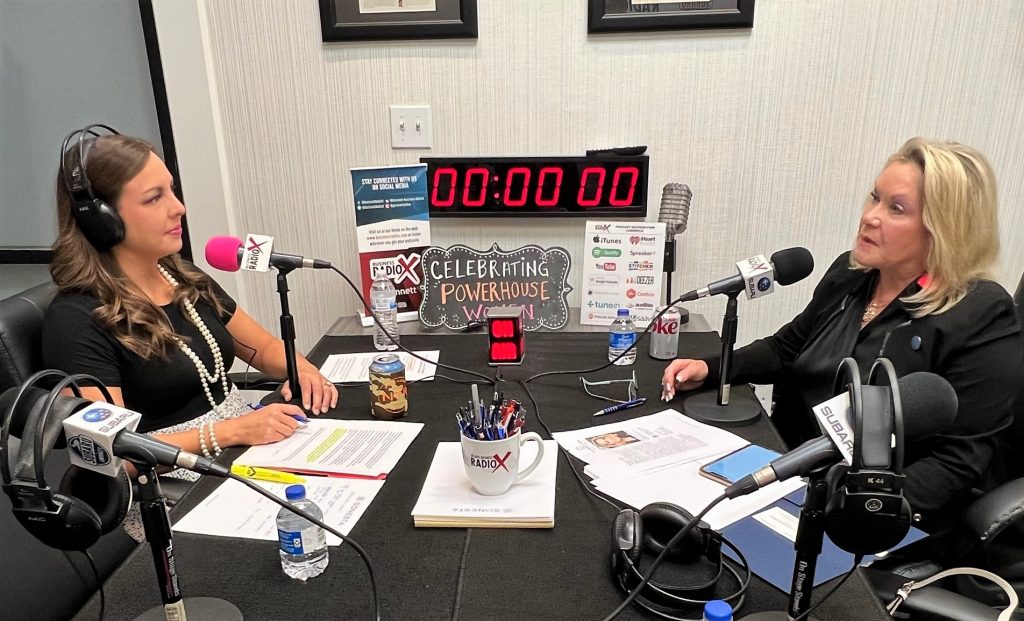
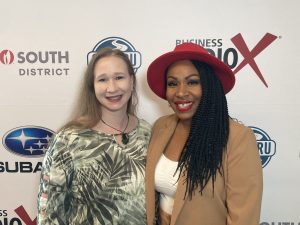
Katie Hart Smith and Amanda Pearch Marmolejo

Celebrating Powerhouse Women salutes and recognizes women who are making an impact, whether it’s in business, philanthropy, public service, or elsewhere.

Katie Hart Smith/Children’s Healthcare of Atlanta

Katie Hart Smith is a Registered Nurse for Children’s Healthcare of Atlanta, an artist, and a published author for nearly 30 years. Smith is an active leader in her community and sought out speaker on a local and national level. She enjoys speaking at literary festivals, libraries, book clubs, and community and civic organizations on a variety of topics. Born in 1964 in San Diego, CA, Smith had the opportunity to live all over the United States as a young girl. It wasn’t until 1976 that her family moved to Atlanta, GA where she has called home ever since. Smith loved writing and drawing as a child, creating her own story and picture books at a very early age. As a young adult, she pursued a nursing career and in 1987 obtained a B.S. in Nursing from Georgia State University. In 2002, she received a MBA from Troy State University. Throughout her professional career, Smith continued to write, illustrate, and lecture for the medical community and even served as a guest speaker at Emory University, Nell Hodgson Woodruff School of Nursing for ten years. In 1995, Smith published, “In the Face of Disaster: Personal Reflections” in the Orthopedic Nursing Journal. The article recounted Smith’s work with the Red Cross to lead a group of volunteers from Atlanta to assist with the Flint River Flood recovery efforts. During the 4-hour commute home on a city commuter bus, Smith wrote on scratch pieces of paper to journal the day’s events.

Celebrating Powerhouse Women is presented by
Tagged With: amanda pearch, Amanda Pearch Marmolejo, Celebrating Powerhouse Women, Children's Healthcare of Atlanta, choa, Healthcare, Katie Hart Smith, nursing, powerhouse women, Women in Business

Wendell Strickland, Strongside Solutions

July 19, 2023 by John Ray

Strongside Solutions
Business Beat
Wendell Strickland, Strongside Solutions
Loading
00:00 /
RSS Feed
Share
Link
Embed

Download file

Strongside Solutions

Frazier & Deeter’s Business Beat: Wendell Strickland, Strongside Solutions

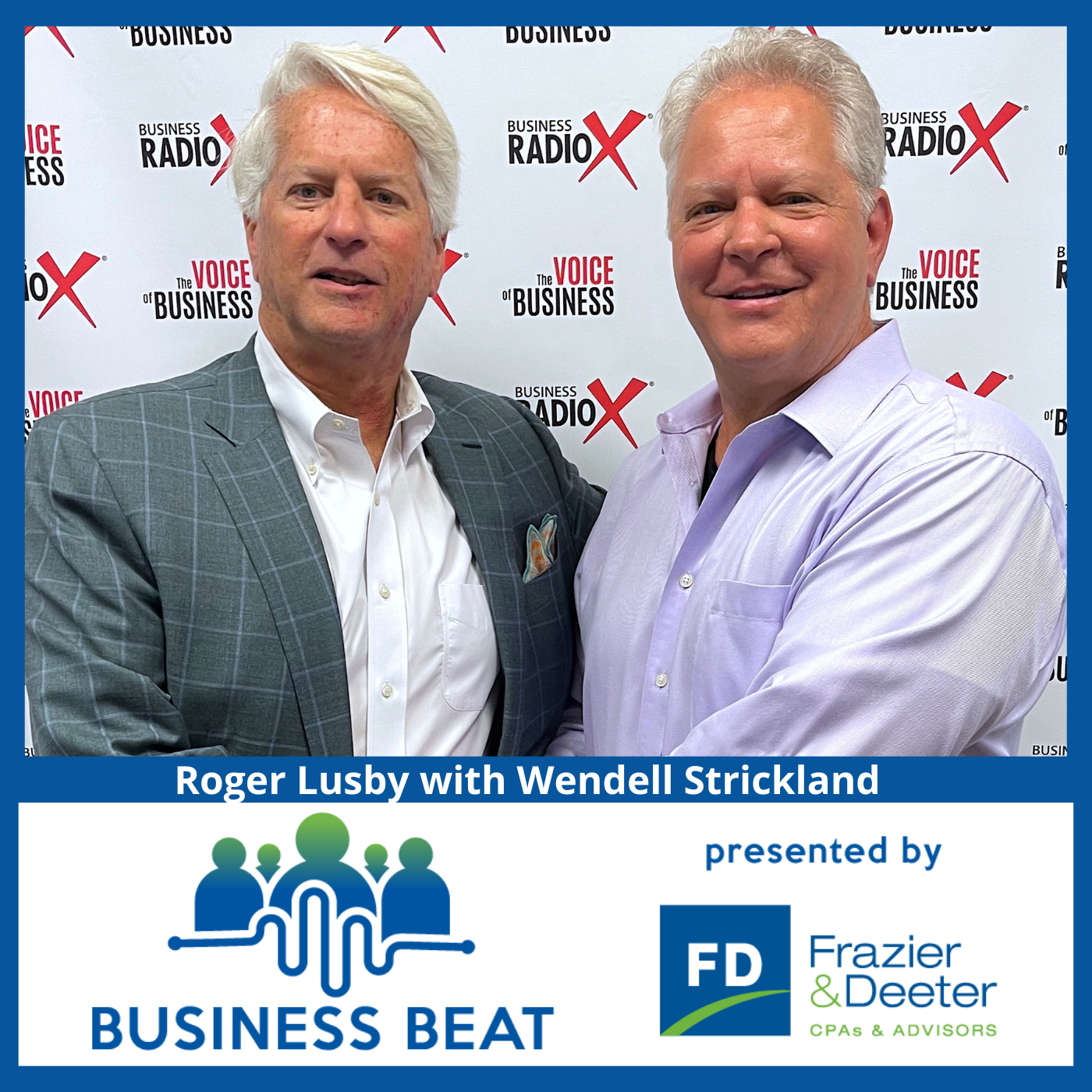
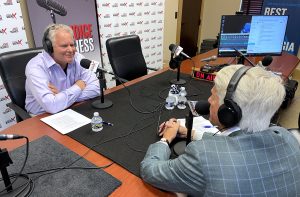
Wendell Strickland, President and CEO of Strongside Solutions, was Roger Lusby’s guest on this episode of Business Beat. Wendell talked about what sets Strongside apart as a healthcare insurance brokerage, their products, and recent changes in benefits. He also discussed Strongside’s culture, his leadership style, the long-term vision for the company, success stories, and much more.

Business Beat is presented by Alpharetta CPA firm Frazier & Deeter and is produced by the North Fulton studio of Business RadioX®
Strongside Solutions

Strongside Solutions – Insurance Brokerage PLUS is a privately held Georgia-based healthcare, insurance broker consulting and management company with over 20 years of proven results and expertise.

They specialize in the review, design, and implementation of holistic self-funded benefits programs that yield better performance, richer employee benefits with greater efficiencies.

They deploy Strongside Solutions developed services and processes that reverse healthcare cost increases, minimizes administrative burden, and improves the overall healthcare experience for employees and the employer.

Company website | LinkedIn

Wendell Strickland, President and CEO, Strongside Solutions

Wendell Strickland, President and CEO, Strongside Solutions

Wendell Strickland, President and CEO of Strongside Solutions, offers an accomplished history of executive leadership, talent acquisition and client centric business development. In Wendell’s current role at Strongside Solutions, he identifies growth opportunities, client centric strategic strategies and guides the implementation of operational services that provide greater value to the clients they serve.

The company was founded in response to growing inefficiencies, carrier option homogenization and diminishing customer service in the administration of healthcare. Strongside does not reinvent healthcare, they have found better ways of providing access to desired care while reducing time and expense.

Wendell’s programs, delivered by Strongside Solutions, challenge the status quo and are driven by the prospect of guiding greater financial control, providing options beyond the expected, and proven successes.

Our three distinct business divisions create cumulative advantages for our clients in the following areas:

  • Financial Health:
    • Initiatives that return expenses that positively impact OPEX, CAPEX, and EBITDA
    • Our programs deliver up to 40% reduction in Healthcare and Prescription costs while expanding employee benefit options
    • $0 Copays on name brand medications
  • Plan Coverage:
    • Global network access to best-in-class care
  • Claimant Liability Insulation:
    • Tailored programs isolate high-risk medical and pharmacy claims

Wendell also serves as one of Strongside’s Lead Benefit Consultants. Wendell has been a benefits consultant since 2004. Working for national and regional brokerage firms provided a platform for in-depth education and client experience. Ultimately, Wendell learned to identify and develop strategic offerings and processes that delivered better benefits at a lower cost to employees and employers.

Wendell specializes in self-funded middle and large market employer plans. His proficiency spans fully insured and self-funded medical plans. He is an expert in evaluating and managing pharmacy benefit management companies and programs as well as contract evaluation and negotiation. Wendell works closely with Strongside Solutions’ operational and management staff and our clients to develop strategies that reduce costs, deliver healthier employees, drive compliance, and reduce the overall administrative burden for benefits administration.

A Core Value that Wendell has instilled into Strongside Solutions’ culture is to listen first and offer solutions only when the business objectives and needs of our clients are understood. Wendell provides strategic direction and development of a 3-5-year client action plan that will be measured against plan analysis, forecasting and financial planning, contract negotiations and carrier/vendor management.

Wendell has over 20 years’ experience in:

  • Corporate strategy and service development.
  • Talent acquisition and development.
  • Benefits consulting for Middle and Large Market Employers.
  • Consulting experience on public sector, private sector and school system clients.
  • Self-Funded and Fully Insured plan design and implementation experience.
  • Analyzing and developing Stop Loss contract designs that meet client needs.
  • PBM Analysis experience in delivering savings on RX programs.
  • Medical Claim Analysis.
  • Wellness Clinics.
  • Population Health Management.

LinkedIn

Frazier & Deeter

The Alpharetta office of Frazier & Deeter is home to a thriving CPA tax practice, a growing advisory practice and an Employee Benefit Plan Services group. CPAs and advisors in the Frazier & Deeter Alpharetta office serve clients across North Georgia and around the country with services such as personal tax planning, estate planning, business tax planning, business tax compliance, state and local tax planning, financial statement reviews, financial statement audits, employee benefit plan audits, internal audit outsourcing, cyber security, data privacy, SOX and other regulatory compliance, mergers, and acquisitions and more. Alpharetta CPAs serve clients ranging from business owners and executives to large corporations.

Roger Lusby, Partner in Charge of Alpharetta office, Frazier & Deeter
Roger Lusby, Partner in Charge of the Alpharetta office of Frazier & Deeter

Roger Lusby, host of Frazier & Deeter’s Business Beat, is an Alpharetta CPA and Alpharetta Office Managing Partner for Frazier & Deeter. He is also a member of the Tax Department in charge of coordinating tax and accounting services for our clientele. His responsibilities include a review of a variety of tax returns with an emphasis in the individual, estate, and corporate areas. Client assistance is also provided in the areas of financial planning, executive compensation and stock option planning, estate and succession planning, international planning (FBAR, SFOP), health care, real estate, manufacturing, technology, and service companies.

You can find Frazier & Deeter on social media:

LinkedIn | Facebook | Twitter

An episode archive of Frazier & Deeter’s Business Beat can be found here.


Tagged With: Business Beat, Culture, Frazier & Deeter's Business Beat, Frazier and Deeter, group health insurance, group health plans, health insurance, Healthcare, insurance brokerage, Roger Lusby, self-funded benefits, Strongside Solutions, Wendell Strickland

Davis Butler, BUTLER | MERSEREAU

June 21, 2023 by John Ray

Davis Butler
Business Beat
Davis Butler, BUTLER | MERSEREAU
Loading
00:00 /
RSS Feed
Share
Link
Embed

Download file

Davis Butler

Frazier & Deeter’s Business Beat: Davis Butler, BUTLER | MERSEREAU

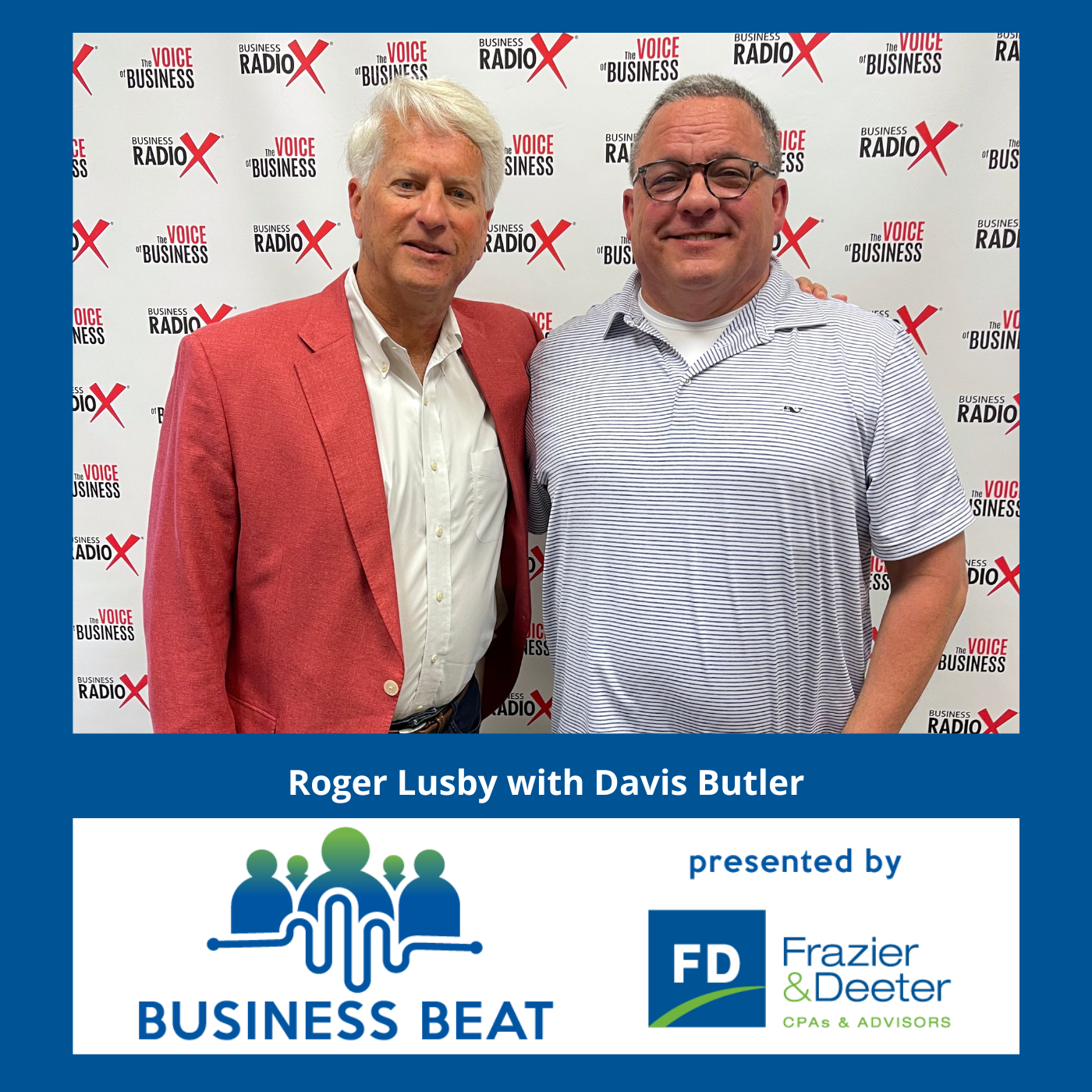
Davis Butler, Managing Partner at BUTLER | MESEREAU, joined Roger Lusby to chat about the work his firm does for small businesses and other organizations. Davis discussed his work in healthcare, specifically physician practices, the changing healthcare industry landscape, and advice for practices preparing for an exit. Davis also talked about his previous work with the International Olympic Committee (IOC), effecting change in sports organizations to protect athletes from abuse, his work in name, image, and likeness issues (NIL), and much more.

Business Beat is presented by Alpharetta CPA firm Frazier & Deeter and is produced by the North Fulton studio of Business RadioX®
BUTLER | MERSEREAU LLP

BUTLER | MERSEREAU is a boutique corporate and trusts and estates law firm with offices in Atlanta and Jacksonville. The firm was founded in 2014 by B. Davis Butler and another partner, who began their practices at Alston & Bird, a large law firm based in Atlanta. Adam G. Mersereau, who started his practice at McKenna Long & Aldridge, now Dentons US, joined the firm as a partner in 2017.

The firm was created with the goal of providing outstanding legal services to a special group of clients looking for great value from its lawyers. Their lawyers are former big-firm lawyers and general counsel with a strong commitment to providing the highest possible quality of legal services and personalized care to every client regardless of its size. They are trusted advisors, creative problem solvers, excellent drafters, and thoughtful risk takers.

Together, their attorneys are licensed to practice in Georgia, Florida, Alabama, and South Carolina.

Company website | LinkedIn

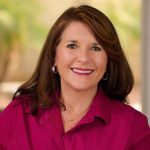
Davis Butler, Managing Partner, BUTLER | MERSEREAU

Davis Butler, Managing Partner, BUTLER | MERSEREAU

Davis Butler began his legal career in 1992 as a law clerk for U.S. District Judge Robert B. Propst in the Northern District of Alabama. In 1993, he joined the practice of Alston & Bird LLP (A&B), a large firm based in Atlanta, Georgia, as a healthcare/medical product liability litigator. After two successful jury trials, Davis joined A&B’s healthcare mergers, acquisitions, and securities team.

After years as a corporate transactional lawyer at several firms, Davis joined the International Olympic Committee (IOC) staff to manage and negotiate international partnership deals as part of the world’s largest sports sponsorship program – the IOC’s TOP Programme. Davis spent ten years at the IOC in a joint business and legal role (as Senior VP of Marketing Development) with offices in Atlanta and Lausanne, Switzerland. During this time, Davis negotiated and managed partnership transactions on behalf of Olympic parties valued at just under US$9 billion. He has negotiated and drafted sponsorship, broadcast rights, license, supply, acquisition, representation, and service agreements on behalf of sport properties around the world. He also has managed intellectual property issues around the world, and he has represented the IOC twice before the European Commission in Brussels on matters relating to antitrust issues in international sport sponsorship arrangements. While at the IOC, Davis did business in thirty nine countries, and he managed a team of lawyers overseeing Olympic marketing rights agreements in over 190 countries.

Davis left the IOC in 2010 to become a founding partner in Encompass International Network, LLC, an international sports marketing and legal network comprised of Olympic experts from North America, Europe, and Asia. At that time, Davis also re-entered the private practice of law, and he now represents a variety of corporate entities (especially in the healthcare, marketing, and sport industries) in mergers, acquisitions, private securities offerings, and general corporate matters. He has served as an adjunct professor at the University of Georgia, and he is an owner of a variety of sport and healthcare businesses. He has started nine different for profit and non-profit businesses giving him special insight into the issues facing start-ups and early-stage companies.

He attended Vanderbilt University and graduated with honors in 1988. He received his law degree in 1992 from the University of Alabama School of Law where he was a Junior and Senior Editor of the Alabama Law Review.

Davis is currently licensed to practice law in Georgia and Alabama.

LinkedIn

Frazier & Deeter

The Alpharetta office of Frazier & Deeter is home to a thriving CPA tax practice, a growing advisory practice and an Employee Benefit Plan Services group. CPAs and advisors in the Frazier & Deeter Alpharetta office serve clients across North Georgia and around the country with services such as personal tax planning, estate planning, business tax planning, business tax compliance, state and local tax planning, financial statement reviews, financial statement audits, employee benefit plan audits, internal audit outsourcing, cyber security, data privacy, SOX and other regulatory compliance, mergers, and acquisitions and more. Alpharetta CPAs serve clients ranging from business owners and executives to large corporations.

Roger Lusby, Partner in Charge of Alpharetta office, Frazier & Deeter
Roger Lusby, Partner in Charge of the Alpharetta office of Frazier & Deeter

Roger Lusby, host of Frazier & Deeter’s Business Beat, is an Alpharetta CPA and Alpharetta Office Managing Partner for Frazier & Deeter. He is also a member of the Tax Department in charge of coordinating tax and accounting services for our clientele. His responsibilities include a review of a variety of tax returns with an emphasis in the individual, estate, and corporate areas. Client assistance is also provided in the areas of financial planning, executive compensation and stock option planning, estate and succession planning, international planning (FBAR, SFOP), health care, real estate, manufacturing, technology, and service companies.

You can find Frazier & Deeter on social media:

LinkedIn | Facebook | Twitter

An episode archive of Frazier & Deeter’s Business Beat can be found here.


Tagged With: attorney, Business Beat, Butler Mersereau, college sports, Davis Butler, Frazier & Deeter's Business Beat, Frazier and Deeter, Healthcare, International Olympic Committee, IOC, name image and likeness, NIL, olympic athletes, Roger Lusby, small business, Sports law

HBS Legal Trends: Aberrant Verdicts and the Strategies to Rein Them In, with Michelle Foster Earle, OmniSure, and Sandra Cianflone, Hall, Booth, Smith

May 31, 2023 by John Ray

OmniSure
Hall Booth Smith Podcast Network
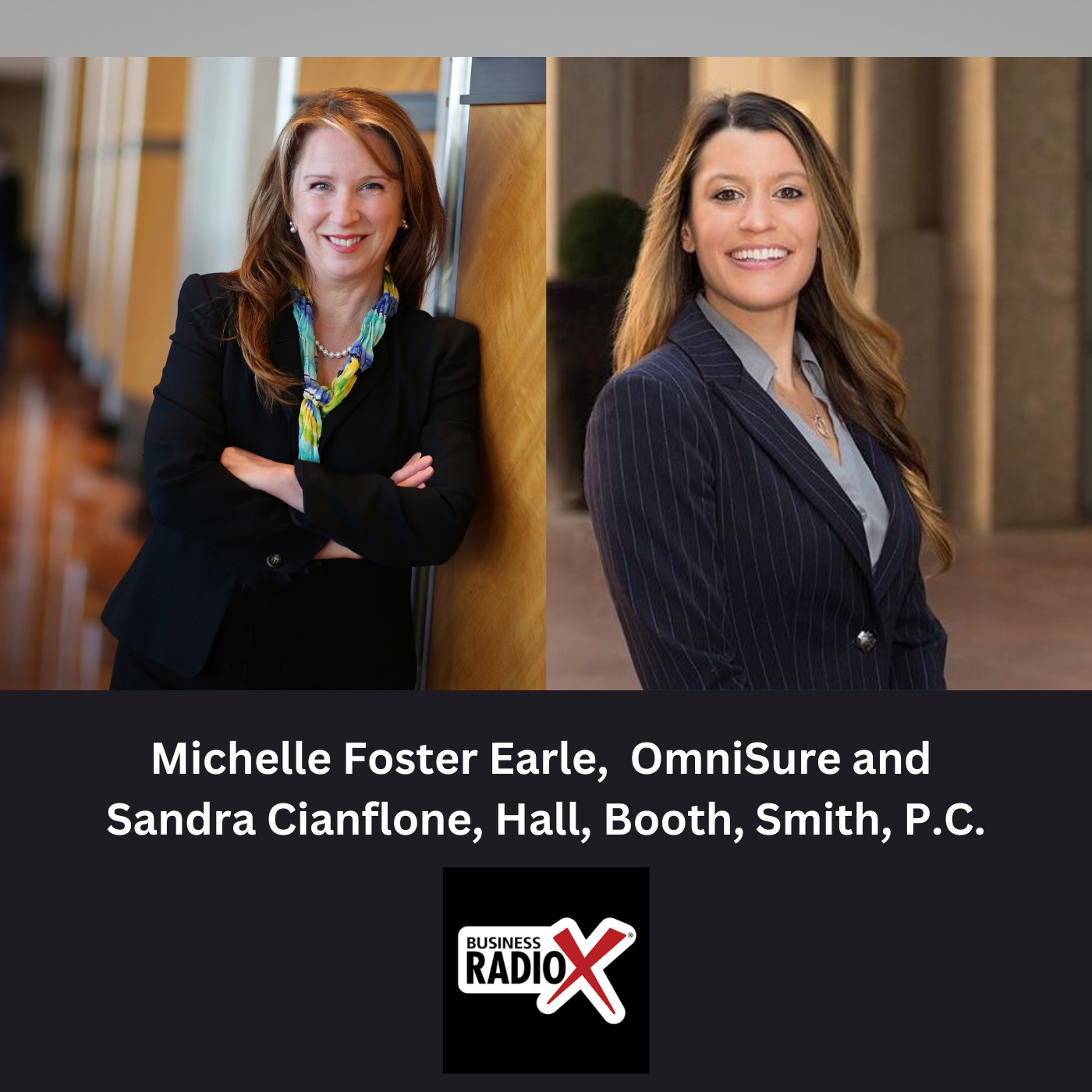
HBS Legal Trends: Aberrant Verdicts and the Strategies to Rein Them In, with Michelle Foster Earle, OmniSure, and Sandra Cianflone, Hall, Booth, Smith
Loading
00:00 /
RSS Feed
Share
Link
Embed

Download file

OmniSure

HBS Legal Trends: Aberrant Verdicts and the Strategies to Rein Them In, with Michelle Foster Earle, OmniSure, and Sandra Cianflone, Hall, Booth, Smith

Michelle Foster Earle, CEO of OmniSure, and Sandra Cianflone, Partner at Hall, Booth, Smith, discussed aberrant verdicts in the healthcare and medical malpractice spaces. They defined what constitutes an aberrant verdict, why the number of these verdicts is on the rise, plaintiff tactics to be aware of, using life care plans effectively, how to get ahead of claims, and much more.

HBS Legal Trends is sponsored by Hall, Booth, Smith, PC and is produced by the North Fulton studio of Business RadioX®.

OmniSure

OmniSure is the clinical risk services partner to a number of the nation’s leading healthcare professional liability insurance companies, helping carrier reduce loss ratios, helping policyholder avoid malpractice claims, and helping brokers retain satisfied clients.

Company Website | LinkedIn | Facebook | Twitter

Michelle Foster Earle, ARM, CEO, OmniSure

Michelle Foster Earle, ARM, CEO, OmniSure

Michelle Foster Earle, ARM, has more than 20 years of experience in healthcare risk management, helping professional liability insurers reduce risk and prevent losses.

She started her career in Social Services, became an Administrator, Healthcare Executive, Regulatory and Best Practices Consultant, and then President / Founder of OmniSure Consulting Group, where, on behalf of their insurers, she assists multiple types of healthcare organizations and medical professionals manage risk, improve patient outcomes, improve performance, and maintain compliance with regulatory and accreditation standards through a nationwide network of clinical risk specialists.

She has received a number of awards, most recently the Elite Women of 2021 Award by Insurance Business America.

LinkedIn

Hall Booth Smith, P.C.

Established in 1989, Hall Booth Smith, P.C. (HBS) is a full-service law firm with six regional offices strategically located throughout Georgia, as well as offices in Birmingham, AL; Little Rock and Rogers, AR; Denver, CO; Jacksonville, Miami, St. Petersburg, Tallahassee, Tampa, and West Palm Beach, FL; Missoula, MT; Asheville and Charlotte, NC; Saddle Brook, NJ; New York, NY; Oklahoma City, OK; Charleston, SC; and Memphis and Nashville, TN.

Experienced across a wide range of legal disciplines, HBS prides itself on providing knowledgeable, proactive, client-specific counsel to individuals, domestic and international corporations, state and federal agencies, and nonprofit organizations.

At HBS they possess the legal knowledge, skill, and experience to meet our clients’ needs wherever they do business. HBS maintains the highest commitment to serve clients ethically and professionally by providing the highest quality legal representation.

Company Website | LinkedIn | Facebook

Sandra Mekita Cianflone, Partner, Hall Booth Smith, P.C.

Sandra Mekita Cianflone, Partner, Hall Booth Smith, P.C.

Sandra Mekita Cianflone is a Partner in the Atlanta office of Hall Booth Smith. Her practice primarily focuses on medical malpractice on defending hospitals, healthcare institutions, physicians, nurses and institutional employees in medical malpractice actions from inception through trial. Sandra is part of Hall Booth Smith’s National Trial Counsel team and has litigated cases across the country.

Sandra also provides national risk management and crisis management services across the healthcare industry. These services have guided clients through tumultuous regulatory and statutory schemes by providing efficient approaches which assist with public/community relations, litigation preparation, defense alternatives, and effective case management. Sandra is also the Chair of our Coronavirus Taskforce.

Prior to joining HBS, Sandra practiced in New York with Martin Clearwater & Bell, LLP, which was the oldest medical defense and health care firms in the state of New York. Sandra also has experience navigating complex regulatory schemes, having served as Morgan Stanley’s Chief Compliance Officer under the General Counsel where she ensured compliance with proposed and finalized rules promulgated by various financial regulatory agencies related to Dodd Frank Act. Sandra took complex statutes and rules to formulate action plans and oversee the implementation of systems, processes and procedures, to bring the company into compliance.

Sandra received her Juris Doctorate from Pace University School of Law and her undergraduate degree from Fairleigh Dickinson University.

LinkedIn

Tagged With: claims adjustors, COVID-19 litigation, Hall Booth Smith PC, Healthcare, healthcare organizations, medical malpractice, Michelle Foster Earle, OmniSure, Risk Management, Sandra Cianflone

Episode 106: How Culture Drives Financial Performance

May 11, 2023 by Karen

Phoenix Business Radio
Episode 106: How Culture Drives Financial Performance
Loading
00:00 /
RSS Feed
Share
Link
Embed

Download file

Episode-106-How-Culture-Drives-Financial-Performance

Episode 106: How Culture Drives Financial Performance

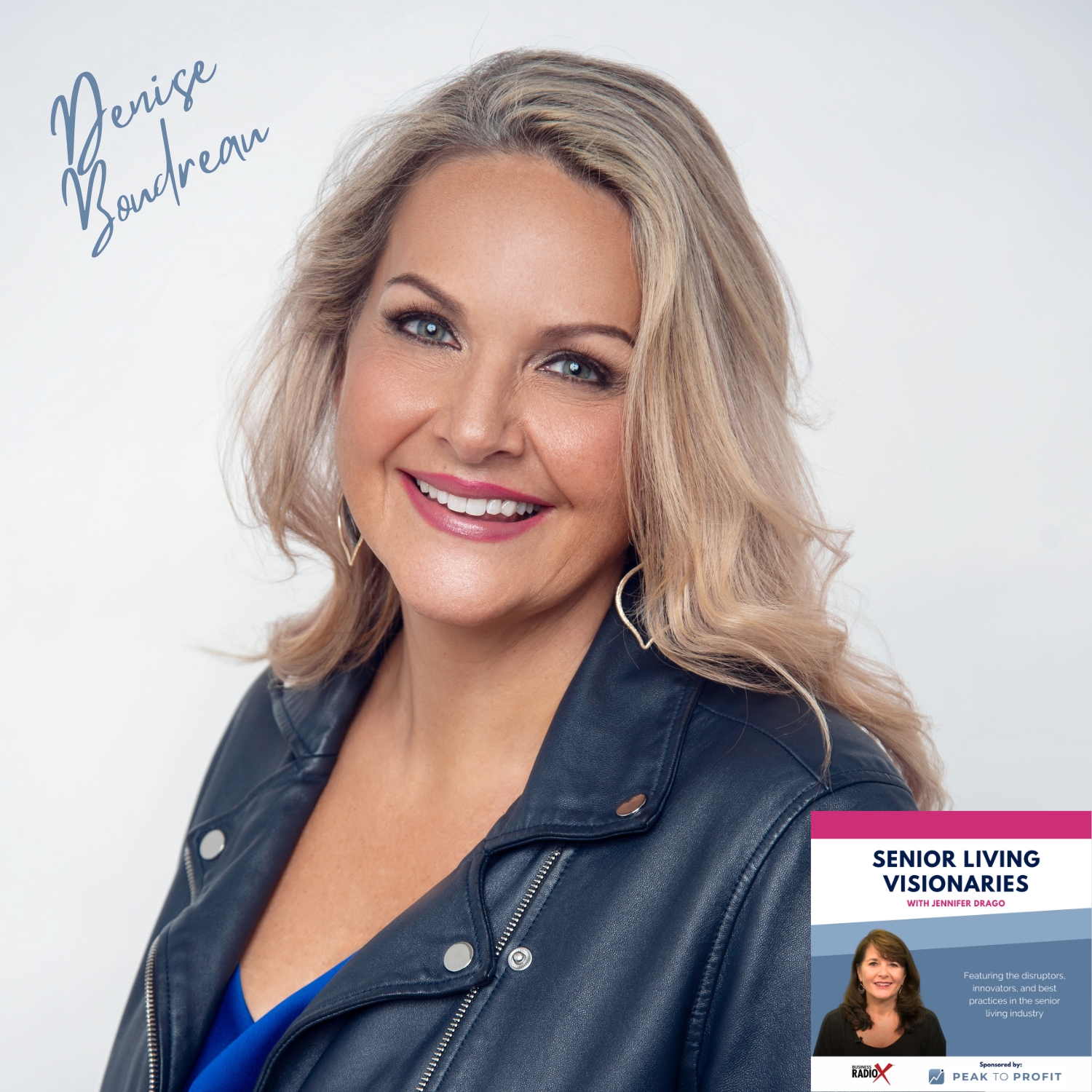
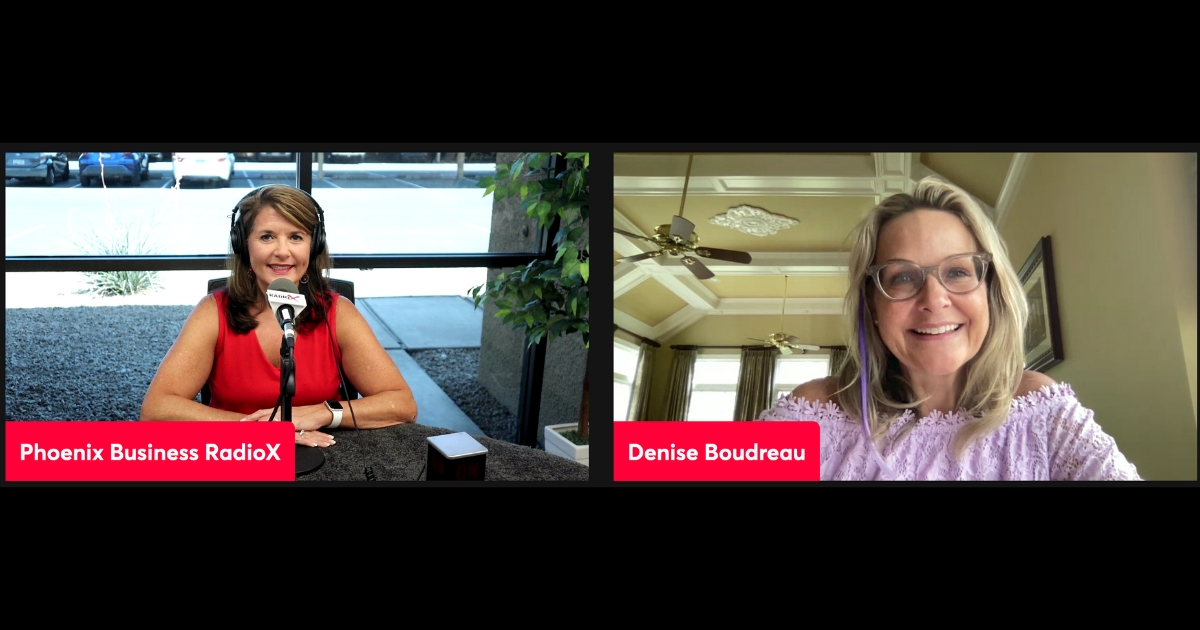
Join host Jennifer Drago as she interviews Denise Boudreau, president of Drive, and learn how organizations can measure and improve their culture to improve recruitment and retention of team members. Even more importantly, Denise shares the drivers of culture and what simple daily actions can have a dramatic impact on your organization’s culture.

Leaders in any industry will be intrigued by Denise’s takeaways on the importance of focusing on your organizational culture and how culture drives your organization’s performance on key metrics including employee engagement, client satisfaction, safety, productivity, and profitability.

Drive-logo

Drive helps senior living and healthcare organizations improve recruitment and retention through organizational culture. Drive will help you improve recruitment, staff retention, and employee engagement with a rock-solid company culture that staff love!

A toxic work culture rots organizations from the inside out… Every year, countless organizations lose millions of dollars due to bad culture. But it gets worse: poor culture also repels top-tier talent, kills workplace productivity and taints customer experience.

Our services: • Create a better work culture through our Culture Assessment. It takes a data-driven, strategic approach to transforming your culture into one that attracts happy, productive staff. And keeps them there. • Develop fundamental leadership skills that keep your staff engaged and you at your best as a leader through on-demand courses, Executive Coaching and Emotional Intelligence Coaching. • Inspire through presentations, speeches and keynotes at your meeting or conference that influence, motivate and connect deeply with your audience.

Denise-Boudreau-ScottDenise Boudreau, MHA, LNHA, is President of Drive, which helps healthcare and senior living organizations measure and improve their culture, resulting in improved recruitment and retention.

A former nursing home and assisted living administrator, she is a serial volunteer serving on numerous state and national boards. Denise received her Bachelor of Science in Gerontology from the University of Scranton and her Master in Health Administration from Cornell University where she currently works as a student mentor.

She is proud to share that she started off her career as a dietary aide and nursing assistant.

Follow Drive on LinkedIn and Facebook.

TRANSCRIPT

Intro: [00:00:05] Welcome to Senior Living Visionaries, a podcast for senior living leaders who are looking to stay ahead of the curve in the industry. On this show, we feature leaders and innovators in senior living who are pushing the boundaries and creating new effective services and solutions. And now, let’s settle in as host Jennifer Drago connects us with today’s guests.

Jennifer Drago: [00:00:30] Well, hello and welcome to Senior Living Visionaries broadcasting live from the Phoenix Business RadioX studio right here in Phoenix, Arizona. And we showcase the leaders in innovative, my goodness, innovators in the field who are shaping the future of senior living. And today is no exception.

I’m your host, Jennifer Drago, fresh off vacation. And apparently, I haven’t let my mouth know that it’s time to come back from vacation. I’m a strategy consultant and CEO of Peak To Profit Consulting, where we help senior living organizations with their strategic and business planning.

And today’s guest is Denise Boudreau. I’m so happy to welcome her here. She is the president of Drive. And Drive is an organization that helps health care and senior living organizations measure and improve their culture, resulting in improved recruitment and retention.

Denise is a former nursing home and assisted living administrator, as well as a volunteer serving on numerous state and national boards. She received her Bachelor’s in Gerontology from the University of Scranton and her Master’s in Health Administration from Cornell University, where she currently works as a student mentor. Important work. She is proud to share that she started off her career as a dietary aide and nursing assistant. So culture from the ground up, it sounds like. And I’m so excited to welcome you here. Welcome, Denise.

Denise Boudreau: [00:01:56] Thanks so much. I’m excited to be here.

Jennifer Drago: [00:01:58] Yeah. And tell us a little bit more about your organization and what you do.

Denise Boudreau: [00:02:02] Yeah. So we help take what is really this sort of, I call it woo woo, or this esoteric topic of culture and really bring data to it. So oftentimes people will say, I have a great culture, or my culture is not so good, it needs some help. And if you ask, how do you know that? People often say, I can feel it in my gut, or I just know it in my bones.

You think about how important culture is. It drives occupancy and turnover and revenue. Literally, every single outcome in an organization. And we’re using our gut to figure out if it’s working or not working. You’d never roll into owner’s meeting or a board meeting and say, we had a great financial quarter. I could feel it in my gut. I didn’t look at any numbers. I didn’t look at any data. I just know it. Right.

Jennifer Drago: [00:02:57] It feels great.

Denise Boudreau: [00:02:57] That would not fly.

Jennifer Drago: [00:02:59] That’s important. That’s important. So I love the idea that we can measure culture and we’re going to talk about that a little bit more, but explain your definition of culture as it pertains to senior living. And I know it’s really important from the recruitment and retention of employees, but I imagine it also affects our residents the way that we’re viewed in the community. So tell me more about how you define culture.

Denise Boudreau: [00:03:24] Yeah. So culture from the staff side is how we work around here. And from the resident side, it would be how we live. And there’s culture everywhere in your life. There’s a culture at your college that you went to. There’s a culture at the place of worship you might go to. In your neighborhood, right, there’s culture and micro cultures everywhere.

And the workplace or living place or a place where people are getting services is no different. And it’s basically just the attitudes, behaviors or the customs that are shaping the decisions. I was not in Tahiti and my mouth is still on vacation, but it shapes the decisions of everybody. So the people working in the organization and the people living there, how we interact with each other, what we do or don’t do is all being shaped by the culture.

Jennifer Drago: [00:04:25] Okay, perfect. That is a great definition. So knowing that senior living providers right now are experiencing significant staffing shortages, it seems like the perfect time to work on culture. However, when you’re short staffed, sometimes it’s hard to devote time to important things because you’re so strapped for time, right? So what would you say to a senior living CEO that says, I don’t have time to work on culture?

Denise Boudreau: [00:04:52] Yeah. You’re working on culture, so you’re working on it, you’re filling open positions, you’re dealing with customers. Maybe it’s residents, families, whatever, clients, whatever you call the people that you are serving and supporting and caring for. You’re dealing with their complaints. You’re probably dealing with financial issues because you’re spending so much money on turnover or an agency or maybe lack of occupancy because of the experience people are having there.

So you’re spending time on it. It’s whether it’s intentional or not. You can’t not have a culture. There’s a culture in your organization and you are intentionally shaping it or somebody else is shaping it. And that might be it’s in good hands and lots of times it’s not in good hands.

And people are creating cultures where it’s harder to recruit because people see what’s happening there and don’t want to be part of it. People might come to work for you and leave very quickly. I hear a lot of that lately, more so than ever. Or people might say this is not the place for me, I don’t want to work here. That’s all culture at work. So you intentionally shape it or you respond to the fact that you’re not intentionally shaping it.

Jennifer Drago: [00:06:07] So it’s always the right time to work on culture, it sounds like.

Denise Boudreau: [00:06:12] Yeah, Yeah. It’s like what’s the best time to plant a tree, right? That saying. Yesterday, last week, or if not today, right. You can start. People sometimes think about culture, and it feels like just so overwhelming. It’s boiling the ocean kind of. And it doesn’t have to be this huge and it shouldn’t be this huge pendulum shift. It can be small intentional changes, or it may be things that you’re doing that you just need to do a little bit more of each day.

And those behaviors are adding up to your overall culture. Culture is not that huge once a year party or if people say, we have a great culture, we raffle a car off to staff. That’s not culture, right? It’s not foosball table in the break room. It’s these small little behaviors that people are noticing and modeling themselves after that are adding up to the culture.

Jennifer Drago: [00:07:08] I’m glad you said that, because I do believe that for many executives and again, executives in a senior living organization or in health care, I know you work in health care, too. Those are really hard jobs and lots of things flying at you, especially when you’re trying to deal with a customer culture. And I shouldn’t have used your word. You’re trying to deal with your customers and their satisfaction, your employees and their satisfaction, regulatory issues. I mean, just they pile on.

And so, it can truly seem overwhelming when you say, oh my gosh, I want our culture to be better. Where do I start? So if you were to — you mentioned small behaviors or small actions can have a big impact. If you were to give our audience today just one takeaway, of one thing, they could do differently that could have a really positive impact on their culture, what would you say that might be?

Denise Boudreau: [00:08:02] Yeah. So when we measure culture, the number one value we’ve seen from our research and the number one value or behavior that we’ve seen from our research that makes a difference, starting foundational is respect. And so no organization could go wrong by focusing more on that value or behavior of respect. After that, it’s employee recognition. After that, it’s accountability. After that, it’s coaching and mentoring. But those things all build on a value of respect.

Employee recognition. A lot of times people focus on that and it’s fabulous. Usually organizations, you can’t give too much thanks or praise. But if you don’t feel respect, it’s like, Jennifer, you don’t think I respected you, and then I come over and tell you how fabulous you are, it seems pretty fake and it doesn’t really feel genuine. Right. And it doesn’t really mean much to you.

And respect, as that foundation, will always serve you and your organization. And we measure culture for a reason so we can see specifically what is needed in each organization and even each site. If you’re in a multisite organization, you know this. Every site has its own little microculture and even every department kind of has it and even shifts have it.

But overall, when we take all of our data and put it together, what we know is that respect is that number one thing. And so if I were you or your listeners, I would be thinking, well, what does that mean? I’m so glad you kind of asked. Right? It means that we, when we ask staff this, what does respect mean to you? It means to people knowing my name, saying hello to me, asking how I am.

Jennifer Drago: [00:09:51] That’s pretty simple.

Denise Boudreau: [00:09:53] Yeah. Like the bar is down here. They’re asking for, say hello, ask me how I’m doing. Show me that I actually matter to you is what people are asking for.

Jennifer Drago: [00:10:04] Wow. Wow. Really achievable. Really doable. That’s great. Yeah. And you’re right, it’s foundational that I was thinking about places where I’ve received recognition, but sometimes that day to day respect isn’t there. And you’re absolutely right, it feels disingenuous. Oh, okay, yeah, I get it. You’re checking a box now, but yeah, but you dismissed me yesterday when I was trying to tell you about a challenge that I’m having in my department. Yeah.

Denise Boudreau: [00:10:33] Exactly. And then the coaching and mentoring people create these incredible programs. Is coaching and mentoring bad? No, absolutely not, but people spend so much time creating these careers like all this other stuff. And if you don’t feel respected again and I come to you and say, hey, Jennifer, you know what, I think you’d be great in this role. You’d be like, oh, now you’re trying to push me out of my job, right?

As opposed to, we have a strong relationship and you’re going to know that I’ve got your back and support you and want you to be the best that you can absolutely be. That’s a very different answer if you want to be part of this program or whatever career ladder that we’ve created.

Jennifer Drago: [00:11:08] Sure, Sure. So I had a question set aside for you about what are the drivers of company culture? Are those the same things we just talked about and are they all truly individual in terms of how we individually treat each employee or? Yeah, tell me more.

Denise Boudreau: [00:11:26] Yeah, yeah, yeah. Great question. You can see I get excited about this. So people come with their personal values in them, what’s important to them. When they can show up true and authentically themselves, they do better, and your organization does better.

What does that mean? Humor and fun. Super important to me, right? So I want to be able to kind of have fun at work and joke around with people. Right? Do I have to be the class clown and get no work done? Nope. But it’s going to be important to me that that part of my personality can come out.

I’m creative, right? I want to bring that to work. Does that mean if I’m the CFO that I get to use creativity all the time in my job? Hopefully not, but maybe there’s something I could be doing outside of my normal role that might bring out that creative. Maybe it’s just some interactions with residents. Or maybe I want to do something for staff that helps be part of a committee that helps bring out that creative side. So certainly, everybody is wired. So knowing what’s important to people personally, credibly important.

Organization also has a culture which is shaped by values. So there’s what’s happening day to day. And I always like to think about it sort of the what’s happening at 3:00 in the morning when a nursing assistant is walking into a resident’s apartment or a resident’s room, when people are interacting with each other and there’s no supervisor or boss “around”. Right.

That’s what culture is. And so are those values and behaviors that are being lived, things that are supporting what we want for outcomes or the things that are working against us, blame and bullying and gossip. And sometimes those things show up when we measure culture. Lots of times we see blame and bullying on the list of current culture values.

People also tell us what they want, which is I always consider the magic question what they want out of their culture. And I love looking at that list. You know what the number one value that people want? And the question, by the way, is if we were performing at our best as an organization, what are the values that you’d want to see and people pick from this list, they pick ten things. You know, the number one answer is on that desired culture?

Jennifer Drago: [00:13:41] What is it?

Denise Boudreau: [00:13:42] Accountability. And I see it. All these reports we get back and every time it’s still amazes me though. Accountability. So when we think that people don’t want structure and that people kind of just want to do whatever they want to do, that is not true. People, when they think about the best organization, they think about a high accountable organization.

And that doesn’t mean, okay, go fire everybody now and go write everybody up. It means personal accountability. How can I own my job? How can I help you as my coworker be more accountable, and you help me because we’ve got each other’s backs. We’re not blaming and bullying. We’re helping each other be the best we can possibly be.

And because of that all, all of that support, that accountability, our organization is being the best that can possibly be. So there’s lots of sort of factors that come into culture, but there are themes that we see across the board for organizations in senior living and aging services and health care.

Jennifer Drago: [00:14:43] Yes. I love that you shared with us kind of the number one value that organizations aspire to be in your survey, or aspire to have, and that is accountability, because I talk a lot about accountability in some of the work that I do, too. When an employee works in an organization or a department where accountability isn’t important or isn’t enforced, and they’re working really hard to do their job and the person next to them isn’t, that is so demoralizing. And so it does not inspire people to want to stay and to continue to do a good job.

And that’s just one aspect of it, right? We need accountable leaders who walk the talk and do what we ask them to do to help clear, sometimes a leader’s job is clearing the obstacles out of the way. Right. And helping me manage this challenge that I’m dealing with. And if they don’t, if our leaders don’t follow through, same thing, just really challenging from an employee standpoint. So I love that theme. I think it’s so important.

Denise Boudreau: [00:15:51] And it goes back to the not having time piece. Right. So would you ever say our occupancy is at 50 percent? We just really don’t have time to talk to people to help them move in here. Right. That’s just, you know, oh, yeah, we’re 50 percent over budget this month. Yeah, we just don’t really have a time to look at those numbers and make sure we’re in budget.

But somehow culture, which both drives occupancy and revenue and expense, all of it, we get to say we don’t have time. So the organizations that we see do the best with culture are those organizations that have high accountability, where the leader has said the CEO or the owner, whomever has said, my expectation is that we — we actually ask people to commit 10 minutes a day. That’s literally it, 10 minutes a day. My expectation is that you are going to do these 10-minute a day tasks or assignment.

And sometimes they take no extra time. So when you’re walking around and talking to people, asking a certain question or whatever it might be, they take no extra time because you’re walking around anyway and talking to people, hopefully. But that accountability, to your point for leaders as well, to culture and what they find in the end is, my gosh, my life’s better as a leader because of this. I’m less putting out fires and more doing the work I’ve always wanted to do.

Jennifer Drago: [00:17:09] Right, Right.

Denise Boudreau: [00:17:10] So it’s a win-win overall, but it’s hard for people to see that, especially in the beginning. But it was true for me when I was an administrator, when I focused on culture, I lived this stuff. When I focused on culture, my job became so much more rewarding because I was doing what I got into the field to do which was support people and not running around like a chicken with my head cut off all the time.

And even though, my last role as an administrator was 12 years ago, so people said it was different. It was different, but turnover was still over 100 percent in that setting. We we didn’t lose a nursing assistant voluntarily in almost three years.

Jennifer Drago: [00:17:50] Wow.

Denise Boudreau: [00:17:51] Can you imagine?

Jennifer Drago: [00:17:52] Wow. That’s amazing.

Denise Boudreau: [00:17:54] Voluntarily for almost three years. And then therefore, you’re able to do so many things that you want to work on rather than that just kind of chugging along on the hamster wheel.

Jennifer Drago: [00:18:06] Right. If nothing else, right, retention is a time suck and a money suck. Right? We know that. So if we can improve retention alone, it’s worth the 10 minutes a day to focus on culture, right?

Denise Boudreau: [00:18:19] Yes, it is.

Jennifer Drago: [00:18:20] Yeah. I love that you’re breaking down for us how simple it can be to really improve our culture. And you’ve already shared with us that your company helps organizations measure their culture. Is that — I’m sure we’ve all been — I’ve never been in an organization that has tried to measure culture. So I want to learn more about that. But tell me how that is different also from measuring employee satisfaction.

Denise Boudreau: [00:18:47] Yeah, yeah, that’s a great question. So culture is driving satisfaction and driving, even employee engagement. So a lot of places are measuring employee engagement. Employee engagement is how we feel about how things work around here. Culture is actually how we work around here, or even we do it sometimes with residents to how we live, right?

And so it’s not just my boss seems to care about me as a person. No, they don’t seem to care about me as a person. There’s job insecurity here. There’s confusion. There’s blame. And now we have an insight into why I don’t think my supervisor seems to care about me as a person. So it’s driving employee engagement. It’s driving all those outcomes.

And like you, I had not heard about measuring culture. I guess it was probably, I don’t know, six, seven years ago now. You mentioned I do a lot of work with Cornell, and I was up there presenting and someone was presenting before me on measuring culture. And I thought, I’ve never heard of this. Like I want to attend this. And she works with high end hotels. Actually, she works with us now, but she works with high end hotels, Ritz, Four Seasons, so forth. And when they were struggling with occupancy at the hotels, the first thing she would do is measure the culture of the staff.

And so I thought, I have got to bring this to our field. And interestingly, three questions. What are your top ten personal values? And I shared a little bit about that. When you show up authentically, you at work, you do better, organization does better.

Thing that’s really neat about this, too, though, are people are changing their job ads. We have a woman that increased her — she’s a director of HR. She increased her applicant pool by over 1,200 percent. I did the math like ten different times, 1,200 percent.

Jennifer Drago: [00:20:30] Wow.

Denise Boudreau: [00:20:30] By taking her Indeed ad and writing it to how people were wired in her organization. So she looked at those personal values and wrote an ad to them and spoke. So people are reading this ad and saying, that’s me, I belong working there.

Jennifer Drago: [00:20:47] What a great idea. What a great strategy.

Denise Boudreau: [00:20:50] Ain’t that cool? I know. And I said like the perfect thing to kind of think about with that is I love everybody in our field, but sometimes I read these ads and I just want to cry because you can take one name out and put another organization’s name in and it’s the same ad.

But if you are selling a Ferrari and you’re selling a minivan, you could in essence, say they’re both vehicles, right? They’re both getting you from point A to point B, but a Ferrari ad is written very different from a minivan ad, and neither one is right or wrong. You’re just going after a different audience. And so it’s the same thing with our job ads, right? Are we writing in a way so if I read an ad that was kind of fun and I’d be like, oh, that’s the place for me, right, they get me.

And so there are things that are the same in every organization compassion and caring to the things we see in almost all the personal values in the organizations where we measure culture. But then there are a lot of things that are different. So humor and fun sometimes shows up. Positivity sometimes shows up. Person values, sometimes it doesn’t. So that’s the first question. What are the top ten personal values?

The second question are what are the top ten values or behaviors that you see in this organization? So what are you seeing today that’s the current culture? And then a list of words. And then, as I said before, the magic question, and I’ve done engagement surveys, I did engagement surveys for years. I usually sat on a shelf, but that’s because I didn’t ever had a destination.

And the destination is that desired culture question. If our organization was performing at its best, what are the top ten values or behaviors you would want to see? And now I’ve not only had everyone, because when we just measure engagement sometimes or do these surveys or whatever it might be, it’s kind of like people vomit on us, everything that we’ve done wrong or everything we’re doing now. And we have to guess what they want.

And so there’s no more guessing. There’s a destination which makes a difference because then we can create a roadmap. When you don’t have a destination, you ain’t getting anywhere, right? You’re going to be where you’re at and guessing where you should go. So those are the three questions, personal values, current culture values, and desired culture values.

Jennifer Drago: [00:22:54] And once you do desire culture and you know where you’re headed, and I’m sure you then work with the organization on, okay, what does this look like? What do we do to get there? Do you go back and measure a year later to say, are we better?

Denise Boudreau: [00:23:07] Yes, yes, yes, yes. Because you want to know the things you were doing are making a difference. And actually, the cool thing about this tool, too, is recently, a few years ago, they added a diversity, equity, and inclusion values in there. They’re just mixed in with all the other words.

You can see sometimes organizations unconscious bias shows up. Sometimes retaliation shows up. So you can get a measure on those diversity, equity, inclusion initiatives that so many organizations are working on right now. So we go back a year later and you’re able to see, okay, we brought down the confusion, we brought up the accountability. Right? So we know we’re going on the right track. And then we see what that current priority is.

The nice thing about this tool, too, is once again, culture feels like this boiling of the ocean. But when you have that data, you can clearly look at it and it becomes so apparent the three or four top things that you need to work on. So you could pick one of those from that.

So if we’re going to focus on accountability first, or maybe we’re going to focus on our leadership development around certain topics, it becomes very clear what we can focus on instead of taking on a lot of things and getting nothing done. And we see by measuring it a year later, are we making a difference? Are we moving a needle?

And the organizations that are actually committing to do this work, they are moving the needle. They’re saying, I’m better off committing a few minutes a day to something positive. And that’s usually fun and interesting and feels good than I am to just constantly putting out fires and being in this sort of rat race that people find themselves tied into.

Jennifer Drago: [00:24:47] Perfect. My final question for you is, and we’ve talked about it in kind of abstract terms so we know that culture drives retention, our ability to recruit and retain, I should say, it can drive occupancy, our resident satisfaction, our staff engagement, all the things we’ve talked about. I feel in my gut that culture increases financial performance of an organization. But is there any research that bears that out that shows that that’s true?

Denise Boudreau: [00:25:16] Yeah. So we actually have a white paper on our website that, this is fascinating, it is a multi site organization and we measured their culture at all their different sites. And the occupancy, the VP of Sales and Marketing was in the room when we were giving them the results, and we would say this site’s got a really strong culture. And she said, oh, they’re always full too. And these guys are kind of struggling a little bit more. Yeah, they struggle with their occupancy and census too.

And then sort of as we went along, it was like, wait a minute. And so we gave it to a researcher who looked at it. And what we found was this is the same organization. So when you think about intentionality around culture, this is why it’s so important that everyone’s not just doing their own thing, that we’re being intentional about it.
The occupancy in the struggling sites was 66 percent on average. The occupancy at the thriving cultures at those sites, the average was 94 percent.

Jennifer Drago: [00:26:15] Wow. Wow.

Denise Boudreau: [00:26:16] 66 and 94 percent. We know turnover, right, so labor is our biggest cost. We know turnover is 38 percent lower, strong cultures compared to weak cultures, 38 percent lower turnover. And I always tell people, if you have 38 percent lower turnover, guess what you get? You get 38 percent less positions to fill, too, right? So now you’ve improved your recruitment by 38 percent.

And that’s got real numbers to it. It’s certainly filling those open positions. I find there’s a huge cost. And sometimes people don’t think about this. Leaders running around to fill those open positions. Leaders that you’re paying a lot of money to doing jobs of people that make a very different salary. And is it great to pop in once in a while and help and assist? Absolutely. But to be paying somebody the salary that they should be making and not focusing on what they should be doing, right, is a complete waste of money. So it’s money out the window in so many different ways.

Productivity, we’ve tied through research the amount of, I call it energy in the organization, the limiting values and behaviors in the organization, whatever that percentage of limiting behavior. And the organization, whatever that percentage is, that has also been researched and studied to show that that is also the amount of unproductive time in an organization.

So if we have 20 percent limiting values in an organization, we have 20 percent unproductive time. Do you know what that means? That means if your labor budget is $10 million, 20 percent of that $2 million is unproductive time and add to it the turnover cost, right? That’s totally separate. And that’s because there’s confusion. I don’t know what I’m doing. And so I’m redoing work or I’m making mistakes or I’m not talking to you because I know you blame me for stuff. So I don’t tell you something that I should tell you that might help have a better outcome for someone, right? So it’s a lot of time wasted when we don’t have strong, thriving cultures.

Jennifer Drago: [00:28:15] And that accountability is missing too.

Denise Boudreau: [00:28:19] Which all adds up to dollars at the end. So you take occupancy, you take turnover, you take the ability to recruit. Even safety is related to this. Literally, every single outcome revenue has been for years, decades, they’ve shown revenue tied directly to culture. And all of these outcomes depending on am I being intentional or am I saying I don’t have time for that, right, I don’t have the time to invest in that.

Jennifer Drago: [00:28:44] So I’m a strategist. I’ve been chief strategy officer of organizations and in the strategy world for years. And there’s this saying out there that culture eats strategy for breakfast. And I believe it, but tell me how you think a good culture helps your strategy.

Denise Boudreau: [00:29:00] I think culture and strategy can sit down and have breakfast together.

Jennifer Drago: [00:29:04] Oh, that’s a nice way to say it. I’m going to start quoting you.

Denise Boudreau: [00:29:08] Don’t quote me. I read it in a book. But yes, right. But I read that and I was like, it’s so true because people kind of go back and forth, right, which is one important, more important. But if you look at your strategic plan, there is nothing on there. I can absolutely 100 percent guarantee it, there’s nothing on there that does not take a strong culture to accomplish. There’s nothing on there that won’t happen easier, faster, with less mistakes, with better outcomes, with a strong culture. Right.

Everything takes culture in order to happen. Whatever is on that plan, whether we’re opening up a new campus, we’re doing a new service line, whatever it takes culture to accomplish that, or it’s going to be culture that could kind of puts the nail in the coffin. We know from lots of research that acquisitions and mergers with so many places are going through right now, you probably see a lot of that in your work, the number one reason they don’t work, culture.

Jennifer Drago: [00:30:07] Culture. Yes. I was just —

Denise Boudreau: [00:30:08] And so we have a pool that compares them but people guess at it.

Jennifer Drago: [00:30:13] Yeah. They use their gut when they can actually measure it. So yes.

Denise Boudreau: [00:30:17] Yeah, yeah. We’ve got a really cool tool that actually shows you here’s where the cultures will match, here is going to be the problems, the red flags, so you can get ahead of it.

Jennifer Drago: [00:30:26] Yeah. So awesome. Yeah. I just came back from Leading Edge California. And we did a session on sustainability where folks were talking about affiliations, mergers, different things that they had gone through, and that came up again and again as the cultures have to match or they have to be at least close so that the organizations are compatible. So something else I didn’t know that you do that your organization does is help organizations that are considering that to figure out where they’re a match or whether they’re a match, perhaps. Is that correct?

Denise Boudreau: [00:30:58] Yeah. Yeah. And on either end, right, it might be we’ve gone down that road already. Okay. But now you can intentionally say, you know what, that change we’re going to make is going to be a little bigger of a deal than we’re anticipating. Or, you know what, we can say we’re making that change and link it to something that the team members wanted.

And we kind of say this is in your desired culture and guess what? We’re doing this thing to help with that, right? So it can be done for the positive, too. It doesn’t just have to be kind of playing defense. I should not be making sports analogies. I am not a sports person. We can — yeah, yeah. We can kind of get ahead of it a little bit.

Jennifer Drago: [00:31:37] Perfect. Well, Denise, I want to thank you so much for all the wisdom that you shared with us today. I’ve learned so much. And tell our audience, if you would, how they can get in touch with you, how they can learn more about your organization.

Denise Boudreau: [00:31:50] Yeah, absolutely. Our website is cultureoutcomes.com. So it’s culture and then outcomes, O-U-T-C-O-M-E-S.com. And you can click on there to connect with us and learn more about what we do. You can also send an email to info@cultureoutcomes.com. We’d be happy to tell you about measuring culture or send you any of the resources, that white paper I mentioned is on there, and lots of other resources that you can connect with.

Jennifer Drago: [00:32:21] Perfect. And we’ll put all the links in the show notes so everyone can have access. And I know you’re on LinkedIn and very active and your company Drive also has a company page that you can follow, so that’s awesome. Well, thank you so much for your time today, Denise, and for sharing all the wisdom around culture and why we should really pay attention to it.

Denise Boudreau: [00:32:42] Fabulous. Thanks for having me.

Jennifer Drago: [00:32:43] You bet. You bet. So this has been another episode of Senior Living Visionaries, where we honor and feature the innovators and executives and advisors who are really shaping our industry for the better. I hope you’ll join us for future episodes.

And you can also subscribe to be on the list to receive information about new episodes as they become available at seniorlivingvisionaries.com or subscribe on your favorite podcast platform. Thanks so much. I’m Jennifer Drago and I’ll see you next time.

Outro: [00:33:19] You’ve been listening to the Senior Living Visionaries podcast and radio show where we showcase the leaders and innovators in the industry who are pushing the boundaries and setting the stage for the future in senior living and services. Join us next time as we share the bold ideas and breakthroughs of the industry’s most forward thinking leaders here on Senior Living Visionaries.


About The Show

Senior-Living-Visionaries-Podcast-Cover

Senior Living Visionaries is a podcast and radio show curated specifically for leaders in the senior living industry. Our guests are among the best and brightest executives, advisors, and service providers in senior living.

These industry leaders have consistently implemented creative solutions, new customer services, and targeted financial strategies resulting in long-term brand impact and increased revenues.

About Your Host

0217JenniferDrago00654squareWith 30 years of experience working with mission-driven organizations in senior living and healthcare, Jennifer Drago is an executive leader who brings creative, out-of-the-box strategies to help organizations amplify their impact and skyrocket their revenues.

As an award-winning strategist, best-selling author, and certified business coach, Jennifer helps corporate leaders and small business owners develop and implement a laser-focused business vision and strategy so they can earn more and amplify their impact.

Jennifer holds a bachelor’s degree in Finance, a master’s degree in Health Services Administration and an MBA from Arizona State University. She is a Life Fellow of the American College of Healthcare Executives.

About Peak to Profit

Peak to Profit serves senior living, healthcare and nonprofit organizations, helping them identify and execute revenue and growth opportunities through strategic, financial and operational consulting. Our core purpose is to help mission-driven organizations amplify their impact by serving more clients and increasing their financial resiliency.

Our proprietary Peak Performance Assessment provides an objective evaluation of your organization on six key dimensions, identifying areas that need improvement and highlighting growth opportunities. With the assessment results, we help you implement an Impact Roadmap – a clear, measurable action plan to execute your strategy.

Learn more at PeaktoProfit.com.

Peak-to-Profit-logo

Tagged With: Coaching, Culture, Employee Engagement, fully staffed, Healthcare, recruitment, retention, senior living

Pete Cousins, Summus Medical Laser

April 18, 2023 by John Ray

Summus Medical Laser
Dental Business Radio
Pete Cousins, Summus Medical Laser
Loading
00:00 /
RSS Feed
Share
Link
Embed

Download file

Summus Medical Laser

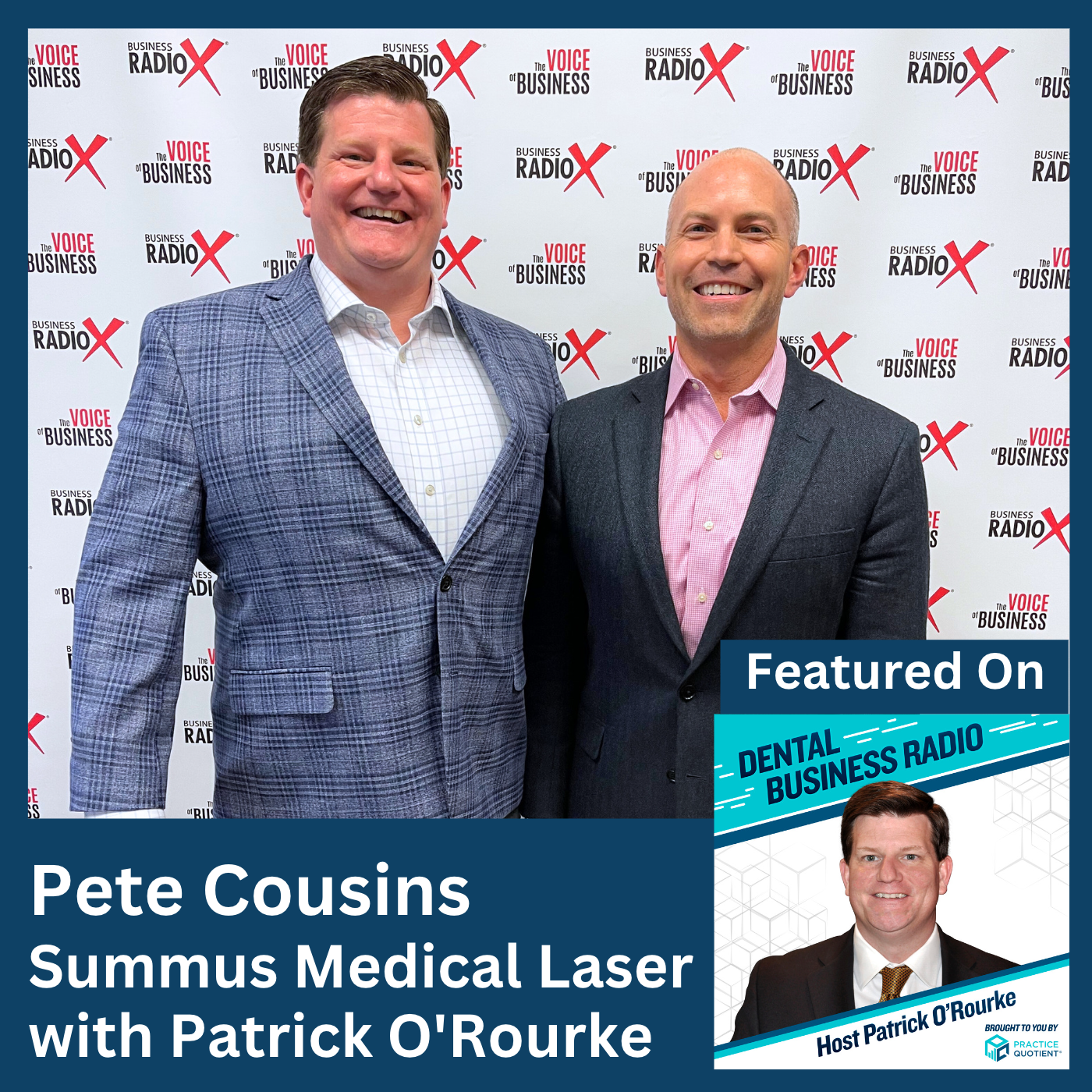
Pete Cousins, Summus Medical Laser (Dental Business Radio, Episode 41)

Pete Cousins, CCO at Summus Medical Laser, visited with host Patrick O’Rourke to talk about photobiomodulation and the uses for the medical laser. Pete discussed the depth and history of research, its efficacy across multiple health verticals, why more dental care providers should be aware of this technology and its benefits for patients, the impact on oral health, efforts to spread awareness, and much more.

Dental Business Radio is underwritten and presented by Practice Quotient: PPO Negotiations & Analysis and produced by the North Fulton studio of Business RadioX®.

Summus Medical Laser

Summus is a U.S. pioneer in Class IV laser therapy with over 18 years of experience.

Summus Laser was established in 2018 although the Founder and CEO, Dr Richard Albright was a pioneer in the field of Photobiomodulation in 2004 by becoming the 2nd company in the US to receive FDA clearance for this ground-breaking technology.

Their mission is simple- to improve lives through laser therapy.

Their growth comes from our relentless commitment to constantly improve their lasers, provide reliable stateside service, follow science in our product development, supply effective consumer marketing tools, and deliver world-class training. No matter which of our models best fit your practice, you can be assured a Summus Medical Laser will improve your efficiency, broaden the therapy options you offer, and provide safe, rapid relief resulting in satisfied and returning patients.

Franklin, Tennessee, Summus’ hometown, is a historic, yet innovative place with solid values and a community of generous neighbors. No matter where you are in the world, you can count on those same values in the Summus team and the lasers they offer as you generously serve those who need your care.

Company website | LinkedIn | Facebook | Instagram

Pete Cousins, Chief Commercial Officer, Summus Medical Laser

Pete Cousins, Chief Commercial Officer, Summus Medical Laser

With over 20 years experience in commercial leadership across multiple healthcare verticals and in industry leaders such as Patterson Dental, Pete has been fortunate to help hundreds of providers with incorporating technology that improves patient care and increases business profitability.

LinkedIn


About Dental Business Radio

Patrick O'Rourke
Patrick O’Rourke, Host of “Dental Business Radio”

Dental Business Radio covers the business side of dentistry. Host Patrick O’Rourke and his guests cover industry trends, insights, success stories, and more in this wide-ranging show. The show’s guests include successful doctors across the spectrum of dental practice providers, as well as trusted advisors and noted industry participants. Dental Business Radio is underwritten and presented by Practice Quotient and produced by the North Fulton studio of Business RadioX®. The show can be found on all the major podcast apps and a complete show archive is here.


Practice Quotient

Dental Business Radio is sponsored by Practice Quotient. Practice Quotient, Inc. serves as a bridge between the payor and provider communities. Their clients include general dentist and dental specialty practices across the nation of all sizes, from completely fee-for-service-only to active network participation with every dental plan possible. They work with independent practices, emerging multi-practice entities, and various large ownership entities in the dental space. Their PPO negotiations and analysis projects evaluate the merits of the various in-network participation contract options specific to your Practice’s patient acquisition strategy. There is no one-size-fits-all solution.

Connect with Practice Quotient

Website | LinkedIn | Facebook | Twitter

Tagged With: dental business, Dental Business Radio, dental industry, Healthcare, medical laser, Patrick O'Rourke, Patterson Dental, photobiomodulation, Practice Quotient, Summus Medical Laser

Clinch Memorial Hospital CEO Angela Ammons joins Host Randy Brunson (Part 2 of 2)

January 2, 2023 by Amanda Pearch

Forsyth Studio
Forsyth Studio
Clinch Memorial Hospital CEO Angela Ammons joins Host Randy Brunson (Part 2 of 2)
Loading
00:00 /
RSS Feed
Share
Link
Embed

Download file

                                            Angela Ammons joins host Randy Brunson

Hospital CEO Angela Ammons shares her fascinating story of how she turned a small rural hospital on the brink of closing its doors into an accomplished award-winning hospital.

Randy Brunson/Centurion Advisory Group

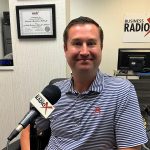
Randy Brunson is the founding shareholder of Centurion Advisory Group. Randy has invested most of his forty-year career in financial services. He spent several years on the institutional side and had the opportunity to start a successful financial planning firm in 1991. Centurion Advisory Group serves individual and corporate clients, both in Georgia and throughout the country, offering personal and business financial planning, retirement plan design and management, and investment management services.
Randy studied engineering and marketing at UT Chattanooga. Randy currently holds the Accredited Investment Fiduciary (AIF®) and CKA designation and makes it a priority to stay on top of his knowledge in the financial industry through continuing professional educational opportunities and reading. In addition, Randy has completed studies in qualified plan design, estate planning and business transition planning and he enjoys speaking and writing regularly on these topics.

Angela Ammons/Clinch Memorial Hospital

Located in Southeast Georgia, Clinch Memorial Hospital is a 25-bed critical access hospital serving Homerville, Clinch County, and surrounding counties. Clinch Memorial was originally founded in 1957 as a 48-bed rural community hospital and moved to a new facility in Homerville in 2007.

Clinch Memorial Hospital combines the innovations of a modern health care system with personalized care in a hometown setting. Their doctors, nurses, medical technicians and support staff understand how important quality healthcare is to residents of South Georgia. They go the extra mile to make sure an experience at Clinch Memorial Hospital is a great one. Their patients enjoy convenient, quality care from the medical professionals they have come to know and trust over the years.

To learn more about the Georgia Tax Credits to help support Clinch Memorial Hospital, please contact Lily James at ljames@clinchmh.org or call (912) 520-0585.

Stewarding Family Wealth is presented by

Podcasts by Amanda Pearch

Tagged With: Amanda Marmolejo, amanda pearch, centurion advisory group, clinch memorial hospital, forsyth business radiox, Healthcare, planning, Randy Brunsopn

Clinch Memorial Hospital CEO Angela Ammons joins Host Randy Brunson (Part 1 of 2)

January 2, 2023 by Amanda Pearch

Forsyth Studio
Forsyth Studio
Clinch Memorial Hospital CEO Angela Ammons joins Host Randy Brunson (Part 1 of 2)
Loading
00:00 /
RSS Feed
Share
Link
Embed

Download file

                                      Angela Ammons joins host Randy Brunson

Hospital CEO Angela Ammons shares her fascinating story of how she turned a small rural hospital on the brink of closing its doors into an accomplished award-winning hospital.

Randy Brunson/Centurion Advisory Group

Randy Brunson is the founding shareholder of Centurion Advisory Group. Randy has invested most of his forty-year career in financial services. He spent several years on the institutional side and had the opportunity to start a successful financial planning firm in 1991. Centurion Advisory Group serves individual and corporate clients, both in Georgia and throughout the country, offering personal and business financial planning, retirement plan design and management, and investment management services.
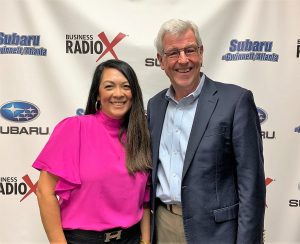
Randy studied engineering and marketing at UT Chattanooga. Randy currently holds the Accredited Investment Fiduciary (AIF®) and CKA designation and makes it a priority to stay on top of his knowledge in the financial industry through continuing professional educational opportunities and reading. In addition, Randy has completed studies in qualified plan design, estate planning and business transition planning and he enjoys speaking and writing regularly on these topics.

Angela Ammons/Clinch Memorial Hospital

Located in Southeast Georgia, Clinch Memorial Hospital is a 25-bed critical access hospital serving Homerville, Clinch County, and surrounding counties. Clinch Memorial was originally founded in 1957 as a 48-bed rural community hospital and moved to a new facility in Homerville in 2007.

Clinch Memorial Hospital combines the innovations of a modern health care system with personalized care in a hometown setting. Their doctors, nurses, medical technicians and support staff understand how important quality healthcare is to residents of South Georgia. They go the extra mile to make sure an experience at Clinch Memorial Hospital is a great one. Their patients enjoy convenient, quality care from the medical professionals they have come to know and trust over the years.

To learn more about the Georgia Tax Credits to help support Clinch Memorial Hospital, please contact Lily James at ljames@clinchmh.org or call (912) 520-0585.

Stewarding Family Wealth is presented by

Tagged With: Amanda Marmolejo, amanda pearch, Amngela Ammons, centurion advisory group, clinch memorial hospital, forsyth business radiox, Healthcare, planning, stewarding family wealth

HBS Legal Trends: Jon-Paul Croom, Wellstar North Fulton, and Alex Kaufman, Hall Booth Smith, P.C.

December 12, 2022 by John Ray

Jon-Paul Croom
Hall Booth Smith Podcast Network
HBS Legal Trends: Jon-Paul Croom, Wellstar North Fulton, and Alex Kaufman, Hall Booth Smith, P.C.
Loading
00:00 /
RSS Feed
Share
Link
Embed

Download file

Jon-Paul Croom

HBS Legal Trends: Jon-Paul Croom, Wellstar North Fulton, and Alex Kaufman, Hall Booth Smith, P.C.

On this edition of HBS Legal Trends, Hall, Booth, Smith’s Alex Kaufman welcomed Jon-Paul Croom, President of Wellstar North Fulton Hospital, to discuss what’s new at Wellstar, their new and expanded services, the hospital’s facilities and staffing, their presence in the community, and much more.

HBS Legal Trends is sponsored by Hall, Booth, Smith, PC and is produced by the North Fulton studio of Business RadioX®.

Wellstar North Fulton

Equipped with the latest technology and medical expertise, Wellstar North Fulton Hospital is committed to delivering quality, personalized care, tailored to you. Wellstar North Fulton is a Level II Emergency Cardiac Care Center, Level II Trauma Center, and Joint Commission Primary Stroke Center.

From their convenient Roswell location, Wellstar North Fulton Hospital offers the most advanced stroke care and leading therapies, specializing in complicated and complex cases. Count on their dedicated neuro team, state-of-the-art imaging technologies, and neuro-trained intensive care unit (ICU), to treat all types of strokes, including ischemic strokes, intracerebral hemorrhages, and subarachnoid hemorrhages.

Wellstar North Fulton’s team of neurosurgeons, neurocritical care physicians, and neuroradiologists perform thrombectomies, aneurysm treatments, and cerebral bypass procedures. In addition, our dedicated hybrid neurovascular suite is equipped with innovative bi-plane technology. This allows neurosurgeons to view highly detailed images of brain vessels, so our experts can customize treatments in real time. That means you don’t have to go far for expert stroke treatment.

From diagnostic testing to life-saving emergency care to physical rehabilitation, Wellstar North Fulton Hospital provides comprehensive stroke care so you can get back to life, faster.

Company Website | Facebook | Twitter

Jon-Paul Croom, FACHE, President of WellStar North Fulton and SVP at WellStar Health System

Jon-Paul Croom, FACHE, President of WellStar North Fulton and SVP at WellStar Health System

Jon-Paul Croom is the President of Wellstar North Fulton and joined the hospital in 2017.

Croom previously served as CEO of the 429-bed Central Mississippi Medical Center (CMMC) in Jackson, Miss. At CMMC, Croom was regarded as a team builder, using daily team huddles focused on delivering care that exceeded patient expectations while working to improve access to needed services. Croom opened the only burn center in Mississippi and increased the availability of inpatient psychiatric services at the facility.

Croom was also CEO for Merit Health Rankin in Brandon, Miss., chief operating officer for Clearview Regional Medical Center in Monroe, Ga., and chief operating officer for Roxborough Memorial Hospital in Philadelphia. Additionally, he served on the board of the Mississippi chapter of March of Dimes.

Croom received his bachelor’s degree from Mercer University, in Macon, Ga., and a master’s degree in both business administration and health administration from the University of Alabama at Birmingham.

Jon-Paul lives in Roswell with his wife and three children.

LinkedIn

Hall Booth Smith, P.C.

Established in 1989, Hall Booth Smith, P.C. (HBS) is a full-service law firm with six regional offices strategically located throughout Georgia, as well as offices in Birmingham, AL; Little Rock and Rogers, AR; Denver, CO; Jacksonville, Miami, St. Petersburg, Tallahassee, Tampa, and West Palm Beach, FL; Missoula, MT; Asheville and Charlotte, NC; Saddle Brook, NJ; New York, NY; Oklahoma City, OK; Charleston, SC; and Memphis and Nashville, TN.

Experienced across a wide range of legal disciplines, HBS prides itself on providing knowledgeable, proactive, client-specific counsel to individuals, domestic and international corporations, state and federal agencies, and nonprofit organizations.

At HBS they possess the legal knowledge, skill, and experience to meet our clients’ needs wherever they do business. HBS maintains the highest commitment to serve clients ethically and professionally by providing the highest quality legal representation.

Company Website | LinkedIn | Facebook

Alex B. Kaufman, Partner, Hall Booth Smith, P.C.

Alex B. Kaufman, Partner, Hall Booth Smith, P.C.

Alex B. Kaufman is a Partner in Hall Booth Smith’s Alpharetta office, and he is an experienced trial attorney who represents clients on business transactions, commercial matters, employment, and securities issues. He also counsels clients on government relations, employment issues, as well as corporate and franchise matters.

Before joining Hall Booth Smith, Alex was a partner at a national law firm and other Atlanta firms where he concentrated his practice on business law and business litigation as well as corporate matters and a wide range of employment and commercial disputes.

During law school, Alex served in Georgia Governor Sonny Perdue’s Office of Executive Counsel, and he held positions in the Appellate and Trial divisions of the Cobb County District Attorney’s Office.

Alex’s wide-ranging work and internship experience include the U.S. Department of State’s Diplomatic Affairs Division, Fulton County Superior Court Judge Craig L. Schwall, Sr.’s chambers, and The United States House of Representative’s Judiciary Committee’s Subcommittee of Crime, Terrorism, and Homeland Security.

Alex is active in Republican politics and civic leadership and was honored to be the GOP’s nominee for State House District 51. Alex has served in several Republican Party leadership positions, including serving on the State Executive Committee as well as the Fulton Country and 6th Congressional District’s General Counsel. Alex has also worked on many political campaigns, including at the Presidential level.

Community involvement is important to Alex, and he has spent considerable time on the boards of many philanthropic and educational organizations including the Georgia Rotary Student Program, The Roswell Rotary Club, The Star House Foundation, The Emory University Annual Fund, The Roswell Arts Fund, and The Westminster Schools Young Alumni Council.

Alex is passionate about trial advocacy and for years has coached the Westminster Schools’ mock trial team as well as served as an adjunct faculty member at Emory School of Law’s Trial Advocacy Program – Trial Techniques.

Alex earned a Juris Doctorate degree from Emory University School of Law and has worked as an adjunct faculty member to teach courses on trial techniques. He completed a Bachelor of Arts degree at Hamilton College and graduated with honors.

LinkedIn

Tagged With: Alex Kaufman, cancer center, cancer treatment, Cyberknife, Hall Booth Smith, HBS Legal Trends, Healthcare, Jon-Paul Croom, stroke care, Wellstar North Fulton

  • « Previous Page
  • 1
  • 2
  • 3
  • 4
  • …
  • 25
  • Next Page »

Business RadioX ® Network


Our Most Recent Episode

CONNECT WITH US

  • Email
  • Facebook
  • LinkedIn
  • Twitter
  • YouTube

Our Mission

We help local business leaders get the word out about the important work they’re doing to serve their market, their community, and their profession.

We support and celebrate business by sharing positive business stories that traditional media ignores. Some media leans left. Some media leans right. We lean business.

Sponsor a Show

Build Relationships and Grow Your Business. Click here for more details.

Partner With Us

Discover More Here

Terms and Conditions
Privacy Policy

Connect with us

Want to keep up with the latest in pro-business news across the network? Follow us on social media for the latest stories!
  • Email
  • Facebook
  • Google+
  • LinkedIn
  • Twitter
  • YouTube

Business RadioX® Headquarters
1000 Abernathy Rd. NE
Building 400, Suite L-10
Sandy Springs, GA 30328

© 2025 Business RadioX ® · Rainmaker Platform

BRXStudioCoversLA

Wait! Don’t Miss an Episode of LA Business Radio

BRXStudioCoversDENVER

Wait! Don’t Miss an Episode of Denver Business Radio

BRXStudioCoversPENSACOLA

Wait! Don’t Miss an Episode of Pensacola Business Radio

BRXStudioCoversBIRMINGHAM

Wait! Don’t Miss an Episode of Birmingham Business Radio

BRXStudioCoversTALLAHASSEE

Wait! Don’t Miss an Episode of Tallahassee Business Radio

BRXStudioCoversRALEIGH

Wait! Don’t Miss an Episode of Raleigh Business Radio

BRXStudioCoversRICHMONDNoWhite

Wait! Don’t Miss an Episode of Richmond Business Radio

BRXStudioCoversNASHVILLENoWhite

Wait! Don’t Miss an Episode of Nashville Business Radio

BRXStudioCoversDETROIT

Wait! Don’t Miss an Episode of Detroit Business Radio

BRXStudioCoversSTLOUIS

Wait! Don’t Miss an Episode of St. Louis Business Radio

BRXStudioCoversCOLUMBUS-small

Wait! Don’t Miss an Episode of Columbus Business Radio

Coachthecoach-08-08

Wait! Don’t Miss an Episode of Coach the Coach

BRXStudioCoversBAYAREA

Wait! Don’t Miss an Episode of Bay Area Business Radio

BRXStudioCoversCHICAGO

Wait! Don’t Miss an Episode of Chicago Business Radio

Wait! Don’t Miss an Episode of Atlanta Business Radio