Business RadioX ®

  • Home
  • Business RadioX ® Communities
    • Southeast
      • Alabama
        • Birmingham
      • Florida
        • Orlando
        • Pensacola
        • South Florida
        • Tampa
        • Tallahassee
      • Georgia
        • Atlanta
        • Cherokee
        • Forsyth
        • Greater Perimeter
        • Gwinnett
        • North Fulton
        • North Georgia
        • Northeast Georgia
        • Rome
        • Savannah
      • Louisiana
        • New Orleans
      • North Carolina
        • Charlotte
        • Raleigh
      • Tennessee
        • Chattanooga
        • Nashville
      • Virginia
        • Richmond
    • South Central
      • Arkansas
        • Northwest Arkansas
    • Midwest
      • Illinois
        • Chicago
      • Michigan
        • Detroit
      • Minnesota
        • Minneapolis St. Paul
      • Missouri
        • St. Louis
      • Ohio
        • Cleveland
        • Columbus
        • Dayton
    • Southwest
      • Arizona
        • Phoenix
        • Tucson
        • Valley
      • Texas
        • Austin
        • Dallas
        • Houston
    • West
      • California
        • Bay Area
        • LA
        • Pasadena
      • Colorado
        • Denver
      • Hawaii
        • Oahu
  • FAQs
  • About Us
    • Our Mission
    • Our Audience
    • Why It Works
    • What People Are Saying
    • BRX in the News
  • Resources
    • BRX Pro Tips
    • B2B Marketing: The 4Rs
    • High Velocity Selling Habits
    • Why Most B2B Media Strategies Fail
    • 9 Reasons To Sponsor A Business RadioX ® Show
  • Partner With Us
  • Veteran Business RadioX ®

How to Succeed on Social Media and Influencer Marketing – a Conversation with Jules and Megan E7

June 30, 2021 by Karen

How-to-Succeed-on-Social-Media-and-Influencer-Marketing-a-Conversation-with-Jules-and-Megan-feature
Phoenix Business Radio
How to Succeed on Social Media and Influencer Marketing - a Conversation with Jules and Megan E7
Loading
00:00 /
RSS Feed
Share
Link
Embed

Download file

How-to-Succeed-on-Social-Media-and-Influencer-Marketing-a-Conversation-with-Jules-and-Megan-feature

How to Succeed on Social Media and Influencer Marketing – a Conversation with Jules and Megan E7

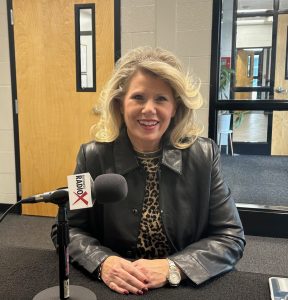
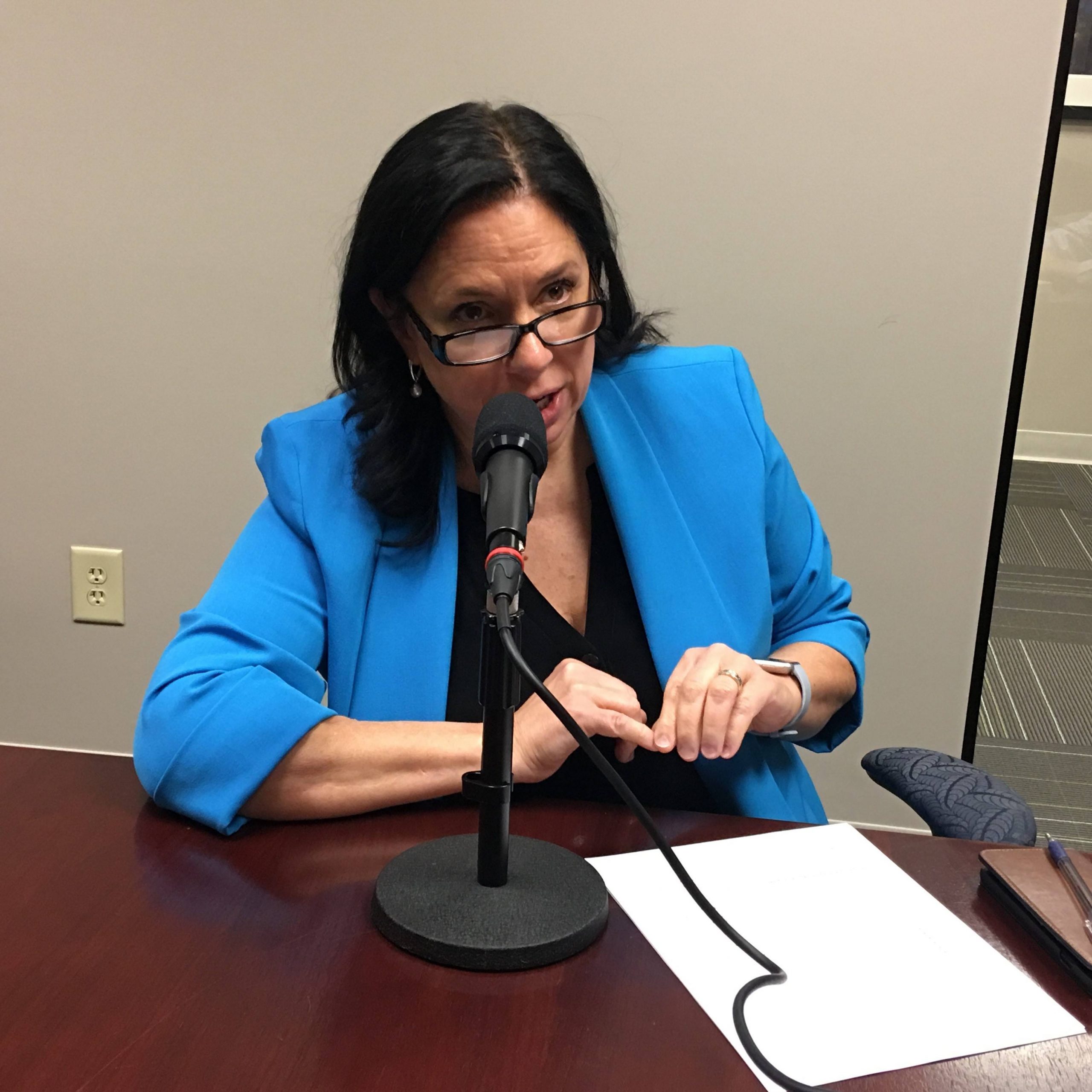
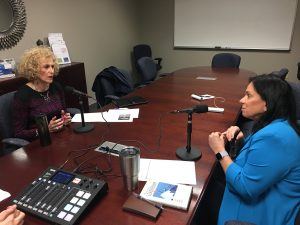
In this episode Sean and Mark welcome Megan Coghlin, the founder of Backcourt Marketing, and Julie Xander, the founder of Lifestyle Jules. Jules shares her approach to authenticity as an influencer. Megan shares the strategies to streamline Social Media to eliminate the business owner overwhelm that inevitably develops as the result of being their own Social Media strategist. You’ll learn the stories that were the catalysts for creating their businesses. Jules and Megan both share best practices of consistency to create contents that work.

Jules and Megan share best practices on maximizing Social Media to drive results. Jules shares a fun analogy to Seinfeld in her Social Media strategy to create engagement over 10’s of thousands of followers. Megan shares strategies to streamline Social Media efforts to eliminate overwhelm. It’s a fun dialog with even a dance party that started and ended the show. Enjoy!

Lifestyle-by-Jules-logo

Jules-XanderJulie Xander is a  Branding Specialist and Spokes Person. She was born and raised in Arizona, but her family roots go back to New York where my grandmother started an all woman’s department store and was the largest dress buyer in the city.

Julie’s grandfather was in the wholesale dress business creating his own lines and dealt with all the big department stores. Fashion is in her blood. In addition, she struggled as a chubby girl who loved dance and baton twirling. Through her journey to become a thin dancer, she fell in love with fitness and wound up making it her career.

Jules never lost her passion for fashion and discovered that fitness and fashion go hand and hand. When your body looks great, the clothes also look great! Her mission is to bring awareness to what is new, trendy, and an all-time class in the world of fashion, fitness wellness and beauty.

Not only does she want to highlight those categories, but the businesses that serve in helping them to gain traction and a new following.

Jules is available for hire to partner with you and/or your business to increase your brand or to push a new product or service into the market you serve.

Connect with Jules on LinkedIn, Facebook and Instagram.

Backcourt Marketing is a social media marketing agency dedicated to helping businesses of all shapes and sizes create social media strategies that win customers.

Megan-CoghlanBackcourt Marketing’s Founder, Megan Coghlan, has been reminded of the value of teamwork time after time since the company’s inception. In trying to do everything herself, she simply could not take her goals to a bigger level. So, she grew her own personal backcourt, something she believes everyone needs.

Coming from a family of entrepreneurial spirits and self-starters, it was only going to be a matter of time before Megan took her own path and started something new. Megan is the main marketing consultant and social media content director for Backcourt Marketing. Backcourtlogo1

She teaches business owners smart marketing strategies, advocates for their brand and helps them win through the plans created. She understands the value of building a legacy and finds her passion working for family businesses started by someone with that goal in mind.

As someone trying to do the same thing, she will become a part of your family as she works with you.

Connect with Megan on LinkedIn and follow Backcourt Marketing on Facebook and Instagram.

About Cultivating Collaboration on Avontage

Avontage-Podcast-Graphics1Sean Sarram, CEO and Founder Avontage is the host of this interview-style live radio/podcast show to highlight the members of the Avontage community. His co-host, Mark Jamnik, is Owner and Time Creation Coach at Enjoy Life Daily.


On this podcast we learn about the skills and services offered on our platform and how our members collaborate to grow their businesses; hence the name “Cultivating Collaboration on Avontage”.

About Avontage

Avontage is the future of work. We are a like-minded community of experts, forward-thinking entrepreneurs, and highly skilled freelancers solving each other’s pain points. We do that by trading skills and services on a trusted and safe platform.

Business barter trading is on the rise and it is the smartest way to achieve scalable growth during these challenging times.

Avontage-logo

About Your Hosts

Sean-Sarram-Cultivating-Collaboration-on-Avontage-PodcastSean Sarram, the CEO and Founder of Avontage, is a seasoned executive with an entrepreneurial mindset. With a software engineering degree in Computer Science from Arizona State University, Sean enjoys building technology to solve hard problems that affect everyday life.

His mission is to build a trusted community marketplace for local business owners, marketers, entrepreneurs, freelancers, and creatives to collaborate, gain high quality clients, and help them grow your businesses without spending money.

Sean believes in Collaborative Capitalism, where small businesses collaborate and trading-exchange their skills and services to elevate one another.

Connect with Sean on LinkedIn, and follow Avontage on Facebook, Twitter and Instagram.

Mark-Jamnik-Cultivating-Collaboration-on-Avontage-PodcastMark Jamnik lives and breathes productivity & coaching. After a decade in advertising sales, he was recruited by the Tony Robbins’ organization, to be 1 of 100 active global coaches. He coached over 300 CEO’s, entrepreneurs, & sales professionals, maximizing their effectiveness in achieving their goals.

Over the last decade he focused on his own entrepreneurial journey creating a healthy relationship with time. Now he consults CEOs and entrepreneurs with time creation and organization strategies to maximize productivity stress-free.

Connect with Mark on LinkedIn and Facebook.

Enjoy-Life-Daily-logo2-300x139

Tagged With: Beauty from the inside out, Brand promoter, emcee, fitness professional, influencer, Lifestyle by Jules, Social media agency, social media marketing, social media marketing phoenix

Decision Vision Episode 70: How Do I Build My Personal Brand? – An Interview with Jared Kleinert, Meeting of the Minds

June 18, 2020 by John Ray

How do I build my personal brand?
Decision Vision
Decision Vision Episode 70: How Do I Build My Personal Brand? - An Interview with Jared Kleinert, Meeting of the Minds
Loading
00:00 /
RSS Feed
Share
Link
Embed

Download file

How do I build my personal brand?

Decision Vision Episode 70: How Do I Build My Personal Brand? – An Interview with Jared Kleinert, Meeting of the Minds

“How do I build my personal brand?” is a question many are struggling with right now. If you’ve been successful at building relationships face to face, how do you pivot in an environment where relationships must be developed digitally? USA Today‘s “Most Connected Millennial,” Jared Kleinert of Meeting of the Minds, joins “Decision Vision” to discuss this issue with host Mike Blake. “Decision Vision” is presented by Brady Ware & Company.

Jared Kleinert, Meeting of the Minds

Jared Kleinert is the founder of Meeting of the Minds, as well as a TED speaker, 2x award-winning author, and USA Today‘s “Most Connected Millennial”.

His invite-only mastermind community, Meeting of the Minds, curates top entrepreneurs, CEOs, and business owners for quarterly summits in places like Napa Valley, Atlanta, Los Angeles, New York, and Bermuda. Members of this network, typically operating 7-figure businesses with no outside investors) enjoy more predictable revenue, increased profitability, and sustainable growth for their companies in addition to new life-long friendships and long-term business partnerships.

In the last two years, Jared has invited over 100 diverse “super-connectors” and subject matter experts into Meeting of the Minds, including CEOs of 7, 8, and 9-figure businesses, creators of globally-recognized brands and social movements, New York Times bestselling authors, founders of pre-IPO tech unicorns, former Fortune 500 c-suite execs, and others.

Jared’s career began at 15 years old when he started his first company, and took off at 16 while working as the first intern, and then one of the first 10 employees, for an enterprise SaaS company called 15Five, which today has raised over $40M and has almost 2000 forward-thinking companies as monthly recurring clients. 15Five is the market leader for software powering continuous employee feedback, high-performing cultures, objectives (OKR) tracking, etc.

Later, Jared would become a delegate to President Obama’s 2013 Global Entrepreneurship Summit in Malaysia, write multiple books including the #1 Entrepreneurship Book of 2015, 2 Billion Under 20: How Millennials are Breaking Down Age Barriers and Changing The World, and speak at TED@IBM the day before he turned 20.

As a highly-sought after keynote speaker and consultant on engaging Millennials in the workplace, Jared’s clients range from organizations like Facebook, Samsung, Bacardi, Estee Lauder, IBM, Cornell, Berkeley, AdAge, and the National Speakers Association. His insights on entrepreneurship and networking have been featured in major media such as Forbes, TIME, Harvard Business Review, Fortune, NPR, Entrepreneur, Mashable, Fox Business and more.

Join Jared’s private email newsletter group at motm.co/newsletter.

Michael Blake, Brady Ware & Company

Mike Blake, Host of the “Decision Vision” podcast series

Michael Blake is Host of the “Decision Vision” podcast series and a Director of Brady Ware & Company. Mike specializes in the valuation of intellectual property-driven firms, such as software firms, aerospace firms and professional services firms, most frequently in the capacity as a transaction advisor, helping clients obtain great outcomes from complex transaction opportunities. He is also a specialist in the appraisal of intellectual properties as stand-alone assets, such as software, trade secrets, and patents.

Mike has been a full-time business appraiser for 13 years with public accounting firms, boutique business appraisal firms, and an owner of his own firm. Prior to that, he spent 8 years in venture capital and investment banking, including transactions in the U.S., Israel, Russia, Ukraine, and Belarus.

Brady Ware & Company

Brady Ware & Company is a regional full-service accounting and advisory firm which helps businesses and entrepreneurs make visions a reality. Brady Ware services clients nationally from its offices in Alpharetta, GA; Columbus and Dayton, OH; and Richmond, IN. The firm is growth minded, committed to the regions in which they operate, and most importantly, they make significant investments in their people and service offerings to meet the changing financial needs of those they are privileged to serve. The firm is dedicated to providing results that make a difference for its clients.

Decision Vision Podcast Series

“Decision Vision” is a podcast covering topics and issues facing small business owners and connecting them with solutions from leading experts. This series is presented by Brady Ware & Company. If you are a decision maker for a small business, we’d love to hear from you. Contact us at decisionvision@bradyware.com and make sure to listen to every Thursday to the “Decision Vision” podcast. Past episodes of “Decision Vision” can be found here. “Decision Vision” is produced and broadcast by the North Fulton studio of Business RadioX®.

Visit Brady Ware & Company on social media:

LinkedIn:  https://www.linkedin.com/company/brady-ware/

Facebook: https://www.facebook.com/bradywareCPAs/

Twitter: https://twitter.com/BradyWare

Instagram: https://www.instagram.com/bradywarecompany/

Show Transcript

Intro: [00:00:02] Welcome to Decision Vision, a podcast series focusing on critical business decisions. Brought to you by Brady Ware & Company. Brady Ware is a regional, full-service accounting and advisory firm that helps businesses and entrepreneurs make visions a reality.

Mike Blake: [00:00:22] And welcome to Decision Vision, a podcast giving you, the listener, clear vision to make great decisions. In each episode, we discuss the process of decision making on a different topic for the business owner’s or executive’s perspective. We aren’t necessarily telling you what to do, but we can put you in a position to make informed decision on your own and understand we might need help along the way.

Mike Blake: [00:00:40] My name is Mike Blake, and I’m your host for today’s program. I’m a Director at Brady Ware & Company, a full=service accounting firm based in Dayton, Ohio, with offices in Dayton; Columbus, Ohio; Richmond, Indiana; and Alpharetta, Georgia. Brady Ware is sponsoring this podcast, which is being recorded in Atlanta per social distancing protocols. If you like this podcast, please subscribe on your favorite podcast aggregator, and please consider leaving a review of the podcast as well.

Mike Blake: [00:01:06] Today, we’re going to discuss the topic, do I need to go all in on building a personal brand? And ever since this coronavirus thing really hit home, and we’ve all been sent scattering to our homes and hastily building work-from-home workstations, complexes, turning dining room tables into corporate headquarters and so forth, I’ve been thinking a lot about this topic because I’m in very much an old-industry firm. Well, let’s face it. I think that some of our firms and us included are actively thinking about how to best adopt and adapt to modern business techniques, practices, methodologies.

Mike Blake: [00:02:00] But the fact of the matter is the world is and has changed. And I don’t think that it’s at all a guarantee that it’s going to go back to the way it was, say, February 1st of January 15th. And as I think about that, I think about my business partners, I think about my colleagues, I think about my clients, I think about people that are in my ecosystem whom I care about, and I wonder what is to become of them if their primary method for building a brand or buildings, not even a brand, but just sort of a circle of people that are helpful to them. I don’t know what the word for that would be, so I’m going to just use that very awkward terminology. But what’s going to become of them, right? What what becomes of you if your primary vehicle for initiating and developing relationships is networking, and exchanging physical business cards and shaking hands with people, or God forbid, hugging them? It’s just what becomes of you if that’s your world? And frankly, that’s how you have been successful for the last 35 years of your career.

Mike Blake: [00:03:23] And the honest, no-sugar-coating answer as I try to do on this podcast is an asteroid has hit. Now, it’s hit on the other side of the planet. So, the shockwave hasn’t really hit. It’s hit in Mexico, but we’re in Eastern Europe. And so, the shockwave hasn’t hit. The fragments of molten lava or volcanic rock haven’t rained down on us yet. So, there’s a little bit of time. But the fact of the matter is an asteroid has hit. And these conferences, these seminars, these professional meetings, trade associations, happy hours and so forth, at a minimum, I don’t know anybody that thinks they’re going to come back tomorrow. And I’m of the camp that I’m not sure they’re going to come back maybe ever, certainly not in the medium term.

Mike Blake: [00:04:21] And so, what do you do? As a company, I don’t care how many costs you cut, there’s not a single company out there that is viable long term if you don’t generate revenue. And I don’t care what ever sort of other things you do in terms of building infrastructure and trying to be else helpful to your company that you work for or that your own. And I’m on record of saying this, if you’re not a profit center, you are expendable. And as I’m recording this on May 8th, 2020, the most recent unemployment figure shows 14.5% unemployment, which is better than I thought it would be. I think we’ll see 20%. And you do not want to be in a position where somebody looks at you as a cost, and you’ve got to be a profit center. A profit center is somebody who, generally, there are exceptions to this, but somebody who is going to bring in revenue.

Mike Blake: [00:05:22] And because the world we’re in now, because that’s sort of active ping that we’re used to is just off the table, what do you do? And I think the answer is about building a personal brand where you don’t have to meet people directly. And I think I’ll say with as much modesty as I can muster, I’ve had some success doing that. And Exhibit A is that I have never met over half of my clients in person. And I think that’s a help. Showing them my face is not going to close deals, I promise. But the fact that my clients really don’t care if they ever meet me in person I think shows that there’s a personal brand out there that’s had some effectiveness. And it’s not because I’m great at it. It’s just because of something that I chose to do.

Mike Blake: [00:06:15] And so, I’m picking this topic and I’m picking this topic now because I think it’s something that everybody out there has to be thinking about, even if you’re not an executive. I received a LinkedIn message from a friend of mine yesterday who has a son that wants a business internship. I know very few people are handing out internships right now. They’re trying to figure out how to keep their 30-year or 20-year employees busy and paid. So, where’s that internship going to come from? And my answer was, if you want to stand out, start building that personal brand. I only came to this party 15 years ago. I wish I would have had the opportunity and the foresight at age 20 to start doing this. I’d be miles ahead. And that’s the way I think you’re going to stand out, even as somebody who’s looking for an internship, have a personal brand, have a reason for people to know you, to remember you, to identify you as a special individual that’s bringing something that’s unique and special to the table.

Mike Blake: [00:07:22] And happily, my thinking on this topic coincides with something that, for me, has been very fortunate. About a year ago, I made a new friend name named Jared Kleinert. And to be candid, I had never heard of him before, but he reached out to me and was introduced to me because at the time, he was planning to move to the ATL, which he has since done and we’re delighted for that, but it turns out that even in his teens, he has understood organically about the importance about building a personal brand. Literally, it’s not hyperbole to say that he’s a genius and a prodigy of doing that. And when I read off his bio, you’re going to see why.

Mike Blake: [00:08:12] He’s a guy that sort of has this in his DNA. And I’m delighted that he’s agreed to come on to talk about this because I cannot think of anybody better. You can have your Gary Vaynerchuks, you can have your Tim Ferris’s, and they’re all great. You can give me Jerry Kleinert every day of the week. So, I want to introduce Jared, whose current deal is he’s founder of Meeting of the Minds, as well as a TED speaker, as a multi-award winning author, and has been named as USA Today’s Most Connected Millennial. Okay. So, maybe maybe you’re kind of getting this now.

Mike Blake: [00:08:53] His invite-only mastermind community, Meeting of the Minds, curates top entrepreneurs, chief executive officers and business owners for quarterly summits. Members of this network, typically, operating seven-figure businesses with no outside investors enjoy more predictable revenue, increased profitability, and sustainable growth for their companies, in addition to new lifelong friendships and long term business partnerships. And we talked a little bit about this topic with Marc Borrelli in a previous episode, where he talked about professional and business peer groups such as Vistage and talked about the value of those sorts of things. What Jared does is the same thing, but I think it’s more exclusive and a little bit more amped up on steroids.

Mike Blake: [00:09:36] Jared’s career began at 15 years old when he started his first company and took off at 16 while working as the first intern, and then one of the first employees for an enterprise SaaS company called 15Five. And we had one of their founders, Shane Metcalf, come on to talk about how to be an effective remote worker. And I hope you enjoyed that podcast because it was terrific, and I’m still begging him to introduce me to Simon Sinek who, as everybody knows, I have a disturbingly high man crush on. And today, 15Five has raised over $40 million and has almost 2000 forward thinking companies as monthly recurring clients.

Mike Blake: [00:10:13] Jared is the author of multiple books, including the number one entrepreneurship book of 2015, 2 Billion Under 20, which I have read,  How Millennials Are Breaking Down Age Barriers and Changing the World. And he spoke at TED at IBM the day he turned before 20. Jared, thank you so much for for coming on.

Jared Kleinert: [00:10:34] Yeah, thanks for having me. And I appreciate the flattery. I’m going to have to take the quote of, “You can have your Gary Vaynerchucks, you can have your Tim Ferris, but I’ll take Jared any day.” I appreciate that.

Mike Blake: [00:10:48] Well, it’s open source. I mean, I’ve already gotten the podcasts. I have no incentive to suck up to you. What you’ve accomplished is remarkable. And you’ve done so in a way where I presume it’s basically self-taught, where there are people my age with gray hair and arthritic ankles and all that we would love to accomplish that in a lifetime. And now, you realize, boy, we really need to accomplish stuff like that in a lifetime. So, having you with your talents and your story here, it’s really, I think, a terrific resource for our listeners. And frankly, I’m going to nag all the partners in my firm to listen to this.

Jared Kleinert: [00:11:33] Yeah. And none of us are completely self-taught. I mean, I’ve benefited from meeting hundreds of the world’s smartest and most talented millennials, and consulting for people who have New York Times bestselling books, and who are Rhodes scholars, and who are really world class of what they do. So, I’ve been very fortunate over time to download as much as I can from the people around me, but I think that’s part of why we’re talking about this topic today is that you are know the average of the people you meet and how high of a quality time you spend with them.

Mike Blake: [00:12:11] So, let’s start at the very beginning. Who needs a personal brand? Why do you need one?

Jared Kleinert: [00:12:18] Yeah. I mean, I think everyone. I started my first business at 15 and didn’t know anyone and didn’t know anything. I really began my career with a series of cold e-mails that I was doing to individuals on the West Coast of the United States when I was living in South Florida where I was born and raised. And so, in a way, I’ve been practicing some of the reach-out methods to influential people in the hustle and the relationship-building efforts that we can all apply during this time of social distancing. And so, started my first business at 15, failed miserably. I didn’t know anything about the industry I was playing in. I didn’t know anything about my competitors. I didn’t have enough capital.

Jared Kleinert: [00:13:10] Biggest mistake I made was poor mentor selection. And I was spending six months hanging out with a guy who I later found out had served time in prison for securities fraud on Wall Street, which is definitely not who you want to associate with if you want a long, prosperous career as an entrepreneur.

Mike Blake: [00:13:29] Yeah, nowhere to go but up.

Jared Kleinert: [00:13:30] Yeah. So, at 16, I had negative connections and negative experience, but I realized that I needed to do a 180 and surround myself with not just high integrity individuals because I think you have to be around great people first and foremost, but also people that were real subject matter experts at what they’re working on. I think that part is really important as well. And so, that’s when I sent a cold email to David Hassell, the CEO and founder of 15Five, Shane’s co-founder. And I reached out because I read about him. He was called the most connected man you don’t know in Silicon Valley, according to Forbes. And when I was thinking about reaching out, I had to think about what I could offer him, why would he give me his time of day. He was a serial entrepreneur, he had a successful business going, and he had a great network and a great brand, or another word we could use for brand is maybe reputation in this conversation. And I was just a 16-year-old kid in Florida who had spent six months learning under a former white collar convict and had a failed startup.

Jared Kleinert: [00:14:45] So, nevertheless, I sent him an email, basically offered to work for free in exchange for his mentorship. And that led to an internship in his company, which led to me being one of the first 10 employees at his company. And from there, that single super connector in David snowballed into a whole network of people that I’m still in touch with today, Advisors of 15Five, some of their clients. In fact, one of their former clients is now speaking at a camp or at an event I’m hosting in about a week at time of recording. And you also build the skillset of reaching out to more people like David.

Jared Kleinert: [00:15:30] You also pick up social proof along the way. Like I reached out to David. I’ve now established some experience in working for 15Five. I can leverage that in a tasteful manner, of course, but I can leverage the fact that he took a chance on me. I can leverage the trust that he’s built with other people in his network when I’m starting to build a relationship with those people off of his introduction or recommendation. When I called and emailed other people, I can leverage the work that I did at 15Five and anything else that I accomplished in the two years I was there, which I’ve done a TEDx talk, I got a book deal for my first book when I was 17.

Jared Kleinert: [00:16:12] And so, I replicated this model. I reached out to Keith Ferrazzi, who’s the author of Never Eat Alone, when I was 18. I sent another cold email. This time, I was able to better leverage some social proof I’d built up, which I think opened the conversation much more easily, but I still was looking to provide value to him as the first matter of business. And that effort turned into him becoming my first ever client of a marketing consulting firm that I ran. Again, I got to meet a ton of new people through him and with that case study.

Jared Kleinert: [00:16:46] So, I think what I’ve been able to do, which is definitely needed now more than ever, is find ways to meet influential people, build deep, meaningful relationships, and do so without relying necessarily on an in-person interaction at first; although, of course, that’s an important part of deepening relationships whenever you can do that. And I think at some point, we’ll go back to normal and we’ll have events. In my company, Meeting the Minds, it is driven by these three-day in-person experiences; although we’re figuring out how we do things virtual in the time being. So, I hope we go back to normal at some point. Yeah, even just the origin story of who I am and who I’ve been able to learn from and work with, it was all through a connections made virtually.

Mike Blake: [00:17:37] So, I want to ask you about the cold emails because I think that’s fascinating. Many people are reluctant to send cold e-mails. And I’m not sure why. The worst that could happen realistically is they’re just not going to respond. Unless you just say something completely just bad, they’re not going to bother to denigrate you with a response and they’ll just say … you might get an autoresponder, whatever it is. But what got you to start sending out cold e-mails because you’re too young to be scared of doing that, or did somebody advise you to doing out, or how did you get to that?

Jared Kleinert: [00:18:22] I think part of it was the pain that I had in having a really terrible mentor at first. So, I hope that you don’t need to have pain before you start cold e-mailing or sending more cold e-mails. And of course, the best cold e-mail is not having to send one at all. It’s to have a mutual connection where there is trust between you and that mutual connection, and then that mutual connection and whoever you’re trying to reach out to, be it a potential client, or mentor, or joint venture partner, vendor, et cetera, potential podcast guests. But if you are resorting to sending a cold e-mail, then how do we do that in the best fashion possible? Because even if you send the perfect cold e-mail, you may not get a response, as you were saying. It may take two, three follow-ups. Maybe they just are awful at e-mail or, perhaps, other things are going on like global pandemics that they have to deal with.

Mike Blake: [00:19:20] Oh, yeah, that.

Jared Kleinert: [00:19:21] Yeah. So, if you are going to send a cold e-mail, I think it’s a great strategy for potentially meeting some new people. And I don’t think there’s a huge barrier to doing it. It’s finding their e-mail address and sending a worthy message. And so, for me, I always start with the social proof that I have to offer. So, nowadays, it’s easy. I met Ted and TEDx speaker, award-winning author. I got this USA Today’s Most Connected Millennial thing. I have a lot of social proof that I can leverage. And then, specifically, for certain industries or individuals I’m reaching out to, I can reference a mutual friend in my subject line or I can reference something that we have in common.

Jared Kleinert: [00:20:07] But if you’re just starting out, then think about in the subject line of an email … before we even write the email, we’re just talking about the subject line. Think about social proof that you can offer, whether it’s awards that your company has won, or that you’ve won, or it’s a mutual connection that you see on LinkedIn. And if you can’t find some social proof, then, at least, try and spark intrigue, so that the other person opens your email. And you could do that by having something mysterious. Like one of my favorite subject lines is, “Quick question …” Or you can find a way to offer your value in the subject line of your email. “Hey, Mike, I have three podcast recommendations for you or three guests that I’d like to introduce you to.” You’re probably going to open up that email even if you had no idea who I was because it’s personal and it’s related to how I might be able to offer you value.

Jared Kleinert: [00:21:04] And so, then in the subject line or in the body of the email, quickly introduce yourself, but do it in a sentence or two. “Hi, I’m Jerry Kleinert,” and insert that social proof that you have or insert what you do. Then, the bulk of that e-mail should really be how you can help someone. And so, to send a proper cold email, you should be doing your research in advance. And that’s where the power of the internet comes into play and where you could actually start better initial conversations potentially than if you met someone randomly at a conference because you have the luxury of stepping back, doing a lot of research on what that person may want or need, what they care about.

Jared Kleinert: [00:21:50] And then, you can craft the perfect pitch or the perfect email to them to show them how you can be valuable, how you can be valuable right now, and what the next step should be, which is, “Hey, let’s …” You should end your email with a call to action like, “Let’s get on a call,” or “When are you available?” or “Let’s hop on Zoom,” something like that. So, I do think the cold email or the art of reaching out to new people digitally does pose some benefits from being able to think about what you can offer as valuable, what the other party is going to find as a trustworthy source of credibility, your social proof, and then the value you can offer them, which is why they’re going to pay attention to you and your message right now when there may be other competing priorities or other people reaching out, other salespeople trying to get money from them, et cetera.

Mike Blake: [00:22:51] So, you’ve built, obviously, a personal brand. I think, for good or ill, I hope this is accurate, but I do think of your personal brand as the millennial who really gets it and has figured out a lot of the secret sauce, secret formula to digital media, to digital relationship building, and so forth. And my question is this, is that at what point did you go from trying to find a mentor that was better than the train wreck that you initially had to becoming a cohesive plan around building a personal brand where you going to be known for X? How did that evolve?

Jared Kleinert: [00:23:39] Yeah. I think the biggest strength of my brand, as you call it, is the quality of my network. And I’ve certainly taken steps to not just build a great network, but then to amass social proof, to let it be known to the world that I am a quality person to connect with. And so, in terms of thinking about that social proof curation process, as we can call it, I would start with what your ideal customers, or what your ideal friends, or mentors would find to be trustworthy. So, things like Ted and TEDx are trustworthy.

Jared Kleinert: [00:24:20] I’m really clear about saying I’m an award-winning author as opposed to a bestselling author because I know that there is a lot of people that can write a book post on Amazon and be a bestselling author with three book buys and an esoteric category in an hour from their friends for 99 cents. I’m really salty about that. So, I say award-winning because it’s a lot harder to win awards. And if I was a New York Times bestselling author, I’d put on I’m a New York Times bestselling author, but I’m not. So, I’ve found different ways to leverage the assets I have and to go acquire those as quickly as possible.

Jared Kleinert: [00:24:57] If you’re part of my business as I’m a keynote speaker and I’m a consultant for major companies occasionally. And so, you have a potential speaking client is looking at me and my body of work, what are going to be the other companies that they’re gonna look at and sort of deem trustworthy? What are the news sources they’re going to look at and deemed trustworthy, the podcasts they’re going to look at, et cetera. So, I even if it’s working for free or taking a reduced fee, I went and tried to get Facebook, Samsung, Bacardi, Estée Lauder, IBM, you know, National Speakers Association, you could you can go to associations as well, those are all groups that I worked with because, in part, I wanted to shine a light on the quality of my work for other people who were interested in connecting with me.

Jared Kleinert: [00:25:48] So, there’s that aspect to it in terms of building my network because I think the quality of my network and the diversity of my network is where my brand and reputation really shine and why people connect with me. I think, again, there was a snowball effect at first with building my network. So, being a good person, looking to provide value up front, and then focusing my efforts on connecting with one super connector in David or in Keith Ferrazzi a couple years later.

Jared Kleinert: [00:26:21] And then, from there, it’s leveraging that connection to connect with more super connectors. And the dirty secret is someone like Keith Ferrazzi or someone like David has dozens, if not hundreds, of friends who are also very well connected, very well regarded in their fields. And so, I, in turn, can meet those people. And when I’m connecting with those individuals, we’re starting at a much deeper level of our relationship because we’re both leveraging the trust of David or whoever that connector is in that situation.

Jared Kleinert: [00:26:56] And so, it’s important to keep your quality of work high. And when I say be a good person, it’s not just Mother Teresa type doing good deeds, but it’s also having high quality products and services, and showing up on time, and working hard, and some of those basic statements. But as long as you’re continually a good person, and you’re continually looking to provide value, then your network is going to grow exponentially when you focus on these super connectors. And you can focus on super connectors in your industry. I’ve made it a particular point of interest to focus on super connectors from diverse industries and fields because that is my leverage in the marketplace as I have perspective across hundreds of industries and access to hundreds of other communities if and when I need it.

Jared Kleinert: [00:27:48] So, hopefully, that’s answering your question, but I think it’s being mindful about who you’re connecting with. And then, it’s also thinking about what’s it going to take for that other person to trust me. And so, that’s going to be a mutual connection. Or if you don’t have the luxury of a mutual connection and/or you want to bolster that mutual connection’s introduction, then you can go and amass social proof in the form of press, and podcast interviews, and all this stuff that you might say is your brand online. And then, make sure you put it in places where people are going to see it, your LinkedIn bio, your email signature, going on different shows that have a decent audience. So, I’ve been interviewed by Larry King and and New York Times bestselling authors like Neil Strauss with a big following in the entrepreneurial community, or have been referenced on James Altucher Show, even though I haven’t done a full interview with him. So, then it’s thinking about from a distribution standpoint, like where are my ideal clients, partners, friends going to hear about me in a one to many fashion, if it’s not through a mutual intro or it’s not through a cold email.

Mike Blake: [00:29:02] So, let me ask you this. So, you’ve done, I mean, the TED talks. And I realize I gotta go back and actually watch. I’m embarrassed I’ve not, but I will. Did did those come before you are in the process of building a personal brand, or did you look back to say, “Hey, I did these TED talks and I wrote this book. That’s pretty cool. I, now, have a personal brand that’s kind of evolving, and I’ve got to figure out a way to be a good steward of it or be a good caretaker”? What was the order of operations there?

Jared Kleinert: [00:29:41] For me, I think it was pretty the personal brand building exercises were centric around book launches and around sort of getting a certain mission out into the world. I think it’s cyclical too. I’m now thinking about how we grow Meeting of the Minds and what are the new assets in my brand that I need to build to better reach more of our ideal clients. And so, I can look back at what I’ve done, and comb through what I have, and maybe pick some of the top interviews, or pick some of the top places I’ve spoken at, or individuals that I’ve worked with, and then reference those.

Jared Kleinert: [00:30:29] I would recommend, if you’re listening to this and you don’t have a lot of social proof built up, I would build that as quickly as possible, so that you can go back to revenue-generating activities and some of the other stuff. I think that the main thing here is you want to spend as much time as possible leveraging your social proof and building your network and your business instead of what some of my peers do, and they spend a lot of time chasing press opportunities and chasing “fame,” for lack of a better word. I’m not really interested in doing too many paid or doing too many speaking gigs right now unless they’re paid. I don’t need more social proof in terms of stages I’ve been on. But at the beginning, when I was looking to build out part of my business or leverage stages I’ve spoken on for Meeting of the Minds or for book launches, it was very important for me to get as many high quality speaking gigs as possible, and get as many names or logos I could reference on my speaking pager or wherever.

Jared Kleinert: [00:31:33] So, it depends on where you’re at. If you’re starting out with a new business, or new industry, or you’re earlier in your career, then I would build that social proof as quickly as possible, so you could spend more time leveraging it. But it also makes sense to view it or look back at it cyclically and make sure that the assets that you’ve had reflects how you can be helpful in the marketplace right now because, a lot of times, even today, I get a lot of references to my books. And while it’s great that people are reading, I want more people to know more about Meeting of the Minds. And so, I need to adjust for that. I need to make sure that what I’m putting out in the world accurately reflects how it would help our ideal member there. So, that’s a good way to think about it.

Mike Blake: [00:32:24] So, I’m going to tear up the script up a little bit here. And I want to focus on-

Jared Kleinert: [00:32:30] Oh no!

Mike Blake: [00:32:32] Such as the script is, but I want to drill down into building social proof, right?

Jared Kleinert: [00:32:37] Sure.

Mike Blake: [00:32:37] That’s dominated this conversation so far. And I get it, it’s important. I’m [indiscernible], but, now, I’m somebody that I know I need to become intentional about building this personal brand, and digital is going to be likely a big part of that. What are the things I should be thinking about now if I feel like I don’t really have a lot of social proof? What can I do that’s intentional to try to build credible social proof relatively quickly?

Jared Kleinert: [00:33:09] Yes. So, for you, we can use you as the guinea pig, you’re-

Mike Blake: [00:33:14] Good.

Jared Kleinert: [00:33:15] You’re at Brady Ware, and you have to think about how to generate new clients, especially now more than ever. But in general, part of your work is is revenue generation. It’s upselling clients that the lifetime value of those clients is higher and higher. And that once you have clients, they need to trust you to do work with them. And then, they should also be excited about referring you and so on and so forth. So, for you, it’s looking at who is your ideal clients, and then thinking about where do those people get their ongoing education. What industry news sources would they regularly read; and therefore, they may trust those sources. It’s thinking about associations that your ideal client might be part of. It can be credentials. I never went to college, so I don’t have the college credential that many people use. But I found other credentials in terms of things I’ve done that showcase. That is hard to do that; and therefore, I had to get skills, and connections, and whatnot. But it’s thinking about your ideal client and all the different things around that person that are important to know.

Jared Kleinert: [00:34:46] And so, you can probably write this down if you took half an hour or an hour to think about it. You can also ask your ideal clients and be like, “Hey, where do you go to get your ongoing education?” or “What podcast you listen to other than mine?” or “Where are you hanging out virtually right now because you can’t go to conferences.” And so, then, it’s how do you … that gives you some of the information that you’re gonna need. And yes, social proof could be being featured in Forbes, New York Times. Those are sort of the wide ranging ones. But then, it’s also getting really specific as to what are the exact places that your ideal audience needs to to hear you and see you in order to trust you and know that you’re like the perfect person for them. If you’re focusing on some sort of book launch or product launch, then you could go even crazier with this and try and book 20-30 podcast episodes. And then, wherever your ideal client is turning, they’re hearing, and seeing you, and you’re sort of a surround sound influencer for them, I think that’s a great strategy as well for a launch of sorts.

Jared Kleinert: [00:34:46] And then, you become just a trusted source. And so, when you finally do reach out with a cold email or get that mutual or get that introduction, you’re going to start your relationship on a much better footing. And then, it’s also reference material. So, it’s when you are reaching out, someone’s gonna Google you, or look on LinkedIn, or see the email signature that you have. And at first, they’re going to be like, “Who the heck is this?” And then, they’re gonna be like, “Oh, they’re actually pretty cool,” or “I could really use their product or services,” or “They’re worth chatting with,” at minimum. So, there’s benefits there from a reference standpoint, but also sort of a marketing standpoint. And I would start with, you know, who you’re trying to influence, which is probably your ideal clients as one of the main buckets of people. And then, thinking what matters to them, where are they going to get their education, and try and be in those places.

Mike Blake: [00:37:02] So interesting. So, to sum up with your advice is to get connected with wherever your target audience gets their education, gets their information because that’s all they’ll be looking and you’ll happen to be there. Interestingly, you did not say go out and write a book. You did not say go out and become a TED speaker. And you didn’t say go get an award from a national publication. So, I’m curious why that is.

Jared Kleinert: [00:37:43] I think those could be indicators of social proof, and they could also be ways that you can offer value to people. But I think the best bang for your buck is is starting with any sort of blog posts, or guest blog posts, or being interviewed on a podcast, or getting featured in some press because those are also quick and easy. And that’s more of a marketing and positioning challenge or exercise; whereas, writing a book is two years minimum of absolute torture before you get something out into the world. And most books are not good. And I think you could use that two years in other ways. So, by all means, go write a book if you are going to dedicate the time and resources to it to make it fantastic and to really serve the needs of your ideal listener. By all means, start a podcast if you think you can put the necessary investment of time, and money, and effort into it, and you’re gonna be able to get interesting guests on a regular basis that are going to serve your ideal listeners’ needs.

Jared Kleinert: [00:38:55] But you also have a business to run for most people listening to this, or you’re running a business within a business, and sort of you’re an intrapreneur. And so, again, I think if this is a conversation about networking, then it’s how do I acquire the social group as quickly as possible, so that I can go on with my life and leverage that social proof. Most of my time is not spent talking to the Ted organization, or it’s not spent talking to Forbes where I used to have a column. It’s talking to potential clients. It’s serving their needs. It’s networking with other peers, and learning from them, and discovering how I’m going to pivot my primarily in-person events business to a virtual format for the next six to nine months and how I can do my pivot in a way that maybe integrates with our long-term strategies that we can do a virtual part of our Meeting of the Minds and also an in-person part.

Jared Kleinert: [00:39:59] I think there’s a lot going on, and your network is is one big part of that, and your social proof for how you find other people in your network should become an increasingly smaller part of that. The ultimate goal is when you reach out to people, they listen. When you get introduced from someone, you immediately get a response. So, over time, you should need less and less social proof or need less to get that connection going and get to the fun stuff.

Mike Blake: [00:40:33] So, anybody who sits down on Google’s personal branding online influencer is going to run into the term “authenticity” early and often. Can you explain to our audience what authenticity means, and why is it important, and how do you project or make sure that your brand does come from a place of authenticity?

Jared Kleinert: [00:41:01] I can share what it means to me. So, it goes back to that being a good person aspect. It’s doing the work required to both have good intentions, and then to reflect that in your work. So, it always starts with the quality of your product, the quality of your service. Being authentic also means if I’m going to then start marketing or broadcasting who I am and what I do, I’m doing it in a way that reflects my values. And sure, occasionally, you may say something that is risque, or unique, or different, but it’s not to put anyone else down. It’s only to reflect who you are and what you’re working on. It’s apologizing when you mess up and providing even more value to deepen that relationship or mend that relationship.

Jared Kleinert: [00:42:04] So, for me, it starts with the work that you’re doing before you ever talk to anyone, and building great products, services, and then getting that out into the world. When you talk about networking, or marketing, or sales, I fully believe that if you have the best solution in the marketplace, then it’s a disservice if your ideal clients aren’t using your or your product or service. But if you’re selling snake oil, and then you’re trying to run a bunch of ads or leverage these social proof tactics that we’ve been talking about, I don’t think that’s authentic. I think that’s when you risk influencing people in a way that’s not in their best needs. Can you really sleep with yourself a night selling a low-quality or detrimental product or service to someone?

Jared Kleinert: [00:43:03] So, I think that’s where authenticity comes in. And I’ve never personally been too afraid of wearing what I want when I’m speaking or talking how I’d like to talk. I mean, those parts can be authentic too if you’re in a more corporate environment, being able to just be you. There’s no difference, really, in how I am sharing with you now versus how I am at home. I’m an open book. So, I guess there’s a version of authenticity there that could be debated or could be implemented or not. I mean, I respect privacy as well. I do have parts of my life that are private, but I’m pretty much the same person 9:00 to 5:00 that I am 6:00 to 9:00 or whenever.

Mike Blake: [00:43:52] So, one thing you’ve done now or you’re doing now as well, I would consider, the advanced classes that you’re evolving from Jared kind of the personal brand of the network building wonder kid into building now online communities. And so, why is that desirable to you? And how do you go about doing that?

Jared Kleinert: [00:44:21] Yes. As I was building what some have called a world-class network in record time, you have a limited amount of time. And so, you have to think about how to help as many influential people as possible with the limited time that you have. You also have to think about how you can offer value to people. And many times, I’ve found that one of the best ways to offer value to other people is by connecting them to other great people. And so, pretty early on, maybe 17 or so, I was actively creating Facebook groups and creating spaces where I was curating, which I think is a really important word and exercise. I was curating great groups of people and giving them an opportunity to meet each other and provide value to one another. And then, that becomes one-to-many networking.

Jared Kleinert: [00:45:20] And you’re also creating an environment where it’s sort of like a neural network of a brain. When two people in your online community connect with each other, they’re going to sort of think back to you as the person who connected them, even if you did nothing other than create the setting for them to connect and maybe put some guardrails in place for who’s in there, how they’re supposed to interact with one another and things like that. So, I’ve been building, I guess, online communities since 17. Nothing massive, like not tens of thousands of people, but hundreds of the perfect people.

Jared Kleinert: [00:45:55] When we were writing Two Billion Under 20 and Three Billion Under 30, we were building online communities of some of the world’s smartest and most talented millennials, so that the same people that were contributing to our book could meet each other. And that was one of the ways that we convinced these book contributors to partake as we said, “Hey, we’re asking you to contribute three to five pages of your formative life experiences to our book. And we’re going to give you access to this entire community of other world-class millennials. And then, of course, we’re going to give you exposure via the book sales and people reading your story. And I, personally, will connect you to as many people as possible or be your cheerleader. However, I can help you, I’m there. And that’s how you convince, like the founder of WordPress, or the co-founder of Duolingo, or champion athletes, or social media influencers to all partake in that work of yours.

Jared Kleinert: [00:46:51] And so, there’s all my communities. I saw it in different lenses when I was, I guess, 22 or so. So, after a few years of writing these books, building a readership, getting to speak at some great places, also building that consulting firm, which started with that connection with Keith Ferrazzi. And then, I had a marketing consulting firm where I worked with other top thought leaders. There’s only so far. You can only scale a consulting business to such capacity. And while the work I was doing with my clients I thought was very valuable, I realized that the most valuable thing I could offer was to take my clients, and to take my book contributors and readers, and bring them together, so they could meet each other because, then, they’re working with me and they’re also working with each other to grow their businesses.

Jared Kleinert: [00:47:43] And so, that’s where we started Meeting of the Minds. I do truly believe in the power of online or the power of in-person connections, even though most this conversation has been about virtual connections. So, the Meeting of the Minds, our core businesses running three-day summits where these people are flying from all over the country, sometimes, even internationally, to hang out in Napa for three days, or Bermuda for three days, or Upstate New York, or Atlanta, and they’re building deep, meaningful relationships with one another where they’re not talking about work. They’re talking about personal hobbies and things that they’re doing to better themselves. Then, they’re talking about pressing problems in their business, or exciting opportunities and projects, and helping one another, and masterminding. But that can be done digitally as well. And we’re doing that now as a way to sort of deal with the pandemic.

Jared Kleinert: [00:48:41] But ultimately, that is one of the best ways I can offer people value is by creating these spaces where someone can get a connection with me and value from me, and they can also meet all these other people that I’ve deemed trustworthy and awesome. And so, I’m now taking the social proof that I’ve built over time and extending it to my clients and extending it to my friends, and creating the space where two new strangers who I’ve curated can leverage my social proof and my relationship with each of them individually, and start a relationship with each other, and do all the things that we’ve talked about, whether it’s work together, partner, support each other, mastermind, things like that.

Jared Kleinert: [00:49:26] So, if you’re listening to this, I think you have to start with how you can best influence your ideal clients or your ideal boss if you’re looking for a dream job. Start with that like first set of connections. Then, you might think about what are all these diverse advisors, mentors, peers I’m going to need to educate me along the way and hold me accountable, make sure I don’t go off the beaten path. And then, after you’ve accomplished that, and you’ve built a great network for yourself, then it’s how do I offer this network and how do I offer what I know to others in a way that will allow my network to grow exponentially but it’ll also provide exponential value. And so, that’s where the online communities come into play. That’s where the in-person event series come into play. And anything where it’s a one-to-many communication channel. Even a podcast, I have an email newsletter that I’ve been pouring a lot of effort and energy into. That’s where the groups come into play and could be extremely valuable.

Mike Blake: [00:50:37] So, you touched upon one issue I want to make sure that we cover. I think a lot of people, even people who are experienced, frankly, can be easily discouraged because you go on YouTube, you see something that’s got 250,000 followers. If somebody’s got a LinkedIn, and they’ve got thousands of followers and so forth. You know what I’m talking about. I’m starting up, I turn on my laptop, I’ve got eight followers. And so, the question is, am I so far behind that I just can’t catch up. Is number of followers even the right metric to be looking at your opinion in most cases?

Jared Kleinert: [00:51:23] I don’t think so, no. I also struggle with the same feelings sometimes. I think it’s all about your goals. I mean, for me, I would rather have a network and a following of very influential people. So, if I have a thousand email list subscribers but they’re all serial entrepreneurs, they’re all community leaders, podcasters, authors and can influence millions of people collectively or tens of millions of people, to me, that’s success. And that’s what I was trying to accomplish with our book series. And we had 75 book contributors to both books. And so, I had a network or a community of 150 of the world’s smartest, most talented millennials. And through them, if I had something that was very compelling and worthy of the masses, we could reach 50 million plus social media followers and we could reach half a million to a million people on their various email lists.

Jared Kleinert: [00:52:21] Such as my personal goal is to be an influencer of influencers in the humblest way possible, I want to work with the the entrepreneurs, business owners, the CEOs who have a vision for how the world should work or how their industry should evolve. And I want to help them get that vision out into the world, grow their company, reach more people. Some other people have business models that are predicated on total amount of viewers or total amount of listeners. And so, then, it should be your goal to get as many people as possible to listen to your stuff. So, it’s all depending on your goals, but I’ve personally focused on the quality of my connections.

Jared Kleinert: [00:53:05] It’s also a lot of people that will take in content that may not sort of raise their hand and tell you that they’re raised or listening to the content. You may have 1000 or 5000 regular podcast listeners, and maybe five of them have told you that your show’s awesome in a review or maybe they’ve reached out on social media, but they’re still influenced by you, and they’re still coming to you every single week. And so, I’ve had countless stories of friends who have seen a Facebook post that I had about like my weight loss journey; and yet, they never liked it, they never commented, they never told me about him. Then, six months later, they’re like, “Oh, yeah. By the way, you made a post on Facebook about how you lost 20 pounds, and I started doing that. And now, I’ve lost 20 pounds.”

Jared Kleinert: [00:53:55] And so, I think it’s important to keep in mind who’s absorbing your content and information, who’s watching you from afar, and just how you’re building your career, and how you’re working who will never raise their hand and tell you that they’re doing that. And that, I guess, is truly your reputation. It precedes you before you ever meet someone. It will allow you to start new conversations with sales prospects much more easily or more difficultly depending on how you’ve built your reputation. So, I wouldn’t be fooled by subscriber counts or lack thereof. I’d really focus on just the quality of your work and the quality of the people taking in your work as you define who is an ideal customer, listener, friend for you.

Mike Blake: [00:54:51] Jared, you were very generous with your time. And I know you’ve got to go because you have a packed schedule today. I want to scratch the surface of what I had hoped to ask. How can people contact you for more information about this? If they have something we haven’t gotten to today, can they reach out to you?

Jared Kleinert: [00:55:08] Yeah.

Mike Blake: [00:55:09] How do they do that?

Jared Kleinert: [00:55:09] Jaredkleinert@gmail.com. You can find me on on social media. I have a private e-mail newsletter that I keep, which for the last 18 months I have not had an opt-in page for, and I’ve added everyone one by one because I want to keep in touch. But now, you can go to MOTM.co/newsletter and join that. I’m not going to tempt you with a free e-book or anything like that but you can see some of the past newsletter updates I’ve sent out before you subscribe. So, that’s that’s the place I’d love people to go to, reach out to me just directly through email. And seriously, I’d love to chat with you. I’ve been on a ton of podcasts, and you’d be surprised even the shows like 250,000, there’ll be two people that would reach out. So, don’t be afraid to reach out to me. You could send me a cold email, “Quick Question …” or “Mike’s podcast,” and let’s start a conversation.

Mike Blake: [00:56:12] So, I actually talked over you. Can you repeat the email address, please?

Jared Kleinert: [00:56:16] Yes. Jaredkleinert@gmail.com. So, just my name.

Mike Blake: [00:56:20] So, K-L-E-I-N-E-R-T.

Jared Kleinert: [00:56:20] Yes, sir.

Mike Blake: [00:56:24] Good. Well, Jared, thanks so much for joining us. I learned a lot, and I know our listeners have too. That’s going to wrap it up for today’s program. I’d like to thank Jared Kleinert of Meeting of the Minds so much for joining us and sharing his expertise with us today. We’ll be exploring a new topic each week, so please tune in, so that when you’re facing your next executive decision, you have clear vision when making it. If you enjoy this podcast, please consider leaving a review with your favorite podcast aggregator. It helps people find us, so that we can help them. Once again, this is Mike Blake. Our sponsor is Brady Ware & Company. And this has been the Decision Vision Podcast.

Tagged With: authenticity, Brady Ware, Brady Ware & Company, build a personal brand, building online communities, email newsletter, influencer, Jared Kleinert, Meeting of the Minds, Michael Blake, Mike Blake, millennials, personal brand, social proof

Small Business Fuel: Emmanuella Myrthil with HNTB

May 6, 2020 by angishields

HNTB
Atlanta Business Radio
Small Business Fuel: Emmanuella Myrthil with HNTB
Loading
00:00 /
RSS Feed
Share
Link
Embed

Download file

Onpay-blue

Brought to you by OnPay. Built in Atlanta, OnPay is the top-rated payroll and HR software anywhere. Get one month free at OnPay.com.

Emmanuella-Myrthil-HNTBEmmanuella Myrthil is the Disadvantaged Business Enterprise (DBE) Manager with the Program Management Consultant for the Major Mobility Investment Program (MMIP) within the Office of Innovative Delivery at Georgia Department of Transportation (GDOT).

Over the past 15 years she has played a major role in providing oversight and guidance for federally-funded programs for local construction projects throughout the state of Georgia. She has served as a Public Relations Specialist, an Environmental Planner and a Project Manager in the Transportation Industry.

As HNTB’s DBE Manager, she utilizes creative and engaging strategies to raise industry awareness and diversify DBE participation in Georgia’s largest alternative delivery program. Through innovative learning sessions and business development workshops, Emmanuella and her team focus on preparing DBEs and SBEs for major works with GDOT and MARTA.

Connect with Emmanuella on LinkedIn.

About Your Host

Paul-Wilson-SBDCPaul Wilson, Area Director with SBDC, has extensive industry experience that spans leadership roles in supply chain management, procurement, marketing, supplier diversity, and small business development. His expertise includes strategic analysis, operational planning, leadership development, contract writing, video marketing, video production, training and curriculum development.

Having worked with Fortune 500 companies, small businesses, and educational institutions, Paul brings a diverse wealth of knowledge, perspective, and skills to the small business community.

Connect with Paul on LinkedIn and follow SBDC on LinkedIn, Twitter and Facebook and Instagram.

About Our Sponsor

OnPay’sOnPay-Dots payroll services and HR software give you more time to focus on what’s most important. Rated “Excellent” by PC Magazine, we make it easy to pay employees fast, we automate all payroll taxes, and we even keep all your HR and benefits organized and compliant.

Our award-winning customer service includes an accuracy guarantee, deep integrations with popular accounting software, and we’ll even enter all your employee information for you — whether you have five employees or 500. Take a closer look to see all the ways we can save you time and money in the back office.

Follow OnPay on LinkedIn, Facebook and Twitter.

Tagged With: influencer

Inspiring Women, Episode 10: Leadership Without a Title (An Interview with Janet Smith Meeks, Part 2)

June 3, 2019 by John Ray

Inspiring Women PodCast with Betty Collins
Inspiring Women, Episode 10: Leadership Without a Title (An Interview with Janet Smith Meeks, Part 2)
Loading
00:00 /
RSS Feed
Share
Link
Embed

Download file

Janet Smith Meeks with Betty Collins, Host of “Inspiring Women”

Betty’s Show Notes

Leading without a title: it’s tough, it’s risky, it’s not always as efficient as leading with a title. And sometimes you feel like you’re running uphill because you’re often seen as having no authority. But leadership goes beyond the CEO or the shareholder or owner, but they are not the only person in the organization who matters.

And even though I have a title now, I still lead without a title. It takes trust. People want to follow you when they can trust you. Trust is earned and developed over time, it’s not easy, and it requires a focus on helping, serving, consistency, and a genuine concern for the job and the people you are responsible for. It takes a lot of time and effort to build all that and to learn to look for opportunity.

Join me as I talk with Janet Smith Meeks about this other type of leadership in part two of our two-part interview.

Janet Smith Meeks, Healthcare Alignment Advisors

Janet Smith Meeks

Janet Smith Meeks has devoted nearly four decades of her professional life to the healthcare and financial services industries. As a C-suite executive and corporate director, she has vast experience in finance, strategy, operations, marketing, business development and leadership effectiveness.

Janet has served in executive roles for four nationally known healthcare systems, including Trinity Health (the second largest Catholic Healthcare system in the nation) and the prestigious Vanderbilt University Medical Center. Janet spent nine years as president of Mount Carmel St. Ann’s Hospital in Westerville, Ohio where she led the organization to peak performance through applying the key ingredients of Gracious Leadership.

As co-founder and CEO of Healthcare Alignment Advisors, Janet uses her experience to guide C-suite executives across multiple industries in strategies that are designed to optimize corporate performance within a positive work environment.

Janet is the author of Gracious Leadership: Lead Like You’ve Never Led Before.

“Inspiring Women” Podcast Series

Betty Collins, CPA, Host of “Inspiring Women”

“Inspiring Women” is THE podcast that advances women toward economic, social and political achievement. The show is hosted by Betty Collins, CPA, and presented by Brady Ware and Company. Brady Ware is committed to empowering women to go their distance in the workplace and at home. Past episodes of “Inspiring Women” can be found here.

Show Transcript

Betty: [00:00:28] Leading, it doesn’t take a title. Leadership is such a hot topic in today’s world. We have tremendous amounts of leadership areas – between our homes, our businesses, at school, the community, and, dare I say, politics. People are looking for leaders.

Betty: [00:00:47] Leadership, to me, is simple. It’s pure influence. You don’t have to have a title to do that. Sometimes, the title obviously makes it easier. It’s why I’m doing a podcast about this topic. This is part two on leading. Today, we’re going to talk about leading, no title needed.

Betty: [00:01:07] I just want to give you a quick summary of my last podcast, in case you didn’t get to listen to it; I would challenge you to listen to it. Really, we talked about leadership being influence. It starts with you.

Betty: [00:01:18] You have to own when you lead. Your mindset has to be open to many types of different change, and circumstances; you have to be willing to look at things totally different sometimes. The most important thing is you’ve got to show up every day when you lead. Yesterday is over.

Betty: [00:01:36] Be responsible with your time. We also talked a lot about that. When you do finally get to have a title where you can influence, be responsible. Make sure you’re using it for the good. Then we ended with Janet Meeks. She’s the author of “Gracious Leadership.” You will really love her interview today. You’re going to just really get into it.

Betty: [00:01:55] Leading without a title, it can be really tough. It’s risky. It’s not as efficient, sometimes. You feel like you’re running uphill. You are perceived, really, as having no authority. It takes a lot of depth of commitment. Leadership goes beyond the CEO. It goes be beyond the shareholder, or the owner. They are necessary, by all means. We have to have somebody there, but they’re not the only people in the organization that lead.

Betty: [00:02:24] Many years ago, I was not the owner. This was before I was the owner. I was the employee, and I absolutely led without a title. It frustrated some of the owners within that organization, because I was treated like an owner by my peers. I had the respect, and it paid off for me. Even today, as the owner, there are times I still lead from behind, without the title. Then, eventually, I had a lot of reward because of that hard work. I get to lead my office. I serve on the board of directors. I direct a women’s initiative at Brady Ware.

Betty: [00:03:02] I didn’t always have the titles, but I have them now. I guarantee you, I’m still leading without a title. What does it take to do that? Well, it takes trust. If you’re going to lead without a title, it will take trust. It’s the simple truth. People simply want to follow you, when they can trust you. Trust is earned, and it’s developed over time, and it is not easy.

Betty: [00:03:27] To be trusted, there’s just some real minimums. You have things that you have to do to be trusted. First, you have to do what you say you’re going to do. If you say it, then you better do it. You have to focus on helping, and serving. You certainly have to be consistent. Nobody likes a leader who is not consistent, and they never know where they’re coming from. You have to genuinely care about the people, and what it is you’re doing.

Betty: [00:03:56] Who do you trust in life, right now, and why? Is that you? Do you act that way?  Believe me, it takes a lot of time and effort to build that. Never underestimate that. When you’re leading without a title, trust is the core to what you’re doing. It also takes a lot of patience to lead without a title.

Betty: [00:04:15] I came across a really great quote from [00:04:18] Robin S. Sharma. I [00:04:22] like this visual that he kind of gives. “I want you to think about a farmer in a field, totally barren; acres and acres of it. Then I want you to picture it totally, totally full of beautiful high, growing, green corn stalks. Think of those two pictures. All it is is that the farmer has patience, and he trusts the process. He just has the faith, and the deep understanding that through daily efforts, the harvest is going to come. Then, one day, almost out of nowhere, there it is, and you have this field full of good, really good corn to pick.” Let’s take that quote to your world. Patience, trusting your process, and knowing that through daily effort, the harvest is going to come.

Betty: [00:05:15] For the listener today who is the leader with the title, start thinking about those leaders in your company that don’t have a title. You know who they knowledge, and hopefully you’ll do something about it. In order to lead without a title – trust, patience … You have to be the solution, and not the victim. You have to look for the opportunity, if morale is down, culture’s tanked, piles of work are overwhelming, turnovers keep happening … The employee from hell sits next to you. In fact, if you were the title- had the title of HR Director, you would probably ask them to be alumni, the first day you were on. Clients expect way too much. Some of the clients owners think are great, and they’re really not. They should also become alumni. Does this sound familiar to you? By the way, every business, every organization has these issues.

Betty: [00:06:06] The difference is how those who lead handle it, title or not. Be the solution, and not the victim, and look for that opportunity. When people are negative, be positive. When the work piles are high, figure out how to prioritize them. Look for opportunity. You’ve got to observe your surroundings to see that opportunity, so that you – you – can save the day.

Betty: [00:06:31] Here’s a quote I found: “Sometimes, saving the day is pretty uncomfortable.  Sometimes, being the leader without the title, when there’s a titled person right next to you, isn’t real comfortable, but the more you leave your comfort zone, the bigger your comfort zone becomes”

Betty: [00:06:46] In order to lead without a title, you have to have the mindset of a leader. Remember, great leaders talk about vision and ideas, not others. Having that mindset, when you’re leading without a title, of a true leader – it’s a choice every day. You have to choose to be your best. If you really believe what you’re doing matters, and if you really have purpose, and a vision of the future, then that choice is easier.

Betty: [00:07:13] Those are key things that you have to have. [00:07:16] You have to truly … It matters in a vision. [00:07:18] I really have that in my life. I really believe in the marketplace, the business world, the economy, and that accounting has a role to play in that. The success of the marketplace then ensures that the employees that work there have provision for their households; those households, or communities in which we work, and all play, so it matters what I do. It matters what my peers do. That’s a key component, when you want to make the choice to be the best every day. Then I have a vision of what that marketplace can look like, and you’ve got to be able to perceive, or show that, and influence those around you.

Betty: [00:07:56] To be a leader without a title, it takes ability. You’ve got to be able to create value. It’s what leaders do, title or nothing. There’s nothing worse than being busy at something, and working hard for really very little value. Let me put it to you this way, why would you paint a car, overhaul its entire interior, put a new stereo system in, if there wasn’t an engine in the car? The car really has no value, and everything you’re doing around it has no value. Doesn’t matter that it’s got cleaned-up paint look, right? If you can’t create value, you probably should walk away from the organization you work for, or volunteer for.

Betty: [00:08:39] If you aren’t perceived as value, maybe you should consider that, or you create the value, and you seize the opportunity. If you’re so good that they can’t ignore you … If they do, maybe they need to- maybe you need to reconsider things, but if you’re so good that they can’t ignore you, that influence will continue to go on, and you will lead, because you’re not just good; you’re probably really great at what you do. Take time to make sure that your game is not just good, but great, and add that value.

Betty: [00:09:11] Leaving without a title, you’ve got to put people first. My team is led by my tax manager, Loranί, who decided for ’19 that our mission and tagline would be, “People, purpose, and process.” Accounting is not exactly real motivating – spreadsheets, software, the new rules, the new laws – but the people it affects, and the process, how it gets done, can be inspiring, because you can see, again, what we do matters. The people getting it done, and the process, then, to get it done is crucial.

Betty: [00:09:47] You’ve got to give credit where credit is due. There is nothing like a leader who takes all the glory. You know who those are. Most importantly about it, don’t get trapped into the mindset that you give up your influence as that leader without a title, because you just don’t think you have any. Putting people first – huge, huge deal.

Betty: [00:10:12] I searched the internet to find examples of leaders that were behind the scenes. There’s plenty of them, but the one that really caught my eye was a janitor of a school, middle school, at that, with about 900 kids. Imagine the mess every day. The janitor, Mr. Eugene, as the students called him, was given a standing ovation by the kids, and the teachers of the school for his service; service of a thankless job.

Betty: [00:10:38] He did it with such grace. He did it by greeting kids every morning, by high five, by bumping the fist; always smiling, and not complaining. If a mess needed cleaned up, he just did it. He accepted this award so humbly. I cannot imagine those kids, as I watched them stand and cheer him on, and high five with him, I cannot imagine that they will never not stop talking about Mr. Eugene in their middle school. He was the janitor. This is how he conducted his life.

Betty: [00:11:12] I end with this thought: become the leader you want. You may just be surprised at the results, not just on your professional life, but on your personal life, as well. Never get trapped up in thinking you can’t lead without a title, and have influence. Leading with a title – use it responsibly. Leading without a title – it takes courage, and perseverance, which can result in such fulfillment, and reward.

Betty: [00:11:41] The last podcast, I interviewed Janet Meeks, who is the author of “Gracious Leadership.” You want to stay tuned for another interview with her. It’s really going to be good. It’s going to blow you away.

Betty: [00:11:51] Today we’ve been talking about leadership without a title. It’s my privilege today to have someone who truly is an amazing leader. Janet Smith Meeks has devoted nearly four decades of her professional life to healthcare, and financial-services industries. She is an amazing executive, and director, and she wrote a really, really great book, “Gracious Leadership: Lead Like You’ve Never Led Before.” I’ve read this book. and it really is just impactful with such simple things. It’s amazing what the power of those simple things can create in leadership.

Betty: [00:12:26] I’m just so thrilled to have you here today, Janet. We’re going to just talk a little bit about leadership from your perspective. Leaders without a title – the podcast is a tougher one, because leading without a title can be harder. Really, to me, leadership is influence. Janet, I’ve got a couple of questions about leading without a title. Leaders without a title, obviously, must lead through influence. Would you share an example of how you led through influence earlier in your career, when you didn’t have the C-suite title?

Janet Smith Meeks: [00:13:01] Absolutely, Betty. For the overwhelming majority of my career, I was not in a line function with a lot of employees. I was in a staff function, such as leading strategic planning, or marketing, where I definitely had employees, but I didn’t have the 1,900 employees that I was blessed to follow when I was at St. Anne’s.

Janet Smith Meeks: [00:13:23] You take me back to my early days at my first employer, which was Bank of Mississippi, now BancorpSouth. I was a management trainee, and then immediately after that was named the administrative officer, and was an assistant for Mr. Patterson.

Janet Smith Meeks: [00:13:42] Mr. Patterson asked me if I would coordinate the bank’s responsibility associated with a 10k run call the Gumtree Run. It had about 2,000 runners. That may not sound like a big responsibility, but to a 24-year-old kid, it was a big deal.

Janet Smith Meeks: [00:14:03] It was important, because it was my responsibility to make sure that we had every intersection covered with a guard, who was trained to know when to be there, what to do, when they can leave. I was barely known in the bank, but I had to start building relationships with people, getting to know them, being kind in my conversations with them, which, by the way, was the only way I knew how to be, but, then, asking them for their help.

Janet Smith Meeks: [00:14:32] We did that. We were able to successfully staff this race for several years without incident. The main thing, after the event was over, was taking time to celebrate, and to thank them, and to give those volunteers the credit for the great work they had done. Yes, I had organized it – Mr. Patterson knew that – but we wanted to give to the praise to the people who were on the front line, really making it matter.

Betty: [00:14:59] That’s one of the key things is giving the right people the right credit. A bad leader takes all the credit, when they really-

Janet Smith Meeks: [00:15:07] Always.

Betty: [00:15:08] -when you’re only as good as your team.

Janet Smith Meeks: [00:15:09] The bad leader takes the credit when things go well. When they don’t go well, they point the fingers at others.

Betty: [00:15:16] Right. You led a large hospital for almost a decade. Please share some examples of the employees who led without that title.

Janet Smith Meeks: [00:15:26] I think of two or three examples. First of all, let’s talk about environmental-services employees, where they all have exactly the same title; maybe they’re an Environmental Tech I. Even within a group of 10 or 20 housekeepers, leaders will emerge. They can emerge either as naysayers, who are going to want to take the group into a dark place, or they can emerge as positive forces that can help to unify the team, and provide value to the organization.

Janet Smith Meeks: [00:16:03] It happened every time, and thankfully, most of the leaders that we had, the informal leaders, wanted to help. What I see that they do is that if a manager needs some extra work to be done, a good leader without a title would raise his or her hand and say, “I want to do it.” A good leader without a title, if some negative information was being spread, would choose to take a positive stance, and to help his or her colleagues see the reality of what is being discussed; not to immediately go to a place of negativity.

Janet Smith Meeks: [00:16:44] Nurses … We have lots of front-line nurses, but it’s within the ranks of those nurses that the clinical manager, or the charge nurse will emerge. How we identify the next rising leader within nursing would be to see who, from our front-line nurses, has asked to have stretch assignments; has gone above and beyond the call of duty; has been a positive influence in conversations with his or her colleagues.

Janet Smith Meeks: [00:17:17] I think it’s really important for people without a title to really think of it this way: “I don’t have a title yet, but how I show up, and the work that I’m doing every day can actually position me well to have that title that I would want to have one of these days.”

Janet Smith Meeks: [00:17:38] Then, really, there’s a third category that I would like to mention, because I think all too often people miss out on the power of the individuals in these positions. Those are the executive assistants to the C-suite leaders. Although they might not have a title that has the word chief in it, like Chief Executive Officer, the Executive Assistants command a lot of control within organizations. They are the gatekeepers to the executives. They know what’s going on. I would say it’s always a wise thing to befriend the Executive Assistants within any organization. They’re very important people.

Betty: [00:18:21] Good advice. Great advice, in fact. Well, our last podcast, you shared some lessons of leadership that you learned outside of your workplace. Can you talk about any examples where leaders outside of that workplace, they didn’t have that fancy title, but they had a maximum impact?

Janet Smith Meeks: [00:18:38] I think of a couple of examples, Betty. One takes me all the way back to kindergarten, where one of the teachers, Mr. E.O. White, a very precious man, sat with me at the table. I was writing my “N”s backwards. Instead of telling me, “You’re doing that incorrectly,” he sat down with me, and guided my hand, and showed me how to write the “N” the right way.

Janet Smith Meeks: [00:19:09] That really struck me, and I have held on to that moment, that memory, forever, because it helped me to understand that instead of telling our employees what you’re doing wrong, it’s our responsibility to show them what they need to do to get it right.

Betty: [00:19:28] Very good.

Janet Smith Meeks: [00:19:29] That was really impactful at the age of four, or five. Then, probably not surprising to you, the other two individuals who, outside the workplace, have had the most impact on my life are my parents. I shared a bit last week about my father, and the stance that he took, and the courage that he displayed in the midst of the 1960s.

Janet Smith Meeks: [00:19:51] Another comment about my father: he was a very busy attorney, and would be all over the country representing his clients, but I don’t ever remember a single time when he missed one of my basketball games. That meant a lot to me. It showed me he cared, and it showed me how much, frankly, that he loved me. He was also the first person, after the game was over, who wanted to go home, and debrief every play of the game.

Betty: [00:20:18] Sure.

Janet Smith Meeks: [00:20:19] My mother, in a slightly different way. She never graduated college. She did attend college, but she was a bank teller, and she was very much a community volunteer. She was the president of the PTA. It was my mother, who role-modeled kindness, consideration, and thoughtfulness that has really helped to shape and form me into the person that I am today. I really think, at the end of the day, that although they don’t have titles, per se, as we would view them in the workplace, there probably is no more important title than mother, or father.

Betty: [00:20:57] Right. That influence is so needed in your life, as a child; as an adult child, it still is. In corporate America, of course, we always hear it’s better with  more, or with less. What can leaders do without a title to create more value to the organization, and also to grow professionally?

Janet Smith Meeks: [00:21:15] I think there’s a ton of potential for leaders without a title to grow professionally, and to add more value to the organizations. I mentioned earlier that they need to ask for stretch assignments. I don’t know why it is that we are so timid about volunteering to do something that we’ve never done before, other than the fear of failure.

Janet Smith Meeks: [00:21:39] I think in organizations where they view failures as learning opportunities, and I’ve heard it said, “If you’re gonna fail, fail fast, and then get up, and go again,” but to take on stretch assignments, and to do them well; then to make it clear to your supervisor that, “I really enjoyed this. I’m so glad you were pleased with the results. Please keep me in mind if you have other stretch assignments …”  That truly can pave the way for a potential promotion at some point in time.

Janet Smith Meeks: [00:22:10] Then, I think that being a positive force among your co-workers is always going to be extremely valuable, because it helps you to establish your personal brand. You want the leaders of the organization to see you as an optimistic positive can-do person, as opposed to potentially being categorized as a naysayer, or a complainer. Very, very important. I think it’s important that we realize the less time we spend complaining, the more time we have to add value to the organization.

Janet Smith Meeks: [00:22:44] Then, lastly, I think that, as a leader without a title, it’s really important for you to have the courage that if you see a concern, or a problem that, rather than grousing about it with your peers, with your colleagues, have the courage to go forward, and share that legitimate concern with your supervisor. I believe that when leaders are so open, and welcoming to hearing complaints, and viewing them as gifts, or opportunities to serve that we can have more transparency within organizations, and perform at a higher level.

Janet Smith Meeks: [00:23:23] I think it’s important for employees to understand that we, as leaders, can only fix what we know is broken. If we don’t know about a problem, then, to us, it may not exist. I think that having that courage to speak up is really important.

Janet Smith Meeks: [00:23:39] Then, I think that, in summary, you just need to prove your value to your organization by doing what you do in the best manner possible, every day. Then, look for opportunities to become empowered as your leaders trust you. Ask for more opportunity, and then that will give you the potential to be all that you were created to be, and hopefully, to have a promotion down the road.

Betty: [00:24:06] Well, Janet, it has been such a pleasure asking you questions, and just hearing your perspective on leadership, whether there’s a title or not. It’s why I think your book, “Gracious Leadership,” is having success. It’s no doubt that you’ve led like you’ve never led before, and you’ll continue to lead like you’ve never led before. It’s just who you are. We are grateful today for your time, and we would love to direct people to your website. What would that be?

Janet Smith Meeks: [00:24:33] The website is www.GraciousLeadershipbook.com. I do invite you to go to the website, scroll down to the bottom of any page, and sign up for the free Gracious Leader blog. By the way, I just learned that the book is now in 44 states across our nation-

Betty: [00:24:54] Very nice.

Janet Smith Meeks: [00:24:54] -so, it’s continuing to have a big impact, and, for that, I have been extraordinarily humbled.

Betty: [00:25:00] Well, we are glad that you had this passion, and you have lived it out, because we are in a time where we really need leadership; that’s for sure. Thank you, again, and have a great day everyone.

Tagged With: Dayton accounting, Dayton business advisory, Dayton CPA, Dayton CPA firm, gracious leadership, Healthcare Alignment Advisors, healthcare leadership, influence, influencer, Inspiring Women, Leadership, leadership attributes, leadership examples, leadership insights, leadership without a title, patience, trust, trusted leadership, trusting the process

Inspiring Women, Episode 9: Leadership With a Title (An Interview with Janet Smith Meeks, Part 1)

June 3, 2019 by John Ray

Inspiring Women PodCast with Betty Collins
Inspiring Women, Episode 9: Leadership With a Title (An Interview with Janet Smith Meeks, Part 1)
Loading
00:00 /
RSS Feed
Share
Link
Embed

Download file

Janet Smith Meeks with Betty Collins, Host of “Inspiring Women”

Betty’s Show Notes

Everywhere today you see people are looking for great leadership. When you’re a leader, you can influence. You can change your world around you. You can impact people in your life and organizations. You can be part of success because of your leadership and influence. And you can use that title responsibly for yourself as well as for others.

Leadership, influence, AND the title are all one package deal.

One of the people who I love, I’ve heard speak, and read her book on leadership, is Janet Smith Meeks. She is so passionate about how we can lead. She wrote a book called Gracious Leadership. You should check it out. It’s really good. She lives it. She wants to change the world for the good. She’s a leader because she influences those around her.

And I’m am so thrilled to have interviewed her for this episode. This episode is part one of my two part interview with her.

Janet Smith Meeks, Healthcare Alignment Advisors

Janet Smith Meeks

Janet Smith Meeks has devoted nearly four decades of her professional life to the healthcare and financial services industries. As a C-suite executive and corporate director, she has vast experience in finance, strategy, operations, marketing, business development and leadership effectiveness.

Janet has served in executive roles for four nationally known healthcare systems, including Trinity Health (the second largest Catholic Healthcare system in the nation) and the prestigious Vanderbilt University Medical Center. Janet spent nine years as president of Mount Carmel St. Ann’s Hospital in Westerville, Ohio where she led the organization to peak performance through applying the key ingredients of Gracious Leadership.

As co-founder and CEO of Healthcare Alignment Advisors, Janet uses her experience to guide C-suite executives across multiple industries in strategies that are designed to optimize corporate performance within a positive work environment.

Janet is the author of Gracious Leadership: Lead Like You’ve Never Led Before.

“Inspiring Women” Podcast Series

“Inspiring Women” is THE podcast that advances women toward economic, social and political achievement. The show is hosted by Betty Collins, CPA, and presented by Brady Ware and Company. Brady Ware is committed to empowering women to go their distance in the workplace and at home. Past episodes of “Inspiring Women” can be found here.

Show Transcript

Betty : [00:00:00] Leadership, it takes more than a title. This podcast, along with a million other podcasts, is about leadership because it’s just a really hot topic. It’s something that is so needed everywhere. Leadership takes more than a title. Maybe you’re fortunate enough to have that title in your life …

Betty : [00:00:20] Everywhere today, you see people are looking for great leadership. It can be in your home, your business, nonprofits you volunteer for. It can be politically, for sure, schools, education, et cetera, et cetera. Just great leadership is needed. Great leadership, to me, it engages, and influences the followers to just develop, be better … It’s all positive. Again, you don’t have to have that title to be an effective leader, but that is for part two of this series.

Betty : [00:00:53] Are you a leader with a title? Maybe you’re striving to become that leader, and get the promotion, and the title, and all the perks/headaches that go with it. Maybe you’re frustrated, as a leader, and you’re just not getting that engagement. You’re just not influencing. Maybe you’re striving to get a promotion, and you continue to be overlooked. Maybe you’re also just looking for a good leader, someone that you can follow.

Betty : [00:01:19] I just want to take all of those scenarios, and I want to share you my insights today on leadership. I’ve led, and I’ve followed, and I’ve done both at the same time; we all have, but it’s more than that title, and that perk. When you’re a leader, you can influence. You can change your world around you. You can impact people in your life, and organizations. You can be part of success, because of your leadership, and influence, and you can use that title responsibly, for yourself, as well as others.

Betty : [00:01:49] Leadership, it gives you more than a title. It gives you a authority, it gives you that … You can lead organizations, and people. It’s guidance, it’s directions, it’s even control, which we, of course, all like. It’s about being intentional. It’s really about engagement. To me, at the end of the day, leadership is nothing more than influencing. It’s why you don’t have to have that title, but again, that’s for part two of this podcast.

Betty : [00:02:16] Think about who’s been an exceptional leader in your life – any part of it, any area of it, any age. Who led, and you followed? Who’s come into your mind right now, because I’m sure there’s people in your life that you’re thinking about? Who also was that leader with the title, who really had a negative impact, and you never want to be that person?

Betty : [00:02:40] I’ve been fortunate enough to have great leadership all around me, and I’ve experienced, I’ll call it, the dark side, as well. I’m going to start with those people we have in our lives that have influenced us, but they’re from afar, right? You’ve never met them.

Betty : [00:02:57] One of those influencers, for me, back in the young age, as I was getting out of college, was President Ronald Reagan. I never met him. We never had coffee. He never had me come to the White House. By the way, this is not a political podcast; I want you to know that … He influenced those around him, and you could see it.

Betty : [00:03:16] I recently watched a documentary of his first big meeting with international leaders. They knew his title. They knew what his job was, but they really didn’t have much to say to him. He wasn’t really respected that day. In fact, he remembers leaning over, looking at people going, “Hey, I’m Ron,” and they still just … There was no connection. There was no engagement. He certainly left there with no influence.

Betty : [00:03:42] The next time he met, the next time – again, they knew his job, and they knew his title – but it was different, because this time, he didn’t have to say who he was. He didn’t have to introduce himself. He was the focus. It was all completely different, because he had gained tremendous respect because of the success, and results he was having as the president, and it was just different,  and he was an influencer.

Betty : [00:04:10] Of course, we always like presidents, once they’re out of office, but, why did I like him? He was optimistic. He always used humor. He was respectful, but he was a driver of the agenda of the day. That agenda, for him, was conservatism, and it was the American people. He also had a lot of … He was a Conservative, but he was respected by many Liberals, and it was a very united country at that time, with a lot of success. I think of him today, and I still watch things about him … You just feel better.

Betty : [00:04:41] You all have those people in your life that you look, from a distance, and from afar, but really, what I want to focus on is who has been around me. Most of my career, of course, has been focused in business, as a CPA, and I had … I had one major job outside of accounting. I worked in food service. I was the Director of Food Service for a college campus.

Betty : [00:05:03] I worked for a man by the name of Austin Swallow. He influences me to this day. I haven’t seen him probably in 10 years. He influences me because his very core was what drove everything. That was his faith, and his ethics, and what he believed. There was never any compromise for that. He didn’t beat it on you. He didn’t shout it from the mountain top. He did none of those things. He just lived it, and you knew it was there. Family was more important to him because he always emphasized – those moments never come back.

Betty : [00:05:33] In business, we had a hard job feeding college kids food, where you had to make it for a thousand, so it was never real rewarding. When it was hard, you stayed the course. If you didn’t do your job, you owned it, and you always took whatever it is for that customer.

Betty : [00:05:46] He lost a big account, and he knew for a while that it was going to end, but he still led. He did his job, he fulfilled his obligation. He finished to the end with pride, and walked away that day, already knowing, for about 60 days, he had been fired. He never had any regrets about it. He let me fail. He did those type of things.

Betty : [00:06:07] I was in a company, where I was the only woman. There were about 30 people, totally, in the company. He made sure I developed, and had success, and I climbed the ladder there very quickly at a very young age. He valued his employees. He had a lot of loyalty because of it. He always talked to me about executive presence. He always would say, “If you want to be taken seriously, you gotta act accordingly.” Those four years of working with him, as a leader, watching him, influenced me in these last 30.

Betty : [00:06:35] I’ve also seen the dark side, but I don’t want to focus on that today. I really want to focus on the good side.  Which are you? Which do you want to be? Who is influencing you right now? Is it good? Is it positive? Who are you influencing right now? Is it good, and is it positive?

Betty : [00:06:53] Leadership, it starts with you. It absolutely starts with you. Here’s a great thing I came across. I don’t know where I found this, I just have it in my notes, and I’m not sure what I got it from, but it’s really good. “Great leaders talk about vision, and ideas. Average leaders talk about things, and small leaders talk about others.” Then, “Those who lead them talk with them, and they all join in, and they tell others.” Three very different … Great, average, and small.

Betty : [00:07:23] Take it a step further. What positive qualities of leadership do you appreciate? Are you doing that? In what ways are you a leader? Who has been the leader with the title that influenced you the most, and why? I would challenge you, after this podcast, or think about that, as you’re struggling through leading, or you’re struggling with a leader, or you want to be a better one.

Betty : [00:07:42] You got to think differently. Mindset, you’ve got to have that in all roles, and positions in your organization, or your family, or at the school board. It doesn’t matter. They’re all important, and they serve a reason. You have a mindset that thinks differently when you’re a good leader.

Betty : [00:07:58] True leaders do not create more followers. It’s kind of easier to have followers than it is to create more leaders. If you’re really good in your job, in your career, in your company, you will have it. You will have a legacy one day, because you created leaders to come behind you. If you’re fortunate enough to get at the top, then you have you have an obligation to send the elevator down. Not my statement, but it’s a good one.

Betty : [00:08:23] In the mindset of a leader, all things are possible. In the mindset of an expert, a few things are possible. I say those two sentences because, sometimes, your talents as an expert, or a technician, or a really good hair salon … You can make someone look really good. Doesn’t mean you can be a leader. Leaders, probably you’re not going to be the technical expert. In the mindset of a leader, you understand what you’re good at, and what others are good at.

Betty : [00:08:55] We all start out as an original, and a lot of times, we just become a copy. Instead of transforming, we settle for conforming, and nobody is inspired when you conform. Instead, they all become leaders that they don’t have. If you’re frustrated with what’s happening around you, it’s time for change on your part. If you think, and renew your mind, you will change the way you feel, and you will change your behavior.

Betty : [00:09:20] Here’s another thing about a great leader. They show up every day. They don’t look at the past, and say, “Look what I built.” They don’t look at the past, and go, “But I did this yesterday.” You’ve got to show up every day. The title, ‘What you did in the past as a leader,’ probably is not enough; it doesn’t sustain.

Betty : [00:09:37] Truly, if you’re not at the table, then your perspective is never going to be heard, so you’ve got to be there. Decisions are made by those who show up. You can come to the table, and you have to either eat, or you’re going to be on the menu. I want you to think about that. I’ll say it one more time, for those of you who’re slow: when you come to the table, you either eat, or you’re on the menu.

Betty : [00:09:58] Another thing you have to realize: leadership and influence is never a straight line. You’re going to go from all over, to all over, and back again. Three steps forward, and it’s two steps back, and upstairs … You’re going to do all those different ways. It’s like that famous guy, Forrest Gump. “Life is like a box of chocolates.” You never know what you’re going to be, and who you’re going to affect as a leader. You’re never going to know what the circumstance is. You’re never going to control all that. Showing up every day is really important, and going forward is never- is never easier, sometimes, and going bigger is never easier, most of the time, right?

Betty : [00:10:35] Ways that you can lead, and you can influence … You have the title. I would tell you to use it wisely. You’re lucky enough that you have it. You’ve got to leverage your super power, which is you. I leverage my uniqueness. I am not your average CPA type of a person. I’m more of a personal person. I’m more of a common sense … I am more of a layman terms, let’s get it on the table. I use that. Please do not misunderstand me. Do not let your uniqueness be an excuse for you to act inappropriately, or drive people crazy. Use it so that you can influence.

Betty : [00:11:16] Sometimes, you just got to … As a leader, if you’re going to really lead and influence, you’ve got to invest your time differently. Do you know that there are 1,440 minutes in a day, and there are 10,080 of them in a week? You got to look at your time as an absolute asset, not a liability. People do not email or call me after 5:00, because I don’t pick up, and I don’t answer, unless it’s really, really crucial. It’s very few and far between.

Betty : [00:11:43] I used to be in business with somebody, who had a building, where we had our practice there. He would get a little frustrated with me not being available after hours. I said, “Unless the building is burning down … Oh, wait, you own the building …” You’ve got to set that time. Your time is an asset.

Betty : [00:12:01] You’ve got to look at the way you lead, and influence. A lot of times, people don’t want to let go. Just because you work harder, and you work, and you work doesn’t mean you will lead, and influence. You’ll just be tired. Time is really important. You’ve got to cultivate some resilience within yourself, and within your people, but that’s an entire podcast I wish I had time for.

Betty : [00:12:25] Then, you’ve got to be creative. You’ve got to have some unscheduled time, when you lead, because sometimes, you just got to sit back. I do that on my motorcycle. I do that at the spa. I get those times where I truly, truly, truly step back. Again, leadership starts with you. It’s a mindset that you have to really, really cultivate, and you’ve got to show up every day.

Betty : [00:12:47] Most importantly, lead responsibly with your title, so that those results will influence, and you’ll have engagement that will fulfill your role as that leader. The success of who you are leading is counting on you to do that. I have about 150 people that count on me as a shareholder, and a leader in my company.

Betty : [00:13:08] Today, leadership, influence, and the title – they all come together. One of the people that I love, that I’ve heard talk about, and I’ve read her book on leadership is Janet Meeks. She is so passionate about how we can lead. She wrote a book called, “Gracious Leadership.” You should check it out. It’s really good. She lives it. She wants to change the world for the good. She’s a leader, because she influences those around her, and I’m going to interview her next, so stay tuned.

Betty : [00:13:39] Today, we’ve been talking about leadership with a title. Of course, the next podcast coming will be Leadership Without a Title. Either way you can lead, and it’s my privilege today to have someone who truly is an amazing leader.

Betty : [00:13:56] Janet Smith Meeks has devoted nearly four decades of her professional life to healthcare, and financial-services industries. She is an amazing executive, and a director, and she wrote a really, really great book, “Gracious Leadership: Lead Like You’ve Never Led Before.” I’ve read this book, and it really is just impactful, with such simple things. It’s amazing what the power of those simple things can create in leadership.

Betty: [00:14:24] I’m just so thrilled to have you here today, Janet. We’re going to just talk a little bit about leadership from your perspective. As you know the podcast, I talk about Ronald Reagan being one of my favorite leaders in my lifetime. I would like you to share your thoughts about Reagan, and any particular leadership attributes he possessed that you believe are more important for today’s leaders.

Janet Smith Meeks: [00:14:50] Thank you so much, Betty, for the opportunity to be with you today. It’s so ironic that Ronald Reagan is also one of my favorite leaders, over the course of time. I think Reagan was so impactful, and so memorable because he was known to be the Great Communicator. I believe that the people of America, especially at that time, and now, also, are clamoring for a glimpse of what optimistic leadership looks like.

Janet Smith Meeks: [00:15:21] Reagan frankly said that he was not necessarily a great communicator, but he had the opportunity to communicate great things. In fact, in his campaign for presidency in 1980, there were five simple words that he called his platform – family, work, neighborhoods, freedom, and peace. He was just such an optimistic person that people wanted to follow him. They wanted to hear what he had to say.

Janet Smith Meeks: [00:15:54] I’ll share one funny story about Reagan. In 1981, when he was shot, he tried to walk into the hospital, and his feet buckled, as he was unable to take himself into the facility. He was aided by being put on a gurney, and then was taken into surgery. Quoting Churchill, Reagan said that, “There’s nothing so exhilarated as to be shot at without effect.”

Janet Smith Meeks: [00:16:21] Then, to his wife, he said, “Honey, I’m so sorry. I forgot to duck.” To the doctors, he said, “I just hope you’re Republicans,” to which one of the doctors replied, “Today, Mr. President, we’re all Republicans,” which I think spoke to the unity that this man with his optimism, and his wonderful ability to use humor made him someone that we all wanted to follow.

Betty: [00:16:46] Absolutely. Those are reasons, too, I really respected him, and looked up to him. Even when you talk in your book – it’s titled “Gracious Leadership” – that does not mean you’re nice all the time, and roll over. Reagan could be as tough as he could be as loving, and led. It all mixes together, but he had those skills, for sure.

Janet Smith Meeks: [00:17:08] You’re right, Betty, and I think sometimes people will believe that you have to be a tough leader, or you’re a kind, soft leader, but just as you said, you can be both. You can be tough, and kind; you can be compassionate, and require accountability, and in so doing, you show respect.

Betty: [00:17:24] Right. Sometimes, we learn a lot about leadership outside of our workplace. We only think leadership is in the workplace. Would you share an individual who impacted your leadership convictions, and some lessons that you learned from that person?

Janet Smith Meeks: [00:17:42] Two people come to my mind. One would be my high school basketball coach. Listen, if this coach said, “Jump off the bridge,” I would have said, “Yes, sir, what side?” He encouraged us, and expected us to be our very best. As well as we may have played, he always wanted more. It’s probably not a surprise that, our senior year, we went 24-0 before we ever lost a game.

Janet Smith Meeks: [00:18:07] What I learned from him is that you can encourage people to give their best without screaming at them. He taught us the importance of having a game plan, so that we all were united to work on behalf of the greater good. He all taught us the importance of continuous self-improvement, as we would shoot that one hundredth free shot of the day, perhaps, or run those terribly tiring drills, where we’d have to run the lines of the basketball court.

Janet Smith Meeks: [00:18:37] The other person who comes to my mind is my father. I talk about this quite a bit in “Gracious Leadership,” but my dad was a unique individual; an attorney who, in the 1960s, in the heart of Mississippi, found it to be his calling to advocate for equal rights for all people. He actually was the attorney who told the local school board that the schools had to be integrated, when the federal mandate was issued.

Janet Smith Meeks: [00:19:09] My dad actually was one of a couple of people who escorted the first black child, African-American, Debra Lewis safely to her desk at Carthage Elementary School. He found himself to have become an enemy target of the KKK. They threatened his life. They threatened the lives of my brother, my mother, and myself, and he had to meet regularly with the FBI.

Janet Smith Meeks: [00:19:32] Here’s the most important lesson he taught my brother, and me, two lessons. First of all, every person, regardless of how they are different from us, every person is supposed to be respected. Secondly, he taught us that you always, as a leader, do what is right, even and especially when it’s not popular, and regardless of the cost. I will forever be grateful for those important lessons of leadership that I learned both from my dad, and from my coach.

Betty: [00:20:03] Thank you so much for sharing such a personal story about your father. That was just- that was just great. Why don’t you share with us a little about the most impactful leader from within the workplace, and the lessons that you learned from that individual?

Janet Smith Meeks: [00:20:22] Betty, my favorite professional mentor ever is a gentleman whose name is Aubrey Patterson. He retired several years ago, as the chairman of the board, and the chief executive officer of BancorpSouth, a financial conglomerate that transcends eight states in the southeastern part of our nation.

Janet Smith Meeks: [00:20:39] I was a management trainee; green management trainee, right after having finished my MBA program at Ole Miss, and had the good fortune of being assigned to work for Mr. Patterson. From the very beginning, he put me in situations where clearly I had never been before.

Janet Smith Meeks: [00:20:58] He taught me how to become comfortable being uncomfortable. He gave me stretch assignments. He gave me a little guidance, and then he gave me free rein to go figure it out. Then, I would bring back the work product to him; he could give me some hints about how to improve it, always in a kind spirit. Then, he would assign me the next big stretch assignment.

Janet Smith Meeks: [00:21:22] It was really a continuous learning journey, and it’s one that really helped to mold, and shape my leadership philosophies, because I made it my practice to identify high-potential employees, and to give them stretch assignments, so they could start building more and more confidence, as they broadened their skill sets.

Janet Smith Meeks: [00:21:42] The other thing about Mr. Patterson … This man is absolutely brilliant; so highly well-regarded. He’s won so many incredible awards, including having served as the chairman of the American Bankers Association, several years ago.

Janet Smith Meeks: [00:21:57] He was so compassionate. He was the first one from our bank to show up at the hospital, when I was experiencing a significant health concern related to my first baby. After I left the bank, and went to work for the medical center, Mr. Patterson was the first one always to congratulate me on the birth of my second, and third babies. To have a brilliant business man, who is so, savvy, so effective, so results-oriented, but who also has a kind heart, and he’s not afraid to share that heart by showing his employees how much he cares about them, that stuck with me.

Betty: [00:22:46] Hopefully, Janet, we all have a Mr. Patterson in our career at some point, and take it a step further. We, then, will make sure that we are that Mr. Patterson to someone; make sure that it goes on, because that’s the leadership that people need, in leadership, that they need to see demonstrated in front of them.

Janet Smith Meeks: [00:23:04] You know, Betty, one other comment I have to tell you. When I was writing “Gracious Leadership,” and clearly Mr. Patterson is one of the four professional mentors whom I highlight within the book, it gave me such great joy to reach out to him, and to tell him what his leadership had meant to me, and that I wanted to showcase that leadership within this book that aspiring leaders would be reading, hopefully, for generations to come; to help him see the incredible ripple effect that his leadership has had, and will have for generations to follow.

Betty: [00:23:41] Wonderful. Now, we’ve talked about the good side, so we probably need to talk about the bad, or the dark side, as I call it. There are those leaders out there that probably shouldn’t be leaders, or they’re influencers, and probably are influencing in a negative way.

Betty: [00:23:57] Can you tell us a little bit about that person, or that leader in your life; somebody that just really had an impact, negatively, but probably you used it for the better of what you’re not going to be, right? If you can talk about that?

Janet Smith Meeks: [00:24:13] You’re right, Betty. We certainly learn how to lead from those positive mentors, and we learn how not to lead from those who don’t quite reach the bar. Betty, two people come to my mind. Interestingly, both of them possess the same leadership liability. Each of them was a bully.

Janet Smith Meeks: [00:24:33] I had been recruited to a particular organization, and, of course, during the interview process, everything’s beautiful, all is cool. This is a little piece of heaven. Not so much, once I arrived on the job, and realized that, although this was not an individual to whom I reported directly, I had a close working relationship with the individual.

Janet Smith Meeks: [00:24:58] That person reigned with fear, and terror. It was so pervasive that employees, and leaders throughout the organization literally would fly under the radar for fear that they might get their heads “lopped off.” That was not a culture where I felt at home. To be candid with you, I jokingly tell people I stayed there two years, three months, four days, two hours, and 22 minutes. In other words, it was not a place where I felt that I was going to be able to be all that I was created to be, so I made a conscious decision to leave, when another opportunity presented.

Janet Smith Meeks: [00:25:42] Now, the other example was an individual to whom I reported. This person came into the organization, and was a bully from day one. It was always a little bit scary when I would look at the phone in my office, and see the individual’s cellphone number pop up. I never knew if it was going to be a pleasant conversation, or one that was not so much.

Janet Smith Meeks: [00:26:08] I began to study this individual, and to try to determine what was it that caused the person to have an eruption. There was one time that there was a very unpleasant conversation, and I thought to myself, “I don’t have to put up with this. I’ll leave.” Then, frankly, I did some more reflection and decided I love what I do. I love the people with whom I work. I feel I’m called to serve in this organization. I’ve got to figure out how to work with this person.

Janet Smith Meeks: [00:26:43] I did study the individual’s habits, and what I’ve figured out is that if anyone ever was tentative in how they replied to this individual’s questions during presentations, that’s when the individual was like a shark going in for the strike.  The lesson I took away from that is that, although I always prided myself on being very well-prepared, I needed to double down, and be more prepared than I had ever been.

Janet Smith Meeks: [00:27:12] Furthermore, I needed to try to anticipate the questions the person might ask me, and then answer those questions before the individual had a chance to pose them. Then, when the individual would push back on me, I was armed with facts, and could respectfully push back, which gave the individual boundaries. Thankfully over the course of time, this person changed, at least in the relationship with me, changed from being a bully to actually being an advocate, and a cheerleader for the work that I was doing.

Betty: [00:27:44] Interesting two choices. You chose to leave, because sometimes, that’s what you do. It’s not worth it. Then, secondly, you chose to stay because it mattered. That’s great. We’re going to end today with just one quick, quick thing. “Gracious Leadership” is your book; wonderful book, I’ve read it. Why the word  ‘gracious?’

Janet Smith Meeks: [00:28:03] When I had retired from my full-time role as president of St. Anne’s Hospital in the summer of 2015, I became very contemplative about different leadership lessons I had learned throughout my life – either from my parents, from my mentors, or from my own professional journey. From time to time, I would jot down my thoughts about each of those particular leadership attributes.

Janet Smith Meeks: [00:28:25] Then, in early 2016, I was asked by [00:28:29] Weld [00:28:30] and by the Ross Leadership Institute if I would make a presentation on a leadership topic of my choice. I pulled out my file; I spread out that list of leadership attributes, which, by that time, had grown to around a dozen. Honestly, as I looked at the words on those pieces of paper, the word ‘gracious’ came to my mind.

Janet Smith Meeks: [00:28:51] I know that sometimes people may think “Gracious Leadership” sounds like it’s soft stuff. There’s a whole chapter in the book dedicated to refute that proposition. You can be kind, and respectful, and take your team to peak performance.

Janet Smith Meeks: [00:29:08] Let me give you an example. One of the kindest things a leader may ever do is to tell an employee who is not a good fit in the organization that it’s better for them to leave, and to share that information with them in a kind way, so that they will not have ill feelings towards you, but they will understand that, frankly, you’re watching out for the best interests of the organization, and for them.

Janet Smith Meeks: [00:29:30] Gracious was a word that I thought was appropriate, also, given the state of affairs throughout our country in 2016-17-18, and even now. We know that 30 percent of leaders are toxic, and that a recent Gallup survey has shown that,  around the world, we lose $7 trillion per year in lost productivity attributed to employee disengagement. Most of the time, that comes from having had a bad boss.

Betty: [00:30:04] Well, I cannot thank you enough for taking time today to be here. I would challenge anyone who is listening today buy the book, “Gracious Leadership.” Also, you can find Janet; she has a website. Can you give us your information on that?

Janet Smith Meeks: [00:30:18] It’s www.graciousleadershipbook.com, and by all means, visit the website, and scroll down to the bottom of any page, and join in the free leadership blog. The Gracious Leadership blog that I send out about once a month.

Betty: [00:30:37] It’s excellent. Again, thank you. Leader with the title, leader without a title – either way you can lead.

Tagged With: Dayton accounting, Dayton business advisory, Dayton CPA, Dayton CPA firm, finding a mentor, gracious leadership, Healthcare Alignment Advisors, healthcare leadership, humor in leadership, influence, influencer, Inspiring Women, Leadership, leadership attributes, leadership examples, leadership in healthcare, leadership insights, mentorship

Wantrepreneur Radio Talk Show! Hosted by Mark Myette – Buckhead Business Radio

August 1, 2015 by angishields


The Wantrepreneur Radio Show broadcast LIVE from the Business Radiox Studio in Buckhead, the financial center of Atlanta, GA. The show is hosted by Mark Myette.

Join us for the Inaugural Show August 27th, 2015!!

Then tune in for the LIVE stream every 4th Thursday at 10:00 AM (EST)


About the Host:

Mark Myette/The Entreprenuer’s Source / Network Over 40: Atlanta

Owner /Area Developer / Coach

Buckhead Business Radio 10-28-14 Mark Myette 1I’m an Owner – Area Developer / Coach for The Entrepreneur’s Source. Creating trusted, advocacy-based relationships where clients achieve clarity around entrepreneurship. We help people build rewarding businesses / careers. Our unique NO FEE discovery and education experience empowers our clients to explore alternative career options outside the traditional job market in self-employment and business ownership.

Throughout my business career, which began in 1983 and where I spent 24+ years within Fortune 500 companies, I have always loved being an advisor, catalyst, coach, connector, influencer, pioneer, stimulator and teacher!

I’m passionate about giving back, volunteering, doing my part to leave the world a better place AND helping people see things in themselves or the world they may not yet see.

BA from Boston University. MBA from Emory University. Certified Professional in Learning & Performance (CPLP) from the Association of Talent Development (ATD).

I am the WORLD’S first certified coach for the Gallup “Entrepreneurial Strengths Finders” assessment.

eSourceCoach.com     LinkedIn     Twitter     Facebook


Tagged With: connector, Gallup Entrepreneurial Strengths Finders assessment, influencer, Mark Myette, Network Over 40, peachtree offices, pioneer, Redhawk, Rich Casanova, Ryan McPherson, self-employment, stimulator, The Entreprenuer’s Source

Business RadioX ® Network


Our Most Recent Episode

CONNECT WITH US

  • Email
  • Facebook
  • LinkedIn
  • Twitter
  • YouTube

Our Mission

We help local business leaders get the word out about the important work they’re doing to serve their market, their community, and their profession.

We support and celebrate business by sharing positive business stories that traditional media ignores. Some media leans left. Some media leans right. We lean business.

Sponsor a Show

Build Relationships and Grow Your Business. Click here for more details.

Partner With Us

Discover More Here

Terms and Conditions
Privacy Policy

Connect with us

Want to keep up with the latest in pro-business news across the network? Follow us on social media for the latest stories!
  • Email
  • Facebook
  • Google+
  • LinkedIn
  • Twitter
  • YouTube

Business RadioX® Headquarters
1000 Abernathy Rd. NE
Building 400, Suite L-10
Sandy Springs, GA 30328

© 2025 Business RadioX ® · Rainmaker Platform

BRXStudioCoversLA

Wait! Don’t Miss an Episode of LA Business Radio

BRXStudioCoversDENVER

Wait! Don’t Miss an Episode of Denver Business Radio

BRXStudioCoversPENSACOLA

Wait! Don’t Miss an Episode of Pensacola Business Radio

BRXStudioCoversBIRMINGHAM

Wait! Don’t Miss an Episode of Birmingham Business Radio

BRXStudioCoversTALLAHASSEE

Wait! Don’t Miss an Episode of Tallahassee Business Radio

BRXStudioCoversRALEIGH

Wait! Don’t Miss an Episode of Raleigh Business Radio

BRXStudioCoversRICHMONDNoWhite

Wait! Don’t Miss an Episode of Richmond Business Radio

BRXStudioCoversNASHVILLENoWhite

Wait! Don’t Miss an Episode of Nashville Business Radio

BRXStudioCoversDETROIT

Wait! Don’t Miss an Episode of Detroit Business Radio

BRXStudioCoversSTLOUIS

Wait! Don’t Miss an Episode of St. Louis Business Radio

BRXStudioCoversCOLUMBUS-small

Wait! Don’t Miss an Episode of Columbus Business Radio

Coachthecoach-08-08

Wait! Don’t Miss an Episode of Coach the Coach

BRXStudioCoversBAYAREA

Wait! Don’t Miss an Episode of Bay Area Business Radio

BRXStudioCoversCHICAGO

Wait! Don’t Miss an Episode of Chicago Business Radio

Wait! Don’t Miss an Episode of Atlanta Business Radio