Business RadioX ®

  • Home
  • Business RadioX ® Communities
    • Southeast
      • Alabama
        • Birmingham
      • Florida
        • Orlando
        • Pensacola
        • South Florida
        • Tampa
        • Tallahassee
      • Georgia
        • Atlanta
        • Cherokee
        • Forsyth
        • Greater Perimeter
        • Gwinnett
        • North Fulton
        • North Georgia
        • Northeast Georgia
        • Rome
        • Savannah
      • Louisiana
        • New Orleans
      • North Carolina
        • Charlotte
        • Raleigh
      • Tennessee
        • Chattanooga
        • Nashville
      • Virginia
        • Richmond
    • South Central
      • Arkansas
        • Northwest Arkansas
    • Midwest
      • Illinois
        • Chicago
      • Michigan
        • Detroit
      • Minnesota
        • Minneapolis St. Paul
      • Missouri
        • St. Louis
      • Ohio
        • Cleveland
        • Columbus
        • Dayton
    • Southwest
      • Arizona
        • Phoenix
        • Tucson
        • Valley
      • Texas
        • Austin
        • Dallas
        • Houston
    • West
      • California
        • Bay Area
        • LA
        • Pasadena
      • Colorado
        • Denver
      • Hawaii
        • Oahu
  • FAQs
  • About Us
    • Our Mission
    • Our Audience
    • Why It Works
    • What People Are Saying
    • BRX in the News
  • Resources
    • BRX Pro Tips
    • B2B Marketing: The 4Rs
    • High Velocity Selling Habits
    • Why Most B2B Media Strategies Fail
    • 9 Reasons To Sponsor A Business RadioX ® Show
  • Partner With Us
  • Veteran Business RadioX ®

Inspiring Women, Episode 9: Leadership With a Title (An Interview with Janet Smith Meeks, Part 1)

June 3, 2019 by John Ray

Inspiring Women PodCast with Betty Collins
Inspiring Women, Episode 9: Leadership With a Title (An Interview with Janet Smith Meeks, Part 1)
Loading
00:00 /
RSS Feed
Share
Link
Embed

Download file

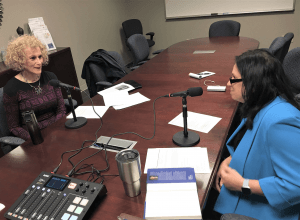
Janet Smith Meeks with Betty Collins, Host of “Inspiring Women”

Betty’s Show Notes

Everywhere today you see people are looking for great leadership. When you’re a leader, you can influence. You can change your world around you. You can impact people in your life and organizations. You can be part of success because of your leadership and influence. And you can use that title responsibly for yourself as well as for others.

Leadership, influence, AND the title are all one package deal.

One of the people who I love, I’ve heard speak, and read her book on leadership, is Janet Smith Meeks. She is so passionate about how we can lead. She wrote a book called Gracious Leadership. You should check it out. It’s really good. She lives it. She wants to change the world for the good. She’s a leader because she influences those around her.

And I’m am so thrilled to have interviewed her for this episode. This episode is part one of my two part interview with her.

Janet Smith Meeks, Healthcare Alignment Advisors

Janet Smith Meeks

Janet Smith Meeks has devoted nearly four decades of her professional life to the healthcare and financial services industries. As a C-suite executive and corporate director, she has vast experience in finance, strategy, operations, marketing, business development and leadership effectiveness.

Janet has served in executive roles for four nationally known healthcare systems, including Trinity Health (the second largest Catholic Healthcare system in the nation) and the prestigious Vanderbilt University Medical Center. Janet spent nine years as president of Mount Carmel St. Ann’s Hospital in Westerville, Ohio where she led the organization to peak performance through applying the key ingredients of Gracious Leadership.

As co-founder and CEO of Healthcare Alignment Advisors, Janet uses her experience to guide C-suite executives across multiple industries in strategies that are designed to optimize corporate performance within a positive work environment.

Janet is the author of Gracious Leadership: Lead Like You’ve Never Led Before.

“Inspiring Women” Podcast Series

“Inspiring Women” is THE podcast that advances women toward economic, social and political achievement. The show is hosted by Betty Collins, CPA, and presented by Brady Ware and Company. Brady Ware is committed to empowering women to go their distance in the workplace and at home. Past episodes of “Inspiring Women” can be found here.

Show Transcript

Betty : [00:00:00] Leadership, it takes more than a title. This podcast, along with a million other podcasts, is about leadership because it’s just a really hot topic. It’s something that is so needed everywhere. Leadership takes more than a title. Maybe you’re fortunate enough to have that title in your life …

Betty : [00:00:20] Everywhere today, you see people are looking for great leadership. It can be in your home, your business, nonprofits you volunteer for. It can be politically, for sure, schools, education, et cetera, et cetera. Just great leadership is needed. Great leadership, to me, it engages, and influences the followers to just develop, be better … It’s all positive. Again, you don’t have to have that title to be an effective leader, but that is for part two of this series.

Betty : [00:00:53] Are you a leader with a title? Maybe you’re striving to become that leader, and get the promotion, and the title, and all the perks/headaches that go with it. Maybe you’re frustrated, as a leader, and you’re just not getting that engagement. You’re just not influencing. Maybe you’re striving to get a promotion, and you continue to be overlooked. Maybe you’re also just looking for a good leader, someone that you can follow.

Betty : [00:01:19] I just want to take all of those scenarios, and I want to share you my insights today on leadership. I’ve led, and I’ve followed, and I’ve done both at the same time; we all have, but it’s more than that title, and that perk. When you’re a leader, you can influence. You can change your world around you. You can impact people in your life, and organizations. You can be part of success, because of your leadership, and influence, and you can use that title responsibly, for yourself, as well as others.

Betty : [00:01:49] Leadership, it gives you more than a title. It gives you a authority, it gives you that … You can lead organizations, and people. It’s guidance, it’s directions, it’s even control, which we, of course, all like. It’s about being intentional. It’s really about engagement. To me, at the end of the day, leadership is nothing more than influencing. It’s why you don’t have to have that title, but again, that’s for part two of this podcast.

Betty : [00:02:16] Think about who’s been an exceptional leader in your life – any part of it, any area of it, any age. Who led, and you followed? Who’s come into your mind right now, because I’m sure there’s people in your life that you’re thinking about? Who also was that leader with the title, who really had a negative impact, and you never want to be that person?

Betty : [00:02:40] I’ve been fortunate enough to have great leadership all around me, and I’ve experienced, I’ll call it, the dark side, as well. I’m going to start with those people we have in our lives that have influenced us, but they’re from afar, right? You’ve never met them.

Betty : [00:02:57] One of those influencers, for me, back in the young age, as I was getting out of college, was President Ronald Reagan. I never met him. We never had coffee. He never had me come to the White House. By the way, this is not a political podcast; I want you to know that … He influenced those around him, and you could see it.

Betty : [00:03:16] I recently watched a documentary of his first big meeting with international leaders. They knew his title. They knew what his job was, but they really didn’t have much to say to him. He wasn’t really respected that day. In fact, he remembers leaning over, looking at people going, “Hey, I’m Ron,” and they still just … There was no connection. There was no engagement. He certainly left there with no influence.

Betty : [00:03:42] The next time he met, the next time – again, they knew his job, and they knew his title – but it was different, because this time, he didn’t have to say who he was. He didn’t have to introduce himself. He was the focus. It was all completely different, because he had gained tremendous respect because of the success, and results he was having as the president, and it was just different,  and he was an influencer.

Betty : [00:04:10] Of course, we always like presidents, once they’re out of office, but, why did I like him? He was optimistic. He always used humor. He was respectful, but he was a driver of the agenda of the day. That agenda, for him, was conservatism, and it was the American people. He also had a lot of … He was a Conservative, but he was respected by many Liberals, and it was a very united country at that time, with a lot of success. I think of him today, and I still watch things about him … You just feel better.

Betty : [00:04:41] You all have those people in your life that you look, from a distance, and from afar, but really, what I want to focus on is who has been around me. Most of my career, of course, has been focused in business, as a CPA, and I had … I had one major job outside of accounting. I worked in food service. I was the Director of Food Service for a college campus.

Betty : [00:05:03] I worked for a man by the name of Austin Swallow. He influences me to this day. I haven’t seen him probably in 10 years. He influences me because his very core was what drove everything. That was his faith, and his ethics, and what he believed. There was never any compromise for that. He didn’t beat it on you. He didn’t shout it from the mountain top. He did none of those things. He just lived it, and you knew it was there. Family was more important to him because he always emphasized – those moments never come back.

Betty : [00:05:33] In business, we had a hard job feeding college kids food, where you had to make it for a thousand, so it was never real rewarding. When it was hard, you stayed the course. If you didn’t do your job, you owned it, and you always took whatever it is for that customer.

Betty : [00:05:46] He lost a big account, and he knew for a while that it was going to end, but he still led. He did his job, he fulfilled his obligation. He finished to the end with pride, and walked away that day, already knowing, for about 60 days, he had been fired. He never had any regrets about it. He let me fail. He did those type of things.

Betty : [00:06:07] I was in a company, where I was the only woman. There were about 30 people, totally, in the company. He made sure I developed, and had success, and I climbed the ladder there very quickly at a very young age. He valued his employees. He had a lot of loyalty because of it. He always talked to me about executive presence. He always would say, “If you want to be taken seriously, you gotta act accordingly.” Those four years of working with him, as a leader, watching him, influenced me in these last 30.

Betty : [00:06:35] I’ve also seen the dark side, but I don’t want to focus on that today. I really want to focus on the good side.  Which are you? Which do you want to be? Who is influencing you right now? Is it good? Is it positive? Who are you influencing right now? Is it good, and is it positive?

Betty : [00:06:53] Leadership, it starts with you. It absolutely starts with you. Here’s a great thing I came across. I don’t know where I found this, I just have it in my notes, and I’m not sure what I got it from, but it’s really good. “Great leaders talk about vision, and ideas. Average leaders talk about things, and small leaders talk about others.” Then, “Those who lead them talk with them, and they all join in, and they tell others.” Three very different … Great, average, and small.

Betty : [00:07:23] Take it a step further. What positive qualities of leadership do you appreciate? Are you doing that? In what ways are you a leader? Who has been the leader with the title that influenced you the most, and why? I would challenge you, after this podcast, or think about that, as you’re struggling through leading, or you’re struggling with a leader, or you want to be a better one.

Betty : [00:07:42] You got to think differently. Mindset, you’ve got to have that in all roles, and positions in your organization, or your family, or at the school board. It doesn’t matter. They’re all important, and they serve a reason. You have a mindset that thinks differently when you’re a good leader.

Betty : [00:07:58] True leaders do not create more followers. It’s kind of easier to have followers than it is to create more leaders. If you’re really good in your job, in your career, in your company, you will have it. You will have a legacy one day, because you created leaders to come behind you. If you’re fortunate enough to get at the top, then you have you have an obligation to send the elevator down. Not my statement, but it’s a good one.

Betty : [00:08:23] In the mindset of a leader, all things are possible. In the mindset of an expert, a few things are possible. I say those two sentences because, sometimes, your talents as an expert, or a technician, or a really good hair salon … You can make someone look really good. Doesn’t mean you can be a leader. Leaders, probably you’re not going to be the technical expert. In the mindset of a leader, you understand what you’re good at, and what others are good at.

Betty : [00:08:55] We all start out as an original, and a lot of times, we just become a copy. Instead of transforming, we settle for conforming, and nobody is inspired when you conform. Instead, they all become leaders that they don’t have. If you’re frustrated with what’s happening around you, it’s time for change on your part. If you think, and renew your mind, you will change the way you feel, and you will change your behavior.

Betty : [00:09:20] Here’s another thing about a great leader. They show up every day. They don’t look at the past, and say, “Look what I built.” They don’t look at the past, and go, “But I did this yesterday.” You’ve got to show up every day. The title, ‘What you did in the past as a leader,’ probably is not enough; it doesn’t sustain.

Betty : [00:09:37] Truly, if you’re not at the table, then your perspective is never going to be heard, so you’ve got to be there. Decisions are made by those who show up. You can come to the table, and you have to either eat, or you’re going to be on the menu. I want you to think about that. I’ll say it one more time, for those of you who’re slow: when you come to the table, you either eat, or you’re on the menu.

Betty : [00:09:58] Another thing you have to realize: leadership and influence is never a straight line. You’re going to go from all over, to all over, and back again. Three steps forward, and it’s two steps back, and upstairs … You’re going to do all those different ways. It’s like that famous guy, Forrest Gump. “Life is like a box of chocolates.” You never know what you’re going to be, and who you’re going to affect as a leader. You’re never going to know what the circumstance is. You’re never going to control all that. Showing up every day is really important, and going forward is never- is never easier, sometimes, and going bigger is never easier, most of the time, right?

Betty : [00:10:35] Ways that you can lead, and you can influence … You have the title. I would tell you to use it wisely. You’re lucky enough that you have it. You’ve got to leverage your super power, which is you. I leverage my uniqueness. I am not your average CPA type of a person. I’m more of a personal person. I’m more of a common sense … I am more of a layman terms, let’s get it on the table. I use that. Please do not misunderstand me. Do not let your uniqueness be an excuse for you to act inappropriately, or drive people crazy. Use it so that you can influence.

Betty : [00:11:16] Sometimes, you just got to … As a leader, if you’re going to really lead and influence, you’ve got to invest your time differently. Do you know that there are 1,440 minutes in a day, and there are 10,080 of them in a week? You got to look at your time as an absolute asset, not a liability. People do not email or call me after 5:00, because I don’t pick up, and I don’t answer, unless it’s really, really crucial. It’s very few and far between.

Betty : [00:11:43] I used to be in business with somebody, who had a building, where we had our practice there. He would get a little frustrated with me not being available after hours. I said, “Unless the building is burning down … Oh, wait, you own the building …” You’ve got to set that time. Your time is an asset.

Betty : [00:12:01] You’ve got to look at the way you lead, and influence. A lot of times, people don’t want to let go. Just because you work harder, and you work, and you work doesn’t mean you will lead, and influence. You’ll just be tired. Time is really important. You’ve got to cultivate some resilience within yourself, and within your people, but that’s an entire podcast I wish I had time for.

Betty : [00:12:25] Then, you’ve got to be creative. You’ve got to have some unscheduled time, when you lead, because sometimes, you just got to sit back. I do that on my motorcycle. I do that at the spa. I get those times where I truly, truly, truly step back. Again, leadership starts with you. It’s a mindset that you have to really, really cultivate, and you’ve got to show up every day.

Betty : [00:12:47] Most importantly, lead responsibly with your title, so that those results will influence, and you’ll have engagement that will fulfill your role as that leader. The success of who you are leading is counting on you to do that. I have about 150 people that count on me as a shareholder, and a leader in my company.

Betty : [00:13:08] Today, leadership, influence, and the title – they all come together. One of the people that I love, that I’ve heard talk about, and I’ve read her book on leadership is Janet Meeks. She is so passionate about how we can lead. She wrote a book called, “Gracious Leadership.” You should check it out. It’s really good. She lives it. She wants to change the world for the good. She’s a leader, because she influences those around her, and I’m going to interview her next, so stay tuned.

Betty : [00:13:39] Today, we’ve been talking about leadership with a title. Of course, the next podcast coming will be Leadership Without a Title. Either way you can lead, and it’s my privilege today to have someone who truly is an amazing leader.

Betty : [00:13:56] Janet Smith Meeks has devoted nearly four decades of her professional life to healthcare, and financial-services industries. She is an amazing executive, and a director, and she wrote a really, really great book, “Gracious Leadership: Lead Like You’ve Never Led Before.” I’ve read this book, and it really is just impactful, with such simple things. It’s amazing what the power of those simple things can create in leadership.

Betty: [00:14:24] I’m just so thrilled to have you here today, Janet. We’re going to just talk a little bit about leadership from your perspective. As you know the podcast, I talk about Ronald Reagan being one of my favorite leaders in my lifetime. I would like you to share your thoughts about Reagan, and any particular leadership attributes he possessed that you believe are more important for today’s leaders.

Janet Smith Meeks: [00:14:50] Thank you so much, Betty, for the opportunity to be with you today. It’s so ironic that Ronald Reagan is also one of my favorite leaders, over the course of time. I think Reagan was so impactful, and so memorable because he was known to be the Great Communicator. I believe that the people of America, especially at that time, and now, also, are clamoring for a glimpse of what optimistic leadership looks like.

Janet Smith Meeks: [00:15:21] Reagan frankly said that he was not necessarily a great communicator, but he had the opportunity to communicate great things. In fact, in his campaign for presidency in 1980, there were five simple words that he called his platform – family, work, neighborhoods, freedom, and peace. He was just such an optimistic person that people wanted to follow him. They wanted to hear what he had to say.

Janet Smith Meeks: [00:15:54] I’ll share one funny story about Reagan. In 1981, when he was shot, he tried to walk into the hospital, and his feet buckled, as he was unable to take himself into the facility. He was aided by being put on a gurney, and then was taken into surgery. Quoting Churchill, Reagan said that, “There’s nothing so exhilarated as to be shot at without effect.”

Janet Smith Meeks: [00:16:21] Then, to his wife, he said, “Honey, I’m so sorry. I forgot to duck.” To the doctors, he said, “I just hope you’re Republicans,” to which one of the doctors replied, “Today, Mr. President, we’re all Republicans,” which I think spoke to the unity that this man with his optimism, and his wonderful ability to use humor made him someone that we all wanted to follow.

Betty: [00:16:46] Absolutely. Those are reasons, too, I really respected him, and looked up to him. Even when you talk in your book – it’s titled “Gracious Leadership” – that does not mean you’re nice all the time, and roll over. Reagan could be as tough as he could be as loving, and led. It all mixes together, but he had those skills, for sure.

Janet Smith Meeks: [00:17:08] You’re right, Betty, and I think sometimes people will believe that you have to be a tough leader, or you’re a kind, soft leader, but just as you said, you can be both. You can be tough, and kind; you can be compassionate, and require accountability, and in so doing, you show respect.

Betty: [00:17:24] Right. Sometimes, we learn a lot about leadership outside of our workplace. We only think leadership is in the workplace. Would you share an individual who impacted your leadership convictions, and some lessons that you learned from that person?

Janet Smith Meeks: [00:17:42] Two people come to my mind. One would be my high school basketball coach. Listen, if this coach said, “Jump off the bridge,” I would have said, “Yes, sir, what side?” He encouraged us, and expected us to be our very best. As well as we may have played, he always wanted more. It’s probably not a surprise that, our senior year, we went 24-0 before we ever lost a game.

Janet Smith Meeks: [00:18:07] What I learned from him is that you can encourage people to give their best without screaming at them. He taught us the importance of having a game plan, so that we all were united to work on behalf of the greater good. He all taught us the importance of continuous self-improvement, as we would shoot that one hundredth free shot of the day, perhaps, or run those terribly tiring drills, where we’d have to run the lines of the basketball court.

Janet Smith Meeks: [00:18:37] The other person who comes to my mind is my father. I talk about this quite a bit in “Gracious Leadership,” but my dad was a unique individual; an attorney who, in the 1960s, in the heart of Mississippi, found it to be his calling to advocate for equal rights for all people. He actually was the attorney who told the local school board that the schools had to be integrated, when the federal mandate was issued.

Janet Smith Meeks: [00:19:09] My dad actually was one of a couple of people who escorted the first black child, African-American, Debra Lewis safely to her desk at Carthage Elementary School. He found himself to have become an enemy target of the KKK. They threatened his life. They threatened the lives of my brother, my mother, and myself, and he had to meet regularly with the FBI.

Janet Smith Meeks: [00:19:32] Here’s the most important lesson he taught my brother, and me, two lessons. First of all, every person, regardless of how they are different from us, every person is supposed to be respected. Secondly, he taught us that you always, as a leader, do what is right, even and especially when it’s not popular, and regardless of the cost. I will forever be grateful for those important lessons of leadership that I learned both from my dad, and from my coach.

Betty: [00:20:03] Thank you so much for sharing such a personal story about your father. That was just- that was just great. Why don’t you share with us a little about the most impactful leader from within the workplace, and the lessons that you learned from that individual?

Janet Smith Meeks: [00:20:22] Betty, my favorite professional mentor ever is a gentleman whose name is Aubrey Patterson. He retired several years ago, as the chairman of the board, and the chief executive officer of BancorpSouth, a financial conglomerate that transcends eight states in the southeastern part of our nation.

Janet Smith Meeks: [00:20:39] I was a management trainee; green management trainee, right after having finished my MBA program at Ole Miss, and had the good fortune of being assigned to work for Mr. Patterson. From the very beginning, he put me in situations where clearly I had never been before.

Janet Smith Meeks: [00:20:58] He taught me how to become comfortable being uncomfortable. He gave me stretch assignments. He gave me a little guidance, and then he gave me free rein to go figure it out. Then, I would bring back the work product to him; he could give me some hints about how to improve it, always in a kind spirit. Then, he would assign me the next big stretch assignment.

Janet Smith Meeks: [00:21:22] It was really a continuous learning journey, and it’s one that really helped to mold, and shape my leadership philosophies, because I made it my practice to identify high-potential employees, and to give them stretch assignments, so they could start building more and more confidence, as they broadened their skill sets.

Janet Smith Meeks: [00:21:42] The other thing about Mr. Patterson … This man is absolutely brilliant; so highly well-regarded. He’s won so many incredible awards, including having served as the chairman of the American Bankers Association, several years ago.

Janet Smith Meeks: [00:21:57] He was so compassionate. He was the first one from our bank to show up at the hospital, when I was experiencing a significant health concern related to my first baby. After I left the bank, and went to work for the medical center, Mr. Patterson was the first one always to congratulate me on the birth of my second, and third babies. To have a brilliant business man, who is so, savvy, so effective, so results-oriented, but who also has a kind heart, and he’s not afraid to share that heart by showing his employees how much he cares about them, that stuck with me.

Betty: [00:22:46] Hopefully, Janet, we all have a Mr. Patterson in our career at some point, and take it a step further. We, then, will make sure that we are that Mr. Patterson to someone; make sure that it goes on, because that’s the leadership that people need, in leadership, that they need to see demonstrated in front of them.

Janet Smith Meeks: [00:23:04] You know, Betty, one other comment I have to tell you. When I was writing “Gracious Leadership,” and clearly Mr. Patterson is one of the four professional mentors whom I highlight within the book, it gave me such great joy to reach out to him, and to tell him what his leadership had meant to me, and that I wanted to showcase that leadership within this book that aspiring leaders would be reading, hopefully, for generations to come; to help him see the incredible ripple effect that his leadership has had, and will have for generations to follow.

Betty: [00:23:41] Wonderful. Now, we’ve talked about the good side, so we probably need to talk about the bad, or the dark side, as I call it. There are those leaders out there that probably shouldn’t be leaders, or they’re influencers, and probably are influencing in a negative way.

Betty: [00:23:57] Can you tell us a little bit about that person, or that leader in your life; somebody that just really had an impact, negatively, but probably you used it for the better of what you’re not going to be, right? If you can talk about that?

Janet Smith Meeks: [00:24:13] You’re right, Betty. We certainly learn how to lead from those positive mentors, and we learn how not to lead from those who don’t quite reach the bar. Betty, two people come to my mind. Interestingly, both of them possess the same leadership liability. Each of them was a bully.

Janet Smith Meeks: [00:24:33] I had been recruited to a particular organization, and, of course, during the interview process, everything’s beautiful, all is cool. This is a little piece of heaven. Not so much, once I arrived on the job, and realized that, although this was not an individual to whom I reported directly, I had a close working relationship with the individual.

Janet Smith Meeks: [00:24:58] That person reigned with fear, and terror. It was so pervasive that employees, and leaders throughout the organization literally would fly under the radar for fear that they might get their heads “lopped off.” That was not a culture where I felt at home. To be candid with you, I jokingly tell people I stayed there two years, three months, four days, two hours, and 22 minutes. In other words, it was not a place where I felt that I was going to be able to be all that I was created to be, so I made a conscious decision to leave, when another opportunity presented.

Janet Smith Meeks: [00:25:42] Now, the other example was an individual to whom I reported. This person came into the organization, and was a bully from day one. It was always a little bit scary when I would look at the phone in my office, and see the individual’s cellphone number pop up. I never knew if it was going to be a pleasant conversation, or one that was not so much.

Janet Smith Meeks: [00:26:08] I began to study this individual, and to try to determine what was it that caused the person to have an eruption. There was one time that there was a very unpleasant conversation, and I thought to myself, “I don’t have to put up with this. I’ll leave.” Then, frankly, I did some more reflection and decided I love what I do. I love the people with whom I work. I feel I’m called to serve in this organization. I’ve got to figure out how to work with this person.

Janet Smith Meeks: [00:26:43] I did study the individual’s habits, and what I’ve figured out is that if anyone ever was tentative in how they replied to this individual’s questions during presentations, that’s when the individual was like a shark going in for the strike.  The lesson I took away from that is that, although I always prided myself on being very well-prepared, I needed to double down, and be more prepared than I had ever been.

Janet Smith Meeks: [00:27:12] Furthermore, I needed to try to anticipate the questions the person might ask me, and then answer those questions before the individual had a chance to pose them. Then, when the individual would push back on me, I was armed with facts, and could respectfully push back, which gave the individual boundaries. Thankfully over the course of time, this person changed, at least in the relationship with me, changed from being a bully to actually being an advocate, and a cheerleader for the work that I was doing.

Betty: [00:27:44] Interesting two choices. You chose to leave, because sometimes, that’s what you do. It’s not worth it. Then, secondly, you chose to stay because it mattered. That’s great. We’re going to end today with just one quick, quick thing. “Gracious Leadership” is your book; wonderful book, I’ve read it. Why the word  ‘gracious?’

Janet Smith Meeks: [00:28:03] When I had retired from my full-time role as president of St. Anne’s Hospital in the summer of 2015, I became very contemplative about different leadership lessons I had learned throughout my life – either from my parents, from my mentors, or from my own professional journey. From time to time, I would jot down my thoughts about each of those particular leadership attributes.

Janet Smith Meeks: [00:28:25] Then, in early 2016, I was asked by [00:28:29] Weld [00:28:30] and by the Ross Leadership Institute if I would make a presentation on a leadership topic of my choice. I pulled out my file; I spread out that list of leadership attributes, which, by that time, had grown to around a dozen. Honestly, as I looked at the words on those pieces of paper, the word ‘gracious’ came to my mind.

Janet Smith Meeks: [00:28:51] I know that sometimes people may think “Gracious Leadership” sounds like it’s soft stuff. There’s a whole chapter in the book dedicated to refute that proposition. You can be kind, and respectful, and take your team to peak performance.

Janet Smith Meeks: [00:29:08] Let me give you an example. One of the kindest things a leader may ever do is to tell an employee who is not a good fit in the organization that it’s better for them to leave, and to share that information with them in a kind way, so that they will not have ill feelings towards you, but they will understand that, frankly, you’re watching out for the best interests of the organization, and for them.

Janet Smith Meeks: [00:29:30] Gracious was a word that I thought was appropriate, also, given the state of affairs throughout our country in 2016-17-18, and even now. We know that 30 percent of leaders are toxic, and that a recent Gallup survey has shown that,  around the world, we lose $7 trillion per year in lost productivity attributed to employee disengagement. Most of the time, that comes from having had a bad boss.

Betty: [00:30:04] Well, I cannot thank you enough for taking time today to be here. I would challenge anyone who is listening today buy the book, “Gracious Leadership.” Also, you can find Janet; she has a website. Can you give us your information on that?

Janet Smith Meeks: [00:30:18] It’s www.graciousleadershipbook.com, and by all means, visit the website, and scroll down to the bottom of any page, and join in the free leadership blog. The Gracious Leadership blog that I send out about once a month.

Betty: [00:30:37] It’s excellent. Again, thank you. Leader with the title, leader without a title – either way you can lead.
Tagged With: Dayton accounting, Dayton business advisory, Dayton CPA, Dayton CPA firm, finding a mentor, gracious leadership, Healthcare Alignment Advisors, healthcare leadership, humor in leadership, influence, influencer, Inspiring Women, Leadership, leadership attributes, leadership examples, leadership in healthcare, leadership insights, mentorship

Inspiring Women, Episode 7: Rehearsing Your Troubles

June 2, 2019 by John Ray

Inspiring Women PodCast with Betty Collins
Inspiring Women, Episode 7: Rehearsing Your Troubles
Loading
00:00 /
RSS Feed
Share
Link
Embed

Download file

Betty Collins, CPA, Host of “Inspiring Women” and Director of Brady Ware

Betty’s Show Notes

I think most people in life have a potentially harmful habit of rehearsing their troubles. If you constantly rehearse your troubles, what does that mean? You’re thinking, you’re talking, you’re laying awake at night, and you’re playing something over and over in your mind. It often starts with a simple comment from someone around you, and it consumes you.

Join me as I discuss how I learned to go through my troubles when they occur rather than rehearsing them over and over in my mind.

“Inspiring Women” Podcast Series

“Inspiring Women” is THE podcast that advances women toward economic, social and political achievement. The show is hosted by Betty Collins, CPA, and presented by Brady Ware and Company. Brady Ware is committed to empowering women to go their distance in the workplace and at home. Past episodes of “Inspiring Women” can be found here.

Show Transcript

Betty Collins: [00:00:00] So today I’m probably going to hit on a little bit of a nerve because I think most people in life. Men, women, old, young do this. It’s just a habit and it’s a habit that really can be harmful. So we’re going to talk about rehearsing your troubles or going through them when they occur. And instead of rehearsing them over and over you’re going to be prepared for them and do it just one time instead of a thousand in your mind.

[00:00:32] So you have a choice. You can rehearse those troubles and then you get to experience it again and again. Or you can be ready when they show up and they actually occur. You know people that do this. They have these great conversations mentally right and they even have probably a full cast of characters. They all have roles and there’s a theme and they have built up this big play and wow. And you get to have fun being around those people. Your reality is maybe you’re one of those people and you don’t even realize it and you’re having all this fun mentally right? At the end of the day it’s very self-destructive habit. It can have some very adverse side effects that you don’t want in your life.

[00:01:16] I want to talk a little bit about that today. Just to be sure you understand what I’m referring to, rehearsing your troubles. What does that mean? If you constantly have conversations. I mean you’re at your desk you’re you’re thinking you’re talking you’re laying awake at night and you’re playing something over and over and it consumes you. That’s what I’m talking about. And it could be you know it can be any kind of trouble.

[00:01:39] Trouble is is what you and what you feel is you know something that’s causing stress or chaos in your life for it’s a problem or whatever it is. And so we do rehearse things a lot in our mind and we don’t tell people we don’t communicate that correctly or we don’t effectively get to the issue. And it may be troubled that isn’t even there. Right. You may never experience it except in your mind.

[00:02:04] And it probably starts with some simple comment right from the people around you the people that matter the most are going to have some comment to you. Your peer your spouse your significant other. Or maybe a circumstance just doesn’t go well and it triggers something for you. And so you’re like wow that just pushed my button that that trigger just starts the rehearsal.

[00:02:27] So you play this out reliving and reliving in it and it’s not a matter of if or when it happens. It probably isn’t even close to the reality. And then you’ve had all this time and energy wasted on you know fill in the blank. Energy instead that could be put towards being prepared for facing the IT OR THE FILL IN THE BLANK. OK. If something triggers you or someone doesn’t have a filter or a comment played it over in your mind probably isn’t going to solve it. Sometimes you do need to rehearse when you’re ready to go in you know and you’re going to but that’s only if you’re really going to go in and face the issue and have a conversation.

[00:03:04] You’d be amazed at how many many little chats I have all day. I have these things that go on and on and on and you probably if you really said you don’t get to see if I do that you would be surprised if you started keeping score. How many times you having some conversation in your head and then you’ll find out too it’s probably I just had that conversation in my head. Know you probably think I’m crazy right now but this is something that really people are consumed in. And statistics shows you. I kind of read a little bit about this. Chances are if you’re having these conversations in your head they’re probably not very positive. They’re probably something that’s really more negative. That’s why they’re you know kind of in your head and just your little world.

[00:03:44] I want to talk about this because I had I had to conquer this habit in my life. I’ve seen it in all aspects of my life in relationships and with my kids and my spouse where I work my clients and connections. And it really does have consequences and it hold you back from the fulfillment of those relationships and success and goals and contentment. So for me I really had to learn the hard way and I learned actually from a 27 year old counselor that I went to when I was 40 and she had such wisdom about it and she really helped me train change my mindset. The first thing that’s that she really taught me was you got to be aware that you’re rehearsing. You got to realize Why am I even having this conversation? And you’ve got to learn to identify.

[00:04:33] And on top of that you’ve got to learn what triggers it. And then you’ve got to shut it down. Those are the steps. Identify it. Be aware of it. Learn the triggers, and shut it down. What consumes it? What trouble consumes you.? You’ve got to look what fuels that gas on the fire. Social media. Garbage in garbage out. News. Toxic people. Surrounding yourself with people without filters probably get gonna really really fuel that. Or you can say I’m going to put good in good out not like garbage in this water on fire by books and positive stories and podcasts and music and positive people or just pure silence. And I really had to work on this because I would just really really go into these things.

[00:05:18] When I was in counseling with this person. I was in a pretty bad place at that time in my life. She was from Russia and she really loved the United States she had this great accent. So we just had a synergy from the beginning. But as soon as she said Hi how are you man I just I would tell her I was that day and we went through all my troubles and circumstances.

[00:05:39] The first couple of sessions you know she listened pretty well and then I was really caught off guard one day when she goes Hey hold on. And I said Yeah. And she said Did he really say this or is this just your perspective and I was like Well she wasn’t. Did he say it. Well no no. But I guess he didn’t. So is this real or is this your perception. And I was like I mean I’m 40 she’s 27 she’s totally put me in my place I’m like wow. But it took me a while to realize I did that a lot and it started with these conversations in my head right. And then I did start start going wow I’ve got a I’ve got to really stop this.

[00:06:24] She always challenged me to think what’s real and what’s perspective and then what really happened and then process right and then deal with it and your chances are you’re not going to deal with anything that’s bigger than than you just created it to be. So again you’ve got to be aware you’re rehearsing. Identify learn triggers and shut it down. But then you really have to go. Is this real. Did this really happen or is this just your perspective or this is your reaction right. She really taught me when I would be rehearsing internally and playing this over and then I would come and just you know of course tell her the whole thing.

[00:07:00] I realized these things weren’t happening. They were they were my responses to glances. They were my responses to the circumstances that maybe I just didn’t like.

[00:07:10] The third step is change the way, then you just deal with the trouble instead of all the conversations and all this stuff that you you play up to. And once you do that this habit will become something that is not a barrier to you any longer. You get a lot more sleep at night. You might have better relationships and you might learn to communicate instead of blow up. So how did I quit rehearsing with all these things how did I how did I stop it. So I just am doing with trouble and stress when it’s occurring and believe me it’s easier said than done.

[00:07:42] As I’ve just talked about I made a very conscious effort to identify that trigger in the rehearsal. And this is something I learned to do and you can laugh at me and you can you can just think I’m crazy but I would suggest to you in the privacy of your home that you look in the mirror and say your conversation out loud because you’re either going to go. This is true and you’re going to cry or you’re going to laugh at yourself hearing yourself and looking at yourself saying this.

[00:08:12] She had me do that a couple of times that I realized oh my gosh it just made me think differently. And over time I started having a lot less conversations and rehearsing of things that that I was really in a lot of ways making up.

[00:08:27] Another thing that I did during that time and I still do it. I journal. My life has had its ups and downs and challenges like everyone. It’s an effective tool. I would just tell you when that season of your life is over burn the book OK. Burn the journal. I really did do that honestly because I had gone through some pretty rocky things and man when I looked back at what I had written and had these conversations that got on paper at least I was like wow I can’t even think of the energy it took to think this stuff up let alone write it. And then I said let’s burn it and be done. Very very good therapy. There were times in life though when you have these things where they consume you and your troubles just get you. You got to go to. You’ve got to find a mentor counselor it’s OK.

[00:09:14] There books are everywhere on the subject matter. I was amazed when I Googled this subject matter what I found. So it must be a huge problem there’s a tremendous amount of information out there to help you start thinking different ways. But you really have to stop the following. When rehearsing stopped a lot in my mind where I just played this out was I realize I have to stop some toxic relationships and cannot be around people who don’t have an ability to filter. No one or circumstances worth robbing me of my peace of mind you know because that’s what that’s what they were taking.

[00:09:48] And instead I took energy when something did trigger me or someone didn’t filter that day I thought I’m going to be prepared when they when they can’t filter because you’re always gonna be around people that can’t filter you’re always gonna be around situations. And I learned to know let’s just deal with this in let’s make it simple. Believe me it’s a lifetime. It doesn’t just stop but preparation for it facing troubles and doing it head on without just you know I’m going have crucial conversations OK. Those might be part of the play but it’s a lifetime and it takes in some. Some of it depends on the on what the problem is and how big it is will depend on the strategy that you use which could be an entire podcast. But you still have to have some way of intentionally facing the issue besides the conversation in your head.

[00:10:36] But things that I have done when I get to that point where I’m seeing the consuming calm you know those things just get me all the time. I get away. I step back. I’m busy all the time. I will never have a day that isn’t full of something but sometimes when that consuming rehearsing is going on I just have to step back and step away.

[00:10:55] And I have to kind of get and look from the outside in the situation to get my perspective. Also what I do when I see myself getting to this point is I look in the past trouble that I’ve had in my life and I look at what did work and what didn’t. I’m not gonna repeat what didn’t work because it will probably have the same results. I learned to realize I need to look at other people that have you know they have some control on their life and they seem like they’re pretty level headed. By the way there’s very few of those out there and probably if you ask how they’re really doing and you get in there you’ll find out that you’re they’re experiencing the same thing you do. Tapping into their wisdom was something that was really things that helped me. And then there are just those times when you can’t get what you’re thinking about and consumed about you can’t get it out. So you’ve got to draw that line in the sand and say you know what we’re going to deal with this and sometimes that’s just comes in cycles and ebbs and flows. And then get a perspective on your trouble. Just ask someone how their day is and see what’s going on in their life and sometimes this little trouble thing you’re dealing with that’s consuming you will seem like nothing.

[00:12:02] And I think really the last thing that women don’t do well is we balance a lot in our lives and we have a lot of relationships in our lives. We have a lot of things that trigger these conversations because it’s very very much a habit of women in today. We don’t take the time for self care. Self care is OK. And when you don’t you can’t just rest and relax and sit back. You may not ever stop having all this stuff go on in your life. So it’s OK for self care. I’m a big spa person. I could go to the spa every week without hesitation but I don’t do that. But what I really do is I look at it. Well we all have to look at some point as some type of spiritual emotional mental physical and take care of those things and then you take care life because you can. You have the ability and that way you can face your fear and embrace with confidence in who you are. And then that again that’s another whole podcast. So trouble stress chaos those things. The situations that you’re rehearsing in your mind over and over. Learn to stop doing that and become consumed instead to prepare for them and be ready to face them when they actually occur. It’s your choice and I hope you make the right one.

Tagged With: Dayton accounting, Dayton business advisory, Dayton CPA, Dayton CPA firm, empowering women, Inspiring Women, rehearsing your troubles

Inspiring Women, Episode 6: No One Will Value You More Than You

June 2, 2019 by John Ray

Inspiring Women PodCast with Betty Collins
Inspiring Women, Episode 6: No One Will Value You More Than You
Loading
00:00 /
RSS Feed
Share
Link
Embed

Download file

Betty’s Show Notes

Do you feel unappreciated, undervalued, overbooked, underutilized, or overlooked? Maybe you think you’re an afterthought. Take a step back and ask a simple question:

“Do I value who I am?”

If you don’t value who you are, why should anybody else? If you value something, you protect it, invest in it, brag about it, and love it. In this episode of Inspiring Women, Betty talks about the importance of valuing who you are and how it starts with you.

“Inspiring Women” Podcast Series

“Inspiring Women” is THE podcast that advances women toward economic, social and political achievement. The show is hosted by Betty Collins, CPA, and presented by Brady Ware and Company. Brady Ware is committed to empowering women to go their distance in the workplace and at home. Past episodes of “Inspiring Women” can be found here.

Show Transcript

[00:00:00] No one will value you more than you.

[00:00:05] OK. Is that profound? I don’t know. Is that something that you think about? Could be, could not. But I want to really challenge you with it today because we tend to want to be valued and we wonder maybe why we’re not. So I want to talk about.

[00:00:22] So if you feel unappreciated, you’re not valued, maybe your used, you’re overbooked. Or if you feel underutilized, overlooked, maybe you’re ignored, or maybe you just think you’re an afterthought. I would challenge you to step back and ask a simple question.

[00:00:37] Do I value who I am?

[00:00:41] Better yet. If I don’t value who I am, why should anybody else?

[00:00:48] Tough questions. But you need to answer them if this is something that you relate to or resonates. So today I want to talk about the importance of value and who you are. And if you want to be valued by others it really does start with you.

[00:01:03] Do you say these types of things, do you find yourself thinking these types of things? So someone you know asks you a question and your answer is, “Well if that’s what you want OK.” Or maybe it’s just “Sure.” Or maybe “I guess if that’s what you think is best.” Even if you don’t think that at all, right. “Oh, it’s nothing really, no big deal. Well, what do you think. Well no, what do you think?” Another word you’re answering a question with a question.

[00:01:36] But I saved the best for last I think. Just say nothing. Instead you have this really good conversation inside your head for only your ears to hear. And sometimes that’s probably pretty necessary. So if you find yourself saying those kind of answers and those kind of things when that’s not what you really wanted to say it’s not how you really feel. It’s time for change if you want to be valued. And really we all want to be valued. We’re human.

[00:02:03] If you value something what do you do? Well we protect it. We invest in it. We brag on it. And we probably love it more than…fill in the blank. So let’s talk about those four things.

[00:02:18] Protecting you is first. Protecting you in my mind says anything that’s a threat needs to be eliminated. Because if you’re going to value you, then nothing can take that. Toxic relationships. People who are just takers. And know giving people who have addictions and pull you down or maybe an enable-ee, because you’re the enabler. So when we protect something we make sure there’s no threat. Right? We would if that was our kid. If we saw anything like that we would say no.

[00:02:48] Protecting you means boundaries. They must be set and enforced. Certain things can never get inside those boundaries if you’re going to protect you. Modifications okay but only if you choose to do it. You know it takes a lot more of you and your energy when you’re on the defense versus the offense. So protecting you. Really important.

[00:03:16] Ground rules have to be laid. You know once they’re laid you can kind of go into maintenance mode. Isn’t it easier to live in the house versus build it all the time and rebuild it and re fix it and setup the rooms again and again instead of just enjoying it.

[00:03:32] Crucial conversations. The thing we hate the most. They have to be said. You can decide. Ten minutes of crucial conversation or hours of egg shells. So if you value you, whatever you value in life, you’re probably going to protect it.

[00:03:48] I’m fortunate enough to serve on the National Association of Women Business Owners board. I am the president elect this year and we have a saying, “Protect The Awesome.” We’re going to allow nothing to get in that would hurt our organization. So when your valuing you, protect you.

[00:04:11] The second one was invest in you. Investing in you. Sounds selfish but it’s really not. Here’s what I did when I first got divorced and I and I was on my own and I had some free time for the first time in a long time. I read The New York Times from start to finish. It lasted about three months I was done. But you know it was just something I invested in some time by myself in a restaurant with coffee and breakfast and just read the New York Times on a Sunday. It’s what I wanted to do.

[00:04:46] Spa days, there’s not enough money in the bank for me for that, but I invest in that because you know what it makes me feel better.

[00:04:53] The house has got to be mine at some point once a week minimum for four to six hours. That is investing in Betty Collins.

[00:05:02] I take vacations not with my whole family. I take them with my best friend and my husband. And kids took plenty with them on vacation but those two were the first priority.

[00:05:15] And you know here’s what’s funny about investing in you. Vacuum cleaners in your house are not personal they’re meant to be used by all. So sometimes protecting you is just going, “Here’s the vacuum someone use it.” Right?

[00:05:27] Part of being valued too is writing it out, thinking on paper. I do this probably once or twice a year and I categorize it a certain way and on our website you’ll see some just some tools and examples that how I do that. It’s not complicated. It’s one page. It’s not overwhelming. But I write it out and I group it spiritually, physically, healthy, mental, emotional, and then there’s this thing called routine of life, because if I do the first of them very well then routine of life does fall into place better.

[00:06:05] And then investing in you. Don’t you want ROI. We all do. When you’re 401K balance increases it’s probably because you contributed to it consistently. It’s balanced correctly in the right funds and you probably has an adviser helping you. The results are satisfaction growth and value.

[00:06:25] I would challenge you today if you want to be valued and not overlooked and not used and not go through what you do is being ignored or afterthoughts. Protect yourself. Protect you and invest in you.

[00:06:41] The other thing is bragging on you. You know people either do this really well or they don’t do it at all. I’m not telling you to be arrogant by any means but I’m also not telling you to act insecure. You never underestimate how good you are at something. At the same time make sure that you are not the only topic in the conversation. How you talk to people how you treat your own self and how you respond really talks about how you value yourself.

[00:07:10] This is a typical conversation of a woman to woman or even a man to woman. “Hey you look really nice today.” If your response is. “Oh I thought this made me look fat I don’t really look good in green.” What does that say? It says you really don’t think you look good. It says that you’re not that confident in who you are. How about this? “Thanks. This is one of my favorites. I appreciated that you noticed it.” People will respond to you differently in value differently if you value yourself. Pretty simple stuff but it’s really true.

[00:07:48] Another thing about bragging on you is “OK. Am I going to accept what someone just said?” Am I going to accept what they did or am I going to go, “I think I got to have some more questions answered before I’m going to accept that I’m going to make sure that I maybe have some input. Because I value who I am.” When it comes to your job or whether it comes to compensation, titles or roles, or even your role in the family or how your family responds to you or how you respond to them. Bragging on you. Don’t be arrogant but respond and talk accordingly, how you would want to be talked to. And make sure you don’t just accept things sometimes ask more questions.

[00:08:30] I know that many of us as women will come into a job interview and they will say that the compensation is fifty thousand dollars a year. And in your mind you’re having this conversation going, “I’m worth 60.” and you say “OK.” Men will not do that. Men will go, “I would like 60.” And they might get 55 and we get kind of mad because they valued who they were, they bragged on themselves that, “no I’m worth this.” So just a challenge.

[00:08:56] The other ways love yourself more than ‘what.’ Is it self-serving? Is it not caring? No, I think if you’re going to really care about others and be a healthy person in healthy relationships you’ve got to care for yourself first and then you can care about others. It takes time sometimes it takes thought it takes being intentional.

[00:09:16] So you have to ask yourself if I’m going to love myself more do I want to be rested or rundown? Do I want to be overworked or hey how about barely paid, and it’s all balanced and we share in this? How about if I’m going to love myself, am I going to hope that they rise up or that even I rise up. By the way, hope is not a strategy. If you love yourself more you’re going to have expectations of yourself and “them”…them being the important people in your life.

[00:09:48] And if you’re going to love yourself more than whatever it is. What’s important to you should be important to them. So I would tell you no one will value you more than you. Protect it. Invest in you. Brag on yourself. And love it more than whatever is out there.

[00:10:08] Where do you start? An overall plan. But I would challenge you to just do small changes because that’s probably going to be the reality. I have a worksheet where I have different categories and one of those is what am I going to do differently. What’s the small change that I want to make with my finances. So I decided one of the small changes I’m going to get in the habit of using Kroger’s click list because then I will only spend exactly my budget. I don’t have to go to a grocery store, right? And then I’m going to cut out one meal of eating out a week and give that to the Mid Ohio Foodbank. I don’t know why that small change needed to happen. But I wanted that to occur where I could be giving more I feel like sometimes we spend too much on food and eating out. So I wanted to balance that.

[00:10:57] So where do you start?

[00:10:59] You start with those small changes that are important to you. You get away and you think it through. There have been times I’ve just gone away for an evening and stayed in a hotel. Or I’ve gone away for the day and nobody knows where I’m working. Why? Because I’m important. I’m protecting or I’m investing in myself. I’m bragging on who I am and trying to to be a better whatever.

[00:11:21] So if you can’t figure out a plan you can’t even figure out those small changes or you can’t get away to think that’s not a reality. Then you find a mentor or someone who has success with understanding their own value. You know who those people are. You can look it’s easy sometimes to to look from the outside and see, well, they’ve got it all together and they’re confident they’re these things. I would ask him how do you value you.

[00:11:48] I have lots of tools that are that are attached and hopefully you’ll use them. Do something. It’s much better than doing nothing right. Even if it’s small even if it’s a start. But the tools that are out there are as if there’s the form for making change. Example of how you think it out on a paper. How do you put this together. How do you start the process.

[00:12:11] There’s this really kind of I don’t know I’m going to call it cheesy thing but it’s a wheel of balance and it’s all the balance things of life like you know your physical life, your finance life, your spiritual life, and you kind of fill it in and you see where you’re not balanced to where you have nothing and some things have way too many.

[00:12:27] There’s a book called Essentialism: The Disciplined Pursuit of Less by Greg McKeown. And being a non essentialist sometimes helps you clear the deck so you can really sit and fit in and think about how you want to value yourself and value who you are.

[00:12:40] No one values you more than you and you need to think that through. When you are overlooked or you are not even in the picture or you’re not promoted or you didn’t get recognition. It could be because you needed to do some things differently, and you needed to value you first. Again remember to protect you, invest in you, brag about you, and love you more. The results…your value of increase in and in yourself, and others will see it. So today I would challenge you to dig deep. Now one values you more than you.

Tagged With: Dayton accounting, Dayton business advisory, Dayton CPA, Dayton CPA firm, Inspiring Women, National Association of Women Business Owners, NAWBO, ROI, valuing yourself

Inspiring Women, Episode 5: The Journey Or The Destination

June 2, 2019 by John Ray

Inspiring Women PodCast with Betty Collins
Inspiring Women, Episode 5: The Journey Or The Destination
Loading
00:00 /
RSS Feed
Share
Link
Embed

Download file

Episode 5: The Journey or the Destination?

A lot of people don’t realize that the most important part of the destination is the journey you take to get there. All our lives, we’re thinking about the next “thing,” the next destination. We easily lose sight of the journey with all of life’s distractions, but we live the journey day-to-day, and we need to enjoy those moments as they come.

In this episode of “Inspiring Women,” I speak with Elise Mitchell, the author of Leading Through the Turn, a fresh take on leadership that offers simple yet impactful takeaways. It’s an “all in the trenches” handbook from a leader who has found far more success in her journey than her destination.

Elise Mitchell, Author of Leading Through the Turn

Elise Mitchell

Elise’s experience encompasses both entrepreneurial and corporate life. She is the founder of three companies — two in leadership development, one in public relations. Most notably, she is founder and chairman of Mitchell Communications Group, one of the top 10 fastest-growing public relations firms globally and a two-time Inc. 500/5000 fastest growing company.

The firm has twice been named Agency of the Year by PR Week and The Holmes Report. Clients include Walmart, Procter & Gamble, Marriott, Mondelez and other well-known brands.

Under her leadership, the agency grew more than 500% in five years. At the end of 2012, Elise sold her firm to Dentsu, Inc., the world’s largest ad agency, based in Tokyo, Japan. She led the successful integration of her firm over a five-year period in a newly established global parent company, Dentsu Aegis Network.

Elise serves as CEO of the Dentsu Aegis Public Relations Network, leading M&A efforts and collaborating with colleagues in nine countries to leverage growth opportunities and position the collective internationally.

Today she also advises clients through her own leadership and business consultancy.

“Inspiring Women” Podcast Series

“Inspiring Women” is THE podcast that advances women toward economic, social and political achievement. The show is hosted by Betty Collins, CPA, and presented by Brady Ware and Company. Brady Ware is committed to empowering women to go their distance in the workplace and at home. Past episodes of “Inspiring Women” can be found here.

Show Transcript

Betty: [00:00:00] The journey or the destination. What’s your choice?

Betty: [00:00:05] Some people really, most people actually, look at here’s my destination. Here’s my goal. Here’s where I want to be. Very few people realize that the most important part of the destination is the journey you take to get there. So I want to talk about that today.

Betty: [00:00:21] You know all our lives we’re thinking about the next thing. We’re thinking about the next destination. Whether it’s “Hey, I can’t wait to drive.” “If only I can graduate.” “I’ve got to go to college.” “I want to get my MBA.” “I probably want to get married or have a significant relationship and yeah kids let’s get the kid thing going.” And then before you know you’re raising them and you’re ready for grandkids. And by all our lives we’re talking about retirement. Well is it the destination or is it the journey? Which one’s more important.

Betty: [00:00:55] Most of us would say “Oh the journey you know yeah the journey.” But in reality, our actions say the destination.

Betty: [00:01:03] Examples of easily where we lose sight about it. Biggest one probably feel relate to most losing weight. Again, but losing weight. Right. But if health becomes a lifestyle. And your diets are now over it’s probably because you realized there’s a journey and it’s every day when it comes to weight and health and making good decisions. You know I look at weight. I’m all over the place. I love to eat. I like fine dining. I like all that. But when I go with one meal at a time instead of I can only have 1200 calories today I do better.

Betty: [00:01:40] I enjoy the cooking piece a lot more when I’m just enjoying the journey. If it’s about dinner, that’s the destination right? But the journey of learning to cook and spices and fresh, all those things can be fun. When I focus on just fruits and vegetables are my side versus what I can eat. Those are things that just start happening and become a part of your life every day.

Betty: [00:02:07] We exercise, right? We’re either really extreme or we’re gonna go to the gym every day and because we’ve got to get to this destination of “I want to lose all this weight so I’m done.” Instead of you know run a 5K, learn how to run, learn how to build that up. It really is about the quiet time. It’s the music on the headsets. It’s being outside. It’s the progress that you make. And then you finally get to have the race. So it’s not about the race. It’s about leading up to the race.

Betty: [00:02:36] Here’s one we all understand. Holidays. It’s all about the big Christmas morning. It’s about the right gift, receiving and giving, when you could just say I am going to enjoy the Advent season. So advent calendars and a small simple reminders every day of Christmas. The Nutcracker. When’s the last time you enjoyed that? And the Rockettes. Netflix now makes it really easy to enjoy Christmas music all through the season. It’s all categorized, it’s all easy instead of waiting for that TV DVR thing.

Betty: [00:03:08] You can even go out to fine dining in the midst of the craziness. Dress up and enjoy a night out because it’s all part of the Advent season. Lights and decorations, red or green, gold or silver, blue tinsel, purple. Choose it all but enjoy it. The whole six weeks.

Betty: [00:03:29] And Christmas cards. You know it’s not about how many you get in the mail. It’s really you get to have a time where you’re writing a personal note to someone. That’s enjoying the journey.

Betty: [00:03:40] Cookie bake. My daughter and I started a cookie bake in fifth grade because I always had cookie bakes with my mom. I have the recipes from my grandmother. Who gave them to my mother who gave them to me and I started this process with my daughter in fifth grade. Sugar cookies only, decorating, two hours with their friends, I was done. She’s now 26 and we’re going to be doing cookie bake with her college friends, who probably are her lifetime friends. That’s enjoying the journey.

Betty: [00:04:06] It’s not about the big gift. It’s not about eating the cookie. It’s the process of generations of recipes. It’s the process of spending time and yeah your kitchen’s a mess for about five, eight hours and you’re exhausted but what a journey.

Betty: [00:04:23] And then of course Christmas Eve and Christmas day come and there’s not a big let down when you kind of just start enjoying it all along. And if the big gift didn’t work out you kind of missed the moment you thought was everything it was, right? The destination.

Betty: [00:04:37] Or hey it’s a new year. We set real unrealistic goals because we’re going to plan, we’re going to achieve things, and then it results in failure. So change that and look at what it was my journey going to look like in ’19 or ’20 or ’21 whatever it is.

Betty: [00:04:52] Here’s what I’ve done really well with the journey and I learned this the hard way through divorce. When I went through divorce my attorney was great but the destination was to be divorced. But I will tell you a counselor said to me if you continue to do all the good things the right things and the things that are normal and everyday stuff, you’re probably gonna end up in the same place. So I would change how you live day to day so you have different results.

Betty: [00:05:20] So I started taking that to heart. So my kids, I’m a single mom after the divorce, and it’s school time. You know how mornings are. But we always had breakfast once a week at Bob Evans. Part of the journey. Not getting to school, not just getting through the day, not just getting them out the door. It was just let’s go have some breakfast.

Betty: [00:05:37] Family traditions. I learned this from my parents really well. I still have all those traditions but I also buy new traditions with my kids. And it’s not about the holiday or it’s not about the event it’s about we do this every year and we add to it. We take away from when it works.

Betty: [00:05:55] I look at the Women’s Initiative at Brady Ware. I try to focus right now on what women are doing right now today. We’ve had women that have gotten involved with Habitat Humanity For Single Moms, raised all kinds of money. We’ve had women that raised money when Puerto Rico really went through two hurricanes back to back. And that woman today is going back to Puerto Rico to talk on a panel about women because we helped a school for girls during a really tough time. That’s the journey. It’s not what is the Women’s Initiative going to accomplish? What is it that we want to get out of it? Where are we today? I enjoy more watching the women of Brady Ware evolve.

Betty: [00:06:39] Another great example, and it was all really not intentional by any means, but when I merged into Brady Ware, it was about a 14 month courtship of negotiations and coming together and how are we going to take two businesses and make them one. I focused a lot on “I’m going to get to the big company.” “I’m going to get to the opportunity where there’s more.” “I’m going to have this new day with a new twist.” And what I didn’t realize was how much tough work it would be when I hit the destination, right? I got there, but I had arrived. So now what. And I will tell you once I figured out that I had arrived I learned that I had a whole new day and I wasn’t ready.

Betty: [00:07:17] But my growth and my opportunity and my success over these past six years have been two fold in comparison to the first 24 years of my career. The difference is that I finally realized I made it to the destination, but I wasn’t prepared to be there. So I had to really look at what is now the newest destination and I was going to make sure that I took the journey so I could get there successfully.

Betty: [00:07:41] Now what? And what would be the next destination? No idea. So I decided instead I was going to enjoy my moment. I remember the first day at Brady Ware when I was downtown and I had this beautiful office looking over The Scioto Mile, and the Capital and I had all my same computers and I had all my same staff and I had all my same clients and yet. I’ve arrived at this destination and I had no idea what to do. It was an “aha!” moment.

Betty: [00:08:11] So I did the one thing I always know what to do and that’s go have lunch. And I called my husband I said I’m completely lost and he said no you’ve arrived. It’s time to enjoy the moment and go to the next step. Go to the next destination but enjoy a little bit more and be ready. So I took that to heart and I did that.

Betty: [00:08:31] Instead I focused on building relationships within Brady Ware and outside of Brady Ware. I decided I was gonna improve my skill sets. I wasn’t going to go get a bunch of clients, I was going to go get a bunch of stuff. It was knowing an improved skill sets.

Betty: [00:08:46] I’m also going to be part of central Ohio. Here I am downtown in the heart of Columbus and I don’t even know a thing about it. I lived here my entire life.

Betty: [00:08:55] Please do not misunderstand me. You have to set goals. You have to have a plan. You do have to have that. But don’t let the destination consume you.

Betty: [00:09:04] Example. I always want more clients. We all do right? It generates revenue at the end of the day. So I turn my focus on the small business owner. I turn my focus on helping women who own their businesses. Because they struggled different than men who own their businesses.

Betty: [00:09:23] I joined an amazing group called NAWBO, the Columbus chapter, the National Association of Women Business Owners. I decided I was going to support an organization the one I chose was the Women’s Small Business Accelerator, the WSBA. Developing skills that were not related to accounting, changing my focus on who I was working with and in what they needed. Becoming part of organizations that support me and help me and help others all the sudden began changing me professionally. And before I know it, I was at another destination in another milestone. I enjoyed that journey and all of the outcome. And guess what. At the end of the day, I got more clients and I met my revenue goals. It just was done with a different mindset because it was focused on the journey and going along instead of the end result which was getting the client and that revenue.

Betty: [00:10:20] So the goal was met, right? I can look back and see the journey and the growth. There’s a lot of outcomes that come with focusing on the journey and not the destination. First is you don’t forfeit all the life lessons and experiences if you miss the journey. If you go through the journey you’re going to learn those lessons.

Betty: [00:10:42] You’re also trying to acquire different skills. And you’re going to achieve and maybe even refine who you are. We all need that.

Betty: [00:10:51] You’re going to make necessary changes along the way so that you don’t have regrets when you get to the destination, right? You’re going to work on things as you’re seeing them.

Betty: [00:11:01] You probably are going to learn to preserve, enhance your personal self, who you are. Keep redefining that.

Betty: [00:11:09] And you’re going to shape your character. Those are the outcomes of the journey and not just the destination. And someday you’re going to call upon all those outcomes and use them at the appropriate times. I know as I look back with my whole career and especially the last several years when I really developed and had some really really cool journey time. I’m now ready for the destination, when I got there. Unlike when I came here six years ago.

Betty: [00:11:38] If you’re fortunate you’ll be ready for the next part of your journey, that will lead you to the next destination and that’s really where I am right now.

Betty: [00:11:46] Reaching your destination. It’s just a moment in time. But travelling towards your destination is an every day thing, and you don’t want to miss it. Change your mindset. The journey or the destination. And I’m going to challenge you today. Let the journey become your focal point. It’s far more rewarding than the destination. One thing you could do is certainly read a book, Leading Through The Turn by Elise Mitchell. She’s a great woman and she’s a great read.

Betty: [00:12:17] So I’m going to challenge you today with a couple of questions and some things that hopefully will provoke some thought. What destination are you thinking about right now? You may not be thinking about any of them. Maybe you need a vision or a goal something that you can work towards. But mostly I want you to think about what is the journey going to look like. What’s it going to feel like. That’s the real question. So today hopefully I’ve made you come to some conclusions about the journeys more important than the destination. And hopefully today you’ll change your mindset and have much more fulfillment getting there. Take it to heart and start being intentional about the moment. The day to day. That journey along the way to your destination.

Tagged With: Dayton accounting, Dayton business advisory, Dayton CPA, Dayton CPA firm, destination, Elise Mitchell, empowering women, Goal Setting, Inspiring Women, it's the journey, Leadership, Leading Through the Turn, NAWBO, NAWBO Columbus Chapter, planning, Women in Business

Inspiring Women, Episode 3: What’s Your Story?

June 2, 2019 by John Ray

Inspiring Women PodCast with Betty Collins
Inspiring Women, Episode 3: What's Your Story?
Loading
00:00 /
RSS Feed
Share
Link
Embed

Download file

Betty’s Show Notes

I am a big believer in reading. It’s enjoyable, but it’s also about gaining a different perspective. And reading a story is totally different from telling a story.

What’s your story and have you told it to anyone? Your story is everything you have experienced: the bad, the good, the ugly, all of it. It has the ability to change the world in which you live, to have an impact on those around you, to be inspirational, and to help you reflect on yourself.

Here’s my challenge to you. Write your story, get with someone and tell it, and then figure out how to use it to impact the world around you.

“Inspiring Women” Podcast Series

“Inspiring Women” is THE podcast that advances women toward economic, social and political achievement. The show is hosted by Betty Collins, CPA, and presented by Brady Ware and Company. Brady Ware is committed to empowering women to go their distance in the workplace and at home. Past episodes of “Inspiring Women” can be found here.

Show Transcript

Betty: [00:00:00] So today I want to talk to you about your story. What is your story? We all have one. We all have some kind of life experience. And sometimes I think it just needs to be told. It’s one thing to read someone else’s story but it’s completely different for you to write yours and talk about what has happened to you and show your perspective. I guess the question I would ask is have you ever really thought about your story?

Betty: [00:00:30] I really didn’t until I was about 50 years old. Why would someone want to hear what I have to say? My life is pretty routine. It’s pretty normal, it’s pretty ordinary. However, there have been so many people over the years that have impacted me because of their story. Most of them realistically have never written it down. But they have been very impactful to me.

Betty: [00:00:54] The first time I ever had to formally write my story was in August of 2014. This part of the story was really about my career and where I had come from in accounting. And I was doing this for Brady Ware’s Women’s Initiative Internal Day that we have. All the women of our four offices come together. And we come from Georgia, Indiana, Dayton, Ohio and Oklahoma.

Betty: [00:01:17] We get together and we talk about how things are going. And this was the first Brady Ware’s Women’s Day that we had together. So I had to get to know some of these people. So I kind of told it and here’s my story here’s my path. Here’s what I went through. I merged into the company in 2012. I had about 45 women at that time at this meeting. And so I was really nervous. I thought how am I going to introduce myself? You know, what am I going to say? Why would they want to hear this? They don’t know me. So I’ve got to talk about it. It took some time for me to write down that path because that path started in 1984.

Betty: [00:02:02] But the more I wrote the more I remembered and the more I got into it. It was really energizing. I mean I was like, wow, how fortunate I had been over my career. The right people that were in my path. So in some ways it was really good therapy for me to write my story and talk about this part of my life. It helped me to see that really I had a great life and I had a great experience in this area. And that even though there was what I called “The Good, The Bad and The Ugly,” I remembered it and I put it down.

Betty: [00:02:36] And I thought OK I’m going to tell this. And I was very nervous when I had to tell my story and talk about why and how I had done things. Because you know I wasn’t in the national news. I wasn’t a big deal. I didn’t work in a large company. I wasn’t with the Big 4. In fact women in this room had bigger careers than I did.

Betty: [00:02:56] Yet I was the shareholder at the table. So my big thing that day wasn’t just to talk about Betty Collins’ life, it was to talk about how I had gone from being a staff accountant. And now I’m a shareholder. It was that part of the story. It was just one of the chapters in my book.

Betty: [00:03:18] The biggest takeaway from that day was that these women listened. I mean, they weren’t on the edge of their seat and they were like “Tell me more,” but they listened. They seemed very genuinely interested. And in over those next several weeks after that I realized that with some it was very impactful. And with some help challenged them. So I thought Wow. Now that of course they know me. They’re kind of probably tired of hearing my story because I’ve told it too many times.

Betty: [00:03:49] But take a moment to think of people in your life that have impacted you. Just by how they live, what they say. They probably never wrote anything formally for you or went around talking about themselves. They just they lived life and you witnessed it. You probably are sitting from afar witnessing the success or you’re in the audience and they’re speaking and you’re hearing about the outcome. But really probably would impact you more is the success of the journey and the whole story, not just the positive good ending that they had.

Betty: [00:04:25] For me, I know that day in talking to the women, I’m the shareholder at the table, that really wasn’t the story. It was “I became the shareholder.” And how did that happen. You know what are all those details of getting from that staff accountant to the shareholder.

Betty: [00:04:42] In your life, it might be something completely different that you do. Sometimes there’s just those lines in a play that stick out to you. You know it’s not the whole thing it’s just there was a take away and you’ll be surprised that your take away that impacts people. And sometimes just knowing the tragedy becoming in. You now have to triumph, that’s the other good thing.

Betty: [00:05:06] So I would like to challenge you today by considering the impact your story can have on others. Your story. All it is simply put is an experience. Life that you have experienced the good the bad the ugly, it can’t just be about the good. About your decisions and circumstances, things you didn’t foresee and now you wish you would have. And now you have the advantage of hindsight.

Betty: [00:05:31] And sometimes the best story is the tragedy or the failure and all the learning you had to do to take place. Your story is personable and relatable and it’s yours. It’s probably not a big thick novel. It is probably also not just about you.

Betty: [00:05:47] Why this topic? I think it’s because your story has the ability to change the world in which you live. You can be impactful to those around, you can be inspirational. And it will help you to reflect on you when you’re thinking and having to write, and having to put things together or tell your stuff. Don’t ever underestimate your experiences

Betty: [00:06:08] All around you people are experiencing the same thing as you do. Maybe they just need help. Maybe they just need guidance.

Betty: [00:06:14] The real truth is 90 percent of us live ordinary lives. Very few of us lived this crazy big, national figure, live in the castle, you’re a household name. That just doesn’t happen. Ordinary people telling ordinary stories.

Betty: [00:06:33] Why do you tell it? Because other need other people need to hear. Plain and simple. You have something to say.

Betty: [00:06:40] So how do you tell it? Well I tell my story or bits and pieces or wherever I’m speaking or wherever I’m having conversation or where ever I’m engaged. I tell it my own way. And it’s personal. It doesn’t have to be in a format. It doesn’t have to be like you know these organizations that try to help you do a speech. It’s not that.

Betty: [00:06:59] And who you tell it to? If you think you have something to say and you have that much confidence, you figure out your audience. For me it’s the women of Brady Ware. For me it’s small business owners. For me it’s my children.

Betty: [00:07:12] You got to figure that out and you have to figure out who you’re driven to impact. Hopefully you have somebody that you’re driven to impact. Maybe it’s people within your own industry. For me again women in business, business owners, my kids, and certainly the generation behind me.

Betty: [00:07:27] Whose stories had my impact on me? The Grote family story. The Donato’s story. There is a great book called The Missing Piece. What I got from Jane Grote Able is that pizza was just the venue. That stuck with me. That was the takeaway that day. Accounting is just the venue. And in the Grote family, it was all about “that’s how we can serve people.” Also from her she talks about the sole purpose of business is spelled S O U L. I take that with me now. everywhere I go. We’re not all Jane, we’re not all the Donato’s name, but there are other people.

Betty: [00:08:07] I have a client, RDP. They’re just passionate about the grandfather that started the business. And they’re passionate about selling food. They’re passionate about tomato products and they love talking about their grandfather and what it means to work.

Betty: [00:08:24] I’m sure most of you know the name Ricart. Rhett Ricart has a great great story not on he built a ton of business with car sales. His stories about his 13 biggest mistakes. He tells that everywhere.

Betty: [00:08:37] The shareholders in Brady Ware, they have stories from years of experience in Big 4. They have little things of how they landed the client. Stuff makes a difference.

Betty: [00:08:47] I have a client Essence Marsh. She has a daycare, just to heart for kids. She’s guided by her faith she listens to everything I tell her as a business owner. And so she inspires me, if I tell her to do something she just does it. And her story continues to evolve.

Betty: [00:09:07] People like my daughter Erica. She comes and tell these stories about these kids. They’re just hilarious. She’s energized by that advanced class and how can she get them on the right path to think of college and AP courses. I hear the story when she tells it.

Betty: [00:09:23] Certainly the women of Brady Ware. we had a Women’s Day last year when it was National Women’s Month in March. And it was a day of persistence. so I asked the women of Brady Ware to write who did they know who was persistent. And we had about probably 20 that opened up about the persistent women and men in their life. It was energizing. And we had just a great day celebrating over chocolate and stories. It was engaging and it was it was impactful. Again, the ordinary things by ordinary people.

Betty: [00:10:01] So whose story do you need to tell? Because maybe you’ll never get someone to tell their story or your own. Who is in your family, in your life, your professional, all of those things, who’s impacted you?

Betty: [00:10:12] Recently my dad passed away and the night he died I couldn’t sleep so I started writing about him and was just amazed who he was. And as I wrote about those things I realized who he really was in my life. And my son, not knowing that I wrote this, spoke at his funeral and he said “My Grandpa was a storyteller.” That’s just how he communicated life. I’ll remember those things more than I will his lectures or his lists. It’s the story.

Betty: [00:10:40] Challenge. Write your story. Get with someone and tell it and figure out how you can use it to impact the world around you. If you know someone who has a great story and they will never write it, write for them. Write a piece about it. It’s easy to be on the outside looking in, right? It’s easy to go “I see this. I see your story.” Chances are they’re not going to write it. So tell it.

Betty: [00:11:04] We all have people we all have circumstances. Life experiences that can create this amazing story, with characters and plots and themes, dreams and as well as reality. And it needs to be written because I assure you there’s someone who needs to hear it.

Tagged With: Dayton accounting, Dayton business advisory, Dayton CPA, Dayton CPA firm, Inspiring Women, share your story, story, tell your story

  • « Previous Page
  • 1
  • 2
  • 3
  • 4

Business RadioX ® Network


Our Most Recent Episode

CONNECT WITH US

  • Email
  • Facebook
  • LinkedIn
  • Twitter
  • YouTube

Our Mission

We help local business leaders get the word out about the important work they’re doing to serve their market, their community, and their profession.

We support and celebrate business by sharing positive business stories that traditional media ignores. Some media leans left. Some media leans right. We lean business.

Sponsor a Show

Build Relationships and Grow Your Business. Click here for more details.

Partner With Us

Discover More Here

Terms and Conditions
Privacy Policy

Connect with us

Want to keep up with the latest in pro-business news across the network? Follow us on social media for the latest stories!
  • Email
  • Facebook
  • Google+
  • LinkedIn
  • Twitter
  • YouTube

Business RadioX® Headquarters
1000 Abernathy Rd. NE
Building 400, Suite L-10
Sandy Springs, GA 30328

© 2025 Business RadioX ® · Rainmaker Platform

BRXStudioCoversLA

Wait! Don’t Miss an Episode of LA Business Radio

BRXStudioCoversDENVER

Wait! Don’t Miss an Episode of Denver Business Radio

BRXStudioCoversPENSACOLA

Wait! Don’t Miss an Episode of Pensacola Business Radio

BRXStudioCoversBIRMINGHAM

Wait! Don’t Miss an Episode of Birmingham Business Radio

BRXStudioCoversTALLAHASSEE

Wait! Don’t Miss an Episode of Tallahassee Business Radio

BRXStudioCoversRALEIGH

Wait! Don’t Miss an Episode of Raleigh Business Radio

BRXStudioCoversRICHMONDNoWhite

Wait! Don’t Miss an Episode of Richmond Business Radio

BRXStudioCoversNASHVILLENoWhite

Wait! Don’t Miss an Episode of Nashville Business Radio

BRXStudioCoversDETROIT

Wait! Don’t Miss an Episode of Detroit Business Radio

BRXStudioCoversSTLOUIS

Wait! Don’t Miss an Episode of St. Louis Business Radio

BRXStudioCoversCOLUMBUS-small

Wait! Don’t Miss an Episode of Columbus Business Radio

Coachthecoach-08-08

Wait! Don’t Miss an Episode of Coach the Coach

BRXStudioCoversBAYAREA

Wait! Don’t Miss an Episode of Bay Area Business Radio

BRXStudioCoversCHICAGO

Wait! Don’t Miss an Episode of Chicago Business Radio

Wait! Don’t Miss an Episode of Atlanta Business Radio