Business RadioX ®

  • Home
  • Business RadioX ® Communities
    • Southeast
      • Alabama
        • Birmingham
      • Florida
        • Orlando
        • Pensacola
        • South Florida
        • Tampa
        • Tallahassee
      • Georgia
        • Atlanta
        • Cherokee
        • Forsyth
        • Greater Perimeter
        • Gwinnett
        • North Fulton
        • North Georgia
        • Northeast Georgia
        • Rome
        • Savannah
      • Louisiana
        • New Orleans
      • North Carolina
        • Charlotte
        • Raleigh
      • Tennessee
        • Chattanooga
        • Nashville
      • Virginia
        • Richmond
    • South Central
      • Arkansas
        • Northwest Arkansas
    • Midwest
      • Illinois
        • Chicago
      • Michigan
        • Detroit
      • Minnesota
        • Minneapolis St. Paul
      • Missouri
        • St. Louis
      • Ohio
        • Cleveland
        • Columbus
        • Dayton
    • Southwest
      • Arizona
        • Phoenix
        • Tucson
        • Valley
      • Texas
        • Austin
        • Dallas
        • Houston
    • West
      • California
        • Bay Area
        • LA
        • Pasadena
      • Colorado
        • Denver
      • Hawaii
        • Oahu
  • FAQs
  • About Us
    • Our Mission
    • Our Audience
    • Why It Works
    • What People Are Saying
    • BRX in the News
  • Resources
    • BRX Pro Tips
    • B2B Marketing: The 4Rs
    • High Velocity Selling Habits
    • Why Most B2B Media Strategies Fail
    • 9 Reasons To Sponsor A Business RadioX ® Show
  • Partner With Us
  • Veteran Business RadioX ®

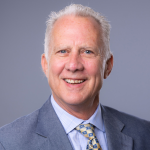
John Harris, Spotlight Sponsors, and Jazz Vocalist Karla Harris

September 18, 2025 by John Ray

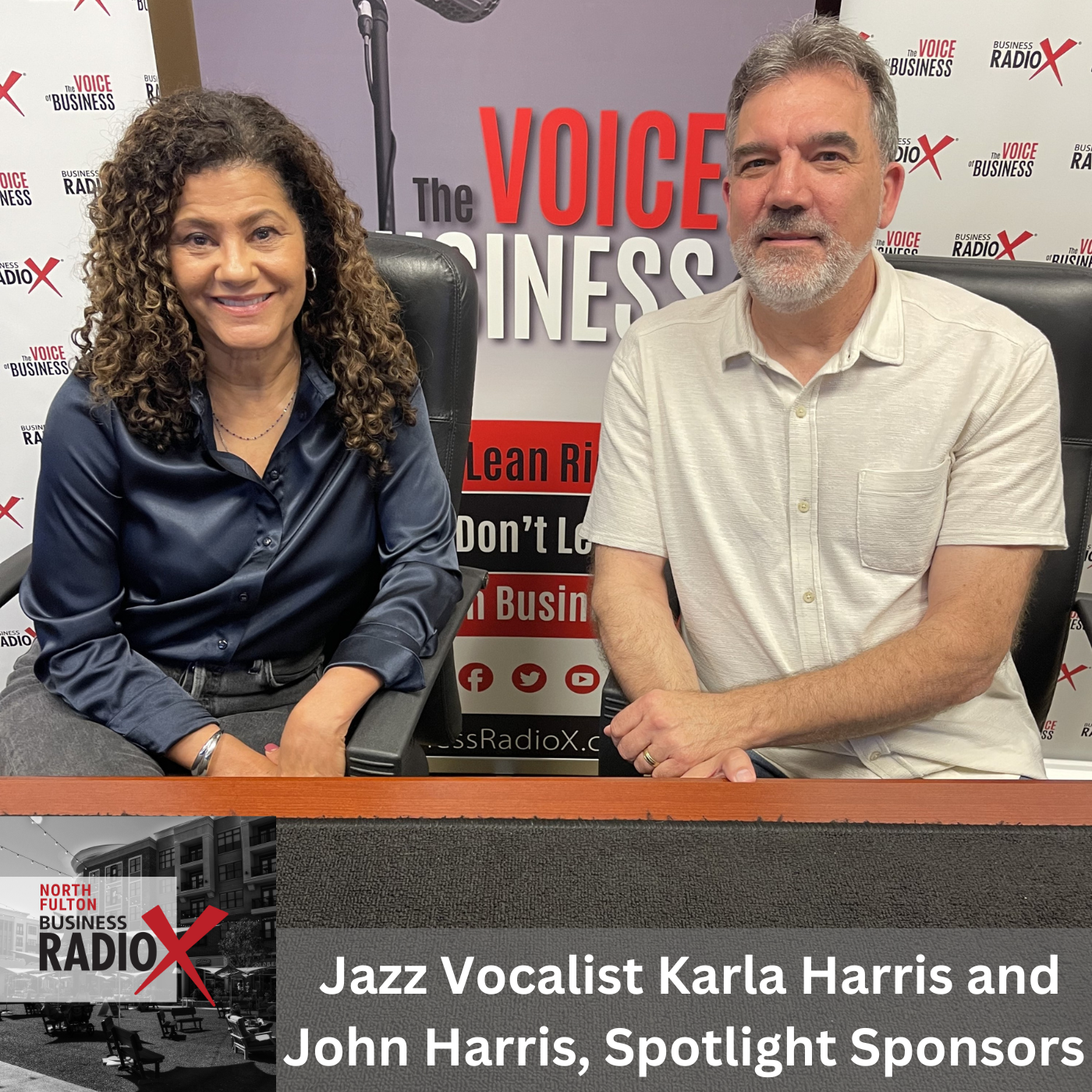
John Harris, Spotlight Sponsors, and Jazz Vocalist Karla Harris, on North Fulton Business Radio with host John Ray
North Fulton Business Radio
John Harris, Spotlight Sponsors, and Jazz Vocalist Karla Harris
Loading
00:00 /
RSS Feed
Share
Link
Embed

Download file

John Harris, Spotlight Sponsors, and Jazz Vocalist Karla Harris, on North Fulton Business Radio with host John Ray

John Harris, Spotlight Sponsors, and Jazz Vocalist Karla Harris (North Fulton Business Radio, Episode 901)

What happens when business strategy meets artistic passion? In this episode of North Fulton Business Radio, host John Ray welcomes John Harris, founder of Spotlight Sponsors, and jazz vocalist Karla Harris. John shares how Spotlight Sponsors helps performing arts venues and community theaters create innovative sponsorship packages that connect local businesses with cultural events. Karla offers her perspective as a touring jazz artist and educator, describing how these partnerships open doors for audiences, venues, and musicians alike. Together, they highlight how creative thinking in sponsorship and performance can strengthen both community and culture.

John Ray is the host of North Fulton Business Radio. The show is produced by John Ray and North Fulton Business Radio, LLC, an affiliate of Business RadioX®, and is recorded inside Renasant Bank in Alpharetta.

Key Takeaways from This Episode

  • John Harris founded Spotlight Sponsors to help performing arts venues create sponsorship packages that provide tangible value to businesses.
  • Micro-sponsorships allow community theaters and smaller venues to secure funding and strengthen engagement with local businesses.
  • Karla Harris is a nationally touring jazz vocalist, recording artist, and vocal jazz educator at Kennesaw State University.
  • Sponsorships become true partnerships when venues focus on client-perceived value rather than donations.
  • Jazz continues to thrive with younger generations drawn to its spontaneity, collaboration, and inclusivity.

Topics Discussed in This Episode

00:00 Introduction and Welcome to North Fulton Business Radio
00:30 Meet John Harris and Karla Harris
01:52 Spotlight Sponsors: Building Sponsorship Packages
03:58 John’s Journey from Engineer to Sponsor Specialist
05:23 Karla’s Jazz Journey and Outreach
07:43 Challenges and Solutions in Small Venues
09:44 Expanding Beyond Initial Efforts
14:54 The Future of Jazz
16:55 Karla’s Work and Tours
17:05 Upcoming Events and Performances
17:56 New Album and Live Streaming
18:14 John’s Unique Approach to Sponsorship
19:28 Creative Sponsorship Ideas
22:55 Success Stories and Client Impact
28:09 Contact Information and Final Thoughts
29:25 Sponsor Highlight and Book Promotion

John Harris, Spotlight Sponsors
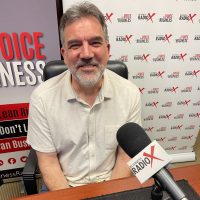
John Harris, Spotlight Sponsors, appearing on North Fulton Business Radio with host John Ray
John Harris, Spotlight Sponsors

John Harris is the founder of Spotlight Sponsors, a company that helps performing arts venues and artists create innovative sponsorship packages that deliver real value to local businesses and communities. Spotlight Sponsors specializes in micro-sponsorships, enabling community theaters and small venues to thrive by connecting them with business partners eager to support the arts.

Before launching Spotlight Sponsors, John spent 35 years as an industrial engineer with UPS, leading large-scale projects in quality control, process optimization, and distribution strategy. After retiring, he consulted for companies including Primo Water Corporation, Trivnow LLC, and Percentsharp LLC. An engineer at heart and a problem-solver by training, he now applies that expertise to the performing arts, bridging business strategy with cultural enrichment so venues can secure funding and deliver memorable artistic experiences.

John holds a B.S. in Applied Mathematics from the University of Missouri–St. Louis and dual master’s degrees in Computer Resources and Information Management and in Management from Webster University.

Email

Jazz Vocalist Karla Harris

Karla Harris, Jazz Vocalist, on North Fulton Business Radio with host John Ray
Karla Harris

Karla Harris is a jazz vocalist, recording artist, and educator whose career spans more than four decades. She has appeared at festivals and venues nationwide and abroad, including the Sarasota Jazz Festival, Atlanta Jazz Festival, Kennedy Center’s Arts Across America series, and a TED Talk. Recently she has been recognized with a Jazz Road grant from South Arts, Atlanta Magazine’s Women Making a Mark award, and was named a Jazz Hero by the Jazz Journalists Association.

In addition to her performances and recordings, Karla serves as artist-in-residence with the Jazz Studies department at Kennesaw State University, where she teaches Applied Vocal Jazz. Her discography includes Karla Harris Sings the Dave and Iola Brubeck Songbook, Certain Elements, and Moon to Gold, a collaboration with the Joe Alterman Trio. Her music has been praised for its dynamic range, emotional depth, and ability to honor tradition while bringing a fresh voice to the American Songbook.

Originally from St. Louis and now based in Atlanta, Karla began performing while in college and went on to work with respected jazz artists across the country. She continues to balance a busy performance schedule with her teaching and community outreach, using her artistry to inspire audiences and mentor the next generation of jazz singers.

Website | Instagram | YouTube

Renasant Bank supports North Fulton Business Radio

Renasant BankRenasant Bank has humble roots, starting in 1904 as a $100,000 bank in a Lee County, Mississippi, bakery. Since then, Renasant has become one of the Southeast’s strongest financial institutions, with over $17 billion in assets and more than 180 banking, lending, wealth management, and financial services offices throughout the region. All of Renasant’s success stems from each banker’s commitment to investing in their communities as a way to better understand the people they serve. At Renasant Bank, they understand you because they work and live alongside you every day.

Website | LinkedIn | Facebook | Instagram | X (Twitter) | YouTube

Beyond Computer Solutions supports North Fulton Business Radio

If you’re a law firm, medical practice, or manufacturer, there’s one headline you don’t want to make: “Local Business Pays Thousands in Ransom After Cyberattack.” That’s where Beyond Computer Solutions comes in. They help organizations like yours stay out of the news and in business with managed IT and cybersecurity services designed for industries where compliance and reputation matter most.

Whether they serve as your complete IT department or simply support your internal team, they are well-versed in HIPAA, secure document access, written security policies, and other essential aspects that ensure your safety and well-being. Best of all, it starts with a complimentary security assessment.

Website | LinkedIn | Facebook | YouTube

About North Fulton Business Radio and host John Ray

With over 900 episodes and having featured over 1,300 guests, North Fulton Business Radio is the longest-running podcast in the North Fulton area, covering business in our community like no one else. We are the undisputed “Voice of Business” in North Fulton!

The show invites a diverse range of business, non-profit, and community leaders to share their significant contributions to their market, community, and profession. There’s no discrimination based on company size, and there’s never any “pay to play.” North Fulton Business Radio supports and celebrates businesses by sharing positive stories that traditional media ignore. Some media lean left. Some media lean right. We lean business.

John Ray, host of  North Fulton Business Radio, and Owner, Ray Business Advisors
John Ray, host of North Fulton Business Radio and Owner, Ray Business Advisors

John Ray is the host of North Fulton Business Radio. John and the team at North Fulton Business Radio, LLC, an affiliate of Business RadioX®, produce the show, and it is recorded inside Renasant Bank in Alpharetta.

The studio address is 275 South Main Street, Alpharetta, GA 30009.

You can find the full archive of shows by following this link. The show is available on all the major podcast apps, including Apple Podcasts, Spotify, Google, Amazon, iHeart Radio, and many others.
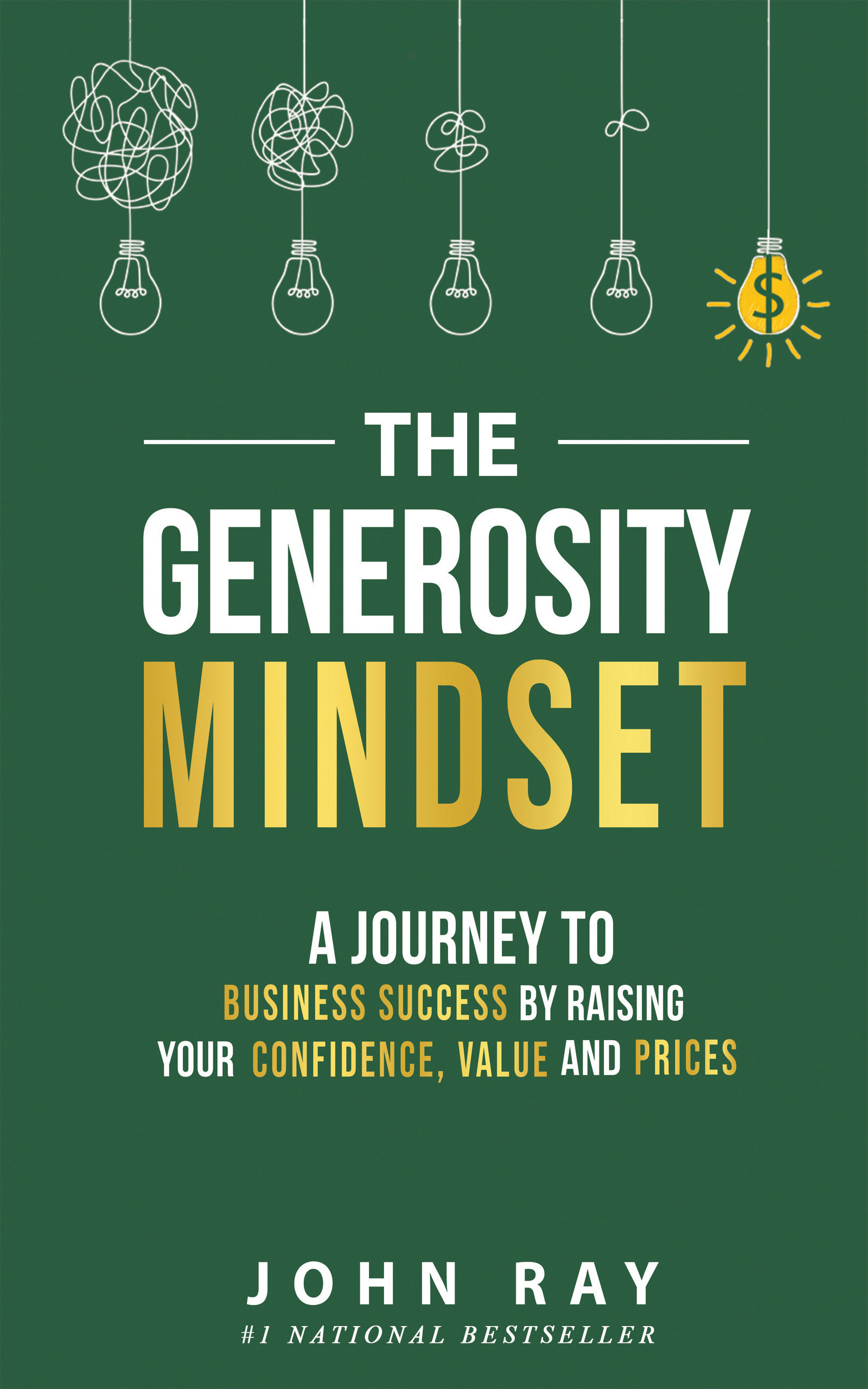
John Ray, The Generosity MindsetJohn Ray also operates his own business advisory practice. John’s services include advising solopreneurs and small professional services firms on their value, their positioning and business development, and their pricing. His clients are professionals who are selling their expertise, such as consultants, coaches, attorneys, CPAs, accountants, bookkeepers, marketing professionals, and other professional services practitioners.

John is the author of the five-star rated book, The Generosity Mindset: A Journey to Business Success by Raising Your Confidence, Value, and Prices, praised by readers for its practical insights on raising confidence, value, and prices.
Tagged With: arts funding, Atlanta jazz, community theaters, Jazz, jazz vocalist, John Harris, John Ray, Karla Harris, Kennesaw State University, Live Jazz, micro sponsorships, North Fulton Business Radio, performing arts sponsorships, performing arts venues, sponsors, sponsorships, Spotlight Sponsors

The Best Path to Leadership: Insights from Kennesaw State’s Executive MBA Program

August 12, 2024 by angishields

High Velocity Careers
The Best Path to Leadership: Insights from Kennesaw State's Executive MBA Program
Loading
00:00 /
RSS Feed
Share
Link
Embed

Download file

KSUHVC-080824-feature

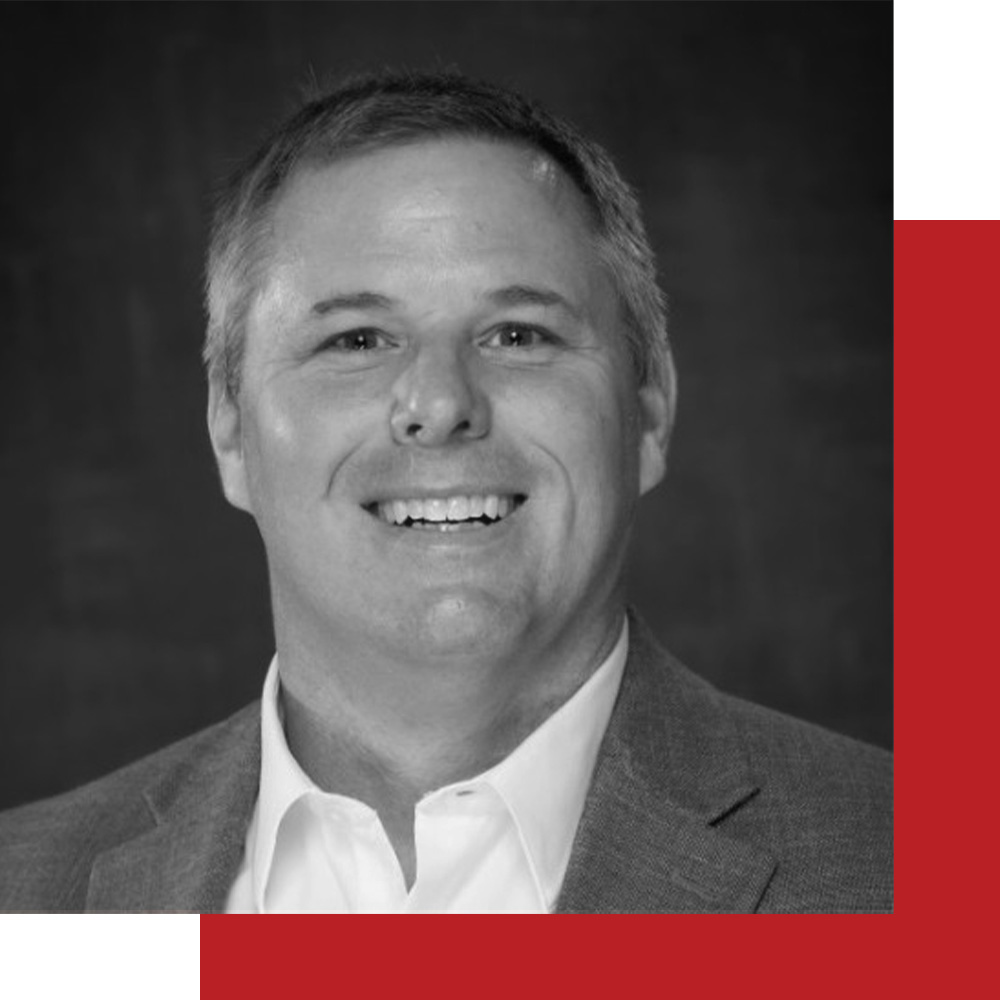
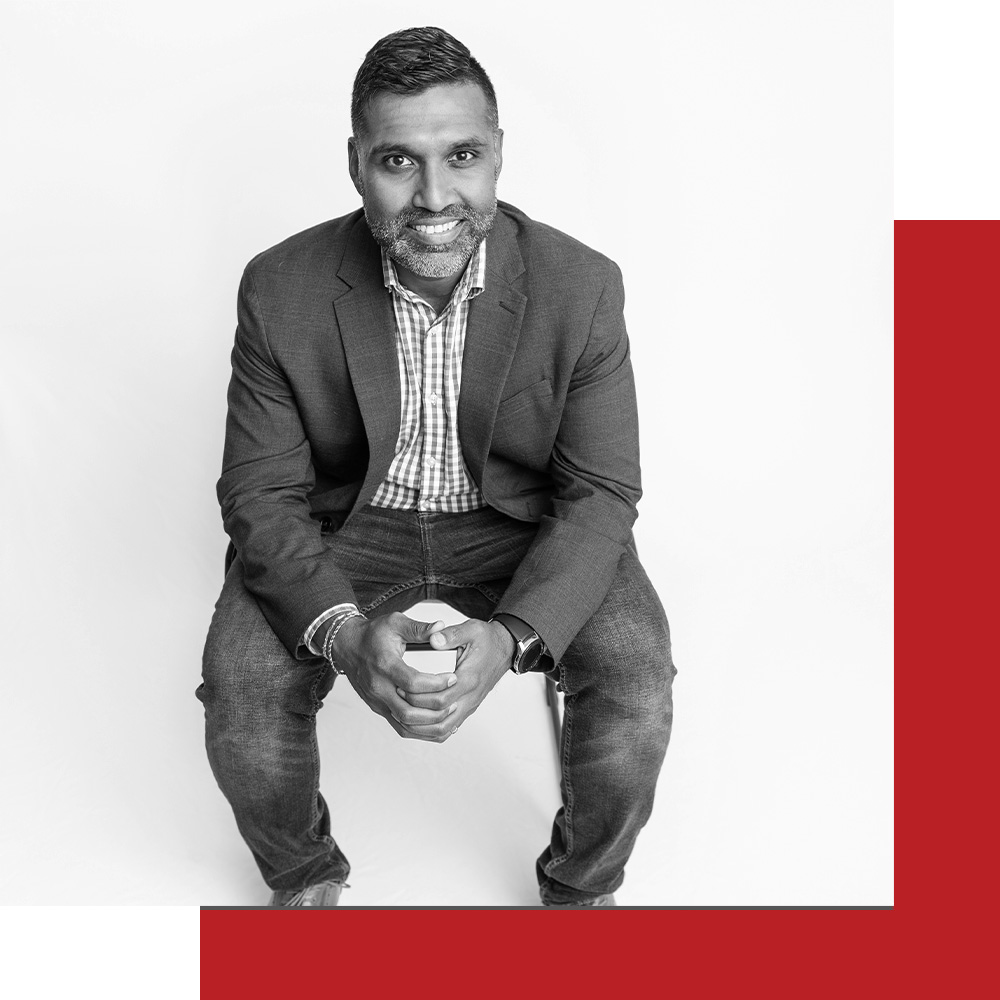
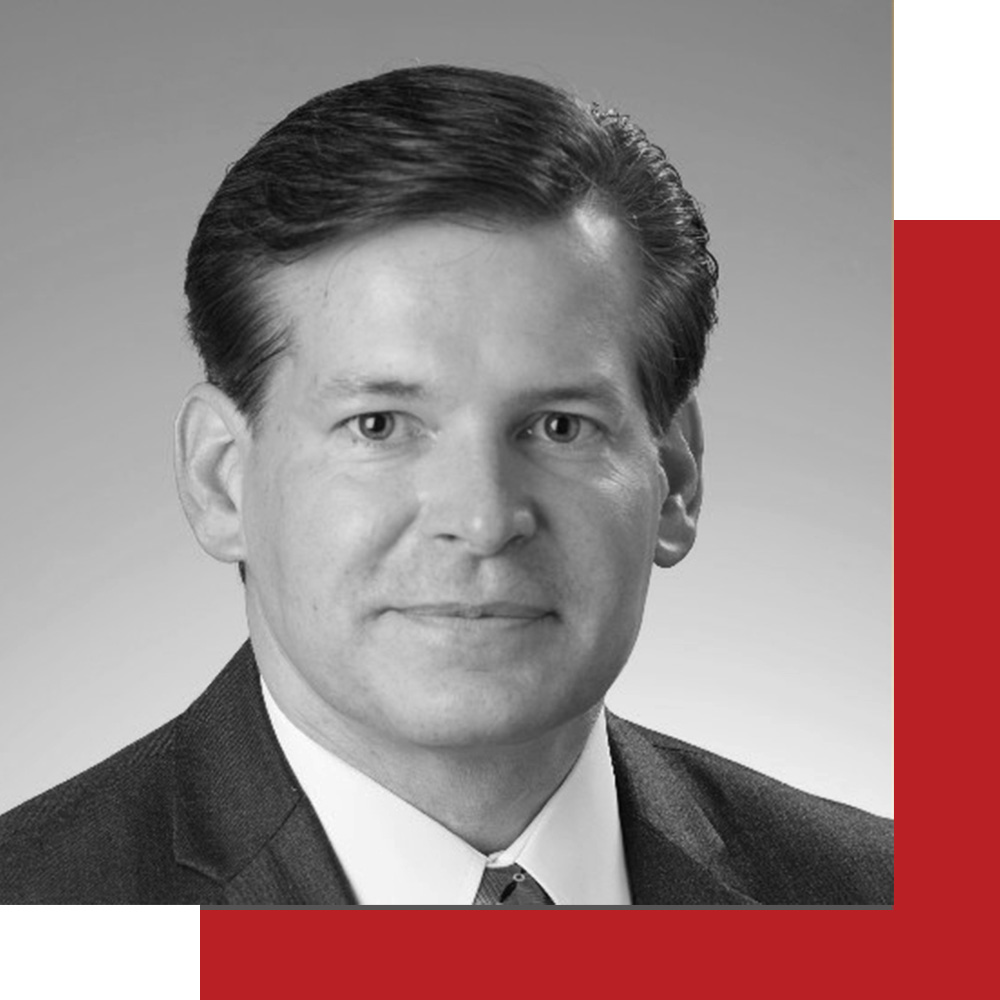
In this episode of High Velocity Careers, Host Stone Payton and Co-Host Tom Devaney, Executive Director of Kennesaw State University’s Executive MBA program, discuss the transformative impact of the program on students’ careers and personal lives.

Faculty members Dr. Marko Jocic and Dr. Preston Davis share their diverse career journeys and teaching philosophies. They emphasize the program’s focus on practical application, leadership development, and lifelong learning. The episode highlights success stories of students who redefined their career paths and achieved significant professional growth, underscoring the program’s commitment to fostering real-world skills and personal fulfillment.

Marko-JocicDr. Marko Jocic is a seasoned technical sales and marketing expert with 20 years of global experience in engine-driven equipment for power generation, marine, industrial, automotive, and aerospace/defense applications.

Originally from Miami Beach, Dr. Jocic earned his electrical engineering degree and doctorate in business administration from the University of Florida, proudly identifying himself as a Gator. He also has an International MBA from the University of South Carolina.

Throughout his career, Dr. Jocic has driven innovation and efficiency in various industries, working extensively with engines and industrial equipment. His expertise spans multiple roles and applications, showcasing his versatility and depth of knowledge.

In addition to his technical acumen, Dr. Jocic is highly skilled in research and data science, proficient in a range of tools including Tableau, SPSS, AMOS, Stata, Smart PLS, Python, SAS, SQL, Power BI, and Access. His analytical abilities enable him to transform complex data into actionable insights, benefiting both academic and professional settings.

Dr. Jocic has served as a part-time faculty member at UMass, Quinnipiac University, and Central Connecticut State University, teaching entrepreneurship, international business, and quantitative analytics. His research, published in the Journal of Small Business Management and the Journal of Managerial Development, focuses on entrepreneurship and strategy, innovation, and leadership.

At Kennesaw State University, Dr. Jocic leverages his extensive cross-functional and cross-border experience to educate future business leaders and consult for international family businesses. His practical industry knowledge and passion for teaching give students a unique perspective on marketing and sales as well as other areas such as supply chain, project, and process management.

Outside of his professional life, Dr. Jocic is a dedicated father to his sons Erik and Ivan. He enjoys biking and international travel in his spare time.

Connect with Dr. Jocic on LinkedIn.

Preston-DavisDr. Preston Davis is a Clinical Assistant Professor at the Coles College of Business at Kennesaw State University. An Atlanta native, he holds a Doctor of Business Administration (DBA) from Georgia State University, a Master of Accounting (MAcc) from the University of North Carolina, Chapel Hill, an MBA from the Georgia Institute of Technology, and a bachelor’s degree in business with a focus in Economics from Auburn University.

Preston is a serial entrepreneur, innovator, and multidisciplined operator with over twenty years of diverse experience, from founding and managing start-up companies to leading large international service firms. Most recently, he served as the CEO of a recreational retail company in the southeast, successfully exiting in 2020.

Before his current role, Dr. Davis was also an instructor at Georgia State University. His extensive background in both academia and business, combined with his practical knowledge and real-world experience, makes him an asset to the Coles College of Business. Additionally, Dr. Davis was once a drummer in a rock band, showcasing his diverse interests and talents.

With his entrepreneurial spirit and innovative approach to business, Dr. Davis continues to inspire and educate the next generation of business leaders.

Connect with Preston on LinkedIn.

About Our Co-Host

Thomas-DevaneyThomas F. Devaney, MBA, CPA, is the Executive Director of the EMBA Program and a Senior Lecturer of Accounting and Finance at Kennesaw State University. With over 30 years of experience in both public and private accounting, Tom brings a profound depth of knowledge to his role as an educator and leader.

Prior to academia, Tom had a distinguished 25+ year career in public accounting at the principal/partner level, serving small and mid-sized entities (SMEs) and affluent individuals. His extensive business consulting experience includes tax planning, preparation, and representation, mergers and acquisitions, business planning and development, transaction due diligence, and operational consulting. Additionally, Tom has broad experience in financial accounting and reporting, encompassing the design and implementation of management information systems, manufacturing and construction cost accounting, and budgeting and forecasting functions.

Tom earned his Bachelor of Science degree in Accounting from SUNY-Oswego and his MBA in Accounting from Kennesaw State University. He holds active CPA licenses in California, New York, and Georgia. He is a member of the American Institute of Certified Public Accountants (AICPA), the Institute of Management Accountants (IMA), and the Georgia Society of Certified Public Accountants (GSCPA).

As the founder and senior partner of Devaney & Associates, Tom has demonstrated leadership and a commitment to excellence in accounting. His professional journey and academic contributions make him an invaluable asset to Kennesaw State University and the broader accounting and finance community.

Connect with Tom on LinkedIn.

Transcript-iconThis transcript is machine transcribed by Sonix
 

TRANSCRIPT

Intro: Broadcasting live from the Business RadioX studios in Atlanta, Georgia, it’s time for High Velocity Careers. Brought to you by Kennesaw State University’s Executive MBA program, the accelerated degree program for working professionals looking to advance their career and enhance their leadership skills. For more information, go to kennesaw.edu/emba. Now, here’s your host.

Stone Payton: Welcome to High Velocity Careers. Stone Payton here with you this morning, and joining me as our co-host for today, Executive Director of the Kennesaw State University’s Executive MBA program, he’s also a Senior Lecturer of Accounting and Finance, Mr. Tom Devaney. How are you, man?

Tom Devaney: Doing great.

Stone Payton: Well, you’re looking great, particularly riding in on that new toy I saw this morning.

Tom Devaney: Yeah, that’s a little secret. Don’t tell the wife.

Stone Payton: Well, congratulations. Well, we have had designs on putting this series together now for some time. I’m so excited. Cannot think of a better way to kick it off. You’ve invited a couple of esteemed faculty members to join us. Who’d you bring with you today, man?

Tom Devaney: Well, I brought two of our dedicated faculty in the EMBA program, Dr. Marko Jocic and Dr. Preston Davis. Actually, James Preston, the third, Davis, I believe is correct. Right?

Preston Davis: Well, I’m still trying to get over the esteemed part of this.

Marko Jocic: Yeah. That’s right.

Stone Payton: Well, we’re delighted to have you, gentlemen. I’d like to ask you both, and I’ll ask you to respond one at a time, and we’ll start with you, Preston, the third. But I’d love to hear a little bit about the background. I’m fascinated by the career choice and always curious to know how does one end up being on the faculty of an institution like this. What’s the backstory, man?

Preston Davis: Yeah, I think it’s called barely getting out of undergrad. That’s what led me here. No. You know, I have, I guess, a somewhat nontraditional, I guess, path here. So originally, I always wanted to be a soldier in the military. So I was fortunate enough to go to West Point, but I only stayed for about a year and a half. Got to play football there. I always joke I was on the team, didn’t necessarily play football there but I was on the team. Left there, jumped around. I spent a couple of semesters at UVA and community college. Finally graduated from Auburn University; I think, barely making it out of there.

Preston Davis: I played in a band. I was a bartender, which is pretty interesting. So I actually toured in a band in the southeast for about a year and a half, maybe two years. Funny enough, one of the other members of the band finished his PhD at Georgia State and is a tenured professor now, so I don’t know, maybe music’s the way in.

Preston Davis: And then I just, you know, I got into the startup world, got to work for some kind of family-owned and venture-backed companies. I’ve gotten to work at one of the largest, you know, services firms in the world. And I always was a little disappointed with the way I ended up my undergrad So I went back to grad school. I went and got a master’s of accounting from UNC Chapel Hill, ended up getting an MBA from Georgia Tech.

Preston Davis: And then I just fell in love with academia right again. And so I reimagined this life, and it was always this part of my narrative or part of a story that I was always kind of a lifelong learner, but maybe a chip on my shoulder and had to continue to prove myself. And so I finally went back after selling a company kind of in the middle of the pandemic and decided to finish up my doctorate.

Preston Davis: And so I went into the DBA program at Georgia State. Fantastic, amazing experience. Had no intention originally of teaching. And they had an opportunity to kind of get certified in teaching. And I got to teach a few undergrad classes and started to fall in love with it, just the impact, the fulfillment that I was getting from it, and said, maybe this is really a path for me. Seemed to some extent that maybe people enjoyed when I was talking, which I still can’t get, still can’t figure that one out.

Preston Davis: But, you know, I had enough kind of life experiences to relate with a lot of the students, given kind of my whatever nontraditional background and some of the things that I’ve been through and that ability to connect, and just kind of witness the evolution of these people, it just really, truly inspired me. And so I said, you know, if I can actually finish this and graduate and finish my dissertation, maybe I’ll get a chance to teach somewhere and fortunate enough to, I guess, my resume came across Tom’s desk, and he decided he was willing to take a risk on me even before I finished.

Preston Davis: Got to teach a little bit in the MBA program before actually finishing my dissertation, and kind of fell in love with it, and it was really excited and got to meet an incredible person like Marko here that I think reinvigorated this idea of, you know, colleagues and working together and just research and everything that goes with it. And just the impact that they were making on the EMBA Associates was something I never dreamed to experience after just teaching undergrad and kind of talking to 18, 19, 20-year-olds.

Preston Davis: And so to see people that are already so successful and on their journey that I could inspire or help in any way, shape, or form at that level was just an incredible opportunity. I said, “Absolutely. If you’ll have me, I’m going to do this.” And so, fortunately, I graduated and got to start teaching.

Stone Payton: Well, it has to be. I’ve got to believe that it’s incredibly rewarding work. I mean, I can see it in your eyes. I can hear it in your voice. But what do you feel like you enjoy the most these days, now that you’ve been at it a little while?

Preston Davis: You know, I think it’s – we are very fortunate in the way that we have designed this program. The way it has been designed is that we have all these different modules. And so the exciting thing for me is that we get to be general practitioners in some sense. And so I get to teach a few different topics in the program, and it forces me to continue to learn. Right? It forces me to continue to go deeper and deeper into various topics as opposed to, “Hey, you are only going to teach econ. That’s all you’re going to do, that’s all you’re going to research. You’re going to be very narrow and you’ll be very deep.” That’s fantastic.

Preston Davis: Unfortunately, it doesn’t really match my style and my background. I’m all over the place. And so I’m like, “Hey, how about if I go pretty deep in like a bunch of different things? Can I do that?” And this gives that opportunity. And, you know, on top of that, I think it’s just watching and seeing the change happen to people that, you know, they already have kids and they’re already successful, they’re senior directors, they’re executives. I mean, they’re – I mean, really, really impressive people already on paper. And so to sit there and watch them continue to evolve and get better is remarkable, right?

Preston Davis: So, getting the experience that, you know, kind of live it with them and co-create their kind of next chapter is just incredibly rewarding, fulfilling. And so for me, that’s always kind of the most exciting part is going from day one when they do, you know, kind of their first presentations, because you can definitely see it in the presentations, and then to their last semester when they do their formal consulting presentation at the end of their 19 months. I mean, remarkable is the only word. I mean, it is really the transformation that occurs for people that you think how are you going to transform somebody that’s already at the top, you know, in a lot of cases.

Stone Payton: So, yeah. So, Tom, when you were looking at this resume that he mentioned, did anything leap off the page? What compelled you to at least reach out and have a conversation with the guy?

Tom Devaney: Oh, he undersold his resume and his experience. So what’s unique about our program – and it’s funny, we had launched 2024 this morning right before this, you know, big kick-off for the new school year and our new strategic plan, you know, and all the speakers were the highest officers in the university from the president down, they talked a lot about us, our roadmap to R2 and our research and the impact we’re making on society. And research is extremely important in institutions of higher education. But what’s unique about KSU is we are a teaching university as well. And that’s been our focus from when we were an infant. Right? And the faculty dedicated to the EMBA program are all practitioners. Okay.

Preston Davis: So Preston has a phenomenal background in running and managing businesses, taking startups and taking them through the VC funding stage, selling them to private equity groups, those types of things. So you’ll hear similar from Marko, very diverse backgrounds. Okay. Multiple degrees. You know, he downplayed him real quick. “Well, I got a master’s, you know, from Auburn. And then I got an MBA from Georgia Tech. Oh, and by the way, I got a PhD from Georgia State.” Right? That’s what I want in the classroom.

Tom Devaney: We’re dealing with executives or management level people, high potential individuals. Maybe they’re not there yet, but they’re on that path. Okay. And they don’t want professors who are coming in talking to them purely about research. They want to know how can I apply this at work tomorrow. What’s this? How is it relevant to me today? Okay. I got a team to lead. Or, I got a project that I got to get through to completion. Give me the tools to help me do that.

Preston Davis: And that’s what all the faculty does, Preston included. We’re all hands-on. I mean, if we’re not hands-on, all the faculty work in there, all of the dedicated faculty to KSU, we would hire emphasis on their consulting work outside of KSU than we do on their research. They do have to research. They have to publish. They have to keep their PhDs, okay, but they have to be relevant to the class. And that’s what makes them special.

Stone Payton: Yeah. Marko, I apologize, because I feel like Preston’s a pretty hard act to follow, but I would love to hear a little bit about your backstory, too.

Marko Jocic: I’ll do my best. Mine is a little bit different. I started out as an electrical engineer graduating from the University of Florida. After that, I worked about, wow, 10 to 15 years in varying capacities, moving through electrical engineering, design, customer service, program management for Fortune 500 companies like Oshkosh Truck Corporation and Cummins Inc.

Marko Jocic: I decided to get my MBA in international business at that time and started traveling the globe, eventually moving up to senior VP of marketing and sales for a multinational corporation. So I had facilities in China reporting to me as well as other locations all around the world.

Marko Jocic: After that, in between that, I got my doctorate in business administration from the University of Florida as well. So I’m a Gator twice. Funny enough. And, you know, just COVID hit, I was traveling a lot. My first son was born, and I had the opportunity to stay home a little bit. And I thought, hey, you know, this is an opportunity to really reinvent myself.

Marko Jocic: So I started teaching at UMass for a little while and absolutely loved teaching. It was undergrad, you know, meeting these students firsthand, really transforming their lives. Right? So it was a wake-up call for me that, hey, maybe, you know, life is not all about traveling the world and, you know, selling products everywhere you go. You know, it was maybe about something greater than that.

Marko Jocic: So I taught at UMass. Then I taught at Quinnipiac, then Central Connecticut State University. And then decided, you know what? I’m going to take the leap from corporate and teach full-time. So I started putting my resume out there. I was fortunate enough that Tom had a chance to look at my resume.

Marko Jocic: I remember interviewing from my car and still doing a pretty good job, you know, in between work and meetings and everything else. So it went well. I had the opportunity to come over here full-time as a clinical assistant professor and couldn’t have made a better choice by far.

Marko Jocic: So, you know, working with the staff, the faculty, with Preston, Tom, and everyone else in our program who are all highly, highly skilled is just, it’s an amazing experience. And then on top of that, you know, we get the chance to train leaders in the future, you know, which is a wonderful thing.

Marko Jocic: You know, even this recent meeting at Launch ’24, you know, we had – a student walked up to me, Martha Anderson, for example, who’s now going to be pursuing her PhD and was asking for a recommendation letter. So it’s just seeing that kind of transformation in our students. And it truly is an amazing experience when you see them, like, walk in day one, you know, being shy and nervous, you know, maybe coming in really inexperienced to, you know, being a leader and then leaving the program, being something that’s like awe-inspiring.

Marko Jocic: So that’s really what drew me to the program, drew me to being a teacher overall. And, you know, I couldn’t look back at going into the corporate world, although I still consult for international family businesses around the world, doing my marketing and sales thing and electrical engineering still, just to keep, you know, my edge in the industry. So it’s been an incredible experience and I wouldn’t give it up for the world.

Preston Davis: I just love what you said about the impact because the other thing I think about with our EMBA students, it’s like teaching undergrad versus grad, especially on the executive level, is like this idea of impact. And who’s going to have the greatest impact in an organization is these people that are managers, high performers, the leaders. Right? They’re going to be setting this tone.

Preston Davis: And so many people, I think, in corporate America, right, complain and there’s, there’s, there’s plenty of burnout. There’s all these things that happen and it’s like, “Oh, well, you know, the next generation is going to fix this.” And it’s like, “Well, no, they’re going to be the sufferers through this transformation.” It’s like, “Well, if we can start hitting people at the right level and change them so that they can change from the inside, right?” These are the decision-makers, right?

Preston Davis: So everything that we teach, I think is so awesome because the impact is real and like Tom mentioned, it’s like on Monday, right? I mean, we have students all the time that say, you know, again, we try to teach very pragmatic approaches to certain things. Like, I went in on Monday, I changed this and I’m going to tell you all about it in three weeks. And three weeks will come up and they said, “Hey, that didn’t work.” Or they’ll say, “My team’s performing at a level that I never thought they would.”

Marko Jocic: And so I think that this impact I think we relate to is that not only is it so rewarding, fulfilling to teach just generally. Right. I mean, any way to help and motivate and grow people. But then to realize that that impact is twofold, right? Because they’re going to go and they’re going to impact these organizations from the top down in a really meaningful way. And I think that, for me, is why I keep showing up and saying, hey, we’re making a difference.

Marko Jocic: Hundred percent. Not only that but it’s a really unique group of students or associates we should say when you get into the classroom, because all of them are leaders, they’re in different industries across, you know, all over Georgia as well as other areas you know now. So they get to share a lot of their experiences, their insights in the classroom. So it’s not just us teaching to them, it’s them teaching to us as well as to their peers. And it’s amazing when you look at the dynamics of this type of classroom compared to like your typical MBA graduate class or undergraduate, where, you know, they’re not bringing their experiences into the classroom, and we get that every single day. It really is amazing.

Preston Davis: Yeah, I always joke I’m just a facilitator, right, of knowledge and communication between each other because there’s no way I can compete with the level of wisdom and experience that’s in the room, right? I mean, there are so many decades, more years in that room.

Preston Davis: And I used to always joke with people about undergrad that, I mean, I really did – I had one and maybe a few people that are very passionate about the undergrad teaching. And I always joke that it just helps my anxiety out because when I walk in the room, I’m like, well, I probably know more than you, right? You’re 18 years old or something. Like, I’m going to learn. I’m going to learn something, but generally, I’m going to be – I’m going to be feeding a lot more than I’m going to be eating. Right?

Marko Jocic: So in this case, it’s like keeps us on our toes all the time, because anyone in that room can ask some of the most difficult questions. And a lot of times I have to say, “You know, that’s a great question. And I don’t know, but I’m going to find the right answer. I’m going to find the evidence that supports the best way to do something.”

Stone Payton: So is it – its ethos, its value system, its mindset. It must be curricula and structure, all of those things. But there are so many distinctions I’m picking up pretty quickly here in this and your more traditional MBA paths, right, Tom?

Tom Devaney: Yeah, we have a list of what we call our distinguishing characteristics, five or six bullet points, but the last three are my favorite. One is the dedicated faculty. And you have two of them here today that you’ll get a feel for the expertise and their commitment to changing lives and just moving forward and research learning but learning from students. Humble, okay, we walk into the classroom.

Tom Devaney: I teach accounting and finance. I’ll have a CFO in a class. Okay, I better be on my toes. I can’t be sitting here five years out of date because I’ll get called out, right? So same thing in all these multidisciplines. But we got the dedicated faculty. We have our focus on leadership and personal development. Because when we’re changing lives, we’re not just changing lives in the workplace. We’re changing lives across the board. Our students will tell us they’re better husbands, they’re better fathers, they’re better coaches. Okay. Because we put a lot of emphasis in our curriculum on their personal development, particularly their leadership skills.

Tom Devaney: And then what I love most is our applied integrated curriculum, which is pretty unique. They don’t take a class. They don’t take an accounting class for ten weeks. Listen to Professor Devaney talk for an hour, you know, three days a week, and they – good. I finished my accounting requirement. Now, let me take a marketing class, and they go to Marko’s class. And, “Oh, I’m finished with that. Let me go get an econ class from Professor Davis.”

Tom Devaney: We teach in little four-hour modules, okay, and over a theme for the weekend. And it’s very multidisciplined. So if we’re talking about a topic, we might be talking about the cultural changes that have to happen, bringing in some organizational behavior and change the finance aspects of it, using mergers and acquisitions as an example. Right?

Tom Devaney: If one company is going to acquire another, what do you need to know? Well, first, you got to know what am I going to pay for it. Okay. So I’ll teach a class on business valuation what that looks like and what models we use to to value a business. Someone else might talk about the cultural change. We’ll have organizational behavior people in there. People don’t like change. So how are you going to force that change, right? You don’t know if they’re going to resist you and they’re going to have fear, and those types of things. Right? And then, you know, your workforce integration and how are we going to integrate the workforce.

Tom Devaney: So we cover a bunch of different topics over a weekend in four-hour units that appear to just be random, but they’re not. The faculty works really hard. Last year, we probably put in 1000 hours redoing our curriculum, aligning every one of those hundred-plus units to make sure from the first one to the last one they build on each other and they’re all usable. And they demonstrate that in their final project. The final project, they go global and they do a consulting project for a real live company.

Stone Payton: Oh, wow!

Tom Devaney: And they get the data beforehand. And, you know, we’ve done consulting for ExxonMobil, and we’ve done consulting for little startups and little local breweries, you know, how to get them off the ground, how to go to market, how to go global, or, you know, go from Peru to get their product into America. And as Preston said, it’s just amazing to watch the transformation.

Tom Devaney: People used to ask me why I get so excited about teaching. I just love it. Okay. I fell into it by accident by the way, too, 15 years ago, practicing CPA my whole life, and I got asked to cover a class as a favor. I walked into a classroom once and never turned back. I’m like, I’m changing my career. That’s where I want to go. But I used to always say because we change lives.

Tom Devaney: So now, I get with the new vocabulary with our latest strategic plan where we transform lives. Did you catch that? So I can’t say we changed lives no more. Kennesaw State University is going to be transformational in the lives of our students moving forward. KSU is a really cool place and it’s really going places lately.

Marko Jocic: It is. Fast.

Stone Payton: So are you finding that as selective as you are in bringing together the right kind of faculty to pull all this off, are you finding that you’re equally selective in the students that you allow to participate in the program?

Tom Devaney: We are and we hold their students to pretty high standards. We are a teaming program, so it could be easy if we didn’t do it correctly for a few to slide through without really putting forth the effort or taking away from the program as much as they should. They’re making a serious investment. We owe it to them to make sure that they’re going to get the most out of it that they can. They’re making a serious time and financial commitment, and every once in a while someone will slide through the cracks and think they’re going to coast through. And we have, you know, very close monitoring of team feedback loops that is all automated faculty intervention or what have you.

Tom Devaney: So we’re pretty selective of who we get in because they have to go through a successful interview before they can even apply. So a lot of people ask, “Well, what’s your acceptance rate?” Our acceptance rate is really high because if you made it to an interview, you’ve already been – you’ve already been pretty well screened. We’ve already had your resumes. You’ve already been to an information session. My recruiting team has already searched your background. And, you know, we’re pretty comfortable you’re a good fit.

Tom Devaney: And what we really need to stress in those meetings is that this is a teaming program. There’s a lot of these individuals are high achievers, but they’re individual contributors, right? You can take a doctor and we have plenty of doctors go through the program.

Stone Payton: Oh, really?

Tom Devaney: Oh, yeah. You can take a doctor or someone who used to run his own practice or what have you, and they’re used to just being the boss and nobody questions them and they do their own thing and they’re brilliant. Don’t take me wrong. But they don’t belong in our program because our program is a teaming program. And you got to learn how to play nice in the playground. Okay. You got to leverage yourself. Okay.

Tom Devaney: So the interview process is really just that fit. Do you really fit?

Stone Payton: Yeah.

Tom Devaney: You know, do you have the DNA of our program or do you belong in a traditional MBA? Nothing wrong with that. Okay. We cater to a different market.

Stone Payton: Marko, walk me through a team coming to you on a given Saturday. What might they be doing on a Saturday in your room For the four hours?

Marko Jocic: Oh, good question. So our – it’s a really interactive weekend. So during those four hours, for example, we may lecture for 30, 40 minutes, then the teams will break out. They’ll do an interactive exercise like bringing in a case study or an example or a simulation or some kind of game or teaching us, you know, reverse role play kind of situation. So it really is an interactive environment.

Marko Jocic: So they’ll do that, have a quick break. So it’s kind of in these hour segments where they’re learning, interacting with their team. And then at the end of every semester, they do a cohesive presentation that basically summarizes all the functions they learned over that semester and brings it into a team presentation, where they walk it back through faculty and sometimes even to a broader audience. For instance, in the entrepreneurship semester, they’ll actually present a business plan to a group of venture capitalists in the room.

Stone Payton: Actual, actual VCs.

Marko Jocic: Actual VCs.

Stone Payton: Wow!

Marko Jocic: And a lot of businesses have actually started as a result of that assignment, believe it or not. So Peace Love and Pizza were graduates of Kennesaw State University and there’s many others. So it’s amazing, you know, seeing that transformation, seeing those business plan presentations and all the presentations they have in every single semester and just that camaraderie they develop, you know, the cohesiveness those teams have. And it starts off as, like, they don’t know each other, right? These are very diverse people we put on the teams purposely in terms of industry, background, and everything else.

Marko Jocic: And then by the end of the semester, you see this as a close-knit group that is meeting each other for, you know, weekends, parties, you know, events and they stay connected. You know, our network is fantastic in the Executive MBA group. The alumni all gather regularly. We have events that foster networking. You know, we have many students that hire students in the program depending on their level. So it’s a completely different experience than, you know, going for an online MBA where you may not know people in the cohort. In our program, you know everyone in this cohort plus the past cohorts. And it’s a completely unique experience.

Marko Jocic: So the team-based aspect is a key to it. But it’s also critical. They have to grade each other. They have to step up to the plate. You know, they have to address issues sometimes with teams and make sure that they’re all performing to a level that is admirable, and they do in the end.

Stone Payton: So, Preston, I have heard the phrase leadership skills come up a couple of times in this conversation, and I’ve read a few books and I feel like I could make a reasonably decent 15-minute talk to the rotary if I needed to next week. Is there a rubric? Are there some very specific leadership skills that you guys have your eyes on? Speak to that a little bit, and how you try to take them from point A to point B.

Preston Davis: You know what we do? I think a really good job here is that, you know, the self-actualization, the self-awareness is such a key point because until you get there, you really can’t grow or move forward. And so we have an amazing strategy and leadership, professor, right, that leads them through a path. We have an incredible kind of organizational management HR kind of professor that also helps with this, right? So we hit on EQ and all these all these various things.

Preston Davis: But, you know, ultimately it is something where we don’t necessarily take one stance and say, “Hey, here’s a framework and you have to use it,” right? So I think we do a pretty good job of saying, “Hey, not one medicine is going to cure everybody, right? Like, you got to try something different.” And so what we do is we present like, “Hey, here are three or four or five of, like, the main frameworks, the main leadership styles.”

Preston Davis: You know, we have probably too many assessments, right, that everybody gets to take and you get to know a lot about yourself, right, in a lot of different ways and maybe what leadership style might be best for you to use and all these other things. But it’s really taking them down this journey so that they can better understand who they are and be open-minded enough to say, okay, I’m going to reflect on kind of these different frameworks that are out there around leadership, right? Because everybody has, let’s say the one they’re passionate about.

Stone Payton: Sure, sure.

Preston Davis: But I don’t at all believe that the one that I tell you to use is going to be the one that makes you a great leader or whatever, right? So we gave them an opportunity to explore kind of the different ones and then really take and maybe even blend together different aspects of each one to create a style in which it works for them. Right?

Preston Davis: But I think, you know, fundamentally, at the end of the day, to do that, right, to get to a place where you can be a servant leader or an authentic leader or a transformational or transactional, whatever you want to look at it from a leadership style perspective, you really have to take this big step back and understand who you are, right? Go through this self-awareness process because without that you’ll never be able to fully have, like, the right types of empathy. You’ll never fully be able to be vulnerable.

Preston Davis: We talk a lot about psychological safety, right, in the program, and how do you achieve that. And we look at Amy Edmondson’s research. And obviously, you know, this is – I feel like it’s almost like a buzzword at this point. But, I mean, even all the Google reports that have come out about their highest performing teams and what do they all have in common, right? It’s like two things. I mean, really, it’s eight things. But the two big ones that we always talk about is one coaching, right, which is a huge part of the program. But the other one is psychological safety, right, and how do leaders do that. Right? And so we kind of like back into what does it take to create a psychologically safe environment in your team or your organization and what does that mean for you as a leader, and what do you have to be, and to get there, how do you get there, right? And we have a really incredible curriculum that takes you down that path by taking you deep into yourself. Right?

Preston Davis: And so I think that it’s an amazing process. And we just had kind of a new, a new hire that’s taking over from somebody that has been doing this for, what, last 18 or 19 years. And I think for a lot of associate students, that is the catalyst of the big transformational piece of the program, right?

Preston Davis: So we can just teach you business acumen. We can be any other MBA program. And like here’s the information. But to see a fundamental shift and change in your mindset, in the character of who you are, and building like these different silos of ethics and morals, and how does that relate to me as a leader and a company and what kind of company do I want to be involved with, I mean, we start asking really, really, really tough questions that force people to go deep and introspective and say, “All right, who am I?” Right? I mean, at the end of the day, you get into an education setting and you go, “Okay, I’m here because X, Y, Z. And I didn’t realize I’m here because of this other thing.” Right? And so I think it’s important to ask those questions. And we give an amazing roadmap for that through that leadership curriculum.

Stone Payton: With the focus on teams as strong as it is, there’s just no way you can pull this off without the faculty being an incredible team. Is that accurate, Tom?

Tom Devaney: That’s extremely accurate. Really, really, really fortunate there. I mean, these guys are rock stars, and we work as a team together really well. Okay. So, we don’t, we don’t silo. We tackled some really big projects last year. We’re getting ready to launch in September where we’ll be hyflex; students can attend remotely. We’ve never done that in the past.

Stone Payton: Okay.

Tom Devaney: And it’s important that we don’t lose this teaming aspect and the culture and everything else that develops face-to-face. So there’s a ton of work that’s going into being able to get to that point, and we feel that we’re not going to dilute the experience by having some students potentially attend remote.

Stone Payton: Yeah, yeah.

Tom Devaney: Okay. But we work together. We generally have a faculty meeting once a month. We are highly involved with every one of our students, the stage of where they’re at. Any problems we’re having, we discuss. We reach out to students who might be struggling. And, you know, life happens during the program. You know, people lose spouses or someone gets cancer or they lose a parent, or they have a baby, or they get married, or they get divorced, right? And they’re halfway through and their world is starting to fall apart, and they really need someone to come alongside them and pick them up and say, “You got this. You know, you’re three-quarters of the way through. It’s a cohort-based program. You know, we’ll support you. What do you need?” You know, they’re still going to perform for us, okay. But we’re not going to desert them. You know, the faculty is going to be all over it.

Tom Devaney: And our curriculum obviously, being that applied integrated curriculum, I have to know what Marko is teaching in the classroom. He has to know what I’m teaching. Preston has to know what we’re teaching. Okay. All our faculty have to. The last thing we want to do is we go in, and I’d say one thing is garbage. And Marko goes in and says, “This is the latest, greatest,” right?

Stone Payton: Yeah. Forget what Marko said.

Tom Devaney: Yeah. You know – so, you know, and that can easily happen if we weren’t on the same page. But my focus, most of the faculty, well, all of the faculty right now, I hired. I’ve been here 12 years. I hired all of you. I guess it’s time for me to –

Stone Payton: It’s all you, Tom.

Tom Devaney: No, I got lucky, I got lucky.

Preston Davis: I got lucky, too.

Stone Payton: Well, I really applaud your willingness to entertain. And it sounds like you’re actually doing it, implementing this hyflex model, particularly on the heels of such marvelous success with a model that works, but again, to the theme of this conversation to a large extent, everything you describe reflects what they are experiencing or may very well experience back in the field up to and including, trying to connect and build teams and try to get results with and through the voluntary cooperation and effort of other people. A lot of that’s got to be done remotely now. Right? So it’s all very, very real world.

Tom Devaney: And with a very global environment, a lot of these leaders are leading teams that are not local anyway.

Stone Payton: There you go.

Tom Devaney: So they need to learn these skills.

Stone Payton: Right, right.

Tom Devaney: And they need to be really efficient at it. You know, I think anyone today can fire up a Teams meeting. Right?

Stone Payton: Right.

Tom Devaney: I remember, what was it, April, February or March of 2020 when the university shut down and we were like, “We got to go online.” We had no tools back then. We didn’t have Teams. Teams didn’t exist. Right? In that day and age, the tools really didn’t exist yet.

Stone Payton: Right, right.

Tom Devaney: Okay. And now it’s common. Okay. And so it’s not just a one-on-one or four of us on a Teams call. We got to break out into Teams within that. Right? So when we have this remote and we send a team on a breakout, we got to be able to throw them all in a room by themselves and then bring them back in the classroom and have them feel like they’re alive in the classroom and we need to be able to interact with them. We need to see them and communicate. So it takes a lot of technology, a lot of investment. So we’re excited about it. I’m worried about it. Okay.

Stone Payton: And rightly so. Right?

Tom Devaney: I need to get a couple of weekends under my belt and then it goes flawless where I say, “Whew, breathe a big sigh of relief.” You know, we’ve been promising and committing this for a year and a half. And we got, what, a couple of months and we’re alive. Exciting.

Stone Payton: Oh, wow! So I’m sure there are a ton. But are there one or two student success stories that really stand out for you? And if it’s not appropriate, you don’t have to name names. But I would be interested to hear, and I think our listeners would too, about students who came in and were here and now they’re there, and it’s had a large impact on them going through this program.

Preston Davis: Yeah, I mean, I have one that comes to mind. I won’t use names and I won’t.

Stone Payton: Sure.

Preston Davis: I’ll speak in more generalities, I guess. But, yeah, I had a student, you know, come in and realize, oh, hey, if I want to move up, right, Fortune 500 company – it might have been Fortune 100 but Fortune 500 company for sure. It’s like, hey, if I want to move up this corporate ladder, I want to be, you know, the CSO or something along those lines, like, I need an MBA. I need to get this business acumen, not ever realizing what are all the other options out there, right?

Preston Davis: And so you go through this process that we talked about, getting really self-aware and getting really vulnerable with within yourself and really trying to reflect on, hey, what do you really want out of this life, and where do you want to be and where do you want to go? And not ever really realizing, hey, you know, there’s other ways as opposed to just, you know, climbing some generalized corporate ladder. And hey, now I know I’m going to make X dollars and keep moving up and kind of not being super happy with it. Right? Being fairly miserable with the experience of kind of big corporate America and trying to say, you know, what else is out there?

Preston Davis: And I remember kind of coaching and talking with this particular student and an incredible, I guess, gift of just opening up that they had kind of these different, let’s say, kind of recruiters reach out and everything else. But it was for a smaller kind of family enterprise, right? Big enough that they could, let’s say, afford, you know, someone of his quality and stature and all that kind of stuff, but never really would have considered that otherwise. Right?

Preston Davis: And then I was just recently able to meet with him, and he told me he took a vacation just recently. And so he moved. He took this – took this new role, got out of corporate America, kind of more family environment, smaller company, right, like sub 100 employees. Just incredible atmosphere. And he said, “I took the first vacation,” he said, “I can remember in probably 10 or 15 years where, one, I wasn’t just recovering from the burnout of every day of work,” and two, got to spend time with his family, his kids, his wife, really be there and present in the moment of being on that vacation. And three, he said, “After a few days, I was excited to come back.”

Preston Davis: Yes. He goes, I wanted to – he’s like, “I wasn’t thinking about and worrying about and thinking about work on the vacation because I was so miserable and all the stuff’s going to pile up and all the, you know, BS that’s going to happen,” all these things that are horrible, right, in the environment that he was in. He goes, “I was looking at emails and checking in just because I was so excited to come back on Monday.” Right. And he’s like, “You know, I had a whatever a whole week off or eight or nine days,” or whatever it was. He said, “When I got back,” he’s like, “I was just ready to go. Like I had more energy. I was excited. I didn’t need a vacation from my vacation, you know.”

Preston Davis: And I was like, that is a beautiful, transformational story to me because he was already an incredible, high achiever, easily could have stayed where he was, finished his MBA, probably gotten the next promotion to SVP or EVP or whatever of some sales, you know, in a Fortune 500 company with hundreds of reports and thinking that was the definition of success because that’s what he was around and in.

Preston Davis: And it’s like, well, that’s not – doesn’t have to be the definition of success, right? Like, you don’t have to have 500 people reporting you to be successful, right? Or you don’t have to have that logo on your resume to be successful, right? You can really get introspective again and figure out what does success mean to me. And is that time with family and financial security and time with my kids and ability to take a vacation and not freak out and be miserable and then have to recover from the vacation, from the vacation, right?

Marko Jocic: I mean – and he sat in my office and was just like – I mean, the look on his face, like said it all for me, right? It was just this moment of realization and this beautiful story where someone who, right, if they’d never, let’s say, come to the program, may have never gone through that kind of self-actualization to say I need to redefine what success looks like for me. And in doing so, he’s I think he’s making more money. Right? He’s happier. He’s enjoying his work, he’s taking vacations, and it’s not like he’s still in the honeymoon period of the role. It’s not like he’s one week into this thing. Right? And for the first time, it’s mapping out kind of the next decades of his life with a lot of excitement.

Preston Davis: And so I think for me, that was, sitting there and getting to hear him so passionately talk about this realization, I was like, this is – and it’s a credit to the program, credit to all the faculty. And I think it’s just opening up people’s eyes to those experiences. Yeah, it was just a beautiful moment for me to sit there and listen. I really just kind of got to take it all in as he, you know, kind of championed this narrative. I was like, “Oh, this is incredible.”

Stone Payton: Marko, I’m sure this isn’t an isolated case where people do, going through this process, choose to redefine success for themselves and maybe make some pretty substantial changes in their direction. Yeah?

Marko Jocic: Every single weekend, you know, we open up the class weekend with a welcome and an around-the-room. And during that time we get about, you know, three to four students in every single weekend announcing, promotions, announcing, you know, changes in jobs, changes in careers or changes in life. So it’s amazing just to come into the class.

Marko Jocic: I’m excited about teaching every single class week, and I go in just to hear the stories from the other students and where they’re going in the future, and we get to see it all over LinkedIn, you know, promotions, you know, congrats. And we see these people that came into the program even at lower levels, you know, analysts or whatever it may be that are quickly moving and progressing through their career as a result of this program. And it’s clearly linked to the program. I mean, during and immediately after, you can see how quickly the career progression moves. So it’s an amazing experience.

Stone Payton: I gotta believe it’s a gift that keeps on giving, though. Because I’ve been part of this cohort, I suspect I have a support system and people I can lean on for the balance of my career in life. Yeah?

Marko Jocic: Oh, of course. You can see the likes on LinkedIn. It’s a tight-knit group. Yeah.

Tom Devaney: Most of the teams stay connected and still meet once a month and share what’s going on in their lives or work in soliciting direction from their teammates, as well as faculty.

Tom Devaney: I get phone calls from students all the time. I mean, I get excited. I had a student years ago and a couple of years later he was pitching a launch of a whole new product to the board of directors of a huge Fortune 500 company. And as he was walking in for that presentation, he called Professor Devaney. He had a couple of questions real quick. He started questioning what was in his PowerPoint deck. Right? And we kind of walked through it.

Tom Devaney: So, there is – I can’t count the number of success stories. Okay. If you look in the lobby there, we see around Woodstock and around Canton, where we did a couple of spreads in some local magazines last month, and we highlighted our class scholar from 2023 who was the president of Huddle House. And he graduated from the program and he took the CEO position of Emmy Squared Pizza, which is a relatively new startup. They’ve been around a while, but they’re they’re going to explode through the country. And he’s been hired to do that.

Tom Devaney: And I talked to him and he’s traveling all the time. He’s in Florida looking at sites. He’s in Tennessee looking at sites. But he is so charged up and so excited about this opportunity to grow something national. And I mean, he’ll just – he’ll sing the praises of our program, like how we transformed his life, you know. And, Stone, I can spend five hours, example, example, example, example of people who have gotten huge promotions and will come back to me and say, this is solely because of this, and give me concrete examples.

Tom Devaney: My favorite, I’ll be quick. My favorite here is we had a student years ago, and she worked for a Fortune 500 company, and annually during the capital budgeting process, directors – she was a director – pitch what they want, capital investment-wise, in a forum with the CFO there and other leaders. And she got up and she pitched. She was running a call center and she pitched some big capital budgeting needs that she had. But she took it a step further because this happened a few weeks after her class with Capital Budgeting.

Tom Devaney: So now, she knew all these metrics so she did net present value, economic value added, ROI, you know. And when she was done, the CFO came up to her and said, “Wait a second. You were supposed to just present the ideas and what have you, and my finance department crunches all these numbers. How do you even know how to do that?” And she said, “Well, I’m finishing my Executive MBA.” Well, guess what, in about a month she was an executive vice president from a director.

Stone Payton: Well, certainly more individuals that are serious about pursuing this type of path need to know about this program. But who else in the community needs to know about this? Talent development people in middle and large-size organizations? Who do we need to get the word out to, and who do we need to have conversations with so that they understand what we have here?

Tom Devaney: Yeah, the talent development of big corporations, they don’t necessarily want to take alliance to any particular program or what have you.

Stone Payton: Okay.

Tom Devaney: You know, there’s great programs in Atlanta. I think ours is the best, obviously, but –

Stone Payton: Well, of course, it is. You have your own radio show. You got to be.

Tom Devaney: Yeah, but, you know, there are great opportunities and – but our alumni network inside those organizations is what becomes pretty powerful.

Stone Payton: I bet. Yeah.

Tom Devaney: Because, you know, if I’m your boss and you’re aspiring to get a promotion and you don’t have an MBA and you go talk to your leader, and, yeah, KSU’s EMBA program’s wonderful, you know. So our alumni is our strength. And that is our main recruiting tool.

Stone Payton: Okay.

Tom Devaney: Okay. It would be great if in the past – we ran this program solely for AT&T in the past, for many years before they – before AT&T was –

Stone Payton: Yeah.

Tom Devaney: And we did a doctor’s one many, many years ago. Okay. If we had a couple of the large Fortune 500 companies in Atlanta, talent development people identifying their high achieving individuals or high potential individuals and referring them to the program would be awesome. But we do it by doing what we do. Do it well, and let it speak for itself.

Preston Davis: I will say, though, that we did start where we are happy. Like, again, Marko and I or another faculty member will do kind of, I hate to use the term, the lunch and learn just because it’s overused, but we’ll come, we’ll come on the property.

Preston Davis: So like, hey, if you’re Home Depot and you can’t take a stance and say, hey, this program versus that one, well, don’t take that stance. But hey, how would you like, you know, a few professors from a great university come over and teach about, you know, giving and receiving feedback in the workplace and the most effective frameworks for that, right? Like, we can do that. And I think that’s a great way to maybe get in.

Preston Davis: So whoever’s over that, whether it’s the talent management people whatever, say, “Hey, wouldn’t you like a free opportunity to get, you know,” because I think every, every organization always is looking for leadership development or just employee development. We’ve done it a few times for some small organizations. It’s not like you have to be some Fortune 1000, right? I mean, you know, if we can get a couple dozen people or even a dozen people in a room and have a meaningful conversation where there’s a lot of great learning going on, I mean, that’s one.

Preston Davis: I think I’ve always looked at it from my perspective of, hey, we get paid by the university, right? These are more or less state funds. And so it’s our way of giving back to the community and saying, “Look, we’re here to support you.” This isn’t like, “Hey, you need to pay us some huge consulting fee to come in and do this.” No, this is in our capacity as conveyors of, you know, the University System of Georgia to provide some kind of free education and knowledge to, you know, help maybe fix something that’s going on in your business, right, and help certainly help develop people.

Stone Payton: I think that’s a marvelous idea. And I think that that’s a win for everyone involved, even people in the room who may not be even considering pursuing an executive MBA, but that provides value for everyone.

Stone Payton: So before we wrap, and I’ll start with you, Marko, but I’d love for all of you to to tap in on this. If we could leave our listener, particularly the listener who is beginning to entertain the idea of pursuing an Executive MBA or advancing their career, let’s just leave them with, I call them, pro tips, you know, just a couple a little bit of practical advice, I don’t know, maybe some do’s, maybe some don’ts, maybe something to read. But let’s leave them with a couple of pro tips as we wrap.

Marko Jocic: Oh, the biggest one I can say is just get it done. Do it now. Do it fast. Don’t wait. Don’t hesitate, you know. There’s no time like the present to take control of your life and take it to that next step.

Marko Jocic: And, you know, as dedicated faculty, we’re here to help you professionally, but also personally. You know, Tom can help you with your personal investments for sure. He definitely helped with mine, you know, through the program, just learning as an innocent bystander.

Marko Jocic: So, you know, take the plunge, don’t wait. Get it started, put in the effort, and it’s amazing the benefits you’ll get out of it. It’s one of those degrees that this is not just a piece of paper that you have on your wall. This is something that you will show every single day in your career on how it made a change in your life. So I say, just take the plunge.

Stone Payton: Got it. Preston?

Preston Davis: Yeah, I like it. That’s the one I would use is, you know, the stealing, the stealing, from Nike, right? Just do it.

Stone Payton: There you go.

Preston Davis: And, yeah. And so I second that wholeheartedly. And I think my point to this would be, is that obviously we want you to come to our program. But just in general, I think getting to, you know, a little bit more formal, formalized education, you know, as we all grow and grow older, I think it’s really, really critical for a lot of different reasons. And I will just say in terms of whether it’s some level of wisdom which I have very little of or just encouragement, is that anything worth doing is going to be tough, right?

Preston Davis: And I always joke that, right, you can’t have fire without friction. And so my thing is you do it and know that it’s going to be hard. And the beauty of it is that it is hard, right? That means you’re actually going to get something out of it. If you’re in a program and it’s just too easy, then you’re not doing enough. You’re not challenging yourself enough. So if you get into a program, and you should, 100%, I believe there’s really no bad way to go here. Just make sure that you’re creating that friction so that you do grow.

Tom Devaney: Yeah. Again, I would be third in line to say just do it because that is the most common thing we hear. Someone will interview, they’ll get accepted and something will happen and they’ll say, “Well, I’m going to wait till next year because I just got a promotion,” or, “I’m going to wait till next year because my wife’s pregnant. We’re going to have a baby.” Okay.

Tom Devaney: And we have people in our funnel, that have been in our funnel for four or five years, and they’re still actively talking to us. It’s not like we’re harassing them. You know, they’re actively talking with us, but it’s four or five years. They would have already had their return on investment and moved well ahead, okay, and gotten out of the way before those kids got a little bit older. And now they’re playing sports. And you know we’re a weekend program and you’re running them all over the place. You know, the quicker you get it done, you know, the better off you are. Number one.

Tom Devaney: Number two, my next thing and that’s already been harped on is just to be a lifelong learner, you know. And Preston said, you know, said that hey, if it ain’t here, get it somewhere, okay? Just don’t get stale, okay? The world is moving fast. We got to be on top of it. We got to stay current. We got to be relevant. Right? Just be a lifelong learner. If it’s in our program, great. If it’s somewhere else, great. Okay. Just don’t sit around and let the world pass you by because it’s going to happen. Yeah.

Stone Payton: Nicely said. All right. So what’s the first and next step for someone who does want to pursue this? Is there some sort of information-gathering process?

Tom Devaney: kennesaw.edu\emba. We have dedicated business development recruitment people who you will get ahold of when you follow that link. We are still enrolled for this fall that will start in September. The last day of this month is the deadline. Otherwise, you’re out another year.

Stone Payton: So do it now is real advice.

Tom Devaney: Do it now or we’ll see you in the cohort we’re recruiting in 2026. We’re going to – we’re going to kick off in October. We’ll have orientation in September. We’re going to kick off in October. By the way, we kick off at a very nice resort where we’ll be at Callaway Gardens for four days and get that team going right off the bat.

Stone Payton: It sounds like a remote broadcast opportunity to me. Marko, what do you think?

Marko Jocic: I think it’s a great idea. The international residency is quite nice.

Tom Devaney: Yeah. Yeah.

Stone Payton: Oh, gentlemen, this has been marvelous. I’ve learned a ton. I’ve thoroughly enjoyed the conversation. Your enthusiasm, your expertise, your insight, your perspective are incredibly valuable for the purposes of this conversation but I know for our listeners as well. Please keep up the work. You guys are doing incredibly important work, and we sure appreciate you.

Preston Davis: Thank you.

Tom Devaney: Thank you.

Stone Payton: All right, until next time. This is Stone Payton, from our co-host today, Tom Devaney, and our guests, Marko Jocic and Preston Davis, and everyone here at the Business RadioX family saying we’ll see you in the fast lane.


Tagged With: Executive MBA Program, Kennesaw State University, KSU

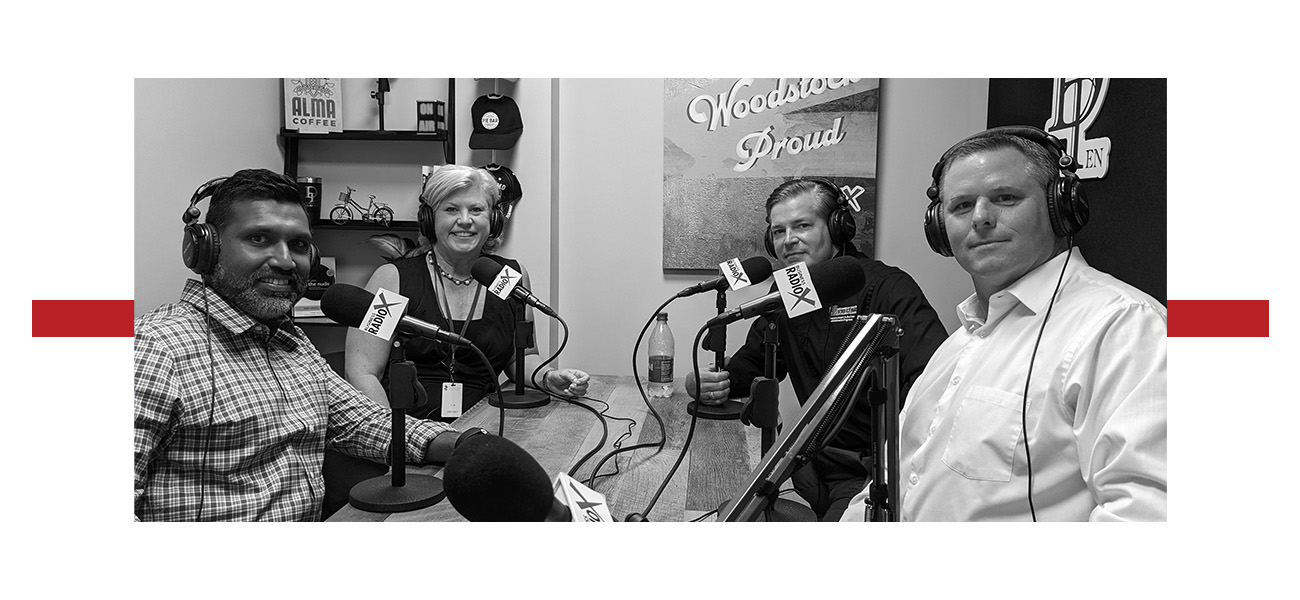
David T Jackson from Heritage Financial Solutions, LLC., Luther Maday from North Atlanta Digital Marketing, Allan Bishop and Lisa Marie Haygood from Kennesaw State University

August 11, 2021 by Kelly Payton

DavidLutherAllanLisa
Cherokee Business Radio
David T Jackson from Heritage Financial Solutions, LLC., Luther Maday from North Atlanta Digital Marketing, Allan Bishop and Lisa Marie Haygood from Kennesaw State University
Loading
00:00 /
RSS Feed
Share
Link
Embed

Download file

This episode was brought to you by

The Innovation SpotAlma Coffee


David JacksonDavid T Jackson, Founder/CEO of Heritage Financial Solutions, LLC.

Born and raised in GA, Military Dad Medically Challenged mother Married for 25 years 2 sons ages 22 + 17


HeritageFinancialSolutionsConnect with David on LinkedIn and Follow Heritage Financial Solutions on Facebook


Luther Maday

Luther Maday, Head of Sales for North Atlanta Digital Marketing

Born in India, grew up in Saudi Arabia, and been in the US since 2001. Blessed with an amazing wife, Monica who works at Northside Cherokee, and two wonderful kids. I just love interacting with people and speaking 5 languages does help. Always open to trying new food and will happily overlook the health score of a restaurant if the food is good. I believe in authenticity when it comes to human interactions and try to be as authentic as possible in my professional and personal life.

NorthAtlantaDigitalMarketingConnect with Luther on LinkedIn


Allan Bishop

Allan Bishop and Lisa Marie Haygood, Director of Business Development | Executive Director of the Cherokee County Educational Foundation for Kennesaw State University

Allan Bishop is the Director of Recruitment and Business Development for the Kennesaw State University Executive MBA Program in the Coles College of Business. He earned two degrees at KSU, a bachelor’s in Business Administration and a Master of Business Administration. Prior to KSU, he worked for WellStar Health System as the Executive Director of Retail Operations.

KSU

Connect with Allan on LinkedIn and Follow KSU Executive MBA Program at Coles College of Business on Facebook


This transcript is machine transcribed by Sonix
 

TRANSCRIPT

Speaker1: Broadcasting live from the Business RadioX Studios in Woodstock, Georgia, it’s time for Cherokee Business Radio. Now here’s your host.

Speaker2: Welcome to Cherokee Business RadioX Stone Payton here with you this morning, and today’s episode is brought to you in part by Alma Coffey, sustainably grown, veteran owned and direct trade, which of course means from seed to cup, there are no middlemen. Please go check them out at my Alma Coffee Dotcom and go visit their Rosary Café at thirty four forty eight. Holly Springs Parkway in Canton asked for Harry or the brains of the outfit Laticia and tell them that Stone sent you guys looking for a real treat. We’ve got a studio full. A little bit later in the program. We’re going to get a chance to visit with the folks from Kansas State University about their MBA program. We’re going to have Mr. Luther today on the show and talk a little bit about digital marketing. But first up on Cherokee Business Radio, please join me in welcoming to the broadcast with Heritage Financial Solutions, Mr. David Jackson. Good morning,

Speaker3: Sir. Good morning, Stone. How are you?

Speaker2: I am doing well. Delighted to have you. I think I don’t know, maybe it’s cause I was going to say you win best dressed, but you took your sport coat off.

Speaker4: I think I think you and I

Speaker2: For for best dress, you know, I’ve been talking about. Haven’t you come on the show for some time now. It’s finally happening. We met at a networking group. It’s more than a networking group that’s not even fair to call the networking group a community of business people who really try to support and celebrate each other called Woodstock Business Club. And the only reason I even was introduced to the group is because you pointed me in their direction. That’s where we met. Right?

Speaker3: That is that is you had called me about coming on the radio and at the time

Speaker2: You said no.

Speaker3: Right.

Speaker2: You can come to my thing.

Speaker3: And I said, if you wanted to have 60 plus people that might be open for it, you needed to show up to that that networking group. What a great group of people.

Speaker2: And you were just about right, because, I mean, what a marvelous group of folks. They’ve embraced me like I’ve been living here forever. I’ve been here for like four months. And, you know, I feel like Norm when I walk when I walk in there. All right. So Heritage Financial Solutions, mission, purpose. What are you out there trying to do for folks?

Speaker3: Man, I am just trying to get people from point A to point B in their financial plan as efficiently as possible. Everybody has a different plan. Everybody has a different starting point. I’m just trying to have you understand the vehicles and the maps to get you there efficiently.

Speaker2: I would think that a big part of your work is like education and awareness. So many of us are. At least I’ll speak for myself and I’ll ask the class, the are the rest of our expert panel here in the room today. I don’t know. Coming up, as a as a kid in school, I don’t remember learning much about money, how to manage money or any of that stuff. So, I mean, has that been your experience, guys?

Speaker5: I still know nothing.

Speaker2: All it’s a good thing you’re here today. But no, I think a lot of us have not have just not been exposed to some of the basics. Is that accurate? Is a big part of your work just education?

Speaker3: Absolutely. Essentially, when you’re in high school, you have home economics and that’s a cooking class. But they don’t teach you how to balance a checkbook. They don’t teach you about compounding interest. They don’t teach about credit card debt and how deep you can get into that. They don’t give you a a end goal in mind. They teach how to cook.

Speaker2: And so so what was the what was the catalyst what prompted you to get in this business as a as opposed to I don’t know, I’ve run a radio studio.

Speaker4: Right.

Speaker3: Well, I have I have two scenarios that happened. One was I was at an employer and my 401k match went away. And during the open enrollment meeting, I was asking questions about that and they did not like me asking questions. So essentially, you want me to not make anything from you, but you want me to help fund your tax write off? Is that what you’re telling me? And I got the Dave, we don’t have time for this. Right. The second one is my dad passed away in February of ninety seven. It was his second heart attack in between the two heart attacks. He got everything put in place for my mom and I’m an only child. So I saw what should have been with my dad’s planning. But my mom did not follow the plan. And a couple scenarios later, I was named fiduciary for her. And when I was expecting to see, you know, half a million, a million dollars sitting your checking account, she was down to twenty thousand out.

Speaker2: I yes. So what are you what are you finding the most rewarding about to work and what’s the. What’s the biggest challenge so far?

Speaker3: The biggest challenge for me is getting people to understand how I’m different than other financial advisers. They sit there and simply show you products where I build the strategy for you. And if you don’t understand it, we don’t sign up for anything. Right.

Speaker2: So my options are going to be pretty limited.

Speaker4: Well, that’s that’s

Speaker3: Where the education comes in, right? Right. So if you understand the plan that we have for you, as long as it’s going towards your goals, you’ll abide by it. Right. There’s a reason why I have a 98 percent retention rate in my book of business, because people understand the plan. They know what I’m trying to achieve. And and it aligns with what they’re trying to achieve. It’s not about commissions. It’s about getting you from point A to point B as efficiently as possible.

Speaker2: So once you’re getting the work, once you begin helping folks manage their money and build their wealth, you just said you have a marvelous retention rate. On the other end of things. I got to imagine the front end of working with a brand new client or a prospective client, the trust that you must have to cultivate to to get someone to even talk about their money, much less handed over to you or the management of it over to speak to that. A little bit

Speaker3: Of your well, like Stone, if you and I were to meet, my first thing would be to show you how I operate and how I’m paid, which builds trust anyways, because I’m not fee based. So the people I contract with pay me directly. Every dime you put towards your plan goes towards your plan from there. I think management of taxation is where you’re going to make or lose most of your money. So I would, you know, sit down with you, ask you if you have your cell phone on you, of course you’re going to say yes because people will walk out the door naked, but they’ll have their cell phone.

Speaker4: Right. Right.

Speaker3: So, you know, we need to go back to understand where taxes were versus where they are today. Like, you know what the top tax bracket, 1960 was. Nossa, you want to know?

Speaker2: Yeah, I do now.

Speaker3: It was it was 91 percent on the federal side. Holy cow. So if you made a million dollars and you did not have a place to legally write that money off, you didn’t even keep hundred thousand of it. Wow. Right. Today’s top tax bracket, which is probably going to change, is only 37 percent.

Speaker2: Oddly, I don’t know that either.

Speaker4: I wonder why I didn’t know that I’m not there. Right.

Speaker3: But but the average person is paying anywhere from 20 to to 30 percent. Right. For taxes. Right. And they’re still deferring all their retirement plans, IRAs, 401. And that were great for their parents who are retiring today. Right. Because not only do they get to bring their their tax bracket down, but they get to pay less of a percentage. Well, the rolls have turned, but everybody still in the same mindset of deferring taxation in a tax deferred product and the government’s in complete control of it. And you were just working right into their to their plan. And all I try to do is help you understand that there’s other avenues you can put your money in. I’m not saying don’t fund your 401. Right. I’m just saying there are other avenues that you can work in conjunction with that and work, you know, the plan to your benefit, because the plan is there, the government has it and you just have to use it and understand it.

Speaker2: But every situation probably has its own idiosyncrasies. I mean, you can work with someone like me or somebody like Luther Pockets, right? Somebody with that guy’s money. Right pocket.

Speaker4: You got my business card with you.

Speaker2: But I mean, everybody, just because the plan is ideally suited for Luther in this situation, it may not be good for me at all. Right. That is

Speaker3: Correct. That is correct. Every plan is specific. There’s general ideas and concepts, but the specifics of it are for the individual or the business owner. Yeah.

Speaker2: So going back to this whole trust thing, how does the whole sales and marketing thing work for for a guy like you? Because I don’t know, you can’t just pick up the phone and say, hey, Luther, would you like to or can you?

Speaker3: I have had no success. That’s how my career started. All right, here’s a list of one hundred people. And, you know, and that was on a Monday morning most of the time, you know, when when I was under contract with the company. Right. Right. And I try to explain to nobody wants to answer the phone on Monday morning. Everybody hungover over. They don’t want to be at work. They had a great weekend. And you want me to call them with a solicitation at 10 o’clock

Speaker6: About their money?

Speaker3: Yeah, about about their money. You don’t know me, but have I got the deal for you? Right. I just I’m just not a used car salesman. Right. You know, that whole is that oil under the car? No, that’s sweat all the horsepower. Right. So I’m just not that guy. I mean, you’ve known me for a little while now. It’s just no smoke, no mirrors. And when you understand your plan and you understand and visualize how we are moving towards your goal efficiently at that point, my question is, why wouldn’t you do it?

Speaker2: And you’re out there cultivating real relationships and trying to help other people advance their business, whether they do business with you or not. Or at least that’s the sense I get.

Speaker3: I do. I do. Essentially, it’s like I was telling a client Saturday over the phone as I was out on the mountain mountain biking, I was like, look. The scenario is, as long as you understand your plan. We are good to go if you don’t use me, that’s fine. But I want my tombstone to say I’m that guy. And by that, I mean when you’re sitting there and you have your grandchild on your knee and you’re talking to your son or daughter and they’re like, why are we a little bit better off than other people? Who make more money than us or or the same money or work at the same job has the same scenario. Well, it was this guy named Dave. You showed me how it all worked and made me understand. It is when you understand the scenario and strategies I’m trying to put in front of you, even without me, you can move forward.

Speaker2: I would think that would be very rewarding work to be able to look back even on the ones that maybe didn’t formally engage you, but certainly the ones that are working with you more intimately. I would think that would be you would sleep pretty well at night and you would enjoy that.

Speaker3: I do. I sleep well.

Speaker2: All right. Let’s don’t gloss over mountain biking because I saw you come to talk about transparent. The what you see is what you get when he came to the last networking meeting. It’s not a costume. That’s not fair. What do you call the thing you wear when you write a mountain bike?

Speaker3: No, I was just in a short sleeved mountain biking jersey, actually, in a pair of pants. I was headed to North Carolina.

Speaker2: You were headed from the meeting to the mountain

Speaker3: Bike at the bike on the back of the

Speaker2: Truck. So is that where you find your inspiration? Is that an outlet? Do you do thinking on that or do you not? You can’t think you’ve got to be paying attention to the rock in front of you.

Speaker3: Yeah, that’s that’s my release. That’s my right drawing on Rush. I spent a lot of years racing, motocross and. You know, had some injuries that said, OK, this is enough, I need to step it down a little bit. So mountain biking, so

Speaker2: The injuries, that explains a lot.

Speaker4: Right, right.

Speaker3: Right.

Speaker2: So you mentioned earlier in the conversation that there was some I don’t know about the catalyst, but some contributing events that kind of got you on on this on this path. And it hit very close to close to home. So you find yourself now your folks have passed. Are you still kind of helping them manage through that kind of thing? Well, my

Speaker3: Dad passed on 97 from a from a massive heart attack. And my mom has been in assisted living since 2008, and she’s still there today.

Speaker2: Wow. So, I mean, I don’t know enough to know that if she’s been in assisted living since 2008, you’ve managed money really well for her. That much I do know, right?

Speaker3: Yeah. And there they are, not cheap. And there’s a reason why they’re popping up all over the place. Right. Assisted living homes or gold mines. Once you which you pay the mortgage on the place, off the money, she’s free and clear and it’s literally is pouring in. And we’re talking anywhere from, depending on the facility, three thousand to eight thousand dollars a month.

Speaker2: And that age group is only getting larger, am I right?

Speaker3: That’s correct. We’re living longer. We’re healthier. Right. We know that quadruple cheeseburgers with double bacon. And can I get a side of bacon grease with that is not healthy for you.

Speaker5: We still eat

Speaker4: Them, right?

Speaker2: Yeah, right. But you’re actually you’re you’re living through that experience you’re experiencing in that all of that personally. And you’re able to bring that that frame of reference, that perspective to your work when when that impacts some of your clients, I would think.

Speaker3: Correct. Correct. So my mom just thought with everything my dad had set up was she was just never going to outlive her money. She could just spend money frivolously. She had some friends that were taking advantage of her. And, you know, there was no mindset. It was just writing checks and there was no managing the money when I was named fiduciary for her. Wow. It was an eye opener and people were taking advantage of her. She just had no cares about where the money was coming from. All she knew is she could spend it. And, you know, it should have been versus what actually is two different scenarios. But I lived it. I learned through a trial by fire, I was appointed by the law to be fiduciary for my mother. And as I understood this more and more, I said, if I can keep my mom’s money where it is and slowly but surely growing, what can I do for the average family or person or business owner that is actually trying to get ahead in watching what they’re doing?

Speaker2: Yeah. So before we wrap, counsel, if any, that you have for those of us that aren’t quite where you’re describing, but we’re going to be right. My folks are there in great shape now. They’re living on their own. I’m the oldest son. There’s two of us. And my folks are in pretty good financial shape, too. But that there’s probably some stuff Rusty, my brother and I ought to be doing. I don’t know if it’s putting the three ring binder together and just getting all the info together. What are some things Russ and I maybe ought to be doing now so that we’re properly prepared?

Speaker3: Well, first off, you have to know what your goals are and what you see, your endpoint being right, because otherwise it’s just a plan going in all different directions. So, you know, think of it as you’re traveling in a car, you’re going from point A to point B, right. Your car is your vehicle and you’re just following Google Maps to get there. And, you know, suddenly there’s a traffic jam. Will Google map divert you? Right. And finds a quicker way for you? That’s all I do. I provide the vehicle. And the quickest way to get there, that’s all I do.

Speaker2: All right, so now while mom and dad are still in good shape, that conversation ought to be with them and find out what how they want things to go. To some extent, I would think.

Speaker3: Right. They needed the map together. They need to know their assets depending on their age. Or is there anything guaranteed that you know for sure is going to be there regardless of whatever happens? Right. Do you want growth? Do you even care about growth? If you if you’re worried about the market dropping, maybe you need to reallocate some of those funds while the market’s high. We’ve been in the longest running bull market this country’s ever seen. They’re saying a correction is coming. Experts figure, and it makes sense that it is coming as just a matter of when and how much it’s going to correct, depending on where you are in your stage of planning. A correction also presents buying opportunities that might buy low and sell high, right?

Speaker2: I like that. I like that strategy. Let’s let’s do that one.

Speaker3: Right. But there’s two rules of Wall Street, right. You buy low and sell high. But the second rule nobody ever pays attention to. And if anybody in this room is heard of this, let me know where you invest a percentage of your assets equal to your age in fixed accounts. I’ve never heard of that, right, so as your money builds, you scrape off the earnings and put it into a fixed account, you let a bill scrape off your earnings, put it into a fixed account. By the time you’re 70, 75, whenever you want to retire, you have some money growing in the market. And then you also have fixed accounts that you don’t ever have to worry about. Right. Is your risk tolerance is going to become next to nothing. In retirement, you don’t you don’t want to lose money when you’ve spent 40, 50 years building it, right. So put it in the place where you can keep it

Speaker2: Makes all the sense in the world to me. All right. If our listeners would like to reach out to have a conversation with you or somebody on your team, let’s give them some points of contact, whatever you think is appropriate, phone number, LinkedIn, email, whatever works for you.

Speaker3: Ok, my phone number is seven seven zero five nine six three eight four zero. That goes directly to my cell phone. My staff will not get it. That will come to me. My website is Heritage Solutions dot net. You can find it is a little antiquated, but you get all the info you need on me, contact information and everything else. And because I have a God awful long email will admit that

Speaker2: Or slobby which type business club and Reformation Brewery. And you’ll be there most Thursday morning today.

Speaker3: 30 or mornings. Eight thirty. That’s my that’s my group. That is my definite. I have to make this meeting. Absolutely, networking group. What a great group of people, Wittstock business club, absolutely.

Speaker2: David, thanks for coming to the studio this morning. And this has been fun. I knew it would. Don’t be a stranger. Maybe we’ll have you come back some time and get us caught up on trends or things like that. But this has been a lot of fun. And for me and I think for the group in studio here anyway, very informative, man. We sure appreciate it.

Speaker3: Awesome. Thank you, Stone. We didn’t talk anything about mountain biking, though, so that’s.

Speaker2: That’s right. So we’ll get a chance to talk more about mountain biking to do this again.

Speaker3: Ok, very good. Thank you.

Speaker2: Yes, sir. Hey, how about hanging out with us while we visit with our other guests? Would love to. All right. Let’s talk about mountain biking, OK? All right. Next up on Gergi Business RadioX, we have with us the director of business development with Kennesaw State University, Mr. Allen Bishop. How are you, man? Doing great. So did you learn anything in that last segment?

Speaker5: I learned if I heard this correctly, because I’m 53, I should be saving 53 percent of what I make right now that what I heard. Did I miss here

Speaker3: That it depends on your plan

Speaker5: Because that’s not going to

Speaker4: Happen, unfortunately.

Speaker2: So director of business development for like the MBA program, what’s your role out there?

Speaker5: Sure. So Director of Recruitment and business development for the Executive MBA program at KSU. So Kaosu has three MBA programs. We have an online, a part time and an executive. So I’m strictly out there working on behalf of the executive MBA program.

Speaker2: Huh. And how long you been doing that?

Speaker5: Six years.

Speaker2: Six years. Well, you probably got to figure it out there,

Speaker5: You know, every year. I think that. And then I realized I don’t.

Speaker2: So what do you enjoy the most about it?

Speaker5: Well, you know, I really enjoy being out there in the community, meeting people, meeting corporations. I enjoy because we interview all of our prospective students. And I really enjoy learning about what they do because you don’t realize how many different jobs and roles there are out there, particularly in metro Atlanta. So it’s pretty exciting. And then because one of the highlights of our program is the fact that we really focus on career advancement. I really enjoy seeing our students advance their careers even before they graduate. So that’s pretty cool.

Speaker2: So what does an executive MBA student look like? Is there like a I don’t know what you call a demographic and psychographic? What are you marketing people call it? Yeah, yeah, yeah. What he said

Speaker5: We just did some

Speaker4: With it.

Speaker5: Ok, well, first of all, I’ll say this. I’m not a fan of the term executive MBA because I really think it scares people off because when people hear the word executive, they typically think of the C suite or at least VP level and above. And really our programs designed for working professionals, typically manager level and above that are looking to advance their career. So we require a minimum of five years post undergraduate professional work experience. So the youngest student you’re going to see is about twenty six for our program every year. The stats are pretty much the same average age of our students, about 38 39, with about 14 years of work experience, typically about seven years of management experience.

Speaker2: Wow. So these folks already are pretty accomplished when they come. You’re not you’re not throwing people a life raft, right? I mean, you’re working with accomplished people already.

Speaker5: We are. And that’s part of the value proposition of an executive MBA, is that, you know, one of our mottos is you’re going to learn as much from your fellow students as you are the faculty. So you’re learning from individuals with different functional backgrounds, different levels of expertize, different corporations. So there’s a great networking component to this program as well.

Speaker2: So is there some sort of. I’m sure there is. I’ll ask that differently. Tell me about your assessment process, your application process. What kind of hoops does one need to jump through to to get to get to do this?

Speaker5: So our program is different in that for most MBA programs, you just jump in and apply for our program. We want to interview you first and enter even before we interview you. We want you to come to an information session because we want you to know what you’re getting into, because you may opt out and say, this isn’t for me. The interview is really much like a job interview and it’s to determine mutual fit. So if I were to interview you for the program, I would know on paper if you’re fit or not, because I can look at your resume, I can look at your LinkedIn, I can look at your background, write certain things we screen for in the interviews. Really, first of all, motivation and drive. This is not a check the box kind of program. So if you’re just saying, OK, you know, I always want to get an MBA, I’d like to see MBA. My grandfather had an MBA. That’s not a compelling reason for an executive MBA. So we’re really looking for that. And we also want to see people that are going to work and play well with others. This is a team based program. So you’re going to be on a team of six or seven individuals throughout. And if you’re not willing to learn from others and give. It’s not the best program for you, so we do that screening process and we determine sometimes right on the spot or maybe a few days later if they’re a fit and then we have them apply.

Speaker2: And if they’re not a fit, doesn’t mean they could never go get an MBA somewhere. I mean, you don’t just write, right?

Speaker5: I mean, so what we’ll do sometimes is say, you know what, the the part time or evening program might be a better fit based on your lifestyle, the online or let’s say it’s somebody that’s a little younger, a little less mature. Maybe they’re not in the right role at the right time. We’ll give them the options so you can look at another program or come back to us in two years and let’s do this again.

Speaker2: Yeah. So how did you bring with you over here?

Speaker5: Also with me is one of our fantastic current students, Lisa Marie Haygood, who is the executive director of the Cobb County Educational Foundation.

Speaker7: I actually am the executive director for the Cherokee County National Foundation. You threw me a card, which is awesome. I love Cobb County. So I was

Speaker5: Born. I was born and raised in Cobb County. I’m a cop, but yes, Cherokee. I’m a member of the Cherokee Chamber of Commerce.

Speaker7: All I’m the person throw in the aged care for the executive MBA program. And there’s three or four of us in this cohort that are over the age of 50 and just taking a different life approach.

Speaker2: Well, welcome to the show. We’re delighted to have you. Thank you. So I don’t know the rights and responsibilities. Tell us a little bit about this job of yours. What’s the what are you doing out there every day?

Speaker7: So the job that I have is to raise awareness and funds for all of the public schools in the Cherokee County School District. Oh, I do that through writing grants, getting business sponsorships this next weekend. This weekend, on Saturday the 14th, we’ll be doing the annual Chick fil A move it road race. It’s the largest road race in north Georgia. And all of our chick fillet operators here in Cherokee County put that event together. And the foundation is the beneficiary along with Special Olympics. It’s a great event, but we raise funds through road races, galas, golf tournaments, tennis tournaments. There’s really not a lot that we wouldn’t do to raise funds. And it’s just to ensure that we have excellence in all of our schools in Cherokee County. I’m exceedingly proud of the fact that you probably couldn’t pick out our Title one schools if you tried. We have amazing schools. We put unequal resources where there’s unequal need and you get a really great education. In the Cherokee County Public Schools, a lot of people are moving here, businesses move here and schools are top of their list.

Speaker2: So why the NBA? What prompted you to to pursue the my story?

Speaker7: A little sad, actually, along with date, my husband back in April of twenty nineteen had a massive heart attack in his sleep. So I, I gave him CPR. I wasn’t ready for him to go yet. And he spent much of that year on life support. And in that time I realized that somehow we’re going to have to pay all these bills. And while I’ve had the opportunity to do what I love and I’m passionate about, I needed a chance to sharpen my skills and get ready to go back out into the workforce. I spent a lot of time on the laptop and read a lot about the executive MBA program while I was beside him in the hospital and I decided that I didn’t expect him to make it through that event. And so I started applying to school so I could take care of my daughters and myself. And after he he’s better is much better. He’s working. It’s amazing. It’s a miracle. But he still he sees what a difference it makes in my life to be a part of that program. And he wants me to succeed.

Speaker2: So fantastic. So you are an alum or you’re in the program?

Speaker7: I am in the throes. Oh, wow. Right now, Professor Deveny, who owns the innovation. Wait, wait,

Speaker2: Wait, wait. That is not what we call him around here.

Speaker4: That’s what I call well,

Speaker5: Some of our students call him something else.

Speaker7: Know he’s hard core. I’ll I’ll be honest with you. I wasn’t entirely sure at the beginning of last fall that I could cut it in this program. It was challenging for me, the Excel coursework, his accounting, running data analysis and regression and statistics and things. This is not my skill set, but I will say that I can do it now. And I have never seen a more committed group of faculty members, particularly Professor Divinia. He really had to dig in because I kind I I’m on the struggle bus with with accounting and higher order excel. And he is so willing to just make sure when he knows that you’re invested in it, he is equally invested in the students.

Speaker5: Yeah. In one thing I’ll just jump in and say, is our program we have five full time dedicated faculty members that are only dedicated to this program, but they have real world business experience like. Esther Deveny, they’re out there, they’re actively consulting, so they bring that experience to the program. But the point I wanted to make is our students, if they’re struggling with anything, the faculty are right there to assist them. And I think that’s very important.

Speaker7: It’s also important to note that I made an A on my last assignment,

Speaker2: Absolutely less published for The World is now out on the airwaves for posterity. At least Hillary made a sense. But you’ve got a real job. You’ve got unlike some of us in the room. But now you’ve got you’ve got this day job. So how do you even work this in? What’s this? The the scheduling. The time when in the evenings, weekends, early mornings, a

Speaker7: Little bit of both. But is it is important to note that if you have a real job, this is this is a great program to accommodate that. We have classes that convene and it’s important for me, I am not an online learner. I struggle with that. And so being face to face with professors and members of my cohort was very important to me, especially in a global pandemic. There were a lot of schools that went completely virtual. And to their credit, this Kenesaw MBA program, the executive MBA program, allowed us to meet. It was weekends. They distanced us. We wore masks. Everybody was very safe and cautious. They individually packaged our food. They did everything that they could do to keep us safe and learning in the environment that we committed to. So I think that was pretty that was a big deal for me. But they meet on the weekends. We start class on Saturday morning at 8:00 a.m. We finish at five Saturday. We come back on Sunday. We have, as Alan explained, we have groups that we are placed in. We don’t get to choose our groups. I’m not really sure how that sausage gets made, but they put us into groups. And that’s challenging because in real life, so much of the work that you do is in groups and you don’t always love each other. You have to learn to work together. And so that experience has been that’s also very valuable. And so we have group projects and assignments. We meet on Zoome during the week, in the evenings after I have some teammates who have four kids and have to get everybody put to bed, some who are sick. I mean, it’s it’s really different. The makeup and dynamic of the teams is really different. We have one member of my team that travels 100 percent of the time. He is always out of state and only comes in for the weekends that he has class. I wouldn’t have even thought that was possible. And we are online with him and he’s an engineer and thinks very differently than I do. It’s just amazing what you learn from those people.

Speaker2: So obviously, I mean, we can see the glint in your eye and I’m sure our listeners can hear it in your voice. You’re already getting tremendous value from participating in the program. And what is the end game? What are you hoping to experience differently on the other side of having the credential and having gone through the experience?

Speaker7: For me, the credential is important because what I learned about myself is I’m truly passionate about my job. I love our public schools. I love nonprofit work. It helps me to sleep at night. Like Dave. I rest better knowing that I’m making a difference. But if I can make a difference and a paycheck for my family, that’s going to be amazing. So I, I think I had a pretty different walk to come into the MBA program. My my entire career has been based on starting as a room mom, a PTA room mom. And I worked my way up until I was the state president for Georgia PTA. That’s 250000 members in a downtown Atlanta office. I cut my teeth making photocopies at Tostan Elementary. So you just really kind of have to learn as you go. And I think that this program is a great, great example of how you can grow. Every member of my team has experienced a job promotion or a pay raise since starting every member. And it’s not unusual. Every weekend we sit down, we celebrate the growth that people get. When you are more confident in your skill set, it gives you a boost that helps you to really just maximize what you want to do with your life.

Speaker2: Allen, are there posters all over town with Lisa Marie and

Speaker4: There will be no. There will be. Oh, wow.

Speaker2: What a glowing.

Speaker3: Yeah, they’re going to have the the big billboard right there for a road.

Speaker4: Yeah, that’s right.

Speaker7: I do think I would be a cheerleader for the MBA program if I could, but I think it’s an amazing commitment. You guys should totally be enrolled and we’ll make sure that you have an interview you before we leave.

Speaker5: Well, and I’ll say this. We have a lot of great alumni who give back who stay involved in the program, who are a great cheerleaders. Lisa Marie, in my six years of doing this, has been one of the biggest advocates of our program, has a current student. So I obviously appreciate everything that she does for us.

Speaker6: I think one of the things that Lisa Marie you covered was all the different challenges that you had. And I think that’s that’s quite often what people come. What comes to mind, right when you say, I got I to go back to school, the first thing you think is I have kids, I have a job, I have all these things, the reasons why I can’t do it. But I’m glad you covered that.

Speaker7: I think that there are everyone has baggage and excuses. You just have to make a decision to do it. And one cool thing, the importance of financial planners are amazing schools here in the state of Georgia. Both of my daughters attended college on a Zell Miller scholarship. And we’re not in need of all that collegiate money that I saved. And so my financial planner said, why don’t you make yourself the beneficiary of your 529 and put yourself back in school with all that money you save for your kids. That’s brilliant.

Speaker3: And he was right.

Speaker5: You know, one thing I’ll say just in conjunction with that is so we talk about the weekend format. So it’s approximately one weekend a month, Saturday and Sunday, because we are dealing with working professionals around and to maintain their career. But a lot of them you mentioned someone with you say three kids. We have somebody with four or five kids in this program. That’s crazy. But one of the things we do in the interview process is say you’ve got to plan for at least 20 hours a week during this 19 month program. So you can ask yourself a question. What are you doing right now for those 20 hours that you’re going to have to give up and it could be Netflix and chill or it could be you’re going to you’re going to you know, you’re going to miss out on some soccer games on the weekend or you’re going to have to cut back on the mountain biking. So so we do want to make sure people are prepared for that time commitment

Speaker7: And forgot the coolest part of the program. I can’t believe you didn’t even pitch it. But at the end of our 18 month, 19 month stint, we go abroad and we do an international two week consulting job with a company. We’re going to Panama this this next year for two weeks, and we get real life international consulting experience. How cool is that?

Speaker2: That sounds marvelous. All right. So let’s leave our listeners, particularly those who might be interested in talking to you guys and learning more, or maybe some who are already enrolled and kind of excited about coming in this fall. What advice? And I’ll ask from both of you both from your perspective, Alan, and and we’ll start with you. And then I want to get your perspective. How would you how would you encourage them to prepare? What advice would you have for them? I’ll start with Alan. What what advice do you have for those folks?

Speaker5: Well, so first of all, we have prereading assignments for our students, for the class began. So we recommend that they do all their prereading, but also use that as a way to get used to that 20 hours a week. And then once people are in the program, the advice I like to give is because it is teeming base. So you’re broken out in those teams is to not only get to know your team, which you’re going to do, but get to know on a deeper level your fellow cohort, and then you’re going to overlap with two other cohorts. It’s a great networking opportunity. Sometimes people jump in, they’re all in with their team and other people might fade into the background. So really, the network component can’t be emphasized enough.

Speaker7: Excellent. I think that everything he said is very valuable. I think it’s also important to note that the breaks fall pretty naturally in places where we already have challenges. We’ve had the last two weeks closed our summer semester so you can logically take a vacation during Christmas last year, I was worried, what is my MBA program going to do for the holidays? Because, you know, you have so many commitments. But there was a logical break at that time and like a two week stint where you could really still focus on family, I think you can juggle it all. But like anything else, the I think if you stop learning, you stop growing and you stop living. So this is an opportunity to really step up your game and make sure that you’re relevant and valuable in society to people and for yourself.

Speaker5: And just add to the biggest mistake I think sometimes new students make is we talk about in the information sessions, the interviews, the dedicated faculty, and we encourage the students. If you struggle with anything right off the beginning, reach out, call email, see them on the class weekend. But we find that for a lot of students, maybe it’s because their undergraduate experience there has to do so. And even though we tell them it usually takes them past that first semester where they finally realize, OK, these people aren’t scary. I mean, Professor Deveny seems a little scary.

Speaker2: Nobody is scared is I still can’t get my mind wrapped around that title, Professor Devanny. But, you know, I won’t start calling him that.

Speaker7: He responds well to. Right.

Speaker2: So a great many of our listeners listen on OnDemand demand. And so they may be hitting a bucket of balls or mountain biking two months from now. And here this book, there’s going to be people who listen to it now, now being August the 10th. Twenty twenty one at this very moment. Live while we’re talking is there’s still time to enroll in the next. What do you what do you call the next thing next quarter. The next thing you know, we

Speaker5: Refer to it as a cohort. OK, next cohort. Important thing to note is that we only enroll one cohort every year. So if you missed the deadline for this fall, you have to wait a year. Oh, so our deadline for this fall is August 31st, which you may say to yourself, there’s not enough time. There really is, because we can interview, especially if it’s virtual, we could interview somebody this afternoon and if we determined them to be a fit, the application process is pretty straightforward. So we can onboard somebody pretty quickly.

Speaker2: All right. And then over time, what can we do to help? What can Business RadioX do to help? What can the folks in this room do to help? What do you need? Just continued awareness of the program. Is that the best way for us to help?

Speaker5: Yeah. I mean, I think, you know, I talked about, you know, that I’m not a fan of the term executive MBA. I think sometimes people are scared away. So I think the awareness is key. And I think there’s still a lot of people out there that do not know that these programs exist. So they may immediately just look for a traditional MBA before they learn about what an executive MBA is. And I think there’s a lot of people out there that miss out on a great program because the awareness is not there. Not to say I’m not doing my job, I’m out there. But still, you know, there are some people that don’t realize it.

Speaker7: And it was the ranking of our program.

Speaker5: Oh, thank you. You know, I wrote that down here somewhere.

Speaker4: So good. Are you are hirelings. Yeah. Yeah, right. You see what a broader

Speaker5: We’re ranked number one in Georgia for the fifth year in a row by CEO magazine and number two in the nation and number eight in the World Bank. So what happened?

Speaker7: So right here, it’s right here. Right in our in our backyard. Isn’t that

Speaker2: Amazing? That’s incredible. Congratulations on that. The momentum. Good luck on going going forward. We’re going to continue to follow your story. And I don’t think this ought to be the last time we talk. I think you ought to come in here periodically, maybe as you are cyclically. Is that a word every now and again as whatever, you’re going to have a new cohort and you go, you want to get the word out about it, maybe we ought to have you swing back in.

Speaker5: Well, yeah. And I’ll say this for anybody considering doing Business RadioX, this is a heck of a lot of fun and you’re really good. I mean, I’m excited. This is fun and I definitely want to do it again.

Speaker2: It beats the heck out of working.

Speaker4: But, you know, this is good.

Speaker2: All right. So let’s leave our listeners with some information on how to get to your phone number, email, whatever you’re for.

Speaker5: For Kaosu Kaosu INB Dotcom is our Web site. Look me up on LinkedIn. It’s Alan HLL and Bishop Email as Alan Bishop at Kennesaw Edu in phone is four seven zero five seven eight forty four twenty.

Speaker7: And I’m Lisa Marie because my mom was a giant Elvis fan and me too. I’m in the Cherokee County Educational Foundation and if you want to get together, as long as you buy me a glass of wine, I can easily be persuaded to recruit and market you for this program.

Speaker4: So it’s not the county

Speaker7: And it is not Cobb County that we do love the Cobb County schools

Speaker2: Next year. And similarly, as I was mentioning to him, if you’d like to come in and focus a little bit more on on that on on your organization, if you’d like to come and do a segment, we’ll talk off air. But we’re delighted to make that happen.

Speaker7: Thank you, Stan. I appreciate it.

Speaker2: Absolutely. Hey, can you guys hang out with us while we visit with one more guest?

Speaker5: Absolutely. If not, I’d have to go back to work.

Speaker2: All right, everybody, we ready for the headliner. He’s been very patient. He’s been taking copious notes, lots of notes. Somebody tried to say something funny and he leaned in and he laughed. I mean, he’s really played very nicely with others. I think it’s time to let him let him have his moment in the sun. Please join me in welcoming to the show with North Atlanta Digital Marketing. Mr. Luther Mudiay Good morning, sir.

Speaker6: Hey, Stone. How’s it going?

Speaker2: It’s going great. I think the last two times you and I had a chance to visit it was for me anyway over an IPA. Yeah, reformation. That’s right. That’s right. Reformation. I love this town,

Speaker4: Although it’s not a bad place to meet. It’s a

Speaker2: Fantastic place. Fantastic place to meet digital marketing. That seems to me like it could be one of those heavily loaded words. And many of us probably have some box. We’ve already put what you do in and we’ve probably got it wrong. Tell us about digital marketing and your take on it specifically.

Speaker6: Absolutely. You know, when you talk about digital marketing, I think if you’re a business owner, you probably get four phone calls a day that says, hey, we can help you with Google, we can help you with SEO, we can help you with all sorts of stuff. And unfortunately, all those things get lumped into digital marketing. I think from my perspective, you know, one thing we focus on is education from what we do and digital marketing, if you look at it, no one is like it’s just like building a house if you have an amazing house in a forest, but nobody knows it exists. Well, maybe that’s what you want, but nobody’s ever going to know your amazing house exists. And that’s and so the amazing house in this case is a website. Right? So if you can have the most amazing well thought out, well, you know, played out website, it doesn’t matter if nobody can find it, you know, and that’s really one section of digital marketing. It’s just the website. The other whole section of digital marketing is just making sure that people are aware that you as a business exist and your business actually has a website. So there’s a. All other sections on Google and and all those things that come into digital marketing when it comes to just making sure that people are aware that your website exists, because in today’s world, honestly, don’t nobody ever jumps on Google and says business x radio or they don’t say I’m looking for this plumber. They actually say I’m just looking for a plumber near me or whatever pops up and whatever pops up in the top five results, that’s what they’re going to click. And that those top five results don’t have a bunch of reviews. They’re not going to be clicking on those.

Speaker2: So your business, your niche? Well, I would think it certainly impacts SEO. You’re not really the NSA, OK? You’re more of a. Well, I don’t. I’ll let you say. Yeah, well, Gymnich.

Speaker6: Yeah. You know, I think from a digital marketing perspective, SEO is the most overplayed term out there. But we’re not focused on that. We’re focused on the neon sign that points to your website. So we focus on Google my business, one of the most underutilized tools out there that’s out there for free. Anybody who has a business can go out there and set up your Google my business page. And that is what we really focus on from from a hey, here’s where the houses perspective, right? That’s number one. Now, we we also do social media marketing, which is another key aspect of today’s world where I don’t think any business that doesn’t interact with social media one way or the other by having a Facebook page, by having an Instagram page, by having a Twitter feed, etc., it’s really hard to interact with your customers, especially depending on the service that you’re in. Right. We certainly help with that as well. But Google, my business and social media is really where we focus a lot of our efforts.

Speaker2: And then tell us about the screens.

Speaker6: Yeah, absolutely.

Speaker2: Yeah. So because that’s what got me so excited about what you were doing, maybe just because I hadn’t talked to anybody who was in that arena. And maybe that’s pretty unique. I don’t I don’t know.

Speaker6: Yeah, no, I’m glad you brought that up, because one of the things, you know, when it comes to digital marketing is that, you know, there’s a lot of online marketing that goes into. Right. Right now. One thing that makes us unique, even though we’re a full fledged digital marketing shop, is that we also have what we call indoor billboards. And although the name sounds fancy, all we’ve done is we’ve taken the concept of outside billboards, you know, the ones that you drive by at 60, 70 miles an hour and you probably don’t even know what’s on there. We’ve taken that concept and we brought it indoors like coffee shops and restaurants and haircut salons, et cetera. And so we said, hey, what? We’re going to put a 55 to 60 inch screen inside there that’s dedicated to just playing ads. It has a few things around headlines, et cetera. So there’s some entertainment value to it. But predominantly it’s about playing ads. There are 20 to 30 seconds long. The background, no sound. So you’re not like you know, it’s not like walking into a mall and Christmas and you just got the same loop playing

Speaker4: Over and over again. You know, it’s not like that.

Speaker6: But, you know, so there’s no there’s no sound to this, but it’s just playing in the background. We put a lot of we put a lot of motion into it catches the eye. But the concept of that, what it does really Stone, is that, you know, from from an online presence in an offline person’s perspective, we’re able to cover that. Right. So when it when somebody says, hey, Luther, they’re like, we’re we’re we’re a new business. We’re an established business, whatever it is. And Woodstock, Georgia. Well, guess what? We can make sure that people are seeing their brand any time that they’re shopping, eating, playing, working out in Woodstock. And when they go back home and they log on, they’re going to see that same kind of branding online on Facebook or on Google.

Speaker2: Ok, let’s talk about me for a minute. I mean, it is my show, so. Yeah. Well, you talked a moment ago about overplaying something. You were talking about SCA one great strength of the work that we do, a Business RadioX is the relationships. They get built in the room, right in their face to face in the studio. You get to know people. But I wonder if maybe I and we haven’t even maybe overplayed that and not taking full advantage of something like this, because the I wonder how nice it might be to have more ubiquity so that when when the people in this room walked out of here and you went to your dentist’s office or wherever, and you saw a screen and it said Business RadioX on it. Yeah. You know, for people who are listening, they listen to it. They heard a great interview. And if they were to see something on a screen that said Business RadioX more of an integrated holistic, there’s probably some value in that.

Speaker6: There is. Right. If you think about it, top of mind being top of mind, it’s it’s actually like a connection that that’s happening between the service provider and the customer. Right. Especially for a first time customer, I think about it. So when if you wake up one day and your faucets leaking or you have a leak in the house. Right. That’s when you think about a plumber. Right. But chances are your brain has already put forth a particular plumber because you’ve already seen their branding everywhere. Right. Right. Same thing with education. Same thing with financial planning. Right. Same thing with insurance except. Right. So there’s there’s a reason why, Mark, Spain has a billboard every half a mile

Speaker4: Because he completely understands, he

Speaker6: Completely understands that branding is all about ubiquity,

Speaker2: But to compete with a market, Spain, not that I have to compete with him, but there are people in that category.

Speaker6: There are people with the category. So here’s here’s here’s the interesting part, Stone. So a typical outdoor billboard on a very not so busy street costs about 600 bucks a month. Right. But we’re able to give the same presence for a lot less. And the beauty of it is nobody’s driving by 60 miles an hour. They’re actually sitting there probably having dinner with their family or working out in the gym or are, you know, like one of our locations of the gymnastic school. Well, parents are stuck there at least three to four days a week for at least an hour and a half.

Speaker2: I had two girls in gymnastics and not just parents, parents with money. Yeah, I can remember soccer. We were kind of at the higher end of the socio economic ladder of the soccer parents, and we were on the low end of the gymnastics.

Speaker4: It’s a different

Speaker2: Crowd. OK, but but if I were on a screen, if Business RadioX Cherokee Business RadioX or Business RadioX network or on the screen at a handful of these places, I’m getting the idea you could be more than one. I could maybe reach quite a few eyeballs here.

Speaker6: Yeah. So our network is we have about one hundred and forty plus screens all across north metro Atlanta and that’s Cherokee, Cobb, North Fulton, Forsyth and a little bit of Gwinnett. Right.

Speaker2: All right. So how does it work? So do you help me design an ad that mostly just like a logo and how is that?

Speaker6: So the beauty of it is unlike outdoor billboards, when when we engage, when a customer engages with us, we actually sit down and we kind of first of all, we understand what is it that they do to make the phone ring, to make the customer walk in, because whatever they’re doing today has to fit in with how they’re going to market on the screens. Right. We don’t want to create anything that’s that’s not in line with their with how they how their image lies out there. So so the first thing we do is we understand that the second thing we do is we kind of gather all the materials that goes into making an ad. It’s a 20 to 30 second ad. It’s a video ad. So we gather those materials. We if they have a logo, great, we’ll use it. They don’t have a logo, make it for them and we’ll kind of create this whole marketing campaign around that. And then, you know, for, you know, and we also engage with them if they want additional social media, et cetera. But all that is one fee. Like there’s no additional packages, like when when we are engaged for getting as an ad on a screen or a bunch of screens, we incorporate the creation of the ad, the management of that and everything. And also any time that the customer wants to change like once a quarter and make changes, for example, we’ve got a customer who is a roofer. Right. And so roofers, one of the things that they’re always looking for is hailstorms. So we can move their ad anywhere in metro Atlanta depending on where the last hailstorm was.

Speaker2: You know, how’s that for targeted marketing

Speaker4: Rights for storm chasers? Yeah, exactly.

Speaker6: So but the beauty of it is it’s all we can manage, all of it, you know, sitting in our home on my phone. So it’s not a big deal. And the ad creation takes about two or three business days so we can very easily move the ads around. And then that’s that’s what makes us very, very different than a standing billboard on the outside.

Speaker5: Right. Do you do any geo fencing around those as well?

Speaker6: We don’t do geo fencing yet. Yet is the key word there, because we’re going to be adding that soon to more, not so more, so much to add add variation, but more so to understand who is looking at those ads.

Speaker2: So I will look that term up after the show

Speaker4: Or ask you guys to say

Speaker2: It and say more about it. So your back story, how in the world did you find yourself doing this kind of kind of work?

Speaker6: Yeah, it’s actually funny because I’ve been one of those people that has been blessed with business aid for all my life, where I’ve always said I always wanted to be a business person, that I’ve had online businesses, etc. And I think that’s really the crux of where I picked up most of my skills around digital marketing. And, you know, one of the things the addition to that was that when I started looking at business ideas that I could take on, I looked at digital marketing, which was the online business, and I found a franchise that I’m a part of that offered the screens. And so there was a perfect harmony where I said I can I can give people Ubiquiti for a very cheap price point compared to what they would with an or billboard. And so that’s really how I got into it.

Speaker2: So how does the sales and marketing thing work for you? I think I’ve asked this question of everyone. Is it eating your own cooking? Is it is it using the product? Is what you guys do?

Speaker6: So every screen that you would see out here in Woodstock, Georgia. Yeah, it plays ads for the customers, right? It’ll have it for a plumber, etc., but it’ll always have my ad as well that says, hey, here’s how you contact Luther and the company being audited by digital marketing and the same thing. We use the same principles that we would use to help promote a given business. On Google my business, I use the same principles. I am constantly posting on to my business. I’m uploading videos and photos all the time. Right. So I have to I mean, there’s a reason why we preach. It is because we see it work in our own business.

Speaker2: And you have a day job. We’re in kids, right? I mean, where do you find the time?

Speaker6: I think, you know, that’s why I was asking some readers questions about like, how do you balance all these things? And honestly, one of the things would be summary said that really, really I kind of, you know, dug into was she said, you know, if you don’t learn, you don’t grow. Yeah. And I think it’s always one of the things I think you can come up with five hundred reasons to just Netflix and chill, as Alan said. But I think the moment you do less of that and you just kind of take a little bit of that and reallocate it towards a business or to going to school, for example, or maybe just making better financial decisions. Right. Like David said, I think you immediately find out you actually have a lot more time than you originally thought you did.

Speaker2: So you’re a family man. What what do you hope your your kids learn from watching you conduct your business life the way that you do? What are the lessons that you hope they come away with?

Speaker6: I would say this. No one don’t be don’t don’t ever be afraid to fail. I think that’s one of the biggest things that I myself was often like. You know, as you kind of go through life, you’re like, maybe I don’t want to do this, not because it’s big and scary, but because maybe I’m not the right fit for it or it’s, you know, whatever. And I think that’s the fear of failure that stops most of us from trying something new. Right. But quite often what you find is that once you actually take that step, then, you know, you just have a way like I think the universe kind of comes around and says, OK, well, if you’re taking that step, I’m going to help you out and, you know, raise the right resources and things. Just start figuring out and, you know, and it all works out in the end. And the beauty of it is in the end of all of that, if it doesn’t work out, you learn so much that it was so worth doing it.

Speaker2: What an excellent point. There’s a movie. It’s exotic gold. Marigold Hotel is everything. And the guy says everything will be alright in the end. And if it’s not all right, it’s not the end.

Speaker4: That’s right. That’s right. I love that.

Speaker6: Yeah, but that’s really the key takeaway. And I think that’s what tell most people do is like because they ask I often get that same question, which is why would you take on a business when you have a job? And my thing is now I ask, why wouldn’t you take on a business? Because I think maybe David would attest to this. But having a business teaches you so much. And B, the tax benefits are not bad at all.

Speaker3: Right. Right. But but to to your point on the fails, like Thomas Edison said, he failed nine thousand nine hundred and ninety nine times the ten time he got it right. And we all have light because of it.

Speaker6: That’s true. And I think he actually says something like he figured out nine thousand nine hundred different ways not to make a light bulb.

Speaker5: That’s right. So there’s hope for me yet.

Speaker2: Yeah, well, the failure doesn’t hurt as much as we may be thinking. It’s going to end. There’s still there’s the seed of an equivalent benefit that comes from that, or at least that’s been my experience and I’m pretty experienced in failing.

Speaker6: And I think failure is overplayed. Right, in the sense that if you if you are going to you know, like I’m guilty of listening to a lot of motivational videos when I’m working hard, because that’s the only way I can make way of work out. Right. They always talk about, you know, successes, the successes that. But I think the truth is in order to gain success, you have to have quite a good amount of failure or get used to the failure rate. Just treat that as it’s just a stepping stone.

Speaker2: Just part of it is risk.

Speaker7: We were talking in class just this past weekend about the fact that a man will apply for a job that he’s only 65 percent qualified for looking at the job description. And women won’t apply unless it’s like 90 to 100 percent interesting. And I thought that was fascinating. And our professor encouraged us to step away and take a harder look, because if you apply for a job that you’re 90 to 100 percent qualified for, then you’re not learning, you’re not stretching, you’re not growing. So you want to get your foot in the door and learn and grow and be challenged or else you’ll be bored.

Speaker4: Yeah.

Speaker6: One of the I think one of the best things I’ve ever heard is if you’re the smartest person in the room, you’re in the wrong room.

Speaker4: That’s as if

Speaker3: The real successful business owners, if you interview all of them, they say, I am not the smartest person in the room. I hire the smartest people. And that’s. I have the money, I do that.

Speaker4: That’s very true.

Speaker2: So what’s next for you and what can we do to help?

Speaker6: Yeah, I think, you know, one of the things, you know, when when you and I connected so on, I was actually looking at your website right before we met. And I noticed that you said you have in the in the business, it’s radio. It says hyper local marketing. And I was like, well, wait a minute, that’s what I do as hyper local marketing. And I think there’s a lot of overlap from that perspective, because at the end of the day, it all comes down to branding. Right. And I think there’s there’s a difference between putting an ad out there and making branding ubiquitous. Right. Because usually ads just have the concept of, hey, there’s an ad and like a whatever magazine they want you to call them. But branding goes well beyond that. Just that one ad. And I think it’s really from that perspective is we are here, right here in Woodstock, Georgia. We completely understand, you know, the how the market works out here. And so we’re completely looking for, you know, mostly in the service providers who are looking for the branding that says, hey, I know that one ad is not going to make a difference, but having my brand all across, you know, in a coffee shop or in a restaurant and then the same brand being online is what creates that ubiquity and that top of mind awareness.

Speaker2: And I do know what ubiquity means because I looked it up after the last show.

Speaker4: That’s the word of the day. I was like, yeah, yeah.

Speaker6: Well, we didn’t use geo fencing so well.

Speaker2: Thank you so much. What’s the best way for folks to get in touch with you and have a conversation about some of these ideas and maybe get some of that ubiquity that we all crave?

Speaker6: Absolutely. So our website is not outlandishly marketing with its NATO D.M. Dotcom. So it’s you know, it’s all the first letters of digital marketing. And my phone number is four four five zero seven two six zero seven.

Speaker2: Marvelous. Well, thanks for coming in hanging out with us today.

Speaker6: Yeah, absolutely. So.

Speaker2: All right. Until next time. This is Stone Payton for our guest today and everyone here at the Business RadioX family saying we’ll see you next time on Cherokee Business Radio.

Tagged With: Heritage Financial Solutions, Kennesaw State University, North Atlanta Digital Marketing

Decision Vision Episode 62: Should We Sell the Family Business? – An Interview with Gaia Marchisio, Cox Family Enterprise Center at Kennesaw State University

April 23, 2020 by John Ray

sell the family business
Decision Vision
Decision Vision Episode 62: Should We Sell the Family Business? - An Interview with Gaia Marchisio, Cox Family Enterprise Center at Kennesaw State University
Loading
00:00 /
RSS Feed
Share
Link
Embed

Download file

sell the family business
Mike Blake and Dr. Gaia Marchisio

Decision Vision Episode 62: Should We Sell the Family Business? – An Interview with Dr. Gaia Marchisio, Cox Family Enterprise Center at Kennesaw State University

How do you recognize when it’s the best decision to sell the family business? Can a dysfunctional family operate a functional and successful business? Dr. Gaia Marchiso of the Cox Family Enterprise Center at Kennesaw State University joins the show to answer these questions and much more. The host of “Decision Vision” is Mike Blake and the series is presented by Brady Ware & Company.


Dr. Gaia Marchisio, Cox Family Enterprise Center at Kennesaw State University

The family enterprise field shares a common experience:  navigating the space where family relationships and professional demands coexist. Family members, non-family executives, external advisors and students all traverse this unique sphere, mutually working through the complexity in pursuit of success.

The mission of the Cox Family Enterprise Center (CFEC) is to act as an intellectual and practical hub for this community. With specialized programming, events and services tailored to the needs of each segment of our community, we focus on creating growth opportunities that empower individuals and organizations. We are proud to be a gathering place of learning, facilitating new skills, richer capacities, and sustainable relationships.

sell the family business
Dr. Gaia Marchisio

Dr. Gaia Marchisio is the Executive Director of the Cox Family Enterprise Center at Kennesaw State University. As a tenured Associate Professor of Management at Kennesaw State University’s Coles College of Business Gaia developed several curricula for family business classes, and teaches undergraduate and MBA courses on family business, management and behavioral sciences, and consulting services. She has been a visiting faculty under numerous Family Business Centers in Latin America, Asia, Europe, and New Zealand.

Gaia’s academic experience allows her to be rigorous and up-to-date in dealing with family business topics. She has been participating in research projects with international partners from Academic and Professional environments (including McKinsey & Company and the Italian Stock Exchange); and has strong global experience in collaborating with financial institutions and associations working with family firms, such as International Finance Corporation (IFC – World Bank Group), Inter-America Investment Corporation (IIC – Member of the IDB Group), Credit Suisse, UBS, and Australia and New Zealand (ANZ) Banking Group, to name few. In particular, Gaia has experience working with financial institutions, both consulting with them on family business related topics, and training their clients and/or associates.

In 2013/14, Gaia spent her sabbatical leave, during which she served as the Chief Learning Officer for FBN Academy, an initiative by the Family Business Network in Asia. Gaia is an active international speaker and family business advisor. She regularly presents and/or advises families on various topics in family business management around the world, including facilitating some of the owners meetings. These families are from around the world including Europe, North and Latin America, the Caribbean, Asia, Australia and New Zealand. Gaia brings a unique combination of knowledge and experience from the fields of management and entrepreneurship to her work with family businesses, combined with a growing expertise in family dynamics and communication.

Gaia was raised as a 4th generation successor in her family’s business. This experience helped her understand the emotional challenges and responsibilities of being a young member of an entrepreneurial family. After finishing her BBA, she joined the SDA Bocconi School of Management where she served as Assistant Director of the full-time MBA Program; as Coordinator of the first Chair in Strategic Management in Family Business; and as a Coordinator of Entrepreneurship Entrepreneurs’ Research Center. Gaia earned her Doctorate in Business Administration in Family Business. She moved to Atlanta, Georgia, USA in 2006.

For more information on the research and services offered by the Cox Family Enterprise Center, you can visit their website or email directly.

Michael Blake, Brady Ware & Company

Mike Blake, Host of “Decision Vision”

Michael Blake is Host of the “Decision Vision” podcast series and a Director of Brady Ware & Company. Mike specializes in the valuation of intellectual property-driven firms, such as software firms, aerospace firms and professional services firms, most frequently in the capacity as a transaction advisor, helping clients obtain great outcomes from complex transaction opportunities. He is also a specialist in the appraisal of intellectual properties as stand-alone assets, such as software, trade secrets, and patents.

Mike has been a full-time business appraiser for 13 years with public accounting firms, boutique business appraisal firms, and an owner of his own firm. Prior to that, he spent 8 years in venture capital and investment banking, including transactions in the U.S., Israel, Russia, Ukraine, and Belarus.

Brady Ware & Company

Brady Ware & Company is a regional full-service accounting and advisory firm which helps businesses and entrepreneurs make visions a reality. Brady Ware services clients nationally from its offices in Alpharetta, GA; Columbus and Dayton, OH; and Richmond, IN. The firm is growth minded, committed to the regions in which they operate, and most importantly, they make significant investments in their people and service offerings to meet the changing financial needs of those they are privileged to serve. The firm is dedicated to providing results that make a difference for its clients.

Decision Vision Podcast Series

sell the family business“Decision Vision” is a podcast covering topics and issues facing small business owners and connecting them with solutions from leading experts. This series is presented by Brady Ware & Company. If you are a decision maker for a small business, we’d love to hear from you. Contact us at decisionvision@bradyware.com and make sure to listen to every Thursday to the “Decision Vision” podcast. Past episodes of “Decision Vision” can be found here. “Decision Vision” is produced and broadcast by the North Fulton studio of Business RadioX®.

Visit Brady Ware & Company on social media:

LinkedIn:  https://www.linkedin.com/company/brady-ware/

Facebook: https://www.facebook.com/bradywareCPAs/

Twitter: https://twitter.com/BradyWare

Instagram: https://www.instagram.com/bradywarecompany/

Show Transcript

Intro: [00:00:01] Welcome to Decision Vision, a podcast series focusing on critical business decisions, brought to you by Brady Ware & Company. Brady Ware is a regional, full-service accounting and advisory firm that helps businesses and entrepreneurs make visions a reality.

Mike Blake: [00:00:20] And welcome to Decision Vision, a podcast giving you, the listener, clear vision to make great decisions. In each episode, we discuss the process of decision making on a different topic from the business owner’s or executive’s perspective. We aren’t necessarily telling you what to do, but we can put you in a position to make an informed decision on your own and understand when you might need help along the way.

Mike Blake: [00:00:39] My name is Mike Blake, and I’m your host for today’s program. I’m a director at Brady Ware & Company, a full-service accounting firm based in Dayton, Ohio, with offices in Dayton; Columbus, Ohio; Richmond, Indiana; and Alpharetta, Georgia, which is where we are recording today. Brady Ware is sponsoring this podcast. If you like this podcast, please subscribe to your favorite podcast aggregator, and please consider leaving a review of the podcast as well.

Mike Blake: [00:01:03] So, today we’re going to talk about whether you should sell the family business. And this is something that I’ve had a chance to get up close and personal with. As it happened the last couple of years, I’ve been asked to help some pretty high net worth families with the third comma and helped them with something that’s called a family charter, which is basically the constitution of how a family decides it’s going to govern itself, usually over multiple generations.

Mike Blake: [00:01:34] And over that time, I’ve had an opportunity to study family businesses in a way that I really had not before. Those of you who have listened to this podcast before know that I’m more of a tech guy. And tech companies, generally speaking, measure themselves in years or even months, but not generations. Family businesses, on the other hand, very much can measure themselves in generations. And there are family businesses that go back centuries. The Rothschilds investment banking empire can date itself to the early 18th century and Bavaria. The Kikkoman Soy Sauce company is actually a Japanese family business. Actually, an amalgamation of eight families in Japan that date back in to the 17th century. Many of the bit of the great a time museums, in fact, are legacies of the Milanese merchant bankers that date back to the Renaissance.

Mike Blake: [00:02:38] And so, we can see that some family imprints actually last for half a millennia or longer. And so, I’ve become very interested in family businesses because they offer a dynamic that you don’t see anywhere else. So, over the course of the last couple of years, I’ve managed to become, I’m not going to say expert but, at least, reasonably well read. And as is the habit with our podcast, when I know that I’m not an expert, I bring in somebody who is.

Mike Blake: [00:03:09] And so, joining us today is my new friend, Dr. Gaia Marchisio, CEO, who is Executive Director of the Cox Family Enterprise Center at Kennesaw State University, which is a university that’s about 25 miles north and west of downtown Atlanta, maybe 30 miles for those of you who are not from the Atlanta area, where she is also an Associate Professor of Management. She holds a doctorate from the University of di Pavia in Italy. I hope I’m pronouncing that correctly. And her research interests include family businesses, business strategy and business communication.

Mike Blake: [00:03:42] Some of her publications include Game Theory and Family Business Succession, Narcissism in Organizational Context – I’ve got to read that one – The OOIDA Loop: A New Strategic Management Approach for Family Business; From Burning Out to Being On Fire: A Conceptual Model of Burnout in the Family Business. Corporate Venturing in Family Business – it’s a topic that’s near and dear to my heart – The Effects on the Family and Its Members. And she’s also the author of several chapters in other books as as well. And on the the list of hits goes on and on and on.

Mike Blake: [00:04:16] The Cox Family Enterprise Center is the oldest of its kind in the world, founded in 1987, holistically supporting business families by creating comprehensive education tailored to their needs. And by the way, again, for those of you who are not in the Atlanta area, the Cox family themselves are a family business. They are on – Guy will correct me – but either the second or third generation. They are telecommunications and internet data magnates, media magnates here in the Atlanta area.

Mike Blake: [00:04:48] For those working within family enterprises, the Cox Family Enterprise Center offers programs designed to foster greater strength and services intended to create degenerates synergy in both family and business contexts. For those working as advisors to business families, the Cox Family Enterprise Center has designed education to deepen their perspectives and equips them with the necessary skills for working in their field. Both getting these efforts, they engage in industry-shaping research and undergraduate and graduate educations for the Coles College of Business at Kennesaw State University. At the core of these efforts perpetually remains their commitment to education as a crucial tool for enhancing the wealth and success of the entire community. Professor Marchisio, thanks for coming in today.

Dr. Gaia Marchisio: [00:05:29] Thank you for having me.

Mike Blake: [00:05:31] So, let’s start because it may not necessarily be obvious, what makes a business a family business? At what point does a business evolve from just sort of being something or somebody started up, and then we classify it as a family business?

Dr. Gaia Marchisio: [00:05:46] Sure. I can give you the traditional description. And then, I would like to add some of the more recent thoughts that I think we have to think about. So, typically, we have an entrepreneur, as you mentioned, that start the business. And at some point, he or she can have the family joining in the ownership structure. And that’s number one. Now, there is some debate around whether should the family have the majority to be classified as a family business. Typically, we say that they need to have enough control to have decision making power on strategic decisions. Then, there is another component. Do they need to have the family working in the company of not to be a family business? And that’s another layer. And do they need to have the intention to pass the company to the next generation?

Dr. Gaia Marchisio: [00:06:38] One thing I think it’s very important to really define whether family is a family business or not is that, do they have the mindset? Do they think as a we as a family or are they do everything they can with the tools they have from their ownership perspective to maintain their control in one person? Because that would still be an entrepreneurial family with just a little bit larger pool of owners, as opposed to start thinking as we, as a family, as a multitude of people that as owners have to make the key important decisions.

Mike Blake: [00:07:14] And is there a particular point that kind of prompts that conversion from being a family that happens to own a business to then being a family business? Is there a typical point at which that is restart? Does each family get there differently?

Dr. Gaia Marchisio: [00:07:30] I think a little bit of both.

Mike Blake: [00:07:30] Got it.

Dr. Gaia Marchisio: [00:07:33] So, some is the life event. They may bring them there. So, it can be a challenge and an opportunity at the same time. And other families become more intentional in doing so. So, they are mindful they want that to happen. And so, they start working to get ready to be able to make those decisions together, because that’s the biggest difference is how the whole decision making process in the ownership or in the daily operation change when it’s not more one person making the whole decision, but you have to share and create alignment around the key most important.

Mike Blake: [00:08:09] Now, what what are things that make family businesses different from, I guess, a non-family business, if you will?

Dr. Gaia Marchisio: [00:08:18] Several. The most well known probably is what you mentioned before, these orientation to longevity to think about across generations. They call it patient capital. I think for what I see through both research and practice, there are other factors that we have to take into consideration. One has to do with the goal setting of their company. Typically, there is a way to think about the business of the business is business. And so, having a heavy goal around making money, which is great, don’t get me wrong, and creating a different perspective, which is money becomes a tool instead of the end goal. And they allow for a variety of other reasons why to be in business. From just being with you … not just. From being with my family, creating more job opportunities, have any impact on the community, create some good. So, it can be really different from every family, but it has a lot of to do with, why are we in business, and what’s the purpose of what we do?

Mike Blake: [00:09:22] I think that patient capital point is extremely important. One of the things I’ve learned as I’ve had to give myself a crash course on family businesses, I think one of the things that makes them unusual, and we’ll talk about, extraordinarily successful is the fact they are patient capital.

Dr. Gaia Marchisio: [00:09:41] Yeah.

Mike Blake: [00:09:41] Right? So many businesses, even private ones, measure themselves by the monthly P&L, the quarterly P&L, even the annual P&L. And in some cases that’s appropriate. But on the other hand, it leads to a short-term thinking that leaves longer term opportunities on the table, I think. And when you are thinking in terms of multi-generational investing, where the time horizon is almost taken off the table, it kind of opens different opportunities, doesn’t it?

Dr. Gaia Marchisio: [00:10:12] Right, absolutely. And I want to stress these. We’re not saying that orientation to the short term shouldn’t be there. So, it’s a short and long term. The difference I think is that in non-family business, the short is the everything; while I think that family has a capacity to absorb some sacrifice in the short to invest and to have other consideration, like what kind of quality do … Is profit at any cost? What does it cost not only for the company, but for the shareholders, but also for the employees? How does that change the relationship with them? How does it change the quality of what we give to the clients?

Dr. Gaia Marchisio: [00:10:54] You mentioned some companies who went through generations. Some of them had to make very difficult decisions around quantity of their product that if they weren’t at the quality that they wanted to, they decide to withdraw them from the market, absorb a huge loss, but maintaining that long-term relationship and trust with the clients, which is a very important piece to be able to stay in business for so long. So, I think that shift a little bit the whole idea around corporate social responsibility, that often  is a mistakenly taken as a giving away some money to reduce stocks, and having a true deep understanding of all the different stakeholders, and how can I create long-term relationship which each of them, so that I can survive over time and thrive, not just survive.

Mike Blake: [00:11:51] So, what led to your interests in family businesses? Why have you devoted your life to researching this phenomenon?

Dr. Gaia Marchisio: [00:12:03] I was once. I was raised as a next gen. I had no idea there was a whole community of people like us. I saw … I’m dating myself. That was over 30 years ago when the whole thing kind of hit me. I was in college. I saw that there were professors who were talking about things were happening in my family without knowing my family. They were describing me and all of us in a way that nobody else we’re able to capture. And when my family came to the decision of closing the business, at that point, I realized that what if we had the help that we needed at the time? And because it didn’t work for me. I thought, well, maybe we can learn some of the pain and the mistakes that have been made. How about turning that in a great opportunity to help other families?

Dr. Gaia Marchisio: [00:12:54] And then, I was very fortunate to have a great mentor back then, my professor, who is a leading authority in the field in Europe. And from there, I started intentionally learning more and making sure that my story was important enough to inspire the motivation but not condition the way I was looking at other families. So, to not have a lens that pre-determined a way of looking at these companies.

Mike Blake: [00:13:22] So, what are you researching now that is interesting? And why do you think that research is important?

Dr. Gaia Marchisio: [00:13:30] So, all my life I devoted my research mainly to next generation with the idea of it’s important to understand before getting to the business. And then, I realized that, really, what’s the biggest challenge and the biggest opportunity is once you’re entering the company; and hence, the topic you’re mentioning about entrepreneurship and how can you be an entrepreneur in an already existing company? What’s the effect? We talk about burnout. What’s the effect on the emotional attachment?

Dr. Gaia Marchisio: [00:14:01] More recently, I realized that family enterprises exists in a bigger ecosystem. And there is a huge overlook at the advisors that serve families. I commend what you said before that you have started reading and putting yourself in a place of as a learner of family. Not just because we work with client, that makes us experts. And what I realized before in the last five years is there is a huge need and huge opportunities in that community to create more awareness around what is that you need to learn before being able to work with this client.

Dr. Gaia Marchisio: [00:14:44] And so, the research with my team at Kennesaw we are putting together, it’s a survey and it’s aimed to better understand how advisor – being attorneys, being accountants, financial planners, so everyone that lives in this space, which is very much needed, where are they? What are their way of working with families? And there is not enough understanding of what is an effective way of working with clients that is not just anecdotal. And I don’t think we can dare to try without some reasonable support from research. As always, it has to be the relevance that comes from practice, but the rigor that come from research.

Mike Blake: [00:15:31] So, we’re talking about facts and talking about research. One of the things that I’ve learned that surprised me is that data, now, seems pretty consistent and pretty clearly indicate that family-owned businesses not only generate higher returns than their non-family counterparts but, also, at lower risk. Have you seen similar data? And if so, what do you think are the reasons for that?

Dr. Gaia Marchisio: [00:15:59] Well, I’ve seen the similar data. I have to be careful, I’m pausing because I want to be mindful and not reduce what I’ve seen, what’s my experience, which is long, but it’s not the whole thing. So, I don’t want to jump on something. What could be the-

Mike Blake: [00:16:23] The problem is it’s hard, right, because it’s hard enough to observe even how family businesses perform.

Dr. Gaia Marchisio: [00:16:28] Right.

Mike Blake: [00:16:29] But then, collecting the data to really run the analytics to find out why.

Dr. Gaia Marchisio: [00:16:33] Exactly.

Mike Blake: [00:16:34] It’s difficult to do it from a fact-based perspective.

Dr. Gaia Marchisio: [00:16:37] Absolutely. So, that’s why I was pausing because before expressing an opinion on something that is so important. It was because I have kind of a skewed perspective because when they come to me is because they are in trouble. Because I’m in the line of business of helping those families to get to be the one performing better. So, I think that the biggest shift, that’s what I feel comfortable saying, the big shift is when they become intentional. So, when they they realize that there is some work that needs to be done. And the fact that their family doesn’t prevent them from … so, yes, you know each other, but it’s a profound shift in to thinking, what is that we need to do, not just in reaction to opportunities that comes, which is a great way of growing above all in the first stages of a company, but at some point, what are the things that we need to do in the family, in the ownership, and in the business setting.

Mike Blake: [00:17:36] So, I would speculate. I’m not an academic. But if I were to undertake an academic study, one hypothesis I would explore would be this long-term time horizon because there’s there’s been a lot of data. And Warren Buffett’s a big proponent of this, that long-term sort of buy and hold over time as a return maximizing strategy, especially on a risk adjusted basis, I think families are very good at that. You touched upon something that I wonder if this is the case as well, and that’ll be a hypothesis I’ll explore is family businesses have a mission beyond making money? They realize they have to make money to sustain themselves, but I’m a huge fan of Simon Sinek. Simon, if you’re listening, come on the podcast. We’s love to have you on.

Dr. Gaia Marchisio: [00:17:36] I adore him. I adore him.

Mike Blake: [00:18:29] So, I just finished his book, The Infinite Game. And there’s no better example in the real world of the infinite game than the multi-generational family business.

Dr. Gaia Marchisio: [00:18:39] Absolutely.

Mike Blake: [00:18:39] So, the hypothesis I would explore would be is the fact that family businesses play that infinite game, a driver behind their their outsized success relative to their peer group.

Dr. Gaia Marchisio: [00:18:52] Absolutely. I was looking forward to that book. I think it’s a very important kind of approach. And this is what I actually suggest families in my daily work with them. And in fact, I think, that it’s one of the key success factors. Those might create a mindset that are about continuous learning and continuous improvement. And reducing the competition and the confronting themselves with others. They’re all internally. I think that internal competition is really not ideal within families, but it’s more about how can we keep getting better with that perspective of the long-term impacting more stakeholders.

Mike Blake: [00:19:35] And an area of research or an area of study that I think overlaps, but it’s not entirely the same thing, are hundred-year business phenomena. Some businesses do last a hundred years, but they change ownership. Others, of course, may stay within the family. And I suspect there’s a lot of overlap there. And one of the things you talked about, that how does a business last a hundred years in any form? They must be in a learning mode. And they must be willing, at some point, to disrupt themselves because technology taste must change over a century period or longer, right? How does how does Ford remain relevant a hundred years later?

Dr. Gaia Marchisio: [00:20:22] And then, I think that we didn’t do a good job as as academics and advisors for a long time, because the whole field … And I get that it’s part of the evolution and it’s a learning process for the field itself, but the whole point is around successions. As if that’s the only moment in time where family needs to look at themselves and their businesses. While I always make the example, what is that you own anything from a car to a dishwasher that leaves longer than a year that you don’t put maintenance, that you don’t want intentional work?

Dr. Gaia Marchisio: [00:20:59] Even on the relationship, right? So, the only thing we know is that everything constantly change. And the huge mistake is to look at these every 20-30 years when succession happens because imagine what has even happened in these last two days in this world and how that has been completely disruptive. So, now, without thinking such an extreme example, but individuals in the family keep changing. Family has great event to minor event that keep changing perspective needs, desire. The company keeps changing.

Dr. Gaia Marchisio: [00:21:33] So, it’s crazy not to keep an eye on. And not just monitor but becoming, again, intentional around what are the things that we want to change, and keeping the communication open. Because people always ask me about communication in family business. It’s not just the quality of the communication, that’s a whole chapter in itself, but it’s also the quantity. How often do we have communication? And do we even finish our communication? Do we finish the conversation that we start?

Dr. Gaia Marchisio: [00:22:06] My colleague, Marj Blum, she’s a psychologist, and we work together with the rest of the team. she is huge on this point around making sure that we finish the communication because we start so many topics, but we never end up. And so, we have the illusion of communication. And when you have to keep changing, that’s one of the most important tool that we have.

Mike Blake: [00:22:30] So, one of the things forces that is always there that’s going to press for a family business to end is a desire for liquidity. The name of the game now – I think, really more so now than a generation ago – is every company must be built to sell. And you’re not really successful until a private equity firm buys you, your IPO, or something happens, and you have a big pile of cash that you can then distribute to your family members. And I think that does, sometimes, drive both the desire for the family business. I think it, also, is harmful to the family fortune. Liquidity is not always the best thing in the world for everybody. If a family business is feeling the pressure to become more liquid, are there alternatives they can consider other than simply selling out in order to satisfy whatever the cash needs or wants of the family are, so they can have the cash, but keep the engine that generates the cash as well?

Dr. Gaia Marchisio: [00:23:34] I’m a huge fan of why people do what they do or they don’t do what they don’t do, which is another reason why I like Simon Sinek so much. And so, I think that what’s very important for each family to consider is why to sell the company, but also why to keep the company because I think they’re related but they’re different. And so many times I see struggle in the family or struggle in the business, but I want to focus on the struggle in the family, and how many times family think, “If we didn’t have the business, this wouldn’t be the case.” And they’re are strongly invited or recommended to sell the company thinking that, “If I don’t have a company anymore, I won’t have those issues.” And rest assured that they sell the company, and there are different levels of engagement in that decisions. And people can look back and be very frustrated because they probably gave away something that they loved.

Dr. Gaia Marchisio: [00:24:35] And so, thinking why things are a struggle, where do they originate, and what’s the right decision to fix the root cause of the trouble, not the symptoms? Because being unease in the relationship, it’s normal. It’s not necessarily symptoms that something is wrong, but it’s more of the fact that it’s difficult to stay in relationship, and live together, work together, making and sharing decisions. It requires work. And so, why to sell? What are the real reason? And on the other hand, give the family, and above all, the next generation a purpose to keep that company because it’s a different thing. And it has to be a higher reason because of the work that is required prior to that.

Mike Blake: [00:25:24] So, one of the challenges I think many family businesses face, if they’re going to keep the family businesses, who’s the next person who’s going to run it? And sometimes, I know the Mars family, for example, they are notorious or they’re famous for the fact that, basically, cradle to grave, they groom you to run that business. You work in there as a toddler, which is interesting for a candy business. But  in other cases, things don’t work out where there’s necessarily an obvious successor, right? You may not have children. You may have children, but they’re not business people. Can a family hang onto a business or maintain control of a business in that scenario? And if so, how do they go about it?

Dr. Gaia Marchisio: [00:26:07] So, choosing to not run the business, I think, is one of the toughest. And I remember years ago, I was in China, I was giving a lecture there, and there was a 20-year-old boy who start crying as I was picking. And I immediately thought, “Oh, my gosh. Did I say anything wrong?” So, end of the class. I went there, I talked to him, and he explained to me that those tears were of joy. And I was like, “What do you mean?” And he said, “Well, all my life, I was raised with the expectation I was supposed to be the next one. And as much as I loved my family and the business, I don’t see myself being there. And so, hearing that you don’t cease to be a family business if you don’t operate the business is a huge relief. And now, we have to talk about that.”

Dr. Gaia Marchisio: [00:26:55] So, for sure, it’s not a simple decision. It’s almost a make or buy kind of decisions. What competence can you find on the market? And it opens a conversation around, what kind of person do you want? What kind of governance mechanism between the owners and the management you want to have? How to navigate boundaries? You want to make sure that the person don’t miss the importance of the culture and the values that the family want to have. So, it requires a lot of coordination, but it will also open two great opportunities for growth.

Dr. Gaia Marchisio: [00:27:33] And here’s the other thing. We, historically, are used to think about the family business as one family, one business. And I think that some of the shift that has been happening is to think about entrepreneurs … enterprising families, sorry, where it could be that you can generate an abundance of opportunities if you use your human capital, intellectual capital as a family to start even more than a company, and then to choose to have someone who helps to run. And that creates an opportunity to scale without losing who you are.

Mike Blake: [00:28:10] And sometimes, family businesses evolve into multi-family businesses, right?

Dr. Gaia Marchisio: [00:28:13] Absolutely.

Mike Blake: [00:28:13] I think La Roche, the Swedish … I’m sorry, Swiss pharmaceutical company, I can;t remember now. There’s another family name that’s associated with it but, over time, they became intertwined with a second family that provided new blood and expertise. So, they can evolve that way. And then, there are the Mercks that have been around in Germany since the early 19th Century. And their family weaves in and out of direct management. They have a separate board. So, there are models around there. Even if you think there’s no way the family can do that, you can still hang onto it.

Dr. Gaia Marchisio: [00:28:46] Yes. And they are way more common than we think about. Now, of course, it’s really complex to have one family running one business. And so, for sure, finding the right partners. As every partnership, you need to have trust and you have to have a similar values because if you have these two conditions, some that you create, some that you need since the beginning. And again, it’s the evolution. It’s managing how they both grow. And it’s more complexity, for sure, but I do believe strongly that this can be a great opportunity for growth.

Mike Blake: [00:29:28] Now, we know, and you hinted at this, that families sometimes are highly functional and some families are not as highly functional. And in America, we have this holiday called Thanksgiving where we devote one day to making sure that families are as dysfunctional as we can possibly make them. Can a dysfunctional family have a functional family business?

Dr. Gaia Marchisio: [00:29:53] So, sometimes, I think that we use the term dysfunction easily. And I think that it’s important to have people that are experts in that field to use that appropriately. I think that what often is described as dysfunctional is more a family who has to learn how to navigate through some of the dynamics that are very normal given the age and the stage , both of the individual and the family combined. If you think about that, one thing that everyone has is a family. Nobody teaches us about that. Nobody teaches how a family function. Nobody teach us what is normal. We have classes of how to run a business. We don’t have a minute spent to learn how to run interaction. We expect that because we are family, we know each other. And probably, the last time you had a conversation with your children is before they left for college and think how much they changed. And we all grow.

Dr. Gaia Marchisio: [00:29:53] And so, first point is not everything that looks dysfunctional is actually dysfunctional. And second point is when it’s really becoming dysfunctional because, unfortunately, there are those situations that are extremely painful – and so, have a huge respect for that – again, it’s a matter of choice.  Do I want to put the work there to make that better? What can I do to protect the business? Because their system, their open system, there are spillovers when bad things happen in the family that end up being in the company as well. It depends to the extent. So, I think that it’s important to create mechanisms that can prevent and protect the company.

Dr. Gaia Marchisio: [00:31:44] Is that for sure 100% proof? Probably at the cost of some individual expenses  both emotionally and physically. So, it is possible. I have in mind a few examples. Would I strongly recommend to not take care of your family dynamics because in any case, you can have a profitable business? Again, it’s what you want for your life. And I think that the other big mistake that has been shared is that it’s okay to separate family and business because to be professional, you need to pretend the family is not there. That’s a huge lie. We can’t pretend that the family is not there. We can’t pretend that emotions are not there. We don’t have to act emotionally and reactively in the business setting, but we have to respect and work with what we have in the family.

Mike Blake: [00:32:42] So, are there particular tools and techniques that that you’ve observed that are successful in helping them manage that dynamic?

Dr. Gaia Marchisio: [00:32:51] Yes, I think that talking about that is number one, right?

Mike Blake: [00:32:56] Yeah.

Dr. Gaia Marchisio: [00:32:56] And I put that as the number one because my biggest fear around tools is that we are culture-oriented to a solution, which is great. We don’t want to drag up problems. But I don’t think that we spend enough time understanding what is it that we’re really trying to solve. And because there are a bunch of tools in the market ready to be used and promise an easy fix, I don’t believe in easy fix above all when it comes to family and when it comes to family and businesses together.

Dr. Gaia Marchisio: [00:33:27] So, yes, can you put in place governance? Governance is excellent tool. Different kind of governance, different way of implementing. But expecting that governance is the panacea for everything happening is very wrong. Trusts are great tools. But again, it’s a tool. Applying a trust to every family to protect it, it cannot be the right thing. It’s like the difference between a screwdriver and a pot. Can you cook with a screwdriver? No. Is a screwdriver a great tool? Yes. It depends on what you need. So, I urge advisors, as well as families, to be very mindful. Not one tool fits every situation, which is unfortunately way more the case that I see happening.

Mike Blake: [00:34:15] Well, that’s the reason for your family enterprise center, right, is you explore those things and each family is going to probably need a different set of tools and even at different times, I’m guessing.

Dr. Gaia Marchisio: [00:34:26] Absolutely. I think that what family needs is to be empowered to learn and understand what they need. They will always need advisors. That’s the beauty of that interdependent relationship. But I think that what’s very important is to teach these families what they need and how to problem solve together, how to identify the challenge that they have, so that they can be more intentional and proactive in choosing it. Because at the end of the day, advisors, we are they are, even the longer relationship, but at some point, we leave and they have to stay and live with the consequences of the choices that they make.

Dr. Gaia Marchisio: [00:35:03] So, the biggest favor if you are a family business owner listening is to really invest in understanding enough to be able to have a more educated conversation. It is scary to me when I have family, and I can tell you how many that they have trusts and documents in place that they signed because they blindly trust their advisor, which is great trust in someone. But I heard people say, “That the document so complicated. It must be good, so I signed it.” And it’s not just once that has happened. And it comes from people that I know that are very business savvy. So, it’s never allowing the … I mean, it’s understanding that you don’t have to give up on understanding, and growing, and improving your capacity as as a family and as owners.

Mike Blake: [00:36:00] So, I’m going to ask you right now the toughest question of the interview.

Dr. Gaia Marchisio: [00:36:04] All right.

Mike Blake: [00:36:05] And that question is, I know you’re a big fan of family businesses, as am I, but not every family business is gonna work out, right? In your case, you said – I did not know this – that you come from a family business that ultimately was sold. How do you recognize where you’ve got problems that are so deep that it really is the best thing to sell the business and kind of get a clean slate or it’s just not going to be recoverable?

Dr. Gaia Marchisio: [00:36:45] I don’t want to answer that question.

Mike Blake: [00:36:47] I didn’t think you would.

Dr. Gaia Marchisio: [00:36:47] No, no, no, no. But let me let me say why and how. So, I’m a a huge, passionate person of medical doctors in that field. And I think that we can learn so much from there. I think it’s a big issue around boundaries. What’s our job as someone who helps families there? And what I’m going with this is I do believe that it’s mainly an educated choice for the people in the situation. I’ve seen families who chose to stay in incredibly difficult situations, and they had their own reasons. So, I think that it’s about respecting that it’s our responsibility and our job to help them think about what’s recoverable and what’s not.

Dr. Gaia Marchisio: [00:37:42] What I know is that the more people wait to raise difficult conversations, which I’m not saying go home now and talk about the elephant in the room that has been there for 30 years in your family, but if things are-.

Mike Blake: [00:37:56] That’s what’s Thanksgiving’s for.

Dr. Gaia Marchisio: [00:37:57] Exactly, exactly. And even without wanting that just to happen. But my point is the fact that we don’t talk about difficult things, it doesn’t make them go away. Just make them grow even stronger. So, those families that I saw that they came to the conclusion that it’s better to go separate ways, there is a way to get there where exiting the company doesn’t mean exiting the family. There is a way to even get there, which is actually a great decision for the good of the family and the good of the business. So, I think that as much as the family can provide value to the business and the business can provide value – and I’m not just talking about financial value – it’s worth trying. Where that threshold is, it’s all about the family.

Dr. Gaia Marchisio: [00:38:44] That’s why I was talking about boundaries. I’ve seen so much biases on behalf of advisors that really push for people to leave and to go away because of their own choices or preferences. I think that our job is, really, to help families think through why it’s worth to keep it. why is that worth to give you the way and to think at the same time, which is the most difficult thing because we live in a culture where it’s either or. Is that the family or the business more important? I’m a huge believer that both has to be important for the individual, and the family, and the business. And in that tiny word ‘and,’ that lies all the complexity of how can you manage three systems to be able to coexist in the long term?

Mike Blake: [00:39:42] Aside from Cox, because I know there’s a special interest in relationship there, what is an example of a family business that is successful? Who’s really doing it well that you can talk about?

Dr. Gaia Marchisio: [00:39:56] I’m always resistant to give names. I think those families that are great at learning, and keep learning and learning from their mistakes, that they see every situation, and keep trying, and put a lot of work, and they don’t allow for a difficult moment to become their life’s work. Become a learning family. And when I talk about becoming a learning family, I’m not saying that everyone needs to go in and sign up for an educational class. That’s a piece of that. But a learning family is the infinite game we’re talking before. It’s this idea of how can I … okay, so last week, and I quote this woman, the company is CI², they were one of the honorees. We have a yearly honoration, which is as the word says, honoring and celebrating companies.

Dr. Gaia Marchisio: [00:40:52] And one of the six finalists, we had is Mrs. Andrella. And she’s the founder of CI². They manage an incredible number of controlled-towering airports in the US and the Caribbean. And her mantra is she wakes up every morning, and her pray is, “Let be today better than yesterday.”So, I commend and I love her intention as an individual, as a businesswoman, and as a business owner to wake up with intention of, how can I make today better than yesterday? I think that if a family is able to do something like that, even the mistake that we all make to have become something totally different and an opportunity for growth.

Mike Blake: [00:41:46] We are out of and and past time, but we could easily make this a three-part series or longer but unfortunately, can’t. If somebody is looking at a family business and is thinking about these issues, how can they contact you to learn more?

Dr. Gaia Marchisio: [00:42:02] So, we have our website. And otherwise, we have a relatively easy e-mail address. Am I allowed to plug it?

Mike Blake: [00:42:11] Yes, please. Yeah.

Dr. Gaia Marchisio: [00:42:12] Okay. It’s cfec@kennesaw.edu. cfec@kennesaw.edu. And we are happy to have a conversation with whomever wants to learn more. And I really want to thank you for being one of those people that really are into learning and getting better. It is refreshing to meet people like you, and it’s very meaningful. So, thank you.

Mike Blake: [00:42:37] Well, when you get to know me, you won’t think so highly of me. But that’s going to wrap it up for today’s program. I’d like to thank Dr. Gaia Marchisio so much for joining us and sharing her expertise with us today.

Mike Blake: [00:42:47] We’ll be exploring a new topic each week. So, please tune in, so that when you’re faced with your next executive decision, you have clearer vision when making it. If you enjoy this podcast, please consider leaving your review with your favorite podcast aggregator. It helps people find us, so that we can help them. Once again, this is Mike Blake. Our sponsor is Brady Ware & Company. And this has been the Decision Vision Podcast.

Tagged With: Brady Ware, Brady Ware & Company, Cox Family Enterprise Center, Family Business, family business owners, family business transition, Gaia Marchisio, Kennesaw State University, KSU Coles College of Business, Michael Blake, Mike Blake, patient capital, sell the family business, selling a family business

Decision Vision Episode 11: The Atlanta startup ecosystem and the Siggie Awards – An Interview with Gordon Rogers, Avondale Innovation District

April 18, 2019 by John Ray

Decision Vision
Decision Vision
Decision Vision Episode 11: The Atlanta startup ecosystem and the Siggie Awards – An Interview with Gordon Rogers, Avondale Innovation District
Loading
00:00 /
RSS Feed
Share
Link
Embed

Download file

“Decision Vision” Host Michael Blake and Gordon Rogers

The Atlanta startup ecosystem and the Siggie Awards

Startup investor and mentor Gordon Rogers speaks with “Decision Vision” host Michael Blake on the history and development of the Atlanta startup ecosystem, the pivotal role of Sig Mosley in this community, and the “Siggie Awards,” which honor Sig’s contribution and recognize other noteworthy Atlanta investors.

Gordon Rogers, Avondale Innovation District

Gordon Rogers

Gordon Rogers is a three decade veteran in the Atlanta startup community, particularly in the field of education technology and online learning. In 1992, he founded a company that created one of the industry’s first learning management systems. He led the start-up from the bootstrapped stage to an IPO, through a merger with Paul Allen’s company, Asymetrix Learning in 1998, now part of SumTotal Systems, a SkillSoft company. He has spent the past 15 years working with startups in the ed-tech sector, including K-12, higher-ed and career & tech ed programs.

He mentors early stage ventures at Georgia Tech’s ATDC incubator and Flashpoint programs. As a social impact investor and entrepreneur, he advises Village Capital’s Ed-Tech Accelerator and Points of Light Civic Accelerator programs. He’s served as an advisor to over a dozen startups, including Authentica Solutions (now BrightBytes), Crescerance, ExceptionALLY, and RapidLD. In his role as advisor to CTE Portfolio, he works with Career & Technology Education directors to streamline Work-Based Learning and Apprenticeship Programs. CTE Portfolio can be thought of as a student-friendly version of LinkedIn.

He is Past President of Atlanta Technology Angels, and serves on the TAG Top 40 committee. He co-founded Teachers & Techies, a group of educational innovators working to improve technology in schools. He also serves as a guest lecturer and business competition judge at Georgia State, Georgia Tech, Emory, University of Georgia and Kennesaw State University business schools.

The Avondale Innovation District™, located in downtown Avondale Estates, is a place-based urban development designed specifically to support entrepreneurs and creative professionals, foster open innovation, attract and accelerate new business ventures. It is the venue for the inaugural Siggie Awards.  The “Siggies” are a way to recognize some of the unsung heroes in the Atlanta startup community: early-stage investors. The “Siggies” are named after Sig Mosley, Managing Partner of Mosley Ventures. To nominate an Atlanta investor for a Siggie award or to get more information on the inaugural event on May 15, 2019, click here.

Michael Blake, Brady Ware & Company

Mike Blake, Host of “Decision Vision”

Michael Blake is Host of the Decision Vision podcast series and a Director of Brady Ware & Company. Mike specializes in the valuation of intellectual property-driven firms, such as software firms, aerospace firms and professional services firms, most frequently in the capacity as a transaction advisor, helping clients obtain great outcomes from complex transaction opportunities. Mike is also a specialist in the appraisal of intellectual properties as stand-alone assets, such as software, trade secrets, and patents.

He has been a full-time business appraiser for 13 years with public accounting firms, boutique business appraisal firms, and an owner of his own firm. Prior to that, he spent 8 years in venture capital and investment banking, including transactions in the U.S., Israel, Russia, Ukraine, and Belarus.

Brady Ware & Company

Brady Ware & Company is a regional full-service accounting and advisory firm which helps businesses and entrepreneurs make visions a reality. Brady Ware services clients nationally from its offices in Alpharetta, GA; Columbus and Dayton, OH; and Richmond, IN. The firm is growth minded, committed to the regions in which they operate, and most importantly, they make significant investments in their people and service offerings to meet the changing financial needs of those they are privileged to serve. The firm is dedicated to providing results that make a difference for its clients.

Decision Vision Podcast Series

Decision Vision is a podcast covering topics and issues facing small business owners and connecting them with solutions from leading experts. This series is presented by Brady Ware & Company. If you are a decision maker for a small business, we’d love to hear from you. Contact us at decisionvision@bradyware.com and make sure to listen to every Thursday to the Decision Vision podcast. Past episodes of Decision Vision can be found here. Decision Vision is produced and broadcast by Business RadioX®.


Visit Brady Ware & Company on social media:

LinkedIn: https://www.linkedin.com/company/brady-ware/

Facebook: https://www.facebook.com/bradywareCPAs/

Twitter: https://twitter.com/BradyWare

Instagram: https://www.instagram.com/bradywarecompany/

Show Transcript:

Intro: [00:00:01] Welcome to begin Decision Vision, a podcast series focusing on critical business decisions brought to you by Brady Ware & Company. Brady Ware is a regional, full-service accounting and advisory that helps businesses and entrepreneurs make vision a reality.

Michael Blake: [00:00:20] And welcome to another episode of Decision Vision, a podcast giving you, the listener, clear vision to make great decisions. In each episode, we discuss the process of decision making on a different topic. Rather than making recommendations because everyone’s circumstances are different, we talk to subject matter experts about how they would recommend thinking about that decision.

Michael Blake: [00:00:38] My name is Mike Blake, and I’m your host for today’s program. I am a Director at Brady Ware & Company, a full-service accounting firm based in Dayton, Ohio, with offices in Dayton; Columbus, Ohio; Richmond, Indiana; and Alpharetta, Georgia, which is where we are recording today. Brady Ware is sponsoring this podcast. If you like this podcast, please subscribe on your favorite podcast aggregator, and please also consider leaving a review of the podcast as well.

Michael Blake: [00:01:03] So, today, we’re going to talk about a startup project in Atlanta called the Siggie Awards. And we’re going to talk a little bit about the award program itself, but also dig into what goes into launching an award program, what it takes to build and sustain one, and whether you, as a business owner or decision maker, should consider being involved in an award program in your community.

Michael Blake: [00:01:25] And to help us today is Gordon Rogers, the Avondale Innovation District. Gordon is a 25-year veteran of startups in the field of digital education and learning management, both as a founder and an investor. Gordon is a mentor at Georgia Tech’s ATDC and Flashpoint Accelerator Programs, as well as Managing Director of Vernon Bridge Ventures, an early-stage capital advisory firm. He serves on the advisory boards of Authentica Solutions, Crescerance, ExceptionAlly, and Rapid LD.

Michael Blake: [00:01:55] As a social impact investor and entrepreneur, he advises Village Capital’s Education Accelerator, as well as Points of Light Civic Accelerator programs. He is also past president of Atlanta Technology Angels. He sits on planning committees for Venture Atlanta and TAG, Technology Association of Georgia, Top 40. He also serves as a guest lecturer and business plan competition judge at Georgia State University, Georgia Tech, Emory University, Kennesaw State University, and the University of Georgia Business Schools. He has made angel investments in mobile learning, online language training and employee wellness companies, and virtual world startups.

Michael Blake: [00:02:32] Gordon’s newest project is serving as venture partner of the Avondale Innovation District located in downtown Avondale Estates, which is almost due, well, I guess north and east of Atlanta. Avondale Innovation District is a place-based urban development designed specifically to support entrepreneurs and creative professionals foster open innovation, attract and accelerate new business ventures. It is the venue for the inaugural Siggies Awards. The Siggies is our way to recognize some of the unsung heroes in the Atlanta startup community. The Siggies are named after Sig Mosley, who is the Managing partner of Mosley Ventures and is widely regarded as the godfather of the Atlanta early stage investment community.

Michael Blake: [00:03:17] In addition, Gordon, how many children do you have? Seven or eight?

Gordon Rogers: [00:03:20] Seven at last count.

Michael Blake: [00:03:22] Severn at last count.

Gordon Rogers: [00:03:23] We’re holding.

Michael Blake: [00:03:24] And holding steady. Very talented, by the way. I’m an amateur musician. Gordon’s family is a gaggle of musicians and have some fascinating YouTube videos. In particular, a couple where they all play around the same piano doing a couple of songs. He’s doing percussion, playing the strings, playing the keys. And it’s remarkable, not only the musicianship, but they all get along well enough to accomplish that.

Gordon Rogers: [00:03:51] For those three minutes.

Michael Blake: [00:03:51] For those three minutes. Well, I have two, I have two kids, I’m not sure I can accomplish that for those three minutes. So, congratulations to you.

Gordon Rogers: [00:03:59] Thank you.

Michael Blake: [00:03:59] And I guess I didn’t realize how much you’re involved in addition to your expansive family. How on earth do you find the time for this?

Gordon Rogers: [00:04:12] Well, as you know, kids grow up. So, most of them have finished college by now. So, they’re “self-sustaining adults.”

Michael Blake: [00:04:21] Congratulations.

Gordon Rogers: [00:04:23] And we have one about to graduate from high school. So, we are not quite as encumbered as we once were.

Michael Blake: [00:04:30] The herd is somewhat thinning, I guess.

Gordon Rogers: [00:04:32] Yeah, but it’s kind of like a herd of cats.

Michael Blake: [00:04:34] But you’re still — I mean, you’re still busy, but you somehow found time to take on this new project. So, you, obviously, have a lot of demands on your time. You don’t say yes to everything. Why did you say yes to this?

Gordon Rogers: [00:04:46] Well, it was a chance to work with two people that I’ve admired and enjoy working with for quite some time. Ed Rieker, who is the guy who started and launched Avondale Innovation District, a serial entrepreneur from ATDC and others who have several healthcare startups that have gone on to success. And he’s always been a great supporter of the startup community.

Michael Blake: [00:05:11] Yes, he has.

Gordon Rogers: [00:05:10] And I’ve worked with him for, at least, 10 years. As a matter of fact, fun fact, I think, Mike, you and I were behind the microphones at a different podcast in 151 Locust in 2010.

Michael Blake: [00:05:27] That sounds right. Yeah, the old Startup Lounge Podcast.

Gordon Rogers: [00:05:29] The Startup Lounge Podcast was there. And you and Scott were kind of the originators of this whole process. And 151 Locust was an old farmhouse that Ed converted in the middle of Avondale Estates into a co-working space. And we held a lot of events there, one of which was hosting your Startup Lounge Podcast.

Michael Blake: [00:05:51] Yeah. And that was sort of a co-working space before it became cool to have co-working spaces. Really, I mean, before Atlanta Tech Village, before Tech Square, before Opportunity Hub, before for any of these guys, right?

Gordon Rogers: [00:06:03] Ed was a man ahead of his time.

Michael Blake: [00:06:06] And so, you’re involved now in the Avondale Innovation District. And then, at some point the conversation came up, “Let’s have, I guess, an awards ceremony,” or was that you’re just sick and tired of Sig getting every award there is? So, we’ve got to find a way to give an award to somebody else. How did that conversation come around?

Gordon Rogers: [00:06:24] It was a little bit of both. We thought, “Okay, Sig has received a lot of awards. Maybe it’s time to put him on the other side instead of being on the receiving end,” which is well-deserved over all those years. But to give him yet another award might be just another of the same old, same old.

Gordon Rogers: [00:06:43] And we both recognized that Sig has been around, a fixture really, for three decades or more. And he really is the guy who got the whole angel early startup program off within Atlanta. And, now, it’s time that he kind of takes a little more time to go off to his villa in Costa Rica and other places. And there’s so many other people around the community that are doing similar work but may not get such recognition. So, we thought, what better way to honor that legacy that Sig has created and let him provide some accolades to others, other deserving souls?

Michael Blake: [00:07:27] And I think there’s another benefit. I do want to get into the notion of recognizing people are social contributors. But, also, for a long time, this town was basically Sig, and maybe Charlie Paparelli, and maybe Steven Fleming. And if those three said no, you basically felt like your deal was done.

Michael Blake: [00:07:47] And Sig is still so highly regarded. He’s such an important fixture that I think a lot of people who would like guidance and funding themselves don’t realize there are many active people, maybe more active at their stage of their lives versus Sig at this point that can be resource to them. It’s an opportunity to highlight that and pass the baton on in a way, sort of, kind of, this group succession planning. Is that a reasonable way to think about it, or am I off the reservation?

Gordon Rogers: [00:08:16] No, I think you’re right. And let’s go back to another throwback to that Startup Lounge here. I don’t know if it was you or your buddy, Scott, that came up with that t-shirt “Sig said No.”

Michael Blake: [00:08:28] That was Scott. He was the funny one.

Gordon Rogers: [00:08:29] All right. So, just for those who weren’t around in that era, there was a T-shirt that kind of threw a little bit of humor at. If you got a no from Sig, essentially, your startup was dead in the town of Atlanta. And that put a lot of pressure on Sig, of course. And it just didn’t give a lot of opportunities for people with ideas to go somewhere else.

Michael Blake: [00:08:54] I think Sig would tell you, he didn’t want to be in that position.

Gordon Rogers: [00:08:57] Absolutely not.

Michael Blake: [00:08:57] He did not want to be that that grand inquisitor, that grand executioner.

Gordon Rogers: [00:08:59] Right, exactly. But he was the default. And I look back, and if you look at Silicon Valley, if Ron Conway was the only guy out there that made angel investments, where would that be today? There’s a lot of Ron Conways out there. And I argue there’s a lot of folks like Sig, but they don’t have the same name and reputation. And, now, it’s time to build more pillars. I mean, he’s been the central tent pole, but we need others holding up the tent as well.

Michael Blake: [00:09:29] I think part of that is cultural too. I think Silicon Valley has a culture where if you’re an angel investor, you’re kind of like the rock star mentality, you’re kind of okay with the spotlight and drawing a lot of people to you. I think, in Atlanta, we still have a little bit more keep it close to the vest. Yeah, I’d like to make some investments, but I don’t necessarily want everybody knowing that I have the wherewithal financially to make those investments too.

Gordon Rogers: [00:09:55] Fair enough. And, yeah, Sig is kind of the unsung hero. And he is, obviously, responsible for a lot of successes. But you know what, you can’t rely on one person because that one person is not going to do it forever. And so, if you want a sustainable ecosystem you got to have a lot of people in the game.

Michael Blake: [00:10:12] So, you’re setting up this award program. What are you looking to reward? What are you looking to acknowledge and bring to light? What categories do you want to acknowledge people in?

Gordon Rogers: [00:10:26] Well, the first people who we’re turning to are those entrepreneurs who have raised capital and want to recognize the angels and mentors that have helped them do that. So, for founders that have started companies and raised anywhere between, say, 250K up to a million dollars, it’s an actual seed stage investment.

Gordon Rogers: [00:10:47] We want them to nominate angel investors and others who have helped them raise that round because anyone who’s done a startup knows that that first round is probably the hardest. And the more people that are involved in that process, the better chances you have of getting that first round. So, that’s the launching pad. So, that’s one award.

Michael Blake: [00:11:09] Okay.

Gordon Rogers: [00:11:11] The other one is Investors’ Choice, which comes from angels choosing other investors and recognizing other investors. And that’s not necessarily people who write the biggest checks or the most checks. It’s the people who are there helping those startups refine their pitch deck, work on product market fit, mentor them through the many different programs that are around here today, which were not around back in the Startup Lounge days.

Gordon Rogers: [00:11:41] Besides ATDC, which has been there all along, but you’ve got the Farm, you’ve got TechStars. Most of the universities have entrepreneurship programs. All those rely on outside mentors and many angels to help provide that support. And those are the people we’re looking to recognize.

Michael Blake: [00:12:02] Now, you also have a category, an award called the Resurgent Award. What is that? Who do you think the ideal nominee for that award would be?

Gordon Rogers: [00:12:11] Well, yeah. We had a list of potential award categories, and I came up with 8 or 10, and we had to pare it down. But the two that Sig really, really wanted to make sure got recognized, one of those was that, originally, we call it the Comeback Kid, but it’s recognized as a fact that not every founder and, certainly, not every startup is successful the first time around. And we need to recognize and honor those who have gone through failure and be willing to do it again, and maybe got socked by the markets, or they had missed the product market fit, but they learned from that, and that wasn’t the end of their journey. And so, by giving this award and this recognition to someone who is “resurgent,” we want to encourage failure, and learning from that, and continuing. And that’s how you build the ecosystem.

Michael Blake: [00:13:09] And Bill Gates is famous for saying that, “That success is a lousy teacher.” I think that concept is so important. My wife is in entrepreneurial venture. And her business partner, who himself has had a couple of failed ventures said that, I think is very profound, “If you don’t start a business after the failed one, then you’ve wasted the most expensive education you’ve ever had.”.

Michael Blake: [00:13:36] And I think that’s profound, right? When you get to sort of rewind, you realize, “I should have paid more attention to marketing,” or “I should have had a compensation program that was different,” or “I should have pivoted.” Whatever those would have, could have, should have were, you gain no value from them if you don’t find some way to, sort of, act upon them and profit that, right? And profit from that.

Gordon Rogers: [00:13:58] Exactly.

Michael Blake: [00:13:59] And, of course, the other part of that is it requires an investment community to be accepting a failure. And one of the criticisms of the Atlanta ecosystem for a long time has been, one and done. You lose money, you get that reputation, you’re damaged goods, and you’re just done. Do you think that’s changing now in the Atlanta area? Can you get a second shot?

Gordon Rogers: [00:14:24] Absolutely. And that’s what the purpose of this award is to recognize that shift. Before 2010-2011, I would say what you just described was absolutely the situation. As more capital has come in and as investors have become more sophisticated, they are looking at the founders and say, “Did you learn from this? Are you coachable? Are you willing to try again?” And they’re willing to give them another shot. And that’s the whole purpose of this award is to recognize that the shift has occurred and to encourage that failure. We’re willing to try and try again.

Michael Blake: [00:15:03] So, you’ve mentioned the timeline of the startup community here in Atlanta. And you and I have both been referred to as the OGs of the community. I’m not sure how I feel about that, but I’m going to lean into it for the time being. What are some of the other ways you’ve seen the startup community here evolve in the last 10-15 years?

Gordon Rogers: [00:15:22] Well, again, the support infrastructure that did not exist back when 151 Locust was, as you’ve mentioned, the first co-working space, before it became cool. Now, you cannot throw a rock without hitting either an accelerator, incubator, or co-working space. And that’s also part of a stronger ecosystem. Back before, if you try a startup, and you were working out one or two places that were the only place you could go, if you failed there, you might want to go somewhere else, but there really wasn’t anywhere else.

Gordon Rogers: [00:15:59] And, now, you can bounce around from one accelerator program to the next. And, hopefully, you’re learning something from those. And those accelerator programs, they’re not all based just here. They’re part of national chains and international organizations, such as TechStars, for example. They are bringing international focus to these startups. And so, they plug those founders into a network, not just of national but international investors and customers. And so, none of that infrastructure was there even five years ago. It’s really shifted in the last few years.

Michael Blake: [00:16:33] Yeah. Even in Chamblee, where I live, there are, at least, two co-working spaces of, which I’m aware. And then just three miles north up Peachtree Boulevard, this Prototype Prime, Sanjay Parekh is out there. We’ll get him on a podcast at some point. And, now, you’re seeing some market segmentation, right? Each of these are bringing something a little bit different to the table. Globe Hub in Chamblee has sort of an international focus, and Prototype Prime has a maker space, and Opportunity Hub has become a focus for minority entrepreneurs or entrepreneurs of color. Kind of interesting how that’s shaking out, isn’t it?

Gordon Rogers: [00:17:12] Yeah. Well, because there’s so many products out there, there has to be some product differentiation. One aspect, a potential downside that I worry about is growth of a species called accelerators surfers. And that’s people who really don’t necessarily have a business plan, but they can exist and survive three months at a time going from one accelerator program to another. Hopefully, they’re learning from that program, but it could also be a lifestyle. It’s like, “Hey, this is cool, I get to hang around with other innovative thoughtful people,” and they go through three or four accelerators, and they still don’t have a product. But, hopefully, that’s not going to be the case with most entrepreneurs.

Michael Blake: [00:17:55] Now, one thing I would argue has been, I think, a refreshing constant of the Atlanta community is even though capital has been hard to come by, historically, and to some extent appropriately so, there’s always been, I think, a very broad willingness to kind of pitch in not necessarily because you think you’re going to get something out of it, but I think people like you, like Sig, like many others, Scott Burket, have been very willing to give of their time to be a resource to help the entrepreneurs up their game, because I think that’s been another shift. I think entrepreneurs on the local market are better. I think they’re more skilled, they’re more sophisticated. What do you think?

Gordon Rogers: [00:18:36] Well, I agree. And I agree, the mentorship aspect has always been healthy and robust. But without the other side of that coin, literally, which is writing checks, the capital does still have to be there. Now, arguably, you can do more with less capital, and that has created a much bigger funnel of choice for VCs and angel investors because if you have an idea, and you can set up a wireframe, and get yourself a cloud account, you may have a company.

Gordon Rogers: [00:19:09] And so, as a result, thousands of companies are created. How many make it across the finish line? How many are actually able to raise capital? That’s a tougher thing to look at. And so, with a large pipeline, one of the benefits of these accelerators is you can help whittle down the actual likely people who are going to succeed out of those programs.

Michael Blake: [00:19:32] I guess, part of it, also, and I post this on a chart of the day about a week and a half ago, and you just alluded to it, the cost of starting the business now is so much less. It’s down to orders of magnitude in the last 20 years, right? I guess, part of the other side of the coin is you may not need the coin, right? Bootstrapping a company is much more viable than it was even five years ago. So, there’s actually a little, I think – tell me if I’m wrong- – there’s a little bit of a supply crunch to of companies that might have been coming to you, or to Sig, or to Atlanta Technology Angels. They’re not coming to them anymore because they’re finding they can do it on their own, thank you very much.

Gordon Rogers: [00:20:15] Well, absolutely. And the more of that, the better because startups should not have to rely solely on VC and venture funds to get off the ground. And by being able to go further and achieve some kind of customer penetration with bootstrap funds, and they become healthier, then that just raises their own valuations, and then puts those founders in a much better position, more in the driver’s seat when it comes to negotiation for valuation, when it comes time to actually raise capital.

Michael Blake: [00:20:46] Now, I understand you’re partnering with a nonprofit organization in putting the Siggies together. Tell us about that.

Gordon Rogers: [00:20:51] Yes. Well, one of the important things that we wanted to do here is to bring members of the investment community, angel community together with those who are supportive of nonprofits. And so, we wanted to find a nonprofit that followed the philosophy that we all support. And in this case, STE(A)M Truck is the one that we selected. And STE(A)M Truck, started by Jason Martin three or four years ago, essentially, is maker labs on wheels. They travel around the schools that don’t have their own facility, and it teaches STEM and STEAM skills to middle-school kids, and it gives them the access to those facilities that they might not otherwise have. And he’s grown from one pickup to five or six trucks and trailers in the last four years.

Michael Blake: [00:21:45] And so, why them? What’s that connection that you saw, or what connection did they see with you?

Gordon Rogers: [00:21:53] Well, I first met Jason when he was in the Civic X Accelerator Program, which Points of Light started several years ago. And that’s where nonprofits and social enterprises learned, build, and perfect their business model, so they can become sustainable. And they were scrappy, they figured out how to do it. And they’ve lasted several years now and grown to serve thousands of kids all around Georgia.

Gordon Rogers: [00:22:24] And so, to me, that’s a model that more nonprofits and social enterprises need to be able to follow. Still, they need capital, they need help. And by bringing them in the same room as investors in more for-profit startups, hopefully, there’s going to be some serendipity there, and people will take a look and say, “Yeah, this is a great model.”

Michael Blake: [00:22:47] Okay. So, I want to switch a little bit to kind of the nuts and bolts because, I think, a lot of people think about starting awards programs, getting involved in awards programs. You’re now doing it. Is this the first one? I guess not because you’ve been involved with Tag top 40, Venture Atlanta, and awards program of sorts, at least, as competitive to be invited to make a pitch. And that’s become a very successful exercise on its own right. Probably one the most awarded in Atlanta now.

Michael Blake: [00:23:19] From your perspective, you’re a successful individual, you got a lot of demands in your time, why choose to be involved in awards programs? Why is that a good outlet for your time or a good use of your time?

Gordon Rogers: [00:23:31] Well, I guess, I looked at this, and Ed and I kind of put our heads together, and we decided, “Okay, let’s go from ironic to iconic.” And so, we’re going to start off with — it’s sort of tongue and cheek. It’s not-

Michael Blake: [00:23:44] That sounds like Ed, by the way.

Gordon Rogers: [00:23:46] Yes, yeah. We decided not to take this too seriously. And, thankfully, Sig is happy to play along. So, we’re not giving out any kind of gold statuettes. We’re actually giving out bubbleheads with Sig’s likeness on it. And, again, we stole that idea from Scott because he had that idea back in the day. And we’re looking at some interesting things. Our version of the swag bag for the winners is the Siggie sack. And so, there will be some interesting things in that for the winners.

Gordon Rogers: [00:24:18] And so, we hope to have fun along the way, not take it too seriously. It is the first one of these awards. So, it’s the inaugural Siggie awards. But we’re hoping it will become an annual event, a must-attend event. And, again, as people age out of the ecosystem like Sig, he’s not going to be here forever, we need to build that next generation. So, my tag line for this is “Star Trek the Next Generation.”

Michael Blake: [00:24:48] Okay. Well, yeah. And I think for something like this, it is important not to take it too seriously.

Gordon Rogers: [00:24:56] That’s why we’re bringing you and Scott in to help with that.

Michael Blake: [00:24:59] I clearly see. Clearly, you’re not afraid of failure. That’s for sure.

Gordon Rogers: [00:25:02] Right.

Michael Blake: [00:25:03] Just as a side note, we’d contemplated doing some kind of awards program. We just didn’t have the time to pull it off. But we did get as far as we were going to name at the Shafties.

Gordon Rogers: [00:25:14] Okay.

Michael Blake: [00:25:15] Because the Startup Lounge logo was a gear shift. So, we’re going to give people like a golden gear shaft or something like that.

Gordon Rogers: [00:25:23] Right, right.

Michael Blake: [00:25:23] But we couldn’t really decide if that was going to be kind of too edgy or not. So, it kind of died there.

Gordon Rogers: [00:25:29] Well, we think the community is matured enough that they are ready for this kind of event.

Michael Blake: [00:25:34] I think so. I think you’re going to find that there’s going to be a tremendous amount of community support. Of course, Brady Ware supporting the program.

Gordon Rogers: [00:25:42] We appreciate that.

Michael Blake: [00:25:43] And we’re delighted to be a charter sponsor, so.

Gordon Rogers: [00:25:45] We know Sig is willing to play along because, again, going back to the 151 Locust days, we had those events called the Spring Fling. And we took over the streets. And there was a dunk tank, and guess who was in the middle the dunk tank? Sig Mosley.

Michael Blake: [00:26:00] He was. I did the dunk tank as well, and I learned a couple of things. The one I learned just how much my children hate me because when they couldn’t hit the target, they would just simply walk up and smack the target to make sure that I would be dunked.

Gordon Rogers: [00:26:17] Right.

Michael Blake: [00:26:18] Have you ever done a dunk tank?

Gordon Rogers: [00:26:20] I did. At that point, yes.

Michael Blake: [00:26:21] It is-

Gordon Rogers: [00:26:22] I didn’t let my kids participate though.

Michael Blake: [00:26:23] It is jarring.

Gordon Rogers: [00:26:25] It is.

Michael Blake: [00:26:26] I don’t think my back has ever been so wrenched as to when, all of a sudden, the seat just sort of gives way. And even though you fall into a tank of water, now, I know how the coyote feels basically when that happens. It’s a surprisingly weird physical experience.

Gordon Rogers: [00:26:41] Well, as I said, Sig has a good sense of humor, but he drew the line at that. He wouldn’t do the dunk tank this time.

Michael Blake: [00:26:46] Well, everybody has to draw the line someplace.

Gordon Rogers: [00:26:48] Yeah.

Michael Blake: [00:26:52] Thinking as somebody, then, who is a financial contributor, what’s the case for a company that has limited funds, limited marketing budget to support awards programs like this?

Gordon Rogers: [00:27:06] Well, I think it shows that they are recognizing the importance of building the community. And I hate to use that proverbial, it takes a village term, but it really does. And by participating in that, I mean, these things don’t happen automatically. We have to pay caterers. And, thankfully, Ed is really digging into his own because he’s providing the facility without charge.

Gordon Rogers: [00:27:32] And it’s also to showcase the fact that there are other centers of activity besides Midtown, and Buckhead, and Alpharetta. Avondale Estates is kind of a well-kept secret, although it’s due east, five miles due east of Ponce. So, we just want to show showcase the fact that there’s other parts for entrepreneurship activity around Atlanta. And it’s a stone’s throw from downtown Decatur.

Michael Blake: [00:28:02] You’re right about that. I mean, Decatur is sneaky entrepreneurial. Avondale is sneaky entrepreneurial. Chamblee is sneaky entrepreneurial in that way as well. I haven’t thought about that, but you’re right. A way to sort of — and there’s nothing wrong with the center of gravity, and the Georgia Tech Mafia and so forth, but there’s a lot of Atlanta that is not Georgia Tech, and TechSquare, and ATDC. And they’re great organizations, but they’re not for everybody. They’re not for everybody from a programmatic perspective. And we know how hard it is to get around town too, that for somebody coming in from Avondale Estates having to go into Midtown, that’s not an insignificant time commitment anymore. So, being able to localize these things, I think, is really important.

Gordon Rogers: [00:28:46] That and the fact that, as you’ve pointed out, as the economy has improved, rates for per square foot have gone up in those areas that you just mentioned. And most startups are pretty cash-strapped. And while some of these programs do give them free rent for two to three months, eventually, they have to start paying. And no one wants to commute two hours to get to their office. And so, they can find affordable space along with other people – mentors and co-workers – who are doing similar things with startups that provide that support. Then, they shouldn’t have to drive for two hours to get there.

Michael Blake: [00:29:27] So, how do you define — have you set a vision for this program will be a success if A, B, and/or C happen? And if so, what are those A, B, and Cs?

Gordon Rogers: [00:29:40] I guess if we get a flood of nominations for these different categories and get a lot of people recognized for what they’re doing, and we get a great turnout on May 15th at Avondale Innovation District, I think those are the things. And if we get people who were not prior to this event, didn’t have that awareness, or didn’t have that recognition. And so, then, founders can say, “Well, here’s some more people that I can tap into that I didn’t even know existed.” And so, again, it’s spreading the word about the entrepreneurial ecosystem.

Michael Blake: [00:30:17] Is there also a hope that perhaps by recognizing those who have made those contributions that it might inspire others to follow suit and maybe be that generation after next?

Gordon Rogers: [00:30:28] Yes, what you said, exactly.

Michael Blake: [00:30:29] And, hopefully, inspire the current one maybe to expand that as well, I guess.

Gordon Rogers: [00:30:34] Absolutely.

Michael Blake: [00:30:35] So, I think one of the challenges that awards programs have is they can become a little cynical. I think, you’ve probably seen it. I know that I have. They can be taken over by sponsors. They can start to become a vehicle, whereby the primary goal starts to become not so much recognizing whatever it is the award program was supposed to recognize. But then, sponsors want to recognize their clients, people on the board selection committee want to nominate p they can generate business. We’ve both seen that. And I’m sure you’re very aware of that. How do you keep an award program like this from going in that direction to make sure that it maintains its value over the long term?

Gordon Rogers: [00:31:32] Well, I think, by adhering to the standards. Ed, as I pointed out, has graciously agreed to put this event on. And, obviously, he’d love to have help from others, but there’s no real necessity to bow to that kind of financial pressure. We want people who are going to contribute on the basis of recognizing and helping building that ecosystem. And so, hopefully, we can stay true to that philosophy.

Michael Blake: [00:32:03] Do you see this award continuing to be to be run 5-10 years from now?

Gordon Rogers: [00:32:11] I would think, yeah, that’s quite a possibility. I mean, I think, it’s a — again, a lot depends on the first couple of years. It always takes a while to get these events off the ground. I remember with Tag Top 40, that was a much smaller production than it is now. And it takes two to three years to get these things into momentum. Even Venture Atlanta started off relatively small scale back in, I think, 2010 when they started or ’09. And it’s been a great success, but it’s taken a few years to get to reach their stride.

Michael Blake: [00:32:47] One of the things I’ve found, as I’ve been involved in a few of these things, it’s surprisingly hard to get nominations. I’ve always found that. I always figured, “Well, having award and nominations are flowing. Who wouldn’t like to have the public recognition, have people clap for you, etcetera, etcetera, so they get a front seat of the banquet?” But it’s actually deceptively hard to get a good nomination flow, isn’t it?

Gordon Rogers: [00:33:09] Well, it is. And, also, people don’t necessarily like to follow directions. When I send out this-

Michael Blake: [00:33:13] I have teenager, so I’m familiar with that. Yes.

Gordon Rogers: [00:33:15] Well, yeah, but even adults. You send them an email saying, “Hey, we’re having this event. Here’s the link to the Siggie awards site. We’d love for you to nominate.” And they reply, “Oh, great idea. Here’s five people I want to nominate.” And they missed the fact that, well, you need to fill out the form because why you’re nominating this individual, et cetera. So, I appreciate their willingness to help, but they’ve got to take that final step to actually get the nominations.

Michael Blake: [00:33:41] Yeah, if you break the — And we ran this at Startup Lounge to is that people want to be in the program, but they know us. They figure they can just send us an email, but the thing is we have systems of knowing who’s going to be in. If you break the system, then we might remember you’re coming, or we might not remember that you’re coming, right?

Gordon Rogers: [00:33:59] Right.

Michael Blake: [00:34:00] It’s not personal. It’s just Scott and I aren’t all that bright to, sort of, remember everything.

Gordon Rogers: [00:34:05] Well, you got a lot going on.

Michael Blake: [00:34:05] So, in order to sustain this program, what do you think are the key two or three things you need to make sure that this program is sustainable, so 5-10 years, we are still talking about, hopefully, as, by then, an institution of the Atlanta startup scene?

Gordon Rogers: [00:34:26] Well, for that, I would almost prefer to throw that over to my colleague and your good friend as well, Peter Baron of Carabiner Communications, because they are our communications partner. And they are starting to socialize this. And they are the experts on how to make something like this become, hopefully, a meme or something that people want to get to, what’s the buzz, and let’s find out what this is all about, and it’s a must-attend event.

Gordon Rogers: [00:34:55] Now, that doesn’t happen overnight typically, but by getting it into the hands of the right people and building awareness in the communications side of things with the owners and the investors, hopefully, the VCs will pay attention to this because this is helping their pipeline down the road. Typical VCs aren’t going to invest in the seed round, but they do want to keep their eyes open for the promising entrepreneurs. So, it behooves them to have this event continue because five years from now, they’re going to be writing series A and B checks for those same entrepreneurs.

Michael Blake: [00:35:31] It is a visibility into who is working with lots of entrepreneurs too, right-

Gordon Rogers: [00:35:35] Oh yeah.

Michael Blake: [00:35:35] … because you’re networking your pipeline?

Gordon Rogers: [00:35:37] Yes.

Michael Blake: [00:35:37] So, all right. So, I’m running out of time. So, we have to kind of wrap this up. How can people contact you or follow you to learn more about the Siggies?

Gordon Rogers: [00:34:54] Well, I’m on LinkedIn at Gordon Rogers. The Siggie Awards has its own site, siggieawards.com. And so, I would start with those two.

Michael Blake: [00:35:56] All right. Well, that’s going to wrap it up for today’s program. I’d like to thank Gordon Rogers so much for joining us, and sharing his expertise with us, and helping us learn more about the Siggie Award Program.

Michael Blake: [00:36:07] We’ll be exploring a new topic each week. So, please tune in, so that when you’re faced with your next business decision, you have a clear vision when making it. If you enjoy this podcast, please consider leaving a review with your favorite podcast aggregator. It helps people find us, so that we can help them. Once again, this is Mike Blake. Our sponsor is Brady Ware & Company. And this has been the Decision Vision Podcast.

Tagged With: Dayton accounting, Dayton business advisory, Dayton CPA, Dayton CPA firm, Emory University, Gordon Rogers, Investors Choice, Kennesaw State University, Michael Blake, Mike Blake, Mosley Ventures, Sig Mosley, Siggie Awards, Siggies, startup community, startup ecosystem, startups, venture capital, venture capital funding

Alan George with Franchise Marketing Systems and Calvin Graves with Young Entrepreneurs

January 24, 2018 by angishields

Franchise Marketing Systems
High Velocity Radio
Alan George with Franchise Marketing Systems and Calvin Graves with Young Entrepreneurs
Loading
00:00 /
RSS Feed
Share
Link
Embed

Download file

Franchise Marketing Systems

Alan George, Vice President at Franchise Marketing Systems, works hard every day to keep his word to President and Founder, Chris Conner to create the ultimate “Franchise Marketing System”.

In 7 short years Mr. George has been instrumental in leading their growth from a team of 3, to a staff of over 26.  That growth has included Inc a 1000 membership with (3 years- 541% growth) and a TOP 100 Fastest Growing Private Companies in Atlanta designation.

Mr. George prides himself on having a PhD from the School of Hard Knocks.  Always striving to become a subject matter expert in whatever he does. He has used a combination of formal education, corporate training, extensive reading to become expert in ROI Selling, Value Proposition, Sales Process Engineering, CRM, Quality Control/Process Building. Mr. George’s strength is the ability to take complex ideas and convey them in easy to understand everyday language.

Connect with Franchise Marketing Systems on Twitter and Facebook. Connect with Alan on LinkedIn.

Calvin Graves took an internship with Young Entrepreneurs as a senior at Kennesaw State University. He went on to take a full time position with them mentoring a team of 20 interns to run a business.

Connect with Calvin on LinkedIn.

Tagged With: Franchise Marketing Systems, Kennesaw State University

Biz Radio U Featuring Ariam Sium and Joey Ruse with The Axium Group

January 12, 2018 by angishields

Atlanta Business Radio
Biz Radio U Featuring Ariam Sium and Joey Ruse with The Axium Group
Loading
00:00 /
RSS Feed
Share
Link
Embed

Download file

We are millennials. We are here to bridge the gap between our generation and those who came before us by teaching fellow millennials how to engage in their workplaces, and coaching business leaders on how to engage with and lead us. We’re first-person subject matter experts on our generation, and we’re here to help.

Connect with The Axium Group on LinkedIn and Twitter.

Tagged With: Kennesaw State University, The Axium Group

Biz Radio U Featuring Leslie Brown with UPS

January 12, 2018 by angishields

Atlanta Business Radio
Biz Radio U Featuring Leslie Brown with UPS
Loading
00:00 /
RSS Feed
Share
Link
Embed

Download file


Leslie Brown, a UPS Financial Analysis Supervisor, is a former Kennesaw State business student and a self-proclaimed bad skydiver.

Connect with Leslie on LinkedIn.

Tagged With: Kennesaw State University, UPS

KSU Entrepreneurship Center Presents The Shrimp Tank

July 12, 2016 by angishields

Atlanta Business Radio
KSU Entrepreneurship Center Presents The Shrimp Tank
Loading
00:00 /
RSS Feed
Share
Link
Embed

Download file

KSUEntrepreneurship

 Where can a young entrepreneur figure out how to turn their dreams into reality? Just take a step into the Shrimp Tank. The Shrimp Tank brings you interviews with some of the most successful business owners in the United States to learn the do’s and don’ts of starting and running a successful business. Then, the fun really starts when we bring in high school and college students to pitch their business ideas to the Shrimp Tank. We don’t fund any business, but we do teach kids how to turn their business ideas into a successful business.

IMG_1154


Shaquille Wiggins 

Shaquille is a network marketing professional and pioneer of movements that set thousands of people all over the nation on a path of financial freedom. Born in Raleigh, North Carolina, Shaquille is the fifth of seven children. The benefit of having older siblings was the ability to watch them make mistakes and learn from them. Knowing that going to school and working a job didn’t necessary equal success through observation Shaquille knew something more was needed. Still considering Shaquille got a job at Chipotle and was attending Georgia Gwinnett College full time. Looking for opportunity Shaquille found network marketing. The idea of being a business owner and not working for money excited him until the focus switched from personal financial freedom to the task of liberating those around him.


#2 distributor in the south east region for Wake Up Now, Inc

Founding member and owner of Novae

Executive producer of movies (Couples Therapy, TBA)


IMG_0242

Tagged With: entrepreneur, Entrepreneurship, Kennesaw State, Kennesaw State Entrepreneurship Center, Kennesaw State University, On The Air, podcast, Savant, Shaquille Wiggins, small business, Talk Radio, Talk show

  • 1
  • 2
  • 3
  • 4
  • Next Page »

Business RadioX ® Network


Our Most Recent Episode

CONNECT WITH US

  • Email
  • Facebook
  • LinkedIn
  • Twitter
  • YouTube

Our Mission

We help local business leaders get the word out about the important work they’re doing to serve their market, their community, and their profession.

We support and celebrate business by sharing positive business stories that traditional media ignores. Some media leans left. Some media leans right. We lean business.

Sponsor a Show

Build Relationships and Grow Your Business. Click here for more details.

Partner With Us

Discover More Here

Terms and Conditions
Privacy Policy

Connect with us

Want to keep up with the latest in pro-business news across the network? Follow us on social media for the latest stories!
  • Email
  • Facebook
  • Google+
  • LinkedIn
  • Twitter
  • YouTube

Business RadioX® Headquarters
1000 Abernathy Rd. NE
Building 400, Suite L-10
Sandy Springs, GA 30328

© 2025 Business RadioX ® · Rainmaker Platform

BRXStudioCoversLA

Wait! Don’t Miss an Episode of LA Business Radio

BRXStudioCoversDENVER

Wait! Don’t Miss an Episode of Denver Business Radio

BRXStudioCoversPENSACOLA

Wait! Don’t Miss an Episode of Pensacola Business Radio

BRXStudioCoversBIRMINGHAM

Wait! Don’t Miss an Episode of Birmingham Business Radio

BRXStudioCoversTALLAHASSEE

Wait! Don’t Miss an Episode of Tallahassee Business Radio

BRXStudioCoversRALEIGH

Wait! Don’t Miss an Episode of Raleigh Business Radio

BRXStudioCoversRICHMONDNoWhite

Wait! Don’t Miss an Episode of Richmond Business Radio

BRXStudioCoversNASHVILLENoWhite

Wait! Don’t Miss an Episode of Nashville Business Radio

BRXStudioCoversDETROIT

Wait! Don’t Miss an Episode of Detroit Business Radio

BRXStudioCoversSTLOUIS

Wait! Don’t Miss an Episode of St. Louis Business Radio

BRXStudioCoversCOLUMBUS-small

Wait! Don’t Miss an Episode of Columbus Business Radio

Coachthecoach-08-08

Wait! Don’t Miss an Episode of Coach the Coach

BRXStudioCoversBAYAREA

Wait! Don’t Miss an Episode of Bay Area Business Radio

BRXStudioCoversCHICAGO

Wait! Don’t Miss an Episode of Chicago Business Radio

Wait! Don’t Miss an Episode of Atlanta Business Radio