
Business RadioX ®

  • Home
  • Business RadioX ® Communities
    • Southeast
      • Alabama
        • Birmingham
      • Florida
        • Orlando
        • Pensacola
        • South Florida
        • Tampa
        • Tallahassee
      • Georgia
        • Atlanta
        • Cherokee
        • Forsyth
        • Greater Perimeter
        • Gwinnett
        • North Fulton
        • North Georgia
        • Northeast Georgia
        • Rome
        • Savannah
      • Louisiana
        • New Orleans
      • North Carolina
        • Charlotte
        • Raleigh
      • Tennessee
        • Chattanooga
        • Nashville
      • Virginia
        • Richmond
    • South Central
      • Arkansas
        • Northwest Arkansas
    • Midwest
      • Illinois
        • Chicago
      • Michigan
        • Detroit
      • Minnesota
        • Minneapolis St. Paul
      • Missouri
        • St. Louis
      • Ohio
        • Cleveland
        • Columbus
        • Dayton
    • Southwest
      • Arizona
        • Phoenix
        • Tucson
        • Valley
      • Texas
        • Austin
        • Dallas
        • Houston
    • West
      • California
        • Bay Area
        • LA
        • Pasadena
      • Colorado
        • Denver
      • Hawaii
        • Oahu
  • FAQs
  • About Us
    • Our Mission
    • Our Audience
    • Why It Works
    • What People Are Saying
    • BRX in the News
  • Resources
    • BRX Pro Tips
    • B2B Marketing: The 4Rs
    • High Velocity Selling Habits
    • Why Most B2B Media Strategies Fail
    • 9 Reasons To Sponsor A Business RadioX ® Show
  • Partner With Us
  • Veteran Business RadioX ®

Larry Williams and Kyle Tothill With Technology Association of GA

November 4, 2024 by Jacob Lapera

Atlanta Business Radio
Larry Williams and Kyle Tothill With Technology Association of GA
Loading
00:00 /
RSS Feed
Share
Link
Embed

Download file

Technology Association of Georgia (TAG) drives innovation among Georgia’s technology community, inspires tech leaders, and fosters inclusivity through four foundational pillars: connect, promote, influence and educate.

TAG serves more than 30,000 members statewide through regional chapters in Metro Atlanta, Augusta, Columbus, Macon/Middle Georgia, and Savannah. TAG hosts more than 150 events each year and serves as an umbrella organization for 18 professional societies. Additionally, the TAG Education Collaborative (TAG-Ed) is dedicated to developing Georgia’s workforce to meet the needs of our technology industry.

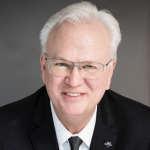
Larry K. Williams has served as President and Chief Executive Officer of The Technology Association of Georgia (TAG) for almost a decade.

He also leads the TAG Education Collaborative (TAG-Ed) benefiting workforce development across Georgia, and the National Technology Security Coalition (NTSC).

A lifelong leader in economic development, Mr. Williams has worked across the U.S. in policy, programming, finance, government affairs, and international relations.

Williams is a founding member of Fintech Atlanta, and Venture Atlanta, plus serves as a member and supporter of the Metro Atlanta Chamber, Georgia Chamber, Atlanta CIOs Advisory Council, the Partnership for Inclusive Innovation, and the Atlanta Rotary Club.

Connect with Larry on LinkedIn.

Kyle-TothillAlong with being TAG’s 2024 Board Chair, Kyle Tothill is the Co-Founder & Chief Revenue Officer of Collective Insights, is an accomplished entrepreneur and executive leader with a strong foundation in growth enablement. He is focused on driving organizational success and building high-performance teams.

Co-founding and partnering in three successful Atlanta-based business services firms, including eHire, LLC, Make & Build, and Collective Insights, Kyle’s career is marked by the successful launch of four professional services companies and a software firm.

His expertise spans across recruiting and talent acquisition, enterprise technology, and business transformation consulting services, underpinned by a strategic approach to overcoming obstacles and desire to achieve.

Connect with Kyle on LinkedIn.

What You’ll Learn In This Episode

  • TAG 25th Anniversary

Transcript-iconThis transcript is machine transcribed by Sonix.


TRANSCRIPT

Intro: Broadcasting live from the Business RadioX studio in Atlanta, Georgia. It’s time for Atlanta Business Radio, brought to you by Kennesaw State University’s Executive MBA program, the accelerated degree program for working professionals looking to advance their career and enhance their leadership skills. And now, here’s your host.

Lee Kantor: Lee Kantor here, another episode of Atlanta Business Radio. And this is going to be a good one. But before we get started, it’s important to recognize our sponsor, CSU’s executive MBA program. Without them, we couldn’t be sharing these important stories. Today on Atlanta Business Radio, we have Larry Williams and Kyle Tothill. Larry is the President and CEO of Tag, and Kyle is the tag board chair. And we’re here to celebrate tag’s 25th Anniversary. Welcome, gentlemen.

Larry Williams: Delighted to be here. Happy to be.

Kyle Tothill: Here. We appreciate you.

Lee Kantor: Well, before we get too far into things, I’ll kick it off with Larry. Larry, how has tag’s role in supporting Georgia’s tech ecosystem evolved over the last 25 years?

Larry Williams: Lee, thanks for that. And, uh, delighted to be here and talking to you. You know, 25 years. I don’t think there’s a bigger testament to the evolution of Georgia’s technology community than if you just drive up and down I-85 and I-87 and 75. That connector, the way that our skyline has changed and Tag has been with our community every step of the way. If we think about all of the economic development that’s happened here over the last 25 years, and especially over the past couple of decades, all of that economic development has been driven by technology and innovation. So if we think about everything that’s going on, we’ve been with this community every step of the way and excited about what’s happening. So we used to have to really think about what we were telling the world about why Georgia is a top technology state. Now the world knows and the world has come to us. You know, when you see an NCR, Cisco, Microsoft, Google, etc. on our skyline, it has been absolutely transformational. So we’re excited to celebrate this 25 year journey that we’ve been on. This is an excellent year, but we’re also excited about what’s coming next and the next 25 years. And one thing that I can assure you is that tag will be with this community and this technology community every step of the way.

Lee Kantor: Now, before we look forward, let’s look back. Can you share some of the most significant achievements or milestones that have been accomplished?

Larry Williams: Lee, you got to go back. I mean, you know, you got to go back to the Hayes modem. You’ve got to go back to Scientific-atlanta. You know, when people when all this stuff was just really just starting. But I think, you know, the people who remember putting up the, you know, a phone handset on a little cradle and listening to it beeps and beeps and bursts to communicate just so that we could, you know, send a little basic message. But that was all transformational. If I think about the milestones of our cybersecurity community, you know, Georgia has been part of the evolution of information security now, what we call cyber security. Every step of the way back, you know, you might remember mainframes, you might remember network internet security. Well, before we called it cyber security, that all started right here on Georgia Tech’s campus with the Department of Defense. And that was that gave us the ability to create great companies like ES that later sold to IBM, Secureworks, that became part of Dell Secureworks, Airwatch, which was the first mobile cybersecurity application that Apple led onto its iPhone platform. It is the application that put the BlackBerry out of business. So this really just is testimony that in Georgia, we have been every we’ve been part of every evolution of these critical technologies. That’s right. You know, we didn’t just be you know, we didn’t just become part of the fintech community. We were processing checks and we figured out how to digitize that process. That’s why we have 70% of our debit credit reward card transactions processed right here in Atlanta and Georgia. Kyle, you’ve lived this. What do you think the next ones are?

Kyle Tothill: Well, the next ones, you know, the questions about the history and the milestones. You know, you talk about the internet revolution of the late 90s after the Olympics is really what what started to drive a lot of this technology innovation. And Atlanta was an enterprise hub. It was a place where technology came to be sold to to buyers. And over the last 25 years, we’ve really become innovators in that regard, as opposed to just buyers, just economic buyers of technology and users of technology and the and the the ecosystem has really developed from a very small micro regional technology hub into a global hub of innovation. You know, 25 years later and you can start off with the internet boom, you know, then the cloud boom, the mobile boom, the big data boom. And here we are now on the precipice of, you know, the AI boom. And then, of course, there’s stuff that’s coming. Yes. That question, Larry, when you start thinking about quantum, you know, quantum is the next, you know, the next big thing around the corner. So we have organizations here in Atlanta that are heavy and steeped in driving innovation. And each one of those areas, you know, and it’s been really, really exciting. The amount of growth that’s happened in the last 25 years in this community is remarkable. And it’s changed people’s lives, quite frankly, changed the trajectory, the trajectory of the state.

Larry Williams: Well, said. Kyle and Lee, I’ll just add one thing. You know, poisoning for the next 25 years is critically important. You know, Kyle said it. You know, we’ve worked so hard at being a top five technology state. Georgia is today a global hub of innovation, and we are driving innovation. We’re coming up with new products, next generation of ingenuity. And as we move to and through this world of AI and into the quantum verse, one stat is that Georgia Tech has more of its graduates working in artificial working in AI, working in artificial intelligence than any other major university in the United States. That’s ahead of Stanford, Carnegie Mellon, MIT. We’re at the top now.

Lee Kantor: Looking forward, how does Tag plan to continue to foster this innovation in growth mindset and give them the industry leaders, the tools and the resources to help them get to where they want to go?

Kyle Tothill: I’ll take this one, Larry. Sure.

Kyle Tothill: So.

Kyle Tothill: So what tag is going to do is what it historically has done, which is educate, bringing people together, making them aware of the use cases being the scaffolding, right, by bringing people together and connecting the community. And I think that’s what Tag has done historically extremely well. It has created a community. It is the infrastructure by which the technology community aggregates, connects, learns from each other. Right. We have a really strong platform to promote Georgia and to promote the technology innovation in Georgia. And ultimately, you know, Tag is going to continue to do that and including developing the workforce, bringing more people into the technology workplace and being more inclusive, we’ve got a huge initiative around workforce development that I’m sure Larry will talk about in just a minute, but we plan to be able to bring the resources together, connect the ecosystem, make sure that people are learning together, learning to use cases, learning new technologies, meeting each other. And we know that a connected ecosystem does way better. And we’ve got the proof point for that in the last 25 years. We’re going to take that to the next level as we go through the next 25.

Lee Kantor: So okay, let’s start talking about how does Tag work to address the challenges of the workforce development and talent retention? Because at one point, people were learning in Georgia and leaving Georgia. And now with the advent of so many businesses here, I would imagine we’re retaining a lot more of the talent. And especially after successful exits, a lot of the people are sticking around and want to help grow the community. Can you speak to that?

Larry Williams: There are so many more opportunities now for people to stay here, to build their careers, to raise their families and to reinvest in the community that that they benefit from. So the companies. So just in general, when we think about economic development and the great success that we’ve had in this state, you know, yesteryears people used to move to where the jobs are today in age. Companies are moving to where the talent is, and that’s why all those companies are coming here that we mentioned before. They’re coming in droves. They know the quality, the high quality talent that we have here. So today in age, workforce development is economic development. And so how are we going to stay at the forefront? Well, we’ve got to meet the demand for the jobs of the future. And so we’re looking at what is what is it going to be like for our workforce to work in an AI world? So not everybody’s going to be the creators of new, um, artificial intelligence applications. But there are so many people that are going to master the tools, and they’re the ones that are going to be the builders of new products, new innovations, uh, build new companies, help our existing companies stay at the forefront of innovation. And we’re going to make sure that people have those skills, and it’s going to be a combination.

Larry Williams: It’s going to be, you know, some traditional four year degrees or people that go, you know, for post-graduate work. But we’re also going to accelerate and make sure that we can upskill people through nontraditional means, through experiential methods that might not require four year degrees, that might be, you know, training certifications, um, two year programs. Lee, right now we have just launched, uh, technology apprenticeship program. We’re the only technology organization in the southeast that has a registered apprenticeship program that’s going to give our companies a competitive advantage, because it’s going to be it’s going to be an ability to bring in some really smart, talented people, give them on the job training and experience, and with the idea that they’re going to retain that talent to be a part of their workforce moving forward. So those are one ways. The other is making sure that we get everybody in the state connected to the great prosperity that technology and innovation is bringing to this state. There’s lots of people, um, if we think there are people that can be trained in an upskilled, we’re going to do that and give them the tools that they need to be a part of this great workforce.

Lee Kantor: Now, can you talk a little bit about, you know, they say a rising tide lifts all ships. And that being the case, the southeast has really kind of expanded into technology around Georgia. Like you have Tennessee, you have Huntsville, you have the Carolinas, obviously. How does that impact what’s happening in Georgia? Does that, um, attract more people, or are people spreading around and thinking of the southeast as the place to go? Not necessarily just Georgia?

Kyle Tothill: I think that Georgia really acts as the hub, and those are the spokes. I mean, if it seems obvious, if you just look at it on a map, but, you know, there’s a lot of innovation that’s starting to happen in those submarkets or those regional markets as a result of the success that we’ve had in Atlanta. So Atlanta is a key to the regional economic development. So when you put all those layers together, we are the key, right? And as we go, they go in a lot of ways. And I think that we share the prosperity. Atlanta or Georgia has an unbelievable port and logistics system, a fantastic aerospace, uh, you know, industry, unbelievable fintech, you know, telecommunications infrastructure, data center, uh, retail. We are very, very diverse. Um, and I think that allows the regional markets to take advantage of that. And frankly, having them grow helps our community grow. So it’s one big infrastructure, one big ecosystem. That’s how I look at it. Larry, do you have anything to add to that?

Larry Williams: 100%. Right. It does. I mean, we you know, if you look south of DC, you know, east of Dallas, there’s nothing like Atlanta. There’s there’s, you know, love these other markets. And I’m glad a lot of them are thriving and experienced success. But Atlanta really is where it is in the state of Georgia. And our regional economies as well. Um, people are recognizing the importance of the southeast and our technology and innovation economy. Um, I think there’s always been a lot of relevance. At least, you know, you know, for a long time. And, um, now people are really seeing it and, um, seeing that we are as competitive or more competitive than some of the traditional markets, especially those on the West Coast, because those companies are moving here.

Kyle Tothill: And I think the consistency of our activity is really cemented that. So tag’s been around for 25 years. Chamber’s one of the top chambers, right. This community has had success for a very, very long period of time, and we’ve had the infrastructure to be able to promote that success. So we’ve been telling the world, we’ve been inviting the world. We’re bringing the world to Atlanta through conferences and through through the Georgia Technology Summit and through some of our outreach, uh, you know, global outreach opportunities like Fintech South is a global event. So, you know, I think the big, you know, pole, right, is that we’ve actually been focused on extolling the virtues of this, and that’s why people are recognizing it.

Lee Kantor: Now, how does other how would you recommend other organizations, educational institutions, government agencies or other businesses collaborate with Tag? What’s the best way to connect with you in terms of, okay, let’s figure out a way to better serve the ecosystem. I know you’re the hub, but what how how can other organizations plug into you most effectively?

Larry Williams: You know, we have so many. We have so many options, Lee. And we have so many partnerships and so many great, um, collaborations as it is and certainly, you know, tag online. Org is a way to get us connected. You can reach out to me directly L yeah. L Williams at tag online.org. You can find us and we can get you connected. You know between our 18 societies that really focus in on so many different areas, whether it be fintech, cybersecurity, digital health, cloud, CRM, artificial intelligence, all of these topics are very important, and those are also ways to get more specifically involved in some areas of interest and help build those contacts. But government relations are extremely active both at the state and federal level. Um, you know, people were always looking at ways that we can collaborate. Yesterday, Kyle and I were meeting with the the national director of cybersecurity, which is part of the white House, looking at how do we make sure that we have resilient businesses that can help and collaborate with government to make sure that we’re protecting our cybersecurity, protecting our infrastructure, and make sure that we continue to have great commerce and that we’re, you know, we’re part of the solution in fighting the bad guys, because the bad guys are going to keep coming at us when it comes to cybersecurity threats. So we want to make sure the good guys keep winning. So those are just some examples of the collaborations and then plus our workforce, our universities, our technical college system of Georgia all are welcome.

Lee Kantor: So looking ahead, what are Tag’s primary goals and objectives for the next coming few years? Is there anything you’re looking ahead towards? You mentioned quantum. You mentioned AI. Is there any other trends or anything else you’re working on?

Larry Williams: Well, you know, just and we’ve been talking about these things. It’s it’s number one for the next 25 years. I don’t know exactly what’s going to happen 25 years from now. But here’s what I do know. There’s some great key opportunities for us near-term. And I think that’s what you’re asking me here in the near future. So, yes, um, we have I think in Georgia, we have a unique opportunity to be at the forefront of artificial intelligence and the opportunities that it’s going to be that it’s going to bring, and that’s whether it’s creating new companies, uh, mastering the tools that are going to help propel and create innovations within our current companies, but also the thought leadership that we have for the policies that we need. Um, around AI, um, that can happen at the state legislature, um, as well as some of the thought around. You know, what are the the laws? What are the, um, um, policies that we need, the policies that we. Need to be in place. We’ve got Emory, we’ve got Georgia Tech, we’ve got other Georgia State. We’ve got people with great minds thinking through what these implications are. We can be. At the forefront of writing all of this and setting the standard not only for the country, but the world.

Kyle Tothill: Yeah. And I’d like to I’d really like to add that, you know, one of the big priorities for us is really to. Continue to bring people into the technology ecosystem that that aren’t necessarily there today. We. Have got to expand and open our aperture to make sure that the entire population of our great state or the region or people that want. To come here, have an open door to get engaged. Right. And that’s one of the things Larry. Mentioned earlier, which is we have over 200 events a year. We have 5 or 6 major events every single year. We have a lot of opportunities to invite people into the conversation, and I think that’s a huge, a huge priority as we move forward is we’ve got to have the people and we want people to know that they can get a career in technology. They can take advantage of that, you know, and they can easily plug in. We are very hospitable and wide open for that.

Lee Kantor: Now, how do you allay some of the fears that people have when there is, um, conversations around AI and how disruptive it’s going to be, how it’s going to replace jobs and things like that? How do you kind of create that bridge to help people make that transition most effectively?

Kyle Tothill: I think that’s a very difficult challenge because it has its moments of fear with all of us, you know, and it happens often. But, you know, you have to take the assumption with folks that change is going to happen. Right? And it’s better to to understand that change is coming and that they’ve got to adapt and overcome, right and change. And they can use AI and, you know, humanity together is going to create a lot of opportunity and that their skills have to grow and they’re going to have to be pushed. And that’s just the way that it is. But assuaging fears is more about highlighting opportunities, right? When you have opportunity in front of you and you’re able to see a pathway to seize that, then the fear disappears. If we’re afraid, we won’t seize that or see that opportunity. And I think that’s what our job is to kind of extoll and show to the broader community through our society events, through our events, that there’s a lot of AI out there that’s going to help people really grow, that’s going to help businesses get faster, better, and it’s going to help those stakeholders, you know, accomplish their goals.

Larry Williams: Notably, AI has been around for a decade, and people have been utilizing it in certain ways, whether they know it or not. So now it’s, you know, emerge and now it’s, you know, at the kitchen table as part of the conversation. Um, so Kyle’s exactly right. So it is raising awareness about, you know, what the world is going to look like that. The other is actually giving people skills, making sure that they’re prepared. When I when I said, you know, we have the opportunity to have the most relevant workforce for the future right here in Georgia. We can drive this. People will want to copy what we’re doing because we will get it right. So when we talk about people knowing what they can do with AI and utilizing it as a tool, um, they’re going to be excited about the future. They’re going to be excited about what they can possibly do within, you know, their own scope of work as it is today, or how they can build new companies to address new, um, new products, new services and new innovations. So, yes, change is hard. We’re going to work through this change, and we’re going to make sure people get connected to it. And we’re at the forefront of the whole innovation economy.

Lee Kantor: Is the education. Um, you mentioned that Georgia Tech right now is at a at the forefront when it comes to AI, people learning about AI, is it trickling down into high schools, middle schools, elementary schools? Is there any type of initiatives that are just starting? These are digital natives, you know. Are we doing anything to help educate them and get them on these tracks earlier on?

Kyle Tothill: They’re the ones educating us. Just to be perfectly frank. Uh, talk to talk to an 18 to 22 year old and ask him how often they use generative AI, and they’ll tell you a lot. Um, but but ultimately, you’ve got to show those business use cases. You’ve got to get those folks connected to, you know, buyers and users of those AI, you know, initiatives. And, you know, Larry could talk a little bit about our Stem education policy and what we’re doing with tag ed to help get that deep down into, you know, some of our high potentials that are in high school and college.

Larry Williams: Yeah. So there’s lots of things that are happening at the industry level. You know, people are right now creating workgroups about how can I improve efficiencies within the workflows. Um, and they’re what they’re doing is really experimenting with the tools that are available, and that’s very important. You know, what can I do if I, um. Um, if I utilize this tool to help do an analysis of, of of a, of a spreadsheet, a very deep, broad spreadsheet, and things that were taking hours of a human’s time were able to do in seconds, quite frankly. And they can point out, you know, key elements or trends within large data sets. This is important. It’s, um, it’s it’s learning how to ask the questions correctly so that you can start to get the relevant information you want. As far as getting it down. Yes. Our educators are doing several things as well. Um, you know, um, at our schools and our Stem, they’re inviting people to start playing with these tools, see what we can do. And here’s what’s important. As people are playing, and especially our younger people are learning to play with these tools, learning how to utilize these tools, what our educators are really doing a good job of is saying, okay, that’s what you learned via just asking a question. Now, how do you put your own thought into it? How do you interpret that data? What experience do you have that can put some unique perspective or some unique context to it that makes what you do is important? Um, uh, as a human, as a lifetime learner, and not just look at something, ask a question and regurgitate, uh, the outcome. This is going to be extremely important about how we utilize these tools moving forward.

Lee Kantor: So if somebody wants to learn more, connect with tag and learn about all of the great things that are happening in the tech ecosystem here in Georgia, what is the website? What is the best way to connect?

Kyle Tothill: It’s w w w tag online.org and there are a lot of events you can register for. Um, and we’re excited to have anybody and everybody that wants to learn find an opportunity to plug in.

Larry Williams: But most importantly, December 4th, we are having our silver Jubilee December 4th at the foundry. Uh, in the West Side. Super, super excited about this. This is our second annual gala. It is black tie. It is elegant. We are going to celebrate our second annual Lifetime Achievement Award winner. It was John Yates who many people in the technology industry know. We’re going to be announcing the next one. And so it’s something that if you’re in the technology community, you need to be at our Silver Jubilee on December 4th.

Lee Kantor: And they can learn more at Tag online. Org.

Larry Williams: That’s correct.

Lee Kantor: All right. Well Larry and Kyle, thank you so much for sharing your stories today. You’re doing such important work and we appreciate you.

Kyle Tothill: Yeah. My pleasure.

Larry Williams: Lee, thanks for your friendship.

Lee Kantor: All right. This is Lee Kantor. We’ll see you all next time on Atlanta Business Radio.

Tagged With: Kyle Tothill, Larry Williams, technology Association of GA

Larry Williams With Technology Association of Georgia

March 28, 2024 by Jacob Lapera

Atlanta Business Radio
Larry Williams With Technology Association of Georgia
Loading
00:00 /
RSS Feed
Share
Link
Embed

Download file

Larry Williams is President and CEO of the Technology Association of Georgia. He brings more than 25 years of experience in global branding, international trade and finance, public and industrial policy, and administration and management to TAG.

As the former president and CEO of The Beacon Council, Miami-Dade County’s official economic development partnership, he helped facilitate local, national and international business growth and expansion programs.

Under his leadership The Beacon Council created and executed a new economic development framework to help the area grow and secure investments in today’s innovation economy. This is resulted in $687 million in new investment, 119 company relocations or expansions, and more than 4,500 new jobs. From 2011 to 2014, he helped shape the vision for Atlanta’s tech sector as vice president of technology development at the Metro Atlanta Chamber.

He provided leadership and direction to the Chamber’s Mobility Task Force, positioning Atlanta as a global hub of mobile technology, and to the Technology Leadership Council.

Connect with Larry on LinkedIn.

What You’ll Learn In This Episode

  • How has the role of technology shifted and what does this mean for TAG
  • How is AI helping

Transcript-iconThis transcript is machine transcribed by Sonix.


TRANSCRIPT

Intro: [00:00:04] Broadcasting live from the Business RadioX studios in Atlanta, Georgia. It’s time for Atlanta Business Radio. Brought to you by On pay. Atlanta’s new standard in payroll. Now, here’s your host.

Lee Kantor: [00:00:25] Lee Kantor here, another episode of Atlanta Business Radio, and this is going to be a good one. But before we get started, it’s important to recognize our sponsor, Onpay. Without them, we couldn’t be sharing these important stories. Today on Atlanta Business Radio, we have Larry Williams, the CEO and president of Technology Association of Georgia. Welcome, Larry.

Larry Williams: [00:00:46] Hi Lee.

Lee Kantor: [00:00:47] I am so excited to get caught up with you. Big anniversary this year, huh?

Larry Williams: [00:00:52] That’s right. It’s our 25th anniversary. We’re so excited.

Lee Kantor: [00:00:55] I know that is a big deal for the folks who aren’t familiar with Tag. Can you explain mission purpose of Tag and how it’s kind of different from the Chamber of Commerce and the other economic development things out there?

Larry Williams: [00:01:07] Well, sure. I mean, at the top level, our job is to focus in on the technology sector, our technology industry, as well as the people that are utilizing technology to drive their business and the people that are building great careers in technology. You know, one of the great things we’ve done over the last 25 years is we’ve created one of the most connected technology and innovation ecosystems in the country with 30,000 members. You know, in Georgia. I think that’s something for us to be proud of. And as we’ve grown, not only are we doing great things to connect our our people through our societies and our major events like we have tomorrow with the Georgia Technology Summit, but we’re also very involved in lobbying and advocating for policies that help enable innovation or prevent things that might inhibit it. So both at the state and the federal level, as well as we do a lot through our Tag Education Collaborative, our charitable charitable education foundation, about how we prepare the the next generation of technology workers now.

Lee Kantor: [00:02:11] Was tag, um, kind of born out of the Chamber of Commerce or was this 25 years ago was this kind of initiative that a bunch of folks said, you know what, there should be a dedicated organization that just serves technology here in Georgia.

Larry Williams: [00:02:24] There were three technology organizations at the time. There was what is now known as Tag. I forgot exactly what the name was back then, but it was the South East Software Association and Wit. The Women in technology all came together to create an organization under one umbrella. Um, and that was just because that was there was a little bit fragmented at the time. So most of that’s stayed together. Women in technology has grown up and they’ve, um, you know, doing great work and as a autonomous organization. But they’re a great partner of ours now, too.

Lee Kantor: [00:02:59] Now, at the time, it was, was it primarily, um, software focused or was tele telecommunication kind of part of that and the growth of that industry?

Larry Williams: [00:03:09] By all means. Um, so if we think about, you know, what was going on during that time, you’ve got to think about, um, you know, the Hayes modem. So if you want to think about, you know, telecommunication that was coming up in the 70s and the 80s, scientific Atlanta was founded in the 50s. You know, it wasn’t sold until 2005. So. So, Lee, um, technology is part of our DNA here in Georgia. You know, we’ve been in this business for a long time. And, um, you know, it was taken advantage of a lot of things that was that were going on. And then with these great nexus of, uh, organizations like Scientific Atlanta, there were a lot of other companies that were starting to build and develop and come up with new innovations as well. And that’s what created that critical mass for for it to make sense to really launch an organization like the Technology Association of Georgia.

Lee Kantor: [00:04:01] Now, did it get escape velocity right off the bat, or did it take a few years to get kind of momentum and grow to the 30,000 member mark?

Larry Williams: [00:04:11] Yeah, I think it took a few years for it to for it to grow and then to get to the 30,000 mark certainly took a few days, you know. Well, you know, 25.

Lee Kantor: [00:04:20] Years now, but was it something that you were always had a groundswell of support, or was there a tipping point at some point?

Larry Williams: [00:04:29] You know, I think there had some volunteer leadership at the very early on. And then they went with a professional, uh, CEO, if you remember, they hired Tino Ventilla to come in, and he was really a catalyst to, uh, launch it and grow it, um, and shape it. And then I came in, uh, eight years ago.

Lee Kantor: [00:04:49] Now, uh, one of tino’s kind of, um, I remember him talking a lot about clusters and special groups that were serving niches within technology. Was that helpful in, in kind of growing the organization, in your opinion?

Larry Williams: [00:05:06] Yeah. Cluster theory about economic development is is alive and well. And it’s, um, you know, with clusters when you have a certain, uh, strength and other people want to be around that for a lot of reasons. It’s either it could be, um, client vendor relationships and also workforce. So, um, those all work very closely together. And it was important then. It’s important now.

Lee Kantor: [00:05:29] Now, are you seeing that, um, the center of gravity in technology shifting a little bit? I mean, there was a lot of stuff centered around Georgia Tech, but it seems like now it’s expanding out into the suburbs and exurbs of Atlanta.

Larry Williams: [00:05:45] You know, it’s, uh, you know, we’re fortunate we have a plethora of riches in many ways. Um, Georgia Tech is still extremely important to our ecosystem and to our talent, to the research and development, uh, the thought leadership that comes out of there. But we have other areas. I mean, you know, you go out to Augusta with the cyber center out there now, you know, Kennesaw State merging with Southern Poly, uh, really made it for a richer, more comprehensive, um, uh, university for us. Georgia State and I think about, you know, what’s going on there with the film industry and, uh, the media labs, Emory, all of these things work together. Clayton State is extremely important to us. Columbus. You know, uh, the the the trouble we’re trying to start listing them is I’m going to leave somebody. They’re all important. And but, you know, if I, you know. So if we think about it from an economic development point of view, um, yester year, people used to move to where the jobs are now, the companies are moving to where the talent is, um, workforce development today. Talent is economic development. And I think you’re seeing that unfold as our you know, if you look at Atlanta, our skyline has changed and that’s been a big driver of it.

Lee Kantor: [00:07:05] So now when it comes to workforce development, how does the organization, um, kind of serve the whole state? Because it could be almost a trap to just be Atlanta focused. You mentioned, um, Augusta. And obviously Savannah is important. And and the definitely the cities around, uh, Atlanta are important. So how do you bring all of these? Kind of I don’t want to say distant, but you are serving the state. How do you bring all those communities together? Do you encourage them to kind of find their niche that they can really lean into, or do you just let them kind of develop and you just build around what they’re doing?

Larry Williams: [00:07:45] You know, it’s a little bit of both. You know, I’ve got to bring in University of North Georgia as we’re setting up some programs with them about, you know, how do we actually develop more executive leaders, um, you know, the next generation of people that are going to be, you know, running, you know, either in-house operations or building their own new technologies. So working with them on specific things, knowing where the universities are building out expertise, um, like fintech and with our partner, the fintech and, uh, fintech Academy, these things all work together so that we can direct people and collaborate as well.

Lee Kantor: [00:08:22] Yeah, I think that’s kind of one of the secret sources of, um, of the state is that we are so collaborative. There isn’t kind of that zero sum game mentality where we’re it seems like we’re all kind of rooting for each other and trying to help each other all grow.

Larry Williams: [00:08:39] It’s always been that way. And I think it’s extremely importantly. And I’m glad you mentioned that. Um, you know, if we look at you and the other component of this that’s extremely important is the technical college system of Georgia. Tcsg. Um, the way we look at the world is from a talent is one. How do we how do we start preparing and how do we start building tomorrow’s workforce today? So the demand for jobs still is higher than the supply. So we’ve got to continue to work on that and creative ways. So we work on how do we connect at the high school level. How do we, uh, connect, uh, all those smart people with Stem related, um, curriculums so that they can go to whatever higher education they want to go to, or next training programs so that they can be prepared. We work on workforce, uh, so especially things that don’t require four year degrees. And there are lots of jobs out there that don’t require four year degrees. And we’ve got to make sure that we’re engaging those people. So training people, upskilling them, reskilling them in a dynamic world is constantly important. And I’ll mention Lee that last week we launched our, um, tag technology apprenticeship program. So apprenticeships or experiential learning? Uh, it’s getting back, you know, real world experience in the workplace and then being able to build a career after that. Lee, we are the only technology association or council in the southeast that has a certified, uh, apprenticeship program. This is big news. Uh, we’ll continue to partner with, uh, the Universities and Technical College System of Georgia, but this is certainly a game changer for us in Georgia being at the lead of this. Let me just give. And then lastly, it’s that, uh, professional development that I mentioned earlier. We have a program called Pathways to Leadership about to launch our fourth cohort. And that’s all about preparing the next generation of senior and executive leaders for technology roles.

Larry Williams: [00:10:43] I keep going.

Larry Williams: [00:10:43] Let me just give you a little bit of context. Um, we’re, um, there’s data out there that we’re planning on creating about 100,000 new jobs in technology over the next nine years by 2033. Um, you know, we’ve got the large companies that are here and that are headquartered here with large presence here. But we’ve got to continue to make sure that we’re, um, connecting everyone with these great opportunities that they have.

Lee Kantor: [00:11:13] And I think that, uh, the nimbleness and the, the willingness to take action is really what sets it apart. I mean, we’re not talking about things that are just on a whiteboard for year after year after year and never gets done. These are things that action is taken and, uh, moves are made.

Larry Williams: [00:11:32] Grant. Um, so excuse me, Lee, you’ve heard me say this before. Um, Georgia is really where, uh, technology meets the real world. And what I mean by that is, you know, we don’t always create the shiniest new gadget or the coolest new social app, but we have more people that are building things, um, that are driving revenue, building new companies probably than anywhere else. And if you think about what we’ve done so successfully here in Georgia is, you know, we’ve got our our favorite start with fintech, 70% of all debit, credit and reward, uh, reward card transactions are processed through Georgia. We led the way in digitizing that industry, you know, going from paper checks and manual processes. It was here in Georgia. And that’s why we dominate. You know, as I say, we have if you have 51% market share, you’re number one. If you have 70%, you dominate. We dominate in that area. You mentioned mobile technology. I mean, what we were doing is, um, you know, building it up, you know, from BellSouth to Cingular to AT&T wireless. Um, it was also AT&T, um, that created a partnership with another company that built up here called Airwatch, which was a mobile cybersecurity application.

Larry Williams: [00:12:51] When you put those two to those, the telecom with the cybersecurity application, and then at the same time, the Apple phone, the iPhone was rolling out, that was a game changer. So the partnership that was created here in Atlanta is, you know, said to be what put the BlackBerry out of business. And in fact, there was a magazine in, uh, Canada that even said that that’s the type of things that we do cybersecurity. We were the leaders at Georgia Tech with the Department of Defense talking about what can we do with back when we’re talking about mainframes and network security, that evolution of, um, being able to lock down major, uh, systems to how do we secure our laptops to now the cloud and mobile applications that all happened here. These things are transformative. So again, you know, it’s not always the shiniest new thing, but we got people that are really building real world, uh, businesses here in Georgia.

Lee Kantor: [00:13:53] How are we doing? Um, in regards to AI are um, is that something that, um, you’re finding that there’s a lot obviously there’s a lot of interest and there’s a lot of opinion about it on both sides. Um, but what’s your take on, uh, Georgia?

Larry Williams: [00:14:10] And I know AI is the most transformative shift that we’re going to see in our lifetime. We’ve seen a lot lately, but we’re this is this is huge. And if you think about. And so I think Georgia will be the leader for AI, for legitimate commercial purposes. And a lot of reasons I say that is because of the things that I talked about that we transform industries. Just I believe yesterday I saw an article and it says that Georgia Tech has more graduates working in AI than any other university in the US, and that’s ahead of Berkeley and Stanford, um, University of Southern California more than Carnegie Mellon. It’s right here at Georgia Tech in our state. That knowledge base, that research base, that amount of people, um, that are going to be interacting with our, uh, business partners and our commercial entities are going to create and lead the way in how AI is going to have very positive case studies and even help us, you know, fight, you know, when it comes to cyber security, those that thought process is going to help us not only secure our own networks, but, uh, help us fight the bad guys as well. And we need that type of, of quick, um, response and that type of thinking as well. So I am bullish. I’m going to repeat it. I believe that Georgia will lead in AI for legitimate commercial purposes.

Lee Kantor: [00:15:40] So now, um, you know, putting that in the crystal ball of looking ahead to the next 25 years, uh, being a leader in AI, obviously is part of that. What else are you seeing for Georgia in the years ahead?

Larry Williams: [00:15:55] Well, you know, I think we’re going to continue to have the great mix of the, you know, of software along with the physical world. Uh, manufacturing is still going to be important to us, and we’re going to see that that intersection of being able to have more efficient operations. Um, you know, uh, I don’t think it’s a slam dunk on the future of EVs, but there’s going to be a great place for EVs, and Georgia’s going to be at the center of it as well. So that’s certainly something that we’re looking at. But I think overall, if what we think about is automation, whether it be the automation of software, uh, utilizing AI as a tool, but also harnessing the great smart people who are going to be thinking of new ideas and how to utilize these AI tools and then marry them with robotics and other automation in the physical world. That’s where Georgia’s going to continue to lead and build great companies and be able to trade, uh, attract, you know, global leaders that want to be a part of this.

Lee Kantor: [00:16:55] Well, congratulations on 25 years. I mean, it’s an amazing achievement for your organization and your leadership. If somebody wants to plug in to tag, what’s the website?

Larry Williams: [00:17:05] It’s, uh, tag online.org. Tag online.org. And you know, Lee, I’m looking forward to seeing you tomorrow at the Georgia Technology Summit. Uh, the new Sydney, a hotel right downtown, a phenomenal location. We have an incredible, incredible line up. And I think, uh, even the governor and the mayor will stop by and and say hello to us.

Lee Kantor: [00:17:29] As they should. Well, thank you again for sharing your story, Larry. You’re doing such important work, and we appreciate you. Thanks, Lee. All right. This is Lee Kantor. We’ll see you all next time on Atlanta Business Radio.
About Our Sponsor

OnPay’sOnPay-Dots payroll services and HR software give you more time to focus on what’s most important. Rated “Excellent” by PC Magazine, we make it easy to pay employees fast, we automate all payroll taxes, and we even keep all your HR and benefits organized and compliant.

Our award-winning customer service includes an accuracy guarantee, deep integrations with popular accounting software, and we’ll even enter all your employee information for you — whether you have five employees or 500. Take a closer look to see all the ways we can save you time and money in the back office.

Follow OnPay on LinkedIn, Facebook, and Twitter

Tagged With: Larry Williams, Technology Association of Georgia

Julie Bryant Fisher and Larry Williams, Metro Atlanta Chamber of Commerce, August 21st, 2013

August 22, 2013 by angishields

Booth-61-with-Julie-Bryant-Fisher-and-Larry-Williams
Booth 61 with Ricky Steele
Julie Bryant Fisher and Larry Williams, Metro Atlanta Chamber of Commerce, August 21st, 2013
Loading
00:00 /
RSS Feed
Share
Link
Embed

Download file

Booth 61 with Julie Bryant Fisher and Larry WilliamsWhat a great day in Booth 61 with long time friend and Atlanta Media Maven, Julie Bryant Fisher and Atlanta Chamber of Commerce Vice President of Technology, Larry Williams. Julie and Larry shared the exciting story of Atlanta’s thriving and growing Mobility market place. As an Atlanta native, I am so proud of everything our Chamber is doing to promote the Atlanta entrepreneurial, start-up technology community. The results are powerful.

They also shared all of the exciting news about the upcoming Mobility LIVE event on October 1st at the Woodruff Arts Center. There are less than 500 available seats. This is a DO NOT MISS EVENT! My company, Hunter Technical Resources will bring a crowd so if you want tickets, you should order them yesterday. 🙂

Tagged With: Entrepreneurs, Georgia Tech, Hunter Technical Resources, Larry Williams, Metro Atlanta Chamber of Commerce, Mobility Live, Ricky steele, Sam Williams, TAG, technology entrepreneurs, Verizon

Atlanta – A Growing Technology and Entrepreneurial Hub

August 14, 2012 by Stone Payton

Burr Forman's Results Matter Radio
Atlanta - A Growing Technology and Entrepreneurial Hub
Loading
00:00 /
RSS Feed
Share
Link
Embed

Download file

Our guests join us to discuss business in Atlanta and how the metro area is a growing technology and entrepreneurial hub in the southeast.

Melanie Brandt/Technology Association of Georgia

Melanie Brandt is the Chief Operating Officer for the Technology Association of Georgia (TAG), the largest industry association in the state and one of the most successful Technology organizations in the country. Melanie provides strategic leadership as well as management of TAG’s operations, including key initiatives such as the annual State of the Industry Report, the TAG Business Launch Competition, TAG’s Statewide impact initiatives including Economic Development support and TAG’s Savannah, Augusta, and Middle Georgia chapters; TAG’s Economic Gardening program; the 31 TAG Societies including those dediciated to strategic Georgia technology sector focuses such as Health IT, Financial Technology (FinTech), Information Security and Mobility; and the TAG leadership Council. Melanie has fundraising and staff management responsibilities and has initiated several noteworthy projects as COO, such as the Where Georgia Leads maps, the TAG Social Media Council, and the annual S.T.E.M. Education Awards.

Before joining TAG, Melanie was part of the Gwinnett Chamber’s Economic Development team, implementing the Partnership Gwinnett initiative as their Business Development Manager for Information Technology and Advanced Communication. Prior to joining the Gwinnett Chamber, she served as TAG’s Director of Information and Community Resources.

Melanie is currently on the executive advisory board for the Atlanta Technology Professionals (ATP), where she served as president in 2004 and 2005. She was a founder of StartupChicks, an organization dedicated to connecting and inspiring entrepreneurial women, and serves on committees for the Georgia Chamber, the Metro Atlanta Chamber, and the Gwinnett Chamber. Melanie was recognized as a “40 under 40” Atlanta Business and Community Leader recipient by the Atlanta Business Chronicle in 2010.

Larry Williams/Metro Atlanta Chamber of Commerce

Larry Williams serves as Vice President for Technology Industry Development at the Metro Atlanta Chamber of Commerce.  Larry has successful experience building and managing state and local economic development, international business development and tourism development.  He is a results-oriented professional with a reputation for service, satisfaction, and results.  Larry works as a creative troubleshooter able to quickly identify and resolve problems at all levels.  He is multilingual with international experience and understanding of global business practices and a solid leader able to build, mentor, and develop highly motivated, productive, and loyal teams.

Larry’s specialties are economic development, international business development, global branding, marketing, non-profit & government administration and management, business finance, budget management, customer service, organizational development, leadership, deal structuring, change management, strategic planning, building public-private partnerships, public and industrial policy, international trade and operations.

Michael Lasky/Burr Forman

Michael Lasky has practiced exclusively in intellectual property (patents, trademarks, copyrights) for over 30 years at the firms of Merchant & Gould , Powell Goldstein and Burr Forman in Atlanta.

He is a published author and a nationally recognized speaker on the topic of Business Exit and Succession Strategies. He is currently writing POWER TOOLS — Strategies for making for your company far more valuable and saleable , due out later in 2012.


Tagged With: Larry Williams, Melanie Brandt, Metro Atlanta Chamber, Michael Lasky, TAG

Business RadioX ® Network


Our Most Recent Episode

CONNECT WITH US

  • Email
  • Facebook
  • LinkedIn
  • Twitter
  • YouTube

Our Mission

We help local business leaders get the word out about the important work they’re doing to serve their market, their community, and their profession.

We support and celebrate business by sharing positive business stories that traditional media ignores. Some media leans left. Some media leans right. We lean business.

Sponsor a Show

Build Relationships and Grow Your Business. Click here for more details.

Partner With Us

Discover More Here

Terms and Conditions
Privacy Policy

Connect with us

Want to keep up with the latest in pro-business news across the network? Follow us on social media for the latest stories!
  • Email
  • Facebook
  • Google+
  • LinkedIn
  • Twitter
  • YouTube

Business RadioX® Headquarters
1000 Abernathy Rd. NE
Building 400, Suite L-10
Sandy Springs, GA 30328

© 2025 Business RadioX ® · Rainmaker Platform

BRXStudioCoversLA

Wait! Don’t Miss an Episode of LA Business Radio

BRXStudioCoversDENVER

Wait! Don’t Miss an Episode of Denver Business Radio

BRXStudioCoversPENSACOLA

Wait! Don’t Miss an Episode of Pensacola Business Radio

BRXStudioCoversBIRMINGHAM

Wait! Don’t Miss an Episode of Birmingham Business Radio

BRXStudioCoversTALLAHASSEE

Wait! Don’t Miss an Episode of Tallahassee Business Radio

BRXStudioCoversRALEIGH

Wait! Don’t Miss an Episode of Raleigh Business Radio

BRXStudioCoversRICHMONDNoWhite

Wait! Don’t Miss an Episode of Richmond Business Radio

BRXStudioCoversNASHVILLENoWhite

Wait! Don’t Miss an Episode of Nashville Business Radio

BRXStudioCoversDETROIT

Wait! Don’t Miss an Episode of Detroit Business Radio

BRXStudioCoversSTLOUIS

Wait! Don’t Miss an Episode of St. Louis Business Radio

BRXStudioCoversCOLUMBUS-small

Wait! Don’t Miss an Episode of Columbus Business Radio

Coachthecoach-08-08

Wait! Don’t Miss an Episode of Coach the Coach

BRXStudioCoversBAYAREA

Wait! Don’t Miss an Episode of Bay Area Business Radio

BRXStudioCoversCHICAGO

Wait! Don’t Miss an Episode of Chicago Business Radio

Wait! Don’t Miss an Episode of Atlanta Business Radio