Business RadioX ®

  • Home
  • Business RadioX ® Communities
    • Southeast
      • Alabama
        • Birmingham
      • Florida
        • Orlando
        • Pensacola
        • South Florida
        • Tampa
        • Tallahassee
      • Georgia
        • Atlanta
        • Cherokee
        • Forsyth
        • Greater Perimeter
        • Gwinnett
        • North Fulton
        • North Georgia
        • Northeast Georgia
        • Rome
        • Savannah
      • Louisiana
        • New Orleans
      • North Carolina
        • Charlotte
        • Raleigh
      • Tennessee
        • Chattanooga
        • Nashville
      • Virginia
        • Richmond
    • South Central
      • Arkansas
        • Northwest Arkansas
    • Midwest
      • Illinois
        • Chicago
      • Michigan
        • Detroit
      • Minnesota
        • Minneapolis St. Paul
      • Missouri
        • St. Louis
      • Ohio
        • Cleveland
        • Columbus
        • Dayton
    • Southwest
      • Arizona
        • Phoenix
        • Tucson
        • Valley
      • Texas
        • Austin
        • Dallas
        • Houston
    • West
      • California
        • Bay Area
        • LA
        • Pasadena
      • Colorado
        • Denver
      • Hawaii
        • Oahu
  • FAQs
  • About Us
    • Our Mission
    • Our Audience
    • Why It Works
    • What People Are Saying
    • BRX in the News
  • Resources
    • BRX Pro Tips
    • B2B Marketing: The 4Rs
    • High Velocity Selling Habits
    • Why Most B2B Media Strategies Fail
    • 9 Reasons To Sponsor A Business RadioX ® Show
  • Partner With Us
  • Veteran Business RadioX ®

It Takes A Village E30

March 21, 2022 by Karen

It-Take-A-Village-E30-feature
Phoenix Business Radio
It Takes A Village E30
Loading
00:00 /
RSS Feed
Share
Link
Embed

Download file

It-Take-A-Village-E30

It Takes A Village E30

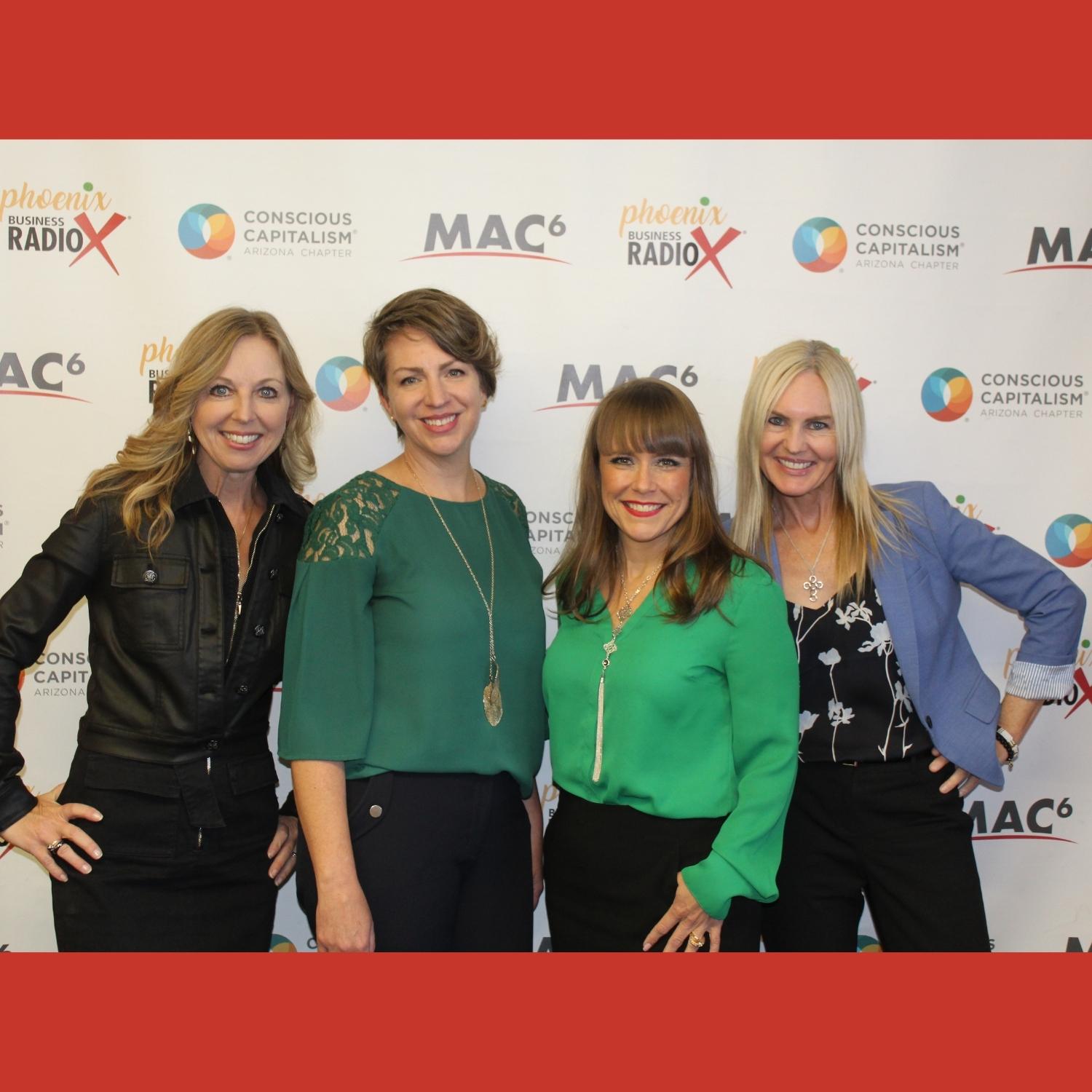
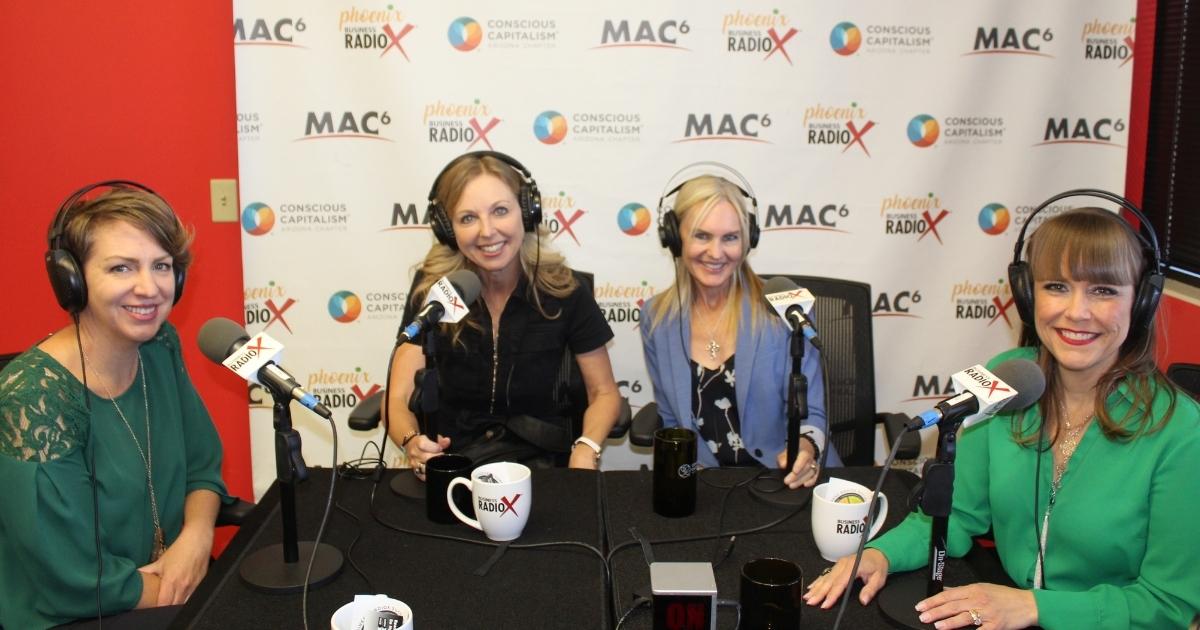
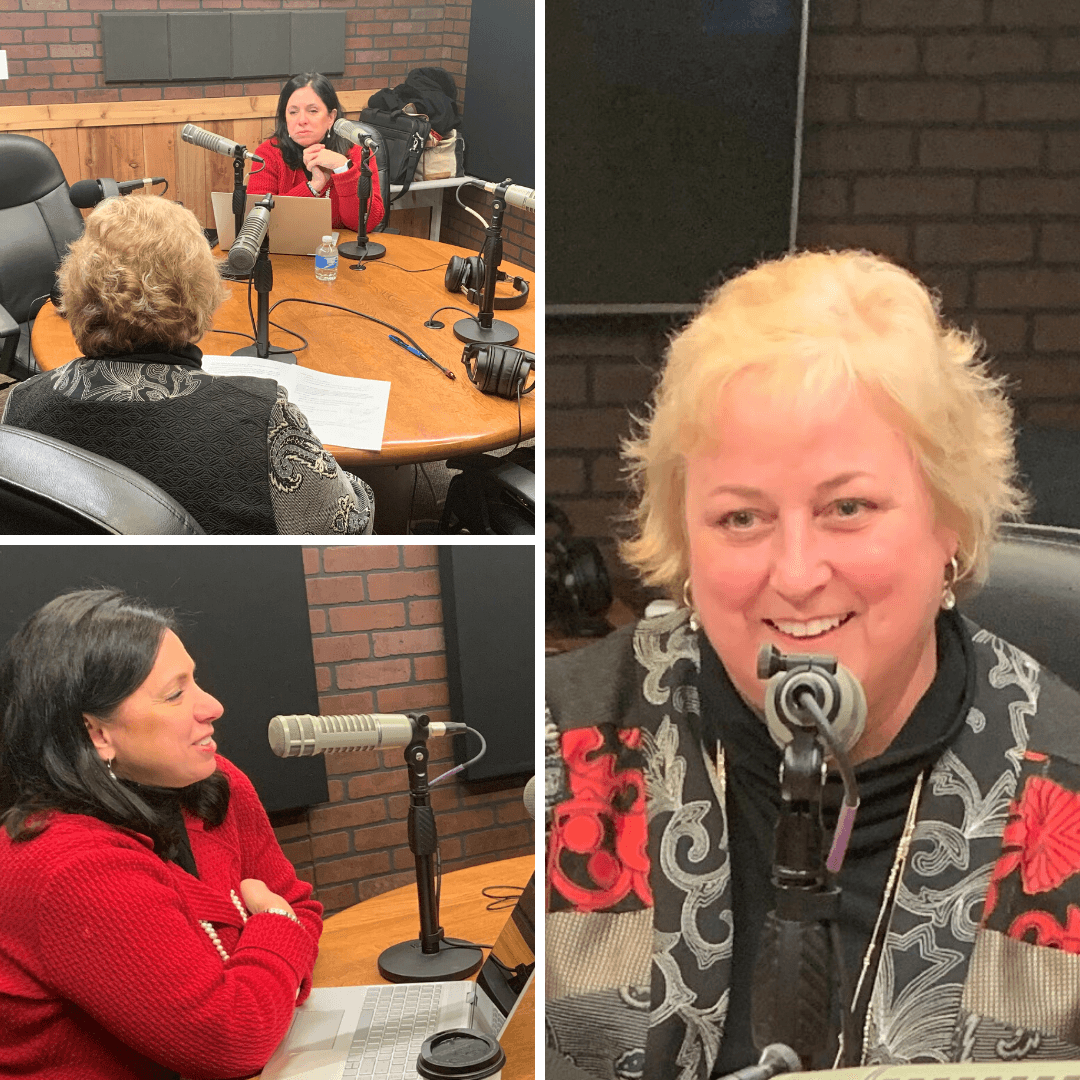
On this episode of Collaborative Connections Radio Show and Podcast, host Kelly Lorenzen had the pleasure of interviewing some amazing leaders in our community.

Ania Kubicki, CEO & Founder of ANGLES Communications and President-Elect of NAWBO Phx, Laura Bode, Director of Community Engagement of A New Leaf, and Shana Duffy, Principle Consultant, Blue Ocean Advisory and owner of Yellow Day Marketing joined Kelly on-air for an enlightening conversation.

If you want to be inspired, get more involved in the Arizona community, or learn something new about PR, non-profits, business ownership, or women in business, then check out this episode.

Did you know there is a media collaborative in Phoenix that focuses on Positivity? The Center for Positive Media just opened and Ania was excited to share about it. https://www.thecenterforpositivemedia.com/

Did you know that NAWBO advocates for women in business? They are a great resource in our community. https://www.nawbo.org/phoenix

Did you know that A New Leaf helps sexual and domestic violence victims? They are opening a Rap Crisis Center next month. Check out all of their services at https://www.turnanewleaf.org/services/

Did you know there is a consulting firm that helps brands connect with financial institutions for co-branded credit cards and loyalty programs? Shana Duffy is a principal consultant with them and a great resource for small and large businesses needing help with customer loyalty. https://boadvisory.com/

These ladies shared some GREAT resources, stories, and quotes during the show about everything above and more. It is worth the hour to listen to this episode of Collaborative Connections.

Thank you, KLM Consulting, Marketing, and Management for sponsoring Collaborative Connections Radio Show and Podcast.

A-New-Leaf-Logo-Hrzntl

A New Leaf advances its mission of “Helping Families…Changing Lives” by providing meaningful opportunities to empower disadvantaged individuals and families, and to create a stronger and healthier community. A New Leaf’s 30+ programs in the Phoenix Metro area address households’ immediate and longer-term needs through a continuum of care that promotes social and economic health and stability.

Services include emergency shelter, supportive housing, domestic and sexual violence support, financial empowerment, behavioral and primary health care, foster care, early childhood education, and family preservation. With 51 years’ experience providing social services to local communities, A New Leaf anticipates improving more than 30,000 lives this year through culturally responsive programming that cultivates equity in the community.

Laura-Bode-Phoenix-Business-RadioXLaura Bode serves as A New Leaf’s Director of Community Engagement. She has worked with A New Leaf for 10 years and is passionate about advancing the critical services the organization provides for the community.

She engages community corporations, foundations, civic leaders, and service groups to build awareness, funding, in-kind donations, and volunteer service to support all of A New Leaf’s programs.

Follow A New Leaf on LinkedIn, Facebook, Twitter and Instagram.

ANGLES is a communications agency with a mission to connect ideas and the people behind them to those who benefit from them. ANGLES works with visionaries who challenge the status quo and disrupt industries that need change. ANGLES-Communications
We help our clients bring positive change to industries, communities and the world through highly curated communications strategies and programs.

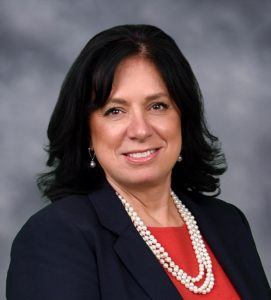
Ania-Kubicki-Phoenix-Business-RadioXAnia Kubicki started her career in public relations in New York City, working on high profile campaigns for destinations and political organizations. She moved to Phoenix in 2002 and started her agency, ANGLES Communications in 2006.

Ania is passionate about her clients and works with growth-oriented companies, powerful organizations and meaningful non-profits. She firmly believes that if you are not telling your story, someone will tell it for you.

Ania is an active member of our community serving on multiple committees, supporting and volunteering for causes in education, arts & entertainment as well as women and children. She is the President-Elect of the Phoenix Chapter of the National Association of Women Business Owners and is passionate about helping people overcome adversity and own their stories!

Connect with Ania on LinkedIn, Facebook and Instagram.

Blue Ocean is a multi-faceted advisory firm that excels in brand loyalty and payments solutions with a strong emphasis in the co-brand credit card space. Blue Ocean uses their vast experience and industry knowledge to successfully align brand partners and merchants with issuing banks and payment providers.

The Blue Ocean team has spent many years effectively negotiating co-branded programs nationally and internationally for travel, auto, retail, and financial institution brands. Additionally they manage RFP’s and contracts with Issuers and all three Card Networks; Visa, Mastercard, and American Express. Blue-Ocean-Advisory-logo
Blue Ocean also provides operational and marketing guidance on credit card programs to maximize growth and revenue, create winning marketing and focused strategies that enhance consumer loyalty through enhanced product value and innovation.

Beyond marketing and business development the Blue Ocean team has strong operational backgrounds that cover Credit, Risk, Fraud, Customer Service, Forecasting, Financial Analysis, and user Analytics.

Shana-Duffy-Phoenix-Business-RadioXShana Duffy is a Principal Consultant with over 25 years of experience in the credit card and co-brand industry. Her experience runs deep across Operations, Marketing, and Business Development.

Shana spent over 20 years at Bank of America where she managed Credit Underwriting, Fraud, and Risk teams and strategies before transitioning to co-brand marketing where she spent 10 years managing a suite of successful programs such as America West, Alaska Airlines, and Hawaiian Airlines.

Prior to joining Blue Ocean Advisory in June 2020, Shana spent 7 years managing Retail, Airline, and Financial Institution co-branded programs at U.S. Bank.

Shana’s skills span across executive leadership, program management, product development and innovation, contract renewals and negotiation, revenue generation, and relationship management.

Follow Blue Ocean on LinkedIn.

About Collaborative Connections

Kelly Lorenzen started the “Collaborative Connections” show to bring her clients and favorite charities together to meet each other, connect and collaborate in life and business.  She hopes to build a stronger community one show at a time. klm-logo-small
About Our Sponsor

KLM is a one-stop support shop for small business owners who are starting, growing, or trying to sustain. Our purpose is to foster the growth and prosperity of small businesses in our community.

Entrepreneurs & small business owners come to KLM for support in all areas of business. KLM clients think of us as a concierge, business snuggy, another arm, or duplicate for the business owner; They call us when they need us. Business owners can continue to do what they love while having the support they need when they need it.

About Your Host

Kelly-Lorenzen-on-Phoenix-Business-RadioXKelly Lorenzen, CEO of KLM, is an award-winning entrepreneur with over 15 years of business-ownership experience. She is also a certified project management professional.

Kelly’s expertise is in business development, customer service, marketing, and sales.

Connect with Kelly on LinkedIn, and follow KLM Consulting on Facebook.
Tagged With: co brand credit cards, cobranded contract negotiations, cobranded RFP, community outreach, credit card advisors, credit card consultant, domestic violence, female-owned women-owned, homeless, housing, mental health, NAWBO, Public Relations, women entrepreneurs, Workforce Development

Inspiring Women, Episode 18: Darla King, King Business Interiors

February 12, 2020 by John Ray

Darla King, King Business Interiors
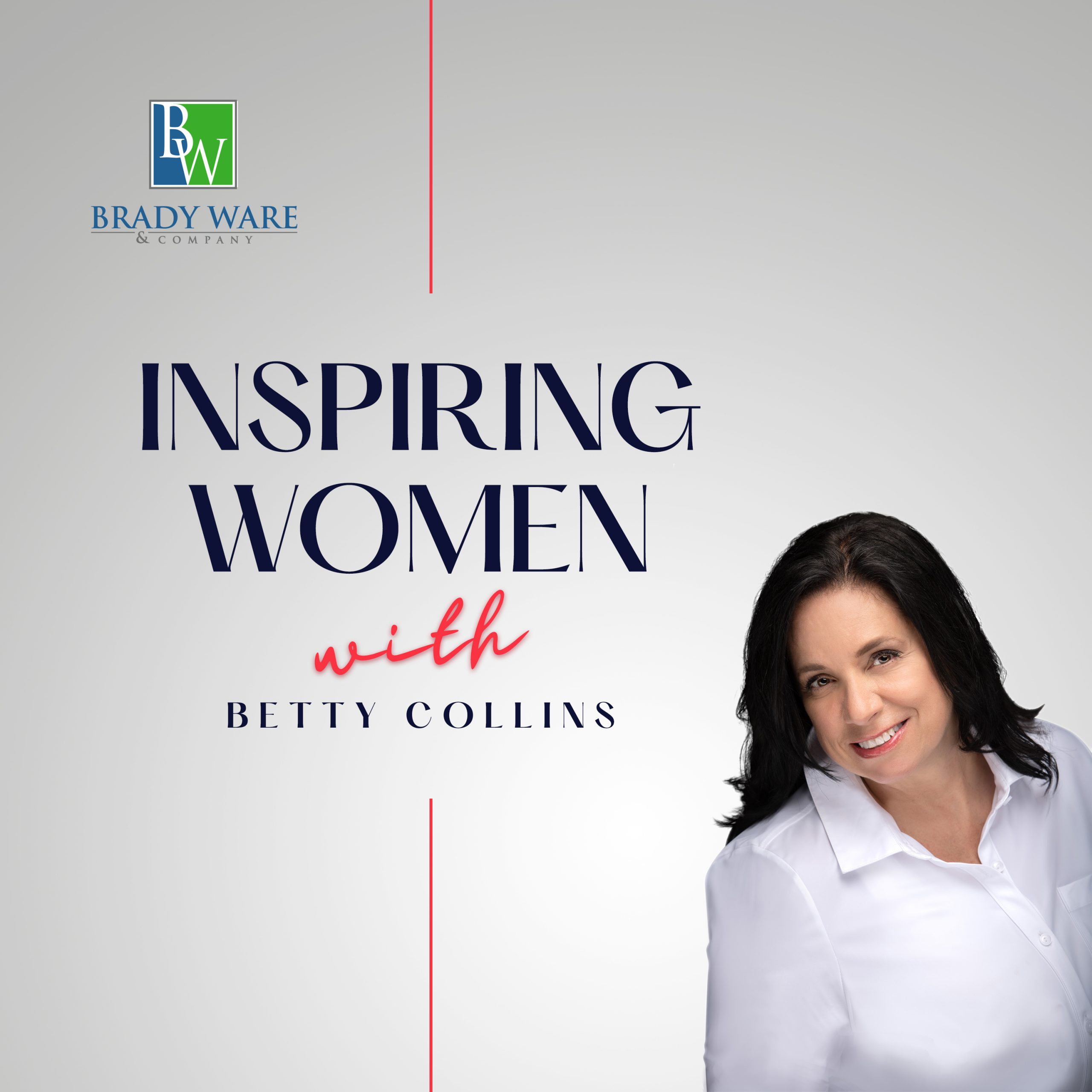
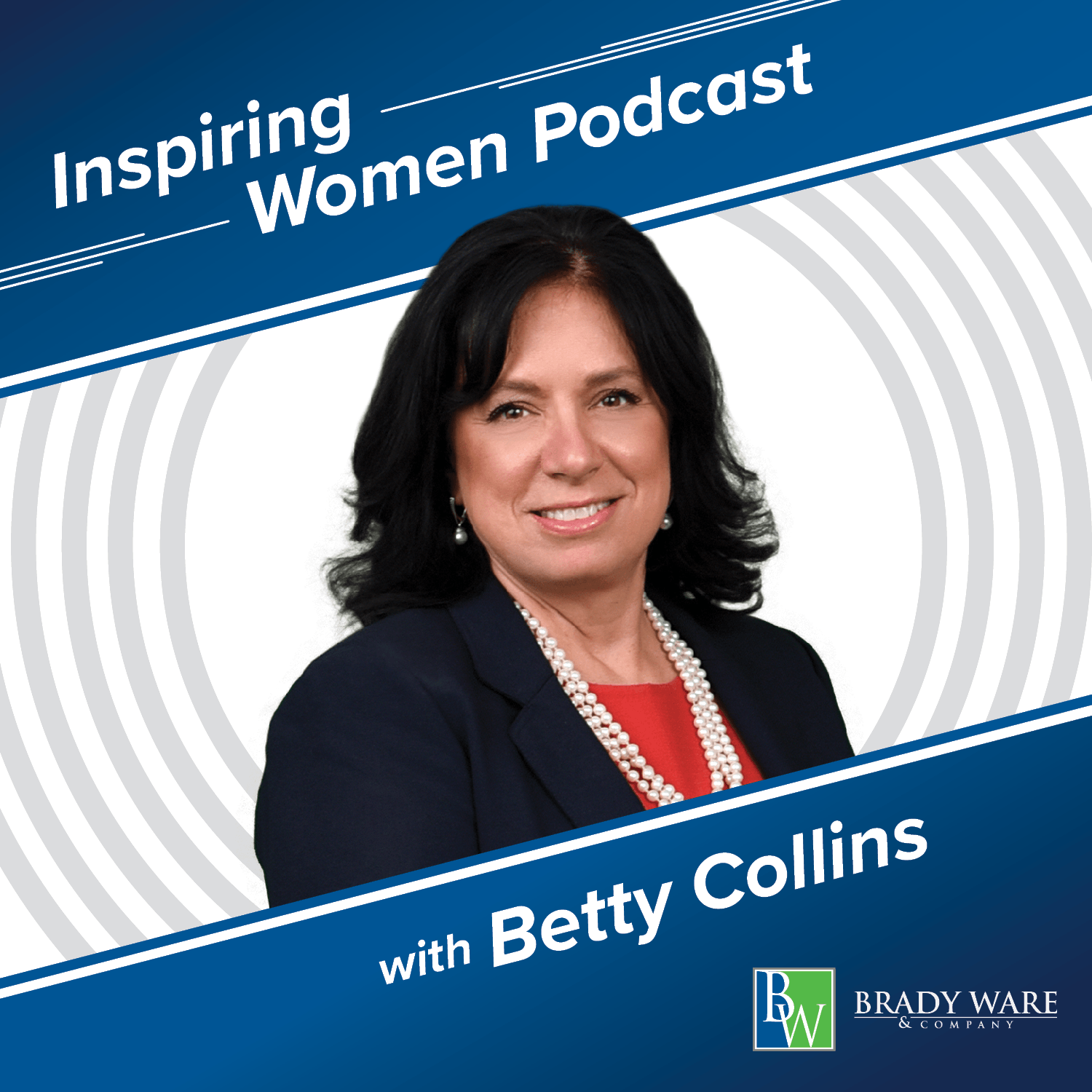
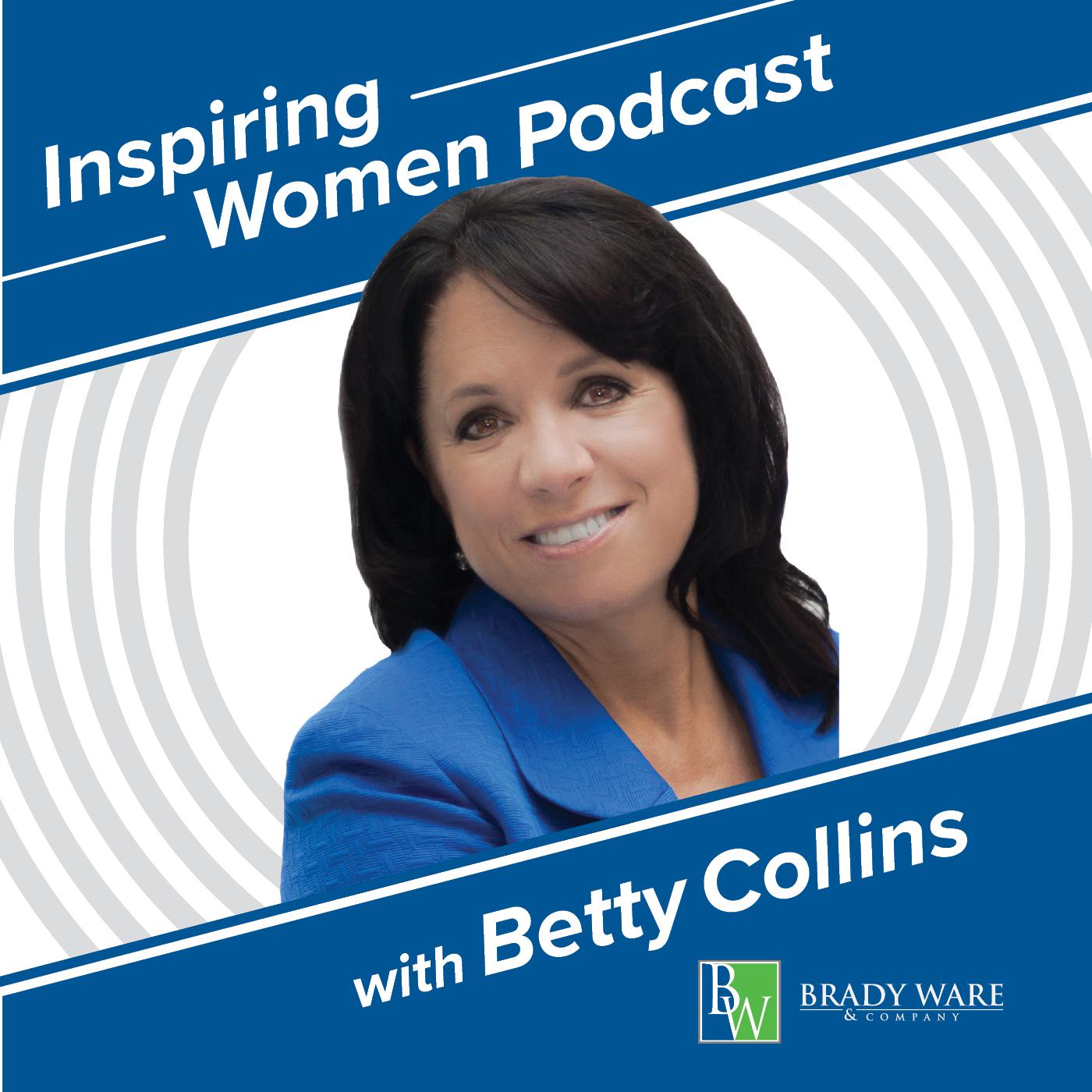
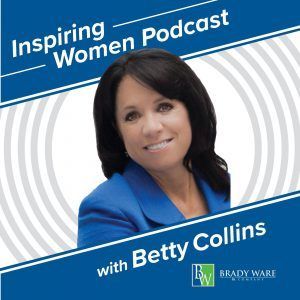
Inspiring Women PodCast with Betty Collins
Inspiring Women, Episode 18: Darla King, King Business Interiors
Loading
00:00 /
RSS Feed
Share
Link
Embed

Download file

Darla King, King Business Interiors
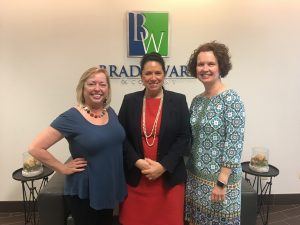
Betty Collins, Brady Ware & Company, and Darla King, King Business Interiors

Inspiring Women, Episode 18:  Darla King, King Business Interiors

Darla King joins “Inspiring Women” to talk about the journey of building her thriving office furniture business, lessons learned along the way, encouraging other women business owners, and giving back. The host of “Inspiring Women” is Betty Collins and this series is presented by Brady Ware & Company.


Darla King, King Business Interiors

Darla King, King Business Interiors

Darla King is the President and Owner of King Business Interiors. After more than a decade in the furniture business, Darla started the company in 1998 and serves as the company’s Owner and President. Early on, the vision was clear: King Business Interiors will always be more than a furniture vendor.

Today, King serves hundreds of clients in numerous markets and industries. Along with being a Haworth furniture preferred dealer, King represents 300 product lines, operates a full service commercial flooring division, offers inventory and warehousing and provides total move management services. In all that King does, King is dedicated to a single goal: providing customer’s with a “Zero Punch List.”

A commitment to going the extra mile for clients has enabled King to grow from a small five person start up into an established multi-million dollar business with 50+ employees. According to Columbus Business First, King ranks second among area office furniture and supply companies, and ranks ninth in the top 50 women-owned businesses.

King is a proud, family-owned business with a strong focus on their employee’s family lives. Two of the passions at King are “kids come first” and “never miss a ball game.”

King is also a certified woman-owned business, and Darla is active with the National Association of Women Business Owners (NAWBO), Columbus Chapter. Darla takes pride in mentoring fellow women leaders throughout the Ohio community.

Through Darla’s leadership, King is very active in giving back to the community, particularly through an innovative recycling program, Connecting the Dots. This initiative takes reusable furniture and connects the items with nonprofits, startups and charitable organizations throughout Central Ohio.

For more information on King Business Interiors, follow this link.

Betty Collins, CPA, Brady Ware & Company and Host of the “Inspiring Women” Podcast

Betty Collins, CPA

Betty Collins is the Office Lead for Brady Ware’s Columbus office and a Shareholder in the firm. Betty joined Brady Ware & Company in 2012 through a merger with Nipps, Brown, Collins & Associates. She started her career in public accounting in 1988. Betty is co-leader of the Long Term Care service team, which helps providers of services to Individuals with Intellectual and Developmental Disabilities and nursing centers establish effective operational models that also maximize available funding. She consults with other small businesses, helping them prosper with advice on general operations management, cash flow optimization, and tax minimization strategies.

In addition, Betty serves on the Board of Directors for Brady Ware and Company. She leads Brady Ware’s Women’s Initiative, a program designed to empower female employees, allowing them to tap into unique resources and unleash their full potential.  Betty helps her colleagues create a work/life balance while inspiring them to set and reach personal and professional goals. The Women’s Initiative promotes women-to-women business relationships for clients and holds an annual conference that supports women business owners, women leaders, and other women who want to succeed. Betty actively participates in women-oriented conferences through speaking engagements and board activity.

Betty is a member of the National Association of Women Business Owners (NAWBO) and she is the President-elect for the Columbus Chapter. Brady Ware also partners with the Women’s Small Business Accelerator (WSBA), an organization designed to help female business owners develop and implement a strong business strategy through education and mentorship, and Betty participates in their mentor match program. She is passionate about WSBA because she believes in their acceleration program and matching women with the right advisors to help them achieve their business ownership goals. Betty supports the WSBA and NAWBO because these organizations deliver resources that help other women-owned and managed businesses thrive.

Betty is a graduate of Mount Vernon Nazarene College, a member of the American Institute of Certified Public Accountants, and a member of the Ohio Society of Certified Public Accountants. Betty is also the Board Chairwoman for the Gahanna Area Chamber of Commerce, and she serves on the Board of the Community Improvement Corporation of Gahanna as Treasurer.

“Inspiring Women” Podcast Series

“Inspiring Women” is THE podcast that advances women toward economic, social and political achievement. The show is hosted by Betty Collins, CPA, and presented by Brady Ware and Company. Brady Ware is committed to empowering women to go their distance in the workplace and at home. Other episodes of “Inspiring Women” can be found here.

Show Transcript

Betty Collins: [00:00:00] Well, today, I am really fortunate to have a guest with me, Darla King, with King Interiors. Guests are always phenomenal. People love the story. They love to hear how they did things, how they didn’t do things, and some insight from them. Darla King, and King Interiors is kind of a big deal in Columbus, Ohio. She probably … She’s laughing already, but it’s true. Everyone knows them, and Darla is just- they founded this with her and her husband in 1988. The philosophy was, “We will be more than furniture.” So, we’re going to talk a little bit about that today.

Betty Collins: [00:00:39] I know Darla because of NAWBO Columbus. I joined that in 2014 and, of course, the board and the players in Columbus that are part of NAWBO, which is the National Association of Women Business Owners, we’re just a fun group. I liked it from the beginning. She was on the board and became president. Then, I got on the board because, you know, we always need a treasurer, and that’s what CPAs do. So, I got there, and one day, we were all trying to figure out who should be the next role, the next leaderships. She’s looking at me, saying, “You should be president!” I’m shaking my head, “No, I am not doing that ever!” But what it did was it planted a seed in my head that maybe I could do this because NAWBO Columbus is a pretty big honor to be on that board and to be on that track. It’s also about what NAWBO does, and I’m passionate about it.

Betty Collins: [00:01:33] That’s how we kind of got to know each other, and we’re both involved with women’s things all over Columbus. A lot of times, either we’re writing the checks, or we’re sponsoring, or we’re opening up our office, and trying to make this because we believe in all of this. We have that common vote. But we also believe in the business and the marketplace. I know her through NAWBO. She’s a member and she has, of course, been in leadership. She’s also in the Women’s Business Enterprise National Council, and WPO, which is Women’s President Organization.

Betty Collins: [00:02:05] She’s really done some amazing things for women, as well as run a business. Without the marketplace, our country doesn’t do well. So, the marketplace has to have success in it, and we have to give those people that have an idea, a passion, and then, all the sudden, they’re an employer, which means you’ve got households that form communities … The marketplaces, the success, we get to experience every day in our country. I love it, and I love that I get to be a CPA and be part of that venue. Even though it’s depreciation, and GAAP things, and all that, it’s important. We’re going to go on a journey. So, first of all, Darla, can you just kind of tell us a little bit about King Interiors; what you guys do? You are family business.

Darla King: [00:02:50] Yeah.

Betty Collins: [00:02:51] That’s a whole ‘nother dynamic we’ll talk about a little bit today but tell us a little bit about King Interiors. It goes back to 1988.

Darla King: [00:02:57] Actually ’98, but [crosstalk] We’ve been in business 22 years. It’s King Business Interiors, under King Business Centers. Believe me, we struggled with the name, in the beginning, saying, “What should it be?” I worked out of my dining room for the first three months trying to get things rolling. But, I look at … We had a pretty good start, as far as I was already in the industry. I was getting things going for just two or three customers, and I let them tell me how to set it up, like, “What do you need? What do you need?” They really guided me to say, “Nothing’s going to change.” They’re going to have the same national account agreement with the furniture line that we represented.

Darla King: [00:03:43] At that time, we were the third Haworth dealer in Columbus. That happens in places like New York City and maybe San Francisco, but not Columbus, Ohio, because we’re like a secondary market. But slowly, that eliminated … One bought the other and ended up filing bankruptcy. Then, we were the only- King was the only Haworth dealer, which is a major brand; like number two in our industry.

Betty Collins: [00:04:08] Sure. Okay.

Darla King: [00:04:09] Anyways, when we started, we had four partners because I really felt like I needed a whole crowd of people to help me. I look at that today, and I think that’s one of my biggest mistakes was just not believing in myself, but also not understanding what four partners- and even number … Relying on everybody to do what I thought we could do. Slowly, I had to eliminate one partner, and I had to eliminate a second partner. My husband was not one either one of them, so-

Betty Collins: [00:04:38] That was good.

Darla King: [00:04:40] Dave and I- yeah, that’s good. Dave and I’ve been married now 40 years-

Betty Collins: [00:04:43] Very nice.

Darla King: [00:04:44] -but in business 22 years. I think it’s a classic. We’re opposites. He’s very much on the numbers. He’s very black and white. He takes all the details in. That’s not me at all.

Betty Collins: [00:04:56] Yeah. It’s necessary. You gotta do it [crosstalk] right?

Darla King: [00:05:00] Yeah, so I look at that, and I think that was one thing that – back in the early days – was I needed the expertise around me; someone that knows how to start a business. I needed somebody that knew how to build a culture. Those were the two partners early. After a year, year and a half, we made those changes. Then, slowly, it grew. Our kids, at that time, were very young.

Betty Collins: [00:05:22] Sure.

Darla King: [00:05:24] So, there was no intention of them having to get into the business or forced to get in the business. But my daughter did go through O.U., and interior design. Then Chris, our son, he’s 37, and he went to Ohio State for American history, and so-

Betty Collins: [00:05:39] So, he started selling furniture.

Darla King: [00:05:43] Yeah. Actually, he … The best thing is both of them have worked in the business, somewhere along the line. Chris did a lot on weekends, and summers at the warehouse, and with the installers, when he was in school and in college. Then he first came on and was in the accounting department and was in accounts receivable. A couple of years went by, and he said, “Mom, people … I don’t like this job. People lie!” [crosstalk]

Betty Collins: [00:06:05] Really? They don’t want to pay us? Okay.

Darla King: [00:06:05] They got excuses. He’d go, “I got notes here. They were gonna pay; the check was in the mail.” It’s like, “Okay …” He goes, “Can I do something else?” He ended up showing some interest in sales, and he has been in sales since.

Betty Collins: [00:06:17] Good, good.

Darla King: [00:06:17] He’s been with us a quite a while. Chelsea’s been with us seven years, and with her design background, she brought a new look to it. Even when we interviewed at O.U., the counselor asked me to step out of the room, and he asked Chelsea, specifically, “Is your mom forcing you to get in this business because she’s in it?” Chel said, “No, I kinda like it. I wanna do this.” So, everybody’s watching out for is it going to be a family business? Is it a forced issue? Is it [crosstalk] It wasn’t for either one of them. They have worked hard. They’re there every day, and they have great interest in how we’re going to find the next customer, and where we’re spending our advertising money, and all the things that a business owner needs to think about.

Betty Collins: [00:07:02] Right.

Darla King: [00:07:03] So, yeah, now we’re up to 81 employees.

Betty Collins: [00:07:06] Very good. Very good. That’s a lot.

Darla King: [00:07:09] Yeah, and a lot of families, and a lot of kids, and now, a lot of grandkids.

Betty Collins: [00:07:12] Wow. Right.

Darla King: [00:07:13] There’s not a day goes by that I don’t think about the day four people walk walked in; and now we’ve got 81. Everybody’s busy. The Columbus market right now is fantastic.

Betty Collins: [00:07:25] It’s hot.

Darla King: [00:07:26] It is.

Betty Collins: [00:07:27] It’s hot.

Darla King: [00:07:28] Everybody’s got their job to do. They work as a great team; in small teams, too. We’re very fortunate to have some customers that have been with the whole 22 years.

Betty Collins: [00:07:38] Wow. Very nice.

Darla King: [00:07:39] They’re very dedicated to helping us understand better how to get better. Some, I’ve been with for 30 years, but they’ve changed personnel in their businesses, and we’ve kind of been their steady; their facilities partner. Not just selling the next chair, but really understanding their buildings. As we grew, the one thing customers kept saying to us is, “I need warehouse. Can you get a little warehouse?” Well, now we’re at 150,000 square foot of warehouse-

Betty Collins: [00:08:08] That’s a lot.

Darla King: [00:08:08] -because customers don’t build their buildings to have a big basement in the bottom or some storage space. The larger customers, the more product they need, the more churn they have, there are more needs for having inventory readily available. That’s kind of how we’ve grown is through [crosstalk]

Betty Collins: [00:08:26] -it’s a great story. Great path. Not an easy path, for sure. As a CPA, I’ve seen the generations. You have that original generation … I had a grandmother who started a nursing home at the age of 63.

Darla King: [00:08:45] Wow!

Betty Collins: [00:08:46] In her home, which, at that time, you could do that. It was- 12 people could fit- could stay in her home. Today, the third generation is running that. Her secret to success, and I want you to talk about this, was if you want to work at this nursing home, you’re going to do dishes, you’re going to cook food, you’re going to learn to do personal hygiene for people; you’re going to learn how to meet with a family.

Darla King: [00:09:11] Right.

Betty Collins: [00:09:12] I’m sure- and that was what they had to do first.

Darla King: [00:09:15] That’s amazing.

Betty Collins: [00:09:15] It wasn’t because they were, “a King,” they got to be there, right?

Darla King: [00:09:19] Right.

Betty Collins: [00:09:19] Talk a little bit about the dynamics that you’ve experienced with that; because they’ve got to really have an entrepreneurship heart. They’ve got to have a passion for the business. Do you feel like you guys have done that well as a family?

Darla King: [00:09:36] You know, I have learned a lot from them. They’re both millennials. They both have a different perspective on it. For me, being in the business 30 years, I’ve had a lot of my customers retire, and the new face shows up that’s a person that’s going to be running and controlling that company’s facilities, and they needed to talk to somebody at their age.

Betty Collins: [00:09:59] Right. That’s perfect.

Darla King: [00:09:59] They needed to be able to relate to them. It’s like I needed- there were obvious spots where I needed to get out of the way and let them start their conversation. Not that they knew it all by then, but the new person at the facility didn’t either, and it was like, they just want to be heard. They just want to know how to find the solutions. Come back, and let’s talk about it, and let’s pull the team together. We really have four generations in our group, right now.

Betty Collins: [00:10:29] That’s awesome.

Darla King: [00:10:30] So, there’s a lot of people that can help them.

Betty Collins: [00:10:32] What do you feel like the biggest challenges a family-owned business – then we’ll move on to other things – but, for you, because our audience is going to have a lot of family-owned people, and they’re sometimes trying to get through those dynamics. What’s really the biggest challenge that probably will never go away – maybe it has gone away – that you deal with?

Darla King: [00:10:51] Just to avoid competition. We all stay in our own lanes.

Betty Collins: [00:10:56] Yeah. Good.

Darla King: [00:10:56] Dave’s in finance. I’m in sales and marketing. Chelsea is in design and works with architects and designers and goes out after folks that are specifying our products. Chris stays on national accounts and handling the sales side of it. So, we all see different parts of the business, but we all realize we’re in the right seats.

Betty Collins: [00:11:18] Right. Good.

Darla King: [00:11:19] When it starts to compete, like overlap, that’s where you feel the frustration and stress.

Betty Collins: [00:11:26] You’ve done this a long time. I know, for myself, my kids never wanted to be CPAs or in business, and neither of them are. One’s a minister, and one’s a teacher. They’re like, “Nope. No, we’re not … We’d never do that.” My husband and I, I just know how we do loading and unloading the dishwasher. I can’t imagine us being in business all day together. But, you know, talk to us a little bit about being a woman in your industry – is that an issue? Is it not?  – and did you have challenges that you worked through as a woman business owner, just back in 22 years ago?

Darla King: [00:11:59] I think I was insulated by having my brother-in-law, and my husband, and another partner there; that I just went ahead and did what I did, which was [crosstalk] sales and [inaudible] focused on finding business. Their job was the insurance, the banking- all the other things that just were not my expertise-

Betty Collins: [00:12:20] Right, and very male. Those are male-dominated things.

Darla King: [00:12:23] They already had people they knew in those places and areas. Since then, growing into it and realizing the struggles of people with NAWBO; women in NAWBO, and them getting the national certification for being a woman-owned business. It elevates a company – if you’re in the right- in certain categories – to be seen by large corporations that would have never noticed you.

Betty Collins: [00:12:47] Right.

Darla King: [00:12:48] Quite frankly, they’re looking to do business; like the automotive industry. They want to do business with women because women buy cars. So, they’ve made this huge initiative to really look out and find suppliers that are that way. So, right away, we started being noticed and seen and then understanding what they needed. In fact, one day I had a call from a company, Japanese automaker. They said, “Any chance that you own the company?” And I said, “Well, yeah. I do.” They go, “Good, I don’t have to change vendors.”

Betty Collins: [00:13:22] Wow.

Darla King: [00:13:22] Because they were searching to find where they could bring as much as 10 to 15 percent of their vendor suppliers into woman-owned or minority. That’s been an initiative for 20 years, but now, it’s even more today and very focused on it. I’m not sure if I answered your question [crosstalk]

Betty Collins: [00:13:41] No, you did, because it really kind of leads into, you know, you’ve really … You did play a really great role in NAWBO.

Darla King: [00:13:47] Oh, thanks.

Betty Collins: [00:13:47] What was the passion behind that? You kind of already answered that – the passion of being involved in NAWBO and helping women in business today; because you do that a lot.

Darla King: [00:13:58] Well, you know, women need to help women. It’s silly. You see so many times where a woman gets to the top of the company, and she doesn’t help anybody up. “I got here by myself. I’m not gonna …”

Betty Collins: [00:14:09] That’s common.

Darla King: [00:14:09] Wow! How selfish!

Betty Collins: [00:14:13] Right.

Darla King: [00:14:14] You look at the people in NAWBO, and the NAWBO roundtables, and even the WPO roundtables. Sitting with a group of eight women that are all business owners that are different size, different scale, but all the same problems; whether you’re selling $40 million or whether you’re selling $3 million, and you’ve got employees, and you’ve got leases, and you’ve got bank loans, and you’ve got lines of credit-

Betty Collins: [00:14:36] Right.

Darla King: [00:14:36] -you’re trying to figure out when you hire your second employee. They’re all issues that some of us with longer time in the business have experienced. I like to relive it, especially with some of the younger women [crosstalk] It’s a whole different start for them than it was for me. I often am so gratified that I had a team that I could rely on back then that did the kinds of things that I think all of them, individually, are trying to do. All hands on deck; do everything.

Betty Collins: [00:15:06] I had that same … I’m in a very male-dominated business-

Darla King: [00:15:09] You are.

Betty Collins: [00:15:09] -especially in 1988. Well, in this- right now, over 50 percent of women are accountants, but we’re still having some of those same struggles of … The perspective around that roundtable, the perspective of that support, whether it’s WPO, or the WSBA, or the different groups in town … You’ve been a big supporter of so much of that, and it’s very appreciated. I know that Darla King has made mistakes in her journey … Not very many, so we won’t spend long on this, but this is where you get your MBA, your own personal MBA … Could you just talk with the audience about these are challenges that I went through, and this is why they probably were a really good learning experience that I had to probably go through to get to some next levels or even just I made a mistake and I had to rebound, or whatever. So, what do you think of when you think of- just off the top of your head, what comes to your mind?

Darla King: [00:16:07] I made a lot of mistakes. I’ve got to say, I mean, the best thing about being a small business and being able to make decisions fast and to be agile is reverse. Yeah, we tried it. You know, give it three months; give it six months. The biggest mistake was a five-year lease, and I mentioned that earlier. I thought we needed a downtown presence, and I also had a line of furniture that was extremely expensive, but it was one of our brands that we were expected to represent and show, and it was very difficult to separate it, or put it in the same showroom. We needed to separate it and make it look more like a art studio and a feeling like that.

Darla King: [00:16:43] At the same time, there was a big presence of being downtown, potentially, and having- a lot of customers of ours are really close to downtown, so it made sense. We stood on the eighth floor of that building and looked around and said, “There’s a customer, there’s a customer, there’s a customer,” and we were clear up north off 161. Every time we had to leave to go to a customer, we’d leave a half hour early because you don’t know about traffic and parking the whole nine yards.

Darla King: [00:17:09] After about a year and a half, two years into that, we realized nobody really wanted to work isolated downtown at the studio. It wasn’t our culture, and we tried two or three different groups. So, after the time, I said, “Look, we’re just going to turn this into an incubator.” It was fully furnished. I had talked to several- in fact, six of my friends from NAWBO had been working in their dining rooms, or in their living rooms, or in some other kind of space. They took that on. It literally was a win-win, and we turned it into- lemons into lemonade.

Betty Collins: [00:17:39] Right. You helped them; they helped you. We all learned a big lesson. But, you know, you really, probably, at the time just thought, “We’ve got to be downtown,” you know?

Darla King: [00:17:49] Yeah. It was early. It was early on that. Then, our lease was up, up north. We were only two years into it when we realized we found a better space, which is in Grandview. Again [crosstalk]

Betty Collins: [00:17:58] -I’ve been to that show.

Darla King: [00:17:58] Close to downtown; minutes for getting to our customers, but completely different than being clear up north. So, location, location, location is key.

Betty Collins: [00:18:10] Fortunately, you do have- I mean, your husband, I mean, probably dynamically going, “The numbers do not work, but we’re gonna do this because we got a line. It just makes sense.” I bet numbers weren’t showing that, but then you did it anyways. Well, we all have challenges. We all have stuff that happens. That’s just called business.

Darla King: [00:18:28] You live and learn, and you make the best of it or you fix it.

Betty Collins: [00:18:30] Yep. Anything else that comes to your mind that you’d love to share with the audience: “Learn from this. I went to the Darla MBA, got my MBA School,” whatever it is?

Darla King: [00:18:39] Trust your peers and be a good listener because they’ll teach you a lot.

Betty Collins: [00:18:46] Right.

Darla King: [00:18:46] You’ll learn just from the experiences or the way they put things in their company, and their words out there. I learned a lot from that. Whether it was Vistage, or [crosstalk]

Betty Collins: [00:18:55] Women, generally, and the statistics are there. I’m a data person, unless I have to go research and find it, I’m a data when you give me numbers. “Oh, good. Let’s play with this.” The data’s out there that women don’t ask. They think they have to do this, and they carry it. That’s just not … It’s a big challenge that I see in business owners all the time.

Darla King: [00:19:19] Yeah.

Betty Collins: [00:19:20] One of the coolest things about your Grandview space, and you said to me, “Yeah, you can use the space,” because you wanted people … It’s your give back.

Darla King: [00:19:29] Yeah.

Betty Collins: [00:19:29] You have very cool coffee there [crosstalk] but it’s your give back is the mentality. Talk a little bit about that.

Darla King: [00:19:36] Yeah. Give them the space. I had some really good bosses, prior to getting my business started. One of them always gave the space. Rodney Wasserstrom always said, “We’re not here after 5:00. Let them come in and have an art show. Let them do this …” It’s like good parking. No one was in that space, so they could get in there. They could have events. I thought, that is amazing. The people that walk through the doors in that community would have never come in there, if they hadn’t been invited through that group.

Betty Collins: [00:20:04] Right.

Darla King: [00:20:04] So, it was obvious, when we moved down here, that we were going to be doing that more, and more, and more. Even in Worthington, we got involved in the Worthington Chamber, but also the libraries called and said, “Is there any chance we could put you on as an option room?” Our space.

Betty Collins: [00:20:18] Oh, wow.

Darla King: [00:20:18] I said, “Absolutely.” When someone would come in and they just wanted an alternative to where they had been meeting or they want to spend a half a day, we had the space; training rooms, or a conference room, or places in the space that you only use 10 percent of the time. What I love about our new space is, at the end of the day, there’s 250 parking spots. If a larger event or a nonprofit wants to come in there, we do not charge. There’s public restrooms … Just all the things are right there ready for it.

Betty Collins: [00:20:48] Right.

Darla King: [00:20:49] But giving back and letting people know that you’re there for it, it just, you know, it feels good [crosstalk]

Betty Collins: [00:20:58] Yeah, because you just had a big fundraiser for Bridgeview.

Darla King: [00:21:00] We did.

Betty Collins: [00:21:01] So, tell us a little bit about- that’s the part of giving back, you know? You’re not selling them furniture, you’re just … You probably will sell some furniture over it, but I mean …

Darla King: [00:21:08] This is our 16th year to have Create for Cause. It’s an event where we give back to the community. We get our vendors involved, and we invite everybody we know. Again, this was a learning curve for me. We started it in our fifth year in business [crosstalk] The reason we started it was every year we were giving a customer a small clock; a Howard Miller small clock. After the fifth year, the salespeople said, “How many more clocks … [crosstalk]?”

Betty Collins: [00:21:35] -don’t want any more clocks, yeah.

Darla King: [00:21:38] We were realizing we had such a repeat business that, yeah, we needed to do something different. So, we kicked it into gear with, hey, let’s have a party. Let’s invite everybody there. Let’s do something about it. Let’s have some fun. So, we created this, which we paint 100 ceramic plates is how it started. Now, we’ve been doing platters; this last year was a tray. We put them in as a silent auction. We invite artists, architects, designers in town to paint the ceramics. If you ever painted ceramics, they come out very chalky when you’re painting them. Then, when they get fired, they’re glazed, and glossy, and pretty, and just glow. So, they can see their finished painting, their finished piece of art, when they come to the party.

Betty Collins: [00:22:24] Very cool.

Darla King: [00:22:25] So, it creates a nice crowd. This year, I think we had over 750 people. Everybody in our company knows that they invite their circle of friends, relatives, neighbors, because it’s not just … It’s you don’t know who knows who. I know you’re a CPA. You know I’m in office furniture. You know somebody that’s in a certain industry, it just connects. So, you never know who knows who knows who that could influence and/or say, “If you’re going to get some new chairs, call King.”

Betty Collins: [00:22:54] Well, you know, that’s really the cool part of giving back. You end up creating something that turns into not what you really thought. Let’s give a clock because, hey, we need to give something to our people. Now we have a party that’s owned, and connection, and you get to do some fun, and you raise money all at the same time. 750 people, that’s awesome.

Darla King: [00:23:13] Well, the exposure for Bridgeway was nice [crosstalk]

Betty Collins: [00:23:15] Sure, sure. Great organization.

Darla King: [00:23:18] -they had the opportunity to explain how they take care of kids with autism [crosstalk] It’s amazing.

Betty Collins: [00:23:22] I’ve been down to their school several times, and it’s just … They’re so passionate. They’re really good. Well, you know, Darla, you’ve not always been a big deal, right? You just haven’t. You started out like every business owner. There’s that commercial out right now; I always love it. “We’ve seen a few things,” No, “We know a few things because we’ve seen a few things …” [crosstalk] According to Darla – we’re going to wrap up a little bit – what would you advise women who are, or want to be in business? Maybe they have the idea; they’ve launched already; they realize, “I’m in this because I got a bunch of liability and I got …” or “I’m going to make this- I want to go full circle. I don’t want- I want this to be more.” What would you say to them?

Darla King: [00:24:05] What [crosstalk].

Betty Collins: [00:24:05] What’s something that you would go, “Do this, or don’t do this, or persevere,” whatever?

Darla King: [00:24:10] I’d say reach out and call folks like yourself; call me; call people that have been through it, because we’ll take the time to go have coffee and brainstorm it and then find the next right spot to be, whether it’s a NAWBO roundtable, or it’s WBENC convention or something. It just depends upon what industry they’re in and how it might help their business. Networking is key, and just picking up the phone and calling somebody, and hope they call back, and hope they can connect with you. That’s big. I think you can’t pass that up. That’s just one big part of it. I know there’s a lot of young gals that get discouraged. They want to start a business. They want to get into it. You don’t have a business unless you have a customer.

Betty Collins: [00:24:58] Right. Very good.

Darla King: [00:24:59] It’s great to dream of something, but you got to think it all the way through, and you’ve got to walk it/talk it with somebody. I think that was the one thing I learned about peer-to-peer learning or understanding was just that really sitting down and sorting it out and thinking through how did that happen to me, and how does it happen to her? How can she get connected to somebody else I know? Because helping them is … It should just be natural.

Betty Collins: [00:25:30] Yeah. Well, no, I’ve called on you several times with … We have a mutual friend, right now, who she just- I loved her from the minute because she was just tenacious. She made sure she got to Betty Collins. She did it through several people because she wanted to meet with me. I thought, you know, I need to meet with her because she’s brave, and she’s bold. Then I said I need to connected as somebody who knows a bunch of big businesses that need commercial real estate … It was just cool to do. It took, what, a half hour my time to think it through and talk with her.

Darla King: [00:26:00] Right.

Betty Collins: [00:26:00] Then, you were like immediate. So … When you’re launching, and your starting, you’re getting out there, and you’re going through those rough times, it’s a constant. You’ve got to be asking for help. I think that’s what you’re really saying.

Darla King: [00:26:12] That’s right.

Betty Collins: [00:26:12] Don’t hesitate to do it because your success … Then, sometimes, someone’s going to ask you, and you’re going to be able to help, and do. Darla, I appreciate you meeting with us today. I love meeting with women business owners.

Darla King: [00:26:23] Thank you.

Betty Collins: [00:26:23] Someone who’s had success. They’ve gone through times. Respected in the community. I appreciate all you do with giving back. Of course, you have something called Connecting the Dots, as well. Tell us about that, and then we’ll close.

Darla King: [00:26:34] Real quick. Gosh, in 2004, we had an outlet store, which is the obvious thing for office furniture dealers. Put your old stuff, or the things you made a mistake on [crosstalk]

Betty Collins: [00:26:45] It’s on sale again, yeah.

Darla King: [00:26:45] That business was like 5:00 to 8:00 at night, and on weekends – Saturday and Sunday. It was like, okay, I’m going to work 8:00 to 8:00, and then 8:00 … So, spreading that out and getting other people involved in it and then, also being located clear up on 161 Huntley Road, it just was not right. I got onto a board of directors through a customer of mine and it was the New Direction Career Center for Women. I noticed they didn’t have two chairs that matched, and I thought, here I sit with this abundance of furniture, and it’s sad; they don’t have the money to spend, and I really don’t want to keep on going with the expense of a warehouse and overhead. So, let me just see if I can’t- if they’ll accept me giving it to them.

Darla King: [00:27:27] Some things we owned, so we could take some kind of write off on it. Other things we were- customers would say, “I don’t want this anymore,” but it still had some life to it. So, we created a program where we are not the nonprofit, but we connect the dots for the used furniture – lightly used and/or brand new – to the nonprofits and charities that need it. Interesting enough, we never advertised.

Darla King: [00:27:51] I probably get five, six phone calls a week, or on our web site, people that are requesting things. No one ever needs the same thing. One time I had a guy call for TVs, and I said, “Boy, we’ve never taken in TVs or appliances, except one-offs because I just don’t know how to maintain them [crosstalk] be good. She said, “Well, I have five men’s group homes, and I have no way to get them to gather in the living room. If I could just get some TVs … ”

Darla King: [00:28:17] Two weeks later, company calls and says, “We just got all new flat screens. We have TVs, if you’d be interested.” I said, “You know what? Send me a picture, if you will.” I called her, and I got the addresses, and we delivered five TVs. I said, “The only bad thing is they’re kind of strapped on to one of these mobile carts,” and she goes, “Good, because I don’t have any furniture to put it on!”

Betty Collins: [00:28:39] So, it all worked out.

Darla King: [00:28:42] It did. It did. So, it’s that kind of thing. I think it’s just that putting it out there in the universe; see how it comes back to us. The groups are really good because they don’t need- nobody needs everything, but they’re looking for something that could make their life easier and better. The last thing they need to spend money on is furniture. They need [inaudible] programs, and people, and computers, and all that, so, yeah …

Betty Collins: [00:29:05] Well, it was a good pleasure talking with you today, just getting to know you a little bit more.

Darla King: [00:29:08] Thanks.

Betty Collins: [00:29:08] A lot of good content for women in business, women business owners to talk about and think about, and I just appreciate your time.

Darla King: [00:29:15] Thank you. I appreciate you-

Betty Collins: [00:29:16] Betty Collins. I appreciate everyone who listens. I am passionate and really fortunate to be a woman business owner and to get to have a podcast, a company that believes in empowering women. Have a great day.

Tagged With: Darla King, King Business Interiors, NAWBO, NAWBO Columbus Chapter, Office Furniture, woman owned business

Inspiring Women, Episode 12: Taking Your Business to the Next Level (An Interview with Catherine Lang-Cline)

August 12, 2019 by John Ray

Inspiring Women PodCast with Betty Collins
Inspiring Women, Episode 12: Taking Your Business to the Next Level (An Interview with Catherine Lang-Cline)
Loading
00:00 /
RSS Feed
Share
Link
Embed

Download file

Catherine Lang-Cline and Betty Collins

Taking Your Business to the Next Level

Is your business stuck? What do you need to do to take your business to the next level? Betty Collins, host of the “Inspiring Women” podcast, addresses these issues and more. Betty also interviews Catherine Lang-Cline of Portfolio Creative on the challenges she faced in scaling her business. “Inspiring Women” is presented by Brady Ware & Company.

Catherine Lang-Cline, Portfolio Creative

Catherine Lang-Cline

Catherine Lang-Cline is the President and Co-Creator of Portfolio Creative. Prior to forming Portfolio Creative, Catherine spent more than 20 years in the creative industry as a designer for corporations and ad agencies, both as an employee and as a freelancer. Along with her co-founder Kristen Harris, Catherine felt that there needed to be a place to help artists find work and help clients find talent. They combined their experience and opened Portfolio Creative.

Portfolio Creative connects the best of the best in the creative industry. They connect the best creative clients with the best creative talent. That can come in the form of direct-hire, temp-to-hire, projects with contractors, or other needs. They handle all areas of marketing and advertising. For more information go to the Portfolio Creative website.

Catherine is a Certified Staffing Professional with the American Staffing Association. She serves as a board member for the Greater Columbus Arts Council, the Columbus Chamber of Commerce and is chair of the Chamber’s Small Business Council. She is also an active member of WPO and is currently President of NAWBO Columbus.

Catherine resides in Columbus and enjoys art, traveling, cooking, doing home renovation, and riding motorcycles.

Betty Collins, CPA, Brady Ware & Company and Host of the “Inspiring Women” Podcast

Betty Collins, Brady Ware & Company

Betty Collins is the Office Lead for Brady Ware’s Columbus office and a Shareholder in the firm. Betty joined Brady Ware & Company in 2012 through a merger with Nipps, Brown, Collins & Associates. She started her career in public accounting in 1988. Betty is co-leader of the Long Term Care service team, which helps providers of services to Individuals with Intellectual and Developmental Disabilities and nursing centers establish effective operational models that also maximize available funding. She consults with other small businesses, helping them prosper with advice on general operations management, cash flow optimization, and tax minimization strategies.

In addition, Betty serves on the Board of Directors for Brady Ware and Company. She leads Brady Ware’s Women’s Initiative, a program designed to empower female employees, allowing them to tap into unique resources and unleash their full potential.  Betty helps her colleagues create a work/life balance while inspiring them to set and reach personal and professional goals. The Women’s Initiative promotes women-to-women business relationships for clients and holds an annual conference that supports women business owners, women leaders, and other women who want to succeed. Betty actively participates in women-oriented conferences through speaking engagements and board activity.

Betty is a member of the National Association of Women Business Owners (NAWBO) and she is the President-elect for the Columbus Chapter. Brady Ware also partners with the Women’s Small Business Accelerator (WSBA), an organization designed to help female business owners develop and implement a strong business strategy through education and mentorship, and Betty participates in their mentor match program. She is passionate about WSBA because she believes in their acceleration program and matching women with the right advisors to help them achieve their business ownership goals. Betty supports the WSBA and NAWBO because these organizations deliver resources that help other women-owned and managed businesses thrive.

Betty is a graduate of Mount Vernon Nazarene College, a member of the American Institute of Certified Public Accountants, and a member of the Ohio Society of Certified Public Accountants. Betty is also the Board Chairwoman for the Gahanna Area Chamber of Commerce, and she serves on the Board of the Community Improvement Corporation of Gahanna as Treasurer.

“Inspiring Women” Podcast Series

“Inspiring Women” is THE podcast that advances women toward economic, social and political achievement. The show is hosted by Betty Collins, CPA, and presented by Brady Ware and Company. Brady Ware is committed to empowering women to go their distance in the workplace and at home. Past episodes of “Inspiring Women” can be found here.

Show Transcript

Betty Collins: [00:00:00] Today, this podcast is about going to the next level in your business. We could go on and on about going to the next level in your professional life or in your career, in your company and in your personal life, but today I want to talk really about the business. It’s your business. It’s a woman-owned business, and we’re going to focus on that. For part of the podcast, I’m going to interview Catherine Lang-Cline. She’s with Portfolio Creative, and she has a great story. The reason I chose her is just encouragement.

Betty Collins: [00:00:30] She’s done an amazing job, and it looks easy from the outside, but she’s been through anything probably that you have been through. I have known her through being involved with the National Association of Women Business Owners, the NAWBO Columbus chapter. I had the privilege of serving with her on the board, watching her leadership. It’s no wonder she’s had success. She’s very known in Central Ohio area due to that success, but also just her involvement within the community.

Betty Collins: [00:00:56] I chose the topic today because women are starting businesses at a rapid pace. Here’s some numbers, and this is from the Women’s Business Enterprise National Council, so they’re pretty accurate, and it was done in 2018, so it probably hasn’t changed tremendously. As of 2018, there are 12.3 million owned businesses. When you look back in 1972, when they started tracking this stuff, there was 402,000 businesses, so we go, “Okay, yay! We’ve done some good things.” Here’s a statistic that’s great, women own 4 out of every 10 businesses in the US. That’s pretty significant, considering in 1988 you couldn’t even get your own financing. There was law that finally went into place for that if you were a business owner.

Betty Collins: [00:01:42] Since 2007, the number of women-owned businesses have increased 58 percent, which is better than businesses, overall. Again, we’re going kind of at this rapid pace. Last year, 1,821 businesses started a day, every day, and they were started by women. That’s pretty significant. Sounds really great. Sounds really cool. Women are slightly more likely to start a business than men. Why is that? I don’t know the reasoning behind that, but women have that interest. They have that drive. Women-owned businesses employ 9.2 million people. That is just only, though, eight percent of the private sector, but that’s a lot of people.

Betty Collins: [00:02:29] Women-owned businesses generate $1.8 trillion in revenue, which is about 4.3 percent of the revenue out there. The last one is, that’s really cool, from 2007 up to 2018, total employment by women-owned businesses rose 21 percent so, obviously, we are making some bold moves, some big moves in the marketplace that are changing the marketplace. I always say, when the marketplace works, the country works because households have provision, right? So, it’s just a huge, huge thing, and part of what I like to do in the business world is utilize accounting. Being a CPA is the venue for me to be part of that success. As much as all of these things sound really awesome, women struggle in business, and that’s just a reality.

Betty Collins: [00:03:20] Eighty-eight percent of women-owned businesses generate less than $100,000 in revenue. There could be a lot of things behind that number, so you don’t want to, you know, big doesn’t mean better. It could be what they do. It could be that they’re a sole proprietor, maybe they just got started. You know, when you’re a consultant, you can only consult so many dollars when you’re the actual, like an executive coach, there’s only so much to you get to that. But this group is growing, and it continues. Their revenues are growing. They have a little bit of struggle. And, then, 1.7 percent of women-owned businesses, though, do generate a million dollars in revenue or more.

Betty Collins: [00:03:58] Some people think a million dollars is a lot. Some people think a million dollars is nothing when you have that revenue, and those continue to increase, but women struggle getting to that hundred thousand and then a half a million, then over a million. I don’t know if it’s just all of a sudden you’re over a million, your mindset’s different and everything swoosh, and it just goes happily down the road, but they struggle, and it’s not easy being an entrepreneur whether you are a man or a woman.

Betty Collins: [00:04:25] What are the barriers that most women, you know, feel like are there … I’m going to just say business, in general, I think, but of getting to that next level? A lot of times you are this original, and you have an idea and you’re different and you’re passionate and you might want to do things. I mean, I’m considered a unique CPA because I’m fairly personable. As long as I keep that personal side of Betty Collins, I’m a different CPA. I’m still this original over here, but a lot of times we become copies, and we think we need to transform and be the norm, and a lot of times that takes away from who we are. Capital, less than three percent of venture capital goes to women-owned businesses.

Betty Collins: [00:05:08] I’m trying to ask a different question as to why that is because we know it’s true, but we just don’t really know the why so we can get to the problem of how to solve it. More women use credit cards for capital. Your banker would have a whole conversation about that, where you really should be using a bank and have a relationship with a banker that can give you the right capital, and a lot of times you’d use the wrong start-up money, and then you’re in a credit crisis. Being taking taken serious, that’s a huge thing for women. I do tell women if you want to be not looked at as like a clown, then quit going to the circus.

Betty Collins: [00:05:47] If you want to be taken serious, I mean, I think of Lady Gaga. I will admit this out loud that I went to see A Star is Born and thought, “Man, this singer is amazing,” and I didn’t realize ’til the end when they were doing the credits that it was Lady Gaga, right? She talks about, I wish I was taken more seriously. She’s a talented amazing singer. I mean, she can do all kinds of it, right? You have to sometimes, maybe, be different to be taken serious, but that’s a barrier. Owning your accomplishments, men will own them all day long, but women, they don’t do that as much. “Oh, well, you know, it was a group effort,” and all that kind of stuff. I do the same type of thing but, if you’re going to sell yourself, and you’re going to sell that idea and that stuff to venture capitalists, you own what you have created. We don’t do that well.

Betty Collins: [00:06:40] Building a supportive network. Generally, if you have a bad advisor, you just didn’t know what advisor you probably needed. So, a lot of times, you’ve got to have the right supportive network around you, beyond the banker and even the insurance, you know? It’s why I have a supportive network like NAWBO, or that I give to an organization like the WSBA. Because, when you build those networks, they definitely work for everyone that’s involved. And, then, balancing personal and professional life. That’s a barrier not just for moms. That should be a barrier for parents, that should be a barrier for everybody trying to get that stuff working out. You will never have the perfect balance. It’s a myth. You just won’t, so you have to decide which is more important and how you want it to go.

Betty Collins: [00:07:23] The last barrier that, I think, that’s out there is just fear. Nobody wants to fail, and there’s a lot of risk in being an entrepreneur, and so women really have more of an issue with fear. I think men ignore fear, maybe, I don’t know, or they just don’t let you know it’s there. Let me ask you this question before we kind of talk with Catherine. Where are you in the mix for owning a business? Maybe you have the idea, or maybe there’s a passion, or maybe that idea is now on paper and it could become real, or maybe the start-up has actually started and you’re going, “What was I thinking?” Maybe you’ve made it through two or three years and you’re going, “Wow, is there ever going to be light at the end of the tunnel?” There will be. You might be at the stage where, “I want this to be worth it.”

Betty Collins: [00:08:11] I can tell you right now, one reason I’m a business owner is because I have a piece of stock and one day I will sell that stock. It has to be worth something, right? I’m not going to do all this for nothing. Maybe you think bigger is better. There has to be more. More is always better, and then you’re finding out we grew it too fast, we’re too big, and we’ve lost our identities. Maybe legacy is becoming a familiar word, kind of a scary word but, for me, I really hope legacy is not something I run from, but maybe you’re in that stage of “I want another generation to do this,” or, hopefully, what I did had some impact or, maybe, you’re just ready to sell. It’s time to go to the beach. It’s time to get those premium dollars. You might be anywhere in this mix and you may need to go to different levels, but it all is still, I think, the same principles of getting to that next level.

Betty Collins: [00:09:00] You also have to ask yourself what keeps you up at night? Then you’ll know why you’re not getting to the next level. That’s, as an advisor, I probably try to apply that to my business owners the most. What keeps you up at night? It could be that you don’t have any talent to hire. It could be that your line of credit has to renew again, and you’re going “Will it renew?” And payroll needs to be met again. It’s already Friday and it’s two weeks ago. Maybe your business partner who you thought you could do and be in business with forever, their personal life is completely out of control. Guess what? You’re married when that’s your partner. So, you know, these are things that keep you up, maybe bad advisors and now you realize you have them. You’re not keeping up with competition.

Betty Collins: [00:09:43] I had an interesting conversation with someone the other day who’s just been around forever doing something, and she said to me, “I’m behind. I didn’t do what I needed to, and now I’m trying to catch up,” or maybe there’s just not capital available for what you do, and you’re kind of tied. These are things that where are you in business, and what are the things that keep you up at night? Probably you’re not alone if you start talking to other businesses around you. The business community and the importance of the marketplace is too crucial to let those things get you down. You’re too crucial to, hey, go to that next level, so it plays an important part in our marketplace and for those around you.

Betty Collins: [00:10:24] Someone who has done this with just ease is Catherine Lang-Cline, and she is the owner of Portfolio Creative. She’s really admired in our community and respected because her leadership skills, she does make it look easy, but she hasn’t always been that, so I welcome you to the podcast today. I’m glad that you are with us.

Catherine Lang-Cline: [00:10:44] Thank you. I’m very excited to be here.

Betty Collins: [00:10:44] Yes. You said yes immediately, so I was grateful for that. I’d like to start with talking about your company today, so give my audience an overview of here we are now.

Catherine Lang-Cline: [00:10:58] Okay. Well, Portfolio Creative has been around for about 14 years now. We do staffing and recruiting for anything in the advertising and marketing field. In a good year, we can have as much as $9 million in revenue. On average, were around six. Essentially, we just work in the Columbus region, and we are now starting to push out to Cleveland and Cincinnati. We do have some placements in Pittsburgh, and we have worked in New York because, essentially, if people call us, we’ll try and find them someone. Sometimes, people that we used to work with move to those places and ask if we can still do it in that area, so that kind of has helped us grown as well.

Betty Collins: [00:11:36] Oh, that’s great. How many employees do you have today, just approximately?

Catherine Lang-Cline: [00:11:39] Right now, we have about 10, and that includes myself and my business owner. The people that we place, that ranges by season, so that can be anywhere from like 60 to 100 people.

Betty Collins: [00:11:48] Okay, so back when you were ready to start this, talk about your idea and that glass of wine. Tell us about that moment.

Catherine Lang-Cline: [00:11:58] I don’t remember necessarily wine being involved, but I can tell you how I did start.

Betty Collins: [00:12:03] Okay.

Catherine Lang-Cline: [00:12:04] Essentially, both Kristen Harris, my business partner and I, worked for the The Limited Brands, so we had been in marketing and advertising for years and years. She mostly works with corporate America, and I kind of jumped between corporate and freelance, so I knew exactly what it was like to kind of be on my own and how to bill properly and find work at the same time. At that time, I was freelancing for her. Our paths had crossed again, and this time I was working with her as, you know, kind of her contract employee.

Catherine Lang-Cline: [00:12:36] She came up to me and she said, “I spend half my time looking for great, creative talent, and if there was only a service that I could farm this out to, that would be great.” And then, maybe, like the next day she came back and said, “Now, would you use a company like this if you were looking for freelance work?” I was like, “Absolutely.” When I lived in Chicago, I worked for companies like that all the time. I would let them know when I was available, they would find me work, I’d find work on my own, and it was a really, really great way to kind of back fill your pipeline.

Betty Collins: [00:13:03] Sure.

Catherine Lang-Cline: [00:13:05] She was like, “Great, you know how to do this, so I would love to have a partner to try this.” Essentially, we found this book that was called “Six Weeks ‘Til Startup.” It was really more … and I cannot remember the author, but it’s on Amazon, and it’s essentially a workbook that you fill out. It took us more like six months to start up because we were both working at the same time, and we also had to decide, well, when are we going to pull the trigger on this? We picked January 1st of 2005. As an accountant, you’ll appreciate that our books are always based on a calendar versus fiscal year.

Betty Collins: [00:13:36] Yes.

Catherine Lang-Cline: [00:13:36] That worked out well for us because we’re designers, you know, we had not worked in a business, but the reason I mentioned where we both work from, it was that it was a great place to learn about business. When people talk about starting their own business, I’m like, “Where have you worked before?” Because you can teach yourself on someone else’s dime, for the most part, how to run a business. Anyway, so we went through this workbook, which, essentially, went through the process of setting up a business. I would really recommend it to anybody, especially, if they have a business partner, to kind of make sure that you’re on the same page because we have been incredibly lucky that 14 years later, we still get along fantastic.

Betty Collins: [00:14:15] Sure.

Catherine Lang-Cline: [00:14:15] Some of that formula is, everything that I wanted to do, she did not want to do, and everything that she wanted to do, I did not want to do.

Betty Collins: [00:14:23] Perfect.

Catherine Lang-Cline: [00:14:23] Which worked out really great, so it wasn’t everybody was doing sales, or everybody was trying to place talent. I love the sales, she loved finding the talent, and we both stayed in our lane. Actually, going through the workbook, that really helped, too, because it took you step by step as far as what would your mission be for this company? What do you value? How do you vision the company? And you can run into a partner that, and there’s nothing wrong with either scenario, that one, wants, anytime there’s money being made, they want to reinvest in the business, they want to hire more people, and another one wants to buy a boat. If you are that skewed in where you would like the business to go, then yeah, it’s time to have a conversation, and maybe it’s not a good partnership. People also start their businesses with their very best friend. I always like to joke that Kristen and I are not friends. We are business partners.

Betty Collins: [00:15:09] That’s a different thing. That’s good.

Catherine Lang-Cline: [00:15:10] While we would probably do very fine out socially, but we very rarely socialize, and we really did not know each other beyond our work experience and ethics that we found each other. I said, “You know what? Kristen’s always been a hard worker, and I think she would be a great business partner,” and she thought the same of me, so that’s how we kind of started.

Betty Collins: [00:15:32] Okay.

Catherine Lang-Cline: [00:15:32] And then everything else just came like, “Well, what do you have? Well, I have a computer and you have a printer and a fax machine,” because back then we needed a fax machine.

Betty Collins: [00:15:39] Right. Do we have those now? I don’t know if we have those now.

Catherine Lang-Cline: [00:15:41] We don’t anymore.

Betty Collins: [00:15:44] You don’t need them. Well, I mean, what I do like you hearing it saying is, so when we’re talking about the mix of people that are listening to the audience today, there was some thought before you opened doors.

Catherine Lang-Cline: [00:15:55] A lot of thought.

Betty Collins: [00:15:56] There was a lot of planning, so you knew, you know, I guess you could call it marriage counseling. You still might get a divorce.

Catherine Lang-Cline: [00:16:02] Exactly, or Pre-Cana or whatever (inaudible) good marriage.

Betty Collins: [00:16:02] Right, but you had really thought through some good things.

Catherine Lang-Cline: [00:16:10] Yes.

Betty Collins: [00:16:11] So the idea becoming reality was there was a lot of discussion. It wasn’t just, “Here’s my shingle, let’s go.”

Catherine Lang-Cline: [00:16:17] Right, right.

Betty Collins: [00:16:18] Okay.

Catherine Lang-Cline: [00:16:19] Of course, at that time, because you talked a little bit about, you know, funding and things like that.

Betty Collins: [00:16:23] Yeah.

Catherine Lang-Cline: [00:16:25] A lot of it was all, it was all bootstrapped. I mean, Kristin had some money, some cash to start. I was still working part of the time. You know, you’re finding talent to place and, in some instances, I would say, “Well, if I can’t find you the perfect person, it’ll be me. I will come by and do it.”

Betty Collins: [00:16:40] Right.

Catherine Lang-Cline: [00:16:40] There was at least twice that I had to go and do that where, you know, our database was not that deep, and I wanted everyone to have the perfect person to do it and, in some cases, these were my past clients, so I felt I had to kind of handhold it through until I find someone as good as me or better to take the job on.

Betty Collins: [00:16:57] Well, when did you realize that, “Wow, so we talked it through,” because some people think, “I’ve created my LLC with the State of Ohio, everything’s ready to go,” which is not how it works. At what point did you decide, I mean, “We have the idea. We’ve started up, and this is great. We’re off and going?” But when did you decide let’s make this worth our time? When did you see, maybe, give us a time period, how events fell out? When did it become like, “We’re going to make this worth our time”?

Catherine Lang-Cline: [00:17:32] Well, I don’t know how realistic this is for everyone, but for us, we decided that after six months, if we cannot pay ourselves, we were just gonna get a job.

Betty Collins: [00:17:42] Okay.

Catherine Lang-Cline: [00:17:42] We had a lot of networking experience at that point, so we figure we could get a job anywhere, I suppose, at that point. But that was the first finish line we had to cross before we knew this was a real business, and six months came along and we could, so we’re like, “Okay, I guess we’re doing this.” After that point, that’s when we realized, you know, we’re gonna have to start being a little more brave and getting larger clients and get really connected to the people that we know that we used to work with that were now in those companies and find our champions and just kind of went after it and said, “Based on how you know me and how I work and what I can produce, could you take a chance on this?” And we had a number of people that just, essentially, just walked us right into HR or right to the diversity person and got us signed up.

Betty Collins: [00:18:28] So, your mindset changed pretty quickly into this?

Catherine Lang-Cline: [00:18:32] Yeah. Once we realized … because we thought if we paid ourselves, people were buying it, you know?

Betty Collins: [00:18:37] Right. You got Kool-Aid, and they’re drinking it.

Catherine Lang-Cline: [00:18:39] Yeah, exactly. We felt a lot more confident and (inaudible) said hey, “Let’s just keep this momentum going,” and it was just a while, just the two of us, until we started, you know, having a little more success, a little more work, and then we started, you know, hiring interns and part-time people to kind of help with things.

Betty Collins: [00:18:56] When you started expanding and you started getting to, “Hey, now I’ve got a payroll to meet, or I’ve got some volunteer interns. This is awesome,” but what was the hardest transition about, “Man, it was just Kristen and I, we could do these things, now I’ve got an office full of people.” What were those challenges for you?

Catherine Lang-Cline: [00:19:18] One of the larger challenges was delegation, I will say that, because who else is going to do it better than me?

Betty Collins: [00:19:25] Right, right. Right. I am.

Catherine Lang-Cline: [00:19:28] I loved, for example, this is always one of my favorite stories. I love keeping the books. There’s nothing more fun than, you know, when the checks come in and you get to add them up and run them to the bank and things like that. It got to the point where it’s like, “Well, I could probably delegate that.” You know, someone had said to me early on, “Catherine, you need to focus on the things that only you can do, and then you have to hire people that can do these things better or at least get them off your plate,” so that’s kind of where we started with our hiring of people. People that could do the paperwork, people that could do the books, people that could, you know, handle the paychecks and things like that. I would stick with the selling and the relationships and the client, you know, partnerships and things like that.

Betty Collins: [00:20:08] The things that really generated the checks that were going into the bank, right?

Catherine Lang-Cline: [00:20:11] Absolutely.

Betty Collins: [00:20:11] That’s where the business owner is. But I do want it be known that she liked accounting.

Catherine Lang-Cline: [00:20:17] I did. I really did.

Betty Collins: [00:20:18] We have to say that.

Catherine Lang-Cline: [00:20:20] QuickBooks is an amazing thing still to this day.

Betty Collins: [00:20:21] It is.

Catherine Lang-Cline: [00:20:23] That was definitely one. And, then, as we started growing, too, because it is a business where you have to pay people before you get paid, based on the size of the company. I think it’s the larger the company, it’s the longer you have to wait for the check. We had to figure out how we were going to start financing this, because once we started getting into big companies, corporations, it was, you know, like thousands and thousands of dollars, and we couldn’t … Again, we went to the banks, and I can tell you that, you know, unless you can really prove that you’re credible … and you think about that with anything, if a relative comes to you and asks for money and you’re like, “Oh, I don’t know if I like this idea,” they’re not going to loan you the money.

Catherine Lang-Cline: [00:21:01] So, we found a factoring company that would help us, and that is a great way to kind of help you through some of the more challenging times just because they will buy out your invoice, essentially, and they’ll handle … you get the money right away and, essentially, when they get paid, then you get the rest of the money, and they keep a little smidge of it for their time. That works out for about a year, I want to say, until we started being cash rich enough where we could handle it. At that point, once we got to about a million dollars, we then went back to the bank and then suddenly we were friends.

Betty Collins: [00:21:31] Yeah, you were their best client. Right.

Catherine Lang-Cline: [00:21:33] Then, with the help of the SBA, we were able to get a line of credit, and that’s always been kind of the slush fund, if you will. If we are waiting for some money to come in, we’ll just take out the line of credit and then pay it back once the check comes in.

Betty Collins: [00:21:48] Well, I mean, so you go from the idea to you have a passion, you see a need because you’re living in the need, right, and then you get it started. It sounds like things, really, went off fairly quickly for you.

Catherine Lang-Cline: [00:21:59] Mm-hmm.

Betty Collins: [00:22:01] But then you realized, “I got to have bigger clients.” I mean, you can have, you know, 100 $10-clients, or you can have 10 $100-dollar clients.

Catherine Lang-Cline: [00:22:07] Yes.

Betty Collins: [00:22:07] You know, that’s the better way to go. I’m sure you were seeing this growth, but what probably, at this point, were some game changers that just maybe took you off the charts or went, “Wow!” You can look back and go, “That was a game changer”?

Catherine Lang-Cline: [00:22:24] The game changers come when you have a client that everybody’s heard of. Like, for us, we were from The Limited, and we knew a lot of people there, so we found a champion in there to get us in, and we had them within our first year of business.

Betty Collins: [00:22:37] That’s big.

Catherine Lang-Cline: [00:22:38] I know people, you know, really like, “Oh, if I could only work with The Limited.” The difference that made it work, too, was that not only do we have a champion, but we knew exactly what they wanted. We came from their marketing department. We knew exactly what they needed. We knew the right person to go in there, so it was somewhat of an easy sell. It wasn’t like we were coming in and now trying to sell them, you know, office supplies or something because we would have absolutely no experience with that, and we had to work, you know, a couple partnerships and they let us dip our toe in at first. But, for us, if we had five people placed there, it was like Christmas. It had grown exponentially since then because we were able to prove it and keep delivering and you can’t fail once you’re at that level too. A lot of it, I think, also came from just a belief in what we did too. You had talked about how sometimes women will get scared in business and things like that. I can, honestly, say I never have been. I just figured it was worth a try.

Betty Collins: [00:23:33] Yeah.

Catherine Lang-Cline: [00:23:33] It was also a little bit of almost like a math problem, too, “Okay, that didn’t work this time, so what else can we try to get in there. Now, how can we try…” you know, you’re just poking at all these different angles. “Who do we know? Who can we find? What networking event will they be at? Who’s a friend of a friend that could get me in there?” Because it was never a “No,” it was a “No, not yet,” or, “No, not now,” and I just felt like, well, why wouldn’t they want to work with us, you know? For me, it was just no question, we were just gonna get in there and we were just gonna do it, and I just hoped that Kristen was able to handle everything I threw back at her and she did, so.

Betty Collins: [00:24:10] Yeah, but I like the fact one of the barriers we talked about was owning, kind of owning your success, owning your idea, believing in that, and it sounds like you had no issue with that.

Catherine Lang-Cline: [00:24:18] Right. A lot of people might think, “Oh, I’m not like that,” but everybody kind of is. I think you have to kind of get over your own personal hump with that too. I had that as well. My life could be its own podcast, you know, as far as some of the struggles that I’ve gone through and, you know, a past marriage and, you know, things like that.

Betty Collins: [00:24:37] Sure.

Catherine Lang-Cline: [00:24:37] Some of the things that changed my life, that really kind of helped, is that I had that great support team. It started initially with, at that time, my boyfriend, who then became my husband. I had said, you know, “I have this crazy idea, I’m going to start a business,” and the first words out of his mouth were, “Oh, I think you’d be great at that.”

Betty Collins: [00:24:55] Awesome.

Catherine Lang-Cline: [00:24:56] And people who were surrounding me said, “Yeah, I think you could do that,” and then when I started, I don’t know, kind of getting more and more into it, you do start connecting with, you know, like the people at NAWBO and other people who run a business, and you find out that a lot of your worries are the same worries that they had, especially at start-up or they run into a certain crisis, which, you know, scares you because you’re not sure how you can handle it.

Betty Collins: [00:25:20] Right.

Catherine Lang-Cline: [00:25:20] But, then, you have people beside you that you can talk to and say, “What do you do in this situation?” And they’re like, “You know? Nothing. It’s going to be fine.”

Betty Collins: [00:25:25] Right.

Catherine Lang-Cline: [00:25:26] We lost a client, and I was able reach out to one of my NAWBO sisters, and she’s like, “Oh, yeah, that happened to us too,” and I’m like, “Well, what did you do?” You know, as I’m still sweating, and she said, “You get more clients,” it was just that simple.

Betty Collins: [00:25:43] Oh, okay. Thank you.

Catherine Lang-Cline: [00:25:45] Oh, okay. The fact that it happened to her and she’s super successful, it took all the sting out of it.

Betty Collins: [00:25:50] Yeah.

Catherine Lang-Cline: [00:25:51] So, then I just knew, you know, all right, then I just have to get more clients and it kind of made the ship a little more right at that point.

Betty Collins: [00:25:58] Well, there’s all kinds of people listening today who are, you know, business owners. You’ve been through all kinds of things, but what is the best advice you give to a business owner who is struggling or they’re just stuck? Like, “Man, you know, Kristen and I came together over six months and then we, all of a sudden, we were the bank’s best friend, and then, you know, hey, we got some big names in,” but then you kind of came to this plateau, you get stuck. What would be the advice you would say about that?

Catherine Lang-Cline: [00:26:26] Just start thinking about things differently. You know, you have to change something to get change. If you keep everything status quo, it will stay status quo, and status quo is a very safe place to be because it works. We could stay at a certain level and be perfectly fine with it. You know, you had mentioned that some of the revenue that women have reached and that’s the average. When I have a bad day, sometimes I think, you know, I have a multi-million-dollar business, and that’s kind of unheard of for a woman-owned business. There’s a lot that just don’t reach that and so, at that point, I’m just like, “Well, I’ve just got to figure this out then,” because clearly, it’s working. Something just has gone off track a little bit, and we have to just try different marketing. We have to try different networking events. We have to try different people. We have to try different cities. So, it’s always problem solving and trying to keep ahead of whatever the latest trend is.

Betty Collins: [00:27:22] I was just talking to someone today and we were trying to solve a problem, and I said, “Maybe we’re just asking the wrong question.”

Catherine Lang-Cline: [00:27:27] Right. Right.

Betty Collins: [00:27:28] Let’s think about what other questions are out there that surround this? I know when I merged my business from a small company to Brady, where in 2012, it was very nerve racking, but I was in that plateau. I was in that stock. This was it. I knew what my next 10 years was going to look like, right? Brady, where I’ve never known what my next 10 years was going to look like, but I did have to ask, step back, what am I going to do differently because I don’t want to stay here?

Catherine Lang-Cline: [00:27:57] Mm-hmm. Yes.

Betty Collins: [00:27:58] Because I believe, you know, my coach will tell you you’re either going forward or you’re going backward, you’re not going to stay right there.

Catherine Lang-Cline: [00:28:04] Yeah. Actually, what you did was definitely a viable option. I mean, merging with other companies, or (inaudible) is a different way of rethinking it. You know, if I have this backing me, I know I can take this farther.

Betty Collins: [00:28:16] Yes.

Catherine Lang-Cline: [00:28:16] So, yeah, it could be advisors, it could be partners, it could be anything but, yeah, it’s really just sitting around and kind of figuring out what is (inaudible) because you might be in an area, too, where you are just tapped out of people, which we have thought of too. Have we talked to everybody? Is this as big as we get? Are we going to be happy with this? Are we going to push it further?

Betty Collins: [00:28:33] Right.

Catherine Lang-Cline: [00:28:33] That changes day to day.

Betty Collins: [00:28:35] Sure.

Catherine Lang-Cline: [00:28:35] Because, sometimes, you know, it’s good to stay in the easy part.

Betty Collins: [00:28:37] Yes.

Catherine Lang-Cline: [00:28:38] But, every once in a while, we’re like, “Let’s just see what happens if,” and that’s just how we grow.

Betty Collins: [00:28:45] Well, share with the audience just the memories or events, something that really impacted your success today, you know, something that you can go, you always, when you’re having a bad day or you’re plateauing, you can go back to that moment.

Catherine Lang-Cline: [00:29:01] Probably the first time we were on the Fast 50 list. I never thought of, at all, about having an award-winning company. At that point, it’s like, you know what? It’s not me that thinks it’s great, me and Kristen, other people are thinking we’re doing a great job too. That is reflected in, you know, a few other awards that we have received too, where it’s like, you know what? People are seeing that we’re making a difference, and so that also helps you kind of raise your game, too, because once you get that first award, you’re like, “Okay, well, can we stay on that list for next year? Can we keep the growth going? What else should we be, you know, trying to get or obtain,” or things like that?

Catherine Lang-Cline: [00:29:41] That’s also how we kind of got more into community involvement, too. We started getting super grateful with how the community was welcoming us, and we’re like we have to give back, and with that becomes a lot of reward, too, just by your growth potential. You know, being on boards, I think, you won’t believe how much you grow when you’re on a board. Volunteer work, you know, things like that. Writing blogs, you know, just to show your expertise in a blog or a podcast or things like that. It’s all that little stuff that kind of helps you own your space, and then people think of you first when things come up.

Betty Collins: [00:30:21] They do. Well, I’m sure there’s a next level, and this isn’t a question on the list, but I’ll ask it anyways. Do you see a next level? Something you are like, “Man, if I could just do that”?

Catherine Lang-Cline: [00:30:30] Oh, gosh. There’s so much I want to do, especially because I have been gifted, I will say, access, to a lot of different opportunities. I would still, on a personal level, would like to break through the corporate board ceiling. That’s one thing that’s on my list of to-do’s. As far as the company itself, I think, I would like to just have it to have a continued, steady growth. I’d like to see it, you know, reach $10 million. That’s been a goal of ours for a while.

Betty Collins: [00:30:58] Sure.

Catherine Lang-Cline: [00:30:58] We talked about, you know, topping off again. It’s like I’d like to reach $10 million but, in the long run, that’s just a number. You know, we have a great team. You know, I’m in good health. You know, there’s nothing that I really need, need. My family’s great. So, sometimes, I’m like, you know, “Don’t rock the boat. Be happy with what you got,” but then, every once in a while, like I said, you’re like, “You know, $10 million would be kind of good bragging rights.”

Betty Collins: [00:31:25] Exactly. They’d be awesome. But there are those things that, I mean, we just learned with Elise Mitchell about the destination versus the journey-

Catherine Lang-Cline: [00:31:34] Yeah. Oh, the journey is so great.

Betty Collins: [00:31:35] Right. You have to have that destination thing out there, though.

Catherine Lang-Cline: [00:31:35] That would, probably, be the one thing that I would add, too, to anybody who starts a business is really kind of enjoy the journey, and every part of it, like the pitfalls and the peaks. I mean, all of it is you learn so freaking much in all of that, and then you can go out and you can help others, you can mentor others. You can be that person that just says, “Oh, you just get more clients,” you know?

Betty Collins: [00:31:59] Right. And they go, “Oh, well, if she said that, I’m sure it’s true.”

Catherine Lang-Cline: [00:32:02] “That happened to her, like, really, I can do it too,” which is definitely reassuring.

Betty Collins: [00:32:07] Yeah.

Catherine Lang-Cline: [00:32:07] The one thing, too, that I would also kind of mention about women business owners, too, is I run into a lot, because I have had the opportunity to mentor a couple, where they kind of feel like they’re a little unworthy of, or scared of, kind of getting super successful, and the reasons are really kind of interesting and, in many cases, true. They don’t want to fail. I mean, I think that women do treat failure a little differently than men do and kind of getting over that. But, then, also, I think they’re afraid of losing friends and family.

Betty Collins: [00:32:39] Sure.

Catherine Lang-Cline: [00:32:39] That was one thing that I had heard a couple of times where if I own a million-dollar business, “How’s my family and friends going to treat me? Am I going to always have to pick up the check? Are they going to always come to me for money? Are they going to call me, ‘Well, you know, Miss Moneybags over there,'” you know? And I have experienced some of that. You have to be prepared that some people are not going to like this new version of you, and anybody that’s kinda holding you back, you might have to think about just kind of not seeing so much, and it’s hard when it’s family or you’re your best, best friends, but there’s a lot of women out there that are more than happy to, you know, enjoy a glass of wine with you, too, so you really have to find your cheerleaders and hang around them.

Betty Collins: [00:33:22] One thing my husband and I talk about a lot is just, because I kind of run into it with my family as well, a little bit of, “Well, she owns that company.” You don’t know how much I own. You don’t know anything about me, okay, but it’s important that, as women, we share in your success and be glad for it, you know?

Catherine Lang-Cline: [00:33:40] Yes.

Betty Collins: [00:33:40] And we say, “Yes, this is all good,” or help that person get to have the success that you’ve had. That’s okay to do.

Catherine Lang-Cline: [00:33:48] Absolutely.

Betty Collins: [00:33:48] Well, I so appreciate you coming today.

Catherine Lang-Cline: [00:33:51] Thank you, again, for having me.

Betty Collins: [00:33:52] You’ve been really insightful. I know that, statistically, we have about 90,000 downloads of my podcast.

Catherine Lang-Cline: [00:33:59] Oh, nice!

Betty Collins: [00:33:59] So, this will go out, and we will be out there telling your story. But, you know, going to the next level, whether it’s your professional career, because you’re not maybe a business owner or you’re a parent or, you know, you’re in certain phases of your life, get with people that you see that the level you would like to be with and get there, and so that’s why we had Catherine come today. So, going to that next level, wherever you are in the mix, don’t let those barriers get you. I’m Betty Collins, and I appreciate your time today.

Tagged With: CPa, CPA firm, Dayton accounting, Dayton business advisory, Dayton CPA, Dayton CPA firm, delegating tasks, Delegation, factoring, fear, financing the business, Inspiring Women, Inspiring Women podcast, NAWBO, NAWBO Columbus Chapter, scaling the business, small business financing, The Limited, woman owned business, women entrepreneurs, Women in Business, Women in Leadership, women-owned businesses

Decision Vision Episode 27: Should Our Company Do More to Support Our Women Employees? – An Interview with Betty Collins, Brady Ware & Company

August 8, 2019 by John Ray

Decision Vision
Decision Vision
Decision Vision Episode 27: Should Our Company Do More to Support Our Women Employees? - An Interview with Betty Collins, Brady Ware & Company
Loading
00:00 /
RSS Feed
Share
Link
Embed

Download file

Betty Collins, Brady Ware & Company

Should Our Company Do More to Support Our Women Employees?

What’s the role of the C-suite vs. HR in encouraging women in the workplace? How does the #MeToo Movement change how companies should support their women employees? Betty Collins, a Director with Brady Ware and host of the “Inspiring Women” podcast, answers these questions and more in an interview with Mike Blake, host of “Decision Vision,” presented by Brady Ware & Company.

Betty Collins, CPA, Brady Ware & Company and Host of the “Inspiring Women” Podcast

Betty Collins, Brady Ware & Company and Host of the “Inspiring Women” Podcast Series

Betty Collins is the Office Lead for Brady Ware’s Columbus office and a Shareholder in the firm. Betty joined Brady Ware & Company in 2012 through a merger with Nipps, Brown, Collins & Associates. She started her career in public accounting in 1988. Betty is co-leader of the Long Term Care service team, which helps providers of services to Individuals with Intellectual and Developmental Disabilities and nursing centers establish effective operational models that also maximize available funding. She consults with other small businesses, helping them prosper with advice on general operations management, cash flow optimization, and tax minimization strategies.

In addition, Betty serves on the Board of Directors for Brady Ware and Company. She leads Brady Ware’s Women’s Initiative, a program designed to empower female employees, allowing them to tap into unique resources and unleash their full potential.  Betty helps her colleagues create a work/life balance while inspiring them to set and reach personal and professional goals. The Women’s Initiative promotes women-to-women business relationships for clients and holds an annual conference that supports women business owners, women leaders, and other women who want to succeed. Betty actively participates in women-oriented conferences through speaking engagements and board activity.

Betty is a member of the National Association of Women Business Owners (NAWBO) and she is the President-elect for the Columbus Chapter. Brady Ware also partners with the Women’s Small Business Accelerator (WSBA), an organization designed to help female business owners develop and implement a strong business strategy through education and mentorship, and Betty participates in their mentor match program. She is passionate about WSBA because she believes in their acceleration program and matching women with the right advisors to help them achieve their business ownership goals. Betty supports the WSBA and NAWBO because these organizations deliver resources that help other women-owned and managed businesses thrive.

Betty is a graduate of Mount Vernon Nazarene College, a member of the American Institute of Certified Public Accountants, and a member of the Ohio Society of Certified Public Accountants. Betty is also the Board Chairwoman for the Gahanna Area Chamber of Commerce, and she serves on the Board of the Community Improvement Corporation of Gahanna as Treasurer.

Michael Blake, Brady Ware & Company

Mike Blake, Host of “Decision Vision”

Michael Blake is Host of the “Decision Vision” podcast series and a Director of Brady Ware & Company. Mike specializes in the valuation of intellectual property-driven firms, such as software firms, aerospace firms and professional services firms, most frequently in the capacity as a transaction advisor, helping clients obtain great outcomes from complex transaction opportunities. He is also a specialist in the appraisal of intellectual properties as stand-alone assets, such as software, trade secrets, and patents.

Mike has been a full-time business appraiser for 13 years with public accounting firms, boutique business appraisal firms, and an owner of his own firm. Prior to that, he spent 8 years in venture capital and investment banking, including transactions in the U.S., Israel, Russia, Ukraine, and Belarus.

Brady Ware & Company

Brady Ware & Company is a regional full-service accounting and advisory firm which helps businesses and entrepreneurs make visions a reality. Brady Ware services clients nationally from its offices in Alpharetta, GA; Columbus and Dayton, OH; and Richmond, IN. The firm is growth minded, committed to the regions in which they operate, and most importantly, they make significant investments in their people and service offerings to meet the changing financial needs of those they are privileged to serve. The firm is dedicated to providing results that make a difference for its clients.

Decision Vision Podcast Series

“Decision Vision” is a podcast covering topics and issues facing small business owners and connecting them with solutions from leading experts. This series is presented by Brady Ware & Company. If you are a decision maker for a small business, we’d love to hear from you. Contact us at decisionvision@bradyware.com and make sure to listen to every Thursday to the “Decision Vision” podcast. Past episodes of “Decision Vision” can be found here. “Decision Vision” is produced and broadcast by the North Fulton studio of Business RadioX®.

Visit Brady Ware & Company on social media:

LinkedIn:  https://www.linkedin.com/company/brady-ware/

Facebook: https://www.facebook.com/bradywareCPAs/

Twitter: https://twitter.com/BradyWare

Instagram: https://www.instagram.com/bradywarecompany/

Show Transcript

Intro: [00:00:01] Welcome to Decision Vision, a podcast series focusing on critical business decisions brought to you by Brady Ware & Company. Brady Ware is a regional, full-service, accounting and advisory firm that helps businesses and entrepreneurs make visions a reality.

Michael Blake: [00:00:20] And welcome to Decision Vision, a podcast giving you, the listener, clear vision to make great decisions. In each episode, we discuss the process of decision making on a different topic. Rather than making recommendations because everyone’s circumstances are different, we talk to subject matter experts about how they would recommend thinking about that decision.

Michael Blake: [00:00:37] My name is Mike Blake, and I’m your host for today’s program. I’m a Director at Brady Ware & Company, a full-service accounting firm based in Dayton, Ohio, with offices in Dayton; Columbus, Ohio; Richmond, Indiana; and Alpharetta, Georgia, which is where we are recording today. Brady Ware is sponsoring this podcast. If you like this podcast, please subscribe on your favorite podcast aggregator, and please also consider leaving a review of the podcast as well.

Michael Blake: [00:01:00] So, today’s topic is, should I implement a women’s career support program at my company? And whether or not you sort of follow, engage with, identify with the #MeToo Movement, this is an issue that goes well beyond the increased awareness that that movement has generated over the last couple of years. I’m not going to debate that on this show, but it’s been long known through all kinds of empirical research that companies that embrace diversity of all kinds, but particularly gender diversity, do well. They outperform in terms of retention. They outperform in terms of employee engagement. They outperform in terms of company longevity and sustainability. And at the end of the day, they also seem to to make more money.

Michael Blake: [00:01:57] And so, it makes sense that, at least, at a high level, that companies really have a sense of enlightened self-interest, not just a sense of social obligation, to ensure that women are given the opportunity, the platform, to accomplish whatever potential they have or whatever goals they have for themselves, and they have a platform on which to thrive.

Michael Blake: [00:02:27] And we’re seeing more and more companies that are doing that. We’re seeing more and more organizations that are supporting that. I believe even the US military now has specific programs about how to help women make sure they reach their full potential as members of the armed services. And I’m not sure anybody would argue that that’s not an important thing to do. I’ve worked for many women in my life. I have had many women work for and with me in my teams, but that doesn’t make me an expert by any stretch of the imagination. So, instead, I’ve decided to bring on our in-house expert, and that is Betty Collins, Brady Ware up in our Columbus, Ohio office.

Michael Blake: [00:03:12] Betty is the co-leader of the long-term care service team of Brady Ware, which helps providers of services to individuals with intellectual and developmental disabilities and nursing centers establish effective operational models that also maximize available funding. She consults with other small businesses, helping them prosper with advice and general operations management, cash flow optimization, and tax minimization strategies.

Betty Collins: [00:03:37] In addition, Betty serves on the board of directors for Brady Ware & Company, and she leads Brady Wares Women’s Initiative, a program designed to empower female employees, allowing them to tap into unique resources and unleash their full potential. Betty helps her colleagues create a work/life balance while inspiring them to set and reach personal and professional goals. The Women’s Initiative promotes women-to-women business relationships for clients and holds an annual conference that supports women, business owners, women leaders and other women who want to succeed. She actively participates in women-oriented conferences through speaking engagements and board activities. Betty is also the host of Decision Vision’s sister podcast, Inspiring Women, the podcast that advances women toward economic, social, and political achievement. Betty, thank you so much for being on the program.

Betty Collins: [00:04:27] Great to be here today, Mike. Great introduction. Thank you so much.

Michael Blake: [00:04:31] So, let’s jump into it. There’s so much that we can cover here.

Betty Collins: [00:04:37] Yes.

Michael Blake: [00:04:37] But let’s sort of — let’s level the set. Let’s sort of set some basic vocabulary.

Betty Collins: [00:04:42] Okay.

Michael Blake: [00:04:43] Because not everybody, I think, is really aware of the challenges that women face in the workplace if it doesn’t directly apply to them. So, from your perspective, as a leader and, of course, as a woman in the workforce, what are the most important challenges you see women facing today?

Betty Collins: [00:04:59] Yeah, I think that when I started the Women’s Initiative at Brady Ware in ’14, one of the things I did was we had all the women come to our corporate office, and I, basically, told my story. And what was surprising about that was they actually listened. Five years later, by the way, they’re kind of tired of listening, but they really listen, and you could see a true interest. And I looked at it as this is just how my life evolved, and I was a shareholder, and I was at the table. And they looked at it so differently, and it kind of ignited something in me to say, “I have a responsibility to show them how to get here, even though I think they know.”

Betty Collins: [00:05:39] So, the biggest challenge for women is just navigating the different seasons that they have in life. And it affects, obviously, their career. So, your 20s look nothing like your 30s, your 30s don’t look anything like your 40s. And your 50s are certainly different. I have no idea what 60 looks like because I’m not there. However, women tend to stop at certain seasons because it’s overwhelming, whether it’s younger kids’ years, whether it is financial years that you just have to crank it out, whatever. Those seasons are different, and they tend to give up. They tend to stop, or they go, “This is good enough. I can’t go on.” I had a different way of thinking because I was a single mom, and I wanted to educate my kids. So, I had this drive behind me to keep moving. But most women, they tend to stop, and they’re very, very talented.

Betty Collins: [00:06:32] The second thing is they don’t see a path where they work. So, if you look inside a boardroom, and you see 22 people, and two are women in 20 are men, you think that room is for men. Okay, that room is for shareholders. Shareholders can be either one, but they don’t see that. And then, the other two biggest things I see are confidence. Just the lack of it is phenomenal to me, or it might be confident, but they’re not courageous on top of it to step in. And then, the other challenge — and it doesn’t matter what level you’re at in any of these things, confidence plays a role in it. And then women tend to accept their situation more than ask, and inquire, and challenge the situation. So, I see, though, especially over the last five years, I see those are the things that challenge women, hold them back in their barriers that really, really don’t have them pursue their distance.

Betty Collins: [00:07:36] And so, how do you work with those things? How do you get them to see it? When I came to Brady Ware, there were two shareholders who were women. There are seven now. So, there’s a little more excitement. And there are women, especially younger, those 40s, going, “Maybe I could do this.” There’s a lot more interest in it. And then, we try to work a lot with that confidence factor. So, I see those are the big challenges in the workplace today. It does not have anything to do with talent. It has to do with those things.

Michael Blake: [00:08:04] And seven, if I remember correctly, I mean, that’s about a third, right? We’re somewhere just north of 20 shareholders, right?.

Betty Collins: [00:08:10] We’re 30 — Yes. It’s 30%. And the average for a firm our size is between 21% and 24%. And then, when you have the tier right below directors, we are increasingly — I mean, our executive management team that’s not an owner is probably in the 65% range of women. And so, again, the room for the shareholder. It’s for the risk taker. It’s for the person with a lot of guts, but it’s for both. And whoever can seize it and go should have the opportunity. But those, again, come back to the challenges of women. They’re seeing it now at Brady Ware. They’re seeing it. And that’s a barrier that we’ve kind of eliminated.

Michael Blake: [00:08:56] So, let’s work through that and kind of make a case here. Maybe someone who’s listening to this podcast say, “That’s all great. And, of course, we like women to get as far as they want. But as a shareholder, as a manager, why is it my obligation to reach out and make an extraordinary effort to help women succeed? Why don’t we just sort of keep telling everybody a pull themselves up by their bootstraps?”

Betty Collins: [00:09:23] Right. Well, here’s the reality of the workforce that we now live in, in the business world, okay – and it could be any kind of job – women are outpacing men by sheer, there’s more. And on top of that, they’re outpacing them in education. Like for instance, accountants, well over 50% are women now. It’s not a good old boys’ arena, as everyone says it is, right. But at the leadership, it is. But I mean, overall, over 55% of our workforce are women. So, if you don’t empower them through those seasons, and you don’t get into the challenges that they face as women, you are going to lose the talent. You’re going to lose that 55% because they’re going to stop, or they’re going to go into something else. So, that’s one of the reasons.

Betty Collins: [00:10:18] The other reasons that you should care about it is one in four businesses today are owned by women. And that’s continuing to increase. So, when you are an advisor or a professional in the marketplace — because when the marketplace works, our country works, right? Households are taking care of all those kind of things. Women want to have women help them. So, you want your workforce within to have the skills to navigate women through businesses. It doesn’t mean that men can’t. It doesn’t mean that men are wrong. It’s just there’s different things that we often bring to the table. So, with the fact that over 50% of the workforce, we’re kind of outpacing in education, and businesses are being started more and more by women, the perspective from that woman is a really, really huge deal because men and women just think differently. No one’s wrong. We just think differently, and we execute differently.

Michael Blake: [00:11:17] So-

Betty Collins: [00:11:17] So, those are the things that I — and on top of that, women have just different challenges that men don’t have, and men have challenges that women don’t have. And so, you have to help that workforce along. It empowers them, and it strengthens it.

Michael Blake: [00:11:35] So, now, obviously, you’ve had an interest in this issue for a long time, much longer than two years. But in two years we’ve had something pop up called the Me Too era. And I’m curious now because in my observations that the Me Too era era, I think, has changed, at a minimum, the tone and the tenor of the conversation of women in the workplace.

Betty Collins: [00:11:59] Yes.

Michael Blake: [00:11:59] And it’s led to some strange overreactions. You hear stories about men now that just will not be alone with women in the workplace and will no longer do certain things, but are necessary networking things, which, to me, is kind of curious. But I like to hear your perspective. How is the Me Too conversation kind of flavored this entire thought process, if at all? Or maybe it’s just background noise. I’m curious as to how you see that.

Betty Collins: [00:12:29] I really don’t think it’s background noise. I think, at Brady Ware, the great thing, because we started this initiative in ’14, one thing I hear over and over again is we started a conversation, and it hasn’t stopped. So, so, issues for women, advancement for women, education for women, that has continued since 2014. And so, when the meaty — Excuse me. Listen to me. This movement came, and, now, it’s okay to talk about it. It took some pressure off people, first of all. And so, it has changed in the terms that we were more aware, we watch things, and if we see something that’s bothersome, we don’t just step back and go, “Well, that’s the way it is,” because there’s been some major discovery, and society is on the side of the Me Too Movement. It’s not okay. And now, it can be set a lot harder.

Betty Collins: [00:13:33] But the other side of that is, generally, the guy is the bad guy. So, it can be really detrimental to them when it maybe shouldn’t be. So, I think there’s a lot of — you got to be really careful with it, but I think we need to continue to have the conversation. We will at Brady Ware, and we have had that, because it has to be addressed. It’s not okay. It’s not okay from either side.

Betty Collins: [00:14:02] And so, it’s a touchy one. But I believe it’s background noise. I think that’s not even acceptable now. And people don’t even want — and sometimes, it’s not even okay to joke and laugh about it. It’s not appropriate. So, I think it’s been a good thing in that way. I just don’t want it to go overboard. I don’t want it to dominate everything because women have made a lot of strides and a lot of progress. So, I don’t know if that answers your question, but that’s my take on it.

Michael Blake: [00:14:33] I think it answers the question as well as it could be answered because I would have been surprised if you just said, “Here’s like our hard and fast answer carved in stone, the end.”

Betty Collins: [00:14:43] No. I mean-

Michael Blake: [00:14:43] And the movement is so new that it’s going to take a while for this to play out, right?

Betty Collins: [00:14:49] Right.

Michael Blake: [00:14:49] And you being in Columbus, think of the Ohio State Program, their legendary football coach was involved in some way. I don’t want to characterize him as being collateral because I don’t want to sound like I’m either assigning blame or not assigning blame. But clearly, that’s a position that not long ago would have been considered untouchable, right?

Betty Collins: [00:15:14] Yeah.

Michael Blake: [00:15:14] And then, his career was very quickly brought to an effective end.

Betty Collins: [00:15:20] Yeah. I mean, we have to be careful that like we tend to do this in the United States, I think. Something happens to two people, and we create a law, right. Okay, everyone, step back. So, you don’t want to overdo it because, then, nobody will take it seriously. But you want the issue to be gone. I think there’s just a lot more confidence to address it. And I think that that’s the powerful thing with it.

Betty Collins: [00:15:46] And again, Brady Ware, women will tell you, we started a conversation in ’14. Then, now, we can have them. I think they feel pretty open that they could have them about any kind of thing, including this. And that’s where Women’s Initiative. You get people comfortable, you get people going, “This is a priority,” then, when these type of things come in play, the conversation is easier to have, and it doesn’t get out of hand. You know what I’m saying?

Michael Blake: [00:16:09] Sure.

Betty Collins: [00:16:11] Okay

Michael Blake: [00:16:13] Some people I think, will think of — will look at women’s role in the workplace and providing the right platform for them. And I think, there will be some people who will be tempted to fall back on, “Well, that’s really an HR problem. This is something that the HR managers should be addressing. We don’t need to necessarily be involved with this at the C level. That’s why we have an HR department for.” How would you — I think I know how you’d react to that, but I’d like you to actually do it. How do you react to that?

Betty Collins: [00:16:45] Yeah, I think the HR gets involved at some point if it’s real and if it’s a problem, for sure. But I would challenge women in any company that when you see behavior, it could be that even the woman is not aware of how she’s conducting herself even, right, or putting herself in situations, women should be supporting women saying, “You need to be careful,” okay, or you need to listen to people who have may have been affected by this person.” So, I think that conversation has to be had by women to women. But I also think that women have to — if they want to get rid of a problem, you cannot just sit back and say, “It’s somebody else’s role to take care of this issue.” Women should support women by helping them work through these situations because maybe it won’t escalate into a really bad situation.

Betty Collins: [00:17:41] So, those are my takes on it. I, also, think that men also have to do that for themselves as well, that if they are getting lured into something that they just don’t see it, or maybe they are conducting themselves in a way that’s just inappropriate, and it’s just not okay. So, I think there has to be some of that as well. And I think it’s more acceptable to talk about it now.

Michael Blake: [00:18:08] Yeah, I think so, too. And to that point, I think, the other part, the other ingredient besides conversation, I think is also introspection. And you mentioned that 25% of businesses are women-owned, which means the other 75% are owned by folks with the XY chromosome. So, for somebody then who’s in that position, and maybe we’re starting to kind of make an impact, and thinking, “Well, geez, I really ought to be paying more attention to this,” how would you sort of advise someone to start kind of a self-examination as to whether they or their organization may have a gender bias? Is it as simple as how many women work in the organization, or how many women have been promoted, or pay gap, or is there something deeper that needs to be looked at for it to be effective?

Betty Collins: [00:18:58] Yeah, I think you always have to look at, “We have an organization that is successful, and we’re going to maintain its success. In order to do that, we’re going to have the best talent that we have. We’re going to go get the best talent always.” But women tend to hire women, and men tend to hire men. I mean, you just — and this is an example of I kind of found myself a while ago in a hiring situation. I really like somebody. I wanted to bring them in. And I had almost all women interview the person. And, of course, she was a woman. And it was like, “Why didn’t I include any men in that?” And somebody brought it to my attention, “Why was there no men involved with the hire?”

Betty Collins: [00:19:49] I don’t think I meant to do it that way. I don’t think it was intentional. But I look at that as, really, I was just bias to utilize all women. Why did I think like that? And that’s what you have in these situations to look at. It wasn’t that I was not willing to hire and get a guy. It wasn’t that I didn’t think guys knew enough about this woman. It just that’s how I navigated, okay. So, is that bias or is that not? But all women were involved in the process.

Betty Collins: [00:20:18] So, I think you have to, sometimes, step back also and get an outside perspective versus trying to do it internally. I’m a big fan of that. I don’t go around talking about the dirty laundry of Brady Ware. I don’t go around talking about, “Here’s what our company does.” But I will go to very, very successful people and say, “What do you think of this? Did I do the right thing?” And give them a circumstance or give them a scenario. They don’t know. They’re not biased. They don’t have any — they’ve nothing to lose in the game whether they pick one side or the other. And so, I think that’s a way you kind of identify those things sometimes. And then, when you see that women are only doing things with women or, “Hey, we’re going to hire all women. We don’t want any men here,” or, “We’re always going to pick women to do these things,” I think you kind of call it out and go, “Why isn’t this an all-inclusive group?” or “Did we pick the right talent? Who’s the right talent to do this?” Does that make sense what I’m saying?

Michael Blake: [00:21:21] Well, yeah, it does. And I think it highlights kind of the insidious nature of biases. It’s very hard, I think, in the moment, to detect it, right?

Betty Collins: [00:21:33] Yeah.

Michael Blake: [00:21:33] You almost have to be thinking about it all the time. And I think, frankly, that’s why there’s so much cannily resistance to this awareness. And even the Me Too Movement, I don’t necessarily think it’s because there are all these men out there that want to do evil things. But it is that it’s another mental thing that you have to have on your plate. And frankly, it’s exhausting to have to think about that all the time. Personally, the way I get through that is, well, if it’s exhausting to me, what must it be like to be on the other side of that table where you’re confronted with it all the time?

Betty Collins: [00:22:14] I was really glad that the person who saw me doing all of this person to hire them said something because I really didn’t see myself doing that.

Michael Blake: [00:22:25] Sure.

Betty Collins: [00:22:25] I didn’t. And so, sometimes, when you’re seeing that bias, you got to be careful how you do things. You got to be a professional. You can’t be constantly harping on something, right. When you see it, I think you need to call it out and do it in a way that is respectful. So, this person wasn’t on me. They just asked a simple question.

Michael Blake: [00:22:46] Yeah. Well, I look at it. And look, there are some people who who were listening to that anecdote, and they were jumping for joy, right.

Betty Collins: [00:22:54] Yeah, right.

Michael Blake: [00:22:55] There’s somebody who has sort of maybe a harder line, for lack of a better term, view of the entire question. And they’re thinking, “Yeah, you go. Make sure there’s nothing but women,” right?

Betty Collins: [00:23:07] Right.

Michael Blake: [00:23:07] And there’s even a perverse incentive in that direction that you got to be aware of. And it highlights sort of how multilayered the entire conversation is. It’s just so much more than just hiring women and paying them the same.

Betty Collins: [00:23:24] Right, right, I agree.

Michael Blake: [00:23:26] So, you’ve been involved with the Women’s Initiative for how long?

Betty Collins: [00:23:31] Since 2014. I was really the one who started it.

Michael Blake: [00:23:34] Okay, cool. So, five years. So, all five years.

Betty Collins: [00:23:36] Yes.

Michael Blake: [00:23:38] Is there a story? We’re not going to ask you to hang out dirty laundry, but I am going to ask you to put out some clean laundry.

Betty Collins: [00:23:43] Yeah, okay.

Michael Blake: [00:23:44] Is there a favorite kind of success story that the firm has had with the initiative that you could share with us?

Betty Collins: [00:23:52] Yeah. There’s two. I’ll give you two. One was when we first did this, this is when I knew this was really the right thing to do. And we had an intern who came to work for us. And she was fairly quiet and in a way. And she was definitely CPA type of personality, that kind of thing. But she came to the first Women’s Initiative. When I kind of challenged her and said, “What do you want it to be? Because this is really for you.” And so, I said, “I need someone from each office to kind of represent that office that where to start digging in and figuring out how we want to do this.” And she called me on the way home and said, “Has anybody taken the position to do this in Columbus?” And I said, “No, I’d love for you to do this.” And she was the youngest, which I didn’t think about that happening, right.

Betty Collins: [00:24:43] And she’d just — the Women’s Initiative helped her develop. I mean, she did things that were just unimaginably. She got on a committee yet at NAWBO, a group that we joined, where she was in sales and helping with guests’ retention. And I mean, it was phenomenal to me. And then, she ended up being a great networker, loved going to events. She went to them on her own without even sponsoring them. I just saw her come alive. She passed the test. She kind of stood up to some things in her life. And she isn’t with us any longer, but she was such an example of it really developed her in an early age. I wish I would have had somebody showing me that when I was her age. So, that’s always one of my favorite stories, even though she’s not here. I know she went out of here really confident, amazing young woman.

Betty Collins: [00:25:34] The other one is my tax manager, [Ronnie Orbit]. She grew up in Puerto Rico, and she has been part of the movement with Brady Ware. She, when Puerto Rico had two hurricanes within a week, about seven days, and the second one just — I mean, ruin the island as we all know.

Michael Blake: [00:25:57] It just wiped it out.

Betty Collins: [00:25:58] Wiped it out. And she went to a school in Puerto Rico for girls, and that school got wiped out. And they were able to do a lot of the cleanup, but the problem was nobody could get to their parents. So, we can’t afford it. We can’t work right now because everything’s a mess. And it just really got her. So, she came to me and said, “Can we do a breakfast and raise money?” And she pictured us all. So, I said, “Look, I’ll buy breakfast food, and I’ll pay for the food, and then everybody can pay 10 bucks, and we’ll do it.” We’ve got an office of 26 people.

Betty Collins: [00:26:29] But long story short, all four offices got involved with that. And her daughter got involved with it because she goes to a school for girls in the States, and she got her school to raise money. And so, they went down on Thanksgiving and took $10,500. And it was like raised in a couple weeks. Everyone just jumped in. She felt empowered. She felt like, “I have this Women’s Initiative. I’ve got these school for the girls.” And now, the school is our sister schools, the one in the US and one in Puerto Rico. And it was just a huge encouragement to them. but it was like a really cool thing that we got to do here. So, that’s one of my definite favorite stories.

Betty Collins: [00:27:12] And last one, I know I could give you a ton. We celebrate International Women’s Day. And the first year we did it, I went out to find the theme of the year, and I didn’t know that much about it really. It was all on persistence. And so, I had the women of Brady Ware give a chance to write, who is that persistent woman in their life? And man, did we have just, probably, 20 just beautiful stories of women that were persistent that were effective and impactful to them. So, those were just a couple of the — I’m going to call the rah-rah moments of the women’s initiative, for sure. And probably that we’ve seen two shareholders go to seven. That’s been a pretty big deal.

Michael Blake: [00:27:52] So, in addition then to the women’s initiative, now, Brady Ware, with your leadership, puts on the Women’s Leadership Conference.

Betty Collins: [00:28:01] Yes.

Michael Blake: [00:28:02] What kind of impact have you seen with that?

Betty Collins: [00:28:05] Well, it was really funny because we started that conference in ’15. That year, we had 135 people come. We had Jane Grote Abell, who is the Chairwoman of Donato’s come in to speak. We ate pizza that day. And it was just this two, maybe three-hour thing. And we just thought we were all that. It was really inspirational. And I said we need to do this at a bigger scale. But I’ve got a day job, and I can’t just plan events all year.

Betty Collins: [00:28:31] And so, I got connected with someone in town who has a great women’s organization. They jumped in with us. And then, they’re a non-profit. So, they get to kind of keep the profit from the conference. Then, we had another one join us as well. Some of these great partnerships. Brady Ware, the WNBA and NAWBO. And this year, we sold out at 350 national speakers power breakfast panel of just big women in Columbus, breakout sessions where we had 70 people apply to even be at the breakout. We only needed 8 breakout because we had to choose from 70.

Betty Collins: [00:29:07] And the day is energetic. I mean, it’s not just rah, it’s rah-rah stuff. It’s education. It’s advancement. You’re networking. You have peers. And, really, what it’s done is create kind of this community. It’s a very known conference. And we just built a great brand with it. And the impact of it to me will be, hopefully, that it will just be this major, major thing that happened in a way that people just know it, and they go in, and we will build on it every year. But it’s very, very good for women. And we have men go to that as well. So, it’s a very amazing event. I never pictured it turning into what it has, but I’m grateful that it has.

Michael Blake: [00:29:51] So, we’ll have to convince you to do that in Atlanta one year. We sure could use it.

Betty Collins: [00:29:56] I would love to do it there. And I’ve told them, I said, “You guys have to get some groups in town that can pull all the talent in,” because that’s the key to this because Brady Ware can easily do it, host it, sponsor it, and be the emcee. But getting your women’s groups in town to come together for a day, you’ve made impact and done something pretty phenomenal.

Michael Blake: [00:30:20] So, other people listening to this program maybe thinking about they want to, again, make sure that their companies are good platforms for women to thrive and reach whatever potential they have or feel that they have. Do you think they need to go so far as to have their own women’s initiatives and put on their own conferences, or can they stop short of that and still get a lot of the same impact?

Betty Collins: [00:30:49] Yeah, I think the most effective thing to do is pull the women together in your company and find out, survey them, find out what their challenges are. Find out what their barriers are. Find out what holds them back. Find out what tires them and keeps them up at night. So, you had to kind of start there to kind of go, “What is it that we could do to energize this force?”

Betty Collins: [00:31:18] And once you kind of find out maybe what they would like to be getting out of a women’s initiative, because everybody can do it differently. You don’t need to do a big conference. That was just kind of something I wanted to do for my community. But once you find that out, the top leadership, and I’ve had really, really amazing leadership in Brady Ware who support this, you have to go to them and get buy in. You’ve got to pour the Kool-Aid, and they’ve got to drink it. I’ve never had that issue at Brady Ware. They have always just, “What do you want to do, Betty? How do you want to do it?” So, the top CEOs, to the board of directors, to our shareholders, got behind it and said, “Go for it.” And then, they just let me go. But the women of Brady Ware really have created a lot of why we do what we do.

Betty Collins: [00:32:08] And so, for me, you don’t need a large company. You don’t need a ton of resources. It’s as simple as a book club at lunch. It’s as simple as finding something in town where you can go and hear women speakers, get perspective, and then you build on it. Because we all have day jobs, we all have stuff that we have to do. And by the way, it costs money to do it in terms of people’s time and how much you’re going to be committed to it, but I cannot emphasize enough the energy you will get from the women that will get in there and go with you. And we have that at Brady Ware. We have some phenomenal — you should always, by the way, do this for all of your employees. You always want to motivate them, right. So, I think those are some of the things you do initially. And then, you make sure there’s good role models around those women developing them.

Michael Blake: [00:32:58] As you’ve — actually, I want to ask one more question before I ask them the next one I had on the list-

Betty Collins: [00:33:04] Yes, okay.

Michael Blake: [00:33:04] … which is, I think. that the — some people look at women’s initiatives, they look at women’s groups, and I think, in my view, wrongly, right. But they think that it’s basically sort of an offshoot of Gloria Steinem and-

Betty Collins: [00:33:20] Sure.

Michael Blake: [00:33:20] … wonder if it’s really just sort of a guys for “radical feminism,” whatever it is that means but-

Betty Collins: [00:33:26] True.

Michael Blake: [00:33:26] … my understanding with most groups like this, I mean, not it’s not just a place where women just get together and hate men for a couple hours, is it?

Betty Collins: [00:33:38] Oh, heavens, no. I wouldn’t want to do it. I mean, people will say to me, “Well, you’re a feminist.” I’m like, “I don’t think of myself that way,” because when I think of a feminist, I think of this angry woman, or this angry group, or whatever. And I will tell you that there was a lot of fighting before me that had to be done. I mean, in 1988, until they passed law under Ronald Reagan, you could not get a loan as a businesswoman without your husband’s signature. 1988, okay.

Michael Blake: [00:34:06] Really?

Betty Collins: [00:34:08] Yes.

Michael Blake: [00:34:08] That’s astonishing.

Betty Collins: [00:34:10] It is astonishing. And so, there were things that had to really be pushed and fought for. And so, when I go to NAWBO, and go to lunch, or I go to a conference, or I partner with them, it’s not about, What’s the next fight?” In my mind, it’s about, “Thank you for the history. Thank you for trailblazing. And we’re going to honor you by seizing opportunity that we have today.” And what is that opportunity, right? I mean, I can be a shareholder at any company I want. I can sign a loan if I want. I can lead if I want. So, take the opportunity that we get to now have because there were people who didn’t fight. There was a time for fighting.

Betty Collins: [00:34:54] Now, the other challenge that I find at these groups, and that I think is we want the next generation to look at us and go, “Man, did they do an amazing job. And look what we get to do because they did this for us,” right, which is creating companies, which is starting 25% of the companies that are running today, et cetera. So, the women’s groups are not that. I mean, if they are like that, I don’t want anything to do with it. I don’t need to fight those fights. And I’ve had tremendous men in my life who have been great mentors. We have great men in this company, Brady Ware, that run it. And so, they’re not my enemy. They’re my shareholder. And it’s just, do I want the opportunity? And I have it. And I should be allowed to seize it if I’m good.

Betty Collins: [00:35:43] And so, that’s what those groups need to be about. So, like NAWBO is the National Association of Women Business Owners Columbus, and they’re a national group, and they’re the ones that actually got the bill passed under Reagan that you could sign your own business loan. So, that’s kind of their claim to fame. And so, they’re big in advocacy. But really, that group is just about — I mean, this is a supportive group. I consider them my tribe. They’re my team. They help me with the day-to-day stuff of running business and being in business.

Michael Blake: [00:36:13] So, in your involvement in this, are there things that you’ve learned? And I know you’ve probably start this thing that you — you started this thing with you being in the role of a teacher.

Betty Collins: [00:36:25] Yeah.

Michael Blake: [00:36:25] But what are some things that you’ve learned over the last five years?

Betty Collins: [00:36:29] Yeah. I mean, if I would have to go back and peruse that, I think it’s more that women and men are different, their perspectives are different, and they shouldn’t be favored one or the other. I can change how women in Brady Ware pursue a career, and make a career, and I’m an influencer. And I think that’s the biggest thing I learned that when you don’t think you’re an influencer, it goes away because you just stop trying because you’re not making change. It’s tragic.

Michael Blake: [00:37:08] Yeah.

Betty Collins: [00:37:08] So, that’s one of the things I really have taken from it. The other thing I’ve taken from it is that when you show them the path, and they see growth amongst women, the excitement builds, and you get more of them to go, “Maybe I can do this.” And I think I’ve learned that confidence is great. And there are people who have way too much of it, right. But if I can help get them to be confident, but then be courageous, I’ve done my job, I’ve left my legacy.

Betty Collins: [00:37:41] And that, I don’t see those two combinations happening all the time. You can be really confident, and you’re sitting in a meeting – because we’ve sat in shareholder meetings together, Mike – and you’re confident about something; yet, you’re not courageous enough to say what you need to say, right?

Michael Blake: [00:37:54] Yeah.

Betty Collins: [00:37:55] So, those are some of the things I’ve learned, confidence and courageous don’t generally go together. Sometimes, they do. And then, seeing the path. And then, you can have impact and influence, and you should use that it to the best.

Michael Blake: [00:38:10] So, if I’m listening to this podcast right now, and I’m thinking, “We probably need to do more to make our company a better platform for women’s success,” what are a few things that, today, this weekend, I should start thinking about if I’m a business owner or a business leader to focus in on initially?

Betty Collins: [00:38:37] Yeah. I would focus and just look at my workforce that I have right now and look at, “Am I missing my talent?” And if I am, or I have women coming and going, or even men coming and going, or I’m not seeing that that woman really is more than she is, and she’s not doing it, I think you need to step back and say, “I want to change that. I want to change that.”

Betty Collins: [00:39:08] Gary Brown and I have been business partners since 1995 or 2000, actually. He came to the firm in ’95. I became a partner with him in 2000. And one of the things he said to me was, “You act like an owner. Why aren’t you one?” And I said, “Well, I don’t want to be a CPA, and I don’t want to do these things.” And he said, “But you are already doing them. And how can I challenge you to do this? Because you’re going to regret it if you don’t.”

Betty Collins: [00:39:38] I am so grateful that he did that. So, he just saw it. He just saw it from a distance and went, “That’s somebody that it’s going to — it would be really tragic if we lost her. It would be really tragic if she didn’t seize her moment.” And I think that’s the first thing you really look at your organization and ask that.

Betty Collins: [00:40:00] The second thing I would tell you, if you’re an owner, and you’re a woman, or you’re a man, but if you’re a woman, specifically, and you’re just surrounded by more men than women, and sometimes you just would like to have more of a peer group that is relatable, you need to start checking out what’s in town that you can go find that from. I mean, I would suggest that.

Betty Collins: [00:40:21] And then, the other thing I would tell you is, for instance, I do this with the AICPA, which is our organization for accountants. I go on their website because this is my industry, right. I Google them to find what are they doing about gender? What are they doing about women in the workplace? What are they doing to keep their workforce energized? And they have some great information. And I look at that. And, sometimes, I’m going, “Man, we’re doing this Women’s Initiative right according to the AICPA. Let’s put it that way.”

Betty Collins: [00:40:50] So, those are things I would suggest initially just getting your head around. And then, find someone who’s done it and say, “Help me get something started. I got a day job. I’m really busy, but I’d like to get this started. What are the steps?” Those are things I would tell you.

Michael Blake: [00:41:06] All right, So, we’re coming to the end of our time here, but I want to make sure we get one more thing in because you’ve actually been doing your podcast longer than we’ve been doing Decision Vision. So, could you talk about that podcast for a few minutes? What you’re talking about, why you’re doing it, why you’re so dedicated to it.

Betty Collins: [00:41:28] Well, I get quite a bit of opportunities to speak. And then, I also do things with the Women’s Initiative and Brady Ware. So, if we have, sometimes, quarterly lunches, or we have our internal day, and so I come up with things to talk about. And so, in doing that, and writing PowerPoints, and I always leave energized when I go speak and talk about the subject. So, someone said to me, “You could do a podcast on these things. You’re a good storyteller,” which I just don’t see it, Mike, but you can hold me up on that.

Michael Blake: [00:42:04] You are.

Betty Collins: [00:42:04] But, okay, thank you. So, I try-.

Michael Blake: [00:42:07] I got mansplain to you and say that you’re a good storyteller.

Betty Collins: [00:42:11] Okay, perfect, perfect. So, I thought. And she said, “I really think you could do this. And I think people would really get something out of it.” So, I said, “Well, let me think about it.” So, she and I got back together, and she said, “Here’s how you do this. We’re going write up 12 topics, and you need to think about things that since you’ve been in this Women’s Initiative, you’re in women’s groups, you’re around women a lot, what are their challenges?” And I mean, I wrote down twelve things like immediately. I just know these are the things that women deal with.

Betty Collins: [00:42:43] And then, we came up with a kind of system in order. And then, I said, “Okay.” And then, I went ahead and started doing them. And I just get a lot of good feedback from people. So, it kind of motivates you with it. I’m not a big name in town. I’m not famous. So, it’s not like when Will Ferrell puts out a podcast, everyone listens to, right? And he’s a funny one. So, I didn’t know if it would take off or it would go, but it has impact to the people that listen to it. And so, that’s the motivating factor that I do it.

Betty Collins: [00:43:17] And it’s really on women’s issues that I know in my little world of Brady Ware, and NAWBO, and the WSBA. These are what women go through. And then, when you start Googling these subject matters, oh my goodness, it’s just layers of it. Layers of it everywhere. So, these are topics that apply to the everyday person. But I have a lot of male listeners. So, it’s not like it’s just for women. I have a lot of men that compliment it, so.

Michael Blake: [00:43:44] No, I’m not surprised. I mean, in my career, for whatever reason, many more women have reported to me than men. And I don’t know why, but that’s just sort of the way that has sort of shaken out. And as somebody who wants to get the most out of those people and, hopefully, also be a running platform, listening to podcasts like yours, and just learning how to think from the other side of the table, and look at it through the viewpoint of women, I think, is extremely useful. In fact, to me, I don’t think I can effectively lead or manage women without, at least, making an effort to kind of learn that language and be on that side of the discussion.

Betty Collins: [00:44:32] Right, right. Because they’re just not going to respond. Again, they think differently. And they do things differently. How they execute is different. And I tell women all the time, it’s okay to kind of leverage your uniqueness and your perspective. But if you think you’re funny, and nobody’s laughing in the room, you probably need to step back and say, “Okay, if I’m going to be heard, I have to know my audience. I have to know the people around me, so that I can get engagement.” And that’s what you’re really saying.

Michael Blake: [00:45:05] Yeah.

Betty Collins: [00:45:05] We have to learn how to do that.

Michael Blake: [00:45:07] The only time crickets are good sound is if you’re collecting them to go fly fishing the next day. That’s the only time.

Betty Collins: [00:45:11] There you go. There you go.

Michael Blake: [00:45:14] All right. Well, this is going to wrap it up here. And Betty, I’ll share with you a secret that that nobody, except for the internet, is going to know. But I had a professional crush on you ever since our first board of director meeting together last October. I mean, just the way that you do this, the leadership, the gravitas you have is just infectious. And I’m proud, as a shareholder of the firm, that you’re doing this for us. And thanks so much for coming on the program to talk about this with us and educate me, as well as our listeners, about what you’re doing, why it’s important, and how we can carry the ball forward.

Betty Collins: [00:45:56] Well, I so appreciate your kind words, and I love it. It really does fuel. It’s the fuel to my fire to be a good CPA, an advisor, and to — I mean, I’m energized by the marketplace. And when we’re successful in the marketplace, the country is successful, communities are successful. And so, it keeps me going because it’s something that’s fun because counting can be highly overrated, right.

Michael Blake: [00:46:24] So, I’ve heard.

Betty Collins: [00:46:25] I appreciate your kind word. Yes. Well, thank you for having me.

Michael Blake: [00:46:30] All right. So, that’s going to wrap it up for today’s program. I’d like to, once again, thank Betty Collins so much for joining us and sharing her expertise with us. We’ll be exploring a new topic each week, so please tune in, so that when you’re faced with your next business decision, you have clear vision when making it. If you enjoyed this podcast, please consider leaving a review with your favorite podcast aggregator. It helps people find us, so we can help them. Once again, this is Mike Blake. Our sponsor’s Brady Ware & Company. And this has been the Decision Vision Podcast.

Tagged With: Dayton accounting, Dayton business advisory, Dayton CPA, Dayton CPA firm, Inspiring Women, Inspiring Women with Betty Collins, MeToo, Michael Blake, Mike Blake, NAWBO, NAWBO Columbus Chapter, relationship building, Women in Business

Betty Collins, Brady Ware & Company and the “Inspiring Women” Podcast Series

July 11, 2019 by John Ray

North Fulton Business Radio
Betty Collins, Brady Ware & Company and the "Inspiring Women" Podcast Series
Loading
00:00 /
RSS Feed
Share
Link
Embed

Download file

Betty Collins, CPA, Brady Ware & Company and Host of the “Inspiring Women” Podcast

“North Fulton Business Radio,” Episode 148:  Betty Collins, Brady Ware & Company

Our guest on this edition of “North Fulton Business Radio” is Betty Collins, Brady Ware & Company. Betty is a leader not only within her firm, but in the women’s business community generally. She speaks with host John Ray on reasons why businesses need to have a CPA who can offer advisory services, as well as the unique needs of women business owners. She also talks about her podcast series, “Inspiring Women.”

Betty Collins, CPA, Brady Ware & Company and Host of the “Inspiring Women” Podcast

Betty Collins, Brady Ware & Company and Host of the “Inspiring Women” Podcast Series

Betty Collins is the Office Lead for Brady Ware’s Columbus office and a Shareholder in the firm. Betty joined Brady Ware & Company in 2012 through a merger with Nipps, Brown, Collins & Associates. She started her career in public accounting in 1988. Betty is co-leader of the Long Term Care service team, which helps providers of services to Individuals with Intellectual and Developmental Disabilities and nursing centers establish effective operational models that also maximize available funding. She consults with other small businesses, helping them prosper with advice on general operations management, cash flow optimization, and tax minimization strategies.

In addition, Betty serves on the Board of Directors for Brady Ware and Company. She leads Brady Ware’s Women’s Initiative, a program designed to empower female employees, allowing them to tap into unique resources and unleash their full potential.  Betty helps her colleagues create a work/life balance while inspiring them to set and reach personal and professional goals. The Women’s Initiative promotes women-to-women business relationships for clients and holds an annual conference that supports women business owners, women leaders, and other women who want to succeed. Betty actively participates in women-oriented conferences through speaking engagements and board activity.

Betty is a member of the National Association of Women Business Owners (NAWBO) and she is the President-elect for the Columbus Chapter. Brady Ware also partners with the Women’s Small Business Accelerator (WSBA), an organization designed to help female business owners develop and implement a strong business strategy through education and mentorship, and Betty participates in their mentor match program. She is passionate about WSBA because she believes in their acceleration program and matching women with the right advisors to help them achieve their business ownership goals. Betty supports the WSBA and NAWBO because these organizations deliver resources that help other women-owned and managed businesses thrive.

Betty is a graduate of Mount Vernon Nazarene College, a member of the American Institute of Certified Public Accountants, and a member of the Ohio Society of Certified Public Accountants. Betty is also the Board Chairwoman for the Gahanna Area Chamber of Commerce, and she serves on the Board of the Community Improvement Corporation of Gahanna as Treasurer.

“Inspiring Women” Podcast Series

Betty Collins, CPA, Host of “Inspiring Women”

“Inspiring Women” is THE podcast that advances women toward economic, social and political achievement. The show is hosted by Betty Collins, CPA, and presented by Brady Ware and Company. Brady Ware is committed to empowering women to go their distance in the workplace and at home. Past episodes of “Inspiring Women” can be found here.


“North Fulton Business Radio” is broadcast from the North Fulton studio of Business RadioX®, located inside Renasant Bank in Alpharetta. Renasant Bank has humble roots, starting in 1904 as a $100,000 bank in a Lee County, Mississippi, bakery. Since then, Renasant has grown to become one of the Southeast’s strongest financial institutions with approximately $12.9 billion in assets and more than 190 banking, lending, wealth management and financial services offices in Mississippi, Alabama, Tennessee, Georgia and Florida. All of Renasant’s success stems from each of their banker’s commitment to investing in their communities as a way of better understanding the people they serve. At Renasant Bank, they understand you because they work and live alongside you every day.

Tagged With: Dayton accounting, Dayton business advisory, Dayton CPA, Dayton CPA firm, Inspiring Women, Inspiring Women with Betty Collins, NAWBO, NAWBO Columbus Chapter, relationship building, Women in Business

Inspiring Women, Episode 11: The Benefits of a Women’s Initiative in Your Company

June 17, 2019 by John Ray

Inspiring Women PodCast with Betty Collins
Inspiring Women, Episode 11: The Benefits of a Women’s Initiative in Your Company
Loading
00:00 /
RSS Feed
Share
Link
Embed

Download file

Mary McCarthy, Betty Collins, and Christy Farnbauch

Betty’s Show Notes

If you want to encourage the women in your organization to achieve more success, a women’s initiative can help.

There are several key parts to forming a successful women’s initiative.

  1. 100% buy in from the top level of the company.
  2. The mindset cannot be “have to” but a “want to.” It’s not a fad or short-term. It has to become a part of the culture.
  3. It’s not a one-person show. All the women in your company need to participate. It’s about addressing the needs of all the women in your company in their varying stages.
  4. Evolving goals and purposes.
  5. Partnering with strong women-oriented organizations in your area, such as the Women’s Small Business Accelerator (WSBA) and the National Association of Women Business Owners (NAWBO).

The benefits of a women’s initiative include developing leadership skills, attracting and retaining employees, energizing your current workforce, building confidence and networking skills, and more.

This episode includes interviews with Christy Farnbauch, Executive Director of the Columbus Chapter of the National Association of Women Business Owners, and with Mary McCarty, Co-Founder of the Women’s Small Business Accelerator.

Christy Farnbauch, Executive Director, NAWBO Columbus

Christy Farnbauch, NAWBO Columbus

Christy Farnbauch is the Executive Director of NAWBO Columbus. Established in 1996, NAWBO Columbus is the largest chapter of NAWBO in the nation. This chapter’s work includes elevating women business owners through connections, advocacy, and mentorship. Founded in 1975, the National Association of Women Business Owners (NAWBO) is the unified voice of America’s more than 10 million women-owned businesses representing the fastest growing segment of the economy. NAWBO is the only dues-based organization representing the interests of all women entrepreneurs across all industries; and boasts over 7,000 members and 70 chapters across the country.  With far-reaching clout and impact, NAWBO is a one-stop resource to propelling women business owners into greater economic, social and political spheres of power worldwide.

Mary McCarthy, Women’s Small Business Accelerator

Mary McCarthy, Women’s Small Business Accelerator

Mary McCarthy has 20+ years of experience as an entrepreneur and seven years as the owner and founder of YMT Consultants, Inc., a business consulting and development firm. McCarthy is the former Chairperson of SCORE Columbus, sat on the Athena PowerLink Governing Body, sits on the programming committee for the Westerville Chamber, and public policy committee for National Association of Women Business Owners (NAWBO) Columbus Chapter. She is a former member of the now-retired Ohio Department of Development’s Small Business Advisory Council. In 2018, Mary was hired at the WSBA as executive director. Her leadership and passion for the organization and its mission cannot be matched. She plans to take the organization to the next level and beyond. For more information go to https://www.wsbaohio.org/.

“Inspiring Women” Podcast Series

Betty Collins, CPA, Host of “Inspiring Women”

“Inspiring Women” is THE podcast that advances women toward economic, social and political achievement. The show is hosted by Betty Collins, CPA, and presented by Brady Ware and Company. Brady Ware is committed to empowering women to go their distance in the workplace and at home. Past episodes of “Inspiring Women” can be found here.

Show Transcript

Betty Collins: [00:00:01] This is Betty Collins, and we are Inspiring Women, presented by Brady Ware. This is the podcast that advances women towards economic, social, and political achievement. I am here to inspire you to take steps to the next level in your career. Thanks for listening and investing your time in yourself. More about Inspiring Women in this episode can be found at Bradyware.com/resources.

Betty Collins: [00:00:29] Today, I want to talk about having a women’s initiative in your company, or in your organization. A women’s initiative, a lot of that started, easily, years ago, and it kind of became a checklist, and it was more- it was the right thing to do.

Betty Collins: [00:00:49] A lot of times those initiatives within companies turned out to be not very good, because the women were set up, in many ways, to fail, because it was a given that they were getting promotions. It was a given that they were getting a job before someone who might have qualified for it. In some ways, it served a purpose, but in other ways, it was not probably the way to do it.

Betty Collins: [00:01:12] I can tell you, from my experience, I have had the privilege of directing a women’s initiative within my company, and it’s had a lot of success wrapped up in it. I wish I could just be a director of the women’s initiative at Brady Ware, but unfortunately, I have to work for a living, right? I’m a CPA, and an advisor, and play leadership roles within my company that are really important, but I put the directing the women’s initiative as one of those that are just as important.

Betty Collins: [00:01:44] If you have a company that you would like to really empower your workforce, or you would really like to support women, or get the women within your organization to achieve more, have more success, then this is one of the ways that you can do that.

Betty Collins: [00:02:02] I’m going to go a little bit on the journey of the women’s initiative that I have directed, and started, and founded at Brady Ware. The key, and success to it – truly I believe this – was, from the beginning in 2014, the CEOs of Brady Ware, Brian Carr, and Jim Kaiser, were absolutely behind the initiative.

Betty Collins: [00:02:24] People within our organization saw that this came from the top, and obviously the board of directors agreed to it, and then all the shareholders. It was a unanimous vote that we would start this initiative.

Betty Collins: [00:02:39] The second key to this was that the mindset of this initiative was not a “have to”. It was a “want to,” and it was not to be a fad, it was not to be short term. It was to just become part of the culture, and part of the mindset, and the way we think. I was really, really fortunate that I had that leadership from the beginning, and then, they challenged me to just take this, and go, and let’s see where it ends up.

Betty Collins: [00:03:12] The third thing I would tell you, as to why there was success, was it was not Betty Collins’ initiative. It was the women of the company. “What is it that you want?” We have times where we do a lot more with women’s initiative than we don’t, and it has ebbs, and flows, and timing. We don’t do a whole lot in women’s initiative stuff during tax season, with the exception of celebrating Women’s International Day. We just have a fun time doing that.

Betty Collins: [00:03:38] Otherwise, it’s the ideas, and it’s what they need, and it’s not what I think. I think women should read lots of books. They do not have that same opinion. In the beginning, I was thinking we can have a book club, and we can really read, and we can go with that. Some of them still like to do that, and I encourage that at all, because you’re better, if you read.

Betty Collins: [00:04:00] I just thought I’m going to go ahead, and let them make ideas, let them say what they would like to see happen. They also, at that time, didn’t know what that meant, but, we just kind of evolved into different things.

Betty Collins: [00:04:14] You have to really have some goals, and purposes. You can have great leadership support you; you can make sure this isn’t a fad; that this is going to stay around for a while; you can make sure, obviously, even that this is what the women of your company want, but you would still have to have: what is the goal, and purpose of having the initiative?

Betty Collins: [00:04:37] Our overall goal was to empower women, obviously, to succeed professionally, but also personally. We wanted to focus on them, and doing that with investing in resources, development of skills – that’s what I call reading books, by the way – creating support systems for women, every day, so that they can live out that full potential, and balance a lot of life.

Betty Collins: [00:05:01] Advancing their careers is a huge issue, but also that they can deal with issues that are in their personal life, that are at home, because that affects your career, and your professional life. You have to make sure that’s all in balance.

Betty Collins: [00:05:15] We really had those goals in mind. It was about their success professionally, their success personally. Then we invested. I mean, it takes that when you want to do this; you can have things like seminars, and meetings, and things that are directed to them. We also made sure that we were involved in our community outside of our office.

Betty Collins: [00:05:37] We’re a CPA, as you know. We sit in office a lot, and you can get kind of lost in that. Sometimes, you need to get out in your community, and see what’s happening with other women, and other organizations.

Betty Collins: [00:05:49] We did that, and we’re going to talk about that at the end of this podcast. Two organizations: the WSBA, which is the Women’s Small Business Accelerator, and NAWBO, which is the National Association of Women Business Owners. We got involved in those things. Those organizations really helped the women in our office, and other offices did other things, because we’re in four locations.

Betty Collins: [00:06:11] We also wanted to develop skills in women, utilizing resources like books, and CPE, speakers, or encouraging them to go to things, get involved with things. Meeting, also, as a group. Because we have four offices, we made sure that, at least once a year, our four offices come together, and we get to know other women within Brady Ware. That has been a big plus.

Betty Collins: [00:06:38] We do that once a year; we have about a day and a half, where we just spend on topics, on self-development, on what we think the firm needs, what we think that we would like for them to do. Then, we also have some kind of speaker come in, and talk; always getting that other perspective. We’ve done that ever since, so, those are things …

Betty Collins: [00:06:58] Then you have to have support systems that create, and value a culture that addresses the barriers, and the hurdles that women face. Over 50 percent of accountants today are women; it’s a little over 50 percent, and 21 percent of them are in the leadership, whether it’s the board of directors, or the shareholders.

Betty Collins: [00:07:25] What are those hurdles as to why they’re not in more of the leadership? When I came to Brady Ware there were two shareholders that were women, and I was one of them. Today, we have six. On top of that, we have a lot of managers, and senior managers that could still continue to go the distance, if they choose to do that, so we want to keep cultivating, “What are those barriers that are holding you back?”.

Betty Collins: [00:07:54] Women have different seasons in life; the 20s look nothing like the 30s, the 30s look nothing like the 40s, and certainly your 50s look like none of those. I don’t know what 60s look like, because I’m not there, but there’s different seasons, and there’s different times.

Betty Collins: [00:08:11] I have no regrets, when my kids were certain ages, that I wasn’t trying to build more of my career. I have no regrets in that. I’ve had parents aging. I have no regrets that I can drop, and go do what I need to do there. There are things, and times … When your kids are in college, you need to make sure that you make as much money as you can. Those years are different than other years, and they’re not home, and you have time, and you can be doing that.

Betty Collins: [00:08:38] There comes a point in time, too, I found in my 50s, “Wow, I’ve built a lot, and now I have opportunity to build even more if I want it.” If I would have looked, and thought about that in my 30s, I would have never seen that my 50s will be this period of freedom in my life. Every season’s different, and you just need to help them get there.

Betty Collins: [00:09:00] I never missed a game for my kids; I never missed the birthday parties; I always took off a day with them. Those type of things will never come back. In my 50s, it’s just different, and I’m seizing more opportunity. Everybody’s seasons are different, and we have to help them get through those barriers.

Betty Collins: [00:09:19] There’s also this whole thing on we have to balance professional and personal life, and I will tell you now – I’m doing this for 30-plus years – it’s a myth. You will never balance it. My theory has really become more, and I want to make sure other women understand this, is you can have it all. You just can’t do it all.

Betty Collins: [00:09:36] You have to have systems around you that allow you to say no. You had to have systems around you, where people will tell you “No, you’re not going to do that”, and you have to promote a sense of it’s okay that every everything is not okay. Instead of we think we have to live this ideal perfect life. Those are things that women need encouragement about. Those are things that women need support systems about. By the way, so do men in your organizations, they just handle things differently.

Betty Collins: [00:10:09] The real success that you want to see in a women’s initiative is that they are going the distance. They don’t cut short, they don’t stop when they can keep going forward, and when it comes to their decision in it, it’s theirs. We just need to make sure we help them run as far as they can go.

Betty Collins: [00:10:27] What benefits can come out of a woman’s initiative? I can tell you for sure – this has gone on for five years – I think we could still do a lot more; we’ve just scratched the surface in many respects, but you definitely develop leadership.

Betty Collins: [00:10:42] I had a woman come to Brady Ware as an intern, and she was young, and she just didn’t know a lot, right? We’re starting the women’s initiative, and man, did she just take off during those years. She isn’t with Brady Ware, because public accounting was not her forte, at the end of the day.

Betty Collins: [00:11:01] The development I saw in her, from being a pretty quiet, reserved person, in some regards, to serving on committees at N.A.W.B.O., and getting out there, and wanting to do marketing events, even when she wasn’t supposed to … She didn’t have to sell. She was still out there wanting to do it. I just saw development in her in a very quick time, and so we need to do that.

Betty Collins: [00:11:25] You will recruit new talent because of women’s initiatives, and you will retain them. When we do recruitment at colleges, the women’s initiative always comes up. When we have people look at our website, when they interview, most of the time, if they’re women, they’ve looked at the women’s initiative part of our website, and that’s a big play for them. It has kept people here longer than they might have not- left early, or whatever, but it’s really part of recruiting, and retaining.

Betty Collins: [00:11:53] You will energize your current workforce. When you have annual meetings with them, when you have conferences, when you’re getting them to events, when they’re going to fundraisers that benefit women, and they’re seeing success in those stories, you will energize your workforce. They will love doing it.

Betty Collins: [00:12:07] 55 percent of our workforce are women. I want them to have success. Their talent is valuable, and I don’t want them getting bogged down in things that women get bogged down in. Number-one thing they get bogged down in is just time, and there’s not enough of it, but the other would be lack of confidence. When we have things that support that, or enhance that, we’re going to see them really develop.

Betty Collins: [00:12:34] The other benefit from the women’s initiatives most certainly is … In my world is I now have well over 50 percent of my business are women-owned, and I’m known in the community, and in the marketplace for that.

[00:12:26] Business is business. Women aren’t any different, when it comes to … They have to have cash in the bank, like a man-owned business. Those things stay the same, but I will tell you that women have a different perspective sometimes of how they do things, and sometimes their battle is just bigger, because of that perspective, and the way they do things. As an advisor, I’ve been able to have a totally different outlook on how to help a woman-owned business.

Betty Collins: [00:13:23] Those are just some of the benefits that we’ve seen over the last five years. Now, here are some of our results for sure: in 2014, again, we had two shareholders that were women, and now we have six.

Betty Collins: [00:13:36] Those shareholders, those women, all look different on what they do, and how they do it, and how much time they work, and how much time they don’t work. It’s been very, very flexible for them, but that’s a good success, not because we can say we have women in the boardroom. We have the talent that we want in the boardroom, and that’s huge.

Betty Collins: [00:13:55] Some of the results … I think one of our biggest successes have been that we founded a woman’s conference, and this is year six for us, that we have had in the central-Ohio area. We partner with two organizations that I had mentioned earlier, that we’re going to interview.

Betty Collins: [00:14:10] Those organizations benefit, because this is- number one, it’s for their members; it’s for their connections, but it also helps their profits, and the profits of this conference go to their organizations. That has been a huge success, and that conference is happening June 28th of this year, and it’s at the OSU Marriott, and it will sell out. We’re already well halfway there on registration. I will tell you that that’s been a huge, huge thing.

Betty Collins: [00:14:39] Other results: we started a one-and-a-half to two day retreat, just for the women in Brady Ware, where we get together, and it’s totally optional. They do not feel pressure to come to this. It is something that they want to do; it’s something that they really look forward to. It’s just been one of those things where we’ve really learned a lot from each other, and we’ve been able to have some cohesiveness that has been fantastic.

Betty Collins: [00:15:03] We have a podcast series; you’re listening to it. This is one of the things that came out of the women’s initiative, as I got more and more into women-owned businesses, and the more I speak the more I’m out there. The podcast became something that we wanted to do, and it’s been extremely well-received.

Betty Collins: [00:15:21] We celebrate Women’s International Day. The first day we did it, the theme was on persistence. I asked the women of Brady Ware to write about that persistent woman in their life, and those stories were just phenomenal. We had a great day reading those, and celebrating those, of course with chocolate, but it was a fun time.

Betty Collins: [00:15:38] Just two success stories that I would share with you because of the women’s initiative. Sharon Hess, who is a senior manager out of our Dayton office, she’s been involved with Habitat for Humanity, and she’s on their board.

Betty Collins: [00:15:53] They decided to build a house for a single mom. She really, really took that to heart, and just went with it. She’s one of our leading women in the firm, who just has that energy, and smile. She raised the most money. In fact, she was involved to the point that she had the women of our Dayton office go … They had shovels, and hammers, and they just got really into helping that single woman. It was a great story … She did a phenomenal job.

Betty Collins: [00:16:22] The other one I would tell you is that Loranί Orobitg, who is a tax manager in our Columbus office, she … When the hurricane hit Puerto Rico – well, actually they had to hit within a week’s time – the second one just wiped out a school for girls that she had attended there, because she grew up in Puerto Rico.

Betty Collins: [00:16:43] She just hated to see the devastation. The school was suffering quite extensively, not just from damage, but the fact that nobody was working, so they couldn’t send their kids. She said “Hey could we just start a fundraiser in Brady Ware?” I said “Sure, you know, let’s have a breakfast, and we’ll charge a crazy amount for that.”

Betty Collins: [00:16:43] Before you know it, all four offices had some kind of fundraiser for that. Then, on top of that, her daughter went to Columbus School for Girls, where she goes to school, and got them involved. Now, that school, and the Puerto Rican school kind of are sister schools. At the end of the day, we raised almost ten thousand dollars. It all comes from the empowerment. It’s the thing that we push, but it was awesome to see that.

Betty Collins: [00:17:32] The biggest thing I hear from the women’s initiative … We’re all very busy here. We have day jobs, and we’re out there; we’re helping women-owned businesses, but we’re also CPAs, and we’re busy. The thing I hear the most is that the conversation started in 2014 about women, about what women need, about the empowerment of women, I could go on and on. The good news is is that conversation still continues. It’s still there.

Betty Collins: [00:17:58] Why did we have success? Because it was not my idea, or the top leadership idea. That was just the go to have it. It was that the women created what happened, and they had to step up, and they had to get involved, and then they helped it evolve into what it is.

Betty Collins: [00:18:17] Then, the last reason, of course, is that we are out there in our community, like the conference that I talked about. This conference isn’t just come for two hours, and have breakfast. It is an entire day. It is a breakfast panel of very successful women that will be a really good moderated time.

Betty Collins: [00:18:35] It’s about awards, and celebrations for women who are visionaries, and emerging leaders. It will have a national keynote speaker, and it has 10 breakout sessions of professionals. That’s a lot to accomplish in a five-year period to build that reputation of that conference, and there’ll be 300-plus women there.

Betty Collins: [00:18:55] The last part of the success, though, is that we partnered with other organizations that help, and support women who are in business, who are business leaders, who are executives in their companies. That, to me, is women supporting women.

Betty Collins: [00:19:12] It has just been an incredible journey, and I would encourage you, if you think you would like to do something, start out small. Start out with a vision that will go bigger, and be committed to it for a time period, and you’re going to energize a workforce, and develop some leadership there that you will have for a long time.

Betty Collins: [00:19:31] After the podcast, I’m going to interview Mary McCarthy, who is the co-founder and the executive director of the WSBA, and Christy Farnbauch, who is the executive director of NAWBO Columbus, which is the largest chapter in the country.

Betty Collins: [00:19:47] We’ve been talking about women’s initiatives in corporate America today, and how can that work that we can empower our workforce and really energize and develop talent? That’s what it’s about, at the end of the day, when you have these types of initiatives within a company.

Betty Collins: [00:20:06] Well, part of really having this success is partnering with the right people. I’m fortunate that we’re from Columbus. Ohio. There’s tremendous amounts of women’s groups that we can get involved with. We had to choose, and in the beginning of this, we went to a NAWBO event. We came back from that, and everyone was like “That’s what we’re going to do. That’s the place, that’s the place”.

Betty Collins: [00:20:33] Now, of course, NAWBO is the tribe; that’s where we belong. It’s the National Association of Women Business Owners. It’s the number-one chapter in the country. It does everything very, very well. It’s been very impactful, certainly for me, professionally, and as a person, and the women within my company.

Betty Collins: [00:20:57] You can’t go wrong by getting the right organization, and because we represent a lot of small businesses, it really is very, very helpful. I don’t go to NAWBOs events to always go get a client. I go there because you’re supporting other women, and then they’re helping you, and they don’t even know it.

Betty Collins: [00:21:12] I have the privilege today of interviewing Christy Farnbauch. She is the executive director for NAWBO Columbus. I would love for her just to … I’m going to ask her some questions, and some general things, and talk about the organization.

Betty Collins: [00:21:23] I could talk about it all day, and the impact that it’s had, but she really has some other perspectives. First, why don’t you tell my listeners a little just about yourself- that 30-second commercial thing?

Christy Farnbauch: [00:21:35] Well, thanks, Betty; thanks for having me with you today. I really appreciate the opportunity. I’m a loyal listener of your podcast, so it’s kind of fun to be on the other side today.

Christy Farnbauch: [00:21:44] I became the first professional executive director of NAWBO Columbus in July of 2017, so just almost two years. Prior to that, my whole career, you know, almost 30 years, as surprising as that is to say, almost 30 years in nonprofit-sector work …

Christy Farnbauch: [00:22:01] In 2006, I got the entrepreneurial bug, and started a small business working with non-profits, coaching them in board development, and fundraising, that kind of work, grant writing. This position really blends my expertise of nonprofit governance, and my entrepreneurial spirit.

Betty Collins: [00:22:17] As the executive director of NAWBO, tell us about the mission, and the purpose of your organization.

Christy Farnbauch: [00:22:23] NAWBO Columbus exists to elevate women business owners, of all sizes, and from all industries. We’re really the only association that works in that way. We do our work through networking, advocacy and mentorship, which are our three key pillars.

Christy Farnbauch: [00:22:38] We’re keenly focused on helping women business owners be competitive in an inclusive economy. Women are really important to the growth of the economy in Ohio, and in the country, so that’s really our long term focus, is on the impact.

Betty Collins: [00:22:51] Why do you serve in this position? What’s the why? What’s the passion?

Christy Farnbauch: [00:22:54] I said a minute ago, it really blends my nonprofit governance  experience, and my entrepreneurial spirit. I just really like helping people. One of my core values is leave people, and organizations better than where you found them, and fill them up.

Christy Farnbauch: [00:23:07] Malcolm Gladwell, if you’re familiar with him, and his book, “The Tipping Point,” would probably call me a maven, and a connector. I’m a learner at heart, and I collect information, all in the spirit of maybe sharing it with somebody, helping somebody learn, and grow, and develop.

Christy Farnbauch: [00:23:22] I love to connect people. Some of my favorite things – put people together, and let the magic happen, so they can achieve their goals, and dreams. I’m just super-passionate about empowering women, and this cause of women’s entrepreneurship.

Betty Collins: [00:23:35] Small business, you just get that bond, that entrepreneurship, and then when you add in that “Hey, we’re women who own businesses,” there’s a passion there. When you can get in a group of women that all support that, it’s just a phenomenal thing. I would ask: who should belong to NAWBO? What’s your membership made up right now? That was two questions …

Christy Farnbauch: [00:23:58] Yeah. This chapter’s 20 years old, as you know. I personally believe every woman who’s an entrepreneur should belong to NAWBO, and it’s not about the transaction of joining. It’s not about how many meetings I can come to, or how many things I get out of my membership.

Christy Farnbauch: [00:24:13] It’s really about the transformation that happens when you surround yourself with peers and mentors, who are on the same journey. We hear a lot of women who say “Oh, I’m looking for women,” or “I’m lonely,” or “I gotta get out of my house …” It’s that tribe.

Christy Farnbauch: [00:24:27] Then, second, becoming a part of the movement of women’s entrepreneurship. We’re better together, and we go farther, faster, together. Of our 250 members, to date, we really range from solopreneurs, multi-level marketing consultants, ladies- like financial advisors, and attorneys who have books of business, all the way up to multi-million-dollar companies. It’s the whole range.

Christy Farnbauch: [00:24:27] For me, I’ve been thinking about this a lot lately, my vision is that any woman who considers herself an entrepreneur joins this tribe, and wears that badge of honor, as an entrepreneur, proudly. This is the place you want to be to sort of shout that from the rooftops.

Betty Collins: [00:25:08] Women in business have challenges. Any business owner does. You’re a risk-taker; the liability’ on you. You might have the largest check, but you might not have any check. What is the challenge that you find in the business environment today for women, and how does NAWBO help navigate that?

Christy Farnbauch: [00:24:50] There are two that I hear a lot, and one is access to mentors. “Where are women who look like me, who are maybe a little farther, or a lot farther ahead of me, that I can aspire to be?” We do that in a host of ways, through the events that we host every month, through our round-tables, our groups of six to eight women who work on their business, and just helping women connect. “I want to know so-and-so,” and we can help make those connections. I hear that a lot – access to mentors.

Christy Farnbauch: [00:25:58] The other piece is access to capital. As you know, NAWBO was founded over 30 years ago, when women were not allowed, or didn’t have the right to borrow money for a business loan in their own name. Here we are, 30 years later, past that milestone, and women still receive only two percent of the capital that go to businesses in the country.

Christy Farnbauch: [00:26:18] That needle hasn’t moved in 30 years. Why is that? How …? We’re starting to look at that a little bit. Our new Women’s Business Certification for the state of Ohio will help women be more competitive across state lines, and in the state, and give us the first data that we have to sort of understand the ecosystem of women business owners.

Christy Farnbauch: [00:26:37] Along those lines, I shared a stat the other day with someone, and they were stunned to learn this; we talk a lot about wage gap, and wage disparity among women, and the whole ’80 cents on the dollar’ conversation … For entrepreneurs, female entrepreneurs make about 25 cents on the dollar, compared to men, and that’s a host of reasons.

Christy Farnbauch: [00:26:57]  Part of it is we can’t access the capital, and sometimes we don’t ask for what we’re worth; we charge too little, and what not. I feel like if we’re going have the wage conversation, we’re at that table, because it’s pretty abysmal for women entrepreneurs. Those are the two biggies – capital, and mentors.

Betty Collins: [00:27:14] Yes, okay. Where can my listeners, and a lot of them probably are joint members of NAWBO, but where can they find NAWBO? Where can they find, and get connected to you?

Christy Farnbauch: [00:27:25] Our website is a great place to start: nawbocbus.org. I always invite new women entrepreneurs that I meet to just come check us out; come to an event; come meet some folks. I can pretty much guarantee you, you’ll be welcomed with open arms, and members are curious about your journey. They’re quick to offer help. “How can we support each other?”

Christy Farnbauch: [00:27:47] It’s pretty interesting the magic that happens in that room. While I think we are- well, I know we are, the largest chapter in the country, we try to break it down into a smaller community, so that when you show up, and you don’t know anybody, we’ll shepherd you through that.

Betty Collins: [00:28:03] I appreciate you coming, and talking with me today, and being part of my podcast. I can tell you that one of the reasons that I am a member of NAWBO is I look at the past, and the sacrifice, and work that people, over 30 years, and certainly over 20 years in Columbus … The sacrifice that was made to have NAWBO what it is today is huge.

Betty Collins: [00:28:24] In the present, I want to seize those opportunities. I want to seize, and make sure that we honor them by seizing our opportunities. Then, we have generations behind us, who are watching, and I want to make sure what they’re seeing is what they should be seeing. Thank you for coming to us today, and I’m looking forward to our conference that we’re having soon.

Betty Collins: [00:28:46] I’m interviewing Mary McCarthy, and she is with the WSBA, which stands for Women Small Business Accelerator. A few years ago, I got to know … Well, actually, I’ve known, Mary McCarthy, and the other founder, Caroline Worley, for- I don’t know when I haven’t known them, I guess is how I’ll say it.

Betty Collins: [00:29:04] I went to an event that they had, and was just so inspired by it. I said, “This is where we can give back. This is where Brady Ware can be involved,” because if women in small business can accelerate, it will just totally impact the marketplace. Women have a harder time, in those initial years as entrepreneurs, than men.

Betty Collins: [00:29:27] I don’t want to go into a lot of that today, but this is another partner that Brady Ware chose to be with, because it was just a way to give back, and it was a way to get women- “Hey, how can we help you so that you can succeed?”

Betty Collins: [00:29:42] It’s not, to me, that women need to take over the world … Okay, maybe they do, but, there’s a lot of talent, and there’s a lot of passion, and there’s a lot of ideas, and we want to make sure they’re successful. We’re just going to call this the WSBA; it’s much easier for me to say. Tell my listeners a little bit about yourself. Give that 30-second commercial of, just, Mary McCarthy.

Mary McCarthy: [00:30:03] Okay. Well, hi, everybody. I am Mary McCarthy. I have two organizations. YMT Consultants is a business consulting firm. I have been a business consultant, working with the early-stage micro-business owner for over 10 years.

Mary McCarthy: [00:30:21] Back in 2011, I ran across an SBA article that said, “If all things are equal, why are men succeeding more than women?” That launched the really good question of: well, the answers weren’t anything unique, but the fact is, we’re still saying the same answer, so what can we do to change that?

Mary McCarthy: [00:30:43] I happened to talk a really good friend of mine into launching the organization called the Women’s Small Business Accelerator. We’re actually entering our seventh year of operations, so I’m busy running two organizations on a daily basis.

Betty Collins: [00:30:55] Yes you are. I’ve known you a long time, and I don’t know that you’ll ever not be busy, Mary, but that’s okay. So, tell me, as the executive director of the WSBA, what is the mission, and the purpose of the organization?

Mary McCarthy: [00:31:09] When we go back to the SBA article, it really talked about “if education and income are the same between men and women, why are men succeeding?” The answers, again, were no surprise. Men assumed they would be a million-dollar business; women hoped to pay their bills. A man said he wanted to launch a business, and he was told “Good luck, and congratulations.” A woman was, “How do you do that, and support your family,” right?

Betty Collins: [00:31:35] Right.

Mary McCarthy: [00:31:35] That’s not necessarily going to change. What we determined was we really needed support. We needed guidance. When we created the WSBA, our mission is to help all women. It’s not based on income, or age, ethnicity, location; it’s all women, regardless, that wants to have a successful business.

Mary McCarthy: [00:31:58] Success is what they define it as, not what society defines it as. If you do want that – make money and be home to support, and care for your family – good for you. You should be able to, and you should be able to do it with pride that you are balancing your life, and caring for your family, and providing a financial means. If you want to be a multi-million-dollar business owner, great. We’re going to help you do that, as well. We want all women to be helped, regardless.

Betty Collins: [00:32:26] When you help women, what does that mean? What is the help you’re giving them?

Mary McCarthy: [00:32:32] Well, I think, first, it is just appreciation that they can accomplish whatever they would like. They’re no longer doing it alone. We’re there to help, mentor, guide, support, push, listen to – whatever that you need.

Mary McCarthy: [00:32:49] We have a lot that we deal with on a daily basis, and we allow ourselves, at times, to get completely overwhelmed. We want to work through all of that, and really take the emotion out; figure out what is the business model that we want to accomplish. How are we going to accomplish it? Then, let’s put a plan in action, and let’s make it happen.

Betty Collins: [00:33:08] You have a mentoring program, an educational program, as well as Power Circles. You want to just tell us a little bit about that?

Mary McCarthy: [00:33:15] We have three signature programs. We work with the “I’ve got an idea,” all the way through “I want to grow.” The idea stage, to “I have launched, but I’m not making any money, because I haven’t really figured out my business model …” that’s called the inspired entrepreneur. “We have a great dream, a great desire. How do we monetize?”.

Mary McCarthy: [00:33:36] It is a six-month education program, and it’s focused on really creating a model. Who is your target customer? What is your pricing? The outcome is a written business plan. I like to tell people it’s not the plan that matters, it’s the journey. It’s the research, it’s understanding the information, not the assumption, on what your business is going to be, and do.

Mary McCarthy: [00:34:00] Power Circles is once you’ve been in business for a year … Think of a mini-mastermind group. We have a group of six to eight women that get together on a monthly basis, that support each other, that provide ideas, information, support, but it’s facilitated by a business expert that brings in the business tools, brings in the knowledgeable speakers. It’s about dealing with the day-to-day, allowing you to get out of your head, and focus on working on the business.

Mary McCarthy: [00:34:31] Then, Mentor Match. Once you’ve been in business for three years, or more, it is time now for a mind-shift change. You want to grow, and you’re not sure how to do it. We’ve got to change you from being the owner of your small business, to becoming the CEO of your organization. We will match you, and it’s all a hand-selected match, based on what your needs are, with a very successful woman business owner who’s already done it, that can help provide strategy, and guidance.

Betty Collins: [00:35:00] Those are awesome programs. It’s why Brady Ware has definitely wanted to partner with you in helping to make sure those launch, and get going, because you guys are only seven years old. It’s taken some time, but you’ve built up quite a bit of clientele, and a good board, and you have a lot of substance in your stuff.

Mary McCarthy: [00:35:17] We’ve come a long [00:35:18] way [cross talk]  [00:35:18]

Betty Collins: [00:35:18] Tell me this; tell me the favorite story of the woman who’s come through your program.

Mary McCarthy: [00:35:24] There are so many incredible women that have come through the program. We had one who had been very successful. She had to take time out of her business, in order to be a caregiver, and that meant she had a year, almost a year and a half, where she wasn’t generating any income.

Mary McCarthy: [00:35:42] When the individual passed, she’s sitting there, going “What do I do?” She got a mentor. They created very specific goals, and it was all about sales. She had someone who held her accountable. She accomplished goals in four months.

Betty Collins: [00:35:58] Wow.

Mary McCarthy: [00:35:59] I had somebody who went through the Inspired, because I’m going to give you [00:36:02] two [cross talk] You asked for one, but [00:36:03] I’m going to give you two. She went through the Inspired, and she wanted to be a food business. One of my favorite sayings, if you’re a food entrepreneur, is “Just because your friends, and family like your food, does not mean they will pay for it,” right?

Betty Collins: [00:36:15] Yes.

Mary McCarthy: [00:36:18] She started a Friday night supper club. She delivered food to somebody that knew someone, and next thing you knew, she ended up on Food Network.

Betty Collins: [00:36:27] Very nice.

Mary McCarthy: [00:36:27] She was on Food Court Wars, if anyone remembers that show, on Food Network. She won. Couldn’t tell anyone that she won, but she won. She needed funding to open up, and it was in a food court. Wasn’t necessarily what she wanted to be, but it was a good learning lesson, so we decided to go for it.

Mary McCarthy: [00:36:44] After she won, we had to get funding; signed a very strict nondisclosure, and we couldn’t say she won. The lender didn’t want to give her money unless they knew she won. We had to navigate that. Finally got the funding, got her launched, ran it for a year. She learned so much, shut it down; then went back to catering. She was pregnant, and she had a child.

Betty Collins: [00:37:06] Okay.

Mary McCarthy: [00:37:06] She recently just went back into her business, big time, and she is now in Cameron Mitchell’s food court.

Betty Collins: [00:37:14] Very nice, very nice. The success stories are what keep your vision alive. It keeps the purpose, it keeps … Because you’re very busy, and so, for you to still be co-leading this, and doing this is awesome.

Betty Collins: [00:37:27] Let’s go with the last question, which is where can business owners, inspire people … What did you call them, the Inspired Entrepreneur?

Mary McCarthy: [00:37:37] The Inspired Entrepreneur.

Betty Collins: [00:37:38] Where do they find the WSBA? Where can they go on, and find your information?

Mary McCarthy: [00:37:42] Well, I would say the easiest way to find us is on our web site, which is wsbaohio.org. They can come to the Women’s Conference and see us. We have our annual gala, and fundraiser every October, and they can come. We celebrate with 300 to 350 of our closest friends. You’re welcome to be a friend, and come join us as well.

Betty Collins: [00:38:02] Well, I appreciate, today, Christy, and Mary, both coming. These partnerships for Brady Ware have been invaluable. We look at them as just part of the success of our women’s initiative.

Betty Collins: [00:38:14] I cannot emphasize to you enough that if you really want to start this within your company, and you don’t need to be a large company to start a women’s initiative, you’ve got to partner with the right people in town that support you, and you support them. It will make a difference in that.

Betty Collins: [00:38:32] As your career advancements continue, your financial opportunities will continue to grow. Be prepared. Visit bradyware.com/resources to download a copy of the financial checklist for every stage of your life. Everything about the Inspiring Women podcast, this episode, and Brady Ware & Company Accounting Services can be found in the podcast show notes.

Tagged With: Dayton accounting, Dayton business advisory, Dayton CPA, Dayton CPA firm, leadership development, Mary McCarthy, Mentors, NAWBO, NAWBO Columbus Chapter, recruiting women, retaining women, woman-owned business enterprise, Women in Business, women owned business

Inspiring Women, Episode 6: No One Will Value You More Than You

June 2, 2019 by John Ray

Inspiring Women PodCast with Betty Collins
Inspiring Women, Episode 6: No One Will Value You More Than You
Loading
00:00 /
RSS Feed
Share
Link
Embed

Download file

Betty’s Show Notes

Do you feel unappreciated, undervalued, overbooked, underutilized, or overlooked? Maybe you think you’re an afterthought. Take a step back and ask a simple question:

“Do I value who I am?”

If you don’t value who you are, why should anybody else? If you value something, you protect it, invest in it, brag about it, and love it. In this episode of Inspiring Women, Betty talks about the importance of valuing who you are and how it starts with you.

“Inspiring Women” Podcast Series

“Inspiring Women” is THE podcast that advances women toward economic, social and political achievement. The show is hosted by Betty Collins, CPA, and presented by Brady Ware and Company. Brady Ware is committed to empowering women to go their distance in the workplace and at home. Past episodes of “Inspiring Women” can be found here.

Show Transcript

[00:00:00] No one will value you more than you.

[00:00:05] OK. Is that profound? I don’t know. Is that something that you think about? Could be, could not. But I want to really challenge you with it today because we tend to want to be valued and we wonder maybe why we’re not. So I want to talk about.

[00:00:22] So if you feel unappreciated, you’re not valued, maybe your used, you’re overbooked. Or if you feel underutilized, overlooked, maybe you’re ignored, or maybe you just think you’re an afterthought. I would challenge you to step back and ask a simple question.

[00:00:37] Do I value who I am?

[00:00:41] Better yet. If I don’t value who I am, why should anybody else?

[00:00:48] Tough questions. But you need to answer them if this is something that you relate to or resonates. So today I want to talk about the importance of value and who you are. And if you want to be valued by others it really does start with you.

[00:01:03] Do you say these types of things, do you find yourself thinking these types of things? So someone you know asks you a question and your answer is, “Well if that’s what you want OK.” Or maybe it’s just “Sure.” Or maybe “I guess if that’s what you think is best.” Even if you don’t think that at all, right. “Oh, it’s nothing really, no big deal. Well, what do you think. Well no, what do you think?” Another word you’re answering a question with a question.

[00:01:36] But I saved the best for last I think. Just say nothing. Instead you have this really good conversation inside your head for only your ears to hear. And sometimes that’s probably pretty necessary. So if you find yourself saying those kind of answers and those kind of things when that’s not what you really wanted to say it’s not how you really feel. It’s time for change if you want to be valued. And really we all want to be valued. We’re human.

[00:02:03] If you value something what do you do? Well we protect it. We invest in it. We brag on it. And we probably love it more than…fill in the blank. So let’s talk about those four things.

[00:02:18] Protecting you is first. Protecting you in my mind says anything that’s a threat needs to be eliminated. Because if you’re going to value you, then nothing can take that. Toxic relationships. People who are just takers. And know giving people who have addictions and pull you down or maybe an enable-ee, because you’re the enabler. So when we protect something we make sure there’s no threat. Right? We would if that was our kid. If we saw anything like that we would say no.

[00:02:48] Protecting you means boundaries. They must be set and enforced. Certain things can never get inside those boundaries if you’re going to protect you. Modifications okay but only if you choose to do it. You know it takes a lot more of you and your energy when you’re on the defense versus the offense. So protecting you. Really important.

[00:03:16] Ground rules have to be laid. You know once they’re laid you can kind of go into maintenance mode. Isn’t it easier to live in the house versus build it all the time and rebuild it and re fix it and setup the rooms again and again instead of just enjoying it.

[00:03:32] Crucial conversations. The thing we hate the most. They have to be said. You can decide. Ten minutes of crucial conversation or hours of egg shells. So if you value you, whatever you value in life, you’re probably going to protect it.

[00:03:48] I’m fortunate enough to serve on the National Association of Women Business Owners board. I am the president elect this year and we have a saying, “Protect The Awesome.” We’re going to allow nothing to get in that would hurt our organization. So when your valuing you, protect you.

[00:04:11] The second one was invest in you. Investing in you. Sounds selfish but it’s really not. Here’s what I did when I first got divorced and I and I was on my own and I had some free time for the first time in a long time. I read The New York Times from start to finish. It lasted about three months I was done. But you know it was just something I invested in some time by myself in a restaurant with coffee and breakfast and just read the New York Times on a Sunday. It’s what I wanted to do.

[00:04:46] Spa days, there’s not enough money in the bank for me for that, but I invest in that because you know what it makes me feel better.

[00:04:53] The house has got to be mine at some point once a week minimum for four to six hours. That is investing in Betty Collins.

[00:05:02] I take vacations not with my whole family. I take them with my best friend and my husband. And kids took plenty with them on vacation but those two were the first priority.

[00:05:15] And you know here’s what’s funny about investing in you. Vacuum cleaners in your house are not personal they’re meant to be used by all. So sometimes protecting you is just going, “Here’s the vacuum someone use it.” Right?

[00:05:27] Part of being valued too is writing it out, thinking on paper. I do this probably once or twice a year and I categorize it a certain way and on our website you’ll see some just some tools and examples that how I do that. It’s not complicated. It’s one page. It’s not overwhelming. But I write it out and I group it spiritually, physically, healthy, mental, emotional, and then there’s this thing called routine of life, because if I do the first of them very well then routine of life does fall into place better.

[00:06:05] And then investing in you. Don’t you want ROI. We all do. When you’re 401K balance increases it’s probably because you contributed to it consistently. It’s balanced correctly in the right funds and you probably has an adviser helping you. The results are satisfaction growth and value.

[00:06:25] I would challenge you today if you want to be valued and not overlooked and not used and not go through what you do is being ignored or afterthoughts. Protect yourself. Protect you and invest in you.

[00:06:41] The other thing is bragging on you. You know people either do this really well or they don’t do it at all. I’m not telling you to be arrogant by any means but I’m also not telling you to act insecure. You never underestimate how good you are at something. At the same time make sure that you are not the only topic in the conversation. How you talk to people how you treat your own self and how you respond really talks about how you value yourself.

[00:07:10] This is a typical conversation of a woman to woman or even a man to woman. “Hey you look really nice today.” If your response is. “Oh I thought this made me look fat I don’t really look good in green.” What does that say? It says you really don’t think you look good. It says that you’re not that confident in who you are. How about this? “Thanks. This is one of my favorites. I appreciated that you noticed it.” People will respond to you differently in value differently if you value yourself. Pretty simple stuff but it’s really true.

[00:07:48] Another thing about bragging on you is “OK. Am I going to accept what someone just said?” Am I going to accept what they did or am I going to go, “I think I got to have some more questions answered before I’m going to accept that I’m going to make sure that I maybe have some input. Because I value who I am.” When it comes to your job or whether it comes to compensation, titles or roles, or even your role in the family or how your family responds to you or how you respond to them. Bragging on you. Don’t be arrogant but respond and talk accordingly, how you would want to be talked to. And make sure you don’t just accept things sometimes ask more questions.

[00:08:30] I know that many of us as women will come into a job interview and they will say that the compensation is fifty thousand dollars a year. And in your mind you’re having this conversation going, “I’m worth 60.” and you say “OK.” Men will not do that. Men will go, “I would like 60.” And they might get 55 and we get kind of mad because they valued who they were, they bragged on themselves that, “no I’m worth this.” So just a challenge.

[00:08:56] The other ways love yourself more than ‘what.’ Is it self-serving? Is it not caring? No, I think if you’re going to really care about others and be a healthy person in healthy relationships you’ve got to care for yourself first and then you can care about others. It takes time sometimes it takes thought it takes being intentional.

[00:09:16] So you have to ask yourself if I’m going to love myself more do I want to be rested or rundown? Do I want to be overworked or hey how about barely paid, and it’s all balanced and we share in this? How about if I’m going to love myself, am I going to hope that they rise up or that even I rise up. By the way, hope is not a strategy. If you love yourself more you’re going to have expectations of yourself and “them”…them being the important people in your life.

[00:09:48] And if you’re going to love yourself more than whatever it is. What’s important to you should be important to them. So I would tell you no one will value you more than you. Protect it. Invest in you. Brag on yourself. And love it more than whatever is out there.

[00:10:08] Where do you start? An overall plan. But I would challenge you to just do small changes because that’s probably going to be the reality. I have a worksheet where I have different categories and one of those is what am I going to do differently. What’s the small change that I want to make with my finances. So I decided one of the small changes I’m going to get in the habit of using Kroger’s click list because then I will only spend exactly my budget. I don’t have to go to a grocery store, right? And then I’m going to cut out one meal of eating out a week and give that to the Mid Ohio Foodbank. I don’t know why that small change needed to happen. But I wanted that to occur where I could be giving more I feel like sometimes we spend too much on food and eating out. So I wanted to balance that.

[00:10:57] So where do you start?

[00:10:59] You start with those small changes that are important to you. You get away and you think it through. There have been times I’ve just gone away for an evening and stayed in a hotel. Or I’ve gone away for the day and nobody knows where I’m working. Why? Because I’m important. I’m protecting or I’m investing in myself. I’m bragging on who I am and trying to to be a better whatever.

[00:11:21] So if you can’t figure out a plan you can’t even figure out those small changes or you can’t get away to think that’s not a reality. Then you find a mentor or someone who has success with understanding their own value. You know who those people are. You can look it’s easy sometimes to to look from the outside and see, well, they’ve got it all together and they’re confident they’re these things. I would ask him how do you value you.

[00:11:48] I have lots of tools that are that are attached and hopefully you’ll use them. Do something. It’s much better than doing nothing right. Even if it’s small even if it’s a start. But the tools that are out there are as if there’s the form for making change. Example of how you think it out on a paper. How do you put this together. How do you start the process.

[00:12:11] There’s this really kind of I don’t know I’m going to call it cheesy thing but it’s a wheel of balance and it’s all the balance things of life like you know your physical life, your finance life, your spiritual life, and you kind of fill it in and you see where you’re not balanced to where you have nothing and some things have way too many.

[00:12:27] There’s a book called Essentialism: The Disciplined Pursuit of Less by Greg McKeown. And being a non essentialist sometimes helps you clear the deck so you can really sit and fit in and think about how you want to value yourself and value who you are.

[00:12:40] No one values you more than you and you need to think that through. When you are overlooked or you are not even in the picture or you’re not promoted or you didn’t get recognition. It could be because you needed to do some things differently, and you needed to value you first. Again remember to protect you, invest in you, brag about you, and love you more. The results…your value of increase in and in yourself, and others will see it. So today I would challenge you to dig deep. Now one values you more than you.

Tagged With: Dayton accounting, Dayton business advisory, Dayton CPA, Dayton CPA firm, Inspiring Women, National Association of Women Business Owners, NAWBO, ROI, valuing yourself

Inspiring Women, Episode 5: The Journey Or The Destination

June 2, 2019 by John Ray

Inspiring Women PodCast with Betty Collins
Inspiring Women, Episode 5: The Journey Or The Destination
Loading
00:00 /
RSS Feed
Share
Link
Embed

Download file

Episode 5: The Journey or the Destination?

A lot of people don’t realize that the most important part of the destination is the journey you take to get there. All our lives, we’re thinking about the next “thing,” the next destination. We easily lose sight of the journey with all of life’s distractions, but we live the journey day-to-day, and we need to enjoy those moments as they come.

In this episode of “Inspiring Women,” I speak with Elise Mitchell, the author of Leading Through the Turn, a fresh take on leadership that offers simple yet impactful takeaways. It’s an “all in the trenches” handbook from a leader who has found far more success in her journey than her destination.

Elise Mitchell, Author of Leading Through the Turn

Elise Mitchell

Elise’s experience encompasses both entrepreneurial and corporate life. She is the founder of three companies — two in leadership development, one in public relations. Most notably, she is founder and chairman of Mitchell Communications Group, one of the top 10 fastest-growing public relations firms globally and a two-time Inc. 500/5000 fastest growing company.

The firm has twice been named Agency of the Year by PR Week and The Holmes Report. Clients include Walmart, Procter & Gamble, Marriott, Mondelez and other well-known brands.

Under her leadership, the agency grew more than 500% in five years. At the end of 2012, Elise sold her firm to Dentsu, Inc., the world’s largest ad agency, based in Tokyo, Japan. She led the successful integration of her firm over a five-year period in a newly established global parent company, Dentsu Aegis Network.

Elise serves as CEO of the Dentsu Aegis Public Relations Network, leading M&A efforts and collaborating with colleagues in nine countries to leverage growth opportunities and position the collective internationally.

Today she also advises clients through her own leadership and business consultancy.

“Inspiring Women” Podcast Series

“Inspiring Women” is THE podcast that advances women toward economic, social and political achievement. The show is hosted by Betty Collins, CPA, and presented by Brady Ware and Company. Brady Ware is committed to empowering women to go their distance in the workplace and at home. Past episodes of “Inspiring Women” can be found here.

Show Transcript

Betty: [00:00:00] The journey or the destination. What’s your choice?

Betty: [00:00:05] Some people really, most people actually, look at here’s my destination. Here’s my goal. Here’s where I want to be. Very few people realize that the most important part of the destination is the journey you take to get there. So I want to talk about that today.

Betty: [00:00:21] You know all our lives we’re thinking about the next thing. We’re thinking about the next destination. Whether it’s “Hey, I can’t wait to drive.” “If only I can graduate.” “I’ve got to go to college.” “I want to get my MBA.” “I probably want to get married or have a significant relationship and yeah kids let’s get the kid thing going.” And then before you know you’re raising them and you’re ready for grandkids. And by all our lives we’re talking about retirement. Well is it the destination or is it the journey? Which one’s more important.

Betty: [00:00:55] Most of us would say “Oh the journey you know yeah the journey.” But in reality, our actions say the destination.

Betty: [00:01:03] Examples of easily where we lose sight about it. Biggest one probably feel relate to most losing weight. Again, but losing weight. Right. But if health becomes a lifestyle. And your diets are now over it’s probably because you realized there’s a journey and it’s every day when it comes to weight and health and making good decisions. You know I look at weight. I’m all over the place. I love to eat. I like fine dining. I like all that. But when I go with one meal at a time instead of I can only have 1200 calories today I do better.

Betty: [00:01:40] I enjoy the cooking piece a lot more when I’m just enjoying the journey. If it’s about dinner, that’s the destination right? But the journey of learning to cook and spices and fresh, all those things can be fun. When I focus on just fruits and vegetables are my side versus what I can eat. Those are things that just start happening and become a part of your life every day.

Betty: [00:02:07] We exercise, right? We’re either really extreme or we’re gonna go to the gym every day and because we’ve got to get to this destination of “I want to lose all this weight so I’m done.” Instead of you know run a 5K, learn how to run, learn how to build that up. It really is about the quiet time. It’s the music on the headsets. It’s being outside. It’s the progress that you make. And then you finally get to have the race. So it’s not about the race. It’s about leading up to the race.

Betty: [00:02:36] Here’s one we all understand. Holidays. It’s all about the big Christmas morning. It’s about the right gift, receiving and giving, when you could just say I am going to enjoy the Advent season. So advent calendars and a small simple reminders every day of Christmas. The Nutcracker. When’s the last time you enjoyed that? And the Rockettes. Netflix now makes it really easy to enjoy Christmas music all through the season. It’s all categorized, it’s all easy instead of waiting for that TV DVR thing.

Betty: [00:03:08] You can even go out to fine dining in the midst of the craziness. Dress up and enjoy a night out because it’s all part of the Advent season. Lights and decorations, red or green, gold or silver, blue tinsel, purple. Choose it all but enjoy it. The whole six weeks.

Betty: [00:03:29] And Christmas cards. You know it’s not about how many you get in the mail. It’s really you get to have a time where you’re writing a personal note to someone. That’s enjoying the journey.

Betty: [00:03:40] Cookie bake. My daughter and I started a cookie bake in fifth grade because I always had cookie bakes with my mom. I have the recipes from my grandmother. Who gave them to my mother who gave them to me and I started this process with my daughter in fifth grade. Sugar cookies only, decorating, two hours with their friends, I was done. She’s now 26 and we’re going to be doing cookie bake with her college friends, who probably are her lifetime friends. That’s enjoying the journey.

Betty: [00:04:06] It’s not about the big gift. It’s not about eating the cookie. It’s the process of generations of recipes. It’s the process of spending time and yeah your kitchen’s a mess for about five, eight hours and you’re exhausted but what a journey.

Betty: [00:04:23] And then of course Christmas Eve and Christmas day come and there’s not a big let down when you kind of just start enjoying it all along. And if the big gift didn’t work out you kind of missed the moment you thought was everything it was, right? The destination.

Betty: [00:04:37] Or hey it’s a new year. We set real unrealistic goals because we’re going to plan, we’re going to achieve things, and then it results in failure. So change that and look at what it was my journey going to look like in ’19 or ’20 or ’21 whatever it is.

Betty: [00:04:52] Here’s what I’ve done really well with the journey and I learned this the hard way through divorce. When I went through divorce my attorney was great but the destination was to be divorced. But I will tell you a counselor said to me if you continue to do all the good things the right things and the things that are normal and everyday stuff, you’re probably gonna end up in the same place. So I would change how you live day to day so you have different results.

Betty: [00:05:20] So I started taking that to heart. So my kids, I’m a single mom after the divorce, and it’s school time. You know how mornings are. But we always had breakfast once a week at Bob Evans. Part of the journey. Not getting to school, not just getting through the day, not just getting them out the door. It was just let’s go have some breakfast.

Betty: [00:05:37] Family traditions. I learned this from my parents really well. I still have all those traditions but I also buy new traditions with my kids. And it’s not about the holiday or it’s not about the event it’s about we do this every year and we add to it. We take away from when it works.

Betty: [00:05:55] I look at the Women’s Initiative at Brady Ware. I try to focus right now on what women are doing right now today. We’ve had women that have gotten involved with Habitat Humanity For Single Moms, raised all kinds of money. We’ve had women that raised money when Puerto Rico really went through two hurricanes back to back. And that woman today is going back to Puerto Rico to talk on a panel about women because we helped a school for girls during a really tough time. That’s the journey. It’s not what is the Women’s Initiative going to accomplish? What is it that we want to get out of it? Where are we today? I enjoy more watching the women of Brady Ware evolve.

Betty: [00:06:39] Another great example, and it was all really not intentional by any means, but when I merged into Brady Ware, it was about a 14 month courtship of negotiations and coming together and how are we going to take two businesses and make them one. I focused a lot on “I’m going to get to the big company.” “I’m going to get to the opportunity where there’s more.” “I’m going to have this new day with a new twist.” And what I didn’t realize was how much tough work it would be when I hit the destination, right? I got there, but I had arrived. So now what. And I will tell you once I figured out that I had arrived I learned that I had a whole new day and I wasn’t ready.

Betty: [00:07:17] But my growth and my opportunity and my success over these past six years have been two fold in comparison to the first 24 years of my career. The difference is that I finally realized I made it to the destination, but I wasn’t prepared to be there. So I had to really look at what is now the newest destination and I was going to make sure that I took the journey so I could get there successfully.

Betty: [00:07:41] Now what? And what would be the next destination? No idea. So I decided instead I was going to enjoy my moment. I remember the first day at Brady Ware when I was downtown and I had this beautiful office looking over The Scioto Mile, and the Capital and I had all my same computers and I had all my same staff and I had all my same clients and yet. I’ve arrived at this destination and I had no idea what to do. It was an “aha!” moment.

Betty: [00:08:11] So I did the one thing I always know what to do and that’s go have lunch. And I called my husband I said I’m completely lost and he said no you’ve arrived. It’s time to enjoy the moment and go to the next step. Go to the next destination but enjoy a little bit more and be ready. So I took that to heart and I did that.

Betty: [00:08:31] Instead I focused on building relationships within Brady Ware and outside of Brady Ware. I decided I was gonna improve my skill sets. I wasn’t going to go get a bunch of clients, I was going to go get a bunch of stuff. It was knowing an improved skill sets.

Betty: [00:08:46] I’m also going to be part of central Ohio. Here I am downtown in the heart of Columbus and I don’t even know a thing about it. I lived here my entire life.

Betty: [00:08:55] Please do not misunderstand me. You have to set goals. You have to have a plan. You do have to have that. But don’t let the destination consume you.

Betty: [00:09:04] Example. I always want more clients. We all do right? It generates revenue at the end of the day. So I turn my focus on the small business owner. I turn my focus on helping women who own their businesses. Because they struggled different than men who own their businesses.

Betty: [00:09:23] I joined an amazing group called NAWBO, the Columbus chapter, the National Association of Women Business Owners. I decided I was going to support an organization the one I chose was the Women’s Small Business Accelerator, the WSBA. Developing skills that were not related to accounting, changing my focus on who I was working with and in what they needed. Becoming part of organizations that support me and help me and help others all the sudden began changing me professionally. And before I know it, I was at another destination in another milestone. I enjoyed that journey and all of the outcome. And guess what. At the end of the day, I got more clients and I met my revenue goals. It just was done with a different mindset because it was focused on the journey and going along instead of the end result which was getting the client and that revenue.

Betty: [00:10:20] So the goal was met, right? I can look back and see the journey and the growth. There’s a lot of outcomes that come with focusing on the journey and not the destination. First is you don’t forfeit all the life lessons and experiences if you miss the journey. If you go through the journey you’re going to learn those lessons.

Betty: [00:10:42] You’re also trying to acquire different skills. And you’re going to achieve and maybe even refine who you are. We all need that.

Betty: [00:10:51] You’re going to make necessary changes along the way so that you don’t have regrets when you get to the destination, right? You’re going to work on things as you’re seeing them.

Betty: [00:11:01] You probably are going to learn to preserve, enhance your personal self, who you are. Keep redefining that.

Betty: [00:11:09] And you’re going to shape your character. Those are the outcomes of the journey and not just the destination. And someday you’re going to call upon all those outcomes and use them at the appropriate times. I know as I look back with my whole career and especially the last several years when I really developed and had some really really cool journey time. I’m now ready for the destination, when I got there. Unlike when I came here six years ago.

Betty: [00:11:38] If you’re fortunate you’ll be ready for the next part of your journey, that will lead you to the next destination and that’s really where I am right now.

Betty: [00:11:46] Reaching your destination. It’s just a moment in time. But travelling towards your destination is an every day thing, and you don’t want to miss it. Change your mindset. The journey or the destination. And I’m going to challenge you today. Let the journey become your focal point. It’s far more rewarding than the destination. One thing you could do is certainly read a book, Leading Through The Turn by Elise Mitchell. She’s a great woman and she’s a great read.

Betty: [00:12:17] So I’m going to challenge you today with a couple of questions and some things that hopefully will provoke some thought. What destination are you thinking about right now? You may not be thinking about any of them. Maybe you need a vision or a goal something that you can work towards. But mostly I want you to think about what is the journey going to look like. What’s it going to feel like. That’s the real question. So today hopefully I’ve made you come to some conclusions about the journeys more important than the destination. And hopefully today you’ll change your mindset and have much more fulfillment getting there. Take it to heart and start being intentional about the moment. The day to day. That journey along the way to your destination.

Tagged With: Dayton accounting, Dayton business advisory, Dayton CPA, Dayton CPA firm, destination, Elise Mitchell, empowering women, Goal Setting, Inspiring Women, it's the journey, Leadership, Leading Through the Turn, NAWBO, NAWBO Columbus Chapter, planning, Women in Business

Inspiring Women, Episode 1: Are Your “Nevers” Your Opportunities?

May 22, 2019 by John Ray

Inspiring Women PodCast with Betty Collins
Inspiring Women, Episode 1: Are Your "Nevers" Your Opportunities?
Loading
00:00 /
RSS Feed
Share
Link
Embed

Download file

Betty’s Show Notes

The “nevers” became my opportunities once I chose to consider them. Why do we say “never” first?

1) Youth and inexperience
2) Lack of confidence
3) Easy is easier
4) No guidance
5) Fear is paralyzing

My “nevers” included:
Never going to use my accounting degree.
Never going to be a CPA.
Never going to be the employer, content with being an employee.
Never going to merge.

My “never” became “Maybe, OK, Probably” and finally “Yes” due to influencers and facing my challenges.

What are your challenges?
Do you value who you are – no one will ever value you as much as YOU
Are you leveraging your uniqueness?
Are you paralyzed by fear?
When and how you do say NO – that is not a never!

“Nevers” just may be your opportunities.
Be more aware of the people in your life. Ask more questions versus acceptance.  No one will value you more than you. Paralyzed by fear, you will miss your moment.  Leverage your uniqueness, it is your journey.

“Inspiring Women” Podcast Series

“Inspiring Women” is THE podcast that advances women toward economic, social and political achievement. The show is hosted by Betty Collins, CPA, and presented by Brady Ware and Company. Brady Ware is committed to empowering women to go their distance in the workplace and at home. Past episodes of “Inspiring Women” can be found here.

Show Transcript

Betty Collins: [00:00:06] So here I am 30 years later and I’m a shareholder and a director of a CPA firm. We’re regional with about 20 owners. We hover in that area. Probably 150 plus employees. I’ve been elected to the board of directors in my company by my peers. And then a year ago I was appointed to be lead of one of our offices. So we have four of those people in our office. But the fun thing probably the energy that fuels me to do what I do is I get to direct a Women’s Initiative. 60 percent of our employees are women in Brady Ware.

Betty Collins: [00:00:56] And so it’s not about entitlement, it’s about empowerment. So that’s why I get a lot of energy from that. I love what I do every day. Probably what makes the “Why” for me is I’m a business owner advising business owners. I wish I would have had that a long time ago in my own life as a small business owner. So it’s really my passion because I believe that the marketplace is huge and the business community plays a role in making sure that employers have employees who are families and households. And so I get to do that every day. And then I get to give back. I support a really great organization, the WSBA, which is about women in business. Small, accelerating, moving along. And then I’m the president elect for NAWBO, which is the National Association of Women Business Owners. And the Columbus chapter is the largest in the country. So that’s 30 years later. So I go “Wow, how did I get here? Why am I here?”.

Betty Collins: [00:02:04] And here’s my story. And really it comes down to all the “Nevers.” Everything I said never to really became my opportunity. And if it would have not been open after I said “Never” I would have never been where I am right now. So what I want to do is is kind of go back 30 years ago and talk about the process of those “Nevers.”

Betty Collins: [00:02:30] You know I’m a practical thinker. My world is really small which a lot of us live in. But the greatest thing along the way was others saw in me what I didn’t see. And that’s a good thing. And it’s a bad thing. But I’ll talk about that later. But generally I would start a sentence “I would never do that.” Now any time I say never I go “I shouldn’t be saying never. What am I missing?”

Betty Collins: [00:02:56] My “Nevers” were this. I was never going to be an accountant. Even though I had a college degree to do that. I was never going to get a CPA. It was “Who cares about that? Right?” I don’t want to take a test and go through all that agony. Let alone own a CPA firm or stay in public accounting or now go to a big company merge into a company. Every one of those things I said no to. Never an accountant. Never a CPA. Never an owner. And never going to merge. And those four things were the catalyst to all my opportunities.

Betty Collins: [00:03:34] So “Never” going to use my accounting degree. I chose accounting because I had to choose a major. It was not a passion. It was a good way to get a job, right?! Fortunately, I did find that when I was 50 that accounting can be passionate and I can be passionate about what I’m doing. I definitely see that in my two kids who at 20 chose college majors because it’s what they wanted to do in life. I didn’t do that till 50. So I took the first job, of course, that’s offered to me. Now I have a job and I have that paycheck every two weeks. And it took me to an upstate New York town called Rochester. And I loved it. Except I was a Buckeye at heart and want to be back in Ohio. So I came back. And how I came back was, my neighbor of my parents owned a CPA firm and said I can give you a job tomorrow. But I go I don’t want to be an accountant. But I need a job to get back to Ohio. So my second choice was that I would come and be an accountant. But I said I’m only staying for a while. This is not what I want to do. So no passion, no dream, everything was logical. Those types of things.

Betty Collins: [00:04:40] So I came back, started working there and I actually kind of liked it. But I was “Never” going to be a CPA. He challenged me over and over to do and I didn’t want to do it. And then he moved on and another owner came into play. And he said, “You act like an owner, why wouldn’t you be one?” I said, “Well, I don’t want to be a CPA.” I didn’t really want to be an accountant. I’m “never” going to be a CPA because I “never” want to own the company. And so he made me a great offer and said, “You act like an owner. I’ll make you one immediately if you just get your CPA.” How do you turn that down? Because most people had to have clients and build rapport. I didn’t have to do that. So I said okay fine, I’m going to be an accountant for a little bit longer and I’ll go get my CPA and maybe become an owner. And so in 2009, I became that owner. And for 10 years we built an amazing business. I was content. It was a good thing.

Betty Collins: [00:05:38] Well then people started calling saying “Hey, would you like to merge?” Of course I “never” going to merge. I’ve got a nice little gig. I know my next 10 years. I live in a small world. Remember I’m a logical person. And so I said this is what I’m going to do. I don’t want to merge. So my partner at that time said I think you need to meet Brian Carr of Brady Ware. I said bring him on. I will be glad to meet him. I’ll see what he’s like. And we immediately had this synergy.

Betty Collins: [00:06:08] And so I said I guess I could merge. I mean, if I can be a CPA and I can own a business, I guess I can merge. And so that’s what I did. So it was those “Nevers” that was like “Wow.” But I didn’t want the pressure of making payroll. I just wanted to be paid. I didn’t want to take risks. That isn’t comfortable for me. And I wanted to work for clients not find clients. That’s two very different things. So all of this went against my little small world. All of this went against the things I didn’t think I wanted to do. But yet I started this podcast with “This is what I’m doing today.” So I’m certainly glad that I now can look back and think if I would have said never and stuck with that I would not have this opportunity that I have right now.

[00:06:58] So you have to go. What are the things I’m saying “Never” to? And I don’t care what age you are. Because the “Maybe,” the “OK,” the “Probably,” and finally the “Yes,” may really just turn into something that’s amazing.

Betty Collins: [00:07:14] So how did that happen for me? Because I look at this as I just evolved into this and now hindsight shows me this along the way. So I want to make sure people know you don’t have to go and evolve and hope it all works out. So influencers are the biggest thing about your “Nevers.” Because there are times you need to say no. There are times it’s just absolutely no.

Betty Collins: [00:07:41] But I have great influencers. So Jane Davis was probably really my first mentor. And she, in the 70s, went through things, like divorce, when it wasn’t popular. And she married a guy named Randy Nipps. He was the first accounting firm that I worked for that merged into Nipps Brown Collins, eventually Brady Ware. But Jane was a big huge influencer. And when you look at the influencers right now in your life. what are they influencing you in?

Betty Collins: [00:08:12] So my first boss was Austin Swallow, who showed me that integrity and faith could be drivers and you could still be a business person and make money. So it’s all OK.

Betty Collins: [00:08:24] The second one was Randy Nipps who showed me the value of your employees. You don’t have that, you can’t continue to grow, you can’t grow at all. They’re your biggest asset.

Betty Collins: [00:08:36] Gary Brown showed me loyalty and focus. Those are the things that drive you to next levels. And he had a passion for his client which are people with disabilities. That was always the underline of everything he did.

Betty Collins: [00:08:49] And then Brian Carr, who is now the CEO I work for. He’s a person of vision. He’s always thinking about something bigger and that there’s always more. And I worked for each one of these men. And I was always the “Never.” And they were going you need to say yes. So I was lucky that I had that. They saw in me what I didn’t see. And while that’s all sounds great, what if I would have seen it? Then I could have had maybe a little more control of my destiny. Not that I needed to but you have to look back and ask that, right? So if I would just say yes on my own instead of yes to maybe what somebody else was saying I should be, I might have gone further and farther. I don’t know. So I look at that and say great, I had these influencers and these were the different things. However, I needed to see in me that I could do this. They saw it. But there were challenges with like anything in any career. And now I want to make sure that people don’t go through the challenges, the things that I went through.

Betty Collins: [00:09:55] You have to value who you are. It can’t be somebody else valuing you. You have to do it. You have to leverage your uniqueness. I’m surrounded by experts. I’m surrounded by technicians. I’m surrounded by people with really big careers. Yet I have things that they don’t. Which is I’m very personable and very passionate. I make sure I find the right technician because they’re everywhere. And I have a relationship with a client because I’m a business owner helping business owners. And I can see that the business marketing community has to have us in order to have those households that form communities. So I have a uniqueness of looking at things differently.

Betty Collins: [00:10:44] Paralyzed by fear will get you nowhere, even if you say yes to your opportunity. When I first came to Brady Ware, the first day I was downtown in my big office I could see The Scioto Mile on one side and the Capitol on the other. And I had the same computer, the same mouse, the same software, the same employees. And I sat there having no idea what to do. I was paralyzed by fear because I’m surrounded by experts and big career and now I’m in a big company. So I said yes but yet I’m paralyzed for the opportunity. So I left that day knowing what to do, which was go to lunch. And I went to lunch and I came back, because I talked to my husband he said, “This is your moment don’t miss it. Are you kidding? This is your moment.” So I didn’t. I did not let fear paralyze me once I said the “Yes.” And so again the opportunity came out. But there are times you have to understand there’s a “Yes” which promotes the opportunity but there’s “No” which means you didn’t go down the wrong path. And sometimes you just need someone to help you understand which ones those are.

Betty Collins: [00:11:51] So hopefully what your takeaway is today from the things of my story to you, because we all have a story, is “Nevers” just may be your opportunity. So take a mental note of when did I say never today. Or just even how many times you’ll say “Never” and “No” in a day. You’ll be surprised.

Betty Collins: [00:12:13] You have to be more aware of the people in your life, the influencers you are with right now. How are they influencing you? Are they the things you really believe? Are they the things that want to drive you? I mean I had great people of integrity and loyalty and vision and big picture. You have to ask more questions before you accept something. And women don’t do that. They just accept the circumstance. Men always ask questions.

Betty Collins: [00:12:39] No one will ever value you more than you. Don’t let somebody dictate your worth. And don’t let somebody take advantage of what you’re worth. Because they will.

Betty Collins: [00:12:51] Don’t be paralyzed by that fear, because you’ll miss your moment. And others saw my value and directed my path. My next 10 years I’m directing my path and I’m never going to say never. Ha. It’s a mindset. I only want opportunity if I choose to take it.

Tagged With: Dayton accounting, Dayton business advisory, Dayton CPA, Dayton CPA firm, faith, FOCUS, Influencers, integrity, Leadership, loyalty, National Association of Women Business Owners, NAWBO, NAWBO Columbus Chapter, opportunities

  • 1
  • 2
  • 3
  • Next Page »

Business RadioX ® Network


Our Most Recent Episode

CONNECT WITH US

  • Email
  • Facebook
  • LinkedIn
  • Twitter
  • YouTube

Our Mission

We help local business leaders get the word out about the important work they’re doing to serve their market, their community, and their profession.

We support and celebrate business by sharing positive business stories that traditional media ignores. Some media leans left. Some media leans right. We lean business.

Sponsor a Show

Build Relationships and Grow Your Business. Click here for more details.

Partner With Us

Discover More Here

Terms and Conditions
Privacy Policy

Connect with us

Want to keep up with the latest in pro-business news across the network? Follow us on social media for the latest stories!
  • Email
  • Facebook
  • Google+
  • LinkedIn
  • Twitter
  • YouTube

Business RadioX® Headquarters
1000 Abernathy Rd. NE
Building 400, Suite L-10
Sandy Springs, GA 30328

© 2025 Business RadioX ® · Rainmaker Platform

BRXStudioCoversLA

Wait! Don’t Miss an Episode of LA Business Radio

BRXStudioCoversDENVER

Wait! Don’t Miss an Episode of Denver Business Radio

BRXStudioCoversPENSACOLA

Wait! Don’t Miss an Episode of Pensacola Business Radio

BRXStudioCoversBIRMINGHAM

Wait! Don’t Miss an Episode of Birmingham Business Radio

BRXStudioCoversTALLAHASSEE

Wait! Don’t Miss an Episode of Tallahassee Business Radio

BRXStudioCoversRALEIGH

Wait! Don’t Miss an Episode of Raleigh Business Radio

BRXStudioCoversRICHMONDNoWhite

Wait! Don’t Miss an Episode of Richmond Business Radio

BRXStudioCoversNASHVILLENoWhite

Wait! Don’t Miss an Episode of Nashville Business Radio

BRXStudioCoversDETROIT

Wait! Don’t Miss an Episode of Detroit Business Radio

BRXStudioCoversSTLOUIS

Wait! Don’t Miss an Episode of St. Louis Business Radio

BRXStudioCoversCOLUMBUS-small

Wait! Don’t Miss an Episode of Columbus Business Radio

Coachthecoach-08-08

Wait! Don’t Miss an Episode of Coach the Coach

BRXStudioCoversBAYAREA

Wait! Don’t Miss an Episode of Bay Area Business Radio

BRXStudioCoversCHICAGO

Wait! Don’t Miss an Episode of Chicago Business Radio

Wait! Don’t Miss an Episode of Atlanta Business Radio