Business RadioX ®

  • Home
  • Business RadioX ® Communities
    • Southeast
      • Alabama
        • Birmingham
      • Florida
        • Orlando
        • Pensacola
        • South Florida
        • Tampa
        • Tallahassee
      • Georgia
        • Atlanta
        • Cherokee
        • Forsyth
        • Greater Perimeter
        • Gwinnett
        • North Fulton
        • North Georgia
        • Northeast Georgia
        • Rome
        • Savannah
      • Louisiana
        • New Orleans
      • North Carolina
        • Charlotte
        • Raleigh
      • Tennessee
        • Chattanooga
        • Nashville
      • Virginia
        • Richmond
    • South Central
      • Arkansas
        • Northwest Arkansas
    • Midwest
      • Illinois
        • Chicago
      • Michigan
        • Detroit
      • Minnesota
        • Minneapolis St. Paul
      • Missouri
        • St. Louis
      • Ohio
        • Cleveland
        • Columbus
        • Dayton
    • Southwest
      • Arizona
        • Phoenix
        • Tucson
        • Valley
      • Texas
        • Austin
        • Dallas
        • Houston
    • West
      • California
        • Bay Area
        • LA
        • Pasadena
      • Colorado
        • Denver
      • Hawaii
        • Oahu
  • FAQs
  • About Us
    • Our Mission
    • Our Audience
    • Why It Works
    • What People Are Saying
    • BRX in the News
  • Resources
    • BRX Pro Tips
    • B2B Marketing: The 4Rs
    • High Velocity Selling Habits
    • Why Most B2B Media Strategies Fail
    • 9 Reasons To Sponsor A Business RadioX ® Show
  • Partner With Us
  • Veteran Business RadioX ®

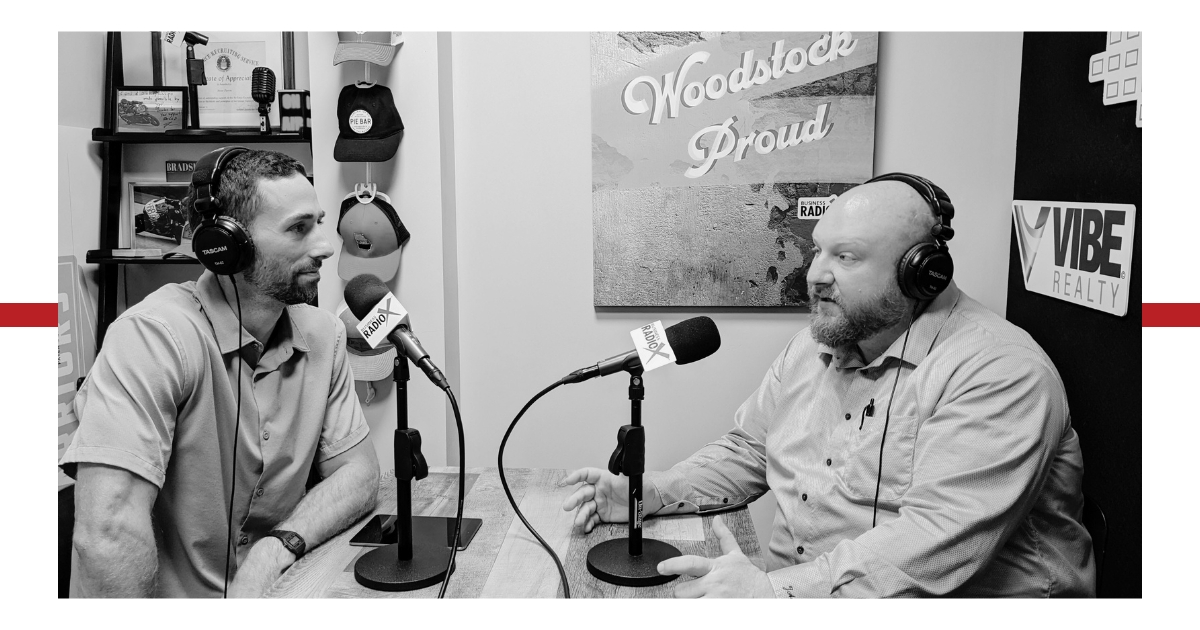
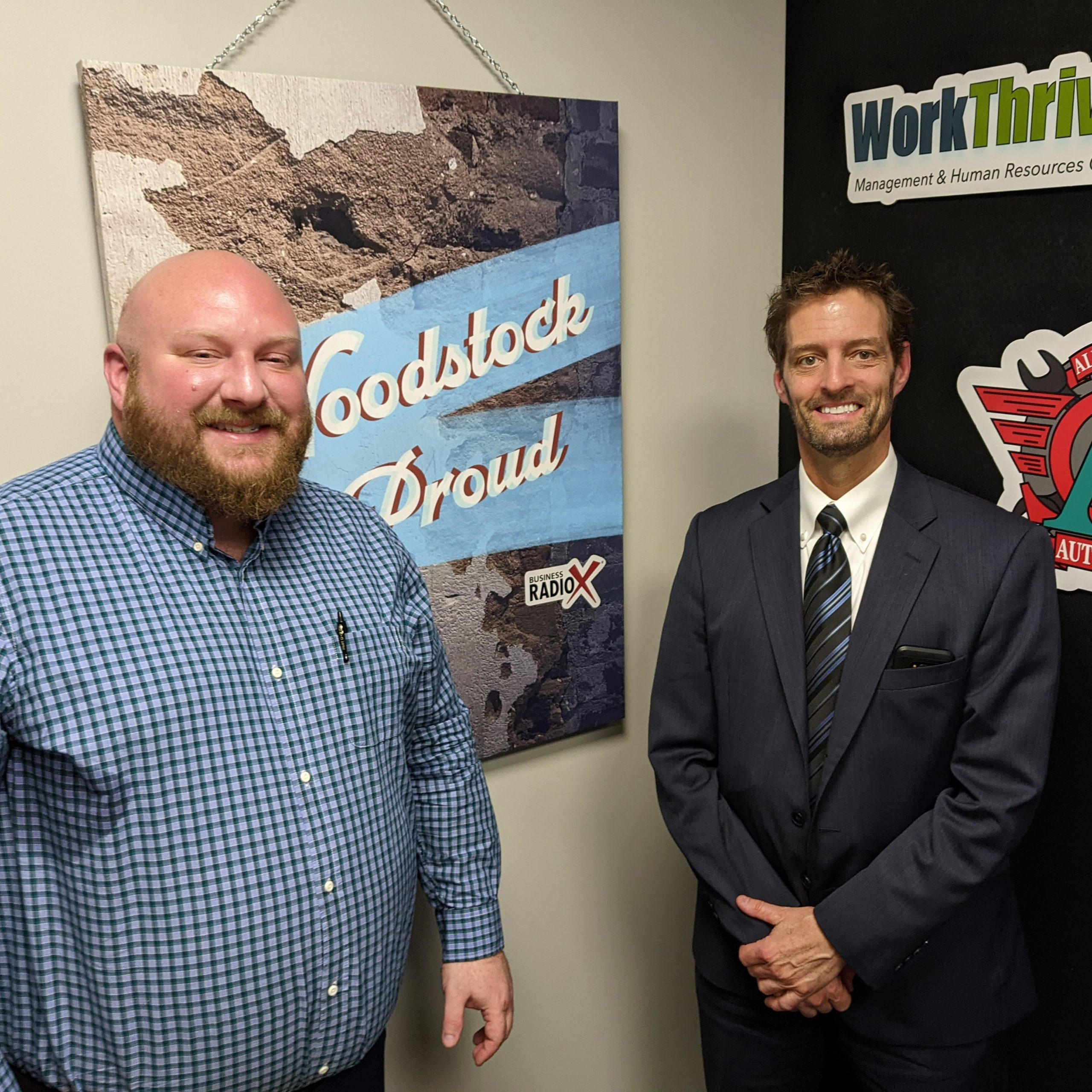
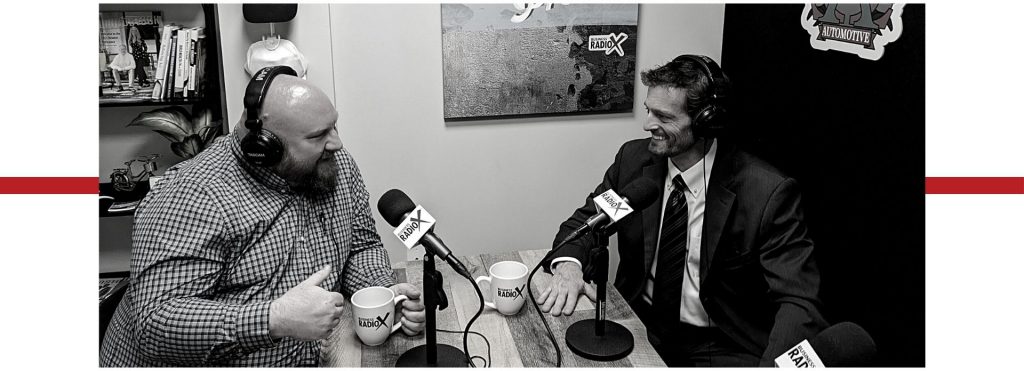
Jackson Griffeth with Cherokee Family Orthodontics and Josh Nelson with Nelson Elder Care Law

September 19, 2024 by angishields

CherokeeBusinessRadio091724pic1
Cherokee Business Radio
Jackson Griffeth with Cherokee Family Orthodontics and Josh Nelson with Nelson Elder Care Law
Loading
00:00 /
RSS Feed
Share
Link
Embed

Download file

CBRX-091724-feature

Brought to you by Diesel David and Main Street Warriors

CherokeeSponsorImageDieselDavidMSW

Jackson-Griffeth-bwDr. Jackson Griffeth, aka “Dr. Jackson”, with Cherokee Family Orthodontics, believes orthodontic treatment can be a life-changing experience and is intentional about keeping it fun, exciting and always positive. He recognizes the trust his patients put in him and that motivates him to provide the best possible care.

Originally from Gainesville, Georgia, Dr. Jackson was a walk-on football player at UGA, finished co-valedictorian at the Dental College of Georgia, and attended Virginia Commonwealth University for Orthodontic residency. After graduating residency in 2021, he achieved board-certification while working in private practice. Cherokee-Family-Orthodontics-logo

Dr. Jackson competed on American Ninja Warrior in 2017 and hopes to make it back for another shot. In the meantime, he’s competing for Best Dad of his three kiddos Rebecca, Bear and Maggie. He and his wife Katherine love outdoor adventures and you can often find them at Olde Rope and Blankets Creek mountain biking and running.


Nelson-Elder-Care-Law-logo

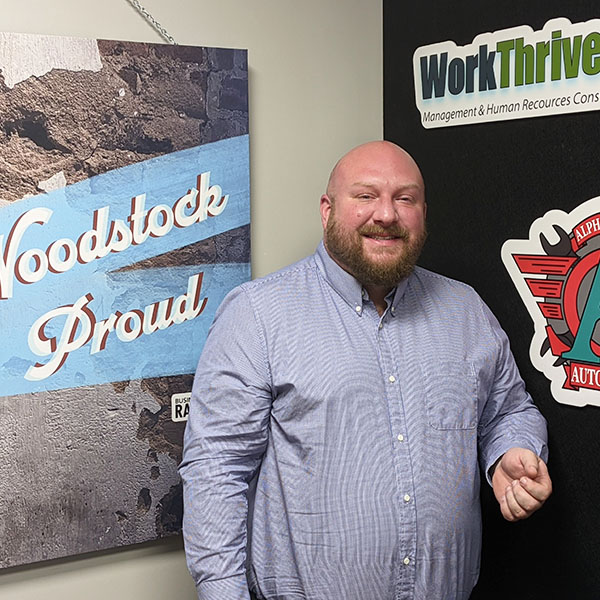
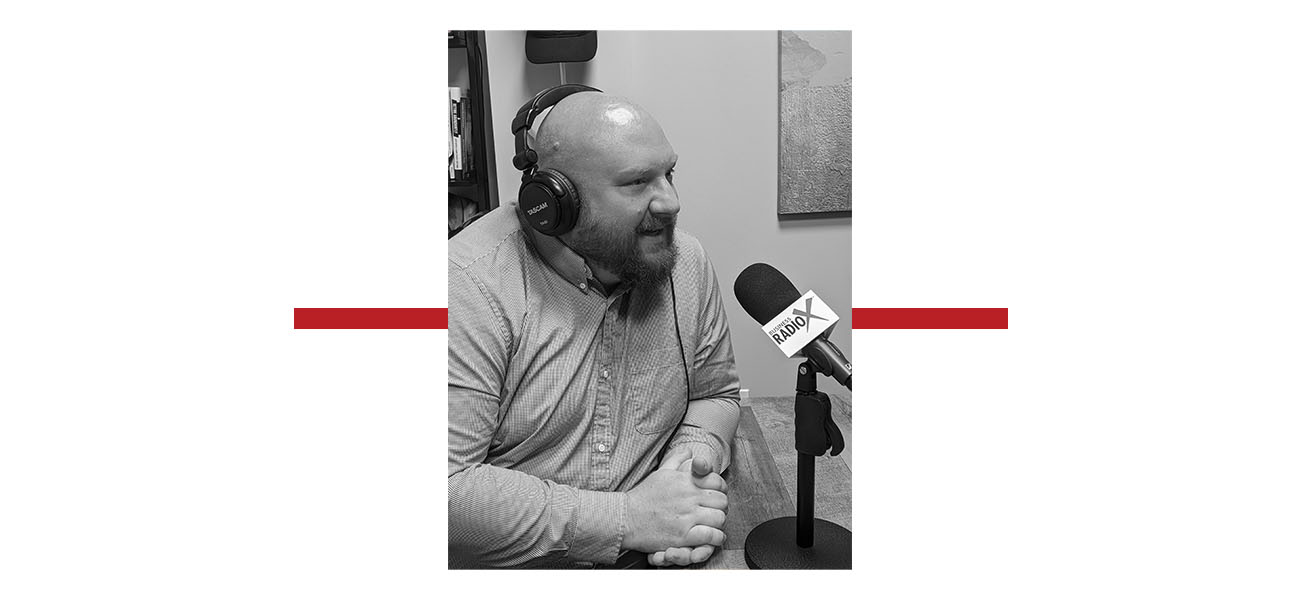
Josh-Nelson-bwJosh Nelson is passionate about helping families protect their assets through effective legal, tax, and financial strategies.

In addition to his Juris Doctorate, Josh has a Master of Accounting Degree in Taxation. This education empowers him to navigate the complex integration of laws surrounding taxation, asset protection, and securing the future for the people you love.

Josh is active in the community, building relationships with people, organizations, and key businesses. He has developed strong alliances in the senior industry to provide holistic solutions to his clients. Since 2014, Nelson Elder Care Law has helped more than 5,000 families protect their loved ones.

Josh is a sought-after speaker for professionals like Certified Public Accountants, Certified Senior Advisors, real estate agents, social workers, and financial planners, in addition to civic organizations like Kiwanis and Rotary Clubs, and churches.

Follow Nelson Elder Care Law on LinkedIn and Facebook.

Transcript-iconThis transcript is machine transcribed by Sonix.


TRANSCRIPT

Intro: Broadcasting live from the Business RadioX studios in Woodstock, Georgia. It’s time for Cherokee Business Radio. Now, here’s your host.

Stone Payton: Welcome to another exciting and informative edition of Cherokee Business Radio. Stone Payton here with you this morning. And today’s episode is brought to you in part by our Community Partner program, the Business RadioX Main Street Warriors Defending Capitalism, promoting small business, and supporting our local community. For more information, go to. Main Street warriors.org and a special note of thanks to our title sponsor for the Cherokee chapter of Main Street Warriors Diesel David, Inc. please go check them out at diesel. David. Dot com you guys are in for a real treat this morning. First up on Cherokee Business Radio, please join me in welcoming to the broadcast with Cherokee Family Orthodontics. Mr. Jackson Griffeth. How are you, man?

Jackson Griffeth: Stone I am good. I’m thrilled to be here. Thanks for having me.

Stone Payton: Well, we’re excited to have you in studio. You and I have come across each other at a couple of these networking gatherings. Anywhere. There’s free food and beer, you know, color me there. Right? That’s it. But it’s good to have you in studio. What brings you to to Cherokee? Why? Open office here, man?

Jackson Griffeth: Man, we were living a beautiful life in Asheville, North Carolina before this up in the mountains, and we thought we were going to be there forever, you know? Um, and then my wife and I really started having some, um, some direction from the Lord last year. We were knowing that we were going to start a practice somewhere. So I finished residency. I’m an orthodontist, finished residency three years ago now, and we went to Asheville, North Carolina, worked there, and I was an associate in a great practice there and really wanted to start my own practice, had a vision for how I wanted to run a practice and wanted to do that. And we really started looking around for where is that going to be? And we were paralyzed. I mean, I have a tendency for analysis paralysis. I’ll maybe get into that later. But we were paralyzed not knowing where we would do it. And then when we really started taking the pressure off of figuring out, all right, where are we going to do this startup for the rest of and B for the rest of our lives? And thought, you know, where is this next season? Where does God have us in this next season? Woodstock really started coming to come into light in so many ways.

Jackson Griffeth: There are a couple of things that really drove that one is that it was an area that we felt like, hey, this this place needs a new orthodontic practice where we’re posting up. There’s really not one, right, really close to it. And there’s all kinds of kiddos and adults around who could use help and use some treatment. It had a vibe that we really liked. We loved the connectivity of Woodstock and the just promotion of togetherness and how physically it’s connected very well. We live just down the street from our practice and from downtown, and we just love the connectivity of that. And then thirdly, my wife’s from Marietta and I’m from Gainesville, and it’s a great central spot in between where our parents still are. And we have a five, four and a two year old. Oh, my. And um, and so we wanted them to be around their grandparents. And so this is a great spot for us to be able to share them with each of them.

Stone Payton: So are we living up to our advanced press? Are you finding the business community and the community in general is embracing you guys.

Jackson Griffeth: Absolutely. It’s been robust. The networking events, as we have we have met at have been awesome. Haven’t even touched the surface there, I would say. And as we meet more and more people, everybody’s just been really supportive. So it’s been good. It’s been a wilderness year for year for us, uh, in the sense that we left and we bought this building last year and had just ever so slowly made our way to opening next month. And we’ve had so much support along the way.

Stone Payton: So where are you going to be?

Jackson Griffeth: So it is on Main Street in about a mile and a half north of downtown Woodstock. It’s on the corner of JJ blow, which is technically Brooke Boulevard, but the road that J.J. Biello Park is on and on Main Street. So just as you pass the Ace Hardware heading north from downtown, it’s the next building on the right.

Stone Payton: Oh, fantastic. I mean, my hat is off to to you, for it’s my impression that there’s a tremendous amount of forget about the heartache and the mental and all that, but just the capital investment to go into an orthodontic practice. I mean, if the bottom falls out of my business, guys, everything you see in this room, I can have in the cab of my truck and be at the house in a half hour, you know. But that must. I mean, surely these were you and your wife had to have a lot of really heart to heart conversations before investing that kind of capital and time and energy and resource. What was that like? Because you you mentioned you were already in a practice at that time, right?

Jackson Griffeth: That’s right. Wow. So it’s a it’s a very true statement. I mean, we are in we are heavily invested in Woodstock, Georgia right now. I mean, heavily and and that feels good. It feels like that’s the way it should be. Um, I’m a big believer in having skin in the game and whatever you’re doing, and we, we have even more than skin. We got. We got the whole body in the game here. Um, but it was a big move. It was a big move. We were living in Asheville when we bought this building. We we knew we wanted to be right around this pocket of Woodstock that we’re going to be located in and looked at some, some different lease options. And then this building was for sale and we thought, gosh, what a what a fun spot that would be to be able to practice out of. And so we, um, you know, we don’t we have no experience at real estate. We have no experience in anything. We bought this building in the last year. We have learned a lot about real estate and and development and and yes, we are we are investing a ton into it. And so yeah, you’re right. It’s it’s not something that we plan to just close up shop in a couple days.

Stone Payton: Well, we’re all pulling for you. We’re going to continue to follow your story. You mentioned early in the conversation running an orthodontic practice your way, the way you want to say more about that? What is your way or your vision of how you want this to be done?

Jackson Griffeth: Yeah, well, first thing I’ll touch on is just is just that ownership piece. And so being an owner of a practice, there’s so many, um, so many practices now are corporate owned and some corporations do things really well. Some don’t. And so I won’t say that’s a negative thing, but I do believe the right move for me right now was to own a practice and to build a culture in a practice. Culture is a big piece of what drew me to orthodontics. I think you can have an environment and an atmosphere that is fun and encouraging, and that starts with the team that you build. And so, um, owning that practice we were going to people often ask us, oh, who’s your partners? Who’s your are you, what company are you with? And it’s it is literally just us. And we just hired our first couple of assistants and they are going to be just an awesome beginning to the the business family. So so that’s one piece of it, that vision of creating a great employee and ownership culture. And then two, I really believe that we as orthodontists have a great opportunity to be a part of someone’s transformation. So if they come to us, sometimes it’s parents bringing their kids, and the kids don’t know what what’s going on. But a lot of times it’s adults and they’re saying, you know, I’ve always wanted to have a nice smile and and now is my chance. Or even for kids, there’s this there’s this total transformation that people go through when they are changing from a seven, eight, nine, ten, 12 year old to a 14 year old.

Jackson Griffeth: And to be a part of that is a real opportunity. And so my vision is to have a practice that uniquely encourages the the heart, not just taking care of the teeth and giving a nice smile. Our practice tagline is let your soul shine. And and I think that in orthodontics or excuse me, the smile is a is in my mind the window for the for someone’s personality or for their soul to shine through. And when you have a confident smile, it just it just shines through brighter and easier and someone feels more willing to let that shine through. And so directly speaking, we’re going to we’re going to treat them well and encourage them and just treat people like people and not just another mouth in the in the chair. And then indirectly, one thing that’s going to be unique about our practice is that we have a library of resources, an actual physical little library bookshelf in the reception room, but also a collection of resources, summer camps, um counselors, various various businesses and individuals that we’re just going to put before our patients and their families and say, hey, if you’re interested in any of these, these are just some awesome people that we believe can help change your life while you’re going through treatment. And and some of those are giving us discounts on their products things like that. But but yeah, that’s that’s I would say I’ve never heard of anybody else doing that. And that’s something that I’m really excited to, to provide.

Stone Payton: I think it’s great. Now when it comes to hiring, you have to take into account this different climate culture that you want to build. What was the hiring like? Did you I mean.

Jackson Griffeth: Yeah, we I mean, I leaned heavily into Patrick Lencioni, who’s a management consultant for learning how to to build a good culture. He’s got some great books and, and some other resources. But but here’s the thing. I, I, from the get go, established some core values in the practice and really spent an inordinate amount of time on developing these core values and, um, And what they are right now. And I know that may change as our team grows, but what they are is it’s the it’s the acronym is Shaka Little. The little Hawaiian Shaka hand symbol. But what it stands for is serve like a ninja. So we’re looking on the prowl for ways to make people’s day. It’s to have fun. So enthusiasm is a big is a big maker of a good culture. It’s to act like you own the place. And so it’s, hey, if you got an if you got a challenge or an opportunity to to make the place around you better to make somebody’s day better, that’s what we’re going to do is to keep it simple. Because I believe whenever business is done simply and techniques and procedures are done simply, it gives us more margin to look that person in the eye and treat them like a human being, instead of just being stressed about whatever procedure we’re doing. And then it’s to always improve. So just enjoy work and just always get better. So anyways, so we, my wife and I sent out a video of ourselves to various candidates who we found through various means, asking them to send us a video back.

Stone Payton: Oh, that’s an interesting idea. Yeah.

Jackson Griffeth: And so they sent us a video back answering certain questions that we asked them. And in that way, we really just found some gems. And I think some people were even interested in working for us. That wouldn’t have been otherwise if we hadn’t approached them with that creative method. And, and then from interviewed from there and, and honestly, just God’s provision in bringing some good people and good timing into our lives that we couldn’t have orchestrated. So we’re really excited about our first two team members.

Stone Payton: So how do you get new patients? Is there a sales and marketing aspect to an orthodontic practice, or is it all referral, or do you have to get out there and shake the trees like me and Josh?

Jackson Griffeth: Yeah, there’s a lot of that. Orthodontics is unique because you it’s not like a dental office where you go a patient goes to a dentist, and that may be the dentist for the rest of their life. Inherently an orthodontic process is finite. And so people want it to be as finite as it can be, you know. So you start treatment and then you’re done with treatment. And so it’s an always, um, it’s an always going, uh, need to find new patients. And so yes, traditionally that’s it used to be only by referrals. And so dentists would send patients to the orthodontist and say, hey, yeah, we, we respect Doctor Griffith down the street. You should go see him. And that’s how patients would find us. It used to be only that way. And you weren’t even allowed. It was illegal to advertise. Yeah. And so that has flipped quite a bit. Now, there are the majority of our patients find us through just direct promotion, advertising, getting our name out there. And then it depends on the community for sure. And we’ll we’ll discover what Woodstock is like in terms of dentists. A lot of dentists choose to do their own treatment in-house, like Invisalign or something like that. And, and, and don’t refer as much. And then some say, hey, you know what? We’re going to leave that to the professionals. We’re going to send everybody. And so it depends. But yes, the biggest thing I would say that we’re focusing on is relationships and being a part of community events, getting to know our dental neighbors and and then investing in our patients and asking them to bring people, more people like them to us.

Stone Payton: Sure. So I guess I didn’t think about that when I asked the questions. But dentist, those are very important relationships that you need and want to cultivate. I hadn’t thought about that. I was I was thinking in my mind, like reaching the, you know, the end user consumer with kids that are that are that age. But you do you need and want to cultivate those relationships. That’s right. With other practitioners.

Jackson Griffeth: And so that’s what we’ve started with from a, from a marketing perspective, is we’ve been going to go visit the dental offices.

Stone Payton: Yeah. And now I’ve hooked you up with Josh. So you’re you’re awareness marketing credibility authority. We’ve checked that box, baby. Boom. We’re going to. We got Josh Nelson in the studio as well, and he’s coming back to the Business RadioX microphone to share some ideas with us and get us caught up on on his work. But I’ll, uh, I’ll send you a bill.

Jackson Griffeth: Yeah. Yeah. Thanks.

Jackson Griffeth: Uh, right now, it just would be on a big pile so I wouldn’t even notice.

Jackson Griffeth: That’s right.

Stone Payton: Oh my goodness. I don’t know when you’d find the time trying to get this thing off the ground, but, uh, interests, passions, hobbies, pursuits outside the scope of your of your work. My listeners know that I like to hunt, fish and travel. Yeah. Anything you nerd out about other than other than orthodontics.

Jackson Griffeth: That’s right. Well, it’ll sound boring, but the biggest thing right now is just trying to be a good dad and a good husband. I got my little ones and. Oh, yeah, and my wife, we just had our ten year anniversary on Friday. And so investing in those relationships is, um, is very time consuming. But there’s I mean, there’s things I love doing. I love being outside. Um, it’s been seven years ago now, but I was on American Ninja Warrior in 2017. And those that style of just getting out and and, you know, finding fun things to play on it is still my jam. Um, here in Woodstock, I love to mountain bike, so I’m thankful for our blankets and rope systems. Uh, and so those are the those are the big things.

Stone Payton: You just never know, do you? American ninja warrior. How cool is that?

Jackson Griffeth: It was awesome.

Stone Payton: That is fantastic. All right, man, let’s make sure that our listeners have the coordinates where the where the shop is going to be and and when and how they can reach out to you. Whatever is appropriate and helpful for you.

Jackson Griffeth: Yeah. Thanks for giving me the opportunity to. Yeah. Spread the word. And the details are again, our location is and our name actually I’ll start with that is Cherokee Family Orthodontics. There’s a lot of Cherokee around. There’s Cherokee Dental, there’s Cherokee Orthodontics, various things. Sorry for the confusion. We go by CFO for short. So our building is located on Main Street in between Ace Hardware and Pampered Beauty Bar and Spa. It’s right across the street from the Bell Industrial Park on Main Street. You know, a lot of people have been noticing it’s been under renovation. We just painted it a dark blackish grayish color. And so that’s where it is. Our website is Cherokee Family orthodontics.com. We have Instagram CFO smile. We’re doing fun stuff on there. And we are currently scheduling patients. And so whether that be coming to me in that office over in Acworth, that in Kennesaw that I’m able to see people at now or in our building. Late October appointments can be scheduled by calling, texting and going online. And and then again, just unique factors. What we got going on right now is that we have we’re a family owned practice. We are. Absolutely, like I said, heavily invested in. You’re all in in your success as a patient. Uh, our results are going to the dentists, and the dentists are going to say, yeah, I like that work or no, I don’t like that work. I’m not going to send any more. So we’re very invested in great results and a great experience. And um, and we do a lifetime guarantee on our treatment also. Oh, wow. And so that’s something that I saw happen. People would have a kid would not recognize the value of their treatment. They’d come back six months later, never wore their retainer. Boom. And moms, faced with a mom and dad are faced with $3,000 to fix it. Um, we’ll retreat that kid for free. So, um, that’s those are our. Those are kind of our our two big things that we want everybody to to know. And the space is going to be beautiful. So excited to invite people into it.

Stone Payton: Well, they are two big things and really looking forward to seeing the space. Congratulations on the momentum man. We’re going to keep following your story.

Jackson Griffeth: Thank you. Thanks so much for for letting me spread the word. We’re very excited about it and confident it’s going to be a good, good, good service for folks.

Stone Payton: My pleasure man. Hey, how about hanging out with us while we visit with our next guest?

Jackson Griffeth: I would love to learn more about Josh.

Stone Payton: All right, next up on Cherokee Business Radio this morning, please join me in welcoming back to the Business RadioX microphone with Nelson Elder Care Law, the man himself. Josh Nelson, how have you been, man?

Josh Nelson: Absolutely amazing stuff. I appreciate you having me on. So excited to be with Jackson here. You know, we just celebrated ten years here on Town Lake. And so to see somebody that’s just getting off to a good start and sounds like he has such a good foundation. You know, funny enough, we use core values in our hiring. We use the entrepreneurial operating system. And it’s a real big impact to make sure you have the right team. So I’m really excited to see what Jackson does over here at, you know, Cherokee Family Orthodontics. But even more importantly, I got a 12 year old that just got that referral. So we’re definitely going to have to connect after this.

Stone Payton: That’s great. I’ll be there. See you there. I’m the mega connector. I’m that guy in Cherokee. No, I’m glad you guys are going to going to get together. So I’ve got new questions around trust and estate planning and all that stuff. But let’s just for, you know, anybody that the two people in Cherokee County that don’t know about you guys, just give them a little bit of an overview, mission, purpose, that kind of thing.

Josh Nelson: Yeah. The biggest thing we do at Nelson Elder Care Law is help people plan for their senior years. You know, elder law is a little bit of a misnomer. I have plenty of clients, over 97, clients over 100, and they still tell me they aren’t old. So I get that. Nobody’s ever going to be like, I’m elder. But really, where our focus is, is people traditionally 45 to 55 and up that are trying to make sure that as they go into retirement, they have all their ducks in a row. A lot of times our kids look to us as the ones that should just have everything taken care of, because we taught them so much. We want to make sure that you can kind of live out that responsibility for your children. And then unfortunately, a big part of our practice is people that haven’t prepared. You go talk to your parents or your grandparents, and you think that they got all the ducks in a row and all of a sudden they get hit by a diagnosis like Parkinson’s or Alzheimer’s or a stroke. That’s what we call crisis cases. And unfortunately, that does make up a significant part of our business. But we got ten years experience handling those things. We treat it sort of like Jackson is talking about from that holistic, expert like experience. It’s not just about coming in and getting legal paperwork. We want to make sure you have the right tools, and a lot of times the right tools is a budget, a plan, a referral to a placement agency, working with what your options are for care, knowing how the state government can help support caregivers coming into your home. Because we acknowledge that most people want to stay at home. But if you get so sick that you can’t. We’re happy to help you transition to.

Stone Payton: So this is a very right in my field of vision right now. My folks I grew up in Pensacola, Florida. Mom and dad moved up about nine months ago. They lived two minutes away, right down here off of Dupree, 82 and 84. Um, and I, you know, my brother’s coming up this weekend to hunt, but we also are going to have some conversations about things that we should be mentioning to mom and dad. You know, do we need to have that family meeting? You know. You know, is there a three ring binder in dad’s office desk drawer? Do we need to talk to somebody? And I gotta believe we’re not the only ones that have probably already put it off longer than we should have. So any counsel advice you have about how to approach the conversation? Misconceptions that because rusty and I may have some preconceived notions about what? Yeah. Lay it on us.

Josh Nelson: Yeah, absolutely. Um, that’s kind of the normal avatar, or kind of what our clients are going through. What a lot of people don’t realize is that often we’ll meet with, like you and your brother or just you, and then you kind of relay to your brother. That’s why we offer free visits with our legal team, because we understand getting mom and dad on the ball might be a very serious conversation. I would argue that instead of you just barging into that, you get some help from us to be able to say, how do we phrase that conversation? How do we structure that conversation? Because your parents are going to be somewhat a little blown away whenever, you know, we don’t want them feeling ambushed whenever all of a sudden you and your brother sit down after hunting and they’re like, hey, Mom and Dad, we need to do this, or I want to. I want to handle your bills. No dad and no mom are really going to love that kind of conversation. So how do we ease into it? How do we make sure that they know that we’re not taking any power away from them? We’re just helping them get everything structured.

Josh Nelson: So in case something does, you know, kind of come their way, you guys know where it is, you know how to step in. And so a good portion of our clients actually come from their kids stepping up whenever somebody has it. And like I said, the problem is you’ve seen somebody at work, you’ve talked to somebody at church who they thought their parents had this stuff in a row. They thought they had that three ring binder buried somewhere. And then unfortunately, something happened and we couldn’t find it. So, like, even with us, whenever we do a plan for somebody, we give everybody PDFs they can keep on their phone that are actually just as legally valid as like the formal paperwork in that binder. So say that even though your parents live two miles away, you get that call that dad was in a car accident, or he went up to North Side for some reason, rather than you having to drive over to his office and find that paperwork, you can go straight to the hospital, have it on your phone, have full authority just from that PDF.

Stone Payton: So I got to believe that there are more than a few misconceptions, preconceived notions that are just off track, that just people walk in and they don’t quite have the right frame for this. Do you run into that?

Josh Nelson: I think there’s a lot of misconceptions out there, and part of it is because the rules change state by state. So especially if you moved from like North Carolina, like Jackson did. Asheville is beautiful. I love it over there. But their rules are a lot different than they are here in Georgia. And so you get somebody that moves from a different state and they assume those rules moved with them. And Georgia can be very different. A lot of our rules are super beneficial. You just got to play by what our guidelines are. And so like just as recently as July here in Georgia, we changed a really cool thing for homeowners that allows them to be able to skip probate, which is the legal process of transferring stuff from somebody who passed away to their loved ones without a trust, without doing any kind of like, weird stuff. The big advantage of that is it lowers the cost of estate planning significantly. So a lot of people are scared to even talk about a trust because they know it’s expensive. It is. But now our legislature has this really cool thing called a transfer on death deed that allows for you to be 100% owner of your property.

Josh Nelson: And if something happens where you pass, you can designate who it goes to. So think of it sort of like a beneficiary on your IRA or a beneficiary on your bank account. Those people don’t own anything while you’re alive. But then whenever you pass now all of a sudden they own it without having to go through a court. This is really cool because what we see a lot of people do that’s really uncool. Really silly, if you think about it, is add their kids to their deed. And that’s a big mistake. Not only do you have to get them to sign off if you ever want to move or refi, but if they ever get divorced, they ever get creditors because of hospital bills. Now all of a sudden they’re a part owner in your house. And so this allows our legislature to say, hey, if something happens to you, let’s give it to your kids without having to have those complications during their life.

Stone Payton: So you’ve been at this a minute? You’ve what are you at this point in your career? What are you finding the most rewarding? What’s the most fun about the work for you these days?

Josh Nelson: Um, I think growing the team. So I think Jackson’s off to an amazing start by making sure that he’s cultivating that right away. You know, last time I was on here, we kind of spoke about, you know, I’ve been doing this for ten years now. And whenever I first started, I probably didn’t have the team right. I came from more of a logistics background. So it was kind of like, get the systems, get the processes down, and then just get people to work the systems. And what I found was we get a lot better results if we get really, really qualified people in the way that we say qualified is that they meet our core values and that they really, really care about the individual across from them. So making sure that the schedule is open enough that we don’t need to charge billable hours. Whenever you come in, you don’t get charged for the time you play a flat rate that you know up front before you even get started. And then if it takes more time, it takes more time. And we want to make sure that you’re really comfortable. We expect that this is the kind of thing that’s really only done once in your lifetime. This isn’t the kind of thing you need to come in every three years, five years, something like that. Once you get into your 50s, this stuff’s pretty much sorted. Your decisions aren’t going to change drastically. We can always adjust things and make changes, but for the majority of our families that we help, they’re going to come in, do this once. We want to make sure that it’s a relationship and not just a transaction.

Josh Nelson: And so I think just like Houston, the part I love most about my job is meeting people, learning about them, being able to solve their problems. You know, for so many attorneys, whenever somebody comes in, they kind of have this curse of knowledge. They’re saying, you know, oh, you have a problem with a nail, let me hit it with a hammer. And what we like to say is like, what are you really trying to fasten together? What are you building with that nail? How do we make sure that if something goes right in your life, you’re prepared? But also if something goes wrong, if life throws you a curve ball, how do we make sure that that’s not impacting your relationships? You know, thinking about an adult caregiver for their dad or their mom. How do we make sure that that caregiver has a reprieve or relief so that they’re still seen as a wife, a husband, a son, a daughter, and not just a caregiver? The most depressing parts of my role are whenever you get somebody that comes in and they’ve been a caregiver for their parent because we feel like we have that duty, but it becomes a burden and all of a sudden our parent or our spouse starts looking at us like the help rather than as a kid or a spouse. And really, over the years, we’ve been able to fine tune how we make sure that the money’s there, that the resources are there, and that the caregivers setting the right boundaries before it gets to that point.

Stone Payton: And you’re part of a group of professionals in this whole arena, acap adult children of aging parents, parents. And I’ve talked to some other folks like in the in the leadership of that effort, but speak to that the mission. What compelled you guys to to get involved?

Josh Nelson: Yeah. Like I said, we’re always out here trying to build relationships. And so that is definitely a non-profitable venture for us, but it feels like it fills our heart. Right? So like Jackson was saying, you know, let your soul shine. How do we make sure that at the end of the day, we’re sleeping? Amazing. We go home and we can tell our families, like true families, we did great work today. And part of that is making sure that people are equipped with the tools. Most people that are an adult caregiver, they don’t have time. And like the reason that it’s as late as it is, is because we know you got to get off work, you got to get the kids fed. You got to make sure that your parents are taken care of, and then you can run over and spend some time for us. And the coolest thing about Acap right now is it is just 100% actionable tools. So a lot of times you go to like a seminar or a speaking event and you get kind of riled up and you’re like, oh, this is going to be awesome. And then you like on your way home or thinking like, well, what did what? What am I actually going to do different? What’s what can I take from this? Um, and acap right now is just tool after tool after tool that you can go execute on. So really cool.

Stone Payton: And you guys don’t have like Margarita Mondays or Taco Tuesdays I don’t guess. But but you do have a regular gathering and it’s for people like me and Russ. Is that accurate to go and learn stuff?

Josh Nelson: Absolutely. So it’s on Thursday evenings. Um, it’s not every Thursday. It’s about every other Thursday. Sometimes it’s only once a month, depending on who’s coming in. It’s over the church kind of on where Barrett and Canton Road run into each other. And the biggest part about it is that it helps people come in, get the information and get out. We do have, you know, little food and drinks and stuff like that, but that’s not why you’re spending your time with us. You know, we don’t have the Jimmy Buffett margarita margarita machine in the back. Um, we’re just trying to make sure that you’re comfortable enough to focus, that you aren’t coming in hungry, that you’re not drowning, you know, coming dehydrated while you’re out there. Um, during the summer, that church is warm, so definitely water. But the biggest thing is making sure that people have the tools they need and that they can go execute, even with a lot of like support giver groups or caregiver groups, or especially with like cognitive impairment support groups, it turns into a good way to counsel each other. Sometimes it turns into like a complaining session if it’s not moderated, well, yeah, but even the best ones, unfortunately don’t really walk out with like, here’s the thing you can do today to get yourself four hours of caregiving for free. Here’s the thing you can do today to make sure that you’re prepared for getting the hospital bed in. If your spouse is immobile. Here’s how you actually get practical training on how to lift somebody heavier than you off the floor. Here’s how you have the conversation about you falling 11 times this week. And the fire department said they’re calling Adult Protective services if you do it again. Like, these are the things that we’re going to cover and make sure that you’re super equipped with. Nobody’s allowed to sell you anything whenever you go to these meetings. And so it’s just like a Q&A kind of being able to say, how do we get the information? You bring your problems. And we got to 12 people in there in the industry. They’ll give you solutions. It’s really cool.

Stone Payton: It seems like a marvelous resource. It really it really does. All right. Let’s talk about me for a minute. It’s my show. No, no, I’m thinking because we sort of are there. And I’m trying to get, you know, if you want to get some free coaching and consulting guys, get yourself a radio show, because that’s what I’m about to do right here. Uh, but but no, all kidding aside, just kind of walk us through, like Russ and I. One of the early steps might be to go to 1 or 2 of these meetings. Uh, have a conversation with you, just walk us through, like, if you could paint the ideal journey for me and Russ to get mom and dad and us set for the next few years, walk us through that.

Josh Nelson: Yeah. I think the biggest thing is because they’re not under care right now, because they’re not sick or diagnosed with something right now. It’s information gathering at this stage. And that’s where most people should start, because then it’s a lot easier to do any legwork you need to. It’s a lot easier to get the facts straight. And so anybody can come in. And Nelson Auto Care law, we have an office right here over off Town Lake, as well as one over off Dallas Highway in Cobb Tom. And what we’ll do is sit down with you for an hour with a member of our legal team, and make sure that you at least have the facts. We’re not trying to make any decisions for you. We’re trying to educate you well enough that you can make your own decisions. And especially for you and Russ, it probably starts with how do we talk to Mom and Dad about this? Yeah. How do I approach dad and say, you’re doing great, man, but let’s just go ahead and get something in place that it’s not a burden on. Mom, if something happened to you. That’s usually a resounding conversation for dad.

Stone Payton: What a great friend. That’s the right frame for my dad. I guarantee you it is.

Josh Nelson: Compared to going and saying, dad, I want to be able to pay your bills. Put me on your bank account. Something like that. Like he’s going to be like, heck no. Right. And so that’s really where it starts. There’s so much misinformation, especially like in Georgia. A will doesn’t even skip probate, which is very mind blowing to people, you know. Whoa. Tonight I’ll speak to over 150 people for a senior center seminar. And at that seminar, one of the questions I always love to ask is who has a will? Raise your hand. And then what does a will do. And you’ll just see hands drop so fast. You know we’re we spend our whole lives being told we need this thing. None of us really know what it’s doing. And then you don’t find out that now you got to go through this crazy court process. Probate. Just as a general ballpark, guys, costs about 3% of your stuff. So, like, if you have a $300,000 house, probate costs nine grand. That’s kind of crazy, man.

Stone Payton: And a bunch of time, too, right?

Josh Nelson: It takes at least six months in Georgia, usually 9 to 12. The biggest thing is the information. And so I would say for you and your brother making sure that you get educated. A lot of this stuff is very inexpensive to do. So like our legislature does some really cool things with powers of attorney and medical power of attorney that we call advanced health care directive that you can get for very, very inexpensive. And that makes a world of difference so that even if your parents aren’t on board for doing like a full plan right now, they at least have the things in place that if they get hit by a curveball of life, you have the legal authority to come in and help, and that makes a world of difference. Can you imagine if something happened to like, you know, your mom and your dad is just devastated after being with her for so many years? Maybe he’s not the right one to be the decision maker because it just hits us emotionally, right? I mean, if she’s going through something nuts, is he under so much stress that being the caregiver, being the spouse, and being the decision maker is too much? It’s worth having a conversation. Or maybe it’s something where, you know, one of your parents is starting to get a little soft cognitively. Like, we’re not saying that they have to move somewhere. Like we’re not saying they can’t drive anymore, but maybe it’s that their, you know, decision making isn’t quite what it was whenever they were in their 50s.

Josh Nelson: Maybe it’s starting to get a little soft. How do we step in and say, you know, dad, you’re going to be 100% the decision maker for mom, but let me be Co with you. Let me let me just say that the two of us together are going to help. I want to do this as a way to allow you to be the great husband that you committed to being, rather than saying, let’s go in. And I want to be the decision maker for mom. Like, those conversations are so nuanced, and a lot of people, I would argue, need help before they do it well. And the problem is, if you jump in and try and do it on your own before you have some guidance, you can really burn bridges. You know, there’s so many fears as we get older of they’re going to put me in a home, they’re going to try and steal money. They want their inheritance early. It’s all about the money. And it’s really not for most kids, but just the way they phrase it comes off as that. And so we want to make sure that everybody is really well equipped to have those conversations in a way that has a positive outcome, because once the parents kind of shriek back, once, they’re like, no, we ain’t doing this. Reviving that conversation can be pretty hard, I’ll bet.

Stone Payton: Man, I’m so glad that I asked. Thank you. And Russ and I are going to try to follow your counsel. I’d love to. Yeah. Uh, so.

Josh Nelson: We’ll do the whole thing on the radio show.

Stone Payton: Yeah, we’ll just do a live. That’s actually a cool idea if you’re up for it, I love it.

Josh Nelson: It’s awesome.

Stone Payton: Uh, I asked Jackson a little earlier, and I’ll ask you. And you’re at a little different point in your life. Probably. So maybe you don’t have a house full of kids. You’re having to tend to, uh, outside the scope of your work, man. Anything you nerd out about, what do you like to do?

Josh Nelson: Um, so funny enough, I’ve been trying to lose some weight, so I’m down over 60 pounds for the year.

Stone Payton: Wow. Congratulations.

Josh Nelson: The big thing has been so not Ninja Warrior for sure, but I met John Cena, the guy that runs Spartan Races, which are like these like five 10-K or 21 K events that have like rope climbs and wall climbs and stuff like that. And he was nice enough to allow me to go run as many events as I want. And so he said, I want to support your weight loss journey. Uh, really, really cool guy. I mean, his business does over $50 million a year to run those races. And he was like, if you’re willing to put in the time. At the time I was 350 pounds and he was like, you and any of your buddies want to come? So last November, the firm actually got over 100 people to sign up and go run the one down in Conyers. Amazing. I love it. On October 5th I’m going to go run in one in Nashville, which is really cool. And so that’s been taken up a decent bit of my time. It needs to take up more. But then the other thing for me is I love restoring old cars. So like pre-World War two cars, I love going on the weekends or the nights and getting my hands dirty. I got a little shop that I work on. I got a 1937 Cadillac that I’m putting back together right now. That was just a rust bucket. And those things are actually really out of style right now in cars, because most of the people from that generation are kind of aging out of driving. And so I love being able to do that kind of stuff. And I will give 100% credit to my daughter’s mom. She does all the hard parenting. I just get to helicopter in and do the fun stuff. So like it’s Saturdays, go to the jumpy place or doing fun things like that. That’s, uh, her mom is an angel, so I appreciate her covering most of that for me, where I just get to come do the fun stuff.

Stone Payton: So, uh, restoring the cars. Is this something you’ve been doing for years and years? Is it a new passion?

Josh Nelson: Yeah, I’ve done it for over 20 years now. Oh, wow. And, uh.

Stone Payton: Isn’t that isn’t that what is it? A car that’s 20 years old is a classic.

Josh Nelson: Oh, let’s not go into that. That means things like the 2000 are like classics. I want to feel really old.

Stone Payton: I was going to say now you’re a classic.

Josh Nelson: What’s funny, though, is a lot of the, you know, car prices kind of follow the cycle of whenever the car gets to be, like, old enough where the guys that wanted it at 16 are in their 40s now, right? They go to ridiculous prices. So a lot of those like Japanese little sports cars, like, um, there was like a 99 Honda Civic that just sold on bring a trailer for like $60,000. And that was probably a $15,000 car, brand new. So like some of that’s just wild. I’m in luck because I like the pre-World War Two stuff and those cars are getting cheap. You know, a couple of years ago, all those muscle cars that were super expensive, like an old Camaro or an old GTO. And just because those guys are now getting to where they’re not driving cars without AC anymore. Those things are starting to get cheap. But those old World War two like pre cars, you know, they don’t have AC. They’re small. So I’m a big guy. Don’t fit in them well. Like, even my daughter can’t ride in the 37 because it doesn’t have safety glass. So like, you don’t think about it, but if you’re ever in an accident, that glass just turns into knives. Like it’s. Wow. So we don’t let her ride in some of the old stuff, but I got, like a 46 Jeep Willys that’s, you know, and you go.

Stone Payton: Show them off after you get them all dolled up. Do you go show them what.

Josh Nelson: A big car show guy. But I love to go use them. So we’ll actually go up um, like over in Asheville, there’s an amazing hotel called the Grand Something. It’s the Grove Park inn. Grove park inn. Yeah. Close enough.

Stone Payton: It’s a grand place.

Jackson Griffeth: That’s a good one. That’s a grand place for sure.

Josh Nelson: So I love driving up there through the mountains and stuff. There’s a bunch of groups that you can find through different, like online things where you’ll get together on a Saturday, wake up at like 536, and then just go roll these cool old cars through the mountains. Um, you know, especially this time of year. Man, it’s so crisp and beautiful in the mornings. North Georgia has so much to offer us. Um, that if you just get out there and enjoy it, man, it’s just an amazing way to spend a weekend.

Stone Payton: Yeah, I’m so glad I asked.

Stone Payton: And you’ve covered a ton of information, but just to kind of wrap it up, maybe a couple of like the really important pro tips for the stones and Rusty’s out there. Just things to be thinking about. Do don’t do the first couple of steps. And look guys, the number one pro tip is reach out and have a conversation with Josh or somebody on his team. But let’s leave a little something to chew on.

Josh Nelson: I think, especially for your listeners on Business RadioX. The biggest thing I would say is a little different than our primary practice area, but it plays right in make sure that if you’re a small business owner, if you have something going on where you’re the sole person, or especially if you have a team that relies on you, that you’re operating agreement, your articles of incorporation, something has a succession plan in it. It doesn’t need to be some like crazy thing. It can just be a paragraph that you add into those membership articles that says, if I get hit by a bus, my wife, my partner, somebody can step in and still have access to the bank account. What we’re seeing a lot is a lot of people will register their LLC or their company with the secretary of state, and that’s all they do. There’s no actual like articles or membership agreement or anything anywhere. And the problem then is if you pass suddenly or you get sick, suddenly your whole business stops because somebody has to be able to access the checking account. Somebody has to be able to access cash flow. Somebody has to be able to run things. Just making sure that you have that paragraph in your LLC or your articles of incorporation to make sure that somebody can do it, whether that be your spouse, your brother, whoever.

Josh Nelson: That’s where we’re seeing people even with, you know, good sized small businesses come up short right now. And whenever that gets stuff gets stuck in probate, it’s really expensive because trying to cash flow that thing while it’s going through the court system is nearly impossible for most companies. You know, you think about like the run rate even on like Jackson’s business for, you know, the mortgage payment on the building, keeping the staff going, who’s going to be his coverage orthodontist. I’m sure that somebody has to be licensed to come in. Like, who is that person? Right? Like just sitting down for an hour and making that plan on the back of a sheet of paper is going to change your family’s life if something ever happens to you. And that’s really where on the probate side of my business, we’ve been seeing people just get hit with a hammer. You know, we just had a lady who had a small Airbnb business, but it grew to over $1.3 million and stuff, and then nobody could find the paperwork. Oh, geez. It’s like, uh oh, you know, for one little paragraph, one little, like, five page membership agreement would have cost her less than 500 bucks. Box. She could have saved a bunch of money because again, whenever that goes through probate, you’re looking at like 3%. Wow.

Stone Payton: There’s a blue three ring binder in my office closet at the house. As soon as we go off the air, I’m headed. I got to go take a look at that thing. Oh my goodness.

Josh Nelson: So, like I said, for the normal stuff that we do, if you’re thinking about your spouse, your parents, stuff like that definitely reach out. But just as a nugget there, guys, especially for small business owners, we are just seeing a lot more people with everything planned for because they usually have like a financial advisor and estate planning attorney, stuff like that. That part’s golden and they forget about the business.

Stone Payton: All right. What’s the best way for our listeners to tap in whatever coordinates makes sense? I just want to be able to connect with you guys.

Josh Nelson: Absolutely. Nelson Autocare. Com is always a good one for us. You can Google us. We’ll pop up (678) 250-9355. However you want to reach out. We’re here to help.

Stone Payton: Well Josh thanks for coming back, man, and thank you for all the terrific information. Gentlemen. It has been an absolute pleasure having you both in the studio. Don’t be a stranger. I’m quite sincere. Josh will tell you when I say Jackson. You’re welcome to come back. And we want to continue to follow your story. But what a marvelous way to to invest a Tuesday morning. You guys are doing important work, and we we sure appreciate you.

Speaker4:

Josh Nelson: Thank you, Stone. Thanks so much. Really excited to see where Jackson grows. I remember ten years ago kind of being in that spot. And it’s scary as all get out now on the other side of it. It just feels so cool. Whenever you look back at all the families you’ve been able to help.

Stone Payton: That’s awesome. Alright,until next time. This is Stone Payton for our guests today and everyone here at the Business RadioX family saying, we’ll see you again on Cherokee Business Radio.
 

Tagged With: Cherokee Family Orthodontics, Nelson Elder Care Law

Jud Waites With Waites Law Firm and Josh Nelson With Nelson Elder Care Law

March 21, 2022 by Jacob Lapera

Cherokee Business Radio
Jud Waites With Waites Law Firm and Josh Nelson With Nelson Elder Care Law
Loading
00:00 /
RSS Feed
Share
Link
Embed

Download file

CherokeeBusinessRadio_TrustedAdvisor_031722_pic2.2
waites logo
WaitesWhen life takes an unexpected turn for the worst, you need an attorney with experience and compassion to get you through those tough times. You will find those things at the Waites Law Firm. Jud Waites has been helping people since 1992.
Mr. Waites has always had a passion for justice and has developed a reputation for standing up for the rights of those who are treated unfairly by corporations, insurance companies, and even the government.
Mr. Waites attended college at Wake Forest University, where he was on the Dean’s List, a member of the Fellowship of Christian Athletes, and a defensive back on the varsity football team. He then attended law school at Mercer University, where he was on the Dean’s List. He has been a member of the State Bar of Georgia since 1992, and a member of the State Bar of Alabama since 1993. Mr. Waites is a member of Due West United Methodist Church. Mr. Waites is also a member of MENSA, a member of the Cherokee County Chamber of Commerce, and Vice President of the Blue Ridge Bar Association in Cherokee County.
nelson-logo
Nelson

Josh Nelson is an Attorney and Alliance Architect for Nelson Elder Care Law. He specializes in finance, banking, and insurance to compliment his specialty in elder law.

Josh is active in the community, building relationships with people and key businesses in the areas. He has developed strong alliances in the community to provide holistic solutions to our clients in order to secure their future and protect their loved ones.

He has a passion for protecting the assets of the people he serves through effective tax and financial strategies.


This transcript is machine transcribed by Sonix

TRANSCRIPT

Intro: [00:00:07] Broadcasting live from the Business RadioX studios in Woodstock, Georgia. It’s time for Cherokee Business Radio. Now, here’s your host.

Stone Payton: [00:00:23] Welcome to this very special edition of Cherokee Business Radio. It is time for our Trusted Advisor series, and today’s episode is brought to you in part by the Cherokee Business RadioX Community Partner Program. If you resonate with our mission and you are anywhere nearly as committed as we are to supporting and celebrating local business and community leaders here in Cherokee County, I hope you’ll consider becoming a community partner. If it’s an idea you’d like to pursue. Just shoot us a note at stone at Business RadioX dot com. All right. You guys are in for a real treat. Please join me in welcoming back to the Business RadioX microphone with Nelson Elder Care Law. Mr. Josh Nelson. How you been, man?

Josh Nelson: [00:01:10] Absolutely amazing. Thanks for having me back. Stone It’s always a pleasure to come down here and see you.

Stone Payton: [00:01:14] Yeah, we have a lot of fun in these conversations, so I can’t imagine anyone within the limits of Cherokee County not knowing Josh and not knowing about Nelson Elder care. But you know what? Let’s cover our bases, give them a little bit of an overview and a primer. I will say this, I was doing my extensive pre show research. As you know I am known for I love just right. As soon as you go to your website just front and center, protect the ones you love. I love a great job.

Josh Nelson: [00:01:42] You are too kind. But what we are is a law firm that specializes in helping people plan for their future and the future of their loved ones. We primarily work with people that are a little bit older, so generally 55 and up kind of our focus. And what we do is really walk everybody through not only what happens to you while you’re healthy and alive, but how that transitions to your spouse, your kids. Making sure that not only do you have a pretty binder on your shelf, but you have a plan that really works.

Stone Payton: [00:02:08] Marvelous. And you brought someone into with you today. Who did you bring with you?

Josh Nelson: [00:02:12] I did. I have a good friend and a fellow attorney here, Judd Waites, from the Waites law firm. He’s right here in Cherokee County, very active in the small business community. And what he brings to the table as far as knowledge on small business matters and also what we call civil litigation, is just mind blowing. So I wanted to bring him down here with us.

Stone Payton: [00:02:31] All right. Welcome, Judd. Weights, weights, law firm, delighted to have you. Now you are practicing law in a very different discipline than Josh and his team. Yes.

Jud Waites: [00:02:40] Yes. First of all, thank you, Josh, and thank you, Stone, for letting me join in today. I’m excited to be here. Yeah, I have a passion for fighting bullies, and that became a passion of mine when I was a kid growing up. I guess we all had those moments where we got bullied at some point in time, so it became my passion to help stop bullies because I like people and like people to be nice to each other. And I decided that that might be a good profession to get into. How can I make that a profession? So I became a trial lawyer where I can help make sure that fair results are obtained when there’s a dispute or disagreement, and I hope try to make sure that there’s some fairness to the to the end result. That’s the overview of why I became a trial lawyer so.

Stone Payton: [00:03:14] Well, let’s hear a little bit more about the back story. Did you like play lawyer while everybody else was playing cowboys and Indians, or was there a point in the development of another career that you took? A little, little different path?

Jud Waites: [00:03:24] Well, I’ve always been big into sports, and I was always fascinated with knowing the rules of the games so that I could try to get some kind of advantage that the other kids didn’t know about knowing the rules better than they did. So that became a fascination for laws as I got older. And so that kind of led into fed into my passion for making sure people treat each other nicely. And so it just became a natural pathway to law school for me.

Stone Payton: [00:03:46] So what are some kinds of cases or some types of challenges that your clients have that would give us a good window into what you what you do?

Jud Waites: [00:03:56] Yeah, I do three different areas of law. One of them is is very business oriented. But the other two areas first, I do a lot of work with personal injury and wrongful death cases, car wrecks. I’m a former motorcycle rider, so you’ll have a lot of motorcycle wrecks also. That’s a passion for mine. As a former former motorcyclist, slip and fall cases helping folks make sure they get compensated when someone else is negligent and causes them to be injured or, God forbid, lose the life of a loved one. A secondary I do a lot of work in is criminal defense, mostly misdemeanors, DUIs, traffic tickets, drug possessions, just making sure that they’re not punished unless the government proves their case, like the Constitution says they’re supposed to. And then the third area, which is very heavily involved in business, is contract and business disputes and can be anything between companies, individuals, employer employee non-compete agreements, collect and pass through accounts and this crazy real estate market. Now, I’m doing a lot of work for folks who have had a real estate purchase go south. And so they’re fighting over return of earnest money or they’re fighting to force the sale specific performance. So those are some examples of contract disputes that I handle.

Stone Payton: [00:05:01] So the name of the series is Trusted Advisor. I’d like to hone in on this idea of trust a little bit, and I’m going to ask both of you to maybe field some questions or participate in this part of the conversation. But I’ll start with you, Judd. It occurs to me that if I have some sort of problem in any of the areas that you describe, the level of trust. You must have to endear with a potential client. It must be incredible. How are you able to to engender that level of trust all the way from the sales and marketing communication all the way through to the early part of the relationship? What insight, if any, can you maybe offer on that front?

Jud Waites: [00:05:42] Yeah, it’s a great question.

Stone Payton: [00:05:43] In order for me, you know, I thought it was fantastic. It took me a minute to get it out, but I thought it was a marvelous question.

Jud Waites: [00:05:49] Well, for lawyers to do their job well, as Josh can attest, we have to know everything about you and your situation, which is why, you know, there’s attorney client privilege, right? It’s a statute that says what you tell your lawyer stays confidential. That way it increases the chances of the person actually being willing to share everything about the situation so that Josh can draft the proper estate documents for them, for example. And I can play in the proper trial strategy for them in my areas that I practice. So that trust is very important how you develop it. There’s really no magic formula for it. You just make sure you’re competent what you do. You make sure that you convey that to them when they come to you for advice. One thing that helps develop that trust faster is when someone’s referred to me by someone else that they know and they trust and that person knows me. And so by giving my name to to the person who needs some help, there’s already some built in trust there because they’ve been referred by someone that they trust as well. But having that trust is very important to not only put the client at ease, but also making sure that I do as good of a job for them as I can.

Stone Payton: [00:06:50] Yeah, I don’t think from my perspective, we can overstate how much gravity a referral in these situations means. If I’m already working with some some other professional advisor, or either just even someone I really know and trust well, and they say, Oh yeah, for that you need to talk to the judge, that that carries an incredible amount of weight. And I think sometimes those of us in the small business arena, sometimes we forget that.

Jud Waites: [00:07:15] But might well, you see, you know, people advertising for their businesses, which is which is fine and good and it should be done. And lawyers are not different. You see the billboards and the TV commercials and radio commercials, and that’s fine. But at the end of the day, when someone is needed in need of legal assistance, are they going to hire someone that they don’t know and that they have not heard about from someone else themselves that personally does know that person? Are they going to call the stranger behind the commercial or the billboard and hire someone that they’ve never met? So I always encourage folks, even when they call me and ask me for assistance, I always encourage them to contact other lawyers. Also, before you make a decision on who to hire. So you find someone that you feel comfortable with, whether it’s me or someone else, and they should do that regardless of who they get referred to, whether the personal reference or through a commercial, it’s important to make sure that you check out the options and find what’s best for you.

Stone Payton: [00:08:07] Wow. My my first instinct was to say that’s awfully gutsy. But then, as you’re saying that now, I trust you a little bit more just because you were willing to do that.

Jud Waites: [00:08:15] See, it’s working, isn’t it?

Stone Payton: [00:08:17] It is working. So, Josh and I expect there probably going to be some parallels in your answer, but how do you approach you and your team approach this whole this whole trust thing?

Josh Nelson: [00:08:26] I think we start with just the idea that nobody likes attorneys. Let’s just start from that base. Level.

Stone Payton: [00:08:33] For for my publishing team. That’s the caption. That’s the title of the episode.

Josh Nelson: [00:08:38] That’s the thumbnail right there. But just in general, our profession is thought of as scary. Most people, their first interaction is divorce, a DUI, some kind of tragic event. And so the way that we really build trust is by trying to knock down some of those barriers of intimidation that people have whenever they come and they think it’s going to be expensive, they think that they’re going to be talked down to. They think that we’re going to use words or laws that they don’t understand. And so what we do is always say, hey, no money down to get started with us. Let’s just sit down and talk, have a conversation, sort of like what we’re doing here and then talk to them in a way that you talk to a friend, explain principles to them that, yeah, they might be complicated, but how do we do that without using jargon or fancy words? A lot of lawyers want to puff themselves up and feel like the smartest guy in the room. And I think that goes to some of the distrust, because if you’re not communicating in a way that people understand, how are they going to make an educated decision? And so we want to allow people to make those decisions.

Josh Nelson: [00:09:43] We don’t really make decisions for people as lawyers if we’re doing it right. We want to make sure that people are making their own choices, their own decisions based on a complete picture of information. And so often, especially like in the small business owners world, whenever we Google something and we guess at it or whatever, we ask a friend of a friend, we just don’t know that that answer fits your situation. And then you don’t find out until a lot later that it’s wrong. I mean, we deal with so many people, unfortunately, on the probate side of things where they thought they had a plan in place and then it just wasn’t signed the right way or it didn’t have the right words in it. And it was. Your family’s thousands of bucks on the back side, whenever for a couple of hundred bucks and a conversation to start with. It could have just changed their whole legacy.

Stone Payton: [00:10:31] So this begins to sort of bump up against a conversation around the other aspect of the title advisor. There is some art and science and I suspect some best practices in how you provide advice, how you provide counsel, the way that you frame it, where you you create that that level of ease that that I think you’re apparently able to pull off.

Josh Nelson: [00:10:55] I think that’s why Judd’s not afraid to send his prospective clients to the competition first is because there’s a reason lawyers have the reputation they do. Unfortunately, it’s not always that advising. Sometimes it’s talking down to people. I mean, we have friends that do bankruptcy law that unfortunately look down on people that file bankruptcy. And it’s like, that’s crazy for that to be your calling and you to judge your client like that. A lot of times it’s medical stuff. A lot of times it’s just a bad hand of cards. But how do we go ahead and make sure that whenever people come in, they’re feeling like we’re on the same level and that they’re getting the truth and the confidence to make those right decisions.

Stone Payton: [00:11:35] So I’m sure you see a lot of patterns. What are some of the the gaps that you see over and over, even from maybe a couple comes in and they’ve got some version of some will or something written up or typed up or whatever. Are there some some gaps that you’re almost always know you’re going to see before you even walk into the conference room?

Josh Nelson: [00:11:54] Almost always the biggest thing we see is a lack of a plan, even in the presence of tools. So people think of an estate plan as a will or a power of attorney. I won’t throw anybody under the bus on your show here, but we just had a client that has a $5 million business come in. Two weeks ago, she had another attorney that gave her this big, beautiful, pretty binder full of legal stuff. And it wasn’t even signed right with the attorney, but not even that. It didn’t work with her business. It didn’t work with her finances. Her bank had never seen any of this paperwork. Her financial advisor have never seen any of this paperwork. And this is probably my pet peeve or the most common issue that I run into is people that thought they had a plan. And it was just a really poor plan because it doesn’t incorporate the people, the finances, it’s just paper in a book. And that’s probably the biggest issue we see.

Stone Payton: [00:12:55] Yeah. How about you? Do you do you see some of the same things over and over when alone your first initially beginning to get to know a client and then understand their situation? I don’t know. Misconceptions, myths, some holes that you just almost always are going to have to plug pretty early in those conversations.

Jud Waites: [00:13:11] Well, I guess focusing on the the business side of what I do with the contract disputes and all, I’ve been doing this this law thing for 30 years. This year, my 30th year.

Stone Payton: [00:13:19] Wow. You’ve held up well.

Jud Waites: [00:13:20] Well, well, you know, Flintstone vitamins are amazing, big proponent of Flintstone vitamins. But some of the things I see, I see a bunch of things, which is why they’re coming in to see me. But in contract disputes, it’s amazing to see how poorly drafted the contracts are upon which they’ve based this big, you know, financially huge deal or partnership or transaction. And yet they didn’t spend any time on having a contract drafted to cover all the possibilities of what could go wrong and how to address it if it does go wrong. I had a trial several years ago in Gwinnett County, where it was $1,000,000 lawsuit. My client was being sued for $1,000,000 in a business deal that went south, and it was short story. They were going into business together to basically try to sell to the country of Saudi Arabia, to be their representatives in front of the Olympic Committee and try to convince the Olympic Committee to award the Summer Games to Saudi Arabia some years down the road. So the plaintiff sued my client, the defendant. The plaintiff was the one who had the connections with Saudi Arabia. My client was one that had the money and access to the markets that could get the job done.

Jud Waites: [00:14:32] My client signed a check for $1 million to the plaintiff, his business partner, and they had a falling out. I had a disagreement about whether or not the plaintiff did what he was supposed to do in exchange for that $1 million to part of the sharing of the fees and all the deal went south. They did not get retained by Saudi Arabia, so the plaintiff tried to cash that check anyway, even though he had not done what he was supposed to have done to earn that $1 million. My client canceled stop payment on the check and a lawsuit ensued. We had a trial, so my client came in to see me and I said, Where’s the copy of the contract you guys are fighting over? He said, I don’t have it. I said, Well, does the plaintiff have it? He doesn’t have it either. We’ve lost it. I said, Did you have an attorney draft this for you? Said, No, we just scratched out some things on a piece of paper over dinner one night. Oh, mine. So, you know, and so my my catchphrase is you had a contract on a bar napkin, basically, is what we’re talking about here. So we had no no contract in writing to prove whose version of the events was correct, but.

Jud Waites: [00:15:31] The plaintiff had a copy of the check, so he had something in writing to show the jury. So we were very, very worried about. The only thing in writing that we know for sure is my guy was going to give him $1,000,000 if he did something. But we we did some good work preparing for the deposition of the plaintiff. And we took his deposition and asked him the tough questions. And we were able to get out of him during that deposition, his confirmation that, yes, I did do three things for that money. And then we were able to go back and show how he did not do those three things. And we got a verdict in favor of the defendant at that trial. But to answer the question, contracts that are poorly drafted or lost is a very common problem. And like Josh said a moment ago, if they had spent a few hundred dollars on the front end doing things properly, they could have saved themselves thousands of dollars later trying to resolve it. So I’m a big fan of the online forms that you can go buy for $25 because they’ll make me thousands of dollars. Later. When they have to go litigate over those poorly drafted contracts.

Stone Payton: [00:16:28] It reminds me of the I saw a billboard somewhere. I think it was here in town somewhere. We fix thousand dollar nose jobs or Something like that.

Josh Nelson: [00:16:36] There’s an overall Five Bells Ferry. There’s a break place that always puts up the sign right next to it. Just breaks that says we fix $99, break jobs directly across the street from the place that does $99 break jobs. And it just makes me chuckle every time I go.

Jud Waites: [00:16:51] By location, location, location.

Stone Payton: [00:16:54] So in some of these other disciplines, domains, I don’t know what the right word is, but there’s the personal injury stuff. Do you do in those cases? I’m operating under the impression that the answer is early or is better than later, but when should you reach out to get professional representation? But pretty quickly.

Jud Waites: [00:17:13] Yes, absolutely. When someone is injured or, you know, someone has lost the life of a loved one, if you’re injured, the first stop should be obviously getting some medical help to stop, start the healing process and trying to get better as best you can from the injuries you sustained in, let’s say, motorcycle wreck. So it’s very important to make sure you take care of you and your health first. But once that’s done, then yes, the next call should be to to an attorney who knows what they’re doing and can help advise you through the process of making sure that that evidence is preserved, that you have not been asked questions by the opposing person who may have caused the wreck or their insurance adjusters who are investigating it, or really anyone that may be asking questions about it while you’re in a state of pain and recovery. A lot of people who are not lawyers will say things that they think means A, B and C, but in fact, under the law it means X, Y and Z, and that can determine whether or not you win or lose your case. So getting counsel early on can help you avoid those potholes that you may not know. Are there?

Stone Payton: [00:18:13] Well, no, that’s a great pro tip, right? Because I suspect that you have had clients or potential clients come to you that have already done some things they hadn’t should not have done yet. And it makes your job that much harder. And yeah, you see that sometimes, right?

Jud Waites: [00:18:28] Absolutely. And for example, in a in a motor vehicle wreck, whether it’s car or truck or or motorcycle, if the injuries are significant, then the amount that the injured person who was not at fault may be entitled to that amount that they’re entitled to get maybe more than what the insurance coverage is for the person who caused the wreck. So then they have to hopefully they’ll have uninsured or underinsured motorist coverage on their own policy, which will kick in additional amounts to the injured person from the from their own insurance policy, as if it were insurance for the person who caused the wreck. So I always advise clients, get you in coverage added on to your own policy. So that will act as if it’s the insurance for the other driver who hits you one day and they’re at fault. It can pay you additional amounts. But I had a case where a client came to me after they had already tried to settle with the other driver’s insurance company on their own and didn’t want to incur attorney’s fees, which I’m a big fan of saving money too. I use my coupons like everybody else, but they tried to save having to pay an attorney to make sure they got top dollar. By doing so, they settled with the driver’s insurance company that caused the wreck in such a way that it prohibited them from being able to collect the additional amounts that they were entitled to on their own. Um, policy. So they cause himself a couple hundred thousand dollars because of trying to save some money and do things on their own in the front end.

Stone Payton: [00:19:47] And they probably didn’t even realize it. But by taking that action and signing off on something that precludes them from taking some further action.

Jud Waites: [00:19:55] And it’s not a matter of of the person not being a smart person. It’s simply a matter of that. These are complex legal questions that are governed by laws that change. Every time Georgia legislature gets together, they can change some laws and revise them. That’s why we have to go to continuing legal education every year to stay on top of these changes in the laws. And every day there are new cases that are being interpreted by the Court of Appeals and the Supreme Court of Georgia. That may be a different interpretation today than it was yesterday. So it’s not a matter of a person who’s injured in a wreck saying, I’m a smart person, I can handle this on my own. It’s not a matter of intelligence. It’s a matter of being on top of the changes that occur. On a regular basis and attorneys that know what they’re doing and do it the right way or on top of those things and can help you avoid, you know, signing a release that now prohibits you from getting additional moneys from your own insurance coverage on top of what you got in the first time.

Josh Nelson: [00:20:45] I want to go back to one thing that he said, though, because I think he glossed over the the uninsured motorist coverage. He came and spoke to my team and one of the ladies on my team took what he said to heart. She loves her insurance agent. He’s a great guy. But because of some cost prohibitive that she had, she was saving like six bucks a month by not having this coverage. And after Judd came and talked to her, she got it literally a couple of months later, she ends up getting hit by a guy that’s got no insurance. Wow. And without this, she would have just had her car totaled out, like, I mean, because she didn’t have full coverage, but she had this to kind of pick up the slack and it changed her life. And it’s not that her insurance guy wasn’t good. It’s not that he wasn’t doing what he was supposed to. But it’s just this simple stuff where you don’t know what you don’t know. And if your advisor isn’t telling you a stone, it’s worth the six bucks to make sure you got this covered. You’re like, Oh, well, I’m saving 72 bucks a year.

Jud Waites: [00:21:46] I love happy endings. I’m glad to hear that. And you in coverage is so dirt cheap. The main chunk of money you’re paying for auto insurance coverage is for the liability coverage when you’re at fault and cause the wreck. But to add on top of your own auto insurance policy, you know, the additional coverage is like, um, coverage. It’s so cheap. Everybody should have at least minimum 100,000, um, coverage, add on type coverage.

Stone Payton: [00:22:09] Holly That’s my wife. If you’re listening, please pull the insurance file. We have got to go look at it. It’s wonderful to to collect this kind of insight from people who this is their specialized expertize. And so if you ever want to get just just tons of great free consulting guys, get your own radio show, start, start your show and just invite people that know that know stuff. Speaking of education, I’ll ask you both. I’ll start with you. Josh, as you were deciding to pursue this path as a career, did it ever give you pause that that you were going to have to go get all this additional education because it’s quite a bit bit more education, right?

Josh Nelson: [00:22:48] Absolutely. I mean, I think that the problem is whenever you first start down the path, you don’t see how high the summit really is. And so I started in tax law. That’s really where I was passionate about and I loved doing it. But at the same time, what I didn’t realize was average people can’t afford to really hire an attorney to fight the IRS. It’s too expensive. Yeah. And so in order to help people, I had to transition. And that’s where I joined Cindy Nelson, my mother at Nelson Elder Care Law. And that was a whole shift of years of extra learning, a lot of extra courses. And sometimes it’s just going to the court and finding out. Unfortunately, what we do is pretty Google Proof. You can’t just type in to even like Google Scholar and find out this is what happens whenever you want to protect your assets for Medicaid. And so even up to last week, we’re back in the courts doing trials and testing the strategies that we do to make sure that these work for people. And so we’re undefeated in Medicaid cases taking a trial, and we do pretty aggressive plans. A lot of people will tell you if you don’t plan five years in advance, you’re going to lose everything. And we have some people that are able to save 60, 70, 90% of their stuff, even whenever they only know a couple of months in advance that their loved one’s going to the nursing home. And the only way we learn that is by having the fortitude to take it to trial.

Stone Payton: [00:24:19] I can see now clearly competency, if that’s the right word. It’s a moving target in your fields. I mean, you guys have got to consistently be up to date with all of these changes, and there’s no way the layperson could even begin to do that. I don’t think.

Josh Nelson: [00:24:36] Or want to.

Stone Payton: [00:24:37] Or want to. Amen. Amy No, I just mailed a tax package off because there’s no way I’m going to fire up one of those tax programs. No, it’s not going to happen. How about you? Did you take any pause at all before you just you went to this whole law school thing on the front end?

Jud Waites: [00:24:52] No, because I have a high tolerance for pain, apparently. But I come from a background of of, you know, learning and sports has been a big part of my life growing up. So you always learn, you know, a lot of life lessons from from being in sports, you know, and times get tough. You suck it up and you stay in there and you keep your nose down and keep to the grindstone and you keep working and you just you tough it out until you get to the to the end zone. But so, yeah, it wasn’t a daunting task for me because I knew that’s what I wanted to do. I had a passion for it. So after high school, four years of college, three years of law school. But but, yeah, as you said, it’s a it’s a continuing obligation to be competent at what we do to stay on top of those changes in the laws. And that’s why when people call me and say, you know, Judd, I need to have a well done and a special needs trust and there are different types of trusts out there as a legal term. And that’s not my area of law. I So you need to call Josh for that kind of expertize because there are more different areas of law than there are different areas of medicine. So you just you can’t be good at all areas of law. So. Right. So, you know, you can you can be on top of, you know, three or four areas, I feel like, you know, and stay on top of those changes, especially if you’ve been doing as long as I’ve been doing it, you can keep up with those types of changes. But if you start trying to be the master of all trades, then that’s a recipe for disaster for the client and and for the attorney trying to do that.

Stone Payton: [00:26:12] And just you had I think you mentioned earlier in the conversation you had Judd came in and spoke with your staff.

Josh Nelson: [00:26:18] Yeah. So we have a pretty big team right now. We’re up to about 30 people. And so we let other professional advisors, other people come in and kind of speak with our team. He works a lot with our marketing department just because, unfortunately, whenever you have like a wrongful death case or somebody that’s passed away, especially if they don’t have a plan in place in advance, they’ve got to go through a probate process to get access to those funds even after they win.

Stone Payton: [00:26:43] That’s the ugly word, right? Probate. We don’t we don’t want any more of that than we have to. Right. Or is it true?

Josh Nelson: [00:26:48] It’s something you definitely want to avoid. But even whenever somebody doesn’t pass, maybe they’re disabled to the point that they can’t work any longer. And so they qualify for some government benefits to help subsidize their cost of living. And then all of a sudden they get a settlement check that will take away those benefits if they don’t plan for it. And so we work a lot with Judd and different people that are trying to just get what’s just and sometimes those rules and regulations just aren’t written so that the normal person without some planning can make that happen.

Stone Payton: [00:27:19] Yeah. So how does and I’ll ask you about this, how does the whole sales and marketing thing work for a firm like yours? Do you do the billboard thing? Do you have people out there sort of shaking the bushes a little bit or is it, you know, folks like Judd steering people in the right direction or a little bit of all of that?

Josh Nelson: [00:27:36] I hear people tell me that radio’s the avenue to go.

Stone Payton: [00:27:39] Oh, absolutely. Particularly the kind we do hear business radio.

Josh Nelson: [00:27:44] But in all seriousness, we do all kinds of things. I mean, it’s everything from trying to advertise on social media and Facebook to going out in the community. We work with a lot of not nonprofit charities that help seniors in Cherokee County, like we don’t participate in like the big ALS Alzheimer’s Foundation stuff because the money doesn’t stay here local. So instead we work with like the Volunteer Aging Council who just recently rebranded and we were able to give them like thousands of rolls of toilet paper. Then they give to the community because even in a county like ours that has a median home price of over 300 grand, there’s people living in just despair and poverty. And unfortunately, a lot of them are seniors.

Stone Payton: [00:28:28] I got to say. Five Star Review on Nelson Elder care law involvement in the community, at least here in my backyard. Someone on your staff, Janet? I can’t begin to pronounce her last name, so I just call her Janet P. But any time I’m anywhere around town at any function, Janet’s there and she’s she’s not there dancing around and saying how great Nelson elder care law is. That’s not she’s she’s not. No. Oh, sorry, Janet. No, she represents you very well. And it’s very clear to everyone there that you guys are genuinely invested in the community.

Josh Nelson: [00:29:05] We aren’t trying to be a statewide firm. We don’t go down into Atlanta. Really, what we help is people from Cobb County, kind of that 75 up 575, 515 corridor. And that’s where we put back our resources. And so whenever we can give back, whenever we can help, we do a lot with veterans, even with different organizations that help seniors. They’re just always in need. I mean, it’s crazy to think that food stamps for a senior is 17 bucks a month. What are you going to buy for that? That’s just crazy.

Stone Payton: [00:29:40] Yeah. No, I had no idea it was that low out.

Josh Nelson: [00:29:43] Because you hear in the news that it’s like hundreds of dollars, and it’s just not for seniors.

Stone Payton: [00:29:48] I have a commitment to myself. I don’t watch the news. I’ve stopped.

Josh Nelson: [00:29:54] We find that by putting time back into it, rather than just going and spend it on billboards and things like that, we can get a better drive in the community with the kind of people we want to work with are the kind of people that appreciate that kind of return to where we live.

Stone Payton: [00:30:08] Yeah. Yeah. How about how about you, Judge? You’re not a billboard lawyer either, are you? Or is there a billboard or two around town?

Jud Waites: [00:30:16] No, there’s not a billboard or two around town. I’m it’s a it’s a moving target, you know, and lawyers are business owners like every other business owner. Yeah.

Stone Payton: [00:30:25] Above and beyond everything these guys were talking to you guys about, they have to run a business.

Jud Waites: [00:30:30] It’s a business. So we have the same concerns as every other business owner about overhead and marketing and so forth. So it’s, it’s it’s constantly being something that I always evaluate and reevaluate and come back to. But I kind of see it as a two, two sided coin. I want to, you know, get the name out there and grow my business like everybody else wants to grow their businesses as well. But I also want to give back to the community like like Josh and their firm do a great job of that. So by putting your heart in the right place and focusing on giving back, you get paid back just because of that effort. You impress people with your giving back and that’s not why you want to do it. But you get paid back nicely with referrals and people have who rely on you and trust you to help them when they have legal questions. Those those come about organically from just doing the right thing and trying to give back. So I’m active with fundraising each year for the Cherokee County Family Violence and Violence Center, and they do motorcycle rides to raise funds, and I’m a sponsor of that. Also try to stay involved professionally as well. I’m the current vice president of the Blue Ridge Bar Association, which is just what most folks would call the Cherokee County Bar Association, a group of lawyers and judges. And then I’m also heavily involved in the Cherokee County Chamber of Commerce. So I try to make sure I have a good mix of pure business entities to help myself and other business owners. We share experiences to grow together, but also giving back to those in need in the county.

Stone Payton: [00:31:56] That reminds me we’re going to have to come up with a different name for our bar association because it’s a different I know every bartender in town. And.

Stone Payton: [00:32:04] We probably have to come up with a different name.

Jud Waites: [00:32:06] Your membership dues may be a bit higher. Than what we’re paying. I’m just guessing.

Josh Nelson: [00:32:10] Either trying to structure it the same way. So once a month you run out of space, you get great food, have a couple of drinks.

Stone Payton: [00:32:16] There you go. I like it. I like it. I know it’s clear both of you really enjoy practicing your craft. You appreciate the the relationships that you build in doing your work and in serving the community. What are you finding that you enjoy the most at this point in your career? What what are you finding the most rewarding right now?

Jud Waites: [00:32:36] It really hasn’t changed since day one of you know what I call fighting the good fight, you know, trying to get what’s fair from my client. And a lot of people have this mindset. Unfortunately, over the past 20 years, especially, you know, we’ve heard the phrases, you know, tort reform. We need to change the laws regarding ability to go to court and stop people suing for no reason at all and just, you know, trying to be greedy. And that’s that’s just a misconception. There are already statutes and procedures in place that have been there since day one of our legal system that allow judges to see this case has no merit and then throw it out. And lawyers, you know, and I believe that most people and most professions are good and do it for the right reason and do a good job at it. But we all have those bad apples. But I believe that most attorneys are good people trying to do the right thing. So we ourselves ferret out and, you know, throw out those cases before they ever get to a courtroom. I’ll get a lot of phone calls from folks that are good people.

Jud Waites: [00:33:36] They just don’t know the answer to the questions. And when I give them the answer now, I understand why you’re upset about what you’re going through. But unfortunately, the law does not allow you to recover for that type of case. So unfortunately, I will not be able to help you out. So there’s already a great weeding out system in place that we’ve had since day one. So when people say, you know, oh, I don’t want to be the one that sues people in court, I’m not that type of person. Well, it takes two to tango. The reason you’re going to court is because the plaintiff and the defendants were not able to agree on what they thought would be a fair number to compensate the plaintiff, the injured person for what happened. So it’s not that the plaintiff is making us go to trial and drag people in to serve on a jury. It’s both sides of the case are causing people to have to come in and serve on the jury because they can’t agree on it. So we’re going to trust you, 12 people here in our community to decide it for us.

Stone Payton: [00:34:25] So now there’s a perspective you don’t get at the barbershop, right? You get it? Well, we need tort reform, but less than informed opinions, probably. Right.

Jud Waites: [00:34:34] And I’ll tell you, my barbershop.

Josh Nelson: [00:34:36] If you’re. I was using the word tort that’s. Blowing mine out of the water.

Stone Payton: [00:34:40] That’s automatic deaky right there. What’s the most fun for you, Josh?

Josh Nelson: [00:34:45] I think the biggest thing is just seeing the impact as we grow. And so our farm structure is a little different where we’re purposely trying to grow not just for revenue and profit, but we always measure our success and what we call number of families helped. And so inside of our firm, we don’t talk about revenue per month or revenue per year. We talk about how many families did we help this week, how many families are we going to help this month? Whenever our marketers go out, what their key performance indicator or KPI is, is how many people did we convert to help their family? We really do live and die by that idea of protecting you and your loved ones and doing it the right way. So rather than pushing just revenue, which is like put everybody in the most expensive plan possible, we get a lot of people that we do a lot of good for that pay us a couple hundred bucks. Sometimes all you need is somebody to walk you through something for an hour. You don’t need 1000 plan or a multi thousand plan. A lot of people do, and we need to make sure we educate them the right way. So being sure that as we grow we still feel small, that every family feels like they’re the only family we care about is probably my biggest win right now.

Stone Payton: [00:35:59] I got to tell you, man, that’s the metrics that matter. That’s that’s the phrase that comes to mind for me. The number of families served. I love it.

Josh Nelson: [00:36:06] Yeah. I think as business owners, we always struggle with what’s your what’s your one thing that matters, right? Like, how do you say at the end of the day, we did a great job. And so right now it’s really tracking how many families did we help? And so it’s not just the people. It helps culturally so that we’re not saying, oh, we brought on this many cases this month, right? It’s like now we worked with this many families this month.

Stone Payton: [00:36:31] So let’s go there a little deeper. Let’s kind of back to the business side of this conversation. It’s one thing for Josh Nelson to have this ethos, this value system, this behavioral pattern and judge as well. But when it comes to recruiting, selecting developing people, man, that’s got to be a hard row to hoe. How how do you inculcate that with your team?

Josh Nelson: [00:36:56] Absolutely. I mean, so even right now, whenever people are struggling to stay fully staffed and bring people on and let me not downplay the fact that we are as well. We brought on a lady who has years of experience just working with what we call people and culture. And so she’s truly her title is the director of People and Culture in my firm. We go through and make sure that we’re taking care of our team so that they can take care of the families because that’s where it all starts at. And whenever we hire people, we hire people based on their core values, aligning with our core values. And I think that sounds easier than it really is. Just determining your business’s core values is pretty hard. And yeah, we took up what’s called iOS or the entrepreneur operating system.

Stone Payton: [00:37:42] I’ve heard of that.

Josh Nelson: [00:37:43] And it has been transformative for us, where before we had some turnover, just because we were getting just like butts in the seat, we’d have people that, you know, your front desk person, your intake people, they all need to live and die by your core values. And we probably didn’t always execute on that. We had a lot of turnover just because we were like, Oh, I just need you to answer the phones or I just need you to seat and greet people whenever they come in. And once we started getting more particular about that and making sure that we had somebody on the team that was doing personality tests, so we do Colby tests for everybody that comes in. It’s a lot more expensive to hire somebody that way, but they last so much longer. And whenever you get people that know what they’re doing, that have been with the firm for a year, three years, seven years, it makes a world of difference in the client experience.

Stone Payton: [00:38:37] So it’s really expensive. Maybe not to hire them that way. It’s another way to look at it, right?

Josh Nelson: [00:38:41] I think it really is. And that’s why we look at like families health is our number one metric rather than revenue or profit. I tell you, I’ve made less money in the last two years than I did any of the years before, even though we helped more families. But I feel better about it because we helped more families.

Stone Payton: [00:39:00] John, I’m so sorry I asked Josh first. I don’t know how you’re going to follow that, but I’m willing to bet you have some insight on this front, too.

Jud Waites: [00:39:08] Well, when you have no good questions, you just tell the judge I don’t have for other questions for this. This may please, please dismiss the witness from the trial that I have. I’ll sit down now. No, that’s a great answer. As far as you know, I guess my law firm’s vision. I like staying small. I don’t want to grow and become, you know, the next big law firm that’s that’s not in the plans, at least not for right now. I’m a family first guy, you know, Jesus and kids. And then lawyer of the order of the. The things that mean the most to me. So I like the flexibility that being self employed, I own my own law firm, keeping it small. I like the flexibility that gives me to be able to go to kids games and take it in practices, you know, or go to this, you know, take the kids to this church camp or what have you. And so I’ve been vetting my cases more than I have in years past and not taking all the cases that I used to, which is scary. As a business owner, I’m going to say no to some business that I used to take. But by focusing more on the more severe cases, the more severe injuries or, you know, the more, I guess, long lasting relationships with companies that have unfortunately contract disputes come up a lot or fortunately want to have a lot of contracts reviewed because they’re doing a lot more business and they’re smart and they’re doing it on the front end. Just review this contract before we have to start carrying and executing it and before problems arise. So I’ve been focusing more and being a little bit more picky than usual than I used to be on who I am willing to take on as a client, because it allows me to give the same quality service I’ve been giving to my clients, but also maintain the flexibility that I that I want to have as a business owner and a family man.

Stone Payton: [00:40:45] So have you had one or more mentors along the way? And or do you find yourself sometimes mentoring other people, either in your discipline or in business in general?

Jud Waites: [00:40:58] Yeah, I met an attorney when I was in college who was a family friend, and he did real estate closings actually in South Georgia. But we we became friends. And I told him of my desire to go to law school one day. And so he was greatly encouraging me and telling me that you really should do that. And so he he was able to well, he went to Mercy Law School down in Macon, which is where I ended up going. So that tells you how much influence he had.

Stone Payton: [00:41:27] No kidding.

Jud Waites: [00:41:28] But I really enjoyed the experience down there going to Mercer Law School, smaller towns. Sometimes I wasn’t distracted, away from studying as much as I could have been in a bigger city. Right. But but he was a big mentor for me, Frank Horn, Junior. He had served in the legislature in Georgia for ten plus years, I think, back in the day. So he was one of the ones that helped really kind of add more fuel to my to my passion to want to go to law school. And this sounds corny, but it’s true. You know, the book To Kill a mockingbird. And then there’s the famous play, which I think Henry Fonda was in the movie 12 Angry Men. Those are stories about lawyers that really, really impacted.

Stone Payton: [00:42:10] Me early.

Jud Waites: [00:42:11] On in my life. And they’ve stuck with me. As a matter of fact, when I’m asked to speak at different engagements, I like to do a little who is paying attention and ask a question and whoever gets to answer correct. First, we’ll get a free copy for me of the play 12 Angry Men. Nice. But but those those, you know, those books really kind of impacted me as well. As far as me being a mentor to others, I like to think I’ve been a mentor to others, either by beating them in court and they learned how to do it the right way or tongue in cheek. Laugh out loud or by folks that may have been junior associates that were working underneath my supervision back in the days when I was working for law firms before I went solo in 1999. So hopefully I’ve been able to and I learned from other attorneys too, by going up against them. I see where I could have done something a little better on that issue or that motion. So it’s it’s kind of sharpening your your blade by constantly being in battle type type situation.

Stone Payton: [00:43:03] Yeah. How about you, Josh, mentors in your life or are you finding yourself doing some mentoring whether.

Josh Nelson: [00:43:10] Or not I’m a big fan of the idea of modeling. So finding somebody that can do or is that where you want to be at and just copying how they got there. Like you don’t have to figure out your own roadmap to get there. Yeah, it’s always been a big fan of like Tony Robbins and that kind of aspirational modeling that he does. So I work with a couple of coaching organizations as well that are nationwide ones actually based out of Atlanta here, once based out of Miami. And we go do like quarterly events where they help you just develop different business parts. So making sure that whenever you run your business, it’s by the numbers that you understand what the capacity is so that you’re not asking your staff to do crazy stuff and they’re burning out. And then ultimately our people and culture directors really helped us develop our own team. Not everybody’s going to be with you forever, and I think that’s an important thing for business owners to grasp. Let’s have a real conversation that if this isn’t your career path, how we can help move you in the direction. So I have a great young woman on my team right now who wants to get into politics. And because of the connections that we have with some of the nonprofits we do just being a lawyer in general and kind of our ties to the regulators, we can introduce her to people that will move that career path forward, even though right now she works as an admin on my team.

Josh Nelson: [00:44:30] And so helping people really have that conversation of don’t just surprise me with your two weeks notice. Let’s know that you’re leaving and leave on great terms and leave with you having a path. You know, I have a lot of people that start as like right now, I have a front desk person that wants to be in H.R.. Well, I have a two person HR team right now. I can help get her some experience so that whenever she wants to grow into that HR role, she’s going with a resume that shows definable real things that she’s done. So not just that resume fluff, but, hey, here’s what it’s like to put a job posting up. Here’s what it’s like to prep for an interview question. Here’s what it’s like to review those based on a rubric. If somebody came to that, even though they might not have been an HR person, but they have experience doing that, it’s going to give her an entry level HR job above any other candidates that are just coming, even like fresh out of school. I mean, we all know that sometimes school doesn’t set you up for the working world, right? And so that’s been one of the biggest things over the last year, is just making sure that we’re having those blunt and honest conversations about what people really want to do and then helping them go there.

Stone Payton: [00:45:36] So when you’re not lawyering, where do you go to to recharge? Is it reading? Is it travel? What what do you enjoy doing to kind of refresh yourself?

Josh Nelson: [00:45:46] I wish it was riding a bicycle and exercising, but that’s not the truth. I love working on cars, so I work on pre-World War Two Fords. So like right now I’m putting together a 1938 Ford business coop and just going and building it from the ground up, doing the mechanicals, doing the body work. I love painting cars. I know that it’s like cancer in a bag, but it’s it’s just been my hobby for over 20 years now.

Stone Payton: [00:46:15] I am so glad I asked that question. What? You just you never know what you’re going to learn about someone. How about you, judge.

Jud Waites: [00:46:22] That’s going to take away from today? Cancer in the bag. That’s catchphrase. It’s going to be at that song. I can’t get out of my head now. Thank you, Josh.

Josh Nelson: [00:46:27] Well, if you look at like all those auto like even like the aircraft paint remover used to be sold on the shelves and it’s not even sold anymore. It was always funny because on the back of it it says do not use on aircraft because it corrodes aluminum, but they don’t even sell it anymore because the it there were some mass tort cases where you find out it causes cancer.

Stone Payton: [00:46:48] But yeah. Yeah. So on that pleasant note, Judd, where do you go to recharge, man?

Jud Waites: [00:46:54] Let’s see. I like to I like to be with my kids and do things with my kids. So we’ll go outside and play sports together or go to the movies or I like to go out on the boat, you know, in the summertime and do some boating and all and spend time on the water. But I try to set aside time for myself, you know, at least once a week for just, you know, my time. And I find that hitting a tennis ball really hard helps take out some of the frustrations I may have had that week. So I’ve been playing tennis now in these different leagues they have available for the past year and a half or so. Before that, I was playing in a men’s baseball league, men’s senior baseball league Mzbel, which is a lot of fun. But as I got older, playing the game once a week from April through August in my thirties, I had lent for two days after the game. In the forties I lent for four days after the game. And then when I got to my fifties, I was limping for six days after the game. So really we felt good on the next game day. So I just said, I need to find a new sport where I’m, you know, you know, hurting my hamstrings like like this. I’m just not the man I used to be. So but getting outside, spending time outside with the kids and then playing some sports is fun for me.

Stone Payton: [00:47:54] How many kids do you have?

Jud Waites: [00:47:56] I’ve got two. I’ve got a ninth grader. She’s in lacrosse and a sixth grader who is finally convinced daddy using his excellent, lawyerly, persuasive argument skills to let him play tackle football this coming fall. So am I. So he finally won the arguments?

Speaker5: [00:48:09] Yeah.

Stone Payton: [00:48:09] How fun. All right, before we wrap, let’s if we can, let’s leave our listeners with a few basic tips in each of your domains. And, I don’t know, some some do’s and don’ts or, you know, just some things that they can what they need to do is get on the phone with you. But but, you know, short of that, what are some things we ought to just keep in mind are definitely do this or don’t do that when it comes to to your area?

Jud Waites: [00:48:34] I guess my three areas, maybe some quick bullet points would be in the if you’re ever injured because of someone else’s negligence or someone has lost their life, that’s that’s a family member. Just make sure you do what you need to do to get better physically and follow the doctor’s advice. A lot of folks out there have questions sometimes. Judie, you’re the lawyer for me. Should I go see a chiropractor or should I go see a special? Should I not? That’s not my field. You just follow what the medical experts are telling you and make the decision on what you think is best for you and and just get better. You focus on getting better. And let me worry about the legal issues and getting compensation for what happened to you. They try to handle too much and they ask great questions, but the answer is you just focus on getting better and let me handle the rest. As far as criminal defense is concerned, don’t break the law would be a good. Good tip they should do.

Jud Waites: [00:49:25] Or if you’re accused falsely of a breaking the law, you know, call me and I’ll help help you in that situation. But since we are on you a business radio some some tips real quick on the business side of it. I’ll have a written contract even when you have a family member that you’re doing business with. You should really have a contract even more so because of that. I can’t tell you how many times I’ve seen family businesses go south and one of the members has come to me for representation. And it’s it’s nasty. It gets sick, and it doesn’t just ruin the business relationship, but it also ruins the family relationship as well. So just get whatever deal you’re going to be doing with someone, get it in writing and sign off on it. Have a lawyer, look at it first to make sure it says what you want it to say and all the t’s are crossed and I’s are dotted. If you can’t get a written contract done, then at least confirm in writing what the agreement was. For example, let’s say you, Stone, and I had a deal where I was going to cut your grass. It was verbal. We did it. We talked about it in the street, you know, by the mailboxes. You’re going to pay me 20 bucks to cut your grass once a week. It’s not in writing. I’m going to send you a text or an email that says, Hey, Stone, great seeing you today by the mailbox. Listen, I really appreciate you letting me cut your grass once a week for 20 bucks signs. Just at least you have that as a writing, email, write or text. You can print that out and show the judge and jury if it’s ever a question. So at least send a confirmation letter, email or text confirming the terms of your agreement if you do not have a full fledged signed contract at least.

Stone Payton: [00:50:52] Excellent. All right. So if our listeners would like to reach out and have a conversation with you or someone in your circle, let’s leave them with some points of contact, whatever you think is appropriate. Website, email. What’s the best way for them to reach out?

Jud Waites: [00:51:04] Yeah, sure. Two things the website WW Dot Waits, dash law.com. It’s just my last name. Y t s law.com or my office number is 7704206566 and I’m in court half the time so it forwards automatically to my cell phone when you call me. But it does not accept text messages. I prefer email for various reasons, but 7704206566 will get me as well.

Stone Payton: [00:51:34] Fantastic. All right. Leave us with some tips. Josh, you got anything? We ought to just be thinking, have kind of in the front of our mind when it comes to this whole business of planning and.

Josh Nelson: [00:51:43] Absolutely. So first things first. I come from a family business. I’ve had plenty of entrepreneurs in my family. And so I just want to reiterate what Judd was saying there. Make sure you have it in writing. How many times other family businesses come to me and my mom and are like, How do you guys keep doing this? Through all the ups and downs is because it’s written out. It’s always better to make that agreement whenever things are good, because if you can’t get it agreed upon when things are going well, it’s not going to work whenever things are going bad. And then lastly, just a point from like the estate planning side where our focus is, make sure that you check your beneficiaries, that your life insurance, even your bank accounts like your checking account, have what’s called a pod or payable on death. Any deposit account you can skip probate with just by going and talking to your bank. Make sure that that beneficiary on your IRA doesn’t say the estate of Josh Nelson, that it actually says your wife, your kids, whoever you wanted to go to.

Stone Payton: [00:52:42] Excellent, excellent counsel from both of you. All right. This has been an absolute delight, incredibly informative and inspiring for me. Thank you, gentlemen, both of you, for coming in and hanging out with us and sharing your insight and perspective.

Josh Nelson: [00:52:56] Thanks so much for having us.

Jud Waites: [00:52:57] Stone Thank you.

Stone Payton: [00:52:57] Stone All right. This is Stone Payton for our guest today, Josh Nelson and Judd Waites and everyone here at the Business RadioX family saying we’ll see you next time on Trusted Advisor Radio.


Tagged With: Josh Nelson, Jud Waites, Nelson Elder Care Law, Waites Law Firm

Josh Nelson from Nelson Elder Care Law

November 4, 2021 by Kelly Payton

Josh Nelson
Cherokee Business Radio
Josh Nelson from Nelson Elder Care Law
Loading
00:00 /
RSS Feed
Share
Link
Embed

Download file

Josh Nelson

This Episode was brought to you by

The Innovation SpotAlma Coffee


Josh NelsonJosh Nelson, Josh Nelson Elder Care Law Attorney

Passionate about protecting assets through effective tax and financial strategies. Josh Nelson is an Attorney and Alliance Architect for Nelson Elder Care Law. He specializes in finance, banking, and insurance to compliment his specialty in elder law. Josh is active in the community, building relationships with people and key businesses in the areas. He has developed strong alliances in the community to provide holistic solutions to our clients in order to secure their future and protect their loved ones. He has a passion for protecting the assets of the people he serves through effective tax and financial strategies.

Always up for a challenge, Josh successfully completed his Juris Doctorate while simultaneously earning his Master of Accounting degree in Taxation. Prior to joining the firm, Josh served as a student attorney in the Phillip C. Cook Low Income Tax Clinic at Georgia State University where he provided legal advice and representation in a variety of tax situations including Offers in Compromise, 1040x Amended returns, and Tax Court cases.

Nelson Elder Care LawConnect with Josh on LinkedIn and follow Nelson Elder Care Law on LinkedIn and Facebook


This transcript is machine transcribed by Sonix


TRANSCRIPT

Speaker1: [00:00:07] Broadcasting live from the Business RadioX Studios in Woodstock, Georgia. It’s time for Cherokee Business Radio. Now here’s your host.

Speaker2: [00:00:23] Welcome to another exciting and informative edition of Cherokee Business RadioX Stone Payton here with you this morning. And today’s episode is brought to you, in part by Elma Coffey, sustainably grown, veteran owned and direct trade, which of course, means from seed to cup, there are no middlemen. Please go check them out at my Elma Coffee and go visit their Roastery Cafe at 34 to 48 Holly Springs Parkway in Canton. As for Harry or the brains of the outfit Leticia and tell them that Stone sent you. You guys are in for a terrific treat this morning. Please join me in welcoming back to the Business RadioX microphone with Nelson Elder Care Law Mr. Josh Nelson. How are you, man?

Speaker3: [00:01:10] I’m doing great stone. Thanks for having us back. We definitely appreciate everything you do and being on your show with you.

Speaker2: [00:01:15] Well, it’s a pleasure to have you in the studio. You were so kind very early on when we got the great news that our offer was accepted on a house here in Woodstock. I’d promised Holly for some time now that when we got settled that I would open up a studio here and here in the area and you were saying you had to have been like the first one or two interviews that we officially did for Cherokee Business RadioX. It was so kind of you to accept because you didn’t know me from Adam’s house cat. It was a marvelous conversation then, but I know that things move very quickly in your world, so I’m really excited about getting caught up before we go there, though. Just a brief primer mission purpose. Just a little overview of of your domain, the work that you do. Can you just speak to that in general force?

Speaker3: [00:02:07] Absolutely. First, glad to be with you again. Like I said, amazing to see you grow into what you’re turning into now. You’ve got a beautiful studio here. Everybody should come join your show if they get the invite. But what I do at Nelson Eldercare Law is help people plan for their future. We really focus on helping people make educated decisions to protect themselves and their loved ones as they go through life. And so a lot of people think about it as estate planning, but it’s not quite that we use a lot of the same tools like wills, trusts, powers of attorney, but we do it more in a way that you can really protect yourself. Make sure that you’re qualifying for any kind of government subsidies or benefits that you might be eligible for and maintaining your autonomy so that nobody is like throwing you in a nursing home or making decisions for you that you wouldn’t want to be made.

Speaker2: [00:02:50] Well, I got to tell you all of those things sound important to me, but the last one, when you talk about autonomy, there are two people, one people in this world. I can guarantee you that would be the court that is Pete Payton, my father and Stone Payton sitting right. That would be one of the most important factors.

Speaker3: [00:03:07] Well, I think that’s one of the scariest things that keeps people from the traditional estate planning is that it gets scary whenever you’re signing paperwork that says, you know, even your kids can start making decisions for you, you’re like, Oh, this feels a little wacky. So we want to make sure that everybody knows that the way that we do it, we really sit down with you over four different meetings, sometimes five or six, to get to know, you know, your story, what’s valuable to you, what kind of values you want to instill in the next generation, but also making sure that you understand how you can have a plan in place. It doesn’t restrict your freedoms.

Speaker2: [00:03:40] So do you find that there people have some preconceived notions about this whole area? Maybe some of which kind of keeps them from wanting to come in? It’s like, it’s like not wanting to go in and get your checkup right again. Guilty here. But do you find that that that sometimes they they they have some misconceptions or they’re just downright wrong about stuff and you need to kind of get them educated? Is that why the four meetings?

Speaker3: [00:04:08] Yeah, it’s really. We always start with just a free consult, which kind of sets us apart in the elder law arena is we’re giving a lot of value, we’re giving a lot of education. So a lot of people charge for that. We feel it’s important to remove that barrier so that people can make educated decisions. So many people have misconceptions about I need a will or I need to trust whatever they really don’t. You know, if you just have a bank account or an investment account with fidelity, maybe you don’t need some of that stuff. Maybe it doesn’t work the way that you think it works. The biggest thing that I think most people need is just a plan. And most people come in focused on the actual documents or the tools not thinking about how it all works together. So whenever you sign up with us, one of the big things that we do over there is different meeting processes is actually talk with you about your finances, talk with you about your bank accounts. We actually send somebody to your local bank with you to make sure that it’s set up right. A lot of times people don’t realize if you have a joint account with your spouse and one of you passes. It just goes to the other one. It’s that simple. You don’t need some fancy court process or trust or anything to make that happen.

Speaker3: [00:05:18] But then whenever you start talking about how you get it to the kids? Now, all of a sudden, we just need a little thing called a pod or Todd on there and a lot of cases, which is just payable on death or transfer on death. It’s a form you fill out with your bank. You don’t really need an attorney to do it. But whenever you work with us, we’re going to guide you through every step of the process so that it really works the way it’s supposed to. The scary part coming about the next couple of months is we get into what we call probate season, which is we get a lot of calls about people that have passed or. You know, mom’s going quick or dad’s going quick, and we don’t know what to do. And sometimes it’s just too late by that point where you know you’re going to get stuck in this court process that takes months and is expensive and people fighting just by having one little card at the bank, you could have skipped all that. And so we try and help people through that and make sure it’s practical and easy, something that the family is not going through a burden some time later for.

Speaker2: [00:06:11] So even though we have the word elder in the work that we’re talking about, should somebody at 30 be thinking about this stuff and lining stuff up, or at least having a conversation about and get some basic stuff in place?

Speaker3: [00:06:24] Yeah, I mean, I think it’s hard for some elders, a horrible name. It’s I always go back and forth. Are we going to change it or we’re going to change it? Everybody tells me we need to change it, but it’s refers to a specific type of law that focuses on asset protection and benefit qualification. So as we get older, whatever that means to your listeners and you out there, I got seven clients over one hundred and a couple of them still tell me they aren’t old.

Speaker2: [00:06:49] That is fair. Seriously, you’ve got. Wow, that’s cool.

Speaker3: [00:06:54] My average clients are going to be over 50. I’ve got so usually it’s the kids are about 18 somewhere around that age, and they’re trying to think about what the next step is. Their friends are starting to worry about getting sick. They’ve started to amass some wealth and they’re starting to think to themselves like, Man, if I got sick and I had to go to the hospital, what does this look like? Let me get some clarification to make sure that if my business fails because of whatever’s going on in the world, that I’m not losing my house, that I’m not losing my personal stuff.

Speaker2: [00:07:25] Well, guys, this is a perfect reason to have your own radio show because I’m getting some great advice here. No, if I don’t talk her out of it, my wife is going to retire next year and I own 40 percent of a pretty good little business, and then I own 100 percent of this little business the way that we’re structured. So, I mean, there’s a lot of moving parts that maybe it’s not nearly as complicated as it’s wheeling around in my head, but I bet sitting down with you guys and just talking it through would probably saved me a lot of heartache and reduce the friction and shrink the timeline for just getting things set up, right? Yeah.

Speaker3: [00:08:05] Yeah. I think a lot of people focus on like their financial advisor or their tax strategist or their accountant or just kind like their business coach. And it’s all just piecemeal. And so what we do is kind of quarterback the whole process, just walk you through and make sure that your life insurance is set up right, that your business is set up, right? And then just talk about questions. And so whenever we’re sitting down with you, we’re going to get to know you really well. Ask you about the 40 percent of the business that you have. Do you have an actual articles of incorporation? Do you have a membership agreement? If something happened to you, where do you really want the other part to go? Right. And so often we get people that just don’t think about it from that perspective, they’re like, you know, Oh, I set this up years ago. I’m an 85 percent owner. I got a 15 percent guy and he’ll pay out my wife. Uh. Well, that doesn’t really work. You know, we had a guy come in that had over $20 million in real estate holdings as an eighty five percent partner.

Speaker3: [00:09:06] And whenever he died, his wife just thought this other guy was going to kill him, a check for eighty five percent the value of the firm, and he just couldn’t get liquidity. There’s no way for him to just go finance us all of a sudden and her walk away with money, let alone. Can you imagine what the capital gains would have been if it did work like that? And so whenever they originally structured that nobody talked them through the practicalities of how it actually worked? Yes, they had something on paper. It wasn’t like they’re just going into it blind, but they didn’t see what the real result was going to be. And that’s pretty scary. So now this lady’s a business partner with a guy that doesn’t want to be a partner with her. Right? She doesn’t really know how to run the business. And so pretty sure that’s going to end up in what we call a coup where, you know, the partners just end up fighting or overtaking each other. And that’s a scary business to be in.

Speaker2: [00:09:54] So what’s next for you coming into the to year end and on a new year? Do you and your firm focus on a certain aspect of the business or

Speaker3: [00:10:05] Yeah, as we get into kind of the last quarter of the year, whenever most businesses are slowing down for the holidays, we actually get really busy, huh? And it’s busy with the kind of work that’s a little bit heartbreaking, but it’s important to do. And so often what happens is this is what we call our crisis season or dealing with people that go and see their loved ones that may be over the phone. They’ve been hiding a couple of things, you know, maybe whenever you talk to mom or dad on the phone, you don’t realize there’s a little bit of cognitive impairment going on. And then all of a sudden you show up for Thanksgiving and you say, Oh, this can’t wait. Then we get the people that do see something and they’re trying to figure out, Is this something concerning? Is this something we need to deal with right away? Or is this something that we can just start taking baby steps for? We call it crisis planning or just advisement, depending on what the level of health issue is. So often our parents can cover for each other, especially if both of them are still alive. Right? You know, dad’s not going to tell you that mom is being a little wacky and mom’s not going to tell you dad’s being a little wacky.

Speaker3: [00:11:06] But then all of a sudden, whenever you see him, you’re like, We need to. We need to check into this. And so what we normally do with people like that is the kids can come in and talk to us a little bit about how to have some of those hard conversations. Nobody wants to again lose their ability to make their choices. If your kids came to you and we’re like, you know, hey, I think it’s time for you to go to a place, the first thing you’re doing is locking everything down, right? We aren’t even having this conversation, but there’s ways to talk about it and just say, you know, Hey, are you feeling safe? Are you needed a little bit of help? Maybe we start getting cleaning person or a cleaning company to start coming in. Take a little pressure off of mom or dad if they’re in that caregiver role. And maybe we start getting things like the ability to just talk to the doctors so often, especially as guys. Unfortunately, whenever we go to the doctor, the doctor is like, How are things going? And you’re like, Say,

Speaker2: [00:11:59] Good, my wife shows up with a composition notebook and I’m like, Yeah, I’m good. I’m not hurting anywhere.

Speaker3: [00:12:07] And that’s what I think a lot of people don’t understand is it’s baby steps like maybe go into the doctor with your parents just to make sure that you’re hearing the right thing. So often whenever we speak with people, they mishear things. I always talk about my grandmother. She’s a sweet, sweet lady. But one day she came home from the doctor and said, Doctor told me to quit eating vegetables. I was like, Well, that doesn’t sound right. That doesn’t sound like a real thing. And what happened is she was on some blood thinners and she would eat right for a couple of weeks. She’d go get her blood test done, they’d reduce her medicine and then she’d go back to eating all the junk that she normally likes. And then they’d have to raise her medicine. And she’s on like this ebb and flow cycle that was just really frustrating. And so somehow the doctor said something who knows what it really was, but she heard. Well, let’s get off this roller coaster of medication adjustment, I’ll just quit eating vegetables. I don’t think that’s what the doctor said. So I started going to the doctor with her and come to find out. She has a little bit of inconsistency with it, but we were able to get a good plan going that she lives with. And it’s just the kind of thing where having that extra set of ears is really important.

Speaker3: [00:13:18] Even for myself. I’m a pretty young guy, but a couple of years ago I had a medical issue where the doctor calls me on my cell phone, and this should have been a big red flag. Like, when was the last time your doctor called you right? It’s always a nurse or a PA or something like that. And she was like, Hey, I think you need to go over to the hospital, is what I heard. And then a couple of hours later, I get a call from my mom who’s like my next like an agent for health care. And she’s like, You know, did you get in a car accident? Why aren’t you over at North Side? Like, what happened? I’m like, No, I’m at work. And she’s like, The doctor called me. I wasn’t way, you’re not there. Well, come to find out. I had a test that showed some internal bleeding, and I swear whenever I talk to the doctor, that’s not what I heard it was. It’s just as like cognitive dissonance that we have whenever it’s about us. And so it’s always good to have somebody there, and that’s one of those baby steps. It’s not anybody taking power away from you. It’s not anybody stepping in, but just so that you make sure you’re walking out of the conversation, hearing the same thing that the doctor is telling you. There can be a big step.

Speaker2: [00:14:19] Well, it sounds like marvelous advice. It really does. You spoke earlier in the conversation about people in other domains, professional services advisors, your your financial planner personally. So it’s it’s incumbent upon you. You coordinate with all of those folks, don’t you, or you or you’d like to. At least that’s the ideal scenario whenever you

Speaker3: [00:14:47] Come in and work with us really, ever since January of twenty twenty, we’ve done this kind of full quarterback system. Ok? And the reason for it is before that, what happened was people would come in and they’d get a plan. It’d be a good plan and we’d give them a list of stuff that they needed to go do is what we call kind of like homework or follow up steps. Mm hmm. And they wouldn’t do it. And the problem was before what happened is we tried to like charge differently for it, we’d say, Hey, if you want us to send the person to the bank with you, here’s what it charge. Here’s what it costs. If you want us to work with your accountant, here’s what it costs. And nobody saw the value in it just because they just we couldn’t do a good enough job educating people on it. And so now we just wrap it all into the package and we say, Let’s get you a good place out. Let’s make sure that you don’t have to worry about whenever your wife passes thinking about What do I do? You call us, everything’s already put together. Everything is already in the system. Now we are financial advisors. We’re not tax accountants. We don’t try and control your money. That’s an old estate planning trick.

Speaker3: [00:15:49] We don’t do anything with that. We work with your people, it’s still your financial person, it’s still your tax accountant. But at least they have a better idea. You know, your tax accountant whenever you go to them, they probably don’t do a whole lot of trust. They need somebody to tell them how this really works, right? If something happens to your house where you’re selling your house, I know you just moved. But eventually, whenever you move, you want to make sure that you’re still getting the same tax benefits that you can. What’s called like the one twenty one exclusion makes it so that you don’t pay capital gains on the first two, fifty or five hundred thousand of your house. We can keep all that, but we’ve got to make sure your tax account knows that because if they don’t file the right way, then you’re like, Oh man, I missed out on that opportunity. Or even things like whenever you do need in-home caregivers or, God forbid, your parents go to an assisted living or something like that. All that’s medical expense, that’s deductible. And people forget about that. You know, if your accountant’s not used to working with people in assisted livings, right, they may not look at that. And that could be $60000 a year worth of medical deduction.

Speaker2: [00:16:50] Wow. So there is a hole, and I’ll stay with the analogy and the team, if you will, if there’s a hole, if I’m missing a position. It strikes me that you probably have some marvelous, trusted relationships with CPA aides, financial advisers, these kinds of folks. Yeah.

Speaker3: [00:17:09] Absolutely. We’re always looking for more. So if you get listeners out there on your business network here, you don’t want to reach out. We’re always happy to sit down and talk about it. We do have some high standards for people that we refer to just because we want to make sure that they have the same holistic approach that we do. But overall, I mean, we work with who you have, and if you don’t have somebody who will help you find that person, a lot of times what we deal with lately is people that come in that don’t know who there are power of attorney should be or they don’t know who their trustees should be or their executor. And we think it’s a conflict for us to serve in that role because then there’s no checks and balances on us, but we can help you find people that can serve in that role, even if you don’t know who it is. Maybe your kids are horrible with money. You don’t want to be your power of attorney. Yeah, maybe you don’t have children. Maybe your children have supplemental needs where they just can’t handle the stress of losing you and doing this right. We want to make sure you have a good plan and those are historically the people that we’ve seen that don’t do anything because they don’t know where to turn to.

Speaker2: [00:18:15] And so someone in a professional capacity can be one of these, like they can be the power of attorney. And it’s not they’re not your nephew, they’re not your uncle or anything. They are trusted and have to live up to some code of ethics and standards and all that jazz. Yeah.

Speaker3: [00:18:31] So they’re actually called professional fiduciaries, and that’s just a fancy way of saying they have to do what’s in your best interest, even over their own. Okay, even if your kid does it, they’re a fiduciary for you. They sign acceptance of like the power of attorney. But usually what we’re talking about here is either a retired social workers that kind of are getting out of it and saying, Hey, let’s help people with this right. A lot of times it’s retired attorneys or retired CPAs, and they’ll step up and do this for you. And they have the experience, they have the guidance. Usually we’re going to get ones that are insured in bondage just in case things go south. Then your family is protected. But it’s a really, really good way for people that maybe have family that’s busy. You know, we have a couple of clients that have kids that love them dearly. But just work 60 hours a week, yeah. You know, if your kids live out in Seattle or out in Utah, maybe they can’t be here to do what you need to do. So let’s find you somebody local that can step in and your kids can oversee that. They can be the checks and balances and things like that, right? Or especially a lot of times of the older generation right now, like people in their late 80s and 90s, the women just didn’t handle the books. And so if the dad passes, us, guys generally go first. Unfortunately, yeah. In one of the kids isn’t financially sophisticated or able to step up because of other obligations. Maybe we need to have somebody in there helping mom. It doesn’t mean that we’re taking power away from her. Maybe it’s somebody that sits down at the kitchen table with her and helps pay her bills and balance your checkbook. It costs about one hundred, one hundred and fifty bucks a month to do that, but it’s probably worth it.

Speaker2: [00:20:14] Well, one of the things that is striking me during this conversation and I feel like I’m getting the free consultation that you talk about, but it’s it’s how not so challenging, not how big and hairy. Some of these ideas are that, but I’m just unaware of them, you know? I mean, like, just never, you know, hadn’t thought about it. Like, you don’t have to come storming in and take dad’s keys. Tell mom she’s got to do a, you know, whatever. You could just do little things to start, you know, and just kind of ease into it.

Speaker3: [00:20:47] I think that’s a good point. Everybody wants to make sure that as they’re going through the process, that it works. If you get to the process and you just come barging in which a lot of times kids try and do, they call up and they say, I don’t like Dad’s new girlfriend. Like, how do I take something away from it? That’s not the business for it, but sometimes it’s having that conversation. A lot of times we act more as like a counselor or like a life coach or anything else, but we can’t even do that until we sit down and meet you. And that’s really why we do offer that free sit down at lasts between 60 and 90 minutes, right? A lot of people are shocked by what that process really is because it’s really just getting to know you like, how is this affecting you with your time? How is this affecting you with your family and how is this affecting you with your money? Everybody thinks it’s about the money whenever you talk about an estate plan, but it’s really about how your reputation with your kids. How is your reputation with your spouse? What are you going to do as far as time management, if you’re going to be the child that’s taking care of mom and dad? Everybody thinks, you know, equal means fair, and especially if you’re like a child caregiver and you’re giving up your time at work or time with your family. Maybe it’s not for kids. Get 25 percent each, but let’s plan for that, right? The other thing is, we’ve been through this with over 3000 families.

Speaker3: [00:22:11] And so whenever you come with just a really dumb idea, we don’t say, you know, Hey, Stone, that’s a dumb idea, but we’ll walk you through some of the practicalities of it. A lot of times cohabitating is really, really a bad idea. And so most people start out saying, you know, Oh, I’ll let mom come live with me or I’ll let dad come live with me, and that can work well, depending on what their medical condition really is. You get somebody that has late stage Alzheimer’s or cognitive impairment. That’s not going to be something that you can really care for if you got teenagers at the house still right or if you do want to try it, let’s at least sit down and talk about some ground rules. You know, communication and a plan is always better than not having a plan. Who’s going to set the rules? Remember, whenever you lived under your parents’ roof, they were the boss. Right now they’re under your roof and you want to be the boss. How do you balance that? How do we talk about if you want to go out on date night, who’s supervising mom or dad, especially if they got cognitive impairment? Right? These are all just things that we got to talk about. Not necessarily just for the moment now, but also for the future. You know, it’s usually a five year, 10 year long plan whenever we do one of these. How do we make sure that we’re thinking about it through all the stages?

Speaker2: [00:23:30] So for those of you who are listening, the vast majority of people who listened to to our work listen on demand so, you know, they could be listed, we are. I would love to say tail end, but we’re late in the COVID thing. And it’s it’s it’s in November of 2021, so it’s still really fresh on our mind. And there’s people, you know, arguing over whether to get vaccinated and there’s people who are getting it and all that kind of stuff. So I want to set that context for people who may hear this six six months from now. But my question is, has that dynamic impacted your world at all or not?

Speaker3: [00:24:08] Really, it’s impacted us hugely. I mean, I think everybody was really taken back last year. We’ve. Work a lot with assisted living and nursing homes, which have a lot of restrictions on visitation even in November. Twenty twenty one here. There’s a good chance that depending on your community, whether it be assisted living or a nursing home, if somebody gets it, somebody has COVID, they’re probably locking down again. And so you’re at least under another 14 days of quarantine. If you want to go into a community, you usually have to quarantine. A big problem right now is staff, too. And so we walk through families about how to better utilize staff. Just this morning, I got off a call with a guy who his father’s sick enough that he needs to be in what we call skilled nursing or a pretty high level of care. And we work with the family instead of paying eight, nine thousand dollars a month. The guy gets it for free through the government subsidies. Wow. But then he wonders like, How do I make sure dad’s getting good care? And it falls back to again, a lot of non-legal stuff, just checking on it, making sure that the squeaky wheel gets the grease, so to speak, bringing in some cold drinks or some Starbucks gift cards for five bucks to the staff there. Uh-huh. Don’t you think that dad’s going to get a little bit of better care than if he’s not? People always say, you know, that’s not fair. Well, I don’t want fair for my loved ones. I want them to have an upper hand. And so that’s why I’m going to bring in donuts or cupcakes or cookies or whatever. I mean, I always joke that having a little candy bowl with those like, you know, go to CVS or whatever and get some of that discount Halloween candy right? Throwing the ball, you know, don’t do unwrapped candy. Like one time I had a lady that heard me say that and did M&M. That’s just gross. No, don’t do don’t do something. We’re always sticking their hand into a jar anymore.

Speaker2: [00:26:02] There goes my M&M sponsorship, Janet.

Speaker3: [00:26:06] We’ll get you on the Milky Way’s or something funny. But it’s the kind of thing where just that extra little treat, you know, think about if you’re a caregiver. Most of these people are making less than 13 bucks an hour doing a job that most of us wouldn’t really want to do. If there’s a little candy dish in there, don’t you think they’re at least stopping by in? No person is going to stop in and grab a little candy bar and not say, Hey, how are you doing? Right, right? It’s the little stuff like that that makes a big difference.

Speaker2: [00:26:32] So if I if I have one of these initial consultation skills with you a few weeks out or whatever you are. What are some things that I should do could do in preparation so that we would get the most out of the out of the meeting? There’s probably a few things that I could show up and might even facilitate the maximize the meeting.

Speaker3: [00:26:53] We really don’t put a whole lot of barriers, you know, so many law firms have you fill out these like five 10 page worksheets to ask you all about your money and your Social Security number and all kinds of crazy stuff before you even meet them? We don’t do that. Like I said, the first meeting is really just talking through whatever issues you want. If you want to bring some questions, we’re happy to walk you through and it’s just because, like now we start chatting. It’s good to write them down, so we make sure they get covered right. But other than that, we have a script. If you don’t have your questions, that will go through. It just asks about where you’re at, where you’re going, where you want to be. And just gets to know you and talks about, can we help you? You know, there are some people that come in that we just can’t help. And the reason for that is maybe they’re too late. You know, if mom doesn’t know who you are or who she is, what she’s signing. You can’t do a good plan, then you know, you’ve got to go through this court process called a guardianship conservatorship. And we can help you with that, but it’s pretty expensive. It’s kind of off putting to people how much that costs. But then whenever we talk about people that are, you know, do have cognitive capacity or legal capacity to still make a plan, we’re going to walk you through all the facets and we don’t expect you to not know what you don’t know.

Speaker3: [00:28:07] Whenever you walk in, of course, you can bring in a ballpark of what your net worth is. You can bring in a ballpark of what business entity you have. You know, is it an LLC or a C Corp and SE Corp? But if you don’t know that stuff, we don’t need to know it at that stage whenever we decide to work together. We’ll give you a list of what we need and after you sign up after the first meeting, there’s another meeting that’s pretty quick after you usually within 24 to 48 hours or at least the same week, and then you’re going to sit down and we’re going to give you some homework for that meeting. Just some things to think about. And then we’re going to start with a foundation. And so the foundation for us is always going to be like a power of attorney and advanced health care directive, which is like a medical power of attorney. We just call it something different in Georgia, a HIPA release that you already have it. All your doctors makes it so that people can see your medical records and stuff like that and then just get kind of a basic estate plan going so that if something did happen to you, you at least know where your stuff goes.

Speaker3: [00:29:03] Then after that, you’re going to have two more meetings where we get on top of that foundation and start building on it, making sure that it works the way that it’s supposed to and really start talking to you about things that you want to have happen. So often we have what are called like blended families where it’s like, you know, a second marriage, maybe kids or previous kids for another one. If something happens to one of those spouses, you have to be realistic about the fact that the mom in law or the dad in law probably doesn’t have a great relationship with your biological kids. If you die, you’re the thread that holds them together. Yeah. And so we’ll talk to you about hard conversations like, do you want to have part of your inheritance, be a trip to support them? And so what really works well in our experience is paying for a trip to wherever you guys thought, like the coolest place to go was right. And then make like step mom and the kids and the grandkids and all go and you pay for it. Like, think about that way to really like, grieve and create new memories compared to just normally. Kids are like, step mom’s holding me up from getting my share. Right? Yeah. And so just sitting down and having those like those kind of conversations, those talks really makes a big difference for people.

Speaker2: [00:30:15] I cannot believe that that this work must be so well. And I don’t mean to suggest that it’s not fraught with its own set of challenges, but it must be incredibly rewarding work.

Speaker3: [00:30:29] Oh, absolutely. I mean, I think people don’t realize how good it really is to help people. And so just last Thursday, we had four clients come back in and do some video testimonials. And you know, I’m a strong guy. I won’t say that it made me cry, but it definitely pulls on the heartstrings to hear the difference in people’s lives that you can really make whatever most of the clients come in. I mean, we’re hugging even in post-COVID era, just because you’re changing these people’s lives for the better. They walk in and they got something stressing them out, whether it be money or sickness, or they just not don’t know where to turn right. And you can literally see the stress come off of people’s shoulders like I never realized before. I did this that you can see people take a true sigh of relief, which is just so cool.

Speaker2: [00:31:21] So I was normally I will ask a guest, I’ll often ask them where they draw their inspiration and usually it’s from. It’s often outside of the work, but I suspect most of yours is drawn from the work itself. But is there a place you go? When I say a place, I don’t necessarily mean a geographic place, you know, whether it’s books or movies or whatever. Where do you draw inspiration? Getting fresh inspiration, if you will, if it’s outside of this?

Speaker3: [00:31:52] I think it sounds really quirky, and I know that before I got into it, I thought it was pretty fufu. But you hear people talk about like, mindset work. Yeah. And I think it’s more important for a business owner than anybody realizes. And you know, you go through these different stages as a business owner where first you have, you know, three employees and then five employees. And then we’re at nearly 30 people now and we have two offices, ten thousand square foot of office space. We’re helping somewhere around 60 clients a month. I mean, the amount of good that we do is just. Flabbergasting, it just blows your mind that seven years ago, whenever we started with one attorney, we’d be where we are now. We help so many families, but there’s a lot of stress that goes with it, and so making sure that you’re doing constant tune up of your mindset that you’re ready for the next challenge is that you’re hanging out with other business owners that are better than you. So this weekend, there’s a big event in Atlanta for attorneys that we’re going to go to. Where guys are doing, you know, like John Morgan and Alex Shannara, these huge, huge attorneys that run like multistate practices, right? And you go to dinner with them and you sit down and chat sort of like what we’re doing right here. You know, there’s always somebody that you can talk to, whether it’s in your industry or not, it’s better than you.

Speaker2: [00:33:15] And so go, Paul. It wouldn’t be any challenge for me at all. I think I could find them.

Speaker3: [00:33:20] That’s like, you know, go pull and get inspiration from them, talk to them. You know, it’s sort of like if you’re in fourth grade, you know, a sixth grader can still show you some things, right? Right. You don’t have to go to the teacher all the time. And I think that’s one of the biggest things is just making sure that you have an eye towards growth and eye towards improvement. As we’ve grown the staff, one of the big things is making sure we’re doing staff development for the same kind of stuff. It’s like next week we’re going to shut the office down for a day and do a big training just because it’s important to keep everybody on your team going in the right direction. But if it was one thing that I think really is the focus, it’s you got to make sure that the mindset is right and then the team’s mindset is always under development.

Speaker2: [00:34:03] Amen. Before we wrap, if we could, let’s leave our listeners with a few quick tips. I’ll call them and we can we we can go in any direction you want, or maybe sprinkle a few across the business owner, the aging person, or the person that is trying to plan for that, the kids of aging parents or other professional advisors, how and how and why or what to be thinking about in terms of teaming up with an elder care law. For any of that, just if we could just leave him with a few ideas, that would be fantastic.

Speaker3: [00:34:37] Yeah, I think the biggest thing is just to always ask. What happens after this, so a lot of people think that like whenever somebody has a will, they just walk into a bank and walk out with money? It doesn’t work like that. A lot of people think, Oh, I can just invest my money enough where I don’t need to worry about long term care costs. Well, that’s not the reality for a lot of us. A lot of times people look at their accountant and don’t realize that they’re not a tax strategist. And so the person that gives you your tax strategy is probably different than the person that actually files your returns. It might be in the same office, but it’s just a different task. Thinking about things from a higher level or like a 10000 foot view allows you to see more of this. The guy that’s down there grinding and putting stuff into your 10:40 probably isn’t the same person that has the big picture. That’s like, you know, Hey, Stone, make sure your truck has more than a six foot bed so you can deduct the whole thing this year. It’s the little stuff like that that you got to make sure your advisors are looking at all the facets. And I think that so often people are afraid of business getting stolen or, you know, like, Oh, whatever firm over here, and then he’s going to refer them over to some other guy, or he’s going to throw me out of the bus where if you really do it in a collaborative way, everybody wins.

Speaker3: [00:35:53] I mean, think about if your client has a great, great outcome from your financial plan and then whenever they pass, their wife is the one that comes in with you and they see it work well. Then the kids see it work well. They’re going to be throwing your name to everybody they know. And so your business grows exponentially compared to trying to hoard those small clients or hoard the kind of sole advisor role. You look at people that are truly wealthy and they always have teams. Yeah, it’s not just one person. And so that’s really where we want to bring that to people that aren’t as wealthy. You know, most of our clients have under a million dollars, including their home. Hmm. Just because those are the people that are really worried about health care costs and protecting their future, you know, we help people with small businesses. We help people against all aspects. But especially with these new looming tax rules, you need a team because if they change something fast, you need to make sure that I can call your financial guy and we can say, you know, let’s switch this this week rather than 30 days from now.

Speaker2: [00:36:59] Well, Josh Nelson with Nelson, the elder care law. This has been an absolute delight, incredibly informative. A little, you know, I feel like maybe I’ve left some things undone, so maybe just the least little bit unnerving, but it doesn’t seem as big and hairy. Now some of these topics as they did, you know, an hour ago? Well, I think

Speaker3: [00:37:20] That, you know, first always. Removing barriers for people to come in. Nobody likes attorneys. Everybody’s scared of us. You know, I always joke with people, you know, attorneys ruin everything, even though I am one. It’s. You know, even things like what you can do for your spouse has changed over the last 50 years, and it’s all attorneys faults. But if we really look at it, we try and reduce some of those barriers. We try and take away some of that fear. Whenever we do work with somebody that’s always flat rate, they know what it costs up front. There’s no like hourly billing where you get invoices later about scary stuff.

Speaker2: [00:37:54] Well, and that’s one of the scary things to to a person like me. You know, I see on TVs, some soap opera, whatever the attorneys throw in the meter, right?

Speaker3: [00:38:03] Yeah. Even like the Britney Spears thing, whenever we see that her court appointed attorney got more than three hundred grand. I mean, it’s like, that’s just mind blowing, right? And so that’s why we do everything flat, right? And you know what it is whenever you’re coming in, we offer payment plans and stuff like that because it isn’t cheap, but it’s valuable. And again, just if you don’t know what questions to ask, we’re the right firm for that because we’re just going to sit down and talk with you. There’s no pressure or anything like that. We end up having people come in that will hire us three years later because they just had to think about it that long. And that’s

Speaker2: [00:38:38] Ok. You’re not going anywhere, are you? We’re here. All right. If our listeners would like to and I’m sure they will, if they’d like to reach out and have conversation with you or someone on your team about any of these topics or to set up that initial consultation, let’s give them some coordinates. The best way to do that. Whatever is appropriate, email website, LinkedIn, whatever’s appropriate.

Speaker3: [00:39:01] We generally do best with starting that on a phone call, and so it’s just six seven eight two five zero nine three five five four Nelson Eldercare Law. We also have Nelson Takealot.com. You can even text through to us if that’s more your style. I know that as the time passes, less people are excited to jump on a phone, but you can text into us and everything like that and we’ll make it work. But you do have to text through our website there at Nelson Eldercare dot com.

Speaker2: [00:39:25] Josh Nelson, thanks again. So much, man. This has been

Speaker3: [00:39:29] Marvelous. Oh, absolutely. Any time you want. Thanks so much.

Speaker2: [00:39:32] This is Stone Payton for our guest today, Josh Nelson with Nelson Elder Care Law and everyone here at the Business RadioX family saying, we’ll see you next time on Cherokee Business Radio.

Tagged With: Nelson Elder Care Law

Josh Nelson with Nelson Elder Care Law

November 14, 2020 by angishields

Josh-Nelson-Nelson-Elder-Care-Law
Cherokee Business Radio
Josh Nelson with Nelson Elder Care Law
Loading
00:00 /
RSS Feed
Share
Link
Embed

Download file

Nelson-Elder-Care-Law-logo

Josh-Nelson-Nelson-Elder-Care-LawJosh Nelson is an Attorney and Alliance Architect for Nelson Elder Care Law. He specializes in finance, banking, and insurance to compliment his specialty in elder law. Josh is active in the community, building relationships with people and key businesses in the areas we serve.

He has developed strong alliances in the community to better serve our clients and provide holistic solutions to secure their future and protect their loved ones. He has a passion for protecting the assets of the people he serves through effective tax and financial strategies. Always up for a challenge, Josh successfully completed his Juris Doctorate while simultaneously earning his Master of Accounting degree in Taxation.

Prior to joining the firm, Josh served as a student attorney in the Phillip C. Cook Low Income Tax Clinic at Georgia State University where he provided legal advice and representation in a variety of tax situations including Offers in Compromise, 1040x Amended returns, and Tax Court cases.

Follow Nelson Elder Care Law on LinkedIn, Facebook, Twitter and Instagram.

Tagged With: Nelson Elder Care Law

Business RadioX ® Network


Our Most Recent Episode

CONNECT WITH US

  • Email
  • Facebook
  • LinkedIn
  • Twitter
  • YouTube

Our Mission

We help local business leaders get the word out about the important work they’re doing to serve their market, their community, and their profession.

We support and celebrate business by sharing positive business stories that traditional media ignores. Some media leans left. Some media leans right. We lean business.

Sponsor a Show

Build Relationships and Grow Your Business. Click here for more details.

Partner With Us

Discover More Here

Terms and Conditions
Privacy Policy

Connect with us

Want to keep up with the latest in pro-business news across the network? Follow us on social media for the latest stories!
  • Email
  • Facebook
  • Google+
  • LinkedIn
  • Twitter
  • YouTube

Business RadioX® Headquarters
1000 Abernathy Rd. NE
Building 400, Suite L-10
Sandy Springs, GA 30328

© 2025 Business RadioX ® · Rainmaker Platform

BRXStudioCoversLA

Wait! Don’t Miss an Episode of LA Business Radio

BRXStudioCoversDENVER

Wait! Don’t Miss an Episode of Denver Business Radio

BRXStudioCoversPENSACOLA

Wait! Don’t Miss an Episode of Pensacola Business Radio

BRXStudioCoversBIRMINGHAM

Wait! Don’t Miss an Episode of Birmingham Business Radio

BRXStudioCoversTALLAHASSEE

Wait! Don’t Miss an Episode of Tallahassee Business Radio

BRXStudioCoversRALEIGH

Wait! Don’t Miss an Episode of Raleigh Business Radio

BRXStudioCoversRICHMONDNoWhite

Wait! Don’t Miss an Episode of Richmond Business Radio

BRXStudioCoversNASHVILLENoWhite

Wait! Don’t Miss an Episode of Nashville Business Radio

BRXStudioCoversDETROIT

Wait! Don’t Miss an Episode of Detroit Business Radio

BRXStudioCoversSTLOUIS

Wait! Don’t Miss an Episode of St. Louis Business Radio

BRXStudioCoversCOLUMBUS-small

Wait! Don’t Miss an Episode of Columbus Business Radio

Coachthecoach-08-08

Wait! Don’t Miss an Episode of Coach the Coach

BRXStudioCoversBAYAREA

Wait! Don’t Miss an Episode of Bay Area Business Radio

BRXStudioCoversCHICAGO

Wait! Don’t Miss an Episode of Chicago Business Radio

Wait! Don’t Miss an Episode of Atlanta Business Radio