Business RadioX ®

  • Home
  • Business RadioX ® Communities
    • Southeast
      • Alabama
        • Birmingham
      • Florida
        • Orlando
        • Pensacola
        • South Florida
        • Tampa
        • Tallahassee
      • Georgia
        • Atlanta
        • Cherokee
        • Forsyth
        • Greater Perimeter
        • Gwinnett
        • North Fulton
        • North Georgia
        • Northeast Georgia
        • Rome
        • Savannah
      • Louisiana
        • New Orleans
      • North Carolina
        • Charlotte
        • Raleigh
      • Tennessee
        • Chattanooga
        • Nashville
      • Virginia
        • Richmond
    • South Central
      • Arkansas
        • Northwest Arkansas
    • Midwest
      • Illinois
        • Chicago
      • Michigan
        • Detroit
      • Minnesota
        • Minneapolis St. Paul
      • Missouri
        • St. Louis
      • Ohio
        • Cleveland
        • Columbus
        • Dayton
    • Southwest
      • Arizona
        • Phoenix
        • Tucson
        • Valley
      • Texas
        • Austin
        • Dallas
        • Houston
    • West
      • California
        • Bay Area
        • LA
        • Pasadena
      • Colorado
        • Denver
      • Hawaii
        • Oahu
  • FAQs
  • About Us
    • Our Mission
    • Our Audience
    • Why It Works
    • What People Are Saying
    • BRX in the News
  • Resources
    • BRX Pro Tips
    • B2B Marketing: The 4Rs
    • High Velocity Selling Habits
    • Why Most B2B Media Strategies Fail
    • 9 Reasons To Sponsor A Business RadioX ® Show
  • Partner With Us
  • Veteran Business RadioX ®

David Gracey, Network 1 Consulting

July 14, 2023 by John Ray

Network 1 Consulting
Family Business Radio
David Gracey, Network 1 Consulting
Loading
00:00 /
RSS Feed
Share
Link
Embed

Download file

Network 1 Consulting

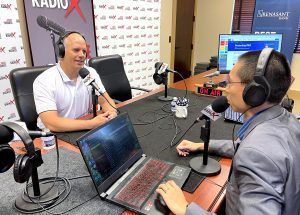
David Gracey, Network 1 Consulting (Family Business Radio, Episode 46)

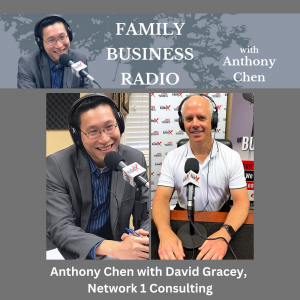
David Gracey, Founder and President of Network 1 Consulting, was Anthony Chen’s guest on this episode of Family Business Radio. David described his journey from founding his company to celebrating 25 years in business this year. He also shared his thoughts on cybersecurity and how it’s changed, how his firm has crafted its culture and people, the common issues they see from their clients, some crucial tips on IT security, why outsourcing is sensible, and much more.

Anthony concluded with a challenge to listeners to consider what retirement means to them, not others.

Family Business Radio is underwritten and brought to you by Anthony Chen with Lighthouse Financial Network.

Network 1 Consulting

Network 1 designs, builds and supports the IT you need to run your business more securely, productively and successfully. For more than two decades, they have built Network 1 to be your partner and a home for IT that simply works.

Their clients know they can depend on Network 1 to provide the technology know-how they need to run their businesses efficiently and effectively. Since they never have to worry whether they have the best systems in place for their specific needs, they can focus on the tasks that bring the most value to their clients, employees and stakeholders.

Whether you want to outsource all of your IT needs to a reliable, responsive, service-oriented company, or need to supplement the work of your internal IT staff, Network 1 will carefully evaluate where you are now, discuss where you want to go and implement and support a plan to get you there with as little interruption as possible.

Their team of knowledgeable professionals will quickly become a valuable part of your business, taking care of your needs now and as they evolve. With particular expertise in the legal, medical, construction and financial sectors, they come to the table with a deep knowledge about your industry, security and networking needs so the solutions we recommend are scalable, on target and easy to execute.

No matter what challenges or obstacles arise, your Network 1 team will be with you—to provide knowledgeable, dependable service and support that you can count on, today and well into the future.
Company Website | LinkedIn | Facebook

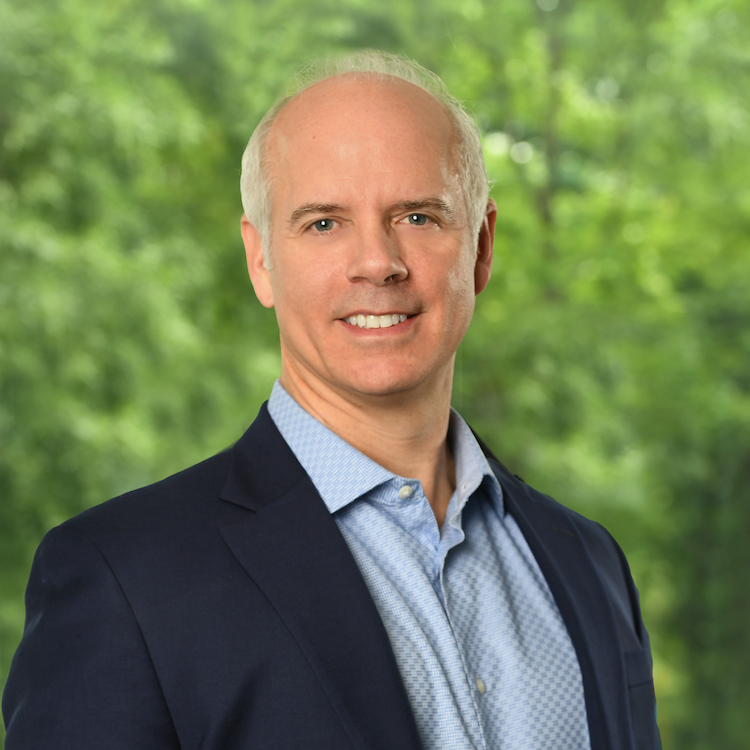
David Gracey, Founder and President, Network 1 Consulting

David Gracey, Founder and President, Network 1 Consulting

There would be no Network 1 without the vision and commitment of David. Since its founding in 1998, David has grown Network 1 into a top-notch IT services company dedicated to delivering the best solutions for Atlanta’s small and mid-size businesses. His responsibilities include creating the vision and strategy for its growth and establishing the culture of Network 1.

David loves educating the business community on the benefits of implementing the best technology solutions for businesses and is a regular speaker for professional organizations, business associations and private companies. He has written articles for, or been quoted in, Atlanta Hospital News and Healthcare Report, International Legal Technology Association Communications Technologies Digital White Paper, Physicians Practice, American Bar Association GPSolo eReport, Georgia Medical Group Management Association, and The Wall Street Journal.

A Georgia Tech graduate with a degree in Industrial and Systems Engineering, David is originally from Clarksville, TN, but has called Atlanta home since 1985. He is a member of Vistage International, an active leader at Trinity Presbyterian Church and a member of the Capital City Club. When not at work, you’ll find him in a fitness class, peddling his bike, sweating out the toxins in a hot yoga class, spraying golf balls around the course, trying out new cocktail recipes, drinking the world’s best coffee, and spending time with friends, his three kids, and his lab(ish) rescue, Juniper.
 LinkedIn

Anthony Chen, Host of Family Business Radio

Anthony Chen, Lighthouse Financial, and Host of “Family Business Radio”

This show is sponsored and brought to you by Anthony Chen with Lighthouse Financial Network. Securities and advisory services are offered through Royal Alliance Associates, Inc. (RAA), member FINRA/SIPC. RAA is separately owned and other entities and/or marketing names, products, or services referenced here are independent of RAA. The main office address is 575 Broadhollow Rd. Melville, NY 11747. You can reach Anthony at 631-465-9090 ext 5075 or by email at anthonychen@lfnllc.com.

Anthony Chen started his career in financial services with MetLife in Buffalo, NY in 2008. Born and raised in Elmhurst, Queens, he considers himself a full-blooded New Yorker while now enjoying his Atlanta, GA home. Specializing in family businesses and their owners, Anthony works to protect what is most important to them. From preserving to creating wealth, Anthony partners with CPAs and attorneys to help address all the concerns and help clients achieve their goals. By using a combination of financial products ranging from life, disability, and long-term care insurance to many investment options through Royal Alliance. Anthony looks to be the eyes and ears for his client’s financial foundation. In his spare time, Anthony is an avid long-distance runner.

The complete show archive of “Family Business Radio” can be found at familybusinessradioshow.com.

Tagged With: Anthony Chen, David Gracey, Family Business, Family Business Radio, financial advice, IT managed services, it services, Lighthouse Financial Network, Network 1 Consulting, Technology Solutions

David Gracey With Network 1 Consulting

May 26, 2023 by Jacob Lapera

Atlanta Business Radio
David Gracey With Network 1 Consulting
Loading
00:00 /
RSS Feed
Share
Link
Embed

Download file

There would be no Network 1 without the vision and commitment of David Gracey. Since its founding in 1998, he has grown Network 1 into a top-notch IT services company dedicated to delivering the best solutions for Atlanta’s small and mid-size businesses.

His responsibilities include creating the vision and strategy for its growth and establishing the culture of Network 1. He loves educating the business community on the benefits of implementing the best technology solutions for businesses and is a regular speaker for professional organizations, business associations and private companies.

He has written articles for, or been quoted in, Atlanta Hospital News and Healthcare Report, International Legal Technology Association Communications Technologies Digital White Paper, Physicians Practice, American Bar Association GPSolo eReport, Georgia Medical Group Management Association, and The Wall Street Journal.

A Georgia Tech graduate with a degree in Industrial and Systems Engineering, he is originally from Clarksville, TN, but has called Atlanta home since 1985. He is a member of Vistage International, an active leader at Trinity Presbyterian Church and a member of the Capital City Club.

When not at work, you’ll find him in a fitness class, peddling his bike, sweating out the toxins in a hot yoga class, spraying golf balls around the course, trying out new cocktail recipes, drinking the world’s best coffee, and spending time with friends, his three kids, and his lab(ish) rescue, Juniper.

Connect with David on LinkedIn and follow Network 1 Consulting on Facebook and Twitter.

What You’ll Learn In This Episode

  • Biggest challenges he have had to confront and overcome in that time
  • Network 1 in the next 25 years
  • Advice for others that may be considering starting their own business or those that have a business but aren’t seeing the same level of growth that he have experienced

This transcript is machine transcribed by Sonix

TRANSCRIPT

Intro: [00:00:04] Broadcasting live from the Business RadioX Studios in Atlanta, Georgia. It’s time for Atlanta Business Radio. Brought to you by on pay. Atlanta’s New standard in payroll. Now, here’s your host.

Lee Kantor: [00:00:24] Lee Kantor here another episode of Atlanta Business Radio, and this is going to be a good one. But before we get started, it’s important to recognize our sponsor, Onpay. Without them, we couldn’t be sharing these important stories. Today on Atlanta Business Radio, we have David Gracey. He is the founder and president of Network one Consulting. Welcome, David.

David Gracey: [00:00:45] Hey, Lee, Thanks for being here.

Lee Kantor: [00:00:47] I am so excited to learn what you’re up to. Tell us about Network One, how you serving folks.

David Gracey: [00:00:52] Will Network One is a 25 year old IT services company. We provide cybersecurity support desk and cloud services to small and medium sized Atlanta based businesses. And yeah, like I said, I’m the founder and owner of the company. We have 45 folks now and we serve 130 Atlanta based businesses.

Lee Kantor: [00:01:12] So how have you seen kind of the industry evolve since you started doing this before? You know, I guess network consulting was cool?

David Gracey: [00:01:21] Well, I’m not sure that network consulting has ever been cool. But, you know, if you think back in 1998 when we started, the IT world was a vastly different place. We had Internet just coming on the scene in businesses. Email was just starting to be used. Dial up was still the main way that that folks in offices access the Internet. And it was, you know AOL and Prodigy and all those wonderful things. A bad day in it was when you couldn’t access your files. Viruses were still very much in their infancy. So as you can tell, things have changed quite significantly in the last 25 years from a technology perspective.

Lee Kantor: [00:01:59] So what inspired you to kind of go on your own instead of, you know, work with some of the larger players?

David Gracey: [00:02:05] Not sure the word inspired is the word I use. You know, I haven’t always had a burning passion to start a company. It’s really more of an opportunity. This is actually my third job after graduating from college. And in my second job I was working in a the similar industry and one of my clients made me an offer to come work in house for them and use that as an opportunity to say thank you. But no, I’m actually thinking about starting my own business. And they said, we’d love to be your first client. And so that’s how it all got started. And so back then it was I was the only employee. I had one client, and I worked out of the basement of my house. So it was quite a different place than we are today.

Lee Kantor: [00:02:45] Now, were you doing kind of work that was similar to when you were employed?

David Gracey: [00:02:49] Yes, it’s similar, similar type of industry. So back then, you know, technology was different. We we went on site to do all of our visits. There was really no such thing as remote support for what we did. And so it was a lot of driving around Atlanta, visiting businesses and fixing laptops and servers and helping them understand technology and use it better.

Lee Kantor: [00:03:11] But as kind of the employer and the employee in your firm, you were doing the work at at where you were and also trying to find the next job or an additional job.

David Gracey: [00:03:24] Yeah. So I was I was a technology consultant, so I was helping helping people with their computer issues. And this along came the opportunity.

Lee Kantor: [00:03:35] Right. But you had to do the actual consulting and do the selling.

David Gracey: [00:03:39] Yes. Well, and the selling and the accounting and the taking out the trash and every every job known to man. Yes.

Lee Kantor: [00:03:48] So was that a difficult transition to trade one job for, like you said, 10 to 20 other jobs?

David Gracey: [00:03:56] Um, yeah. You know, switching from wearing a lot of different hats is both a challenge and an opportunity because as you, as you grow as a company, we, you know, we went from one person back then to 45. Now I’ve worn every single hat at the company over the years. And as you grow and you’re like, if you’re a company like mine where you’re cash flow funded, basically we don’t have private equity behind us. You know, the Gracie family has to fund any kind of new hires or anything that goes on. Um, what we, what we did was we would hire somebody once we could afford them and try to hire the best person we could who was also better at doing that particular job than I was. And over time, you know, I kind of transitioned and became the person I needed to be at that at that moment of the company’s development until we could hire folks that were better than I was at that job.

Lee Kantor: [00:04:53] So any advice for other kind of founder, founder slash worker slash technologist people? Like what was the first hire? Was it another person to do the consulting? Was it another person to do the selling? Was it another person to do the bookkeeping and accounting?

David Gracey: [00:05:11] Yeah, Well, so, you know, we’ve tried to outsource as much as we can, outsource as much as makes sense. So, you know, outsource as much accounting as you can. You know, we’re not an HR person, uh, kind of eat your own dog food because we’re asking our clients to outsource technology to us because we’re able to hire the best and brightest technology people and give them a career path. If you’re a 25 person law firm and you hire an in-house technology person, what career path is that person going to have? It’s it’s tough to to keep them. The good ones are going to outgrow you very quickly and move on and and leave you and work for somebody else. And the bad ones. Well, you’re stuck with a bad a bad hire. What we’re able to do is provide a technology career path from, you know, day one in the technology world up to, you know, ten, 15 year veteran who’s done all types of technology things in the world and and be able to retain those folks, which is a really important part of our culture.

Lee Kantor: [00:06:11] Was that philosophy around since the beginning or was that something you kind of figured out as you were growing?

David Gracey: [00:06:18] Oh, gosh, no. I mean, so much has changed in 25 years. Um, culture, we’re very explicit about our culture and I mean, every company has a culture. It’s just whether you write it down on paper and, and make it explicit. But for us, it’s really an internal tool that we use to make sure we are all in alignment with where the company is going. If you if you’re clear about your culture and you hire people who fit that mold, and then you also remind everybody at company meetings, you kind of bake it into the fabric of your company, what you stand for and what you’re looking to do. Everybody in the whole company is pulling in the same direction. And that is a that has a multiplier effect. So, you know, making sure that you’re you’re you identify who you stand for, what you stand for, who you are, and what you’re looking to achieve is really been hugely valuable for us. And no, we didn’t actually sit down and write down our our values till probably 10 or 12 years into doing this. But it doesn’t stop you from, you know, starting early and doing that and spending some time on that. It’s important.

Lee Kantor: [00:07:29] Now, when you started and you had that one client that you had known and you know, that was maybe in your head, that was like an easy leap to make, right? I’m going from one job. I have this other one in my pocket. So that isn’t it’s not starting from a blank sheet of paper, a blank page. Right. You you jumped into something that existed. When did you start feeling like, hey, this has I’m getting traction and this is something that maybe I can have in 25 years. I can grow this. When did you know that what you were doing was different than maybe other IT folks out there?

David Gracey: [00:08:06] Well, yeah, it’s very common in our industry to kind of do what I did, which is go from, you know, working for another company and going either in-house or being in-house with a company and then start spinning out and starting your own company and your client follows you. That’s very common. We’re consultants. There’s there’s anybody can claim to be a computer expert who’s ever booted up a computer. And we have hundreds, if not thousands of local companies here in Atlanta that compete with us. Um, but but very few of them really grow. And so the, you know, the transition from that is, is, uh, you know, I guess the it probably took several years of just kind of being in survival mode, like making sure, hey, we got enough money to make payroll, We’re, we’re paying our bills. It was several years before I really felt stable. And in fact, the very first client that I had a year after I started my company announced that they’d be shutting their doors. Fortunately, they were a branch offices of a much larger company. And so I was able to do some consulting with the other branches to kind of put food on the table. But ironically, had I known that they would be closing in, you know, less than 12 months after I’d started my company and they were my only client, I may not have decided to to do this. So sometimes too much information can hurt you.

Lee Kantor: [00:09:29] So. But did something happen that occurred to you? Hey, this is something that I can grow, that it doesn’t have to be, you know, kind of me as the, you know, expert and the person that doing all the work that I can build a team and I can offer something that’s different than other people. You mentioned culture earlier. It must have been something you were doing that was working in order to grow and stick around for as long as you have.

David Gracey: [00:09:57] Yeah. You know, I think if it comes back to to to one thing, it’s I’ll hate to bring culture back in, but I’m going to bring culture back in. But it’s hiring people who are similar in mindset to you, similar in value and having similar values. And if you if you’re explicit about it and you hire people who are like that, they’re going to stick around longer and they’re going to be happier employees and they’re going to be folks who work a little harder for you. And if you have if your employees are happy and they stick around, you have very little employee churn, then that’s also going to lead to better client satisfaction, happier clients who stick around longer. And in our business, it’s very much a recurring revenue model. So we pick up a client and we have, you know, we do IT services for them every single month for years as opposed to picking up a client and doing a project for them, and then they go away. So more like a customer model. Um, and that’s really important to keep those clients happy because if you’re going to grow and we’ve grown 10 to 20% pretty much year in, year out, if you’re going to grow, then you need to to keep your current clients happy and add new clients. You got to do both, right?

Lee Kantor: [00:11:09] But did you learn that from having some people that maybe you were like, Hey, I got this new project, Oh, I need somebody, Oh, let me grab this person. You throw them in there and they’re like, Wow, that that did not work. Well, I like it too, then.

David Gracey: [00:11:23] Yeah, we’ve made plenty of hiring mistakes.

Lee Kantor: [00:11:26] That you’re like, Hey, you know, this culture thing, maybe there’s something to that of making sure they’re a culture fit and then I’ll train them on some of these other things.

David Gracey: [00:11:36] Yeah. I mean, the first couple of years, you’re basically just hiring for skill set. Like, hey, I need, I need a senior experienced person and hire them. Back then we would run job ads back in the late 90s. We would run an ad in the newspaper and, you know, whoever faxed us a resume, we would pick that up. So my how that has changed. But um, yeah, I mean fortunately now, you know, we’re big enough that we have a farm system. We can hire entry level people and train them up and they understand what our culture is. But yeah, back then you kind of don’t know. You have to hire who you can get. And if you’re one person or two people, it’s hard to hire another person. Like not a lot of people out in the in the work world want to go work for a one person shop or a two person shop. So that’s a real challenge in those early days. So, you know, if you if you’re if I were starting it now as opposed to back then, you know, I would look to, you know, okay network with other people in the industry who can hire maybe 1099 some folks get some part time folks who can help augment but yeah it’s it’s hiring the right person in those first years is is a real challenge. It’s gotten a lot ironically it’s gotten a lot easier for us as we’ve grown and and our you know, being in a I’m in a couple of peer groups so we get together every couple of months and talk about challenges. And I do here very regularly. Probably the number one complaint, uh, my, my peers have is hiring the right people. And I think we have solved that. We that’s probably one of the, the least important problems we have to deal with because we know how to hire. We know how to test for culture. We know how to test for skill set. And you hire somebody with, you know, 0 to 2 years experience. It’s a very low risk type of situation, but that’s changed significantly since the early years of Network one.

Lee Kantor: [00:13:23] Yeah, if you crack the code of of that, and especially in the industry where you’re at, where there’s probably like negative unemployment, you know, that’s special. That means you are doing something different and that you are bringing to the table a layer of safety and security for your clients because then they don’t have to worry about this because believe me, they’re worrying about this.

David Gracey: [00:13:46] Sure. And that’s yeah, certainly people you know, we have passwords to our clients systems and it’s important that we hire people who are going to not not sell those secrets to the Russians. And so making sure you’re you’re hiring the right folks is is hugely important. And, you know, I’m a I’m an engineer by education. And so I love systems and I love processes. And so our hiring process is very regimented and we don’t deviate from it. And we’ve got some great online tools we use. We use a Myers-Briggs type of test, we use IQ test. We have, um, different types of memory tests that we can give people. For instance, you know, if you’re on the support desk, there’s a lot coming at you. So there’d be the ability to move at a fast pace, not get overwhelmed by that pace, and be able to remember kind of what’s going on on the call and making sure you’re taking care of your client, all that you can test for all that. And there’s some really easy to find online tools that help you do that. But then, you know, kind of once they check all the boxes, then you have to understand the culture. Okay, what’s what are they what do they get excited about? What makes them interested in technology? Why do they want to be in the technology field? So a lot of those kind of questions we ask in the interviewing process.

Lee Kantor: [00:15:03] Now, you mentioned the importance of systems and processes. Can you share maybe how you go about building a system and a process that is kind of, you know, tested and vetted but also is replicatable?

David Gracey: [00:15:17] You’re talking about for hiring.

Lee Kantor: [00:15:19] Or just for anything. I mean, you said that’s your kind of a superpower of yours is you think in systems and processes. So when you’re kind of building out a system and process for anything, is there a certain kind of do’s and don’ts on how to do that effectively?

David Gracey: [00:15:33] Well, yeah. So first of all, test, test new things, you know, try out new things. Um, when we start with something new, um, you know, reach out to your community in the early years of, of this company, as a business owner, I really kind of held my cards close to the vest. And I think it’s natural for somebody to do that when they’re building a company. You kind of don’t want to share what you’re doing and for for fear that your competitors are going to kind of swoop in and take your clients or take your employees in Atlanta. I mean, in technology, mean this is a huge market. And you’re talking, you know, thousands of companies with 10 to 100 employees who need what we do. And it’s it’s very easy to find business. So there’s plenty of business to go around. So join a peer group and I’m in to that really have helped develop me as a leader. One is industry specific, so it’s competing companies in non-competing markets. So this is ten other companies that sit in the room with you from different parts of the country and you share what’s working and what’s not. And so I’ve learned from my peers, so learn from what other people are doing. People are testing out new.

David Gracey: [00:16:44] I mean, in in technology we have software tools that does pretty much all of our work. And so understanding what the best tools are out there, you know, ask people who are already doing it, you don’t have to, you know, forge a new trail every time you want to create some new system or process. Um, and then the second, I mean, I’ve been in for gosh, over 15 years as a, is a, is a, is a group called Vistage and that is a peer group that is the opposite. It’s nobody in the room is a competitor, but they’re all local to Atlanta and they’re all small business owners. And you sit around and, you know, all small businesses share common problems. So in that group, in that room, I’m able to hear like, what kind of technology I’m sorry, what kind of problems people are having or accounting problems or what’s going on in the economy, what kind of headwinds or tailwinds are going on, how to find better bank a banking relationship and understand and that’s really more of a leadership development type of of group. And both of those both of those peer groups have been invaluable to my growing as a leader and as our company growing as as a company.

Lee Kantor: [00:17:54] Now. What’s been more rewarding for you in your growth and in your leadership? Has it been kind of hitting that tipping point where you’re like, okay, we’re good and we’re growing, or is it this been around for 25 years? And now I’m scaling in and probably thinking about the future.

David Gracey: [00:18:16] Um, the single most important or the single most interesting thing to me, I guess rewarding is the word I would use. There for me was something that I’d never really expected to find as a business owner, and that is I get a lot of fulfillment out of seeing other people join our organization and grow and develop professionally and be able to put food on their family’s table. So to be able to to bring people on board who are willing to, you know, work and focus and try different roles within Network one, take a risk there. Maybe they go from a technology role into a sales role. That’s been really invaluable to me. And we’ve had, you know, several examples of folks who come from interesting backgrounds and we’ve taken a chance on them. Maybe they didn’t quite fit what we were looking for at the time, but we gave them a chance and they were grateful for that opportunity and they seized it. And they it’s kind of the American dream, right? You see an opportunity, you take it, you you seize it and you grow as a person and you get some some skills. And, you know, we love people to stay at Network one and grow and develop here. But some people are need to spread their wings and go elsewhere. And we celebrate that. We want to help them grow as much as they can. If they want to try something different, you know, go for it. And we celebrate that and encourage that. But really, one of the most rewarding things is to see folks at my company try different roles, try different departments and see where they fit. And sometimes it’s a success, sometimes it’s not. But you learn from every opportunity and and move forward that way. So that’s been the most rewarding thing about me in this role.

Lee Kantor: [00:19:59] Now, what is an ideal network one client look like?

David Gracey: [00:20:04] Yeah, I’ve mentioned before, I mean, typically our clients have 10 to 100 employees based in Atlanta, and most probably 80% of our business are going to be law firms, medical practices, financial services or construction companies. And but pretty much if you’re a services professional services kind of firm in Atlanta, 10 to 100 employees, that’s what we work with day in and day out. We have we work currently with 130 clients and some of those we’ve had 15, 20 years. So we have we have some clients have seen a lot of growth at Network one and we’ve helped them grow as well.

Lee Kantor: [00:20:42] Now, are they coming to you as the first time they’ve ever hired professional help in this area or are they switching from another IT company like or are they coming to you because they have a problem or and you’re triaging it like what is usually kind of that first point of entry.

David Gracey: [00:21:02] Usually it’s not like an acute triage situation, like they’ve had some kind of data breach and, you know, the bad guys are rooting around in their system, collecting all the passwords. More likely it’s they’ve they’ve they’ve got a competitor in their competitor us in there who’s doing their technology. And for some reason they’ve either outgrown the service or they’re not getting the service that they they want or need. And it’s kind of a death by a thousand cuts. They’re just are fed up because changing providers is is full of stress. A lot of anxiety around that. Now, from our perspective, we onboard clients every single month. So for us, there’s a checklist. We we jump in, we take care of everything. We deal with all the pent up demand because there’s always pent up demand when we when we bring on a new client and we start tackling the projects that we’ve agreed that need to be addressed. So. So usually they contact us and they’re they’re shopping around for different IT companies that do what we do and usually we’re, you know, one of 2 or 3 that they’re looking at and we come in and meet with them, understand what their, their technology needs are and understand what their business goals are. We really want to understand where they want to go as a as a firm and and help them grow into that and be the best partner that that we can be.

Lee Kantor: [00:22:20] Now, what are some kind of symptoms for that firm that has maybe using a competitor of yours like that? There’s a better solution out there if you poke around a little bit.

David Gracey: [00:22:33] I would say the number one complaint we hear is that, hey, when we have a problem and we pick up the phone and we call our technology provider, we don’t get a person on the phone or we don’t get a response for a day or when they come and fix the problem, the problem recurs again and they’re not fixing it right the first time. They’re not finding the root cause to figure out what’s going on with the with the issue. Those are the types of things we hear. And they kind of get tired of it. And it’s it’s amazing how much pain companies will put up with in the technology world before they actually pick up the phone and start looking for another solution because they’re just typically a company is going to change it providers about every 5 or 6 years. And so they don’t change often. And when they do, it can be painful for them to to think about and plan for that. But like I said, we do this all day, every day, and we’ve got a checklist for our onboarding processes, about 150 different steps that we go through, but we do it all the time and we’ve gotten pretty good at it over the over the decades.

Lee Kantor: [00:23:37] So if somebody wants to learn more, have a more substantive conversation with you or somebody on your team, what’s the website? Sure.

David Gracey: [00:23:45] Ww network one consulting.com and that’s the number one good stuff.

Lee Kantor: [00:23:51] Well David thank you so much for sharing your story. You’re doing important work and we appreciate you.

David Gracey: [00:23:55] Lee appreciate you having me on.

Lee Kantor: [00:23:57] All right. This is Lee Kantor. We’ll see you all next time on Atlanta Business Radio.

About Our Sponsor

OnPay’sOnPay-Dots payroll services and HR software give you more time to focus on what’s most important. Rated “Excellent” by PC Magazine, we make it easy to pay employees fast, we automate all payroll taxes, and we even keep all your HR and benefits organized and compliant.

Our award-winning customer service includes an accuracy guarantee, deep integrations with popular accounting software, and we’ll even enter all your employee information for you — whether you have five employees or 500. Take a closer look to see all the ways we can save you time and money in the back office.

Follow OnPay on LinkedIn, Facebook, and Twitter

Tagged With: David Gracey, Network 1 Consulting

SIMON SAYS, LET’S TALK BUSINESS: Tony Rushin with Network 1

April 15, 2021 by Mike

Gwinnett Studio
Gwinnett Studio
SIMON SAYS, LET'S TALK BUSINESS: Tony Rushin with Network 1
Loading
00:00 /
RSS Feed
Share
Link
Embed

Download file

Tony Rushin and Al Simon

Tony Rushin/Network 1

Network 1 designs, builds and supports the IT you need to run your business more securely, productively and successfully. Whether you want to outsource all of your IT needs to a reliable, responsive, service-oriented company or need to supplement the work of your internal IT staff, they will carefully evaluate where you are now, discuss where you want to go, and implement and support a plan to get you there with as little interruption as possible.

Tagged With: al simon, business advice, business podcast, business radio, Business RadioX, it company, network 1, Network 1 Consulting, network one, network one consulting, Radiox, sales coach, sales podcast, sales techniques, sales tips, sales trainer, Sandler Training, Sandler Training by Simon, Simon Says Lets Talk Business, simon says podcast, simon says radio, Tony Rushin

Decision Vision Episode 38: Should I Outsource My IT? – An Interview with Tony Rushin, Network 1 Consulting

October 31, 2019 by John Ray

Decision Vision
Decision Vision
Decision Vision Episode 38: Should I Outsource My IT? – An Interview with Tony Rushin, Network 1 Consulting
Loading
00:00 /
RSS Feed
Share
Link
Embed

Download file

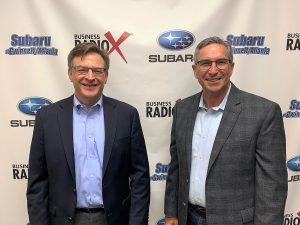
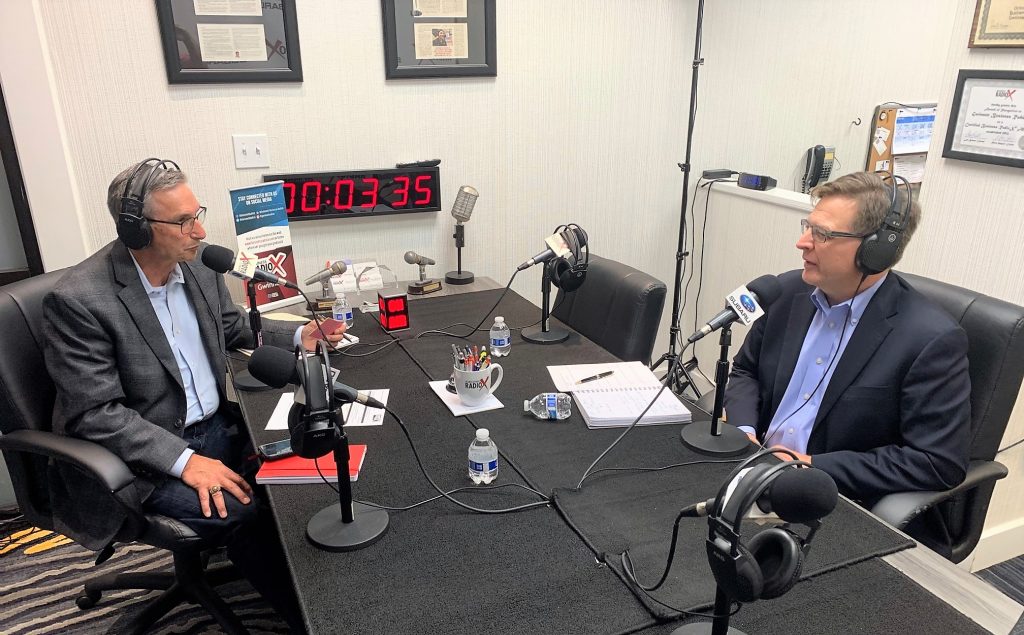
Mike Blake and Tony Rushin

Decision Vision Episode 38:  Should I Outsource My IT? – An Interview with Tony Rushin, Network 1 Consulting

Will outsourcing my IT increase my cybersecurity? What’s a human firewall and how does a managed services provider help me with this aspect of my IT? In this episode of “Decision Vision,” host Mike Blake explores these questions and much more with Tony Rushin, Network 1 Consulting. “Decision Vision” is presented by Brady Ware & Company.

Tony Rushin, Network 1 Consulting

Tony Rushin

Tony Rushin is a Vice President, Sales & Marketing, with Network 1 Consulting.

Network 1 Consulting is a 21-year-old, IT Support company in Atlanta, GA. They become – or augment – the IT department for law firms, medical practices and real estate & construction companies. Their IT experts can fix computers, but what their clients value most are the industry-specific best practices we bring to their firms. This is especially important with technology, along with regulations and cyber threats, changing so rapidly. They take a proactive approach to helping our clients use technology to gain and keep their competitive advantage.

For more information, go to the Network 1 Consulting website, or contact Tony directly by email.

Michael Blake, Brady Ware & Company

Mike Blake, Host of “Decision Vision”

Michael Blake is Host of the “Decision Vision” podcast series and a Director of Brady Ware & Company. Mike specializes in the valuation of intellectual property-driven firms, such as software firms, aerospace firms and professional services firms, most frequently in the capacity as a transaction advisor, helping clients obtain great outcomes from complex transaction opportunities. He is also a specialist in the appraisal of intellectual properties as stand-alone assets, such as software, trade secrets, and patents.

Mike has been a full-time business appraiser for 13 years with public accounting firms, boutique business appraisal firms, and an owner of his own firm. Prior to that, he spent 8 years in venture capital and investment banking, including transactions in the U.S., Israel, Russia, Ukraine, and Belarus.

Brady Ware & Company

Brady Ware & Company is a regional full-service accounting and advisory firm which helps businesses and entrepreneurs make visions a reality. Brady Ware services clients nationally from its offices in Alpharetta, GA; Columbus and Dayton, OH; and Richmond, IN. The firm is growth minded, committed to the regions in which they operate, and most importantly, they make significant investments in their people and service offerings to meet the changing financial needs of those they are privileged to serve. The firm is dedicated to providing results that make a difference for its clients.

Decision Vision Podcast Series

“Decision Vision” is a podcast covering topics and issues facing small business owners and connecting them with solutions from leading experts. This series is presented by Brady Ware & Company. If you are a decision maker for a small business, we’d love to hear from you. Contact us at decisionvision@bradyware.com and make sure to listen to every Thursday to the “Decision Vision” podcast. Past episodes of “Decision Vision” can be found here. “Decision Vision” is produced and broadcast by the North Fulton studio of Business RadioX®.

Visit Brady Ware & Company on social media:

LinkedIn:  https://www.linkedin.com/company/brady-ware/

Facebook: https://www.facebook.com/bradywareCPAs/

Twitter: https://twitter.com/BradyWare

Instagram: https://www.instagram.com/bradywarecompany/

Show Transcript

Intro: [00:00:02] Welcome to Decision Vision, a podcast series focusing on critical business decisions, brought to you by Brady Ware & Company. Brady Ware is a regional, full-service accounting and advisory that helps businesses and entrepreneurs make visions a reality.

Michael Blake: [00:00:20] And welcome to Decision Vision, a podcast giving you, the listener, clear vision to make great decisions. In each episode, we discuss the process of decision making on a different topic. Rather than making recommendations because everyone’s circumstances are different, we talk to subject matter experts about how they would recommend thinking about that decision.

Michael Blake: [00:00:37] My name is Mike Blake, and I’m your host for today’s program. I’m a director at Brady Ware & Company, a full-service accounting firm based in Dayton, Ohio, with offices in Dayton; Columbus, Ohio; Richmond, Indiana; and Alpharetta, Georgia, which is where we are recording today. Brady Ware is sponsoring this podcast. If you like this podcast, please subscribe on your favorite podcast aggregator. And also, please, consider leaving a review of the podcast as well.

Michael Blake: [00:01:01] Our topic today is, should I outsource my IT or information technology functions? And you know, I think this is a question that companies wrestle with quite a lot. In fact, I know companies that kind of do the IT two-step where they’ll insource it, and then outsource it for a while then. And then, thrilled to kind of bring it back, and then send it out again. And, you know, it’s really sort of the Texas two-step information technology style. And, you know, having been a business owner myself, I had to face that decision.

Michael Blake: [00:01:32] Now, as an anecdote, when I had my firm for a while, Arpeggio Advisors, our family at that time had started out as a Windows platform family. And then, something like three weeks into my trying to launch my company where my blood pressure was at a fairly high level, all of a sudden, my wife’s computer crashes and my oldest son’s computer crashed. Basically a race time when they can’t do anything and we’ve got to figure it out. And I’ve spent an entire day getting them back up and running, which I eventually did. But I said I’m just never doing that again.

Michael Blake: [00:02:16] So, on Saturday, I don’t know if Apple salespeople work on commission or not. But whoever—if they did, they made a lot of money on me that day because that day all the PCs are out. Macs were in. Never had trouble since. And this is not meant to be an Apple infomercial. I mean I do actually still have Windows machines for some things, but it’s indicative of how IT can be disruptive to a business, even if you’re a sole practitioner or even if you’re a home based business. That when you—when you’re infrastructure doesn’t work well, it is a real pain in the neck. It’s one of those things. It’s kind of like an umpire in baseball. You don’t notice and necessarily they do great. But boy, when they fail, you notice the heck out of them.

Michael Blake: [00:03:02] And IT is like that one. When your technology fails you, I can tell you from my perspective, I feel betrayed when my technology does not work. So, I feel like, you know what? I’m doing my my job. Right. Why is Apple, why is Microsoft, why is whoever not sort of holding up their end of the bargain? And so, the IT function in a company in the 21st century is every bit as important, if not more important than sales, than an accounting product delivery. You know, it’s right up there. But I don’t think that there’s as much controversy or consternation on whether or not to to keep that function or to outsource it or maybe if there’s, you know, identify kind of where that inflection point is, where you should consider that—you should consider that decision.

Michael Blake: [00:03:59] And so, as is often the case, you know, I’m not qualified to advise you on how to make that decision. So, I’ve brought in somebody who is qualified to help you make that decision. And joining us today is my friend Tony Rushin, who is vice president of Network 1 Consulting. Spending 30 years in high technology sales and marketing from IBM to startups, Tony brings his broad experience and business development marketing in IT business strategy to Network 1’s leadership team clients and partners. His passion is to help people achieve greatness and however they define it. And by the way, if your Atlanta Braves fan, you will appreciate this. He does run it out when the ball is hit into the gap in the outfield. Unlike some of our players here.

Michael Blake: [00:04:38] Network 1 delivers I-T managed services exclusively to businesses in Metro Atlanta. Since 1998, Network 1 becomes or augments the IT department for companies. Network 1’s IT experts fix computers for what their clients really values, the industry best practices they bring to the firm. It’s especially important with technology, along with regulations and cyber threats, which are changing rapidly.

Michael Blake: [00:05:02] With over 30 employees, Network 1 has built a culture that attracts and retains network and desktop professionals who know their stuff and have an outstanding desk side. Man, that is not easy to do. They find a fixed root causes instead of putting a Band-Aid on issues. Network 1 delivers proactive planning, so their clients avoid problems and gain competitive advantage. They’re not just a cost function. Network 1 is a fractional chief information officer, a support desk network engineer and everything in between. Tony, welcome to the program.

Tony Rushin: [00:05:32] Well, glad to be here, Mike. Thank you.

Michael Blake: [00:05:34] So many of us encounter outsource support when we need to fix our computer in sort of a robot vacuum. Is outsourced IT support simply hiring day from India. What does that look like?

Tony Rushin: [00:05:49] Well, no offense today from India, but if that’s all outsourced, IT support would be, there wouldn’t be much outsourced IT. So, it’s much more than that. But, you know, it can be confined to that, too. It really runs the gamut as far as what companies need, and then what they go out and get.

Michael Blake: [00:06:08] So, you know, what if a company happens to have a lot of people who are relatively computer uncomfortable, does that change the equation? Not every company necessarily has or needs people who are power users at every desk, right? Does that at all impact the decision on whether or not you should keep that function in-house versus outsourcing it?

Tony Rushin: [00:06:29] Great question. We’ve got 120 clients around Metro Atlanta. And I would say most of the users we support are relatively uncomfortable with technology and yet they still have a job to do. And their threshold for when they need help is much lower than that, power user often. And some of those that are uncomfortable with technology are also in some form the rainmakers. It could be a salesperson. It could be a managing partner in a law firm. And so, we haven’t found any correlation to whether or not you outsource to the how comfortable or uncomfortable people are with technology.

Michael Blake: [00:07:15] So, let’s back up. I probably should have made this the first question but too late. But there’s a term people hear a lot and I’m not sure they understand what it means. What—when we say managed services, what does that mean?

Tony Rushin: [00:07:27] Yeah. Managed services. It can mean something different to different IT support companies. What it means for Network 1, and in general I think we’re aligned with the industry, it’s the ongoing and always up to date services that are delivered by your outsourced IT company. So, what does that mean? And not all outsourced IT is—includes managed services.

Tony Rushin: [00:07:53] But, for instance, basic security. Well, that’s antivirus. Well, making sure it’s the latest version and it’s on everyone’s desktop or laptop. Well, that kind of infers that desktops and laptops need to be monitored to make sure that the latest is on there. It could be advanced security suite that’s got more tools and solutions in there to protect and prevent bad guys from getting in, but also detecting them when they get in. It can be managing a firewall. So, it always has the latest firmware and software involved in the company that is being managed on behalf. Never has to worry about it, never has to buy the hardware, it just gets supplied. So, think of it as baked in.

Michael Blake: [00:08:40] And so, in effect, is it fair to kind of characterize managed services for the most part as just a turnkey solution to some IT operation that needs to happen?

Tony Rushin: [00:08:50] Yeah, great, great summary of it. Turnkey and but typically it’s also based on a menu. Hey, I need this, that and the other and I don’t need those other things.

Michael Blake: [00:08:59] Okay. So, I think—in fact, I know a question on a lot of business owners and executives minds. As you know, we both understand the importance of IT to an organization. Right. And when IT doesn’t work, an organization can stop dead. And we’ve seen, we’ve heard of those those things. How do you overcome as an executive this notion or the idea or the fear that if I don’t own my IT department, really own them, right, they’re employees and I can, I don’t know, yell at them or fire or throw rocks at them, whatever, right, that that just leaves me more vulnerable to a disaster?

Tony Rushin: [00:09:42] Yeah. You know, it’s great you do this podcast because you’re getting advisors in here that have some experience and yet some in your audience that own businesses will say, yeah, I hear that but I think I have a better way. And so, we don’t do too much to educate people. We let the marketplace educate them for them. What I mean by that is the common sense of one business owner might be, I need IT in-house and it could be going great because let’s say there are financial advisory company and they’ve got 15 people and they’ve got an IT guy. That’s good. He’s customer-oriented. He’s focused. He runs around. He helps fix issues. And then, he gets sick or he quits or he’s not so good and he’s spotty.

Tony Rushin: [00:10:36] That’s the education of the owner like, oh, wait a minute, he is who he is. And by the way, the dynamic of the marketplaces, if he is really good, and I say he because most of them are guys, then he won’t be satisfied forever at a 15 person financial advisory company. He’ll want colleagues. He’ll want more challenges, whatever it is. And so, if someone chooses to bring it in-house, it could work great. My guess is for a small size business, say under 50 employees, it will bite them in some way, in some form or fashion.

Michael Blake: [00:11:17] You bring up something I want to make sure that I talked about because I do think it’s important. You know what was not intended to create innuendo here, but I think size really does matter. Right? I mean, I think there’s a—is it fair to speculate on my part that there’s maybe a sweet spot where, you know, can an organization get so big that having outsourced IT just isn’t—at least entirely, is no longer practical and maybe even on the small end, right, outsourced IT may kind of even be overkill, right? If you only wanted two people and you know your way around a computer, maybe it should just kind of do that. Is that fair?

Tony Rushin: [00:11:57] It is fair. And I’ll talk in generalities because it’s different depending on the kind of business it is. Some are highly regulated. I use financial advisory as an example and some are less regulated for instance. In the marketplace over time—and Network 1’s 21 years old. I’ve been there almost 10 years. I’ve seen almost a physics of size and when they need certain IT support. And if you’re less than 10 employees or or less than 8, you can often get away with some kind of as needed IT support. So, the opposite of managed services. You simply pick up the phone and call somebody if you need their help, only when you have an issue. And sometimes that can be done internally if you got a smart guy. And hey, I’ll fix it for you, right.

Tony Rushin: [00:12:52] Sometime between 5 and 10 employees, if they’re doing it with a smart person in-house and they’re growing, they might say, hey, wait a minute, it’s better to have Sally get out there and get new clients than fix our computers, and she’s really good at getting new clients, for instance. And so, that’ll happen. And they’ll say, well, let’s get someone that can fix things when they break. Often at about that 10 employees standpoint up to say 50, they’ll say, hey, look, I need—it would be better if there was someone more proactive and all inclusive delivering these services, not just when my hair’s on fire. Because when my hair’s on fire, I need him here now. And you can always get him here now. Whereas if they’re fixing little things along the way, it can avoid the big thing.

Tony Rushin: [00:13:42] So, really, for companies less than 50 employees, but 10 to 50, we don’t find a lot of in-house IT people. They’re outsourcing everything. Somewhere between 50 and 100, typically, we see them get their first IT person and that can actually be worked really well with an outsourced firm. We love working with an internal IT person because no matter how good our support desk is and they’re really good, I mean, they get to every issue within on average, seven minutes.

Michael Blake: [00:14:16] Wow.

Tony Rushin: [00:14:16] But the person on site can beat that every time. Now, not if he’s helping Joe and Susie down the hall needs him at the same time.

Michael Blake: [00:14:26] Right. That just assumes a personal sort of waiting for the phone to ring and that phone lights up and all of a sudden-

Tony Rushin: [00:14:32] Yeah.

Michael Blake: [00:14:32] … you’re rushing up to that person, right?

Tony Rushin: [00:14:34] Yeah. But between that 50 and 100 people, they typically have a person onsite. And then, if they get to that issue where, hey, we have multiple people and you know, our IT guy can’t get to them all, they’ll often bring in someone like us and say, hey, look, is there a way we can streamline, so that they take what they can? But if it’s over their technology knowledge or if they’re flat out, you know, covered up with a couple different issues or you know what, the dang employee wants vacation once in a while, go figure, right. They’ll have a relationship with someone like us, a managed service company, and says, look, we want to escalate or we want to hand off whenever we need to. So, that’s about 50 to 100.

Tony Rushin: [00:15:19] And then, when you get multiple people in I.T., then they have colleagues, then they can internally go on vacation or go to a class and still have someone to back fill. And we find that typically when there’s more than 100 employees.

Michael Blake: [00:15:35] So, I think there’s an important point there that I want to make sure we highlight is that this choice may or may not necessarily be an either or. Right. It very well could be an and, right. You may have, you know, one IT resource that is captive. Right. But then some firm like yours might then be available to augment that. It could be as needed, it could be strategic, whatever. Right. So, maybe in some cases it’s a fault—you can have your cake and eat it, too.

Tony Rushin: [00:16:09] Yeah. Really, it ends up being managing the business risk and managing the ongoing productivity of the employees on a fundamental level. The business risk is I have one IT guy and he gets sick. He leaves, he goes on vacation, whatever. And, of course, Murphy says that’s when the bad things gonna happen. And you need help.

Michael Blake: [00:16:28] Absolutely.

Tony Rushin: [00:16:29] And if you wait till then to have this outsourced relationship, well, the company you bring in doesn’t know your system. And so, they’re doing the best they can. But at best, it’s triage learning the systems. Oh, was it documented? Oh, you don’t even know passwords. Well, then they’re hacking into your system.

Michael Blake: [00:16:48] Right. It’s like an emergency room visit.

Tony Rushin: [00:16:50] Exactly. Whereas if you do it when everything’s quiet, you’ve got your IT person, they’re part of the solution of bringing in the company. They’re actually even getting, hey, what’s my style? What’s the style of the person to work with? Do they work with me well? Then they’re part of the solution. And it works fine for when those emergencies come up.

Michael Blake: [00:17:12] So, you mentioned something else I want to make sure to underline, because I think one of the arguments somebody might have to maintain a captive IT resource is that notion that while I own most of the service, the response time is going to be instantaneous. Right. But, you know, that’s not necessarily the case. And if you work with the right partner, you may very well find that you get, you know, assuming it doesn’t necessarily need to be an onsite because most of these—most computer issues can be addressed remotely now that you aren’t necessarily making that sacrifice of responsiveness that you thought you might.

Tony Rushin: [00:17:47] Yeah, it all depends. It depends a lot on how customer service oriented is the person you hire. And, you know, people can be really good in interviews, and then you get what you get. But let’s say they’re great, you know, and they know their technology and they’re really customer service oriented. You still run into, oh, my gosh, the rainmaker’s on the road and his laptop failed and yet they’re addressing a server down issue in the other part of your company, they can’t do two things at once. But that’s part of the business dynamic. I think companies get there on their own, get their meaning. Oh, we need to augment the current person we have in site simply from enduring enough IT issues that, you know, the person can’t clone themselves.

Michael Blake: [00:18:36] So, I would have to imagine that you’re having many more conversations about cyber security now than you were, say, 10 years ago, 5 years ago, right. So, how does—how do concerns about cyber security impact that decision of outsourcing IT functions? On the one hand, I could see an argument that’s well, again, if I have this captive asset, I own it, it’s ostensibly a closed cycle that should be nominally more secure. On the other hand, maybe it’s by outsourcing your brain and expertise, you could not possibly afford to hire cause cyber security experts are—they’re as well paid as a senior software engineer, if not more, at this point. Where do you kind of fall in that? Where—how do you kind of look at that, that many decision within the decision process?

Tony Rushin: [00:19:27] Yeah, great question. I don’t think overall it really affects the fundamental of do I outsource or do I bring it, have it in-house. What it has done—and really we’ve seen the acceleration rapidly in the last three years, you know, where cyber security, it’s gone from reading about it in the newspaper like, oh, it happened to someone else, to people—oh, it happened in my company or my next door neighbor’s company and I know him personally and I think that’s what’s accelerated it.

Tony Rushin: [00:20:00] You kind of set it up really well with if it’s that single in-house person and you’re keeping them really busy, how much time do they have to do that proactive. Hey, what new solutions are in the marketplace that might protect us better? Do they have colleagues already in-house that they can pick up the phone and just have a brainstorm sounding board conversation about, hey, we got this bad malware, how did you guys prevent it? It’s hard to find that really tactically good computer broke, fix it fast, person. And have that same person be that strategic, always looking forward, hey, what’s on the horizon? What do the bad guys do and what do the good guys do and what solutions should I be looking at? Oh, I should bring it in and vet it and do a pilot on it. Oh, wait a minute, this guy’s computer broke. That’s where I have to spend my time. And that’s the reality of what that single shingle person is involved with. And so, it ends up driving more people, I think driving more outsourced I.T.’s conversations, whether you keep that internal person and if he’s good, you should or whether you simply want to outsource all of it.

Michael Blake: [00:21:15] So many companies now are also using cloud services or putting all their data up in the cloud, whether that’s One Drive, Dropbox, something like that. Does that impact a need to—does that impact at all kind of the decision as to whether or not you outsource versus keep in-house, given that by definition, when you’re putting your data in a cloud, you’re already taking a step to outsource anyway, right?

Tony Rushin: [00:21:41] Yeah. Yeah. And a lot of things that are bundled into that, you know, cloud solution are what a company like us would do if you had it running on a server internally, meaning the servers in that cloud solution if you picked a good one, right. Not one that’s really in someone’s basement, but, you know, Microsoft or, you know, Office 365 or something like-

Michael Blake: [00:22:10] Josvpn.com.

Tony Rushin: [00:22:12] Right. They’re going to have redundancy built in. They’re going to have backups built in. And they’re going to make sure that everything is designed in a way where the application is not going to go down. Or if it goes down, it’s gonna be minutes and, you know, like that, not two days. So, all of that is a real big step up where we find that people—I mean you still need—you still have users and you still have them. I mean, I’ll flip it around, ask you question. Do people still go to the wrong websites?

Michael Blake: [00:22:47] All the time.

Tony Rushin: [00:22:47] Do they still get tricked by that e-mail, that phishing e-mail, and they might click on something?

Michael Blake: [00:22:53] You better believe that.

Tony Rushin: [00:22:55] Do they still forget to run the updates when their computer says run these updates?

Michael Blake: [00:23:00] Especially with Windows, I think many people actively avoid it.

Tony Rushin: [00:23:04] Yeah, because then, you know, you got a reboot or hey, the update might cause a problem.

Michael Blake: [00:23:09] And takes a minute.

Tony Rushin: [00:23:10] Takes a minute. So, it’s the user issues that are still the same. In fact, maybe they’re more complicated because you’re not going to pick up the phone if Office 365’s not working right and call Microsoft and actually get a response.

Michael Blake: [00:23:23] Right. Not unless you’re a really big user.

Tony Rushin: [00:23:25] Right.

Michael Blake: [00:23:26] Or you’ve really paid for their Cadillac plan, which they will sell you. Right. But then are you really saving anything, right?

Tony Rushin: [00:23:31] Right.

Michael Blake: [00:23:32] You know, I want to go back to those questions you just asked because they’re so important. You know, speaking of spear phishing attack, a friend of mine who was a CFO fell prey to a spear phishing attack and lost her job.

Tony Rushin: [00:23:52] Wow.

Michael Blake: [00:23:52] Within two days, gone. Right. Now, I do not believe it was her fault. The organization had never trained her or anybody to recognize spearfishing. There are no policies, rules, procedures, right? Yes, there’s human error. But to me, that was human error that was set up by an organizational failure to be prepared. So, my question for you is, beyond kind of the nuts and bolts of of keeping a machine running and keeping software update and so forth, can an outsourced IT function, if it’s not you, maybe somebody else, also help kind of establish those rules, procedures, create awareness? Because the end of the day, you do still need your end users to be smart about this thing.

Tony Rushin: [00:24:37] Yeah, and it’s interesting. The biggest weakness in any network is still the human firewall.

Michael Blake: [00:24:44] Yeah.

Tony Rushin: [00:24:44] It’s that person. And you hit the nail on the head. Well, how do you make that human firewall more secure? It’s through education. It’s through training. It’s through—and not one time events. Right. It’s like, hey, security is important. And that’s the day that you hired him, and then you never talk about it again. Well, that doesn’t work.

Michael Blake: [00:25:06] Right. This isn’t sensitivity training. OK, just kidding, just kidding, hold your e-mails.

Tony Rushin: [00:25:11] Right. So, the—first of all, we, as the outsourced IT or any outsourced IT can influence the leadership of the company to take security seriously and make it part of their employee handbook, make it part of their regularly ongoing employee training. But at the end of the day, if they don’t—if the leadership doesn’t step up to lead it and say this is important and this is what we’re doing, we can only influence, right.

Tony Rushin: [00:25:51] But let’s say it is a company that they care. It’s like, look, I want this to care. Then, yeah, we can advise. Well, then here are the steps, the processes, the training that you should incorporate into your culture. And here’s the frequency at which you should do it. So, I think most companies that are like us and helping those smaller companies can at least advise, influence, give some examples of processes and procedures to put in place to raise up their security. And solutions are put in place. If they need—if they’re in a regulated industry and they need something more robust than you’ve got those paid as much as a software developer kind of people that are consultants to put whole company assessments in place around security, physical and online security and put, you know, really extensive processes and procedures in place.

Michael Blake: [00:26:53] I mean, that—yeah, and that security space has has evolved into sort of the neurosurgery, I think of the IT world. Partially because I’m glad about the regulations, because, you know, financial statement, audit rules are now directly addressing this. Right. Your data security. In my world now, you know, I am—although badly I am now asking customers, not customer, I’m asking clients, why appraise their business? What are they doing about data security? How many records do they have that are potentially exposed, right, to do business in Europe where GDPR becomes effective or in California where their roles become effective? Because I don’t think that if you’re—if you ignore that, you’re really missing a big potential risk, right?

Tony Rushin: [00:27:38] Yeah.

Michael Blake: [00:27:39] So—but it’s become so specialized that, you know, if you’re a generalist, you just can’t cover it, right. And if you’re really sensitive, if you’ve got high sensitivity, that maybe another IT function that needs to ultimately be outsourced and just part of the cost of doing business. Right?

Tony Rushin: [00:27:56] Yeah. And the good news is. When you look at the tools of the technology that’s available to also help protect and prevent and detect security breaches, in this day and age, they are very affordable for small businesses. And especially if they outsource because what they also get the benefit of, let’s say with us, is a 50 person company pays a 50 person price for whatever licenses they might get of Cisco umbrella that protects them way out on the Internet side, or Huntress Labs, which is a cool piece of software that doesn’t protect you. But it always scans to check and detect if something made it through because something’s going to get through no matter how good your protection is.

Tony Rushin: [00:28:51] Well, those things for a 50 person company might cost them, say, $40 per computer per month. Well, a company like us will buy 2000 nodes for all our clients, and then we’ll offer it to our clients for $10 a computer a month. Plus, by the way, you know, we’ll get an alert when something happens and we’ll dig into it. You don’t even have to know about it. So I wanted to bring in costs because it’s important. These solutions typically start with big companies. And then, over the years, more competition comes in or that same company will develop a price point that is very palatable for small businesses.

Michael Blake: [00:29:37] And interestingly enough, I see the same thing, but from a different angle. I see that also occurring because small companies, most of them at some point would like to be bought by a larger company. And I have seen deals get stopped dead or at least get dragged through the mud and prices go down because the larger acquirer that does have kind of “best practices”, I think they do. Right. And they’re reaching down into this small company that is farther behind. Right. And it’s like trying to buy a house and you realize you’ve got to put a million dollars to get up the code and the deal can fall apart.

Michael Blake: [00:30:18] So, you know, I think a best practice for many companies is to make your IT as best practice as you can afford if you want to be acquired, because an information officer will say, look, this is too risky.

Tony Rushin: [00:30:33] Right.

Michael Blake: [00:30:33] Either they’ve got to go through and get a real grown up IT audit and a clean bill of health from your national firm or it just doesn’t make sense. An Exhibit A was the Verizon Yahoo! deal. Right. I remember when Verizon bought Yahoo! a while ago. And in the middle of that deal, they discovered a breach and it shaved billions of dollars off the acquisition price. I mean that’s an extreme example, but it happens all the time.

Tony Rushin: [00:30:57] Yeah. And I want to play off that a couple different ways. And in your example, it doesn’t mean the small company has to spend big company money. I mean, at the end of the day, you have to be more secure than your neighbor, just like physical security with your house.

Michael Blake: [00:31:13] Run faster than the other guy when you’re running from there.

Tony Rushin: [00:31:16] Exactly. And so, no one’s asking them to, you know, spend what Yahoo! or Verizon spent. In fact, no matter how much they’re spending, they can’t keep themselves safe. So, if the bad guys want to get you, they’re going to get you. What you want to do is button down things, so when they knock on your door from a cyber standpoint, oh, no one’s home. Go to the next. I checked the windows, can’t get in and they quickly go to the next. And so, you don’t have to spend that kind of price. You just have to pay attention to it appropriately.

Tony Rushin: [00:31:51] And going back to outsourcing, if you’re a single small business, you may not know what’s available out there in your price point or what are best practices without overspending for a company that’s 40 people. Whereas a company like us has one hundred and twenty clients that are that size and we work in there all day. And by default then because we earn a living doing this, we understand what best practice is or what’s appropriate and what’s available for that sized company.

Michael Blake: [00:32:23] Now, correct me if I’m wrong. If I’m not mistaken, a lot of your clients are law firms and accounting firms.

Tony Rushin: [00:32:30] They’re law firms and financial advisors.

Michael Blake: [00:32:31] Financial advisors, okay.

Tony Rushin: [00:32:32] Yeah, not quite accounting firms.

Michael Blake: [00:32:34] So, is that because those kinds of firms tend to lend themselves better to outsourced IT than do others? And are there other kinds of firms that say, you know what, this kind of firm probably really needs to just have staff in-house?

Tony Rushin: [00:32:51] So, way back in our history, 21 years, our founder married an attorney and the daughter of an attorney. So, it’s not rocket science why we got law firms at the beginning. We got referred in by people that knew our-

Michael Blake: [00:33:05] Right. Fair enough.

Tony Rushin: [00:33:06] And then, we built enough reputation there for being good. We call it that side manner to be able to explain things to an attorney or their staff that wasn’t tech talk and to be empathetic and to be responsive. And so, we got more law firms and attorneys. So, truth be told. Now, are some better outsourced than others? No, pretty much we find across the board any business can benefit from it. The ones we found actually—I say any. The ones that don’t seem to be quite as good a fit is that technology company that part of their offering is delivered through technology that’s facing for their client.

Tony Rushin: [00:33:52] Think of Amazon when they were really little. Well, when they were really little, they’re structured the same way as they are now and their technology was really client facing. Click here and go on and order a book. Well, if you outsource the IT support for that, you may not—that’s a critical function to their business. Those critical functions or the family jewels, if you will, you typically want to have in-house. So, that’s not quite a fit. But any others, we haven’t seen the correlation.

Michael Blake: [00:34:29] So, what does—what are the economics of outsourcing IT typically look like? And what I mean by that in a more specific way is, is pricing typically done on a monthly retainer? Is it on a per incident basis, done on an hourly basis, some other basis? How does that typically work?

Tony Rushin: [00:34:53] Yeah. Well, the good news for that small business owner is it’s a highly competitive marketplace. In Metro Atlanta alone, there’s over 800 IT support companies.

Michael Blake: [00:35:07] Wow.

Tony Rushin: [00:35:07] Yeah.

Michael Blake: [00:35:08] I thought I had competition.

Tony Rushin: [00:35:09] That’s a real number. And now, granted, 780 of those 800 are one, two or three-man shops. But the good news is that business owner, you brought up examples, you know, is it on a monthly retained basis, is it per incident, is it this or that? The answer’s yes.

Michael Blake: [00:35:26] Got it.

Tony Rushin: [00:35:26] You can find a provider that works with any of those models.

Michael Blake: [00:35:31] And what about you guys? Is it—do you find that you kind of tailor your pricing to the particular needs and wants of that customer as while? Do you sort of have—or do you have kind of a more of a fixed model?

Tony Rushin: [00:35:44] It’s both. We have three different basic plans, and then we have these managed services that, oh, you don’t need the advance security suite in your environment. Okay, don’t get that. Or you don’t need the the backup and recovery with disaster recovery built into it or at least it’s not at your price point. Great, let’s not do that. So, it’s some of both smorgasbord and fixed plans.

Tony Rushin: [00:36:10] We, in particular, won’t take a client that merely wants to call us when their hair’s on fire. That’s the as needed only. However, we’ve been around Atlanta for 21 years. So, if we find someone or if someone’s referred to us and say this is the kind of plan I want, we’ll simply say, well, that doesn’t fit us but we know two people that are really good at that. And would you like their names. Yes, we would. All right. Go call them. We found—we—I’ve been there 10 years. And for the first three years of me being there, we tried to serve both kind of client and we found we simply couldn’t because our monthly retained clients are where we put all our resources. And then, that person with their hair on fire calls and it’s like, do we take this engineer off this client that pays us every month? No, of course, we don’t. And then, we’d never be responsive enough for the hair on fire guy.

Michael Blake: [00:37:00] Right. That makes sense. And it would be like working at, you know, at a car company. And they have this assembly line, that’s their model, and then all of a sudden the CEO wants a custom car built, right? It would break everybody. Right. You wouldn’t get a very good custom car and it would disrupt the entire assembly line, too. Tony, this has been great. We’re running out of time, so we’re gonna need to wrap up. But if somebody wants to contact you with questions about this decision, how can they do that?

Tony Rushin: [00:37:31] Yeah, a lot of ways to contact. It’s trushin, R-U-S-H-I-N, @network1consulting.com. And that’s the numeral 1. So, that’s long the first time you type it. You know, just put me in as a contact. You can find me on LinkedIn, Tony Rushin. We’ve got a website. You know, we do tweet and we do Facebook. Personally, I’m not on those too much cause our—I’m on LinkedIn mostly cause that’s where business people are.

Michael Blake: [00:37:56] Right.

Tony Rushin: [00:37:57] Yeah.

Michael Blake: [00:37:58] Well, good. Well, that’s going to wrap it up for today’s program. I’d like to thank Tony Rushin so much for joining us and sharing his expertise with us. We’ll be exploring a new topic each week. So, please tune in, so that when you’re faced with your next business decision, you have clear vision when making it. If you enjoy these podcasts, please consider leaving a review with your favorite podcast aggregator. It helps people find us, so that we can help them. Once again, this is Mike Blake. Our decision—our sponsor is Brady Ware & Company and this has been the Decision Vision podcast.

Tagged With: CPa, CPA firm, Dayton accounting, Dayton business advisory, Dayton CPA, Dayton CPA firm, Decision Vision, firewall, Information technology, information technology strategies, IT managed services, it outsourcing, managed IT services, managed IT support, Managed Service Provider, managed services, Michael Blake, Mike Blake, Network 1 Consulting, outsourced it, outsourced IT services, outsourcing IT, Tony Rushin

Business RadioX ® Network


Our Most Recent Episode

CONNECT WITH US

  • Email
  • Facebook
  • LinkedIn
  • Twitter
  • YouTube

Our Mission

We help local business leaders get the word out about the important work they’re doing to serve their market, their community, and their profession.

We support and celebrate business by sharing positive business stories that traditional media ignores. Some media leans left. Some media leans right. We lean business.

Sponsor a Show

Build Relationships and Grow Your Business. Click here for more details.

Partner With Us

Discover More Here

Terms and Conditions
Privacy Policy

Connect with us

Want to keep up with the latest in pro-business news across the network? Follow us on social media for the latest stories!
  • Email
  • Facebook
  • Google+
  • LinkedIn
  • Twitter
  • YouTube

Business RadioX® Headquarters
1000 Abernathy Rd. NE
Building 400, Suite L-10
Sandy Springs, GA 30328

© 2025 Business RadioX ® · Rainmaker Platform

BRXStudioCoversLA

Wait! Don’t Miss an Episode of LA Business Radio

BRXStudioCoversDENVER

Wait! Don’t Miss an Episode of Denver Business Radio

BRXStudioCoversPENSACOLA

Wait! Don’t Miss an Episode of Pensacola Business Radio

BRXStudioCoversBIRMINGHAM

Wait! Don’t Miss an Episode of Birmingham Business Radio

BRXStudioCoversTALLAHASSEE

Wait! Don’t Miss an Episode of Tallahassee Business Radio

BRXStudioCoversRALEIGH

Wait! Don’t Miss an Episode of Raleigh Business Radio

BRXStudioCoversRICHMONDNoWhite

Wait! Don’t Miss an Episode of Richmond Business Radio

BRXStudioCoversNASHVILLENoWhite

Wait! Don’t Miss an Episode of Nashville Business Radio

BRXStudioCoversDETROIT

Wait! Don’t Miss an Episode of Detroit Business Radio

BRXStudioCoversSTLOUIS

Wait! Don’t Miss an Episode of St. Louis Business Radio

BRXStudioCoversCOLUMBUS-small

Wait! Don’t Miss an Episode of Columbus Business Radio

Coachthecoach-08-08

Wait! Don’t Miss an Episode of Coach the Coach

BRXStudioCoversBAYAREA

Wait! Don’t Miss an Episode of Bay Area Business Radio

BRXStudioCoversCHICAGO

Wait! Don’t Miss an Episode of Chicago Business Radio

Wait! Don’t Miss an Episode of Atlanta Business Radio