Business RadioX ®

  • Home
  • Business RadioX ® Communities
    • Southeast
      • Alabama
        • Birmingham
      • Florida
        • Orlando
        • Pensacola
        • South Florida
        • Tampa
        • Tallahassee
      • Georgia
        • Atlanta
        • Cherokee
        • Forsyth
        • Greater Perimeter
        • Gwinnett
        • North Fulton
        • North Georgia
        • Northeast Georgia
        • Rome
        • Savannah
      • Louisiana
        • New Orleans
      • North Carolina
        • Charlotte
        • Raleigh
      • Tennessee
        • Chattanooga
        • Nashville
      • Virginia
        • Richmond
    • South Central
      • Arkansas
        • Northwest Arkansas
    • Midwest
      • Illinois
        • Chicago
      • Michigan
        • Detroit
      • Minnesota
        • Minneapolis St. Paul
      • Missouri
        • St. Louis
      • Ohio
        • Cleveland
        • Columbus
        • Dayton
    • Southwest
      • Arizona
        • Phoenix
        • Tucson
        • Valley
      • Texas
        • Austin
        • Dallas
        • Houston
    • West
      • California
        • Bay Area
        • LA
        • Pasadena
      • Colorado
        • Denver
      • Hawaii
        • Oahu
  • FAQs
  • About Us
    • Our Mission
    • Our Audience
    • Why It Works
    • What People Are Saying
    • BRX in the News
  • Resources
    • BRX Pro Tips
    • B2B Marketing: The 4Rs
    • High Velocity Selling Habits
    • Why Most B2B Media Strategies Fail
    • 9 Reasons To Sponsor A Business RadioX ® Show
  • Partner With Us
  • Veteran Business RadioX ®

Healthgrades

May 27, 2015 by angishields

Health Connect South
Healthgrades
Loading
00:00 / 01:00:37
RSS Feed
Share
Link
Embed

Download fileDuration: 01:00:37

IMG_0018

Healthgrades

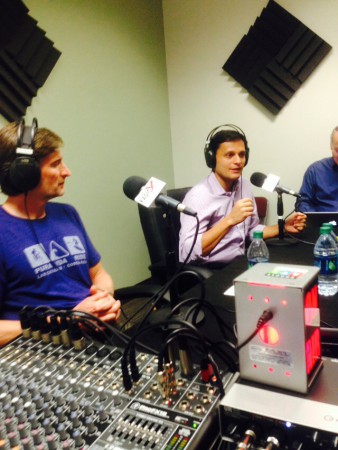
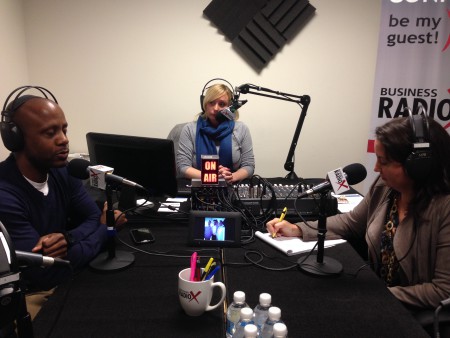
This week, Diana and I sat down with Dr. Brad Bowman and Nickey Scarborough, of Healthgrades.  They’re a healthcare IT company that provides several valuable services to the community at large as well as to the healthcare industry.  One of Healthgrades’ core offerings relates to transparency and healthcare consumerism.  When you need to find a physician to address a particular health need from primary care to a specialist, the company’s website allows the patient and/or their family to conduct a search of their database.

The Healthgrades platform utilizes a number of available data sources to compile a match score that gives a measure of confidence a particular physician has sufficient experience and positive outcomes to be considered as a viable option for providing your care.  You can search by provider name, specialty, condition, or procedure, along with location/radius.

Your results will give a list of possible providers, each with a rank for volume of this given procedure they’ve performed, along with a report of any sanctions or board actions that have been taken.  Similarly, Healthgrades provides prospective patients with access to outcomes and patient satisfaction data across the gamut of service lines and procedures they offer.  Patients can review a given hospital’s rank and compare it to the national average for that procedure.

But, these useful services are only scratching the surface for what Healthgrades is able to do for health systems and hospitals.  The company is able to use a wide array of readily-available health and consumer data for patients in a given service area to give valuable predictive insights around outcomes for a given health problem.  Things such as number of rooms in your home, whether it’s rented or mortgaged, how financially stable a family is, along with buying habits combined with numerous other data points can give surprisingly accurate pictures of what a given population’s tendency toward ER re-admissions or poor outcomes/compliance with care.

Through an engagement with Healthgrades, using their population analytics, a health system can be very strategic in their marketing efforts to help make that revenue spend be far more likely to help the system achieve its goals and deliver a higher level of care/outcomes.

Special Guests:

Brad Bowman, MD, Chief Medical Officer, of Healthgrades twitter_logo_small  linkedin_small1  Pinterest LOGO  google-plus-logo-red-265px  facebook_logo_small3


Nickey Scarborough, VP of Digital Editorial, Healthgrades  linkedin_small1

nickey


  • MHA, Health Administration, Xavier University
  • Former Director, Client Delivery Services, WebMD
  • Previous Content Director, PERFECT SENSE digital, LLC
  • Former Senior Consultant, Deloitte & Touche

This show brought to you by:

sharewik logo Crop

Tagged With: consumer data, CW Hall, Diana Keough, Health Care Radio, Health Information Technology, health radio, Healthcare, healthcare IT, healthcare radio, healthcare research, healthgrades, hospital rating, Nickey Scarborough, patient outcomes, physician rating, Population Health Management, predictive analytics, ShareWIK Media Group, Top Docs Radio

Hospital Acquired Conditions

May 22, 2015 by angishields

Health Connect South
Hospital Acquired Conditions
Loading
00:00 /
RSS Feed
Share
Link
Embed

Download file

IMG_7648

Hospital Acquired Conditions

According to CDC, there were over 700,000 hospital acquired conditions in 2011 (in this case, infections).  When you add those numbers to other preventable situations such as falls, wrong drug/dose/patient, and others, it’s clear that hospitals can be potentially-dangerous places.  This week, Diana and I sat down with two experts from companies that are tackling this problem from different directions.

HanGenix, an Atlanta-based start-up is developing an innovative technology that employs ultrasound transmitters/receivers on soap dispensers, on the clinicians’ badges, and in the patients’ rooms with the goal of increasing compliance with hand-washing standards.  CEO, Jeff Kline, talked about how each patient bed is “guarded” by an ultrasonic receiver that communicates with the clinician’s badge and soap dispenser in the room or nearby.

The system starts a clock that will alert the health worker that they need to re-wash their hands if too much time elapses between washing their hands and touching the patient.  The bed’s zone receiver also prompts an audible alert on the worker’s badge if they approach the patient’s bed without having registered a hand-washing event detected by the system.

Early returns from health systems that are participating in the testing of the prototype have shown that hand washing compliance is as low as 40% before implementing the technology and rises rapidly once it is deployed.  This is significant, as hand-washing has been identified as one of the most effective means to prevent spread of infections from patient-to-patient in a healthcare environment.

Synensis’s Chief Innovation Officer, Rick Stone, joined the conversation to talk about how their company works with their healthcare clients to assess the organization’s internal culture relating to behaviors that reduce hospital acquired conditions such as falls, infections, and other sentinel events.  Through an in-depth assessment at the outset of their engagement, Synensis’s team formulates a picture of how an organization prioritizes policies/procedures that can reduce/prevent those sentinel events.

The company then begins to interface with all levels of leadership and front-line providers to raise awareness and put in place actions such as debriefings after untoward events occur so that better team work can result.  Synensis also helps hospitals identify areas of their organization that have particularly low rates of sentinel events to draw from their localized culture/approach to prevention to the betterment of the organization as a whole.  As Rick stated, “Hospitals have teams of experts.  But, few have expert teams,” pointing out that in many industries, healthcare included, poor communication and/or teamwork is the primary culprit in accidents.

Special Guests:

Jeff Kline, CEO/Co-founder, HanGenix  linkedin_small1  twitter_logo_small

Kline


  • MBA, Goizueta Business School, Emory University
  • Previous Manager, Deloitte Consulting
  • Former Director of Marketing, BARD Urology Division
  • Previous VP Marketing, Genesis Biosciences

Rick Stone, Chief Innovation Officer, Synensis  twitter_logo_small  linkedin_small1  facebook_logo_small3  youtube-logo1

stone

  • MS Clinical Psychology, Vanderbilt University
  • Former President, StoryWork Institute
  • Previous StoryAnalytics Master, IDEAS
  • Fluent in Spanish

This program made possible by:
sharewik logo Crop                    health-connect-south


Tagged With: CW Hall, Diana Keough, hand washing, hangenix, Health Care Radio, Health Connect South, Health Information Technology, health radio, Healthcare, healthcare radio, healthcare research, Hospital acquired conditions, hospital acquired infection, hospitals, iatrogenic infection, nosocomial infection, patient falls, Population Health Management, rick stone, sentinel events, ShareWIK Media Group, synensis

Exercise is Medicine

May 7, 2015 by angishields

Health Connect South
Exercise is Medicine
Loading
00:00 / 01:00:37
RSS Feed
Share
Link
Embed

Download fileDuration: 01:00:37

Exercise is Medicine

Exercise is Medicine

This week we focused on the value of physical activity to our overall state of wellness.  We were joined in studio by Dr. Felipe Lobelo of Emory University, Mike Tinney, of Fitness Interactive Experience, and JP Matzegheit, of Wahoo Fitness.  We talked about the physiologic importance of physical activity along with innovative technologies that facilitate inspiring people to get moving.

Physical inactivity now ranks as the 2nd leading cause of mortality in the world. However, too few health systems and health care providers include physical activity (PA) as part of the prevention and management of obesity and chronic diseases. For 5 years, the Exercise is Medicine (EIM) initiative of the American College of Sports Medicine has helped build local networks to support the systematic inclusion of PA in health care in the US and more than 40 countries in 5 continents via the “EIM Solution”, an evidence-based approach to assessing patients, prescribing appropriate PA and developing community-based PA resources linked to health services and public awareness. The

Large-scale implementation of the EIM Solution across different populations, settings and health care systems is a complex process. The EIM-GRCC serves as a coordinating center for EIM implementation projects by offering state-of –art consultation research and evaluation support, training, policy, cross-national networking and management dimensions of EIM programming to support the initiative.

Fitness Interactive Experience (FIX) has developed a tech platform that incorporates a video game-inspired approach to motivating people to walk and engage in brief periods of other physical activities.  FIX provides their application to businesses seeking to improve the health of their employees for use over 6-8 weeks as a fitness challenge.  The application uses the popular zombie theme to get the user to walk more each day.

The application interfaces with wearable fitness devices such as FitBit to track physical activity such as walking/running.  In order for their character to survive in the game they’ll have to walk while wearing their fitness device to “walk/run” their character to safe zones.  The early data from their initial challenges has shown promising statistics regarding the level of participation and engagement by employees using the application.

Wahoo Fitness produces a range of wearable fitness devices designed to give feedback on a variety of physical activities and bio data.  The sensors enable athletes to become more efficient runners, swimmers, and riders through the use of accelerometers in the sensors.  Additionally, users can train smarter by monitoring heart rate instead of subjective rating of perceived exertion (RPE).

Users are able to compare current training session against previous sessions to evaluate number of reps, cadence, and other training data.

Special Guests:

Dr. Felipe Lobelo, MD, PhD, Emory University, Global Health Department, Exercise is Medicine

facebook_logo_small3  twitter_logo_small  linkedin_small1

Exercise is Medicine

  • Associate Professor, Rollins School of Public Health, Emory University
  • Previous Lead Epidemiologist, CDC
  • Doctor of Medicine, Universidad del Rosario
  • PhD Exercise Science, University of South Carolina, Columbia

Mike Tinney, CEO/Founder, Fitness Interactive Experience/ A Step Ahead Challenge

twitter_logo_small  facebook_logo_small3  linkedin_small1

Fitness Interactive Experience

  • Previous CEO, White Wolf
  • Former President, CCP America
  • Nearly 20 years of experience in the video gaming industry from developer to leadership roles

JP Matzigkeit, CEO/Founder of Wahoo Fitness  facebook_logo_small3  twitter_logo_small  linkedin_small1  youtube logo  google-plus-logo-red-265px  Pinterest-logo

JP Matzegheit

  • MBA, University of North Carolina, Kenan Flagler Business School
  • Previous Advisory Board Chair, Founder and President, Chastain Park Conservancy
  • Former AVP Compensation, Cox Enterprises
  • Avid cyclist

Tagged With: CW Hall, Diana Keough, Dr. Felipe Lobelo, Exercise, Exercise is Medicine, Fitness, gamification, Health Care Radio, Health Connect South, health radio, Healthcare, healthcare radio, healthcare research, heart rate monitor, Mike Tinney, obesity, physical activity, Population Health Management, ShareWIK Media Group, wearable fitness device

Population Health Management

March 4, 2015 by angishields

Health Connect South
Population Health Management
Loading
00:00 /
RSS Feed
Share
Link
Embed

Download file

Dekalb Medical

Population Health Management

The notion of working to improve a population’s awareness of wellness and disease is not new.  For decades we have sought to reduce risk factors for cardiovascular disease, including reduced smoking rates, early detection for cancers, and decrease obesity (not to mention containing healthcare costs)  But with improving data capabilities, interoperability between EMR’s and data systems, changing laws, and an over-arching goal of improving the general health and wellness of our population we are beginning to see ever-greater emphasis on population health management as a strategy to both contain costs and improve outcomes.  Check out this week’s episode to learn more about how your company can save long-term costs while at the same time improving quality- and length of life to their employees.

As a health strategy, population health management focuses heavily on preventive care measures, coupled with making such care delivery as convenient as possible for the population involved.  Additionally, procedures around work place injuries are assessed and if needed, modified to include triage that can prevent the use of ER to initiate care when such injuries/exposures occur.

We talked about how Dekalb Medical restructured their approach to their own employees’ wellness and work place injuries, successfully reducing their spend on high cost claims, ER visits, and work place injuries.  They are now collaborating with businesses in the community to collaborate with them to improve the wellness/safety of their respective employees and helping them achieve the same sort of cost savings on health/risk in their enterprises.  These efforts are steadily improving the aggregate health of the Dekalb Medical catchment area patients through more consistent, integrated delivery of preventive/wellness-focused care.

Dekalb Medical, a long-standing pillar of the Atlanta health systems, serving the eastern half of the metro, has proven to be an innovator and thought leaders in the concept of population health management.  After a multi-year effort to reduce cost and improve outcomes for their own ~4000 employees, including decreasing work-place accidents and ER visits, they have an impressive list of successes to talk about.

And as a well-established health system with the full complement of services from acute to tertiary, diagnostic and procedural services available, Dekalb Medical is uniquely positioned to exert positive effects on the health of the large metropolitan population they serve.

About DeKalb Medical

Founded in 1961, DeKalb Regional Health System, Inc., known as DeKalb Medical, is comprised of more than 800 doctors skilled in 55 medical specialties across three campuses. The 627-bed system includes DeKalb Medical at North Decatur (451 beds), DeKalb Medical Long Term Acute Care at Downtown Decatur (77 beds), DeKalb Medical at Hillandale (100 beds), DeKalb Medical Physicians Group and the DeKalb Medical Foundation.

This week Diana Keough and I sat down with Dr. Shealynn Buck and Jim Forstner from the health system.  We talked about population health management as a concept and how it was put to work as a strategy to the benefit of both its employees and the bottom line of the organization.

Dekalb Medical is now providing similar population health management services to employers within their catchment area around the east perimeter of Atlanta and beyond.  They are engaging employers’ employees through gameficiation, on-site services, consulting regarding workplace safety, narrow network benefits that save costs and improve outcomes, and more.  We talked about how the notion of population health management is a move from transactional, disease-focused care to a relational, wellness-focused model and how that can save both money and improve lives of employees.  We also discussed some positive unintended consequences that can come through offering such a health initiative to an employee population.

The not-for-profit health care system is a HealthGrades® Five-Star Recipient for Treatment of Heart Attack in 2013 and Five-Star Recipient for Peripheral Vascular Bypass in 2012, and earned the Get With The Guidelines®–Stroke Silver Quality Achievement Award from the American Heart/American Stroke Association. Their Maternity Center was selected as a participant in the Best Fed Beginnings project as part of UNICEF/WHO’s Baby-Friendly Hospital Initiative. The Dekalb Medical Cancer Center received the Outstanding Achievement Award and is granted three-year approval by The Commission on Cancer of the American College of Surgeons as a community hospital comprehensive oncology program. Their Joint Solutions Center is a metro Atlanta leader in joint replacement.

In addition, The Dekalb Medical LTAC earned The Joint Commission’s Gold Seal of Approval® for acquired brain injury, wound care and respiratory failure services. Their WorksWell® program is dedicated to supporting employers with solutions to maximize the health, safety and well-being of their employees while improving performance and the bottom line.

Special Guests:

Dr. Shealynn Buck, MD, Executive Director, Dekalb Medical WorksWell and Medical Director of Dekalb Medical Wellness Center

linkedin_small1  twitter_logo_small  youtube logo  google-plus-logo-red-265px  Pinterest-logo

Dekalb Medical

  • Doctor of Medicine, Emory University School of Medicine
  • Residency, Pathology, Emory University School of Medicine
  • Fellow, Transfusion Medicine and Cellular Therapies
  • Former Assistant Medical Director, American Red Cross

Jim Forstner, SVP & Senior Strategy Officer  of Dekalb Medical

Dekalb Medical

  • >10 years service on Dekalb Medical executive team
  • Previous Executive Director for Contracting, Physician and Ambulatory Ventures, Dekalb Medical
  • Previous Director, Patient Financial Services, Dekalb Medical

Tagged With: CW Hall, Dekalb Medical, Dekalb Medical WorksWell, Diana Keough, Dr. Shealynn Buck, Health Connect South, Health Connect South Radio, Healthcare, mobile mammogram, narrow network, population health, Population Health Management, population health managment, preventive care, primary care, ShareWIK Media Group, Shealynn Buck, third party administrator, TPA

GeorgiaSHAPE

February 12, 2015 by angishields

Health Connect South
GeorgiaSHAPE
Loading
00:00 /
RSS Feed
Share
Link
Embed

Download file

GeorgiaSHAPE

GeorgiaSHAPE

The Centers for Disease Control published these striking statistics about childhood obesity in the US:

  • Childhood obesity has more than doubled in children and quadrupled in adolescents in the past 30 years.1, 2
  • The percentage of children aged 6–11 years in the United States who were obese increased from 7% in 1980 to nearly 18% in 2012. Similarly, the percentage of adolescents aged 12–19 years who were obese increased from 5% to nearly 21% over the same period.1, 2
  • In 2012, more than one third of children and adolescents were overweight or obese.1
  • Overweight is defined as having excess body weight for a particular height from fat, muscle, bone, water, or a combination of these factors.3 Obesity is defined as having excess body fat.4
  • Overweight and obesity are the result of “caloric imbalance”—too few calories expended for the amount of calories consumed—and are affected by various genetic, behavioral, and environmental factors.5,6

Clearly, the trends are alarming and we must act now to reverse them or we will face enormous human and financial costs in a variety of health issues that tend to increase among obese patients.  Obese persons face higher rates of developing diabetes, heart disease, stroke, cancer, poor healing, and other challenges.  In addition to the health concerns associated with obesity, research has revealed connections between physical activity and academic performance.

We sat down with several key team members from the multifaceted task force whose goal it is to tackle the problem of obesity and caloric imbalance among our youth.  Dr. Brenda Fitzgerald, MD, serves as the Commissioner of the Georgia Department of Public Health (DPH) and State Health Officer.  In addition to her numerous duties, she oversees a program put forth by the governor called, “GeorgiaSHAPE“.  This program, a public-private partnership, provides research-supported recommendations for Georgia schools to incorporate an additional 30 minutes of physical activity in the course of the day (often within the classroom itself during brief breaks from academic work).  See: Pledge to Power Up for 30  The goal is to enroll the roughly 1300 state-wide grade schools into the program to help reduce obesity and improve academic performance.  Participating schools receive funds to support the program and also gain access to grants through philanthropic organizations such as the Atlanta Falcons Youth Foundation.

Along with Dr. Fitzgerald we hosted experts from the Georgia Department of Education, Georgia State University’s Public Health Policy Center, HealthMPowers, the Atlanta Falcons Youth Foundation, and an educator and student from Carrollton Elementary Schools (one of the early adopters of the program).  They shared research findings regarding the value of physical activity as it relates to brain function and, correspondingly, math, reading, and spelling performance among young students.  We talked about the fact that currently, only ~1/3rd of Georgia’s schools are enrolled to participate in this important program that has clear, far-reaching benefits to our young people and our collective community health.

“You need to remember that yes, there had been an increase throughout the country [in childhood obesity].  But, Georgia, as far as childhood obesity—we were the second worst state in the entire country,” according to Dr. Fitzgerald.  “.  .  .We now have three years of measurements from looking at Georgia’s children. . .Here are the numbers:  40% of the children in our school systems are not at a healthy weight.  .  .Here’s the one that scares me.  We looked at a variety of things—not just weight.  But also, it’s called ‘aerobic capacity’.  And we looked at flexibility and we looked at muscle strength.  And, the tests are not trying out for the Olympics.  It’s not even trying out for the football team.  It’s walking a mile and touching your toes.  And only 19% of Georgia’s children were able to do all tests.  .  . So, clearly, this became the governor’s main interest because we knew unhealthy kids, of course, would lead to unhealthy adults.”

Panelists:

Dr. Brenda Fitzgerald, MD, Commissioner of Georgia Department of Health 

Dr.-Brenda-Fitzgerald

Dr. John Bare, PhD, Vice President of Programs, Arthur M. Blank Foundation and Atlanta Falcons Youth Foundation

JohnBare_0

Dr. Emily Vall, PhD, Obesity Project Manager, GeorgiaSHAPE

emily

Diana Keough, CEO/Founder, ShareWIK Media Group

Diana

Deborah Kibbie, Georgia State University Public Health Policy Center, Chief Evaluator of GeorgiaSHAPE

Kibbie

Therese McGuire, Health and Physical Education Program Specialist at Georgia Department of Education

Photo Therese McGuire GaDOE

Wendy McDowell, Educator, Carrollton County Elementary Schools

McDowell


Colt Shadrix, 3rd Grade Student, Carrollton Elementary Schools


Tagged With: CW Hall, Deborah Kibble, diabetes, Diana Keough, Dr. Brenda Fitzgerald, Dr. Emily Vall, Dr. John Bare, Georgia Department of Education, Georgia Department of Health, Georgia State University Public Health Policy Center, gsu, Healthcare, HealthMPowers, Padra Franks, Population Health Management, Power Up for 30, ShareWIK Media Group, Therese McGuire

Innovations in Heart Health

February 4, 2015 by angishields

Health Connect South
Innovations in Heart Health
Loading
00:00 /
RSS Feed
Share
Link
Embed

Download file

HCS 5

Innovations in Heart Health

This week, for Week 5, we focused on innovations in heart health.  Emory physician, researcher, and professor, Dr. Omar Lattouf came by to share about research he’s been working on developing  new techniques for some challenging heart disorders, and an exciting project he’s working on that is aimed at reducing the number of patients who die from cardiometabolic syndrome.  Dr. Lattouf’s work on how conduction problems are treated by insertion of pace makers using a minimally-invasive approach has helped improved outcomes for countless critically-ill patients.  Dr. Lattouf talked about their soon-to-launch study on an application designed to help patients with, or at risk for, cardiometabolic syndrome.  The application will empower patients to track key vital signs and other health information and make decisions that will improve key factors such as cholesterol, blood pressure, weight, and more.  As Dr. Lattouf shared his personal story about his own family’s experience with heart disease, his passion for helping fight heart disease, which in large part is preventable, was obvious.

Robert Arkin, CEO and Founder of Sensiotec joined us to talk about the way they are using technology and health data to provide clinicians the ability to monitor key vital signs and patient movement patterns in a hands-off way.  He talked about how he has long held a desire to help his community on a large scale that he knew that being involved in developing healthcare innovations provides the best way to do that.  Robert described how their device uses a special radar technology that is able to measure body movements and even internal organ function, providing real-time vital signs and patient movement patterns.  Their technology’s algorithms enable providers to get a degree of predictive information that could potentially help avoid patient falls/injury, or even detect troublesome trends in vital signs that could enable proactive care decisions that could prevent a serious cardiovascular event.

These two health innovators discussed the additional resources they need that could facilitate the acceleration of their respective work with regard to making their solutions available to patients on a larger scale.   We are pleased to support their work by helping them tell their story.

Special Guests:

Dr. Omar Lattouf, MD, of Emory University School of Medicine  linkedin_small1  twitter_logo_small  facebook_logo_small3  youtube logo

omar_lattouf

  • Doctor of Medicine, Emory University School of Medicine
  • Board Certified, American Board of Surgery, American Board of Thoracic Surgery
  • Performed Georgia’s first domino heart transplant
  • He and a colleague implanted the state’s first Abiomed biventricular assist system to support the failing heart of a patient suffering from post-cardiotomy shock

Robert Arkin, CEO of Sensiotec  linkedin_small1  twitter_logo_small  facebook_logo_small3

arkin

  • Juris Doctor, University of Virginia School of Law
  • Recipient, 2012 Atlanta Business Chronicle Healthcare Heroes Award for Healthcare Innovation
  • Fomer CEO, Chairman, Modavox, Inc.
  • Former Member, Board of Directors, Frontline Healthcare Workers Safety Foundation

Tagged With: CW Hall, Diana Keough, Dr. Omar Lattouf, Emory Healthcare, Emory University School of Medicine, Health Connect South, Health Connect South Radio, Health Information Technology, Health IT, Healthcare, healthcare information technology, healthcare IT, heart health, heart research, high blood pressure, internet business radio, Krista Berutti, mitral valve replacement, obesity, Omar Lattouf, pacemaker, Population Health Management, predictive analytics, remote health monitoring, research, Robert Arkin, Sensiotec, ShareWIK Media Group, ShareWIK.com

Diabetes Prevention Planning Team

January 21, 2015 by angishields

Health Connect South
Diabetes Prevention Planning Team
Loading
00:00 /
RSS Feed
Share
Link
Embed

Download file

 HCS3 1

Diabetes Prevention Planning Team

According to the CDC, as many as 28 million Americans have diabetes.  And as many as 1:4 of them do not realize they have it.  That means today, potentially almost 10% of the US population are dealing with this chronic disease that puts them at risk for a myriad of health problems (many of them deadly), including heart disease, stroke, kidney disease, blindness, limb loss due to amputation, poor healing after surgery, greater risk for infections, and more.  It’s clearly a serious problem.  And, with an ever-growing number of obese persons in the country, including a concerning number of young people, these statistics are likely to grow.  In light of these sobering facts, a number of key players within the community from government agencies to health care providers, and innovative companies are beginning to put significant effort into preventing diabetes.  In Atlanta, the Diabetes Prevention Planning Team is a group of forward-thinking executives, health experts, and political officers who are joining together to do just that.

This week we were joined in studio by Dr. Luci Ide, CEO of Rimidi Diabetes, and Karl Smith, PhD, Project Manager of Georgia Campaign for Adolescent Power and Potential (GCAPP).  Rimidi Diabetes is a health technology company that has developed and launched an application that enables diabetes patients to track and share key health-related data points with the clinicians guiding their care.  With this information, the patients and providers are able to better monitor glucose levels and other indicators and determine how behavioral and medical treatment changes are impacting the patient’s condition.  Luci is one of the team members for the Diabetes Prevention Planning Team and she talked about how increasing awareness of the disease and how it can be prevented are important facets of combating diabetes.  She used the analogy of a bath tub, where how quickly it fills is determined by how much water flows out of the drain (patients dying as a result of the disease) versus how much is flowing in from the faucet (new diabetes patients).  She went on to discuss the fact that today, more patients are living longer and managing their diabetes better than in the past.  Our next challenge is to begin to decrease the number of new patients developing diabetes in populations where it can be prevented.

HCS3

Karl Smith, also a member of the Diabetes Prevention Planning Team, shared how GCAPP is working to engage faith-based organizations in Atlanta communities that have populations that are at a high genetic risk for developing diabetes in an effort to educate young people who live there on how and why they can reduce their risk.  He talked about how these communities tend to be “gymnasium deserts”, having few if any facilities that would allow kids to be physically active in a safe place.  He went on to share how these communities also tend to have limited availability of quality whole foods that are healthy choices that decrease risk of obesity and are more heart-/diabetes-friendly.

Our discussion focused on how the Diabetes Prevention Planning Team is working to pull more resources together to help reduce the rate of new diabetes patients in our communities.  We talked about how public service announcements are being put together by the county government, and how their team needs access to funding to support web development, additional PSA information, and more manpower to help handle some of the work necessary to grow the network of support/collaboration.  We hope our listeners share this information so that we can have a significant impact on this disease that is costly in its effect on our community’s health as well as financially.

Special Guests:

Dr. Luci Ide, MD, PhD, CEO of Rimidi Diabetes  facebook_logo_small3  twitter_logo_small  linkedin_small1  vimeo logo

Rimidi Diabetes

  • MD/PhD Emory University
  • Residency, Obstetrics-Gynecology, Magee-Womens Hospital
  • 2014 Recipient, Ross Baird Award for Excellent, Village Capital
  • Former Associate, Monarch Capital Partners

Mark Smith, PhD, Program Manager of Georgia Campaign for Adolescent Power and Potential 

linkedin_small1  twitter_logo_small  youtube logo  Pinterest-logo  facebook_logo_small3

GCAPP

  • Doctor of Health Education, A.T.Still University of Health Sciences
  • MS, Exercise Science and Health Promotion, California University of Pennsylvania
  • Certified Strength and Conditioning Specialist
  • Exercise Is Medicine Specialist, American College of Sports Medicine

Diana Keough, CEO/Founder of ShareWIK.com  facebook_logo_small3  twitter_logo_small  linkedin_small1  Pinterest-logo  google-plus-logo-red-265px  

ShareWIK.com

  • Journalism Instructor/Guest Lecturer, Emory University
  • Member, Koles College of Business Advisory Board, Kennsaw State University
  • Former Front Page Series Writer, The Plain Dealer
  • Former Reporter/Commentator, WKSU
  • Co-author, “Building a Business, Building a Life: The Incredible Life of a Woman Business Owner”

Tagged With: CW Hall, diabetes, diabetes prevention, Diana Keough, EHR, EMR, GCAPP, Georgia Campaign for Adolescent Power and Potential, glucose, Health Connect South, Health Connect South Radio, Health Information Technology, Health IT, health technology, Karl Smith, Population Health Management, Rimidi Diabetes, ShareWIK Media Group, ShareWIK.com, Top Docs Radio

  • « Previous Page
  • 1
  • 2

Business RadioX ® Network


Our Most Recent Episode

CONNECT WITH US

  • Email
  • Facebook
  • LinkedIn
  • Twitter
  • YouTube

Our Mission

We help local business leaders get the word out about the important work they’re doing to serve their market, their community, and their profession.

We support and celebrate business by sharing positive business stories that traditional media ignores. Some media leans left. Some media leans right. We lean business.

Sponsor a Show

Build Relationships and Grow Your Business. Click here for more details.

Partner With Us

Discover More Here

Terms and Conditions
Privacy Policy

Connect with us

Want to keep up with the latest in pro-business news across the network? Follow us on social media for the latest stories!
  • Email
  • Facebook
  • Google+
  • LinkedIn
  • Twitter
  • YouTube

Business RadioX® Headquarters
1000 Abernathy Rd. NE
Building 400, Suite L-10
Sandy Springs, GA 30328

© 2025 Business RadioX ® · Rainmaker Platform

BRXStudioCoversLA

Wait! Don’t Miss an Episode of LA Business Radio

BRXStudioCoversDENVER

Wait! Don’t Miss an Episode of Denver Business Radio

BRXStudioCoversPENSACOLA

Wait! Don’t Miss an Episode of Pensacola Business Radio

BRXStudioCoversBIRMINGHAM

Wait! Don’t Miss an Episode of Birmingham Business Radio

BRXStudioCoversTALLAHASSEE

Wait! Don’t Miss an Episode of Tallahassee Business Radio

BRXStudioCoversRALEIGH

Wait! Don’t Miss an Episode of Raleigh Business Radio

BRXStudioCoversRICHMONDNoWhite

Wait! Don’t Miss an Episode of Richmond Business Radio

BRXStudioCoversNASHVILLENoWhite

Wait! Don’t Miss an Episode of Nashville Business Radio

BRXStudioCoversDETROIT

Wait! Don’t Miss an Episode of Detroit Business Radio

BRXStudioCoversSTLOUIS

Wait! Don’t Miss an Episode of St. Louis Business Radio

BRXStudioCoversCOLUMBUS-small

Wait! Don’t Miss an Episode of Columbus Business Radio

Coachthecoach-08-08

Wait! Don’t Miss an Episode of Coach the Coach

BRXStudioCoversBAYAREA

Wait! Don’t Miss an Episode of Bay Area Business Radio

BRXStudioCoversCHICAGO

Wait! Don’t Miss an Episode of Chicago Business Radio

Wait! Don’t Miss an Episode of Atlanta Business Radio