Business RadioX ®

  • Home
  • Business RadioX ® Communities
    • Southeast
      • Alabama
        • Birmingham
      • Florida
        • Orlando
        • Pensacola
        • South Florida
        • Tampa
        • Tallahassee
      • Georgia
        • Atlanta
        • Cherokee
        • Forsyth
        • Greater Perimeter
        • Gwinnett
        • North Fulton
        • North Georgia
        • Northeast Georgia
        • Rome
        • Savannah
      • Louisiana
        • New Orleans
      • North Carolina
        • Charlotte
        • Raleigh
      • Tennessee
        • Chattanooga
        • Nashville
      • Virginia
        • Richmond
    • South Central
      • Arkansas
        • Northwest Arkansas
    • Midwest
      • Illinois
        • Chicago
      • Michigan
        • Detroit
      • Minnesota
        • Minneapolis St. Paul
      • Missouri
        • St. Louis
      • Ohio
        • Cleveland
        • Columbus
        • Dayton
    • Southwest
      • Arizona
        • Phoenix
        • Tucson
        • Valley
      • Texas
        • Austin
        • Dallas
        • Houston
    • West
      • California
        • Bay Area
        • LA
        • Pasadena
      • Colorado
        • Denver
      • Hawaii
        • Oahu
  • FAQs
  • About Us
    • Our Mission
    • Our Audience
    • Why It Works
    • What People Are Saying
    • BRX in the News
  • Resources
    • BRX Pro Tips
    • B2B Marketing: The 4Rs
    • High Velocity Selling Habits
    • Why Most B2B Media Strategies Fail
    • 9 Reasons To Sponsor A Business RadioX ® Show
  • Partner With Us
  • Veteran Business RadioX ®

Company Culture and Diversity E22

February 21, 2024 by Karen

Company-Culture-and-Diversity-feature
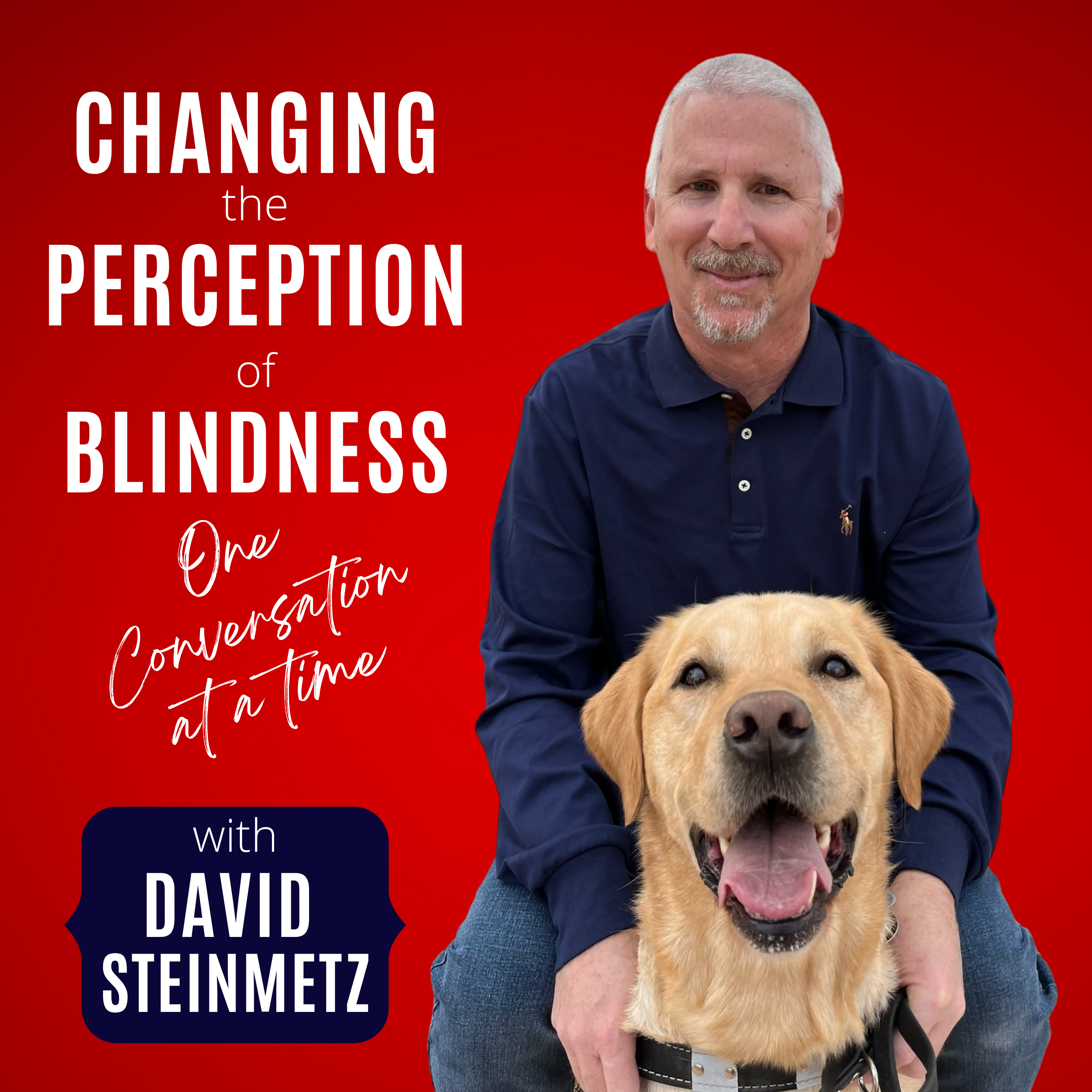
Changing the Perception of Blindness
Company Culture and Diversity E22
Loading
00:00 /
RSS Feed
Share
Link
Embed

Download file

Company-Culture-and-Diversity

Company Culture and Diversity E22

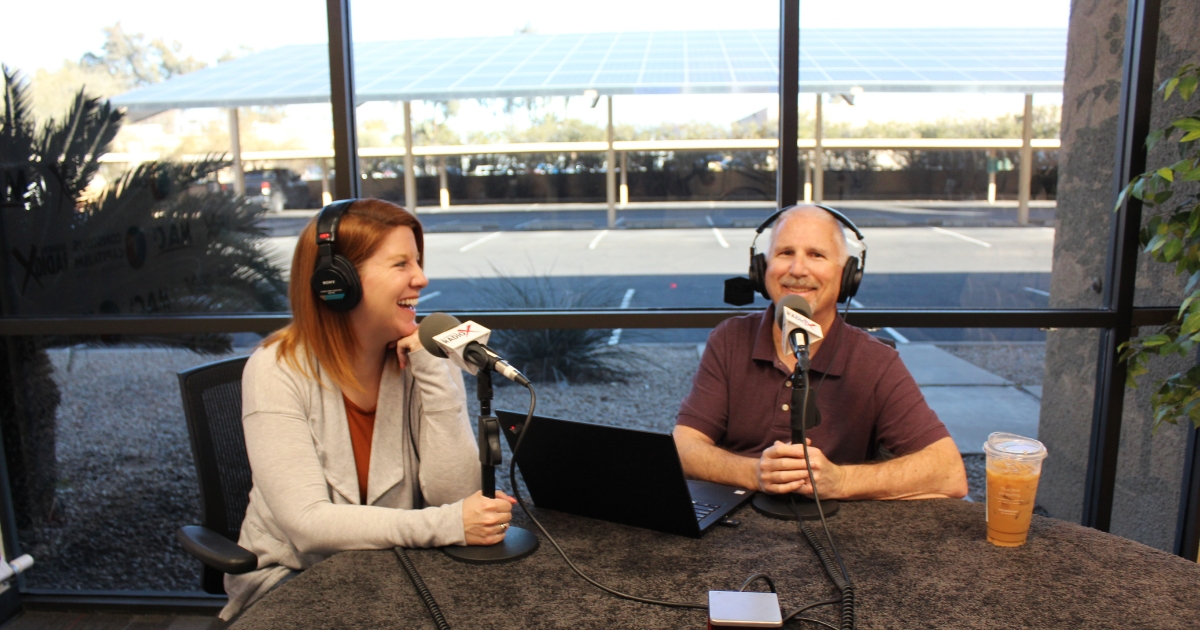
Kicking off this episode of “Changing the Perception of Blindness,” host David Steinmetz shares insights from his 19-year journey at Arizona Industries for the Blind, underscoring the importance of challenging misconceptions about blindness and promotes inclusivity in the workforce.

Joined by Kindra Maples, president of Culture Crush Business, they delve into the evolving landscape of work culture, emphasizing the necessity of understanding individual needs and tailoring inclusive environments to diverse abilities. The conversation highlights the positive impact of remote work on accessibility and productivity while emphasizing the importance of personalized approaches to inclusion, recognizing the unique needs of individuals with disabilities in the workforce.

Throughout the episode, Steinmetz and Maples explore the shifting perception of blindness and disability in professional settings, advocating for a paradigm shift towards embracing diversity and promoting inclusivity. Their discussion underscores the value of recognizing and accommodating individual abilities, challenging traditional norms, and prioritizing inclusivity as a cornerstone of modern work culture.

As they navigate through these topics, they emphasize the ongoing need for dialogue, reflection, and action to create truly inclusive work environments that empower individuals of all abilities to thrive professionally and contribute meaningfully to their communities.

As an enterprise nonprofit organization, Arizona Industries for the blind is a role model for the business community. Emphasizing the importance of understanding team members’ needs and providing the right training, right technology and the right attitude that allows individuals who are blind to be successful in the workplace and in the community.

Listen to this episode to gain valuable insights on fostering inclusivity, challenging misconceptions, and navigating the evolving landscape of work culture to empower individuals of all abilities in the workforce.

Culture-Crush-Business-LLC-Full-Color-Black

At Culture Crush, culture isn’t just a corporate buzzword. It’s a key factor that can either boost your company or lead to its failure.

With deep cultural insights and years of expertise, we evaluate your company’s needs and connect you with the precise resources to cultivate a thriving culture.

We work with CEOs, founders, HR Directors, or Culture Leaders of companies or teams, who value company culture and understand its impact on their business success.

ASSESS: Gain insights into your company’s culture by identifying gaps and areas that need improvement through a comprehensive assessment.
PLAN: Kindra and her team will tailor a unique strategy for your company, connecting you with the right resources based on your specific needs.
THRIVE: Experience a transformed workplace where everyone flourishes, powered by the successful implementation of culture-enhancing strategies.

Your company culture plays a pivotal role in its success. Whether you’re trying to address high turnover and low productivity, or seeking to enhance an already positive environment, nurturing your culture is crucial.

As a leader, you may have tried team activities, incentives, and strategies to address this, but it’s not easy coming up with the right solution.

With Culture Crush you’ll learn how to transform your workplace into a place of unity, efficiency, and growth. Don’t just fix your company culture – transform it with Culture Crush.
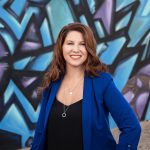
Kindra-Maples-Changing-the-Perception-of-BlindnessKindra Maples, Founder of Culture Crush Business LLC and dynamic host of the Culture Crush Business Podcast, brings a unique journey to the business world.

With a background in animal behavior and over 15 years in the zoo industry, Kindra transitioned her passion from training animals to empowering people. From polar bears to individuals, she seamlessly blends diverse experiences.

Kindra’s expertise spans various audiences, including animals, children, adults, veterans, and elders. Her skills encompass business relations, operations management, strategic planning, and team building. Dedicated to fostering growth, she is passionate about supporting leaders and cultivating exceptional company cultures.

In October 2020, Kindra launched the Culture Crush Business Podcast, channeling her experiences into a valuable resource. Celebrating its one-year mark, she established Culture Crush Business LLC in October 2021—a central hub for company culture resources, dedicated to enhancing workplace environments and supporting leaders.

Connect with Kindra on LinkedIn and follow Culture Crush on Facebook and Instagram.

About Your Host
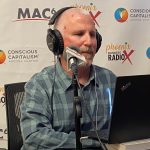
David-SteinmetzAs the manager of Community and Public Relations, David Steinmetz uses his expertise, education, and personal experiences to “change the perception of blindness.”

Diagnosed with RP, a blinding retinal disease, at the age of 19, David uses his personal story to drive change that leads to improved employment outcomes and community integration for people who are blind or visually impaired.

Mr. Steinmetz graduated from Arizona State University with a bachelor’s degree in Business Management and Economics. Additionally, Steinmetz has continued his education by graduating from the Business Management Training (BMT) program provided by Darden Graduate School of Business, University of Virginia.

In 2008, David was the national recipient of the National Industries for the Blind Milton J. Samuelson Career Achievement award. This prestigious award recognized Mr. Steinmetz for his career achievements and community service work.

David Steinmetz is a member of the Governors’ Council on Blindness & Visual Impairments, is a Board Member at the Arizona Center for the Blind & Visually Impaired (ACBVI) and serves his community through the Chandler Lions Club.

Connect with David on LinkedIn and Instagram.Changing-the-Perception-of-Blindness-iTunes
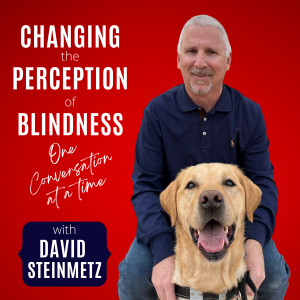
About the Show

Changing the Perception of Blindness; One Conversation at a Time is dedicated to breaking down barriers, de-mystifying blindness and promoting real world solutions that empower people who are blind to live a full and inclusive life.

Host, David Steinmetz connects with organizations, industry professionals and thought leaders who are working to bridge the gap that creates a world accessible for all.

About Arizona Industries for the Blind

Arizona Industries for the Blind is a nonprofit organization dedicated to creating employment opportunities for people who are blind. It’s employees, more than half of whom are blind, deliver a variety of products and services, including a full-service Warehousing and Distribution Center, confidential Digital Data Scan (DDS) services for private businesses and government and the operation of Base Supply Centers located at each of Arizona’s three military bases under the umbrella of the U.S. Department of Labor’s AbilityOne program.

Follow AIFB on LinkedIn and Facebook.
 

Tagged With: accessibility, company culture, Culture, growth, resources, support

The R3 Continuum Playbook: How Can Your Organization Cultivate a Psychologically Safe Workplace?

July 6, 2022 by John Ray

Psychologically safe
Minneapolis St. Paul Studio
The R3 Continuum Playbook: How Can Your Organization Cultivate a Psychologically Safe Workplace?
Loading
00:00 /
RSS Feed
Share
Link
Embed

Download file

Psychologically safe

The R3 Continuum Playbook: How Can Your Organization Cultivate a Psychologically Safe Workplace?

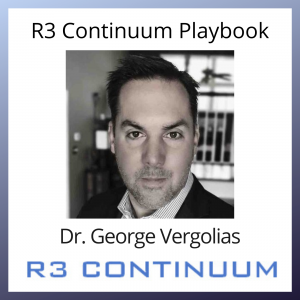
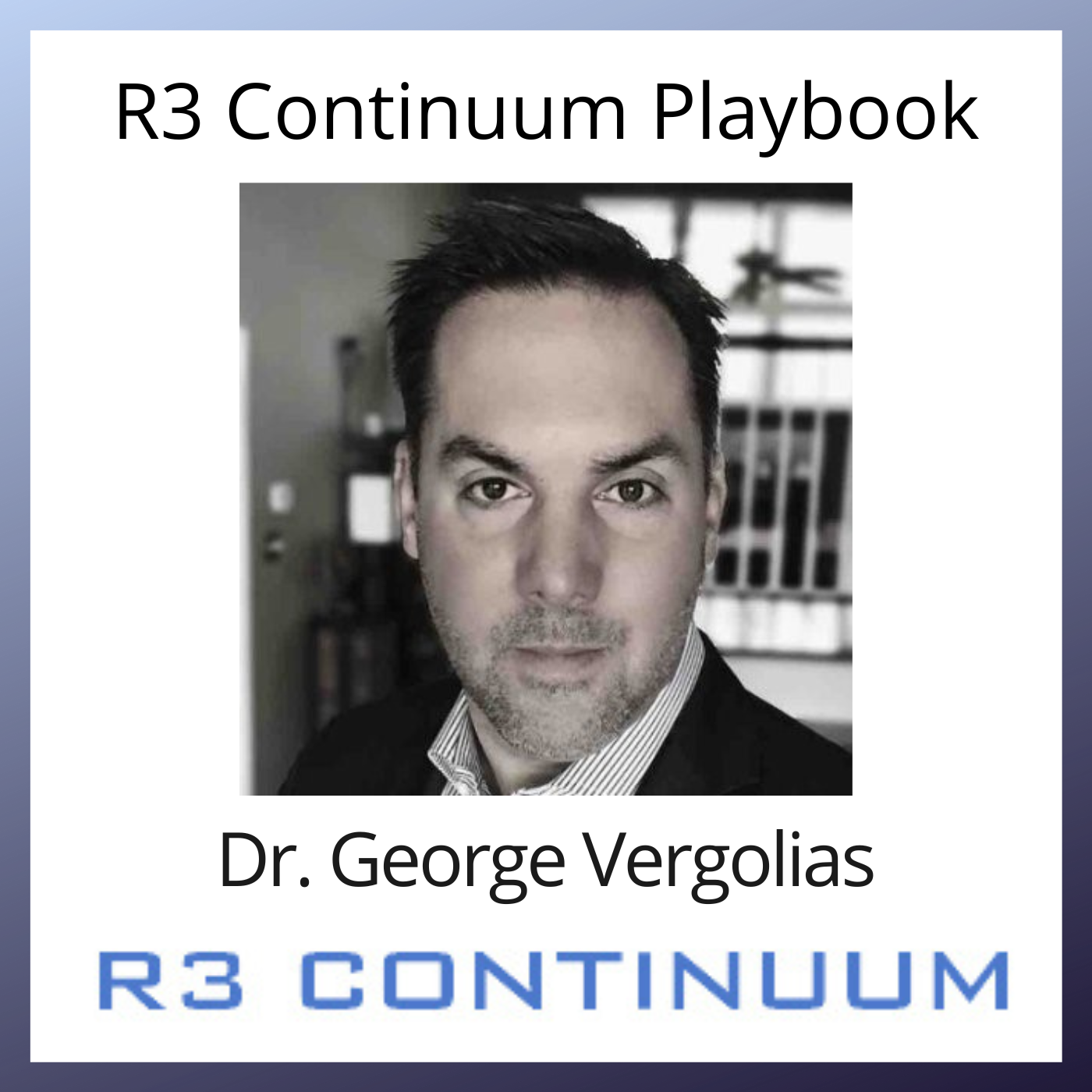
Dr. George Vergolias, R3 Continuum Medical Director, provides insight for leaders to help them determine what a psychologically safe workplace looks like for their organization. Dr. Vergolias describes crucial factors to consider when navigating the process of bringing more psychological safety to the work environment.

The full webinar can be found here.

The R3 Continuum Playbook is presented by R3 Continuum and is produced by the Minneapolis-St.Paul Studio of Business RadioX®. R3 Continuum is the underwriter of Workplace MVP, the show which celebrates heroes in the workplace.

TRANSCRIPT

Intro: [00:00:00] Broadcasting from the Business RadioX Studios, here is your R3 Continuum Playbook. Brought to you by Workplace MVP’s sponsor R3 Continuum, a global leader in workplace behavioral health, crisis, and security solutions.

Shane McNally: [00:00:15] Hi, there. My name is Shane McNally, Digital Marketing Project Lead at R3 Continuum. On this episode of The R3 Continuum Playbook, we’ll be featuring a segment from a recent webinar presented by R3 Continuum Medical Director, Dr. George Vergolias. This webinar was titled How Can Your Organization Cultivate a Psychologically Safe Workplace?

Shane McNally: [00:00:33] Dr. Vergolias has over 20 years of experience as a forensic psychologist and certified threat manager and has assessed over 1000 cases related to threat of violence or self-harm, sexual assault, stalking, and communicated threats. In this short segment from his webinar, Dr. Vergolias offers his expert insight into psychological safety and what makes a psychologically safe workplace, and how leaders can create that sort of environment for their employees.

George Vergolias: [00:01:02] Now, I want to pivot and talk a little bit about solutions and ways to think about how do we foster psychologically safe workplaces. So, first I want to define that, right? I really believe the Center for Creative Leadership is really a good – they have a really good, useful definition that’s approachable and it hits home and it can translate to practical applications. Right?

George Vergolias: [00:01:32] So, what they define is a shared belief held by members of a team that others on the team will not embarrass, reject or punish you for speaking up. Now, what’s key here is, this doesn’t mean that you get to say whatever you want. It doesn’t mean that any individual’s viewpoint is automatically accepted. Right? And it doesn’t mean we’re nice all the time. I think just sometimes there’s a false narrative that psychological safety means no one will ever say anything that will upset you, right? No.

George Vergolias: [00:02:10] Let me say it this way. No one has a right to not be offended on the one hand. There’s going to be interactions in our lives, personal and in the workplace, that might annoy us or offend us or rub us wrong. What this means is that we are embracing that conflict and we feel that we have a platform, an engagement level, a dialogue by which we can work through those disagreements and conflicts in a productive way so that the group moves forward so that the group is better off for it as a result of that process. And that process isn’t always fine. Conflict is sometimes difficult. That’s why many of us avoid it.

George Vergolias: [00:02:52] So, it’s important to keep in mind that pragmatic definition, because what I feel is there is a real risk of organizations having kind of a hyperbolic reaction in either of the extremes. One extreme is we have to absolutely accept everything everybody says, and we can’t say anything that might be challenging or even remotely perceived as offensive. Right? That’s fraught with its own problems.

George Vergolias: [00:03:24] And the other is where we’re totally tone deaf to the realities, that there are issues that need to be navigated. There are issues whether they’re diversity, equity and inclusion issues, or other issues that we need to talk through and work through and do the difficult work ahead. So food for thought.

George Vergolias: [00:03:43] What they also identify are four stages of types of safety. And the first is inclusion safety, and that satisfies the basic human need to belong. So in this stage, what we’re looking at is we feel safe to be oneself and you’re accepted for who you are, including your unique attributes and defining characteristics. Right? Again, there are limits to this, right?

George Vergolias: [00:04:08] Typically what we mean here is someone can be free. Whether it’s sexual identity, racial identity, other types of identity, they can feel free to express that in a way that they can live their fullest life and not be falsely judged or negatively impacted by that. Right?

George Vergolias: [00:04:27] There are laws that somewhat protect that. And there’s been a big move through corporate America to try to adopt that. That doesn’t mean that if I – I’m going to use an extreme example here. If I identify with neo-Nazism that I have a right to bring that insignia into the workplace because it’s very threatening to other people. So there are limits that organizations will have to determine where they draw those lines. But that’s what we mean by inclusion safety.

George Vergolias: [00:05:00] Next stage is learner safety. What we mean here is, this satisfies the need to learn and grow. And when we feel this, we feel safe to exchange ideas, take risks, put an opinion out there in a way, ask questions, give and receive feedback in a way that isn’t always comfortable, because, again, that’s not the goal, but in a way that we feel safe to do so. We could take those risks in a way that we feel that it is a growth experience, not a stunting or traumatizing or shaming experience.

George Vergolias: [00:05:35] Third stage is contributor safety. So here, what we’re satisfying or the need satisfies the need to make a difference. We feel like we have agency. We can make a difference. We can have an impact. We have relevance in our role, in our job, in our teams, and in our organizations, right, to the degree that we’re gonna use our skills and abilities to do that.

George Vergolias: [00:05:56] And then lastly, challenger safety. What we mean by challenger safety, this satisfies the need to make things better. How do we challenge the status quo in a way that we can grow as individuals but also as teams and as organizations, right? And how do you take up that challenge in a way that is promotional for whatever the values of the team or the organization have behind them?

George Vergolias: [00:06:21] Now, these sound great. They’re very well thought through. Practically, how do we implement them? That’s the big challenge, I think, facing us. Where do we draw those lines, right? A recent one, where do I as a leader, as if this was up to me, but where do I as a leader draw the line between somebody that has a loved one at home that’s immunosuppressed and wants everyone to still wear masks at the workplace and other people that feel like they’ve done everything they possibly can include getting vaccinated and have asthma and find that wearing masks is difficult, not necessarily life-threatening, but really difficult for them? Where do we draw the line between that, right? These are difficult sometimes issues to answer. And we’re going to have to navigate those as we go forward.

Shane McNally: [00:07:15] Hey, George, just going back one side here. I do have a question. You mentioned it’s difficult to implement this. And I was just curious, you know, if you’re an organization that’s been around for a very long time, you’ve got employees that have been there 20, 30, 40 years, I don’t know, they’ve been there for a very long time and say you’re looking at these steps and you’re like, we don’t really have anything like this. Is this something that they should start implementing now, or do you think that these employees that have been there for so long might, you know, it might be something that’s frowned upon?

George Vergolias: [00:07:48] So, it’s a great question. I do think there is something to be said about the longer that we engage in habits, the longer that we engage in a pattern, whether it’s self-imposed or it just was the status quo that we came up with. There is something to be said about it. Yes, it can be more difficult to change. But what I constantly push back when I hear that and I hear that a lot, Shane, from organizational leaders that I consult with on resilience and workplace turnaround and all kinds of things is that every one of us has made those changes. Every one of us has made those changes, right?

George Vergolias: [00:08:23] There are people – there’s a dear friend of mine right now that’s going – just went through a liver transplant. He wasn’t an alcoholic by any means. And that wasn’t why – he had a blood issue, a blood disorder issue going on, and he needed a new liver. But he certainly enjoyed having a few beers back then. Guess what? He’s done drinking. He’s done drinking for the rest of his life, right? Now, it’s easy to say, “Well, that was life or death.” Trust me, I used to do transplant candidacy evaluations. There are a lot of people that can’t make that change or don’t want to, right?

George Vergolias: [00:08:52] Someone has a heart attack at age 50 or 55 or 60, and they totally redo their diet and their workout regimen. Somebody goes through marital counseling and completely reorients their approach to their spouse after 15 years of a volatile marriage. We, as human animals, change all the time. And so, what I don’t accept, I will accept that it’s difficult, but I won’t accept that it’s impossible.

George Vergolias: [00:09:15] And what the key then is for those leaders to do is to really figure out how do we promote the culture of change. How do we give people every chance to make that change and embrace it? And then those that are going to absolutely hold out against it at some point, maybe they’re no longer a good fit for the organization. And those are tough choices for sure, Shane, definitely. But that’s how I would think about that.

Shane McNally: [00:09:41] Awesome. Thank you.

George Vergolias: [00:09:42] Yeah, yeah, yeah. But I’m glad you asked that because that segues to my next slide. A big part of this also has to do with hope, right? As leaders, if you’re going to say to somebody, “Hey, we’re going to go into that wilderness. And although we know a little bit of that wilderness, we don’t totally know that wilderness and that’s new for you. You’ve been working for 25 years and this is a new thing for you, right? You never talked about this before when you came up in the workforce. I want you to trust me, right?”

George Vergolias: [00:10:11] As a leader, we have to give them a clear message around that and we have to give them motivation and we have to give them a sense of hope. Right? So, again, we drown not by falling in the river, we drown by staying submerged in it. So, as we look, you know, the best companies that adapted well, maybe some that even thrived during the pandemic, had leaders that really rallied the troops and they instilled a sense of hope as well as a sense of direction.

George Vergolias: [00:10:44] Later in the presentation, I’m going to mention that hope – we’ve all heard this statement, hope floats. But I have a little add-on. Hope floats but it doesn’t swim. Right? Hope gets us and rises us emotionally to the top. But then we need action and direction and intention to get somewhere with that energy. And I think that’s where that is an important part of the messaging at a leadership level.

George Vergolias: [00:11:11] And, again, Shane, I think you were getting at – your question was insightful because it was getting at the sentiment and I hear this all the time, “Well, man, that’s hard to do.” Well, yeah, it is hard. These are hard changes. But the pandemic was hard. The reality is, though, if you look back as difficult as the pandemic was at so many levels for us as individuals, as teams, as organizations, we’re here. Every time we said we couldn’t go on, we did it because we’re still here. So, it’s important to realize that as individuals and as organizations, if we want to get somewhere or get something that we never had, we have to start doing something that we never did. And it’s important to start thinking in those terms.

George Vergolias: [00:11:58] So, what does this mean? More practically, it’s a conceptual shift. So, the idea is it’s no longer a top-down. I’m not going to negate hierarchies. Decisions need to be made. Stewardship needs to still occur. And there needs to be direction at the team level and at the organizational level, for sure, without a doubt. But the conceptual shift now is more different. It’s about engagement. And it’s about shifting how we do that over time and engaging a process from end to end so that when we bump into problematic behaviors, hostility, people that are struggling, instead of Stephen Covey’s first response on that train, on that subway, which was what’s up with this jerk dad who isn’t managing his kids, that completely shifted in an instant to this guy’s really struggling and his kids are really struggling. And now, we know we have a deeper insight. And with that deeper insight, we have a whole other response that that calls for. Right?

George Vergolias: [00:13:04] So engagement from end to end and moving from an adversarial and contentious way of approaching our employees or our employee problems to one that is more collaborative and supportive. And, again, I want to be clear. Support doesn’t mean you let people get away with stuff if there’s bullying, sexual harassment, prejudice, other types of even hate verbiage, right? We just saw in Buffalo, right, a heinous mass shooting that clearly was a hate-driven crime. Those are not acceptable. So when we say supportive, we don’t mean a blank check, but we mean providing a culture by which those issues are dealt with directly and in a timely manner while also continuing to build cultures of inclusion.

George Vergolias: [00:13:48] So, education on that process is important, message of support that is balanced with the need to protect our people and our business interests, and then create alignment of those resources beyond just intervention as a singular event. All too often we think of “George is struggling. Let’s go get him an FFD.” Like that’s an event. “Let’s get him a fitness for duty.” And those, by the way, can be very, very useful. Right? Or we think, let’s give him a write-up or let’s send him to mentoring, or let’s give them a verbal warning. Right? There’s a million, not a million, but there are many ways we can think of how we deal with some problematic behavior or performance issue.

George Vergolias: [00:14:28] All too often we think of that as an intervention, a singular thing that we do, and that thing should somehow promote change. But we need to start thinking of is it’s a process and the intervention is one step in a process that might, if we’re lucky, fix the problem right then and there. But often it won’t. And there might be other steps that we need to take, and at some point we have to make the decision. Is this individual worth keeping with the organization or are they a bad fit? So, all of these are just different ways of thinking about how we start promoting psychological safety and thriving.

Shane McNally: [00:15:09] Creating a psychologically safe workplace is something that has become a lot more top of mind in the last few years. No matter the industry you’re in, ensuring that your employees feel heard and are able to receive the support and resources they need is crucial to the overall well-being of your people and organization.

Shane McNally: [00:15:26] With R3 Continuum evidence-based interventions, specialized evaluations, and tailored behavioral health programs, we can help promote your organization’s individual and collective psychological safety, recovery, and thriving. Connect with us and learn more about our services at www.r3c.com or email us directly at info@r3c.com.


Show Underwriter

R3 Continuum (R3c) is a global leader in workplace behavioral health and security solutions. R3c helps ensure the psychological and physical safety of organizations and their people in today’s ever-changing and often unpredictable world. Through their continuum of tailored solutions, including evaluations, crisis response, executive optimization, protective services, and more, they help organizations maintain and cultivate a workplace of wellbeing so that their people can thrive. Learn more about R3c at www.r3c.com.

R3 Continuum is the underwriter of Workplace MVP, a show which celebrates the everyday heroes–Workplace Most Valuable Professionals–in human resources, risk management, security, business continuity, and the C-suite who resolutely labor for the well-being of employees in their care, readying the workplace for and planning responses to disruption.

Connect with R3 Continuum:  Website | LinkedIn | Facebook | Twitter

Tagged With: Culture, Dr. George Vergolias, inclusion, psychological safety, R3 Continuum, R3 Continuum Playbook, support, Workplace MVP

GWBC Radio: Eleshia Cash with Jackson HR & Administrative Services

May 28, 2020 by angishields

Jackson-HR
GWBC Radio
GWBC Radio: Eleshia Cash with Jackson HR & Administrative Services
Loading
00:00 /
RSS Feed
Share
Link
Embed

Download file

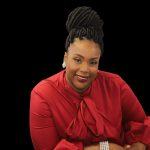
Elishia-CashEleshia V. Cash, CEO of Jackson HR and Administrative Services, is an outstanding woman who is well respected as a community and spiritual leader as well as an HR professional. She has hosted various HR Professional Workshops, Women’s Empowerment Conferences, and Job Networking Meetings.

Eleshia is known for being The Collaborator across many platforms. She is a dynamic speaker, trainer, and contributor of content who is well- respected as a community and spiritual leader as well as an HR professional. She is a truly unique individual that wears many ‘hats’ and has made her mark in the community due to her passion for women, her church, her business, and her own non-profit organization which promotes Young Women in Leadership.

Eleshia is also the author of the Little Red Networking Book (Women’s Empowerment 1st Edition) and the Little Red Networking Book Companion Planner which offers a one of a kind blend of tips to assist women with building a strong network of connections.

Connect with Eleshia on LinkedIn and follow Jackson HR on Twitter and Facebook.

Show Transcript

Intro: [00:00:04] Broadcasting live from the Business RadioX studios in Atlanta, Georgia, it’s time for GWBC Radio’s Open for Business. Now, here’s your host.

Lee Kantor: [00:00:18] Lee Kantor here. Another episode of GWBC’s Open for Business. And this is going to be a fun one. Today, I have with me Eleshia Cash. And she is with Jackson HR and Administrative Services. Welcome, Eleshia.

Eleshia Cash: [00:00:31] Hello, everyone. Thank you so much for having me today.

Lee Kantor: [00:00:34] Well, before we get too far into things, tell us about Jackson. How are you serving folks?

Eleshia Cash: [00:00:40] Well, Jackson HR and Administrative Services was initially a marriage between providing human resources services, as well as administrative services to small and medium-sized businesses. And so, we brought those two skills together because many businesses may need some type of partnership around providing those specific services to help their businesses navigate through their employee and HR needs. And so, right now, in this current space, we’re figuring out ways to pivot and do things differently with business services but, traditionally, those are the type of things that we provide.

Lee Kantor: [00:01:24] Now, how’d you get into this line of work?

Eleshia Cash: [00:01:27] Well, I have over 20 years of human resources experience  an administrative services. And so, I’ve always been great at doing things administratively, just something naturally and I get that I was able to do. And I wanted to bring those two passions and those two skill set together. And that’s how the business started with bringing those services together.

Lee Kantor: [00:01:51] And then, now, your work has shifted because of the pandemic we’re in, you’ve had to make some changes. Can you talk about those and what you’re doing now?

Eleshia Cash: [00:02:00] Yes, the needs and the clients have changed. And so, now, with over … I believe we’re up to 30 million people out of jobs right now, the services have changed to service that clientèle to workforce development. How do we support these people who was navigating in their careers? So, we’re providing workshops for them, professional self-profiles, redoing resumé workshops, and teaching them how to pivot into different careers, supporting them in their networking initiative, teaching them how to network online in a virtual space. And so, just providing a lot of support for workforce development at this time.

Lee Kantor: [00:02:44] So, now, one of the, I guess, kind of core values of your organization is leveraging the power of networking. Can you talk about the Little Red Networking Book and how that impacts your business?

Eleshia Cash: [00:02:59] Yes. Well, one of the things that we try to teach people to do is network before you really need the network. It’s so important for people to look at the network that they already have, people they may have gone to school with. If anybody’s gone to high school, there’s some type of mommy association, or college, or alumnae, or people that you’ve worked with. Teaching them how to network on different platforms such as LinkedIn. These are avenues and vehicles that could help you within your career and  land use your next best opportunity.

Eleshia Cash: [00:03:35] And so, within our human resources services, we begin using our networking platforms to teach people the skills of networking. So, that’s what we talk about in the Little Red Networking Book. We found that especially women have not mastered the skill of networking. We know how to socialize, but we haven’t mastered the skill of networking, which is something totally different. So, within the Little Red Networking Book, we talk about how to develop your net-connect strategy, which is a combination of networking and connection and building those strategic relationships.

Lee Kantor: [00:04:15] And each of the different platforms has a different style, right? Like, what’s acceptable in one environment may be unacceptable in another. And you’ve got to kind of know the lay of the land and the language of each of those groups, right?

Eleshia Cash: [00:04:29] Exactly. We find out a lot of people don’t necessarily know that. And so, teaching people how to nurture your network will help you develop, and create, and start a networking strategy. We talk about even the virtual events right now that are on so many different platforms since the COVID-19. Be strategic in the ones that you’re going to. Make sure that you are putting yourself in a position to be in a circle around other people that have the same goals and missions that you have. Do the research on the speakers. Find out who’s presenting that day, and how they could help you, or how you can help them. Teaching people not to approach individuals during this time on, “Oh, how can you help me?” but finding out a way of how you can help them or how you can start because it’s in the helping that you begin to network, and meet different people, and expand your network.

Lee Kantor: [00:05:30] And then, if you do that right and you create those win/win opportunities for all parties, then you really have something, right? That’s when your organization can really expand and grow.

Eleshia Cash: [00:05:42] You use my keyword, which is the win/win. I talk about that so much about strategic partnerships. You know that you had developed a network when it’s a win/win for both parties. When it’s something that you’re giving, and you’re helping them with, and they can turn around and help you, that is a win/win connection. And so, you have net-connected when you’ve done that.

Lee Kantor: [00:06:06] And then, sometimes when you do that right, that’s additional ways to make revenue in ways that maybe you hadn’t considered previously, right?

Eleshia Cash: [00:06:16] Exactly. It’s about the support, promote, and refer piece of it. When you couldn’t make that win/win connection, you never know. You become a connector when you may connect two individuals together, or you become a supporter when you’re supporting someone. And then, you become the promoter where you end up promoting that person. Then, that person turns around and does that same thing for you. Then, that’s when the strategic partnership or the strategic connection is made, and you start seeing the revenue coming in due to those connections because you made a power move in connecting and networking.

Lee Kantor: [00:06:57] Now, speaking of power moves and powerful organizations, can you tell us about GWBC? How has that organization impacted your work?

Eleshia Cash: [00:07:07] Oh, it has impacted my words tremendously. It has allowed me to connect with some powerhouse women who are making great strides in their businesses to network with them, to learn from them, especially during this pandemic to even lean on them, to find out what are they doing in regards to the different stimulus packages that have been provided, and how they’ve navigated the trajectory of their business. And a lot of them are having to make changes, and it’s great to have the support of different women to lean on for guidance on making those changes.

Lee Kantor: [00:07:50] And that’s something that’s important in any network, right? It can always be about, “What’s in it for me?” You’ve got to really have a lot of empathy and look at things through the eyes of the other people in the group. And if you emphasize serving, and helping, and supporting, a lot of magical things can happen.

Eleshia Cash: [00:08:12] Exactly. One of the things that I talk tremendously about is the state of collaboration. And what I’ve noticed during this time, it has been easier for me to use that word and use that verb again, and people have been happier to embrace collaborative effort. Now, we’re in a phase where we’re able to lean on one another for ideas, and for support, and to go after things together. And so, yes, having this network has been very phenomenal to allow us to navigate such a time of this where there’s a lot of loss with businesses and uncertainty. So, to have the women business enterprise support, providing the resources, then to put in the tools and guidance has been so great to my network professionally.

Lee Kantor: [00:09:06] So, now, who is your ideal client? And how can we help you find them and let them know about the work you’re doing?

Eleshia Cash: [00:09:14] My ideal client, of course, right now, are women who are trying to learn how to network, who would like guidance in networking and in establishing strategic partnership. There are a lot of people out there that are introverts, and they just have a hard time getting started. They don’t know how to approach the networking component. And they know that networking correctly can really bring in strategic partnership that help revenue come in and to be ongoing revenue that’s continuous. And so, women is our ideal client. And also, people that are looking for employment right now. Anyone that needs help with their professional profiles, we’re doing resume, interview workshop, any of those things is going to prepare them professionally for their next career opportunity. Jackson HR and Administrative Services is here to support them.

Lee Kantor: [00:10:16] Now, in your work, is there any opportunity to partner with maybe affiliate programs or different ways that you can create those win/win opportunities with your ecosystem?

Eleshia Cash: [00:10:31] Yes, there are. Because we believe in nurturing your network, we are open to affiliate programs and partnering with other organizations and programs. Yes. So, contact us at Jackson HR Administrative Services, and we’ll be happy to work on that mission with you.

Lee Kantor: [00:10:50] So, that’s something where if somebody has a complementary service that’s not exactly what you do, but maybe adjacent to what you do, where you can work together, and there can be some sort of a revenue share or client share?

Eleshia Cash: [00:11:04] Yes. Yes, exactly.

Lee Kantor: [00:11:07] And then, if somebody wanted to learn more about what you’re up to, or network with you, or hire you, is there a website?

Eleshia Cash: [00:11:16] It sure is. We can be down at jacksonhrservice.com. My email address is jacksonhrservice@gmail.com. So, either one of those avenues or websites or email, you can contact us directly, and we could provide more information about our service or opportunities to connect, collaborate and work together.

Lee Kantor: [00:11:40] Thank you so much for sharing your story today.

Eleshia Cash: [00:11:44] Thank you so much for having me.

Lee Kantor: [00:11:46] All right. This is Lee Kantor. We’ll see you all next time on GWBC Open for Business.

About Your Host

Roz-Lewis-GWBCRoz Lewis is President & CEO – Greater Women’s Business Council (GWBC®), a regional partner organization of the Women’s Business Enterprise National Council (WBENC) and a member of the WBENC Board of Directors.

Previous career roles at Delta Air Lines included Flight Attendant, In-Flight Supervisor and Program Manager, Corporate Supplier Diversity.

During her career she has received numerous awards and accolades. Most notable: Atlanta Business Chronicle’s 2018 Diversity & Inclusion award; 2017 inducted into the WBE Hall of Fame by the American Institute of Diversity and Commerce and 2010 – Women Out Front Award from Georgia Tech University.

She has written and been featured in articles on GWBC® and supplier diversity for Forbes Magazine SE, Minority Business Enterprise, The Atlanta Tribune, WE- USA, Minorities and Women in Business magazines. Her quotes are published in The Girls Guide to Building a Million Dollar Business book by Susan Wilson Solovic and Guide Coaching by Ellen M. Dotts, Monique A. Honaman and Stacy L. Sollenberger. Recently, she appeared on Atlanta Business Chronicle’s BIZ on 11Alive, WXIA to talk about the importance of mentoring for women.

In 2010, Lewis was invited to the White House for Council on Women and Girls Entrepreneur Conference for the announcement of the Small Business Administration (SBA) new Women Owned Small Business Rule approved by Congress. In 2014, she was invited to the White House to participate in sessions on small business priorities and the Affordable Care Act.

Roz Lewis received her BS degree from Florida International University, Miami, FL and has the following training/certifications: Certified Purchasing Managers (CPM); Certified Professional in Supplier Diversity (CPSD), Institute for Supply Management (ISM)of Supplier Diversity and Procurement: Diversity Leadership Academy of Atlanta (DLAA), Negotiations, Supply Management Strategies and Analytical Purchasing.

Connect with Roz on LinkedIn.

About GWBC

The Greater Women’s Business Council (GWBC®) is at the forefront of redefining women business enterprises (WBEs). An increasing focus on supplier diversity means major corporations are viewing our WBEs as innovative, flexible and competitive solutions. The number of women-owned businesses is rising to reflect an increasingly diverse consumer base of women making a majority of buying decision for herself, her family and her business. GWBC-Logo

GWBC® has partnered with dozens of major companies who are committed to providing a sustainable foundation through our guiding principles to bring education, training and the standardization of national certification to women businesses in Georgia, North Carolina and South Carolina


Tagged With: empowerment, Hr Needs, Needing Promotion Materials, networking, resources, support

Aviva Leebow with Pacesetter Steel Service, Kathy Colbenson with CHRIS Kids and Vanessa Anderson with Covenant Christian Ministries Academy

July 30, 2014 by Mike

Silver Lining in the Cloud
Aviva Leebow with Pacesetter Steel Service, Kathy Colbenson with CHRIS Kids and Vanessa Anderson with Covenant Christian Ministries Academy
Loading
00:00 /
RSS Feed
Share
Link
Embed

Download file

Aviva Leebow, Kathy Colbenson, Vanessa Anderson, Dom Rainey

Aviva Leebow/Pacesetter Steel Service

???????????????????????????????Pacesetter Steel Service, headquartered in Kennesaw, GA, is an industry leader in flat rolled carbon steel. Pacesetter processes and distributes coated steel products through its own service centers in Atlanta, Chicago, and Houston as well as partnerships with other processors nationwide. Pacesetter is a privately held company founded by its current President and CEO, Steve Leebow.

Many associates who helped build Pacesetter from its early beginnings are still with the company today. The tenured workforce talent offers invaluable leadership and expertise to their newer associates.

Since humble beginnings, Pacesetter has added equipment, locations, and capabilities to their organization to best serve the needs of customers. Pacesetter continues to expand its offerings outside of just their products, but also into their creative, value enhancing services. They continuously look for ways to help make their customers more profitable by offering and implementing ideas on increasing customer plant throughput, innovative pricing and inventory management strategies, early engineering involvement, and alternate products

Kathy Colbenson/CHRIS Kids

???????????????????????????????Since 1981, CHRIS Kids has transformed the lives of over 20,000 children, youth and families. Their mission is to heal children, strengthen families and build community. CHRIS is an acronym that stands for their core values: Creativity, Honor, Respect, Integrity and Safety. They offer services for children, youth and families that helps individuals overcome trauma and move to resiliency and self-sufficiency. Their goal is that all children, adults and families receive the hand they need to lead fulfilling lives and to demonstrate responsible citizenship. The CHRIS Kids vision is to improve the community by providing high-quality, trauma-informed behavioral health services and support systems. Everyone deserves to be a part of a safe, vibrant community. For more information or to help make a difference, visit www.chriskids.org.

Vanessa Anderson/Covenant Christian Ministries Academy

???????????????????????????????Covenant Christian Ministries Academy, a ministry of Covenant Christian Ministries Church, is a fully accredited school (ACSI and SACS CASI – AdvancEd) established in 1994 which provides educational services to students both foreign and domestic. Excellent learning opportunities are available at CCMA! Class sizes are moderate to allow individual needs to be addressed.

Various activities are available to students in addition to the academic rigor – basketball, volleyball, cheerleading, chorus, yearbook, spelling bee, and more. Their basketball program produces true student-athletes, several recruited to NCAA Division I colleges.

The mission of Covenant Christian Ministries Academy is to prioritize the wisdom of God first and include Him in every aspect of our lives as we provide a quality academic program, equipping students for higher learning and guiding them to a productive life in society.

Tagged With: covenant christian ministries academy, dom rainey, dominick rainey, education, families, flat rolled carbon steel, health services, higher learning, Kathy Colbenson, ministry, nikole toptas, Non Profit, pacesetter steel service, Silver Lining in the Cloud, steel, steel industry, students, support, support systems, trauma, vanessa a. anderson, vanessa anderson

LeBootCamp’s Valerie Orsoni in the Studio Sharing Halloween Tips

October 26, 2010 by angishields

Dr. Fitness & the Fat Guy
LeBootCamp’s Valerie Orsoni in the Studio Sharing Halloween Tips
Loading
00:00 /
RSS Feed
Share
Link
Embed

Download file


On today’s show Dr Fitness and the Fat Guy had on Valerie Orsoni founder of LeBootCamp – Europes most popular weight loss site with over 800,000 members came into the studio. Valerie is known around the world as one of the most inspirational fitness and wellness coaches. Valerie was in town for a TV appearance on Good Day Atlanta sharing fitness tips for busy moms. Valerie shared some great tips for Halloween. Like exercise a lot the day before and after Halloween so you don’t have to worry about what you eat on Halloween. Valerie says she wakes up every morning drinks some lemon juice, then goes for a 30 minute walk on an empty stomach. She also likes to mix up her daily workouts – sometimes swimming, hiking, walking, running. She has a new book coming out next year which is about getting in great shape without sweating.  Be sure to join www.lebootcamp.com the best online weight loss support group.

For more Dr Fitness and the Fat Guy check out our Wellness Minutes blog where we give you in depth information on health, fitness and weight loss topics in 3 minutes or less every single day. iTunes

Follow us on Twitter @FatGuy and @DrFitness6 Be our Friend on Facebook

Also please check out our new book 35 Things to Know to Raise Active Kids

none

Tagged With: Expert Interviews, lebootcamp, online, support, Valerie Orsoni

How to Buy A Sports Bra

August 27, 2010 by angishields

Dr. Fitness & the Fat Guy
How to Buy A Sports Bra
Loading
00:00 /
RSS Feed
Share
Link
Embed

Download file


In today’s Wellness Minute Dr Fitness and the Fat Guy explains the challenges of buying a sports bra. Every woman knows that it is difficult to buy a sports bra that fits properly. Studies show that runners who are jogging without the right support are at risk for injury – an improperly fitting bra can actually impair your gait pattern which causes stress on your ankles and knees and that can eventually cause injury. Most sports bras currently made just compress the breast. The good news is that new sports bras are addressing the current challenges are will be available soon.  Listen right now to hear Dr Fitness’ tips. Dr Fitness and the Fat Guy’s Wellness Minutes improve your health in 3 minutes a day or less. iTunes Follow us on Twitter @FatGuy and @DrFitness6 Be our Friend on Facebook

none

Tagged With: sports, support, Wellness Minute

Lose Weight Online

August 20, 2010 by angishields

Dr. Fitness & the Fat Guy
Lose Weight Online
Loading
00:00 /
RSS Feed
Share
Link
Embed

Download file


In today’s Wellness Minute Dr Fitness and the Fat Guy explain how to lose weight online. More and more studies are finding that lots of people are having success achieving their weight loss goals when they go online and use the support and accountability tools that are out there. Just keeping a food journal or an exercise journal has been found to help people lose weight so when you throw in the community environment online that has built in support and accountability tools then you have a recipe for weight loss success. We love what Valerie Orsoni is doing with her www.lebootcamp.com but their are lots of no cost tools out there as well. Listen right now to hear Dr Fitness’ tips. Dr Fitness and the Fat Guy’s Wellness Minutes improve your health in 3 minutes a day or less. iTunes Follow us on Twitter @FatGuy and @DrFitness6 Be our Friend on Facebook

none

Tagged With: lebootcamp, lose weight, online, support, Weight Loss, Wellness Minute

Getting Fit at the YMCA

December 14, 2009 by angishields

Dr. Fitness & the Fat Guy
Getting Fit at the YMCA
Loading
00:00 /
RSS Feed
Share
Link
Embed

Download file

In today’s Wellness Minute Dr Fitness and the Fat Guy shares some benefits of working out at the YMCA. It’s easy to get the whole family fit at the YMCA. The YMCA is a great choice for families on a budget. They even offer financial assistance for families with financial hardships. The YMCA offers some great health and fitness programs. They usually have regular health screenings i n addition to fitness programs for the whole family like: weight loss challenges, support groups, after school programs and family nights. The YMCA has something for everyone for adults, teens, kids and even seniors. Listen right now to hear Dr Fitness’ tips. Dr Fitness and the Fat Guy’s Wellness Minutes improve your health in 3 minutes a day or less. iTunes Follow me on Twitter @FatGuy

Tags: budget, Fitness, health, senior, support, teen, Weight Loss, working out, YMCA

Tagged With: Fitness, Health, senior, support, teen, Weight Loss, Wellness Minute, ymca

Radio Show Recap: Perfect Portions with Heather Harvey’s Measure Up Bowl. Weight Loss Cardio DVD Star Violet Zaki. Plus PBS’ Functional Fitness Star Suzanne Andrews

November 13, 2009 by angishields

Dr. Fitness & the Fat Guy
Radio Show Recap: Perfect Portions with Heather Harvey’s Measure Up Bowl. Weight Loss Cardio DVD Star Violet Zaki. Plus PBS’ Functional Fitness Star Suzanne Andrews
Loading
00:00 /
RSS Feed
Share
Link
Embed

Download file

The most entertaining weight loss and fitness podcast show on radio.” Please click play to listen to the latest Dr. Fitness and the Fat Guy radio show podcast broadcasting live each week from Atlanta, GA, USA from the Business RadioX Studio.   To download the show on iTunes please click on this link

We haven’t updated our SobeFit magazine Dr Fitness and the Fat Guy Weight Loss Challenge in awhile because I think it’s over – we did not lose 50 pounds combined – we lost over 30 pounds combined which isn’t too shabby. Marta Montenegro, the founder of SobeFit, is our coach and she comes on periodically to help us get back on track. We are still trying to lose more weight but the Fat Guy is gaining back his weight at a rapid pace, so please send your tips and words of encouragement or sabotage to adam @ drfitnessandthefatguy.com or to @FatGuy on Twitter. And remember to check out SobeFit magazine at www.sobefitmagazine.com

Before we started the show we talked about our new Facebook Fan Page that blogger, web genius and Fitness Journalist Karla Walsh is helping us with. She is running contests and all kinds of fun stuff for us. We really appreciate all that she is doing and want to make sure she gets the recognition she deserves. Also, on that page you can meet one of our listeners, Hollie who had lost about 15 pounds. Hollie is going through a bit of a rough time now and she is gaining back some of the weight she lost – so please Friend her from our page and give her the support she needs to get back on track. Thanks!  Hollie we know that you can do it – and we will help you any way we can.

On today’s show Dr Fitness and the Fat Guy opened with Heather Harvey creator of the Measure Up Bowl. The Measure Up bowl is one of those product that once you see it you think, why didn’t I think of that it is so obvious. The Measure up Bowl has subtle lines telling you how much you are putting into each bowl in quarter and half cup increments. You will not find a better product to control your portion sizes. Especially with cereal. Heather did a great job with the design and quality. These bowls are dishwasher and microwave safe. Check them out at www.measureupbowl.com

Next up Violet Zaki, veteran exercise dvd star came on to tell us about her new Weight Loss Cardio Sculpt and Weight Loss Cardio Kick dvds she has out through Acacia. She also talked about her work with Body by Jake’s Exercise TV. To learn more about her fitness training business and her dvds please go to www.zakifitness.com and www.acacialifestyle.com

We closed the show with Suzanne Andrews star of PBS’ Functional Fitness show. Suzanne has an occupational therapy background and has used that to created a fitness show that helps people do all the stuff they need to do every day. Activities, like taking out the trash, walking up stairs, carrying groceries, etc. To learn more about her dvds and her show please go www.healthwiseexercise.com

Remember, you can find a tip a day at our new website www.wellnessminutes.com or on iTunes here.

Tags: acacia, blogger, exercise dvd, functional fitness, heather harvey, karla walsh, magazine, marta montenegro, measure up bowl, portion size, support, suzanne andrews, violet zaki, weight loss cardio

Tagged With: exercise dvd, heather harvey, karla walsh, magazine, marta montenegro, measure up bowl, portion size, Radio Show, support, violet zaki, weight loss cardio

  • 1
  • 2
  • Next Page »

Business RadioX ® Network


Our Most Recent Episode

CONNECT WITH US

  • Email
  • Facebook
  • LinkedIn
  • Twitter
  • YouTube

Our Mission

We help local business leaders get the word out about the important work they’re doing to serve their market, their community, and their profession.

We support and celebrate business by sharing positive business stories that traditional media ignores. Some media leans left. Some media leans right. We lean business.

Sponsor a Show

Build Relationships and Grow Your Business. Click here for more details.

Partner With Us

Discover More Here

Terms and Conditions
Privacy Policy

Connect with us

Want to keep up with the latest in pro-business news across the network? Follow us on social media for the latest stories!
  • Email
  • Facebook
  • Google+
  • LinkedIn
  • Twitter
  • YouTube

Business RadioX® Headquarters
1000 Abernathy Rd. NE
Building 400, Suite L-10
Sandy Springs, GA 30328

© 2025 Business RadioX ® · Rainmaker Platform

BRXStudioCoversLA

Wait! Don’t Miss an Episode of LA Business Radio

BRXStudioCoversDENVER

Wait! Don’t Miss an Episode of Denver Business Radio

BRXStudioCoversPENSACOLA

Wait! Don’t Miss an Episode of Pensacola Business Radio

BRXStudioCoversBIRMINGHAM

Wait! Don’t Miss an Episode of Birmingham Business Radio

BRXStudioCoversTALLAHASSEE

Wait! Don’t Miss an Episode of Tallahassee Business Radio

BRXStudioCoversRALEIGH

Wait! Don’t Miss an Episode of Raleigh Business Radio

BRXStudioCoversRICHMONDNoWhite

Wait! Don’t Miss an Episode of Richmond Business Radio

BRXStudioCoversNASHVILLENoWhite

Wait! Don’t Miss an Episode of Nashville Business Radio

BRXStudioCoversDETROIT

Wait! Don’t Miss an Episode of Detroit Business Radio

BRXStudioCoversSTLOUIS

Wait! Don’t Miss an Episode of St. Louis Business Radio

BRXStudioCoversCOLUMBUS-small

Wait! Don’t Miss an Episode of Columbus Business Radio

Coachthecoach-08-08

Wait! Don’t Miss an Episode of Coach the Coach

BRXStudioCoversBAYAREA

Wait! Don’t Miss an Episode of Bay Area Business Radio

BRXStudioCoversCHICAGO

Wait! Don’t Miss an Episode of Chicago Business Radio

Wait! Don’t Miss an Episode of Atlanta Business Radio