
Business RadioX ®

  • Home
  • Business RadioX ® Communities
    • Southeast
      • Alabama
        • Birmingham
      • Florida
        • Orlando
        • Pensacola
        • South Florida
        • Tampa
        • Tallahassee
      • Georgia
        • Atlanta
        • Cherokee
        • Forsyth
        • Greater Perimeter
        • Gwinnett
        • North Fulton
        • North Georgia
        • Northeast Georgia
        • Rome
        • Savannah
      • Louisiana
        • New Orleans
      • North Carolina
        • Charlotte
        • Raleigh
      • Tennessee
        • Chattanooga
        • Nashville
      • Virginia
        • Richmond
    • South Central
      • Arkansas
        • Northwest Arkansas
    • Midwest
      • Illinois
        • Chicago
      • Michigan
        • Detroit
      • Minnesota
        • Minneapolis St. Paul
      • Missouri
        • St. Louis
      • Ohio
        • Cleveland
        • Columbus
        • Dayton
    • Southwest
      • Arizona
        • Phoenix
        • Tucson
        • Valley
      • Texas
        • Austin
        • Dallas
        • Houston
    • West
      • California
        • Bay Area
        • LA
        • Pasadena
      • Colorado
        • Denver
      • Hawaii
        • Oahu
  • FAQs
  • About Us
    • Our Mission
    • Our Audience
    • Why It Works
    • What People Are Saying
    • BRX in the News
  • Resources
    • BRX Pro Tips
    • B2B Marketing: The 4Rs
    • High Velocity Selling Habits
    • Why Most B2B Media Strategies Fail
    • 9 Reasons To Sponsor A Business RadioX ® Show
  • Partner With Us
  • Veteran Business RadioX ®

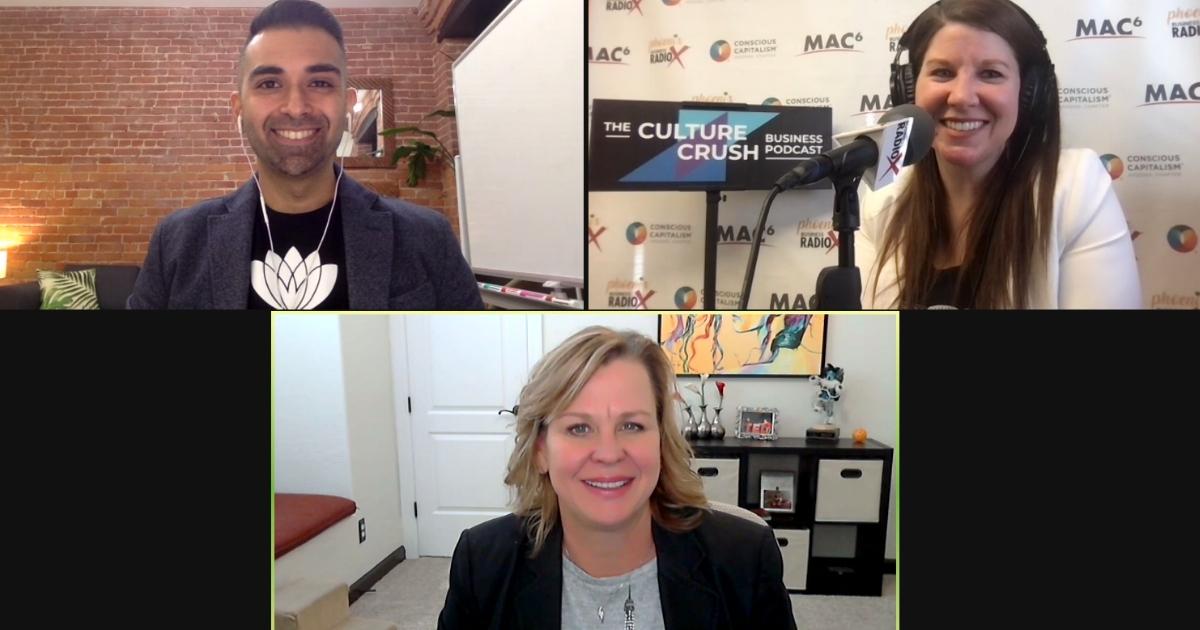
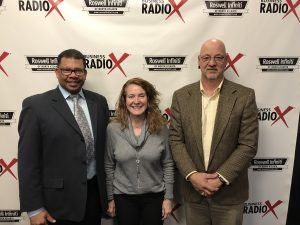
Desiree Caldwell, Elite HR Logistics, Jason Etheridge, Logic Speak, and Sean Shannon, Strategic Growth Design

September 12, 2024 by John Ray

Desiree Caldwell, Elite HR Logistics, Inc., Jason Etheridge, LogicSpeak, and Sean Shannon, Strategic Growth Design, on ProfitSense with host Bill McDermott
North Fulton Studio
Desiree Caldwell, Elite HR Logistics, Jason Etheridge, Logic Speak, and Sean Shannon, Strategic Growth Design
Loading
00:00 /
RSS Feed
Share
Link
Embed

Download file

Desiree Caldwell, Elite HR Logistics, Inc., Jason Etheridge, LogicSpeak, and Sean Shannon, Strategic Growth Design, on ProfitSense with host Bill McDermott

Desiree Caldwell, Elite HR Logistics, Jason Etheridge, Logic Speak, and Sean Shannon, Strategic Growth Design (ProfitSense with Bill McDermott, Episode 61)

This episode of ProfitSense with host Bill McDermott features three distinguished entrepreneurs who share their expertise in navigating various complexities of managing a business. Desiree Caldwell from Elite HR Logistics discusses modern HR challenges, employee engagement, and the role of technology in streamlining HR processes. Jason Etheridge, Logic Speak, reveals key moments from his 20-year journey in the IT service industry, covering topics such as financial growth, acquisition, and managing technological change. Lastly, Sean Shannon from Strategic Growth Design elaborates on the critical components of a successful sales strategy, the importance of aligning sales and marketing, and the nuances of sales leadership.

Bill McDermott concludes the show with a commentary on going beyond exit planning as a buzzword.

ProfitSense with Bill McDermott is sponsored and presented by Bill McDermott, The Profitability Coach, and the show is produced by John Ray and the North Fulton Studio of Business RadioX® in Alpharetta.

Desiree Caldwell, Elite HR Logistics, Inc.

Desiree Caldwell, Director of People & Culture / President, Elite HR Logistics, on ProfitSense with Host Bill McDermott
Desiree Caldwell, President and Director of People & Culture, Elite HR Logistics, Inc.

Desiree Caldwell is President and Director of People & Culture at Elite HR Logistics, Inc.

Elite HR Logistics is dedicated to providing exceptional hiring and staffing solutions to keep businesses running smoothly. Founded on the principle of putting people and family first, Elite HR Logistics delivers outstanding service through a flexible and comprehensive approach, ensuring teams are equipped with professionals who are ready to perform at their best.

Specializing in finding dedicated candidates who are passionate, eager to contribute, and ready to grow, Elite HR Logistics leverages over 30 years of combined experience in the logistics industry. The company excels in safety, service, and building strong relationships, making it a trusted partner in workforce management.

Elite HR Logistics’ streamlined process saves clients time, money, and resources, allowing them to focus on their core business operations without interruption. The company manages all aspects of the hiring process, including recruiting, dispatch, payroll, education verification, background checks, DOT compliance, and more. Whether clients need temp-to-hire industrial employees or long-term team members, Elite HR Logistics provides hands-on service and industry expertise to meet all staffing needs.

With a unique ability to find talent where others aren’t looking, Elite HR Logistics equips candidates with the tools they need to succeed and places them with reputable businesses across the United States. Committed to helping clients build strong, adaptable workforces, Elite HR Logistics is the partner of choice for driving business success. The road to success starts with Elite HR Logistics.

Website | LinkedIn | Desiree’s LinkedIn | Instagram | Facebook | X (Twitter)

Jason Etheridge, Logic Speak

Jason Etheridge, Logic Speak, on ProfitSense with host Bill McDermott
Jason Etheridge, Founder & President, Logic Speak

Jason Etheridge is the Founder and President of Logic Speak

Logic Speak works with local Atlanta businesses to provide proactive Technology Strategy, Support and Security. Since 2004, Logic Speak has focused on making a positive impact on organizations to leverage technology better.

IT Strategy: A well-defined technology strategy is essential for aligning IT initiatives with business goals. It involves identifying the right technologies that can drive innovation, enhance productivity, and improve operational efficiency. By developing a clear roadmap, you can ensure that your technology investments are strategic and yield long-term benefits.

Support: Effective technology support is crucial for maintaining a productive workforce. It involves providing timely assistance and troubleshooting for IT-related issues. This can range from software and hardware support to network and infrastructure management. By ensuring that employees have access to reliable support services, you can minimize downtime and maximize productivity.

Security: Security is paramount in today’s digital world, especially with the rise of cyber threats. A strong security strategy involves implementing measures to protect sensitive data and systems from unauthorized access, breaches, and other security risks. This includes deploying firewalls, encryption, multi-factor authentication, and regular security audits.

Find out more at www.logicspeak.com or email us at hello@logicspeak.com

Website | LinkedIn | Jason’s LinkedIn | Instagram | Facebook

Sean Shannon, Strategic Growth Design

Sean Shannon, President, Strategic Growth Design, on ProfitSense with Bill McDermott
Sean Shannon, President, Strategic Growth Design

Sean Shannon is the President of Strategic Growth Design.

Strategic Growth Design helps small and medium sized businesses and start ups chart a path to sustainable growth through thoughtful strategy and disciplined processes.  Sales is the engine that drives growth and yet little thought is given to the infrastructure that’s necessary to create repeatable success.
SGD offers business owners and CEOs the opportunity to engage on a project basis or as fractional sales leadership, all driven by the needs of the organization.  Some simply need the processes; others need the leadership only years of experience can bring on an interim basis.  The pros at Strategic Growth Design are ready to roll their sleeves up and get to work driving revenue north and mental anguish south.

Website | LinkedIn

Topics Discussed in this Episode

00:00 Introduction to Profit Sense
01:20 Guest Introduction: Desiree Caldwell of Elite HR Logistics
01:40 Navigating Modern HR Challenges
02:52 Employee Engagement and Retention Strategies
04:50 The Role of Technology in HR
05:52 Success Stories from Elite HR
07:32 Fostering Healthy Workplace Cultures
09:36 Guest Introduction: Jason Etheridge of Logic Speak
10:05 Pivotal Moments in LogicSpeak’s Journey
11:35 Managing Financial Growth
14:45 Adapting to Technological Changes
18:00 Sales Strategies and Community Service
22:46 Guest Introduction: Sean Shannon of Strategic Growth Design
23:07 Key Elements of a Successful Sales Strategy
26:58 Aligning Sales and Marketing
28:32 Compensation Design for Sales Teams
30:59 Responding to Market Disruption
34:44 The Importance of Exit Planning
36:37 Conclusion and How to Stay Connected

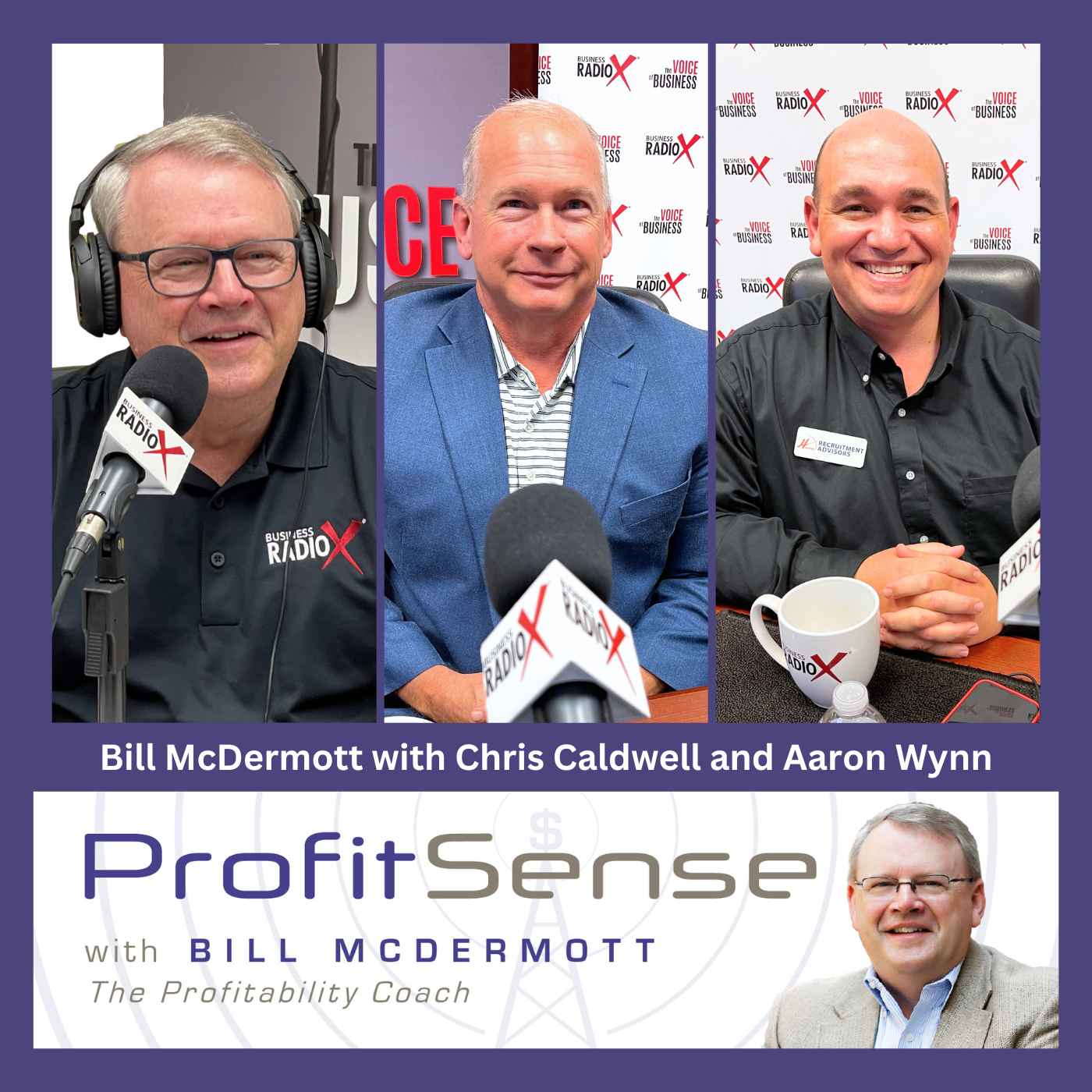
About ProfitSense and Your Host, Bill McDermott

Bill McDermott
Bill McDermott

ProfitSense with Bill McDermott dives into the stories behind some of Atlanta’s successful businesses and business owners and the professionals that advise them. This show helps local business leaders get the word out about the important work they’re doing to serve their market, their community, and their profession.

Follow this link to find the show archive.

The show is presented by The Profitability Coach. The Profitability Coach helps business owners improve cash flow and profitability, find financing, break through barriers to expansion, and financially prepare to exit their business.

Bill McDermott is the Founder and CEO of The Profitability Coach. When business owners want to increase their profitability, they don’t have the expertise to know where to start or what to do. Bill leverages his knowledge and relationships from 32 years as a banker to identify the hurdles getting in the way and create a plan to deliver profitability they never thought possible.

Bill currently serves as Treasurer for the Atlanta Executive Forum and has held previous positions as a board member for the Kennesaw State University Entrepreneurship Center, Gwinnett Habitat for Humanity, and Treasurer for CEO NetWeavers. Bill is a graduate of Wake Forest University, and he and his wife, Martha, have called Atlanta home for over 40 years. Outside of work, Bill enjoys golf, traveling, and gardening.

Connect with Bill on LinkedIn and Instagram and follow The Profitability Coach on LinkedIn.

Tagged With: Bill McDermott, Desiree Caldwell, Elite HR Logistics, it services, it services provider, Jason Etheridge, LogicSpeak, ProfitSense, ProfitSense with Bill McDermott, Sales, sales management, Sean Shannon, staffing, Strategic Growth Design, talent retention, workplace culture

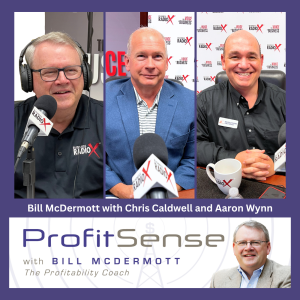
Chris Caldwell, Highland Trust Partners, and Aaron Wynn, Hunter Recruitment Advisors

October 12, 2023 by John Ray

HIghland Trust Partners
North Fulton Studio
Chris Caldwell, Highland Trust Partners, and Aaron Wynn, Hunter Recruitment Advisors
Loading
00:00 /
RSS Feed
Share
Link
Embed

Download file

HIghland Trust Partners

Chris Caldwell, Highland Trust Partners, and Aaron Wynn, Hunter Recruitment Advisors (ProfitSense with Bill McDermott, Episode 50)

Chris Caldwell, Partner at Highland Trust Partners, and Aaron Wynn, President of Hunter Recruitment Advisors, were Bill McDermott’s guests on this episode of ProfitSense with Bill McDermott. Chris discussed how he got into financial planning, who they most often work with, the business owner’s level of preparedness for the future, how business planning unfolds, and much more.

Aaron began with a very personal reason he started Hunter Recruitment Advisors and went on to discuss recruitment marketing, working with trades recruiting, why talent leaves a position, and more.

Bill concluded with his thoughts on a question for business owners:  “What’s Standing in the Way of Your Business Exit?”

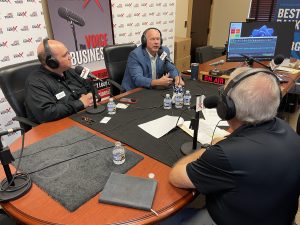
ProfitSense with Bill McDermott is produced and broadcast by the North Fulton Studio of Business RadioX® in Alpharetta.

Highland Trust Partners

Highland Trust Partners is a team of experienced financial advisors located in Athens, Georgia, bringing more than 60 years of combined experience in the finance industry to each client engagement. Their independent wealth management practice was established with the goal to help individuals and organizations manage, preserve, and enhance their wealth as they seek to attain and maintain financial independence.

Their client-centered, team approach combines experience and insight from a comprehensive, independent perspective as they develop customized strategies to help address the unique challenges and opportunities you face. Highland’s clients are individuals, families, business owners and corporations seeking experienced guidance and a personalized approach to attaining and maintaining financial independence.

Website | LinkedIn | Facebook

Chris Caldwell CFP®, AIF®, CRC®, AEP®, ChSNC®, MBA, Partner, Financial Planner, Highland Trust Partners

Chris Caldwell CFP®, AIF®, CRC®, AEP®, ChSNC®, MBA, Partner, Financial Planner, Highland Trust Partners

Chris is a CERTIFIED FINANCIAL PLANNER™ professional, Accredited Investment Fiduciary®, Certified Retirement Counselor® (CRC conferred by InFRE®), Accredited Estate Planner ®, Chartered Special Needs Consultant ®, and a founding partner of Highland Trust Partners. Chris seeks to help families reduce financial stress by organizing their finances and developing strategies aligned with their goals and values.

He helps businesses design retirement plans that are noticed and appreciated by employees with the goal of helping workers retire on time with the assets they require for retirement. Based on experience, Chris knows that financial independence is the number one goal most people have for their lives in retirement. His clients rely on him to help them identify and overcome challenges along the path to retirement, anticipating and seeking to avoid obstacles that could come between them and their goals.

Chris received both his undergraduate and graduate degrees from the Terry College of Business at the University of Georgia. He began his financial services career in 1996 and has experience in trusts, investments, insurance, and banking. Chris has concentrated his efforts over the years on enhancing his financial knowledge to assist clients by earning four accredited professional designations, which combined require more than 30 hours of continuing education each year.

Chris has been an adjunct professor at Piedmont College, teaching several business courses and occasionally lectures to classes at the University of Georgia. He has served as a board member for St. Mary’s Hospital, Highland Hills Retirement Village, Athens Rotary Club, Athens Rotary Foundation, Food Bank of NEGA, Athens-Clarke Library, and Piedmont College.  Chris is a member of the Estate Planning Council of Northeast Georgia and the National Association of Financial Planners.

Chris and his wife, Heather, were married in 1999 and have two children, Seth and Natalie.  In spare time, Chris enjoys travel, running, hiking, golf, reading, and of course the Georgia Bulldawgs.

LinkedIn

Hunter Recruitment Advisors

Hunter Recruitment Advisors (HRA) is a minority-owned, Recruitment Process Outsource (RPO) provider and recruitment marketing expert. They mobilize the right people, skills, and technologies to help organizations improve their business performance.

Hunter provides key staff to employers allowing them to meet diversity goals and to promote equal opportunity in employment.

HRA is committed to creating innovative, flexible solutions for government and commercial clients.

Website | LinkedIn | Facebook | Instagram | YouTube

Aaron Wynn, President, Hunter Recruitment Advisors

Aaron Wynn, President, Hunter Recruitment Advisors

Aaron Wynn has spent his professional life helping his clients overcome the distress of not being able to grow their businesses. By applying his personal experiences and professional knowledge, he provides the proven tools and techniques needed to identify, attract, and retain the right employees at the right time. This strategic alignment of talent and resources then becomes the catalyst for the organization’s strength and growth trajectory.

Aaron understands you cannot achieve your company’s full potential without bringing in the right people to help manage the processes and operations, while giving you the ability to focus on growth and profitability. Hunter Recruitment Advisors (HRA) began as a one-man shop, and Aaron has successfully grown it into a 25-member talent consultancy firm.

While his focus has always been centered around talent management, his specialty within the field is really Recruitment Marketing. Hunter Recruitment Advisors has helped more than a hundred companies across the United States recognize recruiting is no longer solely an HR function, but it is a Marketing one as well. Each company is unique and carries with it its own culture and values, and similarly, there is not a a single approach to recruitment. HRA creates uniquely designed recruitment marketing plans, identifies recruitment practices, and can recruit as an outsourced resource to maximize a client’s exceptionality and specific needs.

Aaron has been in the Talent Management field for 20+ years. He received his BA in Human Resources from The George Washington University and his MBA from Benedictine University and founded HRA in 2015. He is an avid student of all things related to the workforce and professional development and is recognized as an expert authority within the field.

Aaron is currently the President of Hunter Recruitment Advisors based in Atlanta, GA where he lives with his wife and children.

LinkedIn

About ProfitSense and Your Host, Bill McDermott

Bill McDermott
Bill McDermott

ProfitSense with Bill McDermott dives into the stories behind some of Atlanta’s successful businesses and business owners and the professionals that advise them. This show helps local business leaders get the word out about the important work they’re doing to serve their market, their community, and their profession. The show is presented by McDermott Financial Solutions. McDermott Financial helps business owners improve cash flow and profitability, find financing, break through barriers to expansion, and financially prepare to exit their business. The show archive can be found at profitsenseradio.com.

Bill McDermott is the Founder and CEO of McDermott Financial Solutions. When business owners want to increase their profitability, they don’t have the expertise to know where to start or what to do. Bill leverages his knowledge and relationships from 32 years as a banker to identify the hurdles getting in the way and create a plan to deliver profitability they never thought possible.

Bill currently serves as Treasurer for the Atlanta Executive Forum and has held previous positions as a board member for the Kennesaw State University Entrepreneurship Center and Gwinnett Habitat for Humanity and Treasurer for CEO NetWeavers. Bill is a graduate of Wake Forest University and he and his wife, Martha have called Atlanta home for over 40 years. Outside of work, Bill enjoys golf, traveling, and gardening.

Connect with Bill on LinkedIn and Twitter and follow McDermott Financial Solutions on LinkedIn.

TRANSCRIPT

Intro: [00:00:03] Broadcasting from the Business RadioX Studio in Alpharetta, it’s time for ProfitSense with Bill McDermott.

Bill McDermott: [00:00:17] Good morning. Welcome to ProfitSense. This podcast dives into the stories behind some of Atlanta’s successful businesses and business owners and the professionals that advise them. We help local business leaders get the word out about the important work they’re doing to serve their market, their community, and their profession, as well as discuss current issues that business owners are facing today across a wide variety of industries.

Bill McDermott: [00:00:44] I’m your host, Bill McDermott, and this show is presented by The Profitability Coach. When business owners want to increase their profitability, they often don’t have the expertise to know where to start or what to do. I leverage my knowledge and relationships from 32 years as a banker to identify the hurdles getting in the way and create a plan to deliver profitability they never thought possible.

Bill McDermott: [00:01:07] We have two great guests on the show today. I want to welcome Chris Caldwell with Highland Trust Partners. Chris, welcome.

Chris Caldwell: [00:01:14] Thank you, Bill.

Bill McDermott: [00:01:15] And I also wanted to welcome Aaron Wynn with Hunter Recruitment Advisors. Aaron, welcome to ProfitSense.

Aaron Wynn: [00:01:21] Thank you so much. Excited to be here.

Bill McDermott: [00:01:23] Chris, I’m going to start with you. You and I both have a topic that’s near and dear to our hearts, helping business owners exit their business, and not only exit it and have a plan. But before we jump to that topic, I’d love to know why are you in the profession you are as a financial planner?

Chris Caldwell: [00:01:44] Well, that’s a great question. I get that fairly often. So, I always say, and I think everybody does this when they coach other people, is that you do what you’re passionate for. You do what you love to do. You do what you feel that you can provide value to others. So, financial planning was that for me.

Chris Caldwell: [00:01:59] When people ask me what I do, I tell them that I’m passionate about reducing stresses in the lives of families and business owners, and they want to know what that means with financial planning. So, financial planning is not about finances. That’s my background. That’s what I studied. I’m pretty good with math. I love statistics. I love analytics. I love strategies. That’s part of it. But what I really love to do is to get involved with people’s lives and find out what they are worried about, what they don’t know, and try to find ways that we can structure a plan with a bunch of strategies to make sure that they’re successful in whatever their endeavors are.

Chris Caldwell: [00:02:35] So, I think when we have conversations with people, we can all say this, that we have a look back. If I could go back in time, ten years ago if I knew what I knew today, 20 years ago if I knew what I knew today, I think what we bring to the table as planners in our firm is that we can share all of our experiences with clients to help them not do that later. So, 10 years from now, 20 years from now, they don’t look back on had I known, had I done, had somebody told me that we’d be in a better situation, we’re passing on all the experiences that we’ve worked with other people, sharing their stories of sometimes mistakes they’ve made so others don’t make those mistakes. That’s really what financial planning is, is life planning.

Bill McDermott: [00:03:15] Yeah. And I’ve found just in my experience, while I don’t do financial planning, I do help business owners with an exit, and so the things that I’m thinking about as a business owner in my 60s is I don’t know how to do this. How do I do it? I know you work with different types of businesses in figuring that out, so share with me and our audience what type of businesses do you and Highland Trust Partners work with most often?

Chris Caldwell: [00:03:44] Sure. So, a lot of our businesses look like us. We are an independent financial planning firm. We have a partner. There’s two of us as partners in our practice. We have nine total people as part of our practice. We are in growth mode, so we’re looking to recruit and possibly add. We may get up to 20 as our max. We may hit around 15, it’s probably a good number for our firm going forward. So, we are a business owner, so the businesses that gravitate to us most is one of five partners, maybe they have less than 100 employees, but they live the same issues, the same stress points that we live as owning a business. So, we’re good about talking to them with the things that we do with the business.

Chris Caldwell: [00:04:29] And no matter what industry you’re in, whether you’re in construction or health care or engineering or law, we have different products and services and different things we do as a business, but we have a lot of the same foundation things to run a business. So, the business that gravitate to us are small businesses that look like us because we can share our stories with them as far as the stress points we go through and what we’re working on to make ourselves better.

Bill McDermott: [00:04:53] Yeah. That is great. We’re talking this morning with Chris Caldwell. He’s the founding partner with Highland Trust Partners. Chris is a certified financial planner. Chris seeks to help families reduce financial stress by organizing their finances and developing strategies aligned with their goals and their values.

Bill McDermott: [00:05:12] So, I want to switch to a question that’s very near and dear to my heart, when you first meet a business owner, what surprises you most with how they’ve prepared for their future or the future of their businesses?

Chris Caldwell: [00:05:27] So, it depends a lot on what stage of the business cycle they’re in their business. A lot of it for, say, a young business owner, I don’t want to say this surprises me anymore because I expect a young business owner – not young in age, but young in the business venture – not to know a lot yet. But even things like having an operating agreement in place, we’ve seen business owners who’ve done their own or not done any at all, whether they’re a single shop or two or three person practice or firm.

Chris Caldwell: [00:05:51] We’ve seen where they haven’t organized maybe how, really, they’re running the business. I don’t want to say they’re winging it, but they have a good idea, a good service, a good product, and they’re just doing the best they possibly can to get that to market and sell it. So, they haven’t put a lot of emphasis in how do we take this from A to B and what do we think of personally to protect ourselves. They haven’t done a lot of the organization or the structures. They’re not near an exit yet at all.

Chris Caldwell: [00:06:19] But I tell everybody that opens a door in a business, they need to already start talking about succession planning at some point because it’s going to come about. Don’t wait. Do it now. Let’s go ahead and start the conversation. So, the young business owner or young businesses, we see a lot they haven’t adopted those things quite yet as far as structuring the business.

Chris Caldwell: [00:06:36] So, for the growth businesses, now they’re full board, their sales are up, they’re adding employees, they’re in full growth mode, and they are focused only pretty much on the business at that point, they’re the owner or owners and so they’re putting all their time and energy into the business, what I see most that surprises me there is they’re neglecting the other stakeholders, and a lot of those may be their own family. Not neglecting time per se from family, which is part of it, but it is Are they doing the things to protect their families if something happens to them? And are they protecting their business?

Chris Caldwell: [00:07:09] So, if they’re the owner and they’re basically the reason why the business is in growth mode and doing so well, does the business succeed or continue to succeed if they’re not there, whether it’s time off, a sickness, an injury, a disability, or – God forbid – death. So, are they putting things in place to make sure that the business is taken care of in their absence and the family’s taken care of in their absence?

Bill McDermott: [00:07:32] Yeah. I actually had one experience myself where two partners had a buy-sell agreement, but it never got funded with insurance, and the owner died, and all of a sudden that owner never anticipated having the spouse as a partner. And so, that type of planning is so critical.

Chris Caldwell: [00:07:53] And we see that for those who are in the growth stage as well as the mature stage, those who are ready to exit. And your show has said several times and you’ve mentioned it and we buy into this, is, you got to think like a buyer. So, we have a lot of clients that are in the mature stage of ownership that are getting closer to exit strategy. They aren’t thinking like buyers. They’re not ready. They’re not getting their house ready for the best valuation and best sale they can get out of it.

Bill McDermott: [00:08:16] Yeah. Yeah. And typically it is the largest asset that they have on their personal financial statement based on how they value it. And so, I want to switch a little bit and go in a similar direction, but different type of question. A hundred percent of the businesses are going to pass one way or another. But yet, studies show that probably only 20 percent have any kind of a financial plan that’s in writing, 80 percent don’t. So, what do you discuss to convince a business owner to focus time, energy, and money towards business planning?

Chris Caldwell: [00:08:53] So, that 80 percent – from what I’ve experienced – is business owners not willing to or able to take the time to put the work into it. They feel like the process is going to take much longer than it is. Again, those growth in the middle stages of the business cycle, they’re dedicated to the business primarily, of course they have family, they have social life. So, for them to fear to spend the time to do this is money out of their pocket. Not even dollars. It’s just opportunity cost.

Chris Caldwell: [00:09:21] So, what we do for them, again, we’re business owners, I have limited time in my day. I know that. I convey that to my clients and say, “Look, I understand that you don’t have the ability to pull away from work for three or four or five hours a week to work with somebody on developing all these strategies.” What we’re really good at, besides conveying that time issue, is do the things behind the scenes for them.

Chris Caldwell: [00:09:47] So, I am a network person. I naturally just want to introduce people to people. I got plumbers. I got electricians. I got gardeners. I got people who do work for people and just give them free pro bono referrals all the time. So, for me to build a team for a client, to make sure that they have a CPA, a corporate attorney, and a state attorney, an insurance agent, maybe an investment advisor, somewhere else, all the bankers, but these people, they may have them, but they’re not talking to each other in a lot of cases. They’re working in silos for what they do for that individual.

Chris Caldwell: [00:10:18] My role as a planner is to basically bring this team to the table, not really at a table, but to talk to each other about the different circumstances our client is going through and how can we pull resources together to make this stuff happen for them to fix what’s broken or what’s not being done. So, I can do a lot of the information gathering and discovery for a client to do succession planning and other things, estate planning without engaging the client. All that we need from them is letters of authorizations from these different professionals to work with them to gather information.

Chris Caldwell: [00:10:51] And we come up with a strategy solution, basically get it ready to sign almost in some cases. And they’re not pulling a lot of time away from work to do that. Energy is natural. Once they see we don’t take their time, they’re energized. That’s pretty easy. They’re excited to know they don’t have to do a lot. But we’re going to get to know them personally and ask them personal questions. We’re also going to get to know their families well. So, I think importantly, for planning for a business owners, also knowing what they need in their family, knowing their spouse, knowing what they have to bring home one day, so that energizes them knowing we involve the family with that.

Chris Caldwell: [00:11:27] And then, money, it really never comes down to money. Once they know the time we save them, they know we’re putting the resources together to make sure we reduce the risk in their lives, they know that we’re definitely adding more valuation to the business by doing this, maybe saving on other things, tax strategy, return on investments, and others, they’re going to save money off of it. So, it never comes down to, “Hey, it’s going to cost me money.” They’re worried about costing me time.

Bill McDermott: [00:11:50] Sure. That makes all the sense in the world. We’re talking today with Chris Caldwell with Highland Trust Partners. Highland Trust Partners is a team of experienced financial advisors located in Athens, Georgia, bringing more than 60 years of combined experience in the finance industry to each client engagement.

Bill McDermott: [00:12:09] And, Chris, I want to talk a little bit about I’m a new business owner, I’m coming to you, what are the steps that Highland Trust takes with a new business owner and what do you charge?

Chris Caldwell: [00:12:21] Sure. So, some of that answered in the time. So, when we engage with a new client, we work on 12 month engagements. And that basically means we’re fiduciary obligated to you for this 12 month period, at least, to do everything in your best interest, to work with your other professionals, and that type of thing. So, I’d say within the first month is a lot of discovery. We want to know you as a person and your family, because everybody’s different, so what’s your history, what’s your background, what’s your belief system with money and other things, do you like lawyers, not like lawyers, all those kind of conversations we want to get to.

Chris Caldwell: [00:12:55] And then, get to know their other professionals. I want to make introductions to that list I gave you a second ago, and try to discovery pull all those resources together to begin to build their plan and their strategies from that plan. So, within the first month or two is discovery, getting to know family again. The second, third, or fourth month in combination is actually starting to implement some of those strategies that we put in place.

Chris Caldwell: [00:13:18] With a business owner, particularly multiple partners, because everybody’s involved at this point, it’s not just one partner, it’s everybody, and then it’s their spouses, so it’s a network, we want to make sure that we do it methodically. We don’t go fast. We do it well. So, we’ll do certain strategies with it and finish certain components of it, but finish the plan within a 12 month period. It usually takes some time, two years, which they appreciate because they realize (1) we’re not taking time away and (2) we’re going to do it slow and right.

Chris Caldwell: [00:13:48] But what we want to engage the owner in, essentially, is that we just need to know their direction. What’s your strategic plan with the business? Do you have a business coach? That’s a great one. So, how do we improve your valuation? What do we need to do? What have you done before this failed? Those are the kind of things I have to engage the owner with as far as their time.

Bill McDermott: [00:14:06] Sure, that makes a lot of sense. Chris, this has just been a wealth of information. I’m going to guess we have several business owners that are going to listen in to this, what is the best way for a potential business owner to get in touch with you and Highland Trust Partners?

Chris Caldwell: [00:14:22] So, the best way probably is just go to our website, www.highlandtrustpartners.com, so highlandtrustpartners.com. All of our contact information is on the website so you can easily reach out through the site and get in touch with any of our planners and we can have an introduction call with you.

Bill McDermott: [00:14:40] Well, great wealth of information, good counsel, and thanks again for coming on the show.

Chris Caldwell: [00:14:45] Thanks for having me. I appreciate it. Thanks, Bill.

Bill McDermott: [00:14:47] We’re now going to switch to Aaron Wynn with Hunter Recruitment Advisors. Aaron, I want to just kick off with what was the inspiration for how HRA got started?

Aaron Wynn: [00:14:58] I think most stories there’s a personal and then there’s a professional side of it. For me, the personal side of it was that my wife and I had twin sons that were born about three-and-a-half, four months early, and unfortunately we lost one of our sons about 16 days after he was born. He’s living with the Lord now. And our other son is with us. And I was a director of recruiting for a very large convenience chain, and I would leave to go to work and he would be asleep on oxygen at our house, and I’d come home and he’d be asleep on oxygen in my house. And it was the very real reality of having lost a child, realizing time is precious and I needed to make some changes.

Aaron Wynn: [00:15:43] And so, I wanted to work closer to home. And I was a little frustrated with my work. And my wife – who was amazing – said, “You’re never going to be happy until you do this on your own.” My story is probably no different than most business owners who start out. You’re never going to be happy unless you do this on your own. And sure enough, she was right. But I tell people all the time, especially business owners who might be listening to this for the first time, I failed miserably in my first business. I made so many mistakes and I could have let that knock me out of it altogether. But I took that as an opportunity to say, “You know what? Here’s where I’m going to learn.”

Aaron Wynn: [00:16:20] Originally, I did what was called contingency recruiting. And it’s a great business, it’s the majority of the business that happens in our country when it comes to recruiting. But I felt so frustrated because I was providing a different level of service to our clients and it was really dependent on if the candidate stayed for 90 days. If they left on day 89, it voided all of the work that we had done.

Aaron Wynn: [00:16:44] And so, when I started over again, one of the things that I wanted to bring in, or the principles were corporate recruiting. Most businesses are familiar with corporate recruiting. And the big difference is that you’re paid for the work that you do and the consulting that you provide. And so, when I started Hunter Recruitment Advisors, for me it was just a natural thing. I provided guidance, not just a job order or job taking, but really giving you guidance on what I call the three principles of all recruiting, that you work with the hiring manager and you have to explain to them that recruiting foundationally is always built on the principles of skill, money, and time. And how you directly impact one of those impacts the other two, and helping them understand that while you may want Michael Jordan, sometimes it’s great to settle for a Scottie Pippen and train them to do more.

Aaron Wynn: [00:17:39] And so, when Hunter Recruitment Advisers got started, that’s really how it began. It wasn’t a grand idea that I had to grow into a 24 person company. It was really just me sitting in my basement and realizing that there had to be other options out there in the marketplace. Because a lot of small businesses, they can’t afford to pay 20, 30 percent of first year salary for an individual. That impact would be $20,000, $30,000. So, what we provide is an hourly based recruiting solution that allows them to pay as they go.

Bill McDermott: [00:18:14] And I know building on that foundationally, that’s really the difference in your recruiting, isn’t it?

Aaron Wynn: [00:18:22] It is. A lot of times we’ll get asked, “Well, can you do contingency?” And I always try to explain to people that contingency in its nature is a lot like the spelling test that you have to take. Contingency firms will come by and they’ll say, “Hey, let me work on your job. No charge until you find your person,” which is great. And they do the exact same thing with 60 other businesses. So, they get these 60 jobs and then all of a sudden they go, “All right. I’m going to pick the ten that’s going to be the easiest to fill and I’ll maybe pass on some resumes if I find something to these other 50.”

Aaron Wynn: [00:18:56] What happens then is that you, as the owner, get frustrated – and you hear this all the time in the industry – “They didn’t do a great job or they really didn’t focus on us.” When you do RPO, you’re being paid to focus on that position. Actually, all the hours that we tell you that we’re working on that role, we’re working on that role. And so, I go back to the spelling analogy, if you’re given a spelling test and in one word is cat and the other word is onomatopoeia, and you only have to learn one, you’re going to learn cat.

Bill McDermott: [00:19:26] Sure.

Aaron Wynn: [00:19:26] That’s what contingency firms do. They work on the cat projects. Most of the jobs that people are being asked to recruit for are onomatopoeia. And so, you need somebody who’s going to study it, who’s going to focus and who’s actually going to work on your project for you.

Bill McDermott: [00:19:41] We’re talking today with Aaron Wynn, President of Hunter Recruitment Advisors. Aaron spent his professional life helping his clients overcome the distress of not being able to grow their businesses. By applying his personal experiences and professional knowledge, he provides the proven tools and techniques needed to identify, attract, and retain the right employees at the right time.

Bill McDermott: [00:20:05] And so, Aaron, your business model really is intended not only to be much more effective and efficient, but you’re actually working yourself out of a job through what you call recruitment marketing. So, talk about that a little bit.

Aaron Wynn: [00:20:23] That is true. So, for a lot of businesses, they apply principles that they’ve known their entire career. I put a job posting out. Hopefully, we’ll see some resumes come in and then we’ll see what happens. That worked pretty well when you had a unemployment rate that was 5-1/2, 6, 7 percent. There were people available in the market. Well, for the last – what? – five years, we’ve been at less than four full employment and people are really stretched. And in particular industries where we tend to have a lot of expertise, in the construction or in the trades business, it’s even worse.

Aaron Wynn: [00:20:59] And so, what they found is that all of a sudden that well of resumes has dried up. So, what do you do? Well, that’s really when the smart companies, the bigger companies started employing practices of recruitment marketing. Recruitment marketing is sharing your business to the public as to why they would want to come and work for you versus somebody else. And there’s lots of different avenues where that takes place. One, it’s their career page, that’s a basic for every business owner. Two, most people don’t realize Indeed provides a career page for your company that you don’t even know about. The moment you post a job on Indeed, you get an automatic career page.

Bill McDermott: [00:21:39] I didn’t know that.

Aaron Wynn: [00:21:39] And from there people can rate how much they like your business or don’t like your business. And that’s a really big deal because Indeed bought Glassdoor, so they’re funneling people to give ratings on your organization. Well, I’m telling you, most new candidates are going through there and trying to decide who they want to work for. They’re checking out your rating. And so, if you don’t own that, if you’re not marketing through that, that’s a challenge.

Aaron Wynn: [00:22:07] And with the rest of our clients, we try to teach them how they can use these principles of recruitment marketing for themselves. They can use us to be able to employ those principles, but they themselves can learn to do it. And what happens often is that we’ll do the recruiting as well as the recruitment marketing. And once we help them find their person or people, then we’ll work ourselves out of that opportunity and they have the fundamental tools now to be able to recruit for themselves.

Aaron Wynn: [00:22:33] They could always bring us back in if they’d like to, and we have lots of clients that will phase in and phase out and bring us back in when they have the next set of hiring needs. But for a lot of our clients, they’ve reached that stage where they have 35, 40, 50 people, they need to have an ongoing recruitment process. We will actually help them hire their recruiter and train them on how to execute both recruitment marketing and recruitment practices so they can do it for themselves.

Aaron Wynn: [00:22:57] I tease people, it’s either the worst business model or the best one. I’d like to think it’s probably a really good one because we’ve had now 130 companies just in the last four-and-a-half years all based off of referrals, individuals just sharing with other people this practice of recruitment marketing and recruiting.

Bill McDermott: [00:23:15] Yeah. And I would say 130, it’s a great business model, so congratulations on that.

Aaron Wynn: [00:23:22] I appreciate that.

Bill McDermott: [00:23:22] So, talk to me a little bit about the work in trades recruiting, HVAC, plumbing, electrical.

Aaron Wynn: [00:23:29] It’s really funny, we didn’t start out that way. When we began recruiting, our clients included the Weather Channel, we’ve had Edible Arrangements, we’ve worked with insurance companies, investment groups. And then, one day I got a call from a local Atlanta organization. They had an HVAC and they were looking to explore to do others. And they were running T.V. advertisement and they eventually had to stop because they couldn’t take on any more customers. Wouldn’t that be a great problem to have, you can’t take any more customers on, so I’m just going to have to stop advertising?

Aaron Wynn: [00:24:05] And so, they looked at me and said, “Hey, I hear you’re pretty decent at this recruiting thing. Could you look in to see what it is that we need to do?” And I had never done a trades recruiting before, and so I said, “I can do it, but you’ve got to give me two weeks. One week I’m going to spend in your office actually learning the culture of your company. And then, the second week I’m going to go in a truck with your guys and go with them on installations and go with them on repairs, because I want to understand what it takes to do this role and do it well.”

Aaron Wynn: [00:24:37] Now, not a lot of other companies would take that kind of practice. They would just take the job order and then move on. But for us, because we believe in recruitment marketing, we have to know who our target audience is. And so, after that, we developed an avatar who we targeted all of our recruiting. And I’m really proud of the fact that even on our website, the video testimony is given where we were able to double their revenues in about 18 months. They were at 35 employees and today they’re at 135 employees. And it’s been a great partnership.

Aaron Wynn: [00:25:09] And I think it was a real testimony to the fact that, all of a sudden, now we’re becoming experts in the trades. And that’s a real market that’s stressed. This year alone, there’s a-half-a-million person gap of trades positions that exist and the people that are willing to work. Now, there’s lots of reasons. There’s seven million people who are able to work that don’t want to work or – what I call affectionately – the extended childhood, where men and women who used to go to work in their 20s to support their families, now don’t have to really start until their late 20s and early 30s.

Aaron Wynn: [00:25:43] But suffice it to say, there’s still this gap, and so the trades business, which our plumbers, our electricians, our roofers – excuse me – plumbers, electricians, roofers, HVAC, these businesses really need to find not just individuals who can turn a wrench, but real people who can engage with customers. That’s not an easy feat. And so, all of a sudden, this need for finding that and being able to target with recruitment marketing to help them identify not just possible people, but people who have done this work before, became a premium for a lot of different businesses to be able to succeed.

Aaron Wynn: [00:26:21] And when COVID hit, businesses were screaming to get more people because they had all the business that they could handle, but they couldn’t find enough people to do the work. And so, we started to become experts. It was originally 25 percent of our business, then it became 50 percent, now it’s almost 80 percent of our business is just working in the trades.

Bill McDermott: [00:26:40] Wow. And there’s such a need for it out there. We’re talking today with Aaron Wynn with Hunter Recruitment Advisors. HRA is a minority owned recruitment process outsource provider and recruitment marketing expert. They mobilize the right people skills and technologies to help organizations improve their business performance. They provide key staff to employers, allowing them to meet diversity goals and to promote equal opportunity in employment. HRA is committed to creating innovative, flexible solutions for government and commercial clients.

Bill McDermott: [00:27:15] And so, Recruitment Process Outsourcing, RPO, what is it and why do employers need to be looking into this instead of contingency recruitment?

Aaron Wynn: [00:27:25] Sure. And we touched on this a little bit earlier, but the idea is that contingency recruitment is great, especially if you have a segmentation that you have an expertise in and you have a well of people. But most positions don’t start off that way with people who are actively ready to jump ship. And so, what happens is that you have to be the kind of position that’s easy for them to fill, to be able to move on to the next project.

Aaron Wynn: [00:27:51] If you’re in an organization where this position is not easy to fill and you really need somebody to concentrate on that, contingency can be a challenge because there, as we affectionately said earlier, they’re working on the cat jobs, they’re not working on the onomatopoeia. And so, that’s when you need to have a recruiter that’s devoted to you. Most small businesses that exist can’t afford to have a full time recruiter, that’s just cost prohibitive. And they really can’t afford to do 20 or 30 percent of a first year salary, that’s also cost prohibitive.

Aaron Wynn: [00:28:23] But they can afford to have a fractional recruiter, like somebody has a fractional HR person or a fractional CFO, which is becoming more and more common every single day. And so, fractional recruiting allows somebody to be able to have someone to come in who’s an expert in recruiting that not just does recruiting, but does the recruitment management for you. We literally will take on the role of the company through email as well as through phone. We’ll pick up the phone as that organization will describe the company’s culture. We’ll actually give them insights about the position as a candidate, because so often you have to woo a candidate into an opportunity.

Aaron Wynn: [00:29:02] And so, that’s not somebody who’s just looking at your resume and passing you through. These are business professionals. Our team are business professionals who have been corporate recruiters before, and they’re actually engaging with the candidate. Why it’s advantageous for the client is that, one, they’re really getting corporate recruiting, but they’re also getting it on an hourly basis. When we make the hire, the clock stops. And for most of our clients, they don’t realize this in the beginning, they’re paying probably anywhere between 40 to 50 percent of what they normally would have paid a contingency firm for the same level of service and, in fact, more service when you go with an RPO.

Aaron Wynn: [00:29:44] An RPO also establishes the ability to run your recruiting for you so that you can focus on doing your business. How many business owners have just one job? Nobody does. They’ve got four or five. My week this week is I’m the accountant, I’m the sales guy, the marketing guy, oh, and I happen to do some recruiting. Nobody has time for everything. And so, recruiting gets pushed to the bottom.

Aaron Wynn: [00:30:07] Here, they can outsource it all that the only thing they have to do is look at the write up that we did for them so they can see if this is the kind of candidate they want to talk to, provide the time that they would like to do the interviews and then show up. Everything else is handled by their RPO team.

Bill McDermott: [00:30:23] Yeah. Which is great. And the whole concept of fractional work gives the business owner the ability to have on demand recruiting, and so what a great business model. And everybody needs staff right now. I don’t think I have a client that isn’t looking to fill some kind of positions.

Aaron Wynn: [00:30:43] Well, pass those business cards over. I’ll be happy to take that.

Bill McDermott: [00:30:47] Absolutely. For our business owner listeners out there, just to help them, top three reasons people leave their job and what employers should know and do to attract them to their business.

Aaron Wynn: [00:31:01] In the top three, people often think the number one reason has got to be pay. Pay is in the top three, but it’s not number one, but it’s one that should always be considered. And what I try to tell business owners all the time is that you have to constantly make sure that your position and how it’s being paid is up to market. We usually get settled into a, “Hey, this is what it got paid, so that’s what it’s going to stay.” And the problem is they’ll get wooed by somebody else who’s more current. Every single year, for myself, I look at what we’re paying our employees and making sure that it’s at least up to market, if not better.

Aaron Wynn: [00:31:38] The second reason why people are – in fact, going from three to two, the second reason why people leave their positions is the quality of life. Can’t get to Susie’s recital. Can’t get to Timmy’s ballgame. Or their working hours non-stop and they really just want to be able to take a break, have some balance. That becomes more and more important with every generation that comes through is that balance and being able to convey that you can provide that. It doesn’t mean we don’t want people to work hard, but it means that you have to respect that they have a life outside of this business.

Aaron Wynn: [00:32:12] But the number one reason why people leave their jobs is the managers they work for. Over and over again, it’s the people that they work for. Can they respect them? Can they be somebody who listens to them and respects what they have to say? Will they actually contribute to their development as an individual?

Aaron Wynn: [00:32:34] And so, whenever I try to help companies reduce turnover, the first three things I investigate with them is, let’s see how well the pay is. And base it based off of the skills that you’re asking them to do, let’s get an internal survey or quality of life and understand how well that’s actually working. And then, three – and this usually makes people’s head spin when they originally think about it – is what’s the turnover rate per manager? And how well are we actually bonusing towards turnover rates? It’s not to keep people in positions that they shouldn’t be there, but if it’s apparent that one or two of your managers has a really high turnover rate in comparison to everybody else, then there’s an opportunity to help them to become a better manager, for no other reason than to become a better retention tool.

Bill McDermott: [00:33:24] What a great point. Aaron, if someone wants to get in touch with you, if they have some recruiting needs, what’s the best way to get in touch with you or with Hunter Recruitment Advisors?

Aaron Wynn: [00:33:37] There’s lots of different avenues. We have a pretty strong LinkedIn channel that we do a lot of our communication with the public. But they can also give us a call at 413-367-4868. That’s where our Solutions team will be able to take their call and really try to provide a solution that’s going to work best for them. Because it’s not a cookie cutter, every business is different, and so you need a different solution. And, obviously, they can check us out at hunterrecruitment.net where they can provide their information and see video testimonials of clients that have worked with us to get a sense of who we are as a company and to see if it would work well for them.

Bill McDermott: [00:34:15] Well, you’ve got a great business model and a great business, I’m excited about your future. Thanks again for coming on ProfitSense today.

Aaron Wynn: [00:34:22] The pleasure was all mine. Thank you.

Bill McDermott: [00:34:26] I want to take a moment right now and ask my business owner audience the question, What’s standing in the way of your business exit? Recent surveys show that 80 percent of business owners will exit their business in the next ten years, yet only 25 percent have created any sort of plans in writing for a successful outcome.

Bill McDermott: [00:34:48] I’m working with quite a few firms that are considering an exit. One situation includes a majority owner who has several partners and maybe discovering those partners don’t think like business owners and may just prefer to remain employees. Another owner is a very successful business. He’s a baby boomer and is ready to retire, but is having a hard time removing himself from day-to-day operations.

Bill McDermott: [00:35:14] So, what are some things that could be standing in the way of our exit? First, the economy. In a recession, the value of a business may decline making it more difficult to sell. Also, if the economy is weak, it may be more difficult to find a buyer. Industry trends. If the industry is declining, the value of a business in that industry may decline. If the industry is changing, it may be difficult to find a buyer who is willing to take on the challenges of a changing industry. Third thing is taxes. This is one component that’s very complex. In almost every case, selling a business for a gain will trigger either capital gains or ordinary income tax.

Bill McDermott: [00:35:58] So, what can we do as owners? Time the sale of our business carefully, plan carefully, and seek advice from your professional advisors, and know that alternatives such as merging with another company also exists. With careful planning and execution, it is possible to sell a business at a fair price, even in challenging economic or industry conditions.

Bill McDermott: [00:36:26] If you want to keep up with the latest in pro business news, follow us on LinkedIn and Instagram at The Profitability Coach. If you want to listen to past or future ProfitSense episodes, you can find us on profitsenseradio.com. This is ProfitSense with Bill McDermott signing off. Make it a great day.


Tagged With: Aaron Wynn, Bill McDermott, Business Succession, certified financial planner, employment, exit planning, HIghland, Hunter Recruitment Advisors, ProfitSense with Bill McDermott, Recruiting, retirement, Succession Planning, Talent Management, talent retention, The Profitability Coach

Using Social Media in the Construction Industry, with Jonathan Strack, Strack, Inc.

July 20, 2023 by John Ray

social media
North Fulton Studio
Using Social Media in the Construction Industry, with Jonathan Strack, Strack, Inc.
Loading
00:00 /
RSS Feed
Share
Link
Embed

Download file

social media

Using Social Media in the Construction Industry, with Jonathan Strack, Strack, Inc.

Jonathan Strack: In our industry, my view was stay off social media because you don’t want to attract any needless attention to what you’re doing. It’s already risky business.  But anything that’s on a social media platform, that’s your best attraction and retention tool. And that really legitimizes what you’re doing now.

We’ve gotten business based off our social media presence, especially when we started grading, we’d been primarily a pipe contractor, most of my life. And as we started doing earthwork, that was a definite change in perception for the industry. And. as we were trying to win some work, I’d have conversations with really large clients and said, Hey, we see what you’re doing on social media, you look like, you know what you’re doing, we trust you, you’ve been in business 70 something years.

And we’ve worked with you before in other places. Hey, come on we’re willing to give you a shot. And that really perked me up and surprised me. So I’ve become. A lot more open to exposing ourselves to what we do. And I think, the other piece is, you got to be willing to accept some failure and learn from it.

Sure. That we’ve definitely had some of that along the way.

Listen to Jonathan’s full ProfitSense with Bill McDermott interview here. 


The “One Minute Interview” series is produced by John Ray and the North Fulton studio of Business RadioX® in Alpharetta. You can find the full archive of shows by following this link.

Renasant Bank has humble roots, starting in 1904 as a $100,000 bank in a Lee County, Mississippi, bakery. Since then, Renasant has grown to become one of the Southeast’s strongest financial institutions with over $13 billion in assets and more than 190 banking, lending, wealth management and financial services offices in Mississippi, Alabama, Tennessee, Georgia and Florida. All of Renasant’s success stems from each of their banker’s commitment to investing in their communities as a way of better understanding the people they serve. At Renasant Bank, they understand you because they work and live alongside you every day.

Tagged With: Construction, Jonathan Strack, One Minute Interview, ProfitSense with Bill McDermott, Social Media, Strack Inc., talent attraction, talent retention

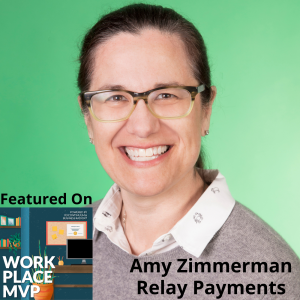
Workplace MVP: Amy Zimmerman, Relay Payments

March 17, 2022 by John Ray

Amy Zimmerman
Minneapolis St. Paul Studio
Workplace MVP: Amy Zimmerman, Relay Payments
Loading
00:00 /
RSS Feed
Share
Link
Embed

Download file

Amy Zimmerman

Workplace MVP: Amy Zimmerman, Relay Payments

In a wide-ranging conversation, Amy Zimmerman, Chief People Officer at Relay Payments, and host Jamie Gassmann discussed best practices for retaining talent. They covered incentives, rewards, and recognition, the need for companies to keep abreast of market conditions, the value of stay interviews and what happens when they go wrong, talent retention methods which go beyond compensation, and much more.

During the show, Amy referenced a recent interview she gave on stay interviews. You can find that interview by following this link.

Workplace MVP is underwritten and presented by R3 Continuum and produced by the Minneapolis-St.Paul Studio of Business RadioX®.

Relay Payments

After years of gaining a profound understanding of the ingrained payment problems in the logistics industry, co-founders Ryan Droege (CEO) and Spencer Barkoff (President) ultimately shared the vision of building the supply chain and logistics digital payment network of the future.

Now, Relay is a fast-growing, venture-backed fintech company, which raised $100 million in investment funding to fully support the goal of spearheading the industry transformation to digital, contactless payments, ensuring America continues to run during COVID-19 and well beyond.

As a result of the immense expansion, Relay has grown exponentially, boasting a workforce of 100+ across 12 states; all focused on building a customer experience unlike any other while modernizing age-old payment processes in the supply chain industry.

Relay’s customer-centric approach has entrusted the company to process more than 250,000 transactions every month, working with the largest carriers, freight brokers, and 3PLs across 50 US states and Canada, ensuring their products get to shelves quickly for consumer consumption.

Company website | LinkedIn | Facebook | YouTube

Amy Zimmerman, Chief People Officer, Relay Payments

Amy Zimmerman, Chief People Officer, Relay Payments

Amy joined Relay Payments in 2020 to support their explosive growth plans. She was hired to establish their people function and build it from the ground up. During this time, they have grown from fewer than 10 team members to over 120 globally. Relay Payments is a mission-driven, Series C, venture-backed start-up in the fintech space, headquartered in Atlanta, GA. They are building a contactless payment network in the transportation and logistics industry.

Amy co-founded PeopleCo. to be a strategic partner for founders and a growth catalyst for companies on the rise. Central to her work, of course, is the development and nurturing of a company’s culture. Whether the focus is on foundational elements, like defining core values and communication practices or developing more mature programs to support organizational effectiveness like performance development and engagement initiatives, it’s all in service to ensure that the culture is intentional and aligned with the company’s growth objectives and financial goals.

In her previous life, as chief people officer for Kabbage (recently acquired by American Express), Amy was responsible for building the company’s award-winning culture, driving engagement, and guiding all people strategy initiatives. She oversaw the integration of M+A teams to build and grow capabilities across a diversity of cultures and geographies. Before that, she worked for VSI as a recruiter, people leader, and culture ambassador prior to their acquisition by TransUnion.

She graduated from the University of South Florida with a completely irrelevant degree in Criminology.

LinkedIn

About Workplace MVP

Every day, around the world, organizations of all sizes face disruptive events and situations. Within those workplaces are everyday heroes in human resources, risk management, security, business continuity, and the C-suite. They don’t call themselves heroes though. On the contrary, they simply show up every day, laboring for the well-being of employees in their care, readying the workplace for and planning responses to disruption. This show, Workplace MVP, confers on these heroes the designation they deserve, Workplace MVP (Most Valuable Professionals), and gives them the forum to tell their story. As you hear their experiences, you will learn first-hand, real-life approaches to readying the workplace, responses to crisis situations, and overcoming challenges of disruption. Visit our show archive here.

Workplace MVP Host Jamie Gassmann

Jamie Gassmann, Host, “Workplace MVP”

In addition to serving as the host to the Workplace MVP podcast, Jamie Gassmann is the Director of Marketing at R3 Continuum (R3c). Collectively, she has more than fourteen years of marketing experience. Across her tenure, she has experience working in and with various industries including banking, real estate, retail, crisis management, insurance, business continuity, and more. She holds a Bachelor of Science Degree in Mass Communications with special interest in Advertising and Public Relations and a Master of Business Administration from Paseka School of Business, Minnesota State University.

TRANSCRIPT

Intro: [00:00:03] Broadcasting from the Business RadioX Studios, it’s time for Workplace MVP. Workplace MVP is brought to you by R3 Continuum, a global leader in workplace behavioral health and security solutions. Now, here’s your host, Jamie Gassmann.

Jamie Gassmann: [00:00:25] Hi, everyone. Your host, Jamie Gassmann here, and welcome to this episode of Workplace MVP. This last year brought on an additional challenge for workplace leadership with what some experts are referring to as The Great Resignation or The Great Reshuffle.

Jamie Gassmann: [00:00:41] Turnover in 2021 was 12.2 percent higher than pre-pandemic turnover rates across all industries in the U.S., according to the U.S. Bureau of Labor Statistics. There are varying opinions as to why employees were leaving their current employers over this last year and what some believe will continue into this year. Some feel it was as a result of employees realizing a need for better work-life balance and improved work environment or culture.

Jamie Gassmann: [00:01:11] Employees seeking a remote or hybrid work option, better pay. And some feel it may have just been as a result of people who were already looking to make a change but held off during the volatile times in 2020. And there are, of course, others from both a professional and personal reasoning that drive employees to make career changes.

Jamie Gassmann: [00:01:33] The concern for employers with the increase in resignations and employee movement to other organizations is the cost that turnover can have on the organization. At an average, for every salaried employee who leaves an organization, it can cost the company six to nine months of the employee salary to replace them.

Jamie Gassmann: [00:01:52] But not all turnover is bad. Sometimes it is better for the organization and the individual. But for those employees you want to keep, how do you create an environment that aids in your ability to retain them?

Jamie Gassmann: [00:02:04] Well, joining us today to share her best practice approaches to retaining talent is Workplace MVP and Chief People Officer at Relay Payments, Amy Zimmerman. Welcome to the show, Amy.

Amy Zimmerman: [00:02:15] Thanks, Jamie. I’m glad to be here.

Jamie Gassmann: [00:02:17] So, share with us your career journey to becoming the Chief Police – Chief People Officer at Relay Payments.

Amy Zimmerman: [00:02:25] Thankfully, I actually don’t feel like the Chief Police Officer at Relay. Long story short, I started my career post-college as a substance abuse counselor, which is probably a bizarre journey to where I landed. But as a social worker at heart, I think it shaped in every way the type of people leader that I’ve become.

Amy Zimmerman: [00:02:58] Ultimately, early on, I was a recruiter, and would still say that I identify as a recruiter in so many different ways. But started with a tech company in Atlanta in 1999. I probably just aged myself a lot. The company was eventually acquired by TransUnion. And I stayed on with TransUnion for a couple years as part of the agreement. But certainly learned very quickly that I’m a startup person through and through, and so left and did some consulting after my oldest daughter was born.

Amy Zimmerman: [00:03:35] And then, wound up connecting with Kabbage as a client of mine for quite a while. I actually helped them hire their first team member after they were funded. And eventually joined them full time and was with them pretty much the entire ten year journey to acquisition by American Express in October of 2020.

Amy Zimmerman: [00:03:58] I started consulting again and was introduced to the founders at Relay. And despite not being interested initially in being a full-time team member again, I quickly realized that it was a no-brainer our values aligned in every possible way. And if I was going to do this one more time, I’ve been part of two acquisitions at this point, I figured the third one, I’d go out with a bang.

Amy Zimmerman: [00:04:27] So, I’m at Relay Payments now and started with the founders when they were single digit team member numbers about a-year-and-a-half ago, fractionally. And we’re over 140 team members now and will likely be somewhere around 300 by end of year. So, giant growth plans and an exciting kind of road ahead with these guys.

Jamie Gassmann: [00:04:51] Wow. Very exciting. Can you tell us a little bit more about what Relay Payments does?

Amy Zimmerman: [00:04:57] I can. Imagine, we’re basically like the Venmo in the logistics industry. So, we’re modernizing payments for an industry that’s been ignored for a good while. I would say many of the ways payments is done in logistics and trucking, specifically, is very archaic. There’s lots of paper involved, which certainly leads to fraud, and leads to lost receipts, and lots of wasted time. And so, we’re creating solutions that modernize a very old practice. And as a result, save money in time for the really, really important people who are moving goods throughout the country.

Jamie Gassmann: [00:05:44] Wow. So, from your perspective, why do you think we’ve seen so much turnover in the last year across various industries with having employees leaving their employers?

Amy Zimmerman: [00:05:57] You know, I think a couple of things. You touched on some of them, certainly, and that’s, I think, there was a buildup. I think 2020 was so uncertain that some of the natural attrition that would have happened was delayed. And so, I think the uptick in 2021, for a lot of reasons, made sense. I think the complexity or the piece that probably was a little different or not COVID related necessarily was the fact that people realized that some companies were offering an enormous amount of flexibility and also care.

Amy Zimmerman: [00:06:40] You know, people were burning out. There was this confusion between work-life balance and work-life integration. When does work start? When does it stop? Does it stop? Is it fully integrated? Is there this expectation now that I work all day and all night? Maybe not even imposed by the employer, but self-imposed, because there was some confusion as individual team members about kind of boundaries, et cetera. And so, I think there were a lot of things, but I think a lot of companies got it right and a lot of companies got it wrong.

Amy Zimmerman: [00:07:13] And so, people were sharing stories with friends. I think there was more opportunity. A lot of companies decided that they weren’t confined by their geography, and so they were opening opportunities up to people in other states and other locations. And so, I think the opportunistic reasons that people left probably increased dramatically, in addition to the fact that people from 2020 that hadn’t already started contemplating a move decided to.

Amy Zimmerman: [00:07:49] And the part about companies not getting it right was some companies just didn’t do a good job of investing in their people and staying connected to their people while they were gone. Rewards and recognition, I think, is a giant way you do that, and we can talk more about that. But I don’t think a lot of the companies got that right. And so, there were just a number of reasons why people decided it was time to consider something new.

Jamie Gassmann: [00:08:16] Yeah. So, we’re going to talk a little bit this kind of first part of the show just discussing a little bit of the impact that this has on organizations when you’re having that turnover. So, looking at retention and turnover, what is that impact on the organization from your perspective of both of those?

Amy Zimmerman: [00:08:38] I think aside from the financial cost, which you referenced as potentially six to nine months of somebody’s salary, which is huge, there’s a loss of knowledge that walks out the door that can be hugely impactful, not only on the organization from an expertise and bench strength perspective, but also on the team members.

Amy Zimmerman: [00:09:01] You know, if the person that knows the most is leaving, then (A) We all have to step up in a way that maybe we didn’t have to before. (B) There’s a learning curve that we now need to navigate or figure out. And (C) If I’m the person who knew as much as the person leaving or say the second most, now, suddenly, there’s a burden. I’m feeling all of the pressure to be the subject matter expert on the team or at the company in a way that is imposing. Because I already had a full-time job, potentially, and now, suddenly, everybody’s looking to me to lean on and leverage because some of the other expertise walked out the door.

Amy Zimmerman: [00:09:42] And so, I think there’s obvious impact financially to the bottom line. But I think there’s more subtle impacts to morale and to people that are affected and caught up in some of that, that is harder to quantify, but super damaging, potentially nonetheless.

Jamie Gassmann: [00:10:01] Yeah. And that definitely leads into my next question in regards to, obviously, you can quantify those hard costs. You can put dollar signs to it. But what you can’t put dollar signs to is the soft costs around what happens to your people. And so, let’s kind of dive into that a little bit in terms of, like, the mental health impact or, to your point, the pressure, particularly in situations where maybe that person is trying to step up and maybe not getting noticed. Like, some of that impact that kind of ripple effects that happens from those situations. Can you share a little bit of your thoughts around that?

Amy Zimmerman: [00:10:37] Yeah. I think that’s probably one of the biggest opportunities for an employer to really double down. And when you think about losing somebody that could be material to the business for a number of reasons, sometimes that has a ripple effect. And people start thinking, “Ay yay yay. If that person left, what do they know that I either don’t know? Or they know something I also know, they had the nerve to leave, maybe I should do the same.”

Amy Zimmerman: [00:11:07] And so, in my mind, what an employer should do at that point is really, really double down. First of all, you can start doing stay interviews with some of the more key folks that you’d be in really big trouble if you lost. And, essentially, that’s a conversation where you get vulnerable. You ask, What do you love about this place? What should we do more of? And where are the gaps? What are our opportunities? If you were to leave, help me understand why so that I can try and solve some of those issues, or address some of those issues ahead of it getting you to a point where you’re potentially going to walk out as a result?

Amy Zimmerman: [00:11:50] The other thing is rewards and recognition. If people are working really hard, they want to be recognized for it. I think, you know, a lot of times people think, “Well, that’s what we’re paying them for.” They are being recognized for it. They get a paycheck every two weeks. I would say that’s pretty old school thinking. Companies that are doing the best work at retaining their folks show an enormous amount of appreciation.

Amy Zimmerman: [00:12:16] And so, one of the ways that you show appreciation is through rewards and recognition. And, certainly, there’s a cost associated, but the cost is small. I mean, $100 gift card or a dinner. Public recognition, it really goes a long way. And in many ways, it’s actually more impactful, in my experience, than giving somebody a raise. But giving somebody a raise can be a lot more expensive, but it’s typically private. That’s between you and the team member, and so there’s no public recognition.

Amy Zimmerman: [00:12:47] But when you celebrate somebody’s success, whether it’s a product launch, or whether it’s a customer win, or whether it’s some sort of accomplish toward the company’s goals, the entire company or department or team is actually celebrating. And so, that recognition has a ripple effect well beyond the moment of the discussion or the moment of the acknowledgement. And so, it’s really, really crucial that managers, and owners, and founders recognize the value and the impact of their team members and that they show appreciation for that, and that shows up in any number of ways.

Jamie Gassmann: [00:13:26] They can get really creative in some of those rewards and recognitions as well. So, where do employers go wrong when they’re trying to retain their employees? What are some of the taboo, if you will, things that employers do where you go, “No, no, no. Don’t do that”?

Amy Zimmerman: [00:13:44] So, there’s a couple of things. I will never discourage giving somebody a raise because, you know, money talks. No doubt, at the end of the day, everybody shows up at their job and, ultimately, they’re looking to earn a living to support their lifestyle, their family, et cetera. But it’s not all about money, and there’s a lot of research and a lot of data that proves it.

Amy Zimmerman: [00:14:06] But what a lot of times people do because they don’t know really how to do the softer stuff is they say, “All right. I’m going to throw some money at the person and I’m going to assume that’s going to solve all the problems.” And I can tell you that’s only a Band-Aid. And that is probably the biggest – I was going to say misconception or how much of a misconception it is. But if you think throwing money at somebody is the only way to solve a problem, I think you’re going to be really disappointed in three months when they leave anyway.

Amy Zimmerman: [00:14:38] Because what ultimately will happen is they’ll find somebody else willing to pay them what you’re paying them or more, and they’ll have a clean slate. So, they won’t have the baggage. They won’t have the burdens. They won’t have, potentially, the drama. Whatever it is that has created a negative experience, they’ll literally get to walk away from with a clean slate, in many instances, for more money. Minimally for the same money. And most people aren’t leaving for the same money. They’re leaving for more.

Amy Zimmerman: [00:15:08] But it really isn’t just about the money. It’s really to escape whatever the root cause is that’s creating the issue for the person in the first place.

Jamie Gassmann: [00:15:19] Like, when you think of an employee putting in their notice, is that the time that you offer the money? Or do you be a little bit more proactive prior to that? So, share with me a little bit of your thoughts on that because I’ve heard that throughout my career, and it’s awful. Somebody, when we’re trying to get them to stay, we threw a promotion their way or an extra money their way. You know, it sounds, to me, from some of your comments that that’s just kind of putting, to your point, a Band-Aid on it. And it’s probably not a waterproof Band-Aid, which means it’s going to fall off in a little bit.

Amy Zimmerman: [00:15:54] For sure. And the truth is, it’s too late. Most people understand that accepting a counter is a big mistake because the problems are never resolved. If you were so dissatisfied that you went through an interview process, got another job, and actually resigned, it’s too late.

Amy Zimmerman: [00:16:16] My advice to team members is, if you really want to stay, don’t stick around for a counter. Try and solve the problem before you start interviewing elsewhere. As the employer, if you want to keep somebody, make sure you understand market, make sure you’re paying your team members competitively. You’re not waiting for them to get a competitive offer. You’re actually paying them competitively because it’s the right thing to do for their skills, for their contributions compared to market, et cetera.

Amy Zimmerman: [00:16:43] We do market assessments a couple of times a year. It’s easy to get out of whack when somebody who’s been at the company for a while because, typically, people get raises when they leave. And so, if you’re somebody that’s been at a company for three or four or five years, you’ve potentially missed out on opportunities to get bumps to your salary unless your company is staying on top of how the shift in your comp should be happening.

Amy Zimmerman: [00:17:08] And it’s not three to four percent a year, which might be a fine raise in a customary situation or a traditional situation. But it’s not going to keep you up to market standards if that’s all you’re getting. And so, as the team member, as the consumer, you should also be aware of your value and your worth and having conversations proactively with your manager. Like, “Hey, I’m in this role, this is the value that I add. Market says I should be making X, but I’m only actually making Y. Can we talk about the disconnect?” Because that’s one way you can ensure that you’re going to retain strong contributors, but it’s got to be fair on both sides.

Jamie Gassmann: [00:17:53] And employees should be, you know, comfortable making some of those conversations. It’s okay to bring that up. You may not get what you’re looking for, but being comfortable in having a transparent kind of relationship where you can share that information openly. So, thinking of that, if they’ve got this employee who’s feeling undervalued or isn’t getting something – because I agree, it’s not always about money – how can an employer get that understanding from their employees before it gets to that point where they’re seeking other options?

Amy Zimmerman: [00:18:30] I’ve actually talked a good bit lately about this concept of stay interviews, and it’s essentially the opposite. If you think about when somebody resigns and they’re leaving, it’s pretty customary that companies run an exit interview. You know, what could we have done differently? And what was the ultimate decision that drove your exit, et cetera?

Amy Zimmerman: [00:18:52] So, turn that around. Have that conversation a couple of times a year. If you’re an effective leader anyway, you’re having regular one on ones with your people, you’ve got a relationship, you’ve established a rapport, throw in. And you can Google good questions for stay interview. I mean, there’s just a ton of writing. I’ve written some stuff on it. A lot of people have. And get a list of questions so that you’re not going at it blind.

Amy Zimmerman: [00:19:18] But, ultimately, you’re asking people, what is it that makes them tick? What is it that they need in their career, or in their role, or with the company that brings them joy? How do they feel excited about waking up on Monday?

Amy Zimmerman: [00:19:34] You want your team members to wake up on Monday excited to tackle a new week. Not dreading a new week. If they wake up on Monday and they dread going to work, they’re only going to do that so many times before they decide it’s time to look for something new. And so, if you conduct a stay interview with them ahead of a departure decision, you potentially will retain them. And in the process, you might even retain others, because a lot of times they’re raising issues that other people are feeling and, potentially, just not as brave to bring up.

Jamie Gassmann: [00:20:08] And the stay interview is kind of a newer concept that I’ve heard the terminology for, but there’s been other types with the Traction 555 meetings is a similar concept to that. What’s so powerful about those is, you learn so much about what drives your employee when you’re doing those types of meetings. I mean, you really can get to, kind of what you’re mentioning, what makes them tick, what their career aspirations are, what do they enjoy doing, what would they like to do more of.

Jamie Gassmann: [00:20:42] And it’s really fun, especially if you have new projects that come up, you know who you can assign it to because you’ve got somebody who’s already expressed that interest and you know them better. And I think through that, you just get to know each other better. So, it’s really kind of just a great leadership technique and approach to do as well.

Jamie Gassmann: [00:21:01] But what are some other ways that an employer can help to improve retention? Is there cultural things? What are some other ways that an employer can look to improve retention that maybe is broader, not just with the individual employee, but maybe the employee group?

Amy Zimmerman: [00:21:19] For sure. So, a couple of things. I think really building a strong community where people feel like they belong is a huge thing. If you wake up every day and you’re going to work and you’re part of this really awesome community, and you understand the mission of the company, and you’re excited, and you’re inspired by the mission, that’s a huge way to keep people excited about the work they’re doing and, ultimately, staying on the team.

Amy Zimmerman: [00:21:46] I touched on the idea of rewards and recognition, but people want public recognition, most people do. That’s not to say everybody does. But most people want shout outs. It doesn’t cost anything to give people a shout out when they just knock it out of the park. “Oh, you were instrumental in this new product release. I also noticed you worked round the clock for four days or four weeks to get something out the door, what an amazing, heroic contribution. Also, you missed dinner with your spouse or your kids, how about a $100 gift card so that you can make up that dinner on the company, since the company was responsible for the dinners that you missed while you were in the critical path on this project?”

Amy Zimmerman: [00:22:33] So, there’s free ways to recognize people. There’s inexpensive ways to recognize people. There’s so many different things that you can do from a culture perspective to create a community that people are excited to be a part of, and that will, ultimately, keep people at the company rather than contemplating the grass being greener somewhere else.

Jamie Gassmann: [00:22:55] Great points. Love that. So, we’re going to take a quick moment to hear from our sponsor. So, Workplace MVP is sponsored by R3 Continuum. R3 Continuum is a global leader in empowering leaders to effectively support and help their employees thrive during disruptive times. Through their tailored workplace, behavioral health support, disruption, response and recovery, and violence mitigation solutions, they can help you create a work environment where your employees can feel psychologically and physically safe. To learn more, visit our r3c.com today.

Jamie Gassmann: [00:23:29] So, we’ve talked a little bit about the stay interviews, so I’m going to keep moving here. So, quick question, and we talked about the positive sides of the stay interviews. How can they go wrong? How can they fall apart on the employer? How can, like, what was really well-intended, just go wah-wah?

Amy Zimmerman: [00:23:53] It’s a really great point. And they absolutely can. And I’ll tell you how and that’s, don’t ask people for feedback if you’re not willing to act on it. And that doesn’t mean you have to act on everything. You should acknowledge it. And if you’re not going to act on something, have a dialogue, be transparent about what it is that you’re doing and why, and why what they’re asking for may not make sense for the company or for the team.

Amy Zimmerman: [00:24:20] But if you ask, call it, eight questions, and you have an excuse for why you’re not willing to do anything, it will likely go wrong. Because now I’m a team member who felt supported and cared for. You engaged in an hour long conversation or a 45 minute long conversation. You seemed like you cared about my input. You ultimately acted on none of it. And so, what message did you send to me as a team member? You really don’t care. It was lip service.

Amy Zimmerman: [00:24:52] You know, it’s similar to an engagement survey. When you ask a series of questions, whether it be in a survey or whether it be in person, to your company or to your department or to your team, and, ultimately, take no action, I think you’re sending the wrong message and you would have been better served to not even put yourself out there and pretended to care about the feedback or to care about making any changes.

Jamie Gassmann: [00:25:17] Yeah. I mean, even if you just acknowledge like, “I heard what you were referencing, I will see what I can do to get you more training in that area.” Or just something to show that you’re going to take action with it, even if it’s just, “I’ve looked into that. I’m not able to do that, but here’s why. But here’s what I can do.” So, just kind of having something to fall back on, I could definitely see where that could go sideways.

Jamie Gassmann: [00:25:41] So, something you shared with me previously, and this kind of relates back to where those stay interviews could go wrong as it comes down to the management, and having good leaders that know how to navigate those kind of conversations effectively, or how to model some of that transparency and vulnerability within your organization. So, talk to me about what’s so important about this need for good management? How can an employer ensure that they have that? And what needs to be considered when you’re bringing a new leader on to your team?

Amy Zimmerman: [00:26:16] Great question. And, ultimately – gosh – so many things. I think there’s a lot there to unpack. But, ultimately, if you’re a company who operates from a set of values, which is a shared language between a team member, a shared commitment, a shared language between the team member and the company, your managers should all be bought in, and your managers should all be operating within that framework.

Amy Zimmerman: [00:26:43] And so, if there’s a disconnect between what you as the company, the founder, the CEO, whomever, believes you’re doing and you’re committed to, and you’ve got a manager who isn’t onboard or isn’t aligned or, frankly, isn’t qualified and isn’t operating in the capacity that you expect, they could absolutely be damaging your reputation as an employer, certainly internally and potentially externally.

Amy Zimmerman: [00:27:12] And so, I think it’s important that companies invest in making sure that their managers understand how management happens at the company. And so, developing those managers, developing those leaders, creating a shared sense of language and commitments. At Relay, we talk about continuous compassionate feedback. We talk about saying the last ten percent. We talk about being super transparent. These are all things that we’re committed to as a company and that our leaders absolutely align with and they understand.

Amy Zimmerman: [00:27:52] We’re actually in the process of building out a leadership development program that will run six months. And, ultimately, all of our leaders will go through the programming. It’s not a super heavy lift. It’ll be a 75 minute monthly commitment. And so, if you think about it, that’s not a lot of time for the amount of impact and access they have to your team members who are, ultimately, doing the work and driving the outcomes of the company. And so, there is an investment, I think, required of the company. But if you care about the team and you care about how your leaders show up, it’s probably an investment that’s worthwhile.

Jamie Gassmann: [00:28:32] Yeah. Absolutely. And I’m sure it contributes to this next question of mine for you is that, hearing that term creating a culture of safety. I think your leaders play a big impact on that. But in your opinion, what does that culture of safety look like and feel like in your opinion? And how does that help with retention?

Amy Zimmerman: [00:28:57] Oh, it’s huge. I think that’s part of the hierarchy of needs for humans. You’ve got to feel safe before you can do anything else. And so, I think the same concept applies professionally. If somebody doesn’t feel safe, they probably aren’t taking risks. If they aren’t taking risks, they absolutely aren’t innovating. Which means, they’re doing things the way they’ve always been done before.

Amy Zimmerman: [00:29:22] And if your company is trying to innovate, and trying to stand out, and trying to do something different, how is it possible with people that aren’t willing or able or feel safe taking risks and potentially failing? Because if they fear their job and they think that getting something wrong could ultimately lead to their termination, then they’re probably going to do everything really safe. And that’s not, in my opinion, going to move the business forward.

Amy Zimmerman: [00:29:53] And so, really, really important that you create a culture where people feel safe, and they feel like they can take risks, and they feel like they can actually learn and grow and impact the company in a positive way, which sometimes means you fail first and, hopefully, you fail fast, but only if you feel safe.

Jamie Gassmann: [00:30:12] Yeah. Absolutely. And sometimes that’s a big hurdle to get over, especially for newer employees that maybe are fresh in their careers and not really quite sure what they can or cannot do. So, I love that feedback and that thought process around helping them to feel safe about their role, even if they fail.

Amy Zimmerman: [00:30:36] So, looking at regular feedback, and this kind of ties into that, too, in creating that safety net for employees. That constant feedback, and giving regular feedback, and having that commitment to no surprises, can you share a little bit about that? Because, obviously, a lot of organizations right now are going through their annual review process, and the number one rule of a review is there shouldn’t be a surprise in it. So, talk a little bit about how organizations really need to focus on that feedback, how that plays into that culture of safety, how that plays in kind of this overall concept of retention?

Amy Zimmerman: [00:31:13] Absolutely. If you’re meeting regularly and, as a manager, you should be meeting with your team member if not weekly, biweekly at the very least. And those conversations should be super transparent. I think they should be compassionate, but they should be direct. And continuous feedback is a two way conversation. It’s not happening to me. It’s something that I’m participating in.

Amy Zimmerman: [00:31:38] And so, if you’re committed to continuous feedback and no surprises, it means you’re having conversations about opportunities. “Here’s some feedback. Here’s some things that didn’t really go well this week or last week. And here are some gaps. Here are some opportunities.”

Amy Zimmerman: [00:31:56] If you’re compassionate in your approach and you have a decent relationship with the person, it should be a conversation that’s received well. And if it’s received well, there’s a potential that the person will actually act on the feedback and do better. And you’ll create a situation where you’re turning an average employee into potentially a high performer. If not, and ultimately you wind up having to manage them out of the organization, they weren’t surprised.

Amy Zimmerman: [00:32:27] I mean, it’s one of the things that is absolutely most important to me. I am supportive of firing fast when somebody isn’t getting it. Look, we all make hiring mistakes. We’re human. Sometimes we miss something. And sometimes somebody is just a really good interviewer and then they just don’t show up for the work, whether they oversold themselves or they have other reasons why they just couldn’t show up. But it happens.

Amy Zimmerman: [00:32:57] And being transparent about the gaps, and being transparent about what the needs are, and how the needs of the organization aren’t being met means that if you do ultimately have to have a conversation where you’re parting ways, the person may not be happy with it, but they’re not surprised. And when you blindside somebody and surprise them in that way, it feels like something happened to them and it doesn’t feel fair.

Amy Zimmerman: [00:33:21] And so, in order to create a level playing field where somebody doesn’t feel like something is happening to me and that the company was being unfair, make sure that they’re not blindsided. Make sure that they know and that they have the opportunity to step up or to make changes where they needed to make changes. Ultimately, they could be an amazing employee. It could be that there was just a misunderstanding because the manager wasn’t effectively communicating the expectations. Or the team member wasn’t effectively hearing it. But the more the conversation happens, the more likely it is that you find common ground, alignment, and people really understand how to best work with one another.

Jamie Gassmann: [00:34:04] I think it also goes to, if there is that opportunity for growth and providing that feedback, sometimes you learn a little bit about your employee and how you need to manage them. That’s kind of been what I have found through the years of leading teams. So, looking at pay, you can see the research that sometimes or, actually, is usually the most common reason that an employee leaves an organization.

Jamie Gassmann: [00:34:31] But you have organizations out there that might be smaller or a midsize that they may not be in that financial position to be able to give the size of raise that an employee is expecting. What are other ways that an organization that maybe can’t give a pay raise can show value to an employee that would be enough to help keep them retained?

Amy Zimmerman: [00:34:54] I think there’s quite a few ways. I think showing the impact that the employees work has on the organization’s progress is big. I think one of the biggest ways is sharing equity. I’m a huge fan, and when I do advisory work with startups, I’m always a huge advocate for share equity with the company. If you create a situation where everybody at the company is an owner, everybody is incented and motivated to making that company successful. And sometimes you can get away with being under market on comp because people see the giant opportunity, if indeed it is a giant opportunity, from an upside perspective.

Amy Zimmerman: [00:35:38] And so, I’ve been lucky enough, fortunate enough, to be at companies that did have successful exits. And in each case, every single team member on the company made some money. And in some cases it was life changing. But, ultimately, it was the fruits of the labors paying off, and you don’t always have to be as competitive on cash if you’ve got other ways to incent people and motivate people to contribute.

Jamie Gassmann: [00:36:05] Sometimes it could be in skill growth too. Some of the opportunities that are presented within the organization that you could go and chase a bigger paycheck, but you may not get the opportunity to do something more than what you’re doing now. Can you talk a little bit about that?

Amy Zimmerman: [00:36:22] For sure. Especially in smaller environments. In larger environments, roles are typically better defined and they’re more structured and they’re more siloed. But in a smaller company, you usually have a lot more breadth, and depth, and access, and ability to have an impact. And so, if you’re in a smaller environment and you’ve got a lot of access, you’re going to learn probably at an accelerated pace than any other environment.

Amy Zimmerman: [00:36:49] I tell people all the time, you’re going to get promoted every six months, whether you’re ready or not. So, if you’re working in a high growth, fast moving company, you’ve got to buckle your seatbelt because it’s literally an accelerated MBA that you’re not paying for. What it winds up yielding, of course, especially if you’re in a situation where you’re not making as much money as maybe market or some of the competitive companies can pay, is, now you’ve got two years or three years or five years under your belt and talk about what that does for your value.

Amy Zimmerman: [00:37:24] You know, having a pedigreed company that exited that was well-known from a reputation perspective for hiring good people, putting out good quality products, and, ultimately, having an excellent outcome, you can pretty much pick your next opportunity and the money will be exponential. I’ve seen it a thousand times.

Jamie Gassmann: [00:37:43] Awesome. And, obviously, some of this firm play retention comes down to how do you properly hire the right employees. So, share a little bit about that. I know you talked a little bit about some of the ways you’ve hired in the L&D space and with coaching, share a little bit about some strategic approaches to employee hiring that helps.

Amy Zimmerman: [00:38:05] It’s huge. So, first of all, know your values. Know your company. Know what success looks like. And so, we’ve created this concept called Success Criteria. And, essentially, what Success Criteria is, it’s traits and characteristics that we believe the most successful people at the company possess. And so, we were able to create a scorecard.

Amy Zimmerman: [00:38:30] You hear people talk all the time, “Oh, that person is a great culture fit” or “That person is not a good culture fit,” what’s the barometer? I always ask people, “What does that mean to your organization?” And for a lot of companies it still applies. I think what people think about when they think about culture fit is people’s personalities. Are they going to fit in? Are they somebody I’m going to want to have a beer with? Are they somebody I’m going to want to sit across a room from at a meeting and spend a lot of time with and work with?

Amy Zimmerman: [00:39:02] But how do you quantify that? You know, when you think about D&I, I think about how do you create a more objective interview process to really determine whether somebody’s a culture fit or not. It should have nothing to do with whether or not you want to have a beer with that person. It should have everything to do with their capabilities. It should have everything to do with how likely they are to succeed in your environment.

Amy Zimmerman: [00:39:29] And so, by creating this notion of Success Criteria, you’ve at least objectively identified the traits and characteristics that will drive success. Now, you have to figure out how to evaluate candidates against your success criteria, no doubt. But if you create behavioral-based or competency-based interview questions, you can really zero in on the candidates that actually possess those traits. And so, that’s what we’ve done at Relay.

Amy Zimmerman: [00:39:58] The truth is, everybody, any company, can do a better job. I think we’ve done a pretty outstanding job. Our team is insanely high performing. And it’s very, very intentional on our part in terms of how we set it up, how we’ve recruited, how we’ve onboarded, how we’ve organized. I mean, you name it, we’ve been very, very deliberate and very intentional in all of those structures and all of those processes because I believe culture is a very intentional journey. And if you just leave it to chance, you’re going to have a culture, all right, it’s just probably not going to be the one you wanted.

Jamie Gassmann: [00:40:38] Absolutely. And it starts at the top and it starts, to your point, with an intentional this is what I want for my organization. So, I love that feedback and that advice to our listeners.

Jamie Gassmann: [00:40:49] So, you’ve given so much great advice over this conversation. It’s been such a great conversation. So, if our listeners wanted to get a hold of you to get more information or ask questions around how you’ve structured your hiring process or your retention efforts, how could they do that?

Amy Zimmerman: [00:41:06] I’m on LinkedIn, and that’s probably the best. But I’ve got quite a few advisory clients that I work with in addition to my full-time commitment to Relay in building an amazing team and an amazing culture. But I’m super responsive on LinkedIn, so if anybody wanted to reach out, I’d be happy to respond and be as supportive as I possibly could, given some of the other dependencies and commitments that I have.

Jamie Gassmann: [00:41:39] Absolutely. Oh, it’s been such a pleasure to talk with you and learn from you. And thank you so much for being a part of our show and for letting us celebrate you on our show today.

Amy Zimmerman: [00:41:50] I appreciate that, Jamie. It was a lot of fun.

Jamie Gassmann: [00:41:53] We truly appreciate you being here. And we also want to thank our show sponsor, R3 Continuum, for supporting the Workplace MVP podcast. And to our listeners, thank you for tuning in. If you’ve not already done so, make sure to subscribe so you get our most recent episodes and other resources. You can also follow our show on LinkedIn, Facebook, and Twitter at Workplace MVP. If you are a workplace MVP or know someone who is, we want to hear from you. Email us at info@workplace-mvp.com. Thank you so much for joining us today and have a great rest of your day.


Tagged With: Amy Zimmerman, employee retention, HR, Human Resources, Jamie Gassmann, R3 Continuum, Relay Payments, retaining talent, stay interviews, talent retention, Workplace MVP

The Importance of Mental Health Programs and “Banning the Box” When it Comes to Company Culture E18

January 11, 2022 by Karen

E18The-Importance-of-Mental-Health-Programs-and-Banning-the-Box-When-it-Comes-to-Company-Culture-feature
Phoenix Business Radio
The Importance of Mental Health Programs and "Banning the Box" When it Comes to Company Culture E18
Loading
00:00 /
RSS Feed
Share
Link
Embed

Download file

The-Importance-of-Mental-Health-Programs-and-Banning-the-Box-When-it-Comes-to-Company-Culture

The Importance of Mental Health Programs and “Banning the Box” When it Comes to Company Culture E18

We knew going into it, that this show was going to be impactul, and it was exactly that. Both Brad and Michelle have amazing backgrounds that have led them to where they are today. When you listen to the podcast, be ready to pull out a map to track Brad’s amazing background and upbringing, and then you’ll be astonished to hear the longevity and growth that Michelle has had with Televerde.

These two have the passion for supporting the growth of purpose driven companies in two areas that overlap through the entire conversation. The topics of mental health programs and supporting the growth opportunities for incarcerated women were the strong threads through the conversation.

While talking about growing a purpose driven business it is important to also mention the importance of profit at that level as well. People, purpose, and profit can all thrive and grow at the same strong level. This is a principle that both Michelle and Kindra are familiar with through their work and alignment with Conscious Capitalism.

This podcast is a great one for leaders to listen to. It is important to hear and understand the need for mental health programs to support employees. This is not a new topic but a topic that companies are not familiar with talking about, and they need to get over it. When it comes to the topic of diversity and inclusion, then the conversation of hiring previously incarcerated men and women in the workplace should be part of the conversation or companies are not truly hiring in a fully inclusive manner. CultureMindfulFlagshipLogoforwhitebackground

This conversation was deep, honest, passionate, eye opening, and important to share.

In the words of Brad’s amazing late mother, “ The well being of everyone is dependent on the well being of everyone.”

Culture Mindful is a workforce culture nurture and growth mindset coaching platform. Their future of work digital platform is designed upon proven methods to boost workforce performance, mental well-being, build team resiliency and nurture inspired teams.

Brad-Kewalramani-Phoenix-Business-RadioXv2Brad Kewalramani is the Founder of Culture Mindful. He has a professional background in Talent, Culture & Employee Experience.

He spent the first decade of his career in the recruitment and staffing agency space, was then headhunted for a leadership role in the home owner association management space, and most recently moved in to the space of office coffee services because he was fascinated to learn that companies justify the spend of money on coffee and snacks for culture.

He is now on a mission to assist organizations cultivate culture mindful workplaces that supports performance and mental well-being.

Connect with Brad on LinkedIn and follow Culture Mindful on Instagram.

Michelle-Cirocco-Phoenix-Business-RadioXMichelle Cirocco is Chief Social Responsibility Officer for Televerde and the Executive Director of Televerde Foundation. She joined Televerde in 1999 and has held several leadership positions including Chief Marketing Officer.

Michelle was recently named one of the World-Changing Women in Conscious Business by Conscious Company magazine. Her journey of transformation was also featured by Forbes in a two-part interview. Michelle is a strong customer champion with a tireless commitment to using business as a force for good.

Michelle earned her MBA from Arizona State University where she also serves as an Advisory Board Member for the Center for Services Leadership. She holds multiple certifications from SiriusDecisions. Michelle is an avid TED fan and organized and hosted TEDxPerryvilleCorrectional, the first TEDx to be held in an Arizona prison. The event looked behind the curtain of incarceration to show the potential that exists in providing second chances.

Michelle dedicates a significant amount of her free time giving back to her local community by volunteering for the Phoenix Rescue Mission and Athena International. She is a member of the National Association of Female Executives and MBA Women International.

Connect with Michelle on LinkedIn and Twitter, and follow Televerde on LinkedIn, Facebook, Twitter and Instagram and the Televerde Foundation on LinkedIn, Facebook, Twitter and Instagram.

About Culture Crush

Culture Crush is officially relaunched! We are thankful to Debra Caron who launched and hosted the show originally. Culture Crush is back with a new host but the same focus- highlighting what makes a great company culture and how it affects the overall success of a company.CultaureCrushKindraBanner2

Culture is not just a tag word to be thrown around. It is not something you throw in job descriptions to draw people to applying for jobs within a company.

According to Marcus Buckingham and Ashely Goodall in their book Nine Lies About Work, “Culture is the tenants of how we behave. It’s like a family creed. This is how we operate and treat each other in the family.”

On this long form podcast we will highlight companies local to Arizona and beyond that are crushing it with great culture!

We will talk with company leaders to learn about real-life experiences, tips, and best practices for creating a healthy work environment where employees are finding joy and satisfaction in their work while also striving and growing within the company.

About the Host

ABHOUTHOSTHEADSHOTKindra Maples is your new host taking the lead on the relaunch of Culture Crush! She is spartan racer, past animal trainer, previous magician’s assistant, and has a weakness for Oreo cookie shakes. Her journey working with people actually started working with animals as a teenager (don’t worry we won’t go that far back for her bio).


She worked for over 15 years in the zoo industry working with animals and the public. Her passion of working with animals shifted into working with people in education, operations and leadership roles. From there her passion of leadership and helping people develop has continued to grow.

Then came the opportunity for relaunching the Culture Crush Podcast and she jumped on it. Leadership, growth, and strong company cultures are all areas that Kindra is interested in diving into further.

Shout Outs

We want to thank a few people for their behind the scenes effort in helping this relaunch to come to life. James Johnson with Tailored Penguin Media Company LLC.– It is a small, but powerful video production company with a goal to deliver the very best by articulating the vision of your brand in a visually creative way. Gordon Murray with Flash PhotoVideo, LLC. -Flash Gordon has been photographing since high school and evolving since then with new products that will equip, encourage, engage, and enable. Renee Blundon with Renee Blundon Design – She is not only one of the best free divers (that’s not how she helped with the podcast) but she is great with graphics design and taking the direction for the vision that you have while also adding creative ideas to bring to your vision to life.

These are just a few of the folks that supported the relaunch of the podcast. If you would like to be part of the Culture Crush team or would like to support underwriting the show- please reach out: culturecrushpodcast@gmail.com

Tagged With: demand generation, Employee Mental Well-Being, inside sales, second chance hiring, second chances, talent retention, Workforce Culture, Workforce Performance, workplace culture

Decision Vision Episode 8: Should I Hire a Recruiter? – An Interview with Joanna Cheng, Creative Financial Staffing (CFS)

March 28, 2019 by John Ray

Decision Vision
Decision Vision
Decision Vision Episode 8: Should I Hire a Recruiter? – An Interview with Joanna Cheng, Creative Financial Staffing (CFS)
Loading
00:00 /
RSS Feed
Share
Link
Embed

Download file

Joanna Cheng, Creative Financial Staffing (CFS), and Mike Blake, Host of “Decision Vision”

Should I Hire a Recruiter?

Should I hire a recruiter? What’s the best way to work with a recruiter? Michael Blake, Director of Brady Ware & Company and Host of the Decision Vision podcast, interviews Joanna Cheng on these questions and much more in this edition of Decision Vision.

Joanna Cheng, Managing Director and Branch Manager, Creative Financial Staffing (CFS)

Joanna Cheng, Creative Financial Staffing (CFS)

Joanna Cheng is a Managing Director and Branch Manager with Creative Financial Staffing (CFS). CFS is a leading, employee-owned accounting and financial staffing firm—the largest one founded by CPA firms. With more than two decades of experience helping companies locate, attract and hire exceptional accounting & finance professionals, CFS has unique resources to better understand hiring needs, attract higher-caliber candidates and assess candidate potential. Established in 1994, CFS today operates 30+ offices across 21 states and the Caribbean. Serving most major U.S. markets and beyond, CFS connects companies with candidates, from entry-level to executive level, temporary to direct hire and project support to interim management.

CFS has twice been named to Forbes’ list of “Best Professional Recruiting Firms” and twice cited by LinkedIn as one of the “Most Socially Engaged Staffing Agencies.”

Michael Blake, Brady Ware & Company

Mike Blake, Host of “Decision Vision”

Michael Blake is Host of the Decision Vision podcast series and a Director of Brady Ware & Company. Mike specializes in the valuation of intellectual property-driven firms, such as software firms, aerospace firms and professional services firms, most frequently in the capacity as a transaction advisor, helping clients obtain great outcomes from complex transaction opportunities. Mike is also a specialist in the appraisal of intellectual properties as stand-alone assets, such as software, trade secrets, and patents.

He has been a full-time business appraiser for 13 years with public accounting firms, boutique business appraisal firms, and an owner of his own firm. Prior to that, he spent 8 years in venture capital and investment banking, including transactions in the U.S., Israel, Russia, Ukraine, and Belarus.

Brady Ware & Company

Brady Ware & Company is a regional full-service accounting and advisory firm which helps businesses and entrepreneurs make visions a reality. Brady Ware services clients nationally from its offices in Alpharetta, GA; Columbus and Dayton, OH; and Richmond, IN. The firm is growth minded, committed to the regions in which they operate, and most importantly, they make significant investments in their people and service offerings to meet the changing financial needs of those they are privileged to serve. The firm is dedicated to providing results that make a difference for its clients.

Decision Vision Podcast Series

Decision Vision is a podcast covering topics and issues facing small business owners and connecting them with solutions from leading experts. This series is presented by Brady Ware & Company. If you are a decision maker for a small business, we’d love to hear from you. Contact us at decisionvision@bradyware.com and make sure to listen to every Thursday to the Decision Vision podcast. Past episodes of Decision Vision can be found here. Decision Vision is produced and broadcast by Business RadioX®.


Visit Brady Ware & Company on social media:

LinkedIn: https://www.linkedin.com/company/brady-ware/

Facebook: https://www.facebook.com/bradywareCPAs/

Twitter: https://twitter.com/BradyWare

Instagram: https://www.instagram.com/bradywarecompany/

Show Transcript:

Intro: [00:00:02] Welcome to Decision Vision, a podcast series focusing on critical business decisions brought to you by Brady Ware & Company. Brady Ware is a regional, full-service accounting and advisory firm that helps businesses and entrepreneurs make vision a reality.

Michael Blake: [00:00:21] And welcome to Decision Vision, a podcast giving you, the listener, clear vision to make great decisions. In each episode, we’ll discuss the process of decision making on a different topic. Rather than making recommendations because everyone’s circumstances are different, we talk to subject matter experts about how they would recommend thinking about that decision.

Michael Blake: [00:00:39] My name is Mike Blake, and I’m your host for today’s program. I’m a Director at Brady Ware & Company, a full-service accounting firm based in Dayton, Ohio, with offices in Dayton; Columbus, Ohio; Richmond, Indiana; and Alpharetta, Georgia, which is where we are recording today. Brady Ware is sponsoring this podcast. If you like this podcast, please subscribe on your favorite podcast aggregator, and please consider leaving a review of the podcast as well.

Michael Blake: [00:01:05] So, today, our discussion is going to be about whether to work with a recruiter when hiring new employees. And talent acquisition is a funny topic because we deal with human beings. And human beings are, for the most part, the most unpredictable things on the planet. And you don’t know necessarily what you’re going to get when you’re hiring. You don’t even know what you’re going to get when you get through the interview process. I mean, you pick a resume, you don’t even know what’s going to show up and walk through that door.

Michael Blake: [00:01:38] And in an environment now, we have some 4% unemployment and talent is not exactly growing on trees. And if you live in the Atlanta area, you can see that just by the traffic that’s in the area. You know that everybody is back to work because it, now, takes about an hour to get from [Chamblee] to Alpharetta. Talent is hard to find. But the question is you can, of course, go to the route where you can try to find talent “for free,” and we’ll find out just how free free actually is, or you can pay for help.

Michael Blake: [00:02:10] And here to help us with that conversation is my good friend, my pal, Joanna Cheng, who is Managing Partner and Branch Manager of Creative Financial Staffing in Atlanta. Prior to joining CFS, she worked for an Atlanta CPA firm in the audit practice for seven years. So, she’s a recovering CPA just like I’m a recovering investment banker and venture capitalist. She holds a bachelor’s degree from Kennesaw State University and is an avid adventure racer. I hope I’m saying that right.

Michael Blake: [00:02:40] CFS is the leading employee-owned accounting and financial staffing firm, the largest one founded by CPA firms. With more than two decades of experience helping companies locate, attract, and hire exceptional accounting and finance professionals, CFS has unique resources to better understand hiring needs, attract higher caliber candidates, and assess candidate potential.

Michael Blake: [00:02:59] Established in 1994, CFS today operates over 30 offices across 21 states and the Caribbean. Serving most major US markets and beyond, CFS connects companies with candidates from entry level to executive level, temporary to direct hire, and project support to intern management. CFS has twice been named to Forbes List of Best Professional Recruiting Firms and twice cited by LinkedIn as one of the most socially-engaged staffing agencies. And with that, my pal, Joanna Cheng. Joanna, thanks for coming in.

Joanna Cheng: [00:03:31] Thanks, Mike, for having me.

Michael Blake: [00:03:35] So, I got to ask this first. You have an office in the Caribbean. I mean, that’s just a front for like resort staff, or does one of your owners live in the Caribbean, and that’s how they sort of minimize their taxes?

Joanna Cheng: [00:03:47] We have an office in Puerto Rico, and it’s actually a pretty robust practice.

Michael Blake: [00:03:51] Okay.

Joanna Cheng: [00:03:51] Even in the light of recent events.

Michael Blake: [00:03:54] In light of the fact that island destroyed a year ago.

Joanna Cheng: [00:03:56] Yeah, there were interests, yeah.

Michael Blake: [00:03:58] So, that is a robust practice. That’s interesting.

Joanna Cheng: [00:04:02] Well, I mean, I think, as of late, they’ve had some struggles. But, again, from a temporary staffing perspective, there certainly continues to be a need for people to kind of fill the gaps.

Michael Blake: [00:04:12] Yeah, okay. That’s interesting. I would not have guessed that. So, I mean, I’ve given out, sort of, your name, rank, and serial number. You’re at CFS. You’ve been there. I think you’ve been there as long as I’ve known you. I’m not sure that I knew you when you’re an accountant, maybe for six months.

Joanna Cheng: [00:04:29] I don’t know. I left public accounting at the end of 2011. Joined CFS beginning of 2013. So-

Michael Blake: [00:04:38] Okay. So, there’s a couple of year overlap actually but-

Joanna Cheng: [00:04:40] Yeah, six years now at CFS officially.

Michael Blake: [00:04:42] But they locked me down the sixth floor of the building, so they didn’t let me out much.

Joanna Cheng: [00:04:46] Exactly. We are probably like ships in the night.

Michael Blake: [00:04:49] Yes. It’s ships in the night that were locked and never allowed to see one another.

Joanna Cheng: [00:04:53] Just like when I was an audit. It’s funny because I was gone for a year from the firm, and when I came back people, I’d run into people, and they’d say, “Oh, I haven’t seen you for a while. Have you been in out in the field?” And I’m like, “Yeah. I’ve actually not worked here for a year, but I’m back.”

Michael Blake: [00:05:07] And thanks for noticing.

Joanna Cheng: [00:05:10] It’s like I just took a hiatus.

Michael Blake: [00:05:11] A walkabout.

Joanna Cheng: [00:05:13] Right. I was just very long on it.

Michael Blake: [00:05:15] A self-audit, maybe you can call it that. So, what do you do at CFS? I mean, it sounds like you’re basically the Grand Poobah, the head honcho, the big cheese. Is that fair, at least, for the Atlanta office?

Joanna Cheng: [00:05:28] Right, queen of middle management here in Atlanta.

Michael Blake: [00:05:30] Queen of middle management.

Joanna Cheng: [00:05:31] Yeah.

Michael Blake: [00:05:31] Okay. Your highness.

Joanna Cheng: [00:05:31] I run the Atlanta office for CFS. We’re a national firm. And so, I manage a team of recruiters. And we are able to help on a temporary or direct hire basis, kind of, at any level, as long as it relates to accounting and finance within the middle market.

Michael Blake: [00:05:49] And how many people do you have on your staff right no?

Joanna Cheng: [00:05:51] We have four. We’re a team of five.

Michael Blake: [00:05:53] Okay, team of five. So, as I said, you’re a recovering CPA as I’m a recovering investment banker, et cetera, et cetera, recovering adult. What made you make that jump? When did you wake up one day and said, “Yeah, I just can’t count stuff anymore. I’ve got to go be me.”

Joanna Cheng: [00:06:11] It was really by happenstance. I think, like many people who come out of public accounting or start to look around, I didn’t really know what I wanted to do. I didn’t know what the next move was. So, I reached out to some recruiters, had some less-than-great experiences. I met one in particular that had a similar background to mine, had gone up the ranks in public accounting, gone into recruiting, was successful, opened up an office, and needed her first-time employee.

Joanna Cheng: [00:06:50] So, it was just something I decided try for a year. I mean, I think, from the things I enjoyed the most about being in professional services was the networking aspect, the relationship aspect, the adding value, and, of course, being a profit center versus a call center. So, I thought-

Michael Blake: [00:07:08] Boy, that’s huge.

Joanna Cheng: [00:07:08] Yeah. I thought recruiting could kind of be a good segue into that. And worst thing that could happen is go back and do accounting. So, some years later-

Michael Blake: [00:07:18] Which isn’t so bad.

Joanna Cheng: [00:07:19] Right. Seven years later, it seems to be working out.

Michael Blake: [00:07:23] I guess, it’s worked. Yeah. I mean, you’re still gainfully employed, productive member of society, and we haven’t had to bust you out of jail.

Joanna Cheng: [00:07:29] Yeah, not yet, yeah.

Michael Blake: [00:07:29] So, not yet. So, so far, so good. So, you mentioned you had some experience with recruiters that weren’t so awesome. I think you mentioned that.

Joanna Cheng: [00:07:40] Yeah.

Michael Blake: [00:07:40] What’s an example of that when you’ve had a bad experience yourself?

Joanna Cheng: [00:07:44] Well, it’s interesting. So, for instance, one of the — part of our process that CFS is we prefer to meet with our candidates in person, just like we like to go on site to our clients, just so we can get a really good 360 feel for the person, and the opportunity, and find that good fit. So, even before I went into recruiting, I mean, I wanted to meet people. I don’t like just virtually knowing people. I feel like I’m best face-to-face. It was just really interesting to me.

Joanna Cheng: [00:08:18] I talked to this recruiter that was referred to me, and it was a great conversation. But, by the end of it, I asked, “Oh, yes. We should meet for coffee. You should probably meet me, make sure I’ve two eyes, and off of my limbs, and yeah.” I mean, he said no, and it was just — I didn’t really know what to think about it because I felt like I couldn’t really adequately work with someone that I had never met in person, especially for such a big decision, which was a possibly career change and change of industry. Experiences like that made me think like, “There’s just got to be a better way.”

Michael Blake: [00:08:56] Yeah. I mean, it’s not like it’s a multi-level marketing scheme. It’s a serious professional position. And in what you do, every time you recommend a hire to a client, I mean, your reputation is big time on the line with that, isn’t it?

Joanna Cheng: [00:09:14] Yeah.

Michael Blake: [00:09:14] So, how you could go into that, how you could get behind somebody, and put that cloud without meeting the candidate, I’m no recruiter, but I don’t see how I could do that either.

Joanna Cheng: [00:09:24] Yeah, exactly. We’ve done hiring together in our past lives. And, yeah, I think it’s just — We don’t sell paper. And I always say that. And I don’t know if that really resonates. I think that’s a common stereotype among recruiters, and we just throw a bunch of things out there, and we just hope and pray that one of them makes us money. But I mean, there are people behind these pieces of paper. And I’ve seen the best of candidates with the worst resumes. I’ve seen pretty terrible people with really outstanding resumes. That’s part of the sniff test. That’s why we charge for our services. That’s why we have value, and yeah.

Joanna Cheng: [00:10:05] So, along with that, I also worked with a number of recruiters that provided jobs that were clearly not a match for my background. And so, again, I just kept thinking like, “This doesn’t even make sense.” This is not a, “Hey, I need a job. Here’s a job. You want this job?” I mean, it just didn’t make any sense to me. I kept thinking, “Are you even listening to me?” And, of course, I never met these people. So, I mean, I’m like, “Well, you honestly don’t know me from the next person.” So, yeah. So, I think, probably naively, going into recruiting, I thought I can make that just a better experience for people.

Michael Blake: [00:10:47] So, in your opinion, why do you think your clients hire you?

Joanna Cheng: [00:10:54] Really, I wish I knew the answer to that. If there was a concrete answer, I would package it and sell it. Prospecting would be so easy.

Michael Blake: [00:11:02] Well, how about this? How about instead of you, because I know you have a humble streak that we will try to break down and destroy over the course of this podcast. But until we get there, why do people hire you as a profession? Why do they hire somebody like you?

Joanna Cheng: [00:11:20] Well, initially, I think it’s typically out of need. But outside of that, I will say that, just like anything else, whether it’s audit, valuation, services, recruiting, people do business with people they like. I mean, that’s something that’s very important to me is to develop sincere relationships with people and to understand people’s businesses.

Joanna Cheng: [00:11:41] Hopefully, I think, my background is helpful in some sense and really understanding accounting and finance, and what that means to your company for specific positions, but yeah. I mean, it’s either that or my sparkling personality. I mean, I think.

Michael Blake: [00:11:58] I’m sure it’s a healthy combination of the two. But a thought occurred. I’m going to go off the script a little bit but not too far. It’s that, in one respect, what you and I do is very much alike is that I put together merger and acquisition transactions, and you put together talent acquisition transactions.

Michael Blake: [00:12:19] And in what I do, the reason my clients hired me, I think, is because they either have never been through a transaction, or they do it very rarely, right. And the chances are good the other person on the side of that table has done many transactions, okay. And so, they’re hiring me to kind of leverage the expertise of, say, the 200 transactions I’ve done into the one that they’ve done, right.

Michael Blake: [00:12:45] In your world, correct me if I’m wrong, but I think that, hopefully, they’re not hiring all that often for the same position. If they are, that’s a different issue if it’s a merry go round, right. But in an ideal world, you’re maybe hiring once a year, once every couple of years, or maybe once every few months if you’re growing like gangbusters, but that’s still different from somebody whose job it is to hire people 24/7 or place people to be hired 24/7, right?

Joanna Cheng: [00:13:16] Yes.

Michael Blake: [00:13:16] There’s a big advantage to having that expertise and experience in that discussion, isn’t there?

Joanna Cheng: [00:13:24] Well, absolutely. I mean, it’s what we do day in and day out. And I think that’s what the advantage is. I mean, we’re talking to people, we’re talking to companies where we have like the pulse on talent. We can see what’s available, what’s not. And, again, I think, CFS, one thing that we really emphasize is being consultative. I mean, this is, hopefully, not just a transaction. I mean, this is so important to your business. I mean, finding the right controller. And when I say right controller, I mean not someone who understands accounting can do the job. It’s someone who can help your business go from A to Z or wherever it is that you want to go that you like and that likes you.

Joanna Cheng: [00:14:02] I mean, that’s the magic, right. That’s what you can’t see from the paper. That’s what you can’t see from an online application. And I think that’s a fallacy that creates the need quite honestly. People have these experiences. We did it ourselves. We found this person. They were perfect on paper. They’re perfect in the interview. They showed up, and they were crazy.

Michael Blake: [00:14:23] Right.

Joanna Cheng: [00:14:24] Yeah? And you go, “Well, we hear that story all the time.”

Michael Blake: [00:14:26] Because they don’t say on the resume interests and crazy.

Joanna Cheng: [00:14:30] Right.

Michael Blake: [00:14:30] Right? It doesn’t show up, right? And-.

Joanna Cheng: [00:14:32] Their representative was like, “Let’s keep that.”

Michael Blake: [00:14:36] It’s on the down low.

Joanna Cheng: [00:14:36] Yeah, yeah.

Michael Blake: [00:14:36] Yeah. And, often, the people who have the most polished resumes have them polished because they’re polishing them frequently.

Joanna Cheng: [00:14:45] Right, or they’re paying for the polish.

Michael Blake: [00:14:46] They’re paying for the polish, one of the two, right? And you probably developed a spider sense. You must developed a sixth sense of some kind.

Joanna Cheng: [00:14:55] There is a little bit of that. I mean, you do get a feel for people, but that feel is — That’s, I think, the fun part. I think the best part of my job is really knowing my client, understanding their business, and then meeting somebody. I think this happened with you. Meeting someone and going, “Hey, I just met this person, and I just think you should really talk to them. I think they may be a good fit for your group.”

Michael Blake: [00:15:20] That’s true. I’d almost forgotten, I was actually a client of yours.

Joanna Cheng: [00:15:23] Yes. And we know when that works, and those types of situations more than often does, I mean, it’s a good feeling because you just feel like all the stars aligned and maybe you’re good at your job.

Michael Blake: [00:15:40] And that hire worked out. I mean, he stayed longer than I did by a lot. So, I really can’t disagree with that. So, can you point to like a favorite success story of yours where you really helped the company or even maybe helped the candidate out?

Joanna Cheng: [00:15:58] I can think of a lot of stories, but I think one thing, in fact, I had lunch today with a candidate that was a relocation candidate. It’s a really tough and usual position. It was like on the request of one of my favorite clients. And the process was painful, and it was hard because I don’t think either — we didn’t really — we didn’t know what we were looking for until we found it. But I’ve been talking to that candidate today, and how happy they are, and what they’ve been able to achieve in the time they’ve been at the company. I don’t know. It just made — that’s what makes me wake up and do what I do. And, in fact, that client is one of my adventure race buddies.

Michael Blake: [00:16:45] Really?

Joanna Cheng: [00:16:47] So, I’ve recruited for them since their inception as a startup to, now, a very successful business. And that’s something I’m very proud of.

Michael Blake: [00:16:56] So, in addition to running away from alligators and copperhead snakes and jumping over quicksand, you’re doing that.

Joanna Cheng: [00:17:02] Yeah. So, now, we throw ourselves in the briar patches and the like, yes. So, that’s real trust.

Michael Blake: [00:17:08] Yeah.

Joanna Cheng: [00:17:09] That’s when you trust, yeah.

Michael Blake: [00:17:09] Yeah, it is.

Joanna Cheng: [00:17:09] Like your service provider.

Michael Blake: [00:17:13] It is. I don’t know if anybody would trust me to lead them through an alligator or copperhead. In fact, it’s-

Joanna Cheng: [00:17:17] Oh, I didn’t say I led. I’m just, you know, but I’m there.

Michael Blake: [00:17:22] You don’t necessarily shove their head into the water-

Joanna Cheng: [00:17:25] Right.

Michael Blake: [00:17:25] … if something bad happens

Joanna Cheng: [00:17:26] Right. I would put a stick between my client and the alligator.

Michael Blake: [00:17:28] Okay.

Joanna Cheng: [00:17:30] Yeah, yeah.

Michael Blake: [00:17:31] Okay. So, let me ask you. I want to ask you this in a very smart aleck kind of way.

Joanna Cheng: [00:17:37] Okay.

Michael Blake: [00:17:37] Why haven’t you been replaced by websites? They’ve been all over. They’ve come and gone, Monster, Hot Jobs, CareerBuilder, Yahoo Jobs.

Joanna Cheng: [00:17:46] And, again, they all have their place, and they certainly have their success. And we leveraged that technology. We partner, in fact, with some of these companies.

Michael Blake: [00:17:56] Is that right?

Joanna Cheng: [00:17:56] And they’re our vendors. But, again, it just goes back to the relationship. I mean, valuation. I mean, can’t we just make a calculator, and plug in some assumptions, and-

Michael Blake: [00:18:09] There are people that are saying that.

Joanna Cheng: [00:18:10] Yeah. Come up with a number or a multiple and go, “This is the-” It’s not the point. I don’t think that’s how the world works. I mean, we’re not — people aren’t widgets. Talent, it can’t be manufactured. It’s so interesting because, I think, especially within accounting and finance, I mean, people just think, “Oh, I just need a CPA,” or “I just need an AP clerk.” And I don’t know. It’s just like anything else.

Joanna Cheng: [00:18:36] Let’s say, think about you in any job that you’ve ever had, okay. And I don’t know. Maybe people have just been very lucky, and loved everywhere that they worked, and loved the people, and those people love them. But I’ve been in several situations where I could do the job, I did it well, I just didn’t like it, or they like me, and that’s what doesn’t work, right.

Joanna Cheng: [00:18:59] I mean, middle market, in particular, is really attractive to me, (1), because that’s all I know professionally; but (2), it’s like these businesses are often someone’s baby. I mean, they’re trying to achieve a very specific goal. They’re not looking for workers. They’re looking for partners. They’re looking for people who want to be part of this team. They want people to help drive their passion to do whatever it is they want to do with this business. And that just can never be measured by a machine. And I may be eating my own words when Skynet takes over the world. But as for now, I think, my job is safe.

Michael Blake: [00:19:40] Well, I think there’s truth to that. It’s interesting you bring up the valuation part because much of my industry is being replaced by websites. And I don’t think my children would have any interest in doing what I do. But if they did, I don’t think there’s a job there necessarily for them. And we have to move towards an advisory position. And I tell people, if you want a valuation, here’s a website that you can just go get a valuation done. If that’s good enough for you, then do that, right.

Joanna Cheng: [00:20:10] I like that, make valuation.

Michael Blake: [00:20:11] If, on the other hand, you want to learn something about the business that you didn’t already know, that technology is not is not out there yet. And I think I sense that’s a very similar kind of conversation, at least, implicit conversation.

Joanna Cheng: [00:20:27] Yeah, advisory, consultative, it’s all the same thing, right. I think people aren’t looking for an answer. I mean, the answer in valuation isn’t the number. It’s, “Can I achieve my goal? What are your thoughts on that? Do you have any advice for me? What do you think?” And those are the types of questions, and that’s the type of insight, I think, I can provide to my clients. What should the salary reasonably be? Is this reasonable? Historically, this is a person’s background. Does this make sense? Is this a fit?

Joanna Cheng: [00:21:09] And we can talk through all of those things. I mean, again, it’s not a perfect science. I mean, I think that’s one thing that’s always really resonated with me just professionally is an accounting in all things. And I think, I remember you saying this many years ago, but, sometimes, we are looking into a crystal ball, and it’s just not a binary world, and there is no right or wrong. I mean, the perfect — everything could go perfect in the hiring process, and it could be the perfect candidate, but something can happen, and you have to — all recruiting is or financial reporting is just trying to control, and assess, and analyze enough of the variables to, hopefully, ensure success or some type of predictable outcome, but there’s no guarantees.

Michael Blake: [00:22:00] So, let’s talk. The large companies that have their own in-house HR departments, do they also use recruiters, or are they typically bring the whole function in-house?

Joanna Cheng: [00:22:13] Oh no, they absolutely use recruiters.

Michael Blake: [00:22:14] They do, okay.

Joanna Cheng: [00:22:14] Yeah. So, we tend to shy away from large HR departments for that reason. It’s just a lot more cooks in the kitchen than needed. We prefer to work directly with hiring manager and get a better sense of what that position is. Not saying that HR isn’t our ally, and we certainly want to work through their process, but something like a Fortune 100 company is just a completely different beast. And I think if, again, create a financial staffing just specifically, we don’t typically serve that large of a company. We probably aren’t the best resource. We’re not as willing to go and work with a VMS system where, again, in many ways, it’s selling paper. You could be drawing-

Michael Blake: [00:23:03] What is a VMS system?

Joanna Cheng: [00:23:04] Vendor management systems-

Michael Blake: [00:23:06] Okay, yeah.

Joanna Cheng: [00:23:08] … where you have to upload resumes and something, probably a robot, is looking for keywords. Again, anyone can do that. I mean, it just makes no sense to me. I could put CPA controller manufacturing expert on a piece of paper and have that picked up, but is that the right candidate for your job? I mean, maybe, maybe not. But I’ll tell you, like the effort and cost to go through all of that doesn’t really make sense for our model.

Michael Blake: [00:23:38] Now, hiring somebody today is a big commitment. And it’s not just a big commitment economically, but, to some extent, it’s a big commitment legally. And you can’t just hire completely whatever your whim takes you, right. There are certain processes, there’s certain standards of fairness that we have to observe both from a moral standpoint, a legal standpoint. Is that something that you also can help a company navigate to make sure it doesn’t accidentally step in something during the hiring process?

Joanna Cheng: [00:24:10] Absolutely.

Michael Blake: [00:24:11] And you save somebody’s bacon doing that?

Joanna Cheng: [00:24:13] Well, I mean, and I won’t use any specific examples here, but I think especially smaller businesses or owner-operated businesses. People just don’t know what they don’t know. I mean, it’s purely out of ignorance, not out of spite, but yes. I mean, there will be certain things discussed that we’re like, “Yeah, we can’t have that. That can’t be a variable.”.

Michael Blake: [00:24:35] Right. You can’t ask that question.

Joanna Cheng: [00:24:37] Right, or don’t ask that question.

Michael Blake: [00:24:39] Right.

Joanna Cheng: [00:24:42] So, yes. And from a hiring liability perspective, I mean, I think, we do our diligence as well as kind of anyone else, right. You got do your reference checks, background checks. And technology has certainly been very helpful in that that it’s more difficult now, I think, to kind of hide some of your educational or criminal skeletons than maybe you could have in the past.

Michael Blake: [00:25:05] Now, 10 years ago, we saw, remember, the job market was – to use a technical term – in the toilet. But I think firms were even using recruiters then, even in times where there’s ostensibly a much more rich labor pool from which to select talent. Why do you think that is?

Joanna Cheng: [00:25:27] Well, again, your needs are your needs. Very often, that looks and smells a certain way. So, the question to yourself is return and your effort. Your company, your people, your internal efforts, that’s going to cost you money to source and go through kind of just all the bodies, or you could outsource that function to someone that does it every day.

Joanna Cheng: [00:25:55] I mean, again, good economy, bad economy, businesses have to operate. Everyone’s always looking for talent in some respect, whether that’s from a project basis or a direct hire. And I think that each economy has different demands, and that’s why recruiting has kind of been able to navigate these different cycles.

Michael Blake: [00:26:20] So, we hear a lot or I hear a lot, and I’m sure others do, about different models where one fee model is contingency-based, the other is retained search basically. Can you explain kind of the difference between the two? And from a customer’s perspective, what do you think the pros and cons are of each?

Joanna Cheng: [00:26:39] CFS is a contingency model. So, I always like to say I work for free. I get paid upon my success, and I really enjoy that aspect of what I do. Retained search is different the sense that you pay a fee regardless of outcome, in some respects. And those are typically very specialized positions, more difficult to find positions. I mean, national and international searches.

Joanna Cheng: [00:27:08] So, pros and cons. Contingency, I mean, the pro is, again, you can get a lot of recruiters working for you for free. They’re out there kind of kicking bushes, and doing all the legwork, and hopefully bringing in the best of the best, and you can make a hire, and best recruiter wins. The con is those recruiters are working on many different other contingent searches, and you may not be their sole focus, or there could be other drivers of why you’re not seeing what you think you should be seeing from the caliber of candidate, or quantity of candidates, or whatever it is.

Joanna Cheng: [00:27:44] From a retained search perspective, I mean, that typically should be a dedicated effort. I mean, they want not only to take you money, but they do want to earn it. I’m a little bias because I’ve never worked in the retained search model. I think that the only thing I can think of is everyone has to make money, and just makes me wonder sometimes the bandwidth of recruiters even within the retained model like how much time are they truly dedicating to your search. I mean, that’s something to think about. But, again, you got to use who you know and use who you trust, right?

Michael Blake: [00:28:23] Yeah. That’s why you got us. What is a stereotype about your industry or people in your industry that we should dispel? What do most people think about what you do that’s just wrong?

Joanna Cheng: [00:28:35] I’m a big advocate of the saying that stereotypes come from somewhere.

Michael Blake: [00:28:39] Okay.

Joanna Cheng: [00:28:40] Okay. And I think one of the reasons I became a recruiter is because I had terrible experience with recruiters. And I continue to kind of hear those stories often. So, recruiting is a sales job. And I think that’s-

Michael Blake: [00:28:59] Twice over.

Joanna Cheng: [00:29:00] … the reality. That’s the reality of this job. And what I’d like to dispel is that we’re like used car salesmen, and we’re just throwing bodies at companies, and just walking away with a check.

Michael Blake: [00:29:15] Wish, it was that easy, right?

Joanna Cheng: [00:29:16] Oh yeah. I mean, that would be great because that’s the issue is that does happen. And there is a reason why recruiters can have a bad reputation. But what I would encourage people to think about is there are good recruiters, just like there are good accountants, like good doctors, good lawyers, good valuation experts. People who, hopefully, kind of care a little bit more, who take pride in what they do, and really stand behind their business.

Joanna Cheng: [00:29:47] And, also, too, I think, have the luxury to say that as a privately-held company, like we certainly are making things a little bit differently than maybe some of our larger publicly-traded competitors, and they’re driven by a different — they need a different outcome.

Michael Blake: [00:30:02] Well, they’re going to be driven — they have to be driven by a quarterly number, right?

Joanna Cheng: [00:30:07] Right.

Michael Blake: [00:30:07] They have to have 90 days of view ahead of them. And then, after that, they’ll worry about the next 90 days.

Joanna Cheng: [00:30:13] There’s just a reality of that.

Michael Blake: [00:30:15] Yeah, that’s right because that’s what shareholders are telling them they wanted them to do.

Joanna Cheng: [00:30:18] Right.

Michael Blake: [00:30:20] How does a company best work with you? Like you, I’m in the service business, but there are certain conditions in my business where the client does certain things, they make my job a lot easier, and the likelihood of a positive outcome that much greater, right?

Joanna Cheng: [00:30:36] Right.

Michael Blake: [00:30:37] For a company to maximize your effectiveness, what should they be prepared to do on your end as part of that partnership to give the best chance of securing that great outcome?

Joanna Cheng: [00:30:48] Just being available. I think that’s number one.

Michael Blake: [00:30:54] What does that mean exactly?

Joanna Cheng: [00:30:56] I think we’re in this hyper-busy world, especially when you’re a man short, or you need an extra pair of hands. You’re busier than ever. And that drives the backbone of my business. That being said, if you were truly looking for the right fit, you’ll spend the upfront time to invest in speaking with me, so I can learn about your business. You’ll make time for me to come visit, and talk to me in person, and show me around. And when we make our recommendations, really take the time to listen, and discuss, and ask questions.

Joanna Cheng: [00:31:33] I think that’s the best way to work with a recruiter. Like we’re, again, not selling paper. I mean, there are people here. There’s a reason why I’m making a recommendation. If you don’t have the time to talk to me about it, it’s very hard for me to help you. So, I’m often thinking like, “Help me help you.” I know you’re busy, but we’ve got to talk about this, and we’ve got to make time because I think this is a choice.

Michael Blake: [00:31:59] Yeah. I think I would imagine in your world, there are clients that look at you and say, “Oh, thank God, I can just hand this entire thing off to Joanna. She’ll go away for whatever period of time, and she’ll just come back with-”

Joanna Cheng: [00:32:13] A magical unicorn.

Michael Blake: [00:32:14] Magical unicorn.

Joanna Cheng: [00:32:15] Yeah.

Michael Blake: [00:32:15] Right?

Joanna Cheng: [00:32:16] Mhmm (affirmative).

Michael Blake: [00:32:18] But maybe you’ll come back with a magical unicorn, but if they don’t just sort of throw the thing over the wall, that’s more likely to happen, right?

Joanna Cheng: [00:32:25] Right. Yeah, exactly. And that’s exactly right. I think what happens a lot in recruiting, especially when you’re working, again, with many firms who will just take a general job description and kind of run with it, is, again, these are people, they’re unique. And I do, actually, use that term in my office is we hunt for unicorns. And so, something that like a purple unicorn with a gold horn is very different than the green speckled one. So, when you show up with the pink one with orange sprinkles, and you go, “That’s not what I wanted at all-”

Michael Blake: [00:33:00] It sounds like a very mythical place to work, by the way.

Joanna Cheng: [00:33:01] It’s a magical land.

Michael Blake: [00:33:03] It sounds like it.

Joanna Cheng: [00:33:05] I mean, again, it just comes down to information. And that’s what I typically advise my clients, especially when I first worked with them. I say, “Hey, we present candidates in very small rounds. We like to discuss their backgrounds with you and discuss why we think they would be a fit, and why you should consider them for hire.” And if we’re completely off target, then someone is missing information, or maybe we don’t know what we’re looking for yet. And I see that a lot as well. Sometimes, people think they need these 10 bullet points, and you go, “Well, yes, but this unicorn has six of those, and you don’t even need the other four.” But until you have that conversation and kind of work through that process, you kind of don’t know what you don’t know.

Michael Blake: [00:33:53] And then, maybe, it turns out you don’t need a unicorn, just a really nice horse will do.

Joanna Cheng: [00:33:57] Exactly, yeah, with a party hat on.

Michael Blake: [00:33:59] With the party hat on.

Joanna Cheng: [00:33:59] Yeah.

Michael Blake: [00:33:59] So, last question, and then then we got to wrap up. But I think a lot of people miss the fact that recruiting is an active job. When we call your recruiter, that’s an action-related. To recruit is as active as opposed to just sort of posting a job and waiting for resumes to fill in. And a question I’ve always had and just been kind of curious about is when you recruit somebody who wasn’t necessarily looking for a job at that time, how do you kind of gauge or kind of verify that that person’s really invested in the process, and that if they do kind of make it through your vetting process, you’re going to present them to the client that they’re going, there’s a fully invested candidate, and not just sort of as a hired gun that might be recruited away from them two years later? You know what I mean?

Joanna Cheng: [00:34:55] Well, yeah. And you see that in like the tightest labor market we’ve seen in many years.

Michael Blake: [00:35:00] Right.

Joanna Cheng: [00:35:00] And I mean, I think that in some respects, it’s the new normal, just poaching or the temptation to jump in for what it is when times are good. I think people are always open to opportunity. Again, we can’t see into the future. I don’t know if someone’s going to leave in two years or 20. All we can assess now is your factors causing them to be open to opportunities, like why are they looking? Why would they want your job? Why would they want work here? Why would they stay? I think into overriding all of that is something that is mentioned, but it’s probably not discussed as much as it should, which is retention. Whose job is it to retain these employees? Is it the recruiters’ job?

Michael Blake: [00:35:52] It doesn’t sound like because your job description is not retainer.

Joanna Cheng: [00:35:57] Right. So, that’s something I always think about. And I will say this, I mean, generally speaking, for instance, there are definitely companies that are known for extremely high turnover. And those are companies we tend to shy away from, or we will provide staffing on a project basis. But it’s hard for us to put — I always say it’s hard for us to put A people in kind of a C Company. It’s hard for us to put C people in an A company. It’s the same thing. It doesn’t work.

Joanna Cheng: [00:36:29] So, yeah. I mean, my advice in terms of choosing a recruiter also says, “Hey, yeah, there’s a cost to that. There is a benefit there. There could be some risk associated with it, but what are we doing as a company to retain that talent?” because you can get in the door, but keeping them, that goes beyond my job.

Michael Blake: [00:36:52] Sure.

Joanna Cheng: [00:36:52] And I think that’s pervasive in recruiting. I mean, people switch firms all the time. One thing that attracted me to CFS and kind of holds true in my experiences, our tenure of employees is unusually long for our industry. I do think that says something in a positive way.

Michael Blake: [00:37:14] Well, this went great. We got a lot of great information, great insights, but we can’t cover everything that we’d like to cover in a half-an-hour podcast. So, if somebody wants to ask you some questions, reach out to you, follow up, can they do that?

Joanna Cheng: [00:37:27] Yeah, absolutely.

Michael Blake: [00:37:28] So, how would they reach you?

Joanna Cheng: [00:37:30] I’m on LinkedIn. So, Joanna Cheng with, apparently, not enough of my background. I’ll let you-

Michael Blake: [00:37:41] Yes. Well, it was background-light. We’ll just say you use social media judiciously.

Joanna Cheng: [00:37:47] Right.

Michael Blake: [00:37:47] And Cheng is spelled C-H-E-N-G.

Joanna Cheng: [00:37:48] Yes.

Michael Blake: [00:37:48] Correct?

Joanna Cheng: [00:37:51] And our website is cfstaffing.com. It will have our company number. You’re welcome to give a shout, shoot us an e-mail. Happy see how we can be a resource for you.

Michael Blake: [00:38:03] Okay, very good. Well, that’s going to wrap it up for today’s program. I’d like to thank Joanna Cheng so much for joining us and sharing her expertise with us. We’ll be exploring a new topic each week, so please tune in, so that when you’re faced with your next business decision, you have clear vision when making it. If you enjoy this podcast, please consider leaving a review with your favorite podcast aggregator. It helps people find us, so that we can help them. Once again, this is Mike Blake. Our sponsor is Brady Ware & Company. And this has been the Decision Vision Podcast.

Tagged With: contingency fee, contingency fees, Dayton accounting, Dayton business advisory, Dayton CPA, Dayton CPA firm, Decision Vision, Decision Vision podcast, Decision Vision podcast series, employee recruiting, employee retention, Employee retention strategies, Executive Recruiter, executive recruiting, executive recruitment, financial staffing, hiring a recruiter, hiring candidates, hiring employees, hiring needs, LinkedIn, Michael Blake, Mike Blake, online hiring sites, polished resume, recruiter, Recruiting, resumes, retained search, retaining talent, staffing, talent acquisition, talent recruitment, talent retention, vendor management system, VMS

NORTH ATLANTA’S BIZLINK: GNFCC’s Tech400 Committee with Winford Williams, LexisNexis Risk Solutions, and Ralph Pasquariello, Snellings Walters Insurance Agency

March 19, 2019 by John Ray

North Fulton Studio
North Fulton Studio
NORTH ATLANTA’S BIZLINK: GNFCC's Tech400 Committee with Winford Williams, LexisNexis Risk Solutions, and Ralph Pasquariello, Snellings Walters Insurance Agency
Loading
00:00 /
RSS Feed
Share
Link
Embed

Download file

Winford Williams, Kali Boatright, and Ralph Pasquariello

Show Summary

What’s the purpose of the Tech400 Committee of the Greater North Fulton Chamber of Commerce? How do technology companies connect through the activities of this committee? What’s the latest on key technology sectors in North Fulton? This podcast answers these questions and more, as Kali Boatright, CEO of the Greater North Fulton Chamber of Commerce and Host of “North Atlanta’s Bizlink,” interviews Winford Williams and Ralph Pasquariello, Co-Chairs of the Tech400 Committee of GNFCC.

Winford Williams, Senior Director – Software Engineering, LexisNexis, Risk Solutions Division

Winford Williams

Winford Williams is a Senior Director within the Risk Solutions Division of LexisNexis Risk Solutions.  His experience extends developing information products that service the personal auto and property insurance markets domestically and internationally.  A 1985 graduate of DeVry University (Atlanta), Winford began his career in the insurance industry, as a software developer at Policy Management Systems in Columbia, South Carolina.

For the past 30 years, Winford has contributed to the phenomenal growth of the LexisNexis Risk Solutions Division.  He has led the construction of technology solutions that facilitate the underwriting experience for insurance carriers and large data warehousing applications domestically and internationally.

Currently, Winford is the co-chair of the Tech 400 Committee at the Greater North Fulton Chamber of Commerce to help solve the supply and demand gap that exists between corporations and higher learning institutions relative to filling technology jobs.

Ralph Pasquariello, Snellings Walters

Ralph Pasquariello

Ralph Pasquariello of Snellings Walters is dedicated to many things and Cyber Liability Insurance is one of them. Ralph hosts, moderates and speaks at conferences on Cyber Liability & Data Breach Risk Management. Ralph is the Co-Chairman for Tech 400, Chairman of the annual Cyber Symposium, an advisor to the Georgia Tech Research Institute, and also a member of various organizations including the GNFCC, Technology Association of Georgia, and several special interest groups. Ralph also is an associate member of the GA Electronic Crimes Task Force, under the office of the US Secret Service.

Ralph graduated from Villanova University and is active on the Atlanta Villanova Alumni Chapter Board.


About GNFCC and “North Atlanta’s Bizlink”

North Atlanta’s Bizlink is produced by the Greater North Fulton Chamber of Commerce (GNFCC) and is hosted by Kali Boatright, President and CEO of GNFCC. The Greater North Fulton Chamber of Commerce is a private, non-profit, member-driven organization comprised of over 1400 business enterprises, civic organizations, educational institutions and individuals.  Their service area includes Alpharetta, Johns Creek, Milton, Mountain Park, Roswell and Sandy Springs. GNFCC is the leading voice on economic development, business growth and quality of life issues in North Fulton County.

The GNFCC promotes the interests of our members by assuming a leadership role in making North Fulton an excellent place to work, live, play and stay. They provide one voice for all local businesses to influence decision makers, recommend legislation, and protect the valuable resources that make North Fulton a popular place to live.

For more information on GNFCC and its North Fulton County service area, follow this link or call (770) 993-8806.

Tagged With: cyber attacks, cyber liability, cyber security, cyber threats, data, data analytics, data breach, Drones, FinTech, GNFCC, GNFCC Tech 400, GNFCC Tech 400 committee, GNFCC Tech400, GNFCC Tech400 Committee, greater north fulton chamber, Greater North Fulton Chamber of Commerce, Gwinnett Technical College, Kali Boatright, LexisNexis, LexisNexis Risk Solutions, North Fulton economic development, Ralph Pasquariello, Smart Cities, Smart Cities initiative, Snellings Walters, Snellings Walters Insurance Agency, STEM school, talent retention, Tech 400, Tech400, technology in Alpharetta, technology in North Fulton, technology industry in North Fulton, technology sector in North Fulton, technology talent development, The Greater North Fulton Chamber of Commerce, virtual reality, Winford Williams

Business RadioX ® Network


Our Most Recent Episode

CONNECT WITH US

  • Email
  • Facebook
  • LinkedIn
  • Twitter
  • YouTube

Our Mission

We help local business leaders get the word out about the important work they’re doing to serve their market, their community, and their profession.

We support and celebrate business by sharing positive business stories that traditional media ignores. Some media leans left. Some media leans right. We lean business.

Sponsor a Show

Build Relationships and Grow Your Business. Click here for more details.

Partner With Us

Discover More Here

Terms and Conditions
Privacy Policy

Connect with us

Want to keep up with the latest in pro-business news across the network? Follow us on social media for the latest stories!
  • Email
  • Facebook
  • Google+
  • LinkedIn
  • Twitter
  • YouTube

Business RadioX® Headquarters
1000 Abernathy Rd. NE
Building 400, Suite L-10
Sandy Springs, GA 30328

© 2025 Business RadioX ® · Rainmaker Platform

BRXStudioCoversLA

Wait! Don’t Miss an Episode of LA Business Radio

BRXStudioCoversDENVER

Wait! Don’t Miss an Episode of Denver Business Radio

BRXStudioCoversPENSACOLA

Wait! Don’t Miss an Episode of Pensacola Business Radio

BRXStudioCoversBIRMINGHAM

Wait! Don’t Miss an Episode of Birmingham Business Radio

BRXStudioCoversTALLAHASSEE

Wait! Don’t Miss an Episode of Tallahassee Business Radio

BRXStudioCoversRALEIGH

Wait! Don’t Miss an Episode of Raleigh Business Radio

BRXStudioCoversRICHMONDNoWhite

Wait! Don’t Miss an Episode of Richmond Business Radio

BRXStudioCoversNASHVILLENoWhite

Wait! Don’t Miss an Episode of Nashville Business Radio

BRXStudioCoversDETROIT

Wait! Don’t Miss an Episode of Detroit Business Radio

BRXStudioCoversSTLOUIS

Wait! Don’t Miss an Episode of St. Louis Business Radio

BRXStudioCoversCOLUMBUS-small

Wait! Don’t Miss an Episode of Columbus Business Radio

Coachthecoach-08-08

Wait! Don’t Miss an Episode of Coach the Coach

BRXStudioCoversBAYAREA

Wait! Don’t Miss an Episode of Bay Area Business Radio

BRXStudioCoversCHICAGO

Wait! Don’t Miss an Episode of Chicago Business Radio

Wait! Don’t Miss an Episode of Atlanta Business Radio