Business RadioX ®

  • Home
  • Business RadioX ® Communities
    • Southeast
      • Alabama
        • Birmingham
      • Florida
        • Orlando
        • Pensacola
        • South Florida
        • Tampa
        • Tallahassee
      • Georgia
        • Atlanta
        • Cherokee
        • Forsyth
        • Greater Perimeter
        • Gwinnett
        • North Fulton
        • North Georgia
        • Northeast Georgia
        • Rome
        • Savannah
      • Louisiana
        • New Orleans
      • North Carolina
        • Charlotte
        • Raleigh
      • Tennessee
        • Chattanooga
        • Nashville
      • Virginia
        • Richmond
    • South Central
      • Arkansas
        • Northwest Arkansas
    • Midwest
      • Illinois
        • Chicago
      • Michigan
        • Detroit
      • Minnesota
        • Minneapolis St. Paul
      • Missouri
        • St. Louis
      • Ohio
        • Cleveland
        • Columbus
        • Dayton
    • Southwest
      • Arizona
        • Phoenix
        • Tucson
        • Valley
      • Texas
        • Austin
        • Dallas
        • Houston
    • West
      • California
        • Bay Area
        • LA
        • Pasadena
      • Colorado
        • Denver
      • Hawaii
        • Oahu
  • FAQs
  • About Us
    • Our Mission
    • Our Audience
    • Why It Works
    • What People Are Saying
    • BRX in the News
  • Resources
    • BRX Pro Tips
    • B2B Marketing: The 4Rs
    • High Velocity Selling Habits
    • Why Most B2B Media Strategies Fail
    • 9 Reasons To Sponsor A Business RadioX ® Show
  • Partner With Us
  • Veteran Business RadioX ®

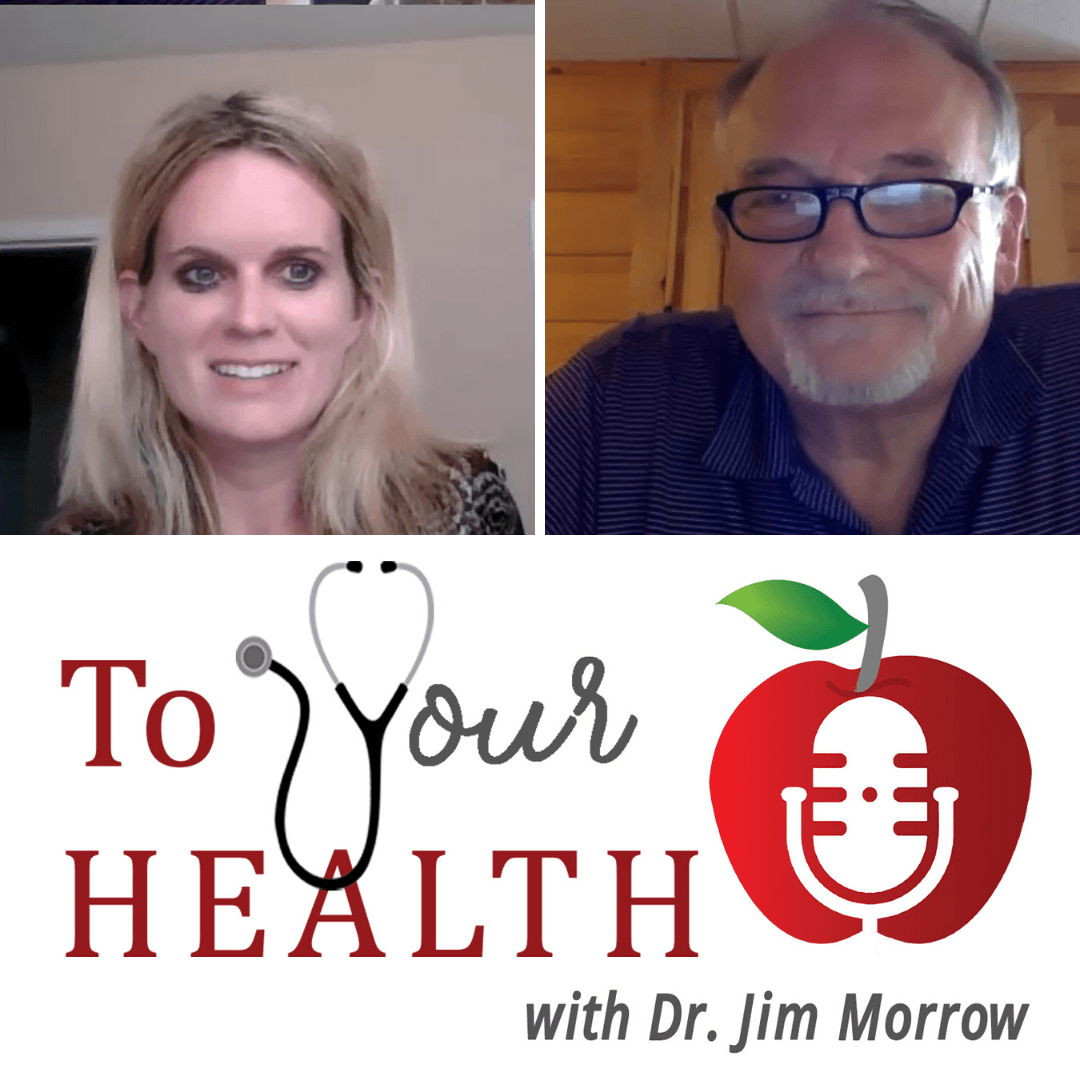
To Your Health With Dr. Jim Morrow:  Episode 30, Distracted Driving with Molly Welch, A Second Later

April 9, 2020 by John Ray

Molly Welch
North Fulton Studio
To Your Health With Dr. Jim Morrow:  Episode 30, Distracted Driving with Molly Welch, A Second Later
Loading
00:00 /
RSS Feed
Share
Link
Embed

Download file

Molly Welch
Molly Welch, A Second Later, with Dr. Jim Morrow, Host of “To Your Health”

To Your Health With Dr. Jim Morrow:  Episode 30, Distracted Driving with Molly Welch, A Second Later

On this special edition of “To Your Health,” Dr. Jim Morrow welcomes Molly Welch, A Second Later, to discuss her life-changing auto accident, her recovery, and her passion for warning others on the dangers of distracted driving. Dr. Morrow also offers an update on the coronavirus pandemic. “To Your Health” is brought to you by Morrow Family Medicine, which brings the CARE back to healthcare.

About Morrow Family Medicine and Dr. Jim Morrow

Morrow Family Medicine is an award-winning, state-of-the-art family practice with offices in Cumming and Milton, Georgia. The practice combines healthcare information technology with old-fashioned care to provide the type of care that many are in search of today. Two physicians, three physician assistants and two nurse practitioners are supported by a knowledgeable and friendly staff to make your visit to Morrow Family Medicine one that will remind you of the way healthcare should be.  At Morrow Family Medicine, we like to say we are “bringing the care back to healthcare!”  Morrow Family Medicine has been named the “Best of Forsyth” in Family Medicine in all five years of the award, is a three-time consecutive winner of the “Best of North Atlanta” by readers of Appen Media, and the 2019 winner of “Best of Life” in North Fulton County.

Dr. Jim Morrow, Morrow Family Medicine, and Host of “To Your Health With Dr. Jim Morrow”

Dr. Jim Morrow

Dr. Jim Morrow is the founder and CEO of Morrow Family Medicine. He has been a trailblazer and evangelist in the area of healthcare information technology, was named Physician IT Leader of the Year by HIMSS, a HIMSS Davies Award Winner, the Cumming-Forsyth Chamber of Commerce Steve Bloom Award Winner as Entrepreneur of the Year and he received a Phoenix Award as Community Leader of the Year from the Metro Atlanta Chamber of Commerce.  He is married to Peggie Morrow and together they founded the Forsyth BYOT Benefit, a charity in Forsyth County to support students in need of technology and devices. They have two Goldendoodles, a gaggle of grandchildren and enjoy life on and around Lake Lanier.

Facebook: https://www.facebook.com/MorrowFamMed/

LinkedIn: https://www.linkedin.com/company/7788088/admin/

Twitter: https://twitter.com/toyourhealthMD

The complete show archive of “To Your Health with Dr. Jim Morrow” addresses a wide range of health and wellness topics, and can be found at www.toyourhealthradio.com.

Dr. Morrow’s Show Notes

Distracted Driving

• Each day in the United States, approximately 9 people are killed and more than 1,000 injured in crashes that are reported to involve a distracted driver.
• In 2015, 391,000 people were injured in motor vehicle crashes involving a distracted driver
• In 2016, 3,450 people were killed in crashes involving a distracted driver.
• Drivers under the age of 20 have the highest proportion of distraction-related fatal crashes.
• In 2017 9% of all teen motor vehicle crash deaths involved distracted driving.
• In 2017, 42% of high school students who drove in the past 30 days reported sending a text or email while driving.
o Students who reported frequent texting while driving were:
 Less likely to wear a seatbelt.
 More likely to ride with a driver who had been drinking.
 More likely to drink and drive.
• Distracted driving is
o driving while doing another activity that takes your attention away from driving.
o Distracted driving can increase the chance of a motor vehicle crash.

What are the types of distraction?

• There are three main types of distraction:
o Visual: taking your eyes off the road;
o Manual: taking your hands off the wheel; and
o Cognitive: taking your mind off of driving.

Distracted driving activities

• Anything that takes your attention away from driving can be a distraction.
o Sending a text message,
o talking on a cell phone,
o using a navigation system, and
o eating while driving are a few examples of distracted driving
• Any of these distractions can endanger the driver and others.
o Texting while driving is especially dangerous because it combines all three types of distraction.

When you send or read a text message,
• you take your eyes off the road for about 5 seconds, long enough to cover the length a football field while driving at 55 mph.

Thanks to www.cdc.gov

From Molly Welch, A Second Later

Molly Welch
Molly Welch, A Second Later

• A Second Later is a 501c3 organization created to promote the message against distracted driving.

o I use my first hand experiences to discuss the hardships I face on a daily basis and telling others not to give up after my own distracted driving accident.

A Second Later changes lives for the better. It continues to grow and expand as it touches different communities and places.
Twelve years ago, I was involved in a distracted driving accident – a head-on collision with a pick-up truck. I was a Junior at Auburn University when the accident occurred.  It took me an extra 3 years, but I did finally graduate!

As a result of the accident, I sustained Traumatic Brain injury. I was in a coma for a month and have spent years in therapy.
As a result, the routine tasks everyone else tackles effortlessly became challenging and time-consuming process:
• Getting dressed, showered, brushing my hair and my teeth to more necessary things like walking and simply getting around.
• For over a decade, I have balanced re-learning these tasks with regular therapy for walking, talking, and all the tasks most people take for granted.
• I’ve undergone years of physical, occupational and speech therapy at Shepherd Center and various other places in an effort to gain some level of normalcy.

Several years ago, I put my energy into founding the non-profit I mentioned earlier called A Second Later.
• All my time and energy is now focused on developing A Second Later into “that” voice of reason that inevitably stops distracted driving.
• I seek out opportunities to speak to youth – the most at risk group for distracted driving accidents – in their schools, churches, and clubs.
• I also aim a voice at civic leaders in these same venues.
• I testified before the GA legislators on distracted driving prior to the adoption of today’s hands-free legislation.

These people are the policy makers defining acceptable behavior within the law.
o The message against distracted driving is talked about.
o Also, never giving up for high school student/adults.
o The most important age for me to target is high school students and I spoke to several mock traffic crashes at those schools .
o I’ve been on TEDx Emory and at the Medical Association of Atlanta.
o My future was permanently altered twelve years ago with my accident.

That brief moment of distraction and ……”A Second Later” ….. my life was altered.  It affected not only the days immediately following the accident, but my life today, my life tomorrow, and perhaps forever.

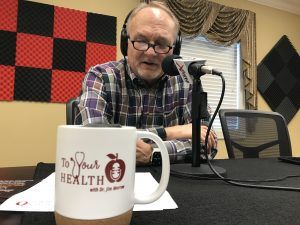
Tagged With: distracted driving, Dr. Jim Morrow, Molly Welch, Morrow Family Medicine, texting accidents, texting while driving, To Your Health, To Your Health With Dr. Jim Morrow

To Your Health With Dr. Jim Morrow: Episode 28, Coronavirus Update and Tinnitus

March 12, 2020 by John Ray

tinnitus
North Fulton Studio
To Your Health With Dr. Jim Morrow: Episode 28, Coronavirus Update and Tinnitus
Loading
00:00 /
RSS Feed
Share
Link
Embed

Download file

tinnitus
Dr. Jim Morrow

To Your Health With Dr. Jim Morrow: Episode 28:  Coronavirus Update and Tinnitus

On this edition of “To Your Health with Dr. Jim Morrow,” Dr. Morrow updates the current information on the coronavirus and also discusses tinnitus, its causes and symptoms, and treatment options for people living with “ringing in the ears.” “To Your Health” is brought to you by Morrow Family Medicine, which brings the CARE back to healthcare.

About Morrow Family Medicine and Dr. Jim Morrow

Morrow Family Medicine is an award-winning, state-of-the-art family practice with offices in Cumming and Milton, Georgia. The practice combines healthcare information technology with old-fashioned care to provide the type of care that many are in search of today. Two physicians, three physician assistants and two nurse practitioners are supported by a knowledgeable and friendly staff to make your visit to Morrow Family Medicine one that will remind you of the way healthcare should be.  At Morrow Family Medicine, we like to say we are “bringing the care back to healthcare!”  Morrow Family Medicine has been named the “Best of Forsyth” in Family Medicine in all five years of the award, is a three-time consecutive winner of the “Best of North Atlanta” by readers of Appen Media, and the 2019 winner of “Best of Life” in North Fulton County.

Dr. Jim Morrow, Morrow Family Medicine, and Host of “To Your Health With Dr. Jim Morrow”

Dr. Jim Morrow is the founder and CEO of Morrow Family Medicine. He has been a trailblazer and evangelist in the area of healthcare information technology, was named Physician IT Leader of the Year by HIMSS, a HIMSS Davies Award Winner, the Cumming-Forsyth Chamber of Commerce Steve Bloom Award Winner as Entrepreneur of the Year and he received a Phoenix Award as Community Leader of the Year from the Metro Atlanta Chamber of Commerce.  He is married to Peggie Morrow and together they founded the Forsyth BYOT Benefit, a charity in Forsyth County to support students in need of technology and devices. They have two Goldendoodles, a gaggle of grandchildren and enjoy life on and around Lake Lanier.

Facebook: https://www.facebook.com/MorrowFamMed/

LinkedIn: https://www.linkedin.com/company/7788088/admin/

Twitter: https://twitter.com/toyourhealthMD

The complete show archive of “To Your Health with Dr. Jim Morrow” addresses a wide range of health and wellness topics, and can be found at www.toyourhealthradio.com.

Dr. Morrow’s Show Notes

What is tinnitus?

  • Tinnitus is a problem that causes you to hear a noise in one ear or both ears.
    • People commonly think of it as ringing in the ear.
    • It also can be roaring, clicking, buzzing, or other sounds.
    • Some people who have tinnitus hear a more complex noise that changes over time.
    • You may hear the noise constantly, or it may come and go.
  • In most cases, people who have tinnitus hear noise in their head when no outside sound is there.
    • They are the only ones who can hear the sound.
      • This type of tinnitus is called “subjective tinnitus.”
      • It can happen because certain nerves are not functioning normally or because there is a problem with part of your ear.
    • In rare cases, tinnitus is caused by an actual sound that occurs inside or near the ear, such as from nearby blood vessels.
      • The sound can also be heard by the doctor examining you.
      • This type of tinnitus is called “objective tinnitus.”
    • Another type of tinnitus is”pulsatile tinnitus”
      • This is basically when you can hear your heartbeat in your ear.
      • It can be related to vascular disease
        • but more often than not, it is just you hearing your heartbeat in your ear.
      • The word tinnitus is of Latin origin, meaning “to ring or tinkle.”
        • Tinnitus has two different pronunciations, both of which are correct and interchangeable:
          • ti-NIGHT-us: typically used by patients and laypeople
          • TINN-a-tus: typically used by clinicians and researchers


The Journey of Sound to the Brain

  • This is how this magic happens:
    • Sound waves are captured by the out ear
    • They travel through the ear cana to the eardrum
    • The eardrum vibrates and causes three little bones to vibrate
      • The malleus, the incus and the stapes.
    • These cause vibration in the cochlea where the waves are converted into electrical energy and an impulse is sent down the auditory nerve to the brain.
    • The brain interprets the impulse as sound.


  • So… if a tree falls in the forest and no one is there to hear it, does it make a sound?


  • Included in our show notes will be a link to a YouTube video from NIH about this journey.

https://youtu.be/eQEaiZ2j9oc


Symptoms of tinnitus

  • The main symptom of tinnitus is hearing sounds in your ears.
    • The sound could be ringing.
    • It may also sound like blowing, roaring, clicking, buzzing, hissing, or humming.
    • The noises can be soft or loud.
    • They can be high pitched or low pitched.
    • You may hear them in only one ear or in both ears.


What causes tinnitus?

  • Tinnitus is not a disease itself.
    • It is a symptom of an underlying health problem.
    • The following are among the most common causes of tinnitus:
      • Exposure to loud noises,
        • which can lead to noise-induced hearing loss over time.
      • Hearing loss related to aging.
      • Certain medicines that can damage the inner workings of the ear.
        • For example, taking high doses of aspirin every day may lead to tinnitus.
      • Eustachian tube dysfunction.
        • This is the tube that leads from the middle ear to the back of the throat.
      • Infections of the inner ear, such as
        • otitis media or
        • labyrinthitis.
      • Meniere’s disease,
        • an inner-ear condition that involves hearing loss and dizziness.
  • Other causes:
    • Allergies,
    • high blood pressure,
    • low blood pressure,
    • diabetes,
    • tumors, and
    • head injuries can also cause tinnitus.
    • If you have a foreign object in your ear or a build-up of ear wax, you may also experience tinnitus.
  • In most cases, the cause of tinnitus cannot be identified.

How is tinnitus diagnosed?

  • Your doctor will probably take a detailed medical history.
    • He or she will want to know about any medical conditions you may have and any history of infections.
    • Your doctor also needs to know what medicines you are taking,
      • including herbal products or supplements.
    • He or she will check your ears.
    • They may give you a hearing test.
    • They may also order other tests to find out what is causing your tinnitus.
      • These could include
        • a head CT scan,
        • a head MRI scan, or
        • blood vessel studies.
        • Your doctor might refer you to an otolaryngologist.
          • This is a doctor that specializes in the ear, nose, and throat (also called an ENT doctor).


Can tinnitus be prevented or avoided?

  • To prevent tinnitus or keep it from getting worse,
    • avoid long-term exposure to loud noises and activities that put you at risk for hearing loss.
    • If you know you’re going to be around loud noises, take precautions by wearing earplugs or earmuffs.
    • If you listen to music through headphones, keep the volume low.


  • If you have tinnitus, avoid things that seem to make it worse.
    • These may include:
      • nicotine,
      • alcohol, or
      • cafffeine


Treatment

  • Treatment will depend on what is causing your tinnitus.
    • For example, if a medicine you are taking causes your tinnitus, your doctor may recommend you stop taking that medicine.
      • Remember, you should never stop taking a prescription medicine without talking to your doctor first.
    • If an underlying condition, such as high blood pressure, causes your tinnitus,
      • your doctor can create a treatment plan for you to follow.
      • Usually, tinnitus goes away once the condition that is causing it is treated.
    • When no specific cause can be identified,
      • your doctor will probably focus on making your tinnitus easier to tolerate.
      • Some possible methods include:
      • Hearing aids:
        • For people who have tinnitus and hearing loss, using a hearing aid may be helpful.
        • When you wear a hearing aid, things you need to hear will be louder than the ringing, buzzing, or clicking sound.
      • Sound generators (maskers):
        • Wearable sound generators can be placed behind your ear and create white noise (constant background noise) or other sounds.
        • This “masks” the tinnitus and makes it less noticeable.
        • Some people also use bedside sound generators to help them sleep.
      • Counseling:
        • Some people who have tinnitus become anxious or depressed.
        • If you have tinnitus and are struggling, seeking help through a counselor and/or a support group may help you cope.
        • Counseling can also be used to teach you how to take the focus off your tinnitus.
      • Tinnitus retraining therapy:
        • This method uses a mix of counseling with maskers or other approaches.
        • The goal is to teach your brain to ignore the sounds you hear.
        • This isn’t a quick fix, but many people find it useful with time and practice.
      • Relaxing:
        • Stress can make tinnitus worse.
        • Your doctor can suggest relaxation techniques that might help you deal with your stress.
      • Medicines:
        • Currently, there are no medicines specifically designed for treating tinnitus.
        • Some medicines, such as certain ones used to treat anxiety, have been shown to relieve tinnitus for some people.
        • Talk to your doctor about whether medicine might relieve your symptoms.


Living with tinnitus

  • For many people with tinnitus, the condition is just a mild distraction.
    • But for some, tinnitus causes distress and negatively affect their quality of life.
    • It can cause
      • anxiety,
      • depression,
      • sleep disturbances, and
      • poor concentration.
    • To lessen the impact of tinnitus on your life, try the following:
      • Avoid loud noises and sounds.
      • Control your blood pressure.
      • Exercise regularly for good circulation.
      • Get plenty of sleep and avoid fatigue.
      • Take the focus off your tinnitus.
        • Use techniques such as sound generators and counseling to push it to the background.
        • Remember that the more you think about tinnitus, the more bothersome it will become.


Tagged With: coronavirus, Dr. Jim Morrow, hearing loss, Morrow Family Medicine, Novel Coronavirus, ringing in the ears, tinnitus, To Your Health, To Your Health With Dr. Jim Morrow

To Your Health With Dr. Jim Morrow: Episode 27, The Importance of Sleep

February 27, 2020 by John Ray

Dr. Jim Morrow
North Fulton Studio
To Your Health With Dr. Jim Morrow: Episode 27, The Importance of Sleep
Loading
00:00 /
RSS Feed
Share
Link
Embed

Download file

the importance of sleep
Dr. Jim Morrow

To Your Health With Dr. Jim Morrow: Episode 27: The Importance of Sleep

On this edition of “To Your Health with Dr. Jim Morrow,” Dr. Morrow discusses the importance of sleep, common sleep disorders, and ways to get better sleep. “To Your Health” is brought to you by Morrow Family Medicine, which brings the CARE back to healthcare.

About Morrow Family Medicine and Dr. Jim Morrow

Morrow Family Medicine is an award-winning, state-of-the-art family practice with offices in Cumming and Milton, Georgia. The practice combines healthcare information technology with old-fashioned care to provide the type of care that many are in search of today. Two physicians, three physician assistants and two nurse practitioners are supported by a knowledgeable and friendly staff to make your visit to Morrow Family Medicine one that will remind you of the way healthcare should be.  At Morrow Family Medicine, we like to say we are “bringing the care back to healthcare!”  Morrow Family Medicine has been named the “Best of Forsyth” in Family Medicine in all five years of the award, is a three-time consecutive winner of the “Best of North Atlanta” by readers of Appen Media, and the 2019 winner of “Best of Life” in North Fulton County.

Dr. Jim Morrow, Morrow Family Medicine, and Host of “To Your Health With Dr. Jim Morrow”

Dr. Jim Morrow is the founder and CEO of Morrow Family Medicine. He has been a trailblazer and evangelist in the area of healthcare information technology, was named Physician IT Leader of the Year by HIMSS, a HIMSS Davies Award Winner, the Cumming-Forsyth Chamber of Commerce Steve Bloom Award Winner as Entrepreneur of the Year and he received a Phoenix Award as Community Leader of the Year from the Metro Atlanta Chamber of Commerce.  He is married to Peggie Morrow and together they founded the Forsyth BYOT Benefit, a charity in Forsyth County to support students in need of technology and devices. They have two Goldendoodles, a gaggle of grandchildren and enjoy life on and around Lake Lanier.

Facebook: https://www.facebook.com/MorrowFamMed/

LinkedIn: https://www.linkedin.com/company/7788088/admin/

Twitter: https://twitter.com/toyourhealthMD

The complete show archive of “To Your Health with Dr. Jim Morrow” addresses a wide range of health and wellness topics, and can be found at www.toyourhealthradio.com.

The Importance of Sleep

Dr. Morrow’s Show Notes

The Importance of Sleep

  • According to the Sleep Foundation, nearly 40 million Americans suffer from sleep disorders. 
    • In addition, growing older is often accompanied by “normal” changes in sleeping patterns, such as becoming sleepy earlier, waking up earlier, or experiencing less deep sleep. 
    • That means more than 40 million people are waking up tired every day and experiencing other symptoms related to not getting enough sleep. 
    • For example, it’s long been known that sleep affects your hormones, mood, cognitive skills, and even your ability to maintain a healthy weight. 
    • But if you’ve ever experienced sleep issues, you don’t need statistics to tell you that sleep is critical to your physical and mental health. 
    • And the truth is everyone can benefit from more sleep, including children and teens.
  • Americans report, on average, 2 nights/week of insufficient sleep, and 39.5% of Americans get 6 hours of sleep or less per day.  
    • Studies report that sleep symptoms are exceedingly common among patients presenting for medical visits.  
    • This finding is troubling because many physicians do not ask their patients about sleep.  
    • Only 43% of primary care physicians routinely inquire about sleep vs the 80% who discuss exercise and 79% who address healthy diet. 
    • Despite this discrepancy, only 16% believed that counseling patients on sleep is not as important as counseling on diet and exercise. 
    • Thus, asking about sleep problems would address a common concern that is underappreciated
  • There are two types of people in the world: 
    • sleepers and non-sleepers. 
    • If you are not a sleeper, you need to see your doctor and do whatever you have to do to become a sleeper.
  • Insomnia is a condition you have to control. Most meds we use for this are not addicting.

Key Sleep Disorders

  • Insomnia
    • Insomnia is characterized by an inability to initiate or maintain sleep. 
    • It may also take the form of early morning awakening in which the individual awakens several hours early and is unable to resume sleeping. 
    • Difficulty initiating or maintaining sleep may often manifest itself as excessive daytime sleepiness, which characteristically results in functional impairment throughout the day. 
    • Before arriving at a diagnosis of primary insomnia, the healthcare provider will rule out other potential causes, such as other sleep disorders, side effects of medications, substance abuse, depression, or other previously undetected illness. 
    • Chronic psychophysiological insomnia (or “learned” or “conditioned” insomnia) may result from a stressor combined with fear of being unable to sleep. Individuals with this condition may sleep better when not in their own beds. 
    • Health care providers may treat chronic insomnia with a combination of use of sedative-hypnotic or sedating antidepressant medications, along with behavioral techniques to promote regular sleep.
  • Narcolepsy
    • Excessive daytime sleepiness (including episodes of irresistible sleepiness) combined with sudden muscle weakness are the hallmark signs of narcolepsy. 
    • The sudden muscle weakness seen in narcolepsy may be elicited by strong emotion or surprise. 
    • Episodes of narcolepsy have been described as “sleep attacks” and may occur in unusual circumstances, such as walking and other forms of physical activity. 
    • The healthcare provider may treat narcolepsy with stimulant medications combined with behavioral interventions, such as regularly scheduled naps, to minimize the potential disruptiveness of narcolepsy on the individual’s life.
  • Restless Legs Syndrome (RLS)
    • RLS is characterized by an unpleasant “creeping” sensation, often feeling like it is originating in the lower legs, but often associated with aches and pains throughout the legs. 
    • This often causes difficulty initiating sleep and is relieved by movement of the leg, such as walking or kicking. 
    • Abnormalities in the neurotransmitter dopamine have often been associated with RLS. 
    • Healthcare providers often combine a medication to help correct the underlying dopamine abnormality along with a medicine to promote sleep continuity in the treatment of RLS.
  • Sleep Apnea
    • Snoring may be more than just an annoying habit – it may be a sign of sleep apnea. 
    • Persons with sleep apnea characteristically make periodic gasping or “snorting” noises, during which their sleep is momentarily interrupted. 
    • Those with sleep apnea may also experience excessive daytime sleepiness, as their sleep is commonly interrupted and may not feel restorative. 
    • Treatment of sleep apnea is dependent on its cause. 
    • If other medical problems are present, such as congestive heart failure or nasal obstruction, sleep apnea may resolve with treatment of these conditions. 
    • Gentle air pressure administered during sleep (typically in the form of a nasal continuous positive airway pressure device) may also be effective in the treatment of sleep apnea. 
    • As interruption of regular breathing or obstruction of the airway during sleep can pose serious health complications, symptoms of sleep apnea should be taken seriously. 
    • Treatment should be sought from a health care provider.
  • Sleep and Chronic Disease
    • As chronic diseases have assumed an increasingly common role in premature death and illness, interest in the role of sleep health in the development and management of chronic diseases has grown. 
    • Notably, insufficient sleep has been linked to the development and management of a number of chronic diseases and conditions, including type 2 diabetes, cardiovascular disease, obesity, and depression.
Short sleep
(<7 hours)
Sufficient sleep
(≥7 hours)
Chronic condition%%
Heart attack4.83.4
Coronary heart disease4.73.4
Stroke3.62.4
Asthma16.511.8
COPD (chronic obstructive pulmonary disease)8.64.7
Cancer10.29.8
Arthritis28.820.5
Depression22.914.6
Chronic kidney disease3.32.2
Diabetes11.18.6

Reference cdc.gov

Tips for Better Sleep

  • Good sleep habits (sometimes referred to as “sleep hygiene”) can help you get a good night’s sleep.
    • Some habits that can improve your sleep health:
      • Be consistent. Go to bed at the same time each night and get up at the same time each morning, including on the weekend
      • Make sure your bedroom is quiet, dark, relaxing, and at a comfortable temperature
      • Remove electronic devices, such as TVs, computers, and smart phones, from the bedroom
      • Avoid large meals, caffeine, and alcohol before bedtime
      • Get some exercise. Being physically active during the day can help you fall asleep more easily at night.

What Should I Do If I Can’t Sleep

  • It’s important to practice good sleep habits, but if your sleep problems continue or if they interfere with how you feel or function during the day, you should talk to your doctor. 
  • Before visiting your doctor, keep a diary of your sleep habits for about ten days to discuss at the visit.
  • Include the following in your sleep diary, when you—
  • Go to bed.
  • Go to sleep.
  • Wake up.
  • Get out of bed.
  • Take naps.
  • Exercise.
  • Drink alcohol.
  • Drink caffeinated beverages.

Benefits to Better Sleep

  • Better productivity and concentration
    • There were several studies that scientists did in the early 2000s that looked at the effects of sleep deprivation.
    • What the researchers concluded is that sleep has links to several brain functions, including:
      • Concentration
      • Productivity
      • Cognition
  • A more recent 2015 study in the Journal of Child Psychology and Psychiatry showed that children’s sleep patterns can have a direct impact on their behavior and academic performance. These include:
    • Better calorie regulation
      • There is evidence to suggest that getting a good night’s sleep can help a person consume fewer calories during the day.
      • For example, one study in the Proceedings of the National Academy of Sciences of the United States of America says that sleep patterns affect the hormones responsible for appetite.
      • When a person does not sleep long enough, it can interfere with their body’s ability to regulate food intake correctly.
  • Greater athletic performance
    • Getting a sufficient amount of sleep can boost a person’s athletic performance.
    • According to the National Sleep Foundation, adequate sleep for adults is between 7 and 9 hours a night, and athletes may benefit from as many as 10 hours. 
      • Accordingly, sleep is as important to athletes as consuming enough calories and nutrients.
    • One of the reasons for this requirement is that the body heals during sleep.
    • Other benefits include:
      • better performance intensity
      • more energy
      • better coordination
      • faster speed
      • better mental functioning.
  • Lower risk of heart disease
    • One risk factor for heart disease is high blood pressure. 
      • According to the Centers for Disease Control and Prevention (CDC), getting adequate rest each night allows the body’s blood pressure to regulate itself.
      • Doing so can reduce the chances of sleep-related conditions such as apnea and promote better overall heart health.
  • More social and emotional intelligence
    • Sleep has links to people’s emotional and social intelligence. 
    • Someone who does not get adequate sleep is more likely to have issues with recognizing other people’s emotions and expressions.
      • For example, one study looked at people’s responses to emotional stimuli. 
        • The researchers concluded, similarly to many earlier studies, that a person’s emotional empathy is less when they do not get adequate sleep.
  • Preventing depression
    • The association between sleep and mental health has been the subject of research for a long time. 
      • One conclusion is that there is a link between lack of sleep and depression.
    • One study examines patterns of death by suicide over 10 years. 
      • It concludes that lack of sleep is a contributing factor to many of these deaths.
  • Lower inflammation
    • There is a link between getting adequate sleep and reducing inflammation in the body.
      • For example, one study suggests a link between sleep deprivation and inflammatory bowel diseases that affect people’s gastrointestinal tract.
      • The study showed that sleep deprivation can contribute to such diseases — and that these diseases, in turn, can contribute to sleep deprivation.
  • Stronger immune system
    • Sleep helps the body repair, regenerate, and recover. 
      • The immune system is no exception to this relationship. 
      • Some research shows how better sleep quality can help the body fight off infection.
    • However, scientists still need to do further research into the exact mechanisms of sleep in regards to its impact on the body’s immune system.


Sleep recommendations

  • Sleep needs vary from person to person, depending on their age. As a person ages, they typically require less sleep to function properly.
    • According to the CDC, the breakdown is as follows:
      • Newborns (0–3 months): 14–17 hours
      • Infants (4–12 months): 12–16 hours
      • Toddler (1–2 years): 11–14 hours
      • Preschool (3–5 years): 10–13 hours
      • School age (6–12 years): 9–12 hours
      • Teen (13–18 years): 8–10 hours
      • Adult (18–60 years): 7-plus hours
      • Adult (61–64 years): 7–9 hours
      • Adult (65+ years): 7–8 hours
  • As well as the number of hours, the quality of sleep is also important.
  • Signs of poor sleep quality include:
    • Waking in the middle of the night.
    • Still not feeling rested after an adequate number of hours sleep.
  • Some things a person can do to improve sleep quality are:
    • Avoiding sleeping in when you have had enough sleep.
    • Going to bed around the same time each night.
    • Spending more time outside and being more active during the day.
    • Reducing stress through exercise, therapy, or other means.

Summary

  • Sleep is a vital, often neglected, component of every person’s overall health and well-being. 
    • Sleep is important because it enables the body to repair and be fit and ready for another day.
    • Getting adequate rest may also help prevent excess weight gain, heart disease, and increased illness duration.

Tagged With: Deep sleep, Dr. Jim Morrow, insomnia, Morrow Family Medicine, restless legs syndrome, sleep apnea, sleep disorders, To Your Health, To Your Health With Dr. Jim Morrow

To Your Health With Dr. Jim Morrow: Episode 26, Novel Coronavirus

February 12, 2020 by John Ray

novel coronavirus
North Fulton Studio
To Your Health With Dr. Jim Morrow: Episode 26, Novel Coronavirus
Loading
00:00 /
RSS Feed
Share
Link
Embed

Download file

novel coronavirus
Dr. Jim Morrow

To Your Health With Dr. Jim Morrow: Episode 26:  Novel Coronavirus

On this edition of “To Your Health with Dr. Jim Morrow,” Dr. Morrow discusses the 2019 Novel Coronavirus (2019-nCoV), a potentially fatal respiratory virus which originated in Wuhan, China. “To Your Health” is brought to you by Morrow Family Medicine, which brings the CARE back to healthcare.

About Morrow Family Medicine and Dr. Jim Morrow

Morrow Family Medicine is an award-winning, state-of-the-art family practice with offices in Cumming and Milton, Georgia. The practice combines healthcare information technology with old-fashioned care to provide the type of care that many are in search of today. Two physicians, three physician assistants and two nurse practitioners are supported by a knowledgeable and friendly staff to make your visit to Morrow Family Medicine one that will remind you of the way healthcare should be.  At Morrow Family Medicine, we like to say we are “bringing the care back to healthcare!”  Morrow Family Medicine has been named the “Best of Forsyth” in Family Medicine in all five years of the award, is a three-time consecutive winner of the “Best of North Atlanta” by readers of Appen Media, and the 2019 winner of “Best of Life” in North Fulton County.

Dr. Jim Morrow, Morrow Family Medicine, and Host of “To Your Health With Dr. Jim Morrow”

novel coronavirus
Dr. Jim Morrow, Morrow Family Medicine and Host of “To Your Health”

Dr. Jim Morrow is the founder and CEO of Morrow Family Medicine. He has been a trailblazer and evangelist in the area of healthcare information technology, was named Physician IT Leader of the Year by HIMSS, a HIMSS Davies Award Winner, the Cumming-Forsyth Chamber of Commerce Steve Bloom Award Winner as Entrepreneur of the Year and he received a Phoenix Award as Community Leader of the Year from the Metro Atlanta Chamber of Commerce.  He is married to Peggie Morrow and together they founded the Forsyth BYOT Benefit, a charity in Forsyth County to support students in need of technology and devices. They have two Goldendoodles, a gaggle of grandchildren and enjoy life on and around Lake Lanier.

Facebook: https://www.facebook.com/MorrowFamMed/

LinkedIn: https://www.linkedin.com/company/7788088/admin/

Twitter: https://twitter.com/toyourhealthMD

The complete show archive of “To Your Health with Dr. Jim Morrow” addresses a wide range of health and wellness topics, and can be found at www.toyourhealthradio.com.

Dr. Morrow’s Show Notes

The 2019 Novel Coronavirus

• 2019 Novel Coronavirus (2019-nCoV) is a virus (more specifically, a coronavirus) identified as the cause of an outbreak of respiratory illness first detected in Wuhan, China.
◦ Early on, many of the patients in the outbreak in Wuhan, China reportedly had some link to a large seafood and animal market, suggesting animal-to-person spread.
◦ However, a growing number of patients reportedly have not had exposure to animal markets, indicating person-to-person spread is occurring.
◦ At this time, it’s unclear how easily or sustainably this virus is spreading between people.

How It Spreads

• Much is unknown about how 2019-nCoV, a new coronavirus, spreads.
◦ Current knowledge is largely based on what is known about similar coronaviruses.
◦ Coronaviruses are a large family of viruses that are common in many different species of animals, including camels, cattle, cats, and bats.
◦ Rarely, animal coronaviruses can infect people and then spread between people such as with MERS, SARS, and now with 2019-nCoV.
• Most often, spread from person-to-person happens among close contacts (about 6 feet).
◦Person-to-person spread is thought to occur mainly via respiratory droplets produced when an infected person coughs or sneezes, similar to how influenza and other respiratory pathogens spread.
◦ These droplets can land in the mouths or noses of people who are nearby or possibly be inhaled into the lungs.
◦ It’s currently unclear if a person can get 2019-nCoV by touching a surface or object that has the virus on it and then touching their own mouth, nose, or possibly their eyes.
• Typically, with most respiratory viruses, people are thought to be most contagious when they are most symptomatic (the sickest).
• It’s important to note that how easily a virus spreads person-to-person can vary.
◦ Some viruses are highly contagious (like measles), while other viruses are less so.
◦ There is much more to learn about the transmissibility, severity, and other features associated with 2019-nCoV and investigations are ongoing.
◦ While research has just begun, scientists have estimated that each person with the new coronavirus could infect somewhere between 1.5 and 3.5 people without effective containment measures.
 That would make the virus roughly as contagious as SARS, another coronavirus that circulated in China in 2003 and was contained after it sickened 8,098 people and killed 774.

◦ Respiratory viruses like these can travel through the air, enveloped in tiny droplets that are produced when a sick person breathes, talks, coughs or sneezes.
 These droplets fall to the ground within a few feet.
 That makes the virus harder to get than pathogens like measles, chickenpox and tuberculosis, which can travel a hundred feet through the air.
 But it is easier to catch than H.I.V. or hepatitis, which spread only through direct contact with the bodily fluids of an infected person.

How far viruses travel 

• Coronaviruses can travel only about six feet from the infected person. Itʼs unknown how long they live on surfaces.
• Some other viruses, like measles, can travel up to 100 feet and stay alive on surfaces for hours.
• If each person infected with the new coronavirus infects two to three others, that may be enough to sustain and accelerate an outbreak, if nothing is done to reduce it.
• Here’s how that works.
◦If 5 people with new coronavirus each infected 2.6 others … there could be 52 people sick after 3 cycles.
 Compare that with a less contagious virus, like the seasonal flu.
 People with the flu tend to infect 1.3 other individuals, on average.
 The difference may seem small, but the result is a striking contrast:
• Only about 45 people might be infected in the same scenario.
• But the transmission numbers of any disease aren’t set in stone.
◦They can be reduced by effective public health measures, such as isolating sick people and tracking individuals they’ve had contact with.
◦ When global health authorities methodically tracked and isolated people infected with SARS in 2003, they were able to bring the average number each sick person infected down to 0.4, enough to stop the outbreak.
• So far, the number of cases outside China has been small.
 But in recent days, cases have turned up in several countries, including the United States, with people who have not visited China.
 And the number of cases within China far surpassed the rate of new SARS cases in 2003

Symptoms and Complications

• For confirmed 2019-nCoV infections, reported illnesses have ranged from people with little to no symptoms to people being severely ill and dying.
◦ Symptoms can include:
 Fever
 Cough
 Shortness of breath
• CDC believes at this time that symptoms of 2019-nCoV may appear in as few as 2 days or as long as 14 after exposure.
◦ This is based on what has been seen previously as the incubation period of MERS viruses.

How deadly is the virus?

• Itʼs hard to know yet. But the fatality rate is probably less than 3 percent, much less than SARS.
◦ This is one of the most important factors in how damaging the outbreak will be, and one of the least understood.
◦It’s tough to assess the lethality of a new virus.
 The worst cases are usually detected first, which can skew our understanding of how likely patients are to die.
 About a third of the first 41 patients reported in Wuhan had to be treated in an I.C.U., many with symptoms of fever, severe cough, shortness of breath and pneumonia.
 But people with mild cases may never visit a doctor.
 So there may be more cases than we know, and the death rate may be lower than we initially thought.
• At the same time, deaths from the virus may be underreported.
◦The Chinese cities at the center of the outbreak face a shortage of testing kits and hospital beds, and many sick people have not been able to see a doctor.
• There’s still a lot of uncertainty about what this virus is like and what it is doing.
• Early indications suggest the fatality rate for this virus is considerably less than another coronavirus, MERS, which kills about 35 percent of people who become infected, and SARS, which kills about 10 percent.
◦ All of the diseases appear to latch on to proteins on the surface of lung cells, but MERS and SARS seem to be more destructive to lung tissue.
• Among 17,000 people who were infected in China,
◦ 82 percent had mild infections,
◦ 15 percent had severe symptoms and
◦ 3 percent were classified as critical,
◦Less than 2 percent of the people with confirmed infections had died.
◦ Many of those who died were older men with underlying health problems

• Pathogens can still be very dangerous even if their fatality rate is low
◦For instance, even though influenza has a case fatality rate below one per 1,000, roughly 200,000 people end up hospitalized with the virus each year in the United States, and about 35,000 people die.

Prevention and Treatment

• There is currently no vaccine to prevent 2019-nCoV infection.
◦The best way to prevent infection is to avoid being exposed to this virus.
 However, as a reminder, CDC always recommends everyday preventive actions to help prevent the spread of respiratory viruses, including:
• Wash your hands often with soap and water for at least 20 seconds, especially after going to the bathroom; before eating; and after blowing your nose, coughing, or sneezing.
◦ If soap and water are not readily available, use an alcohol-based hand sanitizer with at least 60% alcohol.
 Always wash hands with soap and water if hands are visibly dirty.
◦ Avoid touching your eyes, nose, and mouth with unwashed hands.
◦ Avoid close contact with people who are sick.
◦ Stay home when you are sick.
◦ Cover your cough or sneeze with a tissue, then throw the tissue in the trash.
◦ Clean and disinfect frequently touched objects and surfaces using a regular household cleaning spray or wipe.

What Should the Public Do?
• While the immediate risk of this new virus to the American public is believed to be low at this time, everyone can do their part to help us respond to this emerging public health threat:
◦ It’s currently flu and respiratory disease season and CDC recommends getting a flu vaccine, taking everyday preventive actions to help stop the spread of germs, and taking flu antivirals if prescribed.
◦ If you are a healthcare provider, be on the look-out for people who recently traveled from China and have fever and respiratory symptoms.
◦ If you are a healthcare provider caring for a 2019-nCoV patient or a public health responder, please take care of yourself and follow recommended infection control procedures.
◦ For people who have had close contact with someone infected with 2019-nCoV who develop symptoms, contact your healthcare provider, and tell them about your symptoms and your exposure to a 2019-nCoV patient.

Recently Returned Travelers from China

• To slow the spread of 2019 novel coronavirus into the United States, CDC is working with public health partners to implement new travel procedures announced in a Presidential Proclamation on Novel Coronavirus
• In summary:
◦ Foreign nationals who have visited China in the past 14 days may not enter the United States.
◦ American citizens, lawful permanent residents, and their families who have been in China in the past 14 days will be allowed to enter the United States, but will be redirected to one of 11 airports to undergo health screening.
 Depending on their health and travel history, they will have some level of restrictions on their movements for 14 days from the time they left China.
• If you are a US citizen and are traveling to the United States:
◦ Your travel will be redirected to one of 11 U.S. airports where CDC has quarantine stations.
◦ You will be asked about your health and travel.
◦ Your health will be screened for fever, cough, or trouble breathing.
 Depending on your health and travel history:
• You will have some restrictions on your movement for a period of 14 days from the time you left China.
• These actions are being taken to protect your health, the health of other travelers and the health of U.S. communities from the new coronavirus that is spreading from person-to-person in parts of China.

• Travelers who have been in Hubei Province in the past 14 days:
◦ If you have fever, cough, or trouble breathing:
 CDC staff at the airport will evaluate you for illness.
• You will be taken to a medical facility for further evaluation and care.
• You will not be able to complete your travel itinerary.
◦ If you do not have symptoms (fever, cough, trouble breathing):
 You will be placed under a federal, state or local quarantine order for a 14-day period from the time you left China.
 You may not be able to complete your travel itinerary until the 14-day period has elapsed.
• Travelers from other parts of China (outside Hubei Province) in the last 14 days:
◦ If you have fever, cough, or trouble breathing:
 CDC staff at the airport will evaluate you for illness.
 You will be taken to a medical facility for further evaluation and care.
 You may not be able to complete your travel itinerary.
• If you do not have symptoms:
◦ You will be allowed to reach your final destination.
◦ After arrival at your final destination, you will be asked to monitor your health for a period of 14 days from the time you left China.
◦ You will receive a health information card that tells you what symptoms to look for and what to do if you develop symptoms.
◦ During that time, you should stay home and limit interactions with others as much as possible.
◦ Your state or local health department will contact you for further follow up.

How effective will the response be?

• The W.H.O. has praised Chinaʼs efforts, but critics fear lockdown measures may not be enough.
◦ In addition to closing off transportation, officials shut down a market in Wuhan selling live poultry, seafood and wild animals, which was thought to be the origin of the coronavirus, and later suspended the trade of wild animals nationwide.
◦ Schools have been closed, Beijing’s Great Wall is off limits and tourist packages from China have been halted.
◦ World Health Organization officials have praised China’s aggressive response to the virus.
• But the measures have also had unintended effects.
◦ Residents in Wuhan who are unwell must walk or cycle for miles to get to hospitals.
◦ There, many complain that they are being turned away because of shortages of hospital beds, staff and supplies that have been made worse by the lockdown.
• Until recently, researchers abroad were also concerned by the fact that China was not admitting experts who could help track the virus and prevent its spread.
◦ On Thursday, the W.H.O. declared the outbreak a global health emergency, acknowledging that the disease represents a risk beyond China.
◦ The United States and Australia are temporarily denying entry to noncitizens who recently traveled to China, and several major airlines said they expect to halt direct service to mainland China for months.
◦ Other countries — including Kazakhstan, Russia and Vietnam — have temporarily restricted travel and visas. But critics fear that these measures will not be enough.

How long will it take to develop a vaccine?

• A vaccine is still a year away — at minimum.
• A coronavirus vaccine could prevent infections and stop the spread of the disease.
◦ But vaccines take time.
• After the SARS outbreak in 2003, it took researchers about 20 months to get a vaccine ready for human trials.
◦ The vaccine was never needed, because the disease was eventually contained.
◦ By the Zika outbreak in 2015, researchers had brought the vaccine development timeline down to six months.
• Now, they hope that work from past outbreaks will help cut the timeline even further.
◦ Researchers have already studied the genome of the new coronavirus and found the proteins that are crucial for infection.
◦ Scientists from the National Institutes of Health, in Australia and at least three companies are working on vaccine candidates.

Prevention and Protection for Yourself

• CDC does not recommend travelers wear masks to protect themselves from the new coronavirus.
◦ You may choose to wear a mask, but it is more important that you take the following steps.
• We recommend that everyone follow everyday prevention practices:
◦ Avoid close contact with people who are sick.
◦ Avoid touching your eyes, nose, and mouth with unwashed hands.
◦ Wash your hands often with soap and water for at least 20 seconds, especially after going to the bathroom; before eating; and after blowing your nose, coughing, or sneezing.
◦ If soap and water are not readily available, use an alcohol-based hand sanitizer with at least 60% alcohol. Always wash hands with soap and water if hands are visibly dirty.
◦ Stay home when you are sick.
◦ Cover your cough or sneeze with a tissue, then throw the tissue in the trash.
◦ Clean and disinfect frequently touched objects and surfaces using a regular household cleaning

Sources:  World Health Organization (https://www.who.int) and Center for Disease Control (https://www.cdc.gov)

Tagged With: coronavirus, Cumming, Dr. Jim Morrow, Milton, Morrow Family Medicine, Novel Coronavirus, To Your Health

To Your Health With Dr. Jim Morrow: Episode 25: Intermittent Fasting

January 23, 2020 by John Ray

intermittent fasting
North Fulton Studio
To Your Health With Dr. Jim Morrow: Episode 25: Intermittent Fasting
Loading
00:00 /
RSS Feed
Share
Link
Embed

Download file

intermittent fasting
Dr. Jim Morrow

To Your Health With Dr. Jim Morrow: Episode 25: Intermittent Fasting

On this edition of “To Your Health with Dr. Jim Morrow,” Dr. Morrow discusses the current intermittent fasting trend and healthy ways to approach dieting in this fashion. “To Your Health” is brought to you by Morrow Family Medicine, which brings the CARE  back to healthcare.

About Morrow Family Medicine and Dr. Jim Morrow

Morrow Family Medicine is an award-winning, state-of-the-art family practice with offices in Cumming and Milton, Georgia. The practice combines healthcare information technology with old-fashioned care to provide the type of care that many are in search of today. Two physicians, three physician assistants and two nurse practitioners are supported by a knowledgeable and friendly staff to make your visit to Morrow Family Medicine one that will remind you of the way healthcare should be.  At Morrow Family Medicine, we like to say we are “bringing the care back to healthcare!”  Morrow Family Medicine has been named the “Best of Forsyth” in Family Medicine in all five years of the award, is a three-time consecutive winner of the “Best of North Atlanta” by readers of Appen Media, and the 2019 winner of “Best of Life” in North Fulton County.

Dr. Jim Morrow, Morrow Family Medicine, and Host of “To Your Health With Dr. Jim Morrow”

intermittent fasting
Dr. Jim Morrow, Morrow Family Medicine and Host of “To Your Health”

Dr. Jim Morrow is the founder and CEO of Morrow Family Medicine. He has been a trailblazer and evangelist in the area of healthcare information technology, was named Physician IT Leader of the Year by HIMSS, a HIMSS Davies Award Winner, the Cumming-Forsyth Chamber of Commerce Steve Bloom Award Winner as Entrepreneur of the Year and he received a Phoenix Award as Community Leader of the Year from the Metro Atlanta Chamber of Commerce.  He is married to Peggie Morrow and together they founded the Forsyth BYOT Benefit, a charity in Forsyth County to support students in need of technology and devices. They have two Goldendoodles, a gaggle of grandchildren and enjoy life on and around Lake Lanier.

Facebook: https://www.facebook.com/MorrowFamMed/

LinkedIn: https://www.linkedin.com/company/7788088/admin/

Twitter: https://twitter.com/toyourhealthMD

The complete show archive of “To Your Health with Dr. Jim Morrow” addresses a wide range of health and wellness topics, and can be found at www.toyourhealthradio.com.

Dr. Morrow’s Show Notes

  • If you thought fasting was just for religious purposes, think again.
    • A newer phenomenon in the weight loss world called Intermittent Fasting (IF) is growing into a popular health and fitness trend.
    • During IF, you alternate between periods of eating and fasting. This type of eating is often described as “patterns” or “cycles” of fasting.
    • There are several effective approaches to IF, but it all comes down to personal preference.
  • Some people find it easy to fast for 16 hours and confine meals to just eight hours of the day, such as 9 a.m. to 5 p.m., while others have a hard time and need to shorten their fasting window.
  • But is intermittent fasting good for you?
    • While some researchhas shown the benefits of IF, such as weight loss, lower blood pressure and improved metabolic health, more investigatioxan is still needed, especially regarding long-term outcomes of IF.
    • There is also the aspect of sustainability.
      • Severely restricting calories or not eating for long periods at a time isn’t for everyone.
      • Some researcheven shows that those who do intermittent fasting don’t usually stick with it as compared with those trying to lose weight on more traditional diets.
  • Still, IF has been shown to be an effective form of weight loss – but so have other options like eating a well-balanced diet paired with exercise.
    • One studysuggests that IF is not more effective at supporting weight loss or improving blood sugars than other well-balanced approaches.
  • If you want to try IF, you’ll first need to figure out how you are going to incorporate this style of eating into your life, especially when it comes to things like social events and staying active.
  • Ready to explore your options?
  • The twice-a-week method – 5:2
    • This approach to IF focuses on capping your calories at 500 for two days a week.
    • During the other five days of the week, you maintain a healthy and normal diet.
    • On fasting days, this approach usually includes a 200-calorie meal and a 300-calorie meal.
    • It’s important to focus on high-fiber and high-protein foods to help fill you up, but to also keep calories low when fasting.
    • You can choose whichever two fasting days (say, Tuesdays and Thursdays) as long as there is a non-fasting day between them.
    • Be sure to eat the same amount of food you normally would on non-fasting days. 
  • Alternate day fasting
    • This variation involves “modified” fasting every other day.
    • For instance, limit your calories on fasting days to 500 ― or about 25% of your normal intake.
    • On non-fasting days, resume your regular, healthy diet.
      • (There are also strict variations to this approach that include consuming 0 calories on alternate days instead of 500.)
    • Interesting finding of note:
      • One studyshowed people following this pattern of IF for six months had significantly elevated LDL (or bad) cholesterol levels after another six months off the diet. 
  • Time-restricted eating (example: 16/8 or 14/10 method)
    • In this option, you have set fasting and eating windows.
    • For example, you fast for 16 hours of the day and are able to eat for only eight hours of the day.
    • Since most people already fast while they sleep, this method is popular.
    • It’s convenient as you extend the overnight fast by skipping breakfast and not eating until lunch.
    • Some of the most common ways?
      • 16/8 method:Only eating between 11 a.m. and 7 p.m. or noon and 8 p.m.
      • 14/10 method:Only eating between 10 a.m. and 8 p.m.
    • This method of IF can be repeated as often as you’d like or even done once or twice a week – whatever your personal preference is.
    • Finding the right eating and fasting windows for this method might take a few days to figure out, especially if you’re very active or if you wake up hungry for breakfast.
    • This form of fasting is a safer bet for many people who are interested in trying IF for the first time.
  • The 24-hour fast (or eat: stop: eat method)
    • This method involves fasting completely for a full 24 hours.
    • Often times, it’s only done once or twice a week.
    • Most people fast from breakfast to breakfast or lunch to lunch.
    • With this version of IF, the side effects can be extreme, such as fatigue, headaches, irritability, hunger and low energy.
    • If you follow this method, you should return to a normal, healthy diet on your non-fasting days.
  • Intermittent fasting is not a magic pill
    • Whether you are doing IF, keto, low carb, high protein, vegetarian, the Mediterranean diet– you name it – it all comes down to the quality of your calories and how much you’re consuming.
    • The bottom line with IF? Although the jury is still out and long-term effects are still being studied, it’s crucial to eat a healthy, well-balanced diet while following IF.
    • You can’t eat junk food and excessive calories on non-fasting days and expect to lose weight.
  • Side effects & risks
    • Intermittent fasting is not safe for some people, including pregnant women, children, people at risk for hypoglycemia, or people with certain chronic diseases.
    • If you’re at risk for an eating disorder, you shouldn’t attempt any sort of fasting diet. IF has also been known to increase the likelihood of binge eating in some people because of the restriction.
  • If you’re interested in trying IF, you should also be aware of some not-so-pretty side effects.
    • IF can be associated with
      • irritability,
      • low energy,
      • persistent hunger,
      • temperature sensitivity and
      • poor work and activity performance.

Where to start?

  • Consider a simple form of IF when starting out.
    • Start with a more moderate approach of time restricted eating,
    • Start by cutting out nighttime eating and snacking and then start to limit your ‘eating window’ each day – such as only eating from 8 a.m. to 6 p.m.
    • As you progress and monitor how you feel, you may choose to gradually increase your fasting window.

What is Autophagy?

  • In 2016, Japanese cell biologist Yoshinori Ohsumi won the Nobel Prize in Medicine for his research on how cells recycle and renew their content, a process called autophagy.
    • Fasting activates autophagy, which helps slow down the aging process and has a positive impact on cell renewal.
  • During starvation, cells break down proteins and other cell components and use them for energy.
    • During autophagy, cells destroy viruses and bacteria and get rid of damaged structures.
    • It’s a process that is critical for cell health, renewal, and survival.

Ohsumi’s Work

  • Ohsumi created a whole new field of science with his work studying autophagy in yeast.
    • He discovered that the autophagy genes are used by higher organisms including humans, and that mutations in these genes can cause disease.
    • Animals, plants, and single cell organisms rely on autophagy to withstand famines.
  • Although first discovered in the 1960s, Ohsumi’s research from the late 1980s and early 1990s through today has shown autophagy has a role in protection against inflammation and in diseases like dementia and Parkinson’s.
    • When Ohsumi started researching autophagy, there were fewer than 20 papers published each year on the subject; now there are more than 5,000 each year, as it is the subject of diverse fields including cancer and longevity studies.

Fasting for Health

  • Scientists have found that fasting for 12+ to 24+ hours triggers autophagy, and is thought to be one of the reasons that fasting is associated with longevity.
    • There is a large body of research that connects fasting with improved blood sugar control, reduced inflammation, weight loss, and improved brain function;
    • Oshumi’s research provides some of the “how” to this research.
    • Exercise can also induce autophagy in some cells, allowing cells to start the repair and renewal process.

Myths About Intermittent Fasting

  • Myth 1: Intermittent fasting is a starvation diet
    • Fact: You won’t starve if you skip a meal — or even if you fast for 24 or 48 hours.
    • Research suggests you have to fast more than 60 hours straight before your resting metabolic rate drops.
    • In fact, one study showed this rate increased from 3.6 to 10 percent after 36 to 48 hours of fasting.
    • We humans know how to fast.
      • It’s helped us survive famines for centuries
      • But starvation is something different.
        • It’s defined as suffering or death caused by hunger.
        • In starvation, your fat stores are depleted, so your body must break down muscle tissue for energy.
      • In intermittent fasting, your body releases energy stored as fat — and muscle and lean tissue are spared.
        • So unless you’re constantly running marathons and have fat levels below 4 percent, intermittent fasting won’t affect lean tissue — as long as you do it correctly and work with a dietitian or physician.
      • Another reason you’re unlikely to starve is that an alternating pattern of eating and then fasting is beneficial.
        • In one study, animals that feasted on fatty foods for eight hours and fasted for the rest of the day did not develop obesity or dangerously high insulin levels.
      • Myth 2: You’ll be hungry all day long.
        • Fact: Research shows that on fast days, hunger can actually decrease.
        • By the second week of intermittent fasting, obese individuals experienced less hunger, and their hunger remained low.
        • Other research shows that eating enough calories on non-fasting days is actually more of a struggle than hunger.
      • Myth 3: On off days, you can eat whatever you want.
        • Fact: You won’t lose weight on a fasting diet if you exceed your maintenance calories on off days.
        • On off days, you still follow a healthy eating pattern, but you don’t need to restrict yourself to a specific number of calories.
        • I suggest that my patients listen to their hunger, rather than measure and limit.
        • To keep from overeating, eat a balanced diet that includes fruits, vegetables and whole grains. I
          • f you don’t have dietary restrictions, consider lean meats, poultry, fish, beans, eggs and nuts.
        • But focus on real foods.
          • Avoid processed products, and don’t be fooled by “healthy” or “organic” marketing claims.
          • Scan the ingredients list on every label for refined carbs, hidden trans fat, chemicals and added sugars.
        • Myth 4: Once you start an intermittent fasting plan, you’re stuck doing it for life.
          • The beauty of intermittent fasting is that it alters your cravings and hunger.
          • So after you’ve gone without that midnight snack of potato chips or licorice long enough, you’ll eventually no longer want it — without having to work hard to not want it.
          • The key is training your taste buds to love good food and to reject the foods most likely to lead to weight gain and chronic disease.
          • Ready to try intermittent fasting?
            • Now that you’re armed with the facts, you’ve got a much better chance of success.

Note: Fasting for long periods should always be done under the supervision of a doctor.


Tagged With: Cumming doctor, Cumming family care, Cumming family doctor, Cumming family medicine, Cumming family physician, Cumming family practice, Cumming md, Cumming physician, cut calories, diet, Dr. Jim Morrow, fasting, fasting and weight loss, fasting cycles, inflammation, intermittent fasting, managing blood sugar, midnight snacks, Milton doctor, Milton family care, Milton family doctor, Milton family medicine, Milton family physician, Milton family practice, Milton md, Milton physician, Morrow Family Medicine, North Fulton Business Radio, North Fulton Studio, To Your Health, To Your Health With Dr. Jim Morrow, Weight Loss, Yoshinori Ohsumi

To Your Health With Dr. Jim Morrow: Episode 22, Seasonal Affective Disorder

December 12, 2019 by John Ray

North Fulton Studio
North Fulton Studio
To Your Health With Dr. Jim Morrow: Episode 22, Seasonal Affective Disorder
Loading
00:00 /
RSS Feed
Share
Link
Embed

Download file

seasonal affective disorder
Dr. Jim Morrow, Morrow Family Medicine, and Host of “To Your Health With Dr. Jim Morrow”

To Your Health With Dr. Jim Morrow:  Episode 22, Seasonal Affective Disorder

On this edition of “To Your Health with Dr. Jim Morrow,” Dr. Morrow discusses seasonal affective disorder, signs, symptoms and treatment. He also shares his own story of how he was affected by the Thanksgiving holiday. “To Your Health” is brought to you by Morrow Family Medicine, which brings the CARE  back to healthcare.

About Morrow Family Medicine and Dr. Jim Morrow

Morrow Family Medicine is an award-winning, state-of-the-art family practice with offices in Cumming and Milton, Georgia. The practice combines healthcare information technology with old-fashioned care to provide the type of care that many are in search of today. Two physicians, three physician assistants and two nurse practitioners are supported by a knowledgeable and friendly staff to make your visit to Morrow Family Medicine one that will remind you of the way healthcare should be.  At Morrow Family Medicine, we like to say we are “bringing the care back to healthcare!”  Morrow Family Medicine has been named the “Best of Forsyth” in Family Medicine in all five years of the award, is a three-time consecutive winner of the “Best of North Atlanta” by readers of Appen Media, and the 2019 winner of “Best of Life” in North Fulton County.

Dr. Jim Morrow, Morrow Family Medicine, and Host of “To Your Health With Dr. Jim Morrow”

Dr. Jim Morrow

Dr. Jim Morrow is the founder and CEO of Morrow Family Medicine. He has been a trailblazer and evangelist in the area of healthcare information technology, was named Physician IT Leader of the Year by HIMSS, a HIMSS Davies Award Winner, the Cumming-Forsyth Chamber of Commerce Steve Bloom Award Winner as Entrepreneur of the Year and he received a Phoenix Award as Community Leader of the Year from the Metro Atlanta Chamber of Commerce.  He is married to Peggie Morrow and together they founded the Forsyth BYOT Benefit, a charity in Forsyth County to support students in need of technology and devices. They have two Goldendoodles, a gaggle of grandchildren and enjoy life on and around Lake Lanier.

Facebook: https://www.facebook.com/MorrowFamMed/

LinkedIn: https://www.linkedin.com/company/7788088/admin/

Twitter: https://twitter.com/toyourhealthMD

The complete show archive of “To Your Health with Dr. Jim Morrow” addresses a wide range of health and wellness topics, and can be found at www.toyourhealthradio.com.

Dr. Morrow’s Show Notes

What is seasonal affective disorder?

  • Seasonal affective disorder (SAD) is a type of depression that is triggered by the seasons of the year.
    • Symptoms usually begin in late fall or early winter.
    • People with SAD usually feel better in the spring and summer.
    • It is thought that SAD is related to changes in the amount of daylight during different times of the year.
    • Some people have SAD with depressive episodes in the summer instead of winter. This is much less common.

How common is Seasonal Affective Disorder?

  • Between 4% and 6% of people in the United States suffer from SAD.
    • Another 10% to 20% may experience it in a milder form.
    • SAD is more common in women than in men.
    • Some children and teenagers get SAD.
    • But it usually doesn’t start in people younger than 20 years of age.
    • The risk of SAD decreases for adults as they age.
    • SAD is more common in northern regions of the United States.
    • Winters are typically longer and harsher there.
    • There is also less sunlight because they are farther away from the equator.

Symptoms of Seasonal Affective Disorder

  • Not everyone who has SAD experiences the same symptoms.
    • Common symptoms of winter-onset SAD include:
  • change in appetite, especially craving sweet or starchy foods
  • weight gain
  • fatigue
  • sleeping more than normal
  • difficulty concentrating
  • irritability and anxiety
  • increased sensitivity to rejection
  • avoidance of social situations
  • loss of interest in the activities you used to enjoy
  • feelings of guilt or hopelessness
  • physical problems, such as headaches.

Symptoms of summer-onset SAD include:

  • loss of appetite
  • weight loss
  • insomnia
  • irritability and anxiety
  • agitation

Symptoms of SAD tend to come back year after year.

    • They usually come and go at about the same time every year.
    • If you think this could be happening to you, call your family doctor.

What causes Seasonal Affective Disorder?

  • In most cases, SAD seems to be related to the loss of sunlight in the fall and winter.
    • Researchers have found that reduced sunlight can affect the body in ways that could contribute to SAD.
    • These include:
      • Circadian rhythm (biological clock) – The decrease in sunlight could disrupt your body’s natural rhythms.
        • This could lead to feelings of depression.
      • Serotonin levels – Serotonin is a brain chemical that affects your mood.
        • Reduced sunlight could cause serotonin levels to drop.
        • This could trigger depression.
      • Melatonin levels – Melatonin is a brain chemical that regulates sleep.
        • More darkness causes the body to produce more melatonin.
        • More melatonin could make you feel more tired and lethargic.
        • These are common symptoms of depression
  • Vitamin D levels – It is believed that vitamin D plays a role in serotonin levels.
    • Much of the vitamin D we get is from the sun.
    • Less sunlight could lead to a deficiency in vitamin D.
    • This can cause depression symptoms.
  • Some people have a higher risk of developing SAD.
    • Factors that increase risk include:
      • Being female.
        • Four times as many women are diagnosed with SAD than men.
      • Living far from the equator.
        • In the United States, living farther north increases your risk.
        • These areas get less sunlight in fall and winter.
      • Family history.
        • Having family members with SAD or other forms of depression increases your risk.
      • Having depression or bipolar disorder.
        • If you have one of these conditions, your symptoms may worsen with the seasons.
      • Young age.
        • SAD is more common among younger adults.
        • It has been reported in teens and children.
        • Your chances of getting it decrease as you get older.

How is SAD diagnosed?

  • Your doctor will ask you about your symptoms, thoughts, feelings, and behavior.
  • He or she may perform a physical exam.
  • They may request lab tests to rule out other conditions that cause symptoms similar to SAD.
  • They may refer you to a specialist to diagnose your condition.
    • This could be a psychologist or a psychiatrist.

Can SAD be prevented or avoided?

  • There’s not much you can do to avoid getting SAD.
  • But you can take steps to manage it so your symptoms don’t get worse.
  • Some people start treatment before their symptoms start.
  • They also continue treatment past the time that their symptoms normally go away.
  • Others need continuous treatment to control their symptoms

SAD treatment

  • The three main ways SAD is treated are with:
    • light therapy,
    • behavioral therapy, or
    • Your doctor may want to combine therapies if using one does not work for you.

Light therapy

  • Light therapy is designed to make up for the lack of sunlight during the fall and winter.
    • It has been used to treat SAD since the 1980s.
    • You sit in front of a special light box every day.
    • The box emits a bright white light that mimics natural sunlight.
      • It seems to make a change in brain chemicals that regulate your mood.
      • The amount of time you sit in front of the light box depends on the strength of the light.
      • It is usually between 20 and 60 minutes.
  • There are other types of light therapy.
    • Instead of sitting in front of a box, you can wear a visor that emits light.
    • Another kind is a “dawn simulator.”
      • This light turns on early in the morning in your bedroom.
      • It mimics a natural sunrise and gradually increases in brightness.
      • This allows you to wake up naturally, without using an alarm.
  • If light therapy helps, you’ll continue it until enough sunlight returns.
    • This usually happens in spring.
    • Stopping light therapy too soon can result in a return of symptoms.
  • When used properly, light therapy seems to have very few side effects.
    • Some side effects include eyestrain, headache, fatigue, and irritability.
    • If you use it too late in the day, you could have trouble sleeping.
    • Talk to your doctor before starting light therapy if you have:
      • bipolar disorder
      • skin that is sensitive to sunlight.
      • conditions that make your eyes vulnerable to sunlight damage.
  • Tanning beds should not be used to treat SAD.
    • The light sources in tanning beds are high in ultraviolet (UV) rays.
    • These harm your eyes and your skin.
    • They also cause skin cancer.

Behavioral therapy

  • Talk therapy or behavioral therapy can help you identify negative thoughts.
    • Then you replace those with more positive thoughts.
    • Therapy can help you learn healthy ways to manage your symptoms of SAD.
    • You can also learn how to manage stress.

Medicines

  • Your doctor might recommend you take medicine to help with your symptoms, especially if they are severe.
    • Selective Serotonin Reuptake Inhibitors (SSRIs) are often used to treat depression.
  • You may have to take the medicine for several weeks before you feel better.
    • You may have to try more than one medicine to find the one that works best for you.
  • You can also make lifestyle changes that can help your symptoms.
  • Let as much natural light as possible into your home or office.
    • Open blinds, sit close to windows, and keep your environments as bright as possible.
  • Get outside when you can.
    • Even if it’s cold or cloudy, the light can still benefit you.
  • Keep physically active.
    • Exercise and activity boost endorphins and relieve stress.
    • Both of these can keep you feeling better.

Living with Seasonal Affective Disorder

  • The keys to living with SAD are to plan ahead and to manage your symptoms.
  • Follow your treatment plan.
    • This includes going to appointments, taking medicines, and following up if things aren’t working.
  • Take care of your body.
    • Eat healthy foods and get enough sleep.
  • Exercise has been shown to have the same effect on depression as antidepressants.
  • Have a plan.
    • Know what you will do when your depression symptoms start to get worse.
    • Watch for early signs and take action before you feel bad.
  • Don’t turn to alcohol or drugs.
    • They make depression worse.
    • They can also have negative reactions with antidepressants.
  • Manage stress.
    • You can’t avoid stress, so you have to learn to manage it.
    • Talk to a counselor or read about ways to handle stress better.
  • Don’t isolate yourself.
    • It’s harder to be social when you’re depressed.
      • But being alone can make you feel worse.
      • Try to reach out as much as you can.
  • Start treatment early.
    • If you know your symptoms usually start in October, start your treatments in September, before symptoms start.
    • You might be able to prevent them.
  • Plan ahead.
    • Some people purposely plan their lives to be very busy during the time they normally feel down.
    • This helps prevent them from “hiding out” at home, because they have already made commitments.
  • Take a trip.
    • Plan a trip to a warmer, sunnier climate during the winter.
    • The positive feelings will extend before, during, and after your trip.

Questions to ask your doctor

  • What treatment is best for me?
  • Should I use light therapy?
  • What changes can I make at home to help myself?
  • What is causing my SAD?
  • How long will I have to continue treatment?
  • Should I talk with a counselor?
  • Should I make any changes to my diet?
  • Could exercise help me deal with SAD?


Tagged With: Cumming doctor, Cumming family care, Cumming family doctor, Cumming family medicine, Cumming family physician, Cumming family practice, Cumming md, Cumming physician, Depression, Dr. Jim Morrow, holiday blues, light therapy, Milton doctor, Milton family care, Milton family doctor, Milton family medicine, Milton family physician, Milton family practice, Milton md, Milton physician, Morrow Family Medicine, Pineal Gland, SAD, SAD symptoms, seasonal affective disorder, serotonin, To Your Health, vitamin d, vitamin D deficiency, winter doldrums

To Your Health With Dr. Jim Morrow: Episode 21, Sexually Transmitted Infections

November 26, 2019 by John Ray

North Fulton Studio
North Fulton Studio
To Your Health With Dr. Jim Morrow: Episode 21, Sexually Transmitted Infections
Loading
00:00 /
RSS Feed
Share
Link
Embed

Download file

Dr. Jim Morrow

To Your Health With Dr. Jim Morrow:  Episode 21, Sexually Transmitted Infections

In this edition of “To Your Health with Dr. Jim Morrow,” Dr. Morrow discussed sexually transmitted infections, signs and symptoms, and how you should protect yourself. “To Your Health” is brought to you by Morrow Family Medicine, which brings the CARE  back to healthcare.

About Morrow Family Medicine and Dr. Jim Morrow

Morrow Family Medicine is an award-winning, state-of-the-art family practice with offices in Cumming and Milton, Georgia. The practice combines healthcare information technology with old-fashioned care to provide the type of care that many are in search of today. Two physicians, three physician assistants and two nurse practitioners are supported by a knowledgeable and friendly staff to make your visit to Morrow Family Medicine one that will remind you of the way healthcare should be.  At Morrow Family Medicine, we like to say we are “bringing the care back to healthcare!”  Morrow Family Medicine has been named the “Best of Forsyth” in Family Medicine in all five years of the award, is a three-time consecutive winner of the “Best of North Atlanta” by readers of Appen Media, and the 2019 winner of “Best of Life” in North Fulton County.

Dr. Jim Morrow, Morrow Family Medicine, and Host of “To Your Health With Dr. Jim Morrow”

Dr. Jim Morrow, Morrow Family Medicine, and Host of “To Your Health With Dr. Jim Morrow”

Dr. Jim Morrow is the founder and CEO of Morrow Family Medicine. He has been a trailblazer and evangelist in the area of healthcare information technology, was named Physician IT Leader of the Year by HIMSS, a HIMSS Davies Award Winner, the Cumming-Forsyth Chamber of Commerce Steve Bloom Award Winner as Entrepreneur of the Year and he received a Phoenix Award as Community Leader of the Year from the Metro Atlanta Chamber of Commerce.  He is married to Peggie Morrow and together they founded the Forsyth BYOT Benefit, a charity in Forsyth County to support students in need of technology and devices. They have two Goldendoodles, a gaggle of grandchildren and enjoy life on and around Lake Lanier.

Facebook: https://www.facebook.com/MorrowFamMed/

LinkedIn: https://www.linkedin.com/company/7788088/admin/

Twitter: https://twitter.com/toyourhealthMD

The complete show archive of “To Your Health with Dr. Jim Morrow” addresses a wide range of health and wellness topics, and can be found at www.toyourhealthradio.com.

Dr. Morrow’s Show Notes

What are sexually transmitted infections (STIs)?

  • Sexually transmitted infections (STIs) are infections you can get by having sex with someone who has an infection.
    • These infections are usually passed from person to person through vaginal intercourse.
    • They can also be passed through anal sex, oral sex, or skin-to-skin contact.
    • STIs can be caused by viruses or bacteria.
      • STIs caused by viruses include hepatitis B, herpes, HIV, and the human papilloma virus(HPV).
      • STIs caused by bacteria include chlamydia, gonorrhea, and syphilis.

How do I know if my partner has an STI?

    • Although it may be uncomfortable, talk to your partner before having any sexual contact.
    • Ask if he or she is at risk for having an STI.
    • Some of the risk factors are having sex with several partners, using injected drugs and having had an STI in the past.
    • To be safe, protect yourself no matter what the person says.
    • You must also tell your partner if you have an STI.
    • You aren’t doing yourself or your partner any favors by trying to hide it.

Symptoms of STIs

  • The most common symptoms of STIs include:
    • Itching around the vagina and/or discharge from the vagina for women.
    • Discharge from the penis for men.
    • Pain during sex or when urinating.
    • Pain in the pelvic area.
    • Sore throats in people who have oral sex.
    • Pain in or around the anus for people who have anal sex.
    • Chancre sores (painless red sores) on the genital area, anus, tongue, and/or throat.
    • A scaly rash on the palms of your hands and the soles of your feet.
    • Dark urine, loose, light-colored stools, and yellow eyes and skin.
    • Small blisters that turn into scabs on the genital area.
    • Swollen glands, fever, and body aches.
    • Unusual infections, unexplained fatigue, night sweats, and weight loss.
    • Soft, flesh-colored warts around the genital area.

What causes STIs?

  • If you’ve ever had sex, you may be at risk for having an STI.
  • Your risk is higher if you have had many sex partners, have had sex with someone who has had many partners, or have had sex without using condoms.

How are STIs diagnosed?

  • Most STIs can be diagnosed through an exam by your doctor, a culture of the secretions from your vagina or penis, or through a blood test.

Can STIs be prevented or avoided?

  • The only sure way to prevent STIs is by not having sex.
    • If you have sex, you can lower your risk of getting an STI by only having sex with someone who isn’t having sex with anyone else and who doesn’t have an STI.
    • You should always use condoms when having sex, including oral and anal sex.

Do condoms prevent STIs?

  • Male latex condoms can reduce your risk of getting an STI if used correctly.
    • Be sure to use them every time you have sex.
    • Female condoms aren’t as effective as male condoms.
    • However, you should use them when a man won’t use a male condom.
  • Remember, though, that condoms aren’t 100% safe.
    • They can’t protect you from coming into contact with some sores (such as those that can occur with herpes) or warts (which can be caused by HPV infection).

What else should I do to prevent STIs?

  • Limit the number of sex partners you have.
    • Ask your partner if he or she has, or has had, an STI.
    • Tell your partner if you have had one.
    • Talk about whether you’ve both been tested for STIs and whether you should be tested.
    • Look for signs of an STI in your sex partner.
    • But remember that STIs don’t always cause symptoms.
    • Don’t have sex if you or your partner are being treated for an STI.
    • Wash your genitals with soap and water and urinate soon after you have sex.
    • This may help clean away some germs before they have a chance to infect you.

Should I use a spermicide to help prevent STIs?

    • It was once thought that spermicides with nonoxynol-9 could help prevent STIs much like they help prevent pregnancy — by damaging the organisms that cause the diseases.
    • New research has shown that nonoxynol-9 can irritate a woman’s vagina and cervix, actually increasing the risk of STI infection.
    • Be sure to check the ingredients of any other sex-related products you own, such as lubricants and condoms.
      • Some brands of these products may have nonoxynol-9 added to them.
      • If you are unsure if your spermicide or any other product contains nonoxynol-9, ask your doctor before using it.

STI treatment

  • STIs that are caused by bacteria (such as chlamydia) can be cured with antibiotics.
    • But STIs caused by a virus (such as HIV or herpes) can’t be cured.
    • Your doctor can only treat the symptoms that the virus causes.
  • Don’t wait to be treated.
    • Early treatment helps prevent serious health problems.
    • Even if medicine can’t completely cure the STI, it can help keep you from getting really sick.
    • If you are given medicine for an STI, take it exactly as the doctor says.

Types of STIs

Chlamydia

  • What is it: 
    • Chlamydia is a bacterial infection that is easily cured.
    • Left untreated it can cause infertility in women.
  • Symptoms:
    • Women may have pain when urinating, itching around the vagina, yellow fluid (discharge) from the vagina, bleeding between periods, or pain in the lower abdomen.
    • Men may have a burning sensation when urinating and a milky colored discharge from the penis.
    • It can also cause painful swelling of the scrotum in men.
  • Treatment:
    • Both partners should be treated.

Gonorrhea

  • What is it: 
    • Gonorrhea is a bacterial infection.
    • Left untreated, it can cause serious health problems.
    • But it is easily cured.
  • Symptoms:
    • Women may have white, green, yellow or bloody discharge from the vagina, pain when urinating, bleeding between periods, heavy bleeding during a period, or a fever.
    • Both women and men can get sore throats if they’ve had oral contact with an infected person.
    • Men may have thick, yellow discharge from the penis and pain when urinating.
    • The opening of the penis may be sore.
    • Gonorrhea can cause serious complications if it’s not treated.
  • Treatment:
    • Both partners should be treated.

Herpes

  • What is it: 
    • Herpes is a viral infection that causes painful sores in the genital area.
    • It is spread through skin-to-skin contact.
    • Once you are infected, you have the virus for the rest of your life.
  • Symptoms:
    • Women and men may have tingling, pain, or itching around the vagina or penis.
    • They also may develop oral lesions (blisters) through sexual contact.
    • Small blisters can form in these areas and then break open. When they break open, the sores can cause a burning feeling.
    • It may hurt to urinate. Some people have swollen glands, fever, and body aches.
    • The sores and other symptoms go away, but this does not mean that the virus is gone.
    • The sores and blisters can come back periodically.
    • This is called an “outbreak.”
  • Treatment:
    • Medicine can treat symptoms but can’t cure herpes.
    • If one partner is infected, the other should by checked by a doctor.

HIV/AIDS

  • What is it: 
    • HIV (human immunodeficiency virus) is the virus that causes AIDS (acquired immunodeficiency syndrome).
    • HIV attacks the body’s immune system, making you more likely to get sick from other viruses or bacteria.
  • Symptoms:
    • HIV makes the body’s immune system weak so it can’t fight disease.
    • Symptoms may take years to develop.
      • When symptoms do appear, they can include swollen lymph nodes, diarrhea, fever, cough, shortness of breath, or unexplained weight loss.
      • Symptoms are often similar to those of other illnesses, such as the flu.
    • Treatment:
      • Medicines can treat symptoms but can’t cure HIV or AIDS.
      • If one partner is infected, the other should be checked by a doctor.

HPV/Genital Warts

  • What is it: 
    • HPV (human papillomavirus) is a family of more than 100 types of viruses.
    • Some don’t cause any symptoms.
    • Some types cause genital warts.
    • More aggressive types can cause cancer.
  • Symptoms:
    • HPV can cause warts in or around the vagina, penis, or rectum. In women, the warts can be on the cervix or in the vagina where you can’t see them.
    • Or they may be on the outside of the body, but may be too small to see.
    • The warts can be small or large, flat or raised.
    • They can appear singly or in groups.
    • They usually don’t hurt.
    • Most types of HPV, including those that cause cancer, do not have any symptoms.
  • Treatment:
    • No medicine cures HPV.
    • A doctor can remove external warts.
    • Warts on the cervix or in the vagina can cause changes that may lead to cervical cancer.
    • Doctors will watch for these changes.
    • If one partner is infected with HPV, the other should be checked by a doctor.
  • Some types of HPV can be prevented, including those that cause cancer.
  • There is a vaccine that can prevent some types of HPV in young men and women.
  • The Centers for Disease Control and Prevention (CDC) recommends that girls and boys between the ages of 11 and 12 receive the vaccine, before they become sexually active.
  • The vaccine is approved for men and women between the ages of 9 years and 26 years.

Syphilis

  • What is it: 
    • Syphilis is a serious bacterial infection that causes sores in the genital area.
    • It is passed by touching the blood or sores of an infected person.
  • Symptoms:
    • An early symptom is a red, painless sore, called a chancre.
    • The sore can be on the penis, vagina, rectum, tongue, or throat.
    • The glands near the sore may be swollen.
    • Without treatment, the infection can spread into your blood.
    • Then you may experience a fever, sore throat, headache, or pain in your joints.
    • Another symptom is a scaly rash on the palms of the hands or the bottom of the feet.
    • The sores and other symptoms go away, but this does not mean that the infection is gone.
    • It could come back many years later and cause problems in the brain and spinal cord, heart, or other organs.
  • Treatment:
    • Syphilis can cause serious health problems if it’s not treated.
    • Antibiotics should be taken as early as possible after infection.
    • If one partner is infected, the other should be tested.

STDs in Women and Infants

  • Complications of sexually transmitted infections disproportionately affect women of all ages, with important implications for women of reproductive age.
    • Undiagnosed and untreated STDs can lead to pelvic inflammatory disease (PID), ectopic pregnancy, as well as adverse fetal and neonatal outcomes.
    • STD-related morbidity disproportionately occurs in women for a number of reasons.
      • Women are biologically more susceptible than men to the acquisition of some STDs and more likely to suffer from complications.
    • It is also important to note that STDs are often asymptomatic in women, delaying diagnosis and treatment until there is a symptomatic complication.
    • A woman can also be placed at risk for STDs through her partner’s sexual encounter with an infected partner. Consequently, even a female who has only one partner may be obliged to practice safer sex, such as using condoms.

Impact on Women and Fertility

  • Human papillomavirus (HPV) is a common sexually transmitted infection in the United States.
    • Although most HPV infections in women appear to be transient and may not result in clinically significant sequelae, high-risk HPV-type infections can cause abnormal changes in the uterine cervical epithelium, which are detected by cytological examination of Pap smears.
    • Persistent high-risk HPV-type infections may lead to cervical cancer precursors, which if undetected can result in cancer, and excisional treatment of cervical lesions can increase risk for future preterm delivery.
    • Other low-risk HPV-type infections can cause genital warts, low-grade Pap smear abnormalities, laryngeal papillomas, and, rarely, recurrent respiratory papillomatosis in children born to infected mothers.
  • Starting in 2006, HPV vaccines have been recommended for routine use in United States females aged 11–12 years, with catch-up vaccination through age 26.
    • HPV vaccination also has been recommended for routine use in males since 2011.
    • In October 2018, the Food and Drug Administration (FDA) extended licensing approval of the vaccine for women and men aged 27–45 years, and in June 2019 the CDC’s Advisory Committee on Immunization Practices (ACIP) recommended that unvaccinated adults aged 27–45 years discuss receiving the HPV vaccine with their health care providers.

Things to consider

  • It’s common to feel guilty or ashamed when you are diagnosed with an STI.
    • You may feel that someone you thought you could trust has hurt you. You may feel sad or upset.
    • Talk to your family doctor about how you’re feeling.
    • In many cases, the STI can be cured.
  • Remember that you can take steps to prevent getting an STI.
    • The only sure way to prevent them is by not having sex.
    • But if you do have sex, you can lower your risk.
  • Limit your number of sex partners.
  • Avoid sex with people who have had many sex partners.
  • Use condoms consistently and correctly.
  • Ask your partner if he or she has, or has had, an STI.
    • Tell your partner if you have had one.
    • Talk about whether you’ve both been tested for STIs and whether you should be tested.
  • Look for signs of an STI in your sex partner.
    • But remember that STIs don’t always cause symptoms.
    • Don’t have sex if you or your partner are being treated for an STI.
  • Wash your genitals with soap and water and urinate soon after you have sex.
    • This may help clean away some germs before they have a chance to infect you.

Information courtesy of FamilyDoctor.org

Tagged With: Cumming doctor, Cumming family care, Cumming family doctor, Cumming family medicine, Cumming family physician, Cumming family practice, Cumming md, Cumming physician, Dr. Jim Morrow, genital warts, gonorrhea, Hepatitis, Hepatitis B, Herpes, HIV, HIV/AIDS, HPV, human papillomavirus, latex condoms, Milton doctor, Milton family care, Milton family doctor, Milton family medicine, Milton family physician, Milton family practice, Milton md, Milton physician, Morrow Family Medicine, North Fulton Business Radio, North Fulton Radio, pelvic inflammatory disease, pelvic pain, sexually transmitted diseases, sexually transmitted infections, spermicides, STDs, STI, STI symptoms, syphilis, To Your Health

To Your Health With Dr. Jim Morrow, Episode 18: 12 Flu Shot Myths

October 9, 2019 by John Ray

North Fulton Studio
North Fulton Studio
To Your Health With Dr. Jim Morrow, Episode 18: 12 Flu Shot Myths
Loading
00:00 /
RSS Feed
Share
Link
Embed

Download file

Dr. Jim Morrow, Host, “To Your Health With Dr. Jim Morrow”

To Your Health With Dr. Jim Morrow, Episode 18: 12 Flu Shot Myths

Flu season is coming! On this episode of “To Your Health with Dr. Jim Morrow,” Dr. Jim Morrow discusses the influenza virus and the 12 flu shot myths. “To Your Health” is brought to you by Morrow Family Medicine, which brings the CARE back to healthcare.

About Morrow Family Medicine and Dr. Jim Morrow

Morrow Family Medicine is an award-winning, state-of-the-art family practice with offices in Cumming and Milton, Georgia. The practice combines healthcare information technology with old-fashioned care to provide the type of care that many are in search of today. Two physicians, three physician assistants and two nurse practitioners are supported by a knowledgeable and friendly staff to make your visit to Morrow Family Medicine one that will remind you of the way healthcare should be.  At Morrow Family Medicine, we like to say we are “bringing the care back to healthcare!”  Morrow Family Medicine has been named the “Best of Forsyth” in Family Medicine in all five years of the award, is a three-time consecutive winner of the “Best of North Atlanta” by readers of Appen Media, and the 2019 winner of “Best of Life” in North Fulton County.

Dr. Jim Morrow, Morrow Family Medicine, and Host of “To Your Health With Dr. Jim Morrow”

Dr. Jim Morrow, Morrow Family Medicine, and Host of “To Your Health With Dr. Jim Morrow”

Dr. Jim Morrow is the founder and CEO of Morrow Family Medicine. He has been a trailblazer and evangelist in the area of healthcare information technology, was named Physician IT Leader of the Year by HIMSS, a HIMSS Davies Award Winner, the Cumming-Forsyth Chamber of Commerce Steve Bloom Award Winner as Entrepreneur of the Year and he received a Phoenix Award as Community Leader of the Year from the Metro Atlanta Chamber of Commerce.  He is married to Peggie Morrow and together they founded the Forsyth BYOT Benefit, a charity in Forsyth County to support students in need of technology and devices. They have two Goldendoodles, a gaggle of grandchildren and enjoy life on and around Lake Lanier.

Facebook: https://www.facebook.com/MorrowFamMed/

LinkedIn: https://www.linkedin.com/company/7788088/admin/

Twitter: https://twitter.com/toyourhealthMD

Dr. Morrow’s Show Notes on Flu Shots

What is the Flu?

  • Influenza is a highly contagious airborne viral illness.
    • The virus enters the respiratory tract cells of the host and, if not neutralized by antibodies, begins proliferating.
    • The incubation period is 18 to 72 hours, but viral shedding may occur up to 24 hours before symptom onset and continue for five to 10 days.
    • Influenza is typically uncomplicated and self-limited in otherwise healthy patients.
    • However, severe complications, such as pneumonia, encephalitis, respiratory failure, multi-organ failure, and death, can occur.
    • According to estimates from the World Health Organization, 3 to 5 million cases of severe influenza-related illness and 250,000 to 500,000 influenza-related deaths occur worldwide every year.
  • Diagnosis:
    • Sudden onset of symptoms is a telltale sign of influenza.
    • Common symptoms include
      • high fever,
      • headache,
      • sore throat,
      • myalgia,
      • cough,
      • rhinorrhea, and
      • fatigue
  • The CDC recommends that physicians diagnose influenza clinically and perform testing only in the limited situations.
    • Several diagnostic tests for influenza are but negative results do not rule out influenza.
    • Although many physicians use rapid influenza tests, clinical judgment should prevail, especially in view of the limitations of such tests.

Who should get vaccinated this season?

  • Everyone 6 months of age and older should get a flu vaccine every season with rare exception.
    • Vaccination is particularly important for people who are at high risk of serious complications from influenza.
  • Flu vaccination has important benefits.
    • It can reduce flu illnesses,
    • doctors’ visits, and
    • missed work and school due to flu,
    • as well as prevent flu-related hospitalizations.
    • Flu vaccine also has been shown to be life-saving in children.
    • In fact, a 2017 studyshowed that flu vaccination can significantly reduce a child’s risk of dying from flu.
  • Different flu vaccines are approved for use in different groups of people.
    • There are flu shots approved for use in children as young as 6 months of age
      • and flu shots approved for use in adults 65 years and older.
      • Flu shots also are recommended for use in pregnant women and people with chronic health conditions.
      • The nasal spray flu vaccine is approved for use in non-pregnant individuals, 2 years through 49 years of age.
      • People with some medical conditions should not receive the nasal spray flu vaccine.
    • The most important thing is for all people 6 months and older to get a flu vaccine every year.
    • Best time to get a flu shot is in October, so that it is in effect before the season gets into full force, and your immunity will last until the end of the season.

Making the Flu Vaccine: A Year-Round Effort

  • The job of producing a new vaccine for the next flu season starts well before the current flu season ends.
    • For the FDA, it’s a year-round initiative.
  • The composition of vaccines for the prevention of other infectious diseases stays the same year after year.
    • In contrast, flu viruses are constantly evolving.
    • And the flu viruses that circulate causing disease in people, often change from one year to another.
    • So, every year, there is a need for a new flu vaccine.
    • To that end, FDA, World Health Organization (WHO), CDC, and other partners collaborate by collecting and reviewing data on the circulating strains of influenza from around the world to identify those likely to cause the most illness in the upcoming flu season.
  • In late February/early March — well before the new flu season begins — an FDA advisory committee reviews data about
    • which flu viruses have caused disease in the past year,
    • how the viruses are changing, and
    • disease trends so they can recommend the three or four flu strains to include in the trivalent and quadrivalent influenza vaccines for the U.S in the upcoming flu season.
  • Once the strains are selected, vaccine manufacturers begin the manufacturing process to include the newly selected flu strains in their FDA-approved vaccines.
    • The different flu virus strains are combined to formulate the vaccine into standard dosages.
    • The vaccine is then filled into vials, syringes and, for the nasal vaccine, sprayers.
    • Both egg-based and non-egg-based manufacturing methods for FDA-approved flu vaccines require high-tech processes and manufacturing facilities that have been inspected by the FDA.
    • Vaccine manufacturers must submit applications to the FDA to include the new flu strains in their FDA-approved vaccines.
  • The FDA is also responsible for ensuring that released lots of influenza vaccines meet appropriate standards.
    • Each vaccine undergoes quality control tests, including testing for sterility.
    • Manufacturers submit the results of their testing, along with sample vials from each lot to the FDA for “lot release.”
    • The FDA typically begins releasing lots of flu vaccines in late summer.
    • Lot release can continue into early fall.
    • Once lots are released, manufacturers distribute the vaccine throughout the United States for use by the public.
  • Flu seasons and severity are unpredictable.
    • Annual vaccination is the best way to prevent the flu for people ages 6 months and older.
  • An annual immunization with flu vaccine is the most effective and safest way for most of us to reduce our risk of getting the flu and spreading it to others.
    • When more people get vaccinated, it is less likely that the flu viruses will spread through a community, making us all healthier.

Myths About the Flu Shot

  • Myth #1: The flu is the same thing as a cold and it is harmless.
    • It is common to confuse the flu with a cold.
      • Both have similar symptoms and often are treated with similar methods.
      • However, colds are mild and last longer.
      • The flu usually occurs suddenly and lasts 2 to 3 days. The flu also is contagious and can be dangerous.
    • Symptoms of the flu include:
      • fever of 102°F or higher
      • chills and sweats
      • nausea and vomiting
      • muscle aches and headaches
      • chest pain
      • cough
      • stuffy nose
      • loss of appetite.
  • Myth #2: You can’t die from the flu.
    • People who have severe cases of the flu or are high risk can die from the flu.
    • High-risk people include:
      • Babies or children up to 4 years old.
      • Anyone 65 years of age or older.
      • Women who are pregnant, trying to get pregnant, or breastfeeding.
      • Anyone who has a low or weakened immune system.
      • Anyone who has a chronic health condition.
      • Anyone who lives in in a long-term care center.
    • These people are at greater risk of having health problems that lead to death.
      • It is even more important that they receive an annual flu vaccine.
      • It helps prevent severe cases or problems related to flu.
      • It also lowers their chance of needing to go the hospital, which raises costs.
    • If you aren’t high risk, you still should get a flu vaccine.
      • It protects everyone around you.
      • This is especially true if you work in health care or care for high-risk people.
  • Myth #3: You won’t get the flu if you get the flu vaccine.
    • The flu vaccine helps to prevent the flu.
      • Every year, its purpose is to protect you from the main types of influenza.
      • However, you still can get the flu.
      • You could have been infected with the flu before you got the vaccine.
      • You also could get another type of flu that the vaccine does not cover.
      • Most likely, you will have a milder case than if you hadn’t gotten the shot.
    • There are other things you can do to lower your risk of getting the flu.
      • These include:
        • Washing your hands often.
        • Covering your mouth when you sneeze and cough.
        • Using household cleaning spray to disinfect surfaces and objects.
        • Using hand sanitizer.
        • Washing laundry of sick people separate from other items.
        • Keeping your children, especially newborns, away from anyone who is sick.
  • Myth #4: You won’t get the flu if you take vitamin C.
    • Vitamins cannot prevent the flu.
      • Using vitamin C can improve your immune system, but you can still get the flu.
  • Myth #5: The flu vaccine will give you the flu.
    • You cannot get the flu from a flu shot.
      • This form of vaccine is made up of dead viruses that can’t infect you.
      • The nasal spray flu vaccine is made up of live, but weakened viruses.
      • The nasal spray vaccine is no longer recommended.
    • You can’t get the flu, but you can have side effects.
      • The area of the shot could be red, sore, or swollen.
      • You also may have muscle aches, headaches, or a low fever for a short period of time.
      • These effects occur when your body responds to fight the new virus.
      • You also can have flu-like symptoms from other health issues, such as a bad cold.
  • Myth #6: You shouldn’t get the flu vaccine if you’re pregnant or breastfeeding.
    • It is important to get the flu shot if you are pregnant, trying to get pregnant, or breastfeeding.
    • The flu shot is safe for you and your baby.
    • If you don’t get the flu shot and develop the flu, you could give it to your baby.
    • Your doctor might prescribe antiviral medicine to help reduce symptoms. They also might suggest another form of feeding until you are better.
  • Myth #7: You shouldn’t get the flu vaccine if you have an egg allergy.
    • The amount of egg allergen in the flu vaccine is very small.
    • It is safe for people with egg allergies, even kids, to get the flu shot.
    • Serious allergic reactions are rare.
    • If you are at risk, doctors recommend getting the shot at your doctor’s office instead of a drugstore.
    • This way, your doctor can monitor any potential reactions.
  • Myth #8: You don’t need to get the flu vaccine if you’re healthy.
    • It is good to live a healthy lifestyle, but it can’t prevent the flu.
    • It is an infection that spreads easily.
    • Everyone over 6 months of age should get the flu vaccine, except for rare cases.
  • Myth #9: You shouldn’t get the flu shot if you’re sick or already have had the flu.
    • It is okay to get the flu vaccine when you have a mild sickness.
    • However, your doctor may suggest waiting until you’re better.
    • It also is okay to get the flu shot if you have cancer.
    • You still should get the flu shot if you’ve already had the flu. The flu vaccine protects you against several types of the virus.
  • Myth #10: You don’t need to get the flu vaccine every year.
    • The flu is caused by the influenza virus, which can change from year to year.
    • Because of this, the flu vaccine is adapted to protect against the main types of flu.
    • You should get the flu vaccine every year at the beginning of the flu season.
    • Flu season occurs in the colder months of year, typically October to May.
  • Myth #11: Getting the flu vaccine more than once a year will decrease your chance of getting the flu even more.
    • There is no research that multiple flu vaccines will lower your chance of getting the flu.
    • However, some kids or older adults may need two doses of the flu vaccine.
    • This depends on your age and medical history.
    • Talk to your doctor to see if you should receive two doses.
  • Myth #12: You should wait until later in the flu season to get the vaccine. Then you will be protected longer.
    • The CDC recommends getting the flu vaccine as soon as it’s ready at the beginning of flu season.
    • It can take up to 2 weeks for the your body to build protection against the flu.
    • You should get the shot before the flu becomes more contagious.
    • However, it still is better to get the flu shot late than not at all.

Sources: American Academy of Family Physicians and Center for Disease Control.


Tagged With: Cumming doctor, Cumming family care, Cumming family doctor, Cumming family medicine, Cumming family physician, Cumming family practice, Cumming md, Cumming physician, Dr. Jim Morrow, emphysema, encephalitis, fatigue, fever, flu shots, flu vaccine, heart disease, Milton doctor, Milton family care, Milton family doctor, Milton family medicine, Milton family physician, Milton family practice, Milton md, Milton physician, Morrow Family Medicine, myths about the flu, North Fulton Business Radio, pneumonia, respiratory illness, runny nose, sweat, To Your Health, viral illness, Virus strains

To Your Health With Dr. Jim Morrow: Episode 17, Testosterone

September 25, 2019 by John Ray

North Fulton Studio
North Fulton Studio
To Your Health With Dr. Jim Morrow: Episode 17, Testosterone
Loading
00:00 /
RSS Feed
Share
Link
Embed

Download file

Dr. Jim Morrow, Host, “To Your Health With Dr. Jim Morrow”

To Your Health With Dr. Jim Morrow: Episode 17, Testosterone

How do men and women know if they have low testosterone levels? What are the symptoms of low testosterone levels due to aging, as well as other causes? Dr. Jim Morrow answers these questions and more on this edition of “To Your Health.” “To Your Health” is brought to you by Morrow Family Medicine, which brings the CARE back to healthcare.

About Morrow Family Medicine and Dr. Jim Morrow

Morrow Family Medicine is an award-winning, state-of-the-art family practice with offices in Cumming and Milton, Georgia. The practice combines healthcare information technology with old-fashioned care to provide the type of care that many are in search of today. Two physicians, three physician assistants and two nurse practitioners are supported by a knowledgeable and friendly staff to make your visit to Morrow Family Medicine one that will remind you of the way healthcare should be.  At Morrow Family Medicine, we like to say we are “bringing the care back to healthcare!”  Morrow Family Medicine has been named the “Best of Forsyth” in Family Medicine in all five years of the award, is a three-time consecutive winner of the “Best of North Atlanta” by readers of Appen Media, and the 2019 winner of “Best of Life” in North Fulton County.

Dr. Jim Morrow, Morrow Family Medicine, and Host of “To Your Health With Dr. Jim Morrow”

Dr. Jim Morrow, Morrow Family Medicine, and Host of “To Your Health With Dr. Jim Morrow”

Dr. Jim Morrow is the founder and CEO of Morrow Family Medicine. He has been a trailblazer and evangelist in the area of healthcare information technology, was named Physician IT Leader of the Year by HIMSS, a HIMSS Davies Award Winner, the Cumming-Forsyth Chamber of Commerce Steve Bloom Award Winner as Entrepreneur of the Year and he received a Phoenix Award as Community Leader of the Year from the Metro Atlanta Chamber of Commerce.  He is married to Peggie Morrow and together they founded the Forsyth BYOT Benefit, a charity in Forsyth County to support students in need of technology and devices. They have two Goldendoodles, a gaggle of grandchildren and enjoy life on and around Lake Lanier.

Facebook: https://www.facebook.com/MorrowFamMed/

LinkedIn: https://www.linkedin.com/company/7788088/admin/

Twitter: https://twitter.com/toyourhealthMD

Dr. Morrow’s Show Notes on Testosterone

Physiology of Testosterone and Causes of Hypogonadism in Males

  • Testosterone is produced by the testes.
  • Decreased production of testosterone by testes in men is categorized as hypogonadism.
  • Primary hypogonadism is the failure of the testes to produce sufficient testosterone.

 Testosterone Therapy

  • Testosterone therapy is increasingly common in the United States, and many of these prescriptions are written by primary care physicians.
  • There is conflicting evidence on the benefit of male testosterone therapy for age-related declines in testosterone.
    • Physicians should not measure testosterone levels unless a patient has signs and symptoms of hypogonadism, such as loss of body hair, sexual dysfunction, hot flashes, or gynecomastia.
    • The U.S. Food and Drug Administration clarified in 2015 that prescribing testosterone for low testosterone levels due to aging constitutes off-label use.
    • Depressed mood, fatigue, decreased strength, and a decreased sense of vitality are less specific to male hypogonadism.
    • Testosterone therapy should be initiated only after two morning total serum testosterone measurements show decreased levels, and all patients should be counseled on the potential risks and benefits before starting therapy.
    • Male hypogonadism should be diagnosed only if there are signs or symptoms of hypogonadism and total serum testosterone levels are low on at least two occasions.
    • Potential benefits of therapy include
      • increased libido,
      • improved sexual function,
      • improved mood and well-being, and
      • increased muscle mass and bone density;
      • however, there is little or mixed evidence confirming clinically significant benefits.
    • The U.S. Food and Drug Administration warns that testosterone therapy may increase the risk of cardiovascular complications.
      • Other possible risks include
        • rising prostate-specific antigen levels,
        • worsening lower urinary tract symptoms,
        • polycythemia, and
        • increased risk of venous thromboembolism.
        • Patients receiving testosterone therapy should be monitored to ensure testosterone levels rise appropriately, clinical improvement occurs, and no complications develop.
        • Testosterone therapy may also be used to treat hypoactive sexual desire disorder in postmenopausal women and to produce physical male sex characteristics in female-to-male transgender patients.

Monitoring of Men on Testosterone Therapy

  • Men receiving testosterone therapy should be monitored regularly for adverse effects and to ensure normalization of serum testosterone level.
  • Before initiation of testosterone therapy, testing should include:
    • a complete blood count to measure hematocrit, and
    • a PSA test to detect preexisting prostate cancer.
  • Patients should be reevaluated for therapeutic response and adverse effects three to six months after initiation of treatment, including:
    • a repeat testosterone measurement,
    • complete blood count,
    • and PSA test.
  • Reevaluation needs to be performed regularly.
  • An increase in hematocrit to greater than 54% should lead to
    • cessation of treatment,
    • lowering of the dose, or
    • change to a lower-risk formulation.
  • An increase in PSA of greater than 1.4 ng per mL (1.4 mcg per L) over 12 months or an abnormal digital rectal examination result should prompt referral to a urologist.

Testosterone Therapy in Women

  • In women, testosterone is produced by the ovaries and adrenal glands, and by conversion of proandrogens in peripheral tissues.
  • Levels decrease gradually starting in the 20s or 30s.
  • There is no abrupt decrease during menopause, with the exception of surgical menopause.
  • Testosterone is also converted to estrogen by aromatases in many tissues; therefore, testosterone is an important source of estrogen in postmenopausal women.
  • Testosterone deficiency in women may be associated with problems with sexual function, mood, cognition, and body composition.
  • A comprehensive meta-analysis of post-menopausal women found improvement in sexual function with testosterone therapy.
  • There was no evidence of improvement in
    • anxiety,
    • mood,
    • body weight or mass, or
    • bone density.
    • Subsequently, a consensus statement released by several major organizations, including the Endocrine Society and American College of Obstetricians and Gynecologists, supported the use of testosterone therapy for hypoactive sexual desire disorder in postmenopausal women but not for any other indication.
    • Of note, there are no FDA-approved products for testosterone therapy in women, and no formulations are readily available in the United States that provide the recommended treatment dosage for women (300 mcg per day), necessitating the use of compounding pharmacies.

Tagged With: Cumming doctor, Cumming family care, Cumming family doctor, Cumming family medicine, Cumming family physician, Cumming family practice, Cumming md, Cumming physician, Dr. Jim Morrow, erectile dysfunction, female testosterone, female-to-male transgender, hypoactive sexual desire disorder, hypogonadism, increase in PSA, libido, loss of body hair, male testosterone, male testosterone therapy, menopause, Milton doctor, Milton family care, Milton family doctor, Milton family medicine, Milton family physician, Milton family practice, Milton md, Milton physician, Morrow Family Medicine, normal testosterone levels, postmenopausal women, prostate cancer, PSA test, serum levels, serum testosterone levels, sexual dysfunction, sexual function, Testes, testosterone, testosterone deficiency, To Your Health, urinary tract symptoms

  • « Previous Page
  • 1
  • 2
  • 3
  • 4
  • 5
  • Next Page »

Business RadioX ® Network


Our Most Recent Episode

CONNECT WITH US

  • Email
  • Facebook
  • LinkedIn
  • Twitter
  • YouTube

Our Mission

We help local business leaders get the word out about the important work they’re doing to serve their market, their community, and their profession.

We support and celebrate business by sharing positive business stories that traditional media ignores. Some media leans left. Some media leans right. We lean business.

Sponsor a Show

Build Relationships and Grow Your Business. Click here for more details.

Partner With Us

Discover More Here

Terms and Conditions
Privacy Policy

Connect with us

Want to keep up with the latest in pro-business news across the network? Follow us on social media for the latest stories!
  • Email
  • Facebook
  • Google+
  • LinkedIn
  • Twitter
  • YouTube

Business RadioX® Headquarters
1000 Abernathy Rd. NE
Building 400, Suite L-10
Sandy Springs, GA 30328

© 2025 Business RadioX ® · Rainmaker Platform

BRXStudioCoversLA

Wait! Don’t Miss an Episode of LA Business Radio

BRXStudioCoversDENVER

Wait! Don’t Miss an Episode of Denver Business Radio

BRXStudioCoversPENSACOLA

Wait! Don’t Miss an Episode of Pensacola Business Radio

BRXStudioCoversBIRMINGHAM

Wait! Don’t Miss an Episode of Birmingham Business Radio

BRXStudioCoversTALLAHASSEE

Wait! Don’t Miss an Episode of Tallahassee Business Radio

BRXStudioCoversRALEIGH

Wait! Don’t Miss an Episode of Raleigh Business Radio

BRXStudioCoversRICHMONDNoWhite

Wait! Don’t Miss an Episode of Richmond Business Radio

BRXStudioCoversNASHVILLENoWhite

Wait! Don’t Miss an Episode of Nashville Business Radio

BRXStudioCoversDETROIT

Wait! Don’t Miss an Episode of Detroit Business Radio

BRXStudioCoversSTLOUIS

Wait! Don’t Miss an Episode of St. Louis Business Radio

BRXStudioCoversCOLUMBUS-small

Wait! Don’t Miss an Episode of Columbus Business Radio

Coachthecoach-08-08

Wait! Don’t Miss an Episode of Coach the Coach

BRXStudioCoversBAYAREA

Wait! Don’t Miss an Episode of Bay Area Business Radio

BRXStudioCoversCHICAGO

Wait! Don’t Miss an Episode of Chicago Business Radio

Wait! Don’t Miss an Episode of Atlanta Business Radio