Business RadioX ®

  • Home
  • Business RadioX ® Communities
    • Southeast
      • Alabama
        • Birmingham
      • Florida
        • Orlando
        • Pensacola
        • South Florida
        • Tampa
        • Tallahassee
      • Georgia
        • Atlanta
        • Cherokee
        • Forsyth
        • Greater Perimeter
        • Gwinnett
        • North Fulton
        • North Georgia
        • Northeast Georgia
        • Rome
        • Savannah
      • Louisiana
        • New Orleans
      • North Carolina
        • Charlotte
        • Raleigh
      • Tennessee
        • Chattanooga
        • Nashville
      • Virginia
        • Richmond
    • South Central
      • Arkansas
        • Northwest Arkansas
    • Midwest
      • Illinois
        • Chicago
      • Michigan
        • Detroit
      • Minnesota
        • Minneapolis St. Paul
      • Missouri
        • St. Louis
      • Ohio
        • Cleveland
        • Columbus
        • Dayton
    • Southwest
      • Arizona
        • Phoenix
        • Tucson
        • Valley
      • Texas
        • Austin
        • Dallas
        • Houston
    • West
      • California
        • Bay Area
        • LA
        • Pasadena
      • Colorado
        • Denver
      • Hawaii
        • Oahu
  • FAQs
  • About Us
    • Our Mission
    • Our Audience
    • Why It Works
    • What People Are Saying
    • BRX in the News
  • Resources
    • BRX Pro Tips
    • B2B Marketing: The 4Rs
    • High Velocity Selling Habits
    • Why Most B2B Media Strategies Fail
    • 9 Reasons To Sponsor A Business RadioX ® Show
  • Partner With Us
  • Veteran Business RadioX ®

The Importance of Talent Development and Custom Solutions for Business Growth, with Lori Fancher, TrainingPros

November 27, 2023 by John Ray

Lori Fancher
North Fulton Business Radio
The Importance of Talent Development and Custom Solutions for Business Growth, with Lori Fancher, TrainingPros
Loading
00:00 /
RSS Feed
Share
Link
Embed

Download file

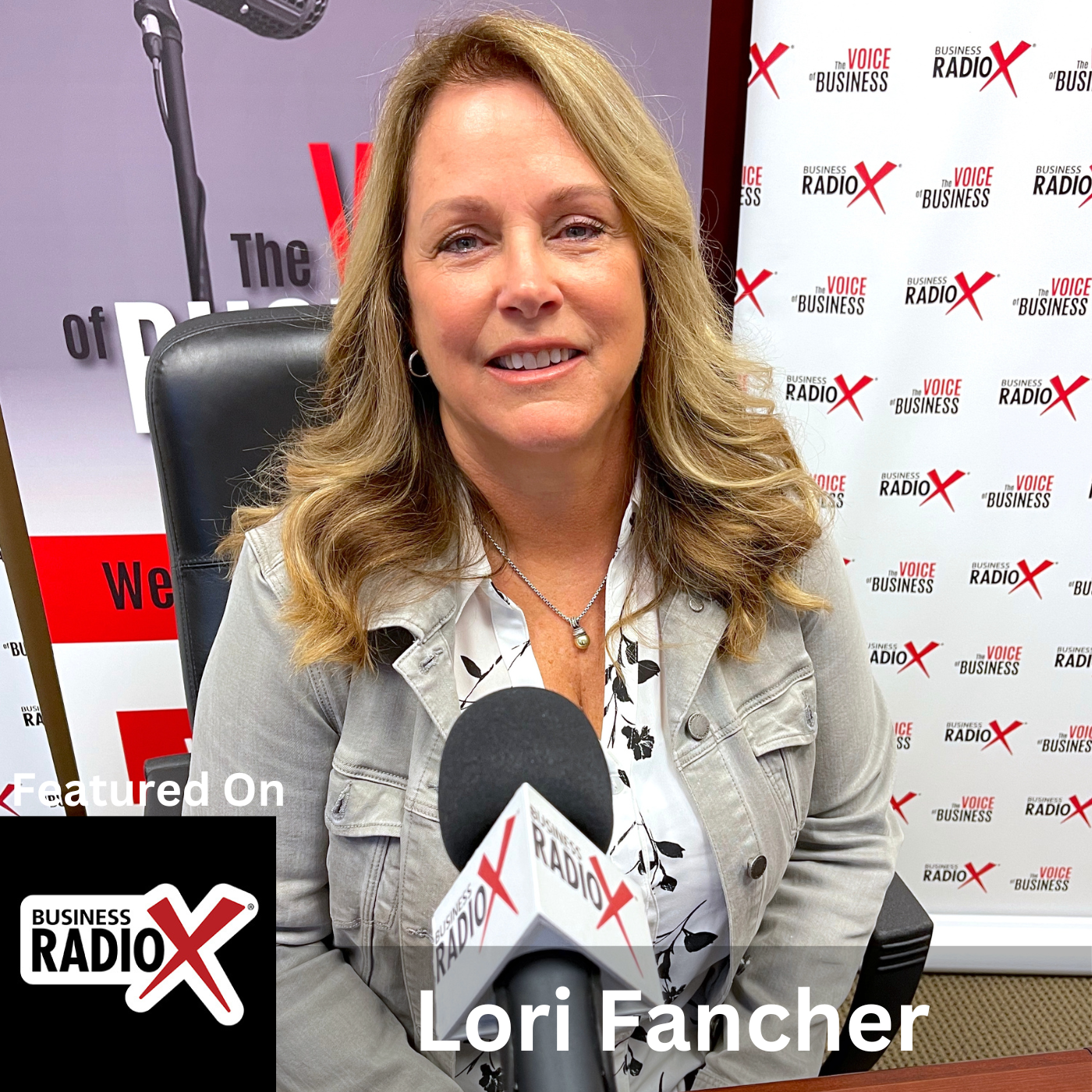
Lori Fancher

The Importance of Talent Development and Custom Solutions for Business Growth, with Lori Fancher, TrainingPros  (North Fulton Business Radio, Episode 721)

Lori Fancher, Relationship Manager with TrainingPros, joined host John Ray to discuss the significance of finding the right talent at the right time for businesses. Lori shared her passion for lifelong learning and human resource development, highlighting how they align with her current role at TrainingPros. She focused on the shifting landscape of the corporate world due to COVID-19 and the evolution of gig work as an accommodating solution. Lori outlined how TrainingPros helps leaders manage their project loads and how she has seen a rewarding transition of contract employees into permanent roles within companies.

The discussion also covered Lori’s award-winning project with Synovus Bank as well as an introduction to the Cana Foundation, a non-profit supporting leadership development and personal growth. They concluded by emphasizing the importance of flexibility, coherence with corporate goals, and how rigorous identification of the right talent forms the foundation of organizational success.

North Fulton Business Radio is broadcast from the North Fulton studio of Business RadioX® inside Renasant Bank in Alpharetta.

TrainingPros

For more than 25 years, TrainingPros has served the training, eLearning, and technical writing communities by providing qualified learning and development (L&D) consultants to clients on a contract basis. In addition to staffing services, TrainingPros provides custom eLearning and instructor-led training development for companies through managed services.

The company has relationship managers in locations throughout the United States to serve both clients and consultants. TrainingPros is certified as a Women’s Business Enterprise by the Women’s Business Enterprise National Council.

When learning leaders have more projects than people, TrainingPros can provide the right L&D consultants to start their projects with confidence.

Company website | LinkedIn | Facebook | YouTube

Lori Fancher, PhD, Relationship Manager, TrainingPros
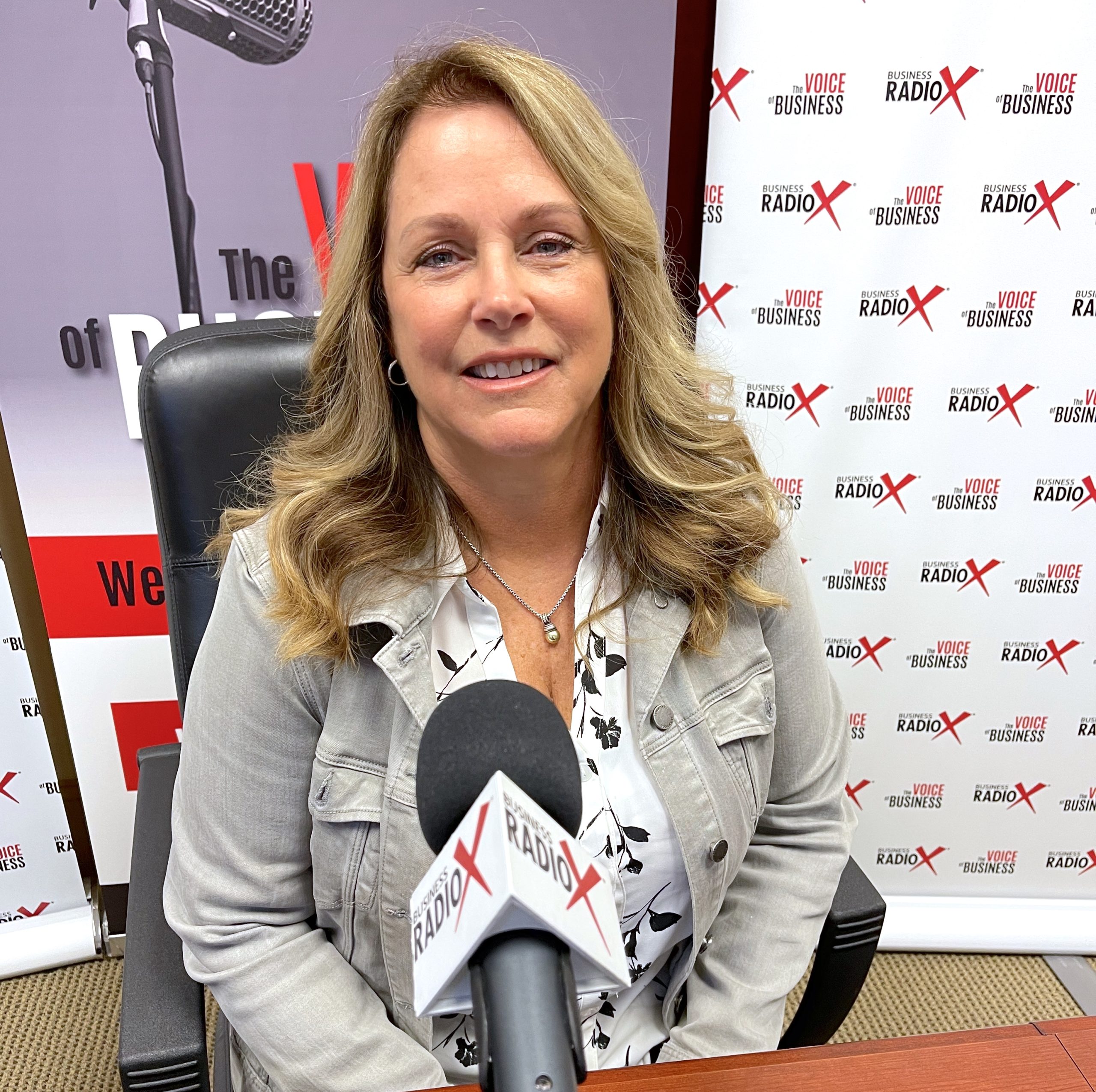
Lori Fancher, PhD, Relationship Manager, TrainingPros

Lori Fancher, PhD, is a relationship manager at TrainingPros, Lori guides talent development consultants, leaders and executives in the selection and placement of expert contract-based staff to realize strategic business results. Her background working with operations and human resources leaders spans multiple industries, including health care, insurance, retail, transportation, and banking. Having been a client of TrainingPros in the past, Lori is well acquainted with the firm and its mission.

Bringing over 18 years of experience as a consultant and a leader in the enterprise learning and design industry, Lori has advised clients in achieving strategic imperatives by maximizing capabilities and improving the performance of large companies. She also has a combined 10 years of business research and consulting experience in talent and organization development (OD), HR metrics and strategy, internal capabilities and organizational culture.

Lori earned a bachelor’s and a master’s degree, and holds a doctorate, in human resource development and OD from Georgia State University. She is a member of the Association for Talent Development, is certified in CCI DISC and Uniquely You from Arrow Coaching+ (formally Christian Coaching Institute) and is a Hogan Leadership Coach by Hogan Assessment Systems.

LinkedIn

Questions and Topics in this Interview:

  • 01:19 Guest Introduction: Lori Fancher from TrainingPros
  • 01:50 Lori’s Passion for Human Resource Development
  • 03:34 The Role of Learning in Organizational Development
  • 04:36 Lori’s Journey to TrainingPros
  • 06:02 Understanding the Role of a Relationship Manager
  • 08:01 Trends in Talent Development and the Impact of COVID-19
  • 11:16 The Rise of Gig Workers and Advice for New Gig Workers
  • 14:50 Understanding the Business of Contracting
  • 15:34 The Importance of Marketing and Branding Yourself
  • 15:48 The Role of TrainingPros in Your Business
  • 16:11 Addressing the Challenges of Leadership Development
  • 17:05 The Art and Science Behind Successful Training
  • 17:27 The Role of TrainingPros in Project Prioritization
  • 18:11 The Impact of TrainingPros on Organizational Transformation
  • 18:30 Celebrating Success: The Synovus Project
  • 20:44 The Cana Foundation: A Nonprofit Initiative
  • 23:57 The Success Stories of TrainingPros
  • 26:14 The Versatility of TrainingPros Across Industries

North Fulton Business Radio is hosted by John Ray and broadcast and produced from the North Fulton studio of Business RadioX® inside Renasant Bank in Alpharetta. You can find the full archive of shows by following this link. The show is available on all the major podcast apps, including Apple Podcasts, Spotify, Google, Amazon, iHeart Radio, Stitcher, TuneIn, and others.

RenasantBank


Renasant Bank has humble roots, starting in 1904 as a $100,000 bank in a Lee County, Mississippi, bakery. Since then, Renasant has become one of the Southeast’s strongest financial institutions, with over $13 billion in assets and more than 190 banking, lending, wealth management, and financial services offices in Mississippi, Alabama, Tennessee, Georgia, and Florida. All of Renasant’s success stems from each of their banker’s commitment to investing in their communities as a way of better understanding the people they serve. At Renasant Bank, they understand you because they work and live alongside you every day.

Since 2000, Office Angels® has been restoring joy to the lives of small business owners, enabling them to focus on what they do best. At the same time, we honor and support at-home experts who wish to continue working on an as-needed basis. Not a temp firm or a placement service, Office Angels matches a business owner’s support needs with Angels who have the talent and experience necessary to handle work that is essential to creating and maintaining a successful small business. Need help with administrative tasks, bookkeeping, marketing, presentations, workshops, speaking engagements, and more? Visit us at https://officeangels.us/.

TRANSCRIPT

[00:00:00] From the business radio X studio inside Renasant bank, the bank that specializes in understanding you it’s time for north Fulton business radio.
[00:00:17] John Ray: Hello again everyone. And welcome to another edition of North Fulton Business Radio. I’m John Ray and folks, we are broadcasting from inside Renasant bank in beautiful Alpharetta. And if you’re looking for a bank that’s big enough to handle pretty much any need you can throw at them. But they’re small enough to deliver their services in a personal way on, and I know this myself because I work with them. Renasant bank is your choice. At least I think, and again, know this personally. Here’s what I would tell you about them. And maybe the way to test, go to Renasant bank.com.
[00:00:55] John Ray: Find one of their local offices and give them a call. See if a live person answers the phone. They will. And imagine that for a, in the banking world today, that’s just the way they do their business. And it’s indicative of wait, what happens if you become a Renasant customer.
[00:01:13] John Ray: Renasant bank, understanding you, member FDIC.
[00:01:19] John Ray: And now want to welcome Lori Fancher. Lori is a relationship manager with TrainingPros. Lori, welcome.
[00:01:25] Lori Fancher: Thank you so much. I really appreciate it.
[00:01:27] John Ray: Yeah. Delighted to have you here. Let’s talk about you and your work, how’re you serving folks out there.
[00:01:33] Lori Fancher: Yeah. So I’m helping people find the right talent at the right time to get their training projects done.
[00:01:40] John Ray: Oh, nobody needs that these days.
[00:01:41] John Ray: Right? Everybody needs that. Okay. This is a timely interview. Glad to have you here. Let’s talk about your journey and what makes you passionate about human resource development, organizational development. Whatever you want to call it. That’s your world. What makes you passionate about that work?
[00:02:05] Lori Fancher: Sure.
[00:02:05] Lori Fancher: So I’m a lifelong learner. I’m an achiever too. And I’m a connector according to StrengthsFinder. Anyway. And so it lines up perfectly with where I am today. The journey for me started out with, I got involved a little bit in corporate and having an opportunity to train others. And my love of learning led me to pursue how to do that better and how to help learners learn what they need to do to be successful on the job. And at throughout that journey. What I realized is that. Sometimes training.
[00:02:37] Lori Fancher: Isn’t the answer. And if training is not the answer, then what. Can be the answer. And what role does organization two organizations play? And helping people learn and grow. So that led me down the path of pursuing my education and human resource development, which is really focused on organizational development. Training and learning and career development. That’s how we get our people.
[00:03:05] Lori Fancher: That’s how we keep our people.
[00:03:06] John Ray: Yeah, for sure. I want to come back to what you said about training there in a minute, but you’ve got a PhD in human resource development and organizational development now. My bride is a. PhD and I know what it takes to get a PhD in any. Discipline. So that reveals some passion that you have about your work. Talk about that passion.
[00:03:34] Lori Fancher: Yeah.
[00:03:34] Lori Fancher: So when you look at learning and you look at what help, what, how do we learn? We have to, we learn from our environment. We learn from other people that are modeled around us at work. We learn from our leaders. We learn from our colleagues. Exposure to resources, right? It’s very complex.
[00:03:49] Lori Fancher: The discipline itself has a lot of other disciplines involved in there. And so I pursued the PhD to be able to have credibility. And helping organizations at that highest level understand. If we want to create corporate learning. If we want to operate corporately corporate, it means. We are. Yeah. That’s many, that’s the collective operating as the individual. How do you take all these people? Learn differently and they pursue work differently. And get them to all align and operate corporately as an individual. And I loved that.
[00:04:27] Lori Fancher: So that’s why I pursued the PhD.
[00:04:31] John Ray: Wow. What. What a great testimony for that. You’re at TrainingPros. I don’t want to talk about your work with TrainingPros, but talk about your journey prior to TrainingPros. Yeah, I
[00:04:42] Lori Fancher: was the client. Okay. So I’ve been, and I was a consultant. So consulting in this space and then going in and out of corporate in my corporate roles, I was responsible for bringing in the right people to help me on these projects. anD use trading pros for a lot of that time training process has been around for 26 years. And had a relationship with them maybe 20 at 24 years ago.
[00:05:04] Lori Fancher: Okay. I’m working with them and they’ve provided me with the, as a client. The ability to find just the right person at the right time.
[00:05:13] John Ray: And for those that don’t know TrainingPros let’s give them a little overview there.
[00:05:17] Lori Fancher: Yeah. So TrainingProsos was started. 26 years ago by Steve Kapaun. He had. I was working at IBM through Accenture and had a need to find an instructional designer to help him with his projects. And didn’t know where to go.
[00:05:30] Lori Fancher: Couldn’t find the the right kind of talent. So we started TrainingPros fast forward, 23 years and his right-hand person, Leighanne Lankford took over the company as president, when Steve retired. And we became a women owned. We bank diversity supplier, still serving. Out of Atlanta, which is home base.
[00:05:51] Lori Fancher: Awesome. And then have grown into 11 major markets. Is it serving the country nationwide now? COVID really changed a lot of things for us to, in a good way.
[00:06:00] John Ray: Yeah. Yeah. So you, your role at TrainingPros, you’re a relationship manager there. Explain what your role is that what that means?
[00:06:09] Lori Fancher: Yes, absolutely.
[00:06:10] Lori Fancher: So relationship manager means I’m meeting with clients. I’m bringing in new clients, I’m meeting with existing clients. Because I have been in this space as a practitioner for a long time serving corporate. And I’ve been a client. I’m able to. Meet them where they are. In their process of implementing all of their L and D projects.
[00:06:32] John Ray: L & D being for those that don’t know, what’s L and D
[00:06:36] Lori Fancher: learning and development projects.
[00:06:37] Lori Fancher: Okay. And organizational development projects. I understand the full life cycle behind both of those. So at any given point in time, connecting with them on where they’re at. And in order to help them complete those successfully. Providing them at the right talent at the right time.
[00:06:54] John Ray: Yeah. Correct me if I’m wrong, but what I think I hear you saying is that it’s one thing to staff the position. It’s another thing to create the environment to make help that person be successful in the position. Is that what we’re talking about here?
[00:07:08] Lori Fancher: Yeah, absolutely. I’m glad you brought that up because. I’m focused on contract.
[00:07:13] Lori Fancher: First of all, if I mentioned that already, but contract staffing is what I do the most of. Okay. And so when you are recognizing the need, what I’m looking for is not the person that can just meet the immediate need. But the person that can come into the organization knowing what’s ahead. And knowing what’s required in terms of skillsets. Throughout the full life cycle of that project, having been there. I’m able to find the right person. To come in and see it all the way through if necessary.
[00:07:41] Lori Fancher: So not meeting the immediate need, but it potentially the future needs as well.
[00:07:45] John Ray: Got it. Folks were here. Speaking with Lori Fancher. Lori is a relationship manager. With TrainingPros Give us an overview of what talent development looks like in the corporate world these days.
[00:08:01] Lori Fancher: Yeah, so talent development boy. We’ve really been through it, like a lot of other functions within the organization through COVID. Now I just came on board at, in this role with TrainingPros three and a half years ago. I Can speak to the last three and a half years, which were pretty tumultuous, right. COVID with the advent of COVID and then the move. The immediate move. From onsite workers to remote workers. What do you do? How can you continue to keep those folks engaged? And the work.
[00:08:30] Lori Fancher: And how do you connect with them? Providing the right learning and the training for the managers who need to now manage remote workers versus onsite. It created a whole slew of training and learning opportunities for everyone. At the same time, we also had the concerns and the. Voices from the community, the raise in awareness around DEI. So how do we get leadership? Involved and help them provide, help them be developed and have those opportunities to understand what does this mean for my organization, my people, and how do I lead differently as a result? Of COVID of DEI, remote workers, very difficult times. And so yeah, seeing a lot of changes in the talent development space as a result of that.
[00:09:17] John Ray: Yeah. And.
[00:09:19] John Ray: Particularly given the. I guess the mentality of people that are out there, the workforce, right? That’s another aspect of this. That creates some turbulence, if you will.
[00:09:33] Lori Fancher: Yeah, absolutely. If you think about the Def the pure definition of work, we were made to work. We were born to work.
[00:09:40] Lori Fancher: I tell my kids this and they don’t like to hear it.
[00:09:44] Lori Fancher: Yeah, i. I get that, but we were made to work and your definition of work isn’t about doing something to make money. It’s about pursuit of purpose. That’s to me at the root of what work is about. And corporate is a place to go and try out. That work, that pursuit of purpose, but corporate also has corporately operating as an individual, their own purpose, and that alignment between the two. Is Is really tricky.
[00:10:14] John Ray: Yeah. Yeah, for sure. So any particular trends that you’re seeing in Staffing and L and D staffing in particular.
[00:10:25] Lori Fancher: Yeah, absolutely.
[00:10:26] Lori Fancher: So when it comes to L and D staffing what I have seen as of recent is a little bit of anxiety about whether we’re in a recession, whether we’re not in a recession. And a need to re. Usually when we go through these kinds of challenges, economic challenges, we see training functions. Cut. That’s one of the first places to cut.
[00:10:46] Lori Fancher: And so I’ve got a lot of people who are clients, a lot of people who had permanent. Positions in talent development who are now looking again as contractors. This is the ebb and flow of our world. And the folks I work with within a three-year time period have either been consultants and clients or clients.
[00:11:02] Lori Fancher: So we’ve got this revolving. At the cycle of. Folks who are coming in and out of these permanent roles. As adjustments are made in the economy and anxiety is addressed. Yeah.
[00:11:14] John Ray: So the.
[00:11:16] John Ray: The
[00:11:18] John Ray: whole issue of gig workers. And we’re. We read a lot about that, about the rise in gig workers. What’s your perspective. On that. And what the trends are there?
[00:11:31] Lori Fancher: Yeah, I think the COVID really opened the door to. Allow workers to have flexibility in their lives. To be able to work wherever they want to work from. And now we’re seeing that change with a call to return to the office.
[00:11:46] Lori Fancher: And a lot of folks are bucking that they don’t want to return to the office. And so in. I think the last thing that I read on the gig economy, there was a government report out that said that 2.1 million new gig workers were introduced to the market. And 2020. Which makes sense, and then in 2021 net another 2 million work gig workers at it.
[00:12:11] Lori Fancher: So is continued growth, right? People want freedom to be able to work at wherever they, they want to be and have flexibility to take care of young ones or elderly, or, just have that work-life balance.
[00:12:23] John Ray: What advice would you give to a gig worker. That’s a, will that newly minted. In with the, It’s coming out with that. Coming out of corporate and they’re leaving that shelter, if you will. What advice do you give someone that’s new to working in that way?
[00:12:42] Lori Fancher: I like to talk to him about what they liked the most about their permanent roles. And understand the differences between that and gig work, because when you’re an independent contractor, you have to be careful. And an understanding that you don’t really you’re leaving the structure of corporate. And you’re going for the freedom.
[00:13:00] Lori Fancher: So embrace the freedom. If that’s really what you want. That means flexibility and not falling back into the constraints of permanent work, because that causes legal. Legal implications. When you act, when you work as a contractor, but you, your employer treats you as an employee. So being careful that first of all, and then making sure that that freedom is really what they want.
[00:13:25] Lori Fancher: They’re not going to be climbing the corporate ladder. They’re on their own. And then there’s the ebb and the flow. The cashflow. Yeah. The month to month and what that looks like and the vulnerability there. And the sacrifices and the trade-off. Where are you financially? Are you ready to make a decision like this?
[00:13:41] Lori Fancher: What are your career goals? How does this help you achieve your career goals? A lot of people will step into the gig economy or the contract role because they want to experience new and different and innovative ways. Of doing the work of learning an out and out. Of learning and development. Can’t necessarily experience that as much in the corporate world, because there’s a prescribed way of doing things.
[00:14:03] Lori Fancher: So there’s a trade off there.
[00:14:05] John Ray: Do you find that Individuals step out into the gig. Gig. World or the gig worker. Environment. Maybe a little too. Quickly because they. Their first client, if you will, is their ex employer, right? And That they step into it thinking it’s ready. Made.
[00:14:27] John Ray: And maybe they don’t. Do what they need to do to understand what this new. Way of working. Is going to look like for them. Do you find that.
[00:14:40] Lori Fancher: Yeah, I do. It is ready and easy. Go back. The contract with your employer? Yeah. Yeah, walking those fine lines between being a contractor again in our permanent employees. Super important on both ends. The person contracting you and for yourself, right? And yeah, understanding that it. It’s temporary.
[00:14:58] Lori Fancher: It could be temporary. And you are in a more vulnerable place as a
[00:15:03] John Ray: result. Yeah. And you are in business now. It’s the business of you, right? There’s a book with that title. It’s the business of you. You have to think about that way, right?
[00:15:13] Lori Fancher: Yeah, because when that consistent. Permanent employer turns around and asks you to come back as a contractor.
[00:15:19] Lori Fancher: When that work ends, what do you do next? Yeah. How do you set up your own business? What kind of people can come into your world and accountant to finance person that can help you get set up in that business? And I’ve also found even a lawyer can help you with that as well. And then marketing.
[00:15:35] Lori Fancher: How do you market and brand yourself?
[00:15:36] John Ray: Lots of issues to think about Lori Fincher’s with us folks. Certainly can help us think about those issues and Lori. Is a relationship manager with TrainingPros. Let’s talk a little bit more specifically about your work.
[00:15:51] John Ray: How do I know when I need to call Lori? What problems. I am out encountering in my organization that made me think I need your help.
[00:16:01] Lori Fancher: Yeah, too many projects and not enough people.
[00:16:06] John Ray: Yeah. There’s plenty of that going on.
[00:16:08] Lori Fancher: And then not having the expertise to really follow through. Once you’ve got the budget to make a difference in the organization with a project like leadership development. That’s a big, huge expense, not just in providing the training. But in also taking leaders out of their day to day.
[00:16:26] Lori Fancher: So losing productivity, losing. Potentially during that time some opportunity in the market to be able to go out and learn so that you can come back and do more and better. There’s a big expense to training every time. So when you get that big budget or when you don’t, when you have a budget to do something right, How do you make sure that what you are doing and what you are teaching and what you were helping your leaders understand and learn? Is something that’s going to help the business move forward.
[00:16:56] Lori Fancher: There’s an art to that. And a lot of folks that were SMEEs and subject matter experts. Have understood the art and stepped into the ability to train right there. There. The expert and what they know, and they’re going to go train on it, but there’s also a science behind it, too. So we find the people that have both the art and the science. Behind the ability to make training successful.
[00:17:18] John Ray: Do you help someone – you’ve mentioned having too many projects, not enough people. Do you help
[00:17:25] John Ray: business owner leader, team leader in a big organization, prioritize those projects based on the availability of people. You get down in that kind of. depth with clients?
[00:17:38] Lori Fancher: Yeah, we can. So the roles that we provide for the contract roles that we provide are not just instructional design, which is mainly what I’ve been talking about. But we provide everything that touches training.
[00:17:50] Lori Fancher: So if you need that training schedule or that training coordinator or someone who’s a program manager. Project manager. Tech writer, even a content developer. You X person. We have, we provide all of those different roles that touch training, change management and ODI included because oftentimes. When a company is undergoing a transformation. There’s a huge training learning component to that.
[00:18:16] Lori Fancher: Of course. And it’s inevitable that occurs and we’re ready when that does. So organizational development people and change management, people are also roles that we provide.
[00:18:26] John Ray: Great work. So you. Have won an award. Alongside your client. Synovus. That’s a small little out of the way bank we’ve heard of.
[00:18:38] John Ray: But actually quite well managed and well known bank. I headquartered here in Georgia. So what talk about. That project. That led to this award.
[00:18:51] Lori Fancher: Yeah. So Synovus reached out to me because they had received a an agreement from their top C level suite to be able to provide some new leadership training. They saw a surge and some of their old some of the leaders who had been around for a long time were leaving, moving on and they had a large group of new leaders they needed to help get settled in.
[00:19:13] Lori Fancher: They also had some changes going on at Synovus and so they were looking for the ideal solution for their learning and that they got this budget. So what do we do? They had some off the shelf programs, Blanchard, Covey, some of the other big wigs in the space. They had some of their training components, but really we’re trying to understand how do we put this together?
[00:19:32] Lori Fancher: Something that means that’s customized for Synovis. Customized learning solutions is what we do at TrainingPros. There’s nothing off the shelf. So we take what’s existing or we create new and we make a customized. So that process throughout that process, it. Took us a little bit of time to find the right person. Because in the beginning, they didn’t really know what they needed. They were sending them different candidates and exploring various roles and places in the in the project where they would need the most need and help based on who they had in their current team. And the gaps, we were able to find a person that came in that allowed them to create a learning solution.
[00:20:10] Lori Fancher: That was award-winning. It had war award-winning features to it. It had done some things. To leverage digital assets and provide learning tools to leaders on an ongoing basis. So it wasn’t a once and done. They had people that went through the training who would come back and facilitate to other leaders.
[00:20:27] Lori Fancher: So leaders, teaching leaders. Platinum award at the end, recognized by C-suite. They did a lot of things. And they want a Brandon Hall award as a result. So we’re pretty proud of
[00:20:36] Lori Fancher: that.
[00:20:37] John Ray: Wow. You should be that’s. Congratulations on that work. That’s fantastic. Let’s
[00:20:42] John Ray: Switch gears here.
[00:20:44] John Ray: And talk about another little piece of your world, which is a nonprofit that you. We’re and I think your husband too, we were talking about before we came on the year. So shout out to him. A nonprofit, the two that the two of you are driving.
[00:21:00] Lori Fancher: Yeah, my husband’s an entrepreneur at heart. He also works for another large bank. We haven’t talked about, but anyway he had experience in creating a workspace.
[00:21:11] Lori Fancher: Like I think we work throwing a brain. Brand out there. A building where people could come and explore their themselves, their skillsets, their talents, and help them grow their business. And provide all the support to be able to do that. Then COVID hit so that wasn’t going to be an option.
[00:21:28] Lori Fancher: People weren’t going into a building. So we created an opportunity to have people go out and be immersed in the community of need. And use their talents and gifts and offer those up to folks who don’t have access or couldn’t afford it. And the way that we did this is we took a team of dentists out to Costa Rica. To a lodge that we own with several other partners out there to do mission related work. And we served a village of 300 people. We had clients and our connections provide other materials, products, resources. And we gave those out to the individuals to like eyewear so that they could see better. While they were getting also dental care. And it was fabulous. So rewarding.
[00:22:12] Lori Fancher: We learned a lot and our ability to do that. The dentist and the dental team learned a lot in our ability to do that. And so we wanted to continue to do this again. So we created con a foundation to provide those opportunities.
[00:22:27] John Ray: How do folks plug in to Cana foundation? Talk about that. How do. You did this. Big project in Costa Rica gets where does that go and who should be in touch with you?
[00:22:39] Lori Fancher: Yeah. So folks who are want to I’ll just throw this out there. Do leadership development. Bring their leaders to a place where they can serve others. Learn more about themselves, about who they are as leaders as well as be able to give back.
[00:22:55] Lori Fancher: We do some of that already. At the lodge and Costa Rica. Anyone who wants to. He wants to be able to take their, I’ve got some hairdressers and some other folks that I know that are going out next. To provide resources and help to, for women who are underprivileged there, Costa Rica. Prostitution is legalized.
[00:23:17] Lori Fancher: So it’s a very different environment for a woman who maybe is limited on their work opportunities in terms of being able to speak English and being able to serve in and. A better industry in a better environment. And so they’re going out there to this team of hairdressers is going out there next to be able to.
[00:23:37] Lori Fancher: mAke these women feel more professional and better about themselves.
[00:23:40] John Ray: Yeah. Yeah. But you don’t have to necessarily be. In a industry like the dental end. Practice where there’s a specific service you can offer.
[00:23:52] Lori Fancher: No, you don’t. Okay. You can do.
[00:23:55] John Ray: Yes. Okay. Awesome. So back to your work with TrainingPros let’s talk about. First of all the success story you don’t have to mention any names, but just one that you’ve already talked about Synovus, but talk about a success story that stands out that helps illustrate the great work you do.
[00:24:14] Lori Fancher:
[00:24:14] Lori Fancher: There’s a lot of success stories. I would say the consistency across those success stories are the people that are hired permanently. They were such a good fit as a contractor that they ended up staying permanently. I would define that as a success story. For example, I’ve got a a client that Only hires contract first, they bring them in and try them out.
[00:24:35] Lori Fancher: And then to see whether or not they’re a good fit for their team. And I’ve been able to provide them. I think the number is 70 to 80% of the time. Those folks who they then hire permanently. Wow. Pretty darn good.
[00:24:50] John Ray: I was
[00:24:50] John Ray: going to say that sounds terrific.
[00:24:53] Lori Fancher: Yeah. So those are the real success stories.
[00:24:56] Lori Fancher: We had another real quick, one other one in New York. So New York had an opening there. Airport. Where they needed to have someone come in and. They had a transformation. The airport was old and outdated and they needed to update the airport. One of the terminals in the airport. And they wanted it to be new and different and welcoming, and they wanted to provide learning to all of the airport staff and all the airport vendors to make a difference for passage, for people traveling through like you and I. And they wanted a trainer who could come in New York that lived in New York that could speak Spanish that had experience in transportation. That also had a background in adult learning that had taught how to understand or talk taught in projects of cultural transformation and knew how to connect the dots for people that were undergoing it. That’s a unicorn. And we were able to find somebody and they won awards for that terminal. Or the experience now of passengers traveling through that terminal.
[00:25:52] Lori Fancher: So that was pretty, it was pretty impressive.
[00:25:55] John Ray: That’s quite impressive. Apps. Absolutely.
[00:25:58] John Ray: Let’s you talked about. The types of the situation that an organization finds itself in where they have. Too many projects, not enough people that’s really the driver. For you and they need to be in touch with you. Are there any particular industries that you work with that are you’re more apt to be helpful on than others or. You will work across the board.
[00:26:25] Lori Fancher: I work across the board. I work a lot with financial institutions. And banks.
[00:26:30] Lori Fancher: I work with transportation. I work with retail. I work with healthcare a lot. Those are some of my more recent telecommunications. Those are some of my more recent clients. But yeah, across the board.
[00:26:41] John Ray: Okay. Okay. Awesome. Lori, this has been great. And I can’t imagine there aren’t some folks that hearing your success and the great work you do.
[00:26:50] John Ray: And by the way, congratulations on that work. Wouldn’t want to be in touch, so let’s tell them how they can
[00:26:55] John Ray: do that.
[00:26:55] Lori Fancher: Thank you. Yes. Of course, LinkedIn LinkedIn, Lori Fancher on LinkedIn and then Lori dot Fancher. At TrainingPros. Dot com.
[00:27:05] John Ray: Terrific. Lori Fancher with TrainingPros, Lori, thanks again for coming in.
[00:27:11] John Ray: We appreciate you and your work and keep it up.
[00:27:13] Lori Fancher: Absolutely. My pleasure. Thanks John.
[00:27:17] John Ray: Hey folks, just a quick thought for you. If you’re as we’re recording this show here at the end of November, 2023, and as the year winds down. You start to think about how you can improve your business for the coming year.
[00:27:32] John Ray: If your administrative tasks are driving you nuts, they’re piled higher. Then you are if you’re bookkeeping and accounting is a mess. That’s weighing on you and stealing the joy from your business. Office Angels can help restore that joy. And they do that with a whole team of angels that fly in, get that work done and fly out and they do it on an ongoing or as needed basis. So where the it’s administrative task, bookkeeping, marketing presentations they do all that kind of work. So you can spend time on the folks that really drive your business, which are your employees and your clients. So give them a call.
[00:28:13] John Ray: It’s 6 7 8 5 2 8 0 5 0 0 and let, them know we sent you a, you can go to office angels dot.us if you’re shy, but just give them a call, explain what your problem is. And. I think they’re the folks for you. And I think that because they are the folks from me, they do. They helped me in my business and I couldn’t do my business without them.
[00:28:35] John Ray: So give them a call. You’ll be glad you did.
[00:28:39] John Ray: And a couple of things as we wrap up here I’ve got a book coming out in mid December, 2023. If you’re listening to this show after that, then the book’s out. But it’s for solo small professional services providers. If you’re having trouble with business development or your pricing issues like that’s what this book addresses.
[00:28:58] John Ray: It’s called The Generosity Mindset Method for Business Success. Raise Your Confidence, Your Value and Your Prices. Go to, to go to the generosity mindset.com to learn more. Either sign up for updates or learn how to the book being on when you’re listening to this show. And I want to thank you,
[00:29:17] John Ray: our listener. You have wow. Continue to support us over the years. This is show number. 722 or something like that. And we, we have, wow. It’s hard to believe we have gone down the journey we have gone, but it’s been because of you in the support you have given us. You continue to like us on social media.
[00:29:37] John Ray: We appreciate that North Fulton BRX on all the major platforms. But you also share the show and thank you for that. Please continue to do that. If you’ve heard something here that makes you think I know somebody that needs to hear from Lori. And the great work she does. Please share the show or in for any of our business leaders. That we have that helps. Us help them. In their work. It also helps us fulfill our mission to be the voice of business. In the north Fulton region. So for my guests, Lori Fancher John Ray. Join us next time here on north Fulton business radio.

 

Tagged With: Cana Foundation, John Ray, L & D, leadership training, Learning and Development, Lori Fancher, North Fulton Business Radio, Office Angels, relationship manager, renasant bank, Synovus Bank, TrainingPros

Learning Insights Radio featuring Tom Bradbury with WorkplaceUX

November 8, 2018 by angishields

Learning Insights
Learning Insights
Learning Insights Radio featuring Tom Bradbury with WorkplaceUX
Loading
00:00 /
RSS Feed
Share
Link
Embed

Download file

Tom Bradbury is a leader/entrepreneur focused on the enhanced productivity and, in turn, profitability of the workplace. Highly experienced in the correlation of technology, human resources and corporate real estate, Bradbury’s firm—WorkplaceUX—utilizes a tech-based model for transforming fractured environments into a frictionless home for unparalleled collaboration. Tom’s in-depth knowledge of the industry and his close attention to client needs over his two decades of experience, including 18 years as founder and CEO of Labrador Technology, led him to the creation of WorkplaceUX, an innovative approach to helping clients understand how to improve their work experience and maximize efficiency and output. A deeply strategic and entrepreneurial thinker adept at problem solving, lifecycle planning, and business process optimization, Tom created an original framework to discover these needs through the eyes of the users by leading them through six major pillars of a company environment, to ensure that companies will get the most out of their investments.

Follow Tom Bradbury on LinkedIn.


learninginsights11118.mp3

: Broadcasting live from the Business RadioX Studios in Atlanta, Georgia, it’s time for Learning Insights, featuring learning professionals improving performance to drive business results.

: Welcome to another exciting and informative edition of Learning Insights, brought to you by our good friends at TrainingPros. Lee, this is going to be a fantastic segment. Please join me in welcoming to the broadcast, CEO with WorkplaceUX, Mr. Tom Bradbury. How are you, man?

: Good. Thanks for having me, guys. Excited to be here.

: Well, Tom, before we get too far into things, can we talk a little bit about WorkplaceUX? How are you serving folks?

: Sure. WorkplaceUX is a consulting business that I started earlier this year. And we focus on Fortune 2000 clients, helping CEOs change the tech culture and their business, improve their business, and through ways making technology more efficient, effective, and promoting productivity and collaboration.

: Now, were you always in this industry?

: I was, but it was a bit of a pivot. For 18 years before WorkplaceUX, I had Labrador Technology, an IT audiovisual design and project management firm. And for 18 years, we helped sophisticated corporations relocate or renovate their work spaces, their workplaces. So, we saw all the innards and guts of what had to be thought through, and then designed and built.

: So, we would understand a corporate’s IT needs, audiovisual needs, and then design all the connectivity and systems, and represent those requirements in blueprints and drawings that had to be integrated with the architects’ drawings, the engineers’ drawings that would be “bought” by a general contractor. And they would be responsible for building out everything. And we had to make sure that, later on, the IT vendors would be able to kind of come in, and plug their stuff in, and everything would work.

: And it would be a good experience for the users of all the technology.

: Well, it’s funny you say that. Early on, we spent a lot of time providing value in that space where we had a lot of access to clients. And as technology really evolved more and more, like impacted by the consumerization of IT, things really changed. And what we did kind of got lower on the totem pole, so to speak. And we were very much commoditized, less interviews for projects, more bidding.

: Like more RFP.

: More RFP. And even in the latter stages of RFP decisions being made on the price per square foot et cetera, et cetera.

: Wow. So, that was a big shift then?

: Huge shift, huge shift.

: Because, initially, it was very relationship-driven, and you were kind of understanding what they were trying to accomplish, and things like that. And then, at some point, it became like, “How much is the cost?” This is just-

: Right, absolutely. And the attention shifted very much to applications and what was happening in the progression of technology in the workplace.

: Did the decision maker change?

: When you say decision makers, can you-

: Like, who would hire you?

: Yeah, they did. What would happen is people in and around the design and construction community would very much have input, whether it was the construction firm, or the architects being hired, or real estate and facilities professionals within the firms who were in charge of these great big important projects.

: So, you did that for 18 years?

: 18 years, yes.

: And then, you sold the business?

: I did sell it to a competitor in the space, the Clarient Group, a wonderful organization also based in New York City. And prior to selling it, for the last maybe 2.5 – 3 years, what I had noticed or started to believe with that commoditization and with the advances of technology, I noticed that many of these very sophisticated global brands were making decisions about the technology they were investing in based on the construction, schedule, and budget because these are really big important projects. They cost a ton of money. The CEO and the C-suite, all eyes are on this, “Are we going to hit our timeline?” because the catalyst event is the lease, right.

: Right.

: And when you have to be out and the penalties. And now, you’re building the space of the future, and you’re hiring people, carpet, furniture never mind the space that you pick and how much you’re paying for it. And there’s a lot of changes. And there’s so much gravitational pull to that process that it pulled all of the decision making was about this window. And I’m sitting here saying, as my space was getting commoditized and this process was changing, it was very much about, “Who’s seeing if these are the right things for this company? How are we connecting what we’re investing in as a business for my clients’ sake with what they want out of their business? What are the goals of the business?”

: Right. That’s kind of getting kind of pushed aside because somebody else is driving another part.

: Absolutely.

: Wow.

: So, I started to notice this. And within my former business, Labrador Technology, I started to market myself a little bit more. Like, to beat the commoditization, how can I come across better and in a way that’s more enticing to the end users and the people who are thinking about these things?

: So, it’s kind of you’re going back to the beginning or the roots?

: Yeah, I think there’s-

: Are you having those kinds of conversations that you have gone commoditized, you’re now bringing those back to the fore?

: Yes. I’ll tell you, and they’re not the same conversations necessarily-

: Right, but it’s more strategic and wanting more-

: Much more strategic.

: Right, than like let me save a nickel on this and a dime on this.

: 100%. And just earlier this week or actually last Friday, I was with a new client, pretty big client moving in New York City, and I felt that. I felt back in a position of being able to add value directly to a client situation, directly with the CFO and COO in a meeting, which was very different than where my place had pivoted, not by my choice, but by the changing nature-

: Of the industry, right.

: … of the industry, yeah.

: So, now, for you, the people you deal with are who in an organization?

: So, I’ll say, traditionally, through Labrador and into today, there are some pretty prominent roles still around these projects, big workplace projects. And by the way, a catalyst event could be that real estate. It could be workplace transformation. And we’re revisiting our culture and how we do things on itself. But a lot of times, they do come as part of that lease expiration in the place. It’s head of IT, head of real estate, head of HR are all involved, very involved, in these workplace-oriented projects. CFOs will get involved. Sometimes, you’ll get a glimpse of the CEO.

: But what I realized, even as I started to get to a point where I was ready and saw how to have more sophisticated, more valuable conversations for the end user, for the client, I said to myself there are these swim lanes, really HR, IT, and real estate that have the most profound effect day to day on the workplace, but all of these people were only looking at their own agendas. That’s why I call them swim lanes. They’re all really sophisticated and successful people. They’re looking right down at the bottom of the pool just between their lines. No one’s working together.

: And coming from tech, I started to have these conversations as part of my engagements with end users and really starting to see where all the misses were, where people were launching different applications and tools, but it wasn’t having the effect on the organization that was the original intent behind the investment because these swim lanes weren’t talking to each other.

: Because they’re kind of siloed, and no one’s kind of looking holistically at the whole organism?

: Right. That’s right.

: I love the imagery. And what you’re describing to me is kind of a sales and marketing practitioner with a little bit of experience on the periphery of providing specialized knowledge and content to senior level executives. What I hear you saying is you’re having conversations with the head of this and the head of that. How in the world does the whole sales and marketing thing work for you? Because as a salesperson, that sounds like nirvana. If I can actually have a meaningful substantive conversation with these senior level people, how are you even getting to have those conversations?

: Well, I get to have those conversations. It’s whether they get traction or not. So, what I’m really finding is that the bottom line is the workplace — and this is me saying this — the workplace is broken. The traditional corporate workplace globally is broken because of these silos. On one hand, these silos exist so that a business can operate efficiently and effectively. But on the other hand, they get so siloed. And even at their leadership, the top of each silo, that unless there’s some sort of convergence, ideas, and intentions, and innovation gets fragmented, where intent gets lost at the door.

: So, really, the only person who can fix the broken workplace is the CEO. And that’s my primary target because that’s the person who looks over the entire organization and has a great feel for the value of changing the organization, how it has to happen throughout.

: So, when you enter into an organization, your first conversation is in one of those swim lanes, right?

: That’s right.

: So, what I’m trying to get my arms around because, I mean, I fought this battle my whole life, how do you get up the chain and get to talk further up the chain? Is it just you have that good of a reputation or they’re reaching out to you?

: I think, I certainly have history, and I’m working on building the momentum, so that leaders who want the change and are ready to oversee the change holistically are contacting me. And, obviously, through my marketing sales efforts, I’m directing my attention towards the CEOs and the people that I think I’m going to have the most effective mode to produce value for them as a business.

: All right, okay. And this, I’m going to say it like I know what I’m talking about, it’s really more of a theory or a hypothesis. I’m operating under the impression that although you may start in that swim lane, the middle level HR transformation type person or whatever, you must be very good about exercising the discipline, in no uncertain terms, communicate to that person, “Look, we’ve got to take this conversation deeper, wider, and higher.” You have to have the willingness, as opposed to just get caught up in a-

: Yes, where I have multiple — I’m trying to serve multiple masters because they each-

: Yeah. I mean, can you speak to that dynamic?

: Yeah, it’s tough, but a lot of these folks, very senior sophisticated people, their role and the way they’re compensated and incentivized is based on fulfilling their silo, their swim lane. So, answering to them, to multiple of them, is very difficult. And trying to get to the CEO, in many cases, the CEO is looking at this as, “I don’t want to be in the weeds.”

: “Yeah, that’s your job, Bill.”

: “I have these people who do that that work for me, and they’re all smart, and capable.”

: So, you got to stick to your guns though because-

: I have to stick to my guns.

: But isn’t that easy to — I think, it would be easy to cave in. And, just, it would be easy for me, I think, to just cave in and keep the conversation much lower than it needs to be if I’m going to provide real value and candidly command the fees I should command.

: That’s right. You have to stand your ground because I’m providing value. I’m looking at a business in a way that no one else is looking at a business right now. And in evaluating how a business is communicating, collaborating, and getting a gauge on their productivity. Because you can go in and you can see some fascinating things about what’s working and not working by understanding what the reality is of using all of these tools to communicate and collaborate at a business.

: And the good news is it only takes, sometimes, a couple of small tweaks to make some really big changes, but leadership doesn’t always understand the reality of the things that are just missing the mark. They understand what was launched. They understand what projects went well, where you stayed to budget, where you went over budget. And we have to be able to go to leadership and explain to them why something is needed and what’s the business value.

: When a CEO is in a boardroom with a board of directors at the biggest, the most sophisticated business in the world, and they’re saying, “We need to attract this type of talent, and we need to retain that type of talent that’s already here.” That’s the case. And someone starts at the business as a new employee, and it takes some two weeks to get their laptop and email. How does that match what’s-

: Right. Well, I find it fascinating that the name of your firm, WorkplaceUX, each of the silos sees workplace and they’re like, “Yeah, that’s me,” right?

: Totally.

: Because the workplace for the guy that’s the tech guy, there’s a workplace for him. There’s a workplace for the HR person. They see workplace as the people maybe, and maybe the tech people see it as stuff, not people.

: That’s right.

: Right?

: Yup.

: So, they’re all hearing the name “workplace” and defining it themselves in a slightly different way. And you’re trying to say, “Hey, everybody, the workplace is bigger and broader. It’s all of us together. And it’s all got to work altogether in order for it to really move the needle for the business to have the impact they desire.”

: That’s right. And-

: And I’m sure that wasn’t an accident, right? You did that on purpose to define, so that each person sees workplace and says. “Yeah, he’s talking to me,” but, ultimately, the CEO has to be in charge of the whole workplace. That is the stuff, the people, the culture, the tangible and the intangible.

: Yeah, I want to match three perspectives or try to understand where the gaps are and better align them. That’s the CEO and leadership where they take in this business. That’s the builders, IT, real estate, and HR. How do they look at it? Is the budget what they feel is the most important thing? Are they getting that signal from the CEO or CFO? And then, of course, the reality of the end users. The stuff actually doesn’t work.

: And those are the humans.

: Those are the humans. right. So, everyone’s investing in technology and thinks it’s going to kind of take care of itself, but it’s not. And one perspective I like to bring is that if you were going to hire someone to create a game for Xbox, you wouldn’t just trust your guy in the back room to come up with it, and then put it on the shelf at Target. You’d understand what people like or don’t like about the game before it’s out on the shelf at Target.

: We need to be doing the same thing looking at our business, and understanding how technology, and using the tools is. The user experience for the workplace is the kitchen for the person who works at home sometimes or all the time. The road for the sales road warrior, it’s in the office, it’s in the cubes, it’s in the meeting spaces, the shared spaces. It’s in all that. What’s it like to work at any one of these organizations?

: Right. And no one typically is thinking of that in kind of that holistic manner?

: No one’s looking at it the way I’m looking at it from, “How are all the tools to communicate, and collaborate, and being productive work?” Because if you ask any board member, or CEO, or anyone in the C-suite, “Tell me about the people you want to hire that you need at your business for it to be successful,” they’re going to give you a list of attributes. What’s ironic is much of what’s outfitted from a communication and productivity perspective with IT doesn’t support those same very attributes.

: Wow.

: They just think it does, but, in actuality, it doesn’t.

: It doesn’t, correct.

: So, now, what’s the pain that they’re having where they’re like, “You know what, we should be hiring or talking to the WorkplaceUX folks”? Like what’s typically that symptom or the pain where they start even considering bringing you in?

: They’ll get a sense of it. Some of the signs might be we don’t have enough meeting spaces.

: It could be something that simple?

: It could be something really that simple, but, really, it’s, “What are our business goals, and is how we’re working every day connecting with those business goals?” And every CEO is looking at their business and where it’s going forward, but it has to look under the hood. It has to not be under the hood, but it has to be aware of how this car — You can say you have a Mercedes, and it’s got a beautiful paint job and everything, but if you’re putting $10 hoses underneath the hood to support that engine, it’s only going to last so long.

: Right. It may work today, but it’s not going work next month.

: Or it’s not working to capacity.

: And what happens in those cases? I can remember hearing the consultants from my change management days years and years ago, the first crowd that leaves is your high marketables. Your very best are the ones that are going to get fed up, and can, and do leave under those. When they find out the hoses are $10 hoses, they may go somewhere where they’ve got better hoses because they can. And so, it’s your best people that you lose in those situations, right?

: Absolutely. You want great talent to come, and you want them to stay.

: And you want them to stay. I loved your example about Xbox. It hit home for me. My youngest has an Xbox. One of the games does a driving game and there’s fishing. It’s got a toggle. There’s two views to it. One, you’re sitting in the car and looking through the windshield. And then, they have something called sky view. And when you hit the button — I never know what button to hit, but one of the buttons you hit, then, now, you’re looking at all the cars on the entire track, and you get a completely different view. And that’s what I was thinking of when you talked about broadening the view for people.

: And you bring up that it’s almost like a CEO talks about the business they run, how do you get that other look, right?

: Right.

: But if you’re a CEO, and you go give a speech, there’s how it’s occurring in your mind and through your own set of eyes. When someone gives you back that recording, and you watch it, how does your voice sound? How do you think you’re coming across? How many times are you saying “um”? That kind of stuff? So, similarly to what you just said, getting that other perspective is huge. And once you get that other perspective, and you start to make those small adjustments, which can have profound impact on productivity, there’s a whole different mode of operating today where, traditionally, you have something like the help desk that supports the workplace, total break fix, but we have to change that.

: Now, with how technology exists, and what people are used to, and how they want to operate and exist at work, it’s continuous enablement. So, the analogy I like to use is like a gym. The gym, it depends on you. You go to the gym, and you decide that you’re going to get in shape. You hire one of the trainers to work with you for an hour. And then, that trainer works with you as long as you want to, kind of like a break fix.

: Like I’m feeling not great, or I’m overweight, or whatever it is, I want to — boom. And they work on fixing you; whereas, opposed to what about a gym where there’s just trainers walking around, and those trainers are in charge of just getting everybody in shape and staying in shape? So, it’s not here’s how you use this tool, or here’s how you communicate or collaborate with people, and you show them once. Way too many organizations rely on that where I told them, they know, they have it.

: Now, you’re hurting me because I’ve said those exact words.

: Right, but it’s not.

: Ouch, but you’re right. You’re right.

: It’s a marketing thing, it’s a branding thing internally at any organization.

: Because you have to truly want to help them get the outcome they desire.

: That’s right, continuously.

: And then, you have to be building in systems that enable that to happen.

: That’s right.

: All the time, not just when they raise their hand, or it’s not working, or they point to them and say, “Hey we’ve got to fix Bill.”

: That’s right. That’s right. And we were talking about change management before, your experience. And I think this enablement — I know this enablement is the new future. It’s not just change management where there’s an event, and then there’s X amount of time where I help them get to where they need to be. Now, it’s enabled.

: And it’s all on-demand, and it’s all real time.

: That’s right.

: It’s not every six months or every year, we’re checking in. Like you can’t operate in that manner anymore. Things move too quickly.

: That’s right. And then, getting back to the swim lane stuff, you can’t, as CEO, someone might hear this and call in their CIO or somebody, one of the swim lane leaders and say, “I need you to do this. This makes sense,” but they’re going to do it in the context of just that swim lane.

: Just that lane, right.

: Right? So, it’s I got three people on the enablement desk.

: Problem solved. They’re able to check that out.

: And they’ve enabled five people today within eight minutes each. Everybody has to work together. Like HR has to help develop the policies that support the systems. Real estate has to build out the facilities to be able to support. All that stuff has to integrate.

: They all got to work together.

: That’s right.

: All right. So, this makes for a fantastic article. I mean, having the transcript of this audio or listening to this audio is insightful. I think it could be invigorating and inspiring. And I’m trying to envision real world walking through those big doors and, actually, trying to pull this off in a company of any size and complexity. Can you break it down a little bit, at least, on the front end of an engagement, what are some of the first few things that might happen when a company engages you?

: My initial engagement is getting time with the C-suite and leadership, either in person, or I delivered the package that they presented to the board on where they’re going as an organization. Then, I want to interview the builders, IT, real estate, HR, CFO.

: So, you’re going to all these, sort of the all lane leaders?

: Right, but this is back to the the perspective. The leadership’s perspective, this is where the business is going. The swim lane leaders to understand how they’re approaching their swim lanes with their agendas. What’s driving their work? And then, I want to go and run a bunch of workshops where I created a methodology that’s asking them about how they use technology, but I’m flipping it a little bit where we used to ask them about the — Most organizations will talk about this from a technical perspective. Does your computer work? Does your wireless work? It’s worky, no worky kind of stuff. Like, what’s going on? And, really, we have to ask them what’s it like.

: So, I’ve developed a methodology where I take them through about six prisms of experience where I have a number of questions that I interview them on and just to understand what’s it like. I’ll start these interviews off of something like this to give you a taste. “The light go bulb goes off, you have to meet with three or four people in your team, in your department, in your business, what do you do?” “Well, what do you mean?” “Well, what do you do?” “Oh, well, I have to find a room, and reserve a room, and make sure I’m blah, blah, blah.” And I start to understand what it’s like to be them doing that-

: Right.

: It’s great.

: … whether it’s using a space, or how they’re informed by their business, or how they received received training or support, or what onboarding is like at the business. And when you start to match those day-to-day realities of experience up with how the swim lane leaders are approaching their job, and then overlay where the business is trying to go, you’ll see some pretty silly things that happen in most sophisticated organizations.

: And, sometimes, you’re talking to the CEO, and then you go to the lane leaders. And then, you go back to the CEO, and you tell him what you found. Are they shocked? I mean, are they like, “That’s impossible. That can’t be true”? Do they push back? I know you have all the evidence to kind of-

: Most of them to kind of hold their cars to the vest on whether they knew or not. Some are a little bit more forthcoming about it, forthright about being surprised or not. But what I’ll say is the sense I get is that most of them know all the silly stuff is happening in their organization. Their attention is divided up into many things, and they’re looking for a vehicle or some impetus to go and take care of it, and/or they’re looking for ways to kind of find a vehicle to get their direct reports to help them take care of it, to help them change it.

: I’ve had one CEO tell me, “Oh, I love this. I want to use it as like a-” He said weapon. “It’s a weapon to keep my people from getting too comfortable in how they look at things and how they’re approaching.” Like this kind of will help them adjust and help them pay attention. And part of that is if it’s no more than sponsored, if it’s believed in, and it’s asked about by the CEO, she is going to get results because people are going to respond in that way.

: Now, once it’s implemented, now, you’re doing a lot of identifying problems. Do you take it to the next step where you’re fixing the problems or is that somebody else?

: Once we identify the problems, and we want to help them understand options for them from both a strategic perspective, as well as a tactical perspective, we might go in. And whatever the impetus might be, we’ll always identify some low-hanging fruit. Here’s how we can make some changes, which tells your employees, right now, you’re invested in making this a better business. And let’s do the things that connect to your business outcomes, the desired outcomes. But it’s also understanding what’s right. Every business is different.

: Sure.

: It might be budget. It might be culture. You could be a very traditional wealth management business. You might be a tech firm. But the wealth management firm, although, a lot of times different vendors might want to take, “I did the Facebook. Come and see Facebook,” the only thing they should be learning about Facebook is why Facebook did things they did. And let’s find out why we should do the things we should consider, not doing what Facebook did. It’s very different.

: Right. So, it’s not cookie-cutter thing that it’s for everybody.

: That’s right.

: Everything’s custom to the outcomes that each of your clients’ desire. But you help them actually kind of roll out some of these things, so they can shore up some of these weaknesses.

: Yeah. Look at these options. Help them understand what the implications might be.

: And prioritize.

: Prioritize based on what they want to do as a business and talk through what could leave them — where can we get the best results? What tweaks or small adjustments do we have to make to get the best results?

: Right, so that we can that moving the needle.

: And then help them through. And the biggest thing that happens at all these organizations, I always think of it like an idea or an innovation happens like an egg. And then, we break it up and we shove it down each silo. And it comes out it. It doesn’t look like an egg on the other side. So, how do we maintain that intent throughout that process? And that’s a program management. That has the ear of the people who know what the goals and outcomes, how they need to match.

: Now, can you share any success story where somebody kind of went through the system? You don’t have to mention any company names or anything, but they went through, and they had some change, and it made some impact.

: Yeah. Let’s see. We’ve worked with a couple of firms that actually went and hired based on our recommendation a Director of Enablement that-

: And that was the first time? They had never had that role before?

: Right.

: Wow, cool.

: I mean, just thinking and understanding how the help desk isn’t that — They’re stuck in that break fix. People who are awesome at help desk aren’t the people that typically are going to say, “You know what, I know your role. And I think this other tool might help you communicate with these people.” They’re there to fix whatever’s broken or tell them what they need to know on a tool, not what else might.

: And a director of enablement can be that dichotomy because a CIO has many responsibilities. Help desk is one important, security is very important, on, and on, and on. But this enablement piece is another thing. And you don’t want it — You want it to be almost like bringing a consultant in, someone who’s not connected to the infrastructure level projects that doesn’t get that pulled away from what’s best for the user. So, that would be a great example of where we had influence on what could be better the organization.

: And another client that just swore up and down they didn’t have enough rooms. Mapping back to some simple tools where it wasn’t that they didn’t have enough rooms. It was that they weren’t monitoring how people reserve rooms.

: Some people work like, “I’m going to block it for five, but I only need it for 30 minutes.”

: Or “This is great. Let the three of us meet every Tuesday morning from 10:00 to noon for the next six months.” It happens three times. And then, you’re out sick, and you go on. And then, we just stopped doing it.

: But it’s been locked down.

: Still on the books.

: That’s right.

: Yeah, yeah. But so many of these answers, I suspect, the fix, if you will, the answer, it’s a moving target. It’s the answer now, today. So, in keeping with this whole continuous enablement thing, that’s how and why you — I don’t know what’s right word. You need a maintenance mode, or you can’t just do this one time and be done.

: That’s right.

: This has got to be a mindset. You got to put energy.

: And we’re putting some cool ideas into more product mode on how we go in, and check in, and take their temperature, whether it’d be quarterly, a couple of times a year, to go in and help them understand where things are progressing, and where they’re not, and they need to shed more light because one important thing is I gave a couple of in-the-weeds examples of what has profound-

: Think about, I use that audiovisual example of the rooms, but if a goal is more collaborative work and bringing in people who work that way because that’s how they’re going to change their company, and that’s what their industry really needs, then it’s not an AV discussion. It’s a business discussion. And too often, when you’re in the swim lane, it’s just AV. Why are we spending $2 million on AV? Well, how we map. So, it’s really important to be able to constantly-

: And to help them connect the dots of how everybody is working.

: Well, I’ll tell you how my wheels are turning. I don’t have the work ethic or the IQ to be a change management consultant, but if I were, I think, I would want to be WorkplaceUX-certified. Almost like, “Here’s what I can do for your organization. And, oh, by the way, I’m Workplace-UX certified.” Any design on maybe taking the methodology to that level some day?

: Yeah. Different people have asked me about-

: Something like that?

: The F word that you wanted to avoid before.

: Franchise, yeah, yeah.

: Franchise. They have talked about some sort of franchise.

: Yeah, I think it can be franchised, yeah. Certification.

: I am very intrigued by that, and how we can spread this because, I think, it’s really important that I want to — I’m focused more on training my clients to think this way, but, I think, definitely on my agenda is how can I train other people whether they work for me-

: Or internally, yeah.

: Or there’s another business that finds this very useful in reaching their clients, and we train them.

: Good stuff. So, if somebody wanted to learn more and have more substantive conversation, where can they go? Website?

: They can go to work WorkplaceUX.com, or they can look me up on LinkedIn, Tom Bradbury.

: And then on your website, you have tons of blog posts, and articles, and white papers. There’s a ton of information.

: There’s a good amount, a couple to a few handfuls of articles I’ve written. There’s a white paper that if anyone wanted to have access to, they should just message me on LinkedIn. I’d be happy to share a white paper with them on something that I put together on the broken workplace, and some evidence, some more evidence and data that we gathered during a bunch of engagements that show us why we need the CEO involved to change the conversation.

: Yeah, absolutely.

: So, it’s cool.

: Well, it has been an absolute delight having you on the show this afternoon. Thanks so much for coming to join us. And keep up the good work, man.

: Thanks, man. And thanks for having me.

: Absolutely, our pleasure. And keep us posted. Maybe we’ll do this again. Maybe Lee and I will travel up your way.

: I’d love to.

: Or next time you come to town.

: Yeah, come to New York.

: Yeah, it sounds like fun. All right. Until next time, this is Stone Payton for Lee Kantor, our guest today, Tom Bradbury with WorkplaceUX, and everyone here at the Business RadioX family saying we’ll see you next time on Learning Insights.

Automatically convert audio to text with Sonix


Tagged With: Learning Insights Radio, TrainingPros

TrainingPros Consultants Alicia Mintz, Elise Santana, and Trish Thorne

June 15, 2016 by angishields

Learning Insights
Learning Insights
TrainingPros Consultants Alicia Mintz, Elise Santana, and Trish Thorne
Loading
00:00 /
RSS Feed
Share
Link
Embed

Download file

IMG_0652
Lee Kantor, Trish Thorne, Elise Santana, Dave Adelman, Stone Payton and Alicia Mintz


Learning Insights Radio provides case studies, lessons learned, and leading-edge business practices from learning leaders and TrainingPros Relationship Managers across the country.


Alicia Mintz / Training Pros Consultant 

Consultant/Freelancer, Program Coordinator for GRC ATL, and Artist

mintzess@gmail.com

www.girlsrockcampatl.org


Elise Santana / Training Pro Consultant

Senior Instructional Designer at Designex Enterprises, LLC

elisesantana@yahoo.com

LinkedIn


Trish Thorne / Training Pros Consultant

President at SuccessPartners.Biz 

Trish@SuccessPartners.Biz

LinkedIn 


IMG_0242

Tagged With: David Adelman, Elise Santana, Lee Kantor, Stone Payton, Training Pros, TrainingPros, Trish Thorne

Julie Johnson with Xerox and Brett Rose with Delta

June 1, 2016 by angishields

Learning Insights
Learning Insights
Julie Johnson with Xerox and Brett Rose with Delta
Loading
00:00 /
RSS Feed
Share
Link
Embed

Download file

IMG_1589
Leigh Anne Lankford, Brett Rose and Julie Johnson


Julie Johnson is a Service Delivery Leader at Xerox Learning. Driving service  delivery and ensuring client satisfaction, she is a trusted advisor to client  executives. Julie manages day to day internal operations including resource  management, revenue and cost; provides learning strategy, innovation and  thought leadership consultation; and builds relationships to drive strategic  learning initiatives in alignment with client business strategy and goals.  Julie came to Xerox as an accomplished professional with extensive  experience in the development, implementation, and management of  organizational, leadership and human resource strategies for the private and  non-profit sectors. She has an impressive track record of innovation and  results during 15+ years in leadership and consultative roles to support  organizational and individual capacity building. She is an expert in building  collaborative relationships, gaining buy-in for new ideas, advancing  technology engagement, and driving strategic projects through complex  organizations with cross-functional teams. Julie is experienced in managing  multimillion-dollar budgets; and leading and managing staff to deliver best  practices for workforce transformation.  Julie is PMP certified and a member of the Project Management Institute,  Alpha Kappa Alpha Sorority, and the Association for Talent Development.


Brett Rose is a Program Manager on the Integrated Learning Team at Delta Air Lines. This team, as part of the corporate HR function, works with various  departments and the operational divisions of Delta to drive strategy and  adoption of training technology, manage vendor relationships and provide  design and development services.  Brett manages the training design and development relationship with Xerox;  coordinates instructional design project resources; and, most recently,  provides training and support for a new Learning Content Management  System (LCMS).  He has successfully worked with and led teams in higher education,  government, military, and corporate settings. Brett has over 15 years of  experience in distance education, media development, and elearning, and  project management, along with a passion for creative problems solving,  collaboration, and process improvement.


Tagged With: Delta, Deltoa, Learning Insights, Learning Insights Radio, Leigh Anne Lankford, Training Pros, TrainingPros

Chris Mokros with StoneMor Partners L.P.

May 4, 2016 by angishields

Learning Insights
Learning Insights
Chris Mokros with StoneMor Partners L.P.
Loading
00:00 /
RSS Feed
Share
Link
Embed

Download file

Learning Insights Radio provides case studies, lessons learned, and leading-edge business practices from learning leaders and TrainingPros Relationship Managers across the country.

David Adelman and Chris Mokros


Chris Mokros / StoneMor Partners

National Director of Training


Tagged With: David Adelman, StoneMor Partners, Training Pros, TrainingPros

Melissa Walker with NextCareer

April 28, 2016 by angishields

Learning Insights
Learning Insights
Melissa Walker with NextCareer
Loading
00:00 /
RSS Feed
Share
Link
Embed

Download file

Melissa Walker from NextCareer stopped by our Dallas studio to discuss how Fortune 1000 companies are leveraging the talent of U.S. veterans.

Melissa is a highly motivated Human Resource leader with 13 years of proven success in developing and maintaining strategic business partnerships to align business needs to HR strategy. Through Talent Acquisition, Leadership Development, Talent Management, Transition Resource Planning, Process Management, Compensation/Total Rewards, Organization Design and Change management she has successfully delivered high value through the enterprise. Melissa uses her ability to influence others based on leadership skills and analytics to achieve strong results, build solid relationships to help navigate the transformation in the insurance industry. Her career emphasis is to develop and maintain human resource services that surpass corporate objectives while maintaining high ethical standards.


Tagged With: Melissa Walker, NextCareer, TrainingPros

Dylan Rafaty with DylanListed

April 28, 2016 by angishields

Learning Insights
Learning Insights
Dylan Rafaty with DylanListed
Loading
00:00 /
RSS Feed
Share
Link
Embed

Download file

Dylan Rafaty from DylanListed stopped by our Dallas studio to discuss training, integrating, and leveraging employees with disabilities.

Dylan is the Founder/President and CEO of DylanListed, an organization whose mission is to provide innovative online tools and offline events to sustain a focus on gainful employment for all US job seekers who are individuals with a disability (IWDs) and self-identify.


Tagged With: Dylan Rafaty, DylanListed, TrainingPros

Patrice Wheeler with People Skills for Professionals

April 28, 2016 by angishields

LearningInsightsApplePodcastHeader
Learning Insights
Patrice Wheeler with People Skills for Professionals
Loading
00:00 /
RSS Feed
Share
Link
Embed

Download file

Patrice Wheeler from People Skills for Professionals stopped by our Dallas studio to discuss the value of utilizing the equestrian model to maximize leadership development.

Patrice combines her profession as an Executive Coach with her passion for horses, by serving both. As an International Equine Facilitated Coach at her privately owned and operated facility, The Wheel O’Life Equine Sanctuary, she and her equine coaches provide humans with the opportunity to experience authentic self awareness. The Wheel O’Life Sanctuary provides the platform for her coaching business, Ridge Equus, and her humanitarian efforts for needy equine, Heart To Hoof.


Tagged With: Patrice Wheeler, People Skills for Professionals, TrainingPros

Tom Allen with Opango

April 28, 2016 by angishields

Learning Insights
Learning Insights
Tom Allen with Opango
Loading
00:00 /
RSS Feed
Share
Link
Embed

Download file

Tom Allen from Opango discussed how L&D organizations can take their performance to the next level by leveraging technology.

Tom is Founder and CEO of Opango, provider of a Cloud based Learning Management System for the Enterprise and Small Business . It’s primary purpose is to deliver on demand product training, franchise training, certification and continuing education. The platform delivers courses, tracks progress, administers quizzes, final tests, surveys, certificates and maintains student transcripts

Opango also provides full service course development including learning 2.0 instructional design, writing, photography, audio, videography, interactive 2D and Photo Realistic 3D animations.


Tagged With: Opango, Tom Allen, TrainingPros

  • 1
  • 2
  • 3
  • …
  • 8
  • Next Page »

Business RadioX ® Network


Our Most Recent Episode

CONNECT WITH US

  • Email
  • Facebook
  • LinkedIn
  • Twitter
  • YouTube

Our Mission

We help local business leaders get the word out about the important work they’re doing to serve their market, their community, and their profession.

We support and celebrate business by sharing positive business stories that traditional media ignores. Some media leans left. Some media leans right. We lean business.

Sponsor a Show

Build Relationships and Grow Your Business. Click here for more details.

Partner With Us

Discover More Here

Terms and Conditions
Privacy Policy

Connect with us

Want to keep up with the latest in pro-business news across the network? Follow us on social media for the latest stories!
  • Email
  • Facebook
  • Google+
  • LinkedIn
  • Twitter
  • YouTube

Business RadioX® Headquarters
1000 Abernathy Rd. NE
Building 400, Suite L-10
Sandy Springs, GA 30328

© 2025 Business RadioX ® · Rainmaker Platform

BRXStudioCoversLA

Wait! Don’t Miss an Episode of LA Business Radio

BRXStudioCoversDENVER

Wait! Don’t Miss an Episode of Denver Business Radio

BRXStudioCoversPENSACOLA

Wait! Don’t Miss an Episode of Pensacola Business Radio

BRXStudioCoversBIRMINGHAM

Wait! Don’t Miss an Episode of Birmingham Business Radio

BRXStudioCoversTALLAHASSEE

Wait! Don’t Miss an Episode of Tallahassee Business Radio

BRXStudioCoversRALEIGH

Wait! Don’t Miss an Episode of Raleigh Business Radio

BRXStudioCoversRICHMONDNoWhite

Wait! Don’t Miss an Episode of Richmond Business Radio

BRXStudioCoversNASHVILLENoWhite

Wait! Don’t Miss an Episode of Nashville Business Radio

BRXStudioCoversDETROIT

Wait! Don’t Miss an Episode of Detroit Business Radio

BRXStudioCoversSTLOUIS

Wait! Don’t Miss an Episode of St. Louis Business Radio

BRXStudioCoversCOLUMBUS-small

Wait! Don’t Miss an Episode of Columbus Business Radio

Coachthecoach-08-08

Wait! Don’t Miss an Episode of Coach the Coach

BRXStudioCoversBAYAREA

Wait! Don’t Miss an Episode of Bay Area Business Radio

BRXStudioCoversCHICAGO

Wait! Don’t Miss an Episode of Chicago Business Radio

Wait! Don’t Miss an Episode of Atlanta Business Radio