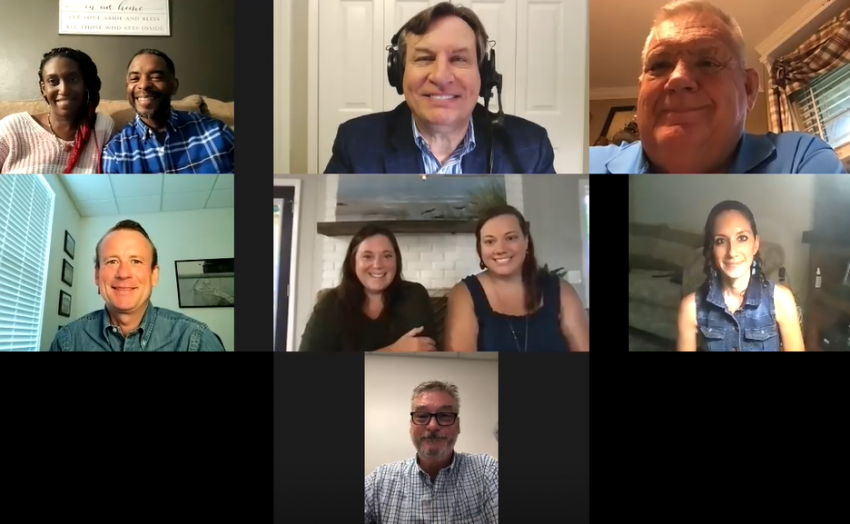
Rome Floyd Chamber Small Business Spotlight - Twyla and Harvey Jackson with Camp Bohdi, Teresa Lartundo with Glass Recycling of Rome, Liz Henley and Kelli Barnes with Southern Creative Group, Glenn Schmit with Keller Williams, and John Fortune with the Coosa Valley Fair.
Stone Payton: Welcome back to BRX Pro Tips. Stone Payton and Lee Kantor here with you. Lee, we’ve talked about there’s probably several books about onboarding a client. But let’s talk about client offboarding.
Lee Kantor: Yeah. I mean, the reality is that, you’ve got to think about things that maybe you don’t want to think about going into a relationship. But one of the things to think about is that not every client is going to be a client for life. So, you better have a way to offboard that client that doesn’t create any hard feelings and doesn’t create any kind of friction.
Lee Kantor: And it’s important to do that early in the relationship. So, have you explained to your client early in the relationship the rules of disengagement? Do they understand how things are going to work if and when you’re no longer working together? The more that they can clearly understand how the relationship is going to end and what they’re going to be able to take away from the relationship, what you’re going to be able to take away from the relationship, that’s going to prevent misunderstandings at the end of your time together.
Lee Kantor: So, invest some time in thinking about, “Okay. I have this client now. What’s going to happen if they choose to go a different way, either stop using my service or go to another vendor? How easy or hard is it going to be to disengage?” So, think about that offboarding. Spend some time proactively thinking about it so you don’t have any friction or misunderstandings later on when things can get emotional or highly charged.
Stone Payton: And we are back with Business RadioX Pro Tips. Stone Payton and Lee Kantor here with you. Lee, you’ve got a great tip for getting rid of bad habits. Share it with us, if you will.
Lee Kantor: Yeah. You know, I’m kind of a nerd when it comes to learning about behavioral change and habits. And I’ve read a lot of books by a lot of different folks about how to leverage habits to help you rather than kind of fall victim to the bad habits that a lot of people have. But one of the things I’ve learned is that, if you’re trying to get rid of a bad habit, it’s so important to get rid of the trigger that happens right before the behavior that you’re trying to get rid of a curse.
Lee Kantor: So, for example, whenever you see a cookie, you eat a cookie. If you know that’s going to happen, if there’s junk food in your house, and you see it, then you eat it. Then, if you just hide the cookie or hide the junk food and don’t make it easy to see it, then you’re going to be less likely to eat it.
Lee Kantor: So, if you know that a certain thing causes you to slip and do something that you, ultimately, don’t really want to do, then try to do things that eliminate that trigger. So, if you don’t do the thing that happens right before the behavior, then the behavior won’t happen. So, think about it in those terms of trigger and then behavior. So, remove the trigger, gets rid of the behavior.
Stone Payton: [00:00:00] Welcome back to Business RadioX Pro Tips. Lee Kantor and Stone Payton here with you. Lee, let’s take this opportunity today to share with our network and anyone who may have chosen to come and listen to our Pro Tips. Let’s tell them about the ideal clients for Business RadioX.
Lee Kantor: [00:00:22] Right. The ideal client for Business RadioX is a business leader who really believes in the power of relationships. They want more real relationships with the people who matter most to them. This person typically believes that connecting people is good for themselves, it’s good for the people, and they kind of have that relationship mindset that connect their mindset.
Lee Kantor: [00:00:50] They’re not transactionally minded people. They serve first. They’re looking for ways to collaborate with their partners. They’re not from that old school, you know, just kind of burn and churn through clients. They’re looking to build long term relationships. They want to nurture existing relationships with their current clients. They want to be kind of that vital kind of cog in the wheel in their industry. They want to be that person or that team that is indispensable that the ecosystem would miss if they were gone.
Lee Kantor: [00:01:26] So, that person out there is usually not the biggest brand in the market. A lot of times they are the challenger brand and they’re the scrappy brand. And they’re going to kind of work harder. And they’re going to really focus on serving and delivering and over delivering value. And really helping everybody in the ecosystem, not just the people that write them checks. They want to be kind of the voice of business in the niche that they serve.
Stone Payton: [00:00:00] And we are back with BRX Pro Tips. Lee Kantor and Stone Payton here with you. Lee, we all know that we need to enthusiastically market our products and services. But when you drill down on specific types of products and services you’re bringing to market, if you are a disruptor, you’ve really got to invest in education, don’t you?
Lee Kantor: [00:00:27] Yeah. I think that that’s really an important part of being a disruptor. You can’t just market this disruption because people don’t know what it is. They don’t understand it fully. I think you really have to invest in education. You have to educate the people who matter most about what this new thing is and why they should try your new thing.
Lee Kantor: [00:00:47] And that’s much more difficult because people tend to be risk averse. Now, you’re going to have to go for people who are those kind of early adopter mentality that want to try new things. But when you do it right, you’re going to set yourself up for success.
Lee Kantor: [00:01:04] And I wouldn’t confuse education with branding because this is more about creating thought leadership. This is more about kind of more PR strategy. You probably have to be interviewed by other folks, and go out there, and educate your client in your market about what you have going on, why it’s different, why it’s needed. Rather than investing in ads or kind of marketing material. So, I would lean heavier on thought leadership and education than I would marketing and advertising when you have a truly disruptive service.
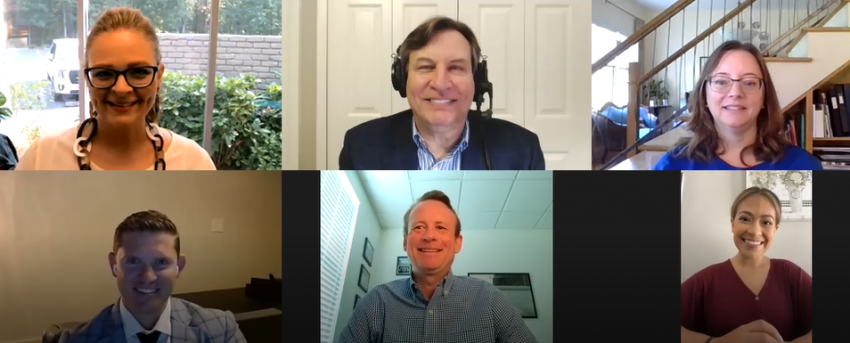
Rome Floyd Chamber Small Business Spotlight - Beth Dunay with E Dunay Design, Andrea Pitts with the Miss Rome Scholarship Competition, Rosa Campos, the Reigning Miss Rome, and Hunter Burkhalter with The Burkhalter Firm