Business RadioX ®

  • Home
  • Business RadioX ® Communities
    • Southeast
      • Alabama
        • Birmingham
      • Florida
        • Orlando
        • Pensacola
        • South Florida
        • Tampa
        • Tallahassee
      • Georgia
        • Atlanta
        • Cherokee
        • Forsyth
        • Greater Perimeter
        • Gwinnett
        • North Fulton
        • North Georgia
        • Northeast Georgia
        • Rome
        • Savannah
      • Louisiana
        • New Orleans
      • North Carolina
        • Charlotte
        • Raleigh
      • Tennessee
        • Chattanooga
        • Nashville
      • Virginia
        • Richmond
    • South Central
      • Arkansas
        • Northwest Arkansas
    • Midwest
      • Illinois
        • Chicago
      • Michigan
        • Detroit
      • Minnesota
        • Minneapolis St. Paul
      • Missouri
        • St. Louis
      • Ohio
        • Cleveland
        • Columbus
        • Dayton
    • Southwest
      • Arizona
        • Phoenix
        • Tucson
        • Valley
      • Texas
        • Austin
        • Dallas
        • Houston
    • West
      • California
        • Bay Area
        • LA
        • Pasadena
      • Colorado
        • Denver
      • Hawaii
        • Oahu
  • FAQs
  • About Us
    • Our Mission
    • Our Audience
    • Why It Works
    • What People Are Saying
    • BRX in the News
  • Resources
    • BRX Pro Tips
    • B2B Marketing: The 4Rs
    • High Velocity Selling Habits
    • Why Most B2B Media Strategies Fail
    • 9 Reasons To Sponsor A Business RadioX ® Show
  • Partner With Us
  • Veteran Business RadioX ®

CAW E4: Dr. Christian Moher, CEO at Escalera Health

June 13, 2020 by angishields

Tucson Business Radio
CAW E4: Dr. Christian Moher, CEO at Escalera Health
Loading
00:00 /
RSS Feed
Share
Link
Embed

Download file

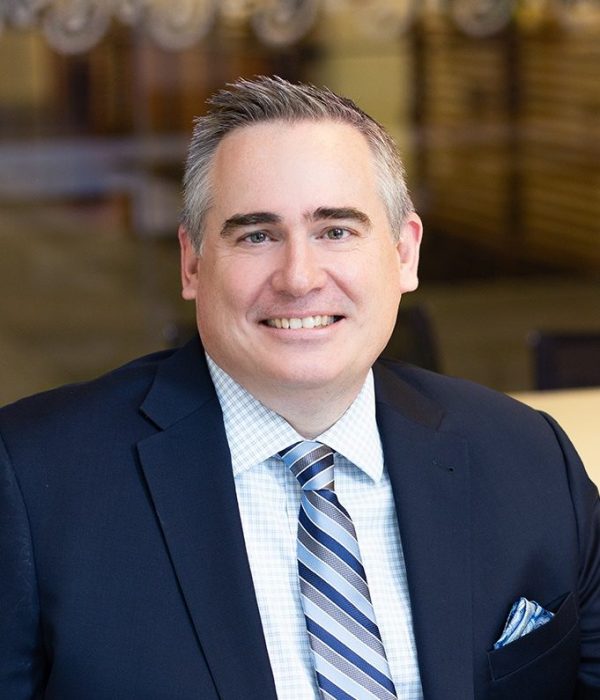
Dr. Christian Moher, MD, Chief Executive Officer
Escalera Health
2224 N. Craycroft Rd #100
Tucson AZ 85712
520.209.1919
cmoher@escalerahealth.com
www.escalerahealth.com
SOCIAL MEDIA: Facebook | LinkedIn | Twitter | 

Originally from Lansing, Michigan, Dr. Christian Moher is a groundbreaking entrepreneur and one of Tucson’s most respected physicians. He was pivotal in the development of local integrated care delivery models deployed by Community Partners and Sinfonia Healthcare, through national agencies like Centene (Cenpatico).

A graduate of the University of Arizona’s College of Medicine and Oral Roberts University, Dr. Moher was recognized in 2018 as the National Council for Behavioral Health’s Doctor of theYear for his work as Chief Medical Officer at Community Partners on the national opioid crisis, helping 70+ of his clinic’s members decrease or eliminate entirely their opiate use through the integration of technology and a multidisciplinary team of nutritionists, pharmacy leaders and peer services whose work also resulted in a 65% reduction in depression and a 72%reduction in anxiety.

Dr. Moher is continuing his work in our community at Escalera Health, a physician-led integrated healthcare clinic founded in Tucson as part of the Sunbelt Medical Group. He and his wife–also a 1999 Arizona College of Medicine graduate and pediatrician–are strong advocates for the Tucson community where, among other hobbies, he sings, plays guitar and keyboard in the local rock band Sqrwl.

About The Business:

Escalera Health is an integrated outpatient clinic and offers psychiatric, primary care, and therapy services for adults. Escalera works from a team-based approach, focusing on the patient’s treatment goals. Combining primary care and mental health services can reduce healthcare costs, increase the quality of services, and save lives. The patient drives the treatment plan and enroll for one or all of our available services. Steven Herron is the Chief Medical Officer and lead psychiatrist. Dr. Christian Moher is the CEO and Primary Care Physician. Dr.Arundhuti Kundu is a psychiatrist, and Theresa Keane, PNP, provides telepsychiatry

Host

Matt Nelson: Senior Vice President, Crest Insurance Group 
Matt is a Senior Vice President at Crest Insurance Group in Tucson, consulting with companies to identify and implement insurance, risk management, and employee benefits solutions.  With more than a 15 years of industry experience, he has served as a keynote speaker on the healthcare industry, leadership, workplace culture and risk management for professional organizations throughout Southern Arizona, including the City of Tucson, Greater Tucson Leadership, the Financial Executives and Affiliates of Tucson, and the CEO Roundtable of Tucson. 

Matt is an active member in the Tucson community, having served as a Non-Commissioned Officer in the Arizona Army National Guard and volunteering with multiple local organizations, including as Treasurer and a Big Brother with Big Brothers and Big Sisters of Southern Arizona, a volunteer with the United Way of Tucson and Southern Arizona, Chair of the Pima County JTED’s Business and Industry Council, a builder with Habitat for Humanity and many other local youth charities. 
Email: mnelson@crestins.com  
Phone: 520.784.7636 
LinkedIn: www.linkedin.com/in/mattrnelson2   


Tagged With: Crest Insurance Group in Tucson, Culture at Work in Tucson

Eric Anderson with Clearwave Corporation

June 13, 2020 by angishields

Atlanta Business Radio
Eric Anderson with Clearwave Corporation
Loading
00:00 /
RSS Feed
Share
Link
Embed

Download file

OnPay-Banner

Clearwave-logo

Eric-Anderson-ClearwaveServing as Clearwave’s Chief Operating Officer, Eric Anderson leads the company’s software development, product installation and integration, electronic data interchange, technical infrastructure, quality assurance, and customer satisfaction initiatives.

Eric has more than 20 years of technology and consulting experience, having worked with large global companies to design, develop, implement, and manage large-scale systems.

Prior to joining Clearwave, Eric co-founded Bluemont Associates LLC, a technology consulting organization that provided services to some of the largest Fortune 500 companies.

Follow Clearwave on Facebook and Twitter.

What You’ll Learn in This Episode

  • Who Clearwater is and what they offer
  • The benefits a medical practice can expect when they utilize Clearwave
  • What the future of Clearwave looks like
  • What Clearwave has done to meet the challenges presented by COVID-19
  • How Clearwave is enabling telehealth and zero-contact check-ins

About Our Sponsor

OnPay’sOnPay-Dots payroll services and HR software give you more time to focus on what’s most important. Rated “Excellent” by PC Magazine, we make it easy to pay employees fast, we automate all payroll taxes, and we even keep all your HR and benefits organized and compliant.

Our award-winning customer service includes an accuracy guarantee, deep integrations with popular accounting software, and we’ll even enter all your employee information for you — whether you have five employees or 500. Take a closer look to see all the ways we can save you time and money in the back office.

Follow OnPay on LinkedIn, Facebook and Twitter.

Tagged With: digital patient check in, eye care specialist, medical center, medical practice, orthopedic specialist, patient check in software

Customer Experience Radio Welcomes: John Hightower with Arch + Tower

June 12, 2020 by angishields

John-Hightower-Arch-Tower
Customer Experience Radio
Customer Experience Radio Welcomes: John Hightower with Arch + Tower
Loading
00:00 /
RSS Feed
Share
Link
Embed

Download file

John-Hightower-Group

CER

Arch + Tower has served firms across various industries and sizes, notably Chick-fil-A and alongside the Founder of the Ritz-Carlton – Horst Schulze. In 2019, Arch + Tower was acquired by Frazier & Deeter, a nationally ranked accounting firm, with offices across the United States and a budding footprint in the United Kingdom.

John has worked with leading brands in their respective industries: SAP, Ritz-Carlton, Coca-Cola, Leadercast, Chick-fil-A, Spanx, Home Depot, McDonald’s as well as many start-ups and nonprofits.

John-Hightower-Arch-TowerJohn Hightower is an Atlanta Business Chronicle 40 Under 40 alumni and has been featured in the Atlanta Journal-Constitution Business Section, Simply Buckhead, and has been referenced/thanked in 10+ books by authors in the business and faith communities. He has served on multiple boards – Ga. Tech Business Network, Wisdom Hunters, and Viva for Children.

With a passion for travel, John has traveled to 33 countries – with a majority of travel supporting humanitarian aid missions. A bit of an adventurer John summited Mt. Kilimanjaro and loves the outdoors.

John, his beautiful bride Bethany and two daughters reside in the Greater Atlanta Area, GA. John is an honor graduate from Georgia Tech, received his MBA from Auburn University and certificate in Entrepreneurship Essentials from the Harvard Business School.

Connect with John on LinkedIn and follow Arch + Tower on Twitter.

Transcript

Intro: [00:00:01] Broadcasting live from the Business RadioX studios in Atlanta, it’s time for Customer Experience Radio. Brought to you by Heineck & Company, real estate advisors specialized in corporate relocation. Now, here’s your host, Jill Heineck.

Jill Heineck: [00:00:18] Good morning and welcome to this very special edition of Customer Experience Radio. I’m your host, Jill Heineck. I’m a business owner, real estate advisor, and customer experience enthusiast. Today, we’re going to pivot a bit. We’re going to talk about OX or operational excellence, as our guest today will expound upon. I love his definition of OX, and it’s this, “Operations is about harvesting value from the physical or intangible assets owned by an organization. Operational excellence is anchored in a culture of continuous improvement. Be a little bit better today than you were yesterday.”

Jill Heineck: [00:00:54] That is why I am honored to have John Hightower on with us today to delve a little bit deeper into this formula. John serves as a partner of Arch + Tower, a Frazier & Deeter company, where he leads strategic planning and team development. With over 15 years of experience, he has worked with companies in the area of executive level strategy, consultative sales leadership, business process improvement and financial modeling. Arch + Tower has served firms across various industries and sizes, notably Chick-fil-A, and alongside the founder of Ritz Carlton, Hortz Schulze, who was a guest on our show last spring.

Jill Heineck: [00:01:30] In 2019, Arch + Tower was acquired by nationally ranked accounting firm Frazier & Deeter, and with offices across the United States, and a budding footprint in the UK. John himself has worked with leading brands in their respective industries. SAP, Coca-Cola, Leadercast, banks, Home Depot, McDonald’s –  a few little companies – as well as many startups and non-profits. And a fun fact about John, he is an Atlanta Business Chronicle, 40 under 40 alumni. Welcome, John.

John Hightower: [00:01:59] Thank you. My pleasure. Thanks for having me, Jill.

Jill Heineck: [00:02:02] I’m so glad to talk to you today. But first, can you give our listeners like a little bit of background of your journey to this point?

John Hightower: [00:02:10] Absolutely. Thank you for the time. And it has been a unique journey. And from understanding, you have entrepreneurs that are listening, and it’s the entrepreneurial dream. I’m a fifth generation Atlantan. My two daughters, five and six or six, are sixth generations. And I’ve never thought I would be living this entrepreneurial dream. And it has been a crazy ride. But where we are today is we’re in the throes of a $75 billion business issue, and that’s the customer experience. And the customer experience is one of those hot topics that have been explored in 2019 and continuing to 2002. And COVID has actually presented opportunities for businesses, which we can maybe delve into a little bit as we talk about operational excellence.

John Hightower: [00:02:51] But this $75 billion dollar issue of the customer experience has driven majority by the employee experience. You can almost think of the customer satisfaction as a lagging indicator to the employee experience. 88% of that customer experience is driven by your employees. And the neat thing is, through the work that we’re done with  some great brands, and you mentioned some of those, and it’s been an honor to walk alongside those, but we’ve got a consistent question, what does the Ritz Carlton do really, really well? And then, you’ve had an opportunity to connect with Chick-fil-A. What do they do really well?

John Hightower: [00:03:22] And I’m not sure about you, Jill, but when you go into those organizations, it’s almost like you just feel different. And as a customer, you feel the nuance of how you’re served and the speed. It’s just very unique. And as we’re building our company, that question continue to come up. And focused on three pillars. We focused, at the end of the day, the Ritz’s just excels at a customer experience, and it comes into how they take care of their employees. But the interesting thing is the untapped opportunity most businesses don’t get. They get customers are important. They get employees are important. But it’s this mindset of continuous improvement that I really gravitated to.

John Hightower: [00:04:06] Part of that is from my background, but part of it is just the untapped profit that can come from that. Like, yes, when you reduce costs, there’s multiple ways to do that. There’s, “Hey, let’s just cut the bottom line. It’s cut out any cost.” I had an amazing opportunity to spend time with Hortz Schulze, and I was actually with him earlier today as he was giving a talk. And one of the things I heard him say at one of his speeches, I had the honor of traveling with him to Germany, and spend time in his hometown, and even at his home in Germany, and he said, “When you look at your operations, don’t look at cutting costs. Look at cutting mistakes. And don’t put it unfairly on the employees or the customers. That’s a leadership in a management mindset.”

John Hightower: [00:04:49] And for me, that’s where we took a body of work. At that point, we were three years into this journey, and we’d served Chick-fil-A, and we knew that we needed to pivot and continue to serve other brands alongside that amazing brand. And we started to get this work that was outside the customer and employee experience. We begin to work within supply chain. We begin to work within KPIs or key performance indicators and dashboards for the C suite, looking at strategically, how you’re you measuring your business. And when it came to us putting, basically, a flag in the ground, it was, “Let’s focus on operational excellence alongside the CX and EX.” So, we trademarked the CX/EX/OX framework. And there’s a bit of marketing, if you think about the branding there.

Jill Heineck: [00:05:34] I love it.

John Hightower: [00:05:34] The CX is traditionally for the CMO. The EX is traditionally for the chief people officer or  maybe you have an HR exec, a VP of HR. I worked a lot with organizational development and HR professionals there. But also, the COO is really focused on that operational excellence. And if you’re the CEO, be concerned about all three and really thinking about how you are creating the organizational help and organizational strategy to drive each one of those pillars. So, I just want to give you a bit of the background of how we got where we are today. It’s been a phenomenal ride. And  it’s just an honor to even be talking and sharing some of those stories. So, thank you.

Jill Heineck: [00:06:12] Well, before Arch + Tower, where was your experience? Where do you go to school?

John Hightower: [00:06:17] So, I did my undergrad at Georgia Tech. And then, spent two years in health care consulting. And never thought I’d get back into consulting, but my path opened back up after grad school. I did my grad school at Auburn and really began working with small businesses. And I was, traditionally, maybe that second or third man in line helping develop a business and building the business, but I wasn’t in that founding circle and I just didn’t have that opportunity to create wealth. And a moment came where I had an opportunity to step out and do my own thing. My father was a home builder and did not go to college. So, it was an opportunity that he worked so hard to give me an opportunity to become an entrepreneur. And through that kind of upbringing, I learned that you get a lot of freedom but also a lot of responsibility, and kind of seize that opportunity three years ago. And then, recently, I did some schooling at Harvard focused on entrepreneurship essentials, and how do you look for do deal flow, and really maximizing shareholder value.

John Hightower: [00:07:15] And the other side is my two daughters, we are home educators. And I wanted them to see that as Hightowers, we do not stop learning. We are lifelong learners. So, I said, “I’m going to go to school. Now, I’ll be going to school at night when you go to bed. So, go to bed, so Daddy can take his class.” But there is a higher calling for me and that’s what my girls to understand what excellence is. And that was a pursuit that I want to make sure that was in our family culture and our family values was a lifelong learner. So, part of it was I wanted education; but part of it, I want to make sure that I was presenting to my children the importance of education. So, hopefully, that gives you a little bit more of a robust look at my background.

Jill Heineck: [00:07:57] Yeah, absolutely. And it sounds like that what you’re doing now, definitely, ties into your family principles, right?

John Hightower: [00:08:07] It is. And we walk alongside CEOs and the C-suite that may not understand, or they’ve tried and say, “Hey, how do we get our values from the walls to the halls? And how do we get that systemically throughout our organization?” A lot of organizations have multiple locations. So, distributed workforces. So, we’ve created something called the Customer-Focused Organizational Model, where we flip the org chart upside down. So, instead of the executive team sitting at the top, you technically sit at the bottom because you’re getting the question, is the customer right or the employee right? And there may be a more nuanced question, is it both? So, for me, in the role I sit, I ask my employees, what can I take off your plate? How can I serve you today? If they roll that out to the people that report to them, to the frontline people, you’re going to get that kind of culture and somewhat of a counterintuitive way, and that’s kind of some of those core values and DNAs that kind of bring home into the workforce.

Jill Heineck: [00:09:09] Absolutely. So, let’s talk a little bit more about the framework. So you mentioned it a little bit ago, but can you go a little bit deeper with CX/EX/OX?

John Hightower: [00:09:21] Absolutely. So, you would ask about OX, and we’ll  start there, and then we can-

Jill Heineck: [00:09:26] Sure.

John Hightower: [00:09:26] We can move with however you see fit. So, on the operational side, we have found a unique space with maturity models. And what a maturity model is, is it’s a systemic way in which an organization progresses and becomes more mature in a specific area. And it’s interesting because the framework actually came out of the Department of Defense and a partnership with Carnegie Mellon a few decades ago. And basically, it was, “Hey, how do we mature in a software development program?” And there’s maturity models that can replicate in different areas of business. So, let’s understand, are we at the crawl phase? Are we industry best? And what are those five stages? So, we work with organizations to design and personalize a maturity model for themselves. And then, from in that, we survey data on both sides, not only on the employee side to understand where they feel the organization is but also customers. And that tension, that delta that you see between those two differences really drive some unique conversations. So, you start there, like where are we?

John Hightower: [00:10:28] And then, from there, okay, what data do we have to validate this position? What processes are we doing? How are we measuring that consistency? And then, I think, the most missed opportunity is, how are we training our employees on the standard that which we want to achieve? And this continuous improvement needs to be part of that lifecycle of a business culturally. You have a culture of continuous improvement.

John Hightower: [00:10:56] We do innovation training. So, to fortify kind of this operational excellence framework, you can bring trainings in like Stanford Design School has design thinking. It’s a methodology of improvement. So, how are you bringing in some of those employees, kind of undergirding them with more of the rigor that’s necessary to do that, because as you go through the operational excellence piece, your employees have a strong correlation there. So, then, you can go to the employee side and say, “Hey, what’s our selection?” We don’t hire, we select. We like to use that elevated language. Part of that comes from rubbing shoulders with Hortz, which if you have not read his book, Excellence Wins, I highly recommend it.

Jill Heineck: [00:11:34] Of course, we have.

John Hightower: [00:11:36] Rubbing shoulders with him, like we use elevated language. And that’s what we want to do. We want our employees to feel called to a higher purpose. So, even to the point of selection, how do you select people? How do you onboard them appropriately and align them quickly? But then, putting them into the scope of where they fit. And this builds a unique opportunity that most organizations have felt the need to do it but really putting that effort behind it is mapping out the interactions between your customer journey and your employee journey.

John Hightower: [00:12:06] We just executed this virtually with a company in Oklahoma that has 60 locations, a thousand employees. And going through the nuance of mapping how their customers are interacting with each department opened up a world of conversation internally with their team. And now, we’re working into work streams on improving the correlation between the customer employee experience. I gave you a lot there but I wanted to kind can bring you through parts of the framework as we-

Jill Heineck: [00:12:32] No, that’s fantastic. So, what you just mentioned kind of resonates with me when you are looking at the customer experience and the employee experience. What are you seeing when you’re with a client? Are you seeing that they are parallel? Are you seeing that they are working together well? Or are you seeing a lot of having to work the kinks out of one and the other in order for them to work well together? I mean, because, obviously, you can’t have one without the other. And so, how much … I guess the question really is, there’s always one vertical that is more advanced than the other, which is probably the case, I would guess, but then what are you doing to kind of get the other one up to speed, so that you can bring it to the forefront of operational excellence?

John Hightower: [00:13:26] Wonderful question. And it starts with the story behind Arch + Tower. So, when we were really wrestling with our brand, like what do we want to be, we had, definitely, a really interesting conversation. I wanted the name to be selected fast and furious, and let’s get this done. Part of that is my personality profile. I’m a big fan. I’m learning EQ is 80% of success, which when organizations realize that, IQ is an important part. And that number came from Harvard. 80% of success is actually emotional quotient. I know I have a blindside on speed. And sometimes, I never see risk, Jill. I see opportunity. And others were like, “That’s an incredible amount of risk.”

Jill Heineck: [00:14:08] Yeah, right.

John Hightower: [00:14:08] And so, just being a nuance. One of my partner said, “Hey, can I have the weekend?” And the name that came back was Arch + Tower. And arches span gaps and carry weight. So, think about is it a department. It’s one department talking to another. So, how do we make that homage? And then, a tower leads people to see strategically over whatever area they’re in. So, that’s where we get our name, Arch + Tower.

Jill Heineck: [00:14:08] Love it.

John Hightower: [00:14:30] And it fit directly into CX and EX [crosstalk] together.

Jill Heineck: [00:14:32] Love it.

John Hightower: [00:14:32] Because what I see consistently is that they’re siloed information. So, when they’re siloed information, there’s a siloed experience, not only for the employees but customers. And if you don’t rustle that down with a cross-functional approach, you’re leaving margin on the table. It’s not just about margin for margin’s sake because when I say margin, everyone in the call immediately went to finance. Everyone thought, “What’s the profit? What’s our cost?” And that’s a very valid point and data supports that, but there’s also time. And the most important asset people have right now is time. I’m surprised my two daughters have not stormed through the doors in my office down here.

Jill Heineck: [00:15:16] I can’t wait to meet them.

John Hightower: [00:15:18] But time is the essence, right? I’m making a decision, that tension. So, if we can look at time efficiencies, as well as financial efficiencies through these processes, almost going to triple bottom line depending on your business if you [crosstalk]-

Jill Heineck: [00:15:31] That’s right.

John Hightower: [00:15:33] … go back to community, which I’m a big fan of. So, to your point, and I want to pull that back out, you said, one usually outpaces the other. I’d say you’re correct, depending on the culture of the business. If the business is focused strongly in digital, but they sometimes disregard their physical experience, I’m sure the digital experience is going to be weighted, but I think you have to have those connected.

Jill Heineck: [00:15:56] Yes.

John Hightower: [00:15:57] So, if we had more time, I can go story after story. But since you led with a Chick-fil-A kind of reference, I’ll go there as a customer. I’m going to tell the chicken dance story. My family during COVID, we had to get out of the house. I love my family but it was time to get outside the wall. So, we went on a hike up in North Georgia, and we stopped particularly twice, once on the way there and once on the way back. But when you watch the employees … have you been through Chick-fil-A drive-through recently?

Jill Heineck: [00:16:29] Yes.

John Hightower: [00:16:31] It’s like a dance, watching the employees dance with the vehicles, right? And then, what’s going on inside of that restaurant? Like we had the honor of working with them and understanding the nuances there, but as a customer, they were taking care of me physically, they were having that communication face to face, then they had the digital aspect. They had an iPad right there taking my order. And then, I was internally being communicated through digital systems at the back of house, in front of the house, into the drive-through window, and all those things that most businesses have, but they do it to the next level. And the interesting thing there is when you walk and you went through that experience, it was so seamless. With the amount of work that has to get there is where most companies say, “This is hard.” It’s like it is absolutely hard. That’s what business is. That’s what entrepreneurship is. That’s what leadership is. That’s what America’s great at is taking on tough things.

John Hightower: [00:17:24] And just calling back to Hortz, one of the unique aspects is hearing kind of behind the scenes and hearing the unvarnished stories. He’s like, “John, if I won 1% in selection, and then I won 1% on the customer experience, and I won 1% in the dining room, that’s all I had to do. That is how to win it 1%. But do it multiple times, you win at aggregate.” Maybe that’s a helpful point for someone out there maybe on a jog, or they’re listening, and they’re riding into work, or riding off somewhere else. It’s like, how can I win 1%? And that’s what I encourage people. Jill. Don’t try to master everything all at once, get creative as principle, take data. What’s the one or two points? We call it points of excellence. What’s really fun are points of excellence. We may have a burn sheet of 20 that we need to work on, but let’s focus on one and do it really, really well. And then, we take the next one, we take the next one, continuing to measure and improve throughout that process.

Jill Heineck: [00:18:19] Well, and that’s fun. That’s interesting you say that because our very own Stone, our producer, he said, “The quick, the little wins are important. They’re just as important as the big ones.” So, you have to take the baby steps. And interestingly enough, in my business in corporate relocation, we find that there is a lot of siloed experience happening where HR is siloed potentially from relo, and then relo is siloed from the agents on the ground who are trying to help the transferee with a smooth move, a smooth transferring experience with the job, and to get them on the job productive, quicker, faster, et cetera.

Jill Heineck: [00:18:59] So, it’s been a challenge over the last 15 years to try to get those. I mean, I’m one person, but I do try to bring some of this idea of let’s talk to each other, let’s collaborate, but let’s first look at the KPIs that are holding us back or that were not implementing or that we’re ignoring. So, I love that what you’re talking about here. So, should we go into a little bit, talk about the employee experience and how you kind of work through on a high level, how you kind of work through some of that with the client?

John Hightower: [00:19:40] Absolutely. And I would be remiss if I didn’t say keep going, keep [crosstalk] situation for people because think about it, the person that’s most impacted, maybe not the employee. The person that’s most impact is probably the spouse, or child, or children that come along in that corporate relo.

Jill Heineck: [00:20:01] You’re right.

John Hightower: [00:20:02] And you you keep doing you because that’s an important aspect because they’re coming into a new culture. They could be coming into a new environment. And your effort of helping others, probably, because they have blinders on, unintentionally having blinders, I think anyone puts them on purposely, they’re just doing their job and saying, “Well, can we take a step back and think bigger picture here?” To me, that’s how to start the employee experience. Let’s be empathetic to the employee, especially as leaders, especially during this time right now in which there’s a lot of things being thrown at employees across life. It’s really hard for people to separate life in my professional role, because they collide. They collide digitally, they collide in conversations, at a deeper level now. So, we just need to be empathetic to people at another gear. If you have five years, his year six to really be empathetic.

John Hightower: [00:20:55] I love the fact that we get to do Zoom calls. Why? Because I get to know people at a different level. Like, hey, people get to know a little bit about me on the background here. Different things I have associated virtually. I’m telling people things. I’m extroverting data here in a noncommunicative way where I’m physically telling about world experiences or my appreciation for history or whatever it may be. And leaders have the opportunity if they keep their eyes open and maybe a new aperture to say, “Tell me about your son. Tell me about your parents,” and see where people really are. So, empathetic, I think is the key to employee experience.

John Hightower: [00:21:32] Then, taking that empathy and reverse engineering it. So rather than it’d be an onboard into a system where you get a binder of stuff, what would it look like to say, “We were expecting you. Thank you so much for joining our team. Let me understand more what you would like in your career. Now, we can explore different career paths that we have here, but that’s not what’s important. Today, you’re here and you’re joining a vision. Let me tell you about that vision. Let me share with you how we got to this point. From there, we’re going to begin to equip you with things, but we’ve got time for that.” Traditionally, that’s not that first-day experience, right?

Jill Heineck: [00:22:05] No.

John Hightower: [00:22:06] It is, “Here’s our documents. We got to get you through benefit.” And those are all important things. I’m just asking people to reconstitute it a different one. But then, don’t forget about the employees that go through survey consistently. Let’s understand where employees are at yearly, if not quarterly. We do net promoter scores on a poll survey quarterly with an organization and we don’t leave it there. We say, “What other questions can we ask?” Surveys are great longitudinally. And what I mean by that is look at them over time, but there’s a latitudinal piece of surveys that is underappreciated, and that is the question we ask, usually, allows us to ask better questions based on the answers the employees give us. So, don’t take the answers at first glance. Really interesting, can we ask more nuanced questions? And that will tell you and guide you are where you need to improve your employee experience.

Jill Heineck: [00:22:57] But first, you have to ask. And that is what we find in most of the organizations is that leadership is very busy with what’s on their plate. And so, many times, the questions aren’t asked. And that, then, impacts the service delivery and the experience on the end user. So, we have to, I think, start, like you said, with working through the employee excellence issues. I mean, I know we could talk about that forever and a day, but talk to me about some success stories where you went through the exercise of improving this employee experience and how that impacted CX.

John Hightower: [00:23:51] So, I think one of the best examples that I would give is when you think about the employee experience, it’s how is it really connected to the customer experience? And recently, we were working with an organization mapping all these different components together. And what the sales team realized is they were early on in their relationship with the customer, but who also was there was a support system that came in later on, what their perception on was later on the customer journey, and that was support services from accounting. And when you start to realize, “Hey, that employee experience is tied directly to the customer journey,” depending on what point, the opportunity to connect and share best practices with one other, where that customer sits in the pipeline, that’s when things really began to happen.

John Hightower: [00:24:42] Another illustration I would say on the employee experience side is removing departmental frustrations. And typically, that happens between sales and delivery. And they hear sales, “What did we just sign ourselves up for?” And then, on the delivery side, they’re saying, “If we could just get a cleaner communication from sales, we can serve our clients better.” So, there’s no one at fault, per se, except, in my personal opinion, leadership and saying, “Hey, we need to figure out things.”

John Hightower: [00:25:12] A previous career stop, I sat on both sides of that fence. And when I moved over to the sales, I built relationship with the person who headed delivery, and we were riding off basically 14 cents of every dollar we sold. It was getting washed out through either miscommunication or inefficiency. And if you think about it, that’s the downstream of the employee experience into the point of bonuses and stuff like that. That’s all tied together and you have to take time to really understand the moving parts there. But when we kind of bridged that gap and said, “Before we finish a quote or send a quote out, let’s make sure we double down and talk to delivery. Do we have capacity? What’s the right time?” All these principles or project management, insert that in the sales function, what we did is we actually decreased write-offs by 50%.

John Hightower: [00:25:59] So, if you think about that, there’s a meaningful bottom line impact from this process. But the real win is employees, they understood more about what they were supposed to do, they knew their timeframes, were able to look at manageable timelines and project deadlines. So, if you think about it, there’s a multiplier effect to this work. We’re big fans of Maslow’s Hierarchy of Needs, and if you’re familiar with the psychology principle, there’s the bottom layer of survival and security, and you can move up in these layers. And there’s the nuance of what does it mean as a person in general. And survival is food, shelter, water. And then, you move into security, and then relational where you’re building the relational aspects. We ask people to take a look in the mirror for an organization. And are your employees in survival mode? Do they have unmanageable project deadlines? Do they have unmanageable things where they can never move into security and relational aspects in regards to the organization because everyone’s hair is on fire. Same way, just bringing a little bit, maybe a slight psychology side to what we do. That’s the important part of the employee experience is really thinking differently about how employees are engaged with.

Jill Heineck: [00:27:09] Right. So, when they’re engaged, and they feel included, and they feel like you as the leadership has been transparent as to managing expectations, what’s expected of them, and performance-wise, what they expect, then the at the end of the day, that person is going to feel like they’re part of a team, they’re part of something, they’re valued, and then will that and be able to perform in a way at a high level. That’s the goal at the end of the day. I know there’s a lot more to it, but that is what I gleaned from what you just said.

John Hightower: [00:27:40] Absolutely. Another version, align people with the function of why they should (crosstalk).

Jill Heineck: [00:27:40] Right.

John Hightower: [00:27:45] And then, from there, make sure they’re executing it with accountability, and systems, and to measure and-

Jill Heineck: [00:27:49] That’s right.

John Hightower: [00:27:51] Common sense is not so common. And a lot of folks, leaders specifically have so much on their plate. These are just some of those principles that we’re bringing in for maybe a different point of view and a different voice that helps create some clarity and ideally progress for companies.

Jill Heineck: [00:28:04] This is why they need you. This is why companies need you to take some of that off of their plate, and you can plug in.

John Hightower: [00:28:11] Jill, those are very kind words. Usually, the answers are in the room. They just need an outside voice to maybe facilitate and get in there.

Jill Heineck: [00:28:19] That’s right.

John Hightower: [00:28:19] But your answers are already in the room.

Jill Heineck: [00:28:21] That’s right.

John Hightower: [00:28:21] They just needed a guide to maybe help them along that path. And we’re thankful to partner with the clients that we have, and it is an honor to work alongside them. But majority of the work is already in the room, and they get it done. They just needed some help getting there. And we do roll up our sleeves [crosstalk].

Jill Heineck: [00:28:37] Or they need help, actually, to acknowledge that it’s in the room. Your just need direction and someone to hold your hand on the path. That would be me. I mean, when you’re running an organization, you have a lot of moving parts. So, having someone take that off your plate who is an expert in that area, I think, makes all the difference in the world. And I think implementation then, becomes easier once you kind of peel back the onion. So, what current trends are you seeing right now in the marketplace?

John Hightower: [00:29:11] Oh, I get excited talking about this because the world needs excitement right now in a positive way. Organizations have a net new level on how to connect with employees. I believe we can engage in levels we never have before. One, because there may have been something in the way of engaging people at a different human level. And that curtain’s coming down a little bit or that resistance to have direct dialogue is coming down, which could be intimidating for some people, or it could be exciting for others. And I see it as excitement to say, “Okay, we can be much more human about life.”

John Hightower: [00:29:52] I was on a call earlier today. I was the only one with a caller on, and that’s great, and I don’t mind that, but you just get the reality of authenticity that’s desired by most humans. It’s interesting, I was reading an article recently. You can’t ask some questions in the interview process and legally and to understand, but it’s almost the expectation of the ploy on the flip side to say, “Hey, I’m a human. Connect to me on another level,” But because of some of those nuances, you have to honor that. So, really, I think, COVID is a great opportunity to create new dialogue, create a new way for the people to feel appreciated and supported. We’ve created a a scalable process for organizations to engage with their employees and bring them back to the office. And I encourage people out there that as they return to work, people are working. It just looks differently right now [crosstalk]-.

Jill Heineck: [00:30:39] Right.


John Hightower: [00:30:39] … the office. And even that nuance in language has an employee experience impact. That’s one area. Secondly, it’s bringing the staff together. Digital and physical are now slammed together. And how do you look at things differently? How do you look at your digital experience to your physical experience and even to remote communications and really exploring that at a deeper level. And inside a of supply chains, depending on the size of the company, I was in North Mississippi Monday of this week exploring how to help a tire company on some of the things that they’re doing with software and process inside of their warehouse. They were sourcing things from Southeast Asia and different parts of the world, and how are you re-examining supply chain. Just some fascinating times right now.

John Hightower: [00:31:25] And there’s two areas to work from, work from fear or focus. And if you can work from focus, like, “Hey, let’s acknowledge this is difficult, but we’re America, we’re going to get through this. It’s part of our DNA. We can all agree on that, that we will get through difficult times.” And I believe for companies that focus and say, “Let’s go,” yeah, you have to make some very difficult decisions. We’ve made very difficult decisions. I don’t want to underplay that. However, when you are creating focus and you’re giving people energy, empathy, and focus, you can win the day. And that’s what I see. I’m excited about that.

John Hightower: [00:32:01] Digital acceleration is key. People became very familiar with a lot of digital tools. We started. That was one of our core strategies was we want to be digital first in the way we deliver professional services. So, our firm, digital, it’s ubiquitous. Digital transformation is part of what you should be doing anyway. But I think people like that digital transformation language. So, hey, that’s a hot topic as well. I mean, we could set up another time to talk and just explore that, but those are two or three trends I’ve seen – connect with their employees and empathetically; create focus, not fear during this season; and think about your digital transformation steps. Those would be three takeaways I would give our listeners.

Jill Heineck: [00:32:44] That was fantastic. I have absolutely have been thrilled that we’ve been able to connect here and have this conversation. This may call for another in-depth conversation down the line, but I really appreciate you taking your time out to talk with us today. And I know. I mean, I took furious notes, so I know our listeners have too. Is there any parting words of wisdom that you’d like to leave our listeners with?

John Hightower: [00:33:17] For the leaders, what you feel, the pressures you feel, I need to be at home, need to be in the workforce, those are real. Take care of yourself in this time. I know I have neglected that, and I want to encourage people to make sure that you’re doing that. What we’re feeling is real, and it’s okay to acknowledge that. On the other side of that coin, this is also where leadership is needed the most. And I just encourage people out there, step into that void, step into those areas that may be fearful. We have a core value. One of our service standards is step into the arena. Take that challenging conversation on. That is one of Arch + Tower’s standards that we employ term poise. So, I just encourage leaders out there, step up into the arena. If you need help-

Jill Heineck: [00:34:00] That’s Brene Brown.

John Hightower: [00:34:00] Well, yes. She has talked about it. I have appreciated that from a mentor of mine, sharing with me that Teddy Roosevelt’s speech of the man in the arena and all that. And I created derivatives off of a bunch of other people’s work. Brene is awesome. She’s an amazing collaborator. And so thankful for our time. Jill, if anyone would like to communicate, I do have a couple of assets. We have a four pillar framework that can people during this time. I’m not sure if you would give that. People can reach me at John@archandtower.com. And I’ll gladly give you that resource. I mean, we can put it in the show notes if you desire that as well. So, I just appreciate the time, Jill, and I look forward to a deeper conversation in the future.

Jill Heineck: [00:34:50] Absolutely. Thank you so much. And thanks everyone for listening. I am proud to share the show with you as these stories prioritize the customer experience as a legit business strategy, reminding us that no matter the business you are in – consulting, accounting, sales and marketing real estate – the customer experience should always be the heart of the business.

About Your Host

Jill-Heinick-Customer-Experience-RadioJill Heineck is a leading authority on corporate relocations, and is highly sought after for her real estate industry acumen and business insights. As a published author, frequent panelist and keynote speaker, Jill shares her experience and perceptions with people from around the globe.

Jill is a founding partner of Keller Williams Southeast, established in 1999, and the founder and managing partner of Heineck & Co. Her real estate practice specializes in corporate relocations, individual relocations, luxury residential, and commercial properties. Jill’s analytical approach to problem-solving, along with her expert negotiation skills and sophisticated marketing, deliver superior results to her clients. Her winning strategies and tenacious client advocacy have earned her a reputation for excellence among Atlanta’s top producers.

While Jill has received many accolades throughout her career, she is most gratified by the personal testimonials and referrals she receives from her clients. Jill’s unwavering commitment to the customer experience, and her focus on the unique needs of each client, serve as the foundation of her success.

Follow Jill Heineck on LinkedIn.

Bill Nordmark with Aver

June 12, 2020 by angishields

Aver
Atlanta Business Radio
Bill Nordmark with Aver
Loading
00:00 /
RSS Feed
Share
Link
Embed

Download file

OnPay-Banner

Bill-Nordmark-AverBill Nordmark joined Aver from PaySpan, Inc., where he was Chief Growth Officer. Nordmark brings decades of experience to Aver in the innovation and development of healthcare reimbursement systems, as well as in the growth and success of early-stage companies.

Nordmark held many management positions during his 11-year tenure at PaySpan, including leading its Payer Economics business unit. Prior to Payspan, he was Director of National Sales with Washington Publishing Company (WPC), a leader in developing, implementing, and supporting healthcare data standards. Before WPC, he was Vice President of Sales for Clearwave Corporation, the premier provider of self-service patient registration.

Follow Aver on LinkedIn, Facebook and Twitter.

What You’ll Learn in This Episode

  • What Aver is and what they do
  • About Aver’s target audience
  • How the healthcare industry has changed because of COVID-19 and the future of our healthcare system
  • What it means to be a CEO in this new normal that COVID-19 has created
  • How Bill Nordmark is balancing his life being the CEO of a company, a father, and a husband

About Our Sponsor

OnPay’sOnPay-Dots payroll services and HR software give you more time to focus on what’s most important. Rated “Excellent” by PC Magazine, we make it easy to pay employees fast, we automate all payroll taxes, and we even keep all your HR and benefits organized and compliant.

Our award-winning customer service includes an accuracy guarantee, deep integrations with popular accounting software, and we’ll even enter all your employee information for you — whether you have five employees or 500. Take a closer look to see all the ways we can save you time and money in the back office.

Follow OnPay on LinkedIn, Facebook and Twitter.

Tagged With: Bundled Payments, Healthcare technology CEO, Quality of Care, Value-based care, Value-based care advocate

ATDC Radio: Take 5 – Learn How Five ATDC Companies That Build Physical Product Are Doing

June 12, 2020 by angishields

About Your Host

Jane McCracken returns to ATDC as a Startup Catalyst, having started her career here many years ago. She then moved into venture capital and investment banking both in the United States and Europe before joining an early-stage, medical diagnostics company as chief financial officer.  During her time there, she raised $60 million and completed eight international acquisitions. The company was listed on both the London and Oslo stock exchanges.

Jane then worked with two venture-backed companies.  She joined the founders of an online travel company as CEO, and took it from startup to the world’s second-largest hotel booking site before Travelocity acquired it. At the request of her venture investors, Jane then joined a computer games developer as CEO and turned around the faltering enterprise before it was sold to a NASDAQ-listed games company.

Most recently, Jane was CEO of an oncology-focused clinical research company, which grew from startup to a multinational firm with $15 million in annual revenue and offices across Europe and the United States.  The company was financed through its own cash flow and was sold in early 2012 to a larger clinical research organization.

Jane continues to work with fast growing companies — in interim and full-time positions — as a consultant, board member, and angel investor. In addition, Jane has served on boards for public and private companies, as well as government-related and non-profit organizations. She is a frequent speaker and panelist at conferences, companies, and universities and is an active volunteer in her community. Jane obtained her bachelor’s degree from Wake Forest University and her master’s degree at the Georgia Institute of Technology.

Connect with Jane on LinkedIn.

BRX Pro Tip: Reactivate – Ask for Help

June 12, 2020 by angishields

BRXmic99
BRX Pro Tips
BRX Pro Tip: Reactivate - Ask for Help
Loading
00:00 /
RSS Feed
Share
Link
Embed

Download file

BRX-Banner

BRX Pro Tip: Reactivate – Ask for Help

Stone Payton: [00:00:00] Welcome back to BRX Pro Tips. Lee Kantor and Stone Payton here with you. Let’s keep talking about this idea of reactivating a viable prospect here in the Business RadioX system. Lee, one of the approaches is to simply ask for help. Yeah?

Lee Kantor: [00:00:17] Right. And help can take a variety of forms. An easy ask for them is to ask them if they know any interesting guests that you should be interviewing, have they run across anybody that’s doing anything special in the market and that who would be good guest for the show? That’s an easy ask, it creates engagement, and a lot of people will be happy to help in that regard.

Lee Kantor: [00:00:38] Another thing to ask is maybe ask them for a photo of them with their mug. I know we’re doing this kind of mug handoff. You ask them to shoot a video with them for a mug and pass it over, and then you just create a video of people passing the mug to lots and lots of people.

Lee Kantor: [00:00:55] Another to ask, an easy ask, is ask them how they leverage their interview. That’s good intel for you and might create a testimonial opportunity for yourself. But it might be something that they are using their interview in a creative way that you might be able to use to help their clients. And Stone, you’ve said this over and over again, the easiest way to make a friend is ask a favor. So, what do you talk about how that strategy comes into play like this one?

Stone Payton: [00:01:23] Well, that has just proven to be true over, and over, and over again. And I really never really implemented it as a tactic. I just really needed the help. But I find that when I ask someone sincerely for a favor or some help that the relationship just really strengthens. And I think people enjoy helping other people for the most part. It gives them an opportunity to shine and an opportunity for them to be fulfilled. So, yeah, don’t be shy about asking for a favor, asking for help. Not only might you get a prospective client or a client out of, but you might get a mentor, you might get a referral partner. All of those things over the years have proven to be true in my case.

Franchise Bible Coach Radio: Randy Welsch with Jibu

June 11, 2020 by angishields

Jibu
Denver Business Radio
Franchise Bible Coach Radio: Randy Welsch with Jibu
Loading
00:00 /
RSS Feed
Share
Link
Embed

Download file

Randy-Welsch-JibuRandy Welsch, CEO and Co-Founder of Jibu, has launched, led and managed a wide variety of complex charitable, corporate, and entrepreneurial enterprises successfully.

The breadth of his experience ranges from co-founding Master Solutions, an innovative software/system engineering company that developed advanced space-based solutions to helping lead AFMIN, a charitable organization making significant impact training leaders in Africa.

Randy is a TONIIC member and part of the Mission Investors Exchange (MIE). He co-founded Jibu in July, 2012.

Connect with Randy on LinkedIn and follow Jibu on Facebook and Twitter.

About the Show

The Franchise Bible Coach Radio Podcast with Rick and Rob features no-nonsense franchise industry best practices and proprietary strategies that franchisors and FranchiseBibleCoachRadioTilefranchise owners can implement to improve their profitability and operational efficiencies.

Our show guests are franchise superstars and everyday heroes that share their tips for growth and strategies to survive and thrive during the current challenges.

About Your Hosts

Rick-GrossmanRick Grossman has been involved in the franchise industry since 1994. He franchised his first company and grew it to 49 locations in 19 states during the mid to late 1990s. He served as the Chief Executive Officer and primary trainer focusing on franchise owner relations and creating tools and technologies to increase franchisee success.

Rick developed and launched his second franchise organization in 2003. He led this company as the CEO and CMO growing to over 150 locations in less than three years. He developed the high tech/high touch franchise recruiting and sales system.

Both companies achieved ranking on Entrepreneur Magazine’s Franchise 500 List. During this period Rick served as a business and marketing consultant to small business and multimillion dollar enterprises. He also consulted with franchise owners and prospective franchisees, franchisors, and companies seeking to franchise.

Rick had the honor of working with his mentor, Erwin Keup as a contributing Author for the 7th edition of Entrepreneur Magazine’s Franchise Bible published by Entrepreneur Press.

Mr. Grossmann has been chosen as the new Author of Franchise Bible and his 8th Edition was released worldwide in January of 2017. He currently serves as an executive coach and strategist for multiple franchise clients.

Follow Franchise Bible Coach on Facebook.

RobGandleyHeadShot250x250Rob Gandley has served as SeoSamba’s Vice President and Strategic Partner since 2015.

With 25 years of experience in entrepreneurship, digital marketing, sales, and technology, he continues to focus on leading the expansion of SeoSamba’s product and service capabilities and US market penetration. SeoSamba specializes in centralized marketing technology built for multi-location business models and continues to win industry awards and grow consistently year over year.

Concurrent with his work at SeoSamba, Gandley is a strategic growth consultant and CEO of FranchiseNow, a digital marketing and sales consulting firm.  Gandley consults digital businesses, entrepreneurs, coaches and multi-location businesses across diverse industries.  Prior to SeoSamba, he built an Internet Marketing business and platform responsible for generating over 100,000 qualified franchise development leads used by more than 400 US-based franchise brands for rapid business expansion.

Gandley also held various senior sales and management positions with IT and Internet pioneers like PSINet, AT&T, and SunGard Data Systems from (1993-2005) where he set sales records for sales and revenue growth at each company.  He graduated from Pennsylvania State University’s Smeal Business School in 92’ with a BS degree in Finance and emphasis on Marketing.

Connect with Rob on LinkedIn.

Franchise Bible Coach Radio: Tom Pabin with Class 101

June 11, 2020 by angishields

Class-101
Denver Business Radio
Franchise Bible Coach Radio: Tom Pabin with Class 101
Loading
00:00 /
RSS Feed
Share
Link
Embed

Download file

Tom-Pabin-Class-101Tom Pabin is the founder and owner of Class 101. His career as a business owner and college/financial planner has spanned almost two decades. In that time he has helped students and families save millions of dollars on higher education.

In Kentucky, Tom has worked with learners from over 70 high schools conducting financial aid workshops, one-on-one college planning, ACT/SAT prep classes, and facilitating visits to universities across the country. Working with students across 16 states and doing direct consultation with over 20 high schools, he’s helped more than 2,200 students find their way to college and significantly improved their scores on over 6,000 tests.

In his spare time, Tom enjoys traveling and being involved with his sons’ basketball teams; he is husband to Christie and father of two boys, Matthew and Thomas.

Follow Class 101 on Facebook.

About the Show

The Franchise Bible Coach Radio Podcast with Rick and Rob features no-nonsense franchise industry best practices and proprietary strategies that franchisors and FranchiseBibleCoachRadioTilefranchise owners can implement to improve their profitability and operational efficiencies.

Our show guests are franchise superstars and everyday heroes that share their tips for growth and strategies to survive and thrive during the current challenges.

About Your Hosts

Rick-GrossmanRick Grossman has been involved in the franchise industry since 1994. He franchised his first company and grew it to 49 locations in 19 states during the mid to late 1990s. He served as the Chief Executive Officer and primary trainer focusing on franchise owner relations and creating tools and technologies to increase franchisee success.

Rick developed and launched his second franchise organization in 2003. He led this company as the CEO and CMO growing to over 150 locations in less than three years. He developed the high tech/high touch franchise recruiting and sales system.

Both companies achieved ranking on Entrepreneur Magazine’s Franchise 500 List. During this period Rick served as a business and marketing consultant to small business and multimillion dollar enterprises. He also consulted with franchise owners and prospective franchisees, franchisors, and companies seeking to franchise.

Rick had the honor of working with his mentor, Erwin Keup as a contributing Author for the 7th edition of Entrepreneur Magazine’s Franchise Bible published by Entrepreneur Press.

Mr. Grossmann has been chosen as the new Author of Franchise Bible and his 8th Edition was released worldwide in January of 2017. He currently serves as an executive coach and strategist for multiple franchise clients.

Follow Franchise Bible Coach on Facebook.

RobGandleyHeadShot250x250Rob Gandley has served as SeoSamba’s Vice President and Strategic Partner since 2015.

With 25 years of experience in entrepreneurship, digital marketing, sales, and technology, he continues to focus on leading the expansion of SeoSamba’s product and service capabilities and US market penetration. SeoSamba specializes in centralized marketing technology built for multi-location business models and continues to win industry awards and grow consistently year over year.

Concurrent with his work at SeoSamba, Gandley is a strategic growth consultant and CEO of FranchiseNow, a digital marketing and sales consulting firm.  Gandley consults digital businesses, entrepreneurs, coaches and multi-location businesses across diverse industries.  Prior to SeoSamba, he built an Internet Marketing business and platform responsible for generating over 100,000 qualified franchise development leads used by more than 400 US-based franchise brands for rapid business expansion.

Gandley also held various senior sales and management positions with IT and Internet pioneers like PSINet, AT&T, and SunGard Data Systems from (1993-2005) where he set sales records for sales and revenue growth at each company.  He graduated from Pennsylvania State University’s Smeal Business School in 92’ with a BS degree in Finance and emphasis on Marketing.

Connect with Rob on LinkedIn.

Franchise Bible Coach Radio: Jason Helfrich with 100% Chiropractic

June 11, 2020 by angishields

Jason-Helfrich-100%-Chiropractice
Denver Business Radio
Franchise Bible Coach Radio: Jason Helfrich with 100% Chiropractic
Loading
00:00 /
RSS Feed
Share
Link
Embed

Download file

Jason-Helfrich-100%-ChiropracticeJason Helfrich is CEO and Founder of 100% Chiropractic. 100% Chiropractic is a family of full-service wellness clinics that offer cutting edge chiropractic care, massage therapy, and a full line of supreme quality nutritional supplements.

Our incredible doctors, assistants, and therapists care about our patients and their individual health goals; and work directly with our patients to make sure they turn those goals into a reality.

Chiropractic care can help in many areas of our patients’ lives. Some of the options we offer our patients include Corrective Care, Family Wellness, Personal Injury (Auto Accident), Prenatal, and Pediatric, as well as Massage Therapy.

At 100% Chiropractic, we don’t just treat pain—we work to educate, inspire, empower, and provide lasting care for our patients to live their lives to their fullest potential.

We offer affordable cash plans and accept all insurance, so patients have little reservations. Our rapidly expanding nationwide family has been recognized as one of Entrepreneur Magazine and Inc5000’s top new franchises (two years in a row!) and patients are taking notice. We offer the chiropractic care families are wanting, and the legendary 100% customer service they deserve. We encourage everyone to truly live life at 100%!

About the Show

The Franchise Bible Coach Radio Podcast with Rick and Rob features no-nonsense franchise industry best practices and proprietary strategies that franchisors and FranchiseBibleCoachRadioTilefranchise owners can implement to improve their profitability and operational efficiencies.

Our show guests are franchise superstars and everyday heroes that share their tips for growth and strategies to survive and thrive during the current challenges.

About Your Hosts

Rick-GrossmanRick Grossman has been involved in the franchise industry since 1994. He franchised his first company and grew it to 49 locations in 19 states during the mid to late 1990s. He served as the Chief Executive Officer and primary trainer focusing on franchise owner relations and creating tools and technologies to increase franchisee success.

Rick developed and launched his second franchise organization in 2003. He led this company as the CEO and CMO growing to over 150 locations in less than three years. He developed the high tech/high touch franchise recruiting and sales system.

Both companies achieved ranking on Entrepreneur Magazine’s Franchise 500 List. During this period Rick served as a business and marketing consultant to small business and multimillion dollar enterprises. He also consulted with franchise owners and prospective franchisees, franchisors, and companies seeking to franchise.

Rick had the honor of working with his mentor, Erwin Keup as a contributing Author for the 7th edition of Entrepreneur Magazine’s Franchise Bible published by Entrepreneur Press.

Mr. Grossmann has been chosen as the new Author of Franchise Bible and his 8th Edition was released worldwide in January of 2017. He currently serves as an executive coach and strategist for multiple franchise clients.

Follow Franchise Bible Coach on Facebook.

RobGandleyHeadShot250x250Rob Gandley has served as SeoSamba’s Vice President and Strategic Partner since 2015.

With 25 years of experience in entrepreneurship, digital marketing, sales, and technology, he continues to focus on leading the expansion of SeoSamba’s product and service capabilities and US market penetration. SeoSamba specializes in centralized marketing technology built for multi-location business models and continues to win industry awards and grow consistently year over year.

Concurrent with his work at SeoSamba, Gandley is a strategic growth consultant and CEO of FranchiseNow, a digital marketing and sales consulting firm.  Gandley consults digital businesses, entrepreneurs, coaches and multi-location businesses across diverse industries.  Prior to SeoSamba, he built an Internet Marketing business and platform responsible for generating over 100,000 qualified franchise development leads used by more than 400 US-based franchise brands for rapid business expansion.

Gandley also held various senior sales and management positions with IT and Internet pioneers like PSINet, AT&T, and SunGard Data Systems from (1993-2005) where he set sales records for sales and revenue growth at each company.  He graduated from Pennsylvania State University’s Smeal Business School in 92’ with a BS degree in Finance and emphasis on Marketing.

Connect with Rob on LinkedIn.

  • « Previous Page
  • 1
  • …
  • 411
  • 412
  • 413
  • 414
  • 415
  • …
  • 1320
  • Next Page »

Business RadioX ® Network


Our Most Recent Episode

CONNECT WITH US

  • Email
  • Facebook
  • LinkedIn
  • Twitter
  • YouTube

Our Mission

We help local business leaders get the word out about the important work they’re doing to serve their market, their community, and their profession.

We support and celebrate business by sharing positive business stories that traditional media ignores. Some media leans left. Some media leans right. We lean business.

Sponsor a Show

Build Relationships and Grow Your Business. Click here for more details.

Partner With Us

Discover More Here

Terms and Conditions
Privacy Policy

Connect with us

Want to keep up with the latest in pro-business news across the network? Follow us on social media for the latest stories!
  • Email
  • Facebook
  • Google+
  • LinkedIn
  • Twitter
  • YouTube

Business RadioX® Headquarters
1000 Abernathy Rd. NE
Building 400, Suite L-10
Sandy Springs, GA 30328

© 2025 Business RadioX ® · Rainmaker Platform

BRXStudioCoversLA

Wait! Don’t Miss an Episode of LA Business Radio

BRXStudioCoversDENVER

Wait! Don’t Miss an Episode of Denver Business Radio

BRXStudioCoversPENSACOLA

Wait! Don’t Miss an Episode of Pensacola Business Radio

BRXStudioCoversBIRMINGHAM

Wait! Don’t Miss an Episode of Birmingham Business Radio

BRXStudioCoversTALLAHASSEE

Wait! Don’t Miss an Episode of Tallahassee Business Radio

BRXStudioCoversRALEIGH

Wait! Don’t Miss an Episode of Raleigh Business Radio

BRXStudioCoversRICHMONDNoWhite

Wait! Don’t Miss an Episode of Richmond Business Radio

BRXStudioCoversNASHVILLENoWhite

Wait! Don’t Miss an Episode of Nashville Business Radio

BRXStudioCoversDETROIT

Wait! Don’t Miss an Episode of Detroit Business Radio

BRXStudioCoversSTLOUIS

Wait! Don’t Miss an Episode of St. Louis Business Radio

BRXStudioCoversCOLUMBUS-small

Wait! Don’t Miss an Episode of Columbus Business Radio

Coachthecoach-08-08

Wait! Don’t Miss an Episode of Coach the Coach

BRXStudioCoversBAYAREA

Wait! Don’t Miss an Episode of Bay Area Business Radio

BRXStudioCoversCHICAGO

Wait! Don’t Miss an Episode of Chicago Business Radio

Wait! Don’t Miss an Episode of Atlanta Business Radio